Calumus



In Paths Untrodden
In paths untrodden,
In the growth by margins of pond-waters,
Escaped from the life that exhibits itself,
From all the standards hitherto publish’d, from the pleasures,
profits, conformities,
Which too long I was offering to feed my soul,
Clear to me now standards not yet publish’d, clear to me that my soul,
That the soul of the man I speak for rejoices in comrades,
Here by myself away from the clank of the world,
Tallying and talk’d to here by tongues aromatic,
No longer abash’d, (for in this secluded spot I can respond
as I would not dare elsewhere,)
Strong upon me the life that does not exhibit itself, yet contains all the rest,
Resolv’d to sing no songs to-day but those of manly attachment,
Projecting them along that substantial life,
Bequeathing hence types of athletic love,
Afternoon this delicious Ninth-month in my forty-first year,
I proceed for all who are or have been young men,
To tell the secret my nights and days,
To celebrate the need of comrades.
Scented Herbage of My Breast
Scented herbage of my breast,
Leaves from you I glean, I write, to be perused best afterwards,
Tomb-leaves, body-leaves growing up above me above death,
Perennial roots, tall leaves, O the winter shall not freeze you delicate leaves,
Every year shall you bloom again, out from where you retired
you shall emerge again;
O I do not know whether many passing by will discover you
or inhale your faint odor, but I believe a few will;
O slender leaves! O blossoms of my blood! I permit you to tell
in your own way of the heart that is under you,
O I do not know what you mean there underneath yourselves,
you are not happiness,
You are often more bitter than I can bear, you burn and sting me,
Yet you are beautiful to me you faint tinged roots, you make me think of death,
Death is beautiful from you, (what indeed is finally beautiful
except death and love?)
O I think it is not for life I am chanting here my chant of lovers,
I think it must be for death,
For how calm, how solemn it grows to ascend to the atmosphere of lovers,
Death or life I am then indifferent, my soul declines to prefer,
(I am not sure but the high soul of lovers welcomes death most,)
Indeed O death, I think now these leaves mean precisely the same as you mean,
Grow up taller sweet leaves that I may see! grow up out of my breast!
Spring away from the conceal’d heart there!
Do not fold yourself so in your pink-tinged roots timid leaves!
Do not remain down there so ashamed, herbage of my breast!
Come I am determin’d to unbare this broad breast of mine,
I have long enough stifled and choked;
Emblematic and capricious blades I leave you, now you serve me not,
I will say what I have to say by itself,
I will sound myself and comrades only,
I will never again utter a call only their call,
I will raise with it immortal reverberations through the States,
I will give an example to lovers
to take permanent shape and will through the States
Through me shall the words be said to make death exhilarating,
Give me your tone therefore O death, that I may accord with it,
Give me yourself, for I see that you belong to me now above all,
and are folded inseparably together, you love and death are,
Nor will I allow you to balk me any more with what I was calling life,
For now it is convey’d to me that you are the purports essential,
That you hide in these shifting forms of life, for reasons,
and that they are mainly for you,
That you beyond them come forth to remain, the real reality,
That behind the mask of materials you patiently wait, no matter how long,
That you will one day perhaps take control of all,
That you will perhaps dissipate this entire show of appearance,
That may-be you are what it is all for, but it does not last so very long,
But you will last very long.
Whoever You Are Holding Me Now in Hand
Whoever you are holding me now in hand,
Without one thing all will be useless,
I give you fair warning before you attempt me further,
I am not what you supposed, but far different.
Who is he that would become my follower?
Who would sign himself a candidate for my affections?
The way is suspicious, the result uncertain, perhaps destructive,
You would have to give up all else, I alone would expect to be
your sole and exclusive standard,
Your novitiate would even then be long and exhausting,
The whole past theory of your life and all conformity to the lives around you
would have to be abandon’d,
Therefore release me now before troubling yourself any further,
let go your hand from my shoulders,
Put me down and depart on your way.
Or else by stealth in some wood for trial,
Or back of a rock in the open air,
(For in any roof’d room of a house I emerge not, nor in company,
And in libraries I lie as one dumb, a gawk, or unborn, or dead,)
But just possibly with you on a high hill, first watching lest any person
for miles around approach unawares,
Or possibly with you sailing at sea,
or on the beach of the sea or some quiet island,
Here to put your lips upon mine I permit you,
With the comrade’s long-dwelling kiss or the new husband’s kiss,
For I am the new husband and I am the comrade.
Or if you will, thrusting me beneath your clothing,
Where I may feel the throbs of your heart or rest upon your hip,
Carry me when you go forth over land or sea;
For thus merely touching you is enough, is best,
And thus touching you would I silently sleep and be carried eternally.
But these leaves conning you con at peril,
For these leaves and me you will not understand,
They will elude you at first and still more afterward, I will certainly elude you.
Even while you should think you had unquestionably caught me, behold!
Already you see I have escaped from you.
For it is not for what I have put into it that I have written this book,
Nor is it by reading it you will acquire it,
Nor do those know me best who admire me and vauntingly praise me,
Nor will the candidates for my love (unless at most a very few) prove victorious,
Nor will my poems do good only, they will do just as much evil, perhaps more,
For all is useless without that which you may guess at many times and not hit,
that which I hinted at;
Therefore release me and depart on your way.
For You, O Democracy
Come, I will make the continent indissoluble,
I will make the most splendid race the sun ever shone upon,
I will make divine magnetic lands,
With the love of comrades,
With the life-long love of comrades.
I will plant companionship thick as trees along all the rivers of America,
and along the shores of the great lakes, and all over the prairies,
I will make inseparable cities with their arms about each other’s necks,
By the love of comrades,
By the manly love of comrades.
For you these from me, O Democracy, to serve you ma femme!
For you, for you I am trilling these songs.
These I Singing in Spring
These I singing in spring collect for lovers,
(For who but I should understand lovers and all their sorrow and joy?
And who but I should be the poet of comrades?)
Collecting I traverse the garden the world, but soon I pass the gates,
Now along the pond-side, now wading in a little, fearing not the wet,
Now by the post-and-rail fences where the old stones thrown there,
pick’d from the fields, have accumulated,
(Wild-flowers and vines and weeds come up through the stones and partly cover them,beyond these I pass,)
Far, far in the forest, or sauntering later in summer,
before I think where I go,
Solitary, smelling the earthy smell, stopping now and then in the silence,
Alone I had thought, yet soon a troop gathers around me,
Some walk by my side and some behind, and some embrace my arms or neck,
They the spirits of dear friends dead or alive, thicker they come,
a great crowd, and I in the middle,
Collecting, dispensing, singing, there I wander with them,
Plucking something for tokens, tossing toward whoever is near me,
Here, lilac, with a branch of pine,
Here, out of my pocket, some moss which I pull’d off a live-oak
in Florida as it hung trailing down,
Here, some pinks and laurel leaves, and a handful of sage,
And here what I now draw from the water, wading in the pondside,
(O here I last saw him that tenderly loves me,
and returns again never to separate from me,
And this, O this shall henceforth be the token of comrades, this
calamus-root shall,
Interchange it youths with each other! let none render it back!)
And twigs of maple and a bunch of wild orange and chestnut,
And stems of currants and plum-blows, and the aromatic cedar,
These I compass’d around by a thick cloud of spirits,
Wandering, point to or touch as I pass, or throw them loosely from me,
Indicating to each one what he shall have, giving something to each;
But what I drew from the water by the pond-side, that I reserve,
I will give of it, but only to them that love as I myself am capable of loving.
Not Heaving from My Ribb’d Breast Only
Not heaving from my ribb’d breast only,
Not in sighs at night in rage dissatisfied with myself,
Not in those long-drawn, ill-supprest sighs,
Not in many an oath and promise broken,
Not in my wilful and savage soul’s volition,
Not in the subtle nourishment of the air,
Not in this beating and pounding at my temples and wrists,
Not in the curious systole and diastole within which will one day cease,
Not in many a hungry wish told to the skies only,
Not in cries, laughter, defiancies,
thrown from me when alone far in the wilds,
Not in husky pantings through clinch’d teeth,
Not in sounded and resounded words, chattering words, echoes, dead words,
Not in the murmurs of my dreams while I sleep,
Nor the other murmurs of these incredible dreams of every day,
Nor in the limbs and senses of my body that take you
and dismiss you continually—not there,
Not in any or all of them O adhesiveness! O pulse of my life!
Need I that you exist and show yourself any more than in these songs.
Of the Terrible Doubt of Appearances
Of the terrible doubt of appearances,
Of the uncertainty after all, that we may be deluded,
That may-be reliance and hope are but speculations after all,
That may-be identity beyond the grave is a beautiful fable only,
May-be the things I perceive, the animals, plants, men, hills,
shining and flowing waters,
The skies of day and night, colors, densities, forms,
may-be these are (as doubtless they are) only apparitions,
and the real something has yet to be known,
(How often they dart out of themselves as if to confound me and mock me!
How often I think neither I know, nor any man knows, aught of them,)
May-be seeming to me what they are (as doubtless they indeed but seem)
as from my present point of view, and might prove (as of course they would)
nought of what they appear, or nought anyhow,
from entirely changed points of view;
To me these and the like of these are curiously answer’d by my lovers,
my dear friends,
When he whom I love travels with me or sits a long while holding me by the hand,
When the subtle air, the impalpable, the sense that words and reason hold not,
surround us and pervade us,
Then I am charged with untold and untellable wisdom, I am silent,
I require nothing further,
I cannot answer the question of appearances
or that of identity beyond the grave,
But I walk or sit indifferent, I am satisfied,
He ahold of my hand has completely satisfied me.


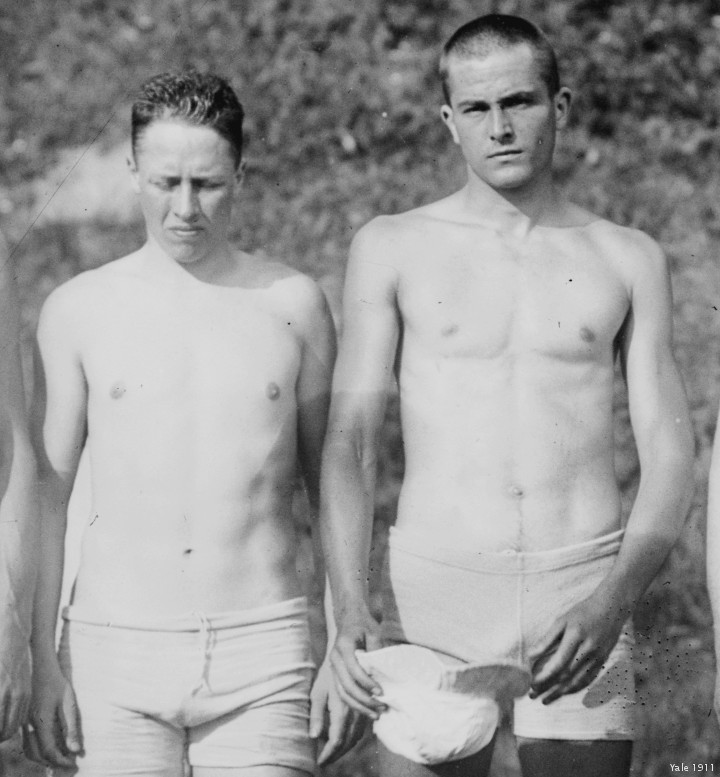


The Base of All Metaphysics
And now gentlemen,
A word I give to remain in your memories and minds,
As base and finale too for all metaphysics.
(So to the students the old professor,
At the close of his crowded course.)
Having studied the new and antique, the Greek and Germanic systems,
Kant having studied and stated, Fichte and Schelling and Hegel,
Stated the lore of Plato, and Socrates greater than Plato,
And greater than Socrates sought and stated, Christ divine having studied long,
I see reminiscent to-day those Greek and Germanic systems,
See the philosophies all, Christian churches and tenets see,
Yet underneath Socrates clearly see, and underneath Christ the divine I see,
The dear love of man for his comrade, the attraction of friend to friend,
Of the well-married husband and wife, of children and parents,
Of city for city and land for land.
Recorders Ages Hence
Recorders ages hence,
Come, I will take you down underneath this impassive exterior,
I will tell you what to say of me,
Publish my name and hang up my picture as that of the tenderest lover,
The friend the lover’s portrait, of whom his friend his lover was fondest,
Who was not proud of his songs, but of the measureless ocean of love within him,
and freely pour’d it forth,
Who often walk’d lonesome walks thinking of his dear friends, his lovers,
Who pensive away from one he lov’d often lay sleepless and dissatisfied at night,
Who knew too well the sick, sick dread lest the one he lov’d might
secretly be indifferent to him,
Whose happiest days were far away through fields, in woods, on hills,
he and another wandering hand in hand, they twain apart from other men,
Who oft as he saunter’d the streets curv’d with his arm the shoulder of his friend,
while the arm of his friend rested upon him also.
When I Heard at the Close of the Day
When I heard at the close of the day how my name had been receiv’d
with plaudits in the capitol,
still it was not a happy night for me that follow’d,
And else when I carous’d, or when my plans were accomplish’d,
still I was not happy,
But the day when I rose at dawn from the bed of perfect health,
refresh’d, singing, inhaling the ripe breath of autumn,
When I saw the full moon in the west grow pale and disappear in the morning light,
When I wander’d alone over the beach, and undressing bathed,
laughing with the cool waters, and saw the sun rise,
And when I thought how my dear friend my lover was on his way coming,
O then I was happy,
O then each breath tasted sweeter, and all that day my food nourish’d me more,
and the beautiful day pass’d well,
And the next came with equal joy, and with the next at evening came my friend,
And that night while all was still I heard the waters roll slowly
continually up the shores,
I heard the hissing rustle of the liquid and sands as directed to me
whispering to congratulate me,
For the one I love most lay sleeping by me under the same cover in the cool night,
In the stillness in the autumn moonbeams his face was inclined toward me,
And his arm lay lightly around my breast—and that night I was happy.
Are You the New Person Drawn Toward Me?
Are you the new person drawn toward me?
To begin with take warning, I am surely far different from what you suppose;
Do you suppose you will find in me your ideal?
Do you think it so easy to have me become your lover?
Do you think the friendship of me would be unalloy’d satisfaction?
Do you think I am trusty and faithful?
Do you see no further than this facade, this smooth and tolerant manner of me?
Do you suppose yourself advancing on real ground toward a real heroic man?
Have you no thought O dreamer that it may be all maya, illusion?
Roots and Leaves Themselves Alone
Roots and leaves themselves alone are these,
Scents brought to men and women from the wild woods and pond-side,
Breast-sorrel and pinks of love,
fingers that wind around tighter than vines,
Gushes from the throats of birds hid in the foliage of trees as the sun is risen,
Breezes of land and love set from living shores to you on the living sea,
to you O sailors!
Frost-mellow’d berries and Third-month twigs offer’d fresh to young
persons wandering out in the fields when the winter breaks up,
Love-buds put before you and within you whoever you are,
Buds to be unfolded on the old terms,
If you bring the warmth of the sun to them they will open and bring form,
color, perfume, to you,
If you become the aliment and the wet they will become flowers,
fruits, tall branches and trees.
Not Heat Flames Up and Consumes
Not heat flames up and consumes,
Not sea-waves hurry in and out,
Not the air delicious and dry, the air of ripe summer,
bears lightly along white down-balls of myriads of seeds,
Waited, sailing gracefully, to drop where they may;
Not these, O none of these more than the flames of me, consuming,
burning for his love whom I love,
O none more than I hurrying in and out;
Does the tide hurry, seeking something, and never give up? O I the same,
O nor down-balls nor perfumes, nor the high rain-emitting clouds,
are borne through the open air,
Any more than my soul is borne through the open air,
Wafted in all directions O love, for friendship, for you.
Trickle Drops
Trickle drops! my blue veins leaving!
O drops of me! trickle, slow drops,
Candid from me falling, drip, bleeding drops,
From wounds made to free you whence you were prison’d,
From my face, from my forehead and lips,
From my breast, from within where I was conceal’d,
press forth red drops, confession drops,
Stain every page, stain every song I sing, every word I say, bloody drops,
Let them know your scarlet heat, let them glisten,
Saturate them with yourself all ashamed and wet,
Glow upon all I have written or shall write, bleeding drops,
Let it all be seen in your light, blushing drops.
City of Orgies
City of orgies, walks and joys,
City whom that I have lived and sung in your midst will one day make
Not the pageants of you, not your shifting tableaus,
your spectacles, repay me,
Not the interminable rows of your houses, nor the ships at the wharves,
Nor the processions in the streets,
nor the bright windows with goods in them,
Nor to converse with learn’d persons, or bear my share in the soiree or feast;
Not those, but as I pass O Manhattan,
your frequent and swift flash of eyes offering me love,
Offering response to my own—these repay me,
Lovers, continual lovers, only repay me.
Behold This Swarthy Face
Behold this swarthy face, these gray eyes,
This beard, the white wool unclipt upon my neck,
My brown hands and the silent manner of me without charm;
Yet comes one a Manhattanese and ever at parting kisses me lightly
on the lips with robust love,
And I on the crossing of the street or on the ship’s deck
give a kiss in return,
We observe that salute of American comrades land and sea,
We are those two natural and nonchalant persons.
I Saw in Louisiana a Live-Oak Growing
I saw in Louisiana a live-oak growing,
All alone stood it and the moss hung down from the branches,
Without any companion it grew there uttering joyous of dark green,
And its look, rude, unbending, lusty, made me think of myself,
But I wonder’d how it could utter joyous leaves standing alone there
without its friend near, for I knew I could not,
And I broke off a twig with a certain number of leaves upon it
and twined around it a little moss,
And brought it away, and I have placed it in sight in my room,
It is not needed to remind me as of my own dear friends,
(For I believe lately I think of little else than of them,)
Yet it remains to me a curious token, it makes me think of manly love;
For all that, and though the live-oak glistens there in Louisiana
solitary in a wide in a wide flat space,
Uttering joyous leaves all its life without a friend a lover near,
I know very well I could not.
To a Stranger
Passing stranger! you do not know how longingly I look upon you,
You must be he I was seeking, or she I was seeking,
(it comes to me as of a dream,)
I have somewhere surely lived a life of joy with you,
All is recall’d as we flit by each other, fluid, affectionate, chaste, matured,
You grew up with me, were a boy with me or a girl with me,
I ate with you and slept with you, your body has become not yours only
nor left my body mine only,
You give me the pleasure of your eyes, face, flesh, as we pass,
you take of my beard, breast, hands, in return,
I am not to speak to you, I am to think of you when I sit alone
or wake at night alone,
I am to wait, I do not doubt I am to meet you again,
I am to see to it that I do not lose you.
This Moment Yearning and Thoughtful
This moment yearning and thoughtful sitting alone,
It seems to me there are other men in other lands yearning and thoughtful,
It seems to me I can look over and behold them in Germany, Italy, France, Spain,
Or far, far away, in China, or in Russia or talking other dialects,
And it seems to me if I could know those men I should become
attached to them as I do to men in my own lands,
O I know we should be brethren and lovers,
I know I should be happy with them.
I Hear It Was Charged Against Me
I hear it was charged against me that I sought to destroy institutions,
But really I am neither for nor against institutions,
(What indeed have I in common with them?
or what with the destruction of them?)
Only I will establish in the Mannahatta and in every city of these
States inland and seaboard,
And in the fields and woods, and above every keel little or large
that dents the water,
Without edifices or rules or trustees or any argument,
The institution of the dear love of comrades.
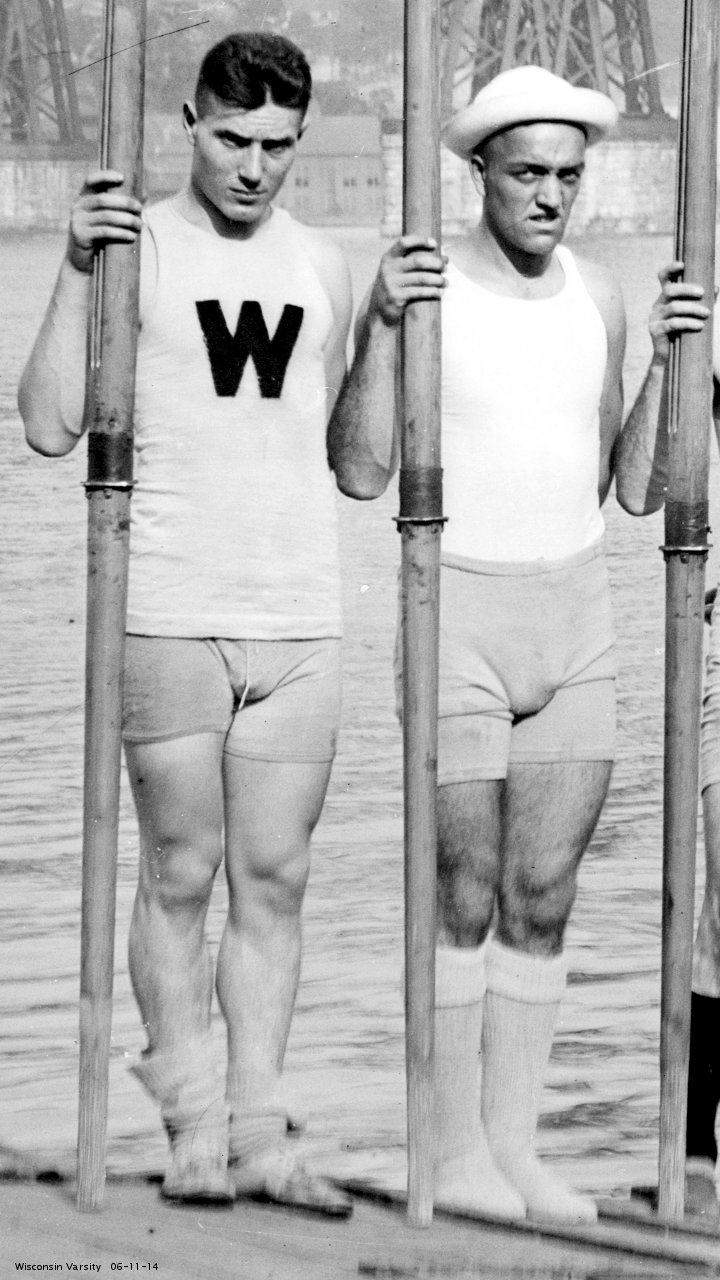


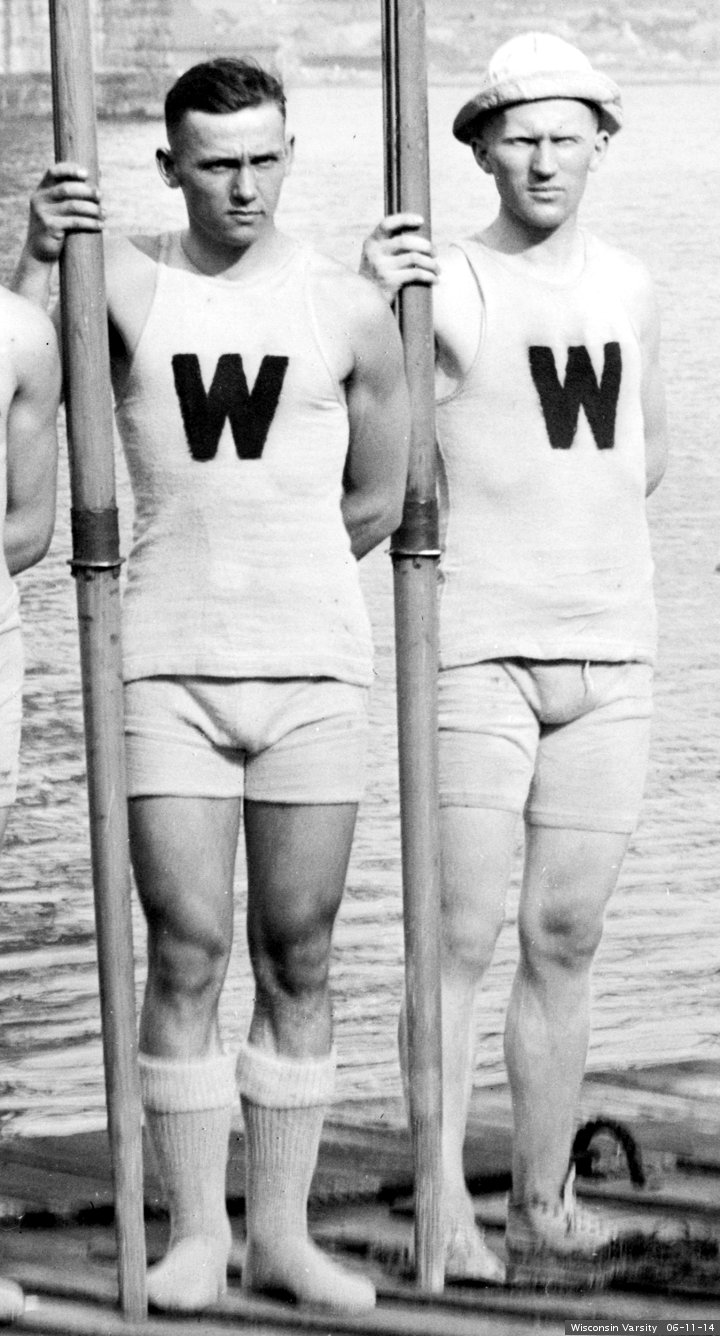

The Prairie-Grass Dividing
The prairie-grass dividing, its special odor breathing,
I demand of it the spiritual corresponding,
Demand the most copious and close companionship of men,
Demand the blades to rise of words, acts, beings,
Those of the open atmosphere, coarse, sunlit, fresh, nutritious,
Those that go their own gait, erect, stepping with freedom and command,
leading not following,
Those with a never-quell’d audacity, those with sweet and lusty
flesh clear of taint,
Those that look carelessly in the faces of Presidents and governors,
as to say Who are you?
Those of earth-born passion, simple, never constrain’d, never obedient,
Those of inland America.
When I Peruse the Conquer’d Fame
When I peruse the conquer’d fame of heroes and the victories of mighty generals,
I do not envy the generals,
Nor the President in his Presidency, nor the rich in his great house,
But when I hear of the brotherhood of lovers, how it was with them,
How together through life, through dangers, odium, unchanging,
long and long,
Through youth and through middle and old age, how unfaltering,
how affectionate and faithful they were,
Then I am pensive—I hastily walk away fill’d with the bitterest envy.
We Two Boys Together Clinging
We two boys together clinging,
One the other never leaving,
Up and down the roads going, North and South excursions making,
Power enjoying, elbows stretching, fingers clutching,
Arm’d and fearless, eating, drinking, sleeping, loving.
No law less than ourselves owning, sailing, soldiering, thieving, threatening,
Misers, menials, priests alarming, air breathing, water drinking,
on the turf or the sea-beach dancing,
Cities wrenching, ease scorning, statutes mocking, feebleness chasing,
Fulfilling our foray.
A Promise to California
A promise to California,
Or inland to the great pastoral Plains, and on to Puget sound and Oregon;
Sojourning east a while longer, soon I travel toward you, to remain,
to teach robust American love,
For I know very well that I and robust love belong among you,
inland, and along the Western sea;
For these States tend inland and toward the Western sea, and I will also.
Here the Frailest Leaves of Me
Here the frailest leaves of me and yet my strongest lasting,
Here I shade and hide my thoughts, I myself do not expose them,
And yet they expose me more than all my other poems.
No Labor-Saving Machine
No labor-saving machine,
Nor discovery have I made,
Nor will I be able to leave behind me any wealthy bequest to found
hospital or library,
Nor reminiscence of any deed of courage for America,
Nor literary success nor intellect; nor book for the book-shelf,
But a few carols vibrating through the air I leave,
For comrades and lovers.
A Glimpse
A glimpse through an interstice caught,
Of a crowd of workmen and drivers in a bar-room
around the stove late of a winter night,
and I unremark’d seated in a corner,
Of a youth who loves me and whom I love,
silently approaching and seating himself near,
that he may hold me by the hand,
A long while amid the noises of coming and going,
of drinking and oath and smutty jest,
There we two, content, happy in being together, speaking little,
perhaps not a word.
A Leaf for Hand in Hand
A leaf for hand in hand;
You natural persons old and young!
You on the Mississippi and on all the branches and bayous of the Mississippi!
You friendly boatmen and mechanics! you roughs!
You twain! and all processions moving along the streets!
I wish to infuse myself among you till I see it common for you to
walk hand in hand.
Earth, My Likeness
Earth, my likeness,
Though you look so impassive, ample and spheric there,
I now suspect that is not all;
I now suspect there is something fierce in you eligible to burst forth,
For an athlete is enamour’d of me, and I of him,
But toward him there is something fierce
and terrible in me eligible to burst forth,
I dare not tell it in words, not even in these songs.
I Dream’d in a Dream
I dream’d in a dream I saw a city invincible to the attacks
of the whole of the rest of the earth,
I dream’d that was the new city of Friends,
Nothing was greater there than the quality of robust love, it led the rest,
It was seen every hour in the actions of the men of that city,
And in all their looks and words.
What Think You I Take My Pen in Hand?
What think you I take my pen in hand to record?
The battle-ship, perfect-model’d, majestic,
that I saw pass the offing to-day under full sail?
The splendors of the past day? or the splendor of the night that envelops me?
Or the vaunted glory and growth of the great city spread around me? —no;
But merely of two simple men I saw to-day on the pier in the midst of the crowd,
parting the parting of dear friends,
The one to remain hung on the other’s neck and passionately kiss’d him,
While the one to depart tightly prest the one to remain in his arms.
To the East and to the West
To the East and to the West,
To the man of the Seaside State and of Pennsylvania,
To the Kanadian of the north, to the Southerner I love,
These with perfect trust to depict you as myself, the germs are in all men,
I believe the main purport of these States is to found a superb friendship,
exalte, previously unknown,
Because I perceive it waits, and has been always waiting, latent in all men.
Sometimes with One I Love
Sometimes with one I love I fill myself with rage for fear
I effuse unreturn’d love,
But now I think there is no unreturn’d love,
the pay is certain one way or another,
(I loved a certain person ardently and my love was not return’d,
Yet out of that I have written these songs.)
To a Western Boy
Many things to absorb I teach to help you become eleve of mine;
Yet if blood like mine circle not in your veins,
If you be not silently selected by lovers and do not silently select lovers,
Of what use is it that you seek to become eleve of mine?
Fast Anchor’d Eternal O Love!
Fast-anchor’d eternal O love! O woman I love!
O bride! O wife! more resistless than I can tell, the thought of you!
Then separate, as disembodied or another born,
Ethereal, the last athletic reality, my consolation,
I ascend, I float in the regions of your love O man,
O sharer of my roving life.
Among the Multitude
Among the men and women the multitude,
I perceive one picking me out by secret and divine signs,
Acknowledging none else, not parent, wife, husband, brother, child,
any nearer than I am,
Some are baffled, but that one is not—that one knows me.
Ah lover and perfect equal,
I meant that you should discover me so by faint indirections,
And I when I meet you mean to discover you by the like in you.
O You Whom I Often and Silently Come
O you whom I often and silently come where you are that I may be with you,
As I walk by your side or sit near, or remain in the same room with you,
Little you know the subtle electric fire that for your sake is
playing within me.
That Shadow My Likeness
That shadow my likeness that goes to and fro seeking a livelihood,
chattering, chaffering,
How often I find myself standing and looking at it where it flits,
How often I question and doubt whether that is really me;
But among my lovers and caroling these songs,
O I never doubt whether that is really me.
Full of Life Now
Full of life now, compact, visible,
I, forty years old the eighty-third year of the States,
To one a century hence or any number of centuries hence,
To you yet unborn these, seeking you.
When you read these I that was visible am become invisible,
Now it is you, compact, visible, realizing my poems, seeking me,
Fancying how happy you were if I could be with you and become your comrade;
Be it as if I were with you. (Be not too certain but I am now with you.)
Poems are from Leaves of Grass, Book V: Calamus
By Walt Whitman, Born May 31, 1819
Text is courtesy of Project Gutenberg.
Formatting of text, and pictures, by Chamblee 54.
Pictures from The Library of Congress.

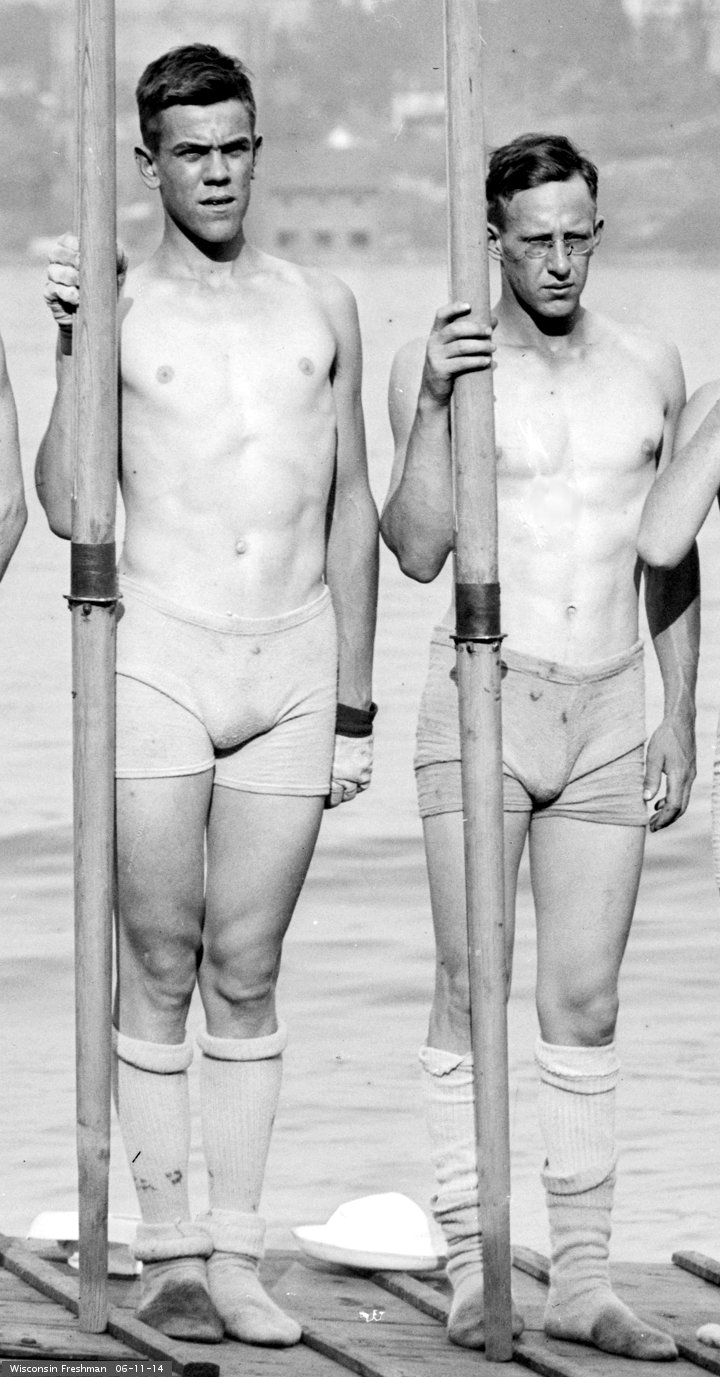

Duane Allman And The Coricidin Bottle




Gregg Allman appeared on Live Talks LA, selling a book, My Cross to Bear. Yes, he was coherent. Mr.Allman says something about going through rehab seventeen times. No one argues disputes that he has had an interesting life. This remarkable life ended May 27, 2017. RIP
The chat has a few parts left out. Dicky Betts and Cher are not mentioned. The title of “strangest dude I ever met” goes to Jai Johanny “Jaimoe” Johanson, aka the black guy in the group. Gregg says he used to listen to stuff by Roland Kirk.
The story of Duane Allman learning to play slide guitar is good. Duane was sick. Gregg came to see his brother, who was playing the guitar in a new way. It seems the doctor had given him some pills called Coricidin. You take the pills out of the glass bottle, soak the label off, and you have a guitar slider.
When PG was a kid, his uncle was a representative for the company that sold Coriciden. There were boxes of samples in the house, which all came in the glass bottle. PG had not heard that name for forty eight years. The spell check suggestion is Coincidence.
Not everyone at amazon was impressed by the book. “the book was so damged the binding and jacket were ripped that a did not read the book and will not buy an more nick malick.”
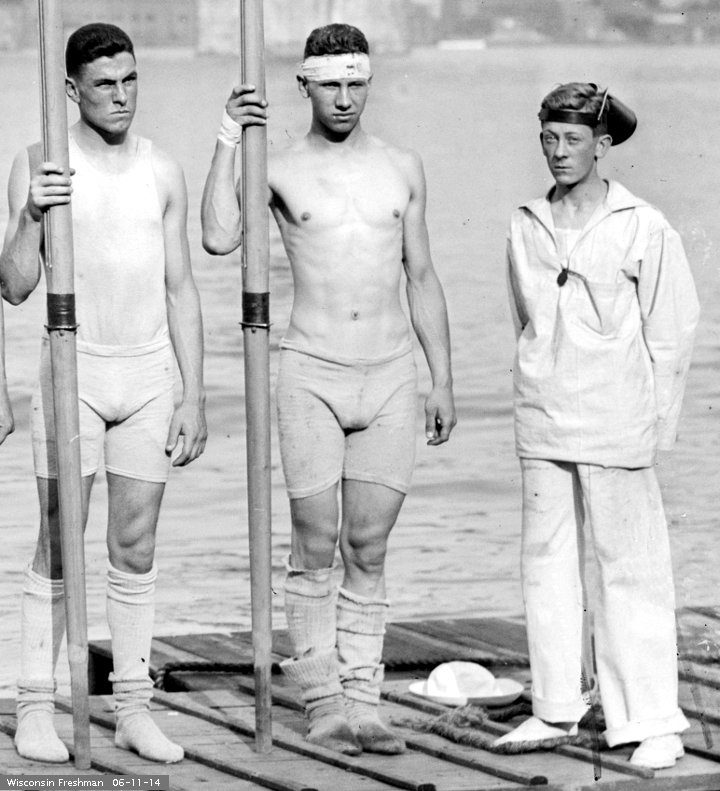
This is a repost, with pictures from The Library of Congress. There are two group shots, broken down into smaller images. One is a graduating class of a nursing school at Georgetown University. The photographer lists the date as between 1905 and 1945.
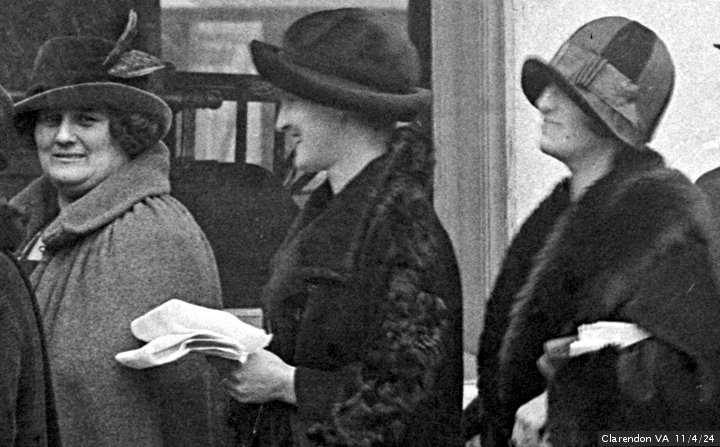
The other image is a line of people waiting to vote. The well dressed citizens are in Clarenden VA. The date is November 4, 1924. The democratic presidential candidate, John W. Davis, was nominated on the 103rd ballot of the democratic convention. He lost to Calvin Coolidge.




Mark Twain Double Feature

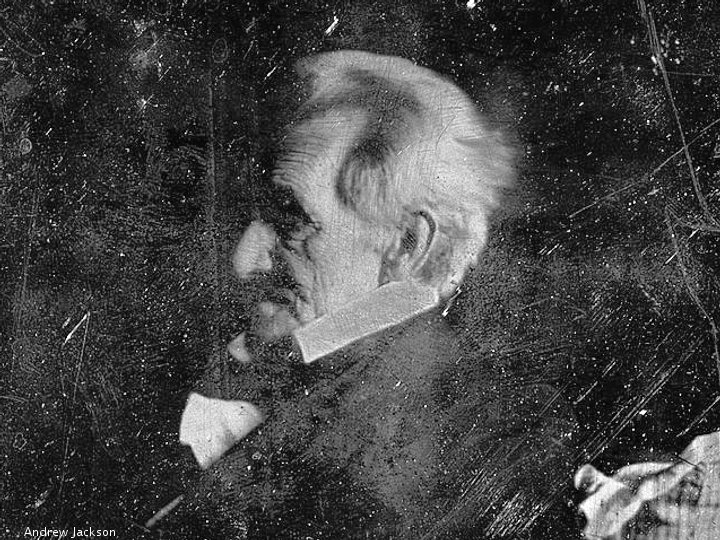

In honor of the National Day of Prayer , Chamblee54 presents two reruns, both based on the words of Mark Twain. Pictures are from The Library of Congress.
One hundred and fifteen years ago, the United States was involved in a war, that did not want to end. This conflict was in the Philippines. Although there had been an official end to the war, guerrillas continued to fight the Americans. The war was a nasty affair, with many atrocities.
The War against the Philippine people was a souvenir of the Spanish American War. There had been a rebellion against Spanish rule in the islands. After the American forces routed the Spanish, the rebellion shifted to the American occupiers. It was a war stumbled into, and difficult to end.
Mark Twain was horrified. He wrote a story, The War Prayer. As Lew Rockwell tells the tale
“Twain wrote The War Prayer during the US war on the Philippines. It was submitted for publication, but on March 22, 1905, Harper’s Bazaar rejected it as “not quite suited to a woman’s magazine.” Eight days later, Twain wrote to his friend Dan Beard, to whom he had read the story, “I don’t think the prayer will be published in my time. None but the dead are permitted to tell the truth.” Because he had an exclusive contract with Harper & Brothers, Mark Twain could not publish “The War Prayer” elsewhere and it remained unpublished until 1923.”
HT to David Crosby and his autobiography, “Since Then“. A book report is forthcoming.
Getting back to “A War Prayer“, the story starts in a church. A war has started, and is popular. The troops leave for glory the next day. The preacher has an emotional prayer to send them on their way. Unknown to the minister, there is a visitor. “An aged stranger entered and moved with slow and noiseless step up the main aisle, his eyes fixed upon the minister, his long body clothed in a robe that reached to his feet, his head bare, his white hair descending in a frothy cataract to his shoulders, his seamy face unnaturally pale, pale even to ghastliness. With all eyes following him and wondering, he made his silent way; without pausing, he ascended to the preacher’s side and stood there, waiting.
With shut lids the preacher, unconscious of his presence, continued his moving prayer, and at last finished it with the words, uttered in fervent appeal,” Bless our arms, grant us the victory, O Lord our God, Father and Protector of our land and flag!”
The stranger motioned to the preacher to step aside. The stranger stepped into the pulpit, and claimed to have a message for the worshipers, sent directly from G-d. The preacher’s message was for support in time of war, and implied that G-d and the preacher support the same side in this conflict. There is an unspoken part to a prayer like this. This unspoken part was what the stranger was going to put into words.
“”O Lord our Father, our young patriots, idols of our hearts, go forth to battle – be Thou near them! With them, in spirit, we also go forth from the sweet peace of our beloved firesides to smite the foe.
O Lord our God, help us to tear their soldiers to bloody shreds with our shells; help us to cover their smiling fields with the pale forms of their patriot dead; help us to drown the thunder of the guns with the shrieks of their wounded, writhing in pain; help us to lay waste their humble homes with a hurricane of fire; help us to wring the hearts of their unoffending widows with unavailing grief; help us to turn them out roofless with their little children to wander unfriended the wastes of their desolated land in rags and hunger and thirst, sports of the sun flames of summer and the icy winds of winter, broken in spirit, worn with travail, imploring Thee for the refuge of the grave and denied it-
for our sakes who adore Thee, Lord, blast their hopes, blight their lives, protract their bitter pilgrimage, make heavy their steps, water their way with their tears, stain the white snow with the blood of their wounded feet!
We ask it, in the spirit of love, of Him Who is the Source of Love, and Who is ever-faithful refuge and friend of all that are sore beset and seek His aid with humble and contrite hearts. Amen.”
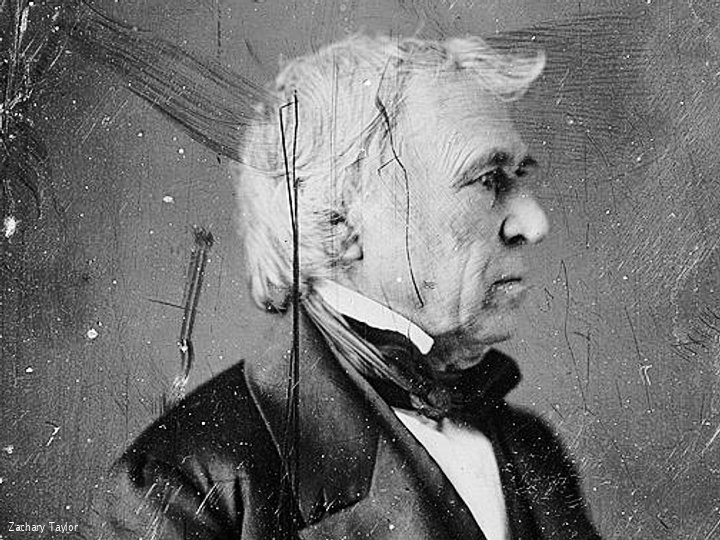
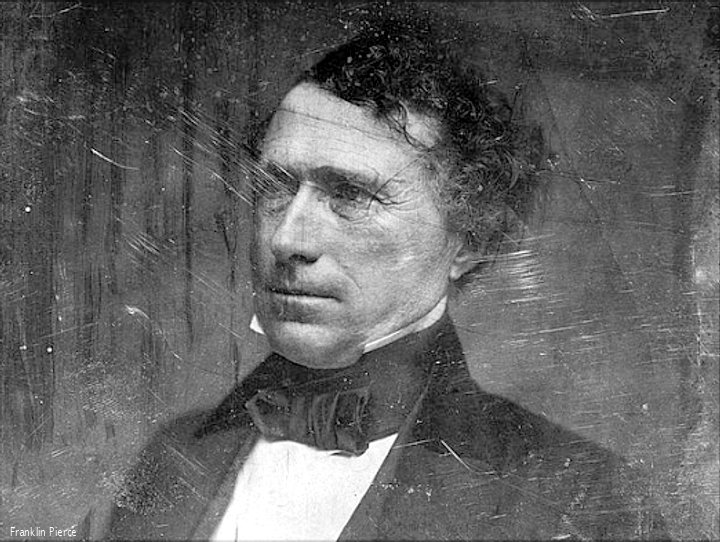

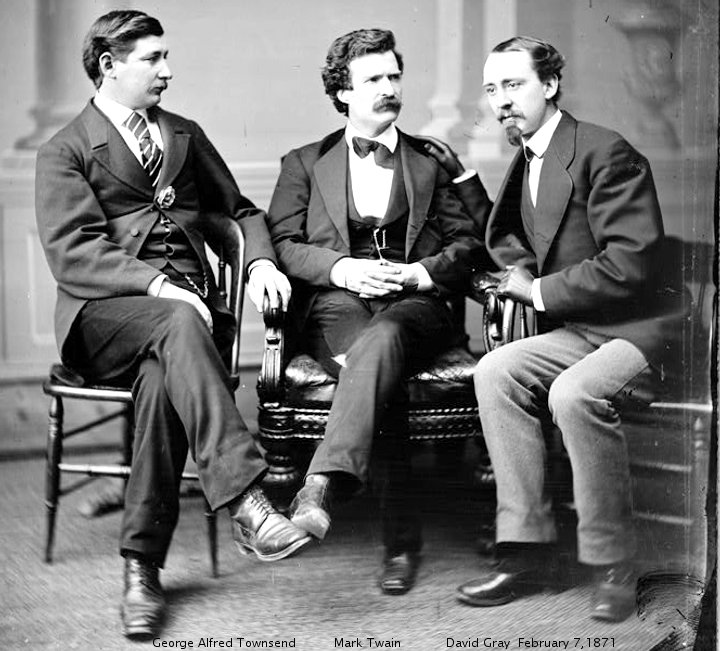
Mark Twain wrote a lot during the American Genocide in the Philippines. Many of his words could apply today. War has gotten more high tech…for our side…, but the bottom line is the same. No matter how fancy the weapons get, the casualties are just as dead. And the investors make money.
Mine eyes have seen the orgy of the launching of the Sword;
He is searching out the hoardings where the stranger’s wealth is stored;
He hath loosed his fateful lightnings, and with woe and death has scored;
His lust is marching on.
I have seen him in the watch-fires of a hundred circling camps;
They have builded him an altar in the Eastern dews and damps;
I have read his doomful mission by the dim and flaring lamps —
His night is marching on.
I have read his bandit gospel writ in burnished rows of steel:
“As ye deal with my pretensions, so with you my wrath shall deal;
Let the faithless son of Freedom crush the patriot with his heel;
Lo, Greed is marching on!”
We have legalized the strumpet and are guarding her retreat;
Greed is seeking out commercial souls before his judgement seat;
O, be swift, ye clods, to answer him! be jubilant my feet!
Our g-d is marching on!
In a sordid slime harmonious Greed was born in yonder ditch,
With a longing in his bosom — and for others’ goods an itch.
As Christ died to make men holy, let men die to make us rich —
Our g-d is marching on.


Methods Of Capital Punishment






This chamblee54 feature discusses various methods used to put condemned criminals to death. This report gets a bit gross at times. If you want to skip over the text, you will be excused. Chamblee54 has written about lethal injection problems one, two, three, four, five, six, seven times. In 2007, the New York Times published The Needle and the Damage Done, which discusses these issues in detail. Pictures today are from The Library of Congress. This is a repost.
One of the odder parts of tonight’s scheduled execution is the request of J.W. Ledford to be shot, instead of poisoned. Al Jazeera is one of many to report the story. JW Ledford Jr lawyers want firing squad, not injection “J.W. Ledford, 45, suffers from chronic nerve pain that has been treated with increasing doses of the prescription drug gabapentin for more than a decade, his lawyers said in a federal case filed on Thursday. They cited experts who said long-term exposure to gabapentin alters brain chemistry, making pentobarbital unreliable to render him unconscious and devoid of sensation or feeling. “Accordingly, there is a substantial risk that Mr Ledford will be aware and in agony as the pentobarbital attacks his respiratory system, depriving his brain, heart, and lungs of oxygen as he drowns in his own saliva,” the legal case said. That would violate the prohibition on cruel and unusual punishment in the Eighth Amendment of the US Constitution, Ledford’s lawyers argued.”
Is the firing squad more humane than lethal injection? One is certainly messier than the other. The appearance to the observer is important. People want executions to be neat and tidy, with the executee in minimal pain. This is one reason for chemical agent number two in the three drug lethal cocktail. A paralytic is used, so that people won’t see the soon-to-be-deceased thrashing about as the heart is chemically shut down.
The firing squad is fast. Ammunition does not need to be purchased from a compounding pharmacy. Any pain will be over very quickly. In his book “In his book ‘Elephants on Acid: And Other Bizarre Experiments’, Alex Boese states that in the 1938 execution of John Deering, the prison physician monitoring the inmate’s heartbeat reported that the time between the shots and complete cessation of rhythm was a mere 15 seconds.” The idea is for the marksmen to shoot the prisoner in the heart.
Hanging is another time honored method of execution. If done properly, it is very efficient. Of course this is the government at work, so things do not always go smoothly. Hanging has unfortunate visuals, and is associated with lynching. It is not well thought of today.
“The modern method of judicial hanging is called the long drop. … In the long drop, those planning the execution calculate the drop distance required to break the subject’s neck based on his or her weight, height and build. They typically aim to get the body moving quickly enough after the trap door opens to produce between 1,000 and 1,250 foot-pounds of torque on the neck when the noose jerks tight. This distance can be anywhere from 5 to 9 feet. With the knot of the noose placed at the left side of the subject’s neck, under the jaw, the jolt to the neck at the end of the drop is enough to break or dislocate a neck bone called the axis, which in turn should sever the spinal cord.”
“Unfortunately, history shows that hanging is relatively easy to botch, particularly if the executioners make a mistake in their calculations. A rope that is too long can result in decapitation, whilst one that is too short can cut off breathing and blood flow through the carotid arteries in the neck. In these circumstances loss of consciousness is not always as quick, and the condemned can end up struggling for nearly 30 minutes.”
Hanging is still used in Iran. In Iran, prisoners are usually pulled up by their necks with the use of cranes. “It takes them many minutes to die, it’s a way of torturing them along with the execution,” Amiry-Moghaddam said. “Two years ago, a man had survived 14 minutes of hanging before dying. So hanging is not intended as the standard way of momentary pain. It’s not that they just die, it is a slow strangulation.” Many death penalty advocates approve of the added suffering.
The twentieth century gave us two modern methods of offing the condemned, the gas chamber, and the electric chair. “Lethal gas takes too long; the 1992 lethal-gas execution of Donald Harding in Arizona was so long — 11 minutes — and so grotesque that the attorney general threw up and the warden threatened to quit if he were required to execute someone by gas again. The electric chair often results in horrible odors and burns; in Florida, in the 1990s, at least two inmates heads’ caught fire, and the chair routinely left the body so thoroughly cooked that officials had to let the corpse cool before it could be removed.”
“First used to execute axe-murderer William Kemmler in 1890, a high voltage alternating current is applied to the body of the criminal, typically starting at 2,000 volts and 5 amps with the voltage varying periodically. This causes instant contraction and rigidity of the muscles, leading to a cessation of heart and lung activity.
The practice figured prominently in a dispute between Thomas Edison and George Westinghouse regarding the relative merits of direct vs. alternating current. Edison sought to prove that the latter was too dangerous and so decided to equip the new Electric Chair at America’s ‘Sing Sing’ prison with one of the his competitor’s AC generators. Unfortunately the inexperienced executioners drastically underestimated the amount of electricity required to effectively kill Kemmler. At first they only succeeded in burning him for 17 seconds, at the end of which he was still twitching. It took a second jolt for a further 70 seconds before he was finally pronounced dead. Westinghouse was later heard to comment, “they could have done better with an axe”.”
The Guillotine was popular in France for many years. At first glance, it would seem to be efficient, though messy. Closer examination reveals some problems. “Often the blade didn’t do its job and the victim was only injured. He would then either bleed to death or the blade would have to be cranked up and dropped again. … But even when the blade was quick and efficient, many witnesses said the victim’s head didn’t die instantly. Reports of grimacing, facial twitches, blinking eyes, mouth movements, and even speech from the severed head are numerous.” (A commenter to the linked post disputes this. Rumors that Robespierre was executed face up are probably false.)
“In 1905, Dr. Beaurieux reported on his close examination of Henri Languille’s guillotine execution. While he watched, the blade did its thing and Languille’s head dropped into the basket. Beaurieux had luck on his side when the head landed on its severed neck in an upright position. This allowed him to observe Languille’s face without having to touch the head or set it up right.
“The eyelids and lips of the guillotined man worked in irregularly rhythmic contractions for about five or six seconds” “I called in a strong, sharp voice: “Languille!” I saw the eyelids slowly lift up, without any spasmodic contractions……but with an even movement, quite distinct and normal, such as happens in everyday life, with people awakened or torn from their thoughts.” “Next Languille’s eyes very definitely fixed themselves on mine and the pupils focused themselves.”




Is Prayer That Great?


Prayer is not always a good idea.
That is up there with G-d and Motherhood, but somebody has to say it.
Many of my objections are in the phrase, “Prayer is talking to G-d, and Meditation is Listening.”. In our culture, we love to talk, and don’t have time to listen. Talking is yang, active, power. Listening is ying,receptive, passive, and indicates respect for the person you are paying attention to. This is difficult for many.
Of course, no one ever says “I am going to meditate for you”. Although maybe you should.
Prayer is used as an aggressive weapon. “I am going to pray for you” is the condescending conclusion of many a religious argument. I have had it shouted at me like a curse.
There is the matter of prayer as entertainment. While this may be cool to those who are on the program, it can be repulsive to others. Once I volunteered to lead the prayer before a dinner. The story is repeated below.
Now, prayer is not a completely bad thing. One of the cherished memories of my father is the brief, commonsense blessings he would give before meals. In the context of a church service, prayer plays a useful function. Some famous prayers are beautiful poetry. In Islam, the daily prayers are an important part of the observance. Who am I to say it is wrong?( A note to the Muslim haters, and opportunistic republicans …We are all G-d’s children.)
When someone is in a bad way, people want to think they can help. Arguably it does not hurt to pray for someone, but it is nothing to boast about.
My problem is when people are proud of their prayers. There are few as prideful as a “humble servant”. While it may mean something to you, not everyone is impressed. And in a religion obsessed with converting others, you should care what man thinks.


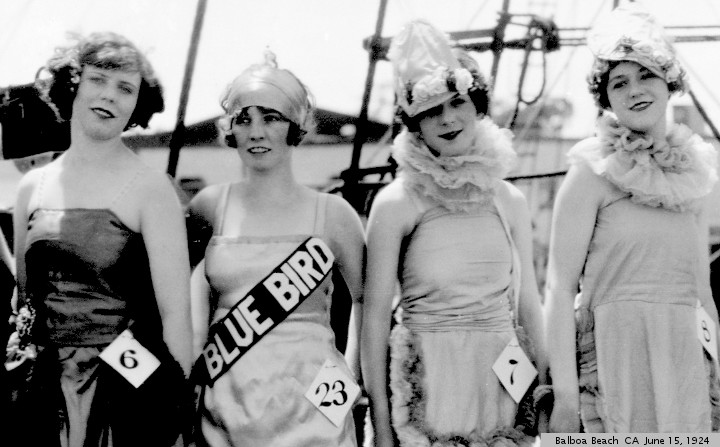
So much for world affairs. It is time to tell a story, with no moral and no redeeming social value.
In 1980, I was staying at a place called the Sea Haven Hostel, affectionately known as Sleaze Haven. This was in Seattle WA, as far as you can get from Atlanta, and still be in the lower 48. I was working through Manpower, and staying in a semi private room for $68 a month.
There was a Christian group that met in the basement on Sunday Night. Now, as some of you may know, I am a recovering baptist, who hasn’t been to church since 1971. However, the lure of a free meal was hard to resist, so I went to a few meetings.
One night, after doing quality control work on the local beer supply, I cheerfully joined in the discussion. This was the night when I realized that the Bible is not the Word of G-d. This concept has been very handy in dealing with the clumsy efforts of our Jesus-mad culture to convert me.
They seemed to like me, though, and welcomed me back. Maybe it was the southern accent.
One Sunday, after the dinner was finished , it was time to have a prayer to begin the meeting. I raised my hand.Now, Jesus Worshipers enjoy prayer as entertainment. When they bow their heads, you see them stretching and deep breathing, in anticipation of a good, lengthy, message to G-d.
My message was a bit of a disappointment. Instead of a long winded lecture about Jesus and the magic book, I said what was on my mind. “Lord, thank you for letting us be here today.” What else do you need to say? This double repost has pictures from The Library of Congress.


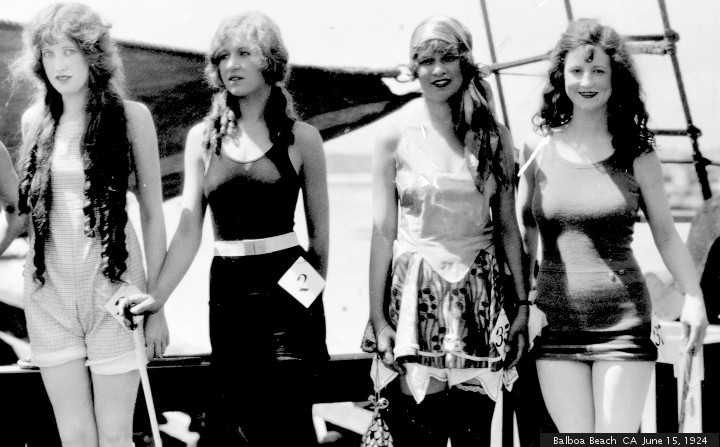

Destroy The Village To Save It


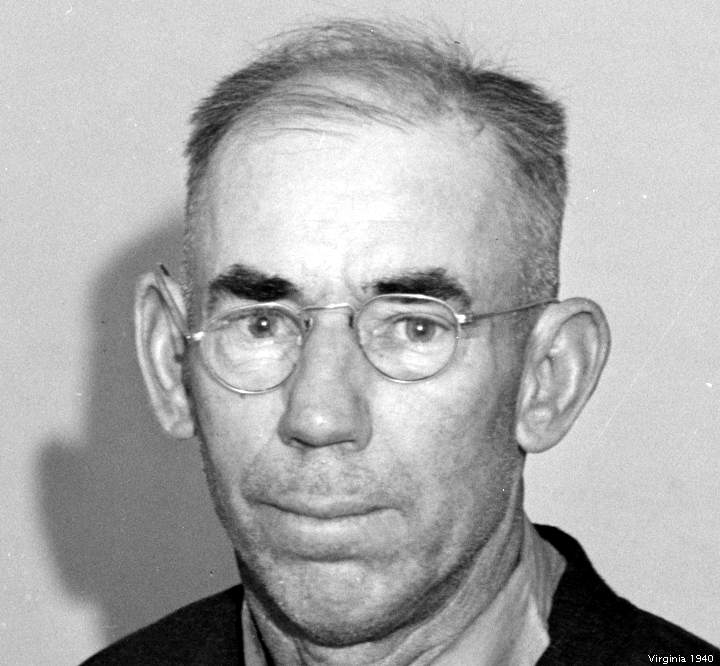
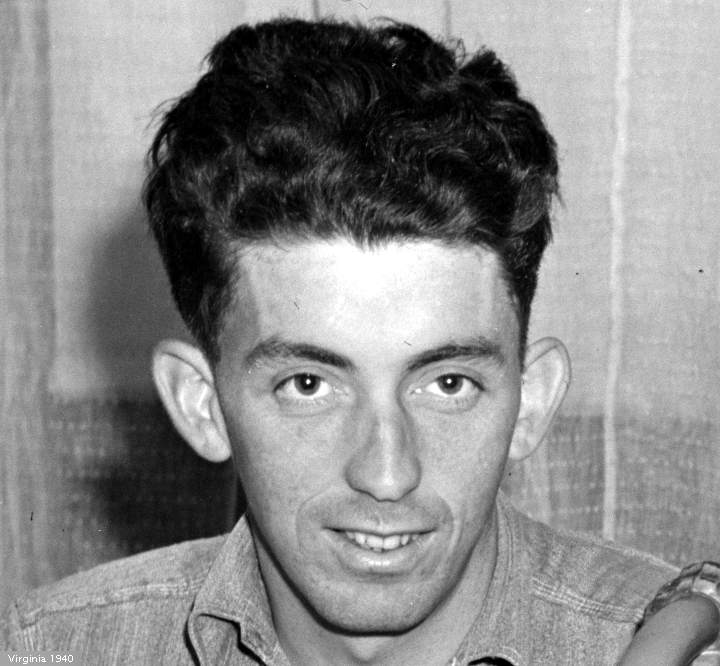


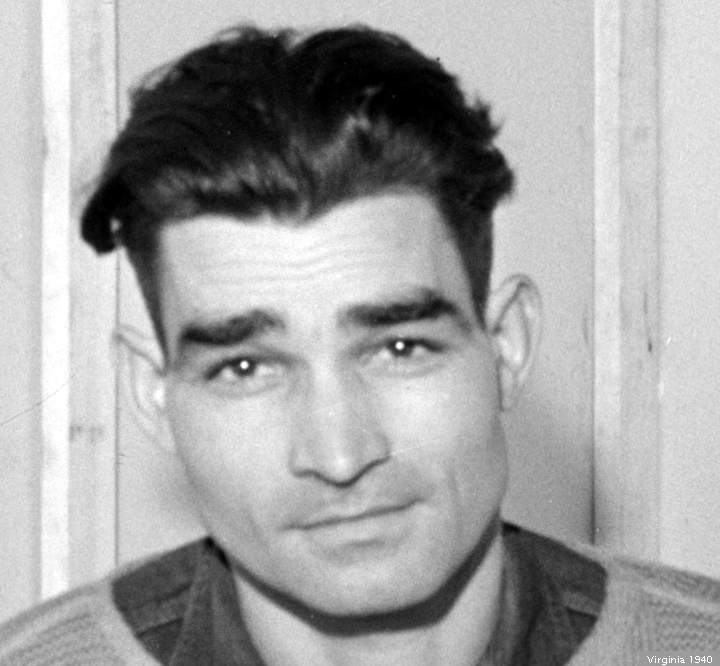
“It became necessary to destroy the town to save it.” This is one of the most familiar lines about the Vietnam War. It is often cited today, when discussing the response to COVID-19. Who said this?
It was “originally reported by Peter Arnett of the Associated Press, who quoted an unidentified American officer on why the village of Ben Tre was leveled during the Tet Offensive in early 1968. … A two-paragraph version of the AP dispatch was buried on page 14 of The New York Times, with no byline,” on Feb. 8, 1968. … “BENTRE, Feb. 7 (AP)― It became necessary to destroy the town to save it,” a United States major said today. He was talking about the decision by allied commanders to bomb and shell the town regardless of civilian casualties, to rout the Vietcong.”
“Almost instantly, however, the line was being misquoted everywhere. On Feb. 10, an Oregon newspaper rendered it “We had to destroy the village in order to save it.” Two weeks later the St. Louis Post-Dispatch reported on a group of protesters carrying a banner that read, “It Was Necessary to Destroy the Village in Order to Save It.” In whatever form, the words had become a mantra of the anti-war movement, a … summary of what was wrong with the entire Vietnam adventure.”
“The day before Arnett’s story ran, the Times’s James Reston had asked in his column, “How do we win by military force without destroying what we are trying to save?” … Associated Press itself had used a similar phrase almost exactly a year before Arnett’s dispatch. In late Jan. 1967, the AP distributed a wire photo of a different village with a caption that read in part: “The Americans meantime had started to destroy the village to deny it to the Viet Cong.” The photograph was published across the country. One wonders whether the officer Arnett was quoting had come across the caption the previous year.”
“But the actual father of the metaphor — the man who put it into roughly the form we know today — seems to have been Justice Edward White of the U.S. Supreme Court. In a 1908 decision known as the Employers’ Liability Cases, the justices were asked to give a narrow reading to a congressional enactment concerning common carriers in the District of Columbia. The court refused. The requested reading, according to White’s opinion for the majority, would in effect add a new clause to the statute. He then explained why doing so would be wrong: “To write into the act the qualifying words therefore would be but adding to its provisions in order to save it in one aspect, and thereby to destroy it in another — that is, to destroy in order to save, and to save in order to destroy.””
The fighting in Ben Tre took place during the Tet Offensive. This is widely seen as a turning point in America’s involvement in that conflict. “On January 30 1968 … the North Vietnamese and the Vietcong launched a massive military offensive that proved the battle raging in Southeast Asia was far from over, and that President Lyndon B. Johnson’s administration had grossly oversold American progress to the public. Although U.S. troops ultimately ended the offensive successfully, and the North Vietnamese and the Vietcong suffered brutal loses, these bloody weeks triggered a series of events that continue to undermine Americans’ confidence in their government.”
(CBS news anchor Walter) “Cronkite was so shocked at the devastation of the communists’ Tet offensive that he went over to see for himself what was really going on.” On February 27, 1968, “he concluded the war was a stalemate, probably unwinnable. … Lyndon Johnson was said to have watched the broadcast and exclaimed to his press secretary, George Christian, “If I have lost Walter Cronkite, I’ve lost Middle America.” Pictures today are from The Library of Congress.




A Pretty Monstrous Experience


“720”]
The display of a link on this page does not indicate approval of content.
Human: A Pretty Monstrous Experience and Blood Drive
UPDATE: GBI arrests man after social media threat to Ahmaud Arbery protests
EXCLUSIVE: Man who recorded shooting of Ahmaud Arbery speaks out
Scunthorpe Sans, a self-censoring font based on Aileron w/auto-censoring ligatures
I tell you I’m warming up to that girl
Megachurch Pastor Who Frequently Attacked Atheists Dies By Suicide
Crowds gather to buy new Air Jordans in Atlanta after lockdown lifted
The Story Behind Dylan Thomas’s “Do Not Go Gentle Into That Good Night”
Real Stories Of Called-Off Weddings You may not kiss the bride. CLICKBATE
New 911 call made by accused killer released in the Ahmaud Arbery case
Remembering the Nakba, 72 years on Harba Abu Zakri is a survivor.
Who Controls the Rainbow? Memoir By Stevie Phillips Revisits Judy Garland Myth
What 74 former Biden staffers think about Tara Reade’s allegations
LeBron James’ Teen Son Blasted For Preferring White & Latina Girls!!
LGBTQ entertainer, bar manager Regina Simms dies at 61
Greg McMichael lawyers: More than 1 video of Arbery shooting
YouTube bans Piper’s “Coronavirus and Christ” – “violating community guidelines”
Ahmaud Arbery’s Accused Murderer Was Encouraged by Cops to be a Vigilante
Caravan calling for justice in Ahmaud Arbery case to hold rally in Georgia today
The Virus, the Press, and the Comfortable Class
like to have those Trump days back again Trump was great … make Trump great again
What the Color ‘Haint Blue’ Means to the Descendants of Enslaved Africans
Forrest Gump ~ pickle surprise ~ GSEMH ~ handicap access ~ sweet tomatoes ~ slate arberry
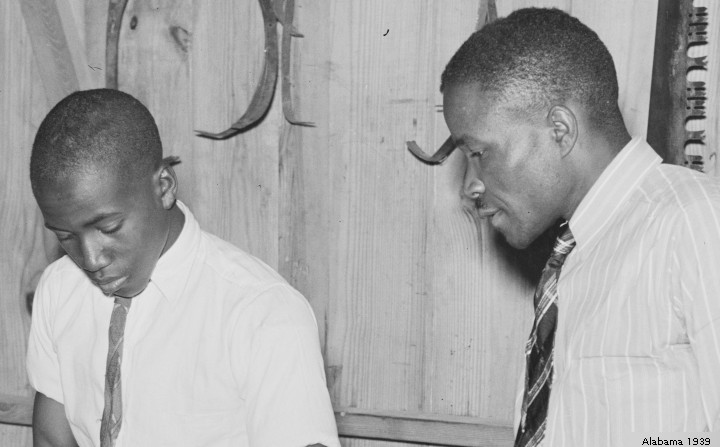
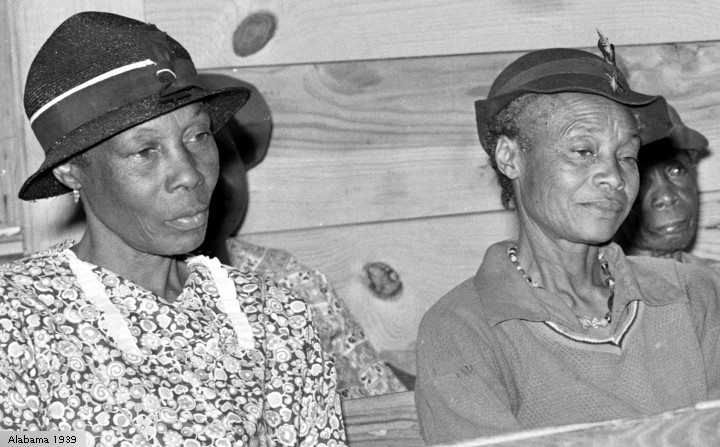
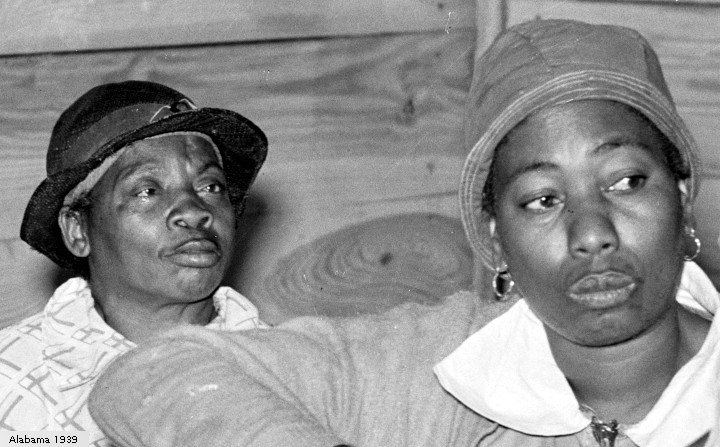
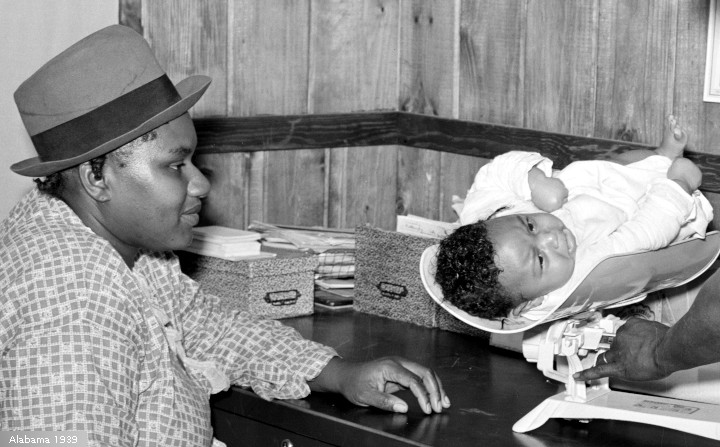
It is important to post the monday morning reader before noon. This week has an assortment of links about Ahmaud Arbery. I was wondering why this murder was getting more attention than the dozens of killings that take place every day. Then I edited this post. The third link from the top is an example. This case deserves some of the hysteria being devoted to the Arbery incident. You will not have to look very far to find more. ~ Nothing Is Certain, Except Death and Taxes (Great thanks to Luther Mckinnon whose tweet on this topic led QI to formulate this question and perform this exploration. Mckinnon pointed to the 1789 letter by Benjamin Franklin. Thanks also to Dave Hill who participated in the tweet thread. In addition, thanks to previous researchers such as Fred Shapiro who identified the Christopher Bullock and Edward Ward citations.) ~ @WISTquotes Travel, trouble, music, art, A kiss, a frock, a rhyme — I never said they feed my heart, But still they pass my time. Dorothy Parker (1893-1967) American writer “Faute de Mieux,” Enough Rope (1926) Faute de mieux means “for lack of something better or more desirable.” ~ “Men of faith know that throughout history the crimes committed in liberty’s name have been exceeded only by those committed in God’s name.” Mills E. Godwin, Governor of Virginia (Dec 1966) On KKK cross-burnings. Quoted in various papers of the time. ~ I just got a letter from the US Department of Treasury. From the moment I got it out of the mailbox, to the moment when I was able to open it, I was worried. When I looked inside the envelope, I saw a familiar signature at the bottom. The letter told me that the economic stimulus was on the way. That is interesting, because I got the check a couple of weeks ago. What a waste of money. A useless letter, from a useless president. ~ @TylerMahanCoe This info deserves to be public, so I unlocked last month’s Patreon update for everyone. The true and untold story of how “You Never Even Called My By My Name” was written & recorded, ft. John Prine, Steve Goodman and David Allan Coe. ~ @OverheardOnDuty Adam Slater stabbed his wife and took his one year old. He then got into a wreck when fleeing the scene with his one year old. A bystander tried to save his one year old out of the wrecked car and Adam stabbed him. Adam then threw his one year old off a cliff to die. Evil exists. ~ “JUST DISCOURSE: Do not bandy words with your father, nor treat him as a dotard, nor reproach the old man, who has cherished you, with his age.” Aristophanes (c.450-c.388 BC) Athenian comedic playwright Clouds, ll. 998-999 (423 BC) [tr. Athenian Soc. (1912)] ~ You must log in to this network before you access the internet ~ pictures today are from The Library of Congress. ~ selah


Hank Chinaski Lives

In the next quarter century, the surplus grew, thanks to Bukowski’s nearly graphomaniacal fecundity. “I usually write ten or fifteen [poems] at once,” he said, and he imagined the act of writing as a kind of entranced combat with the typewriter, as in his poem “cool black air”: “now I sit down to it and I bang it, I don’t use the light / touch, I bang it.”
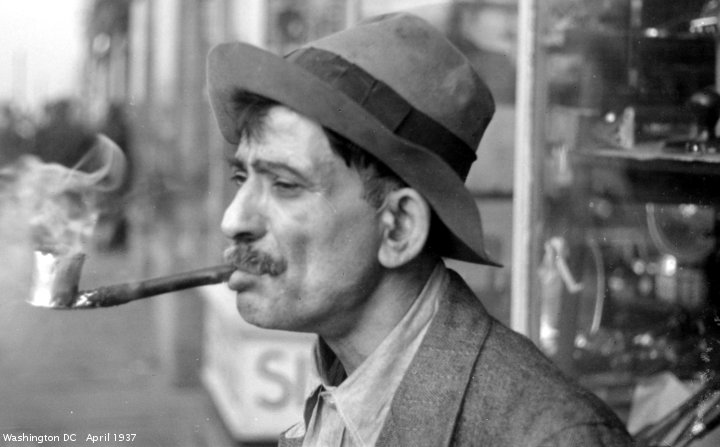
As could have been predicted, it started with a post at Dangerous Minds. The feature was about the late Charles Bukowski, who was called Hank by those who knew him. The writer/drunk had always been a bit of a fascination to PG. Out of the millions of useless drunks feeding the urinals of planet earth, at least one will turn out to have had literary merit.
A trip to Google city is made, and quotes from the bard are found, along with the wikipedia page. All of this leads to a New Yorker piece about the gentleman. After nine paragraphs, and two poems, there is the phrase that set off PG…graphomaniacal fecundity.(spell check suggestion:nymphomaniac)
As best as we can figure, g.f. means that Hank wrote a lot of stuff. This is a good thing. PG operates on the notion that if you keep your quantity up, the quality will take care of itself. Hank seems to agree, spitting out product “like hot turds the morning after a good beer drunk.” He seemed to take pride in doing what Truman Capote said about Jack Kerouac…he doesn’t write, he types.
If you google the phrase graphomaniacal fecundity, you can choose from 71 results. The top six apparently quote the article in New Yorker. A blogspot facility called poemanias quotes the paragraph from the New Yorker, with the title “On Bukowski’s afterlife”, while Fourhourhardon reprints the entire thing. Neither provide a link back to the original.
Goliath and Petey Luvs Blog take the same copy-paste approach. The first tries to get you to pay for more reading material. This forum also does the control A-C-V approach, but yields this comment : “He was a contemporary of the Beats, but not quite one of them because he was darker and not as willing to smoke a joint and sing Phil Ochs songs on the lower east side.” The truth is, Hank hated marijuana, and had the classic alcoholic attitude about it. So it goes. Keep and share copies the complete New Yorker feature, but has some other thumbsuckers about Mr. Bukowski.
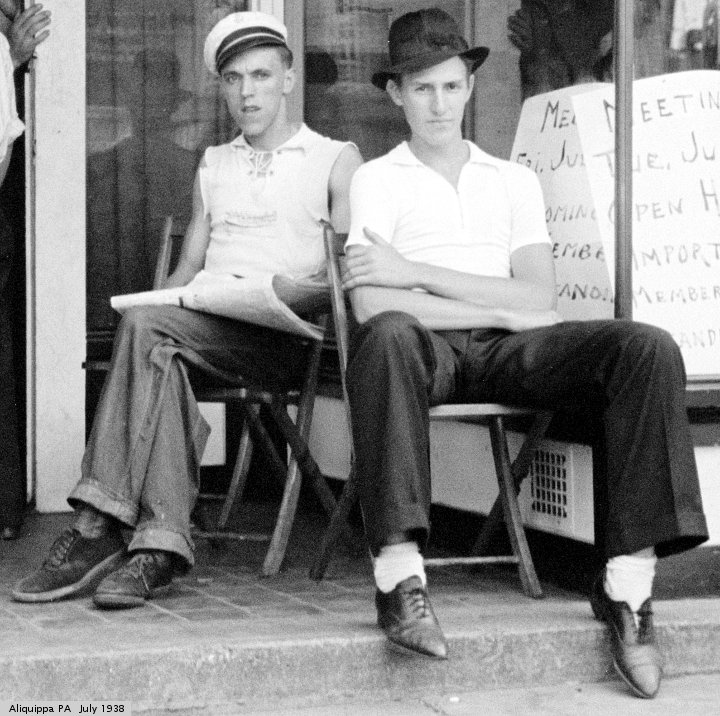

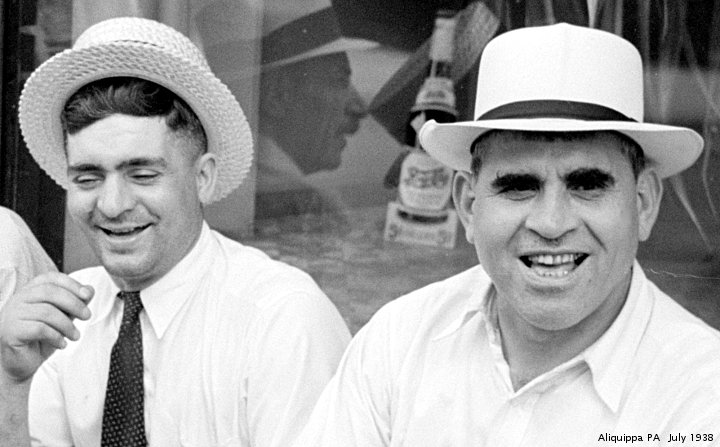
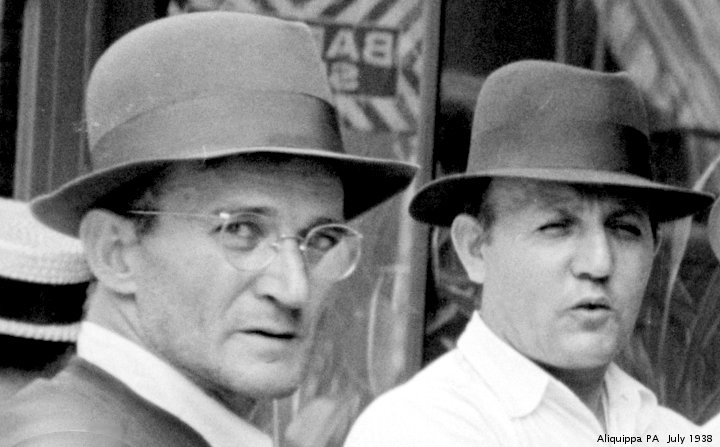
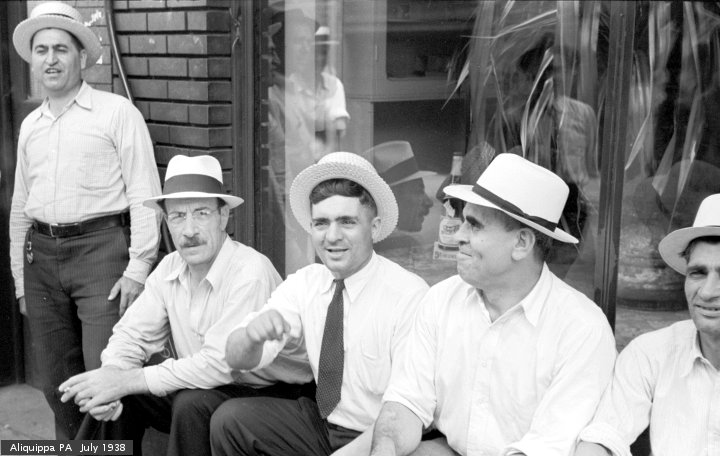
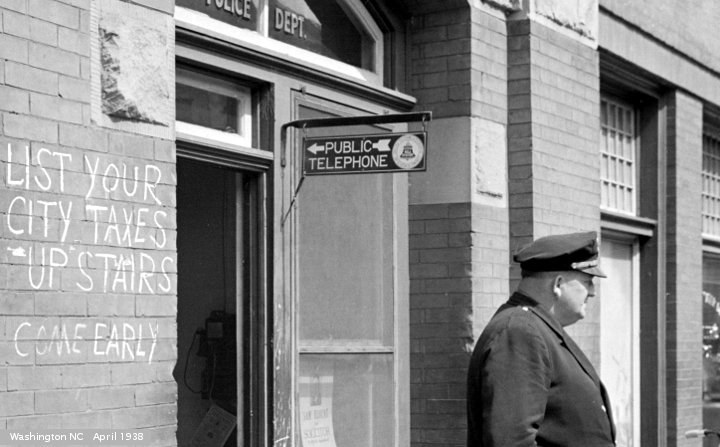

It is a truism that new media borrows content from old media. Stories, told orally from genration to generation, are compiled into books, which are then made into movies. Plastic panels try to look like wood. The newest new media that old fogey PG knows about is twitter. People tell little stories in 140 characters or less, which go around the world in seconds. With this abundance of media, there are not always enough messages to feed the beast.
On twitter, there are people producing twitter feeds from dead authors. Maybe these wordmongers went to a place with internet access. Kurt Vonnegut (three hours ago) “Busy, busy, busy”. Mark Twain (three hours ago) “Be careful about reading health books. You may die of a misprint”. Brautigan’s Ghost (twenty two hours ago) “I cannot say to the one I love, “Hi, flower-wonderful bird-love sweet.”
The deceased content maker best suited to twitter might be Conway Twitty. One slow day two years ago, Yahoo asked peeps Do you think Conway Twitty would have used Twitter? ~ He gave them the idea ~ I think Twitty would tweet, Twitter would be Conway’s, way of of communicating to the world, Twitty would be tweeting his little Twitty head off, ~ I better send out a Twitty Tweet ~ Cute, but a serious answer, probably. A media hound, he’d want to get his name plastered everywhere. ~ If he did that would have made him a ‘Twitty Twitter” ~ Who cares, he’s a twit anyway”.
There are four Twitty Twitter feeds. @ConwayTwitty (Oct. 21,2009) “The Conway Twitty Musical is getting great reviews in Branson!!! . @TwittyTweats (January 12, 2012) “In Twitty City, it never snows. All the men wear gold medallions and blazers. And the women never cry. Unless you hold them.” @Conway_Twitty (February 20, 2012) “My cock is an amphibious assault vehicle” @conwaytwittier (April 28, 2012). “@JasonIsbell How’s the English weather treating your hair? I had the hardest time keeping my pompadour in tiptop shape there.” @twittybirdmoda is written in Japanese. We’ve never been this far before.
The original concept for this post was to spotlight twitter feeds borrowing material from Charles Bukowski. Hank is the beer bard of Los Angeles. He is a hero to many. Out of the millions of worthless drunks populating bars, at least one could write poems. It gives you hope for mankind.
The front page of a google search for “charles bukowski on twitter” yields eight feeds. The original plan was to ignore any that were not updated in 2012. An exception will be for @hank_bukowski (Yeah it’s good to be back). (January 25, 2009) “Yesterday I met Adolf H. in hell. He is fuckin stupid.” “too lazzy these days, too drunk to twitter”.
With the 2012-only rule in effect, we are left with three Bukowski thieves. @BukowskiDiz (May 1) “Curiosidades sobre Charles Bukowski http://migre.me/8UhRf“. @bukquotes (May 8) “all the mules and drunken ladies gone the bad novels march…”. ~ “I always read when I shit and the worse the book the better the bowel movement.” @bukowski_lives (one hour ago) “Basically, that’s why I wrote: to save my ass, to save my ass from the madhouse, from the streets, from myself.”
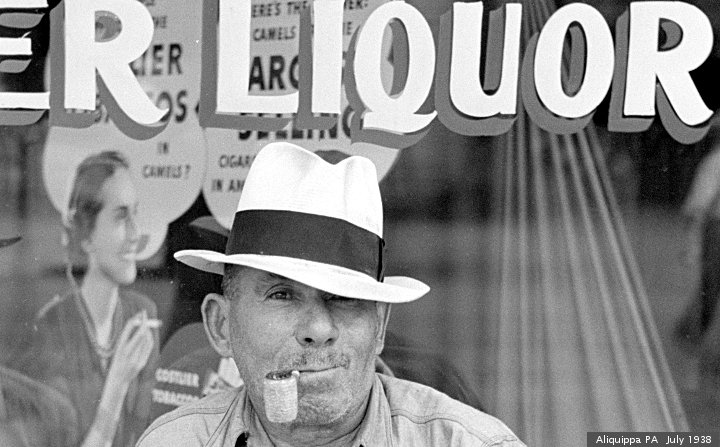
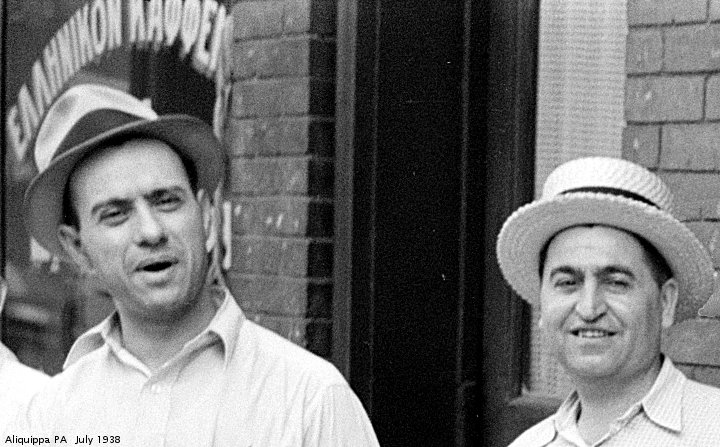
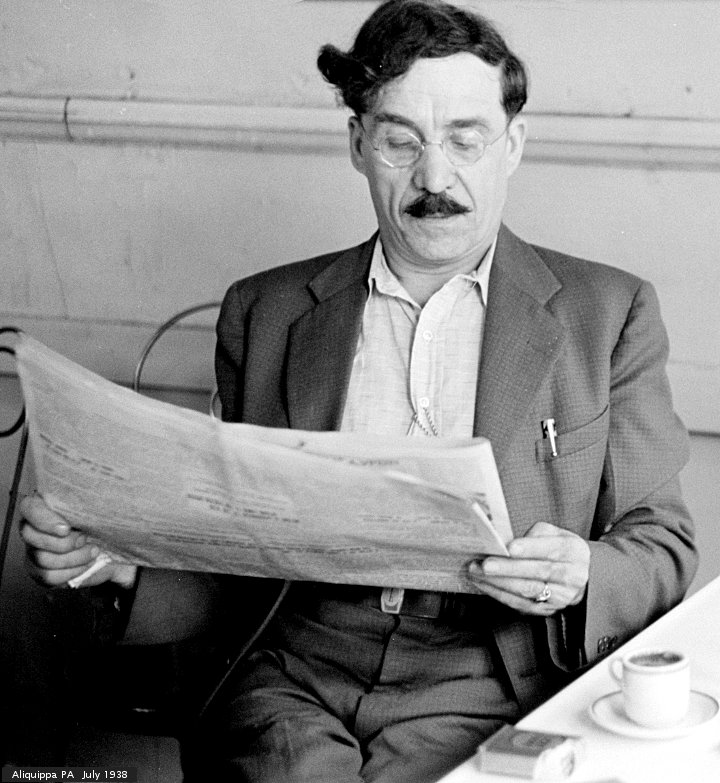
Pictures are from The Library of Congress. This is a double repost. Another repost may be published later. This is probably it for this year.
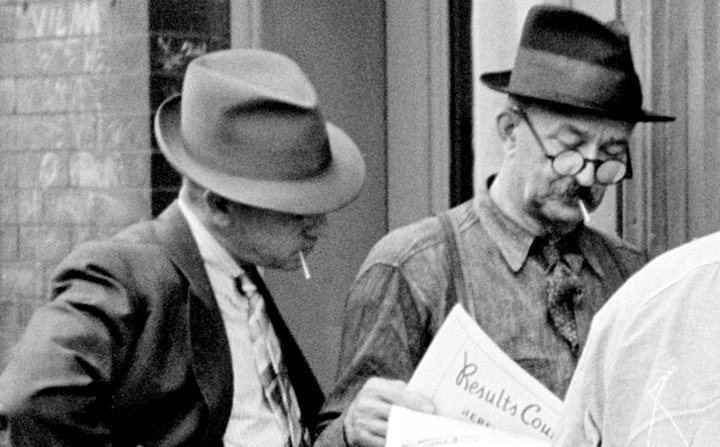
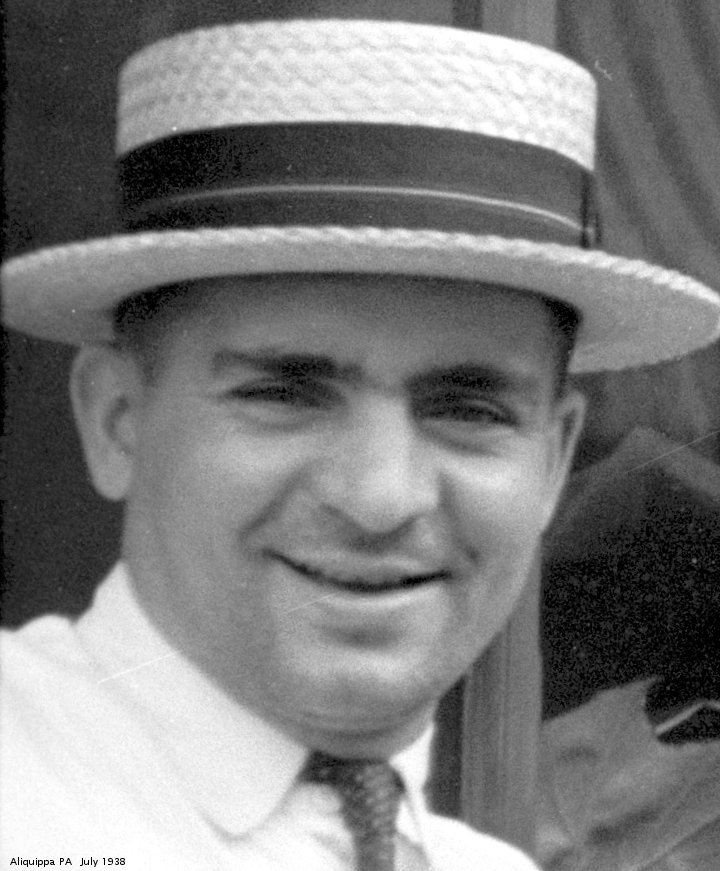
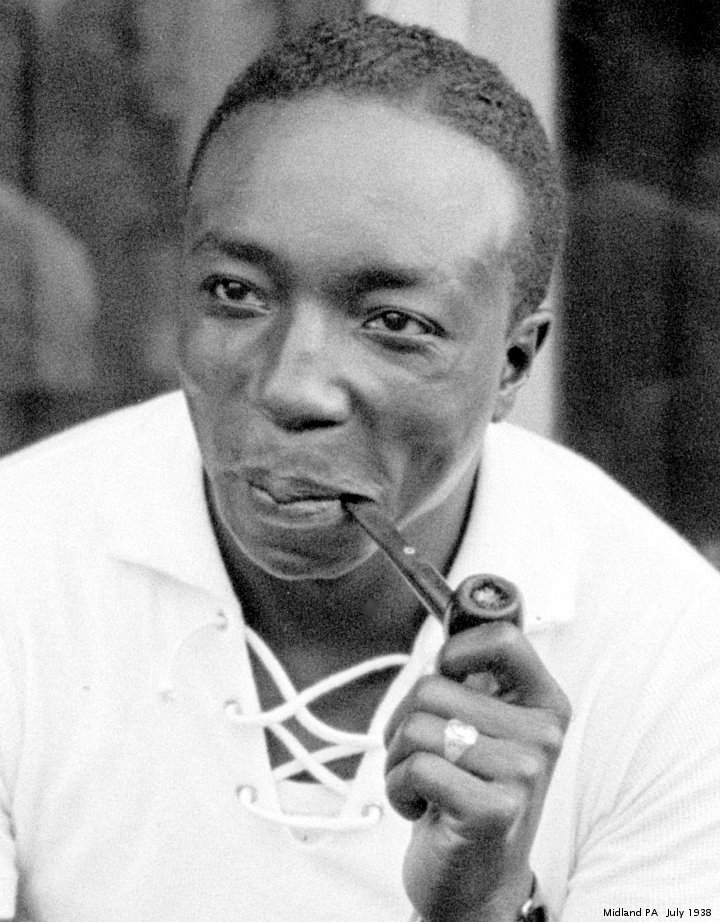
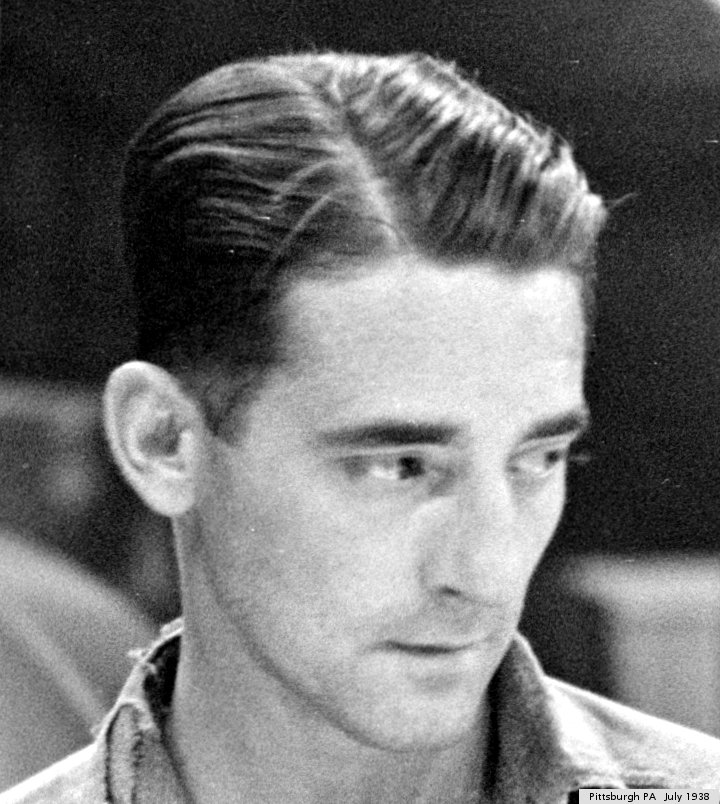
Why The War Between The States Was Fought


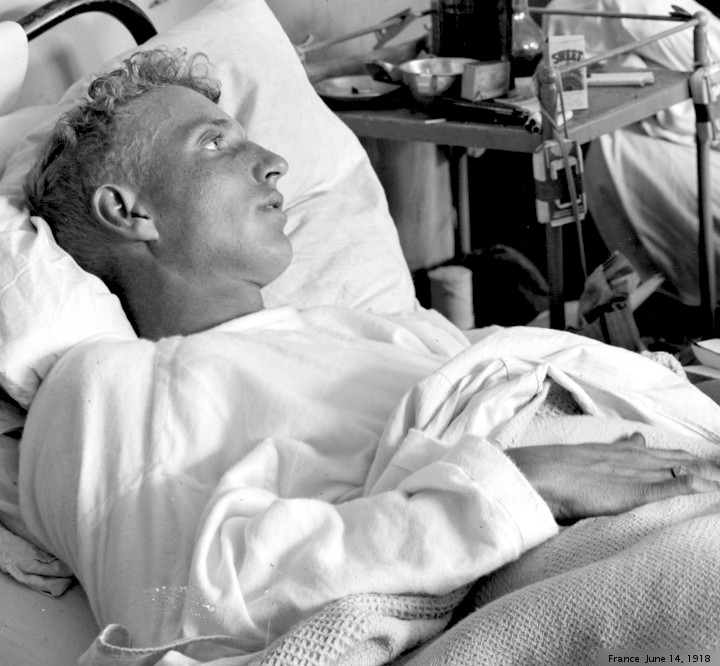

Recently, Mr. Trump said something stupid about the War Between the States. After his comments began to filter into the marketplace of ideas, people began to react. There was a good bit of self righteous talk about how bad the Confederacy was. Maybe it is time for another point of view. This feature will have minimal research. Mostly, PG is typing things he has heard and thought. It is possible that some items will be incorrect. The reader is encouraged to do their own research. Comments are welcome.
When the colonies declared independence in 1776, nobody knew how things would turn out. First, Great Britain needed to be defeated. After that, the Articles of Confederation went into effect. “Under these articles, the states remained sovereign and independent, with Congress serving as the last resort on appeal of disputes. Congress was also given the authority to make treaties and alliances, maintain armed forces and coin money. However, the central government lacked the ability to levy taxes and regulate commerce…”
This arrangement was not working, and the Constitutional Convention was called. Originally, the CC was going to revise the Articles of Confederation, but wound up throwing the whole thing out, and creating the Constitution. This document called for greater federal authority. The issue of what powers to give to the states, and what powers to give to the central government, was contentious. It remains controversial to this day.
Had any group of antonymous states formed a federal union before? Usually, such a union is the result of a conquest, with one of the states ruling the others. It is unclear whether such a union had been attempted before, or how successful it was. When the “founding fathers” created the constitution, they probably did not foresee how it would play out. The current system, with a massive central government cat-herding the 50 states, would have been laughed off as a dangerous fantasy.
So the states start to have disagreements. One of the things they disagreed over was slavery. Yes, this was an important factor in the unpleasantness to come. Slavery also influenced a lot of the economic conflicts. The North wanted high tariffs to protect industry. The South wanted low tariffs, so they could sell cotton to Europe. There were many other ways for the states to not get along.
Finally, in 1861, the disagreements became too big to ignore. The south seceded, and the War Between The States began. The Confederate States of America was a looser union than the United States. The thought was that the states were more important than the federal union. Mr. Lincoln disagreed. (One popular name for the conflict was Mr. Lincoln’s war.) Many people say that Mr. Lincoln was not especially concerned about the slaves, but wanted to keep the union together.
How does slavery enter into this? Imagine the conflict over states rights vs federalism to be an open tank of gasoline. The lit match that was thrown into that tank was slavery. When the winners wrote the war history, it sounded better to say that the war was fought to free the slaves. Pictures today are from The Library of Congress. This was a repost.


Anglo Persian Oil Company
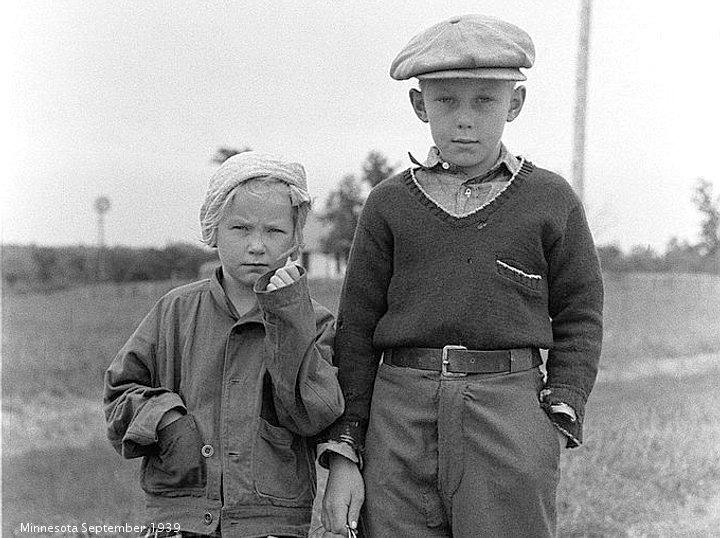



This is a repost from 2010. People are saying more and more about the oil disaster in the Gulf of Mexico. TomDispatch has a fascinating paragraph about one of the key players, British Petroleum (BP): “Originally known as the Anglo-Persian Oil Company (later the Anglo-Iranian Oil Company, still later British Petroleum), BP got its start in southwestern Iran, where it once enjoyed a monopoly on the production of crude petroleum. In 1951, its Iranian holdings were nationalized by the government of Mohammed Mossadeq. The company returned to Iran in 1953, following a coup that put the Shah in power. It was finally expelled again in 1979, following the Islamic Revolution.”
If you look at the problems of the world in the last forty years, so many are affected by Iran. The 1953 revolution left great resentment, which became manifest in the 1979 revolution. Soon Iraq…whose border with Iran was clumsily drawn by the British…decides to attack Iran. A gruesome eight year war is the result, with the USA supporting both sides (as well as possibly encouraging Iraq to attack Iran). The idea was, if they are fighting each other, they will leave Israel alone.
After this war is over, Iraq has a problem with Kuwait over it’s war debt. Another war is the result, with the USA involved. Iraq is vanquished, but some in the USA are not satisfied, and after a few years the USA invades Iraq again. That war is still raging.
The biggest winner of the US-Iraq war (aka World War W) is Iran. This new influence in Persia is very troubling to Israel, which is loudly rattling it’s nuclear saber. While Israel is making noise about Iran, it takes attention away from the Palestinian tragedy.
Pictures are from The Library of Congress. TomDispatch is still open. The feature today, Beating the War Drums… Again, is about Saudi Arabia and Iran.


Guard Killed In Mask Dispute


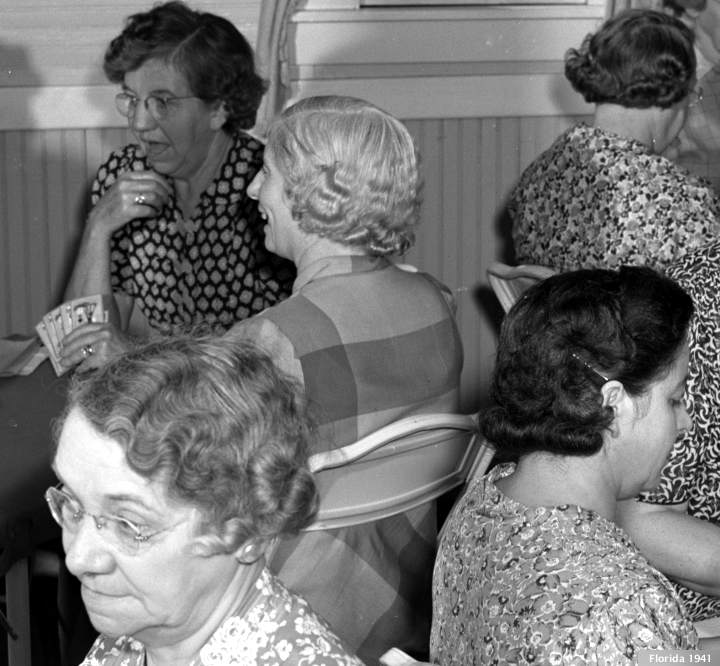


The display of a link on this page does not indicate approval of content.
Why Kamala Harris Is the ‘Do No Harm’ Choice for VP
@kosi_nnebe This scene contains the most chaotic sixteen seconds of my life.
Michigan security guard killed in mask dispute; suspect said he ‘disrespected’ them
A Ku Klux Klan newspaper has declared support for Donald Trump
Chinese state media releases animated video mocking US coronavirus response
@tinynietzsche happy birthday kierkegaard! I hope you love cake more than god
Park ranger was telling a crowd to social distance. someone pushed him into a lake
After Years Hating GOP, Rose McGowan Finally Understands, Says Dems …
“The Blob will completely engulf him”
Yelp is Screwing Over Restaurants By Quietly Replacing Their Phone Numbers
DA says case of Georgia man who was chased and killed will go to grand jury
Man wears KKK hood while grocery shopping in California
Doctors lambaste federal process for distributing Covid-19 drug remdesivir
I survived a 20-minute internet outage during lockdown
Father of Brunswick shooter previously investigated victim
Ten Things Tourists DON’T like about ISRAEL
@JoeBiden The video is clear: Ahmaud Arbery was killed in cold blood. …
Police report sheds more light on Satilla Shores shooting
Sean Reed was fatally shot in exchange of gunfire after officer’s taser was ‘ineffective’
Ware County prosecutor saw ‘no grounds for arrest’ before passing on Arbery shooting
Rare Linda Ronstadt 1970s interview talks about The Eagles
Indianapolis Police Kill Black Man, Laugh About It Not Realizing It’s Being Recorded
Majority of New Yorkers arrested for social distancing violations are black
What we know about Satilla Shores, the community where Ahmaud Arbery was killed
Tara Reade’s interview with Megyn Kelly about the Biden assault claim
Artist and poet Steve Roggenbuck has been accused of sexual misconduct.
This article discusses sexual assault and abuse, which may be triggering topics for some.
Man who recorded Ahmaud Arbery’s shooting on video was just a witness
Security video | GBI reviewing additional video footage in Ahmaud Arbery case
Family reacts to new video of moments before Ahmaud Arbery’s death
Gregory McMichael Murderer Ahmaud Arbery Seen at KKK Rally in 2016
Is Apple Cider Vinegar Good for You? A Doctor Weighs In
GBI reviewing additional video in case of Ahmaud Arbery
Mayor Bottoms: Trump’s Rhetoric Gave ‘Permission’ in Ahmaud Arbery Shooting
How the CIA Watched Over the Destruction of Gary Webb
After the Virus: The Way We Live Next
The Coronavirus Was an Emergency Until Trump Found Out Who Was Dying
goad – arberry ~ maddogpac ~ cringe ~ arbery obit ~ arbery video
angela davis ~ apology ~ incident report ~ 911 call ~ satilla drive
arbury thread ~ tara reade ~ sean reed ~ boortz arbery ~ the true cost
AM Avery ~ Ahmaud Marquez Avery ~ Trumps the truth ~ ballpoints>cursive
imprimatur official license by Roman Catholic Church to print ecclesiastical, religious book. ~ Dorothy Parker (1893-1967) American writer In youth, it was a way I had, To do my best to please, And change, with every passing lad, To suit his theories. But now I know the things I know, And do the things I do; And if you do not like me so, To hell, my love, with you! Indian Summer Enough Rope (1926) ~ Amanda Palmer Uses Patreon to Announce Separation From Neil Gaiman Here is the popup ad for that article: Subscribe to Our Quarantine and Chill Newsletter Every day (or every other day), we’ll send out a quick digest with recommendations for what to do while practicing social-distancing. ~ Pro Tip for career politicians: Don’t send campaign emails to photoshop players who will make fun of you. ~ @chamblee54 Where @JohnHMcWhorter says “Trumps the truth.” If all you heard were those three words, you might misunderstand what he said. @GlennLoury ~ Elie Wiesel made his meme worthy “always take sides” quote in a 1986 speech. This was during the Iran-Iraq war. We took Saddam Hussein’s side in that war. We also sold weapons to Iran, with the assistance of Israeli arms dealers. The profits from that sale went to finance terrorism in Central America. Taking sides is not always the answer. Nor is simplistic rhetoric. ~ you know toddlers who have a problem managing their temper and we have a problem managing our temper and we start losing our executive function as well ~ A fbf posted a meme, saying that we were being conditioned to think of our freedom as being selfish. Two thoughts came to mind. Since the fbf is probably getting tired of my helpful comments, I am going to post these here. 1 – Advertisers would tell you, in so many words, that your selfishness is freedom. 2 – Have you ever gotten into an argument, where you are fussing with someone about who is going to get their way? You say they are selfish, and they say you are selfish. Both of you are correct. ~ @MeritLaw “The series of events captured in this video confirm what all the evidence indicated prior to its release— Ahmaud Arbery was pursued by three white men that targeted him solely because of his race and murdered him without justification. This is murder.” ~ @thejournalista In this latest episode of #AuntieUnfiltered, I discuss white people using black and brown emojis. This topic was submitted via email by one of our readers. Have a topic you want to see discussed or looking for advice? Email AuntieSubmissions@theroot.com. ~ Cops review new security camera video of man who appears to be Ahmaud Arbery walking into a construction site and running off just minutes before he was shot – as armed Black Panthers protest in neighborhood where he was killed ~ @nihilist_arbys This Mother’s Day remember, as much as you may be disappointed in yourself for being such an irrelevant entropic tangle of neuroses and perversions, your mother is vastly more disappointed in you Enjoy Arby’s ~ That is where drug testing started for athletes, and quickly spread to the general public. When Len Bias took cocaine “for the first time” the CIA was using drug runners to ship weapons to terror groups in Central America Those planes did not come back empty ~ this poem was presented at an open mic last night: father said those didn’t really do much, during the really bad flu three years ago, spread panic of antibacterial touch, smells like hand sanitizer and B.O., i’d get the flu and die like my mother, maybe that would make my father care, is this thing a real pandemic bother, or just another political scare? ~ j057 The Surfer Part One was written as a response to “The Surfer” from Pretty Monsters. It was completed after the deadline, and was not included in Human: A Pretty Monstrous Experience and Blood Drive ~ pictures for this ostentatious display of neo-drudgist link mongering are from The Library of Congress. ~ selah



Always Take Sides


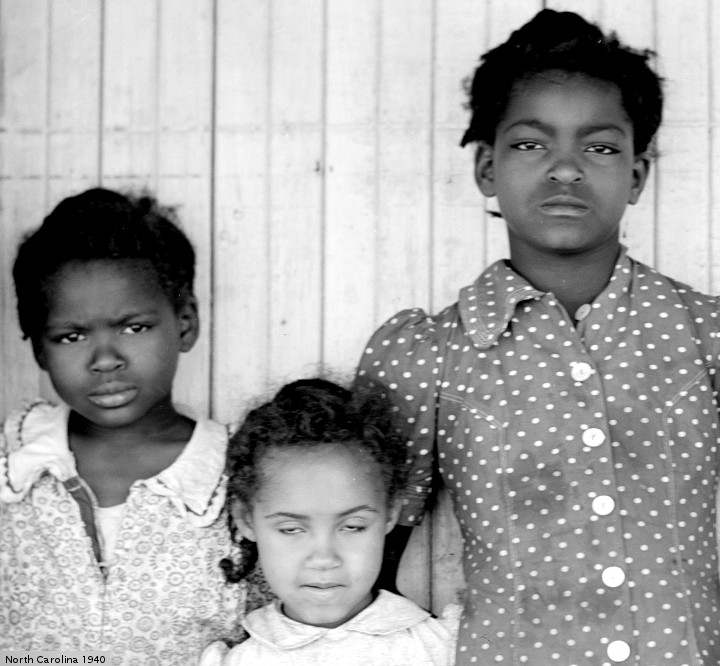
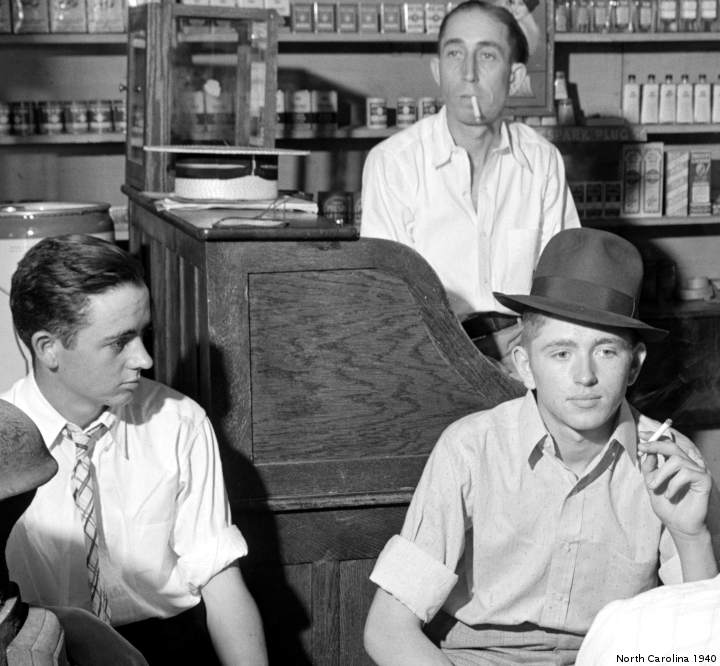
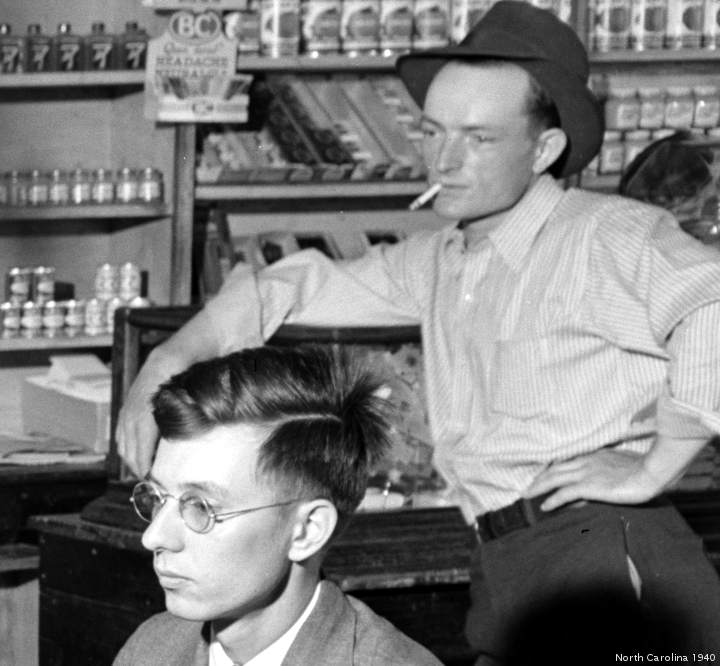

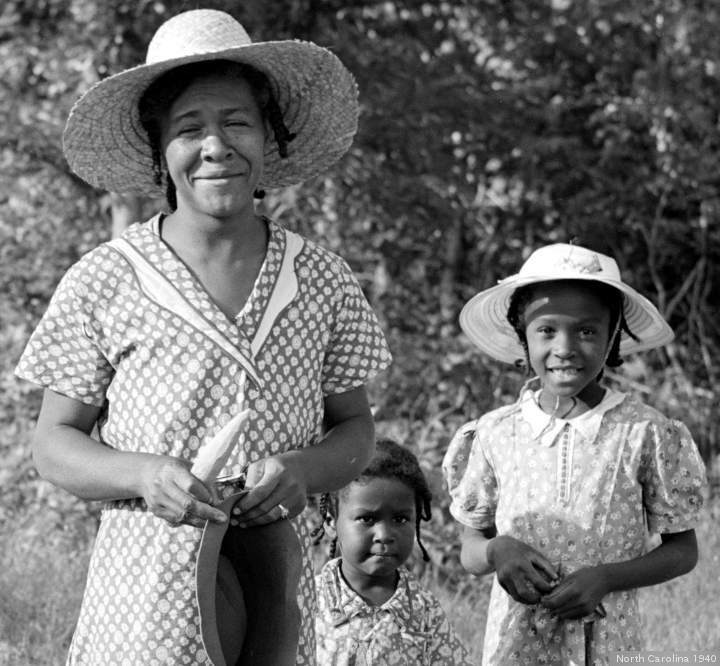
“… always take sides. Neutrality helps the oppressor, never the victim.” This meme, illustrated by the gnomic face of Elie Wiesel, turns up on facebook a lot. (Elie Wiesel is pronounced like Elly Mae Clampett) Some find it inspiring. Others think it is simplistic and manipulative.
There are two questions. Did Mr. Wiesel say that? What was the context? The quote appears in the acceptance speech for the 1986 Nobel Peace Prize. The next sentence is “Sometimes we must interfere.” We immediately go from the absolute always, to the conditional sometimes. That is progress, even if it does not fit on a bumper sticker.
“Elie Wiesel was born in Sighet, Romania, in 1928. … In May 1944, Wiesel was deported to the Auschwitz concentration camp along with his parents and his sisters. Wiesel and his father were slave laborers at Auschwitz. His father died in January 1945 during a forced march to another camp, Buchenwald, and his mother and younger sister were murdered as well. After the war, Wiesel moved to France, where he worked as a journalist.”
The Israel-Palestine problem was just as vexing in 1986 as today. Here is what Mr. Wiesel said in his speech. “More people are oppressed than free. And then, too, there are the Palestinians to whose plight I am sensitive but whose methods I deplore. Violence and terrorism are not the answer. Something must be done about their suffering, and soon. I trust Israel, for I have faith in the Jewish people. Let Israel be given a chance, let hatred and danger be removed from her horizons, and there will be peace in and around the Holy Land.”
Who is the oppressor in the Middle East, and who is the victim? Many sides can make a case for their cause. Who is the better at persuasion? Who is better at playing the shady game of influence, and money. Often, more noise encourages the tormentor. The answer to age old conflicts is seldom found in bumper stickers, or facebook memes.
“… to whose plight I am sensitive but whose methods I deplore.” “Always take sides” means that you pick one side in a conflict, and use the tools of rhetoric to promote that cause. It can be tough to tell the good guys from the bad guys. Human suffering is human suffering. Simplistic rhetoric is *never* the answer.
In 1986, the Iran-Iraq war was raging. Hundreds of thousands of men died. Many said the war was allowed to go on intentionally. Allegedly, if Iran and Iraq were not fighting each other, they would be fighting Israel. The United States was allied with Iraq, while making arms deals with Iran. Israeli dealers participated in the United States-Iran arms trading. The profits from those deals went to supply terrorists in Central America. “Sometimes we must interfere.”
Pictures today are from The Library of Congress. This is a repost.





 Chamblee54
1 comment