Gloomy Sunday


Billie Holiday had a hit with Gloomy Sunday in 1941. The legend is that people would listen to the song, and kill themselves. As a result, the song was banned from the radio. Or was it?
Gloomy Sunday was written in 1933 by Rezső Seress. Additional lyrics were later written by László Jávor. It became known as the “Hungarian Suicide Song”, and was reportedly banned in Hungary. An English translation (which is said to not do justice to the original Hungarian) was rendered.
Gloomy Sunday has a melancholy sound, even as an instrumental. The story is about a person…it is not gender specific…who decides to join a loved one who has died. A third verse was added, to the english version, where the singer says it was all a dream.
Gloomy Sunday became popular in the United States. And the suicide stories started to spread, along with rumors that the song had been banned from the radio. (It was indeed banned by the BBC.) There are indications that these rumors were part of a publicity campaign.
The urban legend busters snopes. calls the story “undetermined”. Legends like this get a life of their own. A grieving person hearing this song on a dreary Sunday is not going to be uplifted. One thing is known for sure…the original composer did take his own life. Rezső Seress jumped off a tall building in Budapest in 1968. The legend is he had never had another hit song after writing “Gloomy Sunday”. This repost has pictures from The Library of Congress.

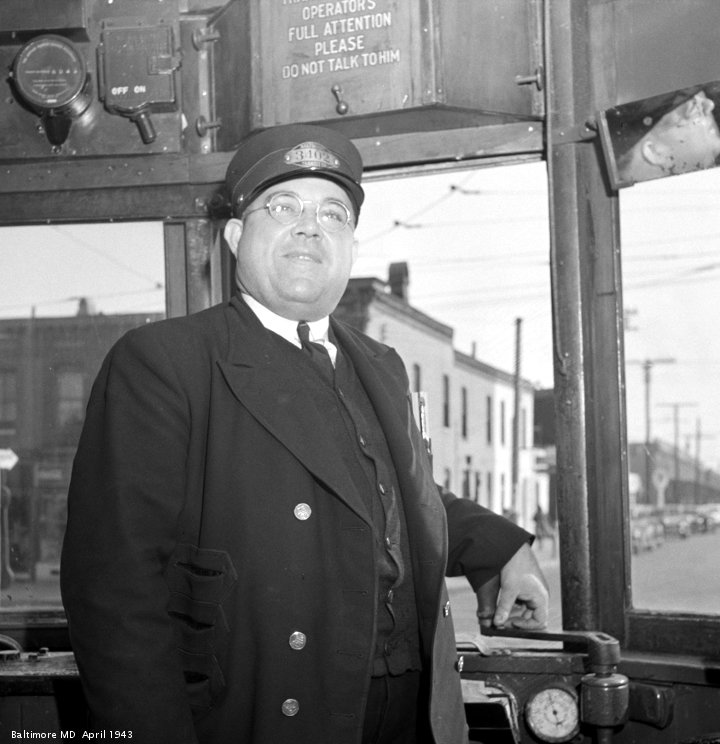


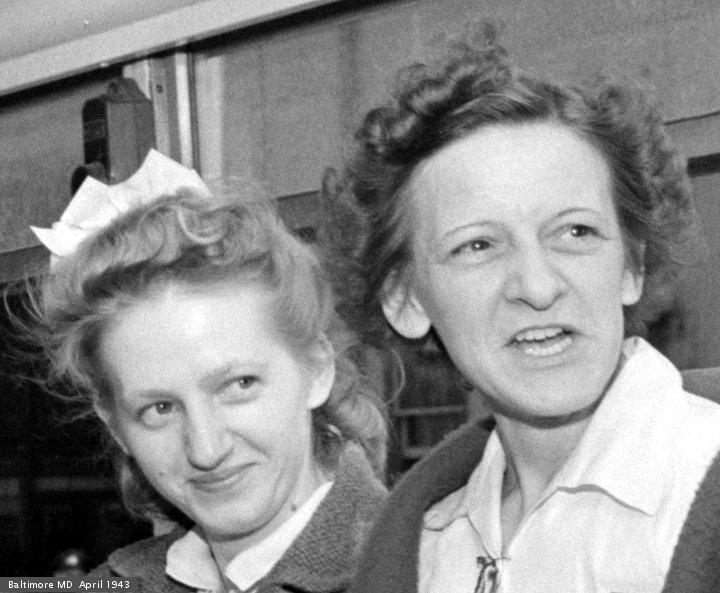

Post Racial America
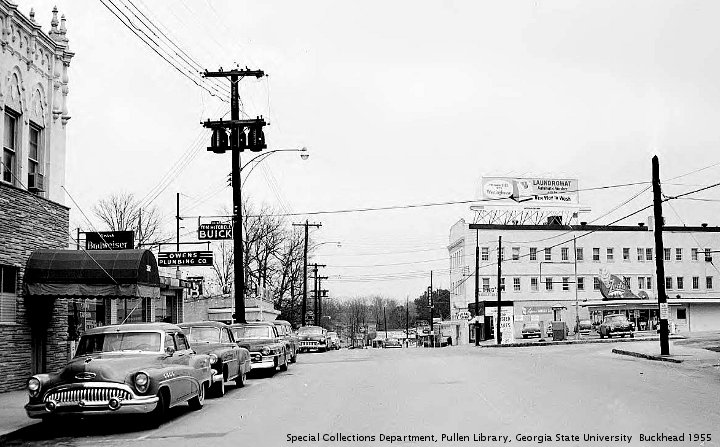

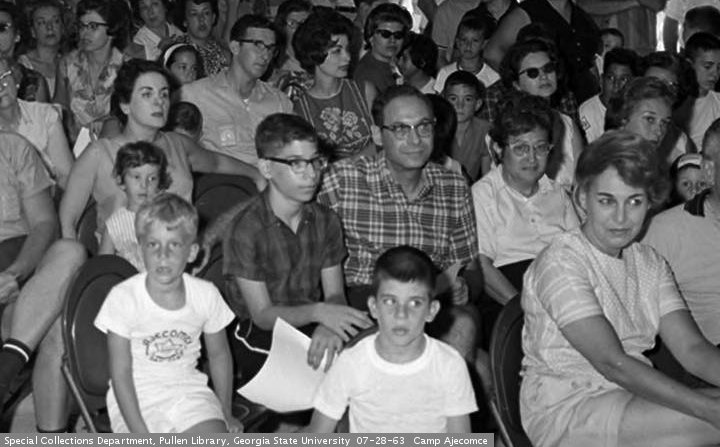



It is a cliche among certain pundits that this is not “Post Racial America.” No one seems to know what PRA would look like. PRA might be less noisy, with fewer odors, than the current model. The opinion that we do not live in PRA seems unanimous. After PG heard the denial of PRA one too many times, he began to wonder something. Who said America is Post Racial?
Mr. Google has 119 million answers to the question “who said america is post racial?” The short answer is nobody. The closest thing on the front Google page is an NPR commentary from January 2008. This was the early stages of the BHO run for the White House. The commenter said that the election of a dark skinned POTUS might usher in a post racial era in America.
This piece will not have any fresh opinions about race relations in America. That subject has been worn out elsewhere. If someone finds it to their advantage to denounce “racism,” there will be an audience. The truth is, very few people have ever said that America is Post Racial.
This is a double repost, on the subject that people can’t get enough of. If you can’t say anything good, you can always talk about racism. Pictures for this friday morning are from “The Special Collections and Archives, Georgia State University Library”.


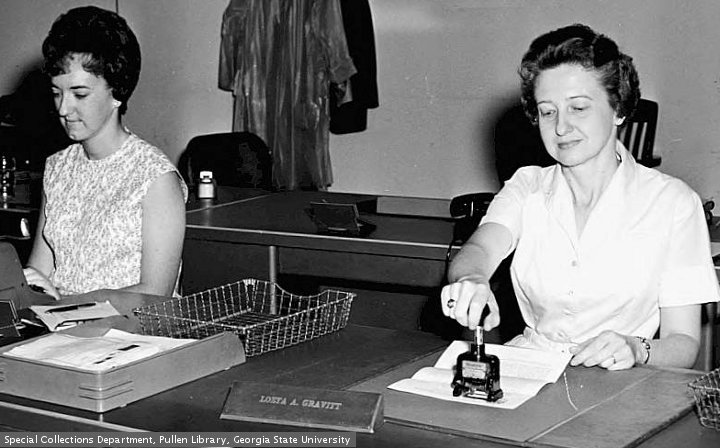
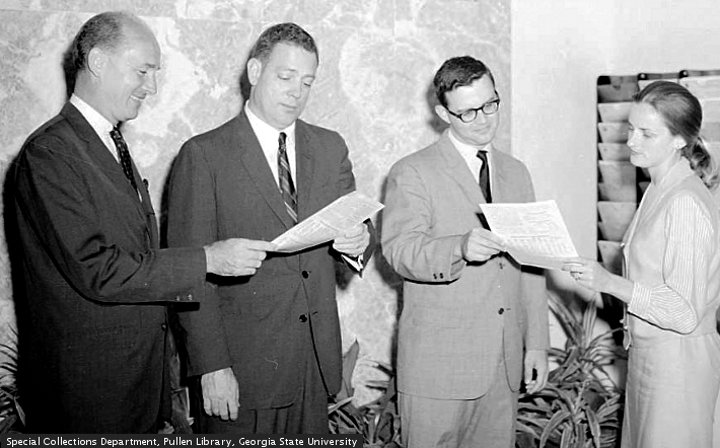


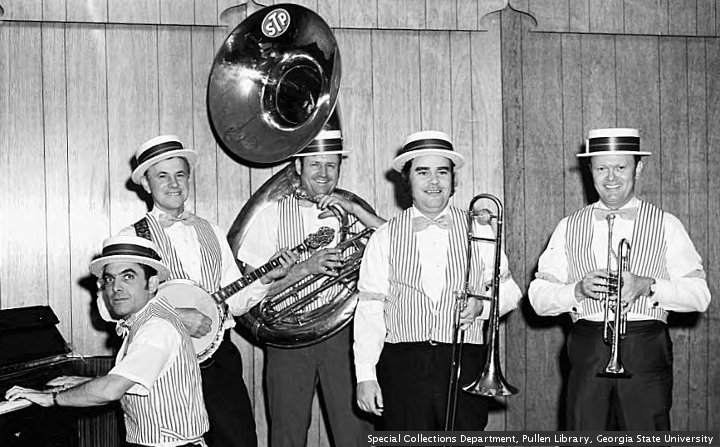


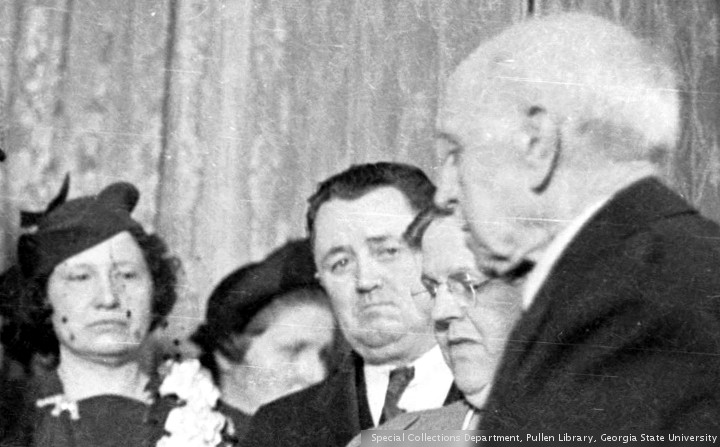


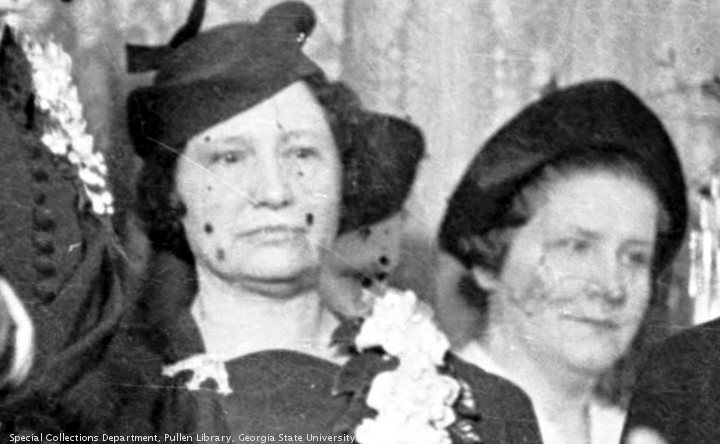
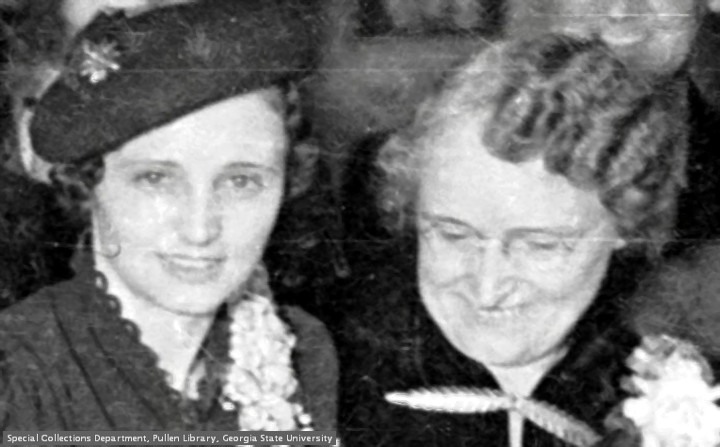
Some times you see something, and realize that you are being pushed over a line. Today’s straw, landing on the camel’s back, was a meme. It has pictures of a statesman-like BHO, and a goat smiling BS. The text was white comic sans letters, on a black background. “Regarding those who call Obama an illegitimate president because his father was born in Kenya, Bernie Sanders replied: “No one asked me if I was a citizen or not, and my dad came from Poland. Gee, what’s the difference? Maybe the color of my skin.” The comment was from a Las Vegas town hall meeting. Some things that are said in Vegas need to stay in Vegas.
No one denies that white people and black people often do not get along. Few deny that there is systemic inequality. The connection of “birther” speculation to systemic inequality is tough to see. Of course, the definition of racism is elastic, and can fit whatever situation the observer wants to critique.
Are we helping the cause of racial tranquility by making comments like that? Yes, it is foolish for “birthers” to whine about a birth certificate. But entertaining followers in a town hall debate does not mean you are going to be able to govern. Maybe BS should focus on his economic fantasies, and quit scoring cheap shots about racism.
The Color Of My Skin was originally published in February, 2016, when BS was taken seriously. As we all know, HRC eventually got the Democratic nomination, only to lose to DJT in November.
Mr. Trump was one of the original “birthers,” or people disputing the Hawaiian birth of BHO. In the general election campaign, Democrats liked to say that DJT was a racist, with birtherism frequently given as an example. The many other unappealing parts of DJT, like crookedness and mental instability, were brushed aside, in the mad rush to scream racist. Some even went so far as to say that anyone voting for DJT was a racist. When the electoral votes were counted, DJT won.


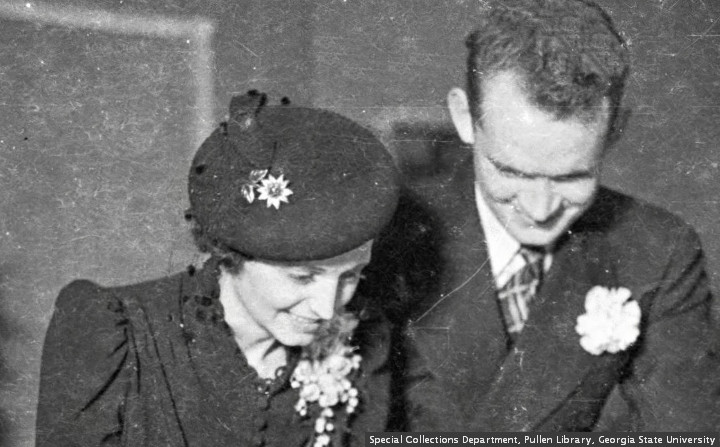
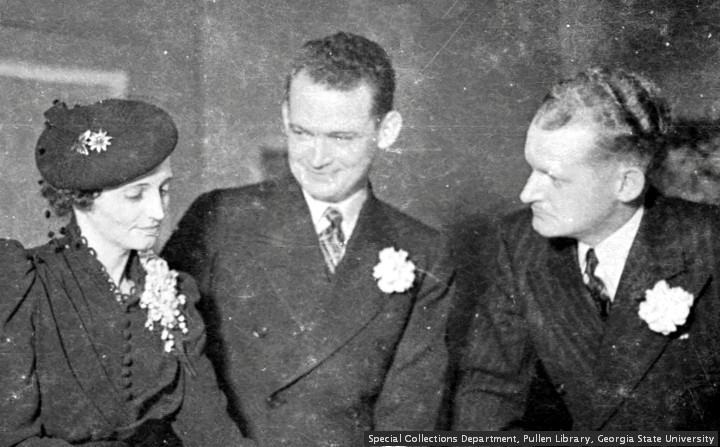
Dolly Parton And Paula Deen


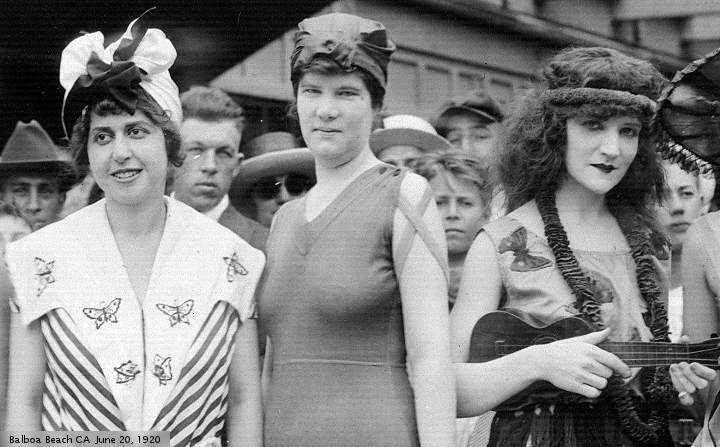
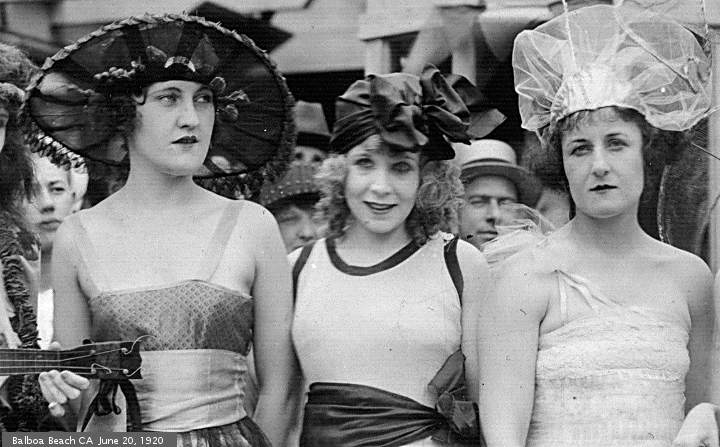
Dolly Parton celebrates a birthday today. The internet is a love fest for her, and deservedly so. Miss Parton has given joy to millions, with her singing and acting.
Paula Deen was born on the same day, one year later. While her star did not shine quite as bright as Miss Parton, Mrs. Deen made her contribution to american life. The only problem was a bad boss lawsuit against a company Mrs. Deen invested in. A lawyer got Mrs. Deen to admit, under oath, the she had said the n-word. Paula Deen became a pariah.
Dolly Parton and Paula Deen have a few things in common. Miss Parton is married to Carl Thomas Dean, and her legal name is Mrs. Dean. Both ladies are from the south, the hills of East Tennessee, and the flatland of Albany, Georgia. Both grew up in an era where the n-word was what white people called black people.
What if the story had been different. What if it was a restaurant at Dollywood where the manager was not happy? What if this white woman, who was treated better because she was a white woman, decided to claim racial discrimination in her bad boss lawsuit? (Page 153 of deposition.) What if the disgruntled employee’s lawyer was smarter than Dolly Parton’s lawyer? We might have had tabloids screaming nonstop that Dolly Parton said the n-word.
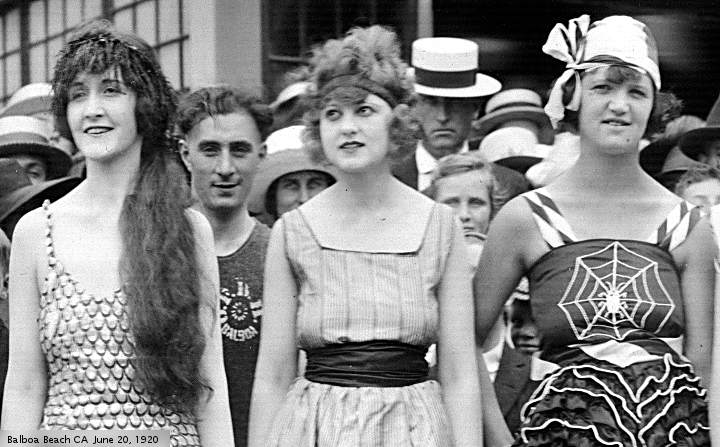
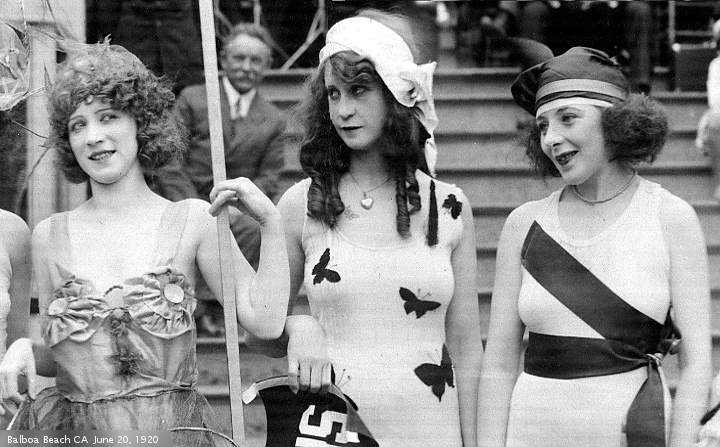
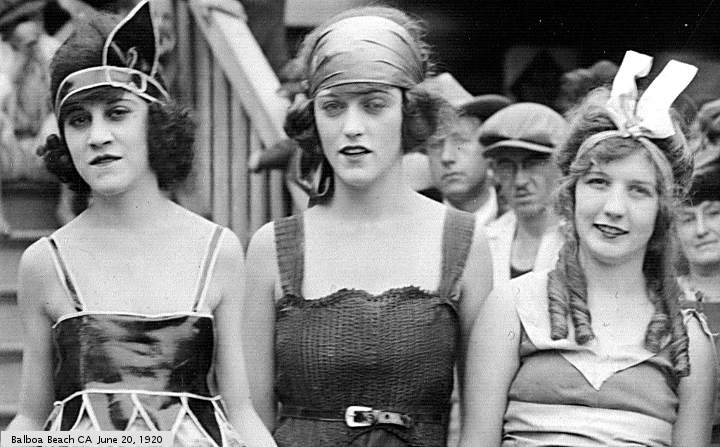
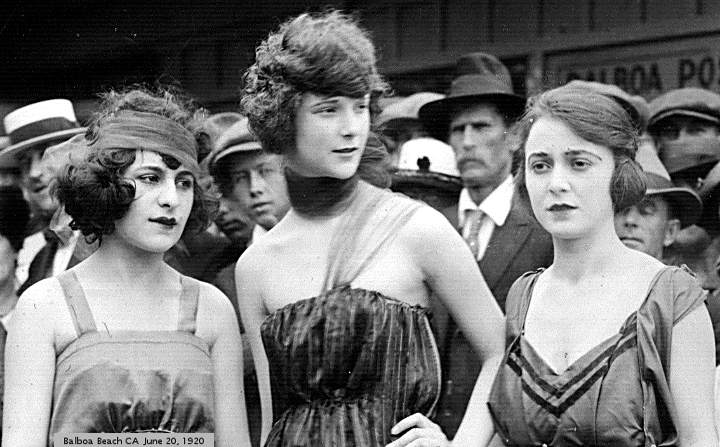
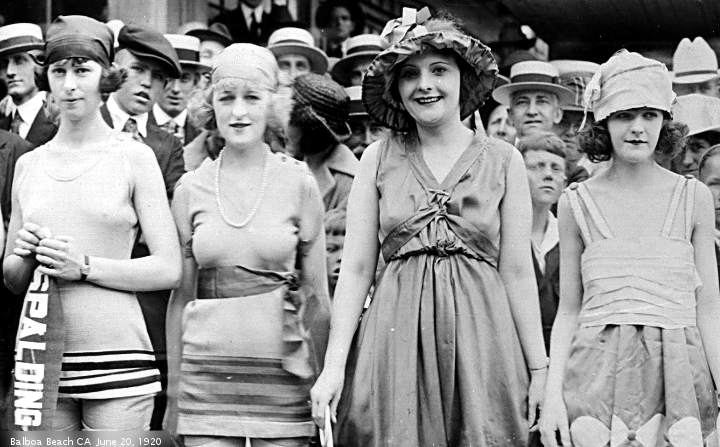
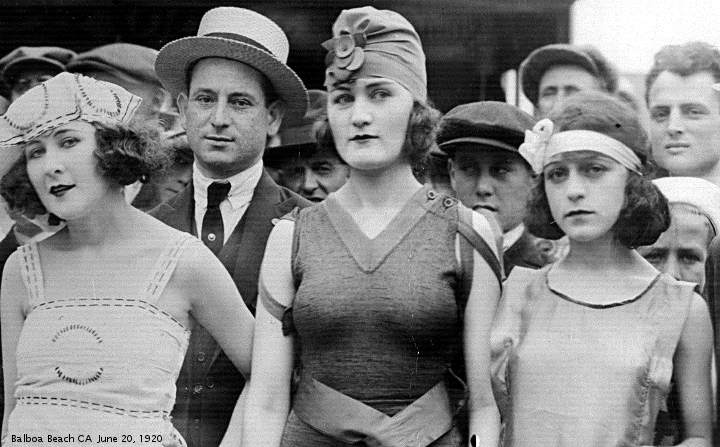
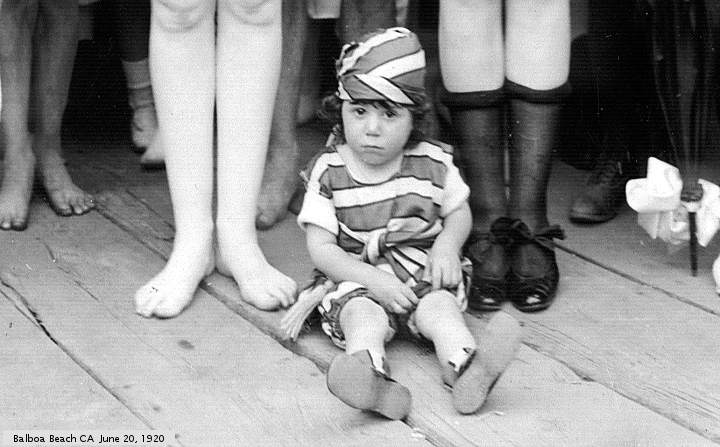
Pictures are from The Library of Congress, taken at “Annual “Bathing Girl Parade”, Balboa Beach, CA, June 20, 1920.” No one asked these ladies if they ever said the n-word. This is a repost. Other celebrities born on January 19: Robert E. Lee (1807), Edgar Allan Poe (1809), Jean Stapleton (1923), Janis Joplin (1943), and Desi Arnaz Jr.(1953.)
Happy New Year
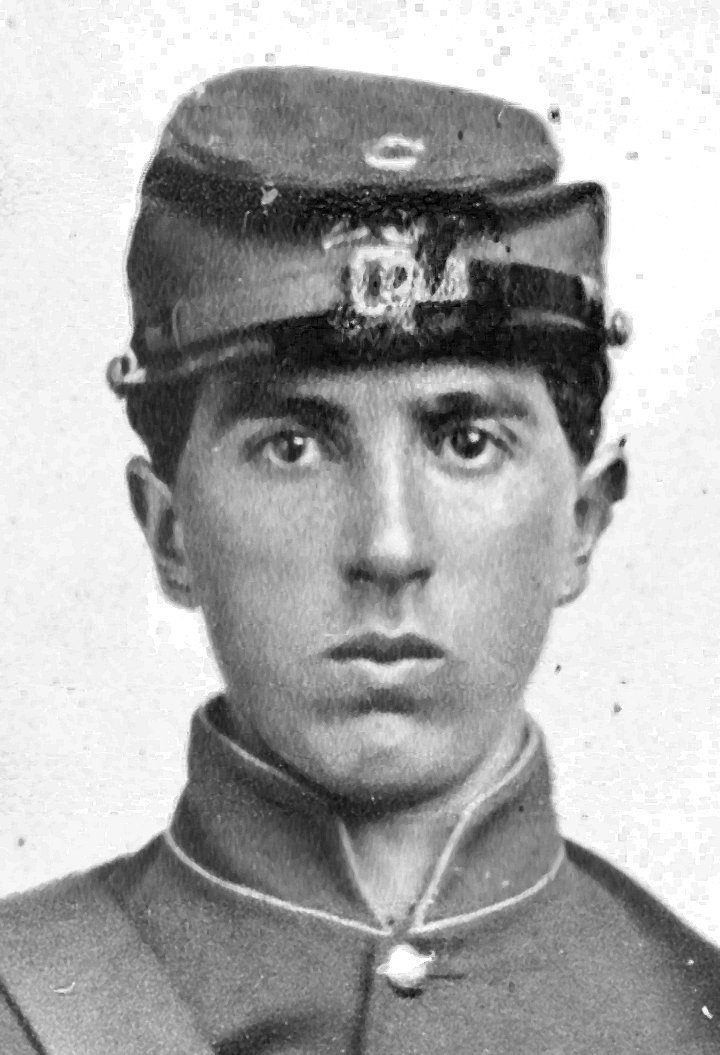
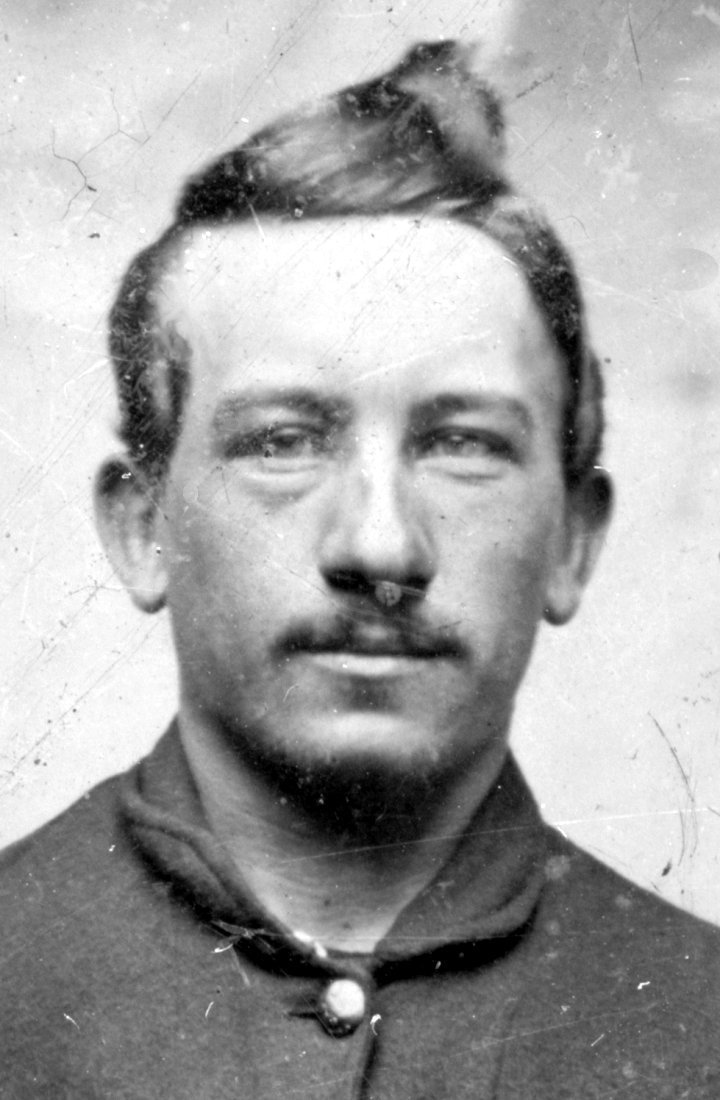
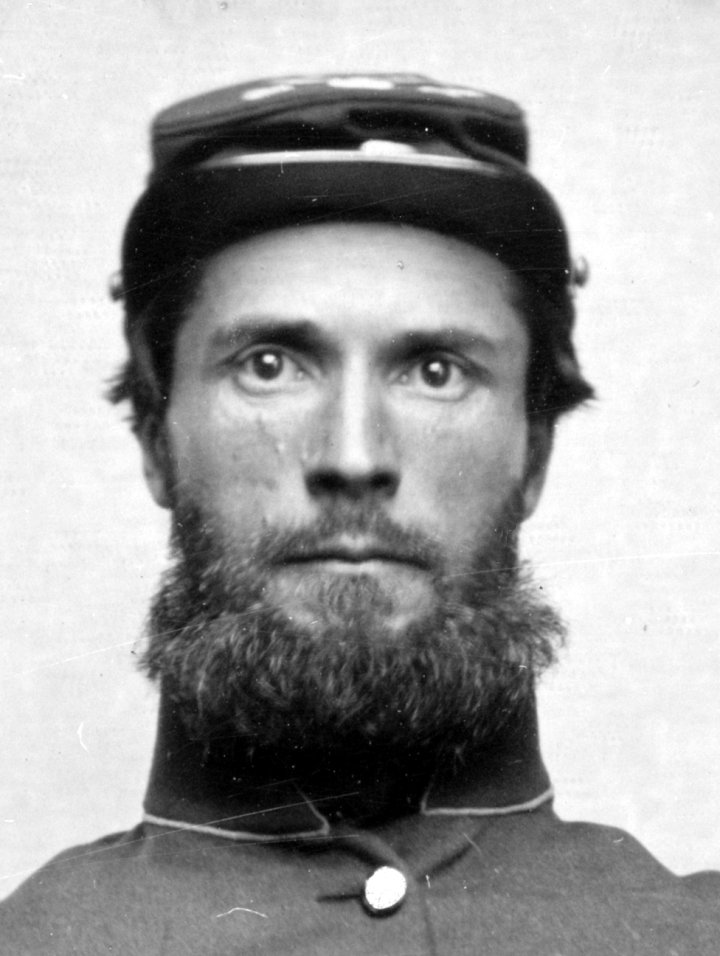

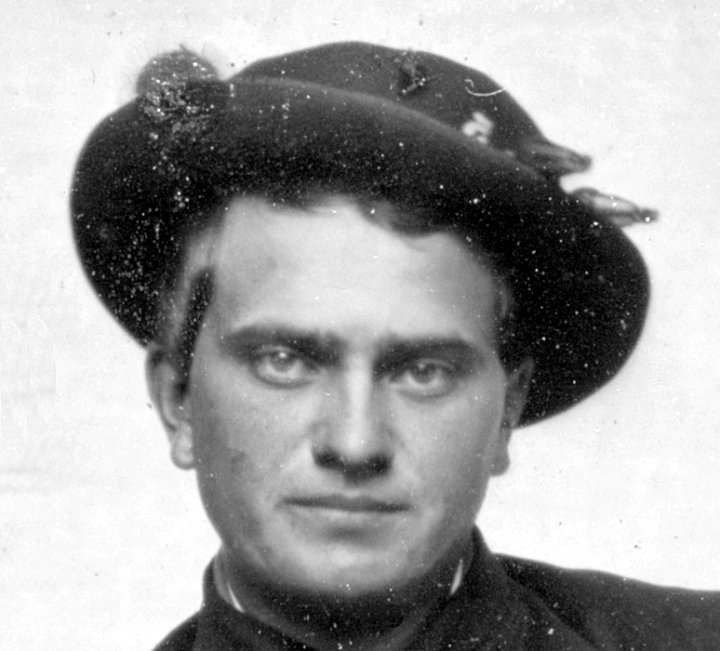
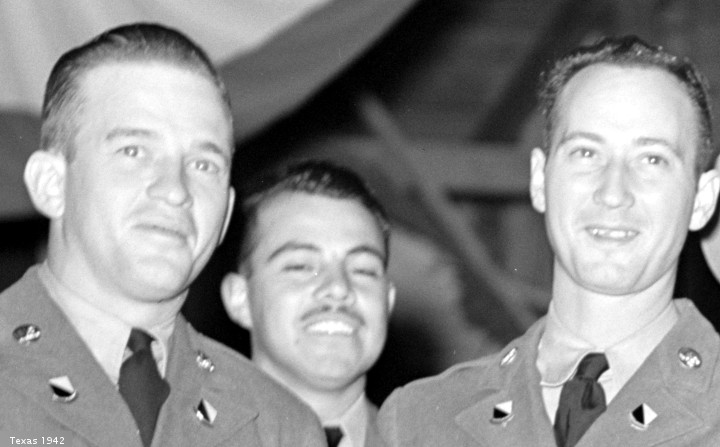
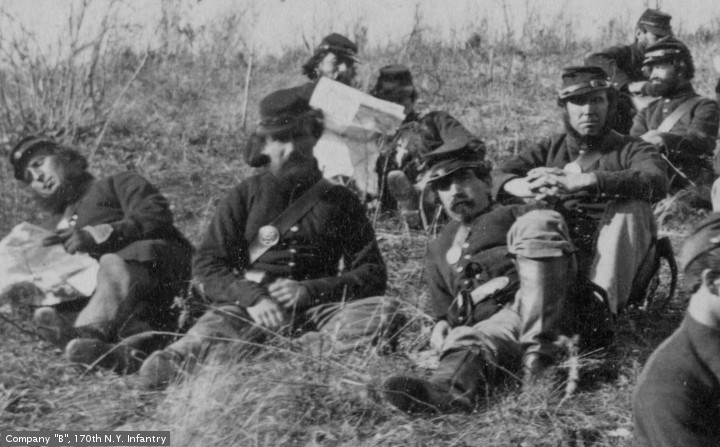
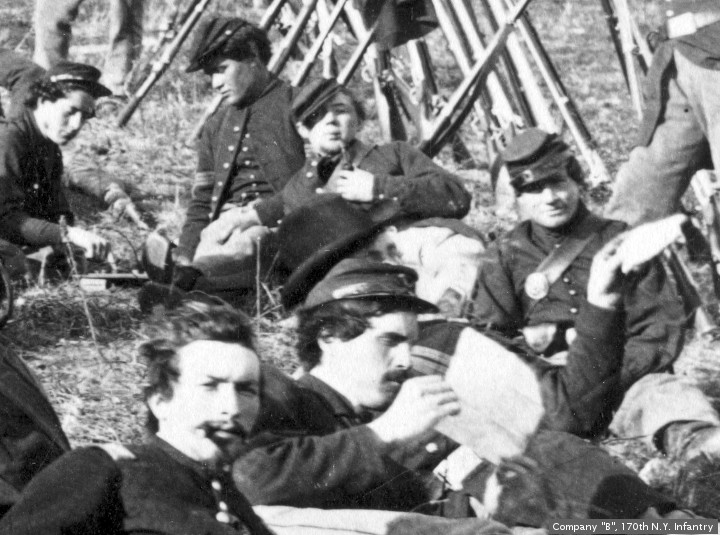
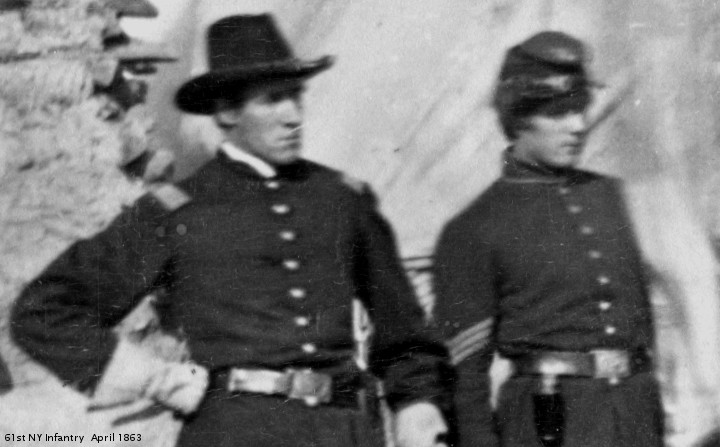
This is a repost. Part two is a recycled email. Thank you Ed. The pictures are Union soldiers, from the War Between the States. They are courtesy of The Library of Congress
One thing that is accepted without question is the year starting at midnight on December 31. That is, in some cultures. Jews have a new year in September, China celebrates some time in January, and the fiscal year is whenever the bean counters say. If you ask google “why does the year start january first”, you get 436m options.
The earth runs on a cycle, based on it’s annual trip around the sun. The winter solstice is the longest night of the year, and in many ways the logical end of the year. The celebration of Christmas, a few days after the solstice, is not a coincidence. The question today is, why do we start a new year a week after Christmas, or ten days after the solstice?
The top ranked answer at google is from catalogs.com. They talk about Julius Caesar and Pope Gregory XIII(13), but never quite say why January first is the big day. It does end on a helpful note: “Calendars are a way that grownups organize time, but clearly not all grownups do it the same way. Happy New Year, therefore, whenever it happens for you.”
Lifeslittlemysteries continues with the talk about Caesar and the Pope. It is noted that January 1 was the day that Roman officials started their term of office. In England and her colonies, the new year was celebrated in March until 1752.
The rest of the google results do not look promising. PG does not know the answer to this.



How long have people celebrated the turn of the year? Celebrating the New Year is a tradition that dates back nearly 4000 years. If you had lived in Mesopotamia and Babylon 4,000 years ago (c. 2000 B.C.), you probably would have celebrated the new year in mid-March, at the time of the Vernal (Spring) Equinox. If, however, you were an Egyptian, your new year began with the Autumnal Equinox and the flooding of the Nile. If you were Greek, the Winter Solstice began your new year.
Who set January 1st as the beginning of the year? Julius Caesar was the first to set January 1st as the New Year. Caesar did so when he established the Julian calendar. The Julian calendar, named for Julius Caesar, decreed that the new year would occur on January 1st. Caesar wanted the year to begin in January since it celebrated the beginning of the civil year and the festival of the god of gates and, eventually, the god of all beginnings, Janus, after whom January was named. (It was said, many years later, that the only thing the Julian calender is good for is writing checks.)
Where would you celebrate Hogmanay on December 31st? Scotland is the home of Hogmanay (hog-mah-NAY), the rousing Scottish New Year’s celebration (the origins of the name are obscure). One of the traditions is “first-footing.” Shortly after midnight on New Year’s eve, neighbors pay visits to each other and impart New Year’s wishes. Traditionally, First foots used to bring along a gift of coal for the fire, or shortbread. It is considered especially lucky if a tall, dark, and handsome man is the first to enter your house after the new year is rung in. The Edinburgh Hogmanay celebration is the largest in the country, and consists of an all-night street party.
How is the New Year rung in by the Japanese? The new year is the most important holiday in Japan, and is a symbol of renewal. In December, various Bonenkai or “forget-the-year parties” are held to bid farewell to the problems and concerns of the past year and prepare for a new beginning. Misunderstandings and grudges are forgiven and houses are scrubbed. At midnight on Dec. 31, Buddhist temples strike their gongs 108 times, in a effort to expel 108 types of human weakness. New Year’s day itself is a day of joy and no work is to be done. Children receive otoshidamas, small gifts with money inside. Sending New Year’s cards is a popular tradition—if postmarked by a certain date, the Japanese post office guarantees delivery of all New Year’s cards on Jan. 1.
Who were the first with New Year’s resolutions? It is believed that the Babylonians were the first to make New Year’s resolutions, and people all over the world have been breaking them ever since. The early Christians believed the first day of the new year should be spent reflecting on past mistakes and resolving to improve oneself in the new year.
You can appreciate the Buddhist tradition when you see the timber slung on ropes used to strike their huge temple bell/gong. Some have a huge bronze bell as we are used to seeing, and others have a large round heavy symbol/gong. Smaller temples have, as you might imagine, smaller gongs and will have one or two strikers for the gong. They swing hammer like (as in sledge hammer) items to strike the gong. I’m sure this is what started the heavy drinking associated with their New Year. If you have ever lived close enough to hear these things with their long reverberations you’ll understand after the first few you ‘re ready for a belt. May you all have a health filled and prosperous New Year, Ed


Happy Solstice





Happy Solstice. This is the true end of the year. In four days it is Christmas, and in eleven days it is 2020. I got a calendar, and a historic Christmas card. I am going to repeat my xmas letter from last year, and comment on your calendar. I will write my commentary as I look at the pages for the first time. I have not cut open the plastic around the calendar yet, although I have taken it out of the shipping package. One thing at a time.
The knife I use to cut open the plastic is a Barlow Camco 551. I found this knife while helping my dad take a carpet out of his room, and claimed it as my fee for helping out. A few years later, I went out of town with a friend, and the Barlow wound up under a seat in his vehicle, where it stayed until the next summer, and I found it. I cleaned up the Barlow, and lubricated the hinge with wd40, so that it opens easily. The Barlow was immortalized in the song “Send me to the ‘lectric chair.” “I cut him with my Barlow, I kicked him in the side, I stood there laughing over him, while he wallowed round and died.”
The cover shows the moon, with a whispery collection of clouds in front. The top row is Trump Hair orange, with the lower clouds quickly settling into a blue black funk. The moon serves as a contrast to the sea grass on the other side. The two highlighted days in January are New Years day, and the birth of Elvis. The King is enjoying retirement in Bug Tussel AR.
February is a collection of Sea Gulls. Two of them are looking at the photographer. There is no indication of what they were thinking about at that moment, or if they were capable of thought, beyond wondering where their next meal was coming from. Valentine’s Day is below National Kite Flying Day. VD is noted by the image of a Buddhist looking dude, saying Love all, all the time.
The last three years, I have been going to a meditation group. Earlier this year, I took a robe-wearing Buddhist monk with me. Arnold was an activist in Georgia in his youth. Then he went to law school, but practicing law proved stressful, so he became a monk. He is back in Atlanta now, after living in India. I connected with him on facebook, and got him to ge meditate with us once. My group is very non authoritarian … the only guideline is to be quiet until the timer goes off. Arnold was a pleasant counterpoint to this, and has not been back since.
March shows a staircase, with the edge of the step painted festive colors. Atlanta has many stairways to nowhere. A house is built on a hill, stone stairs provide access, the house is torn down, and the steps remain. There is something karmatic/dogmatic about that.
April is marked with an impressive photograph. I have tried taking pictures of butterflies. They don’t stand still. You have to be ready to catch them. I don’t know what camera/lens used for that image, but it is impressive. And, unlike the April fool’s theme, I really mean that.
May seems to be elephant month. I don’t know how well elephants are doing in the real world, with their size, and need for large amounts of food. I met an elephant handler once. He was staying in a train car, parked in a field behind Piedmont Park. After the show, he would walk down the street to a nearby bar. Those train tracks are now part of the Beltline. Someone had the idea to take a series of abandoned rail lines, and make a trail out of it. Parts of it are now paved, and wildly popular with pedestrians, bike riders, and dog walkers. Expensive apartments are springing up nearby. There is talk about putting a light rail line through there, but that is years and years in the future.
June was the beach, always changing, and yet always the same. July was an art object inspired by the American flag. It only has nine stars, and five stripes. The paint is strategically flaking off here and there. The flag is endlessly adaptable. Sometimes it is respectful, and respectable. Sometimes it is unspeakably tacky, and commercially exploitative. America is all of these things.
The boomerang counter top of August implies that some of the meals will be coming back. OK boomer-ang. The sunset is a good match for September, and national flapjack day. Labor Day weekend has evolved into a big deal here. A massive sci-fi convention, Dragon Con, takes over downtown. They have a costume parade saturday morning that is a gridlocked warning of what will happen when uncontrolled population growth runs into the reduced living areas of climate change. This year was a weird September. After a brutal July and August, many were hoping for cooler weather. Instead, summer continued to burn up the city until October, which fish in Michigan were blissfully unaware of, at least until they got caught.
November has some lights from the State fair. Lights are notoriously difficult to photograph. A few weeks ago, they had a lantern parade on the beltline. I tried to take pictures, and wound up with masses of wavy colors that made no sense whatsoever. I used to go out at christmas with a tripod, and take pictures of lights. It was a fun way to spend an evening, but the pictures were not that great. Photography is sometimes like that…. taking the pictures is lots of fun, but looking at them, or using them in graphic poems later, is not as great. Currently, I am using daylight pictures of graffiti and wall murals. Some neighborhoods in Atlanta are swarming with public arts. Many of these areas, like East Atlanta and Hapeville, were ghettos just a few years ago, and still have their rough edges.
And what does a pink flamingo have to be thankful for? Back in 1973 in Athens, somebody had a showing of the movie Pink Flamingos. I missed it, not knowing why it was a big deal. I finally got around to seeing PF on youtube a few months ago. A crucial hole in my education was filled. Just like the moonlit waves bring December into actuarial awareness, and project post-lateral promise for the new year. At the 2020 solstice we will be a year older, and grateful that the election is over. Whatever will be, will be Aunt Bee. Pictures from The Library of Congress.


The Machine
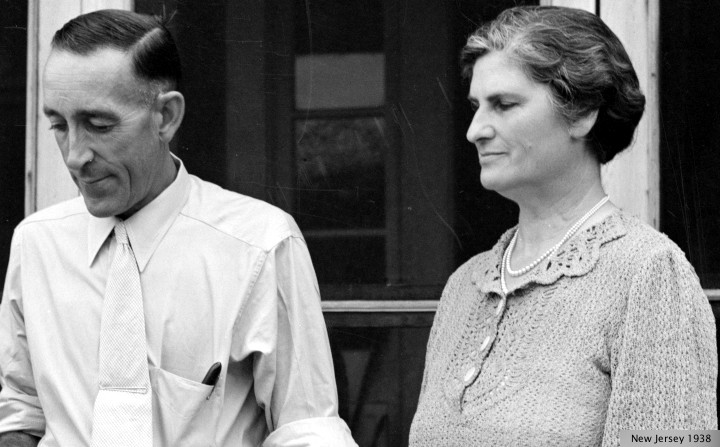
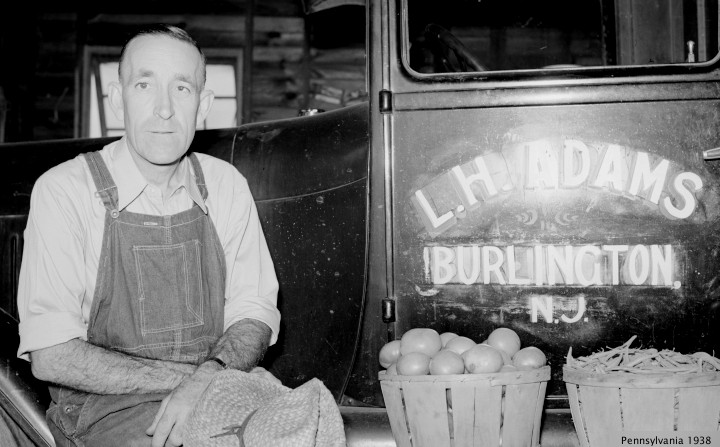

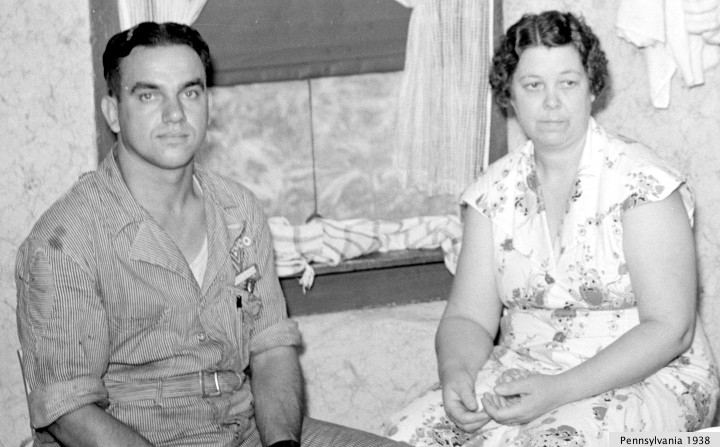

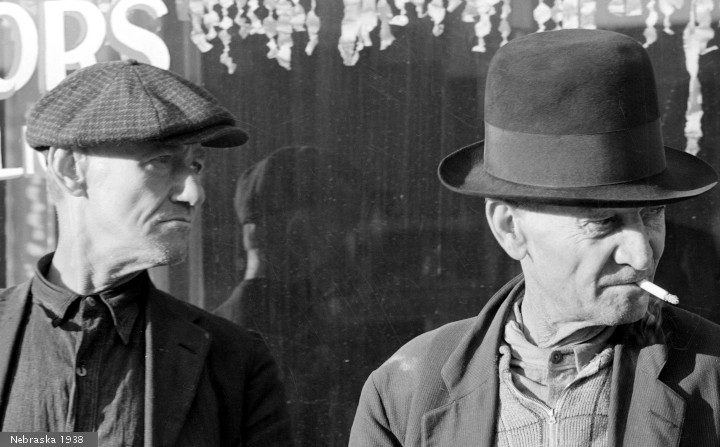

Today is the first full day with the machine back. It went down wednesday morning. Thirty six hours later, I got it back. A new hard drive is like having a new machine, except that the documents, on a separate hard drive, are intact. Getting a new machine is always an adventure. Some things don’t work like they did before. I still don’t have everything going like I like, and may never.
It is early morning. Today is the day before solstice, the end of the year. Where does this year end find me, 65 plus years into my life? In some ways, I struggle. In some ways, I am doing well. I woke up, and was able to walk. There was food in the kitchen. The roof over my head does not leak. There is a machine to work, and play, with. The last item has been a part of the game for 20 years now.
Yesterday, I did not pay attention to the news. I heard something about an impeachment, which I have little good to say about. There was another item on facebook. A writer put a comment up on twitter yesterday. The writer follows 666 people, which may be intentional.
@jk_rowling “Dress however you please. Call yourself whatever you like. Sleep with any consenting adult who’ll have you. Live your best life in peace and security. But force women out of their jobs for stating that sex is real? #IStandWithMaya #ThisIsNotADrill.”
“We’ve watched her dance around it for a while, but JK Rowling has officially spoken her anti-trans stance, as she denies the existence of trans people and actively supports an employee (Maya Forstater) who was fired from her job for her aggressive and public anti-trans stance. I will no longer be engaging with Rowling or her products. Below is a screenshot I personally took from her Twitter profile (i.e. unfaked).”
Maya Forstater was fired from a government job for expressing opinions about trans women. It is not known whether these opinions affected her job performance. If the reader is interested, they can google Maya Forstater, and find out more. One slack blogger is not interested. I am not a Harry Potter fan (a potterhead.) I am not worried about “the fact that the widely beloved author could maintain such problematic beliefs.”
When you set up a new machine, there are unexpected challenges. All the pages looked stretched out. I was getting a headache. Then I looked at the resolution. The monitor is 1920 x 1080. For some reason, the machine was set to 1280 x 1024. This is why everything was stretched out. This was one of the easier problems to resolve.
After dinner, it was time to install GIMP. This is the one program I cannot do without. It was not a smooth process. First, I installed the latest, and greatest, version. I started to install the keyboard shortcuts. Many features had moved. I had to type in every feature to install the new shortcut.
Then I got to edit – fade. This is a feature I use a great deal. It was not included on the LG version. After searching high and low, I decided to uninstall, and try an earlier version. The first one I tried did not have fade. Finally, I went back to the version that I had been using, before the crash.
To try this out, I decided to do a poem, using fade. First, I had to create the text. To do this meant clicking on Bookman Old Style, the font I enjoy using. Unfortunately, this font was not on the new hard drive. I found a copy of BOS online, and installed it on the machine. It works for WordPad, but not for GIMP. I decided to use Georgia as a substitute. Finally, I was able to get a photo to look like I want, using fade. At this time, I am ready to post this story, and move on with my day. Pictures today are from The Library of Congress.




Chamblee54 She Is Nursing The Baby Jesus


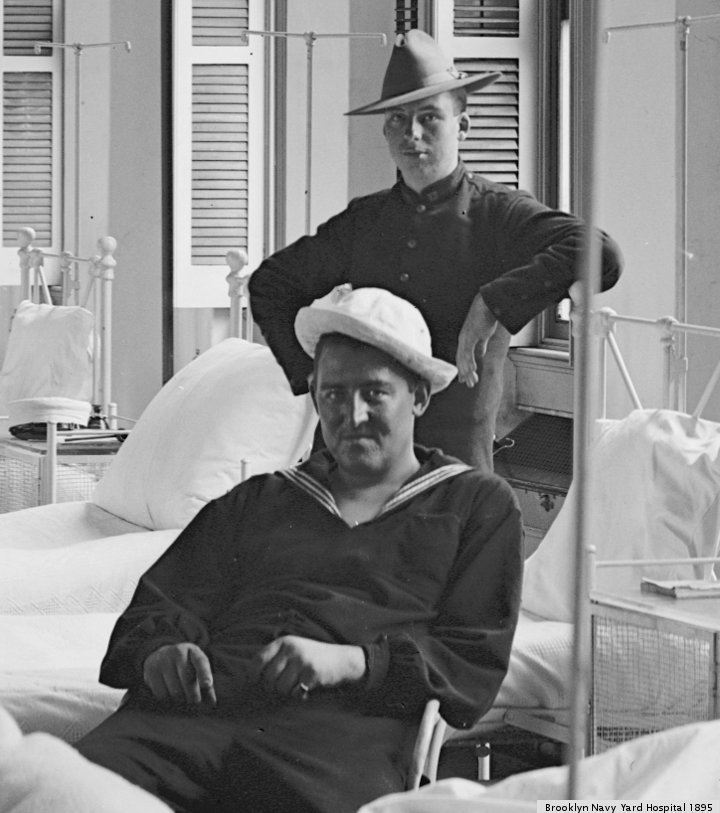
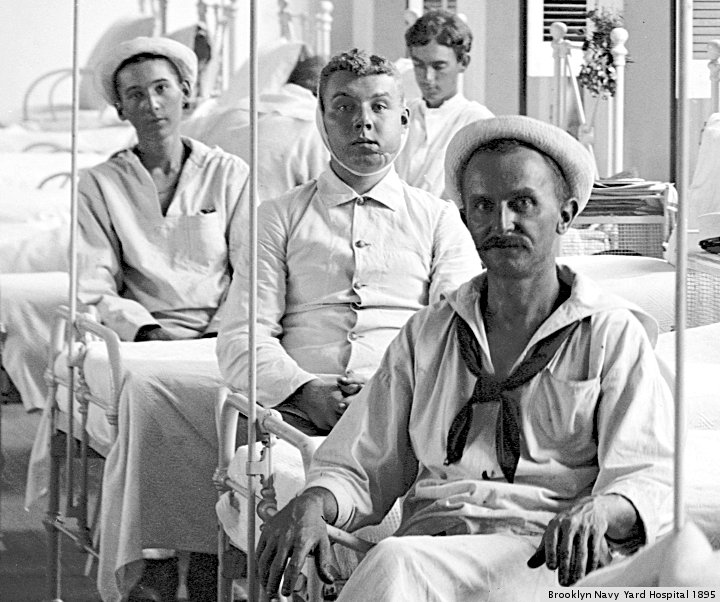
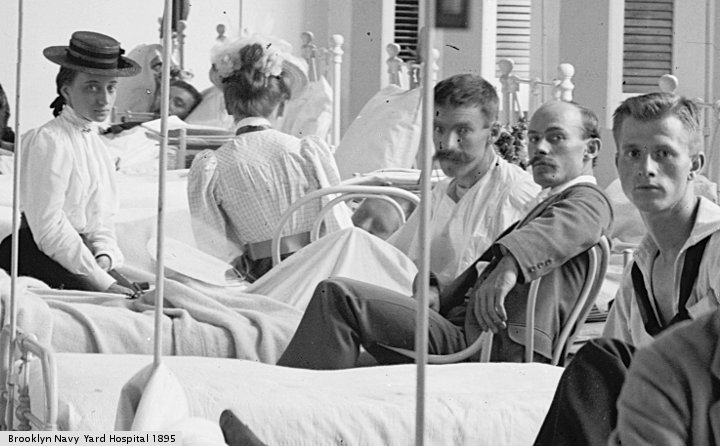


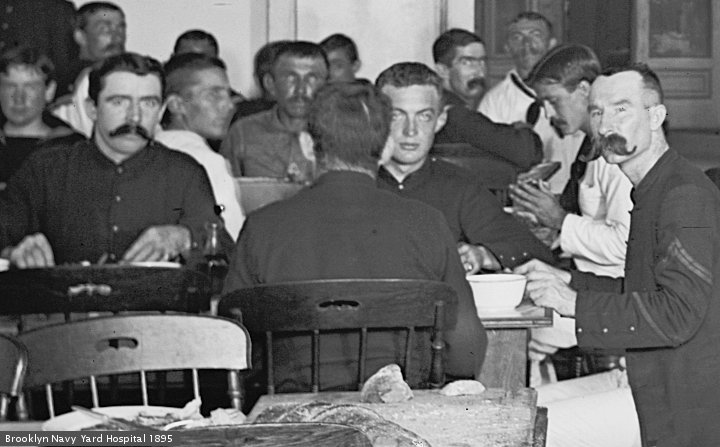
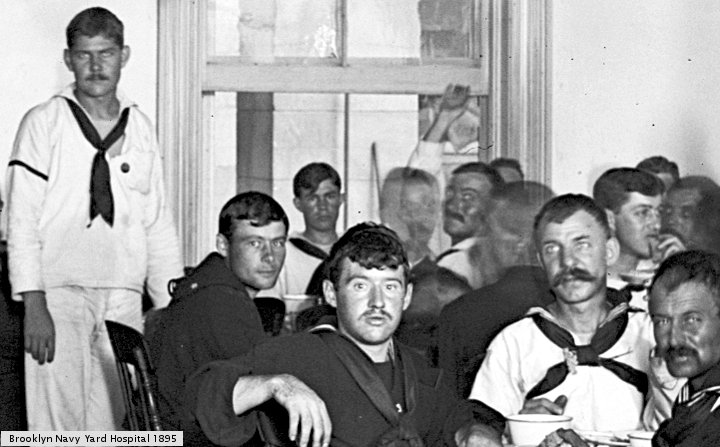
The story below was found at the website of James Petras . HT to palestinianpundit. Pictures are from The Library of Congress. This is a repost.
The settlements were still being built, financed mostly by Jewish money from America, contributions from Wall Street speculators and owners of gambling dens. “Good thing”, Joseph thought, “we have a few sheep and olive trees and Mary keeps some chickens. But Joseph worried, “cheese and olives are not enough to feed a growing boy. Mary is due to deliver our son any day”. His dreams foretold of a sturdy son working alongside of him…multiplying loaves and fish.
The settlers looked down on Joseph. He rarely attended shul, and on the high holidays, he would show up late to avoid the tithe. Their simple cottage was located in a nearby ravine with water from a stream, which flowed year round. It was choice real estate for any settlement expansion. So when Joseph fell behind on his property tax, the settlers took over their home, forcibly evicted Joseph and Mary and offered them a one-way bus ticket to Jerusalem. Joseph, born and raised in the arid hills, fought back and bloodied not a few settlers with his labor-hardened fists. But in the end he sat, battered on their bridal bed under the olive tree, in black despair. Mary, much the younger, felt the baby’s movements. Her time was near. “We have to find shelter, Joseph, we have to move on …this is no time for revenge”, she pleaded. Joseph, who believed with the Old Testament prophets in an “eye for an eye”, reluctantly agreed. So it was that Joseph sold their sheep, chickens and other belongings to an Arab neighbor and bought a donkey and cart. He loaded up the mattress, some clothes, cheese, olives and eggs and they set out for the Holy City.
The donkey path was rocky and full of potholes. Mary winced at every bump; she worried that it would harm the baby. Worse, this was the road for the Palestinians with military checkpoints everywhere. No one ever told Joseph that, as a Jew, he could have taken a smooth paved road – forbidden to the Arabs. At the first roadblock Joseph saw a long line of Arabs waiting. Pointing to his very pregnant wife, Joseph asked the Palestinians, half in Arabic, half in Hebrew, if they could go ahead. A path was opened and the couple went forward. A young soldier raised his rifle and told Mary and Joseph to get down from the cart. Joseph descended and nodded to his wife’s stomach. The soldier smirked and turned to his comrades, “The old Arab knocks up the girl he bought for a dozen sheep and now he wants a free pass”. Joseph, red with anger, shouted in rough Hebrew, “I am a Jew. But unlike you … I respect pregnant women”. The soldier poked Joseph with his rifle and ordered him to step back: “You are worse than an Arab – you’re an old Jew who screws Arab girls”. Mary frightened by the exchange turned to her husband and cried, “Stop Joseph or he will shoot you and our baby will be born an orphan”.
With great difficulty, Mary got down from the wagon. An officer came out of the guard station, summoning a female soldier, “Hey Judi, go feel under her dress, she might be carrying bombs” “What’s the matter? Don’t you like to feel them yourself anymore? ” Judith barked back in Brooklyn-accented Hebrew. While the soldiers argued, Mary leaned on Joseph for support. Finally, the soldiers came to an agreement. “Pull-up your dress and slip”, Judith ordered. Mary blanched in shame. Joseph faced the gun in disgrace. The soldiers laughed and pointed at Mary’s swollen breasts, joking about an unborn terrorist with Arab hands and a Jewish brain.
Joseph and Mary continued on the way to the Holy City. They were frequently detained at the checkpoints along the way. Each time they suffered another delay, another indignity and more gratuitous insults spouted by Sephardim and Ashkenazi, male and female, secular and religious – all soldiers of the Chosen people. It was dusk when Mary and Joseph finally reached the Wall. The gates had closed for the night. Mary cried out in pain, “Joseph, I can feel the baby coming soon. Please do something quickly”. Joseph panicked. He saw the lights of a small village nearby and, leaving Mary on the cart, Joseph ran to the nearest house and pounded on the door. A Palestinian woman opened the door slightly and peered into the dark, agitated face of Joseph. “Who are you? What do you want?” “I am Joseph, a carpenter from the hills of Hebron. My wife is about to give birth and I need shelter to protect Mary and the baby”. Pointing to Mary on the donkey cart, Joseph pleaded in his strange mixture of Hebrew and Arabic.
“Well, you speak like a Jew but you look like an Arab,” the Palestinian woman said laughing as she walked back with him to the cart. Mary’s face was contorted with pain and fear: her contractions were more frequent and intense. The woman ordered Joseph to bring the cart around to a stable where the sheep and chickens were kept. As soon as they entered, Mary cried out in pain and the Palestinian woman, who had now been joined by a neighbor midwife, swiftly helped the young mother down onto a bed of straw. And thus the child was born, as Joseph watched in awe.
It came to pass that shepherds, returning from their fields, heard the mingled cries of birth and joy and hurried to the stable carrying both their rifles and fresh goat milk, not knowing whether it was friend or foe, Jew or Arab. When they entered the stable and beheld the mother and infant, they put aside their weapons and offered the milk to Mary who thanked them in both Hebrew and Arabic. And the shepherds were amazed and wondered: Who were these strange people, a poor Jewish couple, who came in peace on a donkey cart inscribed with Arabic letters?
The news quickly spread about the strange birth of a Jewish child just outside the Wall in a Palestinian’s stable. Many neighbors entered and beheld Mary, the infant and Joseph. Meanwhile, Israeli soldiers, equipped with night vision goggles, reported from their watchtowers overlooking the Palestinian neighborhood, “The Arabs are meeting just outside the Wall, in a stable, by candle light”. The gates under the watchtowers flew open and armored carriers with bright lights followed by heavily armed solders drove out and surrounded the stable, the assembled villagers and the Palestinian woman’s house. A loud speaker blared, “Come out with your hands up or we’ll shoot.” Joseph stepped forward with his hands stretched out to the sky and spoke, “My wife, Mary cannot comply with your order. She is nursing the baby Jesus”

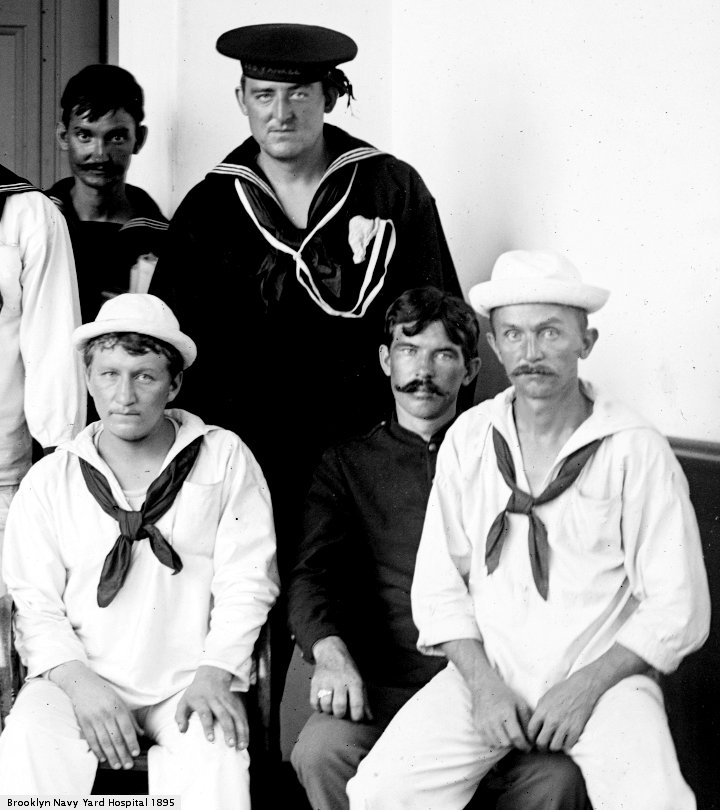
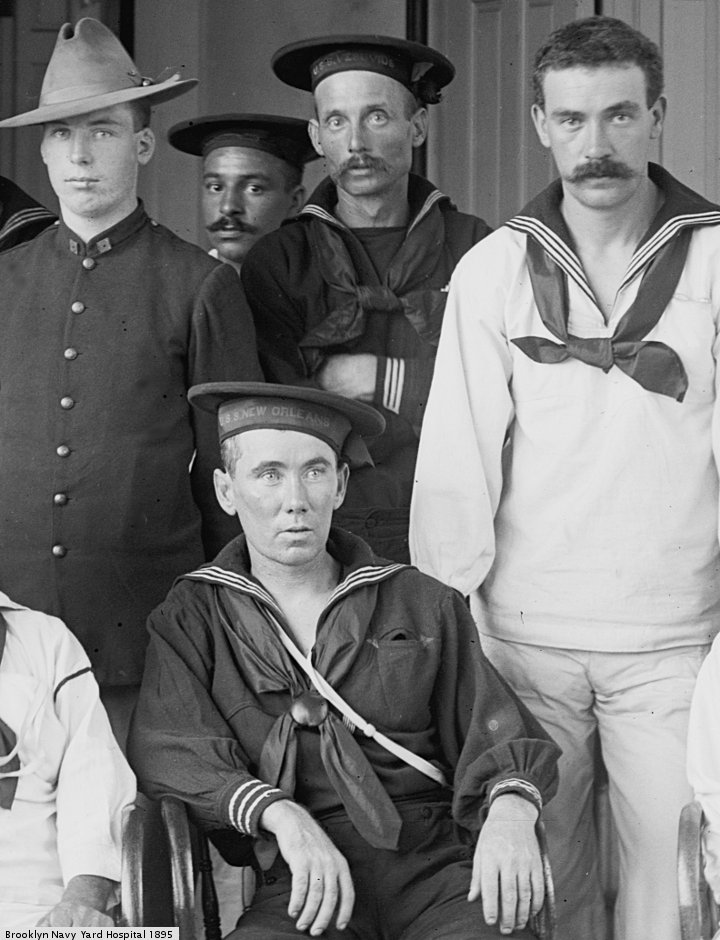




Fruitcake


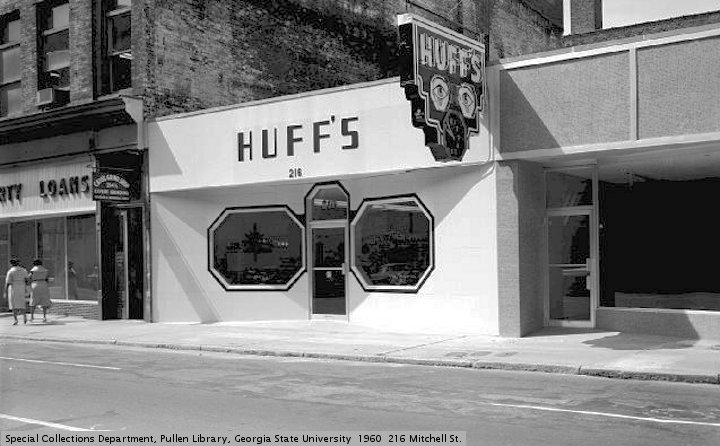


December 27 is National Fruitcake Day PG sees a chance for some text to put between pictures. He would be nutty as a fruitcake to turn down this chance. This is a repost. Part two of this recycled holiday blog party is a tribute to The Fruitcake Lady.
Fruitcakes were buried with the dead in Ancient Egypt. It’s true. Ancient Egyptians used to fill the tombs of the dead with all the supplies that they would need to enjoy the afterlife, including food and water. Fruitcake was often put into the tomb of a deceased person because a fruitcake soaked in a natural preservative like alcohol or fruit juice would last a long time. It was thought that the preserved fruitcake would not spoil on the journey to the afterlife. Fruitcake was a staple food of other ancient Middle Eastern, Southeast Asian and Mediterranean cultures as well
Candied fruits are used in fruitcake because using sugar was the only way to preserve the fruit long enough to get it back to Europe from the Middle East. When the Crusaders began carrying exotic fruits back to their European home the fresh fruit would spoil long before they were able to get it home. Ingenious traders began drying the fruits by candying them with sugar which made them an even more delicious treat and preserved them indefinitely. Once the candied fruits were sent to Europe and to other parts of the world they were baked into cakes so that they could be shared with family and friends on special occasions.
Fruitcakes will last for years without spoiling. It’s true. A fruitcake that is properly preserved with an alcohol soaked cheesecloth that is then wrapped in plastic wrap or foil can be kept unrefrigerated for years without spoiling. In the past, before refrigerators came along, families would make fruitcake for holidays and special occasions months in advance of the actual event and then let the covered fruitcakes sit wrapped in an alcohol soaked cloth until the event happened. As long as the cloth was remoistened with alcohol occasionally the cakes not only didn’t spoil, they actually tasted richer and sweeter because they had been soaking in brandy and rum for a couple of months.
To millions of fruitcake consumers, the town of Claxton GA is very special. This south Georgia town, just down the road from Reidsville, is home to Claxton Fruit Cake . The story of the Claxton Fruit Cake company is a sweet one. Savino Tos founded the Claxton Bakery in 1910. He hired Albert Parker in 1927, and sold him the business in 1945. Mr. Parker decided to sell Fruit Cake to America.
No story about fruitcake is complete without mentioning the “Fruitcake Lady.” Marie Rudisill , an aunt of Truman Capote, wrote a book of fruitcake recipes. She became a tv celebrity, before going to the bakery in the sky November 3, 2006.
The urban dictionary has nine listings for fruit cake. The ones for homosexuals and crazy people are there. UD gets creative with this selection: “The act of releasing green chunky diarrhea onto your partners face then, ejaculating on it, then punching him/her in the nose causing the colors to mix together to form a fruit cake like color.”
If you tire of jokes about fruitcake, you can go to The society for the protection and preservation of fruitcake . (If you click on the “new URL”, you will be invited to join in the green card lottery.) There used to be a link on the society page that enables you to buy Fruitcake Mints. “Keep your breath fruitcake fresh with these festive mints!”
Pictures are from “The Special Collections and Archives, Georgia State University Library”.


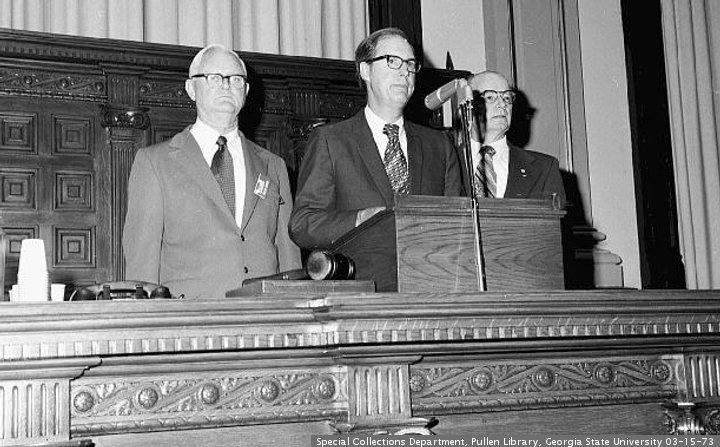

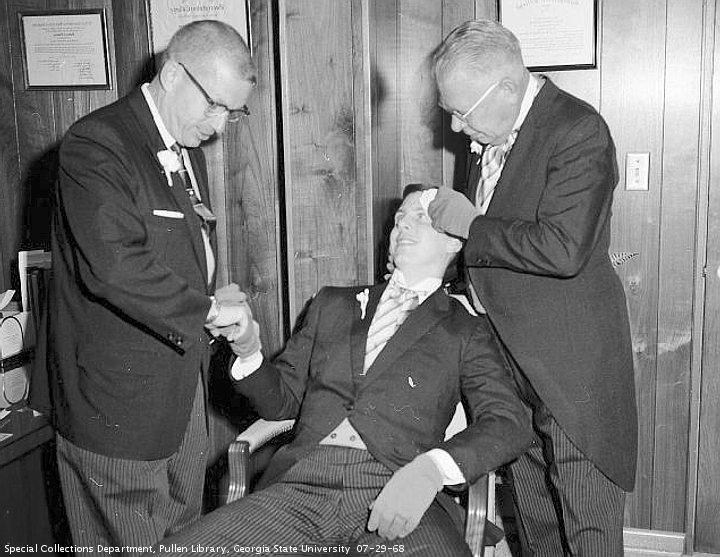
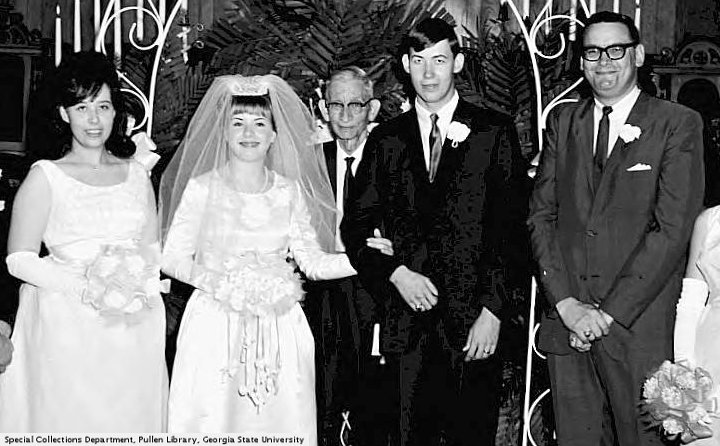


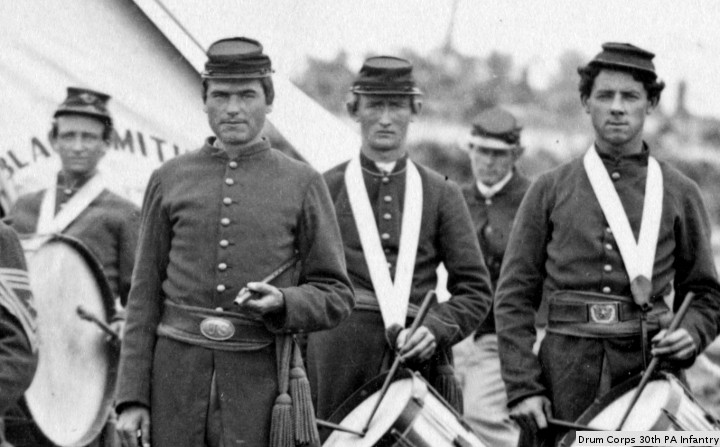


There was a political comment on facebook. The last sentence was “No wonder Georgia turned Republican after the Clintons sold poor people out.” The person making this comment was born in 1980, the same year Georgia elected a Republican to the US Senate. This person also was born and raised in Florida. PG thought of a smart comeback. This is a repost.
There was a famous video by the Fruitcake Lady. In the first part, a young lady asks who to vote for in an upcoming election. FL makes a face, and said “you’re gonna ask someone who lives in FLORIDA how to vote?” This is along the lines of a Floridian transplant explaining the Republicanization of Georgia. Unfortunately, the video with the Fruitcake Lady had been taken down for copyright infringement. The spell check suggestions for Republicanization: Recapitalization, Cannibalization.
PG wasn’t really doing anything, and was in the mood for a google wild goose chase. This led to an amazing article, Sweet as Sugar, Rude as Hell, My Lost Interview with Truman Capote’s Aunt. A writer for the fishwrapper went to a mobile home in Hudson, FL. He talked to Marie Rudisill, who was best known as Truman Capote’s “Aunt Tiny.” The meeting took place in 1997, and was not what the writer expected. A family friendly version of the meeting was published The journalist received a slice of fruitcake in the mail. Everyone concerned went on with their lives.
Marie Rudisill died November 3, 2006, after becoming famous as the Fruitcake Lady. As for the journalist: “When I left The Atlanta Journal-Constitution in 2009, I stashed 27 years of old newspapers, tapes and ephemera in my garage. Nothing is more depressing to me than those boxes of old newspapers. It’s my own private morgue — replete with the sickening scent of dust and roach pills…. When I finally mustered the courage to dig around, I found the Lewis interviews — as well as a cache of other recordings. Three of the tapes had Rudisill’s name scribbled on them. I was not quite ready to listen, though. I put them in a box and labeled it.”
In 1924, Truman Streckfus Persons was born in New Orleans LA. His mother, Lillie Mae (Aunt Tiny’s older sister) left her husband behind, and took the boy to Monroeville AL. They lived in a wild household. A neighbor was Harper Lee, who wrote “To Kill A Mockingbird.” Miss Lee was a close friend, as was Sook. This is Truman’s cousin, the fruitcake chef herone of “A Christmas Memory.”
After a while, Lillie Mae married Joe Capote, who adopted the boy. They moved to New York, where Aunt Tiny joined them. Truman was sent to military school. Everyone, except Lillie Mae, thought this was a terrible idea. The effort to butch up young Truman did not work.
Aunt Tiny wrote a book, Truman Capote: The Story of His Bizarre and Exotic Boyhood by an Aunt Who Helped Raise Him. It was published in 1983, a year before Truman died. “The book scandalized Monroeville — and Capote. He told The Washington Post: “If there are 20 words of truth in it, I will go up on a cross to save humanity.” Said Harper Lee: “I have never seen so many misstatements of fact per sentence as in that book.”
There is one story that sticks out…. “Rudisill breaks down just once during our interview. It’s when she recalls “the first time Truman ever had a sexual encounter with a priest.” She was living in Greenwich Village, having followed Lillie Mae and Truman to New York. “He was sitting on my doorstep when I came home from work, and he had blood all in his pants, and then he told me about this priest. And nobody, I don’t think anybody in the world ever knew that but me.”
There is more to the story. If you have the time, you might enjoy reading the full article. Pictures today are from The Library of Congress.




Rudolph




Someone posted a bit of revisionism about a holiday classic. As he sees it, “Rudolph the Red Nosed Reindeer” is about racism.
In a bit of yuletime synchronicity, the urban mythbusters at Snopes posted a piece about Rudolph the same day. It seems as though the Rudolph story was originally written for the Montgomery Ward Stores. The idea was to print a Christmas booklet to give to customers. A staff writer named Robert L. May was picked for the job.
Originally, there were concerns about the red nose, and the connection to heavy drinking. At the time, the original meaning of “merry christmas” had been forgotten. Merry meant intoxicated, and a merry christmas was a drunken one. The booklet was released. It was a big hit with shoppers.
Mr. May had a brother in law named Johnny Marks, who was musically gifted. Mr. Marks wrote the song, and somehow or another Gene Autry came to sing it. A story (which PG heard once, but cannot find a source for) had Mr. Autry doing a recording session. The session went very smoothly, and the sides scheduled to be recorded were finished early. There was a half hour of studio time paid for. Someone produced copies of “Rudolph”, gave them to the musicians, and the recording was knocked out. It became a very big hit.
“Rudolph the Red Nosed Reindeer” has become a beloved standard, without the troubling religious implications of many holiday songs. It is the second biggest selling record of all time. The only song to sell more is “White Christmas”.
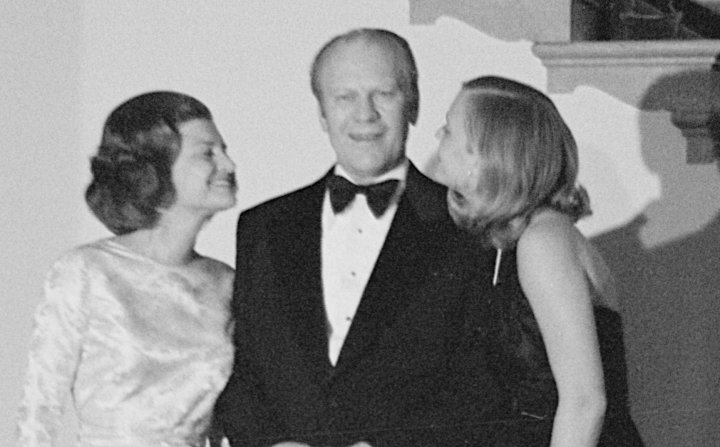
The story above is a repost. Pictures are from The Library of Congress. There is an appearance by Gerald Rudolph Ford, and his women. Betty was a merry soul.


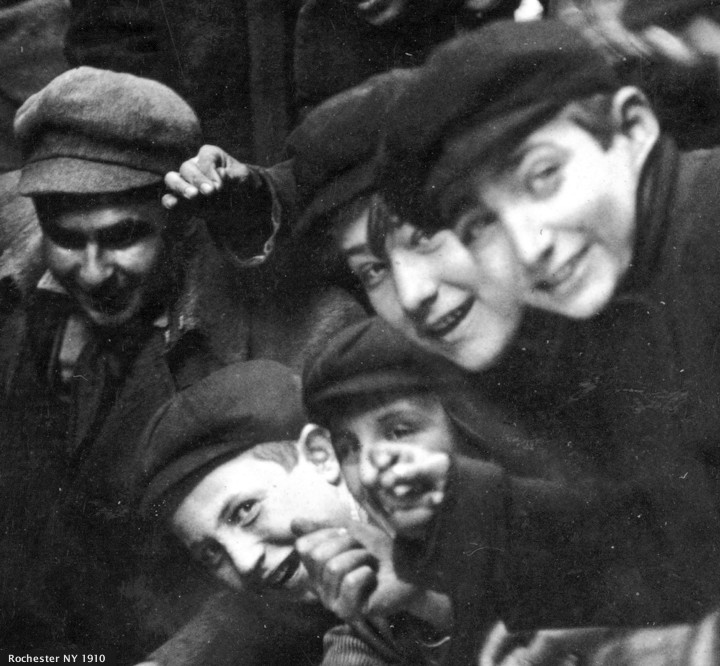

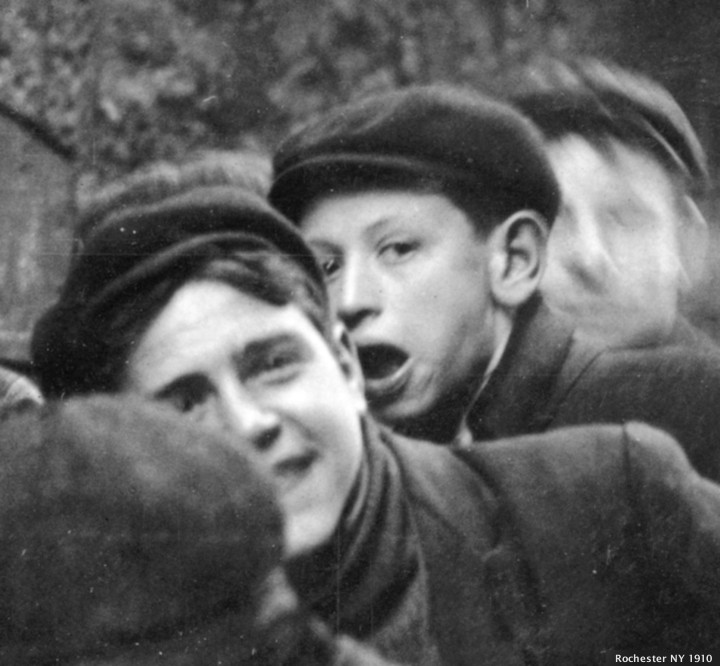
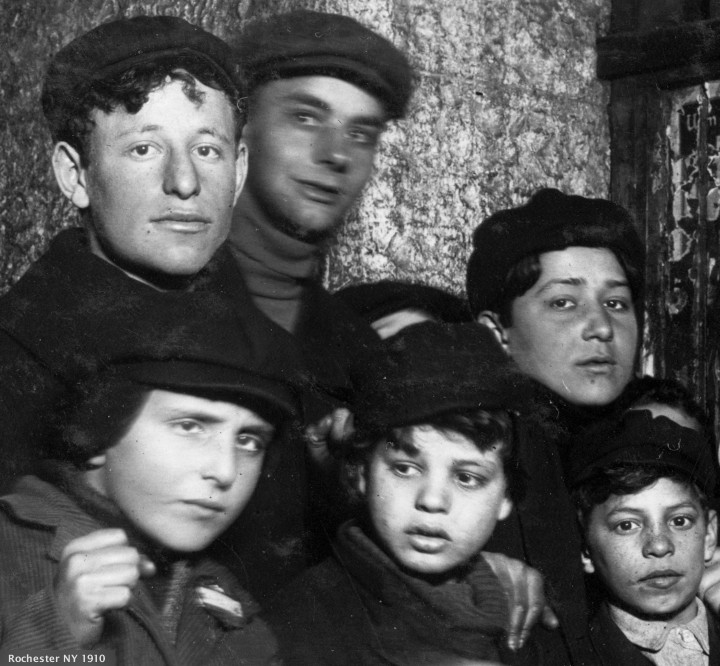
Judy Roasting On An Open Fire


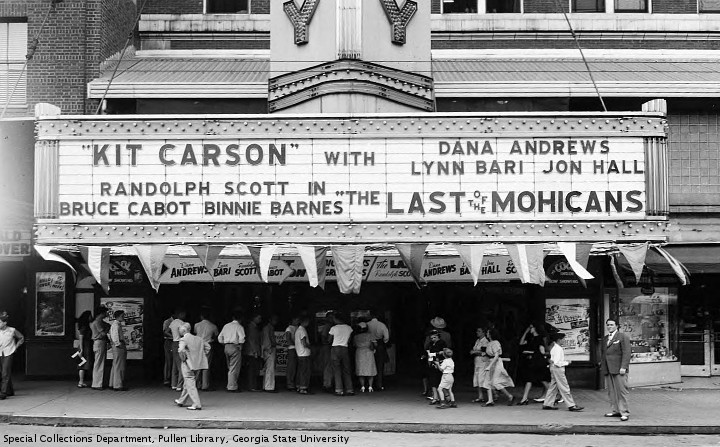
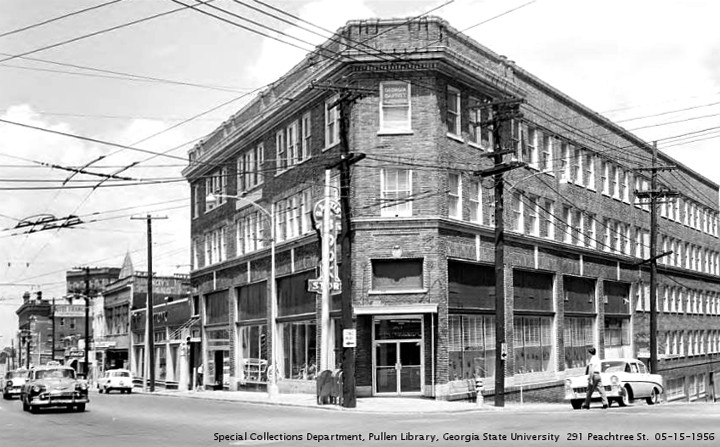
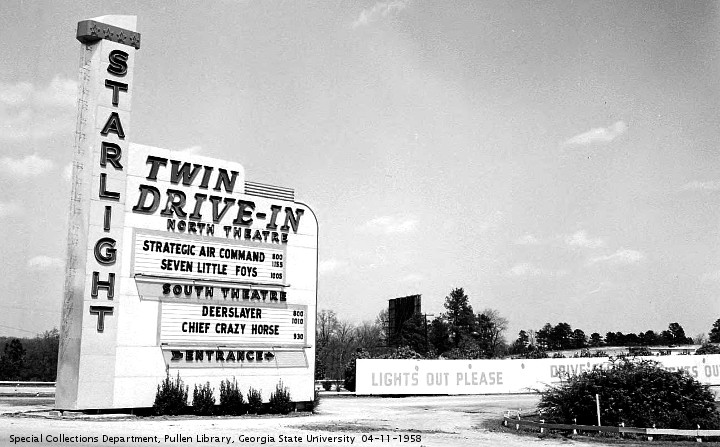
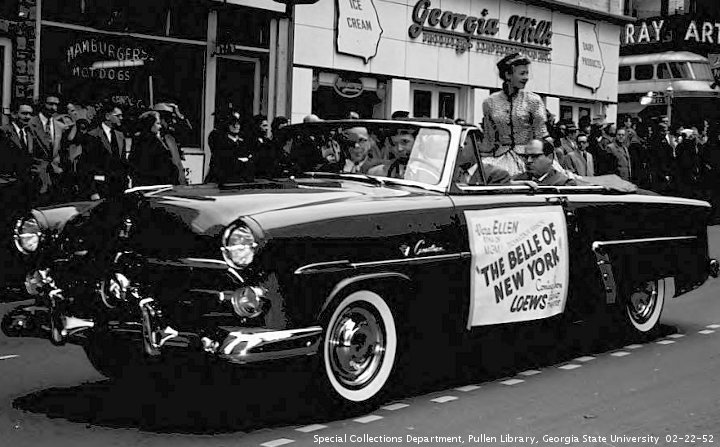
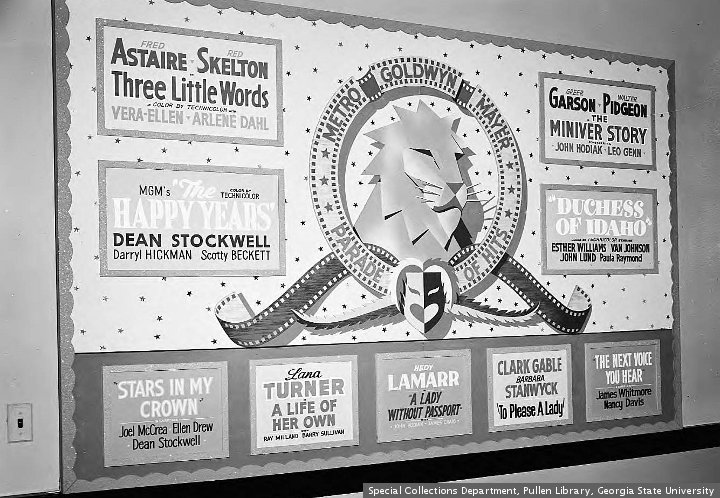
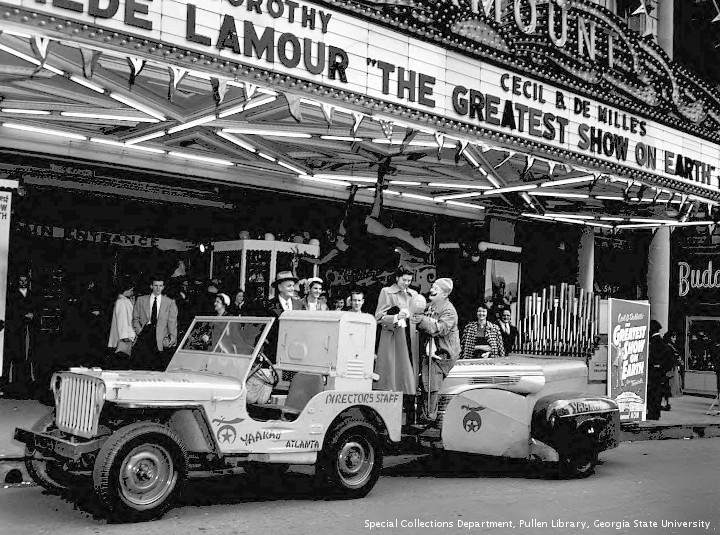
SFFILK (Not his real name) passes along a story about Mel Tormé. It seems like Mr.Tormé was eating a leisurely breakfast at a food court in Los Angeles, and a quartet appeared singing Christmas songs. They wound up performing “The Christmas Song” for co- author Tormé … and the singers had no idea who he was. It is a good story, better told in the link. This is a repost, with pictures from “The Special Collections and Archives, Georgia State University Library”.
According to the inerrant Wikipedia, Mr. Tormé collaborated with Robert Wells, until they had a falling out. One afternoon, on the hottest day of July in 1945, Mr.Tormé went to visit Mr.Wells, and saw the first four lines of “The Christmas Song” (including “Chestnuts roasting on an open fire, Jack Frost nipping at your nose”). The lines were on a note pad, and the two agreed to beat the heat of summer by completing the song. Supposedly, Mr. Tormé did not like the song very much. After three divorces, he probably didn’t see many of the royalties.
Mel Tormé was the music director of the ill fated “Judy Garland Show” in the early sixties. He wrote a book about it… The Other Side of the Rainbow: With Judy Garland on the Dawn Patrol . The story is that Miss Garland would get blasted, call Mr.Tormé in the middle of the night, and pour out her troubles. (This review is much less sympathetic towards Mr. Tormé.) While the show did not last longer, there are some great youtube clips left over.


German Pastry Christmas

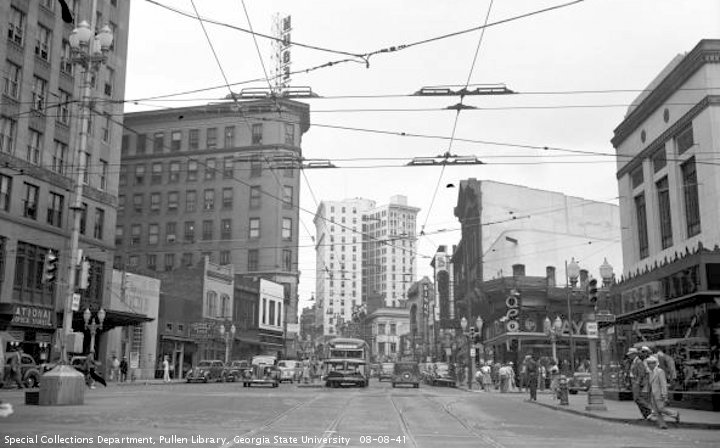
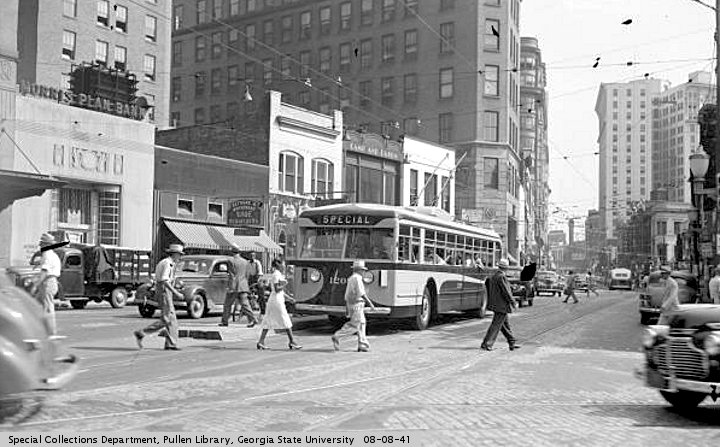


PG got an email today from Allen Hunt a radio announcer. The letter had a Christmas message. PG read the story, and heard the ding ding ding of his BS detector. Here is the story.
Merry Christmas! As the wars about the public celebration of Christmas become filled with pettiness and hostility on all sides, be not dismayed. Your celebration of Christmas depends solely on you and nobody else. I heard the story of Oswald Goulter years ago and it reminds me of that simple fact. I am responsible for how I embrace the gift of Christmas.
Oswald Goulter served as an agri-missionary to China. On his way back to the USA for furlough during World War II. His sponsor mission agency gave him a ticket to get home by boat. When Oswald arrived in the port of India, New Delhi, he found boats filled with Jews, housed there to protect their lives from Nazi Germany. The Jewish boats couldn’t land anywhere. They were not accepted or welcome anywhere at the time
Oswald went to see them and said, “Merry Christmas!”
“We’re Jewish,” they responded.
“I know, I know. But what would you like for Christmas. Merry Christmas!”
“Don’t you understand? We are JEWISH.”
“Merry Christmas. What do you want?”
To get rid of this nuisance, they said, “How about some German pastry? That sure would be grand.”
Oswald scoured the city until he found a bakery that made German pastry. Oswald sold his ticket for home to get money to purchase some pastry. He went back to the boat and shared it with them.
As he spoke about this experience later in one of his supporting churches, a very prim member of the congregation stood and asked, “Why did you do that? They were Jewish. They don’t even believe in Jesus.””I know,” Oswald replied, “but I do.”
PG sent a reply to the original email. This post is being written an hour later, so it is not unreasonable that Mr. Hunt has not replied.
Allen do you have any proof that Oswald Goulter existed? This story seems a bit far fetched. I googled Oswald Goulter, and all I see is the same story told over and over.
Why did he go to India? This is over the Himalayan mountains, or around Vietnam. Couldn’t he do just as well in North Asia, or even Russia?
When did this incident happen? There are mixed indications in the versions I read, and no exact dates. If this was after WW2, then restrictions about admitting Jews would start to loosen up.
Why German pastries? After all that the German people had done to them, this seems a bit strange.
There are hundreds of real, verifiable Christmas stories out there. This one seems a bit fishy.
After sending the email, PG hunkered down in the google.(Snopes never heard of Oswald Goulter) It seems that Oswald John Goulter was born June 22, 1890 in Oklahoma. He died in March 1985, in Santa Clara California. He was interviewed in 1971 as part of a project involving missionaries to China. “This interview supplements the account of Goulter’s life in Wilfred Powell’s Scattered Seed. Mr. Goulter portrays the disruption in Chinese life in the area of Lu-chou (Hofei) in Anhwei province during the years 1922 to 1951. He tells how the Communists were able to take advantage of the disorder caused by warlords and bandits and the Japanese invasion to drive the nationalists from power. He also discusses his conception of practical Christianity and its applicability in China.”
There is another story about Mr. Goulter. After the communist takeover, Mr. Goulter and his wife, Irene, were taken into custody. Mr. Goulter was beaten repeatedly, but refused to renounce his faith. Finally he was released (or, in some versions, escaped). This imprisonment is generally agreed to for three years. If he left in 1951, that would be consistent with the time line of the communist takeover.
In the Hunt version of the story, Oswald Goulter left during World War 2.
This does not answer the question of why Mr. Goulter would go to India, before America. It also does not account for the appearance of the Jews in India, six years after the end of World War 2. It should also be noted that India was in chaos, with the advent of Independence and the partition. Would they have Jews hiding in the city?
There is a book, Scattered Seed: The Story of the Oswald Goulters, Missionaries in China 1922-51. PG does not know if it discusses German pastries.


This is a repost, with pictures from “The Special Collections and Archives, Georgia State University Library”. The original had several comments about Mr. Goulter, which we will share below. Allen Hunt sent a reply, which was lost in a hard drive crash. It was rather snide. Dr. Hunt has quit sending emails to PG. His radio show is no longer being broadcast.
Lindsay goulter said, on February 26, 2010 at 3:26 am Hi oswald goulter was my great uncle.Born in Auss. If you would like to know more about him please reply to my e/mail. lindsay g
Teena Anderson said, on October 30, 2010 at 10:02 pm
Oswald Goulter is my grandfather. He was a missionary to China for 30 years. His story is told in the book Scattered Seed by Wilfred Powell. Oswald and Irene had 3 daughters, Lovena, Doris ( who is still living!) and Jean. Doris and Jean were born in China. Jean was my mother-she spoke excellent chinese with a Hefei accent. I am the eldest grandchild. They lost a baby boy born in China and buried him in the mountains of Kuling, where the missionaries would go for the summer.
My husband, Hugh Anderson (Presbyterian minister) and I have taught in China with the Amity Foundation. Our first summer of teaching we traveled to Hefei and met Rev. Zhu who helped Oswald after he had been confined in the internment camps. They were great friends. Rev. Zhu’s son is now a Disciple of Christ minister here in the United States. Teena Anderson, Medford, Oregon.
chamblee54 said, on October 30, 2010 at 10:09 pm
Thanks for stopping by. Do you know if the story about the German Pastries was true? It is an inspiring story, but as I noted in my post, there are a few issues with it.
Miaohua Jiang said, on January 19, 2011 at 11:06 pm
The book by Wilfred E. Powell titled Scattered Seed came in mail yesterday. I searched in the book for any evidence that this story might actually happened. Unfortunately, the story as it is stated never happened. At least it did not happen in India.
The sabbatical year was between 1936 and 1937. The family did take the western route going through Europe to return to US. They arrived in US in September 1936. Christmas of 1936 was their first Christmas in US in many many years. They were not able to return to China because of Japenese invasion until late 1937. Mr. Goulter did help refugees in Shanghai around Christmas time 1937. The book did mention that Shanghai also had ships with Jewish refugees. So, the story could have happened in Shanghai, China, instead of India. It did not involve boat tickets. Mr. Goulter had clothings shipped from Los Angeles to Shanghai. Also Mr. Goulter was interned by Japenese for many years, not communists.
chamblee54 said, on January 20, 2011 at 12:02 am
Thank you for following through. That is an inspiring story, too bad it can’t be proven to be true.
Miaohua Jiang said, on January 1, 2011 at 10:13 pm
Doris is visting us this new year’s day of 2011!
Miaohua Jiang said, on January 4, 2011 at 2:23 pm
This is what I got from my conversation with Doris, O.J.’s second daughter. According to Doris, Mr. Goulter did not like his first name. Chinese people would simply call him Gou Shee-Sang (Mr. Gou). Doris was born in Hefei in 1924. Her mother homeschooled the girls. By the time she was 10, they felt it was time for girls to have a more formal education in Shanghai. Before they left for Shanghai, they travelled for a year to Europe, going through possibly the Hongkong – India route. So, it was around 1934 – a time Jews were forced to escape Germany. So, the story is credible. The girls stayed in Shanghai until 3 month before Pearl Harbor was attacked when American government ordered evacuation of women and children. Mr. Goulter stayed behind and was imprisoned by invading Japenese because of his British citizenship. I am ordering this book and hopefully when Doris visits again next time I will have a chance to verify a few more details with her. Amazingly, after leaving Hefei for more than 75 years, she can still speak the local dialect and sing local children songs forgotten even by the local people.
Teena Anderson said, on October 30, 2010 at 10:09 pm
Oswald Goulter was my grandfather. He was born in Australia. He heard about the Boxer rebellion and felt called to go to China. He came to the U. S. to get more education. He married Irene Goucher (my grandmother) in Oklahoma and they spent 30 years together in China. They had 3 daughters, 2 of whom were born in China. My mother was born in Tsingtao but spent 10 years in Hefei (Lu Chow Fu). She had a great Hefei accent. They also had a baby boy that died and was buried in the Kuling mountains. (Lu Shan) Oswald Goulters life was written by Wildfred Powell in the book Scattered Seed. Our family still have ties to Chinese that were ministered by my grandfather. There are many more accounts of what my grandfather accomplished in China. He loved the Chinese and they loved him. Teena Anderson of Medford, Or.
Lauri Penry said, on March 25, 2012 at 8:27 am
My grandparents (Dr. and Mrs. Paul R. Slater) served as medical missionaries in China with the Goulters. I have heard the story many times of how my grandfather met up with Mr. Goulter, and he wasn’t wearing shoes. So my grandfather gave him his. The next time they crossed each other’s paths, Mr. Goulter was again without shoes. He told my grandfather that he found someone who needed them more than he did.
I was just going through some pictures at my parents’ house this weekend, and found one with Mr. Goulter in it. I am in the process of reading Scattered Seed now. My parents were attending Phillips University when Mr. Goulter was a member of the faculty. From what I have always heard about this man, he was exceptional, and a true servant!
John McBride said, on May 10, 2012 at 10:10 am
Oswald Goulter is my grand uncle and he was born in Australia. I had the pleasure of meeting him and Irene in in either 1973/4 when they visited Australia and later in San Jose in 1981. He was quite some bloke who’s achievements were quite incrediable. My grand father was a potato farmer at a place called Irrewillipe, about 100 miles west of Melbourne. One year my brother and I spent our Easter weekend (4 days in Australia) helping dig up the crop. At night, my grandfather read Oswald’s letters to us by kerosene lamp beside the wood stove in the kitchen. As a ten year old, those letters were more exciting to listen to than reading my Superman comics.




Thanksgiving Story








Thanksgiving was a time our family cherished. It was the only time all of us got together under one roof and mingled. Except for me. ~ I was the the family embarrassment. They were Catholic, and disliked my way of life. I played guitar, loved Heavy Metal, and worshiped Satan. ~ All this explains why my family shunned me. In their eyes, I was the flaw of a nearly perfect gem, but in mine, I was the cream of the crop.
I should’ve known they had something awful in mind when they asked me to join them somewhere. They drove me to the very corner of the ranch. ~ “What the fuck are we doing back here,” I asked. My only reply was, “Shut up you blaspheming fool.”
At last we got to the destination. My father, mother, and sister were standing around, wearing funeral clothes. ~ In the middle was a shallow grave. “What’s that hole for?” I asked dumbly. “Take a guess you satanic fucker!” Was the reply from my father.
I felt a thud on my head. I hit the ground with a loud thlap. I turned in spite of excruciating pain to see my uncle wielding a shovel. ~ I touched the back of my head to find my fingers coated in blood. I suddenly grew light headed and passed out. When I woke up I inhaled dirt. ~ Luckily, my family didn’t know how to properly bury someone so I was able to dig myself out. I sat there and puked for about fifteen minutes.
When I got back, it was Thanksgiving night. through the window I could see my family, sitting there, saying grace like the sheeple they were. ~ Seeing them praying made my hate for them and all Catholics grow. It went from a smouldering, muddled anger, to a flaming, outrageous hatred
I ran into the garage and found my uncle’s shotgun, sitting there, waiting for me, beckoning, saying, “Go ahead, make these fuckers pay.” ~ “Hi Mom!” I shouted as I pulled the trigger, I started laughing uncontrollably as I continued firing at my family until I was empty.
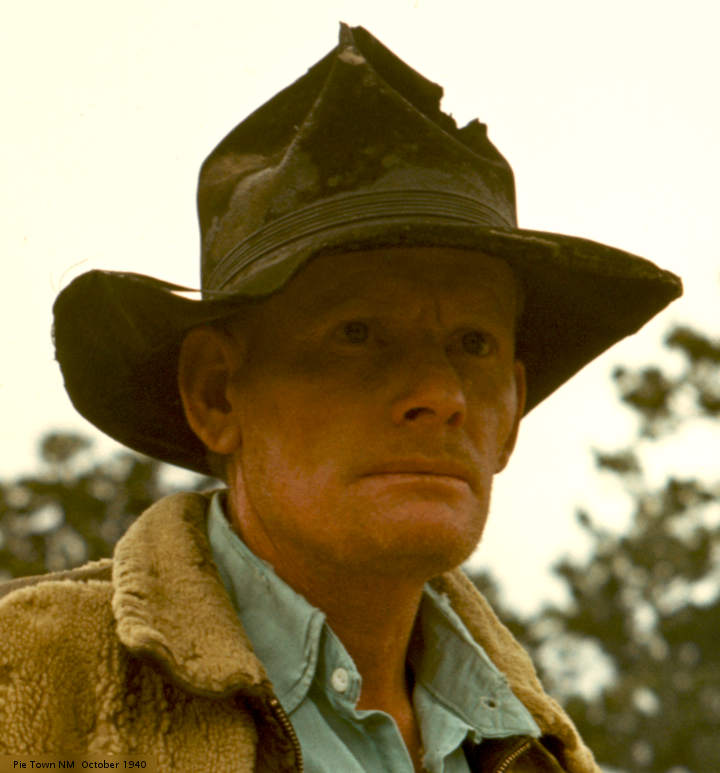
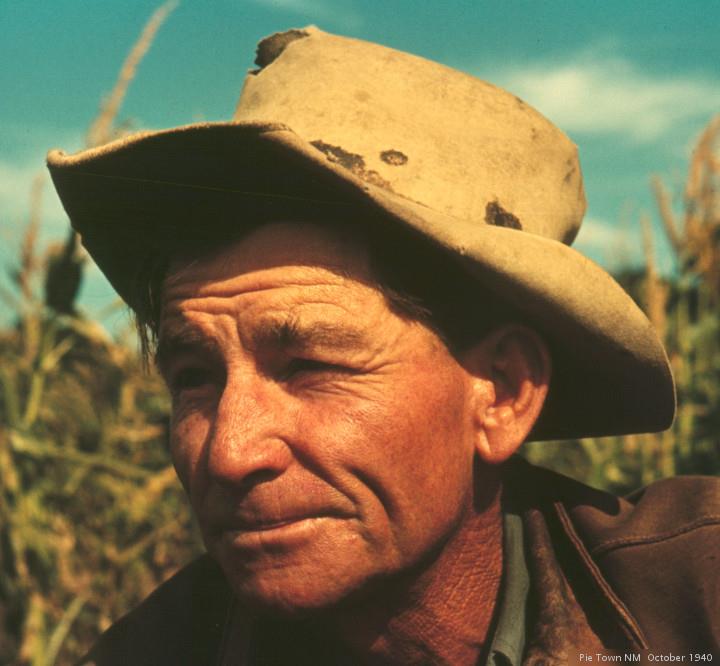
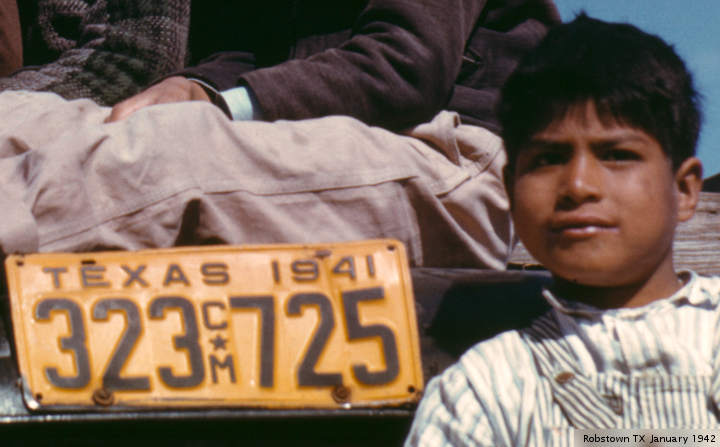
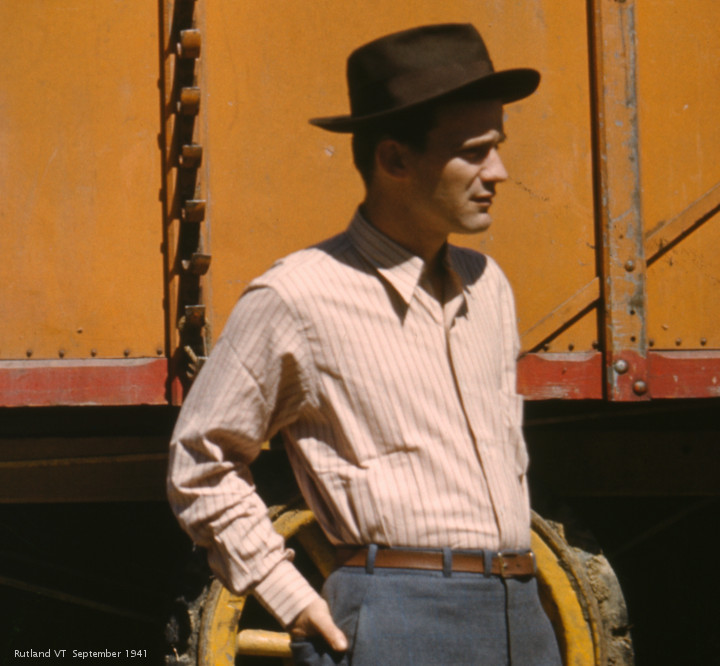
“WHAT THE FUCK IS WRONG WITH YOU?!” My father asked, wounded, shot in the gut. “Wrong with me?” I asked calmly. “What’s wrong with you?” ~ With that I threw the gun away and dined. Not on Turkey, but on raw human flesh. It was the best Thanksgiving ever. ~ Twitter serialization by @creepypasta_txt. Pictures are from The Library of Congress. This is a repost.






 Chamblee54
leave a comment