Agent 99
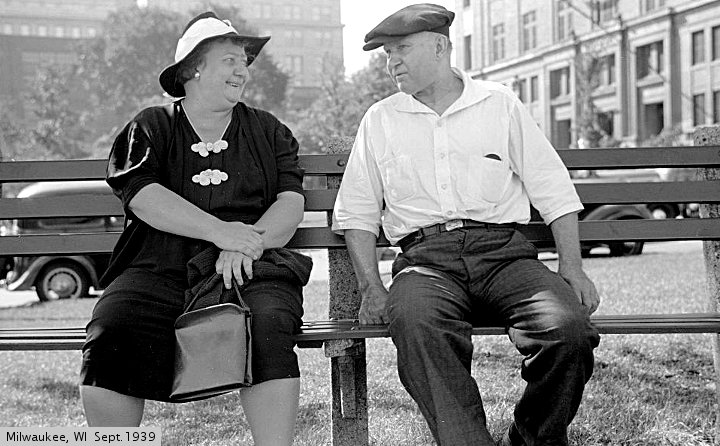

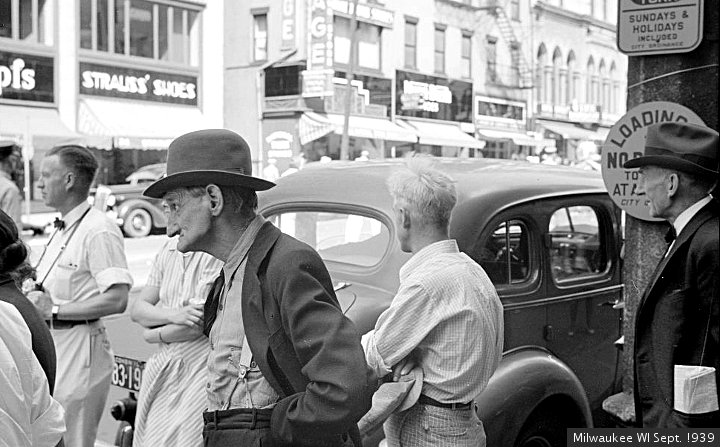


Agent was hired to babysit Agent Maxwell Smart. She had his back at all times. Would you believe, when told to sing “99 bottles of beer on the wall,” Agent Maxwell Smart forgot the lyrics? KAOS was scared of Agent 99. They were not worried about Agent Maxwell Smart. Agent 99 was a former fashion model, and the daughter of a spy. Would you believe, Agent 99 did not have a real name? Agent Maxwell Smart was a bachelor until he married Agent 99. This is a repost. Pictures today are from The Library of Congress. Trivia is from the IMDB. One trivia item is fake.


The Pursuit Of Truth



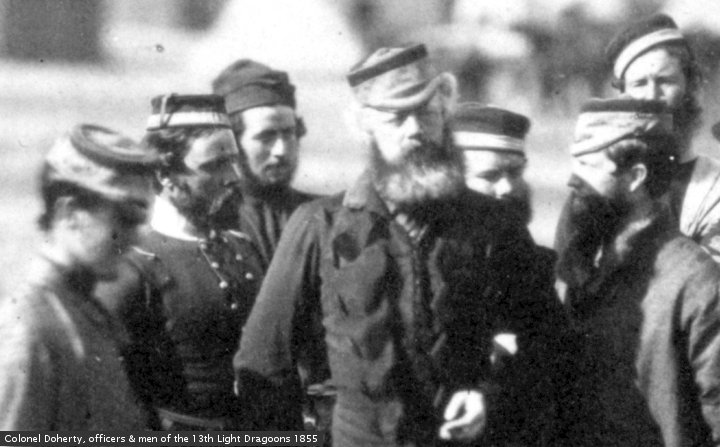
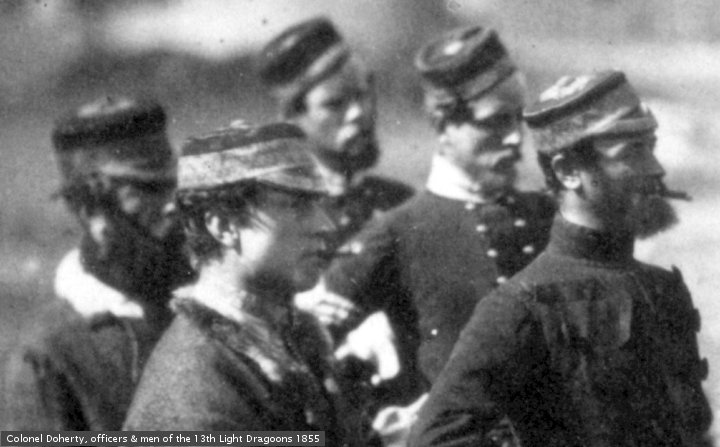
There is a podcast called The Fact of the Matter. It is about a man who likes to separate fact from fiction. “The pursuit of truth properly considered shouldn’t stop short of insanity.” After an hour or so plumbing the digital depths, PG began to appreciate the truth of that comment. Does anyone have a recipe that uses a can of worms?
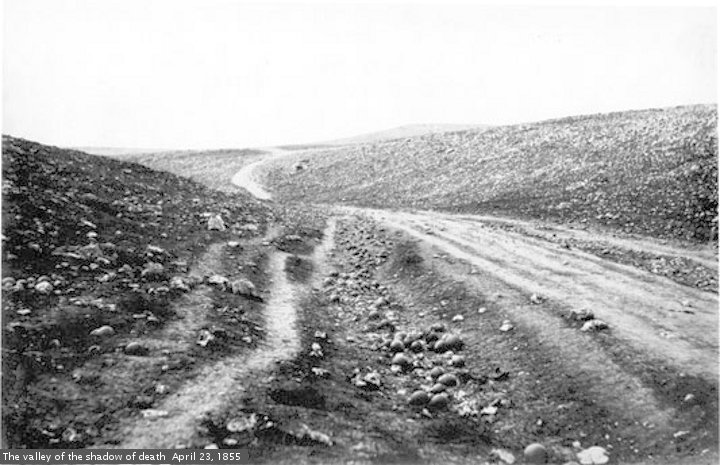
The show is about a photograph from the Crimean War, The valley of the shadow of death. It was taken by Roger Fenton April 23, 1855, near a place called Balaclava. Today, this is in Ukraine. Balaclava was the site of a nasty battle, in a bloody, pointless war. Today, a Balaclava is a colorful ski mask. It is the fashion statement of Pussy Riot.
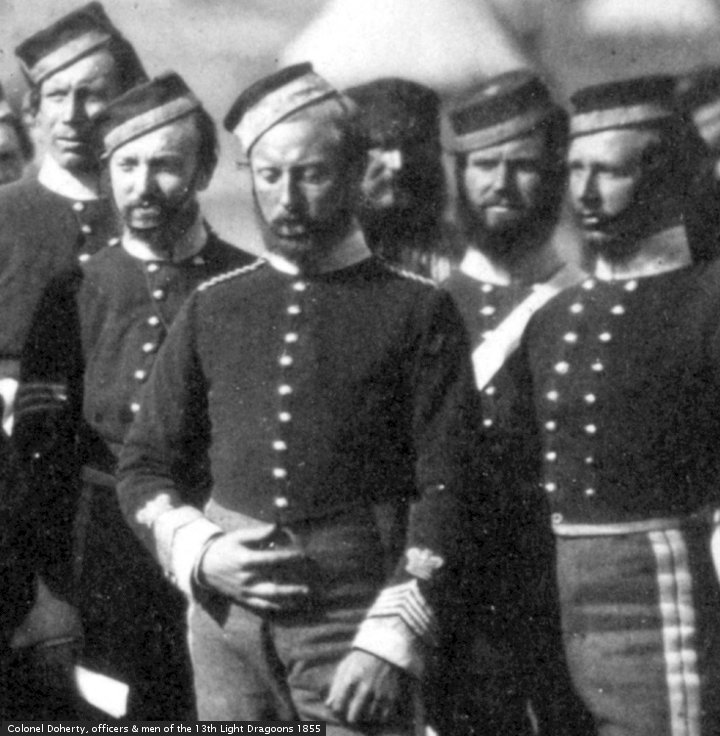
PG cannot understand why this picture is a big deal. The Library of Congress has a collection of the Fenton Crimean War Photographs. This Fenton pictures were one of the first collections in the LOC that PG worked with. The picture of a road, with cannonballs, did not catch his eye.
The more historic pictures PG edits, the better he gets. One thing he learned was to download the high resolution .tif pictures. When he did the Fenton pictures before, he used the lower quality .jpg images. When he paused the podcast, and went to the LOC to see “Shadow of Death”, he decided to download a few old favorites. These are the pictures that go with this post.
The podcast is a detective story. It seems that there are two versions of the photograph. One has the cannonballs in the road, the other doesn’t. Were the cannonballs tossed on the road to make the picture more dramatic, or were they removed? They could have been removed to clear the road for wagon traffic, or to recycle the balls. In 1855, people picked up used cannonballs.
A very good question is why anyone should care? A man named Errol Morris cares. The link is to a very long article at the New York Times about the picture. Mr. Morris went to Ukraine to investigate the pictures. It is possible that his pursuit of truth did not stop at the boundary of insanity.
So the podcast mentions this famous picture, with a second shot that casts doubts. PG went to the LOC, and found the famous picture right away. The second shot proved elusive. PG viewed all 263 pictures in the Fenton collection in a slide show, and could not find the second picture. PG began to think that maybe the second picture was the fake. The New York Times article by Errol Morris has a copy of the second picture. The possibility remains that the second picture is a fabrication.
The podcast says that the location of some rocks changes in the two pictures. In the picture without the cannonballs on the road, the rocks are higher up on a hill, than they are in the famous picture. To Mr. Morris, this is evidence that the famous picture is a fake. PG has examined the two images, and includes them here. Perhaps this search for truth will be called off before the onset of dementia.
Controversies about famous images is not new. The shot of the flag going up over Iwo Jima has long been suspected of being posed. Just today on facebook, there was a link to a feature, The Kissing Sailor, or “The Selective Blindness of Rape Culture”. The idea is that the nurse did not want the sailor to kiss her on VJ day. This is a repost. Pictures are from The Library of Congress
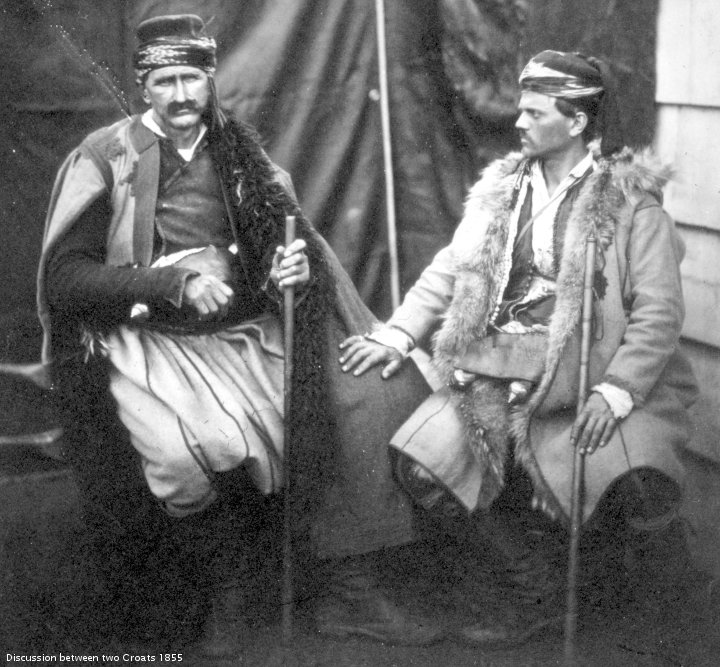

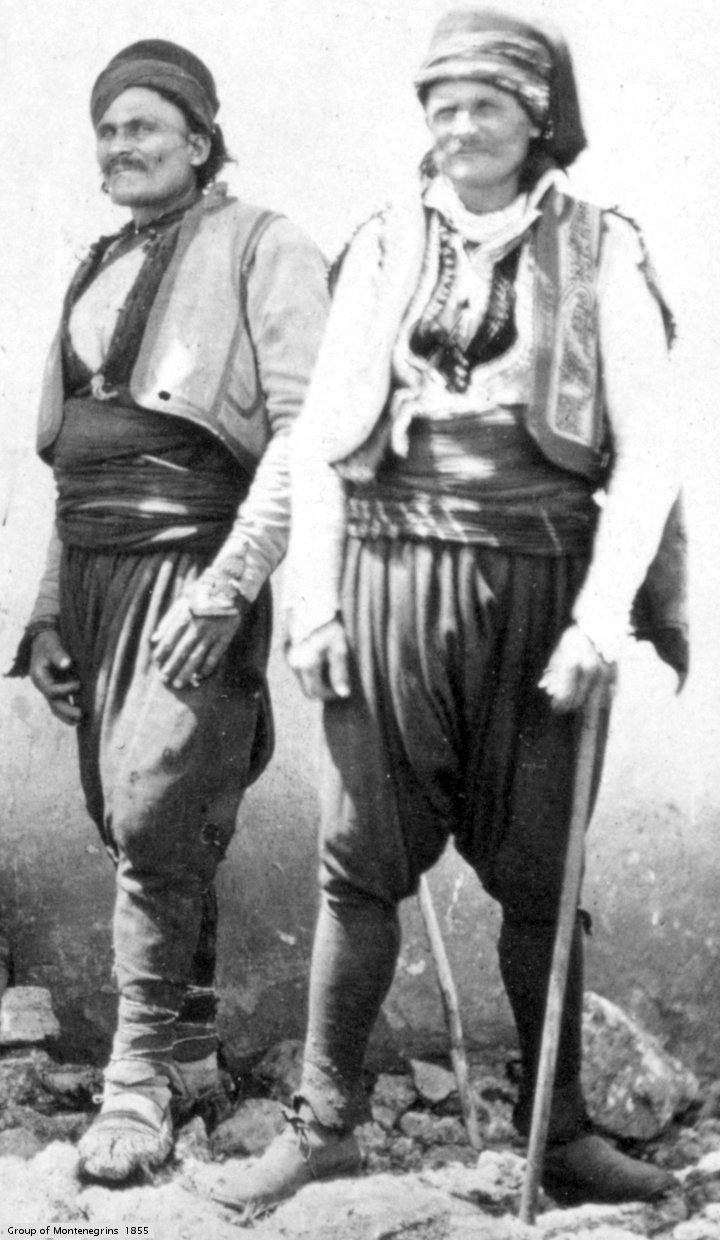


Dick Nixon TV Critic

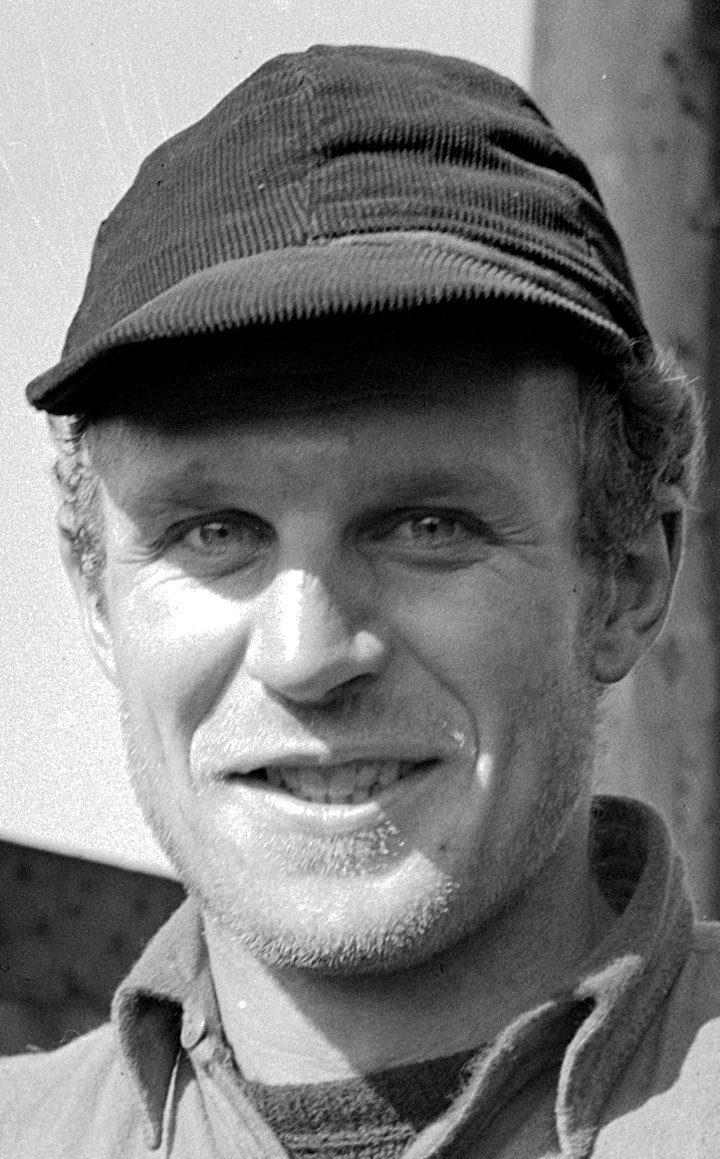

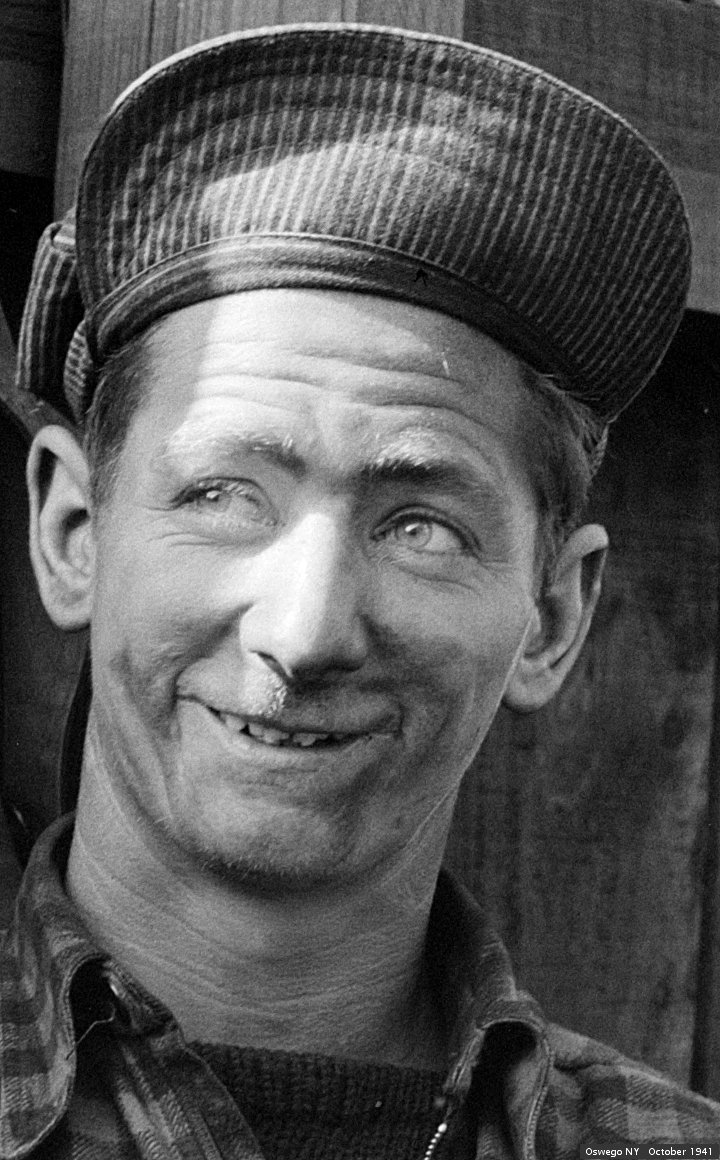
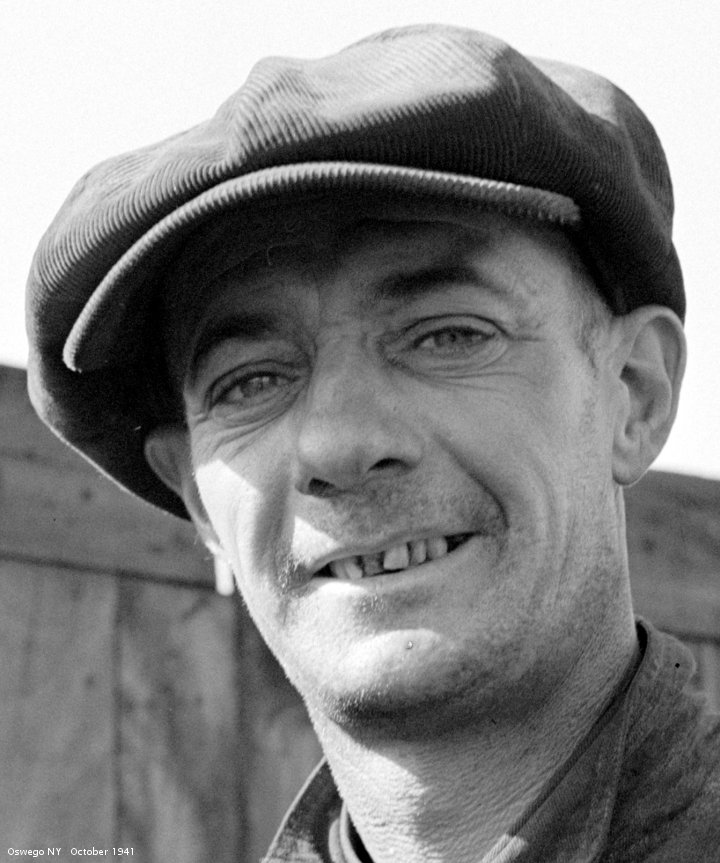
The text below is a conversation between Mr. Nixon, John D. Ehrlichman, and H. R. Haldeman. The tape was made May 13, 1971. This is a repost. Pictures are from The Library of Congress.
NIXON: … CBS … glorifying homosexuality.
EHRLICHMAN: A panel show?
H. R. HALDEMAN: No, it’s a regular show. It’s on every week. It’s usually just done in the guy’s home. It’s usually just that guy, who’s a hard hat.
NIXON: That’s right; he’s a hard hat.
EHRLICHMAN: He always looks like a slob.
NIXON: Looks like Jackie Gleason.
HALDEMAN: He has this hippie son-in-law, and usually the general trend is to downgrade him and upgrade the son-in-law–make the square hard hat out to be bad. But a few weeks ago, they had one in which the guy, the son-in-law, wrote a letter to you, President Nixon, to raise hell about something. And the guy said, “You will not write that letter from my home!” Then said, “I’m going to write President Nixon,” took off all those sloppy clothes, shaved, and went to his desk and got ready to write his letter to President Nixon. And apparently it was a good episode.
EHRLICHMAN: What’s it called?
NIXON: “Archie’s Guys.” Archie is sitting here with his hippie son-in-law, married to the screwball daughter. The son-in-law apparently goes both ways. This guy. He’s obviously queer–wears an ascot–but not offensively so. Very clever. Uses nice language. Shows pictures of his parents. And so Arch goes down to the bar. Sees his best friend, who used to play professional football. Virile, strong, this and that. Then the fairy comes into the bar. I don’t mind the homosexuality. I understand it. Nevertheless, goddamn, I don’t think you glorify it on public television, homosexuality, even more than you glorify whores. We all know we have weaknesses. But, goddammit, what do you think that does to kids? You know what happened to the Greeks! Homosexuality destroyed them. Sure, Aristotle was a homo. We all know that. So was Socrates.
EHRLICHMAN: But he never had the influence television had.
NIXON: You know what happened to the Romans? The last six Roman emperors were fags. Neither in a public way. You know what happened to the popes? They were layin’ the nuns; that’s been goin’ on for years, centuries. But the Catholic Church went to hell three or four centuries ago. It was homosexual, and it had to be cleaned out. That’s what’s happened to Britain. It happened earlier to France. Let’s look at the strong societies. The Russians. Goddamn, they root ’em out. They don’t let ’em around at all. I don’t know what they do with them. Look at this country. You think the Russians allow dope? Homosexuality, dope, immorality, are the enemies of strong societies. That’s why the Communists and left-wingers are clinging to one another. They’re trying to destroy us. I know Moynihan will disagree with this, and Mitchell will. But, goddamn, we have to stand up to this.
EHRLICHMAN: It’s fatal liberality.
NIXON: Huh?
EHRLICHMAN: It’s fatal liberality. And with its use on television, it has such leverage.
NIXON: You know what’s happened [in northern California]?
EHRLICHMAN: San Francisco has just gone clear over.
NIXON: But it’s not just the ratty part of town. The upper class in San Francisco is that way. The Bohemian Grove, which I attend from time to time–it is the most faggy goddamned thing you could ever imagine, with that San Francisco crowd. I can’t shake hands with anybody from San Francisco. … Decorators. They got to do something. But we don’t have to glorify it. You know one of the reasons fashions have made women look so terrible is because the designers hate women. Designers taking it out on the women. Now they’re trying to get some more sexy things coming on again.
EHRLICHMAN: Hot pants.
NIXON: Jesus Christ.


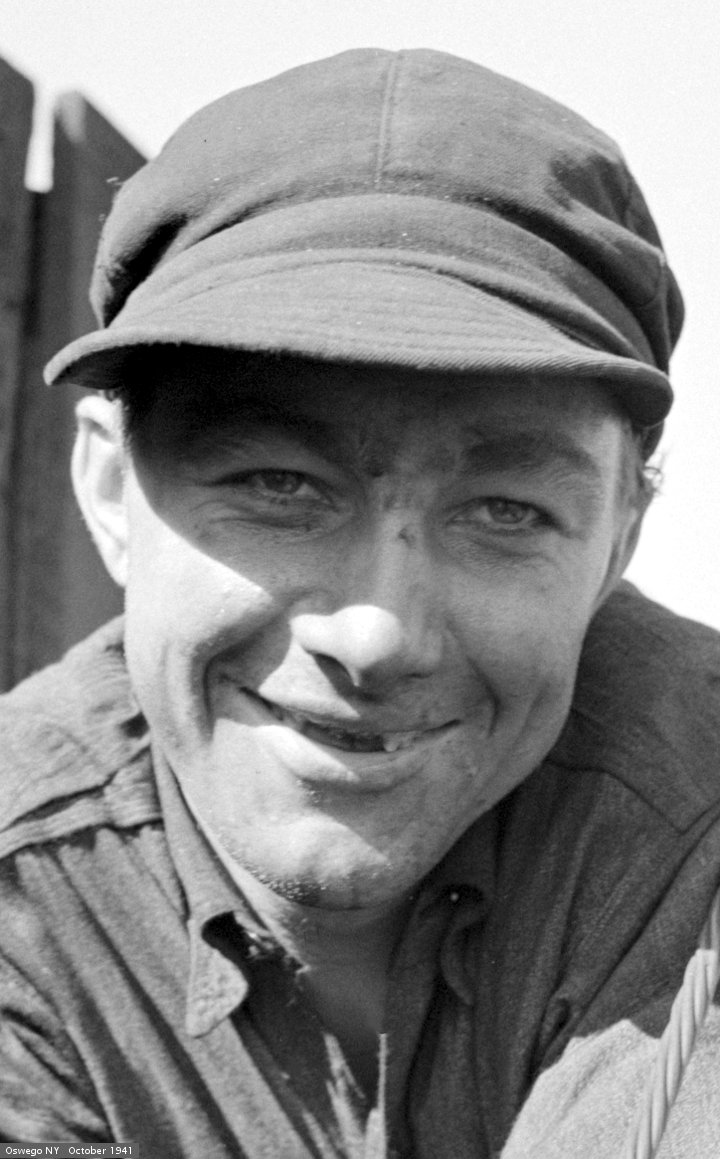

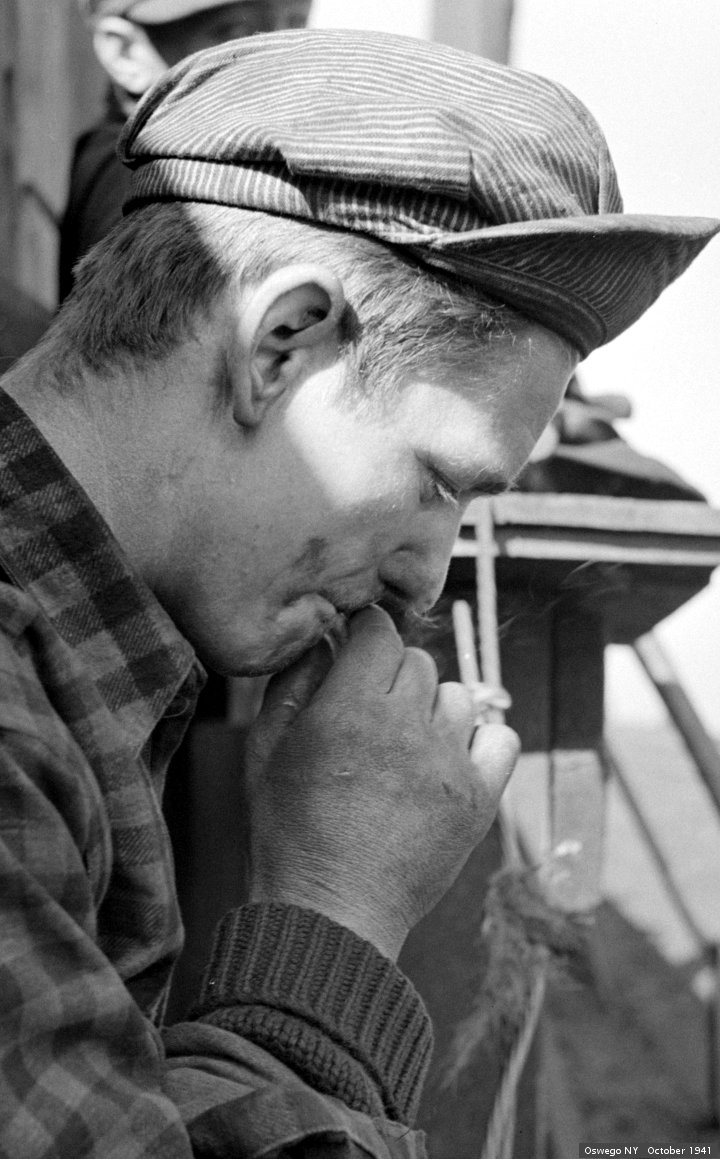
Nine Eleven Story
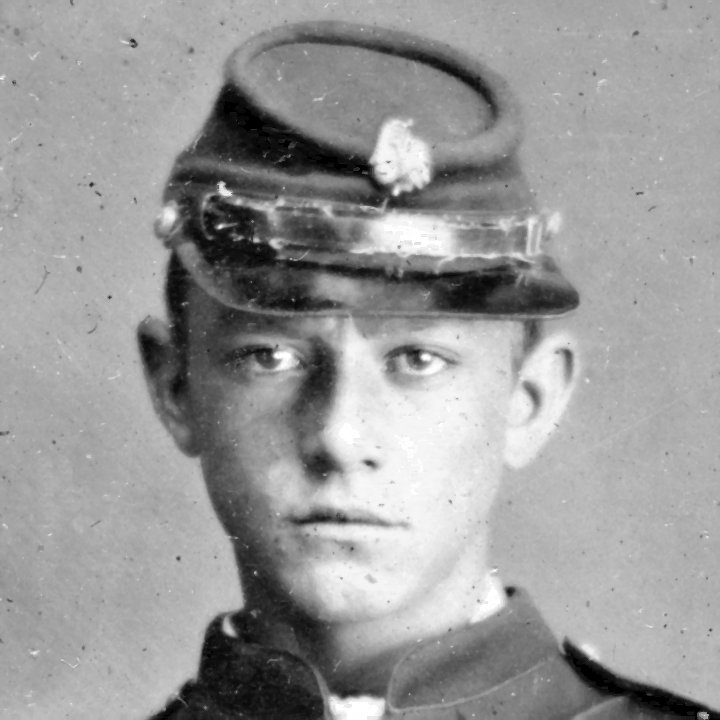
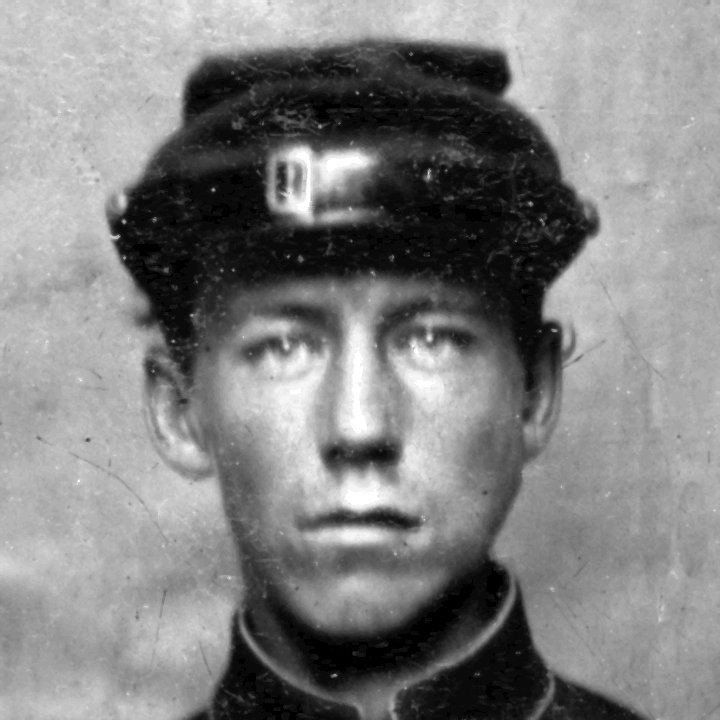
This is my 911 story. I repeat it every year at this time. If you saw it last year, it has not changed. Feel free to skip the text and look at the pictures, from The Library of Congress.
I was at work, and someone called out that someone had run a plane into the World Trade Center. I didn’t think much of it, until I heard that the second tower had been hit, then the Pentagon, then the towers collapsed, then a plane crashed in Pennsylvania.
I focused on my job most of the day. There was always a lot of melodrama at that facility, and concentrating on my production duties helped to keep me saner. This was roughly the halfway point of my seven year tenure at this place.
One of the other workers was a bully for Jesus. He was a hateful loudmouth. After the extent of the damage became known, he shouted “They are doing this for Allah,” and prayed at his desk. The spectacle of the BFJ praying made me want to puke.
I became alienated from Jesus during these years. Once, I had once been tolerant of Christians and Jesus, as one would be with an eccentric relative. I began to loath the entire affair. I hear of others who found comfort in religion during this difficult time. That option simply was not available for me.


Dr. King And Mr. King





The other day PG stumbled onto a blog post, about a speech given by Dr. Martin Luther King Jr. This address was deemed “the singularly most-important speech on race in the history of this country.”
PG admires Dr. King. He is also suspicious of superlatives. There were some comments made by Rodney Glen King III. The comments by Mr King were briefer, and tougher to live up to.
While thinking of things to write about, PG realized that he had never seen the actual quote by Mr. King. It is embedded above. When you see this video, you might realize that Mr. King has been misquoted. The popular version has him saying “Can’t we all just get along.” He did not say just.
Mr. King was known to America as Rodney King. His friends called him Glen. His comments, at 7:01, May 1, 1992, went like this: ““People, I just want to say, you know, can we all get along? Can we get along? Can we stop making it, making it horrible for the older people and the kids? . . . Please, we can get along here. We all can get along. I mean, we’re all stuck here for a while. Let’s try to work it out. Let’s try to beat it. Let’s try to beat it.”
The circumstances of the two comments could not be more different. Dr. King was giving the sermon of his life. There was an enormous crowd, both in person and on TV. His comments were scripted, rehearsed, and delivered with the style that he was famous for.
Mr. King, by contrast, had just seen the officers who beat him acquitted. Cities from coast to coast were in violent upheaval. Mr. King was speaking to reporters without benefit of a speech writer. What he said just might have been more important. Pictures today from The Library of Congress.



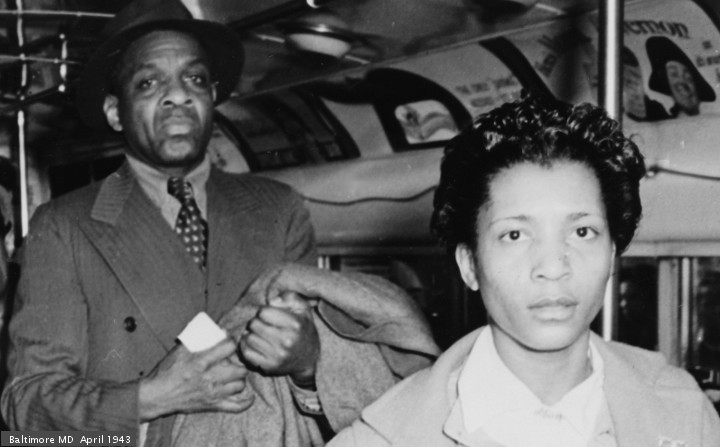

I Have A Dream

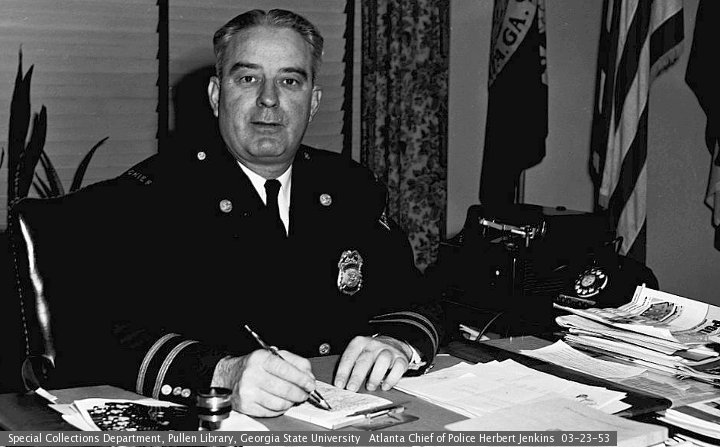


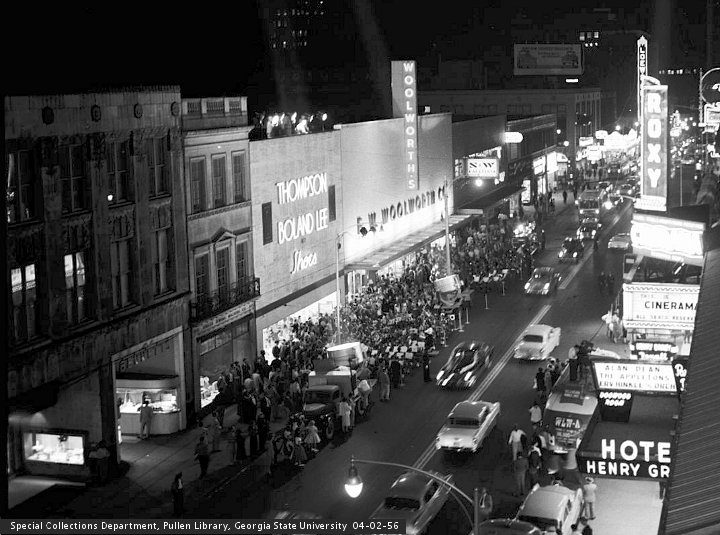
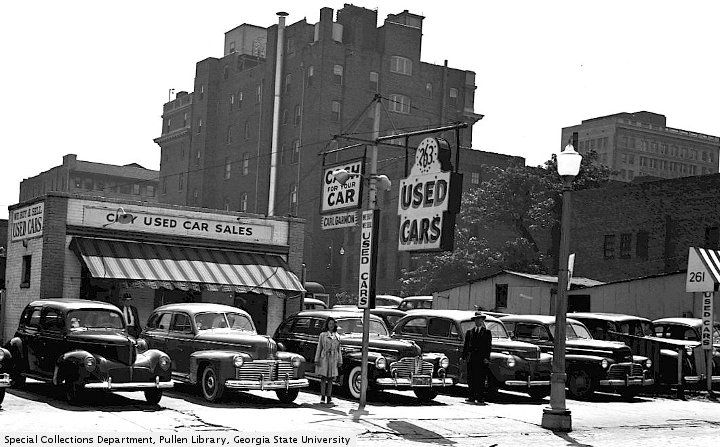


PG stumbled onto a blog post about a speech. It was delivered August 28, 1963, by Doctor Martin Luther King, Jr. You have probably heard the money quote many times, but how many have heard the entire 881 words. PG had not, and decided to take a look.
The speech is really a sermon. It is delivered with the cadence, and rhetorical flourishes, of the church. Dr. King was a minister. The Jesus worship church is a huge player in African America. The fact that slaves were introduced to this religion by their owners seems to be forgotten.
The term used is Negro. This was the polite word in 1963. The custom of saying Black started in the late sixties, at least partially inspired by James Brown. Negro began to be seen as an insult, along with the infamous N-word … which is really just a lazy way of saying Negro.
As the speech is working up to the climax, there is a line “But not only there; let freedom ring from the Stone Mountain of Georgia!” Today, Stone Mountain is a middle class black community. DeKalb County is mostly black, and the political leadership is African American. This was a long way from happening in 1963.
Twelve weeks after Dr. King gave his speech, President John Kennedy was killed. Part of the reaction to this tragedy was the passage of the Civil Rights Act of 1964.
The next year saw the Voting Rights Act, and escalation of the war in Vietnam. It seemed that for every step forward, there was a half step back. People lost patience with non violence. America did not implode, but somehow survived. It is now fifty one years later. Pictures today are from “The Special Collections and Archives, Georgia State University Library”.



Allan Gurganus



PG had mixed feelings about driving to Dickhater to see Allan Gurganus. He was having a fine time downloading historic pictures at home. Clairmont Road is one red light after another. Being hot and miserable did not help. PG was not feeling especially liberal, or hip, and did not want to wade into the grooviness of the Dickhater Book Festival. You have to get out of your comfort zone.
Chamblee54 has crossed pixels with Allan Gurganus several times. There was a book show podcast. At 13:25 in the show, Mr. Gurganus says “I’m not an ironist. That’s why I’m worth reading.”
There had been a speech Mr. Gurganus made in Key West. After a while, the authorial wisdom became one platitude too many, and the file was turned off. The next speaker at the event was Gore Vidal, who was a hoot. Alas, the DBF is real life. Gore Vidal has gone to hang out with Bobby Kennedy. The only refuge, after the appearance by Mr. Gurganus, is Popeyes Fried Chicken.
The DBF event was promoting a book, Local Souls. PG got to page 62 in Local Souls, when he saw the protagonist living in a suburb of Atlanta called Collonus Springs. During the DBF appearance, Mr. Gurganus read a story from Local Souls.
Part of the Gurganus legend is his two grandfathers fighting on opposite sides at the battle of Shiloh. He sticks by his story that one grandfather shot the other. It is rather improbable, but a good story.
The event started on time. The DBF hostess said to turn your cell phones off, and encouraged people to buy, donate, and then buy some more. Local poet Franklin Abbott then introduced Mr. Gurganus, who walked up to the desk wearing a sport coat. Mr. Gurganus is from North Carolina, and should know better than to wear a jacket in Atlanta on labor day sunday afternoon.
His remarks bore little resemblance to the speech in Key West. There was not much to say in front of the reading, except to mention that he had been overserved on Saturday night. He did not mention his sexual orientation, as if anyone needs to be reminded.
After the reading came the inevitable Q&A. The reading had been about a flood which tore up his hometown in North Carolina. Most of the conversation was about the flood, and about making good fiction out of bad life. Maybe it was the biblical aspect of the flood that dominated his appearance this sunday afternoon, in an old courthouse.
PG had a question, but did not get to ask it. As the author was led away by the hostess, PG went over and asked if he could take a picture. The hostess was determined to get him into the book signing room. There were books to sell.
While walking with the author into the book signing, PG got to ask his question. In the Dharma Bums, Jack Kerouac spent the winter in Rocky Mount, NC. It really did happen. The tree where Mr. Kerouac saw the Buddah was on the property of Mr. Gurganus’s grandfather.




The Funeral Of Elvis
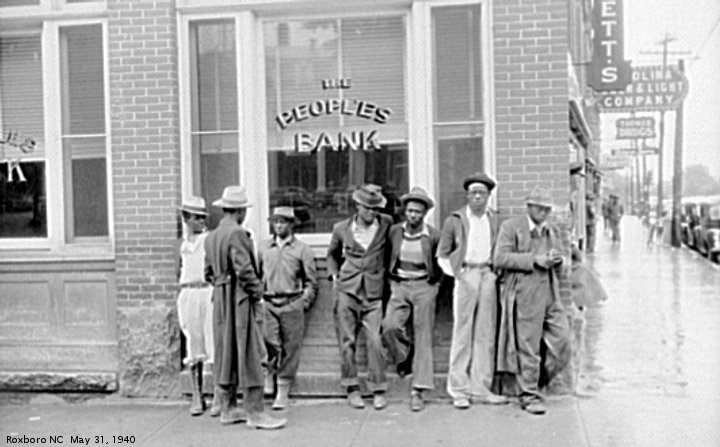


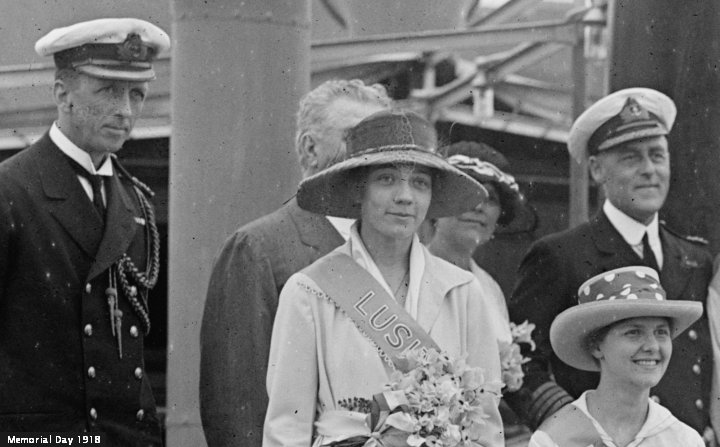
PG was going to write about some depressing subject. People that are not kind to each other. People in Israel and people in Gaza just don’t seem to get along. Somebody driving a “faded red F-150 pickup truck” in Livonia MI was mean to a little girl. (HT to Neo Prodigy.) This is a repost.
There is a saying, “if a story seems too bad to be true, it probably isn’t”. PG tried to google that phrase, and got confused. Then he seemed to remember reading it in a column by Molly Ivins. Another google adventure, and there was this film. Miss Ivins, who met her maker January 31, 2007, was promoting a book. She sat down with a bald headed man to talk about it. PG could only listen to 24:30 of this video before being seized with the urge to write a story. There is a transcript, which makes “borrowing” so much easier. This film has 34 minutes to go, which just might yield another story or two.
Molly Ivins was a Texas woman. These days there is a lot of talk about Texas, with Governor Big Hair aiming to be the next POTUS under indictment. Mr. Perry claims that his record as Texas Governor qualifies him to have his finger on the nuclear trigger. Miss Ivins repeats something that PG has heard before… “in our state we have the weak governor system, so that really not a great deal is required of the governor, not necessarily to know much or do much. And we’ve had a lot of governors who did neither. “ It makes you wonder how much of that “economic miracle” is because of hair spray.
Texas politics makes about as much sense as Georgia politics. For a lady, with a way with words, it is a gold mine. “the need you have for descriptive terms for stupid when you write about Texas politics is practically infinite. Now I’m not claiming that our state Legislature is dumber than the average state Legislature, but it tends to be dumb in such an outstanding way. It’s, again, that Texas quality of exaggeration and being slightly larger than life. And there are a fair number of people in the Texas Legislature of whom it could fairly be said, `If dumb was dirt, they would cover about an acre.’ And I’m not necessarily opposed to that. I’m–agree with an old state senator who always said that, `If you took all the fools out of the Legislature, it would not be a representative body anymore.'”
We could go through this conversation for a long time, but you probably want to skip ahead and look at pictures. ( Which are from The Library of Congress ) There is one story in this transcript that is too good not to borrow. For some reason, Molly Ivins went to work for The New York Times, aka the gray lady. In August of 1977, she was in the right place at the right time.



Mr. LAMB: And how long did you spend with The New York Times as a reporter?
Ms. IVINS: Six years with The New York Times. Some of it in New York as a political reporter at City Hall in Albany and then later as bureau chief out in the Rocky Mountains.
Mr. LAMB: Would you take a little time and tell us about reporting on the funeral of Elvis Presley?
Ms. IVINS: Oh, now there is something that when I’ve been standing in the checkout line at the grocery store and if I really need to impress people, I just let fall that I covered Elvis’ funeral. And, boy, people just practically draw back with awe. It may yet turn out to be my greatest claim to fame.
I was sitting in The New York City Times one day when I noticed a whole no–knot of editors up around the desk having a–a great scrum of concern, you could tell. It looked sort of like an anthill that had just been stepped on. And it turns out–The New York Times has a large obituary desk, and they prepare obituaries for anybody of prominence who might croak. But it turns out–you may recall that Elvis Presley died untimely and they were completely unprepared.
Now this is an enormous news organization. They have rock music critics and classical music critics and opera critics, but they didn’t have anybody who knew about Elvis Presley’s kind of music. So they’re lookin’ across a whole acre of reporters, and you could see them decide, `Ah-ha, Ivins. She talks funny. She’ll know about Mr. Presley.’
So I wound up writing Elvis’ obituary for The New York Times. I had to refer to him throughout as Mr. Presley. It was agonizing. That’s the style at The New York Times–Mr. Presley. Give me a break. And the next day they sold more newspapers than they did after John Kennedy was assassinated, so that even the editors of The New York Times, who had not quite, you know, been culturally aton–tuned to Elvis, decided that we should send someone to report on the funeral. And I drew that assignment. What a scene it was.
Mr. LAMB: You–you say in the book that you got in the cab and you said, `Take me to Graceland.’ The cabbie peels out of the airport doing 80 and then turns full around to the backseat and drawls, `Ain’t it a shame Elvis had to die while the Shriners are in town?’
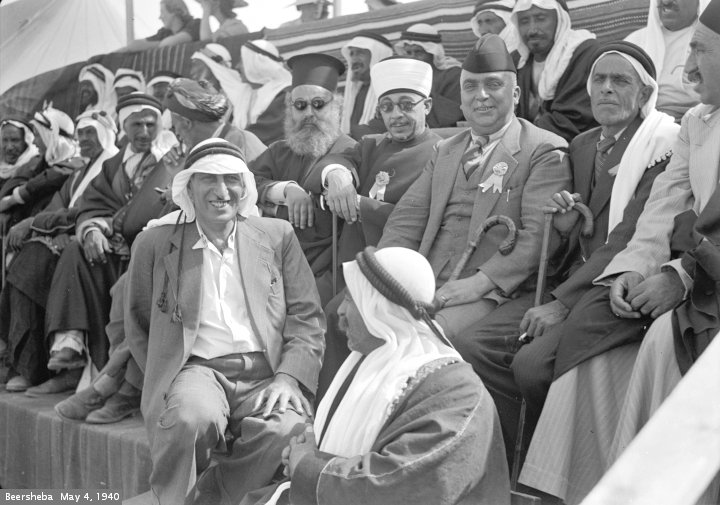
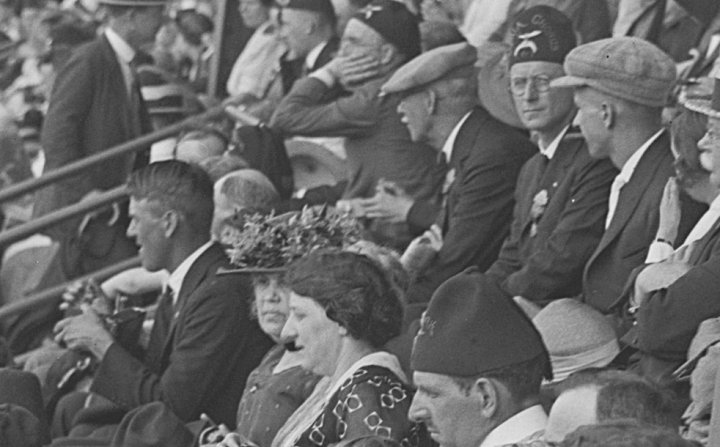
Ms. IVINS: That’s exactly what he said. `Shame Elvis had to die while the Shriners are in town.’ And I kind of raised by eyebrows. And sure enough, I realized what he–what he meant after I had been there for awhile because, you know, Shriners in convention–I don’t know if you’ve ever seen a whole lot of Shriners in convention, but they were having a huge national convention that very week in Memphis. And they tend to wear their little red fezzes, and sometimes they drink too much and they march around the hotel hallways tooting on New Year’s Eve horns and riding those funny little tricycles and generally cutting up and having a good time. That’s your Shriners in convention, always something very edifying and enjoyable to watch. But they–every–every hotel room in Memphis was occupied with celebrating Shriners, and then Elvis dies and all these tens of thousands of grieving, hysterical Elvis Presley fans descend on the town.
So you got a whole bunch of sobbing, hysterical Elvis fans, you got a whole bunch of cavorting Shriners. And on top of that they were holding a cheerleading camp. And the cheerleading camp–I don’t know if your memory–with the ethos of the cheerleading camp, but the deal is that every school sends its team–team of cheerleaders to cheerleading camp.
And your effort there at the camp is to win the spirit stick, which looks, to the uninitiated eye, a whole lot like a broom handle painted red, white and blue. But it is the spirit stick. And should your team win it for three days running, you get to keep it. But that has never happened. And the way you earn the spirit stick is you show most spirit. You cheer for breakfast, lunch and dinner. You cheer when the pizza man brings the pizza. You do handsprings end over end down the hallway to the bathroom. I tell you, those young people will throw–show an amount of spirit that would just astonish you in an effort to win that stick.
So here I was for an entire week, dealing with these three groups of people: the young cheerleaders trying to win the spirit stick, the cavorting Shriners and the grieving, hysterical Elvis fans. And I want to assure you that The New York Times is not the kind of newspaper that will let you write about that kind of rich human comedy.
Mr. LAMB: Why?
Ms. IVINS: Because The New York Times, at least in my day, was a very stuffy, pompous newspaper.
Mr. LAMB: What about today?
Ms. IVINS: A little bit better, little bit better than it was.
Mr. LAMB: And…
Ms. IVINS: Has–has–it has a tendency, recidivist tendencies, though. You–you will notice if you read The Times, it–it collapses into pomposity and stuffiness with some regularity.
Mr. LAMB: Why did you leave it?
Ms. IVINS: Well, I–I actually got into trouble at The New York City Times for describing a community chu–chicken killing out West as a gang pluck. Abe Rosenthal was then the editor of the Times and he was not amused.
Mr. LAMB: Did–but did they let it go? Did they let it…
Ms. IVINS: Oh, no. It never made it in the paper. Good heavens, no. Such a thing would never get in The Times in my day.
POSTSCRIPT PG found some pictures, marked up the text, and was ready to post the story. He decided to listen to a bit more of the discussion between Molly Ivins and the bald headed man. When he got to this point, it became apparent that he could listen to Molly Ivins talk, or he could post his story, but he could not do both at the same time.
Ms. IVINS: Oh, well, of course, I’m gonna make fun of it. I mean, Berkeley, California, if you are from Texas, is just hilarious.
Mr. LAMB: Why?
Ms. IVINS: Well, of course, it is just the absolute center of liberalism and political correctness. And it is a veritable hotbed of people, of–bless their hearts, who all think alike, in a liberal way. And, of course, I’m sometimes called a liberal myself, and you would think I would have felt right at home there. But I just am so used to–I’m so used to Texas that I found the culture at Berkeley hysterical.



Paul Krassner




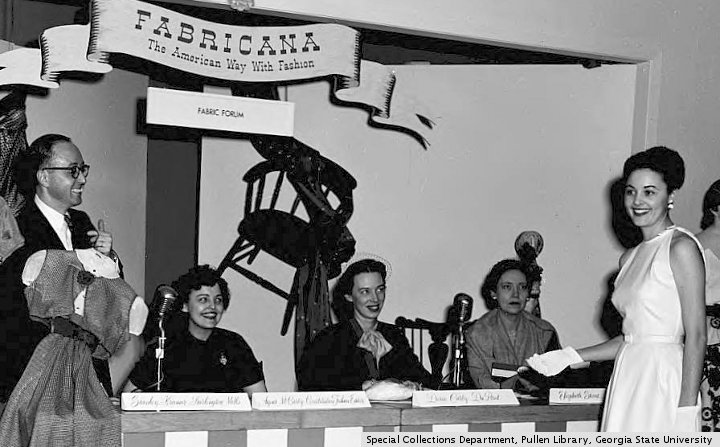

Paul Krassner is alive at eighty two. He survives Lenny Bruce, Abbie Hoffman, Groucho Marx, and Lyndon Johnson. His magazine, The The Realist, is now available as an online archive.
PG was recently looking for background noise to compliment his photomongering. Somewhere along the way, he found episodes of WTF podcast to be available on Youtube. He made a list of shows he wanted to see, including Paul Krassner. When Mr. Google was recruited to find the show, other things floated to the surface. This is how Mr. Google operates.
An onion is more than an internet namesake. It lends a lively flavor, both cooked and raw. The onion consists of many layers of thin skin. These can be peeled off, as you get deeper and deeper into the root. A thin skinned root that gives you bad breath…. an aromatic symbol for the sixties.
When you go looking for WTF/Krassner, you are directed to issue 74 of The Realist. The feature story is the missing segments of a John Kennedy biography. On page 18, Jackie Kennedy saw more of Lyndon Johnson than she needed to see.
“That man was crouching over the corpse, no longer chuckling but breathing hard and moving his body rhythmically. … And then I realized – there is only one way to say this – he was literally fucking my husband in the throat. In the bullet wound in front of the throat. He reached a climax, and dismounted. I froze. The next thing I remember, he was being sworn in as the new President.”
Page two of issue 74 is the letters to the editor. The featured scribe is John L. Timmons, Secretary, Mattachine Society of N.Y. He wrote “Letter From A Homosexual,” in response to a cartoon page in issue 69, fag battalion. Using KY to lubricate a rifle is not a good idea.
At the time, America was fighting a war in Vietnam. Young men were given the choice of go in the army, or go to prison. It was ugly. There was a group, “The committee to fight the exclusion of homosexuals from the armed forces.”
The Mattachine Society was neutral. Some members supported the war, and some were opposed. It distracted from the overall agenda to take sides in other disputes. The editors at The Realist agreed. “… homosexuals who don’t want to be drafted will no longer be able to exploit their deviation rather than face the consequences of conscientious objection.”
When issue 74 was published, Walt Disney was still alive. This may account for the action on page 12. Maybe Uncle Walt did not want his animated actors to be drafted for active duty. The activities on page 12 might not be sufficient to have the players excused from active duty, however. By this stage of the war, the local draft boards were not accepting excuses.
Getting back to Paul Krassner… he founded the YIPPIES with Abbie Hoffman, took LSD with Groucho Marx, and published a satiric magazine without advertising. Only the last part can be confirmed. After the description of Lyndon Johnson’s post mortem dentistry, who knows what is real, and what is fake. Pictures today are from “The Special Collections and Archives, Georgia State University Library”.





The Cost Of Football


Football is just around the corner. The teams are busy with the pre season, and soon weekends will be full of hitting and drinking. Perhaps this is a good time to wonder whether football is worth the human cost. Especially now, with a national debate raging about the future of our health care. Football injuries keep hospitals hopping during the autumn.
This is the annual post about the down side of football. There is a helping of hypocrisy here, as PG enjoys watching the hits. Pictures are from The Library of Congress.
Football season is here. While the games are fun to watch, the players are paying the price. Your health insurance premiums just might be affected.
Football is a contact sport. On every play, the linemen block other lineman to keep them from tackling a back. Someone gets hit on every play. Most of these hits are “clean” and cause only bruises. Some are “dirty”, and cause injuries. Even the clean hits can hurt someone.
It is estimated that 187,000 emergency room visits every year are due to football. What if an illegal drug sent 187k to the er annually? There would be a hue and cry to kill the pushers.
Knee injuries are especially prevalent. An estimated 45,000 knee operations are performed each year due to football injuries. Arthroscopy is a wonderful invention.
With all those helmets slamming into each other, head injuries occur. “The researchers found that there is approximately one catastrophic head injury per every 150,000 athletes playing, or 7 catastrophic injuries yearly. There were 0.67 injuries per 100,000 players at the high school level and 0.21 injuries per 100,000 for college level football players.” Often, the coaches get caught up in the do or die spirit of a big game, and don’t get the player the medical attention that he needs. “Football is a very macho sport. Athletes are taught to play through pain,” …“But concussions range in severity and symptoms, so all a player may experience is a headache several hours after impact. High school players need to be educated in these symptoms and encouraged to self report.”
Even cheerleading squads are reporting more injuries, due to botched stunts.
When you see the players in their youthful glory, you don’t think what they will look like after they quit playing. Many players know this, but the lure of today’s glory justifies the pain of tomorrow. The heroes of yesterday often walk with pain today.

Wild Tales: A Rock & Roll Life



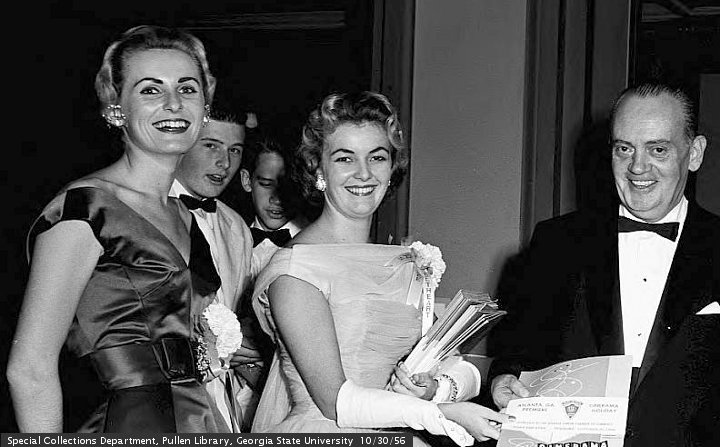
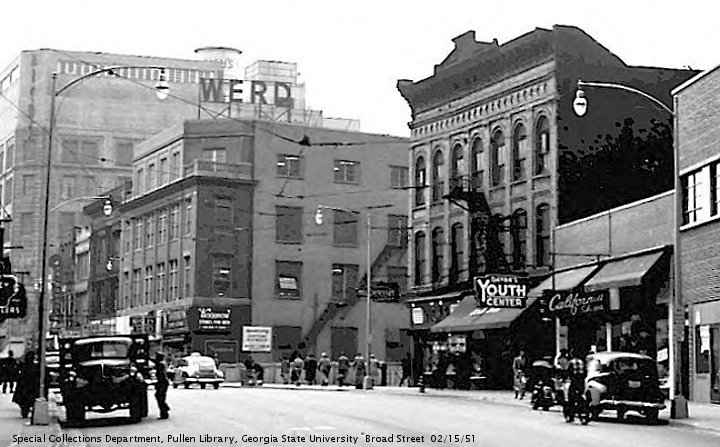



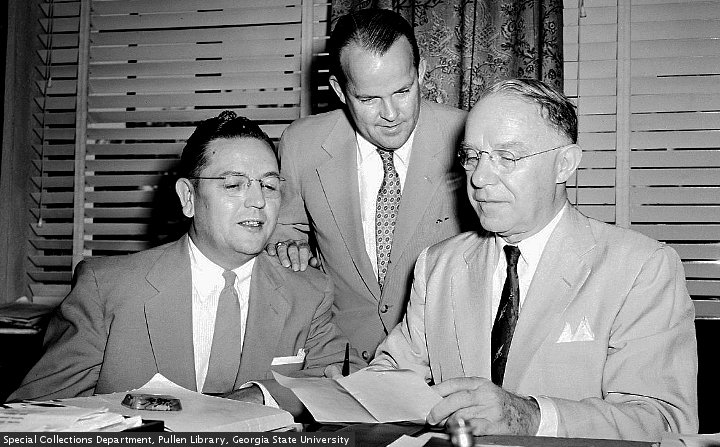

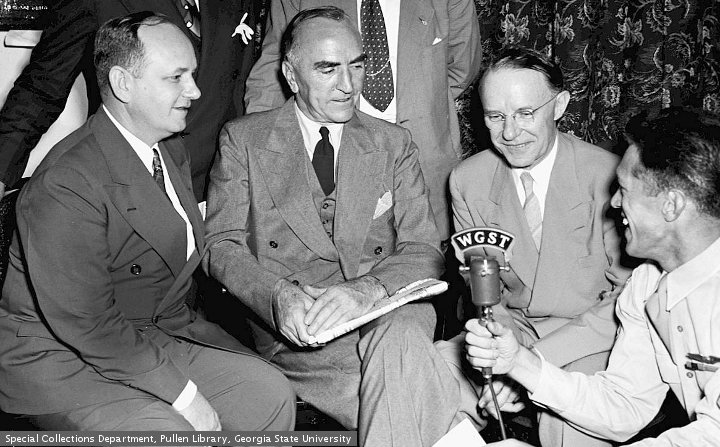
The recent book by Graham Nash, Wild Tales: A Rock & Roll Life, begins in the same place as “Songs for Beginners.” England is at war, and the luftwaffe is visiting Manchester regularly. Young mothers go to a safe place in North England to have their babies. One turned out different.
The Nash family lived in what was called a “council home.” In America, it would be called a project. Things did not get better when father went to prison. Years later, when Graham came home for a visit, he saw his mother making out with another man.
Now, in stories like this, it is music that saves the young man. He meets Allan Clarke in school, and the two sing well together. Various singing groups follow, more musicians are recruited, and they name a band after Buddy Holly.
Mr. Nash spoke an event to promote this book. At seventy two, he has a full head of snow white hair. Many of the stories in the book were told here, some with details added. One of these tales is the time the Everly Brothers came to Manchester. Graham and Allan were determined to meet their heroes, and hung out on the steps of a hotel until late at night. Finally, the Everly Brothers arrived. They spent a half hour talking to the star struck young men. This story is on Page 43.
So the Hollies make it big, and go to America. Graham Nash meets Mama Cass, who introduces him to David Crosby and Steohen Stills. Somehow, he meets Joni Mitchell. Graham makes beautiful music with all three, not always playing the same instrument. Joni is well known for her open tuning.
Grahams mind is expanding, with a little help from his friends. The decision to leave the Hollies is made. Atlantic records trades Richie Furay to Epic records for Graham Nash. A music publishing contract is torn up. Don’t try this at home.
One day, Joni and Graham go into a thrift store. Joni buys a vase. They go home. Graham says “I’ll light the fire, while you put the flowers in the vase that you bought today.”
Crosby Stills & Nash become superstars. Neil Young, bless his heart, joins the band. They go to Woodstock, and get scared shitless. Joni Mitchell stays in New York City, because her manager does not want her to miss the Dick Cavett Show on Monday. (Listen to Grace at 10:05) Joni writes a song about the event she missed.
Time marches on. The various relationships, both musical and romantic, come and go. A man makes a bet with Graham that he cannot write a song in a half hour. The result is “Just a song before I go.”
No story involving David Crosby is complete without a drug lecture. One story was so explosive, the legal department called Graham before the book was published, just to confirm the story. It is on page 263. David sold his Mercedes for crack. The man who bought it od’d. David broke into his house, stole the bill of sale and car keys, took the car, and sold it again.
Somehow, David Crosby is still alive today. So is Graham Nash, Stephen Stills, Neil Young, and Joni Mitchell. This might be surprising to some. Even if Graham were to fall over dead today, he leaves a fine body of work behind him. This book is just another part. Pictures today are from “The Special Collections and Archives, Georgia State University Library”. .




Bulwer-Lytton 2014 Part Four


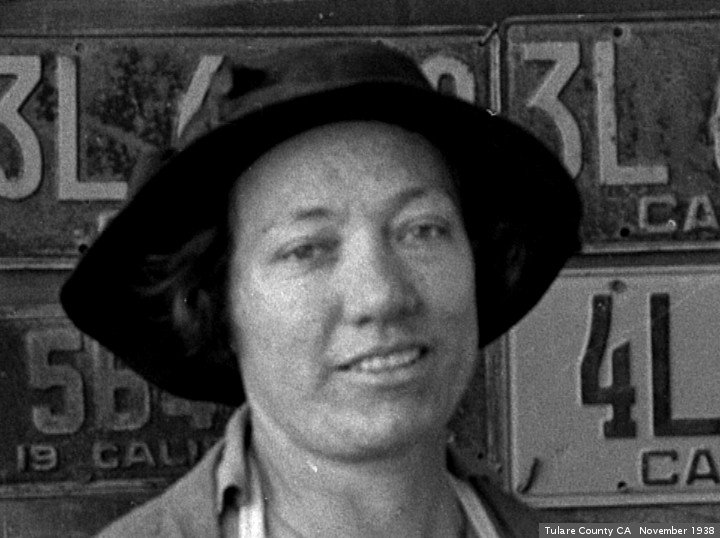
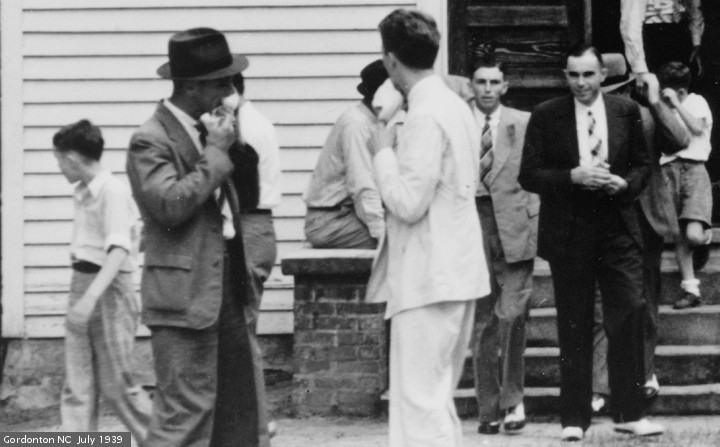
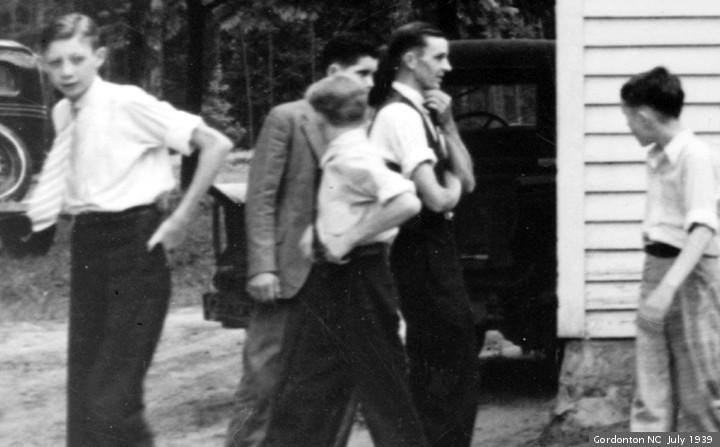
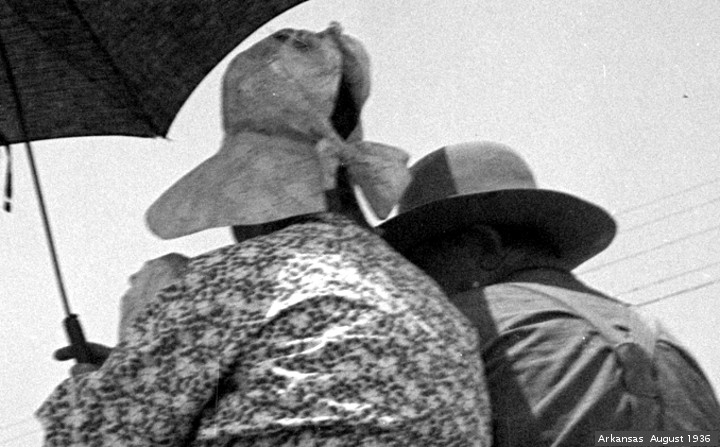


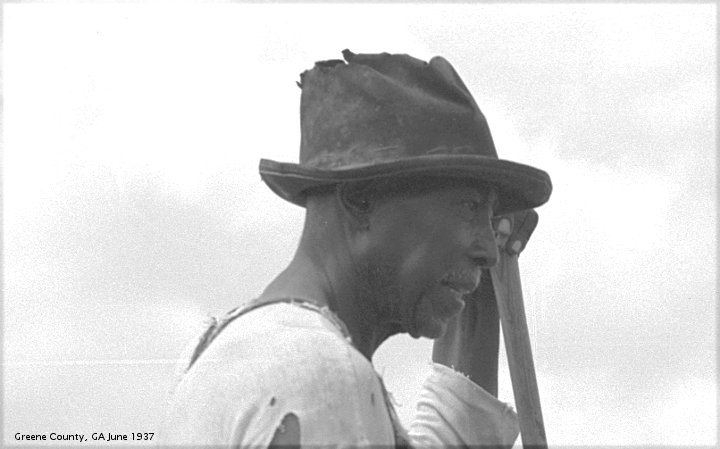
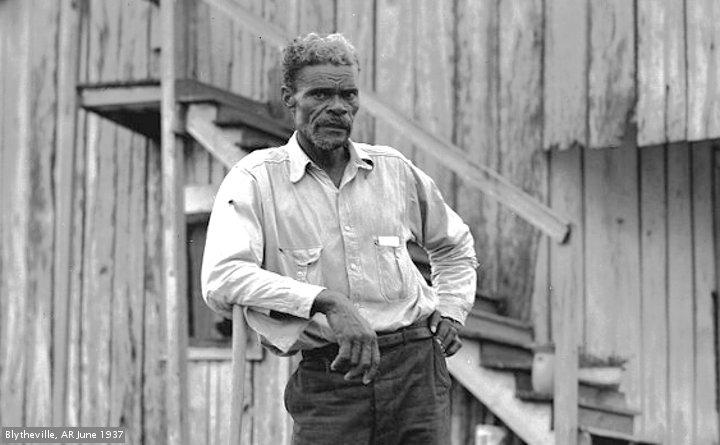
This is the fourth, and final, report on the 2014 Bulwer-Lytton fiction writing contest, at least for 2014. Parts one, two, and three were previously published. Pictures are from The Library of Congress.
Dr. Fulton Crisp DMD, stoic superintendent of the prestigious Northwoods Dental College, entered the symposium for new students, took the dais amid the clamor of the first day of classes, produced a #6 dental pick from a pocket, held it aloft for all to see and spoke the immortal words, “May I have your attention please, this is not a drill, repeat this is not a drill.” — Jim Biggie, Melrose MA
As Farmer Brown’s train pulled out of the station at 10:00am traveling east at 50 mph, he had no idea that at that very same moment Farmer Green was 100 miles away on a west-bound train heading straight for him at 60mph and that because of a tragic track-switching mistake he was going to die in a fiery head-on train crash at exactly … uhm … well … err … sometime later that day.
Shanon Conner, San Angelo TX
This is a tale of love, pain, loss, and redemption – and of a baboon, Amelia.
Talha bin Hamid, Karachi, Pakistan
There it stood regally atop the marble counter, the clear, sensuously curvaceous container, with its golden cargo, crowned with a spherical stopper, with its tapered base in intimate contact with the neck of the vessel, a vitreous phallus waiting to deprive the oleaginous content of its extra-virginity.
Anthony Newman, Collinsville CT
Long, sleek legs protruded from her tantalizingly round abdomen; thick, bristly hairs clung to his skin, communicating “I need you” in her innocent, nymphean way; wide, multifaceted eyes stared lustrously into him – yes, the little maggot he’d taken in but weeks before had blossomed into a voluptuous young housefly, and he feared he could no longer resist her beauty.
Zachary Bezemek, West Bloomfield MI
Perhaps it was the unnatural angle of her neck that bothered Clint, or perhaps it was the fact that she was beautiful – far too beautiful to be having a body bag zipped up over her, but he knew one thing for certain: the untouched chocolate mud cake on the counter was looking more appetizing by the minute. — Dave Roberts, Oatley, NSW, Australia
Fearing his subordinates were after his job, and having denied their requests for promotions, Edgar Bergen felt the first pangs of job insecurity upon discovering Charlie McCarthy and Mortimer Snerd poring intently over dog-eared and well-worn copies of Ventriloquism for Dummies.
John Tracy, Shoreline WA
The full moon over distant hill bathed the lovers in joyful radiance, glowworms merrily winked and glimmered, swamp gas emanated an ethereal shimmer, and fireflies twinkled, flickered and fluttered – pinging their pinprick flashes like optical exclamation points, the whole light show engendering a veritable cornucopian cacophony of Kinkadesque scintillation. — Kenneth Leake, Fairbanks AK
The cheesemonger’s wares reminded me of the days of my feckless youth – the soft white clouds of paneer encapsulated my leisurely summer in Gujarat, the block of sweet, caramel-brown Brunost made my autumn sojourn in Oslo float to mind, and the pungent scent of Stilton, its yellowish-white wedges embellished with veins of blue-green mould, brought back memories of discovering the Staffordshire Strangler’s first five corpses. — Vina Prasad, Singapore
It was cool but muggy – I was schvitzing like a mohel at his first bris – and one thing was for certain: that Rosetta Stone course in Yiddish was worth the gelt. — Kelben Graf, Milwaukie OR

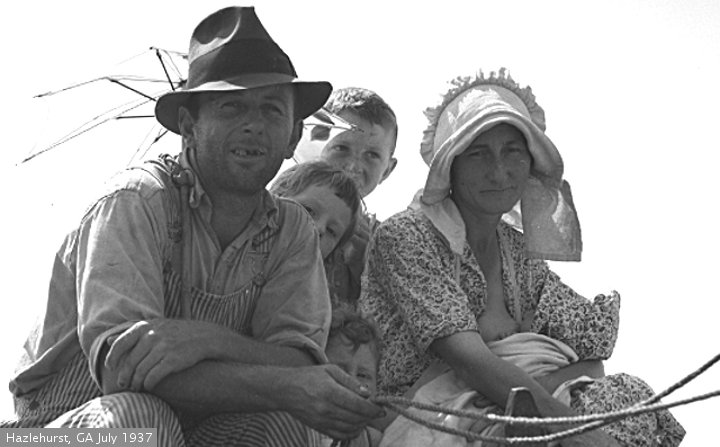

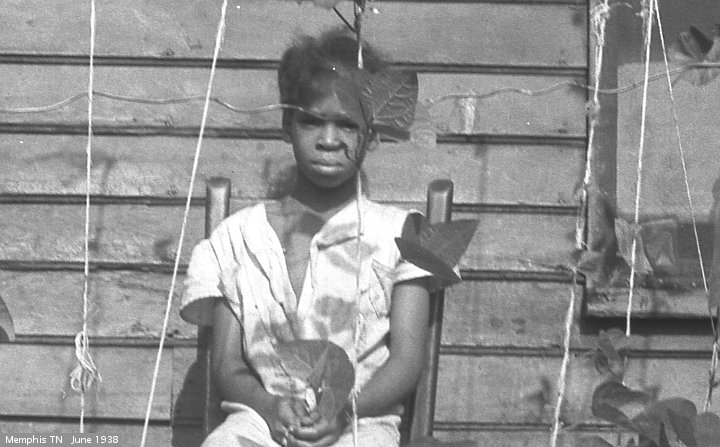




 Chamblee54
leave a comment