Memorial Day





There is a bit of polemic on the internet now, The revolutionary origins of Memorial Day and its political hijacking. It tells the story of an incident in Charleston SC, where newly freed slaves buried some Union soldiers who died in a prison camp. The incident is described as the first Decoration Day, which later evolved into Memorial Day. As the article tells it, this Holiday was intended as a revolutionary statement about Black freedom, and was whitewashed into an all caucasian affair. This is not a good summary of the article, but should do for now. You can read it for yourself.
PG read the article, and started to get a headache. While researching a Memorial Day. post, he came across the Charleston incident. Apparently, it did happen. There were also numerous other remembrances of the fallen soldiers. The War Between the States was an incredibly bloody affair, with many families losing someone. The urge to remember these fallen soldiers was overwhelming. The custom of Decoration Day would probably have happened with, or without, the Charleston incident. It is incorrect to say that those former slaves invented Decoration Day.
There was an exchange of messages. PG left a comment, “That article is not completely true.”
Lendon Sadler Thank you for your comment concerning the historical roots of Memorial day, but could you be so kind as to explain a bit more the inaccuracy contained in the posting.For my sake, and that of my friends, it would be greatly appreciated. Thanks. And please feel comfortable saying whatever is on your mind in my pages. Sincere regards, Lendon
Luther Mckinnon I will have to think about it some. Also, I am not sure that I have an interest in exploring this issue. I did some research about the celebration in Charleston. It apparently did take place. However, there were other people decorating graves before that. After the carnage of the War Between the States, there seemed to be a lot of activity towards remembering the dead. The slaves in Charleston definitely did not “invent” decoration day. That they had one of the earliest celebrations is notable, but they should not take sole credit. As to the rest of the article… i would have to think about it some, and to tell you the truth I don’t know if I am particularly interested. One of the pieces I read about the evolution of Memorial Day mentioned World War One, which was the next major war the US was involved in after WBTS. Here again, there was a lot of dead soldiers to remember. This was when the holiday evolved into a remembrance of soldiers from all wars. Anyway, I hope this is helpful, and maybe we can explore some of the other issues of that article.
The article in question is at a site called Liberation, “Newspaper of the Party for Socialism and Liberation at LiberationNews.org.” There is a some historic revisionism, with statements like this. “In 1877, the Northern capitalist establishment decisively turned their backs on Reconstruction, striking a deal with the old slavocracy to return the South to white supremacist rule in exchange for the South’s acceptance of capitalist expansion.” Whatever, dude.
The custom of Decoration/Memorial Day is pretty much what it says it is… to remember the fallen soldiers of our wars, especially the ones with lots of casualties. According to this source, it was World War I that facilitated the transition from Decoration Day, focused on WBTS, to a Memorial Day that honored the dead of all wars. It almost certainly was not done as a gesture of white supremacy.
The so-called lessons of history are very versatile. You can find whatever facts are convenient for your agenda, and if you don’t get what you need you can make some up. After all, there is nobody alive today that can remember 1877. We have to take the word of whoever tells the tale of a “deal with the old slavocracy.” Sometimes, these stories are more plausible than others.
Sometimes, things just don’t ring true. “The concept that the population must “remember the sacrifice” of U.S. service members, without a critical reflection on the wars themselves, did not emerge by accident. It came about in the Jim Crow period as the Northern and Southern ruling classes sought to reunite the country around apolitical mourning, which required erasing the “divisive” issues of slavery and Black citizenship.”
This is a repost. Notes about the Charleston parade are showing up on facebook. This incident almost certainly took place, and is worth noting. However, it was not the “invention” of Memorial Day. Gentlemen, start your engines. Pictures are from The Library of Congress.


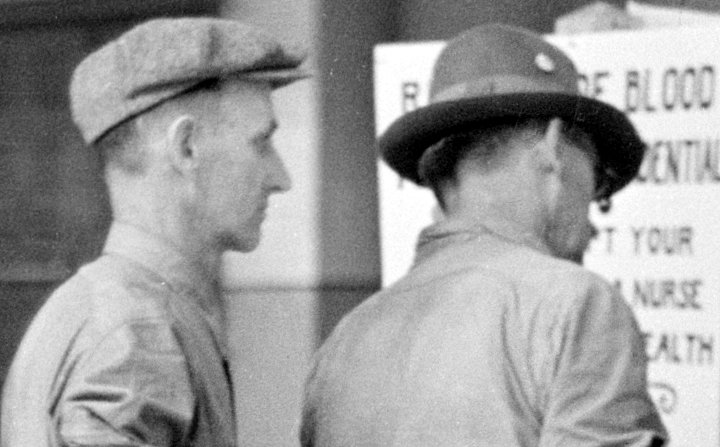

Memorial Day started as Decoration Day. During the War Between the States, people started to go out to graveyards, and put flowers on the soldiers. It is tough to say whether the custom started in the south. or the north. Waterloo NY is considered the official birthplace of Memorial Day. This is not what Abba was singing about.
WBTS was by far the most costly war in American history. There were more casualties in WBTS than in World Wars I, II, Korea, and Vietnam combined. Americans were not used to this carnage on this scale. Decoration Day was one of the results.
It was also, literally, a divisive war. The causes of the conflict are debated to this day. More men died of disease than in combat. Shitting yourself to death is not glory.
An important cause of the war was the desire, of some, to maintain their investment in slaves. In other words, the hundreds of thousands of Southern deaths were to insure that African Americans cannot be free. The lofty rhetoric of Memorial Day does not always reflect the squalid reality.
The legend is that May 30 was chosen because it was not the anniversary of any major battles. For many years after WBTS, the southern states had a separate day of remembrance. Confederate Memorial Day is still observed, though not on as large a scale as before.
The next major killing session for the United States was World War I. After this conflict, May 30 evolved into a day to remember all soldiers who died. The south began to embrace the unified holiday.
The United States lost at least 116,516 men in World War I. Almost all of these casualties were in 1918, the last year of the war. The other countries lost far more men. Not one person in a thousand can tell you today why World War I was fought. All it did was provide the causes of World War II, which was even more costly.



The Great Southeast Music Hall


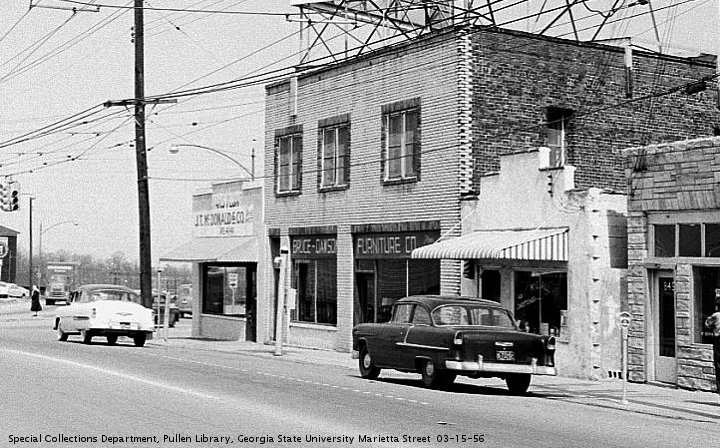
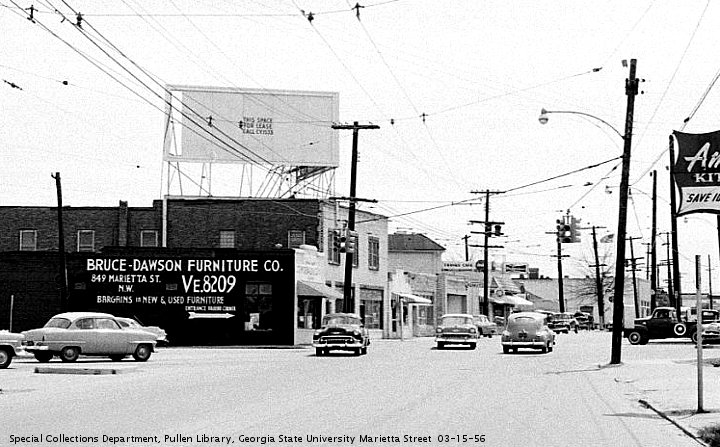
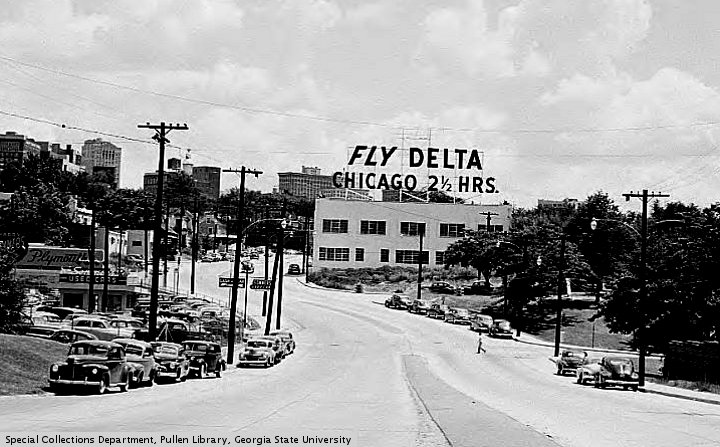
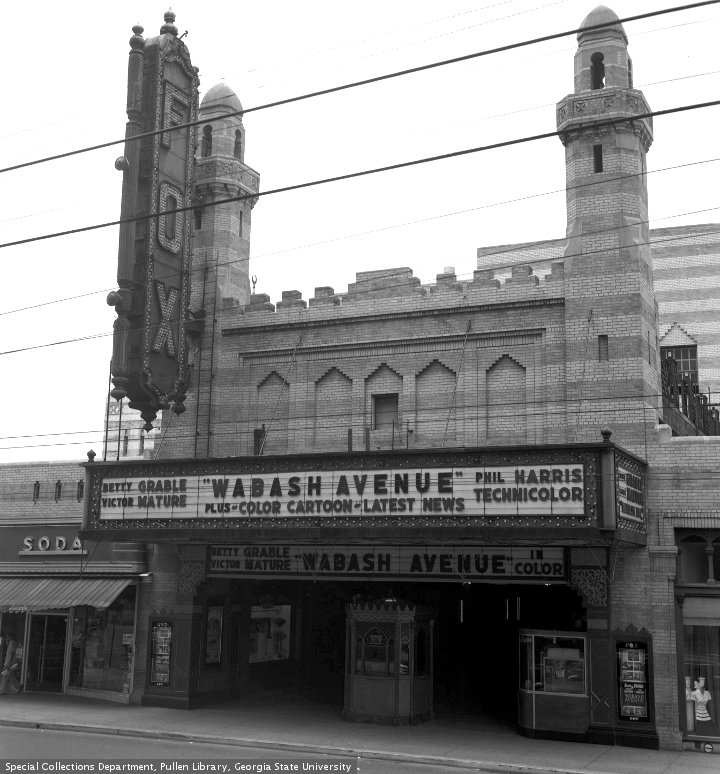
The Great Southeast Music Hall was an important part of life in Atlanta during the seventies. It was located in the elbow of a shopping center, Broadview Plaza. A bowling alley was downstairs, a two level K mart next door, and Atlanta’s first hispanic neighborhood across the street. Like almost everything else here, Broadview Plaza was torn down, and replaced by a more uppity set of stores.
When you went into the lobby of the Music Hall, you noticed the walls. Performers were given a magic marker, and encouraged to leave a message. John Mayall found the ladies room, and said he likes to be near the ladies. The late Phil Ochs said “Impeach Nixon and Agnew”. What happened to those boards is a good question.
The auditorium held about 500 people. The stage was only three feet or so above the floor. There was an empty space in front of the stage, and a few rows of bench backs behind that. When the place opened, there were lots of pillows on this floor, with the Music Hall logo. The carpet in this front area was fresh when the place opened, and got progressively grosser as the years went by. Beer was served in aluminum buckets, and inevitably some wound up on the carpet.
The show the Music Hall is most famous for is the US debut of the Sex Pistols. PG didn’t make it that night, but has heard from a few who did. The performance was said to be horrible. There are stories of Sid Vicious wandering through the apartments around Broadview trying to find heroin. Years later, PG was reading about that night in Please Kill Me, when the train he was riding pulled into the Lindberg Marta station. This is across the street from the Broadview Plaza, still standing at the time.
These days, the intersection of Lindbergh Drive and Piedmont Road (about a mile north of the park) is next to Hiway 400. When the Music Hall was in it’s prime, the land for the Highway was owned by the State of Georgia, which was fighting legal battles over the highway. The land had a network of dirt roads, one of which connected Buford Hiway to Lindbergh Drive. When you went from Chamblee to the Music Hall, the most direct route was over this dirt road. This dirt road is where Sidney Marcus Boulevard is today. Broadview Plaza was torn down, and replaced by a Home Depot.
Eventually, the business model for the Music Hall did not work, and the facility moved to Cherokee Plaza. This Music Hall was in a movie theater. The Cherokee Plaza Theater was the scene for the world premiere of Son of Dracula . This move did not work, for a number of reasons. The parking lot was too small, and people who wanted a loaf of bread from the A&P were blocked out during shows. Cherokee Plaza is just outside the city limits, on Peachtree Road. In the late seventies, DeKalb county was aggressively fighting drunk driving, and had roadblocks. Many of these roadblocks were outside the Music Hall, which kept many people from attending. Before long, this Music Hall closed.
Many years later, PG bought a second hand typewriter, and needed a ribbon. (Younger readers should ask an older person about this.) He went into an office supply store in Broadview Plaza, and soon realized that he was standing on the site of the Music Hall. He asked the clerk if he could have a bucket of beer, and got a very strange look in return.
 One industrious afternoon during this era, PG made a list of shows he saw at the Music Hall. The memory cells are already protesting, but we are going to try and remember as much as possible about these shows. A big thank you to Wikipedia for help with spelling and names.
New York Rock Ensemble – PG walked into the auditorium during the last part of the first show, as the band played “A whiter shade of pale”. The bass player wore lace up boots, with the pants legs tucked into them. Before long, the second show came on stage. Keyboard player Michael Kamen was the central focus, acting out the lyrics to “Anaconda”.
Silverman Deborah McColl fronted this drummerless band
Al Kooper PG has written about an unfortunate incident involving Al Kooper during this show. This would have never happened in “The Catcher in the Rye”…the kids always knew what time it was in that story. Mr. Kooper did a solo show, including “Sam Stone” by John Prine.
Ellen McIlwaine/ James Cotton Blues Band Ms. McIlwaine was pregnant, and played slide guitar. Mr. Cotton played harmonica. One of his players started to fan him with a towel, because he was hot.
Breakfast Special/ Doc and Merle Watson Breakfast Special was a local bluegrass crew, who did “The coming down song”. The Watsons did ” Deep River Blues” and “Thats All”, among other things. PG had a copy of their latest LP, and asked Merle to autograph it. He wrote his name on one side, turned it over, and signed Doc’s name on the other side.
Mason/Atlanta Rythym Section This show was the night Led Zeppelin played Atlanta Stadium.
New Riders of the Purple Sage When the Music Hall opened, a performer would typically play from Tuesday to Sunday. NRPS was a one night show. They worked well in the packed hall, and shined on “Glenville Train”. The next year, they did a tour with Commander Cody and The Lost Planet Airmen. Commander Cody opened, and raised hell. NRPS followed with a mellow rock show, and before long people were getting bored and leaving.
David Buskin / Loudon Wainwright III Chamblee 54 has written about this show before. Mr. Buskin talked about doing a show at Max’s Kansas City, the person sitting next to PG said “Gross”.
Steve Martin / Nitty Gritty Dirt Band Chamblee54 has written about the show by Mr. Martin . This was his last tour as an opening act. Nitty Gritty was a sight to behold. John McEuen played fiddle, and recited a poem about life.
Martin Mull / Melissa Manchester PG went to see Mr. Mull, who opened the show with a three piece band. (After the show, Mr. Mull said the name of the band was the (your name) (draws a blank with his fingers) orchestra.) The headliner was Ms. Manchester, little known at the time. She was a knockout. While standup comedy has it’s place, for emotional impact there is nothing like a singer.
Texas Gary Bennett / Weather Report Mr. Bennett played acoustic guitar, and sang, as an opener for a packed house of jazz rockers. It did not go well. At one point, trying to get some rapport with the crowd, he said ” has anyone here been busted at the Omni?” (The authorities had begun arresting people for smoking pot at the major concerts.)
Weather Report was amazing. Josef Zawinul had the loud keyboard sound, Wayne Shorter played his leads on soprano sax, and there was a drummer and percussion player. There was tons of rythym, to go with the electronic jazz sounds. When it was over, PG went up to Mr. Zawinul, shook his hand and, and said thank you. He was pouring a glass of beer from a pitcher, and looked a bit startled.
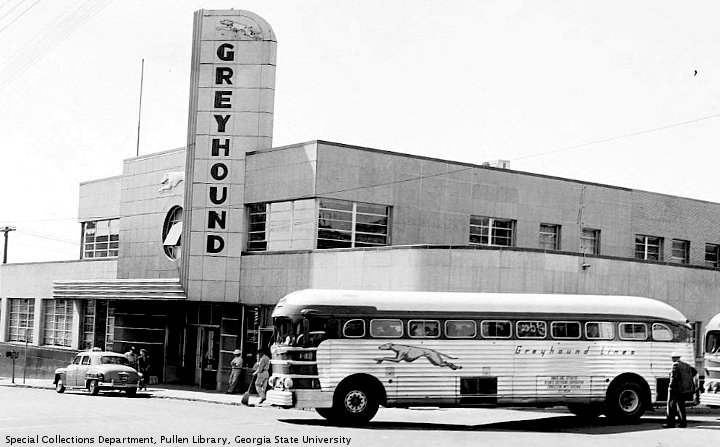
David Pomerance / Rahsaan Roland Kirk Chamblee54 has written about this show before. Mr. Kirk was a force of nature, the modern miracle of the tenor saxophone. He did not suffer from false modesty. This was the night Richard Nixon resigned, which pleased Mr. Kirk no end. The blind Rahsaan said that he did not want to see his audience, because we were too ugly. At one point, his band had been jamming for about ten minutes, when PG realized that Mr. Kirk had been holding a single note the entire time. The three saxophones at one time thing was a visual shocker, but he got sounds that way that you cannot get from a single instrument. At one point, Mr. Kirk pulled his sunglasses off, and made a face at the crowd. It was an amazing evening.
Chic Corea / Return to Forever This was a disappointment. Tickets were $4.50, which may be the most PG ever paid at the Music Hall. The band only played about an hour. It was all electric, ignoring the acoustic instruments set up on stage. RTF was a four piece, all star band. They had Chic Corea on keyboards, Stanley Clarke on bass, Al Demeola on guitar, and Lenny White on drums. That sounds like a great show, but it turned out to be four solo artists jamming. There was no cohesion, and the overall sound was less than the sum of the individual parts. Corea leaned over his keyboard, twisted knobs, and made faces, as if to say “look at how intense this is”. It wasn’t.
Mccoy Tyner The former Coltrane sideman played a very nice show. He had a percussion man, with several tables covered in exotic instruments. PG took a break after to first show to hang out at a neighborhood disco. When he got back, there was no doorman checking tickets, and anyone could walk in for free. PG took advantage of this discovery many times over the next few years.
Bill Crystal / Jean Luc Ponty Former Frank Zappa player Jean Luc Ponty played at the Music Hall, with a bass player who was a fellow Zappa alumni. The surprise of the evening was then-unknown Bill Crystal. A few weeks after this show, “Soap” would premiere, and make him a star. Mr. Crystal did a killer impersonation of a gila monster.
Between shows, Mr. Crystal had been entertained by a local musician. During the second show, he held his finger to his nose, made a snorting sound, and said thank you. PG heard this, and yelled “Locker Room”, the name of a “deooderizer” that some liked to get a buzz sniffing. Mr. Crystal said “Locker room. Jeez, I need to get the hecklers rosetta stone to know what he means”. Good times.
Keith Jarrett This is another show that might have been better than PG’s enjoyment. At one point early in the show, PG moved over to the front of the stage, to look at Mr. Jarrett’s hands. After the show, people told PG that the player had been giving him dirty looks when he did that. PG asked Mr. Jarrett about it, and he said that PG had interfered with his concentration.
This show featured a quartet, instead of a solo piano. The bass player was Charley Haden, who seemed a bit puffy faced. PG later learned that he had been addicted to heroin at the time.
Melissa Manchester Ms. Manchester came back for another week at the Music Hall, about a year after her first appearance. At one point, she asked the band if they were ready to do a new song, and then performed “I got eyes” for the first time in public. This was later the b side to “Midnight Blue”. One of the players in her band was a man named James Newton Howard. Part of the deal for touring with her was that he could play a solo number on piano, called “Newton’s Ego”. He later played with Elton John, and became wealthy writing film scores.
Flora Purim /Airto Moreira On PG’s 23rd birthday, Flora Purim played at the Music Hall. At the time, PG had a profound appreciation of her albums. The band had a nice sound, and was the equal of her records. The Chic Corea tune “Light as a Feather” was a standout. Her husband, Airto Moreira ( eye, ear, toe) fronted the band on some of the numbers, and had some funny routines. Ms. Purim held two microphones throughout the show, with one connected to some audio filters. PG found holding two microphones to be visually distracting. PG had known of the Jewish ancestry of Ms. Purim, but had not thought much about it. Then he saw her live, and realized that she does, indeed, look Jewish.
Hot Tuna Hot Tuna is a dependable, though not spectacular, band. On a previous show in Atlanta, they went on stage at 10:55, and played without a break until 2:50. This night, a fried of a friend was working at the Music Hall, and PG got in before the crowds, to get a prime spot, in the first row of benchbacks. At one point, PG was rocking back and forth against the benchback, and a neighbor asked him to quit. Those buckets of beer were influential.
Shakti This was an acoustic, Hindu oriented band fronted by guitar superman John McLaughlin. The numbers seemed to go on forever.
David Manion / Mark Almond This was a long awaited Atlanta performance by Mark Almond. (This is a jazz/blues band, totally different from the Soft Cell vocalist with a similar name.) They played two sets, which were only an hour or so long. This was disappointing to the people who could not wait for the second show. In the second show, they “took the shackles off” saxophone player Johnny Almond, and he played a wild solo during “The city”.
The incident we are about to describe may or may not have involved David Manion. What happened was, a small portable radio was playing on the edge of the stage. The spotlight was on the radio, which sounded like gibberish to most of the audience. Gradually, the chattering audience got quiet, and tried to listen to the radio. After a few minutes, a man came out, and stood in darkness behind the radio. The PA speaker announced “The new force of rock in Atlanta”. The man then dropped a large piece of granite on the radio, smashing it into bits.
Laurie Chapman / Stomu Yamashta Laurie Chapman was a singer/piano player, with some good stories. She told of a trucker, driving beside her and talking to her on a cb radio. ” You better get that drink out from between your legs before it gets too hot to handle”.
Stomu Yamashta is somewhat of a star in Japan. The show here was filmed for showing on TV there. His band, Go, was an all star collection, including Ava Cherry. She was a backup vocalist, and girlfriend, with David Bowie. After the show, PG was introduced to Spencer Davis in the lobby.
The next few shows were at Cherokee Plaza.
Martin Mull Mr. Mull was a solo star this time. He did a song about doing nothing, adding that dead people can do it too. The parking lot was packed, which was a major problem at the new location.
The week before the Super Bowl in 1994, Mr. Mull filmed a Comedy Central show in Woodruff Park. The Dallas Cowboys cheerleaders were kicking field goals. After the filming PG stood a few feet away from Mr. Mull, but could not think of anything to say.
Sun Ra PG went to a wedding, and a bunch of people from there went to see Sun Ra. This was an entertaining spectacle, with a big band and dancers. After the show, PG asked Sun Ra how he could afford to take a band like that on the road. He said he was doing it for beauty.
David Bromberg This was another big band production. PG showed within a few minutes of the gateman leaving his post, and saw about 45 minutes without buying a ticket.
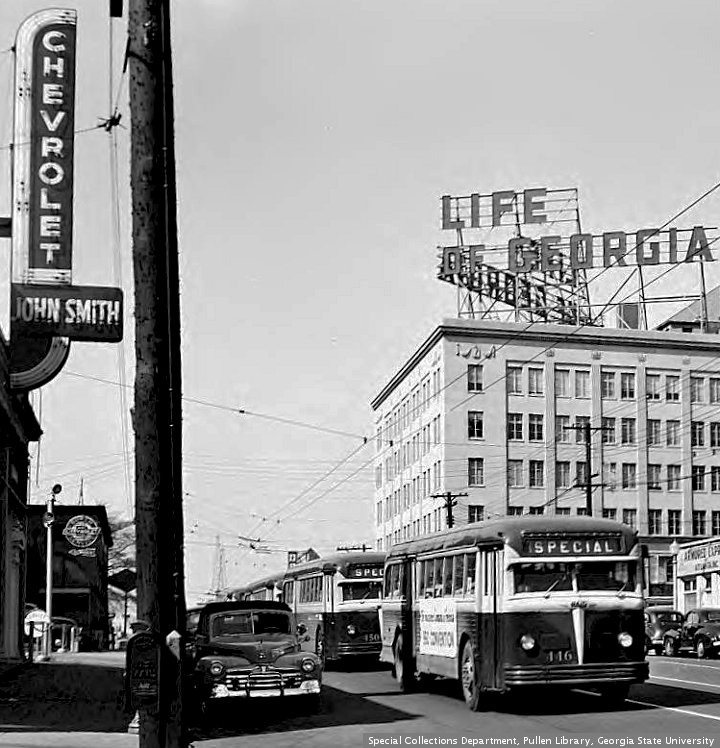
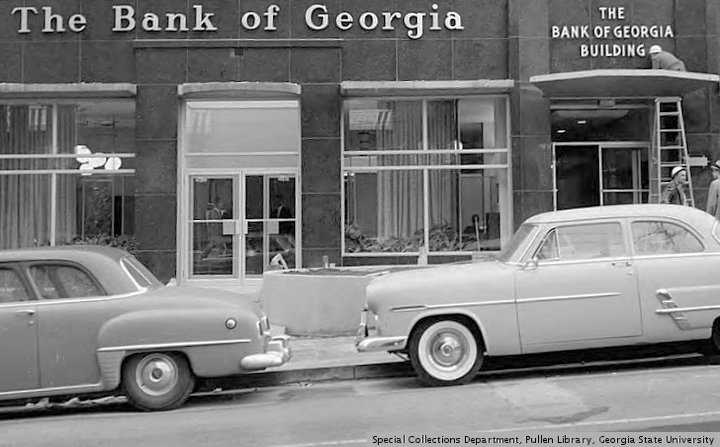
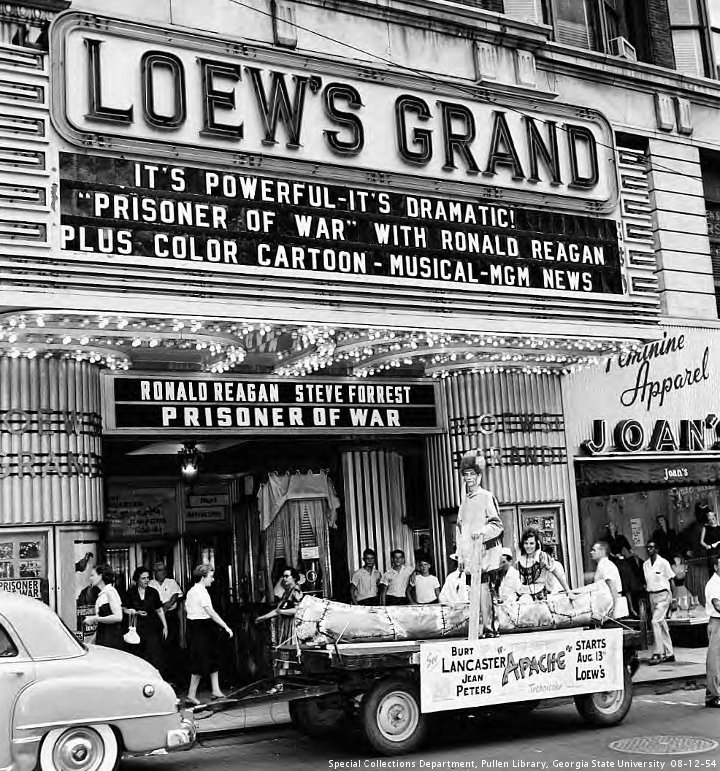
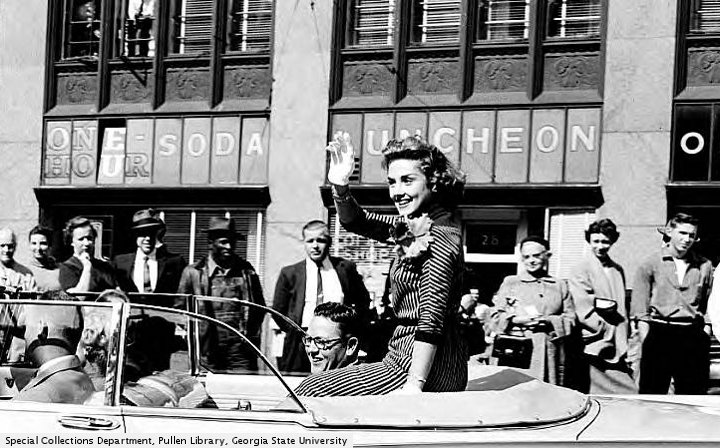
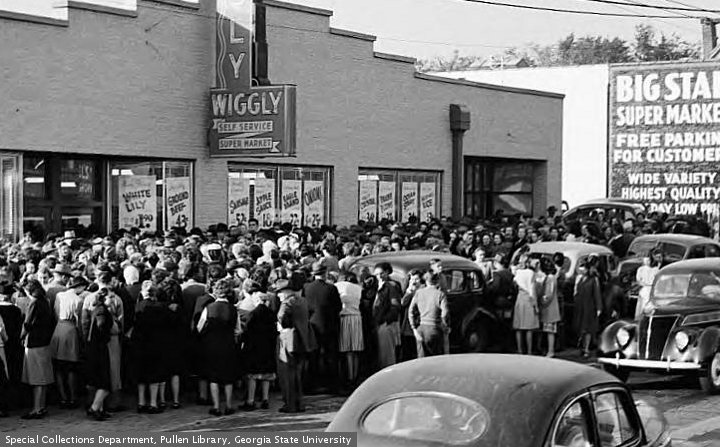
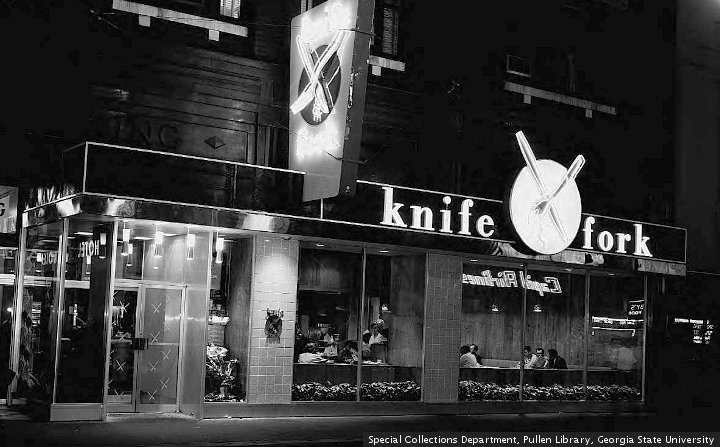
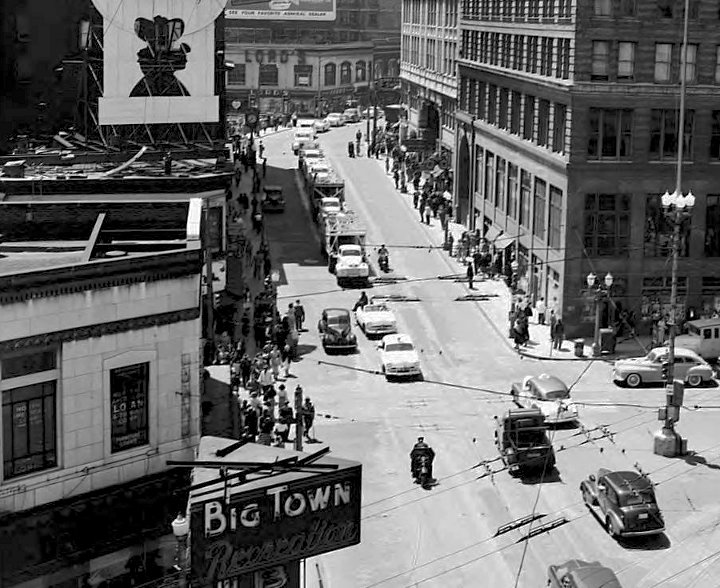
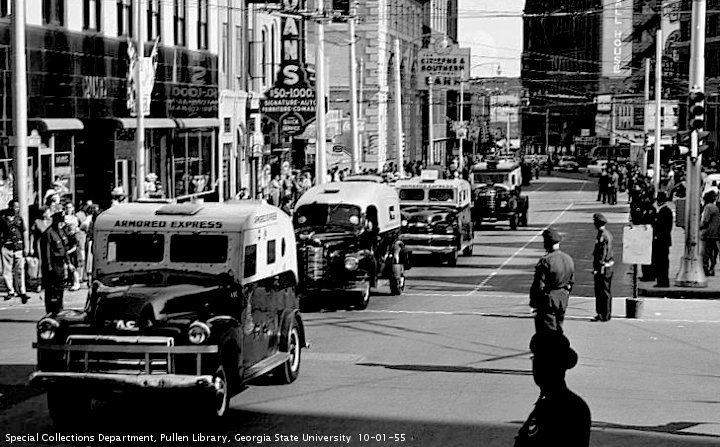
Lester Flatt/John Hartford One boring Saturday night, PG walked up to the Music Hall, and saw the two fiddle players jamming. A few weeks later, Lester Flatt passed away. This is a repost. Pictures today are from “The Special Collections and Archives, Georgia State University Library”.

Jesus And Mr. Gandhi


One day, PG is going to learn not to read facebook first thing in the morning. He was scrolling along, minding his own business, when he found this comment: “Are you kidding me. Judge NOT least you are JUDGE. You have NO right nor do I as a Christain to interpet one man’s thought or opinion or idea of whom our CHRIST is to HIM (Ghandi) or to you or myself. Self judging of other people or life styles was one the things that really ticked Christ off. Til we accept that and stop be so judgmental we are no better than the Devil himself.” PG had a reply: “1-When you have religion shoved in your face, you need to make a judgement… do I agree with this, or not agree? If the religion was not forced upon us, we would not have to make this judgement. 2- When you say I am the devil, you say more about yourself than you do about me.”
The first comment was made by a former supervisor of PG. “Wildman” was the store manager when PG was tormented by the Professional Jesus Worshiper (PJW). During this crucible, PG was forced to re-examine his opinions about Jesus. This was not easy for PG, as Jesus had long been a painful presence in his life.
PG decided that there were two forces known as Jesus. One was the historic figure, whose life was partially recorded in the bible. The second Jesus was a spirit, living in the hearts of those who believe in him. The present day spirit Jesus has little in common with the historic Jesus, other than the name. The best way to know Jesus is through the words and deeds of his believers.
The initial comment was made to a post at Christianity.com. Apparently, the comment was automatically posted to facebook. The post, Gandhi Doesn’t Like Us, was written by Tim Challies. He is a popular Jesus worship blogger, and is much admired at blogs where PG is banned from commenting. The page is sponsored by Christians United For Israel. They are distributing a free ebook, Israel 101, with the slogan “Defend the land Jesus walked.”
Mr. Challies is a competent writer. He crafts an opening to the post which states the points he is going to make. “How many times have you come across this quote attributed to Mahatma Gandhi? “I like your Christ. I do not like your Christians. Your Christians are so unlike your Christ.” I must have read it a hundred times in books, magazines, articles, tweets. It is used by believers and unbelievers to point to the hypocrisy of Christians and to call us to more and to better. Our inability to live what we preach is driving the multitudes away. Or so we are told. After all, that’s what Gandhi said.
We need to stop using this quote and I’m going to give you two good reasons to do so. In the first place, Gandhi was hardly an authority on Jesus. When he says, “I like your Christ” he is referring to a Jesus of his own making, a Jesus plucked haphazardly from the pages of Scripture, a Jeffersonian kind of Jesus, picked and chosen from the accounts of his life. “
PG agrees with Mr. Challies, but for different reasons. To begin with, no one seems to have a source for this quote. What was the context? What language was it said in? This quote is the best answer Mr. Google can supply:
“A 1926 review by the Reverend W.P. King (then pastor of the First Methodist Church of Gainesville, Georgia) of E. Stanley Jones’s The Christ of the Indian Road (published in 1925 by The Abington Press, New York City) includes the following: Dr. Jones says that the greatest hindrance to the Christian gospel in India is a dislike for western domination, western snobbery, the western theological system, western militarism and western race prejudice. Gandhi, the great prophet of India, said, “I love your Christ, but I dislike your Christianity.” The embarrassing fact is that India judges us by our own professed standard. In reply to a question of Dr. Jones as to how it would be possible to bring India to Christ, Gandhi replied: First, I would suggest that all of you Christians live more like Jesus Christ. Second, I would suggest that you practice your Christianity without adulterating it. The anomalous situation is that most of us would be equally shocked to see Christianity doubted or put into practice. Third, I would suggest that you put more emphasis on love, for love is the soul and center of Christianity. Fourth, I would suggest that you study the non-Christian religions more sympathetically in order to find the good that is in them.”
The quote is less than 100 years old, and it is disputed. The reputed words of Jesus were said in Aramaic. They were quoted, after his death, by scribes who never met Jesus, in Greek. These texts were copied by hand and compiled into a canon for the Catholic church. This canon was translated into contemporary languages. And yet, this record of the teachings of Jesus is regarded as the verbatim, inerrant truth.
Another problem with the quote is the use of the word “Christ”. This was an honorific title, and not the name of Jesus. (Some say that the name was closer to Joshua. It was probably an Aramaic name that we would find difficult to pronounce.) There are many people who say that Jesus might not be the Christ.The two names are not synonymous, nor is Christ the last name of Jesus.
Mr. Gandhi had some name issues as well. His birth name was Mohandas Karamchand Gandhi. Many today refer to him as Mahatma Gandhi. “The word Mahatma, while often mistaken for Gandhi’s given name in the West, is taken from the Sanskrit words maha (meaning Great) and atma (meaning Soul). Rabindranath Tagore is said to have accorded the title to Gandhi. In his autobiography, Gandhi nevertheless explains that he never valued the title, and was often pained by it.”
Mr. Gandhi went to school in England, and worked as a barrister in South Africa. He was a smart man. If you want to put a quote from Mr. Gandhi on your vehicle, here are a few options:
“G-d has no religion”
“Be the change you want to see in the world.”
“Nobody can hurt me without my permission.”
“Be the change you want to see in the world.”
“The weak can never forgive. Forgiveness is the attribute of the strong.”
“Whenever you are confronted with an opponent. Conquer him with love.”
“The best way to find yourself is to lose yourself in the service of others.”
“The weak can never forgive. Forgiveness is the attribute of the strong.”
“Live as if you were to die tomorrow. Learn as if you were to live forever.”
“One who has any faith in G-d should be ashamed to worry about anything ”
As we said earlier, Gandhi Doesn’t Like Us offers two reasons to not use the quote by Mr. Gandhi. Lets take a look. “Whatever Jesus Gandhi liked was certainly not the Jesus of the Bible. Why then should we care if we do not attain to this falsified version of Jesus? I would be ashamed to have any appearance to the kind of Jesus that Gandhi would deem good and acceptable and worthy of emulation. That Jesus would, of course, have to look an awful lot like Gandhi. So there is one good reason to stop using this quote: because Gandhi fabricated a Jesus of his own making and declared his affection only for this fictional character. He never liked the real thing”.
Arguably, this is what the contemporary church does. The light skinned Jesus of velvet paintings looks little like the real thing. Even critics of the church, who like to talk about what “Jesus really taught”, are relying on the product of a Catholic committee. The truth is, we don’t know very much about the historic Jesus. We fill in the blanks to suit whatever the current agenda is. What you think about Jesus says more about you than it does about Jesus.
Here’s a second reason. Gandhi had a fundamental misunderstanding of himself and of the rest of humanity. Gandhi no doubt loved the way that Jesus related to the downtrodden and disadvantages and assumed that he himself was a leper or Samaritan, when really he was a Pharisee. … Perhaps he might even have deigned to put himself in the place of the Prodigal Son, a man who had gone astray but then found hope and redemption. Whatever the case, the Jesus he liked must have been a Jesus who would love and accept him just as he was and not a Jesus who declared that even a man as good as he was an enemy of G-d.
Jesus spoke kind words and did great deeds; he comforted and healed and gave hope and a future. But not to everyone. Jesus reserved the harshest of words for the religious elite, those who declared that they were holy, that they understood the nature of G-d, that they had achieved some kind of enlightenment. Jesus had no love for such people. It was such people who received the sharpest of his rebukes and the most brutal of his “Woes!” They were the whitewashed tombs, the broods of vipers, the blind guides. Such men did not love Jesus. They may have loved Gandhi’s fabricated Christ but they hated the real one.
And who is the “religious elite” elite of today? Perhaps it is someone who publishes on a slick website, with an ad supporting the abuse of the Palestinian people. Perhaps it is the preacher in Lithonia who uses Jesus to lure teenage boys into his bedroom. Perhaps it is the PJW who conducted a vulgar ministry while working on the clock for redo blue. This PJW ended a tirade with the words, What you see is Jesus changing my life. Perhaps it is those who use Jesus to hurt people.
This Jesus, the Jesus of the Bible, would have rebuked Gandhi as he rebuked the Jewish leaders of his day, the people who led people walking behind them on the road to hell. Like them, he was convinced of his own goodness, his own worthiness. There are two good reasons to stop using this quote: Gandhi liked only the Christ of his own making and he believed that he was worthy of the favor of this Christ. On both accounts he was wrong; dead wrong.
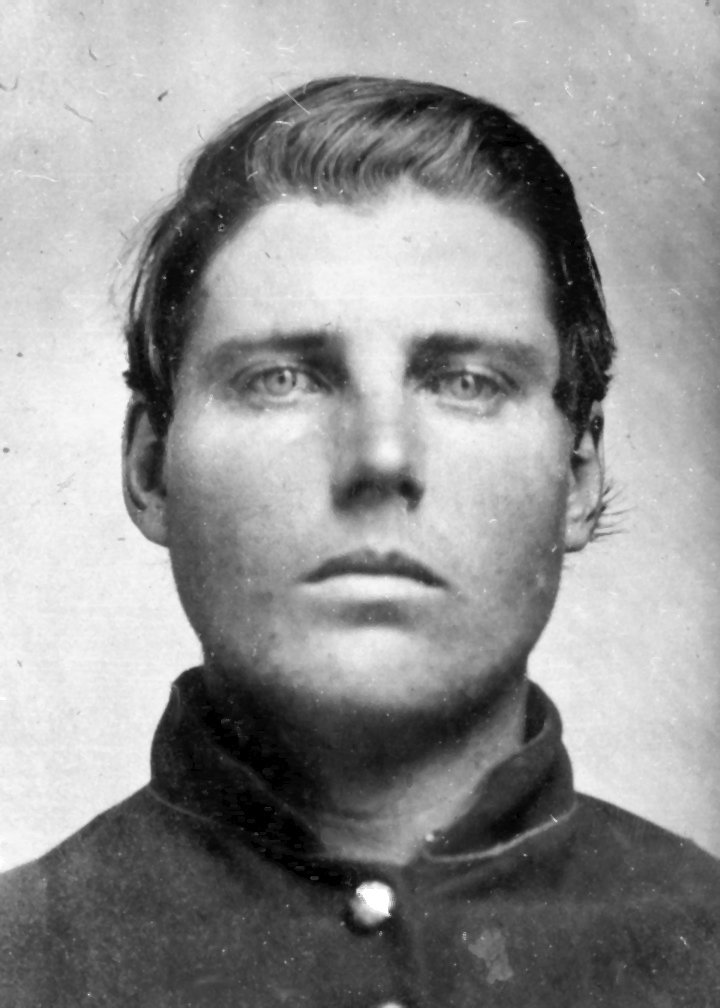
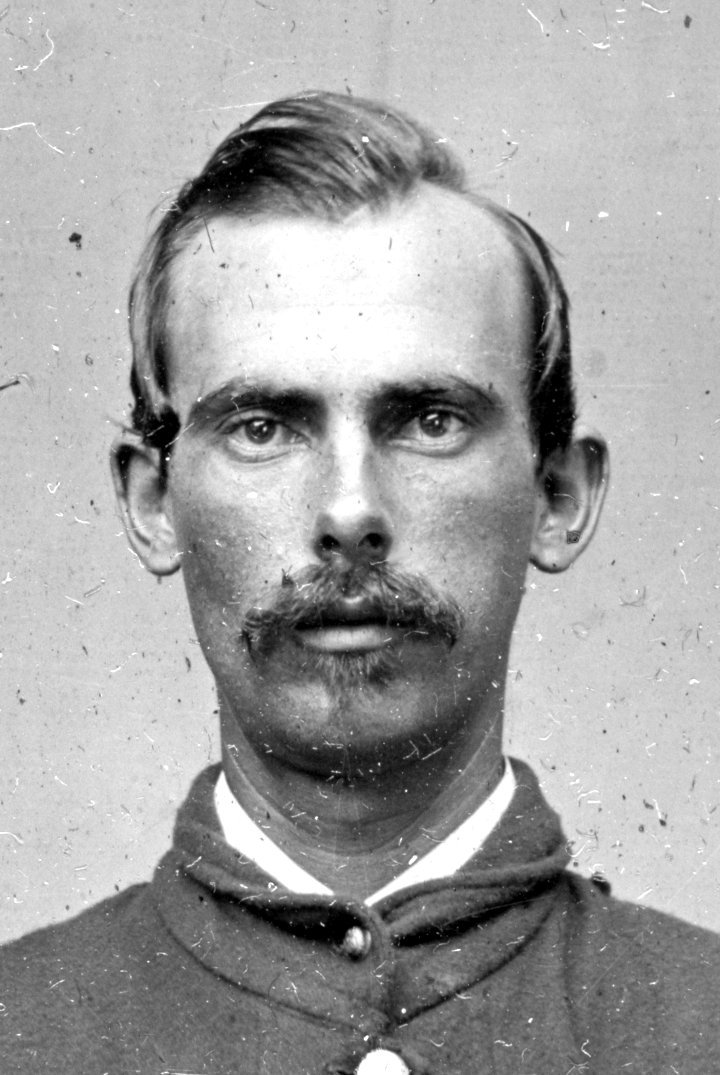
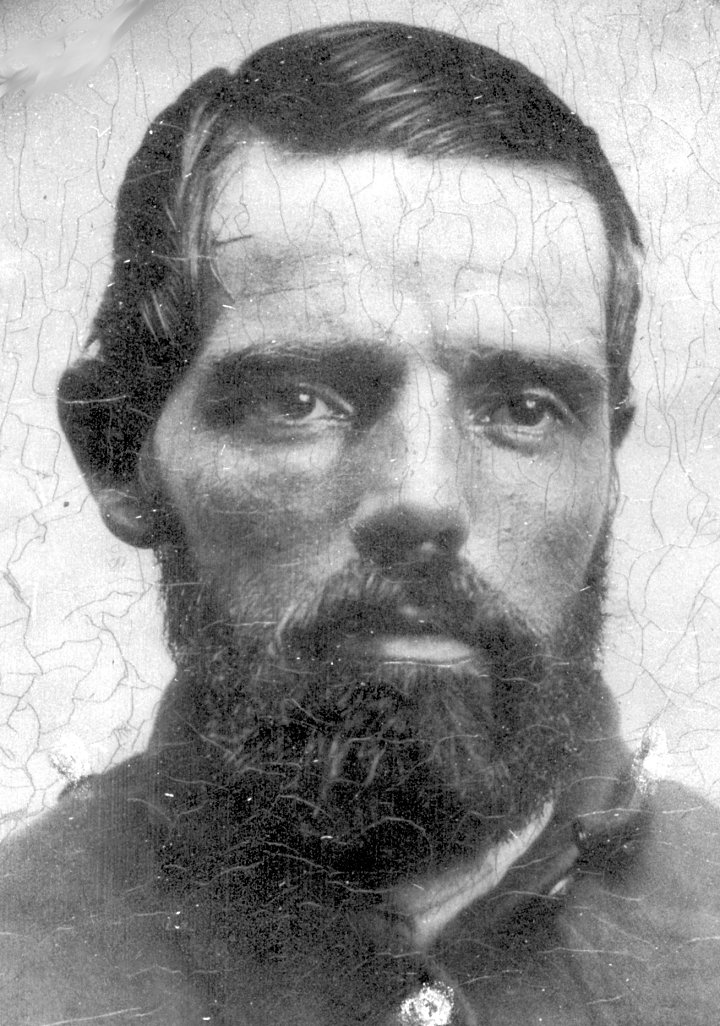
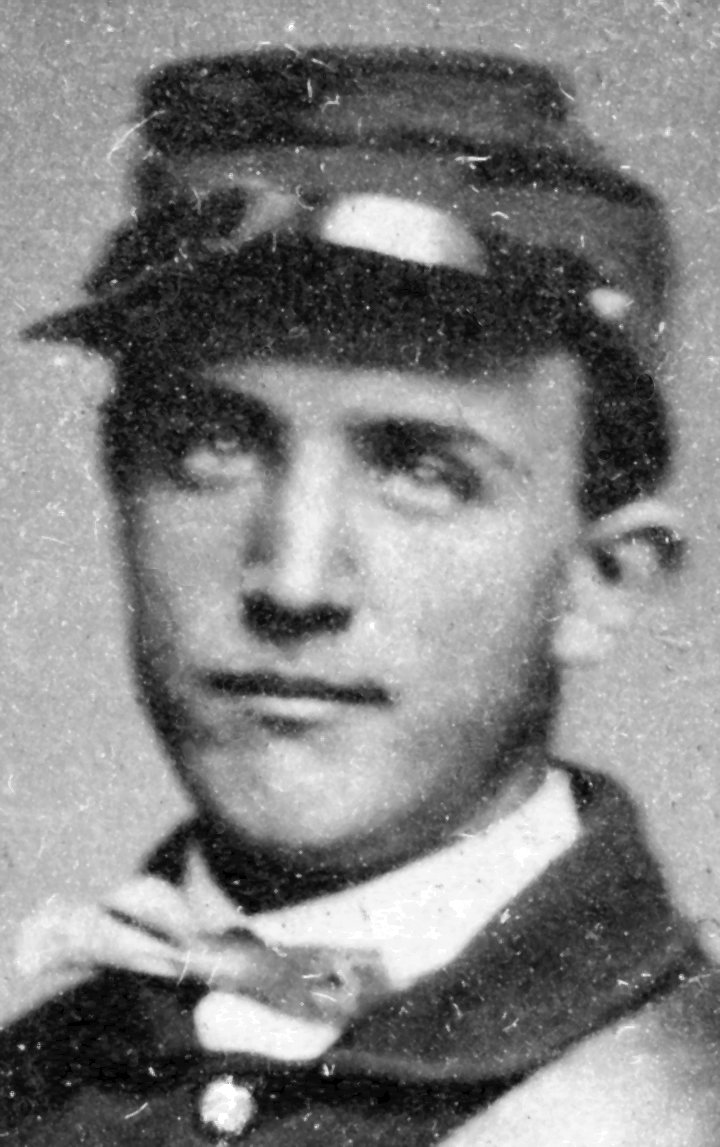
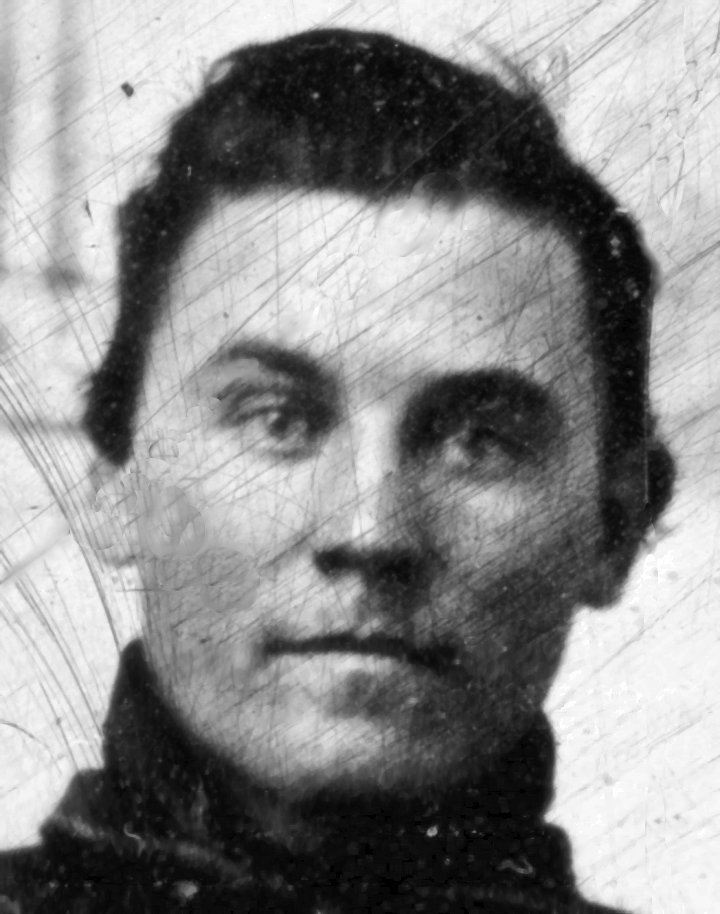
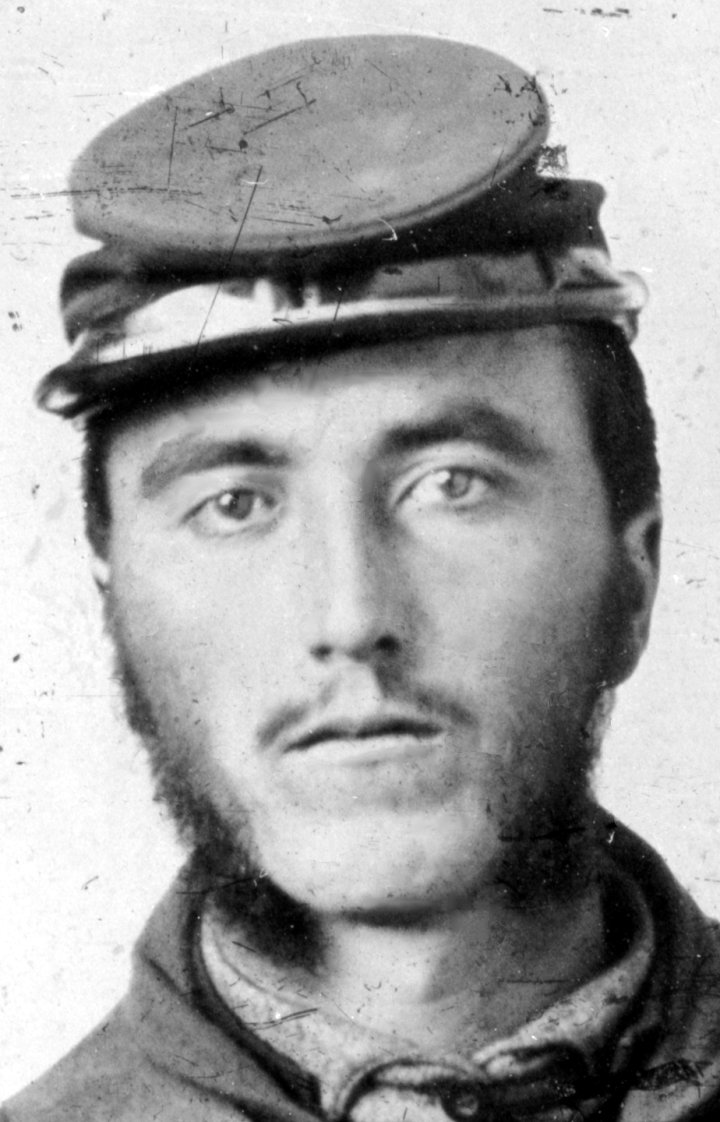
This is a repost. Pictures today are from The Library of Congress. They are Union soldiers, from the War Between the States. Both sides in this conflict believed that Jesus supported them.


Dr. King And Mr. King




The other day PG stumbled onto a blog post, about a speech given by Dr. Martin Luther King Jr. This address was deemed “the singularly most-important speech on race in the history of this country.”
PG admires Dr. King. He is also suspicious of superlatives. There were some comments made by Rodney Glen King III. The comments by Mr King were briefer, and tougher to live up to.
While thinking of things to write about, PG realized that he had never seen the actual quote by Mr. King. It is embedded above. When you see this video, you might realize that Mr. King has been misquoted. The popular version has him saying “Can’t we all just get along.” He did not say just.
Mr. King was known to America as Rodney King. His friends called him Glen. His comments, at 7:01, May 1, 1992, went like this: ““People, I just want to say, you know, can we all get along? Can we get along? Can we stop making it, making it horrible for the older people and the kids? . . . Please, we can get along here. We all can get along. I mean, we’re all stuck here for a while. Let’s try to work it out. Let’s try to beat it. Let’s try to beat it.”
The circumstances of the two comments could not be more different. Dr. King was giving the sermon of his life. There was an enormous crowd, both in person and on TV. His comments were scripted, rehearsed, and delivered with the style that he was famous for.
Mr. King, by contrast, had just seen the officers who beat him acquitted. Cities from coast to coast were in violent upheaval. Mr. King was speaking to reporters without benefit of a speech writer. What he said might be more important. This is a repost. Pictures today from The Library of Congress.



The Day Lincoln Was Shot



PG has read The Day Lincoln Was Shot. It is written so that the casual reader can enjoy it. There is a powerful history lesson here, and worth the twenty five cents PG paid at Book Nook. The pictures for this book report are from The Library of Congress. This is a repost.
This book contradicts another book PG read. Genius and Heroin reports that Mary Todd Lincoln had a bad headache on April 14, 1864. Some opium was found for her, and she was able to go to Ford’s Theater that evening. TDLWS does not mention this.
The story begins in the weeks leading up to “Good Friday”. John Wilkes Booth was in the crowd at Mr. Lincoln’s second inauguration. Vice President Andrew Johnson was also there, and made a drunken fool of himself. Mr. Johnson did not meet with Mr. Lincoln until the afternoon of April 14.
John Wilkes Booth was a famous actor, He made $20,000 a year as a performer. Mr. Booth was also a fan of the Confederacy, and launched a plan to kidnap Mr. Lincoln. There was an attempt to kidnap the President, but Mr. Lincoln did not show up as planned. The conspiracy of Mr. Booth almost broke up, and was reduced to four men.
The four men…John Wilkes Booth, Lewis Paine, David Herrold, and George Atzerodt … met at a boarding house owned by Mary Sarratt. Ultimately, Booth went to Ford’s Theater to kill the President. Lewis Paine and David Herrold tried to kill Secretary of State William Seward. George Atzerodt took a room at Kirkland’s boarding house, and was supposed to take out Vice President Andrew Johnson. Mary Sarratt was not involved in the plot, but was executed by hanging anyway.
In the weeks before Good Friday, a few things happened. On March 7, the door to box seven at Ford’s Theater was broken down, and the lock broken. On April 5, Secretary of State William Seward was badly injured in a carriage accident. On April 9, General Robert E. Lee surrendered to General Ulysses Grant, ending the War Between the States.
Part of the celebration was a theater party on Friday, April 14. Mr. and Mrs. Lincoln were to join Gen. and Mrs. Grant at Ford’s Theater. The show was “Our American Cousin”, starring Laura Keene. The Grants did not really want to go, and decided to catch a train to New Jersey. They wanted to see their children. Mrs. Grant had also witnessed a temper tantrum by Mrs. Lincoln, and was possibly avoiding the hot headed first lady.
Mr. Booth decided that this was the night for action. He went by the Kirkwood house, and left a note for Andrew Johnson. The idea was for the police to see the note, and think that Mr. Johnson was part of the conspiracy. This was foiled when Mr. Johnson’s secretary stopped by Kirkwood house, and picked up the Vice President’s mail and messages.
Ford’s Theater was prepared for the visit by the President. A barrier was taken out from between two boxes. Flags were hung around the building. At 9:00 pm, the President’s bodyguard, a Washington policeman named John F. Parker, got bored with the play. Mr. Parker went to Taltavul’s saloon, along with with Francis Burns, the president’s driver and Forbes, the valet. They were in the saloon during the action at the theater.
John Wilkes Booth was an experienced actor, and he knew how to follow a cue. At 10:15 pm, the player onstage said “Wal I guess I know enough to turn you inside out, you sockdologizing old mantrap”. Booth placed a derringer between Mr. Lincoln’s left ear and spine, and pulled the trigger. He said “Sic Semper Tyrannis”, and cut Major Henry Rathbone. Booth leaned over the edge of the theater box, and lowered himself to the stage. The spur of his right foot catches on the Treasury regiment flag. This causes him to land on his left leg at an odd angle. The leg broke.
While this is going on, Lewis Paine and David Herrold went to visit Secretary of State William Seward. He is laying in bed, covered in bandages, recovering from the carriage accident. The bandages get in the way of the knife that cuts him, and save his life.
The wounds to Mr. Lincoln are considered mortal. The President was moved to Peterson’s boarding house nearby. At 7:22 am on April 15, he died. Secretary of War Edwin Stanton, who served as acting President during the night, said “Now he belongs to the ages.”


The Funeral Of Franklin D. Roosevelt
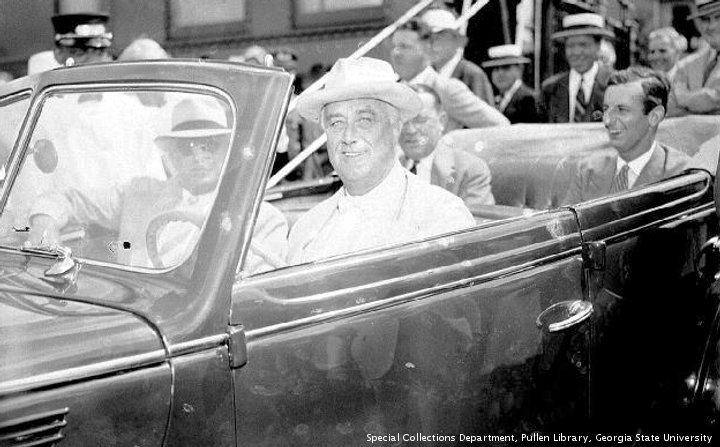
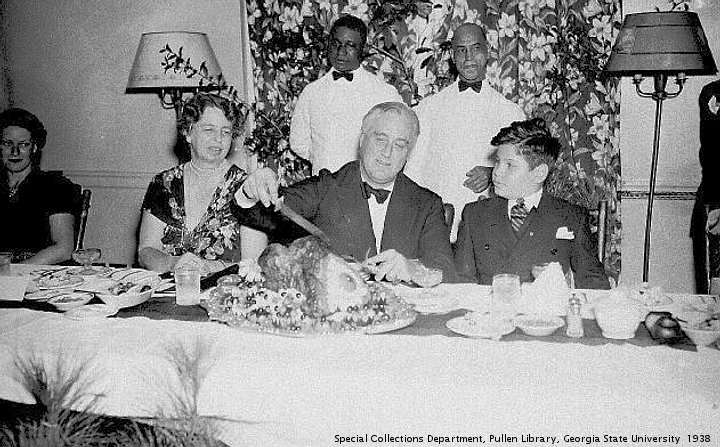
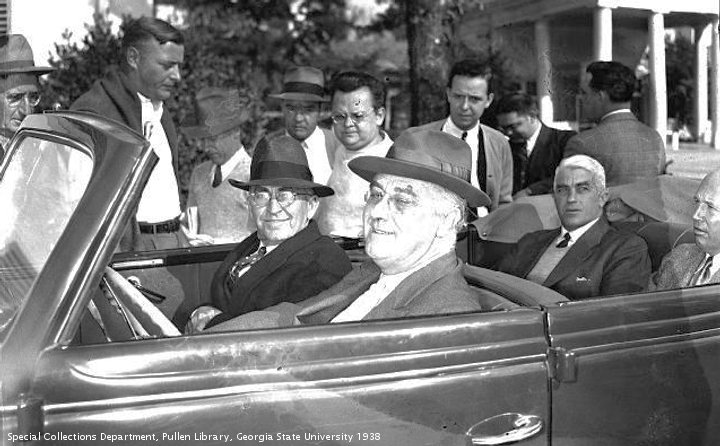
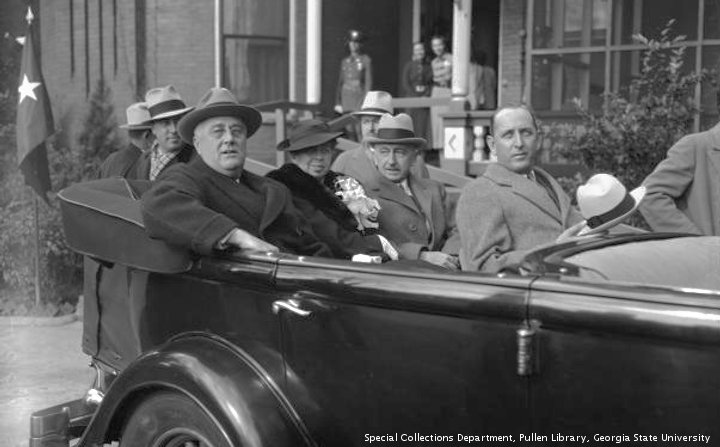

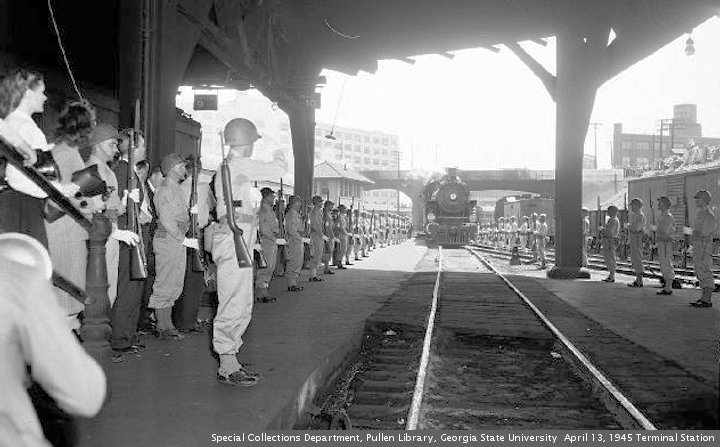
On February 29,1945, a train left a secret platform beneath the Bureau of Engraving and Printing in Washington, DC. The most important car in the train was the Ferdinand Magellan, the private ride of President Franklin Delano Roosevelt. The train took “the Boss” to Warm Springs, GA.
On April 12, 1945 (the day before Friday 13), the President was posing for a painting. The artist, Elizabeth Shoumatoff, was a friend of Lucy Mercer Rutherford, who was also in “The Little White House” that afternoon. Mrs. Rutherford was the long time mistress of the President. At roughly 1:00 pm, The President rubbed his brow, and said ” I have a terrific pain in the back of my head”. His head slumped onto his chest, and he died.
What happened in the next few days is the subject of FDR’s Funeral Train. PG found this book at the Chamblee library, and found it enjoyable, and thought provoking. For a story with a well known outcome, there were a lot of subplots, and food for speculation. Pictures for this book report repost are from “The Special Collections and Archives, Georgia State University Library”.
When it became obvious what was happening, the first chore was to get Lucy Rutherford off the premises. She left quickly, along with Ms. Shoumatoff, and an assistant. Somehow, Eleanor Roosevelt learned the Mrs. Rutherford had been with her husband, and was not pleased.
Fred Patterson was called at this Atlanta funeral home, and told to come to Warm Springs to prepare the body for burial. Unfortunately, the cerebral hemorrage had clouded the President’s face beyond repair. This, and the President’s expressed dislike of open coffin funerals, led to a closed coffin at the ceremonies. The closed coffin led to speculation that the President had been dead for some time, and that an impostor had been playing the role of President.
Mr. Patterson brought a copper lined coffin with him, weighing over 600 pounds. The setup of the Ferdinand Magellan made it impossible to bring the coffin onto that car. Another car, the Conneaut, was found to carry the remains to the funeral. A passenger window was removed, and the coffin was passed in through the window. A wooden bier was built for the coffin, and covered with a Marine Corps blanket. The bier was built high enough to enable the coffin to be visable through the window.
When the coffin was about to be placed on the train, it was learned that no one had brought a flag. A flag was borrowed from a flagpole in Warm Springs to put over the coffin.
The Ferdinand Magellan was armor plated, and had bulletproof glass. It weighed 142 tons. An engine powerful enough to carry this car had to be found. When the train was leaving Washington, en route to burial in Hyde Park, NY, three couplings broke, from the strain of this car. Finally, a coupling was made to work, and the train proceeded to Hyde Park.
The part of the journey from Washington to Hyde Park had two trains, with every important official in Washington on board. Among them was the new President, Harry Truman. Truman had been a compromise choice as Vice President, and was not told very much. He was quickly educated, and produced a speech to give to Congress the following Monday.
On this Friday the thirteenth, no one foresaw an early end to the War. While Germany was in bad shape, no one knew how much longer they would hold out. As for Japan, it was assumed that a gruesome land invasion would be needed to end the conflict. Only a select few knew about the atomic bomb, which had still not been tested. Some felt it would not work.
One of the lesser known passengers on the Washington-Hyde Park train was an economics advisor to the President named Laughlin Currie. In addition to his duties for the American government. Mr. Currie was widely believed to be on the payroll of the Soviet Union. He gave regular reports to the KGB. Which leads to one of the questions …did the Soviet Union know about the atom bomb?
The answer may not be knowable. What is known is this. On August 6, the US dropped the atom bomb on Hiroshima. On August 8, the Soviet Union entered the war against Japan, invading Manchuria. On August 9, the US dropped the atom bomb on Nagasaki. This may be a coincidence.
Another point to ponder involves Dr. Howard G. Bruenn, a cardiologist at Bethesda Naval Hospital. Dr. Bruenn had been treating the President, and is given credit for adding a year to the President’s life. The question today is, what if the President had died in 1944? Henry Wallace would have become President, and probably would have been elected to a term of office in the fall elections. (Or maybe not. Mr. Wallace had offended enough people to cause him to be kicked off the ticket.) How this would have played out, especially with regard to the war effort and the Yalta conference, is anybody’s guess. That extra year of life for Mr. Roosevelt may have been a very good thing for the United States.

Dangerous Driving


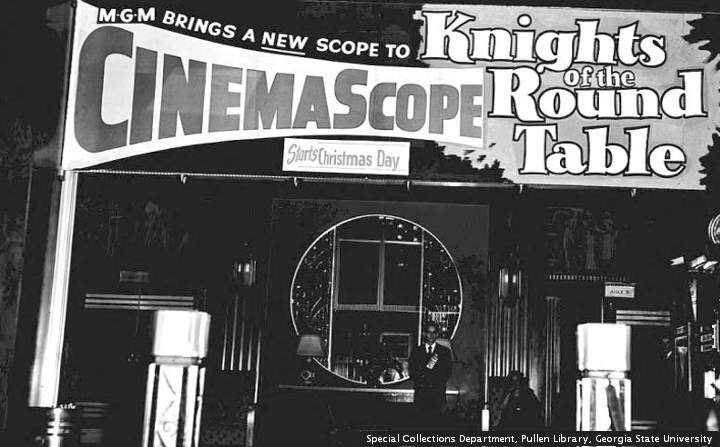

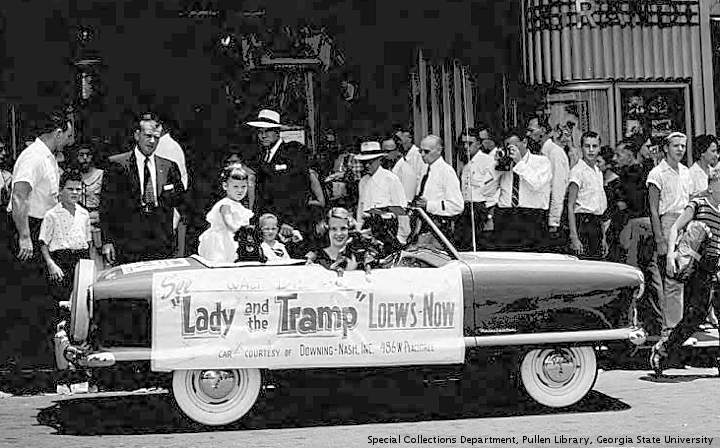
What follows is a repost from a few years ago. The thoughts are current. Pictures are from “The Special Collections and Archives, Georgia State University Library”.
This is written as the Sunday morning worship hour winds down. In church facilities across America, preachers scream about sin. Very few will consider the sin of dangerous driving. And yet, this is the sin that can change, or end, your life in an instant.
There is a lot of label mongering in public spaces. Liberal, conservative, and racist are three of the most popular. None of these labels deals with driving courtesy. The SJW and the KKK are united in their lack of concern about safe driving. With that in mind, here is the top nine.
1- Find another way to show how bad you are. This is mostly a masculinity thing, but it just might apply to a few ladies. Driving hard and fast is the easy way to prove your toughness. All you do is push the gas pedal. You don’t have to go to the gym, have lots of sex, or go into battle. Just drive fast, and with no concern for your neighbor.
2- Slow down. There is no need to go so fast. When you go somewhere, allow yourself enough time to get there. The faster you drive, the less reaction time you have in an emergency.
3- Stay far enough behind the car ahead of you to stop in an emergency. This will be less stressful for the person in front of you.
4- Pay attention to the road. This is where cell phones, and texting, becomes a problem. You should be focused on the road ahead of you, and not what your phone mate is telling you. Your minutes will be just as good when you get to your destination. Are people really brainless enough to text and drive?
5- The three rules of the workplace apply here…. show up, stay awake, and don’t kill anyone.
6- Keep your car in good condition. The tires and brakes are key items, but also keep the engine running smoothly. Sometimes you need to accelerate.
7- Keep your temper. Driving while angry is a cause of many accidents, especially when combined with alcohol or religion.
8- Use your turn signals.
9- Show concern for the well being of your neighbor. Use common sense.
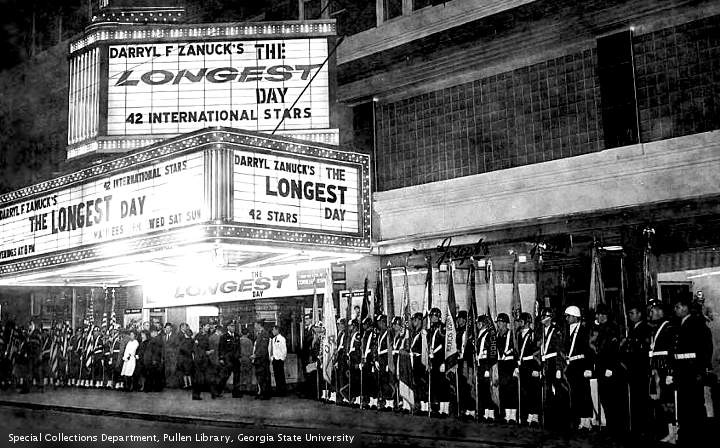
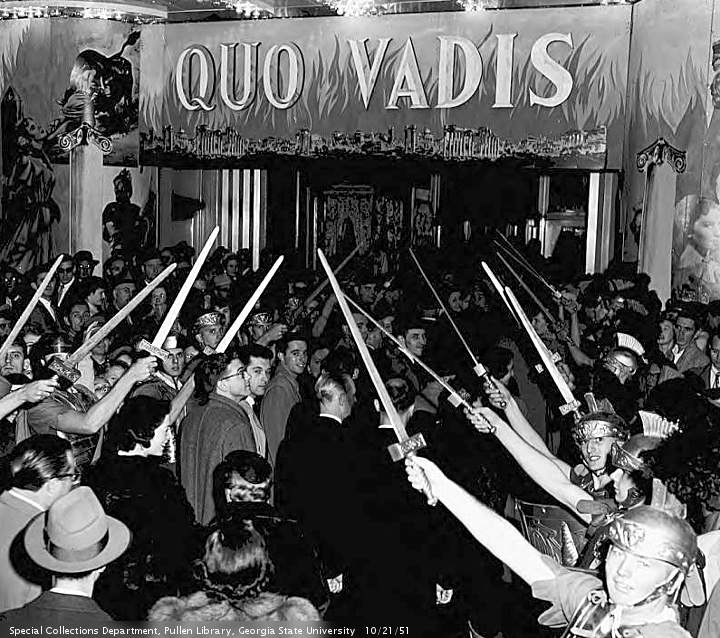


Yeah I’m A Redneck

A facebook friend recommended an Upworthy video, Racism explained by a good ol’ Southern boy. PG had to click on the link. He did not like what he saw and heard.
About nine seconds in, PG sensed that something was amiss. “I’m coming to you hear in my track. Today I got Ford F150 and I like it. Yeah I’m a redneck. I always have been…” Years of living in Georgia has given PG a taste of rednecks. This man seemed a bit off.
It turns out the speaker was “a filmmaker, actor, and anti-racism writer.” His name is Jorge Moran. Mr. Moran studied at Savannah College of Art and Design, and has directed several films. His bio mentions bouts with depression, as well as living in Los Angeles. He returned to Tennessee in 1992, after the Rodney King riots.
There are a lot of comments in the text about what “white” has done. As a little experiment, PG decided to substitute “christian” for “white.” “This country was built for christian people. I mean it’s time as Americans, as christian Americans came to terms from that and realized, “We are benefiting from that. We created slavery. We created a culture and system of christian supremacy that has benefited us for 400 years.” You think maybe it’s about time we stop being lazy as christian people and take some fucking responsibility.”
So you say christians should not be blamed for creating slavery. What about the white americans whose ancestors came to this county after the abolition of slavery? What about the majority of white americans, north and south, who did not own slaves? Is the color of your skin the only variable available for blaming something that happened hundreds of years ago?
Lets break down another bit of text. “White people are racists. Not all of them but white culture is. White country is. Our Nation is. Our American culture is full of white supremacy and we live in a white supremacist culture that caters to white people. Everything from the media to education, to art, to culture, to politics are white washed. What is not white washed. As far as the status quo, as far as the dominant culture, everything’s white washed.”
One of the things about American culture is the mixing of white and black. Rock and roll was invented by black people. Christianity, at least the Catholic church and its offshoots, was invented by white people. There is a lot of mixing. Whenever PG goes anywhere, he sees black people. To say american life is whitewashed is ridiculous. When you make statements like that, you make me want to doubt the next thing that you say.
This is not to say that there is no racism. Economic inequality is real. The toxic after effects of jim crow have not faded away. However, rhetoric of the type this video spouts off does not help. Maybe the calling out demanded by this video needs to be directed at Jorge Moran.
The speech has little that you have not heard before. It also does not have any practical way to make a change. “And let’s do something about it. Let’s speak up. Let’s vote. Let’s create legislation and policies that fight against this shit. Let’s make things fair and equal.” Actually, the Civil Rights act was passed in 1964. The Federal Government has been in the business of monitoring Civil Rights violations ever since. Exactly what laws do you want to pass?
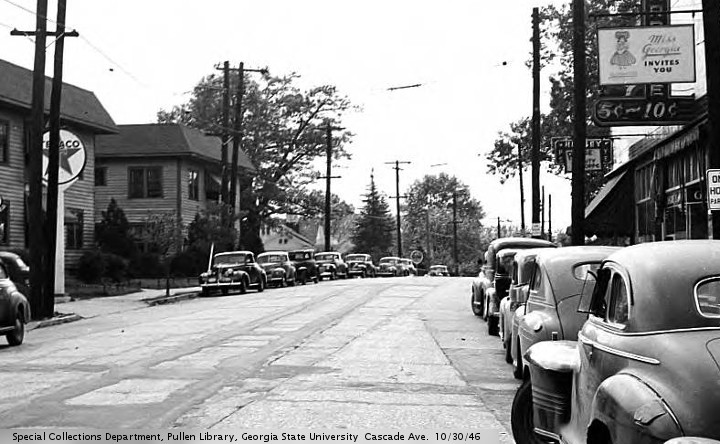
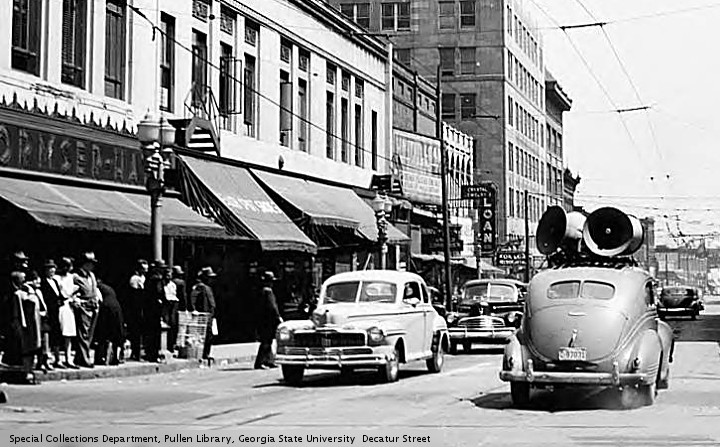
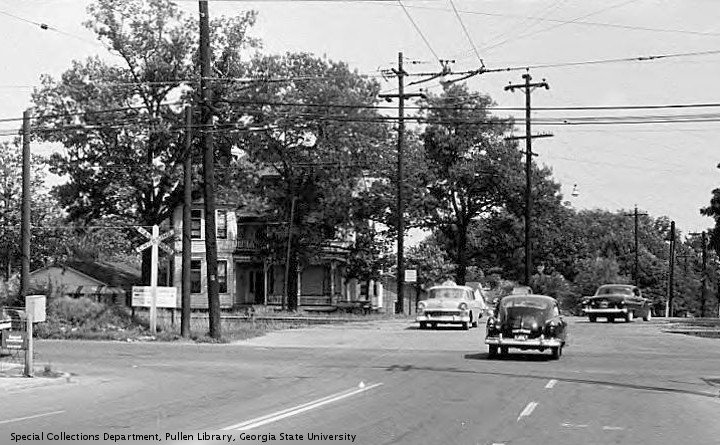
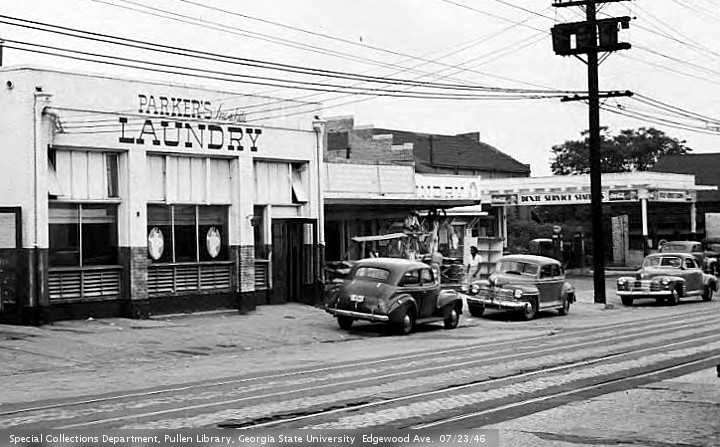
When a video like this comes out, many people see it as their duty to praise it. If you do not praise the speech, or if you do not automatically believe every claim made, then you are labeled a racist. After a while, the term racism means less and less. Fire breathing entertainment for SJW is not going to create change. All this one is doing is collecting page views for UpWorthy. Pictures are from “The Special Collections and Archives, Georgia State University Library”.



Anne LaMott

PG was working on a graphic poem. This is done on the computer, with the temptation of the internet forever lurking nearby. At one point, the urge to connect was too strong, and facebook was drawn in.
A bit of text from Anne LaMott was posted. PG has never read her work, but has heard good things about it. The people saying these good things are people whose opinions PG cares about.
Ms. LaMott is going to have a 61th birthday soon. PG will have a 61th birthday in a few weeks. Ms. LaMott makes a list of the things she has learned in her three score and one. This is the sort of thing her public gets off on. Since she is so well regarded, PG decides to take a look. This illustrates point A. A When you read something on the internet, you are not working on your project.
The Anne Lamott stuff is a mixed bag. She is a Christian, of some sort or another, and inevitably brings G-d and Jesus into the conversation. PG has had problems with G-d and Jesus. Opinions about them can be “triggering.” While Ms. LaMott means well, this is going to be tough to overcome.
Meanwhile, the graphic poem is not producing itself. The text is whipped into shape. The word count for the writing contest is verified. The colors are chosen for the text, then changed, then changed again, and finally the first colors tried are the ones that are going to be used. This is something that you need to do wrong before you do right. This working things out is not going to happen while reading the wisdom of the lady writer. Multi tasking has its limits.
The thoughts of the piece will not leave PG alone, and he decides to go back and finish reading the piece. This brings us to point B. B If you read something interesting on the internet, and have to leave, copy the link. If you depend on memory, you will never see it again.
As was mentioned above, Ms. LaMott and PG are products of 1954. This is probably the tail end of the baby boom. For young men in the USA, you were too young to go to Vietnam. Now you are becoming old fogies. You make lists of things you have learned, and post them on facebook. Pictures today are from “The Special Collections and Archives, Georgia State University Library”.


Florence Foster Jenkins

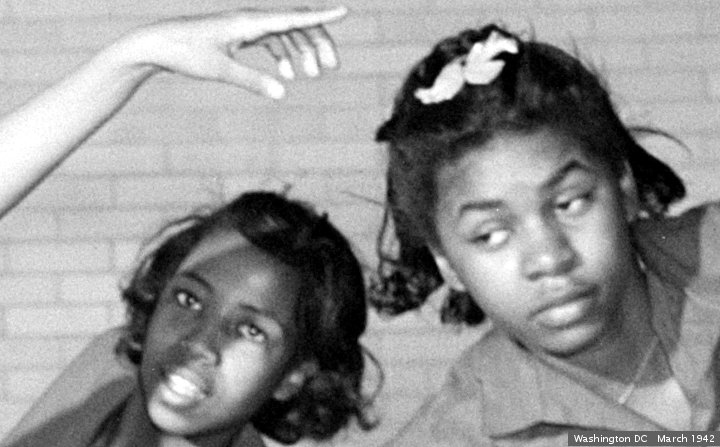
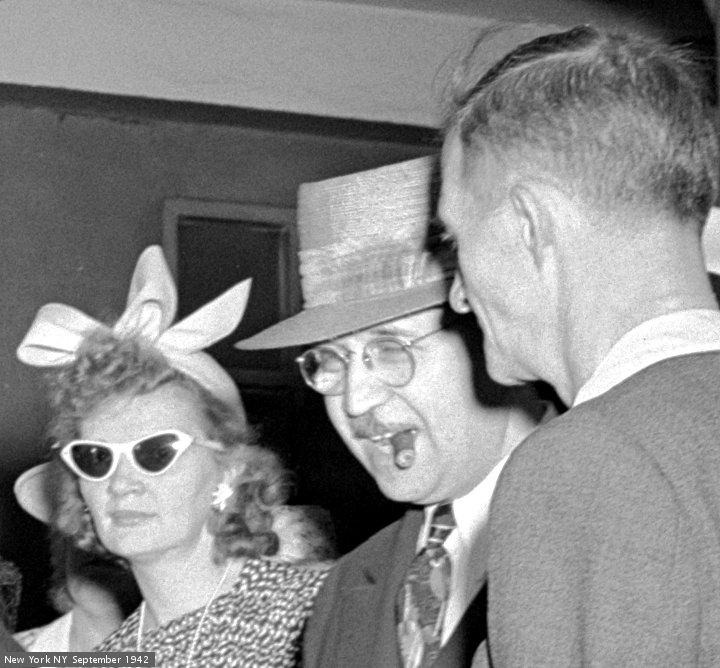

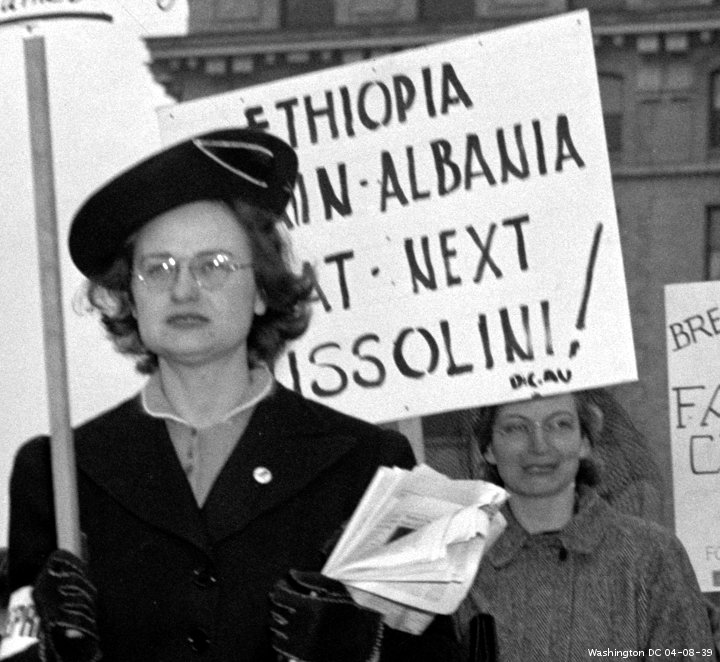


Useless Information had a show, The Patron Saint of the Vocally Challenged. It tells the story of Florence Foster Jenkins. She had a wealthy father, and hired vocal coaches to try and produce a good singer. She became somewhat of a concert attraction, and sold out Carnegie Hall. Accompianist Cosme McMoon did what he could to help. Mrs Jenkins was, by all accounts, very, very bad.
Here is more information about the talent. “Florence Foster Jenkins (1868–26 November 1944) was an American soprano who became famous for her complete lack of singing ability. From her recordings, it is apparent that Jenkins had little sense of pitch and rhythm and was barely capable of sustaining a note. Her accompanist can be heard making adjustments to compensate for her tempo variations and rhythmic mistakes. Nonetheless, she became tremendously popular in her unconventional way. Her audiences apparently loved her for the amusement she provided rather than her musical ability. Critics often described her work in a backhanded way that may have served to pique public curiosity. Despite her patent lack of ability, Jenkins was firmly convinced of her greatness. She compared herself favourably to the renowned sopranos Frieda Hempel and Luisa Tetrazzini, and dismissed the laughter which often came from the audience during her performances as coming from her rivals consumed by “professional jealousy.””
A cd of her product, The Glory (????) of the Human Voice, is available. Amazonians were not kind. “This is a recording that every serious musician should own, for a variety of (ahem) reasons. But by all means, buy the cheap one. If the sound is better on the remastered version, it could only be more painful.” “she gets points for effort” ” I appreciate camp as much as anyone, but my wife was ready to divorce me if I played another song from the album” “The whole matter stinks of making fun of a person afflicted by illness. What a cruel species we were – and still are.”
The legend is that she said “People may say I can’t sing, but no one can ever say I didn’t sing.” A quick google search does not reveal the source, or context, so this quote cannot be verified. Quote Factory has this available in eleven tasteful designs.
The Carnegie Hall show took place a month before her death. Here is the story.
“In order for a singer to succeed, they need to have a combination of talent, charisma, and interpretive quality. And, by definition, they need to be able to sing. Florence Foster Jenkins had none of these attributes. In fact, she was considered one of the worst singers of all time. She was independently wealthy and performed at the Waldorf and other places around town. It became a thing to do. You had to go and listen to Florence Foster screw up every song she attempted to sing.
She was having a great time and the audience was having a great time, so they kept telling her, “You need to make your Carnegie Hall debut.” So on October 25, 1944, she did, and it was sold out in just two hours. They came from everywhere. She walked onstage in these ridiculous costumes that she’d made herself. She’d throw roses out into the audience, her assistants would go out and collect them, and she’d throw them out into the audience again. The audience would not let her go home. They cheered her and clapped, and one month and one day later she died at the age of 76.”
The program for this performance had a note from the Fire Commissioner, Patrick Walsh.
“FIRE NOTICE – Look around now and choose the nearest exit to your seat. In case of fire walk (not run) to that Exit. Do not try to beat your neighbor to the street.”
The last.fm page with the information on F. F. Jenkins lists “similar artists”. The only two we will have videos from are Wing and Mrs. Miller. Slim Whitman and Tiny Tim, being males, were not considered.
This is a repost. Pictures are from The Library of Congress.

Dead Saturday 1973


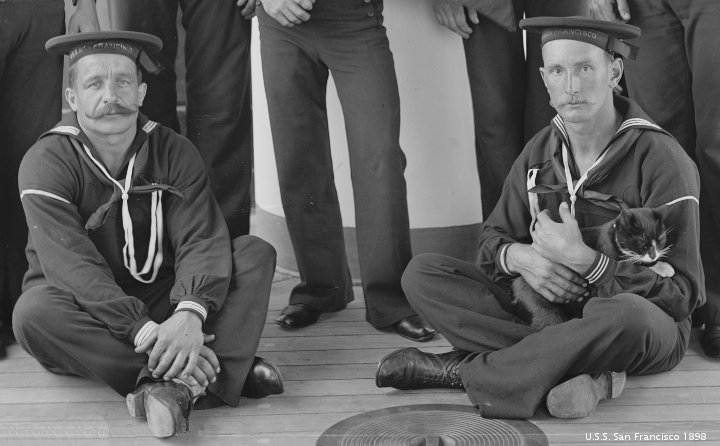
It was dead saturday 1973, the day between good friday and easter. PG and his friend Gibson have traveled from Athens GA to Charlotte NC to see a rock concert. The plan was eight bands in a crowded football stadium. Jesus did not attend.
PG had never been to an outdoor concert, and had some ideas about how it would be. They were in the house early, and set up a blanket about thirty feet in front of the stage. For the first part of the day, the crowd stayed off their turf.
The first electric act was Brownsville Station. The first thing they did was encourage the audience to crowd in front of the stage, resulting in a mob scene for the rest of the day. BS played loud heavy metal, with a guitar/vocals guy painted like a clown. They were a three piece band that day, as their bass player had gotten a job selling furniture in Kansas. “Smokin in the Boys Room” was a hit for this ensemble later that year.
The concept of multiple stages had not hit North Carolina, and there was a long wait between acts. The next band was Mason Profit. “you are talking about boogie, you don’t know shit about boogie. By this time, the crowd was getting off on their downers, the sun was shining, and PG was out of water. It only got better as the day went on. The scheduled next act was Captain Beyond, but they canceled. The replacement was Marshall Tucker. They were good, but not really memorable.
The afternoon went on and on. Goose Creek Symphony came and went, followed by Wet Willie. WW had a routine where this pretty girl was walking down ___ street, which in Charlotte was Independence Boulevard. Eventually, the sun went down, and ZZ Top came on stage.
ZZ Top was the high point of the day. The beards were only about four inches long. They introduced one song, saying “this is something you might know about, song called beer drinkers and hell raisers”. They were the only band to do an encore, with “Francine”.
The next act was Mahavishnu Orchestra, which PG was convinced was the greatest band that ever lived. The stadium crowd was not conducive to their style, but they delivered a good show. John McLaughlin played a twin necked guitar, which PG found a bit disconcerting. The electric violin player, Jerry Goodman, was a stand out.
By the time MO finished, PG wanted to get away from the front of the stage. He took to wandering around the back of the stadium while the Allman Brothers played. The back of the house was full, although there was room to walk around. Before long, it was time to hit the road back to Georgia.
Pictures for this repost. are from The Library of Congress.


Anita Aretha and Elton




In the early nineties, PG had too much free time. On March 25 of one year, he looked in the fishwrapper, and found a list of famous people with birthdays.
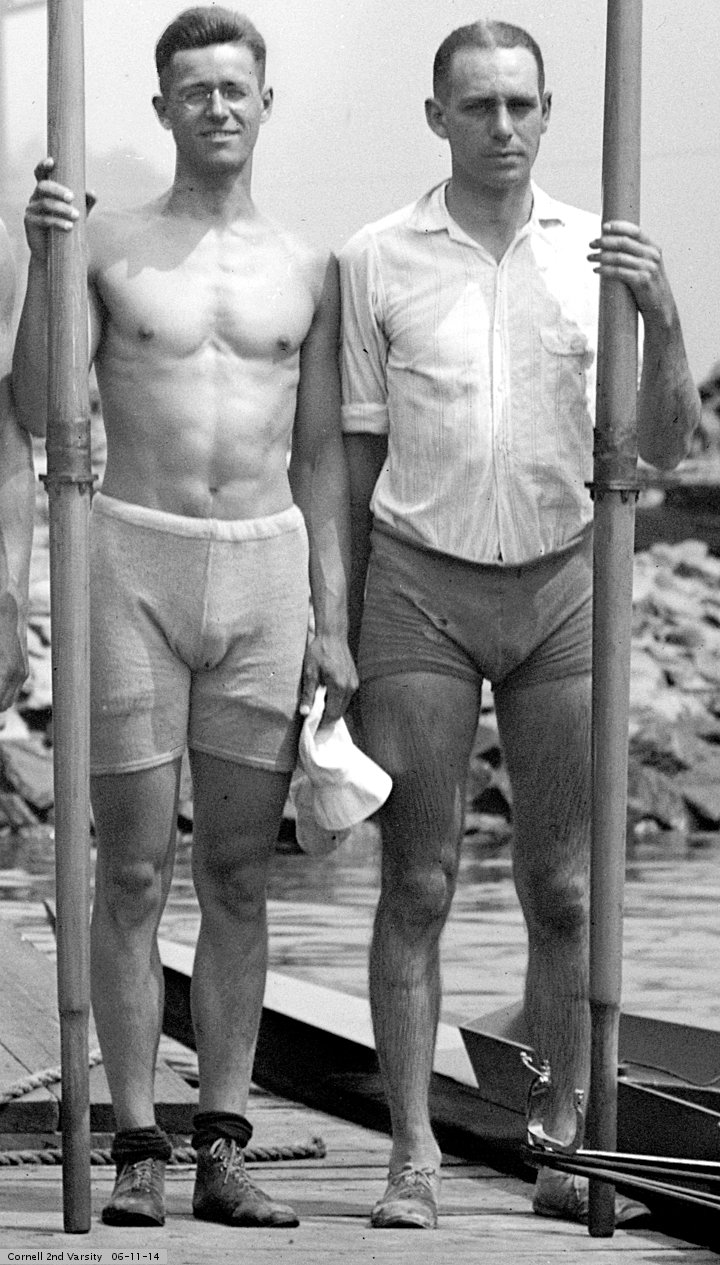
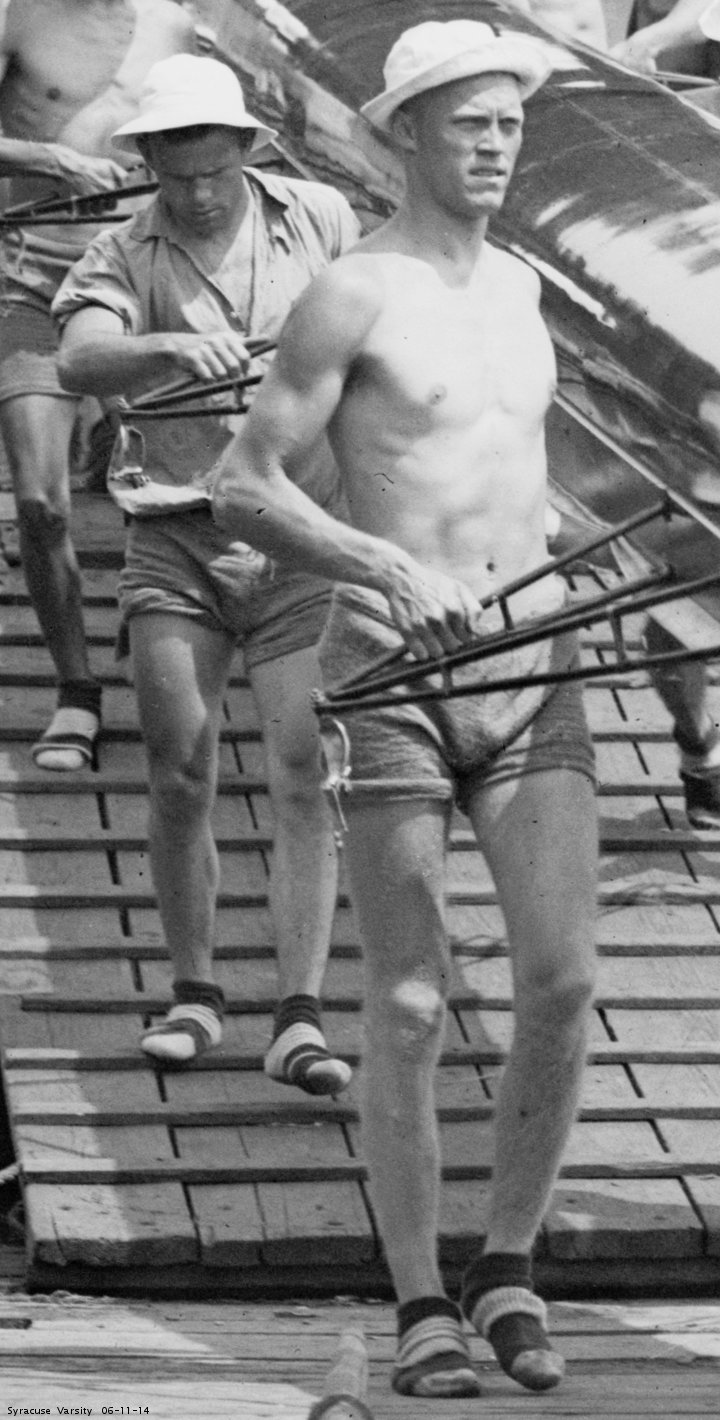
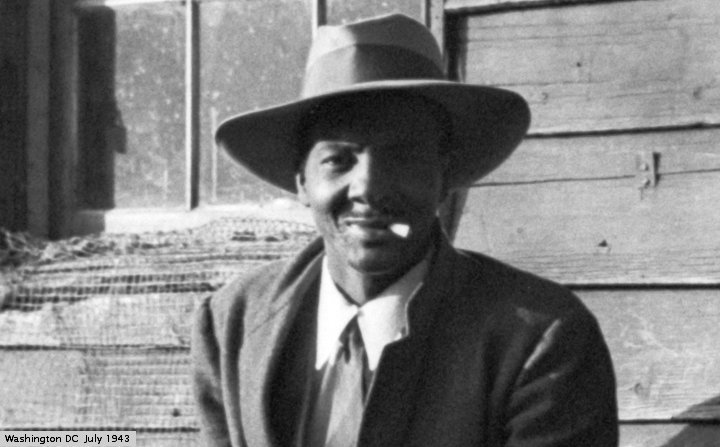
There was an unlikely trio celebrating that day. This would be (in order of appearance) Anita Bryant (1940), Aretha Franklin (1942), and Elton John (1947). All three have been paid for singing. The three have a total of five husbands, with Miss Bryant and Mr. John currently attached (Not to each other). Miss Franklin has good taste in hats.
Several other people have arrived on planet earth on March 25. They include , in 1911, Jack Ruby, the killer of Lee Harvey Oswald (d. 1967) (They don’t say alleged when it was on live TV). 1918 produced Howard Cosell, American sports reporter (d. 1995). Flannery O’Connor (d. 1964) arrived in 1925. 1934 gave us Gloria Steinem. In 1937 Tom Monaghan, founder of Dominos pizza, arrived. (The delivery was nine months, and twenty nine minutes, after the order was placed.) To make room for all this talent, Buck Owens died March 25, 2006.
March 25 is after the spring equinox, and has been Easter. A few noteworthy events have gone down on this day. In 1894, Coxey’s Army departed Massillon, Ohio for Washington D.C. In 1911, the Triangle Shirtwaist Factory fire killed 146 garment workers in New York City. In 1939 Cardinal Eugenio Pacelli becomes Pope Pius XII, to the delight of Adolph Hitler. 1955 saw the United States Customs seizes copies of Allen Ginsberg’s poem “Howl” as obscene. In 1969, John Lennon and Yoko Ono began their first Bed-In for Peace at the Amsterdam Hilton Hotel.
HT and applause to wikipedia. This is a repost. Pictures are from The Library of Congress.




 Chamblee54
leave a comment