Mystics And Statistics





In a recent survey, 78.7% percent of the respondents agree with the statement “Statistics can be trusted to give an accurate description of the facts”.
Statistics are a part of modern life. Numbers tell us who is expected to win, who is expected to lose, and how many men wear a tie. Statistics are often misleading, or an outright lie. And yet, people believe statistics. (The middle three letters of believe are lie).
Talk about statistics is little better. Mark Twain gets the credit/blame for popularizing the phrase, “lies, damn lies, and statistics”. According to Wikipedia , Mr. Clemens may have been mistaken. “Twain popularized the saying in “Chapters from My Autobiography”, published in the North American Review in 1906. “Figures often beguile me,” he wrote, “particularly when I have the arranging of them myself; in which case the remark attributed to Disraeli would often apply with justice and force: ‘There are three kinds of lies: lies, damned lies, and statistics.'”…”The term was popularised in the United States by Mark Twain (among others), who attributed it to the 19th Century British Prime Minister Benjamin Disraeli (1804–1881): “There are three kinds of lies: lies, damned lies, and statistics.” However, the phrase is not found in any of Disraeli’s works and the earliest known appearances were years after his death.”
Mr. Twain was in the twilight of his career, and angry at aggressive militarism. Why would he would give credit/blame for a phrase to a conservative Prime Minister of England, dead twenty five years?
When PG took English101, the teacher was an inspiring lady named Ann Peets. Between stories of Faulkner and comma splices, she contributed this gem. ” The best way to win an argument is to use statistics. The best way to use statistics is to make them up. ”
In 1954, a bestselling book came out, “How to Lie with Statistics .” The premise was that the pros knew the tricks, and the public has a right to self defense. There are numerous examples of the ways that you can lie with numbers just like you lie with words. Calculator lips don’t move.
One word to watch out for is average . The three most popular types are mean, median, and mode. Mean is the one most people think of as average…you add all the figures up, and divide by the number of entries. In median, you line up the entries in numeric value, and choose the entry in the middle. In mode, the number that the most entries identify with is the average. Any one of these three can be called average, and yet none might describe the typical entry.
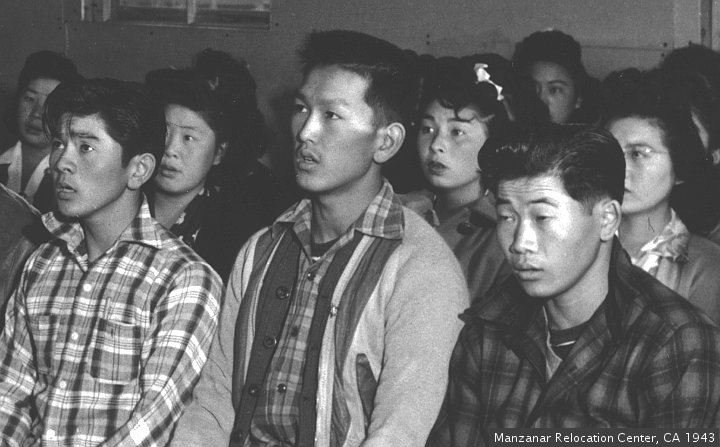
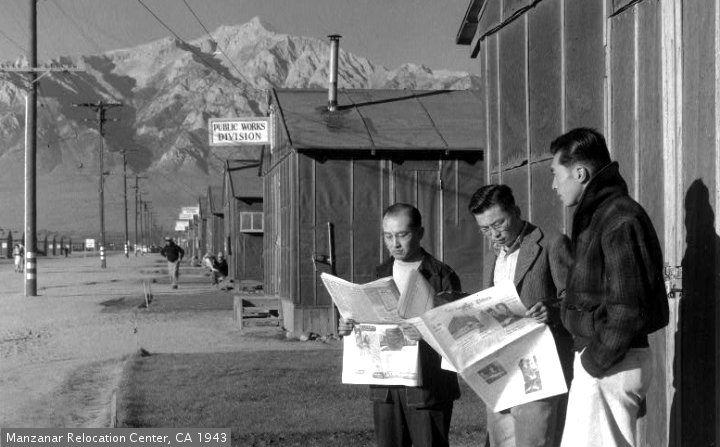
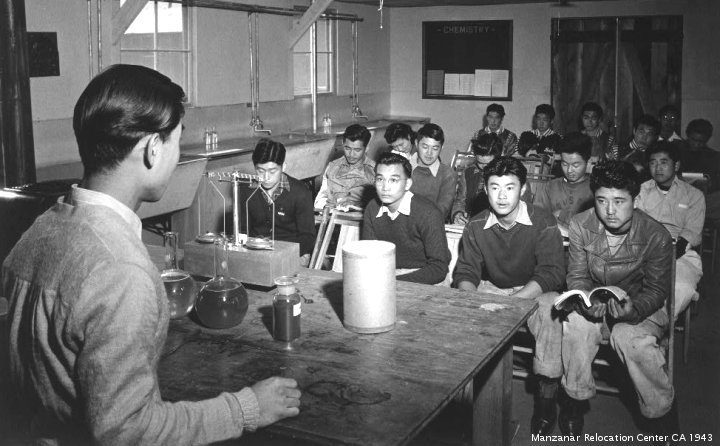
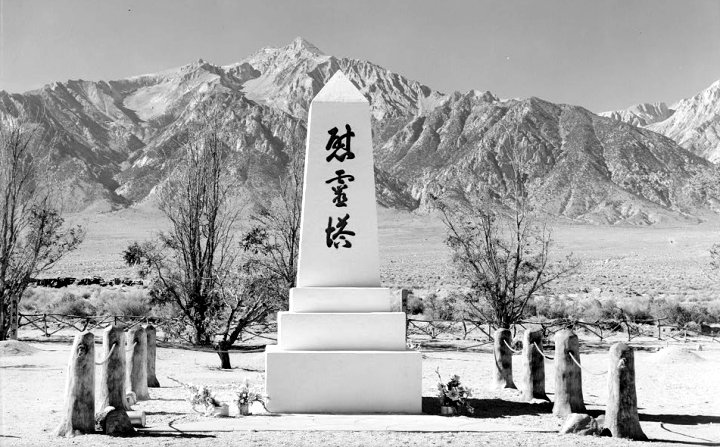
HT to Millard Fillmore’s Bathtub for attributing the LDL&S quote to Mr. Disraeli. MFB was talking about global warming denial, a cesspool of lies and statistics. Pictures are from The Library of Congress. These pictures were taken by Ansel Adams at a relocation camp for Japanese Amercans during World War II. Pictures of Mark Twain were recently posted. This is a repost.




The Funeral Of Elvis







PG was going to write about some depressing subject. People that are not kind to each other. People in Israel and people in Gaza just don’t seem to get along. Somebody driving a “faded red F-150 pickup truck” in Livonia MI was mean to a little girl. (HT to Neo Prodigy.) This is a repost.
There is a saying, “if a story seems too bad to be true, it probably isn’t”. PG tried to google that phrase, and got confused. Then he seemed to remember reading it in a column by Molly Ivins. Another google adventure, and there was this film. Miss Ivins, who met her maker January 31, 2007, was promoting a book. She sat down with a bald headed man to talk about it. PG could only listen to 24:30 of this video before being seized with the urge to write a story. There is a transcript, which makes “borrowing” so much easier. This film has 34 minutes to go, which just might yield another story or two.
Molly Ivins was a Texas woman. These days there is a lot of talk about Texas, with Governor Big Hair aiming to be the next POTUS under indictment. Mr. Perry claims that his record as Texas Governor qualifies him to have his finger on the nuclear trigger. Miss Ivins repeats something that PG has heard before… “in our state we have the weak governor system, so that really not a great deal is required of the governor, not necessarily to know much or do much. And we’ve had a lot of governors who did neither. “ It makes you wonder how much of that “economic miracle” is because of hair spray.
Texas politics makes about as much sense as Georgia politics. For a lady, with a way with words, it is a gold mine. “the need you have for descriptive terms for stupid when you write about Texas politics is practically infinite. Now I’m not claiming that our state Legislature is dumber than the average state Legislature, but it tends to be dumb in such an outstanding way. It’s, again, that Texas quality of exaggeration and being slightly larger than life. And there are a fair number of people in the Texas Legislature of whom it could fairly be said, `If dumb was dirt, they would cover about an acre.’ And I’m not necessarily opposed to that. I’m–agree with an old state senator who always said that, `If you took all the fools out of the Legislature, it would not be a representative body anymore.'”
We could go through this conversation for a long time, but you probably want to skip ahead and look at pictures. There is one story in this transcript that is too good not to borrow. For some reason, Molly Ivins went to work for The New York Times, aka the gray lady. In August of 1977, she was in the right place at the right time.






Mr. LAMB: And how long did you spend with The New York Times as a reporter?
Ms. IVINS: Six years with The New York Times. Some of it in New York as a political reporter at City Hall in Albany and then later as bureau chief out in the Rocky Mountains.
Mr. LAMB: Would you take a little time and tell us about reporting on the funeral of Elvis Presley?
Ms. IVINS: Oh, now there is something that when I’ve been standing in the checkout line at the grocery store and if I really need to impress people, I just let fall that I covered Elvis’ funeral. And, boy, people just practically draw back with awe. It may yet turn out to be my greatest claim to fame.
I was sitting in The New York City Times one day when I noticed a whole no–knot of editors up around the desk having a–a great scrum of concern, you could tell. It looked sort of like an anthill that had just been stepped on. And it turns out–The New York Times has a large obituary desk, and they prepare obituaries for anybody of prominence who might croak. But it turns out–you may recall that Elvis Presley died untimely and they were completely unprepared.
Now this is an enormous news organization. They have rock music critics and classical music critics and opera critics, but they didn’t have anybody who knew about Elvis Presley’s kind of music. So they’re lookin’ across a whole acre of reporters, and you could see them decide, `Ah-ha, Ivins. She talks funny. She’ll know about Mr. Presley.’
So I wound up writing Elvis’ obituary for The New York Times. I had to refer to him throughout as Mr. Presley. It was agonizing. That’s the style at The New York Times–Mr. Presley. Give me a break. And the next day they sold more newspapers than they did after John Kennedy was assassinated, so that even the editors of The New York Times, who had not quite, you know, been culturally aton–tuned to Elvis, decided that we should send someone to report on the funeral. And I drew that assignment. What a scene it was.
Mr. LAMB: You–you say in the book that you got in the cab and you said, `Take me to Graceland.’ The cabbie peels out of the airport doing 80 and then turns full around to the backseat and drawls, `Ain’t it a shame Elvis had to die while the Shriners are in town?’
Ms. IVINS: That’s exactly what he said. `Shame Elvis had to die while the Shriners are in town.’ And I kind of raised by eyebrows. And sure enough, I realized what he–what he meant after I had been there for awhile because, you know, Shriners in convention–I don’t know if you’ve ever seen a whole lot of Shriners in convention, but they were having a huge national convention that very week in Memphis. And they tend to wear their little red fezzes, and sometimes they drink too much and they march around the hotel hallways tooting on New Year’s Eve horns and riding those funny little tricycles and generally cutting up and having a good time. That’s your Shriners in convention, always something very edifying and enjoyable to watch. But they–every–every hotel room in Memphis was occupied with celebrating Shriners, and then Elvis dies and all these tens of thousands of grieving, hysterical Elvis Presley fans descend on the town.
So you got a whole bunch of sobbing, hysterical Elvis fans, you got a whole bunch of cavorting Shriners. And on top of that they were holding a cheerleading camp. And the cheerleading camp–I don’t know if your memory–with the ethos of the cheerleading camp, but the deal is that every school sends its team–team of cheerleaders to cheerleading camp.
And your effort there at the camp is to win the spirit stick, which looks, to the uninitiated eye, a whole lot like a broom handle painted red, white and blue. But it is the spirit stick. And should your team win it for three days running, you get to keep it. But that has never happened. And the way you earn the spirit stick is you show most spirit. You cheer for breakfast, lunch and dinner. You cheer when the pizza man brings the pizza. You do handsprings end over end down the hallway to the bathroom. I tell you, those young people will throw–show an amount of spirit that would just astonish you in an effort to win that stick.
So here I was for an entire week, dealing with these three groups of people: the young cheerleaders trying to win the spirit stick, the cavorting Shriners and the grieving, hysterical Elvis fans. And I want to assure you that The New York Times is not the kind of newspaper that will let you write about that kind of rich human comedy.
Mr. LAMB: Why?
Ms. IVINS: Because The New York Times, at least in my day, was a very stuffy, pompous newspaper.
Mr. LAMB: What about today?
Ms. IVINS: A little bit better, little bit better than it was.
Mr. LAMB: And…
Ms. IVINS: Has–has–it has a tendency, recidivist tendencies, though. You–you will notice if you read The Times, it–it collapses into pomposity and stuffiness with some regularity.
Mr. LAMB: Why did you leave it?
Ms. IVINS: Well, I–I actually got into trouble at The New York City Times for describing a community chu–chicken killing out West as a gang pluck. Abe Rosenthal was then the editor of the Times and he was not amused.
Mr. LAMB: Did–but did they let it go? Did they let it…
Ms. IVINS: Oh, no. It never made it in the paper. Good heavens, no. Such a thing would never get in The Times in my day.
POSTSCRIPT PG found some pictures, marked up the text, and was ready to post the story. He decided to listen to a bit more of the discussion between Molly Ivins and the bald headed man. When he got to this point, it became apparent that he could listen to Molly Ivins talk, or he could post his story, but he could not do both at the same time.
Ms. IVINS: Oh, well, of course, I’m gonna make fun of it. I mean, Berkeley, California, if you are from Texas, is just hilarious.
Mr. LAMB: Why?
Ms. IVINS: Well, of course, it is just the absolute center of liberalism and political correctness. And it is a veritable hotbed of people, of–bless their hearts, who all think alike, in a liberal way. And, of course, I’m sometimes called a liberal myself, and you would think I would have felt right at home there. But I just am so used to–I’m so used to Texas that I found the culture at Berkeley hysterical.







Was Mae West A Real Girl?

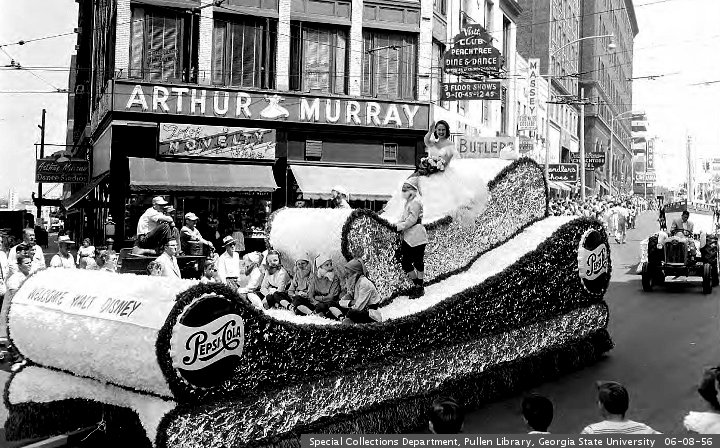


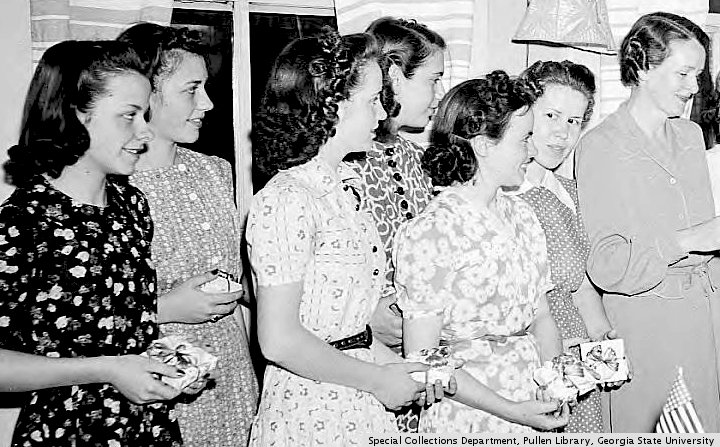


Today would be birthday 122 for Mary Jane “Mae” West. Of course, she died in 1980, so the party is off. PG saw a note on facebook, and made the comment “She was rumored to be a man.” One right click google search later, this post started to take shape.
There is a blogspot site, maewest.blogspot.com. It is still published, with a birthday post today. Five years ago there was a post, Mae West: Penis Rumors. It seems as though Miss West liked to say, to the press, “When I die, you are going to be very surprised!”
A hollywood gossipmonger had a story, Was Mae West…A Man?! Much of her information comes from the tasteful findadeath site. The story here is that Mae West died in 1950, and the death was kept quiet. Her brother made appearances in her place, until the final death in 1980. This would have been quite a feat, considering that John Edwin West died in 1964. That doesn’t stop people from talking.
“…the real Mae West died somewhere around 1950, give or take a couple years, and rather than let the show stop, it was announced that not Mae, but her brother, died. Of course, the brother then became Mae West and carried on until November 1980. If you look carefully at photos from around 1950 on it definitely looks like a different person not to mention the big hands and masculine features, bone structure, etc. I may not have all the details 100% correct but I would almost put money on the fact that the ‘Mae West’ ‘who died in 1980 had a weenie!!”
The hands were mentioned by Raquel Welch. The two were in Myra Breckinridge, the first movie Miss West had made in 27 years. (Miss West appeared on Mr. Ed in 1964.) Miss Welch appeared at a film festival in 2012, and had stories to tell.
“When I went over to say hello to her (one day) I said, ‘Hi, it’s Raquel, remember?’ She sort of extended her hand to me and I went to kiss the ring and one false fingernail painted silver fell to the floor. I looked at the hand and I thought, ‘Oh, I’m getting a vibe.’ I really think she’s a man! At this point in her life all bets are off and you’re not going to be able to doll it up that much. I would say it’s pretty accurate that she resembled a dock worker in drag.” …
“I had this beautiful dress and it was black with a big white ruffle around the neck and a black velvet hat … Apparently Mae got wind of the fact that I was wearing this exquisite dress and I went to the studio that day for our scene together. I got coiffed, got my hair done and went to the closet to get the dress and it wasn’t there. I asked my dresser what happened to the dress and she said, ‘It’s been confiscated. Mae does not want you to wear that dress. You can wear the red dress that you wore in the last scene!’ … Welch was so outraged that she stormed off the set and refused to return until the dress was back in her closet. … “For the scene, we never appeared in a two-shot together. She left after she did her lines and I had someone off-camera reading her lines and I had to pretend she was there.”
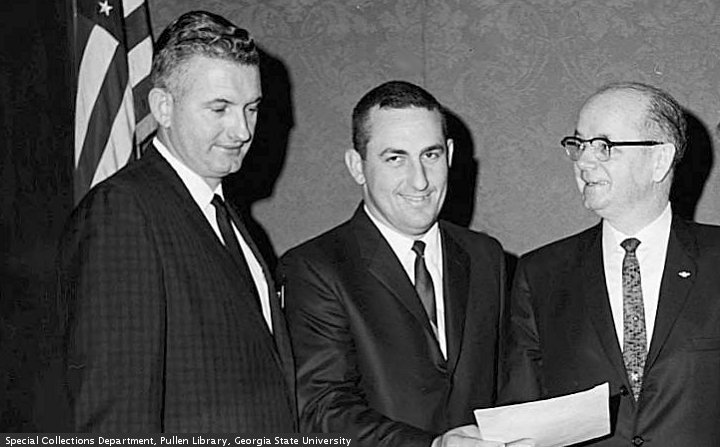
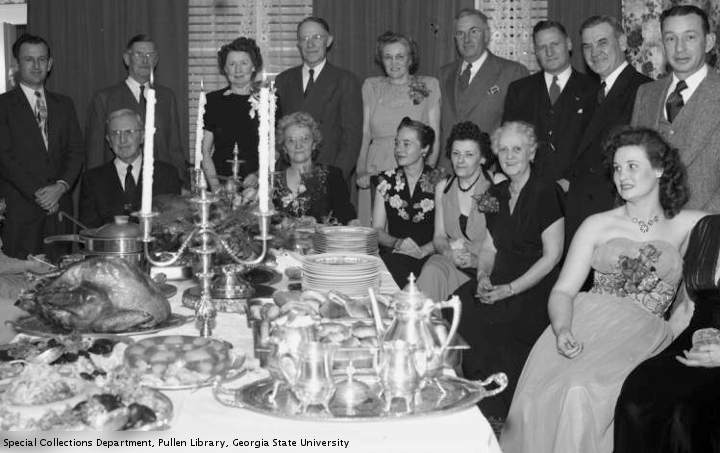
Pictures are from “The Special Collections and Archives, Georgia State University Library”.
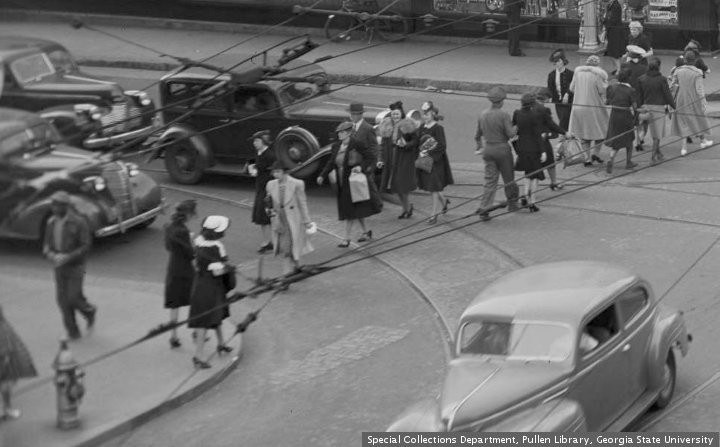
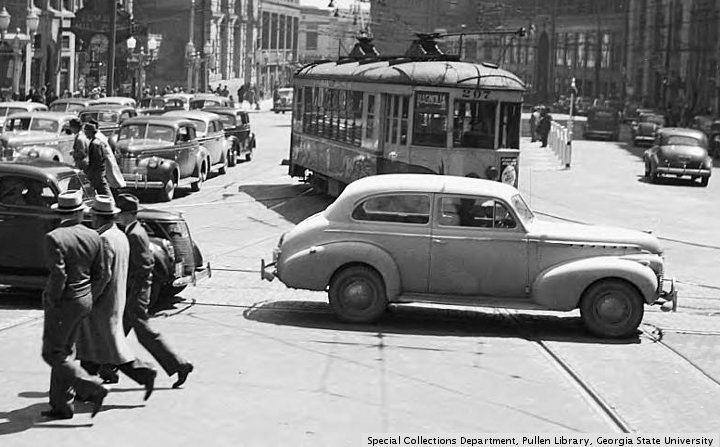



Slaughterhouse-Five Part Six
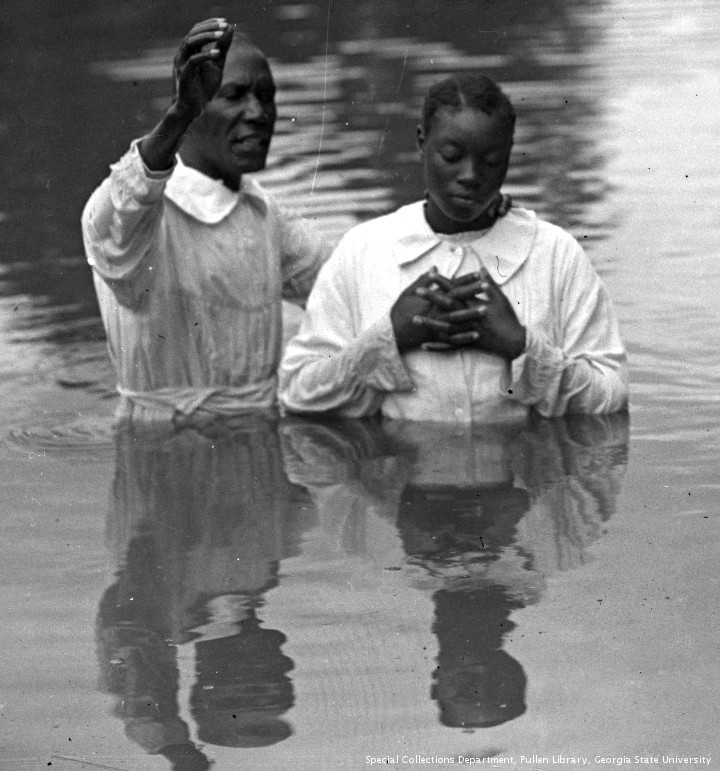
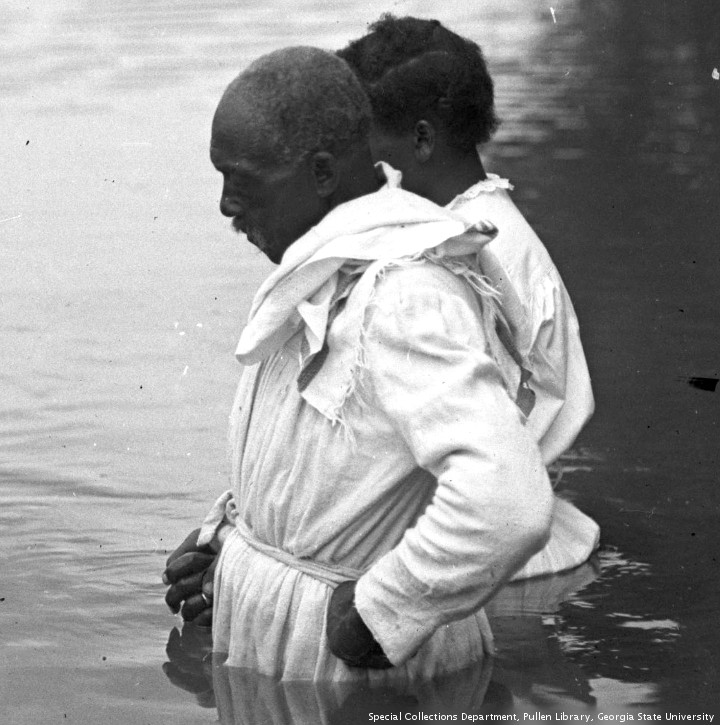
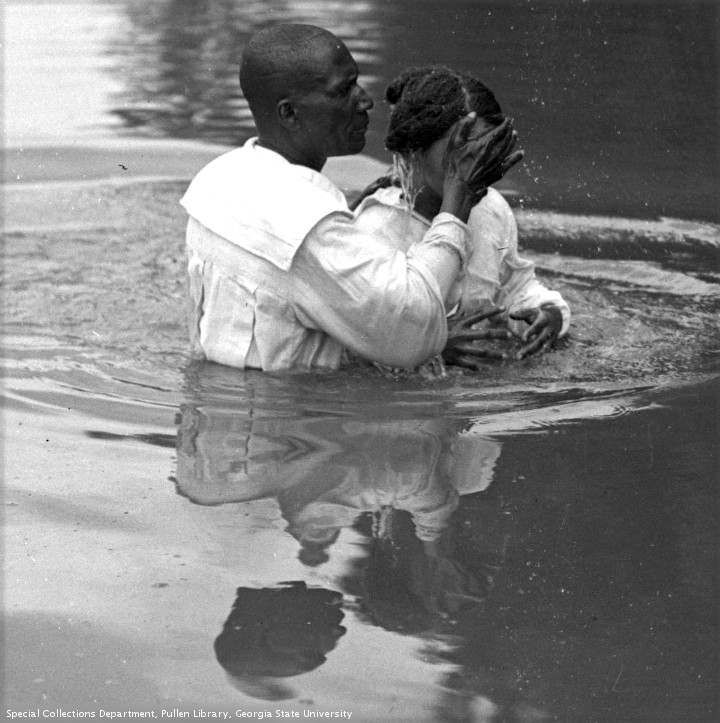
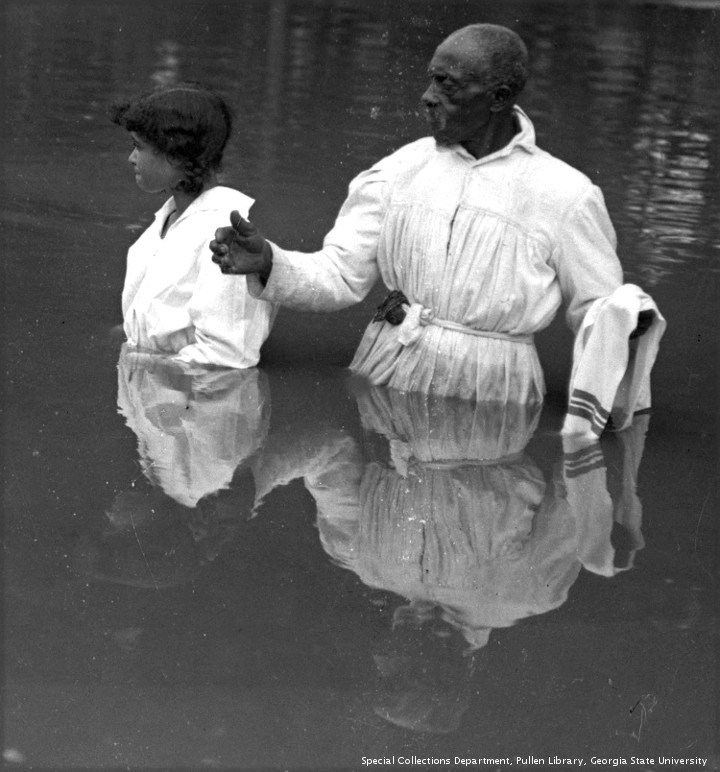


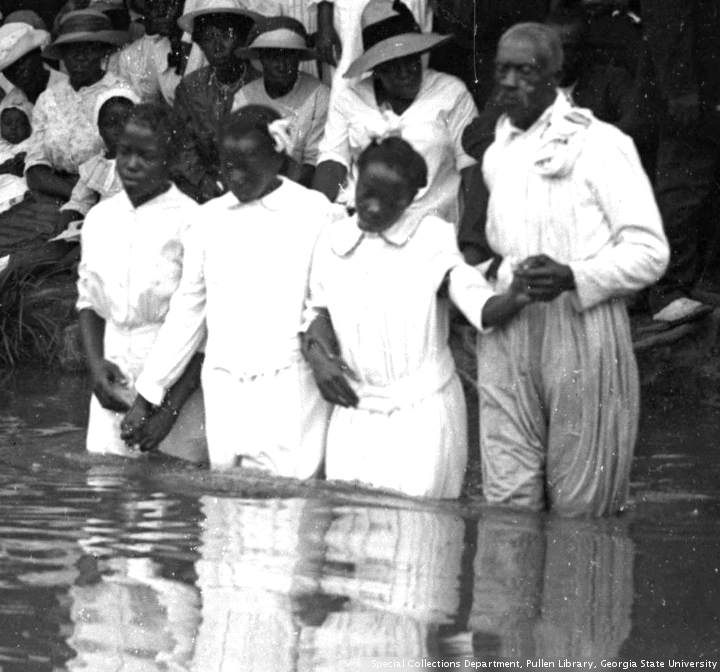
This is part six of the chamblee54 disposable dissertation on Slaughterhouse-Five, a novel by Kurt Vonnegut. Parts one, two, three, four, and five are available for viewing, and gentle criticism. Pictures today are from “The Special Collections and Archives, Georgia State University Library”.
This is a sunday morning in August. The sun is out, and the heat will be tough to take soon. PG is not in a good mood, which should surprise nobody. He realizes, on some level, that he should be grateful for a chore to give him something to do. The notes indicate that the first “so it goes” to be recorded in this segment will provide the opportunity to make cheap, smutty jokes.
Billy Pilgrim is on a plane that is going to crash. He knows the plane is going into the ski resort, but is helpless to do anything about it. A barbershop quartet is entertaining the optometrists, which should not be confused with optimism. The quartet is singing cheerful songs that are insulting to Polacks. This is another word that was popular in 1968, that is considered politically incorrect today.
Three days after arriving in Dresden, BP saw the public execution of a Pole. He was hanged for the crime of fucking a German woman. SIG067. The German lady was not inclined to disclose whether the Polish gentleman was, in fact, hung. Polack jokes were popular in 1968, when SF was written. PG did not know any Polish people, but thought the jokes were pretty funny.
The barbershop quartet is singing “Wait till the sun shines Nellie” when the airplane crashes into the side of a Vermont mountain. Everyone is killed, except for BP and the co-pilot. SIG068. The barbershop quartet performs at a party BP gave, which upsets BP. Time travel will do that to you. Especially when you are having brain surgery to save your life, and you go, uncontrollably, back to Schlachthöf-funf. The cart you are pushing is greased with the fat of dead animals. SIG069.
A young German named Werner Gluck was in charge of the POW. They were looking for the kitchen, and stumbled into a strange room. It was a communal shower, and was filled with naked German girls. They didn’t know to be wary when a Nazi said anything about taking a shower. The sight of these naked girls was educational for BP and Werner Gluck. Soon, the men found the kitchen. An old woman worked there. She was a war widow. SIG070. The old woman thought it peculiar that armies had young men, like BP and Werner Gluck, and old fogies like Edgar Derby. But she made sense of it all. “All the real soldiers are dead.” SIG071.
When BP was in pre-fire Dresden, he helped out in a factory that made malt syrup. BP helped himself to spoonfuls. His digestive system did not like malt syrup. This is the end of chapter seven.
At the start of chapter eight, the POW are entertained by Howard Campbell. He was discussed in a previous installment of this series, and in a later book by KV. In this scene, Mr. Campbell is recruiting American soldiers to go fight the Russians. A lot of people, including General George Patton, wanted to have it out with the Russkies after the Germans were dealt with. General Patton was in a convenient auto accident a few months after the war ended.
At some point during the remarks by Mr. Campbell, the air raid siren went off. Even though Dresden was thought to be unworthy of Allied attack, the POW went into an underground meat locker. A few dead horses were hanging from metal hooks. SIG072. Meanwhile, Howard Campbell stays upstairs, talking to the guards. It turns out he speaks excellent German, and was married to a German actress. The actress was killed, entertaining troops in the Crimea. SIG073.
The next night was the Allied bombing raid on Dresden. It is much discussed elsewhere. A lot of people were killed. SIG074. While hiding in a subterranean meat locker, BP time travels to his home in 1968. He is arguing with his well meaning daughter, who would like to murder Kilgore Trout.
This is when the reader gets to know the man behind the books. Kilgore Trout lives in Ilium NY. A horrible man, he makes money by supervising boys who deliver newspapers on bicycle. This is another concept that will seem novel to some… the custom of teenage boys having a paper route.
Kilgore Trout write a lot of books. BP is one of the few people who read them. One of these books was about a money tree. Twenty dollar bills grew on its branches. People would kill each other fighting over these twenties, and their blood would fertilize the tree. SIG075.
On November 13, 1787, Thomas Jefferson wrote a letter to William Smith. The letter is full of zesty quotes. “What signify a few lives lost in a century or two? The tree of liberty must be refreshed from time to time with the blood of patriots & tyrants. It is it’s natural manure.” A few lines above that, Mr. Jefferson said “God forbid we should ever be 20 years without such a rebellion.” Twenty years after he wrote this, Mr. Jefferson was President. He probably did not want to deal with a revolution.
BP met Kilgore Trout in 1964. This was around the time of the 18th anniversary of BP and Valencia Merble. The times are getting a bit fuzzy, which, acording to Tralfamadorian logic, is rational. The date of birth is anywhere from 1922 to 1925. BP was in the nuthouse in 1946, and somehow got married at the same time. At any rate, there was a big party for the anniversary, with Kilgore Trout invited. The other guests were charmed to have an author in their midst. One lady heard about a French chef that died. At the funeral they sprinkled herbs on his body. SIG076.
The barbershop quarter performed at the party, making BP physically ill. There are several possible reasons. Bad singing is must be considered. BP knew about the plane crash performance. Their were four guards in the meat locker during the Dresden raid. There were four Beatles, four horsemen of the apocalypse, four tops, and the four seasons. The barbershop quarter did a four seasons song, Sheeree, Sherree bayabee, Sher Sher Sherree, Sherree baby. It sounded better on the radio.
The next stop on the time travel was the meat locker in Dresden. A horrendous overbombing went on overhead, on the city with no war industries to bother. The fire storm was so intense that it ran out of oxygen. The German guards, except for the fab four in the meat locker, died. The German girls that BP saw naked in the shower died. Just about everyone in Dresden died. SIG077. SIG078. SIG079. The next day, Amerika sent planes to fly over the city, and shoot at people. They missed BP. SIG080. There was an inn outside of town, which somehow survived the raid. The inn took the guards and POW in, and gave them food. This is the end of chapter eight.



Hiroshima 70 Years Later





At 8:15 am, August 6, 1945, Hiroshima got nuked. It was the start of a new era. Since Japan is 13 hours ahead of Georgia, and standard time was used, the literal anniversary is 8:15 pm, August 5.
Tsutomu Yamaguchi was working in Hiroshima when the bomb hit. He survived, and found a train to take hime to his home town, Nagasaki.
The device dropped on Hiroshima, the Little Boy, had an estimated force of 13 kilotons of Trinitrotoluene, or TNT. A kiloton of TNT is roughly a cube whose sides are ten meters. This device is fairly tiny compared to many of the warheads developed since. Many of the modern appliances are measured in megatons, or millions of tons of TNT. The Soviet Union had a bomb with a capacity of 50 megatons, or 4,000 times the size of the Little Boy.
The largest weapon tested by The United States is the Castle Bravo. This device destroyed Bikini Atoll in the Pacific. The two piece swimsuit was named for this island. The Castle Bravo device had a yield of 15 megatons of TNT. This is roughly 1,000 times the power of the Little Boy.
The decision to drop the bomb has long been controversial. There are a lot of factors and gray areas, and the issue does not lend itself to sound bite solutions. The conventional wisdom is that Japan surrendered because of the nuclear attack. This meant the war was shortened by at least a year, there was no invasion of Japan, and many lives were saved. PG is scared by the moral calculus involved in a decision like this….do 100,000 civilian deaths prevent the deaths of 500,000 soldiers? PG suspects that even G-d herself would lose sleep over that one.
There is also evidence that the bomb was not needed. Japan was whipped in August 1945. The air raids were conducted in daylight with little resistance. A debate was going on in the Japanese government on whether to continue the fight.
An event happened the day between Hiroshima, and Nagasaki, which influenced the Japanese decision to surrender. The Soviet Union had agreed to help the United States with the war against Japan. On August 8, The Soviet Union invaded Japanese occupied Manchuria. There are indications that Japan knew the fight was hopeless at this point, and would rather surrender to The United States than The Soviet Union. This is one of the gray areas that never seems to be mentioned.
The United States wanted the war to end quickly for obvious reasons, and a few subtle ones. America did not want to share the spoils of Japanese war with The Soviet Union. There were already tensions between the two allies, and the cold war was not far off. Many felt The United States used the Little Boy as a warning to The Soviet Union.
When you get your moral software out, you might want to figure in the effect of opening the nuclear Pandora’s box. Would the nuclear bomb have been developed by other countries if America had not led the way? The science is not that complicated…after all, America hit paydirt with the Manhattan Project fairly quickly. Nonetheless, there is karma involved in using a terrible new device on a civilian population. The United States started the wind of the arms race, and has yet to feel the whirlwind.
This is a repost. The pictures are from The Library of Congress. Ansel Adams took pictures of Japanese Americans, in a World War Two internment camp. The ladies in the bridge game are Aiko Hamaguchi, Chiye Yamanaki, Catherine Yamaguchi, and Kazoko Nagahama.



Bing Crosby And David Crosby
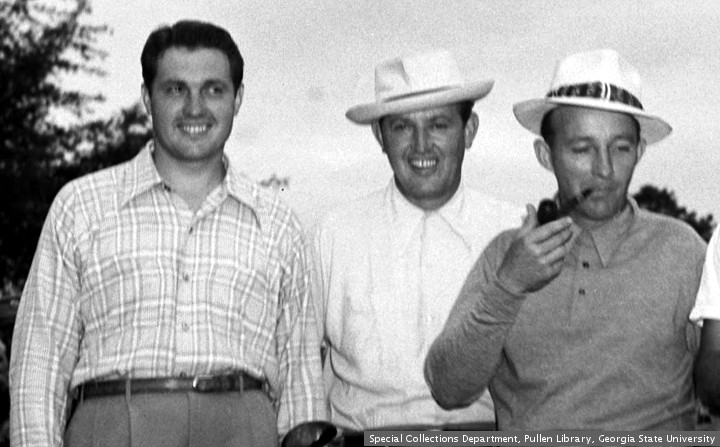
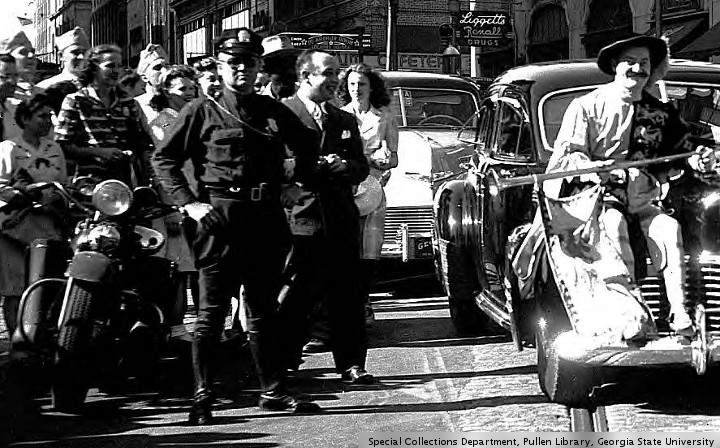
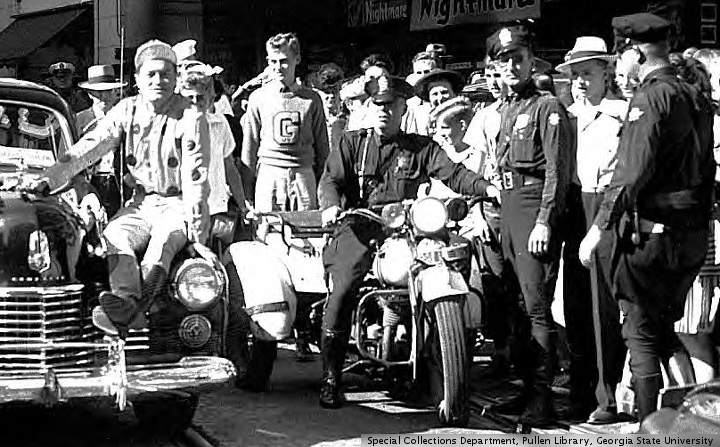
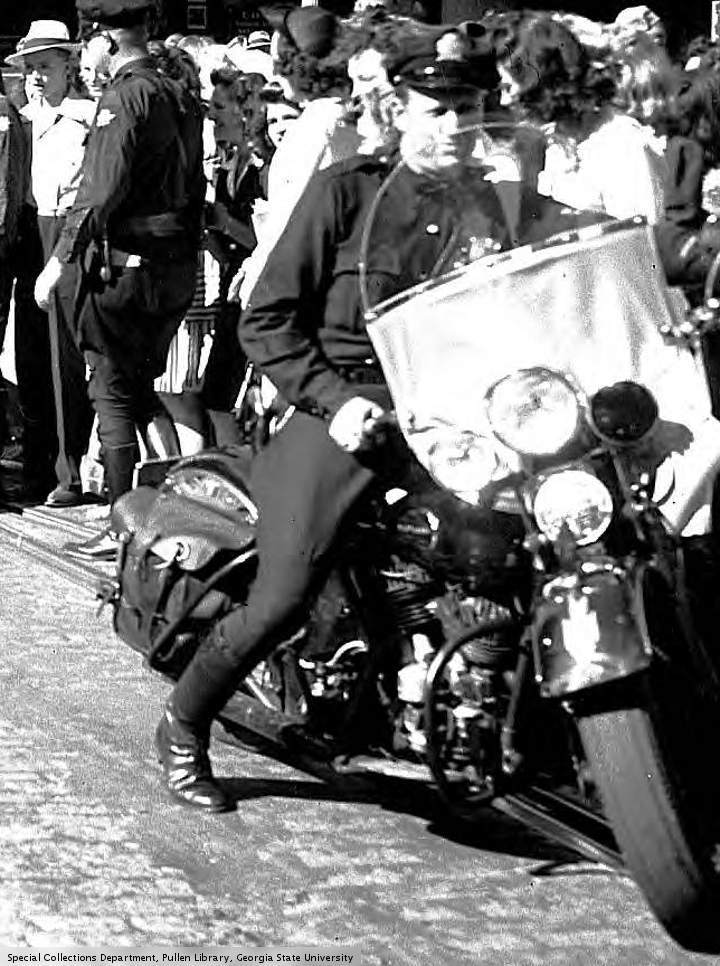






Last night, PG was editing pictures while listening to Hardcore History 51 – Blueprint for Armageddon II. The show is three hours of a man talking about the first month of World War I. It has been called the worst August in history. Many say that Germany lost the war when it did not win in the first 900 hours. It took four years, and several million dead soldiers, for this phase of the twentieth century wars to be over.
At some point, PG took a break and looked at twitter. David Crosby was holding court. PG has written about Mr. Crosby before, and tweeted him several times. The tweets are usually ignored. Fair is a baseball hit between the bases. PG decided to try again.
@chamblee54 @thedavidcrosby Did you ever meet Bing Crosby?
@thedavidcrosby “@chamblee54: @thedavidcrosby Did you ever meet Bing Crosby?” Yes I did
@FoxH2181 @thedavidcrosby @chamblee54 DC tells the late robin williams about it on youtube
@FoxH2181 @chamblee54 did you find the crosby /williams encounter on youtube?
@chamblee54 @FoxH2181 listening to a history podcast now – I may, or may not, look for it – there is so much to listen to & i have a big backlog.
PG eventually decided to listen to part one of the Robin Williams and David Crosby chat. Early in the show, David talks about being in the first class cabin of an airplane. David was in full hippie glory, in contrast to the general three piece suit ambience. Soon, a celebrity came on board, Bing Crosby. A man went up to Bing, and asked for an autograph. All that was available to write on was a can of beans. Bing Crosby was very gracious to the fan, which impressed David Crosby immensely.
There was an empty seat beside David Crosby, and Bing Crosby sat in it. “These other guys don’t know who you are, but I do. I like your music. ” And that is the story of David Crosby meets Bing Crosby. The rest of the interview was a comedian, who used to do too much coke, talking to a musician, that went to prison for doing too much coke. There was a lot of comedic riffing and character playing, which fans of Robin Williams might find enjoyable.
PG is easily amused, and decided to go for part two. David Crosby tells a story of going to see the symphony as a young boy. He is impressed by the sounds that are produced by all the elbows sawing on violins at the same time. David Crosby winds up as someone that likes to collaborate, to be a part of a team. At 24:01 of the show, David Crosby says, regarding CSN, “We do shit together.”
@chamblee54 @FoxH2181 @thedavidcrosby David Crosby on CSN at 24:01 “We douche it together” https://www.youtube.com/watch?v=5Z1R__IcNww
David Crosby retweeted your tweet. @chamblee54 @FoxH2181 @thedavidcrosby David Crosby on CSN at 24:01 “We douche it together” https://www.youtube.com/watch?v=5Z1R__IcNww
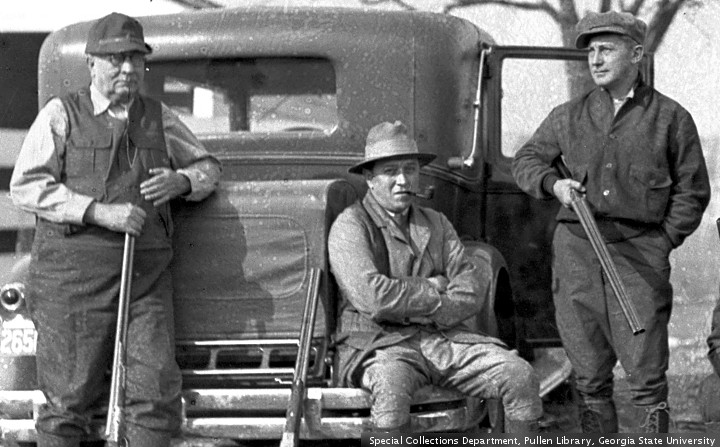
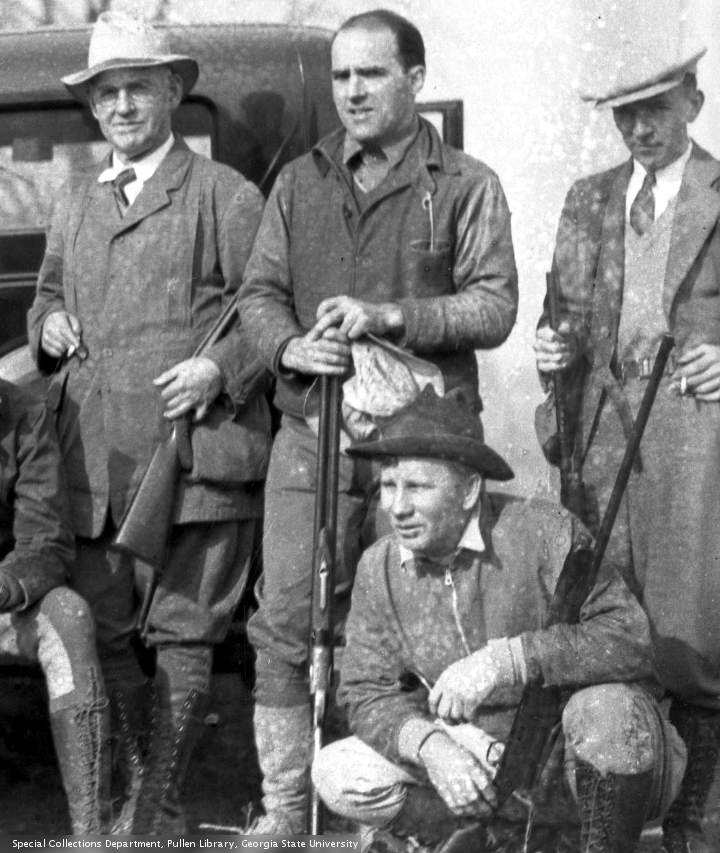
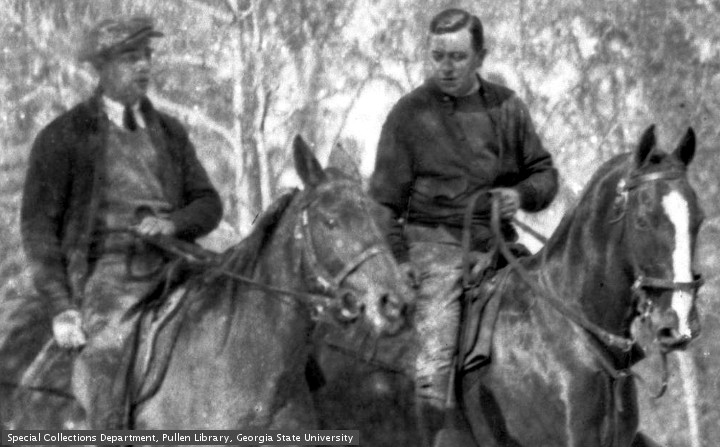
Pictures are from “The Special Collections and Archives, Georgia State University Library”.



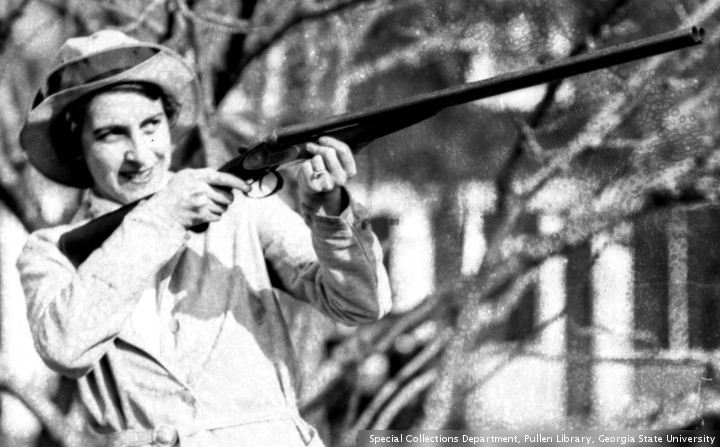



Slaughterhouse-Five Part Two
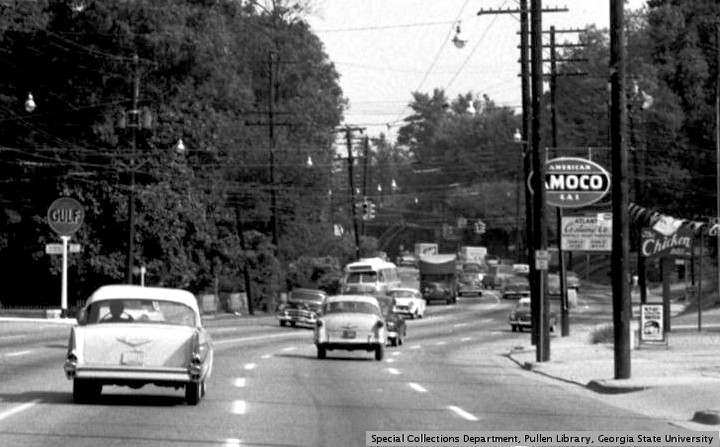



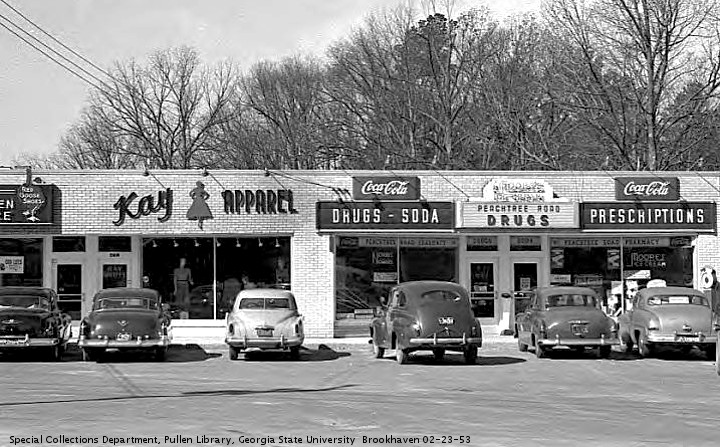


This is part two of an excavation of Slaughterhouse-Five, a story by Kurt Vonnegut. Part one has already been published. Pictures are from “The Special Collections and Archives, Georgia State University Library”. It is ok to skip over the text and look at the pictures.
The second chapter is the beginning of the story. The first eight words sum up the plot nicely. LISTEN: Billy Pilgrim has come unstuck in time. The first word is the most important, and the most likely to be ignored. People love to talk, but do not like to listen. If they do quit talking, and allow the other person to speak, then they are thinking of what clever comeback they can say. If only people were as proud of the ability to listen, as they are of the clever things they say.
Billy Pilgrim, or BP, is the main character of this story. By trade, he was an optometrist in Ilium, NY. BP led a reasonably pleasant life, in spite of, or perhaps because of, being shaped like a Coca Cola bottle. His father was a barber, also in the mythical town of Ilium, NY, until he died in a hunting accident. This incident motivates KV to write “So it goes.” This will be abbreviated as SIG006.
BP … which under no circumstances should be confused with British Petroleum … survives infantry duty in World War II and a plane crash in 1968. This crash killed everyone except BP and the co-pilot. SIG007. The plane crash is an important moment in the movie version of SF. PG saw the SF movie, while a UGA student, at the PJ auditorium. That is enough initials for one paragraph.
While recovering from the plane crash, BP’s wife dies of carbon monoxide poisoning. SIG008. (In the note taking that preceded this text, PG missed SIG008. If this was a scholarly dissertation, this would be a big deal. To a slack blogger, it is not. While PG will try to chronicle all 106 SIG in SF, he is not making any promises.) After the plane crash, BP comes out of the time travel closet. BP tells earth people about the wonders of Tralfamadore. These folks are two feet tall, green, and shaped like plungers. Tralfamadorians feel sorry for earth people.
PG has long suspected that he is a Zorlac, from the planet Thrunombulax. PG is quiet about this, as prejudice against Zorlacs is acceptable by polite people. Many white people are trying so, so, hard not to appear prejudiced against anyone. When they see an approved target for their tribal rage, white people lose it. Just look at the way people with deviant attitudes about race relations are portrayed. With this in mind, PG has learned to keep quiet about his Thrunombulaxian origin. The relationship of Thrunombulax to Tralfamadore is unknown.
A letter was written to the Ilium News Leader by BP. He tells about the lessons he learned on Tralfamadore. This was in 1967, on the eve of BP’s daughter’s wedding. Trallies see a person who is dead, and say that he/she is having a bad day. It is a Trally custom to say, about death, so it goes. SIG009. Number nine, number nine, number nine. Turn me on dead man. The Beatles white album was recorded at approximately the same time as BP going to Tralfamadore.
A wonderful tool is now available for the production of this SF commentary, and SIG inventory. The text of SF … not to be confused with science fiction or San Francisco … is available electronically in the sf_pdf. Alas, it is an imperfect tool. You can download a copy to your machine. On this copy you can highlight certain words in yellow magic marker, but you cannot copy text. You can copy text from the online version, but it comes out funny and you have to do so much editing that it might be easier to just manually copy the text.
While working on the letter about Trallies, BP is visited by his daughter, Barbara. At a young age, she had to manage her mother’s funeral, and take care of her senile father. KV, who has a way with words, describes the young lady as a “a bitchy flibbertigibbet … legs like an Edwardian grand piano.” Barbara … we might know her married name later … asks her dad why he waited until 1968 to talk about time travel. He did not think the time was ripe.
The tale segues into the first experiences with time travel. This was in World War II. BP was a chaplain’s assistant, which is not a well thought of position. One day on maneuvers, BP was playing A Mighty Fortress Is Our G-d on the organ. (KV made a mistake here. AMFIOG was written by Martin Luther, without any assistance from Johann Sebastian Bach.) A war game umpire showed up, and told everyone that they were dead. Before long, BP got word that his father had been killed while hunting deer. SIG010. The offending shot was fired by his human friend, and not by a deer.
When BP returns from the funeral, there are orders for him to go to Europe. A chaplain’s assistant has been killed in action. SIG011. Soon, BP participates in the Battle of the Bulge. BP has no weapon, helmet, or boots. BP looks alternately like a box of kitchen matches, and a filthy flamingo. BP meets foulmouthed Pittsburgh refugee Roland Weary, so saves BP numerous times before trying to kill him. Roland Weary was the only member of a gun crew to survive a 88mm German tank gun. SIG011.
The name Roland means many things to PG. Rowland NC, with an ornamental w, is the hometown of PG’s father. Roland Cofer is a former co-worker. Roland Cofer was the cheerful son of Willie Simpson, the store manager. The fact that Roland is black, and Willie is white, which should not concern the reader. It did not concern Roland or Willie.
The father of Roland Weary was a plumber. He collected guns, knives, and torture devices. The noname dad gave his wife a model of an iron maiden, which was a torture device before it was a heavy metal band. The device was a small chamber, with doors on hinges. The doors were lined with spikes, which impale the guest when the doors are closed. There is a drain in the bottom, for elimination of blood. SIG012. No mention is made of who cleans the iron maiden, or if it was cleaned. Eventually the smell would make the spikes redundant.
Roland Weary was a bully. He saw BP as a good target for his tough talk. Once, he described a torture where someone was tied down, with his eyes facing the sky. The eyelids are cut off, so there is no stopping the sun. SIG013.
BP is showing signs of common sense. He lets the motor mouth ramble without protest or argument. It turns out that BP is no stranger to gore. (This is blood and guts, not slick Willie’s VPOTUS.) BP had an explicit crucifix in his bedroom. Though nominally nondenominational, the Pilgrim family made sure young Billy knew all about the terrible things that happened to Jesus. SIG014.
Roland Weary had a pornographic picture, which BP saw numerous times. The legend was that André Le Fèvre an assistant to Louis J. M. Daguerre, was busted for selling a print of this photgraph. Mr. Le Fèvre died in prison. SIG015. A killjoy website, mental floss, says this never happened. Roland Weary later fantacizes being the only survivor of a German attack. SIG016.
It was about this time that BP starts to time travel. The first visit is to the YMCA, where his father is teaching him how to swim. The second adventure is to 1965, when BP is 41 years old. His mother is in an old peoples home. (PG once used the phrase “old folks home” at an estate sale, and was quickly told that OFH was considered rude.) While BP was at the OPH, a former marathon runner crossed the mortal finish line, and was wheeled out on a gurney. SIG017.
While sitting in a chair at the OPH, BP noticed a lump in the cushion. It was a book, The Execution of Private Slovik. Eddie Slovik was an American soldier, who was executed for desertion in 1945. SIG018. An excerpt from the court opinion in the case is quoted. It seems as though Pvt. Slovik was executed as a morale building exercise. SIG019.
The next time travel episode was a party in 1958. BP gets drunk, and screws a woman he is not married to. This is putting the tryst back in optometrist. When BP comes back to real time 1945, Roland Weary is about to kick him in the lower back. This effort at self expression is interrupted by the Germans, who take BP prisoner. This is the end of chapter two.






The Harder They Come
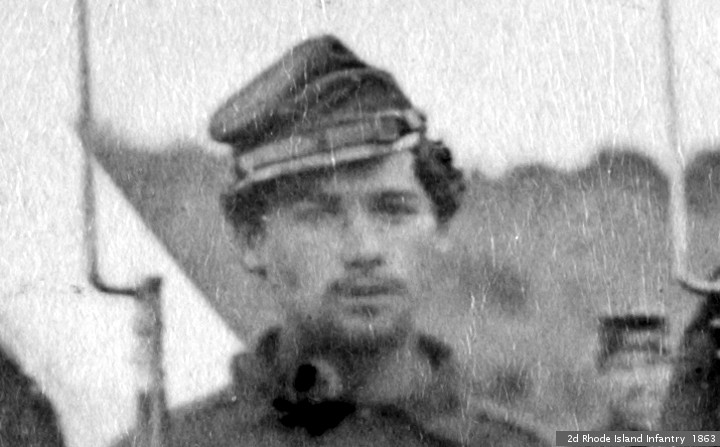
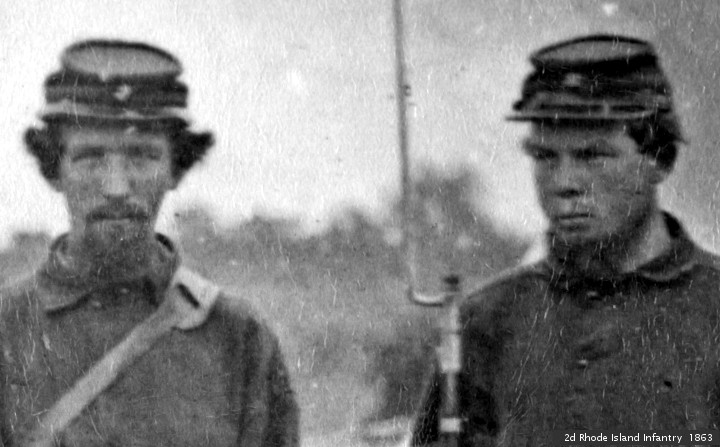



T.C. Boyle wrote The Harder They Come. It is based on the story of Aaron Bassler. A young man takes the wrong drugs, is inspired by the wrong stories, kills two men, and is killed by the police.
In one book tour interview, Mr. Boyle talks about the violence in America. There usually is a recent event to refer to. With more guns, and more anger, people are getting hurt. Rather than deliver a lecture, Mr. Boyle tells a story.
Adam is a troubled young man. He prefers to be called Colter, in honor of a frontier hero. He spends most of his time in the woods of Northern California. Adam shacks up with Sara, another lost soul. Things go relatively smoothly until the house Adam lives in is sold.
While all this is going on, Adam’s father, Sten, tries to enjoy his retirement. One of Sten’s neighbors is fired up about the Mexicans growing dope in the forests, and wants to do something. The man goes hiking in the forests, looking for drug activity. He stumbles onto Adam, who is living in the woods. After a verbal confrontation, Adam shoots the hiker dead. Before long there is another killing in the forest, and a massive manhunt ensues. After coltering his way out of danger for a month, the police find Adam, with fatal consequences.
The story is well written and entertaining, as is all T.C. Boyle product. At times the plot takes twists that are tough to believe. Sara sees a police car in a parking lot, and wants revenge. People in this tale are always getting even for something. Sara goes into the police car, opens the cover to the gas tank, and pours a container of sugar water into the fuel. This does not seem likely.
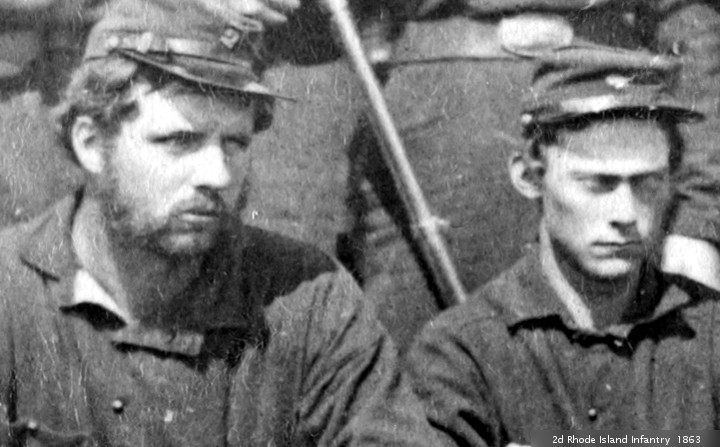
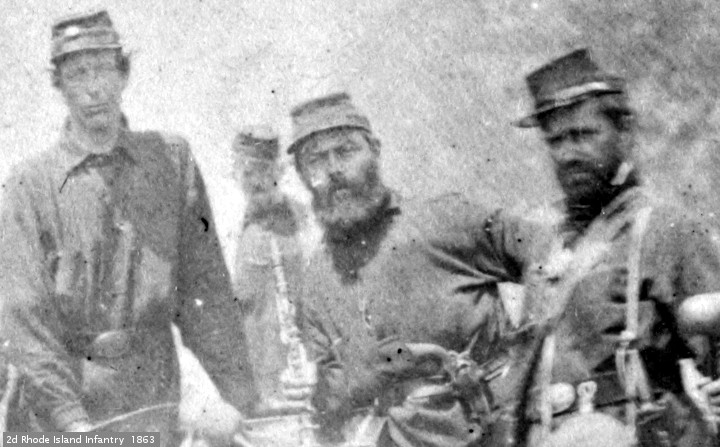
There are no easy answers. Weapons are easily available to drug addled young men. Everyone who lives in a coastal paradise is angry. Eventually it all boil over, people get hurt, and PG has a story to read. Pictures today are from The Library of Congress.




Blue Tail Fly




Q: What does “Jimmy crack corn” mean, and why does he not care?—Matt, Columbus, Ohio
PG was trolling stupidquestion.net when there was a convergence of stupidity. (The site does not exist in 2012.) All his life he had heard “Blue Tail Fly”, and been embarrassed. And there, in (pardon the expression) black and white, was someone who wondered the same thing.
It seems as though “Blue Tail Fly” started out as a minstrel song. For those who don’t know, minstrel shows were white people putting on black makeup, and imitating African Americans. Minstrelsy is not well thought of these days.
The story of BTF involves a slave named Jim. A fly bit the pony the old massa was riding, the pony was offended, and threw the old massa off. He was hurt landing, and died. Jim still has to crack corn, but he doesn’t care anymore, because old massa has gone away.
Dave Barry took a poll once to find out the stupidest song of all time. The overwhelming winner/loser was “MacArthur Park”. The combination of over the top show stopping, while singing about a cake left out in the rain, makes this ditty a duh classic.
In the spirit of corny convergence, the video is a karaoke version featuring Donna Summer . Miss Summer is a talented singer, who happened to connect with Giorgio Moroder. Lots of singers could have hit the big time by fronting those records. Donna Summer hit the jackpot.
For a proper post, there needs to be a third stupid song. This is not about stupid bands, singing about being D U M B. Even though they totally don’t belong, there is a video of the Ramones included. PG saw the Ramones at the Agora Ballroom in 1983. This was after their prime, and before a homeless man caught the Ballroom on fire.
We still need a third stupid song, and PG wants to get this posted with as little research as possible. Just like some writer was once given twenty minutes to write a song, and he decided to do the worst song he could think of. The result was “Wild Thing”. PG used to have a 45 of someone who sounded like Bobby Kennedy singing “Wild Thing”. This video (of the Troggs performing “Wild Thing”) has the late Casey Kasem, and Portuguese subtitles. Let the good times roll.
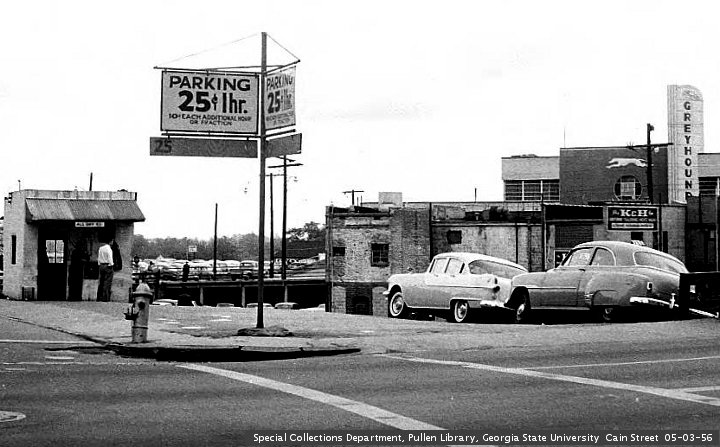
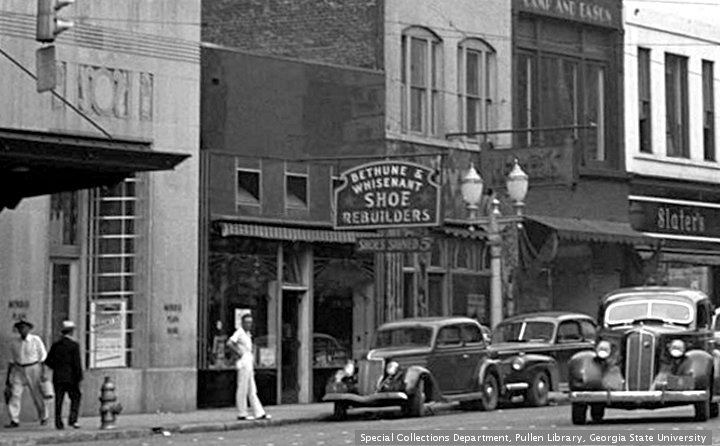
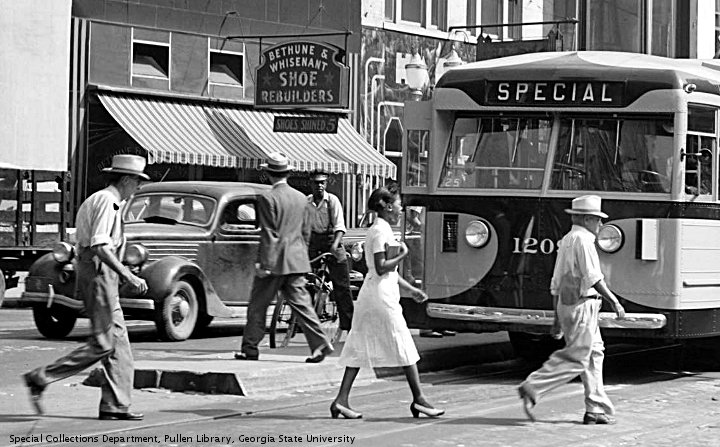
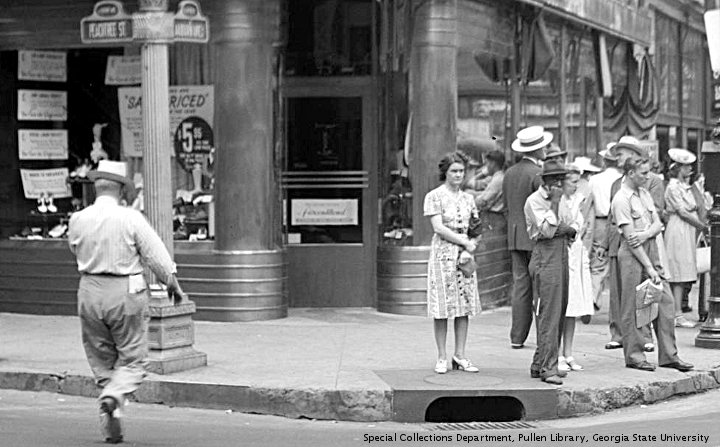
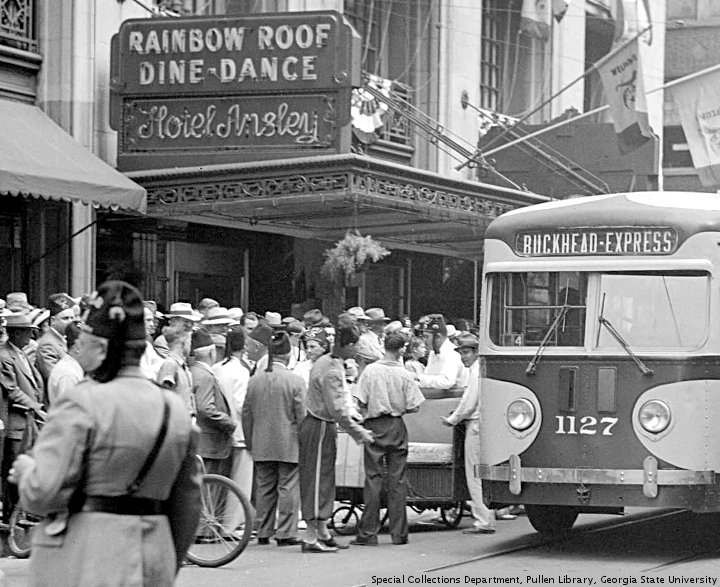
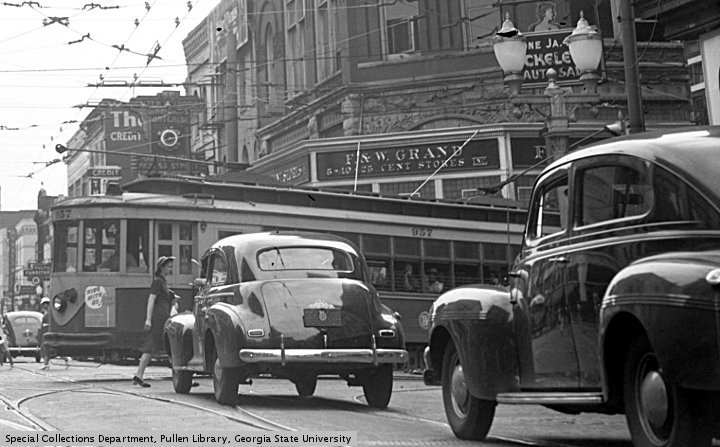
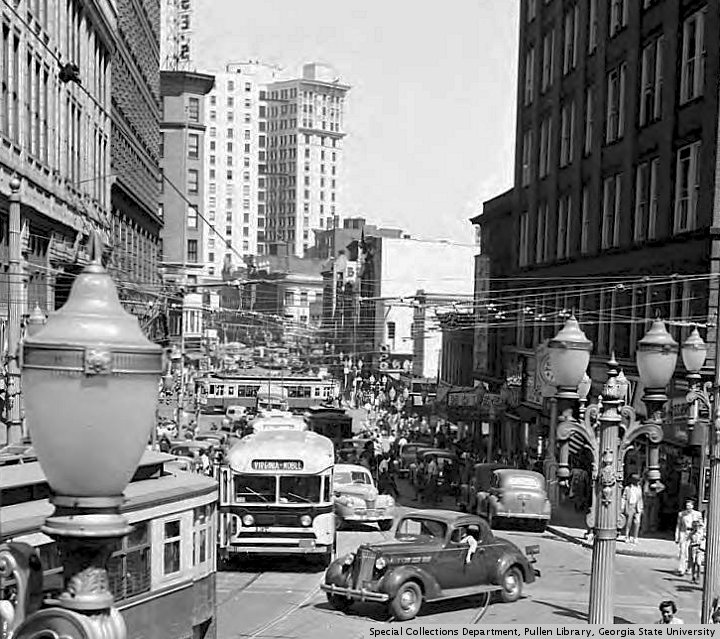
This is a repost. Pictures are from “The Special Collections and Archives, Georgia State University Library”. This was downtown Atlanta in 1941.




Only The Dead






@EdDarrell “Only the dead have seen the end of war.” Who said that? Contrary to what Black Hawk Down says, this quote is not in any of Plato’s writings. The student of Socrates may have said it, and it may sound like something he would have said. However, nobody has been able to find it in his work.
George Santayana was a writer, philosopher, and sayer of smart things. “Only the dead…” appears in Soliloquies in England and Later Soliloquies, number 25 (1922). The signature quote from Mr. Santayana is “Those who cannot remember the past are condemned to repeat it.” It is found in The Life of Reason, vol. 1: Reason in Common Sense.
“Only the dead have seen the end of war” is an aphorism that sounds good until you think about it a bit. It was written by a living person. It has never been confirmed by conversation with a dead person. For all we know, the dead see plenty of war.
A google search inspired by the original tweet turned up a dandy post, Quotes Behaving Badly: 9 Quotes That Are Wrong, Dishonest, Mis-attributed or Idiotic. As the reader(s) of this blog know, quote debunkers are much needed on the internet. The first of the Four Principles of Quotation puts it another way. “Whenever you see a quotation given with an author but no source assume that it is probably bogus.” It doesn’t matter if the inspiring words are calligraphied in front of a breathtaking mountain backdrop, or if credit is given to a dead white man.
The Four Principles page cited discusses an old warhorse quote, “Whenever you see a quotation given with an author but no source assume that it is probably bogus.” Thomas Jefferson is one of those accused of saying that. Quotes Behaving Badly also mentions this chestnut.
To begin with, no one seems to know who originally said it, and what the exact words were. Worse is the way this quote is used by demagogues. So called leaders use this quote to manipulate others. Often, these people do not know what they are talking about. Their actions make the situation worse, rather than better. But they are doing something.
Quotes Behaving Badly takes on more versions of the misused quote. There is the quote from a character in a novel, which is strawmanned into representing the thoughts of the author. There is also the quote taken out of context.
“Violence, naked force, has settled more issues in history than has any other factor, and the contrary opinion is wishful thinking at its worst.” This is in Starship Troopers by Robert Heinlein. PG has never read ST, and does not know the context of the quote.
Quotes Behaving Badly implies that the quote is from a villain in the story. “The problem is that an author cannot take ownership for the dialogue of the characters he creates. If two characters debate, does the author then believe both sides of a debate? And would the author have to support the views and opinions super villains, serial killers, dictators, and even child molesters.”
There is a humongous archive dedicated to Mohanda Gandhi. If he said it, then there should be a written record. That does not mean that people will use the quote properly.
“I do believe that, where there is only a choice between cowardice and violence, I would advise violence… I would rather have India resort to arms in order to defend her honour than that she should, in a cowardly manner, become or remain a helpless witness to her own dishonor.” The next line contradicts the first part. “But I believe that non-violence is infinitely superior to violence…”
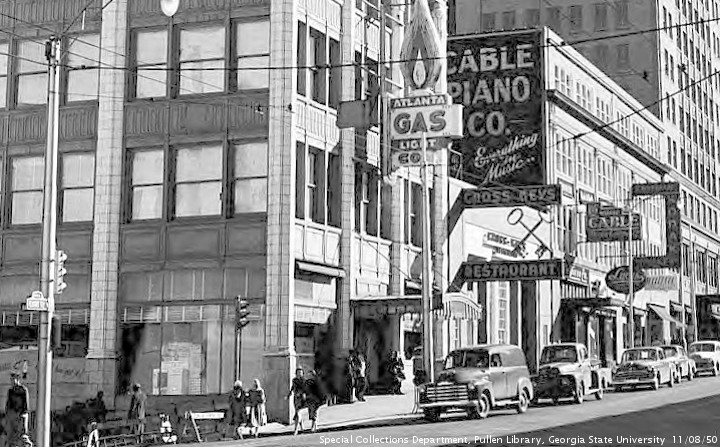
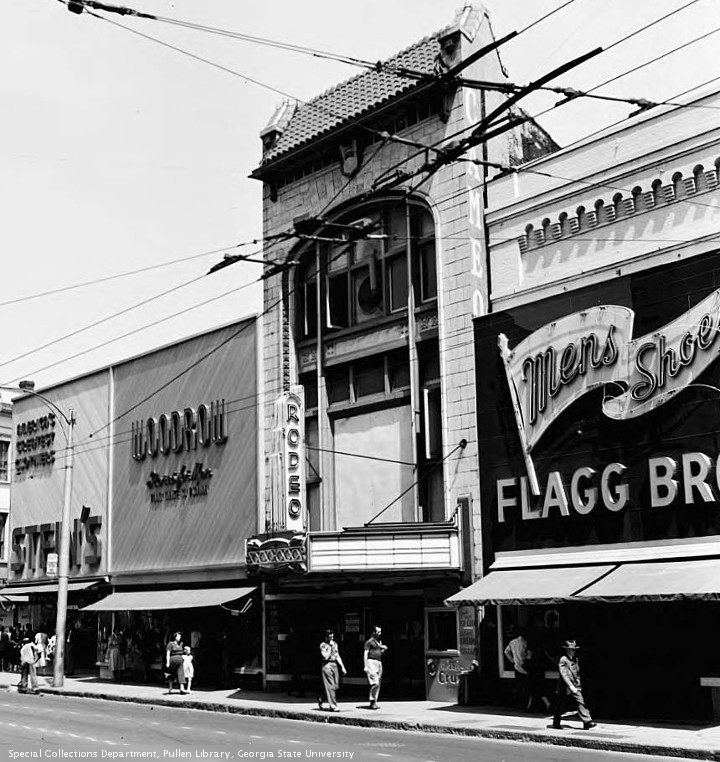
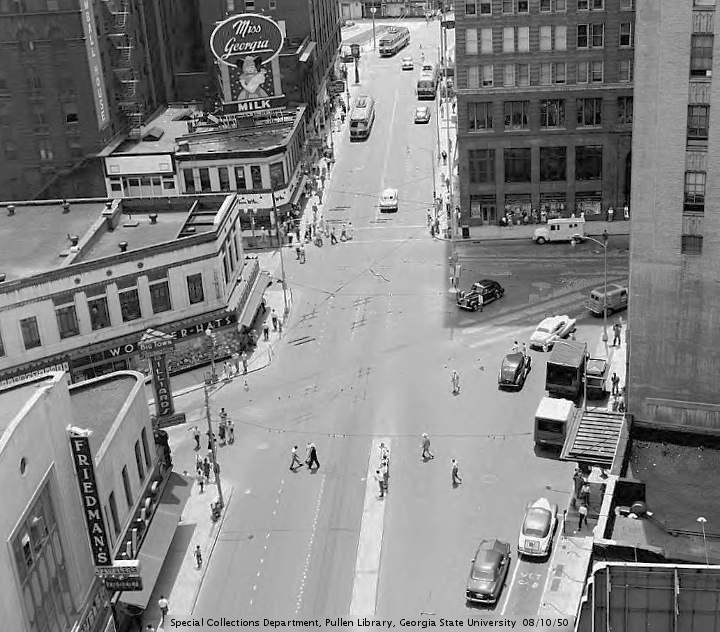
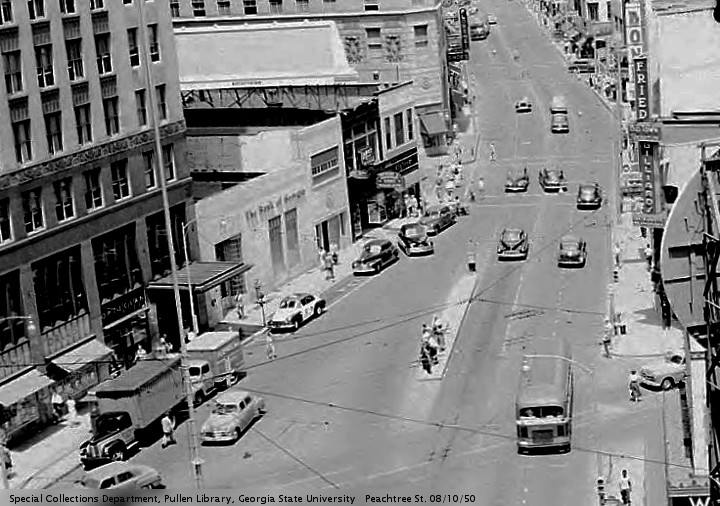
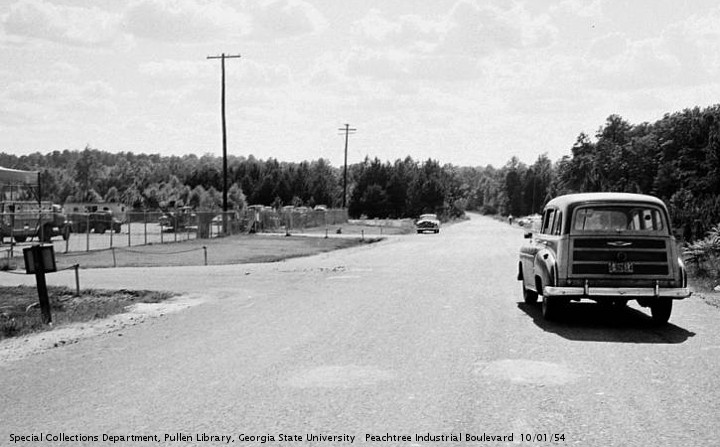
Pictures are from “The Special Collections and Archives, Georgia State University Library”.




Bad Patriotic Jokes
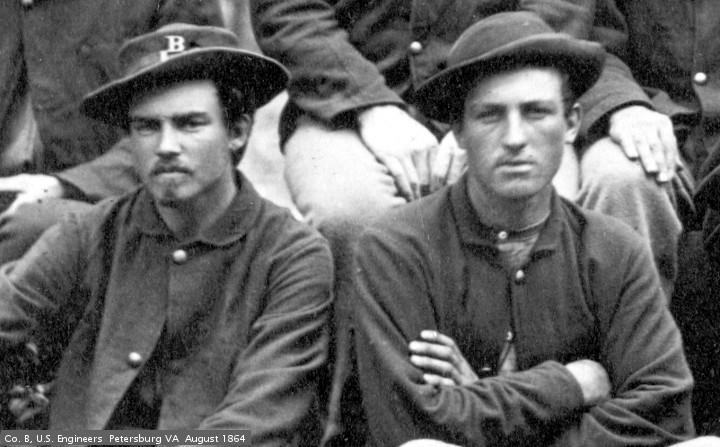
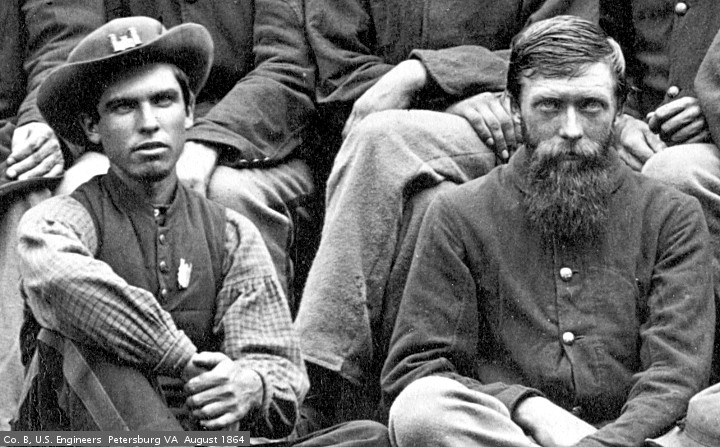
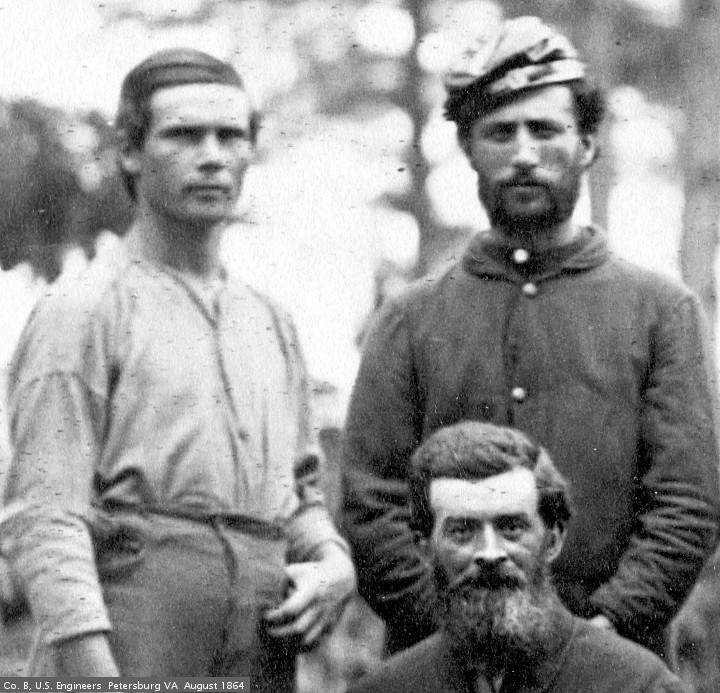

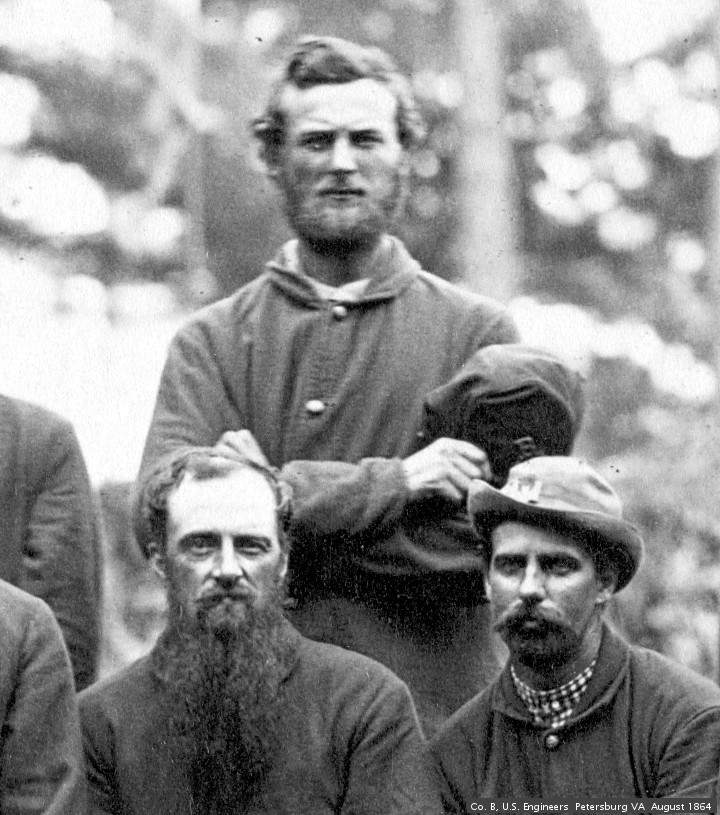


What did one flag say to the other flag? Nothing. It just waved!
What’s red, white, black and blue? Uncle Sam falling down the steps!
What would you get if you crossed Washington’s home with nasty insects? Mt. Vermin!
What did a patriot put on his dry skin? Revo-lotion!
Which colonists told the most jokes? Punsylvanians!
What was General Washington’s favorite tree? The infantry!
Where did George Washington buy his hatchet? At the chopping mall!
What quacks, has webbed feet, and betrays his country? Beneduck Arnold!
Did you hear the one about the Liberty Bell? Yeah, it cracked me up!
What would you get if you crossed a patriot with a small curly-haired dog? Yankee Poodle!
Why did Paul Revere ride his horse from Boston to Lexington? The horse was too heavy to carry!
What happened as a result of the Stamp Act? The Americans licked the British!
This is a repost. Picture are from The Library of Congress.

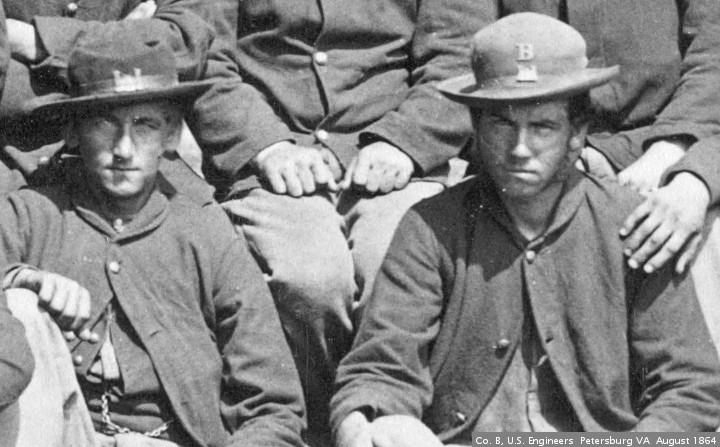


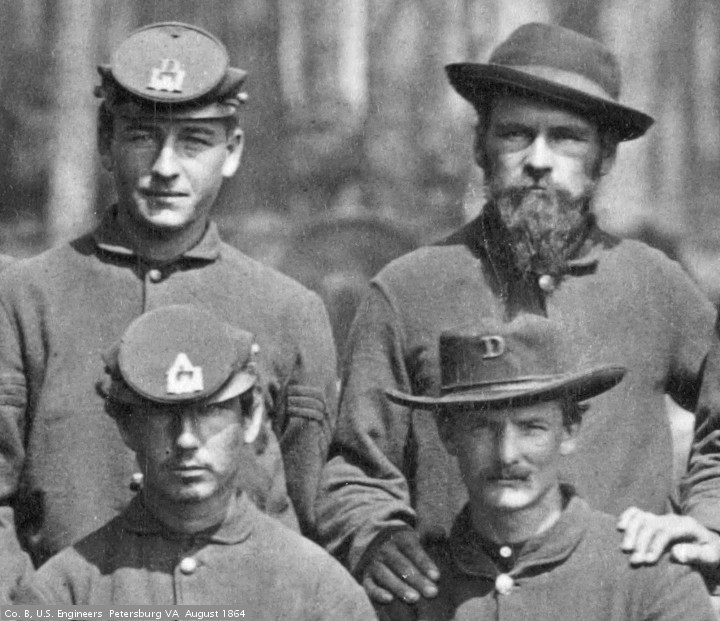


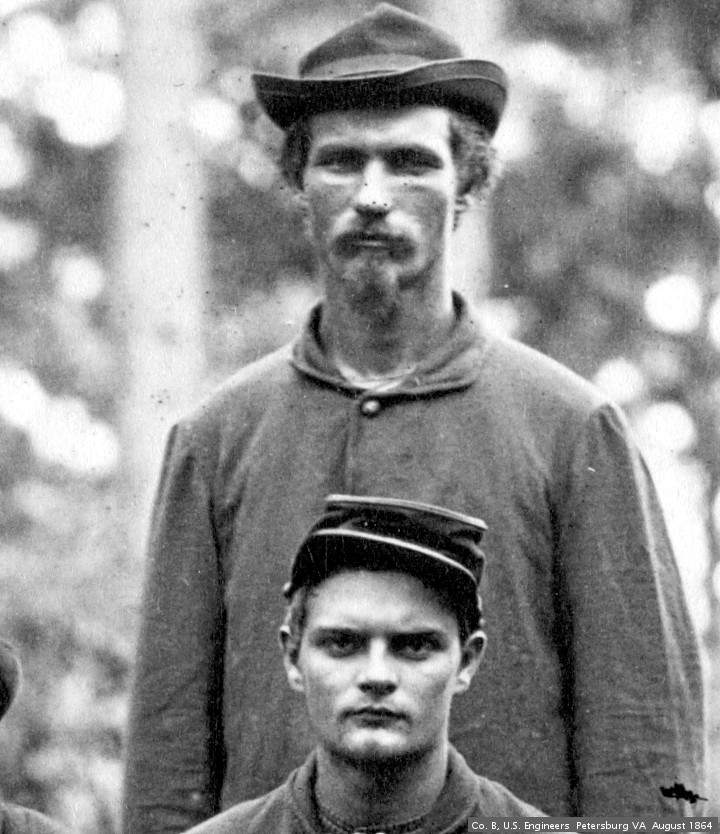
July 3, 1981






July 3, 1981, was another day before a holiday. The new President, Ronald Reagan, was recovering from gunshot wounds. There was talk of an era of conservatism, with possibly severe repression.
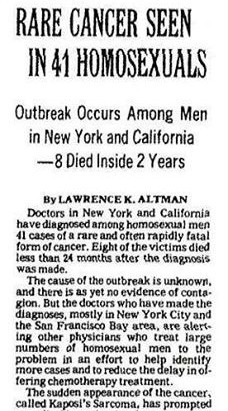
There was an article in the New York Times. RARE CANCER SEEN IN 41 HOMOSEXUALS. “Doctors in New York and California have diagnosed among homosexual men 41 cases of a rare and often rapidly fatal form of cancer. Eight of the victims died less than 24 months after the diagnosis…”
This was the media debut of AIDS. It would not have that name for a while. Almost nobody thought, on that summer day, just how bad AIDS would be. In five years it was obvious how serious AIDS was.
 PG was on another trip to the west coast. It was becoming obvious that this would be a vacation, rather than a relocation. He was riding a bicycle, with a milk carton overloaded with camping gear. Some kids told him to get saddle bags, and carry the weight lower. If you have the weight on top, you would lose control coming down a big hill. PG did not listen to the kids.
On July 4, PG left Patrick’s Point state park, about 300 miles north of San Francisco. Coming down the first hill on highway 101, the bike shook, shook harder, and flipped on its side. PG was thrown off. The front wheel was bent beyond repair. PG gathered his gear, left the bike behind, and got a ride into the nearest town.
PG got a bus ticket to Seattle. That city was in an economic downturn, with less than half a page of help wanted ads. PG found a auto delivery service, and got a VW bug going to Oak Ridge, TN. In a few days he was in Atlanta. A few days later, a temp agency came up with a job as a driver for a blueprint company. PG worked for that company, in one form or another, for the next 24 years.
As for the gay men with Kaposi’s Sarcoma … in all probability, the patients mentioned in that article were all dead within a year. AIDS has become a dominating story in our time. At its worst, it was claiming 50,000 lives a year. With the advent of wonder drugs, the death toll has been greatly reduced. The impact of AIDS on American life cannot be adequately described. This is a repost.
Pictures today are from “The Special Collections and Archives, Georgia State University Library”.


 Chamblee54
leave a comment