Seven Score And A Dozen Years Ago


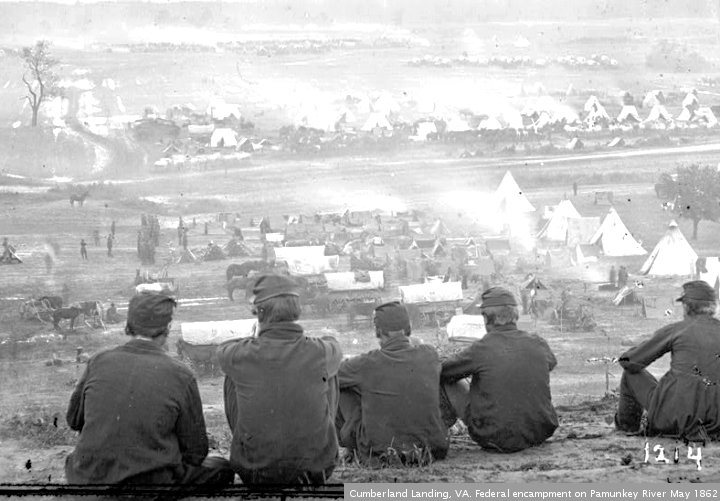
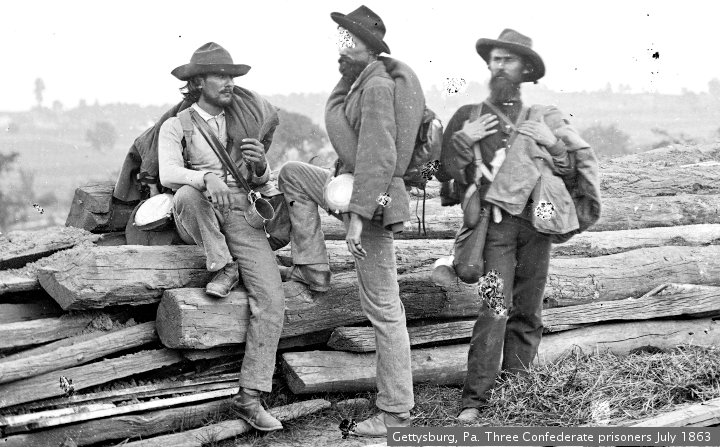


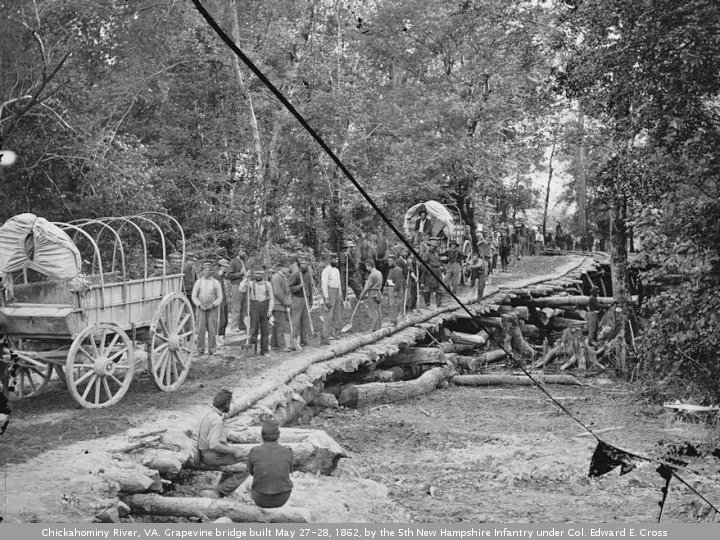

A vicious battle had been fought near Gettysburg, PA. It is widely considered the turning point of “Mr. Lincoln”s War,” the moment when the Union took the upper hand. It came at a horrible price, and a cemetery was built to hold this price.
The ceremony to dedicate the cemetery was held November 19, 1863. The headline speaker was Senator Edward Everett. The President was an afterthought. After it was over, Mr. Everett reportedly told the President that he said more in two minutes than he did in two hours.
The speech by Mr. Lincoln is an American classic. Schoolchildren are forced to memorize it. There are a few legends, many of which are not true. According to The Lincoln Museum , the speech was written on White House stationary, not the back of an envelope. The train ride would have been too bumpy to write. There is also confusion about what happened to the original text that the President read from.
HT to Millard Fillmore’s Bathtub. Pictures are from The Library of Congress. Measured in pixels, the picture of George Custer is 720×666. This is a repost.
Four score and seven years ago our fathers brought forth on this continent a new nation, conceived in liberty, and dedicated to the proposition that all men are created equal.Now we are engaged in a great civil war, testing whether that nation, or any nation, so conceived and so dedicated, can long endure. We are met on a great battle-field of that war. We have come to dedicate a portion of that field, as a final resting place for those who here gave their lives that that nation might live. It is altogether fitting and proper that we should do this. But, in a larger sense, we can not dedicate, we can not consecrate, we can not hallow this ground. The brave men, living and dead, who struggled here, have consecrated it, far above our poor power to add or detract. The world will little note, nor long remember what we say here, but it can never forget what they did here. It is for us the living, rather, to be dedicated here to the unfinished work which they who fought here have thus far so nobly advanced. It is rather for us to be here dedicated to the great task remaining before us—that from these honored dead we take increased devotion to that cause for which they gave the last full measure of devotion—that we here highly resolve that these dead shall not have died in vain—that this nation, under God, shall have a new birth of freedom—and that government of the people, by the people, for the people, shall not perish from the earth.


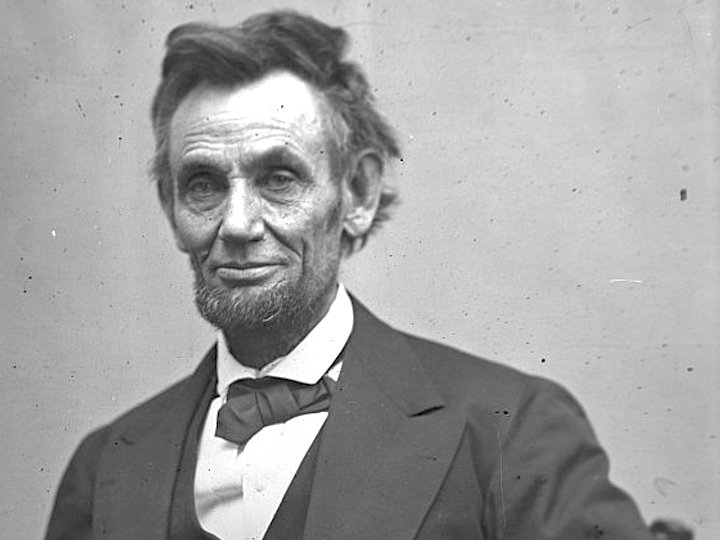
Arlo Guthrie
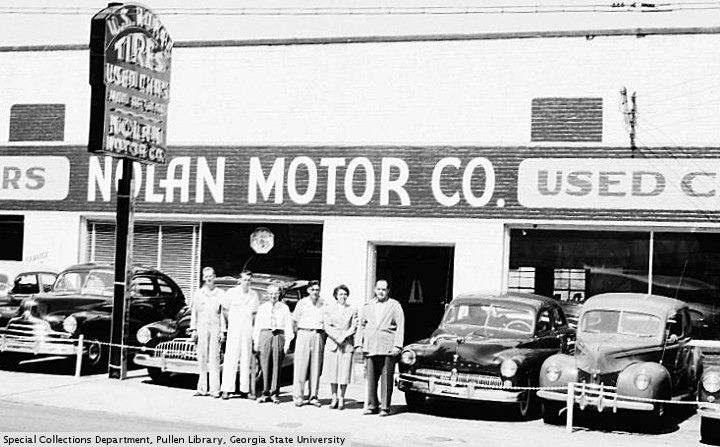


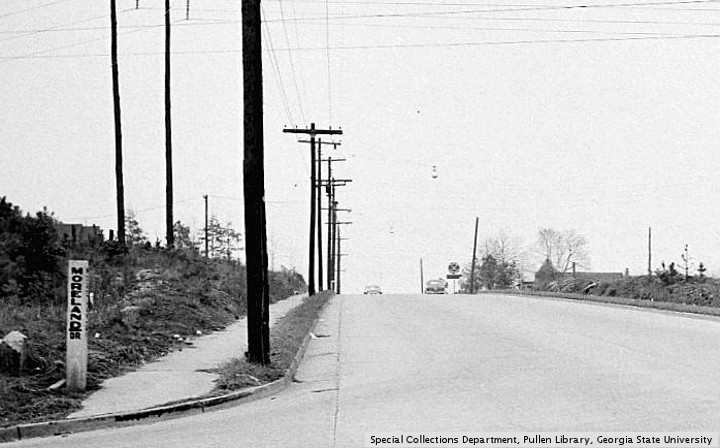

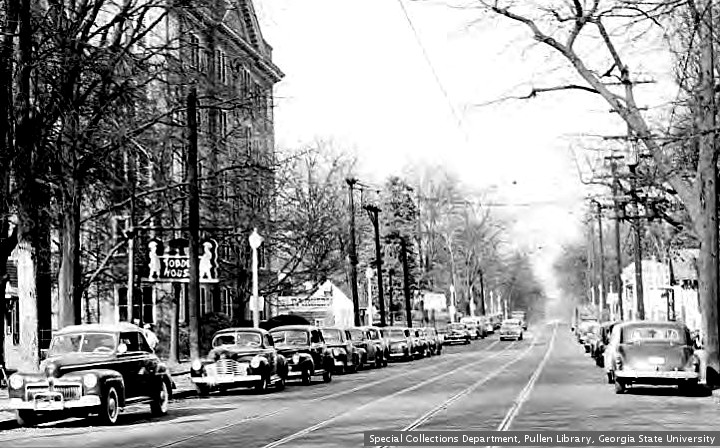
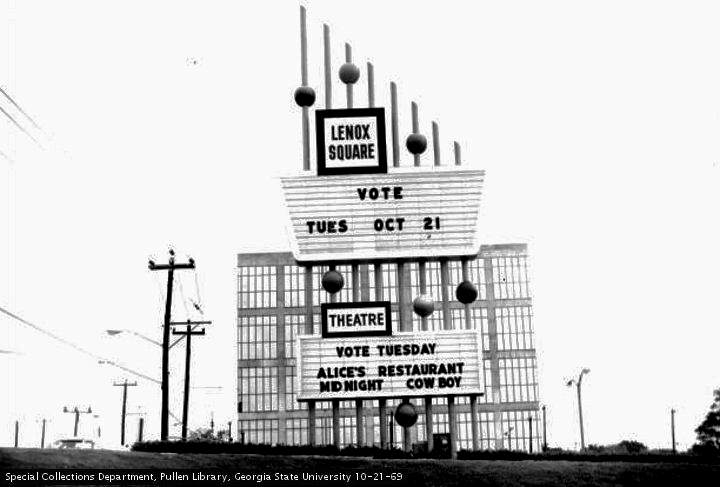
This is a rerun post, with pictures from “The Special Collections and Archives, Georgia State University Library”. The original post was half about Arlo Guthrie, and half about Ralph Reed. Today, only the part about Arlo Guthrie will be shown. If you absolutely must read about Ralph Reed, you can follow the link above, or read Lisa Baron And Ralph Reed TMI.
The entertainment today is about Arlo Guthrie . Next week is thanksgiving, which is connected to Mr. Guthrie. Unlike the turkey, Mr. Guthrie has gone on to have a flourishing career. He probably will not come down with Huntington’s Disease, which killed his father Woody Guthrie.
The video that goes with this text was the first time PG saw Arlo Guthrie. This was broadcast January 21, 1970. PG was an unhip fifteen year old, who had not heard Alice’s Restaurant, seen the movie, or been to Woodstock. He did see the Johnny Cash show this night, or at least the part where Arlo Guthrie did the motorcycle song.
To quote the digital facility PG is borrowing from: ” Born Arlo Davy Guthrie on July 10, 1947, in New York, NY; son of Woody (a folksinger) and Marjorie Mazia (a dancer; maiden name, Greenblatt) Guthrie; married Jacklyn Hyde, October 9, 1969; children: Abraham, Cathyalicia, Annie Hays, Sarah Lee.” Abraham and Sarah Lee play in Arlo’s touring band.
The Alice’s Restaurant Masacree is a part of Americana now. There are two bits of knowledge, that are as true as anything told to a Persian king. When trying to dispose of some garbage, and finding the city dump closed, Arlo found some litter by the roadside, and made a value judgment…One big pile of garbage is better than two little piles.
The second is about the draft, and the business of choosing people to fight our wars. There is a regulation today that says that Gays and Lesbians are not supposed to be soldiers and sailors. In the tale of the thanksgiving dinner, it was litterbugs. (There was also a draft, and a different war. Lots of Americans were coming home in boxes.) The bottom line is, Mr. Guthrie is confused about not being considered moral enough to kill people, because he was a litterbug.
A few years into his career, Arlo Guthrie had a hit record called “City of New Orleans”. It was about a train, and said “Good Morning America”. “City of New Orleans” was written by Steve Goodman, who is no longer with us. Mr. Goodman also wrote the perfect country and western song .
PG heard a story about Steve Goodman. “The songwriter is Steve Goodman. He gave a show at the Last Resort in Athens GA, that a friend of PG attended. Mr. Goodman tells a story about performing on a train, during a series of concerts supporting Hubert Humphrey. It seems like Mr. Goodman had to use the restroom on the train. Now, in those days, the trains did not use holding tanks, but just ejected the matter by the tracks as they rode by. Mr. Goodman was told, do not flush the commode while the train is in the station. Mr. Goodman forgot the instructions. Mr. Humphrey said ” I am going to give the people of this country what they deserve”, Mr. Goodman flushed the commode, and sprayed the crowd. PG is not sure if he believes this, but it is a good story.” ( A biographer of Mr. Goodman said said that the candidate was Edmund Muskie. He also says that David Allen Coe had nothing to do with the last verse of the perfect country and western song.)
As previously noted, this is a repost from five years ago. In that time, the policy against gay people serving in the military has been dismantled. The Ralph Reeds of the world are more upset about the concept of gay marriage, than by gay people killing Muslims. Vietnam is a peaceful country, and is enjoying economic good times. The draft is something old fogies remember. The current fashion is to support war by demanding a tax cut.
Arlo Guthrie continues to make music. (The Alice’s Restaurant 50th anniversary tour begins tomorrow, and will continue until May 12, 2016) USA Today had a feature recently, Arlo Guthrie celebrates 50 years at ‘Alice’s Restaurant’.
Arlo Davy Guthrie has a twitter account, @folkslinger, and a full head of white hair. His wife of 43 years, Jackie Guthrie, died Oct. 14, 2012. The Lenox Square theater was torn down to make way for a food court many years ago.


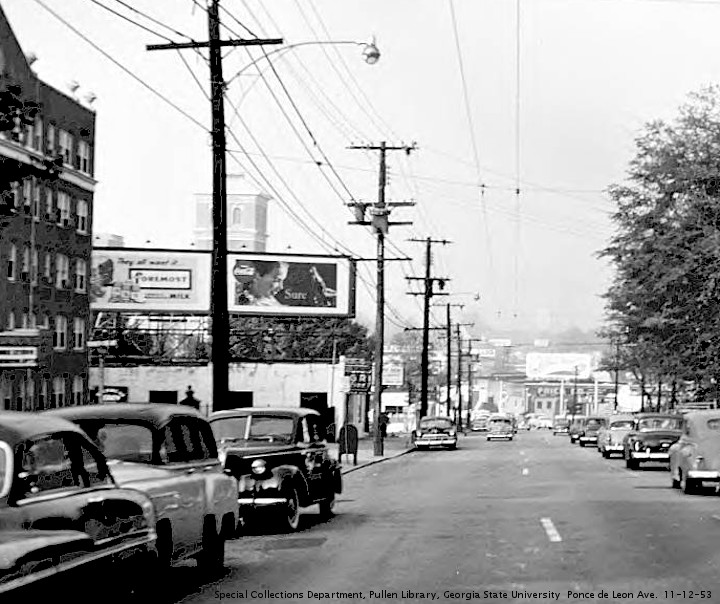


November 11
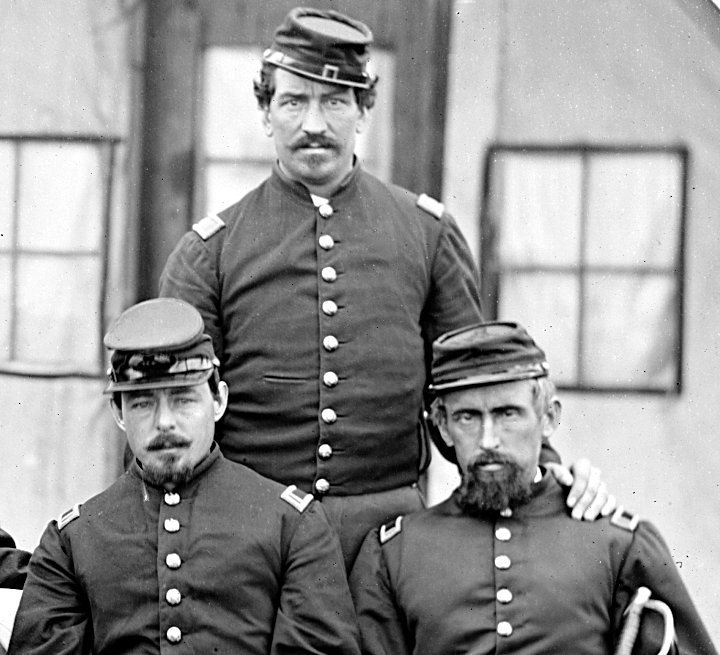


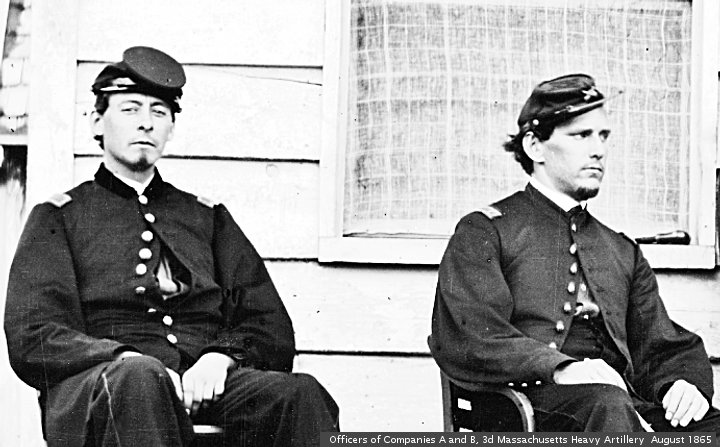
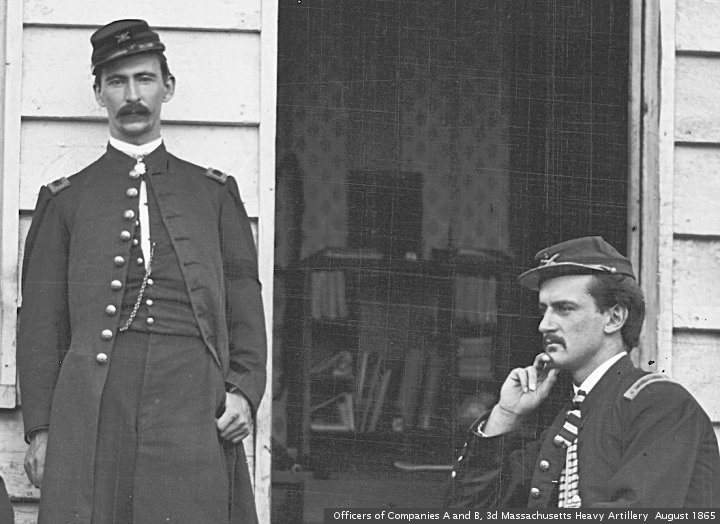
Veteran’s Day is a bad day for a cynic. On the one hand, I do appreciate living in The United States. With all its flaws, I have had a good life here. The role that Veterans have played is to be honored. On the other hand, those who profit from wars often exploit Veterans for political mojo. Many of these people did not serve.
Veterans are often not treated well after they are through with their service. It is estimated that a quarter of the homeless are veterans. The services offered to wounded veterans returning from War are often lacking. These wounds are both physical and mental.
When I typed the second sentence, I thought of my great grandfather. He served with the Georgia State Troops in the War Between the States. I do prefer the USA to the CSA (or whatever would have happened). Yet, the Union army had to prevail over the various Confederate Armies for this to happen. Do I dishonor my great grandfather by saying I am happy the other side won?
Veterans Day was originally Armistice Day. This was the day, 90 years ago, when the War to End All Wars ended. World War I was a ghastly bloodbath, in which millions died. It created many of the problems that plague us today. And I would be willing to bet that not one person in ten thousand today knows what it was about. And yet, the men who fought in that conflict (I don’t think they had women soldiers then) deserve the same gratitude as those who fought in any other conflict.
The soldier…many of whom were drafted…doesn’t get to choose which war to fight in. The sacrifice of the World War II soldier was just as great as the Vietnam fighter, but the appreciation given was much greater. I grew up during Vietnam, and saw the national mood go from patriotic fight to dismayed resistance. By the time I was old enough to get drafted, the Paris accords had been signed. For better or worse, there went my chance.
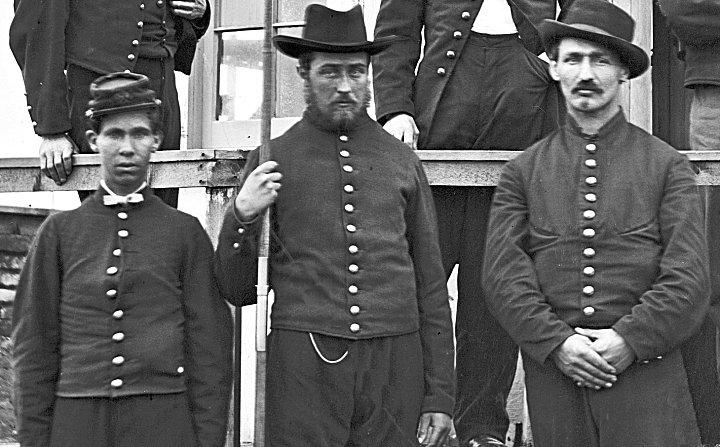

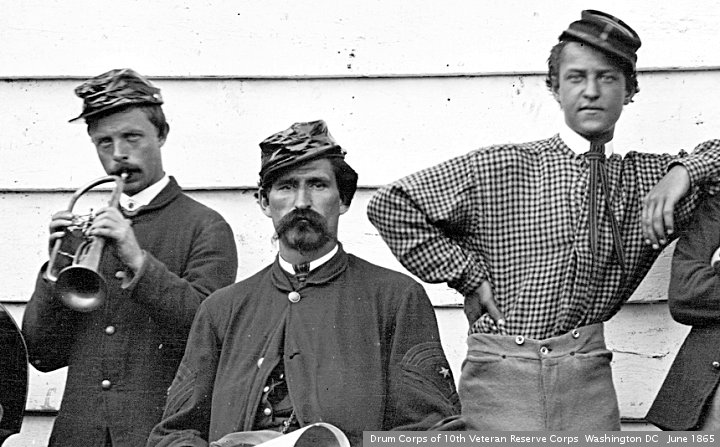
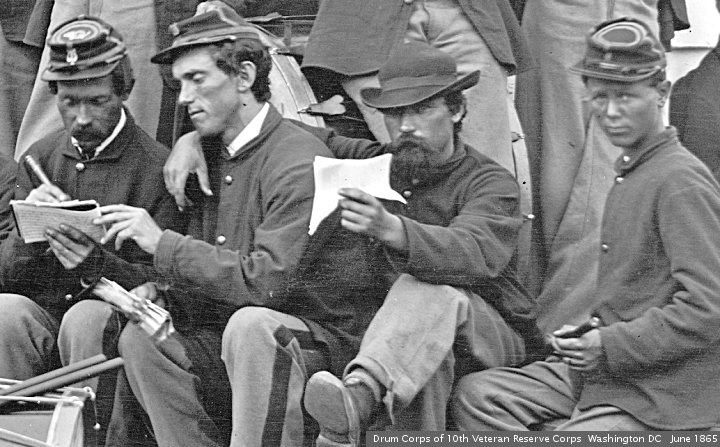
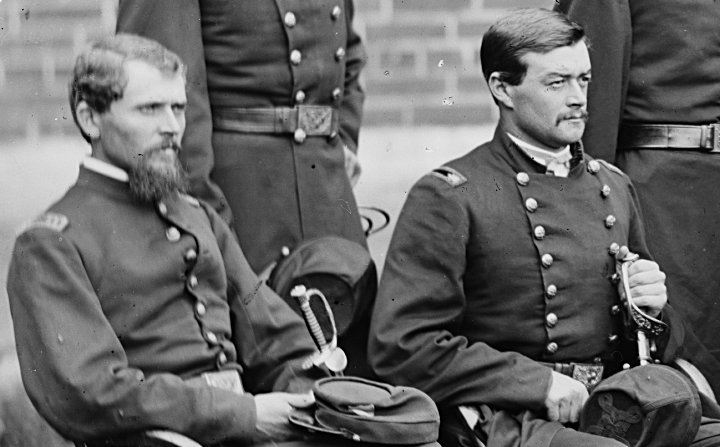
Veterans day was originally Armistice Day. On November 11, 1918, at 11 am (the eleventh hour of the eleventh day of the eleventh month) a cease fire went into effect for “The great war”. Officials of the major armies agreed to the ceasefire at 5 am (European time). There were an estimated 11,000 casualties in the last six hours of the war.
At 11:59 am, U.S. army private Henry Gunther became the last soldier to die in World War I. “According to the Globe and Mail this is the story of the last soldier killed in WW1: On Nov.11, 1918, U.S. army private Henry Gunther stood up during a lull in the machine gun fire and charged the enemy. “The Germans stared in disbelief,” says the Daily Express. “They had been told that morning that the fighting was about to stop; in a few minutes they would stop firing and go home. So why was this American charging at them with his bayonet drawn? They shouted at him to stop and frantically tried to wave him back but… he hadn’t heard anything of the ceasefire.” A German gunner released a five-round burst and the soldier lay dead, at 10:59 a.m. In his recently published Eleventh Month, Eleventh Day, Eleventh Hour, U.S. Military Historian Joseph Persico notes that Private Gunther had previously been a sergeant but was demoted after an Army censor read his letter to a friend back home, urging him to steer clear of the war at all costs. Gunther, who was in no-man’s land when the ceasefire news arrived, had been trying to prove himself worthy of his original rank.”
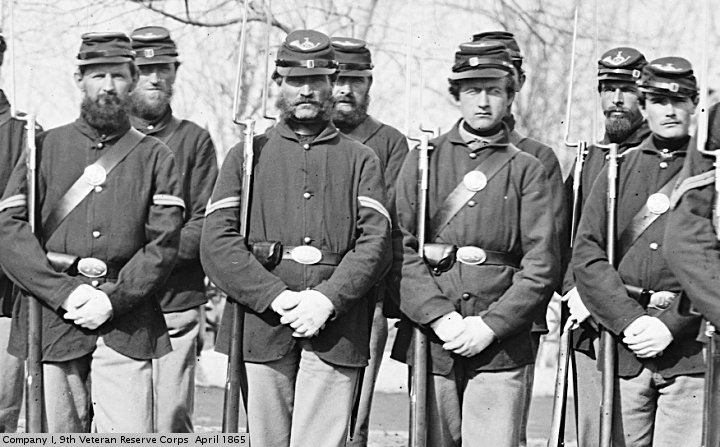
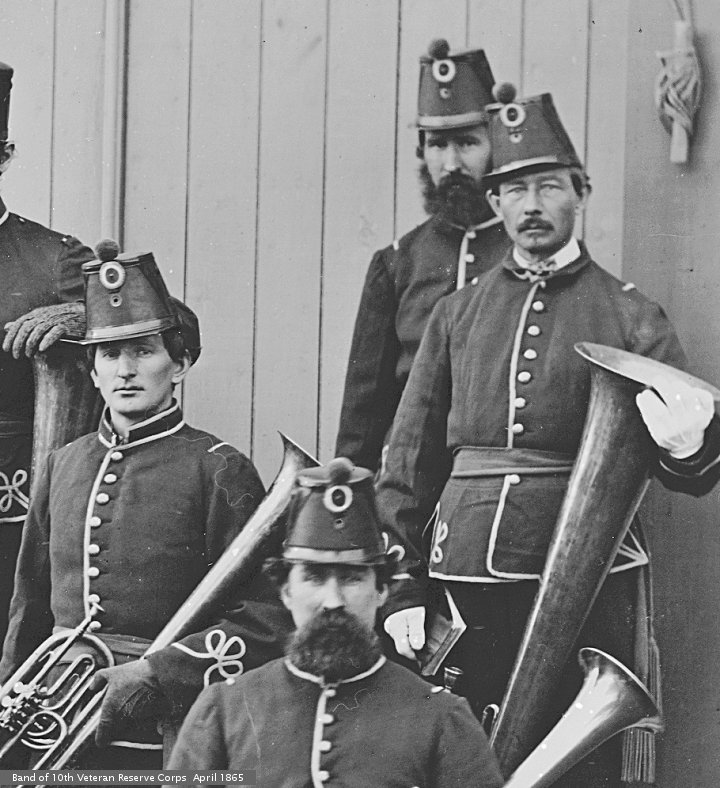
This is a repost. Pictures are from The Library of Congress.



Cemetery Cleanup



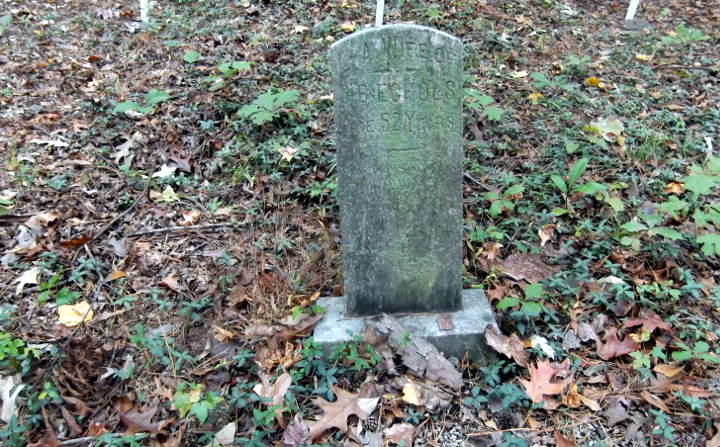


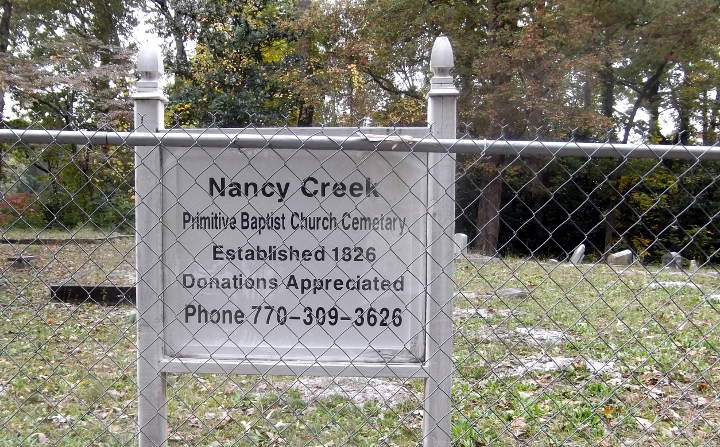
Nancy Creek Primitive Baptist Church had a cemetery cleanup Halloween morning. A group of people gathered to listen to spoken history, and rake leaves. The main goal was to clear out two areas with unknown graves. An estimated 800 people are buried in NCPBCC, with “only 150” marked.
NCPBCC is on Eighth Street, on the Chamblee-Brookhaven border. The road does a ninety degree turn, and becomes New Peachtree Road. In the pre-Marta era, Eighth Street went to Peachtree Road. It came out behind the Pure Oil Station. PG remembers when the RR crossing did not have a light, or a crossbar. It was marked by a yellow sign that said Railroad Crossing.
The first part of the morning was a talk about area history. The land was originally owned by the Creek nation. During the Revolutionary War, and the War of 1812, there was a division in the Creek nation. Some supported the British, while some supported the rebelling colonies. Soon white settlers moved into the area, after treaties with the Creeks granted land to the settlers. In 1826, the Nancy Creek Primitive Baptist Church was founded. The Prospect Church, further down Peachtree Road, was the other church in the area. Prospect is now an antique store, in keeping with Chamblee customs. Nancy Creek was believed to be named for Nancy Evans, an early settler. It may have been Nancy’s Creek at one time.
NCPBCC has a Revolutionary War veteran, Mr. Reeves. Not much is known about Mr. Reeves. There is at least one veteran of the War Between the States. Charles H. Godwin was part of the Godwin family that settled in this area. Pvt. Godwin’s marker says: “Pvt CO K 38 REGT GA INF CSA June 2, 1845 – AUG 4 1862” Albert Martin is the great grandson of Charles H. Godwin, and says that Pvt. Godwin is probably rolling in his grave over the American Flags marking his final resting place. Pvt. Godwin was wounded in battle, brought home, where he died.
The talk about history went on, and PG did not remember all of it. At one point, PG mentioned a pet cemetery behind the Peachtree Animal Hospital. The man who knew cemetery history, Albert Martin, did not know about this pet cemetery. PG also remembered a handful of graves, on a hill behind the Pure Oil Station. Some of these had the Masonic symbol on them.
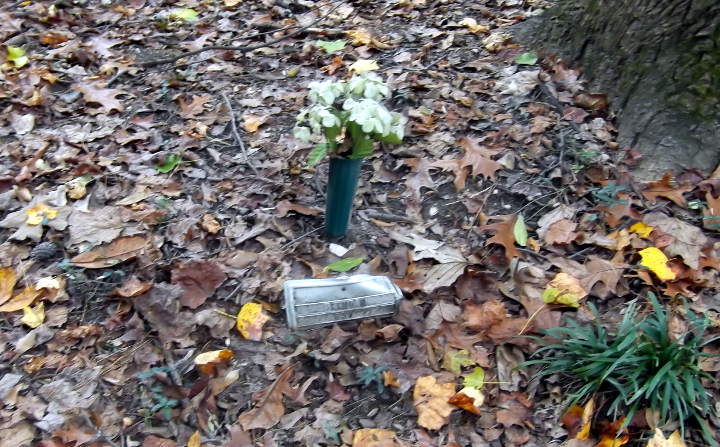
The main objective of the cleanup was to clear out leaves from two areas. When the Marta lines came through, their archeologists put metal markers where graves were known to be. Many of these unmarked graves have artificial flowers. No one knows who put these artificial flowers in the cemetery. Cleaning volunteers were cautioned not to move any stones, or grave markers. Leaves were piled onto tarpolins, and carried out for pickup by Chamblee sanitation. These leaves were heavier than expected, and provided a lively workout for those who carried them out. A tarp, full of leaves, being carried out by two people, resembled the sight of carrying a body. Perhaps this is what happens to people whose families fall behind on maintenance payments.
Some neighbors, whose back yards go up against the cemetery, wondered how accurate the surveyers were when the boundaries were established. There were iron markers in the far back part of the cemetery, up against the fence. It is possible that some are outside the established area. PG questioned the wisdom of doing a cemetery cleanup on Halloween. There were no apparent incidents, and the cleanup volunteers worked without interference from the dead.




Hocus Pocus Part Two

A few minutes ago, this second, and final, section of the book report on Hocus Pocus, by Kurt Vonnegut, was moving along. The formula for the magic number was being calculated. Then a power surge hit, and the unsaved product went to the digital graveyard, never to be seen again. If this had been Slaughterhouse Five, someone would say “so it goes.” However, this is Hocus Pocus, and SIG had been worn out by then.
The number in question relates to the protagonist, Eugene Debs Hartke. The number represents the number of women Mr. Hartke fucked, and the number of Asians killed by Mr. Hartke. A philosophical connection between the two acts is implied. One gets the impression that Mr. Hartke is a fantasy character for KV, whose life and death stats are not as impressive. The number is 82.
HP is, sad to say, not very good. It has the feel of contractual obligation. The satire is forced, and in some cases badly dated. When HP was written, smart people said a new ice age was coming. Today, the smart people are saying the opposite, except for the really smart people, who are on the oil industry payroll and poo poo global warming.
KV is one of those writers who like to throw “facts” in the fiction. The inside front cover of HP has a list of pages, where PG will stick his curmudgeonly nose. The first one is on page 92. (Page numbers in the section are from the peedeeff.) “Do I resent rich people? No. The best or worst I can do is notice them. I agree with the great Socialist writer George Orwell, who felt that rich people were poor people with money.” When a google search shows HP, and a meme, as the source of a quote, then you suspect hogwash. Does hogwash produce clean bacon?
Wikiquotes does not have this quote. The search words used were money, poor, and rich. FWIW, “In a time of universal deceit, telling the truth is a revolutionary act” is “disputed.”
There is a lovely quote about Mr. Orwell. “He could not blow his nose without moralising on conditions in the handkerchief industry.” Cyril Connolly, The Evening Colonnade (1973), in John Rodden, Every Intellectual’s Big Brother: George Orwell’s Literary Siblings (2006)
This quote is not in HP, but it is a fun story. @SlavojTweezek “”Communism doesn’t work,” Frank Zappa said, “because people like to own stuff.” Idiot. What do people’s likes have to do with communism?” This quote is plausible. Frank Zappa was a capitalist. He liked owning stuff, especially his own music. It should be easy to find a source. However, the best google can come up with is a compilation, “Quotes of Zappa,” in W. C. Privy’s Original Bathroom Companion. “
KV has become somewhat of a liberal icon, a Pall Mall smoking gargoyle of grooviness. Sometimes things that are written in 1989 are not as appealing in 2015. One example is using “oriental” to describe people of Asian origin. Another is this tidbit(p. 95): “She discovered in midlife that she was a lesbian, and ran off with the high school’s girls’ gym teacher to Bermuda, where they gave and probably still give sailing lessons. I made a pass at her one time at an Annual Townand-Gown Mixer up on the hill. I knew she was a lesbian before she did.”
Central to the action in HP is a prison outbreak. In the aftermath of this, the liberated prisoners crucified people they found in town. KV describes nails being driven into hands, which is not how the Romans did it. (p. 83) In Roman/Jewish crucifixions, the nail… really more like a spike, pulled out and used over and over … was driven into the wrist, into a space between two bones. These bones keep the arm securely attached to the cross. KV says (p. 103) “Crucifixion as a mode of execution for the very worst criminals was outlawed by the first Christian Roman Emperor, who was Constantine the Great.” Mr. Google seems to confirm this.
The rest of the cover notes are not as interesting now. It is ironic that a book, published in 1990, would have the main drag, in a key location, called Clinton Street. The only other thing to mention is the book mark that PG used on this book. It is from DeKalb county, and is designed to promote efficient water use. When you look at the corrugated plastic from one angle, the blue hippo says “you will save tens of gallons of water.” When viewed from another angle, the plastic says “take short showers, or half full baths,” while the blue hippo works out with a shower brush.
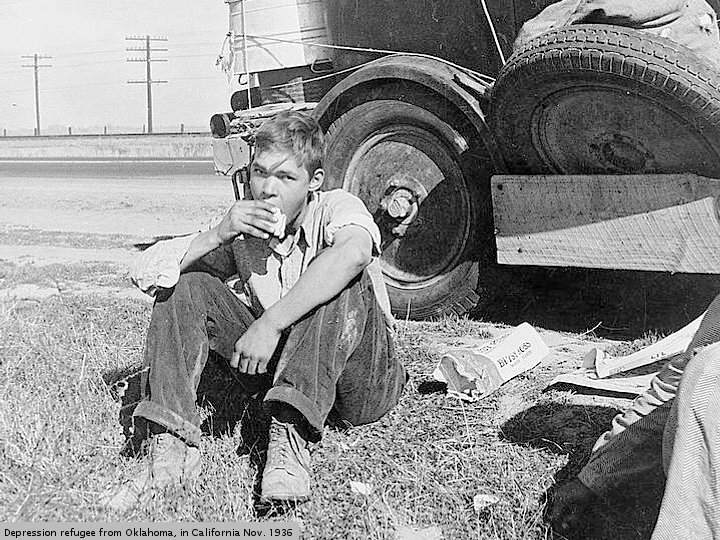
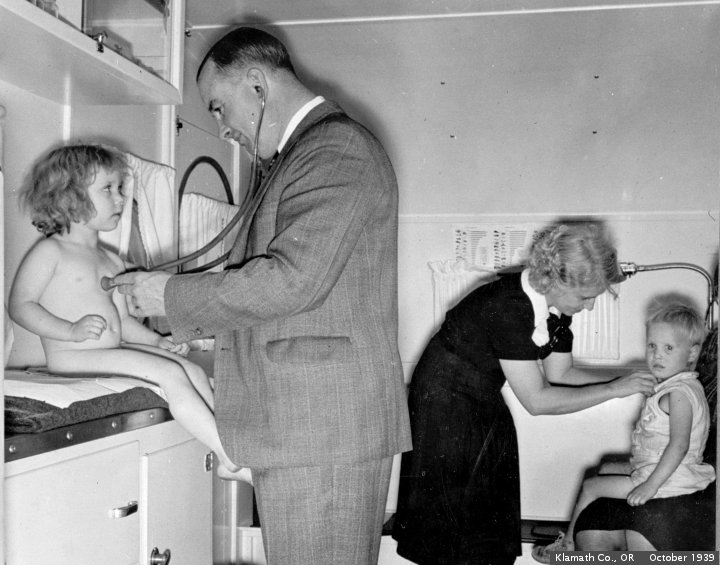
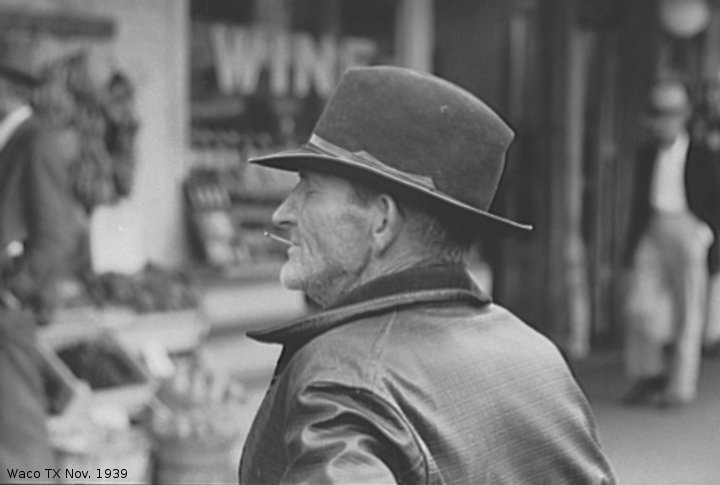
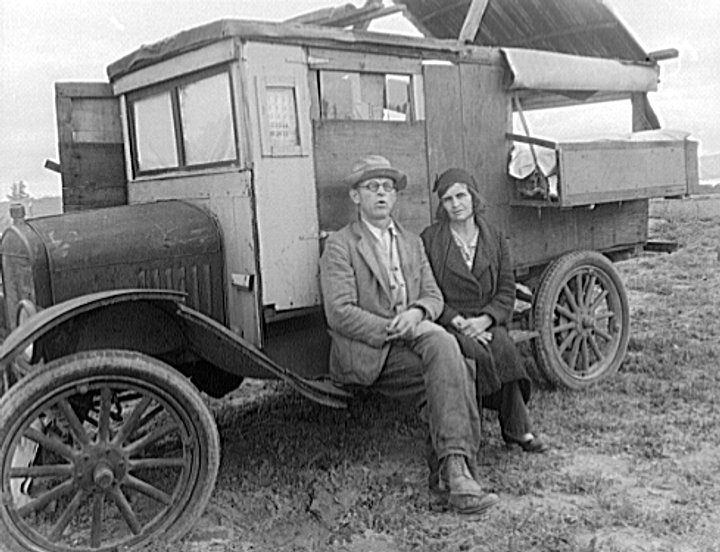
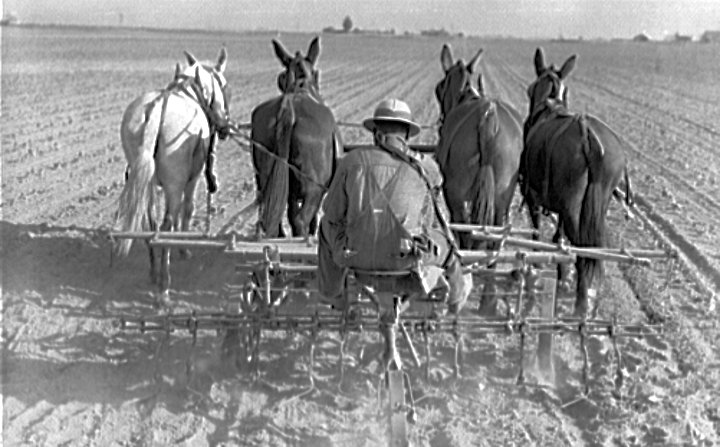
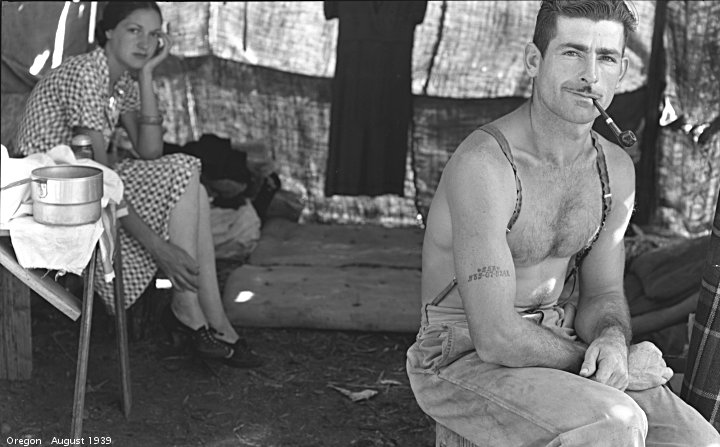
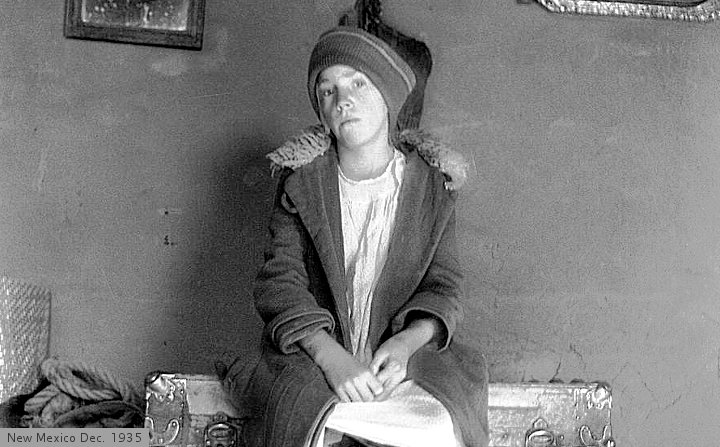
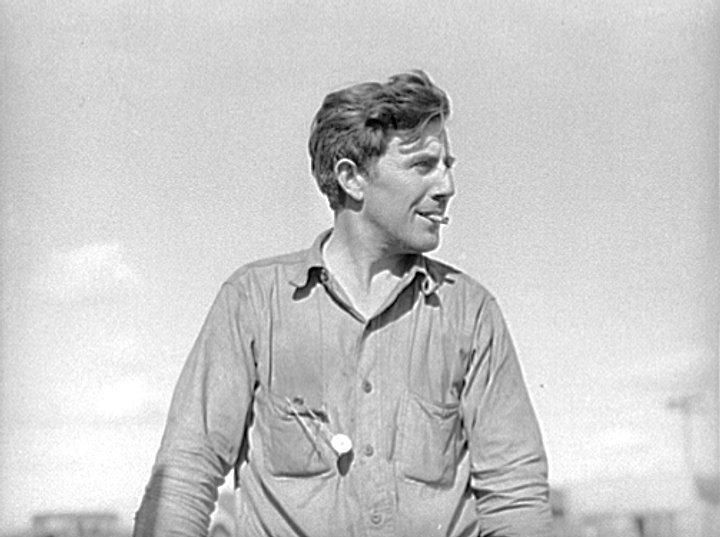
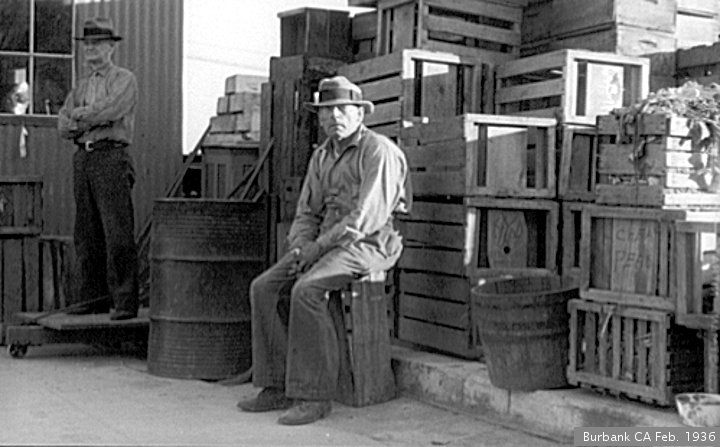
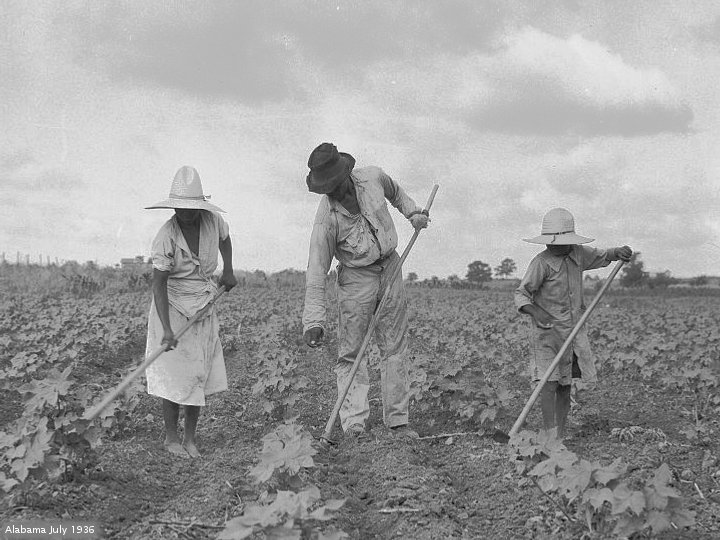
Pictures today are from The Library of Congress.


Migrant Mother


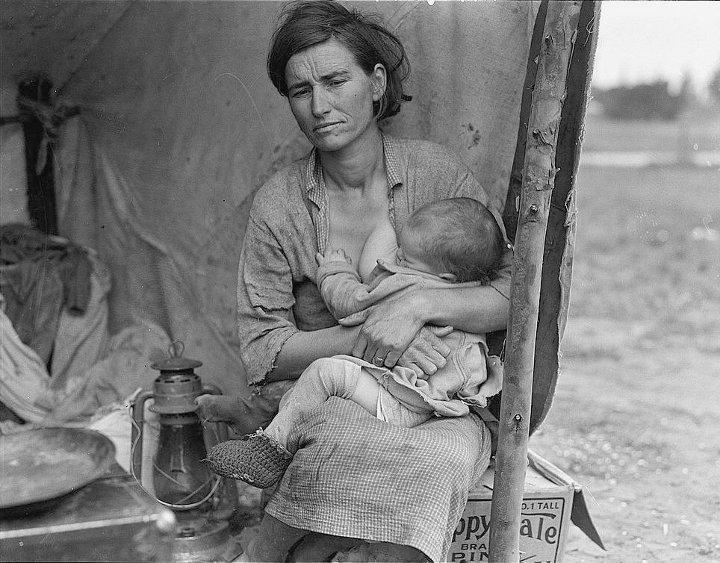


It is perhaps the most famous photograph from the depression. . The semi official title is Migrant Mother. The Library of Congress says “Destitute pea pickers in California. Mother of seven children. Age thirty-two. Nipomo, California.” The exact date is unknown, and was either February or March of 1936. The photographer was Dorothea Lange (pronounced dore-THEE-ah lang). The model was Florence Owens Thompson .
Ms. Lange was born Dorothea Margaretta Nutzhorn May 26, 1895 in Hoboken, N.J. When she was seven she had polio, and when she was twelve her father left. Both events affected her deeply. (Lange is her mother’s maiden name, chosen for use after the father left.) She became a photographer, and had a successful studio in San Francisco. By 1936 she was with her second husband, her sons were in boarding school, and she went to work for the Farm Security Administration.
The Farm Security Administration hired a number of photographers to document the lives of Americans between 1934 and 1944. (During part of this time, it was connected to the Office of War Information, and the Resettlement Administration.) Since they were working for the government, the photographers were not entitled to copyright protection. The majority of these pictures are in the public domain, including the famous pictures of Florence Thompson.
This feature started with a google search for the correct way to pronounce Dorothea Lange. (Readers of this blog have seen the fondness for Library of Congress historic pictures. Ms. Lange is one of their stars.) This search led to a teacher’s guide from Yale University. This guide is about Dorothea Lange and the Migrant Mother. It tells the story as well as PG could. Bless his pea picking heart.
The day that Dorothea Lange photographed what would become her most famous photograph, Migrant Mother, has been retold by Lange in numerous sources. She was on her way home from a trip documenting the living and working conditions of the migrants to California. She followed their schedules, getting up at sunup and working until sundown, which made for long, sixteen-hour days. She was tired, and she was ready to see her family.
With about seven hours of driving left ahead of her, she passed a homemade sign that said Pea Pickers’ Camp. She knew that a late frost had ruined the pea crop, and was concerned about the people who might be at the camp. It nagged at her to turn around, to go back and visit the camp, another opportunity to document. About 15 minutes (20 miles) later, Lange did turn around.
Right away she saw the woman who would be the subject of Migrant Mother. Some sources say she took 5 shots, but she really took 6; in any case each shot focuses in on the woman a little more, and the final shot is the one that would become the “timeless and universal symbol of suffering in the face of adversity “ (The Library of Congress only has five of the shots.)
Early the morning after she got home, instead of spending time with her family Lange rushed to develop the photographs and submit them to the FSA and The San Francisco News. She thought that these photographs could help bring attention to the plight of these American migrant farmers. She was right; the story was printed in newspapers around the country, and the federal government immediately sent 20,000 pounds of food…. (The Thompson family had left for Watsonville by the time the food arrived)
The Dust Bowl refugees were of European descent, and were migrating to California because they were displaced from their farmland by drought. Florence Owens Thompson, though from Oklahoma, was a full-blooded Native American, and her family had been displaced from tribal lands by the U.S. government. (By 1930, Native Americans had lost more than 80% of their lands this way).
The day Lange photographed Thompson, she and her family were driving towards Watsonville, hoping to pick lettuce in the Pajaro Valley. The timing chain on their car broke just outside Nipomo, and so they pulled into the pea -pickers camp to fix it. While fixing the chain, the radiator was punctured; Thompson’s two boys (and likely her male companion) (Wikipedia says it was husband Jim Hill) brought the radiator into town to be fixed. While they were gone, Lange arrived…
The choices Lange made in terms of shooting the scene are very telling in light of our discussion about documentary photography. Most strikingly, the woman’s teenaged daughter is purposefully excluded from the photograph. She appears in the first two photographs of the series, but Lange thought that including her would cause the viewer to speculate about how old the mother was when she began having children (Curtis p. 55). At the time, the ideal family contained no more than three children; this woman’s family of seven could have detracted from the matter at hand, and maybe caused people to feel less sympathetic towards her (Curtis p. 52).
In the third shot, all you see is the mother nursing her youngest child. Migrant Mother is often referred to as Migrant Madonna… Lange thought that her subject looked too anxious and uncomfortable with the camera, as Lange seemed to have triggered in her what she called “that self-protective thing” (Curtis p. 57). So, despite being uncomfortable with how unpredictable children were to photograph, to calm the mother she added one of the children back into the frame for the fourth shot. She had the child rest her chin on her mother’s shoulder, which, though somewhat unnatural, served the purpose of anchoring the child still. She was also asked to remove her hat, which would have obscured her facial features. This resulted in a good photograph. Lange “thought she could do better.”
The fifth shot was the same, but from a different angle, which illuminates an empty pie tin, heavily symbolic of the hunger the family was facing. It also highlighted a warm and loving relationship between mother and child, as the child is leaning lovingly on the mother’s shoulder, which is comforting to the child.
For the sixth and final shot, (the one which became famous) Lange brought another child in, but she had both children face away from the camera, so that her shot would not be jeopardized by their unpredictability, and they would serve as a loving frame for the mother. Lange asked the mother to bring her right hand up to her face, and that resulted in exactly what Lange wanted and knew was there (Curtis p. 65). It softened her anxiety about the camera into a mother’s concern for the welfare of her family. The mother was worried about letting her sleeping child slip, so in the original sixth shot you could see her thumb grasped around the pole for support. In her excitement Lange did not see it. She eventually altered the original photonegative because she “did not want a small detail to mar the accomplishment (of overcoming her subject’s defensiveness) (Curtis p. 67).”
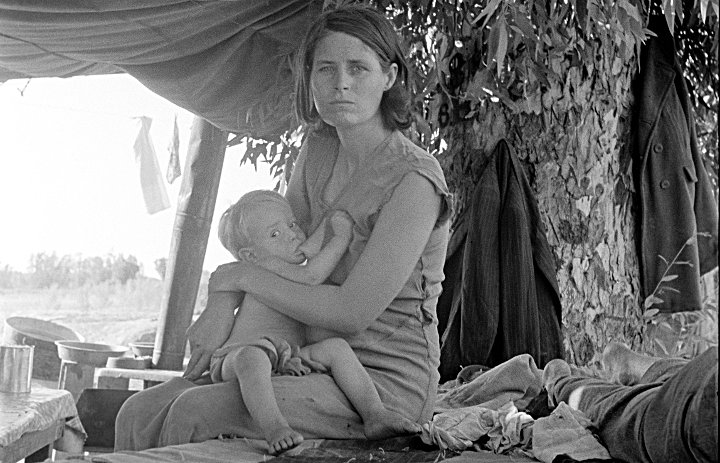
In this feature, the second image from the session is missing. The pictures in this feature are as follows. 1- The famous picture, cropped. 2- The first shot from the session. 3- A detail from the first shot. 4- The Migrant Madonna. 5- Child on the shoulder. 6- Child on the shoulder #2. 7. The full length famous picture. 8- A portrait of Dorothea Lange. 9- Another photograph by Ms. Lange, taken on the California-Arizona border in the summer of 1936. 10- The information from the famous picture. 11- The famous picture with the thumb included.
2012 Repost Notes This was on a list of posts that could be repeated. Of course, there are usually improvements to be made. Youtube was searched, and some videos were found. One of them mispronounces Dorothea. A search for the correct pronunciation of that first name was how this post got started in 2010.
Looking at the pictures reveals a glitch in the famous picture. If you look in the part of her hair, you will see a gray stripe. This is a bit of damage to the negative, and is common to old photographs. Ordinarily, PG would paste over a spot like that, but this is a sacred photograph.
The files of the LOC were consulted, and a 115mg original was downloaded. The grey stripe was still in the part, which is where it will stay. The original has the thumb, which was taken out of the famous prints. It is included in this post, along with the information typed into the side.
A look at some of the other pictures taken that day show a grey spot in the part. Maybe it wasn’t a photo glitch. Raising seven children can give any woman a few gray hairs.
Another question is about Florence Thompson, the “Migrant Mother”. It was noted that she was a Native American. PG has decided that the expression “Native American” is the invention of European Import Americans, and is only marginally less offensive than Indian. There are hundreds of tribes in the Americas. A person is a member of a tribal nation. What tribe was Florence Thompson?
Mr. Google points us to this answer. “Thompson, a “full-blooded” Cherokee, was born Florence Leona Christie on September 1, 1903, on the Cherokee Nation in Oklahoma. Her father, Jackson Christie, was an ex-convict who had abandoned the family before her birth. Her mother,Mary Jane Cobb, married Charles Akman, a Choctaw, in 1905, with whom she raised Thompson near Tahlequah OK”
This is a repost. Pictures are from The Library of Congress.




Junky Part Two


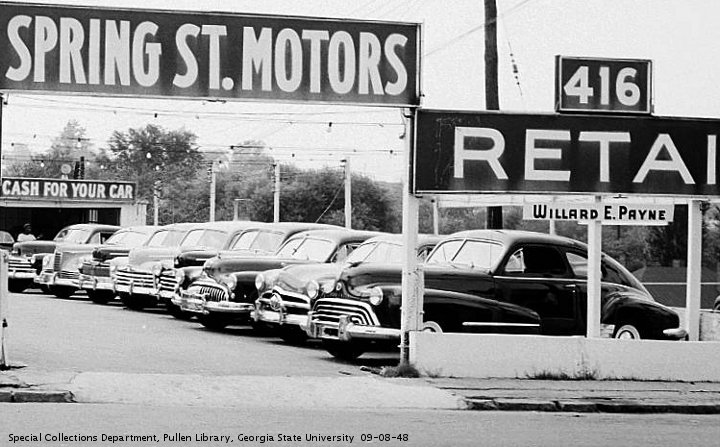
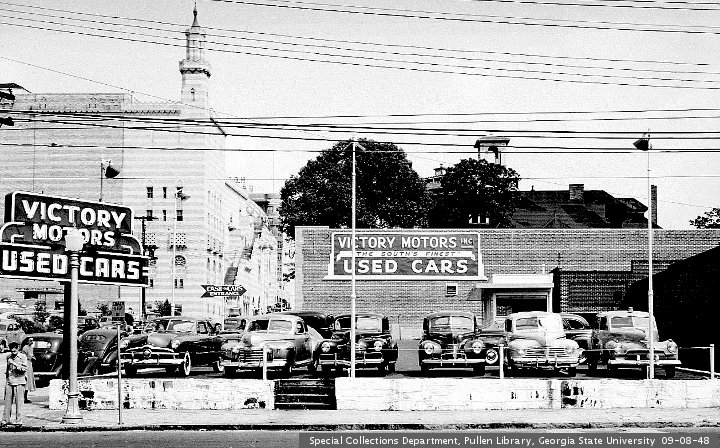

Sometimes, you do something that is so stupid. When preparing this text for publication, PG accidentally clicked in the wrong place, and started to close the file. The machine asked PG if he wanted to save the changes. He clicked on the middle option, which was to not save the changes. A split second later, PG realized what a bad mistake this was. It was too late. This story will be re-created, but might not be as good as the first one. Pictures will be from “The Special Collections and Archives, Georgia State University Library”.
This is part two of the chamblee54 reconfiguration of Junky, by William S. Burroughs, aka William Lee. (part one) The original exposure to this material was from an audiobook, with selections borrowed from the peedeeff. Some of the best writing is in the parts of the manuscript that were edited out. The limited attention span of audiobook listeners must be considered.
The story begins with WSB leaving the north, and arriving in New Orleans. Before you can say Harrison Narcotics Act, (passed in 1914, after the third party manipulated election of 1912,) WSB is using junk. There are some wild and crazy junkies in New Orleans at this time.
“Another occasional was Lonny the Pimp, who had grown up in his mother’s whorehouse. Lonny tried to space his shots so he wouldn’t get a habit. … Lonny was pure pimp. He was skinny and nervous. He couldn’t sit still and he couldn’t shut up. As he talked, he moved his thin hands which were covered on the backs with long, greasy, black hairs. You could tell by looking at him that he had a big penis. Pimps always do. Lonny was a sharp dresser and he drove a Buick convertible. But he wouldn’t hesitate to hang us up for credit on a two-dollar cap.”
Before too much longer, WSB is busted. “We’re going out and search your house, ” the frog-faced cop said. “If we find anything, your wife will be put in jail, too. I don’t know what will happen to your children.” This is the first time the word wife is used. This probably refers to Joan Vollmer, who had her own set of issues. Her fondness for playing William Tell had unfortunate results.
A lawyer gets WSB out of jail. For legal reasons, WSB goes to a facility, and is to receive a cure. One doctor thinks WSB is there for a “marijuana habit.” Another doctor has a familiar conversation. “”Why do you feel that you need narcotics, Mr. Lee?” When you hear this question you can be sure that the man who asks it knows nothing about junk. “I need it to get out of bed in the morning, to shave and eat breakfast.””
After some legal shenanigans. WSB goes to Texas. There is a place on the border called the Valley. It used to be desert, until it was irrigated with water from the Rio Grande. “When I arrived in the Valley, I was still in the post-cure drag. I had no appetite and no energy. All I wanted to do was sleep, and I slept twelve to fourteen hours a day. Occasionally I bought two ounces of paregoric, drank it with two goof balls and felt normal for several hours. You have to sign for P. G. when you buy it, and I did not want to burn down the drugstores. You can only buy P. G. so often, or the druggist gets wise. Then he packs in, or ups the price.”
For the last few years, PG has been the extra name of the slack blogger. It originally stood for Piers Gaveston, a romantic figure in English history. Other uses of PG include parental guidance, pretty good, and passing gas. The two initializing periods were considered unnecessary. To have an retro narcotic preparation referred to as P.G. is a bright moment, in an otherwise dreary text.
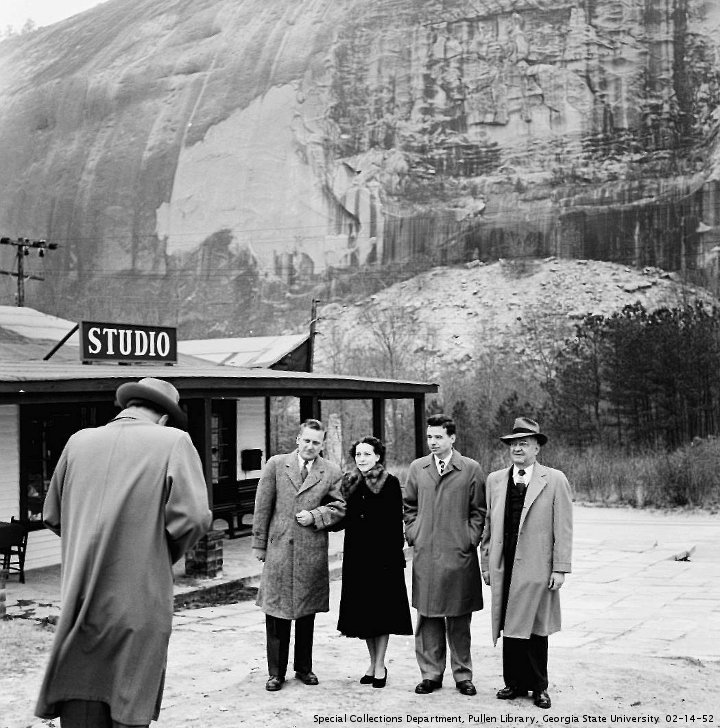
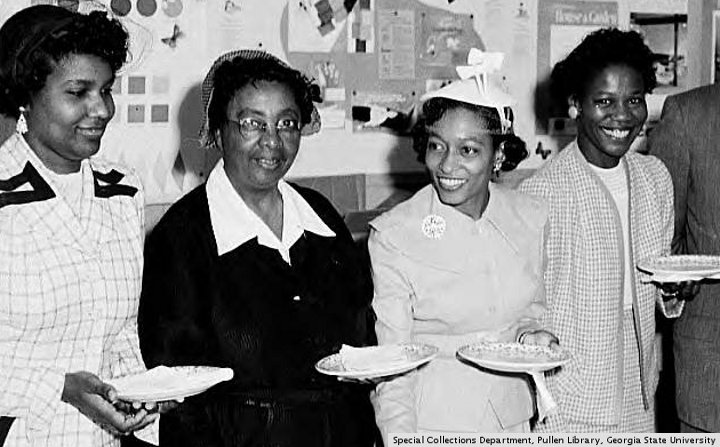


Slavery And The Star Spangled Banner


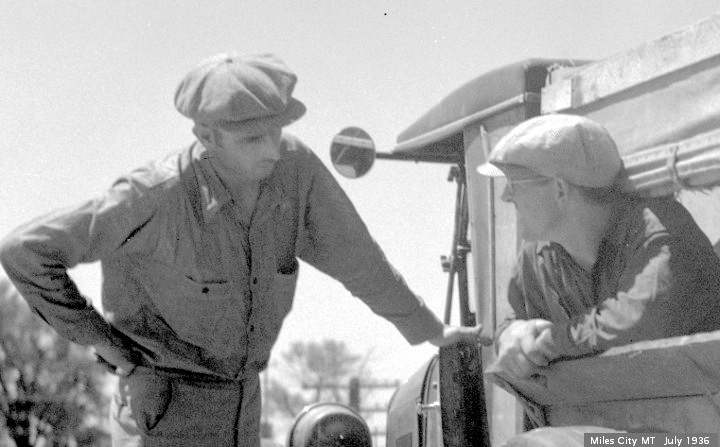

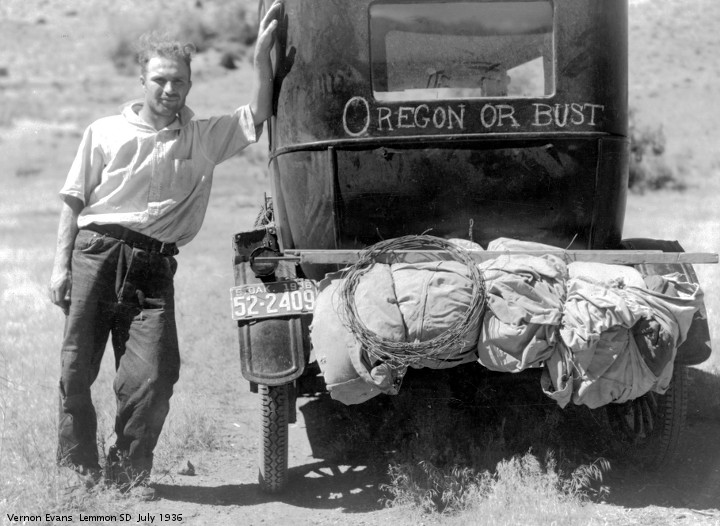
There is a terrific Backstory episode about the War of 1812. This is a conflict that is not much thought about, even during its bicentennial. It was not a good war for people of color. Native tribes fought with the British in Michigan, and were soundly defeated. After this war, the attitude of the white man towards the natives got worse.
Perhaps the most famous product of the War of 1812 is The Star Spangled Banner, a.k.a. the national anthem. There are a few legends about writing this song that skeptical bloggers like to shoot down. At the 43 minute mark of the backstory episode, another aspect of TSSB is discussed.
It seems as though slaves were escaping their owners, and fighting with the British. Washington lawyer Francis Scott Key was a slave owner, and thought that the slaves would be better off with their owners. This is the sentiment behind the third verse of TSSB.
And where is that band who so vauntingly swore,
That the havoc of war and the battle’s confusion
A home and a country should leave us no more?
Their blood has wash’d out their foul footstep’s pollution.
No refuge could save the hireling and slave
From the terror of flight or the gloom of the grave,
And the Star-Spangled Banner in triumph doth wave
O’er the land of the free and the home of the brave.
The image of F.S. Key has been cleaned up over the years. This biography omits the third verse of TSSB, and does not mention his slaves. Wikipedia tells a different story about Mr. Key.
In 1836, Key prosecuted New York doctor Reuben Crandall, brother of controversial Connecticut school teacher Prudence Crandall, for “seditious libel” for possessing a trunk full of anti-slavery publications in his Georgetown residence. In a trial that attracted nationwide attention, Key charged that Crandall’s actions had the effect of instigating enslaved people to rebel. Crandall’s attorneys acknowledged he opposed slavery but denied any intent or actions to encourage rebellion. In his final address to the jury, Key said “Are you willing gentleman to abandon your country, to permit it to be taken from you, and occupied by the abolitionist, according to whose taste it is to associate and amalgamate with the negro? Or gentleman, on the other hand, are there laws in this community to defend you from the immediate abolitionist, who would open upon you the floodgates of such extensive wickedness and mischief?” Crandall was acquitted.”
The Huffington Post has a story about F.S. Key, ‘Land of the Free?’ Francis Scott Key, Composer of National Anthem, Was Defender of Slavery.
Buying and selling humans remained a respectable business in Washington City. The slave holding elite of the south had a majority in the Congress and a partner in President Andrew Jackson…
To reassert the rule of law, Key set out to crack down on the anti-slavery men and their “incendiary publications.” Informants had reported to the grand jury about an abolitionist doctor from New York who was living in Georgetown. Key charged Rueben Crandall with bringing a trunk full of anti-slavery publications into the city.
In the spring of 1836, Key’s prosecution of Rueben Crandall was a national news story. In response, the American Antislavery Society circulated a broadsheet denouncing Washington as “The Slave Market of America.” The abolitionists needled Key for the hypocrisy of using his patriotic fame to defend tyranny in the capital: “Land of the Free… Home of the Oppressed.”
Key shrugged off his liberal critics. In front of courtroom crowded with Congressmen and correspondents Key waxed eloquent and indignant at the message of the abolitionists. “They declare that every law which sanctions slavery is null and void… ” Key told the jury. “That we have no more rights over our slaves than they have over us. Does not this bring the constitution and the laws under which we live into contempt? Is it not a plain invitation to resist them?”
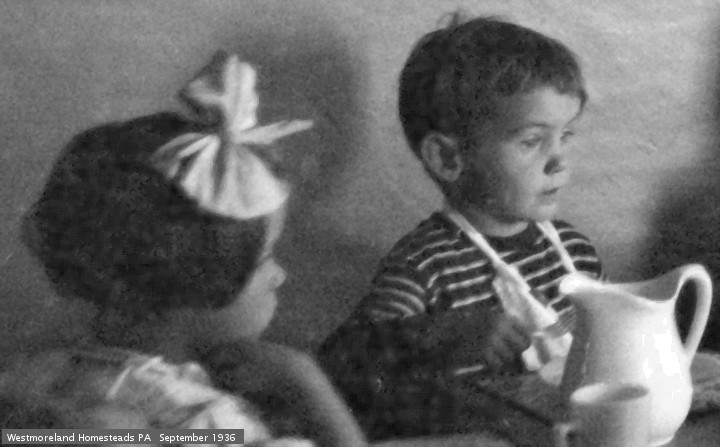
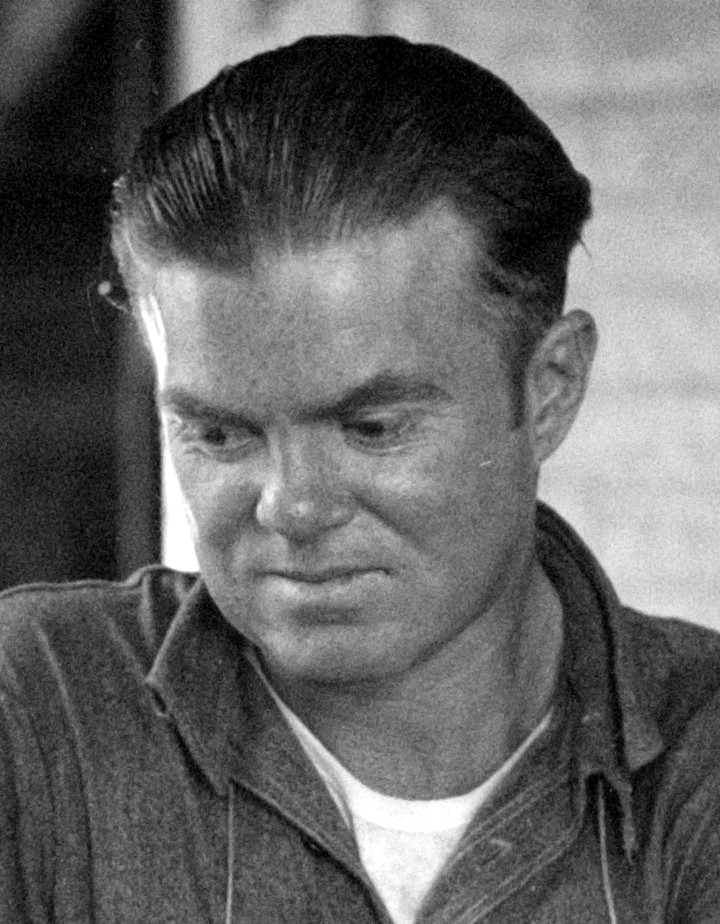
Pictures today are from The Library of Congress. This is a repost.



Tomorrow Is Another Day



PG managed to miss the Decatur Book Festival this year. One friend made it.
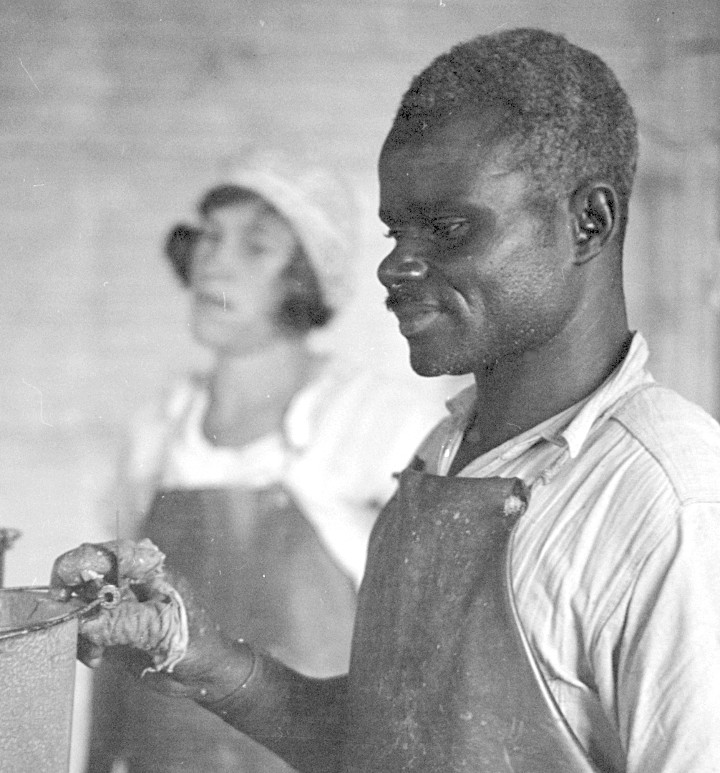
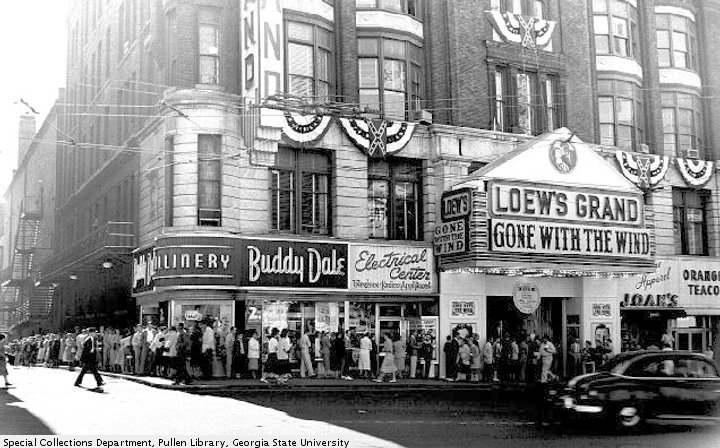
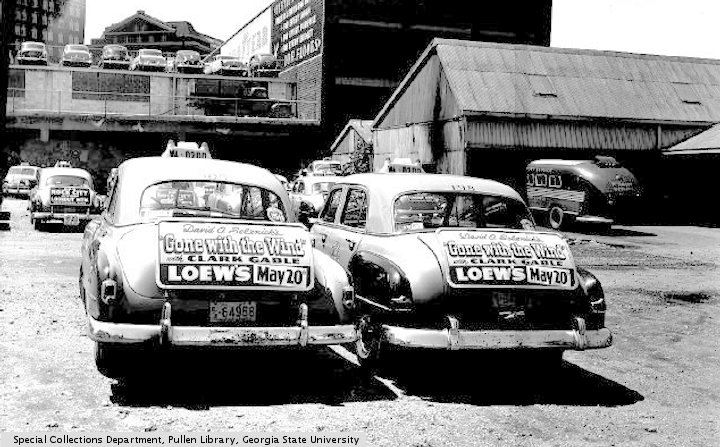
“This program was followed, after another walk through the vendor area back to the public library’s auditorium, by a staged reading of a short play, Tommorrow Is Another Day. The setting: the apartment of Atlanta novelist Margaret Mitchell and her husband John Marsh, on a morning in December 1939, two days before the movie version of Mitchell’s famous book premiers in Atlanta’s Lowe’s Theater. Mitchell’s African-American housekeeper of many years has almost finished reading Mitchell’s book, and Mitchell asks for her housekeeper’s opinion of it. What the Mitchell’s housekeeper tells Mitchell and her husband made for compelling theater!”
The play is fiction. From what this slack blogger has read about Peggy Marsh, she probably did not give books to her household help. It is possible that the cleaning lady did not know how to read. The playwrite, Addae Moon, had to use dramatic license to tell his side of the story.
“…the 43-year-old black writer found he liked some things about the 79-year-old novel. Not everything, of course. “I got frustrated with it. I had to put it down because I got angry.” But he’d pick it up later and keep going. “I totally understand Margaret’s desire to tell your point of view and your truth, but I also can understand what it feels like to be the victim of someone else’s truth…. It’s easy to be critical of the movie, which is more cartoonish, but, to me, the book is so much more complex.”
It has been a long time since PG read GWTW. It is tough to imagine it from the perspective of a contemporary Black man. GWTW was written by a White woman, of a byegone era. There are many sides to the story. This post will try to tell a few. The rest of it is a double repost from a few years ago. If that does not satisfy your lust for trivia, you can check out the Margaret Mitchell page at find-a-death.com. (It is full of errors, like calling her “Maggie”.) Pictures are from “The Special Collections and Archives, Georgia State University Library”.
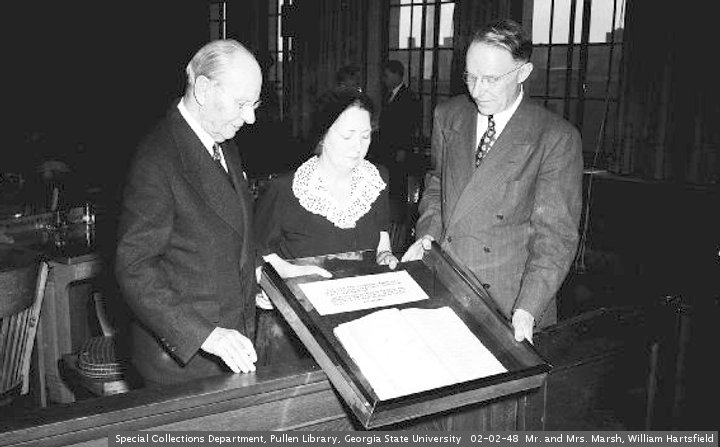
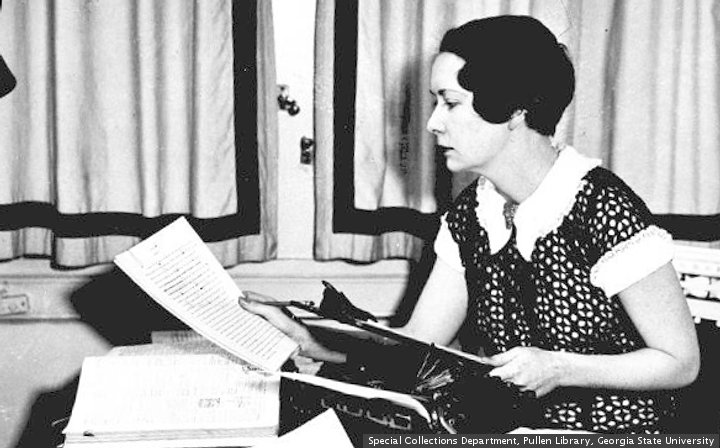

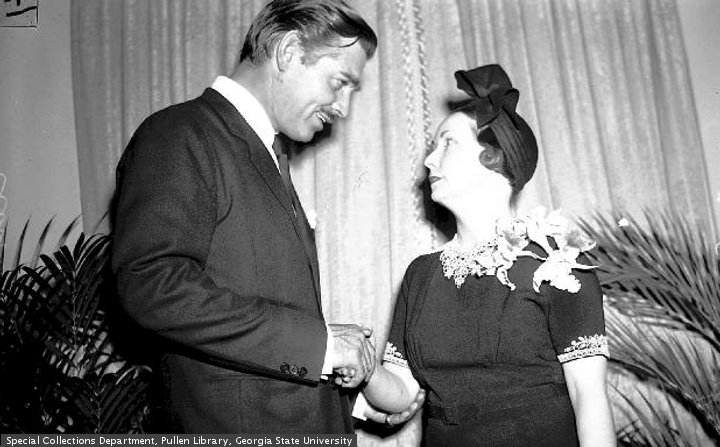

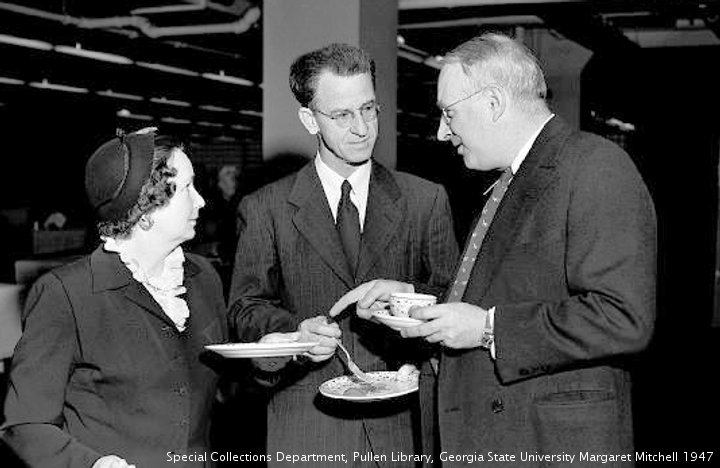
As we started to discuss the other day, PG is reading I Remember Margaret Mitchell by Yolande Gwin. It starts with August 11, 1949. Margaret Mitchell, known to her friends as Peggy Marsh, went to to see “A Canterbury Tale” at the Peachtree Art Theater. She left her apartment on Piedmont Avenue, accompanied by her husband John. They parked across the street, and Mrs. Marsh was struck by a taxi, driven by Hugh D. Gravitt. She died August 16, 1949.
This story contradicts what PG heard about the accident. The other story is that Mrs. Marsh had been at the Atlanta Women’s Club, having cocktails, where her husband met her. In this account, Mrs. Marsh was bombed, and never knew what hit her. (One mile south west, and fifty five years later, PG had an encounter with a speeding taxi.)
On page 23, another myth is challenged. The traditional story is that if you asked Margaret Mitchell if she based Scarlet O’Hara on herself, she would look horrified. “Scarlet O’Hara was a hussy”. This view is challenged by an Atlanta native, who went to a party, and saw that Margaret Mitchell was the life of the party. “Scarlet O’Hara is certainly the personification of Margaret Mitchell”.
Margaret Mitchell was a reporter for the Atlanta Journal. She married John Marsh on July 4, 1925, and injured her ankle in 1926. Every day Mr. Marsh brought home books to his bedridden wife. One day, he brought home a writing pad, and said “You have read everything I’ve brought you so now you write a book.”
The couple lived in a small apartment on Crescent Avenue, across from a mural of a southern colonel. (I would even go north for Southern Bread) They moved out of “the dump”, in 1932, to an apartment at 4 17th Street. When Peggy sold a few books, and John’s career at Georgia Power prospered, they moved to the Della Manta. This was at the corner of Piedmont and South Prado, across from her beloved Piedmont Driving Club.
Mrs. Marsh wrote and wrote, preferring a typewriter to a writing pad. Each chapter was kept in a manila envelope, which were piled up all over the place. Some chapters were re written sixty times. In 1935, Harold Latham, of MacMillan Publishers, was in the south looking for talent. He persuaded Mrs. Marsh to let him look at her book, and would not give it back to her.
The title of her book was borrowed from a poem by Ernest Dawson, Non Sum Qualis Eram Bonae Sub Regno Cynarae . The line of the poem was “I have been faithful to thee, Cynara, (spell check suggestion: Canary) in my fashion; I forgot much Cynara, Gone With The Wind!”
The book became a runaway best seller. Macy’s of New York helped by ordering 50,000 copies. The idea was to offer GWTW as a loss leader, as Gimbels was doing. Federal price controls ruled this to be illegal, and Macy’s returned 35,000 copies to the publisher.
The first printing of GWTW has a mistake on the back page. The book was published June 30, 1936. The first edition says, on back of the title page, “Published May 1939”.
David Selznick bought the rights to GWTW, and you probably know the rest of that story. Shortly before the premiere of GWTW, someone at the Piedmont Driving Club pulled a chair out from under Mrs. Marsh. She had not started to stand up. Mrs. Marsh crashed hard on the floor, and hurt her back. This would require two rounds of back surgery.
Celestine Sibley tells a story about the Atlanta Women’s Press Club. Miss Sibley moved to Atlanta in 1941, and went to her first AWPC meeting, at the Henry Grady Hotel. “A plump little woman in a funny Carmen Miranda style hat” noticed the newcomer, and started to talk to her. In the early days of the war, there were blackouts, to save the city from German bombers. The plump little woman was an air raid warden in the area around Piedmont Park. Finally, Miss Sibley said she had to go catch the Piedmont-Morningside bus. Peggy Marsh said she had a car, and could take her home.

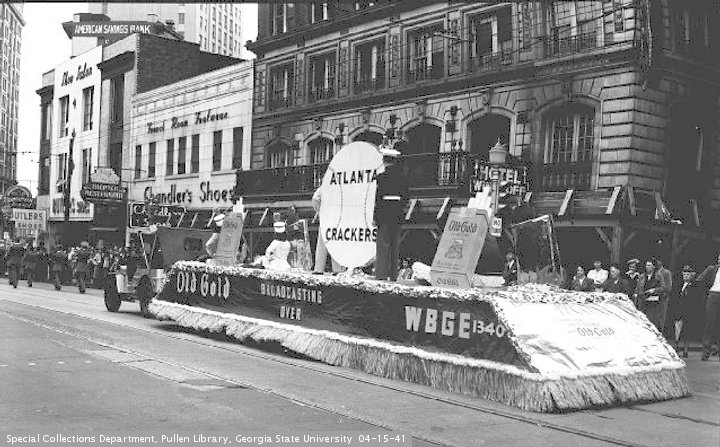

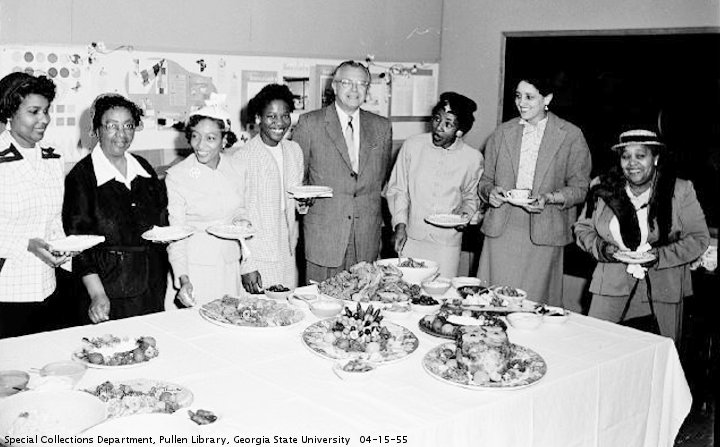

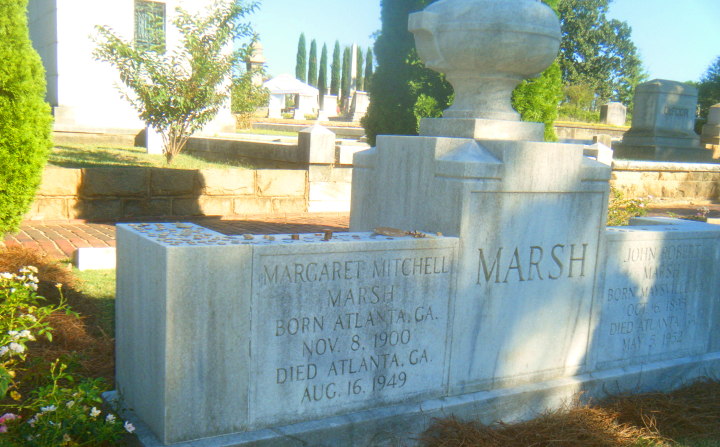
PG is reading I Remember Margaret Mitchell by Yolande Gwin. It is a collection of memories of Peggy Marsh, who wrote “Gone with the Wind”. ( If you didn’t know that, just close this window, and go look for your “friends” on facebook.)
Yolande Gwin was for many years the society editor of the Atlanta Constitution. She wrote a review of GWTW in 1936, before it’s publication. Mrs. Marsh sent her a letter of appreciation… “I never dreamed you were going to give me so much space. I thought, as the resume of the story was so long. that you’d just give an introductory paragraph and let me ride. And I’d have ridden, just as happy as a n—-r at a hog killing. But all that space, so long a story. so completely flattering a story – well. I’m still blushing about the ankles, as Jurgen once remarked … And oh, Yolande. how nice of you to refer to me as a “young author!” Me, who have passed the broiling stage and the frying stage and am rapidly approaching the roasting and baking stage. “
There is probably going to be a second post about I Remember Margaret Mitchell. Chamblee54 is not responsible for GWTW junkies who overdose on Margaret Mitchell trivia. This post is about fact checking, google, and how a couple of simple questions can turn into an all afternoon goose chase.
There are two basic questions: Was Yolande Gwin married, and did she work for the Journal or the Constitution? As for the first, the expression Ms. sounds like a mosquito with a speech impediment, and is not appropriate for use with an society page writer. The trouble is, Miss or Mrs. depends on the marital status of the woman. After an hour or so of looking up google results, PG cannot find out whether or not Yolande Gwin was married. Sometimes, the correct answer is “I don’t know”.
As for the second, an obituary for the lady says that she wrote for the Journal-Constitution for fifty years. The fact is, the Journal and Constitution were separate papers until they were combined in 1982. (Cox Enterprises bought the Constitution in 1950. This made the Journal and the Constitution sister papers, rather than competitors.) As for who Yolande Gwin wrote for, there are contradictory stories on the internet. A google book about rural electrification says that Yolande Gwin wrote for the Constitution. The Atlanta History Center says the Yolande Gwin wrote for the Journal. They have a picture of the lady, with a ghastly AHC watermark across her face.
Another google book, The last linotype: the story of Georgia and its newspapers since World War II By Millard B. Grimes confirms that Yolande Gwin worked for the Constitution. “”One day I was sitting there looking at a blank sheet of paper; I didn’t have any news. And that’s when I happened to remember kidding Peggy (Margaret Mitchell) about writing the “Great American Novel.” so I called her up and said, ‘How about that Great American Novel. have you ever finished it? I need some news.’ She said, ‘You won’t believe it, but Macmillan has taken it.’ And I said, ‘Goody, goody. Grand.’ And I put a piece in the column (written under the name Sally Forth) about it, never expecting it to be what it was, you know.” The dale was February 9, 1936.”

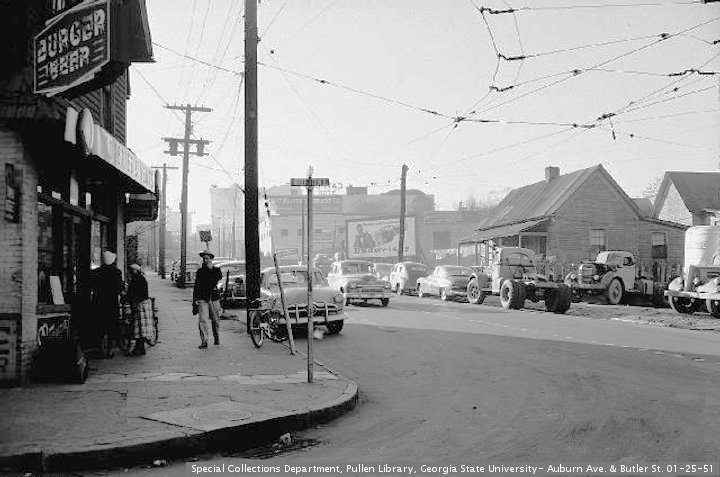
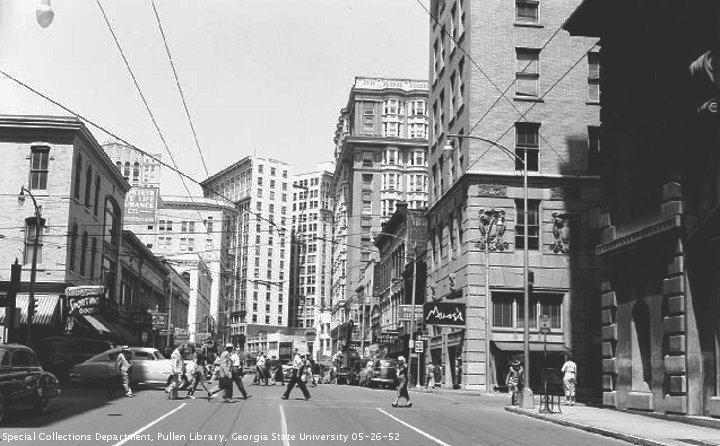


The Golden Calf

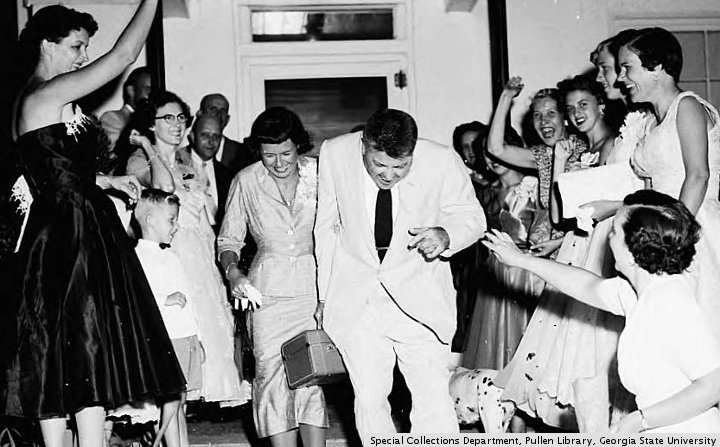
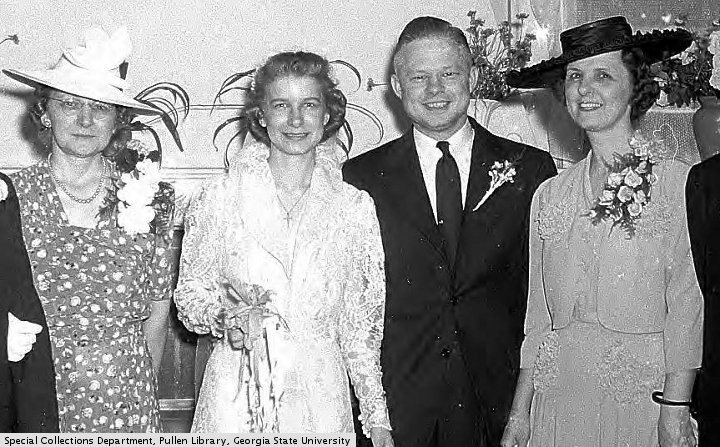
When PG was a kid in sunday school, he heard about the the golden calf. It turns out that, splendid allegory aside, he didn’t really know much about the story. With the help of google and Bible Gateway, the text of Exodus 32 showed up. G-d bless public domain, and copy paste. The Bible is the main source for this tale. It doesn’t really matter if it is the inerrant word of G-d, it is a pretty good story. And much of the message rings true today.
1 And when the people saw that Moses delayed to come down out of the mount, the people gathered themselves together unto Aaron, and said unto him, Up, make us gods, which shall go before us; for as for this Moses, the man that brought us up out of the land of Egypt, we wot not what is become of him. 2 And Aaron said unto them, Break off the golden earrings, which are in the ears of your wives, of your sons, and of your daughters, and bring them unto me. 3 And all the people brake off the golden earrings which were in their ears, and brought them unto Aaron. 4 And he received them at their hand, and fashioned it with a graving tool, after he had made it a molten calf: and they said, These be thy gods, O Israel, which brought thee up out of the land of Egypt.
This is a modern story. The church is begging the people for gold. The sons are wearing golden earrings. The church takes these ill gotten gains, and forge a make believe G-d. This time, it looks like a cow. Billy Graham will come much later.
7 And the Lord said unto Moses, Go, get thee down; for thy people, which thou broughtest out of the land of Egypt, have corrupted themselves: 8 They have turned aside quickly out of the way which I commanded them: they have made them a molten calf, and have worshipped it, and have sacrificed thereunto, and said, These be thy gods, O Israel, which have brought thee up out of the land of Egypt. 9 And the Lord said unto Moses, I have seen this people, and, behold, it is a stiffnecked people:
Moving down a few verses, the story gets good. 19 And it came to pass, as soon as he came nigh unto the camp, that he saw the calf, and the dancing: and Moses’ anger waxed hot, and he cast the tables out of his hands, and brake them beneath the mount. 20 And he took the calf which they had made, and burnt it in the fire, and ground it to powder, and strawed it upon the water, and made the children of Israel drink of it. 21 And Moses said unto Aaron, What did this people unto thee, that thou hast brought so great a sin upon them? 22 And Aaron said, Let not the anger of my lord wax hot: thou knowest the people, that they are set on mischief. 23 For they said unto me, Make us gods, which shall go before us: for as for this Moses, the man that brought us up out of the land of Egypt, we wot not what is become of him. 24 And I said unto them, Whosoever hath any gold, let them break it off. So they gave it me: then I cast it into the fire, and there came out this calf. 25 And when Moses saw that the people were naked; (for Aaron had made them naked unto their shame among their enemies) 26 Then Moses stood in the gate of the camp, and said, Who is on the Lord’s side? let him come unto me. And all the sons of Levi gathered themselves together unto him. 27 And he said unto them, Thus saith the Lord G-d of Israel, Put every man his sword by his side, and go in and out from gate to gate throughout the camp, and slay every man his brother, and every man his companion, and every man his neighbour. 28 And the children of Levi did according to the word of Moses: there fell that day about three thousand men.
Lets get this story right. Moses comes back from somewhere, and sees a naked party by the golden calf. He has a hissy fit, threw the golden calf into the fire, and tells people to start killing each other. Over three thousand men are killed. This is a repost. Pictures are from “The Special Collections and Archives, Georgia State University Library”.



Paul Krassner

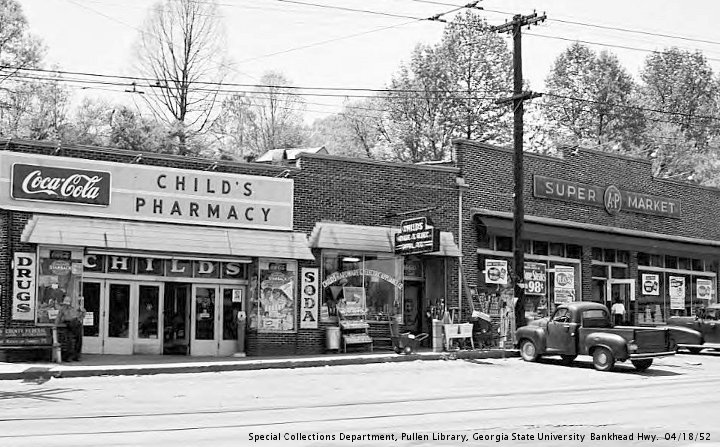



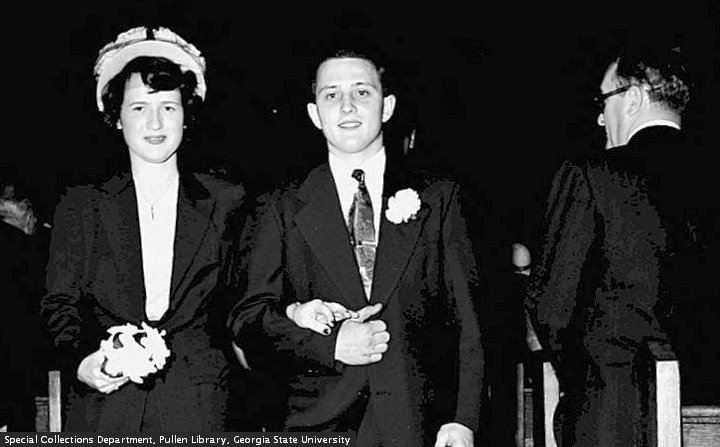
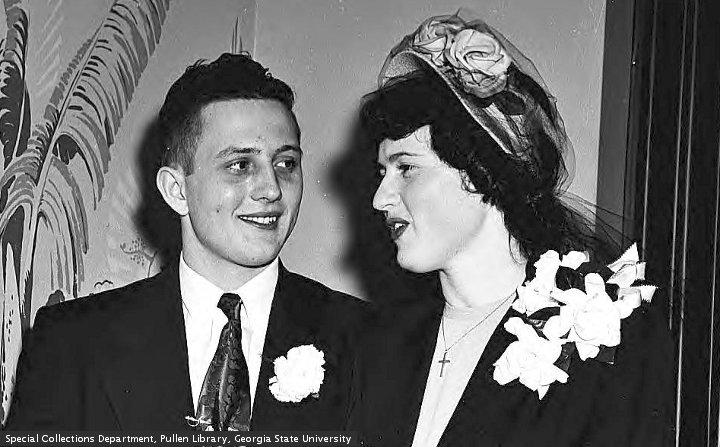
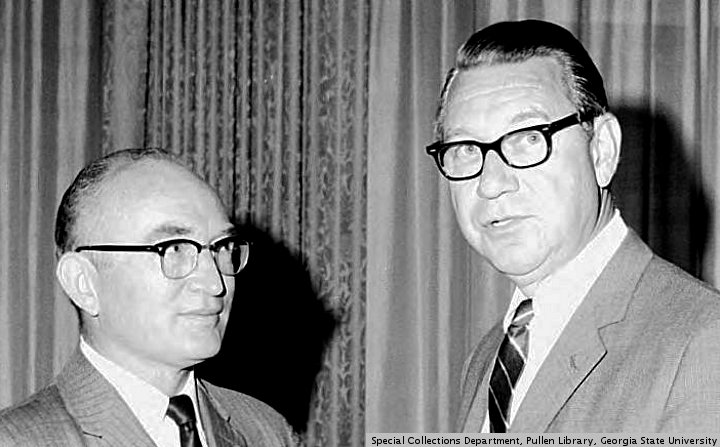
Paul Krassner is alive at eighty three. He survives Lenny Bruce, Abbie Hoffman, Groucho Marx, and Lyndon Johnson. His magazine, The The Realist, is now available as an online archive.
PG was recently looking for background noise to compliment his photomongering. Somewhere along the way, he found episodes of WTF podcast to be available on Youtube. He made a list of shows he wanted to see, including Paul Krassner. When Mr. Google was recruited to find the show, other things floated to the surface. This is how Mr. Google operates.
An onion is more than an internet namesake. It lends a lively flavor, both cooked and raw. The onion consists of many layers of thin skin. These can be peeled off, as you get deeper and deeper into the root. A thin skinned root that gives you bad breath…. an aromatic symbol for the sixties.
When you go looking for WTF/Krassner, you are directed to issue 74 of The Realist. The feature story is the missing segments of a John Kennedy biography. On page 18, Jackie Kennedy saw more of Lyndon Johnson than she needed to see.
“That man was crouching over the corpse, no longer chuckling but breathing hard and moving his body rhythmically. … And then I realized – there is only one way to say this – he was literally fucking my husband in the throat. In the bullet wound in front of the throat. He reached a climax, and dismounted. I froze. The next thing I remember, he was being sworn in as the new President.”
Page two of issue 74 is the letters to the editor. The featured scribe is John L. Timmons, Secretary, Mattachine Society of N.Y. He wrote “Letter From A Homosexual,” in response to a cartoon page in issue 69, fag battalion. Using KY to lubricate a rifle is not a good idea.
At the time, America was fighting a war in Vietnam. Young men were given the choice of go in the army, or go to prison. It was ugly. There was a group, “The committee to fight the exclusion of homosexuals from the armed forces.”
The Mattachine Society was neutral. Some members supported the war, and some were opposed. It distracted from the overall agenda to take sides in other disputes. The editors at The Realist agreed. “… homosexuals who don’t want to be drafted will no longer be able to exploit their deviation rather than face the consequences of conscientious objection.”
When issue 74 was published, Walt Disney was still alive. This may account for the action on page 12. Maybe Uncle Walt did not want his animated actors to be drafted for active duty. The activities on page 12 might not be sufficient to have the players excused from active duty, however. By this stage of the war, the local draft boards were not accepting excuses.
Getting back to Paul Krassner… he founded the YIPPIES with Abbie Hoffman, took LSD with Groucho Marx, and published a satiric magazine without advertising. Only the last part can be confirmed. After the description of Lyndon Johnson’s post mortem dentistry, who knows what is real, and what is fake. Pictures today are from “The Special Collections and Archives, Georgia State University Library”. The opinions expressed in this repost are in no way, shape, or form connected to that fine institution.





A Sad Event
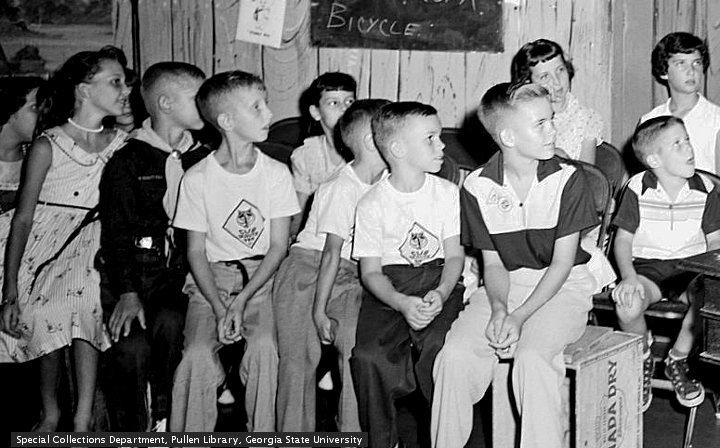
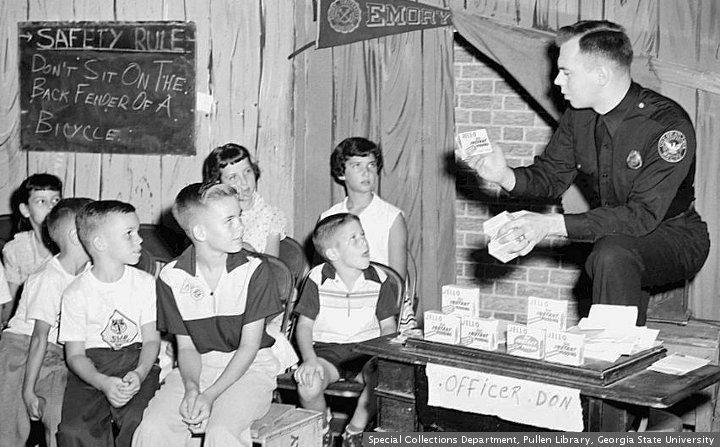

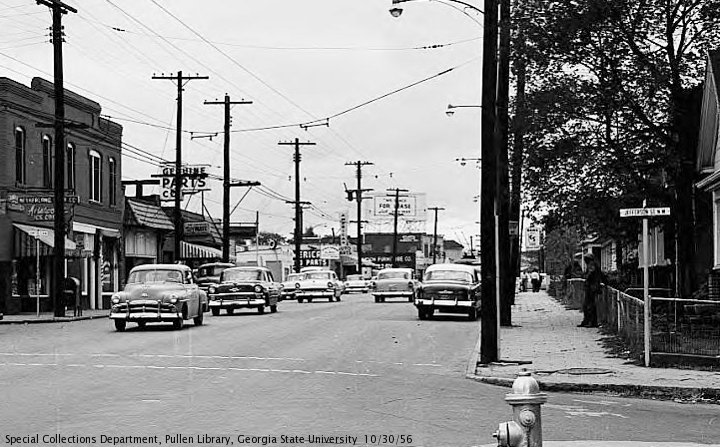


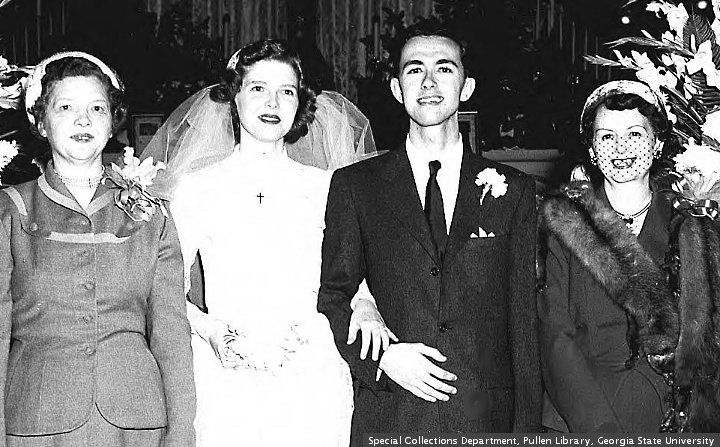
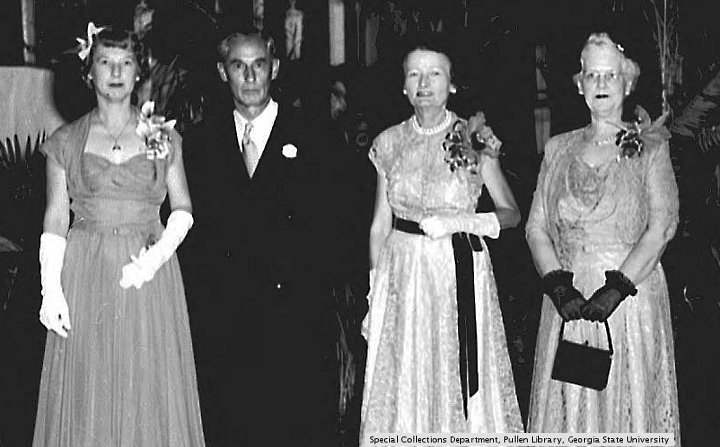
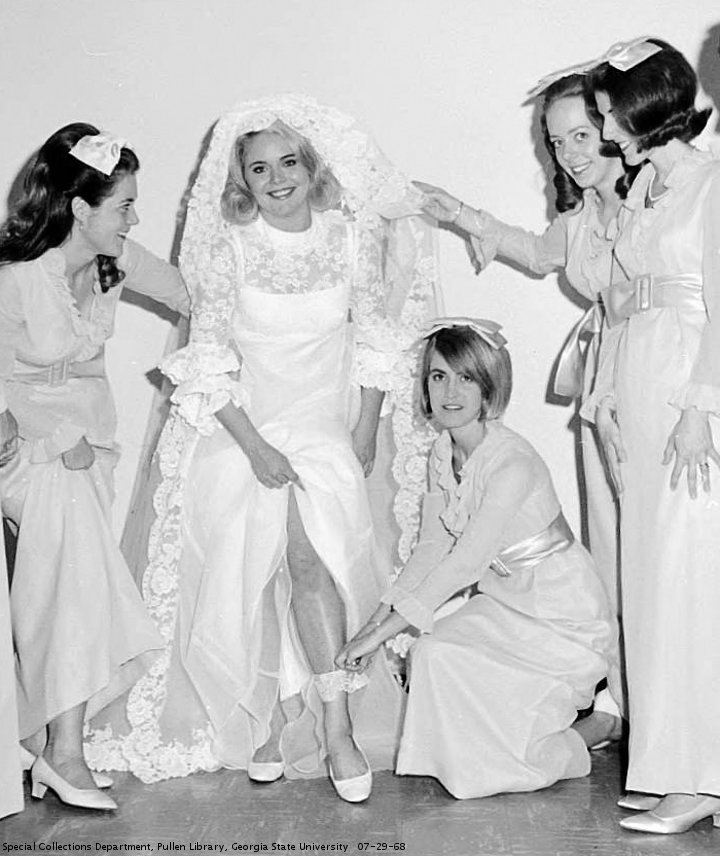
It is with the saddest heart that I must pass on the following news. Please join me in remembering a great icon of the entertainment community. The Pillsbury Doughboy died yesterday of a yeast infection, and trauma complications from repeated pokes in the belly. He was 71. Doughboy was buried in a lightly greased coffin. The funeral was held at 3:50 for about 20 minutes.
Dozens of celebrities turned out to pay their respects, including Mrs.Butterworth, Hungry Jack, the California Raisins, Betty Crocker, the Hostess Twinkies, and Captain Crunch. The grave site was piled high with flours. Aunt Jemima delivered the eulogy and lovingly described Doughboy as a man who never knew how much he was kneaded.
Doughboy rose quickly in show business, but his later life was filled with turnovers. He was not considered a very smart cookie, wasting much of his dough on half-baked schemes. Despite being a little flaky at times, he was still a crusty old man and was considered a roll model for millions.
Doughboy is survived by his wife, Play Dough, two children, John Dough and Jane Dough, plus they had one in the oven. He is also survived by his elderly dad, Pop Tart.
I am not clever enough to compose the above piece. Credit is hereby given to whoever wrote it. This is a repost. Pictures are from “The Special Collections and Archives, Georgia State University Library”. The spell check suggestion for Doughboy is Doughnut.



 Chamblee54
leave a comment