William McKinley


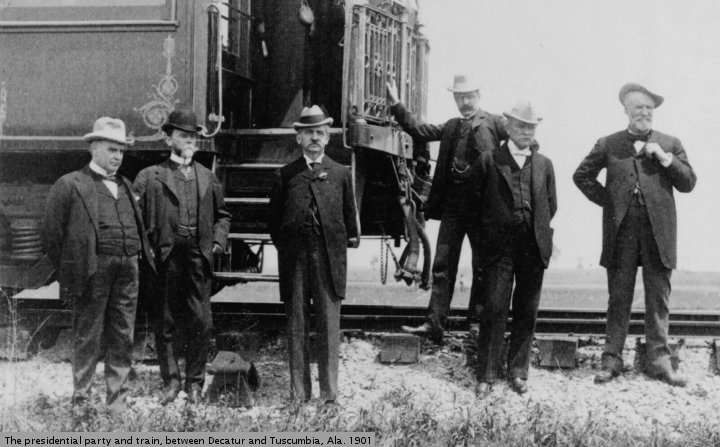
One hundred fifteen years ago, President William McKinley was near death. He had been shot September 6, 1901. Medicine at this time was primitive compared to today. During surgery after the shooting, the bullet was not removed. The University of Buffalo makes this comment: “Dr. Mann and the others were neither trained trauma surgeons nor did they bother with disinfection, not even wearing gloves. The first bullet had done little harm; the second entered McKinley’s abdomen. The physicians used improperly sanitized probes and when Mann could not find the bullet, he closed the incision without draining the wound. It was a fateful decision.”
After surgery, the President was taken to the home of John Milburn. He seemed to be recovering, but took a turn for the worse and died September 14, 2001.
President McKinley had been shaking hands at a reception. The meet and greet was at the Academy of Music, as part of the Pan American Expostion in Buffalo, New York. A letter to “The Nation” has this viewpoint. ” Whatever other results may flow from the assassination of President McKinley, let us hope that that object-lesson may be sufficient to put an end to our national habit of promiscuous handshaking in public. It is hard to conceive of a spectacle more fatuous and less edifying than that of a horde of country bumpkins, criminals, cranks, idlers, and curiosity-mongers standing in line waiting for a chance to grab and squeeze the hand of the unhappy Chief Executive of this country.”
 There were anarchists in 1901, who had murdered several European leaders. Several of McKinley’s advisors did not think the reception was a good idea, and forced him to have extra security. A writer in the Buffalo Courier observed on September 5 “The surrounding of President McKinley by a body-guard of detectives when he appears in public, is probably as distasteful to himself as it is to abstract American sentiment, but as long as the earth is infested by malevolent cranks and unreasoning Anarchists, the precaution is entirely proper.”
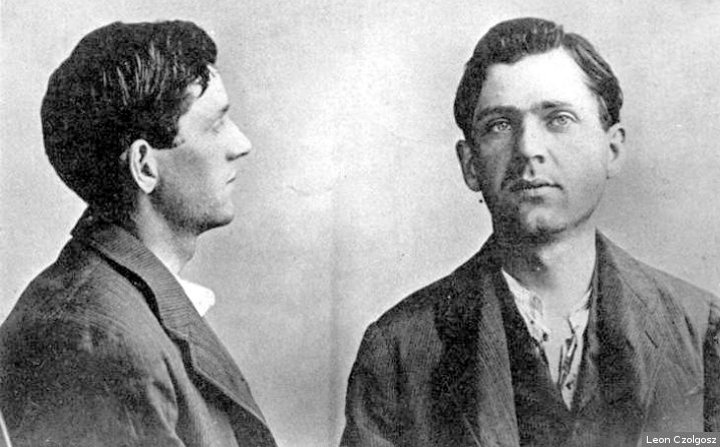
A young man named Leon Czolgosz (pronounced CHOL gosh) managed to wait in line with a concealed weapon. He was seen to shoot President McKinley. He was immediately captured, and executed October 29, 1901.
Lew Rockwell speaks of a rivalry between John Rockefeller and J.P. Morgan. Rockefeller man McKinley was replaced by Morgan supporter Roosevelt, who promptly began to break up the trusts. Another historian, connected to Lyndon LaRouche , speaks of British interests, and the rise of Confederate power. McKinley was a target of media superstar William Randolph Hearst. An editorial printed in the April 10, 1901 Journal asserted that “If bad institutions and bad men can be got rid of only by killing, then the killing must be done.”
Some say that a murder one hundred fifteen years ago does not affect us today. However, an argument could be made that the death of McKinley set in motion events that led to the establishment of the Federal Reserve System, and American participation in World War I. Both of those events have had effects lasting until today.
It is curious how President McKinley is mostly forgotten today. Some say he was most popular President since Lincoln . McKinley had been a wartime President, who won. His successor, Teddy Roosevelt, is on Mount Rushmore, and is a superstar President. Mr. Roosevelt also ran as a third party candidate in 1912, and helped to elect Woodrow Wilson. (Mr. Wilson was alleged to be a member of the “Omega Group,”rumored to be behind a McKinley conspiracy.) Mr. Roosevelt’s popularity is very different from the other three Vice Presidents who were promoted by the murder of the President. He was good at dealing with the press.
Pictures today are from The Library of Congress. This is a repost.




Nine Eleven Story
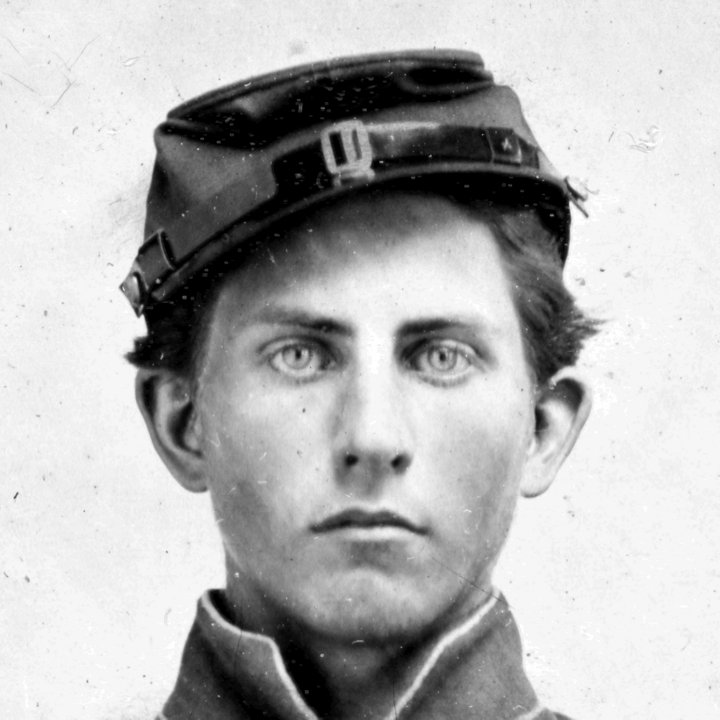
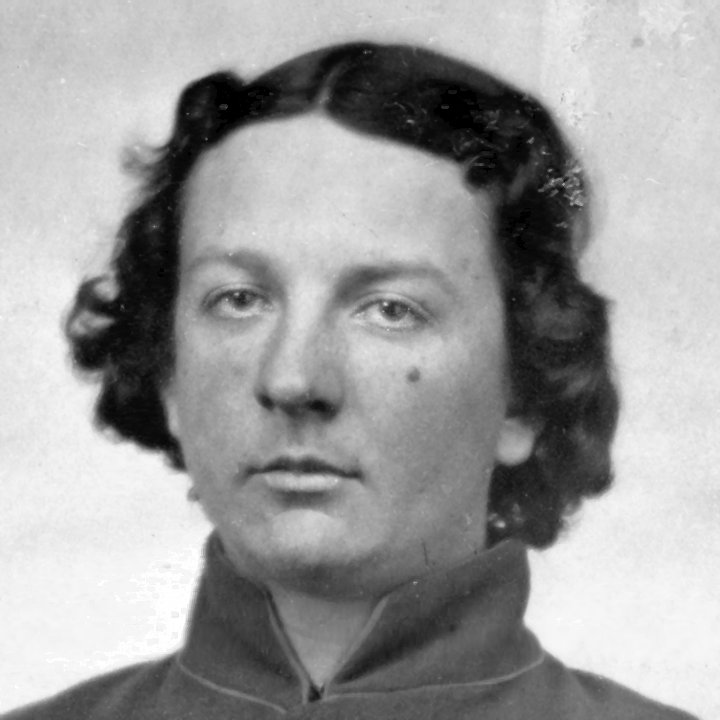
This is my 911 story. I repeat it every year at this time. If you saw it last year, it has not changed. Feel free to skip the text and look at the pictures, from The Library of Congress.
I was at work, and someone called out that someone had run a plane into the World Trade Center. I didn’t think much of it, until I heard that the second tower had been hit, then the Pentagon, then the towers collapsed, then a plane crashed in Pennsylvania.
I focused on my job most of the day. There was always drama at that facility, and concentrating on my production duties helped to keep me saner. This was roughly the halfway point of my seven year tenure at this place.
One of the other workers was a bully for Jesus. He was a hateful loudmouth. After the extent of the damage became known, he shouted “They are doing this for Allah,” and prayed at his desk. The spectacle of the BFJ praying made me want to puke.
I became alienated from Jesus during these years. Once, I had once been tolerant of Christians and Jesus, as one would be with an eccentric relative. I began to loath the entire affair. I hear of others who found comfort in religion during this difficult time. That option simply was not available for me.


Radio Free Europe



While researching a post about Molly Ivins, PG stumbled onto a lovely site called Booknotes. This site enables authors promoting their latest books. It seems to have gone out of business in December 2004, but the interviews are still available. PG likes to listen to “stuff” while he edits pictures, and Booknotes appears to be a treasure chest.
The multi tasking soundtrack last night was a chat with Hendrik Hertzberg, who is familiar to readers of The New Yorker. BTW, the majority of TNY readers live west of the Hudson River. Supposedly, the biggest number of readers is in California.
In 1965, Mr. Hertzberg was about to get drafted. At the time, this meant a one way ticket to Vietnam. Young men looked for alternatives to this, some of which were legal and moral. Mr. Hertzberg heard about an organization called the National Student Association. “And so I went to work after college for the National Student Association for a year. And it wasn`t just because the National Student Association was a wonderful cause that advanced liberal ideas and fought communism abroad and all of that sort of thing. Later, we learned that it was a CIA front, but I didn`t know that. What I did know was that if you worked for the National Student Association, you didn`t get drafted, that — it wasn`t exactly that you were deferred, but anyway, nobody got drafted while working for the National Student Association, so it was a way to have a year without worrying about getting drafted.”
The National Student Association has a facebook page, which one person likes. “The 1967 revelation of NSA’s ties to the Central Intelligence Agency sparked a national scandal, but did not measurably damage NSA.”
The CIA was involved in all sorts of things in those days. ( It still is today.) One of the fronts was Radio Free Europe. When PG was a kid, the cartoon shows had a commercial for Radio Free Europe. (It was different from the one embedded here.) These fund raising commercials were part of the scam. These commercials netted around $50k a year, towards a multi-million dollar budget. (source)
Soon after the war stories, the conversation turns to religion/tribal allegiance. LAMB: Explain this. “The Nuremberg laws would say I`m Jewish. The Law of Return would say I`m not.” HERTZBERG: Well, according to the Nuremberg laws, if you have a — if you had a Jewish father, the Nazi classification, you were a Jew. But the Law of Return, where — what entitles you to citizenship, automatic citizenship in Israel, you`ve got to have to have a Jewish mother. So I`m Jewish one way, I`m not Jewish the other way. I guess I feel sort of 51 percent Jewish because my name, Hertzberg, sounds Jewish, and therefore, people respond to me, often assume that I`m … 100 percent Jewish.”
This conversation was in 2004, when BHO was a little known Senator. Today, BHO, who had a white mother, is routinely considered black. If you go by the laws of the Nazis, BHO is black. If you go by the laws of Israel, BHO is white.
Mr. Hertzberg took a break from journalism to write speeches for President Jimmy Carter. Mr. Hertzberg is a member of the Judson Wellover Society. HERTZBERG: Judson Wellover was the very first White House speech writer. Not the first person to write speeches, ghost write speeches for a president — that would probably be Alexander Hamilton for George Washington — but the first person who was ever hired just to write speeches in the White House was Judson Wellover. He was hired by Warren G. Harding, and he — it was such a matter — it was such a shameful thing to have somebody writing — hired to write speeches that they hid his salary in the budget of the White House garage. And when we started, when Bill Safire and I started the Judson — the society of sort of a marching and chatter society or dinner — we have a dinner every couple of years of White House speech writers from all administrations, we named it after Judson Wellover.
Warren Harding is credited/blamed for coining the phrase “founding fathers”. Was Mr. Wellover involved? This is a repost, with pictures from The Library of Congress.



Tubby Boots






PG found Classic Television Showbiz while reserarching a recent feature about the late Sherwood Schwartz. The site is a treasure, with youtubes of classic tv shows, and interviews with “entertainers”. Somewhere in the sidebar was a link to a story about Tubby Boots.
Charles “Tubby” Boots was born around 1926 in Baltimore MD. He was a nightclub comedian. Mr. Boots weighed 375 pounds, had bleach blond hair, and often performed without a shirt. He wore pasties on his boobs, and would twirl them simultaneously in opposite directions.
The parts in blue are borrowed from Classic television showbiz. Tubby’s parents were a vaudevillian dance team called Boots and Barton. At the age of seven this youngster was clocking in at an astounding two hundred pounds, a constant target of ridicule in his Baltimore schoolyard….During his childhood, Tubby managed to witness a performance by comedy’s greatest cult icon, Lord Buckley … Tubby Boots recalled shortly before his death, “[Lord Buckley] was like a father figure to me. I met Buckley when I was seven years old when I was working at the Hippodrome in Baltimore, Maryland, and I was in awe of him. I saw his act every time he would come back to play the theater … I would sit in the theater all day and watch the shows. I’d stay out of school for the whole week – my mother would pack me a lunch – she knew what I was doing because I wanted to learn about show business. Buckley would do his hat-switching act. Every other show he would get me to do it with him. I’d hang out with him backstage, we’d go out for lunch or dinner, he’d sneak me back into the theater and I’d watch the whole stage show again. I started working nightclubs when I was eleven. I weighed 250 pounds and passed myself off as twenty-one. I got arrested in a strip joint and the police said: ‘We’re not going to throw you in jail but you’re not going to work in this town again – you’re too notorious.’ So they actually put me on a train and said ‘Where you wanna ticket to?’ I said, ‘New York.’ I didn’t run away – I was forced to leave. So when I got to New York I called Buckley and, pretending to sob, said, ‘My mama died in a car crash…my father was with her…’ Unbeknownst to me, he called my mother and told her, ‘He’s with me.’ So he got me a job at The Three Deuces, passing me off as twenty-one.” The Three Deuces was one of Manhattan’s major jazz holes in the thirties and forties, regularly featuring Dizzy Gillespie and Charlie Parker. Lord Buckley was connected to the jazz world for most of his career, performing in their clubs and utilizing a great deal of the Black hipster vernacular in his act.”
Mr. Boots got a job as the emcee for burlesque shows, frequently in traveling carnival shows. He was doing well, when Lord Buckley called him from Hollywood. Supposedly, there was a movie job waiting for Mr. Boots. When he got to California, he found out otherwise. “Tubby became affectionately known as Princess Lily. “He used to call me Princess Lily but Prince Charles of Booth was my title. Buckley used to say: ‘Lil! You had the misfortune to be born with the beautiful body of a woman in the ridiculous body of a man!””
In 1959, Mr. Boots was in a bizarre accident. He was taking a bath, and the controls for the hot and cold water were in another room. Lord Buckley was handling these controls, and poured scalding hot water into the tub. Mr. Boots was stuck in the tub, and was badly burned. He spent a week in the hospital, and was not friends with Lord Buckley later.
After he recovered, Mr. Boots moved to Miami Beach. He performed in motel lounges for many years, and developed a following. Comedy albums were becoming popular, and Mr. Boots contributed “Thin my be in but fats where its at”. The albums were sold at his shows. The legend is that no copies exist that were not autographed.
The various search engines are sketchy about Tubby Boots. The Lady Bunny tells about going to see Mr. Boots in a supper club on Long Island in the eighties. Reportedly Mr. Boots did well during the comedy club explosion of the eighties.
PG saw a show by Tubby Boots. It was December 1974, at a dingy Atlanta bar called The Cove. PG was hanging out with someone we will call McClain, who liked the drag shows at The Cove. The bar was a former electronics warehouse, with a sign for Ballantines Beer by the front entrance. Ballantines had not been sold in Georgia for a long time, but the sign stayed. This was on Monroe Drive, behind Piedmont Park. Tubby Boots was a friend of somebody, and did a show at The Cove one night.
If you can stand to look at the embedded video, you get an idea about his show. Forty years later, PG can remember a few of the jokes. There was a one liner about an *African American* who took a shit, and thought he was melting. There was a routine based on the role Katherine Hepburn played in “Suddenly Last Summer”. My boy is not queeyer, he’s carnivorous. After a while, the shirt came off, and he twirled pasties from his boobs in different directions.
After the show, PG talked to a black friend, who did not want to meet the comedian. Meanwhile, Tubby Boots and McClain were making out. Before long, McClain came over to PG, and said he wanted to go somewhere else. McClain died in July, 1992. Tubby Boots died in August, 1993. Pictures are from The Library of Congress. This is a repost.







Slavery And The Star Spangled Banner


There is a terrific Backstory episode about the War of 1812. This is a conflict that is not much thought about, even during its bicentennial. It was not a good war for people of color. Native tribes fought with the British in Michigan, and were soundly defeated. After this war, the attitude of the white man towards the natives got worse.
Perhaps the most famous product of the War of 1812 is The Star Spangled Banner, a.k.a. the national anthem. There are a few legends about writing this song that skeptical bloggers like to shoot down. At the 43 minute mark of the backstory episode, another aspect of TSSB is discussed.
It seems as though slaves were escaping their owners, and fighting with the British. Washington lawyer Francis Scott Key was a slave owner, and thought that the slaves would be better off with their owners. This is the sentiment behind the third verse of TSSB.
And where is that band who so vauntingly swore,
That the havoc of war and the battle’s confusion
A home and a country should leave us no more?
Their blood has wash’d out their foul footstep’s pollution.
No refuge could save the hireling and slave
From the terror of flight or the gloom of the grave,
And the Star-Spangled Banner in triumph doth wave
O’er the land of the free and the home of the brave.
The image of F.S. Key has been cleaned up over the years. This biography omits the third verse of TSSB, and does not mention his slaves. Wikipedia tells a different story.
In 1836, Key prosecuted New York doctor Reuben Crandall, brother of controversial Connecticut school teacher Prudence Crandall, for “seditious libel” for possessing a trunk full of anti-slavery publications in his Georgetown residence. In a trial that attracted nationwide attention, Key charged that Crandall’s actions had the effect of instigating enslaved people to rebel. Crandall’s attorneys acknowledged he opposed slavery but denied any intent or actions to encourage rebellion. In his final address to the jury, Key said “Are you willing gentleman to abandon your country, to permit it to be taken from you, and occupied by the abolitionist, according to whose taste it is to associate and amalgamate with the negro? Or gentleman, on the other hand, are there laws in this community to defend you from the immediate abolitionist, who would open upon you the floodgates of such extensive wickedness and mischief?” Crandall was acquitted.”
The Huffington Post has a story about F.S. Key, ‘Land of the Free?’ Francis Scott Key, Composer of National Anthem, Was Defender of Slavery.
Buying and selling humans remained a respectable business in Washington City. The slave holding elite of the south had a majority in the Congress and a partner in President Andrew Jackson…
To reassert the rule of law, Key set out to crack down on the anti-slavery men and their “incendiary publications.” Informants had reported to the grand jury about an abolitionist doctor from New York who was living in Georgetown. Key charged Rueben Crandall with bringing a trunk full of anti-slavery publications into the city.
In the spring of 1836, Key’s prosecution of Rueben Crandall was a national news story. In response, the American Antislavery Society circulated a broadsheet denouncing Washington as “The Slave Market of America.” The abolitionists needled Key for the hypocrisy of using his patriotic fame to defend tyranny in the capital: “Land of the Free… Home of the Oppressed.”
Key shrugged off his liberal critics. In front of courtroom crowded with Congressmen and correspondents Key waxed eloquent and indignant at the message of the abolitionists. “They declare that every law which sanctions slavery is null and void… ” Key told the jury. “That we have no more rights over our slaves than they have over us. Does not this bring the constitution and the laws under which we live into contempt? Is it not a plain invitation to resist them?”
Pictures today are from The Library of Congress. This is a repost.



Was Mae West A Real Girl?

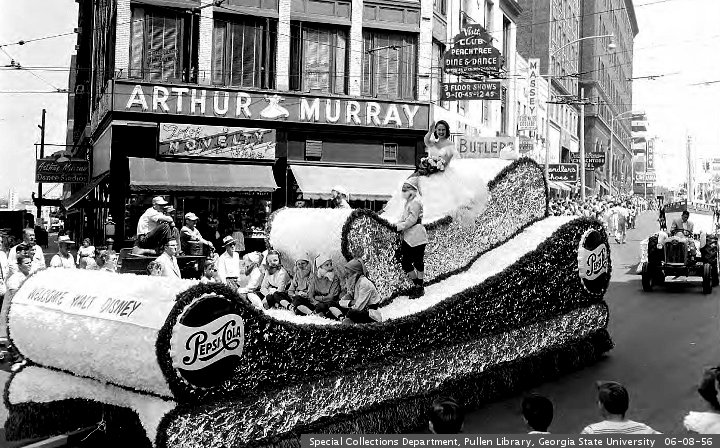


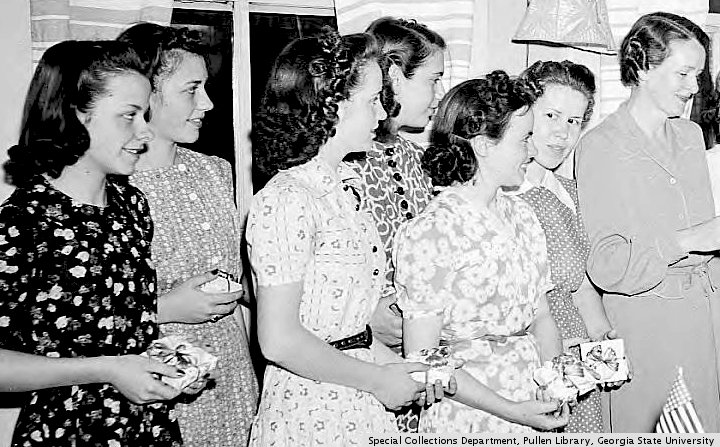


August 17 would have been birthday 123 for Mary Jane “Mae” West. Of course, she died in 1980, so the party is off. PG saw a note on facebook, and made the comment “She was rumored to be a man.” One right click google search later, this post started to take shape. This is a repost.
There is a blogspot site, maewest.blogspot.com. It is still published, with a birthday post today. Five years ago there was a post, Mae West: Penis Rumors. It seems as though Miss West liked to say, to the press, “When I die, you are going to be very surprised!”
A hollywood gossipmonger had a story, Was Mae West…A Man?! Much of her information comes from the tasteful findadeath site. The story here is that Mae West died in 1950, and the death was kept quiet. Her brother made appearances in her place, until the final death in 1980. This would have been quite a feat, considering that John Edwin West died in 1964. That doesn’t stop people from talking.
“…the real Mae West died somewhere around 1950, give or take a couple years, and rather than let the show stop, it was announced that not Mae, but her brother, died. Of course, the brother then became Mae West and carried on until November 1980. If you look carefully at photos from around 1950 on it definitely looks like a different person not to mention the big hands and masculine features, bone structure, etc. I may not have all the details 100% correct but I would almost put money on the fact that the ‘Mae West’ ‘who died in 1980 had a weenie!!”
The hands were mentioned by Raquel Welch. The two were in Myra Breckinridge, the first movie Miss West had made in 27 years. (Miss West appeared on Mr. Ed in 1964.) Miss Welch appeared at a film festival in 2012, and had stories to tell.
“When I went over to say hello to her (one day) I said, ‘Hi, it’s Raquel, remember?’ She sort of extended her hand to me and I went to kiss the ring and one false fingernail painted silver fell to the floor. I looked at the hand and I thought, ‘Oh, I’m getting a vibe.’ I really think she’s a man! At this point in her life all bets are off and you’re not going to be able to doll it up that much. I would say it’s pretty accurate that she resembled a dock worker in drag.” …
“I had this beautiful dress and it was black with a big white ruffle around the neck and a black velvet hat … Apparently Mae got wind of the fact that I was wearing this exquisite dress and I went to the studio that day for our scene together. I got coiffed, got my hair done and went to the closet to get the dress and it wasn’t there. I asked my dresser what happened to the dress and she said, ‘It’s been confiscated. Mae does not want you to wear that dress. You can wear the red dress that you wore in the last scene!’ … Welch was so outraged that she stormed off the set and refused to return until the dress was back in her closet. … “For the scene, we never appeared in a two-shot together. She left after she did her lines and I had someone off-camera reading her lines and I had to pretend she was there.”
Pictures are from “The Special Collections and Archives, Georgia State University Library”.

The Funeral Of Elvis

PG was going to write about some depressing subject. People that are not kind to each other. People in Israel and people in Gaza just don’t seem to get along. Somebody driving a “faded red F-150 pickup truck” in Livonia MI was mean to a little girl. (HT to Neo Prodigy.) This is a repost. Pictures are from the Farm Security Administration collection of The Library of Congress.
There is a saying, “if a story seems too bad to be true, it probably isn’t”. PG tried to google that phrase, and got confused. Then he seemed to remember reading it in a column by Molly Ivins. Another google adventure, and there was this film. Miss Ivins, who met her maker January 31, 2007, was promoting a book. She sat down with a bald headed man to talk about it. PG could only listen to 24:30 of this video before being seized with the urge to write a story. There is a transcript, which makes “borrowing” so much easier. This film has 34 minutes to go, which just might yield another story or two.
Molly Ivins was a Texas woman. These days there is a lot of talk about Texas, with Governor Big Hair aiming to be the next POTUS under indictment. Mr. Perry claims that his record as Texas Governor qualifies him to have his finger on the nuclear trigger. Miss Ivins repeats something that PG has heard before… “in our state we have the weak governor system, so that really not a great deal is required of the governor, not necessarily to know much or do much. And we’ve had a lot of governors who did neither. “ It makes you wonder how much of that “economic miracle” is because of hair spray.
Texas politics makes about as much sense as Georgia politics. For a lady, with a way with words, it is a gold mine. “the need you have for descriptive terms for stupid when you write about Texas politics is practically infinite. Now I’m not claiming that our state Legislature is dumber than the average state Legislature, but it tends to be dumb in such an outstanding way. It’s, again, that Texas quality of exaggeration and being slightly larger than life. And there are a fair number of people in the Texas Legislature of whom it could fairly be said, `If dumb was dirt, they would cover about an acre.’ And I’m not necessarily opposed to that. I’m–agree with an old state senator who always said that, `If you took all the fools out of the Legislature, it would not be a representative body anymore.'”
We could go through this conversation for a long time, but you probably want to skip ahead and look at pictures. There is one story in this transcript that is too good not to borrow. For some reason, Molly Ivins went to work for The New York Times, aka the gray lady. In August of 1977, she was in the right place at the right time.



Mr. LAMB: And how long did you spend with The New York Times as a reporter?
Ms. IVINS: Six years with The New York Times. Some of it in New York as a political reporter at City Hall in Albany and then later as bureau chief out in the Rocky Mountains.
Mr. LAMB: Would you take a little time and tell us about reporting on the funeral of Elvis Presley?
Ms. IVINS: Oh, now there is something that when I’ve been standing in the checkout line at the grocery store and if I really need to impress people, I just let fall that I covered Elvis’ funeral. And, boy, people just practically draw back with awe. It may yet turn out to be my greatest claim to fame.
I was sitting in The New York City Times one day when I noticed a whole no–knot of editors up around the desk having a–a great scrum of concern, you could tell. It looked sort of like an anthill that had just been stepped on. And it turns out–The New York Times has a large obituary desk, and they prepare obituaries for anybody of prominence who might croak. But it turns out–you may recall that Elvis Presley died untimely and they were completely unprepared.
Now this is an enormous news organization. They have rock music critics and classical music critics and opera critics, but they didn’t have anybody who knew about Elvis Presley’s kind of music. So they’re lookin’ across a whole acre of reporters, and you could see them decide, `Ah-ha, Ivins. She talks funny. She’ll know about Mr. Presley.’
So I wound up writing Elvis’ obituary for The New York Times. I had to refer to him throughout as Mr. Presley. It was agonizing. That’s the style at The New York Times–Mr. Presley. Give me a break. And the next day they sold more newspapers than they did after John Kennedy was assassinated, so that even the editors of The New York Times, who had not quite, you know, been culturally aton–tuned to Elvis, decided that we should send someone to report on the funeral. And I drew that assignment. What a scene it was.
Mr. LAMB: You–you say in the book that you got in the cab and you said, `Take me to Graceland.’ The cabbie peels out of the airport doing 80 and then turns full around to the backseat and drawls, `Ain’t it a shame Elvis had to die while the Shriners are in town?’
Ms. IVINS: That’s exactly what he said. `Shame Elvis had to die while the Shriners are in town.’ And I kind of raised by eyebrows. And sure enough, I realized what he–what he meant after I had been there for awhile because, you know, Shriners in convention–I don’t know if you’ve ever seen a whole lot of Shriners in convention, but they were having a huge national convention that very week in Memphis. And they tend to wear their little red fezzes, and sometimes they drink too much and they march around the hotel hallways tooting on New Year’s Eve horns and riding those funny little tricycles and generally cutting up and having a good time. That’s your Shriners in convention, always something very edifying and enjoyable to watch. But they–every–every hotel room in Memphis was occupied with celebrating Shriners, and then Elvis dies and all these tens of thousands of grieving, hysterical Elvis Presley fans descend on the town.
So you got a whole bunch of sobbing, hysterical Elvis fans, you got a whole bunch of cavorting Shriners. And on top of that they were holding a cheerleading camp. And the cheerleading camp–I don’t know if your memory–with the ethos of the cheerleading camp, but the deal is that every school sends its team–team of cheerleaders to cheerleading camp.
And your effort there at the camp is to win the spirit stick, which looks, to the uninitiated eye, a whole lot like a broom handle painted red, white and blue. But it is the spirit stick. And should your team win it for three days running, you get to keep it. But that has never happened. And the way you earn the spirit stick is you show most spirit. You cheer for breakfast, lunch and dinner. You cheer when the pizza man brings the pizza. You do handsprings end over end down the hallway to the bathroom. I tell you, those young people will throw–show an amount of spirit that would just astonish you in an effort to win that stick.
So here I was for an entire week, dealing with these three groups of people: the young cheerleaders trying to win the spirit stick, the cavorting Shriners and the grieving, hysterical Elvis fans. And I want to assure you that The New York Times is not the kind of newspaper that will let you write about that kind of rich human comedy.
Mr. LAMB: Why?
Ms. IVINS: Because The New York Times, at least in my day, was a very stuffy, pompous newspaper.
Mr. LAMB: What about today?
Ms. IVINS: A little bit better, little bit better than it was.
Mr. LAMB: And…
Ms. IVINS: Has–has–it has a tendency, recidivist tendencies, though. You–you will notice if you read The Times, it–it collapses into pomposity and stuffiness with some regularity.
Mr. LAMB: Why did you leave it?
Ms. IVINS: Well, I–I actually got into trouble at The New York City Times for describing a community chu–chicken killing out West as a gang pluck. Abe Rosenthal was then the editor of the Times and he was not amused.
Mr. LAMB: Did–but did they let it go? Did they let it…
Ms. IVINS: Oh, no. It never made it in the paper. Good heavens, no. Such a thing would never get in The Times in my day.
POSTSCRIPT PG found some pictures, marked up the text, and was ready to post the story. He decided to listen to a bit more of the discussion between Molly Ivins and the bald headed man. When he got to this point, it became apparent that he could listen to Molly Ivins talk, or he could post his story, but he could not do both at the same time.
Ms. IVINS: Oh, well, of course, I’m gonna make fun of it. I mean, Berkeley, California, if you are from Texas, is just hilarious.
Mr. LAMB: Why?
Ms. IVINS: Well, of course, it is just the absolute center of liberalism and political correctness. And it is a veritable hotbed of people, of–bless their hearts, who all think alike, in a liberal way. And, of course, I’m sometimes called a liberal myself, and you would think I would have felt right at home there. But I just am so used to–I’m so used to Texas that I found the culture at Berkeley hysterical.

Don’t Tread On Me
Sometimes these stories write themselves. This one began with a tweet. @NotShaunKing “SJWs are now more offended by the Gadsen and Confederate flag, than the ISIS flag. Nice job, people!” The “Gadsen Flag” is the Revolutionary War banner. A coiled rattlesnake rests above the phrase “Don’t Tread on me.” It is a staple of American history.
Supposedly, someone is making a federal case out of wearing DTOM in the workplace. The google search shows stories by Fox News, and The Blaze. The slightly more reputable Washington Post has an article, Wearing ‘Don’t Tread on Me’ insignia could be punishable racial harassment.
“Here’s an excerpt from Shelton D. [pseudonym] v. Brennan, 2016 WL 3361228, decided by the EEOC two months ago: On January 8, 2014, Complainant filed a formal complaint in which he alleged that the Agency subjected him to discrimination on the basis of race (African American) and in reprisal for prior EEO activity when, starting in the fall of 2013, a coworker (C1) repeatedly wore a cap to work with an insignia of the Gadsden Flag, which depicts a coiled rattlesnake and the phrase “Don’t Tread on Me.” Complainant stated that he found the cap to be racially offensive to African Americans because the flag was designed by Christopher Gadsden, a “slave trader & owner of slaves.”
PG read that, and began to think. This is never a good omen. If Christopher Gadsen was a slave owner, then what about Betsy Ross?
Elizabeth Griscom Ross is, according to legend, the seamstress who created the stars and stripes. The story is disputed. For this sake of this blog post, lets assume that the legend is real. Betsy Ross created the American Flag, albeit with thirteen stars. Did she own slaves?
One internet forum raises the question, Did Betsy Ross have a slave? “no, Betsy ross did not have a slave. RE: Her husband had slaves though ” Could women own property in 18th century America? Who knows? Bear in mind, this is an undocumented internet forum. As is the next story.
“Have you ever heard Betsy Ross had children by her African slaves and was shunned by the Quakers because of it? Betsy Ross was widowed three times, and I have heard that since she knew how white men were having children by African women to increase their slave population, she decided to do the same. … Betsy Ross had children by her male slaves to increase her slave popuplation (and in essence, her property value).”
FWIW, Betsy, (January 1, 1752 – January 30, 1836,) was indeed married three times. The lucky men were John Ross (m. 1773–1776,) Joseph Ashburn (m. 1777–1782,) and John Claypoole (m. 1783–1817.) In both cases, she was remarried the next year. If she did take a slave baby daddy, she was very efficient. Maybe the husbands were understanding.
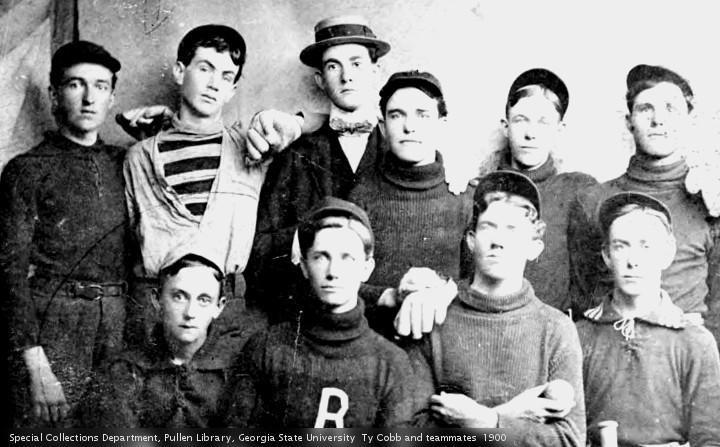
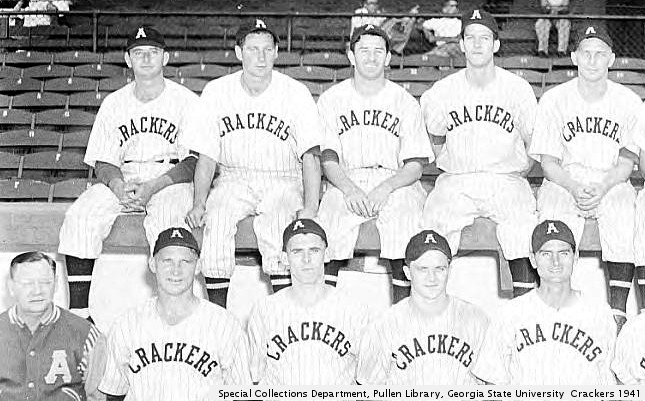
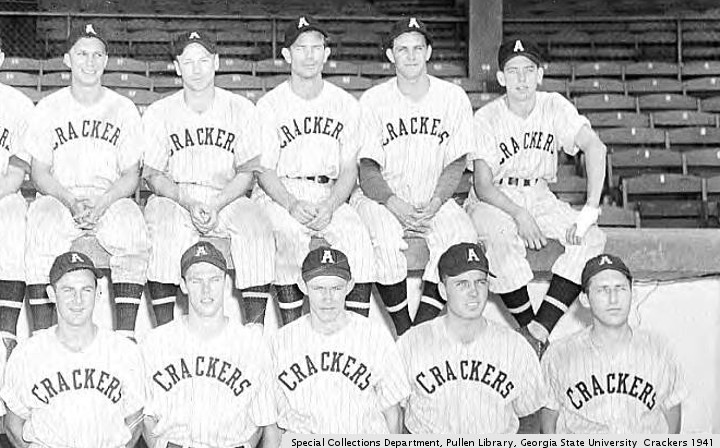
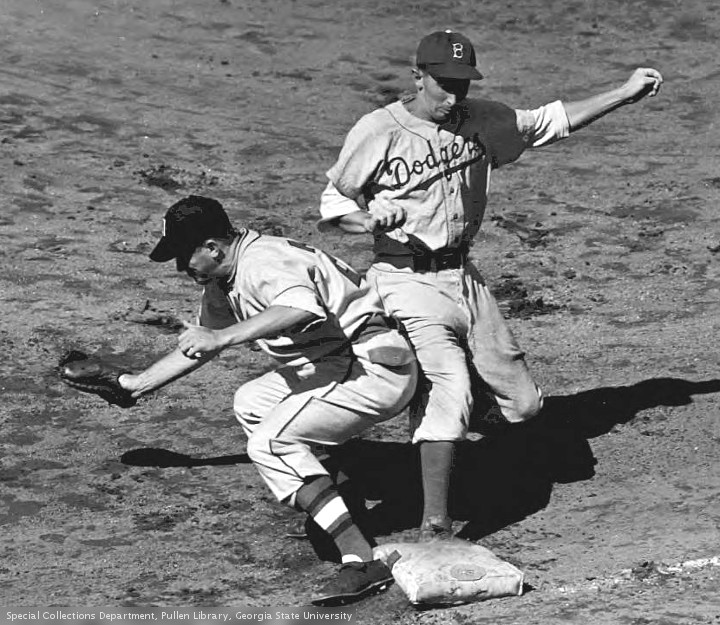
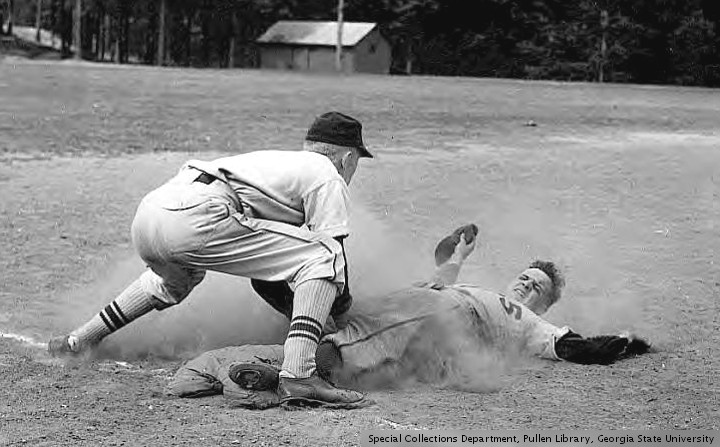
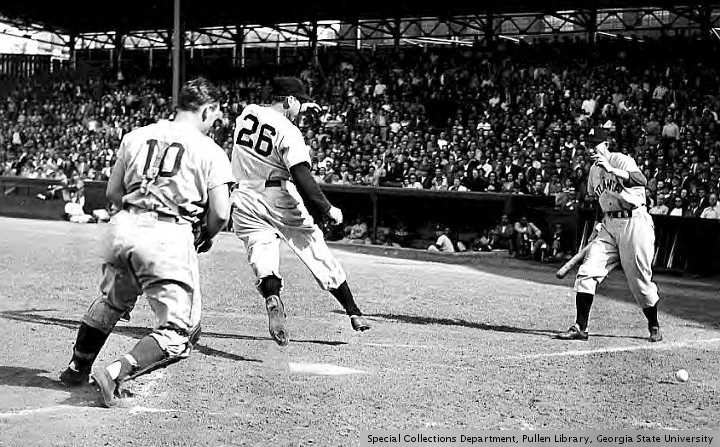
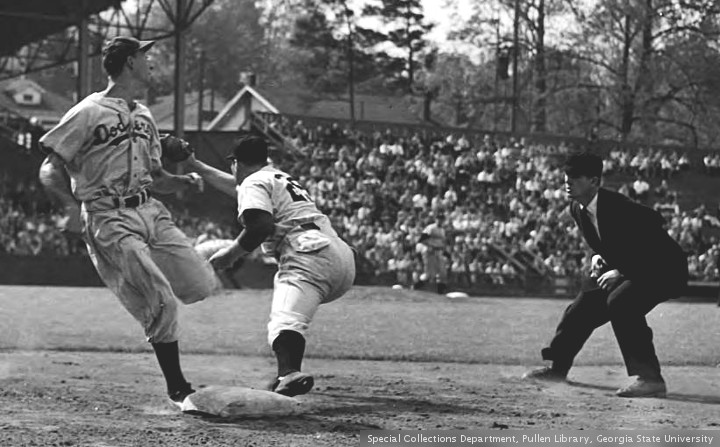
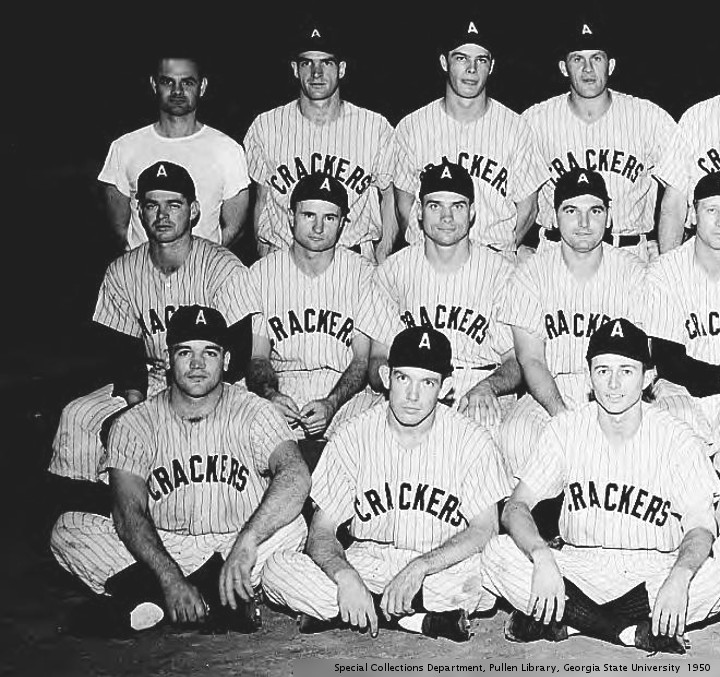
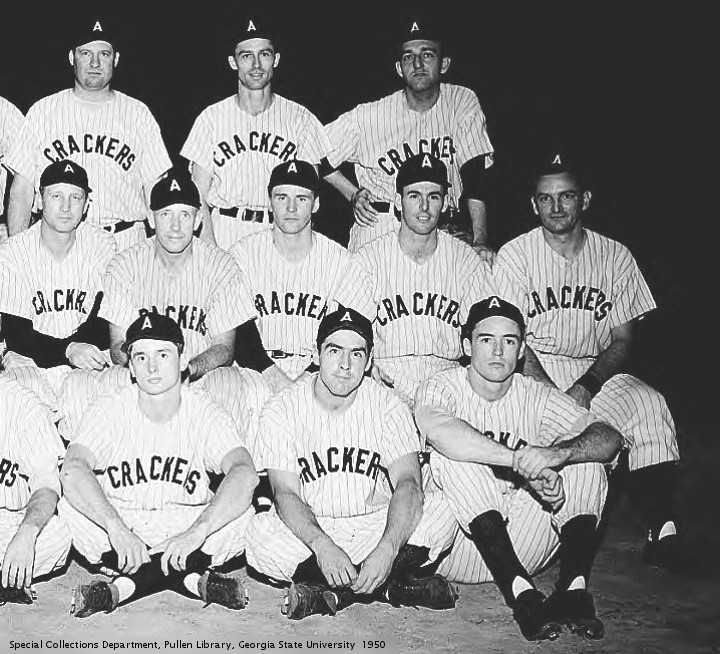
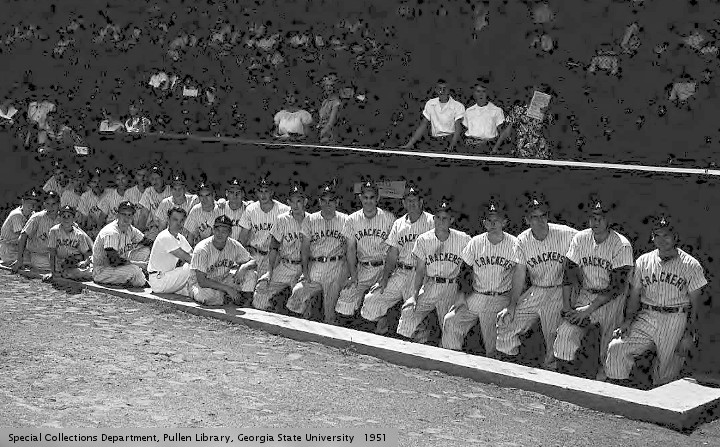
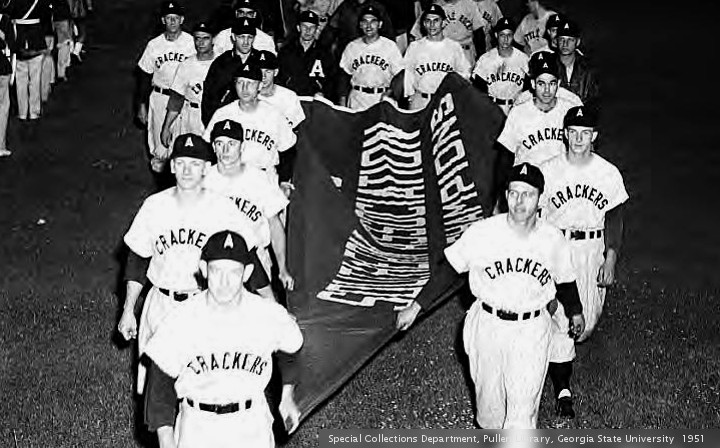
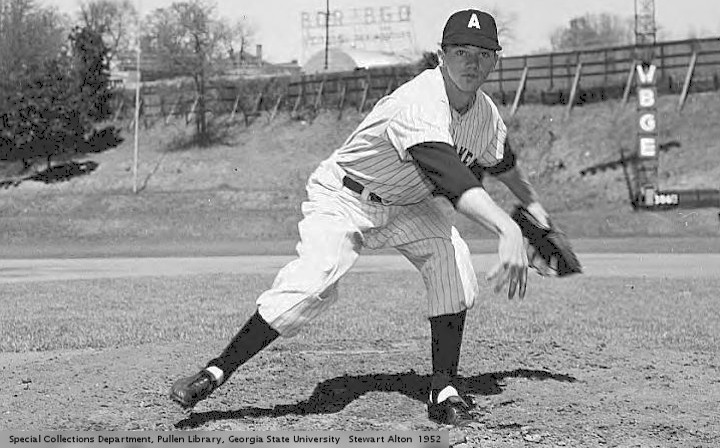
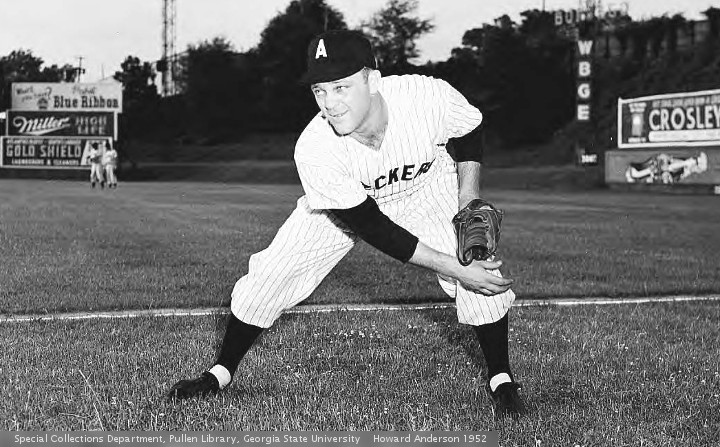
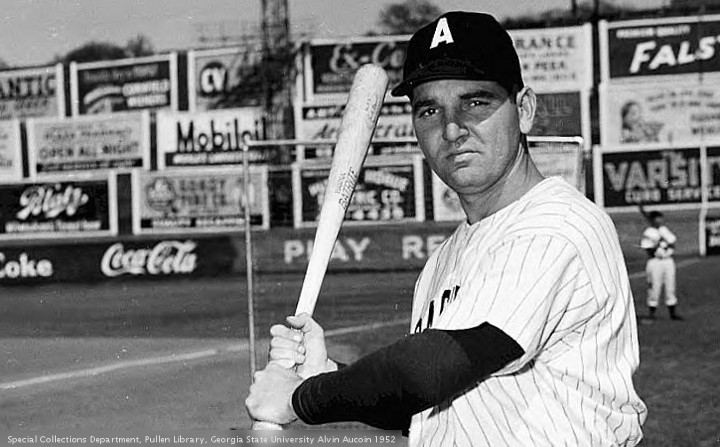
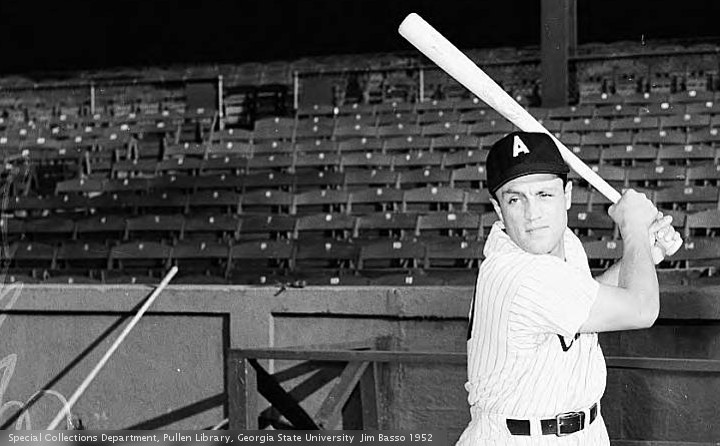
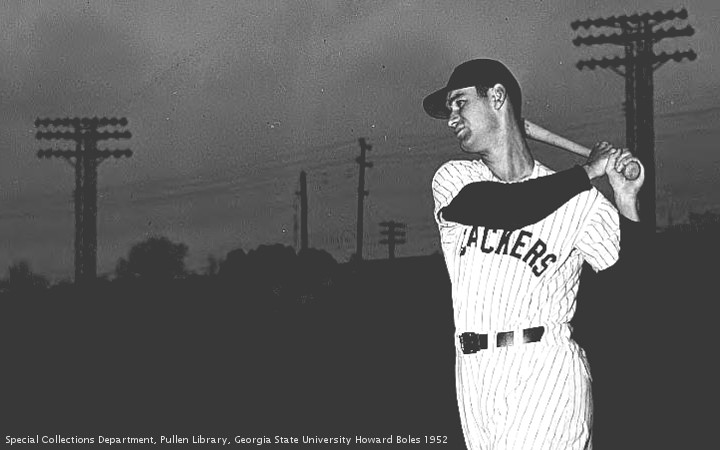
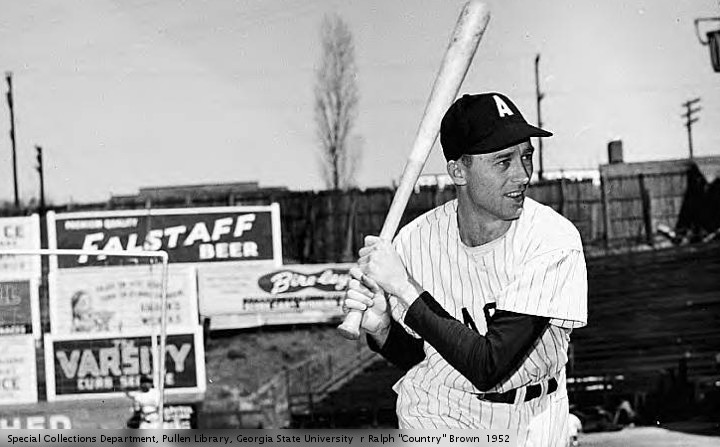
Pictures today are from “The Special Collections and Archives, Georgia State University Library”. The Atlanta Crackers played ball until 1965.
Hiroshima 71 Years Later




At 8:15 am, August 6, 1945, Hiroshima got nuked. It was the start of a new era. Since Japan is 13 hours ahead of Georgia, and standard time was used, the literal anniversary is 8:15 pm, August 5.
Tsutomu Yamaguchi was working in Hiroshima when the bomb hit. He survived, and found a train to take hime to his home town, Nagasaki.
The device dropped on Hiroshima, the Little Boy, had an estimated force of 13 kilotons of Trinitrotoluene, or TNT. A kiloton of TNT is roughly a cube whose sides are ten meters. This device is fairly tiny compared to many of the warheads developed since. Many of the modern appliances are measured in megatons, or millions of tons of TNT. The Soviet Union had a bomb with a capacity of 50 megatons, or 4,000 times the size of the Little Boy.
The largest weapon tested by The United States is the Castle Bravo. This device destroyed Bikini Atoll in the Pacific. The two piece swimsuit was named for this island. The Castle Bravo device had a yield of 15 megatons of TNT. This is roughly 1,000 times the power of the Little Boy.
The decision to drop the bomb has long been controversial. There are a lot of factors and gray areas, and the issue does not lend itself to sound bite solutions. The conventional wisdom is that Japan surrendered because of the nuclear attack. This meant the war was shortened by at least a year, there was no invasion of Japan, and many lives were saved. PG is scared by the moral calculus involved in a decision like this….do 100,000 civilian deaths prevent the deaths of 500,000 soldiers? PG suspects that even G-d herself would lose sleep over that one.
There is also evidence that the bomb was not needed. Japan was whipped in August 1945. The air raids were conducted in daylight with little resistance. A debate was going on in the Japanese government on whether to continue the fight.
An event happened the day between Hiroshima, and Nagasaki, which influenced the Japanese decision to surrender. The Soviet Union had agreed to help the United States with the war against Japan. On August 8, The Soviet Union invaded Japanese occupied Manchuria. There are indications that Japan knew the fight was hopeless at this point, and would rather surrender to The United States than The Soviet Union. This is one of the gray areas that never seems to be mentioned.
The United States wanted the war to end quickly for obvious reasons, and a few subtle ones. America did not want to share the spoils of Japanese war with The Soviet Union. There were already tensions between the two allies, and the cold war was not far off. Many felt The United States used the Little Boy as a warning to The Soviet Union.
When you get your moral software out, you might want to figure in the effect of opening the nuclear Pandora’s box. Would the nuclear bomb have been developed by other countries if America had not led the way? The science is not that complicated…after all, America hit paydirt with the Manhattan Project fairly quickly. Nonetheless, there is karma involved in using a terrible new device on a civilian population. The United States started the wind of the arms race, and has yet to feel the whirlwind.
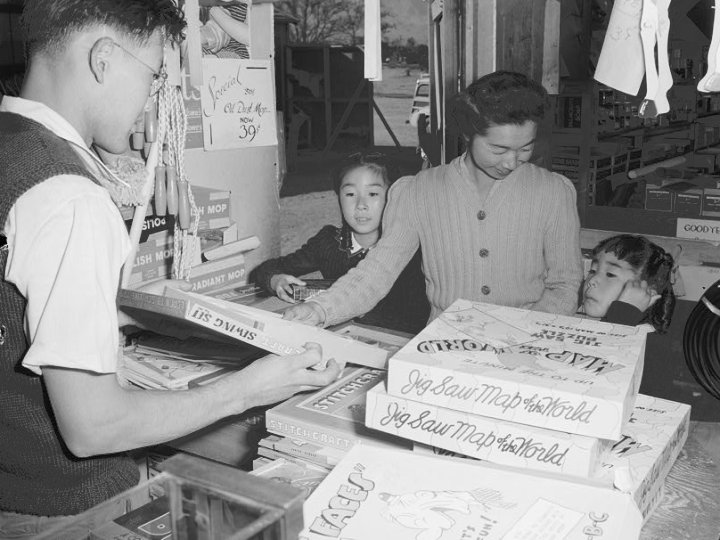
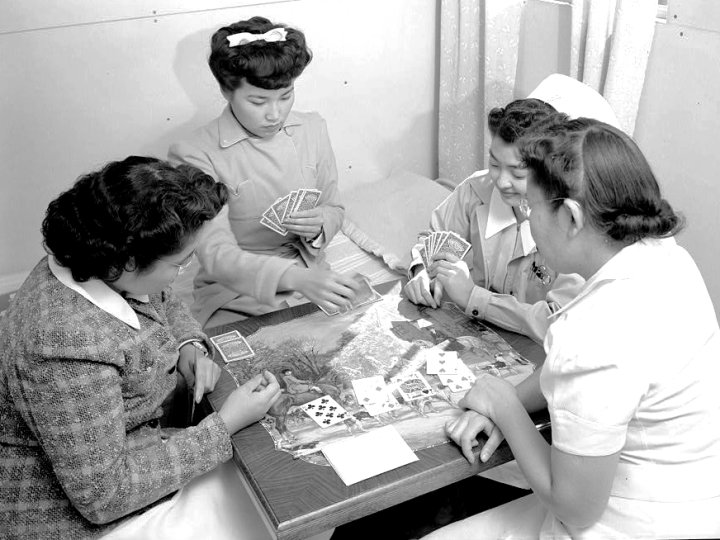
This is a repost. The pictures are from The Library of Congress. Ansel Adams took pictures of Japanese Americans, in a World War Two internment camp. The ladies in the bridge game are Aiko Hamaguchi, Chiye Yamanaki, Catherine Yamaguchi, and Kazoko Nagahama.


Rumors Of War
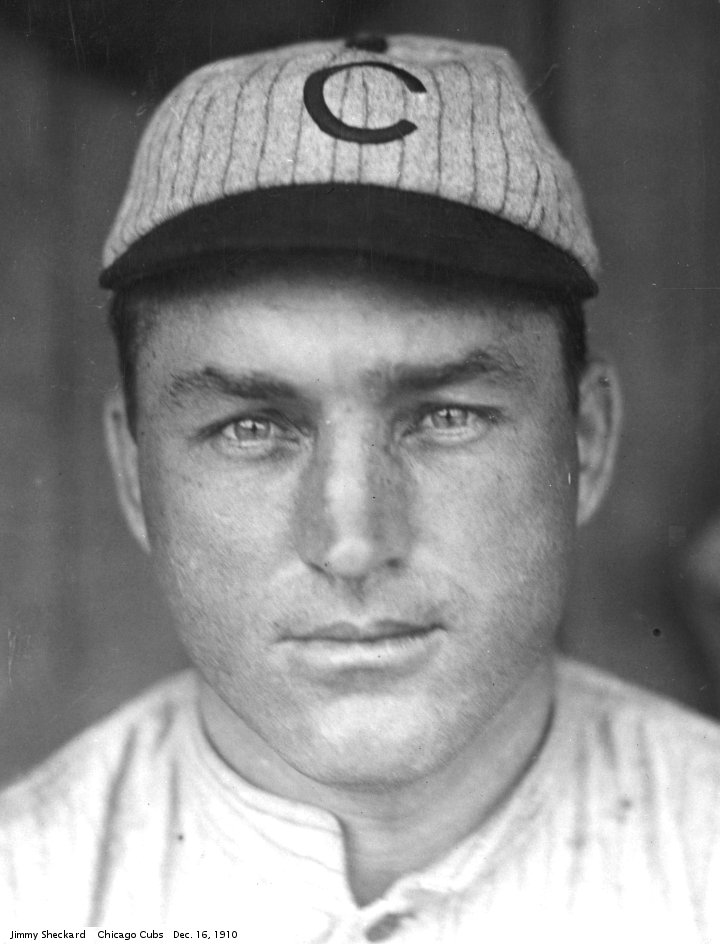
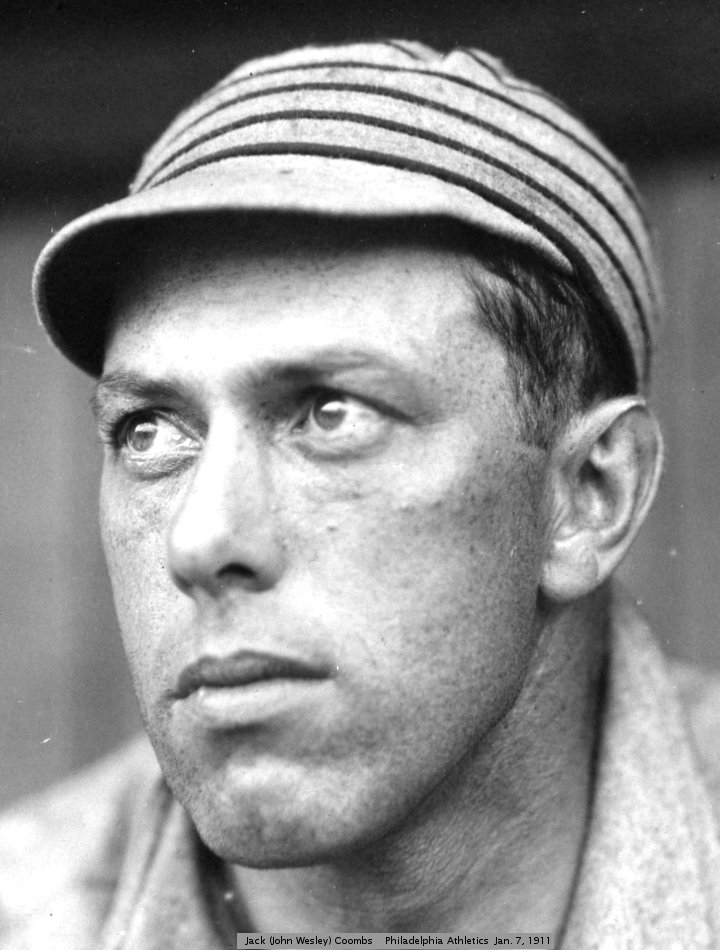

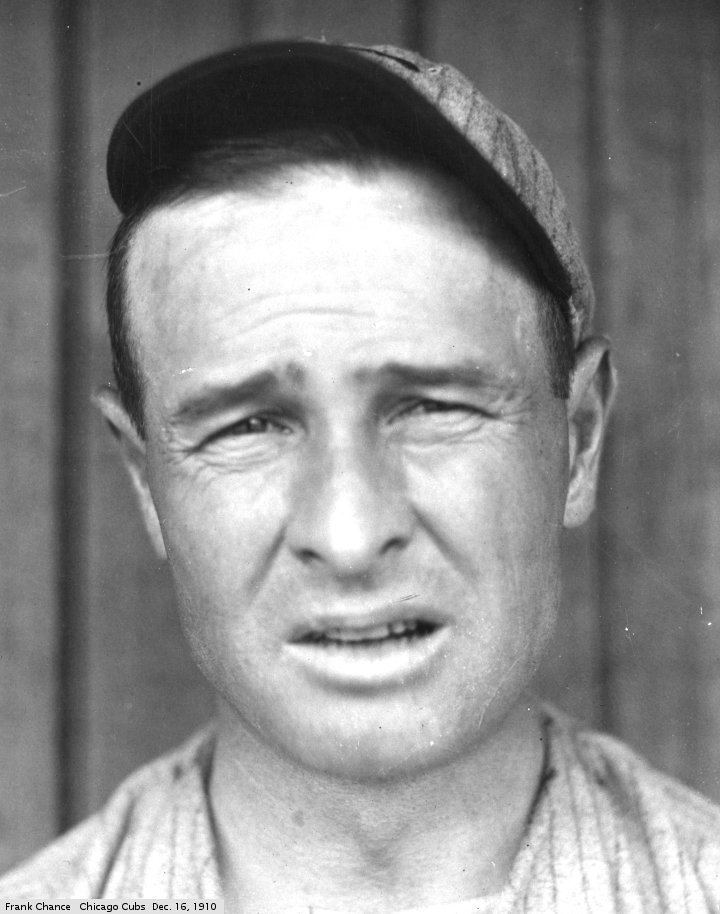
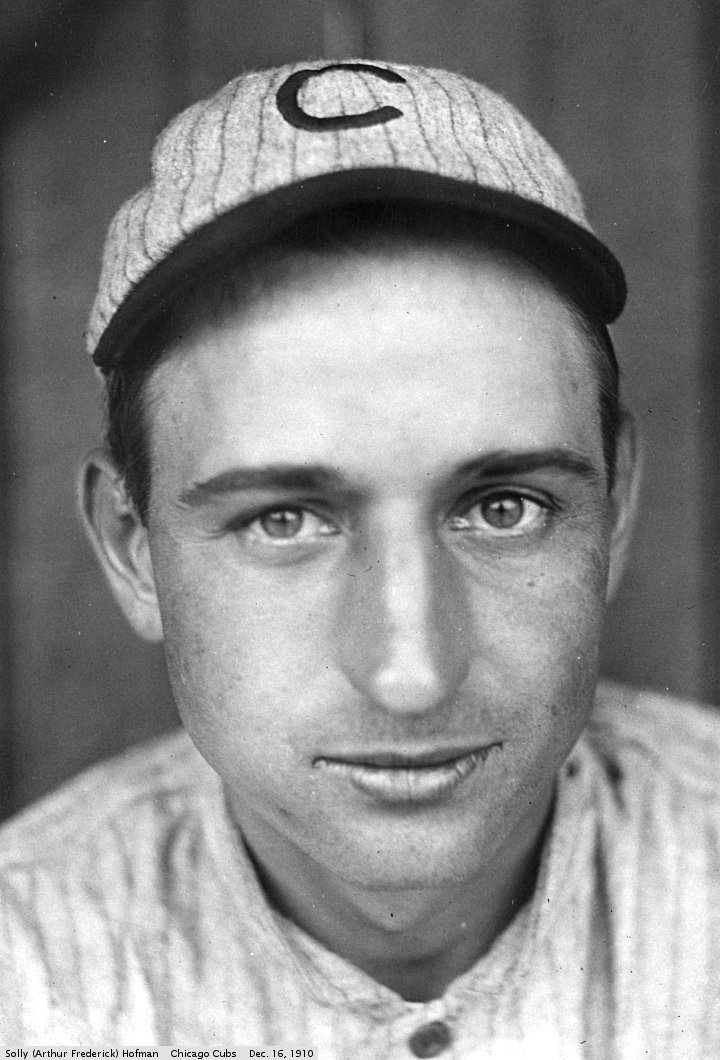
Matt Taibbi (pronounced like Tybee Island) spent some quality time with his computer the other day. The post was about the Tea Party, but took a couple of detours en route.
The preamble was about the execution of John Wayne Gacy . For those with short memories, Mr. Gacy was not a nice man. He entertained children wearing a clown costume, before he molested and murdered children. The crawl space to his Illinois home was used for storage. After a while, Mr. Gacy was caught, and sentenced to die.
This is where the story kicks in. A friend of Mr. Taibbi covered the scene outside the prison, on the night that Mr. Gacy was poisoned by the state. A festive crowd had gathered to celebrate. As the party was breaking up, the reporter started to interview a young man. The chat went like this: “You’re not against capital punishment, are you?” “I’m not against capital punishment,I’m against enjoying capital punishment.”
A few years ago, PG was working with someone who told stories. A celebrity murderer was going to be executed, this time using the electric chair. An Atlanta radio station had a parking lot party to celebrate the frying. (PG cannot remember the name of the murderer, nor the state of the execution). The wife of the co worker baked a cake to celebrate the occasion. It was decorated with a bright yellow icing, to resemble a fried egg.
The arguments for and against capital punishment are many. For the foreseeable future, it is a fact of life in Georgia. PG (who has written several posts on the subject ) feels that, while there are some despicable people, the justice system is too flawed to administer capital punishment properly. At the very least, the execution of a criminal is not a time for celebration.
Capital punishment is compared to war, abortion, and euthanasia. All are times where a conscious decision is made to end a human life. Is it proper to enjoy any of these activities?
The easy one is euthanasia. Does anyone enjoy euthanasia, or spend much time campaigning against it? The case of Terri Schiavo is the most prominent, and some did try to make political hay out of it. That really didn’t catch on, as many people saw the shades of gray involved, and were mostly glad they were not the one to make the decision.
Do people enjoy abortion? The procedure itself is not celebrated, and is cloaked in quiet shame. On the other hand, PG suspects that the opponents of abortion are having a bit too much fun with their activities. The morality of using abortion as a vehicle for power is another subject for debate.
Do people enjoy war? HELL YEA. Firing up people on the home front is an essential part of a successful war. When the conflict drags on, and victory or truce begins to seem impossible, the war may lose some of it’s luster. The glamorization of war makes the conflict much more likely. Maybe if the attitude about war was similar to the attitude about euthanasia, we would have less of them.



Tom Dispatch has an audio feature about Afghanistan, and the many unanswered questions about our war there. It is apparent to PG that we invaded Afghanistan to get revenge for 911, and looked for a reason later.
Tom begins the monologue by discussing the prospects for Gen. Petraeus (spell check suggestions:Petroleum, Perpetrates,) and how a success there may actually be worse than failure. If we “conquer” Afghanistan, we will hold “the fifth poorest country on earth, the second most corrupt country, the world’s premier narco state.”
At the 3:06 mark on the tape, when Tom makes the comment about narco (spell check suggestions: Narcissus) state, PG had a flash of understanding, and a possibility for the reason behind this war. This may even have been powerful enough for the powers that be to ignore the reports about a terror strike in September 2001, and passively let 911 happen.
The rumors of CIA involvement in drug trafficking are wide spread and long term. When planes went to Central America in the eighties to bring arms to the contras, they came back to the United States loaded with cocaine. There are stories of collusion with the government in Cuba. There are many, many more stories about connections between the US government and the drug trade.
When the Taliban took over Afghanistan, they cracked down on the poppy farmers. Much of the raw opium for heroin/morphine/opium is grown in Afghanistan. This was not a pleasing for the CIA.
Could it be that the real reason for our involvement in Afghanistan is to ensure the flow of narcotics into the hungry world? This would be a big cash cow for the CIA, although not enough to justify the amounts of money being spent on the conflict.
This is a double repost. Pictures are from The Library of Congress.


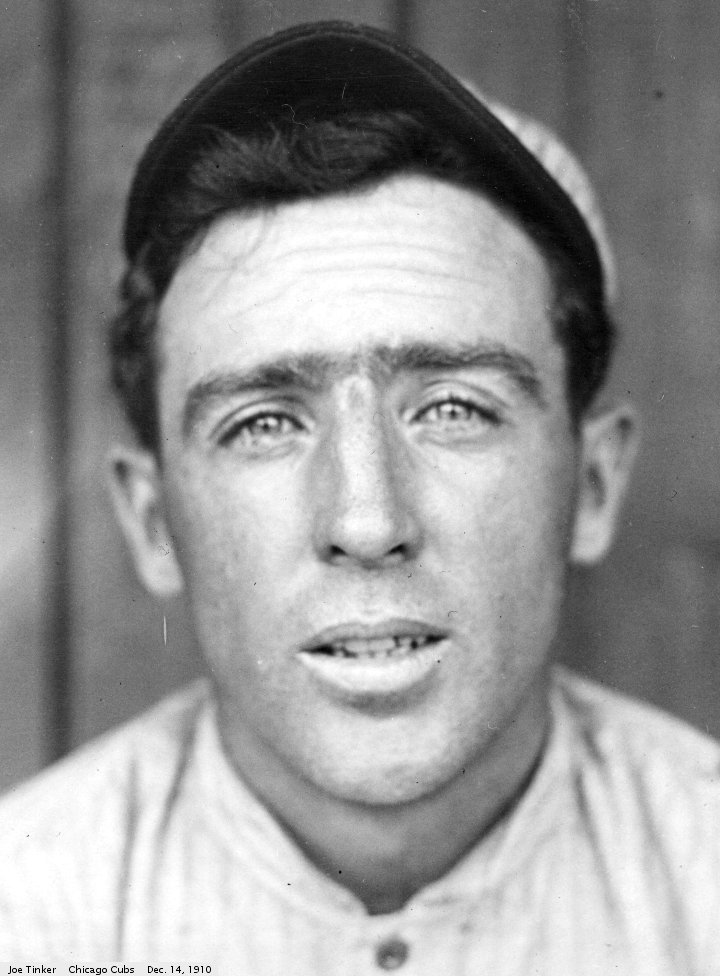


The Worst Vice Presidents Of The United States


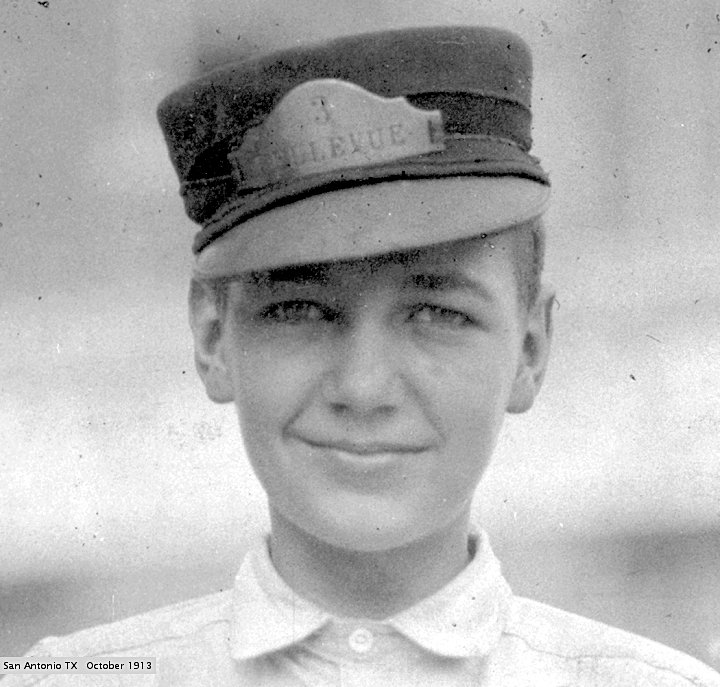
PG wrote a post yesterday. One of the topics was the “Siamese Twins”, James Buchanan and William Rufus King. While researching the feature, PG googled his way to a Time magazine article about the Worst Vice Presidents in American History. PG is well known for his negative attitude, and writing about the worst things in life always appeals to him. (To see the feature, you have to click through a popup ad for Amway. Good times.) This is a repost, with pictures from The Library of Congress
The first name on the list is Aaron Burr. He had a problem with Alexander Hamilton, and shot him dead in a duel. Elbridge Gerry (the namesake of Gerrymandering) served under James Madison for twenty months, and died. John C. Calhoun served under John Quincy Adams and Andrew Jackson, and managed to get Mr. Jackson so upset that Mr. Calhoun was fired.
Richard M. Johnson served under Martin Van Buren, and was bad at PR. “Johnson scandalized his colleagues by taking one of his slaves as his common-law wife; as a result, he barely garnered enough support to serve in Martin van Buren’s administration. While in office, he proposed an expedition to the North Pole so Americans could drill to the center of the Earth, believing the planet was hollow (his resolution was defeated). Evidently van Buren’s experience with Johnson soured him on vice presidents altogether — when he ran for re-election he dropped Johnson from his ticket and didn’t bother replacing him. Instead, he ran alone.”
William Rufus King was VP under Franklin Pierce a mere six weeks before he died. There is no word on the status of his relationship with James Buchanan at the time. The Time magazine article has a picture of Fernando Wood , which was mistakenly thought to be of Mr. King. (Wikipedia uses the same picture to illustrate an article about Mr. King.)
The VP under James Buchanan (there is no word on who was top or bottom in the Buchanan-King household) was John Breckinridge. During the War Between the States, he left the Union to fight for the Confederacy. Mr. Breckinridge was charged with treason after the war. “The town of Breckenridge, Colorado is named in his honor — although it altered the spelling of its name after the Civil War, so as not to be associated with a traitor.”
Andrew Johnson did not make the list, but maybe should have. He was drunk at his inauguration, and made a fool of himself. Mr. Lincoln had nothing to do with him, until a meeting on April 14. This was Good Friday. Mr. Lincoln went to the theater that night.
Johnson had been marked for death by the conspiracy, but Wilkes Booth had little confidence in the man assigned to kill Mr. Johnson. The afternoon of the assassination, Mr. Booth was at the Kirkwood House, where Mr. Johnson stayed. Mr. Booth left a note for Mr. Johnson at the desk of the hotel… “Don’t wish to disturb you. Are you at home. J. Wilkes Booth”. The idea was for the police to find the note, and implicate Mr. Johnson in the killing of Mr. Lincoln. This mini plot was spoiled by the secretary for the Vice President, who collected the mail that afternoon. He took the card with him. The secretary had met Mr. Booth a few years earlier, and thought the note was for him.
The other three Vice Presidents who took office after the boss was murdered… Chester Arthur, Theodore Roosevelt, and Lyndon Johnson… were not mentioned in the Time article. All three are mentioned in conspiracy theories about the killings that promoted them into office.
When Theodore Roosevelt was elected to a full term as President, his VP was Charles Fairbanks. “Teddy once ordered a noisy and distracting crystal chandelier removed from his office because it disturbed him. He ordered it to be installed in the office of the Vice President to keep him awake.”
Getting back to Time’s honor roll, Hannibal Hamlin was Lincoln’s first VP. Thomas A. Hendricks survived nine months under Grover Cleveland, before passing away. Thomas Marshall served two terms with Woodrow Wilson, and refused to take over the office when Mr. Wilson had a stroke. Calvin Coolidge did little while waiting for Warren Harding to die. Henry Wallace was, and will be, the only third term VP in our history. He acquired a few enemies, and was replaced by Harry Truman.
Richard Nixon was ok once he got elected, but almost managed to blow that. There were charges of financial shenanigans, and some thought he should be kicked off the ticket. After the Checkers Speech he was on his way to stardom. (After Mr. Nixon died, PG saw a large flag flying at half staff. The flag belonged to a hamburger chain called Checkers.) When Mr. Nixon became President, his VP was Spiro Agnew. Once again, there were charges of financial shenanigans, and much, much more. While the nation wallowed in Watergate, Mr. Nixon needed a diversion. It was suddenly discovered that Mr. Agnew had taken bribes. He was pressured into resigning.
Dan Quayle was VP for George H.W. Bush. He was widely regarded as an idiot, although his damage as VP was minimal. The last VPOTUS on the list is Dick Chaney. For some reason, he was regarded as having more power than the President, George W. Bush. Mr. Chaney was said to be one of the major promoters of the wars which have damaged America so much during the last ten years.


The Origin Of Barbie

PG found a copy of Snuff at a yard sale. The story was written by Chuck Palahniuk, pronounced paula nick. This book report may have spoilers.
The 197 pages recount an attempt to break a world record. Aging porn star Cassie Wright is trying to take on 600 men in one session. The plan is to die, in a blaze of gooey glory. The story is told by four characters: Mr. 72, Mr. 137, Mr. 600, and Sheila. Each of the four feels a connection to Miss Wright. It is a case of four wrongs making one Wright.
The story gets weirder and weirder. Mr. 72 is convinced that he is the son of Cassie Wright. Mr. 137 became an Okla-homo after being diddled by daddy. Mr. 600 is said to be Miss Wright’s baby daddy. Sheila, original name Zelda Zonk, was another possible Wright baby. After a while, the reader just plows ahead. When PG pays a dollar for a book, he wants his money shot money’s worth.
Snuff has a couple of gimmicks that are repeated to the point of no return. The talent is known by a variety of names, like pud puller, wiener wrangler, page paster, fist flogger, white washer, and sherbet shooter. The movies made by Cassie Wright all had satirical titles, like World Whore One, and The Asshole Jungle. It was funny the first twenty times.
Another gimmick Mr. Nick works us with is the “true fact.” Someone will throw out a chestnut, and say “true fact.” Many of them are Hollywood beauty secrets, like Lauren Becall, and Tallulah Bankhead, drinking eggshell tea. Here is an example.
“… Hitler … was disgusted by seeing his fellow soldiers visit French brothels. To keep the Aryan bloodlines pure,and prevent the spread of venereal disease, he commissioned an inflatable doll that Nazi troops could take into battle. Hitler himself designed the dolls to have blond hair and large breasts. The Allied firebombing of Dresden destroyed the factory … “
Mr. Google has more. “But in 1942 the project was halted when German soldiers refused to carry the dolls because of the potential embarrassment if they were captured by the enemy. Author Graeme Donald uncovered Hitler’s secretive “Borghild Project” while researching the history of Barbie, which was based on a postwar German sex doll.”
“I was actually researching the history of the Barbie doll that was based on a German sex doll of the 1950s. Ruth and Elliot Handler from America visited Germany in 1956 and saw the Lilli dolls that were sold in barbers’ shops and nightclubs – and were not for children Ruth didn’t realise this and bought one and realised later they were not toys. But Ruth and her husband used the doll as a foundation for what became Barbie.”
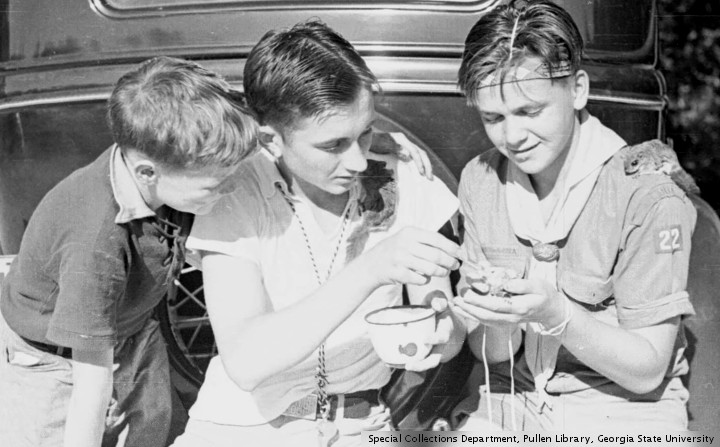
Pictures are from “The Special Collections and Archives, Georgia State University Library”.




 Chamblee54
leave a comment