Ira Hayes



The post before this is about Arizona SB1070, a controversial measure dealing with illegal immigration. One of the men quoted is the Sheriff of Pima County, which lies on the border.
Pima County is named for the Pima Tribe, whose land was in Arizona and Sonora, Mexico. Their name for the “river people” is Akimel O’odham. According to Wikipedia, “The short name, “Pima” is believed to have come from the phrase pi ‘añi mac or pi mac, meaning “I don’t know,” used repeatedly in their initial meeting with Europeans.”
Many of the Mexicans crossing the border are Native Americans. They did not agree to the Gadsden Purchase, or the Treaty of Guadalupe Hidalgo. In other words, they were here first, and the white man (and black associates) are the uninvited guests.
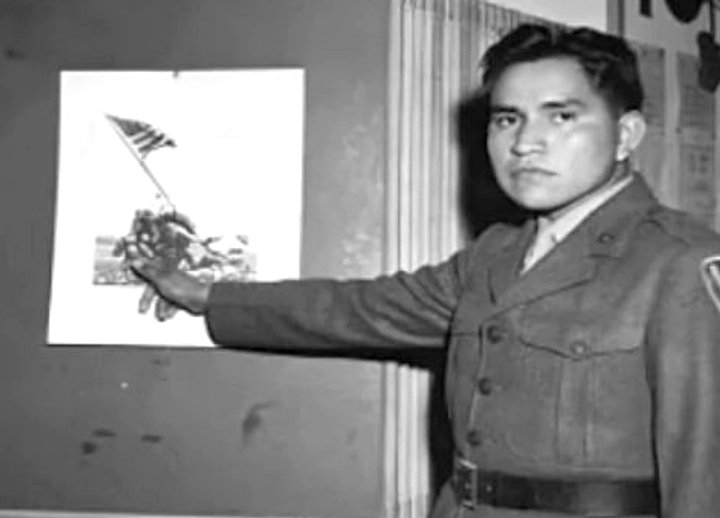
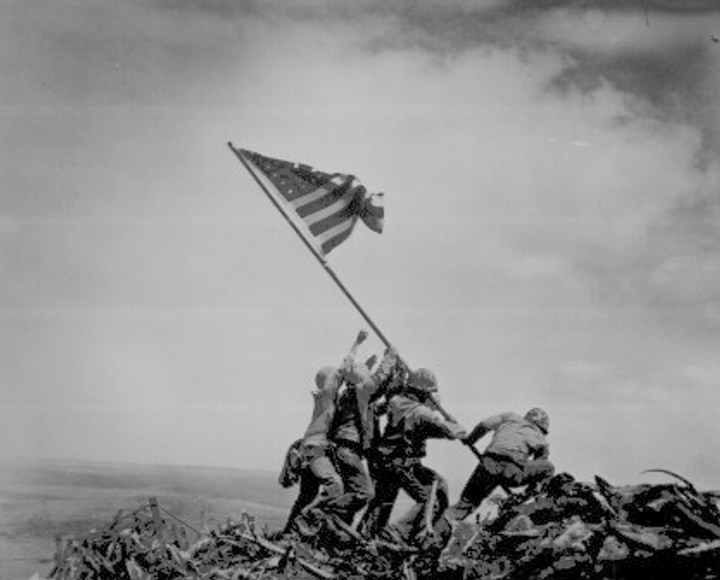
The second part of this feature is a repost. One of the best known Pimas was Ira Hayes. He was one of the Marines who raised the flag on Iwo Jima.
One of the enduring images of World War II was raising the flag on Iwo Jima. Three of the six men raising the flag died on the island. A fourth, Ira Hayes, became a casualty after the war.
The story of Ira Hayes is well known, but needs to be told again. A member of the Akimel O’odham (Pima) nation, his people had not been treated well by the conquerors. Nonetheless, when the War against Japan started, men were needed for the struggle, and Ira Hayes joined the Marines.
Iwo Jima was a steppingstone to the main island of Japan. After Iwo Jima and Okinawa were in Yankee hands, preparations could be made for the invasion of the main island. However, the stepping stone islands proved to be incredibly tough to secure. There were more American casualties on Iwo Jima than on D Day.
On the fourth day of the battle, a picture was made of six marines raising the flag on top of Mount Suribachi. A month of sticky, treacherous fighting was ahead for the fighting men. Of 21,000 Japanese soldiers, 20,000 died.
The flag was raised on February 23, 1945. Germany was all but defeated. The “explosive lens” for the atom bomb had been successfully tested. It seemed inevitable that the costly island hopping needed to continue, to be followed by an invasion of the Japanese mainland.
Two of the twelve hands holding the flagpole belonged to Ira Hayes. Ira Hayes did not adjust to peacetime well. He became a drunkard. On January 24, 1955, he passed away.
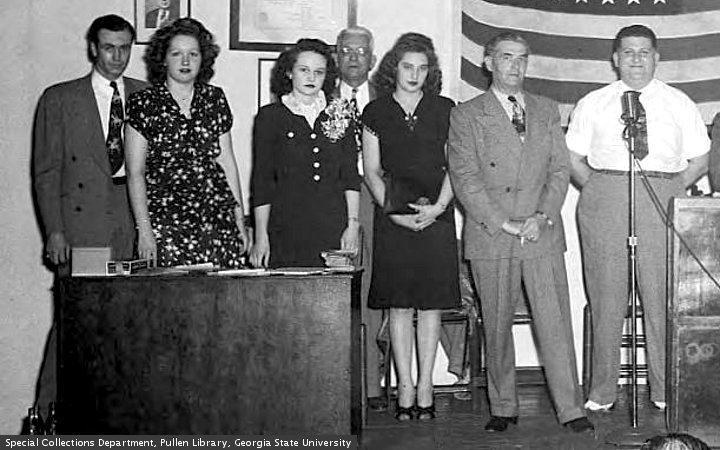
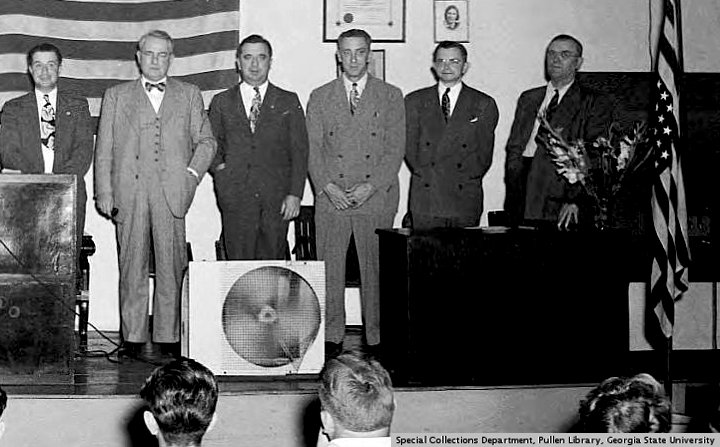
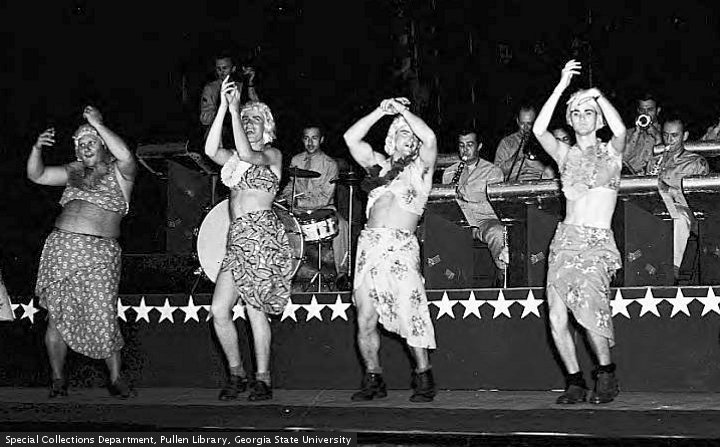
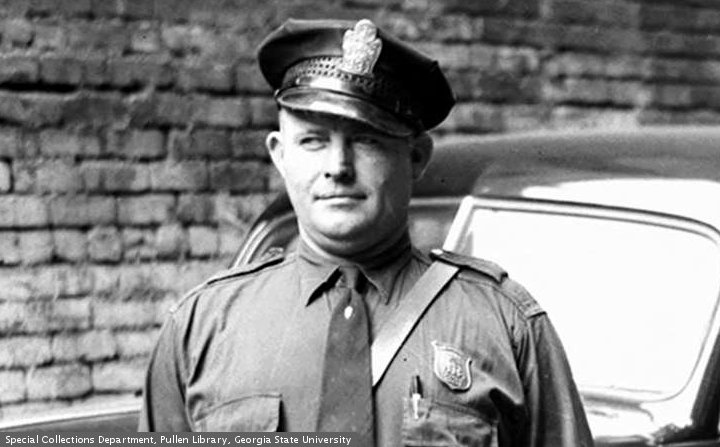
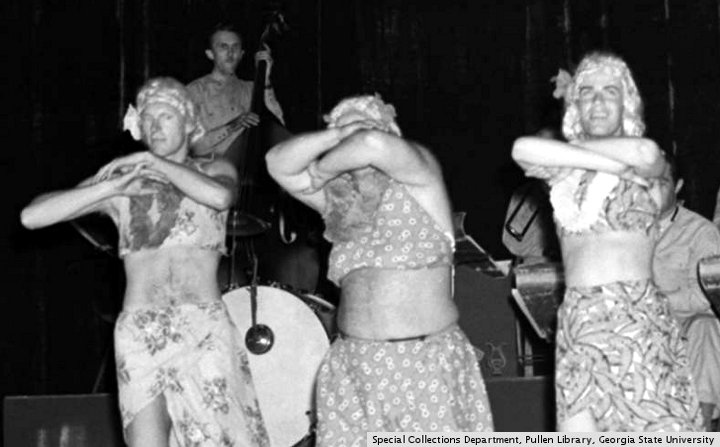
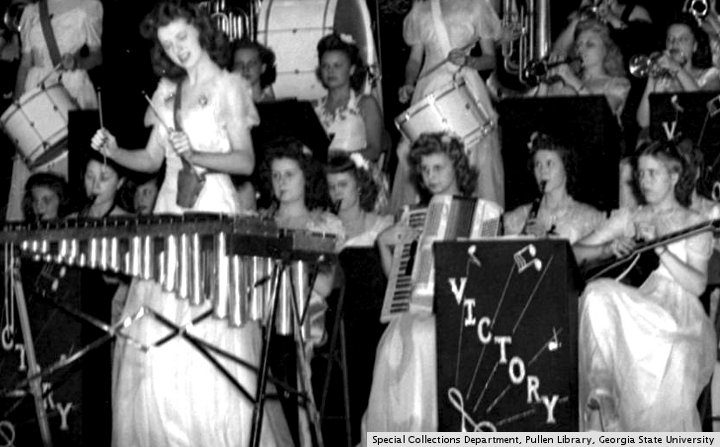
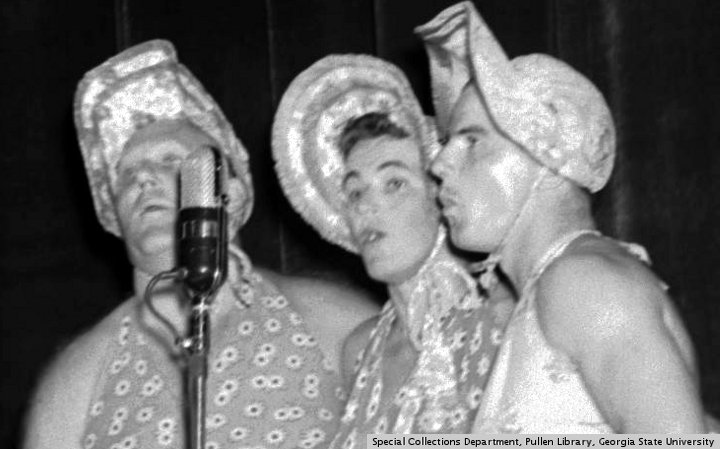
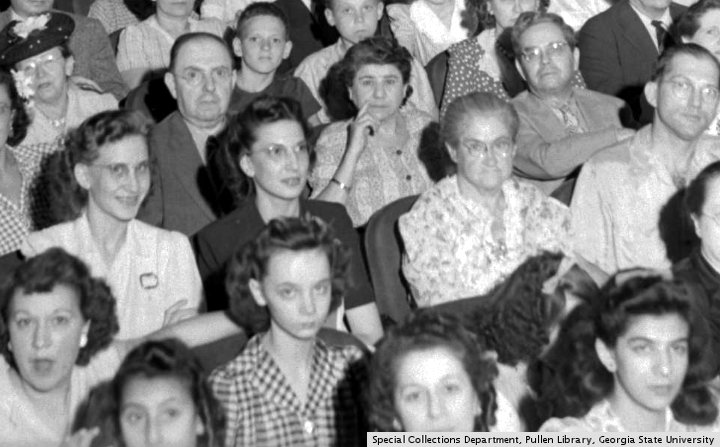
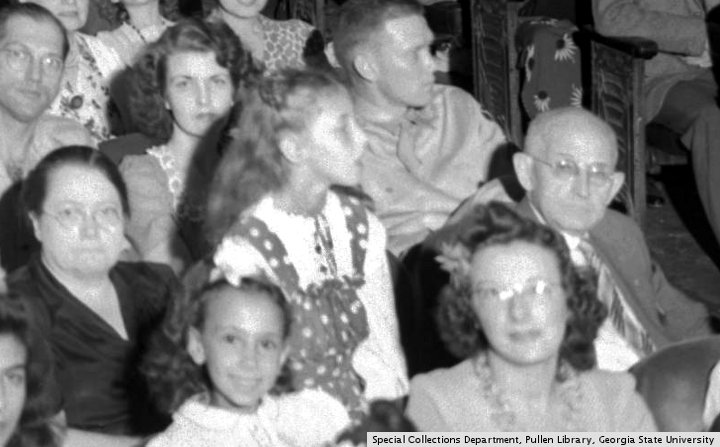
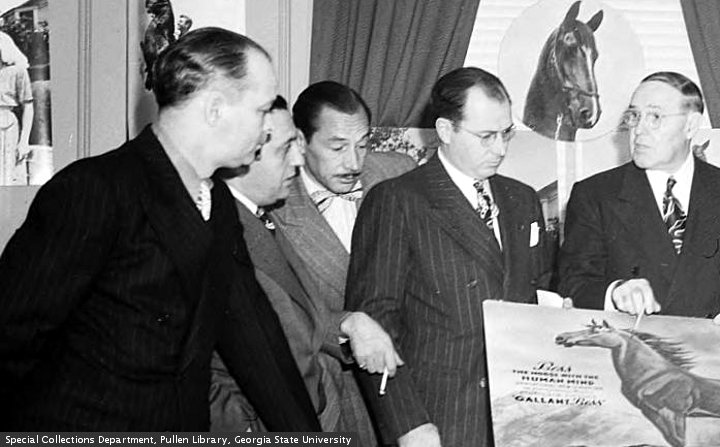
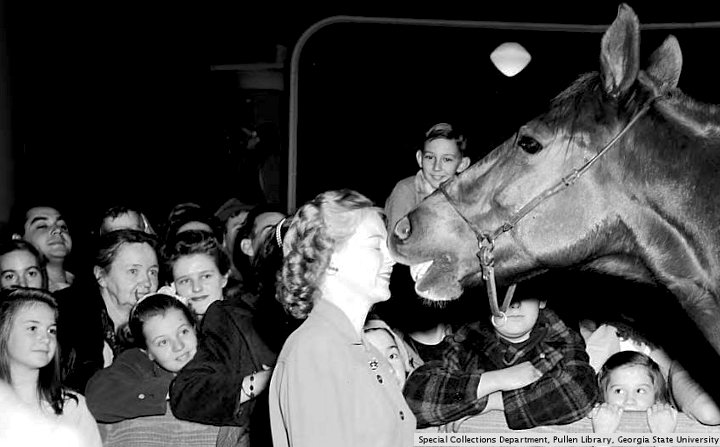
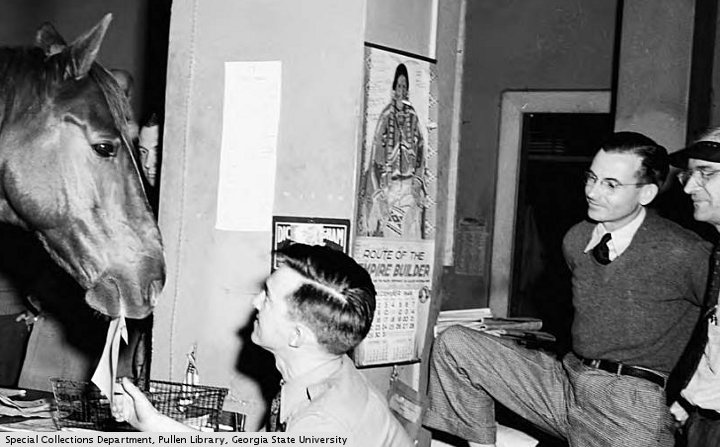
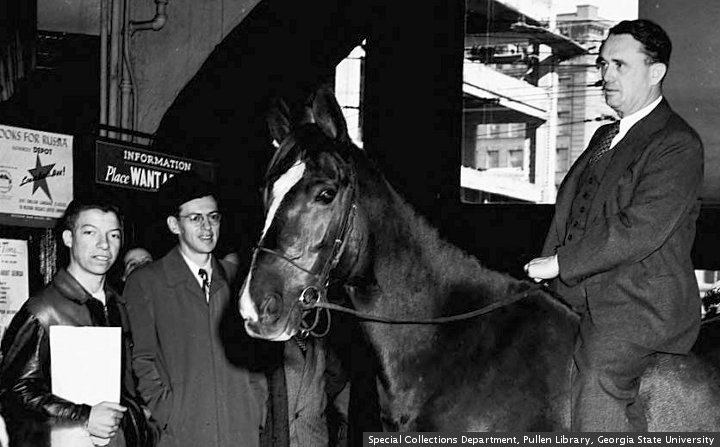
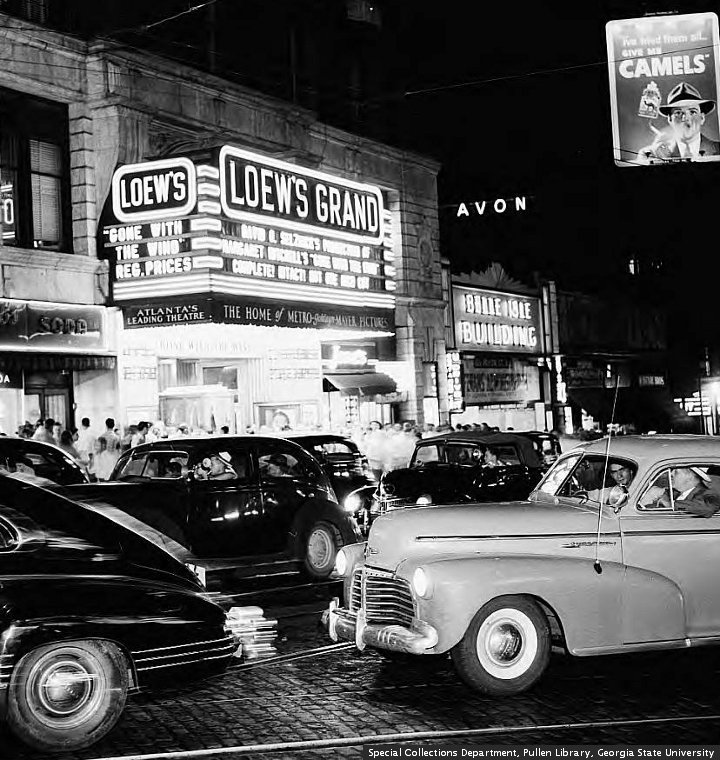
Ira Hayes was a native American. Thousands of African Americans have returned from foreign wars, to be treated poorly. Until a few months ago, if a man, or woman, is accused of being gay, the service is forgotten. On Memorial Day, we should struggle to ensure that all future veterans are treated with respect, all year long. This is a repost. Pictures are from The Library of Congress and “The Special Collections and Archives, Georgia State University Library”. Some of the pictures shown today were taken at a War Bond Drive show, Loew’s Grand Theater, July 10, 1944.




Why The War Between The States Was Fought



Recently, Mr. Trump said something stupid about the War Between the States. After his comments began to filter into the marketplace of ideas, people began to react. There was a good bit of self righteous talk about how bad the Confederacy was. Maybe it is time for another point of view. This feature will have minimal research. Mostly, PG is typing things he has heard and thought. It is possible that some items will be incorrect. The reader is encouraged to do their own research. Comments are welcome.
When the colonies declared independence in 1776, nobody knew how things would turn out. First, Great Britain needed to be defeated. After that, the Articles of Confederation went into effect. “Under these articles, the states remained sovereign and independent, with Congress serving as the last resort on appeal of disputes. Congress was also given the authority to make treaties and alliances, maintain armed forces and coin money. However, the central government lacked the ability to levy taxes and regulate commerce…”
This arrangement was not working, and the Constitutional Convention was called. Originally, the CC was going to revise the Articles of Confederation, but wound up throwing the whole thing out, and creating the Constitution. This document called for greater federal authority. The issue of what powers to give to the states, and what powers to give to the central government, was contentious. It remains controversial to this day.
Had any group of antonymous states formed a federal union before? Usually, such a union is the result of a conquest, with one of the states ruling the others. It is unclear whether such a union had been attempted before, or how successful it was. When the “founding fathers” created the constitution, they probably did not foresee how it would play out. The current system, with a massive central government cat-herding the 50 states, would have been laughed off as a dangerous fantasy.
So the states start to have disagreements. One of the things they disagreed over was slavery. Yes, this was an important factor in the unpleasantness to come. Slavery also influenced a lot of the economic conflicts. The North wanted high tariffs to protect industry. The South wanted low tariffs, so they could sell cotton to Europe. There were many other ways for the states to not get along.
Finally, in 1861, the disagreements became too big to ignore. The south seceded, and the War Between The States began. The Confederate States of America was a looser union than the United States. The thought was that the states were more important than the federal union. Mr. Lincoln disagreed. (One popular name for the conflict was Mr. Lincoln’s war.) Many people say that Mr. Lincoln was not especially concerned about the slaves, but wanted to keep the union together.
How does slavery enter into this? Imagine the conflict over states rights vs federalism to be an open tank of gasoline. The lit match that was thrown into that tank was slavery. When the winners wrote the war history, it sounded better to say that the war was fought to free the slaves. Pictures today are from The Library of Congress. This was a repost.


Confederate Memorial Day

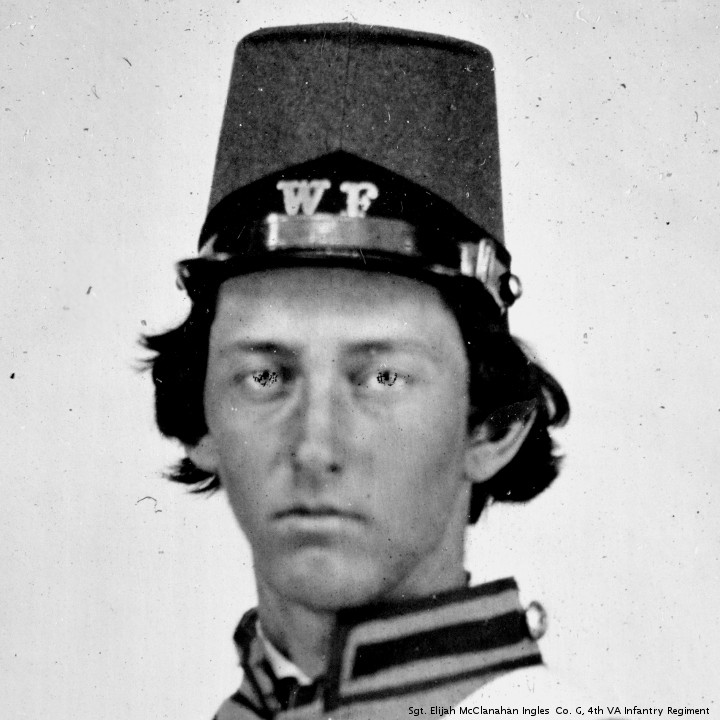

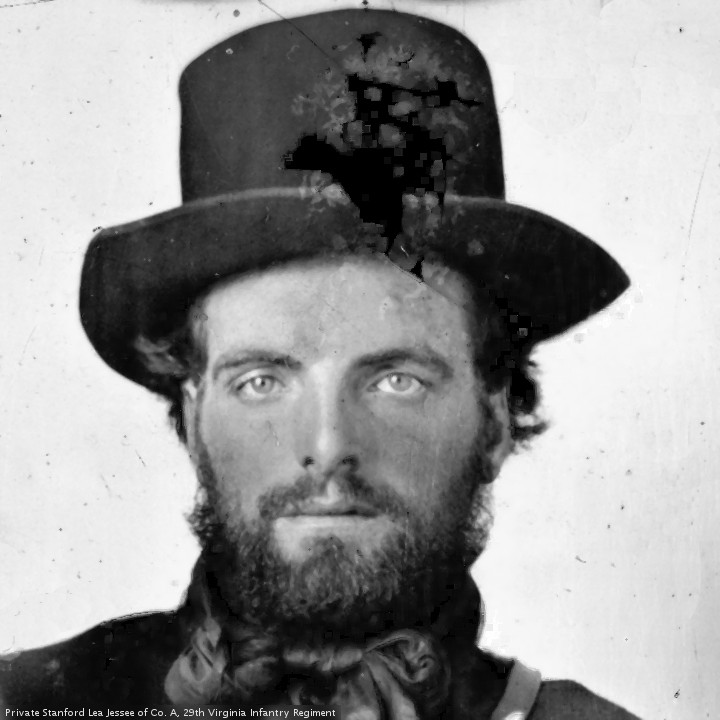


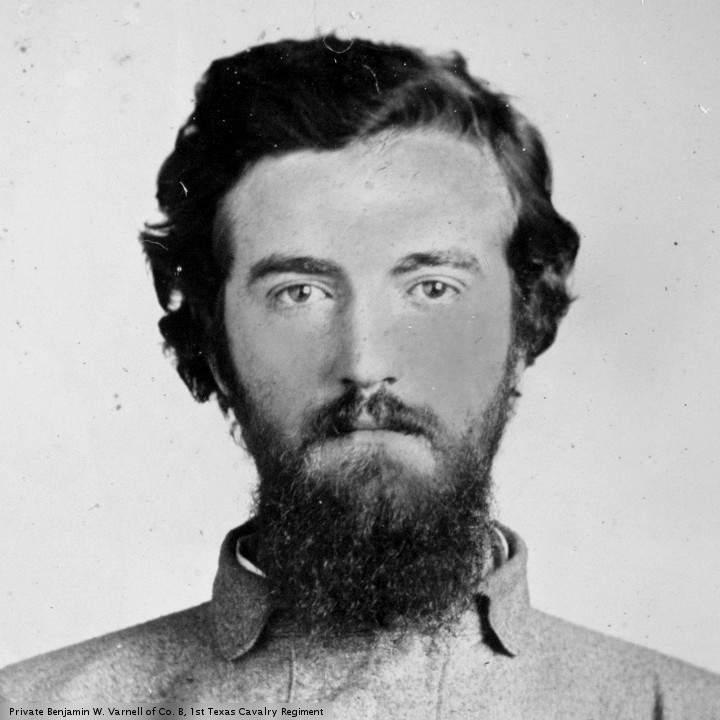
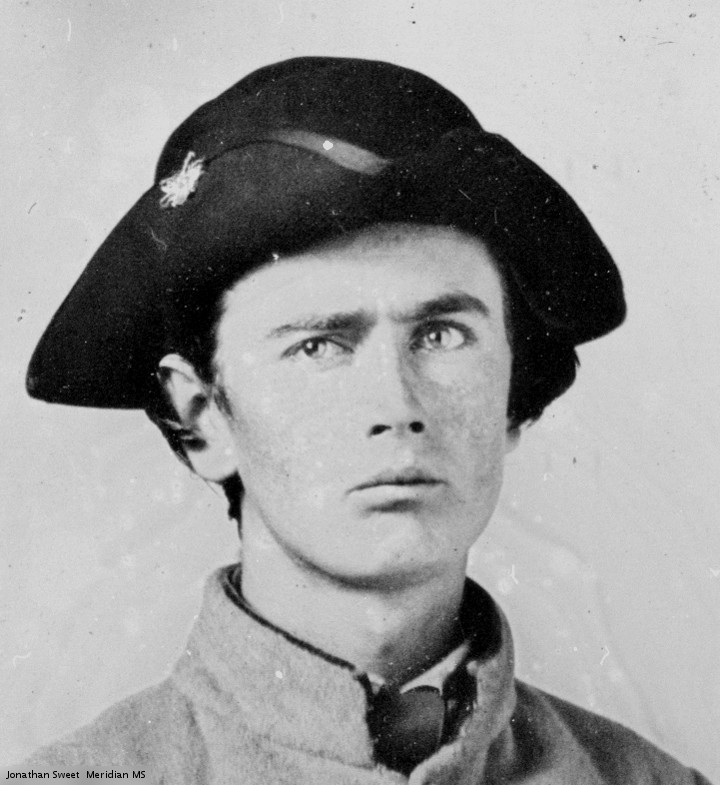
Today is Confederate Memorial Day in Georgia. It is an ancient question…how to honor the soldiers from the side that lost. They were just as valiant as the Union Soldiers. Considering the shortages of the Confederate Armies, the Rebels may have been just a bit braver.
The issue of Federalism is a defining conflict of the American experience. What powers do we give the Federal Government, and what powers do we cede to the States? The Confederacy was the product of this conflict. The Confederate States were a collection of individual states, with separate armies. This is one reason why the war turned out the way it did.
This is not a defense for slavery. The “Peculiar institution” was a moral horror. The after effects of slavery affect us today. Any remembrance of the Confederacy should know that. This does not make the men who fought any less brave.
It is tough to see the War Between the States through the modern eye. It was a different time, before many of the modern conveniences that are now considered necessities. Many say that the United States were divided from the start, and the fact the union lasted as long as it did was remarkable. When a conflict becomes us against them, the “causes” become unimportant.
The War was a horror, with no pain medicine, and little that could be done for the wounded. It took the south many, many years to recover. The healing continues in many ways today. Remembering the sacrifices made by our ancestors helps.
This is a repost from CMD 2010. Pictures are from the The Library of Congress.




If America Is So Racist


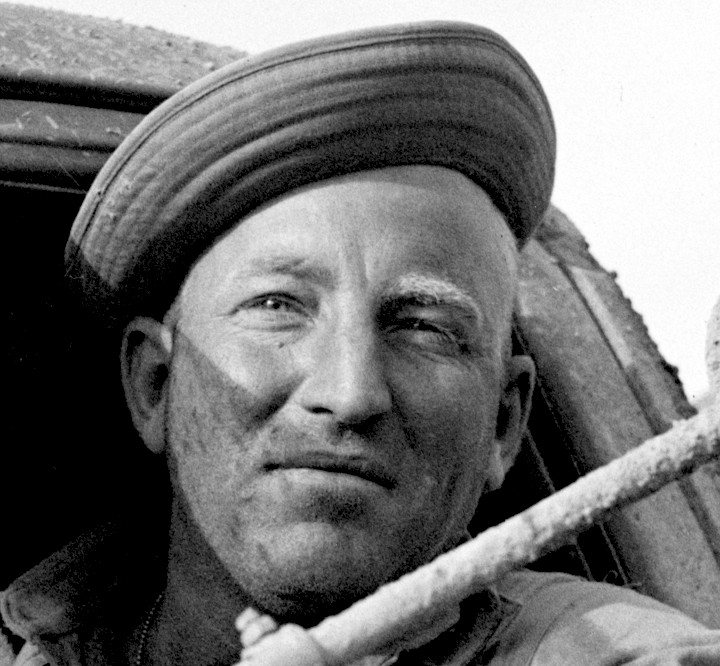
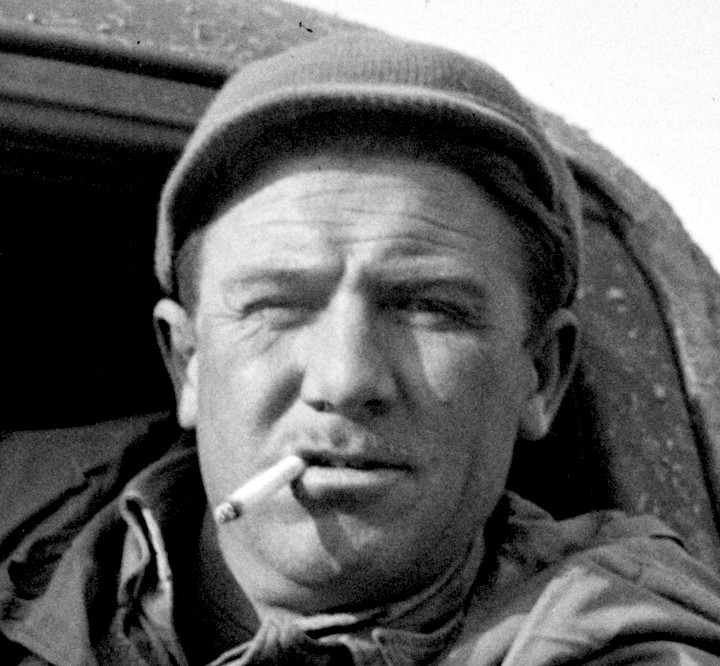
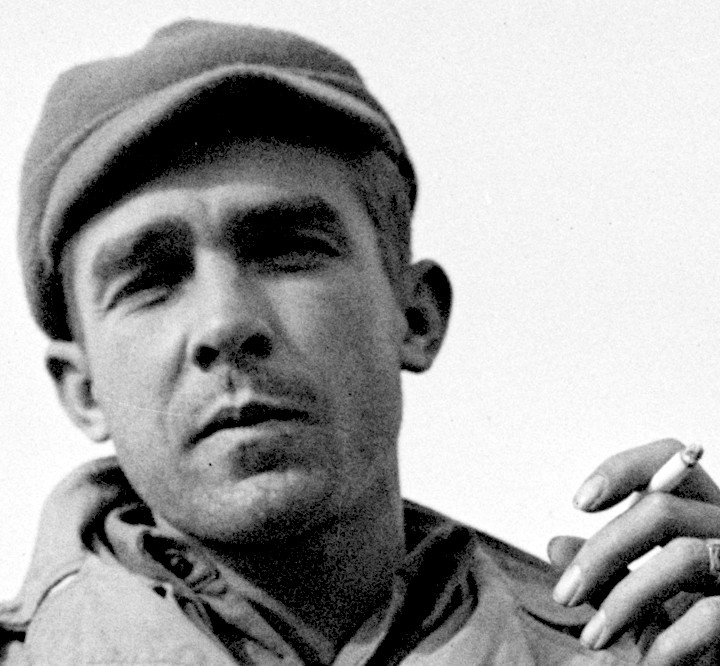
Lots of smart people have been writing about the 2016 election. One popular line of thought is that Donald Trump won the electoral vote because of racism. There are numerous studies that indicate this. This feature will not quote, or link to, these articles. The bottom line is that DJT was labeled racist, and enough voters either liked it to win the election. This is a repost.
There is a problem with this line of reasoning. In 2008 and 2012, the same population elected a dark skinned man. If America is so racist, why did Barack Obama win the Presidency twice? There is something not quite adding up here.
One possibility is show business. BHO was clearly a better performer than John McCain, or Mitt Romney. DJT is much more entertaining that Hillary Clinton. Some fuddy duddy purists talk about issues, when the voting public is clearly superficial.
Another option may be the way Democrats dealt with racial attitudes. HRC called DJT’s actions racist. If BHO did the same against his opponents, it did not get much attention. The supporters of HRC said repeatedly that anyone who votes for DJT is a racist. It is unlikely that anyone said that anyone voting for Mr. Romney, or Mr. McCain, was a racist.
There is an urban-rural divide in America. Many people face tough economic times, and resent what they perceive to be a liberal elite. The reaction of the liberal elite is to label this resentment as racism. While racial attitudes may be part of the problems in rural America, it is far from the entire story.
It would have been better for HRC to win ugly, than to allow DJT to win. She handed millions of votes to DJT by labeling people as deplorables. Barack Obama won the support of many deplorables. Maybe BHO is just a better politician than HRC.
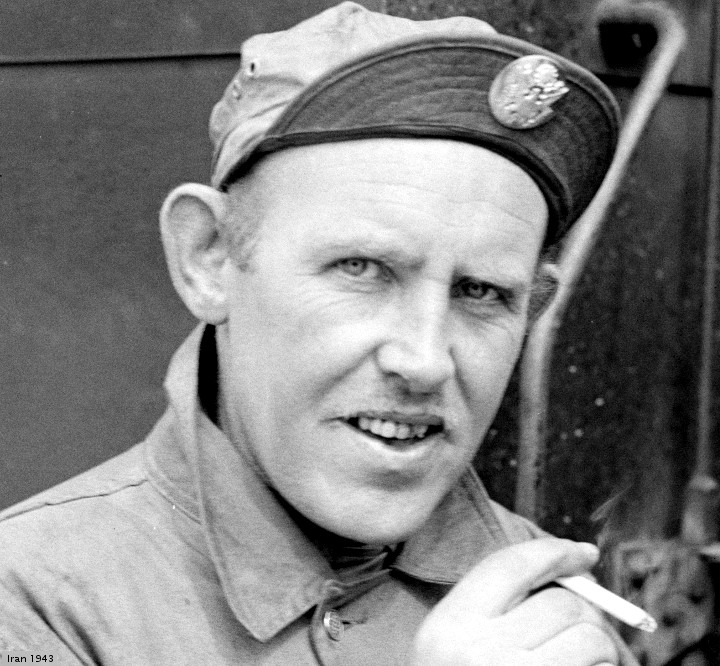
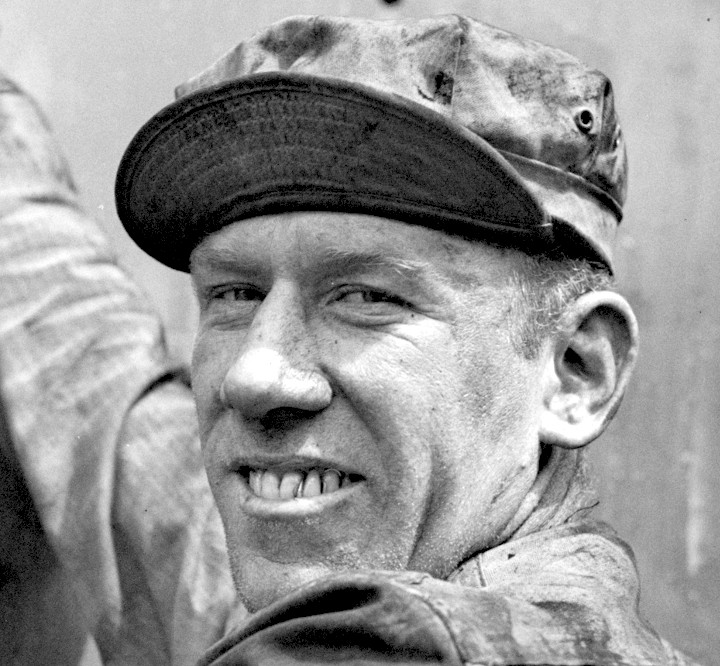
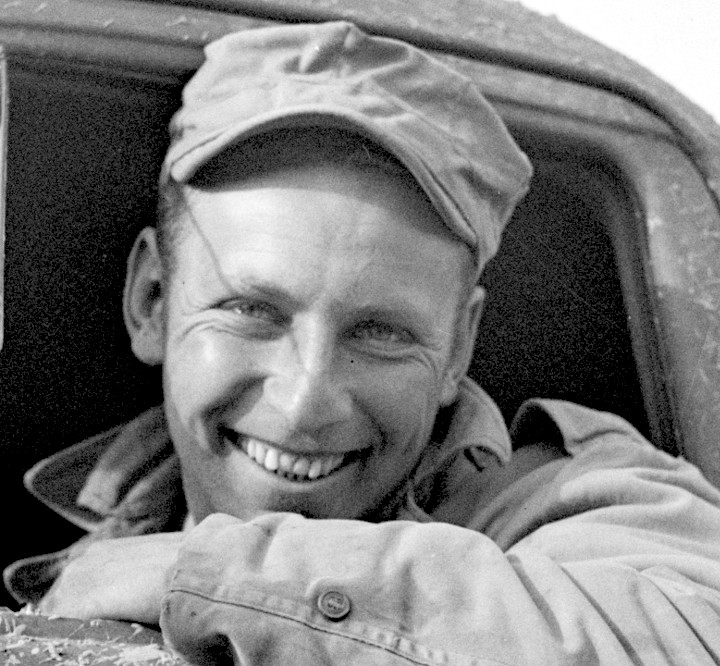
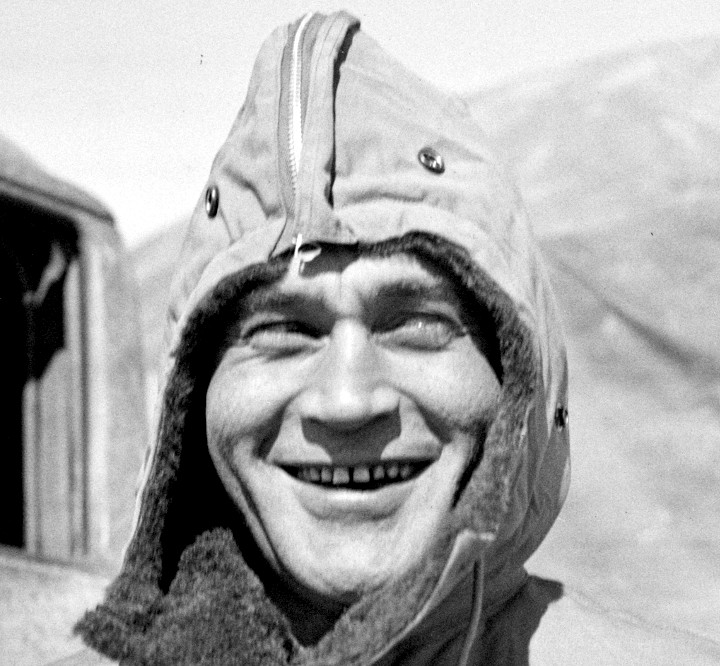
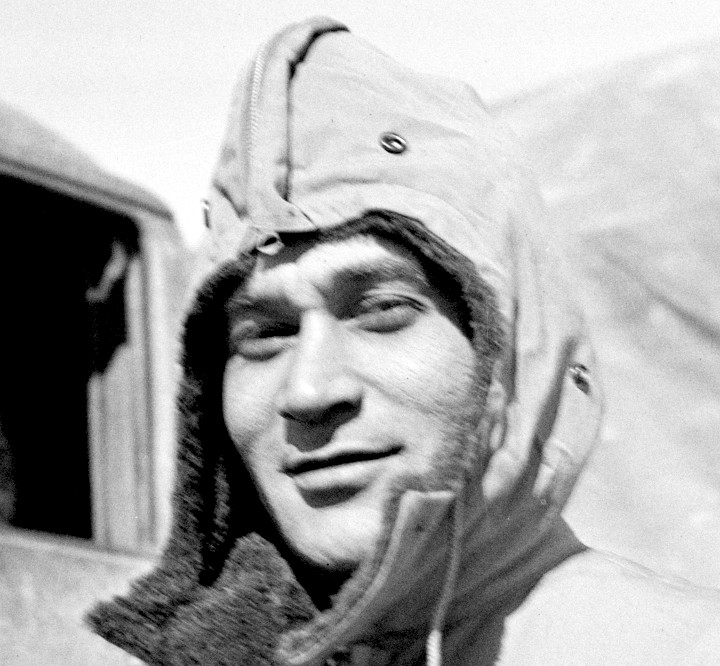
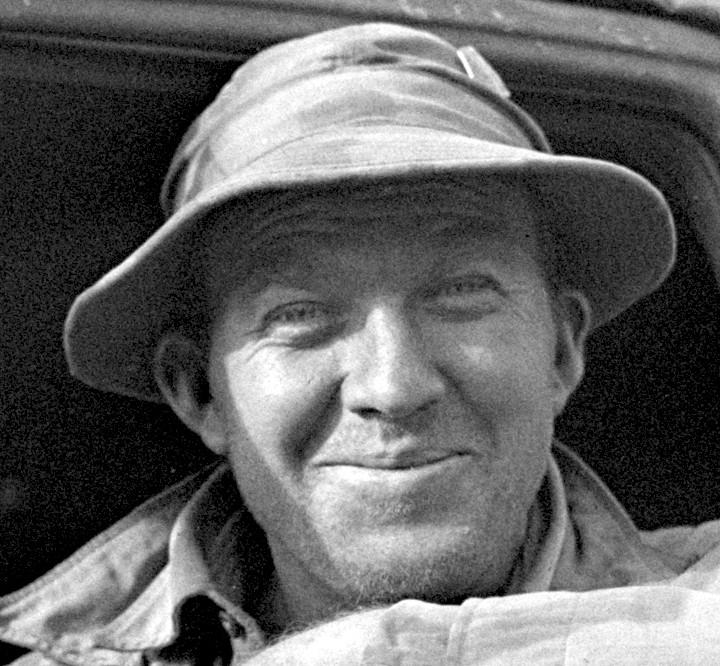
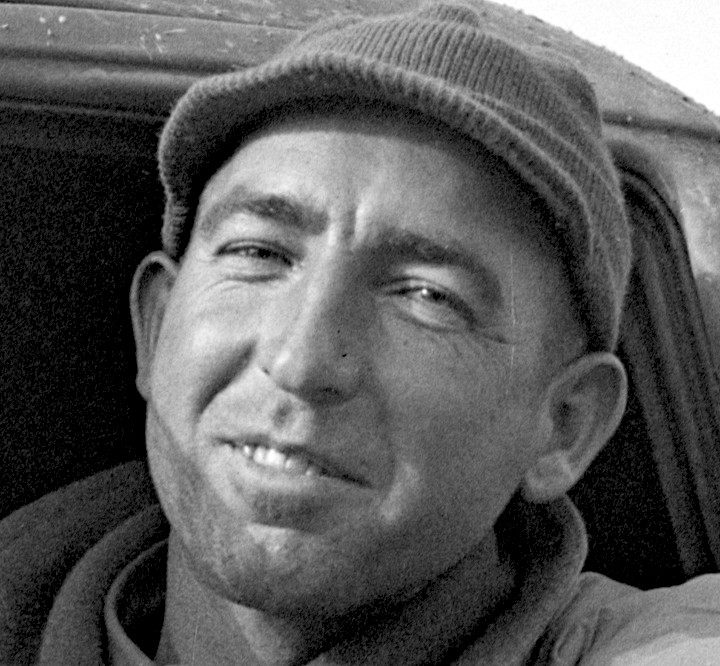
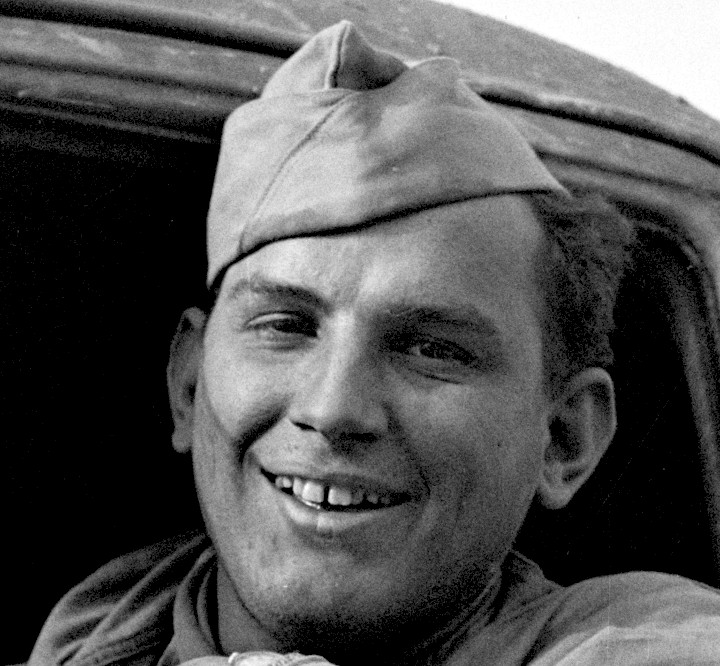
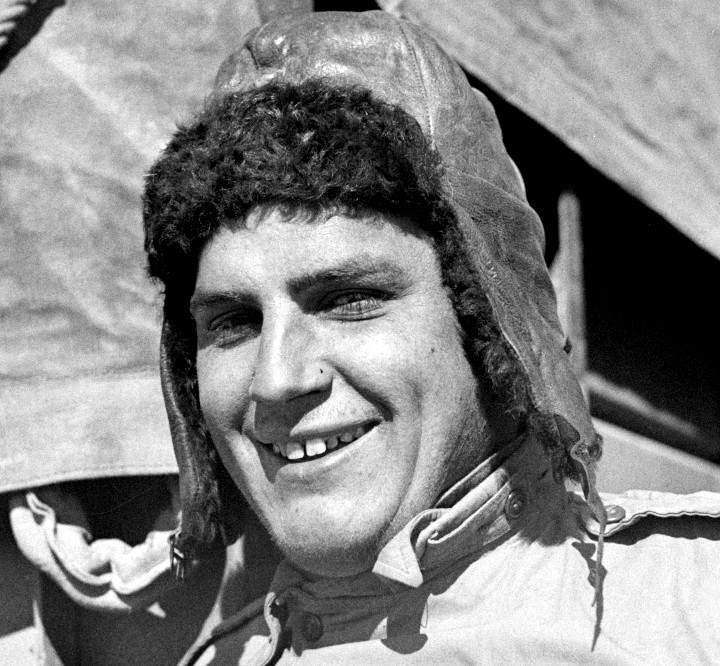
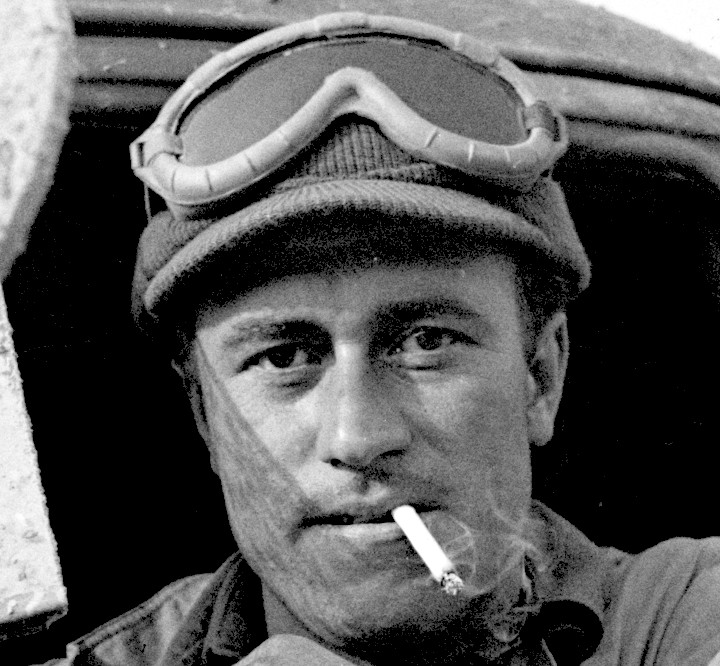
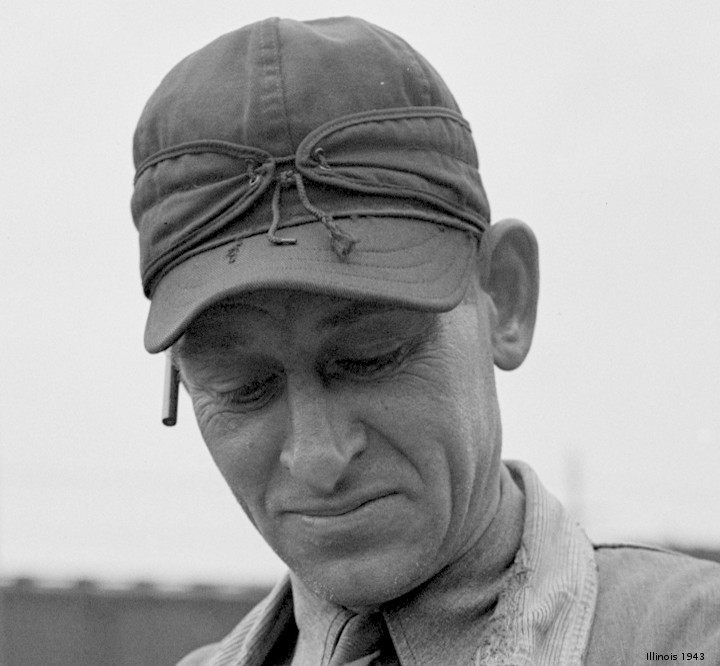
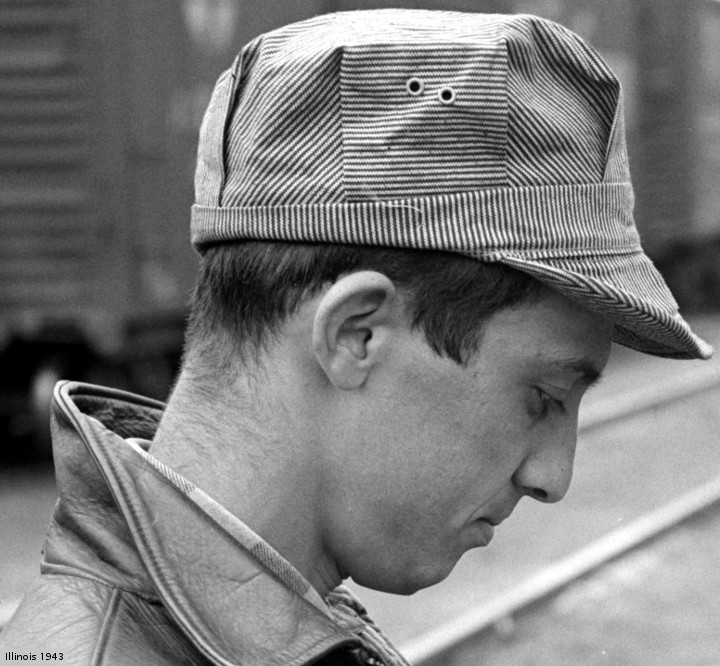
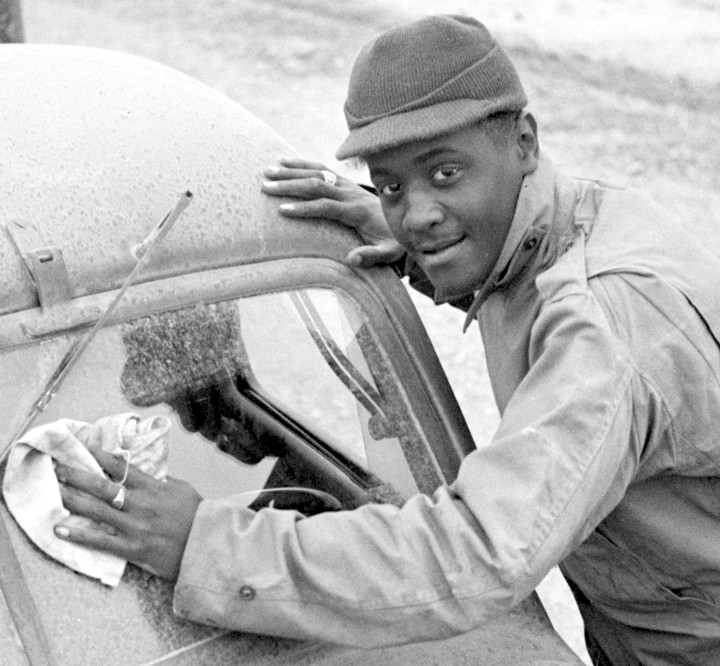
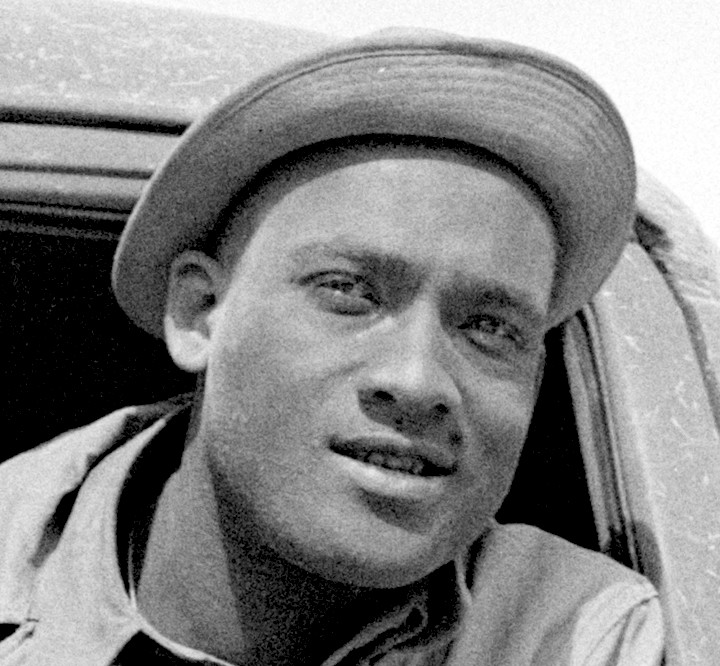
Pictures today are from The Library of Congress. Nick Parrino took the pictures in 1943. The men were Army truck drivers, many stationed “somewhere in Iran.”
Thomas Jefferson Said What?


PG was wasting time with facebook when he saw a friend say “Damn I love this quote”. The passage being praised was “If you are neutral in situations of injustice, you have chosen the side of the oppressor.” Desmond Tutu. The rhetoric alert started to flash. These days, the wolf and the sheep buy their clothes at the same Walmart. To hear some oppressors talk, they are the ones under attack. It is tough to tell the good guys from the bad guys. Often you can make things worse by getting mixed up. Sometimes the best thing to do is mind your own business.
Ok, now that is out of the way. Some lines sound good, but don’t hold up to a bit of thinking. As for the veracity of the quote, Desmond Tutu may very well have said it. (or maybe one of his rivals said it, and Mr. Tutu copied it.) The quote has been attributed to Thomas Jefferson, Edmund Burke, Patrick Henry, and probably others. Almost no one has a source, for the quote, from the dead white guys.
A post called MISQUOTING THE FOUNDERS did not mince words. “The only problem with this scene that has been repeated many times across the country is that Thomas Jefferson never said that, never wrote that, and quite possibly never thought it. Our aspiring politician had fallen victim to the perils of popular misattribution. You could fill a book with misquotes and misattributed quotes we hear repeated regularly today. Right now if I Google “All tyranny needs to gain a foothold is for people of good conscience to remain silent” the entire first page of results wrongly attribute it to Thomas Jefferson. The quote and its many variants have been attributed in the past to Thomas Paine and Edmund Burke, but no record exists of the quote in any of their writings or contemporary accounts.”
On November 13, 1787, Mr. Jefferson wrote a letter to William Smith. The letter is full of zesty quotes. “What country before ever existed a century & a half without a rebellion? & what country can preserve it’s liberties if their rulers are not warned from time to time that their people preserve the spirit of resistance? Let them take arms. The remedy is to set them right as to facts, pardon & pacify them. What signify a few lives lost in a century or two? The tree of liberty must be refreshed from time to time with the blood of patriots & tyrants. It is it’s natural manure.”
A few lines above that, Mr. Jefferson said “God forbid we should ever be 20 years without such a rebellion.” Twenty years after he wrote this, Mr. Jefferson was President. He probably did not want to deal with a revolution when he was President.
Getting back to the quote about tyranny, Martin Porter wrote an entertaining essay, A study of a Web quotation. He gives credit, or blame, to Edmund Burke. First, a list of different versions is presented. This is a clue that something is awry. The conclusion: “There is no original. The quote is bogus, and Burke never said it. It is a pseudo-quote, and corresponds to real quotes in the same way that urban legends about the ghost hitch-hiker vanishing in the back of the car and alligators in the sewers correspond to true news stories.”
Mr. Porter wrote a follow up essay, Four Principles of Quotation. These principles are: Principle 1 (for readers) Whenever you see a quotation given with an author but no source assume that it is probably bogus. Principle 2 (for readers) Whenever you see a quotation given with a full source assume that it is probably being misused, unless you find good evidence that the quoter has read it in the source. Principle 3 (for quoters) Whenever you make a quotation, give the exact source. Principle 4 (for quoters) Only quote from works that you have read.
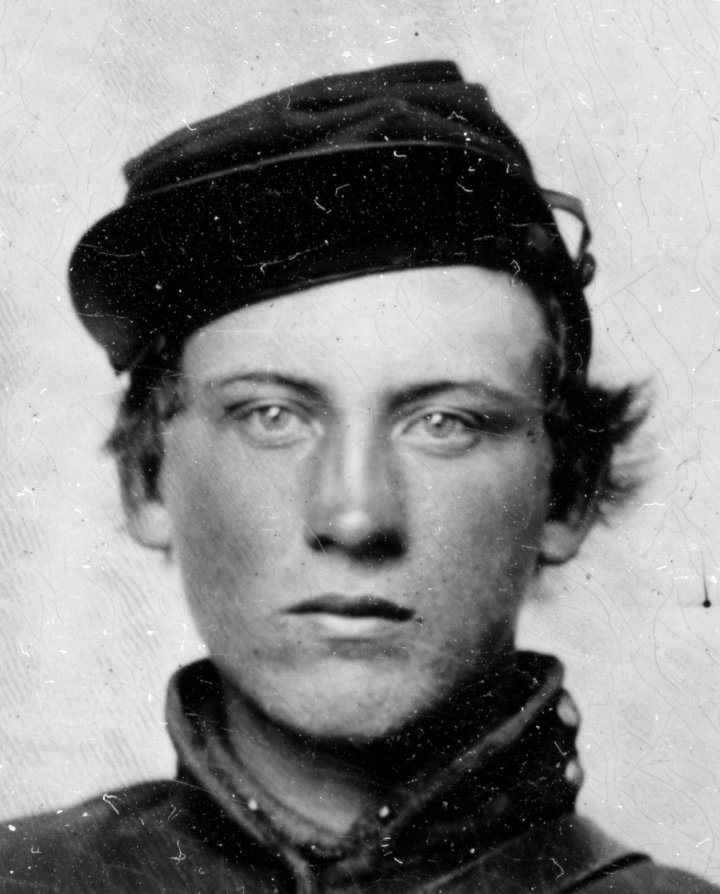
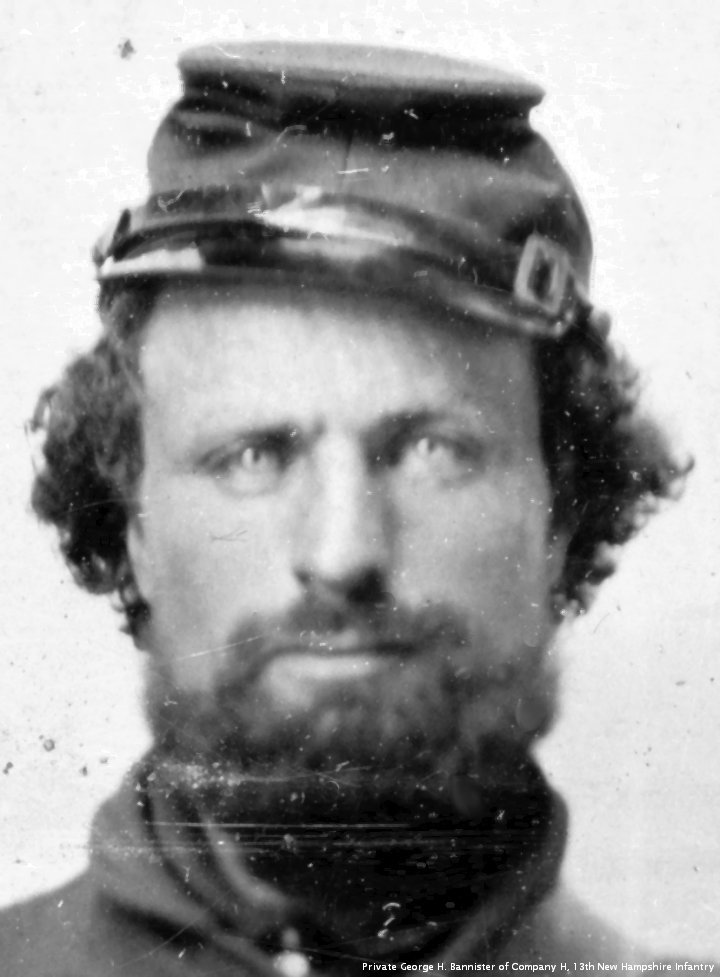
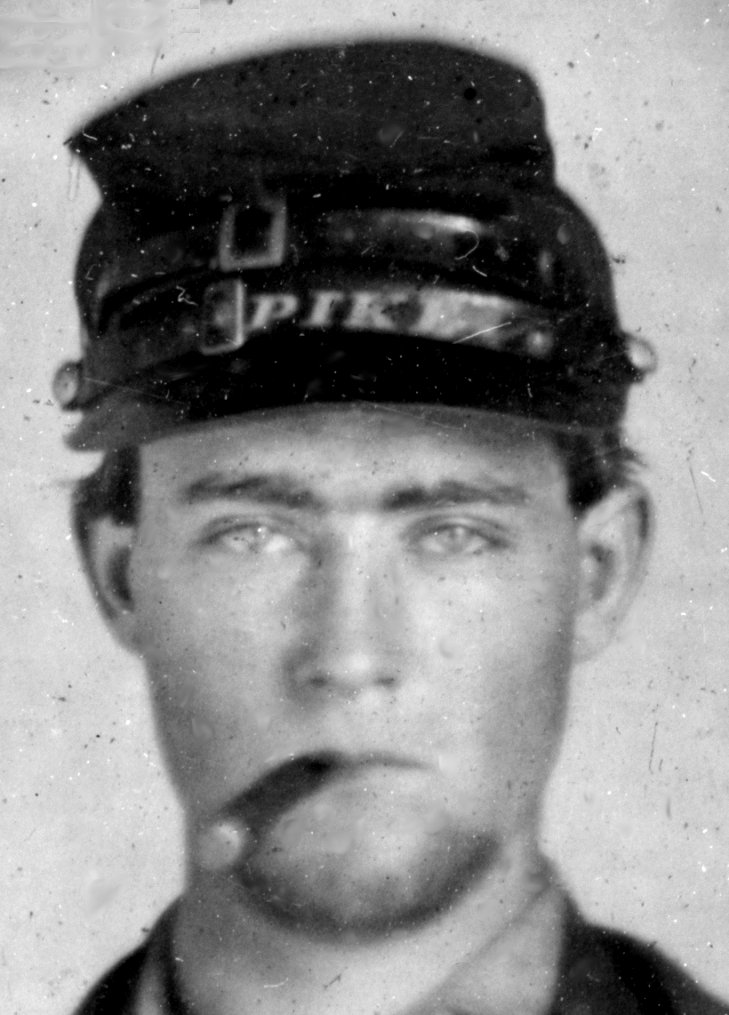
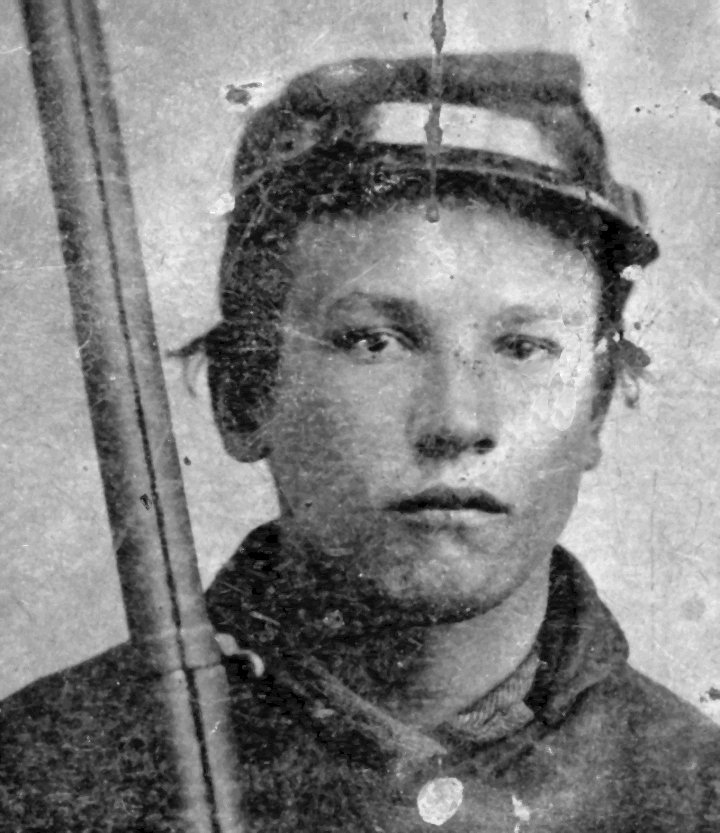
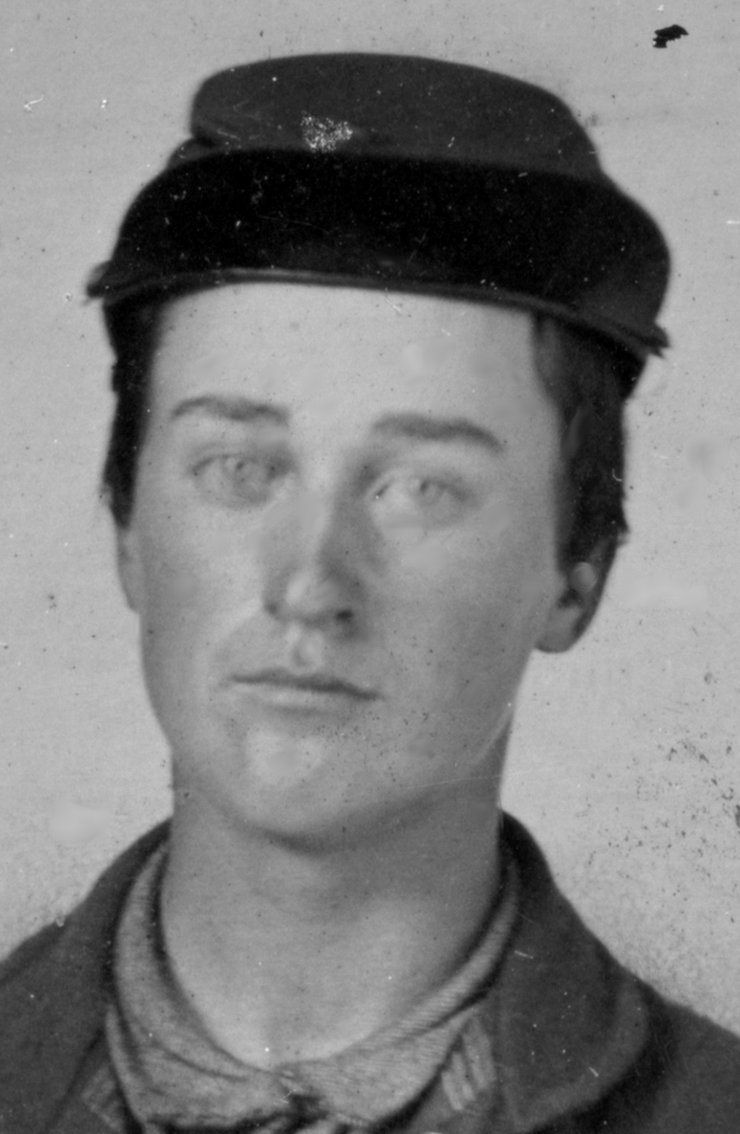
If these principles were to be used, then there would be a lot less hotheaded talking on the intercom. Those who are trying to influence you to the justice of their cause will not want you to read this. Pictures for this feature are from The Library of Congress. These pictures are Union soldiers, from the War Between the States. When war is discussed, all inspiring quotes are in doubt.
This is a repost. It is written like James Joyce. In the past year, doing due diligence on alleged quotes has become a hobby. Many people don’t care who said it, if they agree with the thoughts expressed. The prevailing thought is that an idea becomes more true with a famous name at the end. If the famous person is deceased, and cannot defend his/her reputation, that is not a problem. People do not like being told that Santa Claus does not exist.
Dr. King And Mr. King



PG stumbled onto a blog post about a speech. It was delivered August 28, 1963, by Doctor Martin Luther King, Jr. You have probably heard the money quote many times, but how many have heard the entire 881 words. PG had not, and decided to take a look.
The speech is really a sermon. It is delivered with the cadence, and rhetorical flourishes, of the church. Dr. King was a minister. The Jesus worship church is a huge player in African America. The fact that slaves were introduced to this religion, by their owners, seems to be forgotten.
The term used is Negro. This was the polite word in 1963. The custom of saying Black started in the late sixties, at least partially inspired by James Brown. Negro began to be seen as an insult.
As the speech is working up to the climax, there is a line “But not only there; let freedom ring from the Stone Mountain of Georgia!” Today, Stone Mountain is a middle class black community. DeKalb County is mostly black, and the political leadership is African American. This was a long way from happening in 1963.
Twelve weeks after Dr. King gave his speech, President John Kennedy was killed. Part of the reaction to this tragedy was the passage of the Civil Rights Act of 1964.
The next year saw the Voting Rights Act, and escalation of the war in Vietnam. It seemed that for every step forward, there was a half step back. People lost patience with non violence. America did not implode, but somehow survived. It is now fifty five years later.


The other day PG stumbled onto a blog post, about a speech given by Dr. Martin Luther King Jr. This address was deemed “the singularly most-important speech on race in the history of this country.”
PG admires Dr. King. He is also suspicious of superlatives. There were some comments made by Rodney Glen King III. The comments by Mr King were briefer, and tougher to live up to.
While thinking of things to write about, PG realized that he had never seen the actual quote by Mr. King. It is embedded above. When you see this video, you might realize that Mr. King has been misquoted. The popular version has him saying “Can’t we all just get along.” He did not say just.
Mr. King was known to America as Rodney King. His friends called him Glen. His comments, at 7:01, May 1, 1992, went like this: ““People, I just want to say, you know, can we all get along? Can we get along? Can we stop making it, making it horrible for the older people and the kids? . . . Please, we can get along here. We all can get along. I mean, we’re all stuck here for a while. Let’s try to work it out. Let’s try to beat it. Let’s try to beat it.”
The circumstances of the two comments could not be more different. Dr. King was giving the sermon of his life. There was an enormous crowd, both in person and on TV. His comments were scripted, rehearsed, and delivered with the style that he was famous for.
Mr. King, by contrast, had just seen the officers who beat him acquitted. Cities from coast to coast were in violent upheaval. Mr. King was speaking to reporters, without benefit of a speech writer. What he said might be more important. This double repost has pictures from The Library of Congress.


Crazy Owl
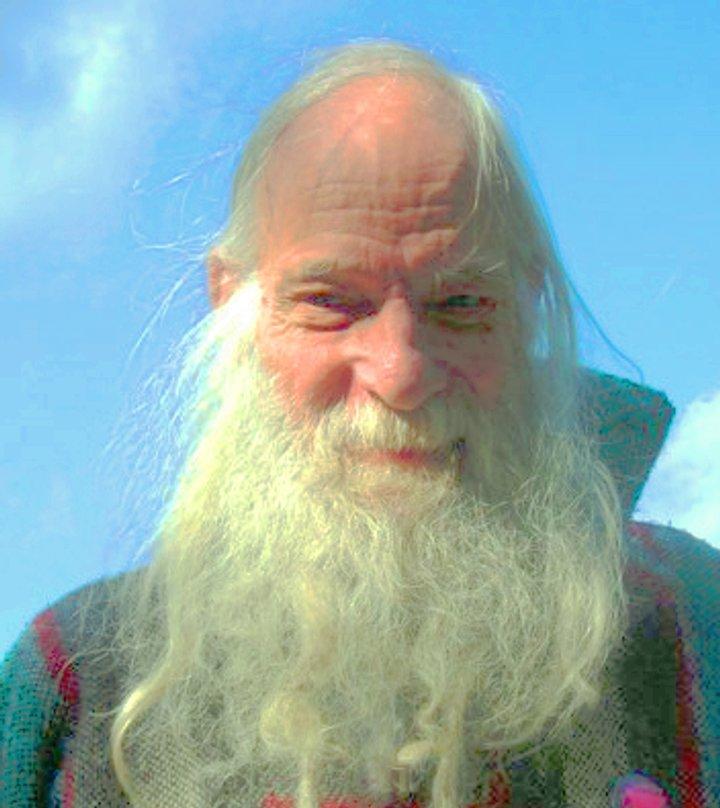
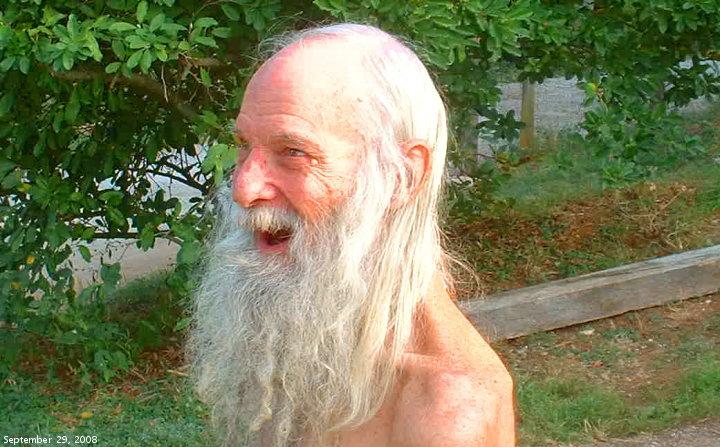


It started as a rumor, and was quickly confirmed. Crazy Owl…a.k.a. Charles Emerson Hall…passed away April 4, 2011. He was my friend for many years. Many stories could be told, and here are a few. Here is the biography from his website, Crazy Owls Perch. This is a repost.
These few lines will introduce you to Crazy Owl, the author of this website. His life began August 5 1927 at 6:02 AM in Akron Ohio, USA. His mother named him Charles Emerson Hall.
In 1960 The University of Wisconsin awarded him a Doctor of Philosophy (PhD) degree, He pursued a career in mathematical statistics and research methodology until 1975 when he predicted that a cancer epidemic would engulf one-third of the population by 1985. Thereupon he “dropped out” and went into the community lifestyle and ate organic food. In summer of 1987 he took the name Crazy Owl and accepted the Barred Owl (the original “Crazy Owl”) as his totem.
Sometime during these years he became interested in Traditional Chinese Medicine (TCM for short). In 1980 he started studying acupressure at the Acupressure Institute in Berkley California. Since that time he has been a Healer with TCM as the core of his practice. From 1985 to 1997 Crazy Owl taught TCM in The School For Gentle Hands in Atlanta Georgia. He had a clientele in Healing and a business in herbalism as well as students.
The School for Gentle Hands was in an old horse farm on Flat Shoals Road, just off I20 and Gresham Road. There is a subdivision there now, and the K mart is a Walmart. This space is a mile away from East Atlanta Village, and is an up and coming neighborhood now. When Owl moved there in 1985, it was run down. He had a beat up barn, a dirt driveway, and a pipe bringing county water in. Some government agency made him get a porta potty, a bright green facility with a lot of nicknames.
The School For Gentle Hands was about nine miles due south from my attic apartment. One of the events was the friday night sweat lodge. You drove down, found a place to park in the weeds, and walked down a hill to the lodge. Owl would start the fire, put the rocks in, and hope that someone was there to join him. I sometimes served as the helper, balancing the glowing rocks, on a pitchfork, while Owl held open the door to the lodge.
One friday, the sweaters were talking about the things they were grateful for. The previous friday night, I had been in a tacky bar in Tucker GA. Everyone except me chain smoked, while the band played “Melancholy Baby”. Seven days later, I was naked in a makeshift hut. I was grateful for the variety in my life. All my relations
In those days, AIDS was on a rampage, and there was little that industrial medicine could do. Crazy Owl helped quite a few people. Some did well with his treatment, and are thriving today. He taught that AIDS was not a disease, but a condition, and that it could be reversed.
Crazy Owl was a traveling companion of mine in those days. For a while, it seemed like every time we went anywhere, it would pour down rain the entire time. On a pre Thanksgiving Wednesday, this turned into ice when we arrived at the valley in North Carolina. We woke up the next day to find ourselves in an ice crystal wonderland.
He is not on this plane of existence any more. As for what he expected, I honestly don’t know. Not everyone is obsessed with life after death. I suspect that Crazy Owl is going to be all right.
Update: Here is the story of his final days. The story of the Memorial Service is here.




The jury found James Arthur Ray guilty of manslaughter , or the ending of a life. He conducted a sweat lodge ritual in Arizona, and apparently had the room too hot and too crowded. People were not encouraged to leave before the end. Three people died as a result. (James Arthur Ray is a different person than James Earl Ray, the convicted killer of Martin Luther King. This is one time when the custom of referring to perps by all three names is valuable.)
PG used to attend sweat lodges hosted by Crazy Owl. These were much smaller, and gentler, than the fatal affair in Arizona. There was always plenty of water, and an onion tea was drank before entering the lodge. As you entered, you said “all my relations”, which did not mean you looked forward to being with them for eternity.
Friday night at Crazy Owl’s was an informal affair. Once inside, prayers were offered, and songs were sung. One of the favorites was “Amazing Grace”. Amazing Grace, how sweet the sound, that saved a life like me . That was the version that Crazy Owl favored. Some of the others rebelled, and sang the traditional version, which saved a wretch like me. One night, Crazy Owl said that he would preferred that we sing “Amazing Grace” with life instead of wretch. PG thought he was a crazy old man, and went on saying wretch.
A few years later, after Crazy Owl’s life had ended, PG understood what he meant. You are not a wretch, you are a life. You were made by G-d in her image. She does not make junk. Many religions do not give their flock credit for being worth very much. You are a wretch, bound for hell, and only marginally better if you adopt the correct opinions and go to heaven. To say that you are a LIFE, a sacred creation with G-d in your soul, is a much better way to see things.
Last night, PG went to a celebration of life. (Pictures are from the Midsummer Night’s Dream.) While riding down Buford Hiway, he saw a huge rainbow. Ryans steak house was the pot of gold at the end. The summer solstice had been a few days earlier, the longest day, the height of the growth cycle. How sweet the sound, that saved a life like me. This is a repost.



Cary Grant Took LSD



There is a nifty article about Cary Grant and LSD on the web now. It seems Mr. Grant, the onetime Archibald Leach, had a few issues. Duh. Married five times. Widely rumored to the the bf of Randolph Scott. A talented actor, but a mess in the real world.
In 1956, Mr. Grant was with third wife Betsy Drake, who had a tough summer. “It was an open secret between cast and crew alike that the married Cary Grant was sleeping with Sophia Loren during their filming of The Pride and The Passion. Drake had flown to Italy to be by her husband’s side during the shoot only to find Grant ignoring her. Distraught, she fled on what was to be a quiet voyage on the SS Andrea Doria. On July 25, 1956 her quiescent journey turned into a nightmare. The ship collided with a Swedish ocean liner off the coast of Nantucket, Massachusetts, sinking to the bottom of the Sea and claiming fifty-one lives.2 Betsy survived but was traumatized. The incident, coupled with the estrangement of her husband, haunted her in her sleep.”
Betsy Drake had a friend named Sally Brophy, an actress. Miss Brophy also received help from a psychiatrist, which included taking LSD. Eventually, Cary Grant started to go see this doctor.
Taking a legal trip, in a Hollywood doctor’s office, is not like going to a rave. It was seen as therapy, a way of learning how to deal with your problems. According to Cary Grant, it worked very well. He talked about it to a reporter, and then confirmed that he wanted this to go out to the public.
“The shock of each revelation brings with it an anguish of sadness for what was not known before in the wasted years of ignorance and, at the same time, an ecstasy of joy at being freed from the shackles of such ignorance … I learned many things in the quiet of that room … I learned that everything is or becomes its own opposite … it releases inhibition. You know, we are all unconsciously holding our anus. In one LSD dream I shit all over the rug and shit all over the floor. Another time I imagined myself as a giant penis launching off from earth like a spaceship … I seemed to be in a world of healthy, chubby little babies’ legs and diapers, smeared blood, a sort of general menstrual activity taking place … As a philosopher once said, you cannot judge the day until the night ..”
The only problem was, Mr. Grant had a movie coming out, “Operation Petticoat”. The studio “tripped out” when it heard the star of the show was praising LSD in the press. Mr. Grant had a share in the profits of the film, and was persuaded to call the reporter and recant on the interview.
Not everyone was impressed by the doctors that Mr. Grant used. “Aldous Huxley had encountered the clinic prior to his death, but had sought his LSD experiences from the parallel practice of Dr. Oscar Janiger, the other acid doctor to the stars. Huxley witnessed Chandler and Hartman’s work and was unnerved by their approach. “We met two Beverly Hills psychiatrists the other day,” he wrote, “who specialise in LSD therapy at $100 a shot – and, really, I have seldom met people of lower sensitivity, more vulgar mind! To think of people made vulnerable by LSD being exposed to such people is profoundly disturbing.”
In any event, LSD became criminalized, Doctors Chandler and Hartman got in trouble, and Cary Grant got married two more times. While Grant never renounced LSD, he refused to use any other illegal drug, even marijuana. He was a conservative old fogey.
Maureen Donaldson was the lover of Cary Grant in the seventies, and was a friend of Alice Cooper. She finally persuaded Mr. Grant to go to an Alice Cooper concert with her. He wore sunglasses, gold chains, and dressed like a “seedy agent”. He sat through the entire show, wearing earplugs, hating every minute of it.
As Miss Donaldson recalled the evening “Driving back to Los Angeles, I congratulated Cary for being such a good sport … He’d made an extraordinary effort to please me … [I asked him] ‘You really hated it, didn’t you?’ ‘It’s…’ he said, struggling for words, ‘you know what it’s like? Remember I told you about the time I took LSD in my doctor’s office and shat all over his rug and floor?’ ‘Yes,’ I said. ‘Well now I know how that poor doctor felt.”
This is a repost. Pictures are from The Library of Congress.




Joyce Kilmer


Some say …It’s the Soldier, not the poet, Who has given us the freedom of speech. There is also the story of Joyce Kilmer. This is a repost. Pictures are from The Library of Congress.
Alfred Joyce Kilmer was born December 6, 1886, in East Brunswick NJ. He grew up to be a teacher, and wrote poems on the side. After teaching, he worked for Funk and Wagnall, defining words for five cents each. Mr. Kilmer continued to write, and became a popular lecturer.
In 1913, “Trees” was published. Your english teacher probably made fun of it. Many satires have been written. It was at the end of an era in poetry, when that *simple* style was popular. In the era after World War 1, poetry went crazy. Joyce Kilmer didn’t live to see it.
A few days after the United States entered World War 1, Joyce Kilmer left his wife, and five children, and went to war. Originally he was a statistician in the 69th Infantry Regiment, but wanted action. He was promoted to Sergeant, and sent to the Regimental Intelligence Section.
On July 30, 1918, Sgt. Kilmer was scouting the location of a German machine gun. A bullet to the head ended his war.
World War 1 was a ghastly bloodbath. It set the stage for World War 2, which was even bloodier. Not one person in a thousand today can tell you why World War 1 was fought, or how the United States got drawn into it. It is tough to see how World War 1 gave us freedom of speech.

PG stumbled onto a blog called Vast Public Indifference. The feature being utilized today is Urban Legend Names. The blogwriter is a historian in training, and became fascinated by name stories. She did some research. The names are in bold below, with the “status” underlined.
Clitoris: Unconfirmed. Variant forms can be confirmed, viz. Clitty Jones of Somers, OH (b. 1895, married to Walter, confirmed in 1920 and 1930 census). The name “Clit” appears in several census records, but cannot be independently confirmed (ex: Clit Mangum, Commerce, GA, 1930 census).
Eczema: Possible. Three women show up in the census records as “Eczema”: Eczema Wright of Indiana, Eczema Hugey of Missouri, and Eczema James of Texas.
Male: Confirmed David Male Tiumalu (b. 8/1/1953, Alameda Co., CA), Linda Male Osmer (b. 5/8/1952, Texas), Male Joseph Cotton (b. 3/29/1974).
Latrine: Confirmed. Latrine seems to be a legitimate name. Examples: Latrine Sharmine Olive (b. 11/24/1979, Sacramento, CA), Quiana Latrine Phillips (b. 4/1/1988, Los Angeles, CA), Latrine Nicole Cook (b. 1/21/1976, Dallas, TX), Charlotte Latrine Martin (b. 2/8/1971, Wichita, TX). A variant form, Latrina, is actually quite popular, even cracking the top 1000 baby names in America for six years running during the 1970s. There are nearly 500 girls named Latrina in the Texas and California birth records alone. One unfortunate example of this name is Latrina Pickens-Brown of Nevada.
No Smoking: Confirmed. Nosmo King Cheatam (b. 11/26/1918 d. 11/10/1997). Mr. Cheatam was a veteran of the United States Navy and is buried in Texarkana, TX.
Pajama: Possible. I found several people named “Pajama” in the public phone/address records, including Pajama Ngongba of Alexandria, VA and Pajama Howanitz of Alabaster, AL, but was not able to confirm their names independently.
Placenta: Confirmed. Placenta Ann Woodard (b. 8/7/1953, Freestone Co., TX, married Rahman Hassan 11/10/1986 in Tarrant, TX), Placenta Ayala (b. 10/5/1951, Howard Co., TX), Placenta Theresa Bennett (b. 7/21/1958, Caldwell Co., TX). Others show up in the census — the picture at right is of the entry for Placenta M. Duncan of Green Bay, Iowa in the 1860 census.
Urea: Confirmed. Urea Pyle of Delaware Co., PA (married to Reece Pyle, confirmed in 1900, 1910, and 1920 census records), Elton Urea Juniel of California (married in Las Vegas 3 times: married Tish Denise Harris 6/27/1981, married Beverly Jean Mills, 8/17/1991, married Julie Marie Bossin 9/23/2003), Sophia Urea Nelson of Los Angeles, CA (b. 1/11/1991). The Texas birth records contain information for six babies named Urea:
Urine: Confirmed. Nora Urine Workman (b. 10/13/1940, Lamar Co., TX), Jonathan Urine Smith (b. 12/3/1996, Denton Co., TX), Urine Adkins of Coeburn, VA (b. 6/15/1896, d. March 1972). Urine Thibideoux, Louisiana.
Vagina: Confirmed. Vagina Ann Williams (b. 3/18/1934, Hall Co., TX), Ellen Vagina Goode (b. 9/13/1918 Lee Co., TX), Lorene Vagina Cranfield (b. 7/26/1938 Rowan Co., NC), Vagina Harper Bland (b. 1/19/1842 in Virginia, d. 5/4/1927 in Kentucky). One that caught my eye was “Vagina Glasscock” who lived in Somerville, Alabama in 1910.
Pictures are from The Library of Congress. This is written like James Joyce.


Slavery And Global Warming


Have you ever wondered why your ancestors owned other human beings? How can you justify something this cruel? In an NPR interview to promote a new book, 1861: The Civil War Awakening, Adam Goodheart has an answer. This is a repost.
It was economics. “But I think we think of it differently when we realize that the value of slave property, some $4 billion, enormous amount of money in 1861, represented actually more money than the value of all of the industry and all of the railroads in the entire United States combined. So for Southern planters to simply one day liberate all of that property would have been like asking people today to simply overnight give up their stock portfolios, give up their IRAs.”
Mr. Goodheart compares it to the situation today with fossil fuels. “many of us recognize that in burning fossil fuels we’re doing something terrible for the planet, we’re doing something terrible for future generations. And yet in order to give this up would mean sort of unraveling so much of the fabric of our daily lives, sacrificing so much, becoming these sort of radical eccentrics riding bicycles everywhere, that we continue somewhat guiltily to participate in the system. And that’s something that I use as a comparison to slavery, that many Americans in the North, and even I believe sort of secretly in the South, felt a sense of guilt, felt a sense of shame, that knew that the slave system was wrong but were simply addicted to slavery and couldn’t give it up. “
When the economic pressure is there, people will find a way to justify their actions. Slavery was justified in a number of ways. Today, there are people who deny the ill effects of using fossil fuels, and they have an eager audience. The payback for the environmental horror is in the future. This is similar to the way people today are paying … with racial turmoil … for slavery.
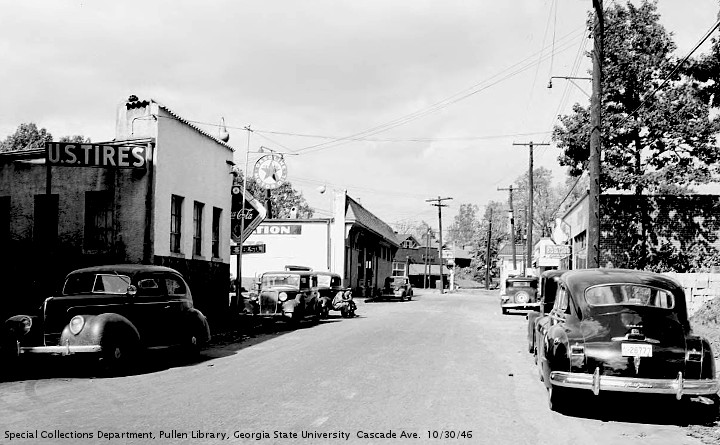
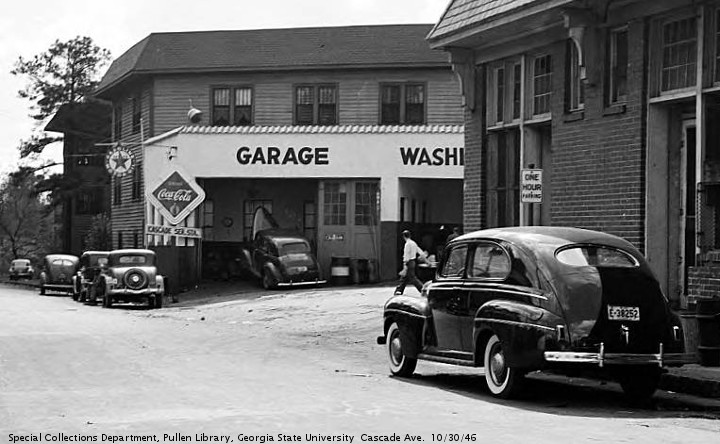
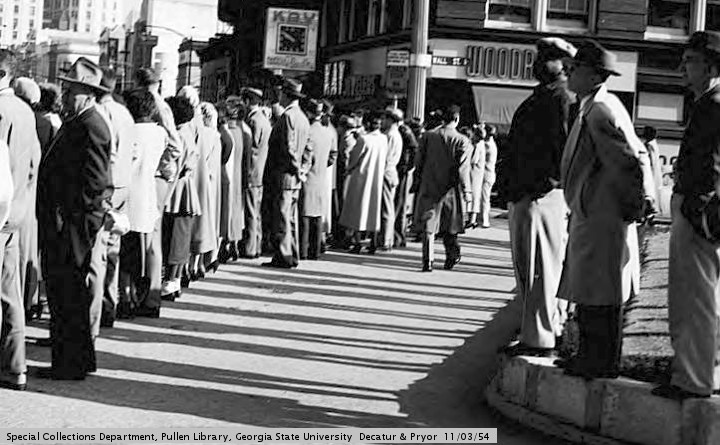
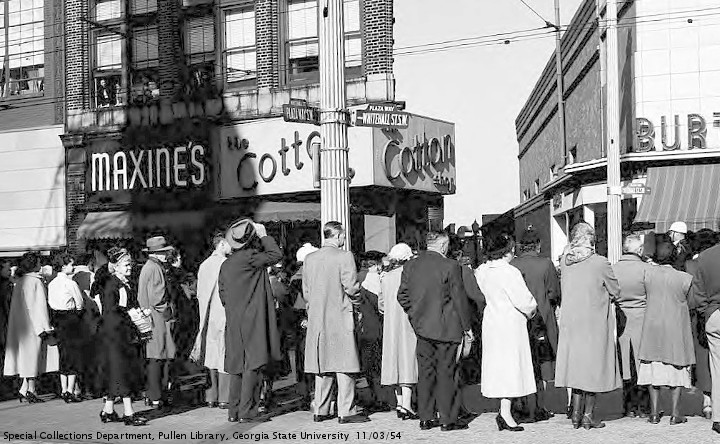
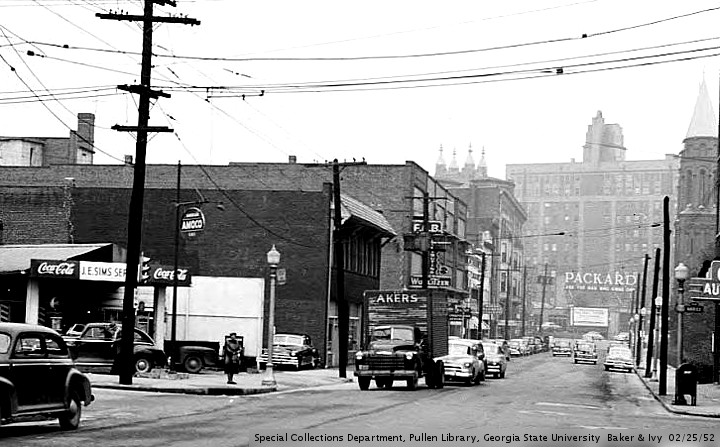
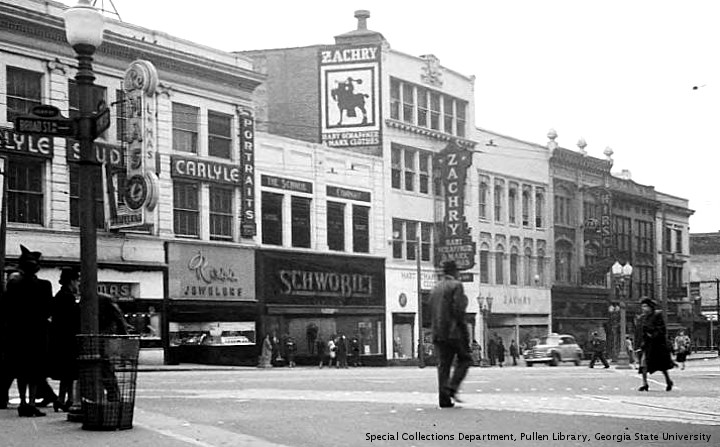
Pictures today are from “The Special Collections and Archives, Georgia State University Library”.


Shock And Awe Day

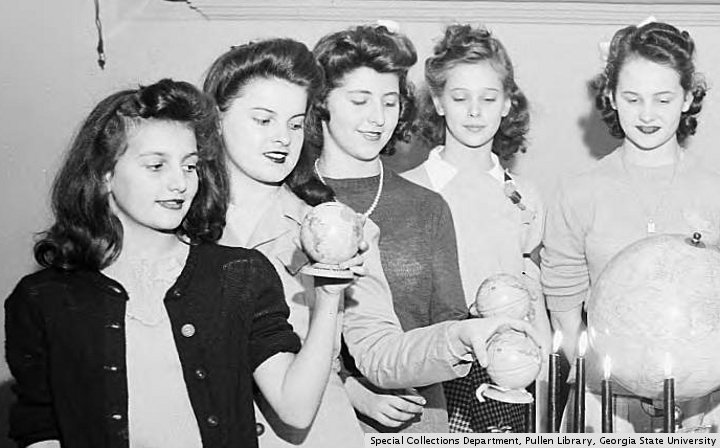
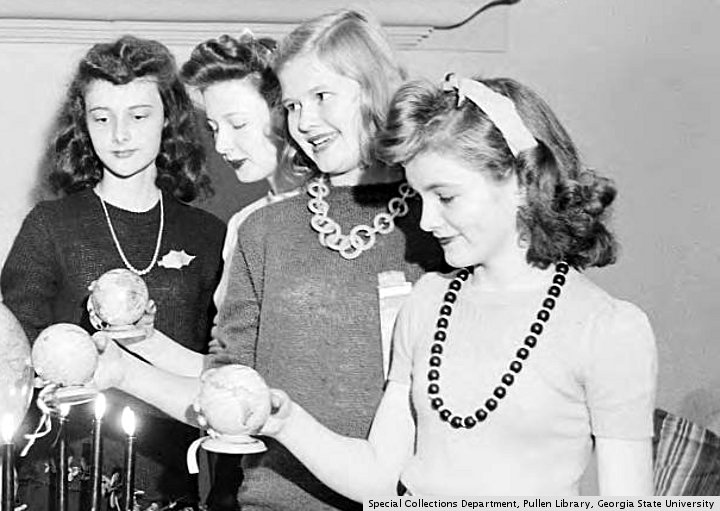
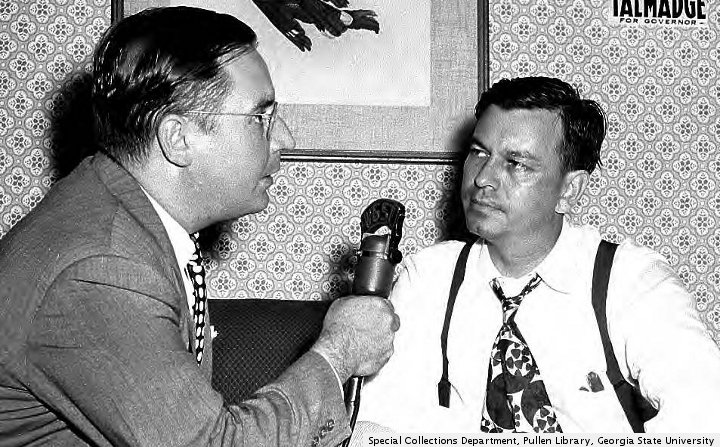
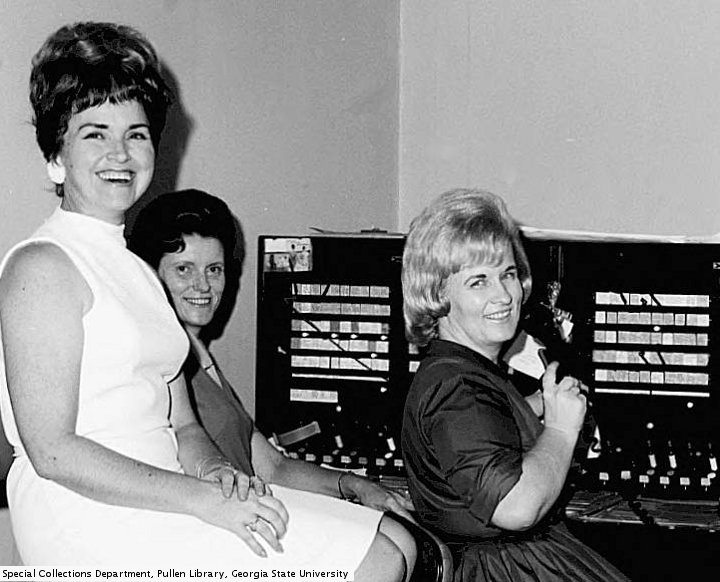
Sixteen years ago, Iraq teetered on the edge of regime change. It was obvious what was going to happen, at least at first. America was going to storm in, kill a bunch of people, and take over.
In post 911 America, the military industrial complex saw an opportunity for plunder, unrivaled since the fall of the Soviet Union. The stories of WMD would infect the body politic with fear of a mesopotamian madman. Saddam Hussein wanted Iran to think he has wonder weapons, and did not think America was serious about regime change. We all make mistakes.
In the sixteen years since the time of shock and awe, trillions of dollars have gone down the drain, dragging the mighty American economy along into the sewers of bankruptcy. One of the oldest civilizations of mankind was reduced to hiding, from neighbors, behind concrete barricades. They fought the conquerors with bombs triggered by garage door openers. Thousands of women and children have been murdered. The WMD were never found. This is a repost.
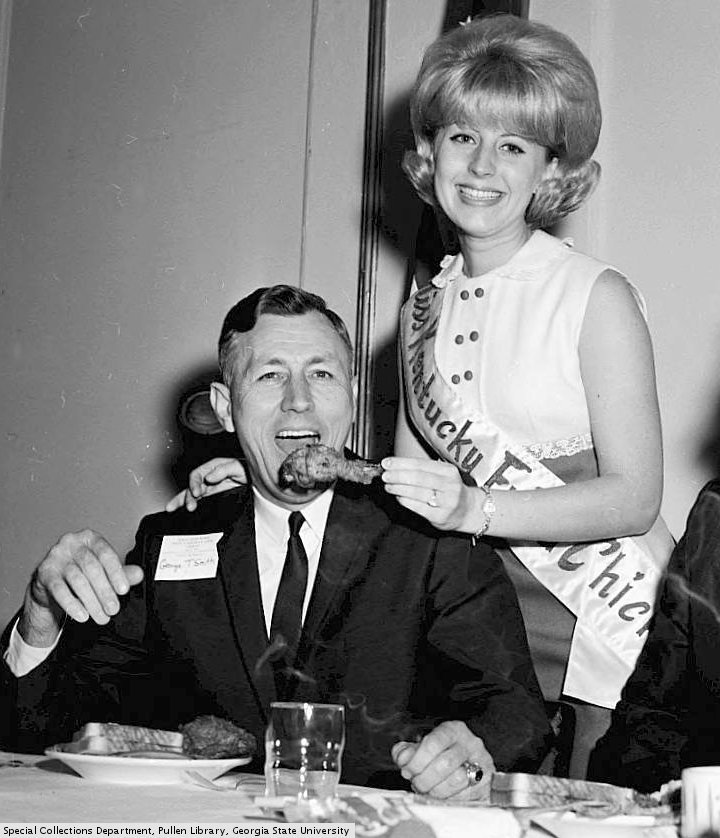
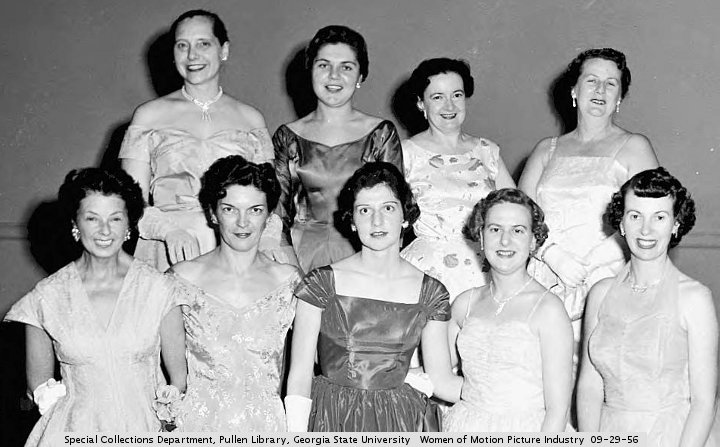
Pictures are from “The Special Collections and Archives, Georgia State University Library”.




Did Joseph Think It Was His Kid?


NOTE: This feature was originally published in March 26, 2013. This is the day after March 25, nine months before Christmas. IOW, a crucial day in the most famous unconsummated marriage in history. PG began to ponder the traditional marriage of Joseph and Mary. The question of the day is “when did Joseph and Mary get married?” Facilities such as Liberty Gospel Tracts and Fish Eaters Traditional Catholic Forum have answers.
LGT (the B got kicked out for some reason) contributes a bible passage, Matthew 1:18-19. 18 Now the birth of Jesus Christ was on this wise: When as his mother Mary was espoused to Joseph, before they came together, she was found with child of the Holy Ghost. 19 Then Joseph her husband, being a just man, and not willing to make her a public example, was minded to put her away privily.
Put her away in the privy? That is some kinky business there. Maybe the Christians and Jews have it all wrong. The thirds Abrahamic religion, Islam, might have the answer. A site, TurnToIslam, has another point of view about the traditional definition of marriage.
What about Mary, Jesus’ Mother peace be upon both of them? How old was she when she got pregnant? Not only was it a custom in the Arab society to Engage/Marry a young girl it was also common in the Jewish society. The case of Mary the mother of Jesus comes to mind, in non biblical sources she was between 11-14 years old when she conceived Jesus. Mary had already been “BETROTHED” to Joseph before conceiving Jesus. Joseph was a much older man. therefore Mary was younger than 11-14 years of age when she was “BETHROED” to Joseph. We Muslims would never call Joseph a Child Molester, nor would we refer to the “Holy Ghost” of the Bible, that “Impregnated” Mary as a “Rapist” or “Adulterer”.
“….it is possible that Mary gave birth to her Son when she was about thirteen or fourteen years of age….”Mary was approximately 14 years old when she got pregnant with Jesus. Joseph, Mary’s Husband is believed to be around 36. Mary was only 13 when she married Joseph. When she first was arranged with Joseph she was between 7 to 9 years old.”
According to the “Oxford Dictionary Bible” commentary, Mary (peace be upon her) was was 12 years old when she became impregnated. So if I want to be as silly and ridiculous as many of the Christians, I would respond to them by saying that Mary was psychologically and emotionally devastated for getting pregnant at a very young age. And speaking of “child molesting”, since most Christians believe that Jesus is the Creator of this universe, then why did G-D allow himself to enter life through a 12-year old young girl’s vagina? Please note that we Muslims love and respect Allah Almighty, Mary, Jesus and Allah’s Message to the People of the Book (The Jews and Christians). In other words, we Muslims would never make fun of Christianity through such childish topic like this one as many ridiculous Christians do make fun of Islam through our Prophet’s (peace be upon him) marriage.
Pictures are from The Library of Congress.


 Chamblee54
leave a comment