Where Is That Place


This blog has an email address listed. It is seldom used. The host is a faded internet company that rhymes with booboo. Once proud email has become a spam magnet. The email address there is checked every once in a great while. Yesterday was one of those times. There was a surprise.
Friday, June 5, 2015, 2:52 PM
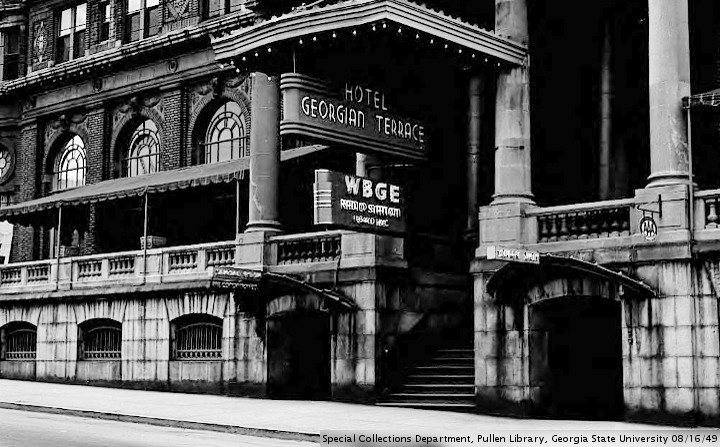
Do you know exactly where the Agora Ballroom was in the Georgia Terrace Hotel Also I am trying to locate photos of the following locations – Does you any that we can use? Please let me know ASAP – I am on an extremely tight deadline need photos by Monday morning if possible. Exteriors or interiors are great. Please let me know if you have any.
12th Gate Coffee House (located on 10th street in Midtown,) Club 112 (located at Lavista and Cheshire Bridge,) Lenny’s (either or both of their two locations in the Old Fourth Ward,) Great Southeast Music Hall (either or both of their two locations Lindberg Plaza or Cherokee Plaza,) Echo Lounge (located in East Atlanta,) Hedgens (located in Buckhead,) Agora Ballroom (located in Georgia Terrace hotel,) Muelenbrink’s Salon (located at the Underground.) Joeff Davis Photo Editor Creative Loafing
Thursday, July 9, 2015 11:12 PM
Hey I apologize for the tardy answer. I don’t use this email very often
The Agora was at the end of an alley off Peachtree. It was next door to the Ga Terrace Hotel, though not in the Hotel building itself. The ballroom was in a fire in the early eighties, and was torn down. I don’t have any of the pictures that you needed a month ago.
Friday, July 10, 2015, 11:49 AM
Thanks here is the piece we did: That was then, this is now.
Friday, July 10, 2015, 1:21 PM
Hey thanks for getting back to me. The article was cool, even without my contribution. This seems like a good excuse for a blog post. I have a some comments about some of the locations listed. For instance, my mother bought groceries at the Cherokee Plaza A&P every thursday for 37 years.. I would like to use your letters, and link to your article, in my post.
Chamblee54 has had posts about four notable Atlanta performance venues: 688 Spring Street, Georgian Terrace Ballroom, The Great Southeast Music Hall, and Richards. Two were on the list of requests. As for the other two, 688 Spring Street, home of Rose’s Cantina and 688, is now a doc-in-a-box facility, Concentra Urgent Care. The site of Richards, across from Grady stadium on Monroe Drive, is now the meat department at Trader Joe’s.
The CL article, That was then, this is now, is fun to look at. There are some good pictures. There are a couple of mistakes in the piece, which this post will try correct.
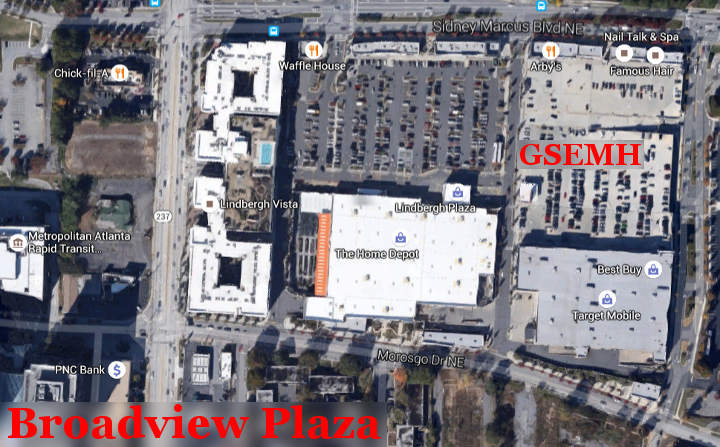
The Great Southeast Music Hall is the scene of many cherished memories for those of a certain age. The post linked here has more comments than any other Chamblee54 post. There are two google earth images, one for Broadview Plaza, and one for Cherokee Plaza.
In Broadview, (now known as Lindbergh something or another,) the Music Hall was in the corner of an L shaped building. The space is currently a part of the parking deck for Target. According to google earth, the Home Depot takes up almost the entire parking lot of the old shopping center.
In Cherokee Plaza, the space where the Music Hall was is the south part of a Kroger. CL says it was in the parking lot, which simply is not so. This parking lot is too small, which is one reason the Music Hall failed there. In the nineties, the A&P expanded, and took over the space occupied by the theater. In 1998, A&P closed their Atlanta operations. The stores were taken over by Kroger.
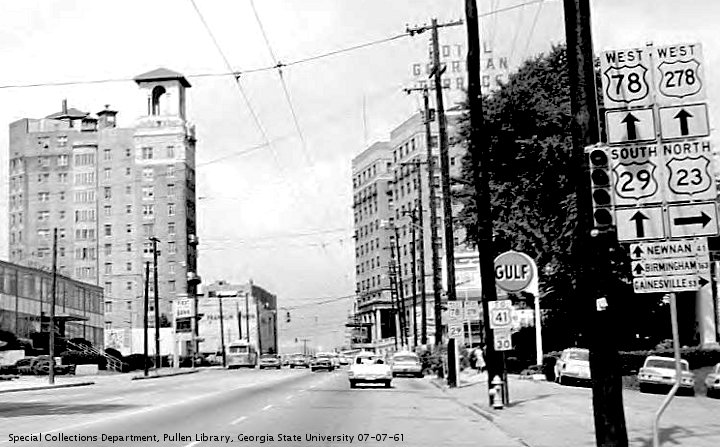
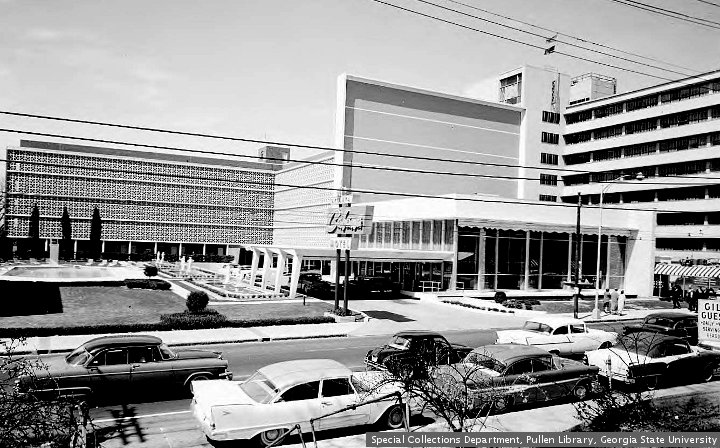
The third google earth image is for the intersection of Peachtree Street and Ponce De Leon Avenue. This is the location of the Georgian Terrace Ballroom. This was the setting of Alex Cooley’s Electric Ballroom and The Agora Ballroom. This facility was in a fire, and torn down. An annex to the Georgian Terrace Hotel was built. This annex is roughly where the Ballroom was.
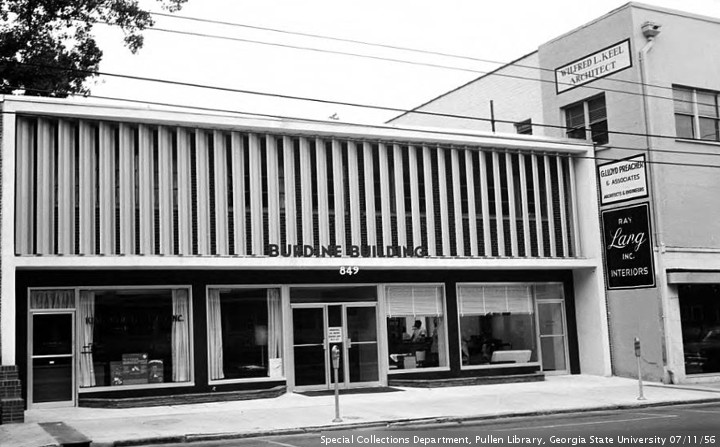
One of the places CL mentions was Backstreet. A picture of Lang Interiors, on Peachtree Street at Sixth Street, is included today.This is the building that became Backstreet. This building was a series of nightclubs in the early seventies. Backstreet opened in late 1974. It was the premier chacha palace in Atlanta for many years. When the property became valuable enough to attract the money of developers, the city discovered enough violations to shut down the party. (1974 was somewhat of a golden age for Atlanta nightlife. The Great Southeast Music Hall, Richards, and Alex Cooley’s Electric Ballroom were all in operation in 1974.)
Club 112 catered to an African American clientele. The space had been many businesses over the years, with a Fred Astaire dance studio next door. Around the time Backstreet was getting started, the space was called the Locker Room. A drag show, featuring the Hollywood Hots, performed there. The Locker Room was a “private club,” and was able to stay open on Sunday night. It was the only place open on Sunday, and was packed. The Locker Room was owned by Robert E. Llewellyn, who was later convicted of having a business rival murdered.
The 12th gate was in the middle of the block, somewhere on tenth street. It was not on the corner of Spring Street. A seedy Jim Wallace gas station was nearby. This place was mostly before PG went out much. There is a hazy memory of seeing the Hampton Grease Band there. After the show, Mr. Hampton walked up to PG, holding a thumb and finger making a circle in front of one eye. Mr. Hampton asked PG what sign he was.
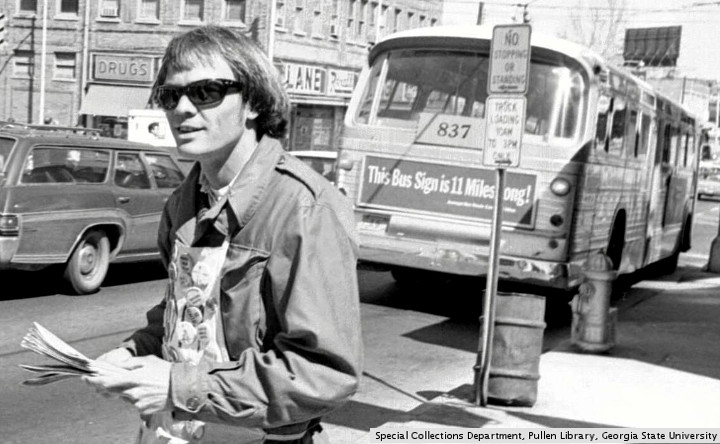
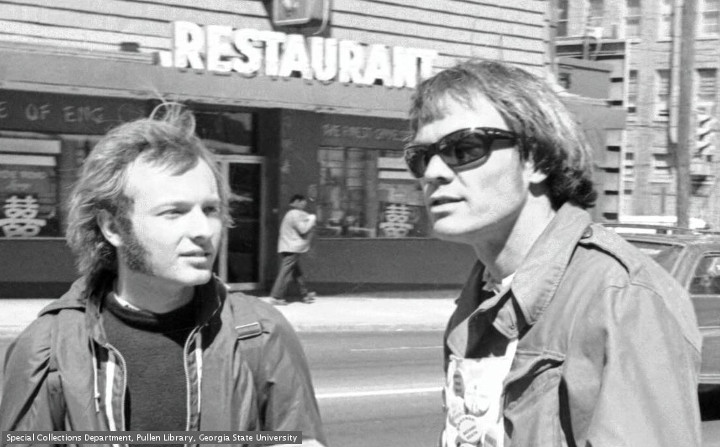
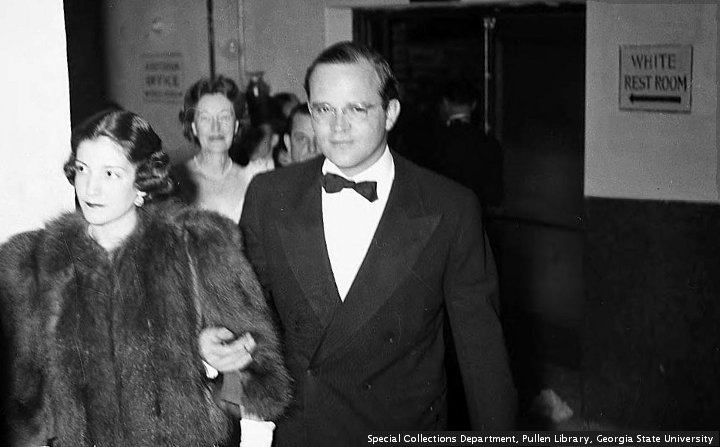
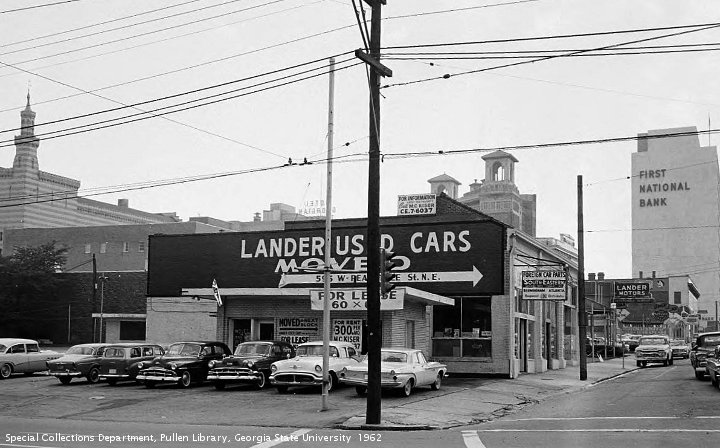
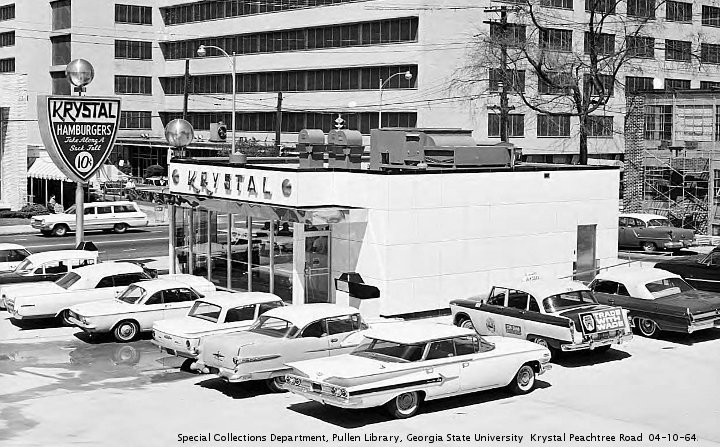
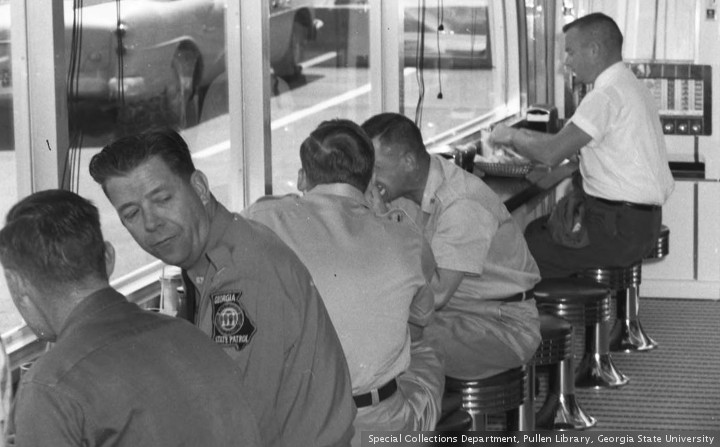
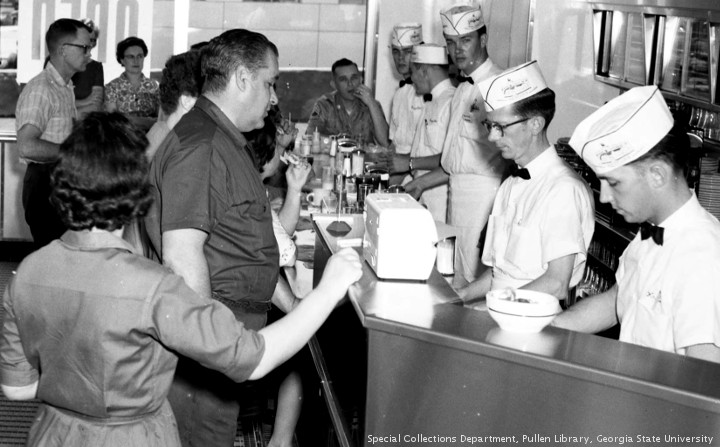
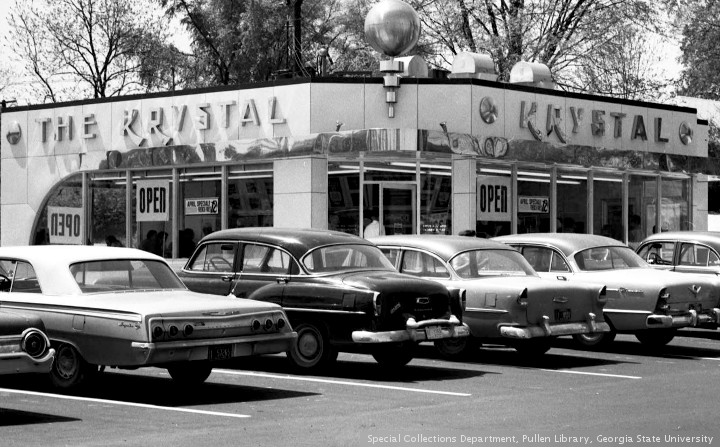
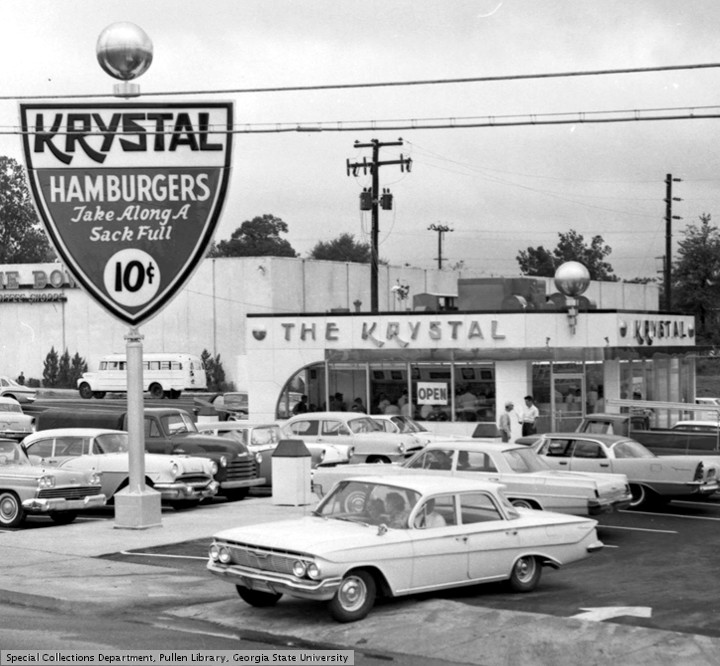
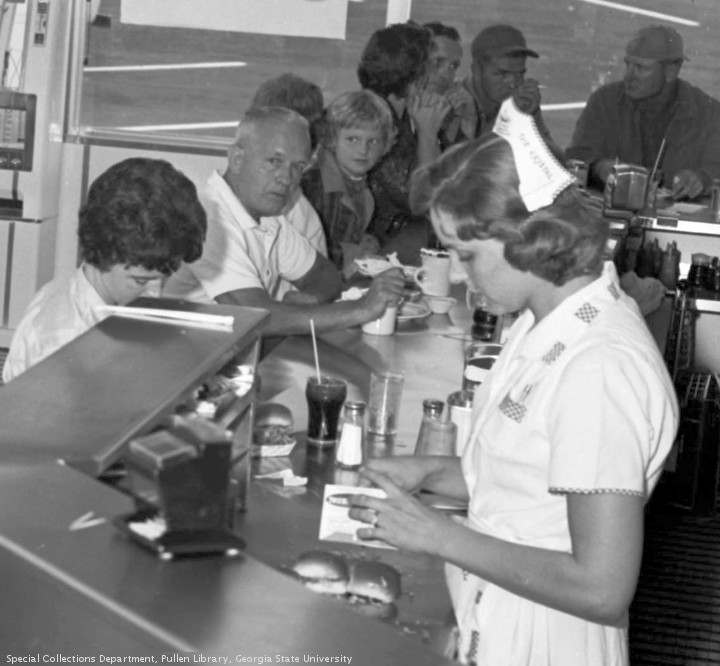
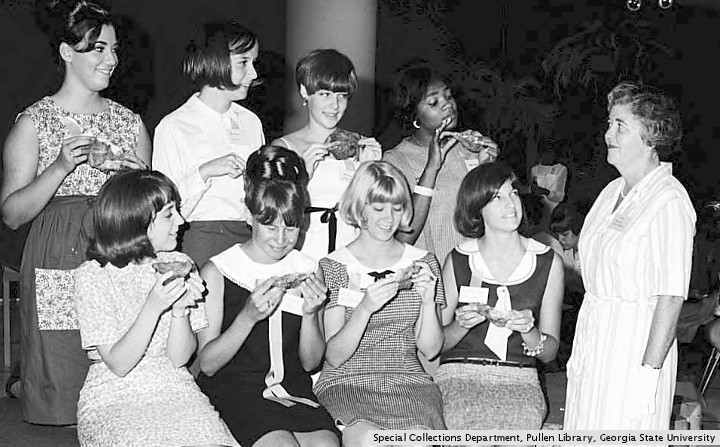
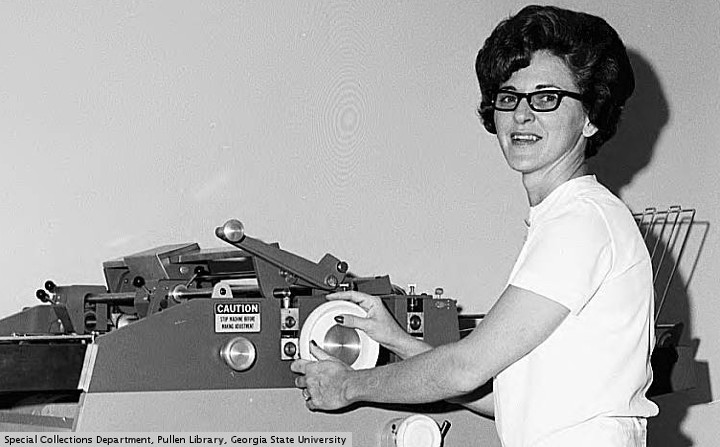
By the time Lenny’s was in business, PG was a retired drunk. He seldom went downtown after dark. Somehow, the party went on without him. Pictures today are from “The Special Collections and Archives, Georgia State University Library”. This is a repost.



Oscar Wilde
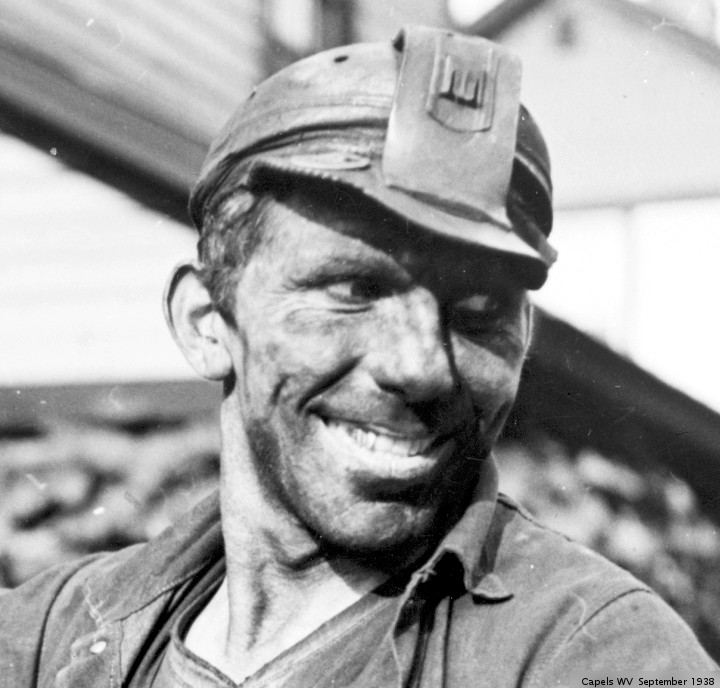


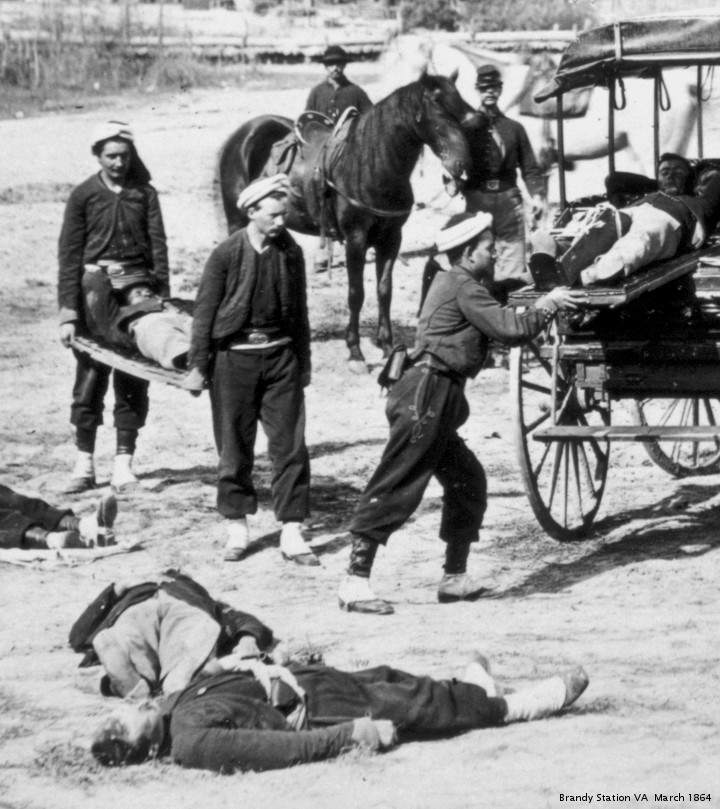
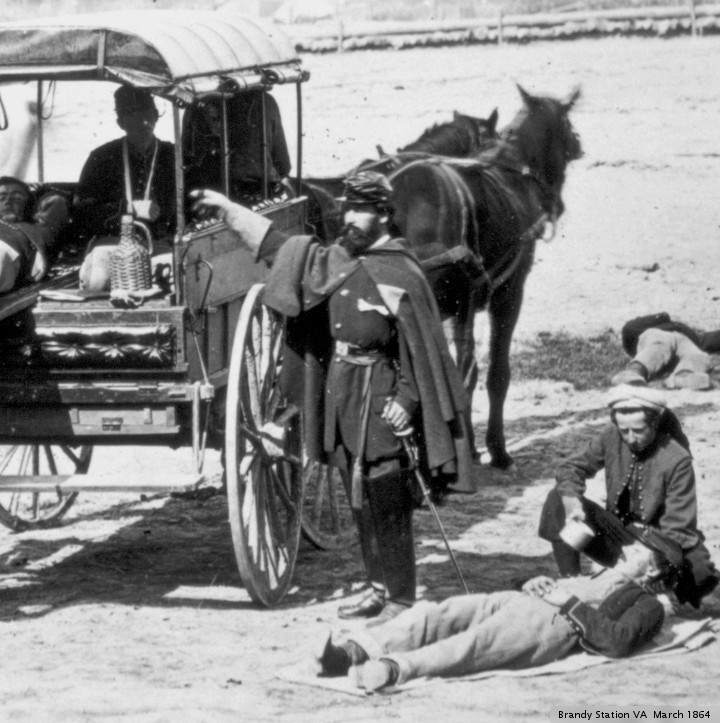
October 16 is Oscar Wilde’s birthday. On that day in 1854, he appeared in Dublin, Ireland. He is one of the most widely quoted people in the english language. Some of those quotes are real. Since he was a published author, it should be easy to verify what he really said. This birthday celebration is a repost, with pictures from The Library of Congress.
One night in 1974, PG was talking to someone, and did not know who Oscar Wilde was. The conversational partner was horrified. PG became educated, and learned about a misunderstanding with the Marquess of Queensberry. Soon the “Avenge Oscar Wilde” signs made sense.
Mr. Wilde once made a speaking tour in the United States. One afternoon, in Washington D.C., the playwright met Walt Whitman. Thee and thou reportedly did the “Wilde thing”.
The tour then went to Georgia. A young black man had been hired as a valet for Mr. Wilde on this tour. On the train ride from Atlanta to Augusta, some people told Mr. Wilde that he could not ride in the same car as the valet. This was very confusing.
After his various legal difficulties, Oscar Wilde moved to Paris. He took ill, while staying in a tacky hotel. He looked up, and said “either that wallpaper goes, or I do”. Soon, Oscar Wilde passed away.

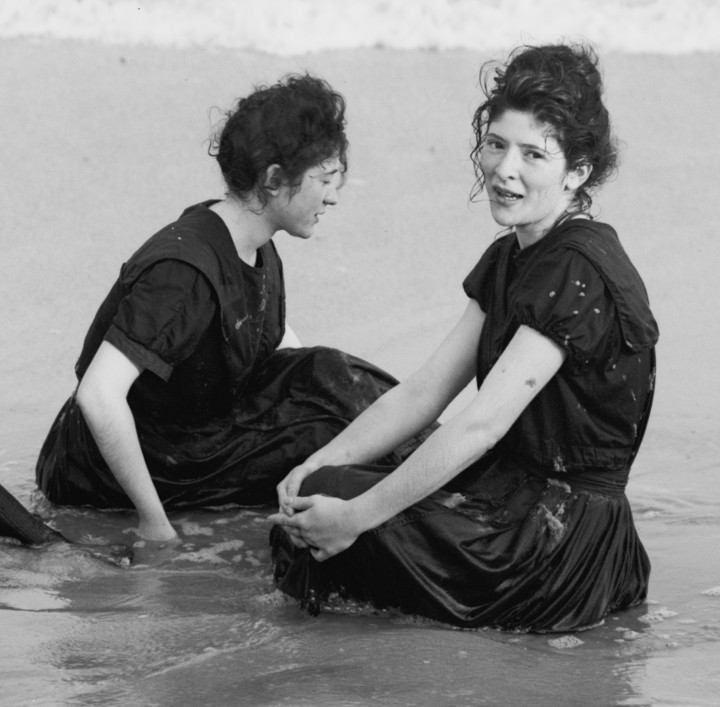
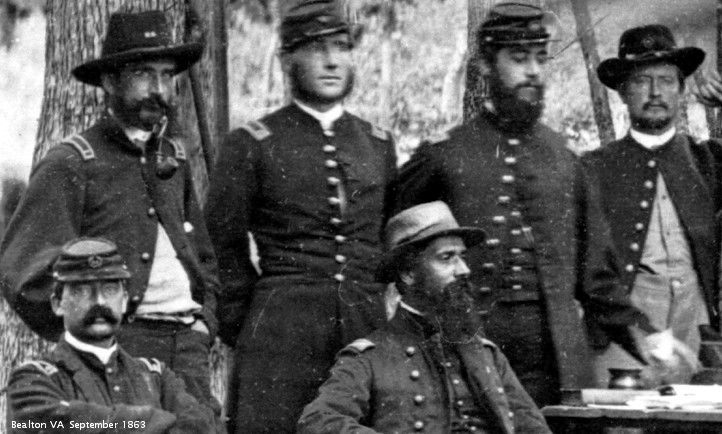


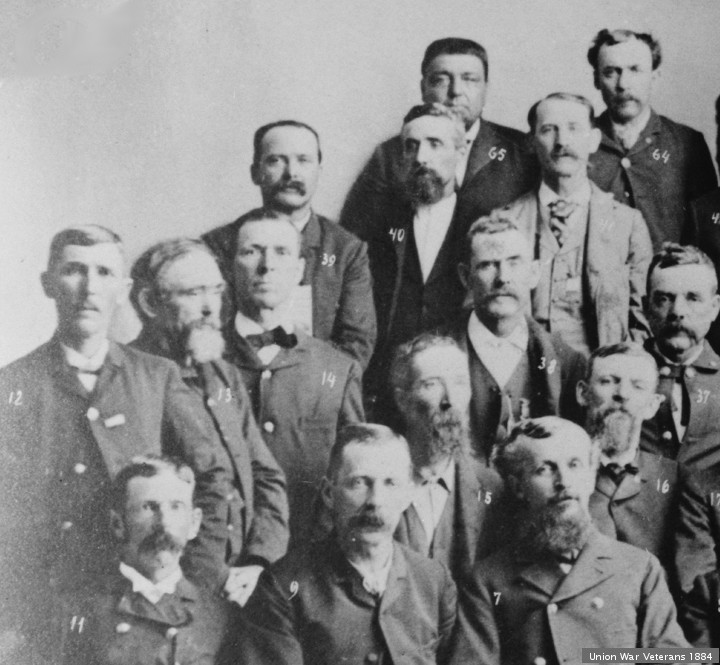

DG-GD



PG was listening to disgraceland episode#64, about the grateful dead. He was at a stopping point with multi tasking, and decided to look something up. The show mentioned the first show by the warlocks, later known as the grateful dead. This was 50 years before “dead name” was a dirty word.
“On May 5, 1965 ‘The Warlocks’ … played their first show, at Magoo’s Pizza Parlor in Menlo Park, California” This was the day before PG turned 11. Lyndon Johnson was settling in for his elected term as President. The Braves were playing their lame duck season in Milwaukee. Combat troops had been in Vietnam for a little over two months. This was the start of the escalation. “By the end of 1965, more than 184,000 American troops were in Vietnam.”
Multi tasking is full of pitfalls. Whenever there is a break, you are tempted by facebook and twitter. Like this tweet: “The audio excerpt in this article is incredible: Part of a multi-movement work called “PASSOVER” by Rick Burkhardt. Musicians speak while playing, seated around a dinner table. From the collective @ensemblethingNY” The answer is to make a note of the link. Maybe you go back later and listen. Maybe you don’t. The focus should be on the first entertainment/chore. The dg-gd episode has a half hour to go. UPDATE The audio excerpt is pretty good. It is under seven minutes long. People of a certain age may feel old while listening to it.
At 27:44, dg-gd dropped an item that could not be ignored. The warlocks had to find a new name. Someone else was called the warlocks, and there were complications. It seems as though the warlocks … a pretty obvious name … was also an early name of the velvet underground. Other early vu names included the primitives and the falling spikes.
“When they (vu) finally did come across a name which stuck, it was thanks to a contemporary paperback novel about the secret sexual underworld of the 1960s that Tony Conrad, a friend of John Cale, happened across and showed to the group. The novel, written by Michael Leigh, remains in print most likely thanks to the band which appropriated its title.”… “Had Lou Reed and John Cale not seen a copy of this book in a New York City gutter (fittingly) and decided to use its name for their group, this little volume would have been justly forgotten. Written in a style which titilates while decrying the scene it describes, it’s a piece of blue-nosed junk.”
The rest of the show rolled on. Jerry stuck his finger in a dictionary at random, and found grateful dead. It was the name of a story. The band played at the acid tests, which mostly went well, until they did not. Pigpen drank rotgut to excess, until it killed him.
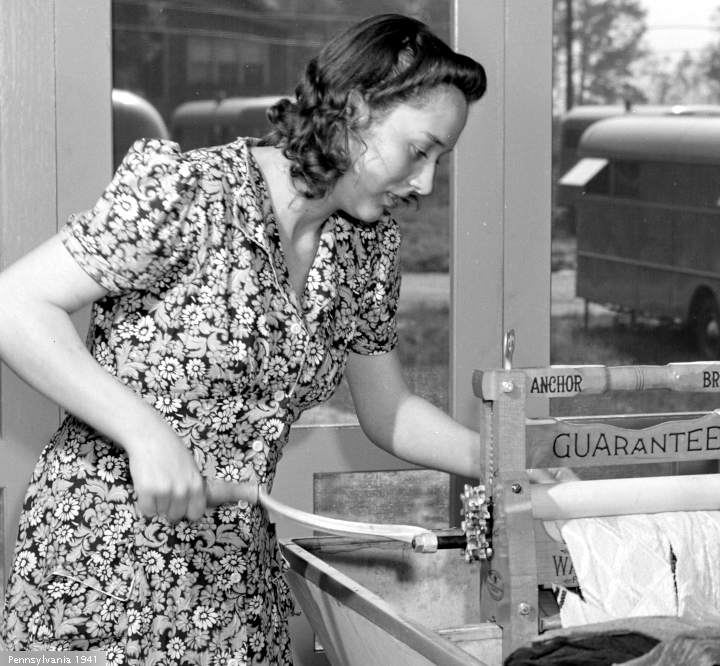
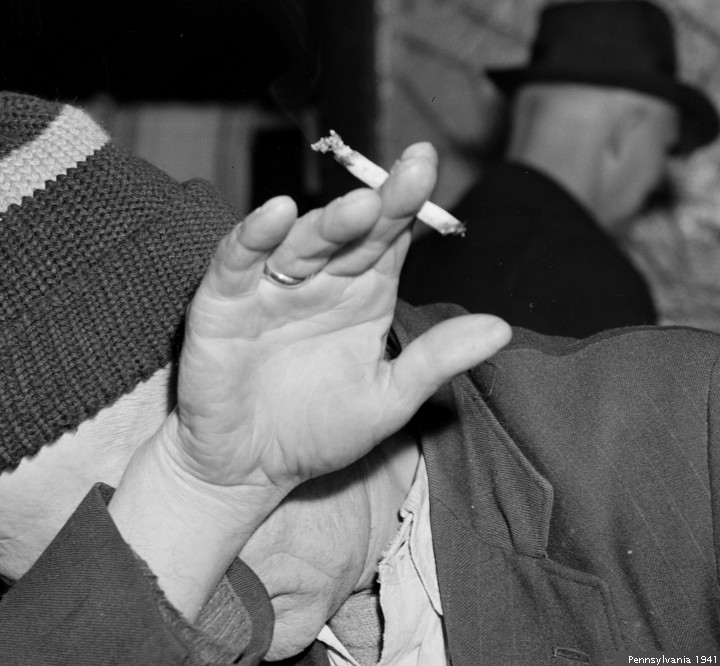
PG was editing pictures out of a folder labeled pa41. The images were shot by John Vachon,in June 1941. The last picture, while the 27 club end of Pigpen played over the speakers, was Women washing clothes in utility building at FSA (Farm Security Administration) trailer camp. Erie, Pennsylvania. Another picture, from January 1941, is Pinochle game in Czecho-Slovak Dramatic Club. Ambridge, Pennsylvania. Both pictures are included in this feature.






Migrant Mother


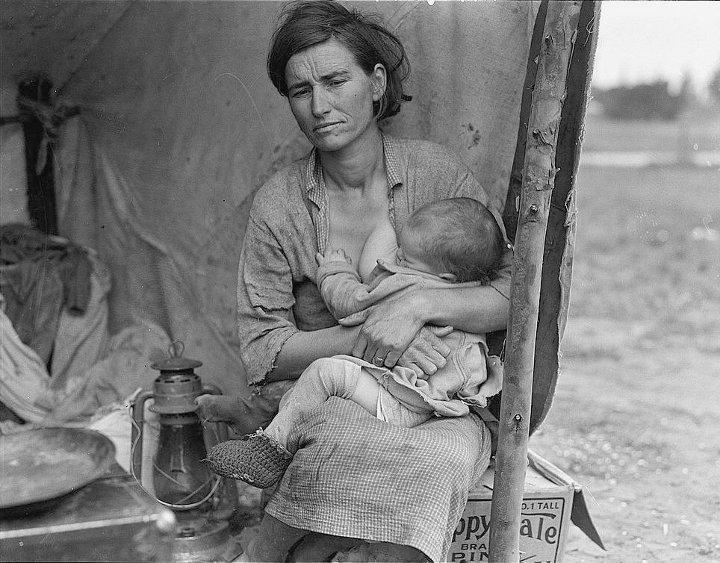


It is perhaps the most famous photograph from the depression. . The semi official title is Migrant Mother. The Library of Congress says “Destitute pea pickers in California. Mother of seven children. Age thirty-two. Nipomo, California.” The exact date is unknown, and was either February or March of 1936. The photographer was Dorothea Lange (pronounced dore-THEE-ah lang). The model was Florence Owens Thompson .
Ms. Lange was born Dorothea Margaretta Nutzhorn May 26, 1895 in Hoboken, N.J. When she was seven she had polio, and when she was twelve her father left. Both events affected her deeply. (Lange is her mother’s maiden name, chosen for use after the father left.) She became a photographer, and had a successful studio in San Francisco. By 1936 she was with her second husband, her sons were in boarding school, and she went to work for the Farm Security Administration.
The Farm Security Administration hired a number of photographers to document the lives of Americans between 1934 and 1944. (During part of this time, it was connected to the Office of War Information, and the Resettlement Administration.) Since they were working for the government, the photographers were not entitled to copyright protection. The majority of these pictures are in the public domain, including the famous pictures of Florence Thompson.
This feature started with a google search for the correct way to pronounce Dorothea Lange. (Readers of this blog have seen the fondness for Library of Congress historic pictures. Ms. Lange is one of their stars.) This search led to a teacher’s guide from Yale University. This guide is about Dorothea Lange and the Migrant Mother. It tells the story as well as PG could. Bless his pea picking heart.
The day that Dorothea Lange photographed what would become her most famous photograph, Migrant Mother, has been retold by Lange in numerous sources. She was on her way home from a trip documenting the living and working conditions of the migrants to California. She followed their schedules, getting up at sunup and working until sundown, which made for long, sixteen-hour days. She was tired, and she was ready to see her family.
With about seven hours of driving left ahead of her, she passed a homemade sign that said Pea Pickers’ Camp. She knew that a late frost had ruined the pea crop, and was concerned about the people who might be at the camp. It nagged at her to turn around, to go back and visit the camp, another opportunity to document. About 15 minutes (20 miles) later, Lange did turn around.
Right away she saw the woman who would be the subject of Migrant Mother. Some sources say she took 5 shots, but she really took 6; in any case each shot focuses in on the woman a little more, and the final shot is the one that would become the “timeless and universal symbol of suffering in the face of adversity “ (The Library of Congress only has five of the shots.)
Early the morning after she got home, instead of spending time with her family Lange rushed to develop the photographs and submit them to the FSA and The San Francisco News. She thought that these photographs could help bring attention to the plight of these American migrant farmers. She was right; the story was printed in newspapers around the country, and the federal government immediately sent 20,000 pounds of food…. (The Thompson family had left for Watsonville by the time the food arrived)
The Dust Bowl refugees were of European descent, and were migrating to California because they were displaced from their farmland by drought. Florence Owens Thompson, though from Oklahoma, was a full-blooded Native American, and her family had been displaced from tribal lands by the U.S. government. (By 1930, Native Americans had lost more than 80% of their lands this way).
The day Lange photographed Thompson, she and her family were driving towards Watsonville, hoping to pick lettuce in the Pajaro Valley. The timing chain on their car broke just outside Nipomo, and so they pulled into the pea -pickers camp to fix it. While fixing the chain, the radiator was punctured; Thompson’s two boys (and likely her male companion) (Wikipedia says it was husband Jim Hill) brought the radiator into town to be fixed. While they were gone, Lange arrived…
The choices Lange made in terms of shooting the scene are very telling in light of our discussion about documentary photography. Most strikingly, the woman’s teenaged daughter is purposefully excluded from the photograph. She appears in the first two photographs of the series, but Lange thought that including her would cause the viewer to speculate about how old the mother was when she began having children (Curtis p. 55). At the time, the ideal family contained no more than three children; this woman’s family of seven could have detracted from the matter at hand, and maybe caused people to feel less sympathetic towards her (Curtis p. 52).
In the third shot, all you see is the mother nursing her youngest child. Migrant Mother is often referred to as Migrant Madonna… Lange thought that her subject looked too anxious and uncomfortable with the camera, as Lange seemed to have triggered in her what she called “that self-protective thing” (Curtis p. 57). So, despite being uncomfortable with how unpredictable children were to photograph, to calm the mother she added one of the children back into the frame for the fourth shot. She had the child rest her chin on her mother’s shoulder, which, though somewhat unnatural, served the purpose of anchoring the child still. She was also asked to remove her hat, which would have obscured her facial features. This resulted in a good photograph. Lange “thought she could do better.”
The fifth shot was the same, but from a different angle, which illuminates an empty pie tin, heavily symbolic of the hunger the family was facing. It also highlighted a warm and loving relationship between mother and child, as the child is leaning lovingly on the mother’s shoulder, which is comforting to the child.
For the sixth and final shot, (the one which became famous) Lange brought another child in, but she had both children face away from the camera, so that her shot would not be jeopardized by their unpredictability, and they would serve as a loving frame for the mother. Lange asked the mother to bring her right hand up to her face, and that resulted in exactly what Lange wanted and knew was there (Curtis p. 65). It softened her anxiety about the camera into a mother’s concern for the welfare of her family. The mother was worried about letting her sleeping child slip, so in the original sixth shot you could see her thumb grasped around the pole for support. In her excitement Lange did not see it. She eventually altered the original photonegative because she “did not want a small detail to mar the accomplishment (of overcoming her subject’s defensiveness) (Curtis p. 67).”
In this feature, the second image from the session is missing. The pictures in this feature are as follows. 1- The famous picture, cropped. 2- The first shot from the session. 3- A detail from the first shot. 4- The Migrant Madonna. 5- Child on the shoulder. 6- Child on the shoulder #2. 7. The full length famous picture. 8- A portrait of Dorothea Lange. 9- Another photograph by Ms. Lange, taken on the California-Arizona border in the summer of 1936. 10- The information from the famous picture. 11- The famous picture with the thumb included.
2012 Repost Notes This was on a list of posts that could be repeated. Of course, there are usually improvements to be made. Youtube was searched, and some videos were found. One of them mispronounces Dorothea. A search for the correct pronunciation of that first name was how this post got started in 2010.
Looking at the pictures reveals a glitch in the famous picture. If you look in the part of her hair, you will see a gray stripe. This is a bit of damage to the negative, and is common to old photographs. Ordinarily, PG would paste over a spot like that, but this is a sacred photograph.
The files of the LOC were consulted, and a 115mg original was downloaded. The grey stripe was still in the part, which is where it will stay. The original has the thumb, which was taken out of the famous prints. It is included in this post, along with the information typed into the side.
A look at some of the other pictures taken that day show a grey spot in the part. Maybe it wasn’t a photo glitch. Raising seven children can give any woman a few gray hairs.
Another question is about Florence Thompson, the “Migrant Mother”. It was noted that she was a Native American. PG has decided that the expression “Native American” is the invention of European Import Americans, and is only marginally less offensive than Indian. There are hundreds of tribes in the Americas. A person is a member of a tribal nation. What tribe was Florence Thompson?
Mr. Google points us to this answer. “Thompson, a “full-blooded” Cherokee, was born Florence Leona Christie on September 1, 1903, on the Cherokee Nation in Oklahoma. Her father, Jackson Christie, was an ex-convict who had abandoned the family before her birth. Her mother, Mary Jane Cobb, married Charles Akman, a Choctaw, in 1905, with whom she raised Thompson near Tahlequah OK”
At the start of World War II, Dorothea Lange went to a Japanese internment camp, . The experience nearly destroyed her. This is a repost. Pictures are from The Library of Congress.




Essential Liberty

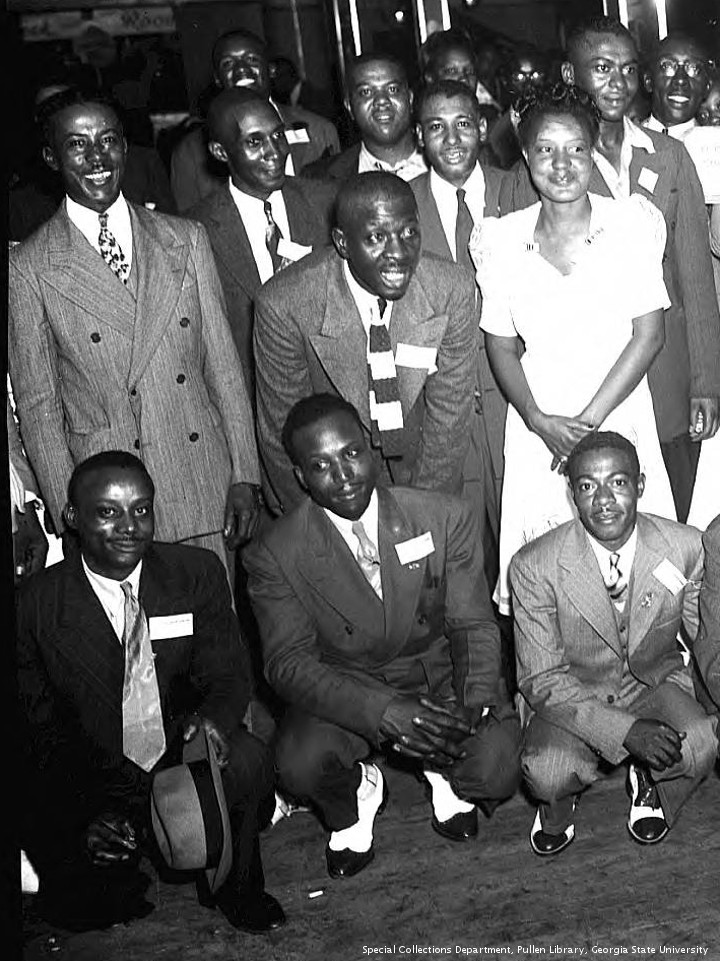
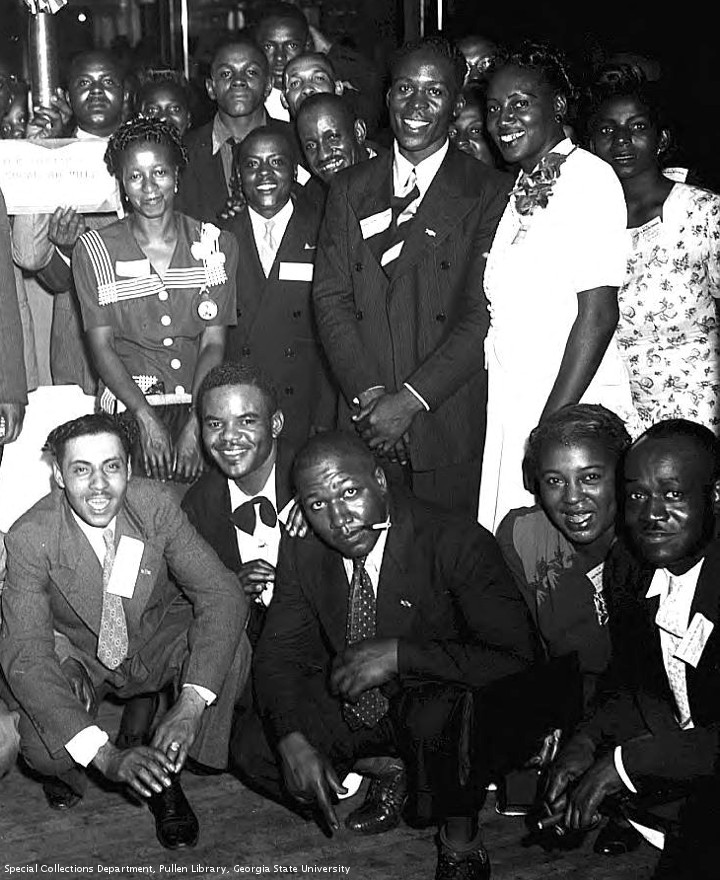
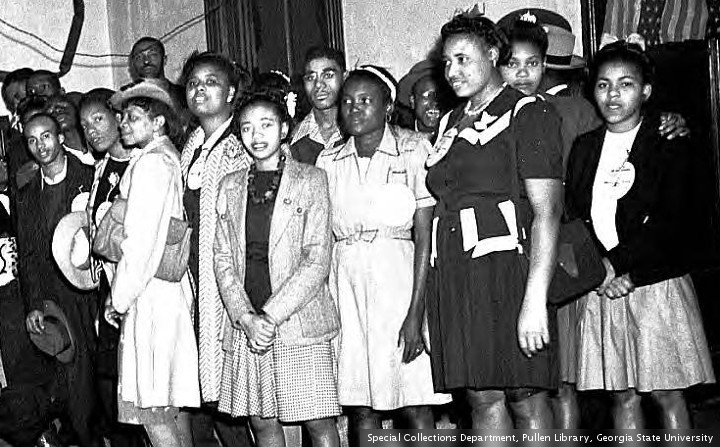
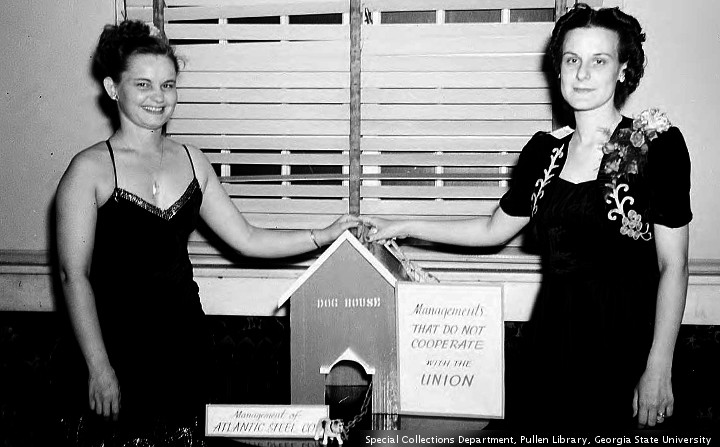


It is a popular line. “They who can give up essential liberty to obtain a little temporary safety deserve neither liberty nor safety.” The credit, or blame, for this gem is assigned to Ben Franklin. Did he really say it? What was he talking about?
The good news is that Mr. Franklin did say these words. (Here is the text.) What follows was written by a lawyer. Prepare to be confused.
“The words appear originally in a 1755 letter that Franklin is presumed to have written on behalf of the Pennsylvania Assembly to the colonial governor during the French and Indian War. The letter was a salvo in a power struggle between the governor and the Assembly over funding for security on the frontier, one in which the Assembly wished to tax the lands of the Penn family, which ruled Pennsylvania from afar, to raise money for defense against French and Indian attacks. The governor kept vetoing the Assembly’s efforts at the behest of the family, which had appointed him. So to start matters, Franklin was writing not as a subject being asked to cede his liberty to government, but in his capacity as a legislator being asked to renounce his power to tax lands notionally under his jurisdiction. In other words, the “essential liberty” to which Franklin referred was thus not what we would think of today as civil liberties but, rather, the right of self-governance of a legislature in the interests of collective security.”
Mr. Franklin was writing on behalf of legislators who wanted to assess a tax. The quote is used by tax hating conservatives. The modern conservative wants to send a hundred thousand troops to a conflict eight time zones away, and pay for it with tax cuts.
Another article tells much the same story, but with a couple of twists. There is a google gimmick that shows how often a quote is used. The BF quote was little known until the twentieth century.
The techcrunch article introduces a dandy word for the rampant misuse of quotes. The word is contextomy. This explanation is from Matthew McGlone of the University of Texas at Austin.
“‘Contextomy’ refers to the selective excerpting of words from their original linguistic context in a way that distorts the source’s intended meaning, a practice commonly referred to as ‘quoting out of context’. Contextomy is employed in contemporary mass media to promote products, defame public figures and misappropriate rhetoric. A contextomized quotation not only prompts audiences to form a false impression of the source’s intentions, but can contaminate subsequent interpretation of the quote when it is restored to its original context. …”
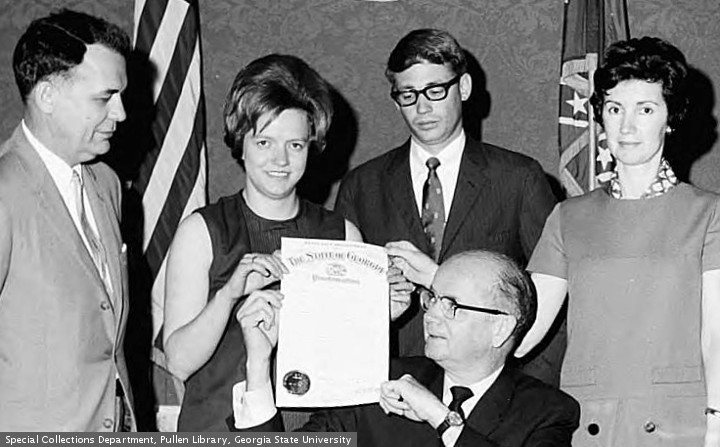
The spell check suggestion for contextomy is contentment. This is a repost. Pictures today are from “The Special Collections and Archives, Georgia State University Library.”




091120




This is my 911 story. I repeat it every year at this time. Every year I say this will be the last time. This year is a mess. We are destroying the village to save it. The action part of 091101 was over by 11 am. This quagmire drags on and on. Nobody knows how things will turn out.
I was at work, and someone called out that someone had run a plane into the World Trade Center. I didn’t think much of it, until I heard that the second tower had been hit, then the Pentagon, then the towers collapsed, then a plane crashed in Pennsylvania.
I focused on my job most of the day. There was always drama at that facility, and concentrating on my production duties helped to keep me saner. This was roughly the halfway point of my seven year tenure at this place.
One of the other workers was a bully for Jesus. He was a hateful loudmouth. After the extent of the damage became known, he shouted “They are doing this for Allah,” and prayed at his desk. The spectacle of the BFJ praying made me want to puke.
I became alienated from Jesus during these years. Once, I had once been tolerant of Christians and Jesus, as one would be with an eccentric relative. I began to loath the entire affair. I hear of others who found comfort in religion during this difficult time. That option simply was not available for me.
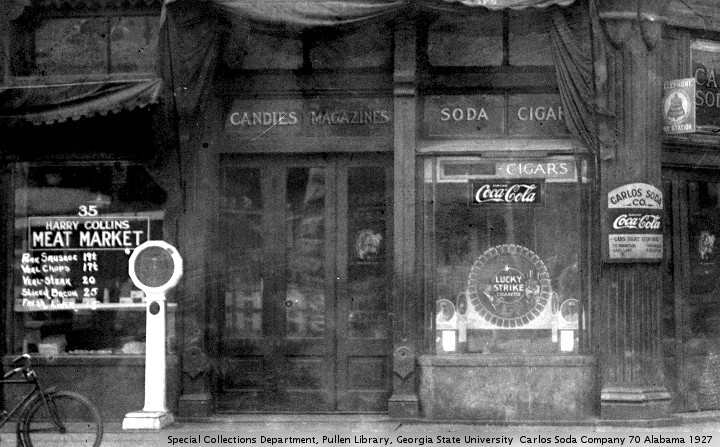
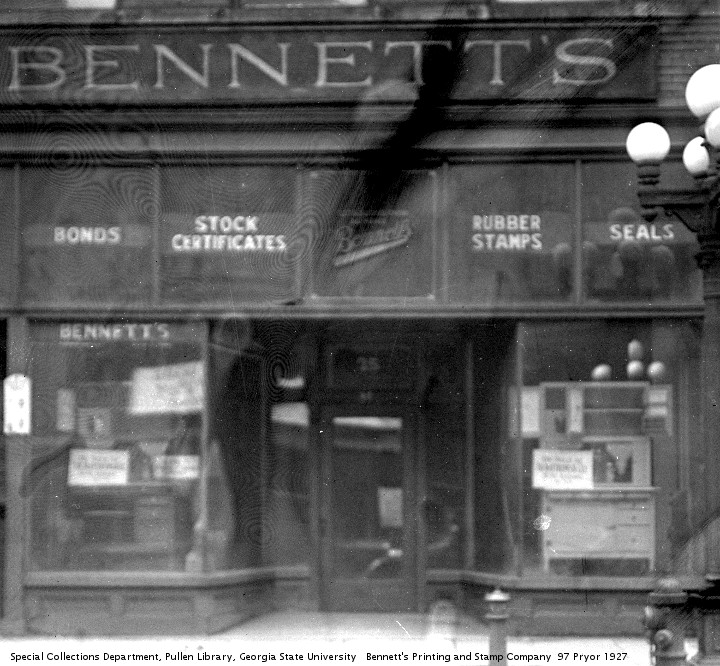
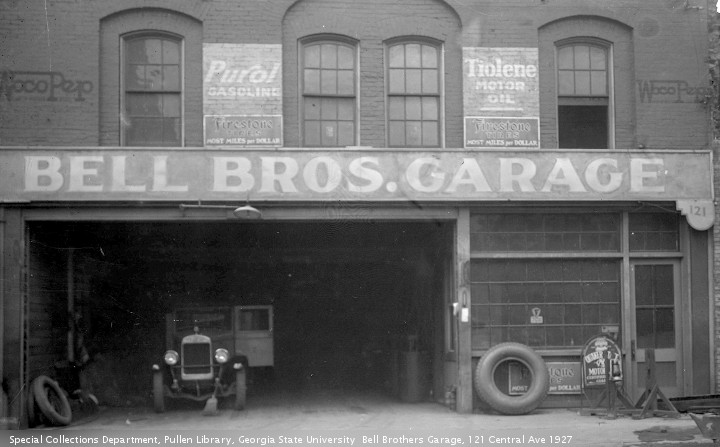
Pictures from “The Special Collections and Archives, Georgia State University Library”. “This item is part of a collection of images of downtown Atlanta streets that were taken before the viaduct construction of 1927 – 1929. Some of the covered streets became part of Underground Atlanta.”

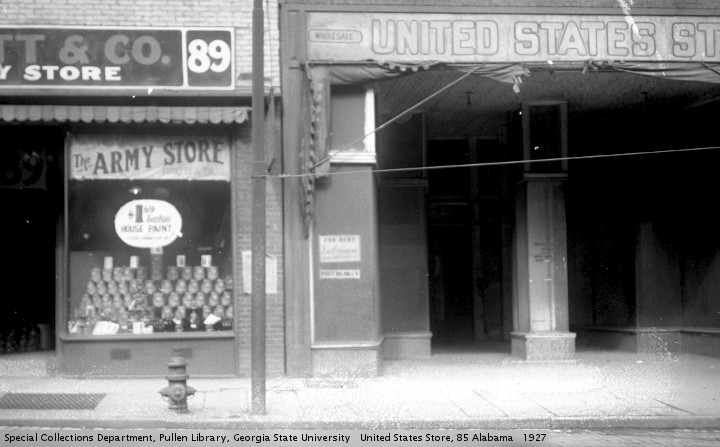
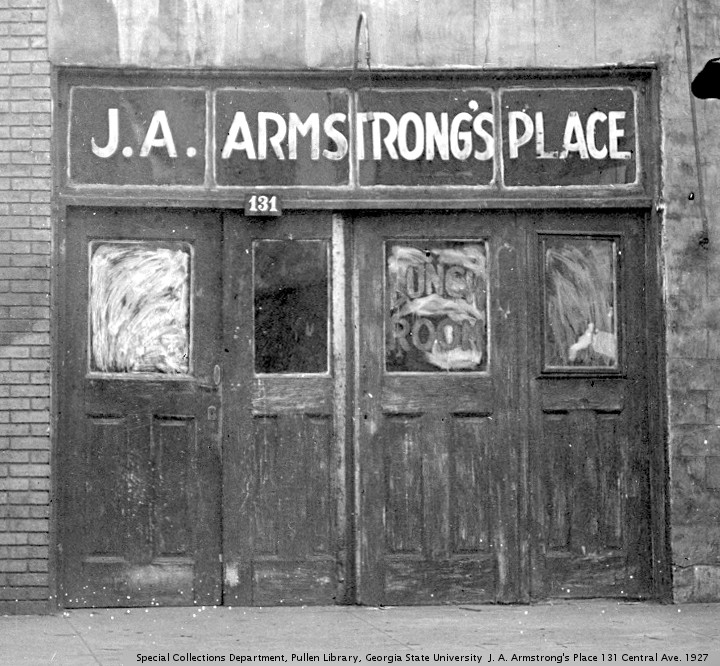
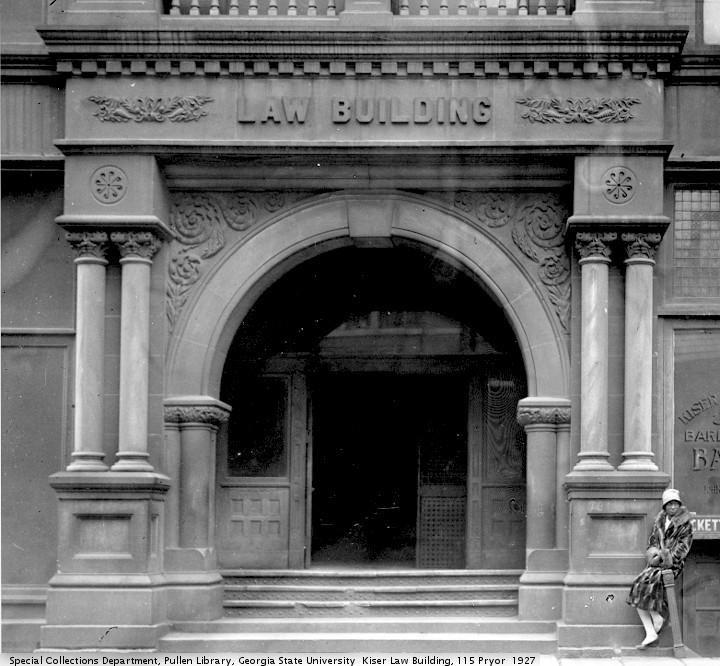

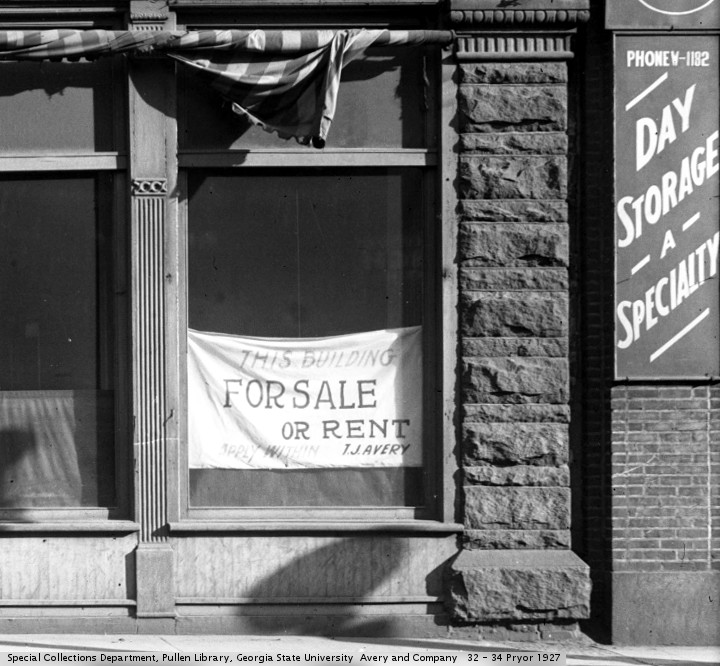


The Prodigal Son


Luke 15 1 Then drew near unto him all the publicans and sinners for to hear him. 2 And the Pharisees and scribes murmured, saying, This man receiveth sinners, and eateth with them. 3 And he spake this parable unto them, saying, 4 What man of you, having an hundred sheep, if he lose one of them, doth not leave the ninety and nine in the wilderness, and go after that which is lost, until he find it? 5 And when he hath found it, he layeth it on his shoulders, rejoicing. 6 And when he cometh home, he calleth together his friends and neighbours, saying unto them, Rejoice with me; for I have found my sheep which was lost. 7 I say unto you, that likewise joy shall be in heaven over one sinner that repenteth, more than over ninety and nine just persons, which need no repentance. 8 Either what woman having ten pieces of silver, if she lose one piece, doth not light a candle, and sweep the house, and seek diligently till she find it? 9 And when she hath found it, she calleth her friends and her neighbours together, saying, Rejoice with me; for I have found the piece which I had lost. 10 Likewise, I say unto you, there is joy in the presence of the angels of G-d over one sinner that repenteth. 11 And he said, A certain man had two sons: 12 And the younger of them said to his father, Father, give me the portion of goods that falleth to me. And he divided unto them his living. 13 And not many days after the younger son gathered all together, and took his journey into a far country, and there wasted his substance with riotous living. 14 And when he had spent all, there arose a mighty famine in that land; and he began to be in want. 15 And he went and joined himself to a citizen of that country; and he sent him into his fields to feed swine. 16 And he would fain have filled his belly with the husks that the swine did eat: and no man gave unto him. 17 And when he came to himself, he said, How many hired servants of my father’s have bread enough and to spare, and I perish with hunger! 18 I will arise and go to my father, and will say unto him, Father, I have sinned against heaven, and before thee, 19 And am no more worthy to be called thy son: make me as one of thy hired servants. 20 And he arose, and came to his father. But when he was yet a great way off, his father saw him, and had compassion, and ran, and fell on his neck, and kissed him. 21 And the son said unto him, Father, I have sinned against heaven, and in thy sight, and am no more worthy to be called thy son. 22 But the father said to his servants, Bring forth the best robe, and put it on him; and put a ring on his hand, and shoes on his feet: 23 And bring hither the fatted calf, and kill it; and let us eat, and be merry: 24 For this my son was dead, and is alive again; he was lost, and is found. And they began to be merry. 25 Now his elder son was in the field: and as he came and drew nigh to the house, he heard musick and dancing. 26 And he called one of the servants, and asked what these things meant. 27 And he said unto him, Thy brother is come; and thy father hath killed the fatted calf, because he hath received him safe and sound. 28 And he was angry, and would not go in: therefore came his father out, and intreated him. 29 And he answering said to his father, Lo, these many years do I serve thee, neither transgressed I at any time thy commandment: and yet thou never gavest me a kid, that I might make merry with my friends: 30 But as soon as this thy son was come, which hath devoured thy living with harlots, thou hast killed for him the fatted calf. 31 And he said unto him, Son, thou art ever with me, and all that I have is thine. 32 It was meet that we should make merry, and be glad: for this thy brother was dead, and is alive again; and was lost, and is found. Text for today’s story is from Bible Gateway. Here is a commentary on The Power of Parable . Here is a discussion about this parable. This is a repost. Pictures are from “The Special Collections and Archives, Georgia State University Library”.


Yesterday, this facility published the text of Luke 15, also known as The Prodigal Son. The titular phrase does not appear in the King Jimmy text. The story is a parable, that is, a made up story to teach a lesson. Those who say every word of the Bible is true somehow miss this detail.
The Prodigal Son is a popular story. It is well known, and speaks of forgiveness. Some unkind people say that Jesus worshipers like to be forgiven, and do not like to forgive. There is plenty of evidence for this observation. Lets just say that lots of people don’t want to take responsibility for their actions. If your pie in the sky hero to forgives you, then you can have a cleaner conscience.
PG was at a memorial service once. The guest of honor was a leather wearing pagan. The minister, who had met the deceased one time, told the story of the Prodigal Son. It made PG feel better.
The forgotten character in this story is the older brother. He was faithful to his father, stayed at home and helped out, only to see his wayward brother welcomed back with joy. The father never killed a fatted calf for the elder brother. Maybe the elder brother deserved it more. Sometimes, life is not fair. Some say this is more than a parable. Maybe it is three units of bull.



Michael Donald




PG was looking at facebook, minding his own business. Then he saw something he could not unsee.(TRIGGER WARNING) The NSFW image showed a dead black man hanging in a tree. You can see his face. The caption: “Fox News commentator and Trump sycophant Tucker Carlson said yesterday that “white supremacy is a hoax.” I wonder if this poor man would agree? (I apologize if the image offends but sometimes right-wing idiots have to have reality stare them in the face.)”
The gut level reaction was that of being violated. What gives a facebook “friend” the right to shove a gruesome image in the viewers face? A lot more than “right-wing idiots” will see this picture. We understand that a Fox-boi said something you don’t like. That does not give you the right to disturb the community peace of mind.
There are plenty of arguments you can make. You can post your two-wrongs-make-a-right all day long. No doubt _______ did something terrible last week. That does not give you the right to post an obscene picture on facebook. UPDATE: The image has been *hidden* by facebook.
White Supremacy® is an expression that grows by leaps and bounds. It used to mean the kkk, and other hard-core racists. Now, it means whatever you want it to mean. The definition of WS has expanded to the point where the term is meaningless. It is tough to say what, if anything, Tarlson Cucker meant. We would be better off using the phrase White Supremacy® a lot less frequently.
When you are collateral damage on facebook, you have a few options. You can unfriend the perp, and say rude things about them behind their back. This has always seemed petty and childish. Another thing you can do is research the picture. PG did a google images search of the picture. It turns out to be a powerful story. Is it proper to appropriate this image to shame Tarlson Cucker? As if he would know it happened, or care.
Michael Donald is the man hanging in the tree. Here is the story of how he got there. “That week, a jury had been struggling to reach a verdict in the case of a black man accused of murdering a white policeman. The killing had occurred in Birmingham, but the trial had been moved to Mobile. To (Bennie) Hays — the second-highest Klan official in Alabama — and his fellow members of Unit 900 of the United Klans, the presence of blacks on the jury meant that a guilty man would go free. … Hays had said that Wednesday, ”If a black man can get away with killing a white man, we ought to be able to get away with killing a black man.””
“On Friday night, after the jurors announced they couldn’t reach a verdict, the Klansmen got together in a house Bennie Hays owned on Herndon Avenue. According to later testimony from James (Tiger) Knowles, then 17 years old, Tiger produced a borrowed pistol. Henry Francis Hays, Bennie’s 26-year-old son, took out a rope. Then the two got in Henry’s car and went hunting for a black man.”
“Michael Donald was alone, walking home, when Knowles and Hays spotted him. They pulled over, asked him for directions to a nightclub, then pointed the gun at him and ordered him to get in. They drove to the next county. When they stopped, Michael begged them not to kill him, then tried to escape. Henry Hays and Knowles chased him, caught him, hit him with a tree limb more than a hundred times, and, when he was no longer moving, wrapped the rope around his neck. Henry Hays shoved his boot in Michael’s face and pulled on the rope. For good measure, they cut his throat. … Henry Hays and Knowles returned to the party at Bennie Hays’s house, where they showed off their handiwork, and, looping the rope over a camphor tree, raised Michael’s body just high enough so it would swing.” For a while, it looked like the case would go unsolved.
Some people kept looking. “After hearing a lot of lies and following many unproductive leads, (Thomas H.) Figures and (James) Bodman uncovered one key fact: On the night of the murder, Tiger Knowles had returned to Bennie Hays’s house with blood on his shirt. With this new evidence, the Justice Department convened an investigative grand jury in Mobile. Incredibly, the Klansmen called to testify did not bring lawyers with them. In short order, one witness told the grand jury that young Henry Hays had admitted everything to him. This got back to Tiger Knowles, who began to worry that Henry Hays would confess — and, by trading testimony against Knowles for a reduced sentence, leave him bearing the greater burden of guilt.”
“In June of 1983, Knowles confessed to F.B.I. agent Bodman. After pleading guilty to violating Michael Donald’s civil rights, he was placed in the Federal witness protection program — a fairly standard accommodation for Klan informers — and sentenced to life in prison. In December, when Henry Hays was tried for capital murder, Knowles appeared as a prosecution witness.”
Henry Hays was found guilty. “Hays was executed in Alabama electric chair Yellow Mama after Governor Fob James refused to commute his sentence. He was the first white person executed for murder of a black in Alabama since 1913.” Mr. Hays died June 6, 1997.
“Donald’s mother, Beulah Mae Donald, in assistance of SPLC, sued United Klans of America in a civil suit. An all White jury found the Klan responsible for the lynching of Michael Donald and ordered it to pay 7 million dollars. This resulted in the Klan having to hand over all its assets including its national headquarters in Tuscaloosa.”
Pictures today are from The Library of Congress. This is a repost.



The Funeral Of Elvis


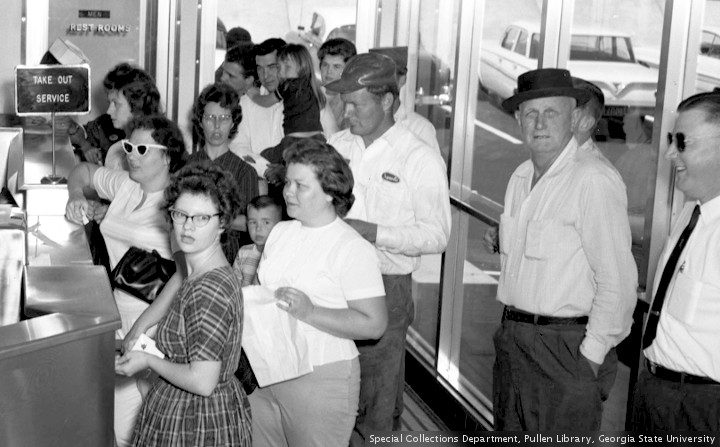
This is a repost. PG was going to write about some depressing subject. People that are not kind to each other. People in Israel and people in Gaza just don’t seem to get along. Somebody driving a “faded red F-150 pickup truck” in Livonia MI was mean to a little girl. (HT to Neo Prodigy.) Pictures are from “The Special Collections and Archives, Georgia State University Library”.
There is a saying, “if a story seems too bad to be true, it probably isn’t”. PG tried to google that phrase, and got confused. Then he seemed to remember reading it in a column by Molly Ivins. Another google adventure, and there was this video. Miss Ivins, who met her maker January 31, 2007, was promoting a book. She sat down with a bald headed man to talk about it. PG could only listen to 24:30 of this video before being seized with the urge to write a story. There is a transcript, which makes “borrowing” so much easier. This film has 34 minutes to go, which just might yield another story.
Molly Ivins was a Texas woman. These days there is a lot of talk about Texas, with Governor Big Hair aiming to be the next POTUS under indictment. Mr. Perry claims that his record as Texas Governor qualifies him to have his finger on the nuclear trigger. Miss Ivins repeats something that PG has heard before… “in our state we have the weak governor system, so that really not a great deal is required of the governor, not necessarily to know much or do much. And we’ve had a lot of governors who did neither. “ It makes you wonder how much of that “economic miracle” is because of hair spray.
Texas politics makes about as much sense as Georgia politics. For a lady, with a way with words, it is a gold mine. “the need you have for descriptive terms for stupid when you write about Texas politics is practically infinite. Now I’m not claiming that our state Legislature is dumber than the average state Legislature, but it tends to be dumb in such an outstanding way. It’s, again, that Texas quality of exaggeration and being slightly larger than life. And there are a fair number of people in the Texas Legislature of whom it could fairly be said, `If dumb was dirt, they would cover about an acre.’ And I’m not necessarily opposed to that. I’m–agree with an old state senator who always said that, `If you took all the fools out of the Legislature, it would not be a representative body anymore.'”
We could go through this conversation for a long time, but you probably want to skip ahead and look at pictures. There is one story in this transcript that is too good not to borrow. For some reason, Molly Ivins went to work for The New York Times, aka the gray lady. In August of 1977, she was in the right place at the right time.



Mr. LAMB: And how long did you spend with The New York Times as a reporter?
Ms. IVINS: Six years with The New York Times. Some of it in New York as a political reporter at City Hall in Albany and then later as bureau chief out in the Rocky Mountains.
Mr. LAMB: Would you take a little time and tell us about reporting on the funeral of Elvis Presley?
Ms. IVINS: Oh, now there is something that when I’ve been standing in the checkout line at the grocery store and if I really need to impress people, I just let fall that I covered Elvis’ funeral. And, boy, people just practically draw back with awe. It may yet turn out to be my greatest claim to fame.
I was sitting in The New York City Times one day when I noticed a whole no–knot of editors up around the desk having a–a great scrum of concern, you could tell. It looked sort of like an anthill that had just been stepped on. And it turns out–The New York Times has a large obituary desk, and they prepare obituaries for anybody of prominence who might croak. But it turns out–you may recall that Elvis Presley died untimely and they were completely unprepared.
Now this is an enormous news organization. They have rock music critics and classical music critics and opera critics, but they didn’t have anybody who knew about Elvis Presley’s kind of music. So they’re lookin’ across a whole acre of reporters, and you could see them decide, `Ah-ha, Ivins. She talks funny. She’ll know about Mr. Presley.’
So I wound up writing Elvis’ obituary for The New York Times. I had to refer to him throughout as Mr. Presley. It was agonizing. That’s the style at The New York Times–Mr. Presley. Give me a break. And the next day they sold more newspapers than they did after John Kennedy was assassinated, so that even the editors of The New York Times, who had not quite, you know, been culturally aton–tuned to Elvis, decided that we should send someone to report on the funeral. And I drew that assignment. What a scene it was.
Mr. LAMB: You–you say in the book that you got in the cab and you said, `Take me to Graceland.’ The cabbie peels out of the airport doing 80 and then turns full around to the backseat and drawls, `Ain’t it a shame Elvis had to die while the Shriners are in town?’
Ms. IVINS: That’s exactly what he said. `Shame Elvis had to die while the Shriners are in town.’ And I kind of raised by eyebrows. And sure enough, I realized what he–what he meant after I had been there for awhile because, you know, Shriners in convention–I don’t know if you’ve ever seen a whole lot of Shriners in convention, but they were having a huge national convention that very week in Memphis. And they tend to wear their little red fezzes, and sometimes they drink too much and they march around the hotel hallways tooting on New Year’s Eve horns and riding those funny little tricycles and generally cutting up and having a good time. That’s your Shriners in convention, always something very edifying and enjoyable to watch. But they–every–every hotel room in Memphis was occupied with celebrating Shriners, and then Elvis dies and all these tens of thousands of grieving, hysterical Elvis Presley fans descend on the town.
So you got a whole bunch of sobbing, hysterical Elvis fans, you got a whole bunch of cavorting Shriners. And on top of that they were holding a cheerleading camp. And the cheerleading camp–I don’t know if your memory–with the ethos of the cheerleading camp, but the deal is that every school sends its team–team of cheerleaders to cheerleading camp.
And your effort there at the camp is to win the spirit stick, which looks, to the uninitiated eye, a whole lot like a broom handle painted red, white and blue. But it is the spirit stick. And should your team win it for three days running, you get to keep it. But that has never happened. And the way you earn the spirit stick is you show most spirit. You cheer for breakfast, lunch and dinner. You cheer when the pizza man brings the pizza. You do handsprings end over end down the hallway to the bathroom. I tell you, those young people will throw–show an amount of spirit that would just astonish you in an effort to win that stick.
So here I was for an entire week, dealing with these three groups of people: the young cheerleaders trying to win the spirit stick, the cavorting Shriners and the grieving, hysterical Elvis fans. And I want to assure you that The New York Times is not the kind of newspaper that will let you write about that kind of rich human comedy.
Mr. LAMB: Why?
Ms. IVINS: Because The New York Times, at least in my day, was a very stuffy, pompous newspaper.
Mr. LAMB: What about today?
Ms. IVINS: A little bit better, little bit better than it was.
Mr. LAMB: And…
Ms. IVINS: Has–has–it has a tendency, recidivist tendencies, though. You–you will notice if you read The Times, it–it collapses into pomposity and stuffiness with some regularity.
Mr. LAMB: Why did you leave it?
Ms. IVINS: Well, I–I actually got into trouble at The New York City Times for describing a community chu–chicken killing out West as a gang pluck. Abe Rosenthal was then the editor of the Times and he was not amused.
Mr. LAMB: Did–but did they let it go? Did they let it…
Ms. IVINS: Oh, no. It never made it in the paper. Good heavens, no. Such a thing would never get in The Times in my day.
POSTSCRIPT PG found some pictures, marked up the text, and was ready to post the story. He decided to listen to a bit more of the discussion between Molly Ivins and the bald headed man. When he got to this point, it became apparent that he could listen to Molly Ivins talk, or he could post his story, but he could not do both at the same time.
Ms. IVINS: Oh, well, of course, I’m gonna make fun of it. I mean, Berkeley, California, if you are from Texas, is just hilarious.
Mr. LAMB: Why?
Ms. IVINS: Well, of course, it is just the absolute center of liberalism and political correctness. And it is a veritable hotbed of people, of–bless their hearts, who all think alike, in a liberal way. And, of course, I’m sometimes called a liberal myself, and you would think I would have felt right at home there. But I just am so used to–I’m so used to Texas that I found the culture at Berkeley hysterical.


Hiroshima 75 Years Later




At 8:15 am, August 6, 1945, Hiroshima got nuked. It was the start of a new era. Since Japan is 13 hours ahead of Georgia, and standard time was used, the literal anniversary is 8:15 pm, August 5.
Tsutomu Yamaguchi was working in Hiroshima when the bomb hit. He survived, and found a train to take hime to his home town, Nagasaki.
The device dropped on Hiroshima, the Little Boy, had an estimated force of 13 kilotons of Trinitrotoluene, or TNT. A kiloton of TNT is roughly a cube whose sides are ten meters. This device is fairly tiny compared to many of the warheads developed since. Many of the modern appliances are measured in megatons, or millions of tons of TNT. The Soviet Union had a bomb with a capacity of 50 megatons, or 4,000 times the size of the Little Boy.
The largest weapon tested by The United States is the Castle Bravo. This device destroyed Bikini Atoll in the Pacific. The two piece swimsuit was named for this island. The Castle Bravo device had a yield of 15 megatons of TNT. This is roughly 1,000 times the power of the Little Boy.
The decision to drop the bomb has long been controversial. There are a lot of factors and gray areas, and the issue does not lend itself to sound bite solutions. The conventional wisdom is that Japan surrendered because of the nuclear attack. This meant the war was shortened by at least a year, there was no invasion of Japan, and many lives were saved. PG is scared by the moral calculus involved in a decision like this….do 100,000 civilian deaths prevent the deaths of 500,000 soldiers? PG suspects that even G-d herself would lose sleep over that one.
There is also evidence that the bomb was not needed. Japan was whipped in August 1945. The air raids were conducted in daylight with little resistance. A debate was going on in the Japanese government on whether to continue the fight.
An event happened the day between Hiroshima, and Nagasaki, which influenced the Japanese decision to surrender. The Soviet Union had agreed to help the United States with the war against Japan. On August 8, The Soviet Union invaded Japanese occupied Manchuria. There are indications that Japan knew the fight was hopeless at this point, and would rather surrender to The United States than The Soviet Union. This is one of the gray areas that never seems to be mentioned.
The United States wanted the war to end quickly for obvious reasons, and a few subtle ones. America did not want to share the spoils of Japanese war with The Soviet Union. There were already tensions between the two allies, and the cold war was not far off. Many felt The United States used the Little Boy as a warning to The Soviet Union.
When you get your moral software out, you might want to figure in the effect of opening the nuclear Pandora’s box. Would the nuclear bomb have been developed by other countries if America had not led the way? The science is not that complicated…after all, America hit paydirt with the Manhattan Project fairly quickly. Nonetheless, there is karma involved in using a terrible new device on a civilian population. The United States started the wind of the arms race, and has yet to feel the whirlwind.
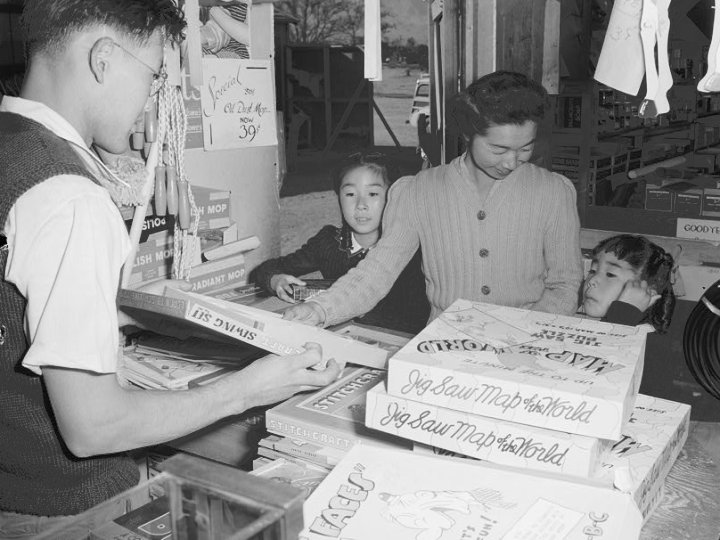
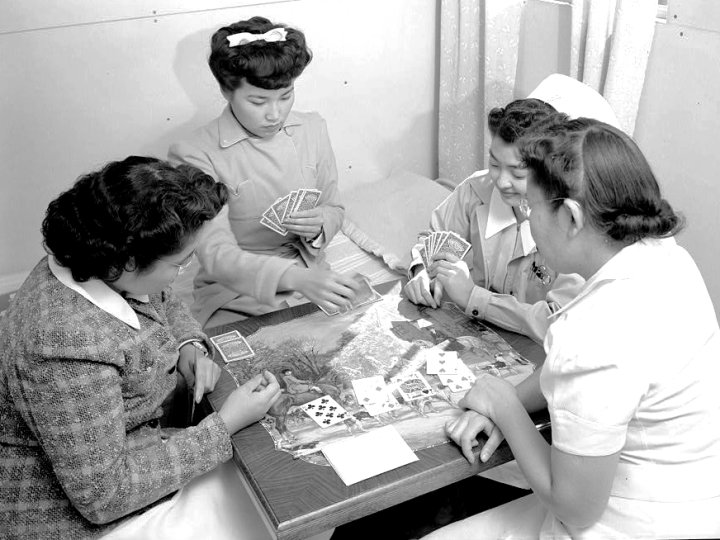
This is a repost. The pictures are from The Library of Congress. Ansel Adams took pictures of Japanese Americans, in a World War Two internment camp. The ladies in the bridge game are Aiko Hamaguchi, Chiye Yamanaki, Catherine Yamaguchi, and Kazoko Nagahama.


Tiny Tim



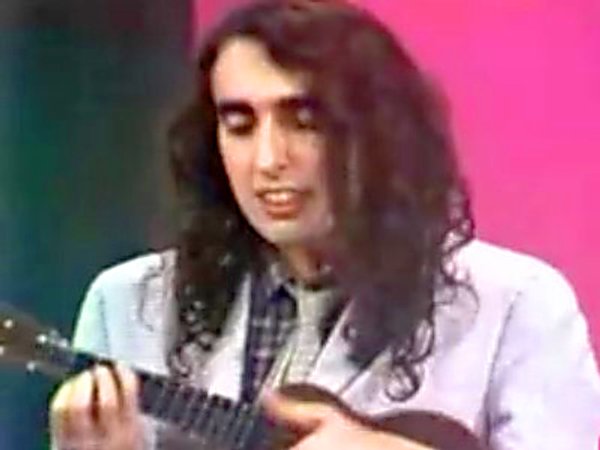
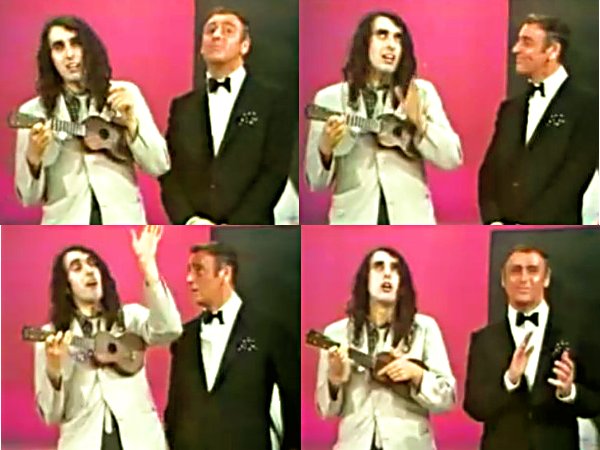
There has never been a performer quite like Tiny Tim.
Herbert Khaury was born April 12 1932, to a Lebanese father and a Polish Jew mother. At an early age, he developed a love of vaudeville style music. He learned to play a ukelele, and began performing in his natural baritone voice.
One night, Mr. Khaury discovered falsetto singing. After trying numerous stage names, he settled on Tiny Tim. He got the attention of Rowan and Martin’s Laugh In, and appeared on that show. Laugh In made Tiny Tim an overnight sensation. He performed “Tip Toe Through The Tulips”.
On December 17, 1969, Tiny Tim married Miss Vickie (Victoria Mae Budinger) on The Tonight Show starring Johnny Carson. The show attracted an estimated 40 million viewers. Ed McMahon laughed. The couple had a daughter, Tulip Victoria, and divorced after 8 years of marriage.
Tiny Tim continued to perform up until his death November 30, 1996. He had diabetes, and heart problems. As wikipedia tells the tale: “He continued to play concerts despite the warnings that, due to the fragile state of his heart, he could die at any moment. While playing “Tiptoe Through the Tulips” at a Gala Benefit at The Woman’s Club of Minneapolis on 30 November of that year, he suffered another heart attack on stage. He was led out by his third wife, Susan Marie Gardner (“Miss Sue”, whom he had married on 18 August 1995), who asked him if he was okay. Tim responded, “No, I’m not!”, his final words…He is interred in the mausoleum of Lakewood Cemetery in Minneapolis.
There is a live website, Remembering Tiny Tim. Under Tiny Trivia, the following items are listed.: 01. Tiny Tim was a devout Christian. 02. Tiny Tim had diabetes. 03. Tiny Tim was 6′ 1′ tall!! 04. One time, when Tiny Tim was staying at Ceasar’s Palace, he decided to have a little fun and order ONE OF EVERYTHING on the menu! 05. Tiny Tim used Eterna 27 by Revlon.06. He also used Jergen’s Body Shampoo.07 He used Vaseline Intensive Care: the yellow bottle for his upper torso and the green bottle for his lower half. 08. Tiny Tim also used Oil of Olay – eight times a day.09. Tiny Tim never ate cheese or meat. 10. Tiny Tim liked to use Viva papertowels after showering in hotels because he didn’t trust the cleanliness of hotel towels. .11. Tiny constantly washed his hands and “creamed” his hands with lotion afterwards. 12. Tiny Tim loved, in this order, #1 pizza, #2 chinese food, #3 popcorn.
This is a repost. Some of the websites quoted in this piece are now “frozen.” Some of the details quoted cannot be verified. Maybe popcorn was number one. Historic pictures for today’s event are from “The Special Collections and Archives, Georgia State University Library”.



The Worst Vice Presidents Of The United States


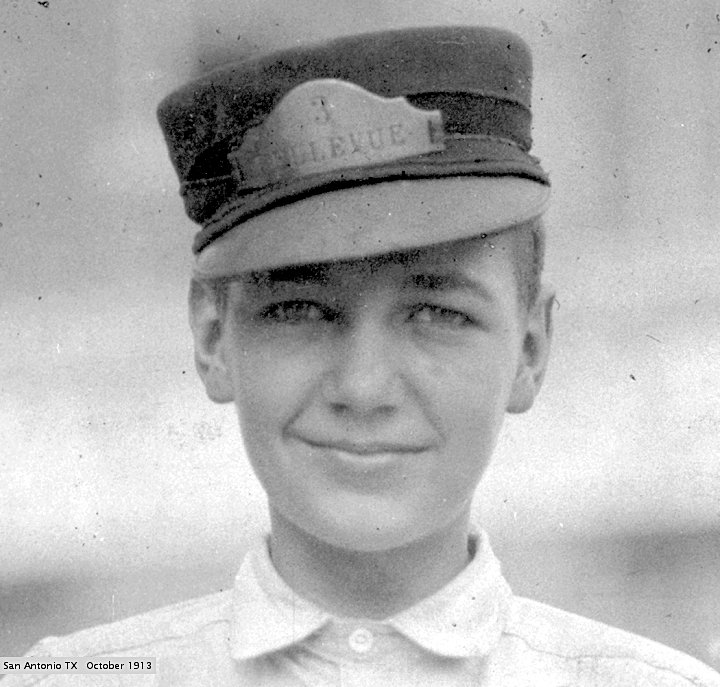
PG wrote a post yesterday. One of the topics was the “Siamese Twins”, James Buchanan and William Rufus King. (The article is reposted below.) While researching the feature, PG googled his way to a Time magazine article about the Worst Vice Presidents in American History. PG is well known for his negative attitude, and writing about the worst things in life always appeals to him. This is a repost, with pictures from The Library of Congress
The first name on the list is Aaron Burr. He had a problem with Alexander Hamilton, and shot him dead in a duel. Elbridge Gerry (the namesake of Gerrymandering) served under James Madison for twenty months, and died. John C. Calhoun served under John Quincy Adams and Andrew Jackson, and managed to get Mr. Jackson so upset that Mr. Calhoun was fired.
Richard M. Johnson served under Martin Van Buren, and was bad at PR. “Johnson scandalized his colleagues by taking one of his slaves as his common-law wife; as a result, he barely garnered enough support to serve in Martin van Buren’s administration. While in office, he proposed an expedition to the North Pole so Americans could drill to the center of the Earth, believing the planet was hollow (his resolution was defeated). Evidently van Buren’s experience with Johnson soured him on vice presidents altogether — when he ran for re-election he dropped Johnson from his ticket and didn’t bother replacing him. Instead, he ran alone.”
William Rufus King was VP under Franklin Pierce a mere six weeks before he died. There is no word on the status of his relationship with James Buchanan at the time. The Time magazine article has a picture of Fernando Wood , which was mistakenly thought to be of Mr. King. (Wikipedia uses the same picture to illustrate an article about Mr. King.)
The VP under James Buchanan (there is no word on who was top or bottom in the Buchanan-King household) was John Breckinridge. During the War Between the States, he left the Union to fight for the Confederacy. Mr. Breckinridge was charged with treason after the war. “The town of Breckenridge, Colorado is named in his honor — although it altered the spelling of its name after the Civil War, so as not to be associated with a traitor.”
Andrew Johnson did not make the list, but maybe should have. He was drunk at his inauguration, and made a fool of himself. Mr. Lincoln had nothing to do with him, until a meeting on April 14. This was Good Friday. Mr. Lincoln went to the theater that night.
Johnson had been marked for death by the conspiracy, but Wilkes Booth had little confidence in the man assigned to kill Mr. Johnson. The afternoon of the assassination, Mr. Booth was at the Kirkwood House, where Mr. Johnson stayed. Mr. Booth left a note for Mr. Johnson at the desk of the hotel… “Don’t wish to disturb you. Are you at home. J. Wilkes Booth”. The idea was for the police to find the note, and implicate Mr. Johnson in the killing of Mr. Lincoln. This mini plot was spoiled by the secretary for the Vice President, who collected the mail that afternoon. He took the card with him. The secretary had met Mr. Booth a few years earlier, and thought the note was for him.
The other three Vice Presidents who took office after the boss was murdered… Chester Arthur, Theodore Roosevelt, and Lyndon Johnson… were not mentioned in the Time article. All three are mentioned in conspiracy theories about the killings that promoted them into office.
When Theodore Roosevelt was elected to a full term as President, his VP was Charles Fairbanks. “Teddy once ordered a noisy and distracting crystal chandelier removed from his office because it disturbed him. He ordered it to be installed in the office of the Vice President to keep him awake.”
Getting back to Time’s honor roll, Hannibal Hamlin was Lincoln’s first VP. Thomas A. Hendricks survived nine months under Grover Cleveland, before passing away. Thomas Marshall served two terms with Woodrow Wilson, and refused to take over the office when Mr. Wilson had a stroke. Calvin Coolidge did little while waiting for Warren Harding to die. Henry Wallace was, and will be, the only third term VP in our history. He acquired a few enemies, and was replaced by Harry Truman.
Richard Nixon was ok once he got elected, but almost managed to blow that. There were charges of financial shenanigans, and some thought he should be kicked off the ticket. After the Checkers Speech he was on his way to stardom. (After Mr. Nixon died, PG saw a large flag flying at half staff. The flag belonged to a hamburger chain called Checkers.) When Mr. Nixon became President, his VP was Spiro Agnew. Once again, there were charges of financial shenanigans, and much, much more. While the nation wallowed in Watergate, Mr. Nixon needed a diversion. It was suddenly discovered that Mr. Agnew had taken bribes. He was pressured into resigning.
Dan Quayle was VP for George H.W. Bush. He was widely regarded as an idiot, although his damage as VP was minimal. The last VPOTUS on the list is Dick Chaney. For some reason, he was regarded as having more power than the President, George W. Bush. Mr. Chaney was said to be one of the major promoters of the wars which have damaged America so much during the last ten years.
2020 UPDATE: Joe Biden said the F word at a press conference. He is currently running for President. The jury is still out on Mike Pence.


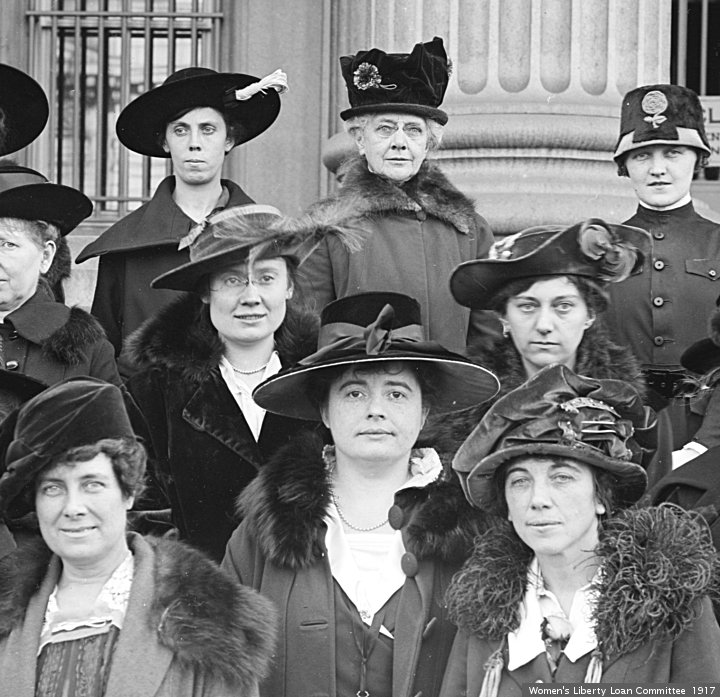


Fun loving Dick Yarbrough is up to his old tricks. The neighbor newspaper nabbler penned a post about California education. It seems there is a new law, in the falling into the ocean state, “that will require schools to teach at all grade levels about the historical contributions of gay, lesbian, bisexual and transgender people.” Our buddy does not think this is a good idea.
The story goes on to say “Our children will find out that President James Buchanan and Vice President William R. King were more than, shall we say, good friends,” she said coyly. I didn’t want to tell Gay that the first thing the teachers need to do is tell the students who James Buchanan is before they talk about what he did. Not many people have ever heard of him. That is because he didn’t do anything while president.” Holy historic revisionism.
To start off, The Vice Prez under Mr. Buchanan was John C. Breckinridge. Mr. King was elected to back up Franklin Pierce. Mr. King died after six weeks in office. If a President has ever bumped gooberheads with his Vice President, the walls of the White House have kept quiet about it. Those rumors about John Kennedy and Lyndon Johnson are too gruesome to contemplate.
Mr. King and Mr. Buchanan lived together for a number of years. Neither was married to a female, although Mr. Buchanan had been engaged. (There is speculation that his fiance’, Ann Caroline Coleman, died of an overdose of laudanum.) There are numerous indications that Mr. King and Mr. Buchanan were *good buddies*.
Mr. Buchanan was the last President before the War Between the States. It is possible that he could not have done much to prevent that unpleasantness. Historians are not kind when talking about the man, and rank him as one of the worst Presidents. Perhaps Mr. King could have helped.
The newspaper that Mr. Yarbrough opines for is delivered, free of charge, on Wednesday. (This weeks edition has not arrived. Any connection between this late delivery and the opinions of Mr. Yarbrough, is uncertain.) Some of these free papers are not taken inside by the resident. Often, a driveway will have several weeks of free adrags left behind. Soon, the rain soaks these newsprint droppings. Some are washed into the street and run over. The result is an ugly mess.
Chamblee54 had a previous discussion with Dick Yarbrough. Mr. Yarbrough is still publishing columns in 2020. Pictures are from The Library of Congress.




 Chamblee54
leave a comment