November 11
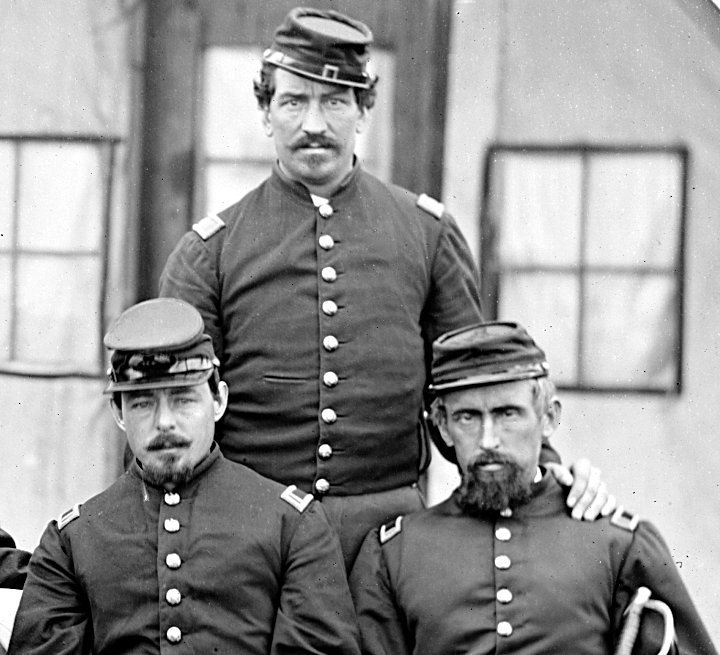


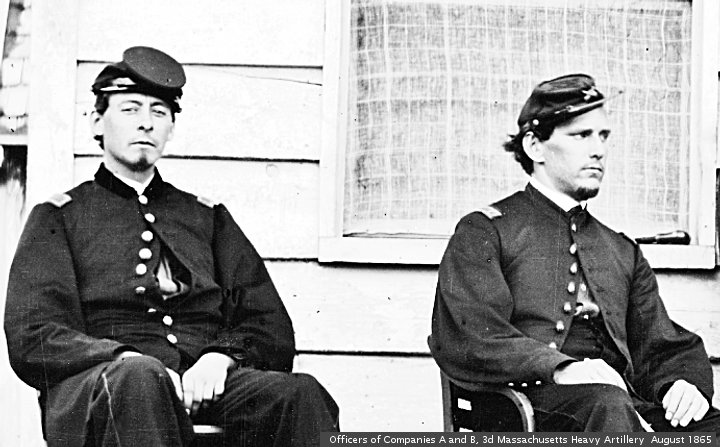
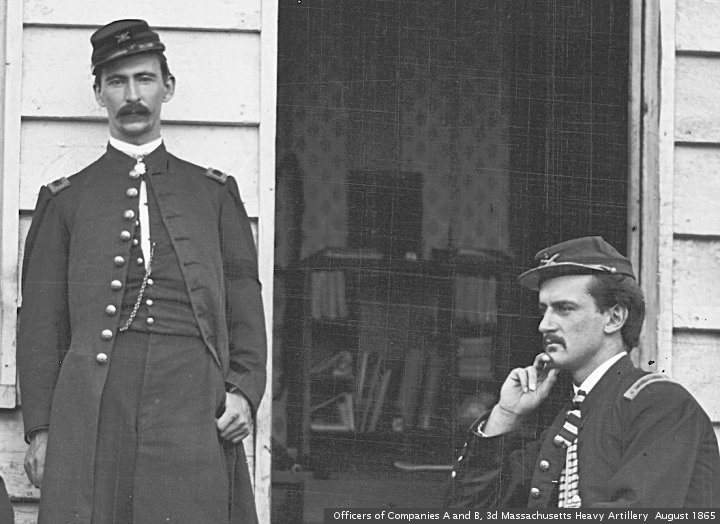
Veterans day was originally Armistice Day. On November 11, 1918, at 11 am, Paris time (the eleventh hour of the eleventh day of the eleventh month) a cease fire went into effect for “The great war”. Officials of the major armies agreed to the ceasefire at 5 am (European time). There were an estimated 11,000 casualties in the last six hours of the war.
At 11:59 am, U.S. army private Henry Gunther became the last soldier to die in World War I. “According to the Globe and Mail this is the story of the last soldier killed in WW1: On Nov.11, 1918, U.S. army private Henry Gunther stood up during a lull in the machine gun fire and charged the enemy. “The Germans stared in disbelief,” says the Daily Express. “They had been told that morning that the fighting was about to stop; in a few minutes they would stop firing and go home. So why was this American charging at them with his bayonet drawn? They shouted at him to stop and frantically tried to wave him back but… he hadn’t heard anything of the ceasefire.” A German gunner released a five-round burst and the soldier lay dead, at 10:59 a.m. In his recently published Eleventh Month, Eleventh Day, Eleventh Hour, U.S. Military Historian Joseph Persico notes that Private Gunther had previously been a sergeant but was demoted after an Army censor read his letter to a friend back home, urging him to steer clear of the war at all costs. Gunther, who was in no-man’s land when the ceasefire news arrived, had been trying to prove himself worthy of his original rank.”
This is a repost. Pictures are from The Library of Congress.
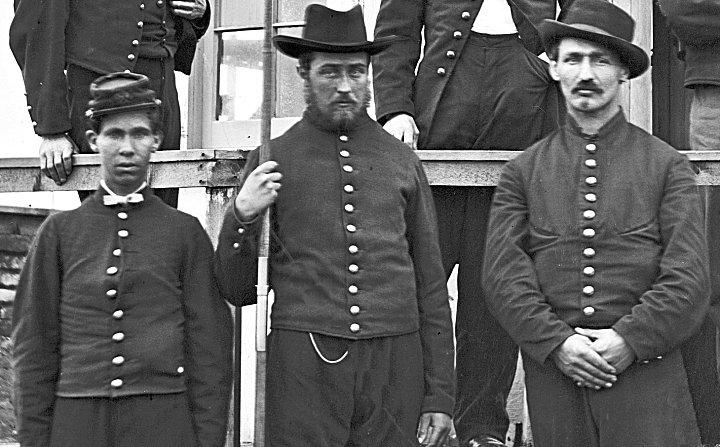

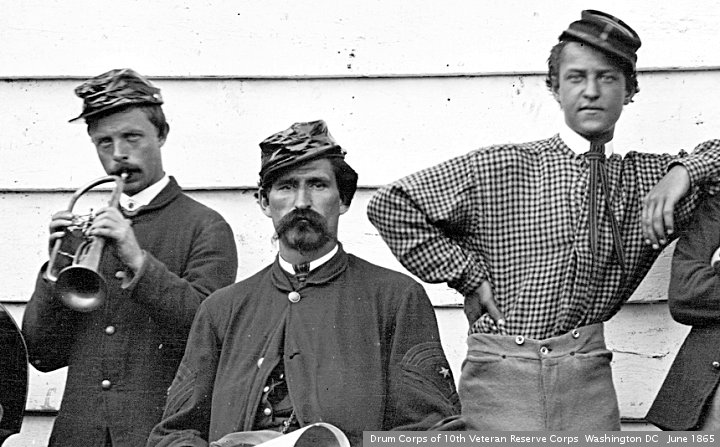
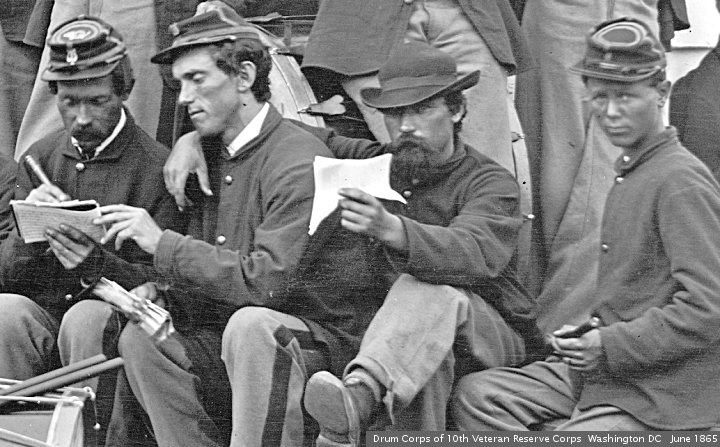
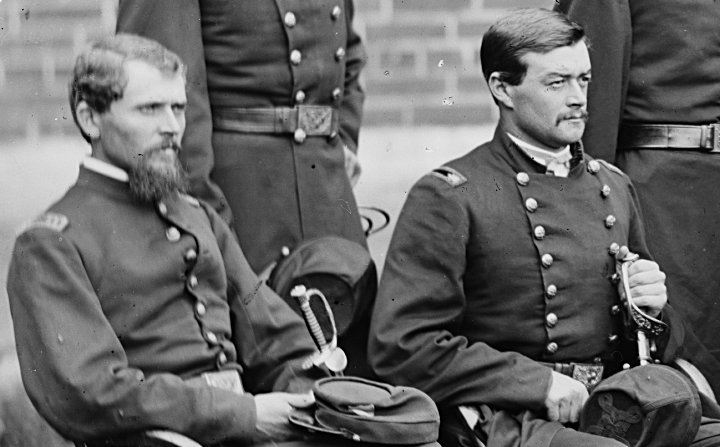
Veteran’s Day is a bad day for a cynic. I appreciate living in The United States. Even with all of her flaws, I have a good life here. The role that Veterans have played should be honored. On the other hand, those who profit from war often exploit Veterans, for political mojo. Many of these people did not serve. Those who profit from war, without serving, deserve our scorn.
Veterans are often not treated well after their service. It is estimated that a quarter of the homeless are veterans. The services offered to wounded veterans are shamefully lacking.
Hugh Pharr Quin CSA was my great grandfather. He served with the Georgia State Troops, in the War Between the States. I prefer the USA to the CSA, or whatever would have followed a Confederate victory. The Union army had to prevail, over the various Confederate Armies, for this to happen. Do I dishonor my great grandfather by saying, we are better off that the other side won?
Veterans Day was originally Armistice Day. This was the day, 103 years ago, when the War to End All Wars ended. World War I was a ghastly bloodbath, in which millions died. It affected many of the problems that plague us today. I would be willing to bet that not one person, in ten thousand, knows what World War I was about. And yet, the men who fought in that conflict (I don’t think they had women soldiers then) deserve the same gratitude as those who fought in any other conflict.
The soldier…many of whom are drafted…doesn’t get to choose which war to fight in. The sacrifice of the World War II soldier was just as great as the Vietnam fighter, but the appreciation given was much greater. I grew up during Vietnam, and saw the national mood go from patriotic fight, to dismayed resistance. By the time I was old enough to get drafted, the Paris accords had been signed. For better or worse, there went my chance.


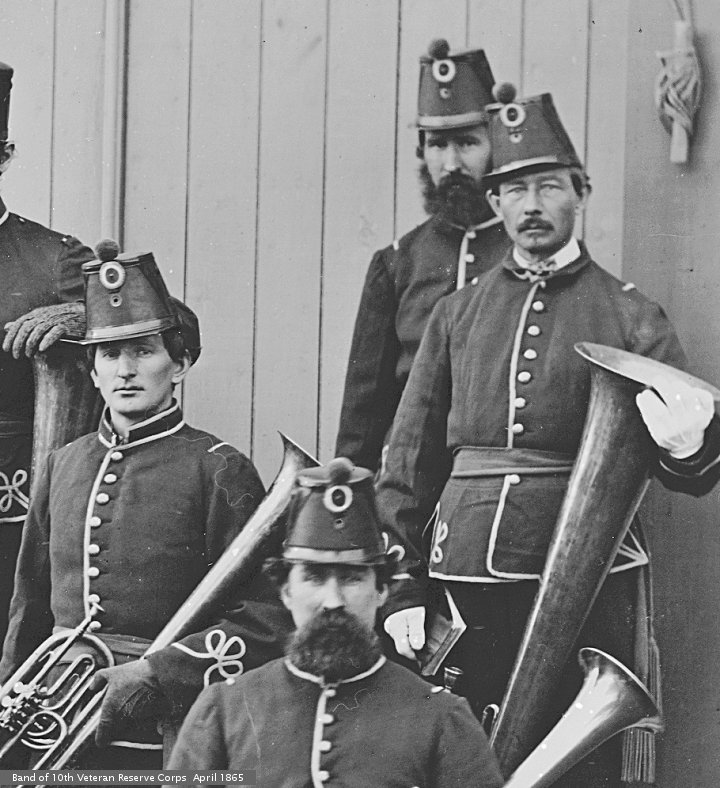

Arlo Guthrie





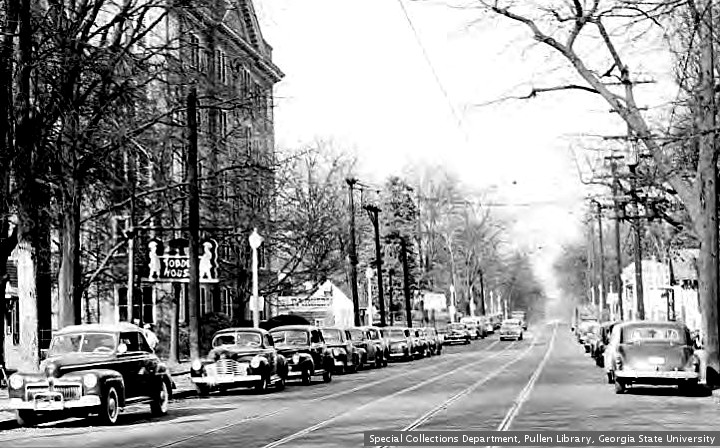
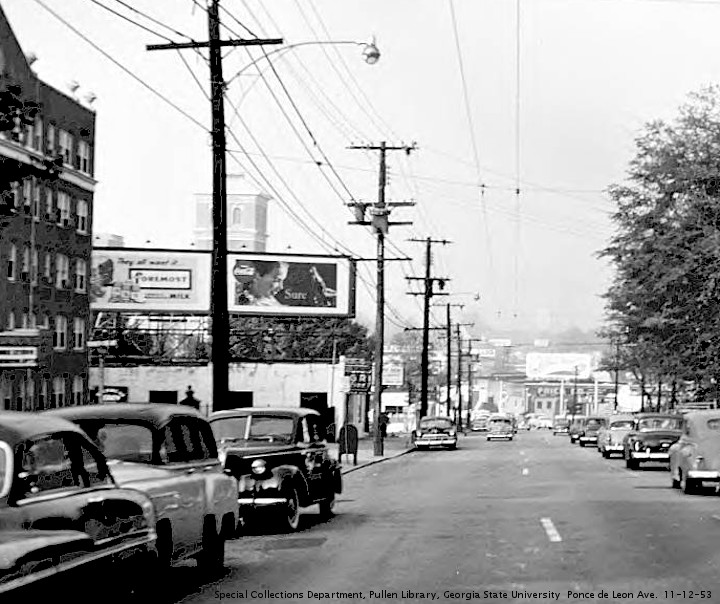
This is a rerun post, with pictures from “The Special Collections and Archives, Georgia State University Library”. The original post was half about Arlo Guthrie, and half about Ralph Reed. Today, only the part about Arlo Guthrie will be shown. If you absolutely must read about Ralph Reed, you can follow the link above, or read Lisa Baron And Ralph Reed TMI.
The entertainment today is about Arlo Guthrie . Thanksgiving is intimately connected to Mr. Guthrie. Unlike the turkey, Mr. Guthrie has gone on to have a flourishing career. He probably will not come down with Huntington’s Disease, which killed his father Woody Guthrie.
The video that goes with this text was the first time PG saw Arlo Guthrie. This was broadcast January 21, 1970. PG was an unhip fifteen year old, who had not heard Alice’s Restaurant, seen the movie, or been to Woodstock. He did see the Johnny Cash show this night, or at least the part where Arlo Guthrie did the motorcycle song.
To quote the digital facility PG is borrowing from: ” Born Arlo Davy Guthrie on July 10, 1947, in New York, NY; son of Woody (a folksinger) and Marjorie Mazia (a dancer; maiden name, Greenblatt) Guthrie; married Jacklyn Hyde, October 9, 1969; children: Abraham, Cathyalicia, Annie Hays, Sarah Lee.” Abraham and Sarah Lee play in Arlo’s touring band.
The Alice’s Restaurant Masacree is a part of Americana now. There are two bits of knowledge, that are as true as anything told to a Persian king. When trying to dispose of some garbage, and finding the city dump closed, Arlo found some litter by the roadside, and made a value judgment…One big pile of garbage is better than two little piles.
The second is about the draft, and the business of choosing people to fight our wars. There is a regulation today that says that Gays and Lesbians are not supposed to be soldiers and sailors. In the tale of the thanksgiving dinner, it was litterbugs. (There was also a draft, and a different war. Lots of Americans were coming home in boxes.) The bottom line: Mr. Guthrie is confused about not being considered moral enough to kill people, because he was a litterbug.
A few years into his career, Arlo Guthrie had a hit record called “City of New Orleans”. It was about a train, and said “Good Morning America”. “City of New Orleans” was written by Steve Goodman, who is no longer with us. Mr. Goodman also wrote the perfect country and western song .
PG heard a story about Steve Goodman. “The songwriter is Steve Goodman. He gave a show at the Last Resort in Athens GA, that a friend of PG attended. Mr. Goodman tells a story about performing on a train, during a series of concerts supporting Hubert Humphrey. It seems like Mr. Goodman had to use the restroom on the train. Now, in those days, the trains did not use holding tanks, but just ejected the matter by the tracks as they rode by. Mr. Goodman was told, do not flush the commode while the train is in the station. Mr. Goodman forgot the instructions. Mr. Humphrey said ”I am going to give the people of this country what they deserve”, Mr. Goodman flushed the commode, and sprayed the crowd. PG is not sure if he believes this, but it is a good story.” ( A biographer of Mr. Goodman said said that the candidate was Edmund Muskie. He also says that David Allen Coe had nothing to do with the last verse of the perfect country and western song.)
As previously noted, this is a repost from a few years ago. In that time, the policy against gay people serving in the military has been dismantled. The Ralph Reeds of the world are more upset about the concept of gay marriage, than by gay people killing Muslims. Vietnam is a peaceful country, and is enjoying economic good times. The draft is something old fogies remember. The current fashion is to support war by demanding a tax cut.
Arlo Guthrie continues to make music. USA Today had a feature recently, Arlo Guthrie celebrates 50 years at ‘Alice’s Restaurant’. Arlo Davy Guthrie has a twitter account, @folkslinger, and a full head of white hair. His wife of 43 years, Jackie Guthrie, died Oct. 14, 2012. The Lenox Square theater was torn down to make way for a food court many years ago.





Smedley Butler

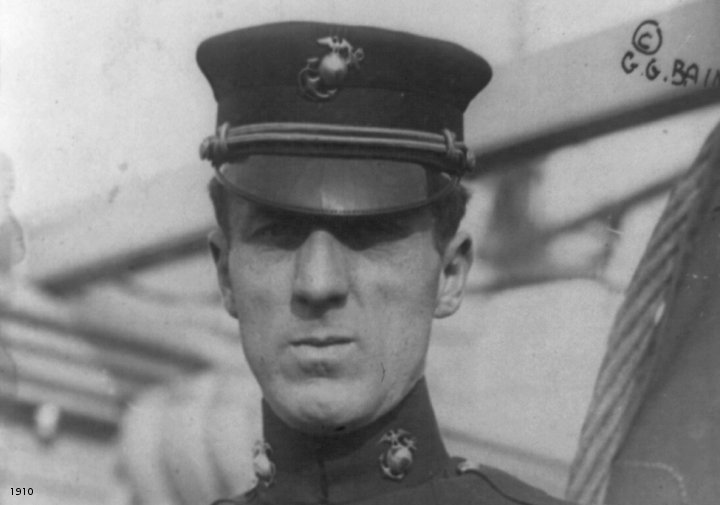
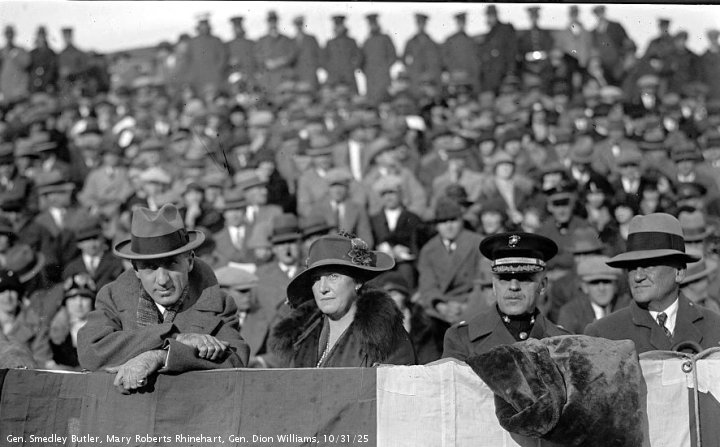

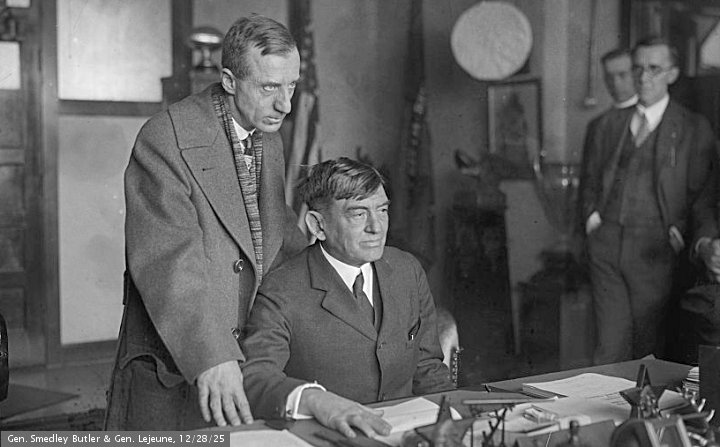


There was a feature the other day on the innertube called War is a racket . It was about a man with the unlikely name of Smedley Butler . Pictures for today’s adventure are from The Library of Congress. The video features an actor named Graham Frye in the role of General Butler. The video is courtesy of Smedley D. Butler Brigade Chapter 9 Veterans For Peace. This is a repost.
Major General Smedley Darlington Butler was a star of the U.S. Marine Corps. He lied about his age to enlist during the Spanish American War. Mr. Butler served in Philippines, China, Mexico, the Caribbean, Central America and World War I. With the exception of World War I, most of these conflicts are forgotten today.
Smedley Butler received the Medal of Honor twice. “His first Medal of Honor was presented following action at Vera Cruz, Mexico, 21-22 April 1914, where he commanded the Marines who landed and occupied the city. Maj Butler “was eminent and conspicuous in command of his Battalion. He exhibited courage and skill in leading his men through the action of the 22nd and in the final occupation of the city…The following year, he was awarded the second Medal of Honor for bravery and forceful leadership as Commanding Officer of detachments of Marines and seamen of the USS Connecticut in repulsing Caco resistance on Fort Riviere, Haiti, 17 November 1915.”
After his retirement in 1931, Mr. Butler had a change of heart, and decided that killing for Uncle Sam was not such a great idea. He wrote a book, “War is a Racket”, and became a popular speaker. Here is a “money quote”… “I spent 33 years and four months in active military service and during that period I spent most of my time as a high class thug for Big Business, for Wall Street and the bankers. In short, I was a racketeer, a gangster for capitalism. I helped make Mexico and especially Tampico safe for American oil interests in 1914. I helped make Haiti and Cuba a decent place for the National City Bank boys to collect revenues in. I helped in the raping of half a dozen Central American republics for the benefit of Wall Street. I helped purify Nicaragua for the International Banking House of Brown Brothers in 1902–1912. I brought light to the Dominican Republic for the American sugar interests in 1916. I helped make Honduras right for the American fruit companies in 1903. In China in 1927 I helped see to it that Standard Oil went on its way unmolested.”
Smedley Butler died June 21, 1940. Eighteen months later, America was at War again. How he would have reacted to that conflict is a mystery.




Oscar And Milo

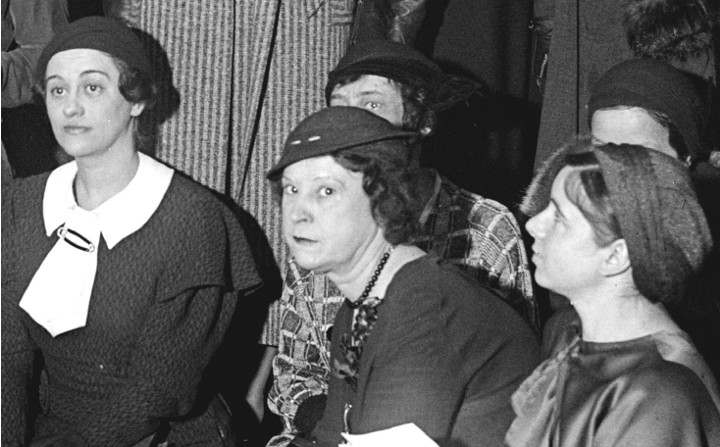


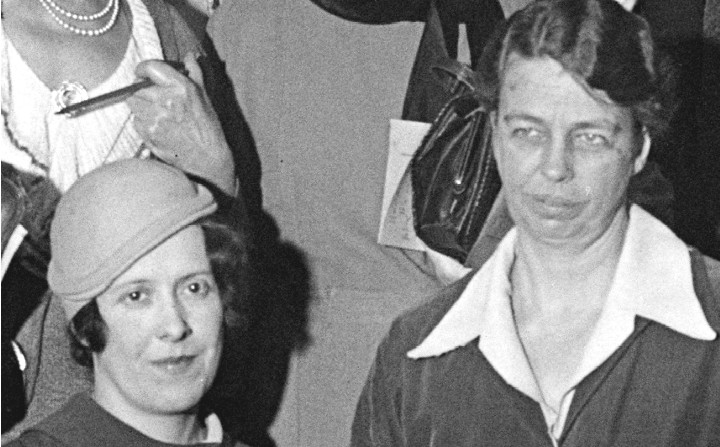

Oscar Wilde was being cross examined by Edward Carson, the attorney for the Marquess of Queensberry. Mr. Wilde had filed a libel suit, because the Marquess said Mr. Wilde was a somodite. The Marquess was the father of Lord Alfred Douglas, the boyfriend of Mr. Wilde. The cross examination saw many witty comments by Mr. Wilde. It was going well, until it wasn’t.
C– Do you know Walter Grainger? W–Yes. C– How old is he? W– He was about sixteen when I knew him. He was a servant at a certain house in High Street, Oxford, where Lord Alfred Douglas had rooms. I have stayed there several times. Grainger waited at table. I never dined with him. If it is one’s duty to serve, it is one’s duty to serve; and if it is one’s pleasure to dine, it is one’s pleasure to dine. C– Did you ever kiss him? W– Oh, dear no. He was a peculiarly plain boy. He was, unfortunately, extremely ugly. I pitied him for it. C– Was that the reason why you did not kiss him? W– Oh, Mr. Carson, you are pertinently insolent.
Milo Yiannopoulos is no Oscar Wilde. There was no gasp in the courtroom when he made his comments about “Father Michael.” The interview went on youtube September 30, 2015, and has been waiting for its time. In an ironic touch, one of the ads preceding the three hour video starred Leslie Jones, or someone who looked like her.
Bill Maher said, before introducing Mr. Yiannopoulos, “Stop looking at the distractions and the clown show and look at what matters.” There was a panel discussion, with Milo and four other men. The distraction, and the clown show, made comments that seem ironic a few days later.
The discussion began with an audience question about a trans Berkley student. Mr. Maher said she, and Mr. Yiannopoulos said he, with the intention of misgendering the individual. “I make no apology from protecting women and children from men who are confused about their sexual identity.” Maybe Father Michael was confused. “I think that women, and girls, should be protected from having men who are confused about their sexual identities in their bathrooms.” Mr. Maher looked down at the desk, and said “that’s not unreasonable.” Less than a minute of the video had elapsed.
Larry Wilmore said “I think its sad, because the same arguments that we use against gay people, treating them like aliens who want to fuck anything that moves, and that we should avoid them at all costs.” Mr. Yiannopoulos tried to say something, and Mr. Wilmore asked to be allowed to finish his thought. …..”You can always find the extreme person that becomes the object of your attack, that you assign that to everybody.” Given the prevalence of people using paedophilia as an all purpose argument against gays, it seems like Mr. Yiannopoulos went sashaying into a trap. Just let the idiot speak long enough, and he will hang himself. Whether this will have any negative effect on the overall LGBT population is not known.
At 2:33, Mr. Yiannopoulos starts to talk fast, and amateur transcribers (cis-scriber?) might make mistakes. “Your saying that (unintelligible) the victim is some sort of discrimination… this is a psychiatric disorder.” Some might say that a 14 year old. fooling around with a priest, is a victim, and a psychiatric disorder. Mr. Yiannopoulos is an entertainer, and likes to make flippant comments.
In his libel suit, “Wilde did his best to turn the proceedings into a joke with flippant answers. Always the artist, he seemed to be reaching for creative, witty answers, even if they contradicted earlier ones.” One sees the same pattern of behavior in Milo Yiannopoulos.
At 5:39: Mr. Maher said to Mr. Yiannopoulos “This is the beginning of your career, people are just starting to hate you.” “I’ve got so many more years.” This was less than a week before a fox news headline, JUST IN: Milo Yiannopoulos Resigns From Breitbart News.
“You have the potential to morph. You remind me of a young, gay, alive Christopher Hitchens.” Or maybe just young and alive. As an obituary of Mr. Hitchens notes, ” He was almost expelled from school for homosexuality and later boasted that at Oxford he slept with two future (male) Tory cabinet ministers. … he eventually became a dedicated heterosexual because, he said, his looks deteriorated to the point where no man would have him.”
Malcolm Nance got into the act, with the comment “You’ll take Russian spies over Saudis. OK.” Our knowledge of the role of Russians played in the 2016 election is evolving. Much better known is the fact that of the 19 hijackers on 911, 15 were Saudi.
At 10:50, Mr. Nance, a former Intelligence officer, said “Wikileaks… is a laundromat for Russian Intelligence.” The troubles of Mr. Yiannopoulos were noted in a tweet from @JulianAssange “US ‘liberals’ today celebrate the censorship of right-wing UK provocateur Milo Yiannopoulos over teen sex quote.” Pictures today are from The Library of Congress. This is a repost.









Pauline Kael, Gina James, And James Broughton
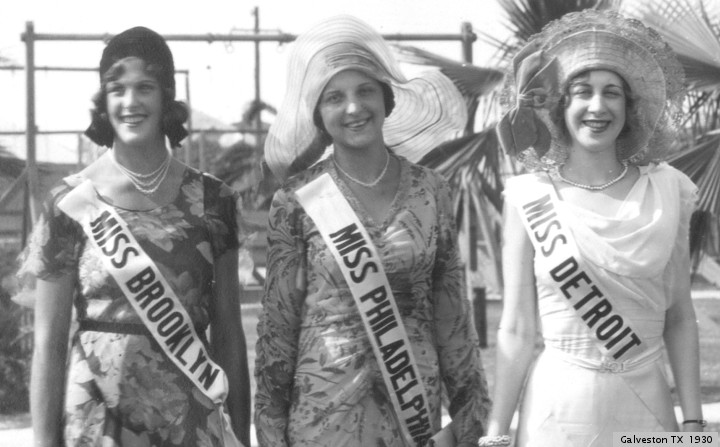
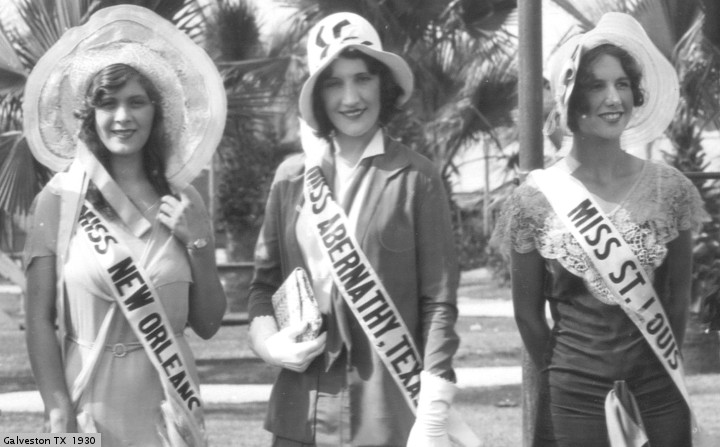



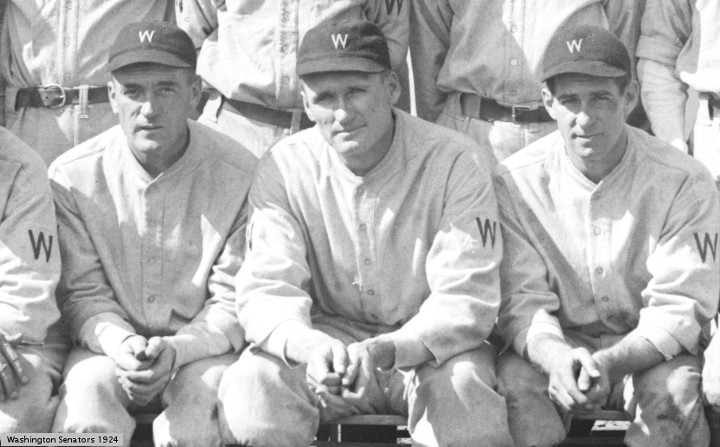
Pauline Kael was the rockstar film critic. James Broughton was the radical faerie poet laureate. They were lovers, and had a daughter, Gina James. Pauline and James were not married, contrary to what some naysayers would tell you. This is a repost.
Much of the information in this feature is taken from online reviews of Pauline Kael: A Life in the Dark, a 2012 biography written by Brian Kellow. Gina James, also known as Gina Broughton, was not interviewed for the book. Neither did she participate in the making of Big Joy, a movie about James Broughton. (A wig store, Gina Beauty Supply is located at 25 W Broughton St, Savannah, GA 31401.)
Pauline Kael was born June 19, 1919, Petaluma, CA, died September 3, 2001, Great Barrington, MA, and stood 4 feet 9 inches tall. James Broughton was born November 10, 1913, Modesto, CA, and died May 17, 1999, Port Townsend, WA. Neither one had a middle name. Both used their birth name throughout life. Both had lives, before meeting in the late forties.
When she met James Broughton, Miss Kael was living what would later be called the bohemian life. After moving to New York, and being dumped for composer Samuel Barber, Miss Kael moved back to California. “Returning to the Bay Area with her tail between her legs in 1945, Pauline became involved with the incredibly effeminate avant-garde filmmaker James Broughton. He managed to impregnate Pauline but threw her out as soon as she told him, whereupon she moved to Santa Barbara to give birth to her daughter, Gina, in 1948″
“Like her early career, Kael’s personal life was also fraught with failures. Kellow says “she had a habit of falling for gay men” earlier in her life because “they tended to share her passions and enthusiasms.” She had a daughter … with one of them, experimental filmmaker James Broughton.”
“For a time, during the 1940s, he lived with future film critic Pauline Kael. She encouraged his filmmaking endeavors but their relationship ended after she got pregnant. … Pauline Kael thought that Broughton made the biggest mistake of his life when he turned down a studio film after winning the prize at Cannes.” (Apparently Mr. Broughton was from a wealthy family, and could afford this attitude. Regarding his movie The Bed, Mr. Broughton said “It was the only film I created that ever made any money.”)
“Which brings us to the strange tale of Pauline’s only child, Gina James. … In 1948, at age 29, Kael got pregnant after she “talked her way into moving in” with James Broughton, a bisexual poet living in Sausalito. By Kellow’s account, Broughton was furious at the news of Kael’s pregnancy; he felt trapped and tricked by her. One of Broughton’s friends reported that he kicked Kael out of his house. She moved to Santa Barbara to have the baby. The birth certificate listed the father as “Lionel James, a writer”. It is one of the disappointments of the book that Kellow shines little light on Kael’s passion — or whatever it was — for Broughton, on how she processed that cruel rejection and on whether Broughton ever recognized Gina as his daughter.”
James Broughton moved on with his life. He made experimental films, got married, and fathered two more children. At some point he met Joel Singer, and began the romance that would last the rest of his life. It is tough to say whether he was genuinely bisexual, or whether he was playing the role society expected of him.
This review of Big Joy continues: “But interviews with Singer, waxing poetic about his years with the artist, are balanced by reminiscences from Broughton’s ex-wife and his abandoned son. Rather than only celebrating silliness, I found it admirable that the directors didn’t gloss over the pain he caused his wife and children. After all, when you think about it, he spent all of his life unable to decide if he was gay or straight; leaving a lot of broken hearts in his wake.
We learn from Kael that he flirted with everyone he met. “He rode off into the sunset with some guy,” his wife, Suzanna Hart tells us. “That was very sad for me, but not for him, which was…very irritating.” In her segments, Hart keeps her emotions in check but you can clearly read the sadness and anger in her face. The son doesn’t have much good to say about his absent father and the two daughters (the first by Kael and the second by Hart) both refused to be interviewed for the film. Singer has a lot to say about their blissful decades together, but he also comes off a bit heartless when he shows no guilt over breaking up what he calls Broughton’s “loveless” marriage.”
The baby daddy leaves, and the struggling writer becomes a single mom. “… Kael’s relationship with her actual daughter was something out of a Tennessee Williams play, and not in a good way. Kael home-schooled Gina and, as the girl grew up, kept her close, as a typist, projectionist, driver and right-hand man, and she banished any friend who actively encouraged the young woman to break out on her own. Though she was in many ways a loving and committed mother, helping to raise Gina’s son and always living nearby, one senses a Gothic selfishness in her mothering.”
Gina James declined to talk with Kellow for his book, but the author says Kael and her daughter had a sort of symbiotic relationship. “Pauline did not type, Pauline did not drive — Gina performed both those functions for her. And Gina was a very good critic of Pauline. She got to see Pauline’s copy before anyone else did and she often had very, very important and influential things to say. But Pauline really wasn’t wild about the idea of Gina breaking away and having her own life apart from her, and she didn’t do anything really to encourage her in that direction as far as I can see.”
Amazon one star comment: And her poor daughter – what a fate – TYPING all that. Poor Gina, — I can see her – Kellow described sitting silently in some coffee shop while her mother raved on and ON with her pet directors.
An affair with the experimental filmmaker James Broughton produced a child, Gina, whom Kael raised by herself, Mildred Pierce–like, heroically supporting them with a number of odd jobs, including running a laundry. Gina’s heart condition required expensive surgery, and Kael ended up enticing Edward Landberg, the owner of a local art-house theater, Berkeley Cinema Guild. They had begun as co-programmers. As Landberg tells it: “One day, when I was over at her place, I happened to graze her breast with my hand, and she kind of looked up and said, ‘What have you got to lose?’” Their marriage proved a fiasco, but Landberg agreed to pay for Gina’s operation, which Kellow suspects had been Kael’s motive all along…. Kellow shows more independence in assessing Kael’s treatment of her daughter Gina, whose ambitions to become a dancer or a painter she did little to encourage, preferring to keep her on “a silver cord . . . she had also grown accustomed to the steady, dependable role that Gina played—as secretary, driver, reader, sounding board—and she was loath to give her up.” Gina, for her part, was mistrustful of the dynamic she witnessed between Kael and her acolytes.“
“The closest and longest-lasting partnership of her life was with her daughter, Gina James … James considered speaking to Kellow, but finally declined, leaving a blank space at the center of this otherwise vividly detailed biography. Gina lived with her mother till she was over 30, typed up her reviews after Pauline stayed up all night writing them in longhand, and gave up both college and a shot at a dance career to serve as her mother’s caretaker, companion, and driver….
Kellow cites the text of the breathtakingly passive-aggressive eulogy that Gina delivered at her mother’s funeral in 2001: “My mother had tremendous empathy and compassion, though how to comfort, soothe or console was a mystery that eluded her … . Pauline’s greatest weakness, her failure as a person, became her great strength, her liberation as a writer and critic . … she turned her lack of self-awareness into a triumph.”
One more chapter remains. “Gina lived with Kael well into her thirties … That she married and had a child, Will, seemed to catch Kael by surprise, though she ended up adoring her only grandchild, someone with whom she could watch action movies with.
Kael died in 2001, when Will was about 19. Unfortunately, and Kellow made no mention of this in his book whatsoever, there’s a horrible postscript, one that may well have been the reason for why Gina declined to be interviewed for the book. On October 6, 2007, Will, then 25, went hiking in the East Mountain State Forest in the Berkshires. He was an avid hiker, not to mention a devoted martial artist. He had a girlfriend. He never came back. Gina reported him missing, but his body wasn’t found for more than week, on October 15. … “authorities found camping equipment nearby and while cause of death has not been determined, foul play is not suspected.”
Pictures today are from The Library of Congress. UPDATE These two comments were made to the original post. Anonymous said, on June 16, 2017 at 9:18 pm Your piece on Kael and Broughton is rife with misinformation and judgements galore and unbelievably badly written. Get a life and stop spreading falsehoods. And next time you put your fingers to a keyboard do your due diligence! James’ son was NOT ABANDONED! He lived happily with the two of us after the divorce. You fail to recognize that James’ ex-wife was a classic fag hag who had been married to another gay man before her relationship with James. She had been in psychotherapy for years before they got together and for many years after they split up. James certainly did not spend the rest of his life uncertain about his sexuality. Read his autobiography COMING UNBUTTONED and you’ll discover how misinformed your take on him is. You have done a great disservice to your readers by publishing such homophobic nonsense. Joel Singer ~ Sterling Wilson said, on August 19, 2017 at 1:40 pm Curious about this autobiography, I found the following from a Publishers Weekly review “Broughton forsakes introspection for literary gossip and name-dropping: Kenneth Rexroth, Pauline Kael, Dylan Thomas, Anais Nin. The birth of a daughter is dispensed with in two sentences. Broughton’s insistence on making himself the center of attention increasingly intrudes.”
UPDATE A journey down an internet rabbit hole uncovered this item. It is from “Remembering Harry and John”, by Mark Thompson on the occasion of Harry’s 100th anniversary “I remember the night we were socializing at the San Francisco Art Institute at a gala tribute for James Broughton. Harry (Hay) and James had sparked briefly as Stanford University undergraduates, but didn’t meet again until fifty years later at a faerie gathering. Few people knew that James had fathered a daughter with esteemed film critic Pauline Kael during their bohemian Berkeley days, but Harry was alert to the fact. Kael and Broughton were having their own reunion at the moment when, with typical impudence, Harry interrupted the conversation by loudly asking, “So, who was the mother and who was the father?” The stunned silence was punctured only by the whoosh of Kael’s furious departure.”




Tom Paine



There is a meme floating through the innertubes. “To argue with a person who has renounced the use of reason is like administering medicine to the dead.” Thomas Paine English-American political activist, writer and revolutionary. A drawing of Mr. Paine lurks to the left of the text.
The quote is from the first paragraph of a pamphlet written by Mr. Paine, The American Crisis: LANCASTER, March 21, 1778, TO GENERAL SIR WILLIAM HOWE. It was part five of a series, The American Crisis. The tract was intended to inspire the war effort against the British. The full sentence: “To argue with a man who has renounced the use and authority of reason, and whose philosophy consists in holding humanity in contempt, is like administering medicine to the dead, or endeavoring to convert an atheist by scripture.”
Four Principles of Quotation was written in 2002, before the rise of meme culture. The salient principle for today is number four, “Only quote from works that you have read.” The tract by Mr. Paine is 6956 words of revolutionary era purple prose. Today’s facebook expressionist does not want to go to that much trouble.
The American Crisis V has some interesting passages. It would be considered politically incorrect today. The British labelled is “the encourager of Indian cruelties,” and accused of “the unchangeable name of meanness.”… “The particular act of meanness which I allude to in this description, is forgery. You, sir, have abetted and patronized the forging and uttering counterfeit continental bills. … shows an inbred wretchedness of heart made up between the venomous malignity of a serpent and the spiteful imbecility of an inferior reptile.”
The text is directed at General William Howe. The war was not going well for the British… “They resemble the labors of a puppy pursuing his tail; the end is still at the same distance, and all the turnings round must be done over again.” General Howe resigned April 4, 1778, fifteen days after The American Crisis V was written. The purple prose might have been a factor.
“Your master’s speech at the opening of Parliament, is like … daily decaying into the grave with constitutional rottenness. … If there is a sin superior to every other, it is that of wilful and offensive war. … We leave it to England and Indians to boast of these honors; …”
Mr. Paine has a good reputation today. This was not universal during the revolution. “In 1777, Congress named Paine secretary to the Committee for Foreign Affairs. The following year, however, Paine accused a member of the Continental Congress of trying to profit personally from French aid given to the United States. In revealing the scandal, Paine quoted from secret documents that he had accessed through his position at Foreign Affairs. Also around this time, in his pamphlets, Paine alluded to secret negotiations with France that were not fit for public consumption. These missteps eventually led to Paine’s expulsion from the committee in 1779.”
After the war, Mr. Paine went back to England. He soon got involved in the French Revolution, and was imprisoned. He continued to write, and get in trouble. Mr. Paine was invited back to the United States by Thomas Jefferson. He “died in June 1809, and to drive home the point of his tarnished image, the New York Citizen printed the following line in Paine’s obituary: “He had lived long, did some good and much harm.” Pictures are from The Library of Congress. This is a repost.




Tupperware



Two Tupperware containers are waiting for me. Yesterday, I cut up potatoes, washed some turnip greens, and put them in the steamer. I remembered to cut down the heat, after it started to boil. After a half hour, I have a delicious breakfast for two days.
The Tupperware #250 Millionaire Line is a marvel of Eisenhower era plastics. This container is clear plastic, 3.5″ tall and 4″ round. The plastic is .16″ thick, and utterly indestructible. This product was bought at a Tupperware party.
“After World War II, (Earl Silas) Tupper received a block of polyethylene from DuPont, which was hoping plastics manufacturers would invent peacetime uses for the new material the company had developed during the war. Tupper tinkered with his molding machines for months. DuPont had added fillers to the polyethylene to firm it up and it was difficult to mold. Tupper asked DuPont for some pure polyethylene pellets instead. They were skeptical, but after much trial and error, Tupper produced the first of his Tupperware bowls.”
“Tupper started marketing his products as giveaways with cigarettes. Eventually they made it into department stores. He even opened a showroom on Fifth Avenue in New York. His Tupperware “wonderbowl” — with its patented burping seal — won design prizes. He advertised widely. But he wasn’t doing very well financially.”
“The person who transformed Tupperware into a marketing empire was Brownie Wise — a single mother with no formal business training. She had started selling huge quantities of Tupperware at home parties, and when Earl Tupper noticed the sales figures in 1951, he invited her to visit Massachusetts. The result: he decided to sell Tupperware exclusively through home parties and to make Wise his company’s vice president and head of all sales.”
It worked well, until it didn’t. Mr, Tupper fired Ms. Wise, and sold the company. Pictures today are from The Library of Congress. This is a repost.





Slavery And The Star Spangled Banner



There is a terrific Backstory episode about the War of 1812. (Here is another one.) This is a conflict that is not much thought about, even during its bicentennial. It was not a good war for people of color. Native tribes fought with the British in Michigan, and were soundly defeated. After this war, the attitude of the white man towards the natives got worse.
Perhaps the most famous product of the War of 1812 is The Star Spangled Banner, a.k.a. the national anthem. There are a few legends about writing this song that skeptical bloggers like to shoot down. At the 43 minute mark of the backstory episode, another aspect of TSSB is discussed.
It seems as though slaves were escaping their owners, and fighting with the British. Washington lawyer Francis Scott Key was a slave owner, and thought that the slaves would be better off with their owners. This is the sentiment behind the third verse of TSSB.
And where is that band who so vauntingly swore,
That the havoc of war and the battle’s confusion
A home and a country should leave us no more?
Their blood has wash’d out their foul footstep’s pollution.
No refuge could save the hireling and slave
From the terror of flight or the gloom of the grave,
And the Star-Spangled Banner in triumph doth wave
O’er the land of the free and the home of the brave.
The image of F.S. Key has been cleaned up over the years. This biography omits the third verse of TSSB, and does not mention his slaves. Wikipedia tells a different story. “President Jackson nominated Key for United States Attorney for the District of Columbia in 1833.”
“In 1836, Key prosecuted New York doctor Reuben Crandall, brother of controversial Connecticut school teacher Prudence Crandall, for “seditious libel” for possessing a trunk full of anti-slavery publications in his Georgetown residence. In a trial that attracted nationwide attention, Key charged that Crandall’s actions had the effect of instigating enslaved people to rebel. Crandall’s attorneys acknowledged he opposed slavery but denied any intent or actions to encourage rebellion. In his final address to the jury, Key said “Are you willing gentleman to abandon your country, to permit it to be taken from you, and occupied by the abolitionist, according to whose taste it is to associate and amalgamate with the negro? Or gentleman, on the other hand, are there laws in this community to defend you from the immediate abolitionist, who would open upon you the floodgates of such extensive wickedness and mischief?” Crandall was acquitted.”
The Huffington Post has a story about F.S. Key, ‘Land of the Free?’ Francis Scott Key, Composer of National Anthem, Was Defender of Slavery.
“Buying and selling humans remained a respectable business in Washington City. The slave holding elite of the south had a majority in the Congress and a partner in President Andrew Jackson…
To reassert the rule of law, Key set out to crack down on the anti-slavery men and their “incendiary publications.” Informants had reported to the grand jury about an abolitionist doctor from New York who was living in Georgetown. Key charged Rueben Crandall with bringing a trunk full of anti-slavery publications into the city.
In the spring of 1836, Key’s prosecution of Rueben Crandall was a national news story. In response, the American Antislavery Society circulated a broadsheet denouncing Washington as “The Slave Market of America.” The abolitionists needled Key for the hypocrisy of using his patriotic fame to defend tyranny in the capital: “Land of the Free… Home of the Oppressed.”
Key shrugged off his critics. In front of courtroom crowded with Congressmen and correspondents Key waxed eloquent and indignant at the message of the abolitionists. “They declare that every law which sanctions slavery is null and void… ” Key told the jury. “That we have no more rights over our slaves than they have over us. Does not this bring the constitution and the laws under which we live into contempt? Is it not a plain invitation to resist them?”
Pictures today are from The Library of Congress. The Star Spangled Banner was written September 14, 1814. It is controversial today. This is a repost.



Community Standards


A facebook friend posted a meme. It had a drawing of James Madison, and a quote. “The purpose of separation of church and state is to keep forever from these shores the ceaseless strife that has soaked the soil of Europe in blood for centuries.”
The quote is generally said to be from a letter written in 1803. However, no one seems to know who the letter was sent to, or the context of the quote. A website, Positive Atheism’s Big List of James Madison Quotations, notes: “A diligent search for the source of this quotation is underway among Madison scholars and our correspondent, James Haught. No source has, at this time, been found; thus, we have deleted it from the regular section of our Madison page and moved it here (November 26, 2004). Until such time as this quotation can be verified as genuine, we strongly recommend discontinuing the use of this quip. … “
PG is fond of debunking quotes, but did not think to investigate this one. What he did do was remember a photograph of Dolley Madison, the wife of Mr. Madison. PG posted a link to the picture, along with a comment about Mrs. Madison being the first White House resident to be photographed. John Quincy Adams was the first President to be photographed.
This should not be controversial. Pedantic maybe, but not fighting words. Facebook had another opinion. “Your comment goes against our Community Standards on spam. No one else can see your comment. We have these standards to prevent things like false advertising, fraud and security breaches. Repeatedly violating our Community Standards can cause further account restrictions.”
The photograph of Mrs. Madison was taken by Matthew Brady in 1848. Mrs. Madison died in 1849. There were three First Ladies before her. Martha Washington died in 1802. Abigail Adams died in 1818. Martha “Patsy” Jefferson Randolph, daughter of Thomas Jefferson, died in 1836. There are no photographs of Sally Hemings.
“Louis-Jacques-Mandé Daguerre invented the daguerreotype process in France. The invention was announced to the public on August 19, 1839 at a meeting of the French Academy of Sciences in Paris.” Dolley Madison is the earliest First Lady to have lived after the invention of photography. Apparently, facebook does not want you to know this.
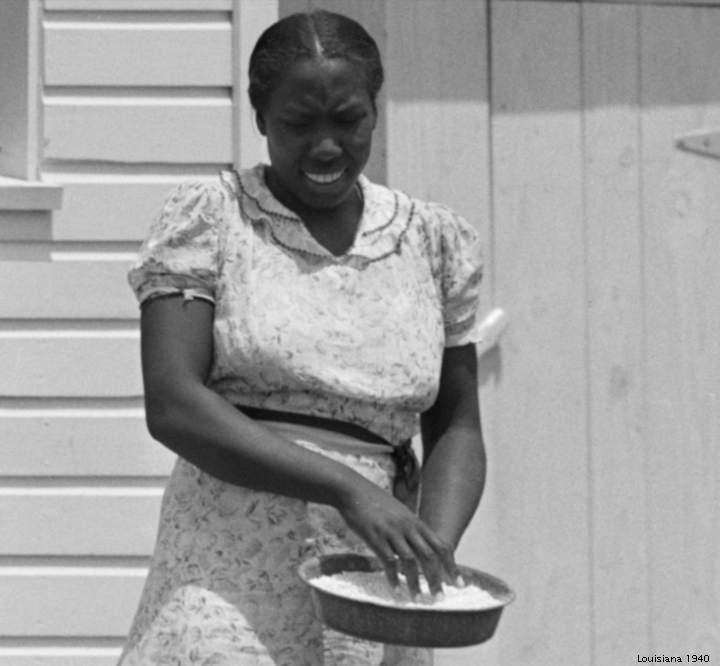
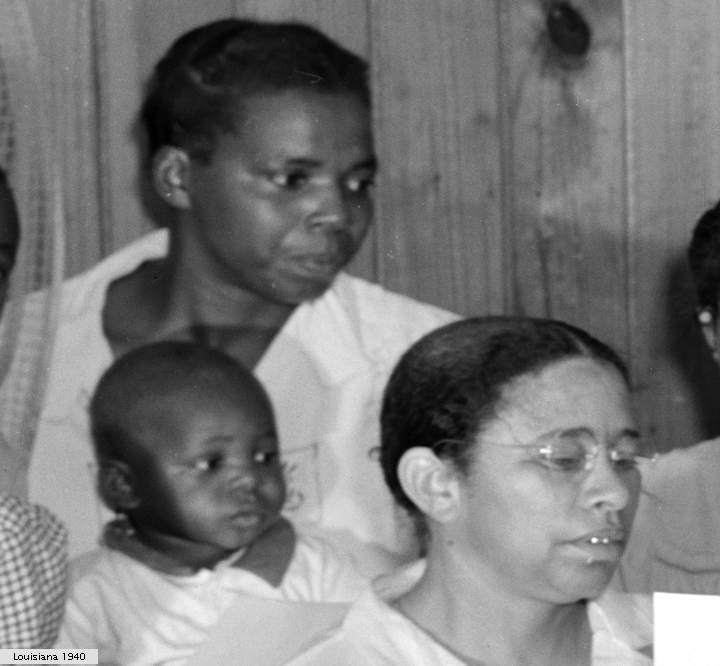
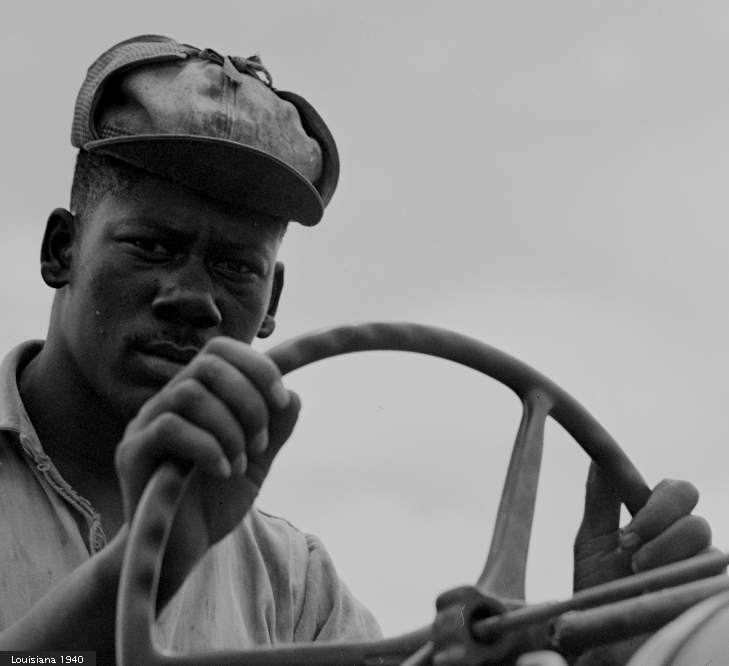
Pictures today are from the Library of Congress. Marion Post Wolcott took these pictures in June, 1940. “Home demonstration club meeting has games and refreshments after discussion. La Delta Project, ” Thomastown, Louisiana.


<
091121






This is my 911 story. I repeat it every year at this time. Every year I say this will be the last time. This year is a mess. We are destroying the village to save it. The action part of 091101 was over by 11 am. This quagmire drags on and on. Nobody knows how things will turn out.
I was at work, and someone called out that someone had run a plane into the World Trade Center. I didn’t think much of it, until I heard that the second tower had been hit, then the Pentagon, then the towers collapsed, then a plane crashed in Pennsylvania.
I focused on my job most of the day. There was always drama at that facility, and concentrating on my production duties helped to keep me saner. This was roughly the halfway point of my seven year tenure at this place.
One of the other workers was a bully for Jesus. He was a hateful loudmouth. After the extent of the damage became known, he shouted “They are doing this for Allah,” and prayed at his desk. The spectacle of the BFJ praying made me want to puke.
I became alienated from Jesus during these years. Once, I had once been tolerant of Christians and Jesus, as one would be with an eccentric relative. I began to loath the entire affair. I hear of others who found comfort in religion during this difficult time. That option simply was not available for me.
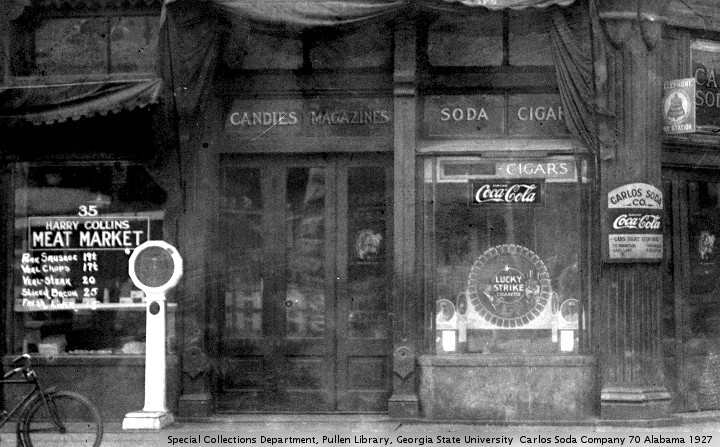
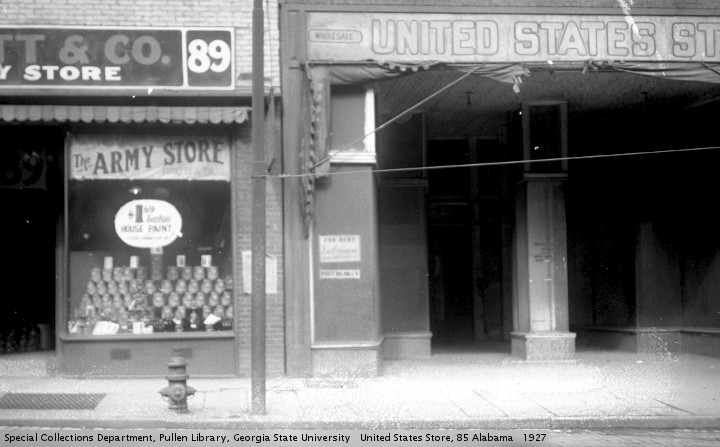
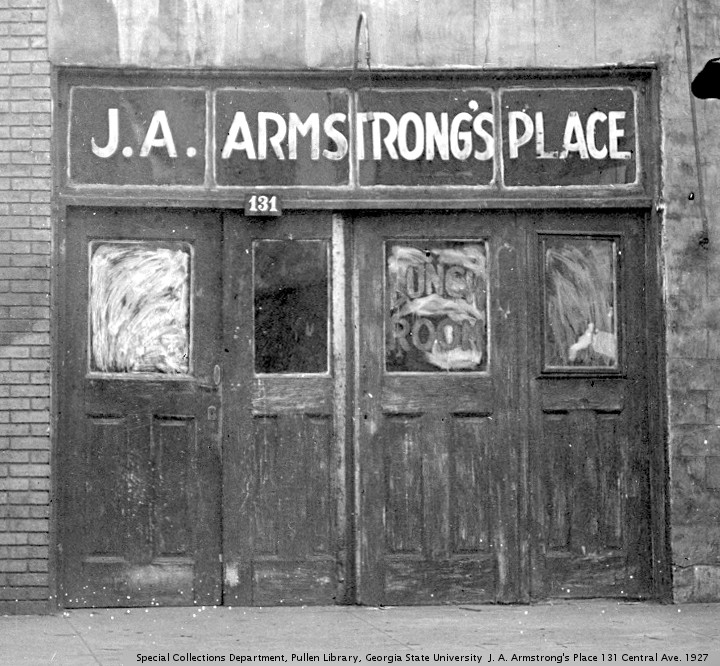
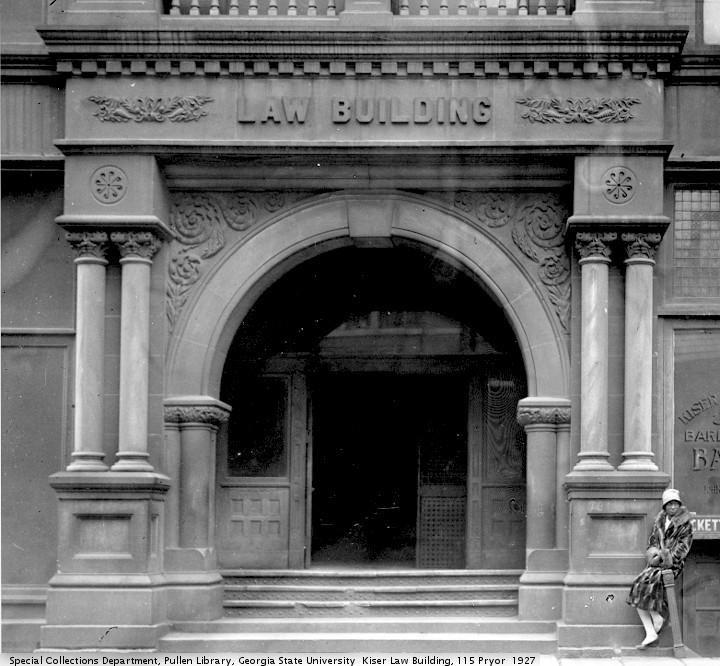
Pictures from “The Special Collections and Archives, Georgia State University Library”. “This item is part of a collection of images of downtown Atlanta streets that were taken before the viaduct construction of 1927 – 1929. Some of the covered streets became part of Underground Atlanta.”





Was Mae West A Man?


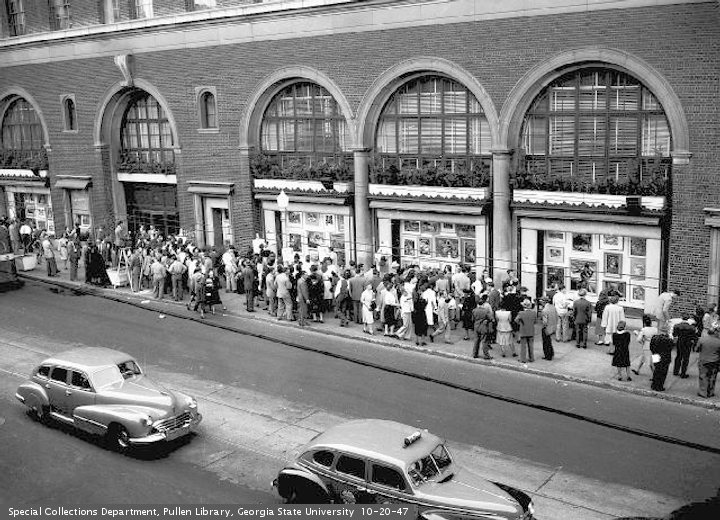


August 17 is birthday 128 for Mary Jane “Mae” West. Of course, she died in 1980, so the party is off. PG saw a note on facebook, and made the comment “She was rumored to be a man.” One right click google search later, this post started to take shape. This is a repost.
There is a blogspot site, maewest.blogspot.com. It is still published. Five years ago there was a post, Mae West: Penis Rumors. It seems as though Miss West liked to say, to the press, “When I die, you are going to be very surprised!”
A hollywood gossipmonger had a story, Was Mae West…A Man?! Much of her information comes from the tasteful findadeath site. The story here is that Mae West died in 1950, and the death was kept quiet. Her brother made appearances in her place, until the final death in 1980. This would have been quite a feat, considering that John Edwin West died in 1964. That doesn’t stop people from talking.
“…the real Mae West died somewhere around 1950, give or take a couple years, and rather than let the show stop, it was announced that not Mae, but her brother, died. Of course, the brother then became Mae West and carried on until November 1980. If you look carefully at photos from around 1950 on it definitely looks like a different person not to mention the big hands and masculine features, bone structure, etc. I may not have all the details 100% correct but I would almost put money on the fact that the ‘Mae West’ ‘who died in 1980 had a weenie!!”
The hands were mentioned by Raquel Welch. The two were in Myra Breckinridge, the first movie Miss West had made in 27 years. (Miss West appeared on Mr. Ed in 1964.) Miss Welch appeared at a film festival in 2012, and had stories to tell.
“When I went over to say hello to her (one day) I said, ‘Hi, it’s Raquel, remember?’ She sort of extended her hand to me and I went to kiss the ring and one false fingernail painted silver fell to the floor. I looked at the hand and I thought, ‘Oh, I’m getting a vibe.’ I really think she’s a man! At this point in her life all bets are off and you’re not going to be able to doll it up that much. I would say it’s pretty accurate that she resembled a dock worker in drag.” …
“I had this beautiful dress and it was black with a big white ruffle around the neck and a black velvet hat … Apparently Mae got wind of the fact that I was wearing this exquisite dress and I went to the studio that day for our scene together. I got coiffed, got my hair done and went to the closet to get the dress and it wasn’t there. I asked my dresser what happened to the dress and she said, ‘It’s been confiscated. Mae does not want you to wear that dress. You can wear the red dress that you wore in the last scene!’ … Welch was so outraged that she stormed off the set and refused to return until the dress was back in her closet. … “For the scene, we never appeared in a two-shot together. She left after she did her lines and I had someone off-camera reading her lines and I had to pretend she was there.”
Pictures from “The Special Collections and Archives, Georgia State University Library”.




William McKinley


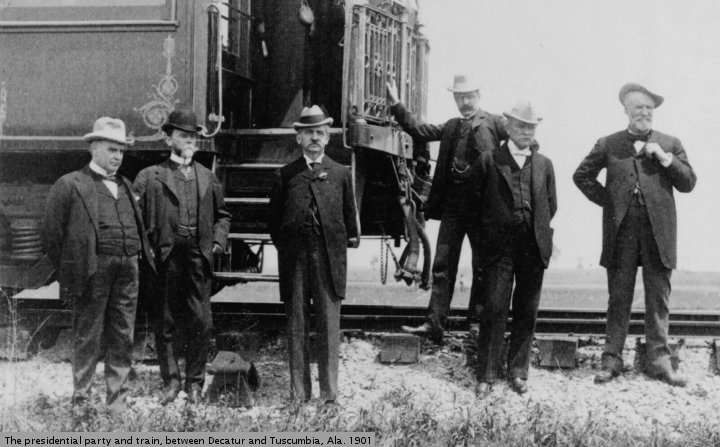
One hundred years before nine eleven, President William McKinley was near death. He had been shot September 6, 1901. Medicine at this time was primitive compared to today. During surgery after the shooting, the bullet was not removed. The University of Buffalo makes this comment: “Dr. Mann and the others were neither trained trauma surgeons nor did they bother with disinfection, not even wearing gloves. The first bullet had done little harm; the second entered McKinley’s abdomen. The physicians used improperly sanitized probes and when Mann could not find the bullet, he closed the incision without draining the wound. It was a fateful decision.”
After surgery, the President was taken to the home of John Milburn. He seemed to be recovering, but took a turn for the worse and died September 14, 2001.
President McKinley had been shaking hands at a reception. The meet and greet was at the Academy of Music, as part of the Pan American Expostion in Buffalo, New York. A letter to “The Nation” has this viewpoint. “Whatever other results may flow from the assassination of President McKinley, let us hope that that object-lesson may be sufficient to put an end to our national habit of promiscuous handshaking in public. It is hard to conceive of a spectacle more fatuous and less edifying than that of a horde of country bumpkins, criminals, cranks, idlers, and curiosity-mongers standing in line waiting for a chance to grab and squeeze the hand of the unhappy Chief Executive of this country.”
 There were anarchists in 1901, who had murdered several European leaders. Several of McKinley’s advisors did not think the reception was a good idea, and forced him to have extra security. A writer in the Buffalo Courier observed on September 5 “The surrounding of President McKinley by a body-guard of detectives when he appears in public, is probably as distasteful to himself as it is to abstract American sentiment, but as long as the earth is infested by malevolent cranks and unreasoning Anarchists, the precaution is entirely proper.”
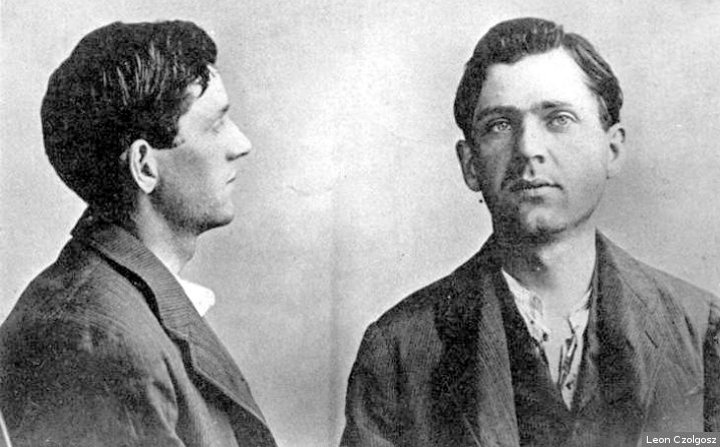
A young man named Leon Czolgosz (pronounced CHOL gosh) managed to wait in line with a concealed weapon. He was seen to shoot President McKinley. He was immediately captured, and executed October 29, 1901.
Lew Rockwell speaks of a rivalry between John Rockefeller and J.P. Morgan. Rockefeller man McKinley was replaced by Morgan supporter Roosevelt, who promptly began to break up the trusts. Another historian, connected to Lyndon LaRouche , speaks of British interests, and the rise of Confederate power. McKinley was a target of media superstar William Randolph Hearst. An editorial printed in the April 10, 1901 Journal asserted that “If bad institutions and bad men can be got rid of only by killing, then the killing must be done.”
Some say that a murder one hundred fifteen years ago does not affect us today. However, an argument could be made that the death of McKinley set in motion events that led to the establishment of the Federal Reserve System, and American participation in World War I. Both of those events have had effects lasting until today.
It is curious how President McKinley is mostly forgotten today. Some say he was most popular President since Lincoln . McKinley had been a wartime President, who won. His successor, Teddy Roosevelt, is on Mount Rushmore, and is a superstar President. Mr. Roosevelt also ran as a third party candidate in 1912, and helped to elect Woodrow Wilson. (Mr. Wilson was alleged to be a member of the “Omega Group,”rumored to be behind a McKinley conspiracy.) Mr. Roosevelt’s popularity is very different from the other three Vice Presidents who were promoted by the murder of the President. He was good at dealing with the press.
Pictures today are from The Library of Congress. This is a repost.




 Chamblee54
leave a comment