Billie Holiday Stories


How ‘Strange Fruit’ Killed Billie Holiday turned up in a facebook feed yesterday. The article states that Harry Jacob Anslinger “the first commissioner of the U.S. Treasury Department’s Federal Bureau of Narcotics,” ordered Billie Holiday to quit performing “Strange Fruit.” When the chanteuse declined, Mr. Anslinger had her arrested for heroin possession. Later, Mr. Anslinger was allegedly responsible for busting Miss Holiday on her deathbed.
The Hunting of Billie Holiday was the source given for the claim about Mr. Anslinger and “Strange Fruit.” The Politico article does not say that Mr. Anslinger ordered Miss Holiday to quit singing “Strange Fruit.” It does say that Louis McKay, one of the many no-good men in Miss Holiday’s life, narked her out. The bust was in 1947, after she had been performing “Strange Fruit” for several years. (Lady Sings The Blues says that Louis McKay was not in Miss Holiday’s life in 1947.)
Politico had one comment that set off the bs detector. “One day, Harry Anslinger was told that there were also white women, just as famous as Billie, who had drug problems—but he responded to them rather differently. He called Judy Garland, another heroin addict, in to see him.” Frances Gumm was well known for having substance abuse issues. The heroin business was news to a lot of people.
Johann Hari was the author of the politico article. At the time, he was promoting a book, Chasing the Scream, about the war on drugs. Johann Hari has a spotted reputation. “The author used to be the Independent’s star columnist, a prolific polemicist and darling of the left, until his career imploded in disgrace when it emerged in 2011 that many of his articles contained quotes apparently said to him but in fact lifted from his interviewees’ books, or from previous interviews by other journalists.”
The final bust, as Miss Holiday lay dying in the hospital, is part of the legend. A google search does not show what agency was responsible. Harry Anslinger may have been involved, and it may have been someone else. By this time, Elanora Fagan was in bad, bad shape. Years of drinking, and hard drugs, had worn her out. While the hospital bust may have hastened her demise, it is a bit of a stretch to say the Harry Anslinger killed Billie Holiday, because she sang “Strange Fruit.”
This is a repost. Pictures today are from The Library of Congress.

Lady Sings The Blues is the autobiography of Billie Holiday. PG read it in 1978, and pulled it off the shelf recently. The copy he has is was a 1972 paperback, issued in conjunction with the movie. A picture of Diana Ross is on the cover, as well as a price sticker from Woolco. The book sold for $1.25. Pictures today are from The Library of Congress. The spell check suggestion for Woolco is Cool.
William Dufty was the ghost writer. His prose is easy to read, with the story flowing out like a Lester Young solo. The 1956 copyright is assigned to “Eleanora Fagan and William Dufty,” using the birth name of the singer. Mr. Dufty was a newspaper writer. “Dufty had one son, Bevan Dufty, with first wife Maely Bartholomew, who had arrived in New York City during World War II after losing most of her family in the Nazi concentration camps. She settled near Harlem where she met her best friend and Bevan’s godmother, Billie Holiday.”
“Bevan Dufty would agree. He’s one of the childless singer’s two godchildren. … “Holiday said motherf — all the time, in her gravelly elegant way,” recalled Dufty, sitting in his City Hall office. His mother, Maely, a Czech Jewish immigrant who loved jazz, was close to many musicians and even managed the unmanageable Charlie Parker for a spell, learned to curse from Holiday. But with a European accent. Much of what Dufty knows of Holiday comes from his late mother, who was married to actor Freddie Bartholomew before her brief marriage to William Dufty, one of her seven husbands. Maely, who took her infant son by train to Philadelphia every day to attend yet another of Holiday’s drug trials, was so distraught by the singer’s death that she dedicated herself to helping recovering addicts. A number of musicians lived at the Duftys’ place while kicking the habit (William and Maely Dufty divorced not long after Holiday’s death, and he later married actress Gloria Swanson, who inspired him to write the book “Sugar Blues” about the dangers of processed sugar).”
Billie Holiday’s bio, ‘Lady Sings the Blues,’ may be full of lies, but it gets at jazz great’s core Autobiographies are, by their nature, self serving. This one has a great opening line… ” “Mom and Pop were just a couple of kids when they got married. He was eighteen, she was sixteen, and I was three.” (“Her parents were never married. When she was born, her mother was 19, her father was 17 and they never lived under the same roof.”) Another source adds: “Some of the material in the book, however, must be taken with a grain of salt. Holiday was in rough shape when she worked with Dufty on the project, and she claimed to have never read the book after it was finished. Around this time, Holiday became involved with Louis McKay. The two were arrested for narcotics in 1956, and they married in Mexico the following year. (March 28, 1957) Like many other men in her life, McKay used Holiday’s name and money to advance himself.”
Louis McKay is at the center of another misunderstanding of facts. The Hunting of Billie Holiday claimed that Mr. McKay narked out Miss Holiday in 1947, and set up her first drug bust. LSTB tells a different story. Here, Miss Holiday meets Mr. McKay very briefly in 1931. Someone was trying to rob Mr. McKay. Miss Holiday said “He’s my old man,” and chased off the robber.
Fast forward twenty five years, and Miss Holiday connects with Mr. McKay. “I hadn’t seen him since I was sixteen and he wasn’t much older and I was singing at the Hotcha in Harlem.” The two were married in 1957. They got busted as LSTB ends. Either Politico is wrong about the 1947 bust, or Miss Holiday did not tell the whole story. Either way, Harry Anslinger is not mentioned in LSTB.
Tallulah Bankhead is another missing piece of the puzzle. Reportedly, Miss Bankhead and Miss Holiday were close friends, and possibly lovers. That was over by the time LSTB was written. “When “Lady Sings the Blues” was being prepared, Miss Bankhead got an advance copy, and was horrified by what she saw. A fierce note was sent to the book’s publisher, and scenes were edited out. Miss Holiday was outraged. The letter that resulted is a poison pen classic. “My maid who was with me at the Strand isn’t dead either. There are plenty of others around who remember how you carried on so you almost got me fired out of the place. And if you want to get shitty, we can make it a big shitty party. We can all get funky together!”
Miss Bankhead does make an appearance in LSTB. On page 117, Miss Holiday is describing playing a maid, in a movie. She was not pleased at the typecasting. “Don’t get me wrong. I’ve got nothing against maids – or whores – whether they’re black or white. My mother was a maid, a good one, one of the greatest. My stepmother is Tallulah Bankhead’s maid right now, and that’s a part I’d even consider when they do her life story.” (Miss Bankhead had her own domestic help problems. In 1951, Evyleen Cronin, Tallulah’s maid and secretary, was accused of stealing $10,000-30,000 from Tallulah during her employment. … The case went to trial (much to Tallulah’s embarrassment) and Cronin was convicted.” Many embarrassing details about Miss Bankhead’s life came to light during this trial. Fanny Holiday, the stepmother, is probably a different person than Evyleen Cronin.)
Whatever it’s factual challenges, Lady Sings the Blues is a powerful book. Miss Holiday had a tough life, to say the least. As the singer for Artie Shaw’s big band, Miss Holiday was an integration pioneer, and every two bit cracker wanted to make trouble. Later, she was addicted to heroin, got busted, served time in prison, only to get out and suffer some more.
Three years after LSTB came out, things went from bad to horrible. “In early 1959 she found out that she had cirrhosis of the liver. The doctor told her to stop drinking, which she did for a short time, but soon returned to heavy drinking. … On May 31, 1959, Holiday was taken to Metropolitan Hospital in New York suffering from liver and heart disease. She was arrested for drug possession as she lay dying, and her hospital room was raided by authorities. Police officers were stationed at the door to her room. Holiday remained under police guard at the hospital until she died from pulmonary edema and heart failure caused by cirrhosis of the liver on July 17, 1959.” This is a repost.


Louie Louie


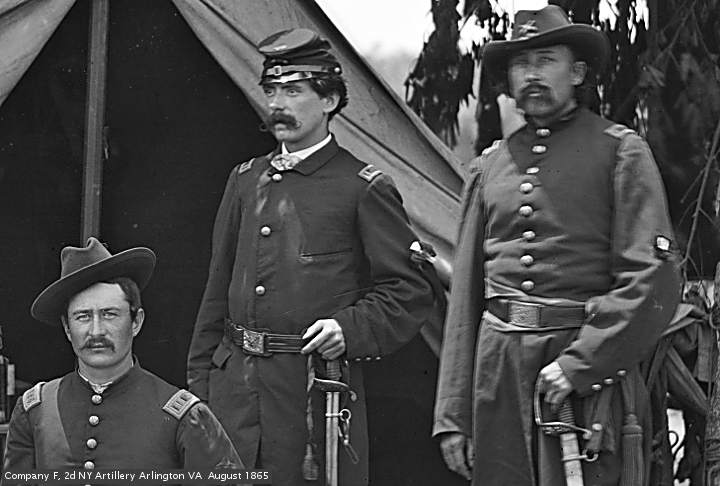
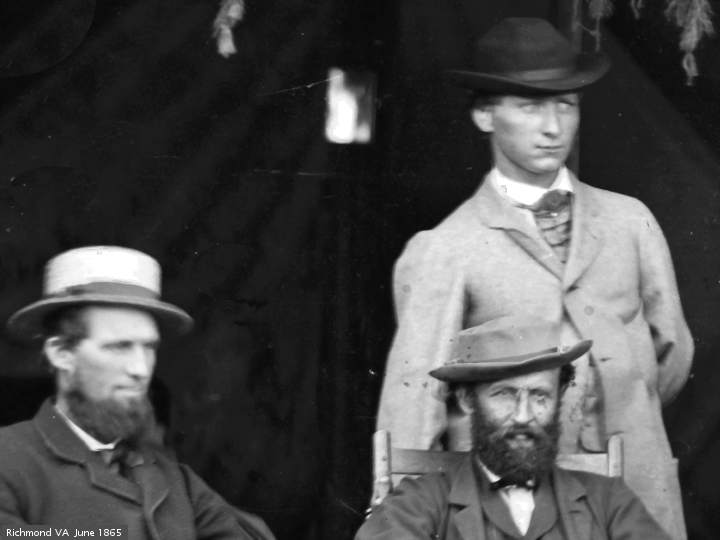
The sixties were a great time to be a kid. As long as you were too young for a Vietnam Vacation, there were kicks to be had.
One of the more enduring legends was the dirty lyrics to “Louie Louie”. Recorded by an obscure band called the Kingsmen, the song was a massive hit in 1963. (It never was Number One). When WQXI put out lists of the greatest songs of all time, “Louie Louie” was at the top of the list. This is despite, or because of, the raucous sound. The song was recorded in one take, when the band thought they were playing a rehearsal. The vocals are difficult to make sense of, and rumored to be obscene. No one was ever quite sure why. With the garbled sound on the record, the listener could hear almost anything they wanted to.
The Governor of Indiana, Matthew Welsh, banned radio stations from playing the song in that state. On February 7, 1964, Attorney General Robert Kennedy got a letter from an outraged parent about the lyrics to “Louie Louie”. An F.B.I. investigation followed. After thirty months of investigation, the Bureau concluded that they could not make sense of the lyrics.
PG had a neighbor named Carol. A tomboy who could whip most of the boys, she had a pet skunk named Napoleon. Carol claimed to have heard a band at Lenox Square play “Louie Louie”. “He said the words real slow so you could understand them. I can’t repeat what he said, but it was dirty”.
Louie, Louie Oh no, me gotta go.
Yeah, yeah, yeah, yeah, yeah, said, ah
Louie, Louie Oh, baby, me gotta go
A fine little girl she waits for me Me
catch a ship for cross the sea.
Me sail that ship all alone Me never think how I make it home.
Ah, Louie, Louie No, no, no, no, me gotta go.
Oh, no. Said, Louie, Louie Oh, baby, said we gotta go.
Three nights and days I sail the sea Think of girl, oh, constantly.
Ah, on that ship I dream she there
I smell the rose, ah, in her hair.
Ah, Louie, Louie Oh, no, sayin’ we gotta go.
Yeah, yeah, yeah, yeah, yeah,
but, ah, Louie, Louie Oh, baby, said, we gotta go.
[Yelled] Okay, let’s give it to ‘em right now! [instrumental]
Me see Jamaica, ah, moon above.
It won’t be long, me see me love.
Take her in my arms again, I got her; I’ll never leave again.
Ah, Louie, Louie Oh, no, sayin’ me gotta go.
Yeah, yeah, yeah, yeah, yeah
But, ah, Louie, Louie Oh, baby, said, ah, we gotta go.
I said we gotta go now, Let’s get on outta here.
[Yelled] Let’s go.
Transcribed by David Spector Sept. 2000 Public Domain. If anyone reading this can explain what was so dirty about this song, please leave a comment. Thank you Wikipedia for your help in assembling this. This is a repost. Pictures by The Library of Congress
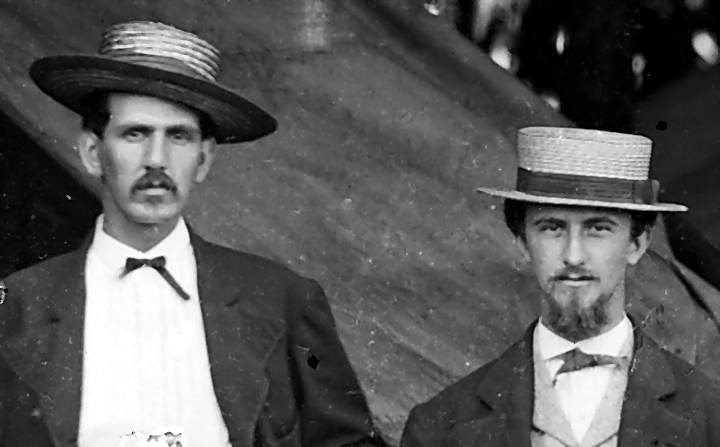

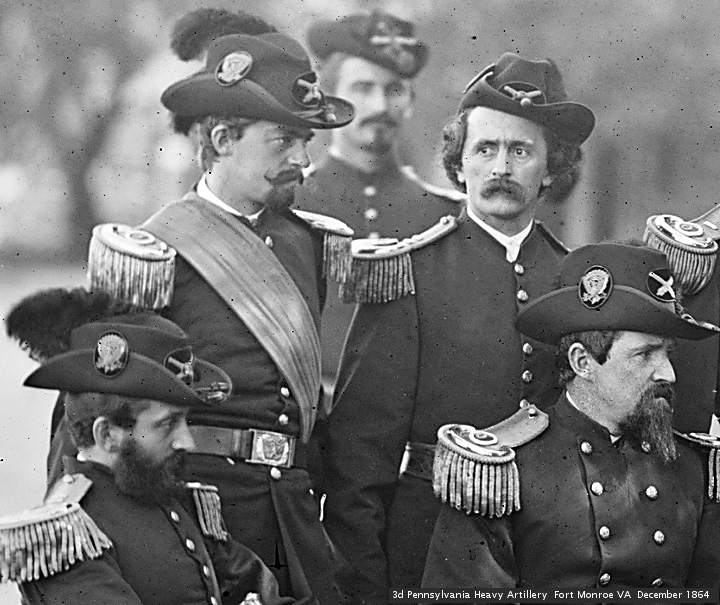

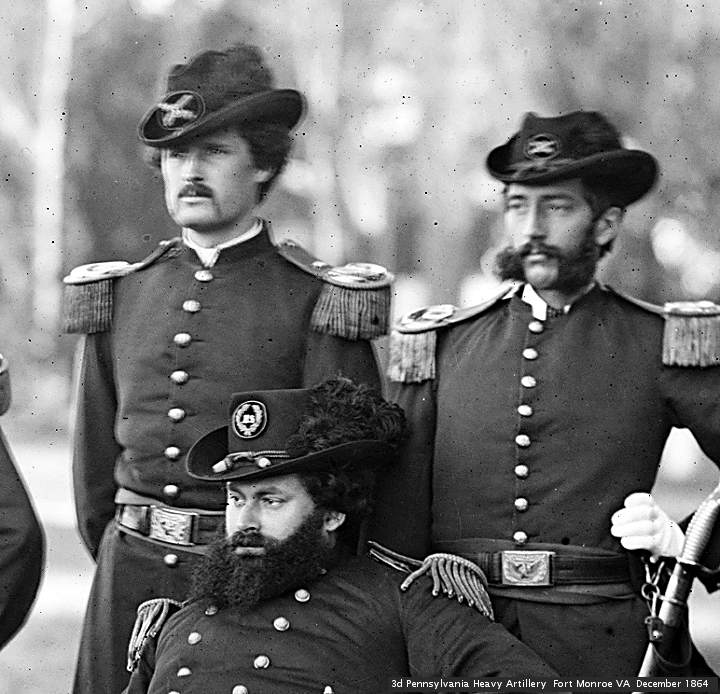
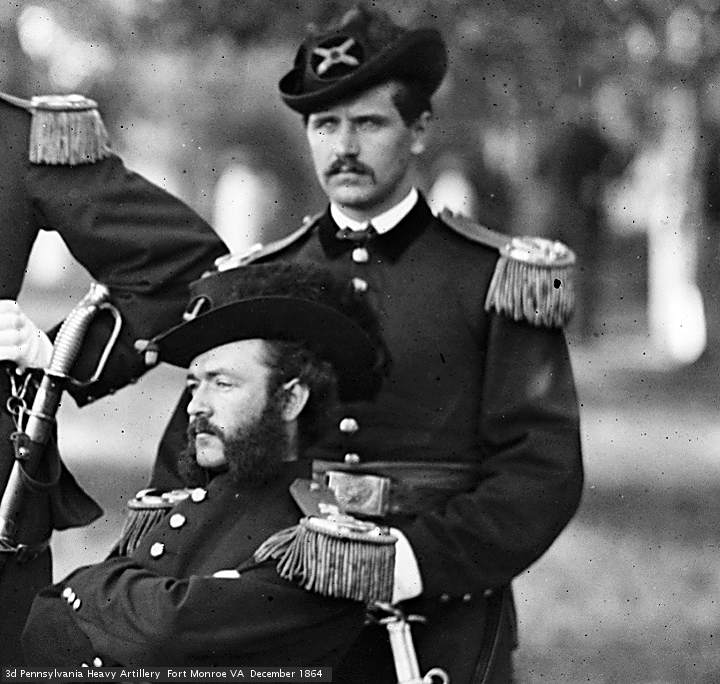
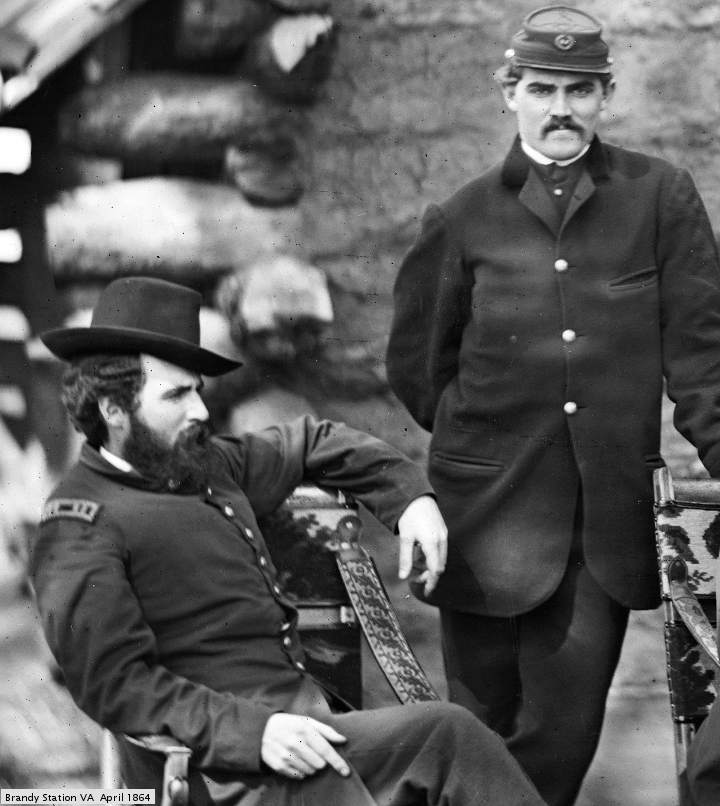
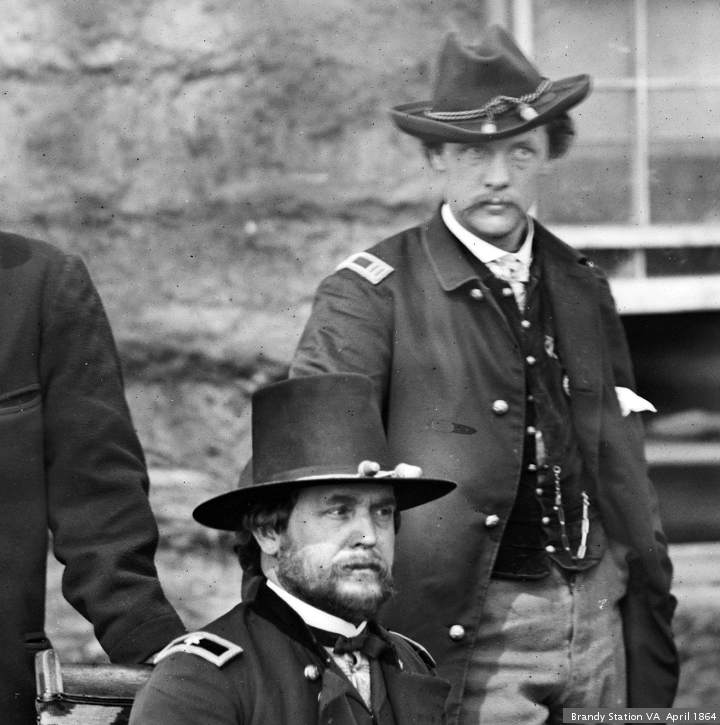

More True Than Just True
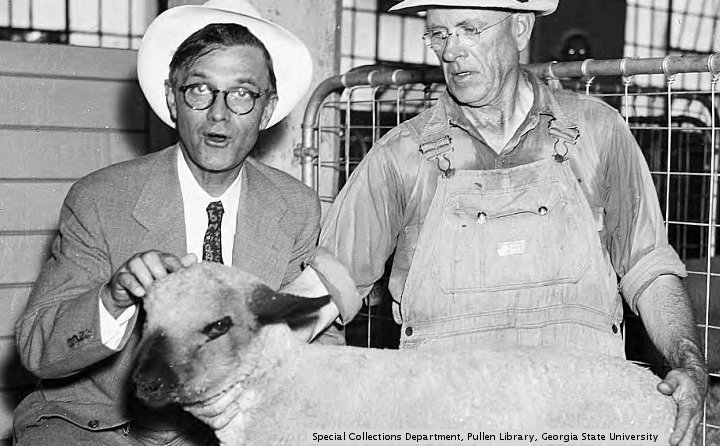
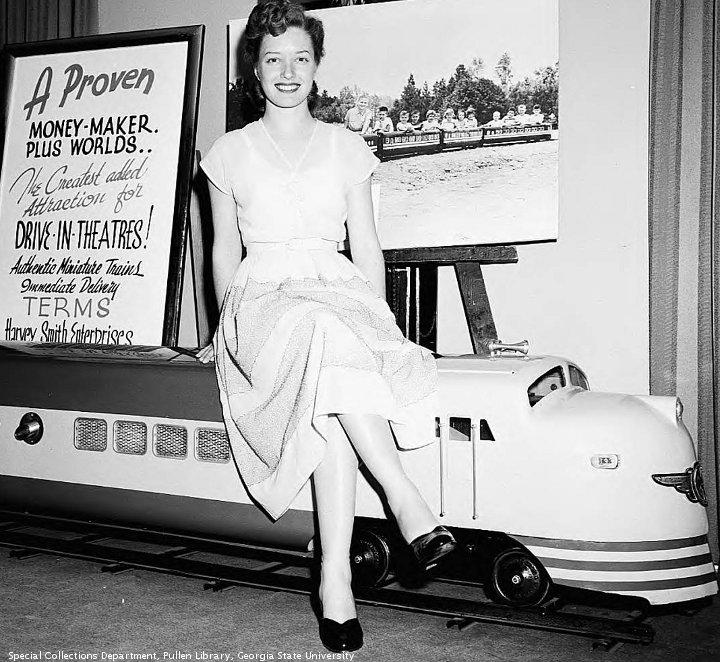
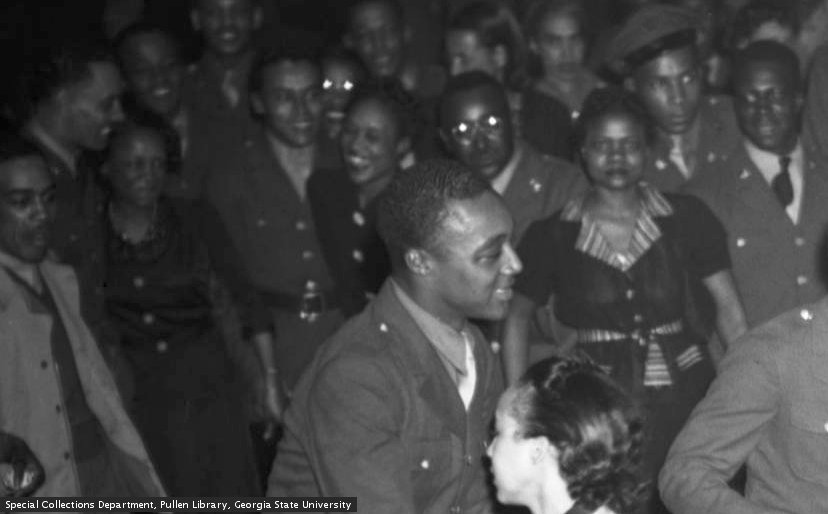
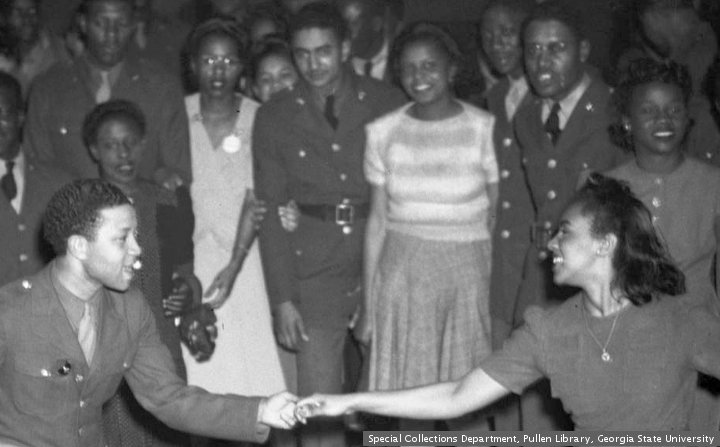


“It isn’t that the bible is true. It’s that the bible is the precondition, for the manifestation of truth. Which makes it way more true, than just true. It’s a whole different kind of true.” Dr. Jordan Bernt Peterson talked, for four hours, on the Joe Rogan Experience recently. As Johnny Cash once said, “The lonely voice of youth cries, what is truth?”
Jordan Peterson’s Realization About the Bible came to him after a visit to the Museum of the Bible, in Washington DC. The truth about MOTB is quite a story.
MOTB “was founded by billionaire Steve Green, an evangelical Christian whose family owns Hobby Lobby.” There are thousands of artifacts from the middle east. This is where the problem starts.
Owners Of Hobby Lobby Ordered To Return Stolen Artifact To Iraq “The New York Times reported that a property law expert “warned company executives that the artifacts might have been looted from historical sites in Iraq” … reportedly ignored this warning and the president of Hobby Lobby, Steve Green, went so far as to travel to the United Arab Emirates to examine “rare Mesopotamian cuneiform tablets.” … It was later in 2010 that the family went on to purchase the 5,500 stolen artifacts for a whopping $1.6 billion.”
With the Iraqi government preoccupied with invasions from the United States, museum security became a low priority. After the regime change in 2003, the situation was out of control. Enter a naive, Jesus-happy billionaire, and what happened is not surprising.
After the Museum of the Bible Discovered Its Dead Sea Scrolls Are Fake … “Between 2009 and 2014, Hobby Lobby tycoon Steve Green snapped up 16 of the post-2002 fragments for his planned Museum of the Bible … Before the institution even opened, it put together a 2016 book, Dead Sea Scrolls Fragments in the Museum Collection (The book is now listed as [Retracted.]) It offered a scholarly analysis of the artifacts, but no scientific testing had been conducted. … other experts have been suspicious for quite some time. As the 430,000-square-foot museum’s November 2017 opening date approached, concerns over the fragments’ authenticity began to mount—one of the book’s other authors, Kipp Davis, even published an article raising the possibility of forgery.”
Museum of the Bible’s Steve Green, statement on past acquisitions “In 2009, when I began acquiring biblical manuscripts and artifacts for what would ultimately form the collection at Museum of the Bible, I knew little about the world of collecting. It is well known that I trusted the wrong people to guide me, and unwittingly dealt with unscrupulous dealers in those early years. One area where I fell short was not appreciating the importance of the provenance of the items I purchased.”
“It’s a whole different kind of true.” Pictures today are from “The Special Collections and Archives, Georgia State University Library.”




Dolly Parton And Paula Deen


Dolly Parton celebrates a birthday today. The internet is a love fest for her, and deservedly so. Miss Parton has given joy to millions, with her singing and acting.
Paula Deen was born on the same day, one year later. While her star did not shine quite as bright as Miss Parton, Mrs. Deen made her contribution to american life. The only problem was a bad boss lawsuit against a company Mrs. Deen invested in. A lawyer got Mrs. Deen to admit, under oath, the she had said the n-word. Paula Deen became a pariah.
Dolly Parton and Paula Deen have a few things in common. Miss Parton is married to Carl Thomas Dean, and her legal name is Mrs. Dean. Both ladies are from the south, the hills of East Tennessee, and the flatland of Albany, Georgia. Both grew up in an era where the n-word was what white people called black people.
What if the story had been different. What if it was a restaurant at Dollywood where the manager was not happy? What if this white woman, who was treated better because she was a white woman, decided to claim racial discrimination in her bad boss lawsuit? (Page 153 of deposition.) What if the disgruntled employee’s lawyer was smarter than Dolly Parton’s lawyer? We might have had tabloids screaming nonstop that Dolly Parton said the n-word.
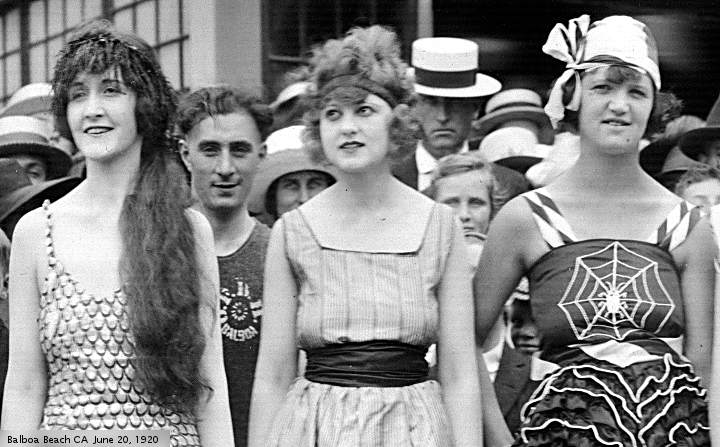
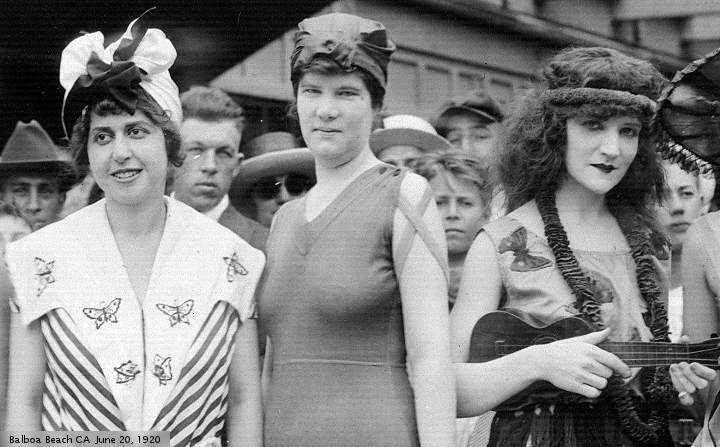
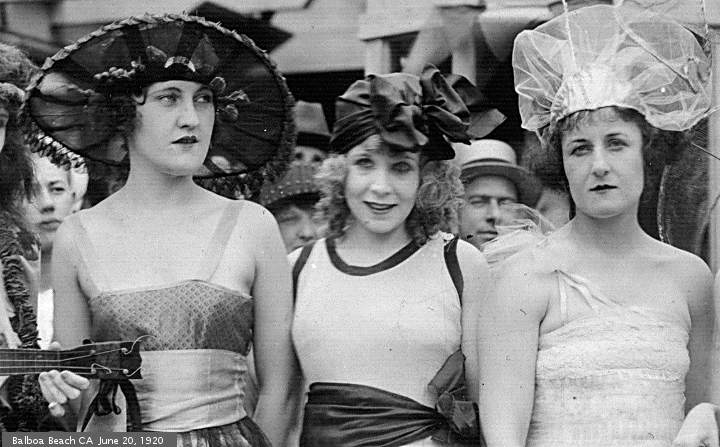
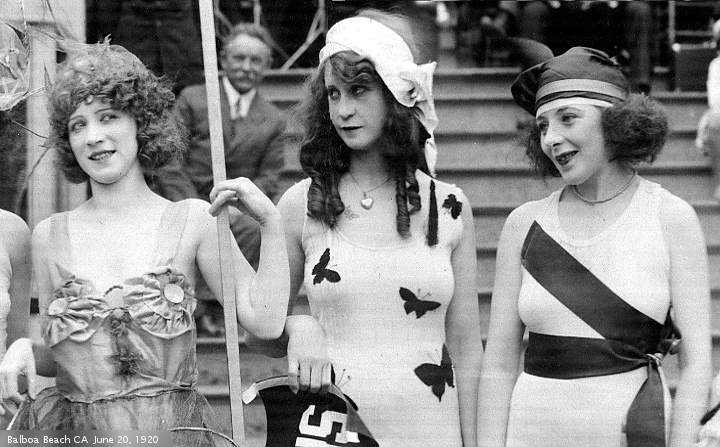
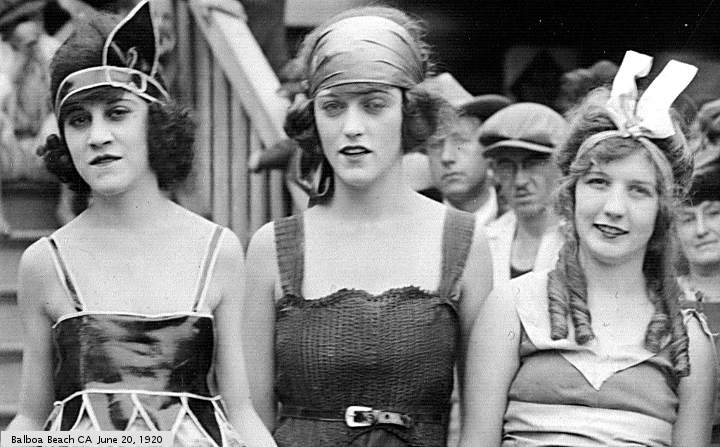
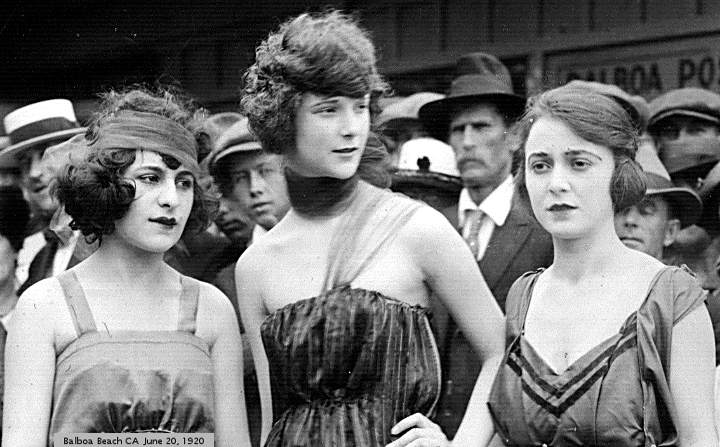
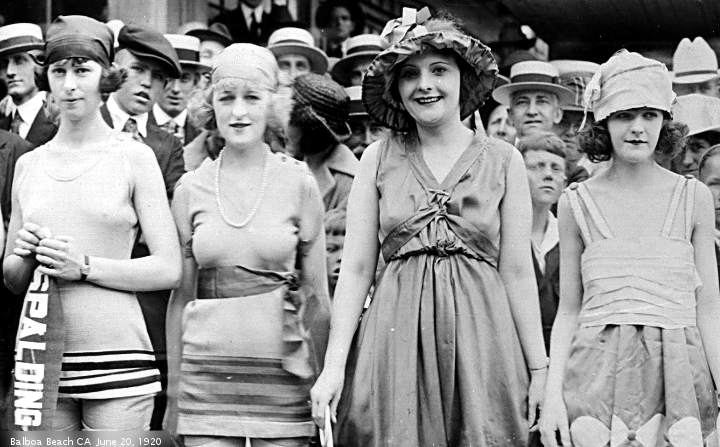
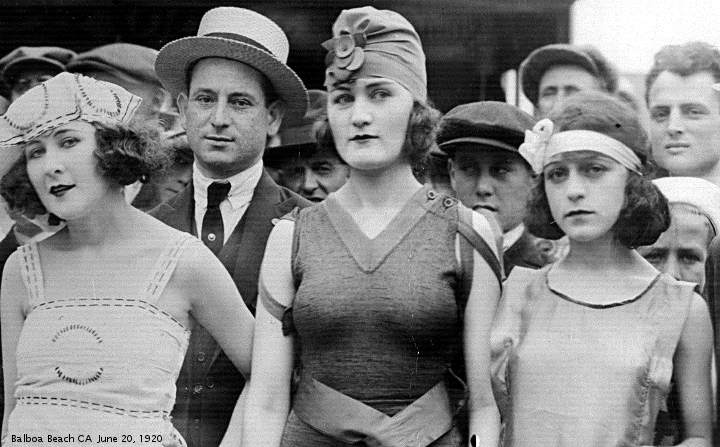
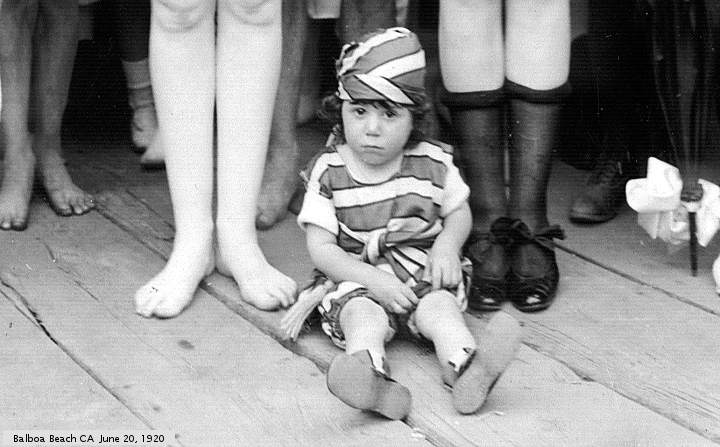
Pictures are from The Library of Congress, taken at “Annual “Bathing Girl Parade”, Balboa Beach, CA, June 20, 1920.” No one asked these ladies if they ever said the n-word. This is a repost. Other celebrities born on January 19: Robert E. Lee (1807), Edgar Allan Poe (1809), Jean Stapleton (1923), Janis Joplin (1943), and Desi Arnaz Jr.(1953.)
The Sausage Vat Murder

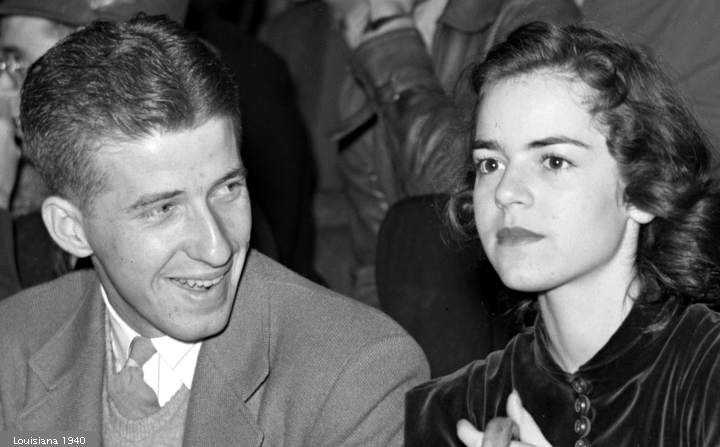

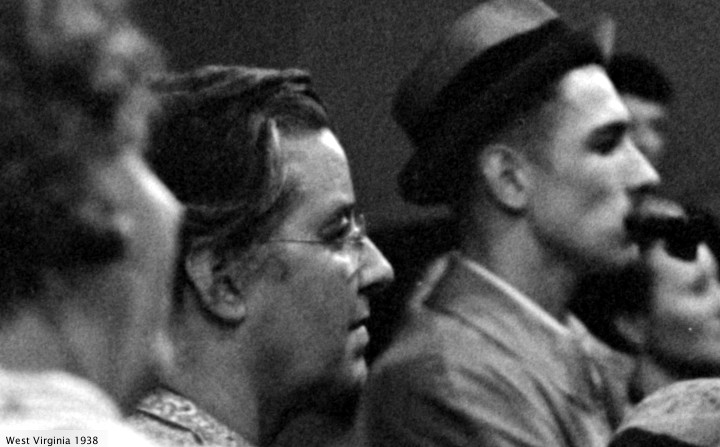

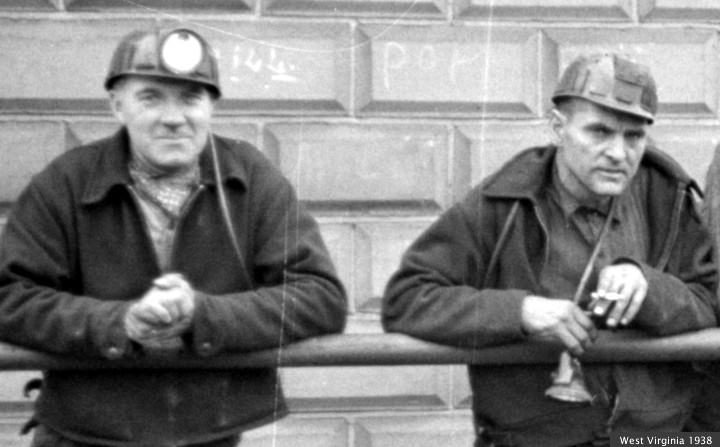
The case of Adolph Luetgert is mostly forgotten today. In its day, the story was a sensation. “Adolph Louis Luetgert (December 27, 1845-July 7, 1899) was a German-American charged with murdering his wife and dissolving her body in acid in one of his sausage vats at the A.L. Luetgert Sausage & Packing Company in 1897. … After the news of the trial became public, rumors spread that Luetgert had actually turned his wife into sausage and sold the “sausage” to unknowing consumers.”
Is it possible to explain what is in sausages without making it erotic? A twitter thread got PG thinking about a sausage story he read in 1989. The Fairy was in Gaily, Gaily, by Ben Hecht. The story originally appeared in Playboy. “In a 1962 article for Playboy collected in his rollicking 1963 memoir Gaily, Gaily — the legendary Chicago reporter Ben Hecht recalls a murder case that sounds suspiciously similar to the Adolph Luetgert case. Hecht describes an story that apparently occurred sometime during the five years after he began working as a reporter in Chicago in 1910. He writes: “Fred Ludwig, a popular North Shore butcher, went on trial before Judge Sabath for the murder of his wife. The wedding band with its romantic inscription had turned up in one of the sausages manufactured by Ludwig and sold to one of his customers, Claude Charlus, a well-known financier and epicure.” In the Hecht story, Mr. Charlus was the bf of Mr. Ludwig. When it was time to execute Mr. Ludwig, young Mr. Hecht went to a whorehouse, to borrow a makeup kit. Mr. Ludwig painted his face before he went to the gallows.
“Adolph Luetgert (originally Adolph Ludwig Lütgert ) came to New York in around 1865 or 1866 when he was about twenty years old.” … “He married his first wife, Caroline Roepke, sometime between 1870 and 1872. She died on November 17, 1877. He married his second wife Louise Bicknese, two months after Caroline’s death, on January 18, 1878. Luetgert had six children—two with Caroline and four with Louise. Only three of his children survived past the age of 2.”
“Louisa Bicknese was an attractive young woman who was ten years younger than her husband. She was a former servant from the Fox River Valley who met her new husband by chance. He was immediately taken with her, entranced by her diminutive stature and tiny frame. She was less than five feet tall and looked almost child-like next to her burly husband. … As a wedding gift, he gave her a unique, heavy gold ring. Inside of it, he had gotten her new initials inscribed, reading “L.L.”. Little did he know at the time that this ring would prove to be his undoing.”
After a while , the couple started to bicker. “Despite his coarse appearance (one writer vividly describes him as a “Falstaffian” figure with “a face of suet, pig eyes, and a large untidy moustache that was a perfect host for beer foam”), Adolph was something of an womanizer. … Claiming that he needed to keep a round-the-clock eye on his factory, he had taken to spending his nights in a little room beside his office, equipped with a bed that he frequently shared with his twenty-two-year-old housemaid, Mary Siemering, Louisa’s own cousin. … He was also conducting a surreptitious courtship of a wealthy widow, Mrs. Christina Feld, sending her amorous letters in which he rhapsodized about their rosy future.” (During the murder trial, “Mrs. Christina Feldt, … testified that Luetgert often expressed his hatred for his wife and intimated that he would get rid of her.”)
“At around 10:15 on the evening of Saturday, May 1, Louisa was seated in the kitchen, chatting with her twelve-year-old son Louis, who had attended the circus that evening. The boy was excitedly describing some of the wonders he had seen—a giant named “Monsieur Goliath” and a strongman who juggled cannon balls—when Luetgert appeared and told his son to go bed. Precisely what happened between the two adults after Louis retired to his room is unclear. Only one fact is beyond dispute. After the boy bid goodnight to his mother at about 10:30 P.M., she was left alone in the company of her husband.” … “Mrs. Luetgert wore only a light house wrapper and slippers, although the night was cold and rainy. It never was shown that she had taken with her any of her belongings.”
“When questioned by his sons, Luetgert told them that their mother had gone out the previous evening to visit her sister. After several days though, she did not come back. Finally, Diedrich Bicknese, Louisa’s brother, went to the police. The investigation fell on Captain Herman Schuettler, … “an honest but occasionally brutal detective”.
“Frank Bialk, a night watchman at the plant … saw both Luetgert and Louisa at the plant together. Apparently, Luetgert sent him out on an errand that evening and gave him the rest of the night off.” There is another version of the Bialk story. “Frank Bialk … testified … Luetgert instructed him to bring down two barrels of caustic potash and place them in the boiler room, and that Luetgert then poured the contents of both barrels in one of the vats. The watchman was instructed to keep up steam all night and at 10 p. m. he was sent by Luetgert to the drug store after some nerve medicine.”
“The police also made a shocking discovery; they came across bills that stated that Luetgert bought arsenic and potash the day before the murder. … the detective was convinced that Luetgert had killed his wife, boiled her in acid and then disposed of her in a factory furnace.”
“… Luetgert’s night watchman, Frank Bialk, approached the police and told them that, on the night Mrs. Luetgert disappeared, his boss had been acting suspiciously, busying himself with one of the large steam-vats down in the factory basement. Following up on this tip, investigators checked out the vat, which—despite having been cleaned two weeks earlier—still contained a residue of a thick, greasy fluid, reddish-brown in color and giving off a nauseous stink. When the fetid slime was drained from the vat, the detectives discovered tiny pieces of bone along with two gold rings, one of them a wedding band engraved with the initials “L. L.” More bone fragments, as well as a false tooth, a hairpin, a charred corset stay, and various scraps of cloth turned up in a nearby ash heap.”
Luetgert was arrested, and charged with the crime. “On October 18, the case was submitted to the jury and after deliberating for sixty-six hours they failed to agree, nine favoring a conviction and three voting in favor of an acquittal. On November 29, 1897, the second trial began. … The trial resulted in a conviction and on May 5 Luetgert was sent to the Joliet State prison for life.”
“July 27, 1899, Luetgert left his cell and returned shortly afterward with his breakfast in a pail, but just as he was about to eat it, he dropped dead from heart disease.”
“… Frank Pratt … asked Luetgert if he wanted his “hand read.” The latter consented and Pratt told Luetgert that he possessed a violent temper and at times was not responsible for his actions. Pratt stated that Luetgert then virtually admitted that he killed his wife when he was possessed of the devil. … It is said that Luetgert also made similar admissions to a fellow prisoner.” Pictures for this true crime story are from The Library of Congress. This is a repost.




Harry Hay And Joe Pyne



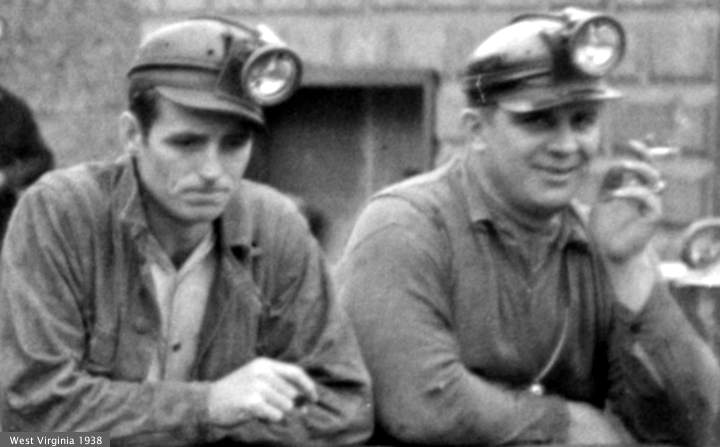
Joe Pyne was a notoriously abrasive TV personality. He pioneered many of the things that today’s shock jock hosts do, before his death in 1970. One of his guests was Georgia Governor Lester Maddox. While writing a blog post about Lester, PG did a bit of research on Joe Pyne.
Wikipedia had an intruiging comment. “Gay activists Harry Hay and John Burnside—who were a couple from 1962 until Hay’s death in 2002—appeared on Pyne’s show in 1967.[citation needed]” Harry Hay is a seminal figure in certain “radical” communities. Mr. Hay had a sharp tongue, and might have given the combative Pyne a bit of pushback. PG decided to look for the video.
[citation needed] is the key phrase. Youtube has a few dozen videos of the Joe Pyne Show (links below.) None of the ones here include Harry Hay. The internet archive has a collection of Pyne tapes, but no Harry Hay. A google search provides many mentions of this interview, but no more details. Many of the references were apparently copied, verbatim, from Wikipedia.
There is a possibility that Harry Hay was never on the Joe Pyne show. There are other urban legends about Joe Pyne. The most famous involves Frank Zappa. It is helpful to know that Joe Pyne had a rare form of cancer in 1955, and part of his left leg was amputated. In the story, Mr. Pyne asks Mr. Zappa if his long hair makes him a girl. Mr. Zappa replied, does your wooden leg make you a table? No record of this exchange is available.
TV Party might have a reason for the missing video. “Most, if not all, of the syndicated Joe Pyne programs still exist on videotape in the archives of Hartwest Productions, Inc. Here’s what Hartwest tells us: “The tapes are 2″ Quads, meaning that they are so ancient that you only get one pass before the oxides flake off. That one pass is fine to make a new digital master, but the cost (including two digital clones) comes to about $600 a show. So far, we have only transferred three shows, with the cost being paid for by people who were either in the show, or who were making a documentary, or who now seem to worship one of the guests (and I mean the last literally).”
The research turned up another story. It is from “Remembering Harry and John”, by Mark Thompson on the occasion of Harry’s 100th anniversary “I remember the night we were socializing at the San Francisco Art Institute at a gala tribute for James Broughton. Harry (Hay) and James had sparked briefly as Stanford University undergraduates, but didn’t meet again until fifty years later at a faerie gathering. Few people knew that James had fathered a daughter with esteemed film critic Pauline Kael during their bohemian Berkeley days, but Harry was alert to the fact. Kael and Broughton were having their own reunion at the moment when, with typical impudence, Harry interrupted the conversation by loudly asking, “So, who was the mother and who was the father?” The stunned silence was punctured only by the whoosh of Kael’s furious departure.”
Pictures today are from The Library of Congress. This is a repost. Youtube has several videos from the Joe Pyne Show. There is a series, LOST JOE PYNE TALK SHOW PART 1 – PART 7 “This is from a 1967 kinescoped “demo reel”, used to sell “THE JOE PYNE SHOW” in syndication to local stations at the time.” 1 2 3 Helen Gurley Brown 4 5 7 Here are some other guests:
Amy White Fixler Christine Jorgensen Anton LaVey F. Lee Bailty
Godfrey Cambridge Lester Maddox Paul Krassner Jerry Rubin
Lewis Marvin Jack Anderson James Meredith Joel Fort M.D. Iceberg Slim


The Narco State Rag


This feature was written July 13, 2010. In the past year, the United States has withdrawn from Afghanistan. Like most of that war, the withdrawal did not go smoothly.
Across the frontier from Afghanistan, the Russian bear is dealing with a heroin epidemic. Some say the United States suckered the Soviet Union into invading Afghanistan in 1979. The disastrous war that followed led to the fall of the Soviet Union. We are still dealing with the karma.
Tom Dispatch has an audio feature about Afghanistan, and the many unanswered questions about our war there. We invaded Afghanistan to get revenge for 911, and looked for a reason later.
At the 3:06 mark on the tape, when Tom makes a comment Afghanistan being a narco state. PG had a flash of understanding about the reason behind this war. This may even have been powerful enough to ignore the reports about a terror strike in September 2001, and let 911 happen.
The rumors of CIA involvement in drug trafficking are wide spread and long term. When planes went to Central America in the eighties to bring arms to the contras, they came back to the United States loaded with cocaine. There are stories of collusion with the government in Cuba. There are many, many more stories about connections between the US government and the drug trade.
When the Taliban took over Afghanistan, they cracked down on the poppy farmers. Much of the raw opium for heroin/morphine/opium is grown in Afghanistan. This was not a pleasing for the CIA.
Could it be that the real reason for our involvement in Afghanistan is to ensure the flow of narcotics into the hungry world? This would be a big cash cow for the CIA, although not enough to justify the amounts of money being spent on the conflict.
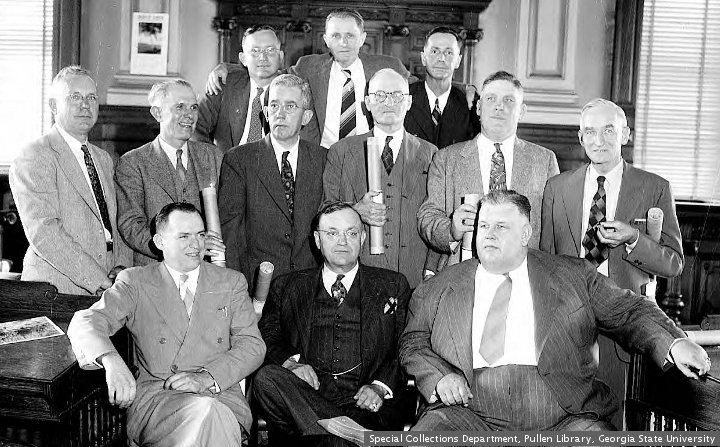
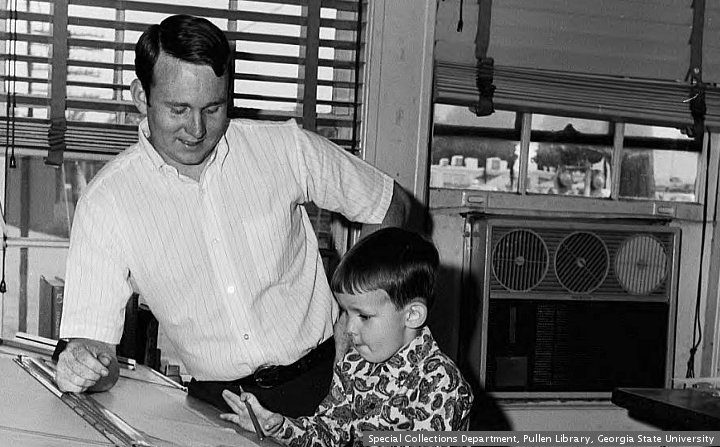
Pictures are from “The Special Collections and Archives, Georgia State University Library.” TomDispatch is still operating in 2022. @TomDispatch is the twitter version.


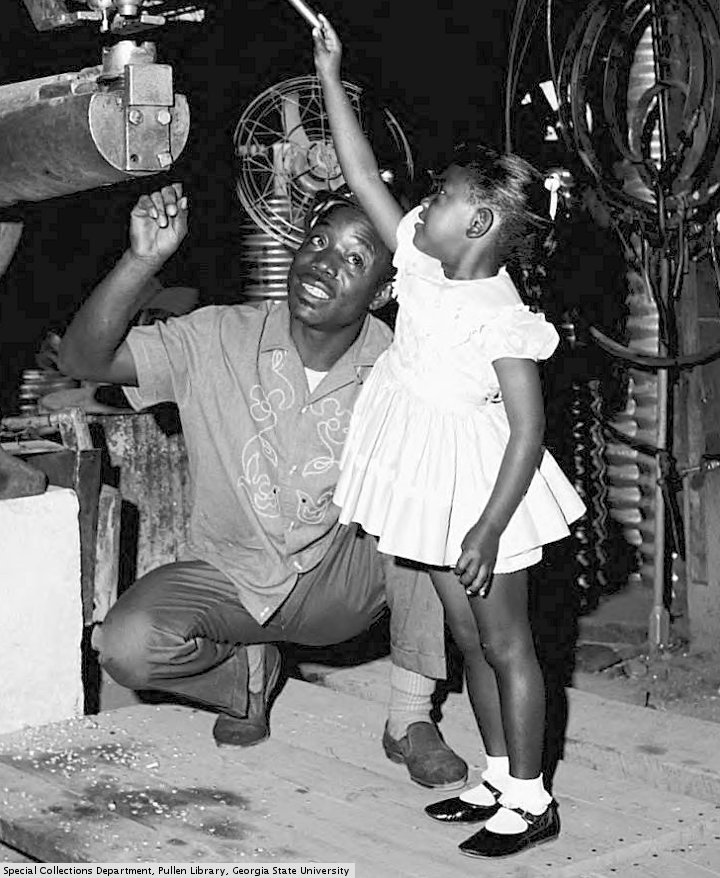

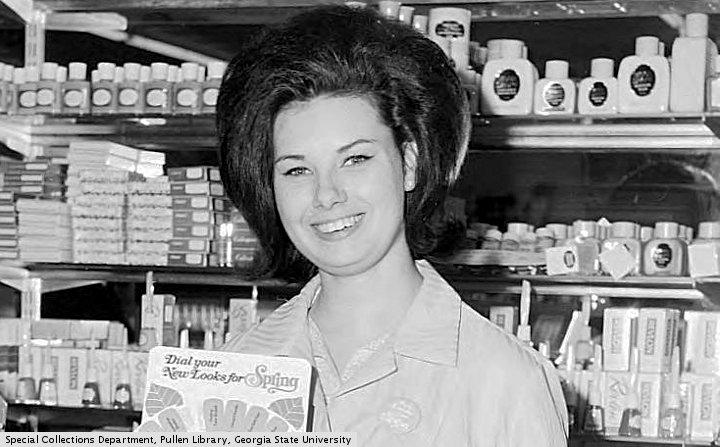
Lost Atlanta


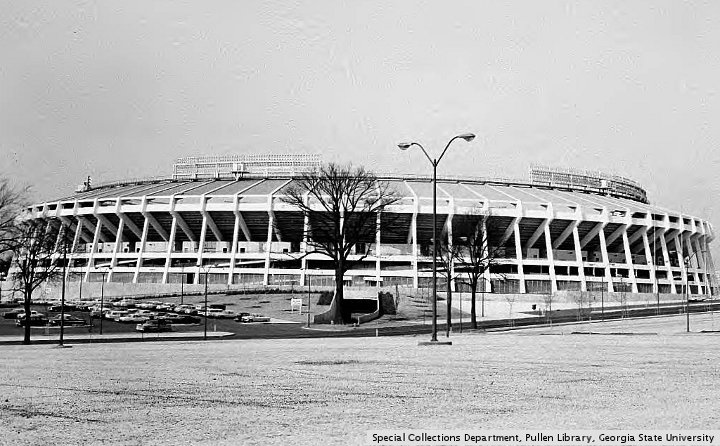


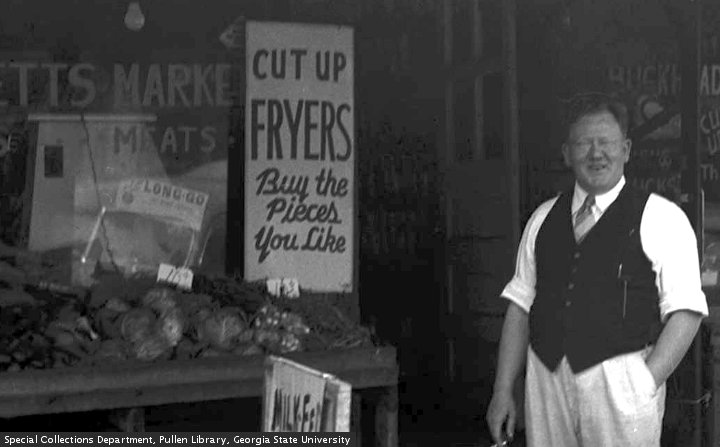

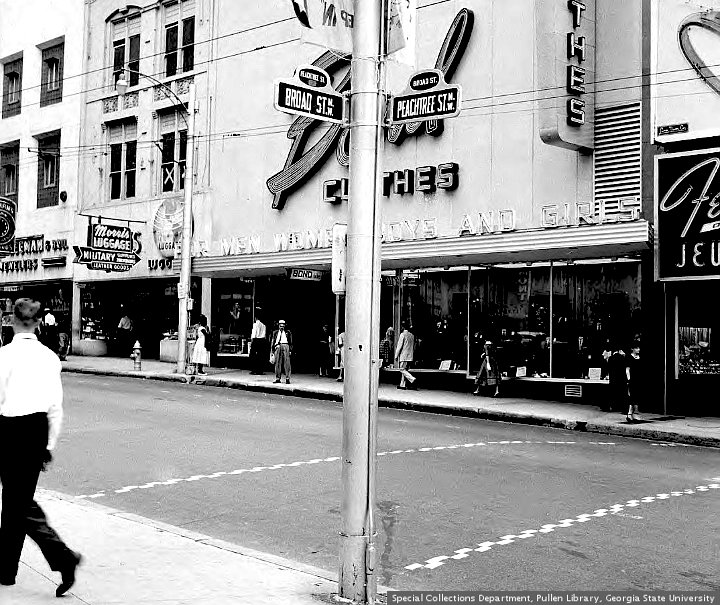
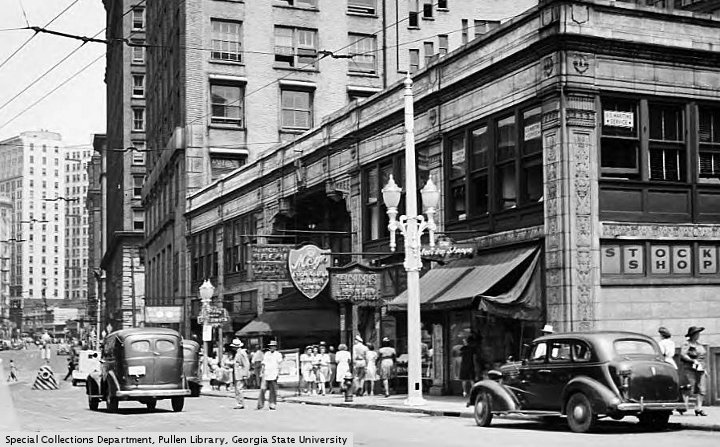
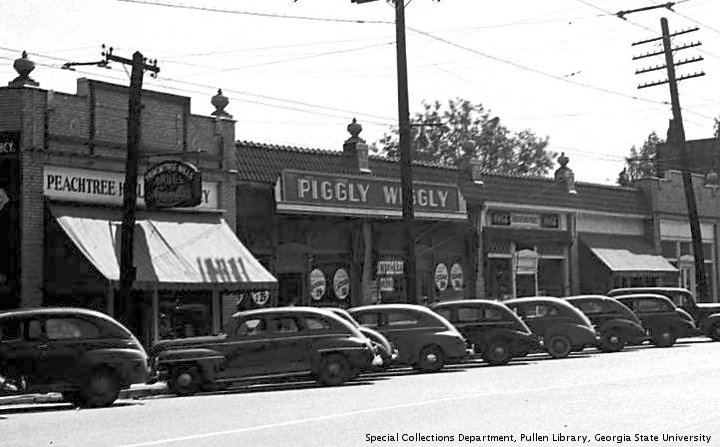
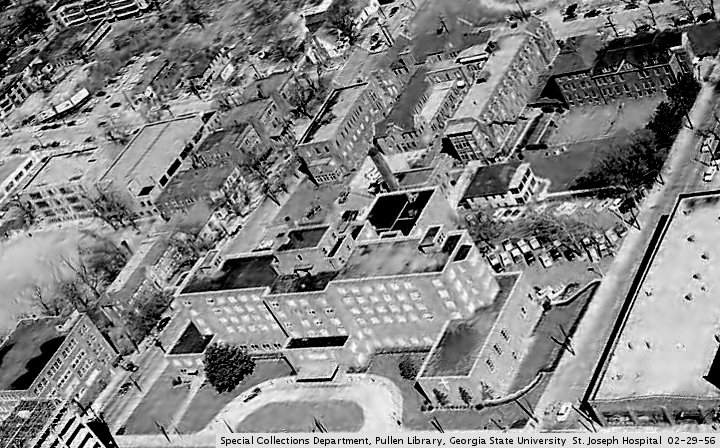
Lost Atlanta is a coffee table book. The content is the buildings, and institutions, that no longer exist. Atlanta has a long love affair with the wrecking ball. General Sherman was a minor player. Pictures for your Wednesday morning entertainment are from “The Special Collections and Archives, Georgia State University Library”. This is a repost.
PG is a native, and knows a few things about the city. While looking through LA, he began to take notes of things he did not know. The names behind the Ferry Roads is one. Plantation owner James Power established Power’s Ferry in 1835. Hardy Pace established his ferry in the 1850s. The fare was 62 cents for a full wagon, 50 cents for an empty wagon, 12 cents for a man and a horse, and 4 cents per head of cattle. The last ferry to cease operations was the Campbellton Ferry, in south Fulton county. The Campbellton Ferry ceased operations in 1958.
Wheat Street Baptist Church is a prominent Atlanta institution. If you look for Wheat Street on google, all you see is Old Wheat Street. It turns out that Wheat Street was renamed Auburn Avenue. “Originally called Wheat Street, the road was renamed in 1893 at the request of white petitioners who believed Auburn Avenue had a more cosmopolitan sound.”
Bald Hill, aka Leggett’s Hill, was leveled in 1958 to make way for the East Expressway, later known as I-20. On July 22, 1864, the Battle of Atlanta was fought there. After the unpleasantness, Frederick Koch bought farm land on the site. His house was at 382 Moreland Avenue. The house was demolished in 1953. South of I-20, 1400 McPherson Avenue has a monument. Maj. Gen. James B. McPherson was killed at that location.
The outfield wall at Ponce De Leon park was covered with advertising. One sign was for Southern Bread. The picture had a “Southern Colonel”… apparently the only type of officer in the CSA … saying “I’d even go North for Southern Bread.” This ad was also painted on the side of a building on Tenth Street, just off Peachtree. The late Jim Henson produced a tv ad for Southern Bread.
Jacobs Drug Store was a prominent chain at one time. It was founded by Joseph Jacobs. Mr. Jacobs had a store in the Norcross building, on Peachtree Street at Marietta Street. In 1886, the soda fountain mixed John Pemberton’s patent medicine with carbonated soda water. The rest is history.
There are a few notes, which do not justify a paragraph. The Governor’s Mansion was at 250 The Prado, in Ansley Park, until a new GM was built on West Paces Ferry road. The Henry Grady hotel did not have a thirteenth floor, but went from 12 to 14. This did not stop the building from being demolished, to make way for the Peachtree Plaza hotel.
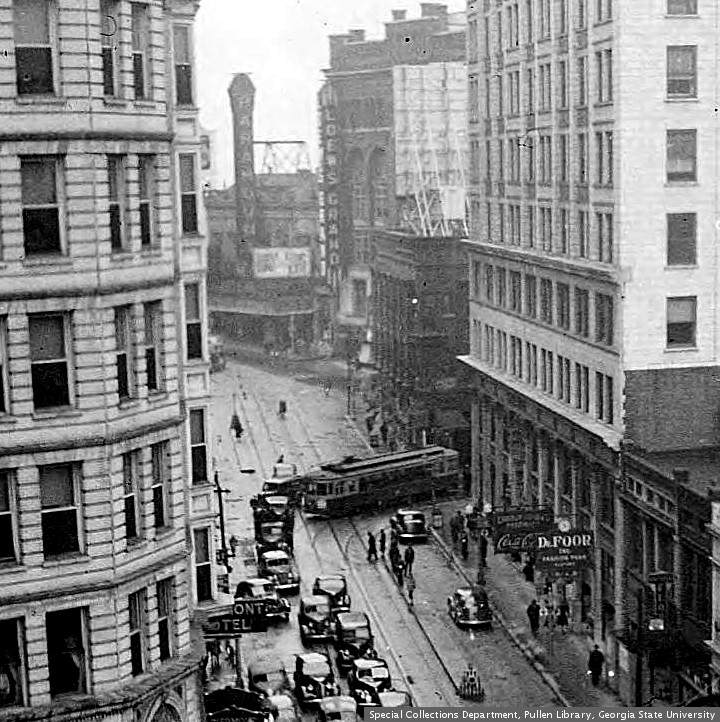
When Laurent DeGive built his grand opera house at Peachtree and Houston (Now JW Dobbs,) people were horrified. The central business district was south of five points. The area north, where the opera house went up, was residential. In 1932, the opera house was renovated, and opened as the Loew’s Grand. In 1939, it hosted the world premiere of “Gone With The Wind.” On the other side of Houston Street was the Paramount Theater, and across Peachtree was the Coca Cola sign. The GP building occupies the site today.



David Bowie
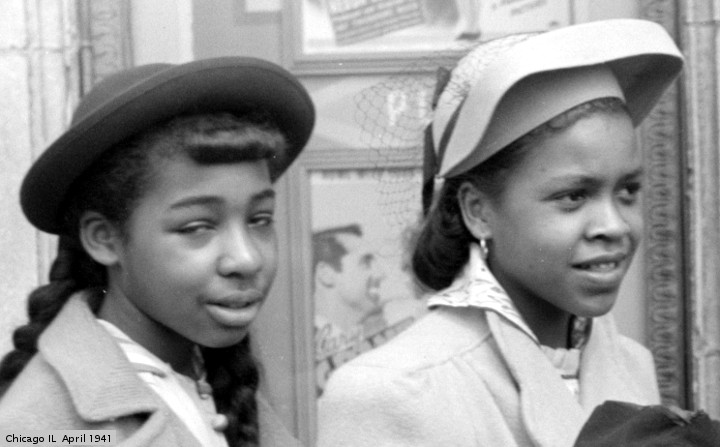
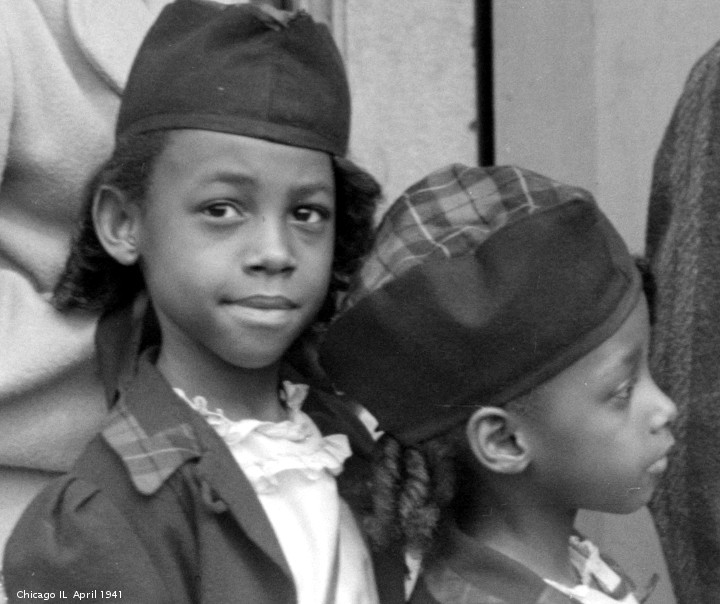


It was a strange week to be a David Bowie fan. On Friday, I was looking for a rerun to post, and was reminded that January 8 was his birthday. (Along with Elvis and Shirley Bassey) I put up a piece about Mr. Bowie, and fashioned a poem out of his song titles. Aquarian Drunkard reissued a collection of the “best and most interesting Bowie oddities”. A new album was released, with a lot of comments about how strange it was. Strange is something Bowie fans turn to face.
On Monday, I woke up. Go on the internet. MSN news says that David Bowie has died. This is surprising. I know what people are going to talk about for a few days.
I typically download the new wtf podcast on Monday. The show is “supported” by Columbia records, presenting David Bowie’s new album “Blackstar.” Marc Maron gushes on about how ” DAVID BOWIE I LOVE DAVID BOWIE. ARE YOU KIDDING ME?” The single is called “Lazarus.”
The timing of the whole thing is bizarre. Was this planned? To release a puzzling new work on your sixty ninth birthday, and then die two days later. With the master media manipulator involved, prior planning cannot be ruled out. Or was it just a parting shot of synchronicity? We will never know.
In what might be a new move for celebrity deaths, sex scandal rumors emerged. A lady named Lori Maddox claims that Mr. Bowie “devirginized” her. Miss Maddox was underage at the time. Some people think that this incident makes Mr. Bowie a terrible person, whose artistic output should be ignored. One made the inevitable comment “As someone who sees White stars get a pass for things that celebrities of color get crucified for.”
I learned a long time ago to separate the performer from the performance. I also apply this rule to David Robert Jones. (David Bowie was a stage name. The legal name was never changed.) In 1976, there was an interview, where the artist said “Don’t believe anything you hear me say.” While the creative/marketing genius can be enjoyed, there was always a bit of coldness behind the mask. Some press reports say that this softened as the years went by. In the end David Bowie was human. Ziggy Stardust was a character played by an actor. Does it matter that they were a Cracked Actor?
It is ironic that David Bowie played Andy Warhol in Basquiat. Both combined creation of art, and the marketing of art product, into a seamless unit. The two did not have a good first meeting. “Remember, David Bowie was not a big star. He was just some guy off the street as far as Andy Warhol was concerned. They found a common ground in David’s shoes. David was wearing yellow Mary Janes and Andy had been a shoe illustrator, which David knew so they began talking about shoes.” UPDATE I got to see Basquiat. Andy Warhol’s wig, worn by David Bowie, gave an outstanding performance.
This would have been in 1971. Mr. Bowie discusses his adventures in between songs of this show. There is another story from that first tour: “I think that must’ve been part of the Mercury Records publicity tour in early 1971, Gus. Ted Vigodsky, if I remember correctly, brought Bowie by The Great Speckled Bird’s offices on North Avenue where Moe Slotin and I met him. Bowie was dressed in an ill-fitting gingham dress and looked something like a gaunt, poverty-stricken woman in one of those Walker Evans photos from the Depression. He informed Moe and me that he was gonna be the next big star in rock-n-roll. It took all of our will power not to laugh in his face. This was before anyone in America had heard of him and he had no records out yet (“Space Oddity,” a hit in England in 1969, was not released in the USA until 1973). Six months later Moe and I realized we had completely underestimated him. I had forgotten Charlie had called you about interviewing him.” Pictures today are from “The Special Collections and Archives, Georgia State University Library”.
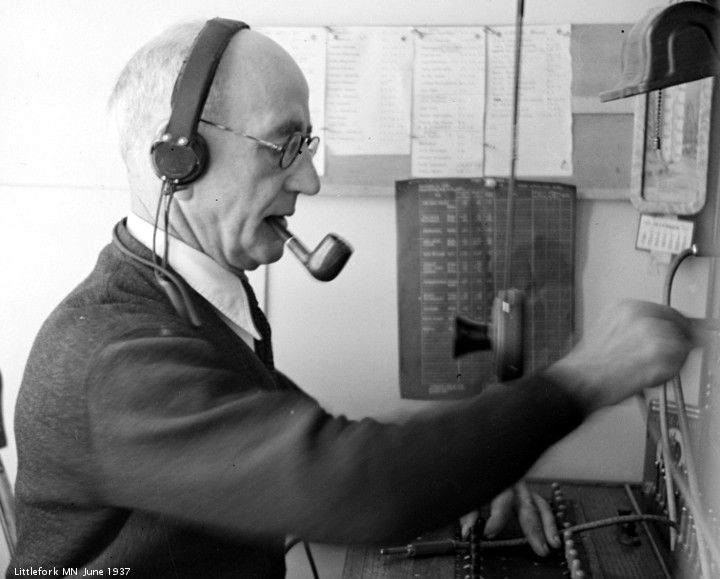


David Bowie is 75 today. Elvis is ageless. Betsy DeVos is unemployed. This Bowie tribute is a repost. Pictures are from The Library of Congress.
A webpage called CaptainsDead had a download of a David Bowie concert. (Here is another edition.) Most Bowie live recordings are pretty dull. While the Thin White Duke is renowned for his concerts, they tend to be live events, that depend on staging and costumes as much as music. This show, from 1974, is different. Focusing on material from “Diamond Dogs”, the sound he produces comes close to matching the studio sound.
The next move for Bowie in 1974 was the “white soul” sound of “Young Americans”. He is moving in that direction in this show, even while he lingers in the glitter apocalypse. This tour included a stop at the Fox Theater, the first Atlanta show for Mr.Bowie. On the way to Florida for the next show, the truck with the sets and costumes crashed into a swamp full of rattlesnakes. The show in Tampa was performed in street clothes.
Maybe it is time for a Chamblee54 tribute to David Bowie. It is six am, and PG has stumbled into a job. The time and energy required to write new material is not always available.
The first album by David Bowie that PG heard about was “Hunky Dory”. At the time, Mr. Bowie had generated some buzz by admitting that he fancies blokes, or some uber british expression for being queer. In time, this would be seen as more publicity stunt than brave confession. The RCA debut got some good reviews, but not much else.
The next year produced “Ziggy Stardust”, a concept album. At about this time he did a tour of the United States, with costumes and onstage antics that generated even more publicity. More and more people started listening, some in spite of his outrageous image, and quite a few more because of it. He broke up his band, the spiders from mars, and announced his retirement. The band, according to reports, learned about this while standing on stage behind him. Mr. Bowie, for all his genius, is not always a nice man.
In 1974 there was an album, “Diamond Dogs”, about the decadent urban life in the scifi future. A stage show based on this album…the source of the download mentioned above…marked a return to the concert stage. The next year gave us “Young Americans”, and the year after that “Station to Station”. Every year was a different sound and vision.
Meanwhile, the artist was not doing so good as a human being. According to all reports, he was doing mountains of cocaine. (There is a story of going to meet the parents of Ava Cherry, one of his girlfriends. He shows up at 3am, and does coke on the dining room table.) There was an interview in Playboy (or maybe it was Rolling Stone ) where the first thing he says is, don’t believe anything I say. He went on to say that he admired Adolf Hitler. Have we mentioned the physical appearance of David Bowie in 1975? He looked like he was dead, and nobody bothered to tell him. (By contrast, in recent photo collections of rock stars, Mr. Bowie looks pretty good for a man who is 69 yo.)
This was the era of Rocky Horror show. At one point, Riff Raff sings (Tim O’Brien wrote the show, and gave himself some darn good lines) Frank n furter, it’s all over, your mission is a failure, your lifestyle’s too extreme.I’m your new commander you now are my prisoner we return to transylvania prepare the transit beam While this may not have been directed at David Bowie, he took the hint.
We interrupt this David Bowie tribute with an emergency announcement. A person, reputed to be an entertainer, was seen using the n word on facebook. The screen shots have disappeared, and all we have is the word of the accuser. More details will be available as soon as anyone is interested.
David Bowie saw himself at a dead end, and possibly a dead life. He moved into a little apartment in West Berlin, on top of a garage. Brian Eno offered his assistance, and a series of electronic albums was the result. The next few years saw rock and roll, dance music, and finally, crap. PG bought a Bowie album in 1984, the first time he saw it on sale, and was immensely disappointed. The last David Bowie album that PG got was a free cd that was given to people buying a magazine.
Around 1981, MTV was born, and radio was suddenly obsolete. A visual artiste like David Bowie was a natural for video. Unfortunately, many of these videos are not available for embedding in blogs. Ashes to Ashes was a staple of early MTV. Boys Keep Swinging , off the “Lodger” album, is a return to the gender bender Bowie of younger days.
David Bowie continued to do tours, and PG got to see two of the shows. In 1987, something called the “Glass Spider Tour” came to the Omni. (In a later interview, it turns out Mr. Bowie was extremely unhappy during this tour, and close to suicide at some points.) The Glass Spider was this mass of lighting effects that hovered over the stage, and was used to best advantage during “Scary Monsters”. The show featured Peter Frampton on guitar, and had a pack of dancers. (One apparent female took her drag off during the finale.) A good time was had by all.
In 1990, another retirement tour came to the Omni. This one had movies projected on a screen behind the stage, and featured guitar hero Adrian Bellew. The night had the feel of a contractual obligation. David Bowie is too professional to give a bad show, but this one did not have the fire of “Glass Spider”. PG had a new set of contact lenses, and his eyes were painfully dry most of the night.

More Monroe And Boulevard


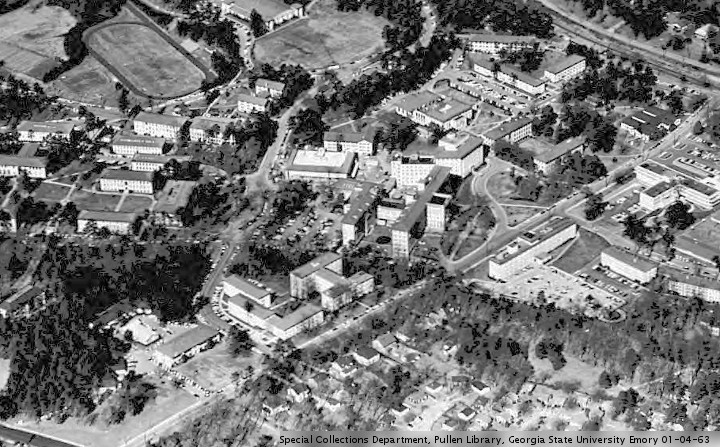



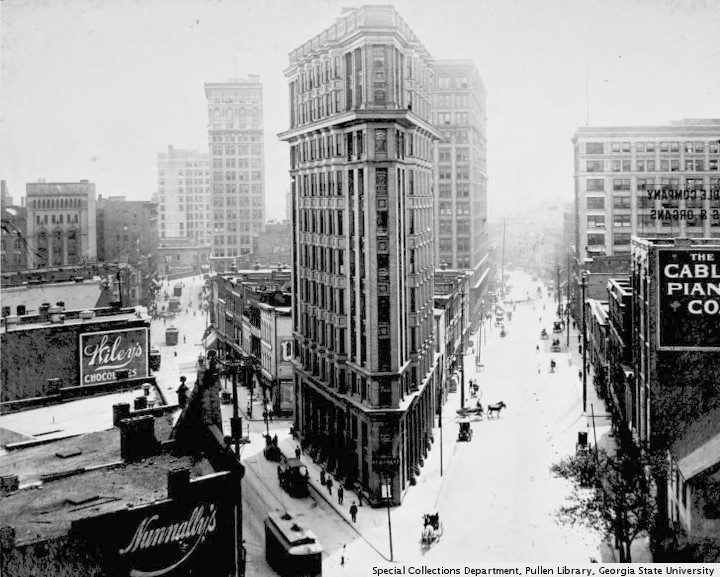
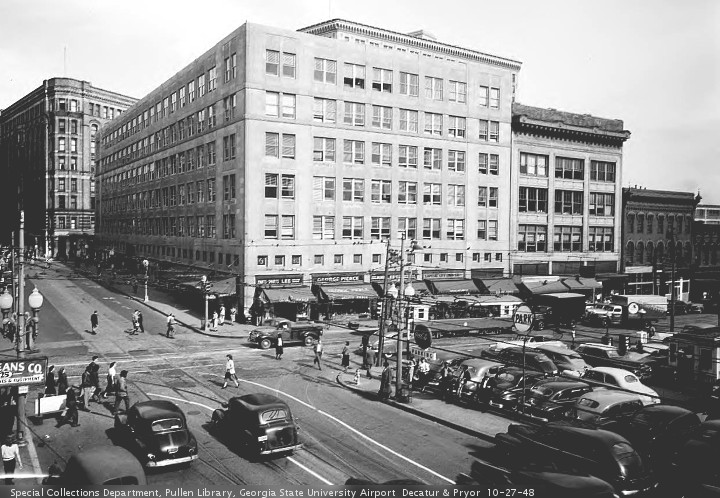
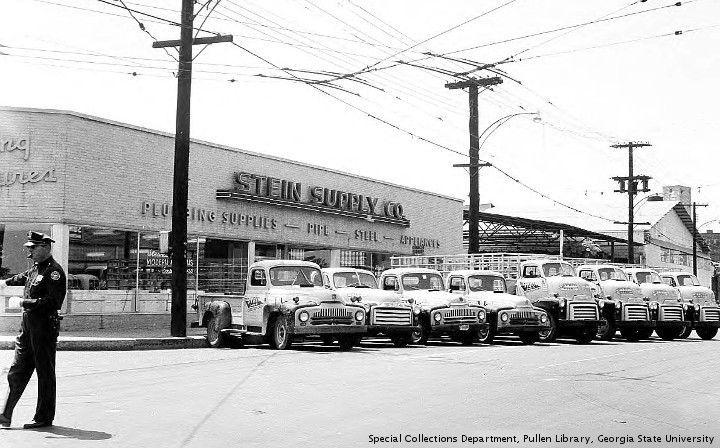
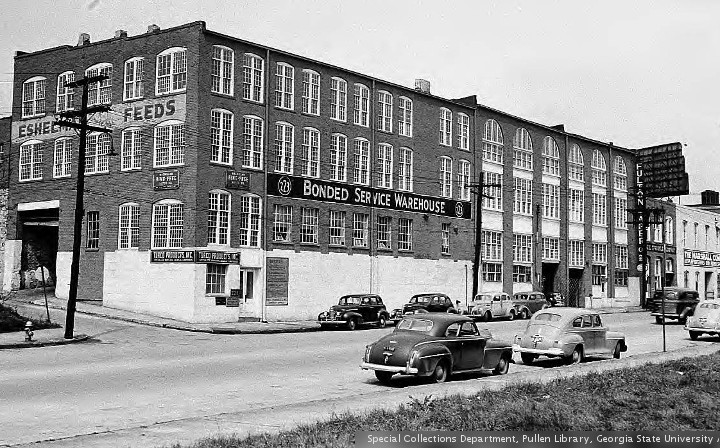
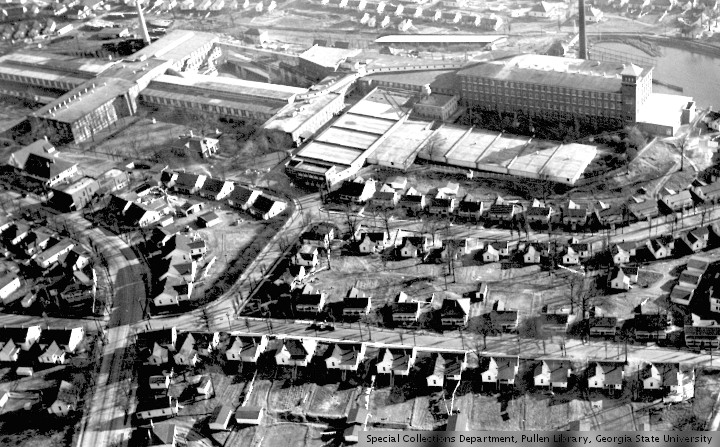
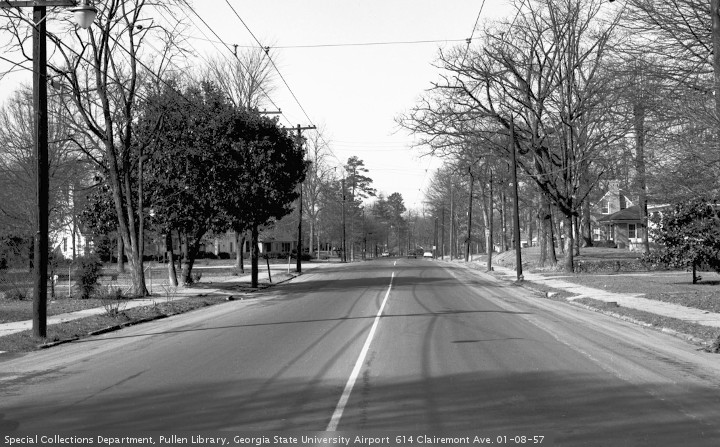
A recent facebook discussion covers that old crowd pleaser, why does Monroe Drive turn into Boulevard? The story is that the street name changed because White people live North of Ponce De Leon Avenue, and Black people live south. Chamblee54 has covered this topic before. The information today will be a bit dry. If you want to skip over the text, you can always enjoy the pictures, from “The Special Collections and Archives, Georgia State University Library.”
“The name changes were intentional and rooted directly in racism.” This judgment from Atlanta magazine is a popular opinion. Unfortunately, there are some street name changes that apparently are not racial. In discussions like this, once racism is blamed, the conversation shuts down. Asking any questions, or exploring the possibility of nuance, is considered racist.
The Atlanta magazine article does not really address Monroe/Boulevard. A 1913 measure, the Ashley Ordinance, is brought up, as well as some of the skirmishing in SW Atlanta over integration. None of those items were in play in the Monroe/Boulevard matter.
The opinion of chamblee54 has not changed. It is entirely possible that Monroe/Boulevard was racially motivated. That sounds like something a Georgia government, of a certain era, would do. However, it does not address the other streets. When were the names changed, and by what government? The answers to the last two questions have been elusive. If anyone reading this has any answers, please leave a comment.
In the space between I-85 and Dekalb County, there are four streets that change names when they cross Ponce De Leon Avenue. These are Juniper/Courtland, Charles Allen/Parkway, Monroe/Boulevard, and Briarcliff/Moreland. Several streets cross Ponce without changing names, including Spring, Peachtree, Piedmont, and North Highland. A wikipedia page, List of former Atlanta street names, has some information about the name changes. More information was found in a collection of maps at the GSU library.
It turns out that Juniper/Courtland change names at North Avenue, one block south of Ponce. As early as 1895, those streets have the same names. On old maps, Juniper ends at North, and Courtand starts a quarter-block west. Wikipedia adds this about Courtland: “North Collins Street (for pioneer James Collins — renamed because of South Collins Street’s reputation as a red light district)”
Briarcliff/Moreland has always been a problem for the racism hypothesis. The race change has traditionally been at the railroad tracks, a half mile south of Ponce. Moreland Avenue was originally County Line Road. It was renamed in honor of a Confederate officer, Major Asbury Fletcher Moreland. “He owned quite a bit of land between County Line Road and Pike Road, which is now Euclid Avenue, some of which is now part of the city’s Bass Recreation Center. Ever the businessman, Moreland built rental homes and a park, which featured a pond and animals — appropriately called Moreland Park — that became a summer getaway for city dwellers.”
Briarcliff was originally known as Williams Mill Road. It changed to Briarcliff after Asa Griggs “Buddy” Candler Jr. built a palace at 1260 Briarcliff Road. The house still stands, barely, and served as the GMHI facility for many years. In 1911 and 1917, Briarcliff is known as Williams Mill, before changing into Moreland. In 1925, and maps issued after 1925, the road is shown as Briarcliff.
Charles Allen/Parkway, one block west of Monroe/Boulevard, was originally known as Jackson Street. The road is still known as Jackson Street, south of Highland Avenue. The earliest map to show Jackson is 1895. By 1930 it has been changed to Parkway, ending at Piedmont Park. Charles Allen Drive does not appear until 1959. Charles Allen was the pastor at Grace United Methodist Church.
Wikipedia has this on Boulevard: “Jefferson Street (marked in 1878 map from North Ave. to Foster St. (now Edgewood Ave.) in today’s Old Fourth Ward) – Rolling Mill Street (north of the railroad) from the late 1860s to about 1880, for the Confederate Rolling Mill, which the retreating Confederate army inadvertently destroyed in 1864.”
Wikipedia has a surprise “Monroe Drive (to honor the Monroe Landscaping Company which did extensive plantings in the area)[17]” The footnote links to a Morningside neighborhood newsletter. There is no mention of Monroe Drive in the cited newsletter.
Before going further with Monroe, we should look at a controversy involving the landscaper William Lott Monroe. “1941 (Jan. 25) Monroe’s Landscape & Nursery Co. is removed from Fulton County’s payroll: “…[D]rawn more than $17,000 from the county in the last year and one-half… The company was drawing $500 a month for supervising landscaping of county parks, which was in addition to flowers, shrubs and blueprints sold by it to the county.” (“Nursery Company Is Cut Off Pay Roll.” Atlanta Constitution, Jan. 25, 1941)” In 1941, Mr. Monroe was working on North Fulton Park, later known as Chastain Park. This park was annexed into the City of Atlanta on January 1, 1952.
The first time Boulevard is mentioned on maps is 1895. The first mention of Monroe Drive is 1951, when Monroe starts at Montgomery Ferry. (Before the Northeast Expressway was built, the road ended at Plasters Avenue, north of the present I 85.) It is not until 1959 that Monroe appears immediately north of Ponce De Leon.
These maps were used in researching this feature. 1878 1895 1911 1917 1921 1925 1930 1930 1931 1934 1935 1939 1946 1951 1952 1952 1954 1959 1967


Tyler Perry And The Heart Of Atlanta

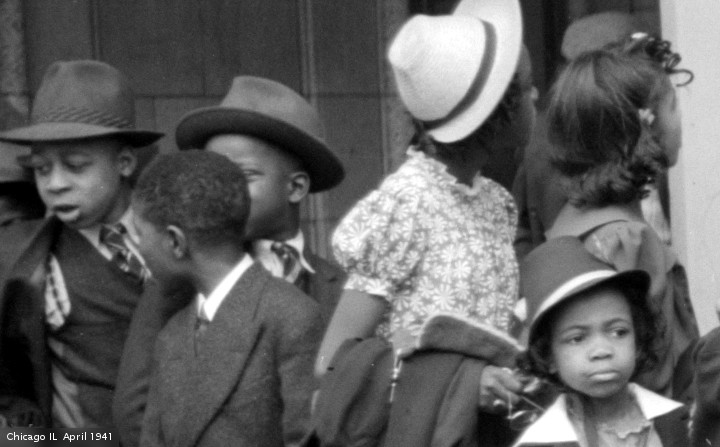


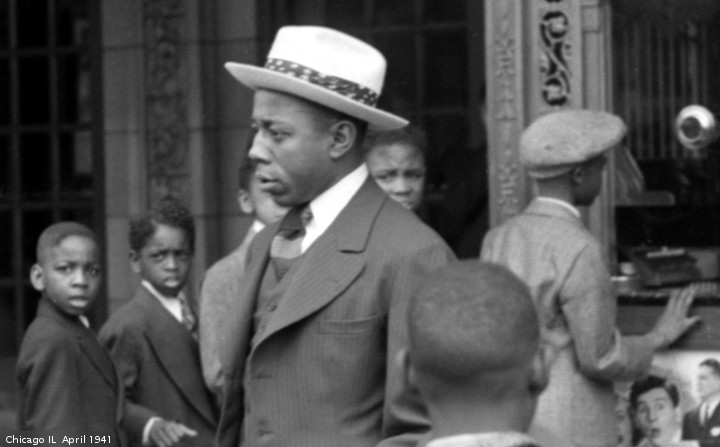

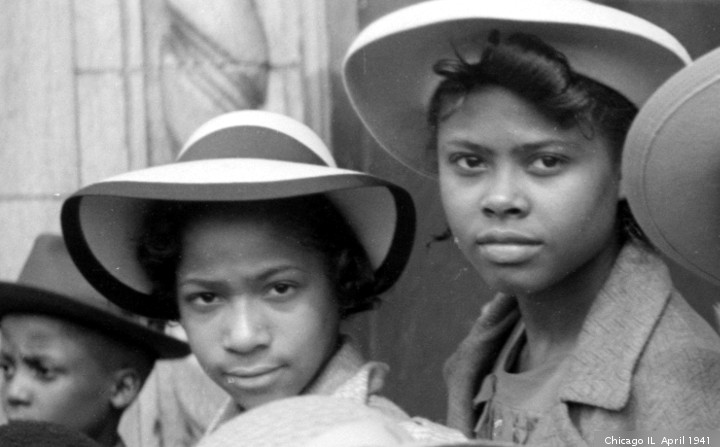


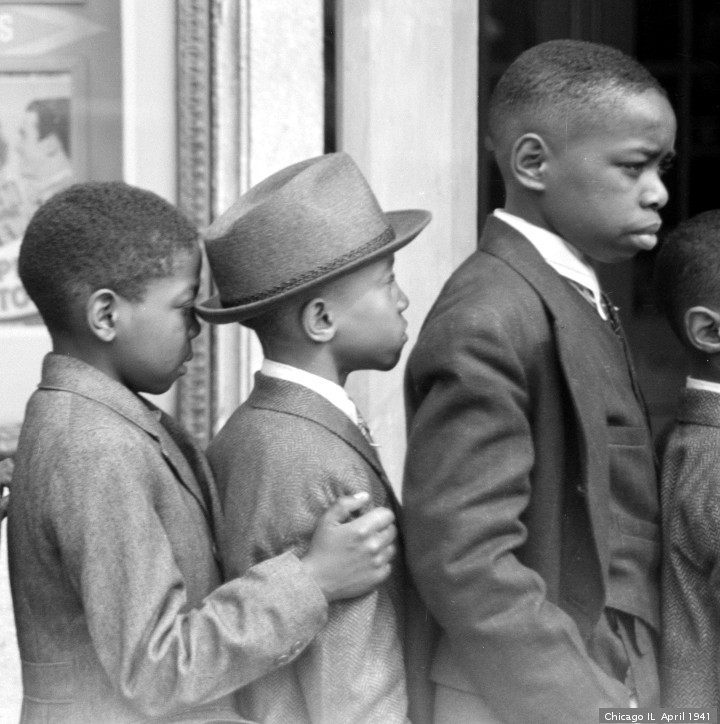

There is an old saying, what goes around comes around. When you sow the wind, you reap the whirlwind. The thing is, it is not always obvious what is payback for what. Moreton Rolleston Jr. filed a lawsuit to have the Civil Rights Act declared unconstitutional. Forty years later, a Black man, built a mansion on the site of Mr. Rolleston’s home. The fact that this Black man earned his money by playing Black women, in movies, is icing on the cake.
When the Civil Rights Act was passed in 1964, Moreton Rolleston, Jr. owned the Heart of Atlanta Motel. He filed a lawsuit, trying to have the law overturned by the courts. The case went to the Supreme Court, which upheld the law.
The legal justification of the Civil Rights Act was a law giving the U.S. Government the right to regulate interstate commerce. Mr. Rolleston argued that this use of the commerce clause went too far. “‘The argument that this law was passed to relieve a burden on interstate commerce is so much hogwash. It was intended to regulate the acts of individuals.’ If the commerce clause can be stretched that far, declared Rolleston, ‘Congress can regulate every facet of life.'” (PG supports all citizens having the right to housing, education, etc. He also wonders if we are on a slippery slope. The government keeps taking more and more freedom away.) (The link for the quote no longer works.)
In 1969, Tyler Perry was born. From humble beginnings, he has been incredibly successful. His signature character is a woman named Madea.
In 1985, Mr. Rolleston was involved in a real estate deal that went sour. He was sued. In 2003, Mr. Rolleston was evicted from his Buckhead home. In 2005, the property was sold to Tyler Perry. Mr. Rolleston sued Mr. Perry, claiming that 2035 Garraux Road was still his property.
Mr. Rolleston , was disbarred in 2007. The Veteran’s History Project shows his race as “Unspecified.” Moreton Mountford Rolleston, Jr., born December 30, 1917, died August 29, 2013.
HT Millard Fillmore’s Bathtub.. This is a repost, with pictures from The Library of Congress.








Fruitcake




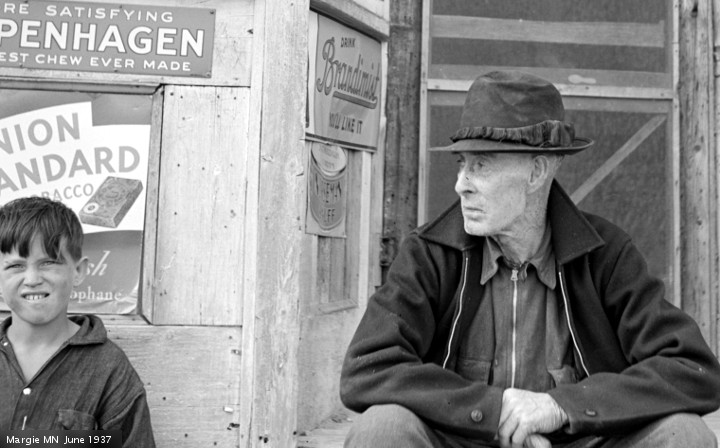
December 27 is National Fruitcake Day PG sees a chance for some text to put between pictures. He would be nutty as a fruitcake to turn down this chance. This is a repost.
Fruitcakes were buried with the dead in Ancient Egypt. It’s true. Ancient Egyptians used to fill the tombs of the dead with all the supplies that they would need to enjoy the afterlife, including food and water. Fruitcake was often put into the tomb of a deceased person because a fruitcake soaked in a natural preservative like alcohol or fruit juice would last a long time. It was thought that the preserved fruitcake would not spoil on the journey to the afterlife. Fruitcake was a staple food of other ancient Middle Eastern, Southeast Asian and Mediterranean cultures as well
Candied fruits are used in fruitcake because using sugar was the only way to preserve the fruit long enough to get it back to Europe from the Middle East. When the Crusaders began carrying exotic fruits back to their European home the fresh fruit would spoil long before they were able to get it home. Ingenious traders began drying the fruits by candying them with sugar which made them an even more delicious treat and preserved them indefinitely. Once the candied fruits were sent to Europe and to other parts of the world they were baked into cakes so that they could be shared with family and friends on special occasions.
Fruitcakes will last for years without spoiling. It’s true. A fruitcake that is properly preserved with an alcohol soaked cheesecloth that is then wrapped in plastic wrap or foil can be kept unrefrigerated for years without spoiling. In the past, before refrigerators came along, families would make fruitcake for holidays and special occasions months in advance of the actual event and then let the covered fruitcakes sit wrapped in an alcohol soaked cloth until the event happened. As long as the cloth was remoistened with alcohol occasionally the cakes not only didn’t spoil, they actually tasted richer and sweeter because they had been soaking in brandy and rum for a couple of months.
To millions of fruitcake consumers, the town of Claxton GA is very special. This south Georgia town, just down the road from Reidsville, is home to Claxton Fruit Cake . The story of the Claxton Fruit Cake company is a sweet one. Savino Tos founded the Claxton Bakery in 1910. He hired Albert Parker in 1927, and sold him the business in 1945. Mr. Parker decided to sell Fruit Cake to America.
No story about fruitcake is complete without mentioning the “Fruitcake Lady.” Marie Rudisill, an aunt of Truman Capote, wrote a book of fruitcake recipes. She became a tv celebrity, before going to the bakery in the sky on November 3, 2006.
The urban dictionary has nine listings for fruit cake. The ones for homosexuals and crazy people are there. UD gets creative with this selection: “The act of releasing green chunky diarrhea onto your partners face then, ejaculating on it, then punching him/her in the nose causing the colors to mix together to form a fruit cake like color.”
If you tire of jokes about fruitcake, you can go to The society for the protection and preservation of fruitcake . (If you click on the “new URL”, you will be invited to join in the green card lottery.) There used to be a link on the society page that enables you to buy Fruitcake Mints. “Keep your breath fruitcake fresh with these festive mints!”
Pictures are from “The Special Collections and Archives, Georgia State University Library”.


 Chamblee54
leave a comment