Fruitcake


This content was originally posted December 10, 2011. … A facebook friend put these fruitcake facts on the internet. I saw a chance for some snappy text to put between some pictures. I would be nutty as a fruitcake to turn down a chance like this. … Fruitcakes were buried with the dead in Ancient Egypt. It’s true. Ancient Egyptians used to fill the tombs of the dead with all the supplies that they would need to enjoy the afterlife, including food and water. Fruitcake was often put into the tomb of a deceased person because a fruitcake soaked in a natural preservative like alcohol or fruit juice would last a long time. It was thought that the preserved fruitcake would not spoil on the journey to the afterlife. Fruitcake was a staple food of other ancient cultures as well.
Candied fruits are used in fruitcake because using sugar was the only way to preserve the fruit long enough to get it back to Europe from the Middle East. When the Crusaders began carrying exotic fruits back to their European home the fresh fruit would spoil long before they were able to get it home. Ingenious traders began drying the fruits by candying them with sugar which made them an even more delicious treat and preserved them indefinitely. Once the candied fruits were sent to Europe and to other parts of the world they were baked into cakes so that they could be shared with family and friends on special occasions.
Fruitcakes will last for years without spoiling. It’s true. A fruitcake that is properly preserved with an alcohol soaked cheesecloth that is then wrapped in plastic wrap or foil can be kept unrefrigerated for years without spoiling. In the past, before refrigerators came along, families would make fruitcake for holidays and special occasions months in advance of the actual event. The fruitcakes would sit wrapped in an alcohol soaked cloth until the event happened. As long as the cloth was remoistened with alcohol occasionally the cakes not only didn’t spoil, they actually tasted richer and sweeter because they had been soaking in brandy and rum for a couple of months.
To millions of fruitcake consumers, the town of Claxton GA is very special. This south Georgia town, just down the road from Reidsville, is home to Claxton Fruit Cake. The story of the Claxton Fruit Cake company is a sweet one. Savino Tos founded the Claxton Bakery in 1910. He hired Albert Parker in 1927, and sold him the business in 1945. Mr. Parker decided to sell Fruit Cake to America.
No story about fruitcake is complete without mentioning the “Fruitcake Lady.” Marie Rudisill, an aunt of Truman Capote, wrote a book of fruitcake recipes. She became a tv celebrity, before going to the bakery in the sky on November 3, 2006.
The urban dictionary has many listings for fruit cake. The ones for homosexuals and crazy people are there. UD gets creative with this selection: “The act of releasing green chunky diarrhea onto your partners face, then ejaculating on it, then punching them in the nose causing the colors to mix together to form a fruit cake like color.”
If you tire of jokes about fruitcake, you can go to The society for the protection and preservation of fruitcake. (If you click on the “new URL”, you will be invited to join in the green card lottery). There used to be a link on the society page that enables you to buy Fruitcake Mints. “Keep your breath fruitcake fresh with these festive mints!”
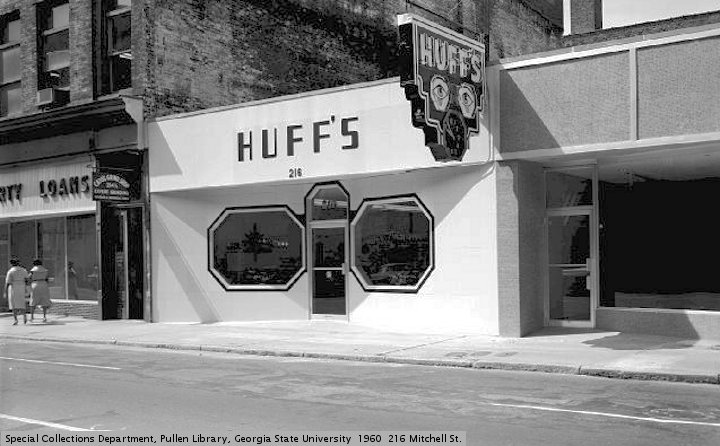
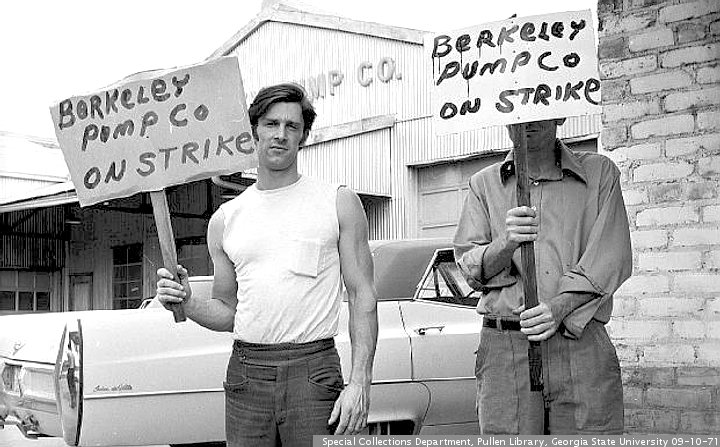
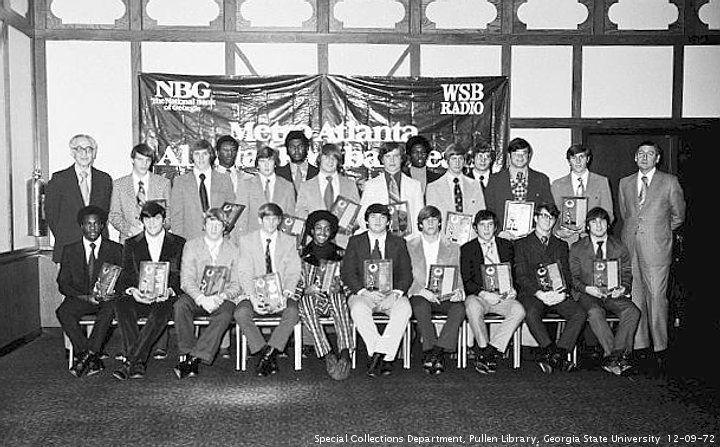
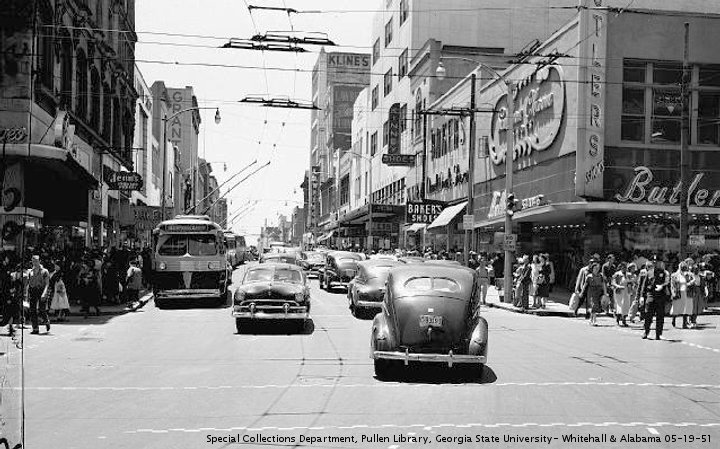
December 27 is National Fruitcake Day. Pictures today are from Special Collections and Archives, Georgia State University Library. The social media picture was taken in November 1970. “Mitchell Motors rooftop” ©Luther Mckinnon 2025 · selah


Coleman Hughes V. Darryl Cooper

Coleman Cruz Hughes recently did a show attacking Nicholas Joseph Fuentes. While going after NJF, CCH went on the attack against Darryl Cooper. Both NJF and DC are critics of Israel’s dirty wars, which might be the ultimate motivation for these attacks.
NJF is a gnarly piece of work, who is currently getting plenty of bad press. Darryl Cooper is different. I am a fan of the MartyrMade podcast. Earlier this year I did a deep dive into “Fear and Loathing in the New Jerusalem”. The chamblee54 commentary is linked here.
I disagree with DC about many things, including his notorious comment about Winston Churchill. However, I have mad respect for MartyrMade podcast. Does DC make mistakes? Maybe. If you produce 27 hours of content on a subject, you probably will get some things wrong. Especially when you consider that a lot of these matters have two hotly contested sides.
DC made an infamous appearance on the Tucker Carlson show, saying that Winston Churchill was the primary villain of World War II. CCH mentioned it, of course. CCH then quoted a story from Mother Jones, How a Nazi-Obsessed Amateur Historian Went From Obscurity to the Top of Substack. (CCH does not have show notes. Fortunately, google still works when it wants to.)
As it turns out, I recently listened to a MM episode about Mother Jones, the historic figure. “Whose America” is about the coal wars in West Virginia. The show features a picture of Mother Jones with red coals in her eyes. “The magazine Mother Jones is directly named after the legendary labor activist Mary Harris “Mother” Jones, who was a fierce organizer for workers’ rights in the late 19th and early 20th centuries, inspiring the magazine’s focus on progressive causes and investigative journalism.” Sometimes, “progressive causes” include discrediting a podcaster who is critical of Israel.
The MJ story is a hit job, with very few links. This quote sets the tone: “Cooper, for example, wrote “Guten morgen” to a user on X last August, along with a picture of himself holding a coffee mug. It might take a moment to realize the user is a self-identified Nazi, and the mug Cooper holds is sold on a website where you can buy a T-shirt in which a Nazi SS sword plunges through the Star of David.”
Later, MJ ties DC to David Irving, a notorious holocaust denier. In the Carlson interview, DC mentioned that Winston Churchill had financial problems, and was bailed out by Zionist financiers. This information is easily available from other sources. However, DC did mention that he found this information in Irving’s writings. After making this connection … without linking to the source … MJ rants about David Irving for several paragraphs.
There is one quote from MJ about David Irving that is remarkable: “Irving is essentially an ideologue who uses history for his own political purposes; he is not primarily concerned with discovering and interpreting what happened in the past, he is concerned merely to give a selective and tendentious account of it in order to further his own ideological ends in the present.”
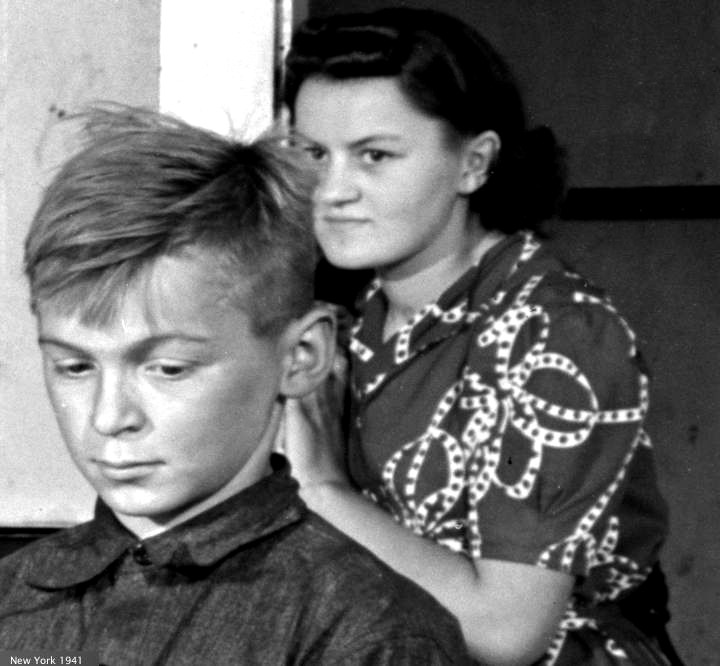
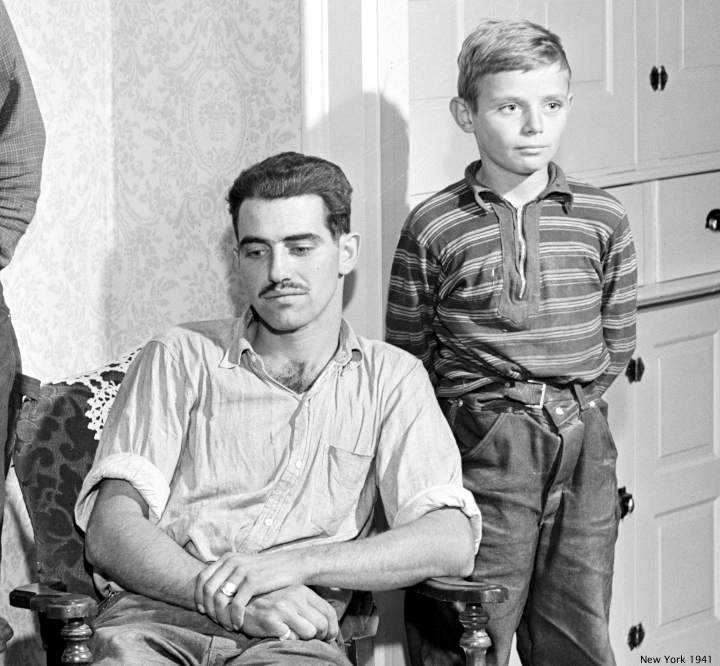
If you were to take out “Irving” and put a blank space in its spot, you could describe a substantial percentage of the rhetoric mongers today. It would definitely apply to Coleman Hughes. … Pictures today are from The Library of Congress. Jack Delano took the social media picture in August 1941. “The family of Mr. Dan Sampson. The Sampsons are moving out of the Pine Camp expansion area to a 240 acre dairy farm in South Rutland, New York obtained through the New York Defense Relocation Corps. Near Sterlingville, New York” ©Luther Mckinnon 2025 · selah


What BHO Said About Gaza In 2008




This content was published December 30, 2008. … There is a war going on in the Gaza Strip. BHO and GWB are on vacation. In the case of GWB, this is probably for the best. Meanwhile, BHO is dodging the hot potato in Gaza, and hoping the inauguration can be moved back to March 4.
BHO has a dandy website, change.gov. A big part of it is devoted to his agenda. It is interesting to see what this says about foreign policy. The first section is about the “greatest threat” to America. To BHO, this is the resurgence of the Taliban and Al Queda. The call is for increased troop levels in Afghanistan. As for the ticking time bomb (with nukes) in Pakistan, there is one sentence … ” Obama and Biden will increase nonmilitary aid to Pakistan and hold them accountable for security in the border region with Afghanistan”
The next section is about the “gravest danger” (as opposed to greatest threat). This refers to the spread of nuclear weapons. There is no mention of Israel getting rid of its nukes. … Skipping over “Iran” and “Energy Security”, we get to the section “Renewing American Diplomacy”. The third “bullet point” is the Israeli Palestinian conflict. “Obama and Biden will make progress on the Israeli-Palestinian conflict a key diplomatic priority from day one. They will make a sustained push — working with Israelis and Palestinians — to achieve the goal of two states, a Jewish state in Israel and a Palestinian state, living side by side in peace and security.”
The next section is Israel. At this point we see where BHO’s heart lies. This is directly related to what his campaign contributors have told him to think. “Barack Obama and Joe Biden strongly support the U.S.-Israel relationship, and believe that our first and incontrovertible commitment in the Middle East must be to the security of Israel, America’s strongest ally in the region. They support this closeness, and have stated that the United States will never distance itself from Israel.
During the July 2006 Lebanon war, Barack Obama stood up strongly for Israel’s right to defend itself from Hezbollah raids and rocket attacks, cosponsoring a Senate resolution against Iran and Syria’s involvement in the war, and insisting that Israel should not be pressured into a ceasefire that did not deal with the threat of Hezbollah missiles. He and Joe Biden believe strongly in Israel’s right to protect its citizens. … Barack Obama and Joe Biden have consistently supported foreign assistance to Israel. They defend and support the annual foreign aid package that involves both military and economic assistance to Israel and have advocated increased foreign aid budgets to ensure that these funding priorities are met. They have called for continuing U.S. cooperation with Israel in the development of missile defense systems.”
The Israel fact sheet has this: “Barack Obama and Joe Biden believe in working towards a two-state solution, with both states living side by side in peace and security. To that end, Senators Obama and Biden are cosponsors of the Palestinian Anti-Terrorism Act of 2006. Introduced in the wake of Hamas’ victory in the Palestinian elections, this act outlaws direct assistance to any entity of the Palestinian Authority controlled by Hamas until it meets the conditions of the United States, Russia, the European Union and the United Nations to renounce violence, recognize Israel, and agree to abide by all agreements signed by the Palestinian Authority.“
Operation Cast Lead was the 2008 tragedy in Gaza. “Hamas won the 2006 Palestinian legislative council elections. Following its election victory, the United States, European Union and Israel imposed severe economic sanctions on the Palestinian territories. … In June 2008, Egypt brokered a six-month ceasefire between Hamas and Israel. Hamas promised to halt rocket attacks while Israel agreed to ease an embargo that had stopped humanitarian aid from getting through, and to stop military raids into Gaza. On November 4, 2008, Israel launched a military incursion into a residential area of Dayr al-Balah in Central Gaza in an attempt to arrest Hamas members. Israel insisted that this was not a violation of the ceasefire. After several weeks of repeated flare-ups in violence, Hamas announced the end of its truce with Israel. … The Gaza war, also known as Operation Cast Lead, began on December 27, 2008. Israel immediately launched a widespread aerial bombing campaign, targeting more than 100 locations in the densely-populated Gaza Strip, including residential homes, police stations, schools, United Nations buildings, and hospitals. An Israeli ground assault was launched on January 3, 2009. During the operation, Israeli forces fired shells containing white phosphorus, an illegal weapon that burns indiscriminately. The conflict ended in a unilateral Israeli-declared ceasefire on January 18”
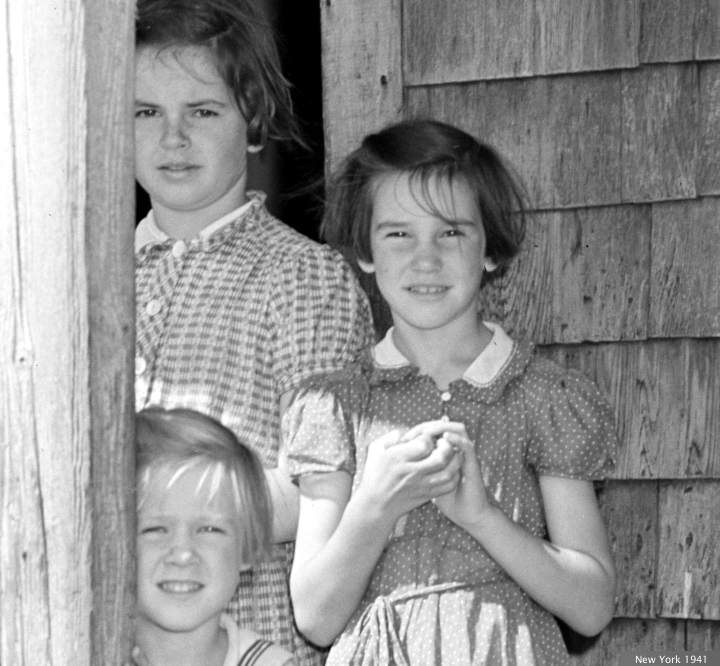
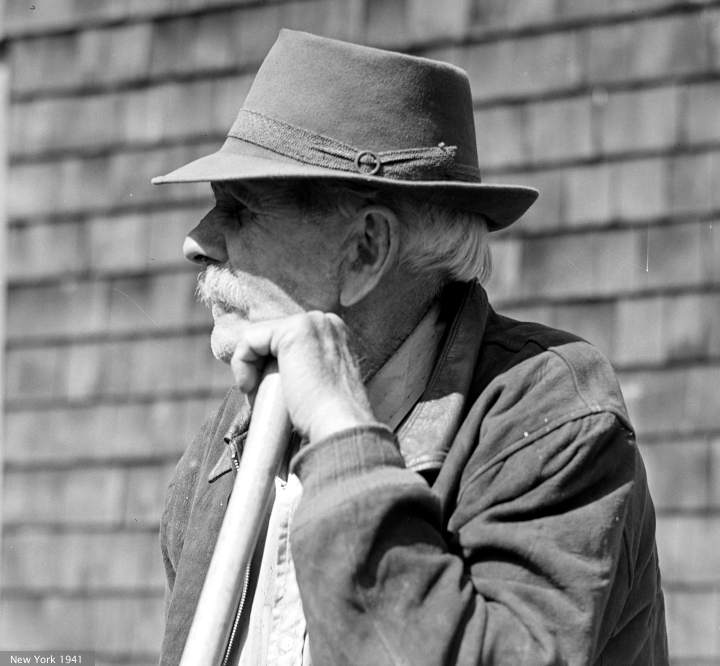
BHO became POTUS on January 20, 2009, and served two full terms. His foreign policy was one of the worst parts of his administration. Israel conducted Operation Pillar of Defense in 2012, and Operation Protective Edge in 2014. Thousands of Gazans were killed, and Israel did not become safer. The dirty war in Syria started under BHO, with Al-Queda as our ally. The Maidan Revolution took place in Ukraine, leading to the current war with Russia. Ukraine was not mentioned on the foreign policy page. … Pictures today are from The Library of Congress. John Vachon took the social media picture in May 1940. “Hands
of old couple and their granddaughter. Hilly Ozark farm country. Missouri” ©Luther Mckinnon 2025 · selah



Tom Watson



This content was published November 15, 2008. … There is a twelve foot tall statue of Tom Watson in front of the steps to the Georgia State Capital. It is on the west side, looking at Central Avenue and Atlanta City Hall. The green metal likeness of Mr. Watson, with his left arm raised in rhetorical combat, has seen many things over the years.
Today, there was a rally for the right of same sex couples to marry. The expression on the statue did not change during the event. One suspects that the anti-Catholic crusader would have been amused by the call for the church to mind its own business. The rally was a happy, friendly event. There have been reports of racial unrest at previous Prop 8 rallies, but that was not seen by this reporter. In fact, the best costume of the day was worn by a black lady. Another black lady spoke, and said “we are not fighting hate, we are fighting ignorance.”
UPDATE: In 2013, the statue of Tom Watson was moved to Georgia Plaza Park. On June 26, 2015, Obergefell v. Hodges was issued. The Supreme Court ruling “requires a state to license a marriage between two people of the same sex.”
Thomas Edward Watson was a piece of work. TEW rose to fame as a Populist politician, fighting for issues that I don’t understand 140 years later. At some point, TEW became a well known hater of Black people, Catholics, and Jews. TEW was a prominent rabble rouser in the Leo Frank case. Later, he opposed the entry of the United States into World War One.
“The test of this belief was not long in coming. Watson’s campaign for reelection to Congress in 1892 was opposed by powerful conservative Democrats who were determined to keep him out of Washington. His district was gerrymandered and his life was threatened; many of his speeches were made from platforms surrounded by armed Populist guards. Because he solicited the black vote and frequently shared the platform with black speakers, he was accused of undermining white supremacy and of being a socialist. When a young black minister supporting Watson was threatened, a call went out to the countryside, producing, as Watson pointed out in an editorial, a spectacle very rare indeed in Georgia, “the sight of white farmers riding all night to save a Negro from lynching.”… During the 1892 campaign Watson published “The Negro Question in the South” in a national magazine, The Arena (October 1892), presenting the Populist view that the ruling elite encourages animosity between the races in order to keep them from joining forces in pursuit of political power; the poor, he said, would be better advised to put class interests above racial interests.”
“Probably more important was his stand against American intervention in World War I, which he blamed on “ravenous commercialism.” He carried on a vigorous campaign against conscription until the U.S. Post Office banned his publications, and he ran unsuccessfully for Congress in 1918 and in the presidential primary of 1920 on a platform endorsing the restoration of civil liberties revoked during wartime and American rejection of the League of Nations. Elected as a Democrat to the U.S. Senate in 1920, he briefly returned to his old ideals, showing support for the Soviet Union and organized labor. He died two years into his term, at the age of sixty-six, of a stroke brought on by severe attacks of bronchial asthma.”
“Not long before the Frank lynching, Watson was calling himself “a red socialist through and through” and risking imprisonment for opposition to U.S. participation in World War I. In terms of the relative importance of the demons that beset his imagination, it was notable that he saved his most violent hostility for … Woodrow Wilson, the “insufferable prig” he viewed as championing the interests of capitalist elites.” … Pictures today are from The Library of Congress. Marion Wolcott Post took the social media picture in May 1939. “Students in typing class in school. Ashwood Plantations, South Carolina” ©Luther Mckinnon 2025 · selah



Turn, Turn, Turn


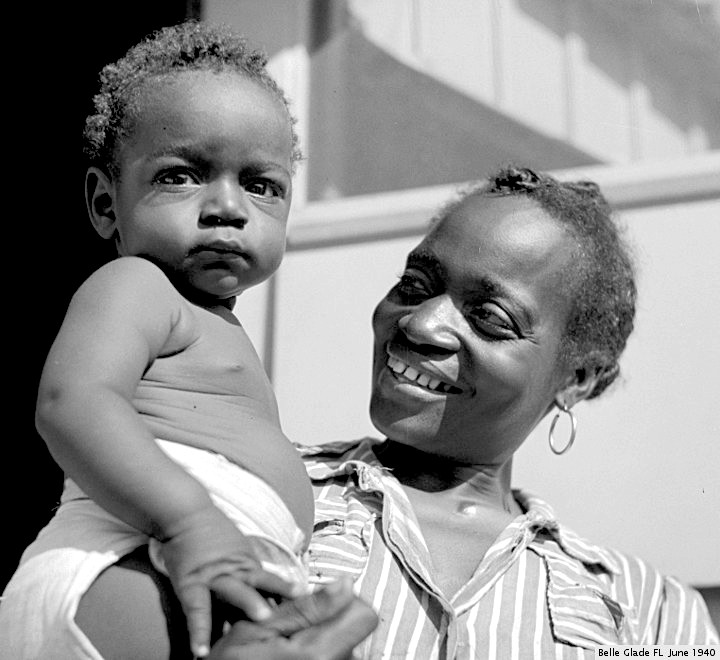
This content was published November 5, 2023. … We are now in a time of war. One side is heavily armed, and slaughters unarmed women and children. The Prime Minister of the heavily armed country uses Ecclesiastes 3:8 to justify mass murder. … I recently published a poem, that includes the line “Ecclesiastical abomination.” When I wrote that, it was just a clever phrase, rhyming with cultural appropriation. In fact, I considered saying cultural abomination/Ecclesiastical appropriation. Now, Bibi Netanyahu has taught me the meaning of Ecclesiastical abomination.
The word Ecclesiastes has a poetic tingle. “Eccy” is in the Old Testament is between the poetry of Proverbs, and the enticements of the Song of Salomon. Richard Brautigan counted the punctuation marks in Ecclesiastes, and found no errors. Ecclesiastes 3 was even the lyrics for a top forty song.
Turn, Turn, Turn is taken almost verbatim from the book of Ecclesiastes. Pete Seeger wrote a melody, and added a line. “There is a time for peace, I swear it’s not too late”. TTT became a hit for the Byrds in 1965, as the escalation of the Vietnam war was in full bloom.
TTT is about the dualities of life, and how there is a place for all these things. When I was collecting rocks from destroyed houses, it was a time to gather stones together. TTT can serve as a companion to the vibrations of day to day living.
Pete Seeger died January 27, 2014. I first heard of him when he was on the Smothers Brothers Comedy Hour. It was during Vietnam, and Mr. Seeger did “Waist Deep in the Big Muddy”. The CBS censors did not allow this the first time he appeared. Many thought Mr. Seeger was talking about Lyndon Johnson when he sang “The big fool said to push on”.
This content was published November 1, 2008. … After finishing breakfast, I made a pot of coffee and went to look at the battery. Prying the cover off with a screwdriver, I saw that there was almost no water inside. I went to the toolshed to get the distilled water, and saw the sun rising over the trees in the backyard. I put three cups of water in the battery, and tried to start the car. The car did not start, but did make more noise than it did last night.
Back to the dialog about war and peace. The only Tolstoy I had read was a short story about a man called Ivan Ilyitch. War and peace are two constants of man’s existence. There had been a feature about W&P in The Aquarian Drunkard. AD is a blog written by a former Dunwoody resident who now exists in LA. The feature focused on Pete Seeger, and the song “Turn, Turn, Turn”. …
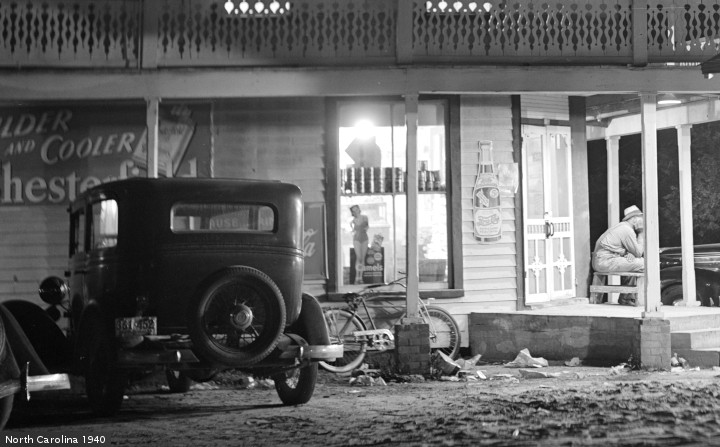
I checked the fishwrapper to see when the Georgia Florida game began. While I was there, I looked in on his other alma mater, Cross Keys High School. CK is riding a 28 game losing streak. Halloween night, they lost to Greater Atlanta Christian 66-7. … This text is written like H. P. Lovecraft. Pictures today are from The Library of Congress. The social media picture is labeled Untitled. It is possibly related to a picture taken by John Vachon in March 1943. “Greenville, South Carolina. U.S. Highway 29 seen from an Associated Transport Company truck” ©Luther Mckinnon 2025 · selah
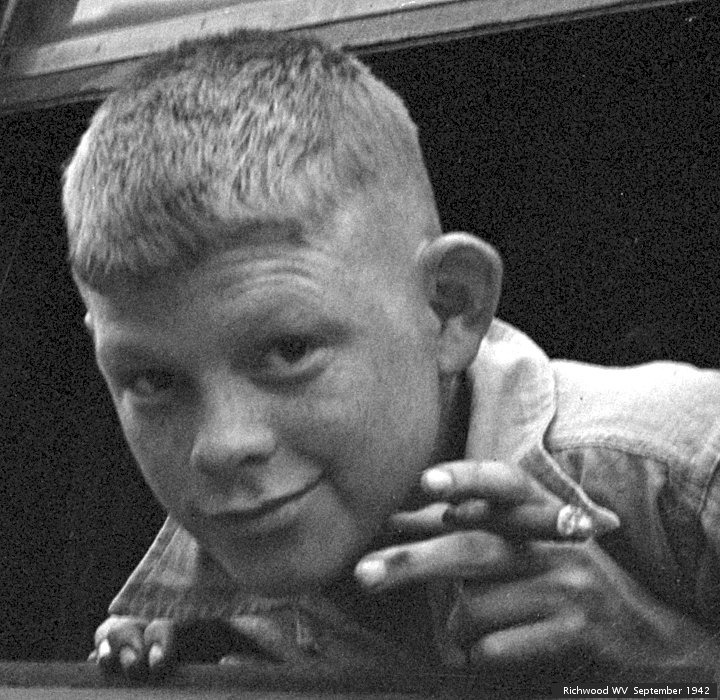


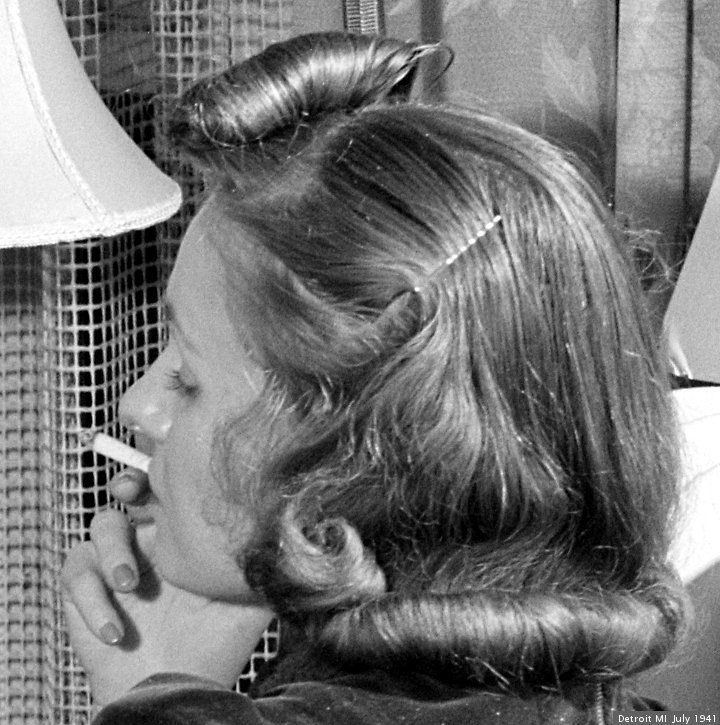
Did Socrates Read And Write?



This content was posted November 21, 2024. … This story starts with a facebook meme. A fbf posted a picture of a thoughtful statue. The text read ‘When the debate is lost, slander becomes the tool of the loser.’ Socrates. I thought that Socrates never wrote anything that survived. All of what we attribute to Socrates was written by Plato. People reading this blog should know what happened next.
Did Socrates Say Slander Is ‘The Tool of the Losers”? is one of several results. They all said the same thing … the quote is bogus. A tweet from Eric Trump is not evidence of authenticity.
I began to think, which is never a good sign. Was Socrates able to read and write? was on the screen a few minutes later. The speculation is mixed. Some say that that Socrates was stone illiterate.
Thomas Musselman “Socrates served in the government on juries. Historians now know that legal proceedings were common over business matters of great sophistication and that the juries were well-educated concerning such matters. General literacy existed by the late 400s BC for the general public in primary school. Upper class males even in Socrates’ day would have been literate and there was an active book-seller market. To function in the world that Socrates functioned in required literacy.”
Google turned up a curious document. It is a passage written by Plato, “Phaedrus.” Pp. 551-552 in Compete Works. An Egyptian God is talking to a King, about an invention … writing.
“In fact, it (writing) will introduce forgetfulness into the soul of those who learn it: they will not practice using their memory because they will put their trust in writing, which is external and depends on signs that belong to others, instead of trying to remember from the inside, completely on their own. You have not discovered a potion for remembering, but for reminding; you provide your students with the appearance of wisdom, not with its reality. Your invention will enable them to hear many things without being properly taught, and they will imagine that they have come to know much while for the most part they will know nothing. And they will be difficult to get along with, since they will merely appear to be wise instead of really being so.”
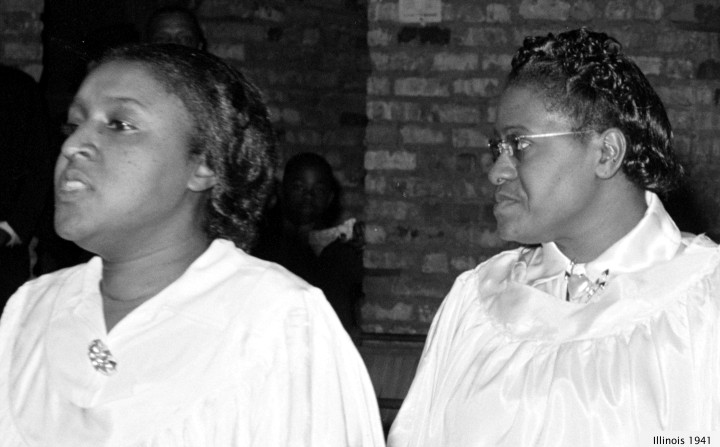
SOCRATES: “But, my friend, the priests of the temple of Zeus at Dodona say that the first prophecies were the words of an oak. Everyone who lived at that time, not being as wise as you young ones are today, found it rewarding enough in their simplicity to listen to an oak or even a stone, so long as it was telling the truth, while it seems to make a difference to you, Phaedrus, who is speaking and where he comes from. Why, though, don’t you just consider whether what he says is right or wrong?” … Pictures for our Chautauqua are from The Library of Congress. Russell Lee took the social media picture in April 1941. “ “Storefront” Baptist church during services on Easter morning. Chicago, Illinois” ©Luther Mckinnon 2025 · selah





Joni Mitchell Smoking



Yesterday I posted a birthday tribute to Joni Mitchell. In the late stages of the vetting process, the thought occurred to me: What brand of cigarette did she smoke? The AI overview mentions American Spirit, and Camels. American Spirit came on the market in 1982. Joni started her habit in 1952, so she was a Camel girl for 30 years.
In 1991, Joni had a new album to promote. The Telegraph helped out with a “puff piece”, THE FLOWERING OF JONI MITCHELL. “Even the cigarettes she smokes are particular. They are called American Spirit, and come in a sky blue pack, and they say a lot about Joni Mitchell. For these are truly designer cigarettes, free of artificial additives, expensive. Mitchell volunteers the long and detailed explanation of the true smoking aficionado: ordinary cigarettes contain saltpetre which makes them burn down quicker; these cigarettes last longer, but you still have all that addiction-quenching nicotine.” (American Spirit might not be that healthy after all.)
“… Even as the last plume of blue smoke from one cigarette is melting in the air, she is relighting another. One sees in this a small, but telling gesture of defiance. In California, smoking is regarded with the puritanical disdain of a social disease; Joni Mitchell — for many, the very personification of a certain Californian way of life (although she is actually Canadian) — doesn’t care.”
The Telegraph published Joni Mitchell: still smoking on October 4, 2007. “’I’ll try not to kill you with secondary smoke,” says Joni Mitchell, as she lights up at the table. The great Canadian singer-songwriter likes her cigarettes, and, at 63, nothing is likely to persuade her to stop smoking now. … “It’s one of life’s great pleasures,” she says, mischievously revelling in political incorrectness as she exhales a small cloud through wide nostrils. …
Mitchell’s speaking voice is a little husky, and her singing voice has noticeably altered over the years, losing the high end and modulating into a sensuous alto, but she blames age rather than tobacco. “I have smoked since I was nine, so obviously it didn’t affect my early work that much.” … And then she diverts into a rambling reminiscence of childhood in the remote farming community of Saskatoon. “I would grab my tobacco and get on my bike, looking for a beautiful place, a grove of trees or a field, and go amongst the bushes and smoke and that always gave me a sense of well being.”
On June 21, 2012, My cigarettes, my self, by Joanne Laucius, appeared in the Ottawa Citizen. “Songstress Joni Mitchell has often been photographed with a cigarette in her hand. Women artists and writers have used cigarettes to define themselves. “It is not by chance that Joni Mitchell adopted cigarettes as integral to her artistic integrity,” says historian Sharon Anne Cook in Sex, Lies, and Cigarettes, a new book about women and smoking. …
Mitchell appeared on the cover of her 1976 album Hejira with a cigarette. She has often been photographed with a cigarette in hand and interviewers often mention Mitchell chain-smoking. In a 1995 Vogue article, the writer noted there were two packages of cigarettes on the table “that (Mitchell) makes her way through with Bette Davis speed.” A reporter at The Independent noted in 1994 that when Mitchell’s left hand stubbed out one cigarette, her right hand was lighting the next one.”
“Concern for Mitchell’s health unfortunately seems warranted. She’s a life-long smoker (although apparently she now smokes e-cigarettes instead) who contracted polio as a child, struggles with a weird skin condition called Morgellons Disease, and in 2015 survived a brain aneurysm from which she’s never fully recovered, making it difficult for her to walk.” … Pictures today are from The Library of Congress. John Vachon took the social media picture in March 1941. “Men eating at Salvation Army. Newport News, Virginia.” ©Luther Mckinnon 2025 · selah


Joey Ramone


This content was published October 13, 2024. … I Slept with Joey Ramone is the story of a six foot five geek, who was only good for singing gabba gabba hey. Jeffrey Ross Hyman had issues. Aside from his goofy appearance, Jeff had severe OCD. He would injure his foot bad enough to require several hospitalizations. Somehow, Jeff got to play in some bands, going glitter as Jeff Starship. Eventually, Jeff Hyman, John Cummins, Douglas Colvin, and Tommy Erdelyi became Joey, Johnny, Dee Dee, and Tommy Ramone. Music was never the same.
ISWJR was written by Mitchel Lee Hyman, Jeff’s younger brother. His stage name was Mickey Leigh. Mickey was the first roadie for the Ramones, and will always be in his brother’s shadow. The two had an intense relationship. Jeff and Mitch went from being best friends to mortal enemies. This sibling rivalry is a key part of the story. The book, despite the commercial title, is about Mickey as much as Joey. The subtitle is “A punk rock family memoir.”
Mickey Leigh is still alive. The co-author is Legs McNeil, who assembled Please Kill Me. ISWJR is told through Mickey’s eyes. It is uncertain what role Mr. McNeil played. Some say that Mickey Leigh could not type a page of text if his life depended on it.
PKM was an “oral history of punk rock,” meaning they taped a bunch of people talking. Mickey was one of the talkers, and Joey was not happy with what Mickey said. Another voice tells about Dee Dee Ramone falling on the sidewalk outside CBGB. Dee Dee said it was not a good idea to get hit in the head when you were drinking… it might cause brain damage. That is not an exact quote. Dee Dee Ramone did not “just say no.”
The Ramones made their fifteen minutes last for twenty years. They went down to the Bowery, and found this bar called CBGB’s. The owner kept his dog inside, and dog shit was everywhere. The Ramones got a following, a record contract, did tours, recorded albums, became sort of famous, started a movement (other than the bar dog’s bowels,) but never had a hit record. This lack of commercial success was highly annoying.
The first taste of big money was Budweiser using “Blitzkrieg Bop” in a commercial. Mickey played an uncredited part in the song. When the Budweiser money started to roll in, Mickey was struggling to pay the rent. Mickey tried to get some money out of the band, which refused. This caused many years of Joey and Mickey not speaking.
For a while the boys in the band (pun intended, at least for Dee Dee) were pals. Then Joey had a girlfriend, Linda. Johnny stole Linda from Joey. Johnny and Joey hated each other from then on. Johnny was always a bit of an asshole, as was Joey. At some point, Tommy had enough, and was replaced by Marky. He drank his way out of the job, and was replaced by Richie.
In 1983, The Ramones played at the Agora Ballroom in Atlanta. I was in the audience. By this time, the Ramones had been going on for nine years. They were not the next big thing anymore. Somebody played a tape of cheesy Coney Island music, and the band came on stage. Joey hunched over the microphone, tapped himself on the head with a baseball bat, and the band did “Beat on the brat.” The band went through the motions, playing another show, probably identical to every other Ramones show ever played. Punk rock just was not trendy anymore.
It was an all ages show. If you wanted to drink, you had to go up to the balcony. You were on your own going down the stairs. Downstairs was full of young people, many in costumes, having a hot time. The balcony was the same rock and roll drunks that were at every show ever produced.
ISWJR does not have a happy ending. Joey had health problems throughout his life. Being a drunken-coke-freak rock star did not help. He came down with Lymphoma, and was starting to do ok. Then, Joey fell and broke his hip, and they had to adjust his medication. Soon, the cancer was back with a vengeance. Joey and Mickey called a truce to their squabbling before Joey died April 15, 2001. Dee Dee and Johnny quickly followed. The Ramones would have been a great oldies band, if only.
Pictures today are from The Library of Congress. Marion Post Wolcott took the social media picture in June 1939. “Two of Pauline Clyburn’s children, rehabilitation borrowers, Manning, Clarendon County, South Carolina” ©Luther Mckinnon 2025 · selah



Oscar Wilde


October 16 is Oscar Fingal O’Fflahertie Wills Wilde’s birthday. On that day in 1854, he appeared in Dublin, Ireland. Oscar is one of the most widely quoted people in the english language. Some of those quotes are real. Since Oscar was a published author, it should be easy to verify what he really said.
One night in 1974, I was talking to someone, and did not know who Oscar Wilde was. The man was horrified. I quickly got educated, and learned about a misunderstanding with the Marquess of Queensberry. Soon the “Avenge Oscar Wilde” signs made sense.
Mr. Wilde once made a speaking tour in the United States. One afternoon the playwright met Walt Whitman. Thee and thou reportedly did the “Wilde Thing.”
The tour then went to Georgia. A young black man had been hired as a valet for Mr. Wilde on this tour. On the train ride from Atlanta to Columbus, some people told Mr. Wilde that he could not ride in the same car as the valet. This was very confusing.
After his various legal difficulties, Oscar Wilde moved to Paris. He took ill, while staying in a tacky hotel. Oscar looked up, and said “There is a duel to the death between me and my wallpaper. One of us must die. It will be him or me.” (« — Voyez-vous, ma chère enfant, me disait-il, il y a un duel à mort entre moi et mon papier de tenture. L’un de nous deux doit y rester. Ce sera lui ou ce sera moi. ») Soon, Oscar Wilde passed away.
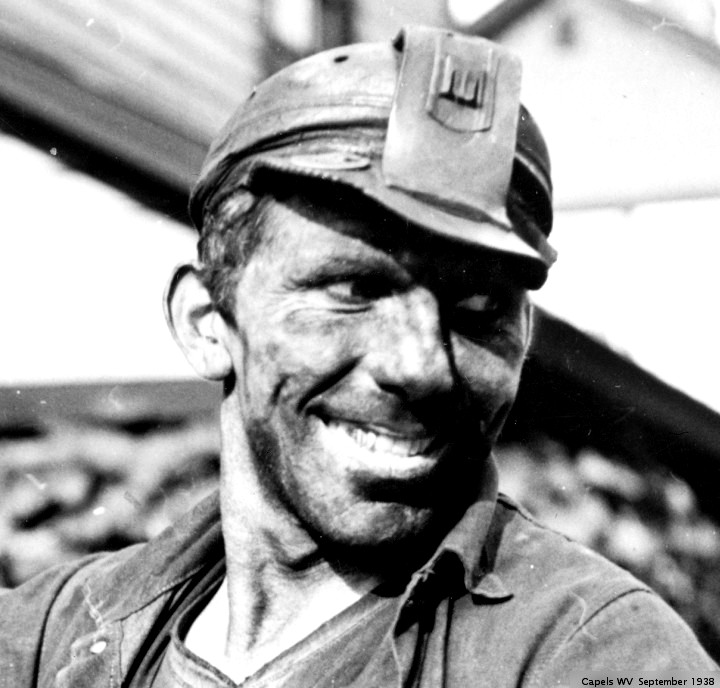
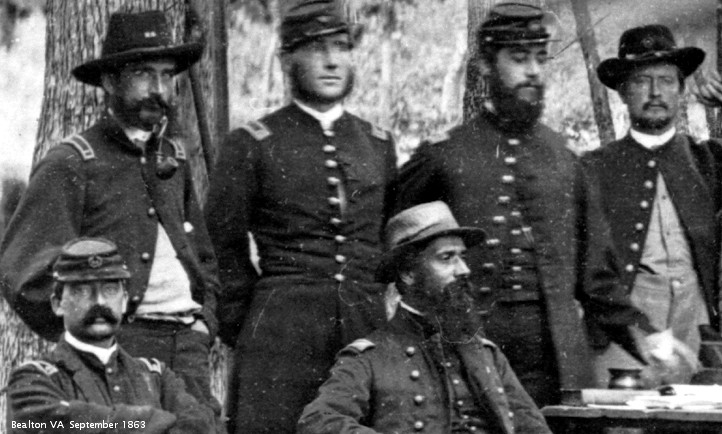
This birthday celebration is a repost, with pictures from The Library of Congress. Marion Post Wolcott took the social media picture in September 1938. Coal miner (Polish). Capels, West Virginia.” ©Luther Mckinnon 2025 · selah


Tasteful Stories


This content was posted October 30, 2012. … The Memory Palace is a source of entertainment. The stories are based on history, and are likely to be true. Maybe they are plugged into The Akashic Record, the eternal archive of everything ever said and done. According to Guglielmo Marconi, the inventor of radio, everything ever said still exists.
In 1915, after the Titanic, laws were passed requiring sufficient lifeboats. A boat on Lake Michigan was retrofitted with these life saving facilities. The only problem was, the boat was not designed to have the extra weight on the top deck. It capsized, and over eight hundred people drowned.
Jenny Lind was the vocal superstar of her era. Today, she is lost to history. None of her performances were recorded, because records had not been invented. Another forgotten star is Sarah Bernhardt. Tom Waits tells a story about her. Late in her career, she had a leg amputated. P.T. Barnum got the leg, put it in formaldehyde, and displayed it. The leg made more money than Sarah Bernhardt did.
Perhaps the most tasteful of the stories is about Lewis Keseberg. By all accounts, he was a drunk with a nasty temper. This does not mean that he was a cannibal.
Mr. Keseberg was going to California in 1847. The wagon train got stuck in the mountains. When Mr. Keseberg was rescued, the story spread that he had killed, and then eaten, Tamsen Donner. This reputation made the rest of his life difficult.
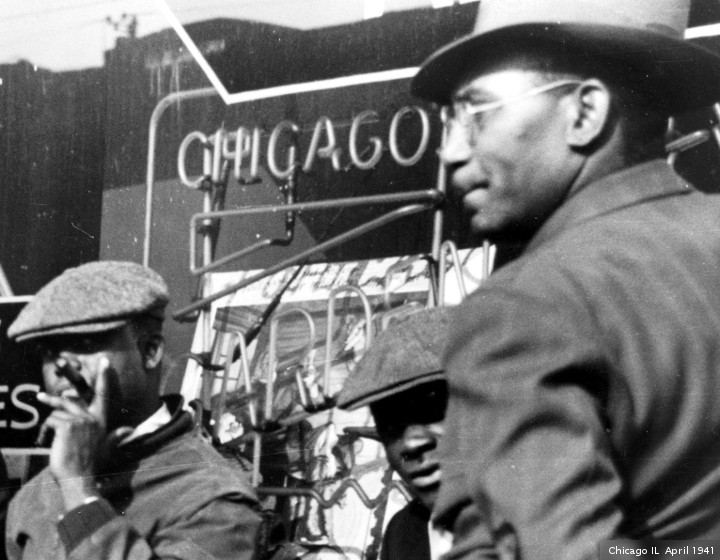
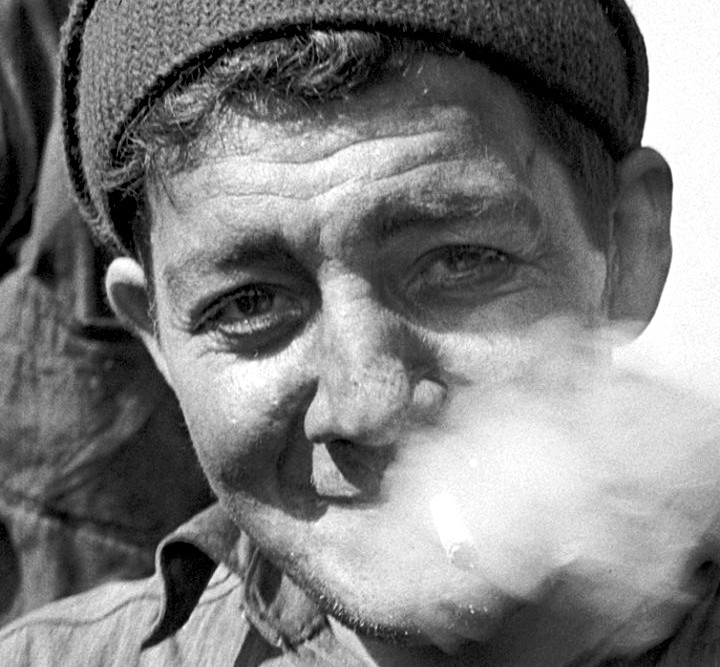
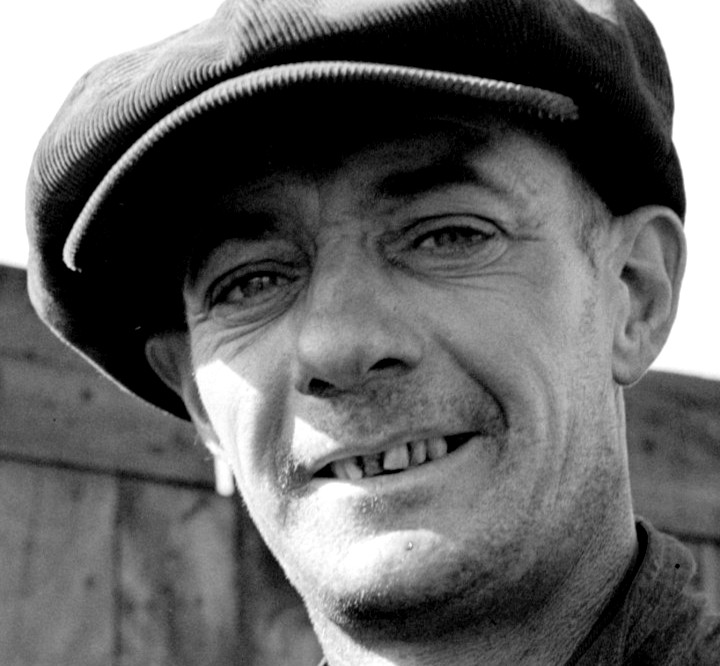
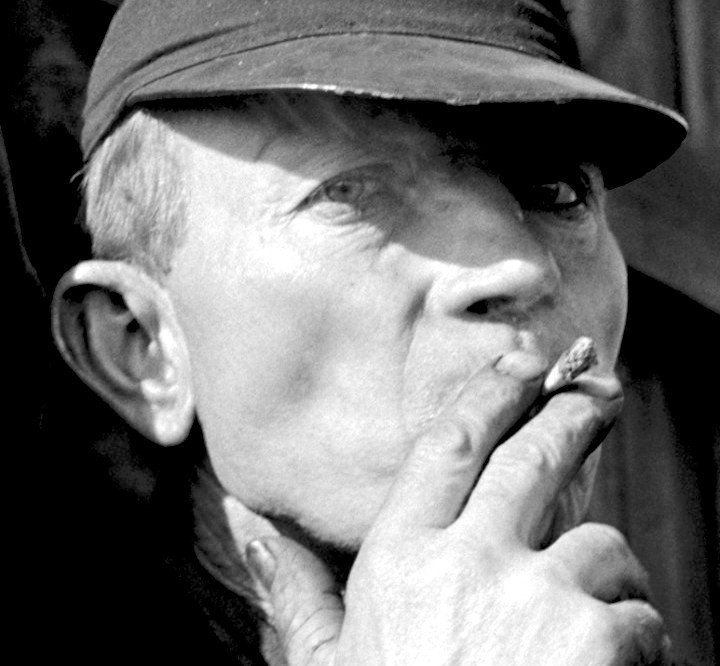
While I was listening to these stories, a remarkable collection was coming to life. The pictures were from the Farm Security Administration collection, at The Library of Congress. The photographs were taken in October, 1941, by John Collier. A typical caption is French-Canadian stevedores. Oswego, New York. These men unloaded cargo at a port on Lake Ontario.
The term stevedore is seldom heard today. I read it in Mad magazine as a kid, and have not seen it since. Container ships have made the job all but obsolete. The always tasteful Urban Dictionary adds:
“Literally “one who stuffs”. Originally referred to longshoremen or cargo workers in the maritime industry since before the industrial revolution. Nowadays in common usage it describes someone who swears profusely or who garners a lot of poon tang.”



October 7, 2025







Today is the two year anniversary. I learned about the tragedy from a @JDVance1 tweet: “Praying for our friends in Israel this morning. Just an awful situation.”
As the scope of the tragedy became apparent, I knew two things. One, Israel would exponentially over-retaliate, killing thousands of Palestinians for every Israeli that died. (In my wildest conspiratorial imagination, I would not have thought that Israel would kill hundreds of its own citizens.) Two, there was going to be a tsunami of toxic rhetoric. Israel has known how to play to American public opinion for a long time. This second aspect of this calamity is what today’s post will focus on. Specifically, “Dave Smith vs. Coleman Hughes Debate: Israel and U.S. Foreign Policy.”
Coleman Cruz Hughes supports Israel. Dave No-Middle-Name Smith supports the Palestinians. CCH has been critiqued at chamblee54 before. 010224 030324 In case you have any doubts, I should state upfront that I am on team Dave here. There will be no attempt at being fair. If you want to see pro CCH commentary, look to any x discussion of this event.
The concept of these discussions being a smackdown sport is “part of the problem.” Gotcha mongering takes the place of thoughtful discussion. People make points that appeal to their buddies, and do not address the concerns of those on the “other side.” The rhetoric from CCH displays many of the bad faith tactics that Hasbara is known for. This post will focus on two examples.
I did not listen to very much of the CCH-DS smackdown. My phone was acting up, and switching to other shows without warning. When I returned to CCH-DS, I would skip over large parts of the show. Finally, after the second incident, I grew weary of the entire affair.
The first incident took place early in the show. CCH was discussing the reasons for the 9/11 attack, specifically the fact that Arabs were offended at American troops in the Islamic holy land of Saudi Arabia. CCH mentioned that South Korea was not offended at the presence of US troops in their country … an apples to oranges comparison. This is a tactic of bad faith argument: to make any possible argument you can, never mind that it usually is not relevant to the discussion.
Somehow, this led to a discussion of terrorism. ”DS – There were Irish terrorists. There were Jewish terrorists. Uh, of course, as you know, in the leadup to the creation of the state of Israel. … CCH – Those were local ethnic disputes between the Irish and the British, between the Jewish and the Palestinians. What justifies going abroad, flying planes into buildings thousands of miles away … “
There was Zionist terrorism after the end of World War II, and the creation of the State of Israel. The British governed Palestine at the time. The Zionist terrorism was directed at the British authorities governing Palestine, as well as the Arab population. This was the same time as the Nakba, which was a “local ethnic dispute”. Maybe that is what CCH meant.
This is a bad faith tactic. Flood the playing field with dozens of details. Some of them are going to be either misleading, or outright lies. It is impossible to respond to all the details being raised.
The other incident concerned the role of “the Israel lobby” in the decision to invade Iraq in 2003. CCH brought up a book by John J. Mearsheimer. CCH claims to have read the book, and was not persuaded. We have to take CCH’s word on having read the book.
CCH went into a monolog about how much money TIL had actually spent. “During the entire George W. Bush administration, the Israel lobby spent $17 million lobbying Congress. Now, that might sound like a lot to me or you. It is absolute chump change on the scale of uh domestic lobbying. To put it in perspective, the tobacco lobby spent $200 million, so more than 10 times that amount over the same time period. And they couldn’t even stop Congress from passing a federal tax hike on cigarettes in 2009. Now during the Obama era, the Israel lobby spent 30 million and they were outspent by the dentists. The dentist lobby spent 32 million. This is all according to OpenSecrets.org which is usually the standard source people go to for such figures.”
My gut sense is that this is a distraction. There may be other ways to measure the influence of TIL than the amount of money they spend on lobbying congress. Or maybe not. If you google “How much did the Israel lobby spend lobbying congress in 2003?”, you are directed to a chart from OpenSecrets. “$1,500,000 Total Spent on Pro-Israel, 2003” Is this the total, or there is more that we don’t know? I honestly don’t know, but don’t trust the way CCH is throwing this out.
When I heard CCH say that Dentists spent more on lobbyists than Israel, I decided I had heard enough. Technically, on some level CCH may be correct on some of his points. However, I just don’t trust him. I wonder how many minds are going to be changed by this discussion. The initial reaction on x was that CCH “won”. However, in the last day or so I am seeing more people who agree with DS. It will probably boil down to people agreeing with who they agreed with going into the debate.
There was a controversial discussion of the “clean break” strategy, which I missed entirely. DS has released an episode of his own show, Part Of The Problem, that deals with this. I have not listened to this episode of POTP.
Pictures today are from The Library of Congress. John Vachon took the social media picture in January 1941. “Steelworker at grievance committee meeting. Steelworkers organizing committee office. Aliquippa, Pennsylvania” ©Luther Mckinnon 2025 · selah







West Bank Horror


This content was published September 29, 2010. … There is much hand wringing about Israel, Palestine, and the Peace Process. (That is a sentence you can use at any time. These things too shall pass away.) … A lot of this chatter misses the point. They talk about a threat to Israel, if this or that happens. There are several things wrong here. To begin with, Israel has the unquestioning support of the United States. The PR battle in the USA is the most important fight Israel has.
A “freeze” in building settlements ended recently. The word settlement is so antiseptic and painless. Settlements are not built on empty land. The people living on the land were evicted, and their homes destroyed. As Juan Cole tells the story: “The poor Palestinians of East Jerusalem have few assured human or civil rights. Anyone may do anything to them at any time, and they have little recourse. They can be thrown out of property they legally purchased after 1948, and made to live in tents in front of their former residences; and then the tents can be demolished by Israeli police. Aggressive, larcenous Jewish squatters continually attempt to effect a slow-motion ethnic cleansing of the Palestinians, using fraud and sometimes force.
The 55,000 Palestinians of the Silwan area (formerly a village but now annexed to Jerusalem) are mad as hell and not going to take it any more. Three hundred militant settlers have been inserted in their midst on the basis of some fable that a legendary King David dwelled there in the 10th century BC (Archeology has found Jerusalem largely uninhabited in that period and has never found firm evidence of a Jewish kingdom during that era or even that a David or Solomon existed; they are not mentioned in contemporary Assyrian sources).
It is as though hundreds of armed men showed up in front of your house and demanded you take your family and leave and give it to them because their ancestor was a king and he is buried deep under its foundations. But you have the same ancestors that they do! (Jerusalem was founded some 5000 years ago by the common ancestors of most Jews and Palestinians).”
Apparently, this has gone on since 1948. An article about Israeli Author Gideon Levy tells the story of his father, who left Germany in 1939, and wound up in British Mandate Palestine. His father was traumatized by the experience of being a refugee. “Levy’s father never saw any parallels between the fact he was turned into a refugee, and the 800,000 Palestinians who were turned into refugees by the creation of the state of Israel. “Never! People didn’t think like that. We never discussed it, ever.”
Yet in the territories, Levy began to see flickers of his father everywhere – in the broken men and women never able to settle, dreaming forever of going home. Then, slowly, Levy began to realize their tragedy seeped deeper still into his own life – into the ground beneath his feet and the very bricks of the Israeli town where he lives, Sheikh Munis. It is built on the wreckage of “one of the 416 Palestinian villages Israel wiped off the face of the earth in 1948,” he says. “The swimming pool where I swim every morning was the irrigation grove they used to water the village’s groves. My house stands on one of the groves. The land was ‘redeemed’ by force, its 2,230 inhabitants were surrounded and threatened. They fled, never to return. Somewhere, perhaps in a refugee camp in terrible poverty, lives the family of the farmer who plowed the land where my house now stands.”
Many of those 800,000 wound up in the Gaza Strip. Their ancestors make up a large part of the population of Gaza. Mr. Levy tells another story. … “During Operation Cast Lead, the Israel bombing of blockaded Gaza in 2008-9, “a dog – an Israeli dog – was killed by a Qassam rocket and it on the front page of the most popular newspaper in Israel. On the very same day, there were tens of Palestinians killed, they were on page 16, in two lines.” … Sixteen years later, Gideon Levy is still at it. @gideonle “Israel has no place at Eurovision while committing atrocities in Gaza.”
But, morality aside, is this cruelty hurting Israel? Not on some esoteric level of the soul of the country, but on a practical level of survival. A blog called Unqualified Offerings makes a case that Israel has a long term plan to control the territories west of the Jordan River, and that they are winning. Israel is in a military position of strength, and might makes right. “Viewed institutionally and leaving moral questions aside, it counts as a triumph of grand strategy. Israel bought off Egypt with Egypt’s own territory. It convinced Jordan to bow out, and plain beat Syria like a rodeo clown. Lebanon could be broken any time and was, and the Lebanese were always falling all over themselves to help.
At this point, Israel has also destroyed the ability of the Palestinians to mount any consequential resistance of their own. Just as Hezbollah couldn’t occupy a single Israeli exurb in a trial of a thousand years, no Palestinian organization can stop Israel from planting its flag on any particular spot of the West Bank for so much as a week … Any large, political-military enterprise is going to have its ebb and flow. The Israeli conquest and consolidation of what we still quaintly call “the Occupied Territories” has involved tactical setbacks, occasional overreach and strategic withdrawals. The trick is not to get caught up in that. The long view is, Israel wanted control of all the territory west of the Jordan, Israel got control of all the territory west of the Jordan, Israel continues to cement its control over all the territory west of the Jordan. Everything else is details.
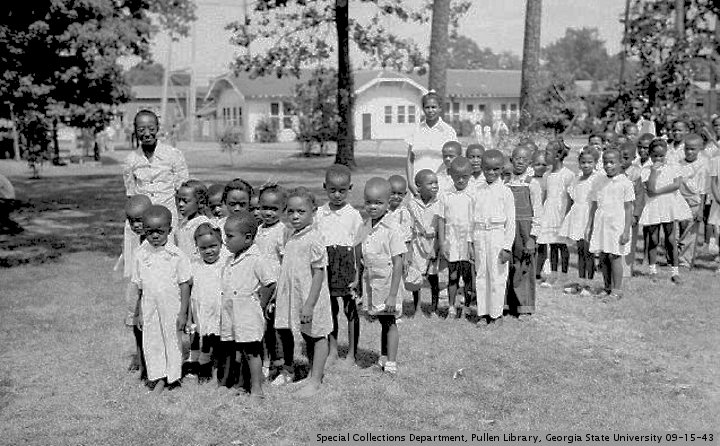
Turkey is not going to war for the Freedom Flotilla. It took all of a day for the United States to conclude a deal whereby Israel gets to investigate itself. The Iranians are either not trying to get nukes, or if they do get nukes will be very careful with them. The Iranians will fuck you up, but never at any substantial cost to themselves. Israel can levy a substantial cost on Iran any time it wants. The Palestinians can’t do more than annoy and neither can Hezbollah. On the other side, frequently foreigners make sad faces. I am thinking that Israel counts this among the acceptable costs.” … Pictures today are from Special Collections and Archives, Georgia State University Library. The social media picture was taken September 15, 1943. “Celebrations around the awarding of a 1943 Army Navy E Award to the Avondale Mills, Sylacauga, Alabama. This photograph is of a group of very young African-American children.” ©Luther Mckinnon 2025 · selah



 Chamblee54
1 comment