Millard Fillmore And Oscar Wilde In Atlanta



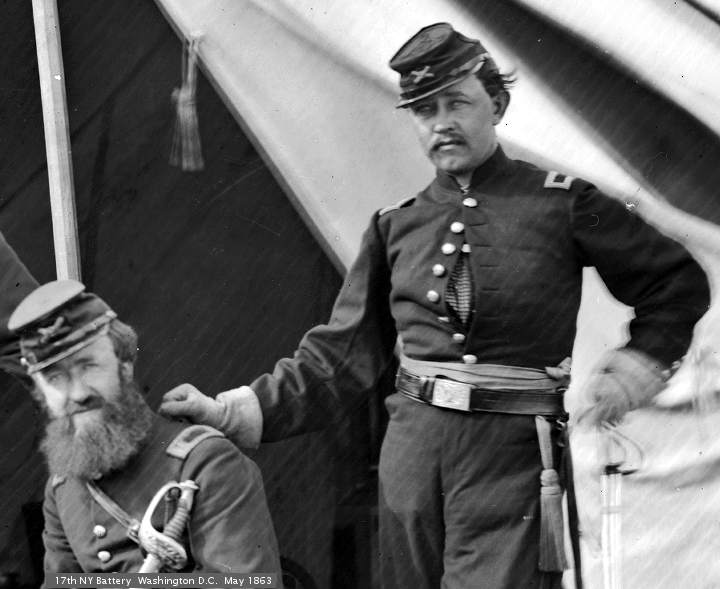
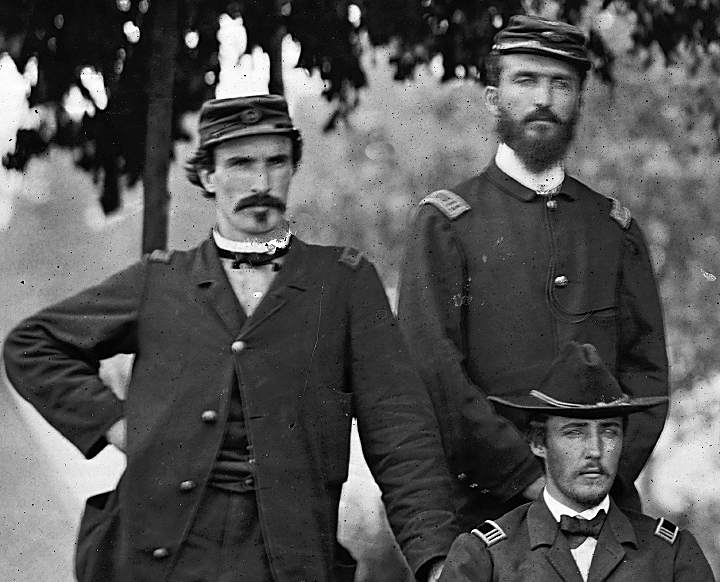

This afternoon’s post at chamblee54 noted an 1854 visit by former President Millard Fillmore. This was brought to the attention of another history minded blog, Millard Fillmore’s Bathtub. The result was some details about the visit, Millard Fillmore, live on Peachtree Street, 1854. The material below is borrowed from that post.
Two years after the Whigs refused to nominate Fillmore for a term of his own, he was out touring the country? Several accounts explain that Fillmore and his wife Abigail wanted to tour the U.S. after his presidency. Unfortunately, she died shortly after he left office. He pined through the rest of 1853, but by February 1854 had decided to tour by himself, without his children, accompanied by friends he could persuade to join him.
That same month, Fillmore decided to take the trip southward that he and Abigail had not been able to take. Given the timing, some observers believed that Fillmore had a political motive in making the journey. They suspected that he might be planning to speak out against the Nebraska Bill [proposed by Illinois’s U.S. Senator Stephen A. Douglas]. Others were convinced that it was a leisure tour. But whatever Fillmore’s intentions may have been, his speeches to southern audiences were relatively neutral. He restated his faith in the [Missouri] Compromise, but he spent mos tof his time enjoying a series of receptions, dinners, and parades in his honor throughout the region. A marching band escorted him through the streets of Louisville, Kentucky. Girls scattered his path with flowers in Montgomery, Alabama. A row of trains blew their whistles in greeting in Atlanta, Georgia. Fillmore returned home refreshed and with renewed faith in his fellow Americans. (This paragraph is from Alison Behnke, Millard Fillmore (a child’s history of the man), 2005, page 92.)
By late February 1854 Fillmore had resumed his plans to travel. He perceived that a southern trip would do him good and that the journey would divert his mind from the loss of Abigail. … Fillmore hoped Francis Granger, John P. Kennedy, and Washington Irving would go with him on the trip. Granger lost interest, and Irving was in no mood for politics. …
En route to Atlanta from Augusta on the Georgia Railroad, they stopped at Greensboro where a large crowd of teachers and students of the Female College greeted Fillmore and Kennedy. They dined at Madison. At Stone Mountain an escort committee from Atlanta met them.
At the Atlanta Depot a novel reception welcomed them. A large number of locomotives were present with their steam up. When the Augusta engineer signalled their arrival they all opened up their valves and whistled out a welcome the like of which, reported a newspaper, “no mortal man had heard before.” The shouts from the crowd and locomotive whistles were deafening to one reporter. By carriage the party went from the depot to the Atlanta Hotel where a reception was held.
Fillmore had become hoarse. Nonetheless, he managed to say that he was impressed by the large population and that he had heard that it was a beautiful village in the center of the state. He also admonished the state legislature to to take note “of the array of female loveliness before me” seated at the reception. If they did so, he joked, they wouldn’t hesitate to locate the state capital at Atlanta. At that time the capital was at Milledgeville. Atlanta became the capital in 1877. (This section is from Robert J. Scarry, Millard Fillmore, 1982, pages 247-252 variously.)
A few months later, on October 16, 1854, Oscar Fingal O’Flahertie Wills Wilde was born in Dublin, Ireland. On July 4, 1882, Mr. Wilde gave a talk at De Give’s Opera House in Atlanta GA. What happened next is described on page 201 of Oscar Wilde by Richard Ellmann.
Mr. Wilde was accompanied by his agent, J.S. Vail, and a valet, W.M. Traquair. Mr. Vail bought three train tickets for Savannah, the next stop on the tour. The Pullman agent told Mr. Wilde that black people were not allowed to ride in sleeper car berths. Mr. Wilde said that Mr. Traquair had traveled with him throughout the South without incident. The Pullman agent said the next stop was in Jonesboro GA. If people in Jonesboro saw a black man in the car, then they would attack the train. Mr. Wilde gave in, and Mr. Traquair traveled inanother part of the train.
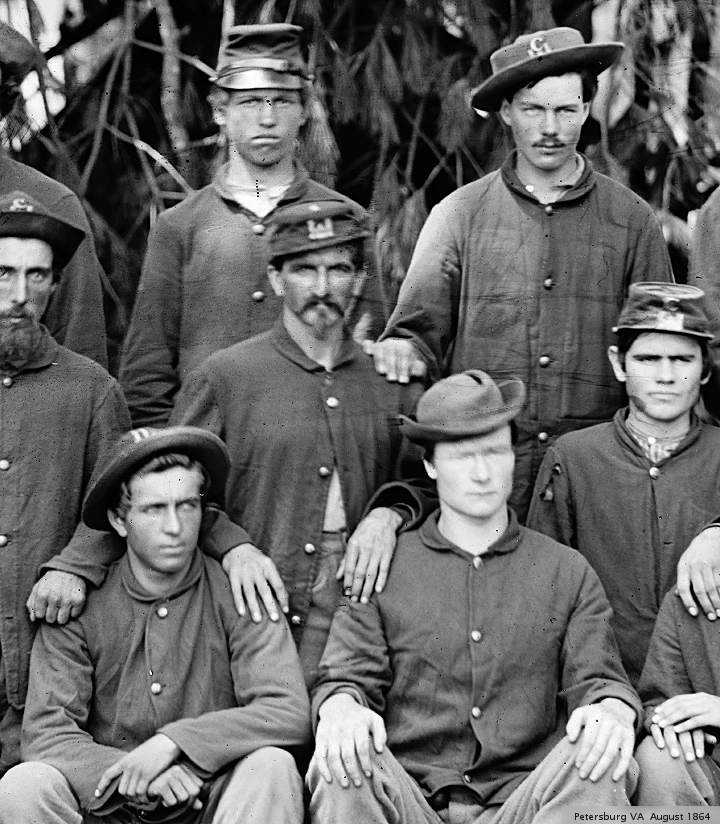
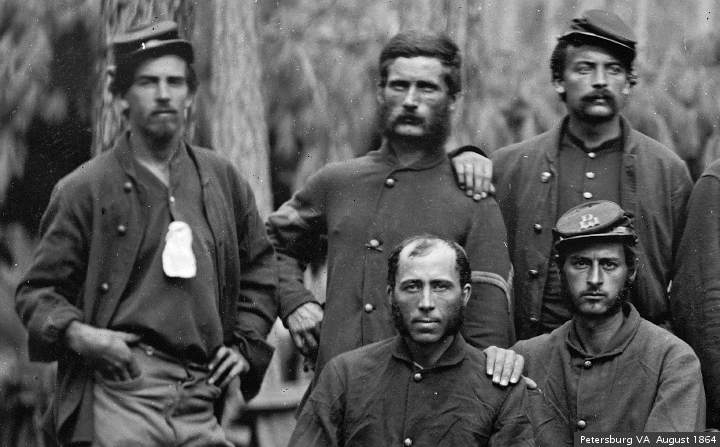
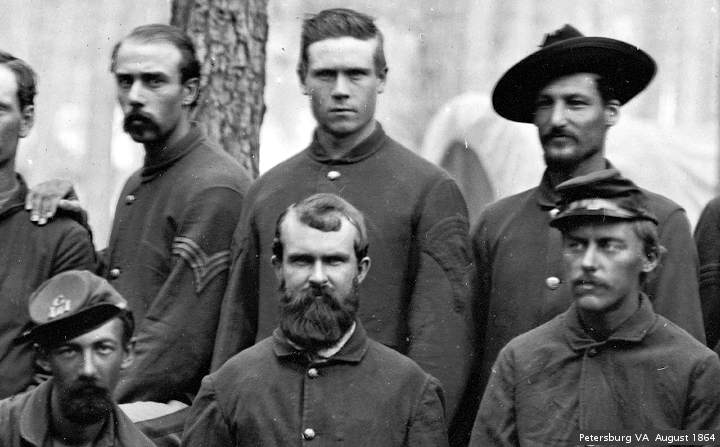
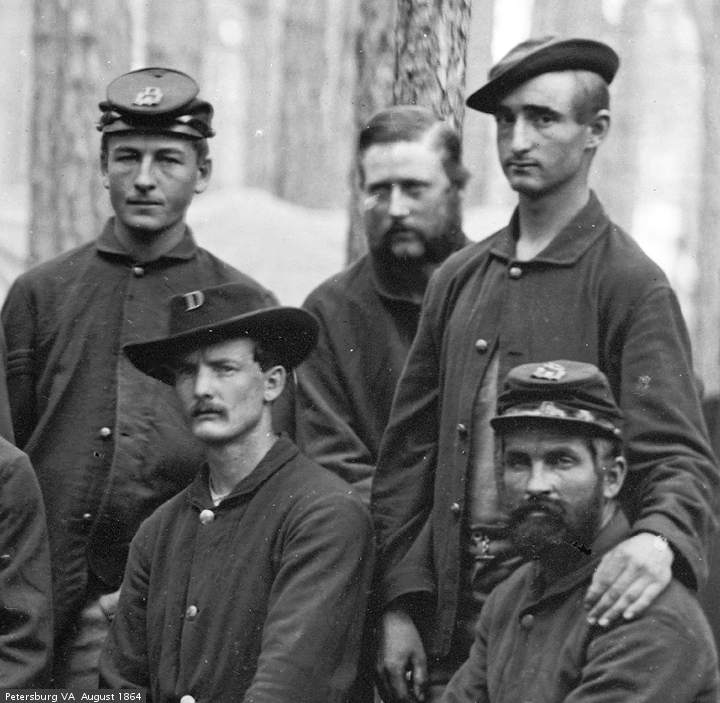
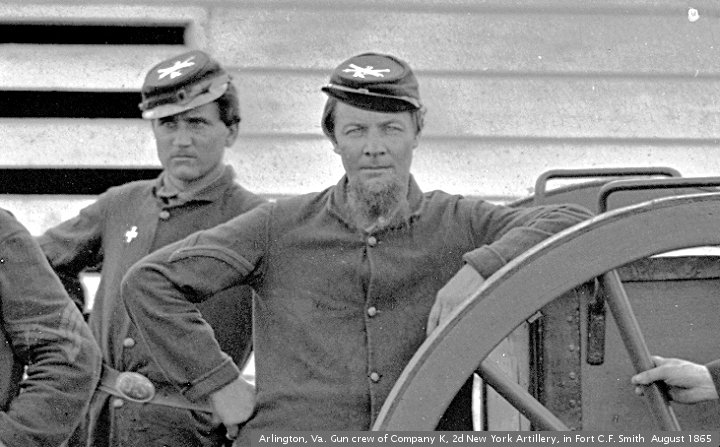
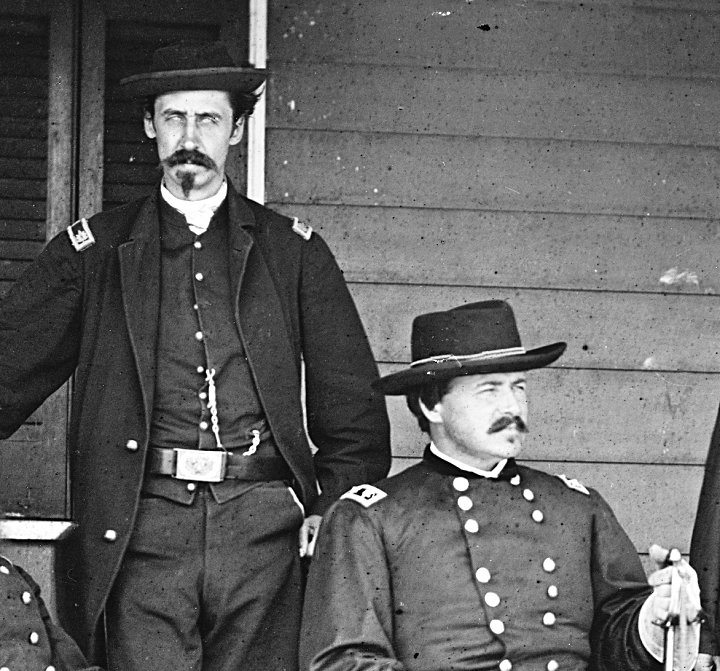
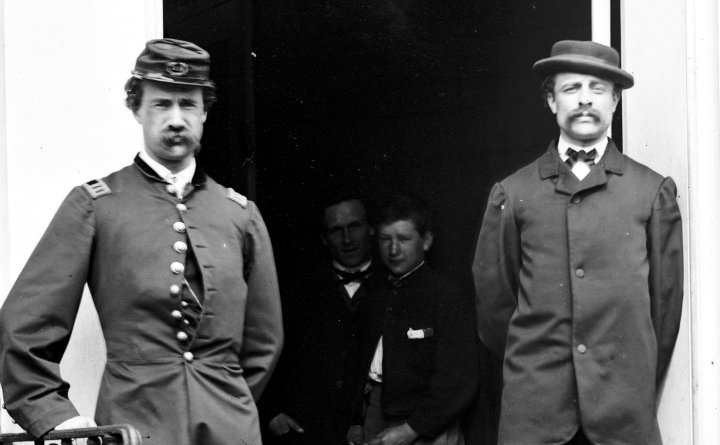
Pictures today are from The Library of Congress.



Wolf


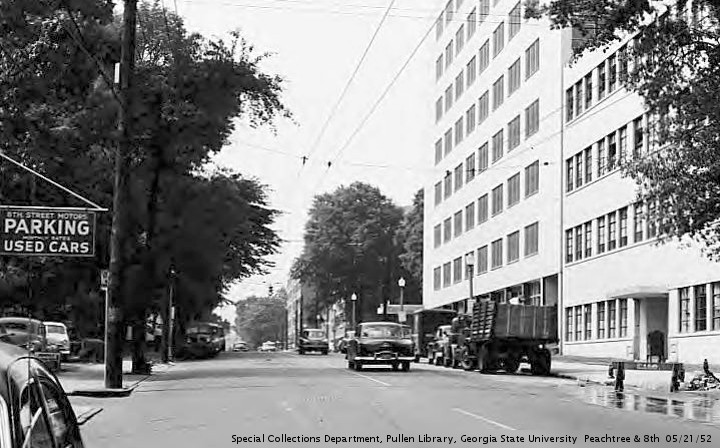
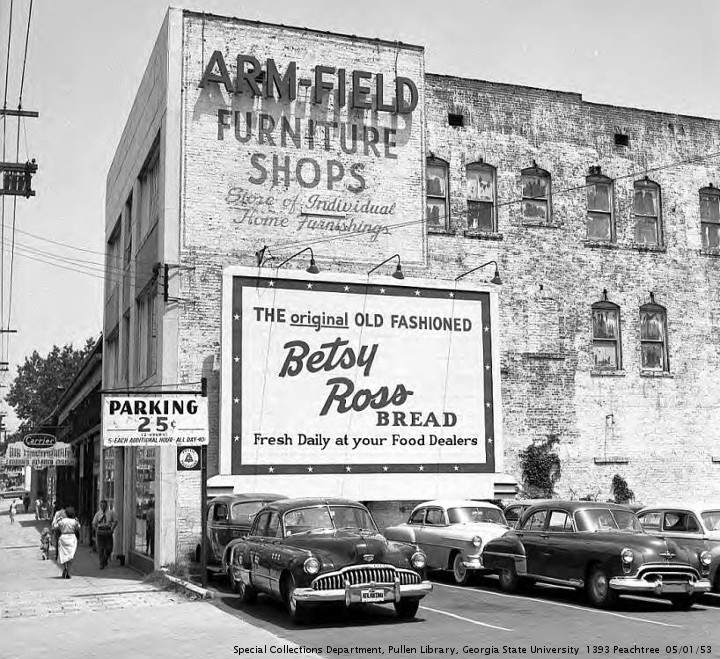

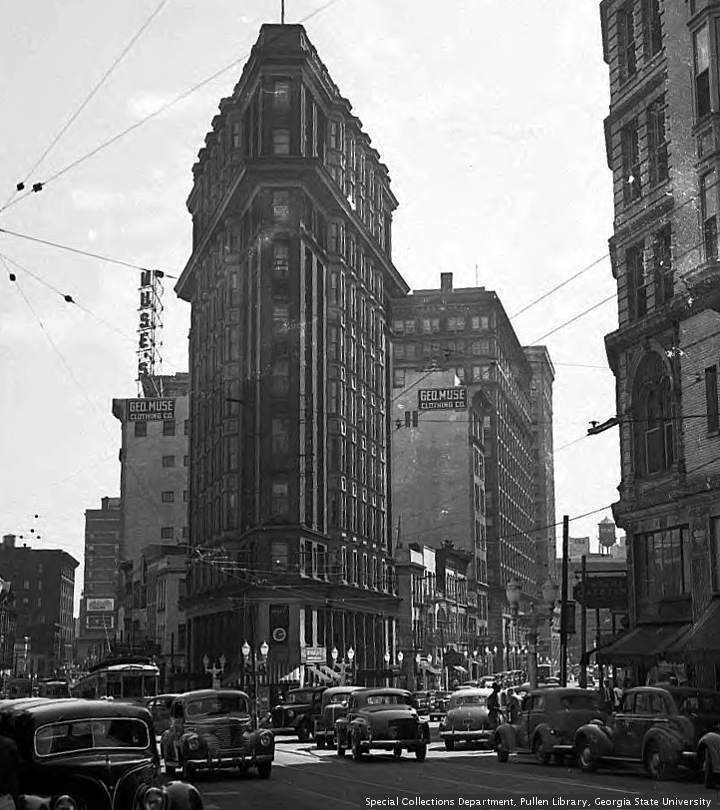
Wolf was a familiar sight for many years. The rough looking man with long blond hair could be seen selling “art” magazines on North Highland Avenue, between Plaza Pharmacy and Druid Hills Baptist Church. Before that, he sold The Great Speckled Bird. As might be expected for a man born in 1942, his health had been letting him down. On tuesday, February 24, at Grady Hospital, Wilton Hugh “Wolf” Thomas died. “He had become ill with double pneumonia…”
PG never talked to Wolf, but stood next to him at a urinal once. Wolf was seen at a Rainbow family picnic in Freedom Park, and on the streets constantly. The Storycorps recorded his tale. (It would be great for someone to incorporate the segments into one file.) Aside from the adrag sales, Wolf was a guitar player, a friend of the homeless, and longtime member of Gentle Spirit Christian Church. He was one of the people who lend character to Atlanta, as it becomes more mainstream. The Piedmont Pig, and Bobby Brookhaven, have not been seen in years.
As Wolf was being mourned, another Atlanta facility announced major changes. The land around Manuel’s Tavern has been sold, and a retail/residential clusterfuck is planned for the acreage. The Tavern itself will be a free standing building, albeit after closing for major renovations. Who knows how this will wind up. Developers are tough to trust.
A blond Canadian once sang about tearing up paradise, and putting up a parking lot. In this case, it is a bit different. Manuel’s has a huge parking lot, which caught the heart of the location location location crowd. Maybe the new version will be that the tore down the parking lot, and built a purgatory palace. That will be tough to fit into a song.
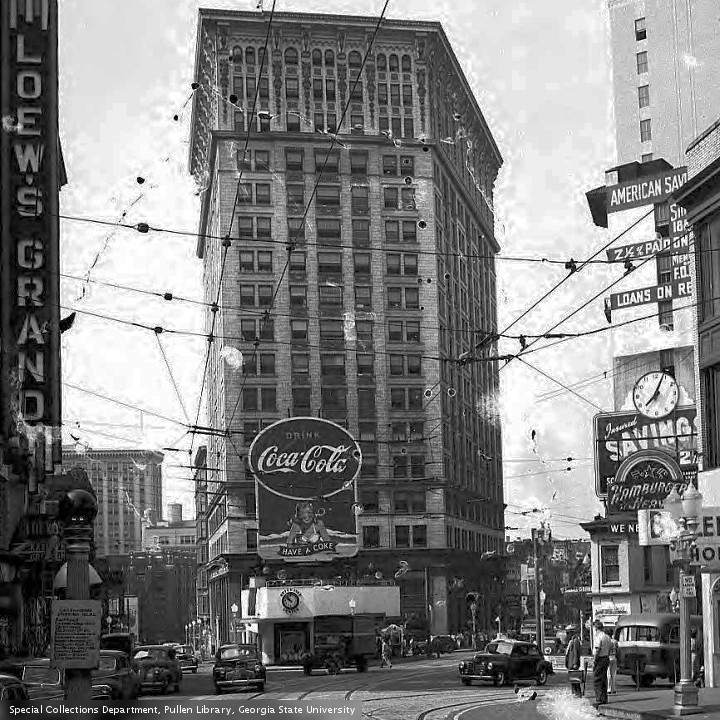
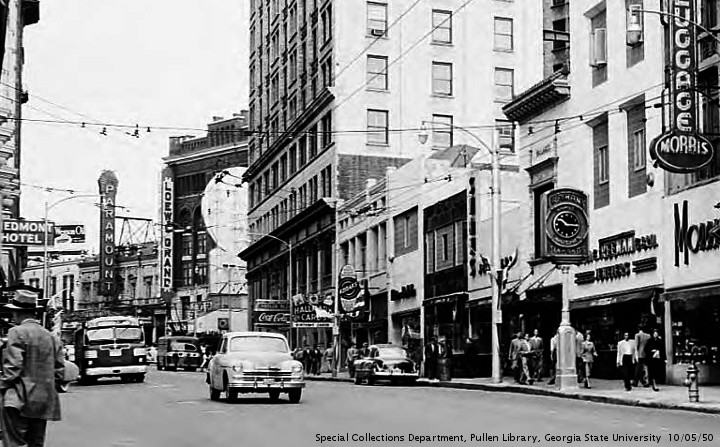
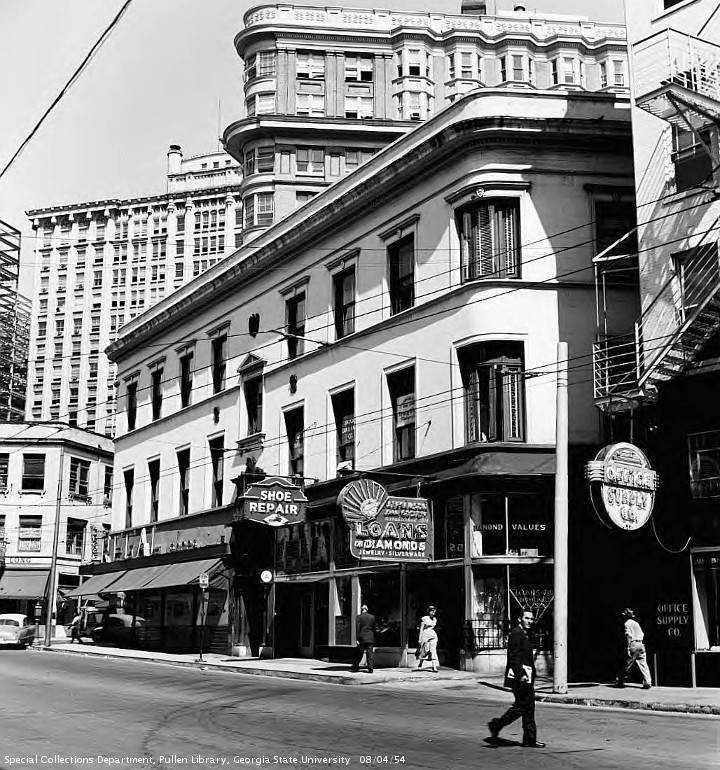
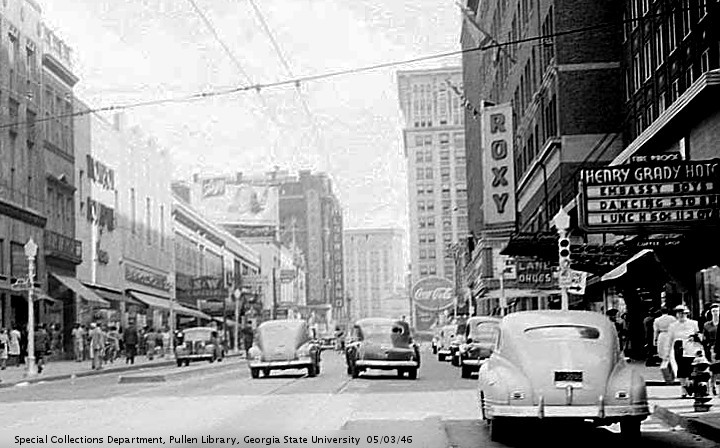
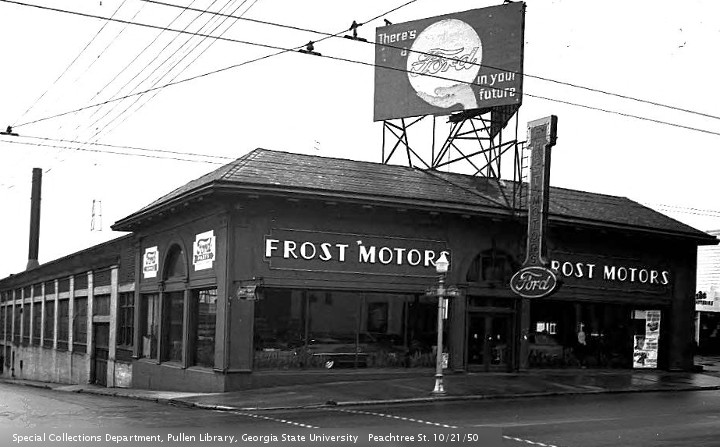
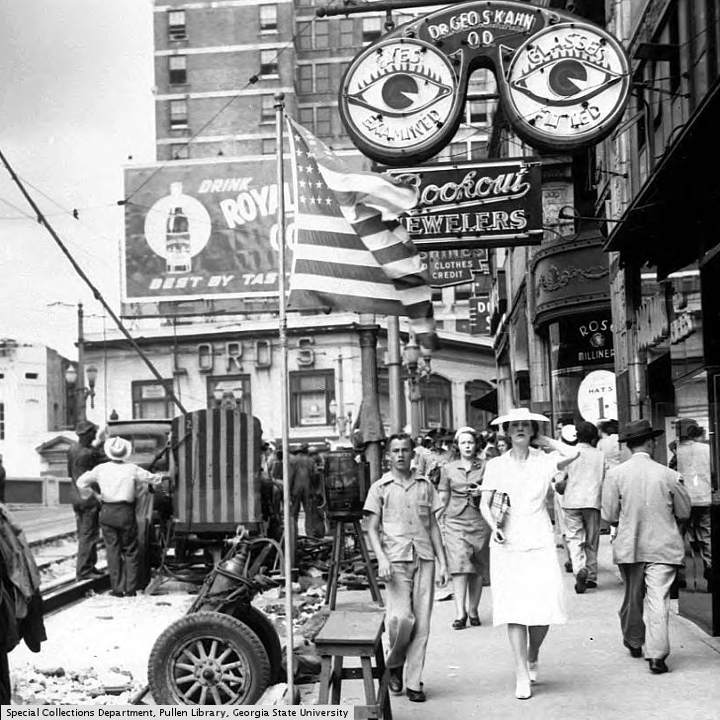
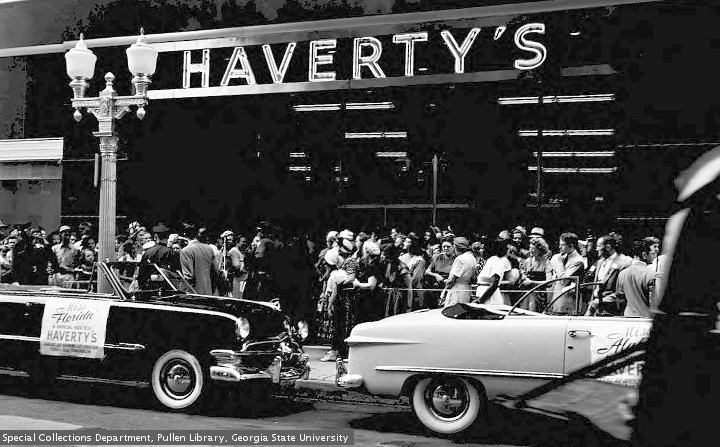
North Highland Avenue, even with the help of the nearby Ex Pres Way, is a traffic nightmare. With the multi use contraption going up in Manuel’s parking lot, it is only going to get worse. Maybe that is the soul of Atlanta… burning C02 happy fossil fuel, while waiting for the light to change. Pictures today are from “The Special Collections and Archives, Georgia State University Library”.




Kelly And Doug Gissendaner
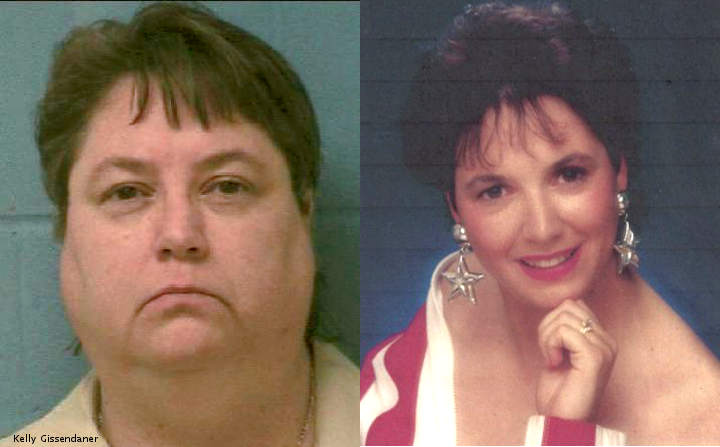
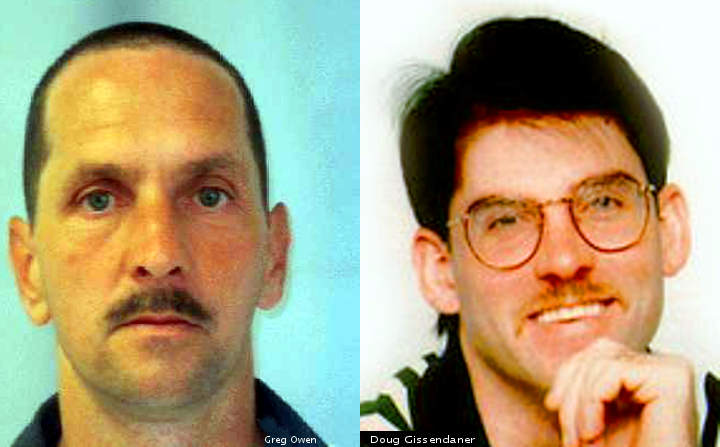


Kelly Renee Brookshire Gissendaner is supposed to die on February 25. She is accused of planning the murder of her husband, Douglas Morgan Gissendaner. The killing was done by Gregory Bruce Owen. The Attorney General of Georgia issued a press advisory, with a description of the crime.
“The facts of the case, as presented at trial, show that Gissendaner married Douglas Gissendaner in September of 1989. Douglas joined the Army in January 1990, their child was born in March 1990, and Douglas was transferred to Germany in September 1990. Gissendaner and Douglas separated in December 1991, after Douglas had served in Desert Storm and then left the Army. Gissendaner joined the Army in March 1992, and Douglas joined Gissendaner and the children in Virginia in October 1992, but he left six weeks later. Gissendaner and Douglas divorced in March 1993.
Gissendaner and Douglas started seeing each other again in February 1995, remarried in May 1995, and separated in September 1995. Douglas again filed for divorce, but he later dropped the suit, as he and Gissendaner started dating again in May 1996. The couple moved to Auburn, Ga., in December 1996 and purchased a home together.
However, Gissendaner had met co-defendant Gregory Owen in September of 1995. Gissendaner and co-defendant Owen broke up in April 1996 and did not see each other again until October 1996, when Gissendaner called co-defendant Owen’s sister, Belinda Leicht, purportedly to tell Belinda about a job. However, Gissendaner also asked for co-defendant Owen’s pager number. At this time, Gissendaner told a co-worker that she was not happy with Douglas and was in love with Owen.
On Nov. 8, 1996, Pamela Kogut, a friend of Gissendaner’s, drove Gissendaner to a hotel in Winder, Ga., where Gissendaner spent the night with co-defendant Owen. In December, when co-defendant Owen’s sister asked Gissendaner what her intentions were with her brother, Gissendaner replied that she was only staying with Douglas to use his credit and money to purchase a house and then she would get rid of him. However, Gissendaner was telling others and giving all outward appearances that her marriage had taken a turn for the better.
Gissendaner first brought up the idea of killing Douglas to co-defendant Owen in November of 1996, when she asked co-defendant Owen how to get rid of Douglas. When co-defendant Owen suggested that she divorce Douglas, Gissendaner stated that divorce would not work because Douglas would not leave her alone if she simply divorced him. Gissendaner and co-defendant Owen discussed killing Douglas on four or five occasions, all at Gissendaner’s initiation, before reaching a final agreement to kill him. It was agreed that, on Feb. 7, 1997, while Gissendaner was out with friends, co-defendant Owen would kill Douglas. The murder went exactly as Gissendaner planned.
On Feb. 7, 1997, Gissendaner picked co-defendant Owen up at his home and drove him to her house at approximately 5:30 p.m. or 6:00 p.m. Gissendaner changed clothing, gave co-defendant Owen a night stick and a six to eight inch hunting knife and left. Gissendaner spent the evening with Pamela Kogut, Kerri Otis, and Nicole Bennett, eventually going dancing at “The Shack” at 10:30 p.m. Ms. Otis had attempted to reschedule the evening, but Gissendaner insisted that they had to go out that night. The group left at 11:30 p.m. when Gissendaner stated that she had a bad feeling and had to go home.
In the meantime, Douglas had spent the evening at the home of Tom and Kathy Nesbit, friends of the family from church. Douglas worked on cars with Tom from 6:00 to 10:00 p.m. When Douglas left, he stated he was going straight home. Douglas arrived home at approximately 11:30 p.m. Co-defendant Owen was waiting for him inside the house. As Douglas was closing the door, co-defendant Owen walked up behind him, put a knife to his neck, and told him that he needed to go for a ride. The two got into Douglas’ car, and co-defendant Owen, with the knife in his lap, made Douglas drive in the direction of Luke Edwards Road in Gwinnett County, Ga.
When they arrived at a desolate area on Luke Edwards Road, co-defendant Owen made Douglas get out of the car, walk toward the woods, and get down on his knees. As Gissendaner had instructed co-defendant Owen, co-defendant Owen took Douglas’ watch and wedding band to make it appear like robbery was the motive for the murder. When Douglas was on his knees, co-defendant Owen hit him in the back of the head with the night stick. Douglas fell forward and was silent. Co-defendant Owen then stabbed Douglas in the neck eight to ten times.
Gissendaner had arrived at the prearranged scene of the murder as co-defendant Owen was stabbing Douglas but remained in her car. When co-defendant Owen approached Gissendaner’s car after the stabbing, Gissendaner asked if Douglas was dead. Although co-defendant Owen replied that he thought he was dead, Gissendaner went to check on the body anyway. After Gissendaner walked back from the direction of Douglas’ body, she got into her car and co-defendant Owen got into Douglas’ car. Co-defendant Owen followed Gissendaner about three-fourths to a mile up the road. As Gissendaner continued to the end of the road in her car, co-defendant Owen stopped his car and picked up a can of kerosene that Gissendaner had left for him earlier, doused Douglas’ car with the kerosene and set it on fire. Co-defendant Owen then walked up to the end of the road, where Gissendaner picked him up and drove him home.
After Gissendaner dropped off co-defendant Owen, co-defendant Owen put his clothes, the knife, the stick, and Douglas’ jewelry into a garbage bag and disposed of them one to two nights later.
Between 7:00 a.m. and 7:30 a.m. on the morning of the murder, Gissendaner phoned Douglas’ parents, the Nesbits, and Pamela Kogut, purportedly looking for Douglas. All testified that Gissendaner sounded strangely calm and unemotional. Gissendaner told people that she had come home at approximately midnight, mistakenly taken a sleeping pill rather than a pain pill and gone to sleep. Family, friends and the police were soon searching for signs of Douglas. The Department of Natural Resources found Douglas’ burned car on Sunday morning, but could not find Douglas’ body. Gissendaner acted surprised for about 15 minutes, and then did not seem to be distraught at all. When Gissendaner went to the scene of the burned car, she showed no emotion.
Gissendaner appeared on television news asking for information on Douglas’ whereabouts. However, while the search continued for Douglas, Gissendaner basically continued business as usual, even going back to work. Gissendaner told Ms. Otis that her house would be paid for with insurance, so she did not have to worry. However, Gissendaner found out that there, in fact, was no insurance policy in effect. Gissendaner was irritated that Douglas had not taken care of it. Ms. Nesbit asked Gissendaner whether she thought co-defendant Owen had anything to do with Douglas being missing, but Gissendaner was very quiet and did not really respond to that question. Ms. Otis told Gissendaner that she should tell the investigator about co-defendant Owen, but Gissendaner did not do so.
Investigator Doug Davis of the Gwinnett County Police Department interviewed Gissendaner several times during the search for Douglas. On Sunday, Feb. 9, 1997, Gissendaner told him there were no marital problems between Douglas and her. During a second interview on Tuesday, Feb. 11, 1997, Gissendaner told Investigator Davis about the previous marital difficulties, that she had arrived home about 12:15 a.m. to 12:30 a.m. on Feb. 8, 1997, and that there were no life insurance policies in effect for Douglas. Investigator Davis learned about her relationship with co-defendant Owen before Gissendaner admitted to her extra-marital affair with co-defendant Owen. In another interview on Thursday, Feb. 13, 1997, Gissendaner told Investigator Davis that co-defendant Owen had threatened to kill her and that she had ended their relationship in December 1996 when she and Douglas had reconciled. She further acknowledged speaking with co-defendant Owen a few times since December 1996 when co-defendant Owen called her at work to inquire as to how she and the children were and that he had paged her as recently as Friday, Feb. 7, 1997. However, phone records indicated 65 contacts initiated by Gissendaner to co-defendant Owen, the last being a phone call to co-defendant Owen’s beeper at 12:28 a.m. on Friday night, Feb. 7, 1997. Gissendaner also told Investigator Davis that there were other men with whom she had recently had extra-marital affairs.
Douglas Gissendaner’s body was finally located on Feb. 20, 1996, approximately one mile from his car, 100 to 150 feet off the road, on his knees, face down. Douglas had received at least four stab wounds in the back of the head and the neck region. The cause of death was the stab wounds to the neck…. the right side of the victim’s neck, including the skin and much of the soft tissues, had been devoured by animals after death.
Owen initially denied any involvement in the murder, but confessed on Feb. 24, 1997, and implicated Gissendaner. Gissendaner was arrested for murder on Feb. 25, 1997. That day, Gissendaner called Pamela Kogut, saying “I did it.” However, Gissendaner also told her that Owen held a knife to her and said he would kill her and the children if she told anybody about it.
While in jail awaiting trial, Gissendaner shared a jail cell for a short period of time with Laura McDuffie. Gissendaner got angry and hostile when she heard that co-defendant Owen was to be sentenced to 25 years in prison for his role in the murder. At that point, Gissendaner began writing letters to hire a third person who would falsely confess to holding Gissendaner at gunpoint and making her go to the crime scene on the night of the murder. Gissendaner asked Ms. McDuffie to help her find that third party person and said she was willing to pay $10,000. Ms. McDuffie turned these letters, which also contained names of people that Gissendaner wanted beaten up, over to her lawyer because she did not want to get involved in a murder case.”



Mr. Owen testified for the state. The majority of the state’s case is based on his testimony. Murderpedia has several court documents which cast doubt on Mr. Owen’s testimony.
“… trial counsel was able to elicit the following inconsistent facts in Owen’s testimony on cross-examination: “Owen originally lied to police regarding his whereabouts on the night of the murder”; “Owen admitted he did not implicate Petitioner in the murder until after the police had informed him that she was also seeing other men”; “Owen repeatedly told police that Petitioner had not come to the scene of her husband’s murder and did not testify at his plea hearing that Petitioner was at the scene of the murder on the night of the crime”; “What Owen did with the murder weapon, his clothes and several personal items”; “That Owen lied to police when he had informed them that he drove around after killing the Victim waiting for Petitioner to page him.”
“… Owen now maintains that he testified falsely at trial. He now maintains that: 1) Ms. Gissendaner did not supply the knife; 2) she was not involved in the planning of the actual killing; 3) Owen had the help of a third person whom he recruited in the abduction and killing; 4) Ms. Gissendaner did not know the third person was involved; and 5) Ms. Gissendaner never went to the murder scene to ensure her husband was dead.
The state habeas court held that Owen’s potential recantation at the habeas evidentiary hearing did not prove his trial testimony was false, and thus that the Petitioner failed to establish prong 1 of the Giglio/Jacobs test. The state habeas court reasoned: “The Georgia Supreme Court gives more credit to trial testimony than to post trial recantations.”
It could be argued that Mrs. Gissendaner is being executed as much for refusing to testify, as for the crime itself. “In Gissendaner’s case, said Danny Porter, the Gwinnett County District Attorney who sought the death penalty, the defendant sealed her fate. “For whatever reason she refused the offer to testify against her co-defendant, She kind of took her chances. Whether that was based on bad legal advice or her position at the time, which may have changed over the years.” … “You could say he took responsibility because he took the deal, Whereas Gissendaner left us with almost no choice.”
Murderpedia has a fishwrapper article from the trial, dated November 12, 1998. It says “Almost no one expects Gissendaner to be put to death.”
Another article is dated November 20, 1998, after the jury imposed the death sentence. “The jury rejected defense arguments … and that her 3 children, ages 5, 8 and 12, need their mother.” Who was watching the children February 7, 1997, when Mr. Gissendaner was out, and Mrs. Gissendaner went dancing at “The Shack”?
Amazon reviewer Sylviastel says “She had sons, Brandon, and Jonathon also known as Cody, with two other men but her daughter Kayla was her husband’s child.” Apparently, the 8 year old (age in 1998) is the daughter of Mr. Gissendaner. The 5, and 12 year olds had other daddies. The Gissendaner divorce was in 1993, about when the 5 year old was born.
Kelly Gissendaner, aka Kelly R. Brookshire, GDC ID:0000357507, is currently the only woman Under Death Sentence in Georgia. The Department of Corrections has a document, The Death Penalty in Georgia, which states “The first person believed legally executed in Colonial Georgia was a woman. In 1735, Alice Ryley, a white female who arrived in America on an Irish transport, was hung for the murder of her master Will Wise.” The fishwrapper states “Georgia has put to death 13 women since 1735,” but does not offer any details.
The GDC document has a list of all executions since 1924, when the electric chair was installed at the Reidsville facility. The only woman put to death since then is Lena Baker, a black lady accused of killing her employer. She died March 5, 1945, and was pardoned by the state in 2005.
Kelly Gissendaner, Doug Gissendaner, and Greg Bruce are all white. The State seems to alternate black, and white, prisoners when choosing people to poison. Is this intentional?
During the appeals process, “Gissendaner contends that the jury pools from which her grand jury and traverse jury were selected were created in a racially-discriminatory manner.” This is a standard part of the appeals routine. The state went on to say “Moreover, persons who murder white persons are of course not a protected class under the Equal Protection Clause.”
If you want to write Mrs. Gissendaner, you can go to WriteAPrisoner. ” My name is Kelly. Recently I was introduced to WriteAPrisoner after being incarcerated for 17 years. The past few years have been kind of lonely. So the possibility of meeting new friends is very appealing at this point.
My hobbies include reading, writing, and dancing. I recently started doing spiritual dancing, which I have come to love! I enjoy nature and when the weather permits, I spend many days outside. Right now I’m enrolled in Theology classes so please know that I am extremely open-minded.”
There is a book about the case, First We’ll Kill My Husband: The Dark Desires of the Only Woman on Georgia’s Death Row. Amazon reviewers have not been kind. “All the book did was reinforce my views about rural Georgia “white trash”. Historic pictures for this feature are from “The Special Collections and Archives, Georgia State University Library”. Color pictures are from Georgia Department of Corrections, Murderpedia, WriteAPrisoner, and findagrave. UPDATE Clemency has been denied. The execution will proceed when weather permits.


The Georgian Terrace Ballroom
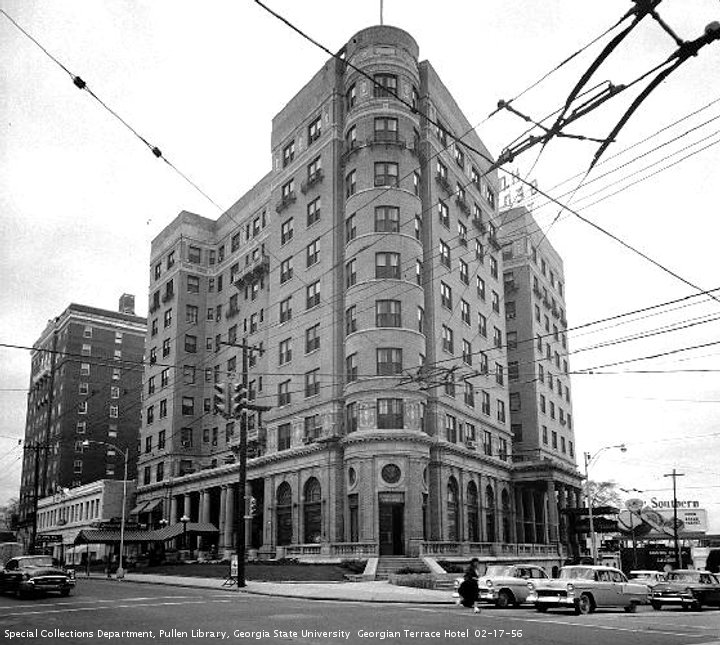



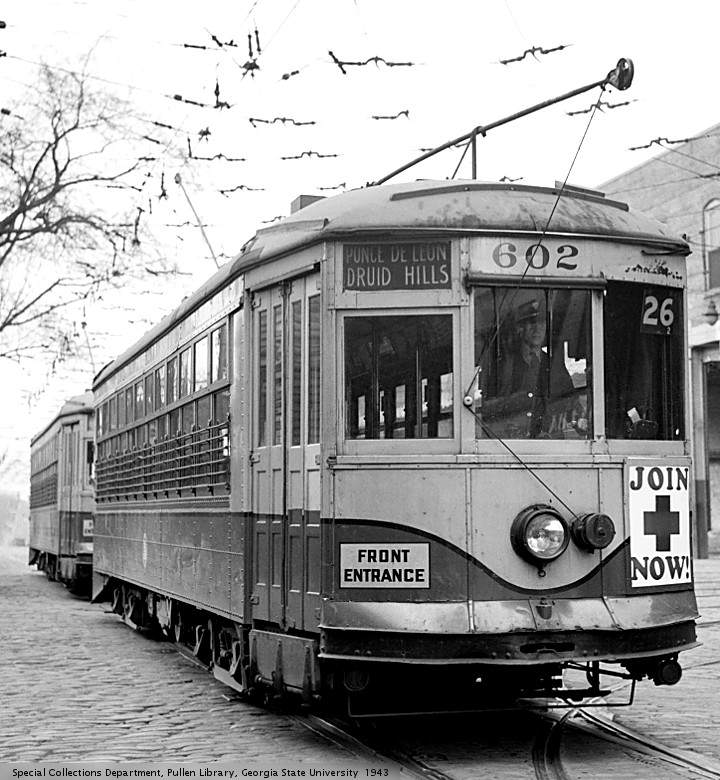
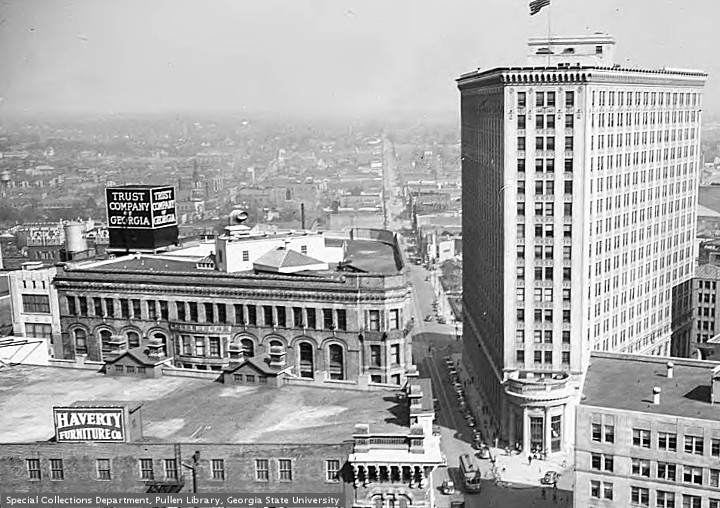
The Georgian Terrace hotel used to have an adjacent ballroom. The building opened as the “Lucky Strike”, featuring “Duck Pin” bowling. At some time, it became a 1300 seat ballroom. It was not the grand ballroom, where events for the premiere of “Gone With The Wind” were held. As time moved on, the ballroom became a music performance hall. PG saw shows there under four different business names. After the Agora Ballroom closed, the building was vacant, until a fire August 30, 1987. The site of the ballroom is now occupied by an annex of the Georgian Terrace Hotel.
The first show PG saw at this facility was in 1972. The name of the business is forgotten, as is the act that performed. A band, comprised of people PG went to high school with, played before he got there.
In 1974, “Big Time” promoter Alex Cooley opened “Alex Cooley’s Electric Ballroom”. The first show that PG saw was Dr. John The Night Tripper. A few months later, Capricorn artists Cowboy played, with a vulgar New York band named Mercury opening. Gato Barbieri played at the Ballroom, with PG wondering how people could dance to that type of music.
Several major acts appeared at the Ballroom, mostly without PG in the audience. KISS played there in 1974, and photographs from backstage are in the embedded video. In April of 1974, Steely Dan was across from the Fox. In the summer of 1974, The Tubes played a week at the ballroom, with another heavily hyped show. On January 23, 1976, The Patti Smith Group played at the ballroom.
In 1975, Bruce Springsteen was on the covers of Time and Newsweek, and was recieving a promotional push unlike anything seen before. He played a show at the ballroom that summer, with a generous press party in the balcony. (At one unforgettable show Alex was caught off guard by a Bruce Springsteen request. “He asked if we could shut down the cash registers because they were making too much noise!… That’s the only time I ever did that.” Alex admits.)
PG attended two shows in 1975. Mckendree Spring opened for Fanny, while PG drank too many bourbon and cokes. In November of 1975, Juice Newton opened for Hot Tuna. Miss Newton seemed to be a bit pale, and performed “Get drunk and screw”. Hot Tuna was amazing. They went on stage at 10:55, and played, without a break, until 2:50. The drummer wore a shirt, mother fucking hot tuna. Few would argue that night.
In autumn of 1977, some brave soul opened a place called “The Ballroom” in the space on Peachtree Street. One night, PG went with some friends to see an act, Happy the Man. There seemed to be a bit of chaos in the management of the facility. The Great Southeast Music Hall loaned a few microphones for the show. When the show was over, PG walked out to a car, whose motor was running, with the driver asleep inside.
In the summer of 1978, the ballroom opened as The Agora Ballroom. Apparently, there is a music hall in Cleveland with that name, and they opened branch facilities around the country. There were some shows that PG did not attend. Todd Rundgren opened the facility August 19, 1978. On October 2, 1979, The Clash played. Pictures from the crowd appeared on an album by the band. On December 2, 1981, U2 made their Atlanta debut.
A few weeks after the opening, PG won tickets to an all Texas show. Marcia Ball opened, and a bored PG went to a neighborhood bar to drink beer. PG returned later, and stayed long enough for the singer with Asleep at the Wheel to ask the crowd, Are you stoned?
In November of 1978, PG called a radio station, and asked to be put on the guest list for Talking Heads . (For Talking Heads, and three links in the following paragraphs, the link is for a previous Chamblee 54 post about the show.) The first six people he called were busy, but the last one agreed to go. On the bus going home, a group of black men started to make unfriendly comments. At the next stop, a black friend of PG got on the bus, and went to talk to him.
A few weeks later, Tim Curry made his United States debut. Some record company invested a lot of money in him, and supplied him with an outstanding band. PG was wandering around the balcony after the first show, and saw Tom Waits sitting at a table. The bodyguard said no, that’s not Tom Waits, it is just someone that looks like him. At a bar, after the show, PG was raving about what he had seen, when a lady came up to him. What color are your eyes? They are brown, because you are full of shit. Soon, the 23 Oglethorpe was taking him home.
Somewhere in the haze of 78 and 79, Ultravox brought their synthetics to the Agora. A local band, First Blood, was more entertaining as the opener. PG drank a very large can of Foster’s beer, and floated through the proceedings. After the show, PG was invited to a party in Candler Park. On the way there, there was a horrific car crash on Ponce de Leon. At the party, friends of First Blood dissected their performance, between lines of coke.
One night, PG was enjoying drink specials at a neighborhood bar. He took a break, walked over to the Agora, and saw a few minutes of a show by Freddie Hubbard.
In early 1979, the B 52s were on the verge of stardom. (Here is a nifty feature about the Atlanta local music scene in those days.) The opener for the 52s was The Brains , yet another talented band that never made it big. At the table next to PG, a lady wore a dynamite World War Two army uniform.
Later in 1979, Ted Turner had an idea for a TV show, “Live at the Agora”. The first show was filmed in Atlanta, and featured Graham Parker and the Rumor. If they ever show that film again, and you see a crowd shot, that is PG wearing a white T shirt, with a white Agora iron on logo. Parker was a great musician, who had the misfortune to look like Big Bird’s nerdy little brother. If Graham Parker had looked like Bruce Springsteen, he would have been a superstar.
In March of 1980, Lene Lovich came to the Agora. About a year later, Spirit played on Peachtree Street. The show was sponsored by a radio station, and tickets were $2.96. Despite the low price, and high musical quality, the balcony was closed, and only about a hundred people were at the show. PG thought this was odd, but little surprised him by this time.
The last show that PG caught at the Agora was The Ramones. Joey and the pinheads were past their prime, with only two original members playing. It was an all ages show, with alcohol served in the balcony. Downstairs was a festive party, with costumes and enthusiastic high school kids. The balcony was the same rock and roll drunks you had seen for years. The Ramones would have made a great oldies band, if they could have quit dying. This is a repost. Pictures are from ” The Special Collections and Archives,Georgia State University Library”


Post Racial America



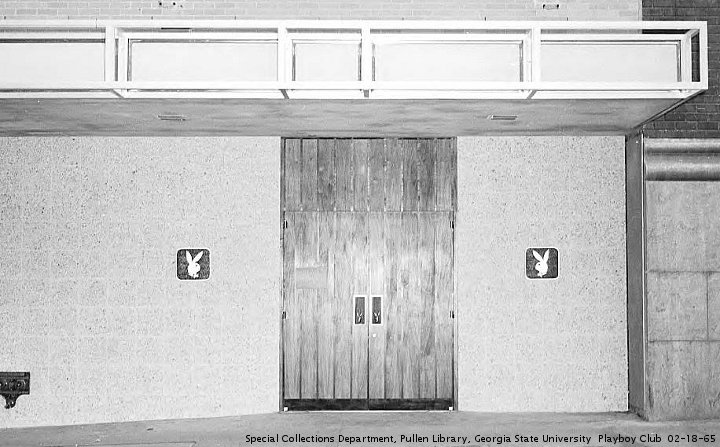
It is a cliche among certain pundits that this is not “Post Racial America.” No one seems to know what PRA would look like. PRA might be less noisy, with fewer odors, than the current model. The opinion that we do not live in PRA seems unanimous. After PG heard the denial of PRA one too many times, he began to wonder something. Who said America is Post Racial?
Mr. Google has 119 million answers to the question “who said america is post racial?” The short answer is nobody. The closest thing on the front Google page is an NPR commentary from January 2008. This was the early stages of the BHO run for the White House. The commenter said that the election of a dark skinned POTUS might usher in a post racial era in America.
This piece will not have any fresh opinions about race relations in America. That subject has been worn out elsewhere. If someone finds it to their advantage to denounce “racism”, there will be an audience. The truth is, very few people have ever said that America is Post Racial. This is a repost. Pictures are from “The Special Collections and Archives, Georgia State University Library”.



Blackface Drag At Club Sheba


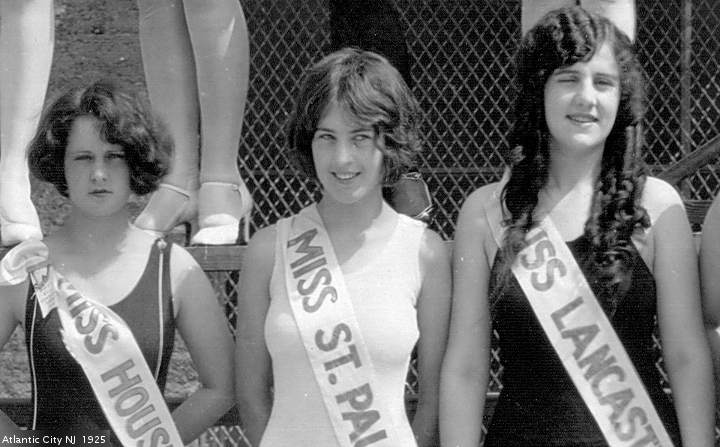

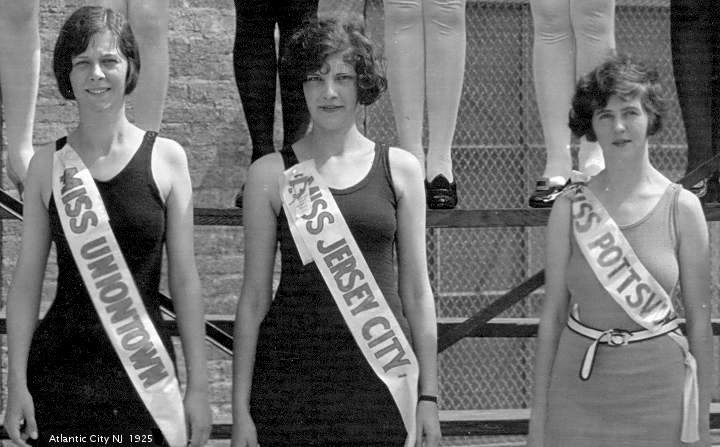

Mary Cheney became famous in a traditional way. Her father is Dick Cheney, former VPOTUS, hunting guide, and terrorist. Apparently Ms. Cheney felt the need for attention recently. She posted the following matter on facebook.
“Why is it socially acceptable — as a form of entertainment — for men to put on dresses, make up and high heels and act out every offensive stereotype of women (bitchy, catty, dumb, slutty, etc.) — but it is not socially acceptable — as a form of entertainment — for a white person to put on blackface and act out offensive stereotypes of African Americans?”
When it comes to getting people to look at you, Mary Cheney is not in the same hemisphere as RuPaul. By remarkable coincidence, there is going to be a new season of a cable tv show, about drag queens, hosted by RuPaul. The comments by Ms. Cheney were seen by RuPaul as an opportunity to promote product. The video is embedded above.
We are not going to discuss the moral calculus of blackface vs drag in this post. That’s what facebook, twitter, and comment sections are for. This blog does not have the intellectual gravitas as youtube comment sections. Mary Cheney and RuPaul are getting the attention they require.
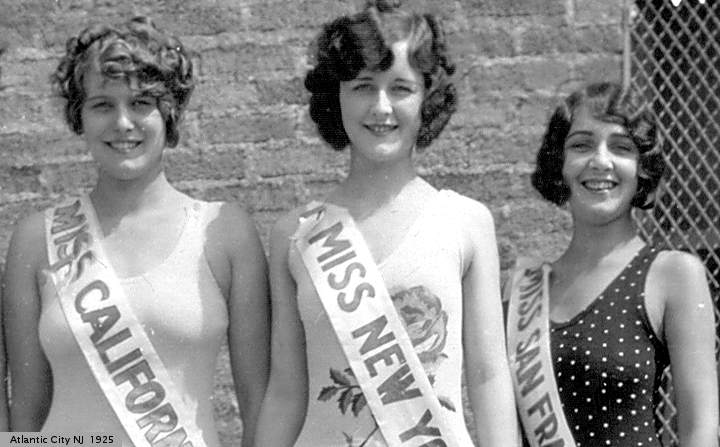
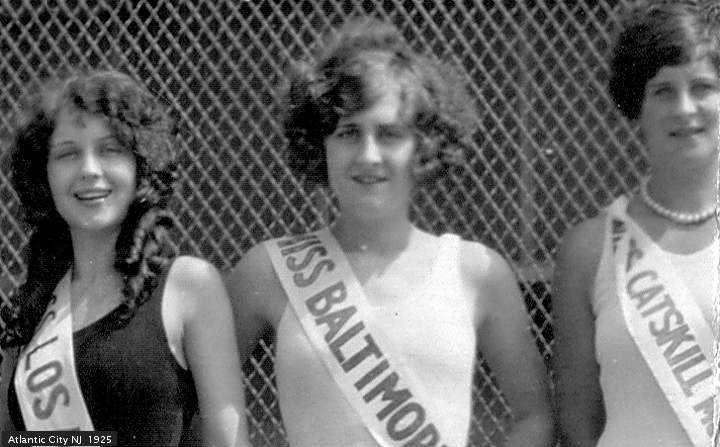
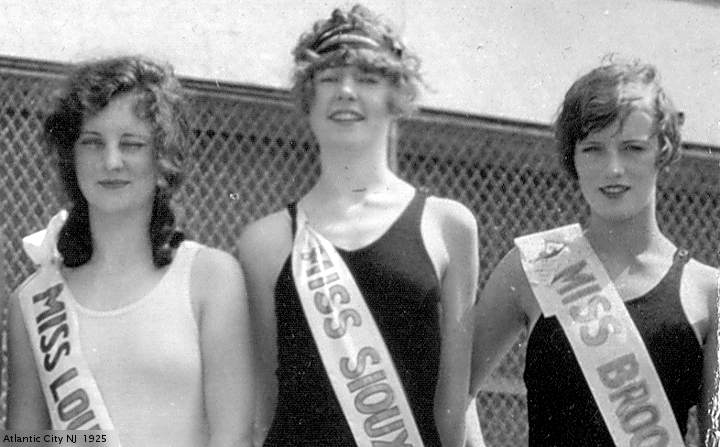
The pictures today are from The Library of Congress. These ladies were participating in “Inter city beauties, Atlantic City Pageant, 1925.” There is something appropriate about beauty pageant pictures illustrating a discussion of the relative political correctness of blackface and drag queens. If you want a picture of Mary Cheney, go somewhere else.
The second part of this feature is a repost. The show was performed in 1979. I recently saw “Carroll.” He lives in Pennsylvania today, and has a beard nine inches long.

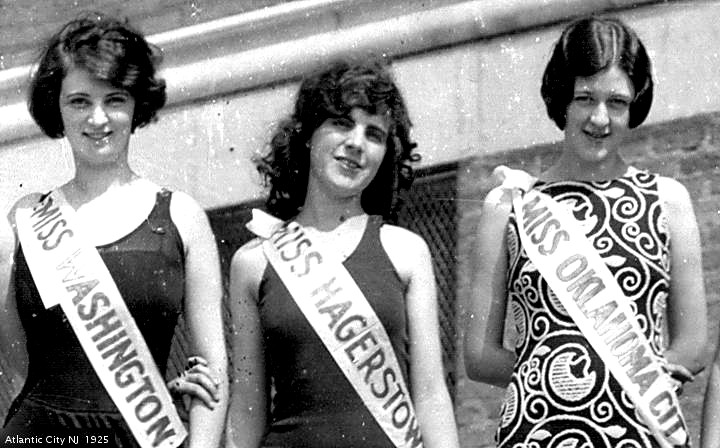
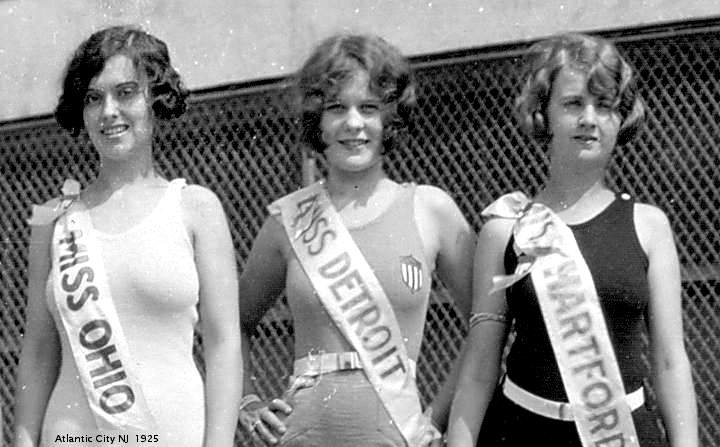


Reading about Shirley Q. Liquor brought back memories of a night long ago. A young man, who I will call Carroll, grew up across the street. In his spare time, he did drag shows. What I was expecting was Carol Burnett and Lily Tomlin, using his own voice. One Sunday night, free admission and a buffet was all I needed to venture downtown and see the show.
The venue was an unpretentious bar called Club Sheba. The clientele was mostly lesbians, many of whom were African Americans.
Club Sheba was located on Forrest Avenue. The street was named for Nathan Bedford Forrest, a Confederate General who, some say, founded the Ku Klux Klan. Forrest Avenue late became Ralph McGill Boulevard, named after the former editor of the Atlanta Constitution.
As show time approached, I saw a table that had empty seats. I pulled back a seat, and a beefy lady informed me that she did not want a man to sit at that table.
The first act was what I expected. The reputation of Carol Burnett did not suffer, and Lily Tomlin was still in the closet. After the first act, I shot a game of pool with my friend, and went to the buffet for a second plate. A lady stopped me. ”You’re not supposed to get full”
I went back to the pool table. After a while there was a crowd standing around, and it was evident that a second act was going to start soon. I saw a black lady in the crowd making faces at me, took a second look, and realized that it was Carroll.
He did not use his voice this time, but lip synced to Grace Jones and Diana Ross. He wore blackface, and an afro wig. The crowd at the Club Sheba enjoyed this part of the show. Many of the Black Lesbians went to the stage and stuffed dollar bills in his faux bosom.




The Great Speckled Bird




One day in the eighth grade, PG had a sore spot in his eye. They called it a stye. One afternoon, he got out of school, walked to Lenox Square, saw a doctor, and got some eye drops.
When he left the doctor’s office, there was a man, standing in front of Rich’s on the sidewalk, selling a newspaper. He had blond hair down past his shoulders. PG asked what the newspaper was. Mostly politics, he said. PG gave him fifteen cents for a copy of “The Great Speckled Bird”.
The Bird was an underground newspaper. It was so bad, it needed to be buried. If you are under fifty, you have probably never seen one. These papers flourished for a while. The Bird was published from 1968 to 1976. The April 26, 1968 edition was volume one, number four. This was what PG bought that day.
The Georgia State University Library has a digital collection. Included in it are copies of The Great Speckled Bird. Included in this collection is edition Number Four. PG went looking for that first copy. He needed to be patient, for the GSU server took it’s time. Finally, the copy he asked for came up. It was mostly politics.
When PG saw page four, he knew it was the edition from forty four years ago. “Sergeant Pepper’s Vietnam Report” was the story of a young man sent to Nam. It had a paragraph that impressed young PG, and is reproduced here. The rest of the article is not that great, which is typical of most underground newspaper writing.
A couple of years later, PG spent the summer working at the Lenox Square Theater. The number two screen was a long skinny room. If you stood in the right place, you could hear the electric door openers of the Colonial Grocery store upstairs. The Bird salesmen were a feature at the mall that summer, which not everyone appreciated. This was the year of the second, and last, Atlanta Pop Festival. PG was not quite hip enough to make it. He was back in the city, taking tickets for “Fellini Satyricon”. The Bird was printing 26 pages an issue, with lots of ads, pictures, and the distinctive graphics of the era.
Stories about hippies, and the Bird, can be found at The Strip Project.
Pictures are from ” The Special Collections and Archives,Georgia State University Library” .
This is a repost, written like H.P. Lovecraft.


Georgia Is Determined To Kill Warren Hill




Georgia is stubborn when it smells blood. When the state wants to execute someone, they don’t care how bad it is going to look to the rest of the world. They don’t care how many times they have to appeal the case. Money is no object, when it comes to paying lawyers for death penalty appeals.
The latest man to be the target of the state’s bloodlust is Warren Hill. After numerous reprieves, the state is scheduled to poison Mr. Hill Tuesday, January 27. This is the first day of a seven day “execution window” specified by the Lee County judge who ordered the execution.
Why it is so important to kill Warren Hill? The execution is for the murder of Joseph Handspike. There is little doubt that Mr. Hill is guilty. The killing took place in prison. Mr. Hill was serving a life sentence for killing Myra Wright. Mr. Handspike was also incarcerated for murder. The family of Mr. Handspike does not want Warren Hill to be executed.
There is also the issue of “intellectual disability.” There is some debate over Mr. Hill’s i.q. Some say he is smart enough to be executed. The state disagrees.
“In Georgia, defendants must prove “beyond a reasonable doubt” they are too mentally impaired to be executed. Despite doctors finding that Hill is likely mentally disabled, with an IQ of around 70, the American Psychiatric Association (APA) standard for mental disability, the state intends to put Hill to death because he cannot prove “beyond a reasonable doubt” that he is indeed mentally disabled.”
Whether or not Mr. Hill is technically disabled, his execution will be bad p.r. for the state of Georgia. Numerous celebrities, including former President Jimmy Carter, are calling for clemency. Once again the state of Georgia looks bad. Is this something to be proud of?
It is not known why the state is so stubborn about this matter. Will it provide a deterrent to other prisoners not to kill each other? Will the execution of an intellectually disabled man make the streets safer? Or will it show the iron will of the state of Georgia? When Georgia wants to poison someone, nothing will stop it. Nothing.
This would not the first time the Georgia has executed an intellectually disabled man. Robert Holsey had an i.q. of 70, and came from a background of horrific childhood abuse. Brandon Rhode “was born in Mississippi to a young mother, who as a 15-year-old was not even aware she was pregnant for the first five months. During this time she consumed alcohol and drugs. Brandon Rhode … “definitely suffers from a Fetal Alcohol Spectrum Disorder” (FASD)… “
The execution of Mr. Rhode took a curious turn. ““Rhode tried to kill himself by slitting the side of his neck and both arms. By the time he was discovered, Rhode was unconscious and had lost half the blood in his body; he was revived at the hospital in nearby Griffin…Rhode had concealed the razor blade he used to cut his neck and arms while lying under a blanket, said Joe Drolet, a lawyer for the state attorney general’s office. He was being observed by guards, but they could not see what was happening under the blanket and took action when they saw blood.” There are reports that the razor was given to Mr. Rhode by a prison guard. This is denied by the officials. “There’s not a pattern of recklessly handing out razors to suicidal death row inmates.”
Mr. Rhode was taken to a hospital, and nursed back to health. He was then taken back to the prison. Brandon Rhode was executed September 27, 2010.
There is also the case of Troy Davis. There is little doubt that Mr. Davis was present when Mark MacPhail died. There is, however, doubt that Mr. Davis pulled the trigger. The case made the state of Georgia look very bad. It would have been easy, during the unending appeals before the execution. to quietly put the case aside. There were other killers to be executed, and provide a deterrent to those contemplating murder. However, the state was stubborn, and fought a long, expensive legal fight for the privilege of poisoning Troy Davis.
In 2013, an execution of Warren Hill was postponed. There were legal issues with the drugs the state was planning to use in the execution. The method of execution, antiseptically known as lethal injection, has had problems. The manufacturers of the pharmaceuticals, mostly European corporations, do not want their products used for executions. This is another p.r. problem.
Georgia has been using mystery drugs to poison prisoners. These substances are produced by a compounding pharmacy, whose identity is secret under state law. So far this proctocol has worked well. There have been no Oklahoma style disasters when executing men with lethal injections.
Is the state of Georgia smart enough to use the death penalty? There are some bad, bad men (and one woman) on death row. Arguably, the state needs to take these people off the planet. However, the ones who get the fatal needle are not always the ones who commit horrific crimes. In the case of Warren Hill, some stubborn bureaucrat seems to have decided that nothing will stop the state from killing him. Are these people smart enough to use this ultimate penalty?
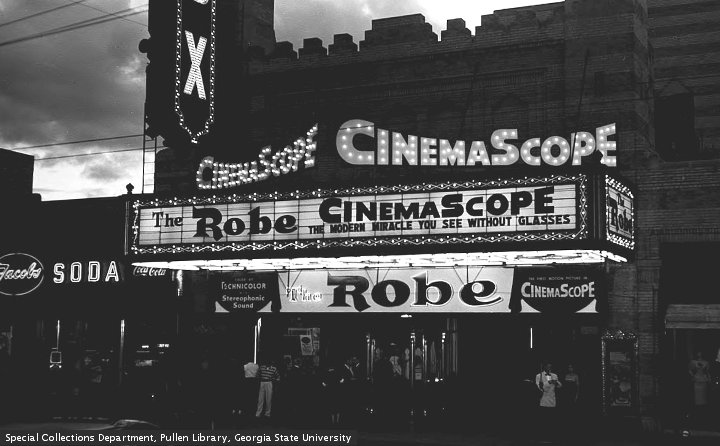
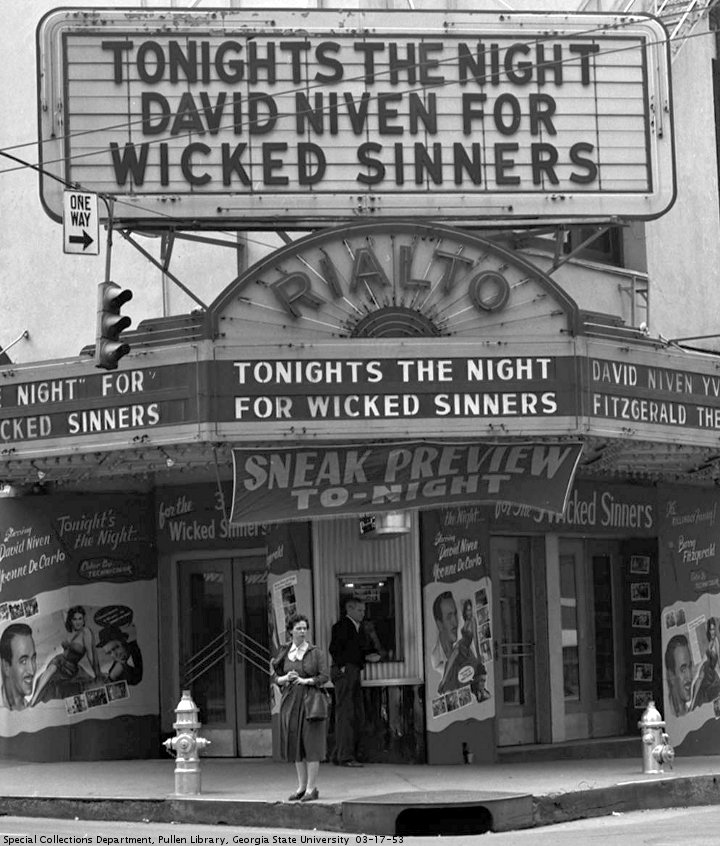
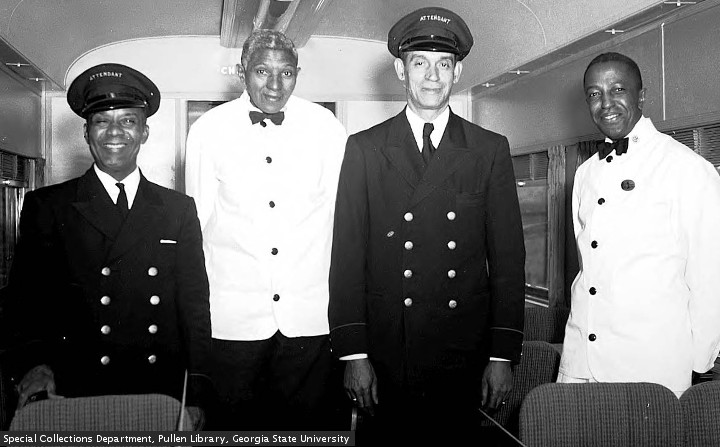
Pictures from “The Special Collections and Archives, Georgia State University Library”.



Rahsaan Roland Kirk




There have been nine presidential transfers of power in PG’s life. Seven of them were in January. PG typically ignores them. He goes out with Mr. Crook in office, and comes home to President Thief.
The best exception was in August,1974. Richard Nixon was finally undone and forced to resign. After watching Tricky Dick’s next to last television speech , PG got in his Datsun and drove to the Great Southeast Music Hall. The entertainment that night was Rahsaan Roland Kirk.
The Music Hall was the sort of place we don’t seem to have anymore. The auditorium was a bunch of bench backs on ground level, with pillows everywhere. It was a space in a shopping center, occupied by an office depot in later years. To get there from Brookhaven, you drove on a dirt road, where Sidney Marcus Boulevard is today.
Rahsaan Roland Kirk was not modest. He was the modern miracle of the tenor saxophone. He would play three saxophones at once, getting sounds that you do not get from a single instrument. At one point, the band had been playing for about five minutes, when PG noticed that Kirk had been holding the same note the entire time without stopping to breathe.
Mr. Kirk played two ninety minute sets that night. He talked about twenty minutes out of every set. Of that twenty minutes, maybe thirty seconds would be fit for family broadcasting. Mr. Kirk…who was blind…said he did not want to see us anyway, because we were too ugly. He said that Stevie Wonder wanted to make a lot of money, so he could have an operation and see again.
The next day, Mr. Nixon got in a helicopter and left Washington. The Music Hall stayed open a few more years, and Sidney Marcus Boulevard was paved. Rahsaan Roland Kirk had a stroke in 1975. He struggled to be able to perform again. On December 5, 1977, a second stroke ended his career. He was 41 years old. This feature is an encore presentation. The pictures used today are from “The Special Collections and Archives, Georgia State University Library”.


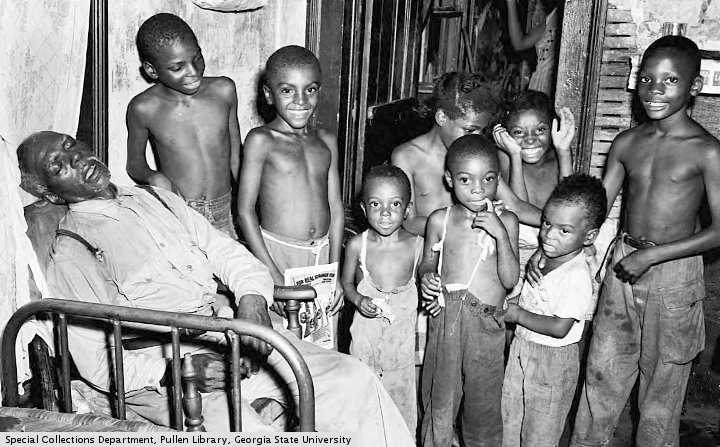

Flannery O’Connor





With one day before it was due, PG finished reading Flannery: A Life of Flannery O’Connor , by Brad Gooch. The author is a professor of English at William Patterson University in New Jersey. He spares no citations, to show where he gets his information.
Chamblee54 has written before about Miss O’Connor , and repeated the post a year later. There is a radio broadcast of a Flannery O’Connor lecture. (The Georgia accent of Miss O’Connor is much commented on in the book. To PG, it is just another lady speaking.)
Mary Flannery O’Connor was born March 25, 1925 in Savannah GA. The local legend is that she was conceived in the shadow of St. John the Baptist Cathedral, a massive facility on Lafayette Square. Her family did leave nearby, and her first school was just a few steps away. This is also a metaphor for the role of the Catholic Church in her life. Mary Flannery was intensely Catholic, and immersed in the scholarship of the church. This learning was a large part of her life. How she got from daily mass, to writing stories about Southern Grotesque, is one mystery at the heart of Flannery O’Connor.
Ed O’Connor doted on his daughter, but had to take a job in Atlanta to earn a living. His wife Regina and daughter Mary Flannery moved with him, to a house behind Christ The King Cathedral. Mr. O’Connor’s health was already fading, and Mother and Daughter moved in with family in Milledgeville. Ed O’Connor died, of Lupus Erythematosus, on February 1, 1941.
Mary Flannery went to college in Milledgeville, and on to the Iowa Writer’s Workshop. She dealt with cold weather, went to Mass every day, and wrote. She was invited to live at an artists colony called Yaddo, in upstate New York. She lived for a while with Robert and Sally Fitzgerald in Connecticut, all while working on her first novel, “Wise Blood”. In 1950, she was going home to Milledgeville for Christmas, and had been feeling poorly. She went to the hometown doctor, who thought at first that the problem was rheumatoid arthritis. The illness of Flannery O’Connor was Lupus Erythematosus.
Miss O’Connor spent much of that winter in hospitals, until drugs were found that could help. She moved, with her mother, to a family farm outside Milledgeville, which she renamed Andalusia. She entered a phase of her life, with the Lupus in relative remission, and the drugs firing her creative fires, where she wrote the short stories that made her famous.
Another thing happened when she was recuperating. Flannery was reading the Florida “Market Bulletin”, and saw an ad for “peafowl”, at sixty five dollars a pair. She ordered a pair, and they soon arrived via Railway Express. This was the start of the peacocks at Andalusia, a part of the legend.
During this period of farm life and writing, Flannery had several friends and correspondents. There was the “Bible Salesmen”, Erik Langkjaer, who was probably the closest thing Flannery had to a boyfriend. Another was Betty Hester, who exchanged hundreds of letters with Miss O’Connor. This took place under the stern eye of Regina O’Connor, the no nonsense mother-caregiver of Flannery. (Mr. Gooch says that Betty Hester committed suicide in 1998. That would be consistent with PG stumbling onto an estate sale of Miss Hester in that time frame.)
The book of short stories came out, and Flannery O’Connor became famous. She was also dependent on crutches, and living with a stern mother. There were lectures out of town, and a few diverse personalities who became her friends. She went to Mass every day, and collected books by Catholic scholars. Flannery was excited by the changes in the church started by Pope John XXIII, and in some ways could be considered a liberal. (She supported Civil Rights, in severe contrast to her mother.)
In 1958, Flannery O’Connor went to Europe, including a trip to the Springs at Lourdes. Her cousin Katie Semmes (the daughter of Captain John Flannery, CSA) pushed Flannery hard to go to the springs, to see if it would help the Lupus. Flannery was reluctant…” I am one of those people who could die for his religion sooner than take a bath for it“. When the day for the visit came, Flannery took a token dip in the waters. Her condition did improve, briefly. (It is worth speculating here about the nature of Flannery’s belief, which was apparently more intellectual than emotional. Could it be that, if she was more persuaded by the mystical, emotional side of the church, and taken the healing waters more seriously, that she might have been cured?)
At some point in this story, her second novel came out, and the illness blossomed. Much of 1964 was spent in hospitals, and she got worse and worse. On August 3, 1964, Mary Flannery O’Connor died,




PG remembers the first time the name Flannery O’Connor sank in. He was visiting some friends, in a little house across from the federal prison.
Rick(?) was the buddy of a character known as Harry Bowers. PG was never sure what Harry’s real name was. One night, Rick was talking about Southern Gothic writers, and he said that Flannery O’Connor was just plain weird. ”Who else would have a bible salesman show up at a farm, take the girl up into a hayloft, unscrew her wooden leg and leave her there? Weird.”
Flannery O’Connor was recently the subject of a biography written by Brad Gooch. The book is getting a bit of publicity. Apparently, the Milledgeville resident was a piece of work.
PG read some reviews of this biography, and found a collection of short stories at the library. The book included ” Good Country People”, the tale about the bible salesman. Apparently, this story was inspired by a real life incident. (Miss O’Connor had lupus the last fifteen years of her life. She used crutches.) And yes, it is weird. Not like hollywood , but in the way of rural Georgia.
Some of the reviews try to deal with her attitudes about Black people. On a certain level, she is a racist. She uses the n word freely, and her black characters are not inspiring people. The thing is, the white characters are hardly any better, and in some cases much worse.
The stories are well crafted, with vivid descriptions of people and places. The reader floats along with the flow of the story, until he realizes that Grandma has made a mistake on a road trip. The house she got her son to look for is in Tennessee, not Georgia. She makes him drive the family car into a ditch. Some drifting killers come by. Grandma asks one if he prays, while his partner is shooting her grandchildren. Weird.
In another story, a drifter happens upon a pair of women in the country. The daughter is thirty years old, is deaf, and has never spoken a word. The drifter teaches her to say bird and sugarpie. The mother gives him fifteen dollars for a honeymoon, if he will marry her. He takes the fifteen dollars and leaves her asleep in a roadside diner.
There was a yard sale one Saturday afternoon. It was in a house off Lavista Road, between Briarcliff and Cheshire Bridge. The house had apparently not been painted in the last forty years. Thousands and thousands of paperback books were on the shelves. The lady taking the money said that the lady who lived there was the friend, and correspondent of, the “Milledgeville writer” Flannery O’Connor. This is apparently Betty Hester, who is mentioned in many of the biography reviews.
PG told the estate sale lady that she should be careful how she said that. There used to be a large mental hospital in Milledgeville, and the name is synonymous in Georgia with mental illness. The estate sale lady had never heard that.
This is a repost. It was written like James Joyce. An earlier edition of this post had comments.
Fr. J. December 10, 2009 at 3:00 pm I am glad you take an interest in Flannery, but to say baldly that she is a racist is to very much misunderstand her. For another view on Flannery and race, you might want to read her short story, “Everything that Rises Must Converge.”
chamblee54 December 10, 2009 at 3:17 pm “On a certain level, she is a racist.” That is not the same as “baldly” labeling her a racist. (And I have a full head of hair, thank you). As a native Georgian, I am aware of the many layers of nuance in race relations. I feel that the paragraph on race in the above feature is accurate.





From The Heart Of Atlanta To Tyler Perry
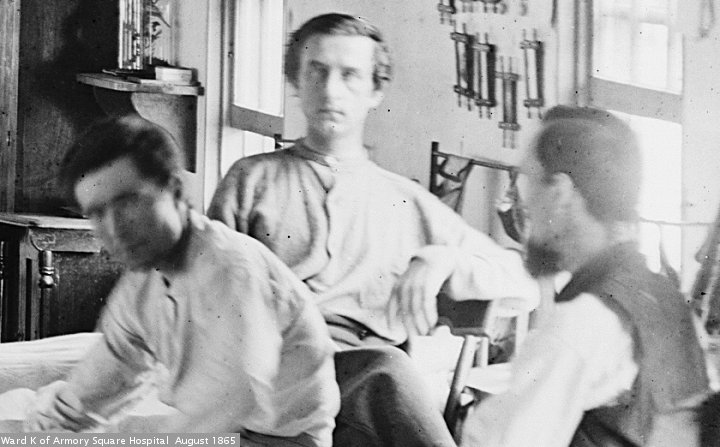

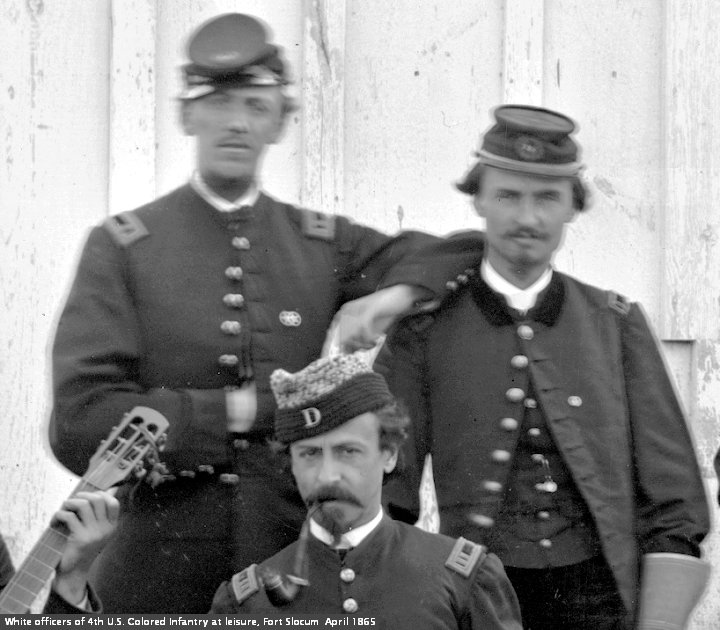

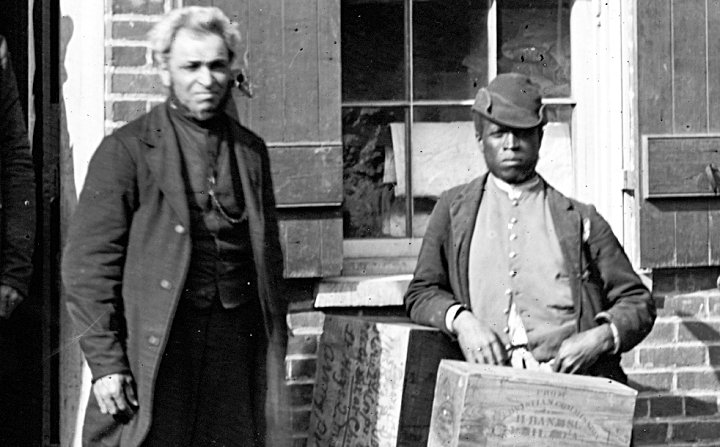
There is an old saying, what goes around comes around. When you sow the wind, you reap the whirlwind. The thing is, it is not always obvious what is payback for what. Moreton Rolleston Jr. filed a lawsuit to have the Civil Rights Act declared unconstitutional. Forty years later, a Black man, built a mansion on the site of Mr. Rolleston’s home. The fact that this Black man earned his money by playing Black women, in movies, is icing on the cake.
When the Civil Rights Act was passed in 1964, Moreton Rolleston, Jr., owned the Heart of Atlanta Motel. He filed a lawsuit, trying to have the law overturned by the courts. The case went to the Supreme Court, which upheld the law.
The legal justification of the Civil Rights Act was a law giving the U.S. Government the right to regulate interstate commerce. Mr. Rolleston argued that this use of the commerce clause went too far. “‘The argument that this law was passed to relieve a burden on interstate commerce is so much hogwash. It was intended to regulate the acts of individuals.’ If the commerce clause can be stretched that far, declared Rolleston, ‘Congress can regulate every facet of life.'” (PG supports all citizens having the right to housing, education, etc. He also wonders if we are on a slippery slope. The government keeps taking more and more freedom away.) (The link for the quote no longer works.)
In 1969, Tyler Perry was born. From humble beginnings, he has been incredibly successful. His signature character is a woman named Madea.
In 1985, Mr. Rolleston was involved in a real estate deal that went sour. He was sued. In 2003, Mr. Rolleston was evicted from his Buckhead home. (Go here for details). In 2005, the property was sold to Tyler Perry. When the source story was written in 2007, Mr. Rolleston had sued Mr. Perry several times, claiming that it was still his property.
Mr. Rolleston , was disbarred in 2007. The Veteran’s History Project shows his race as “Unspecified.” Moreton Mountford Rolleston, Jr., born December 30, 1917, died August 29, 2013.
HT Millard Fillmore’s Bathtub.. Pictures from The Library of Congress. This is a repost.


Fruit Cake


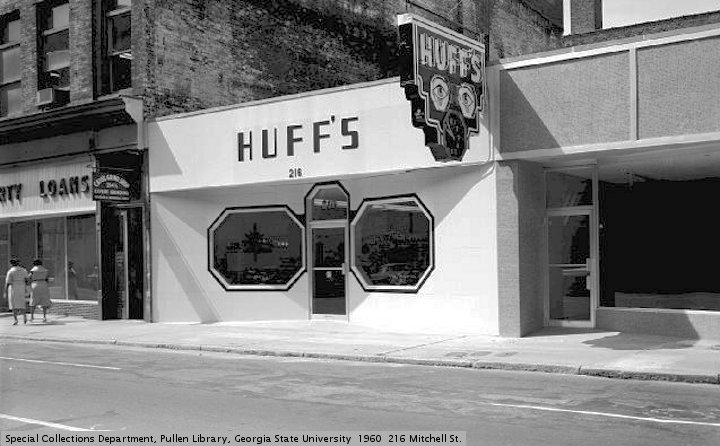


A facebook friend put some fruitcake facts on the internet. PG saw a chance for some text to put between pictures. He would be nutty as a fruitcake to turn down this chance. This is a repost.
Fruitcakes were buried with the dead in Ancient Egypt. It’s true. Ancient Egyptians used to fill the tombs of the dead with all the supplies that they would need to enjoy the afterlife, including food and water. Fruitcake was often put into the tomb of a deceased person because a fruitcake soaked in a natural preservative like alcohol or fruit juice would last a long time. It was thought that the preserved fruitcake would not spoil on the journey to the afterlife. Fruitcake was a staple food of other ancient Middle Eastern, Southeast Asian and Mediterranean cultures as well
Candied fruits are used in fruitcake because using sugar was the only way to preserve the fruit long enough to get it back to Europe from the Middle East. When the Crusaders began carrying exotic fruits back to their European home the fresh fruit would spoil long before they were able to get it home. Ingenious traders began drying the fruits by candying them with sugar which made them an even more delicious treat and preserved them indefinitely. Once the candied fruits were sent to Europe and to other parts of the world they were baked into cakes so that they could be shared with family and friends on special occasions.
Fruitcakes will last for years without spoiling. It’s true. A fruitcake that is properly preserved with an alcohol soaked cheesecloth that is then wrapped in plastic wrap or foil can be kept unrefrigerated for years without spoiling. In the past, before refrigerators came along, families would make fruitcake for holidays and special occasions months in advance of the actual event and then let the covered fruitcakes sit wrapped in an alcohol soaked cloth until the event happened. As long as the cloth was remoistened with alcohol occasionally the cakes not only didn’t spoil, they actually tasted richer and sweeter because they had been soaking in brandy and rum for a couple of months.
To millions of fruitcake consumers, the town of Claxton GA is very special. This south Georgia town, just down the road from Reidsville, is home to Claxton Fruit Cake . The story of the Claxton Fruit Cake company is a sweet one. Savino Tos founded the Claxton Bakery in 1910. He hired Albert Parker in 1927, and sold him the business in 1945. Mr. Parker decided to sell Fruit Cake to America.
No story about fruitcake is complete without mentioning the “Fruitcake Lady”. Marie Rudisill , an aunt of Truman Capote, wrote a book of fruitcake recipes. She became a tv celebrity, before going to the bakery in the sky November 3, 2006.
The urban dictionary has nine listings for fruit cake. The ones for homosexuals and crazy people are there. UD gets creative with this selection: “The act of releasing green chunky diarrhea onto your partners face then, ejaculating on it, then punching him/her in the nose causing the colors to mix together to form a fruit cake like color.”
If you tire of jokes about fruitcake, you can go to The society for the protection and preservation of fruitcake . (If you click on the “new URL”, you will be invited to join in the green card lottery.) There used to be a link on the society page that enables you to buy Fruitcake Mints. “Keep your breath fruitcake fresh with these festive mints!”
Pictures are from ” The Special Collections and Archives,Georgia State University Library”


 Chamblee54
1 comment