Keep It Safe And Simple




There is a formula for simplicity. Keep it simple, stupid. This saying is an acronym for kiss, which is a popular human activity. The saying is good for things where complications can cause problems.
PG first encountered this expression in Sports Illustrated. Some old quarterback, maybe Yelberton Abraham Tittle, was talking about how to score touchdowns. One illustration of the concept was when Mr. Tittle became known by his initials, Y.A.
The saying has a few flaws. Some people think stupid is a bad word. Others take the saying personally, and think they are being called stupid. It can get complicated, which defeats the purpose.
Yesterday, PG sat in on a “heart weaving workshop”. The idea was to create gimmicks to bring people closer. One of the things say was the intimacy breaks down into “into you I see”. At some point, someone started to write down stuff on a message board.
The words safe and simple were written down. Safety is a big deal these days. The idea of not being in harm’s way is very appealing.
At this point, the idea lightbulb went off in PG’s head. People in the room started to blink, and shield their eyes. Maybe KISS stands forKeep It Safe and Simple.
The KISS epiphany was on a saturday. The next day was the type of glorious sunday morning that was meant to be spent outdoors. In the outdoor office, the coffee ran out at the same time as the pictures to be processed.
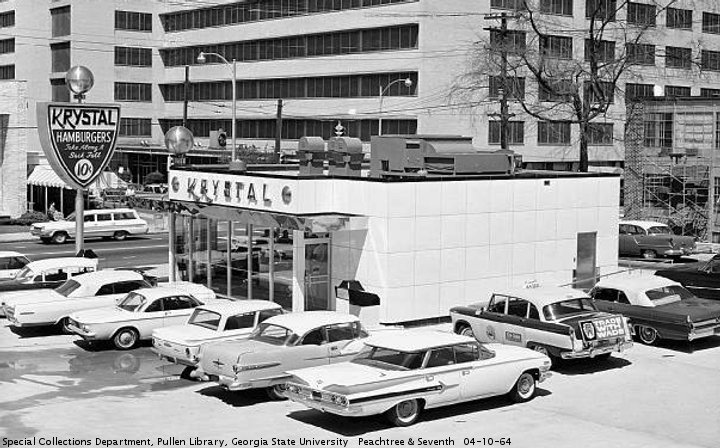
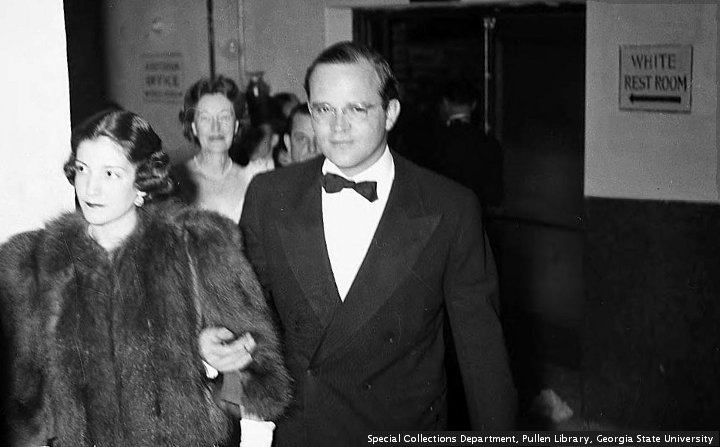
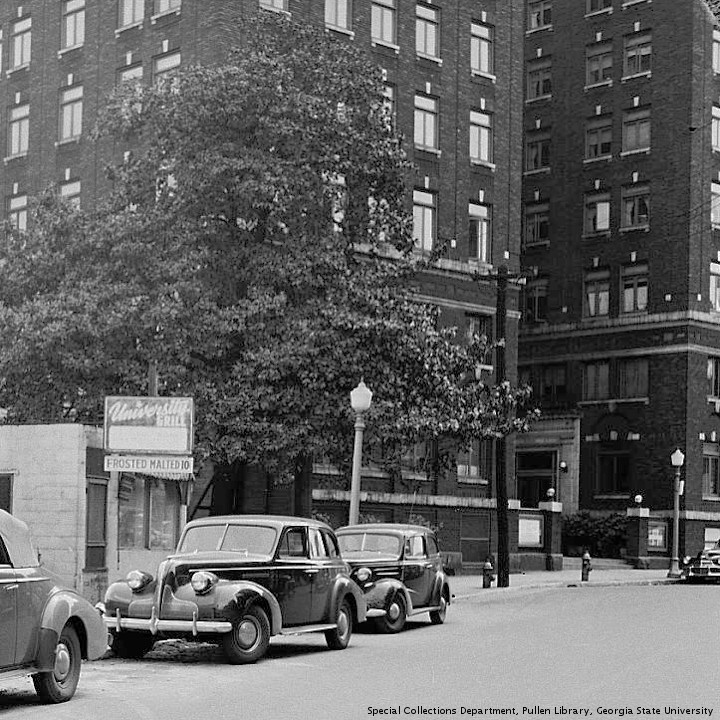
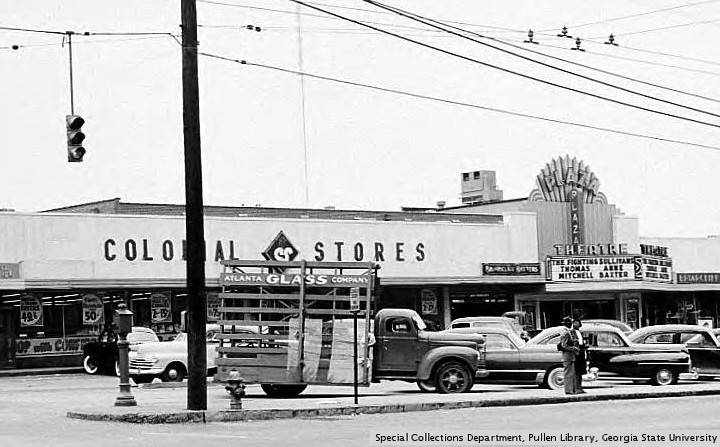
But not before PG found one of the 10th Street Art Theater. This was on the strip, next door to the A&P. It was on Peachtree, between 11th and 12th. Or maybe it was between 10th and 11th. It was tough to tell the difference sometimes.
The 10th Street Art Theater showed dirty movies. In the sixties, pornography was gentler, and more innocent. This was the age of Russ Meyer. His flicks graced the screen at TSAT. When “Vixen” played, you could call a phone number and get a personal invitation to come down and see the film.
This is the part of the strip that is conveniently forgotten. There was an urban grunge factor. It was a transitional downtown area, with a lot of sleazy characters. As the summer of love faded into the winter of methedrine, it got worse. The strip became dangerous and complicated.
This is a repost. Pictures are from “The Special Collections and Archives, Georgia State University Library”. This was written like William Shakespeare.



Richards


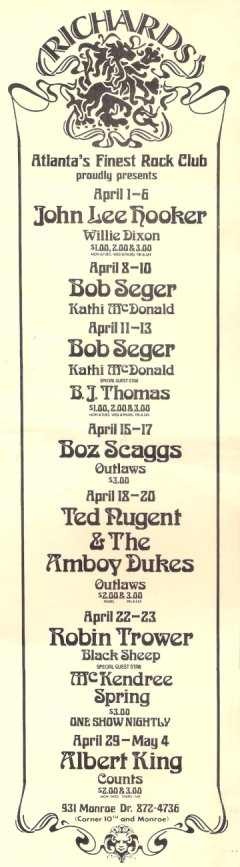
A comment at a recent post mentioned “Jenning’s Rose Room, a classic poor white juke and dance hall … where Trader Joes now sits.” PG had been in that building when it was called Richards. Pictures are from “The Special Collections and Archives, Georgia State University Library”.
There is no telling what the original use of the building at 931 Monroe Drive was. It was across the street from Grady Stadium, and adjacent to Piedmont Park. The railroad tracks that became the beltline ran behind it. The parking lot was primitive, with a marquee sign built at some point. (PG drove by that sign several nights and saw that Lynyrd Skynyrd was playing.)
 There was another nightclub building on the hill behind JRR. One night, PG went to see a jazz band there, accompanied by someone who lived in a nearby house. After seeing the band, PG was led to a horse stable behind the bar. The horses were not well maintained … you could see the ribs sticking out. There is a story of a goat getting loose from the stable, and being chased out of the jazz bar during happy hour.
Jennings Rose Room was before PG’s time. There is a story that some men had lunch there, and made a bet. The idea was to hit a golf ball from the JRR parking lot, and putt it into a hole at Piedmont Park. A biscuit was used as a tee. The first shot went across the street, onto the field at the stadium. Eventually, the ball was hit across Tenth Street, onto a green, and into the cup.
At some point, Jennings Rose Room closed. A gay club called Chuck’s Rathskeller was opened in that location. A rock and roll club or two did business there. Then Richards opened.
The first time PG was in the house was after a Johnny Winter concert at the Fox. There were rumors of visiting musicians dropping by Richards to play after their shows. Mr. Winter was only onstage for a couple of minutes after PG got there.
The most memorable trip to Richards was during the summer of 1973. The headliner was Rory Gallagher, who was ok but not spectacular. The opening act was Sopwith Camel, one of the forgotten bands of the seventies. They performed a novelty hit, “Hello Hello”. Someone in the audience liked it, and paid them to do it again. The band wound up doing “Hello Hello” five times, and said that was the most money they made in a long time.
Average White Band was making the rounds that fall, and had a show at Richards. A lot of the audience was black, and they hit the dance floor in unison when “Pick up the Pieces” was played. Fellow Scotsman Alex Harvey was in town, and joined AWB to sing “I heard it through the grapevine”.
Muddy Waters played at Richards one night. The band did most of the playing, with Mr. Waters tossing in a few licks on bottleneck guitar. He might have sang a couple of times.
About this time, Iggy Pop played a few shows at Richards. One night, someone snuck up on him, and gave him a hug. It was Elton John, wearing a gorilla suit.
PG saw three more shows (that he can remember) at Richards. Richie Havens was worth the two dollar admission. Soft Machine played in the winter of 1974. Larry Coryell played a show that summer, with the Mike Greene Band opening. PG got to talk to Mike Greene that night. The National Association of Recording Arts and Sciences (who do the Grammy Awards) had a President named C. Michael Greene at one time. PG thinks this is the person he talked to that night.
Two friends of PG went, as their first date, to see Spirit at Richards. They were married a few years later. Towards the end of 1974, Richards was running out of steam. They advertised a New Years Eve show starring B.B. King, and sold high priced tickets. When the crowd showed up for the show, they found the doors locked. Richards had closed.
The next tenant for 931 Monroe Drive was going to be Cabaret After Dark, a gay club. There was a fire the night before the grand opening. The building was never used again. Eventually, a shopping center was built on the site.
UPDATE: Here is an article, from the Great Speckled Bird, about Richards. This is a repost.




The B-52s



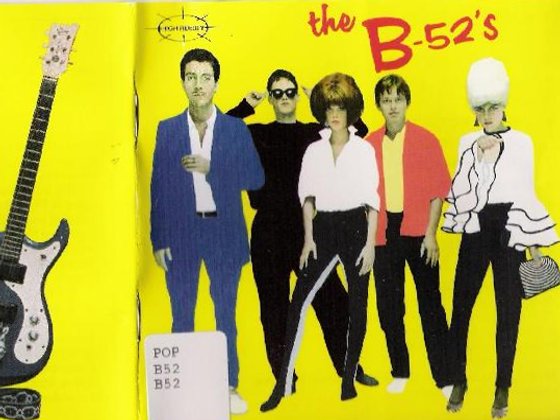
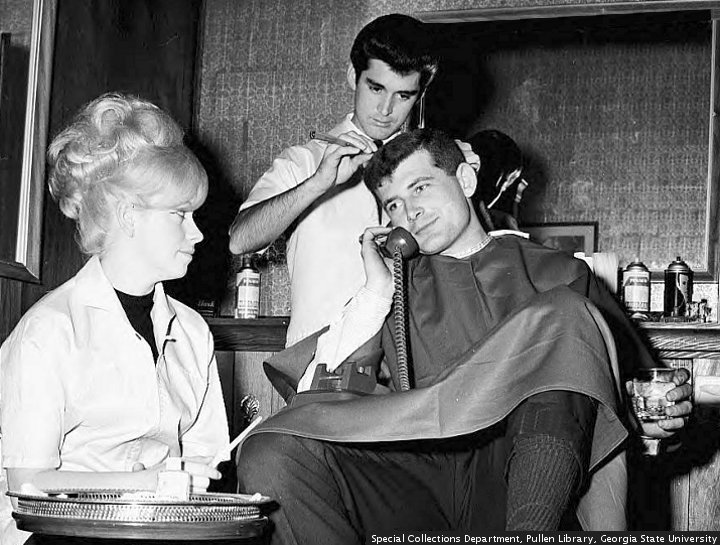
There used to be a chinese restaurant, on the Atlanta Highway, called Hunan House. One night, a few people shared a flaming volcano, and formed a band. The b52’s played their first show at a valentines day party in 1977. They were named for a bouffant hairstyle.
The b52’s were Ricky Wilson, his sister Cindy, Kate Pierson, Fred Schneider III, and Keith Strickland. The Wilsons and Mr. Strickland were from Athens. Miss Pierson and Mr. Schneider were from New Jersey. Planet Claire was the ancestral home.
Fred had lived in Atlanta before he moved to Athens. He stayed in an apartment on Monroe Drive, across from S&M clutch and brake company. PG knew some of his neighbors, and once rested his feet on a rug, formerly owned by Fred Schneider.
Somebody had connections, and The b52’s were playing shows in New York before long. They released a 45 on db records, “Rock Lobster” and “52 girls”. The first of the girls mentioned…there are only 23 named…is Effie. There was a famous whorehouse in Athens named Effies.
One night, they played a show at the Big Dipper, on Ponce de Leon Avenue. The Big Dipper was a former Maryland Fried Chicken, and is now something else. After the show, either Kate or Cindy was in the parking lot, talking to a local character named Beulah. As was his way, Beulah was talking about Mick Jagger this, Mick Jagger that. Finally, Kate had enough. ” Fuck Mick Jagger. One day Mick Jagger will come see me, me, me.”
The b52’s were a fun band. Ricky had an unusual style on guitar, and Kate played a farfisa organ. The girls always wore big hair wigs. Fred was somewhere up front singing.
On Labor Day, 1978, PG saw the b52’s in Piedmont Park. There was a third girl that day, Wendy, who wore an inflatable beach float, and danced. The only songs PG is sure they did were “Downtown” and “Rock Lobster”. A few months later, PG saw the b52’s at the Agora ballroom. The Brains opened.
Sometime in late 1979, the eponymous first album came out. It became a hit, with dance clubs all over playing “Planet Claire”, “Dance this mess around”, and “6060-842”. In the summer of 1980, PG talked with a former Athenian in a hostel in Cannon Beach, Oregon. He mentioned that Cindy was the only heterosexual in the band.
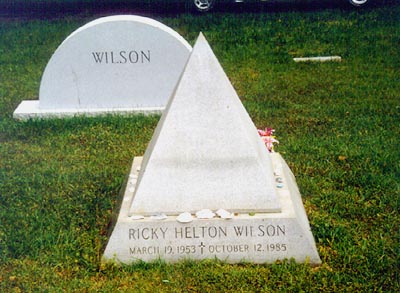
The years went by, and more albums were released. On October 12, 1985, Ricky Wilson died of AIDS. He is buried in Oconee Hill Cemetery, behind Sanford Stadium in Athens. He sold bus tickets at the Grayhound station in downtown Athens before he hit the bigtime.
The band continues to this day. At some point, “Love Shack” was released, and became a hit. It is probably the best known b52’s song today. This is a repost. Pictures are from The Library of Congress.



Where Was That Place?

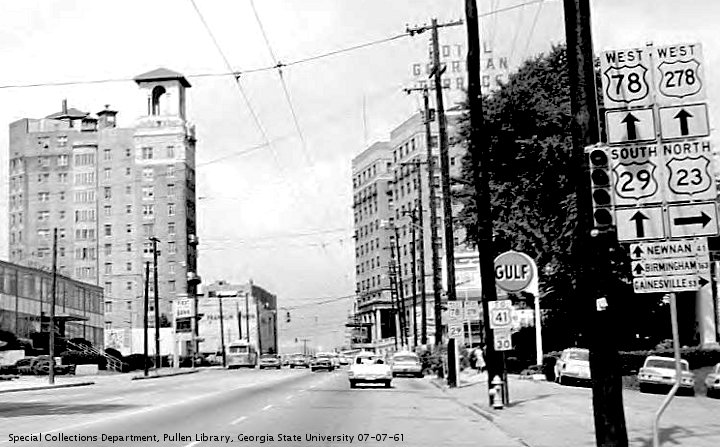
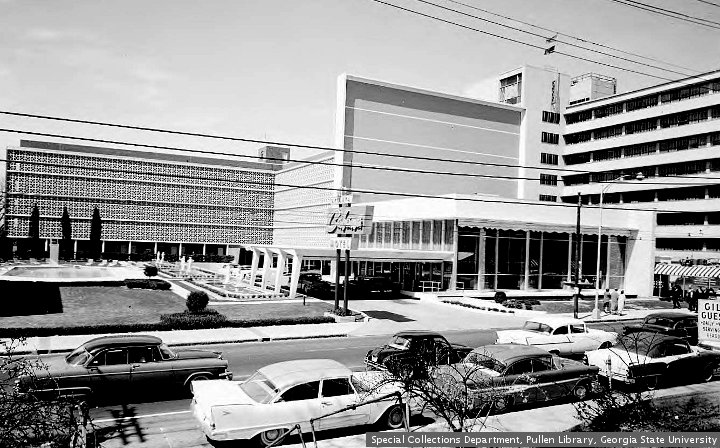

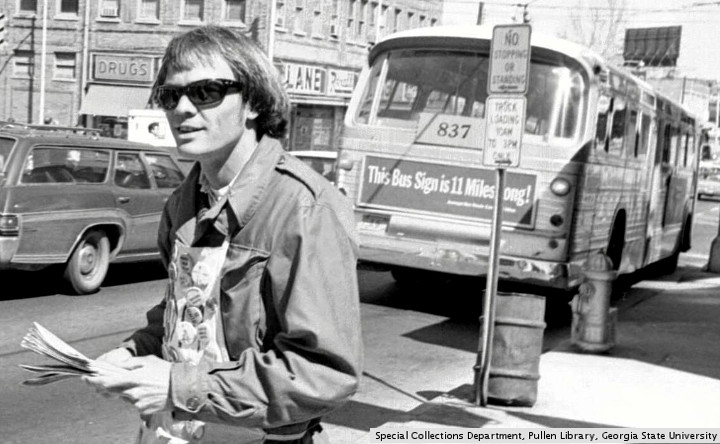
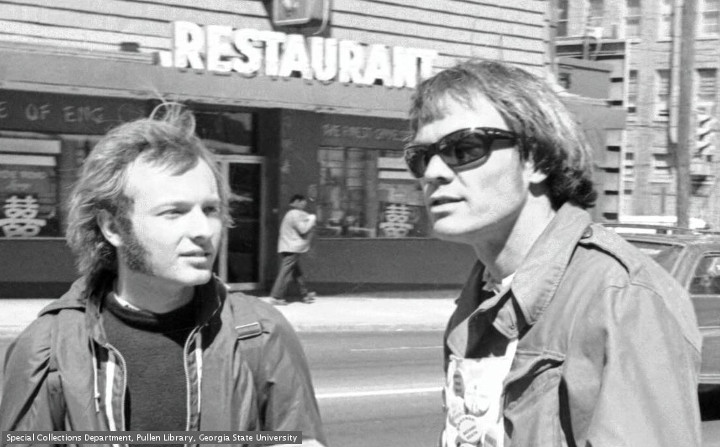
This blog has an email address listed. It is seldom used. The host is a faded internet company that rhymes with booboo. Once proud email has become a spam magnet. The email address there is checked every once in a great while. Yesterday was one of those times. There was a surprise.
Friday, June 5, 2015, 2:52 PM
Do you know exactly where the Agora Ballroom was in the Georgia Terrace Hotel Also I am trying to locate photos of the following locations – Does you any that we can use? Please let me know ASAP – I am on an extremely tight deadline need photos by Monday morning if possible. Exteriors or interiors are great. Please let me know if you have any.
12th Gate Coffee House (located on 10th street in Midtown,) Club 112 (located at Lavista and Cheshire Bridge,) Lenny’s (either or both of their two locations in the Old Fourth Ward,) Great Southeast Music Hall (either or both of their two locations Lindberg Plaza or Cherokee Plaza,) Echo Lounge (located in East Atlanta,) Hedgens (located in Buckhead,) Agora Ballroom (located in Georgia Terrace hotel,) Muelenbrink’s Salon (located at the Underground.) Joeff Davis Photo Editor Creative Loafing
Thursday, July 9, 2015 11:12 PM
Hey I apologize for the tardy answer. I don’t use this email very often
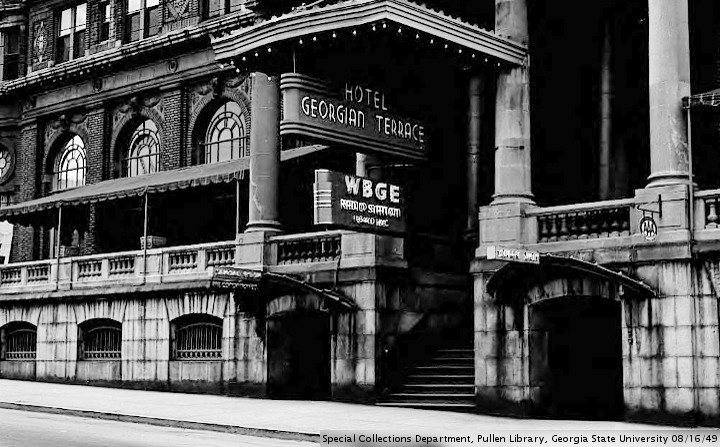
The Agora was at the end of an alley off Peachtree. It was next door to the Ga Terrace Hotel, though not in the Hotel building itself. The ballroom was in a fire in the early eighties, and was torn down. I don’t have any of the pictures that you needed a month ago.
Friday, July 10, 2015, 11:49 AM
Thanks here is the piece we did: That was then, this is now
Friday, July 10, 2015, 1:21 PM
Hey thanks for getting back to me. The article was cool, even without my contribution. This seems like a good excuse for a blog post. I have a some comments about some of the locations listed. For instance, my mother bought groceries at the Cherokee Plaza A&P every thursday for 37 years.. I would like to use your letters, and link to your article, in my post.
Chamblee54 has had posts about four notable Atlanta performance venues: 688 Spring Street, Georgian Terrace Ballroom, The Great Southeast Music Hall, and Richards. Two were on the list of requests. As for the other two, 688 Spring Street, home of Rose’s Cantina and 688, is now a doc-in-a-box facility, Concentra Urgent Care. The site of Richards, across from Grady stadium on Monroe Drive, is now the meat department at Trader Joe’s.
The CL article, That was then, this is now, is fun to look at. There are some good pictures. There are a couple of mistakes in the piece, which this post will try correct.
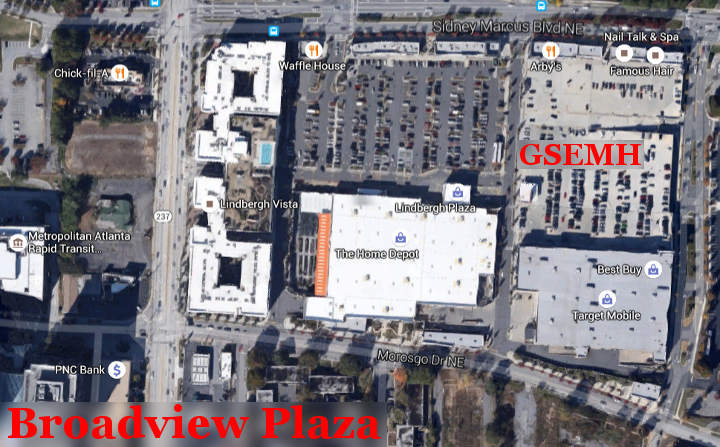
The Great Southeast Music Hall is the scene of many cherished memories for those of a certain age. The post linked here has more comments than any other Chamblee54 post. There are two google earth images, one for Broadview Plaza, and one for Cherokee Plaza.
In Broadview, (now known as Lindbergh something or another,) the Music Hall was in the corner of an L shaped building. The space is currently a part of the parking deck for Target. According to google earth, the Home Depot takes up almost the entire parking lot of the old shopping center.
In Cherokee Plaza, the space where the Music Hall was is the south part of a Kroger. CL says it was in the parking lot, which simply is not so. This parking lot is too small, which is one reason the Music Hall failed there. In the nineties, the A&P expanded, and took over the space occupied by the theater. In 1998, A&P closed their Atlanta operations. The stores were taken over by Kroger.
The third google earth image is for the intersection of Peachtree Street and Ponce De Leon Avenue. This is the location of the Georgian Terrace Ballroom. This was the setting of Alex Cooley’s Electric Ballroom and The Agora Ballroom. This facility was in a fire, and torn down. An annex to the Georgian Terrace Hotel was built. This annex is roughly where the Ballroom was.
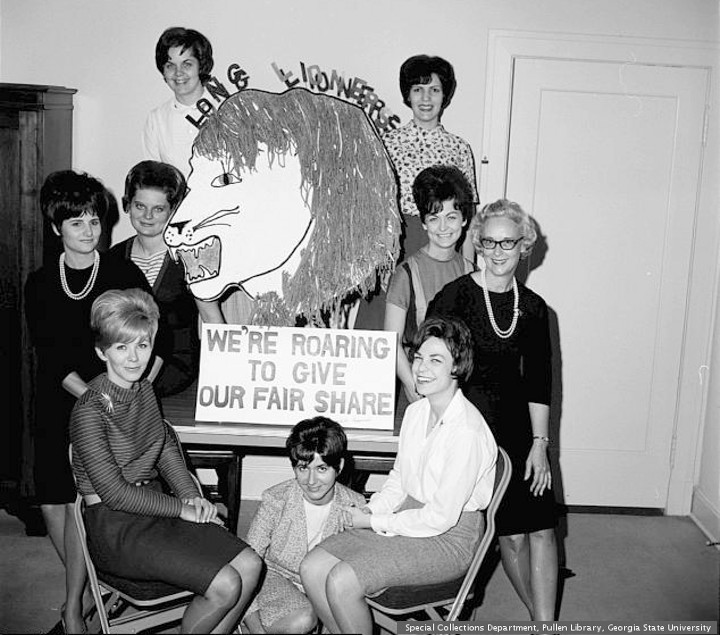
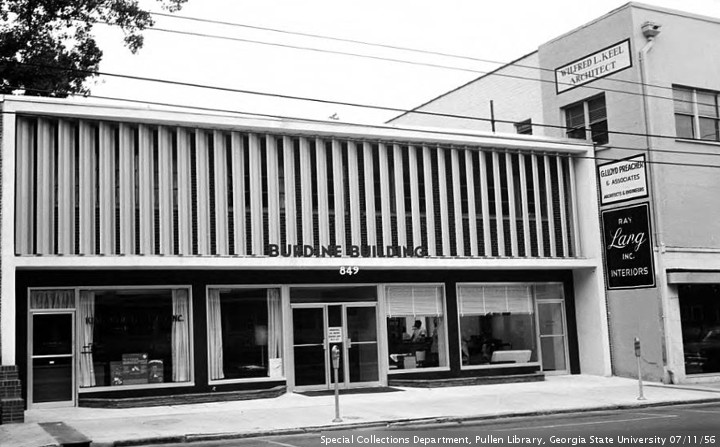
One of the places CL mentions was Backstreet. A picture of Lang Interiors, on Peachtree Street at Sixth Street, is included today.This is the building that became Backstreet. This building was a series of nightclubs in the early seventies. Backstreet opened in late 1974. It was the premier chacha palace in Atlanta for many years. When the property became valuable enough to attract the money of developers, the city discovered enough violations to shut down the party. (1974 was somewhat of a golden age for Atlanta nightlife. The Great Southeast Music Hall, Richards, and Alex Cooley’s Electric Ballroom were all in operation in 1974.)
Club 112 catered to an African American clientele. The space had been many businesses over the years, with a Fred Astaire dance studio next door. Around the time Backstreet was getting started, the space was called the Locker Room. A drag show, featuring the Hollywood Hots, performed there. The Locker Room was a “private club,” and was able to stay open on Sunday night. It was the only place open on Sunday, and was packed. The Locker Room was owned by Robert E. Llewellyn, who was later convicted of having a business rival murdered.
The 12th gate was in the middle of the block, somewhere on tenth street. It was not on the corner of Spring Street. A seedy Jim Wallace gas station was nearby. This place was mostly before PG went out much. There is a hazy memory of seeing the Hampton Grease Band there. After the show, Mr. Hampton walked up to PG, holding a thumb and finger making a circle in front of one eye. Mr. Hampton asked PG what sign he was.
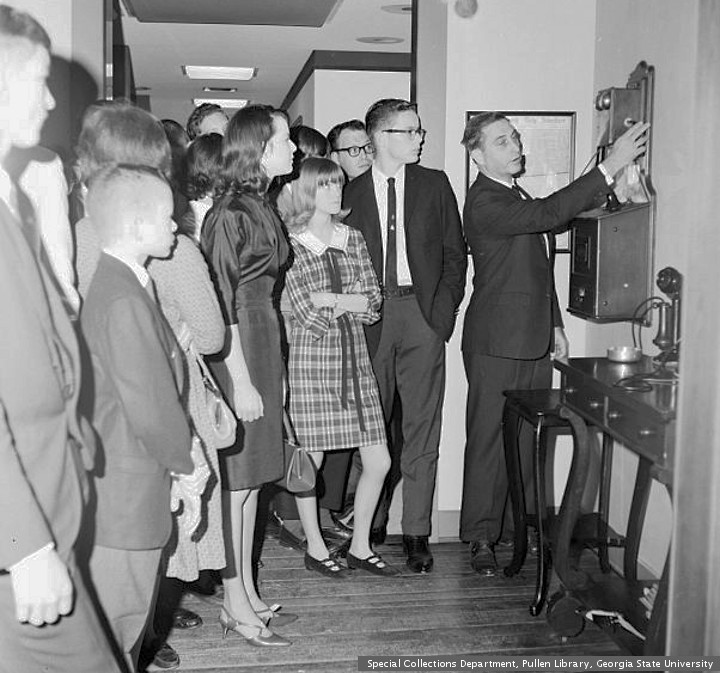
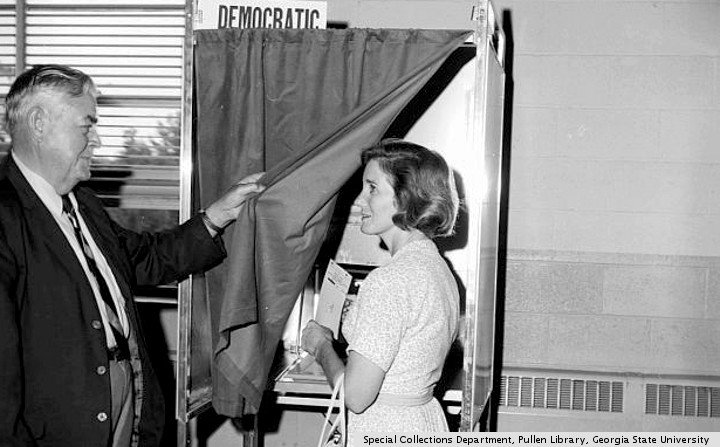
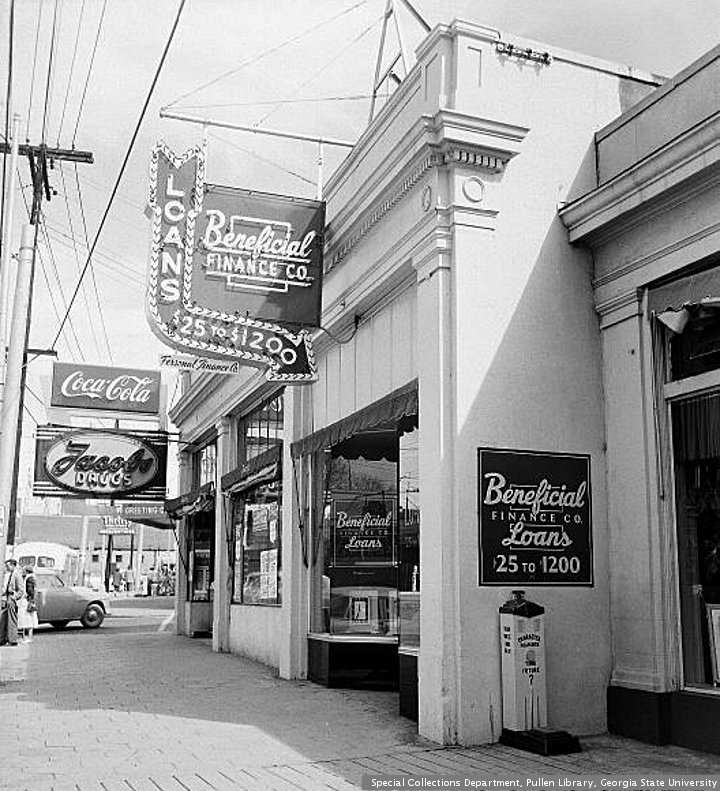
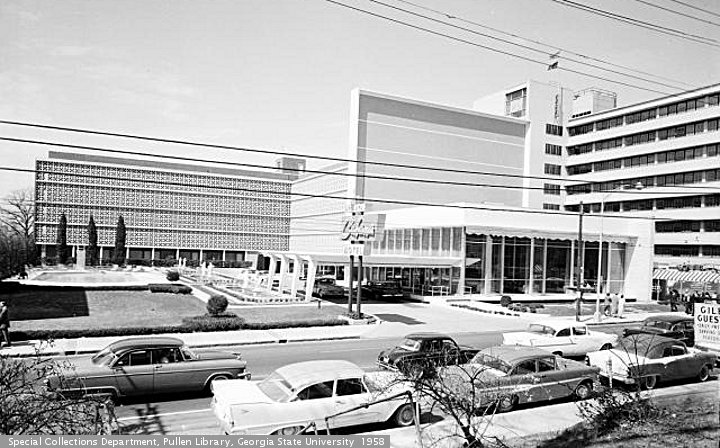
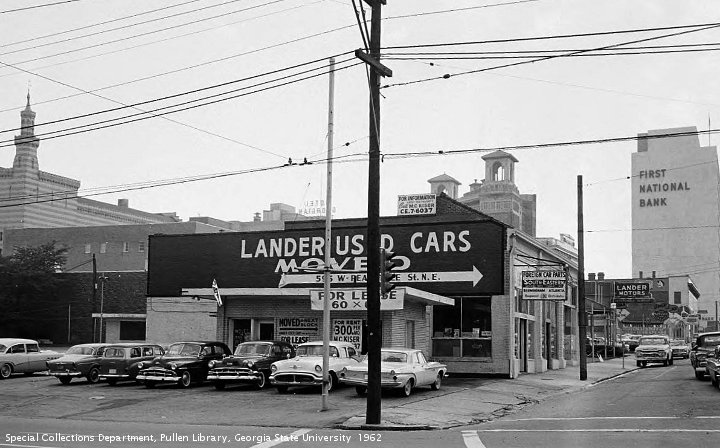
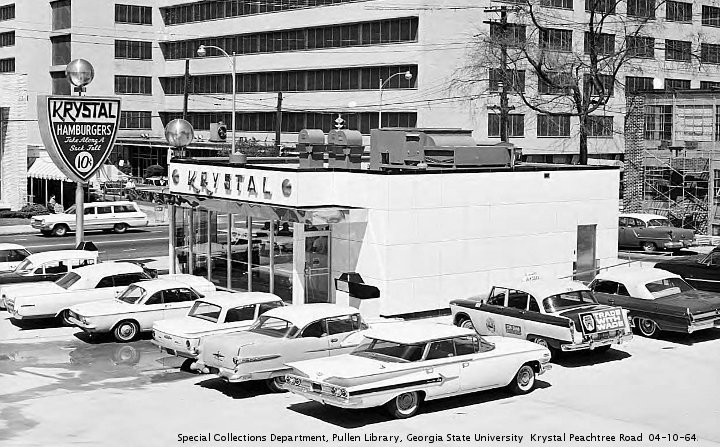
By the time Lenny’s was in business, PG was a retired drunk. He seldom went downtown after dark. Somehow, the party went on without him. Pictures today are from “The Special Collections and Archives, Georgia State University Library”.



Bill Cosby
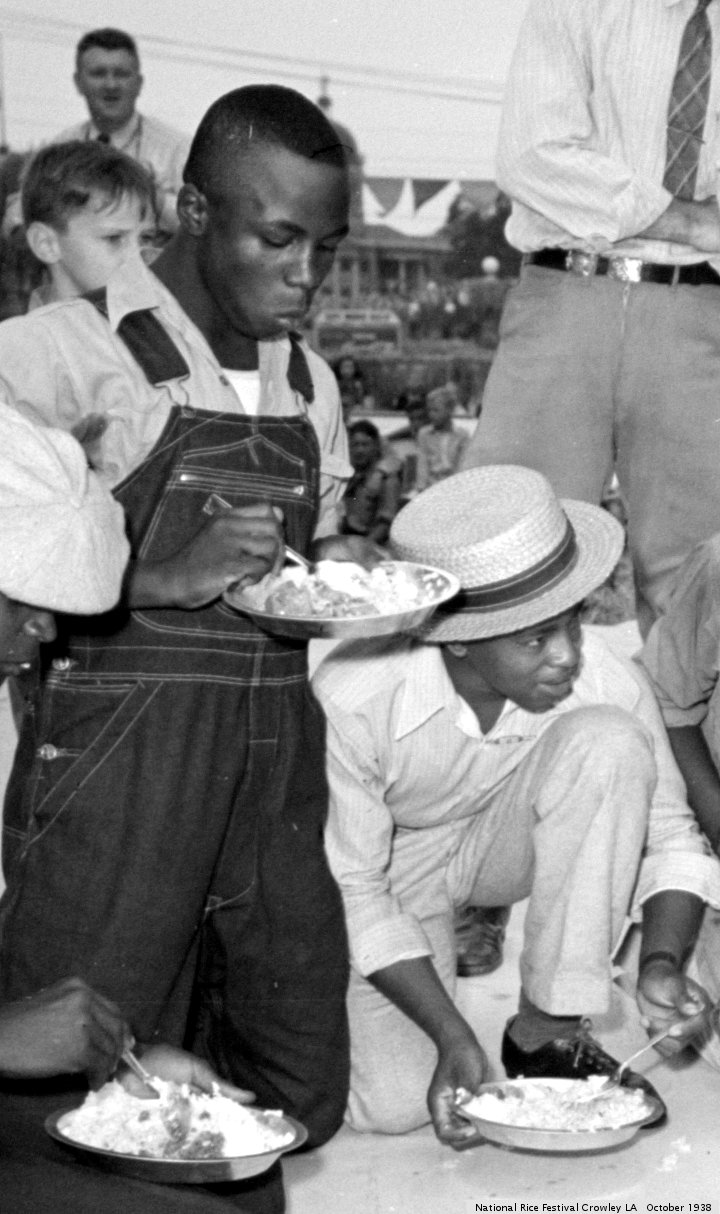
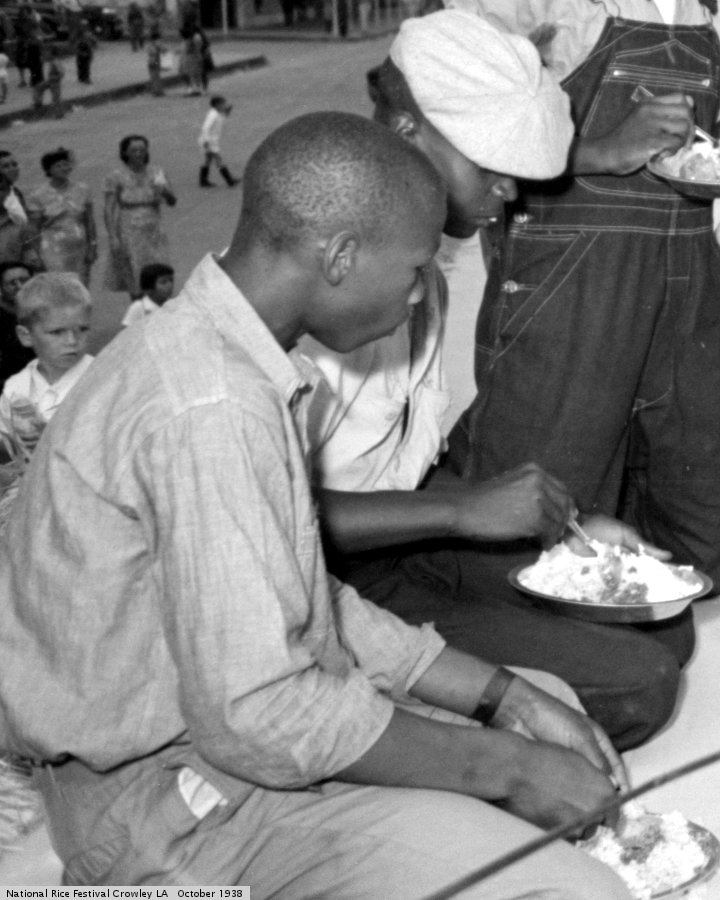


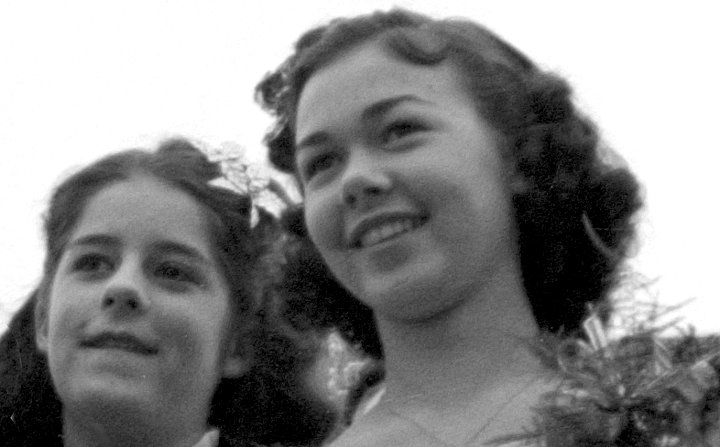


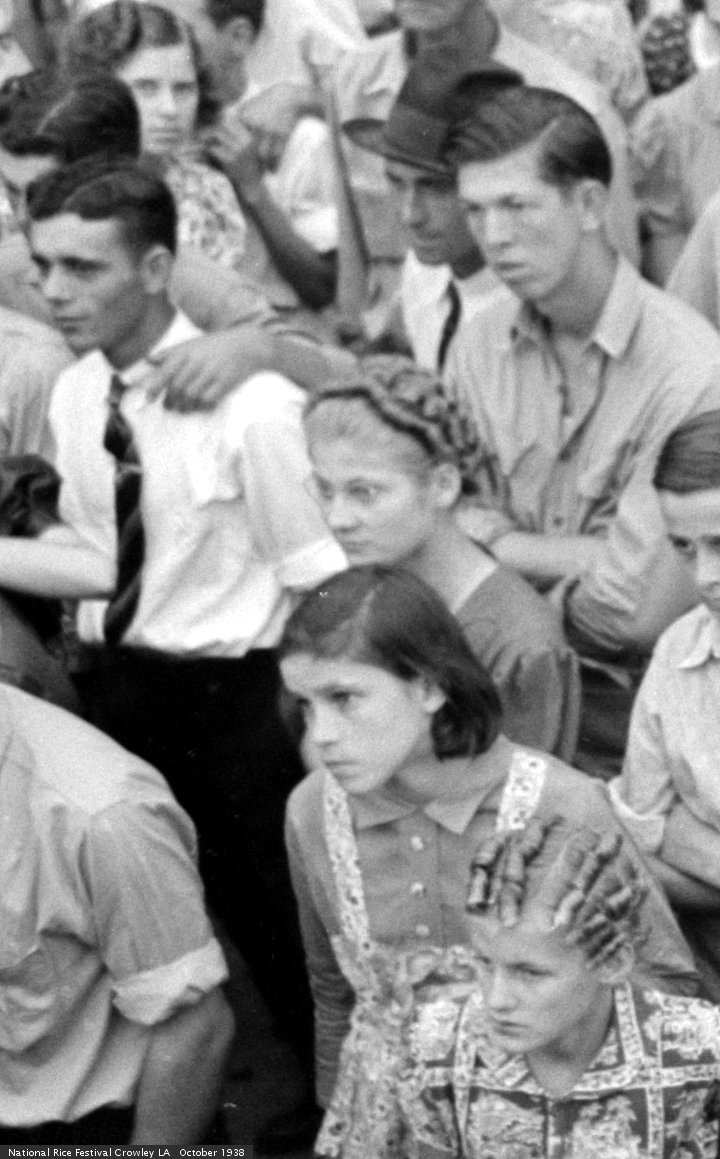
As you may have heard, Bill Cosby is back in the news. If you want details, they won’t be tough to find. If you want to hear what people think about it all, that will be even easier to find.
PG quit watching TV about the time the Maytag repairman got his last service call. Allegedly, Mr. Cosby had a warm and fuzzy TV show a few years ago. A lot of people have trouble accepting that the wonderful man, on the boob tube, is a rapist. It was a performance by an actor.
When PG hears the name Bill Cosby, he goes back 49 years. It would be a summer afternoon like this one. A couple of doors down, a Bill Cosby comedy album would be playing on a monaural record player. We would have heard it a few dozen times already. Childhood would not have been the same without Bill Cosby comedy albums.
There was another incident. In 1981, PG was riding a bus to points west. In Reno NV, he left his bags at the station. Bill Cosby was performing in a casino. There was a ten dollar cover charge. The door man said that PG’s clothes were compliant with the dress code. And yet, PG did not feel like sitting down long enough to see the show. The opportunity passed by.
So, it is a July afternoon, just like one in 1966. With youtube, you can search for a Bill Cosby album. When you play one, Youtube/google superimposes an ad, telling you how to self publish poetry.
The first one to play was Wonderfulness. It has a picture of Mr. Cosby on an non motorized downhill device. PG remembers seeing the album on sale at K-mart. Listening to the first part of the album, the material was not familiar. And, truth be told, not very funny.
Comedy albums on vinyl are dinosaurs. Today, if you want to see a comedian, you can see something on cable tv, or a dvd, or a youtube. The concept of white boys sitting around listening to a black comic, on vinyl, is archaic. If Norman Rockwell had been relevant in the sixties he might have captured the moment. (Mr. Rockwell died in 1978, so it was possible. Saturday Evening Post was only bi-weekly by 1966, and might not have wanted to publish such a thing.)
The next album on the playlist was Why Is There Air? There were a few punch lines that PG could remember from 1966. If you are driving in San Francisco, and your VW bug rolls into the bay and you die, you go to hell. Its a lot funnier when Bill Cosby says it.
There was one routine, about pregnancy, that stands out. The possibility of a Polaroid baby… you kiss your wife, sixty seconds later the kid pops out, you did him in lacquer to keep him from fading. Today’s listener under forty will not have a clue what he is talking about.
The pregnancy routine talks about how tough it is for the mother, and the baby. One can only wonder if Mr. Cosby had begun the chemical seduction routine in 1966. The idea that Bill was out druggin and buggin, while Camille was at home having his babies, is not funny.
Pictures are from The Library of Congress.
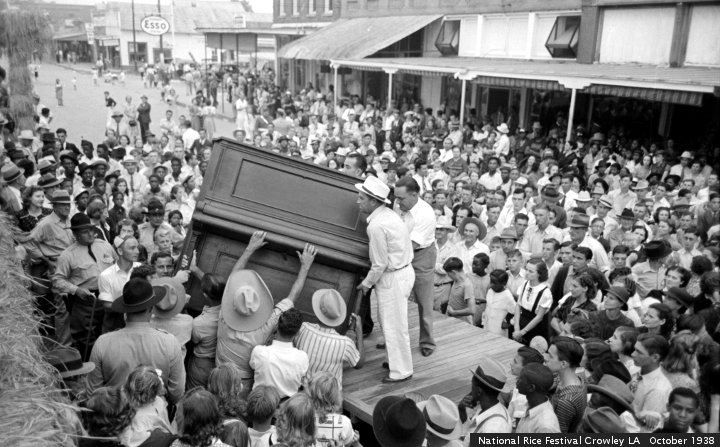


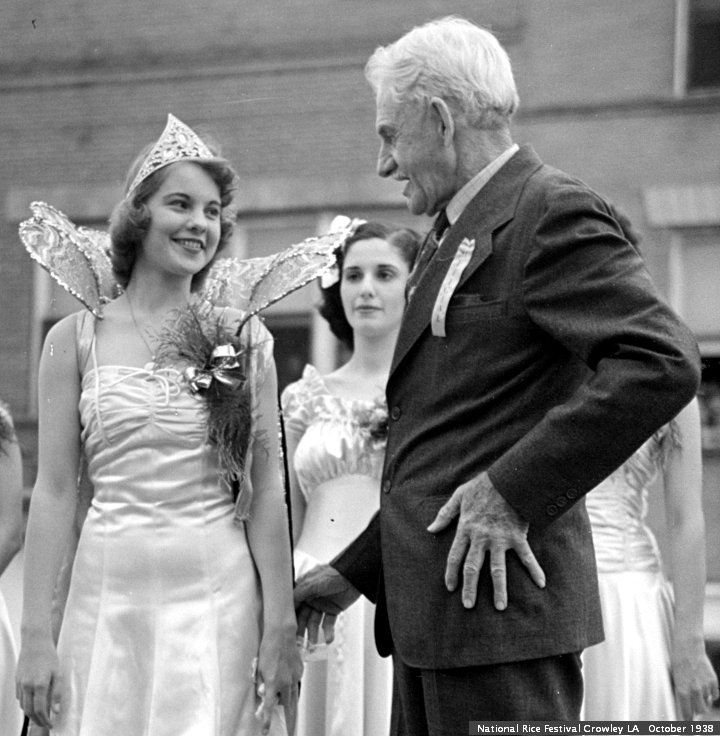


Midtown

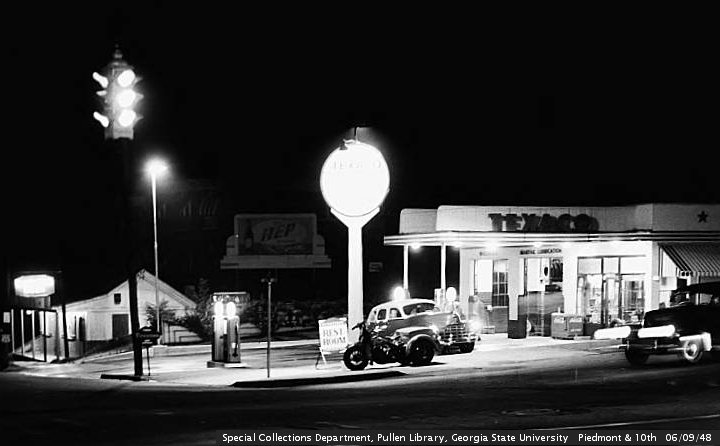


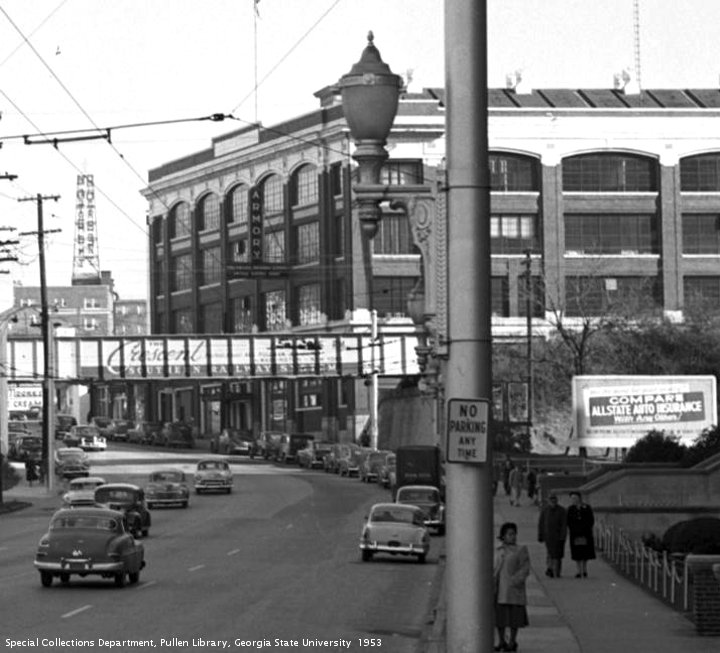
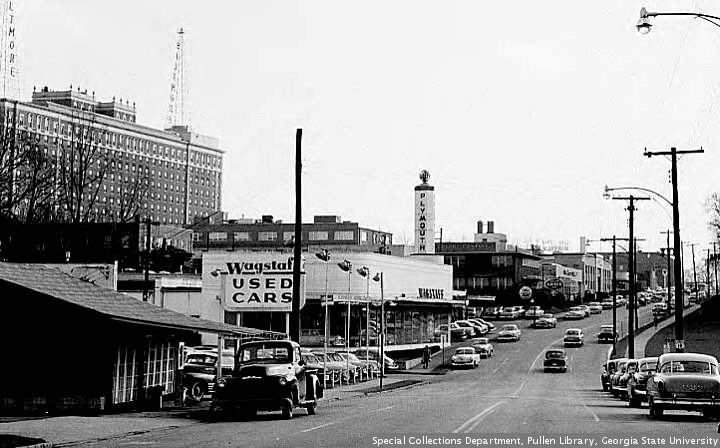
The neighborhood along Peachtree Road has always been a great place to be a freak. For a long time it didn’t have a name. It is north of downtown, between Piedmont Park and Georgia Tech. Sometime in the early eighties, people started to call it Midtown, and the name stuck.
In the time after the War Between the States, this area was a shantytown called “Tight Squeeze”. It evolved into a pleasant middle class area. In the sixties, hippies took over. The area was known as the strip, or tight squeeze. Many stories could be told.
After the flower children moved on, the area went into decline. Gays started to move in, with the battle cry “Give us our rights or we will remodel your house.” Developers, worshiping the triune G-d of location, location, location, began to smell money. The neighborhood became trendy, then expensive, then more expensive. The freaks with money remain. This is a repost. Pictures are from “The Special Collections and Archives, Georgia State University Library”.


The Kinks
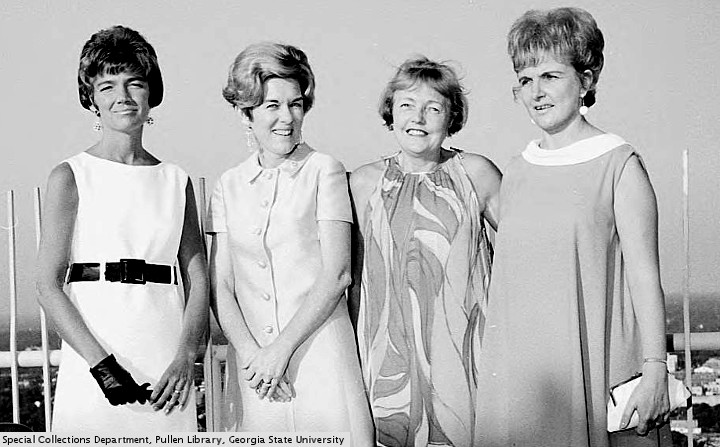


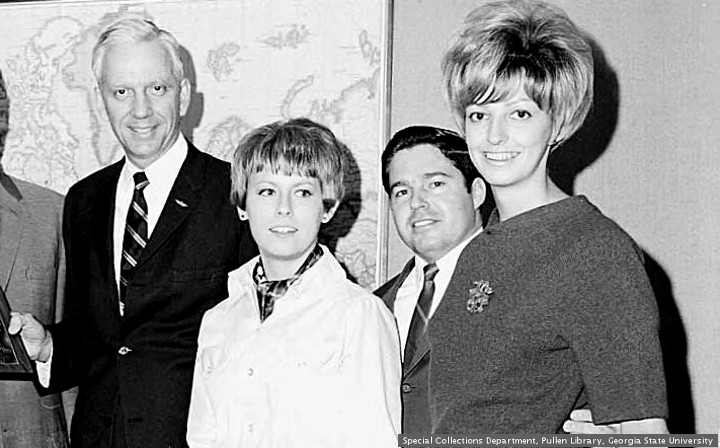
Dangerousminds brings the sad news that Pete Quaife, the original bass player for The Kinks , passed away yesterday. He was 66, and had been in dialysis for several years. Maybe it is time for Chamblee54 to do a post about The Kinks. This is a repost.
Battling brothers Ray and Dave Davies are the core of The Kinks. (The name is pronounced like the american Davis, as though the e did not exist). Ray was the vocalist, writer, and rhythm guitar player. Dave was the lead guitarist, and sparring partner for his brother. The fisticuffs were not restricted to the brothers. This led to the band being barred from performing in the United States between 1965 and 1969. The sixties happened anyway.
There were several hits in the early days, most notably “You really got me”. (This later became a signature tune for Van Halen). The band had numerous adventures, but never became the superstars that other British bands of that era did. Ray Davies developed as a songwriter, with many witty tunes, full of social commentary and britishness.(spell check suggestion:brutishness)
In the seventies The Kinks kept trooping on. They did an album called Preservation Act, which became the basis of a theatrical presentation. The next album was called Soap Opera, with a theater like production. This is where PG got to see The Kinks.


It was sometime in the spring of 1975, at the Atlanta Municipal Auditorium. Elvin Bishop was the opening act. The Kinks had started when PG arrived, buying a $4.00 balcony seat. Alex Cooley was in the box office counting money, and broke open a roll of quarters to make change for a five.
The band was playing “Celluloid Heroes” when PG walked into the auditorium. There was no one on the door checking tickets, so PG walked onto the floor and found an empty seat on the 13th row. The next number was “Lola”.
Ray Davies introduced the song by saying ” If you are a man, sing LO. If you are a woman, sing LA. If you are not sure, clap your hands”. The next number was about demon alcohol. There were lights shining on the crowd during this number, as Ray Davies asked if there were any sinners in the audience. The band did several more songs, ending the first half of the evening with “You really got me”. Dave Davies got some spotlight time with a rave up intro to this number.
The second part of the show was a theatrical presentation of “Soap Opera”. The band wore rainbow colored wigs, and stood at the back of the stage while Ray Davies told the tale. “Soap Opera” was about a rock star who traded places with Norman, who lived a boring life. The flat Norman lived in has pictures of ducks on the wall, which drove Ray/Norman to scream “I can’t stand those f*****g ducks”. This led into a rocking ditty called, predictably, “Ducks on the Wall”.
As the show dragged on, Ray/Norman was embarrassed by the mess he was in. “You can’t say that in front of The Kinks, they are my band, and that is my audience.” The audience lights were turned on again, and the band played a medley of hits from 1964.
Finally, the real Norman came back to reclaim his wife, put the ducks back on the wall, and kick out The Kinks. The band gave up on theater before much longer, and were popular for the rest of the concert happy seventies. Ray Davies was the babydaddy for Chrissie Hynde . Eventually, the band quit performing, and continued to cash royalty checks.
Pictures are from the “The Special Collections and Archives, Georgia State University Library”.

Stars And Bars






@KenSimonSays The Confederate flag began flying over SC Capitol in 1962 as protest to desegregation. It’s not “heritage”, it’s racism. #TakeItDown
As Richard Nixon might have said, let me make one thing perfectly clear. PG is no fan of the stars and bars. Whatever value the “Confederate Flag” may have as a symbol of southern heritage has been obscured by its use as a symbol of hatred for black people. South Carolina should not fly the “Confederate flag” over the state capitol.
On the other hand, PG does not like being lied to. If you are offended by a symbol, then say you are offended by a symbol. Don’t rewrite history to support your cause. If your cause is so wonderful, then you should not need to conjure up so called facts from history.
In 1956, Georgia incorporated the stars and bars into the state flag. In 1993, people wanted to change the flag. So far, so good. The flag was an aesthetic eyesore. The flag was offensive to a significant portion of the state population. The flag eventually was changed, and changed again.
There was one problem with the 1993 effort to change the flag. Governor Zell Miller, a strong proponent of flag change, said in a speech that the stars and bars were added to the flag, in 1956, as a protest against integration. Many people accepted this bit of historic revision without question.
Some did not believe that for a minute. The legislature in 1956 was not that smart. They were a bunch of white males who were, with a few exceptions, racist, alcoholic crooks. If someone had suggested a flag change as a stand of defiance against desegregation, they might have thought it a good idea, but few Georgia legislators thought like that. This was 1956. The sixties, where protest became the new national pastime, were a few years away.
PG did some research, and found a newspaper article from February 1956 announcing the new flag. The article did not mention protesting integration. Instead, the legislature said they wanted to honor the Confederacy. The cult of the Confederacy was stronger in 1956 than it is today.
@chamblee54 “flag began flying over SC Capitol as protest to desegregation” ~ do you have documentation for that claim?
@KenSimonSays link 01 (pages 18-19, et al); link 02 (para 1); link 03
The three links provided are scholarly accounts of various issues. None of them showed that the motive for flying the stars and bars was a “protest to desegregation.” This passage from link03 is typical. “The flag was first raised over the capitol in 1962, just a few years before Congress passed the Civil Rights Act of 1964 and the Voting Rights Act of 1965. In its historical context, the decision to first fly the flag over the South Carolina capitol can reasonably be seen as a defiant act by a legislature determined to resist national pressure to desegregate.”
Link01 tells much the same story. “South Carolina began its official celebration of the Confederate flag in 1962 during a time when many white Southerners were resisting the end of Jim Crow Laws with police dogs and much worse. Traditionally, governments fly flags to endorse or approve what is symbolized, and not to provide history lessons.”
The next sentence is ironic. This is lawyer writing, which is mostly incomprehensible to people like PG. This sentence is probably not intended in the way PG is taking it. “In Croson, the Court established three basic principles of skepticism, consistency, and congruence concerning governmental race based classifications.” PG seldom needs encouragement to be skeptical.
@chamblee54 “in it’s historic context, the decision to first fly the flag …can reasonably be seen as a defiant act” (1)
@chamblee54 A scholar talking about historic context is not good enough I want a newspaper account from 1962 saying (2)
@chamblee54 this is why the flag is being flown they pulled this BS in GA over the state flag https://chamblee54.wordpress.com/2015/05/03/changing-the-flag/ …
@KenSimonSays Ah BS, from a man who quotes himself to try and prove a point. Hey, you’re entitled to kick your feet all you want.
@KenSimonSays And keep in mind, these are the same ppl who’ve convinced themselves that Civil War was fought over “states rigjhts”
@KenSimonSays and not slavery, so they’re very good at bullshitting themselves.
@KenSimonSays Eventually, the bigots are going to not have any more space to wriggle out of.
@Brimshack Did you really think they would actually say they were flying the flag to protest desegregation? (@Brimshack retweeted the first tweet from @KenSimonSays. PG currently follows @Brimshack, who is based in Alaska.)
@chamblee54 I went through this with the ga state flag – am no fan of csa flag – the protest integration thing rings false (1)
@chamblee54 you say it is to protest integration, a publicity stunt … of course they would say that is why they did it(2)
@KenSimonSays Not a publicity stunt. A temper tantrum codified into law. You think politicians are above such things? Or that the
@KenSimonSays flag suddenly magically appeared after almost a full century of not really being an issue…until integration enters
@KenSimonSays the picture, first in schools in the ’50s and more and more in the proceeding years. Closing your eyes to this is
@KenSimonSays what’s got a lot of people down there thinking the war was “northern aggression” over “states rights”.
@Brimshack That isn’t clear at all. This would be one of many disingenuous narratives produced by neoconfederates.
@KenSimonSays But that flag will come down eventually, it’s just a matter of time. And you’ll pout & write abt how unfair it is,
@KenSimonSays how it violates your free speech, dishonors memory of the dead, govt intrusion, all the while the real reason is the
@KenSimonSays that Yankees came down & told wealthy sadists what to do with their slaves & you side with the slave owners.
This is why we can’t have nice things. At no time did PG support South Carolina flying the stars and bars. All he did was show “skepticism,” per link01, to an statement. This statement was used to support something that all three parties agree on. People get so attached to their arguments that a little bit of “skepticism” makes them crazy. Just for the record, in case you missed it the first time: South Carolina should not fly the “Confederate flag” over the state capitol.
The issue of the stars and bars continues to be much talked about. The gun culture is untouchable. The concept of solving problems through violence is not challenged. The verbal abuse culture is celebrated, especially in the Jesus worship church. Denial of mental health issues has become politically correct, at least where Dylann Roof is concerned. Since none of these root causes of the Charleston tragedy are going to be addressed, people focus on a tacky historic symbol.
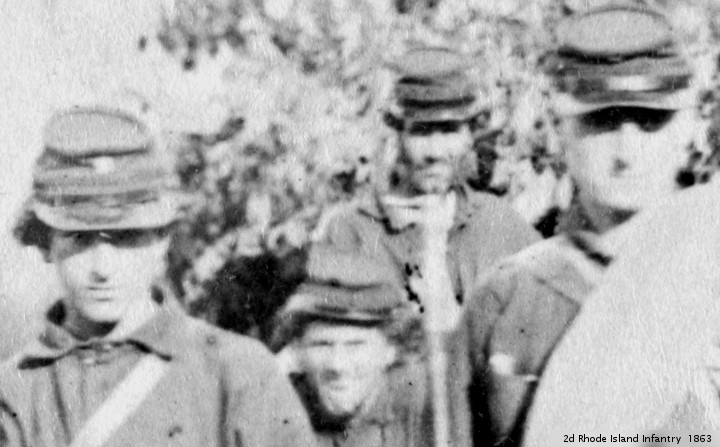
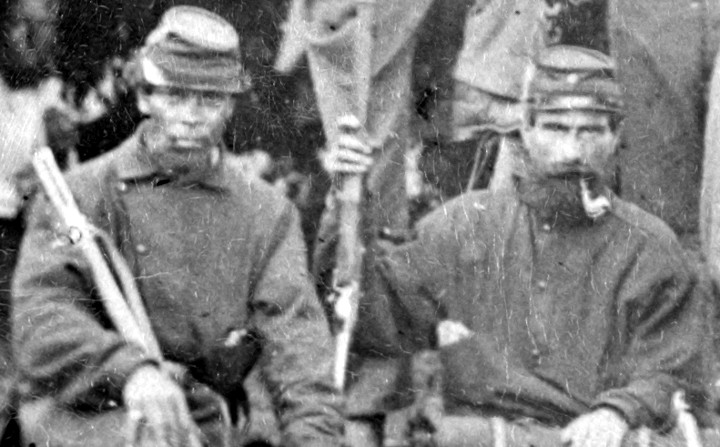
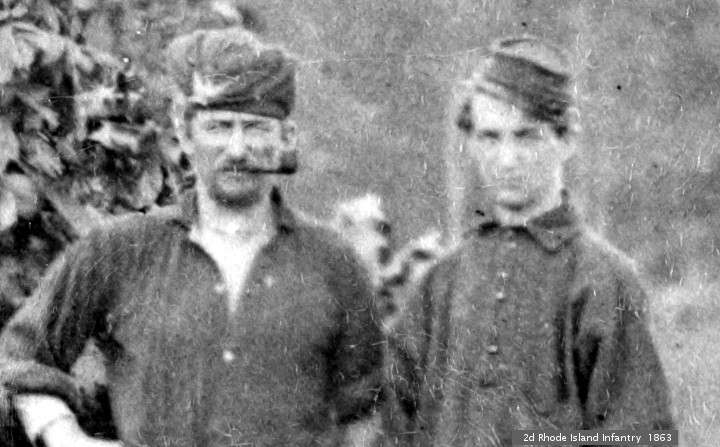
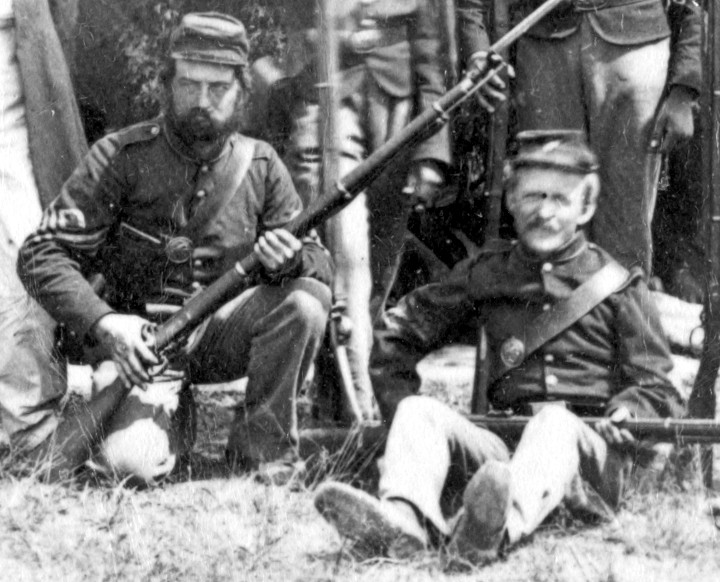
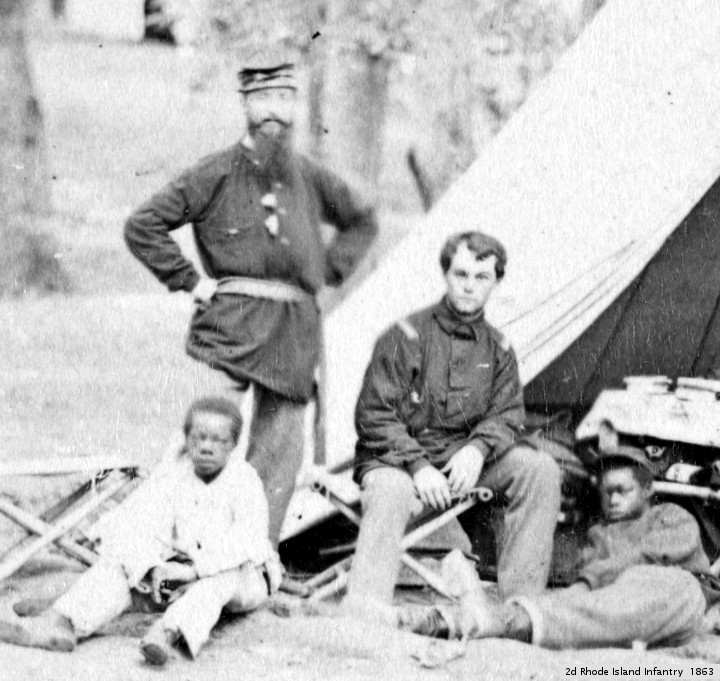
Pictures of Union Soldiers from the War Between the States, are from The Library of Congress.




Luther C. McKinnon
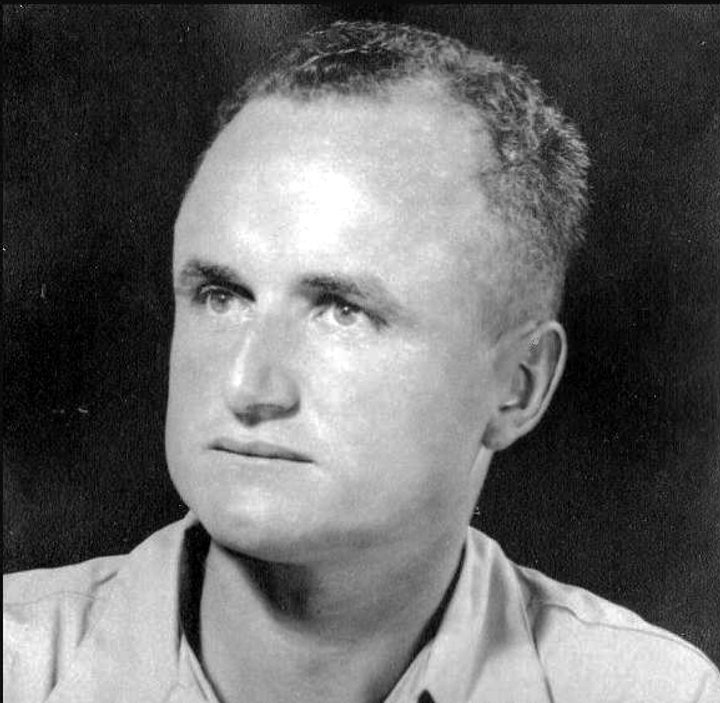

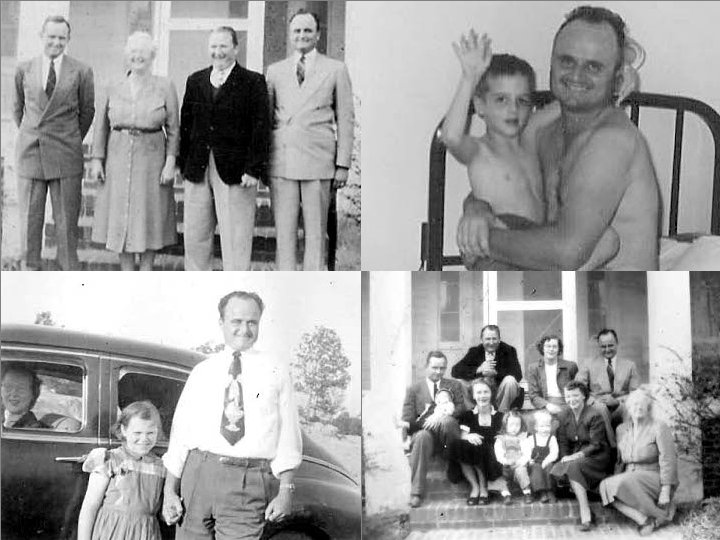
Luther Campbell McKinnon Sr. was born February 22, 1916, on a farm in Rowland, North Carolina. Europe was stuck in a war that would change the world, and not until The United States got involved. This didn’t happen for another year.
Luke was the youngest of four children. After life as a farm boy, he went to Wake Forest University, and then came back when his Daddy died. He ran a family dairy for a few years, and went to live in New Jersey. He lived near a prison, and saw the lights dim when the electric chair was used.
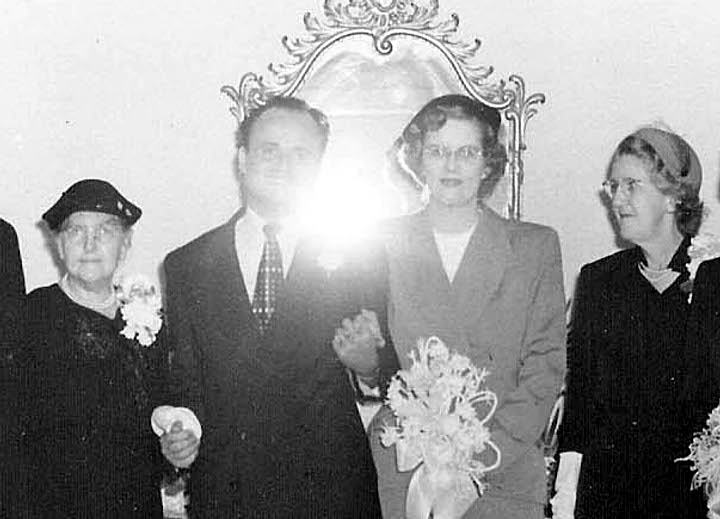
In the early fifties, he came to Atlanta to live. This was where his sister Sarah stayed, with her husband and two daughters. One day he went into the C&S bank on 10th street, and took notice of one of the tellers. On October 6, 1951, he married Jean Dunaway. She was with him the rest of his life.
At some point in this era he started selling shoes. He would go to warehouses, gas stations, and wherever barefoot men needed shoes. He was “The Shoe Man” .
Before long there were two boys, and he bought a house, then another. The second house is the current residence of my brother and myself, and is probably worth 15 times what he paid for it. He had the good fortune to not buy in an area that was “blockbusted,’ as many neighborhoods were.
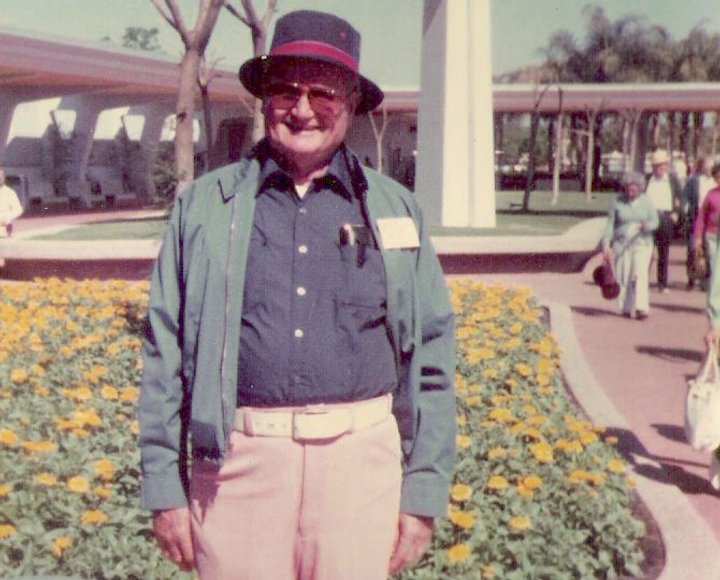
And this was his life. He tended a garden, went to the gym, and was in the Lions Club for many years. When he met Mom, she let him know that going to church with her was part of the deal. They found a church that was good for their needs, and made many friends there. The Pastor at Briarcliff Baptist, Glen Waldrop, was his friend.
When I think of the character of this man, there is one night, which stands out. My brother was away at the time. The day before, Mom had discovered she had a detached retina, and was in the hospital awaiting surgery. Her job had arranged a “leaf tour” by train in North Georgia, and she got one of her friends at work to take me. There was some mechanical trouble on the train, and it did not get back into town until 3am Monday morning. And yet, Daddy stayed at home, did not panic, and had faith that all of us would be back soon, which we were.
Through all the struggles of his life, Dad was cheerful, laughed a lot, and was good company. He left me with a rich repertoire of country sayings, and had many stories to tell. He was surprising mellow about black people, if a bit old fashioned. (In the south when I grew up, this was highly unusual).
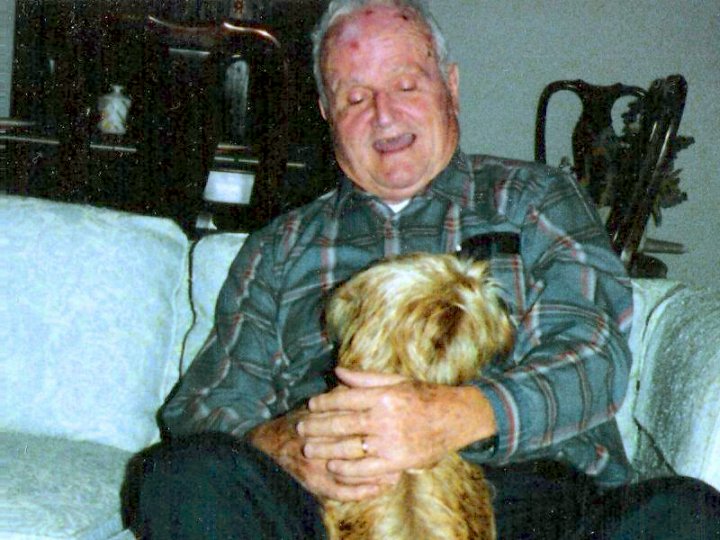
Dad was always in good, vigorous health, and I thought he would be with us for a long time. Well, that is not how things work. A cancer developed in his liver, and spread to his lungs (he did not smoke). After a mercifully brief illness, we lost him on February 7, 1992. This is a repost.


35 Broad Street
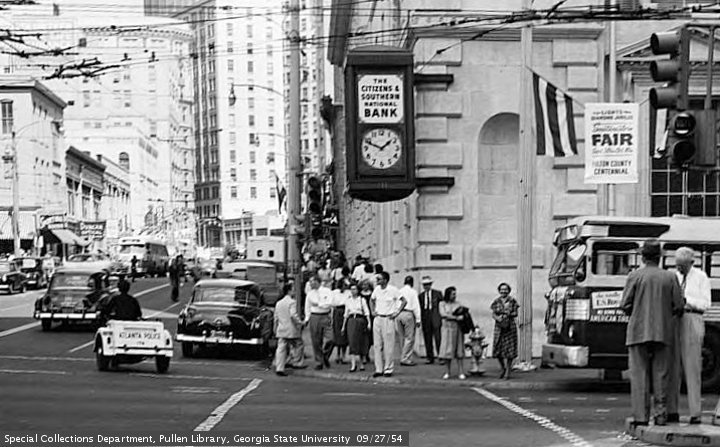
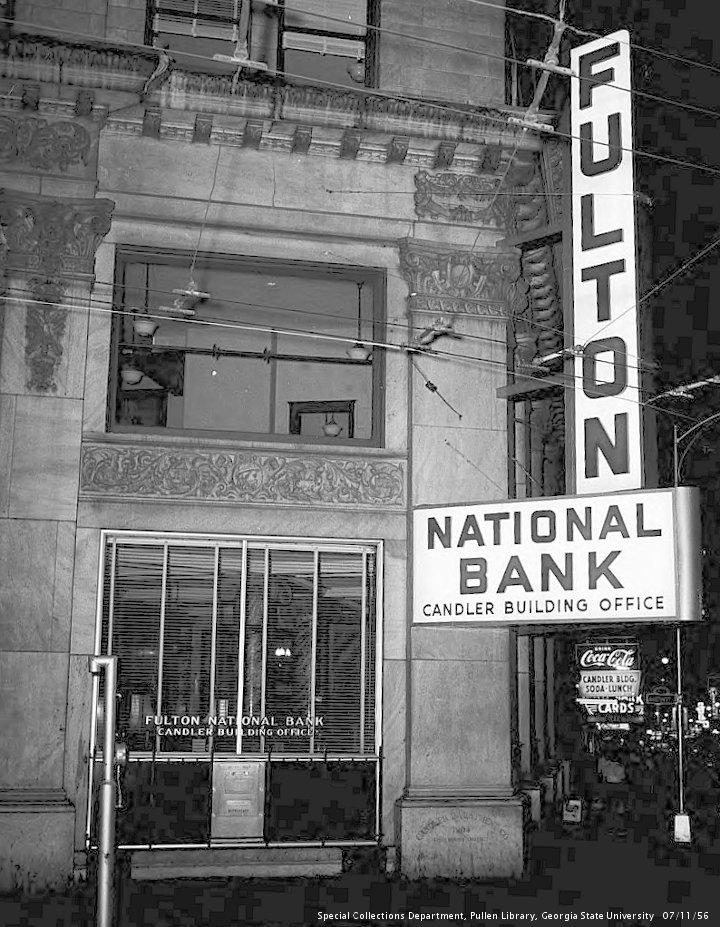
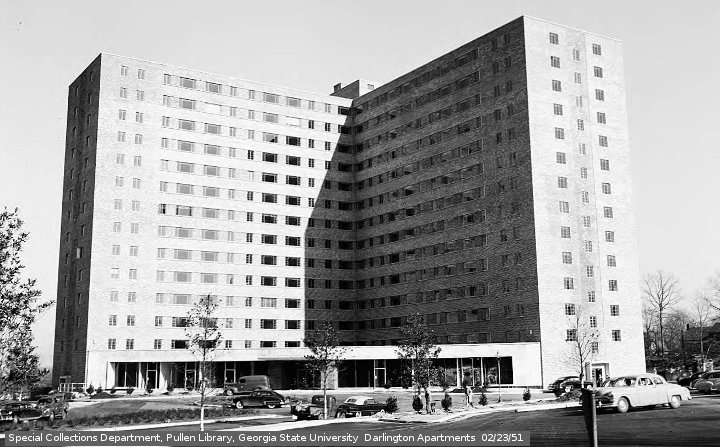
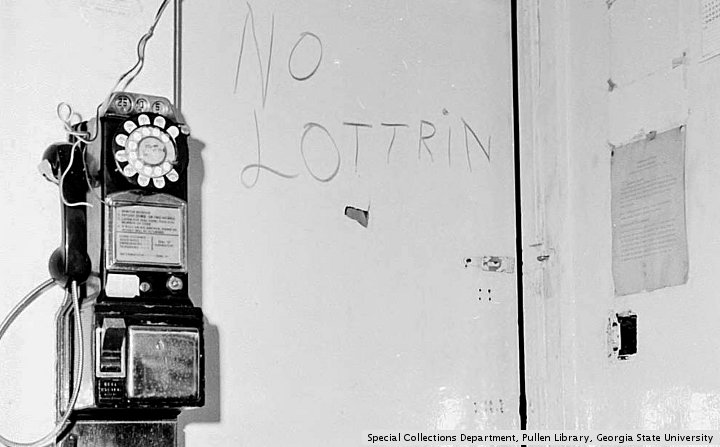
PG was having a delightfully slack afternoon, The one productive activity was editing pictures from “The Special Collections and Archives, Georgia State University Library”. In box seventy two of “corporate bodies”, in the Lane Brothers archive, there was a picture commissioned by King Road Marker Company. It displayed a brand new crosswalk, over Marietta Street at the intersection of Broad Street. The picture was taken at 1:51 p.m. September 27, 1954. This is a repost.
The time caught PG’s eye. 1:51 is one of the times used to display clocks and watches in advertising. Most ads use 10:09. This arrangement of the hour and minute hands makes a welcoming gesture. This allows the logo of the watch to be visible, and is thought to encourage the viewer to purchase the timepiece. The shadows on the buildings indicate that the picture was shot in early afternoon.
The clock with the magic time advertised the C&S national bank. The building behind the clock was the headquarters of that bank. In 1954, Citizens and Southern bank was a prime player in the Atlanta market. (PG’s dad said that C&S stood for choke’m and squeez’m.) At some point, C&S merged with NCNB to become Nationsbank, which was later absorbed by Bank Of America.
C&S kept it’s headquarters at 35 Broad Street for many years after competitors built trophy buildings. Their were constant rumors about where the C&S highrise was going to go. Finally, C&S Plaza was built at Peachtree and North Avenue, a mile north of five points. The building was to become the tallest building in America outside of New York and Chicago. During the construction of this building, C&S became part of Nationsbank.
The picture is featured in Atlanta Time Machine. The building is now owned by Georgia State University, with a BOA branch on the first floor. The banking hall is spectacular. It was designed by Philip Shutze, before the great depression. Here is more information.
Nations Bank Building (Citizens and Southern National Bank Building, Empire Building)
35 Broad Street, NW 1901: Bruce and Morgan, Architects, NR.
Remodeling of Lower Floors and Interiors 1929:
Hentz, Adler and Shutze, Architects; Philip Shutze, Designer
Fourteen stories high, the Nations Bank Building was the first steel-frame structure to be built in Atlanta. Its clear-cut silhouette, simple fenestration, and heavily decorated terra-cotta top bear the influence of the Chicago School. In 1929 the building became the headquarters of the Citizens and Southern National Bank, which asked Philip Shutze to redesign its three lower floors. Because the impression of load-bearing masonry was regarded as better suited for a banking establishment than large glass panes were, the original display windows were replaces by classical motifs apparently “carved out” of Indiana limestone.
Philip Shutze was inspired by Italian Mannerism, and especially by the city gates of Verona by Michele Sanmichelo (1484-1559) … Reached from Marietta and Walton streets through lofty arcaded entryways and a more intimate elevator lobby in the early Renaissance style on Broad Street, the banking hall is a long nave articulated by colossal Corinthian pilasters. While its walls and floors feature several kinds of Georgia, Tennessee, and European marbles in a warm gold-brown color scheme, the ceiling, from which hang gigantic chandeliers, is left bare. The Pantheon, which Shutze had measured during his internship at the American Academy in Rome, served as direct source for the pedimented niches, and for the floors with alternate square and circular patterns. Also, of Roman inspiration are the bronze desks and the eagle motif found throughout the design.


How To Drive In Atlanta
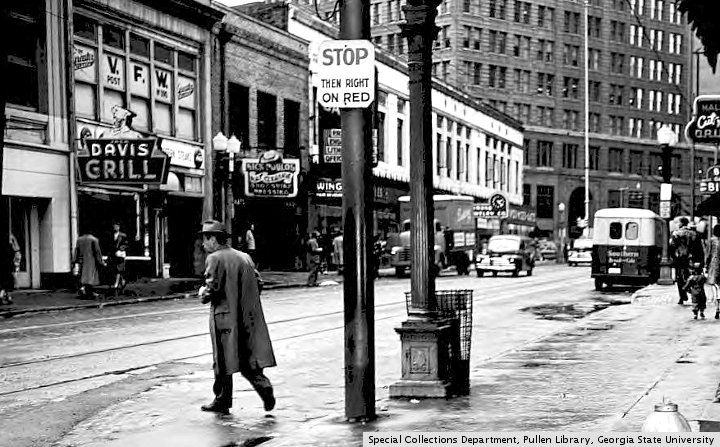
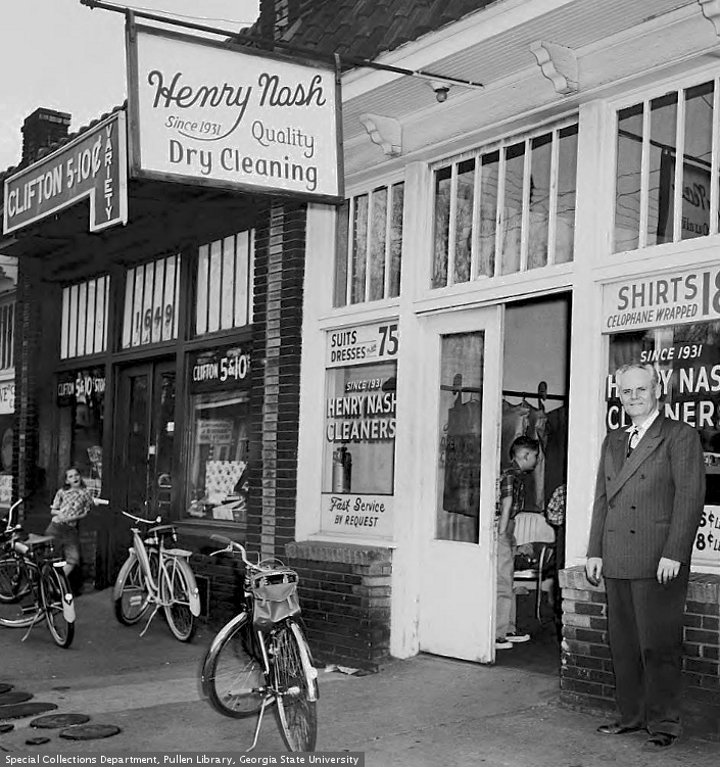
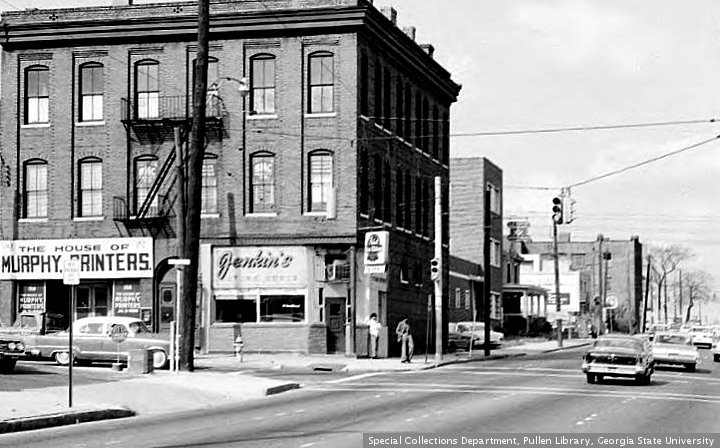
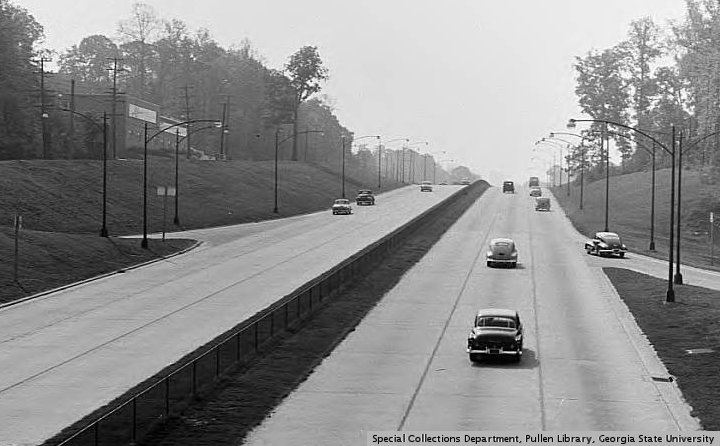
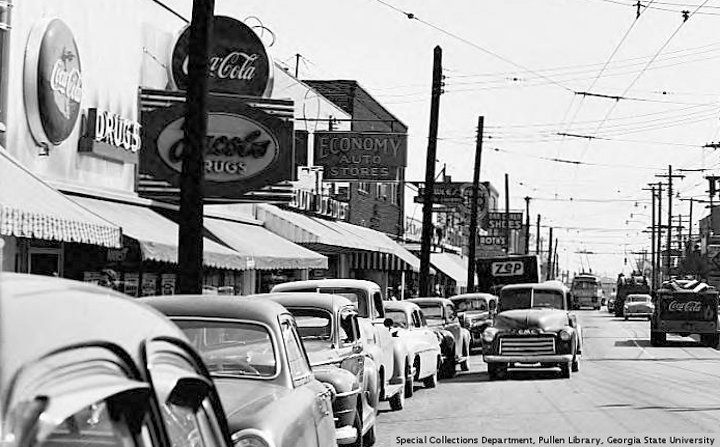
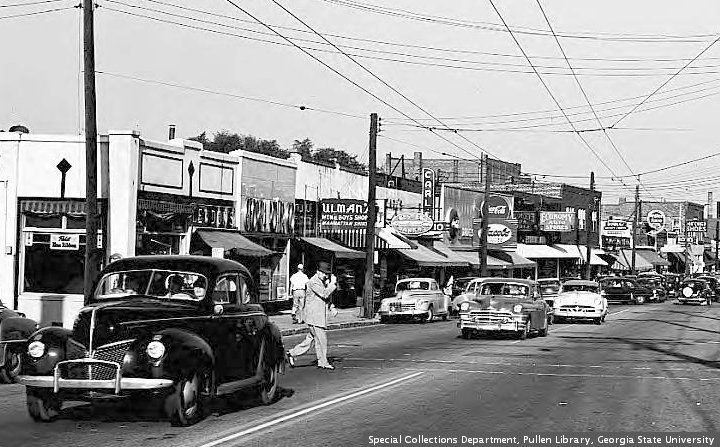
1. You must first learn to pronounce the city name, Atlana. Old-timers are still allowed to call it Alana.
2. The morning rush hour is from 5:00 am to noon. The evening rush hour is from noon to 7:00 pm. Friday’s rush hour starts on Thursday morning.
3. The minimum acceptable speed on I-285 is 80 mph. On I-75 and I-85, your speed is expected to at least match the highway number. Anything less is considered ‘Wussy’.
4. Forget the traffic rules you learned elsewhere. Atlanta has its own version of traffic rules. For example, Ferraris and Lamborghinis owned by sports stars go first at a four-way stop. Cars/trucks with the loudest muffler go second. The trucks with the biggest tires go third. The HOV lanes are for the slow Floridians passing through who are used to hogging the left lane everywhere.
5. If you actually stop at a yellow light or stop sign, you will be rear ended, cussed out, and possibly shot. Unless there is a police car nearby.
6. Never honk at anyone. Ever. Seriously. It’s another offense that can get you shot.
7. Road construction is permanent and continuous. Detour barrels are moved around for your entertainment pleasure during the middle of the night to make the next day’s driving a bit more exciting. Generally, city roads other than the main streets have more potholes and bumps (usually speed bumps) than most dirt roads in the countryside.
8. Watch carefully for road hazards such as drunks, possums, skunks, dogs, barrels, cones, furniture, cats, mattresses, shredded tires, squirrels, rabbits, and crows.
9. Spelling of street names may change from block to block, e.g., Clairmont, Claremont, Clairmonte.
10. If someone actually has their turn signal on, wave them to the shoulder immediately to let them know it has been “accidentally activated”.
11. If you are in the left lane and only driving 75 in a 55-65 mph zone, k, e.g., you are considered a road hazard and will be “flipped off” accordingly. If you return the flip, you’ll be shot.
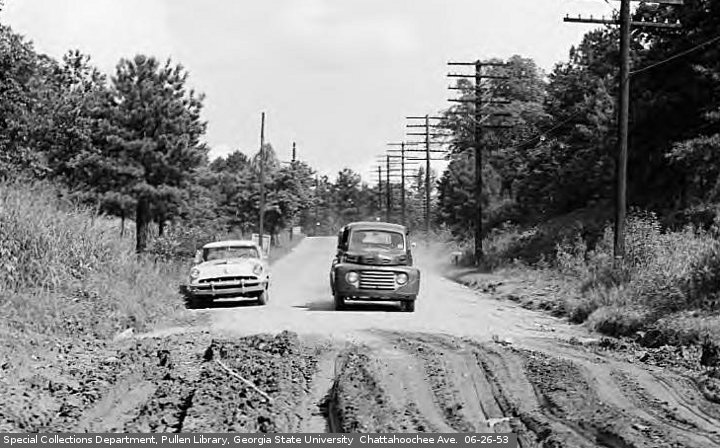
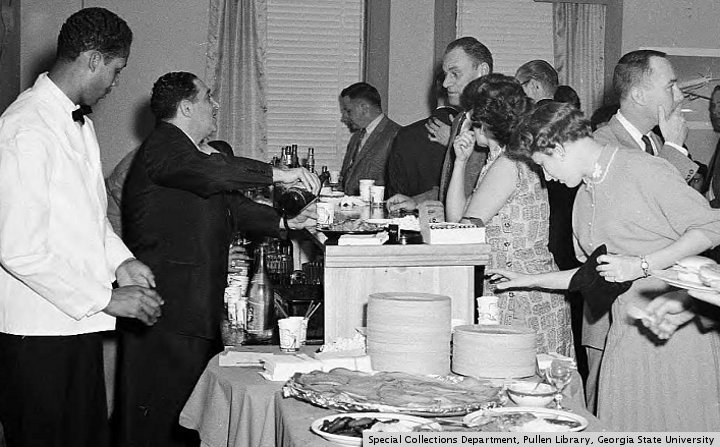
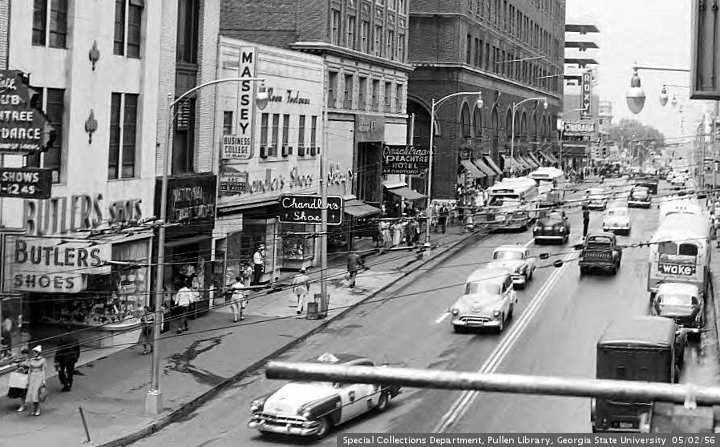
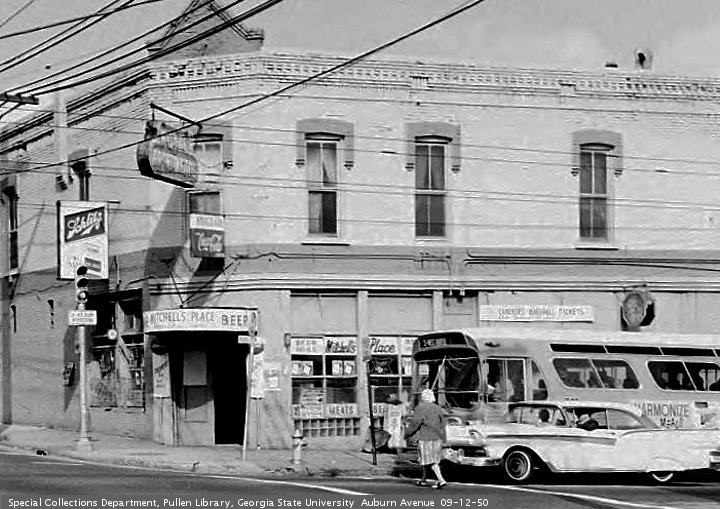
12. For summer driving, it is advisable to wear potholders on your hands. This is a repost. Pictures are from “The Special Collections and Archives, Georgia State University Library”.



Mrs. Dora Stainers

Some pictures have longer captions than others. Shorpy published one with a mouthful.
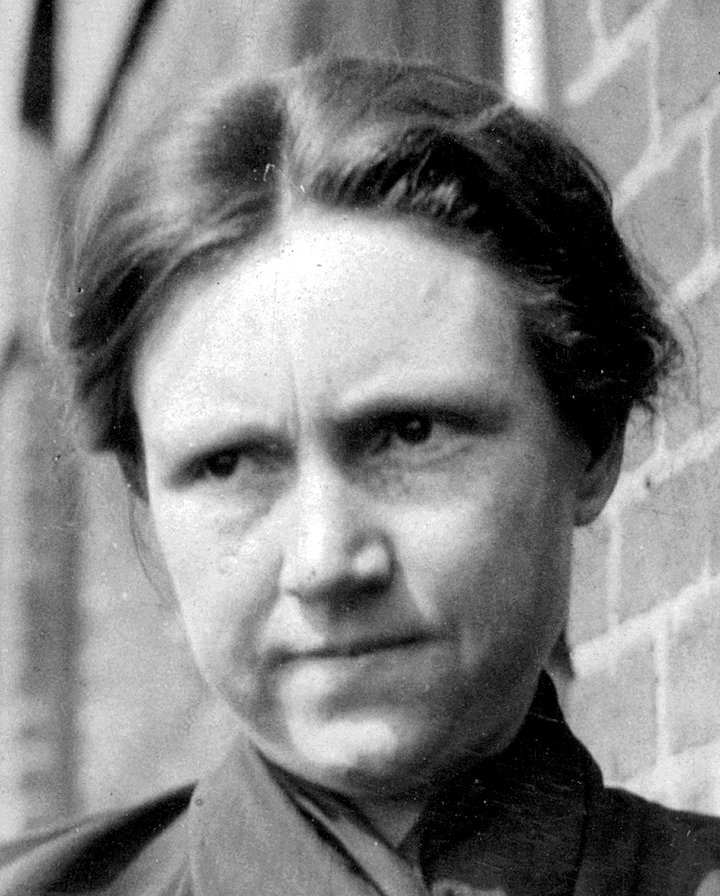
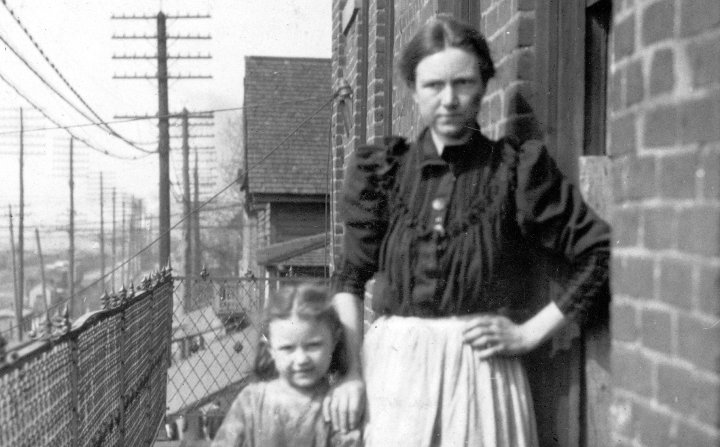
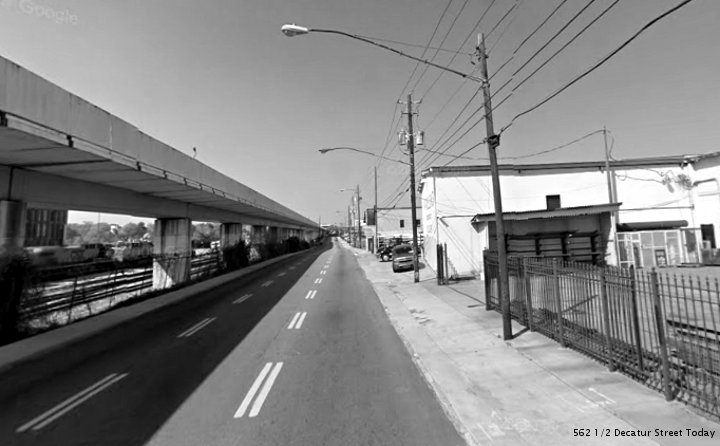
Mrs. Dora Stainers, 562 1/2 Decatur St. 39 years old. Began spinning in an Atlanta mill at 7 years, and is in this mill work for 32 years. Only 4 days of schooling in her life. Began at 20 cents a day. The most she ever made was $1.75 a day & now she is earning $1 a day when she works. She is looking for a job. Her little girl Lilie is the same age she was when she started work, but the mother says, “I ain’t goin to put her to work if I can help it. I’m goin’ to give her as much education as I can so she can do better than I did.” Mrs. Stainers is a woman of exceptional ability considering her training. In contrast to her is another woman (this name was withheld) who has been working in Atlanta mills for 10 yrs. She began at 10 yrs. of age, married at 12, broke down, and may never be able to work again. Her mother went to work in the cotton mill very young. Location: Atlanta, Georgia.
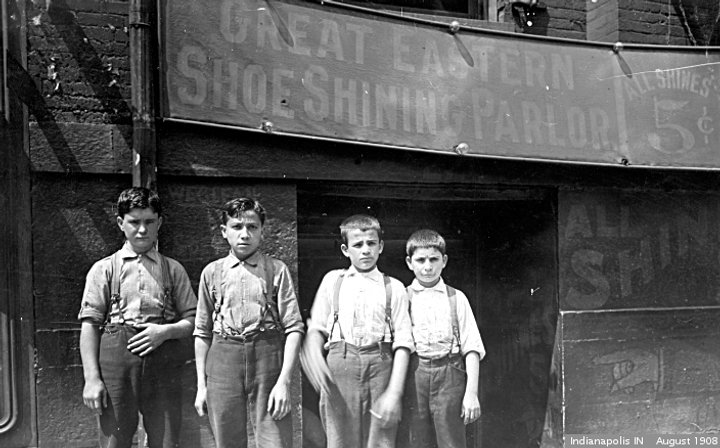
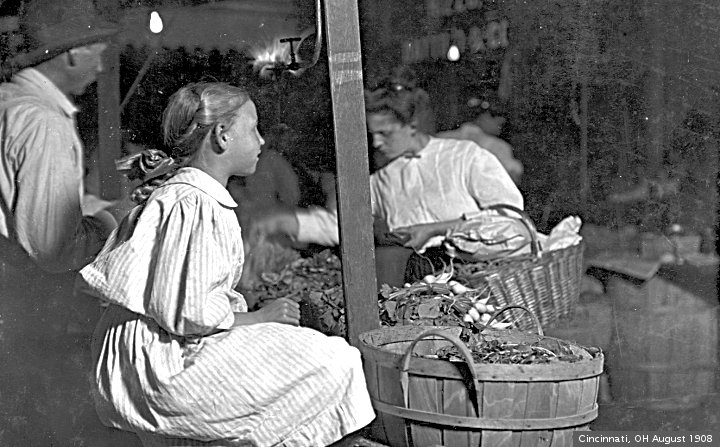
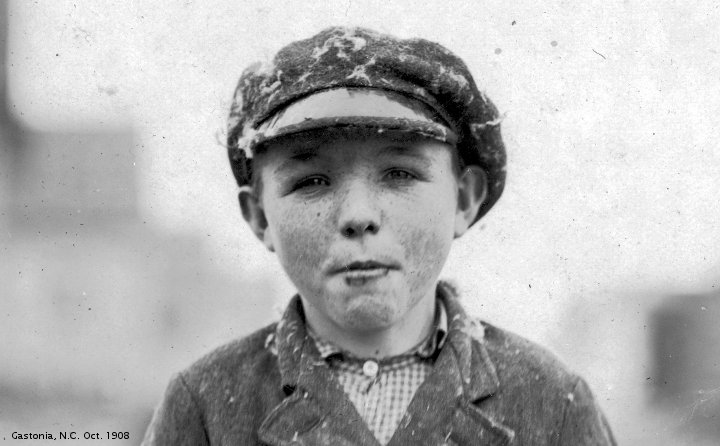
The photographs of Mrs. Stainers were made in March, 1915. The photographer was Lewis Wickes Hine. “Working as an investigative photographer for the National Child Labor Committee (NCLC), Lewis Hine (1874-1940) documented working and living conditions of children in the United States between 1908 and 1924.” “In 1954 the Library received the records of the National Child Labor Committee, including approximately 5,000 photographs and 350 negatives by Lewis Hine. In giving the collection to the Library, the NCLC stipulated that “There will be no restrictions of any kind on your use of the Hine photographic material.”
The house that Mrs. Stainer lived in is long gone. 562 1/2 Decatur Street is across the railroad tracks from the Fulton Cotton Mill. With real estate agents demanding names for all neighborhoods, the area is known as the Old Fourth Ward. At 552 Decatur Street is A & R Welding.
Pictures are from The Library of Congress. This is a repost.




 Chamblee54
leave a comment