Blackface Drag At Club Sheba




Mary Cheney became famous in a traditional way. Her father is Dick Cheney, former VPOTUS, hunting guide, and terrorist. Apparently Ms. Cheney felt the need for attention recently. She posted the following matter on facebook.
“Why is it socially acceptable — as a form of entertainment — for men to put on dresses, make up and high heels and act out every offensive stereotype of women (bitchy, catty, dumb, slutty, etc.) — but it is not socially acceptable — as a form of entertainment — for a white person to put on blackface and act out offensive stereotypes of African Americans?”
When it comes to getting people to look at you, Mary Cheney is not in the same hemisphere as RuPaul. By remarkable coincidence, there is going to be a new season of a cable tv show, about drag queens, hosted by RuPaul. The comments by Ms. Cheney were seen by RuPaul as an opportunity to promote product. The video is embedded above.
We are not going to discuss the moral calculus of blackface vs drag in this post. That’s what facebook, twitter, and comment sections are for. This blog does not have the intellectual gravitas as youtube comment sections. Mary Cheney and RuPaul are getting the attention they require.
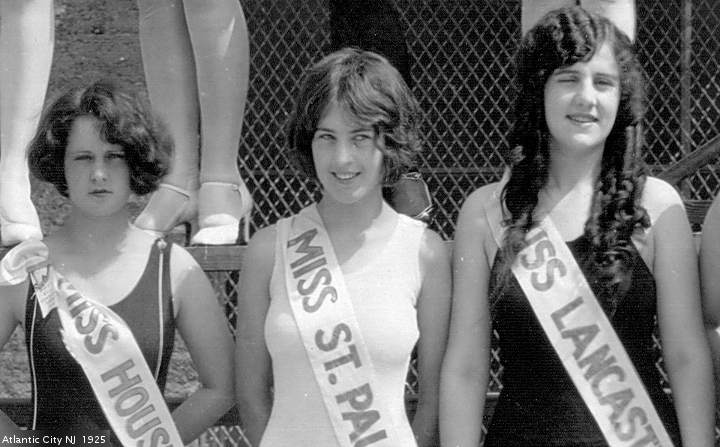
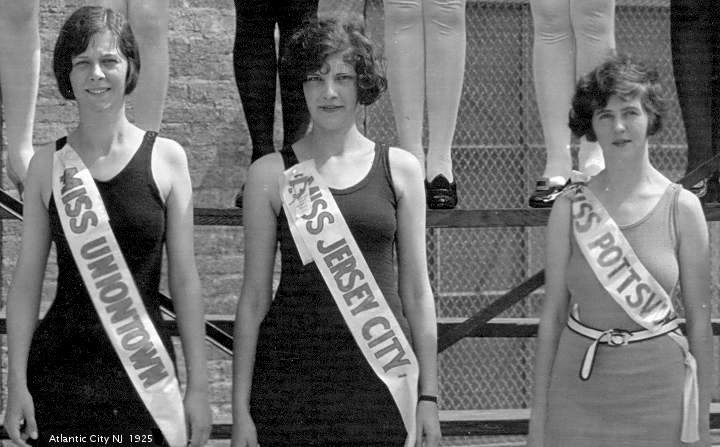
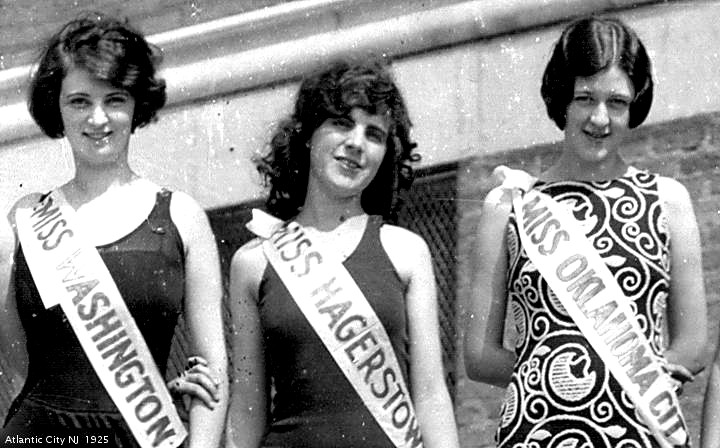
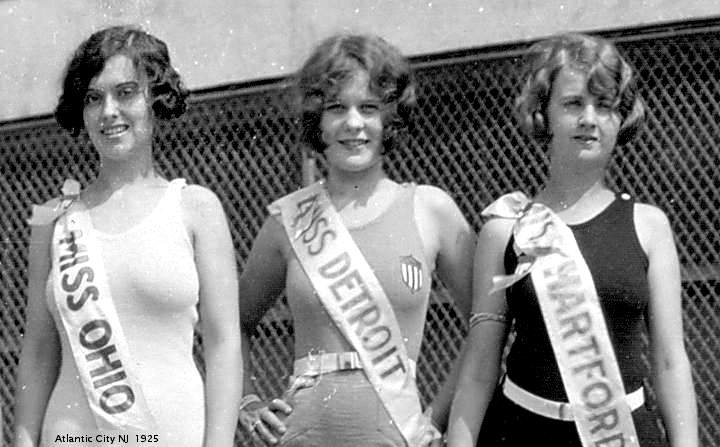
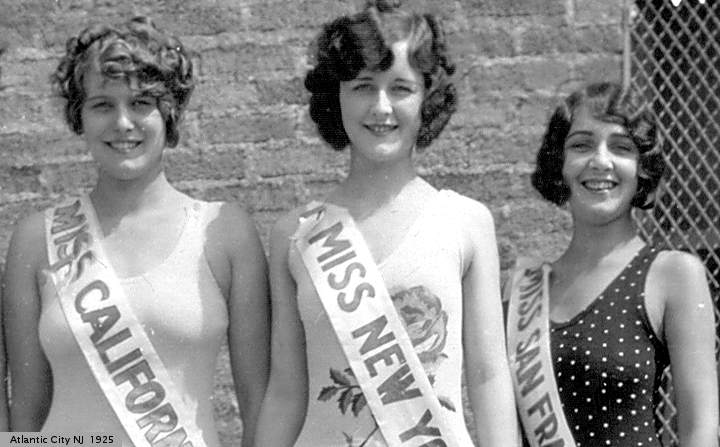
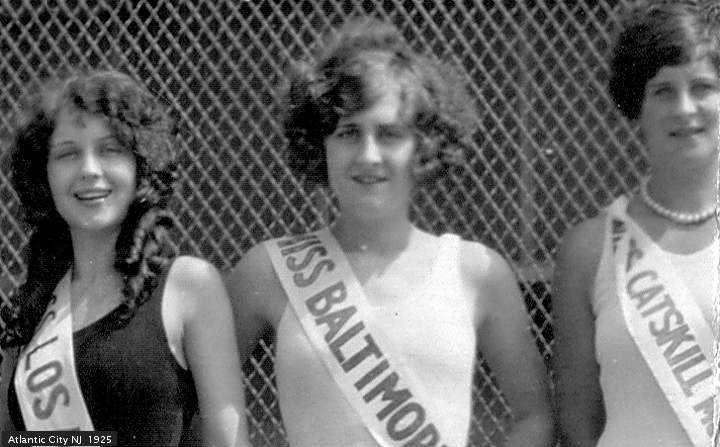
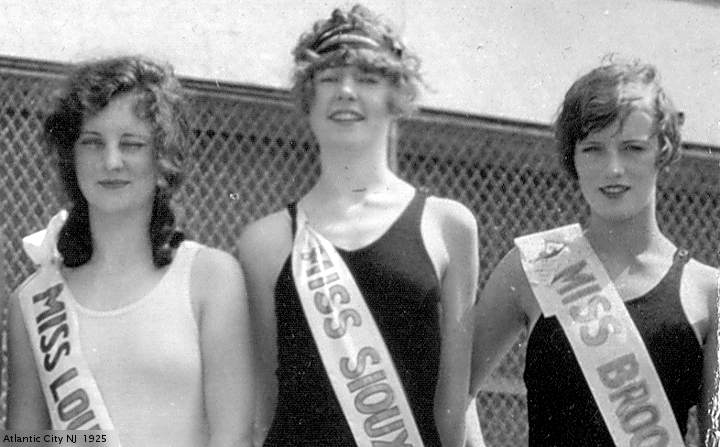
The pictures today are from The Library of Congress. These ladies were participating in “Inter city beauties, Atlantic City Pageant, 1925.” There is something appropriate about beauty pageant pictures illustrating a discussion of the relative political correctness of blackface and drag queens. If you want a picture of Mary Cheney, go somewhere else.
This feature of this feature is a repost. The show was performed in 1979. I recently saw “Carroll.” He lives in Pennsylvania today, and has a beard nine inches long.



Reading about Shirley Q. Liquor brought back memories of a night long ago. A young man, who I will call Carroll, grew up across the street. In his spare time, he did drag shows. What I was expecting was Carol Burnett and Lily Tomlin, using his own voice. One Sunday night, free admission and a buffet was all I needed to venture downtown and see the show.
The venue was an unpretentious bar called Club Sheba. The clientele was mostly lesbians, many of whom were African Americans.
Club Sheba was located on Forrest Avenue. The street was named for Nathan Bedford Forrest, a Confederate General who, some say, founded the Ku Klux Klan. Forrest Avenue late became Ralph McGill Boulevard, named after the former editor of the Atlanta Constitution.
As show time approached, I saw a table that had empty seats. I pulled back a seat, and a beefy lady informed me that she did not want a man to sit at that table.
The first act was what I expected. The reputation of Carol Burnett did not suffer, and Lily Tomlin was still in the closet. After the first act, I shot a game of pool with my friend, and went to the buffet for a second plate. A lady stopped me. ”You’re not supposed to get full”
I went back to the pool table. After a while there was a crowd standing around, and it was evident that a second act was going to start soon. I saw a black lady in the crowd making faces at me, took a second look, and realized that it was Carroll.
He did not use his voice this time, but lip synced to Grace Jones and Diana Ross. He wore blackface, and an afro wig. The crowd at the Club Sheba enjoyed this part of the show. Many of the Black Lesbians went to the stage and stuffed dollar bills in his faux bosom.




Georgia Statehood Day

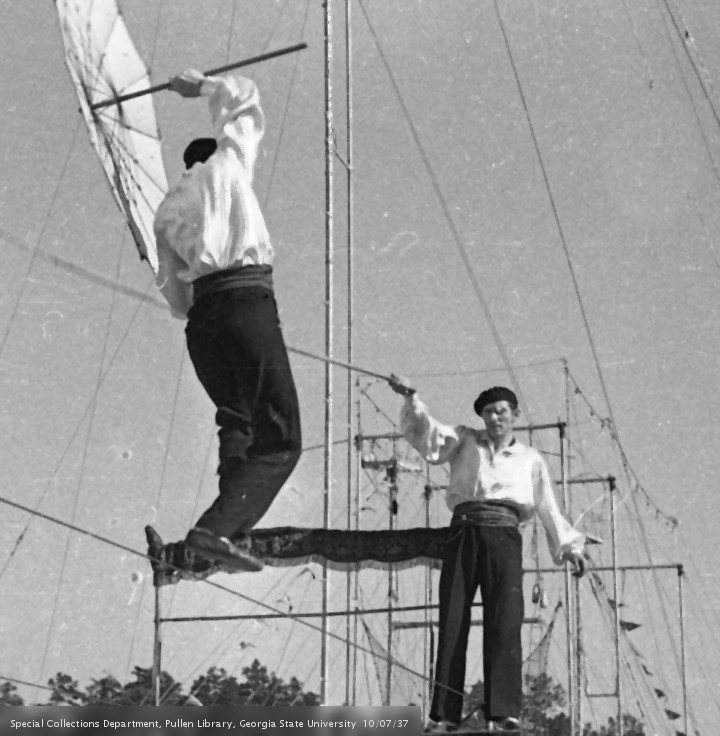
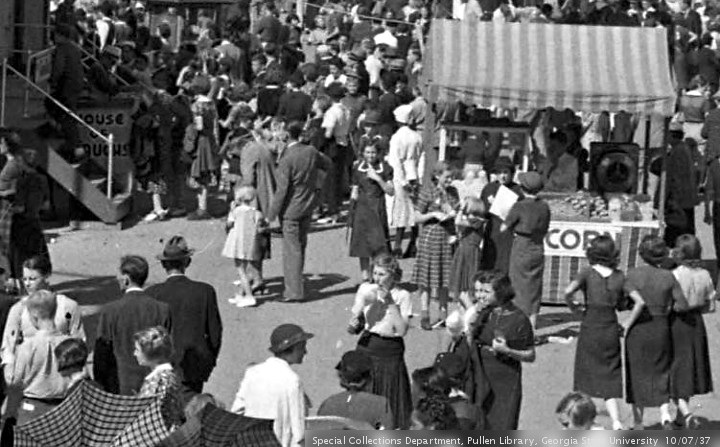
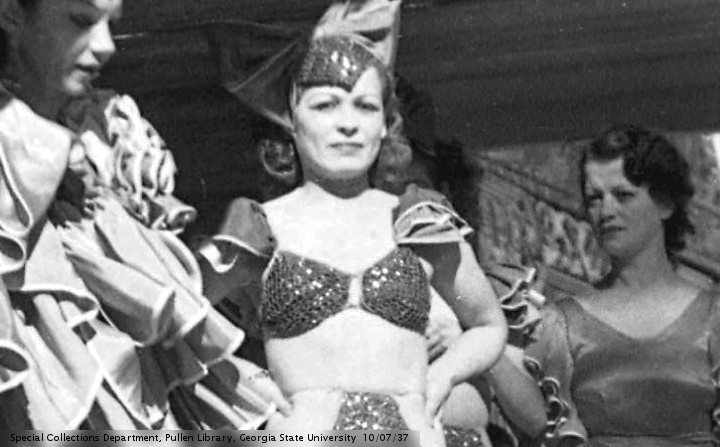


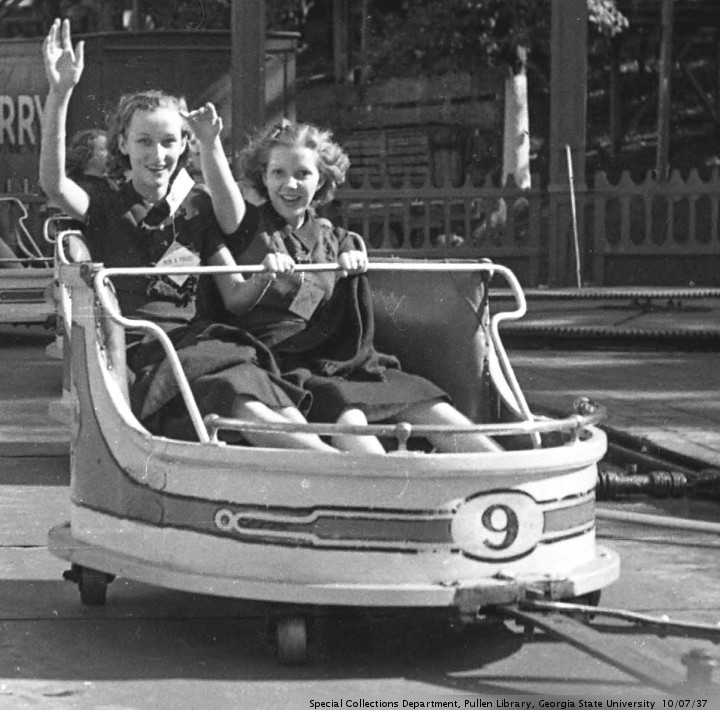
@EdDarrell “Hey, Georgia! Fly your flags on January 2, 2016 , to honor Georgia Statehood Day!” PG has lived in Georgia all his life, and never knew that this was statehood day. Today in Georgia History has this to say: “Georgia elected six delegates to the Constitutional Convention in Philadelphia in the summer of 1787. Only four went. And only two—Abraham Baldwin and William Few—signed the final document. … Georgia called a special convention in Augusta to consider the proposed charter. The delegates voted unanimously to ratify the new U.S. Constitution, on January 2, 1788.”
The Constitutional Convention was called to revise the Articles of Confederation. They wound up scrapping the old document, and creating the Constitution from scratch. The “Founding Fathers” created the system of Government that we use today, along with a way to amend the Constitution. (PG has served on bylaw revision committees. The one thing you must have is a way to amend the bylaws.) The new document would not take effect until nine of the thirteen colonies ratified it.
Delaware was the first state to approve the Constitution, on December 7, 1787. It’s neighbors Pennsylvania (December 12) and New Jersey (December 18) soon followed. Georgia was the fourth state, and the first southern state.
Slavery was still legal in Delaware, Pennsylvania, and New Jersey in 1787. One famous citizen of Pennsylvania, Ben Franklin, owned two slaves, named King and George. Franklin’s newspaper, the Pennsylvania Gazette, routinely ran ads for sale or purchase of slaves.
The concept of flying the state flag has an ironic twist in Georgia. The design of the flag has changed twice in the last fifteen years. In 1956, the legislature voted to incorporate the St. Andrews cross, aka the Confederate flag, into the Georgia state flag. (If you want to debate their motive for doing so, please go somewhere else.) After much controversy, the flag was changed in 2001, and again in 2003. It probably will not be changed again.
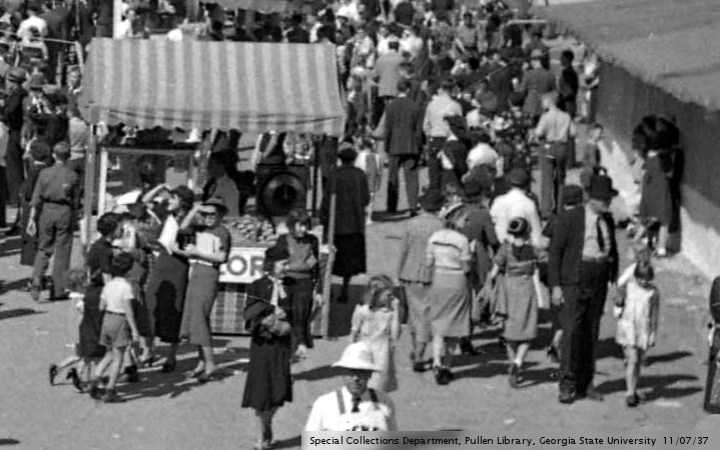
Pictures are from “The Special Collections and Archives, Georgia State University Library”.

War Between The States
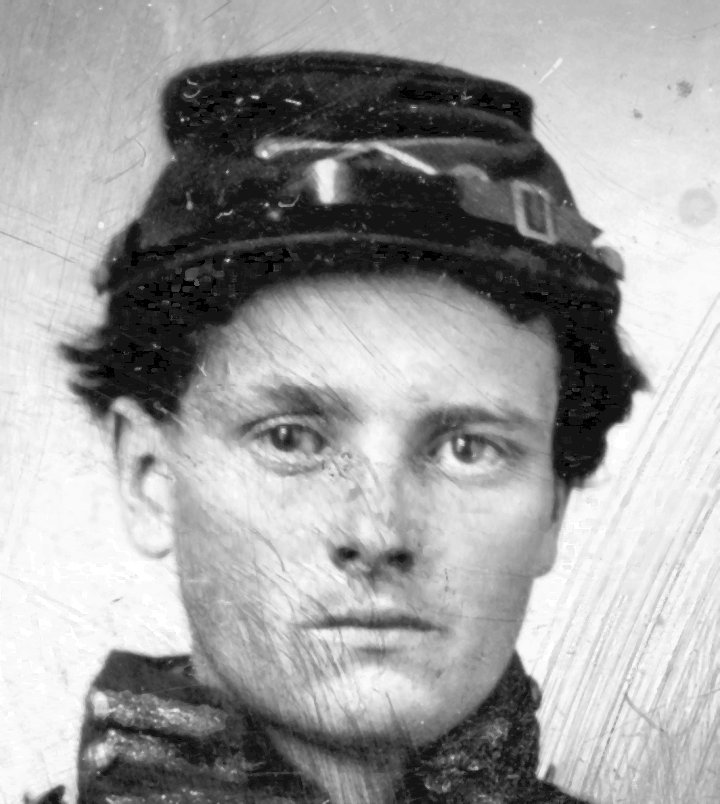
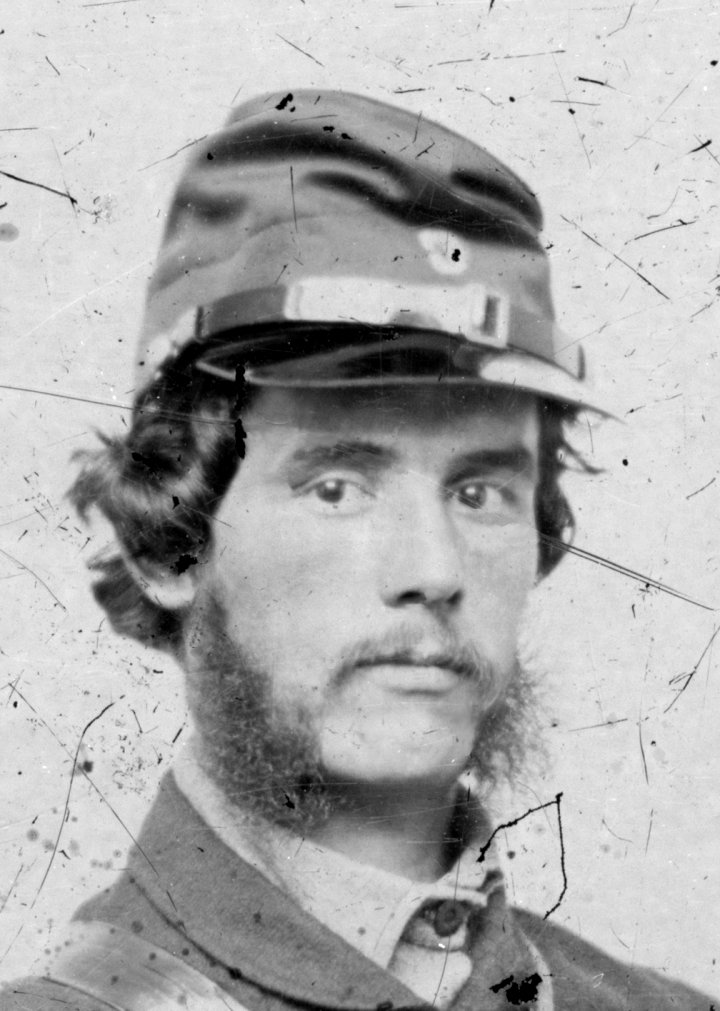


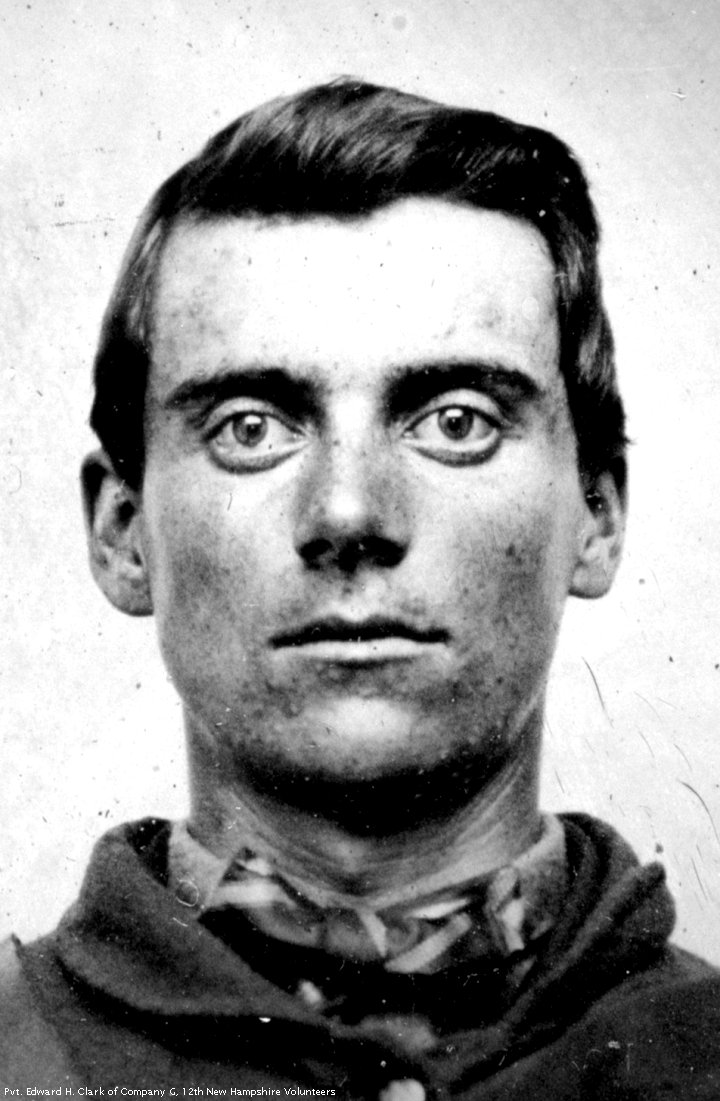


It is a truism that history is written by the winner of the war. This seems to apply to the naming of a horrific armed struggle in North America between 1861 and 1865. The most common name is Civil War. To many in the South, it is the War Between The States. To PG, WBTS is a better name.
In fifth grade, PG had to write an essay about the Battle of Atlanta. The essay was a device for teaching grammar. The contest was sponsored by the Daughters of the Confederacy . The phrase “Civil War” was not permitted. The acceepted name for this conflict was War Between the States.
The conflict started as soon as the colonies became independent from Great Britain. The South was an agrarian society, with slaves to work the fields. The north was becoming an industrial society, with a need for an independent work force. The north wanted high tariffs to protect her industries, while the south wanted to sell it’s cotton to Europe. Many were suprised that the Union lasted as long as it did.
Slavery was an important issue. The south wanted to keep “the peculiar institution,” while many in the north were horrified. There were economic reasons to keep slavery. Numerous compromises over the years kept the Union intact. This ties in with a central dilemma of the american experience … how much power to give to the states, and how much power to give to the federal government.
In 1861, eleven states left the United States of America. These eleven states formed a Confederacy, of more or less independent states. Between 1861 and 1865, the Confederate States of America fought a brutal war with the the United States of America. Very little about the conflict was civil.
PART TWO There was an armed conflict in North America between 1861 and 1865. The most popular name today is Civil War. According to the always helpful wikipedia Civil War was used during the conflict, but was not the only name. Other names include the War of the Rebellion, the War for the Union, the War for Southern Independence, and Mr. Lincoln’s War.
Evidently, the phrase War Between the States became popular after the conflict. This article from the North Carolina War Between the States Sesquicentennial Commission makes a case for WBTS. This phrase is more dignified than other southern oriented expressions like “War of Northern Aggression” or “The recent unpleasantness,” although not as much fun.
There was a debate in the US Senate, in 1907, over what should be the “official” name of the conflict. In a commentary on this debate, it is noted: ” I am struck by the reconciliationist tone of both excerpts. Compared with the intensity of the debate in certain camps today (2005) it is interesting to note that the senators who took part in this discussion back in 1907 did not see this question as decisive. Given that many were veterans they seemed content to concentrate on their shared experiences … In the background of the debate was the lingering issue of how to understand the relationship between the states and the federal government at the time of secession and at the beginning of Reconstruction. Our tendency today to refer to the war as the ‘Civil War’ is a reflection of the widespread belief that secession is illegal or at least not worth serious consideration.”
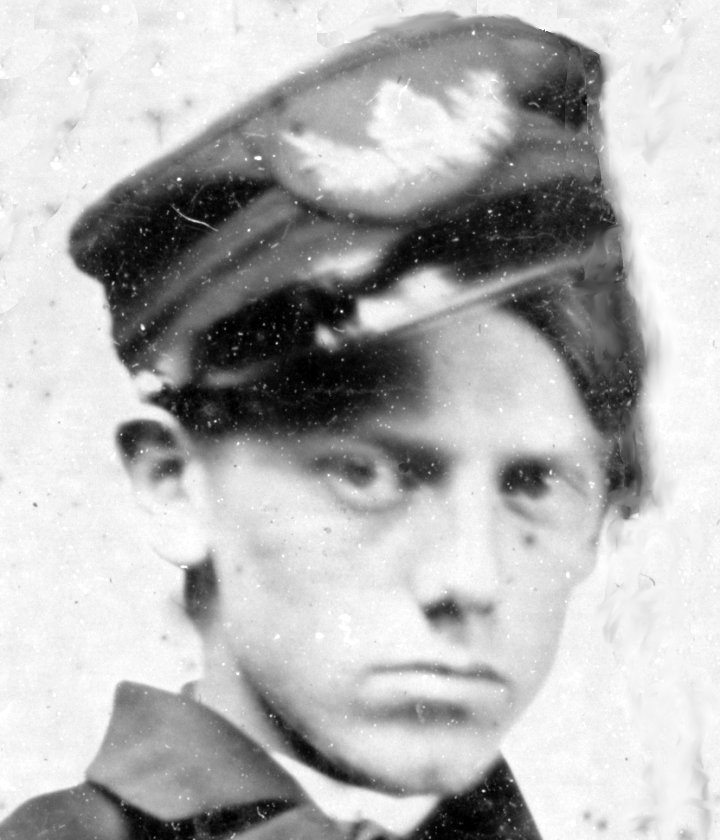
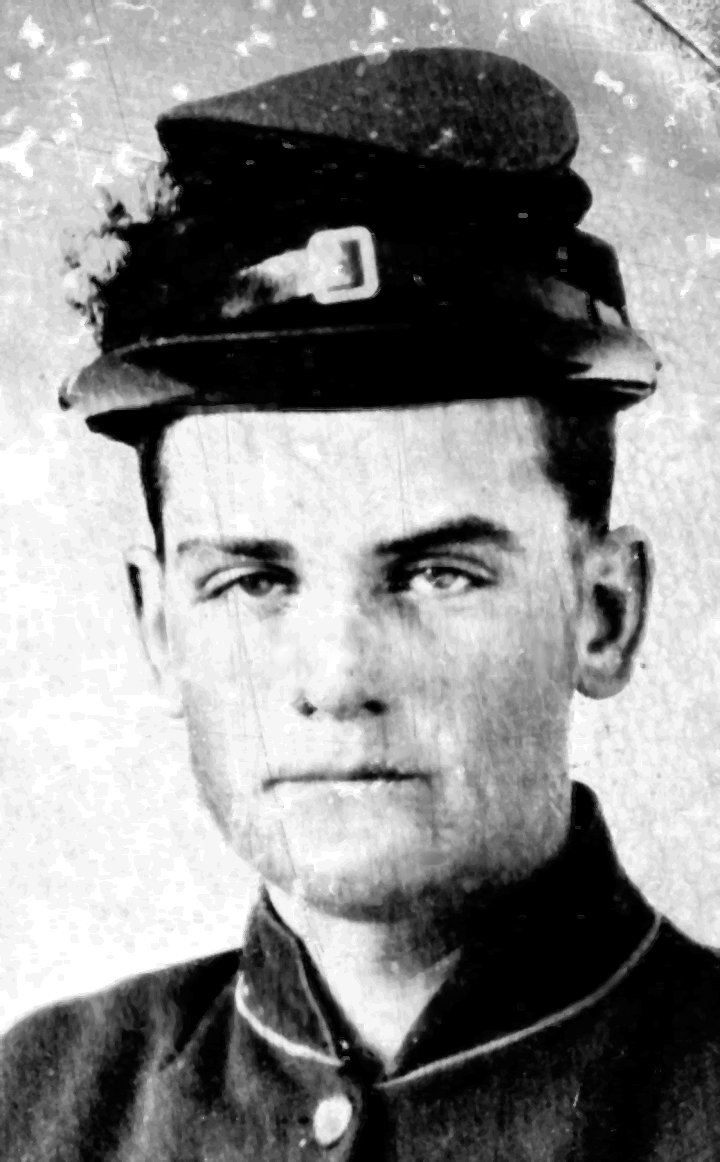
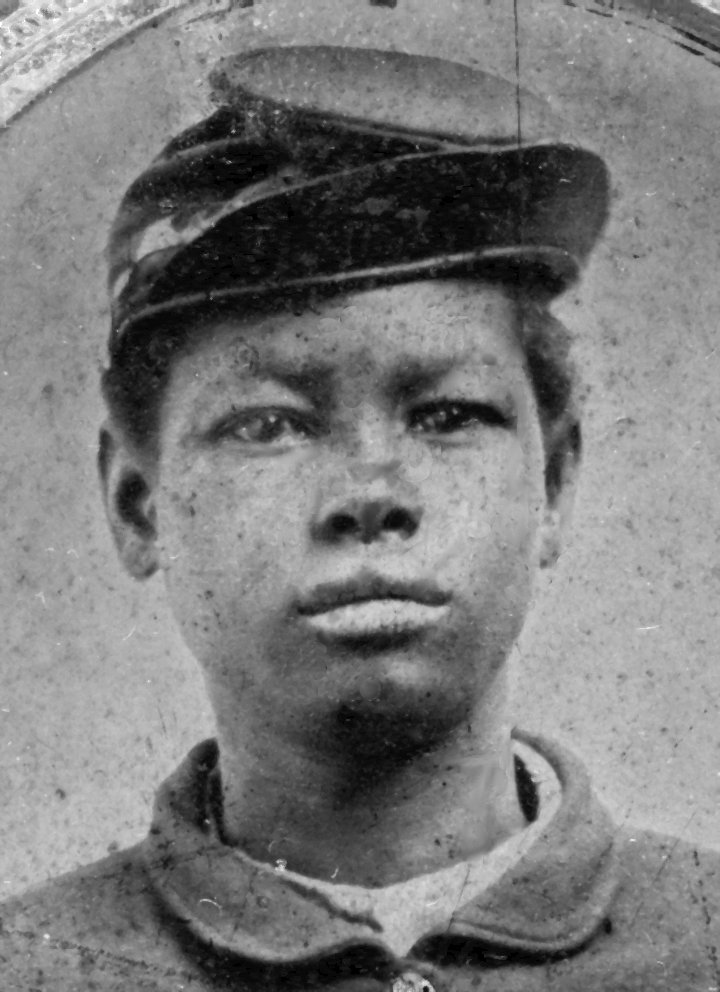
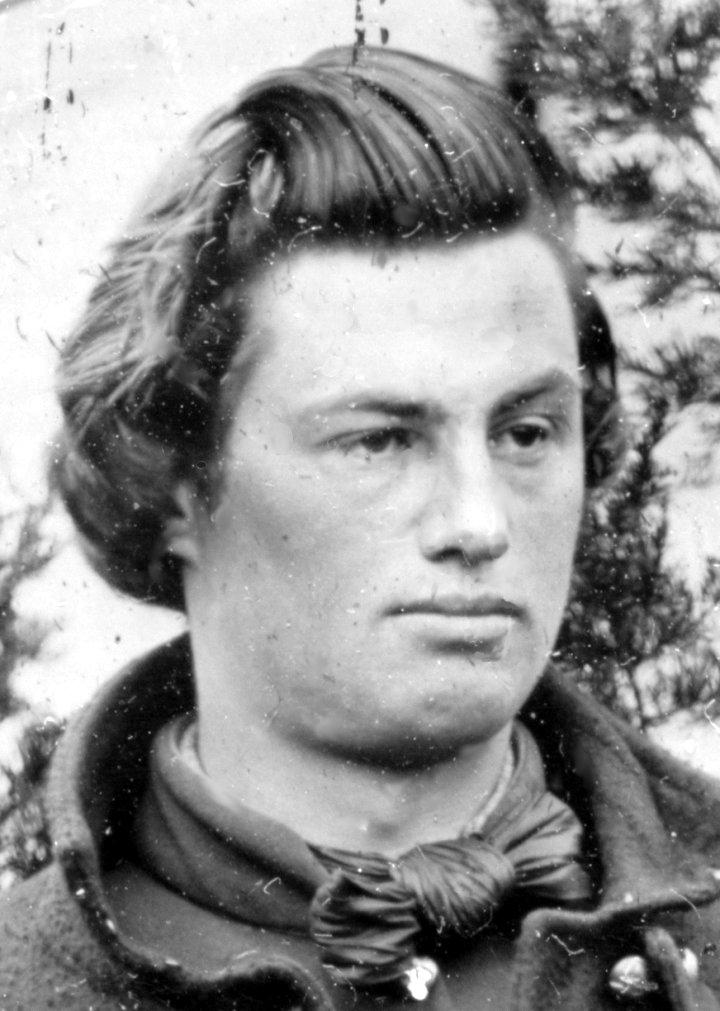
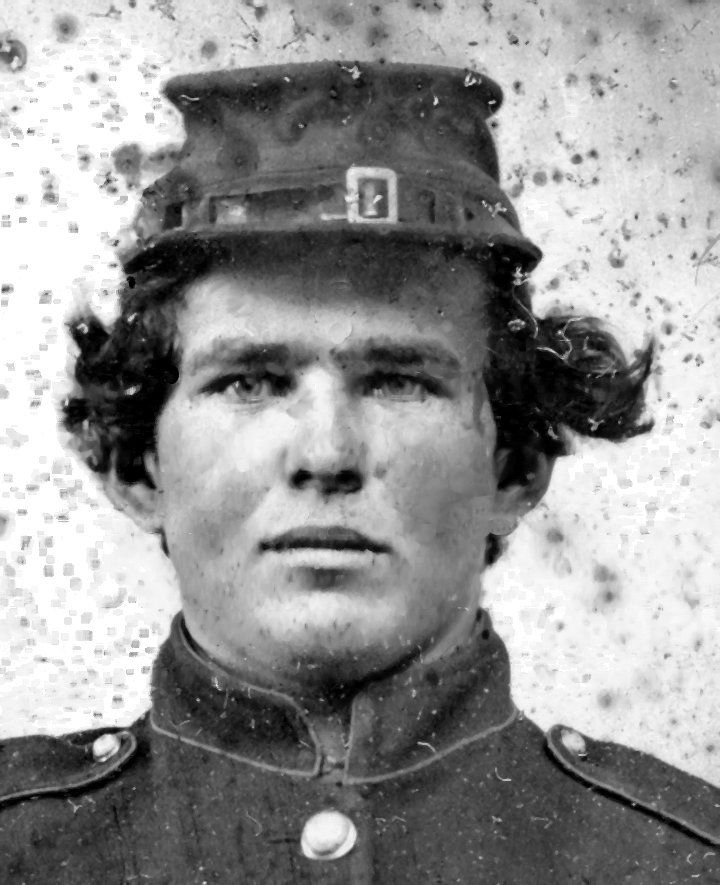
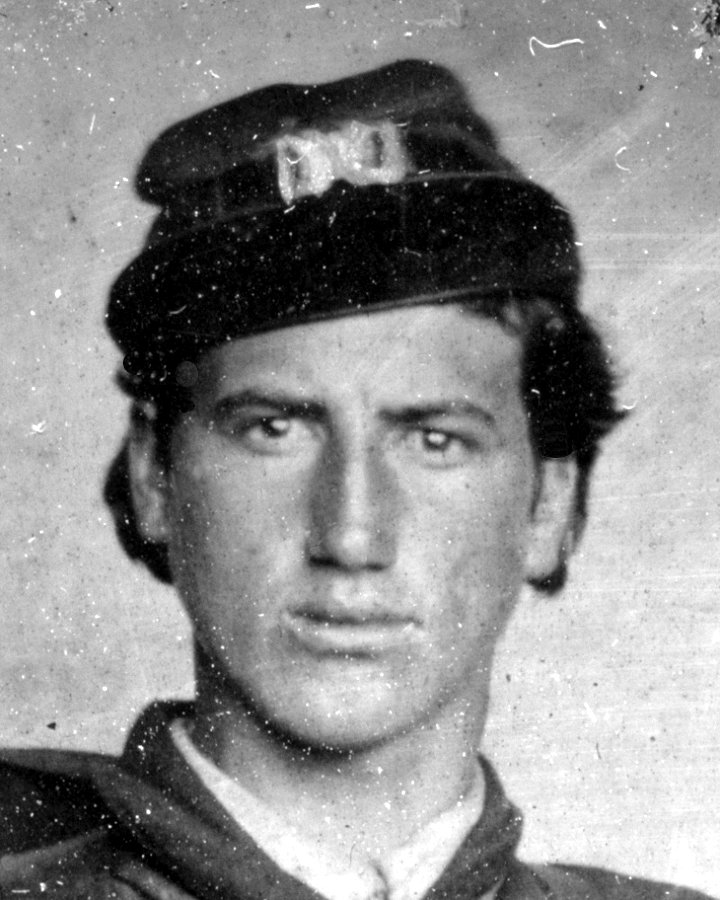
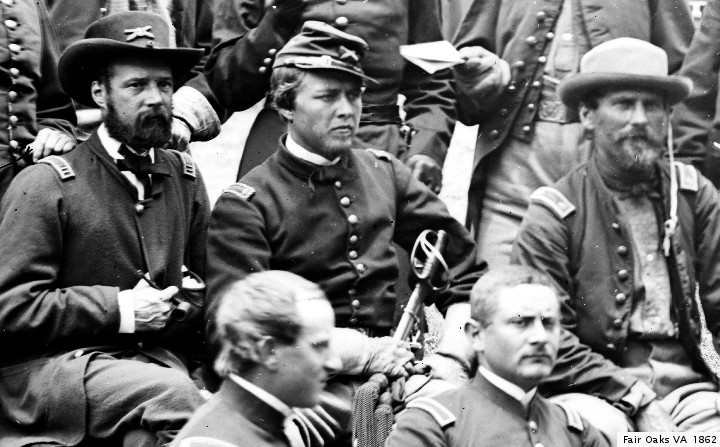
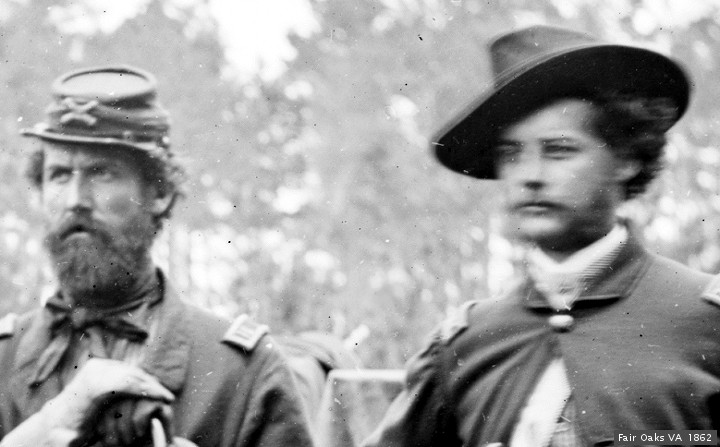
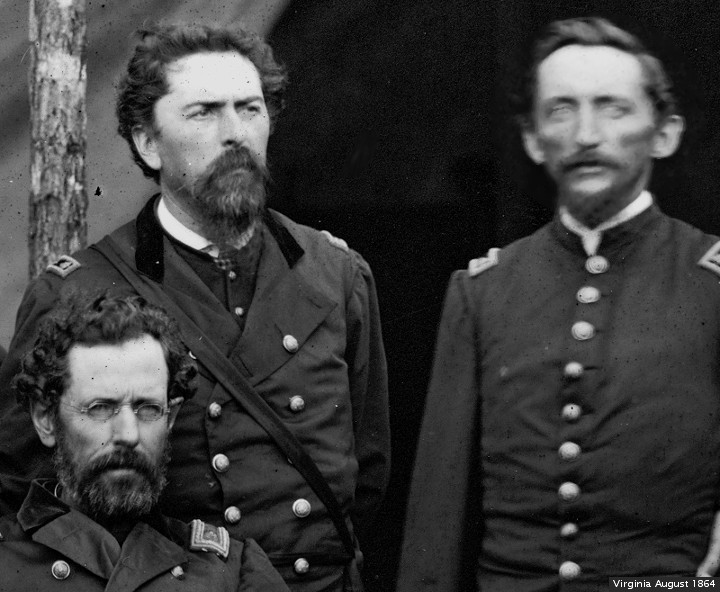
Pictures, of Union soldiers, are from The Library of Congress. This is a repost.



Great Southeast Music Hall Stories

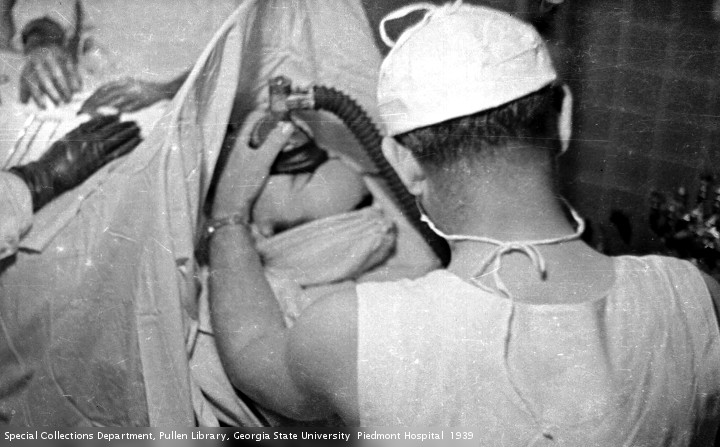


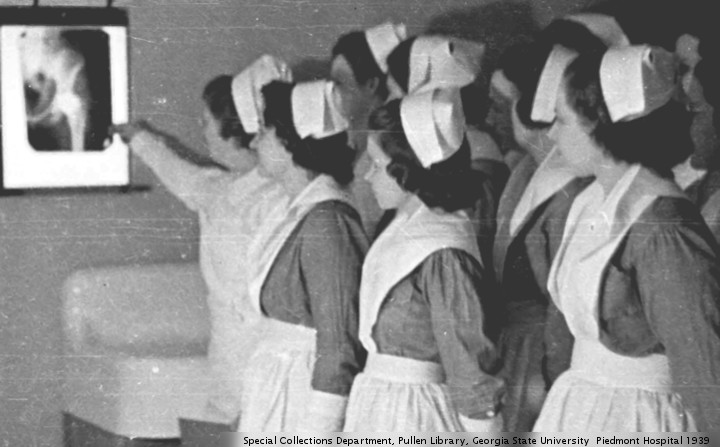
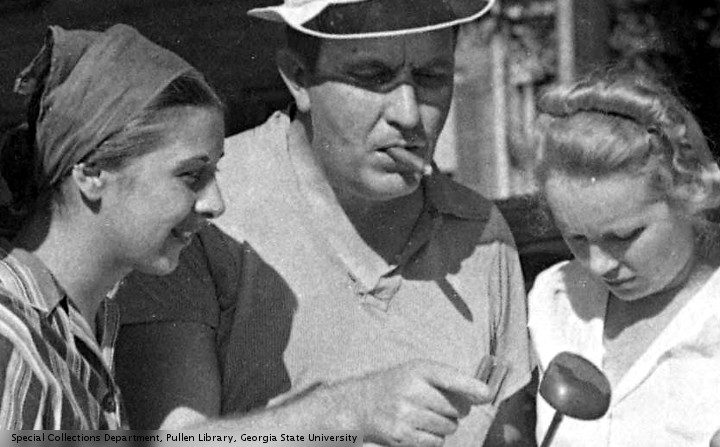
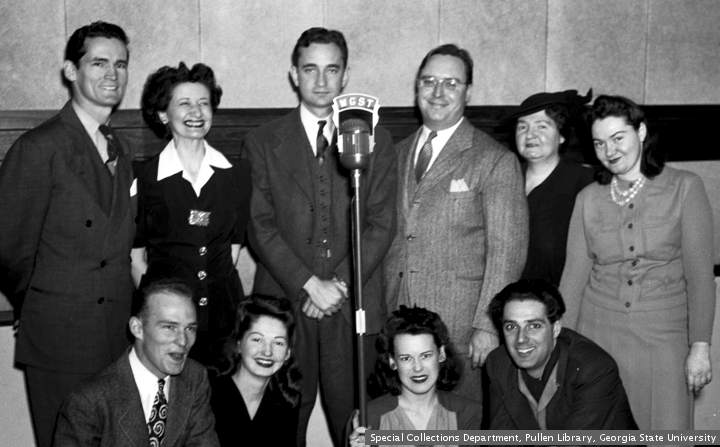
Chamblee54 posted a tribute to The Great Southeast Music Hall a few years ago. This was a concert venue, with no hard liquor and a 500 person capacity, next door to a bowling alley on Piedmont Road. It was about a mile north of Piedmont Park, and in front of the dirt road that became Sidney Marcus Boulevard. GSEMH hosted some great shows. This was when record companies would invest in new bands by putting them on promotional tours, and Atlanta was a popular stop.
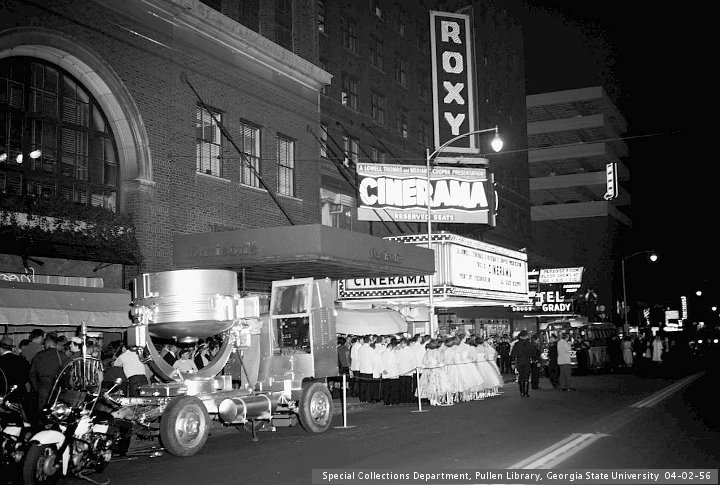
The chamblee54 post attracted 85 comments. This is a slow day for Matt Walsh, but is a record for chamblee54. Most of the comments were boring … great place to play, I saw Steve Martin there and drank too many buckets of beer. A few of these comments tell stories. This post puts the best of the GSEMH comments in one place. Pictures are from “The Special Collections and Archives, Georgia State University Library”. See if you can guess which one was taken at GSEMH.
Neal B. – Som Records June 10, 2012 at 5:18 pm Great reading! Brought back some memories. I saw three shows at the Music Hall – The Dixie Dregs, Elvin Bishop and David Allan Coe. I saw Coe the night before my SATs in 1978 or ’79 and it was (and still is) the most bikers I’ve ever seen in once place. Elvin Bishop just tore it up, really good.
jake lamb May 17, 2011 at 11:34 am Great stories of our past. I can’t remember the shows I went to, but after reading your post it certainly helps clear the fog. As I went thru the list I noted, “Yep I was with CG at that show, that one too, oh yeah, I remember Al saying to you what time it was but didn’t you delete the expletives? Odetta blasting the audience for not showing her the proper respect…what a crybaby! The autographed Marc Almond Album, meeting them backstage to learn how the finger was ripped from Jon’s hand after a tree limb caught on his ring finger when he jumped out of a tree during a photo shoot, resulting in having to learn how to play the saxaphone with one less digit ala Jerry Garcia, and the Hot Tuna Show with Papa John Screech. Flora and Eye Ear Toes logo on his equipment. Was it there that we went on Halloween, me dressed as a bagman for Nixon (A paper sack over my head) and you going as a Bee-keeper (a vegetable strainer over your head)? God we were hilarious! It’s all beginning to come back, but what never went away was remembering the great friend I went with.
Eugene Gray June 24, 2012 at 11:30 am I grew up in Atlanta so thanks for the memories about the shows at The Great Southeast Music Hall. I attended numerous shows between the years 1974 and 1977. From what I can remember (I do have “70s Memory” after all), here’s some highlights: Kinky Friedman — Smoked a huge cigar throughout the show and tipped his ashes in an ash tray attached to his microphone stand. Brought the house down with ‘Sold American.’ David Allan Coe — Played the first half of the show in his “Country Crooner” persona wearing a white suit and white cowboy hat; then played the second half as The Mysterious Rhinestone Cowboy complete with rhinestone jacket and black mask. Played a hard-rockin’ version of ‘Bossier City’ to close out the show. Best memory: New Riders of the Purple Sage Show opened late with only John Dawson (acoustic guitar) and Buddy Cage (pedal steel) taking the stage. Seems their limo made the right exit off of 285 but the other limo kept going. After Dawson telling us that, he said, “Well, you might not have all of us but you do have two.” He and Cage then played a short set together including a beautiful version of ‘Gypsy Cowboy.’ The other members trickled in and started playing, all having a good time with the audience about their site-seeing tour of Atlanta via 285. Fantastic show and my best memory of The Hall. Weirdest experience: For lack of something to do, went to see the New Zealand group Split Enz. A fun but bizarre show with a group outside my typical taste. Sort of a cross between Devo and Bowie and the Bay City Rollers. Truly a strange show. Worst experience: Pure Prairie League — I was always, always let in and served beer before I turned 18 in ’76. Except for one time. Missed Pure Prairie League because we were all carded; the only time I was ever asked for my ID here. Always regretted missing them since the original band broke up right after this tour. Damn. Thanks again for a spot to remember one of the best concert venues (ever) in Atlanta.
Anonymous July 11, 2012 at 3:03 pm Saw many great shows at the Music Hall; Leon Redbone, Don McLean, Bruce Cogburn, but the funniest thing was at Darryl Rhoads show. My girlfriend (now wife of 30 years) went missing when she left to go make the parent check-in phone call. I found her coming around the corner in the hallway, mad at some guy who wouldn’t get off the phone in the lobby. The “guy” was Darryl and he made a few comments to her from the stage during the show just to keep her pissed. It’s funny now, but I could have died then…
Pharmacist Jim April 28, 2013 at 12:01 pm How about when Jimmy Buffett opened for Billy Joel there in 1974. I was a Pharmacist at Eckerd Drugs in the plaza at the time when Jimmy called me and asked me to call his physician in Key West for a prescription–a musician who wanted to get a legitimate prescription, unheard of!!! I was already a Buffett fan, but this just made me respect him that much more and I’ve been a “Parrot Head” since, now so more than ever since I live in Florida.
Anonymous October 23, 2013 at 8:29 am My best friend and I moved to Atlanta (on purpose) for just the summer of ’73 and attended MANY MANY great shows at the Music Hall. It was SO awesome. Saw Billy Joel right around the Captain Jack release time and he asked me out after the show. Of course, I answered with a resounding “NO! Thank You!!” (you see, I was ABSOLUTELY too cute for him…hehe — not to mention, I thought his nose was entirely too big.) Also, saw Jimmy Buffett who talked to us from the stage because we were from Hattiesburg, MS and he had gone to school there at the University of Southern Mississippi. SOOO COOL!!!
Rod Pearman May 28, 2015 at 10:00 am Couldn’t help but have a smile on my face as I read all these comments. THE Great Southeast Music Hall and Emporium………man, the memories. Sometimes I think I could write a book. My roommate and I lived at Bordeaux Apts. on Buford Hwy, which was just a hop skip and jump over to The Hall via the dirt road which is now Sidney Marcus……..we lived there from 1972 to early 1980, which might be a record for two dudes that were party animals to have survived that long in one apartment complex. Anyhow, we frequented GSEMH about once a month when an act we wanted to see was to play there. A couple of my fondest memories now that I’m in my mid 60’s is, it had to be sometime in ’75. We went to see The Dirt Band (one my favorites of all time) The opening act was this guy named Steve Martin, who at that time, no one on the planet had ever heard of him. Well he comes out, and within 30 seconds he has us so cracked up we’re shooting beer out our noses from his comedy. Really funny stuff, and had no idea it was coming. Well, he does his gig, then the Dirt Band comes out. They play a great set, take a little break, and when they came back out on stage, here comes Steve Martin with a banjo over his shoulder. So we’re all thinking this will be something funny, this guy with a banjo. This guy took off on his “ban-jer” and everybody’s jaw hit the floor. He really tore it up. Then the Dirt Band joined in and he played a few tunes with the band. The guy was incredible on the banjo. Then a few months later, Saturday Night Live did their first show, and there’s Steve Martin on TV. I look over at my roommate as he’s looking at me, and we’re both saying in unison, hey, that’s the guy from The Great Southeast Music Hall. Pretty neat that we got to see him when nobody had a clue of his talent. … I got home later that night, and my roommate (yeah, the same guy I mentioned in earlier chapters of this book….) said he saw something on TV that I wouldn’t believe. Turns out, one of the local TV stations (2, 5, or 11) had sent a reporter over to cover the final show of The Great Southeast Music Hall, and while reporting out front of the establishment, there were about a dozen folks standing there sorta behind the reporter. Well, this one fair lady decided to nonchalantly pull a boob out of her tank top and display it for all the world to see, right there on live TV. My roommate said it was something he’d never forget, and we tell the story often. (I wonder who that young lady was sometimes……) but I digress……..
alun v September 23, 2014 at 11:54 am As the Audio Engineer and last guy to walk out the door @ the Lindbergh (and Cherokee Plaza) locations, the walls, painted and autographed by many of the acts, were destroyed; (legal issues I guess). I still have the door to the tech room, signed by Cowboy, a personal favorite. BTW, I saw the concrete sidewalk @ Peaches, with hand / foot prints and signatures, also destroyed and hauled off………lawyers.
julia guthrie November 26, 2015 at 10:38 pm I just caught the 50th anniversary! of Alice’s restaurant masacree on pbs. Brought back the memory of seeing Arlo at the Great Southeast Music Hall. I was drunk(and maybe other) and it was my birthday, so my bf said I should try to talk to Arlo because my name is Guthrie! I was just drunk and young enough to do just that. I finagled my way to the tourbus door(was pretty good at talking my way into things back then), announced that I was a cousin, and ended up sitting at the little bus table, smoking and talking with Arlo and fam. Pretty sure all I added to the conversation was a shit-eating grin, but it was one of the highlights of my youthful escapades. Loved going to the Music Hall! Ah…youth and happy times. I also lived at Bordeaux apts for a while! Peace:)
Rod November 27, 2015 at 11:06 am You can’t beat Alice’s Restaurant on Thanksgiving Day. I used to have an annual tradition of listening to that song on my Technic’s turntable for probably 30+ years, but somehow that tradition faded out a few years ago. (Maybe because my turntable is sitting on a shelf in my closet Definitely great memories at the Hall. Hard to believe it’s been 40 years ago, give or take. I lived at Bordeaux for 7 years through the ’70’s, which might be a record. We were in G building, and had some of the best parties in NE Atlanta. It was standing room only, kegs on the deck, music crankin’ just below distortion level. Those were the days!
BRIAN HOLCOMB June 19, 2015 at 6:00 pm I was a freshman student a GSU in 74 After one of the shows( can’t remember who) I was standing outside in the corridor waiting on some friends. When out the door came my General Chemistry Professor Dr Sears arm in arm with the best looking girl in my class. They turned beet red turned and got away from me as quick as they could. I often wonder if I could have went and bribed an A out of him. LOL
SideShow Bennie December 1, 2015 at 5:24 pm I just stumbled across this article when I Googled GSMH. I lived in Atlanta in 1972-73 and attended a lot of shows at the Broadview Plaza location. I was at one of the Howdy Doody Revival shows that is on the poster pictured in the article. I remember Bob Smith hitting a bad note on the piano, reaching inside and pulling out a pack of ZigZag rolling papers saying, “Clarabelle leaves these things everywhere.” Other shows I remember seeing were Johnny Nash with Sons of The Jungle (The first actual Jamacian Reggae band I ever saw) John Hartford, The Earl Scruggs Revue, Joe Walsh with Barnstorm, Jim Croce, Harry Chapin, Doc Watson, The Hahavishnu Orchestra, Martin Mull, Doug Kershaw. I am pretty sure I was at the Ellen McIllwain and the Breakfast Special shows you mentioned but there were show where a lot of beer buckets were emptied so a lot of those shows are a little hazy. I still have a bucket or two around the house here somewhere. Thanks for the memories!!


From The Heart Of Atlanta To Tyler Perry
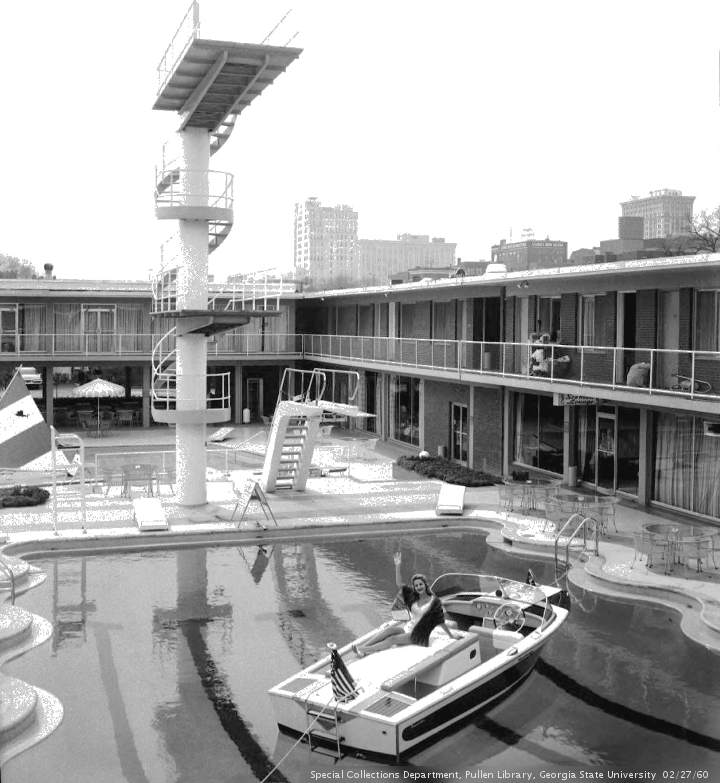

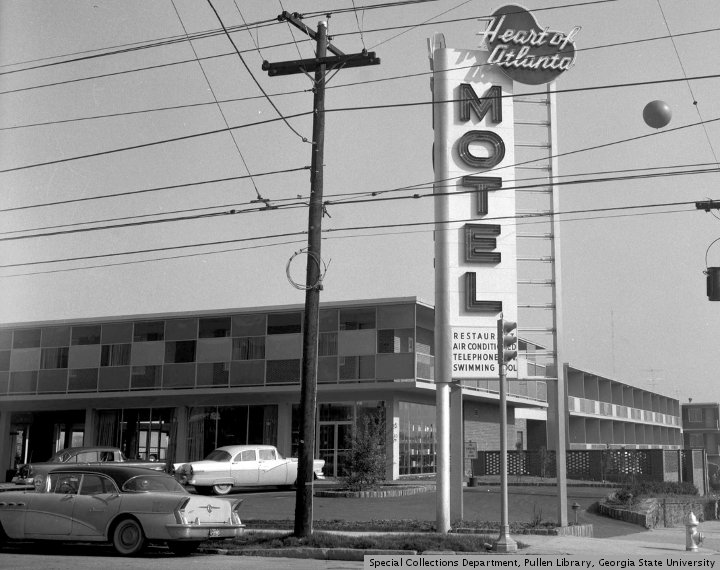


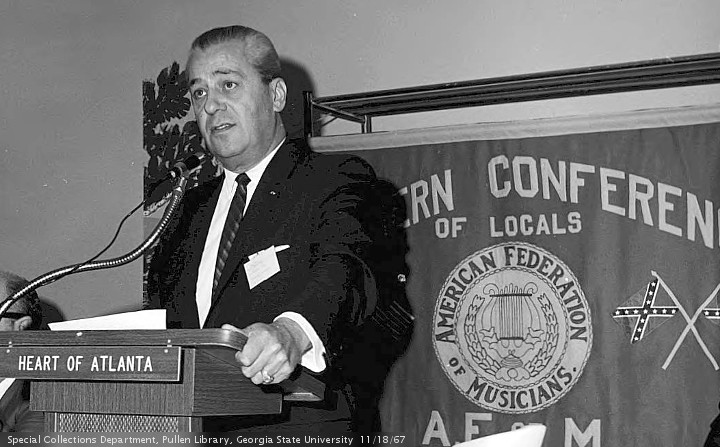
There is an old saying, what goes around comes around. When you sow the wind, you reap the whirlwind. The thing is, it is not always obvious what is payback for what. Moreton Rolleston Jr. filed a lawsuit to have the Civil Rights Act declared unconstitutional. Forty years later, a Black man, built a mansion on the site of Mr. Rolleston’s home. The fact that this Black man earned his money by playing Black women, in movies, is icing on the cake.
When the Civil Rights Act was passed in 1964, Moreton Rolleston, Jr. owned the Heart of Atlanta Motel. He filed a lawsuit, trying to have the law overturned by the courts. The case went to the Supreme Court, which upheld the law.
The legal justification of the Civil Rights Act was a law giving the U.S. Government the right to regulate interstate commerce. Mr. Rolleston argued that this use of the commerce clause went too far. “‘The argument that this law was passed to relieve a burden on interstate commerce is so much hogwash. It was intended to regulate the acts of individuals.’ If the commerce clause can be stretched that far, declared Rolleston, ‘Congress can regulate every facet of life.'” (PG supports all citizens having the right to housing, education, etc. He also wonders if we are on a slippery slope. The government keeps taking more and more freedom away.) (The link for the quote no longer works.)
In 1969, Tyler Perry was born. From humble beginnings, he has been incredibly successful. His signature character is a woman named Madea.
In 1985, Mr. Rolleston was involved in a real estate deal that went sour. He was sued. In 2003, Mr. Rolleston was evicted from his Buckhead home. In 2005, the property was sold to Tyler Perry. Mr. Rolleston sued Mr. Perry, claiming that 2035 Garraux Road was still his property.
Mr. Rolleston , was disbarred in 2007. The Veteran’s History Project shows his race as “Unspecified.” Moreton Mountford Rolleston, Jr., born December 30, 1917, died August 29, 2013.
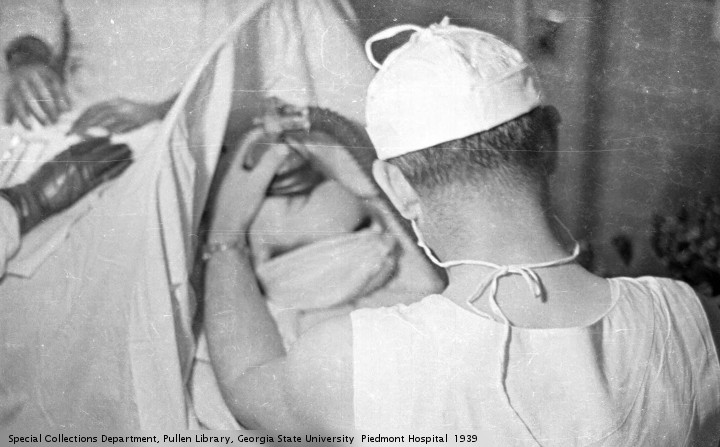
HT Millard Fillmore’s Bathtub.. This is a repost, with pictures from “The Special Collections and Archives, Georgia State University Library”.




The Burning Of Atlanta Part Two

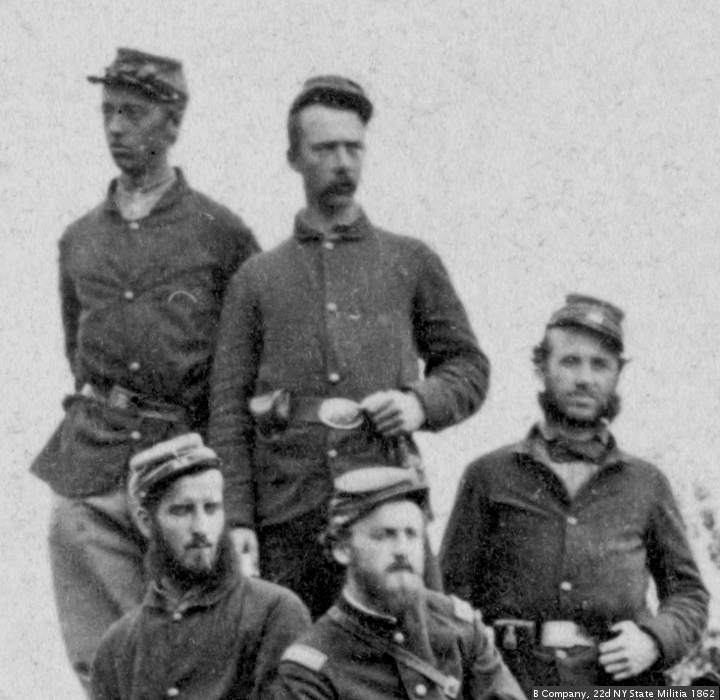
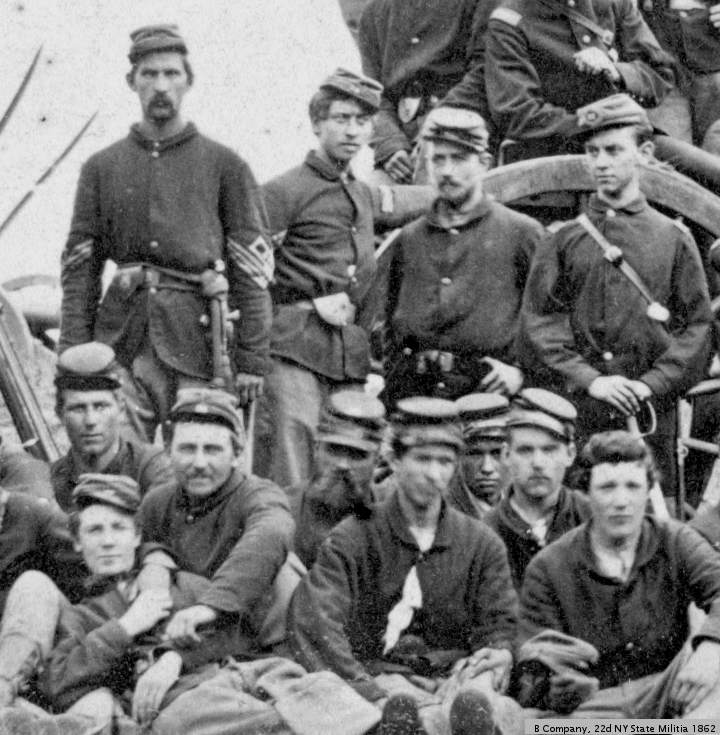


About this time every year, there is a post about the burning of Atlanta. One of the sources is a lecture by Marc Wortman. If you have an hour to spare, this talk is worth your time. One of the stories told is the tale of Mr. Luckie.
“According to folklore, two stories abound as to how Luckie Street was named. The first is that its moniker came from one of Atlanta’s oldest families, and the other, probably closer to the truth, regales the life of Solomon “Sam” Luckie. Luckie, as it turns out, wasn’t so lucky after all. When General William Tecumseh Sherman first came marching through Atlanta in 1864, Luckie, a free Black man who made his living as a barber, was leaning against a gas lamp post in downtown talking to a group of businessmen. A burst from a cannon shell wounded him; he survived, but later died from his injuries. Folklore suggests that he may have been one of the first casualties of the assault on Atlanta during Sherman’s March to the Sea, and Luckie Street, an extension of the city’s famed Sweet Auburn Avenue, was later named in his memory.”
Marc Wortman wrote a book, The Bonfire: The Siege and Burning of Atlanta. The one star review, and comments to that review, are unusually detailed. Here is a selection.
“…People forget – or were never taught in school – that most Confederate soldiers descended from Revolutionary War patriots or were up-country poor sons of farmers. Many Confederate soldiers were relatively recent new arrivals to the U.S., semi-literate dirt poor immigrants from Ireland and Scotland who’d never had the chance to own even an acre of their own land in Europe. In the mix were well-educated, elite merchant business owning French Huguenot refugees of the Catholic Bourbon genocide of Protestants. These immigrants had nowhere else to go, 9 times out of 10 never owned a slave, and fought for the CSA to keep what little they’d hardscrabble carved out over a decade of arrival into the U.S.”
The War Between The States continues to be a source of controversy. After the Charleston church killings, many comments were made about the Confederate battle flag. (If you can’t talk about gun control or mental health, you talk about a symbol.) This led to discussions about the war itself. There were ritual denunciations of slavery, which was assumed to be the sole cause of the conflict. The fact that the vast majority of white southerners did not own slaves was dismissed.
The notion of autonomous states in a federal union was novel when the United States Constitution was written. The debate over federalism versus states rights continues to this day. States that want to legalize marijuana may be the next battleground. (Few are expecting secession over bong rights.) Many in the CSA saw the Union as being a conquering army, and fought to defend their homes. While slavery was certainly a factor in the creation of the CSA, it was not the only Casus belli. Pictures today are from The Library of Congress.



The Burning Of Atlanta


Around this time 151 years ago, Atlanta was on fire. General Sherman was preparing for his March to the sea, and wanted to destroy anything of value in the city. The fire is reported as being on 11-15 of November, depending on what source you use.
The November fire was the second great fire in Atlanta that year. On September 2, the city was conquered by the Union Army. The fleeing Confederates blew up a munitions depot, and set a large part of the city on fire. This is the fire Scarlet O’Hara flees in “Gone With The Wind”.
After a series of bloody battles, the city was shelled by Yankee forces for forty days. There were many civilian casualties. General Sherman was tired of the war, angry at Atlanta, and ready for action. This is despite the fact that many in Atlanta were opposed to secession.
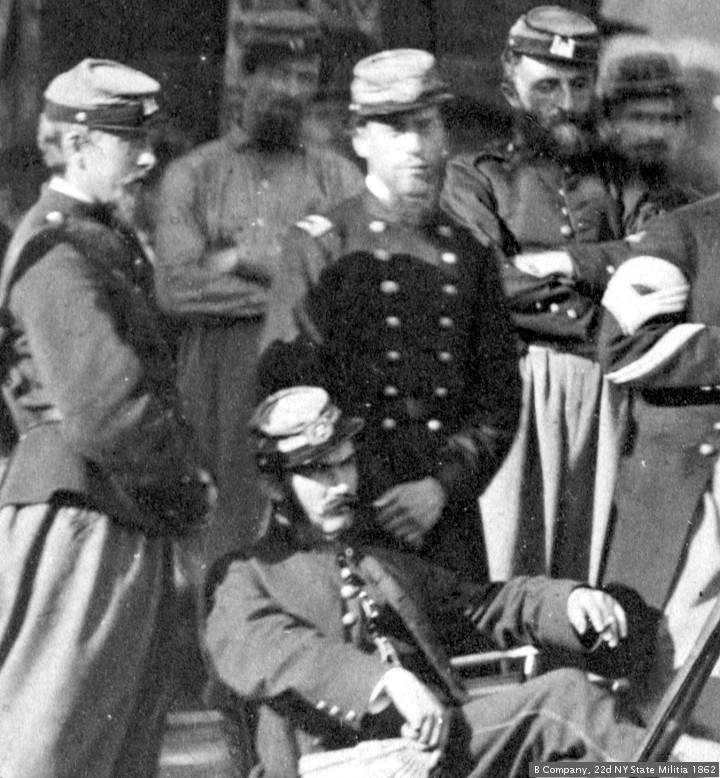
Click here to hear a lecture by Marc Wortman at the Atlanta History Center. Mr Wortman is the author of “The Bonfire: The Siege and Burning of Atlanta”. The hour of talk is fascinating. This is a repost. The pictures are from The Library of Congress


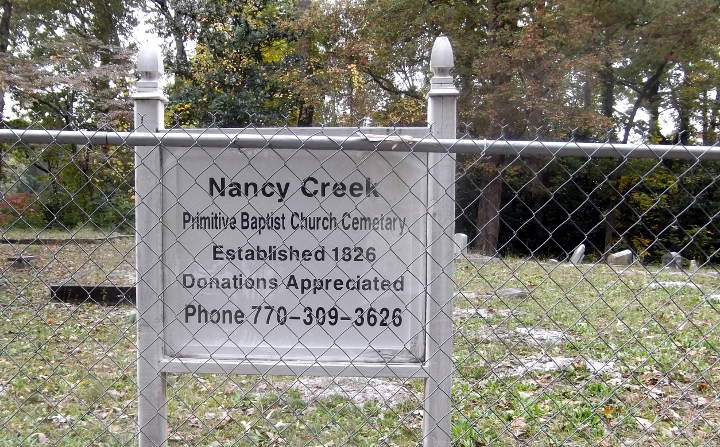
Cemetery Cleanup

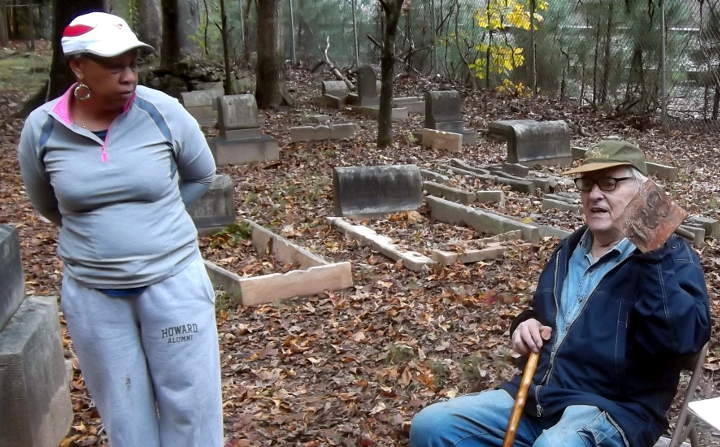

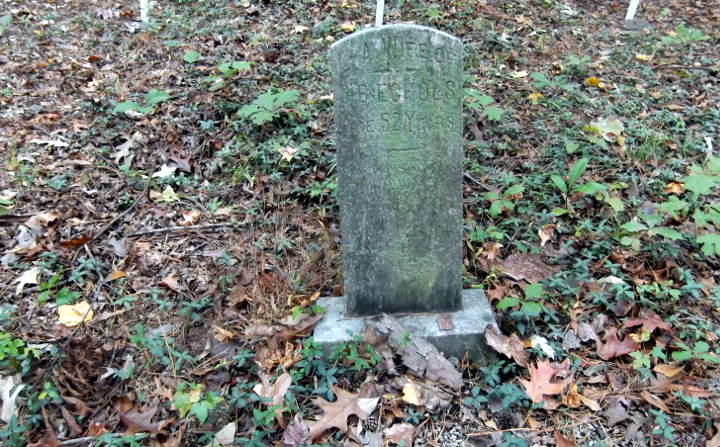
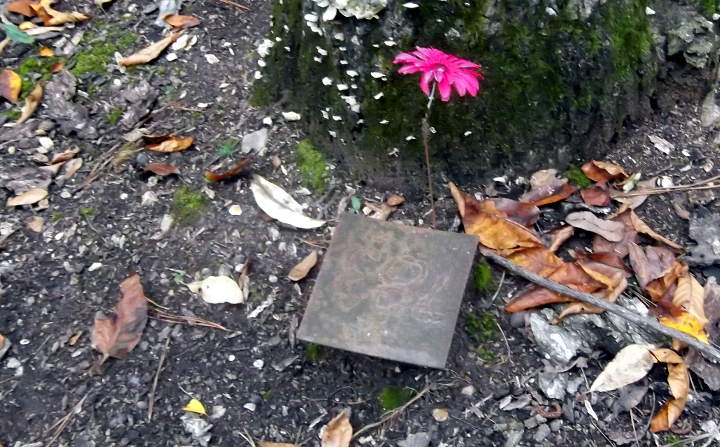

Nancy Creek Primitive Baptist Church had a cemetery cleanup Halloween morning. A group of people gathered to listen to spoken history, and rake leaves. The main goal was to clear out two areas with unknown graves. An estimated 800 people are buried in NCPBCC, with “only 150” marked.
NCPBCC is on Eighth Street, on the Chamblee-Brookhaven border. The road does a ninety degree turn, and becomes New Peachtree Road. In the pre-Marta era, Eighth Street went to Peachtree Road. It came out behind the Pure Oil Station. PG remembers when the RR crossing did not have a light, or a crossbar. It was marked by a yellow sign that said Railroad Crossing.
The first part of the morning was a talk about area history. The land was originally owned by the Creek nation. During the Revolutionary War, and the War of 1812, there was a division in the Creek nation. Some supported the British, while some supported the rebelling colonies. Soon white settlers moved into the area, after treaties with the Creeks granted land to the settlers. In 1826, the Nancy Creek Primitive Baptist Church was founded. The Prospect Church, further down Peachtree Road, was the other church in the area. Prospect is now an antique store, in keeping with Chamblee customs. Nancy Creek was believed to be named for Nancy Evans, an early settler. It may have been Nancy’s Creek at one time.
NCPBCC has a Revolutionary War veteran, Mr. Reeves. Not much is known about Mr. Reeves. There is at least one veteran of the War Between the States. Charles H. Godwin was part of the Godwin family that settled in this area. Pvt. Godwin’s marker says: “Pvt CO K 38 REGT GA INF CSA June 2, 1845 – AUG 4 1862” Albert Martin is the great grandson of Charles H. Godwin, and says that Pvt. Godwin is probably rolling in his grave over the American Flags marking his final resting place. Pvt. Godwin was wounded in battle, brought home, where he died.
The talk about history went on, and PG did not remember all of it. At one point, PG mentioned a pet cemetery behind the Peachtree Animal Hospital. The man who knew cemetery history, Albert Martin, did not know about this pet cemetery. PG also remembered a handful of graves, on a hill behind the Pure Oil Station. Some of these had the Masonic symbol on them.
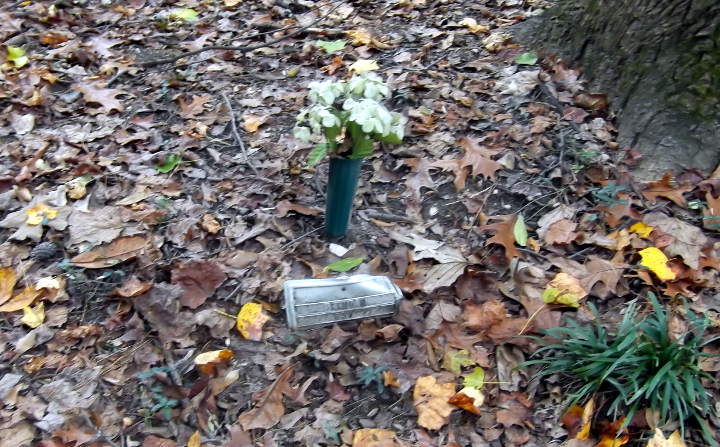
The main objective of the cleanup was to clear out leaves from two areas. When the Marta lines came through, their archeologists put metal markers where graves were known to be. Many of these unmarked graves have artificial flowers. No one knows who put these artificial flowers in the cemetery. Cleaning volunteers were cautioned not to move any stones, or grave markers. Leaves were piled onto tarpolins, and carried out for pickup by Chamblee sanitation. These leaves were heavier than expected, and provided a lively workout for those who carried them out. A tarp, full of leaves, being carried out by two people, resembled the sight of carrying a body. Perhaps this is what happens to people whose families fall behind on maintenance payments.
Some neighbors, whose back yards go up against the cemetery, wondered how accurate the surveyers were when the boundaries were established. There were iron markers in the far back part of the cemetery, up against the fence. It is possible that some are outside the established area. PG questioned the wisdom of doing a cemetery cleanup on Halloween. There were no apparent incidents, and the cleanup volunteers worked without interference from the dead.




Brookhaven Mayoral Election




Once upon a time, Brookhaven was a neighborhood, just east of the Atlanta city limits on Peachtree Road. There was a man named Bobby, who would stand at the corner of Peachtree and Dresden watching the traffic. Bobby didn’t say very much. Some say Bobby was “challenged’, while others said he was a dinged out Nam vet. Bobby, a big, big man, was called “the Mayor of Brookhaven.” No one seems to know what happened to Bobby.
Years later, the City of Brookhaven was created. The first Mayor was J. Max Davis, another big, big man. After a while in office, Mr. Davis resigned so he could run for the state legislature. There were some amusing rumors about sexual misconduct, involving a can of Lysol.
In a few days, Brookhaven voters will elect a new Mayor. PG took a telephone poll about the election, which mentioned two candidates. PG had been under the impression that three people were running for the office. The thought of a runoff was appalling. PG asked Mr. Google for help.
The confirming article said Williams drops out of Brookhaven Mayor’s race. Acting Mayor Rebecca Chase Williams had dropped out of the race. It seems as though her husband, former fishwrapper columnist Dick Williams, had taken a bad fall. He was facing a lengthy recuperation, and his wife decided to get out of politics to help. The remaining candidates were “attorney John Ernst and competitive eater Dale Boone.”
Competitive eater? For someone to replace Bobby and J. Max, a professional eater might work. Mr. Boone clarifies the matter a bit. “I’m not a competitive eater. I’m the defending world champion. There’s a huge difference. I’m the top one,” the 49-year-old Boone said. (For you aficionados, Boone says his top ranking comes through the World League of Competitive Eating, not the International Federation of Competitive Eating.) ”
PG first heard of Dale Boone when he saw campaign signs on Briarcliff Road. This is south of I 85, and outside the Brookhaven city limits. According to a recent financial report, Mr. Boone has spent $624.68, after raising $3,880. “Boone had a handful of donors, including some restaurant ownership groups. His campaign also reports more than $5,000 in debt.”
John Ernst, who will probably win, is running a conventional campaign. There are the glossy mailouts, with pictures of adorable children. Mr. Ernst promises to clean up Brookhaven city government. presumably without using Lysol. Taxes will be cut, and trust in government restored created. The acheive this goal. Mr. Ernst has raised $55,918.28, and spent $22,616.64. Pictures today are from The Library of Congress.




Free Bacon





There was a tweet. Perspicacious One @JessSmith_TPC LOLOLOL Can’t make this stuff up @EWErickson President’s Speech Defending Obamacare Nearly Kills Innocent Woman http://shar.es/ES3kQ. The link is to a story, President’s Speech Defending Obamacare Nearly Kills Innocent Woman. The medium is something called The Washington Free Beacon. Free Bacon is a typo.
TWFB has some interesting stories. When PG was a kid, his mother said story when she meant lie. One entertaining example is Pro-Iranian Regime Journalist Defends Controversial Tweet Former translator for Ahmadinejad called WSJ editor ‘Iranian House Negro’. The offending tweeter owns a fashion blog, the house of Majd. Rumors that Mr. Ahmadinejad is a model cannot be confirmed.
A more believable story is Netanyahu’s Mission: To Head Off Iran Sanctions Relief. The thought of a deal between Iran and the West is very troubling to Israel. An important distraction to the Palestinian tragedy would be removed by the rehabilitation of Iran. One interesting section of the story mentions 911 labor supplier Saudi Arabia. “Saudi Arabia, another key U.S. ally in the Middle East, is also deeply worried about any sign of a deal between Washington and the kingdom’s arch-rival, Iran.”
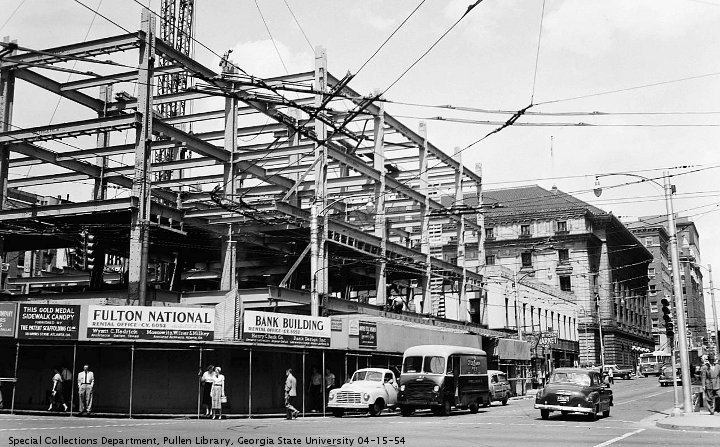
Free Bacon is the order of the day in the last story we will look at. USDA Celebrates Forcing Kids to Try Kale, Chard, Collard Greens. “The U.S. Department of Agriculture (USDA) extolled a local elementary school in Poughkeepsie, N.Y. for making its students try broccoli gratin, Tuscan kale, and beet hummus, as an example of the department’s efforts to fight obesity.” Pictures for this repost are from “The Special Collections and Archives, Georgia State University Library”.



Cemetery Blues
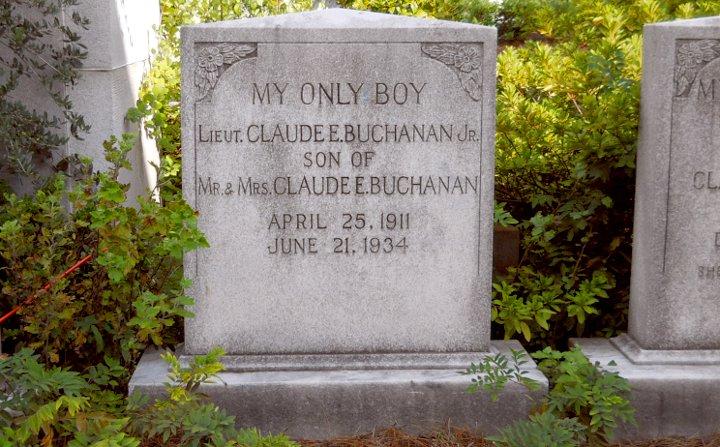
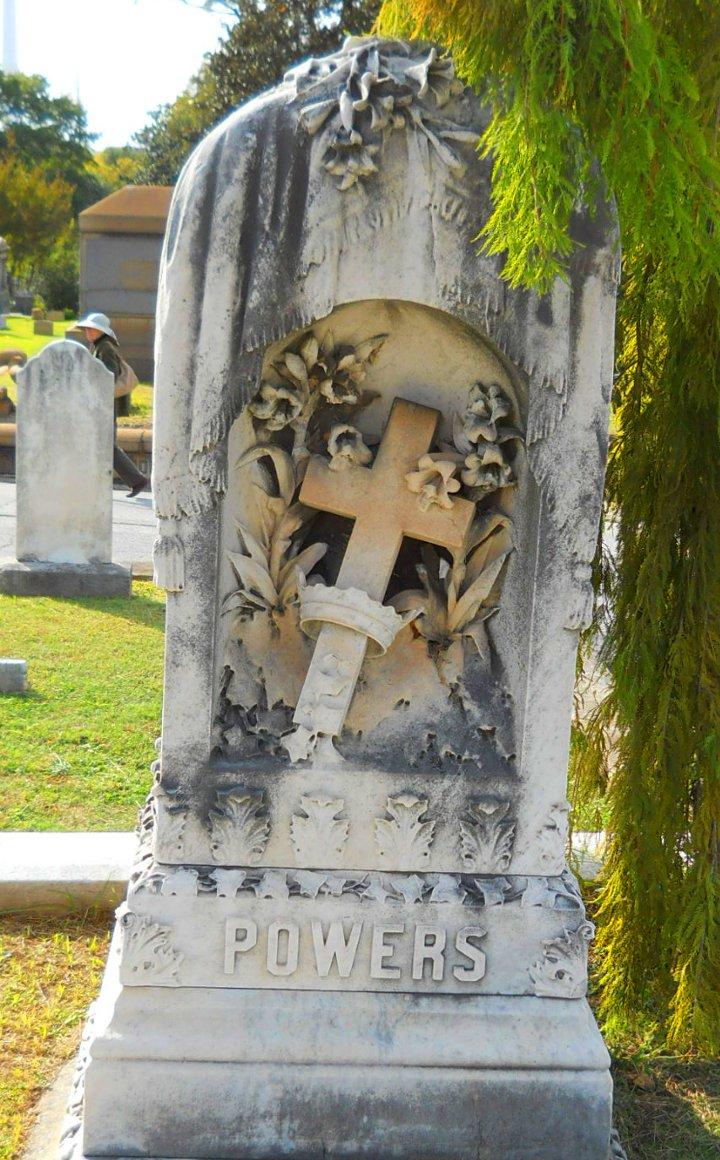


PG and Uzi had their usual Sunday phone call, and agreed to go to “Sunday in the Park”. It is a festival in Oakland Cemetery, with live music, people in costumes, open mausoleums, and lots of good clean fun. It wasn’t until that evening that PG learned that today is Dead Poets Remembrance Day. Edgar Allan Poe met his maker on this day in 1849. This is a repost.
There was a Chamblee54 post about DPRD two years ago. The idea is to go to a cemetery and read a poem. An effort will be made to do that tonight, although promises about dead poets are notoriously unreliable. The 2010 post is included as part two of this feature.
The first poem read that afternoon was “Looking for the Buckhead Boys” by James Dickey. In the intervening two years, PG listened to a podcast with Christopher Dickey, the son of the writer. Sometimes bard is short for bastard.
So PG, Uzi, and Hazmat went to a festival in Oakland Cemetery. Like everything else, it is more popular and expensive. You had to pay to park, which Uzi generously took care of. The brick walls around the boneyard have been repaired, and no longer look like they are going to fall down. Those walls are important, because people are dying to get inside. This is the second time that PG and Uzi have attended the October festival in Oakland Cemetery.
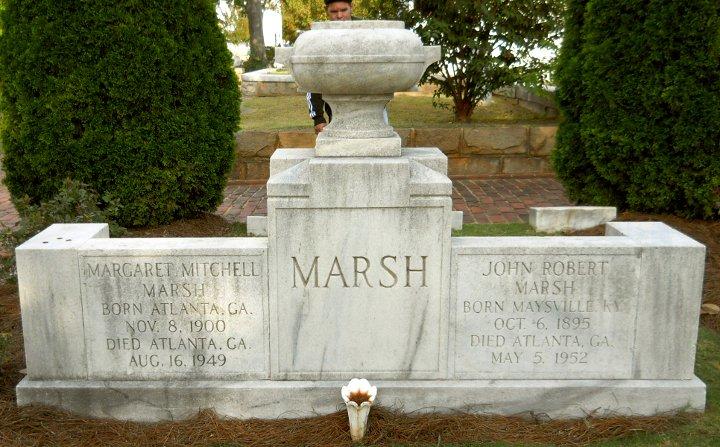
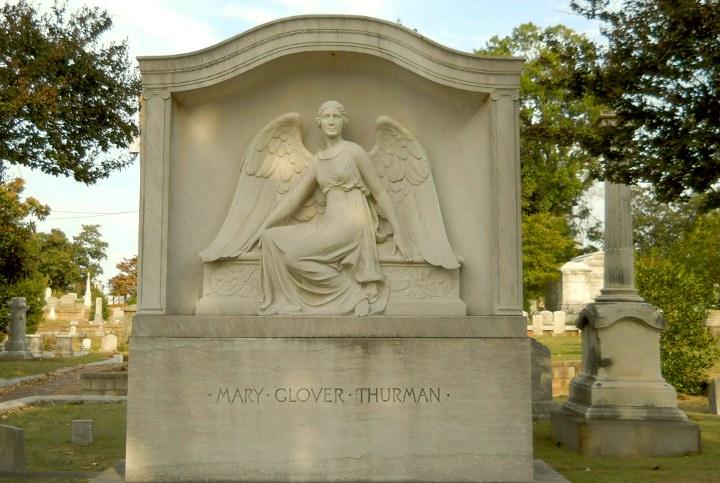
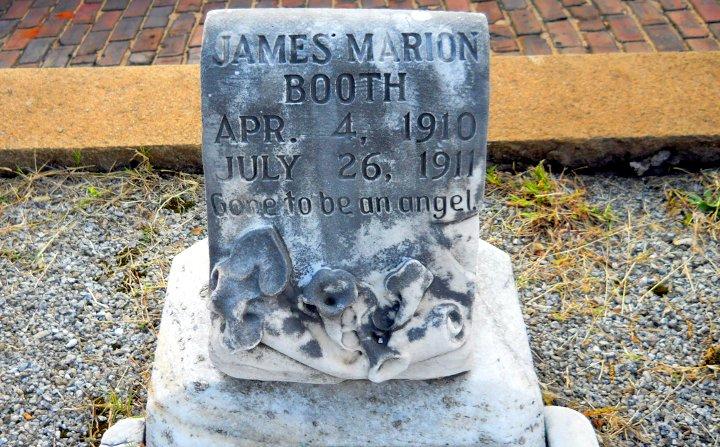
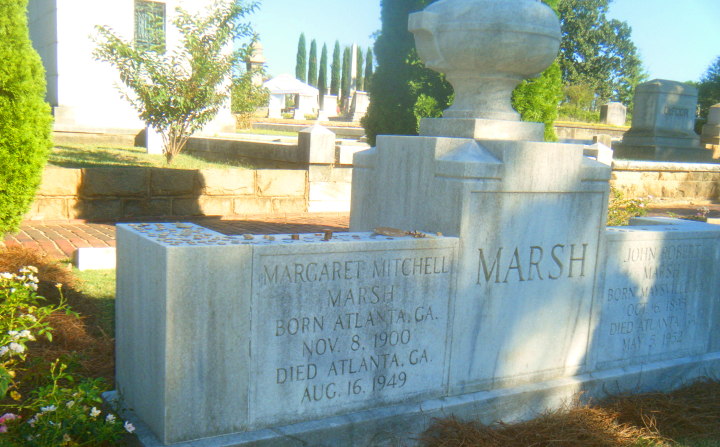
There are always things that you need to see at Oakland. Margaret Mitchell, the Lion Statue, and the mausoleums are important stops. PG followed the signs to the grave of Bobby Jones. It had golf balls and a putter, which was not necessary.
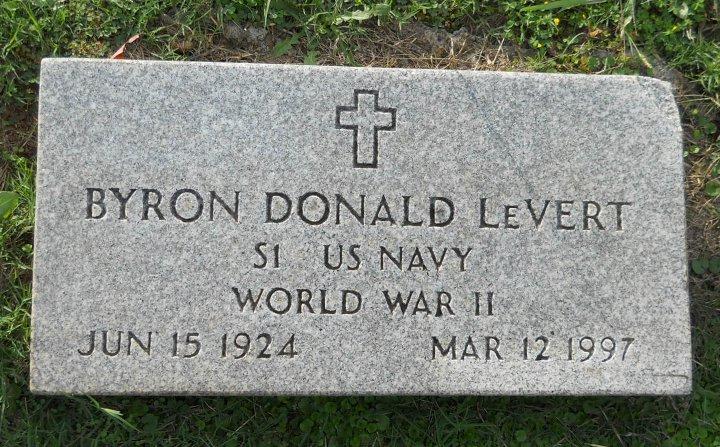
Don LeVert was a member of the Atlanta Sky Hi Club for many, many years before his departure in 1997. PG and Uzi always seek him out, and it is usually a bit of an adventure finding him.
After visiting Don, PG found the marker for “Brother John Wade”. His time on earth was September 23, 1865 to January 15, 1916. This was from the autumn just after the War Between the States, until 37 days before PG’s father was born in Rowland, North Carolina. There was a renewed sense of connection to the stone monuments.
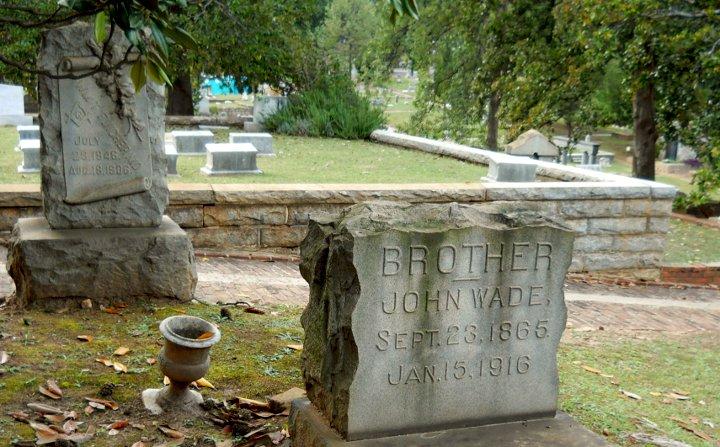


The facebook friend said “Today is Dead Poets Remembrance Day, Oct. 7th, the day Edgar Allan Poe died. Be sure to visit a graveyard and read some poetry today”. PG didn’t have anything better to do.
The first obstacle was finding a book of poetry. PG is not a poetry person. A look at the shelf turned up a paperback, “125 years of Atlantic “. Poetry was to be found between those covers.
The book had two stickers, both saying 69 cents. At the old Book Nook, this meant that the book was half the price on the sticker. With tax, that would be 38 cents.
125YOA had stayed in PG’s car for a few years. Whenever he was stuck somewhere with time to kill, this book was waiting. One afternoon in 1998, there was a slow day at work. PG read a remembrance by Gertrude Stein, about life in France at the start of World War II.
The cemetery of choice was connected to the Nancy Creek Primitive Baptist Church. PG has driven by this facility thousands of times. He walked past the graves until he found a fallen tree to sit down on.
The first poem was “Looking for the Buckhead Boys” by James Dickey. PG began to read out loud, and soon could smell the drug store air of Wender and Roberts. The author bought fifty cents worth of gas at a Gulf station. Today, fifty cents might buy a tablespoon of gas, and Gulf was long ago bought out by BP. Wender and Roberts became a bar, which was torn down, to make way for a shopping destination. One day the money lenders will allow construction.
Buckhead is not what it used to be. When Mr. Dickey was the bravest man in Buckhead (he took a shit in the toilet at Tyree’s pool hall), PG was not even thought of. The traffic jams on Peachtree Street are still there, as the blue haired ladies follow poets into the ground.
When PG finished reading Mr. Dickey, he put a teal postit in the book, where the poem stood. PG looked up, and the graveyard seemed different. Maybe the sun had sank a bit in the sky, and maybe the poem had changed PG in a way he could not put into words. Maybe another poem was the answer. Take the glasses off, open the book at random, and turn the pages until a poem shows up.
On page 404…the historic Atlanta area code…was “The Wartime Journey” by Jan Struther. The 1944 work was unknown territory. A group of people are traveling on a train. The wounded vet, the untried recruit, the salesmen shared the space with a lady, taking a baby for her soldier husband to meet. The theme of the rhymes was that America was totally at war, and that war is different from peacetime. Today’s war in Babylon is not like that.
Halfway through the reading, a freight train pulled by. Today, passenger trains are a novelty, and freight rules the rails. The shipment today was double decked containers, ready to pull off and slap on an eighteen wheeler.
Deaths are said to come in threes, and reading poetry in a graveyard should be the same. PG went on a random search for a Moe, to go with the Curley and Larry already digested. A page of poems by Emily Dickinson was the result. These pages left PG unmoved. It was as if he was back in the sixth grade, with a horrible English teacher forcing him to memorize Hiawatha. It was time to go home.


Tomorrow Is Another Day



PG managed to miss the Decatur Book Festival this year. One friend made it.
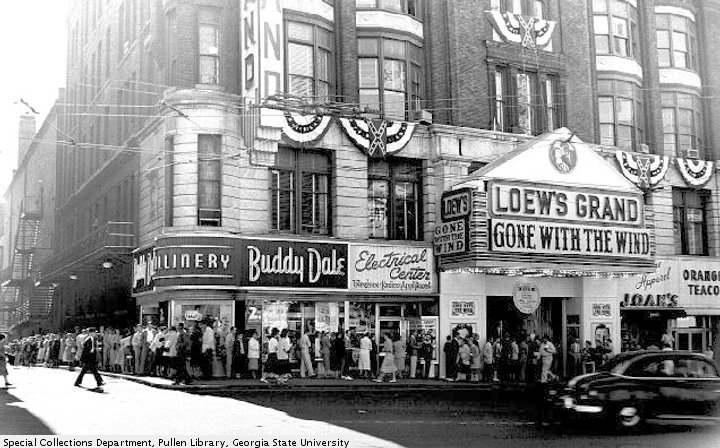
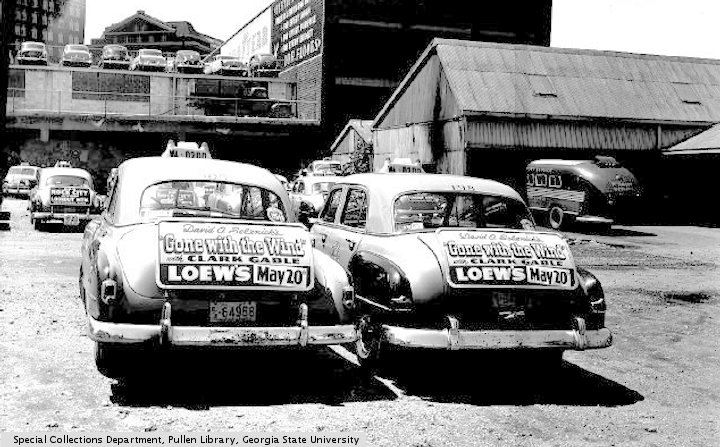
“This program was followed, after another walk through the vendor area back to the public library’s auditorium, by a staged reading of a short play, Tommorrow Is Another Day. The setting: the apartment of Atlanta novelist Margaret Mitchell and her husband John Marsh, on a morning in December 1939, two days before the movie version of Mitchell’s famous book premiers in Atlanta’s Lowe’s Theater. Mitchell’s African-American housekeeper of many years has almost finished reading Mitchell’s book, and Mitchell asks for her housekeeper’s opinion of it. What the Mitchell’s housekeeper tells Mitchell and her husband made for compelling theater!”
The play is fiction. From what this slack blogger has read about Peggy Marsh, she probably did not give books to her household help. It is possible that the cleaning lady did not know how to read. The playwrite, Addae Moon, had to use dramatic license to tell his side of the story.
“…the 43-year-old black writer found he liked some things about the 79-year-old novel. Not everything, of course. “I got frustrated with it. I had to put it down because I got angry.” But he’d pick it up later and keep going. “I totally understand Margaret’s desire to tell your point of view and your truth, but I also can understand what it feels like to be the victim of someone else’s truth…. It’s easy to be critical of the movie, which is more cartoonish, but, to me, the book is so much more complex.”
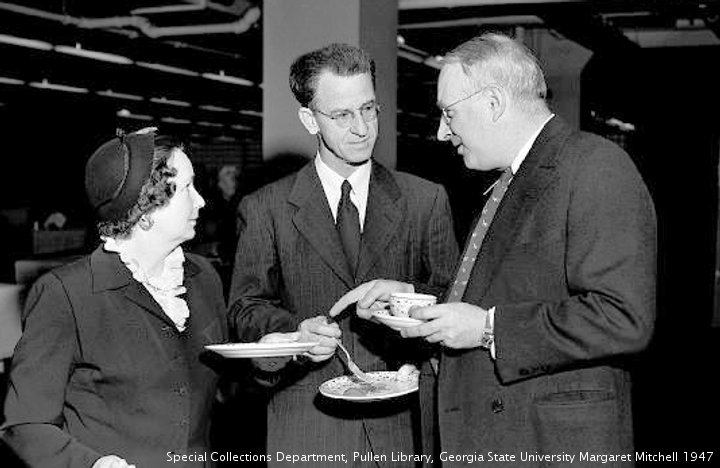
It has been a long time since PG read GWTW. It is tough to imagine it from the perspective of a contemporary Black man. GWTW was written by a White woman, of a byegone era. There are many sides to the story. This post will try to tell a few. The rest of it is a double repost from a few years ago. If that does not satisfy your lust for trivia, you can check out the Margaret Mitchell page at find-a-death.com. (It is full of errors, like calling her “Maggie”.) Pictures are from “The Special Collections and Archives, Georgia State University Library”.
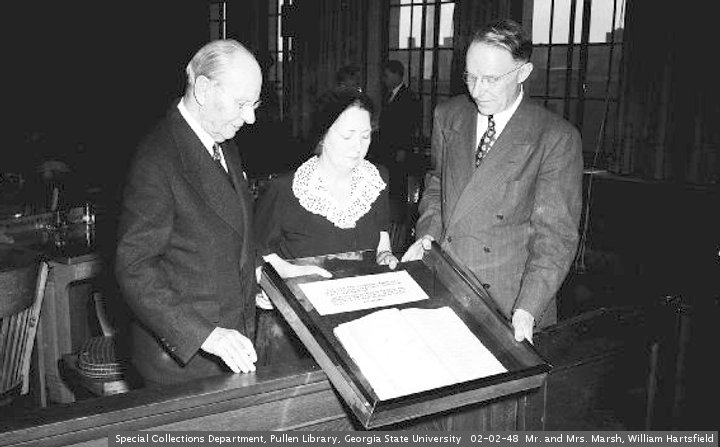
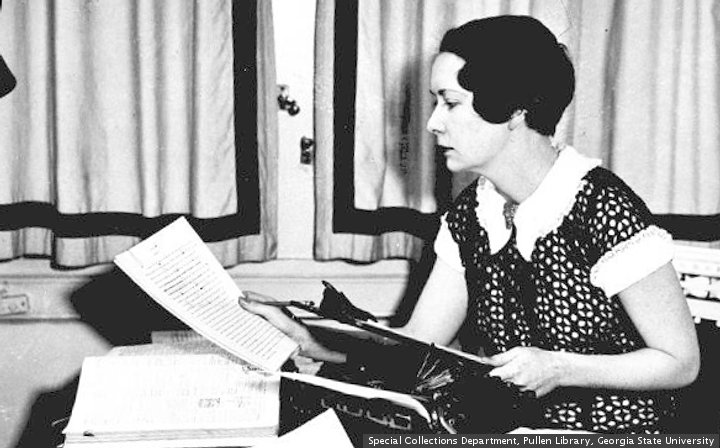

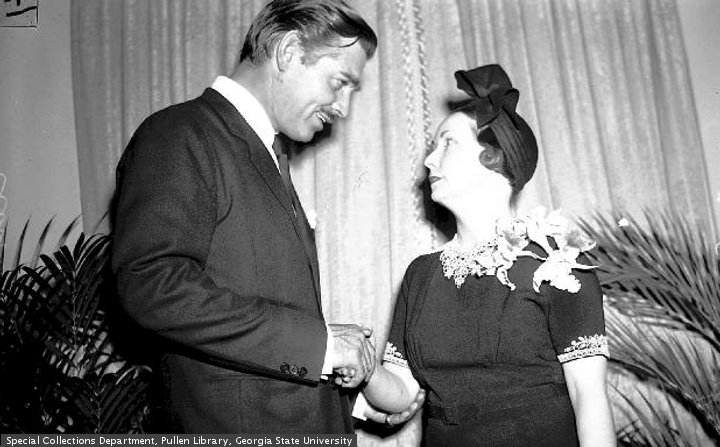

As we started to discuss the other day, PG is reading I Remember Margaret Mitchell by Yolande Gwin. It starts with August 11, 1949. Margaret Mitchell, known to her friends as Peggy Marsh, went to to see “A Canterbury Tale” at the Peachtree Art Theater. She left her apartment on Piedmont Avenue, accompanied by her husband John. They parked across the street, and Mrs. Marsh was struck by a taxi, driven by Hugh D. Gravitt. She died August 16, 1949.
This story contradicts what PG heard about the accident. The other story is that Mrs. Marsh had been at the Atlanta Women’s Club, having cocktails, where her husband met her. In this account, Mrs. Marsh was bombed, and never knew what hit her. (One mile south west, and fifty five years later, PG had an encounter with a speeding taxi.)
On page 23, another myth is challenged. The traditional story is that if you asked Margaret Mitchell if she based Scarlet O’Hara on herself, she would look horrified. “Scarlet O’Hara was a hussy”. This view is challenged by an Atlanta native, who went to a party, and saw that Margaret Mitchell was the life of the party. “Scarlet O’Hara is certainly the personification of Margaret Mitchell”.
Margaret Mitchell was a reporter for the Atlanta Journal. She married John Marsh on July 4, 1925, and injured her ankle in 1926. Every day Mr. Marsh brought home books to his bedridden wife. One day, he brought home a writing pad, and said “You have read everything I’ve brought you so now you write a book.”
The couple lived in a small apartment on Crescent Avenue, across from a mural of a southern colonel. (I would even go north for Southern Bread) They moved out of “the dump”, in 1932, to an apartment at 4 17th Street. When Peggy sold a few books, and John’s career at Georgia Power prospered, they moved to the Della Manta. This was at the corner of Piedmont and South Prado, across from her beloved Piedmont Driving Club.
Mrs. Marsh wrote and wrote, preferring a typewriter to a writing pad. Each chapter was kept in a manila envelope, which were piled up all over the place. Some chapters were re written sixty times. In 1935, Harold Latham, of MacMillan Publishers, was in the south looking for talent. He persuaded Mrs. Marsh to let him look at her book, and would not give it back to her.
The title of her book was borrowed from a poem by Ernest Dawson, Non Sum Qualis Eram Bonae Sub Regno Cynarae . The line of the poem was “I have been faithful to thee, Cynara, (spell check suggestion: Canary) in my fashion; I forgot much Cynara, Gone With The Wind!”
The book became a runaway best seller. Macy’s of New York helped by ordering 50,000 copies. The idea was to offer GWTW as a loss leader, as Gimbels was doing. Federal price controls ruled this to be illegal, and Macy’s returned 35,000 copies to the publisher.
The first printing of GWTW has a mistake on the back page. The book was published June 30, 1936. The first edition says, on back of the title page, “Published May 1939”.
David Selznick bought the rights to GWTW, and you probably know the rest of that story. Shortly before the premiere of GWTW, someone at the Piedmont Driving Club pulled a chair out from under Mrs. Marsh. She had not started to stand up. Mrs. Marsh crashed hard on the floor, and hurt her back. This would require two rounds of back surgery.
Celestine Sibley tells a story about the Atlanta Women’s Press Club. Miss Sibley moved to Atlanta in 1941, and went to her first AWPC meeting, at the Henry Grady Hotel. “A plump little woman in a funny Carmen Miranda style hat” noticed the newcomer, and started to talk to her. In the early days of the war, there were blackouts, to save the city from German bombers. The plump little woman was an air raid warden in the area around Piedmont Park. Finally, Miss Sibley said she had to go catch the Piedmont-Morningside bus. Peggy Marsh said she had a car, and could take her home.

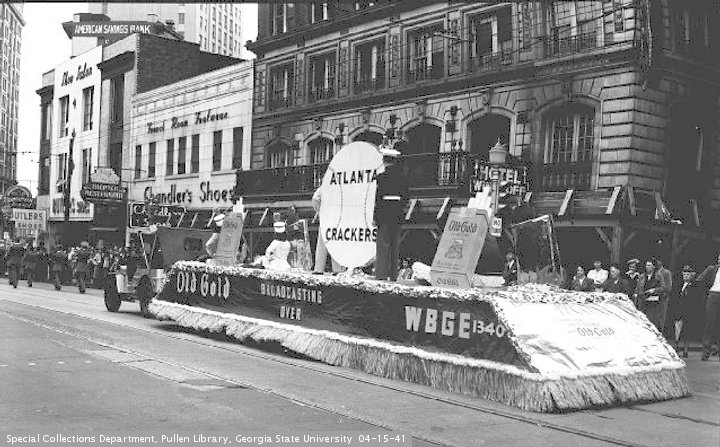


PG is reading I Remember Margaret Mitchell by Yolande Gwin. It is a collection of memories of Peggy Marsh, who wrote “Gone with the Wind”. ( If you didn’t know that, just close this window, and go look for your “friends” on facebook.)
Yolande Gwin was for many years the society editor of the Atlanta Constitution. She wrote a review of GWTW in 1936, before it’s publication. Mrs. Marsh sent her a letter of appreciation… “I never dreamed you were going to give me so much space. I thought, as the resume of the story was so long. that you’d just give an introductory paragraph and let me ride. And I’d have ridden, just as happy as a n—-r at a hog killing. But all that space, so long a story. so completely flattering a story – well. I’m still blushing about the ankles, as Jurgen once remarked … And oh, Yolande. how nice of you to refer to me as a “young author!” Me, who have passed the broiling stage and the frying stage and am rapidly approaching the roasting and baking stage. “
There is probably going to be a second post about I Remember Margaret Mitchell. Chamblee54 is not responsible for GWTW junkies who overdose on Margaret Mitchell trivia. This post is about fact checking, google, and how a couple of simple questions can turn into an all afternoon goose chase.
There are two basic questions: Was Yolande Gwin married, and did she work for the Journal or the Constitution? As for the first, the expression Ms. sounds like a mosquito with a speech impediment, and is not appropriate for use with an society page writer. The trouble is, Miss or Mrs. depends on the marital status of the woman. After an hour or so of looking up google results, PG cannot find out whether or not Yolande Gwin was married. Sometimes, the correct answer is “I don’t know”.
As for the second, an obituary for the lady says that she wrote for the Journal-Constitution for fifty years. The fact is, the Journal and Constitution were separate papers until they were combined in 1982. (Cox Enterprises bought the Constitution in 1950. This made the Journal and the Constitution sister papers, rather than competitors.) As for who Yolande Gwin wrote for, there are contradictory stories on the internet. A google book about rural electrification says that Yolande Gwin wrote for the Constitution. The Atlanta History Center says the Yolande Gwin wrote for the Journal. They have a picture of the lady, with a ghastly AHC watermark across her face.
Another google book, The last linotype: the story of Georgia and its newspapers since World War II By Millard B. Grimes confirms that Yolande Gwin worked for the Constitution. “”One day I was sitting there looking at a blank sheet of paper; I didn’t have any news. And that’s when I happened to remember kidding Peggy (Margaret Mitchell) about writing the “Great American Novel.” so I called her up and said, ‘How about that Great American Novel. have you ever finished it? I need some news.’ She said, ‘You won’t believe it, but Macmillan has taken it.’ And I said, ‘Goody, goody. Grand.’ And I put a piece in the column (written under the name Sally Forth) about it, never expecting it to be what it was, you know.” The dale was February 9, 1936.”



 Chamblee54
leave a comment