35 Broad Street
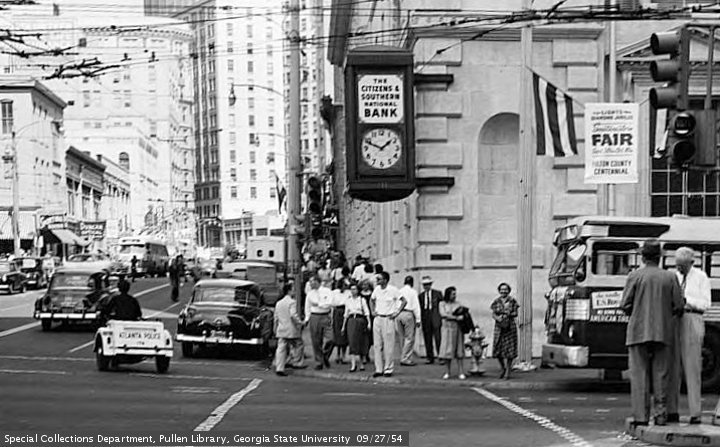
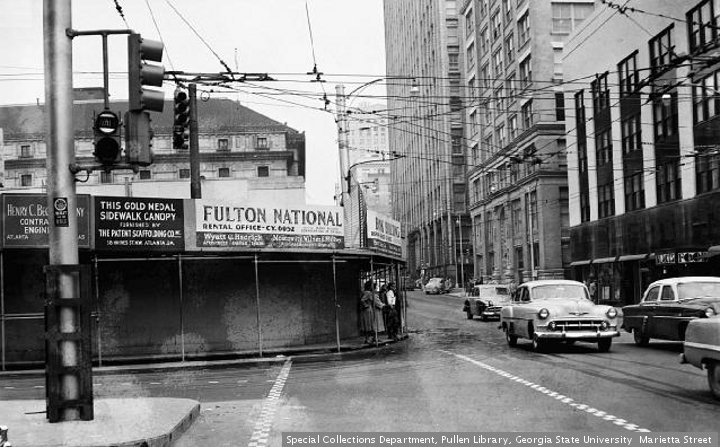
PG was having a delightfully slack afternoon, The one productive activity was editing pictures from “The Special Collections and Archives, Georgia State University Library”. In box seventy two of “corporate bodies”, in the Lane Brothers archive, there was a picture commissioned by King Road Marker Company. It displayed a brand new crosswalk, over Marietta Street at the intersection of Broad Street. The picture was taken at 1:51 p.m. September 27, 1954. This is a repost.
The time caught PG’s eye. 1:51 is one of the times used to display clocks and watches in advertising. Most ads use 10:09. This arrangement of the hour and minute hands makes a welcoming gesture. This allows the logo of the watch to be visible, and is thought to encourage the viewer to purchase the timepiece. The shadows on the buildings indicate that the picture was shot in early afternoon.
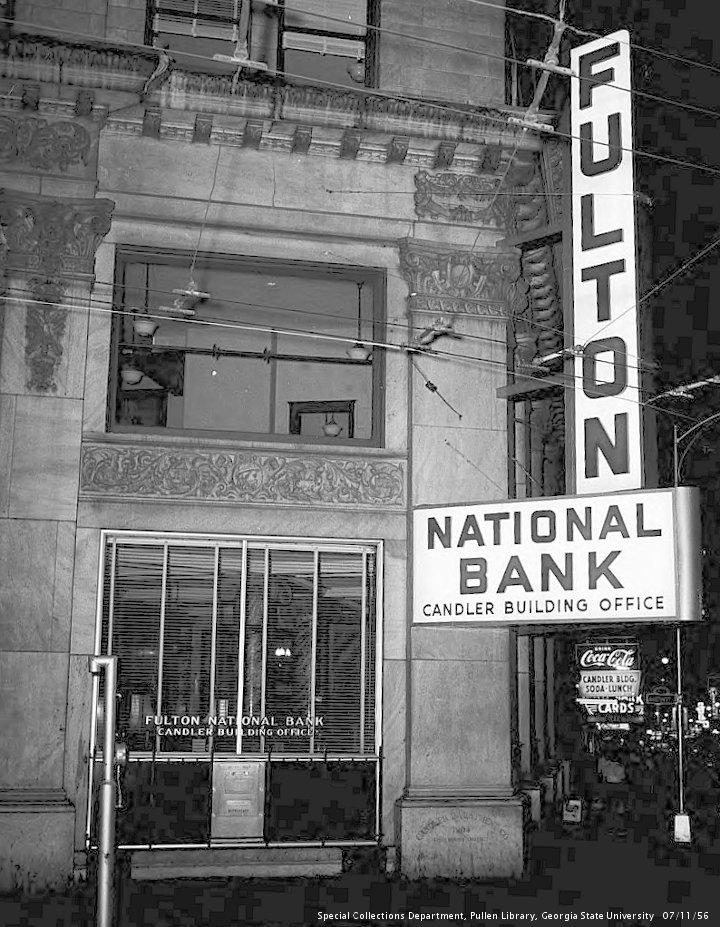
The clock with the magic time advertised the C&S national bank. The building behind the clock was the headquarters of that bank. In 1954, Citizens and Southern bank was a prime player in the Atlanta market. (PG’s dad said that C&S stood for choke’m and squeez’m.) At some point, C&S merged with NCNB to become Nationsbank, which was later absorbed by Bank Of America.
C&S kept it’s headquarters at 35 Broad Street for many years after competitors built trophy buildings. Their were constant rumors about where the C&S highrise was going to go. Finally, C&S Plaza was built at Peachtree and North Avenue, a mile north of five points. The building was to become the tallest building in America outside of New York and Chicago. During the construction of this building, C&S became part of Nationsbank.
The picture is featured in Atlanta Time Machine. The building is now owned by Georgia State University, with a BOA branch on the first floor. The banking hall is spectacular. It was designed by Philip Shutze, before the great depression. Here is more information.
Nations Bank Building (Citizens and Southern National Bank Building, Empire Building)
35 Broad Street, NW 1901: Bruce and Morgan, Architects, NR.
Remodeling of Lower Floors and Interiors 1929:
Hentz, Adler and Shutze, Architects; Philip Shutze, Designer
Fourteen stories high, the Nations Bank Building was the first steel-frame structure to be built in Atlanta. Its clear-cut silhouette, simple fenestration, and heavily decorated terra-cotta top bear the influence of the Chicago School. In 1929 the building became the headquarters of the Citizens and Southern National Bank, which asked Philip Shutze to redesign its three lower floors. Because the impression of load-bearing masonry was regarded as better suited for a banking establishment than large glass panes were, the original display windows were replaces by classical motifs apparently “carved out” of Indiana limestone.
Philip Shutze was inspired by Italian Mannerism, and especially by the city gates of Verona by Michele Sanmichelo (1484-1559) … Reached from Marietta and Walton streets through lofty arcaded entryways and a more intimate elevator lobby in the early Renaissance style on Broad Street, the banking hall is a long nave articulated by colossal Corinthian pilasters. While its walls and floors feature several kinds of Georgia, Tennessee, and European marbles in a warm gold-brown color scheme, the ceiling, from which hang gigantic chandeliers, is left bare. The Pantheon, which Shutze had measured during his internship at the American Academy in Rome, served as direct source for the pedimented niches, and for the floors with alternate square and circular patterns. Also, of Roman inspiration are the bronze desks and the eagle motif found throughout the design.


The Night Muhammad Ali Fought In Atlanta





Many have noted that Muhammad Ali lit the Olympic torch in 1996. Few seem to remember another Atlanta appearance from the former Cassius Clay. It happened October 26, 1970, at the Municipal Auditorium. To get to this point, lets borrow a few lines from a Courier-Journal Ali Timeline.
1960 – “Clay defeats Zbigniew Pietrzykowski of Poland on Sept. 5 to win the light-heavyweight boxing gold medal at the Olympics in Rome…”
1962 – “Clay hears Elijah Muhammad speak for the first time. He meets another Nation of Islam leader, Malcolm X, who becomes a friend and adviser. – On March 9, the military draft board classifies Clay 1-A, meaning he is fit and available to be called into the Army…”
1964 -” Because of a low score on the Army intelligence test, Clay is reclassified 1-Y, not qualified for military service, in January. “I said I was The Greatest,” he explains. “I never said I was the smartest.” – Clay scores a stunning seventh-round technical knockout over 7-1 favorite Sonny Liston on Feb. 25 at the Miami Convention Center, winning the world heavyweight championship at age 22. – In response to a reporter’s question the day after the fight, Clay confirms he is a member of the Nation of Islam, saying: “I believe in Allah and in peace. … I’m not a Christian anymore. … Followers of Allah are the sweetest people in the world. They don’t tote weapons. They pray five times a day.” – A rift grows between Elijah Muhammad and Malcolm X. Ali sides with Elijah, causing grief for Malcolm. – Casting off his “slave name,” Clay adopts the temporary name Cassius X. Later he announces that Elijah has bestowed on him the name Muhammad Ali. The name means “Praiseworthy One.”…”
1965 – “Ali knocks out Liston in the first round of their rematch, before only 4,280 fans in Lewiston, Maine, on May 25. Liston falls under a “phantom” punch that apparently few people see, giving rise to suspicions that he threw the fight. Former champion Joe Louis eventually declares Ali “unfit” to hold the title. – In October, former champion Floyd Patterson says: “Cassius Clay is disgracing himself and the Negro race.” On Nov. 22, Ali delivers a punishing defeat to Patterson, in part, he says, because Patterson refuses to call him Ali….”
1966 – “With the Vietnam War heating up, the Army lowers test-score standards, reclassifying Ali 1-A — fit for service. – “Man, I ain’t got no quarrel with them Viet Cong,” he says to reporters who call him at home in Miami. He later explains that “no Viet Cong ever called me nigger.” – Ali asks to be reclassified a conscientious objector to military service. A hearing officer sides with him, but the draft board keeps him 1-A, armed with a U.S. Justice Department opinion that Ali’s objections to military service are political not religious….”
1967 – “On April 28, Ali refuses induction into the Army in Houston.” “It is the light of my consciousness as a Muslim minister and my own personal convictions that I take my stand in rejecting the call to be inducted in the armed services,” Ali stated after refusing induction on April 28, 1967. “I have searched my conscience and I find I cannot be true to my belief in my religion by accepting such a call.” He was convicted of draft evasion on June 20, 1967. Ali was sentenced to five years in prison and fined $10,000, the maximum penalty for the offense. He remained free on a $5,000 bond while he appealed his conviction. Ali was also stripped of the World Heavyweight Championship by the New York State Athletic Commission and the World Boxing Association, systematically denied a boxing license in every state and stripped of his passport. “
For three and a half years, Mr. Ali was unable to fight in the ring. The WBA had a tournament, and installed their own champion. People tried to set up a fight for Mr. Ali, but were blocked by politicians, and state boxing authorities. California Governor Ronald Reagan said “That draft dodger will never fight in my state, period.” Then someone had the idea to have the fight in Atlanta.
Atlanta has never been a boxing town. There was no boxing commission. The Municipal Auditorium, the only venue that could host, was a dump. As Ring magazine tells the story: “So it was the height of irony that it was Atlanta, a city that occupied the heart of the Deep South, that provided the breakthrough. State Senator Leroy Johnson and Governor Lester Maddox helped pave the way for a most improbable return by persuading the City of Atlanta Athletic Commission to grant Ali a boxing license on Aug. 12, 1970. Shortly thereafter, it was announced Ali would fight Jerry Quarry on Oct. 26 at the City Auditorium in Atlanta. The bout was scheduled for 15 rounds, probably in recognition of Ali’s status as lineal heavyweight champion.” (Other sources say that Governor Maddox was opposed to hosting the fight, but was powerless to stop it.)
The opponent was Jerry Quarry, whose white skin was apparent that night. His obituary notes: :His most famous night was in Atlanta, Georgia, in October 1970, when he was the “fall-guy” for Ali’s comeback from his three- year exile. Quarry was stopped because of a badly cut eye in the third round. It brought him his biggest payday, $338,000. … By 1995 he was in the care of his brother James, and was suffering from severe pugilistic dementia.” Jerry Quarry died January 3, 1999.
The fight was not much of a contest. It lasted three rounds, before the referee stopped the match. Mr. Ali fought for ten more years, and regained the Heavyweight Championship twice. “On June 28, 1971, the Supreme Court unanimously overturns Ali’s 4-year-old draft conviction, saying that his claims as a conscientious objector were based on religion and were sincere.”
The fight was the occasion for a display of black pride, and black money. The New Yorker essayist George Plimpton remembered that invasion of the Harlem peacocks in their enormous purple Cadillacs: “I’d never seen crowds as fancy, especially the men – felt hatbands and feathered capes, and the stilted shoes, the heels like polished ebony, and many smoking stuff in odd meerschaum pipes.”
“The times reported that the bout was like “a page out of the roaring twenties. … The ladies had beads down to the hem of their maxi-skirts. One man wore an ankle length mink coat, with a high hat of mink to match. … Diana Ross sat in the forth row, ringside, with a bouffant, Afro-American hair-do that stretched out 10 inches on each side.” Many of those in attendance were invited to a party.
“Engraved invitations to one party in particular had been passed around to the hustlers in New York a week earlier and in Atlanta in the days leading up to the fight. The invitations announced that “Fireball” was throwing a party at 2819 Handy Drive, in Collier Heights.
The Handy Drive house happened to be one of several properties that “Chicken Man” Williams owned. He’d given a friend, an Atlantan-turned-New-Yorker known as “Fireball,” permission to use the house. He’d even helped build a craps table the week before so all the big-time gamblers who were sure to show up could “roll the bones.”
Williams’ girlfriend, Barbara Smith, skipped the fight to help prepare for the party. She and two girlfriends were busy in the kitchen when they heard the front door open. The fight was still going on, so Smith went to the front, expecting to meet an early bird. She was greeted by three men in ski masks standing in the hallway. All were armed; one was pointing a shotgun at her face. …
An estimated 80 to 200 people had arrived at the house expecting to party, only to be fleeced by masked men with shotguns. According to news accounts, the victims were led to the basement, then ordered to strip to their underwear, throw all their valuables in a pile and lay on the floor…
As more victims arrived, floor space in the basement became scarce, so the gunmen ordered the victims to lie on top of each other. Cash and jewelry was swept into pillowcases. That went on for hours as more and more people kept showing up. By 3 a.m., the half-naked victims were stacked like cordwood on top of each other.
Not one shot was fired. But as they left, the gunmen took Smith and one of her friends hostage and told everyone else to stay put. Three hours later, they dropped the women off on the other side of town and gave them $10 each for cab fare. By that time, the investigation was underway.
Creative Loafing has a terrific story about the party at Chicken Man’s house. If you have a few minutes, it is worth your time. Ditto for this newspaper story, in the sucky google books format.
A key person in the story is J.D. Hudson. One of the first eight black Atlanta policemen, Lt. Hudson was Mr. Ali’s bodyguard the night of the fight. Lt. Hudson wound up conducting the investigation of the party at Chicken Man’s house. Lt. Hudson met Gordon “Chicken Man” Williams, under rather unpleasant circumstances, in 1949.
Lt. Hudson never suspected Chicken Man of being part of the robbery. “From the time he took over the case, Hudson says, he knew Williams wasn’t responsible — even though other investigators already had pinned the crime on him. For one thing, Hudson could place Williams at the fight at the time the gunmen were at the house setting up the crime.
For another, Hudson says, “I knew [Williams] wasn’t dumb enough to pull a stunt like that. This was a man who ran [a] million-dollar operation from a pay phone on a street corner. He was smart. He could’ve run IBM or Coke. There’s no way he would’ve risked all that to pay somebody off. This was pulled off by a bunch of young thugs who were trying to knock over a party, and when they got there and saw how big it was, they improvised.”
Chicken Man went to prison in the seventies, and became a minister. He served as the Pastor of the Salem Baptist Church. Gordon Williams died December 6, 2014. J.D.Hudson died June 4, 2009. The men who robbed the party goers were killed a few months after the fight.
Pictures today are from The Library of Congress. This is a repost.
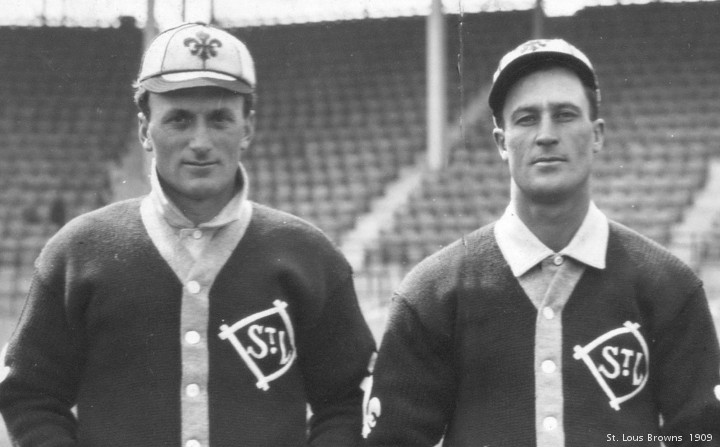
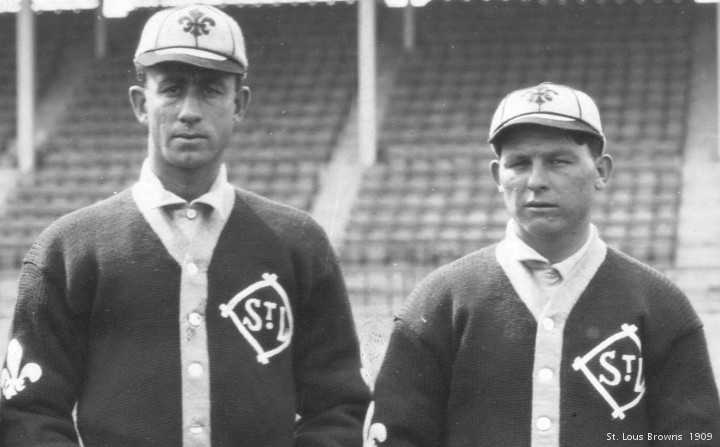
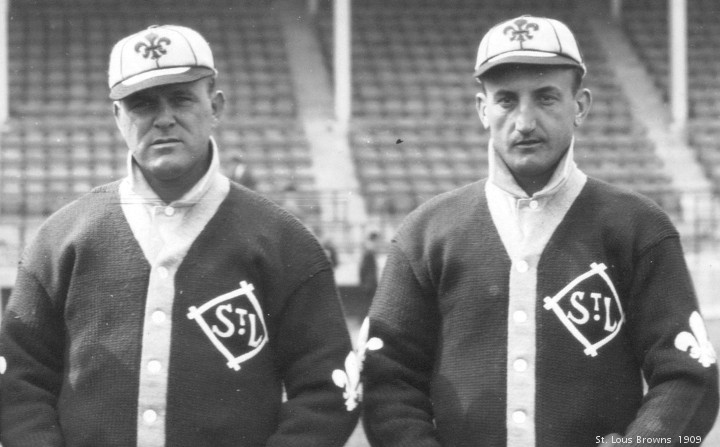
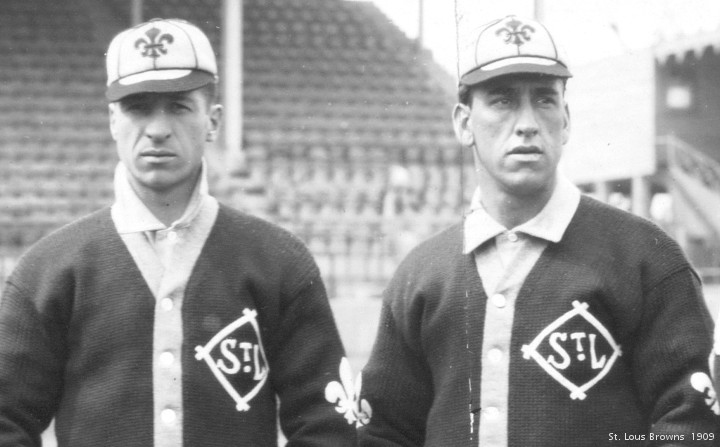
Joe Pyne
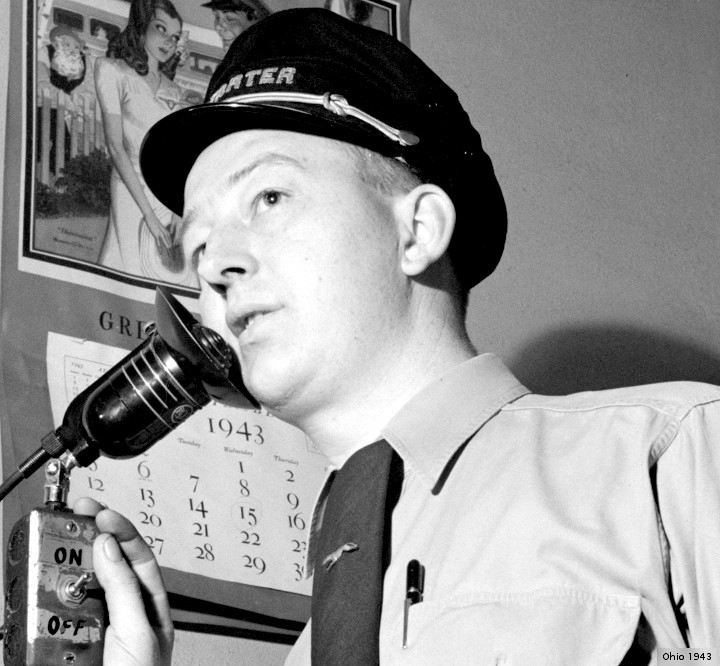
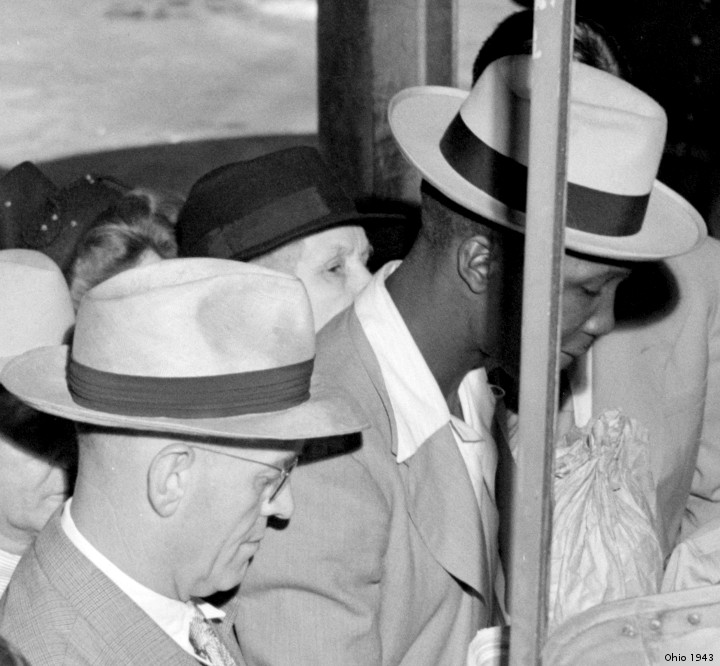

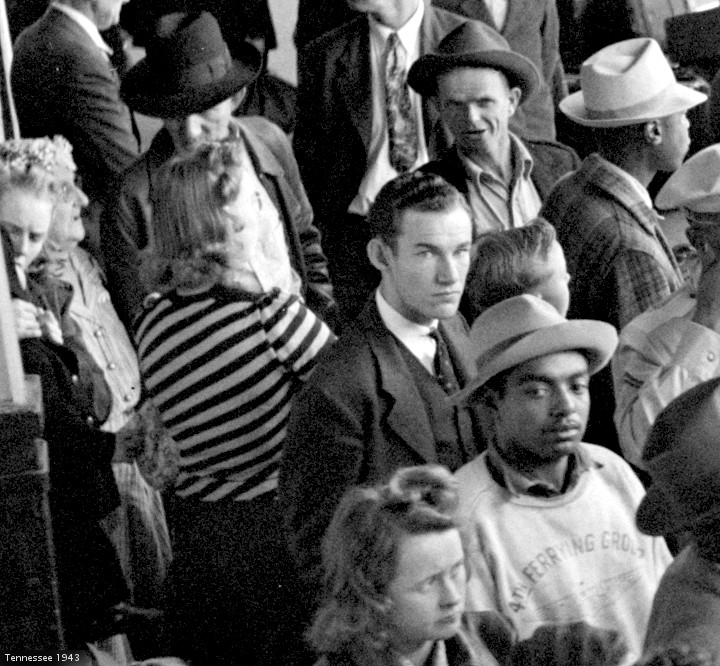
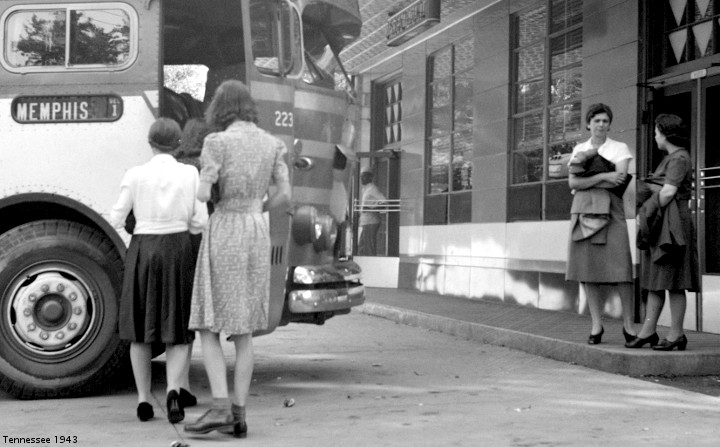
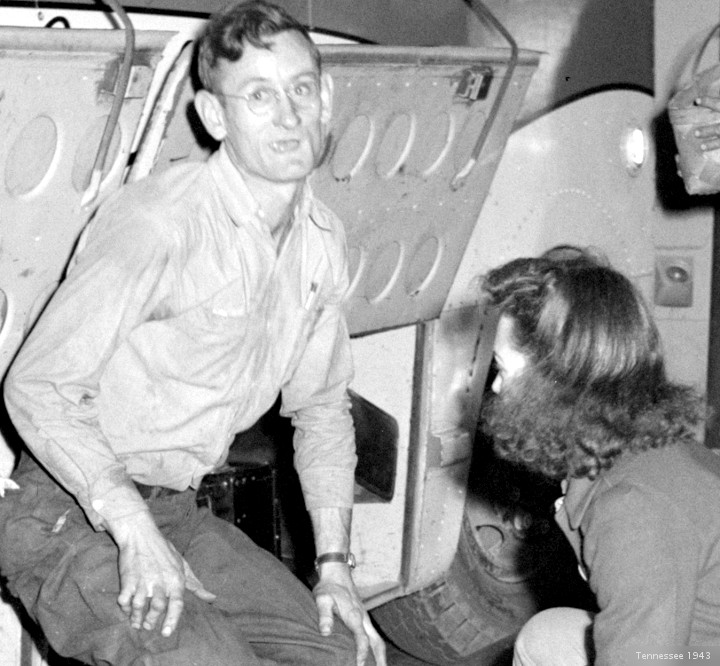
The Joe Pyne show was on Atlanta on channel 11, at 11:30 Saturday night. Many guests were unusual characters. Mr. Pyne was rude to his guests, often telling them to “gargle with razor blades.”
Mr. Pyne had a wooden leg. The lower part of his left leg was amputated in 1955 because of cancer. He was a marine in World War 2, and was wounded in the same leg.
Once, Frank Zappa was on the show. Mr. Pyne asked if his long hair made him a girl. Mr. Zappa replied by asking if Mr. Pyne’s wooden leg made him a table. This may be an urban legend.
Georgia Governor Lester Maddox was a guest on the show in 1969. The Governor was offended by Mr. Pyne, and walked off the show. The next guest called himself Culious Jeezer, and claimed to have been alive during the Roman Empire.
PG saw another episode of the JPS. People wearing masks discussed being “swingers”. Mr. Pyne was respectful to them
Joe Pyne was an enthusiastic cigarette smoker. The cameras showed him puffing, which is not done today. (Has anyone seen a picture of Barack Obama smoking?). He developed lung cancer, and died March 23, 1970. This is a repost, with pictures from The Library of Congress.

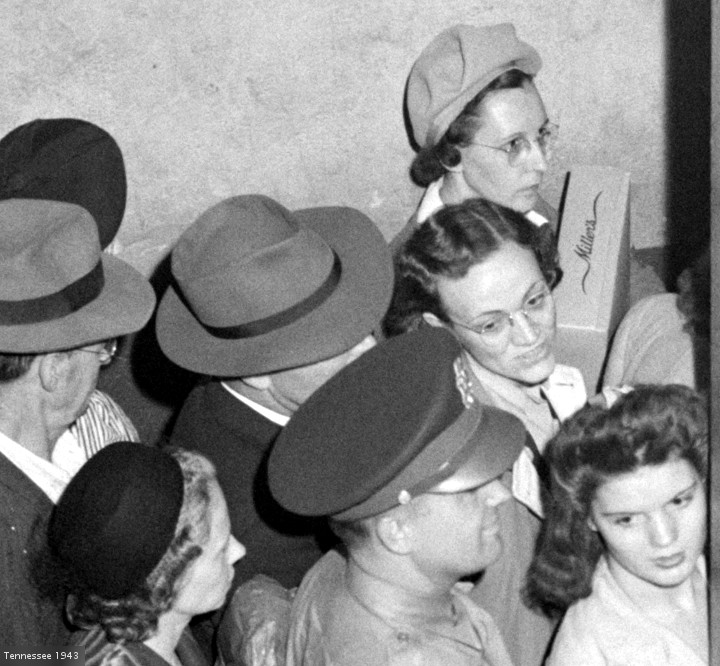

Jean D. McKinnon

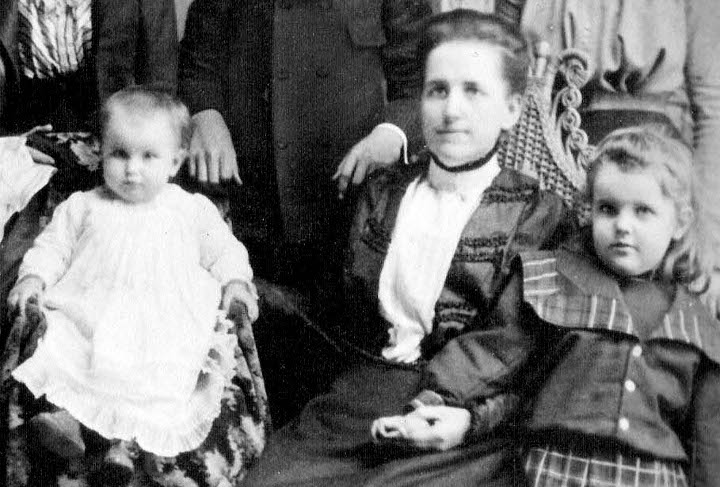

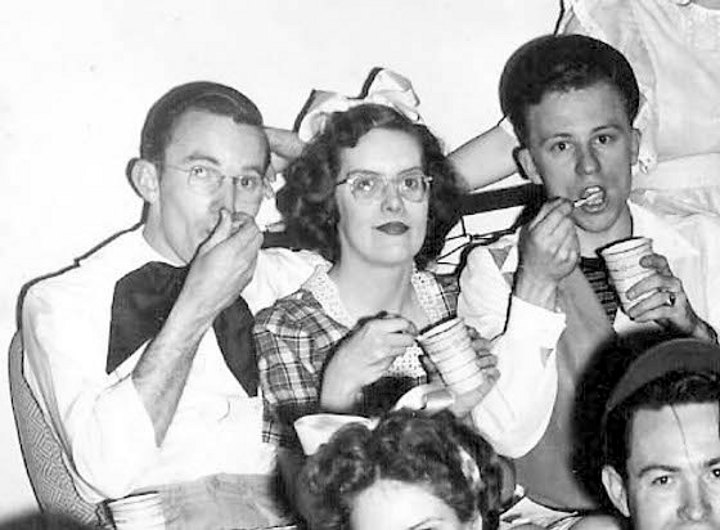
The first picture in this episode is a family portrait of the Quin family in Washington Georgia. The nine surviving children of Hugh Pharr Quin are sitting for the camera. Mr. Quin had joined the Georgia State Troops of the Army of the Confederacy at the age of 16, and after the war went to Washington to live with his sister. Mr. Quin was in the church choir of the First Methodist Church when he met the organist, Betty Lou DuBose. They were married January 22, 1879.
The original name of Mrs. Quin was Louisa Toombs DuBose. She was the daughter of James Rembert DuBose. His brother in law was Robert Toombs, the Secretary of State of the Confederacy, and a man of whom many stories are told.
In this picture, Mrs. Quin is holding the hand of her second youngest daughter so she will not run away. This is Mattie Vance Quin. She is my grandmother.
After the Great War, Mattie Vance Quin was living in Memphis Tennessee, where she met Arthur Dunaway. Mr. Dunaway was a veteran of the war, and was from Paragould, Arkansas. On July 23, 1922 her first Daughter, Jean, was born. This is my mother.
Mr. Dunaway died in 1930, shortly after the birth of his son Arthur. There were hard times and upheaval after this, with the family settling in Atlanta. There her third child Helen Ann Moffat was born on December 12, 1933. This is my Aunt Helen and my mother’s best friend.


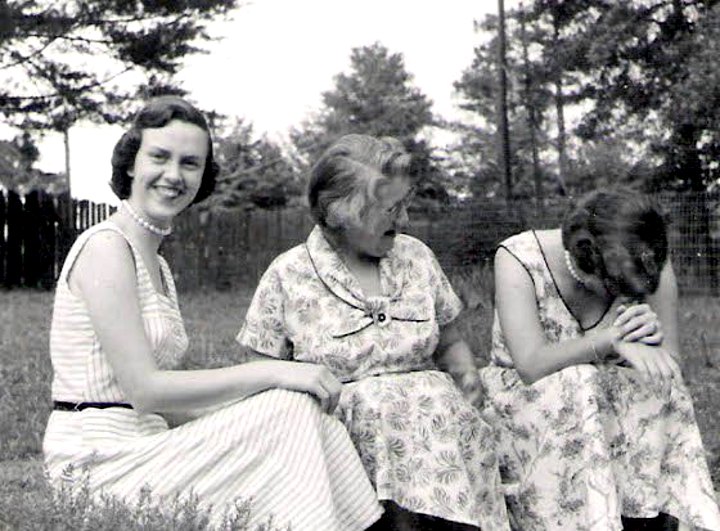
Jean lived for many years with her mother and sister at 939 Piedmont, among other locations. She joined the First Baptist Church and sang in the choir. She got a job with the C&S bank, and was working at the Tenth Street Branch when she met Luther McKinnon. He was a native of Rowland, North Carolina. They were married October 6, 1951.
They moved into the Skyland Apartments, which in those days was out in the country. Mom told a story about Dad taking her home from Choir practice, and going home on the two lane Buford Hiway. There was a man who went to the restaurants to get scraps to feed his pigs, and his truck was always in front of them. This was a serious matter in the summer without air conditioning.
Soon, they moved into a house, and Luther junior was born on May 6, 1954. This is me. Malcolm was born May 10, 1956, which did it for the children.
The fifties were spent on Wimberly Road, a street of always pregnant women just outside Brookhaven. It was a great place to be a little kid.
In 1960, we moved to Parkridge Drive, to the house where my brother and I stay today. The note payment was $88 a month. Ashford Park School is a short walk away…the lady who sold us the house said “you slap you kid on the fanny and he is at school”.
In 1962, our family followed the choir director from First Baptist to Briarcliff Baptist, which is where my parents remained.
In 1964, Mom went back to work. She ran the drive in window at Lenox Square for the Trust Company of Georgia until it was time to retire. She became a talk radio fan when RING radio started, and was a friend of her customer Ludlow Porch. She gave dog biscuits to customers with dogs.
During this era of change, Mom taught me that all people were good people, be they black or white. This was rare in the south. She later became disgusted with the War in Vietnam, and liked to quote a man she heard on the radio. “How will we get out of Vietnam?””By ship and by plane”.
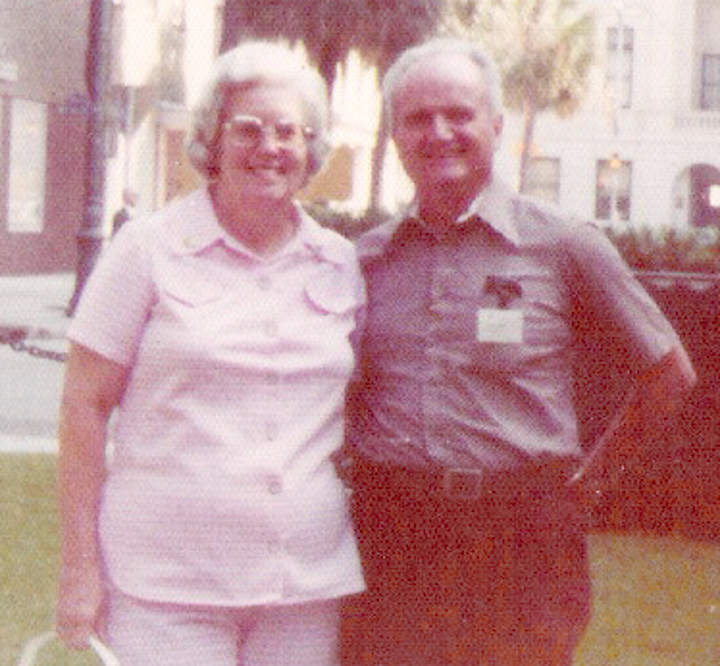
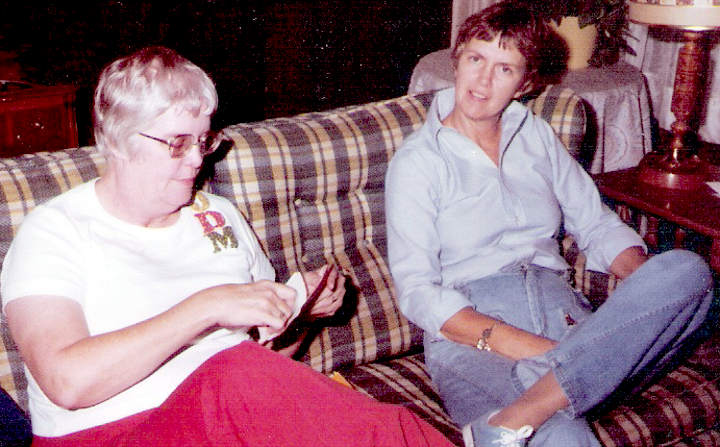
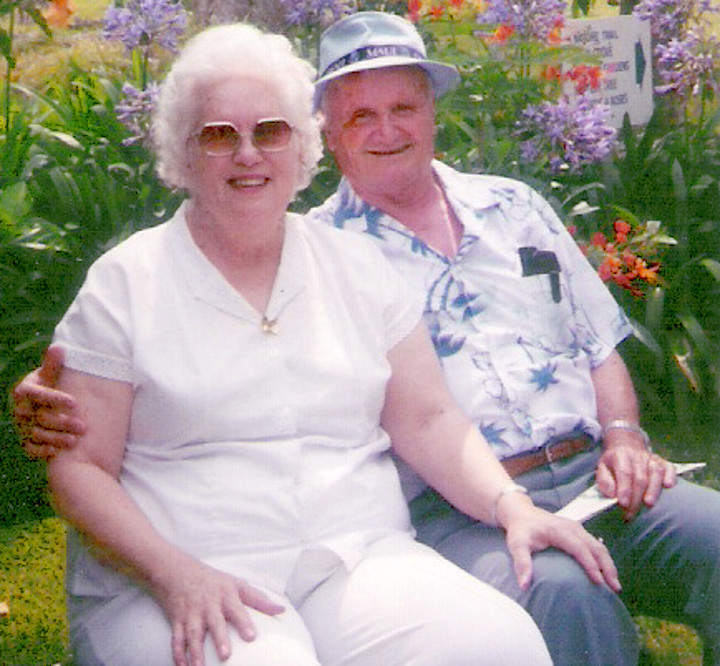
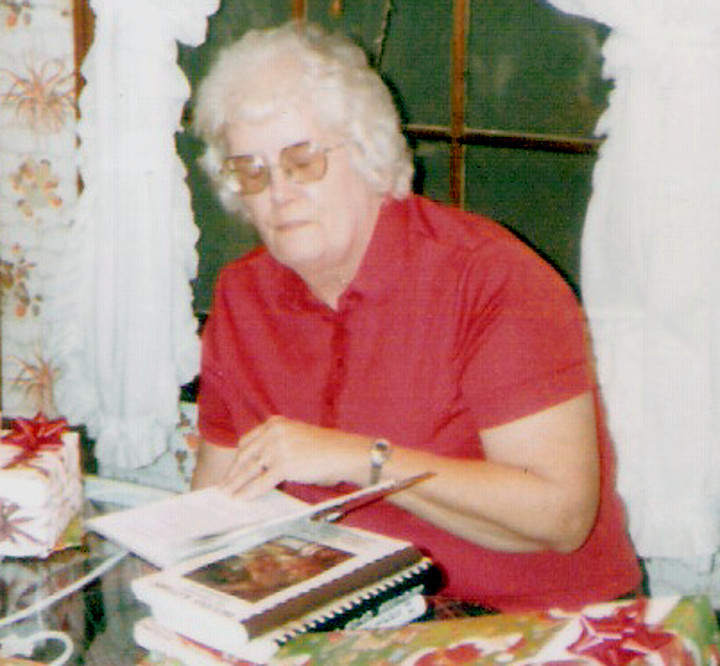
Eventually, it was time to retire. Her and Dad did the requisite traveling, until Dad got sick and passed away February 7, 1992. Mom stuck around for a few more years, until her time came December 18, 1998. This is a repost.


May 6
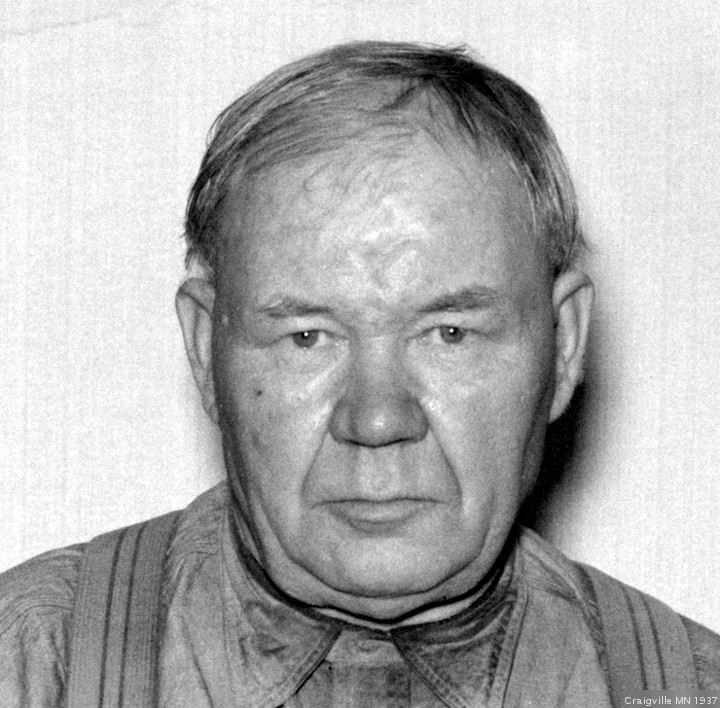
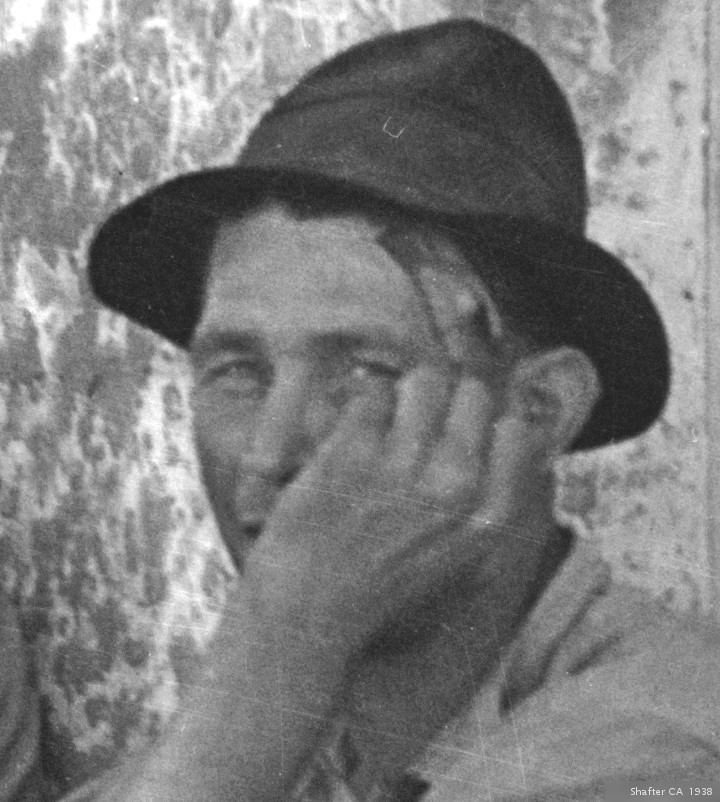
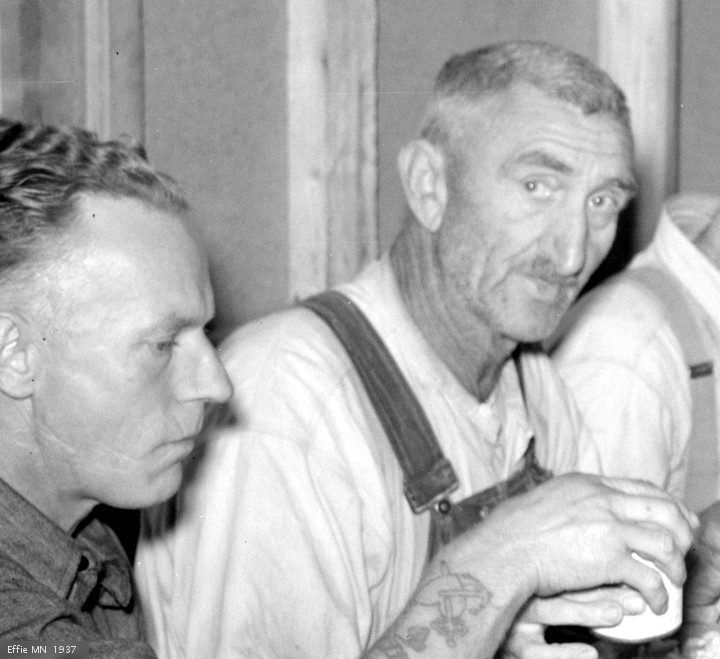
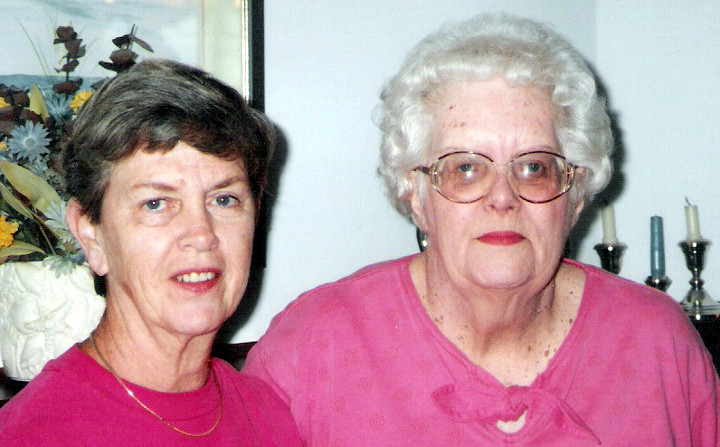
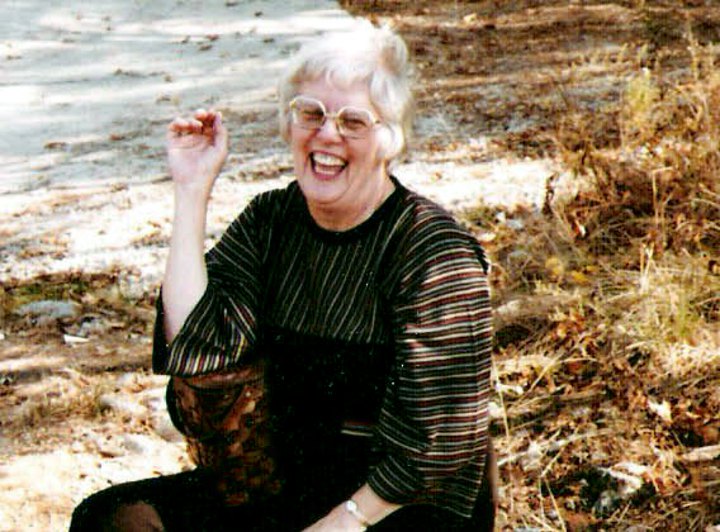
May 6is a day in spring, with 35% of the year gone by. It has it’s fair share of history, some of which did not turn out well. In 1861, the Confederate Congress declared war on the United States. In 1937, a German zeppelin named “Hindenburg” exploded while trying to land in New Jersey. In 1940, Bob Hope did his first show for the USO, somewhere in California.
Roger Bannister ran the first sub four minute mile, on May 6,1954. The current record is 3:43.13 by Hicham El Guerrouj on July 7, 1999, with a party with Prince to celebrate. Since most track meets now use 1500 meters, the mile record is more or less obsolete.
On this day, Georgia executed two notable prisoners. In 2003, Carl Isaacs was put to death. Mr. Isaacs was the ringleader in the 1973 Alday family killing, in Donalsonville GA. Five years later, in 2008, William Earl Lynd was poisoned by the state. This was the first condemned man to die after the U.S. Supreme Court ruled that execution by poisoning was constitutional.
Taurus is the sign for those whose blood starts to pump May 6. Included are:
Maximilien Robespierre (1758) Sigmund Freud (1856) Rudolph Valentino (1895)
Orson Welles (1915) Willie Mays (1931) Rubin Carter (1937)
Bob Seger (1945) Tony Blair (1953) PG (1954) George Clooney(1961)
To make room for these folks, someone has to die. For May 6 this would mean:
Henry David Thoreau (1862) L. Frank Baum (1919) Marlene Dietrich (1992)
This repost, written like H.P. Lovecraft, has pictures from The Library of Congress.



Lene Lovich



Lene Lovich was born Lili-Marlene Premilovich in Detroit, Michigan, March 30, 1949. She moved to England as a teenager, and met Les Chappell. He who played guitar in her band, and was her man.
As an art school student, she started to tie her long hair in plaits to keep it out of the clay while studying sculpture. Her recording debut was as part of an audience, when Chuck Berry recorded “My ding a ling”. This may have been the inspiration for “Lucky Number.”
Miss Lovich played in several bands, before winding up on the Stiff label. She put out two albums that became popular in the USA, and did a tour. After a while, she retired from music to raise a family. Miss Lovich has made a slight comeback in recent years.
PG had the privilege of seeing Lene Lovich at the Agora Ballroom, Atlanta GA, in the winter of 1980. The opening act was The Romantics. The show was taped for broadcast on the NBC radio network, and Don Pardo was on hand to introduce the bands.
The Romantics were unknown to the crowd at the Agora that night. They came on stage wearing costumes that looked like the Beatles of 1963. Every song they did was a bit better than the one before, and they got a big round of applause when the set ended.
Don Pardo had quite a career. He was the house announcer on November 22, 1963, and was the voice of NBC when he interrupted a soap opera to announce that John Kennedy had been “cut down with assassin’s bullets”. During his career as a TV announcer, Mr. Pardo could not use profanity. That night at the Agora, he made up for lost time…every other word he said was a cuss word. Dominick George “Don” Pardo, born February 22, 1918, passed away August 18, 2014.
Soon, Lene Lovich (spell check suggestion:lovechild) and her band came on stage. She was not the typical sexpot rock chanteuse… A bit chubby, with her long hair tied in plaits. Wearing a long sleeve black dress, probably stolen from a convent, she provided fantasy for only the kinkiest. Les Chappell was there, with his shaved head, to stop any trouble before it started, and play guitar.
The material came mostly from the first two albums on Stiff records. (At some point in the evening, someone…maybe Lovich, maybe Pardo…said “Be stiff”.) She introduced “Lucky Number” by saying “We have a song that goes ah oh aih oh”. During an instrumental jam in that song, she cried out “We have an American on keyboards”. The American was Thomas Dolby, who would soon go solo. He did not appear to be blinded by science.
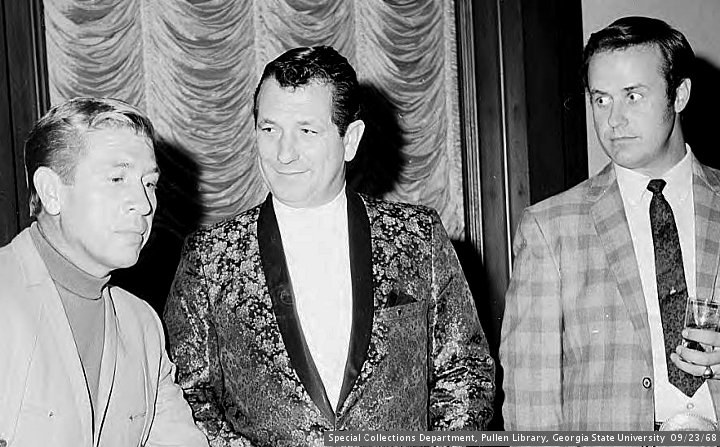
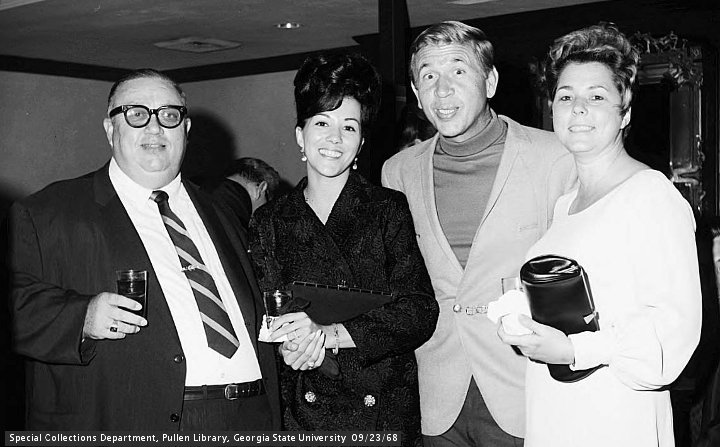
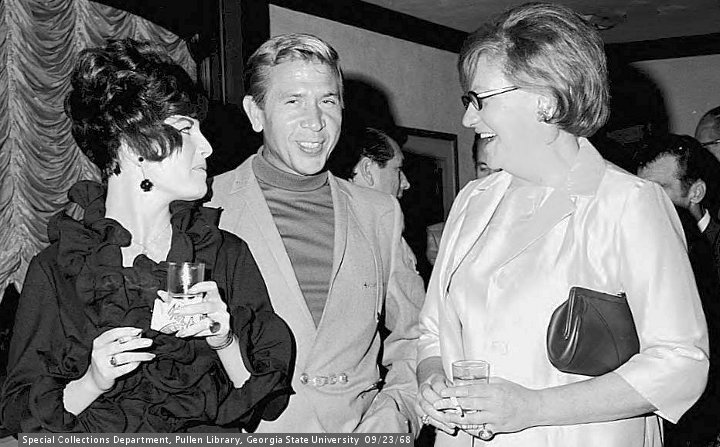
The first encore was ” I think we’re alone now”, which had been a hit for Tommy James and the Shondells (spell check suggestions: shoulders, shovelfuls). Soon the night was over. Pictures are from the “The Special Collections and Archives, Georgia State University Library”. This is a repost.
UPDATE: This comment was left on facebook “Those first two albums are GREAT. I probably saw her on this same tour; Dolby was with her. I was a club on South Street in Philly. She looked like a freaked-out Teutonic barmaid, the St. Pauli girl gone goth (before there was goth). Somehow, the sight of her playing sax was hilarious, and the concert was a blast. I bought a recent Thomas Dolby CD a couple months ago. Sucked, as, alas, did Lene’s last one.

04-30-2017
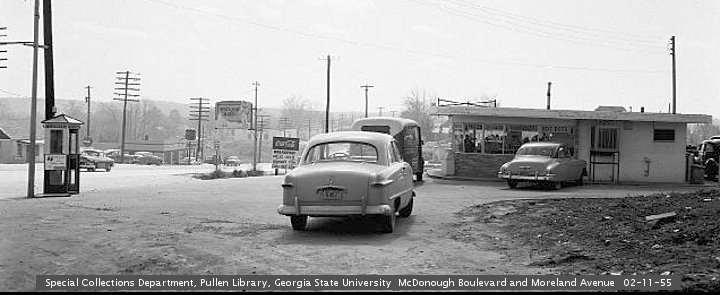


PG was stumbling through the sunday morning fog, and remembered what day it was. On this day 25 years ago, PG was downtown during a riot. There is a post about this day, 04-30-92, which is repeated below. The idea was to repeat an old story on a slack sunday.
Chamblee54 referenced a post by Atlanta newsmonger Doug Richards. Is his blog still published? Yes, it is. The post today is a doozy, and totally connected to the events of 1992.
One Lousy Word is the title of the post. Yes, it is the word you are thinking. The fishwrapper is more explicit: Valerie Hoff of 11Alive resigns after jokingly using the N-word in private Twitter exchange with black viewer. One day, corporate media will be forbidden to say “N-word.”
The reporter was trying to get a video of a policeman hitting a motorist. @CurtFromDaBlock had the goods. He said (the tweet does not turn up in a search) that “a lot of “news n***as” were trying to track him down for the video.” The reporter sent CFDB a private message, and unwisely repeated the magic word. The reporter resigned from her job later.
The fishwrapper article notes that CFDB is fond of using the magic word. While trying to find the seminal tweet in this thread, a few examples came up. In deference to nasty word mania, *apple* will be substituted for the magic word. @CurtFromDaBlock *apple* you ARE a *apple* RT“@OfficialAmiyah: When yo *apple* got good dick you be paranoid like shit.. “Why you gotta go outside bae?! @CurtFromDaBlock *apple* deserves prom king for all 3 school @CurtFromDaBlock *apple* drinking grape Fanta RT“@_Wrek: That purppppppppppp ”
So this is where we are with race. People talk the talk about systemic/systematic, institutional oppression, and presidential elections. It is not known how much impact this talk has on economic inequality, police misbehavior, and educational opportunity. But let a reporter quote someone using the magic word, in a private message, and the sky falls in. Chicken Little may have a point.


Doug Richards is an Atlanta tv news reporter. He writes a blog, live apartment fire. He was on the scene twenty four years ago. There was a riot downtown. Mr. Richards had a bad night.
PG was working in the Healey building that day. He ran an RMS, or reprographic management service, in an architects office. He had a blueline machine, ran jobs for the customer, and had free time. PG did a lot of exploring, and enjoyed the various events downtown. On April 30, 1992, there was an event he did not enjoy.
The day before, a jury in California issued a verdict. Four policemen were acquitted of wrongdoing in an incident involving Rodney King. The incident had been videotaped, and received widespread attention. The verdict of the jury was not popular. The dissatisfaction spread to Atlanta.
Sometimes, PG thinks he has a guardian angel looking over him. If so, then this thursday afternoon was one of those times. PG went walking out into the gathering storm. He was a block south of the train station at five points, when he saw someone throw a rock into a store front. The sheet metal drapes were rolled down on the outside of the store. PG realized that he was not in a good place, and quickly made his way back to the Healey building.
A group of policeman were lined up in the lobby of the building, wearing flack jackets. One of the police was a white man, who was familiar to workers in the neighborhood. A few weeks before the incident, he had been walking around the neighborhood showing off his newborn baby.
There was very little work done that afternoon in the architect’s office. Someone said not to stand close to the windows, which seemed like a good idea. Fourteen floors below, on Broad Street, the window at Rosa’s Pizza had a brick thrown threw it. There were helicopters hovering over downtown, making an ominous noise.
There was a lot of soul searching about race relations that day. The Olympics were coming to town in four years, and the potential for international disaster was apparent. As it turned out, the disturbance was limited to a few hundred people. It could have been much, much worse. If one percent of the anger in Atlanta had been unleashed that day, instead of .001 percent, the Olympics would have been looking for a new host.
After a while, the people in the office were called into the lobby. The Principal of the firm, the partner in charge of production, walked out to his vehicle with PG and a lady in operations. The principal drove an inconspicuous vehicle, which made PG feel a bit better. PG took his pocketknife, opened the blade, and put it in his back pocket. It probably would not have done him much good.
PG usually took the train downtown. As fate would have it, there was a big project at the main office of redo blue on West Peachtree Street. That is where PG’s vehicle was, in anticipation of working overtime that night. The principal drove PG to this building. PG called his mother, to let her know that he was ok. The Atlanta manager of Redo Blue talked to him, to make sure that he was not hurt.
If PG had not gone back downtown the next day, he might not have ever gone back. He was back at the West Peachtree Street office, and was assured that it was safe to ride the train into town. The Macy’s at 180 Peachtree had plywood nailed over the display windows. A gift shop in the Healey building had a sign in the window, “Black owned business”. Friday May 1, 1992, was a quiet day.
This is a repost. The events of twenty five years ago are mostly forgotten in Atlanta. Pictures are from “The Special Collections and Archives, Georgia State University Library”.



Lewis Grizzard


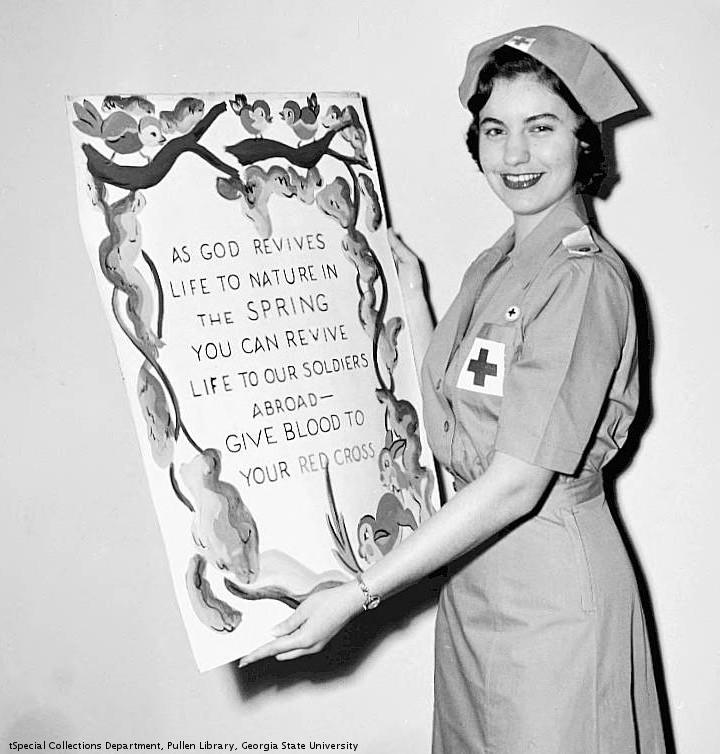


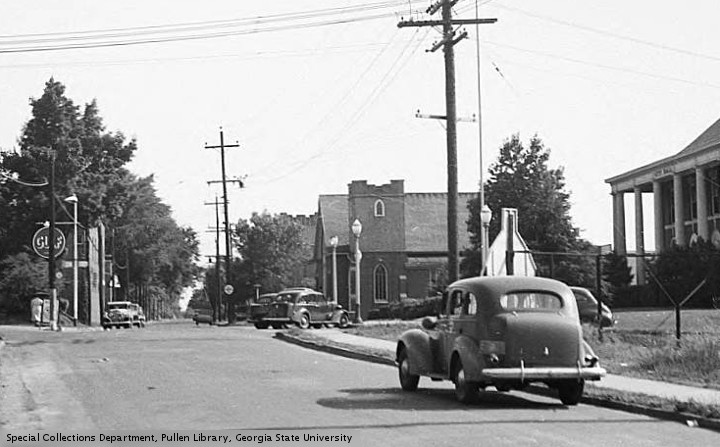
In the time between 1980 and 1994, if you lived in Atlanta you heard about Lewis Grizzard. Some people loved him. Some did not. He told good old boy stories about growing up in rural Georgia. Many of them were enjoyable. He also made social and political commentaries, which upset a few people. This is a fishwrapper friday repost, with historic pictures from “The Special Collections and Archives, Georgia State University Library”. Wired for Books is no longer available online.
PG had mixed feelings about Lewis. The stories about Kathy Sue Loudermilk and Catfish were funny. His opinions about gays, feminists, and anything non redneck could get on your nerves. His column for the fishwrapper upset PG at least twice a week.
In 1982, Lewis (he reached the level of celebrity where he was known by his first name only) wrote a column about John Lennon. Lewis did not understand why Mr. Ono was such a big deal. PG cut the column out of the fishwrapper, and put it in a box. Every few years, PG would be looking for something, find that column, and get mad all over again.
The New Georgia Encyclopedia has a page about Lewis, which expresses some of these contradictions. If Grizzard’s humor revealed the ambivalence amid affluence of the Sunbelt South, it reflected its conservative and increasingly angry politics as well. He was fond of reminding fault-finding Yankee immigrants that “Delta is ready when you are,” and, tired of assaults on the Confederate flag, he suggested sarcastically that white southerners should destroy every relic and reminder of the Civil War (1861-65), swear off molasses and grits, drop all references to the South, and begin instead to refer to their region as the “Lower East.” Grizzard also wore his homophobia and hatred for feminists on his sleeve, and one of the last of his books summed up his reaction to contemporary trends in its title, Haven’t Understood Anything since 1962 and Other Nekkid Truths (1992).
In the end, which came in 1994, when he was only forty-seven, the lonely, insecure, oft-divorced, hard-drinking Grizzard proved to be the archetypal comic who could make everyone laugh but himself. He chronicled this decline and his various heart surgeries in I Took a Lickin’ and Kept on Tickin’, and Now I Believe in Miracles (1993), published just before his final, fatal heart failure.
As you may have discerned, Lewis McDonald Grizzard Jr. met his maker on March 20, 1994. He was 47. There was a valve in his heart that wasn’t right. The good news is that he stayed out of the army. At the time, Vietnam was the destination for most enlistees. The bad news is that his heart problems got worse and worse, until it finally killed him.
Sixteen years later, PG found a website, Wired for Books. It is a collection of author interviews by Don Swaim, who ran many of them on a CBS radio show called Book Beat. There are two interviews with Lewis Grizzard. The first one was done to promote My Daddy Was a Pistol and I’m a Son of A Gun. This was the story of Lewis Grizzard Senior, who was another mixed bag.
PG found himself listening to this chat, and wondered what he had been missing all those years. The stories and one liners came flowing out, like the Chattahoochee going under the perimeter highway. Daddy Grizzard was a soldier, who went to war in Europe and Korea. The second one did something to his mind, and he took to drinking. He was never quite right the rest of his life. His son adored him anyway. When you put yourself in those loafers for a while, you began to taste the ingredients, in that stew we called Lewis Grizzard.
PG still remembers the anger that those columns caused … PG has his own story, and knows when his toes are stepped on. The thing is, after listening to this show, PG has an idea of why Lewis Grizzard wrote the things that he did. Maybe PG and Lewis aren’t all that different after all.




Tim Curry


Tim Curry was born seventy one years ago today. It would be quite a while before April 19 was known as got a minute day. Mr. Curry is an actor, singer, and all around phenomenon. The role that made him a star was Frank-n-Furter in ” The Rocky Horror Show”.
Mr. Curry is best known for playing a flamboyant transvestite. His wikipedia page does not discuss his personal life. If you go to google, and type “is tim curry” the top five results are gay, married, dead, alive, died. A visit to some of the sites listed gave no definite answers. One of the sites tried to slip a *trojan horse* into this machine. Some things are better left a mystery.
After Dr. Furter went back to Transylvania, Mr. Curry made rock and roll albums. In 1978, a tour was put together to promote his vinyl debut. The first show in the United States was at the Agora Ballroom in Atlanta GA. PG was in the audience.
Riding into town on the 23 Ogelthorpe bus, PG got to talk to some ladies who were in town for a conference. They were worried about the crime. PG tried to reassure them by telling a recent news story. This lady was having breakfast in a downtown hotel, when she put her purse down on the floor. A handgun her husband had given her went off when the handbag hit the ground. The ladies breakfast companion was hit and killed.
Mr. Curry walked onstage eating a banana, grabbed a stool and turned it upside down. He appeared to be a bit tipsy. This did not affect his performance. Mr. Curry did most of the songs on his album, along with “Celluoid Heroes” by the Kinks. The latter song featured a Garbo impersonation.
Whoever put the band together for this tour had a lot of money. The guitar player played with Lou Reed on “Rock and Roll Animal”. The keyboard player, and musical director, was Micheal Kamen, formerly of the New York Rock and Roll Ensemble. (A song on the Curry album, “Sloe Gin”, was a NYRRE song, “Fields of Joy”, with new lyrics.)
The only song from “Rocky Horror” that Mr. Curry did was “I’m Going Home”. A few people were upset that he did not do “Sweet Transvestite.” He played another Agora show a couple of years later, and reportedly did perform “Sweet Transvestite.”
Tom Waits was scheduled to perform at the Agora the next night. PG was wandering through the balcony between shows, and saw Mr. Waits sitting at a table. A bodyguard was standing by, who said that it was just someone who looked like Tom Waits.
After the show was over, PG went to a nearby bar, and was talking to a friend about the show. A lady who was with the friend stood in front of him and screamed “What color are your eyes? They are brown, because you are so full of shit”.
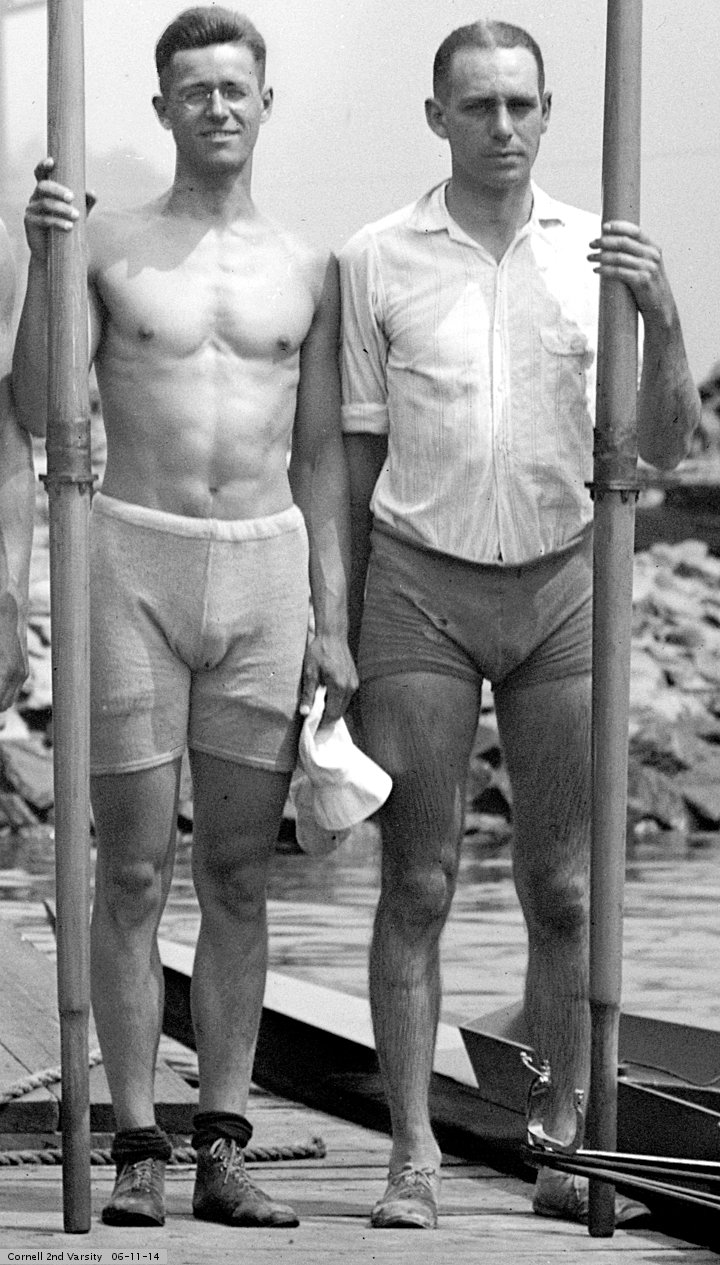
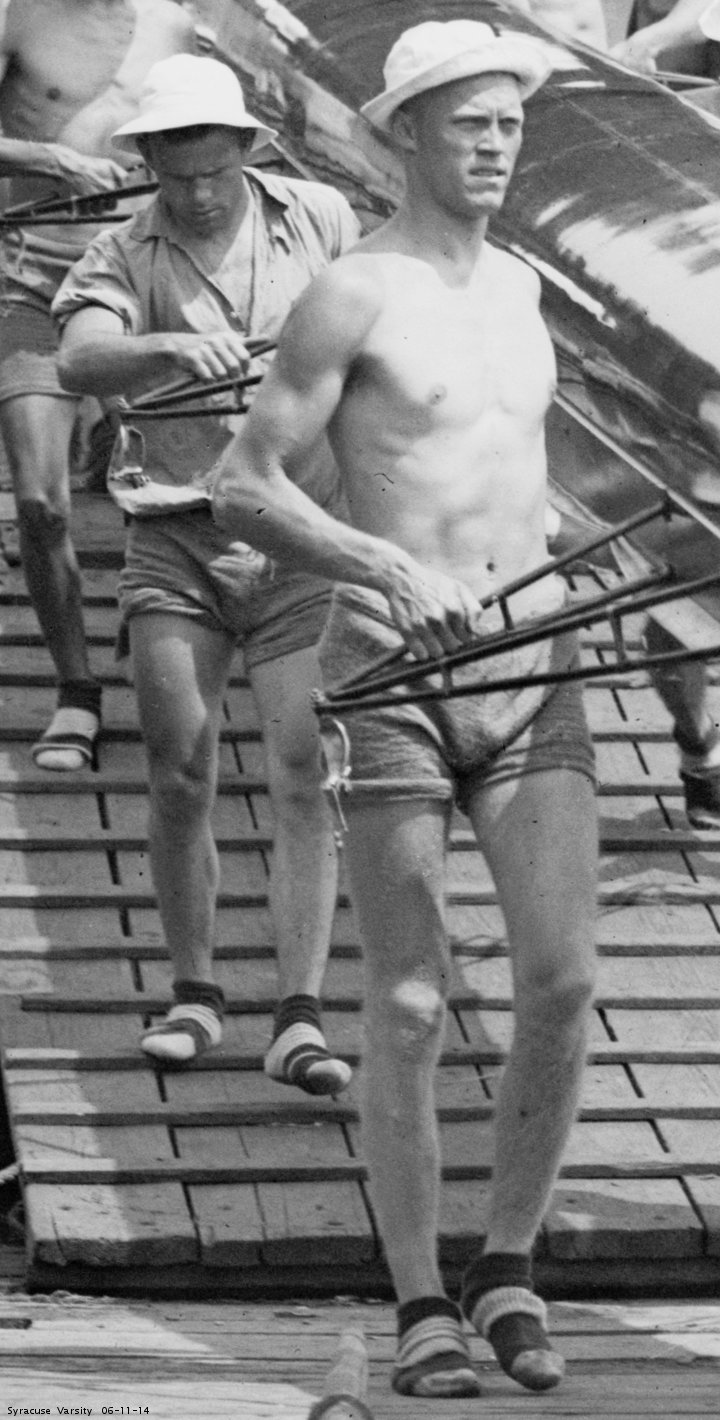
Pictures for this repost are from The Library of Congress. Photographs of Cornell Fresh. 8 and Cornell 2d Varsity, 1914 are from the George Grantham Bain Collection


Use Two Boulders This Time


PG used to have a job making local deliveries in Marietta. He often found himself behind a red light next to the Big Chicken. The Big Chicken is his friend. One day PG discovered that he could talk to G-d while waiting for the light to change by the Big Chicken. This is a repost
So G dude, whatever happened to that boy of yours.
Man, I wish I had never met Mary. That boy was more trouble than you can imagine.
He did seem to have a mouth on him. Hey, just one thing before the light changes. The Jesus Worshipers seem to think it was the Jews who offed Jboi
NO NO NO. It was the Romans. They ran the show. They wrote the history to blame the Jews
That sounds like something they would do.
But the Jews screwed up too. When Jboi finally died, I knew he was going to try to pull something. I told the Jews to put two boulders in front of the cave. Two. That way he was going to stay in that stinking cave, and I wouldn’t have to hear his whining any more. But the Jews thought they could save money, and only used one boulder
The car behind PG was honking. The light had turned green. Pictures from The Library of Congress.


Heart Circle



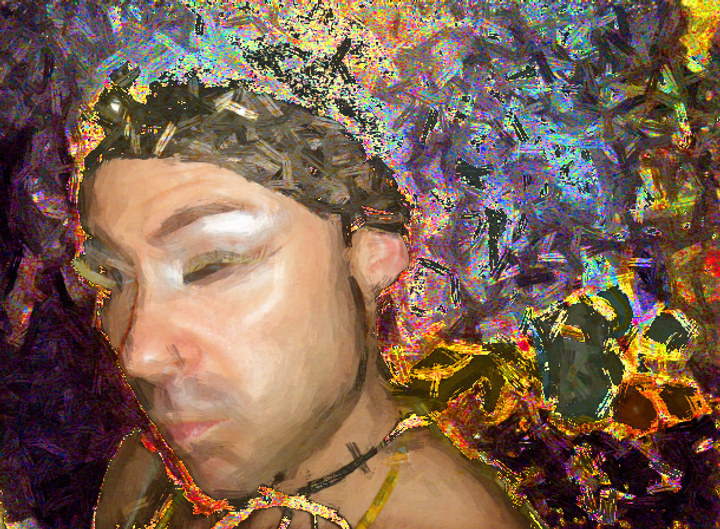


PG is planning to attend a heart circle. This is an event where people listen to each other. A talisman is used. The person holding the talisman is allowed to speak, and the other people listen. That is it. No assembly required, batteries not included. The event is on the same side of downtown as PG, so he was looking forward to it. Driving to I20 land, treacherous in the best of times, has gotten outlandish with the collapse of I85.
The event is connected to a community, the atlanta radical faeries. The concept of the heart circle is not exclusive to such communities, but it does seem to be prevalent there. One of the best quotes about heart circles is from Philadelphia’s Lady Bartlett. In slightly reconstructed fashion: ” a heart circle is a faerie technology. It is a cross between a Quaker meeting, a room temperature sweat lodge, and the collective experience of cruising Christopher Street in 1972.”
The host sent PG a message: “A while back I believe you posted information about heart circles. As part of the opening ritual would you share some of that history and information with those of us who are gathered.” PG went to work. Hearing the digital battle cry, google it, PG tried to see what he could. One source was a vintage website, Faerie Email List. Their contribution was the use of a day glo bubble wand as a talisman.
There does not seem to be a clear history of heart circles. There are references to Native American traditions. It is not known which Native Nation the heart circle was appropriated from. Maybe the heart circle just happened organically, like faeries dancing on the lawn.
PG started to go to faerie events (the word “radical” was seldom heard) in 1981. There were circles. The talisman was called a talking stick. Often, the men in the circle would do a check in, where everyone would say what they wanted to say.
In 1984, PG started to go to out of town gatherings. Here, there would be a morning circle. It was a community meeting, with announcements. A rune would be drawn, and the check in would go around the circle. Often, these circles went on for a long, long time. When PG returned to these gatherings in 2008, after a long absence, the morning circle did not happen. There were, however, smaller heart circles. The hc phrase was used by this point.
When google fails, you talk to people that you know. PG knew some of the *younguns,* who were at early gatherings. A couple of them graciously added to the conversation. These men had attended a gathering in North Carolina in 1978. This was before the 1979 event organized by Harry Hay.
“interesting. yes we had something like a heart circle. whether we called it that I’m not sure. ____ ____ might remember. There were 30 of us and we had not met before so the circle was an opportunity for folks to open up and reveal things about themselves. There was a crocheted talisman (the pan shawl) that was used like a talking stick. The borrowing of native american ways of working was prevalent thanks to Raven Wolfdancer.”
“hi there, circles were part of the original gatherings to create a non-hierarchical structure for us to talk in. all points are equal in the circle. we had chore circles and process circles. we probably borrowed the circle from lesbians many of whom were interested in goddess religion and from hippies who had their rainbow family gatherings. the heart circle emerged as a place to took about feelings. the talking stick was borrowed from Native American ritual. Raven was a big proponent of that and practically it both encouraged everyone to speak and to be succinct. So the heart circle was probably called that to keep the focus on feelings both to keep the housekeeping circles functional and to make a space where feelings could be primary. Hope the circle spins sweetly.”
One way to treat the history question is to deny it. Every heart circle is a unique creation. Begins when it begins, ends when it ends. Part of a tradition, a new vessel all by itself. Blessed be.


The Iggy Pop Story



Speaking of Iggy Pop, and music merchandising, he has a collection of music for sale. Included in this package is a show he did at Richards, across the street from Grady Stadium. One night Iggy was singing at Richards, when Elton John appeared onstage wearing a gorilla suit.
The greatest achievement of Mr. Pop is living so long. (He was born April 21, 1947). He has done heroin by the kilo, jumps off stage into crowds of punk rock fans, and is a general mess. He still has a great smile, although it is not known how many of those teeth are his own.
One night in 1980, PG saw a performance by Iggy Pop. The site was the 688 club, a storefront on Spring Street, across the expressway from Georgia Tech. 688 Spring Street had been the site of Roses Cantina, where PG had seen George Thorogood. Some other blues band did Amphetamine Annie with the original lyrics…instead of speed kills, they said love gun.
Roses was a cool place, a long narrow space with the performers in the middle, and a pool table behind the stage. Nightclubs are a tough business for capitalists, and Roses shut down.
At any rate, by the time PG got back from Seattle, some brave investors decided to have a punk rock club at 688 Spring Street. Soon, Iggy Pop was playing a week there. In the seventies, the bands would play for five days at the great southeast music hall or the electric ballroom, two shows a night, and if you were really cool you would go on a weeknight before it got too crowded. Soon after that, it was one night in town only, and you either saw it or you didn’t.
PG had a friend at the Martinique apartments on Buford Hiway. There was someone living in the complex known as ZenDen, who sold acid. You would go to his place, wade through the living room full of grown men listening to Suzi Quatro, and purchase the commodity.
On to the the 23 Oglethorpe bus, and downtown to 688 Spring Street. Before anyone knew it, the band was on the stage. A veteran of the Patti Smith Group, named Ivan Kral, was playing bass. Mr. Kral sneezed, and a huge white booger fell across his face. He was not playing when the show ended.
There was a white wall next to the stage, and someone wrote the song list on that wall. That list of songs stayed on the wall as long as 688 was open. “I want to be your dog” was on the list, as well as the number where Iggy pulled his pants off and performed in his underwear. Supposedly, in New York the drawers came off, but the TMI police were off duty that night.
The show was loud and long, and had the feel of an endurance event…either you go or the band does. Finally, the show was over, and PG got on the 23 Oglethorpe bus to go home. You got the northbound bus on West Peachtree Street. You could look down the street and see the Coca Cola sign downtown.
Thirty years later,PG, like Iggy Pop, has a full head of teeth, which, in PG’s case are his own. PG has a full head of white hair, as apparently does Mr. Pop, although he does appear to touch up his hair. Maybe he really is a blond. This post should be over, but if there are 37 more words then we will have 688. The space on Spring Street is still standing, which is pretty good for Atlanta. It is now an emergency room, or something.
This is a repost. The original was posted seven years ago. Iggy is still alive. So is PG. 688 Spring Street stands. 23 Oglethorpe is the answer to a trivia question. Pictures are from The Library of Congress.




 Chamblee54
leave a comment