The Battle Of Fair Street Bottom





Stacey Abrams appeared on Democracy Now. “So, I was a student at Spelman. I was a freshman. It was 1992, April. And Spelman College, the Atlanta University Center (AUC,) which is a consortium of black colleges, used to sit right outside some of the oldest housing developments in Georgia. And so, after the Rodney King verdict was announced, there were riots in Los Angeles, but there were also small riots in Georgia, including in that area. The reaction from the mayor was to actually cordon off that entire community, both the universities and the housing developments and then surrounding neighborhoods. And then they tear-gassed us. I was very irate, and I organized a group of students at my college to call the television stations, who were misreporting what was happening. At a certain point, they asked who was calling, because we were tying up their phone lines. And I just told my friends, “Tell them you’re me.”
So, Stacey Abrams was calling multiple lines in multiple television stations. Eventually, the television stations decided to do a simulcast, bringing everyone together—and I was invited as the person who was one of the rabble-rousers—to come and talk to the leadership of Atlanta about what had happened and about why we were angry, about why young people were outraged. We weren’t rioting at the school, but we understood those who were angry and who felt oppressed and felt ignored. I communicated that, and at this event, Maynard Jackson was there. He disagreed with me, disagreed with my characterization of the city’s overreaction. And I told him he wasn’t doing enough for young people. He won the argument, because he was better prepared.”
PG was in the Healy Building on April 30, 1992. He was just happy to get home in one piece that day, and did not watch any news reports. He vaguely recalls hearing something about an incident at AUC. After PG heard this statement by Miss Abrams, hew went to Mr. Google for information. There are at least two versions of that incident, which more or less tell the story. One is the Atlanta Voice, LOOKING BACK: ‘No Justice, No Peace’: The battle of Fair Street Bottom, 20 plus years later. Another is a lawsuit filed by the owners of a neighborhood grocery store, Park v. City of Atlanta.
After the Rodney King verdict, in California, students at AUC led a march from the school to downtown. At some point, the march degenerated into a riot. A grocery store on Fair Street was looted. Police were called in, and tear gas was used.
The Atlanta Voice “The Korean-owned grocery store located in Atlanta’s Fair Street Bottom closed early in anticipation of trouble. And like storm clouds on the horizon trouble showed up as expected. The garage-style steel door, typical of many small businesses in economically depressed communities around the nation, however, was not enough to stop the looters from breaking the lock and prying the door up just enough to crawl under and loot the establishment. The wife of the owner pleaded with Atlanta Police who were clad in riot gear as they stood quietly by and watched. No officer responded to her crying plead to stop the looters. The officers had more important orders: Don’t let the looters go into downtown; keep them in the Bottom. The police finally dispersed the looters with tear gas after they tried to set fire to the building. The liquor store next to the 5 Star Grocery was protected from the looters. This contained riot wasn’t going to be fuel by alcohol. …
Twenty-six years ago, Fair Street Bottom was located in the heart of one of Atlanta’s notorious neighborhoods just east of the Atlanta University Center. It was called the Bottom because Fair Street running east to west from Northside Drive dips downwards before it levels off again as it passes Clark Atlanta University and Morehouse College. The Bottom was in the heart of one of the city’s oldest public housing communities – John Hope Homes. With walking distance to the west near Spelman College was another housing project – University Homes. Fenced in green lots now occupy the space with John Hope Homes once sat. They were torn down in the 1990s as part of the Atlanta Housing Authority’s massive plan to re-invent public housing. University Homes was torn down and re-built into a mixed-income housing complex. Most of Atlanta missed the “Battle of Fair Street Bottom” unless they read or watch the news. The distance never spread beyond those few blocks …
I don’t remember where the phone call came from, but we were informed that some of the marchers were causing damage as they were marching back to the campus. Unfortunate for the marchers some of the young men and high school students joined the march as they passed through John Hope Homes. … By the time, I got to the Atlanta University Center, the student organizers had lost control of the march. Those marches who had a taste of destruction downtown were hell-bent on continuing. The Korean-owned 5 Star Supermarket became the focus of the headless mob, as did a few park police cars that were either turned over or set on fire. After a few hours, and quite a bit of tear gas, the Atlanta Police quelled the disturbance before nightfall. Students retreated back to their dorms and the young looters retreated back to their neighborhoods.”
The legal opinion “This action stems from one of the despicable acts of mob violence which occurred in the tumult of the riots in Atlanta, Georgia, in the wake of the Rodney King verdict… On April 29, 1992, … students from the Atlanta University Center began an impromptu march to the Richard B. Russell Federal Building and then to the State Capitol Building. The first day’s demonstrations ended at the State Capitol after 2 a.m. The students, presumably tired but clearly still agitated, returned to the Atlanta University Center.
The businesses of the Plaintiffs were to become a focus of the disorder on the second day of the riots. Sang S. Park and Hi Soon Park owned and operated Five Star Supermarket, a grocery business located at 653 Fair Street, S.W., Atlanta, Georgia. Plaintiffs Kwang Jun No and Jin Soon No owned and operated Star Liquor Store, a package store located next door at 661 Fair Street, S.W. Both Korean-American-owned businesses were located in a small commercial area in the immediate vicinity of four historically black universities: Clark Atlanta University, Spelman College, Morehouse College and Morris Brown College (“the Atlanta University Center”). Plaintiffs’ stores were the only non-black-owned businesses within that area.
In the afternoon of April 30, 1992, a group of students swarmed off the campuses of the Atlanta University Center. A segment of the crowd headed to the downtown business district, where they looted and attacked white pedestrians. A gang of students stopped to shout racial epithets and break the windows of both the Five Star Supermarket and the Five Star Liquor Store. Glenn Park, who is the son of Plaintiffs, was working at the store; he relayed these events to a police officer.
On the following day around 1:30 or 2:00 p.m., students at the Atlanta University Center began to throw projectiles from windows of a dormitory at the corner of Brawley Avenue and Fair Street, which is located about three blocks from Plaintiffs’ stores. A police S.W.A.T. team used tear gas to disperse these students. … The Plaintiffs decided to close their stores and congregate in an upstairs apartment within the Five Star Supermarket as nearby police officers observed. … By 6:45 p.m., … members of the crowd began throwing rocks and breaking into Five Star Liquor Store. From his position in the police helicopter, Officer S.F. Patterson advised other officers over TAC I radio that approximately fifty to seventy-five students were vandalizing a small business at Elm and Fair.
… the dispatcher reported a call originating from around the Fair and Roach intersection indicating that about fifty college students were assaulting a subject there at 6:45 p.m. During the next ten to twenty minutes, the mob gained entry to the liquor store, removed cases of alcoholic beverages, and broke into the supermarket. Around 7:15 p.m., a dispatcher actually called the Plaintiffs at the request of Major Mock and Chief Bell in order to advise them to remain out of sight of the crowd below. Within minutes of the last phone conversation with 911, the mob discovered Plaintiffs and chased them onto the roof of the grocery store … Plaintiffs barricaded the door onto the roof, but were assaulted by the crowd on the street who threw bricks, rocks, stones, and items stolen from their own store, hitting Mrs. Park, and shouted racial epithets at the Plaintiffs. …
On May 4, 1992, Mayor Jackson and Chief Bell participated in another press conference in which they addressed the previous days’ events and apologized to the Korean community, but also emphasized how none of the Atlanta University students were injured. Mayor Jackson also recognized the black community’s long-standing resentment of the Korean business community and recommended that a symbolic gesture be taken such as a collection for the destroyed businesses.”
Former Atlanta Police Chief Eldrin Bell has another perspective. “Bell was out of town the first night riots erupted in Atlanta on April 30, 1992. He said more than 20 police officers were injured that day when he got a call from the Mayor. “First thing I heard was Mayor Maynard Jackson’s voice in my ear saying ‘they’re tearing up your town,'” … he called the FBI who flew him back to Atlanta. He arrived the next day on May 1, 1992 at around lunch time at took charge of handling the riots. He did not want to repeat what happened the day before when officers confronted protestors face to face. “I am not a proponent of those confrontations, police versus the community.” Bell said he ordered officers out of the riot zone while he went up in a helicopter along with the Georgia State Patrol and flew over the protestors and dropped tear gas to disperse the crowd. “And I pointed out the places that I wanted him to tear gas, There was no one for them to throw the tear gas back to because the police weren’t there.” By 10PM that night the crowd dispersed, the riots ended, and the city began cleaning up.”
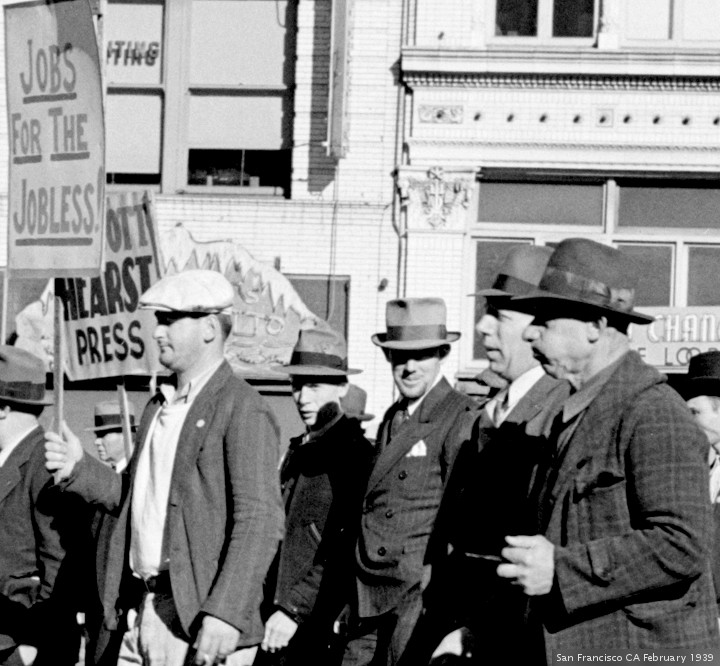
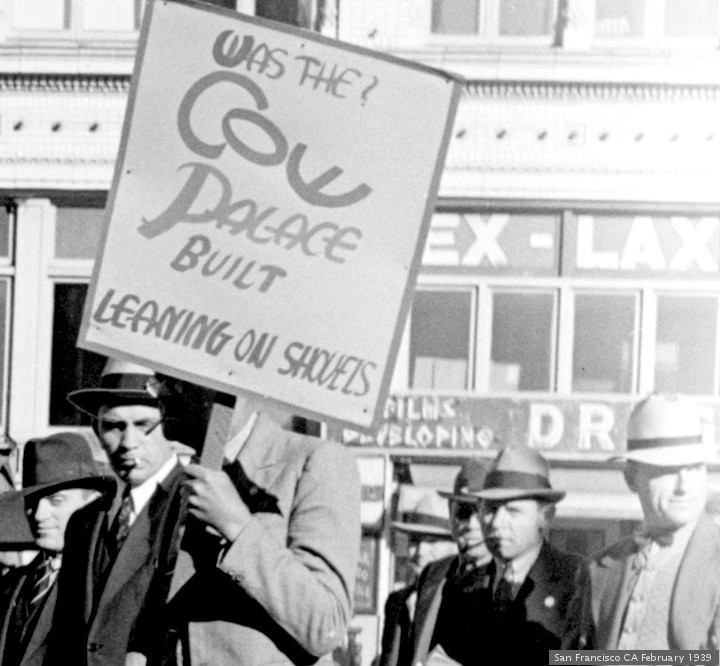
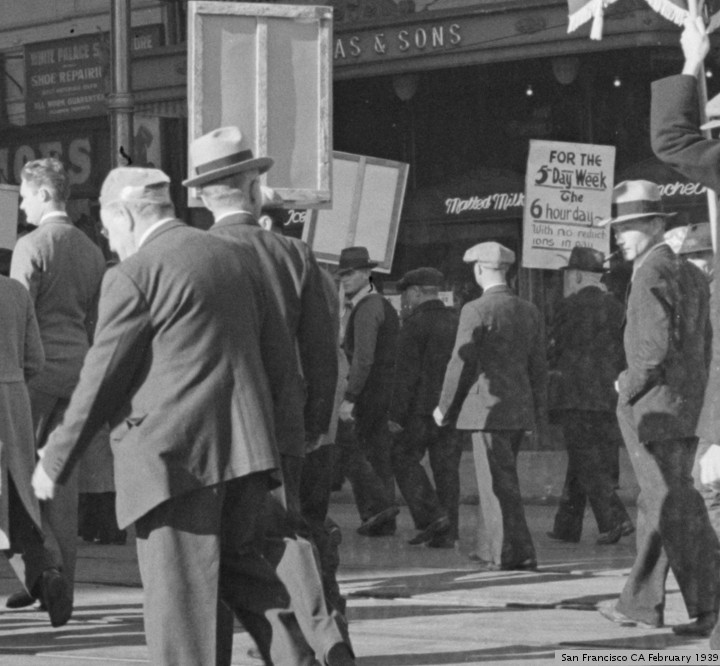
Pictures today are from The Library of Congress.


RISK!



RISK! is a story telling podcast. Every week, an hour of tales comes out, hosted by @TheKevinAllison. PG has been a fan, often listening to the show while editing the historic pictures that illustrate this blog. There was even a post once, Binge Listening To RISK! PG eventually recovered.
The last time RISK! was in Atlanta, they played a sold out club in East Atlanta. The show last night was at The Masquerade. This is located in Underground Atlanta, in the middle of downtown. PG remembers an entrance across the street from the Marta station. Tickets were available at the door. PG decided “Today’s the day, take a risk.”
The ride downtown was uneventful. PG walks across Peachtree, to the Underground entrance. The door is locked. The stairs nearby have a barricade in front of the doors. Door after door is locked. PG can see people downstairs, and knew they got in there somehow.
PG began to wonder how he was going to get back to the train station, after the show. Downtown can be a scary, intimidating place. One time, panhandlers got in his face, and screamed bloody murder. When PG found the entrance, it was on a side street, and down a catwalk. What was that going to be like after dark? PG considered turning around, and taking the train back to Brookhaven.
The Masquerade takes up most of the entertainment area at Underground. PG talked to a security dude, who explained that most of Underground was closed. Would it be safe to walk back to the Marta station? Security dude says that police are everywhere, and that it would be OK. PG decides to get in line. Soon, a man is going through the line. If you want to drink, you can show your ID, and get a wrist band. PG, who retired from alcohol in 1988, decided that a drinkers wrist band was a tasteful accessory for the evening.
The performance space is a big room, with folding chairs instead of tables. PG finds an empty seat on the second row. Soon, he was talking to his neighbor, about all the fun we had when we were younger. At a bit after eight, the PA announcer welcomes you to the show, and Kevin Allison came out walks on stage. No, he did not sing the Stamps.com song, but he did urge you to pre-order his book. SPOILER ALERT These next few paragraphs may have spoilers, if you are going to listen to the show later. Since PG did not completely get the names of the storytellers, he will call them something else. The exception to this is TS Madison, who is already something else. A spell check suggestion for pre-order is pee-order.
Kevin told the first story of the evening. As a young man from Ohio, Kevin went to college in New York. One night, there was an adventurous visit to a sex club. Kevin took a man home. The man turned out to be a jerk, making Kevin do painful things involving Converse sneakers. At kink camp, a few years later, another jerk forced the same issue with Doc Martens.
Lady01 took the stage first. She is an Indian/Catholic, with a double load of family nonsense. There was a trip home to discuss an arranged marriage, which did not include her Muslim boyfriend. The discussion did not go well. The lady is a confident performer … as were all the storytellers this night … and was easy to hear. The sound system, and lighting, were superb throughout.
Man01 was next. Every storytelling session in Georgia needs to have a story about a mobile home. Man01 had a father, with a fondness for alcohol. One night, the drinking, and fighting, got out of hand. Father’s boss got killed. The father is now doing life in prison.
@TsMadisonatl1, the third performer, is a force of nature. PG was excited when he learned she was appearing. “Big Dick Bitch” is a pre-operative transsexual, currently living in Conyers, GA. Wearing six inch heels, green hair, and a tight fitting outfit, TSM told a story she calls “Turkish Delight.” At the start of her performance, TSM made a snapchat video. PG is in the second row. He wore a red shirt, which went very well with his red neck.
Miss Madison, in a normal world, would be the headliner. How can you follow that hair? Man02 took the challenge. He told a story involving an eclipse, pringles potato chips, and a very brief career in show business. A friendship with Mitch Hedberg added a few laughs, and a chance to open a show, at the 40 Watt club, in Athens GA.
Man03 was the final story of the night. He told of a love story, that seemed too good to end well. It didn’t. While all these stories were told, PG was listening, and mostly enjoying. The thought was still in his mind… how am I going to get back to Marta? Upper Alabama street looked so barren when he walked down it, and could only be worse after the sun went down.
Going to the front of the room, PG met Kevin Allison. They had been exchanging tweets, and PG was eager to meet him in the flesh. Kevin said that he saw PG in the crowd, and thought he recognized him. PG has a bag over his head on twitter.
The security lady said to go up the stairs, and walk down Upper Alabama Street to the train station. When PG got there, there were lots of people. A barber shop was open, and had a few customers. PG got to Marta without any complications, except, when he was waiting to get on the train. A man, getting off the train, looked at PG with an evil, vacant stare. PG ignored him, and went home.
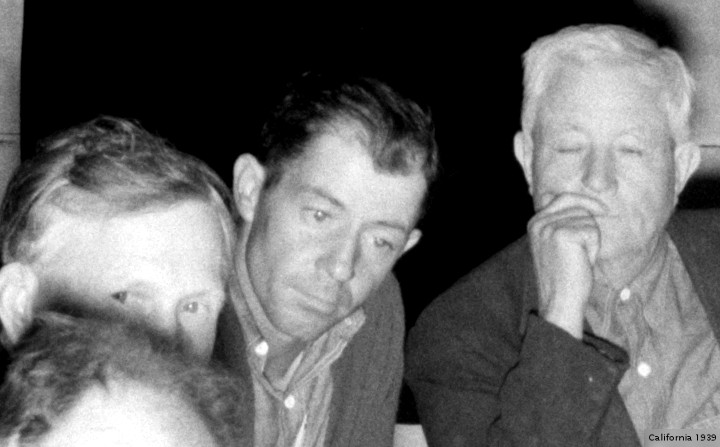
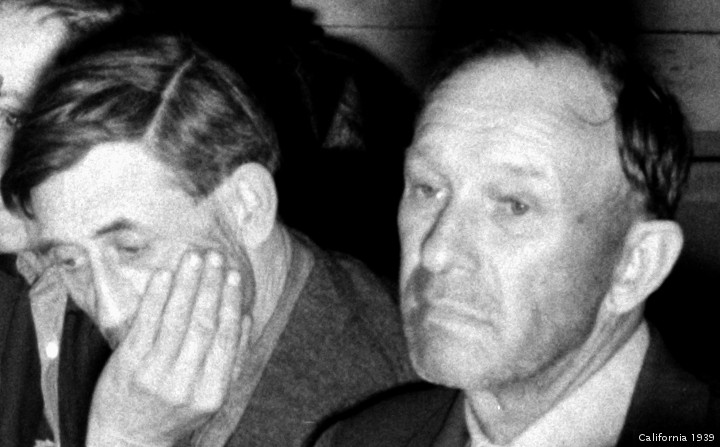
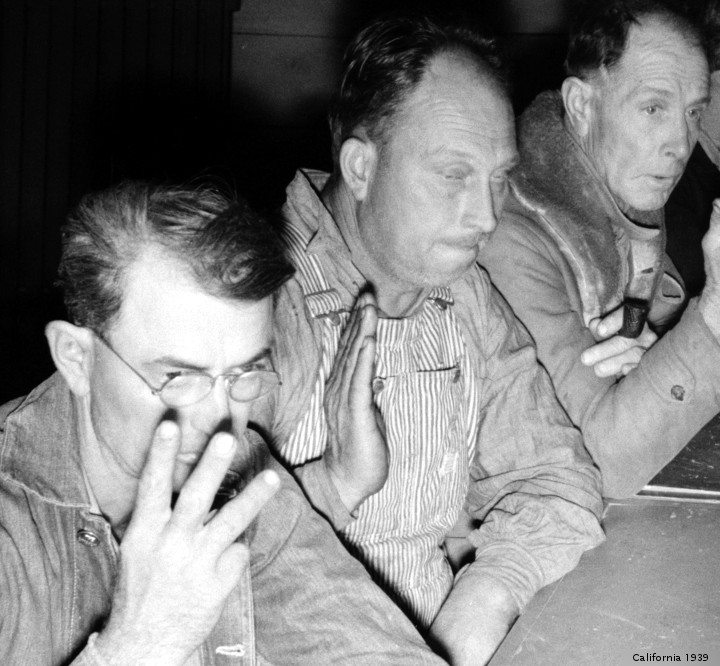
Pictures are from the Library of Congress. “Farm Security Administration (FSA) camp for migratory agriculture workers. Farmersville, California. Meeting of camp council.” Dorothea Lange, photographer. May 1939.




The Great Southeast Music Hall


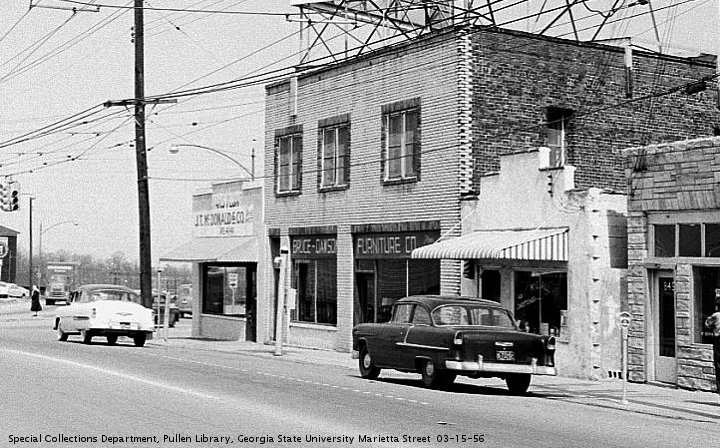
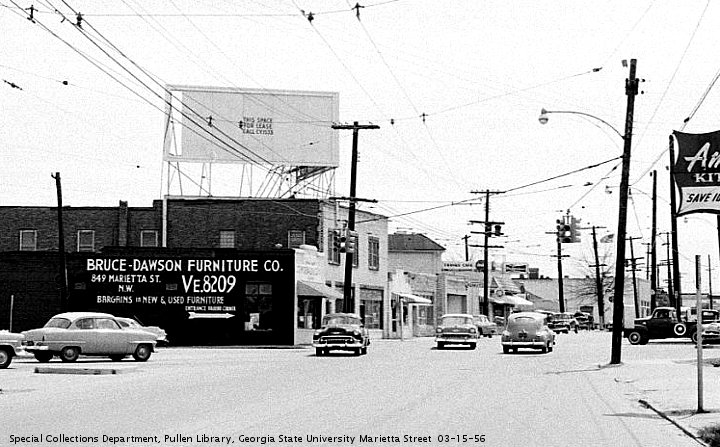
The Great Southeast Music Hall was an important part of life in Atlanta during the seventies. It was located in the elbow of a shopping center, Broadview Plaza. A bowling alley was downstairs, a two level K mart next door, and Atlanta’s first hispanic neighborhood across the street. Like almost everything else here, Broadview Plaza was torn down, and replaced by a more uppity set of stores.
When you went into the lobby of the Music Hall, you noticed the walls. Performers were given a magic marker, and encouraged to leave a message. John Mayall found the ladies room, and said he likes to be near the ladies. The late Phil Ochs said “Impeach Nixon and Agnew”. What happened to those boards is a good question.
The auditorium held about 500 people. The stage was only three feet or so above the floor. There was an empty space in front of the stage, and a few rows of bench backs behind that. When the place opened, there were lots of pillows on this floor, with the Music Hall logo. The carpet in this front area was fresh when the place opened, and got progressively grosser as the years went by. Beer was served in aluminum buckets, and inevitably some wound up on the carpet.
The show the Music Hall is most famous for is the US debut of the Sex Pistols. PG didn’t make it that night, but has heard from a few who did. The performance was said to be horrible. There are stories of Sid Vicious wandering through the apartments around Broadview trying to find heroin. Years later, PG was reading about that night in Please Kill Me, when the train he was riding pulled into the Lindberg Marta station. This is across the street from the Broadview Plaza, still standing at the time.
These days, the intersection of Lindbergh Drive and Piedmont Road (about a mile north of the park) is next to Hiway 400. When the Music Hall was in it’s prime, the land for the Highway was owned by the State of Georgia, which was fighting legal battles over the highway. The land had a network of dirt roads, one of which connected Buford Hiway to Lindbergh Drive. When you went from Chamblee to the Music Hall, the most direct route was over this dirt road. This dirt road is where Sidney Marcus Boulevard is today. Broadview Plaza was torn down, and replaced by a Home Depot.
Eventually, the business model for the Music Hall did not work, and the facility moved to Cherokee Plaza. This Music Hall was in a movie theater. The Cherokee Plaza Theater was the scene for the world premiere of Son of Dracula . This move did not work, for a number of reasons. The parking lot was too small, and people who wanted a loaf of bread from the A&P were blocked out during shows. Cherokee Plaza is just outside the city limits, on Peachtree Road. In the late seventies, DeKalb county was aggressively fighting drunk driving, and had roadblocks. Many of these roadblocks were outside the Music Hall, which kept many people from attending. Before long, this Music Hall closed.
Many years later, PG bought a second hand typewriter, and needed a ribbon. (Younger readers should ask an older person about this.) He went into an office supply store in Broadview Plaza, and soon realized that he was standing on the site of the Music Hall. He asked the clerk if he could have a bucket of beer, and got a very strange look in return.
 One industrious afternoon during this era, PG made a list of shows he saw at the Music Hall. The memory cells are already protesting, but we are going to try and remember as much as possible about these shows. A big thank you to Wikipedia for help with spelling and names.
New York Rock Ensemble – PG walked into the auditorium during the last part of the first show, as the band played “A whiter shade of pale”. The bass player wore lace up boots, with the pants legs tucked into them. Before long, the second show came on stage. Keyboard player Michael Kamen was the central focus, acting out the lyrics to “Anaconda”.
Silverman Deborah McColl fronted this drummerless band
Al Kooper PG has written about an unfortunate incident involving Al Kooper during this show. This would have never happened in “The Catcher in the Rye”…the kids always knew what time it was in that story. Mr. Kooper did a solo show, including “Sam Stone” by John Prine.
Ellen McIlwaine/ James Cotton Blues Band Ms. McIlwaine was pregnant, and played slide guitar. Mr. Cotton played harmonica. One of his players started to fan him with a towel, because he was hot.
Breakfast Special/ Doc and Merle Watson Breakfast Special was a local bluegrass crew, who did “The coming down song”. The Watsons did ” Deep River Blues” and “Thats All”, among other things. PG had a copy of their latest LP, and asked Merle to autograph it. He wrote his name on one side, turned it over, and signed Doc’s name on the other side.
Mason/Atlanta Rythym Section This show was the night Led Zeppelin played Atlanta Stadium.
New Riders of the Purple Sage When the Music Hall opened, a performer would typically play from Tuesday to Sunday. NRPS was a one night show. They worked well in the packed hall, and shined on “Glenville Train”. The next year, they did a tour with Commander Cody and The Lost Planet Airmen. Commander Cody opened, and raised hell. NRPS followed with a mellow rock show, and before long people were getting bored and leaving.
David Buskin / Loudon Wainwright III Chamblee 54 has written about this show before. Mr. Buskin talked about doing a show at Max’s Kansas City, the person sitting next to PG said “Gross”.
Steve Martin / Nitty Gritty Dirt Band Chamblee54 has written about the show by Mr. Martin . This was his last tour as an opening act. Nitty Gritty was a sight to behold. John McEuen played fiddle, and recited a poem about life.
Martin Mull / Melissa Manchester PG went to see Mr. Mull, who opened the show with a three piece band. (After the show, Mr. Mull said the name of the band was the (your name) (draws a blank with his fingers) orchestra.) The headliner was Ms. Manchester, little known at the time. She was a knockout. While standup comedy has it’s place, for emotional impact there is nothing like a singer.
Texas Gary Bennett / Weather Report Mr. Bennett played acoustic guitar, and sang, as an opener for a packed house of jazz rockers. It did not go well. At one point, trying to get some rapport with the crowd, he said ” has anyone here been busted at the Omni?” (The authorities had begun arresting people for smoking pot at the major concerts.)
Weather Report was amazing. Josef Zawinul had the loud keyboard sound, Wayne Shorter played his leads on soprano sax, and there was a drummer and percussion player. There was tons of rythym, to go with the electronic jazz sounds. When it was over, PG went up to Mr. Zawinul, shook his hand and, and said thank you. He was pouring a glass of beer from a pitcher, and looked a bit startled.
David Pomerance / Rahsaan Roland Kirk Chamblee54 has written about this show before. Mr. Kirk was a force of nature, the modern miracle of the tenor saxophone. He did not suffer from false modesty. This was the night Richard Nixon resigned, which pleased Mr. Kirk no end. The blind Rahsaan said that he did not want to see his audience, because we were too ugly. At one point, his band had been jamming for about ten minutes, when PG realized that Mr. Kirk had been holding a single note the entire time. The three saxophones at one time thing was a visual shocker, but he got sounds that way that you cannot get from a single instrument. At one point, Mr. Kirk pulled his sunglasses off, and made a face at the crowd. It was an amazing evening.
Chic Corea / Return to Forever This was a disappointment. Tickets were $4.50, which may be the most PG ever paid at the Music Hall. The band only played about an hour. It was all electric, ignoring the acoustic instruments set up on stage. RTF was a four piece, all star band. They had Chic Corea on keyboards, Stanley Clarke on bass, Al Demeola on guitar, and Lenny White on drums. That sounds like a great show, but it turned out to be four solo artists jamming. There was no cohesion, and the overall sound was less than the sum of the individual parts. Corea leaned over his keyboard, twisted knobs, and made faces, as if to say “look at how intense this is”. It wasn’t.
Mccoy Tyner The former Coltrane sideman played a very nice show. He had a percussion man, with several tables covered in exotic instruments. PG took a break after to first show to hang out at a neighborhood disco. When he got back, there was no doorman checking tickets, and anyone could walk in for free. PG took advantage of this discovery many times over the next few years.
Bill Crystal / Jean Luc Ponty Former Frank Zappa player Jean Luc Ponty played at the Music Hall, with a bass player who was a fellow Zappa alumni. The surprise of the evening was then-unknown Bill Crystal. A few weeks after this show, “Soap” would premiere, and make him a star. Mr. Crystal did a killer impersonation of a gila monster.
Between shows, Mr. Crystal had been entertained by a local musician. During the second show, he held his finger to his nose, made a snorting sound, and said thank you. PG heard this, and yelled “Locker Room”, the name of a “deooderizer” that some liked to get a buzz sniffing. Mr. Crystal said “Locker room. Jeez, I need to get the hecklers rosetta stone to know what he means”. Good times.
Keith Jarrett This is another show that might have been better than PG’s enjoyment. At one point early in the show, PG moved over to the front of the stage, to look at Mr. Jarrett’s hands. After the show, people told PG that the player had been giving him dirty looks when he did that. PG asked Mr. Jarrett about it, and he said that PG had interfered with his concentration.
This show featured a quartet, instead of a solo piano. The bass player was Charley Haden, who seemed a bit puffy faced. PG later learned that he had been addicted to heroin at the time.
Melissa Manchester Ms. Manchester came back for another week at the Music Hall, about a year after her first appearance. At one point, she asked the band if they were ready to do a new song, and then performed “I got eyes” for the first time in public. This was later the b side to “Midnight Blue”. One of the players in her band was a man named James Newton Howard. Part of the deal for touring with her was that he could play a solo number on piano, called “Newton’s Ego”. He later played with Elton John, and became wealthy writing film scores.
Flora Purim /Airto Moreira On PG’s 23rd birthday, Flora Purim played at the Music Hall. At the time, PG had a profound appreciation of her albums. The band had a nice sound, and was the equal of her records. The Chic Corea tune “Light as a Feather” was a standout. Her husband, Airto Moreira (eye, ear, toe) fronted the band on some of the numbers, and had some funny routines. Ms. Purim held two microphones throughout the show, with one connected to some audio filters. PG found holding two microphones to be visually distracting. PG had known of the Jewish ancestry of Ms. Purim, but had not thought much about it. Then he saw her live, and realized that she does, indeed, look Jewish. A Piedmont Park show in 1987 was rained out.
Hot Tuna Hot Tuna is a dependable, though not spectacular, band. On a previous show in Atlanta, they went on stage at 10:55, and played without a break until 2:50. This night, a fried of a friend was working at the Music Hall, and PG got in before the crowds, to get a prime spot, in the first row of benchbacks. At one point, PG was rocking back and forth against the benchback, and a neighbor asked him to quit. Those buckets of beer were influential.
Shakti This was an acoustic, Hindu oriented band fronted by guitar superman John McLaughlin. The numbers seemed to go on forever.
David Manion / Mark Almond This was a long awaited Atlanta performance by Mark Almond. (This is a jazz/blues band, totally different from the Soft Cell vocalist with a similar name.) They played two sets, which were only an hour or so long. This was disappointing to the people who could not wait for the second show. In the second show, they “took the shackles off” saxophone player Johnny Almond, and he played a wild solo during “The city”.
The incident we are about to describe may or may not have involved David Manion. What happened was, a small portable radio was playing on the edge of the stage. The spotlight was on the radio, which sounded like gibberish to most of the audience. Gradually, the chattering audience got quiet, and tried to listen to the radio. After a few minutes, a man came out, and stood in darkness behind the radio. The PA speaker announced “The new force of rock in Atlanta”. The man then dropped a large piece of granite on the radio, smashing it into bits.
Laurie Chapman / Stomu Yamashta Laurie Chapman was a singer/piano player, with some good stories. She told of a trucker, driving beside her and talking to her on a cb radio. ” You better get that drink out from between your legs before it gets too hot to handle”.
Stomu Yamashta is somewhat of a star in Japan. The show here was filmed for showing on TV there. His band, Go, was an all star collection, including Ava Cherry. She was a backup vocalist, and girlfriend, with David Bowie. After the show, PG was introduced to Spencer Davis in the lobby.
The next few shows were at Cherokee Plaza.
Martin Mull Mr. Mull was a solo star this time. He did a song about doing nothing, adding that dead people can do it too. The parking lot was packed, which was a major problem at the new location.
The week before the Super Bowl in 1994, Mr. Mull filmed a Comedy Central show in Woodruff Park. The Dallas Cowboys cheerleaders were kicking field goals. After the filming PG stood a few feet away from Mr. Mull, but could not think of anything to say.
Sun Ra PG went to a wedding, and a bunch of people from there went to see Sun Ra. This was an entertaining spectacle, with a big band and dancers. After the show, PG asked Sun Ra how he could afford to take a band like that on the road. He said he was doing it for beauty.
David Bromberg This was another big band production. PG showed within a few minutes of the gateman leaving his post, and saw about 45 minutes without buying a ticket.
Lester Flatt/John Hartford One boring Saturday night, PG walked up to the Music Hall, and saw the two fiddle players jamming. A few weeks later, Lester Flatt passed away. This is a repost. Pictures today are from “The Special Collections and Archives, Georgia State University Library”. As a bonus to the reader(s) here, we are reposting Great Southeast Music Hall Stories. It is a collection of comments from an earlier posting of this feature.
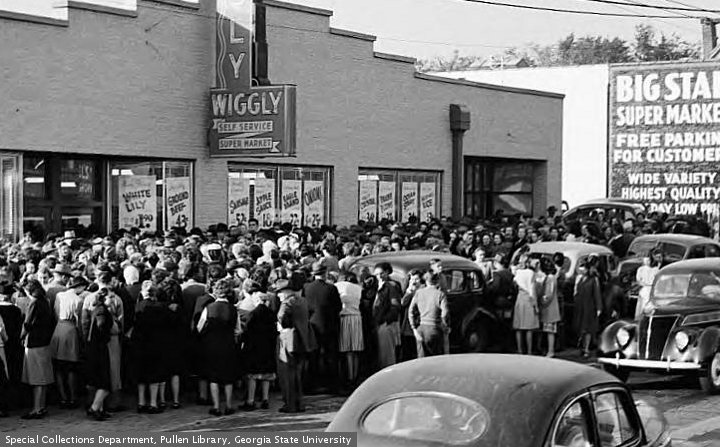
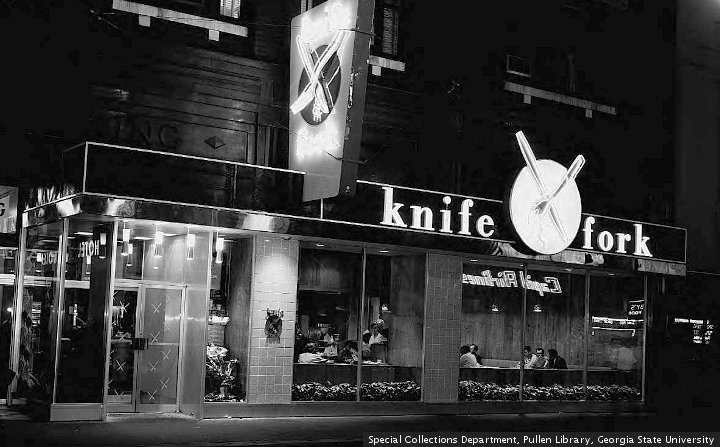
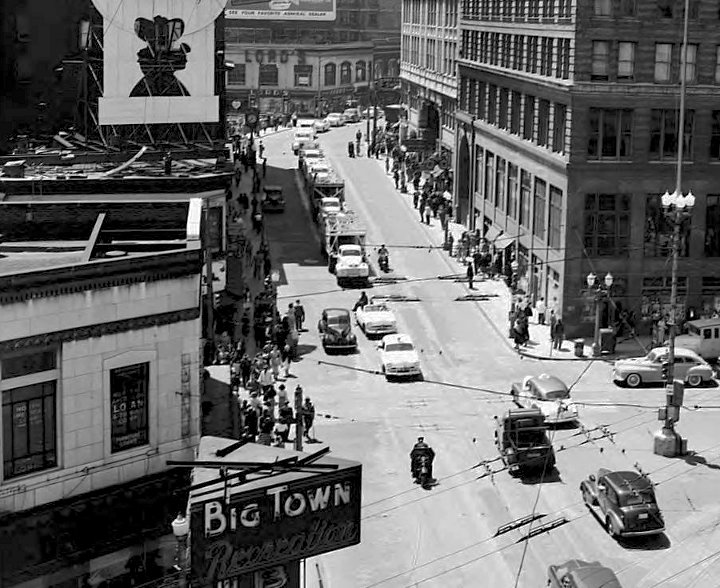

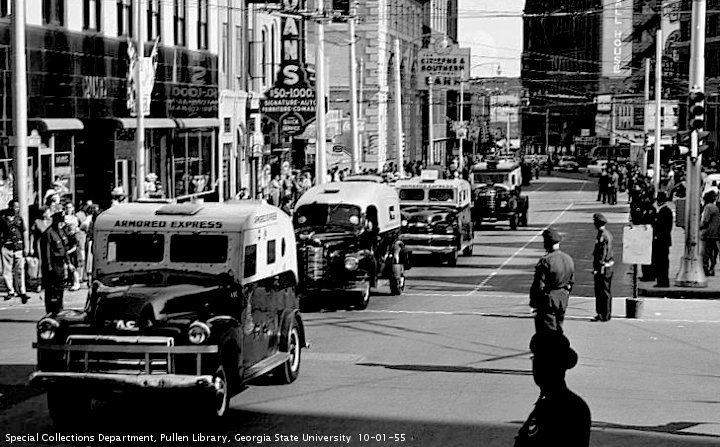
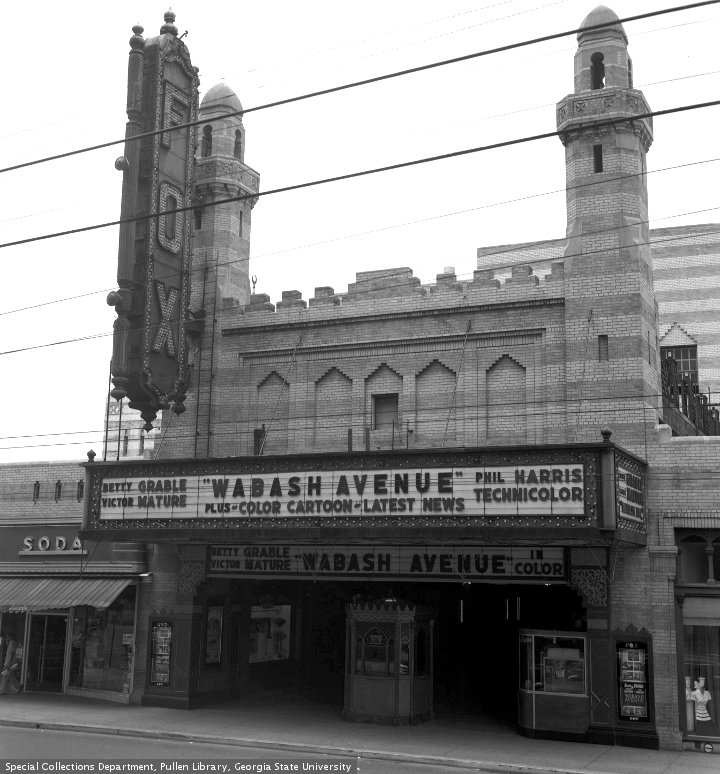

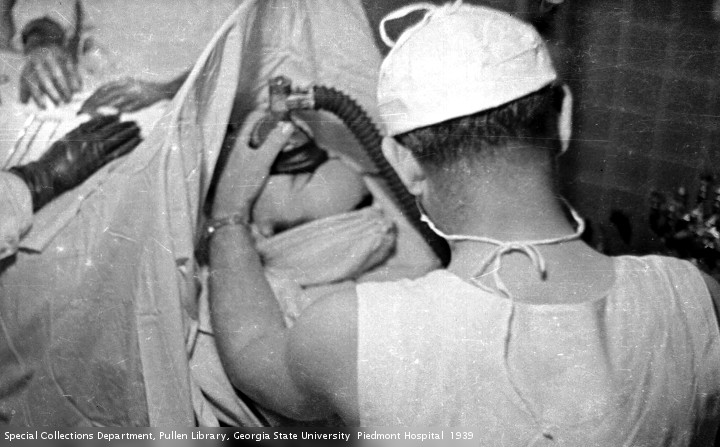


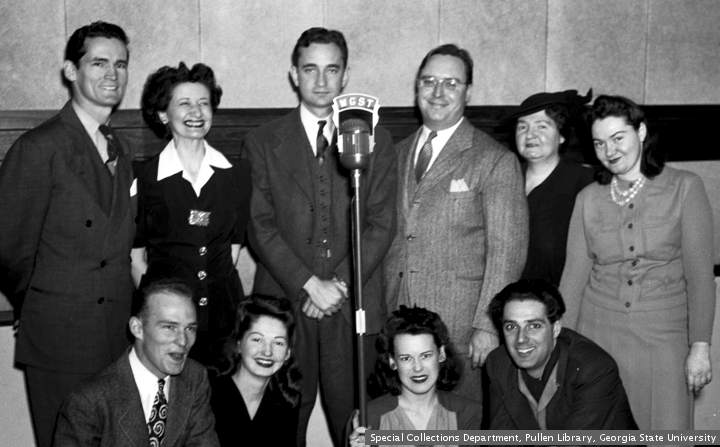
Chamblee54 posted a tribute to The Great Southeast Music Hall a few years ago. This was a concert venue, with no hard liquor and a 500 person capacity, next door to a bowling alley on Piedmont Road. It was about a mile north of Piedmont Park, and in front of the dirt road that became Sidney Marcus Boulevard. GSEMH hosted some great shows. This was when record companies would invest in new bands by putting them on promotional tours, and Atlanta was a popular stop.
The chamblee54 post attracted 85 comments. This is a slow day for Matt Walsh, but is a record for chamblee54. Most of the comments were boring … great place to play, I saw Steve Martin there and drank too many buckets of beer. A few of these comments tell stories. This post puts the best of the GSEMH comments in one place. Pictures are from “The Special Collections and Archives, Georgia State University Library”. See if you can guess which one was taken at GSEMH.
Neal B. – Som Records June 10, 2012 at 5:18 pm Great reading! Brought back some memories. I saw three shows at the Music Hall – The Dixie Dregs, Elvin Bishop and David Allan Coe. I saw Coe the night before my SATs in 1978 or ’79 and it was (and still is) the most bikers I’ve ever seen in once place. Elvin Bishop just tore it up, really good.
jake lamb May 17, 2011 at 11:34 am Great stories of our past. I can’t remember the shows I went to, but after reading your post it certainly helps clear the fog. As I went thru the list I noted, “Yep I was with CG at that show, that one too, oh yeah, I remember Al saying to you what time it was but didn’t you delete the expletives? Odetta blasting the audience for not showing her the proper respect…what a crybaby! The autographed Marc Almond Album, meeting them backstage to learn how the finger was ripped from Jon’s hand after a tree limb caught on his ring finger when he jumped out of a tree during a photo shoot, resulting in having to learn how to play the saxaphone with one less digit ala Jerry Garcia, and the Hot Tuna Show with Papa John Screech. Flora and Eye Ear Toes logo on his equipment. Was it there that we went on Halloween, me dressed as a bagman for Nixon (A paper sack over my head) and you going as a Bee-keeper (a vegetable strainer over your head)? God we were hilarious! It’s all beginning to come back, but what never went away was remembering the great friend I went with.
Eugene Gray June 24, 2012 at 11:30 am I grew up in Atlanta so thanks for the memories about the shows at The Great Southeast Music Hall. I attended numerous shows between the years 1974 and 1977. From what I can remember (I do have “70s Memory” after all), here’s some highlights: Kinky Friedman — Smoked a huge cigar throughout the show and tipped his ashes in an ash tray attached to his microphone stand. Brought the house down with ‘Sold American.’ David Allan Coe — Played the first half of the show in his “Country Crooner” persona wearing a white suit and white cowboy hat; then played the second half as The Mysterious Rhinestone Cowboy complete with rhinestone jacket and black mask. Played a hard-rockin’ version of ‘Bossier City’ to close out the show. Best memory: New Riders of the Purple Sage Show opened late with only John Dawson (acoustic guitar) and Buddy Cage (pedal steel) taking the stage. Seems their limo made the right exit off of 285 but the other limo kept going. After Dawson telling us that, he said, “Well, you might not have all of us but you do have two.” He and Cage then played a short set together including a beautiful version of ‘Gypsy Cowboy.’ The other members trickled in and started playing, all having a good time with the audience about their site-seeing tour of Atlanta via 285. Fantastic show and my best memory of The Hall. Weirdest experience: For lack of something to do, went to see the New Zealand group Split Enz. A fun but bizarre show with a group outside my typical taste. Sort of a cross between Devo and Bowie and the Bay City Rollers. Truly a strange show. Worst experience: Pure Prairie League — I was always, always let in and served beer before I turned 18 in ’76. Except for one time. Missed Pure Prairie League because we were all carded; the only time I was ever asked for my ID here. Always regretted missing them since the original band broke up right after this tour. Damn. Thanks again for a spot to remember one of the best concert venues (ever) in Atlanta.
Anonymous July 11, 2012 at 3:03 pm Saw many great shows at the Music Hall; Leon Redbone, Don McLean, Bruce Cogburn, but the funniest thing was at Darryl Rhoads show. My girlfriend (now wife of 30 years) went missing when she left to go make the parent check-in phone call. I found her coming around the corner in the hallway, mad at some guy who wouldn’t get off the phone in the lobby. The “guy” was Darryl and he made a few comments to her from the stage during the show just to keep her pissed. It’s funny now, but I could have died then…
Pharmacist Jim April 28, 2013 at 12:01 pm How about when Jimmy Buffett opened for Billy Joel there in 1974. I was a Pharmacist at Eckerd Drugs in the plaza at the time when Jimmy called me and asked me to call his physician in Key West for a prescription–a musician who wanted to get a legitimate prescription, unheard of!!! I was already a Buffett fan, but this just made me respect him that much more and I’ve been a “Parrot Head” since, now so more than ever since I live in Florida.
Anonymous October 23, 2013 at 8:29 am My best friend and I moved to Atlanta (on purpose) for just the summer of ’73 and attended MANY MANY great shows at the Music Hall. It was SO awesome. Saw Billy Joel right around the Captain Jack release time and he asked me out after the show. Of course, I answered with a resounding “NO! Thank You!!” (you see, I was ABSOLUTELY too cute for him…hehe — not to mention, I thought his nose was entirely too big.) Also, saw Jimmy Buffett who talked to us from the stage because we were from Hattiesburg, MS and he had gone to school there at the University of Southern Mississippi. SOOO COOL!!!
Rod Pearman May 28, 2015 at 10:00 am Couldn’t help but have a smile on my face as I read all these comments. THE Great Southeast Music Hall and Emporium………man, the memories. Sometimes I think I could write a book. My roommate and I lived at Bordeaux Apts. on Buford Hwy, which was just a hop skip and jump over to The Hall via the dirt road which is now Sidney Marcus……..we lived there from 1972 to early 1980, which might be a record for two dudes that were party animals to have survived that long in one apartment complex. Anyhow, we frequented GSEMH about once a month when an act we wanted to see was to play there. A couple of my fondest memories now that I’m in my mid 60’s is, it had to be sometime in ’75. We went to see The Dirt Band (one my favorites of all time) The opening act was this guy named Steve Martin, who at that time, no one on the planet had ever heard of him. Well he comes out, and within 30 seconds he has us so cracked up we’re shooting beer out our noses from his comedy. Really funny stuff, and had no idea it was coming. Well, he does his gig, then the Dirt Band comes out. They play a great set, take a little break, and when they came back out on stage, here comes Steve Martin with a banjo over his shoulder. So we’re all thinking this will be something funny, this guy with a banjo. This guy took off on his “ban-jer” and everybody’s jaw hit the floor. He really tore it up. Then the Dirt Band joined in and he played a few tunes with the band. The guy was incredible on the banjo. Then a few months later, Saturday Night Live did their first show, and there’s Steve Martin on TV. I look over at my roommate as he’s looking at me, and we’re both saying in unison, hey, that’s the guy from The Great Southeast Music Hall. Pretty neat that we got to see him when nobody had a clue of his talent. … I got home later that night, and my roommate (yeah, the same guy I mentioned in earlier chapters of this book….) said he saw something on TV that I wouldn’t believe. Turns out, one of the local TV stations (2, 5, or 11) had sent a reporter over to cover the final show of The Great Southeast Music Hall, and while reporting out front of the establishment, there were about a dozen folks standing there sorta behind the reporter. Well, this one fair lady decided to nonchalantly pull a boob out of her tank top and display it for all the world to see, right there on live TV. My roommate said it was something he’d never forget, and we tell the story often. (I wonder who that young lady was sometimes……) but I digress……..
alun v September 23, 2014 at 11:54 am As the Audio Engineer and last guy to walk out the door @ the Lindbergh (and Cherokee Plaza) locations, the walls, painted and autographed by many of the acts, were destroyed; (legal issues I guess). I still have the door to the tech room, signed by Cowboy, a personal favorite. BTW, I saw the concrete sidewalk @ Peaches, with hand / foot prints and signatures, also destroyed and hauled off………lawyers.
julia guthrie November 26, 2015 at 10:38 pm I just caught the 50th anniversary! of Alice’s restaurant masacree on pbs. Brought back the memory of seeing Arlo at the Great Southeast Music Hall. I was drunk(and maybe other) and it was my birthday, so my bf said I should try to talk to Arlo because my name is Guthrie! I was just drunk and young enough to do just that. I finagled my way to the tourbus door(was pretty good at talking my way into things back then), announced that I was a cousin, and ended up sitting at the little bus table, smoking and talking with Arlo and fam. Pretty sure all I added to the conversation was a shit-eating grin, but it was one of the highlights of my youthful escapades. Loved going to the Music Hall! Ah…youth and happy times. I also lived at Bordeaux apts for a while! Peace:)
Rod November 27, 2015 at 11:06 am You can’t beat Alice’s Restaurant on Thanksgiving Day. I used to have an annual tradition of listening to that song on my Technic’s turntable for probably 30+ years, but somehow that tradition faded out a few years ago. (Maybe because my turntable is sitting on a shelf in my closet Definitely great memories at the Hall. Hard to believe it’s been 40 years ago, give or take. I lived at Bordeaux for 7 years through the ’70’s, which might be a record. We were in G building, and had some of the best parties in NE Atlanta. It was standing room only, kegs on the deck, music crankin’ just below distortion level. Those were the days!
BRIAN HOLCOMB June 19, 2015 at 6:00 pm I was a freshman student a GSU in 74 After one of the shows (can’t remember who) I was standing outside in the corridor waiting on some friends. When out the door came my General Chemistry Professor Dr Sears arm in arm with the best looking girl in my class. They turned beet red turned and got away from me as quick as they could. I often wonder if I could have went and bribed an A out of him. LOL
SideShow Bennie December 1, 2015 at 5:24 pm I just stumbled across this article when I Googled GSMH. I lived in Atlanta in 1972-73 and attended a lot of shows at the Broadview Plaza location. I was at one of the Howdy Doody Revival shows that is on the poster pictured in the article. I remember Bob Smith hitting a bad note on the piano, reaching inside and pulling out a pack of ZigZag rolling papers saying, “Clarabelle leaves these things everywhere.” Other shows I remember seeing were Johnny Nash with Sons of The Jungle (The first actual Jamacian Reggae band I ever saw) John Hartford, The Earl Scruggs Revue, Joe Walsh with Barnstorm, Jim Croce, Harry Chapin, Doc Watson, The Hahavishnu Orchestra, Martin Mull, Doug Kershaw. I am pretty sure I was at the Ellen McIllwain and the Breakfast Special shows you mentioned but there were show where a lot of beer buckets were emptied so a lot of those shows are a little hazy. I still have a bucket or two around the house here somewhere. Thanks for the memories!!
chamblee54 May 20, 2018 at 12:31 pm There was a facebook meme. The idea was to say 10 things about yourself, 9 of which were true. Facebook nation was supposed to guess which one was false. PG posted a GSEMH version. He listed 10 acts, 9 of which he saw at the Music Hall. (PG never said Great Southeast, just *the music hall*). The 10 acts listed: Nitty Gritty Dirt Band, Steve Martin, Martin Mull, Weather Report, Rahsaan Roland Kirk, Sex Pistols, Melissa Manchester, New Riders of the Purple Sage, Doc and Merle Watson, Atlanta Rythym Section. You will have to read the post to see what act is the lie, and the 9 acts that PG did see.
David Manion May 20, 2018 at 12:54pm Yes I smashed a transistor radio just before my opening set for Marc almond.
Doug DeLoach May 23 2018 at 4:20 pm “The performance [by the Sex Pistols] was said to be horrible.” You must have exclusively heard either from people who weren’t there or scene trolls who hated punk rock in the first place. The show was about as awesomely punk as punk can get.
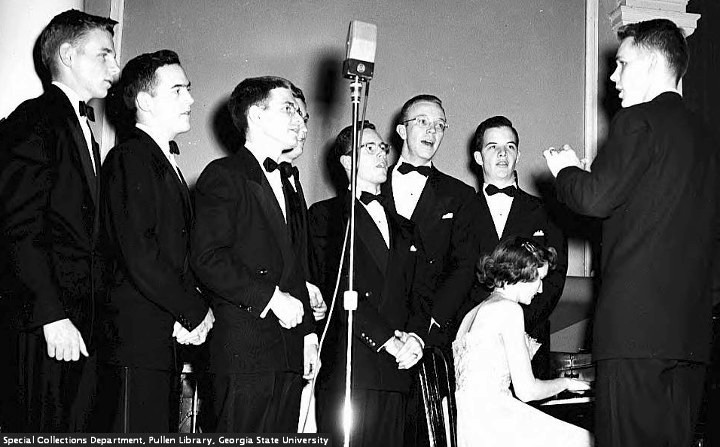


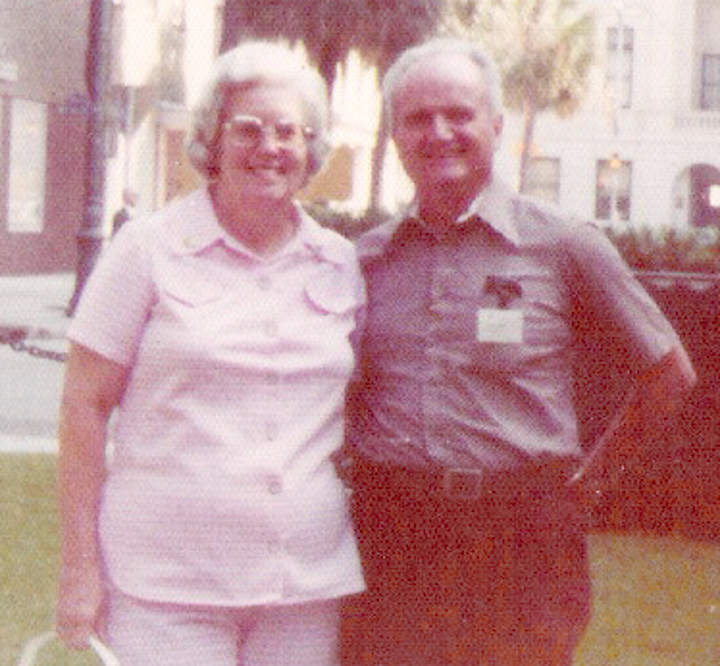
Jean D. McKinnon

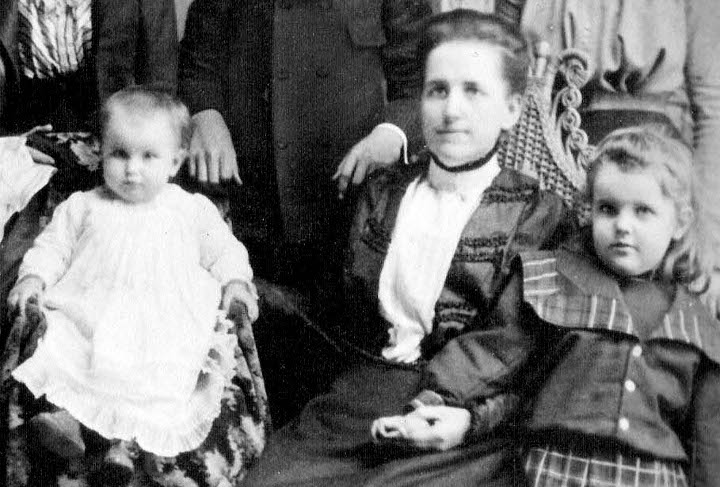

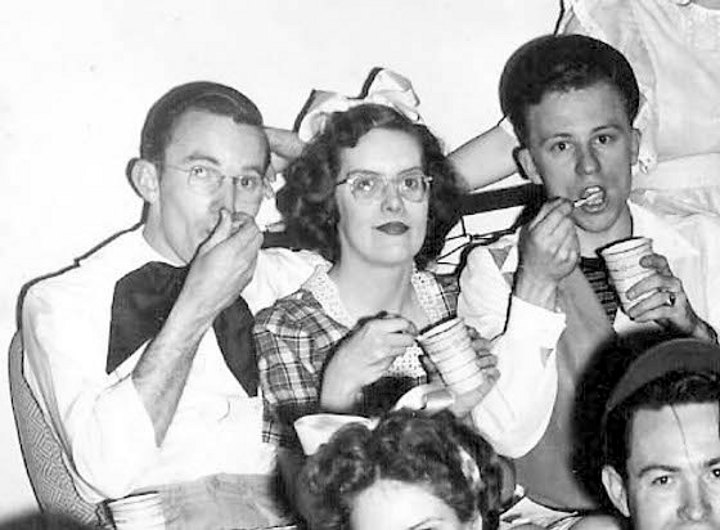
The first picture in this episode is a family portrait of the Quin family in Washington Georgia. The nine surviving children of Hugh Pharr Quin are sitting for the camera. Mr. Quin had joined the Georgia State Troops of the Army of the Confederacy at the age of 16, and after the war went to Washington to live with his sister. Mr. Quin was in the church choir of the First Methodist Church when he met the organist, Betty Lou DuBose. They were married January 22, 1879.
The original name of Mrs. Quin was Louisa Toombs DuBose. She was the daughter of James Rembert DuBose. His brother in law was Robert Toombs, the Secretary of State of the Confederacy, and a man of whom many stories are told.
In this picture, Mrs. Quin is holding the hand of her second youngest daughter so she will not run away. This is Mattie Vance Quin. She is my grandmother.
After the Great War, Mattie Vance Quin was living in Memphis Tennessee, where she met Arthur Dunaway. Mr. Dunaway was a veteran of the war, and was from Paragould, Arkansas. On July 23, 1922 her first Daughter, Jean, was born. This is my mother.
Mr. Dunaway died in 1930, shortly after the birth of his son Arthur. There were hard times and upheaval after this, with the family settling in Atlanta. There her third child Helen Ann Moffat was born on December 12, 1933. This is my Aunt Helen and my mother’s best friend.


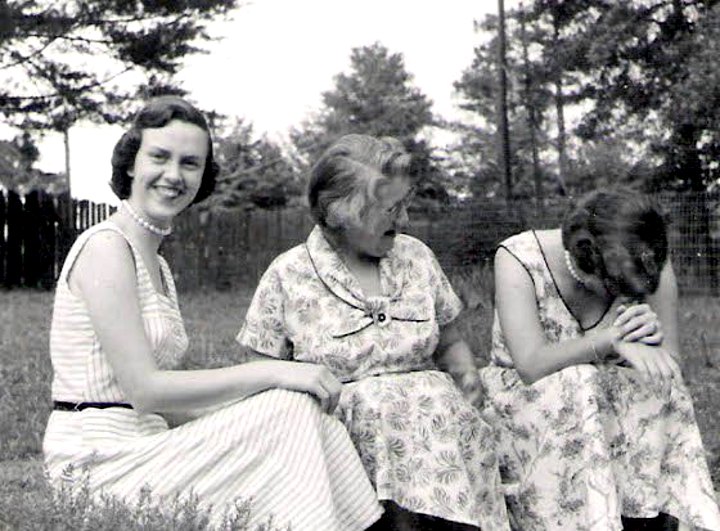
Jean lived for many years with her mother and sister at 939 Piedmont, among other locations. She joined the First Baptist Church and sang in the choir. She got a job with the C&S bank, and was working at the Tenth Street Branch when she met Luther McKinnon. He was a native of Rowland, North Carolina. They were married October 6, 1951.
They moved into the Skyland Apartments, which in those days was out in the country. Mom told a story about Dad taking her home from Choir practice, and going home on the two lane Buford Hiway. There was a man who went to the restaurants to get scraps to feed his pigs, and his truck was always in front of them. This was a serious matter in the summer without air conditioning.
Soon, they moved into a house, and Luther junior was born on May 6, 1954. This is me. Malcolm was born May 10, 1956, which did it for the children.
The fifties were spent on Wimberly Road, a street of always pregnant women just outside Brookhaven. It was a great place to be a little kid.
In 1960, we moved to Parkridge Drive, to the house where my brother and I stay today. The note payment was $88 a month. Ashford Park School is a short walk away…the lady who sold us the house said “you slap you kid on the fanny and he is at school”.
In 1962, our family followed the choir director from First Baptist to Briarcliff Baptist, which is where my parents remained.
In 1964, Mom went back to work. She ran the drive in window at Lenox Square for the Trust Company of Georgia until it was time to retire. She became a talk radio fan when RING radio started, and was a friend of her customer Ludlow Porch. She gave dog biscuits to customers with dogs.
During this era of change, Mom taught me that all people were good people, be they black or white. This was rare in the south. She later became disgusted with the War in Vietnam, and liked to quote a man she heard on the radio. “How will we get out of Vietnam?””By ship and by plane”.
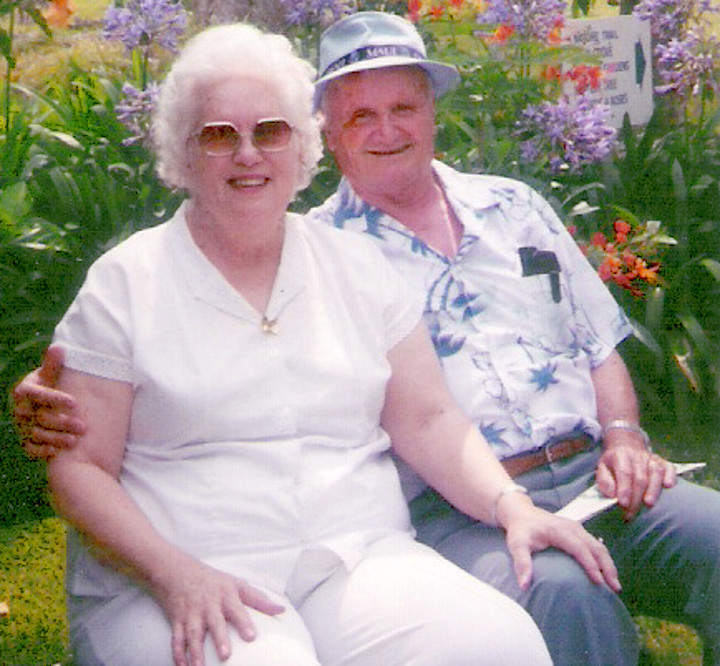
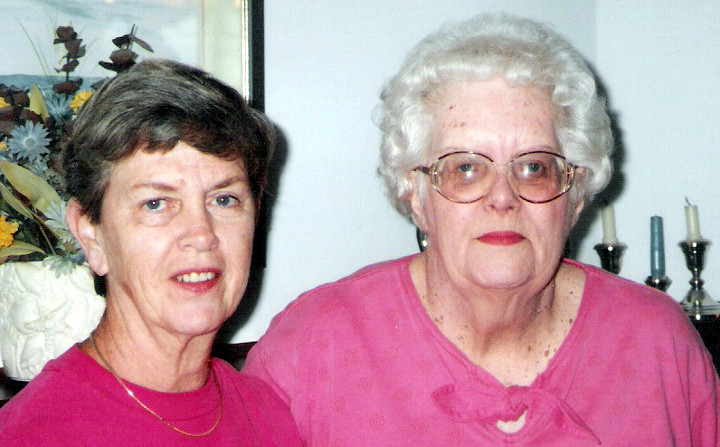
Eventually, it was time to retire. Her and Dad did the requisite traveling, until Dad got sick and passed away February 7, 1992. Mom stuck around for a few more years, until her time came December 18, 1998. This is a repost.


Changing The Flag
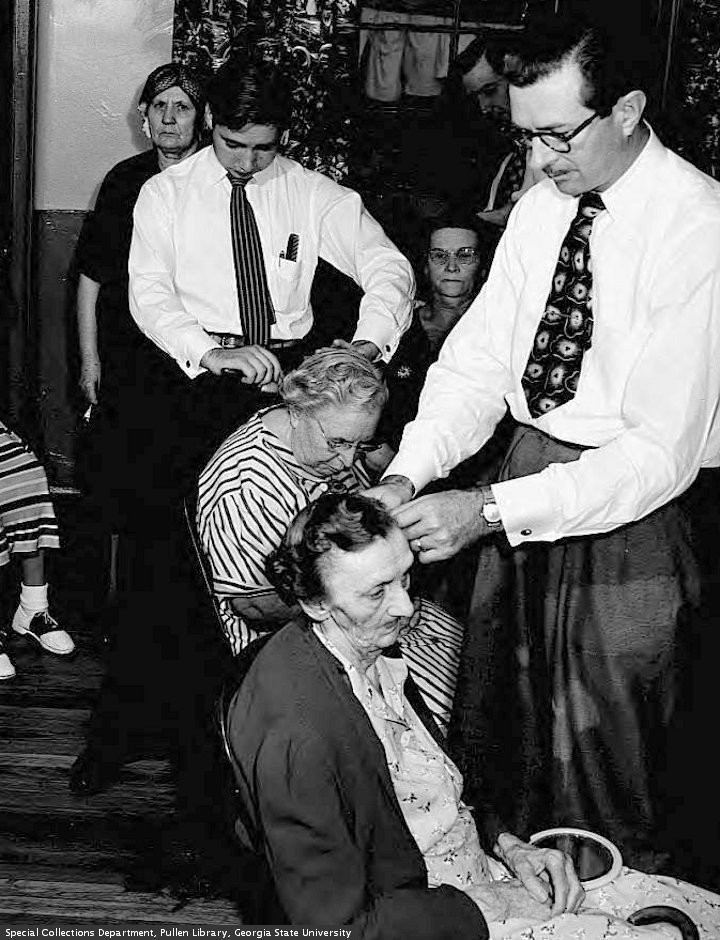
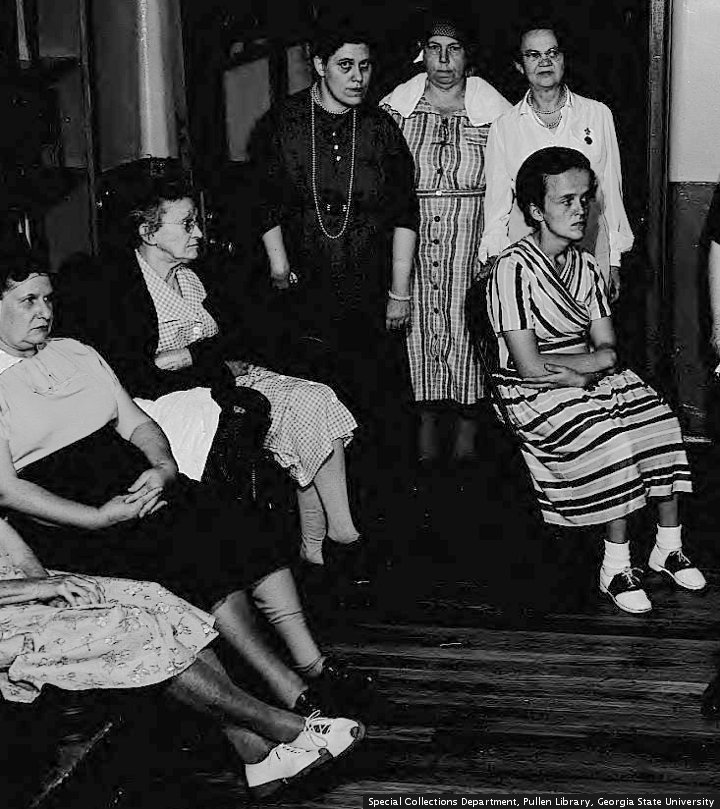
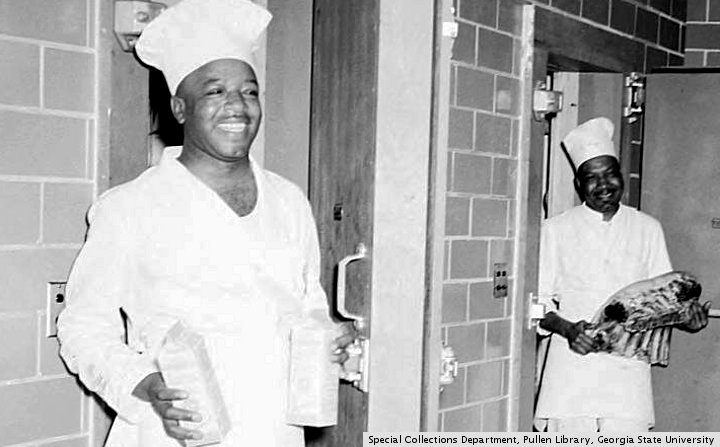

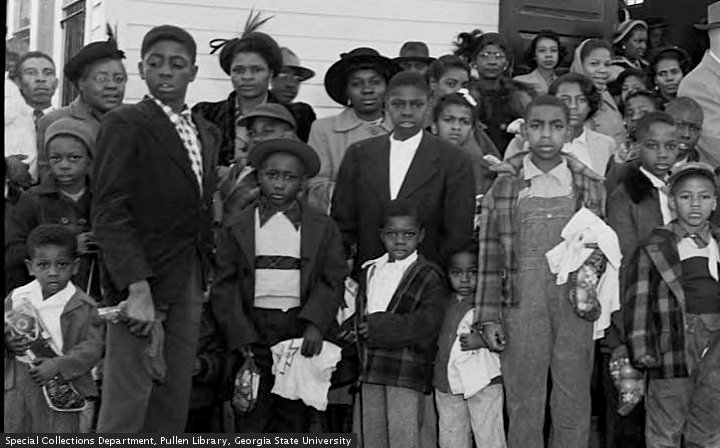
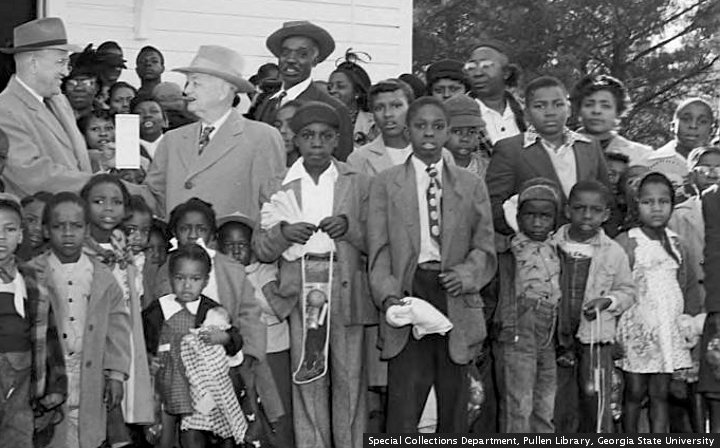
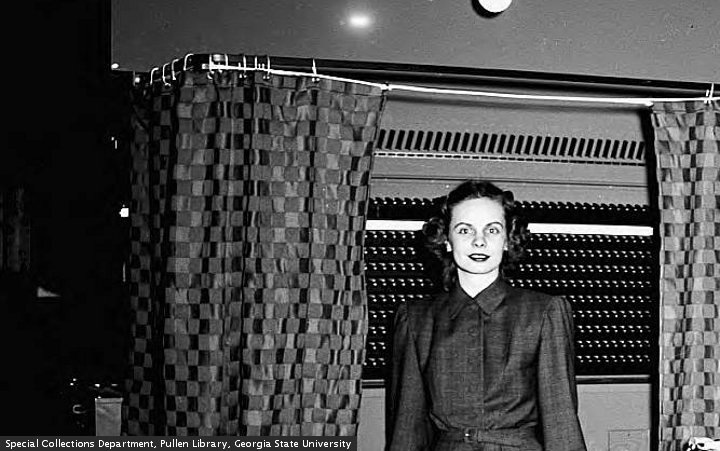
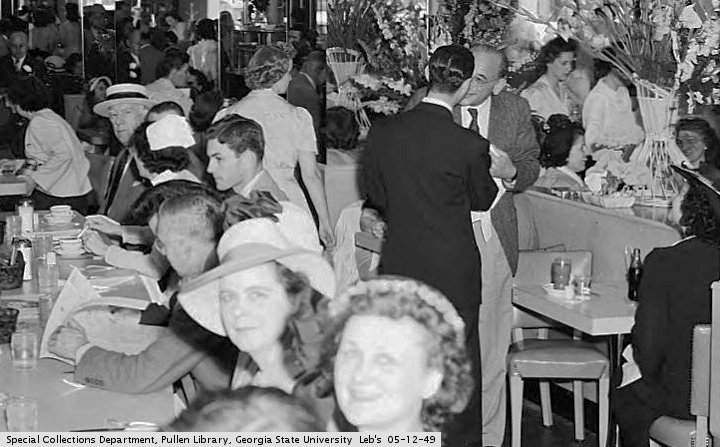
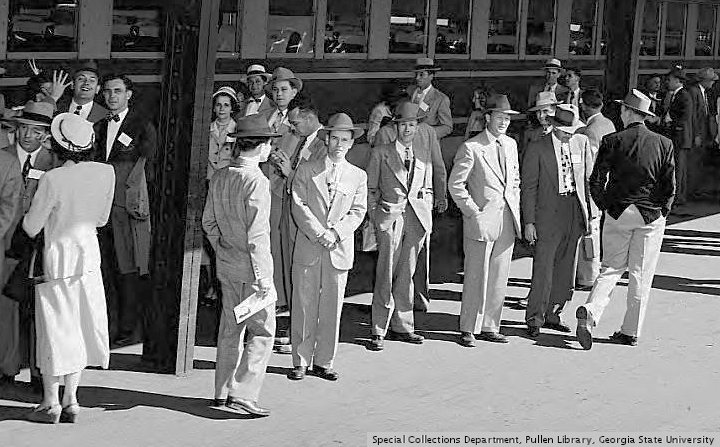
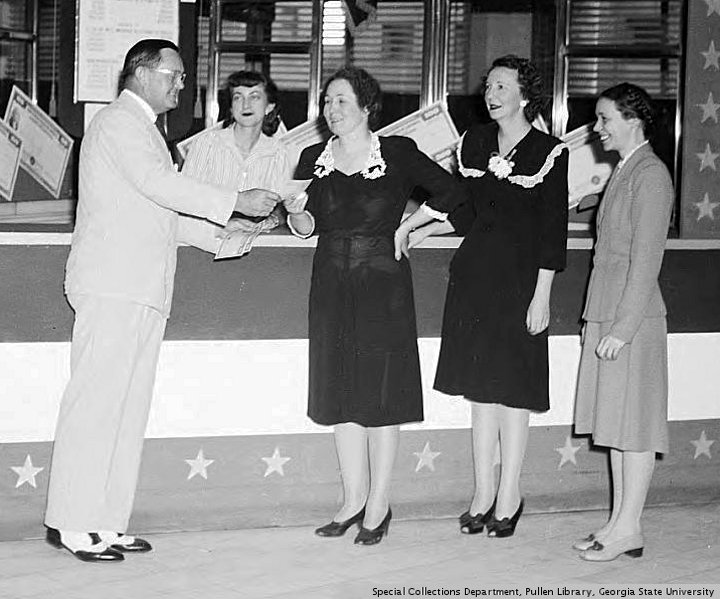
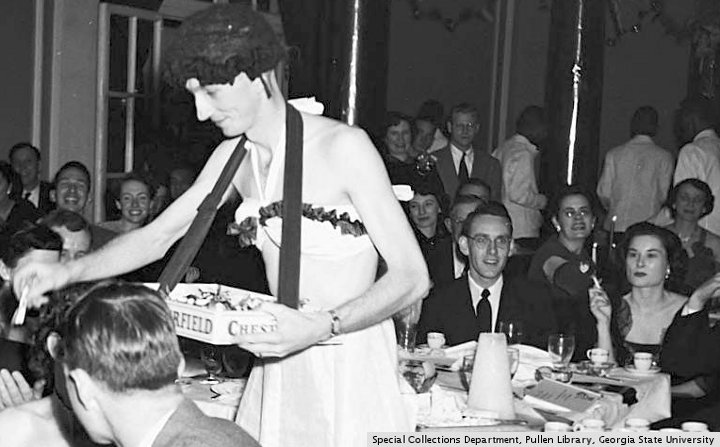
This is a repost, with pictures from “The Special Collections and Archives, Georgia State University Library”. It was written in first person. The issue discussed has mostly faded away, except for a few hardcore cranks. Politicians have found new issues to distract voters when they want to make crooked deals. These things too shall pass away.
In 1994 I was working in downtown Atlanta. I represented my company in a customer’s office, and there was often time with nothing to do. At the very least, there was no time clock. Lunch could slip into overtime with few consequences.
There was an issue in the news in 1994, along with some claims that I did not believe. This issue was whether, or not, to change the state flag. One day, I went to the library, and sat down with the microfilms of the Atlanta Constitution (Covers Dixie Like the Dew) for the Winter of 1956.
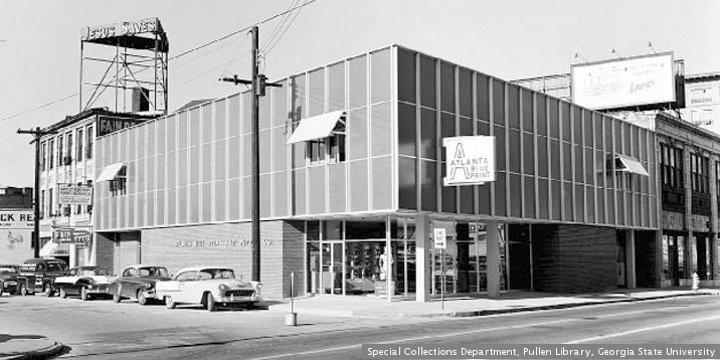
One of the fun things about doing research is the things you were not looking for. Elvis Presley made a personal appearance at the Fox Theater. Atlanta Blue opened a facility on West Peachtree Street. There was speculation about whether Dwight Eisenhower would have a different Vice President in the next election. Mr. President had a heart attack in 1955. Many did not want Richard Nixon to be Vice President. 1994 was 20 years after Mr. Nixon resigned the Presidency in disgrace. You wonder how things might have been different if Mr. Eisenhower found a new Vice President.
1956 was two years after Brown vs. The Board of Education, and many were concerned about school desegregation. A bill was proposed in the legislature to make it a felony to advocate integration.
The Governor at the time was Marvin Griffin. Georgia Tech played Pittsburgh in the Sugar Bowl that year, in spite of the fact that Pittsburgh had a black player. The Governor strongly objected, but was overruled. The game was played without incident.
The State of Georgia changed the state flag that year. The new flag had the state seal on a blue stripe next to the St. Andrews Cross, the battle flag of the Confederate States of America.
In 1994 many wanted to change that flag. Some said that it was a symbol of slavery and oppression; others said it was a reminder of battlefield valor. A native southerner, I could appreciate both points of view. I was neutral regarding a change of the flag.
One thing that I did not understand was an argument made for changing the flag. The line in those days…first expressed by Governor Zell Miller and endlessly repeated by the local fishwrapper media … was that the flag had been changed as a protest against desegregation.
I did not believe that for a minute. The legislature in 1956 was not that smart. They were a bunch of white males who were, with a few exceptions, racist, alcoholic crooks. If someone had suggested a flag change as a stand of defiance against desegregation, they might have thought it a good idea, but I somehow doubt that anyone thought like that. This was 1956. The sixties, where protest became the new national pastime, were a few years away.
After a few minutes of searching through the department store ads and sports pages, I found what I was looking for…. the article announcing the flag change. There was no mention of a protest against desegregation. They announced it as a way of honoring the Confederacy. This is in keeping with the times. Georgia in 1956 was still recovering from the War, and the Cult of Honoring the Confederacy was strong. Fergit Hell!
The flag was eventually changed during the administration of Governor Roy Barnes. The new flag was even uglier than the old one, which I did not think was possible. Sonny Perdue defeated Mr. Barnes in his bid for reelection, in no small part because he proposed a referendum on the flag. He forgot this promise as soon as he got into office, but the flag was changed once again.





May 6




May 6is a day in spring, with 35% of the year gone by. It has it’s fair share of history, some of which did not turn out well. In 1861, the Confederate Congress declared war on the United States. In 1937, a German zeppelin named “Hindenburg” exploded while trying to land in New Jersey. In 1940, Bob Hope did his first show for the USO, somewhere in California.
Roger Bannister ran the first sub four minute mile, on May 6,1954. The current record is 3:43.13 by Hicham El Guerrouj on July 7, 1999, with a party with Prince to celebrate. Since most track meets now use 1500 meters, the mile record is more or less obsolete.
On this day, Georgia executed two notable prisoners. In 2003, Carl Isaacs was put to death. Mr. Isaacs was the ringleader in the 1973 Alday family killing, in Donalsonville GA. Five years later, in 2008, William Earl Lynd was poisoned by the state. This was the first condemned man to die after the U.S. Supreme Court ruled that execution by poisoning was constitutional.
Taurus is the sign for those whose blood starts to pump May 6. Included are:
Maximilien Robespierre (1758) Sigmund Freud (1856) Rudolph Valentino (1895)
Orson Welles (1915) Willie Mays (1931) Rubin Carter (1937)
Bob Seger (1945) Tony Blair (1953) PG (1954) George Clooney(1961)
To make room for these folks, someone has to die. For May 6 this would mean:
Henry David Thoreau (1862) L. Frank Baum (1919) Marlene Dietrich (1992)
This repost, written like H.P. Lovecraft, has pictures from “The Special Collections and Archives, Georgia State University Library”.



Sixty Four Years Twelve Presidents
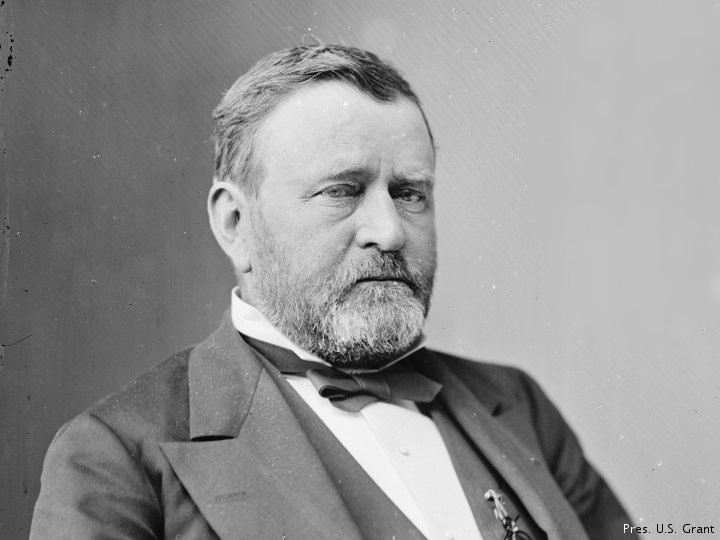

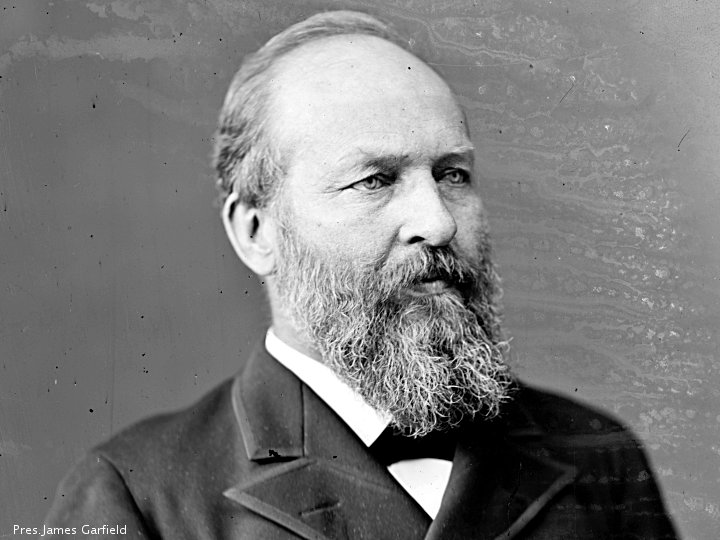
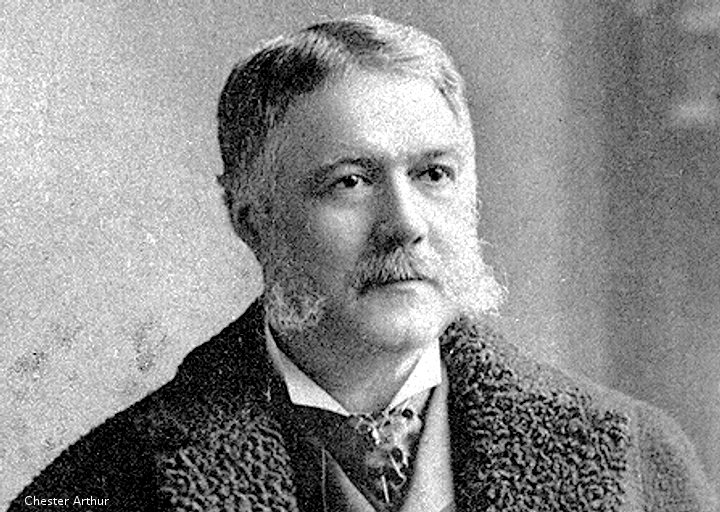
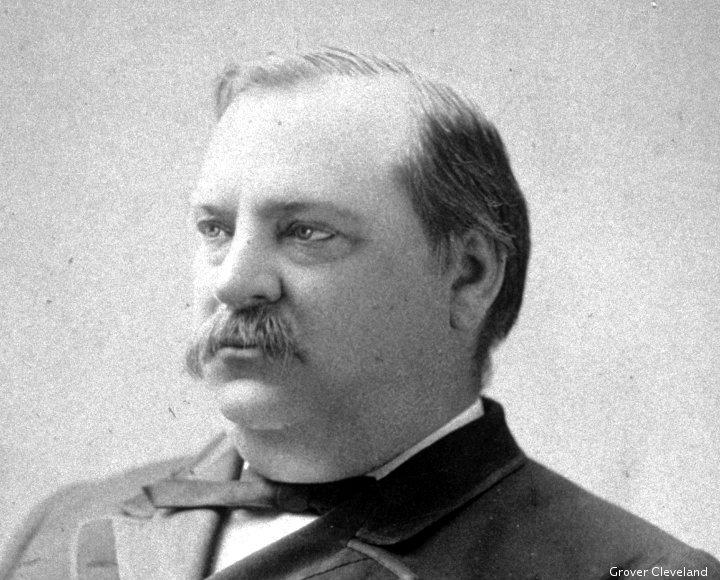
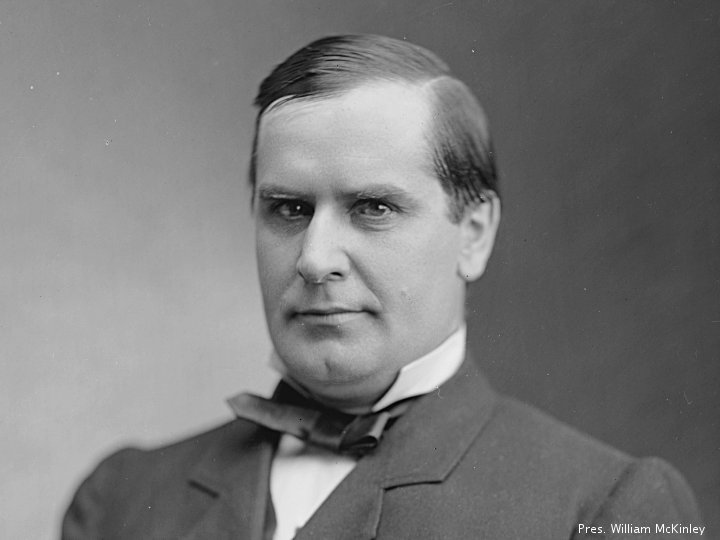
This is a repost from 2010 and 2016. It is about the twelve Presidents, one fourth of the total, who have helped themselves served over the last sixty two years. Barack Obama got re-elected, and killed lots of people. The less said about Donald J. Trump, the better.
Every four years, someone will say this is the worst choice ever. Every four years, someone will say this is the most important election ever. They are always correct. The choice in 2016 was between Donald John Trump and Hillary Diane Rodham Clinton. Choosing between those two idiots was challenging. The good news is that most people live in states where the electoral votes are conceded to one of the duopoly parties. These voters can focus on local elections.
Listening to the news shows that came on before the cartoons, PG heard the phrase “President Eisenhower”. As a friends explained to him, G-d made everything, but the President is Eisenhower.
When he was six, PG moved to a new house, and started first grade. There was an election that fall, and someone named Kennedy became President. PG wasn’t old enough to pay attention to the news yet, except when it looked like the Russians were going to kill us all in 1962.
The first news story that PG clearly remembers was the day when his fourth grade teacher, Miss McKenzie, told the class that President Kennedy had been shot. One of the worst moments that weekend was the moment when a plane landed in Washington, and the new President spoke on television. THAT was the new President? Yuck.
Lyndon Johnson was a larger than life figure, and was hated by millions of Amuricuns. While there was some good done by LBJ, it was overshadowed by the War in Vietnam. When he left office in 1968, the voters had a horrible choice …Hubert Humphrey, Richard Nixon, or George Wallace.
Tricky Dick Nixon is another larger than life figure, with millions of Americans screaming for his impeachment. For some reason, there were others who passionately admired the man.
In 1973, the oil companies tried to say there was an oil shortage. Later that year, Egypt, Syria, and Jordan attacked Israel, and the Arab oil producers cut oil to the USA. After this embargo, OPEC was in charge of the oil supply, and the price of gasoline increased 200%. The era of big money oil was on. What a convenient war.
After the ethical shortcomings of Mr. Nixon became too obnoxious to ignore, Gerald Ford became President. On a policy level, Ford was like all the other Presidents…some things he got right, some things he got wrong. On a personality level…the show business part…Ford excelled. His family provided harmless fodder for the gossipmongers. He was a likable man, a welcome break from the meanness of Richard Nixon and Lyndon Johnson.
When PG was a kid at Ashford Park School, there had never been a President from Georgia. It seemed impossible. When Georgia Governor Jimmy Carter announced he was running, it seemed like another ego tripper running for President. The funny thing is, he won. It still seems a bit unreal, like having the Olympics in Atlanta.
Jimmy was a Democrat, with attack Republicans fighting him every step of the way. This is a problem later Democrats in the Oval Office will have. On the policy level, he did better than many realize. Many of his achievements only bore fruit after he left office. On the show biz front, his down home Georgia routine did not appeal to many Yankees. In 1980, he was defeated by an actor.
PG was worried when Ronald Reagan took office. With America’s nuclear arsenal, and the Soviet Union wheezing it’s threat, many thought that Ronnie would start the war to kill us all. The good news is, this war never happened. Whatever tough talk came out of Washington was not matched by military adventurism abroad.
Reagan was the master of show business. He was an actor, playing the greatest role of his career. It was said that if America had a figure head monarch, Reagan would have been terrific. On the policy front, taxes were cut, and the budget increased. The national debt went over a trillion dollars, which was seen as a horrible moment. (The annual budget deficit is now over a trillion dollars.)
When Mr. Reagan’s two terms were over, George H.W. Bush took over. This was an era where the Democrats could not do anything right on a national level. Bush presided over a war, and brought the troops home when the mission was over. His image never appealed, and the whiners were not pleased. A computer salesman named Ross Perot decided to run as a third party candidate.
In the winter of 1992, PG had a little job downtown. One day, there was a rally at the CNN center for a little known Presidential candidate. PG went, and said to a friend, If this guy gets elected, you are going to regret not going to see him. At the time, War Winner Bush seemed unbeatable, and PG said that with high sarcasm.
When he got to CNN center, it was obvious that a big money event was unfolding. The place was packed, with school children bussed in to fill all the seats. Finally, the speakers blared “Twist and Shout” at top volume, and Bill Clinton walked on the stage. PG was not especially impressed.
Clinton inspired toxic hatred, but managed to keep the boat floating. He won reelection, with the Republicans seeming to self destruct. The economy was going good, the budget was balanced, and the haters went wild. After a entertaining sex scandal, the Clinton years were over.
A couple of weeks before the 2000 election, PG liked neither candidate, and did not think it made much difference. (With Georgia’s electoral votes certain to go Republican, PG did not have a vote.) He listened to someone talking, who thought that it was important that Gore won. PG remembered that conversation often during the next eight years.
George W. Bush was a disaster. It is possible that 911 was a personal vendetta against the Bush family, and would not have happened if Gore was President. The reaction of Bush to this tragedy was to start two wars that we have not been able to finish. In 2016, we are still in Afghanistan.
Next was Barack Obama, the first dark skinned President. He continued the war happy ways of the Bush regime. BHO was reelected in 2012, and given four more years to wage war. He managed to avoid the second term scandals that crippled Mr. Nixon and Mr. Clinton.
In the next election, the democrats decided that calling people racist was a good campaign strategy. As a result, Donald J. Trump was elected. America is more racially divided than ever, which the election of Mr. Obama was supposed to remedy. With the nation distracted by screaming racism, the congress has cut taxes, and produced a multi-trillion dollar budget deficit. America might survive. Pictures for this feature are from the The Library of Congress.


Richie Havens



Richie Havens died April 22, 2013. He was 72 years old. In 1969, he was the first performer at Woodstock. Mr. Havens was featured in the movie, and became very popular. The promoters asked him to play longer, while backstage chaos played out. “Freedom” was improvised to fill this need.
In 1974, PG had the privilege of seeing Richie Havens. He was playing at Richards, a club on Monroe Drive. It was the 2am show, on a weeknight. There was not a large crowd. What crowd there was kept yelling for “Freedom”, as if Mr. Havens had an obligation to play it.
Mr. Havens played a Guild guitar. He strummed it hard, with his pick dragging down over the body past the air hole. It looked like a guitar would only last a show, or two, before he would wear scratch marks in the body. Indeed, he did change guitars in mid show that night.
Pictures are from The Library of Congress. This is a repost.


Lewis Grizzard




In the time between 1980 and 1994, if you lived in Atlanta you heard about Lewis Grizzard. Some people loved him. Some did not. He told good old boy stories about growing up in rural Georgia. Many of them were enjoyable. He also made social and political commentaries, which upset a few people. This is a fishwrapper friday repost, with historic pictures from “The Special Collections and Archives, Georgia State University Library”. Wired for Books is no longer available online.
PG had mixed feelings about Lewis. The stories about Kathy Sue Loudermilk and Catfish were funny. His opinions about gays, feminists, and anything non redneck could get on your nerves. His column for the fishwrapper upset PG at least twice a week.
In 1982, Lewis (he reached the level of celebrity where he was known by his first name only) wrote a column about John Lennon. Lewis did not understand why Mr. Ono was such a big deal. PG cut the column out of the fishwrapper, and put it in a box. Every few years, PG would be looking for something, find that column, and get mad all over again.
The New Georgia Encyclopedia has a page about Lewis, which expresses some of these contradictions. If Grizzard’s humor revealed the ambivalence amid affluence of the Sunbelt South, it reflected its conservative and increasingly angry politics as well. He was fond of reminding fault-finding Yankee immigrants that “Delta is ready when you are,” and, tired of assaults on the Confederate flag, he suggested sarcastically that white southerners should destroy every relic and reminder of the Civil War (1861-65), swear off molasses and grits, drop all references to the South, and begin instead to refer to their region as the “Lower East.” Grizzard also wore his homophobia and hatred for feminists on his sleeve, and one of the last of his books summed up his reaction to contemporary trends in its title, Haven’t Understood Anything since 1962 and Other Nekkid Truths (1992).
In the end, which came in 1994, when he was only forty-seven, the lonely, insecure, oft-divorced, hard-drinking Grizzard proved to be the archetypal comic who could make everyone laugh but himself. He chronicled this decline and his various heart surgeries in I Took a Lickin’ and Kept on Tickin’, and Now I Believe in Miracles (1993), published just before his final, fatal heart failure.
As you may have discerned, Lewis McDonald Grizzard Jr. met his maker on March 20, 1994. He was 47. There was a valve in his heart that wasn’t right. The good news is that he stayed out of the army. At the time, Vietnam was the destination for most enlistees. The bad news is that his heart problems got worse and worse, until it finally killed him.
Sixteen years later, PG found a website, Wired for Books. It is a collection of author interviews by Don Swaim, who ran many of them on a CBS radio show called Book Beat. There are two interviews with Lewis Grizzard. The first one was done to promote My Daddy Was a Pistol and I’m a Son of A Gun. This was the story of Lewis Grizzard Senior, who was another mixed bag.
PG found himself listening to this chat, and wondered what he had been missing all those years. The stories and one liners came flowing out, like the Chattahoochee going under the perimeter highway. Daddy Grizzard was a soldier, who went to war in Europe and Korea. The second one did something to his mind, and he took to drinking. He was never quite right the rest of his life. His son adored him anyway. When you put yourself in those loafers for a while, you began to taste the ingredients, in that stew we called Lewis Grizzard.
PG still remembers the anger that those columns caused … PG has his own story, and knows when his toes are stepped on. The thing is, after listening to this show, PG has an idea of why Lewis Grizzard wrote the things that he did. Maybe PG and Lewis aren’t all that different after all.




Confederate Memorial Day

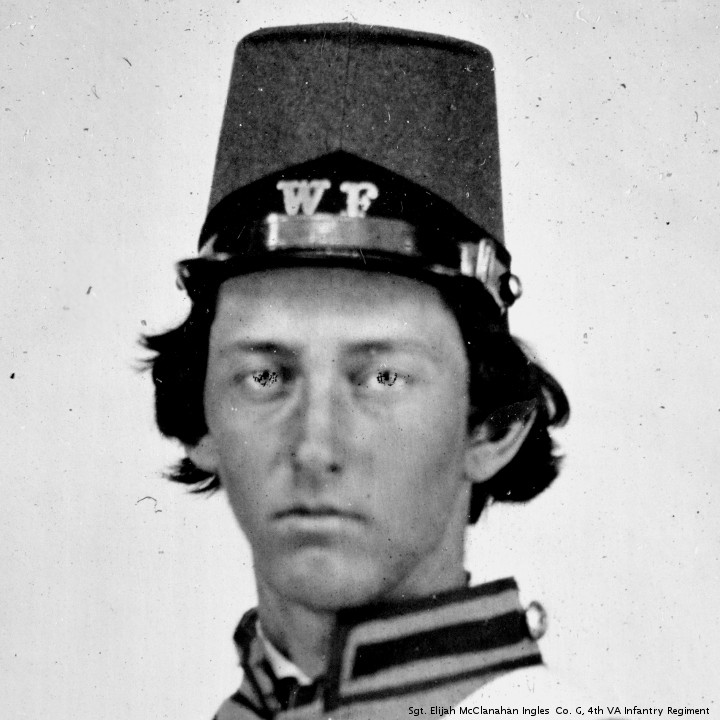

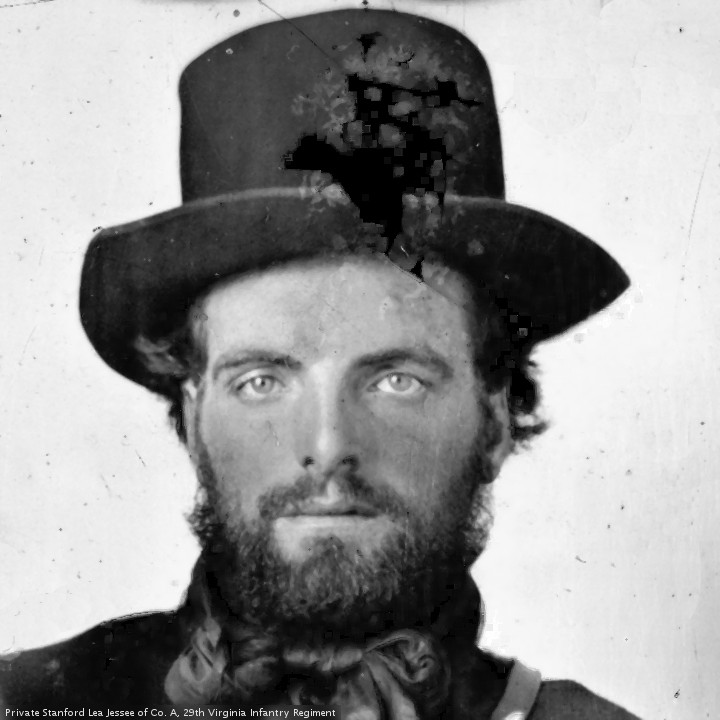


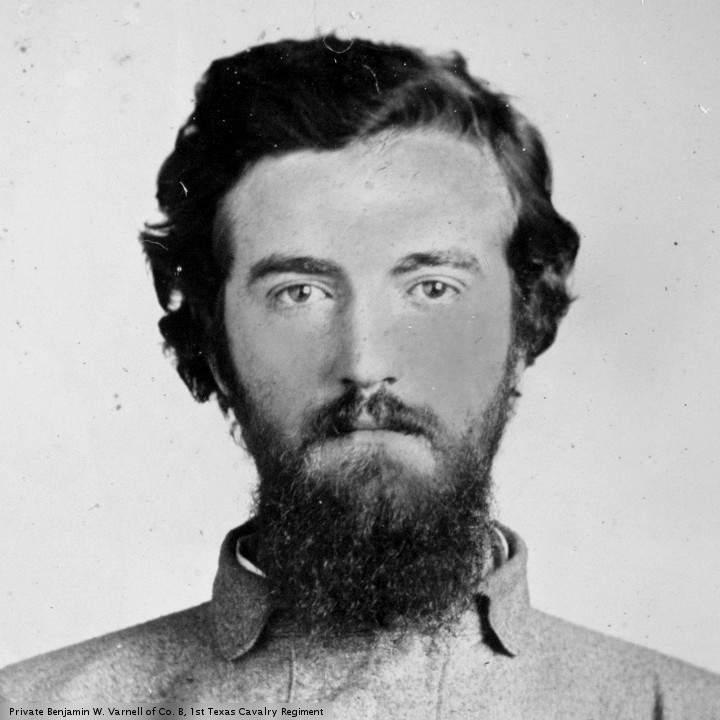
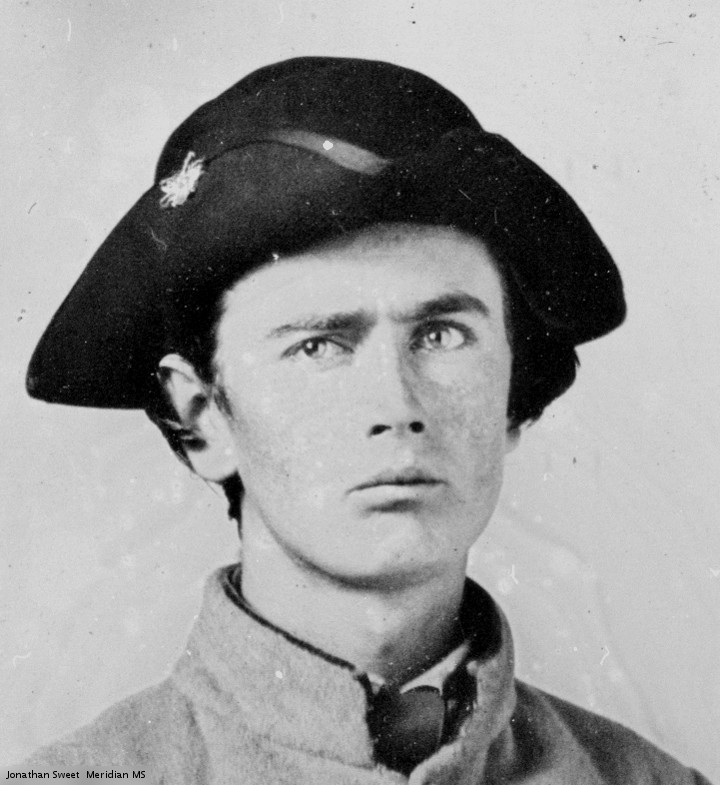
Today is Confederate Memorial Day in Georgia. It is an ancient question…how to honor the soldiers from the side that lost. They were just as valiant as the Union Soldiers. Considering the shortages of the Confederate Armies, the Rebels may have been just a bit braver.
The issue of Federalism is a defining conflict of the American experience. What powers do we give the Federal Government, and what powers do we cede to the States? The Confederacy was the product of this conflict. The Confederate States were a collection of individual states, with separate armies. This is one reason why the war turned out the way it did.
This is not a defense for slavery. The “Peculiar institution” was a moral horror. The after effects of slavery affect us today. Any remembrance of the Confederacy should know that. This does not make the men who fought any less brave.
It is tough to see the War Between the States through the modern eye. It was a different time, before many of the modern conveniences that are now considered necessities. Many say that the United States were divided from the start, and the fact the union lasted as long as it did was remarkable. When a conflict becomes us against them, the “causes” become unimportant.
The War was a horror, with no pain medicine, and little that could be done for the wounded. It took the south many, many years to recover. The healing continues in many ways today. Remembering the sacrifices made by our ancestors helps.
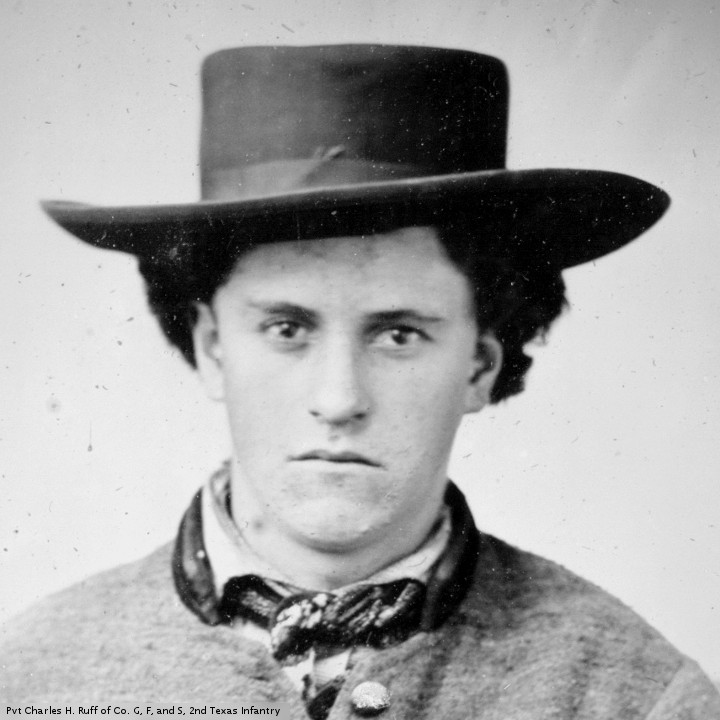
This is a repost from CMD 2010. Pictures are from the The Library of Congress.




Tim Curry


Tim Curry was born seventy two years ago today. It would be quite a while before April 19 was known as got a minute day. Mr. Curry is an actor, singer, and all around phenomenon. The role that made him a star was Frank-n-Furter in ” The Rocky Horror Show”.
Mr. Curry is best known for playing a flamboyant transvestite. His wikipedia page does not discuss his personal life. If you go to google, and type “is tim curry” the top five results are gay, married, dead, alive, died. A visit to some of the sites listed gave no definite answers. One of the sites tried to slip a *trojan horse* into this machine. Some things are better left a mystery.
After Dr. Furter went back to Transylvania, Mr. Curry made rock and roll albums. In 1978, a tour was put together to promote his vinyl debut. The first show in the United States was at the Agora Ballroom in Atlanta GA. PG was in the audience.
Riding into town on the 23 Ogelthorpe bus, PG got to talk to some ladies who were in town for a conference. They were worried about the crime. PG tried to reassure them by telling a recent news story. This lady was having breakfast in a downtown hotel, when she put her purse down on the floor. A handgun her husband had given her went off when the handbag hit the ground. The ladies breakfast companion was hit and killed.
Mr. Curry walked onstage eating a banana, grabbed a stool and turned it upside down. He appeared to be a bit tipsy. This did not affect his performance. Mr. Curry did most of the songs on his album, along with “Celluoid Heroes” by the Kinks. The latter song featured a Garbo impersonation.
Whoever put the band together for this tour had a lot of money. The guitar player played with Lou Reed on “Rock and Roll Animal”. The keyboard player, and musical director, was Micheal Kamen, formerly of the New York Rock and Roll Ensemble. (A song on the Curry album, “Sloe Gin”, was a NYRRE song, “Fields of Joy”, with new lyrics.)
The only song from “Rocky Horror” that Mr. Curry did was “I’m Going Home”. A few people were upset that he did not do “Sweet Transvestite.” He played another Agora show a couple of years later, and reportedly did perform “Sweet Transvestite.”
Tom Waits was scheduled to perform at the Agora the next night. PG was wandering through the balcony between shows, and saw Mr. Waits sitting at a table. A bodyguard was standing by, who said that it was just someone who looked like Tom Waits.
After the show was over, PG went to a nearby bar, and was talking to a friend about the show. A lady who was with the friend stood in front of him and screamed “What color are your eyes? They are brown, because you are so full of shit”.
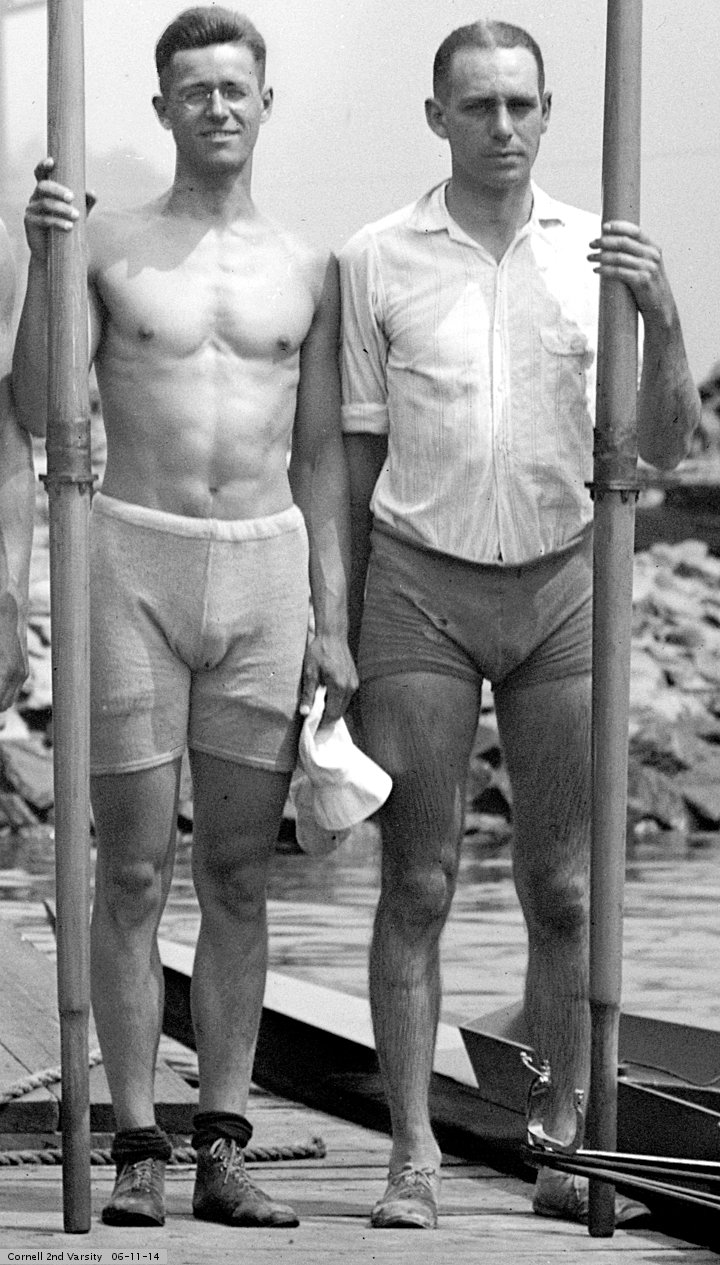
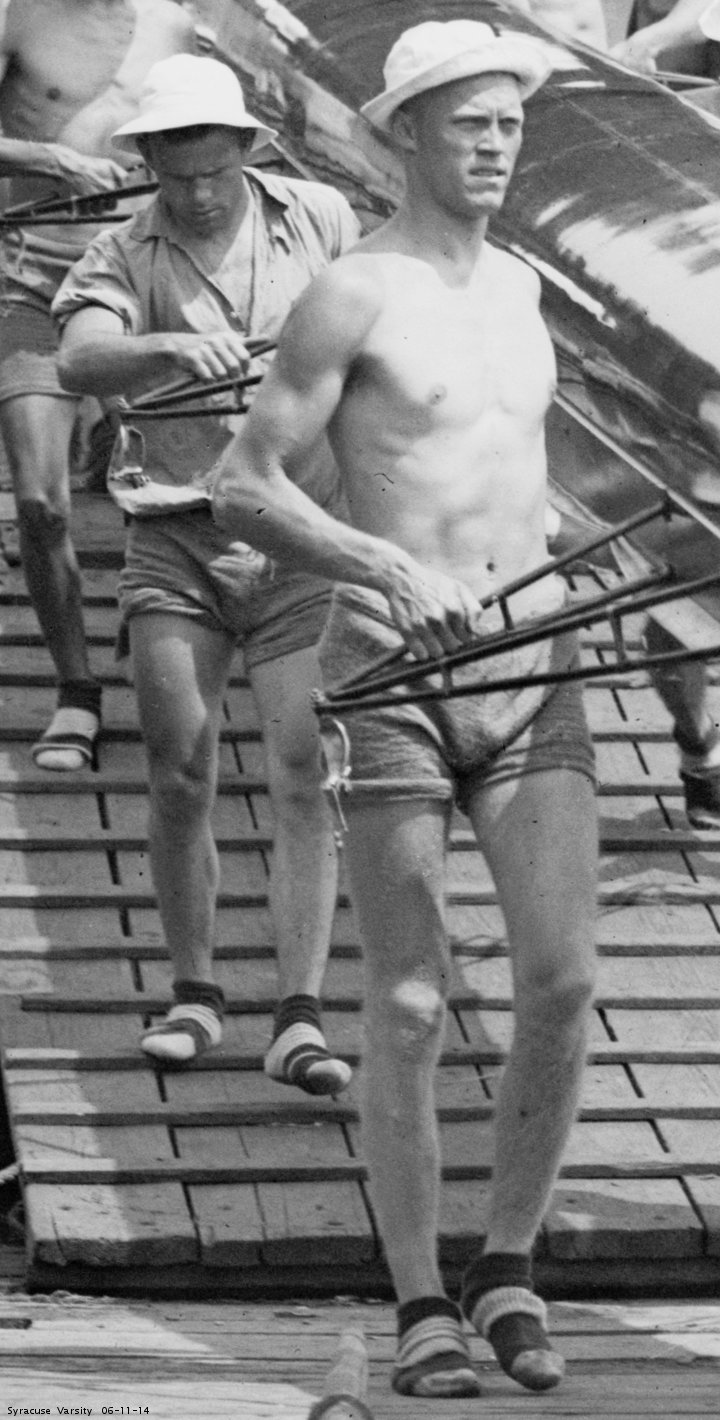
Pictures for this repost are from The Library of Congress. Photographs of Cornell Fresh. 8 and Cornell 2d Varsity, 1914 are from the George Grantham Bain Collection


William B. Hartsfield
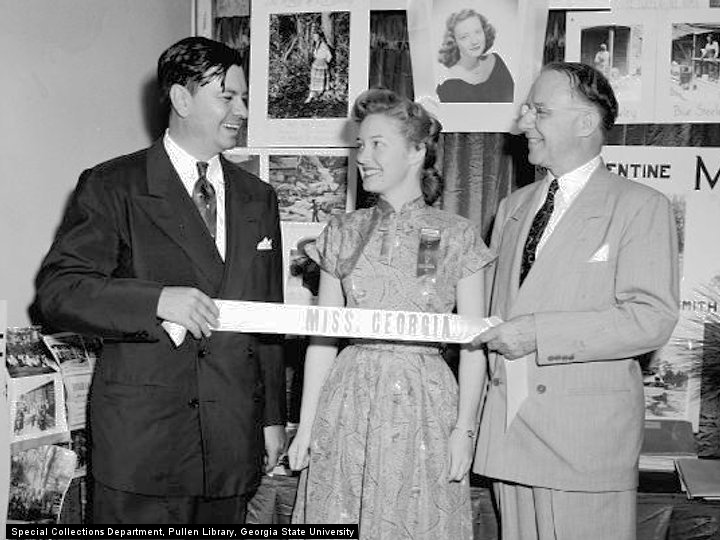


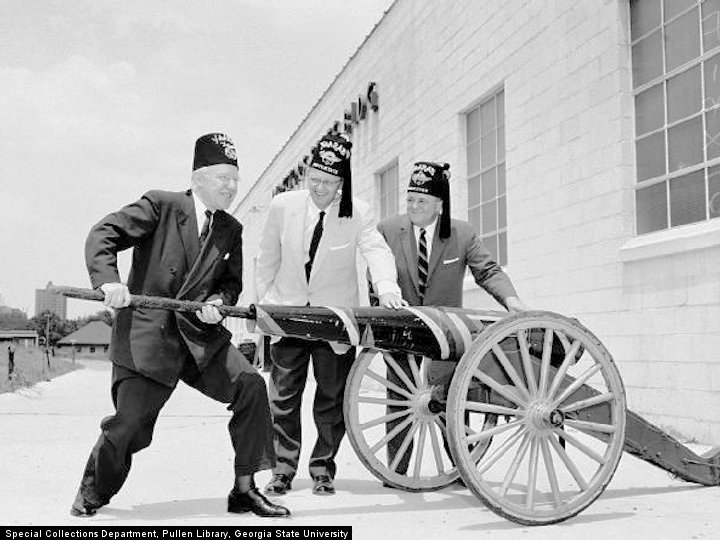
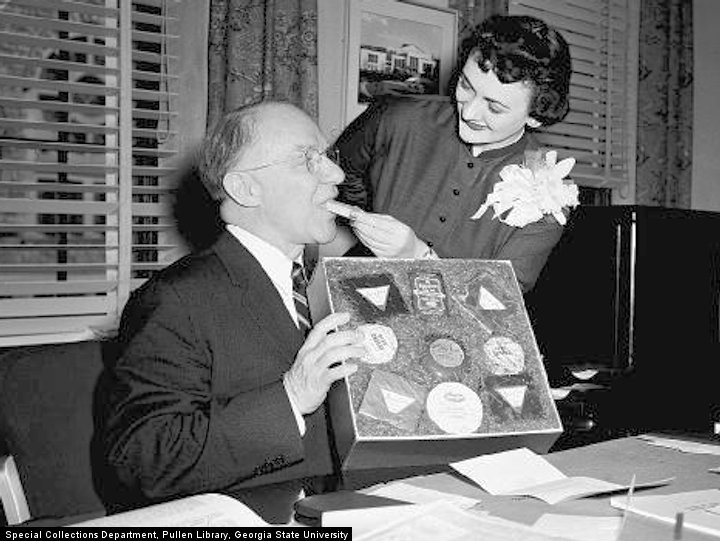
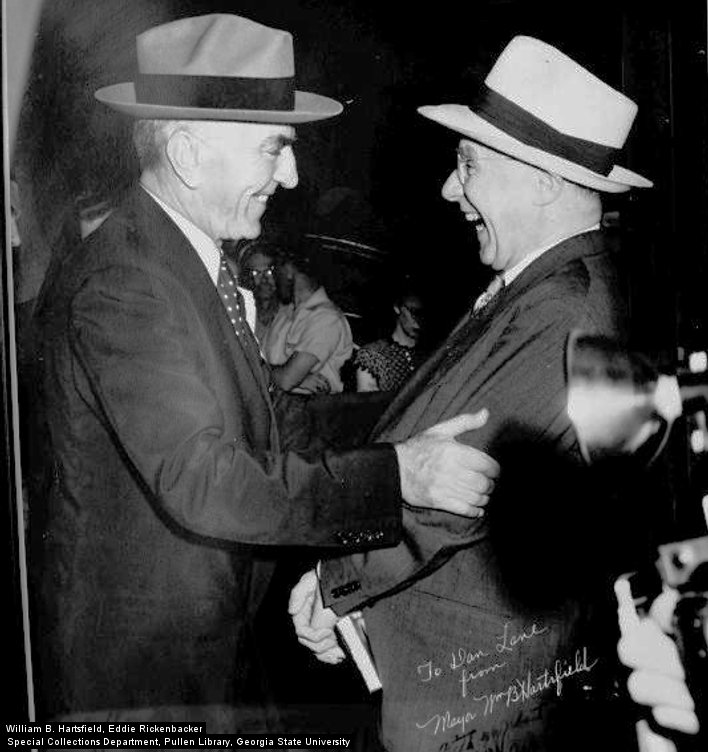
As you may have noticed, this blog uses a lot of pictures from “The Special Collections and Archives, Georgia State University Library”. There is one face which keeps turning up, always seeming to find the camera. This is the face of William Berry Hartsfield, the Mayor of Atlanta between 1937-1941, then again between 1942-1961. He is the namesake of Hartsfield-Jackson Atlanta International Airport, and Willie B, the gorilla at Zoo Atlanta. Mr. Hartsfield is one of the reasons ATL airport is the aviation powerhouse that it is. He probably had little to do with the conception of Willie B, although one can never be too sure. This is a repost.
Mr. Hartsfield was born March 1, 1890, in Atlanta. He did not finish high school or attend college. At 25, he began work as a legal secretary, reading law journals at night. Mr. Hartsfield was admitted to the Georgia Bar on July 7, 1917.
In 1909, Coca Cola mogul Asa Griggs Candler bought some land near Hapeville, GA, and built a racetrack. There was only one season of racing (with an appearance from Barney Oldfield), before the track was shut down. There was a series of aviation exhibitions on the site in the following years, and talk of using the land as an airport.
In 1922, William Hartsfield was elected to the Atlanta City Council, and started to promote the idea of an airport. The 285 acres of the Candler racetrack was leased in 1925, On April 13, 1929, the city bought the land for “Candler Field” for $94,400. During World War II , Candler Field was declared an army air base, and doubled in size.
In 1936, Mr. Hartsfield defeated incumbent James Key to become Mayor of Atlanta. He guided the city through the last years of the depression, only to be defeated by Roy LeCraw in 1940. When Mr. LeCraw was called into military service after Pearl Harbor, Mr. Hartsfield won a special election for the Mayor’s job. He held the job until the election of Ivan Allen in 1961.
Atlanta grew tremendously during the Hartsfield years. During the civil rights era, it kept a cool head, and integrated the schools peacefully in August 1961. (After Mr. Hartsfield had announced his retirement) He was a tireless promoter, both of himself and the city. It was said that if Atlanta could suck as hard as it blows, then the oceans would be pulled up to the borders, and Atlanta would be a seaport. This might not be a good thing.
Mr. Hartsfield was the ideal mayor for this up and coming town. He never met a camera he did not like. The metropolitan area went over a million people shortly before his retirement, and “city of a million people” was a new motto. William B. Hartsfield died February 22, 1971. On the way to his eternal destination, he changed planes in Atlanta.
 Chamblee54
10 comments