Truman Capote




Truman Capote was a phenomenon of the TV talk show era. If he hadn’t existed, someone would have had to invent him. He was known as much for his sissy voice as his writing. Becoming famous in the late forties for “Other Voices, Other Rooms”, he worked on a screenplay for “Beat the Devil”. When he met the men accused of killing the Clutter family in Kansas, he impressed one by telling him he worked on a movie with Humphrey Bogart. These chats led to the book “In Cold Blood”, which was probably his biggest triumph. “Breakfast at Tiffanys” became a movie starring Audrey Hepburn.
He was on the Dick Cavett Show the same night as Georgia Governor Lester Maddox. After Maddox got offended and walked off the show, Mr.Capote remembered the time he ate at Maddox’s Pickrick restaurant. “All I can say is that it wasn’t finger licking good”.
Mr. Capote was the darling of certain New York socialites. They unwisely told him some stories about their lives. In 1975 Esquire magazine published “La Côte Basque 1965”. It was a chapter from “Answered Prayers”, the book he received a large advance for and took his time writing. (It was finally published three years after his death) .The chapter published told some sordid tales about his jet set friends, who immediately ostracized him. It was a stepping stone on his road to ruin.
One chapter of “Answered Prayers” involves a dinner party in New York. Three of the guests were Dorothy Parker, Tallulah Bankhead, and Montgomery Clift. The evening never got past the cocktail hour, much to the distress of the hostess. At one point, Miss Parker was tenderly touching the face of Mr. Clift. She purred “He’s so beautiful,sensitive. So finely made. The most beautiful young man I have ever seen. What a pity he’s a cocksucker. Oh Oh, dear, have I said something wrong. I mean, he is a cocksucker, isn’t he Tallulah? Miss Bankhead replied ” Well d-d-darling, I r-r-really wouldn’t know. He’s never sucked my cock.”
In the spring of 1976, Mr. Capote gave a speech at the University of Georgia. At the time, there was a comic strip called “Don Q”, which has long been forgotten. It showed people in medieval clothes making comments on current affairs. On the day of the speech, the comic featured two characters. One was Richard Nixon. The other was as lisping little man, apparently based on Truman Capote.
The scene that evening was magic. The lecture was given on the steps of Memorial Hall, with the audience in the quadrangle in front of Reed Hall. Mr. Capote’s contract specified a pink spotlight, and a wicker chair behind the podium. Mr. Capote spoke for a while, and read a section out of “A Christmas Memory”. After a break, he returned to answer questions. The questions were written on file cards, and read by a student. The last one, and the one the reader said best typified the attitude of the evening, was “What does Johnny Carson look like in person?”
After this, Mr. Capote asked for questions from the crowd. PG raised my hand, and Mr. Capote pointed to him. “Mr. Capote, did you see the comic strip Don Q this morning?” “No, what was it about?” ” It was about you, and Richard Nixon” “I don’t know who Don Q is, and I am beginning to not know who Richard Nixon is.”
Mr. Capote went downhill from this point on. He did a series of profiles for “Interview” magazine, which formed the basis of his last book ” Music for Chameleons”. His drinking and drug taking, always a problem, got worse. He became an embarrassment to those who once flocked to his side.
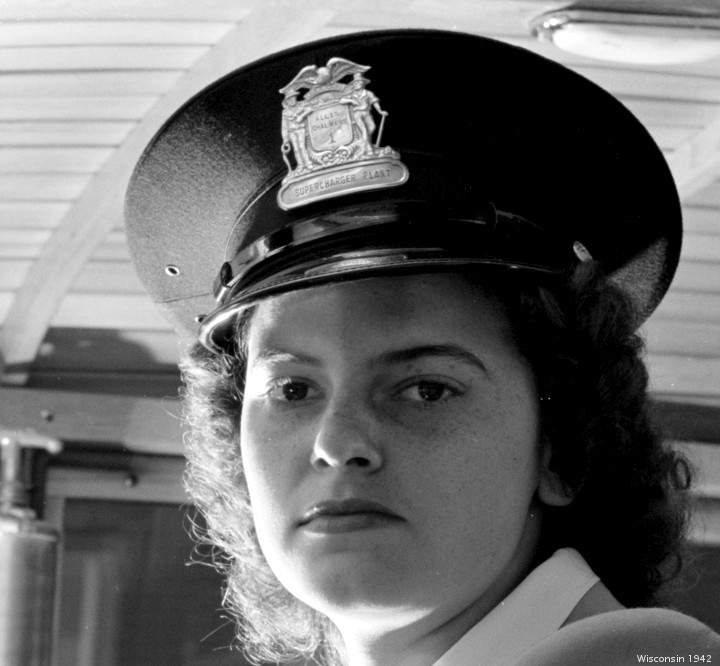
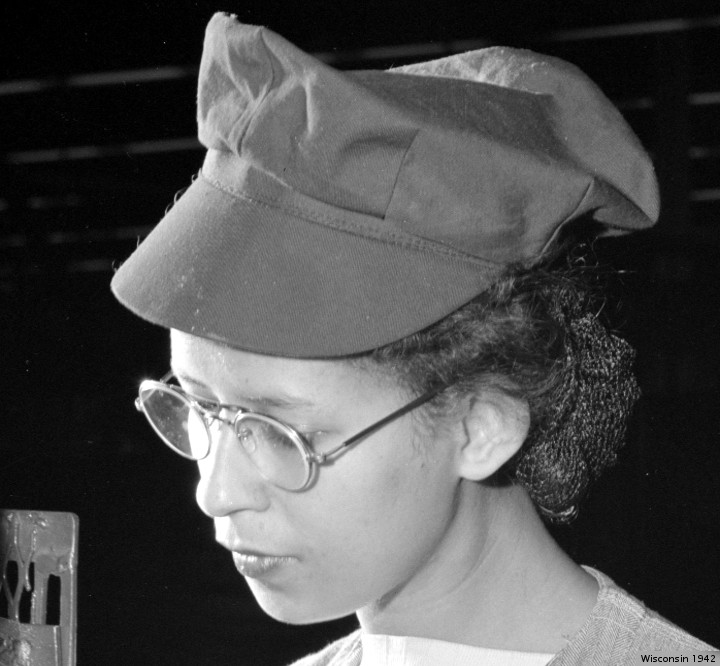
Truman Capote died in 1984. This is a repost. Pictures are from The Library of Congress



PG wasn’t really doing anything, and was in the mood for a google wild goose chase. This led to an amazing article, Sweet as Sugar, Rude as Hell, My Lost Interview with Truman Capote’s Aunt. A writer for the fishwrapper went to a mobile home in Hudson, FL. He talked to Marie Rudisill, who was best known as Truman Capote’s “Aunt Tiny.” The meeting took place in 1997, and was not what the writer expected. A family friendly version of the meeting was published The journalist received a slice of fruitcake in the mail. Everyone concerned went on with their lives.
Marie Rudisill died November 3, 2006, after becoming famous as the Fruitcake Lady. As for the journalist: “When I left The Atlanta Journal-Constitution in 2009, I stashed 27 years of old newspapers, tapes and ephemera in my garage. Nothing is more depressing to me than those boxes of old newspapers. It’s my own private morgue — replete with the sickening scent of dust and roach pills…. When I finally mustered the courage to dig around, I found the Lewis interviews — as well as a cache of other recordings. Three of the tapes had Rudisill’s name scribbled on them. I was not quite ready to listen, though. I put them in a box and labeled it.”
In 1924, Truman Streckfus Persons was born in New Orleans LA. His mother, Lillie Mae (Aunt Tiny’s older sister) left here husband behind, and took the boy to Monroeville AL. They lived in a wild household. A neighbor was Harper Lee, who wrote “To Kill A Mockingbird.” Miss Lee was a close friend, as was Sook. This is Truman’s cousin, the fruitcake chef herone of “A Christmas Memory.”
After a while, Lillie Mae married Joe Capote, who adopted the boy. They moved to New York, where Aunt Tiny joined them. Truman was sent to military school. Everyone, except Lillie Mae, thought this was a terrible idea. The effort to butch up young Truman did not work.
Aunt Tiny wrote a book, Truman Capote: The Story of His Bizarre and Exotic Boyhood by an Aunt Who Helped Raise Him. It was published in 1983, a year before Truman died. “The book scandalized Monroeville — and Capote. He told The Washington Post: “If there are 20 words of truth in it, I will go up on a cross to save humanity.” Said Harper Lee: “I have never seen so many misstatements of fact per sentence as in that book.”
There is one story that sticks out…. “Rudisill breaks down just once during our interview. It’s when she recalls “the first time Truman ever had a sexual encounter with a priest.” She was living in Greenwich Village, having followed Lillie Mae and Truman to New York. “He was sitting on my doorstep when I came home from work, and he had blood all in his pants, and then he told me about this priest. And nobody, I don’t think anybody in the world ever knew that but me.”
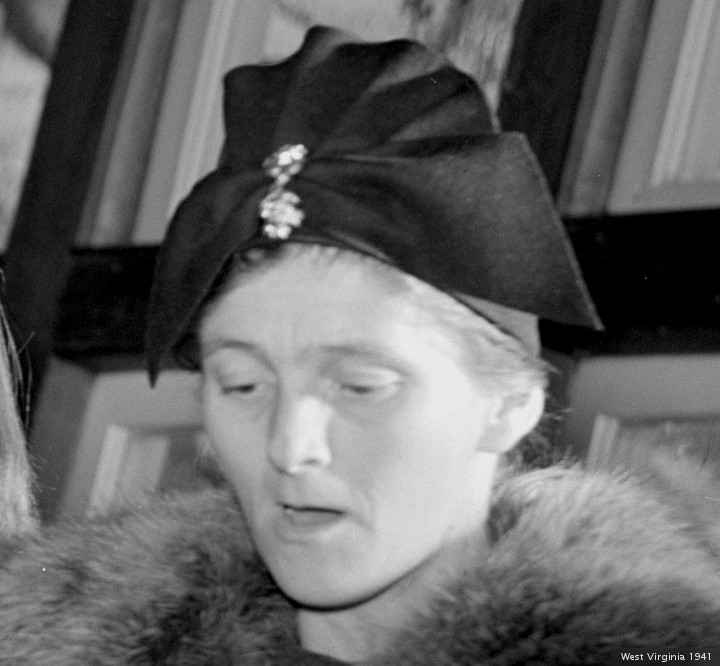
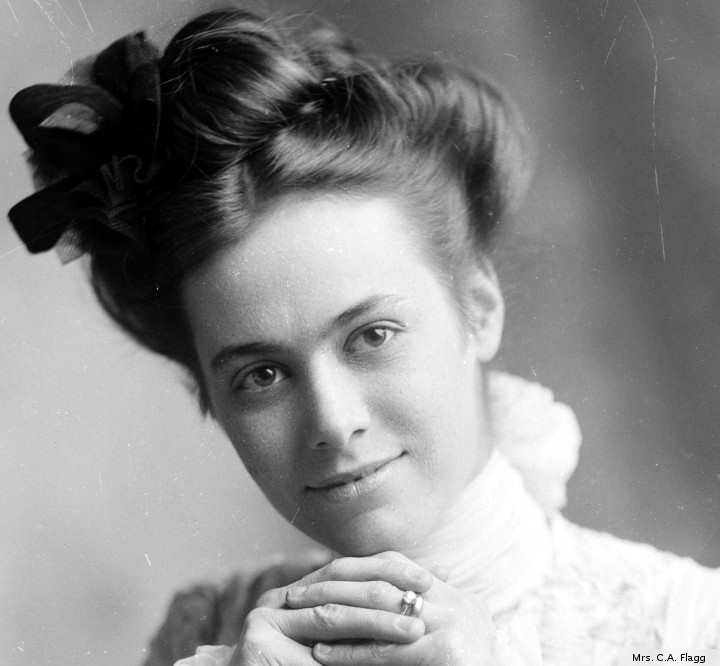
There is more to the story. If you have the time, you might enjoy reading the full article. Pictures today are from The Library of Congress.



It is 3:15 am in a midtown office building. PG is spending his dinner break in an unused cubicle, almost out of speaker range for the break room tv. A flourescent light fixture is hard at work, playing an essential role in the drama to follow.
Thirty seven years ago, Truman Capote spoke in Athens GA. Before taking questions, he read “A Christmas Memory.” There was a line, with the words oh, and carnage, that got a big laugh.
Wednesday afternoon had been the first time to turn on the window AC unit. Outside, it was over ninety, with the Georgia humidity doubling the effect. The next two months will be miserable.
During this early morning dinner, after the first day of summer megaheat, PG is reading “A Christmas Memory”. An old lady, and the seven year old cousin she calls Buddy, are going to make fruitcakes. They need to buy supplies.
The previous summer, someone gave Buddy a penny for every 25 flies he killed. “Oh, the carnage of August: the flies that flew to heaven”. It is now 3:28. In two minutes, it will be time to go back to work. Pictures today are from The Library of Congress. The fruitcake lady was the aunt of Truman Capote. This is a repost.




Prayer For Entertainment





The facebook friend made a comment “Did you know that Christians are washed in the blood of the lamb? That sounds delicious!”. There was a link to a church message. And I was taken back to a visit to the bathroom, thirteen years ago. Pictures are from The Library of Congress.
This post is written in first person. Religion is a personal thing. There is imagery that is very meaningful to some people. This same imagery began a trip to hell for me. This story has been told before, and might be told again.
My mother passed away on December 18, 1998. She was a Christian, I am not. Over the years, we had learned to look past this difference, and to understand some of the reasons for it. We were on good terms when she left. Losing her was tough.
Three weeks later, I was at work. A co worker was an aggressive Jesus worshiper. He played a little radio, tuned into an am Christian station. The radio was on a table, outside the door to the bathroom.
When I was washing my hands (I do not remember what I did before that), I began to think about my mother. I missed her, and felt sad that I would never hear her laugh again. When I walked out of the bathroom, a woman was praying for entertainment on the radio. “The blood of the lamb has cleansed my heart”. I freaked out.
Don’t yell about bleeding lambs. Bleeding lambs are gross. They may mean something to you, but I don’t want to hear your condescending explanation. Do not spray lamb’s blood on me when I am coming out of the bathroom.
I stormed out of the room, and said to the operations manager, “I hate Christian Radio”. He talked to the preacher, and the radio was turned off the rest of the day.
The next day, the radio was turned on. The preacher did not say anything. He also played a second sound device. He listened to a taped message with an earplug. During the seven years of struggle over the preachers need to be entertained at work, he never once said why he wanted to play two radios at the same time. As for asking him, I could never get a word in. Or, I was so weary, of the nightmare of listening to his hatred, that I was afraid to ask.
The radio played softly in the background. I could not hear it clearly, but could hear the sound of rice crispies all day, every day. The only break came at eleven thirty, when a preacher came on the radio to shout. I was operating a cranky machine at the time, and had to listen to the sounds it made. When you run a printing machine, you are always listening to it. The sound of rice crispies in the background was very annoying.
Finally, the day came when I had to confront the bully. I asked him to turn his speaker radio down, and all hell broke loose. He had a loud temper tantrum at me, talking about G-d, Jesus, and the bible. He used Jesus as a tool of his anger. He got on the phone, and told everyone who would listen what happened. He went to the management, and said he would file a lawsuit if he could not play two radios at the same time.
This conflict continued for the next seven years, until I was laid off. When I was cleaning out my workspace, after losing my job, a visitor stood next to me and shouted the word “Jesus”.
1- I learned to see Jesus in the way his believers treat me. There is the historic Jesus, and the spirit that lives in the hearts of his believers. The best way to know this spirit is through the words and deeds of his believers. What I see, and hear, does not speak well for Jesus.
2- Prayer should be a private, reverend communication with G-d. It should not be performed, for vulgar entertainment, on the radio.
3- The image of the blood of the lamb might mean something to Jesus worshipers. It might mean something else to others. To me, talk about bleeding lambs was the gateway to hell.
4- The emotions aroused by vigorous preaching are very powerful. To have these emotions used against you, over a petty personal conflict, brings shame to Jesus.
5- Another comment in the facebook thread was “Blessed are those who are persecuted for righteousness’ sake, for theirs is the kingdom of heaven.” What about a man who is persecuted, in the name of Jesus, because he asked a Jesus worshiper to turn down his radio?
6- Jesus worshipers like to be forgiven. They do not like to forgive. There are exceptions.
7- You should not wrestle with a pig. You will get dirty, and the pig will enjoy it.
8- If you choose to pray for me about this, please keep it to yourself.


Millard Fillmore And Oscar Wilde In Atlanta




This afternoon’s post at chamblee54 noted an 1854 visit by former President Millard Fillmore. This was brought to the attention of another history minded blog, Millard Fillmore’s Bathtub. The result was some details about the visit, Millard Fillmore, live on Peachtree Street, 1854. The material below is borrowed from that post.
Two years after the Whigs refused to nominate Fillmore for a term of his own, he was out touring the country? Several accounts explain that Fillmore and his wife Abigail wanted to tour the U.S. after his presidency. Unfortunately, she died shortly after he left office. He pined through the rest of 1853, but by February 1854 had decided to tour by himself, without his children, accompanied by friends he could persuade to join him.
That same month, Fillmore decided to take the trip southward that he and Abigail had not been able to take. Given the timing, some observers believed that Fillmore had a political motive in making the journey. They suspected that he might be planning to speak out against the Nebraska Bill [proposed by Illinois’s U.S. Senator Stephen A. Douglas]. Others were convinced that it was a leisure tour. But whatever Fillmore’s intentions may have been, his speeches to southern audiences were relatively neutral. He restated his faith in the [Missouri] Compromise, but he spent most of his time enjoying a series of receptions, dinners, and parades in his honor throughout the region. A marching band escorted him through the streets of Louisville, Kentucky. Girls scattered his path with flowers in Montgomery, Alabama. A row of trains blew their whistles in greeting in Atlanta, Georgia. Fillmore returned home refreshed and with renewed faith in his fellow Americans. (This paragraph is from Alison Behnke, Millard Fillmore (a child’s history of the man), 2005, page 92.)
By late February 1854 Fillmore had resumed his plans to travel. He perceived that a southern trip would do him good and that the journey would divert his mind from the loss of Abigail. … Fillmore hoped Francis Granger, John P. Kennedy, and Washington Irving would go with him on the trip. Granger lost interest, and Irving was in no mood for politics. …
En route to Atlanta from Augusta on the Georgia Railroad, they stopped at Greensboro where a large crowd of teachers and students of the Female College greeted Fillmore and Kennedy. They dined at Madison. At Stone Mountain an escort committee from Atlanta met them.
At the Atlanta Depot a novel reception welcomed them. A large number of locomotives were present with their steam up. When the Augusta engineer signaled their arrival they all opened up their valves and whistled out a welcome the like of which, reported a newspaper, “no mortal man had heard before.” The shouts from the crowd and locomotive whistles were deafening to one reporter. By carriage the party went from the depot to the Atlanta Hotel where a reception was held.
Fillmore had become hoarse. Nonetheless, he managed to say that he was impressed by the large population and that he had heard that it was a beautiful village in the center of the state. He also admonished the state legislature to to take note “of the array of female loveliness before me” seated at the reception. If they did so, he joked, they wouldn’t hesitate to locate the state capital at Atlanta. At that time the capital was at Milledgeville. Atlanta became the capital in 1877. (This section is from Robert J. Scarry, Millard Fillmore, 1982, pages 247-252 variously.)
A few months later, on October 16, 1854, Oscar Fingal O’Flahertie Wills Wilde was born in Dublin, Ireland. On July 4, 1882, Mr. Wilde gave a talk at De Give’s Opera House in Atlanta GA. What happened next is described on page 201 of Oscar Wilde by Richard Ellmann.
Mr. Wilde was accompanied by his agent, J.S. Vail, and a valet, W.M. Traquair. Mr. Vail bought three train tickets for Savannah, the next stop on the tour. The Pullman agent told Mr. Wilde that black people were not allowed to ride in sleeper car berths. Mr. Wilde said that Mr. Traquair had traveled with him throughout the South without incident. The Pullman agent said the next stop was in Jonesboro GA. If people in Jonesboro saw a black man in the car, then they would attack the train. Mr. Wilde gave in, and Mr. Traquair traveled in another part of the train.
This is a repost. Pictures today are from The Library of Congress.



Freight Train Stories

One night in 1980, Mark and I took some acid. Later, we got some beer. After that was gone, we scraped together what money we had, and got another six pack. We were in the woods behind the Caldwell Village Apartments, where Post Brookhaven is today. In those pre-Marta days, the entire section had easy access to the Norfolk Southern railroad tracks.
A freight train stopped on the tracks. An empty boxcar was open. Mark and I got in the boxcar, and Mark said he was going to ride in it. I did not want to, but I did not want to leave Mark by himself. Then the boxcar started to move. It was a grand ride, over the trestle at Peachtree Creek, and on into the city. One empty beer bottle after another went out the open door.
The next thing I remember, a man was shaking me awake. He said that he was sorry that I lost my glasses, that he knew they cost a lot of money. He led us out of the boxcar toward a Ford LTD. He made sure I saw the pistol, in a holster on his belt. He took a blanket, and spread it out over the back seat of the LTD.
We were in a rail yard just west of downtown. I was able to manage the bus ride back to civilization without my glasses. Neither Mark nor I said a word the entire time.
Twenty five years later, I was walking up to Lowes, on Peachtree Industrial. A freight train was sitting on the tracks. I was too lazy to walk to the overpass, and decided to climb on the train. The plan was to cross the tracks. While I was on the back on the train, it started to move. While the train was still going slow, I jumped off. I managed to not get hurt. I have not been on a freight train since then. Pictures today are from The Library of Congress.
The Boston Tea Party Story


For better or worse (it’s ok to curse), the tea party is a part of the scene. The seminal event was the Boston Tea Party in 1775. The first post below is a look at what really happened in Boston harbor. It is tough to discern truth from fable at a distance of 244 years, but we will try. The tea party metaphor gets worked over in another post. Would you like a refill?
The second part is a look at the phrase “founding fathers”. This phrase is “liberally” sprinkled into rhetoric of all persuasions. This author sees a square peg being forced into round holes.
In the first year of the Obama regime, America saw the rise of the “Tea Party”. These affairs were usually right wing, and had lots of clever signs. The general idea: taxes are too high, government is too big, and that the people need to do something.
The namesake event was the Boston Tea Party. On December 16, 1773, crowds of people (some dressed as Mohawks) went on board the Dartmouth, the Eleanor, and the Beaver. The crowds threw overboard 342 chests, containing 90,000 pounds of tea. The crowds were unhappy because the East India Company was importing the tea into America, with a 3 pence per pound tax.
A website called listverse plays the contrarian. (spell check suggestions: contraction, contraption) According to them : “American colonists did not protest the Tea Tax with the Boston Tea Party because it raised the price of tea. The American colonists preferred Dutch tea to English tea. The English Parliament placed an embargo on Dutch tea in the colonies, so a huge smuggling profession developed. To combat this, the English government LOWERED the tax on tea so that the English tea would be price competitive with Dutch teas. The colonists (actually some colonists led by the chief smugglers) protested by dumping the tea into Boston Harbor.”
According to Wikipedia, the Dutch tea had been smuggled into the colonies for some time. The Dutch government had given their companies a tax advantage, which allowed them to sell their product cheaper. Finally, the British government cut their taxes, but kept a tax in place. The “Townsend Tax” was to be used to pay governing colonial officials, and make them less dependent on the colonists.
In Charleston, New York, and Philadelphia, the tea boats were turned around, and returned to England with their merchandise. In Massachusetts, Governor Thomas Hutchinson insisted that the tea be unloaded. Two of the Governor’s sons were tea dealers, and stood to make a profit from the taxed tea. There are also reports that the smugglers were in the crowd dumping tea into the harbor.
The photogenic tea party movement seems to be destined to stay a while. The question remains, how much does it have to do with the namesake event?


People often try to justify their opinions by saying that the “founding fathers” agree with them. They often are guilty of selective use of history. A good place to start would be to define what we mean by the phrase founding fathers.
The FF word was not used before 1916. A senator from Ohio named Warren Harding used the phrase in the keynote address of the 1916 Republican convention. Mr. Harding was elected President in 1920, and is regarded as perhaps the most corrupt man to ever hold the office.
There are two groups of men who could be considered the founding fathers. (The fathers part is correct. Both groups are 100% male.) The Continental Congress issued the Declaration of Independence, which cut the ties to England. Eleven years later, the Constitutional Convention wrote the Constitution that governs America today. While the Continental Congress was braver than the Constitution writers (We must hang together, or we will hang separately), the Constitution is the document that tells our government how to function. For the purposes of this feature, the men of the Constitutional Convention are the founding fathers.
Before moving on, we should remember eight men who signed the Declaration of Independence, and later attended the Constitutional Convention. Both documents were signed by George Clymer, Benjamin Franklin, Robert Morris, George Read, Roger Sherman, and James Wilson. George Wythe left the Constitutional Convention without signing the new document. (He needed to take care of his sick wife. Mr. Wythe later supported ratification.) Elbridge Gerry (the namesake of gerrymandering) refused to sign the Constitution because it did not have a Bill of Rights. Both Mr. Wythe, and Mr. Gerry signed the Declaration of Independence.
The original topic of this discussion was about whether the founding fathers owned slaves. Apparently, PG is not the only person to wonder about this. If you go to google, and type in “did the founding fathers”, the first four answers are owned slaves, believed in G-d, have a death wish, and smoke weed.
The answer, to the obvious question, is an obvious answer. Yes, many of the founding fathers owned slaves. A name by name rundown of the 39 signatories of the Constitution was not done for this blogpost. There is this revealing comment at wiki answers about the prevalence of slave ownership. “John Adams, his second cousin Samuel Adams, Alexander Hamilton, and Thomas Paine were the only men who are traditionally known as founding fathers who did not own slaves. Benjamin Franklin was indeed a founder of the Abolitionist Society, but he owned two slaves, named King and George. Franklin’s newspaper, the Pennsylvania Gazette routinely ran ads for sale or purchase of slaves.
Patrick Henry is another founding father who owned slaves, although his speeches would make one think otherwise. Despite his “Give Me Liberty or Give Me Death” speech, he had up to 70 slaves at a time, apologizing a few times along the way, saying he knew it was wrong, that he was accountable to his God, and citing the “general inconvenience of living without them.”
Patrick Henry was a star of the Revolution, but not present at the Constitutional Convention. The author of the Declaration of Independence, Thomas Jefferson, was in Europe during the convention. Mr. Jefferson not only owned slaves, he took one to be his mistress and kidsmama.
One of the more controversial features of the Constitution is the 3/5 rule. Here are the original words “Representatives and direct Taxes shall be apportioned among the several States which may be included within this Union, according to their respective Numbers, which shall be determined by adding to the whole Number of free Persons, including those bound to Service for a Term of Years, and excluding Indians not taxed, three fifths of all other Persons.” In other words, a slave was only considered to be 60% of a person.
That seems rather harsh. The truth is, it was a compromise. The agricultural southern states did not want to give up their slaves. The northern states did not want to give up Congressional representation. This was the first of many compromises made about slavery, ending with the War between the States. This webpage goes into more detail about the nature of slavery at the start of the U.S.A.
The research for this feature turned up a rather cynical document called The myth of the “Founding Fathers” It is written by Adolph Nixon. He asks : “most rational persons realize that such political mythology is sheer nonsense, but it begs the question, who were the Founding Fathers and what makes them so great that they’re wiser than you are?”
Mr. Nixon reviews the 39 white men who signed the Constitution. He does not follow the rule, if you can’t say anything nice about someone, then don’t say anything at all. Of the 39, 12 were specified as slave owners, with many tagged as “slave breeders”.
The Constitution, and the Bill of Rights, have served America well. However it was intended, it was written so that it could be amended, and to grow with the young republic. It has on occasion been ignored (when was the last time Congress declared war?). However fine a document it is, it was created by men. These were men of their time, who could not have foreseen what America would become. Those who talk the most about the founding fathers often know the least about them.
A big thank you goes to wikipedia Pictures are from “The Special Collections and Archives, Georgia State University Library”. This repost was written like H. P. Lovecraft.


More Talk About Racism



It is a cliche among certain pundits that this is not “Post Racial America.” No one seems to know what PRA would look like. PRA might be less noisy, with fewer odors, than the current model. The opinion that we do not live in PRA seems unanimous. After PG heard the denial of PRA one too many times, he began to wonder something. Who said America is Post Racial?
Mr. Google has 119 million answers to the question “who said america is post racial?” The short answer is nobody. The closest thing on the front Google page is an NPR commentary from January 2008. This was the early stages of the BHO run for the White House. The commenter said that the election of a dark skinned POTUS might usher in a post racial era in America.
This piece will not have any fresh opinions about race relations in America. That subject has been worn out elsewhere. If someone finds it to their advantage to denounce “racism”, there will be an audience. The truth is, very few people have ever said that America is Post Racial.
This is a double repost, on the subject that people can’t get enough of. If you can’t say anything good, you can always talk about racism. Pictures for this friday morning are from “The Special Collections and Archives, Georgia State University Library”.




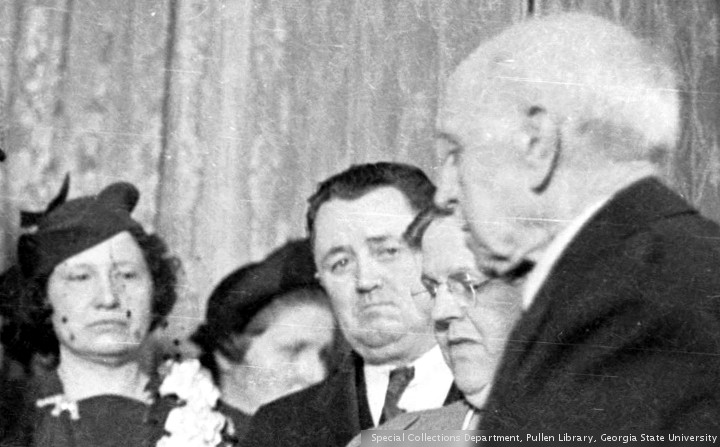


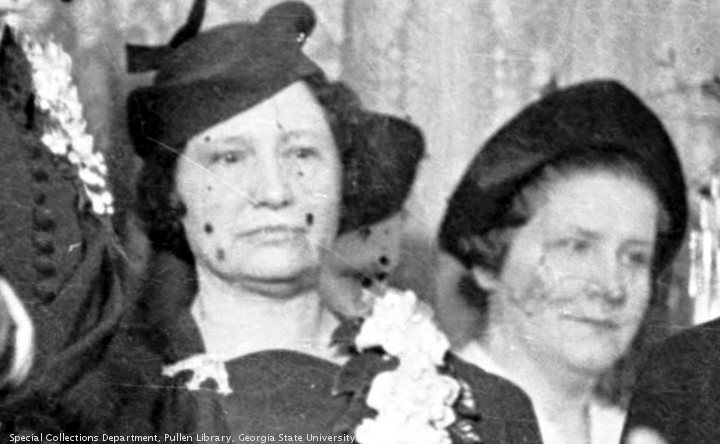
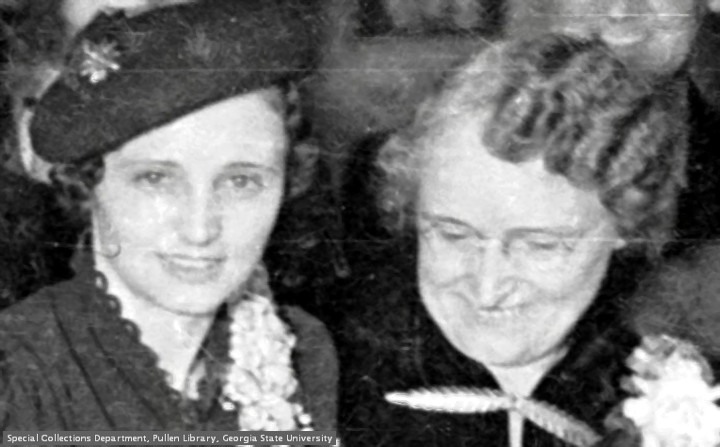
Some times you see something, and realize that you are being pushed over a line. Today’s straw, landing on the camel’s back, was a meme. It has pictures of a statesman-like BHO, and a goat smiling BS. The text was white comic sans letters, on a black background. “Regarding those who call Obama an illegitimate president because his father was born in Kenya, Bernie Sanders replied: “No one asked me if I was a citizen or not, and my dad came from Poland. Gee, what’s the difference? Maybe the color of my skin.” The comment was from a Las Vegas town hall meeting. Some things that are said in Vegas need to stay in Vegas.
No one denies that white people and black people often do not get along. Few deny that there is systemic inequality. The connection of “birther” speculation to systemic inequality is tough to see. Of course, the definition of racism is elastic, and can fit whatever situation the observer wants to critique.
Are we helping the cause of racial tranquility by making comments like that? Yes, it is foolish for “birthers” to whine about a birth certificate. But entertaining followers in a town hall debate does not mean you are going to be able to govern. Maybe BS should focus on his economic fantasies, and quit scoring cheap shots about racism.
The Color Of My Skin was originally published in February, 2016, when BS was taken seriously. As we all know, HRC eventually got the Democratic nomination, only to lose to DJT in November.
Mr. Trump was one of the original “birthers,” or people disputing the Hawaiian birth of BHO. In the general election campaign, Democrats liked to say that DJT was a racist, with birtherism frequently given as an example. The many other unappealing parts of DJT, like crookedness and mental instability, were brushed aside, in the mad rush to scream racist. Some even went so far as to say that anyone voting for DJT was a racist. When the electoral votes were counted, DJT won.


Blackface Drag At Club Sheba


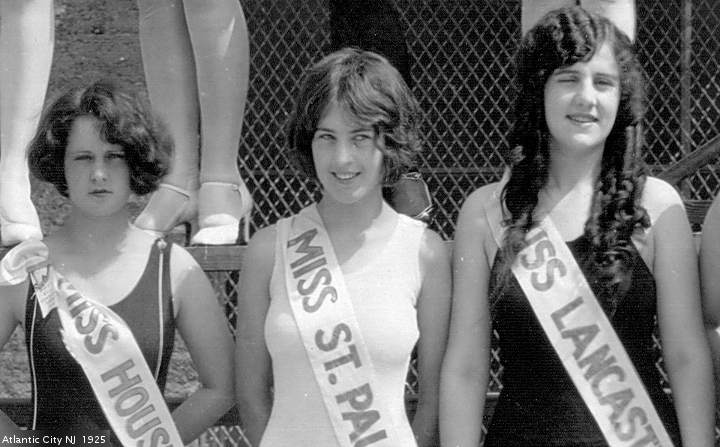

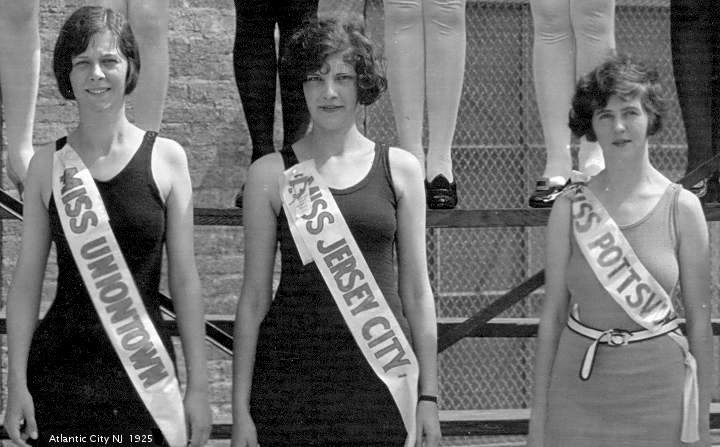


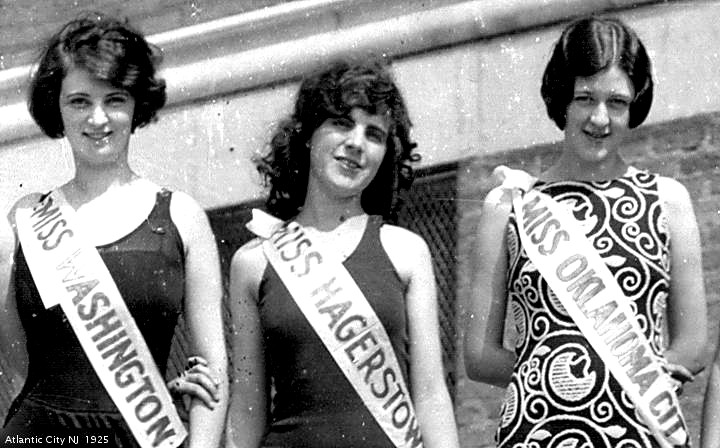
Reading about Shirley Q. Liquor brought back memories of a night long ago. A young man, who I will call Carroll, grew up across the street. In his spare time, he did drag shows. What I was expecting was Carol Burnett and Lily Tomlin, using his own voice. One Sunday night, free admission and a buffet was all I needed to venture downtown and see the show.
The venue was an unpretentious bar called Club Sheba. The clientele was mostly lesbians, many of whom were African Americans.
Club Sheba was located on Forrest Avenue. The street was named for Nathan Bedford Forrest, a Confederate General. Forrest Avenue later became Ralph McGill Boulevard, named after the former editor of the Atlanta Constitution.
As show time approached, I saw a table that had empty seats. I pulled back a seat, and a beefy lady informed me that she did not want a man to sit at that table.
The first act was what I expected. The reputation of Carol Burnett did not suffer, and Lily Tomlin was still in the closet. After the first act, I shot a game of pool with my friend, and went to the buffet for a second plate. A lady stopped me. ”You’re not supposed to get full”
I went back to the pool table. After a while there was a crowd standing around, and it was evident that a second act was going to start soon. I saw a black lady in the crowd making faces at me, took a second look, and realized that it was Carroll.
He did not use his voice this time, but lip synced to Grace Jones and Diana Ross. He wore blackface, and an afro wig. The crowd at the Club Sheba enjoyed this part of the show. Many of the Black Lesbians went to the stage and stuffed dollar bills in his faux bosom.
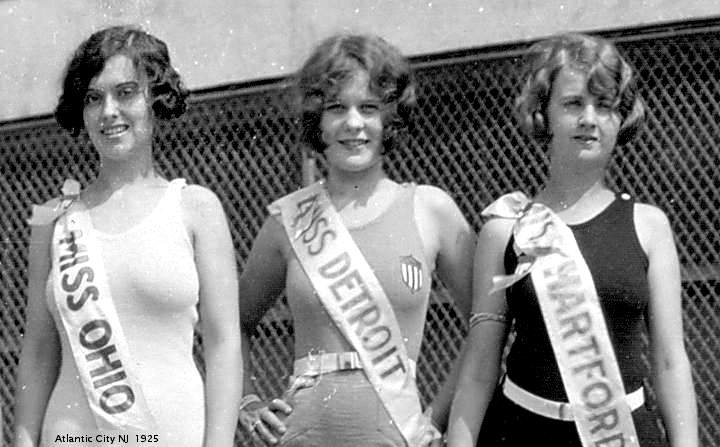
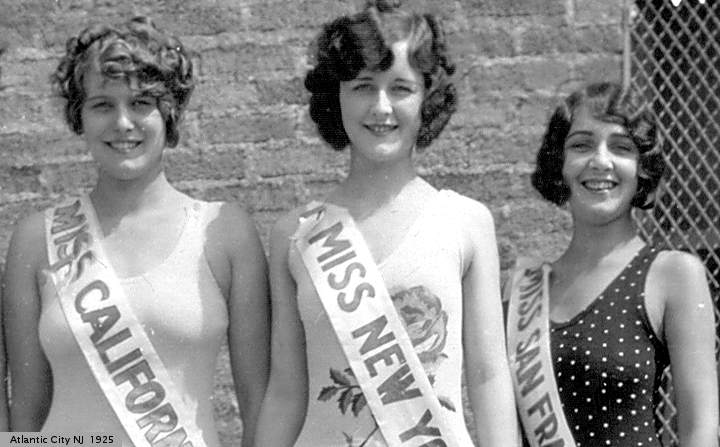
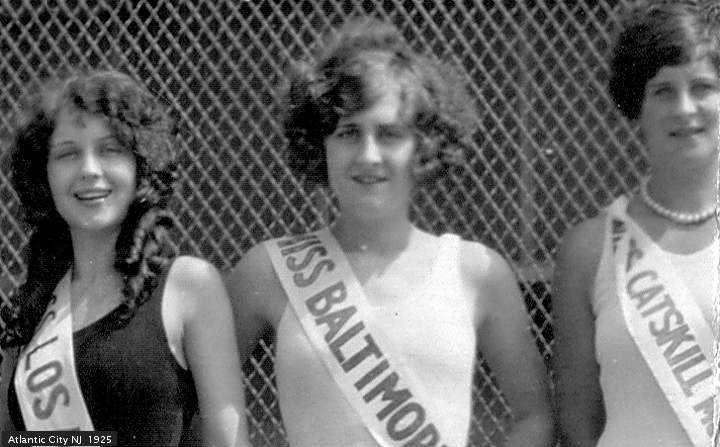
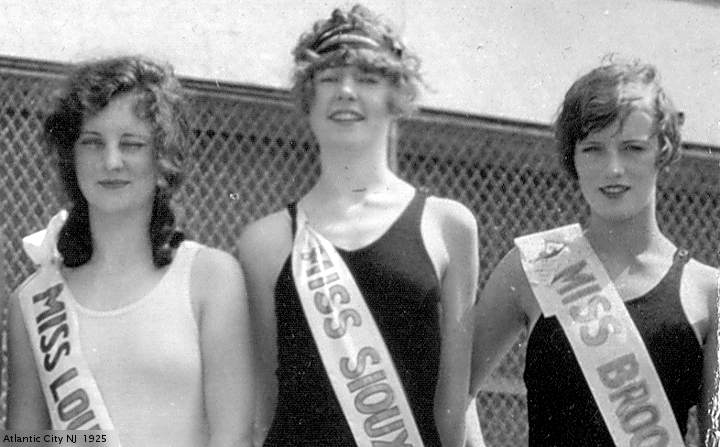
The pictures today are from The Library of Congress. These ladies were participating in “Inter city beauties, Atlantic City Pageant, 1925.” This feature is a repost.





Tallulah Bankhead And Billie Holiday


Tallulah Bankhead was born January 31, 1902 in Huntsville AL. She had a year-older sister, Eugenia. Their mother died February 23, 1902. Legend has it her last words were “Take care of baby Eugenia. Tallulah can take care of herself.” This is a repost.
The father of the actress was Will Bankhead. He was a prominent politician, who served as Speaker of the House of Representatives in Washington. Mr. Bankhead was on the short list of Vice Presidential candidates for Franklin Roosevelt, but was passed over. The Bankhead national forest and the Bankhead Highway are both named for Will Bankhead.
Tallulah Bankhead was an actress, radio show hostess, and personality. She went to London in the early twenties and became a stage sensation. Returning home, she became a Broadway star with “The Little Foxes.” She made movies, but saved her best public performances for the stage.
Miss Bankhead was known for being sexually active, with both men and women. Hattie McDaniel, who played Mammie in Gone With The Wind, was rumored to be one of her “friends”. Her introduction to Chico Marx went like this “Miss Bankhead.” “Mr. Marx.” “You know, I really want to fuck you.”. “And so you shall, you old-fashioned boy.”
One legend has Miss Bankhead at a dinner party with Dorothy Parker and Montgomery Clift. As might have been expected, the cocktail hour went on most of the evening. At one point, Mister Clift had his head in Miss Parker’s lap. “oh you sweet man, it’s too bad that you’re a cocksucker. He is a cocksucker, isn’t he?” Miss Bankhead replied “I don’t know, he never sucked my cock.”
Her most famous movie role was in “Lifeboat”, directed by Alfred Hitchcock. Her co stars complained that she was not wearing panties under her dress. Mr. Hitchcock posed the question, is this a matter for wardrobe or for hairdressing?
In the fading days of radio, Tallulah was the host of “The Big Show”. She became known for her deep voice, and for saying “Dah-ling”. More than one guest got big laughs by calling her Mister Bankhead. After “The Big Show” ended, Miss Bankhead remained active on stage and television. She died December 12, 1968.
Miss Bankhead was a staunch Democrat, as is fitting for the political family she was raised in. During the McCarthy era, an actress friend of hers was accused of being a communist. Miss Bankhead made a statement of support for the actress on the radio, and then asked her, are you a communist? The actress said that her daddy was a republican, and so she guessed that was what she was. Miss Bankhead was horrified. “A republican! That’s worse than being a goddamn communist.”

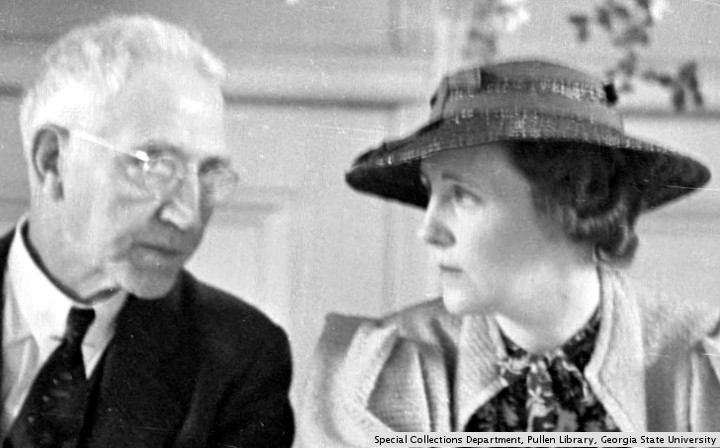
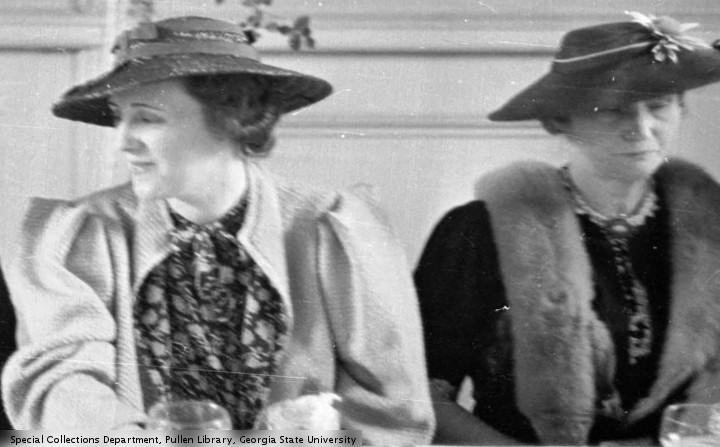

One of Miss Bankhead’s more explosive friendships was with Billie Holliday. “The truth of the matter is that the evidence strongly suggests they probably first met in the early 1930’s during Bankhead’s Harlem rent party and nightclub-slumming days, well before Holiday ever became famous. What is known is that by 1948 they were bosom buddies. A year earlier, Holiday entered the Alderson Federal Reformatory for Women to serve her famous “one day and a year” sentence after being found guilty on dope charges. Four months after her release in 1948, Holiday was appearing at New York’s Strand Theater with Count Basie on the first leg of a cross-country tour. At the same time, Tallulah Bankhead was nearby on Broadway starring in her hit play, Private Lives. Bankhead caused quite a commotion every night thundering late down the ailse during Billie’s show to sit in her special seat to stare in amazement at the gifted & stunningly beautiful Lady Day. Because Holiday’s license to perform in nightclubs where liquor was being served had been revoked (and not renewed) she was forced to earn her living in gruelling tours on the road. For months after the Strand performance, Bankhead traveled with her whenever she could. Also on the tour was dancer/comedian James “Stump Daddy” Cross – nicknamed after his wooden leg, who joined the two famous ladies to make a treacherous threesome.”
“…it appears that during the late 1940s she and Holiday were also lovers. Perhaps they had been all along. Holiday later told William Dufty, who ghostwrote her autobiography, that when Tallulah visited backstage at the Strand Theatre, the thrill she took in exhibitionistic sex made her insist on keeping Holiday’s dressing room door open. Holiday later claimed that Tallulah’s brazen show of affection almost cost her her job at the Strand.”
Before long, Miss Holiday got busted again. Apparently, Miss Bankhead made a phone call to FBI director J. Edgar Hoover, asking for leniency. There is a remarkable thank you – you’re welcome correspondence between Miss Bankhead and Mr. Hoover. “As my Negro Mammy used to say ‘When you pray, you pray to God don’t you……I had only met Billie Holiday twice in my life….and feel the most profound compassion for her…she is essentially a child at heart whose troubles have made her psychologically unable to cope with the world in which she finds herself…poor thing, you know I did everything within the law to lighten her burden”. “A giddy and twitterpated Hoover wrote back , “Your comments are greatly appreciated, and I trust that you will no hesitate to call on me at any time you think I might be of assistance to you.”
At some point, the two became less intimate. Miss Bankhead had her own legal headaches, and put some distance between her and Miss Holiday. (Eleanora Fagan was the birth name of the chanteuse. Tallulah Brockman Bankhead was the real name of the thespian.) When “Lady Sings the Blues” was being prepared, Miss Bankhead got an advance copy, and was horrified by what she saw. A fierce note was sent to the book’s publisher, and scenes were edited out. Miss Holiday was outraged. The letter that resulted is a poison pen classic. “My maid who was with me at the Strand isn’t dead either. There are plenty of others around who remember how you carried on so you almost got me fired out of the place. And if you want to get shitty, we can make it a big shitty party. We can all get funky together!”
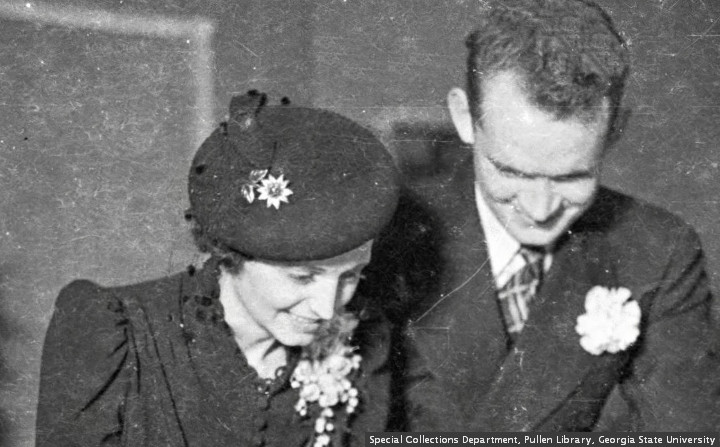
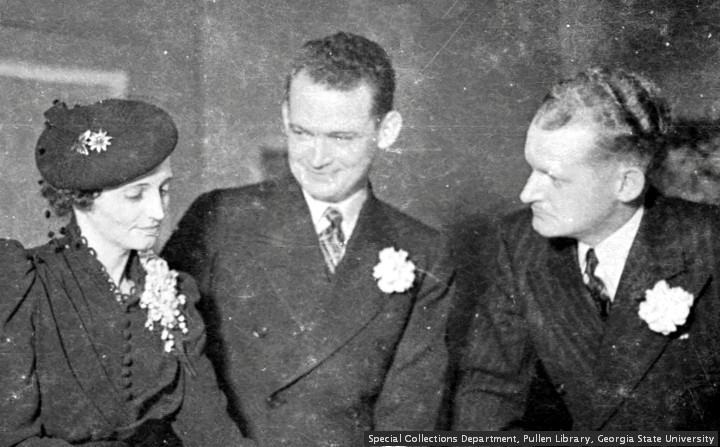
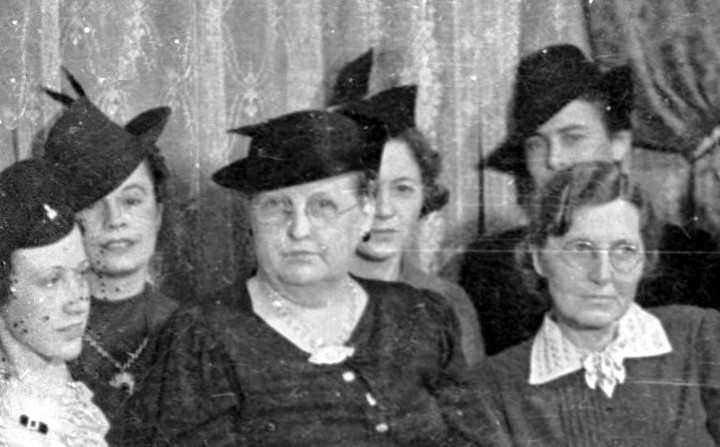
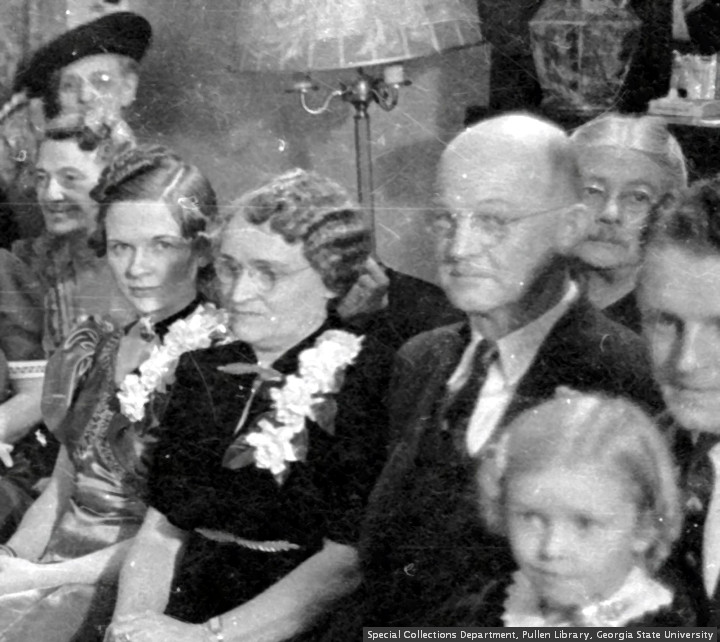
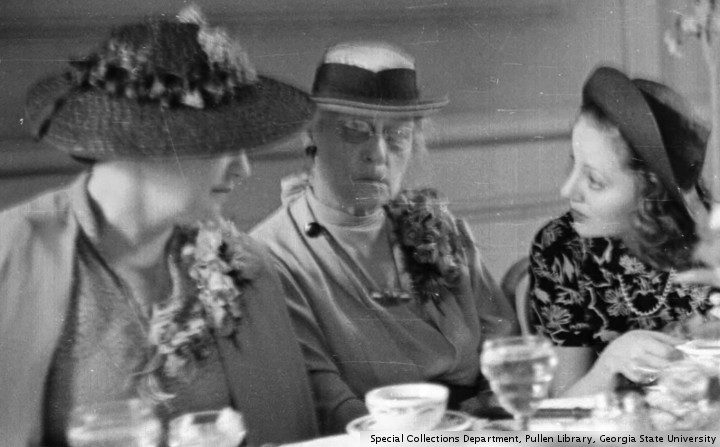
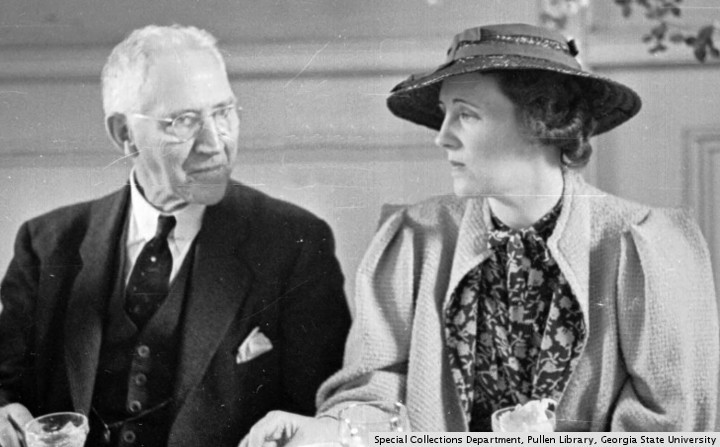
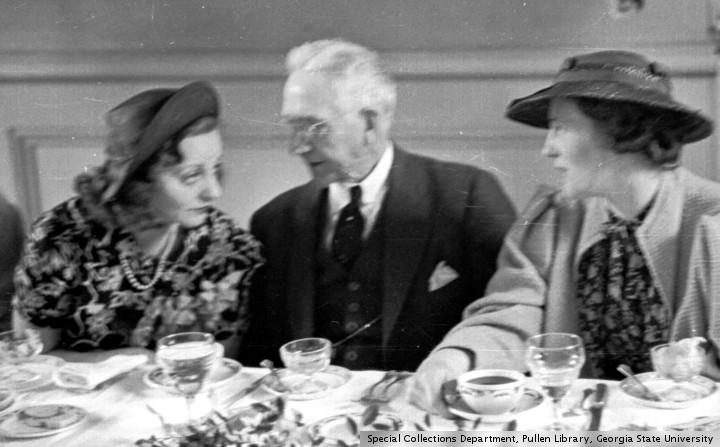
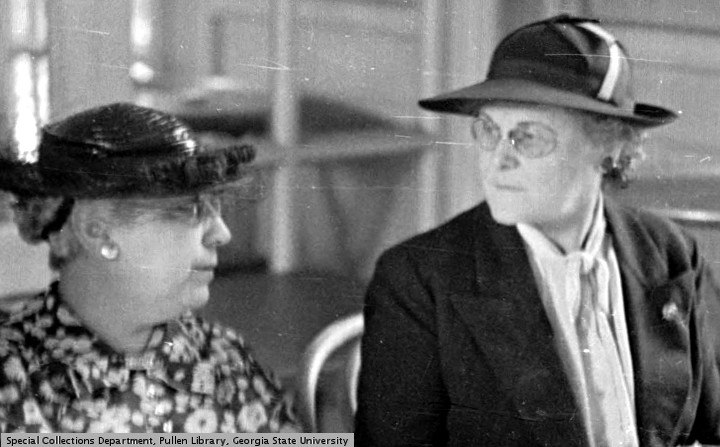
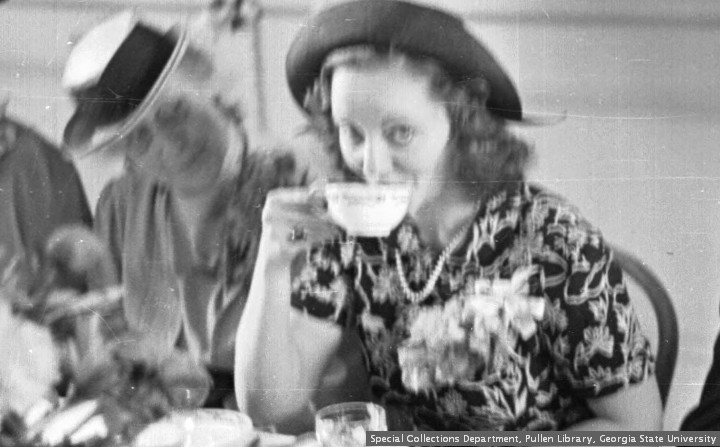
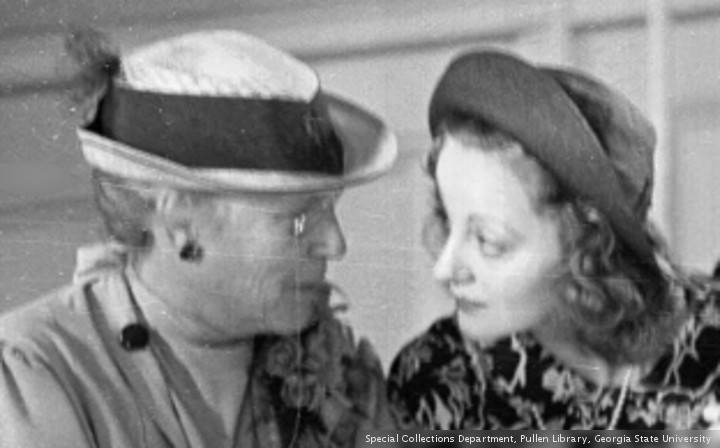
The first part of this story is a repost. Pictures today are from “The Special Collections and Archives, Georgia State University Library”. “Members of the Atlanta Woman’s Club, during a luncheon for retiring president W.F. Milton, in the AWC banquet hall, in Atlanta, Georgia, March 5, 1937.” Picture of Billie Holiday from The Library of Congress.


Rahsaan Roland Kirk




There have been eleven presidential transfers of power in PG’s life. Nine of them were in January. PG typically ignores them. He goes out with Mr. Crook in office, and comes home to President Thief.
The best exception was in August, 1974. Richard Nixon was finally undone and forced to resign. After watching Tricky Dick’s next to last television speech, PG got in his Datsun and drove to the Great Southeast Music Hall. The entertainment that night was Rahsaan Roland Kirk.
The Music Hall was the sort of place we don’t seem to have anymore. The auditorium was a bunch of bench backs on ground level, with pillows everywhere. It was a space in a shopping center, occupied by an office depot in later years. To get there from Brookhaven, you drove on a dirt road, where Sidney Marcus Boulevard is today.
Rahsaan Roland Kirk was not modest. He was the modern miracle of the tenor saxophone. He would play three saxophones at once, getting sounds that you do not get from a single instrument. At one point, the band had been playing for about five minutes, when PG noticed that Kirk had been holding the same note the entire time without stopping to breathe.
Mr. Kirk played two ninety minute sets that night. He talked about twenty minutes out of every set. Of that twenty minutes, maybe thirty seconds would be fit for family broadcasting. Mr. Kirk…who was blind…said he did not want to see us anyway, because we were too ugly. He said that Stevie Wonder wanted to make a lot of money, so he could have an operation and see again.
The next day, Mr. Nixon got in a helicopter and left Washington. The Music Hall stayed open a few more years, and Sidney Marcus Boulevard was paved. Rahsaan Roland Kirk had a stroke in 1975. He struggled to be able to perform again. On December 5, 1977, a second stroke ended his career. He was 41 years old. This feature is an encore presentation. The pictures used today are from “The Special Collections and Archives, Georgia State University Library”.



The Great Speckled Bird




One day in the eighth grade, PG had a sore spot in his eye. They called it a stye. One afternoon, he got out of school, walked to Lenox Square, saw a doctor, and got some eye drops.
When he left the doctor’s office, there was a man, standing in front of Rich’s on the sidewalk, selling a newspaper. He had blond hair down past his shoulders. PG asked what the newspaper was. Mostly politics, he said. PG gave him fifteen cents for a copy of “The Great Speckled Bird”.
The Bird was an underground newspaper. It was so bad, it needed to be buried. If you are under fifty, you have probably never seen one. These papers flourished for a while. The Bird was published from 1968 to 1976. The April 26, 1968 edition was volume one, number four. This was what PG bought that day.
The GSU Library has a digital collection. Included in it are copies of The Great Speckled Bird. Included in this collection is edition number four. PG went looking for that first copy. He needed to be patient, for the GSU server took it’s time. Finally, the copy he asked for came up. It was mostly politics.
When PG saw page four, he knew it was the edition from 1968. “Sergeant Pepper’s Vietnam Report” was the story of a young man sent to Nam. It had a paragraph that impressed young PG, and is reproduced here. The rest of the article is not that great, which is typical of most underground newspaper writing.
A couple of years later, PG spent the summer working at the Lenox Square Theater. The number two screen was a long skinny room. If you stood in the right place, you could hear the electric door openers of the Colonial Grocery store upstairs. The Bird salesmen were a feature at the mall that summer, which not everyone appreciated. This was the year of the second, and last, Atlanta Pop Festival. PG was not quite hip enough to make it. He was back in the city, taking tickets for “Fellini Satyricon”. The Bird was printing 26 pages an issue, with lots of ads, pictures, and the distinctive graphics of the era.

Vol.3 no 26 June 29, 1970 was especially memorable. On page 17, there was a bit of eyeroll inducing polemic. PG was easy to impress. The first paragraph is the one that matters. “What is Gay Liberation? It is people telling the truth; it is me telling you the truth NOW, homosexuality is the CAPACITY to love someone of the same sex. Forget all the crap about causes (no one knows and we don’t care), “cures” (there aren’t any, thank god), and “problems.”The only problem is society’s anti-homosexual propaganda and the oppression it has produced.”
Stories about hippies, and the Bird, can be found at The Strip Project. This repost has pictures from “The Special Collections and Archives, Georgia State University Library”.


What Is Dirty About Louie Louie?


The sixties were a great time to be a kid. As long as you were too young for a Vietnam Vacation, there were kicks to be had.
One of the more enduring legends was the dirty lyrics to “Louie Louie”. Recorded by an obscure band called the Kingsmen, the song was a massive hit in 1963 (It never was Number One). When WQXI put out lists of the greatest songs of all time, “Louie Louie” was at the top of the list. This is despite, or because of, the raucous sound. The song was recorded in one take, when the band thought they were playing a rehearsal. The vocals are difficult to make sense of, and rumored to be obscene. No one was ever quite sure why. With the garbled sound on the record, the listener could hear almost anything they wanted to.
The Governor of Indiana, Matthew Welsh, banned radio stations from playing the song in that state. On February 7, 1964, Attorney General Robert Kennedy got a letter from an outraged parent about the lyrics to “Louie Louie”. An F.B.I. investigation followed. After thirty months of investigation, the Bureau concluded that they could not make sense of the lyrics.
PG had a neighbor named Carol. A tomboy who could whip most of the boys, she had a pet skunk named Napoleon. Carol claimed to have heard a band at Lenox Square play “Louie Louie”. “He said the words real slow so you could understand them. I can’t repeat what he said, but it was dirty”.
Louie, Louie Oh no, me gotta go.
Yeah, yeah, yeah, yeah, yeah, said, ah
Louie, Louie Oh, baby, me gotta go
A fine little girl she waits for me Me
catch a ship for cross the sea.
Me sail that ship all alone Me never think how I make it home.
Ah, Louie, Louie No, no, no, no, me gotta go.
Oh, no. Said, Louie, Louie Oh, baby, said we gotta go.
Three nights and days I sail the sea Think of girl, oh, constantly.
Ah, on that ship I dream she there
I smell the rose, ah, in her hair.
Ah, Louie, Louie Oh, no, sayin’ we gotta go.
Yeah, yeah, yeah, yeah, yeah,
but, ah, Louie, Louie Oh, baby, said, we gotta go.
[Yelled] Okay, let’s give it to ‘em right now! [instrumental]
Me see Jamaica, ah, moon above.
It won’t be long, me see me love.
Take her in my arms again, I got her; I’ll never leave again.
Ah, Louie, Louie Oh, no, sayin’ me gotta go.
Yeah, yeah, yeah, yeah, yeah
But, ah, Louie, Louie Oh, baby, said, ah, we gotta go.
I said we gotta go now, Let’s get on outta here.
[Yelled] Let’s go.
Transcribed by David Spector Sept. 2000 Public Domain. If anyone reading this can explain what was so dirty about this song, please leave a comment. Thank you Wikipedia for your help in assembling this. This is a repost. Pictures by The Library of Congress



From The Heart Of Atlanta To Tyler Perry

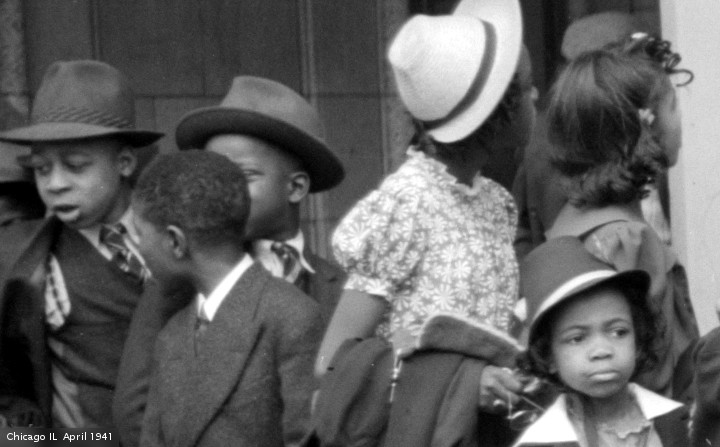


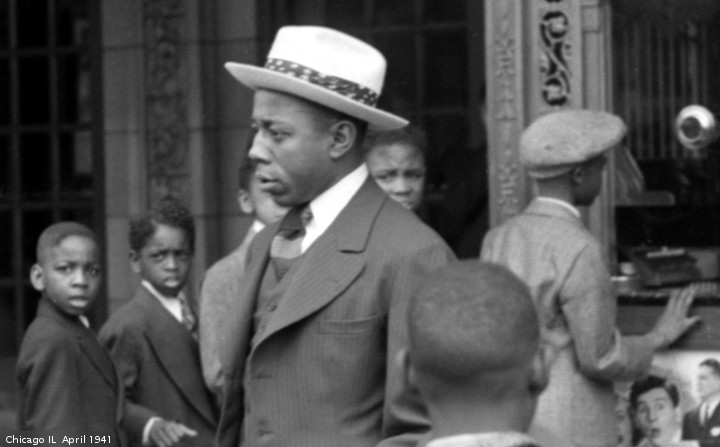

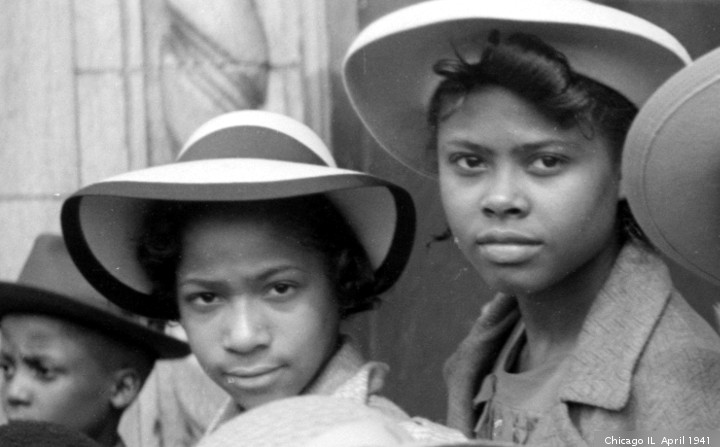



There is an old saying, what goes around comes around. When you sow the wind, you reap the whirlwind. The thing is, it is not always obvious what is payback for what. Moreton Rolleston Jr. filed a lawsuit to have the Civil Rights Act declared unconstitutional. Forty years later, a Black man, built a mansion on the site of Mr. Rolleston’s home. The fact that this Black man earned his money by playing Black women, in movies, is icing on the cake.
When the Civil Rights Act was passed in 1964, Moreton Rolleston, Jr. owned the Heart of Atlanta Motel. He filed a lawsuit, trying to have the law overturned by the courts. The case went to the Supreme Court, which upheld the law.
The legal justification of the Civil Rights Act was a law giving the U.S. Government the right to regulate interstate commerce. Mr. Rolleston argued that this use of the commerce clause went too far. “‘The argument that this law was passed to relieve a burden on interstate commerce is so much hogwash. It was intended to regulate the acts of individuals.’ If the commerce clause can be stretched that far, declared Rolleston, ‘Congress can regulate every facet of life.'” (PG supports all citizens having the right to housing, education, etc. He also wonders if we are on a slippery slope. The government keeps taking more and more freedom away.) (The link for the quote no longer works.)
In 1969, Tyler Perry was born. From humble beginnings, he has been incredibly successful. His signature character is a woman named Madea.
In 1985, Mr. Rolleston was involved in a real estate deal that went sour. He was sued. In 2003, Mr. Rolleston was evicted from his Buckhead home. In 2005, the property was sold to Tyler Perry. Mr. Rolleston sued Mr. Perry, claiming that 2035 Garraux Road was still his property.
Mr. Rolleston , was disbarred in 2007. The Veteran’s History Project shows his race as “Unspecified.” Moreton Mountford Rolleston, Jr., born December 30, 1917, died August 29, 2013.
HT Millard Fillmore’s Bathtub.. This is a repost, with pictures from The Library of Congress.





 Chamblee54
1 comment