Fleetwood Mac



PG has read the autobiography of Mick Fleetwood. If this had been a made up tale of fiction, no one would believe it. Mick is not the manufacturer of enemas, nor the namesake of a Cadillac Model. The possibility does exist that he has used those two products.
John Mayall gave his guitar player, Peter Green, some studio time as a birthday present. “The Green God” used a rhythm section from the Bluesbreakers, Mick Fleetwood (drums) and John McVie (bass). At the end of the day, Mr. Green wrote “Fleetwood Mac” on the can holding the tapes.
Before long, Mr. Green started his own band, and named it after the rhythm section. (Does anyone know the bass player and drummer of the Atlanta Rhythm Section?) Fleetwood Mac started as a blues band, and became popular in England. Mr. Fleetwood celebrated by getting together with Jenny Boyd, who became his wife. Miss Boyd is the sister of Patti Boyd, the wife of George Harrison, aka Layla.
The first Fleetwood Mac album in the USA was “Then Play On”. The first show in Atlanta was at the Oglethorpe University gym, and by all accounts was a wild night. PG saw the sign advertising the event, but did not attend.
About the time of “Then Play On”, Peter Green started to get a bit weird. He dropped out of the band, but Jeremy Spencer and Danny Kirwan were still playing guitars. For a little while. Jeremy Spencer took a walk outside a Los Angeles hotel, and got recruited by the Children of G-d. Danny Kirwan had some issues, and decided to leave the band. Bob Welch stopped by for a few years, joined by Christine McVie, the wife of John.
The band was managed at this time by Clifford Davies, who by all accounts was a nasty piece of work. A man named Bob Weston had joined the band, and lasted until he had an affair with Jenny Fleetwood. Mr. Weston was fired, and a tour canceled. Clifford Davies decided that he owned the name Fleetwood Mac, and hired a group of players to go out and do shows. Fleetwood and the Mcvies were not amused, and Mick Fleetwood took over as the manager of the band.
By 1974, the band was pushing along, and selling about 300,000 copies of each album. On Halloween night 1974, Fleetwood Mac played at the Omni with Jefferson Starship. PG was at the Municipal Auditorium that night, seeing Jackson Browne and Bonnie Raitt.
In late 1974 Mick was looking for a studio. He came to a place, and an album came on the speakers, Mick was impressed by the guitar player. Soon after, Bob Welch felt the need to leave the band, and Mick thought the guitar player he heard at the studio was a good fit. (The band never did auditions, just asked people they liked to join). The guitar player was Lindsay Buckingham, and his girlfriend/musical partner was Stevie Nicks. This was the band that set sales records.
The first album with Buckingham/Nicks, simply titled “Fleetwood Mac”, became a phenomenon. The band was soon headlining in stadiums, and was on every fm radio station in the land. The band went into the studio to record a follow up. The second album took over a year to produce, and saw the McVies and the Fleetwoods get divorced. Buckingham and Nicks split their common law arrangement. Out of the turmoil came “Rumours”, which has sold roughly thirty million copies.
On August 29, 1978, PG got to see Fleetwood Mac at the Omni. Mick Fleetwood was on top of his game, pounding the skins with a glee that could be seen from the cheap seats. Fleetwood was a highlight, standing two meters tall and creating havoc on the drum stand.
Reading the book tells the rest of the story. Fleetwood’s father had died earlier that summer, and Mick was devastated. The band was straining under the pressures of super duper stardom. Mick had attempted a reconciliation with his wife, which was a painful failure. There was an affair between Mick and Stevie Nicks at this time. The idea that Mick Fleetwood could perform like he did that night tells you what a trooper he was.
The story continues. The book was written in 1991. There might be a volume two. This is a repost.





Arlo Guthrie
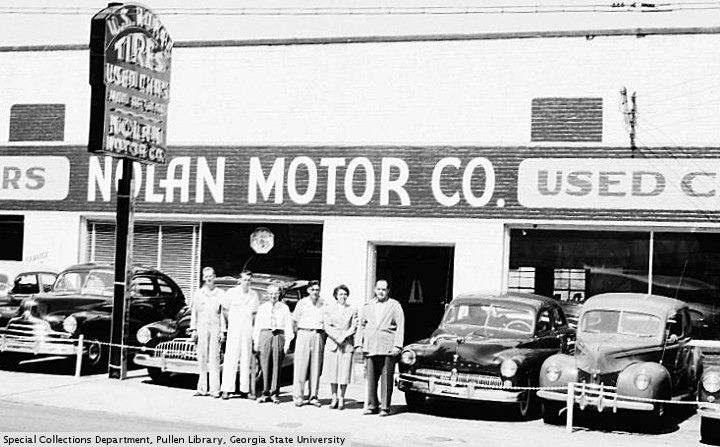


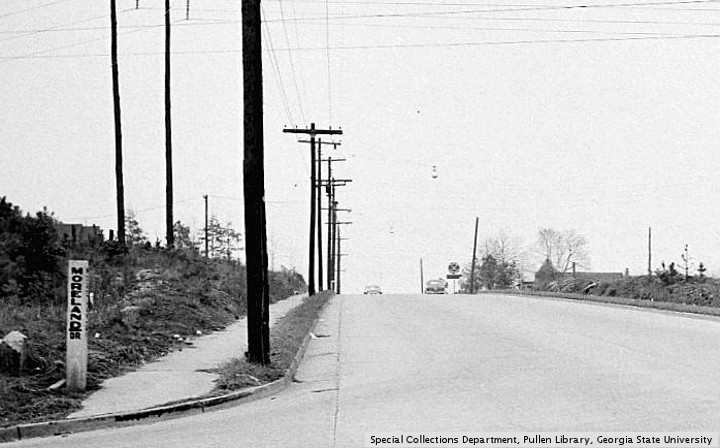

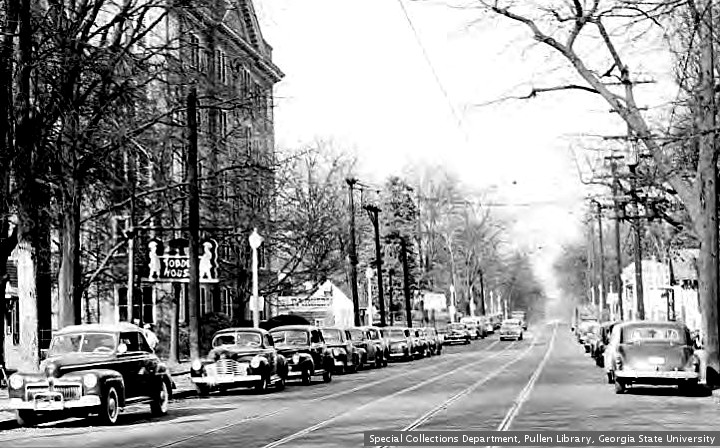
This is a rerun post, with pictures from “The Special Collections and Archives, Georgia State University Library”. The original post was half about Arlo Guthrie, and half about Ralph Reed. Today, only the part about Arlo Guthrie will be shown. If you absolutely must read about Ralph Reed, you can follow the link above, or read Lisa Baron And Ralph Reed TMI.
The entertainment today is about Arlo Guthrie . Thanksgiving is intimately connected to Mr. Guthrie. Unlike the turkey, Mr. Guthrie has gone on to have a flourishing career. He probably will not come down with Huntington’s Disease, which killed his father Woody Guthrie.
The video that goes with this text was the first time PG saw Arlo Guthrie. This was broadcast January 21, 1970. PG was an unhip fifteen year old, who had not heard Alice’s Restaurant, seen the movie, or been to Woodstock. He did see the Johnny Cash show this night, or at least the part where Arlo Guthrie did the motorcycle song.
To quote the digital facility PG is borrowing from: ” Born Arlo Davy Guthrie on July 10, 1947, in New York, NY; son of Woody (a folksinger) and Marjorie Mazia (a dancer; maiden name, Greenblatt) Guthrie; married Jacklyn Hyde, October 9, 1969; children: Abraham, Cathyalicia, Annie Hays, Sarah Lee.” Abraham and Sarah Lee play in Arlo’s touring band.
The Alice’s Restaurant Masacree is a part of Americana now. There are two bits of knowledge, that are as true as anything told to a Persian king. When trying to dispose of some garbage, and finding the city dump closed, Arlo found some litter by the roadside, and made a value judgment…One big pile of garbage is better than two little piles.
The second is about the draft, and the business of choosing people to fight our wars. There is a regulation today that says that Gays and Lesbians are not supposed to be soldiers and sailors. In the tale of the thanksgiving dinner, it was litterbugs. (There was also a draft, and a different war. Lots of Americans were coming home in boxes.) The bottom line: Mr. Guthrie is confused about not being considered moral enough to kill people, because he was a litterbug.
A few years into his career, Arlo Guthrie had a hit record called “City of New Orleans”. It was about a train, and said “Good Morning America”. “City of New Orleans” was written by Steve Goodman, who is no longer with us. Mr. Goodman also wrote the perfect country and western song .
PG heard a story about Steve Goodman. “The songwriter is Steve Goodman. He gave a show at the Last Resort in Athens GA, that a friend of PG attended. Mr. Goodman tells a story about performing on a train, during a series of concerts supporting Hubert Humphrey. It seems like Mr. Goodman had to use the restroom on the train. Now, in those days, the trains did not use holding tanks, but just ejected the matter by the tracks as they rode by. Mr. Goodman was told, do not flush the commode while the train is in the station. Mr. Goodman forgot the instructions. Mr. Humphrey said ”I am going to give the people of this country what they deserve”, Mr. Goodman flushed the commode, and sprayed the crowd. PG is not sure if he believes this, but it is a good story.” ( A biographer of Mr. Goodman said said that the candidate was Edmund Muskie. He also says that David Allen Coe had nothing to do with the last verse of the perfect country and western song.)
As previously noted, this is a repost from a few years ago. In that time, the policy against gay people serving in the military has been dismantled. The Ralph Reeds of the world are more upset about the concept of gay marriage, than by gay people killing Muslims. Vietnam is a peaceful country, and is enjoying economic good times. The draft is something old fogies remember. The current fashion is to support war by demanding a tax cut.
Arlo Guthrie continues to make music. USA Today had a feature recently, Arlo Guthrie celebrates 50 years at ‘Alice’s Restaurant’. Arlo Davy Guthrie has a twitter account, @folkslinger, and a full head of white hair. His wife of 43 years, Jackie Guthrie, died Oct. 14, 2012. The Lenox Square theater was torn down to make way for a food court many years ago.


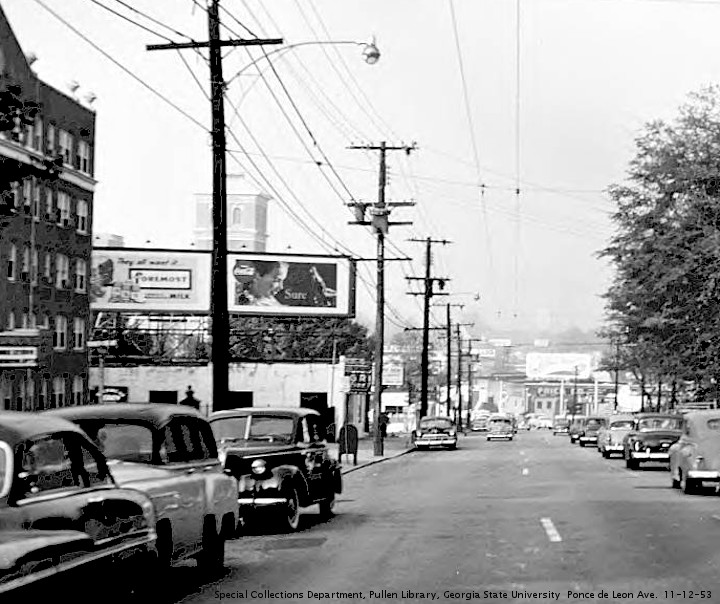


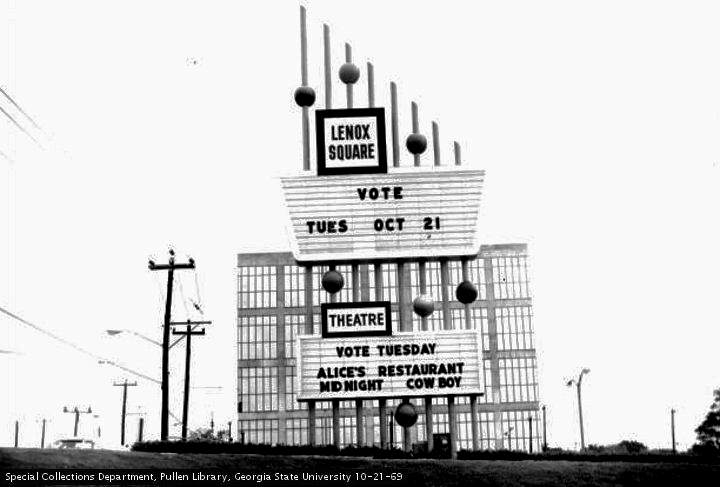
Storm
The rumors of an incoming storm were noted. Atlanta has a rich history of false alarm weather trouble. When the weather radar showed the storm going away from north Georgia, a lot of people went to sleep. They were in for a rude awakening.
That quiet was disturbed about 430 am. PG got up to put a trash cart on its side in the back yard. He then tried to sleep, but there was too much troubling noise outside. Finally, at about 5:00, there was a loud crash, and the lights went out. A large cable in the front yard was drooping down. The phone and internet line was hanging down much lower than before. Cars would go past the house, and then stop to turn around. The land line was out. Usually, a traditional phone line stays up in a power outage. This was not your normal weather event.
The pretense of sleeping was over, and PG got up. A large tree was down across the road, about four houses down. Thursday was spent walking in circles. You get out, and talk to neighbors. PG chopped up some fallen limbs, and put them in trash cans by the street. He walked around the block, to see the damage on the other side of the tree. A power pole was broken in half.
Friday was more of the same. Rumors started to fly that it would be Sunday night, or Monday morning. PG walked up to the gym, past a broken red light at the Redding Road underpass. Peachtree was in a nostalgic traffic backup.
Saturday was when things got interesting. About a dozens service trucks were on Parkridge Drive. PG talked to some ATT men, and was encouraged to try to fix the down cable line. He rigged up a temporary solution. Meanwhile, a large cable was resting on top of PG’s power line. It broke the guy wire, although the line itself stayed connected. The line was disconnected.
PG was told to find an electrician to hook it up. The first electrician said he couldn’t work on it. When the rest of the street got power at 7pm, PG was left in darkness. It was all very discouraging.
Sunday, a neighbor recommended another electrician. He came over, and did some magic to the line. Georgia Power was called. PG was apprehensive at first, until the service man asked PG to pull out the breaker. The lights came on at 6:21 pm, 85 hours after the power went out.
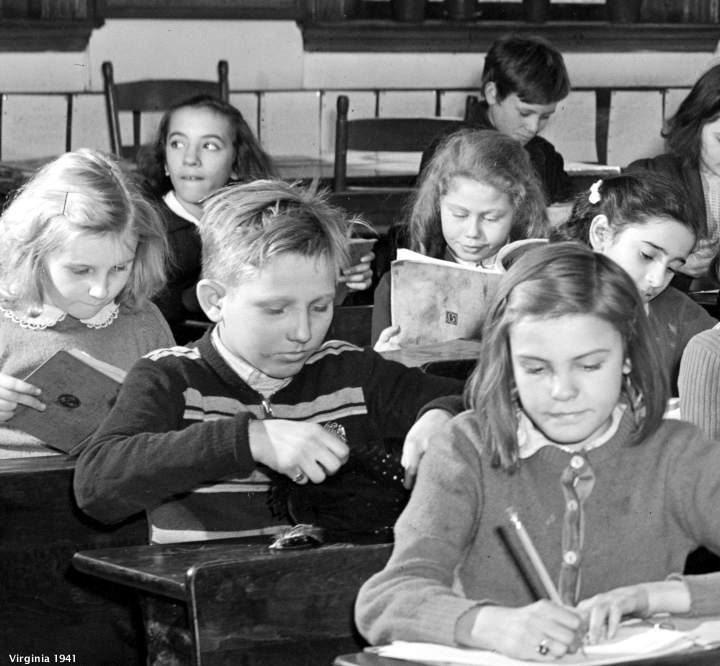
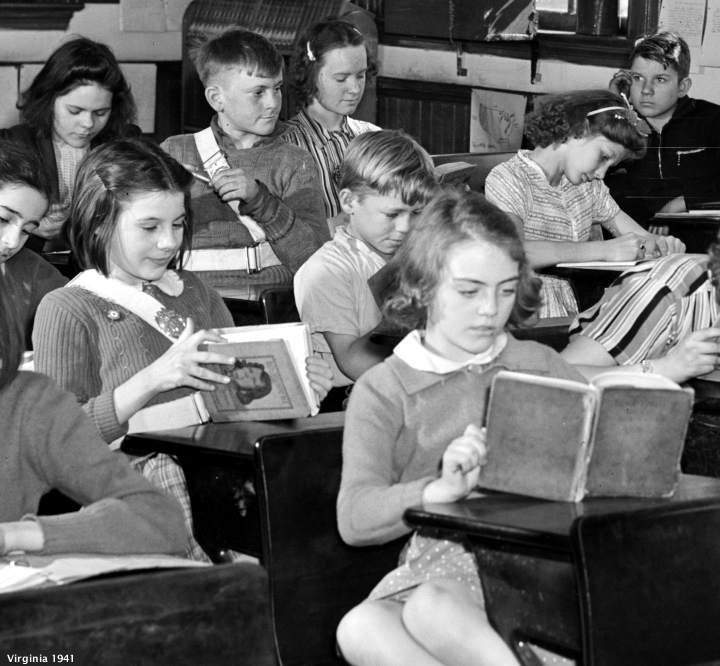
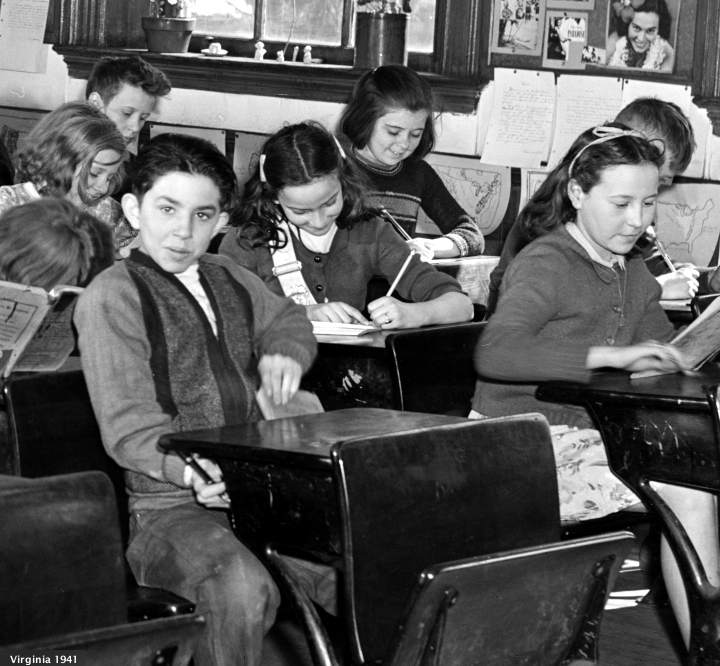
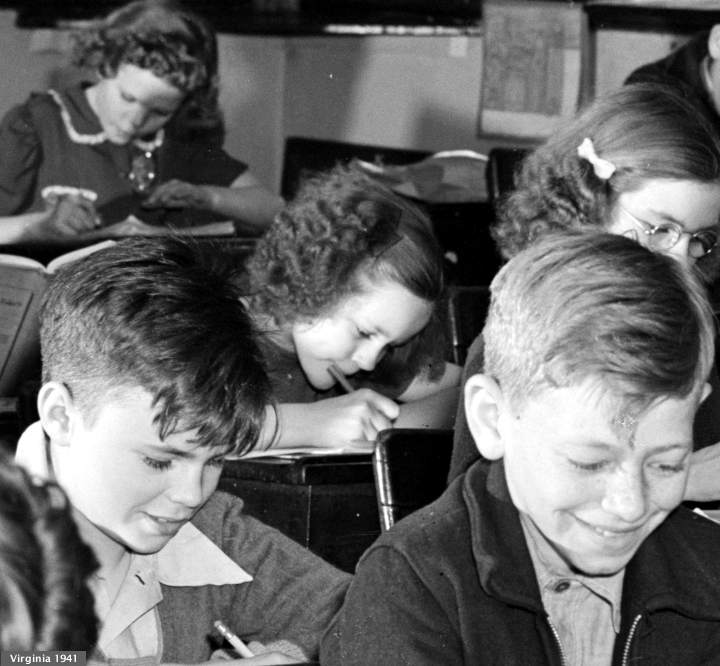
Pictures today are from The Library of Congress.
Early Voting






PG took his brother GP to early voting. Georgia/Dekalb county sent PG an absentee ballot in the mail, which he did not ask for. He considered trying to cancel it, but decided that was too much work. The AB was mailed in last week. It is a great relief to ignore the political noise, with a clear conscience.
Early voting is conducted at a gym, on Will Ross Court in Chamblee. WRC is the type of industrial side street you would never notice. By coincidence, PG used to go there. A company printed labels there. PG used to raid their dumpster, to get stickers for his pictures. Eventually, the label company got an enclosed dumpster, and PG had to go elsewhere.
A few years later, a duplex neighbor worked at the label company. Bob was a short guy, who always held a lit cigarette. Bob has a series of roommates, most of whom had been in prison. Bo, Bob’s bf, was one. One time I noticed that Bo was missing. Bob said that he was “out of town.”
Bob and Bo were always nice to PG. Eventually, they got evicted. The landlord said that they did not fight the eviction, but just said ok, and moved.
Dozens of yard signs marked the roads to the voting place. The label company building company now houses ZYCI. “CNC Machining with Urgency for the Aerospace, Defense, Robotic and Commercial Industries.” The building is painted bright colors.
The plan was to drop GP off at the front door, and go find a parking spot. There was an empty spot behind him. When you go early voting, and there are lots of empty parking spots, that is a good sign. There had been horror stories about the first day of early voting. PG questioned the wisdom of having much publicized early voting, without the capacity for election day. Perhaps the way early voting is conducted should be re-thought.
At 1:05, PG decided to record the time. He had been parked for about 10 minutes. At 1:06, GP walked up to the vehicle. Pictures today are from The Library of Congress.




Why Did The 1956 Legislature Change The Flag?



What Stacey Abrams said about burning the Georgia flag in 1992 The New York Times decided to show a picture of a younger, slimmer Stacey Abrams burning the Georgia state flag. The year was 1992. The state flag had the Confederate battle flag embedded. People were asking the legislature to change that. Miss Abrams was a student activist. This is a repost.
The NYT article sparked a twitter dogpile, about the motives of the Georgia legislature in 1956. PG remembers 1993, when the initial proposal to change the flag was made. Changing The Flag is an account of those years. If you have a minute, you should read that post before going any further. The people who wanted to change the flag introduced an argument. They said that the legislature changed the flag, in 1956, as a protest against integration. PG never believed that. One afternoon in 1994, PG found a newspaper article that supported his point of view. After that, PG did not think much about the issue. The flag was changed in 2000 and 2003.
The issue has a few shades of gray. The reason given in 1956 was honoring the Confederacy. In 1993, the 1956 legislature was said to be protesting integration. The emotions of honoring the Confederacy, and denouncing integration, are not entirely separate. Many of the same people, who are proud of the Confederacy, are white supremacists. To an outsider, they can seem like the same thing. PG can understand how someone not familiar with Georgia could mistake the two.
The debate, over the motive of the 1956 legislature, was never necessary. The flag, featuring the Confederate battle flag, was seen as a symbol of racism. Many people were offended by this flag. Why not just say we should change the flag for this reason, and not worry what the legislature was thinking? However, this was not good enough. People needed some more ammunition for their fight. The notion that the flag was changed as a protest against desegregation was born. PG never heard, before 1993, that the flag was changed as a protest against integration. People believed this notion without any evidence, just because somebody said so. 1994 was 38 years after 1956. Very few people in 1994 were active in 1956. The argument in favor of the changed-to-protest-integration notion had two parts: (1) Because I said so, (2) if you disagree you are a racist idiot.
@KevinMKruse No, she burned the old *Georgia* flag, which had been designed specifically by white supremacists as a show of defiance to desegregation in 1956. Let’s dig in. @chamblee54 The Flag was not changed as a protest against desegregation. Changing The Flag @KevinMKruse I literally wrote a book on this, but congratulations on finding a blog post. @chamblee54 I wrote the blog post. If you read the post, you will see I did research. Did anyone say at the time that the new flag was a protest? Do you have a link to this?
@jdtitan Luther, would you say you’re a racist idiot, or more of a stupid racist? @whoopityscoot Hahahahahahah. I just read your blog post. Sir, you are a moron. @ashleystollar That’s like saying the Civil War wasn’t fought over slavery. @Duranti “emotional pride for the traitors to America” @The_SquidProQuo You found one old newspaper article and felt compelled to argue the point huh? Stupid is a hell of a drug. @theDiff_Kenneth I read your blog post and I would like that 10 minutes of my life back. Your “evidence” was an announcement article that supported the flag change and omitted any overtly racist comments. Your writing style is close to unreadable and your investigative skills do not exist. @kingbuzz0 If you ever find yourself in the position of arguing of (insert subject) in the South had nothing to do with (insert stand in for outright racism), you have a bad argument. It’s all racism, always, every time.
@JoshCStephenso You found a single article? Maybe you would trust a paper written by the Deputy Director of the Georgia Senate Research Office – a chamber that is majority R? This tweet was helpful. The report was written in 2000, before the a new flag was driven through the legislature. If you have the time to read the complete report, it is worth your time. If not, a few quotes will be posted here, along with a few helpful comments.
The first Confederate flag looked a great deal like the Union flag. In early battles of the war, the two flags were often confused. “The commanding Confederate officer at the Battle of Bull Run, General P.T.G. Beauregard, determined that a single distinct battle flag was needed for the entire Confederate army. Confederate Congressman William Porcher Miles recommended a design incorporating St. Andrew’s Cross.”… “The St. Andrew’s Cross – the flag’s distinctive feature – had its origin in the flag of Scotland, which King James I of England combined with St. George’s Cross to form the Union Flag of Great Britain. It is believed that St. Andrew, the patron saint of Scotland since A.D. 750. and brother of the apostle Peter, was crucified by his persecutors upon a cross in the shape of an “X” in A.D. 60. White southerners, many of whom traced their ancestry to Scotland, very easily related to this Christian symbol.” “Other flags such as State regimental colors were used by the Confederacy on the battlefield, but the battle flag, although it was never officially recognized by the Confederate government, came to represent the Confederate army.”
At first, use of the battle flag was restricted to historic events. It wasn’t until the fifties that the flag began to be used by those who fought integration. In 1954, Brown vs. Board of Education was handed down by the Supreme Court, ordering the integration of schools. The Georgia legislature went into resistance mode, and spent a lot of time denouncing integration. The senate research office devotes page after page to these efforts. Finally, “In early 1955, John Sammons Bell, chairman of the State Democratic Party … suggested a new state flag for Georgia that would incorporate the Confederate Battle Flag. At the 1956 session of the General Assembly, state senators Jefferson Lee Davis and Willis Harden introduced Senate Bill 98 to change the state flag. Signed into law on February 13, 1956, the bill became effective the following July 1.”
“Little information exists as to why the flag was changed, there is no written record of what was said on the Senate and House floors or in committee and Georgia does not include a statement of legislative intent when a bill is introduced – SB 98 simply makes reference to the “Battle Flag of the Confederacy.” … “Many defenders of the flag, including former governor Ernest Vandiver, who served as the Lieutenant Governor in 1956, have attempted to refute the belief that the battle flag was added in defiance of the Supreme Court rulings. Vandiver, in a letter to the Atlanta Constitution, insisted that the discussion on the bill centered around the coming centennial of the Civil War and that the flag was meant to be a memorial to the bravery, fortitude and courage of the men who fought and died on the battlefield for the Confederacy.”
This is where it gets murky. It is apparent that the legislature was obsessed with integration. The circumstantial evidence, of the flag being changed as a protest of integration, is there. However, there is no smoking gun. There are no apparent statements, from 1956, saying that this change was made to protest integration. This detail seems to have sprung up in 1993, without having been widely mentioned in the 37 years since 1956. The newspaper article PG found does not mention a protest against integration, and does mention a desire to honor the Confederacy.
“The argument that the flag was changed in 1956 in preparation for the approaching Civil War centennial appears to be a retrospective or after-the-fact argument. In other words, no one in 1956, including the flag’s sponsors, claimed that the change was in anticipation of the coming anniversary. Those who subscribe to this argument have adopted it long after the flag had been changed.” This is contradicted by the newspaper article, and statements by “Governor Griffin’s floor leader, Representative Denmark Groover … “anything we in Georgia can do to preserve the memory of the Confederacy is a step forward.” As for the after-the-fact argument, you could say the same thing about the notion that the flag was changed as a protest against integration.
“There was also some opposition to the change from the state’s many newspapers. The North Georgia Tribune argued that: “….There is little wisdom in a state taking an official action which would incite its people to lose patriotism in the U.S.A. or cast a doubt on that part of the Pledge of Allegiance which says ‘one nation, unto God, indivisible…’ So far as we are concerned, the old flag is good enough. We dislike the spirit which hatched out the new flag, and we don’t believe Robert E. Lee…would like it either” “The Atlanta Constitution also thought that the flag change was unnecessary for the simple fact that “there has been no recorded dissatisfaction with the present flag.” The newspaper article PG found in 1994 was from the Constitution. Even though they were opposed to the change, they did not attribute this change to a desire to protest integration.
“When the flag change was first proposed, it received resistance from groups that one would think would have highly favored the change – various Confederate organizations including the United Daughters of the Confederacy (UDC). “They made the change strictly against the wishes of UDC chapters from all the states that form our organization,” said Ms. Forrest E. Kibler, legislative chairwoman of the Georgia UDC. … The Executive Board of the Georgia Division of UDC had passed a resolution on January 11, 1956 opposing the proposed changes to the flag, citing that the Confederate battle flag belonged to all the Confederate States – not merely to Georgia – and placing it on the Georgia flag would cause strife. … Also opposing the new flag was the John B. Gordon Camp of the Sons of Confederate Veterans. This group protested against all uses of the battle flag except in commemoration of the Confederacy, or by the official use of the Daughters of the Confederacy, the Sons of the Confederacy, and the Children of the Confederacy.” This opposition was touched on in the newspaper article. This is one of the more confusing aspects of this affair.
“While many questioned the political and philosophical motives of the flag change, there were others who considered the change to be an unnecessary expense that would burden taxpayers, since Georgia law required every public school, and all public institutions to fly the state flag. In voting “no,” Representative Mackay said that the present flag was “a symbol of sacred memory” and that “the change puts every flag owner in Georgia to unnecessary expense.” Alleviating the financial concerns of many, sponsors of the bill pointed out that those institutions required to fly the new flag will replace the old flag with the new one only as present flags wear out. Questions were also raised on whether anyone had a copyright on the flag design which would entitle them to royalties – a charge denied by John Sammons Bell and Representative Groover.”
John Sammons Bell is a name that keeps coming up. From 1954 to 1960, Mr. Bell was Chairman of the State’s Democratic Party. He was, by all accounts, an enthusiastic segregationist. One of the jaw dropping moments in the senate report was this: “Bell, a one-time supporter of Governor Ellis Arnall, once had the reputation of being a “liberal” on race issues.”
When the state senate report was issued, in 2000 (6 years after PG found the newspaper article, and dropped out of the argument,) Mr. Bell had a few comments. “He wanted to forever perpetuate the memory of the Confederate soldier who fought and died for his state and that the purpose of the change was “to honor our ancestors who fought and died and who have been so much maligned.” He has also argued that the flag was not redesigned in reaction to and in defiance of the 1954 Brown decision… “Absolutely nothing could be further from the truth … every bit of it is untrue. ”
“On March 9, 1993, (Denmark) Groover moved many Georgians when he stood in the House well to address his colleagues on the subject of the state flag. In an emotional speech, he acknowledged that the flag is offensive to some and conceded that, “I cannot say to you that I personally was in no way motivated by a desire to defy. I can say in all honesty that my willingness was in large part because … that flag symbolized a willingness of a people to sacrifice their all for their beliefs.” Mr. Groover offered a compromise, which included a smaller version of the battle flag. A flag similar to that was adopted in 2000, only to be changed again in 2003.
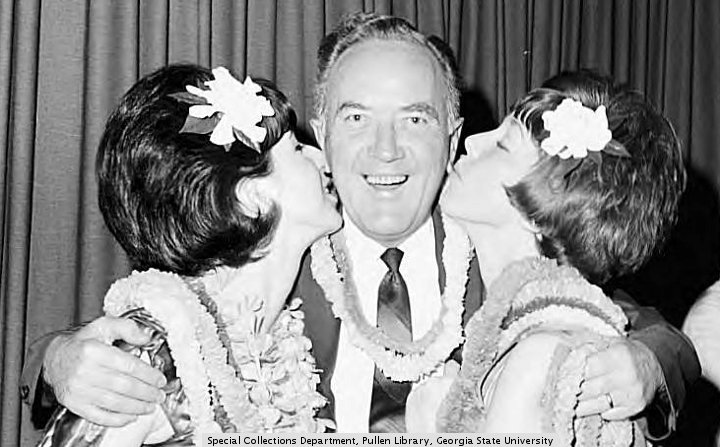
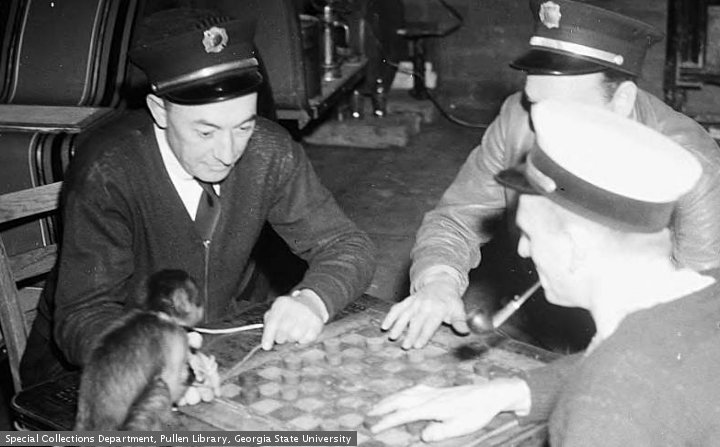
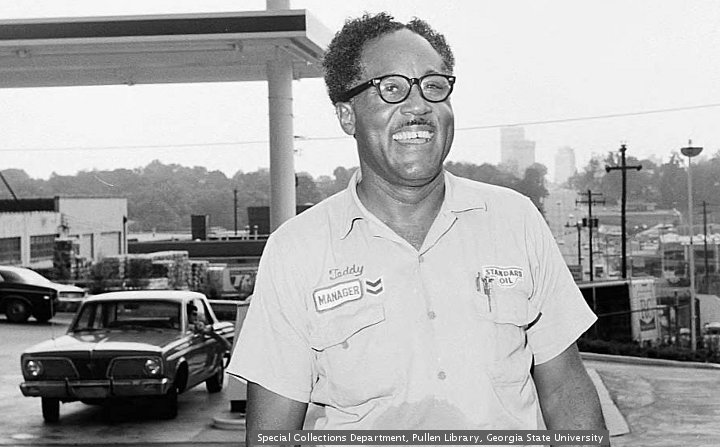
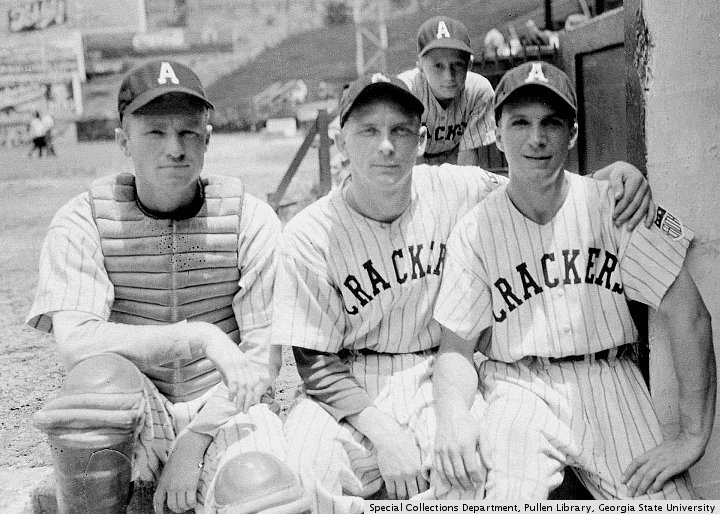
To sum up, the Georgia state flag was changed in 1956. The new flag contained the Confederate battle flag. Many people were offended by the 1956 flag. PG thought it was ugly. Many others saw it, with some justification, as a symbol of racism. For some reason, speculation about the motives of the 1956 legislature. 18 years after the passage of a new flag, people are still arguing over the motives of the 1956 legislature. Pictures for this gratuitous waste of bandwidth are from “The Special Collections and Archives, Georgia State University Library”. .




Be Kind To Your Enemy


Did Jesus say to “Love your enemy”? Some believe this, and do it. Some claim to believe this, and practice the opposite. There are others who claim to love their enemies, but you have to understand what they mean by it. It can be very confusing. This is a repost.
PG went to a source for documentation. Oh, the blessed conjunction of copy paste with public domain. When PG entered enemy (singular) in the search engine, 100 verses came up. When the request was made plural (enemies), 237 entries popped up. The last mention of enemies is Revelation 11:12 “And they heard a great voice from heaven saying unto them, Come up hither. And they ascended up to heaven in a cloud; and their enemies beheld them.” Loving your enemies does not include bringing them to heaven with you. There is also the star of the show.
Matthew 5:44 “But I say unto you, Love your enemies, bless them that curse you, do good to them that hate you, and pray for them which despitefully use you, and persecute you.”
There is scholarly debate about what Jesus did, or did not, say. The words available to modern man have been copied by hand, edited, translated, and interpreted. PG does not know Aramaic from Alabama. Like anyone else, PG can only read and listen, and think for himself.
In a sense it does not matter what Jesus “really” said. The cult of Jesus Worship is going to believe what it wants. More important, it is going to practice what it wants. As far as the difference between what Jesus “really” said, and what his believers say and do…they can explain.
What follows is a humble suggestion. Maybe the translators and scribes got it wrong. Maybe Jesus did not say to love your enemy. Maybe what Jesus said was to show kindness to everyone. This is a practice thing, rather than a belief thing.
It is not as much fun to be nice to someone, as it is to scream about life after death. Kindness does not need to be justified by a quote from a magic book. You just need to do it.
Pictures are from “The Special Collections and Archives, Georgia State University Library”.



Where Is That Place


This blog has an email address listed. It is seldom used. The host is a faded internet company that rhymes with booboo. Once proud email has become a spam magnet. The email address there is checked every once in a great while. Yesterday was one of those times. There was a surprise.
Friday, June 5, 2015, 2:52 PM
Do you know exactly where the Agora Ballroom was in the Georgia Terrace Hotel Also I am trying to locate photos of the following locations – Does you any that we can use? Please let me know ASAP – I am on an extremely tight deadline need photos by Monday morning if possible. Exteriors or interiors are great. Please let me know if you have any.
12th Gate Coffee House (located on 10th street in Midtown,) Club 112 (located at Lavista and Cheshire Bridge,) Lenny’s (either or both of their two locations in the Old Fourth Ward,) Great Southeast Music Hall (either or both of their two locations Lindberg Plaza or Cherokee Plaza,) Echo Lounge (located in East Atlanta,) Hedgens (located in Buckhead,) Agora Ballroom (located in Georgia Terrace hotel,) Muelenbrink’s Salon (located at the Underground.) Joeff Davis Photo Editor Creative Loafing
Thursday, July 9, 2015 11:12 PM
Hey I apologize for the tardy answer. I don’t use this email very often
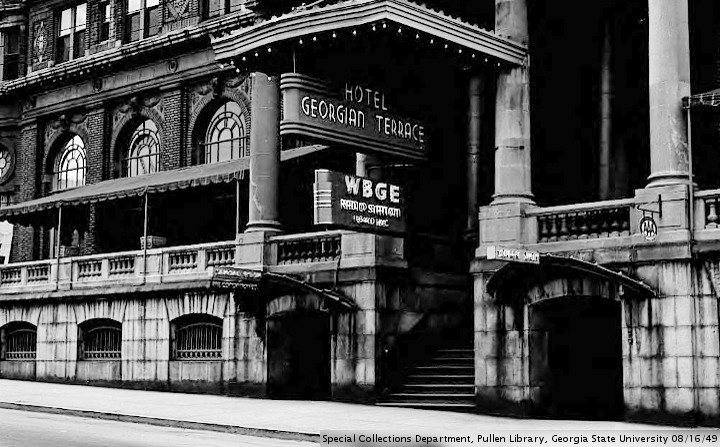
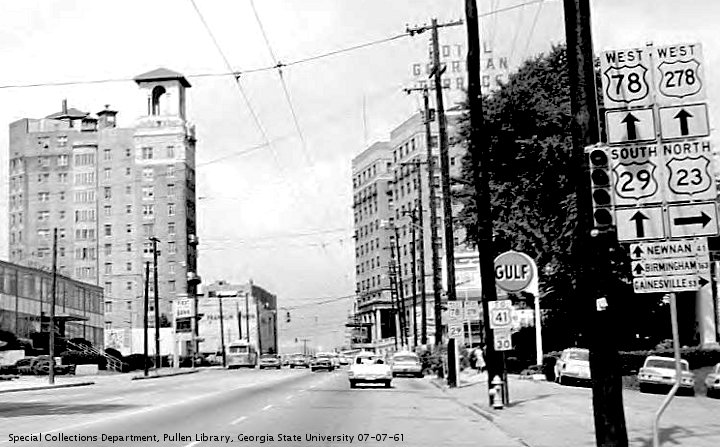
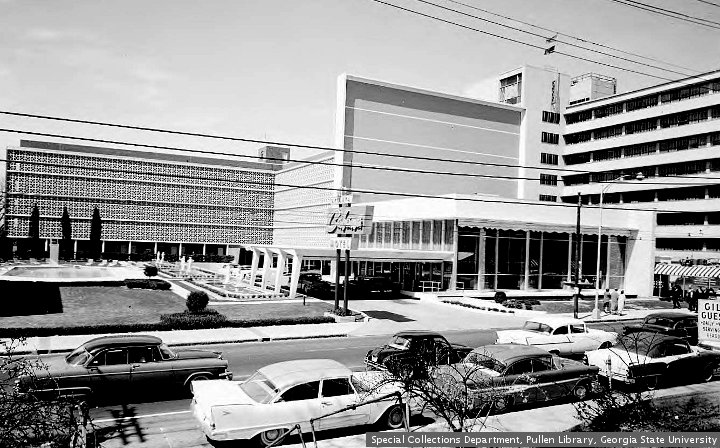
The Agora was at the end of an alley off Peachtree. It was next door to the Ga Terrace Hotel, though not in the Hotel building itself. The ballroom was in a fire in the early eighties, and was torn down. I don’t have any of the pictures that you needed a month ago.
Friday, July 10, 2015, 11:49 AM
Thanks here is the piece we did: That was then, this is now.
Friday, July 10, 2015, 1:21 PM
Hey thanks for getting back to me. The article was cool, even without my contribution. This seems like a good excuse for a blog post. I have a some comments about some of the locations listed. For instance, my mother bought groceries at the Cherokee Plaza A&P every thursday for 37 years.. I would like to use your letters, and link to your article, in my post.
Chamblee54 has had posts about four notable Atlanta performance venues: 688 Spring Street, Georgian Terrace Ballroom, The Great Southeast Music Hall, and Richards. Two were on the list of requests. As for the other two, 688 Spring Street, home of Rose’s Cantina and 688, is now a doc-in-a-box facility, Concentra Urgent Care. The site of Richards, across from Grady stadium on Monroe Drive, is now the meat department at Trader Joe’s.
The CL article, That was then, this is now, is fun to look at. There are some good pictures. There are a couple of mistakes in the piece, which this post will try correct.
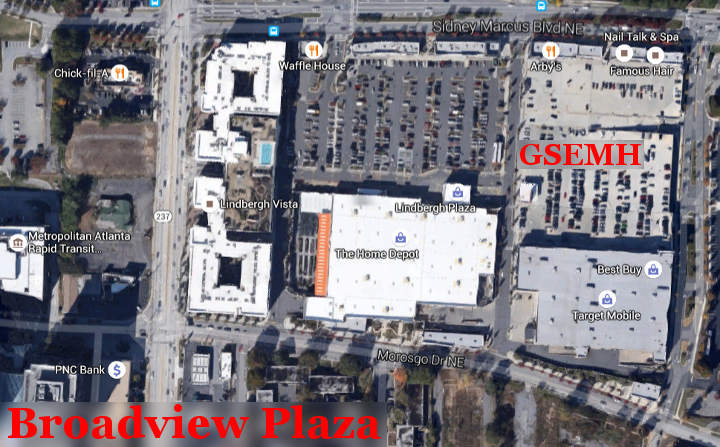
The Great Southeast Music Hall is the scene of many cherished memories for those of a certain age. The post linked here has more comments than any other Chamblee54 post. There are two google earth images, one for Broadview Plaza, and one for Cherokee Plaza.
In Broadview, (now known as Lindbergh something or another,) the Music Hall was in the corner of an L shaped building. The space is currently a part of the parking deck for Target. According to google earth, the Home Depot takes up almost the entire parking lot of the old shopping center.
In Cherokee Plaza, the space where the Music Hall was is the south part of a Kroger. CL says it was in the parking lot, which simply is not so. This parking lot is too small, which is one reason the Music Hall failed there. In the nineties, the A&P expanded, and took over the space occupied by the theater. In 1998, A&P closed their Atlanta operations. The stores were taken over by Kroger.
The third google earth image is for the intersection of Peachtree Street and Ponce De Leon Avenue. This is the location of the Georgian Terrace Ballroom. This was the setting of Alex Cooley’s Electric Ballroom and The Agora Ballroom. This facility was in a fire, and torn down. An annex to the Georgian Terrace Hotel was built. This annex is roughly where the Ballroom was.
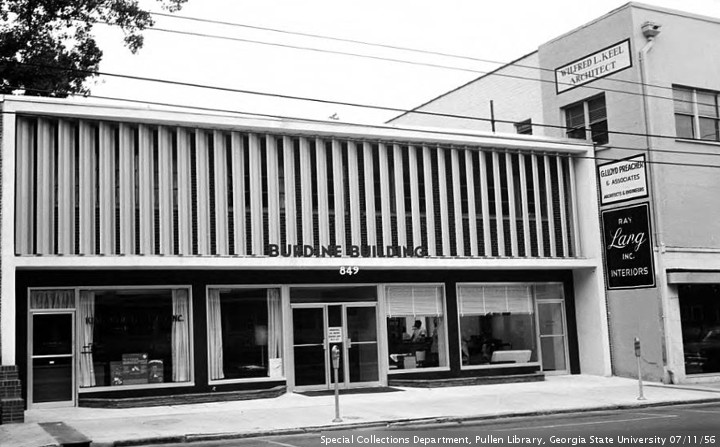
One of the places CL mentions was Backstreet. A picture of Lang Interiors, on Peachtree Street at Sixth Street, is included today.This is the building that became Backstreet. This building was a series of nightclubs in the early seventies. Backstreet opened in late 1974. It was the premier chacha palace in Atlanta for many years. When the property became valuable enough to attract the money of developers, the city discovered enough violations to shut down the party. (1974 was somewhat of a golden age for Atlanta nightlife. The Great Southeast Music Hall, Richards, and Alex Cooley’s Electric Ballroom were all in operation in 1974.)
Club 112 catered to an African American clientele. The space had been many businesses over the years, with a Fred Astaire dance studio next door. Around the time Backstreet was getting started, the space was called the Locker Room. A drag show, featuring the Hollywood Hots, performed there. The Locker Room was a “private club,” and was able to stay open on Sunday night. It was the only place open on Sunday, and was packed. The Locker Room was owned by Robert E. Llewellyn, who was later convicted of having a business rival murdered.
The 12th gate was in the middle of the block, somewhere on tenth street. It was not on the corner of Spring Street. A seedy Jim Wallace gas station was nearby. This place was mostly before PG went out much. There is a hazy memory of seeing the Hampton Grease Band there. After the show, Mr. Hampton walked up to PG, holding a thumb and finger making a circle in front of one eye. Mr. Hampton asked PG what sign he was.
By the time Lenny’s was in business, PG was a retired drunk. He seldom went downtown after dark. Somehow, the party went on without him. Pictures today are from “The Special Collections and Archives, Georgia State University Library”. This is a repost.



The Uterus Collector






“Georgia prison with ICE detainees performs questionable hysterectomies” The story of “the uterus collector” was the clickbait sensation for a few days. Fresh outrages have taken its place in the shiny object machine. Just how many detainees at the Irwin County Detention Center (ICDC) had hysterectomies? Estimates range from “one or two” to “at least seventeen”.
The story broke with a report from Project South. The whistle blower was Dawn Wooten. video video Ms. Wooten, a single mother of 5, worked at ICDC, until her hours were cut, after a dispute about Covid-19 infection. As is the case with many workplace stories, there are conflicting accounts.
The focus of the complaint is inadequate safety measures, taken with regard to Covid-19. “Priyanka Bhatt, staff attorney at … Project South, told The Washington Post that she included the hysterectomy allegations because she wanted to trigger an investigation to determine if they were true.”
If ICDC did not have the resources to provide adequate safeguards against Covid-19 infection, how are they going to have the resources to provide hysterectomies? These ladies were detained over immigration issues, and many will eventually be deported. “Even on the lower end of the cost scale, a hysterectomy can cost thousands of dollars and both ICE and the private companies that contract with the agency to oversee its detention centers notoriously provide dangerous and substandard medical care to cut costs and maximize profits.”
There are some concerns about Dawn Wooten. “… Wooten described how she repeatedly complained to staff leadership before she was demoted in early July from working full time to an on-call position, where she was only offered a few hours a month — a move she charges was retaliation for speaking up and demanding stricter medical safety protocols. She has worked at the facility for three years in three separate stints as a licensed practical nurse …” The Protect Whistleblower Dawn Wooten gofundme has grossed $101,471, by the time this feature was written.
AP had a story, with a variety of headlines. If you go into the details, you see this: “The AP’s review did not find evidence of mass hysterectomies as alleged in a widely shared complaint filed by a nurse at the detention center. Dawn Wooten alleged that many detained women were taken to an unnamed gynecologist whom she labeled the “uterus collector” because of how many hysterectomies he performed. … Amin (Dr. Mahendra Amin, gynecologist accused in complaints) told the intercept, … he has only performed one or two hysterectomies in the past three years.”
“Some people who have worked with detainees at Irwin have questioned some of the allegations in the Project South complaint. Paul Alvarado, a local immigration attorney, told Insider that he was “very, very skeptical” about the allegations of unwanted hysterectomies. Alvarado estimated that he’d been to Irwin representing clients more than 100 times.”
“I’ve never heard of any sort of medical mistreatment from the clients, and I’ve represented hundreds of clients from Irwin, so it came as a shock to me when I read it,” he said. He said that while clients might complain about delays and other issues inherent to the immigration system, he hadn’t been made aware of OB-GYN concerns.”
“I’ve been an immigration lawyer for 24 years. I’m a huge proponent of immigration reform,” he said. “I’m an advocate for the rights of these undocumented aliens, and I’d be the first to get to the podium and scream if something smelled fishy — but I have not heard of any of this.” Pictures today are from “The Special Collections and Archives, Georgia State University Library”. UPDATE Hospital where activists say ICE detainees were subjected to hysterectomies says just two were performed there







#1619Gate



The 1619 Project was published by the New York Times in August, 2019. It was a grand historic project, marking the 400th anniversary of the first African slaves to arrive in Virginia. Claims were made. “The 1619 project is a major initiative from The New York Times observing the 400th anniversary of the beginning of American slavery. It aims to reframe the country’s history, understanding 1619 as our true founding …”
Many of the claims were controversial. A few days ago, without any explanation, the Times deleted many of the “true founding” comments. Not surprisingly, many people noticed the difference. Cached copies have a way of contradicting convenient revisionism.
Full Disclosure: I have not read The 1619 Project. My reading bandwidth is limited. I cannot comment on the narrative presented in the project, and assume that much of it is true. What is fascinating about #1619Gate is the spectacle of the mighty New York Times humbling itself. There is also the bizarre behavior of @nhannahjones, the lady behind The 1619 Project
This tweet landed on my timeline earlier this week. @nhannahjones “There is a difference between being politically black and being racially black. I am not defending anyone, but we all know this and should stop pretending that we don’t”
@kelsey_midd “What does this mean?”
@nhannahjones “If you don’t know it ain’t for you.”
@kelsey_midd “I’m not the only person that asked. I’m also a black person.”
@nhannahjones “Yes, I am capable of seeing your avatar. And I will repeat: if you don’t understand the difference between being born/designated a certain race and taking up a particular set of racial politics, I am not going to educate you here.
@chamblee54 The lady does not suffer from false modesty @nhannahjones “Reporter @nytmag covering race from 1619-present//AKA The Beyoncé of Journalism//Co-founder ida b wells society //smart and thuggish//Aries//1619Project.” After a while, “The Beyoncé of Journalism” was looking more like the Kellyanne Conway of historic scholarship.
Before getting to the last segment of this show, we should mention what happened earlier sunday night. I am part of a poetry community, which is now meeting on zoom. This group is welcoming, and supportive of my work. Unfortunately, they welcome some less appealing players. Last night, one man had a poem about abolishing the police. There was a line. The only time colonizing white people like the police is when they need to have a (racial slur) exterminated. (That is not an exact quote.) I cut the sound off, and waited for the piece to be over.
The boundless folly of woke twitter awaited me. I soon came across the following exchange. I have a screen shot of the punch line, in case it is deleted. The tacky poet fell into context.
@sullydish “Basic rule in online journalism: if you change something after publication, acknowledge and explain it. On 1619 Project, NYT just broke this basic *ethical* rule. And to further the cover up @nhannahjones deleted all tweet history. Let that sink in.”
@nhannahjones “This is the last thing I will say about this. The wording in question never appeared in the 1619 Project text. It appears nowhere in the printed copy, something easily verifiable as pointed out to you. It didn’t appear in my essay nor any of the actual journalism we produced.”
@ira_mckey “It may be the last thing you say about it, but the Twitter screenshots and the history of what you said about it Still exist.” (Includes photo of NHJ tweet: @nhannahjones “I argue that 1619 is our true founding. Also, look at the banner pic in my profile.”)
@nhannahjones “This is my tweet. My tweets are not official 1619 copy.”
Pictures today are from “The Special Collections and Archives, Georgia State University Library”. More episodes of the #1619Gate series are available. Two Three Four Five




Tubby Boots






PG found Classic Television Showbiz while reserarching a recent feature about the late Sherwood Schwartz. The site is a treasure, with youtubes of classic tv shows, and interviews with “entertainers”. Somewhere in the sidebar was a link to a story about Tubby Boots. This is a repost.
Charles “Tubby” Boots was born around 1926 in Baltimore MD. He was a nightclub comedian. Mr. Boots weighed 375 pounds, had bleach blond hair, and often performed without a shirt. He wore pasties on his boobs, and would twirl them simultaneously in opposite directions.
The parts in blue are borrowed from Classic television showbiz. Tubby’s parents were a vaudevillian dance team called Boots and Barton. At the age of seven this youngster was clocking in at an astounding two hundred pounds, a constant target of ridicule in his Baltimore schoolyard….During his childhood, Tubby managed to witness a performance by comedy’s greatest cult icon, Lord Buckley … Tubby Boots recalled shortly before his death, “[Lord Buckley] was like a father figure to me. I met Buckley when I was seven years old when I was working at the Hippodrome in Baltimore, Maryland, and I was in awe of him. I saw his act every time he would come back to play the theater … I would sit in the theater all day and watch the shows. I’d stay out of school for the whole week – my mother would pack me a lunch – she knew what I was doing because I wanted to learn about show business. Buckley would do his hat-switching act. Every other show he would get me to do it with him. I’d hang out with him backstage, we’d go out for lunch or dinner, he’d sneak me back into the theater and I’d watch the whole stage show again. I started working nightclubs when I was eleven. I weighed 250 pounds and passed myself off as twenty-one. I got arrested in a strip joint and the police said: ‘We’re not going to throw you in jail but you’re not going to work in this town again – you’re too notorious.’ So they actually put me on a train and said ‘Where you wanna ticket to?’ I said, ‘New York.’ I didn’t run away – I was forced to leave. So when I got to New York I called Buckley and, pretending to sob, said, ‘My mama died in a car crash…my father was with her…’ Unbeknownst to me, he called my mother and told her, ‘He’s with me.’ So he got me a job at The Three Deuces, passing me off as twenty-one.” The Three Deuces was one of Manhattan’s major jazz holes in the thirties and forties, regularly featuring Dizzy Gillespie and Charlie Parker. Lord Buckley was connected to the jazz world for most of his career, performing in their clubs and utilizing a great deal of the Black hipster vernacular in his act.”
Mr. Boots got a job as the emcee for burlesque shows, frequently in traveling carnival shows. He was doing well, when Lord Buckley called him from Hollywood. Supposedly, there was a movie job waiting for Mr. Boots. When he got to California, he found out otherwise. “Tubby became affectionately known as Princess Lily. “He used to call me Princess Lily but Prince Charles of Booth was my title. Buckley used to say: ‘Lil! You had the misfortune to be born with the beautiful body of a woman in the ridiculous body of a man!””
In 1959, Mr. Boots was in a bizarre accident. He was taking a bath, and the controls for the hot and cold water were in another room. Lord Buckley was handling these controls, and poured scalding hot water into the tub. Mr. Boots was stuck in the tub, and was badly burned. He spent a week in the hospital, and was not friends with Lord Buckley later.
After he recovered, Mr. Boots moved to Miami Beach. He performed in motel lounges for many years, and developed a following. Comedy albums were becoming popular, and Mr. Boots contributed “Thin my be in but fats where its at”. The albums were sold at his shows. The legend is that no copies exist that were not autographed.
The various search engines are sketchy about Tubby Boots. The Lady Bunny tells about going to see Mr. Boots in a supper club on Long Island in the eighties. Reportedly Mr. Boots did well during the comedy club explosion of the eighties.
PG saw a show by Tubby Boots. It was December 1974, at a dingy Atlanta bar called The Cove. PG was hanging out with someone we will call McClain, who liked the drag shows at The Cove. The bar was a former electronics warehouse, with a sign for Ballantines Beer by the front entrance. Ballantines had not been sold in Georgia for a long time, but the sign stayed. This was on Monroe Drive, behind Piedmont Park. Tubby Boots was a friend of somebody, and did a show at The Cove one night.
If you can stand to look at the embedded video, you get an idea about his show. Forty years later, PG can remember a few of the jokes. There was a one liner about an *African American* who took a shit, and thought he was melting. There was a routine based on the role Katherine Hepburn played in “Suddenly Last Summer”. My boy is not queeyer, he’s carnivorous. After a while, the shirt came off, and he twirled pasties from his boobs in different directions.
After the show, PG talked to a black friend, who did not want to meet the comedian. Meanwhile, Tubby Boots and McClain were making out. Before long, McClain came over to PG, and said he wanted to go somewhere else. McClain died in July, 1992. Tubby Boots died in August, 1993. Pictures are from The Library of Congress.







091120




This is my 911 story. I repeat it every year at this time. Every year I say this will be the last time. This year is a mess. We are destroying the village to save it. The action part of 091101 was over by 11 am. This quagmire drags on and on. Nobody knows how things will turn out.
I was at work, and someone called out that someone had run a plane into the World Trade Center. I didn’t think much of it, until I heard that the second tower had been hit, then the Pentagon, then the towers collapsed, then a plane crashed in Pennsylvania.
I focused on my job most of the day. There was always drama at that facility, and concentrating on my production duties helped to keep me saner. This was roughly the halfway point of my seven year tenure at this place.
One of the other workers was a bully for Jesus. He was a hateful loudmouth. After the extent of the damage became known, he shouted “They are doing this for Allah,” and prayed at his desk. The spectacle of the BFJ praying made me want to puke.
I became alienated from Jesus during these years. Once, I had once been tolerant of Christians and Jesus, as one would be with an eccentric relative. I began to loath the entire affair. I hear of others who found comfort in religion during this difficult time. That option simply was not available for me.
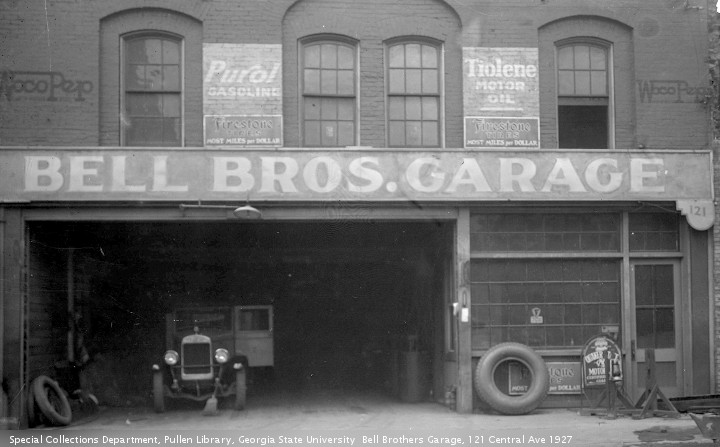
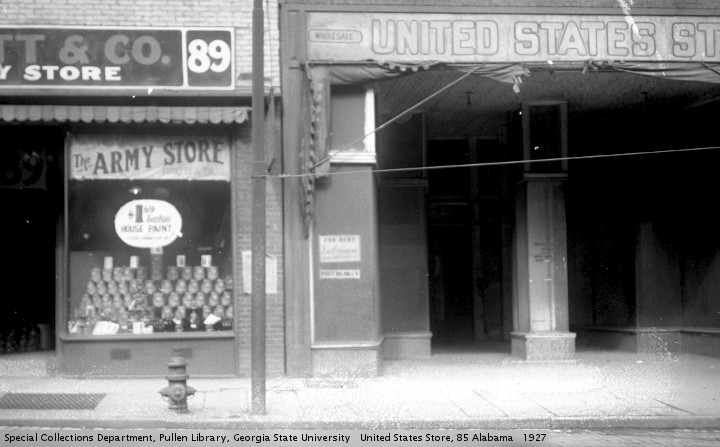
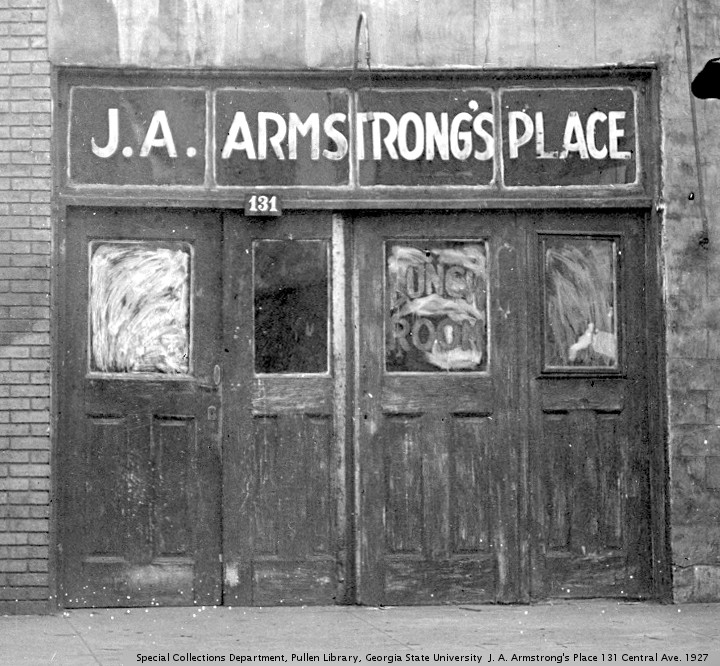
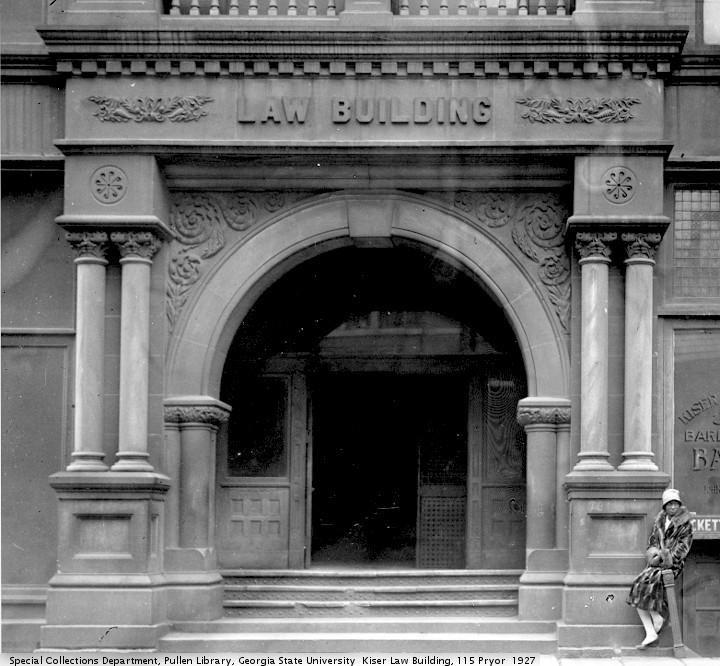
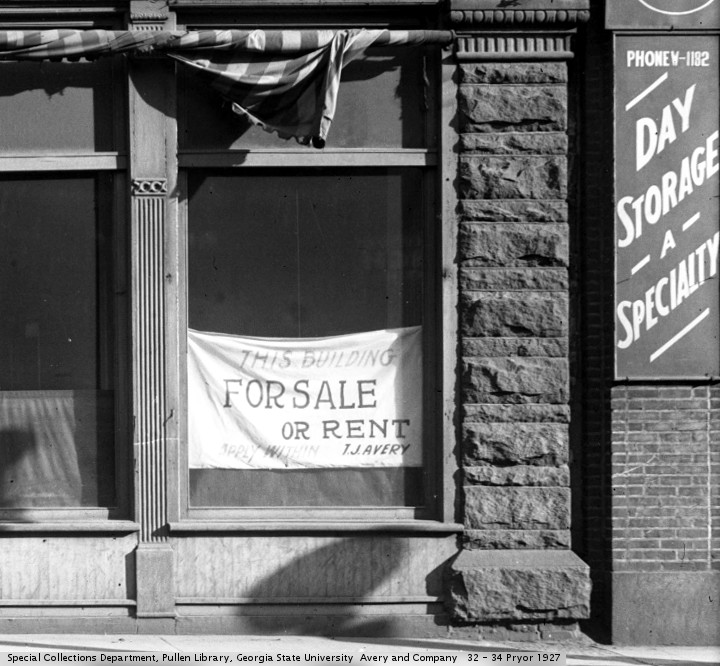
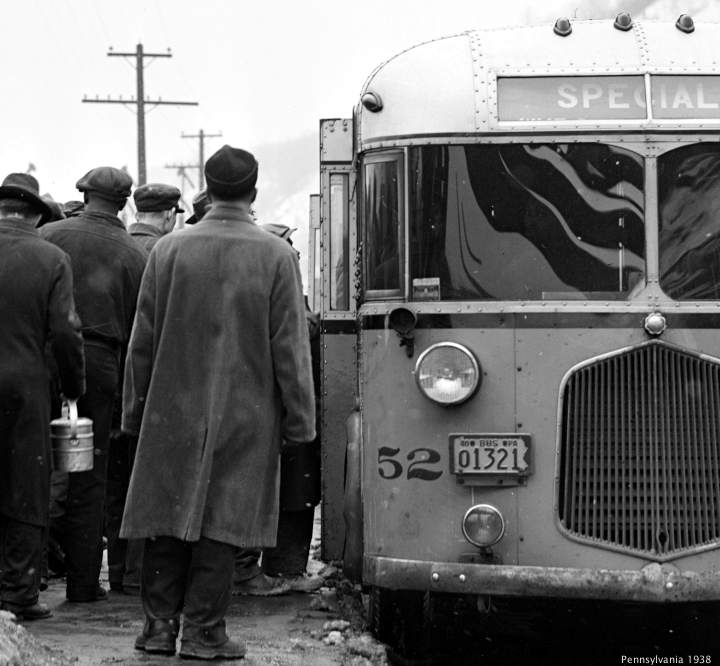
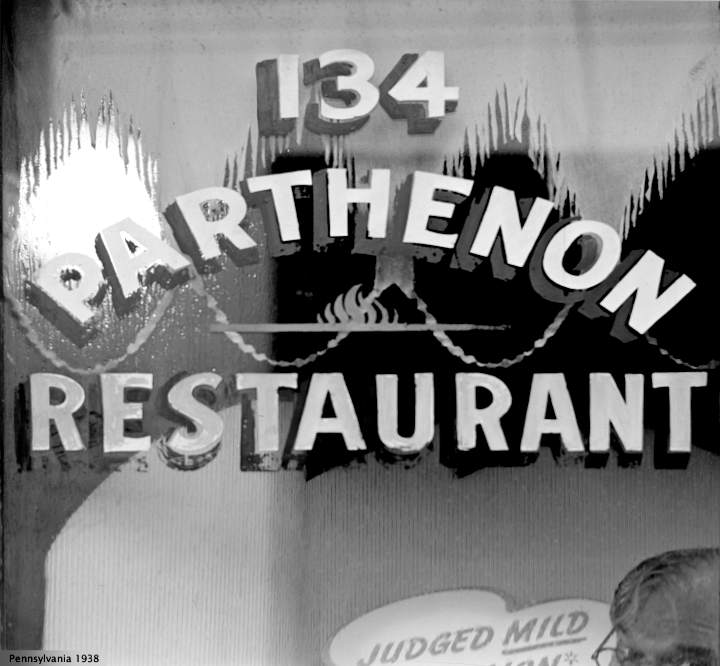
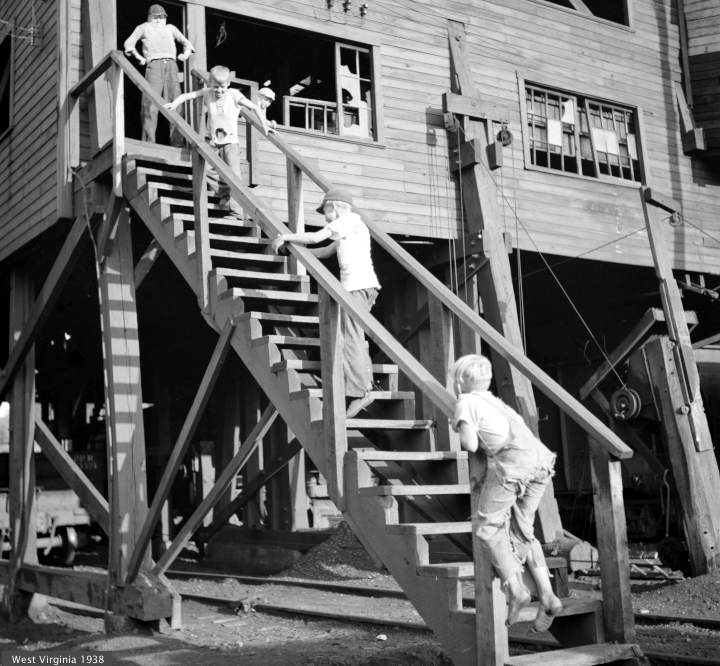
Pictures from “The Special Collections and Archives, Georgia State University Library”. “This item is part of a collection of images of downtown Atlanta streets that were taken before the viaduct construction of 1927 – 1929. Some of the covered streets became part of Underground Atlanta.”




Cross Keys






Mr. Bear “Speaking of obscure, do you remember the location of a restaurant downtown called the “Crosskeys”. There’s a photo of it in the Georgia State Library archives, but no notation of its location other than it appears to be near a big Gulf Oil lighted sign.” chamblee54 “I have seen that picture. There is a historic brass marker near Ashford Dunwoody and Johnson Ferry. Apparently there was some kind of trail crossing there called Cross Keys. Full disclosure: I went to Cross Keys High School. Nobody ever talked about what Cross Keys was. Google is not much help, except for an 1862 Battle of Cross Keys in Virginia.” This is a repost.
Some helpful person sent a couple of links, and soon PG was learning about Cross Keys… the militia district, not the school. Apparently, Cross Keys was centered around the intersection of Ashford Dunwoody and Johnson Ferry. The crossroads is a doozy… the two major thoroughfare are combined into a hundred yard stretch of asphalt, only to be separated again at an overworked red light. Both roads run between Peachtree and I285. One goes through pill hill, and the other leads to Perimeter Mall. None of this was going on when the Post Office was built in 1846.
“Historical records provide that the militia district of “Cross Keys” was established in 1827 and continued to be referenced as such at least as late as 1951. Prior to 1827 the only Federal post in the region was known as “Cross Keys,” and subsequently, “Old Cross Keys,” when the post moved to near current City of Chamblee just prior to Sherman’s March. … The area was increasingly settled by farming families during the first quarter of the 19th century. As land concessions were signed with the Creek (Muscogee) Nation between 1818 and 1821 more land was made available via grants to European settlers. While the mascots and symbols of “Indians” at Cross Keys High School are culturally inaccurate and reflect garb and headdresses of nomadic tribes of the mid and far west, it is a fitting and ironic tribute to the Muscogee Native Americans who long thrived on the same land…. The area remained primarily an agricultural community until the acquisition by the United States Army of a large tract of land in heart of the district in July of 1917. This tract became Camp Gordon, an infantry training and artillery cantonment. Part of that original 2,400 acres later became a Naval Air Station at the current site of Peachtree-DeKalb Airport.”
“There was a Cross Keys post office as early as 1846, when the postmaster was James A. Reeve.” A marker at Johnson Ferry and Ashford Dunwoody Road in Brookhaven gives this history for Old Cross Keys: “Ante-bellum crossroads settlement & post office, James Reeve (1792-1852) Post Master & merchant. Prior to 1864 the Post Office was removed to a point between Chamblee and Doraville where, name unchanged it was known as Cross Keys Post Office. To distinguish the one from the other, this place was called Old Cross Keys & was cited in Federal dispatches, maps & reports of military operations here in 1864. At this point, a brief contact was made between the marching columns of Dodge’s 16th and Schofield’s 23rd A.C. July 18, both enroute to Decatur from Chattahoochee River crossings.”
“Samuel House was one of the early settlers of this area, arriving in 1830. In 1850, he built a brick home that is now part of the Peachtree Golf Club. General Sherman spent the night at the home on July 18, 1864 and described it as “a brick house well known and near old Cross Keys.” … The name Cross Keys is referenced in Civil War records. Special orders from General James McPherson on July 16, 1864 instructs “The fifteenth Army Corps, Major General John A. Logan commanding, will move out from its present position at 5:30 a.m. tomorrow on the road leading to Cross Keys, following this road to a point near Providence Church, where he will take a left hand road (sometimes called the upper Decatur road, and proceed on this until he reaches Nancy’s creek, where he will take up a good position on each side of the road and go into bivouac.”
Major General William T. Sherman also issued orders on July 18. At the 15:00 mark of this lecture, the speaker quotes a dispatch to Gen. James Birdseye McPherson. “I am at Sam House’s, a brick house well known, and near old Cross Keys … a sick negro is the only human being left on the premises … we are eleven miles from Atlanta, five from Buckhead, and the signboard says ten miles to McCaffrey’s bridge and eleven to Roswell.” Four days later, Gen. McPherson was killed, in what is now East Atlanta Village.
There is little indication about why this area was called Cross Keys. In 1827, this was the middle on nowhere. “The symbol of the “crossed keys” itself traces to early Christian representations of the “keys to the Kingdom of Heaven and Earth” famously offered by Jesus to Peter according to Matthew 16:19.” The phrase Cross Keys does not appear in the verse.
No one seems to know much about the Cross Keys restaurant. The GSU picture is dated November 8, 1951. A postcard gives the address as 237 Peachtree Street, and has the address of a CKR in Nashville. The Nashville restaurant is mentioned in a WSB-TV film from May 13, 1963. “… African American students protest segregation at two restaurants in town. … a white doorman outside the Cross Keys Restaurant. African American students march on the sidewalk … where police forcefully push the demonstrators away and let white people through the crowds.”
Pictures today are from The Library of Congress. Two articles were quoted in this post: Going way back to Cross Keys. Every few years I tell story of name, ‘Cross Keys,’ so our community doesn’t forget. The second story has a comment by Mr. Bear.


 Chamblee54
leave a comment