Atlanta Rising
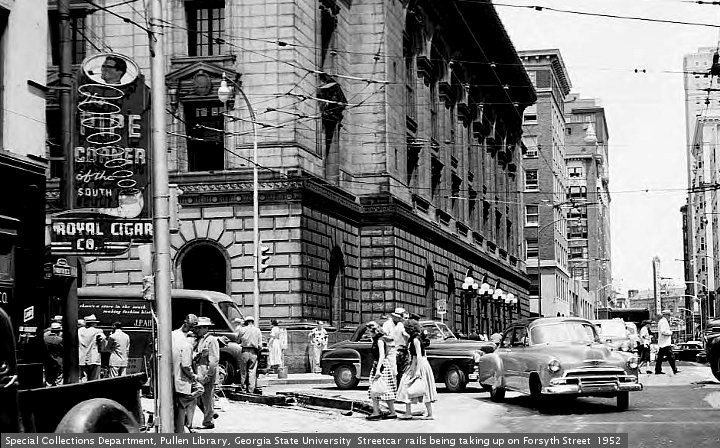


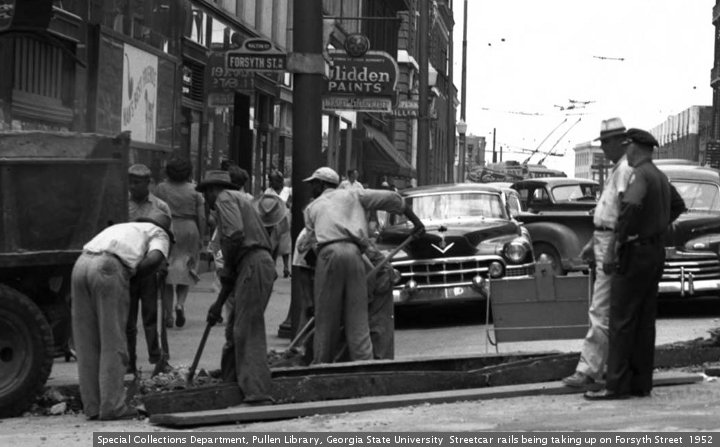
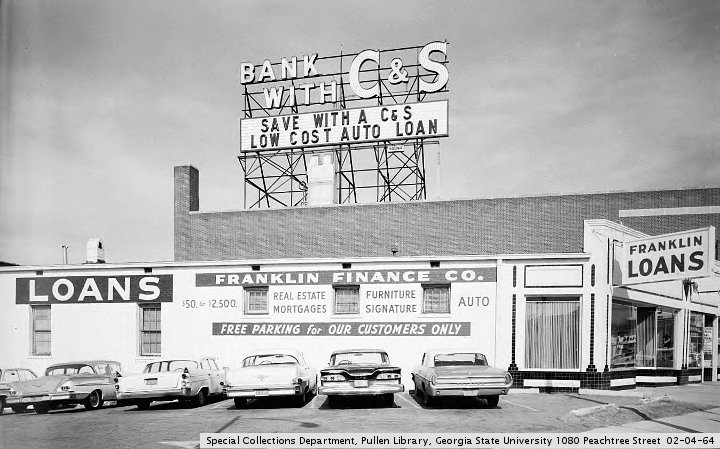
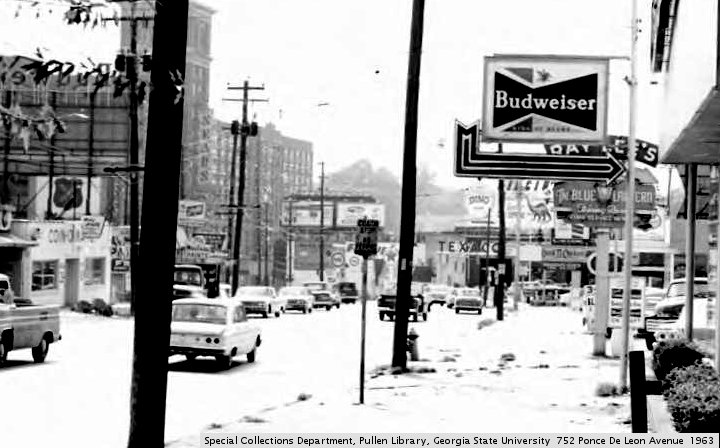
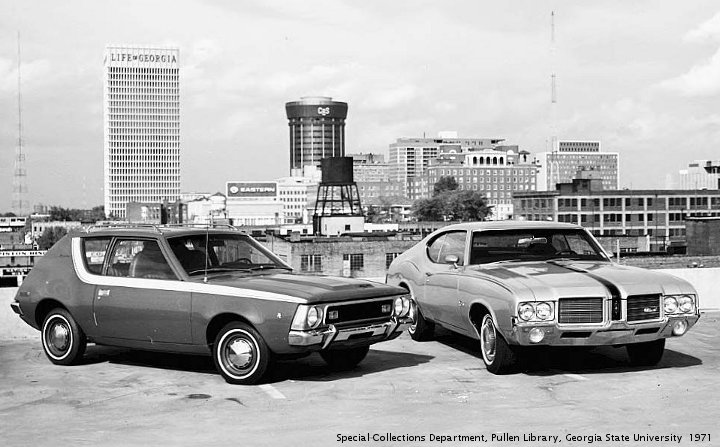
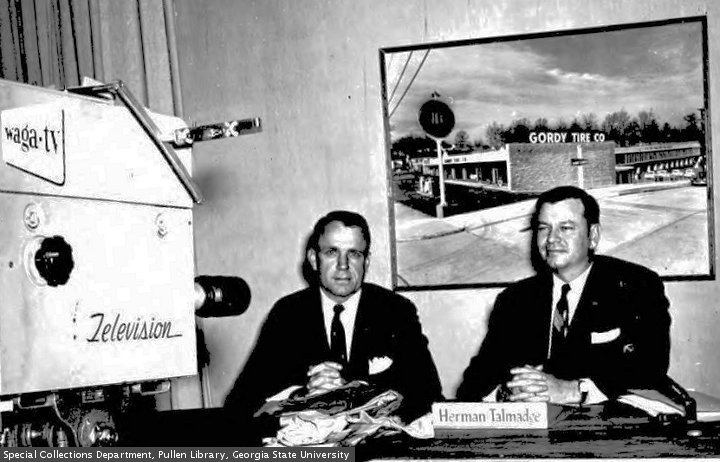
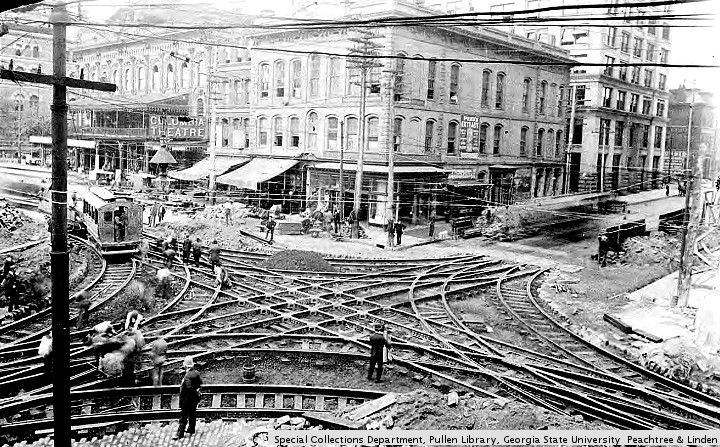
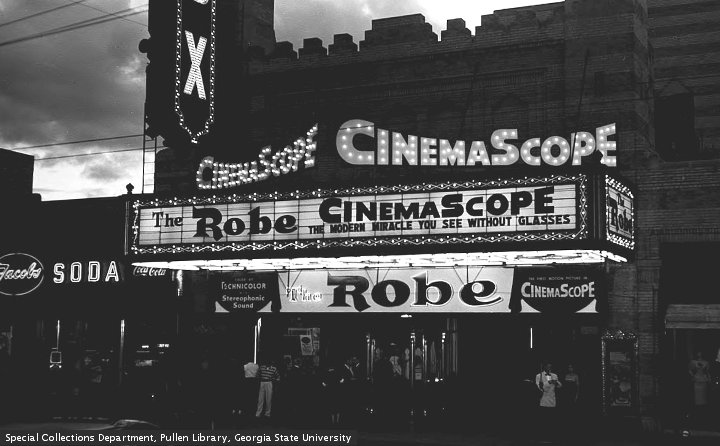
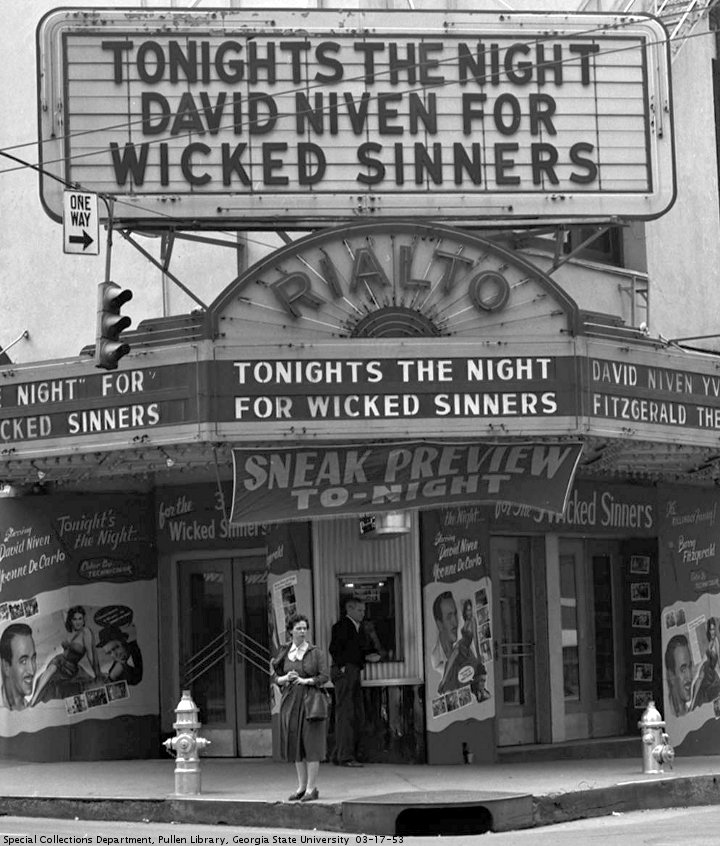
Atlanta Rising: The Invention of an International City 1946-1996 is on the shelf at the Chamblee library. This book is a history of Atlanta in the modern era, written by former fishwrapper scribe Frederick Allen. This is a repost from 2014. Pictures are from “The Special Collections and Archives, Georgia State University Library”.
The story begins in 1948. AR is weighted more to the older part of the story. The main text is 248 pages. On page 124, Ivan Allen has just built a controversial roadblock on Peyton Road, which would be in 1962. The further along in the story, the fewer details are included. The first big story is when Georgia had two governors. This is one of the best descriptions of the two Governors controversy around, and does not mention Ben Fortson’s wheelchair cushion.
The mayor at the start of the story is William B. Hartsfield. “Willie B” was a leader in creating the Atlanta Airport, and in building it into the powerhouse it is today. He was mayor until 1961, when Ivan Allen Jr. moved into the office.
AR has many moments of unintentional irony. When you read a book 18 years after it was written, and fifty years after the events in the book, you see things that could not have been imagined before. In 1960, many of the political-business elite thought it was time for Mr. Hartsfield to retire. Among his shortcomings was an indifference to sports. Mr. Hartsfield thought that a new stadium would be too great a drain on the city’s taxpayers. Fifty four years, and three stadiums, later, the power elite is going to build another stadium. Atlanta Stadium cost eighteen million dollars. The Blank bowl will cost over a billion. (In the past year, a plan to move the Braves to Smyrna was announced.)
One of the big stories here is civil rights. Atlanta came out of that struggle looking pretty good. It was a combination of image conscious businessmen, enlightened black leadership, and a huge helping of dumb luck. In 1961, the city was under federal pressure to integrate the schools. The state was firm in opposition, and the city wasn’t crazy about the idea anyway. Then, another federal court ordered the integration of the University of Georgia. Since the people would not stand for messing with their beloved University, the state laws forbidding integration were quietly repealed. The city schools were integrated with a minimum of fuss. (The book tells this story much better than a slack blogger.)
The controversy about the 1956 model state flag was going full steam when AR was written. The book has some legislative records, which for some reason never made it into the fishwrapper. There is no clear cut answer as to why the legislature changed the state flag. It was mentioned that at the national political conventions, you could not have a written sign, but you could wave a state flag. This controversy provided a diversion from gold dome crookedness, and hopefully has been laid to rest.
A man named Lester Maddox sold fried chicken, and ran for public office. AR describes Lester as looking a bit like an angry chicken. Through a series of constitutional convulsions, Lester was elected Governor in 1966. The state survived his tenure. In the seventies, when Jimmy Carter was running for President, Lester said a lot of rude things about Jimmy, helping the smiling peanut farmer get elected. In another turn of fate, Lester Maddox died June 25, 2003. This was two days after the eternal departure of Maynard Jackson, the first black Mayor of Atlanta.
The book ends with the 1996 Olympics looming over the city. Billy Payne led a smart campaign to secure the games for Atlanta. One of his moves was to keep Jimmy Carter and Ted Turner out of the action. After the 1980 boycott, and the Goodwill Games, neither person was popular with the I.O.C. The book was published before 1996. The Olympics were a blast.




Millard Fillmore And Oscar Wilde In Atlanta

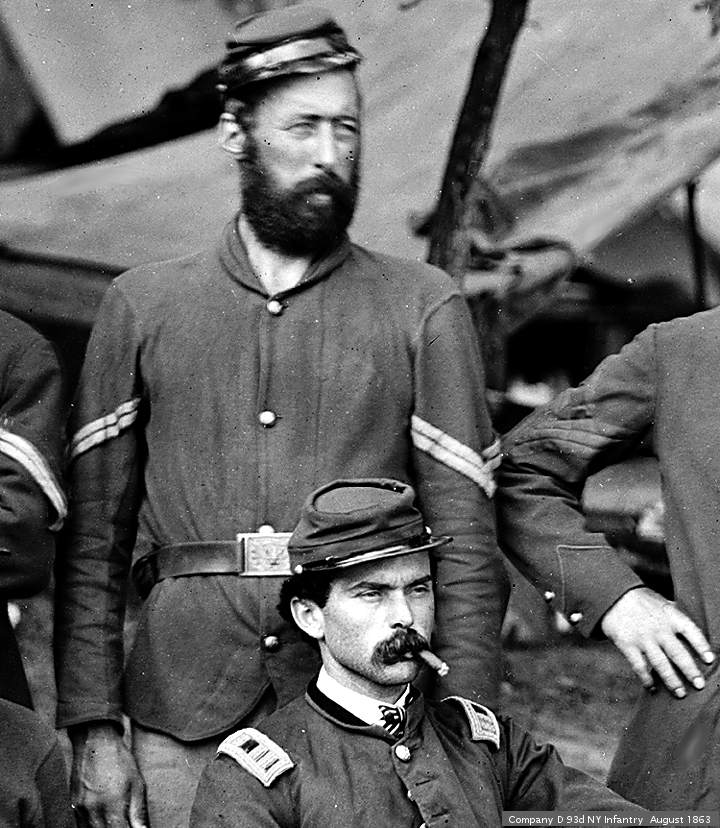



This afternoon’s post at chamblee54 noted an 1854 visit by former President Millard Fillmore. This was brought to the attention of another history minded blog, Millard Fillmore’s Bathtub. The result was some details about the visit, Millard Fillmore, live on Peachtree Street, 1854. The material below is borrowed from that post.
Two years after the Whigs refused to nominate Fillmore for a term of his own, he was out touring the country? Several accounts explain that Fillmore and his wife Abigail wanted to tour the U.S. after his presidency. Unfortunately, she died shortly after he left office. He pined through the rest of 1853, but by February 1854 had decided to tour by himself, without his children, accompanied by friends he could persuade to join him.
That same month, Fillmore decided to take the trip southward that he and Abigail had not been able to take. Given the timing, some observers believed that Fillmore had a political motive in making the journey. They suspected that he might be planning to speak out against the Nebraska Bill [proposed by Illinois’s U.S. Senator Stephen A. Douglas]. Others were convinced that it was a leisure tour. But whatever Fillmore’s intentions may have been, his speeches to southern audiences were relatively neutral. He restated his faith in the [Missouri] Compromise, but he spent most of his time enjoying a series of receptions, dinners, and parades in his honor throughout the region. A marching band escorted him through the streets of Louisville, Kentucky. Girls scattered his path with flowers in Montgomery, Alabama. A row of trains blew their whistles in greeting in Atlanta, Georgia. Fillmore returned home refreshed and with renewed faith in his fellow Americans. (This paragraph is from Alison Behnke, Millard Fillmore (a child’s history of the man), 2005, page 92.)
By late February 1854 Fillmore had resumed his plans to travel. He perceived that a southern trip would do him good and that the journey would divert his mind from the loss of Abigail. … Fillmore hoped Francis Granger, John P. Kennedy, and Washington Irving would go with him on the trip. Granger lost interest, and Irving was in no mood for politics. …
En route to Atlanta from Augusta on the Georgia Railroad, they stopped at Greensboro where a large crowd of teachers and students of the Female College greeted Fillmore and Kennedy. They dined at Madison. At Stone Mountain an escort committee from Atlanta met them.
At the Atlanta Depot a novel reception welcomed them. A large number of locomotives were present with their steam up. When the Augusta engineer signaled their arrival they all opened up their valves and whistled out a welcome the like of which, reported a newspaper, “no mortal man had heard before.” The shouts from the crowd and locomotive whistles were deafening to one reporter. By carriage the party went from the depot to the Atlanta Hotel where a reception was held.
Fillmore had become hoarse. Nonetheless, he managed to say that he was impressed by the large population and that he had heard that it was a beautiful village in the center of the state. He also admonished the state legislature to to take note “of the array of female loveliness before me” seated at the reception. If they did so, he joked, they wouldn’t hesitate to locate the state capital at Atlanta. At that time the capital was at Milledgeville. Atlanta became the capital in 1877. (This section is from Robert J. Scarry, Millard Fillmore, 1982, pages 247-252 variously.)
A few months later, on October 16, 1854, Oscar Fingal O’Flahertie Wills Wilde was born in Dublin, Ireland. On July 4, 1882, Mr. Wilde gave a talk at De Give’s Opera House in Atlanta GA. What happened next is described on page 201 of Oscar Wilde by Richard Ellmann.
Mr. Wilde was accompanied by his agent, J.S. Vail, and a valet, W.M. Traquair. Mr. Vail bought three train tickets for Savannah, the next stop on the tour. The Pullman agent told Mr. Wilde that black people were not allowed to ride in sleeper car berths. Mr. Wilde said that Mr. Traquair had traveled with him throughout the South without incident. The Pullman agent said the next stop was in Jonesboro GA. If people in Jonesboro saw a black man in the car, then they would attack the train. Mr. Wilde gave in, and Mr. Traquair traveled in another part of the train.
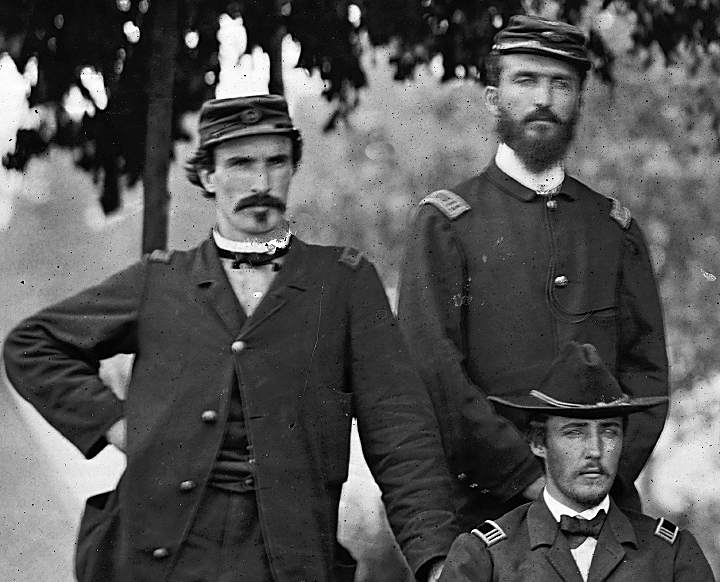
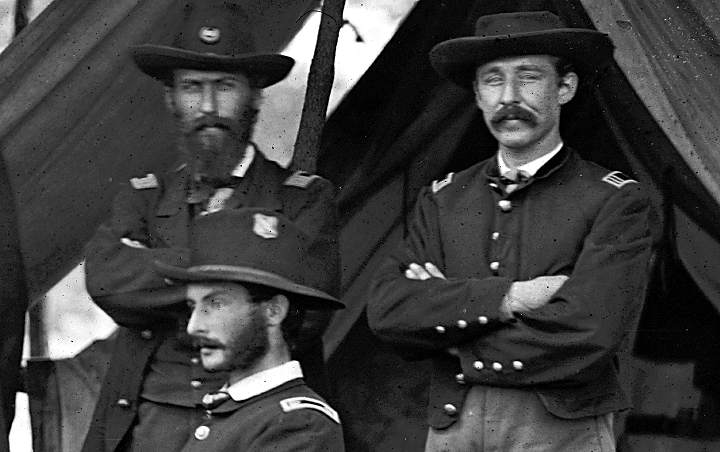
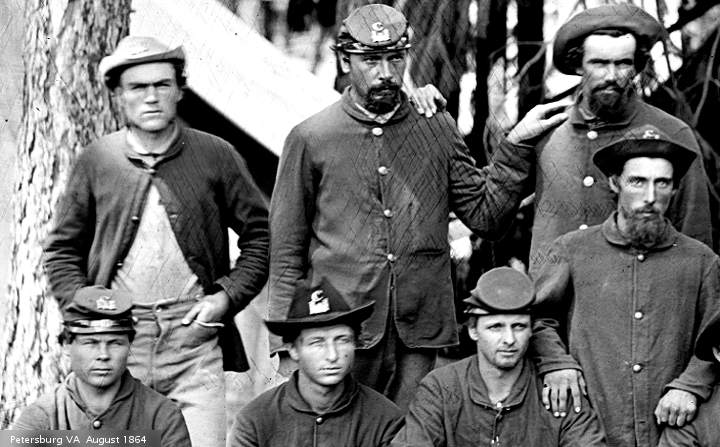
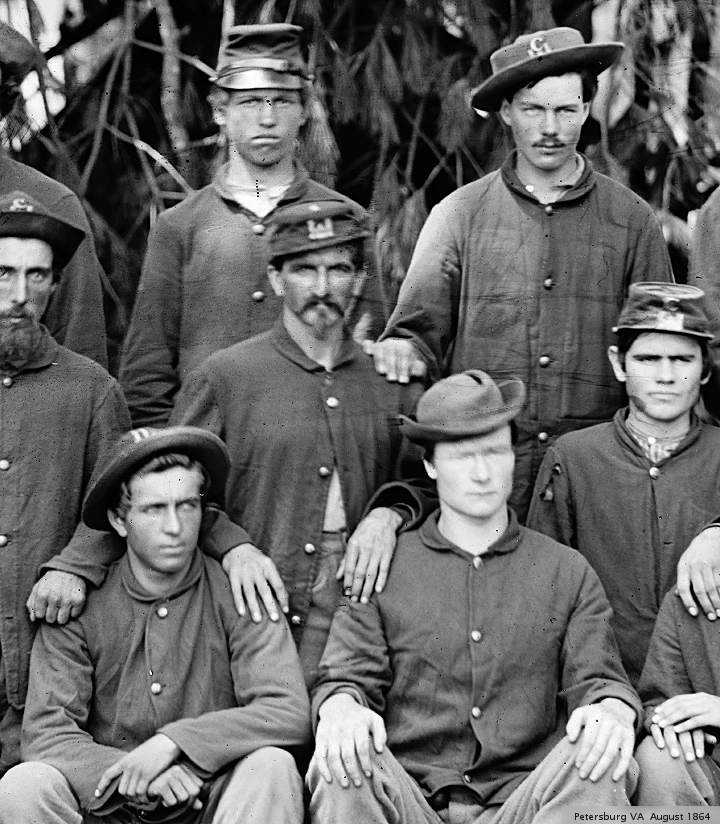
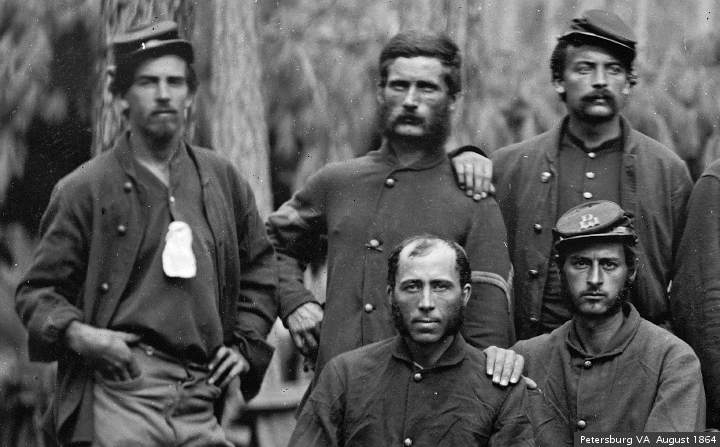
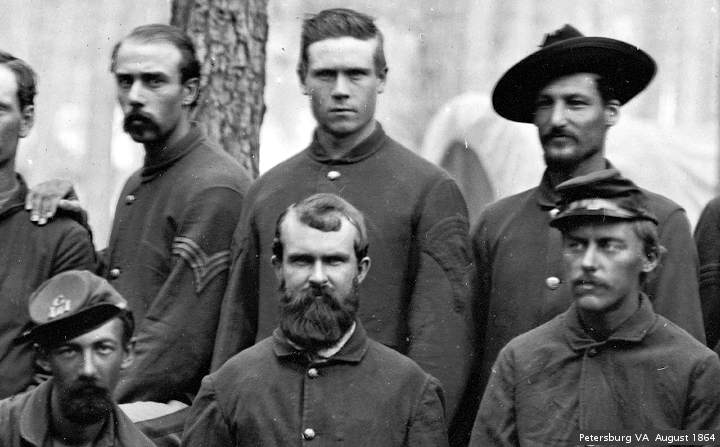
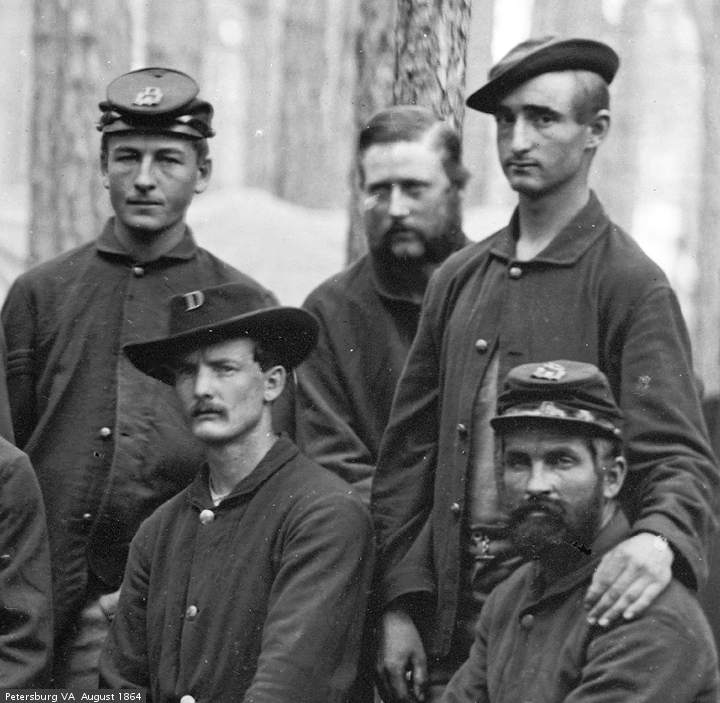
This is a repost. Pictures today are from The Library of Congress.



Downtown’s Architectural Heritage



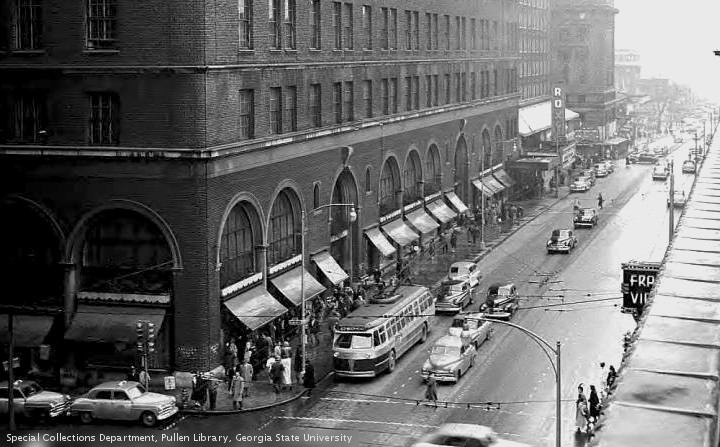
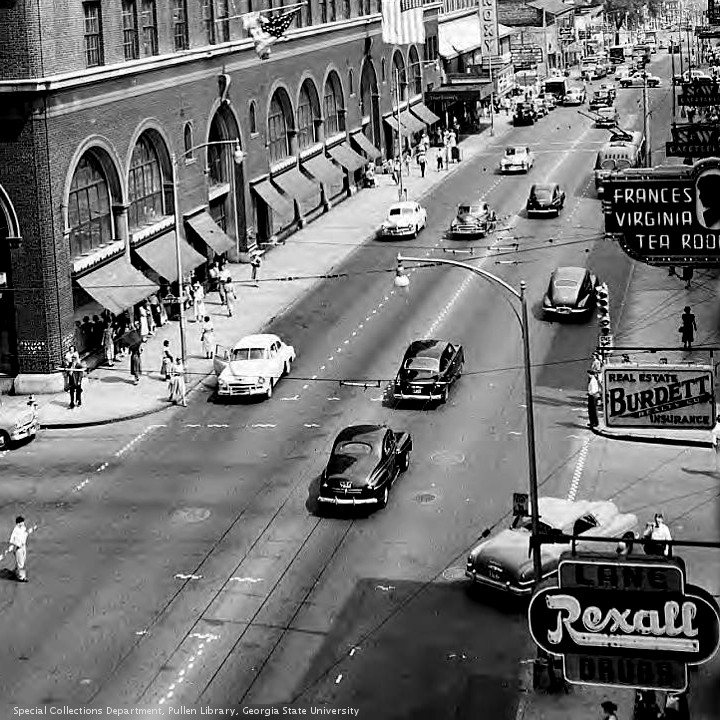
The tour began at the Commerce Club, It is a glorified parking deck, with a dining club on the top two floors. It was started as a place that would allow Jews. In the early sixties, the Commerce Club was the site of a secret meeting between Atlanta City officials, and Civil Rights demonstrators. Since it was mostly parking, the activists drove in and parked unannounced.
In 1992, PG saw Dan Quayle arrive to give a speech at the Commerce Club. A couple of hours later, PG was crossing Walton Street, when the Vice President’s limousine drove by. PG waved at the vehicle, only using one finger.
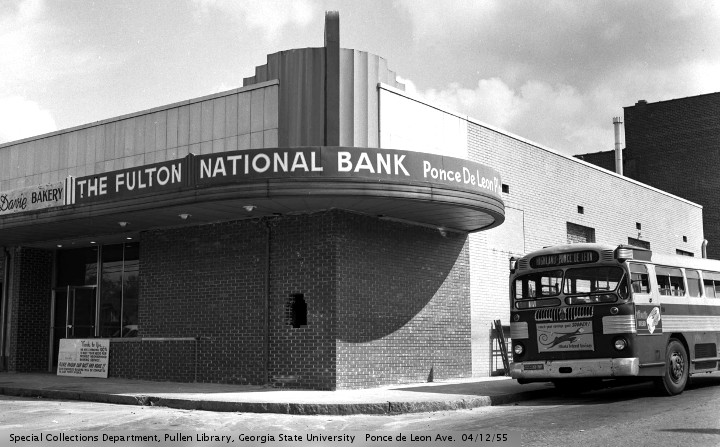
The next stop was the Fulton National Bank building. It was the first high rise built after the depression. For many years it was red brick, until some idiot had the idea of painting it beige. Across the street is 2 Peachtree. At 41 stories, it was the tallest building in town for a while. Some say it was the ugliest building downtown, although that is tough to quantify. An 8 story brick building in front was retrofitted with black panels, so that it would look like its tall neighbor. These panels are falling off, and may eventually be taken down.
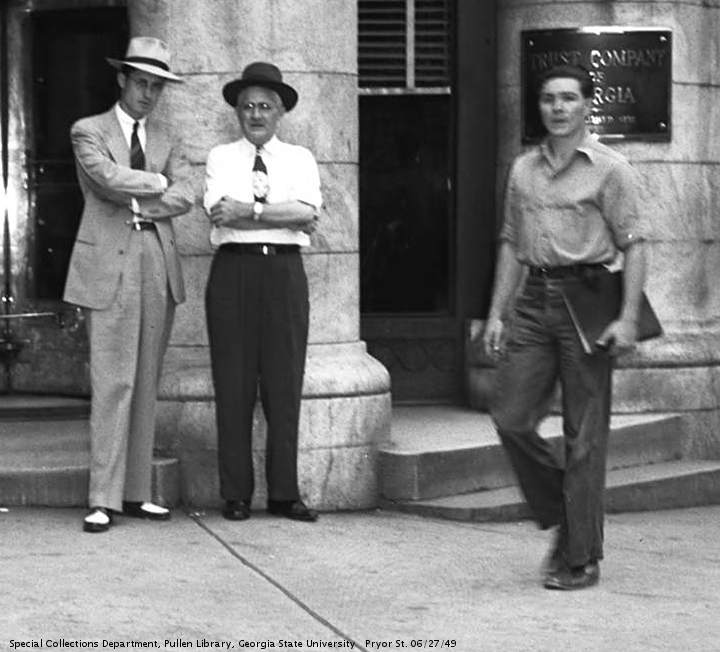
Woodruff Park is across Five Points from 2 Peachtree. The legendary head of Coca Cola, Robert Woodruff, bought several blocks of aging buildings, and tore them down to create the park. Some say he wanted the open space in front of the Trust Company building, so it could face Peachtree. The Trust Company was Coca Cola’s bank. For years, the formula for Coca Cola was held in their vault.
In one legend, Governor Gene Talmadge went into the Trust Company lobby. This would be in the old building on Pryor Street. (Now Park Place) The Governor had enjoyed a happy lunch, and was being held up by two of his aides. Soon, Governor Talmadge felt the need to use the restroom, which he did in the corner of the lobby.
Gracing the North end of Woodruff Park, at 100 Peachtree, is the Equitable Building. It, and the adjacent Georgia Pacific building, were designed by Skidmore, Owings, and Merrill, or SOM. No, that is not short for SOM-bitch. These two buildings were more modern, and are sometimes called glass boxes. At least the GP building has some variation in the back.
Georgia Pacific was built on the site of the Loews Grand Theater. Across the street was a giant Coca Cola sign. GP did not think that sign fit in with their new building. Coca Cola was tired of making repairs to the sign, and was happy for an excuse to take it down.
Behind GP, on John Wesley Dobbs (formerly Houston Street, pronounced HOUSE ton) was the Belle Isle Garage. This was the original Merchandise Mart. At some point, the present Merchandise Mart was built on Peachtree. The people going to shows needed a place to stay, and John Portman started building hotels.
A few spots north, past the site of the Paramount Theater, is 191 Peachtree. John Portman had wanted to build there for years, but was never able to pull it off. Finally, the property was taken over by someone else, the S&W cafeteria was torn down, and Philip Johnson and John Burgee designed the high rise that sits there now.
PG asked if that building was still mostly unoccupied. The guide said that you read the AJC too much. After King & Spalding moved out, the building began a comeback, and is mostly occupied today. The parking garage, with faux columns outside, is a favorite.
Across the street, on the site of the Henry Grady Hotel and Roxy Theater, is the Peachtree Plaza hotel. There is a duplicate of this building in Detroit, that is 4 feet higher, but that doesn’t stop people from calling the Atlanta version the world’s tallest hotel. A few spaces north on Peachtree are the original Peachtree Center buildings.
One of the PC buildings is different from the rest. Mr. Portman was not able to buy the land for one building, but merely lease it. The lenders wanted to be able to tear the building down easily if land lease problems developed. This building has a steel frame, and is bolted together.
Another one of these buildings was all electric. This was a sixties concept, that is not much seen today. Across the street, a major tenant was the Atlanta Gas Light Company. An all electric building would not do. Natural Gas heating was installed. This building is not on the grid, but has a generator in the basement that supplies their electricity.
The tour ends with three hotels in a row. The Regency Hyatt House was revolutionary. It was the first modern hotel with a large atrium. Mr. Portman had lunch with Conrad Hilton, and described his plan. Mr. Hilton said it would not work. The management contract for the new hotel went to the Hyatt company, which was then little known outside California. The Regency has been renovated in the last few years, and does not have much of its old character.
A short walk over a sky bridge takes you to the Marriott Marquis. This is the Regency on steroids. The last time PG saw this building was during Dragon Con, when it was different. Across the street is the Hilton. It is another atrium building, with mini lobbies every few floors blocking the open space. The Hilton is built on the site of the Heart of Atlanta Motel, which is another story.
The last stop on the tour was One Peachtree Center. This was intended to be the crown jewel of John Portman’s empire, but it almost brought it down. An economic downturn hit during construction, and Mr. Portman’s lenders got nervous. John Portman went for being known as a baroque modernist, to just plain broke. He managed to survive.
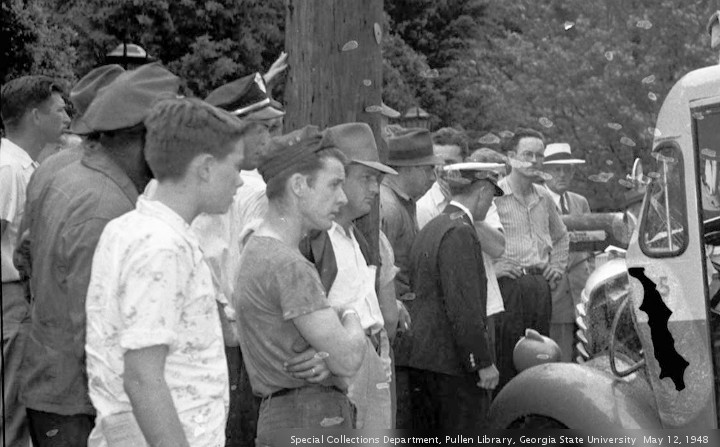
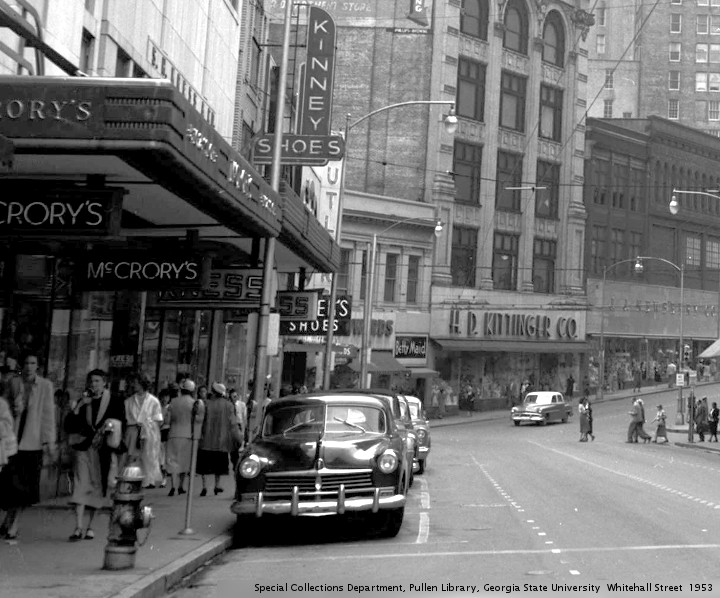
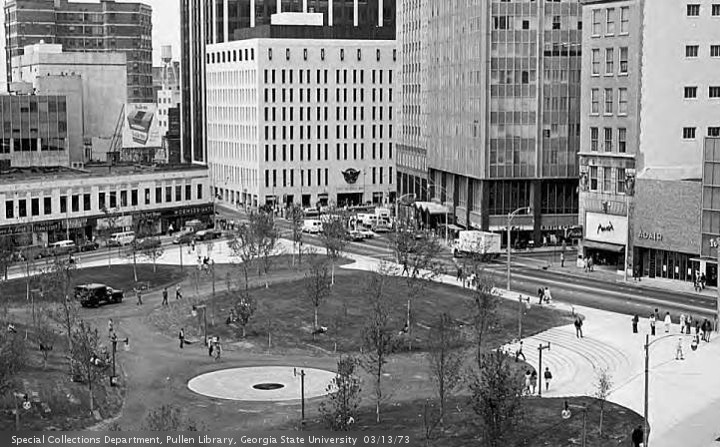
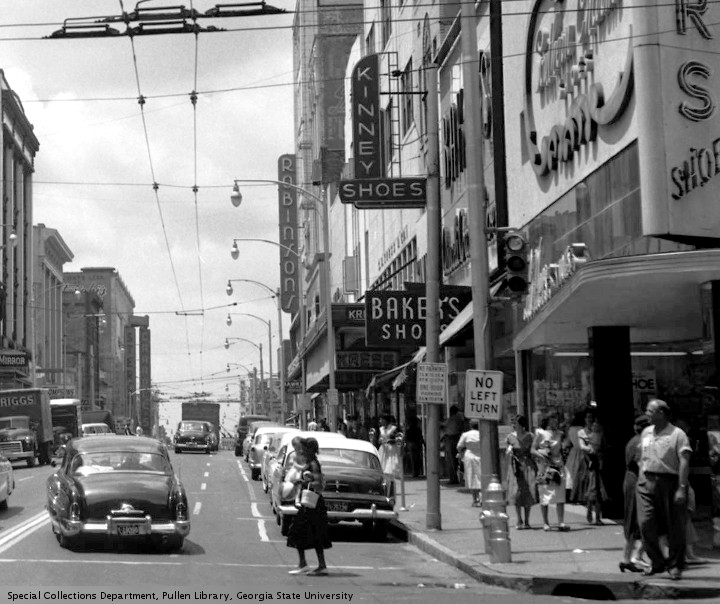
Pictures today are from “The Special Collections and Archives, Georgia State University Library”. This is a repost. John Calvin Portman Jr. took the glass elevator to eternity on December 29, 2017.





Covid Vaccine

By the start of February, I had taken three or four covid tests, all of which were negative. The news of a vaccine was recieved with skepticism. How could a vaxx be produced this quickly, and safely. The hard core, pro vaxx, sales pitches did not help. It was time to wait and see, again.
Then the email came from Northside Hospital. Since I was over 65, and worked with a Northside Doctor, I was eligible to receive the vaxx. A bout with non-covid, intestinal bug put me in bed for two and a half weeks. After I was able to stay out of bed all day, I answered the email. I felt like a sheep at first, but signed up to recieve my first dose in two days. I quit saying baa quickly. I never had to mention which Northside Doctor I worked with.
When you have a medical destination, it can be helpful to know where you are going. I had never made friends with the gps on the iphone7. After the first failed attempt, I pulled into a parking lot on Lake Hearn Drive. It was in use as a staging area for the perimeter construction tragedy. I entered the address of the building, and got a screen with a map. No helpful voice on the phone was forthcoming. This was the moment when I decided I had enough of the iphone7. I pulled the plug that afternoon.
I found the building somehow, and talked to a man. He was on the parking deck speaker box. He told me to come back on Thursday, and there would be people to tell me where to go, and what to do.
Thursday morning, a black man of indeterminate nationality told me where to take my vehicle, and to be sure to remember where it was. I could go in the building five minutes before my appointment. A pickup truck, with a black man inside, pulled up next to me. A couple of minutes before I would be allowed in, I got out of my vehicle. The man in the pickup truck got out. He wore a baseball hat, indicating some sort of military service. We has a friendly little chat as we walked up to the door.
There has been a lot of racial turmoil in America, for as long as I can remember. On this day, about half the people were black, and half were white. Maybe someone, somewhere, had problems. It was not me. It was just another day in America.
FWIW, this was a big money production. It was well organized, and took place less than a year after the meltdown. This effort was orchestrated by the government. led by Donald J. Trump. There is going to be serious re-evaluation of his presidency, and of the resistance nonsense.
I got to the doors, and was greeted by the first person. A young man asked to see my reminder text. You go to the next door, and talk to the next person. There was someone literally every twenty five feet. There was a long escalator going down. Someone asked if I was comfortable riding it.
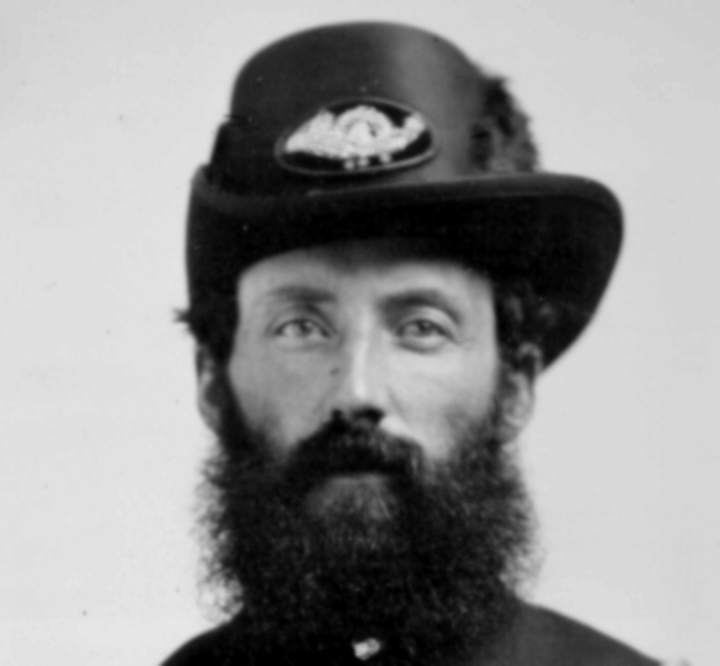
I got downstairs, in the futuristic office class A space. I go to the desk, show my picture ID, and the man confirms my registration. The next person says to wait here, until a person waves me into a cubicle. Is Campbell Mckinnon a hyphenated name? They did not have hyphenated names in 1954.
Not looking at the needle is a basic survival skill. You are ushered into a chair, where you sit down for fifteen minutes. This is the first time I have opened my book since I got here. I did not want to leave. The fifteen minutes went by quickly. I got home, and made the appointment for shot number two. This one is supposed to be tougher. Pictures today are from The Library of Congress.



Peachtree Street


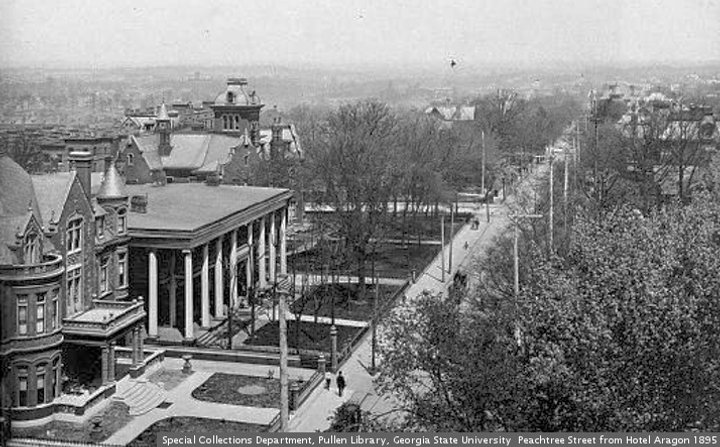

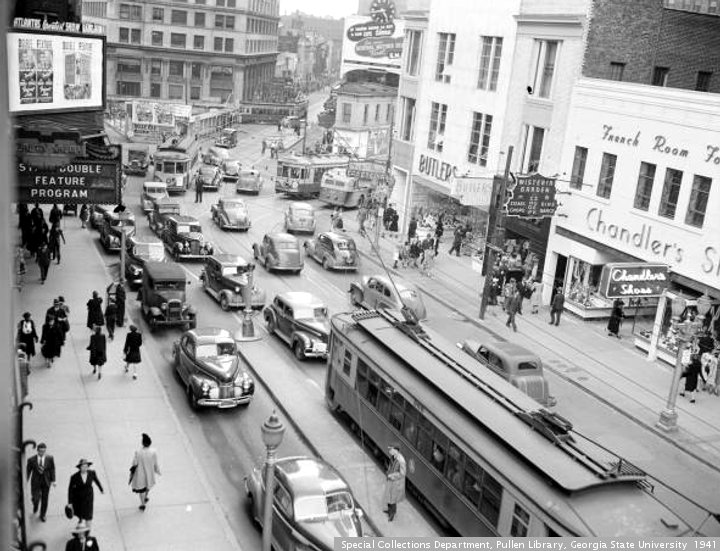
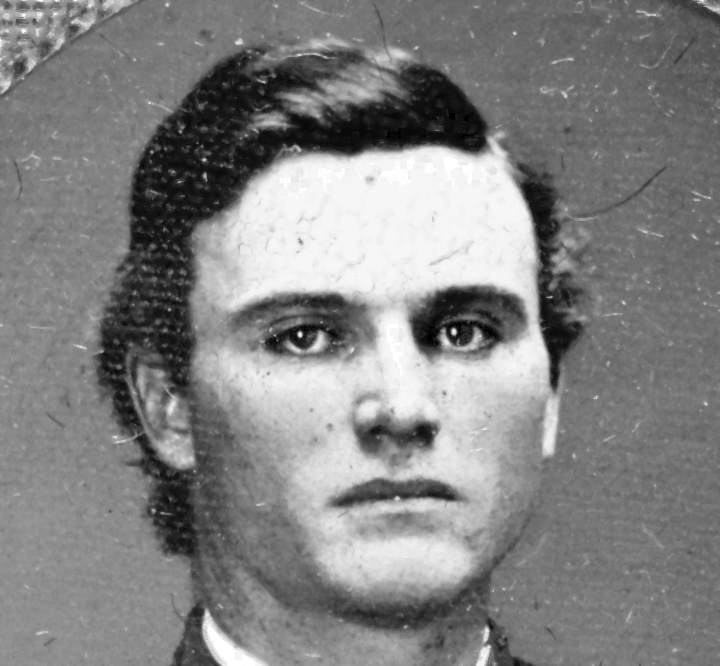
PG finished a book, Peachtree Street-Atlanta. The author is William Bailey Williford, and it was published by the University of Georgia Press in 1962. PG found this at the Chamblee library, and this is probably the best way to find this book today. (Reissued by UGA Press.)
How this road got the name Peachtree is a good question. Most peaches grow south of the fall line. The story goes that there was a Creek Indian village called Standing Peachtree, located where Peachtree Creek runs into the Chattahoochee. During the war of 1812 Fort Peachtree stood there.
There was a trail that ran from Buckhead to an intersection with the Sandtown Trail, at what is now Five Points. A short distance south of this intersection was a settlement known as White Hall. For many years, Peachtree Street south of Five Points was known as Whitehall Road. At some point in the last thirty years, a decision was made to change Whitehall to Peachtree. It did not help the rundown condition of Whitehall Street.
In 1835 Governor Wilson Lumpkin decided that a railroad that would be centered near the junction of Peachtree Trail and Sandtown Trail. The new town was named “Marthasville”, after the daughter of the Governor. Martha Lumpkin resides in Oakland Cemetery today.
The village was soon renamed Atlanta, which was a feminine form of Atlantic. Houses, churches, and businesses were soon built on Peachtree Road. In 1856, Richard Peters built a flour mill. To insure a steady supply of firewood, he bought four hundred acres of land, for five dollars an acre. The land was between Eighth Street, North Avenue, Argonne Avenue, and Atlantic Drive.
Another pioneer citizen with a large landholding was George Washington (Wash) Collier. Mr. Collier bought 202 acres for $150 in 1847. The land was between West Peachtree, Fourteenth Street, Piedmont Road, Montgomery Ferry Road, and the Rhodes Center. Much of the land was used for the development of Ansley Park.
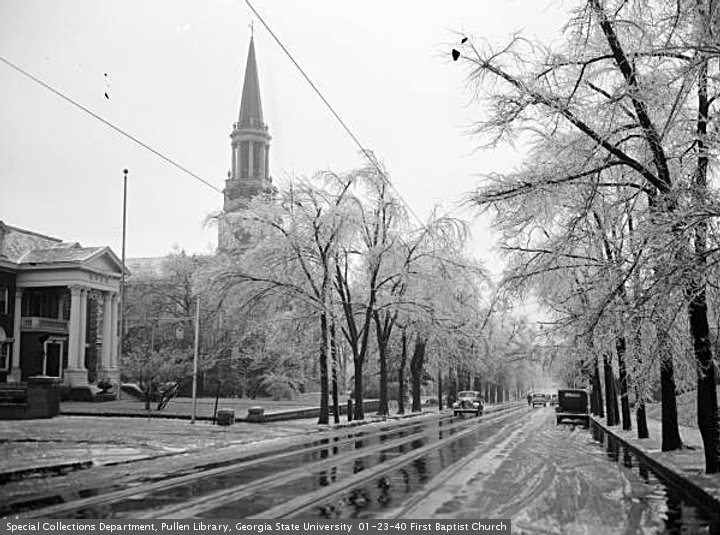

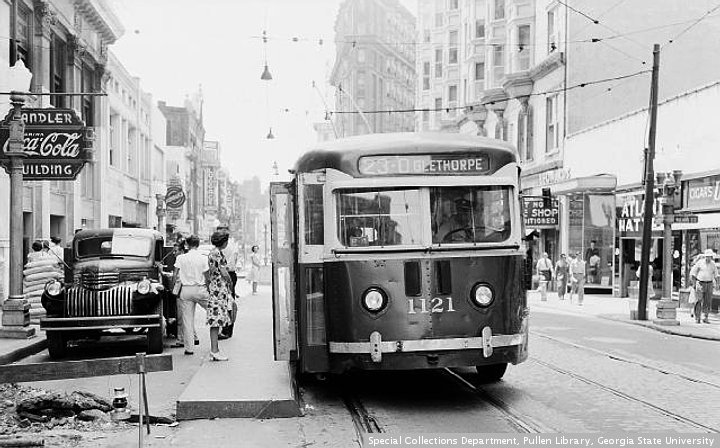
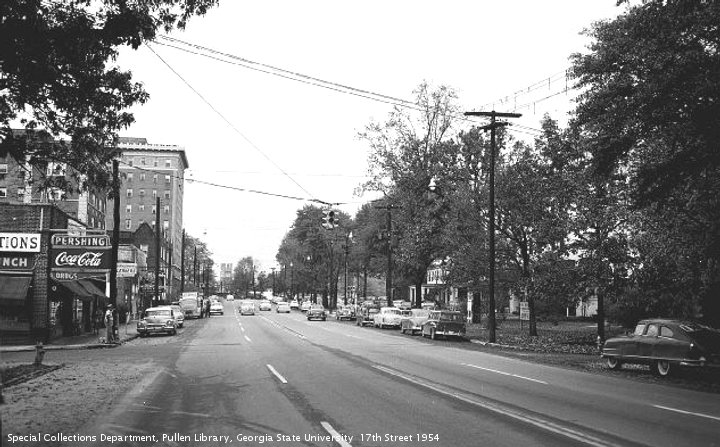
In 1854, Atlanta entertained, for the first time, a man who had been President. On May 2, Millard Fillmore arrived from Augusta on a private rail car.
There was some unpleasantness in 1864, which we will not concern ourselves with.
In 1866, there was a shocking murder. John Plaster was found dead, in an area known as “tight squeeze”. This was an area of shanties, at the present location of Crescent Avenue and Tenth Street. A hundred years later, this was near “the strip”, Atlanta’s hippie district, also called “Tight Squeeze”.
As the nineteenth century rolled along, many mansions were built on Peachtree Street. The road was paved, and streetcars ran up and down. Automobiles came, and came, and came. An expressway was built in the 1950’s, and quickly became obsolete. One by one, the mansions were torn down and replaced with businesses and churches.
The book was written in 1962, when the party was just getting started. The High Museum was known then as the Atlanta Art Association. In June of 1962, a plane full of prominent Atlanta residents crashed in Paris, killing all on board. As a memorial to those people, the Memorial Arts Center on Peachtree, at Fifteenth Street, was built.
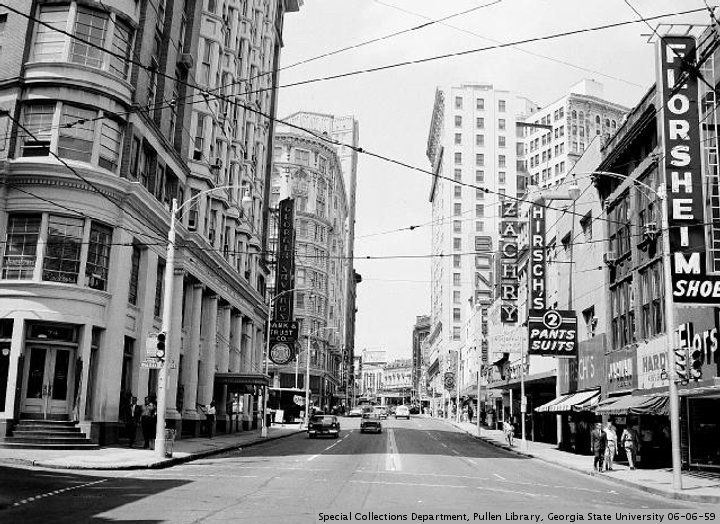
Another phenomenon which is not explained by the book is the custom of naming everything here Peachtree. There are countless streets and institutions named for a fruit tree that likes warmer climates. Atlanta has a one street skyline, that stretches from Five Points to Peachtree Dunwoody Road, almost at the city limits. PG lives a quarter mile off Peachtree, in Dekalb County, and has no idea why Peachtree is a magic word.
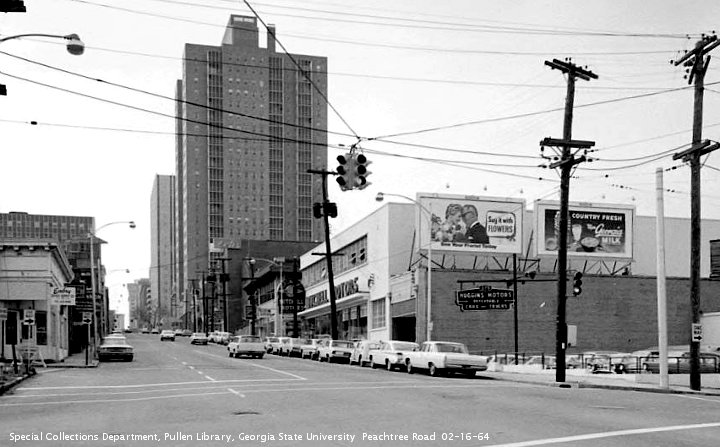
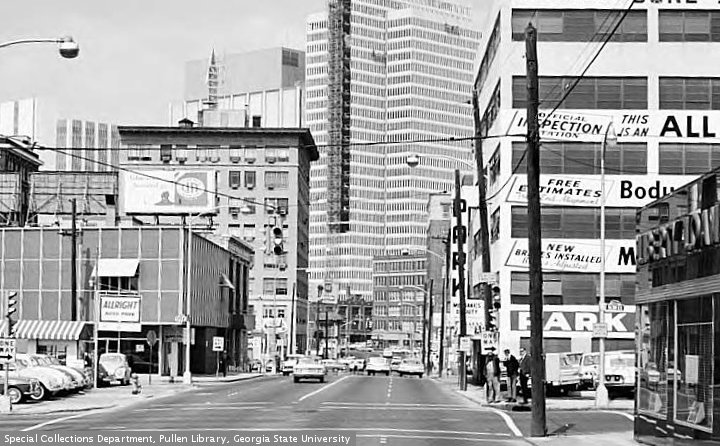
Pictures are from “The Special Collections and Archives, Georgia State University Library”. and The Library of Congress. This is the annual repost.



Iphone7
I disconnected the iphone7 yesterday. If you want to call me, I am available at the same number, on the att flip phone I had before last November. It was a horrible experience.
On November 1, 2020, the house had no electricity, and was facing major renovations. I felt I would need access to email during this time. While I was at the att store, charging the ip7, the house issues began to resolve themselves. By that evening, the power was back on. And I was stuck with an ip7.
I had gotten by just fine with a flip phone and desktop computer. Fine. I saw the rest of America with its nose in a phone, constantly, and did not want to be like that. For the next three months, and 23 days, I tried to join in. I failed. Miserably.
My best friend had moved to Mexico. There was a device, whats app, that would enable me to talk to him. I tried to download the app. This was one of my first experiences with the ip7 password computer. It is tiny, and sensitive. It does not tell you when you have punched the correct button, and whether you hold it for .01 second, which might work, or whether you hold it for .02 seconds, which does not work. If you get enough of the password correct, it might let you in, or it might tell you that a computer in California is using your id, and would you like to change your password? A apple support did not resolve this, after an agonizing hour and twenty minutes.
Whats app finally went through, and life went on. I was able to talk to Mexico. I also started to put pictures on the ip7. Graphic poems are what I do. A series of eight to ten pictures, displayed in 123 order. The ip7 does not allow you to store pictures by name. They go in chronological order, period. You then try to rearrange them by image. Instagram simply did not work. That is another story.
Ip7 has a camera. When you take a picture, it takes a two second video of the still photo. Why? Who knows, except some “genius” in California. It takes another act of congress, and a dozen bizarre youtube videos, to resolve this issue.
So I decided to go take a picture of some trees, to use as a background. While I was in the forest, I hit the wrong button to wrong way, and the screen went dark. After that was resolved, I checked the emails, and deleted all of them without quite knowing what I did. Another call to apple support straightened that out.
When I got home from the woods, Joe Biden had won the election. I think this was better than the other guy winning, but not by much. America went into celebration of a new president. Georgia was beginning to realize that it was facing a double runoff, for the US Senate. Soon, the hateful content of Raphael Warnock’s sermons was in your face. The elcction from hell finally ended.
On November 20, some ios updates were made. Suddenly, voice mail messages appeared out of nowhere. I had no idea that the vm was not working. This is such a basic, simple feature.
December went by without much ado. The presidential transistion was fitfully happening. Covid raged on, and on, and on. Finally, at the end of the year, I was facing another crisis with the house. I was going to need access to voice mail. Numerous calls were made to att, and apple support. Both A-companies blamed each other. Finally, an appointment was made for the apple store at perimeter mall, to see a “genius.” By this time, the house crisis had resolved itself.
On Wednesday, an costumed army stormed the US Capitol. The immediate reaction on twitter was to blame white privilege. America was losing its mind.
On Thursday, I went to the Apple store. After waiting in a socially distanced line for 45 minutes, I went in to see the “genius.” He was a nice man, but did not resolve the issue. Remember, this is voice mail, an incredibly basic feature. A phone appointment was made for when I got home.
I will never forget what happened next. As I walked away, with my tail between my legs, an large black man came up to me. “Did they resolve your problem ?” “No” “What was the problem?” “Who are you?” “Apple security” “Am I free to leave?”
I had apple security called on me. I will NEVER own an apple product again, until the day I die.
When I got home, I spent two hours on the phone with apple and att, and the voice mails started to appear. In February, I came down with a non covid flu, and spent two weeks in bed. As I began to recover, I got an invitation to get the vaccine. I made an appointment. Yesterday, I drove to the appointment site, so I would know where to go Thursday morning. After the first drive past the site, I realized I did not know where it was. I entered the address into the phone, and got visual instructions. No voice spoke to me. I had to look at the phone, which is illegal in Georgia. Finally, I found the site, talked to a voice on a call box, who told me this was the correct place to be.
I got home, and called att. They were totally unhelpful on the phone. I went to the att store, and the lady cleaned out the ip7, disconnected it, and got the flip phone back on. There are some billing issues to be resolved, but they can be done. For now I am free of the ip7. That hideous chapter in my life is over. Pictures today are from The Library of Congress.

The Georgian Terrace Ballroom
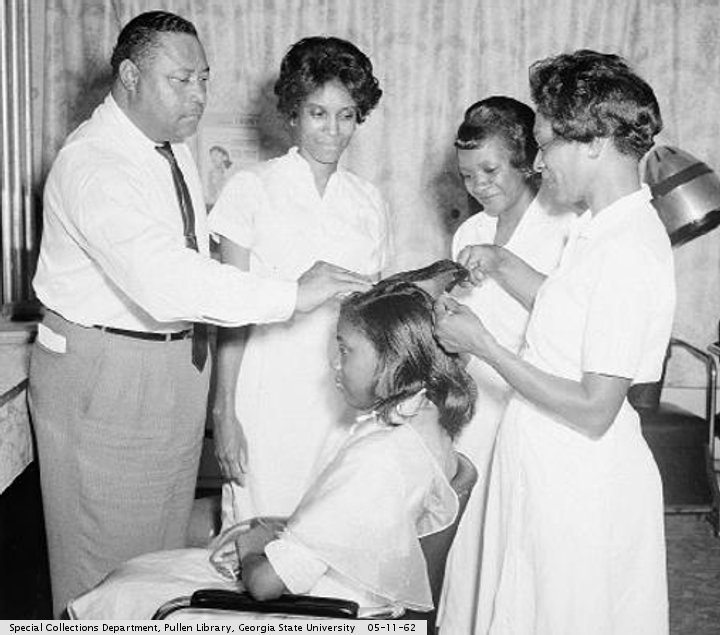
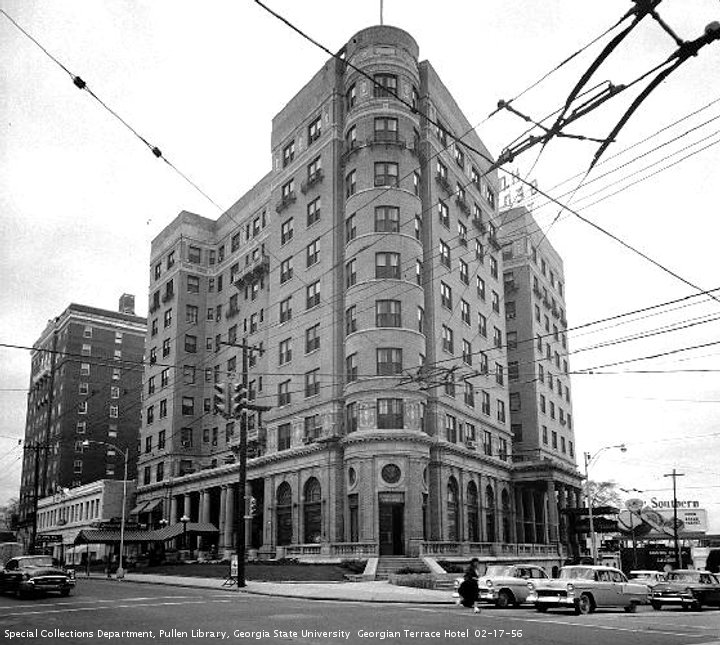



The Georgian Terrace hotel used to have an adjacent ballroom. The building opened as the “Lucky Strike”, featuring “Duck Pin” bowling. At some time, it became a 1300 seat ballroom. It was not the grand ballroom, where events for the premiere of “Gone With The Wind” were held. As time moved on, the ballroom became a music performance hall. PG saw shows there under four different business names. After the Agora Ballroom closed, the building was vacant, until a fire August 30, 1987. The site of the ballroom is now occupied by an annex of the Georgian Terrace Hotel.
The first show PG saw at this facility was in 1972. The name of the business is forgotten, as is the act that performed. A band, comprised of people PG went to high school with, played before he got there.
In 1974, “Big Time” promoter Alex Cooley opened “Alex Cooley’s Electric Ballroom”. (Alex Cooley died December 1, 2015.) The first show that PG saw was Dr. John The Night Tripper. A few months later, Capricorn artists Cowboy played, with a vulgar New York band named Mercury opening. Gato Barbieri played, with PG wondering how people could dance to that type of music.
Several major acts appeared at the Ballroom, mostly without PG in the audience. KISS played there in 1974, and photographs from backstage are in the embedded video. In April of 1974, Steely Dan was across from the Fox. In the summer of 1974, The Tubes played a week at the ballroom, with another heavily hyped show. On January 23, 1976, The Patti Smith Group played at the ballroom.
In 1975, Bruce Springsteen was on the covers of Time and Newsweek, and was receiving a promotional push unlike anything seen before. He played a show at the ballroom that summer, with a generous press party in the balcony. (At one unforgettable show Alex was caught off guard by a Bruce Springsteen request. “He asked if we could shut down the cash registers because they were making too much noise!… That’s the only time I ever did that.” Alex admits.)
PG attended two shows in 1975. Mckendree Spring opened for Fanny, while PG drank too many bourbon and cokes. In November of 1975, Juice Newton opened for Hot Tuna. Miss Newton seemed to be a bit pale, and performed “Get drunk and screw”. Hot Tuna was amazing. They went on stage at 10:55, and played, without a break, until 2:50. The drummer wore a shirt, mother fucking hot tuna. Few would argue that night.
In autumn of 1977, some brave soul opened a place called “The Ballroom” in the space on Peachtree Street. One night, PG went with some friends to see an act, Happy the Man. There seemed to be a bit of chaos in the management of the facility. The Great Southeast Music Hall loaned a few microphones for the show. When the show was over, PG walked out to a car, whose motor was running, with the driver asleep inside.
In the summer of 1978, the ballroom opened as The Agora Ballroom. Apparently, there is a music hall in Cleveland with that name, and they opened branch facilities around the country. There were some shows that PG did not attend. Todd Rundgren opened the facility August 19, 1978. On October 2, 1979, The Clash played. Pictures from the crowd appeared on an album by the band. On December 2, 1981, U2 made their Atlanta debut.
A few weeks after the opening, PG won tickets to an all Texas show. Marcia Ball opened, and a bored PG went to a neighborhood bar to drink beer. PG returned later, and stayed long enough for the singer with Asleep at the Wheel to ask the crowd, Are you stoned?
In November of 1978, PG called a radio station, and asked to be put on the guest list for Talking Heads . (For Talking Heads, and three links in the following paragraphs, the link is for a previous Chamblee 54 post about the show.) The first six people he called were busy, but the last one agreed to go. On the bus going home, a group of black men started to make unfriendly comments. At the next stop, a black friend of PG got on the bus, and went to talk to him.
A few weeks later, Tim Curry made his United States debut. Some record company invested a lot of money in him, and supplied him with an outstanding band. PG was wandering around the balcony after the first show, and saw Tom Waits sitting at a table. The bodyguard said no, that’s not Tom Waits, it is just someone that looks like him. At a bar, after the show, PG was raving about what he had seen, when a lady came up to him. What color are your eyes? They are brown, because you are full of shit. Soon, the 23 Oglethorpe was taking him home.
Somewhere in the haze of 78 and 79, Ultravox brought their synthetics to the Agora. A local band, First Blood, was more entertaining as the opener. PG drank a very large can of Foster’s beer, and floated through the proceedings. After the show, PG was invited to a party in Candler Park. On the way there, there was a horrific car crash on Ponce de Leon. At the party, friends of First Blood dissected their performance, between lines of coke.
One night, PG was enjoying drink specials at a neighborhood bar. He took a break, walked over to the Agora, and saw a few minutes of a show by Freddie Hubbard.
In early 1979, the B 52s were on the verge of stardom. (Here is a nifty feature about the Atlanta local music scene in those days.) The opener for the 52s was The Brains , yet another talented band that never made it big. At the table next to PG, a lady wore a dynamite World War Two army uniform.
Later in 1979, Ted Turner had an idea for a TV show, “Live at the Agora”. The first show was filmed in Atlanta, and featured Graham Parker and the Rumor. If they ever show that film again, and you see a crowd shot, that is PG wearing a white T shirt, with a white Agora iron on logo. Parker was a great musician, who had the misfortune to look like Big Bird’s nerdy little brother. If Graham Parker looked like Bruce Springsteen, he would have been a superstar.
In March of 1980, Lene Lovich came to the Agora. About a year later, Spirit played on Peachtree Street. The show was sponsored by a radio station, and tickets were $2.96. Despite the low price, and high musical quality, the balcony was closed, and only about a hundred people were at the show. PG thought this was odd, but little surprised him by this time.
The last show that PG caught at the Agora was The Ramones. Joey and the pinheads were past their prime, with only two original members playing. It was an all ages show, with alcohol served in the balcony. Downstairs was a festive party, with costumes and enthusiastic high school kids. The balcony was the same rock and roll drunks you had seen for years. The Ramones would have made a great oldies band, if they could have quit dying. This is a repost, with pictures from “The Special Collections and Archives, Georgia State University Library”.

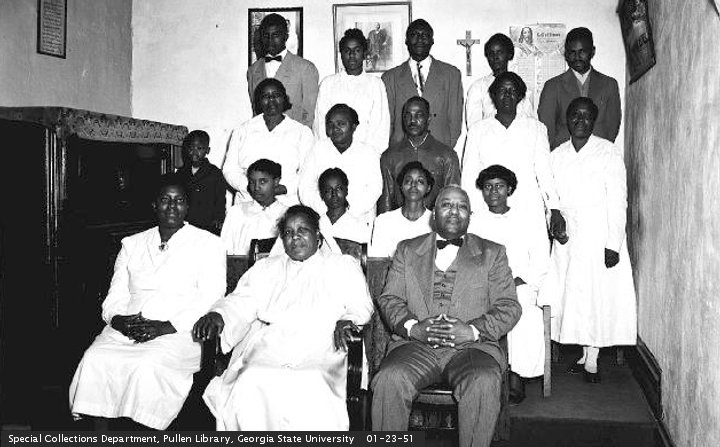

Mardi Gras





It is fat tuesday again. For someone who lived most of his life in Georgia, it is just another day.
In 1990, PG went to carnival. He rented sleeping bag space in a house on Marigny Street, just outside the quarter. It was like nothing he had ever seen.
This was 14 months after PG quit drinking. If he had life to do over, he would have gone to Mardi Gras first. He did feel good about going through that much drinking without being tempted to participate.
By the end of the Rex Parade, PG was getting tired of the whole shebang, Mob scenes of drunks, in costume, can get old. PG has not been back.
Two years later, the Grateful Dead was playing at the Omni, and the camp followers were in the parking lot. PG would go on his lunch hour and observe. A young lady walked by, and PG said Happy Mardi Gras. She gave him a string of beads.
Five years after that, PG had a boss from New Orleans. He looked like the Grinch who stole Christmas. He also hated Mardi Gras. PG did not know this, and greeted him Tuesday morning with a cheerful Happy Mardi Gras. If looks could kill, PG would have dropped dead. This is a repost, with pictures from “The Special Collections and Archives, Georgia State University Library”.




Tallulah Bankhead And Billie Holiday

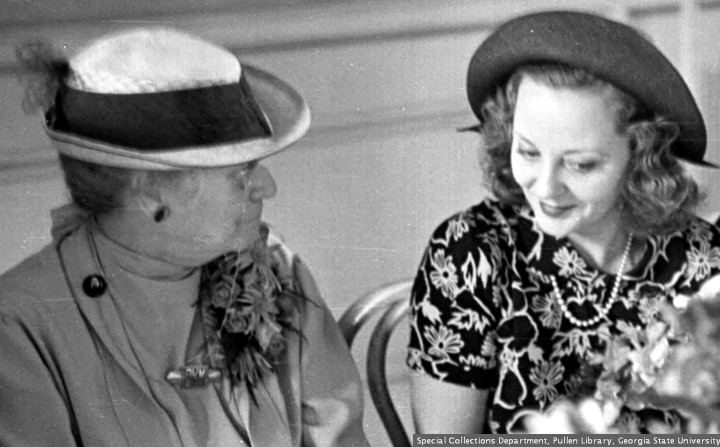
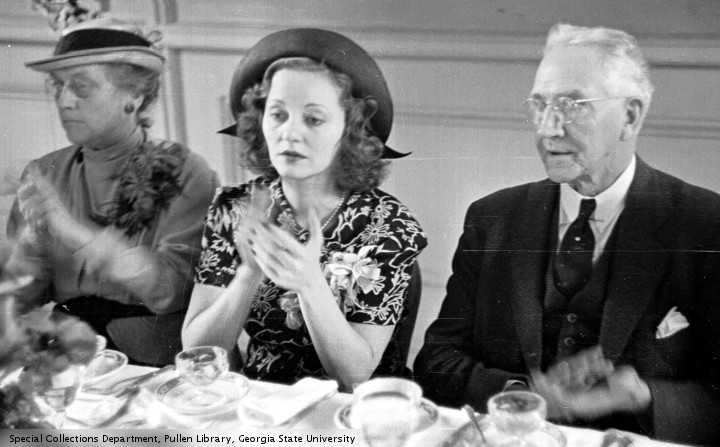
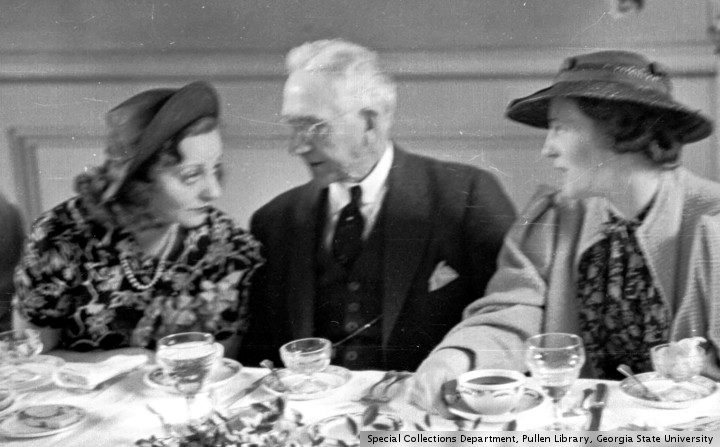
Tallulah Brockman Bankhead was born January 31, 1902 in Huntsville AL. She had a year-older sister, Eugenia. Their mother died February 23, 1902. Legend has it her last words were “Take care of baby Eugenia. Tallulah can take care of herself.” This is a repost.
The father of the actress was Will Bankhead. He was a prominent politician, who served as Speaker of the House of Representatives in Washington. Mr. Bankhead was on the short list of Vice Presidential candidates for Franklin Roosevelt, but was passed over. The Bankhead national forest, and the Bankhead Highway, are both named for Will Bankhead.
Tallulah Bankhead was an actress, radio show hostess, and personality. She went to London in the early twenties and became a stage sensation. Returning home, she became a Broadway star with “The Little Foxes.” She made movies, but saved her best public performances for the stage.
Miss Bankhead was known for being sexually active, with both men and women. Hattie McDaniel, who played Mammie in Gone With The Wind, was rumored to be one of her “friends”. Her introduction to Chico Marx went like this: “Miss Bankhead.” “Mr. Marx.” “You know, I really want to fuck you.”. “And so you shall, you old-fashioned boy.”
One legend has Miss Bankhead at a dinner party with Dorothy Parker and Montgomery Clift. As might have been expected, the cocktail hour went on most of the evening. At one point, Mister Clift had his head in Miss Parker’s lap. “oh you sweet man, it’s too bad that you’re a cocksucker. He is a cocksucker, isn’t he?” Miss Bankhead replied “I don’t know, he never sucked my cock.”
Her most famous movie role was in “Lifeboat”, directed by Alfred Hitchcock. Her co stars complained that she was not wearing panties under her dress. Mr. Hitchcock posed the question, is this a matter for wardrobe, or for hairdressing?
In the fading days of radio, Tallulah was the host of “The Big Show”. She became known for her deep voice, and for saying “Dah-ling”. More than one guest got big laughs by calling her Mister Bankhead. After “The Big Show” ended, Miss Bankhead remained active on stage and television. She died December 12, 1968.
Miss Bankhead was a staunch Democrat, as is fitting for the political family she was raised in. During the McCarthy era, an actress friend of hers was accused of being a communist. Miss Bankhead made a statement of support for the actress on the radio, and then asked her, are you a communist? The actress said that her daddy was a republican, and so she guessed that was what she was. Miss Bankhead was horrified. “A republican! That’s worse than being a goddamn communist.”
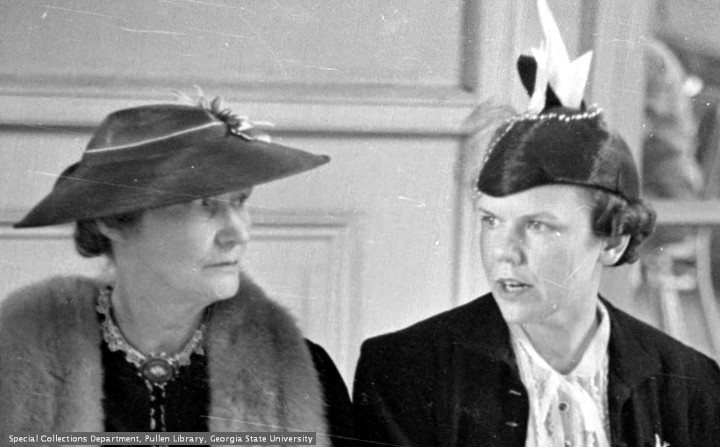
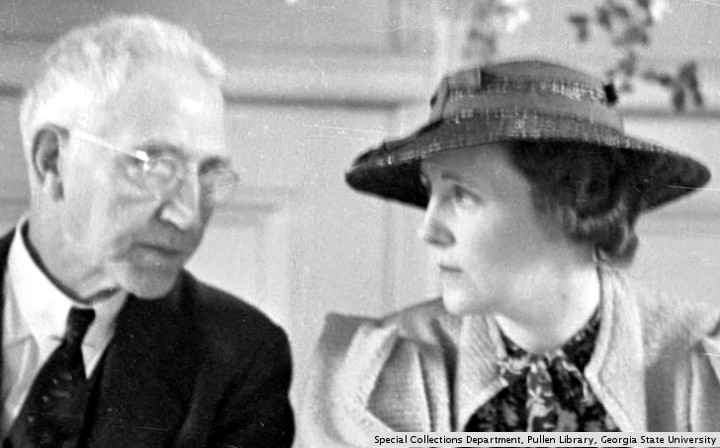

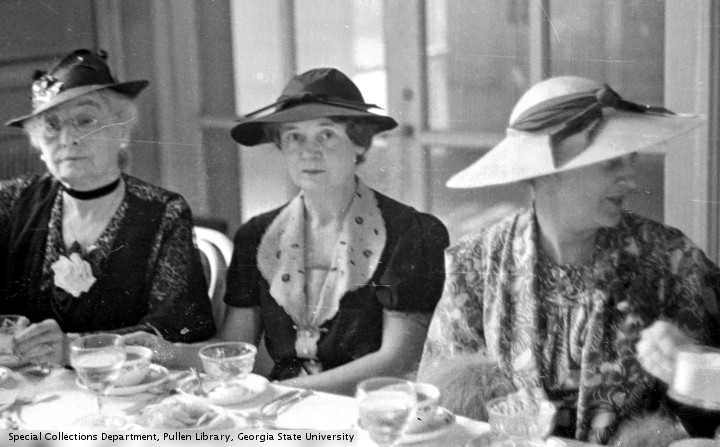
One of Miss Bankhead’s more explosive friendships was with Billie Holliday. “The truth of the matter suggests they probably first met in the early 1930’s, well before Holiday ever became famous. What is known is that by 1948 they were bosom buddies. A year earlier, Holiday entered the Alderson Federal Reformatory for Women to serve her famous “one day and a year” sentence, after being found guilty on dope charges. Four months after her release in 1948, Holiday was appearing at New York’s Strand Theater with Count Basie on the first leg of a cross-country tour. At the same time, Tallulah Bankhead was nearby on Broadway starring in her hit play, Private Lives. Bankhead caused quite a commotion every night thundering late down the aisle during Billie’s show to sit in her special seat to stare in amazement at the gifted & stunningly beautiful Lady Day. Because Holiday’s license to perform in nightclubs had been revoked, and she was forced to earn her living in grueling tours on the road. For months after the Strand performance, Bankhead traveled with her whenever she could. Also on the tour was dancer/comedian James “Stump Daddy” Cross – nicknamed after his wooden leg, who joined the two famous ladies to make a treacherous threesome.”
“…it appears that during the late 1940s she and Holiday were also lovers. Perhaps they had been all along. Holiday later told William Dufty, who ghostwrote her autobiography, that when Tallulah visited backstage at the Strand Theatre, the thrill she took in exhibitionistic sex made her insist on keeping Holiday’s dressing room door open. Holiday later claimed that Tallulah’s brazen show of affection almost cost her her job at the Strand.”
Before long, Miss Holiday got busted again. Apparently, Miss Bankhead made a phone call to FBI director J. Edgar Hoover, asking for leniency. There is a remarkable thank you – you’re welcome correspondence between Miss Bankhead and Mr. Hoover. “As my Negro Mammy used to say ‘When you pray, you pray to God don’t you……I had only met Billie Holiday twice in my life….and feel the most profound compassion for her…she is essentially a child at heart whose troubles have made her psychologically unable to cope with the world in which she finds herself…poor thing, you know I did everything within the law to lighten her burden”. “A giddy and twitterpated Hoover wrote back , “Your comments are greatly appreciated, and I trust that you will no hesitate to call on me at any time you think I might be of assistance to you.”
At some point, the two became less intimate. Miss Bankhead had her own legal headaches, and put some distance between her and Miss Holiday. When “Lady Sings the Blues” was being prepared, Miss Bankhead got an advance copy, and was horrified by what she saw. A fierce note was sent to the book’s publisher, and scenes were edited out. Miss Holiday was outraged. The letter that resulted is a poison pen classic. “My maid who was with me at the Strand isn’t dead either. There are plenty of others around who remember how you carried on so you almost got me fired out of the place. And if you want to get shitty, we can make it a big shitty party. We can all get funky together!”
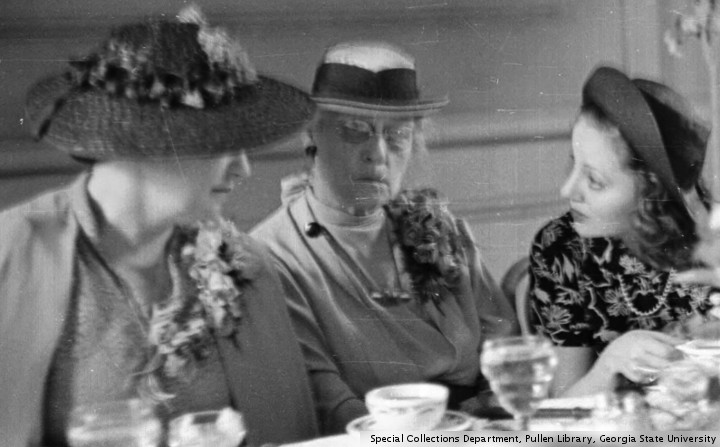
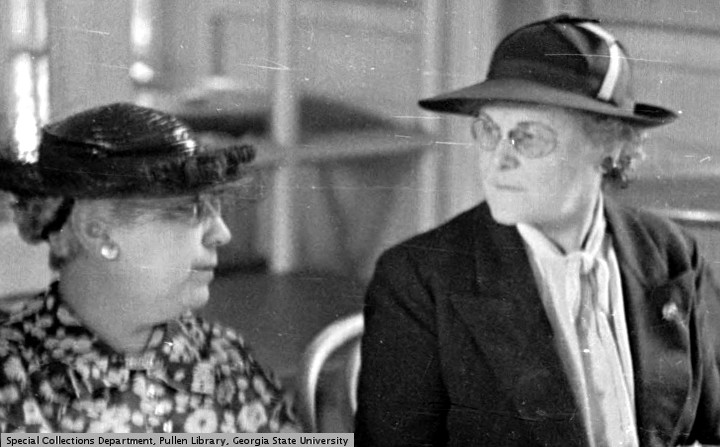
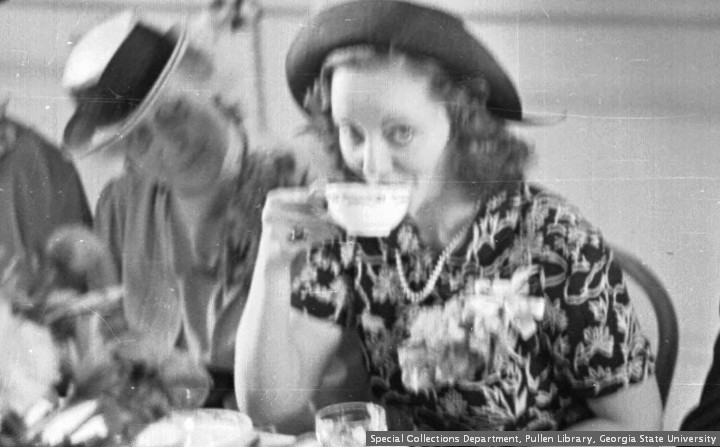
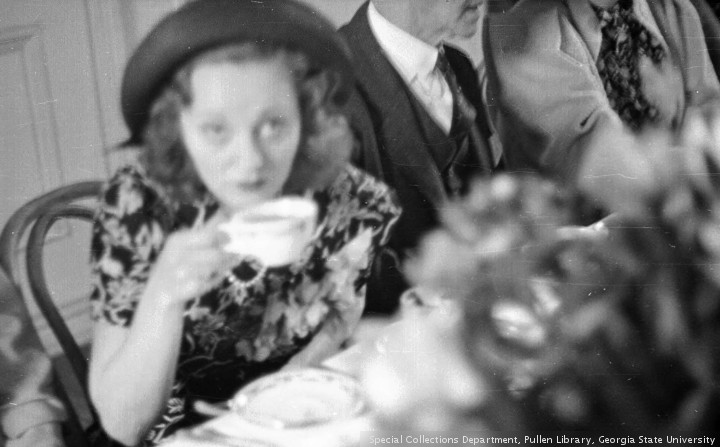
This is a repost. Pictures today are from “The Special Collections and Archives, Georgia State University Library”. “Members of the Atlanta Woman’s Club, during a luncheon for retiring president W.F. Milton, in the AWC banquet hall, in Atlanta, Georgia, March 5, 1937.” Picture of Billie Holiday from The Library of Congress.




Examine Your Whiteness


Is the Owner of Popular Atlanta Drag Bar a Racist? This article started the current controversy. A “former employee” of Burkhart’s sent some screen shots to a local publication. The shots allegedly came from the facebook page of the bar’s owner, Palmer Marsh. The first post that you saw said “Obviously Vladimir Putin thinks that Barack Obama is a stupid (magic word). He just might be right.” The pearl clutching started immediately.
PG noted that the screen shot did not have a date or time. Three other shots were shown in the initial presentation. None of the other comments had a fraction of the offensive power of the Putin comment. The showpiece comment was suspect.
If you are going to have a public controversy about someone’s racial values, you need something strong to get people’s attention. Stories about poorly treated employees or customers will not do this. Facebook comments like “I used to think that NYC was the most intimidating place on Earth. Thanks to Mayor Rudy Giuliani … ” do not have the explosive power of the magic word. If you do not have the comment about Putin, you do not have a controversy. The ex-employee does not get their revenge.
For all the talk about institutional oppression, the public debate on racism remains very shallow. Style rules over substance any day. If you talk about economic equality, equal housing, or access to education, the audience will ignore you. Talk about police brutality, and mass incarceration, will get you a bit more attention. Palmergate is none of these things. It is about an old man, who owns a popular business, saying things on facebook that people do not like. The most spectacular of these comments is impossible to prove or disprove.
A few days later, there was another facebook thread about the comment. PG noted “Did anyone see the Obama/n-word post when it first appeared? What was the time and date? Is there a cached copy available? Do you realize how easy it would be to fake that screen shot? If an incendiary post like that appeared, why wasn’t it noticed at the time?” There was a vigorous reaction.
“this is racist apologist trash. there could be video of him typing the words in and y’all would still be like “that could be someone in prosthetics and a wig. you don’t know for sure!” ~ “Here’s a screenshot of a screenshot posted closer to the original occurrence. Is it so hard to believe that an older white man is racist?” ~ “This is on Palmer Marsh’s FB page now. You can go take a look yourself if you think I’m faking it. Doesn’t necessarily mention the racism, but is a good indicator:” ~ ‘This is also still on his FB wall. Go take a look yourself if you think someone is faking it:” ~ “And someone calling out his racism in 2013. Also on his wall. Go scroll down and look:” ~ “Do you need more? I’m happy to keep scrolling if you’re too lazy/afraid to confirm the truth yourself” ~ “alleged” I can’t with you. Look at my posts. I advise you do some research before making a public comment that makes you look like a racist apologist. I’m out.”
There are arguably racist comments on Mr. Marsh’s facebook page. (“Here in Brunswick, GA there is a billboard that reads, “Blue lives matter.” Indeed!”) Mr. Marsh went on a bit of a facebook binge sometime in 2015, and said all sorts of things. ( “I have been drinking so much liquor that I do not know what I have been saying. My apologies to those of whom I have offended. Now would probably be a good time to shut the blank up.”) However, none of these comments are evidence that he made the Putin post. They are not nearly as explosive, or overtly racist. They don’t have the same tone as the Putin comment. Also, how many people were talking about Vladimir Putin in 2015? It just does not add up.
It should be noted that there is a possibility that the Putin quote is legitimate. There are rumors that Mary Marsh, the wife of Palmer, “basically confirmed by making a status the other day saying Palmer was drunk and that she gave him hell at the time.” (PG has not seen this comment.) However, showing far less offensive posts, from the same account, is not convincing evidence.
“Do yourself and the POC in your life a favor and Examine. Your. Whiteness. Examine why its so hard to believe an old white man said the n word. Examine why you are so invested in defending a man who by all accounts was an outspoken racist. Examine why you are calling this so deeply into question.” Logic is not always a facebook friend.
After a while, PG took a break from the action. When he got back, he decided to look for cached copies. It seems that the Internet Wayback Machine does not have copies of this facebook account. The Putin post remains impossible to prove, or disprove.
Palmer Marsh on facebook is up. What has not been deleted is easy to look through. Some of the comments are still up. Some posts are arguably racist. (“If the South had won, we would be a hell of a lot better off.”) There are also some comments that contradict the racist narrative.
“Because of love, part of my heritage is West African. Some tings you cannot change. I treasure my heritage.” “I am from McIntosh County Georgia. The first dialect of English that I spoke was Gullah-Gitchee. It was a fantastic beginning as I have a perspective of the Third World that few Anglo-Americans understand. Now I feel more at home in the Bahamas than I feel at Home. I like turning back the clock.”
For those who are new here, Gullah-Gitchee is a dialect used mostly by African Americans. Does this sound like something a racist would say?
The truth is a bit more complicated. Palmer Marsh has posted some things that rub liberal fee fees the wrong way. A man from the Georgia coast, who has been around black people all his life, probably has some complicated feelings about this whole racism thing. Not everyone falls into the racist/woke binary. If we are going to have a public debate, on the statement Resolved: Palmer Marsh is a racist, the we should do a better job of examining the evidence. Don’t just accept a screen shot from a former employee. Maybe it is none of your business.


There have been some new developments in the Burkhart’s melodrama since Examine Your Whiteness was published. For those who are new here, a facebook screen shot appeared, showing the owner of a popular Atlanta bar saying the magic word. A community hissy fit followed. The drag queens who performed at the establishment quit. PG questioned the validity of the screen shot. Global warming got worse, Atlanta traffic slowed down, and Donald Trump got a haircut. It was a bad week.
Someone finally talked to Palmer Marsh, the bar owner with a facebook habit. Yes, he did say the magic word on facebook. He took the post down soon after, but not before a cunning employee got a screen shot. The evidence would prove handy.
Mr. Marsh made another noteworthy comment. “Marsh says his son-in-law is black, as are several of his own grandchildren.” This puts a new spin on the old saying… I can’t be racist, some of my best grandchildren are black. The people upset about the facebook post were not impressed. Don’t confuse me with the facts, the man is a racist, because I said so. The issue remains unresolved, as well as the issue of why anyone should care.
Racist is the one of worst things you can say about anyone. It is also tossed around casually, with no proof, or thought, required. Once accused, you are guilty until proven innocent. If you defend someone accused of racism, you are considered racist yourself.
Racism is not an either/or binary. Many people have conflicting feelings on the matter. While the facebook post is apparently valid, what is in Palmer Marsh’s heart remains a mystery to most observers. Maybe he is a racist, and maybe he is not.
Why does a person need to be politically correct to own a queer bar? Historically, bar owners have been shady characters, who settled disputes with contract killing, and convenient fires. The business revolves around selling alcohol, a deadly, addictive, legal drug. People often misbehave under the influence, and the bar will use brute force to resolve the issue. Enemies are made. It is a tough, dirty business. And now we are supposed to shun an bar owner, because he used the magic word one time on facebook. (Full disclosure: PG is a retired drunk. He has been sober since 1988.)
Anti racism can be highly superficial. Lip service is paid to high minded definitions of racism: “Rather, according to the newly uncovered formula, racism = prejudice + power (or “prejudice + privilege” in some trendier renditions). White people are the ones with all the power and privilege here, so, per the formula, they cannot possibly be the objects of racism.”
That is good in theory, but boring in practice. When there is a racism controversy these days, it is frequently because someone said the magic word. (One exception is when the police kill someone.) Honest to G-d oppression is boring, and will not get attention. Catching someone saying the magic word gets attention. The ex-employee, who leaked the screen shot, wanted attention.
The other development is the sale of the bar. Supposedly, a group was planning to buy Burkhart’s. This group included the General Manager, Don Hunnewell, who gave a statement soon after the original screen shot emerged. “Yesterday it took everything I had to soldier on and not terminate my employment agreement.” A few days later, he was part of a group trying to buy the bar.
You might ask, how does a complicated sale like that happen so quickly? The answer is, it doesn’t. The owner of The Jungle, a now closed cha cha palace, is said to have made an offer. The Jungle got in SJW trouble a few years ago for hosting a performance by Sharon Needles. For the foreseeable future, Palmer and Mary Marsh own Burkhart’s.
An ex-employee had a problem with the club. Ex-employee leaked the screen shot to the press, and the fun started. Now, there are three possible motives for the ex-employee. 1 – Someone was offended by racism at the club, and wanted to call attention to it. 2- Release of the screen shot is somehow connected to a sale of the bar. It is not known if the ex-employee was part of the group that was going to buy the club. 3 – The ex employee had a problem with the club, and wanted to get revenge. Number 3 is the most likely, although all are possible. All things are possible in a world without G-d.
Where does this put the performers who quit, and the pearl clutching public? If this is motivated by sincere concern for racism at Burkhart’s, then people are entitled to the self congratulation. OTOH, if this whole mudbath is just part of the proposed sale, or a shot at revenge by an embittered ex-employee, the the pearl clutchers are being played.
Pictures are from The Library of Congress. Part one and part two are reposts. Part three is boring.




War Letters


In the winter of 2003, it was obvious that America was going to war. Congress had voted approval, the modern version of a declaration of war. The troops. and supplies, were on the borders of Iraq, waiting for the order to go in.
PG felt the need to make a statement. There was no illusion that it would affect the overall decision to invade Iraq. However, PG wanted to go on record as being opposed to the folly to come.
It was a low risk act. In America, we have freedom of expression. This does not mean that the powers that be listen to the people. The only expression that matters is by people who pay the authorities. The people can say anything, but nobody in charge listens.
There were three representatives in Congress to contact. The two Senators were Saxby Chambliss and Zell Miller. The 4th district was represented in the House of Representatives by Denise Majette. She was new to Congress, having defeated Cynthia McKinney in the 2002 election.
The area that PG lives in is gerrymandered into different districts every ten years by the Georgia legislature. Today, PG is in the 6th district, represented by Democrat Lucy McBath.
The letters are lost in hard drive crash fog. It started out with the phrase “you were elected to represent me.” Apparently, this left Zell Miller out. He has been appointed to finish the term of Paul Coverdell. Democrat Zell Miller was appointed by Democrat Governor Roy Barnes to complete the term of Republican Paul Coverdell. After this, Zell Miller gave the keynote address at the 2004 Republican Convention. This is what Georgia has come to expect from Zig Zag Zell.
The anti war letter was not great writing. It basically said that the invasion of Iraq was not a good idea. The letter did not address the tax cut. In a bizarre move, Congress approved a tax cut, with an economically ruinous war on the horizon.
The responses to the letter are attached here. Denise Majette gave a thoughtful reply. She did not say “I agree with you” in so many words, but it is clear she is not gung ho about killing Iraqis. Miss Majette said, and PG agrees, that once the war begins, the debate should cease.
Saxby Chambliss sent two replies. Both talked about how well the war was going, and how wonderful it was to be killing people in Iraq. It is a good question whether his staff read the original letter from PG, which opposed the war.
In the 2004 election, Denise Majette ran for the Senate. Zell Miller chose to retire, and his seat was up for grabs. Republican Johnny Isakson won the Senate seat. Cynthia McKinney made a comeback, and won the fourth district House seat.
Saxby Chambliss was re-elected in 2008, and retired in 2014. The conflict in Iraq continues to this day. It is a disaster. The withdrawal of American combat troops did not end the civil war. Currently, Iraq is the scene for combat operations from the Islamic State military force.
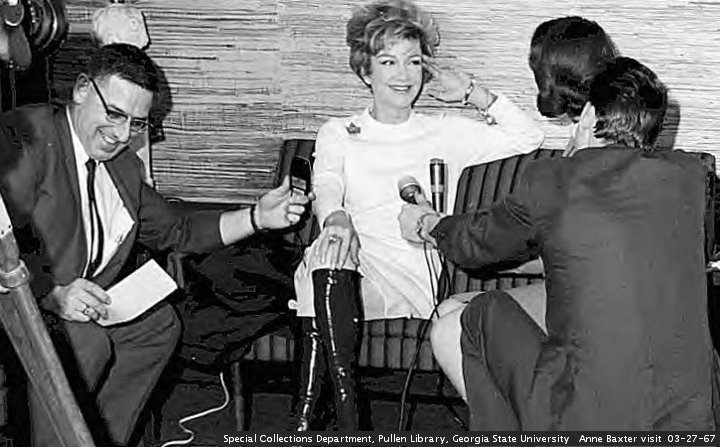
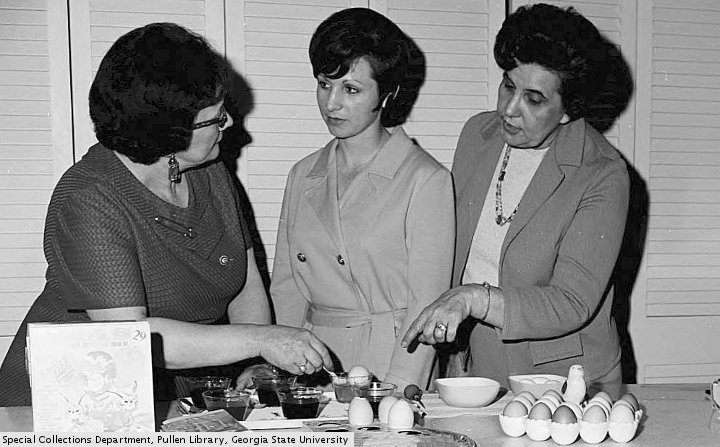
The financial burden of the war has been immense. The military depends on contractors for many basic services, at increased cost to the Asian war financiers. The National debt has been increasing by a trillion dollars a year. Revenge for nine eleven, directed at a marginally responsible country, has been horribly expensive. Pictures for today’s entertainment message are from “The Special Collections and Archives, Georgia State University Library”. This is a repost.



The Great Speckled Bird




One day in the eighth grade, PG had a sore spot in his eye. They called it a stye. One afternoon, he got out of school, walked to Lenox Square, saw a doctor, and got some eye drops.
When he left the doctor’s office, there was a man, standing in front of Rich’s on the sidewalk, selling a newspaper. He had blond hair down past his shoulders. PG asked what the newspaper was. Mostly politics, he said. PG gave him fifteen cents for a copy of “The Great Speckled Bird”.
The Bird was an underground newspaper. It was so bad, it needed to be buried. If you are under fifty, you have probably never seen one. These papers flourished for a while. The Bird was published from 1968 to 1976. The April 26, 1968 edition was volume one, number four. This was what PG bought that day.
The GSU Library has a digital collection. Included in it are copies of The Great Speckled Bird. Included in this collection is edition number four. PG went looking for that first copy. He needed to be patient, for the GSU server took it’s time. Finally, the copy he asked for came up. It was mostly politics.
When PG saw page four, he knew it was the edition from 1968. “Sergeant Pepper’s Vietnam Report” was the story of a young man sent to Nam. It had a paragraph that impressed young PG, and is reproduced here. The rest of the article is not that great, which is typical of most underground newspaper writing.
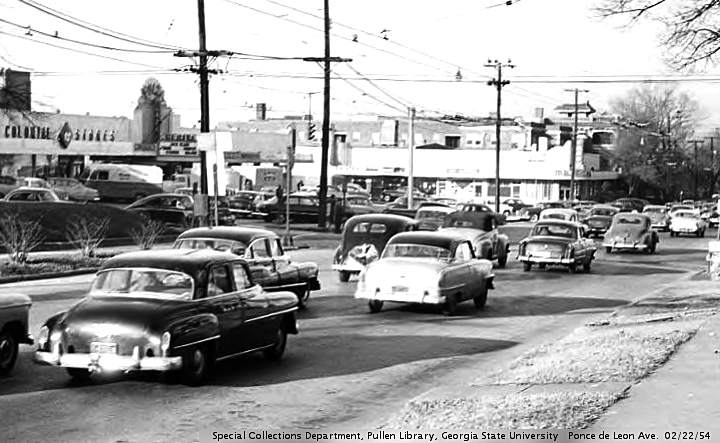
A couple of years later, PG spent the summer working at the Lenox Square Theater. The number two screen was a long skinny room. If you stood in the right place, you could hear the electric door openers of the Colonial Grocery store upstairs. The Bird salesmen were a feature at the mall that summer, which not everyone appreciated. This was the year of the second, and last, Atlanta Pop Festival. PG was not quite hip enough to make it. He was back in the city, taking tickets for “Fellini Satyricon”. The Bird was printing 26 pages an issue, with lots of ads, pictures, and the distinctive graphics of the era.

Vol.3 no 26 June 29, 1970 was especially memorable. On page 17, there was a bit of eyeroll inducing polemic. PG was easy to impress. The first paragraph is the one that matters. “What is Gay Liberation? It is people telling the truth; it is me telling you the truth NOW, homosexuality is the CAPACITY to love someone of the same sex. Forget all the crap about causes (no one knows and we don’t care), “cures” (there aren’t any, thank god), and “problems.”The only problem is society’s anti-homosexual propaganda and the oppression it has produced.”
Stories about hippies, and the Bird, can be found at The Strip Project. This repost has pictures from “The Special Collections and Archives, Georgia State University Library”.


 Chamblee54
leave a comment