More Monroe And Boulevard


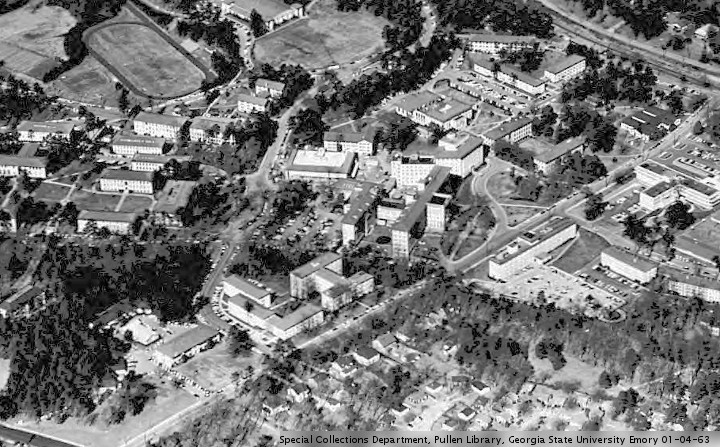
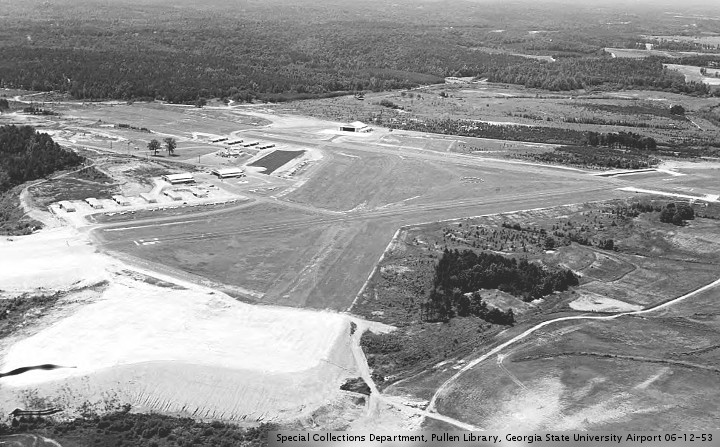


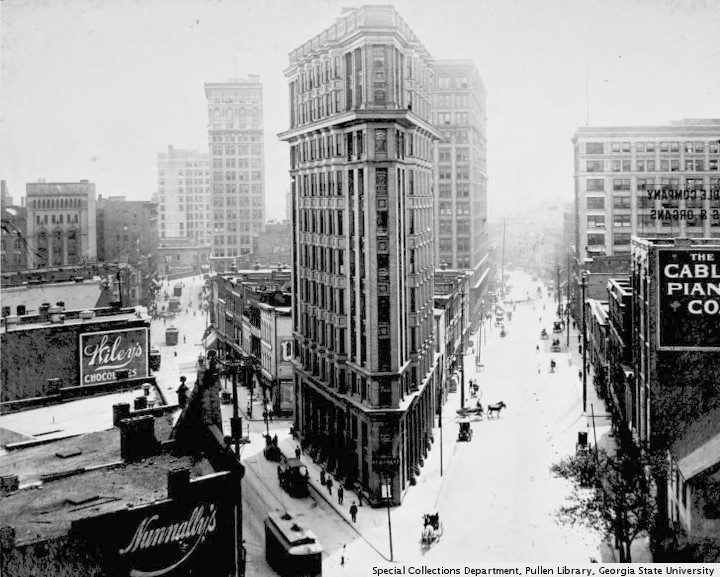
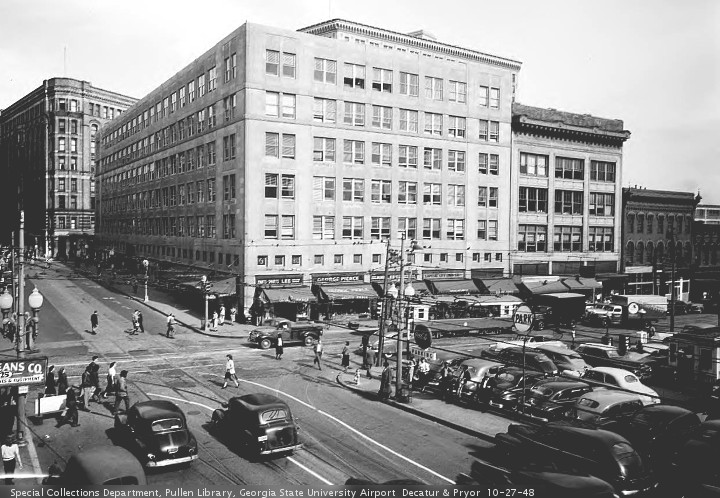
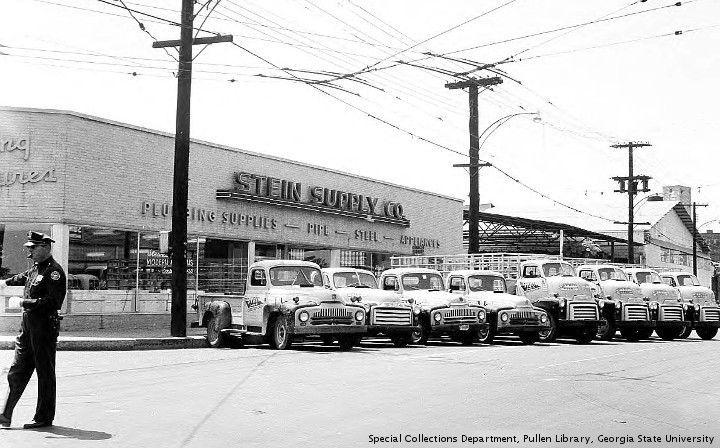
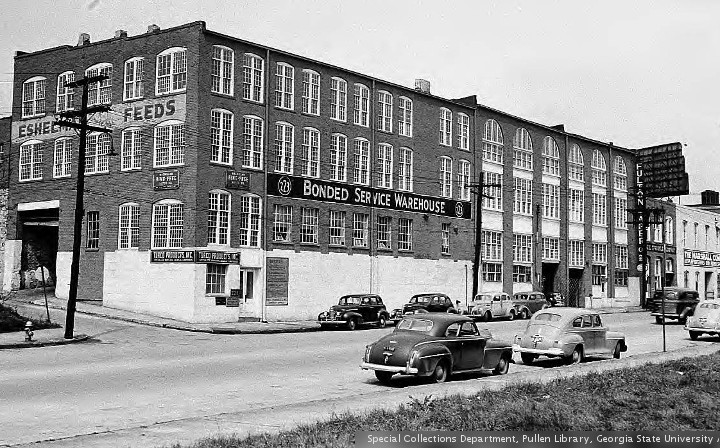
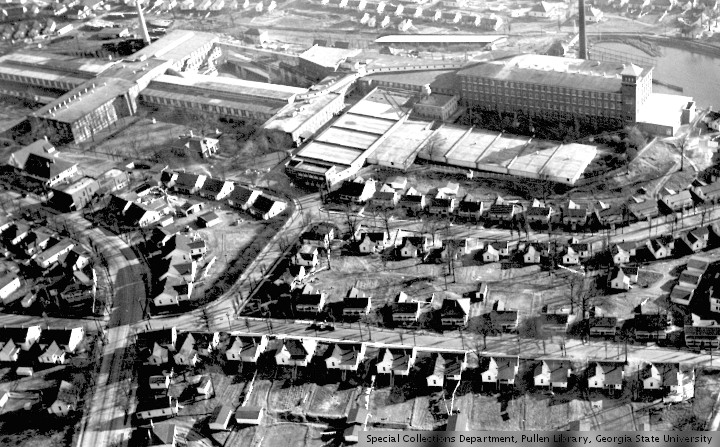
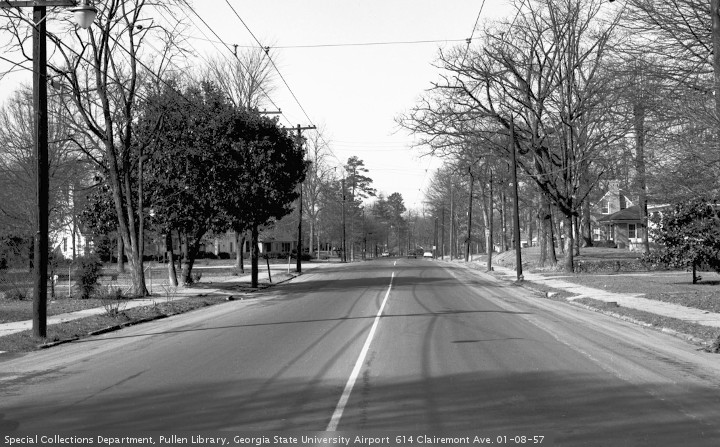
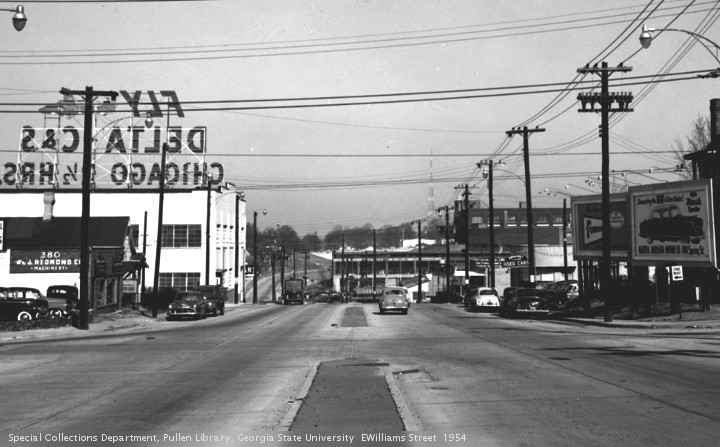
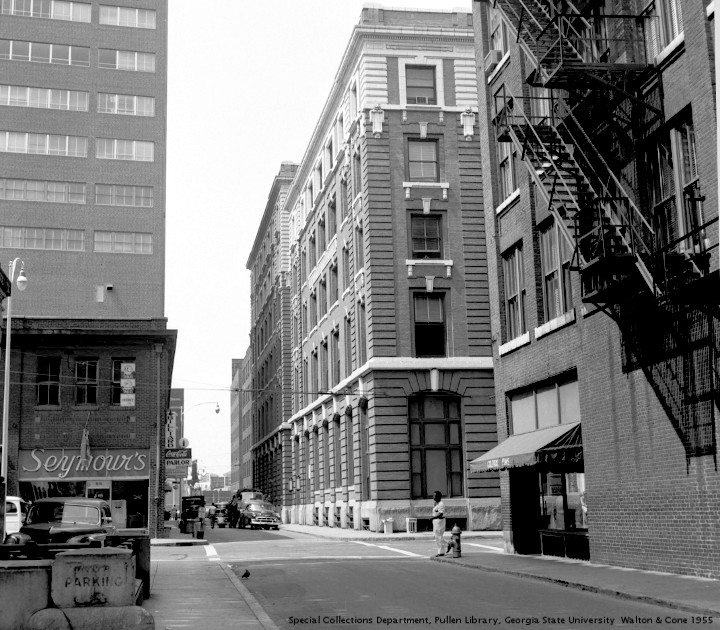
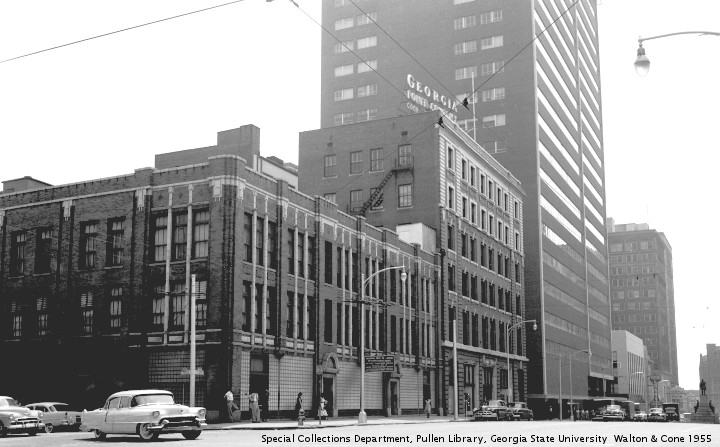
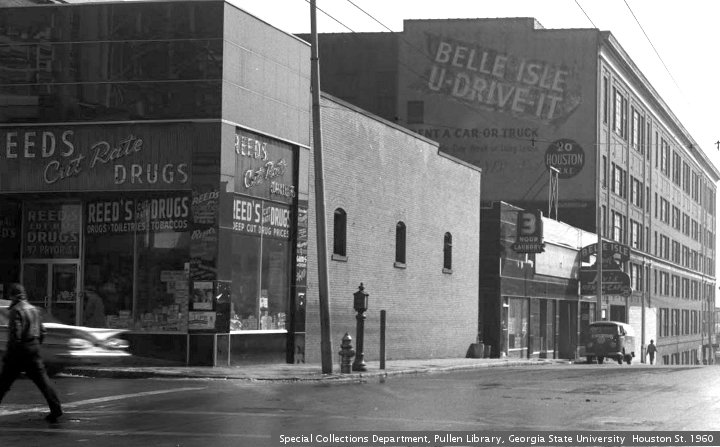
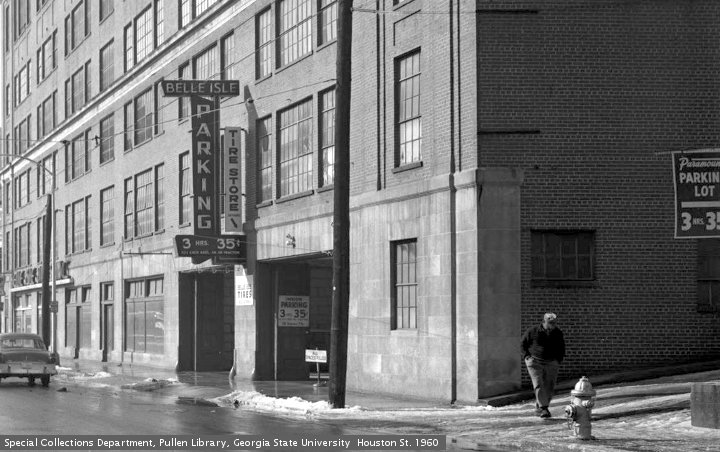
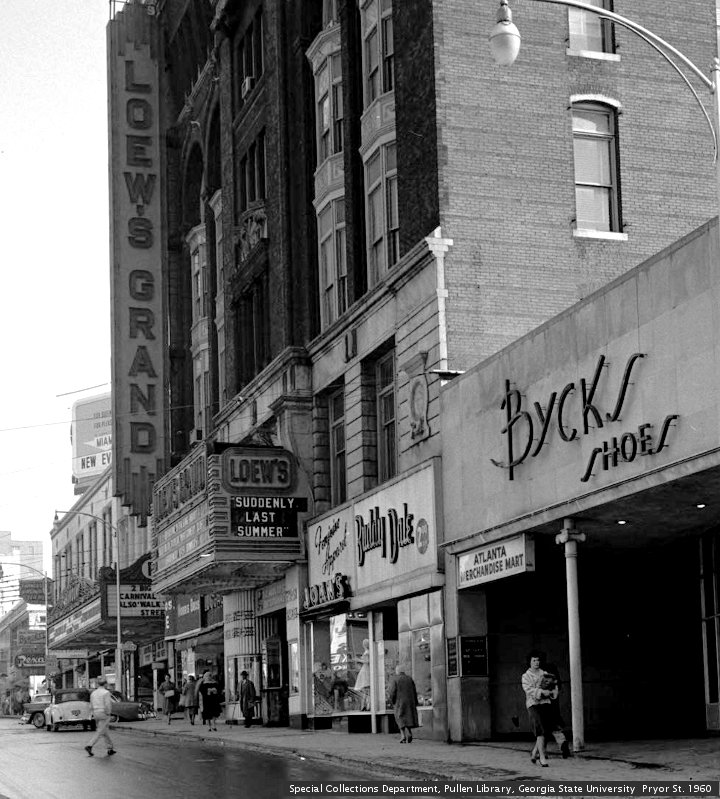
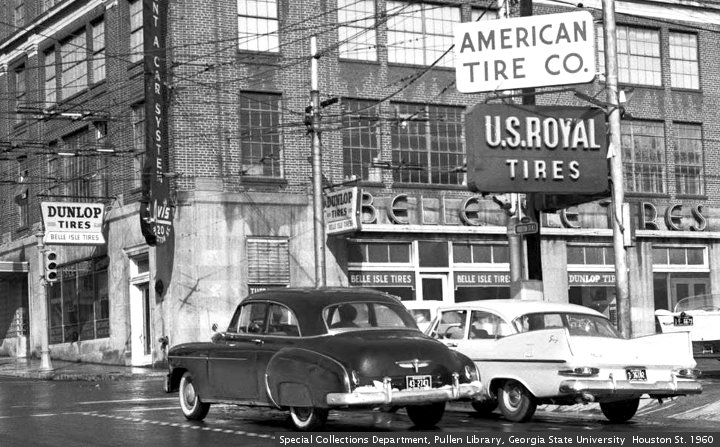
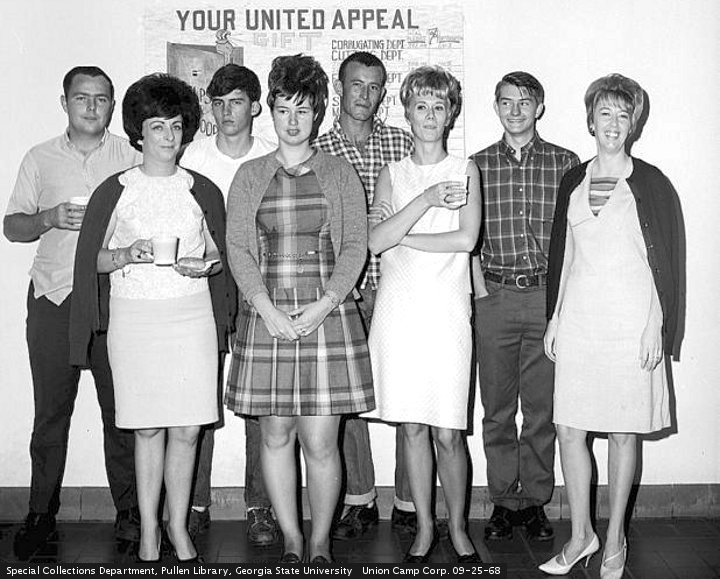
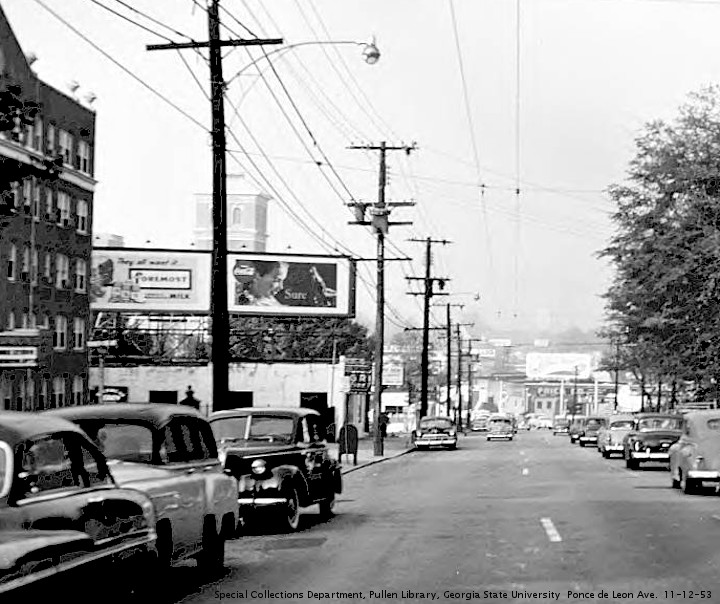
A recent facebook discussion covers that old crowd pleaser, why does Monroe Drive turn into Boulevard? The story is that the street name changed because White people live North of Ponce De Leon Avenue, and Black people live south. Chamblee54 has covered this topic before. The information today will be a bit dry. If you want to skip over the text, you can always enjoy the pictures, from “The Special Collections and Archives, Georgia State University Library.”
“The name changes were intentional and rooted directly in racism.” This judgment from Atlanta magazine is a popular opinion. Unfortunately, there are some street name changes that apparently are not racial. In discussions like this, once racism is blamed, the conversation shuts down. Asking any questions, or exploring the possibility of nuance, is considered racist.
The Atlanta magazine article does not really address Monroe/Boulevard. A 1913 measure, the Ashley Ordinance, is brought up, as well as some of the skirmishing in SW Atlanta over integration. None of those items were in play in the Monroe/Boulevard matter.
The opinion of chamblee54 has not changed. It is entirely possible that Monroe/Boulevard was racially motivated. That sounds like something a Georgia government, of a certain era, would do. However, it does not address the other streets. When were the names changed, and by what government? The answers to the last two questions have been elusive. If anyone reading this has any answers, please leave a comment.
In the space between I-85 and Dekalb County, there are four streets that change names when they cross Ponce De Leon Avenue. These are Juniper/Courtland, Charles Allen/Parkway, Monroe/Boulevard, and Briarcliff/Moreland. Several streets cross Ponce without changing names, including Spring, Peachtree, Piedmont, and North Highland. A wikipedia page, List of former Atlanta street names, has some information about the name changes. More information was found in a collection of maps at the GSU library.
It turns out that Juniper/Courtland change names at North Avenue, one block south of Ponce. As early as 1895, those streets have the same names. On old maps, Juniper ends at North, and Courtand starts a quarter-block west. Wikipedia adds this about Courtland: “North Collins Street (for pioneer James Collins — renamed because of South Collins Street’s reputation as a red light district)”
Briarcliff/Moreland has always been a problem for the racism hypothesis. The race change has traditionally been at the railroad tracks, a half mile south of Ponce. Moreland Avenue was originally County Line Road. It was renamed in honor of a Confederate officer, Major Asbury Fletcher Moreland. “He owned quite a bit of land between County Line Road and Pike Road, which is now Euclid Avenue, some of which is now part of the city’s Bass Recreation Center. Ever the businessman, Moreland built rental homes and a park, which featured a pond and animals — appropriately called Moreland Park — that became a summer getaway for city dwellers.”
Briarcliff was originally known as Williams Mill Road. It changed to Briarcliff after Asa Griggs “Buddy” Candler Jr. built a palace at 1260 Briarcliff Road. The house still stands, barely, and served as the GMHI facility for many years. In 1911 and 1917, Briarcliff is known as Williams Mill, before changing into Moreland. In 1925, and maps issued after 1925, the road is shown as Briarcliff.
Charles Allen/Parkway, one block west of Monroe/Boulevard, was originally known as Jackson Street. The road is still known as Jackson Street, south of Highland Avenue. The earliest map to show Jackson is 1895. By 1930 it has been changed to Parkway, ending at Piedmont Park. Charles Allen Drive does not appear until 1959. Charles Allen was the pastor at Grace United Methodist Church.
Wikipedia has this on Boulevard: “Jefferson Street (marked in 1878 map from North Ave. to Foster St. (now Edgewood Ave.) in today’s Old Fourth Ward) – Rolling Mill Street (north of the railroad) from the late 1860s to about 1880, for the Confederate Rolling Mill, which the retreating Confederate army inadvertently destroyed in 1864.”
Wikipedia has a surprise “Monroe Drive (to honor the Monroe Landscaping Company which did extensive plantings in the area)[17]” The footnote links to a Morningside neighborhood newsletter. There is no mention of Monroe Drive in the cited newsletter.
Before going further with Monroe, we should look at a controversy involving the landscaper William Lott Monroe. “1941 (Jan. 25) Monroe’s Landscape & Nursery Co. is removed from Fulton County’s payroll: “…[D]rawn more than $17,000 from the county in the last year and one-half… The company was drawing $500 a month for supervising landscaping of county parks, which was in addition to flowers, shrubs and blueprints sold by it to the county.” (“Nursery Company Is Cut Off Pay Roll.” Atlanta Constitution, Jan. 25, 1941)” In 1941, Mr. Monroe was working on North Fulton Park, later known as Chastain Park. This park was annexed into the City of Atlanta on January 1, 1952.
The first time Boulevard is mentioned on maps is 1895. The first mention of Monroe Drive is 1951, when Monroe starts at Montgomery Ferry. (Before the Northeast Expressway was built, the road ended at Plasters Avenue, north of the present I 85.) It is not until 1959 that Monroe appears immediately north of Ponce De Leon.
These maps were used in researching this feature. 1878 1895 1911 1917 1921 1925 1930 1930 1931 1934 1935 1939 1946 1951 1952 1952 1954 1959 1967


Tyler Perry And The Heart Of Atlanta

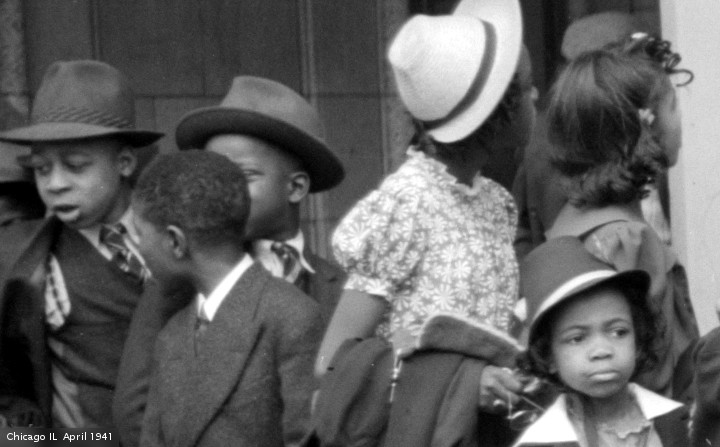


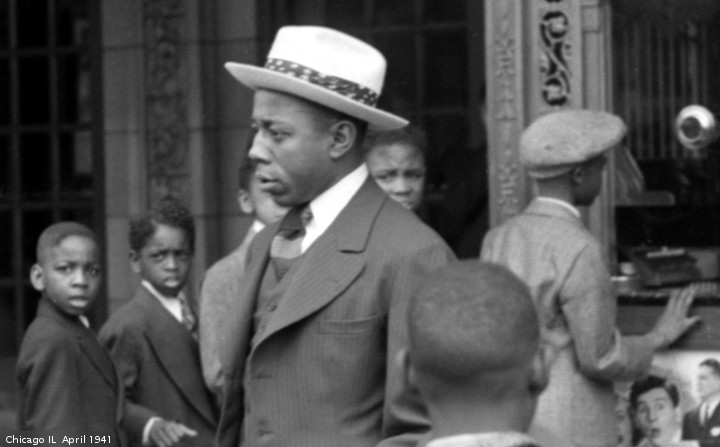

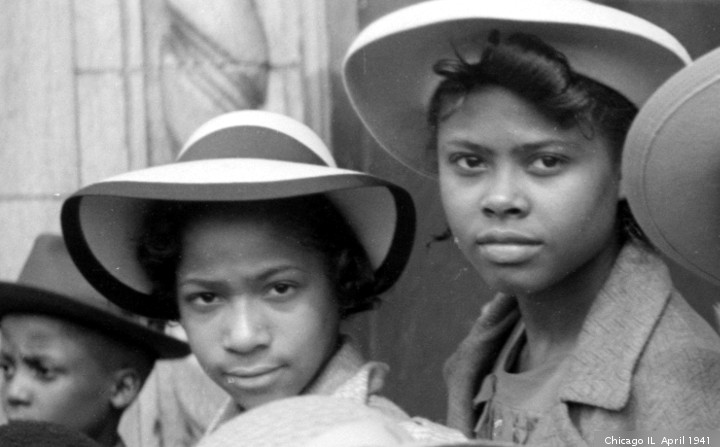


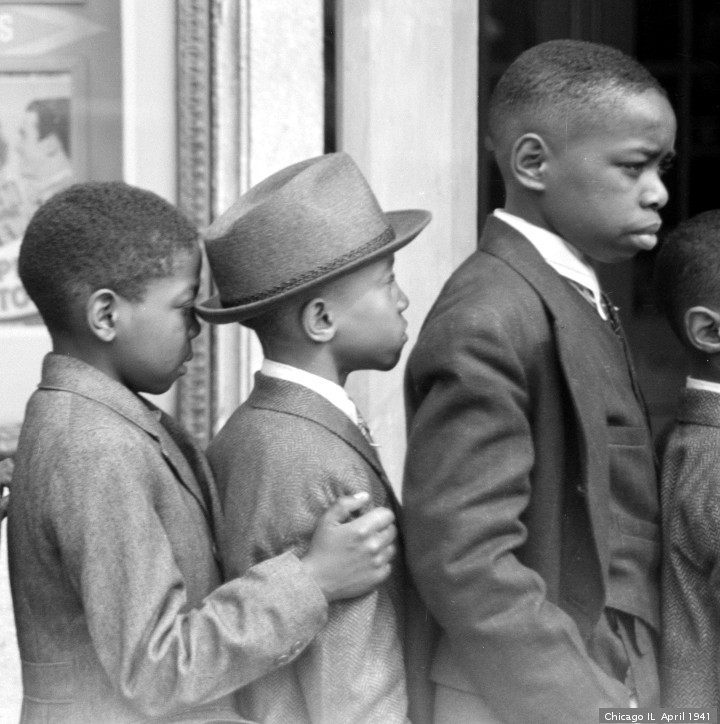

There is an old saying, what goes around comes around. When you sow the wind, you reap the whirlwind. The thing is, it is not always obvious what is payback for what. Moreton Rolleston Jr. filed a lawsuit to have the Civil Rights Act declared unconstitutional. Forty years later, a Black man, built a mansion on the site of Mr. Rolleston’s home. The fact that this Black man earned his money by playing Black women, in movies, is icing on the cake.
When the Civil Rights Act was passed in 1964, Moreton Rolleston, Jr. owned the Heart of Atlanta Motel. He filed a lawsuit, trying to have the law overturned by the courts. The case went to the Supreme Court, which upheld the law.
The legal justification of the Civil Rights Act was a law giving the U.S. Government the right to regulate interstate commerce. Mr. Rolleston argued that this use of the commerce clause went too far. “‘The argument that this law was passed to relieve a burden on interstate commerce is so much hogwash. It was intended to regulate the acts of individuals.’ If the commerce clause can be stretched that far, declared Rolleston, ‘Congress can regulate every facet of life.'” (PG supports all citizens having the right to housing, education, etc. He also wonders if we are on a slippery slope. The government keeps taking more and more freedom away.) (The link for the quote no longer works.)
In 1969, Tyler Perry was born. From humble beginnings, he has been incredibly successful. His signature character is a woman named Madea.
In 1985, Mr. Rolleston was involved in a real estate deal that went sour. He was sued. In 2003, Mr. Rolleston was evicted from his Buckhead home. In 2005, the property was sold to Tyler Perry. Mr. Rolleston sued Mr. Perry, claiming that 2035 Garraux Road was still his property.
Mr. Rolleston , was disbarred in 2007. The Veteran’s History Project shows his race as “Unspecified.” Moreton Mountford Rolleston, Jr., born December 30, 1917, died August 29, 2013.
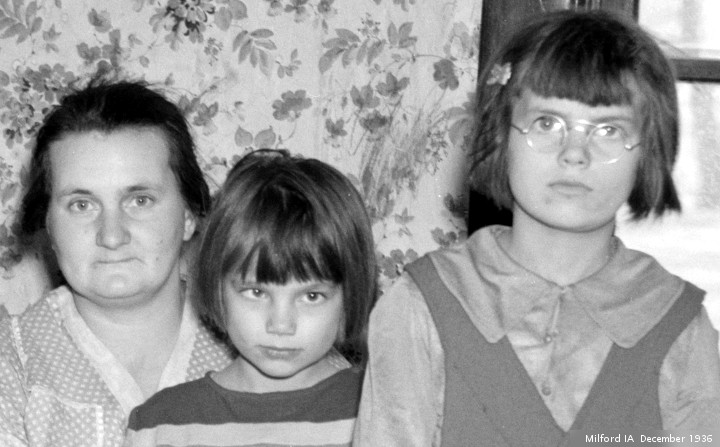
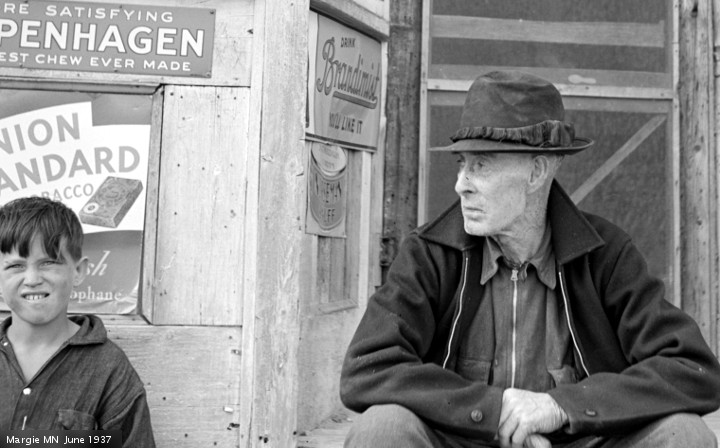
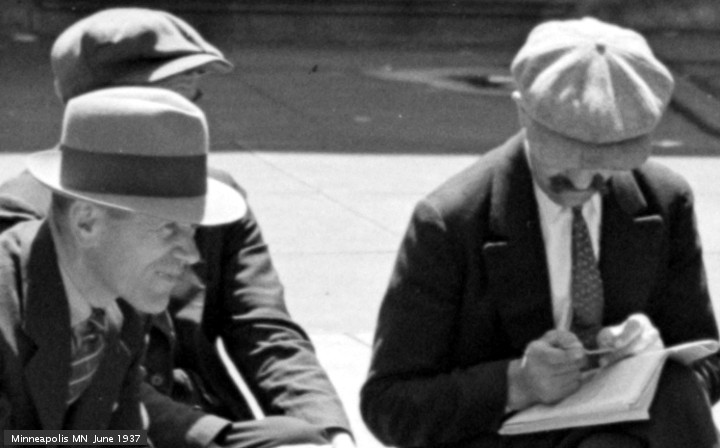
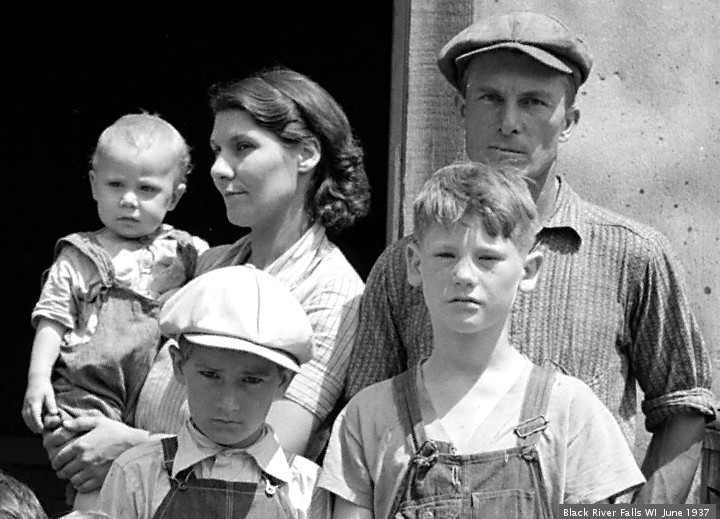
HT Millard Fillmore’s Bathtub.. This is a repost, with pictures from The Library of Congress.





Flannery O’Connor


With one day before it was due, PG finished reading Flannery: A Life of Flannery O’Connor , by Brad Gooch. The author is a professor of English at William Patterson University in New Jersey. He spares no citations. You can see where he gets his information. This is a repost.
Chamblee54 has written before about Miss O’Connor , and repeated the post a year later. There is a radio broadcast of a Flannery O’Connor lecture. (The Georgia accent of Miss O’Connor is much commented on in the book. To PG, it is just another lady speaking.)
Mary Flannery O’Connor was born March 25, 1925 in Savannah GA. The local legend is that she was conceived in the shadow of St. John the Baptist Cathedral, a massive facility on Lafayette Square. Her family did leave nearby, and her first school was just a few steps away. This is also a metaphor for the role of the Catholic Church in her life. Mary Flannery was intensely Catholic, and immersed in the scholarship of the church. This learning was a large part of her life. How she got from daily mass, to writing stories about Southern Grotesque, is one mystery at the heart of Flannery O’Connor.
Ed O’Connor doted on his daughter, but had to take a job in Atlanta to earn a living. His wife Regina and daughter Mary Flannery moved with him, to a house behind Christ The King Cathedral. Mr. O’Connor’s health was already fading, and Mother and Daughter moved in with family in Milledgeville. Ed O’Connor died, of Lupus Erythematosus, on February 1, 1941.
Mary Flannery went to college in Milledgeville, and on to the Iowa Writer’s Workshop. She dealt with cold weather, went to Mass every day, and wrote. She was invited to live at an artists colony called Yaddo, in upstate New York. She lived for a while with Robert and Sally Fitzgerald in Connecticut, all while working on her first novel, “Wise Blood”. In 1950, she was going home to Milledgeville for Christmas, and had been feeling poorly. She went to the hometown doctor, who thought at first that the problem was rheumatoid arthritis. The illness of Flannery O’Connor was Lupus Erythematosus.
Miss O’Connor spent much of that winter in hospitals, until drugs were found that could help. She moved, with her mother, to a family farm outside Milledgeville, which she renamed Andalusia. She entered a phase of her life, with the Lupus in relative remission, and the drugs firing her creative fires, where she wrote the short stories that made her famous.
Another thing happened when she was recuperating. Flannery was reading the Florida “Market Bulletin”, and saw an ad for “peafowl”, at sixty five dollars a pair. She ordered a pair, and they soon arrived via Railway Express. This was the start of the peacocks at Andalusia, a part of the legend.
During this period of farm life and writing, Flannery had several friends and correspondents. There was the “Bible Salesmen”, Erik Langkjaer, who was probably the closest thing Flannery had to a boyfriend. Another was Betty Hester, who exchanged hundreds of letters with Miss O’Connor. This took place under the stern eye of Regina O’Connor, the no nonsense mother-caregiver of Flannery. (Mr. Gooch says that Betty Hester committed suicide in 1998. That would be consistent with PG stumbling onto an estate sale of Miss Hester in that time frame.)
The book of short stories came out, and Flannery O’Connor became famous. She was also dependent on crutches, and living with a stern mother. There were lectures out of town, and a few diverse personalities who became her friends. She went to Mass every day, and collected books by Catholic scholars. Flannery was excited by the changes in the church started by Pope John XXIII, and in some ways could be considered a liberal. (She supported Civil Rights, in severe contrast to her mother.)
In 1958, Flannery O’Connor went to Europe, including a trip to the Springs at Lourdes. Her cousin Katie Semmes (the daughter of Captain John Flannery, CSA) pushed Flannery hard to go to the springs, to see if it would help the Lupus. Flannery was reluctant…” I am one of those people who could die for his religion sooner than take a bath for it“. When the day for the visit came, Flannery took a token dip in the waters. Her condition did improve, briefly. (It is worth speculating here about the nature of Flannery’s belief, which was apparently more intellectual than emotional. Could it be that, if she was more persuaded by the mystical, emotional side of the church, and taken the healing waters more seriously, that she might have been cured?)
At some point in this story, her second novel came out, and the illness blossomed. Much of 1964 was spent in hospitals, and she got worse and worse. On August 3, 1964, Mary Flannery O’Connor died.


PG remembers the first time the name Flannery O’Connor sank in. He was visiting some friends, in a little house across from the federal prison.
Rick(?) was the buddy of a character known as Harry Bowers. PG was never sure what Harry’s real name was. One night, Rick was talking about Southern Gothic writers, and he said that Flannery O’Connor was just plain weird. ”Who else would have a bible salesman show up at a farm, take the girl up into a hayloft, unscrew her wooden leg and leave her there? Weird.”
Flannery O’Connor was recently the subject of a biography written by Brad Gooch. The book is getting a bit of publicity. Apparently, the Milledgeville resident was a piece of work.
PG read some reviews of this biography, and found a collection of short stories at the library. The book included ” Good Country People”, the tale about the bible salesman. Apparently, this story was inspired by a real life incident. (Miss O’Connor had lupus the last fifteen years of her life. She used crutches.) And yes, it is weird. Not like hollywood , but in the way of rural Georgia.
Some of the reviews try to deal with her attitudes about Black people. On a certain level, she is a racist. She uses the n word freely, and her black characters are not inspiring people. The thing is, the white characters are hardly any better, and in some cases much worse. In one story, “Everything That Rises Must Converge,” a black lady is the hero.
The stories are well crafted, with vivid descriptions of people and places. The reader floats along with the flow of the story, until he realizes that Grandma has made a mistake on a road trip. The house she got her son to look for is in Tennessee, not Georgia. She makes him drive the family car into a ditch. Some drifting killers come by. Grandma asks one if he prays, while his partner is shooting her grandchildren. Weird.
In another story, a drifter happens upon a pair of women in the country. The daughter is thirty years old, is deaf, and has never spoken a word. The drifter teaches her to say bird and sugarpie. The mother gives him fifteen dollars for a honeymoon, if he will marry her. He takes the fifteen dollars and leaves her asleep in a roadside diner.
There was a yard sale one Saturday afternoon. It was in a house off Lavista Road, between Briarcliff and Cheshire Bridge. The house had apparently not been painted in the last forty years. Thousands and thousands of paperback books were on the shelves. The lady taking the money said that the lady who lived there was the friend, and correspondent of, the “Milledgeville writer” Flannery O’Connor. This is apparently Betty Hester, who is mentioned in many of the biography reviews.
PG told the estate sale lady that she should be careful how she said that. There used to be a large mental hospital in Milledgeville, and the name is synonymous in Georgia with mental illness. The estate sale lady had never heard that.
UPDATE: PG sometimes reads poems at an open mic event. His stage name is Manly Pointer. This is the bible salesman in “Good Country People.” This is a repost. Pictures are from “The Special Collections and Archives, Georgia State University Library.” It was written like James Joyce. An earlier edition of this post had comments.
Fr. J. December 10, 2009 at 3:00 pm I am glad you take an interest in Flannery, but to say baldly that she is a racist is to very much misunderstand her. For another view on Flannery and race, you might want to read her short story, “Everything that Rises Must Converge.”
chamblee54 December 10, 2009 at 3:17 pm “On a certain level, she is a racist.” That is not the same as “baldly” labeling her a racist. (And I have a full head of hair, thank you). As a native Georgian, I am aware of the many layers of nuance in race relations. I feel that the paragraph on race in the above feature is accurate.

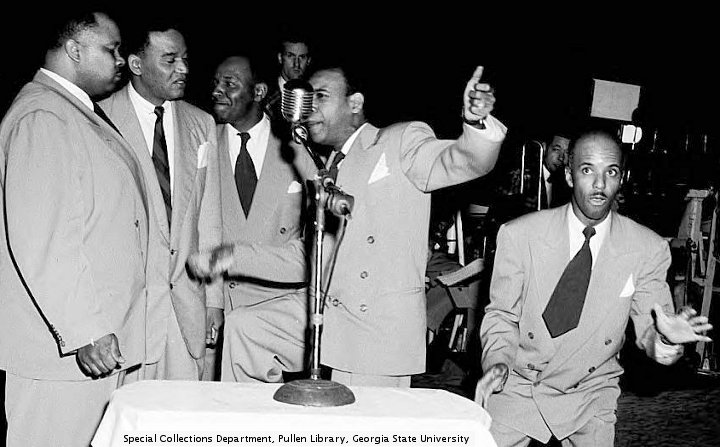


Georgia On My Mind

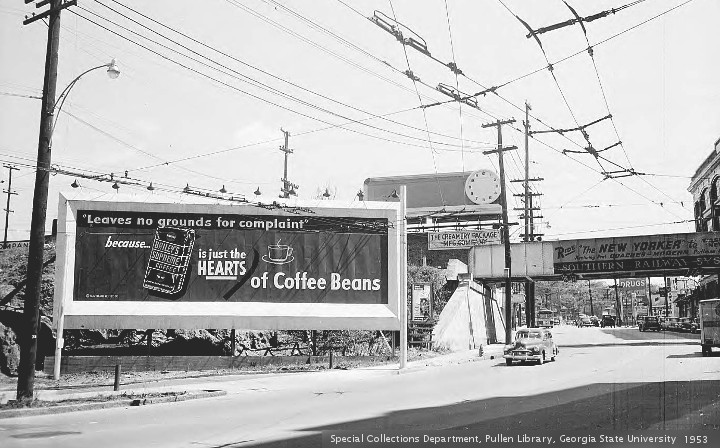
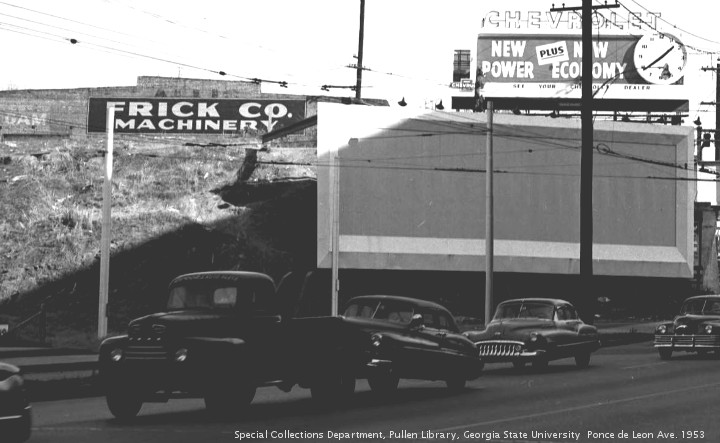
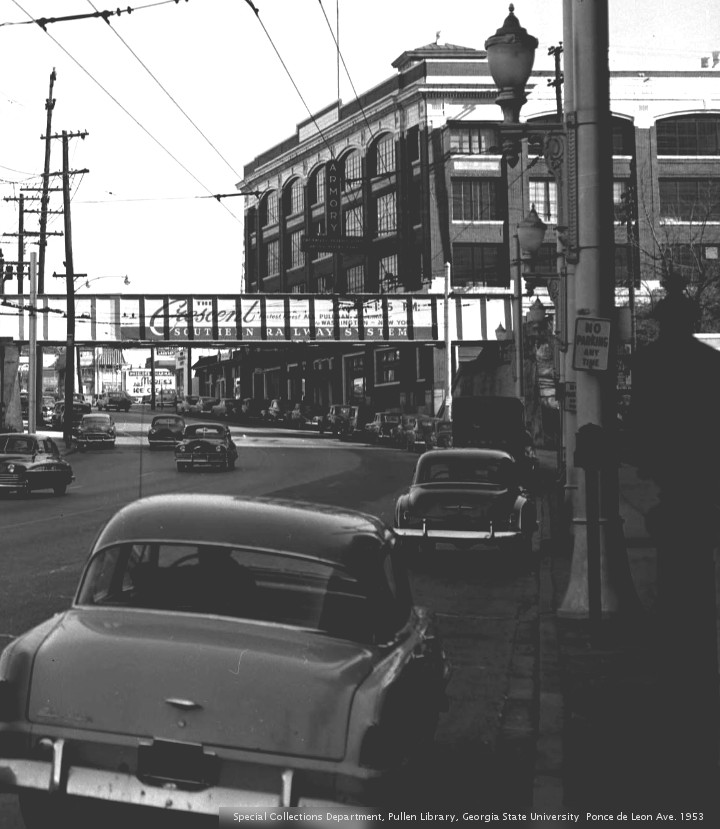


“Georgia On My Mind” turned up of facebook this morning. Pictures today are from “The Special Collections and Archives, Georgia State University Library”. This is a repost from 2020.
Youtube turned up the original “© Written in 1930 by Hoagy Carmichael (music) and Stuart Gorrell (lyrics) © Gorrell wrote the lyrics for Hoagy’s sister, Georgia Carmichael. However, the lyrics of the song are ambiguous enough to refer either to the state or to a woman named “Georgia”. Carmichael’s 1965 autobiography, “Sometimes I Wonder”, records the origin: a friend, saxophonist and bandleader Frankie Trumbauer, suggested: “Why don’t you write a song called ‘Georgia’? Nobody lost much writing about the South.” Thus, the song is universally believed to have been written about the state.”
National Anthems has a story about GOOM. (The 90’s website has a retro-illustration.) “STUART GRAHAM STEVEN GORRELL (1901-1963) and HOAGLAND HOWARD CARMICHAEL (1899-1981), wrote the song in 1930 almost as a lark … Hoagy Carmichael went to Indiana University, and one of his best college chums was Stuart Gorrell. Hoagy Carmichael was going to be a lawyer and Stuart Gorrell, when not hanging around the local “jazz joint” (called The Book Nook!) had promised someone that he would eventually be a success in the world of business.”
“The two of them were together at a party in New York and Hoagy Carmichael played what he had of the “Georgia” music line for Stuart Gorrell and some friends. After the party broke up, the two of them went back to a friend’s apartment and worked on the tune throughout the night. Stuart Gorrell wrote what he thought would be a good lyric line on the back of a post card, (now displayed in the Carmichael Room at Indiana University) and showed it to Hoagy Carmichael. One can still plainly see the few, but important, changes that Hoagy Carmichael made on that small piece of cardboard to Stuart Gorrell’s lyrical scratchings. The song was improved upon, and the lyrics written, in that boozy early morning, and recorded in September 1930 by a band that included Hoagy Carmichael’s great friend, Bix Beiderbecke – a recording session that proved to be Bix’s last.”
“Hoagy Carmichael went on to write many more songs, some of them hits, and Stuart Gorrell kept his promise and became a Vice President at Chase Bank. Stuart Gorrell never tried to write another song lyric, but ‘Georgia on my Mind’ became a hit after World War II and Hoagy Carmichael, true to his word – although Stuart Gorrell was not legally credited as the lyricist by the music publisher – always sent Stuart Gorrell a cheque for what would have been his share of royalty. The royalty income from that song is substantial and, after Stuart Gorrell died, the income put his daughter through college.”
Mr. Gorrell wrote a letter to the Bremen (Indiana) Enquirer, August 3, 1961. “This accompanied his response to his home town’s Teen Hop patrons choosing the song as their theme song. … “Georgia on my mind” was composed more than a quarter of a century ago on a cold and stormy evening in 1930 in New York City. Hoagy Carmichael and I, in a third floor apartment overlooking 52nd street, with cold feet and warm hearts, looked out the window and, not liking what we saw, turned our thoughts to the pleasant southland. Thus was born a hauntingly sweet song. My mother, who died in Bremen in 1942, once asked a very penetrating question about the song. I had sent her a copy of the sheet music and, after reading the words over several times, she wondered aloud: “What is Georgia? A girl—or state? What do you think? Hoagy and I just love every one of you Bremen Teen Hoppers for honoring out tune by making it your theme song. Sincerely, Stuart Gorrell”






Fifty Eight Years

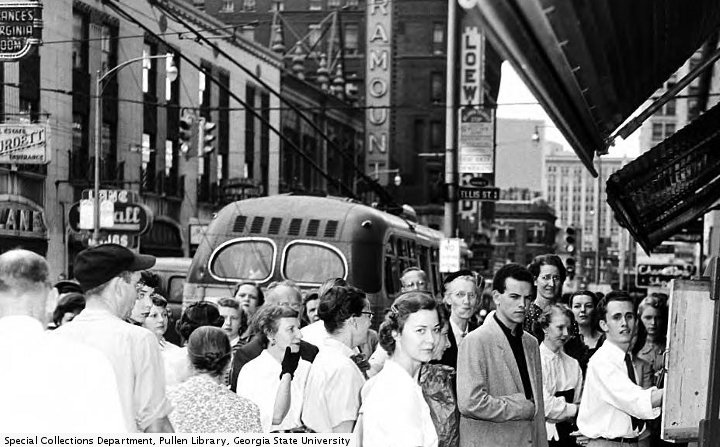


Fifty eight years ago, John Kennedy went to the oval office in the sky. The bullets hit Mr.Kennedy at 12:30 pm, CST. He arrived at the hospital at 12:37. He had a faint heartbeat on arrival, but quickly succumbed to his wounds.
In Georgia, PG was nine years old. He was in Miss Mckenzie’s fourth grade class. There was going to be an assembly soon, and the class was going to perform. There was a rehearsal in the cafetorium, and some of the kids were acting up. They went back to the class, and PG thought they were going to be chewed out about the misbehavior in the cafetorium. Instead, Miss Mckenzie came into the room, and told the kids that President Kennedy had been shot during a parade in Dallas Texas. She did not say anything about his condition. One kid cheered the news.
School let out at the regular time, and PG walked home. His mother and brother were crying. He was told that the president had died. The cub scouts meeting that afternoon was canceled.
Later that night, a plane arrived in Washington. The tv cameras showed a gruesome looking man walk up to a microphone. He was introduced as President Lyndon Johnson. This may have been the worst moment of that day. Photographs for this repost today are from “Special Collections and Archives, Georgia State University Library”.





Esoteric and Pedantic


Obviously,there is something to be said for wanting to speak up, but not having anything to say. To prove that, I am going to talk about a word…esoteric. According to Wiktionary , esoteric is :”1. Having to do with concepts that are highly theoretical and without obvious practical application. 2. Understood only by a chosen few or an inner circle. 3. Confidential; private.”
The “E word” plays a role in a story from 10th grade English. We were discussing a story, “The Rocking Horse Winner”, by D.H. Lawrence. The story was, well, boring and obscure, just like most of what I have seen by Mr. Lawrence.
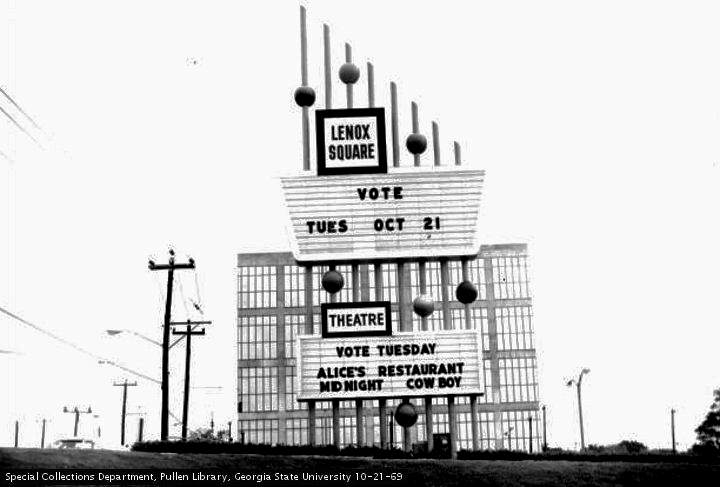
The summer after 10th grade I worked in a movie theater. The ushers wore ghastly yellow uniforms, and saw the movies over and over. When I started, the Lenox Square 2 theater was showing “Women in Love”, based on a novel my D.H. Lawrence. Glenda Jackson copped an oscar for her portrayal of Gudrun Brangwen, and young Larry Kramer was one of the screenwriters. It did not improve my opinion of D.H. Lawrence. If the censors had not touched “Lady Chatterly’s Lover” D.H. Lawrence would be forgotten today.
Back to 10th grade english. We were discussing this wretched story, and a girl raised her hand. Why would any author would write something so esoteric? The teacher had never heard of this word before, and was amazed to hear it.
The Lenox Square 2 theater was a long, slender thing with a small screen. This was in 1970. The multiplex concept had not matured. LS2 was under a grocery store. When their automatic door openers operated, you could hear the motors in the theater below. The movies the rest of the summer were Fellini Satyricon, The Christine Jorgenson Story, and The Landlord.
Back to esoteric…or did I ever go away? Before you can understand esoteric, you must plumb the depths of pedantic. “1. Like a pedant, overly concerned with formal rules and trivial points of learning. 2. Being showy of one’s knowledge, often in a boring manner. 3. Often used to describe a person who emphasizes his/her knowledge through the use of vocabulary; ostentatious in one’s learning. 4. Being finicky or picky with language.”
Pedantic is an adjective that describes itself. The technical term for this is autological. Here is a poem using autological words. This repost. Pictures for this visit to the Nixon era are from “The Special Collections and Archives Georgia State University Library”.


The Burning Of Atlanta


Around this time 157 years ago, Atlanta was on fire. General Sherman was preparing for his March to the sea, and wanted to destroy anything of value in the city. The fire is reported as being on 11-15 of November, depending on what source you use.
The November fire was the second great fire in Atlanta that year. On September 2, the city was conquered by the Union Army. The fleeing Confederates blew up a munitions depot, and set a large part of the city on fire. This is the fire Scarlet O’Hara flees, in “Gone With The Wind”.
After a series of bloody battles, the city was shelled by Yankee forces for forty days. There were many civilian casualties. General Sherman was tired of the war, angry at Atlanta, and ready for action. This is despite the fact that many in Atlanta were opposed to secession.
Click here to hear a lecture by Marc Wortman at the Atlanta History Center. Mr Wortman is the author of “The Bonfire: The Siege and Burning of Atlanta”. The hour of talk is fascinating. This is a repost. The pictures are from The Library of Congress


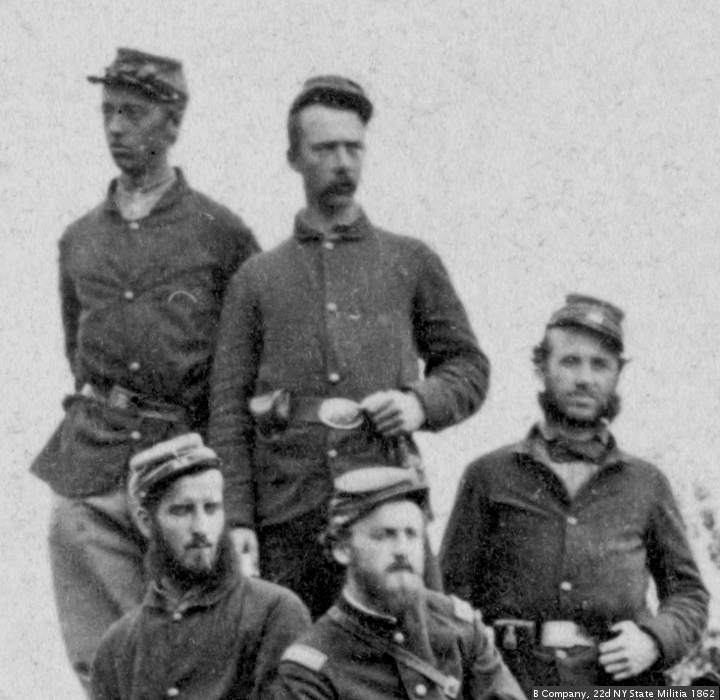
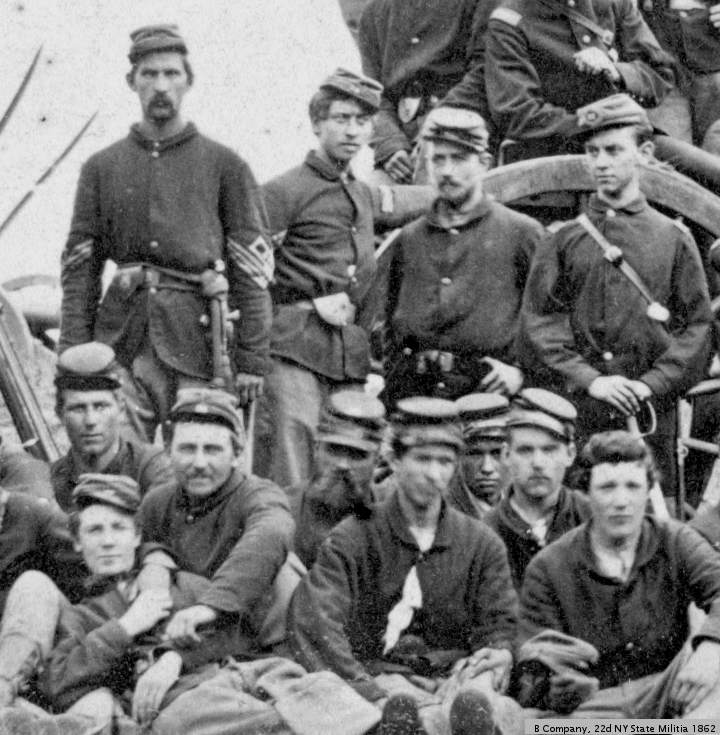


About this time every year, there is a post about the burning of Atlanta. One of the sources is a lecture by Marc Wortman. If you have an hour to spare, this talk is worth your time. One of the stories told is the tale of Mr. Luckie.
“According to folklore, two stories abound as to how Luckie Street was named. The first is that its moniker came from one of Atlanta’s oldest families. The other, probably closer to the truth, regales the life of Solomon “Sam” Luckie. Luckie, as it turns out, wasn’t so lucky after all. When General William Tecumseh Sherman first came marching through Atlanta in 1864, Luckie, a free Black man who made his living as a barber, was leaning against a gas lamp post in downtown talking to a group of businessmen. A burst from a cannon shell wounded him; he survived, but later died from his injuries. Folklore suggests that he may have been one of the first casualties of the assault on Atlanta. Luckie Street, an extension of Auburn Avenue, was later named in his memory.”
Marc Wortman wrote a book, The Bonfire: The Siege and Burning of Atlanta. The one star review, and comments to that review, are unusually detailed. Here is a selection.
“…People forget – or were never taught in school – that most Confederate soldiers descended from Revolutionary War patriots or were up-country poor sons of farmers. Many Confederate soldiers were relatively recent new arrivals to the U.S., semi-literate dirt poor immigrants from Ireland and Scotland who’d never had the chance to own even an acre of their own land in Europe. In the mix were well-educated, elite merchant business owning French Huguenot refugees of the Catholic Bourbon genocide of Protestants. These immigrants had nowhere else to go, 9 times out of 10 never owned a slave, and fought for the CSA to keep what little they’d hardscrabble carved out over a decade of arrival into the U.S.”
The War Between The States continues to be a source of controversy. After the Charleston church killings, many comments were made about the Confederate battle flag. (If you can’t talk about gun control or mental health, you talk about a symbol.) This led to discussions about the war itself. There were ritual denunciations of slavery, assumed to be the sole cause of the conflict.
The notion of autonomous states in a federal union was novel when the United States Constitution was written. The debate over federalism versus states rights continues to this day. States that want to legalize marijuana may be the next battleground. (Few are expecting secession over bong rights.) Many in the CSA saw the Union as being a conquering army, and fought to defend their homes. While slavery was certainly a factor in the creation of the CSA, it was not the only Casus belli. Pictures today are from The Library of Congress.



Arlo Guthrie
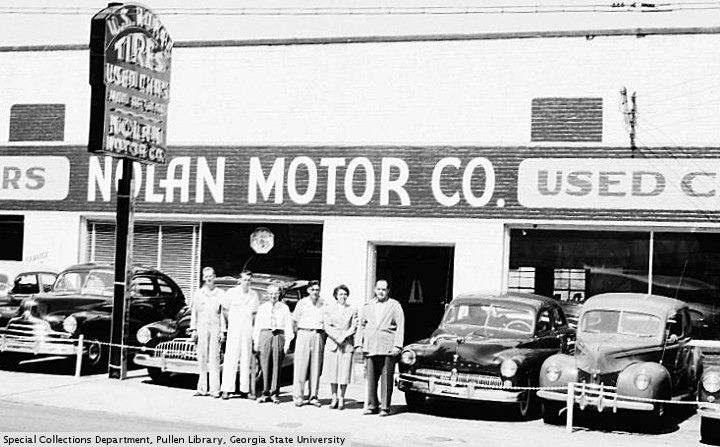


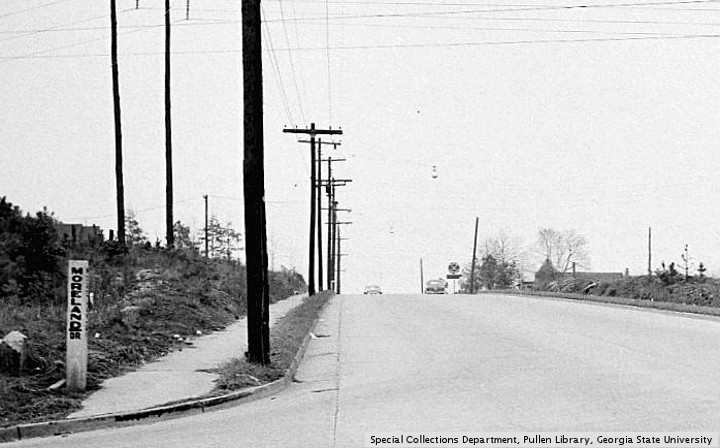

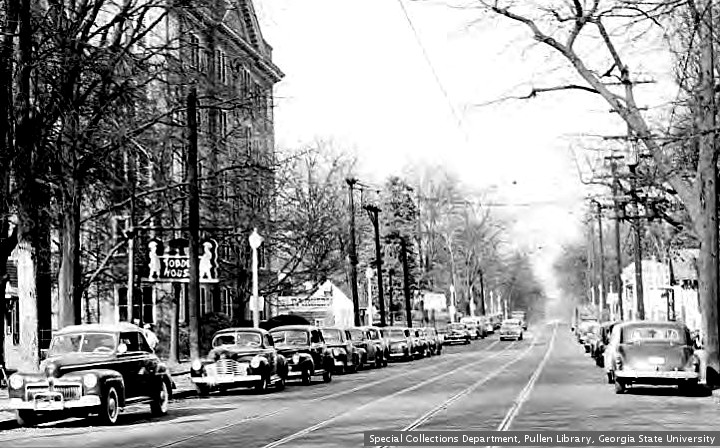
This is a rerun post, with pictures from “The Special Collections and Archives, Georgia State University Library”. The original post was half about Arlo Guthrie, and half about Ralph Reed. Today, only the part about Arlo Guthrie will be shown. If you absolutely must read about Ralph Reed, you can follow the link above, or read Lisa Baron And Ralph Reed TMI.
The entertainment today is about Arlo Guthrie . Thanksgiving is intimately connected to Mr. Guthrie. Unlike the turkey, Mr. Guthrie has gone on to have a flourishing career. He probably will not come down with Huntington’s Disease, which killed his father Woody Guthrie.
The video that goes with this text was the first time PG saw Arlo Guthrie. This was broadcast January 21, 1970. PG was an unhip fifteen year old, who had not heard Alice’s Restaurant, seen the movie, or been to Woodstock. He did see the Johnny Cash show this night, or at least the part where Arlo Guthrie did the motorcycle song.
To quote the digital facility PG is borrowing from: ” Born Arlo Davy Guthrie on July 10, 1947, in New York, NY; son of Woody (a folksinger) and Marjorie Mazia (a dancer; maiden name, Greenblatt) Guthrie; married Jacklyn Hyde, October 9, 1969; children: Abraham, Cathyalicia, Annie Hays, Sarah Lee.” Abraham and Sarah Lee play in Arlo’s touring band.
The Alice’s Restaurant Masacree is a part of Americana now. There are two bits of knowledge, that are as true as anything told to a Persian king. When trying to dispose of some garbage, and finding the city dump closed, Arlo found some litter by the roadside, and made a value judgment…One big pile of garbage is better than two little piles.
The second is about the draft, and the business of choosing people to fight our wars. There is a regulation today that says that Gays and Lesbians are not supposed to be soldiers and sailors. In the tale of the thanksgiving dinner, it was litterbugs. (There was also a draft, and a different war. Lots of Americans were coming home in boxes.) The bottom line: Mr. Guthrie is confused about not being considered moral enough to kill people, because he was a litterbug.
A few years into his career, Arlo Guthrie had a hit record called “City of New Orleans”. It was about a train, and said “Good Morning America”. “City of New Orleans” was written by Steve Goodman, who is no longer with us. Mr. Goodman also wrote the perfect country and western song .
PG heard a story about Steve Goodman. “The songwriter is Steve Goodman. He gave a show at the Last Resort in Athens GA, that a friend of PG attended. Mr. Goodman tells a story about performing on a train, during a series of concerts supporting Hubert Humphrey. It seems like Mr. Goodman had to use the restroom on the train. Now, in those days, the trains did not use holding tanks, but just ejected the matter by the tracks as they rode by. Mr. Goodman was told, do not flush the commode while the train is in the station. Mr. Goodman forgot the instructions. Mr. Humphrey said ”I am going to give the people of this country what they deserve”, Mr. Goodman flushed the commode, and sprayed the crowd. PG is not sure if he believes this, but it is a good story.” ( A biographer of Mr. Goodman said said that the candidate was Edmund Muskie. He also says that David Allen Coe had nothing to do with the last verse of the perfect country and western song.)
As previously noted, this is a repost from a few years ago. In that time, the policy against gay people serving in the military has been dismantled. The Ralph Reeds of the world are more upset about the concept of gay marriage, than by gay people killing Muslims. Vietnam is a peaceful country, and is enjoying economic good times. The draft is something old fogies remember. The current fashion is to support war by demanding a tax cut.
Arlo Guthrie continues to make music. USA Today had a feature recently, Arlo Guthrie celebrates 50 years at ‘Alice’s Restaurant’. Arlo Davy Guthrie has a twitter account, @folkslinger, and a full head of white hair. His wife of 43 years, Jackie Guthrie, died Oct. 14, 2012. The Lenox Square theater was torn down to make way for a food court many years ago.




Election Day
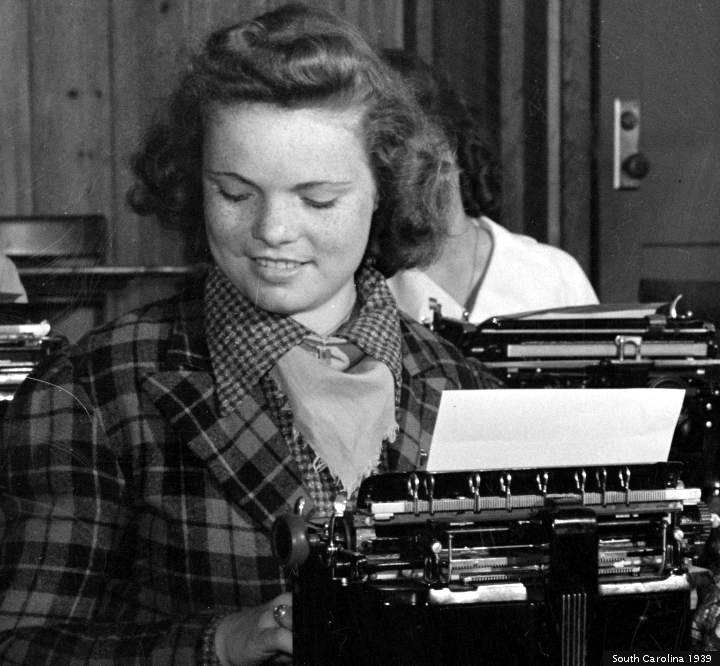

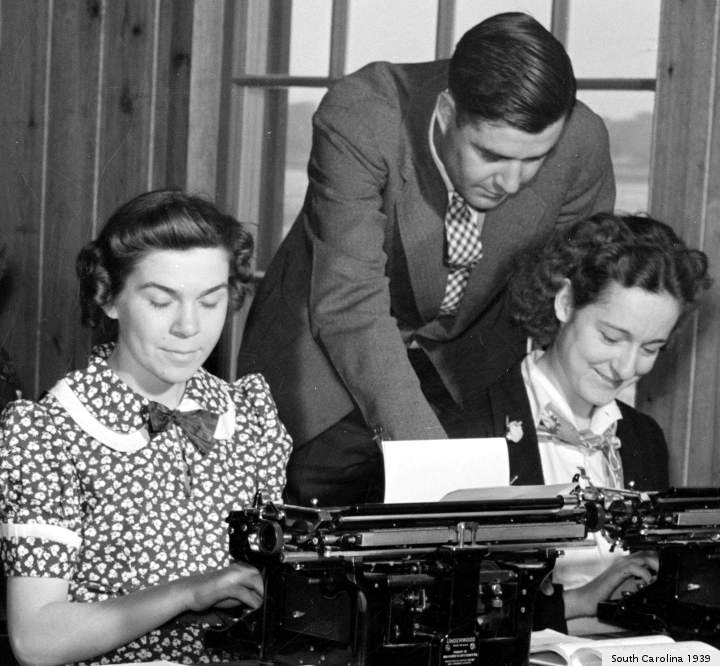
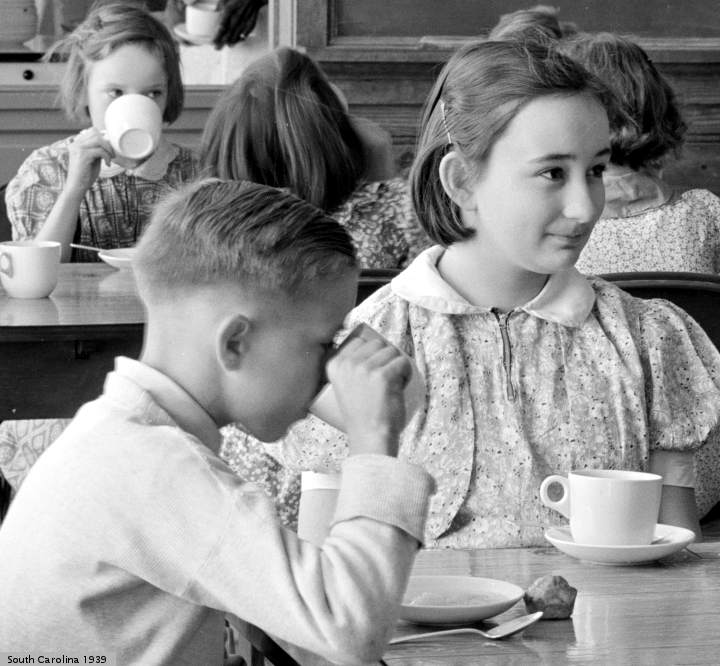

In my dotage, getting out to vote can be an effort. Finally, after putting it off as long as I could, I made it up the hill to the school. The first stop was the gym. When I got there, I remembered my mask. The lady said the mask was not a problem. However, I was in the wrong location. There was another voting place in the cafetorium.
The entrance by the porte cochere was closed to non-students, so I had to go around the school to get in. A quick trip back to the house would enable me to drop off the jacket, and get a mask. Soon, I was lumbering back up the path.
The last time I voted, the door was kept locked, and I had to be buzzed in. Today, the door was open, and I walked in. The next barrier was a sign that said that only people actively voting were allowed in the cafetorium. I told the poll worker that I was a passive voter, and he looked at me like I was on drugs. After showing him the sign, he told me not to worry about it.
The next step is having the man scan your driver’s license. This used to be a two person process, but it has been streamlined. You also don’t have to fill out a slip of paper with your address, but merely confirm you name and DOB. The man gave me a plastic card with a chip in it.
There were only two things to vote on. There is a city council race, with incumbent HJ “John” Park. I wonder what the HJ stands for. I had seen “John” riding through the neighborhood this past weekend. He campaigns on a bicycle, wearing a mask.
The other election was for some kind of SPLOST. I made the choices, and pushed the button. The laser printer printed a piece of heavy duty paper. It had a qv code, and my two choices.
I took the printed ballot, and the chip card, over to the lady standing by a black machine. I fed the ballot, face down to ensure privacy, into the rollers of the machine. I placed the chip card in the used ballot box, and said no thank you, to the offer of a peach sticker. Democracy lives on in Brookhaven. Pictures today are from The Library of Congress.


The 1956 Legislature And The Flag



What Stacey Abrams said about burning the Georgia flag in 1992 The New York Times decided to show a picture of a younger, slimmer Stacey Abrams burning the Georgia state flag. The year was 1992. The state flag had the Confederate battle flag embedded. People were asking the legislature to change that. Miss Abrams was a student activist. This is an edited repost.
The NYT article sparked a twitter dogpile, about the motives of the Georgia legislature in 1956. PG remembers 1993, when the initial proposal to change the flag was made. Changing The Flag is an account of those years. If you have a minute, you should read that post before going any further. The people who wanted to change the flag introduced an argument. They said that the legislature changed the flag, in 1956, as a protest against integration. PG never believed that. One afternoon in 1994, PG found a newspaper article that supported his point of view. After that, PG did not think much about the issue. The flag was changed in 2000 and 2003.
The issue has a few shades of gray. The reason given in 1956 was honoring the Confederacy. In 1993, the 1956 legislature was said to be protesting integration. The emotions of honoring the Confederacy, and denouncing integration, are not entirely separate. Many of the same people, who are proud of the Confederacy, are white supremacists. To an outsider, they can seem like the same thing. PG can understand how someone not familiar with Georgia could mistake the two.
The debate, over the motive of the 1956 legislature, was never necessary. The flag, featuring the Confederate battle flag, was seen as a symbol of racism. Many people were offended by this flag. Why not just say we should change the flag for this reason, and not worry what the legislature was thinking? However, this was not good enough. People needed some more ammunition for their fight. The notion that the flag was changed as a protest against desegregation was born. PG never heard, before 1993, that the flag was changed as a protest against integration. People believed this notion without any evidence, just because somebody said so. 1994 was 38 years after 1956. Very few people in 1994 were active in 1956. The argument in favor of the changed-to-protest-integration notion had two parts: (1) Because I said so, (2) if you disagree you are a racist idiot.
@KevinMKruse “No, she burned the old *Georgia* flag, which had been designed specifically by white supremacists as a show of defiance to desegregation in 1956. Let’s dig in.” @chamblee54 “The Flag was not changed as a protest against desegregation. Changing The Flag” @KevinMKruse “I literally wrote a book on this, but congratulations on finding a blog post.” @chamblee54 “I wrote the blog post. If you read the post, you will see I did research. Did anyone say at the time that the new flag was a protest? Do you have a link to this?”
@JoshCStephenso “You found a single article? Maybe you would trust a paper written by the Deputy Director of the Georgia Senate Research Office – a chamber that is majority R?” This tweet was helpful. The report was written in 2000, before the a new flag was driven through the legislature. If you have the time to read the complete report, it is worth your time. If not, a few quotes will be posted here, along with a few helpful comments.
The first Confederate flag looked a great deal like the Union flag. In early battles of the war, the two flags were often confused. “The commanding Confederate officer at the Battle of Bull Run, General P.T.G. Beauregard, determined that a single distinct battle flag was needed for the entire Confederate army. Confederate Congressman William Porcher Miles recommended a design incorporating St. Andrew’s Cross.”… “Other flags such as State regimental colors were used by the Confederacy on the battlefield, but the battle flag, although it was never officially recognized by the Confederate government, came to represent the Confederate army.”
At first, use of the battle flag was restricted to historic events. It wasn’t until the fifties that the flag began to be used by those who fought integration. In 1954, Brown vs. Board of Education was handed down by the Supreme Court, ordering the integration of schools. The Georgia legislature went into resistance mode, and spent a lot of time denouncing integration. The senate research office devotes page after page to these efforts. Finally, “In early 1955, John Sammons Bell, chairman of the State Democratic Party … suggested a new state flag for Georgia that would incorporate the Confederate Battle Flag. At the 1956 session of the General Assembly, state senators Jefferson Lee Davis and Willis Harden introduced Senate Bill 98 to change the state flag. Signed into law on February 13, 1956, the bill became effective the following July 1.”
“Little information exists as to why the flag was changed, there is no written record of what was said on the Senate and House floors or in committee and Georgia does not include a statement of legislative intent when a bill is introduced – SB 98 simply makes reference to the “Battle Flag of the Confederacy.” … “Many defenders of the flag, including former governor Ernest Vandiver, who served as the Lieutenant Governor in 1956, have attempted to refute the belief that the battle flag was added in defiance of the Supreme Court rulings. Vandiver, in a letter to the Atlanta Constitution, insisted that the discussion on the bill centered around the coming centennial of the Civil War and that the flag was meant to be a memorial to the bravery, fortitude and courage of the men who fought and died on the battlefield for the Confederacy.”
This is where it gets murky. It is apparent that the legislature was obsessed with integration. The circumstantial evidence, of the flag being changed as a protest of integration, is there. However, there is no smoking gun. There are no apparent statements, from 1956, saying that this change was made to protest integration. This detail seems to have sprung up in 1993, without having been widely mentioned in the 37 years since 1956. The newspaper article PG found does not mention a protest against integration, and does mention a desire to honor the Confederacy.
“The argument that the flag was changed in 1956 in preparation for the approaching Civil War centennial appears to be a retrospective or after-the-fact argument. In other words, no one in 1956, including the flag’s sponsors, claimed that the change was in anticipation of the coming anniversary. Those who subscribe to this argument have adopted it long after the flag had been changed.” This is contradicted by the newspaper article, and statements by “Governor Griffin’s floor leader, Representative Denmark Groover … “anything we in Georgia can do to preserve the memory of the Confederacy is a step forward.” As for the after-the-fact argument, you could say the same thing about the notion that the flag was changed as a protest against integration.
John Sammons Bell is a name that keeps coming up. From 1954 to 1960, Mr. Bell was Chairman of the State’s Democratic Party. He was, by all accounts, an enthusiastic segregationist. One of the jaw dropping moments in the senate report was this: “Bell, a one-time supporter of Governor Ellis Arnall, once had the reputation of being a “liberal” on race issues.”
To sum up, the Georgia state flag was changed in 1956. The new flag contained the Confederate battle flag. Many people were offended by the 1956 flag. PG thought it was ugly. Many others saw it, with some justification, as a symbol of racism. For some reason, speculation about the motives of the 1956 legislature arose. 18 years after the passage of a new flag, people are still arguing over the motives of the 1956 legislature. Pictures today are from “The Special Collections and Archives, Georgia State University Library”. Previous postings of this feature include many details omitted today.




We’re All God’s Children
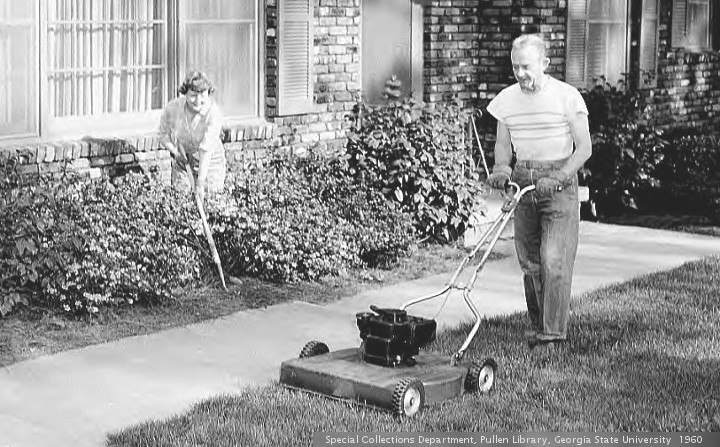


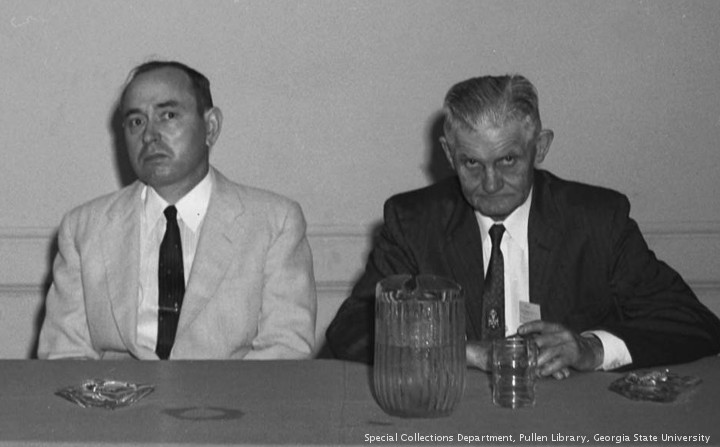
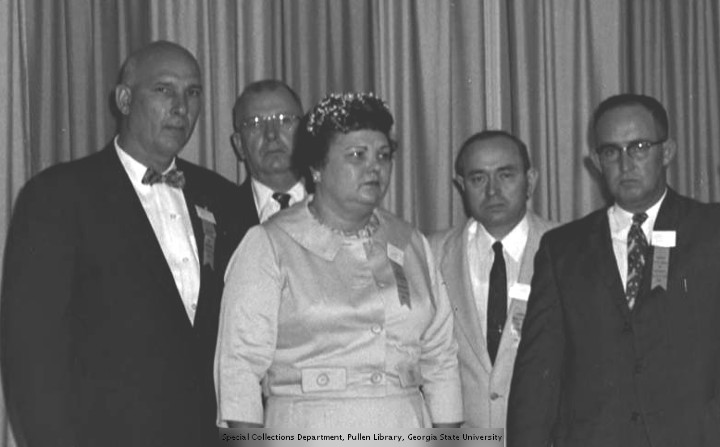
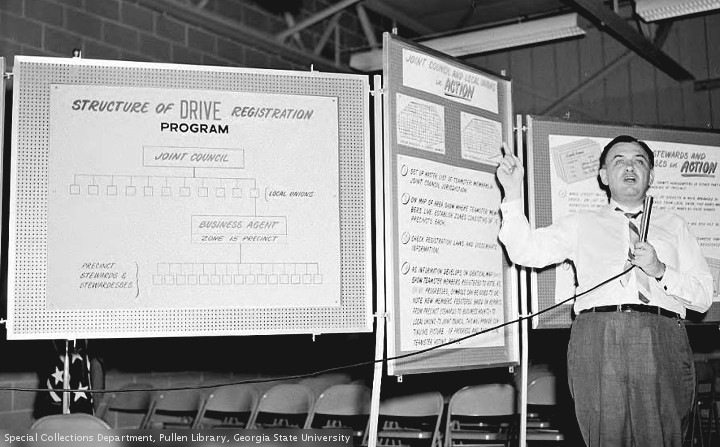
It was September, 1976, in Athens, Georgia. Someone decided to open a disco downtown. On opening night, there was a crowd. People wanted to know, would men be able to dance with men?
The owner was said to be a redneck, who would not allow such things. Finally, the party got started. At some point, same sex couples started to dance together. The owner shut down the music, and stood in front of the crowd with a microphone. He said a few words that did not please anyone, and there was an uneasy silence. Then, out of the back, came one voice.
We’re all God’s children.
45 years later, we are still struggling. People try to solve problems, big and small, with name calling. If you don’t have the correct opinion about this or that, then you are a terrible person. We seem to forget the one basic truth: We’re all God’s children.
We don’t know who cried out WAGC that night, 45 years ago. If I had to guess, I would say that it was an African-American. Much of the name-calling today is about skin color. If you are not heard repeating the platitudes of the day, you will get called racist. You are deemed worthy of hatred and abuse. Your humanity is taken away from you. You are no longer one of God’s children. Pictures today are from “The Special Collections and Archives, Georgia State University Library.”
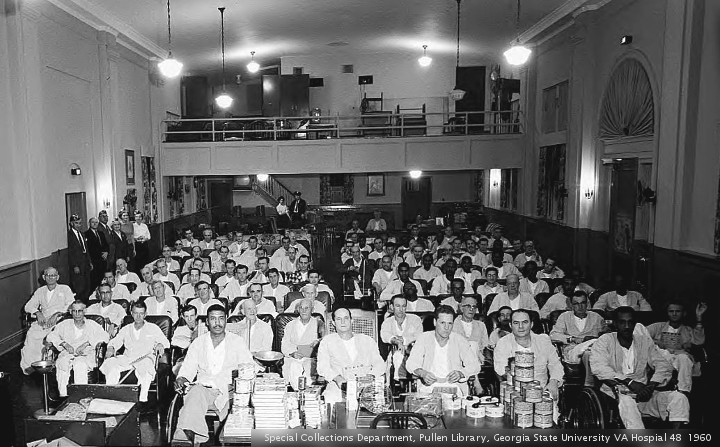


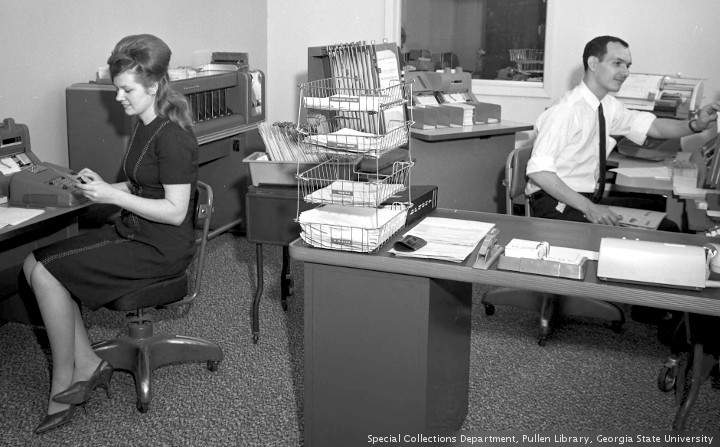

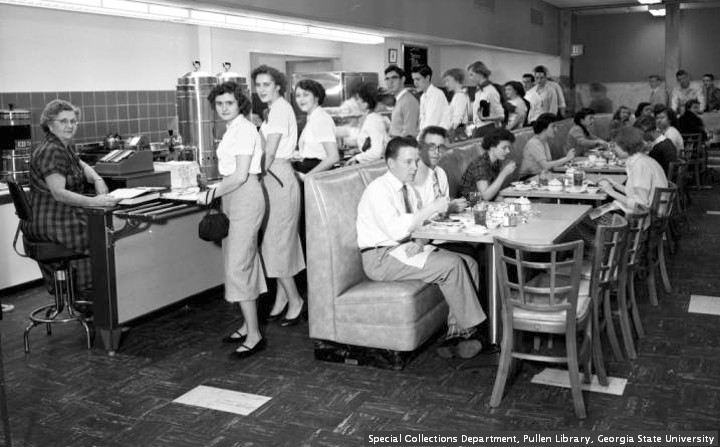

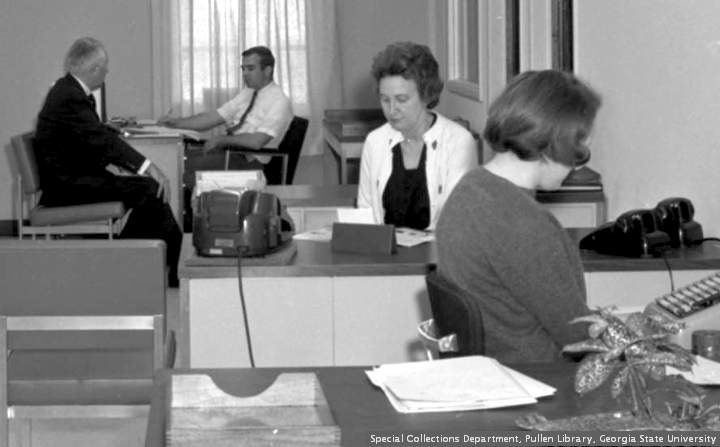
Georgia Voter Registration




This is a repost. This time last year, the election from hell was in hyper-demagouge mode. Stacey Abrams was handed a potent issue, and worked it to death. It wasn’t until after the voting that many of us learned that the counties count the votes, and register voters. While tales of voter suppression cannot be completely ignored, it now appears obvious that we were repeatedly lied to.
@LEBassett “1.Brian Kemp is running for GA gov against Stacey Abrams (a black woman) 2. Kemp is in charge of elections & voter registration 3. Kemp made a new “exact match” rule that is holding up 53,000 voter registrations…. NEARLY 70% OF THEM BLACK 4. THIS IS ALL I WANT TO TALK ABOUT” There is nothing like getting your news from twitter.
Voting rights become a flashpoint in Georgia governor’s race The story gets attention. Georgia is holding up 53k voter registrations. 70% of these registrations are black people, according to an undocumented AP story. These registrations are in the Secretary of State’s office. The current SOS, Brian Kemp, is the Republican candidate for Governor. Mr. Kemp is white. His Democratic opponent, Stacey Abrams, is black. As you might imagine, the sensation-driven media is in outrage mode.
“An analysis of the records obtained by The Associated Press reveals racial disparity … the list of voter registrations on hold with Kemp’s office is nearly 70 percent black.” No link is provided for the analysis, which is likely to be true. Assuming that is factual … a dangerous proposition three weeks before an election … the next question should be How do they know.? Is the race of the voter on the voter registration application?
STATE OF GEORGIA APPLICATION FOR VOTER REGISTRATION is your basic government form. On line 4, after telephone number, date of birth, and gender (a two check box male/female), we have race/ethnicity: White, Hispanic/Latino, Black, American Indian, Other (with a blank space), Asian/Pacific Islander. Qualifications include: “Have not been found mentally incompetent by a judge.” Does this requirement apply to candidates?
“Why must I indicate my race or ethnic group? The federal government requires South Carolina to document race or ethnic group for voters by the National Voter Registration Act.” This is the standard answer. The documentation for Georgia can be found at Voter Registration Statistics. If you are a statistics junkie, here is your fix for today.
Georgia has an regulation requiring voter registration to have an “exact match” with information already on file with the Georgia Department of Drivers Services (DDS) or Social Security Administration (SSA). “In 2017, Georgia Governor Nathan Deal signed into law House Bill 268, which codified a voter registration database “exact match” protocol that had been already shown to disproportionately and negatively impact the ability of voting eligible African American, Latino and Asian American applicants to register to vote.” The regulation was not created by Brian Kemp.
Georgia Knew Its Voter Roll Practice Was Discriminatory. It Stuck With It Anyway. The implication of the recent stories is that applications are being targeted by race. Of course, many, if not most, of the clerks reviewing these applications are black. And how would the state know if the voters were black, if it was not on the application?
New FPCA Form Eliminates the Obnoxious Race Question takes a look from another perspective. Federal Post Card Application (FPCA) is designed to help military personnel overseas obtain absentee ballots. With regards to the *race question*, authorities here give the standard answer: “Also, many states ask that you provide your race or ethnic group in order to demonstrate that they are complying with the Voting Rights Act and the National Voter Registration Act.” This sentence has a footnote. “I have reviewed both the Voting Rights Act of 1965, and the National Voter Registration Act of 1993 (“Motor Voter”), “), and I do not find any provision requiring the states to report to the Federal Government on the race of voters.” The article goes on to describe a Texas election. Absentee ballots were disputed because they were cast by non-Hispanic voters.
Pictures today are from The Library of Congress.





 Chamblee54
3 comments