58 Things To Be Grateful For
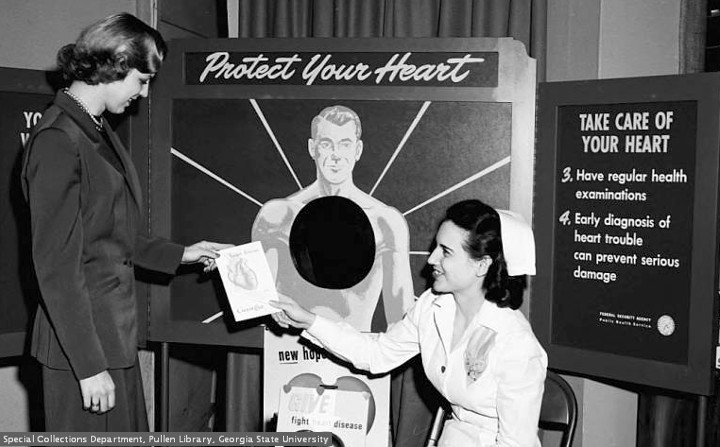
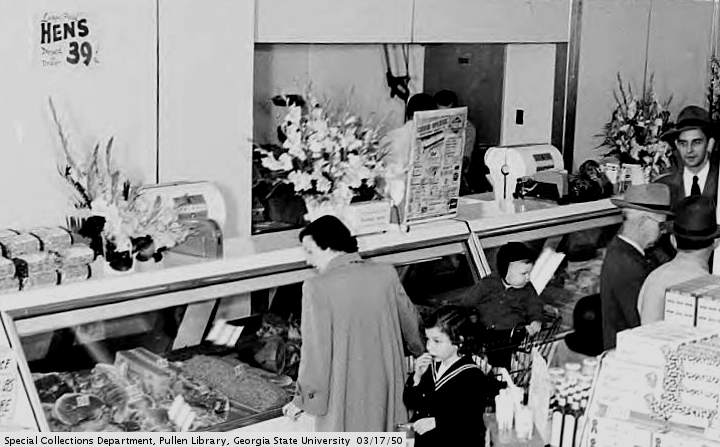


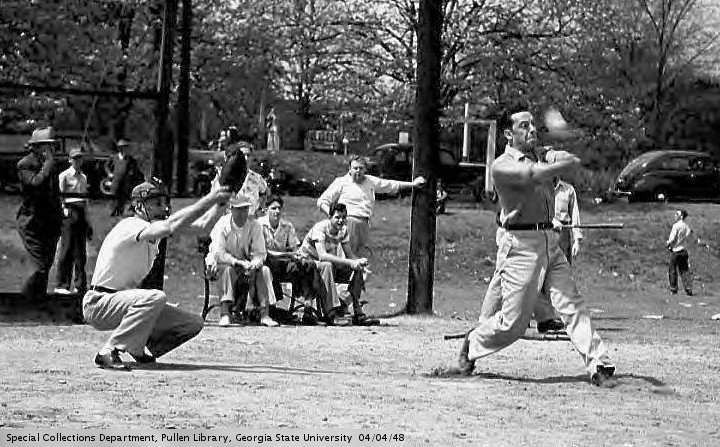
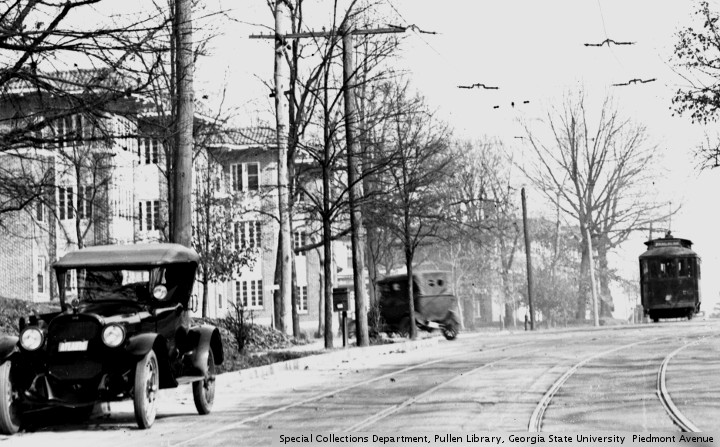
There is a meme going on, 50 Happy Things: Bloggers Unite in Flood of Gratitude. PG heard about it from Rochelle Wisoff-Fields, the perpetrator of Friday Fictioneers. The idea is to set a timer for ten minutes, and write a list of fifty things you are grateful for, or that made you happy.
It has been a slow year for writing contests at chamblee54. In August of 2014, a poem, Whitehall Street, was published. Almost immediately, an email came from the yeah write writing contest. Apparently, a line had been crossed, and chamblee54 was no longer permitted to participate in the contest. PG has been slow to find another writing contest to catch his fancy. It should be noted that on the list that follows, you will not find political correctness, sjw, or judgmental bullies.
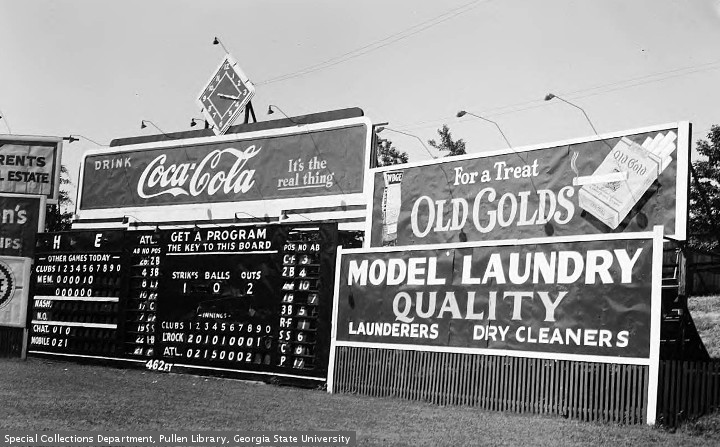
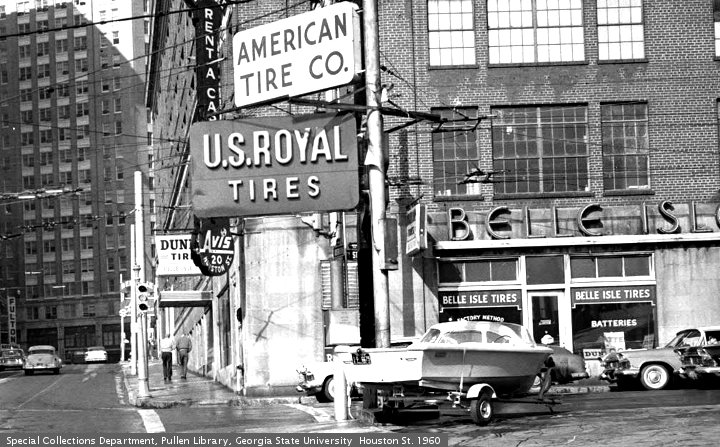
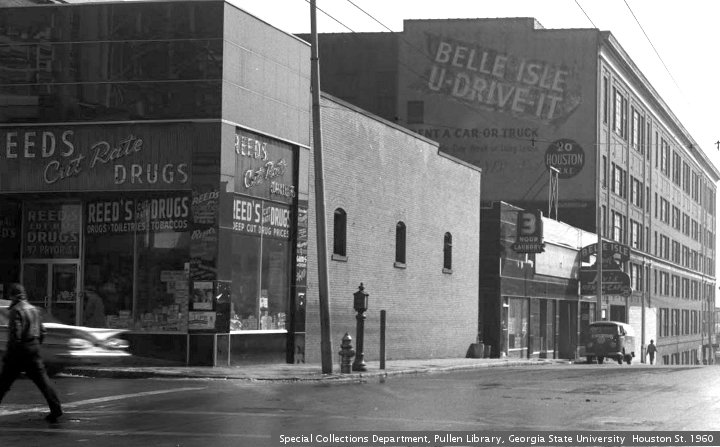
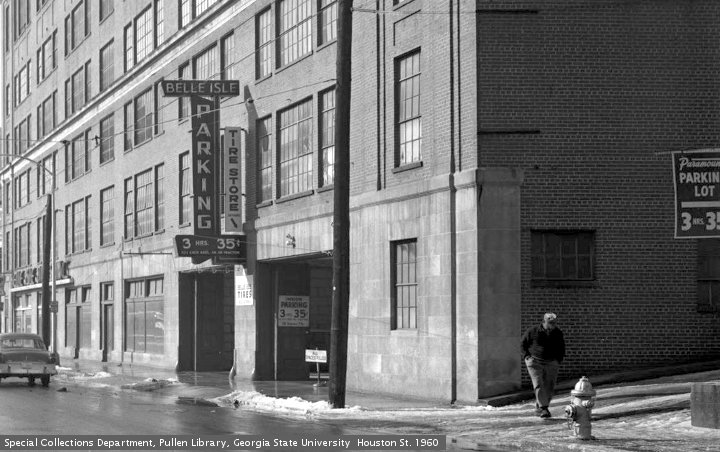
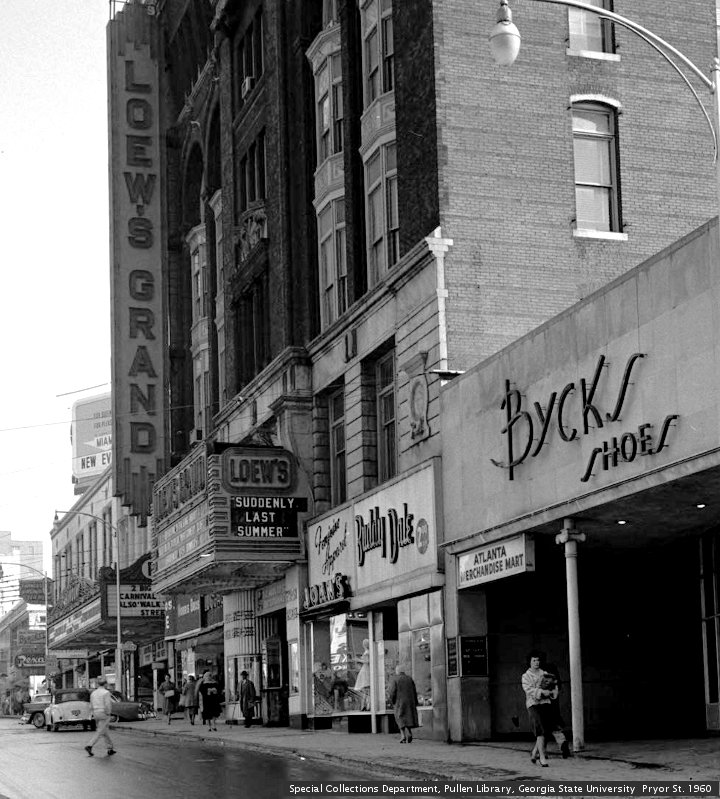
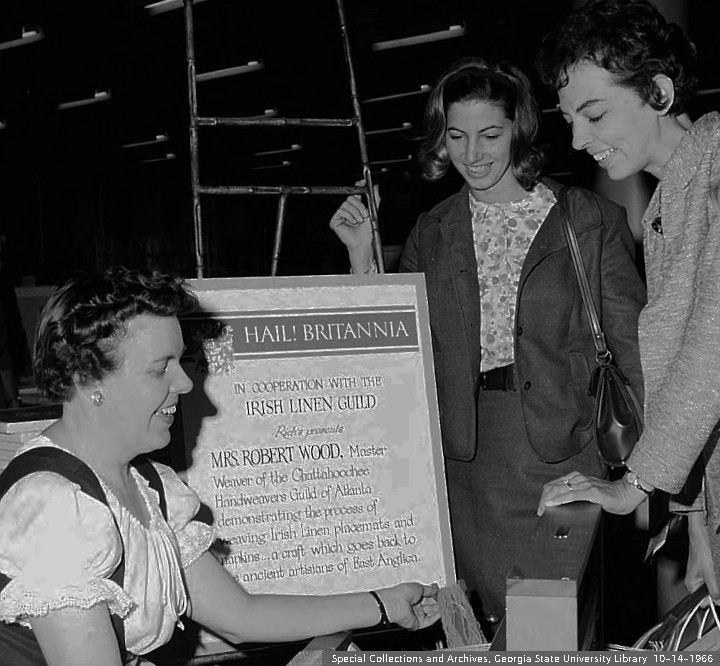
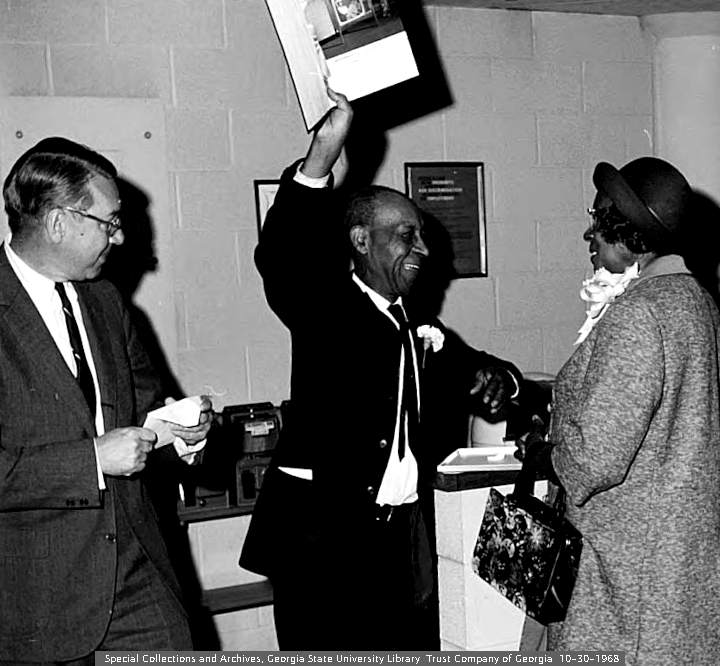
PG read the description of the contest, and realized that he needed to participate. The resulting list might make good text for a graphic poem. At the very least, the list is good text to go between pictures, from “The Special Collections and Archives, Georgia State University Library”. The remarkable photo collections that PG has acess to (the other one is The Library of Congress ) are a source of enjoyment. They did not make the list by name.
This is the way the list is. It is not supposed to be comprehensive. As soon as PG set the kitchen timer for ten minutes, he realized a touch of gratitude for this clanging device. It is the first item. Only three people names made the list, which is definitely not a reflection on the many wonderful people who were not named. (One of these names mentioned is a single letter, enclosed by quote marks. Not everyone has a friend like that.) There are a few catch alls, like healthy body, rather than naming all the parts. These parts work better than a man of PG’s age, and experience, has a right to expect.
So anyway, maybe we should just quit blabbering and print the list. There are a total of sixty one, one for each year of this life. These are not numbered… numbering them takes time away from writing down more. They are in groups of ten, in the order that they were written. UPDATE: Thinking was mentioned three times, and reading twice. Maybe editing should have been listed, or at least performed. The new total is 58 items.
kitchen timer, Mac, “J”, Robert, running honda, knees, back, teeth, feet, dick
rest of body, skepticism, sobriety, sense of wonder, computers, photography, gimp, WordPress blog, other peoples dogs, black people
mexicans, reading, thinking, faeries, short mountain, bicycle, house with roof, rain, america, georgia
georgia natives, clothes, foam rubber pad mattress, sleeping platform, sticker pictures, any friends not mentioned, not being broke, good health, listening, batteries
phones, internet, pain medicine, memory of mom and dad, food, anything i don’t think of in ten minutes, freedom from religion, g-d, back yard, rocks
poetry, soap, golden rectangle, being queer, not numbering, not wondering if i have enough, not getting caught dui, freedom from the press, reposting old features




Georgia On My Mind

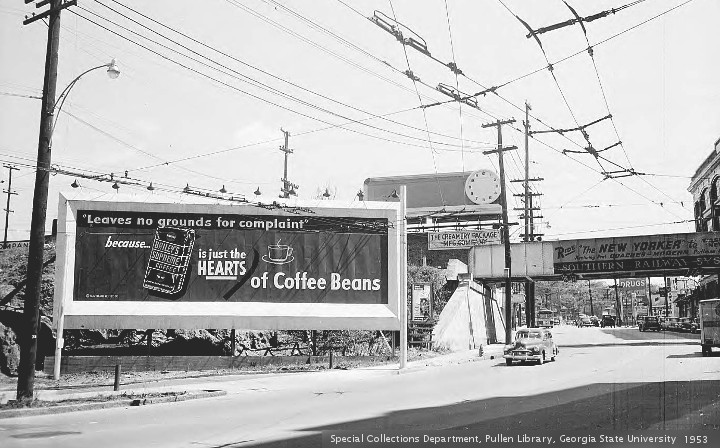
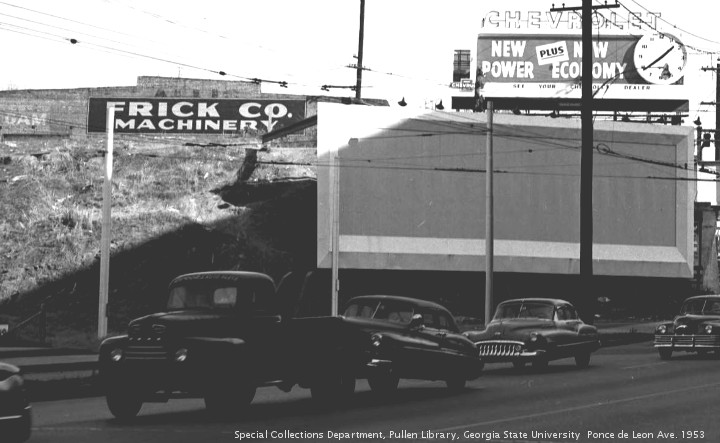
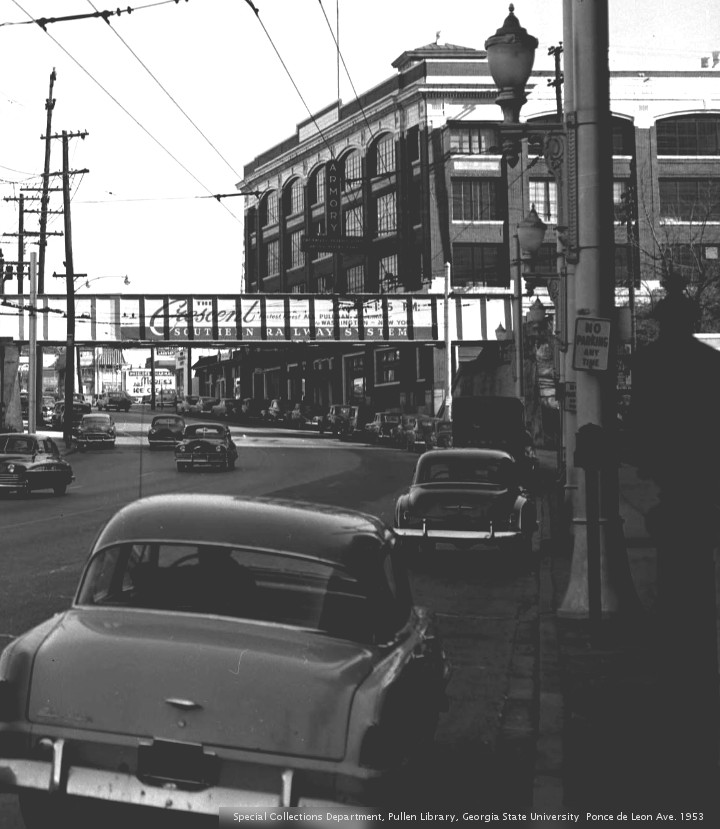


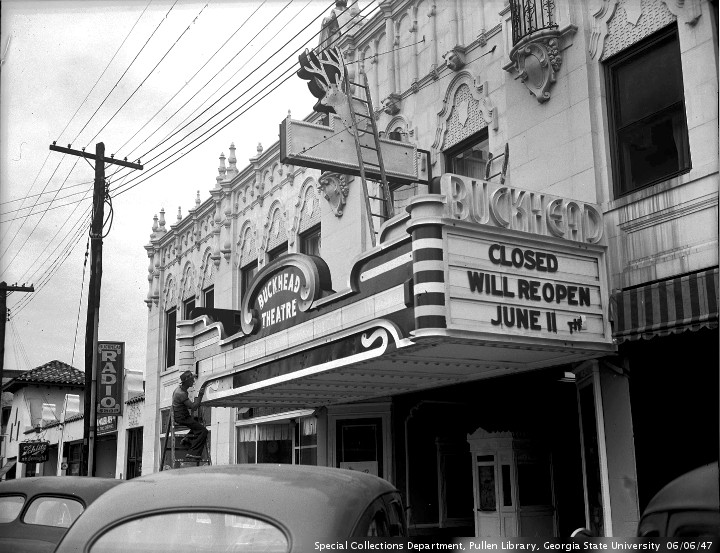
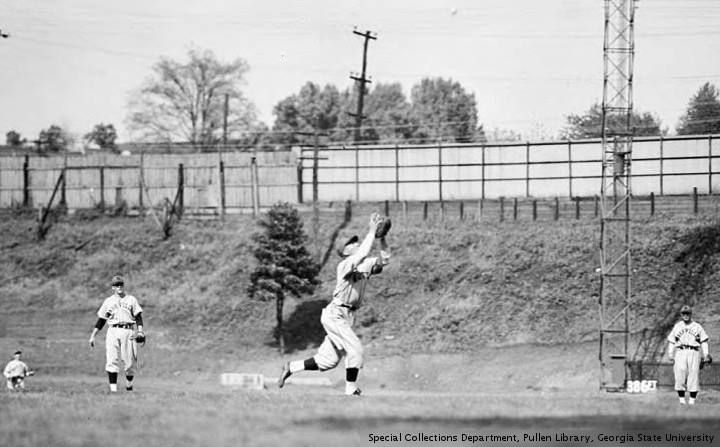
“Georgia On My Mind” turned up of facebook this morning. Pictures today are from “The Special Collections and Archives, Georgia State University Library”. This is a repost from 2020.
Youtube turned up the original “© Written in 1930 by Hoagy Carmichael (music) and Stuart Gorrell (lyrics) © Gorrell wrote the lyrics for Hoagy’s sister, Georgia Carmichael. However, the lyrics of the song are ambiguous enough to refer either to the state or to a woman named “Georgia”. Carmichael’s 1965 autobiography, “Sometimes I Wonder”, records the origin: a friend, saxophonist and bandleader Frankie Trumbauer, suggested: “Why don’t you write a song called ‘Georgia’? Nobody lost much writing about the South.” Thus, the song is universally believed to have been written about the state.”
National Anthems has a story about GOOM. (The 90’s website has a retro-illustration.) “STUART GRAHAM STEVEN GORRELL (1901-1963) and HOAGLAND HOWARD CARMICHAEL (1899-1981), wrote the song in 1930 almost as a lark … Hoagy Carmichael went to Indiana University, and one of his best college chums was Stuart Gorrell. Hoagy Carmichael was going to be a lawyer and Stuart Gorrell, when not hanging around the local “jazz joint” (called The Book Nook!) had promised someone that he would eventually be a success in the world of business.”
“The two of them were together at a party in New York and Hoagy Carmichael played what he had of the “Georgia” music line for Stuart Gorrell and some friends. After the party broke up, the two of them went back to a friend’s apartment and worked on the tune throughout the night. Stuart Gorrell wrote what he thought would be a good lyric line on the back of a post card, (now displayed in the Carmichael Room at Indiana University) and showed it to Hoagy Carmichael. One can still plainly see the few, but important, changes that Hoagy Carmichael made on that small piece of cardboard to Stuart Gorrell’s lyrical scratchings. The song was improved upon, and the lyrics written, in that boozy early morning, and recorded in September 1930 by a band that included Hoagy Carmichael’s great friend, Bix Beiderbecke – a recording session that proved to be Bix’s last.”
“Hoagy Carmichael went on to write many more songs, some of them hits, and Stuart Gorrell kept his promise and became a Vice President at Chase Bank. Stuart Gorrell never tried to write another song lyric, but ‘Georgia on my Mind’ became a hit after World War II and Hoagy Carmichael, true to his word – although Stuart Gorrell was not legally credited as the lyricist by the music publisher – always sent Stuart Gorrell a cheque for what would have been his share of royalty. The royalty income from that song is substantial and, after Stuart Gorrell died, the income put his daughter through college.”
Mr. Gorrell wrote a letter to the Bremen (Indiana) Enquirer, August 3, 1961. “This accompanied his response to his home town’s Teen Hop patrons choosing the song as their theme song. … “Georgia on my mind” was composed more than a quarter of a century ago on a cold and stormy evening in 1930 in New York City. Hoagy Carmichael and I, in a third floor apartment overlooking 52nd street, with cold feet and warm hearts, looked out the window and, not liking what we saw, turned our thoughts to the pleasant southland. Thus was born a hauntingly sweet song. My mother, who died in Bremen in 1942, once asked a very penetrating question about the song. I had sent her a copy of the sheet music and, after reading the words over several times, she wondered aloud: “What is Georgia? A girl—or state? What do you think? Hoagy and I just love every one of you Bremen Teen Hoppers for honoring out tune by making it your theme song. Sincerely, Stuart Gorrell”






The Civil War On PBS
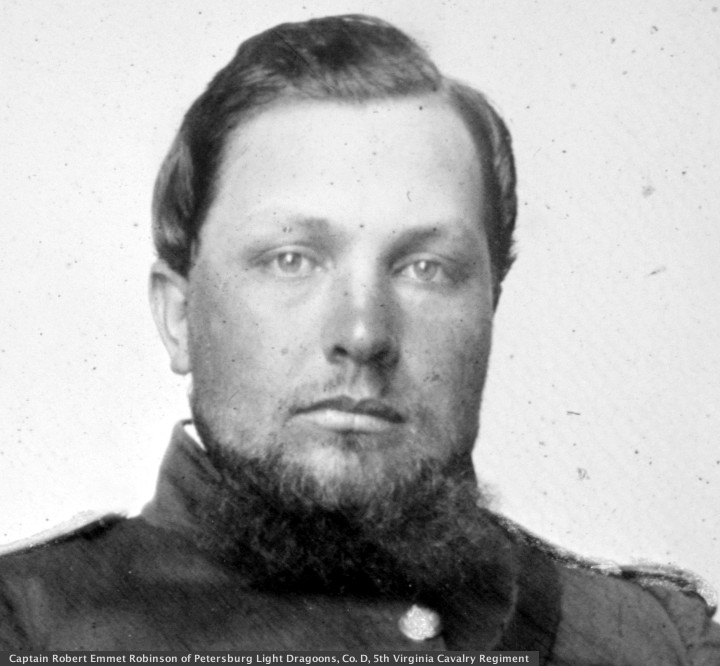
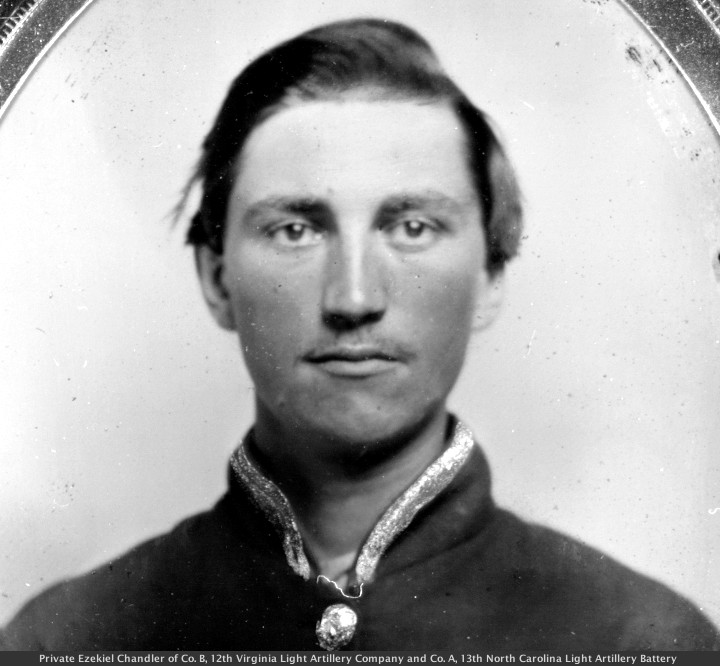


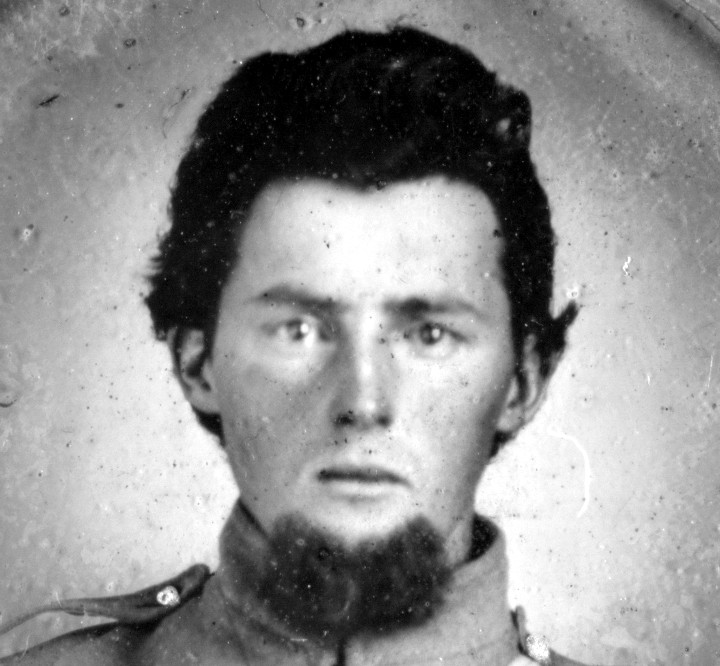

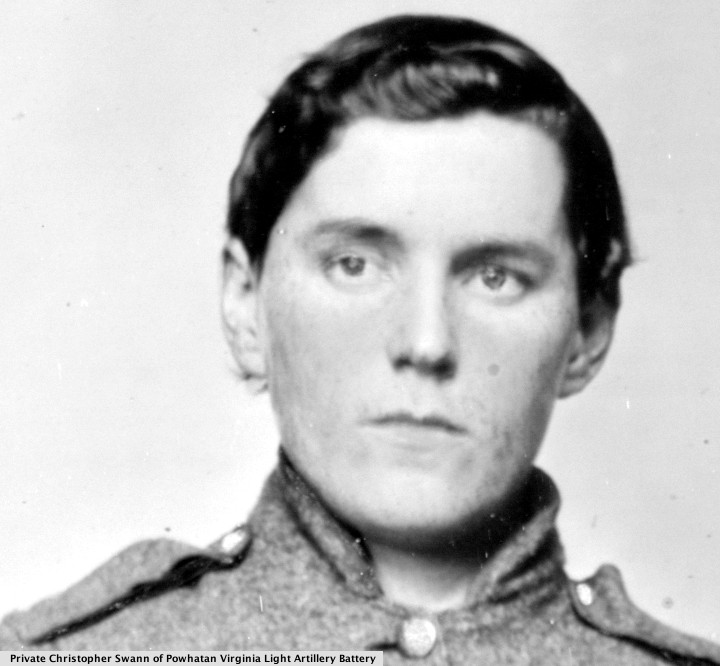
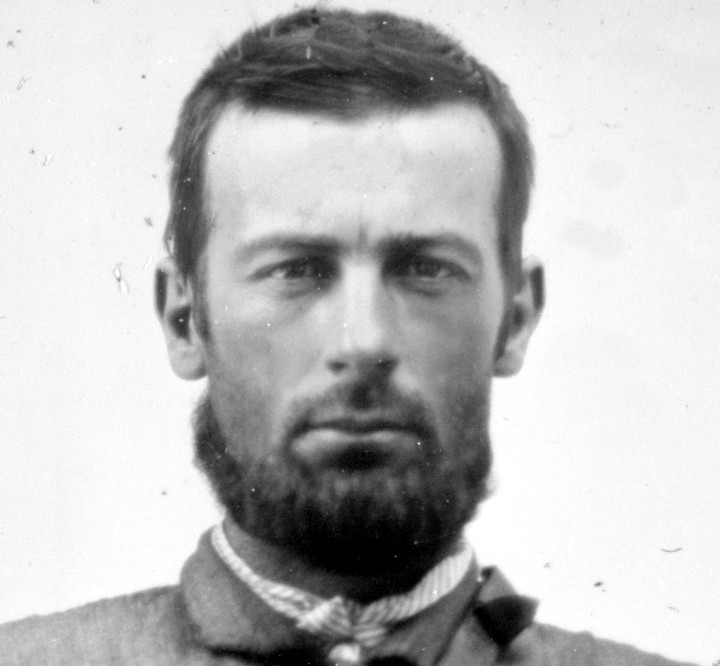

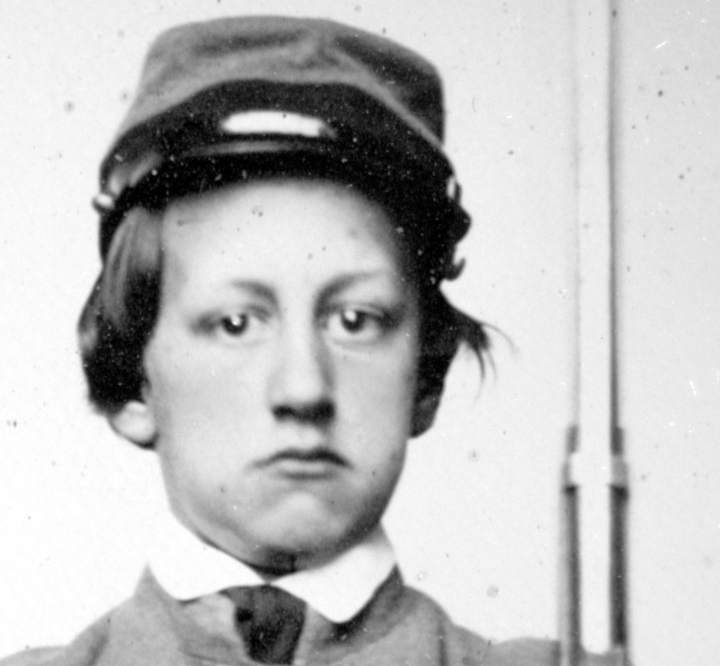
I have binge listened to a public television series, The Civil War. This youtube edition has subtitles in Portuguese, adding a Brazilian touch. I feel obligated to make a blog post. When writing about a topic of this size, I typically start by finding as many sources as possible. I have written about “the recent unpleasantness” several times, and will link to these when it is appropriate. The only way to start this project is to open a word document. This is a repost.
What did I learn? There was widespread opposition to emancipation in the north. I had never thought about this. The popular narrative is that the war was fought to free the slaves. While I knew that there were other reasons for the conflict, I assumed that the north wanted to free the slaves. As it turns out, the decision to free the slaves was controversial in the north. I will leave speculation about the reason for this to other armchair historians.
The show made me cry twice. The first time was after the Gettysburg Address. The address was made at the dedication of a cemetery, on the site of the Battle of Gettysburg. After two and a half years of horrendous carnage, the war was going good for the Union. However, 1864 was to have an election. Mr. Lincoln’s chances did not look good. If he lost, the Democrats would probably negotiate a peace, and the Confederacy would endure.
The Gettysburg Address is one of the most moving two minutes in our history. It was printed in newspapers across the land, which is the reason it is known today. “We are met on a great battle-field of that war. We have come to dedicate a portion of that field, as a final resting place for those who here gave their lives that that nation might live.”
The second tearjerker moment was also set at Gettysburg. It was the fiftieth anniversary of the battle. War veterans, from both sides, came to celebrate the occasion. There was a reenactment of Pickett’s charge. When the Rebels got to the fortifications, the Union soldiers came out and hugged them. They were greeted as brothers in arms, who had somehow survived a horrible conflict.
The fighting ended, and life in the, unquestionably, United States continued. There came to be what Shelby Foote calls “a great compromise … It consists of Southerners admitting freely that it’s probably best that the Union wasn’t divided, and the North admits rather freely that the South fought bravely for a cause in which it believed. That is a great compromise and we live with that …”
In recent years, this arrangement seems to be breaking down. It is now the fashion to view anything short of total vilification of the Confederacy as treasonous. There is sneering talk of the “Cult of the Lost Cause.” This is a lamentable way to look at this transformative part of our history. Maybe this too shall pass, and we will see the Confederacy in a different light in a few years.
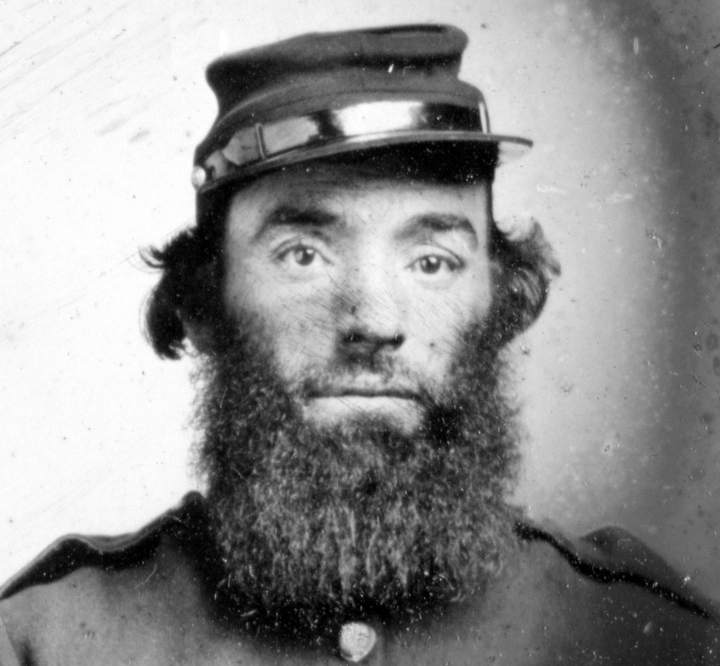
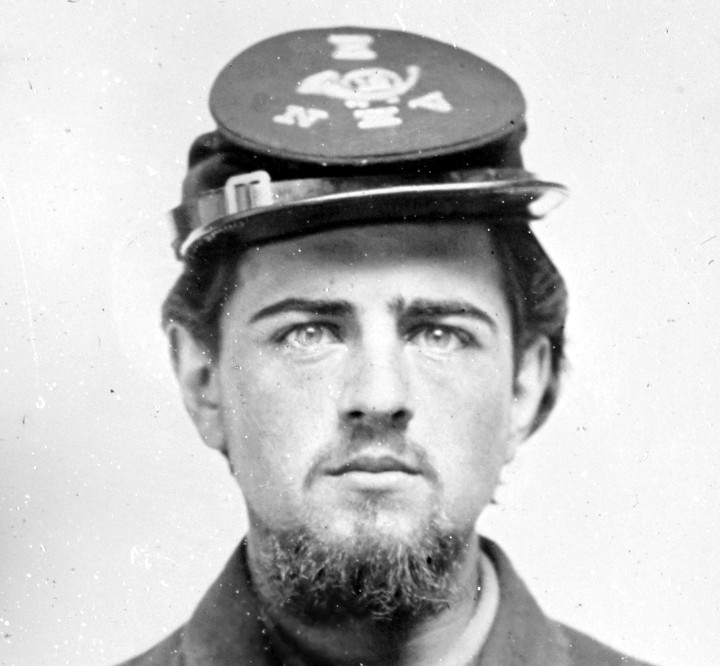
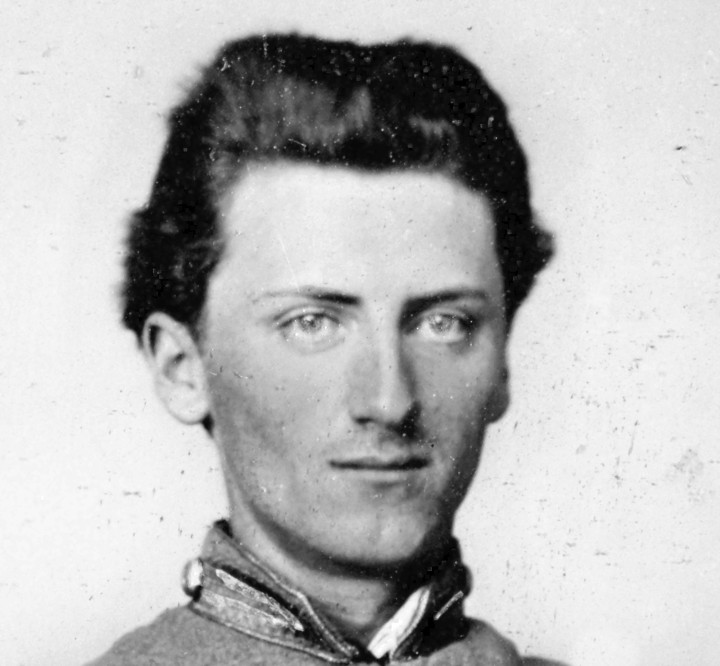
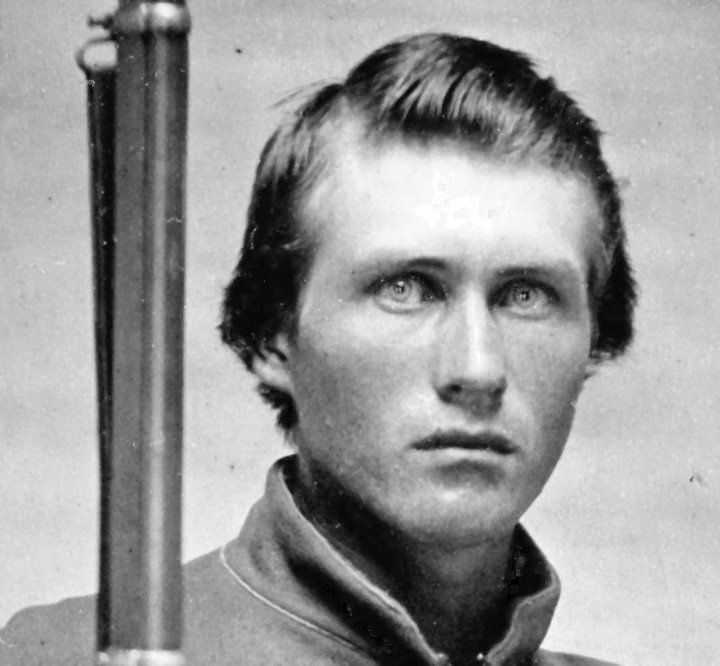
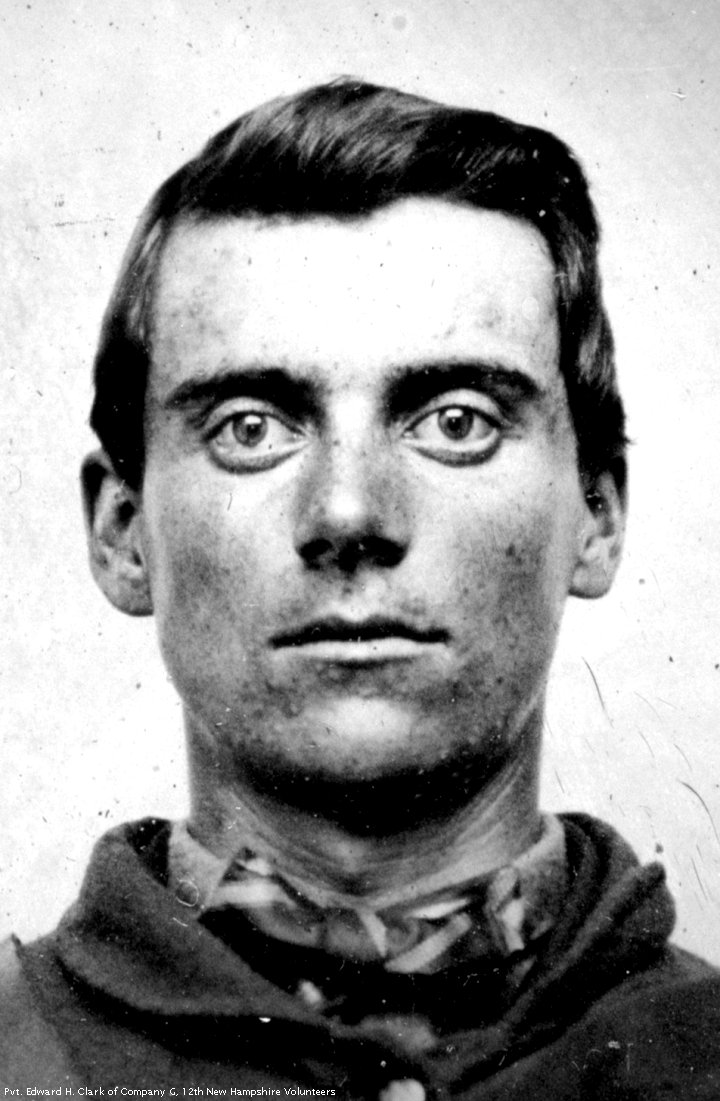
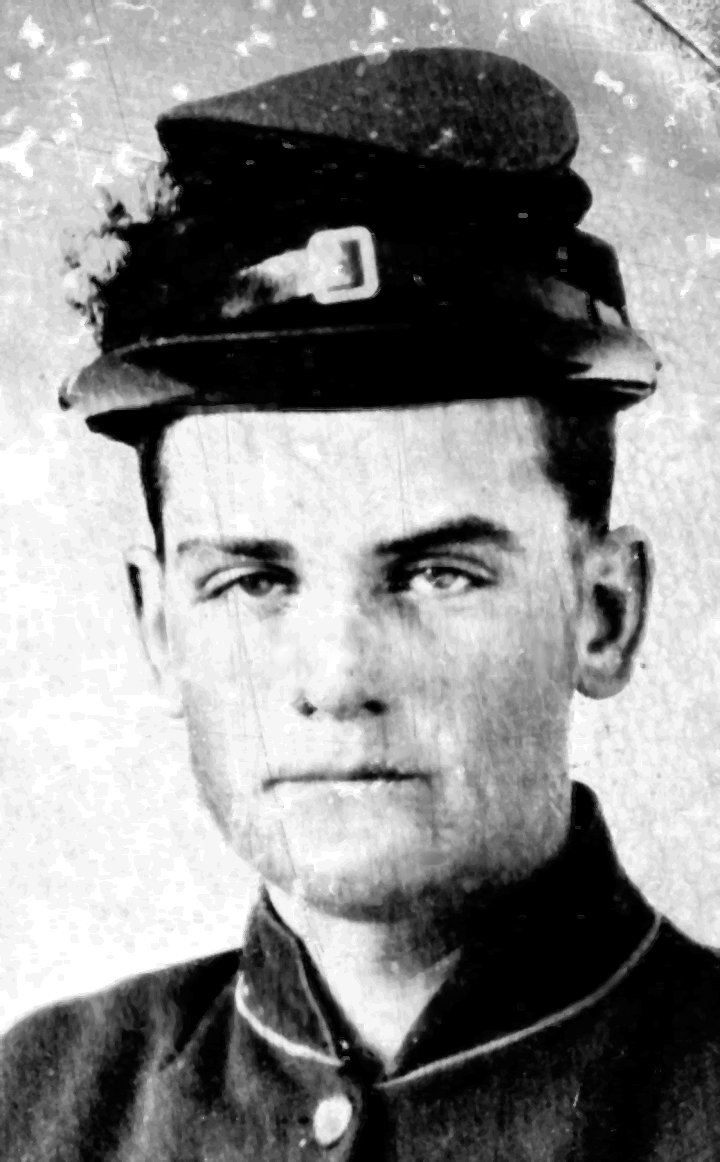
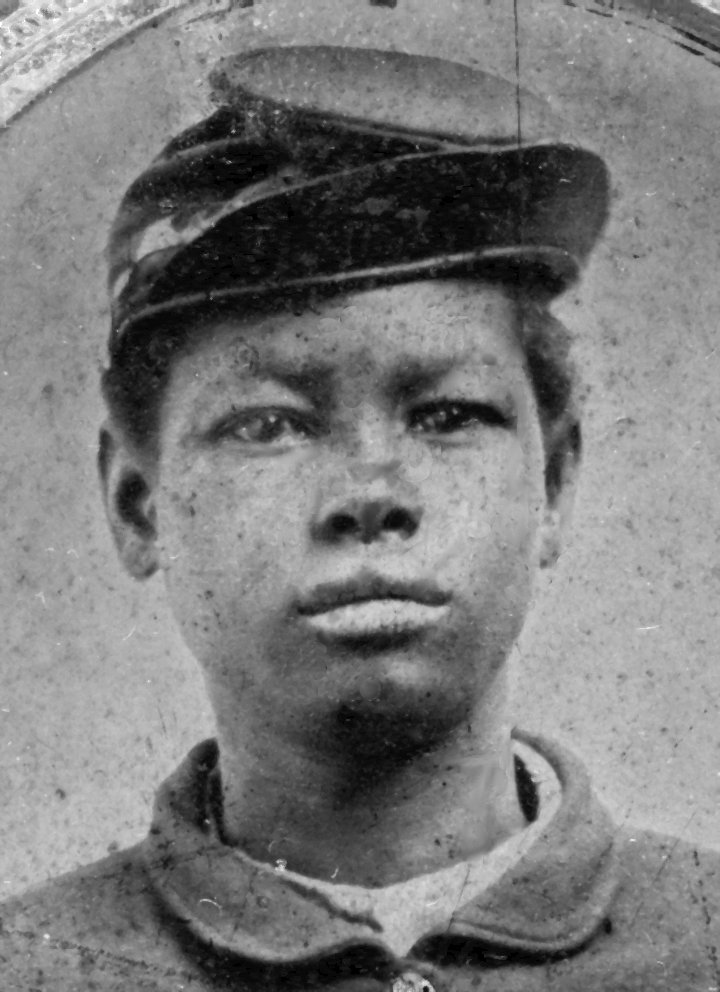
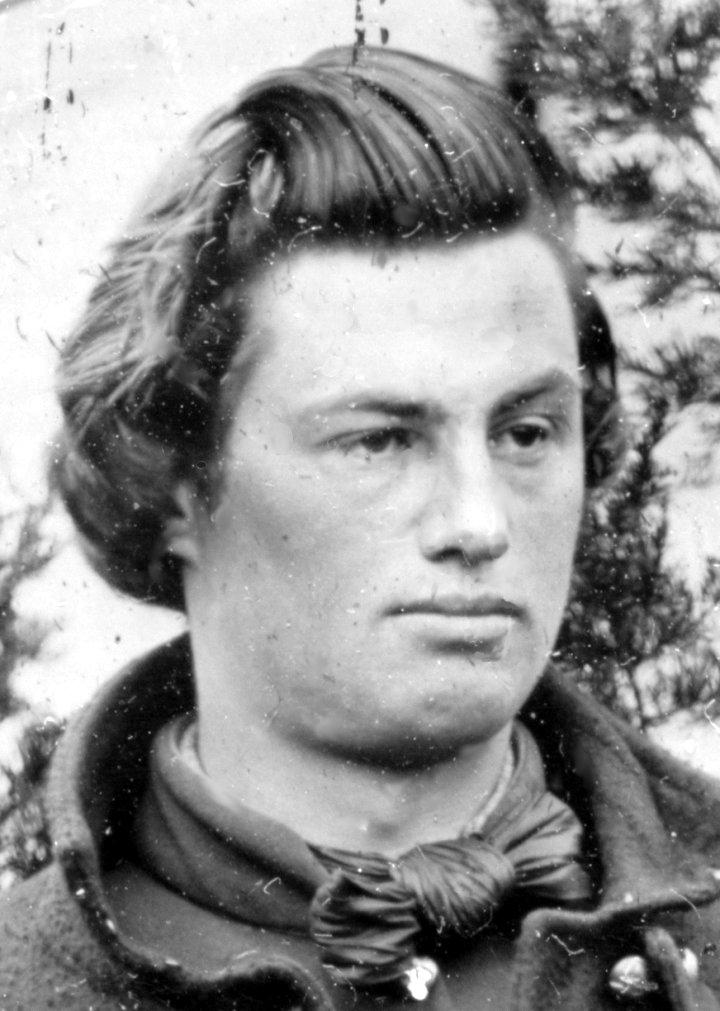
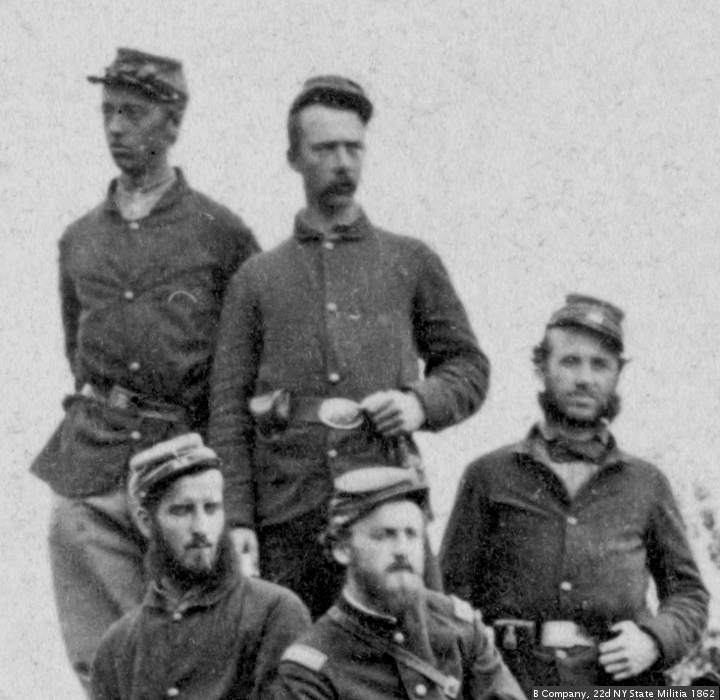
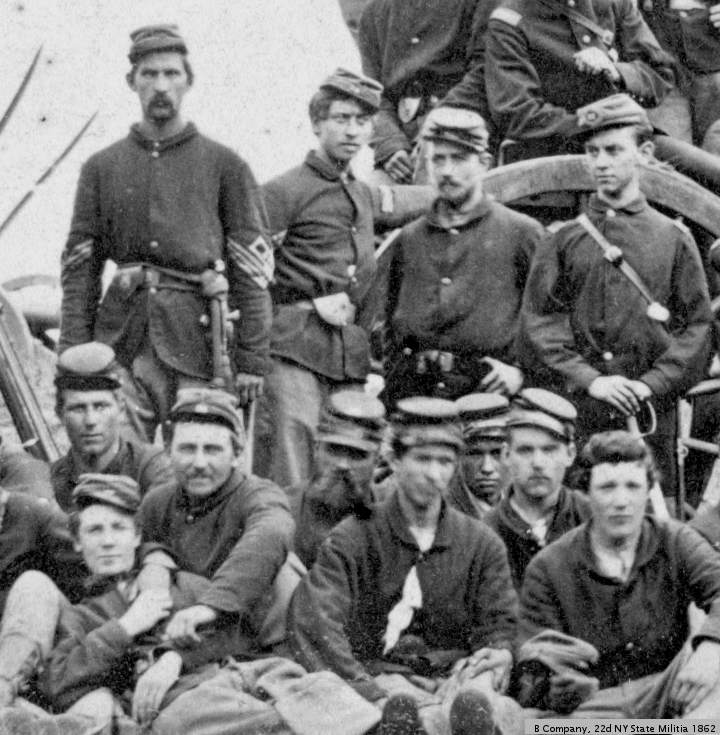
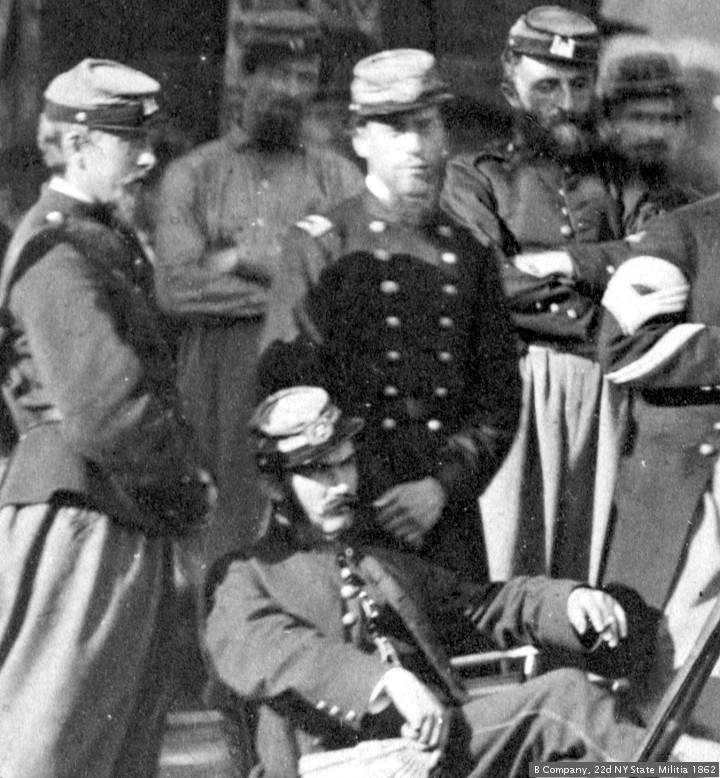
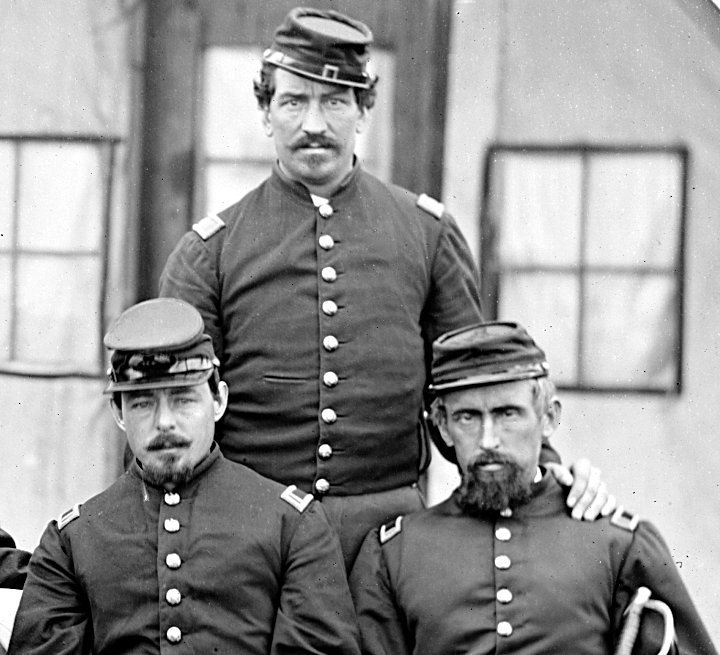
Pictures today are from The Library of Congress. The men before the text are Confederate soldiers, and after the text we have Union soldiers. These pictures are from Liljenquist Family Collection of Civil War Photographs.




War Between The States



It is a truism that history is written by the winner of the war. This seems to apply to the naming of the conflict. There was a horrific armed struggle in North America between 1861 and 1865. The name used most often is Civil War. To many in the South, it is the War Between The States. In PG’s humble opinion, WBTS is a better name.
In fifth grade, PG had to write an essay about the Battle of Atlanta. The essay was a device for teaching grammar, utilized by the english teacher, Miss McKenzie. The contest was sponsored by the Daughters of the Confederacy . The expression “Civil War” was not permitted. The proper name for this conflict was War Between the States.
In many ways, this conflict started as soon as the United States became independent from Great Britain. The South was an agrarian society, with slaves to work the fields. The north was becoming an industrial society, with a need for an independent work force. The north wanted high tariffs to protect her industries, while the south wanted to sell it’s cotton to Europe. There were plenty of ways for this conflict to manifest.
Slavery was a very important factor. The south wanted to keep “the peculiar institution” intact, while many in the north were horrified. There were numerous compromises over the years, as Congress struggled to keep the Union intact. This ties in with a central dilemma of the american experience … how much power to give to the states, and how much power to give to the federal government.
The phrase civil war is defined as “A war fought between factions of the inhabitants of a single country, or the citizens of a single republic”. By the time the shooting started, the southern states had left the union. They formed a confederacy of independent states, rather than one monolithic union. It was, indeed, a war between the states.
This is a repost. Pictures, of Union soldiers, are from The Library of Congress.







The recent destruction of #SilentSam, was defended by a quote from the 1913 dedication speech. Here is something else that Julian Carr said that day: “In the knowledge of subsequent developments, the progress, peace and prosperity of our united, common country, victor and vanquished now alike believe that in the Providence of God it was right and well that the issue was determined as it was. And the people of all sections of our great Republic, moved by the impulse of sincere and zealous loyalty, of fervent and exalted patriotism may say: “All is well that ends well.”
The demonization of the Confederacy has intensified lately. Yes, slavery was a wretched institution. However, much of the rhetoric today does not take into account many of the other causes of that war. And it forgets that *the war is over.* The early twentieth century was a time of reconciliation between the north and the south. Yes, there was Jim Crow, and white supremacy. People of color (both black and non black, both north and south) were treated horribly. Creating a more perfect union is a slow, and uneven, process.
Part two of today’s feature is a double repost. Part one is based on an interview with Shelby Foote, where he goes into some of the points made above. If you get a chance to listen to the link, you can hear Mr. Foote talk for an hour in a luxurious Mississippi accent. The second part of today’s feature goes into some of the financial causes of the War Between The States. It is an old truism that all wars are about money. The causes people are told about, both at the time of the conflict and historically, are not always the real reason for the war. Look at how WMD was used to justify “Operation Iraqi Freedom.” WMD was the excuse for the conflict, not the reason.
PG spent a pleasant Saturday afternoon editing pictures from The Library of Congress (which illustrate this post) and listening to a 1994 interview with Shelby Foote. There was a book to be sold, and Mr. Foote made the necessary appearances to sell the product. The gentleman has a handsome Mississippi accent, and is a delight to listen to. There is a transcript, aka the lazy bloggers friend.
A few of the things he said are timely. When this show was taped in 1994, Mr. Foote spoke of healing from the War Between the States. Today, we seem to be regressing. Trash talk about the Confederacy is back in fashion. It is a good time to revisit these comments. Shelby Foote died in 2005, and can no longer comment.
“Slavery is a huge stain on us. We all carry it. I carry it deep in my bones, the consequences of slavery. But emancipation comes pretty close to being as heavy a sin. They told — what is its million or 7 million people, “You’re now free. Hit the road,” and there was a Freedman’s Bureau, which was a sort of joke. There were people down here exploiting them. Three-quarters of them couldn’t read or write, had no job, no hope of a job, no way to learn a new job even, and they drifted back into this peon age system under sharecropping, which was about all they could do.
To this day, we are paying and they are paying for this kind of treatment. I don’t mean there should have been a gradual emancipation. I mean there should have been true preparation to get this people ready for living a kind of life. They were free and should have been free all along, but they were not prepared for living in the world. They’d been living under conditions of slavery, which kept them from living in the world…..”
“The Civil War, there’s a great compromise, as it’s called. It consists of Southerners admitting freely that it’s probably best that the Union wasn’t divided, and the North admits rather freely that the South fought bravely for a cause in which it believed. That is a great compromise and we live with that and that works for us. We are now able to look at the war with some coolness, which we couldn’t do before now, and, incidentally, I very much doubt whether a history such as mine could have been written much before 100 years had elapsed. It took all that time for things to cool down….”
(Booknotes host Brian) LAMB: “Was the Civil War inevitable? FOOTE: I think that it was necessary. I do not believe that those differences could have been settled without bloodshed. The question is the horrendous amount of bloodshed. That was not necessary. That could have been stopped at some point. God knows. But there apparently were differences so profound between the abolitionists in New England and the fire-eaters of South Carolina that dragged the rest of the country into this conflict that I’m inclined to agree with Seward, who called it an irrepressible conflict….” (Chamblee54 recently published a post, Why Was The War Fought?. about the financial aspects of the War. Follow the money, and find the truth. The post is seen below.)
LAMB: “From what you know now and your own political philosophy, if you had a voice and you lived back there, which side would you have been on? FOOTE: There’s absolutely no doubt. I’m from Mississippi. I would have been on the Confederate side. Right or wrong, I would have fought with my people. LAMB: Why? FOOTE: Because they’re my people. It would have meant the end of my life as I had known it if I fought on the other side. It would have been a falsification of everything I’d lived by, even if I opposed it. No matter how much I was opposed to slavery, I still would have fought for the Confederacy — not for slavery, but for other things, such as freedom to secede from the Union.”






Last week, this slack blogger found a tweet. The tweet said that Abraham Lincoln and John Kennedy fought the Federal Reserve, and both were killed. I did a little research, and found something that questions the conventional wisdom about the War Between the States.
Before getting to the quote, a disclaimer is in order. 100777.com is a sketchy website. What is says cannot be taken as literal truth. However, the statement about WBTS does raise some questions.
“One point should be made here: The Rothschild bank financed the North and the Paris branch of the same bank financed the South, which is the real reason the Civil War was ignited and allowed to follow its long, and bloody course.”
Maybe it was not the Rothschild Bank that financed WBTS. Somebody did. War is a profitable enterprise. People are going to egg on the combatants, knowing that there is money to be made. Someone encouraged the southern states to secede. Others encouraged the north to take a hard line on slavery, knowing that it would lead to a profitable war. Was slavery the reason for this war, or the excuse? Follow the money.
Rhett Butler was a central character in Gone With The Wind. He was a blockade runner, bringing in supplies to the south. He said this: “I told you once before that there were two times for making big money, one in the up-building of a country and the other in its destruction. Slow money on the up-building, fast money in the crack-up. Remember my words.”
It should be noted that slavery was a big money operation. “But I think we think of it differently when we realize that the value of slave property, some $4 billion, enormous amount of money in 1861, represented actually more money than the value of all of the industry and all of the railroads in the entire United States combined. So for Southern planters to simply one day liberate all of that property would have been like asking people today to simply overnight give up their stock portfolios.”
When the thirteen colonies declared independence, they were not creating a union. The idea was to kick out the British. The concept of a federal union, made up of more-or-less independent states, was fairly new. States had conquered other states, and formed empires, for a long time. A federal union of states was a new, and controversial, idea. Many European states wanted to see this federal union fail. These states encouraged the south to secede. Some people say the War Between the States began the day the British left.
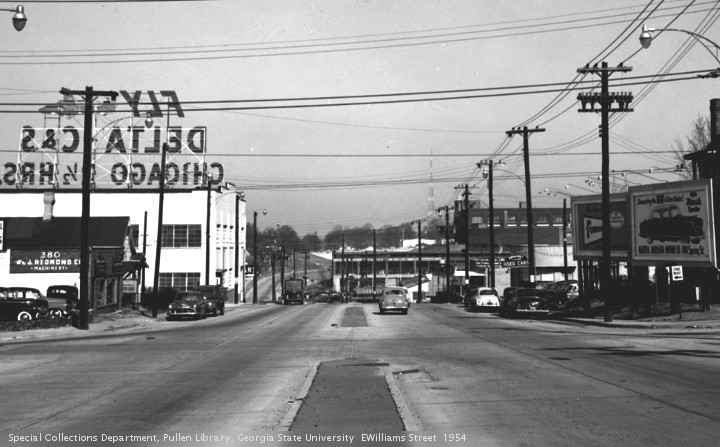
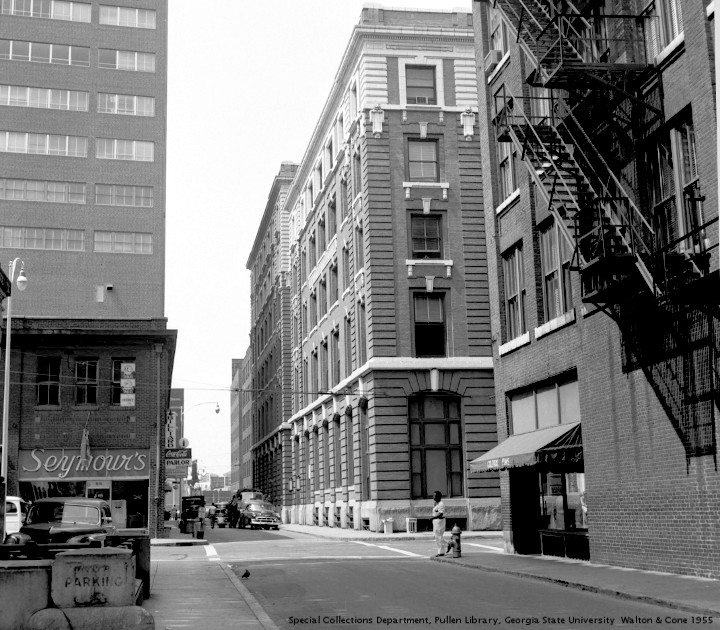
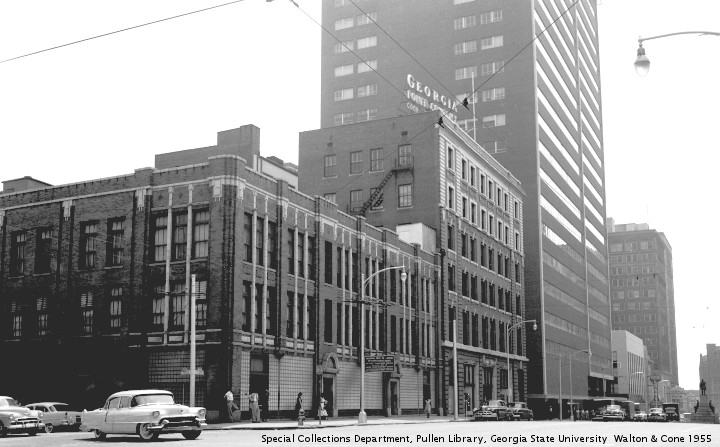
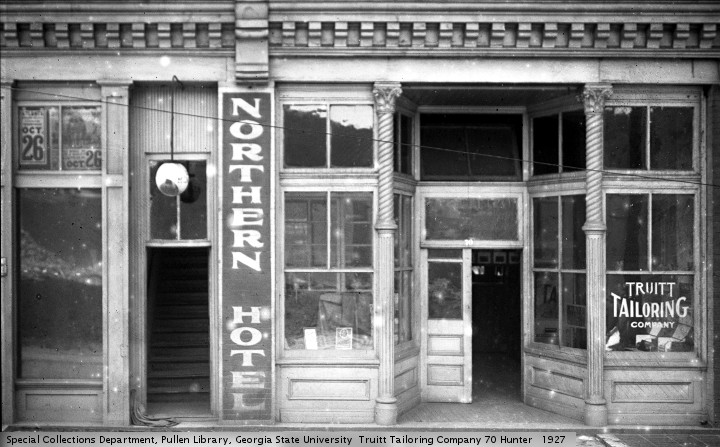
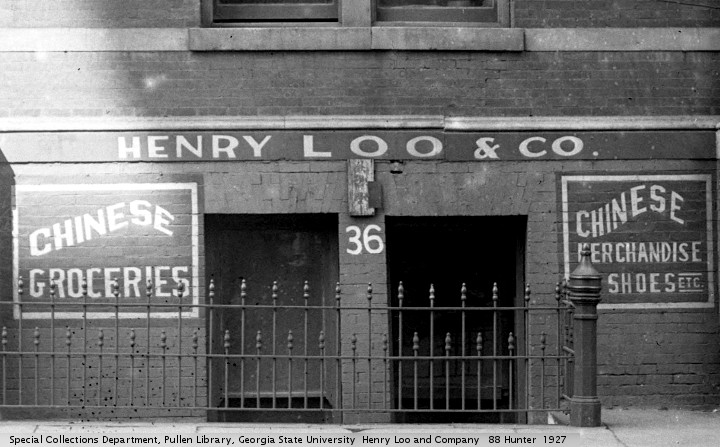
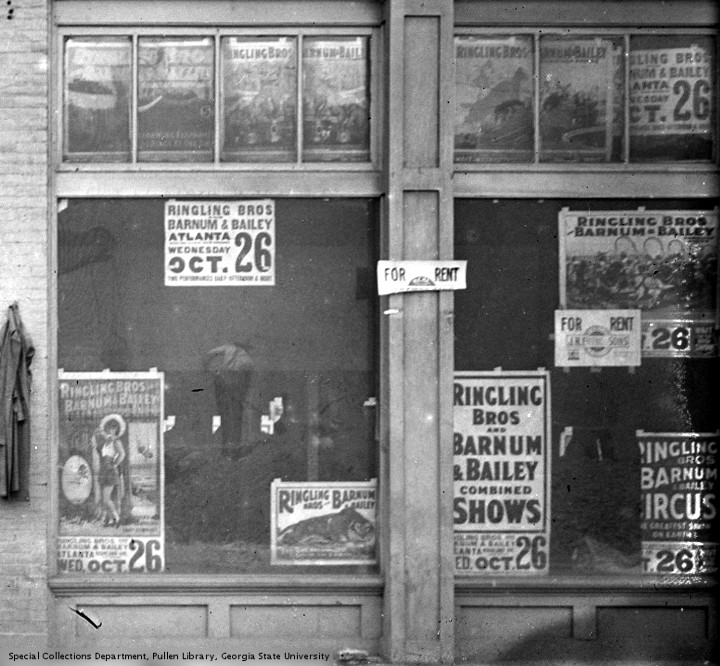
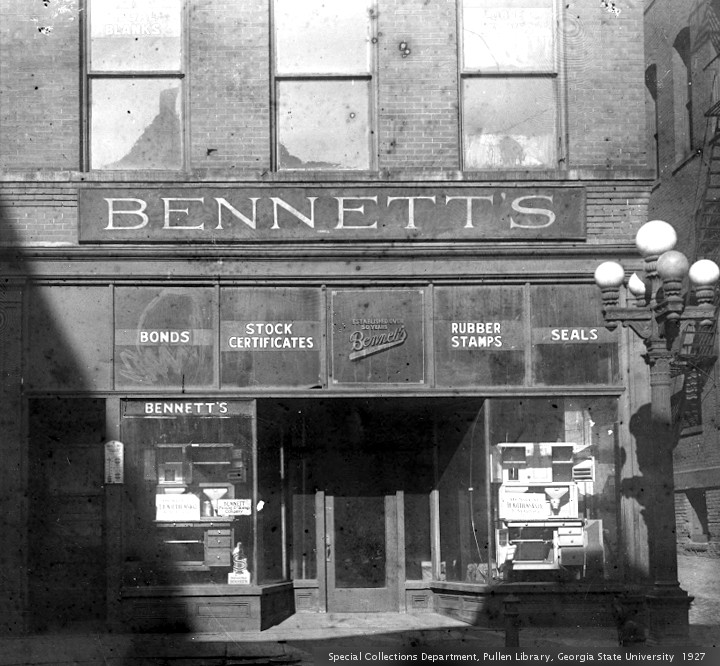
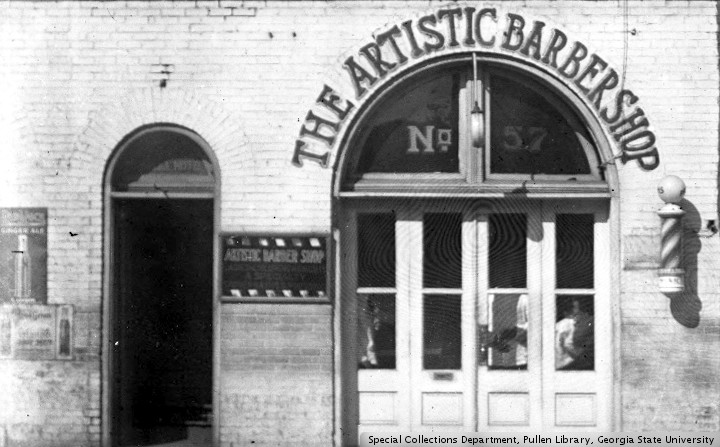
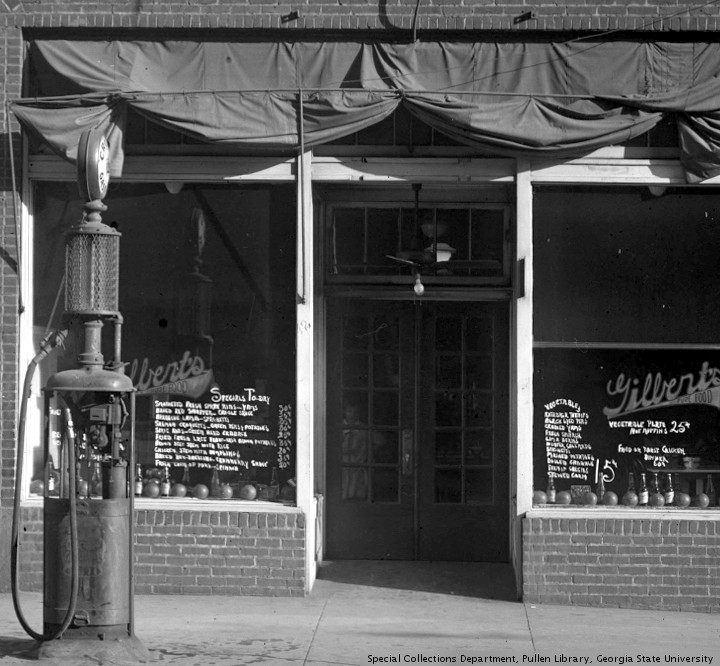
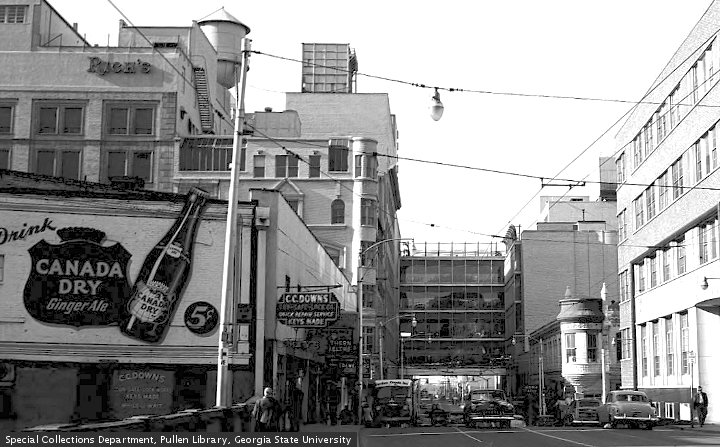
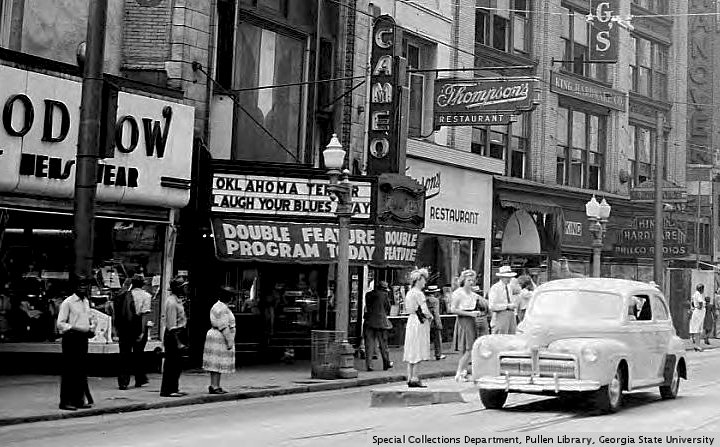
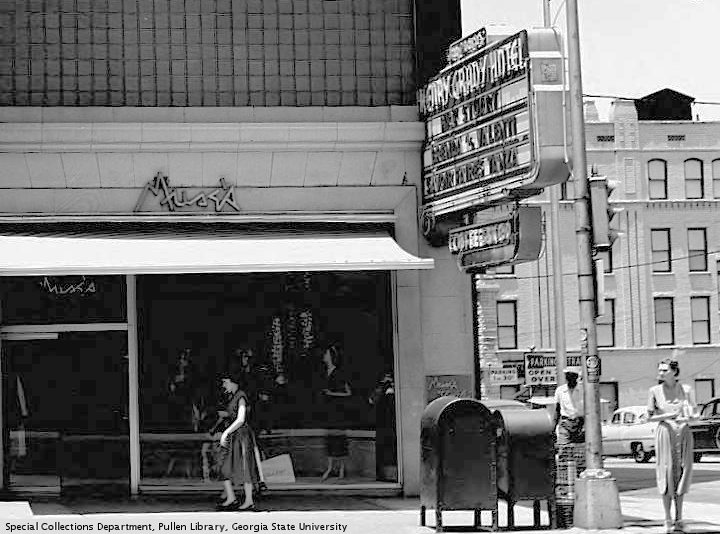
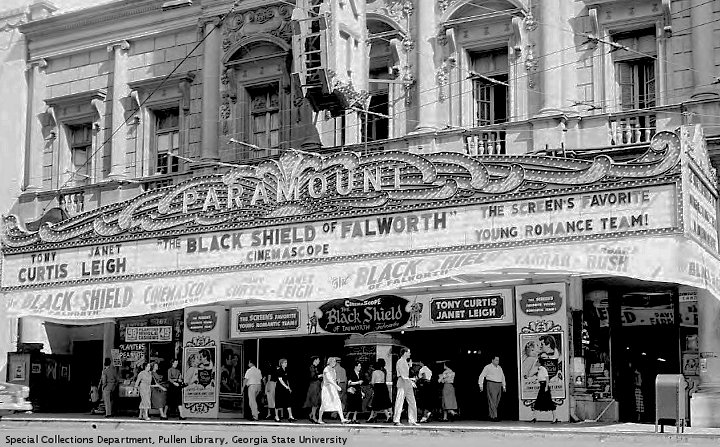
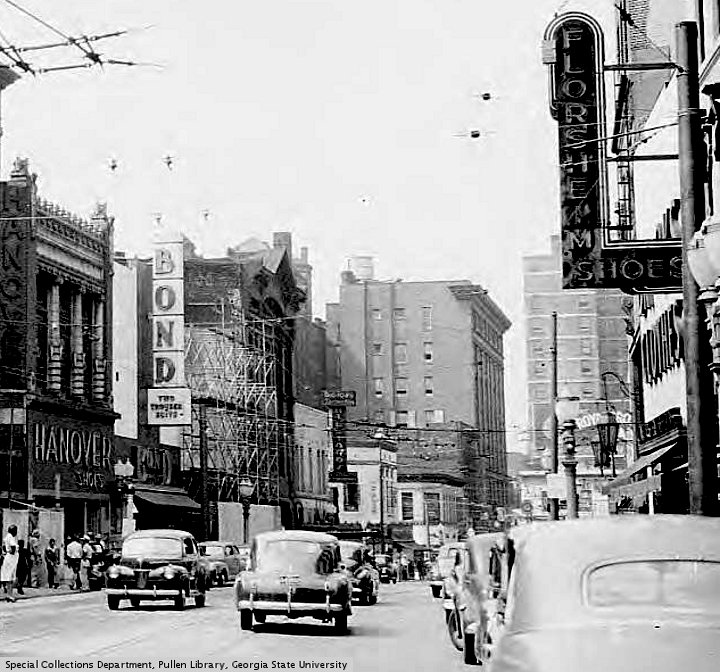
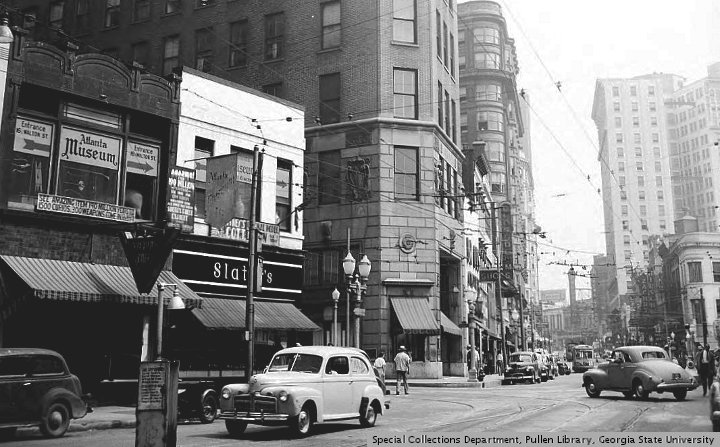
Pictures from “The Special Collections and Archives, Georgia State University Library “… a collection of images of downtown Atlanta streets that were taken before the viaduct construction of 1927 – 1929. Later, some of the covered streets became part of Underground Atlanta.”



Henry Woodfin Grady



This is a repost from 2019. Grady High School is now known as Midtown. The public health care system is still known as Grady. Controversy continues, about a variety of subjects. … Before yesterday, PG did not know much about Henry Woodfin Grady. He saw the statue downtown, and visited people in the namesake hospital. PG knew Mr. Grady was a newspaper man, and a pioneer salesman of Atlanta, Inc. There was something called The New South Address.
That all changed Wednesday morning. Editorial: Mayor Bottoms, tear down this statue! was the headline at the Signal, Georgia State University’s student newspaper. Someone at the University of Massachusetts read the New South Address, and found some amusing quotes.
“What of the negro? This of him. I want no better friend than the black boy who was raised by my side, and who is now trudging patiently with downcast eyes and shambling figure through his lowly way in life. I want no sweeter music than the crooning of my old “mammy,” now dead and gone to rest, as I heard it when she held me in her loving arms, and bending her old black face above me stole the cares from my brain, and led me smiling into sleep. I want no truer soul than that which moved the trusty slave, who for four years while my father fought with the armies that barred his freedom, slept every night at my mother’s chamber door, holding her and her children as safe as if her husband stood guard, and ready to lay down his humble life on her threshold. History has no parallel to the faith kept by the negro in the South during the war.”
This is one of the nicer parts. About half the speech is about the Negro, and what the White man should do about him. When PG finally read the speech itself, he was amazed. The rhetoric was much worse than PG expected. If you want to get your woke knickers thoroughly twisted, read between page 23 and page 33. (The speech starts on page 21.)
The well meaning GSU students printed a dose of contemporary rhetoric, about a speech given October 26, 1887. PG summarized this on Facebook. Editorial: Mayor Bottoms, tear down this statue! The GSU Signal cranked up the purple prose machine for an attack on Henry W. Grady. “A monument to Henry Grady and his accomplishments on Marietta and Forsyth streets — also named Henry Grady Square — still stands today. Etched into his plaque are three celebratory words: “Journalist, Orator, Patriot.” Let us be clear in recognizing that Grady, as a journalist, promoted racism. Grady, as an orator, promoted racism. And Grady was certainly no patriot — he was simply a racist.”
A facebook friend, who we will call Macon, asked “What part of it do you disagree with?” 28 comments later, PG got on his digital horse, and rode into the sunset.
The initial response was about the the comment “Grady was certainly no patriot — he was simply a racist.” The New South Address was in 1887, 22 years after the War ended. Before that hideous conflict, the states were seen as separate entities, with helpful guidance from the Federal government. When the Confederate states left this union, a ghastly war ensued.
After the south was conquered by the north, there was little doubt. The states were governing districts, under the control of the mighty federal government. Most people today take this arrangement for granted. The truth is, it has been controversial over the years. In his landmark address, Henry W. Grady was calling for an economic union of the south and north, to go along with a militarily-enforced political union. 22 years after a horrific war over secession, a southerner was calling for a stronger union with the north. To PG, this is patriotism. The fact that Mr. Grady said impolite things does not change this.
Macon responded “… but he was a racist …” A few comments were exchanged. Macon said what Macon wanted to say. PG said what PG wanted to say. PG was ready to walk away, and go to the gym. Before leaving, PG said: “I note that you have not addressed the patriotism issue. You asked me what I disagree with, in this assessment of Henry Grady. I replied that working for a strong Federal Union, less than a generation after the War Between the States, was an act of patriotism. You have not responded to this.”
When PG got back, he saw where Macon had posted a series of lurid quotes from the NSA. What PG missed, at first, was the comment “I agree it was patriotic.” Since PG had missed this comment, he continued to hammer away at the patriotism issue. Finally, Macon said “Yes, was Sen. Joe McCarthy a patriot? Was Hitler? … ” Godwin’s Law is now in effect. Adult conversation has left the building.
What to make of all this? It is apparent that Mr. Grady said some unfortunate things. Does this negate all the good that he did? Looking back, it seems that the main contribution made by Henry W. Grady was as a salesman for the south. In Atlanta, a town built on marketing, this makes him a publicity patron saint. Now we are learning about exactly what Henry W. Grady said. G-d is in the details. Pictures today are from The Library of Congress.


Names





Alan Burnett~Bill Gaddy~Bill Medlock~Bill Meneely~Blaze Mills~Buddy Conine
Calvin Bunn~Danny Fields~David Chewning~David Hadden~Charlie Hall~Dwight Dunaway
Freeman Waldrop~Gary Hunton~Gene Haynes~Gene Holloway~Gibson Higgins~Glenn Krause
Greg Scott~Harold King~Hawk~Jerry Pyschka~Jim Anderson~Jim Ferguson
Jim Woodward~Joe Kenney~Joe Vickery~John Kelley~John Harllee~Jon Gordon
King Thackston~Larry Jackson~Layton Gregory~Lee Mullis~Les Friessen
Mac Wilson~Manfred Ibis~Mark Keenum~Mark Rosen~Martin Isganitus
Michael Dollins~Micheal Mason~Mike Perling~Moon Moore~O’Gene Donohue
Purl Sudds~Ron Davis~Sam Mitchell~Skeeter Smith~Steve Bedworth~Stuart Davis
Ti Barfield~Tom Aderhold~Tom Selman~Tom Williams~Trion~Winston Morriss







Fifty Nine Years

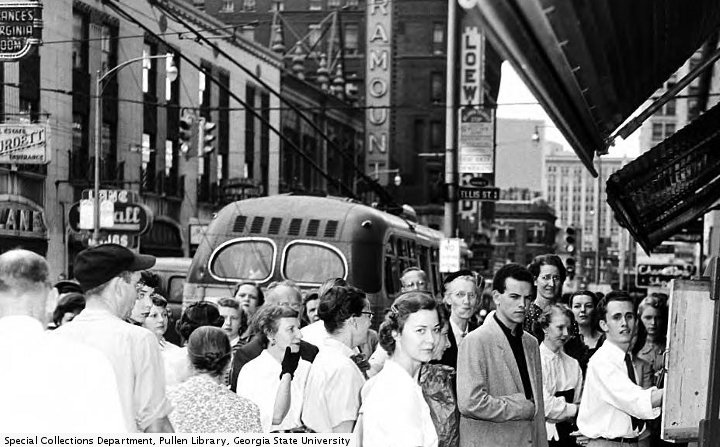


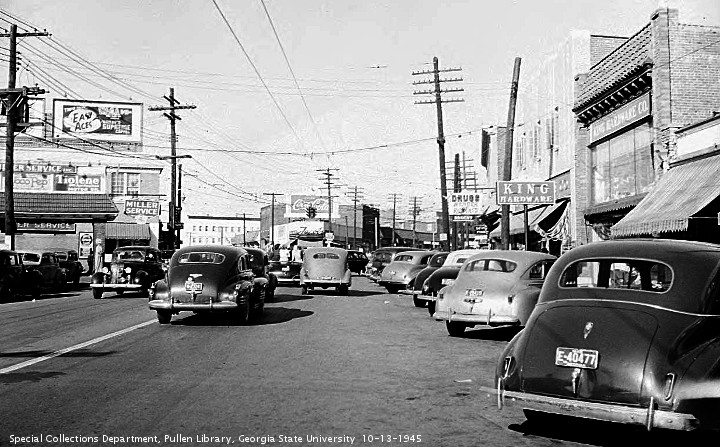
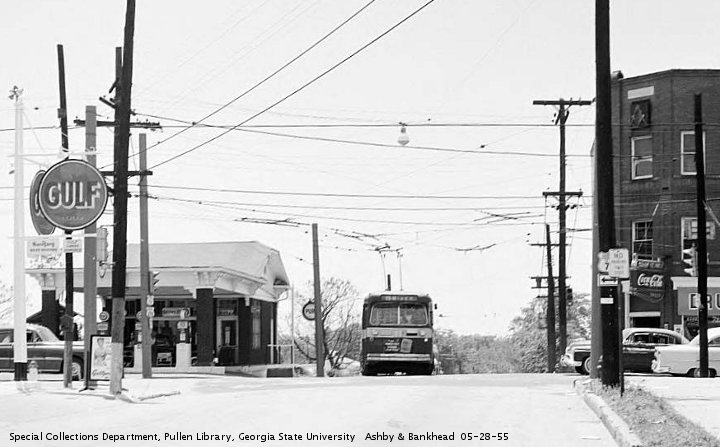
Fifty nine years ago, John Kennedy went to the oval office in the sky. The bullets hit Mr. Kennedy at 12:30 pm, CST. He arrived at the hospital at 12:37. He had a faint heartbeat on arrival, but quickly succumbed to his wounds.
In Georgia, PG was nine years old. He was in Miss Mckenzie’s fourth grade class. There was going to be an assembly soon, and the class was going to perform. There was a rehearsal in the cafetorium, and some of the kids were acting up. They went back to the class, and PG thought they were going to be chewed out about the misbehavior in the cafetorium. Instead, Miss Mckenzie came into the room, and told the kids that President Kennedy had been shot during a parade in Dallas Texas. She did not say anything about his condition. One kid cheered the news.
School let out at the regular time, and PG walked home. His mother and brother were crying. He was told that the president had died. The cub scouts meeting that afternoon was canceled.
Later that night, a plane arrived in Washington. The tv cameras showed a gruesome looking man walk up to a microphone. He was introduced as President Lyndon Johnson. This may have been the worst moment of that day. Photographs for this repost today are from “Special Collections and Archives, Georgia State University Library”.





RuPaul

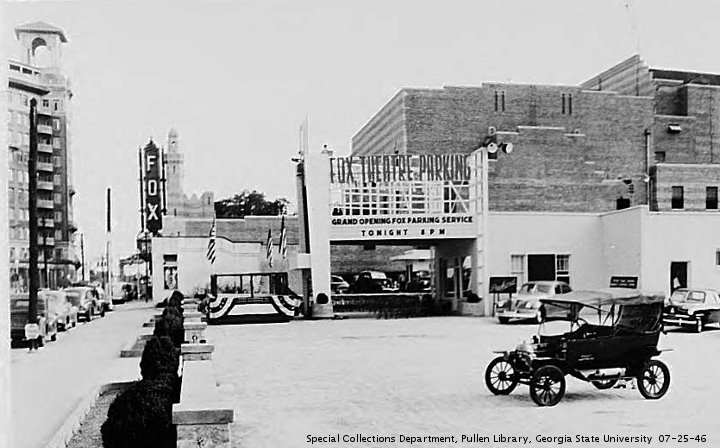

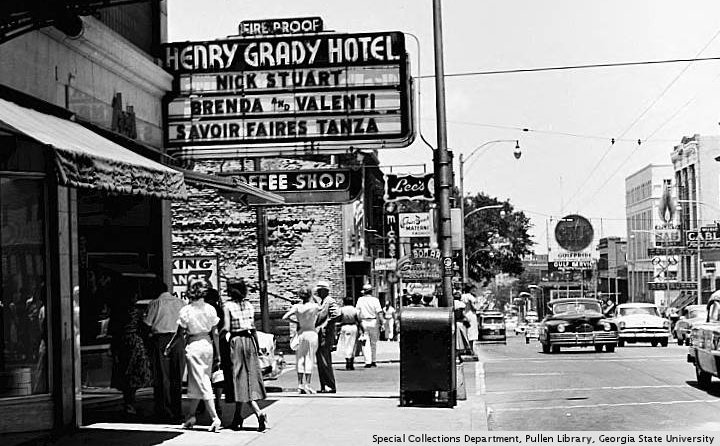
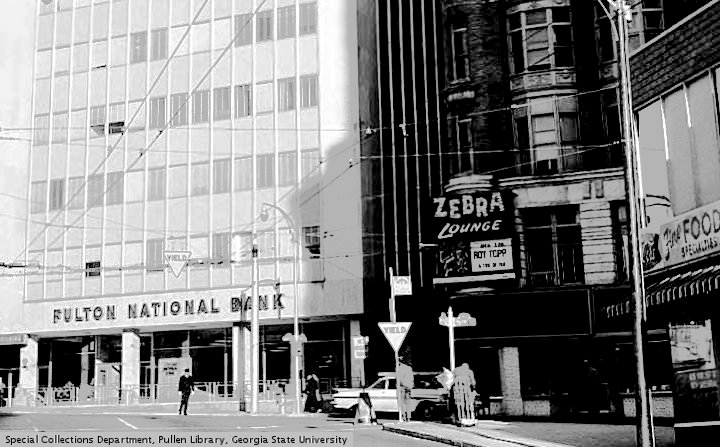

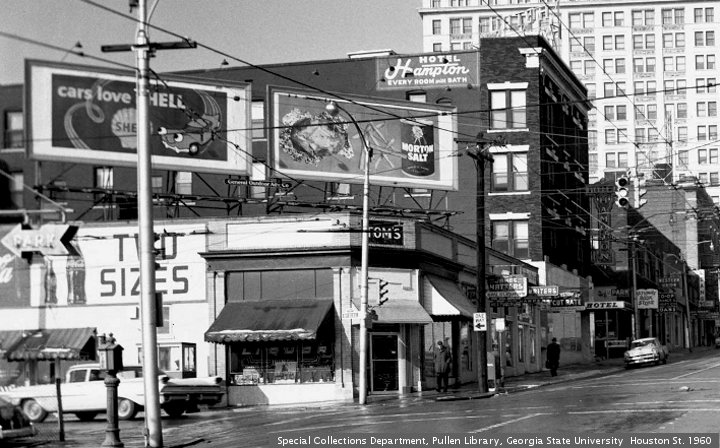
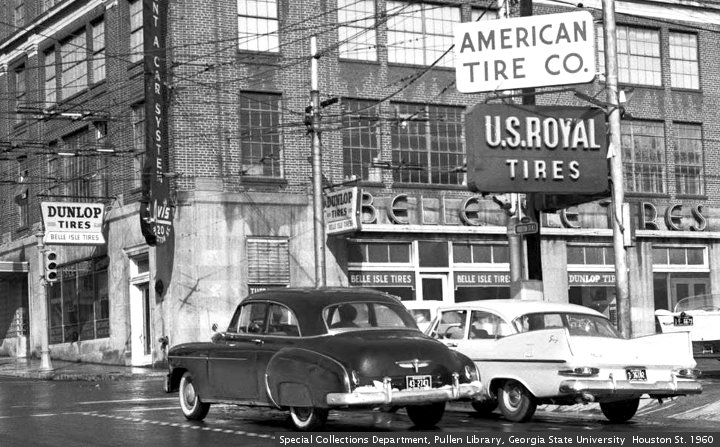
November 17, aka yesterday, was the birthday of Rupaul Andre Charles. The following compilation is a repost. Pictures are from The Library of Congress, and “The Special Collections and Archives, Georgia State University Library.”
PG often does not fit into pigeonholes. Liberal or conservative. Ally or enemy. Racist or whatever. After a while, it becomes apparent that labels are part of the packaging, and usually have little to do with the product inside the box.
Then a facebook friend (a person who PG likes, and respects, in real life) put up a link to a RuPaul interview, Real Talk With RuPaul. The FBF is over RuPaul. PG read the interview, and found many things that he agreed with. Is it possible to be a conservative because you like RuPaul?
The Vulture feature is similar to the WTF podcast that RuPaul did. Chamblee54 wrote about that interview. The Vulture chat is better for bloggers, since it is a copy friendly text affair. When you see quotes, you can include them verbatim.
RuPaul has a talent for snappy sayings, to be remembered for later use. An example would be “I’d rather have an enema than have an Emmy.” Some unkind people say that if you were to give RuPaul an enema, you could bury him in a shoebox.
A persistent theme of RuPaul’s moving lips is “the matrix.” “Because you get to a point where if you’re smart and you’re sensitive, you see how this all works on this planet. It’s like when Dorothy looks behind the curtain. Like, “Wait a minute. You’re the wizard?” And you figure out the hoax. That this is all an illusion. There’s only a few areas you can go. First, you get angry that you’ve been hoaxed and you get bitter. But then, take more steps beyond the bitterness and you realize, “Oh, I get it. Let’s have fun with it. It’s all a joke.”
The Bosslady of “RuPaul’s Drag Race’ is an African American. Duh. In the Vulture piece, there are 4355 words. Racism/racist is not included. Could it be that America’s obsession with other people’s racial attitudes is part of the illusion? “Derogatory slurs are ALWAYS an outward projection of a person’s own poisonous self-loathing.”
RuPaul is not always politically correct. She supports Shirley Q. Liquor. RPDR was instrumental in the rise to fame, (or descent into the abyss), of Sharon Needles. “But if you are trigger-happy and you’re looking for a reason to reinforce your own victimhood, your own perception of yourself as a victim, you’ll look for anything that will reinforce that.”






Years ago, PG worked with someone who liked to say “and a ru hu hu.” This was shortened to ru, and was usually said very loud. Ru became a greeting.
About this time, Ru Paul was living in Atlanta. Many people remember her (“RuPaul Andre Charles, best known mononymously as RuPaul”) as a spectacular self promoter. Ru Paul would sit in an apartment balcony, and wave at cars passing by. Posters for her band, Wee Wee Pole, were on telephone poles up and down Ponce de Leon Avenue.
One night, Ru Paul was working as a gogo dancer in a club called Weekends. During a break, PG went over to talk to her. The use of ru as a greeting was mentioned. Soon, some people came over, and PG started to leave. Before PG could get away, Ru Paul turned to PG, lifted her index finger, and said “Keep on saying my name.”
Ru Paul went on to become famous. Weekends was torn down, and is the site of the Federal Reserve Bank. PG does not watch much TV, and has never seen an episode of “Ru Paul’s Drag Race.” This is a TV show about a TV.
There is a recent controversy about RPDR. It seems that the phrase shemale has been used. Some people are offended by this. The expression is no longer used on the show.
PG has only one trans person friend. Sashia is the first person that PG heard use the expression shemale. PG does not know if Sashia still uses this expression. It has been a while since PG learned this expression, and ideas about language do change. Spell check suggestion for Sashia: Hashish.
The use of offensive language is to be avoided. If you know something is going to hurt people, then you should avoid saying it. There is a good possibility that Ru Paul knew what she was doing, and just didn’t care. The problem comes when you haven’t received the latest update from the language authorities. Keeping up with with is cool to say can be a full time job. Is it still ok to say ru?




RuPaul is no stranger to attention being thought strange. The latest bit of publicity… there is no bad publicity, and they spell the name right … is an article in the eyeball grabbing HuffPo, RuPaul Responds To Controversy Over The Word ‘Tranny’. (Spell check suggestion: Granny) PG gave into temptation, and clicked on the link. It seems as though there was an appearance on the WTF podcast. Why settle for a sensational sample, when you can hear the entire show?
If you have an hour and twenty four minutes to spare, listen to this show. If you like, you can skip the first thirteen minutes, which is host Mark Maron talking about himself. The show is highly entertaining. A theme is that the world is the matrix, a fake construction. Some people look behind the curtain and see the wizard. Some people believe the matrix is reality. You should already know which side RuPaul takes. He was not born blonde.
The quote about the T-word comes toward the end of the show. PG has mixed feelings about the whole affair, and does not completely agree with RuPaul. However, this human being is entitled to an opinion. Even if he wasn’t, he is going to share it anyway. RuPaul does not suffer from false modesty.
For a show that gets attention about language, it is a bit strange at times. While describing his career trajectory, RuPaul says he went through a phase of “gender f-word.” The show is called WTF. Twice a week, the host says fuck a dozen times in the first sixty seconds. And RuPaul said “gender f-word.”
Even more amazingly, RuPaul said that things were “n-word rigged”. RuPaul did break down and say the ultimate dirty word. When his mother saw his act on television, she said “N****** you crazy.”
RuPaul has had quite a career. He mentions that he has been sober for fifteen years, and had some therapy to get there. This was not the case when he lived in Atlanta. Many stories from those days are in the show. The bs detector went off a couple of times. PG saw the Now Explosion, and did not remember seeing a tall black guy.
This is a rich seventy five minutes. Like saying that Madonna is a curator, that most fashion designers don’t know how to sew. The part that is getting the attention is towards the end of the show, and is just a small part. It is all part of the matrix.
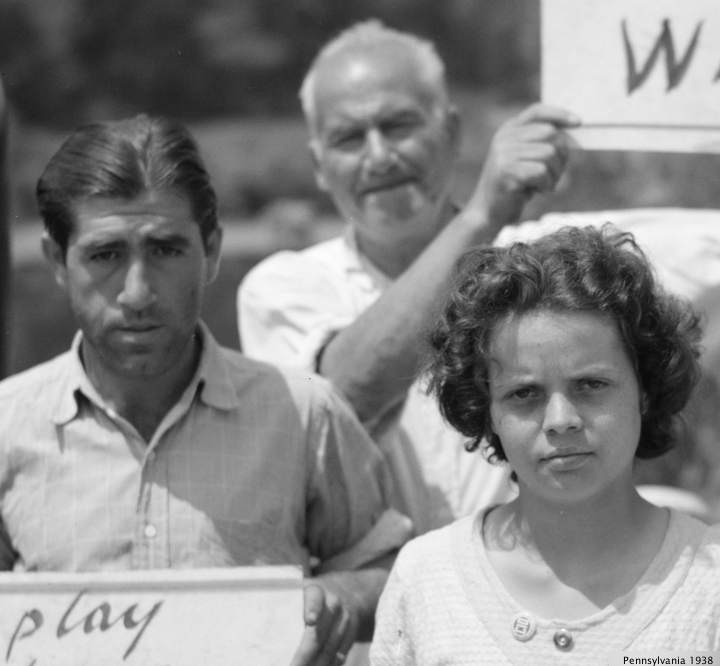
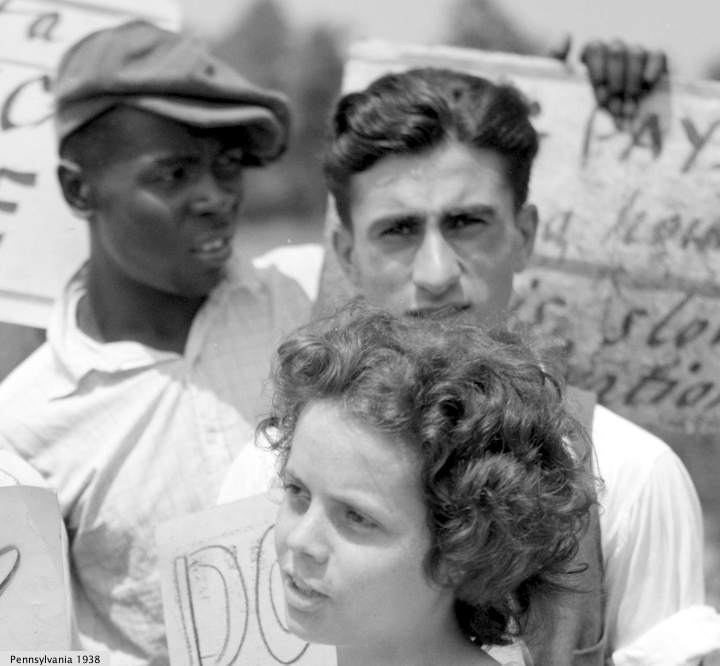
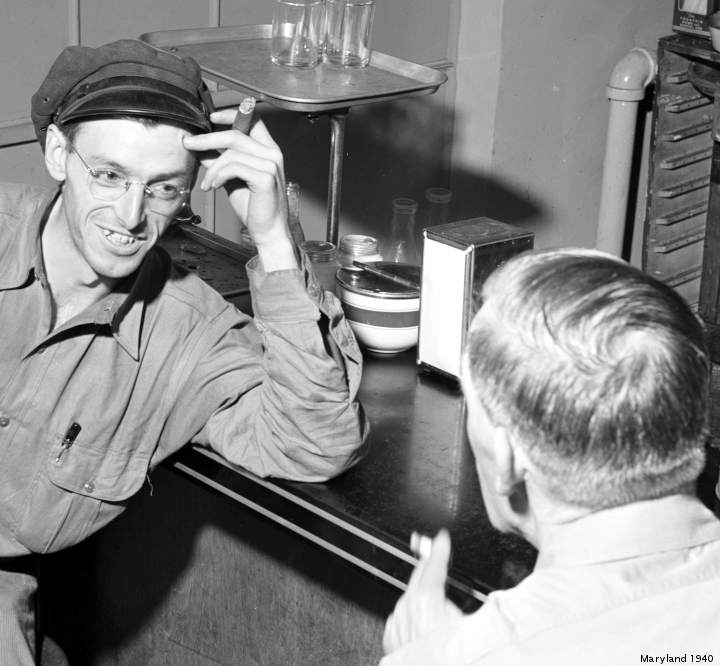
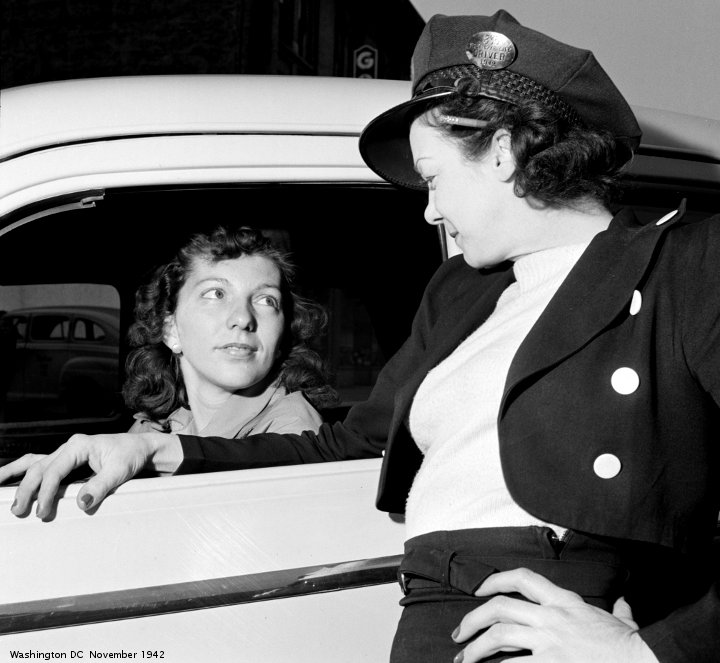
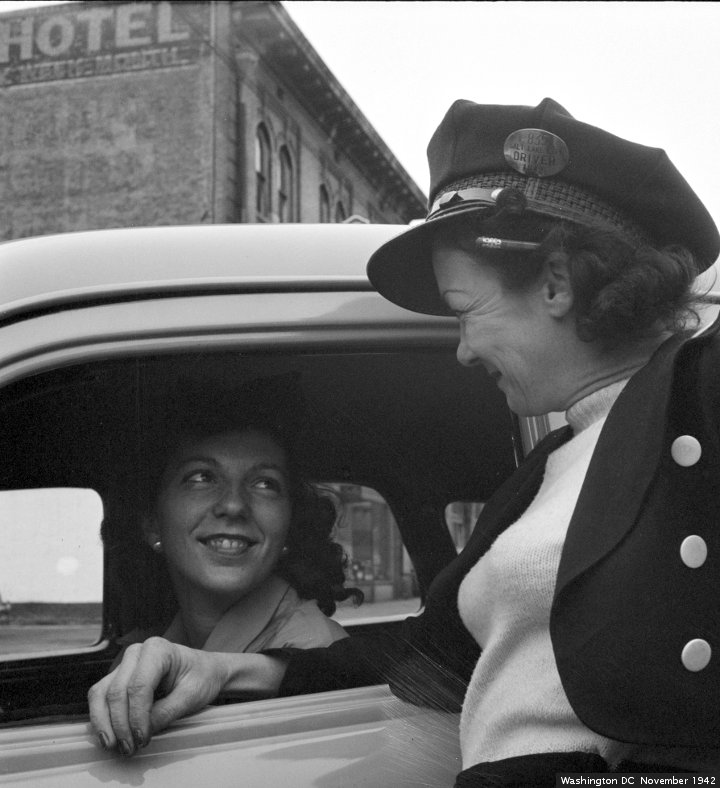
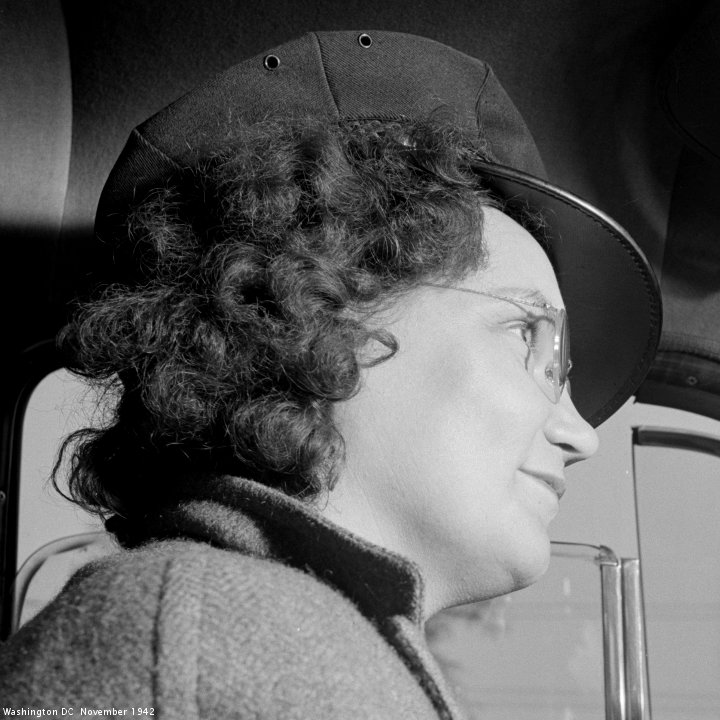
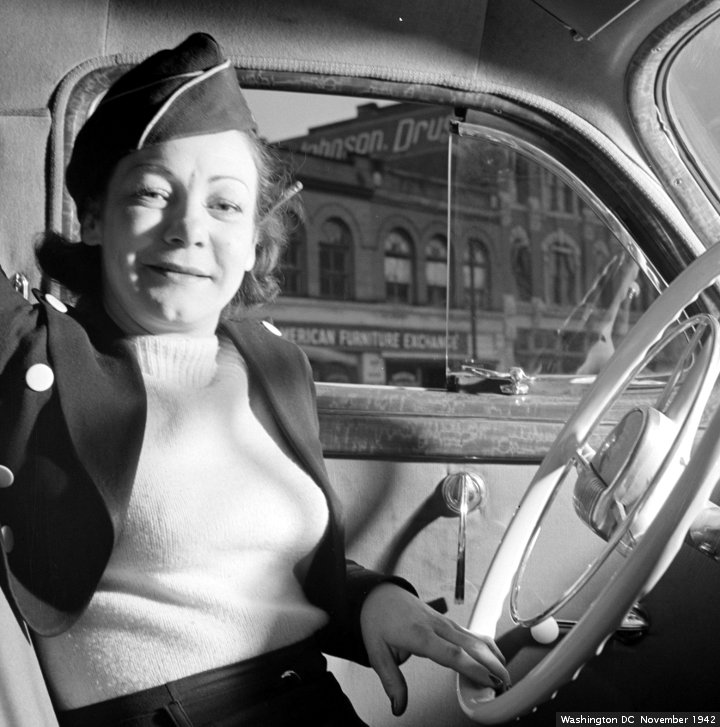
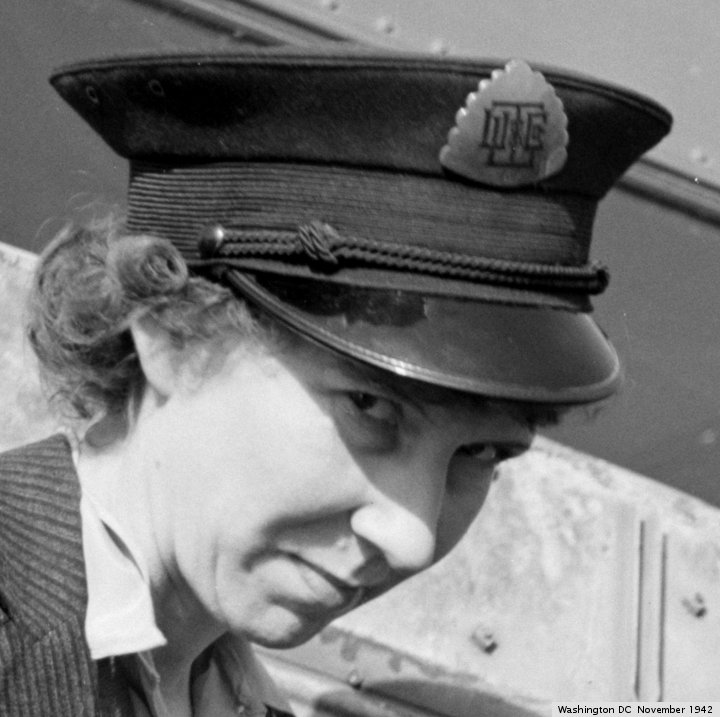
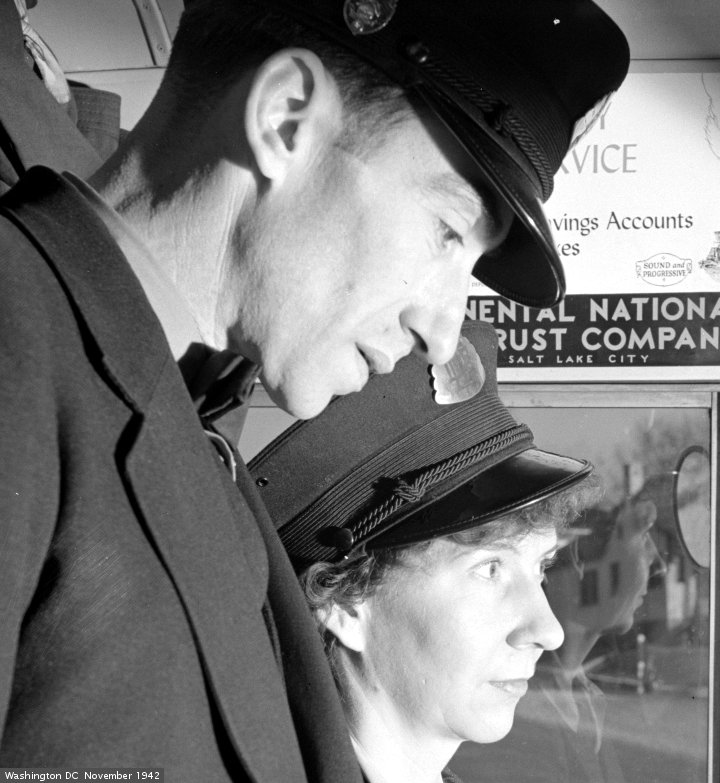
This feature is a repost. Some of the pictures are from “The Special Collections and Archives, Georgia State University Library”. Other pictures are from The Library of Congress. The images are of women, training to be bus drivers and taxi drivers. This was in Washington DC, November 1942. The photographer was Andreas Feininger, working for the Office of War Information. The picture of a dipstick demonstration is #8d36666.



The Burning Of Atlanta


Around this time 157 years ago, Atlanta was on fire. General Sherman was preparing for his March to the sea, and wanted to destroy anything of value in the city. The fire is reported as being on 11-15 of November, depending on what source you use.
The November fire was the second great fire in Atlanta that year. On September 2, the city was conquered by the Union Army. The fleeing Confederates blew up a munitions depot, and set a large part of the city on fire. This is the fire Scarlet O’Hara flees, in “Gone With The Wind”.
After a series of bloody battles, the city was shelled by Yankee forces for forty days. There were many civilian casualties. General Sherman was tired of the war, angry at Atlanta, and ready for action. This is despite the fact that many in Atlanta were opposed to secession.
Click here to hear a lecture by Marc Wortman at the Atlanta History Center. Mr Wortman is the author of “The Bonfire: The Siege and Burning of Atlanta”. The hour of talk is fascinating. This is a repost. The pictures are from The Library of Congress




About this time every year, there is a post about the burning of Atlanta. One of the sources is a lecture by Marc Wortman. If you have an hour to spare, this talk is worth your time. One of the stories told is the tale of Mr. Luckie.
“According to folklore, two stories abound as to how Luckie Street was named. The first is that its moniker came from one of Atlanta’s oldest families. The other, probably closer to the truth, regales the life of Solomon “Sam” Luckie. Luckie, as it turns out, wasn’t so lucky after all. When General William Tecumseh Sherman first came marching through Atlanta in 1864, Luckie, a free Black man who made his living as a barber, was leaning against a gas lamp post in downtown talking to a group of businessmen. A burst from a cannon shell wounded him; he survived, but later died from his injuries. Folklore suggests that he may have been one of the first casualties of the assault on Atlanta. Luckie Street, an extension of Auburn Avenue, was later named in his memory.”
Marc Wortman wrote a book, The Bonfire: The Siege and Burning of Atlanta. The one star review, and comments to that review, are unusually detailed. Here is a selection.
“…People forget – or were never taught in school – that most Confederate soldiers descended from Revolutionary War patriots or were up-country poor sons of farmers. Many Confederate soldiers were relatively recent new arrivals to the U.S., semi-literate dirt poor immigrants from Ireland and Scotland who’d never had the chance to own even an acre of their own land in Europe. In the mix were well-educated, elite merchant business owning French Huguenot refugees of the Catholic Bourbon genocide of Protestants. These immigrants had nowhere else to go, 9 times out of 10 never owned a slave, and fought for the CSA to keep what little they’d hardscrabble carved out over a decade of arrival into the U.S.”
The War Between The States continues to be a source of controversy. After the Charleston church killings, many comments were made about the Confederate battle flag. (If you can’t talk about gun control or mental health, you talk about a symbol.) This led to discussions about the war itself. There were ritual denunciations of slavery, assumed to be the sole cause of the conflict.
The notion of autonomous states in a federal union was novel when the United States Constitution was written. The debate over federalism versus states rights continues to this day. States that want to legalize marijuana may be the next battleground. (Few are expecting secession over bong rights.) Many in the CSA saw the Union as being a conquering army, and fought to defend their homes. While slavery was certainly a factor in the creation of the CSA, it was not the only Casus belli. Pictures today are from The Library of Congress.



November 11


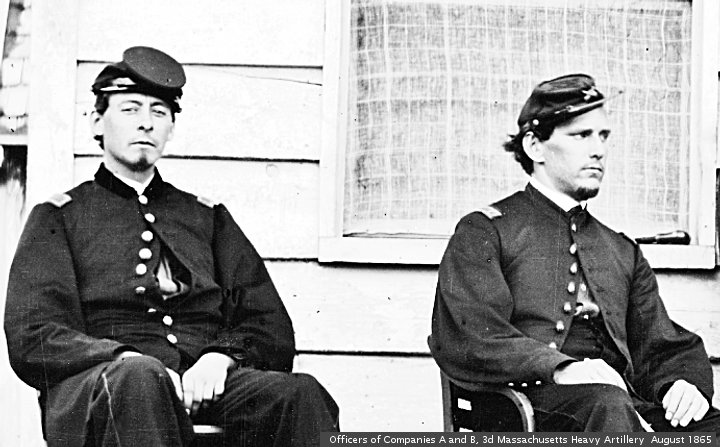
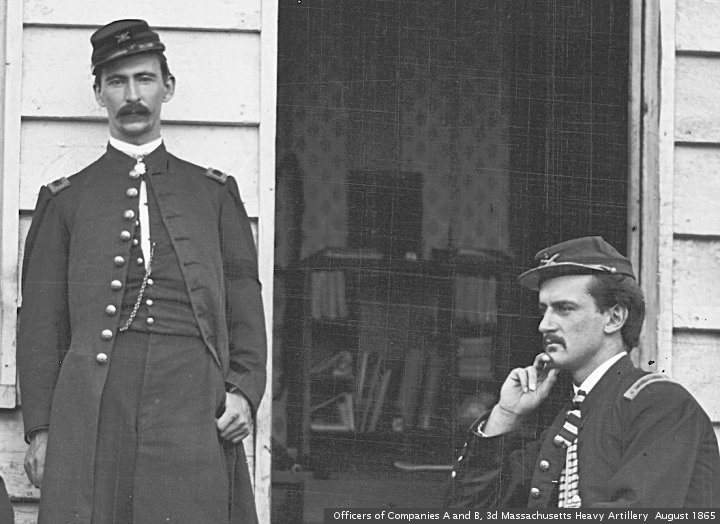
Veterans day was originally Armistice Day. On November 11, 1918, at 11 am, Paris time (the eleventh hour of the eleventh day of the eleventh month) a cease fire went into effect for “The great war”. Officials of the major armies agreed to the ceasefire at 5 am (European time). There were an estimated 11,000 casualties in the last six hours of the war.
At 11:59 am, U.S. army private Henry Gunther became the last soldier to die in World War I. “According to the Globe and Mail this is the story of the last soldier killed in WW1: On Nov.11, 1918, U.S. army private Henry Gunther stood up during a lull in the machine gun fire and charged the enemy. “The Germans stared in disbelief,” says the Daily Express. “They had been told that morning that the fighting was about to stop; in a few minutes they would stop firing and go home. So why was this American charging at them with his bayonet drawn? They shouted at him to stop and frantically tried to wave him back but… he hadn’t heard anything of the ceasefire.” A German gunner released a five-round burst and the soldier lay dead, at 10:59 a.m. In his recently published Eleventh Month, Eleventh Day, Eleventh Hour, U.S. Military Historian Joseph Persico notes that Private Gunther had previously been a sergeant but was demoted after an Army censor read his letter to a friend back home, urging him to steer clear of the war at all costs. Gunther, who was in no-man’s land when the ceasefire news arrived, had been trying to prove himself worthy of his original rank.”
This is a repost. Pictures are from The Library of Congress.
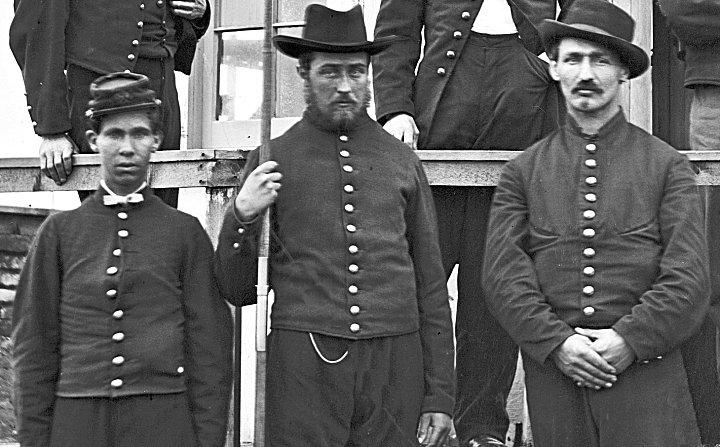

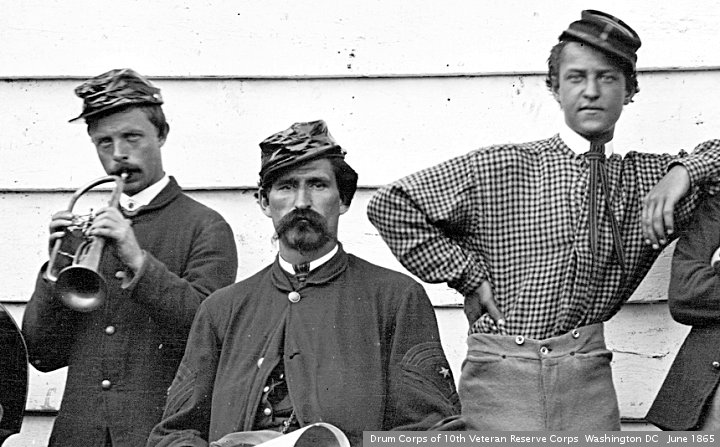
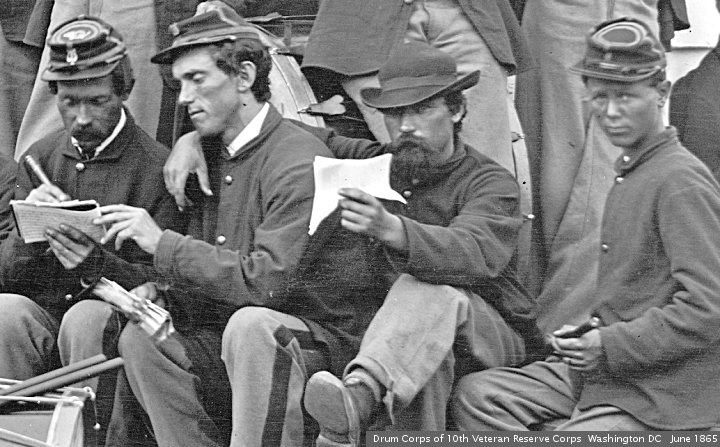
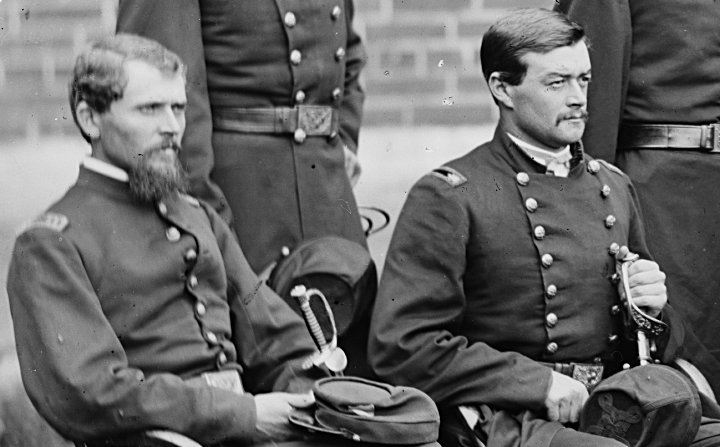
Veteran’s Day is a bad day for a cynic. I appreciate living in The United States. Even with all of her flaws, I have a good life here. The role that Veterans have played should be honored. On the other hand, those who profit from war often exploit Veterans, for political mojo. Many of these people did not serve. Those who profit from war, without serving, deserve our scorn.
Veterans are often not treated well after their service. It is estimated that a quarter of the homeless are veterans. The services offered to wounded veterans are shamefully lacking.
Hugh Pharr Quin CSA was my great grandfather. He served with the Georgia State Troops, in the War Between the States. I prefer the USA to the CSA, or whatever would have followed a Confederate victory. The Union army had to prevail, over the various Confederate Armies, for this to happen. Do I dishonor my great grandfather by saying, we are better off that the other side won?
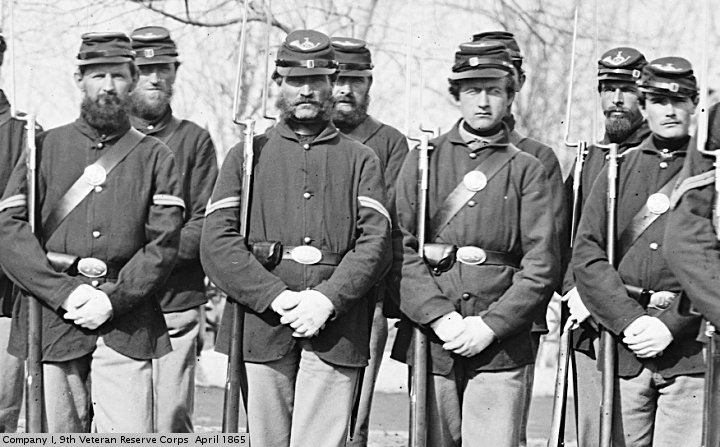
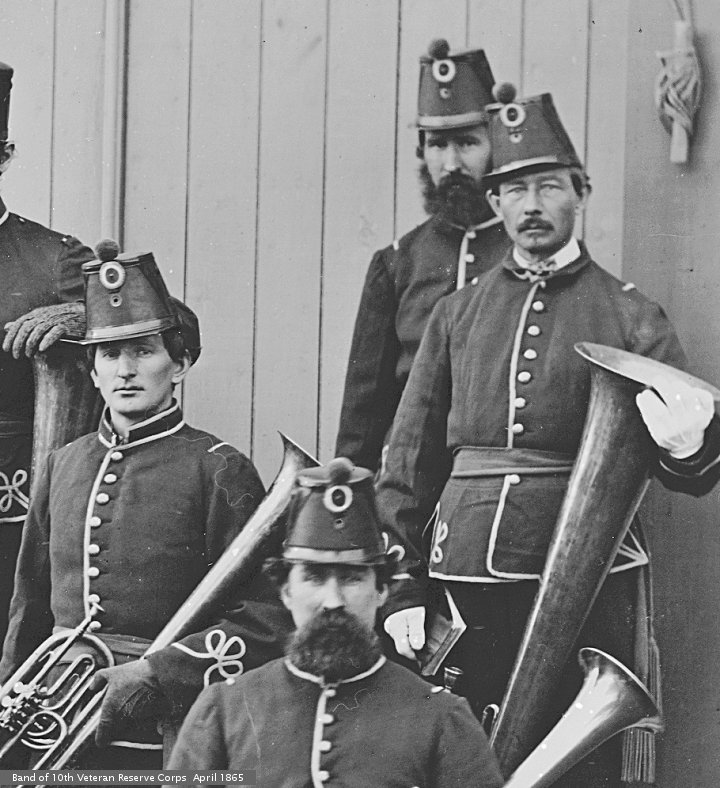
Veterans Day was originally Armistice Day. This was the day, 104 years ago, when the War to End All Wars ended. World War I was a ghastly bloodbath, in which millions died. It affected many of the problems that plague us today. I would be willing to bet that not one person, in ten thousand, knows what World War I was about. And yet, the men who fought in that conflict (I don’t think they had women soldiers then) deserve the same gratitude as those who fought in any other conflict.
The soldier…many of whom are drafted…doesn’t get to choose which war to fight in. The sacrifice of the World War II soldier was just as great as the Vietnam fighter, but the appreciation given was much greater. I grew up during Vietnam, and saw the national mood go from patriotic fight, to dismayed resistance. By the time I was old enough to get drafted, the Paris accords had been signed. For better or worse, there went my chance.



Your Racism
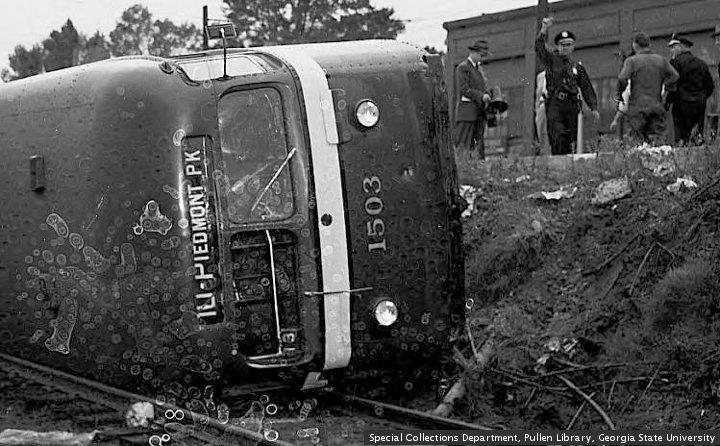
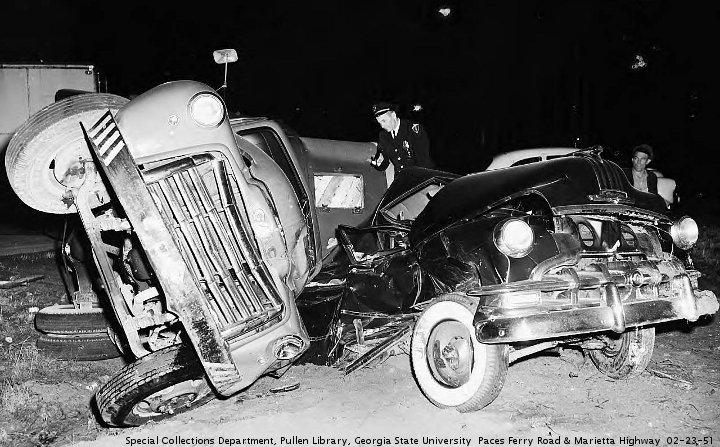


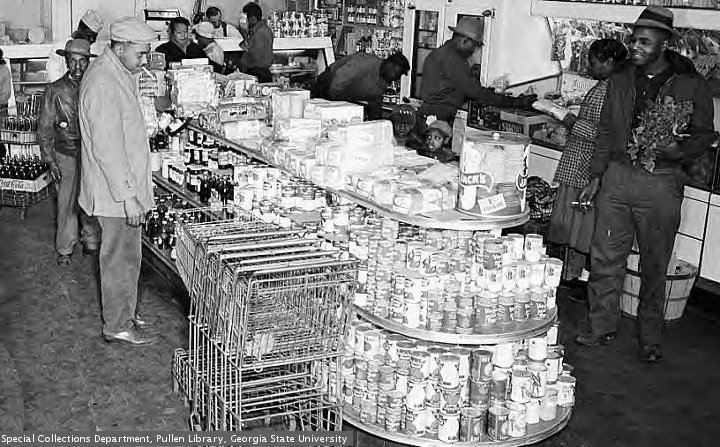
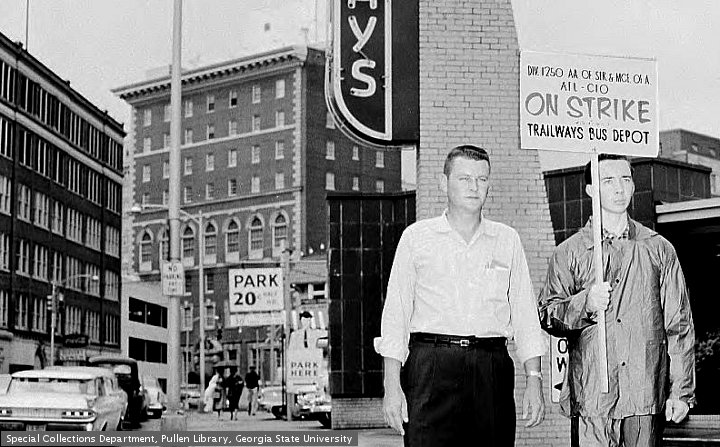
This is a repost from 2014, and the Mike Brown case. … Last night, in anticipation of the Grand Jury presentation, chamblee54 published Freedom Lies Bleeding. “grand jury renders opinion ~ national hissy fit begin again ~ when justice is popularity contest ~ freedom lies bleeding in street”
There was a comment. Anonymous said, on November 25, 2014 at 2:28 pm (Edit) “Thanks Luthor… you’re racism never disappoints!” The name was misspelled. The spell check suggestion is Author.
There is both style, and substance, to consider here. Is Freedom Lies Bleeding racist? Who knows? The definition of racism is growing, in carcinogenic fashion, as we speak. Some say it is systemic institutions of oppression. Some say it is jokes about toothpaste flavor. Maybe the best definition is that racism is anything that you do not like.
The poem was directed at the concept of mob rule. As President Obama said, “We are a nation built on the rule of law, so we have to accept this decision was the grand jury’s to make.”
A few years ago, O.J. Simpson was accused of murder. Many people thought he was guilty. After a long trial, he was found innocent. Should popular opinion have overruled the jury? No, it should not. The jury saw the evidence, and heard the arguments. The people can protest and debate, but they cannot take the place of a jury.
Is a dependence on a system of law and order racism? Anonymous seems to think so. Is they qualified to make this judgment? If racism is anything that you don’t like, then Anonymous is qualified to make the call. Maybe they knows something we don’t.
There is the style of the comment to consider. While Anonymous did not give their name, there was an I.P. address. The IPA is connected to a .edu server. Apparently, this is a workplace computer. Leaving insulting comments from your employer’s computer does not reflect well on the institution.
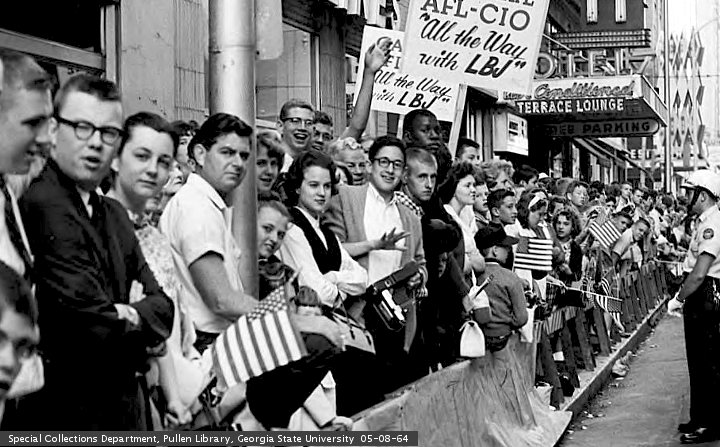
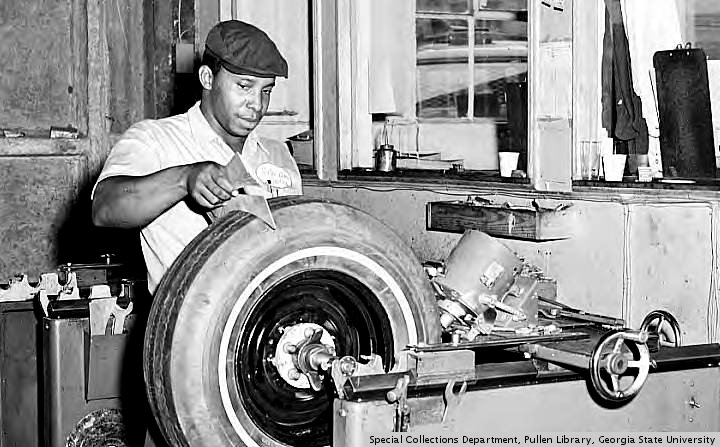
Anonymous is entitled to an opinion. However, leaving a name calling comment does not speak well for this individual. The six words say more about Anonymous than they do chamblee54. Pictures today are from “The Special Collections and Archives, Georgia State University Library”.



Tusset Chronicles 110822


0944-110722 I start off my day by posting weekly notes, and create a haiku picture. Download the latest edition of blocked and reported. Go on the front porch. Work on part two of worms delight.
The first part of B & R is Katie telling a California burrito shop horror story. I decide to not interpret brick pictures, but to do the krog tunnel. Meanwhile, the coffee is running out.
1018-110722 On many days, twenty minutes of elimination/shower is the best part of the day. All is well with the world right now. Maybe I should listen to Jesse&Katie, and let them spoil it for me.
2023-110722 The day went by. I listened to the rest of Jesse&Katie. … something about gender dysphoria, and the clumsy efforts of our medical muddlers to remedy it. In an ironic note, when I downloaded the file for today’s show, the default file name was “transcode.” … so the rest of this day went by, and what I am going to talk about now is facebook and twitter, which abbreviates into fat.
“Question about this site/group: is there a reason I can see folks have commented on a post but can’t see the comments? That is, the post says it has “5 Comments” but only shows one comment. … ” “Blocking people is rude. If you don’t like what a person says, you can unfollow or snooze. Some people feel entitled to punish you for having opinions that they disagree with. It is their problem, but it still sucks to find out that they are expressing it through you.”
When someone blocks you on facebook, they no longer exist to you. One exception is comments. You see that a comment was made, but you cannot see the comment, or who made it. It is a flaw in the facebook system, along with the entire concept of blocking people. People will block you for trivial reasons. It is a way of making them feel important … they are punishing you for your incorrect opinions. If your sense of self worth is enabled by this behavior, then you have facebook.
On the other hand, there are “celebrities” on twitter. One of the joys of twitter is access, however tenuous, to your heroes. Sometimes, as in today’s interaction, there is the possibility that this hero-twitter account is facilitated by an employee. That does not matter. There is a visceral buzz in seeing the words ”𝚃𝚘𝚖 𝚁𝚘𝚋𝚋𝚒𝚗𝚜 @DailyRobbins Replying to @chamblee54.”
@RayaKhedker Do you think “listening” to a book is as effective as reading it? @chamblee54 I consume books for enjoyment, not effect. I tend to stick to short stories/podcasts/youtubeproduct for listening, usually as a background while I do something else.
𝚃𝚘𝚖 𝚁𝚘𝚋𝚋𝚒𝚗𝚜 @DailyRobbins Yes and no. And that would depend upon the individual. In my experience talking with many, some of whom simply want to re-read a book from their youth but experience trouble or a disability in their later years, I believe it is essential to have both versions readily available.@DailyRobbins Sidenote: The views and opinions expressed here are in no way reflective or endorsed by Tom Robbins. This is not a parody account. But there is a possibility that Tom Robbins’ accounts are a parody of us all…
@chamblee54 “I read books by @DailyRobbins in my youth, and enjoyed them. They have, so far, come through in 2nd readings. That is not true for all books. Some are life changing at 21, and stupid at 61.” 𝚃𝚘𝚖 𝚁𝚘𝚋𝚋𝚒𝚗𝚜 @DailyRobbins Replying to @chamblee54 “Books and beliefs age the same way, in my opinion. Some you carry with you throughout life and some you wonder why you ever picked them up in the first place.”
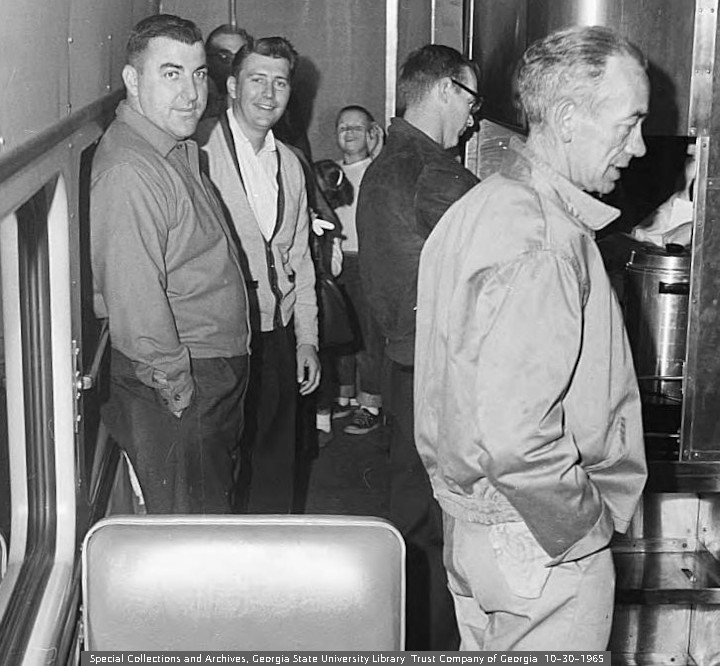
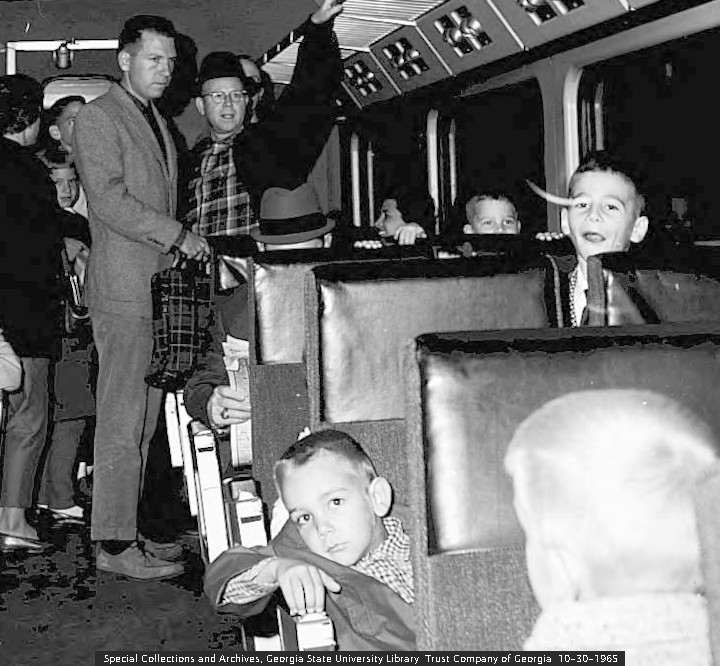
@chamblee54 “you have a “maximalist” style. you said once that reading you was like biting into a cherry tomato … you never know where the juice is going to go on the second reading, that juice might go in a different direction” 𝚃𝚘𝚖 𝚁𝚘𝚋𝚋𝚒𝚗𝚜 @DailyRobbins “Tom has the style, I know where to move it. The juice has the choice which side to cater.” Pictures today are from “The Special Collections and Archives, Georgia State University Library.”


 Chamblee54
leave a comment