Luther C. Mckinnon
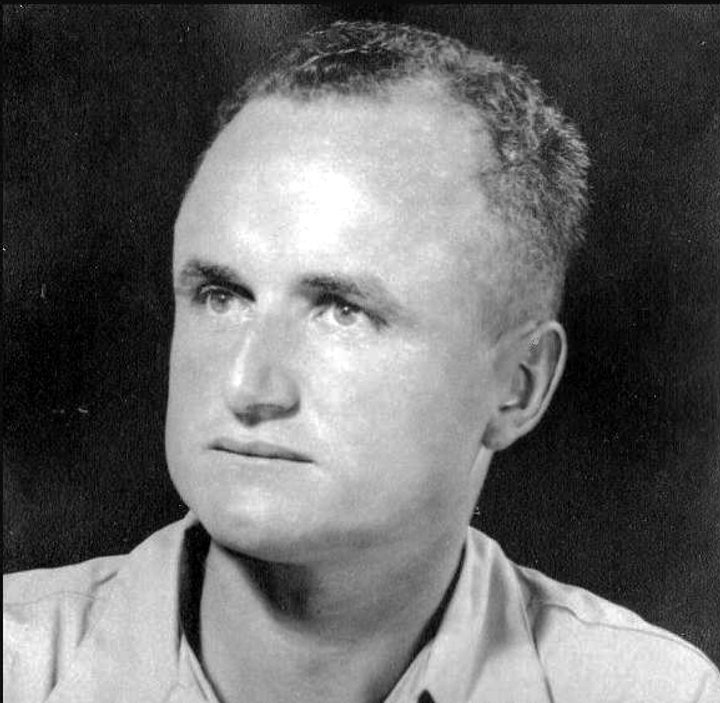

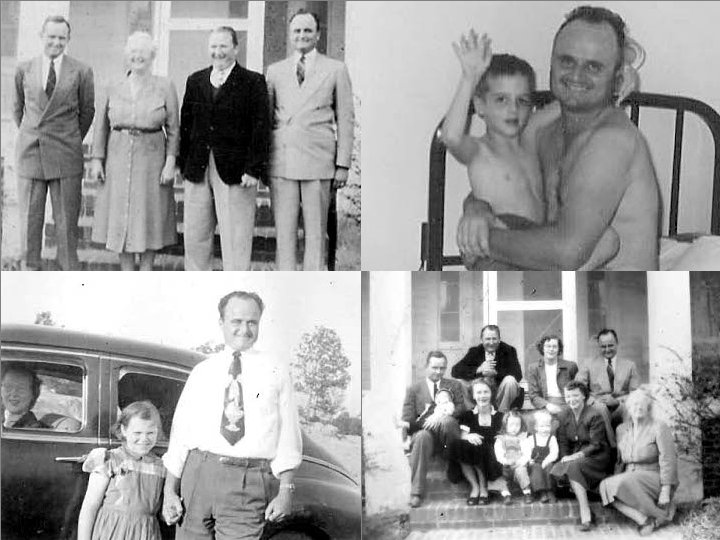
Luther Campbell McKinnon Sr. was born February 22, 1916, on a farm in Rowland, North Carolina. Europe was stuck in a war that would change the world, and not until The United States got involved. This didn’t happen for another year.
Luke was the youngest of four children. After life as a farm boy, he went to Wake Forest University, and then came back when his Daddy died. He ran a family dairy for a few years, and went to live in New Jersey. He lived near a prison, and saw the lights dim when the electric chair was used.
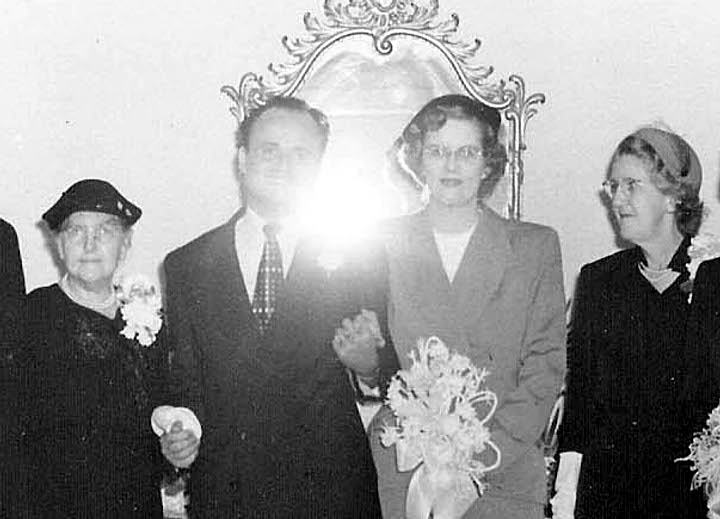
In the early fifties, he came to Atlanta to live. This was where his sister Sarah stayed, with her husband and two daughters. One day he went into the C&S bank on 10th street, and took notice of one of the tellers. On October 6, 1951, he married Jean Dunaway. She was with him the rest of his life.
At some point in this era he started selling shoes. He would go to warehouses, gas stations, and wherever barefoot men needed shoes. He was “The Shoe Man” .
Before long there were two boys, and he bought a house, then another. The second house is the current residence of my brother and myself, and is probably worth 15 times what he paid for it. He had the good fortune to not buy in an area that was “blockbusted,’ as many neighborhoods were.
And this was his life. He tended a garden, went to the gym, and was in the Lions Club for many years. When he met Mom, she let him know that going to church with her was part of the deal. They found a church that was good for their needs, and made many friends there. The Pastor at Briarcliff Baptist, Glen Waldrop, was his friend.
When I think of the character of this man, there is one night, which stands out. My brother was away at the time. The day before, Mom had discovered she had a detached retina, and was in the hospital awaiting surgery. Her job had arranged a “leaf tour” by train in North Georgia, and she got one of her friends at work to take me. There was some mechanical trouble on the train, and it did not get back into town until 3am Monday morning. And yet, Daddy stayed at home, did not panic, and had faith that all of us would be back soon, which we were.
Through all the struggles of his life, Dad was cheerful, laughed a lot, and was good company. He left me with a rich repertoire of country sayings, and had many stories to tell. He was surprising mellow about black people, if a bit old fashioned. (In the south when I grew up, this was highly unusual).
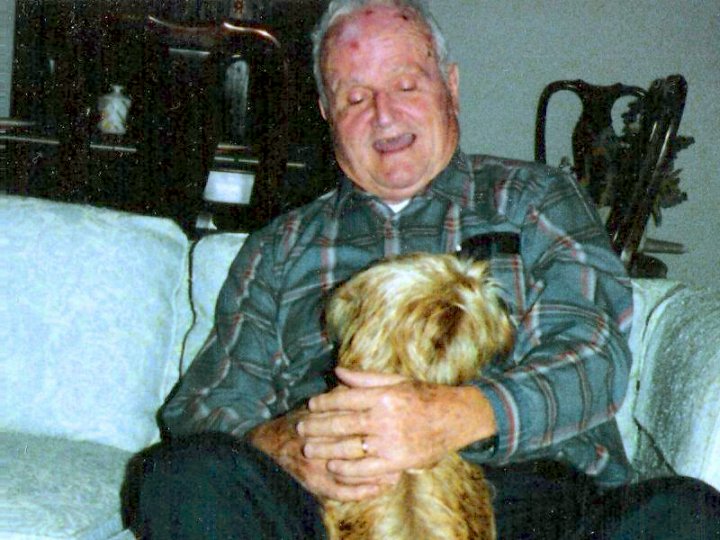
Dad was always in good, vigorous health, and I thought he would be with us for a long time. Well, that is not how things work. A cancer developed in his liver, and spread to his lungs (he did not smoke). After a mercifully brief illness, we lost him on February 7, 1992. This is a repost.


Steve Martin




There is a form letter floating through the intercourse now. It is a letter that Steve Martin used to send to his fans. (The letter was recently immortalized at Letters of Note.)
He …that is Stephen Glenn “Steve” Martin (born August 14, 1945) … has moved up in correspondence with his adoring fans. Mr. Martin now gives out business cards, with the message “This card certifies that the holder had met Steve Martin and found him genuinely friendly”. What a wild and crazy guy!
 This is becoming one of those really really modern days here. Listening to a djmix with a Lady Gaga song, drinking coffee out of a Mcdonalds plastic cup, and writing a tribute to Steve Martin. What a day! Oh, before we forget, there is the story about the drive in theater on I85 that was showing “Father of the Bride”. One day, the h fell off the marquee, and the title of the movie became “Fater of the Bride”. Good times.
The story of Steve Martin and PG began one night at the Great Southeast Music Hall. PG got tired of hearing how great the Nitty Gritty Dirt Band was, and decided to see a show. The show started when some guy in a white suit came out with a banjo. John McEuen stood next to him, and kept falling into the microphone stand and saying “this guy cracks me up”.
Steve Martin, the white suit guy, said that he paid somebody five thousand dollars for a joke. He then took this arrow, with a coat hanger wire attached to it, with a shape for his head to fit in, and put it on. That got a laugh, but not worth five thousand dollars. There was another gag…”do you mind if i smoke, no do you mind if i fart”. That got a slightly bigger laugh.
In those days, you could not sell alcohol in public on sunday night in Georgia. To compensate, the Music Hall sold children’s tickets for the sunday night shows. Mr. Martin was not used to having children in the audience. “Hey kid I gotta joke for you. There were these two lesbians…”
The show went over well with the Nitty Gritty crowd. However, it is doubtful that anyone thought, this is the beloved entertainer of our generation.
Mr. Martin was not through for the night. At one point, the NGDB moved to the back of the stage, and a smarmy lounge lizard, in a white suit, came on stage. While the band played “The girl from Ipanema”, Mr. Martin sang about the girl with diarrhea.
 This was one of the last shows that Steve Martin did as an opening act. (He did return to the Great Southeast Music Hall. Once, he did a week with Martin Mull, called the Steve Martin Mull Revue.) Within two years, he was a guest host on Saturday Night Live, and a certified wild and crazy guy. A couple of years later, he was famous again as “The Jerk”. Steve Martin had arrived.
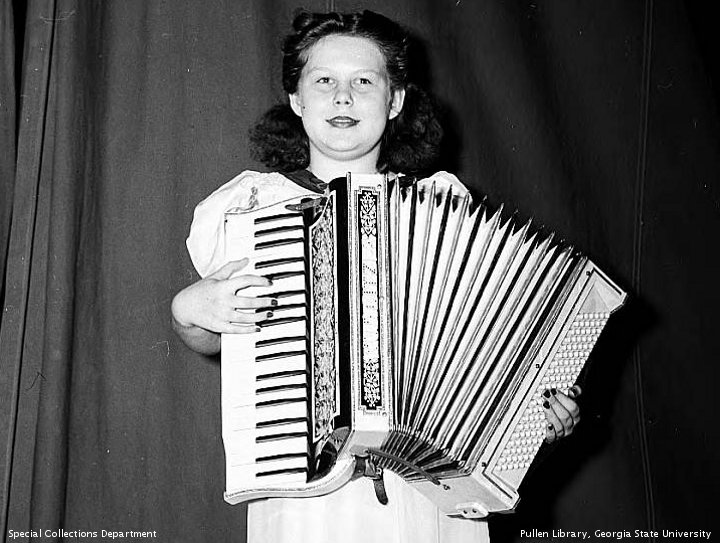
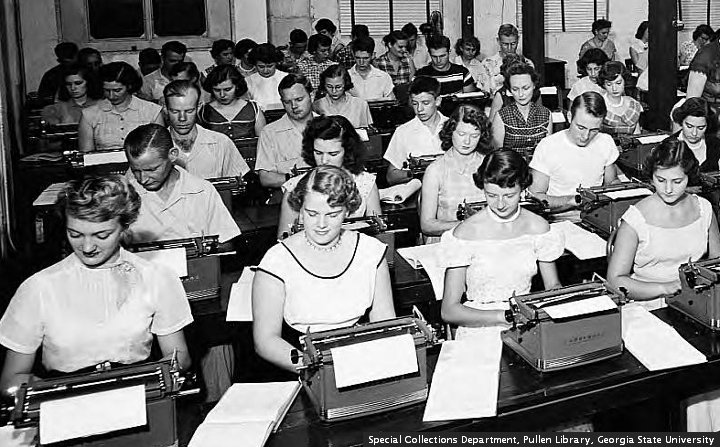
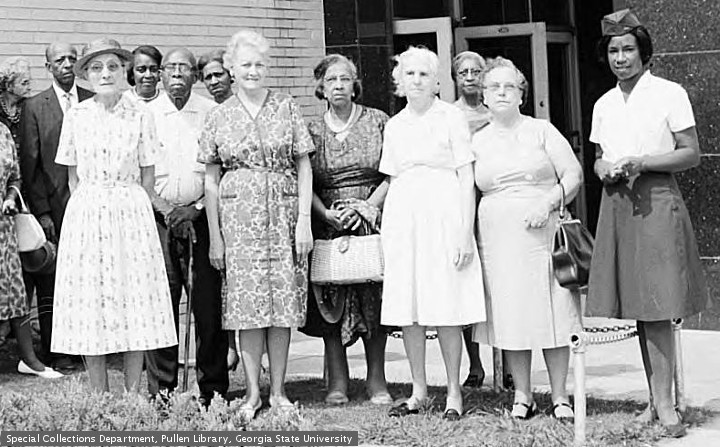
This is a repost. The pictures today are from “The Special Collections and Archives, Georgia State University Library”. The animated dentures are from chattering teeth. The check is in the mail.


Grace


I was listening to Disgraceland while sitting in the sauna. DGL is a podcast, about musicians who behave badly. Host Jake Brennan is fond of working the word “disgrace” into the last line of the script.
Today’s show was about the late Jeff Buckley. He had a mystical streak in his craft, and titled his album Grace. Jake talks about Jeff’s music, in the last line of the show: “Listening to it now can lead to a trance like state. A state of ecstasy. A state of eternal life. A state of grace.”
I heard Jake say that, and turned my head to the side. The young man next to me was shaking his head, and pounding his thighs, in response to the sounds going through his ear buds. I saw this, and my first thought was “this is grace.”
I got the young man’s attention, and told him the story. He enjoyed hearing what I said. Some would say “And your point is?” Others would have told me what their pastor says about grace. Instead, the young man smiled, and gave me a fist bump.
I will not have a quote today about what grace means, either from the dictionary or the Bible. Grace is something Christians talk about, when they are not nabbering about life after death. It is telling that Jake said eternal life, between ecstasy and grace.
Eternal life … I am dictating this with a voice typewriter. When I said “eternal life” the microphone kicked off. I had to turn it off and restart. It was a glitch in the system, or a metaphor … for the way talk about “salvation” can get in the way of grace.
There is a Sunday School story. A man dies, and goes to the pearly gates. Saint Peter says that we have a test. You need one hundred points to get into heaven. The man begins: I was a loving husband to my wife of many years. We raised our children to be fine people. St. Peter said you get one point.
The man said, I was a born again Christian, saved by faith in Jesus Christ. St. Peter said that’s one more point. The man said, I was a businessman, and was respected by my employees and customers. St. Peter said you get a point for that.
The man starts to get flustered, and says it is only by the grace of God that I am here. St. Peter said that’s ninety seven points. Welcome to heaven.
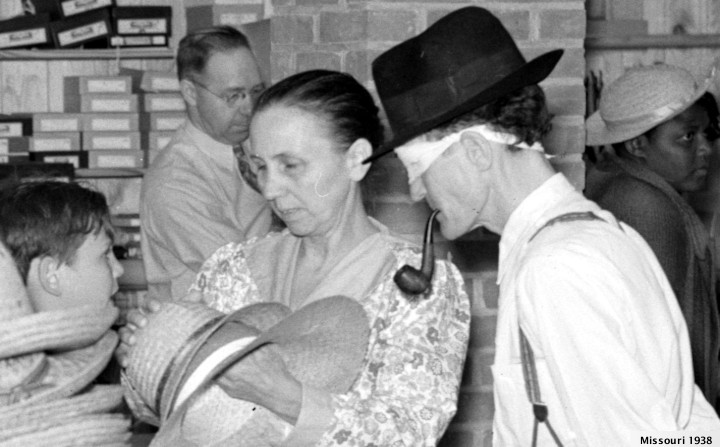
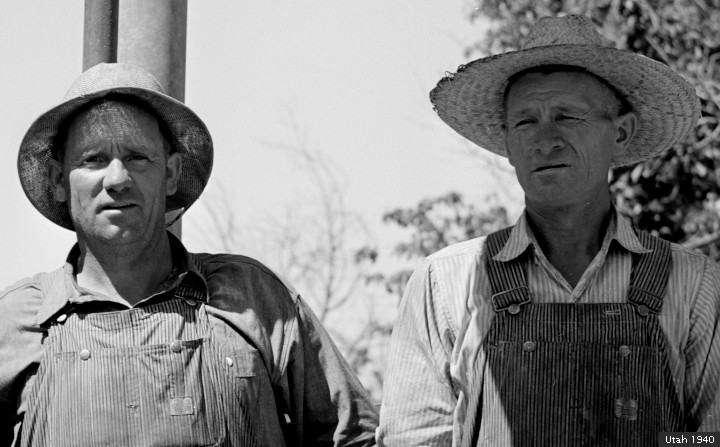
Pictures today are from The Library of Congress.


The Kinks


Dangerousminds brings the sad news that Pete Quaife, the original bass player for The Kinks, passed away yesterday. He was 66, and had been in dialysis for several years. Maybe it is time for Chamblee54 to do a post about The Kinks. This is a repost from 2010.
Battling brothers Ray and Dave Davies are the core of The Kinks. (The name is pronounced like the american Davis, as though the e did not exist). Ray was the vocalist, writer, and rhythm guitar player. Dave was the lead guitarist, and sparring partner for his brother. The fisticuffs were not restricted to the brothers. This led to the band being barred from performing in the United States between 1965 and 1969. The sixties happened anyway.
There were several hits in the early days, most notably You really got me, which became a signature tune for Van Halen. The band had numerous adventures, but never became the superstars that other British bands of that era did. Ray Davies developed as a songwriter, with many witty tunes, full of social commentary and britishness. (spell check suggestion:brutishness)
In the seventies The Kinks kept trooping on. They did an album called Preservation Act, which became the basis of a theatrical presentation. The next album was called Soap Opera, also getting the theater treatment. This is where PG got to see The Kinks.


It was sometime in the spring of 1975, at the Atlanta Municipal Auditorium. Elvin Bishop was the opening act. The Kinks had started when PG arrived, buying a $4.00 balcony seat. Alex Cooley was in the box office counting money, and broke open a roll of quarters to make change for a five.
The band was playing “Celluloid Heroes” when PG walked into the auditorium. There was no one on the door checking tickets, so PG walked onto the floor and found an empty seat on the 13th row. The next number was “Lola.”
Ray Davies introduced the song by saying ” If you are a man, sing LO. If you are a woman, sing LA. If you are not sure, clap your hands”. The next number was about demon alcohol. There were lights shining on the crowd during this number, as Ray Davies asked if there were any sinners in the audience. The band did several more songs, ending the first half of the evening with “You really got me.” Dave Davies got some spotlight time with a rave up intro to this number.
The second part of the show was a theatrical presentation of “Soap Opera”. The band wore rainbow colored wigs, and stood at the back of the stage while Ray Davies told the tale. “Soap Opera” was about a rock star who traded places with Norman, who lived a boring life. The flat Norman lived in has pictures of ducks on the wall, which drove Ray/Norman to scream “I can’t stand those f*****g ducks”. This led into a rocking ditty called, predictably, “Ducks on the Wall”.
As the show dragged on, Ray/Norman was embarrassed by the mess he was in. “You can’t say that in front of The Kinks, they are my band, and that is my audience.” The audience lights were turned on again, and the band played a medley of hits from 1964.
Finally, the real Norman came back to reclaim his wife, put the ducks back on the wall, and kick out The Kinks. The band gave up on theater before much longer, and were popular for the rest of the concert happy seventies. Ray Davies was the babydaddy for Chrissie Hynde. Eventually, the band quit performing, and continued to cash royalty checks.
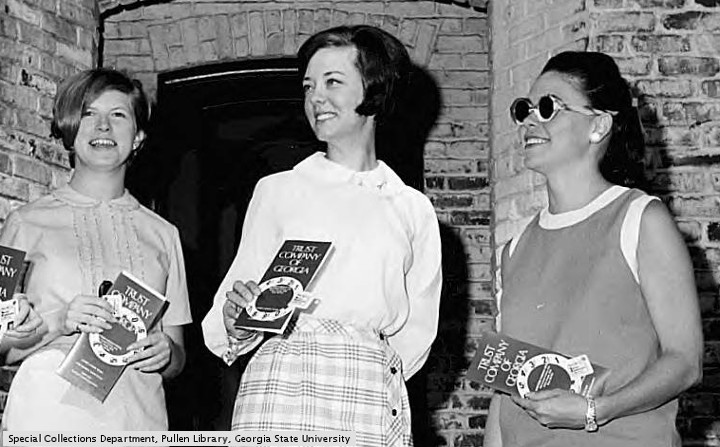
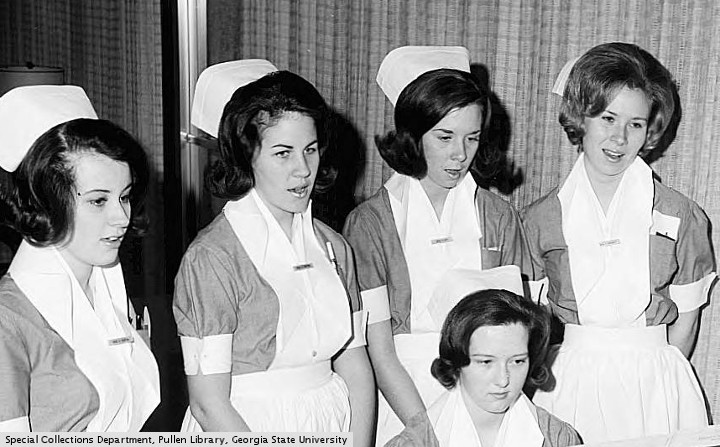
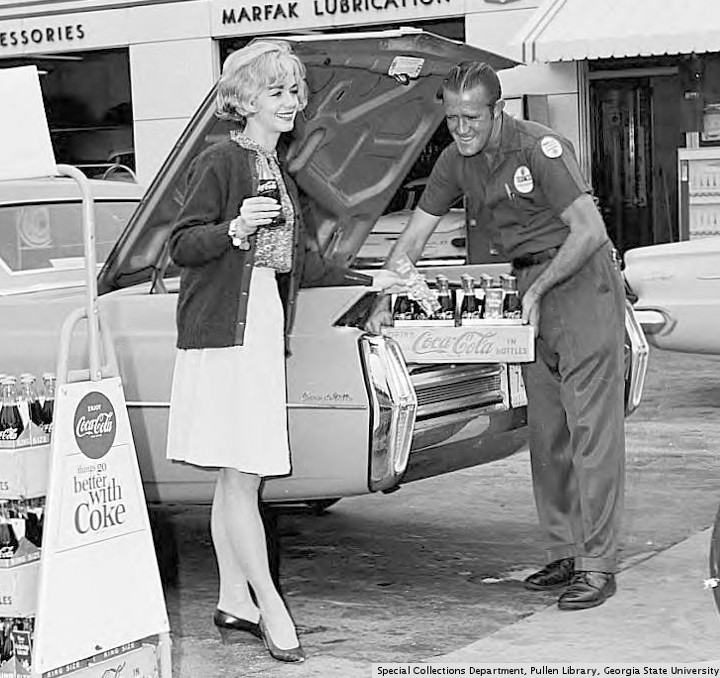
Pictures are from the “The Special Collections and Archives, Georgia State University Library”.

With All Due Respect


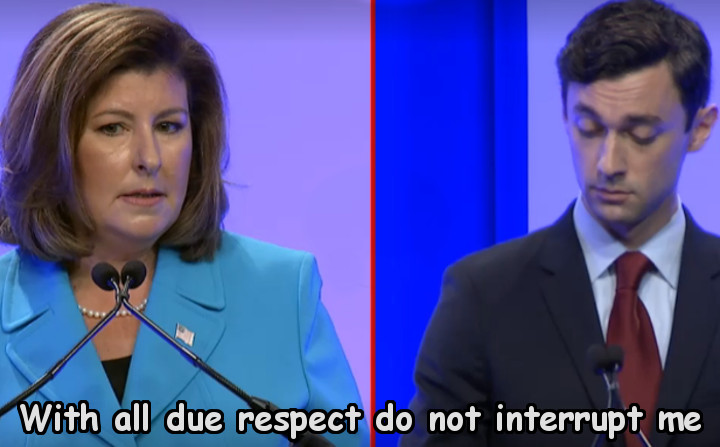
At the 44 minute mark of a recent debate, Karen Handel (KCH) and Jon Ossoff (TJO) were having a bit of a skirmish. The question (41:34) had been put to TJO: How can you be independent in Congress, when you will need Democratic Party help in a re-election. TJO rambled a bit, and did not answer the question. Instead, he attacked KCH. The attack centered around the PR disaster at the Susan B. Komen foundation, which KCH played at central role in.
The two sparred for a few minutes. PG expected someone to call the other a poopyhead, which they would reply to by saying you have cooties. KCH said something, and TJO interrupted. “It’s a simple question, with all due respect” “With all due respect, do not interrupt me”
This may be the one moment of this nightmare election that captures two personalities. KCH is not above interrupting, and using shady argument tricks. It was her moment to take control of the situation. Most politicians are hypocrites.
PG got a screen shot, which is posted above. Look at the eyes. KCH is mean. She is tired of this silly little boy. TJO is looking at his shoes. The embarrassment about being out badded by his opponent is evident. KCH won the momentary power game. She easily *handled* TJO.
Maybe people will quit saying “with all due respect.” WADR is the new “bless your heart.” On election day, KCH won , with, or without, due respect. It is not known what the turning point was, or if TJO ever had a serious chance. Most 6th district voters are happy to see a noisy campaign end. Pictures today are from The Library of Congress.
This is a repost from 2017. After losing to KCH in 2017, TJO ran for the Senate in 2020. The slogan of his Senate campaign was not a vulgar joke about his name. TJO won the election.
KCH lost elections for the House in 2018 and 2020. KCH then became President/CEO at Carroll Tomorrow. The current Interim President / CEO at Carroll Tomorrow is Brian Dill.
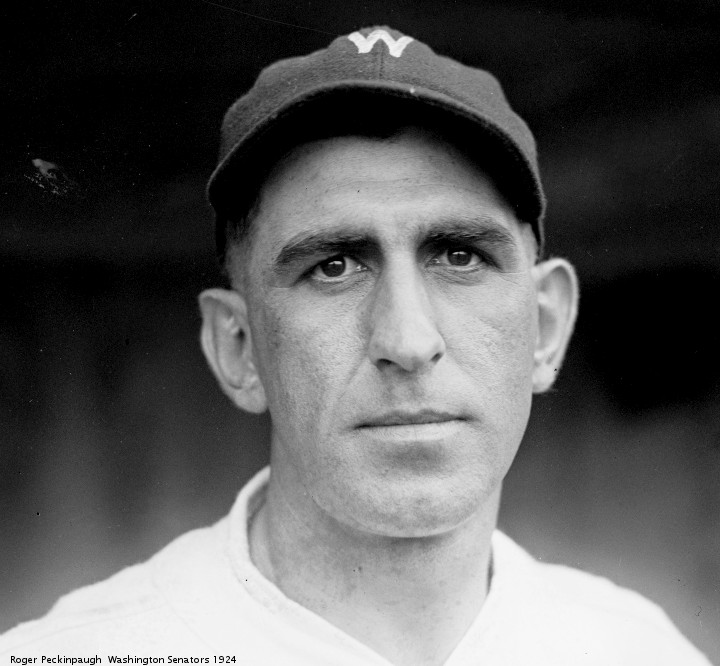


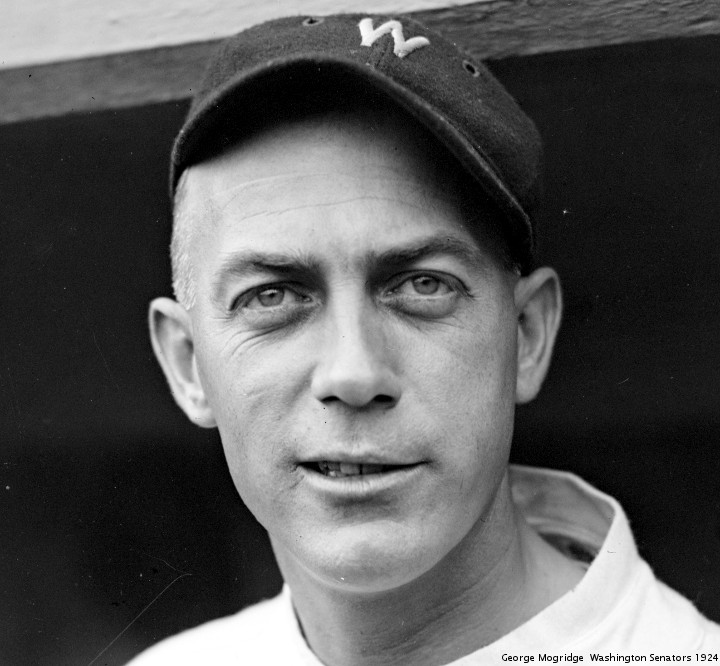

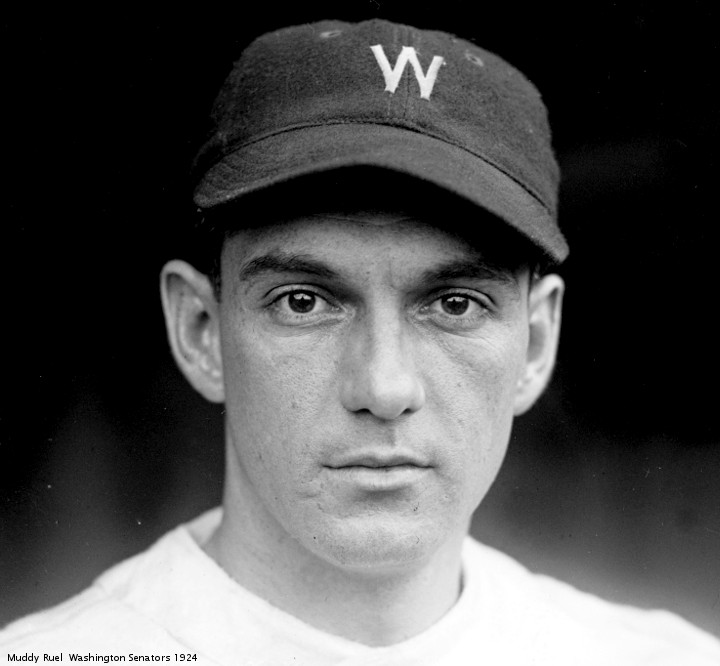
The 1954 Deferment
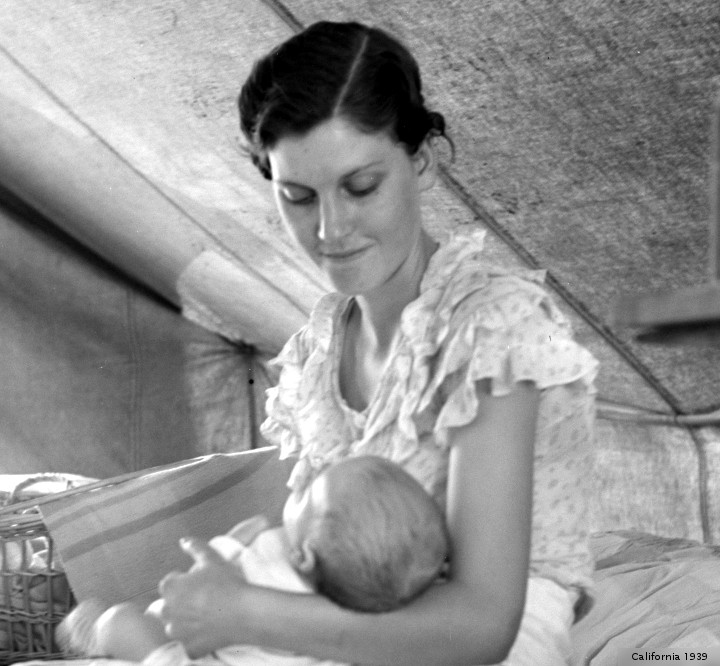

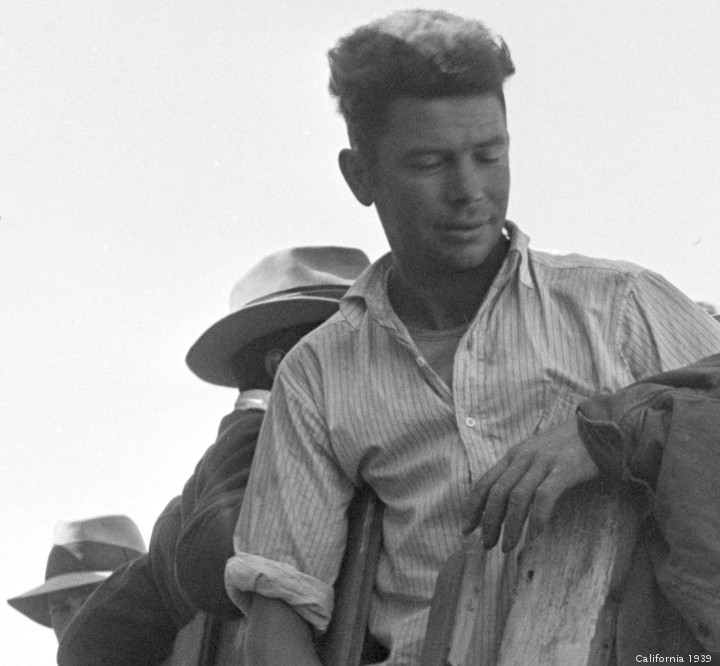
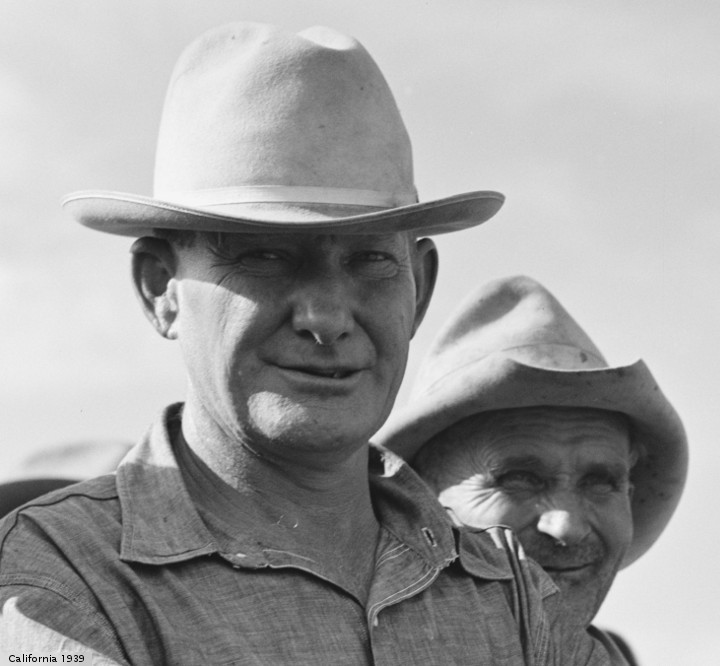
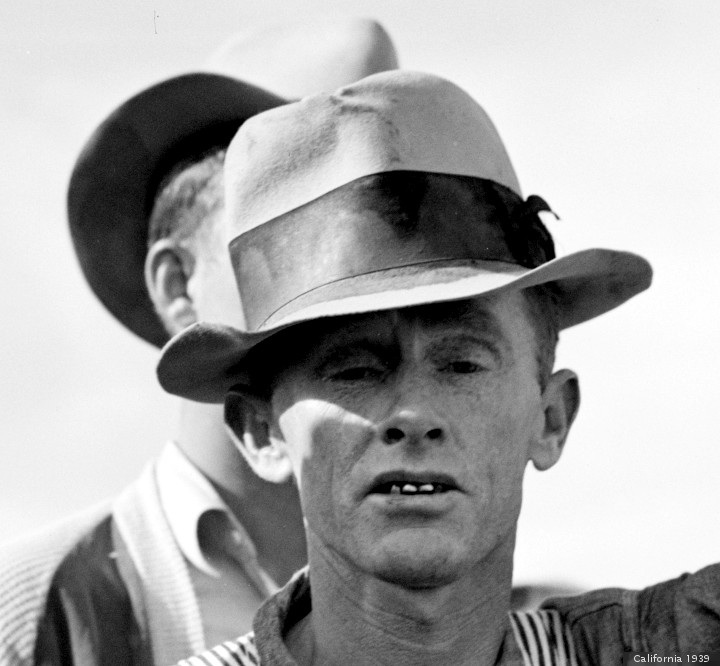
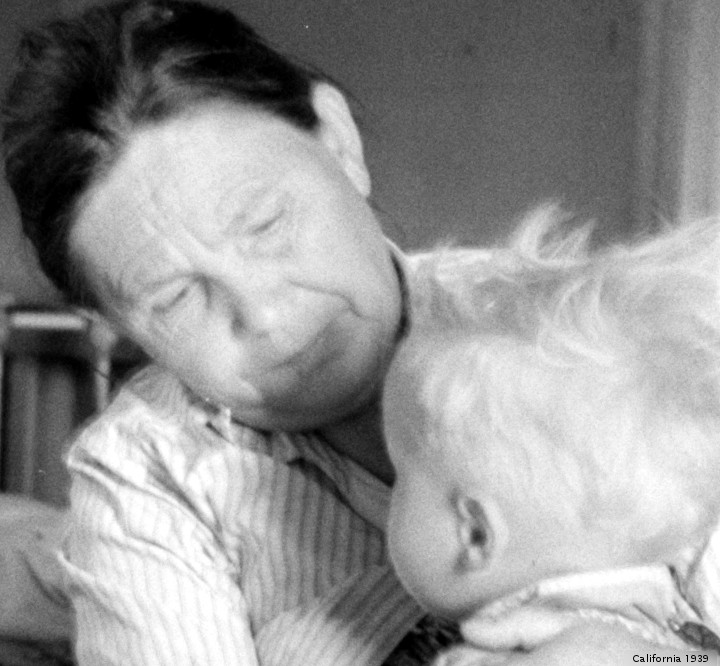

As the reader(s) of this blog might notice, there is material posted every day at chamblee54. On many days, PG is too lazy to write new material, and goes into the archive. Today, there are two pieces. 1954 Deferment is from the blogspot version of chamblee54. In 2007, PG had a job making local deliveries, and listened to talk radio. Neal Boortz was in his glory. One day, PG heard enough about Vietnam, and decided to tell his own story. It is below. This post is written in first person.
A prominent radio whiner has been urged to come clean on his military record. In the spirit of not being a hypocrite, and with the optimistic thought that someone is interested, I have decided to do the same. I have what I call a 1954 deferment. I didn’t get a lottery number until the winter of 1973, after the Paris accords had been signed. My number was 337. The minimum age to sign up in those days was 17. If I had been gung ho to stop communism , I could have signed up in 1971.
By 1971 the war was over for America. We were trying something called “Vietnamization”, which meant we were bringing the combat troops home. Mr. Kissinger was working day and night to secure an acceptable treaty, which Mr. Nixon called Peace with Honor. A few weeks before the 1972 election, the announcement was made that “Peace is at hand”. What this treaty meant was that we got our P.O.W.s back, and withdrew the last of the combat troops. The North Vietnamese troops were not required to withdraw. After a while, with Mr. Nixon distracted by Watergate and the American Public in no mood to help, “Charlie” finished the conquest of South Vietnam. Whether we got all the P.O.W.s back is a subject of controversy. There is speculation that some P.O.W.’s were kept in Asia.
I graduated from High School in June 1972. This was in between the death of J. Edgar Hoover and the arrest of the Watergate Burglars. Jane Fonda”s trip to Hanoi was in July of 1972. Anti-war protests hit a peak during the Moratorium, in Autumn 1969. There was a last surge in May 1970, after the incursion into Cambodia. During this time we had the killings at Kent State, and suddenly protest didn’t seem like as much fun. That, combined with Vietnamization, served to quiet the antiwar movement. The Kent State killings were two days before my 16th birthday. The spell check suggestions for Vietnamization are Victimization, and Minimization.
I didn’t go to Vietnam. What if I had been a few years older? The truth is, I don’t know. You really don’t know what you would do until you have to. Probably, I would have gone the student deferment route, or something else non confrontational, to stay in North America. In the early stages of the War I supported it. In the winter of 1966, I attended a rally at Atlanta Stadium called “Affirmation Vietnam”. At that time, the war protesters were seen as weirdos. It wasn’t for a few more years that people realized their government was lying, and got tired of the pointless bloodshed.
In 1965, some people still believed the government when they heard we needed to stop communism. There was a draft, or legally enforced recruiting. The spirit of patriotism from World War II was still strong. When a young man got a draft notice, many assumed it was their duty to go. Many of the fatalities in Vietnam were conscripted troops.
Offends You. is based on a long forgotten facebook page, “If-the-American-Flag-offends-you-Ill-be-happy-to-help-you-pack.” In 2010, PG would see a prompt like that, and spit out a few hundred words before you could say media bias. And almost nobody would read it. The only function this text has is to go between the pictures.
There is a facebook page now, “If-the-American-Flag-offends-you-Ill-be-happy-to-help-you-pack.” This rubs PG the wrong way. PG has had a good life in The USA, and cannot imagine living anywhere else. He pays taxes without complaint. PG compares his thoughts about America with his thoughts about his hometown, of Atlanta GA. He has had a good life in both places, and does not want to live anywhere else. And yet, no one is ever asked to “die for Atlanta”. That duty is reserved for the national political unit. If PG had been 110 years older, he would have had to opportunity to die for Georgia.
The Stars and Stripes should not be used for jewelry, or as a gimmick. The flag should be respected, not left out in direct sunlight for years at a time, until the red, white, and blue is pink, gray, and lavender. A few years ago, after a Supreme Court ruling about flag burning, PG worked with someone who drove a van. There was a bumper sticker on that van, with the American Flag, and the message “Try burning this one”. That van was parked in direct sunlight every day, and the sun burned those colors off that van. Most people don’t consider this.
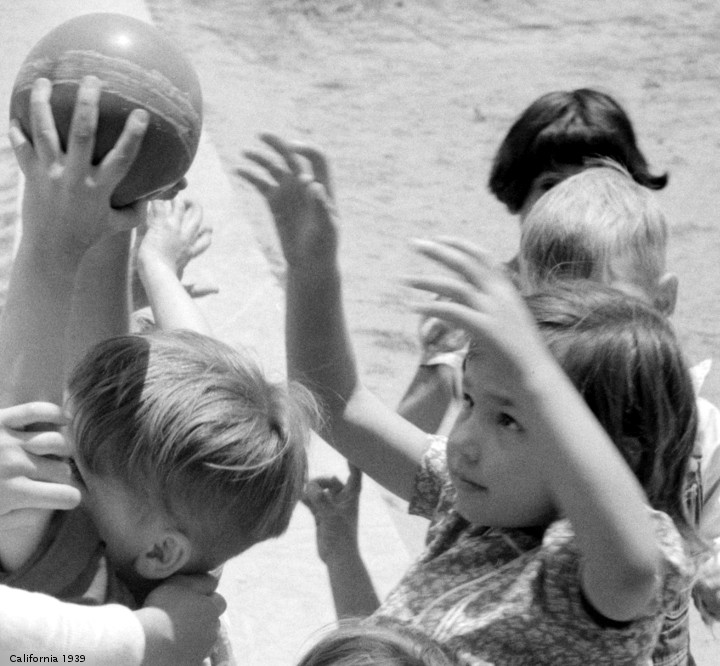
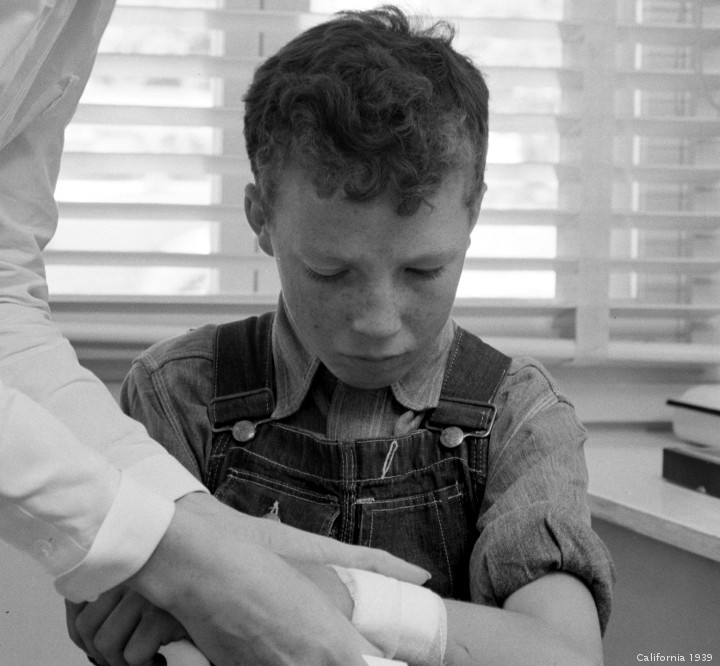
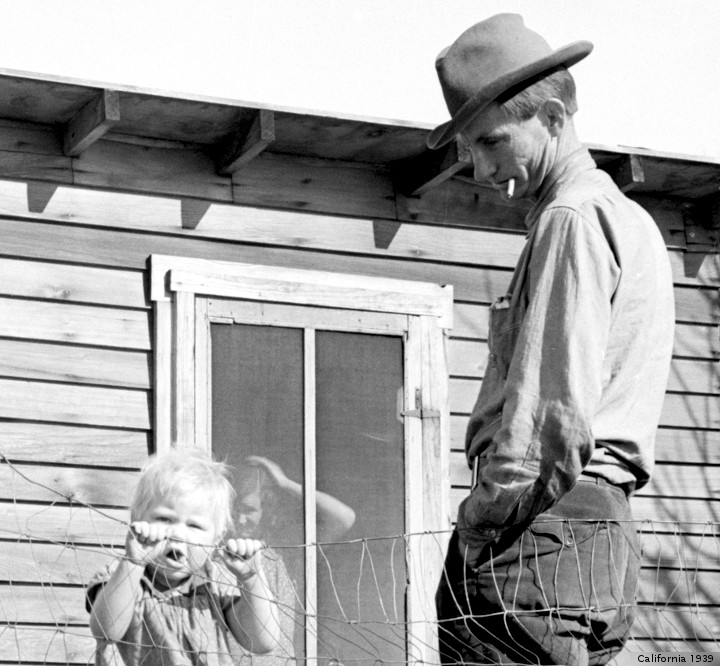
No, the American Flag does not offend PG. However, Facebook groups that would try to bully people who don’t have the “correct” opinion about this symbol … that would seek to create conflict between citizens … that does offend PG. Pictures today are from The Library of Congress. The photographer was Dorothea Lange, working in 1939 California.


Why The War Between The States Was Fought
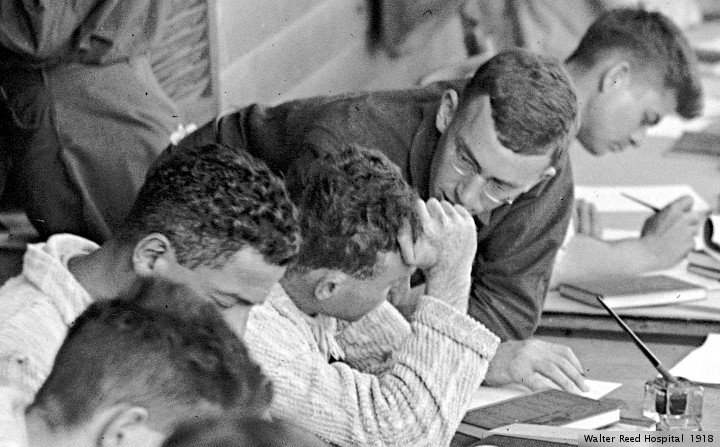
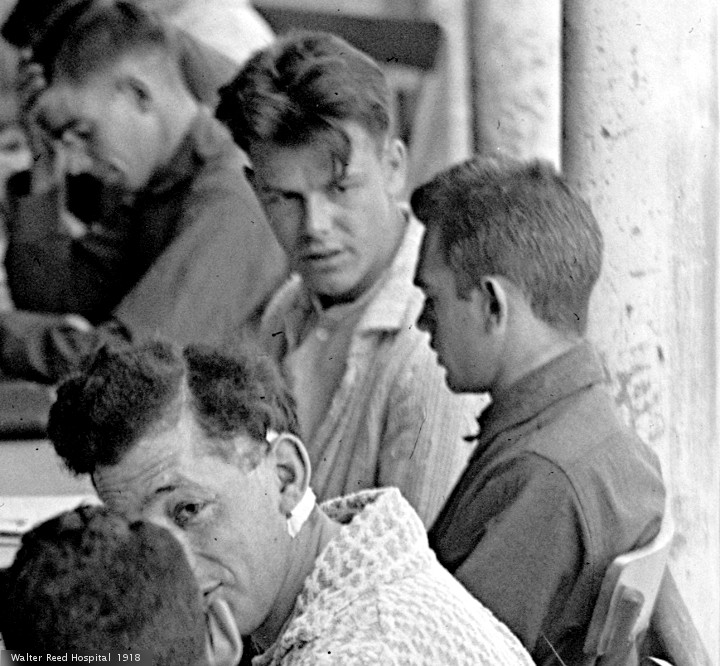


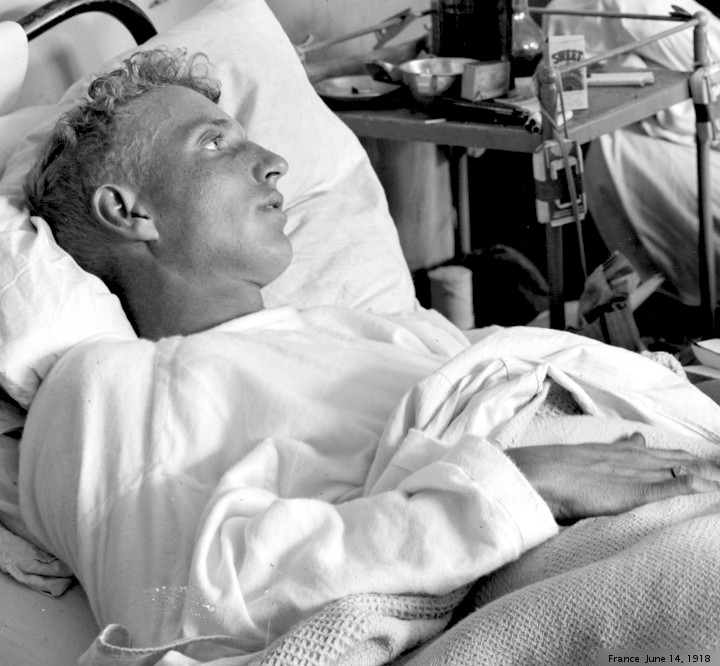

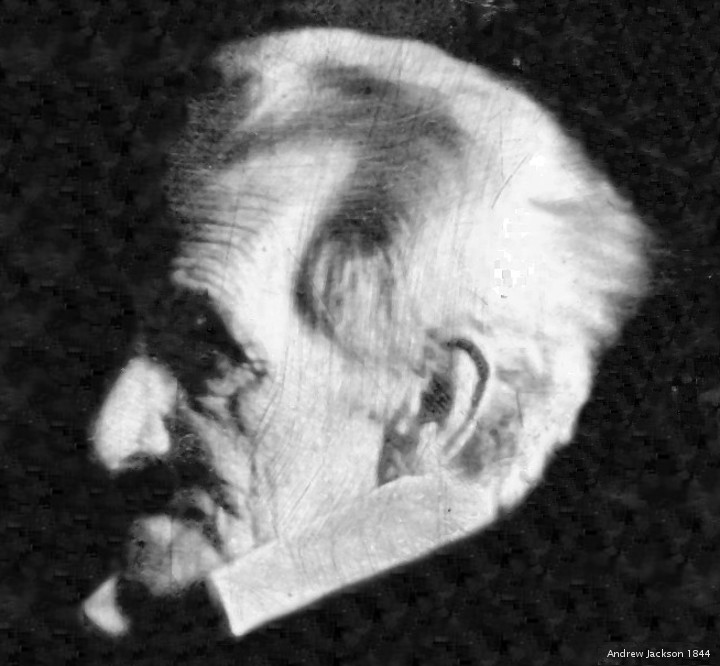
Recently, Mr. Trump said something stupid about the War Between the States. After his comments began to filter into the marketplace of ideas, people began to react. There was a good bit of self righteous talk about how bad the Confederacy was. Maybe it is time for another point of view. This feature will have minimal research. Mostly, PG is typing things he has heard and thought. Mistakes will be made. The reader is encouraged to do their own research. This was a repost from 2017.
When the colonies declared independence in 1776, nobody knew how things would turn out. First, Great Britain needed to be defeated. After that, the Articles of Confederation went into effect. “Under these articles, the states remained sovereign and independent, with Congress serving as the last resort on appeal of disputes. Congress was also given the authority to make treaties and alliances, maintain armed forces and coin money. However, the central government lacked the ability to levy taxes and regulate commerce…”
This arrangement was not working, and the Constitutional Convention was called. Originally, the CC was going to revise the Articles of Confederation, but wound up throwing the whole thing out, and creating the Constitution. This document called for greater federal authority. The issue of what powers to give to the states, and what powers to give to the central government, was contentious. It remains controversial to this day.
Had any group of autonomous states formed a federal union before? Usually, such a union is the result of a conquest, with one of the states ruling the others. It is unclear whether such a union had been attempted before, or how successful it was. When the “founding fathers” created the constitution, they probably did not foresee how it would play out. The current system, with a massive central government cat-herding the 50 states, would have been laughed off as a dangerous fantasy.
So the states start to have disagreements. One of the things they disagreed over was slavery. Yes, this was an important factor in the unpleasantness to come. Slavery also influenced a lot of the economic conflicts. The North wanted high tariffs to protect industry. The South wanted low tariffs, so they could sell cotton to Europe. There were many other ways for the states to not get along.
Finally, in 1861, the disagreements became too big to ignore. The south seceded, and the War Between The States began. The Confederate States of America was a looser union than the United States. The thought was that the states were more important than the federal union. Mr. Lincoln disagreed. (One popular name for the conflict was Mr. Lincoln’s war.) Many people say that Mr. Lincoln was not especially concerned about the slaves, but wanted to keep the union together.
How does slavery enter into this? Imagine the conflict over states rights vs federalism to be an open tank of gasoline. The lit match that was thrown into that tank was slavery. When the winners wrote the war history, it sounded better to say that the war was fought to free the slaves. Pictures today are from The Library of Congress.


The Great Southeast Music Hall


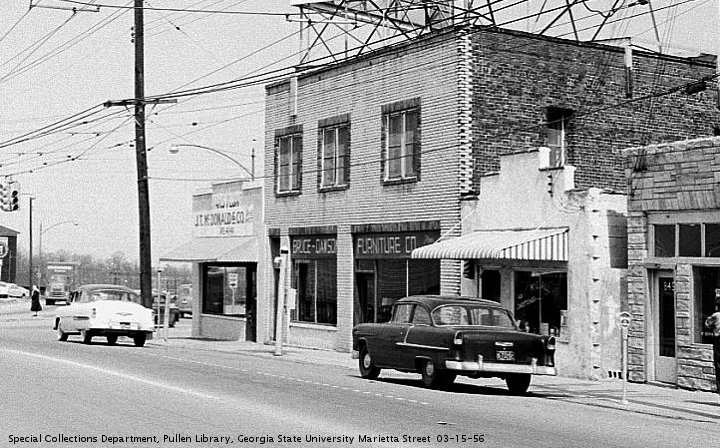
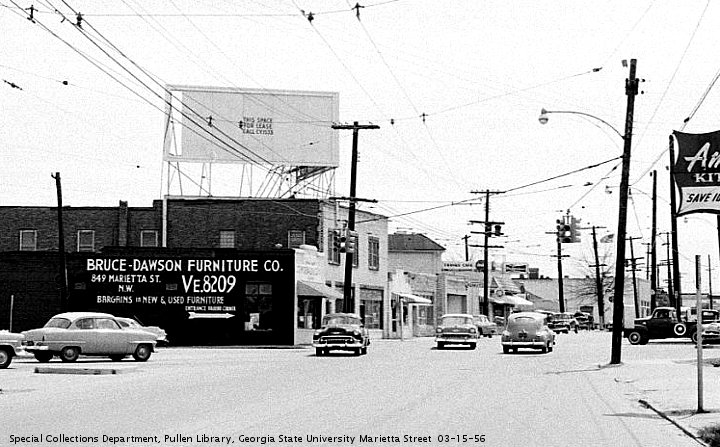
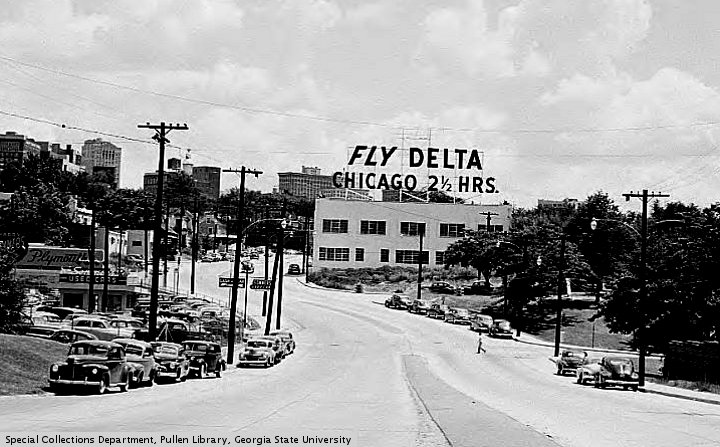

The Great Southeast Music Hall was an important part of life in Atlanta during the seventies. It was located in the elbow of a shopping center, Broadview Plaza. A bowling alley was downstairs, a two level K mart next door, and Atlanta’s first hispanic neighborhood across the street. Like almost everything else here, Broadview Plaza was torn down, and replaced by a more uppity set of stores.
When you went into the lobby of the Music Hall, you noticed the walls. Performers were given a magic marker, and encouraged to leave a message. John Mayall found the ladies room, and said he likes to be near the ladies. The late Phil Ochs said “Impeach Nixon and Agnew.” What happened to those boards is a good question.
The auditorium held about 500 people. The stage was only three feet or so above the floor. There was an empty space in front of the stage, and a few rows of bench backs behind that. When the place opened, there were lots of pillows on this floor, with the Music Hall logo. The carpet in this front area was fresh when the place opened, and got progressively grosser as the years went by. Beer was served in aluminum buckets, and inevitably some wound up on the carpet.
The show the Music Hall is most famous for is the US debut of the Sex Pistols. PG didn’t make it that night, but has heard from a few who did. The performance was said to be horrible. There are stories of Sid Vicious wandering through the apartments around Broadview trying to find heroin. Years later, PG was reading about that night in Please Kill Me, when the train he was riding pulled into the Lindberg Marta station. This is across the street from Broadview Plaza, still standing at the time.
These days, the intersection of Lindbergh Drive and Piedmont Road (about a mile north of the park) is next to Hiway 400. When the Music Hall was in it’s prime, the land for the Highway was owned by the State of Georgia, which was fighting legal battles over the highway. The land had a network of dirt roads, one of which connected Buford Hiway to Lindbergh Drive. When you went from Chamblee to the Music Hall, the most direct route was over this dirt road. This dirt road is where Sidney Marcus Boulevard is today. Broadview Plaza was torn down, and replaced by a Home Depot.
Eventually, the business model for the Music Hall did not work, and the facility moved to Cherokee Plaza. This Music Hall was in a movie theater. The Cherokee Plaza Theater was the scene for the world premiere of Son of Dracula. This move did not work, for a number of reasons. The parking lot was too small, and people who wanted a loaf of bread from the A&P were blocked out during shows. Cherokee Plaza is just outside the city limits, on Peachtree Road. In the late seventies, DeKalb county was aggressively fighting drunk driving, and had roadblocks. Many of these roadblocks were outside the Music Hall, which kept many people from attending. Before long, this Music Hall closed.
Many years later, PG bought a second hand typewriter, and needed a ribbon. (Younger readers should ask an older person about this.) He went into an office supply store in Broadview Plaza, and soon realized that he was standing on the site of the Music Hall. He asked the clerk if he could have a bucket of beer, and got a very strange look in return.
 One industrious afternoon during this era, PG made a list of shows he saw at the Music Hall. The memory cells are already protesting, but we are going to try and remember as much as possible about these shows. A big thank you to Wikipedia for help with spelling and names.
New York Rock Ensemble – PG walked into the auditorium during the last part of the first show, as the band played “A whiter shade of pale.” The bass player wore lace up boots, with the pants legs tucked into them. Before long, the second show came on stage. Keyboard player Michael Kamen was the central focus, acting out the lyrics to “Anaconda”.
Silverman Deborah McCollfronted this drummerless band
Al Kooper PG has written about an unfortunate incident involving Al Kooper during this show. This would have never happened in “The Catcher in the Rye”…the kids always knew what time it was in that story. Mr. Kooper did a solo show, including “Sam Stone” by John Prine.
Ellen McIlwaine/ James Cotton Blues Band Ms. McIlwaine was pregnant, and played slide guitar. Mr. Cotton played harmonica. One of his players started to fan him with a towel, because he was hot.
Breakfast Special/ Doc and Merle Watson Breakfast Special was a local bluegrass crew, who did “The coming down song.” The Watsons did “Deep River Blues” and “Thats All,” among other things. PG had a copy of their latest LP, and asked Merle to autograph it. He wrote his name on one side, turned it over, and signed Doc’s name on the other side.
Mason/Atlanta Rythym Section This show was the night Led Zeppelin played Atlanta Stadium.
New Riders of the Purple Sage When the Music Hall opened, a performer would typically play from Tuesday to Sunday. NRPS was a one night show. They worked well in the packed hall, and shined on “Glenville Train”. The next year, they did a tour with Commander Cody and The Lost Planet Airmen. Commander Cody opened, and raised hell. NRPS followed with a mellow rock show, and before long people were getting bored and leaving.
David Buskin / Loudon Wainwright III Chamblee 54 has written about this show before. Mr. Buskin talked about doing a show at Max’s Kansas City, the person sitting next to PG said “Gross”.
Steve Martin / Nitty Gritty Dirt Band Chamblee54 has written about the show by Mr. Martin. This was his last tour as an opening act. Nitty Gritty was a sight to behold. John McEuen played fiddle, and recited a poem about life.
Martin Mull / Melissa Manchester PG went to see Mr. Mull, who opened the show with a three piece band. (After the show, Mr. Mull said the name of the band was the (your name) (draws a blank with his fingers) orchestra.) The headliner was Ms. Manchester, little known at the time. She was a knockout. While standup comedy has it’s place, for emotional impact there is nothing like a singer.
Texas Gary Bennett / Weather Report Mr. Bennett played acoustic guitar, and sang, as an opener for a packed house of jazz rockers. It did not go well. At one point, trying to get some rapport with the crowd, he said “has anyone here been busted at the Omni?” (The authorities had begun arresting people for smoking pot at the major concerts.)
Weather Report was amazing. Josef Zawinul had the loud keyboard sound, Wayne Shorter played his leads on soprano sax, and there was a drummer and percussion player. There was tons of rythym, to go with the electronic jazz sounds. When it was over, PG went up to Mr. Zawinul, shook his hand and, and said thank you. He was pouring a glass of beer from a pitcher, and looked a bit startled.
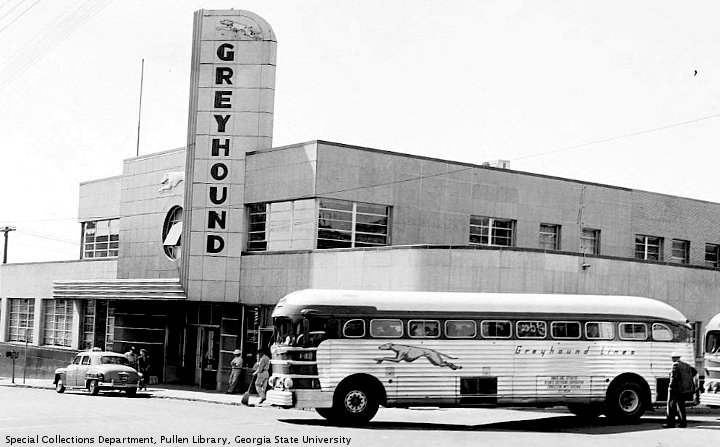
David Pomerance / Rahsaan Roland Kirk Chamblee54 has written about this show before. Mr. Kirk was a force of nature, the modern miracle of the tenor saxophone. He did not suffer from false modesty. This was the night Richard Nixon resigned, which pleased Mr. Kirk no end. The blind Rahsaan said that he did not want to see his audience, because we were too ugly. At one point, his band had been jamming for about ten minutes, when PG realized that Mr. Kirk had been holding a single note the entire time. The three saxophones at one time thing was a visual shocker, but he got sounds that way that you cannot get from a single instrument. At one point, Mr. Kirk pulled his sunglasses off, and made a face at the crowd. It was an amazing evening.
Chic Corea / Return to Forever This was a disappointment. Tickets were $4.50, which may be the most PG ever paid at the Music Hall. The band only played about an hour. It was all electric, ignoring the acoustic instruments set up on stage. RTF was a four piece, all star band. They had Chic Corea on keyboards, Stanley Clarke on bass, Al Demeola on guitar, and Lenny White on drums. That sounds like a great show, but it turned out to be four solo artists jamming. There was no cohesion, and the overall sound was less than the sum of the individual parts. Corea leaned over his keyboard, twisted knobs, and made faces, as if to say “look at how intense this is”. It wasn’t.
Mccoy Tyner The former Coltrane sideman played a very nice show. He had a percussion man, with several tables covered in exotic instruments. PG took a break after to first show to hang out at a neighborhood disco. When he got back, there was no doorman checking tickets, and anyone could walk in for free. PG took advantage of this discovery many times over the next few years.
Bill Crystal / Jean Luc Ponty Former Frank Zappa player Jean Luc Ponty played at the Music Hall, with a bass player who was a fellow Zappa alumni. The surprise of the evening was then-unknown Bill Crystal. A few weeks after this show, “Soap” would premiere, and make him a star. Mr. Crystal did a killer impersonation of a gila monster.
Between shows, Mr. Crystal had been entertained by a local musician. During the second show, he held his finger to his nose, made a snorting sound, and said thank you. PG heard this, and yelled “Locker Room”, the name of a “deooderizer” that some liked to get a buzz sniffing. Mr. Crystal said “Locker room. Jeez, I need to get the hecklers rosetta stone to know what he means”. Good times.
Keith Jarrett This is another show that might have been better than PG’s enjoyment. At one point early in the show, PG moved over to the front of the stage, to look at Mr. Jarrett’s hands. After the show, people told PG that the player had been giving him dirty looks when he did that. PG asked Mr. Jarrett about it, and he said that PG had interfered with his concentration.
This show featured a quartet, instead of a solo piano. The bass player was Charley Haden, who seemed a bit puffy faced. PG later learned that he had been addicted to heroin at the time.
Melissa Manchester Ms. Manchester came back for another week at the Music Hall, about a year after her first appearance. At one point, she asked the band if they were ready to do a new song, and then performed “I got eyes” for the first time in public. This was later the b side to “Midnight Blue”. One of the players in her band was a man named James Newton Howard. Part of the deal for touring with her was that he could play a solo number on piano, called “Newton’s Ego”. He later played with Elton John, and became wealthy writing film scores.
Flora Purim /Airto Moreira On PG’s 23rd birthday, Flora Purim played at the Music Hall. At the time, PG had a profound appreciation of her albums. The band had a nice sound, and was the equal of her records. The Chic Corea tune “Light as a Feather” was a standout. Her husband, Airto Moreira (eye, ear, toe) fronted the band on some of the numbers, and had some funny routines. Ms. Purim held two microphones throughout the show, with one connected to some audio filters. PG found holding two microphones to be visually distracting. PG had known of the Jewish ancestry of Ms. Purim, but had not thought much about it. Then he saw her live, and realized that she does, indeed, look Jewish. A Piedmont Park show in 1987 was rained out.
Hot Tuna Hot Tuna is a dependable, though not spectacular, band. On a previous show in Atlanta, they went on stage at 10:55, and played without a break until 2:50. This night, a fried of a friend was working at the Music Hall, and PG got in before the crowds, to get a prime spot, in the first row of benchbacks. At one point, PG was rocking back and forth against the benchback, and a neighbor asked him to quit. Those buckets of beer were influential.
Shakti This was an acoustic, Hindu oriented band fronted by guitar superman John McLaughlin. The numbers seemed to go on forever.
David Manion / Mark Almond This was a long awaited Atlanta performance by Mark Almond. (This is a jazz/blues band, totally different from the Soft Cell vocalist with a similar name.) They played two sets, which were only an hour or so long. This was disappointing to the people who could not wait for the second show. In the second show, they “took the shackles off” saxophone player Johnny Almond, and he played a wild solo during “The city”.
The incident we are about to describe may or may not have involved David Manion. What happened was, a small portable radio was playing on the edge of the stage. The spotlight was on the radio, which sounded like gibberish to most of the audience. Gradually, the chattering audience got quiet, and tried to listen to the radio. After a few minutes, a man came out, and stood in darkness behind the radio. The PA speaker announced “The new force of rock in Atlanta”. The man then dropped a large piece of granite on the radio, smashing it into bits.
Laurie Chapman / Stomu Yamashta Laurie Chapman was a singer/piano player, with some good stories. She told of a trucker, driving beside her and talking to her on a cb radio. “You better get that drink out from between your legs before it gets too hot to handle.”
Stomu Yamashta is somewhat of a star in Japan. The show here was filmed for showing on TV there. His band, Go, was an all star collection, including Ava Cherry. She was a backup vocalist, and girlfriend, with David Bowie. After the show, PG was introduced to Spencer Davis in the lobby.
The next few shows were at Cherokee Plaza.
Martin Mull Mr. Mull was a solo star this time. He did a song about doing nothing, adding that dead people can do it too. The parking lot was packed, which was a major problem at the new location.
The week before the Super Bowl in 1994, Mr. Mull filmed a Comedy Central show in Woodruff Park. The Dallas Cowboys cheerleaders were kicking field goals. After the filming PG stood a few feet away from Mr. Mull, but could not think of anything to say.
Sun Ra PG went to a wedding, and a bunch of people from there went to see Sun Ra. This was an entertaining spectacle, with a big band and dancers. After the show, PG asked Sun Ra how he could afford to take a band like that on the road. He said he was doing it for beauty.
David Bromberg This was another big band production. PG showed within a few minutes of the gateman leaving his post, and saw about 45 minutes without buying a ticket.
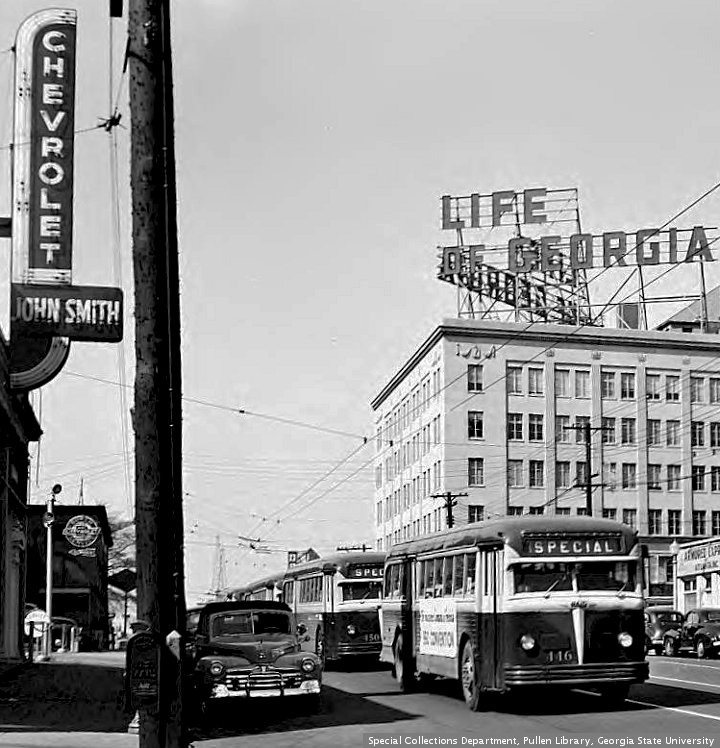
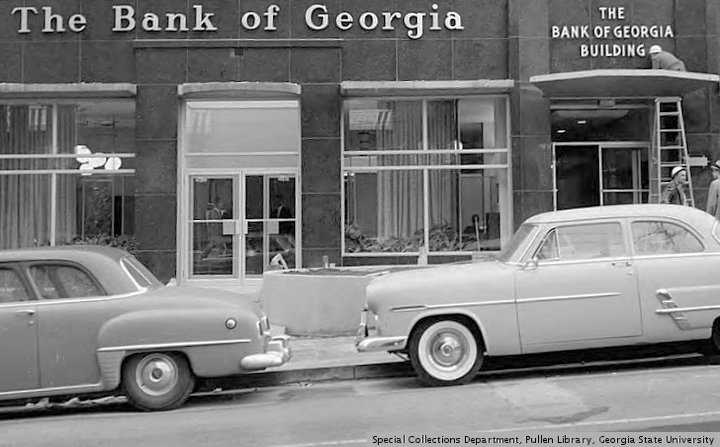
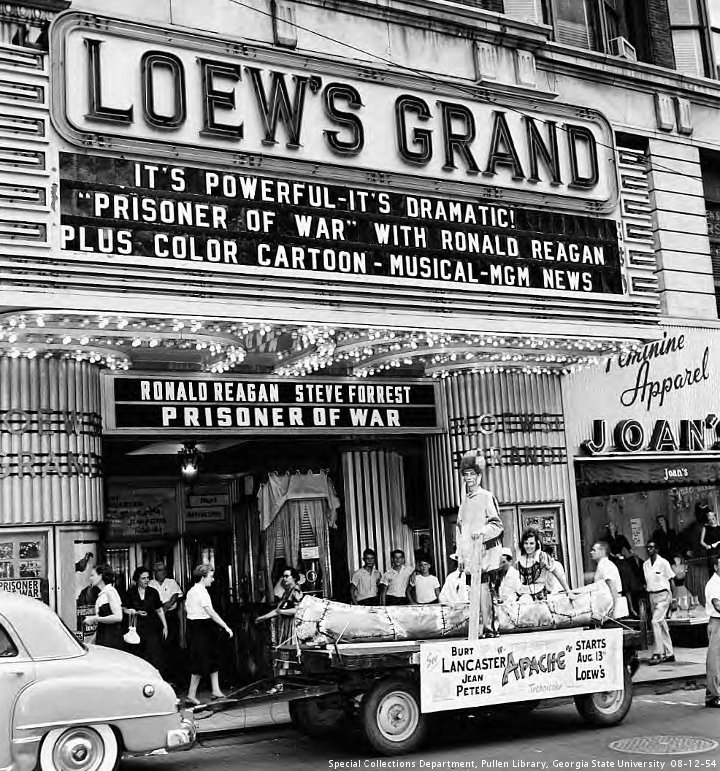
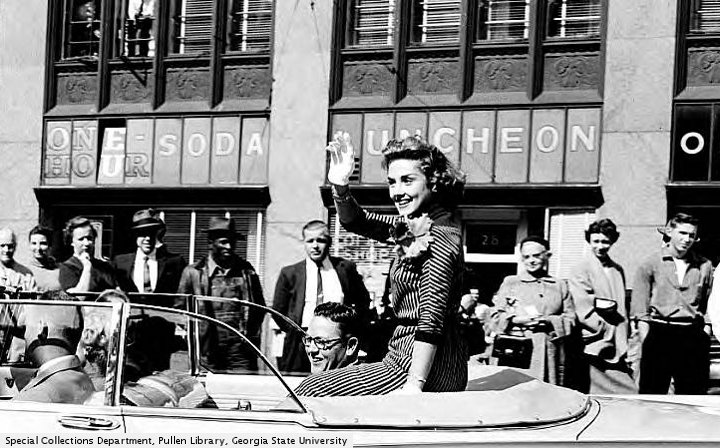
Lester Flatt/John Hartford One boring Saturday night, PG walked up to the Music Hall, and saw the two fiddle players jamming. A few weeks later, Lester Flatt passed away. This is a repost. Pictures today are from “The Special Collections and Archives, Georgia State University Library”. As a bonus to the reader(s) here, we are reposting Great Southeast Music Hall Stories. It is a collection of comments from an earlier posting of this feature.
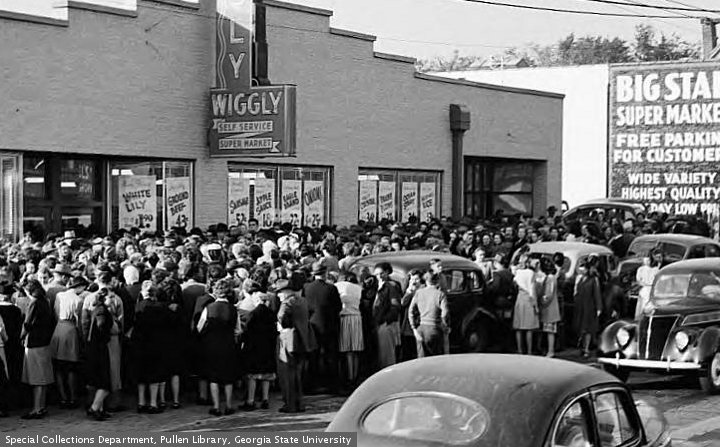
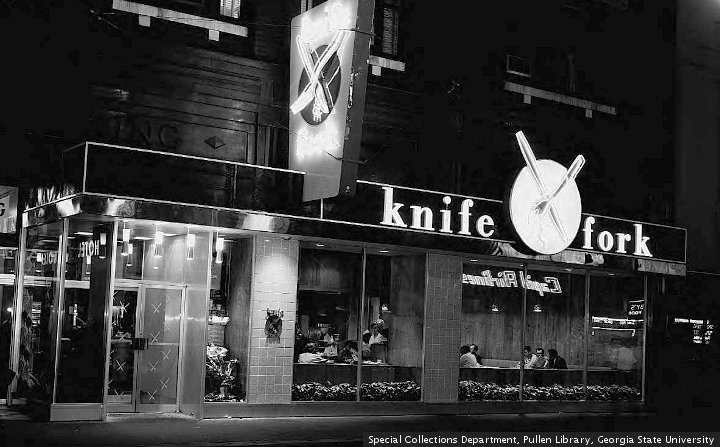
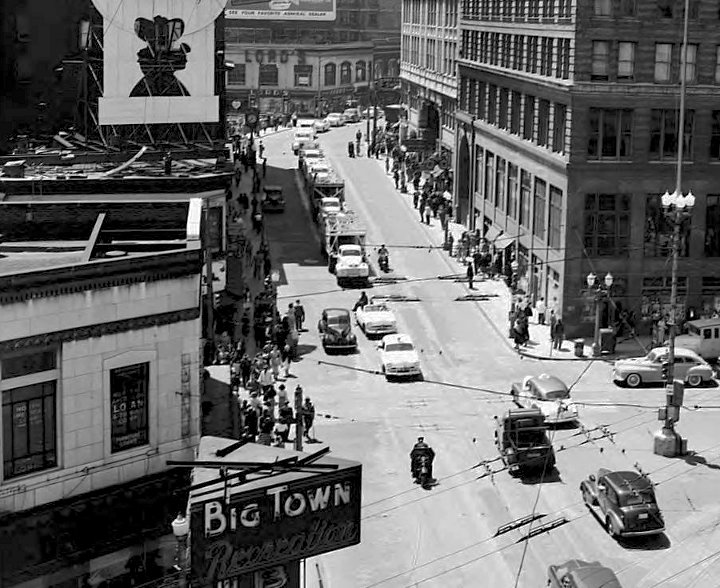

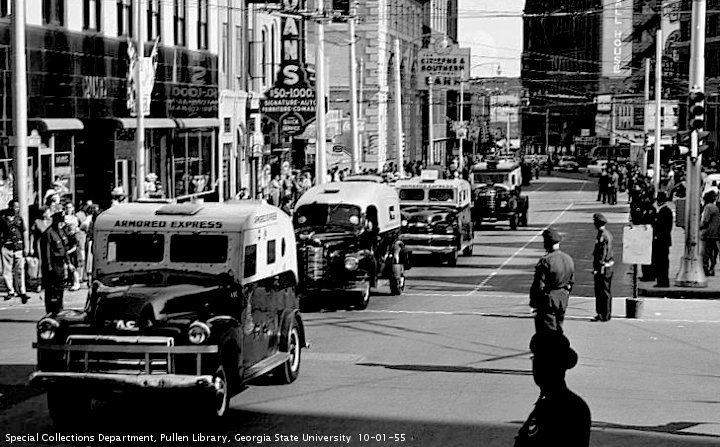
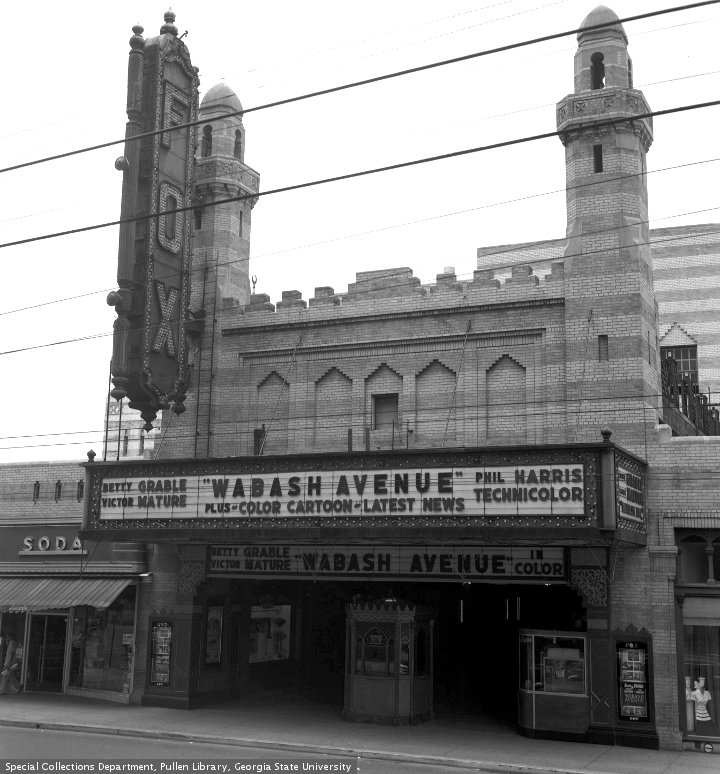
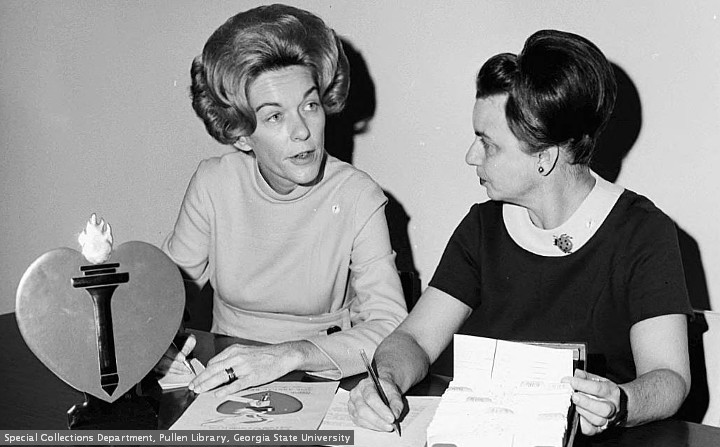
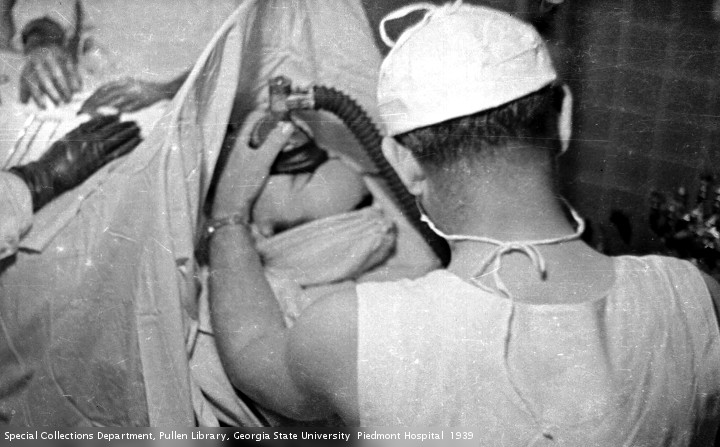
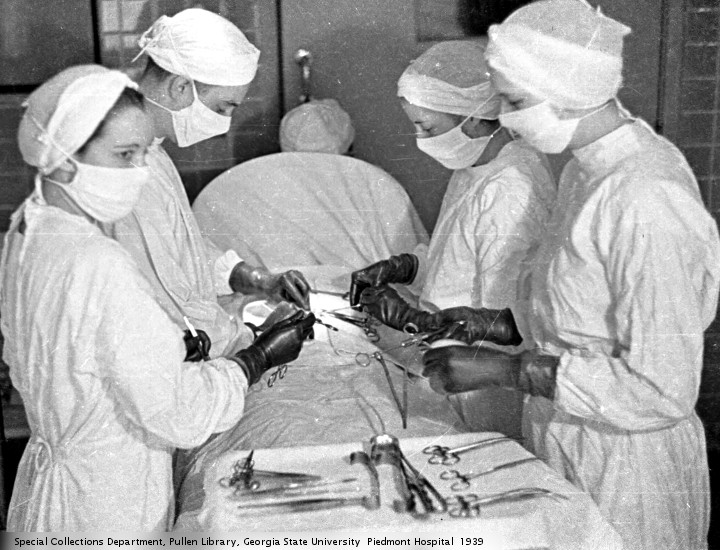
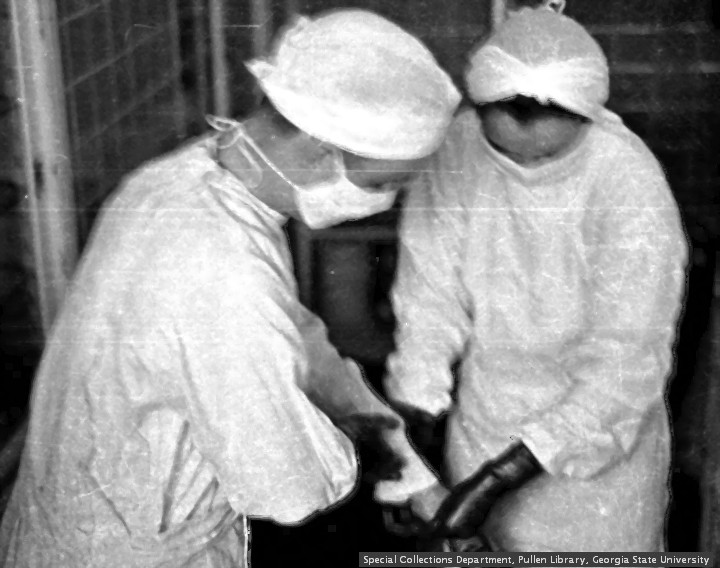
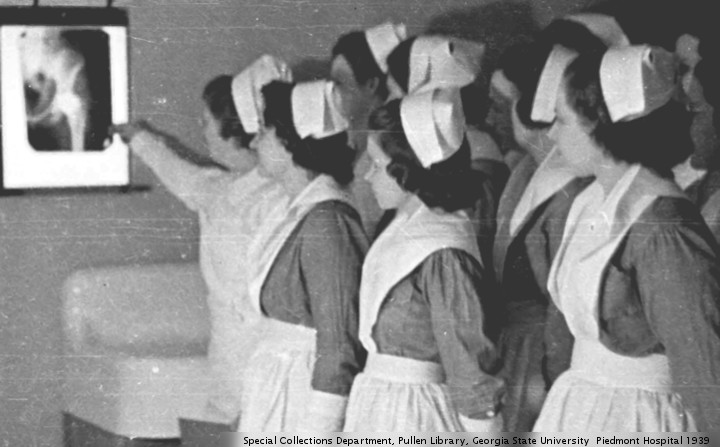

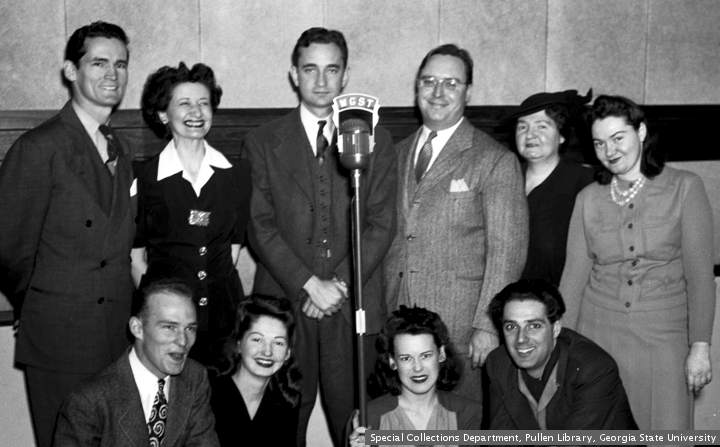
Chamblee54 posted a tribute to The Great Southeast Music Hall a few years ago. This was a concert venue, with no hard liquor and a 500 person capacity, next door to a bowling alley on Piedmont Road. It was about a mile north of Piedmont Park, and in front of the dirt road that became Sidney Marcus Boulevard. GSEMH hosted some great shows. This was when record companies would invest in new bands by putting them on promotional tours, and Atlanta was a popular stop.
The chamblee54 post attracted 85 comments. This is a slow day for Matt Walsh, but is a record for chamblee54. Most of the comments were boring … great place to play, I saw Steve Martin there and drank too many buckets of beer. A few of these comments tell stories. This post puts the best of the GSEMH comments in one place. Pictures are from “The Special Collections and Archives, Georgia State University Library”. See if you can guess which one was taken at GSEMH.
Neal B. – Som Records June 10, 2012 at 5:18 pm Great reading! Brought back some memories. I saw three shows at the Music Hall – The Dixie Dregs, Elvin Bishop and David Allan Coe. I saw Coe the night before my SATs in 1978 or ’79 and it was (and still is) the most bikers I’ve ever seen in once place. Elvin Bishop just tore it up, really good.
jake lamb May 17, 2011 at 11:34 am Great stories of our past. I can’t remember the shows I went to, but after reading your post it certainly helps clear the fog. As I went thru the list I noted, “Yep I was with CG at that show, that one too, oh yeah, I remember Al saying to you what time it was but didn’t you delete the expletives? Odetta blasting the audience for not showing her the proper respect…what a crybaby! The autographed Marc Almond Album, meeting them backstage to learn how the finger was ripped from Jon’s hand after a tree limb caught on his ring finger when he jumped out of a tree during a photo shoot, resulting in having to learn how to play the saxaphone with one less digit ala Jerry Garcia, and the Hot Tuna Show with Papa John Screech. Flora and Eye Ear Toes logo on his equipment. Was it there that we went on Halloween, me dressed as a bagman for Nixon (A paper sack over my head) and you going as a Bee-keeper (a vegetable strainer over your head)? God we were hilarious! It’s all beginning to come back, but what never went away was remembering the great friend I went with.
Eugene Gray June 24, 2012 at 11:30 am I grew up in Atlanta so thanks for the memories about the shows at The Great Southeast Music Hall. I attended numerous shows between the years 1974 and 1977. From what I can remember (I do have “70s Memory” after all), here’s some highlights: Kinky Friedman — Smoked a huge cigar throughout the show and tipped his ashes in an ash tray attached to his microphone stand. Brought the house down with ‘Sold American.’ David Allan Coe — Played the first half of the show in his “Country Crooner” persona wearing a white suit and white cowboy hat; then played the second half as The Mysterious Rhinestone Cowboy complete with rhinestone jacket and black mask. Played a hard-rockin’ version of ‘Bossier City’ to close out the show. Best memory: New Riders of the Purple Sage Show opened late with only John Dawson (acoustic guitar) and Buddy Cage (pedal steel) taking the stage. Seems their limo made the right exit off of 285 but the other limo kept going. After Dawson telling us that, he said, “Well, you might not have all of us but you do have two.” He and Cage then played a short set together including a beautiful version of ‘Gypsy Cowboy.’ The other members trickled in and started playing, all having a good time with the audience about their site-seeing tour of Atlanta via 285. Fantastic show and my best memory of The Hall. Weirdest experience: For lack of something to do, went to see the New Zealand group Split Enz. A fun but bizarre show with a group outside my typical taste. Sort of a cross between Devo and Bowie and the Bay City Rollers. Truly a strange show. Worst experience: Pure Prairie League — I was always, always let in and served beer before I turned 18 in ’76. Except for one time. Missed Pure Prairie League because we were all carded; the only time I was ever asked for my ID here. Always regretted missing them since the original band broke up right after this tour. Damn. Thanks again for a spot to remember one of the best concert venues (ever) in Atlanta.
Anonymous July 11, 2012 at 3:03 pm Saw many great shows at the Music Hall; Leon Redbone, Don McLean, Bruce Cogburn, but the funniest thing was at Darryl Rhoads show. My girlfriend (now wife of 30 years) went missing when she left to go make the parent check-in phone call. I found her coming around the corner in the hallway, mad at some guy who wouldn’t get off the phone in the lobby. The “guy” was Darryl and he made a few comments to her from the stage during the show just to keep her pissed. It’s funny now, but I could have died then…
Pharmacist Jim April 28, 2013 at 12:01 pm How about when Jimmy Buffett opened for Billy Joel there in 1974. I was a Pharmacist at Eckerd Drugs in the plaza at the time when Jimmy called me and asked me to call his physician in Key West for a prescription–a musician who wanted to get a legitimate prescription, unheard of!!! I was already a Buffett fan, but this just made me respect him that much more and I’ve been a “Parrot Head” since, now so more than ever since I live in Florida.
Anonymous October 23, 2013 at 8:29 am My best friend and I moved to Atlanta (on purpose) for just the summer of ’73 and attended MANY MANY great shows at the Music Hall. It was SO awesome. Saw Billy Joel right around the Captain Jack release time and he asked me out after the show. Of course, I answered with a resounding “NO! Thank You!!” (you see, I was ABSOLUTELY too cute for him…hehe — not to mention, I thought his nose was entirely too big.) Also, saw Jimmy Buffett who talked to us from the stage because we were from Hattiesburg, MS and he had gone to school there at the University of Southern Mississippi. SOOO COOL!!!
Rod Pearman May 28, 2015 at 10:00 am Couldn’t help but have a smile on my face as I read all these comments. THE Great Southeast Music Hall and Emporium………man, the memories. Sometimes I think I could write a book. My roommate and I lived at Bordeaux Apts. on Buford Hwy, which was just a hop skip and jump over to The Hall via the dirt road which is now Sidney Marcus……..we lived there from 1972 to early 1980, which might be a record for two dudes that were party animals to have survived that long in one apartment complex. Anyhow, we frequented GSEMH about once a month when an act we wanted to see was to play there. A couple of my fondest memories now that I’m in my mid 60’s is, it had to be sometime in ’75. We went to see The Dirt Band (one my favorites of all time) The opening act was this guy named Steve Martin, who at that time, no one on the planet had ever heard of him. Well he comes out, and within 30 seconds he has us so cracked up we’re shooting beer out our noses from his comedy. Really funny stuff, and had no idea it was coming. Well, he does his gig, then the Dirt Band comes out. They play a great set, take a little break, and when they came back out on stage, here comes Steve Martin with a banjo over his shoulder. So we’re all thinking this will be something funny, this guy with a banjo. This guy took off on his “ban-jer” and everybody’s jaw hit the floor. He really tore it up. Then the Dirt Band joined in and he played a few tunes with the band. The guy was incredible on the banjo. Then a few months later, Saturday Night Live did their first show, and there’s Steve Martin on TV. I look over at my roommate as he’s looking at me, and we’re both saying in unison, hey, that’s the guy from The Great Southeast Music Hall. Pretty neat that we got to see him when nobody had a clue of his talent. … I got home later that night, and my roommate (yeah, the same guy I mentioned in earlier chapters of this book….) said he saw something on TV that I wouldn’t believe. Turns out, one of the local TV stations (2, 5, or 11) had sent a reporter over to cover the final show of The Great Southeast Music Hall, and while reporting out front of the establishment, there were about a dozen folks standing there sorta behind the reporter. Well, this one fair lady decided to nonchalantly pull a boob out of her tank top and display it for all the world to see, right there on live TV. My roommate said it was something he’d never forget, and we tell the story often. (I wonder who that young lady was sometimes……) but I digress……..
alun v September 23, 2014 at 11:54 am As the Audio Engineer and last guy to walk out the door @ the Lindbergh (and Cherokee Plaza) locations, the walls, painted and autographed by many of the acts, were destroyed; (legal issues I guess). I still have the door to the tech room, signed by Cowboy, a personal favorite. BTW, I saw the concrete sidewalk @ Peaches, with hand / foot prints and signatures, also destroyed and hauled off………lawyers.
julia guthrie November 26, 2015 at 10:38 pm I just caught the 50th anniversary! of Alice’s restaurant masacree on pbs. Brought back the memory of seeing Arlo at the Great Southeast Music Hall. I was drunk(and maybe other) and it was my birthday, so my bf said I should try to talk to Arlo because my name is Guthrie! I was just drunk and young enough to do just that. I finagled my way to the tourbus door(was pretty good at talking my way into things back then), announced that I was a cousin, and ended up sitting at the little bus table, smoking and talking with Arlo and fam. Pretty sure all I added to the conversation was a shit-eating grin, but it was one of the highlights of my youthful escapades. Loved going to the Music Hall! Ah…youth and happy times. I also lived at Bordeaux apts for a while! Peace:)
Rod November 27, 2015 at 11:06 am You can’t beat Alice’s Restaurant on Thanksgiving Day. I used to have an annual tradition of listening to that song on my Technic’s turntable for probably 30+ years, but somehow that tradition faded out a few years ago. (Maybe because my turntable is sitting on a shelf in my closet Definitely great memories at the Hall. Hard to believe it’s been 40 years ago, give or take. I lived at Bordeaux for 7 years through the ’70’s, which might be a record. We were in G building, and had some of the best parties in NE Atlanta. It was standing room only, kegs on the deck, music crankin’ just below distortion level. Those were the days!
BRIAN HOLCOMB June 19, 2015 at 6:00 pm I was a freshman student a GSU in 74 After one of the shows (can’t remember who) I was standing outside in the corridor waiting on some friends. When out the door came my General Chemistry Professor Dr Sears arm in arm with the best looking girl in my class. They turned beet red turned and got away from me as quick as they could. I often wonder if I could have went and bribed an A out of him. LOL
SideShow Bennie December 1, 2015 at 5:24 pm I just stumbled across this article when I Googled GSMH. I lived in Atlanta in 1972-73 and attended a lot of shows at the Broadview Plaza location. I was at one of the Howdy Doody Revival shows that is on the poster pictured in the article. I remember Bob Smith hitting a bad note on the piano, reaching inside and pulling out a pack of ZigZag rolling papers saying, “Clarabelle leaves these things everywhere.” Other shows I remember seeing were Johnny Nash with Sons of The Jungle (The first actual Jamacian Reggae band I ever saw) John Hartford, The Earl Scruggs Revue, Joe Walsh with Barnstorm, Jim Croce, Harry Chapin, Doc Watson, The Hahavishnu Orchestra, Martin Mull, Doug Kershaw. I am pretty sure I was at the Ellen McIllwain and the Breakfast Special shows you mentioned but there were show where a lot of beer buckets were emptied so a lot of those shows are a little hazy. I still have a bucket or two around the house here somewhere. Thanks for the memories!!
chamblee54 May 20, 2018 at 12:31 pm There was a facebook meme. The idea was to say 10 things about yourself, 9 of which were true. Facebook nation was supposed to guess which one was false. PG posted a GSEMH version. He listed 10 acts, 9 of which he saw at the Music Hall. (PG never said Great Southeast, just *the music hall*). The 10 acts listed: Nitty Gritty Dirt Band, Steve Martin, Martin Mull, Weather Report, Rahsaan Roland Kirk, Sex Pistols, Melissa Manchester, New Riders of the Purple Sage, Doc and Merle Watson, Atlanta Rythym Section. You will have to read the post to see what act is the lie, and the 9 acts that PG did see.
David Manion May 20, 2018 at 12:54pm Yes I smashed a transistor radio just before my opening set for Marc almond.
Doug DeLoach May 23 2018 at 4:20 pm “The performance [by the Sex Pistols] was said to be horrible.” You must have exclusively heard either from people who weren’t there or scene trolls who hated punk rock in the first place. The show was about as awesomely punk as punk can get.
Lizejane May 21, 2020 at 5:15 pm Deborah McCall played and Silverman with Ron Norris and Carl Cuzio. Deborah went on to play with Jimmy Buffett Coral reefer band.Ron played with at least one touring group, did studio work in Atlanta and I think he played with Ron Kimble at some point. I knew them from The Bistro days before the Music Hall opened ~ Silverman was a 3 piece group w Debra McColl, Ron Norris and Carl Cuzio. Debra played in Jimmy Buffet’ s Coral Reefer Band and Ron played. With at least one national touring band, did studio work and I think he played w Ron Kimble I knew them from the Bistro days.
Laurel Pike May 26, 2023 7:25 AM I loved the music hall! Moved here in 71 but lived out in East point near my husband’s employer, the US army band at Ft Mac. Don’t know how we found it but some very memorable shows were: Laura Nyro, Weather report, Chuck mangione, Lily Tomlin, Cheech & Chong. We saw Flora and Airto, Shakti and Return to Forever too. My musician husband didn’t care for rock music at the time though he does appreciate it now. I remember seeing the sign in the lobby advertising a double bill with Steve Martin and Martin Mull! And the beer specials at the Emporium that started at noon and went up 50 cents an hour. That’s where we were when we heard that Elvis had died…


Lene Lovich


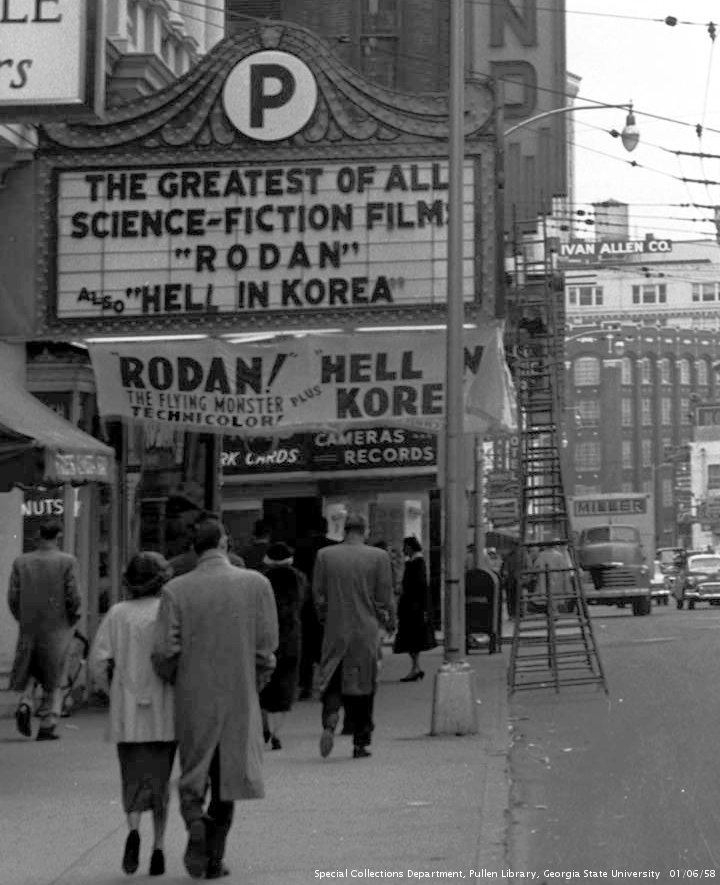

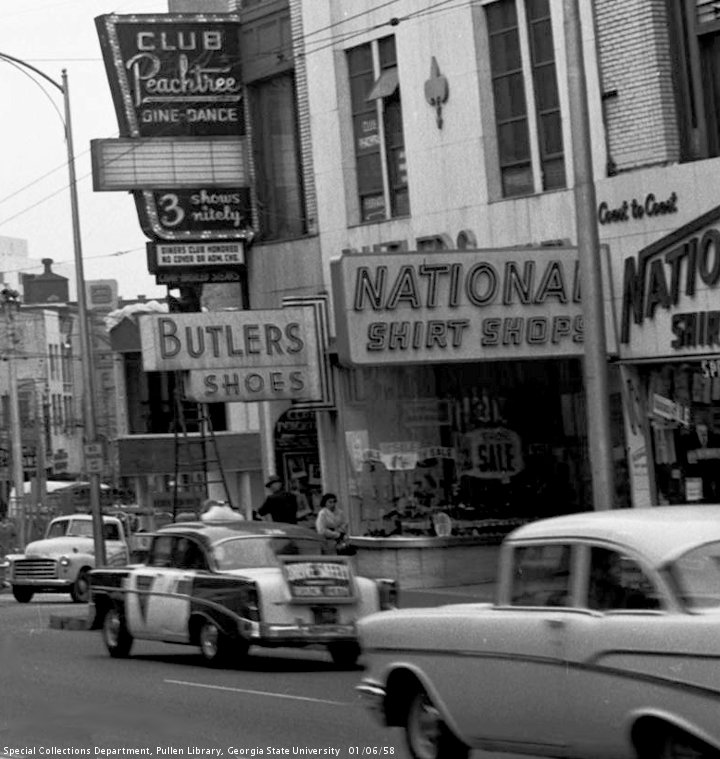
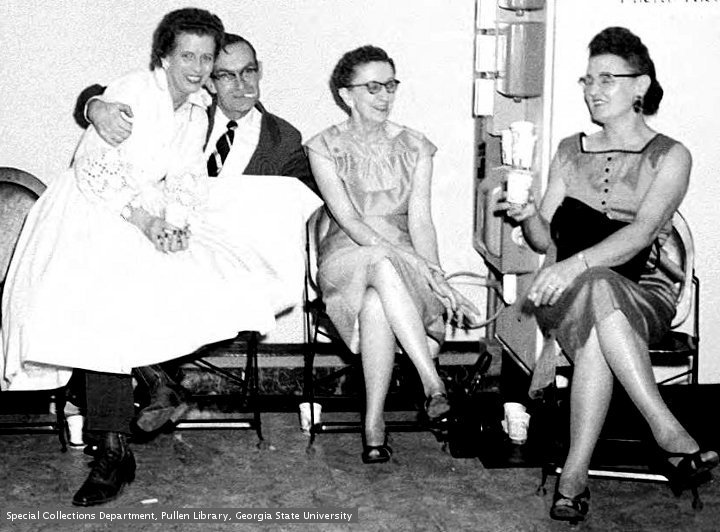
Lene Lovich was born Lili-Marlene Premilovich in Detroit, Michigan, March 30, 1949. She moved to England as a teenager, and met Les Chappell. He who played guitar in her band, and was her man.
As an art school student, she started to tie her long hair in plaits to keep it out of the clay while studying sculpture. Her recording debut was as part of an audience, when Chuck Berry recorded “My ding a ling”. This may have been the inspiration for “Lucky Number.”
Miss Lovich played in several bands, before winding up on the Stiff label. She put out two albums that became popular in the USA, and did a tour. After a while, she retired from music to raise a family. Miss Lovich has made a slight comeback in recent years.
PG had the privilege of seeing Lene Lovich at the Agora Ballroom, Atlanta GA, in the winter of 1980. The opening act was The Romantics. The show was taped for broadcast on the NBC radio network, and Don Pardo was on hand to introduce the bands.
The Romantics were unknown to the crowd at the Agora that night. They came on stage wearing costumes that looked like the Beatles of 1963. Every song they did was a bit better than the one before, and they got a big round of applause when the set ended.
Don Pardo had quite a career. He was the house announcer on November 22, 1963, and was the voice of NBC when he interrupted a soap opera to announce that John Kennedy had been “cut down with assassin’s bullets”. During his career as a TV announcer, Mr. Pardo could not use profanity. That night at the Agora, he made up for lost time…every other word he said was a cuss word. Dominick George “Don” Pardo, born February 22, 1918, passed away August 18, 2014.
Soon, Lene Lovich (spell check suggestion:lovechild) and her band came on stage. She was not the typical sexpot rock chanteuse… A bit chubby, with her long hair tied in plaits. Wearing a long sleeve black dress, probably stolen from a convent, she provides fantasy for only the kinkiest. Les Chappell was there, with his shaved head, to stop any trouble before it started, and play guitar.
The material came mostly from the first two albums on Stiff records. (At some point in the evening, someone…maybe Lovich, maybe Pardo…said “Be stiff”.) She introduced “Lucky Number” by saying “We have a song that goes ah oh aih oh”. During an instrumental jam in that song, she cried out “We have an American on keyboards”. The American was Thomas Dolby, who would soon go solo. He did not appear to be blinded by science.
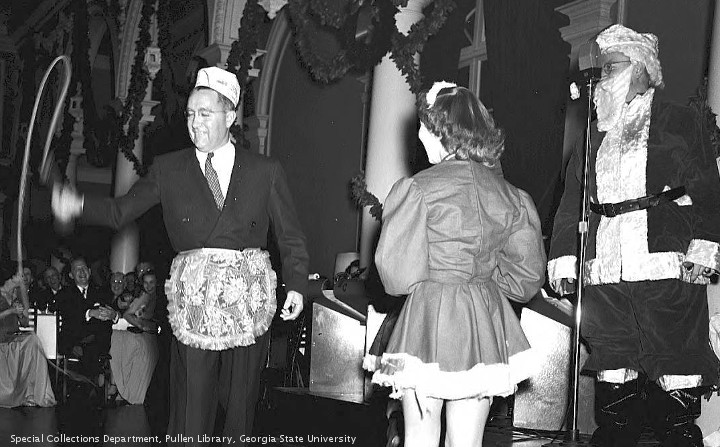
The first encore was ” I think we’re alone now”, which had been a hit for Tommy James and the Shondells (spell check suggestions: shoulders, shovelfuls). Soon the night was over. Pictures are from the “The Special Collections and Archives, Georgia State University Library”. This is a repost.
UPDATE: This comment was left on facebook “Those first two albums are GREAT. I probably saw her on this same tour; Dolby was with her. I was a club on South Street in Philly. She looked like a freaked-out Teutonic barmaid, the St. Pauli girl gone goth (before there was goth). Somehow, the sight of her playing sax was hilarious, and the concert was a blast. I bought a recent Thomas Dolby CD a couple months ago. Sucked, as, alas, did Lene’s last one.
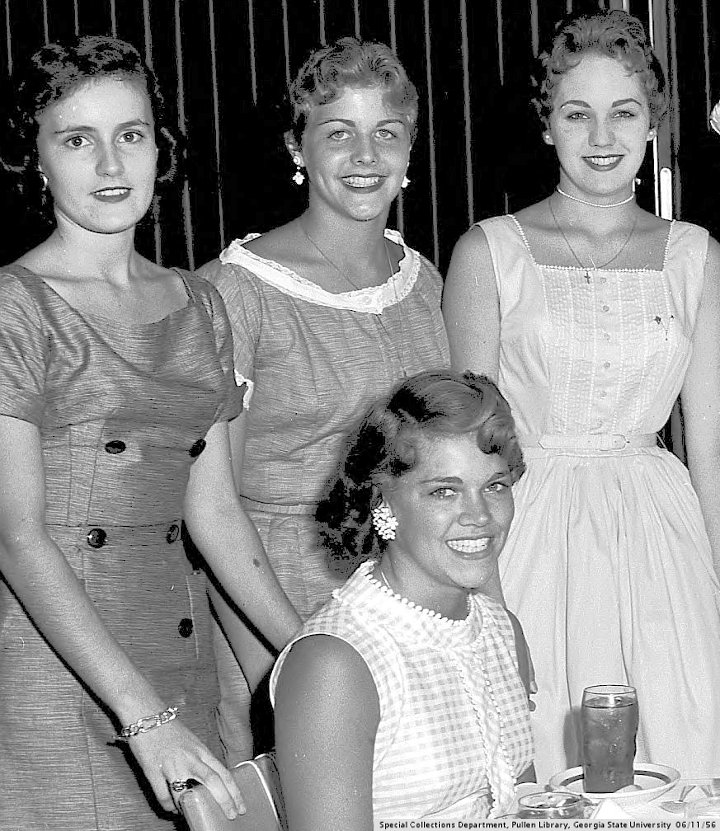
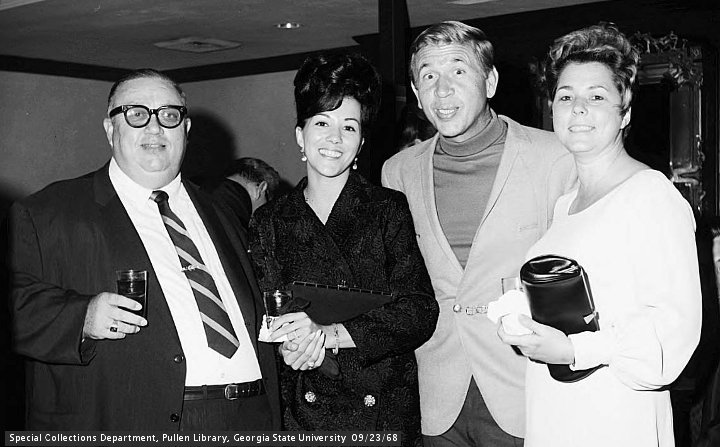
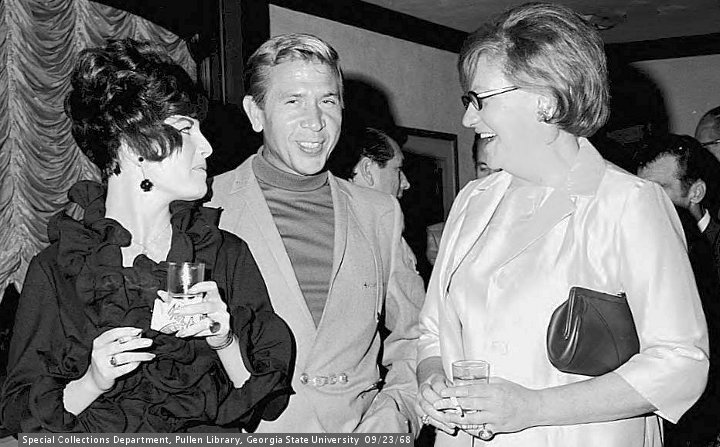

Jean D. McKinnon

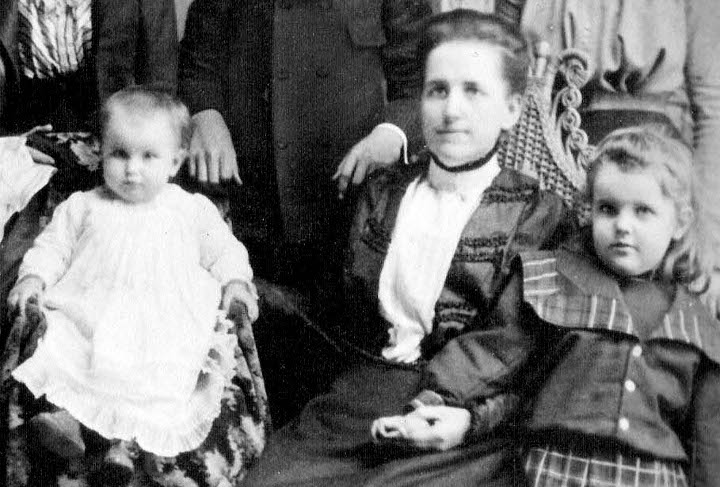

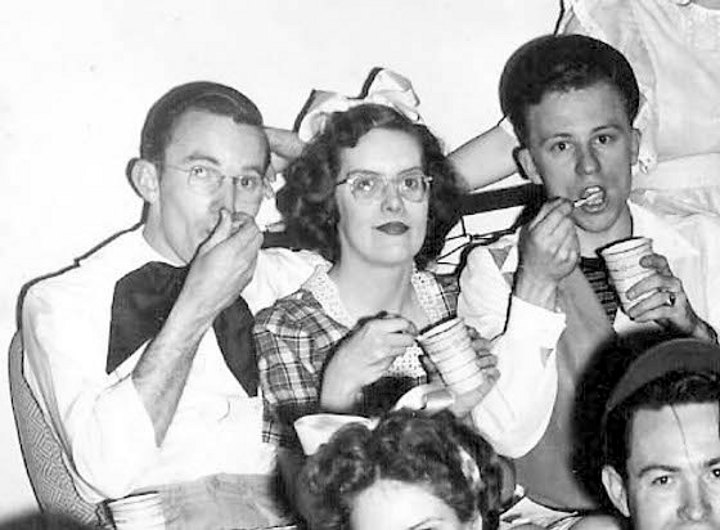
The first picture in this episode is a family portrait of the Quin family in Washington Georgia. The nine surviving children of Hugh Pharr Quin are sitting for the camera. Mr. Quin had joined the Georgia State Troops of the Army of the Confederacy at the age of 16, and after the war went to Washington to live with his sister. Mr. Quin was in the church choir of the First Methodist Church when he met the organist, Betty Lou DuBose. They were married January 22, 1879.
The original name of Mrs. Quin was Louisa Toombs DuBose. She was the daughter of James Rembert DuBose. His brother in law was Robert Toombs, the Secretary of State of the Confederacy, and a man of whom many stories are told.
In this picture, Mrs. Quin is holding the hand of her second youngest daughter so she will not run away. This is Martha (Mattie) Vance Quin. She is my grandmother.
After the Great War, Mattie Quin was living in Memphis Tennessee, where she met Arthur Dunaway. Mr. Dunaway was a veteran of the war, and was from Paragould, Arkansas. On July 23, 1922 her first Daughter, Jean, was born. This is my mother.
Mr. Dunaway died in 1930, shortly after the birth of his son Arthur. There were hard times and upheaval after this, with the family settling in Atlanta. There her third child Helen Ann Moffat was born on December 12, 1933. This is my Aunt Helen and my mother’s best friend.


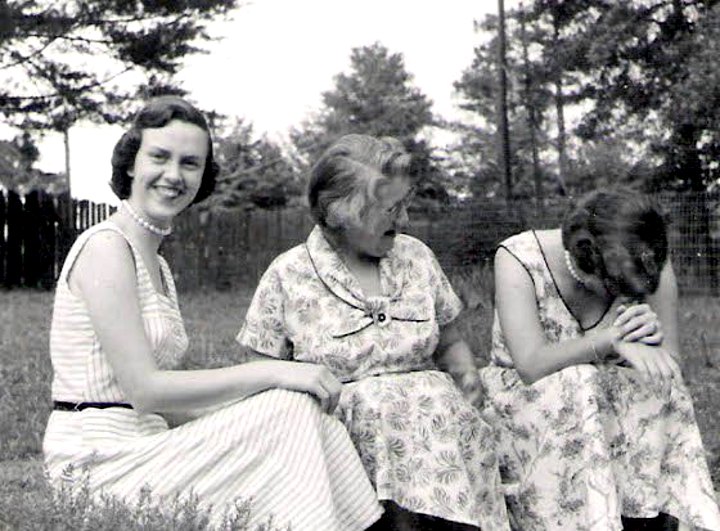
Jean lived for many years with her mother and sister at 939 Piedmont, among other locations. She joined the First Baptist Church and sang in the choir. She got a job with the C&S bank, and was working at the Tenth Street Branch when she met Luther McKinnon. He was a native of Rowland, North Carolina. They were married October 6, 1951.
They moved into the Skyland Apartments, which in those days was out in the country. Mom told a story about Dad taking her home from Choir practice, and going home on the two lane Buford Hiway. There was a man who went to the restaurants to get scraps to feed his pigs, and his truck was always in front of them. This was a serious matter in the summer without air conditioning.
Soon, they moved into a house, and Luther junior was born on May 6, 1954. This is me. Malcolm was born May 10, 1956, which did it for the children.
The fifties were spent on Wimberly Road, a street of always pregnant women just outside Brookhaven. It was a great place to be a little kid.
In 1960, we moved to Parkridge Drive, to the house where my brother and I stay today. The note payment was $88 a month. Ashford Park School is a short walk away…the lady who sold us the house said “you slap you kid on the fanny and he is at school”.
In 1962, our family followed the choir director from First Baptist to Briarcliff Baptist, which is where my parents remained.
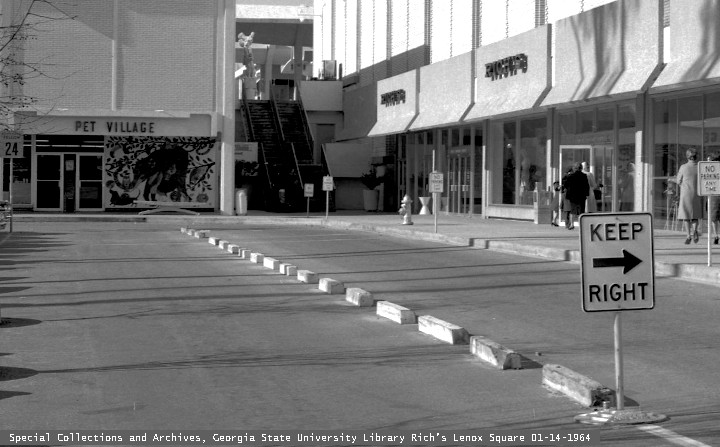
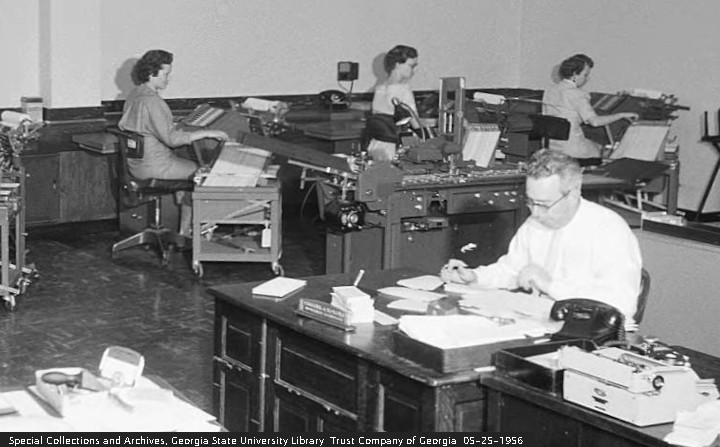
In 1964, Mom went back to work. She ran the drive in window at Lenox Square for the Trust Company of Georgia until it was time to retire. She became a talk radio fan when RING radio started, and was a friend of her customer Ludlow Porch. She gave dog biscuits to customers with dogs.
During this era of change, Mom taught me that all people were good people, be they black or white. This was rare in the south. She later became disgusted with the War in Vietnam, and liked to quote a man she heard on the radio. “How will we get out of Vietnam?””By ship and by plane”.
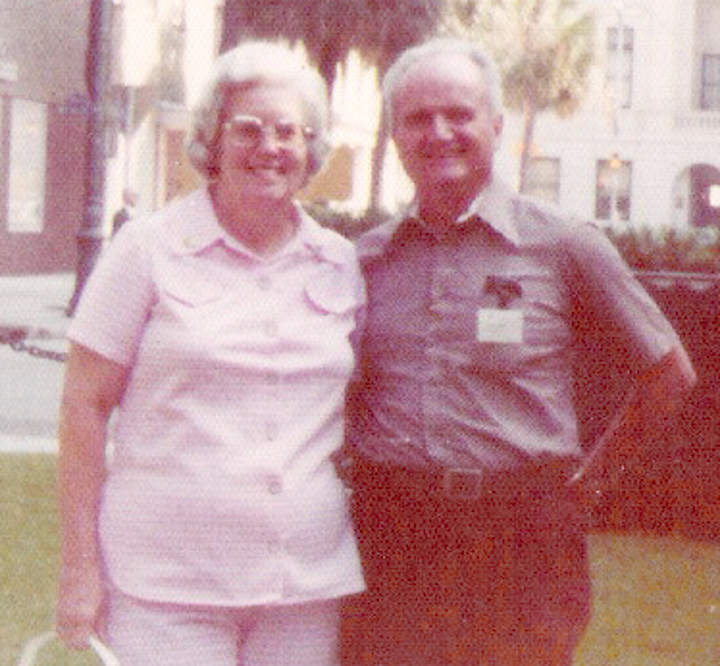
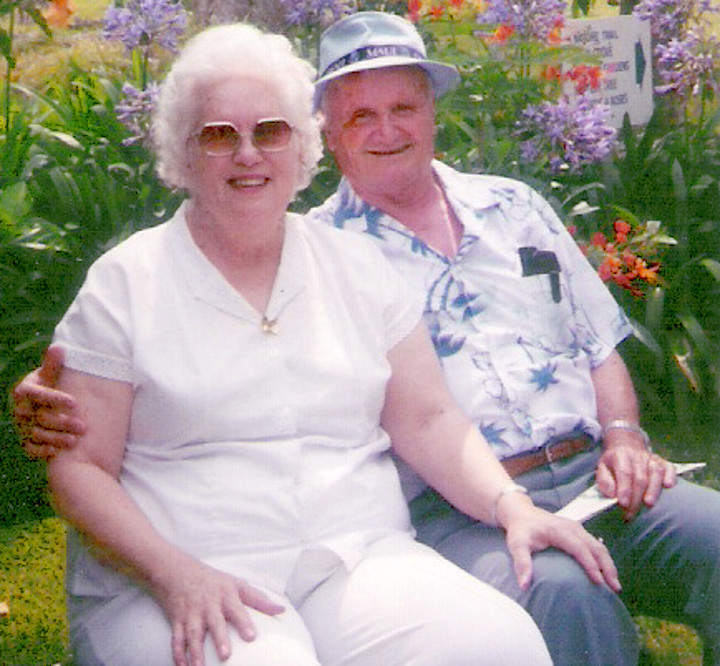
Eventually, it was time to retire. Her and Dad did the requisite traveling, until Dad got sick and passed away February 7, 1992. Mom stuck around for a few more years, until her time came December 18, 1998. This is a repost.


Truth About Opinions



Chamblee54 is normally a profanity free blog. However, for this piece, certain cuss words are essential to the free flow of information. In other words IF YOU DON’T LIKE CUSS WORDS, YOU DO NOT NEED TO READ THE TEXT.
Once, when his blog was active, a radio whiner referred to a study, that said that one third of all people were not qualified to have opinions. This was said before a commercial break, without saying why this percentage should be without opinions. Possible reasons would be lack of education, inability to think critically, or a disturbing tendency to disagree with the person doing the study.
Opinion is derived from “1250-1300; Middle English < Old French < Latin opīniōn- (stem of opīniō), derivative of opīnārī to opine.” In other words, the verb for sharing these thoughts is the namesake of the idea. The anagram of opinion is onion pi. The Power Thesaurus has 1,326 synonyms for opinion. Many are notoriously anal, like assumption. Or the sister of suppository, supposition.
“Opinions are like assholes, everybody’s got theirs .” The truth is, opinions have more in common with the waste that comes out of the anal sphincter, than the port of exit. Feces (thesis) is the product of food fed into the digestive system. Opinions are the result of information (and misinformation) fed into the thought system. Doodoo is influenced by the digestive system, like opinions are influenced by the attitudes, and thought patterns, of the individual. They all stink.
“Four Jews, Five opinions” is another crowd pleaser, like “You are entitled to your opinion.” The latter is usually said when you disagree with what you have just heard. When a Court of Law issues a ruling, it is called an opinion. Sometimes, a justice will write a dissenting opinion. When getting a provider to pay for a procedure, you often need to get a second opinion.
Opinions are frequently more valued by the giver than by the receiver . Some opinions are best kept to the owner. You should be wary of someone who feels that his shit does not stink, because he will usually feel the same about his opinions. You don’t have to have an opinion about everything. Many things are beyond or control, or do not interest you. Also, you should be wary of those who try to “fire up” your opinions. Often these people do not have the best of motives.
Opinions are seldom humble, no matter what the owner of the opinion might say. In fact, the act of holding an opinion is often self aggrandizing, and contrary to humility. Opinions are seen as a way of asserting ones individuality. Many people have lives of quiet desperation, full of struggle and turmoil. There are many situations where what the individual thinks is simply useless to the powers that be. In times like this, having opinions can restore a sense of self worth to the individual. I am somebody. I have my opinion. This does not mean that anyone is listening.
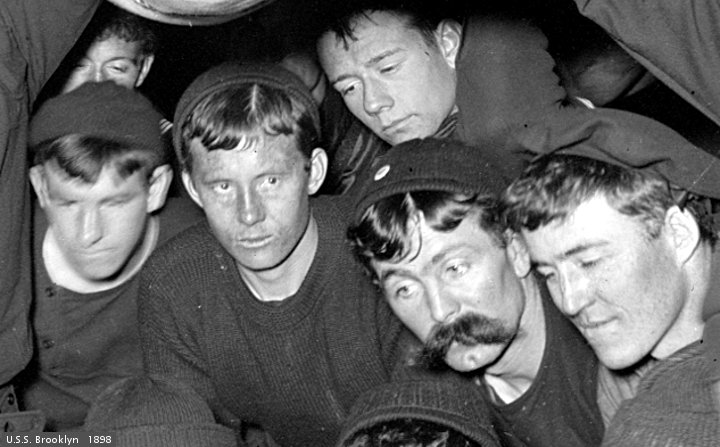
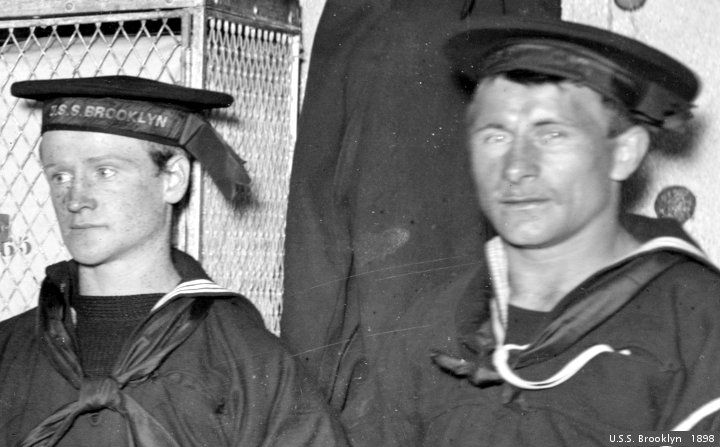
This is a repost with pictures from The Library of Congress. U.S.S. Brooklyn, after supper Edward H. Hart was the photographer, working for Detroit Publishing Co. The picture was taken between 1896 and 1899. The pictures are more reliable than the text.


May 10

May 10 is roughly halfway between the Spring Equinox and the Summer Solstice. May 10 is often Mother’s Day. In fact, the first Mother’s Day celebration was May 10, 1908 in Grafton WV. Other noteworthy events have occurred on this day.
1774 – Louis XVI and Marie Antoinette become King and Queen of France.
1924 – J. Edgar Hoover is appointed first Director of the FBI.
1933 – In Germany, Nazis stage massive public book burnings.
1940 – Winston Churchill is appointed Prime Minister of the United Kingdom.
Germany invades France, The Netherlands, Belgium and Luxembourg.
As with all days, there are notable births and deaths. Births include:
John Wilkes Booth (1838) Fred Astaire (1899) Mac McKinnon (1956) Sid Vicious (1957)
If people are born, then other people have to die. Notable departures include:
Stonewall Jackson (1863) Joan Crawford (1977) John Wayne Gacy (1994)
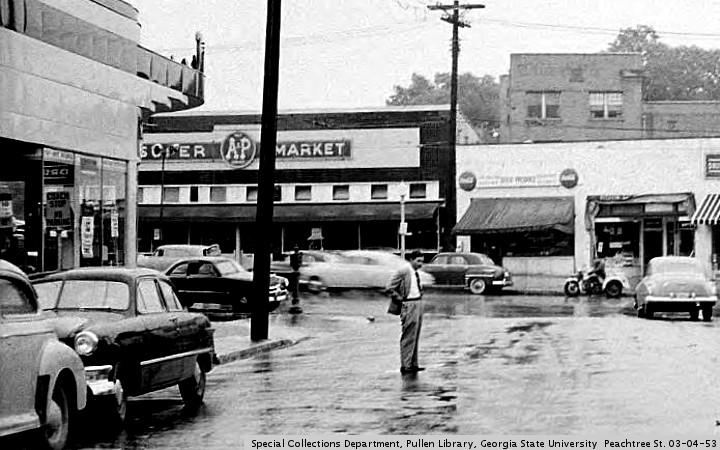
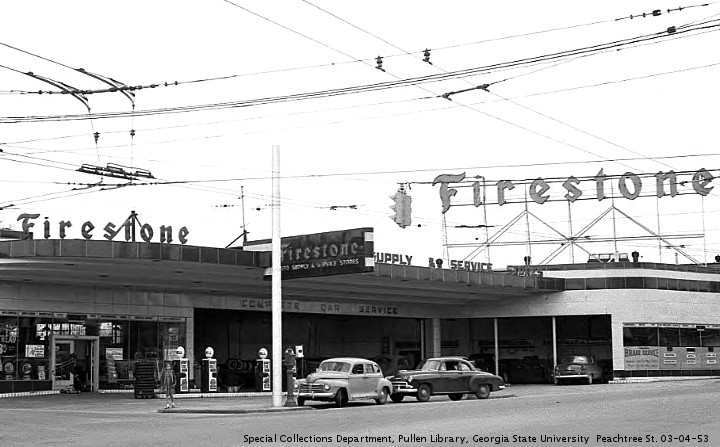
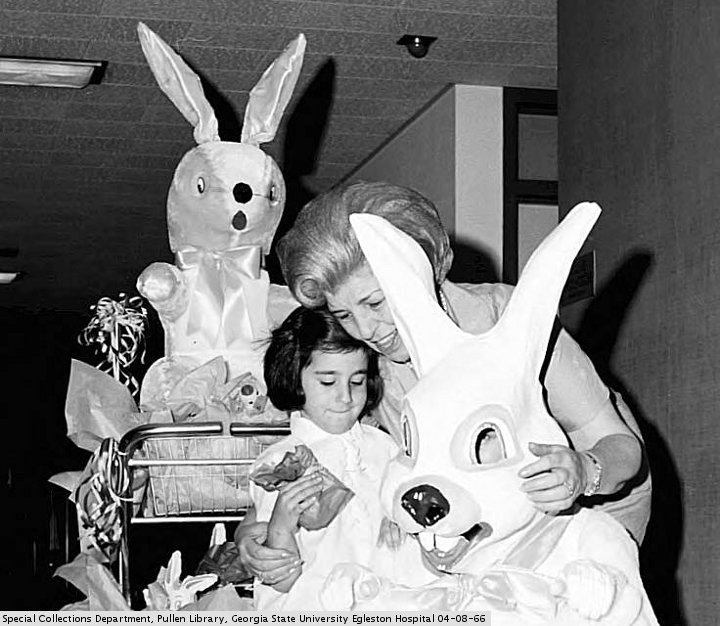
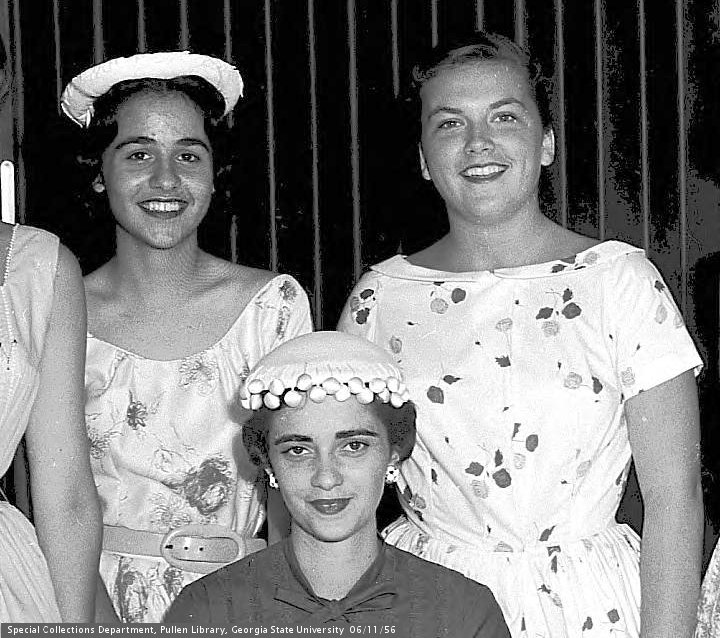
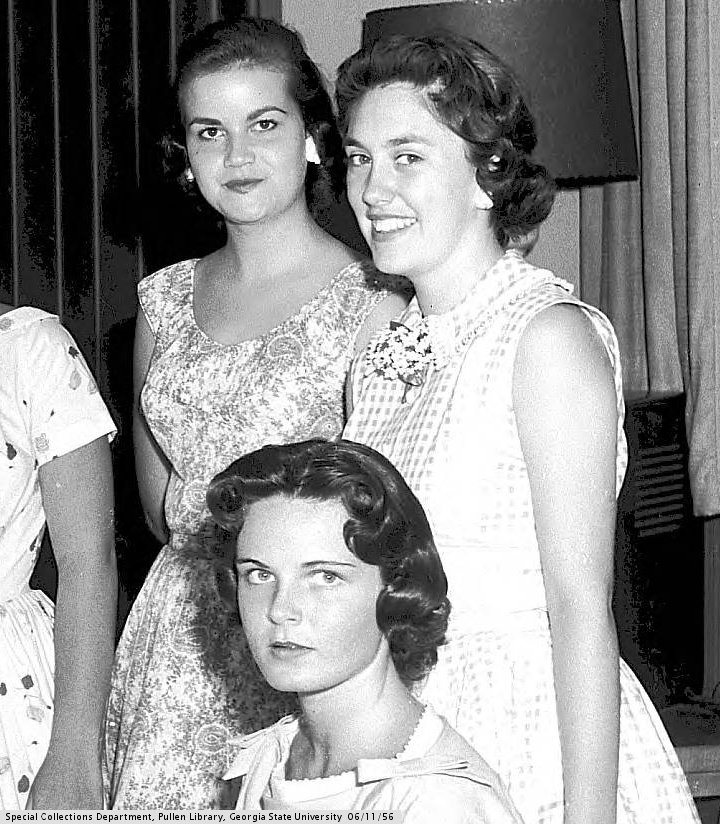
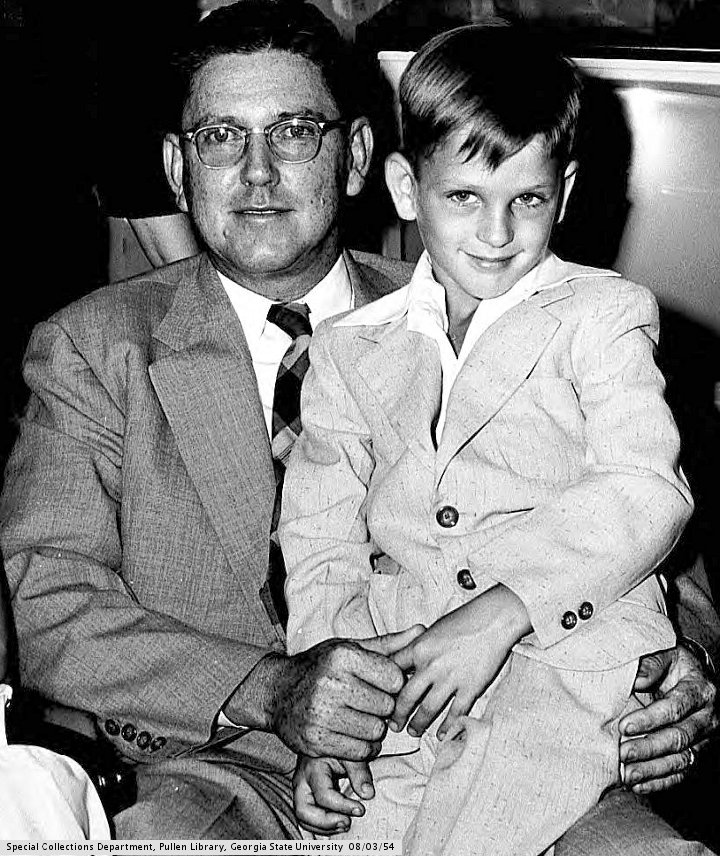
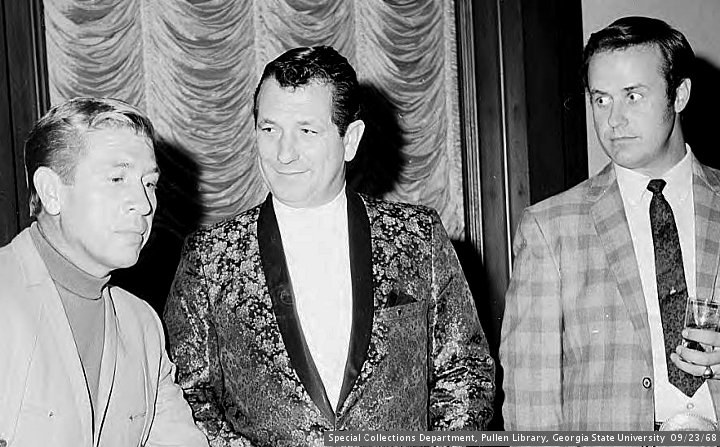
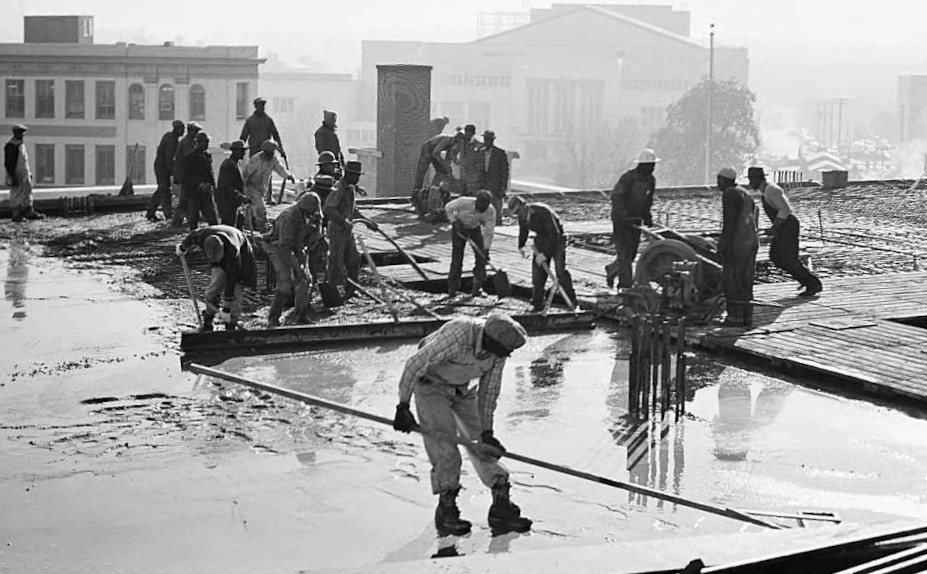
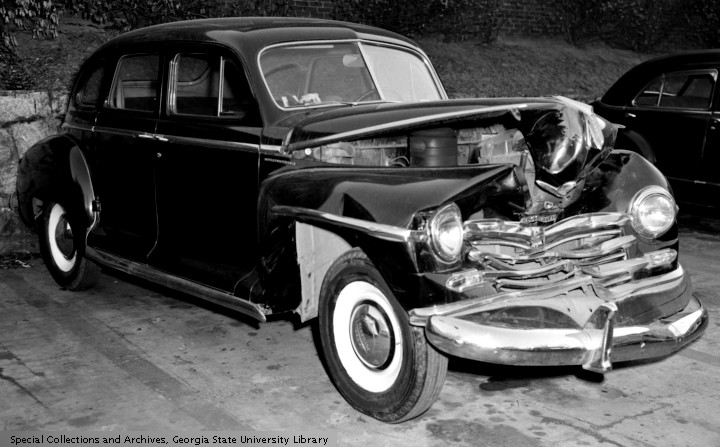
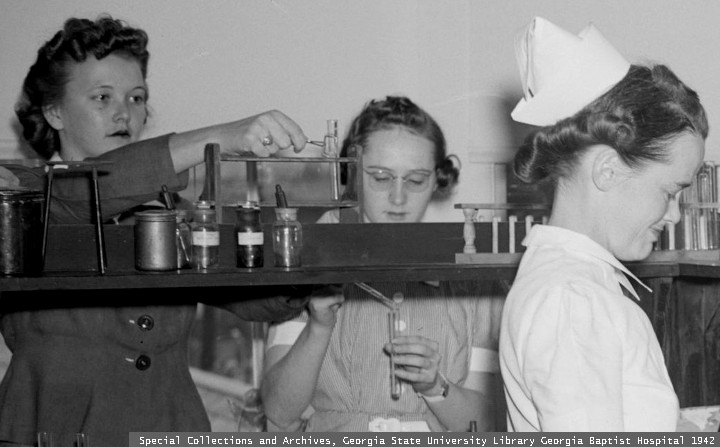
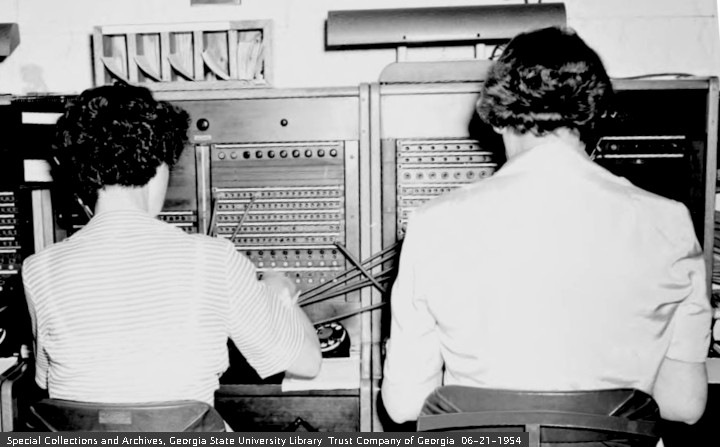
Pictures are from Special Collections and Archives, Georgia State University Library

 Chamblee54
leave a comment