Bong Water
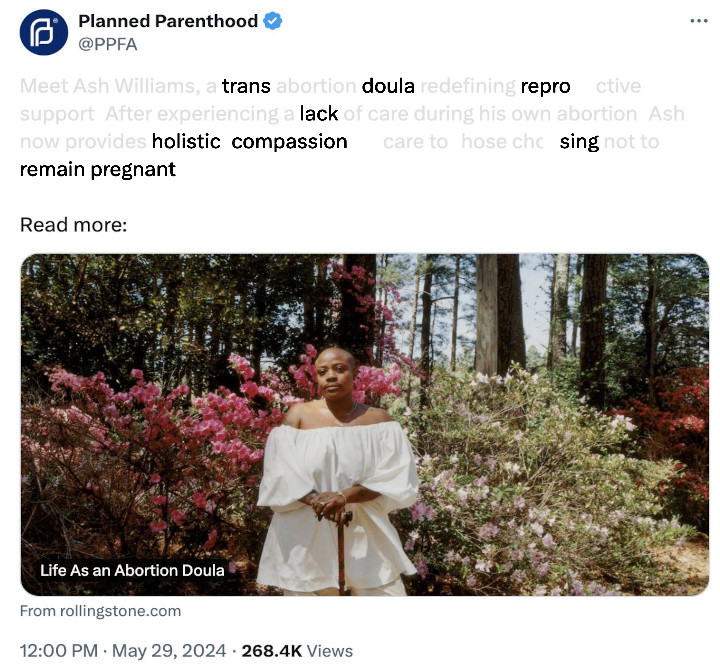

It was a glorious wednesday morning, on the eve of the annual Georgia bakeoff. There was a tasteful tweet by @PeterMoskos “Bong water, people. Maybe if you’ve never smoked one you don’t understand. Nobody is saving bong water. Mich less to shoot up. It’s bong water. It’s the most vile water in viledom.”
A bit of investigation led to a stock photo. A bong phalanx was gearing up to go into retail combat. Some turkey in Minnesota thinks drug users save bong water for intravenous use. @PaulMcI60250823 “Many of us boof it too, especially during the holiday season”
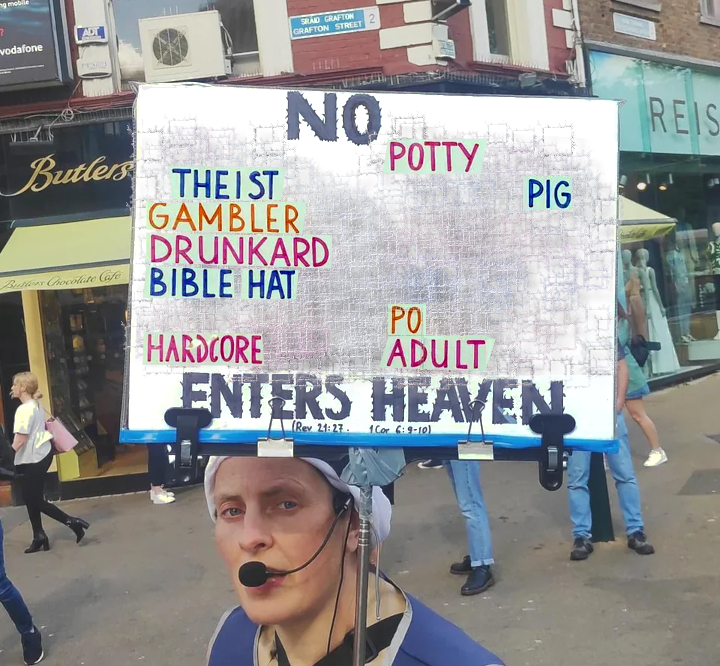
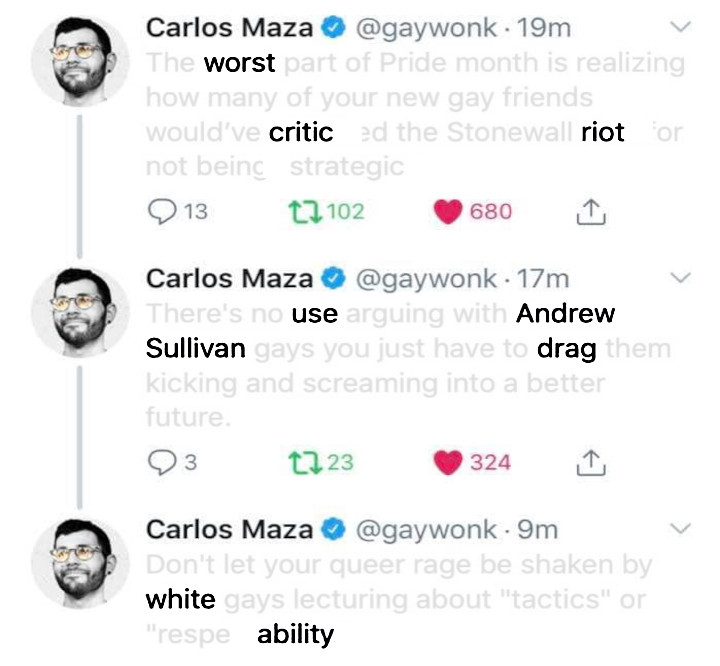
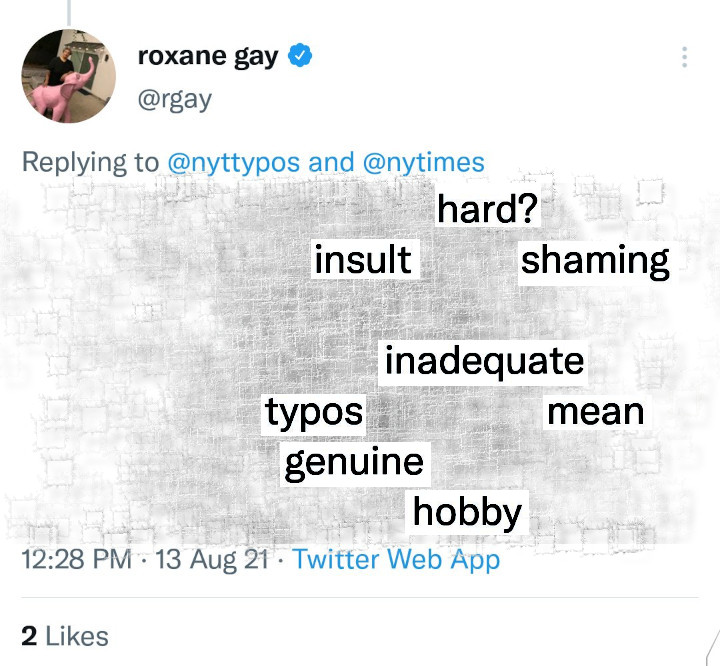
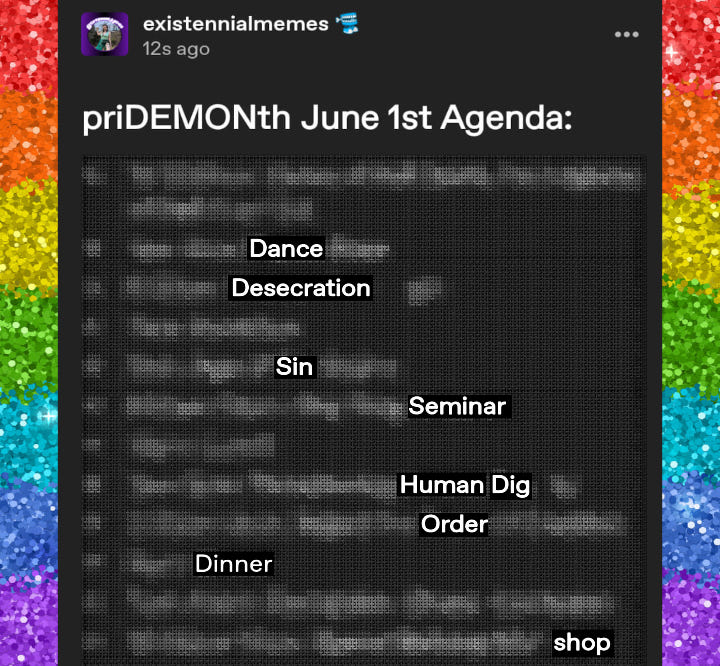
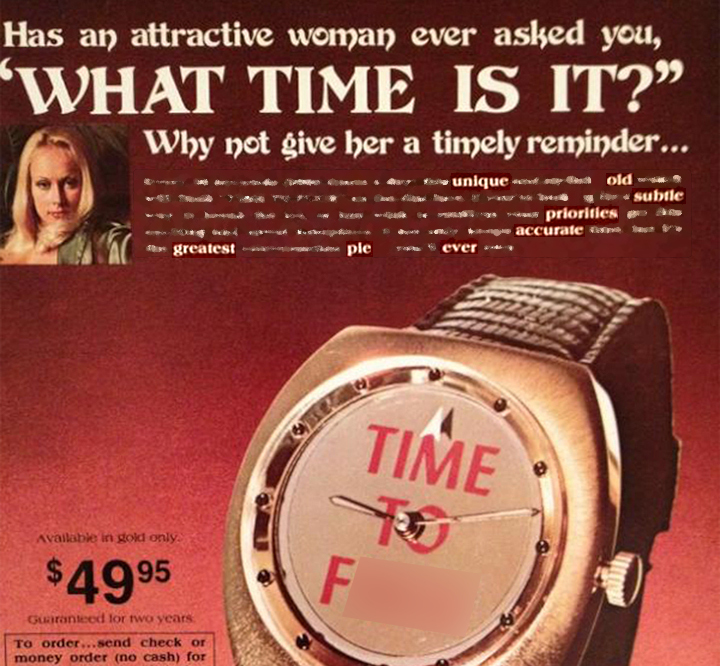
This led to a haiku reduction. … mix Minnesota justice lie testimony bong water future … HR is a progression of what was once known as blackout poetry. The concept is relatively simple. You take a block of text. Highlight the parts you want to keep, hopefully in a five-seven-five pattern. Trash the remaining text. The result is a haiku reduction. In the latest iteration, you take a picture, use the text in the picture, and leave the rest of the image intact. A few samples illustrate this feature.

Mrs. Dora Stainers

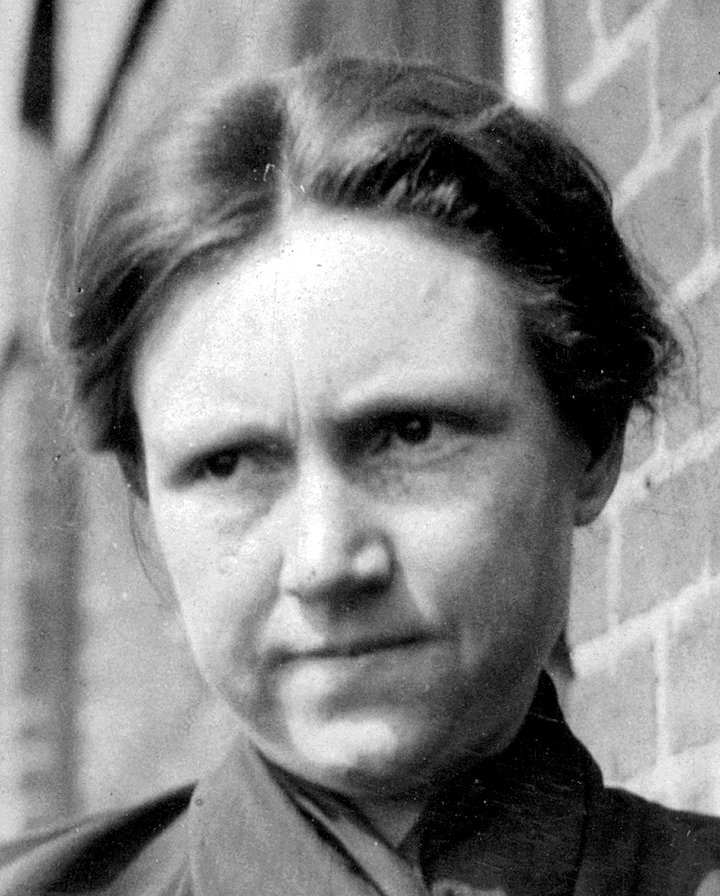

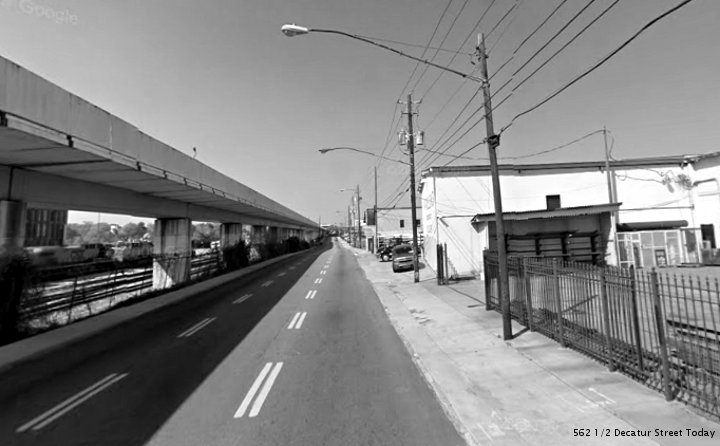
“Mrs. Dora Stainers, 562 1/2 Decatur St. 39 years old. Began spinning in an Atlanta mill at 7 years, and is in this mill work for 32 years. Only 4 days of schooling in her life. Began at 20 cents a day. The most she ever made was $1.75 a day & now she is earning $1 a day when she works. She is looking for a job. Her little girl Lilie is the same age she was when she started work, but the mother says, “I ain’t goin to put her to work if I can help it. I’m goin’ to give her as much education as I can so she can do better than I did.” Mrs. Stainers is a woman of exceptional ability considering her training. In contrast to her is another woman (this name was withheld) who has been working in Atlanta mills for 10 yrs. She began at 10 yrs. of age, married at 12, broke down, and may never be able to work again. Her mother went to work in the cotton mill very young. Location: Atlanta, Georgia.”
The photographs of Mrs. Stainers were made in March, 1915. The photographer was Lewis Wickes Hine. “Working as an investigative photographer for the National Child Labor Committee (NCLC), Lewis Hine (1874-1940) documented working and living conditions of children in the United States between 1908 and 1924.” “In 1954 the Library received the records of the National Child Labor Committee, including approximately 5,000 photographs and 350 negatives by Lewis Hine. In giving the collection to the Library, the NCLC stipulated that “There will be no restrictions of any kind on your use of the Hine photographic material.”
The house that Mrs. Stainer lived in is long gone. 562 1/2 Decatur Street is across the railroad tracks from the Fulton Cotton Mill. With real estate agents demanding names for all neighborhoods, the area is known as the Old Fourth Ward. The building at 552 Decatur Street is A & R Welding.
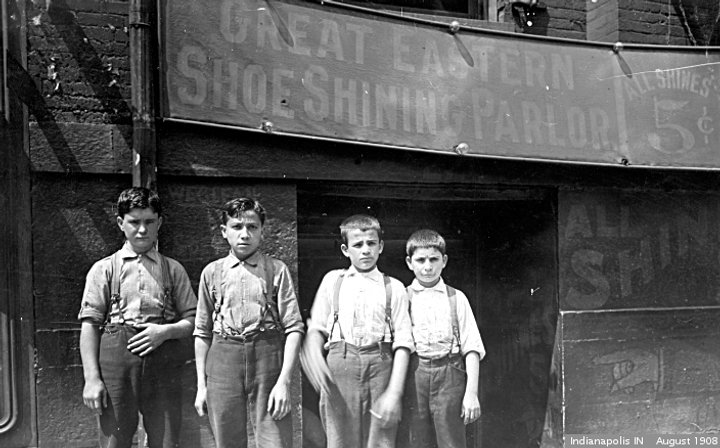
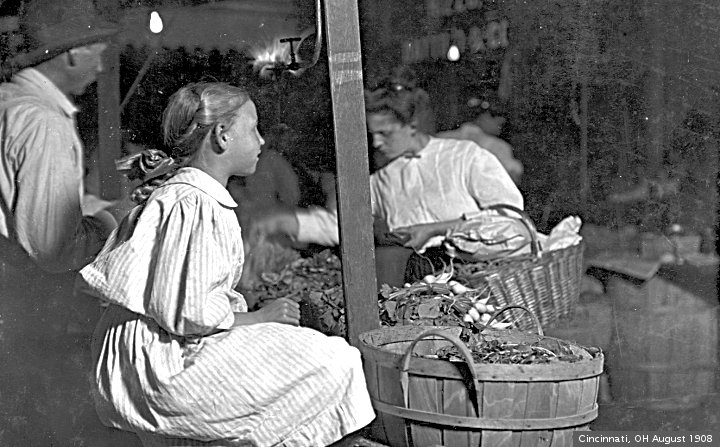
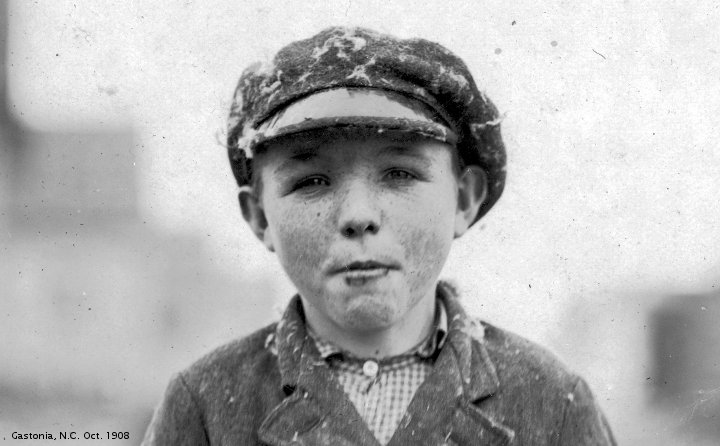
Pictures are from The Library of Congress. This is a repost.




Jon Ossoff Pep Rally
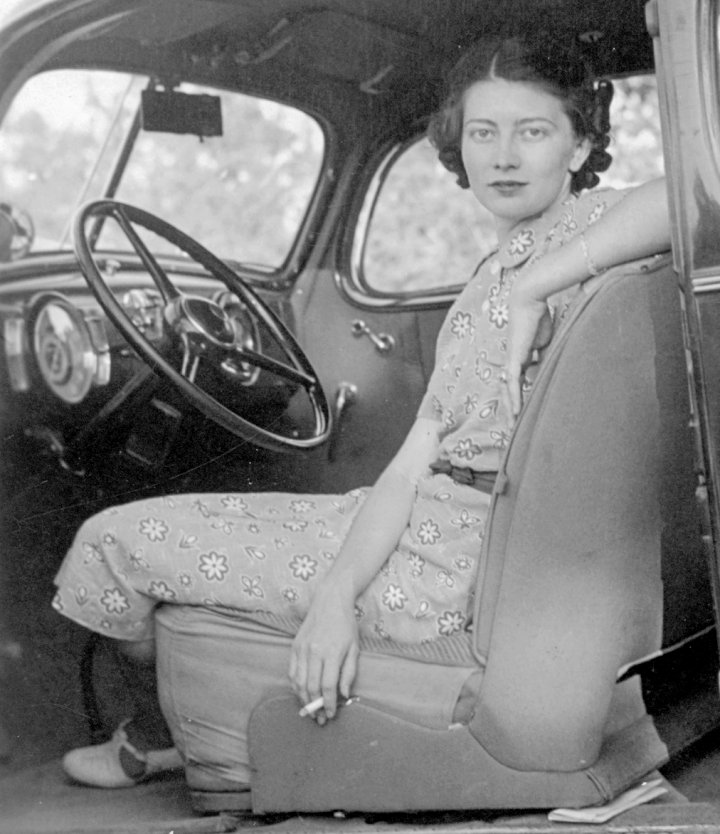



This is a repost from 2017. Jon Ossoff was elected to the US Senate in 2020. … Jon Ossoff held a campaign event Monday at Congregation Bet Haverim. Mr. Ossoff is running for Congress, from Georgia’s 6th district. I live in the 6th district. CBH is located south of the 6th district, at 2074 Lavista Road, Atlanta, GA 30329. The event was on facebook live, in three parts: part one, part two, and part three. Parts one and two had the camera set at a ninety degree angle, which made for uncomfortable viewing. Part one was some performers, accompanied by a front row of dancing democrats. Part two was the candidate’s remarks. By part three, the camera was set at a conventional angle. The candidate took questions from the crowd.
I learned during part two that the event was held at CBH. He wondered, is this facility in the 6th district? Mr. Google helped to find a website for CBH, and a map of the 6th district. I realize that other people are concerned about the outcome of this election. However, they do not get to vote. Outsiders can, and do, send money. Lots of money. The 6th district is the most expensive congressional race in history. FWIW, Mr. Ossoff does not live in the 6th district.
Most of the advertising financed by this outside money is obnoxious and misleading. Both Mr. Ossoff and his opponent, Karen Handel are guilty. It is poignant to hear Mr. Ossoff say in part two, at 3:51, that the election is not democrat versus republican, but sense versus nonsense. Both sides are spewing nonsense…like the campaign ads accusing Mrs. Handel of using taxpayer money to pay for a “luxury SUV.” The Secretary of State job had an auto allowance. Big deal.
After confirming that CBH is outside the district, I wanted to make a comment.
Luther Mckinnon – Is CBH in the sixth district? I looked at a district map, and CBH does not appear to be in the 6th district. Is it appropriate to have a campaign rally outside the district, for people who do not live in the district? Of course, we all know that Mr. Ossoff does not live in the district he wants to represent.
Cenate Pruitt · Luther: I have it on good authority that CBH has congregants who live in that district. Is there a problem with CBH hosting an event as a central location for those congregants to meet with the candidate?
LM – This is a touchy issue. There is a very serious problem with outside money flooding into this election. I, a resident of this district, am sick and tired of the outside attention this race is receiving. I guess if you support Mr. Ossoff you won’t mind, and if you are tired of his dishonest campaign you will mind. The optics of this are very bad.
CP – I don’t live in the Sixth myself. Am I not allowed to have an opinion on the matter?
LM – An opinion yes. A vote no. You might consider that 6th district people might not appreciate your telling them how to vote.
CP – I’ve told nobody how to do anything, nor has CBH as an organization. As far as “out of district money” I politely encourage you to both look up how much out-of-district money has been spent on Handel (those attack ads ain’t free) and take up your concerns with the Supreme Court re: campaign spending.
LM – The optics of this are bad. As far as your “polite encouragement” I have done some research.
Joshua Lesser · Luther Mckinnon, thanks for your question. Let me share with you how and why this meet and greet happened. A. You’re correct CBH is not in the 6th district. B. Many of our members live in the 6th district. C. The campaign asked if we would hold a meet and greet open to the entire Jewish community. D. There was a significant effort to target invitations to people who live in the district. E. This was explicitly not a fundraising event nor an endorsement. F. If Handel’s campaign had asked, I would have advocated that we extend her the same courtesy. I hope that puts some of your alarmed concern to rest.
LM – It was not “alarmed concern” as much as annoyance. This campaign is long and noisy. I am working on a blog post as we speak. I will link to it here.
JL – I understand the annoyance. When you use terms like bad optics, that sounds more like alarm to me. What I didnt say is that there has been vigorous debate in the Jewish press about whether Jon is a good choice. I felt like CBH was doing a community service to allow Jewish voters to hear directly from the candidate. I hope youre not too annoyed that a Jewish candidate might want at least one meet and greet with his community.
At the end of the q&a, a lady made an announcement. There was going to be a group of “Jews for Ossoff” canvassing for the candidate. There were going to be many opportunities for volunteer work. “On sunday, we’re all gonna go canvassing together. WHOOHOO!”
“This was explicitly not a fundraising event nor an endorsement.” No, it was a pep rally. People were encouraged to be fired up for Jon Ossoff. If you want to split hairs, you can say this is not an endorsement. Are we supposed to believe that CBH would have staged an event like this for Karen Handel, if her “campaign had asked”?
The phrase “bad optics” has been used. To me, this is when something looks bad. The thing with “b.o.” may, or may not, have any real effect on the situation, but it looks bad to outsiders. The first time I heard this phrase serves as an illustration. It was during the debate on whether to build a new stadium for the Atlanta Falcons. The powers that be want to spend over a billion dollars for a football stadium. Schools don’t have enough money. Roads need repairs and expansion. The sewer system is a disaster. And yet, somehow we want a billion dollars to build a football stadium. Technically, the hotel-motel tax used had been dedicated to financing the Georgia Dome. On one level, it was proper to use this money to build the “Blank Bowl.” However, the schools still don’t have enough money. The overall priorities of our society are questioned. The optics are bad.
How does this apply to a Jon Ossoff pep rally, held outside the 6th district? People outside the district have a right to an opinion. And people inside the district have a right to be annoyed. Whose right is more important? Which group will have a vote in the election? Maybe, just maybe, the campaign by outsiders will annoy the voting population. The voting population might not understand that the enlightened, and wealthy, people outside the district have their best interests at heart. This perceived disrespect might not have the intended effect. Pictures are from The Library of Congress.
UPDATE: Karen Handel defeated Jon Ossoff in the runoff election. In the 2018 election, Mrs. Handel was defeated by Lucy McBath.
In the 2020 elections, Jon Ossoff was elected to the US Senate. After the 2020 elections, the Congressional districts in Georgia were redistricted. The 6th District is now dramatically different.
After this post was published, this message appeared on facebook. “Wed 10:27pm I am really disappointed in you and your unfair portrayal. I feel you abused my goodwill and undetstanding. I dont mind disagreement, but you misrepresented me. Good luck and take care.” When I tried to reply, he learned that Joshua Lesser had unfriended and blocked him.
I sent Rabbi Lesser a letter. “My initial comment was to question whether this is appropriate. Cenate Pruitt replied to this, and I replied to Cenate Pruitt. There was one ridiculous comment:”As far as “out of district money” I politely encourage you to both look up how much out-of-district money has been spent on Handel (those attack ads ain’t free) and take up your concerns with the Supreme Court re: campaign spending.” This attitude does not speak well for Mr. Ossoff or CBH.
I don’t see how I misrepresented you, when I quoted you directly. You are entitled to have a pep rally for Jon Ossoff. You misrepresented yourself to say “This was explicitly not a fundraising event nor an endorsement.” I should note that Mr. Ossoff, with all of his problems, is the better choice in this election. I would hope that you have not offended any other 6th district voter with your outside interference or haughty attitude.That is one of my concerns over this event. If something bothers me, it is probably bothering someone else. Luther Mckinnon”


Gene Talmadge
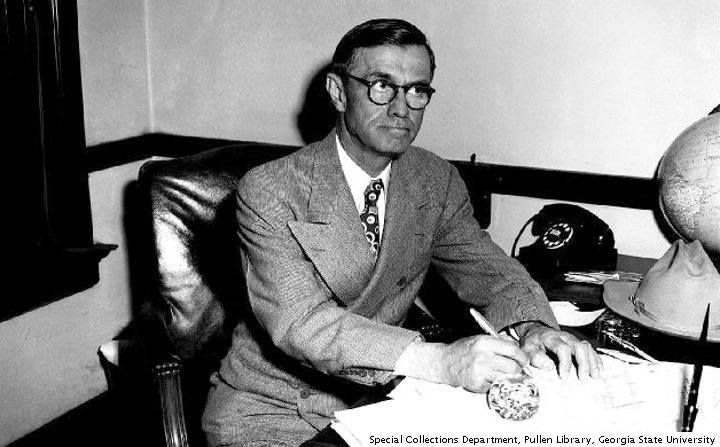


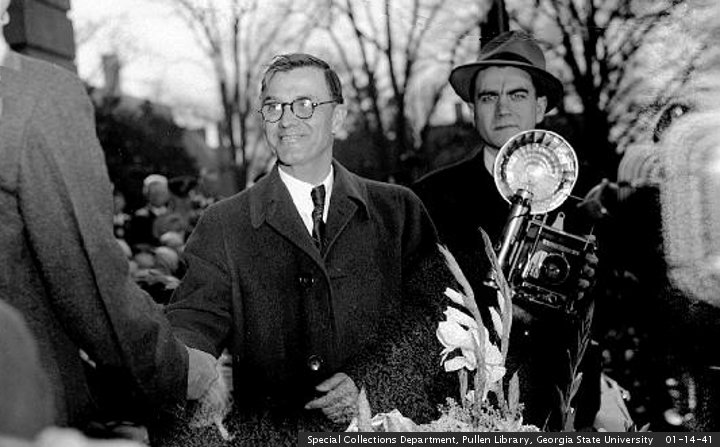

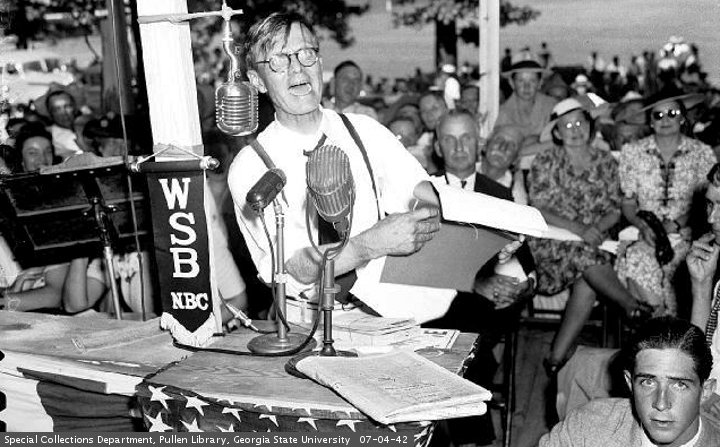
Former Georgia Governor Eugene Talmadge was famous for saying, to cheering crowds, “Sure I stole, but I stole for you”. I suspected an urban legend, and decided to see what Mr. Google had to say.
Eugene Talmadge was Agriculture Commissioner before he was Governor. He had some relatives on the state payroll. There was something funky going on with fertilizer. He bought a bunch of hogs, and sent them to Chicago, where he thought he could make more money. After a while, some people started to ask questions. His answer was “If I stole, it was for farmers like yourselves”. (This is on page 59 of “The Wild Man from Sugar Creek.”)
This was in 1931. The depression hit Georgia hard. The wool hat boys were in a world of fertilizer. Mr. Talmadge set himself up as the champion of the dirt farmers, and the enemy of the lyin’ Atlanta newspapers. In 1932 he was elected Governor. He was re-elected three times, but died in 1946, before he could serve again. He was replaced by two Governors.
The county unit system was one reason Mr. Talmadge kept getting elected. Each of Georgia’s 159 counties got a certain number of votes. Three rural counties were the equivalent of winning Fulton County. Mr. Talmadge boasted that he never won a county with street cars.
Mr. Talmadge’s campaigns were legendary. He would speak at the county courthouse, and plants in the crowd would scream questions, like “what about those lyin Atlanta newspapers?”. One of his favorite lines was “Yeah, it’s true. I stole, but I stole for you, the dirt farmer”.
My aunt went to work for the Trust Company of Georgia in the early fifties. There was a story told to new employees. It seems as though Governor Talmadge was in the lobby, after having a happy lunch. He had to use the restroom, and went to the corner of the lobby to relieve himself.
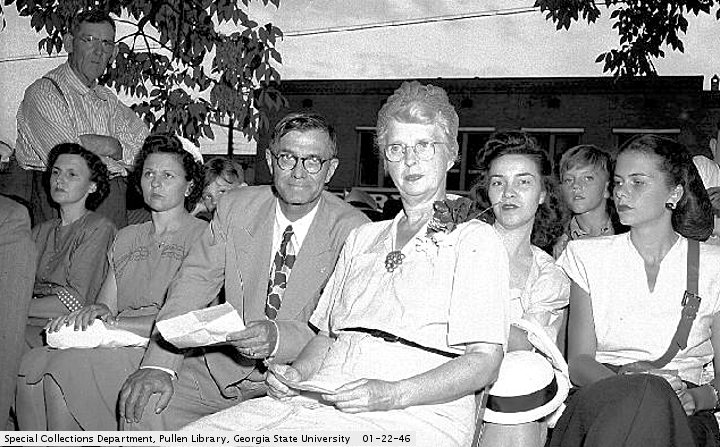
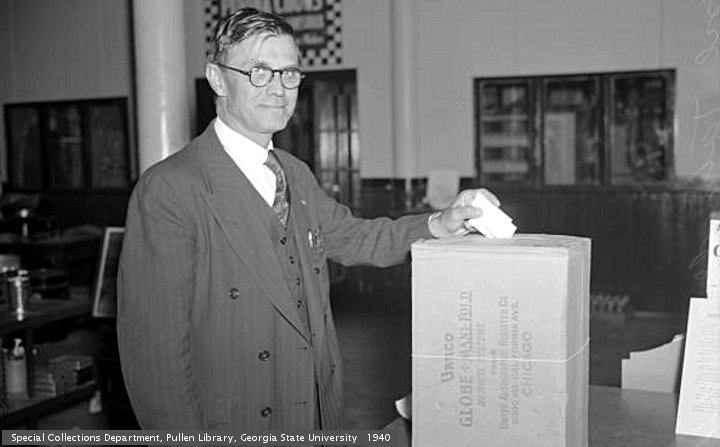
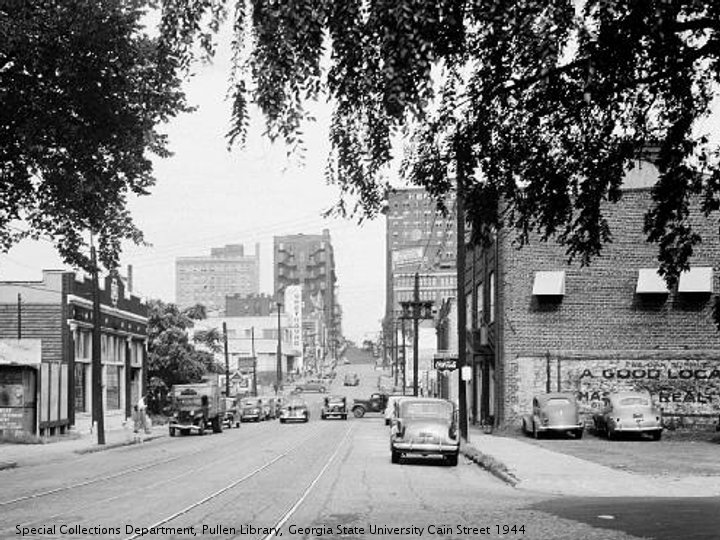
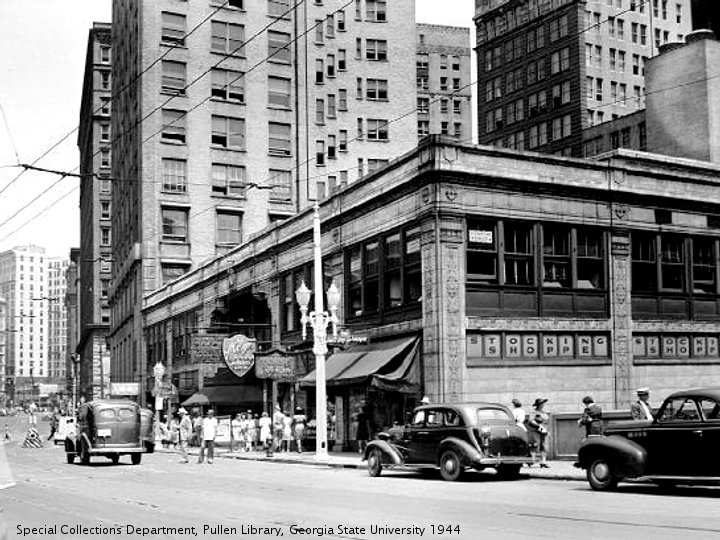
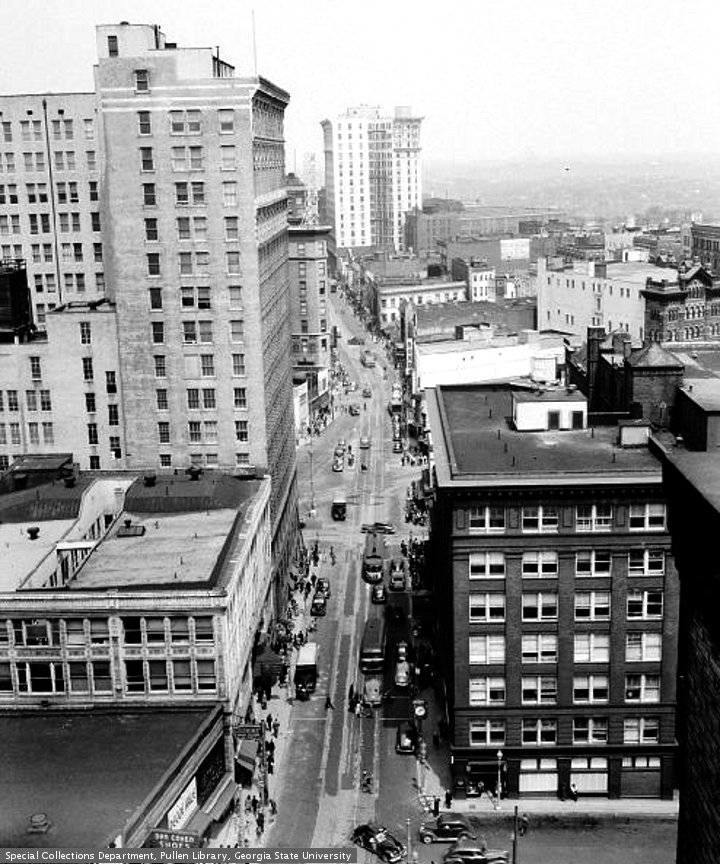
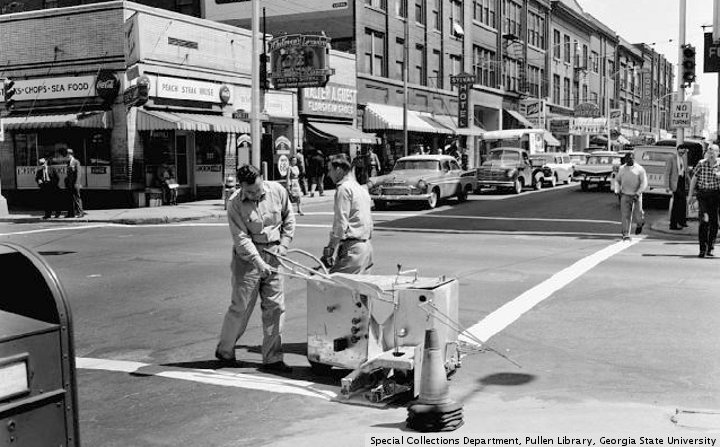
There is a statue of Gene Talmadge in front of the State Capitol. The plate at the base reads “I may surprise you, but I shall not deceive you.” This is a repost, with pictures from “The Special Collections and Archives, Georgia State University Library.”



The Ride

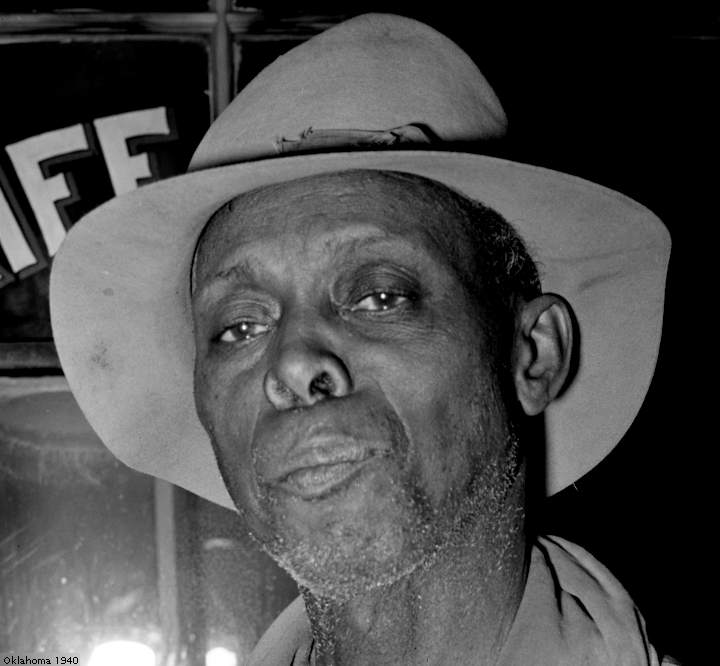

This is a repost from 2014. Between 2014 and today, the Highway 400/I-285 cauldron was torn down and built up, again. The driving experience is different today. … In the modern workplace, there are subjects you don’t want to talk about. Discussions of religion, politics, race, and celebrity footwear can spark unwanted controversy. The question then arises, what can you talk to people about? What do you have in common with a diverse group of people?
One subject, usually safe for conversation, is your ride in to work. In an freeway crazy place like Atlanta, everyone has a story. Last week, I took notes on my ride. What follows is the journey one day, from a Brookhaven house to the Vinings office complex. The day is April 30. The next day is May Day. The parade has been cancelled, due to lack of communists.
7:41 am Leave the house. The idea is to report at 8:30 am. You want to allow a few extra minutes for unforeseen problems. The good news is that, in the morning, going west on I-285 is against traffic. East bound, or the inner loop, is a traffic nightmare.
7:43 am /0.3 miles Turn the corner on Eighth Street, and the start of New Peachtree Road. In the pre-marta days, Eighth Street went over the tracks to Peachtree Road. When I was a kid, there was a sign for the railroad crossing. There was no red flashing light.
7:44 am The Southern Crescent passes on the Norfolk Southern line, next to New Peachtree. The train is going to New Orleans. The people on that train are probably having more fun than you.
7:45 am/1.1 miles This is the first red light. You turn left onto Clairmont Road. Peachtree Dekalb Airport is down the hill, across the street. At certain times of the year, you can see the sun rising over the airport on your morning run.
7:47 am/1.4 miles You have gone over the wonderful bridge. In the pre-marta era, to get from the end of Clairmont, to Peachtree Industrial, you had to make a left turn, cross the railroad tracks on a bridge made from telephone poles, and cut through the Krystal parking lot. Now, a bridge takes you over all this. At the end of the bridge, you take a left turn onto Peachtree Industrial Boulevard.
7:48 am/1.7 miles Turn right onto Johnson Ferry. You will probably need to slow down for the traffic ahead of you. Welcome to Atlanta.
7:53 am/2.4 miles This is the confluence of Johnson Ferry Road and Ashford Dunwoody Road. When these roads were built, they took farmer Jones to church once a week. Now, they are lined with subdivisions. For some reason, these two busy thoroughfares merge, go forward on two lanes for about a hundred yards, and then split up. There are lots of angry soccer moms making left turns.
7:54 am/2.6 miles When you get to the fork in the road, take it. If you lean left here, you head towards Cobb County. This stretch of road is a long downhill run, a bridge over Nancy Creek, (7:56 am/3.7 miles,) and a long uphill climb. This is all on two lanes, with double yellow lines in the middle. The speed limit is 35 mph. At least once a week, there will be an SUV behind you that wants to go faster. This is bad for the composure of everyone involved.
7:58 am/4.5 miles There is a red light at Peachtree Dunwoody Road. You are in Fulton County now. This is the area known as pill hill. There are three major hospitals, and enough medical office buildings to cause insurance apoplexy. The traffic creeps ahead at a stealthy pace.
8:00 am/ 5.0 miles A bridge takes you over Highway 400. You are not the only person who is over Highway 400. At least you are not on it.
8:00 am/ 5.1 miles Turn right onto Glenridge. If you had gone forward at the light, Johnson Ferry would have turned into Glenridge. This can get complicated.
8:01 am/5.3 miles Turn left, and get onto I-285. This is exit 26 of the Perimeter. This is a seminal moment of the Atlanta experience. You are no longer ITP, or OTP, but OnTP.
8:03 am/6.2 miles You go under Roswell Road, exit 25. This is the first disappearing lane. The far right lane is exit only. If you are to continue, you must go over one lane.
8:06 am/10.4 miles You cross the Chattahoochee River, and enter Cobb County.
8:07 am/11.1 miles I-75 is approaching. I-285 splits in two, with one part dedicated to the exchange of vehicles, and the other half going merrily forward. You need to get in one of the two lanes to the left. This is scary for people who like to drive the speed limit. As someone said once, “you gotta be as crazy as they are.”
8:08 am/12.1 miles This is the reunification of I-285. Since you get off at the next exit, you need to go from the far left side, to the far right side. You have 1.4 miles to do this. This competitive lane changing is complicated by the appearance of uphill entry ramps. You settle into a lane, and discover a speeding pickup truck making a surprise appearance on your bumper. However tempting alcohol might be at this time, it is not recommended.
8:10 am/13.5 miles You get off I-285. Paces Ferry Road is exit 18.
8:15 am/14.7 miles You get through the concrete obstacle course, find a parking spot, and turn the car off. The work day is about to begin.


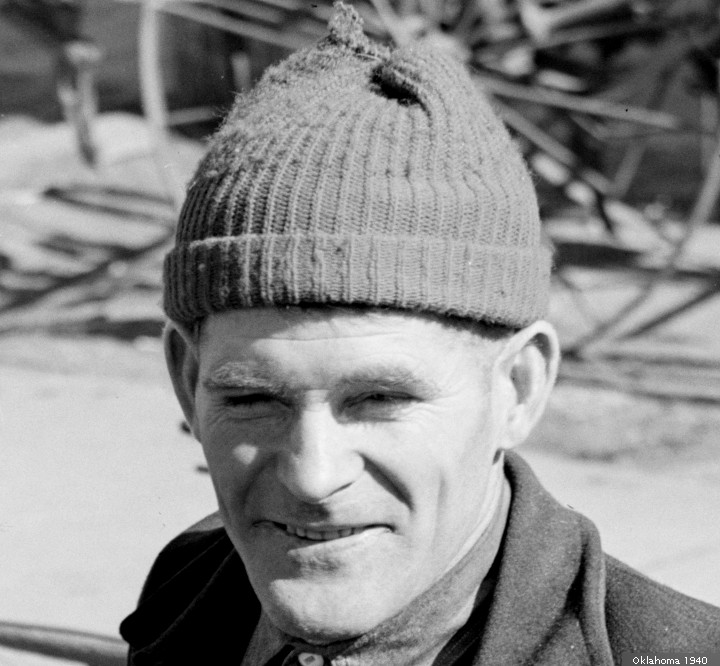
Bob Dylan Is 83

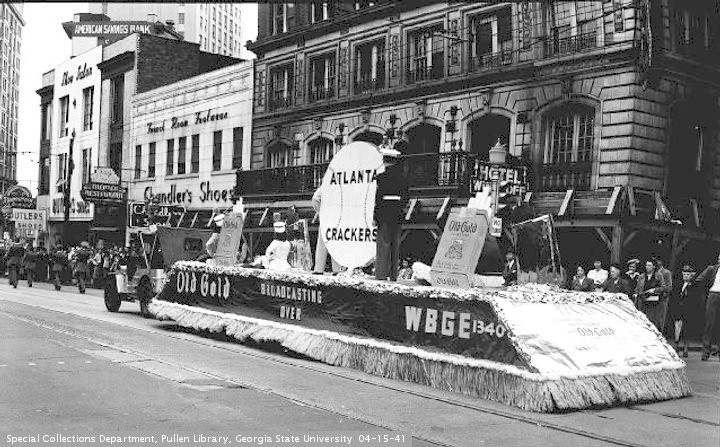

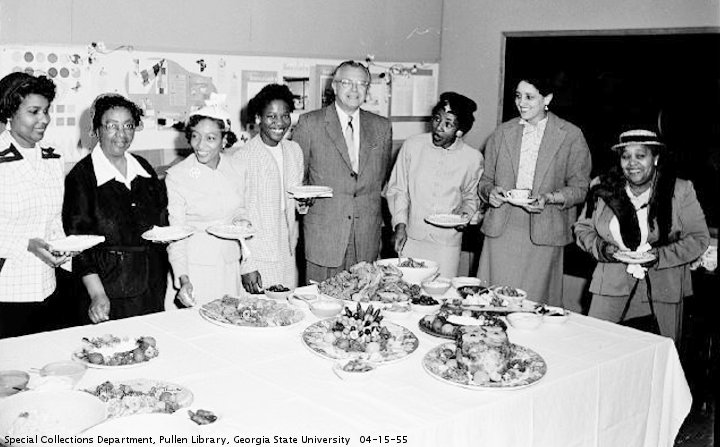


Today is Bob Dylan’s eighty third birthday. This tribute is composed primarily of two previously published pieces of work. Some people think Bob Dylan is a piece of work. Pictures are from Special Collections and Archives, Georgia State University Library
Hibbing MN is a cold place. At least it can claim to be the birthplace of Robert Allen Zimmerman. That’s Allen, with an e, and double L, just like hell. The original initials were RAZ, which might be a good trivia question, or, with a silent W in front, radio station call letters. The problem is, he legally changed his name to Bob Dylan, with no known middle name. Those initial are BD.
On May 24, 1941, the curly haired wonder boi arrived. The world was a different place. Europe was in flames, and eyeing the young men of America as fresh cannon fodder. This was twelve years, eleven months, and eighteen days before I graced the planet. A twelve year old in Hibbing MN would have no reason to think of a newborn baby in Atlanta GA.
The first time I heard of Bob Dylan was probably at the record rack of Zippy’s dime store in Cherokee Plaza. There was an album of his greatest hits, and it came with a poster. The poster had a drawing of the man, with psychedelic waves of hair cascading in multi colored glory to the edges.
As I got older and stupider, I heard more and more Bob Dylan music. At the start of 1974, a tour was announced. The Band was to be the backing group. The circus came to the Omni, and was nothing special. Bob Dylan excels at writing, is ok in the studio, and blah on stage. Georgia Governor Jimmy Carter was at the show, and was said to look bored. Mr. Dylan was invited to the Governor’s mansion after the show, and talked to the Governor. A lot of people in Georgia were surprised that Jimmy would want to run for President.
As the Seventies went me-me-me-ing into sex and drugs oblivion, Bob Dylan regained both his writing touch, and love of the spotlight. The Rolling Thunder tour happened, he got back together with Joan Baez, divorced his wife, became born again, became more Jewish, counted money, and generally lived the life. I did my version of all that, without Joan Baez.
In the winter of 1991, America was consumed by war fever. Saddam Hussein had been elevated to next Hitler status, and had to be taught a lesson. One night, Bob Dylan played on a music awards show, and performed “Masters of War”. He played a discordant version of that ditty, with the result that few understood what he had said. By this time, Mr. Dylan had assembled a band, and gone out on the “Never Ending Tour”. A Bob Dylan concert had gone from being a special event, to being another name on the festival roster. Overexposure will do that.
On the last night of the Olympics in 1996, Bob Dylan played the House of Blues downtown. I won a pair of tickets in a radio station contest. The show was competent…they impressed me as being like a bar band that did a lot of Dylan songs, with a strangely authentic lead vocalist. The only song I recognized was “All along the Watchtower”, the Jimi Hendrix classic. Mr. Dylan got a cheer when he put his harmonica appliance on.







The aptly named dangerousminds has a link to a story about the recording of Blonde on Blonde. Bob Dylan was 24 years old, newly married, and had “sold out” i.e. started to play electric guitar. A bunch of Canadians known as The Hawks (later The Band) was touring with him. Barely a month after the release of “Highway 61 Revisited”, sessions started at a New York studio.
The New York sessions did not work, so a decision was made to go to Nashville. Al Kooper played organ, and served as a music director. A crew of Nashville players was recruited. A bass player named Joseph Souter, Jr. would become famous a few years later using the name Joe South. Kris Kristofferson was the janitor at the studio.
Most studios have bafflers, or sound proof room dividers, splitting the studio into cubicles. For these sessions, the bafflers were taken down, and the band played together as a unit.
The second session in Nashville started at 6pm and lasted until 530 the next morning. Mr. Dylan was working on the lyrics to “Sad eyed lady of the lowlands”, and the recording could not start until he was ready. The musicians played ping pong and waited. At 4am, the song was ready, and the record was finished in two takes.
I had marginal encounters with two of the players on this album. He met a lady once, who worked in an insurance office. One of the customers was Joe South. His driving record file was an inch thick.
Al Kooper had a prosperous career after his association with Bob Dylan. The former Alan Peter Kuperschmidt produced the first three Lynyrd Skynyrd albums, sold that contract for a nice piece of change, and lived happily ever after.
One night, Mr. Kooper was playing a show at the Great Southeast Music Hall, and PG sat in front of the stage. During a break between songs, PG asked his friend “what time is it?”. Mr. Kooper heard him on stage, and said it was 11:30.



Why The War Between The States Was Fought
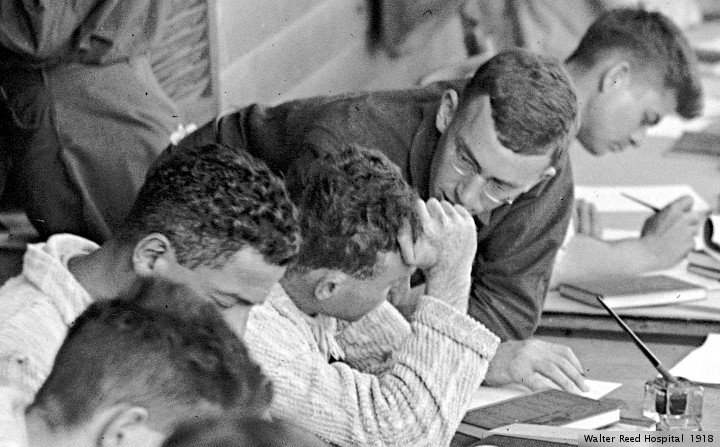
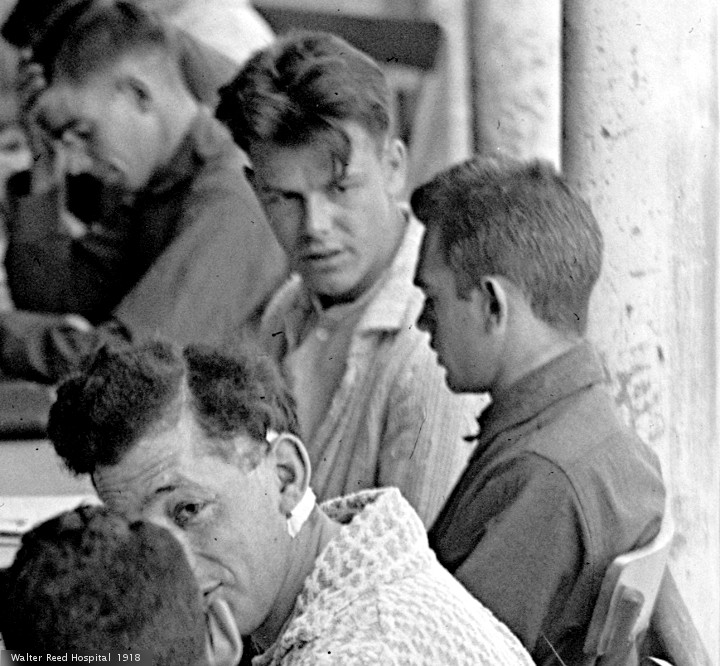

This was a repost from 2017. … Recently, Mr. Trump said something stupid about the War Between the States. After his comments began to filter into the marketplace of ideas, people began to react. There was a good bit of self righteous talk about how bad the Confederacy was. Maybe it is time for another point of view. This feature will have minimal research. Mistakes will be made. The reader is encouraged to do their own research.
When the colonies declared independence in 1776, nobody knew how things would turn out. First, Great Britain needed to be defeated. After that, the Articles of Confederation went into effect. “Under these articles, the states remained sovereign and independent, with Congress serving as the last resort on appeal of disputes. Congress was also given the authority to make treaties and alliances, maintain armed forces and coin money. However, the central government lacked the ability to levy taxes and regulate commerce…”
This arrangement was not working, and the Constitutional Convention was called. Originally, the CC was going to revise the Articles of Confederation, but wound up throwing the whole thing out, and creating the Constitution. This document called for greater federal authority. The issue of what powers to give to the states, and what powers to give to the central government, was contentious. It remains controversial to this day.
Had any group of autonomous states formed a federal union before? Usually, such a union is the result of a conquest, with one of the states ruling the others. It is unclear whether such a union had been attempted before, or how successful it was. When the “founding fathers” created the constitution, they probably did not foresee how it would play out. The current system, with a massive central government cat-herding the 50 states, would have been laughed off as a dangerous fantasy.
So the states start to have disagreements. One of the things they disagreed over was slavery. Yes, this was an important factor in the unpleasantness to come. Slavery also influenced a lot of the economic conflicts. The North wanted high tariffs to protect industry. The South wanted low tariffs, so they could sell cotton to Europe. There were many other ways for the states to not get along.
Finally, in 1861, the disagreements became too big to ignore. The south seceded, and the War Between The States began. The Confederate States of America was a looser union than the United States. The thought was that the states were more important than the federal union. Mr. Lincoln disagreed. (One popular name for the conflict was Mr. Lincoln’s war.) Many people say that Mr. Lincoln was not especially concerned about the slaves, but wanted to keep the union together.
How does slavery enter into this? Imagine the conflict over states rights vs federalism to be an open tank of gasoline. The lit match that was thrown into that tank was slavery. When the winners wrote the war history, it sounded better to say that the war was fought to free the slaves. Pictures today are from The Library of Congress.



Witch



This is a repost from 2015. … A podcast, read poetry and eventually die, featured a poet named John Mortara. I became interested when the poet was a queer witch, or was it witchy queer. Never mind that the poet writes more about prozac than black magic. Just because poets take prozac, that doesn’t mean that prose writers take poetryzac.
It turns out there was an Atlanta stop on a tour. I drove through Dickhater, past the Donald Trimble Mortuary, until a string of red brick houses appeared. I looked at the mailbox of the first one. The mailbox fell off the pole. That was not the correct house.
I got there twenty minutes early, and drove around the neighborhood until nine pm. In a few minutes, the hostess announced that the event was taking place in the basement. There was a half hour before the event started. Not all poetry events are created equal.
The basement had atmosphere. Literally. At one point, the host announced that cigarette smoking was acceptable inside. Holy 1958. It had been years since people smoked indoors, and here was a crowd of young, young people… one poet read a piece about the one hair on his chest, which he names after either republicans, or democrats, depending on how bad it smells. He read the poem from his phone.
The host and hostess did double duty as the master, and mistress, of ceremonies. They wore bathrobes, that were supposed to be lab coats. They were auditioning people to take on a trip to Mars. There must be a shortage of poets, comedians, and tweeters on the red planet.
For a while they alternated poets and comedians. A lady said she could choose from playing fake blackjack with geriatric queers at the Hideaway, or going to Lithonia to have sex for ten minutes. A man made murder Kroger jokes. I crouched on a wooden shelf thing in the corner of the basement, with an exposed light bulb shining in my face.
After a few performers, there was an intermission. I went back to my vehicle, which was not broken into. I got a baseball cap, to block the light bulb.. At this point the hostess made the glorious announcement that smoking was not allowed in the basement. The air conditioning brought the aroma upstairs. The back yard kudzu approved.
During the intermission, the sound system was tweaked to allow two ladies to perform. The tweaking did not take, and they shouted “stay off my snapchat you piece of shit homie” over the recorded music. For faux microphones, the ladies used a mountain dew bottle, and a comb.
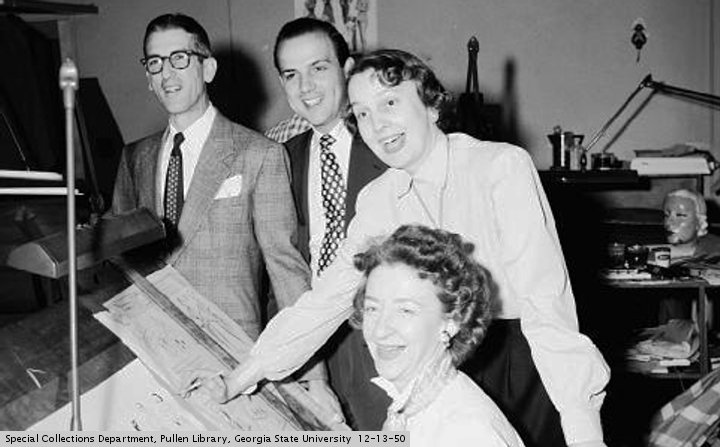
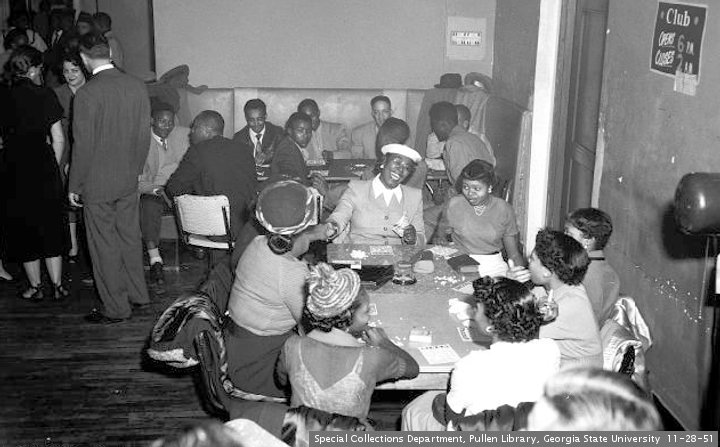
The final performer was John Mortara. (spell check suggestions: Mortal, Mortar) The poet had purple hair, a wool hat, and a sleeveless shirt saying “I am a unicorn.” The first piece was recited from memory, with no need for a microphone. There was a piece about tweets written on prozac … all that twitters is not gold. Soon the show was over. The last line: “Told my dad I’m a fricken witch.” Pictures are from Special Collections and Archives, Georgia State University Library.
UPDATE This comment appeared on facebook. John Mortara “i am frequently misgendered throughout this article and it makes me angry.” An attempt at correcting this has been made. UPDATE TWO Here is the story of what happened later. UPDATE THREE Read Poetry and Eventually Die was hacked by by Mr.dexter.305. This attack from Saudi Arabia. UPDATE 2024 Jamie Mortara, formerly John, is a Data Services Associate at Earthjustice, Oakland CA. The host of the event, Michael Hessel-Mail, is an English Instructor at Southeast Community College, Lincoln NE. On May 6, I was the feature at the Little 5 Poetry Bash.


Stacey Does It Again


This is a repost from 2019. In 2021, Donald J. Trump gave election result denial a bad reputation. Stacey pioneered the concept after the 2018 election. In 2022, Stacey was defeated in her second run for Governor. She did concede defeat. … Stacey Abrams went hardcore bless-her-heart in the New York Times yesterday. The opening line was a doozy. “In the mid-1960s, when my father was a teenager, he was arrested. His crime? Registering black voters in Mississippi.”
This is news, to anyone who has been following Ms. Abrams. Her campaign bio does not mention this incident. Nor does at least one article from Mississippi. Google is little help. The arrest story may turn out to be true. Why it is only turning up six months after the election?
PG asked the readers at GeorgiaPol if they knew anything about an arrest. There was an illuminating response. “Being obsessed with Stacey Abrams, you might have missed some of these other Georgia stories: – Georgia governor postpones Los Angeles trip as film industry protests … ” The pundit listed seven more news items. None of the items concerned an arrest for voter registration.
The New York Times did not fact check the article. Ms. Abrams dropped a few more whoppers into the order, to go with the fries and Pepsi.
“Although “exact match” lacks the explicit racial animus of Jim Crow, its execution nonetheless betrayed its true purpose to disenfranchise voters of color. Georgia’s secretary of state held 53,000 voter registrations hostage under exact match last year, 70 percent of which came from black voters, who made up only around 30 percent of Georgia’s eligible voters.” (Voters are registered by the counties, not the state.)
“We demonstrated the immensity of the problem, yet opponents to voting rights responded with the specious claim that increased turnout was somehow proof that no suppression had occurred.” (No link was provided, to show who made this claim.)
“The state’s top elections official, former Secretary of State Brian Kemp himself — functioning simultaneously as the scorekeeper, referee and contestant in the gubernatorial election — was caught revealing to supporters that he was “concerned” about record absentee ballot requests from voters of color.” (Votes are counted by the counties, not the state.)
“Across the country, voter purges employ an easily manipulated “use it or lose it” rule, under which eligible voters who exercised their First Amendment right to abstain from voting in prior elections can be booted off the rolls.”
The last item was a spectacular show of sophistry. The First Amendment mentions religion, press, speech, assembly, and petitioning the government. Yesterday, logicians at GeorgiaPol and facebook contend that not voting, and keeping your registration, is covered by the right to free speech. If Stacey says so, it must be so. This is what some people like to argue about.
The uncritical adoration of Stacey Abrams by the press is part of the problem. She receives little of the scrutiny that most politicians face. If Ms. Abrams is going to grow as a leader, she needs to be taken seriously. This includes questioning her rhetoric. Don’t expect The New York Times to cast the first stone. The yankee media adores poor widdle Stacey, and her sad tale of having the election stolen through “malfeasance, misfeasance and mismanagement.” Will long suffering Georgia voters continue to feel the magic?
Chamblee54 has written about Stacey Abrams too many times. Pictures for this celebration are from your big government buddies at The Library of Congress.


Jean D. Mckinnon

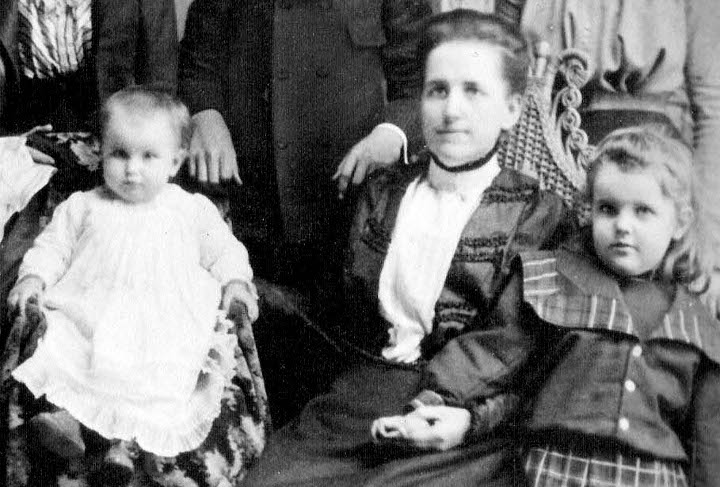

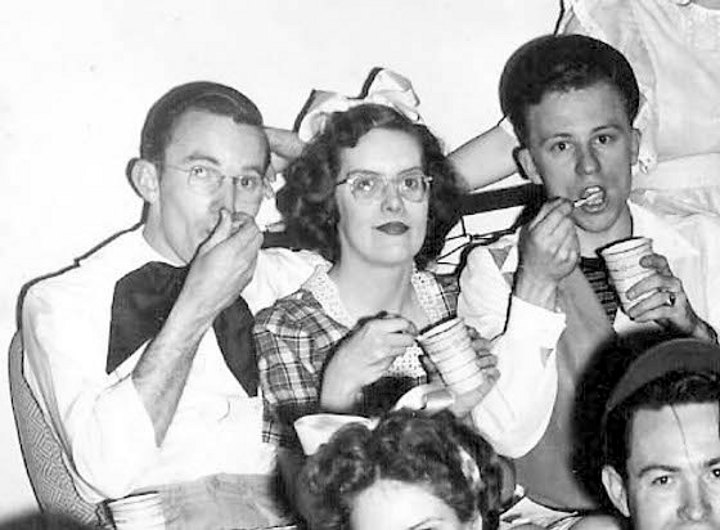
The first picture in this episode is a family portrait of the Quin family in Washington Georgia. The nine surviving children of Hugh Pharr Quin are sitting for the camera. Mr. Quin had joined the Georgia State Troops of the Army of the Confederacy at the age of 16, and after the war went to Washington to live with his sister. Mr. Quin was in the church choir of the First Methodist Church when he met the organist, Betty Lou DuBose. They were married January 22, 1879.
The original name of Mrs. Quin was Louisa Toombs DuBose. She was the daughter of James Rembert DuBose. His brother in law was Robert Toombs, the Secretary of State of the Confederacy, and a man of whom many stories are told.
In this picture, Mrs. Quin is holding the hand of her second youngest daughter so she will not run away. This is Martha (Mattie) Vance Quin. She is my grandmother.
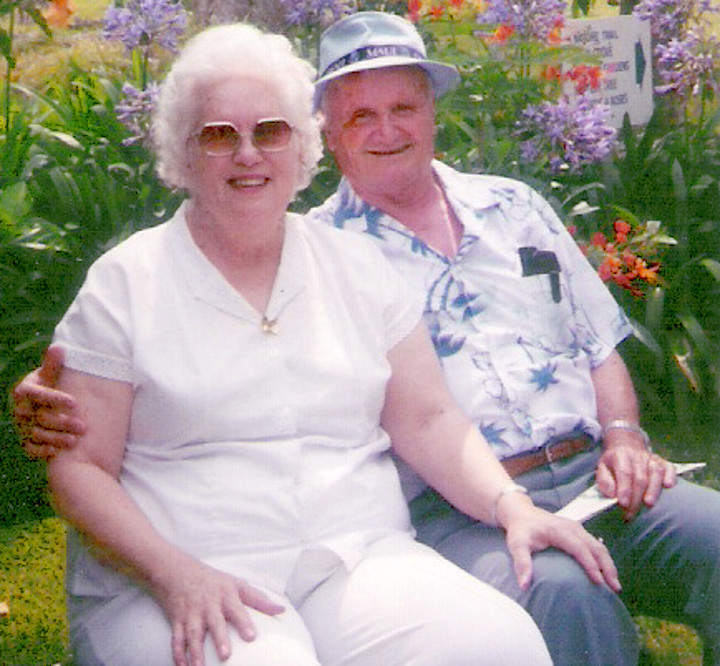
After the Great War, Mattie Quin was living in Memphis Tennessee, where she met Arthur Dunaway. Mr. Dunaway was a veteran of the war, and was from Paragould, Arkansas. On July 23, 1922 her first Daughter, Jean, was born. This is my mother.
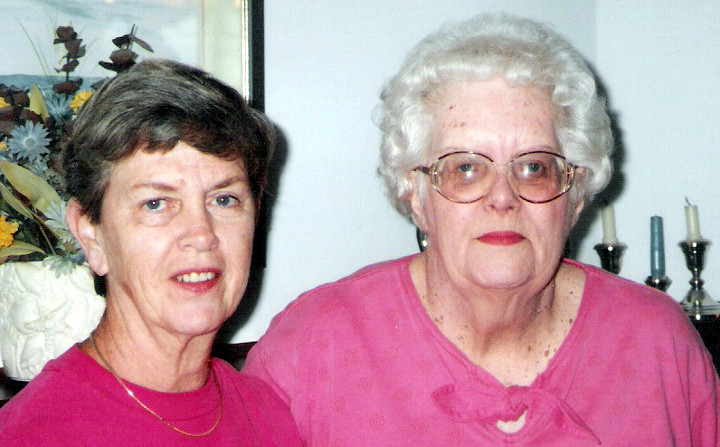
Mr. Dunaway died in 1930, shortly after the birth of his son Arthur. There were hard times and upheaval after this, with the family settling in Atlanta. There her third child Helen Ann Moffat was born on December 12, 1933. This is my Aunt Helen and my mother’s best friend.



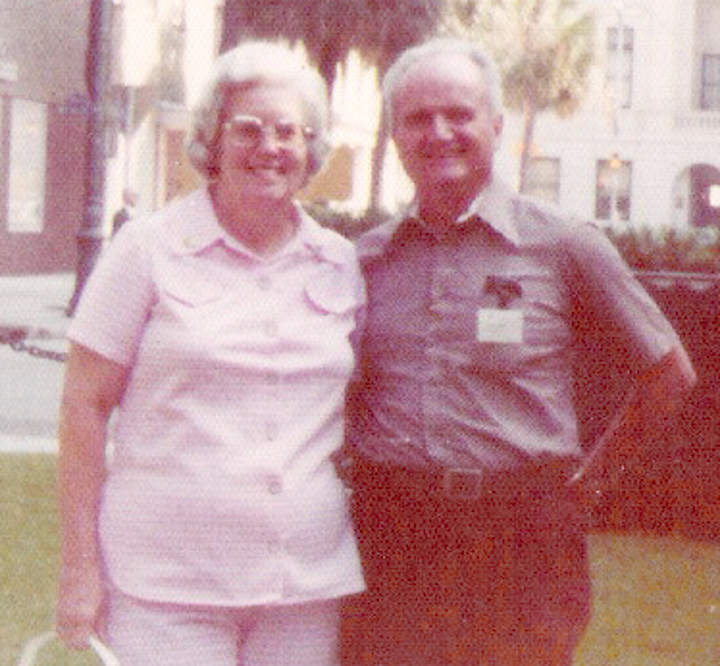
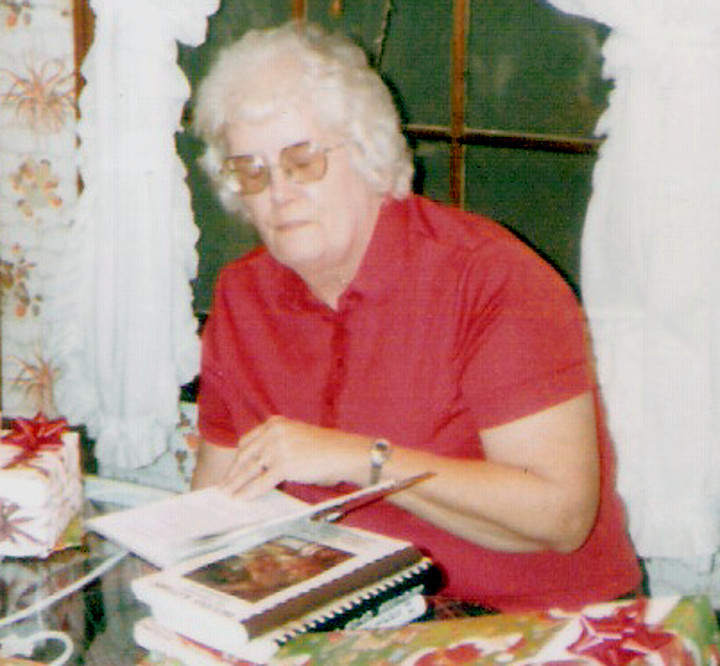
Jean lived for many years with her mother and sister at 939 Piedmont, among other locations. She joined the First Baptist Church and sang in the choir. She got a job with the C&S bank, and was working at the Tenth Street Branch when she met Luther McKinnon. He was a native of Rowland, North Carolina. They were married October 6, 1951.
They moved into the Skyland Apartments, which in those days was out in the country. Mom told a story about Dad taking her home from Choir practice, and going home on the two lane Buford Hiway. There was a man who went to the restaurants to get scraps to feed his pigs, and his truck was always in front of them. This was a serious matter in the summer without air conditioning.
Soon, they moved into a house, and Luther junior was born on May 6, 1954. This is me. Malcolm was born May 10, 1956, which did it for the children.
The fifties were spent on Wimberly Road, a street of always pregnant women just outside Brookhaven. It was a great place to be a little kid.
In 1960, we moved to Parkridge Drive, to the house where my brother and I stay today. The note payment was $88 a month. Ashford Park School is a short walk away…the lady who sold us the house said “you slap you kid on the fanny and he is at school”.
In 1962, our family followed the choir director from First Baptist to Briarcliff Baptist, which is where my parents remained.
In 1964, Mom went back to work. She ran the drive in window at Lenox Square for the Trust Company of Georgia until it was time to retire. She became a talk radio fan when RING radio started, and was a friend of her customer Ludlow Porch. She gave dog biscuits to customers with dogs.
During this era of change, Mom taught me that all people were good people, be they black or white. This was rare in the south. She later became disgusted with the War in Vietnam, and liked to quote a man she heard on the radio. “How will we get out of Vietnam?””By ship and by plane”.
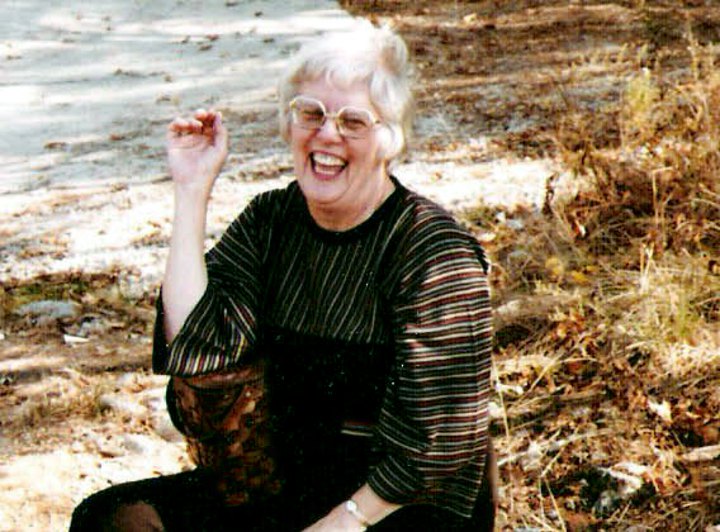
Eventually, it was time to retire. Her and Dad did the requisite traveling, until Dad got sick and passed away February 7, 1992. Mom stuck around for a few more years, until her time came December 18, 1998. This is a repost.


Cadavre Exquis


When you are the featured poet at a reading, it is good manners to show up on time. I was scheduled to feature at the Little 5 Poetry bash, but the traffic had other plans. I got to Java Lords at 1832, got a cup of coffee, and went into the lobby of 7 Stages theater. It was empty. I sat down, and took a notebook out of my backpack. As I was looking for an inkpen, Rosser Shymanski walked in, wearing a lovely pair of lime green shoes. The event was outside on the patio.
Han Vance, the primary perpetrator of the event, was on the microphone. “Tomorrow is my first UNNIVERSARY, would-be 13th wedding anniversary so I’m gonna do a special set before you go.” It was an emotional evening for Mr. Vance, but he pulled through. There were only two more poets reading, Mitchell Padgett and Mark LaFountain.
After a while, Rosser pulled some clipboards out of a box, and introduced a parlor game. Each person would start a group poem. You write two lines. Fold the paper over the first line, and pass the clipboard on to the next person. They write two lines, hide the first one, and pass it on to the next person. When you fill up the page, you have a poem.
“Cadavre exquis is similar to the old parlour game consequences – in which players write in turn on a sheet of paper, fold to conceal what they have written, and pass it on to the next player – but adapted so that parts of the body are drawn instead.
It was invented in 1925 in Paris by the surrealists Yves Tanguy, Jacques Prévert, and Marcel Duchamp. The name ‘cadavre exquis’ was derived from a phrase that resulted when they first played the game, ‘le cadavre exquis boira le vin nouveau’ (‘the exquisite corpse will drink the new wine’).”
Some killjoy observed that stream of consciousness is more fun to write than it is to read … and don’t even think about editing. There is a discussion to be had whether consequences, with or without truth, should be chosen before an exquisite corpse.


May 6, 2024




May 6 is a day in spring, with 35% of the year gone by. It has it’s fair share of history, some of which did not turn out well. In 1861, the Confederate Congress declared war on the United States. In 1937, a German zeppelin named “Hindenburg” exploded while trying to land in New Jersey. In 1940, Bob Hope did his first show for the USO, somewhere in California.
Roger Bannister ran the first sub four minute mile, on May 6, 1954. The current record is 3:43.13 by Hicham El Guerrouj on July 7, 1999, with a party with Prince to celebrate. Since most track meets now use 1500 meters, the mile record is obsolete.
On this day, Georgia executed two notable prisoners. In 2003, Carl Isaacs was put to death. Mr. Isaacs was the ringleader in the 1973 Alday family killing, in Donalsonville GA. Five years later, in 2008, William Earl Lynd was poisoned by the state. This was the first condemned man to die after the U.S. Supreme Court ruled that execution by poisoning was constitutional.
Taurus is the sign for those whose blood starts to pump May 6. Included are:
Maximilien Robespierre (1758) Sigmund Freud (1856) Rudolph Valentino (1895)
Orson Welles (1915) Willie Mays (1931) Rubin Carter (1937)
Bob Seger (1945) Tony Blair (1953) Luther Mckinnon (1954) George Clooney (1961)
To make room for these folks, someone has to die. For May 6 this would mean:
Henry David Thoreau (1862) L. Frank Baum (1919) Marlene Dietrich (1992)
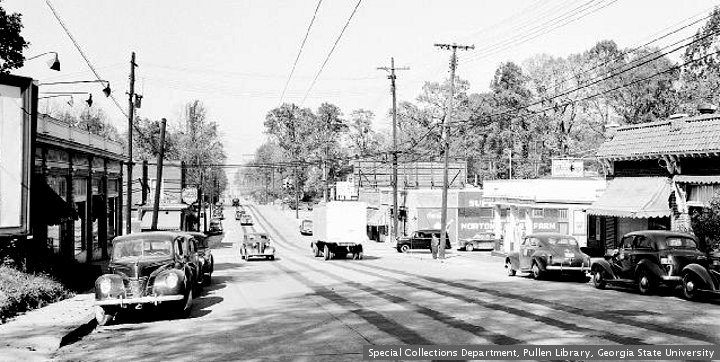
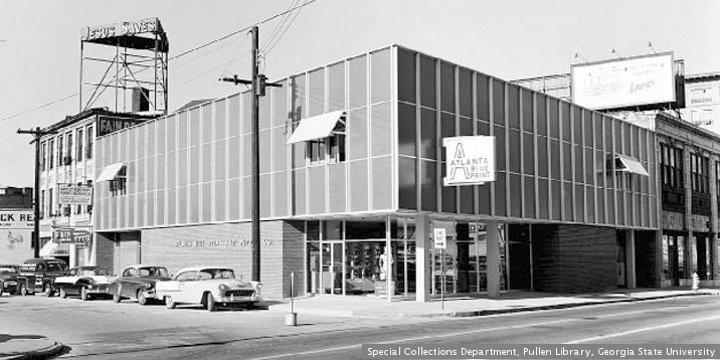
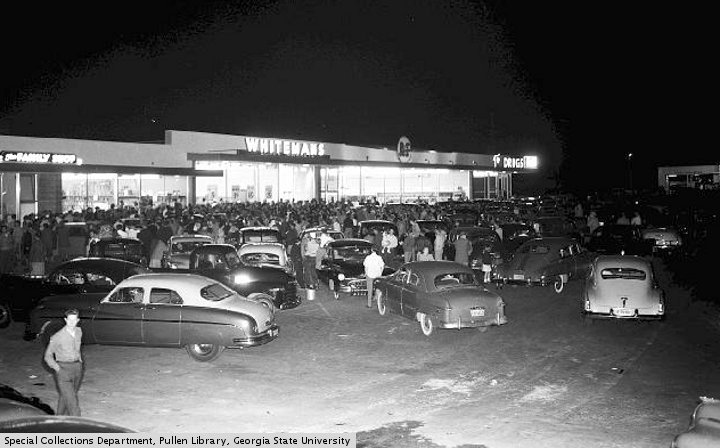
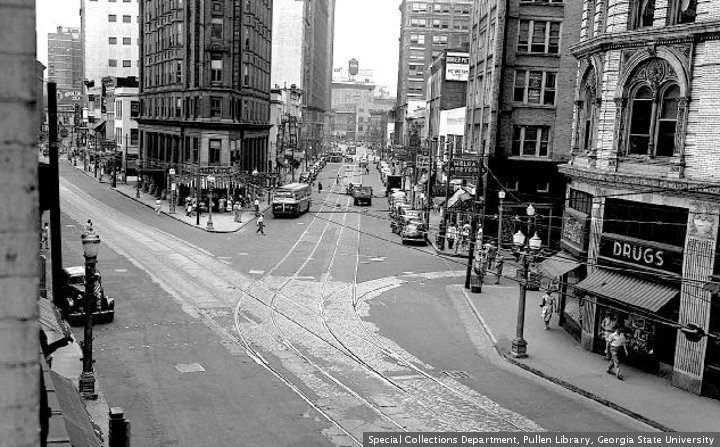
This repost, written like H.P. Lovecraft, has pictures from “The Special Collections and Archives, Georgia State University Library”.



 Chamblee54
leave a comment