Race-Rot


America clearly has a problem of color. One way view to this racial dysfunction is as a unified quagmire, rather than competitive hating of wokeness and racism. This approach does not offer any easy solutions. We need to treat people with kindness and respect, no matter what adjective you put in front of people. As a man named King said, “can we all get along?” This is a repost.
I recently wrote about Flannery O’Connor. She was a gifted storyteller, who posthumously run afoul of “whiteness studies and critical race theory.” (This was in 2020, when CRT was respectable. Today, CRT is demonized by some, while others say “thats-not-what-it-means.”) The story cited an essay by Alice Walker, who grew up in Eatonton GA, a few miles up hwy 441 from Andalusia. “The magic, the wit, and the mystery of Flannery O’Connor I know I will always love. I also know the meaning of the expression “Take what you can use and let the rest rot.” If ever there was an expression designed to protect the health of the spirit, this is it.” We can call this dysfunction Race-Rot.
One of the nastier parts of Race-Rot is name calling. There are a pair of six-letter slurs. One starts with r, one ends in r. One I am forbidden to say, while the other I am forbidden to not say. The mentionable slur is racist. You know what the other one is. We would be better off not using either six-letter slur. People enjoy using six-letter slurs, so this is not going to happen anytime soon.
I am a certified white person, of Scottish and Irish descent. I am from Georgia. My great-grandfather fought for the Georgia State Troops, in the War Between the States. This affects the way in which I approach Race-Rot. I see that racism is a problem, and find the bungling efforts at fighting racism … aka wokeness … to be incredibly annoying.
The problems with racism affect millions of people every day. One could reasonably ask, what is wrong with being against racism? The problem is not that you are fighting racism, but the way you are doing it. The trouble with wokeness includes disrespect, fallacious logic, indifference to collateral damage, inflammatory rhetoric, hypocrisy, name calling, and a host of other micro/macro aggressions. The list could go on for a long time.
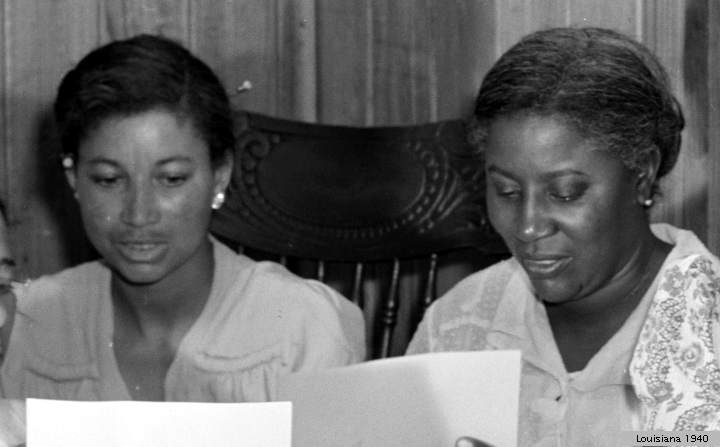
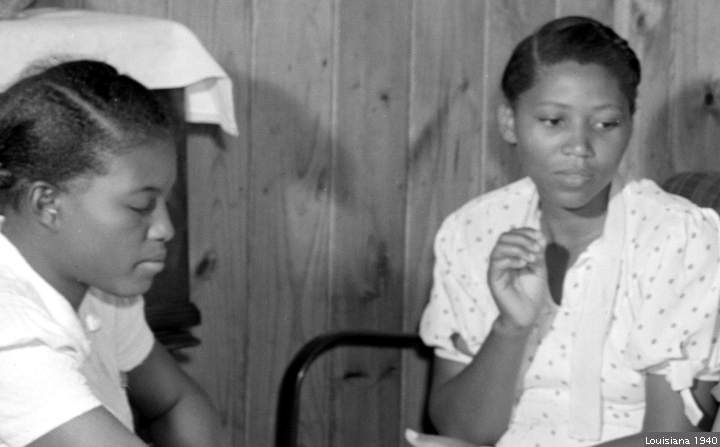
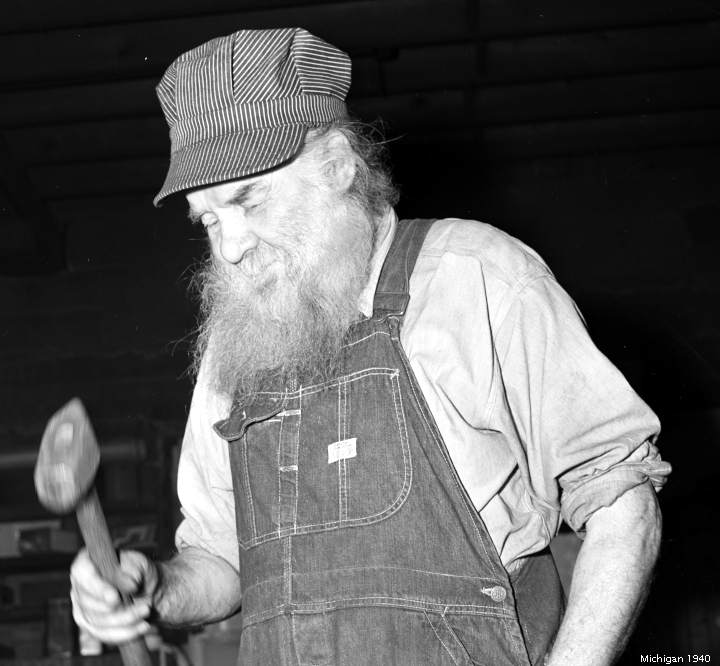
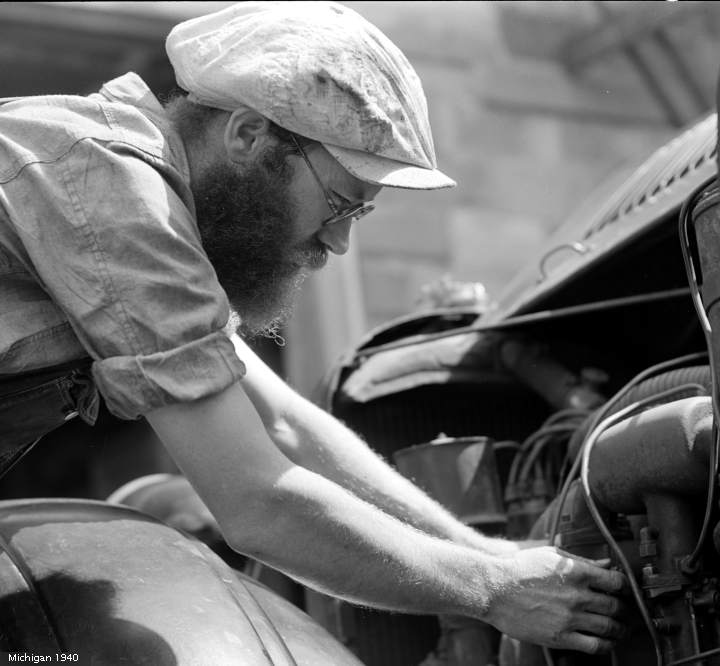
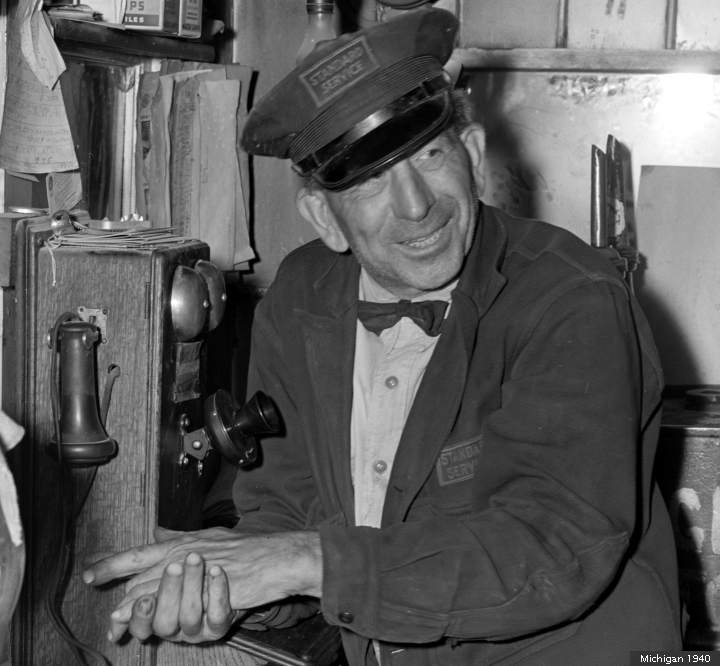
This is not a comprehensive look at Race-Rot. There are many layers to this onion. Racism and wokeness (RAW) are only part of the picture. The story of Black and White has many shades of gray. We could spend hours talking about Race-Rot, and only be more angry and confused when we are done. The best thing to do now is present some photographs, from The Library of Congress.
We are all God’s children, not a walking six-letter slur. Be kind to each one. Please don’t shout.



9-11 Part Two




For a long time, I posted my 9-11 story every year, on September 11. This year, the Presidential debate was on September 10, and it dominated “the conversation” on September 11. Maybe we are moving on, and giving 9-11 its proper place in history.
2001: A Space Odyssey came out in 1968. 2ASO presented a vision of the future. It turns out the reality of 2001 was “terrorists” using our space age technology against us, with devastating results. HAL, the murderous computer, may have been the one prophecy that did come true.
9-11 was a watershed moment. 9-11 was caused by what came before, and affected what came after. We will never know the full story. 2001 was neck deep in the digital revolution, giving the conspiracy talkers a handy forum for their wonderful opinions. Unfortunately, not everyone has integrity, or good intentions. Whether 9-11 was an inside job, or a terrorist attack, the US government gained a great deal of power. Most of the things they did with it did not work out very well. This has also powered the conspiracy industrial complex.
In the last five years,Whe we have had four watershed events: COVID 19, George Floyd, the Russian invasion of Ukraine, and October 7. Each component of this grand slam has similarities and differences to each other, and to 9-11. All five events have had a fruit basket turnover effect. Liberals have become conseratives, conservatives have become liberals, and many have wondered why we need those labels anyway. Hypocrisy has become the national pastime.
This is the first paragraph, faithfully pasted in every year: “This is my 911 story. I repeat it every year at this time. Every year I say this will be the last time. This year is a mess. We are destroying the village to save it. The action part of 091101 was over by 11 am. This quagmire drags on and on. Nobody knows how things will turn out.”
One more paragraph is worth repeating: “I became alienated from Jesus during these years. Once, I had once been tolerant of Christians and Jesus, as one would be with an eccentric relative. I began to loath the entire affair. I hear of others who found comfort in religion during this difficult time. That option simply was not available for me.” After September 11/October 7, this fear and loathing has extended to most popular versions of Yahweh worship.
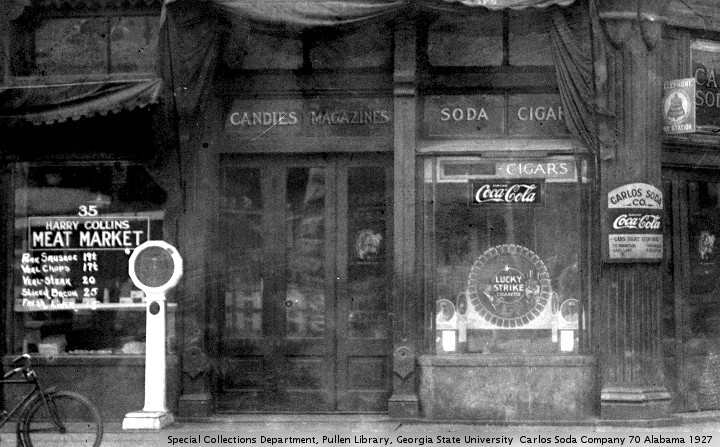
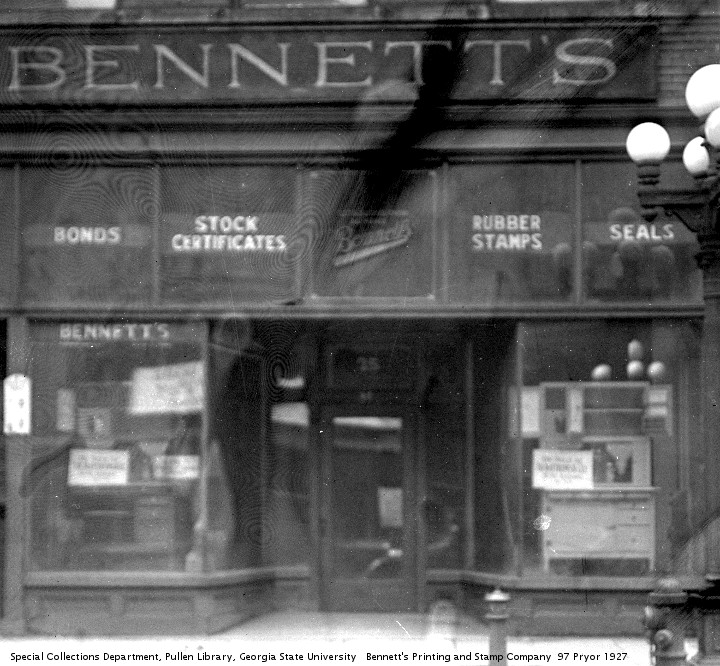
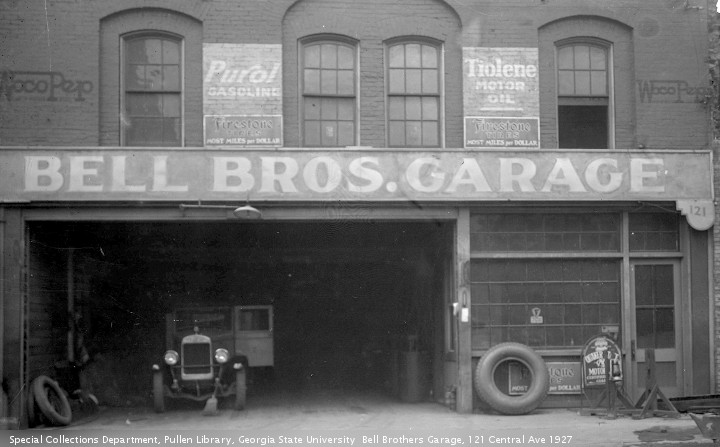
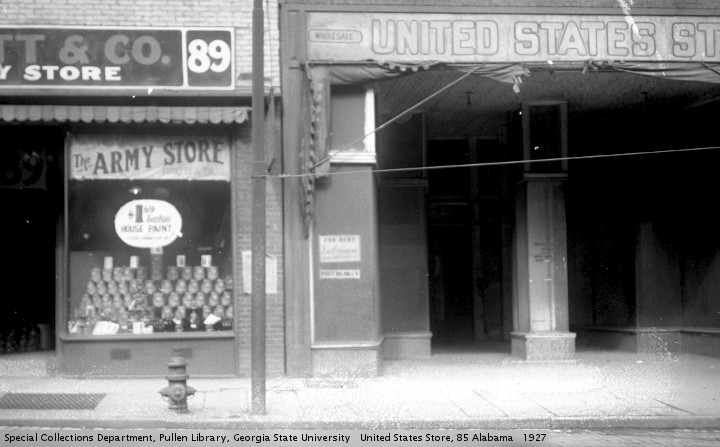
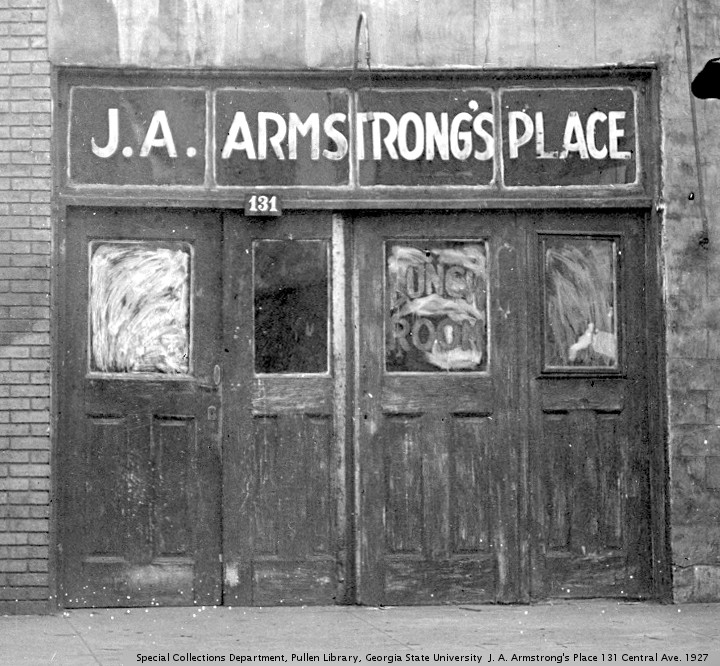
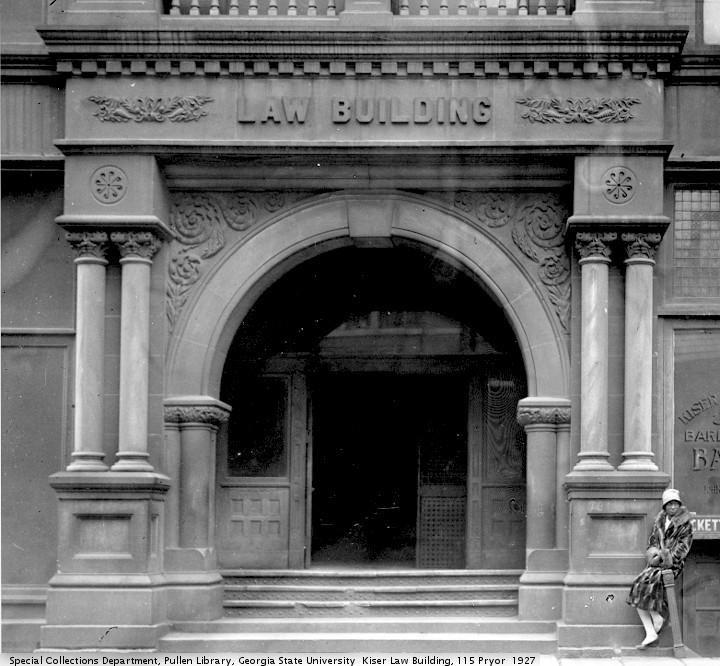
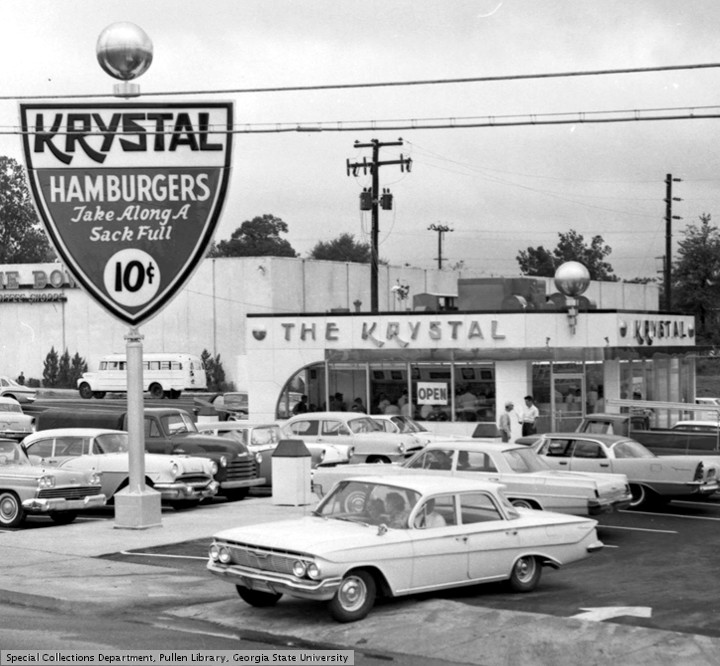
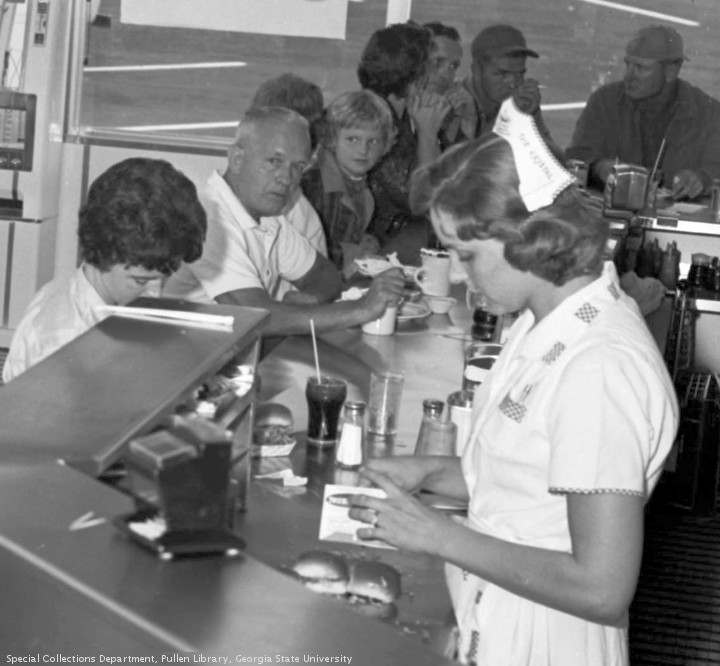
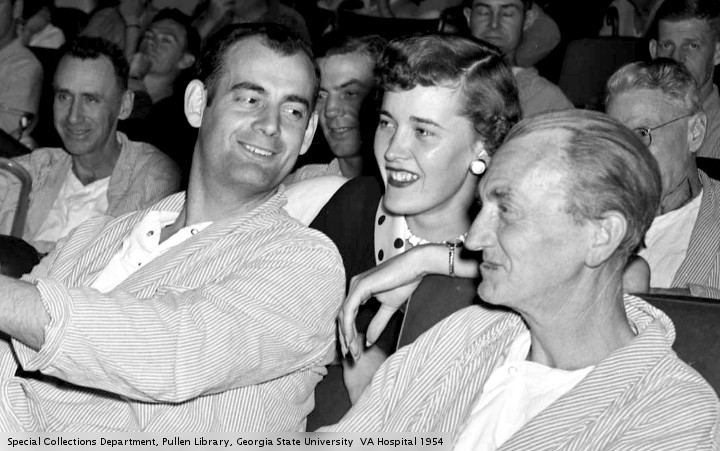
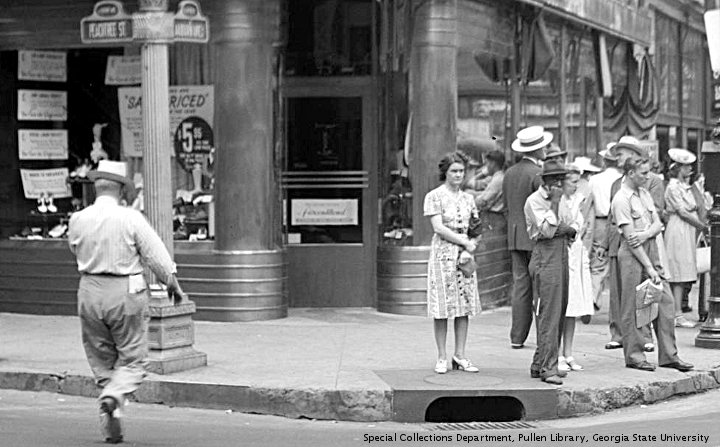
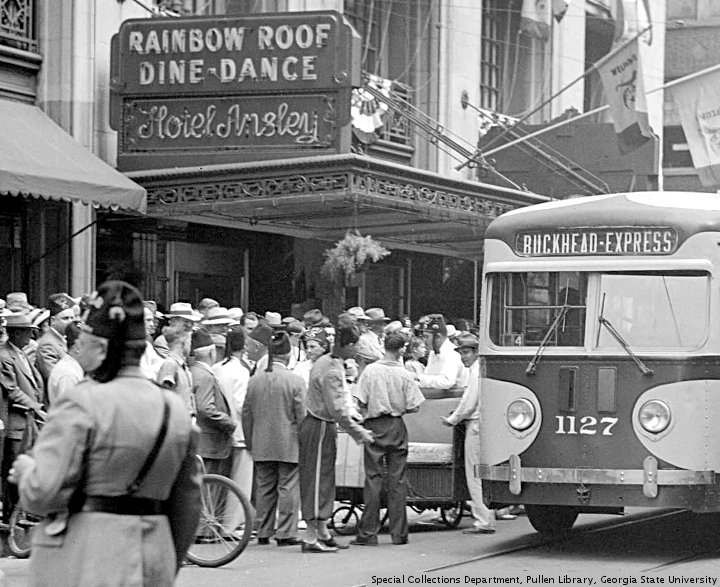
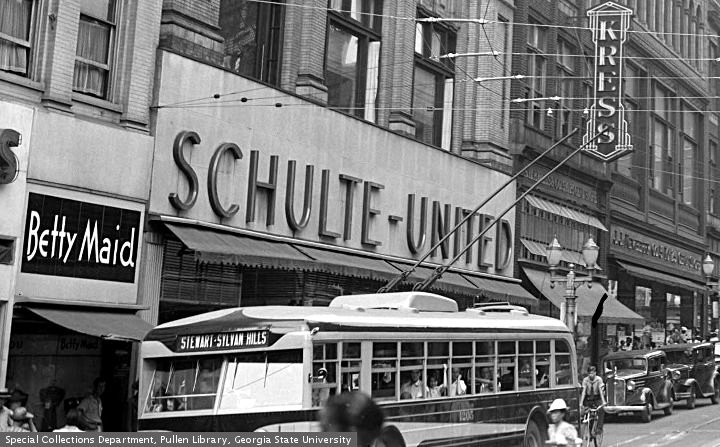
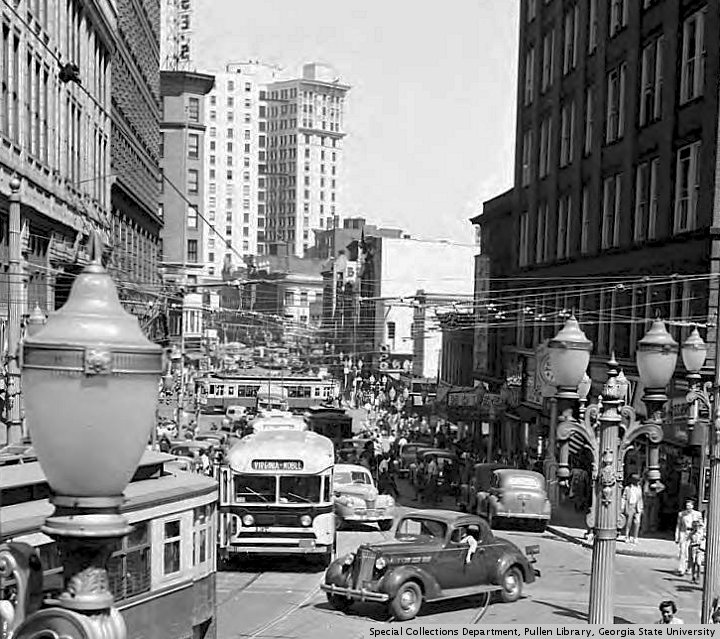
Pictures from Special Collections and Archives, Georgia State University Library. “This item is part of a collection of images of downtown Atlanta streets that were taken before the viaduct construction of 1927 – 1929. Some of the covered streets became part of Underground Atlanta.”





Cliff Bostock


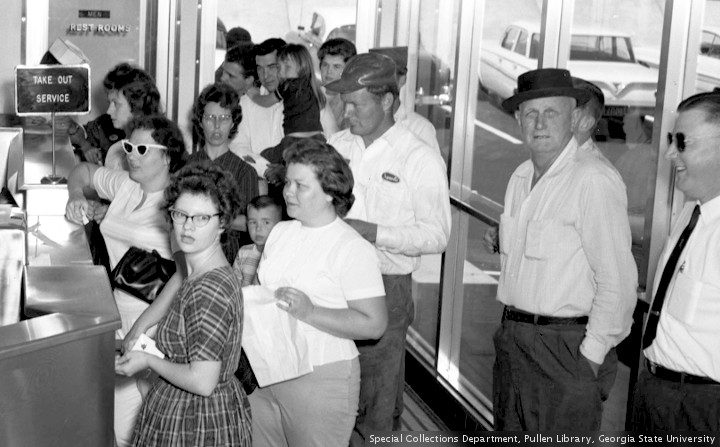
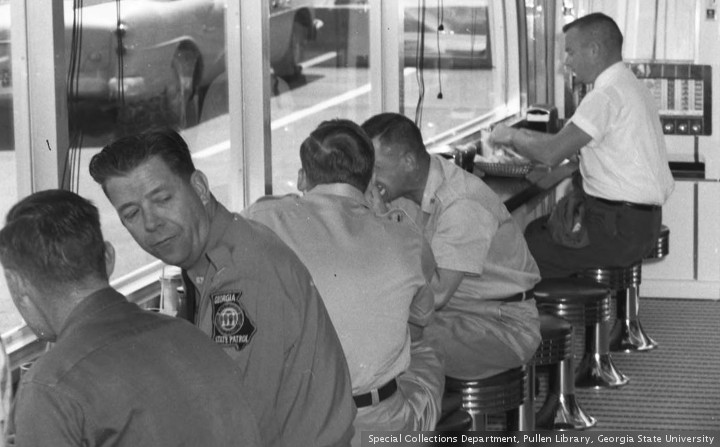
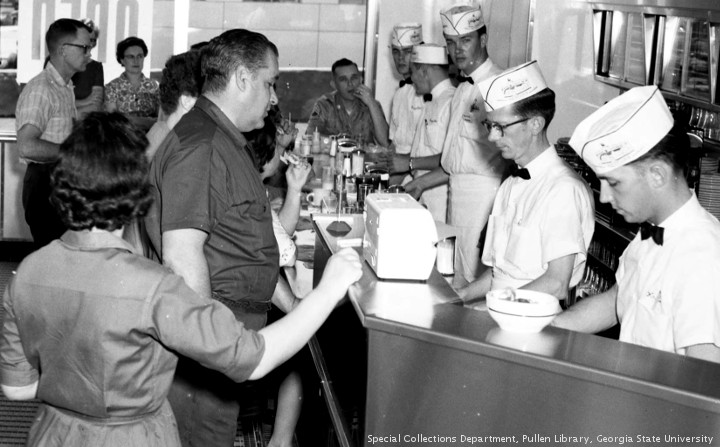

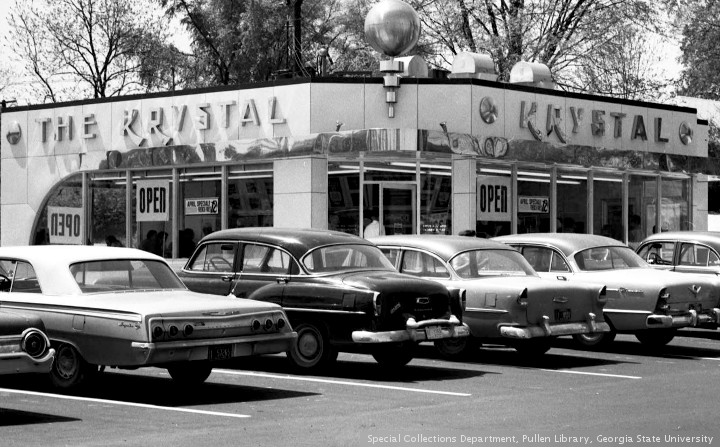
@SobSax “Longtime Creative Loafing writer and editor Cliff Bostock has died after a long battle with cancer. Hs article for Creative Loafing’s 50th anniversary issue, its last in print, discussed …”
I had not heard anything from Cliff in a while. In the early nineties, you could not avoid him. He wrote restaurant reviews for Creative Loafing, and intensely personal pieces for Etc. That article gives you a feel for the voice of Cliff Bostock.
Cliff had a story, and a point of view. Defiantly gay, scarred by the AIDS calamity, Cliff said plenty of things you are not supposed to say. For a while, he was pumping out 3,000 words a week, for anyone who cared to read. “Intensely personal” may not be adequate to describe his output. One person said he would rather walk naked down Peachtree Street, than publish things like that.
It turns out that Cliff had been writing for Georgia Voice. Fagrags are not what they used to be. Cliff was, as usual, vocal about his experience. (March 8 April 6 June 7) Glioblastoma multiforme was the vehicle for this one way journey.
AIDS is a constant presence here. I believe I once saw Cliff write something about getting tested, followed by a staunch refusal to give his own results. Whatever the outcome, Cliff managed to hang on to life until now, which is an achievement. “I often feel like my mind is hosting a marathon séance, with dead friends constantly popping into my head.”
In the early oughts, Gay.com was an online hangout. Cliff adopted the name Bachelard, and made his presence known. I was PiersGavestonJr … two chatters named after Frenchmen. Cliff said that he met me at a meet-and-greet, but I am not sure. … If you type gay.com into a browser, you will go to Los Angeles LBGT Center. Pictures today are from Special Collections and Archives, Georgia State University Library I do not know if Cliff ever reviewed Krystal.



Ecneics



ABSTRACT NEW YORKER · FANCY SOMEHOW READS BELIEVES · GERIATRIC HURT
Abstract New Yorker is an exercise in repetition. ANY believes that the coffee they drink will protect them from the sky falling in, or another Mets-Yankees World Series.
will society · have spiritual tough porn · cute responsible
Donald John Trump, the son of Christ, is in another election. He is supposed to lose. His anointed opponent, Kamala Devi Harris, the daughter of Shyamala, has made spiritual tough porn her campaign theme. Neither party is responsible for their actions.
pretend nothing app · address eggshell emotions · plea dysfunction peace
The PretendNothing® app is a groundbreaking innovation in the lifestyle science of denial enableature. PretendNothing® introduces the user to a fresh paradigm capability. The daily use of PretendNothing® will transport the user into a new realm of existential obfuscation.
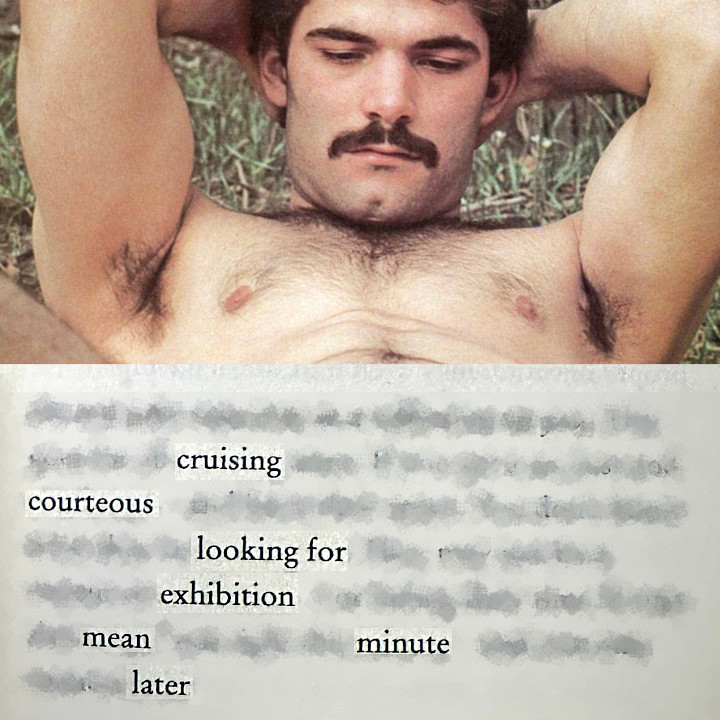
cruising courteous · looking for exhibition · mean minute later
Oblique Strategy of the Day is “Ghost echoes.” When looking for an exhibition, either decent or indecent, you should listen for the echoes produced by dead ancestors. All will be revealed, in a mean minute. All will be revealed, in a mean minute.
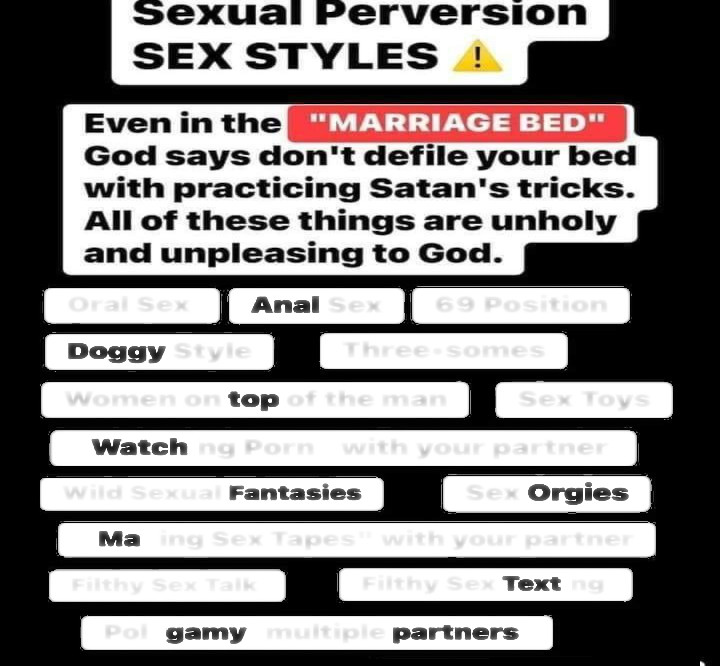
Anal Doggy top · Watch Fantasies Orgies Ma · Text gamy partners
Gamy refers to meat with an unpleasant odor. If an anal doggy is involved, this is a likely outcome. In any event, your chances are better if you use an oral kitty.
cover everything · country living George Tammy? learn · about moonshine Report
Tammy? had a tough life, some of which was her own doing. George was not a good husband choice. Learning about moonshine did not help. Johnny Paycheck just in the background, singing to take that report and shove it. · selah

Wilbur


090924 – 10:32 It is day 6 of the new phone. Since it is monday morning, I downloaded Blocked and Reported. Today is a preview of a paid episode. Is monday morning is about to change? Paying for Jesse and Katie is out of the question.
The path has become my outdoor treadmill. I went out for a few laps, and put BAR on the headphones. The parade did not get out of the front yard before the noise started to cut off. After several experiments … is it the ear buds, the bluetooth, the show, the music player on the phone, the pockets of the cargo shorts … I walked my laps, and went inside.
The Muzio music player had other issues, so I decided to try downloading another one. Then the ear buds came in. Airbuds are another recent purchase. I have not made friends with this contraption. Airbuds feature a sensitive button, and if you adjust the buds incorrectly, the sound will cut off. If you touch this button the wrong way, to turn it back on, you go to the next track it wants to play. This is not going to work. I put my aging JBL buds back in.
After all these adjustments, the part of BAR that Jesse will allow played without incident. The paywall kicked in during a discussion of Darryl Cooper … a subject that has become boring. …
You’re disgusting child deplorable fashion REAL family dumb ass
Upon hearing this cancellation … you are deplorable, wear tacky clothes, and your butt has no family intelligence … Wilbur decided to take matters into his own hands. For too long, that damn talking horse had ruled the stable.
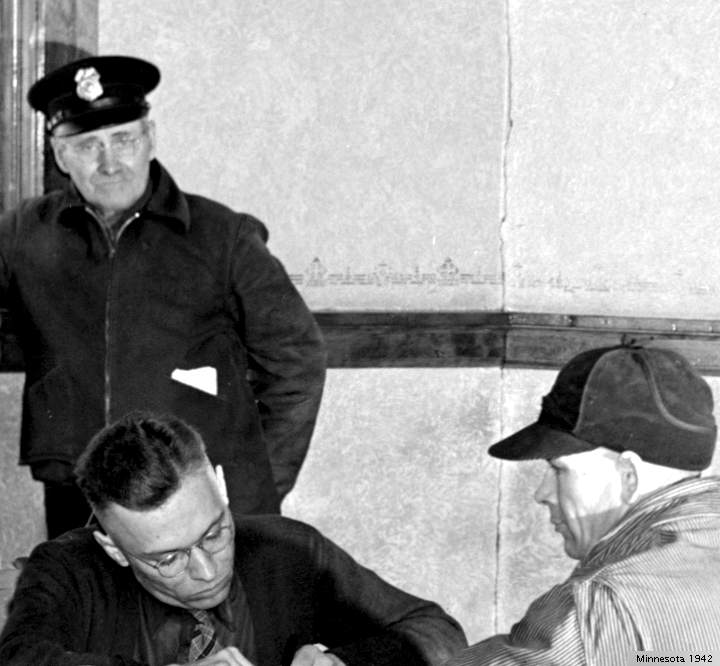
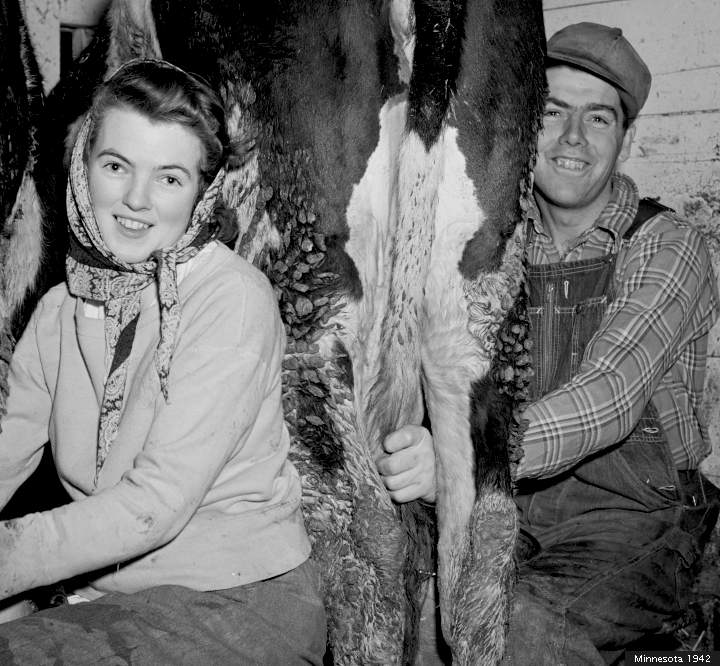
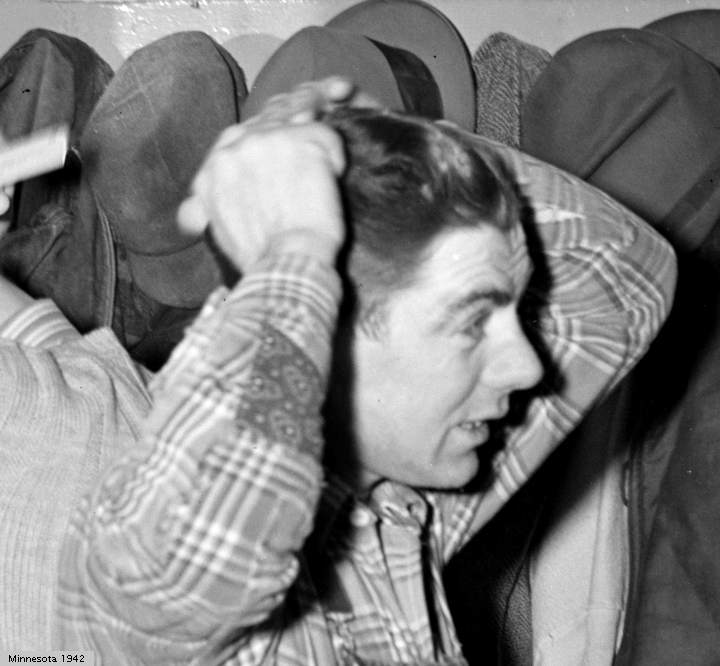
Wilbur would buy new clothes, for the first time since the tv show ended. Next, he would get rid of the land line, and force Ed to use a smart phone. Have you ever tried texting with hooves? Pictures today are from The Library of Congress.


Don’t Yuck On My Yum


This is a repost from 2020. Some yums are getting yuckier every day. … Don’t yuck on my yum. This is a thing. It means that if I like something, and you don’t, then keep your disapproval to yourself. Don’t yuck on my yum. I first heard this saying on the RISK podcast, probably in an episode where host Kevin Allison goes to kink camp.
I can not track down the exact episode. It is in there somewhere, but looking for it is too much work. OTOH, I can point out, with great precision, when I became persona non grata in the RISK community. He yucked on somebodies yum.
It started with this episode. Nimisha Ladva told the story “Mother in law.” Nimisha, newly married to David, is dreading a lunch date with his mother, Elaine. David told a story about how Elaine asked him if Nimisha was black. The young bride was outraged. At about ten minutes into the show, Nimisha is ranting about how horrible it was to eat lunch with a racist. I made a comment in the “RISK! Podcast Fans Discussion Group.”
“I recently sent a link to the Paul Gilmartin story to a friend. He is in the AA program, and I thought he would enjoy the story. Here is the email I sent with that link. – This is a link to a story. It is an AA war story. It starts at 20 minutes. The first story in this show is about an Indian lady, who does not like her Jewish mother in law. At ten minutes into the show, the bride says “I am going to have to spend the day with a racist.” – At this point, I turned off the show in anger. I am sensitive to the term racist, for perfectly obvious reasons. I did not want to listen to the rest of the show. – When I decided to send you the link, I had to listen to the part of the show around the 20 minute mark, so I could know when the war story started. I set the timer for 18 minutes, and listened to the end of the mother in law story. There is a twist in the story, and everyone is friends now. The bride says “I am ashamed of reducing her to her racism.”
As anyone with internet access knows, a comment like that is likely to stir up trouble. People enjoy the sport of trashing another human being because of their racial attitudes. If you follow this link, you can see the dogpile that resulted. It got to be a cliche party, with chestnuts like this: “I would invite you to reflect on your pain in being called racist, and imagine how much worse it is to experience racism. Dismantling racism is the goal, not making sure no ones feelings are hurt.”
Performative name calling does does not affect police brutality, economic opportunity, or access to decent housing. All it does, in this case, is hold up a lady to ridicule, based on her perceived racial values. This social justice performance art goes on all the time, and if you object to it, then you can expect to be called a racist. The white savior considers criticism of their privilege to be racism, and does not have a problem with telling you about it.
It should be noted that their were other yumyucking incidents. The one described merely is the first one. There were other breaches of *community standards*, until Kevin delivered the “you’re an asshole” fatwa. When you do the work of creating a show, you earn the right to ban inconvenient members of the audience. There is nothing I can do about it.
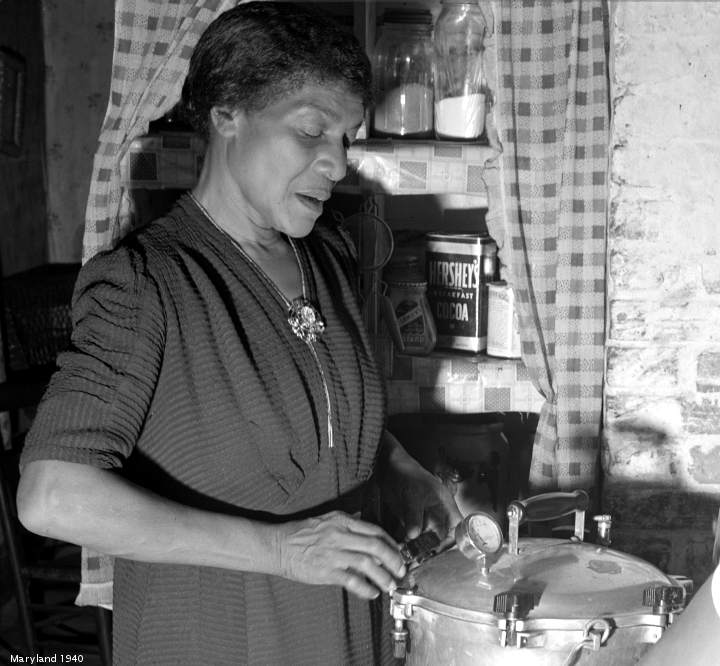
Calling people racist is their yum. And when you say that this is not really a good thing to do, you are yucking on their yum. This facebook thread was the first time some of these people have heard that saying racist is not helpful. If you engage with them, you violate an ancient bit of wisdom: Never wrestle with a hog. You will just get dirty, and the pig will enjoy himself. Pictures for this conflict devolution chronicle are from The Library of Congress.

L5PB Labor Day


Labor Day was the first monday of September, which meant Little 5 Poetry Bash. I printed my new poem, and looked at the list of podcasts. Lo and behold, there was an episode of Noble I had missed.
Labor is a good day for traffic. I set out from Brookhaven at 18:10, for a 19:30 start. I got to the promised land early, and went to Rag-O-Rama. $22 is too much for a used t-shirt. Next stop was a cannabis store. There was promising talk about a new product, which may require further attention.
L5PB was splendid, as usual. The core group of poets was there, with terrific product from all parties. Collin Kelley, a mainstay of Atlanta words, was the delightful feature. A lady/dog team came from Cave Springs, to tell a tale of Artemis and Apollo. I kept thinking of Gomer’s cousin, Artemis Pyle, who played in Lynyrd Skynyrd.
L5PB takes place in the lobby of 7 Stages. There are two problems. 7S has a collection of bright lights in the ceiling above the speaker. There are also the big red letters MAIN STAGE, which is has too much anagramic temptation (inamorata petting cam) for this addict. In a life hack moment, I solved both problems with a baseball hat.
The best way to go home is to take a left onto Colquitt, and go down to N. Highland. After a stop in the Manuel’s parking lot, Noble was coming over the speakers. This episode dealt with the Marsh family story, without going overboard with talk of racism. Finally, after the renovated North Druid Hills bridge, Taco Bell came into view. The last part of L5PB is getting my mystery meat fix. Next month will be more of the same. Pictures are from The Library of Congress.



Exit Charge



It was the first Monday, and I braved the drive to L5P for the poetry bash. The talent wasn’t a poet, but a short story reader. The player was in New Jersey and New York, and he kept running into Lucifer, who seemed like a perfectly reasonable sort of gent, even if he does make odd fashion choices.
The story that sunk in was about designer lawns, and chemicals needed to preserve them. I live in mcmansion city. My white trash lawn is surrounded by manicured chemical dumps. Speaking of dumps, dinner is kicking in, and needs to kick out.
Han Vance is host of the L5PPB. One attribute that poets find helpful is being a ham, and enjoying the sound of your voice going out over a PA. This describes Han, and many of the L5PPB actors.
Han was talking about hosting open mic spaces. Poets are usually good, but many OM musicians tend to suck. Later, Han explored the concept of a bar with no entry fee, but you pay to leave. This would seem to be the ideal venue for this musician’s open mic. The more obnoxious the alleged musician, the greater the charge to go home.
A motif of the L5PPB is the haiku. How did the odd number geometry of five-seven-five come to have hegemony over the micropoem universe? Some say that the beat counting is obsolete, and you just need a total of seventeen beats.
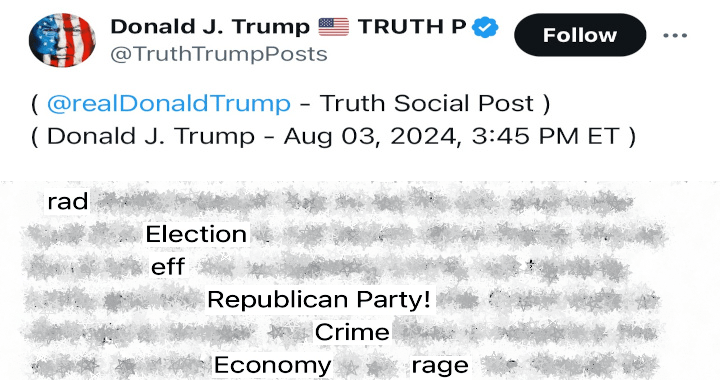
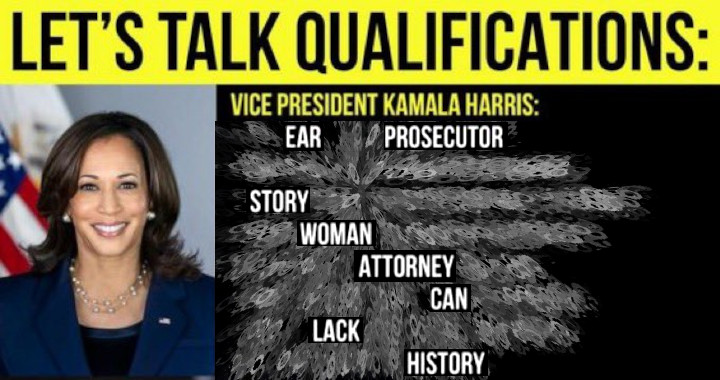
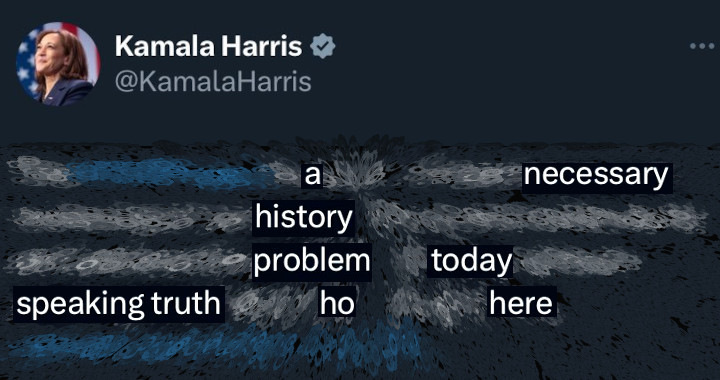
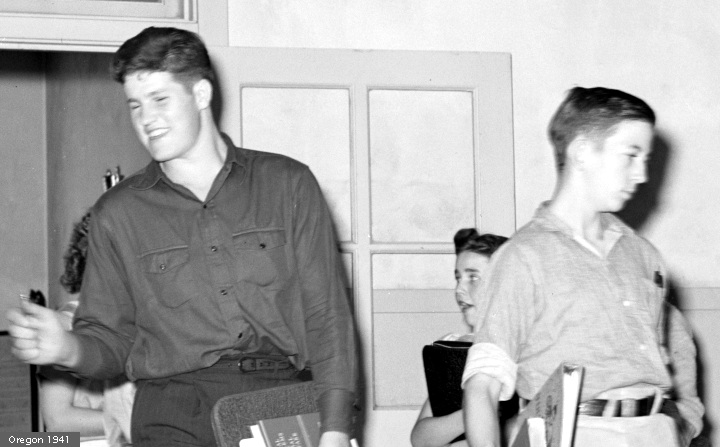
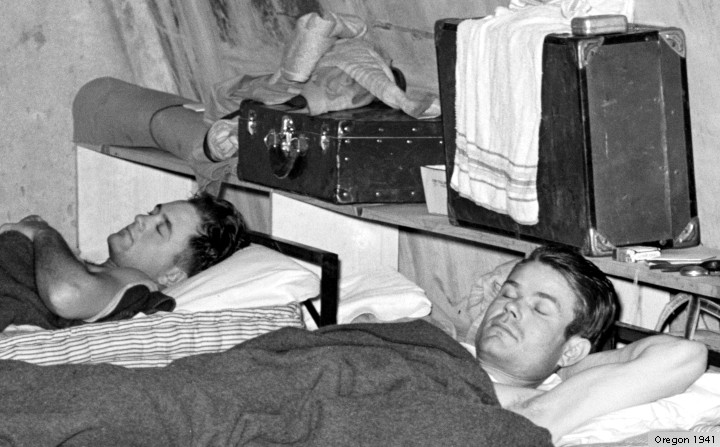
The pics that illustrate this triple drabble feature are haiku reductions. You take an image, contort it into a standard size, highlight the malleable text, make a separate file, highlight a five-seven-five combination, blur out the remaining text, and paste the text over what remains of the original. The haiku structure helps to make sense of the whole enchilada.
Where Was Sen. Warnock?


Israeli Prime Minister Benjamin Netanyahu recently spoke before a joint session of Congress. Many people, myself included, did not approve. I became curious about my representatives.
On July 26, 2024, at 12:20, I called the Atlanta offices of Sen. Jon Ossoff (470-786-7800) and Sen. Rafael Warnock (770-694-7828.) “I have a question for _____ . Did you attend the address before Congress by Benjamin Netanyahu? If the answer is yes, then I am deeply ashamed of you.”
At 12:40, I called the Decatur office of Rep. Hank Johnson (770-987-2291.) A person answered the phone. I asked the same question. Rep. Johnson did not attend the address.
As it turns out, I am in GA05, which is represented by Nikema Williams. Hank Johnson represents GA04. My neighborhood is in a different district every time the boundaries are redrawn. Mistakes are easy to make. At 13:20, I called the Atlanta office of Rep. Nikema Williams (404-659-0116.) I left a message on the machine.
At 16:10, Jon Ossoff’s office returned my call. Sen. Ossoff did attend the address by PM Netanyahu. At the time this post was written, I have not heard from Sen. Warnock or Rep. Williams.
Neither @ossoff nor @ReverendWarnock has made a comment on X about the address. At 14:48 on Jul 24, @RepNikema sent a tweet that began “I met with the families of Israeli hostages …” The tweet made an anodyne statement about freeing hostages, and ending “the violence in Gaza.” It did not refer to the appearance of PM Netanyahu before Congress.
@RepHankJohnson “I will be boycotting Netanyahu’s speech today. Rather than working on @POTUS’ ceasefire deal that would halt the indiscriminate killing & starvation in Gaza, Netanyahu is here, again interfering in U.S. electoral politics with his support for ex-president Trump & MAGA.”
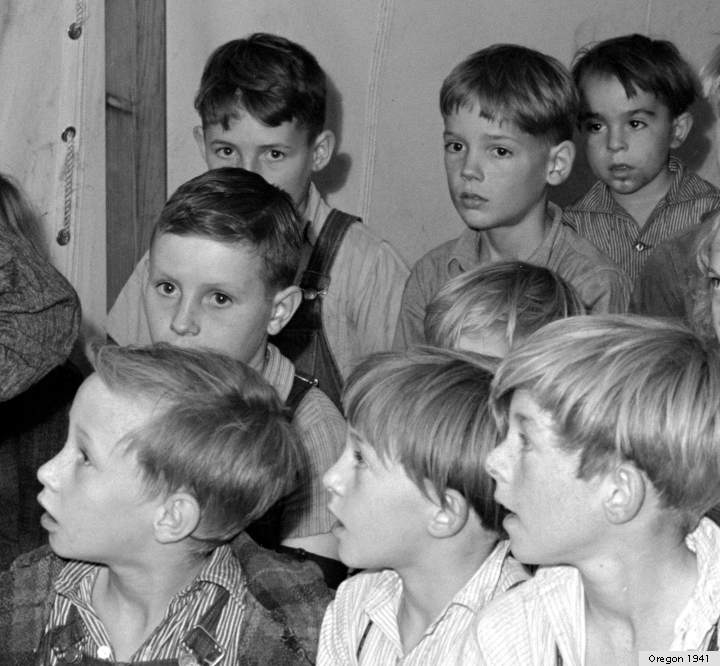
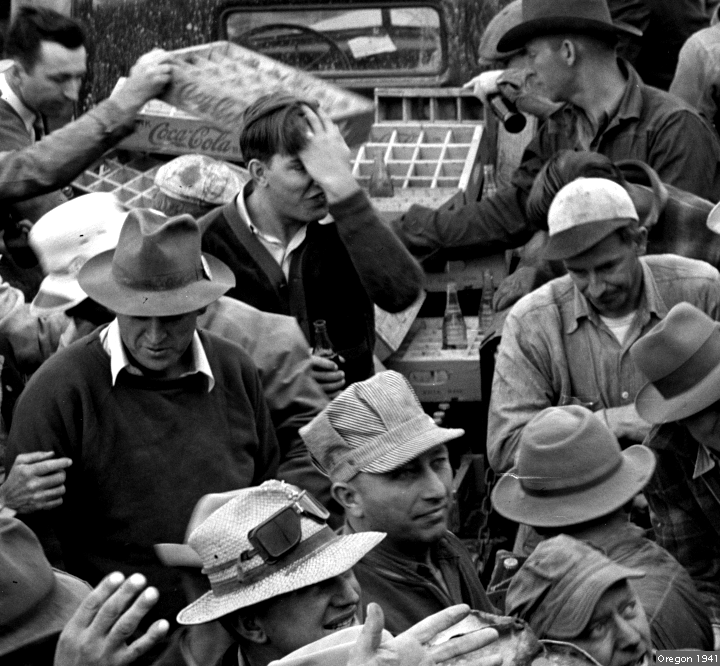
In 2003, I was concerned about the impending invasion of Iraq. I sent letters to Sen. Saxby Chambliss, Sen. Zell Miller, and Rep. Denise Majette. I wanted to be on record as being opposed to the invasion. War Letters describes the experience, and has copies of the replies that I received. Pictures today are from The Library of Congress.

The God Of Word
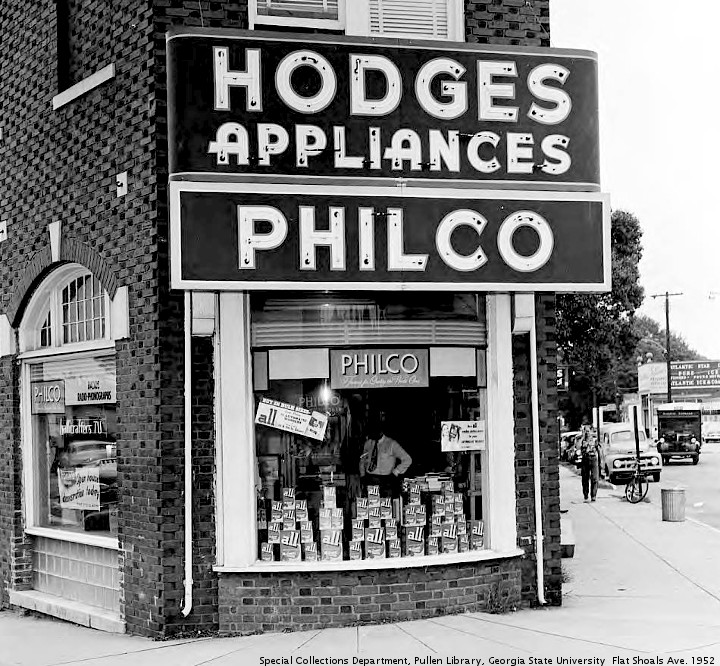


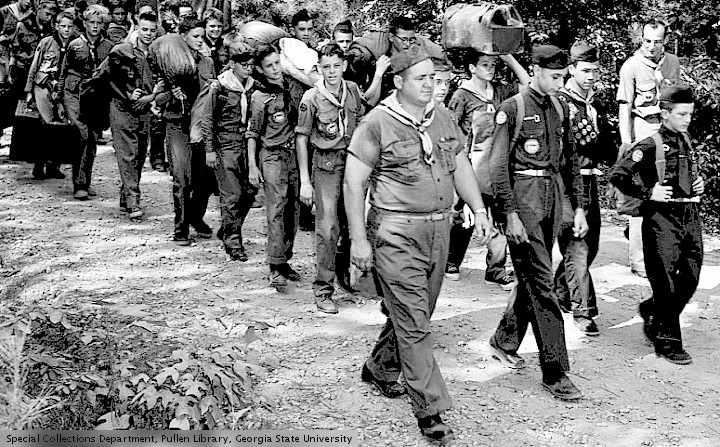
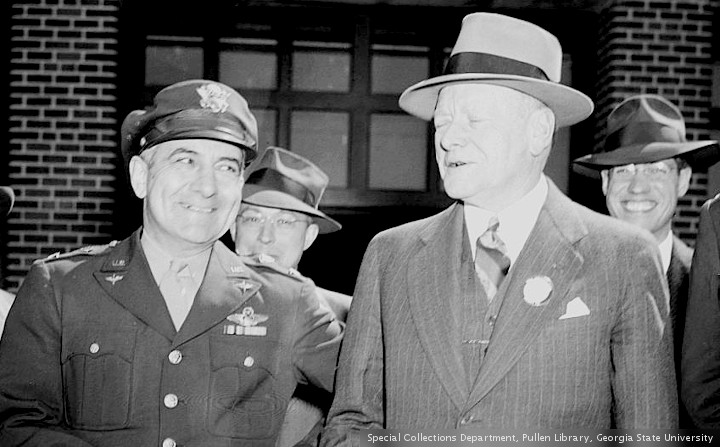
The facebook comment started with “Christ had so little regard for … ” I gave into the temptation to comment. “Are you talking about Jesus? Not everyone agrees that he was the Christ.” The internet showed mercy, and only one stranger replied. “I think the bigger picture is being overlooked for semantics here… ” Talking, in or out of vain, is a big deal here. This is a repost.
People like to express opinions about the teaching of Jesus. The source of 99% of these thoughts is the bible. It is a fundamental belief that “the bible is the word of God.” I have disagreed with this notion for a long time. This is not the same as not believing in the existence of God.
I started to type a facebook reply, and then thought better of it. Sunday afternoons are a gift, even if they are uncomfortably hot. It is too fine a day to argue religion on the internet. Before he stopped, one thought did occur to him. If the bible is the word of God, then maybe Jehovah is the God of word. If you saw a mushroom cloud rising over Brookhaven …
Christianism is a religion of beliefs, rather than practices. The idea of getting people to agree with your beliefs is key to the Jesus experience. Many of these beliefs are noted in the bible. It is as if people make a God out of a book. When these high powered thoughts are expressed, then the semantics can get overwhelming.
As for the teaching of Jesus, all we know is what the Council of Nicea chose to tell us. We don’t have very much. What we do have is conveniently selected to fit the agenda of the speaker. What someone says about Jesus tells us more about that person than it does about Jesus. Pictures today are from “The Special Collections and Archives, Georgia State University Library”.
UPDATE This post starts with by quoting a facebook post. The link no longer works. The former facebook friend … a person who I helped move twice … blocked me.
After George HW Bush died, the ffbf was trashing the former President, using the phrase “I am not going to whitewash history.” I commented that it would be better for his karma to be a bit kinder towards the former President. The ffbf did not like that, and blocked me.



A Simple Question
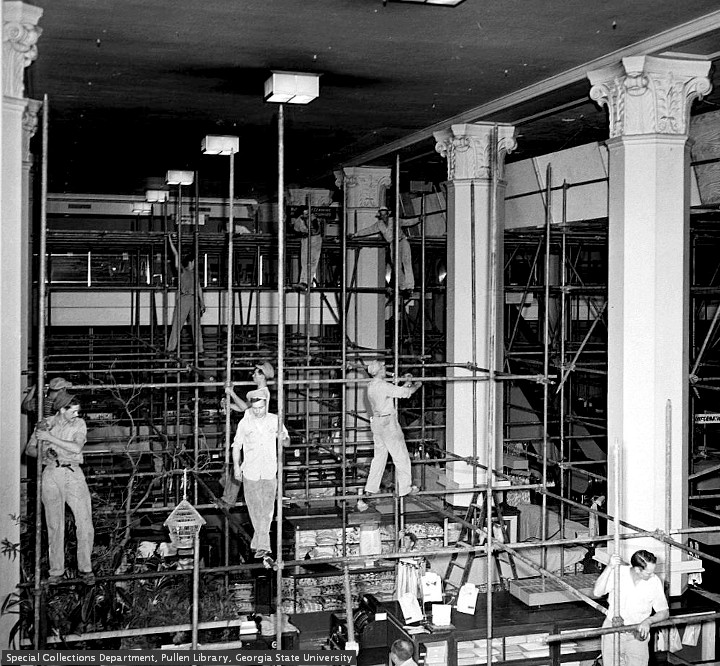
It started out with a simple question. Who is on the ballot for President in Georgia? I am beyond disgusted with Donald John Trump and Kamala Devi Harris. I have numerous issues with Robert Francis Kennedy Jr. There are usually others to consider.
One possible option is Chase Russell Oliver. The Libertarian Party serves only as a spoiler. Mr. Oliver has a lot going for him. He has been active in the fight against Cop City.
Google has not been helpful. The Georgia Secretary of State has not been helpful. I called the SOS office, and talked to a lady. “Mam, can you tell me who is on the ballot for President in Georgia.” “That is on the Secretary of State website” “Mam, that does not work” “What do you mean, it works for me”
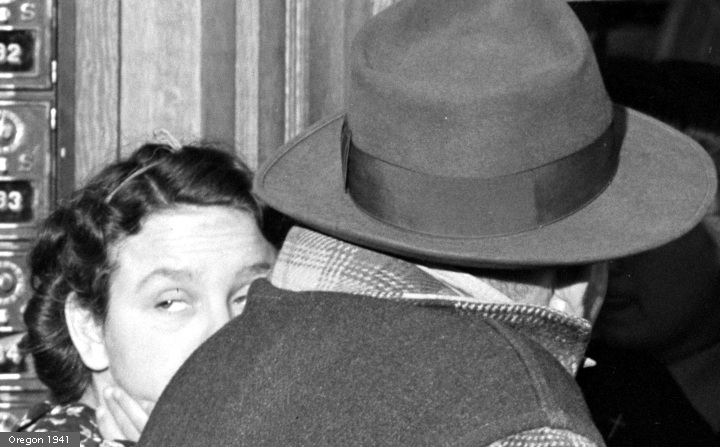
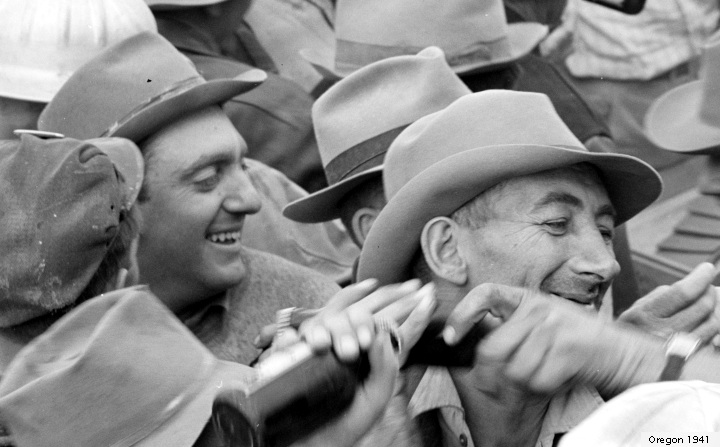
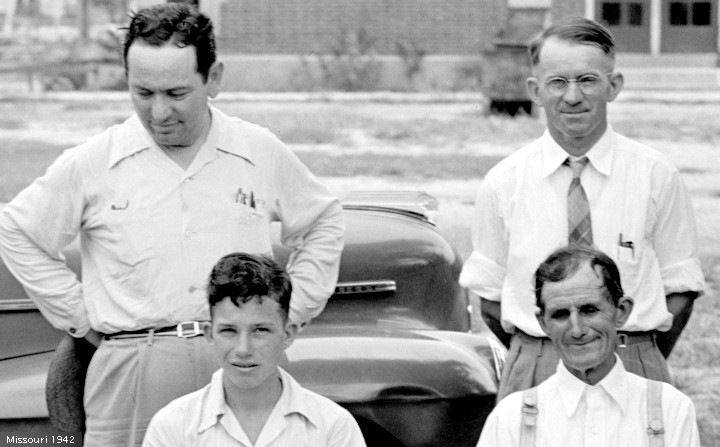
A second phone call to SOS yielded better results. Apparently, the ballot has not been finalized. We will know later which non-duopoly candidates will be on the Georgia ballot. Either the election, or the world, will be over soon. Pictures today are from The Library of Congress.

Blue Tail Fly




Q: What does “Jimmy crack corn” mean, and why does he not care?—Matt, Columbus, Ohio
I was trolling stupidquestion.net when there was a convergence of stupidity. (The site does not exist in 2024.) All my life I had heard Blue Tail Fly, and been embarrassed. And there, in (pardon the expression) black and white, was someone who wondered the same thing.
It seems as though BTF started out as a minstrel song. For those who don’t know, minstrel shows were white people putting on black makeup, and imitating African Americans. That is another reason you seldom hear BTF today.
Dave Barry took a poll once to find out the stupidest song of all time. The overwhelming winner/loser was MacArthur Park. The combination of over the top show stopping, while singing about a cake left out in the rain, makes this ditty a duh classic.
In the spirit of corny convergence, the video is a karaoke version featuring Donna Summer. Miss Summer is a talented singer, who happened to connect with Giorgio Moroder. Lots of singers could have hit the big time by fronting those records. Donna Summer hit the jackpot.
For a proper post, there needs to be a third stupid song. This is not about stupid bands, singing about being D U M B. Even though they totally don’t belong, there is a video of The Ramones included. I saw the Ramones at the Agora Ballroom in 1983. This was after their prime, and before a homeless man caught the Ballroom on fire.
We still need a third stupid song, and I want to get this posted with as little research as possible. Just like some writer was once given twenty minutes to write a song, and he decided to do the worst song he could think of. The result was Wild Thing. I used to have a 45 of someone who sounded like Bobby Kennedy singing Wild Thing. Let the good times roll.
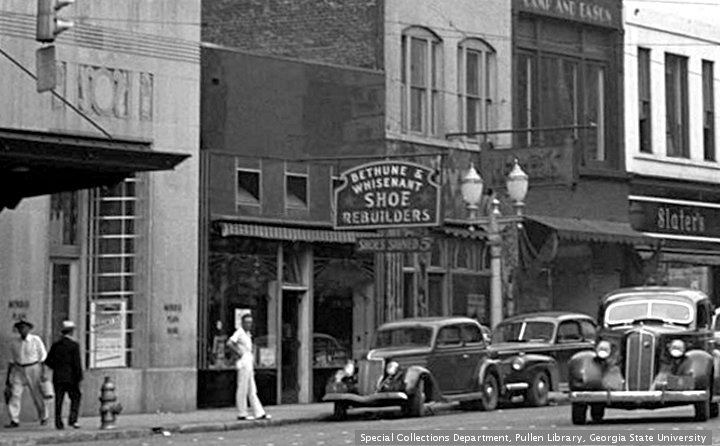
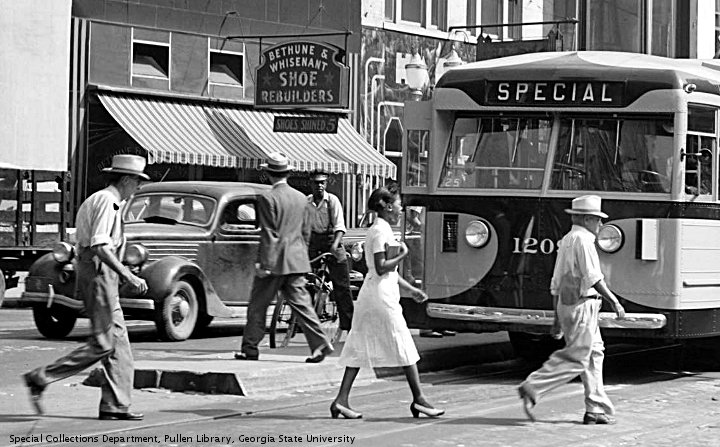
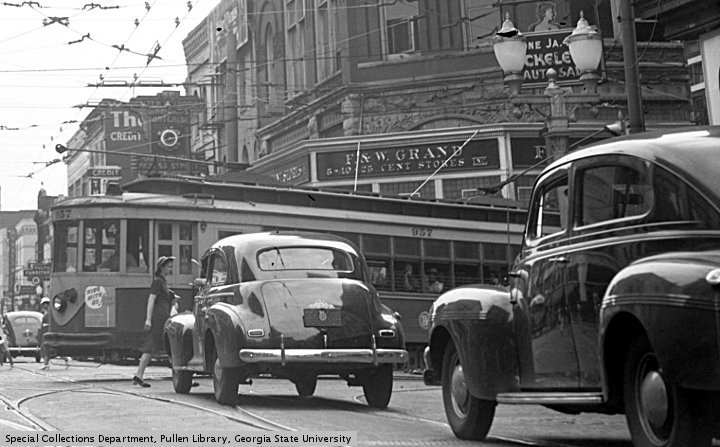
These four hundred and six hastily chosen words are a repost. Pictures are from “The Special Collections and Archives, Georgia State University Library”. This was downtown Atlanta in 1941.



 Chamblee54
leave a comment