Common Sense Quote


0312 – We’re going to conduct a facebook experiment. I posted a video from Dr. John Campbell. He discussed some reputed side effects of the Pfizer vaccine. Soon, Facebook sent me an admonition. “… The post includes information that independent fact-checkers said was partly false. …” The suspicion here is that Facebook has a problem with Dr. Campbell.
On to today’s experiment. I’m listening to another video from Dr. Campbell. He admits that he made some errors in his interpretation of the Pfizer data. He goes on to say “you can’t put solid footsteps into fresh air you need solid ground.” This is just a common sense quote. My plan for today is to make a video segment of the CSQ, and post it on Facebook. Lets see if the fact-checkers have a problem with it. As of March 19, Facebook has been silent.
0314 – I was through with Blocked and Reported, and making great progress on my picture. It was time to go out. I had two destinations. One was the gym. The other was the library. I had a book, The Santa Suit, to return. Think — inside the work — outside the work.
TSS is not a great book. Perhaps that was what was needed. With the book I am starting, quotables lie on every page. The desire to go in depth may prove irresistible. However, I read to have fun. Sometimes a trifle like TSS is what I need. Just read a story, without provoking great thought. The fact that TSS is easy to read indicates that the author worked like hell. Easy writing makes tough reading.
0318 – I’ve stumbled onto this podcast series about the shooting of Martin Luther King, The MLK Tapes. The shooting was quickly blamed on James Earl Ray. He was supposed to be a racist/white supremacist, and most people believed he was guilty. It turns out that there were serious problems with the government’s case. The podcast series is downright fascinating. It’s not something I’ve really thought about a whole lot. I just accepted the conventional wisdom, and went on with my life.
In episode 3, the case was going to trial. Mr. Ray’s lawyers were confident of an acquital. The government was not going to have that. For some reason, Mr. Ray fired his first lawyer. A gentleman named Percy Foreman took over. Soon Mr. Ray entered a guilty plea.
In the show, people talk about how worthless Percy Foreman was. I was curious if Mr. Foreman was still alive, so I googled him. A legal document turned up. JB Stoner was lawyer number three. Mr. Stoner was an extreme racist, even by Georgia standards. He ran for Governor in 1970, and made a spectacle of himself. At one point, Mr. Stoner sued a TV station, to allow an ad with the n-word.
There are many stories that could be told about JB Stoner. The candidates were speaking at the Governor’s Honors program. Mr. Stoner was going through his routine, when three students starting walking up the aisle. A young black man, with a blonde on each arm, walked up the aisle to the front of the hall. The man who won the Governor’s race, Jimmy Carter, was laughing so hard that tears came out of his eyes. Pictures today are from The Library of Congress.


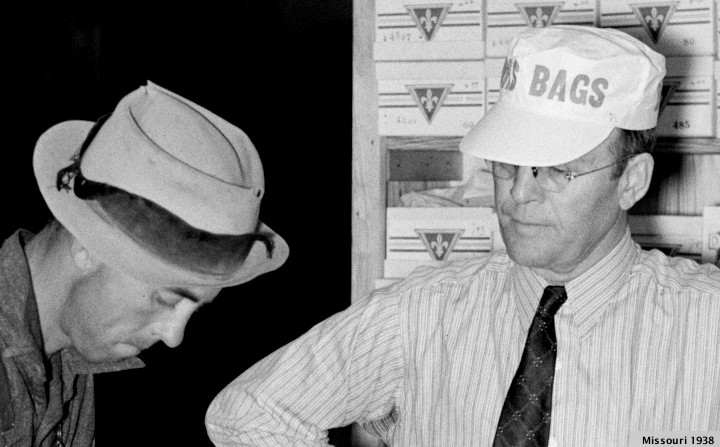

Thanksgiving Letter





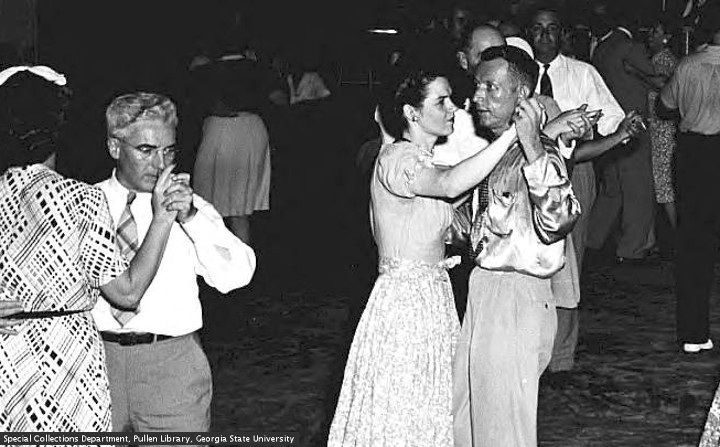


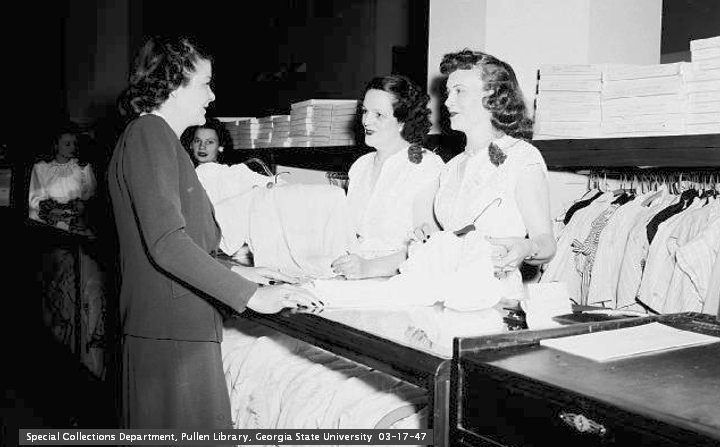
This is the 2011 Thanksgiving letter from Margaret and Helen. Pictures are from “The Special Collections and Archives, Georgia State University Library”.
Thanksgiving Letter to the Family 2011
Dear Family,
We lost your Grandpa this year and suddenly everyone wants to be together for the holidays. Well isn’t that just the shit. I hope you all learned your lesson. Treasure your family while they are still here – not after they are gone. Life is a series of lessons. Pay attention.
Now about Thanksgiving… Your Aunt Trudy thinks that just because Thanksgiving dinner is at her house this year, I am not in charge. Well bless her heart. Here are the rules:
01- This year Cloe’s jello crap is fine by me. Trudy’s gravy is always a little thin for my taste. A little jello might thicken it up a bit.
02- I respect the cook, but 99% of us respect good food even more. I reserve the right to occupy the kitchen and add an extra stick or two of butter to any dish that doesn’t meet with my satisfaction. And for the record, pepper spray belongs in the kitchen not on college campuses.
03- I respect the debate, but I reserve the right to grab a bar of soap if I hear Bill O’Reilly nonsense coming out of your mouth.
04- You can never have enough paprika in the kitchen.
05- Mary and Rhonda, feel free to bring the children and the pets. Harvey hasn’t let Trudy buy new furniture since 1978. No one will notice an extra stain or two.
06- Trudy – if I have told you once, I have told you a hundred times – add the bacon and the grease. Everything tastes better cooked in bacon grease.
07- Jonathan. Your Republicans have made fools enough of themselves already. Don’t add to the idiot parade by claiming you have liked Newt all along. You liked Michele until Perry came along. You liked Perry until he said oops. And you liked Cain until he groped your wife. It’s just a matter of time until Newt steps in it too. For goodness sakes, his shoes still stink from the last time he ran. Like it or not honey, Romney is taking you to the Prom.
08- Nobody does deviled eggs correctly. You have to use vinegar.
09- Nobody does Republican presidential debates correctly. You have to use your brain.
10- Marshall. Your children can’t sing. There I said it and I am not taking it back.
11- Bacon. Trudy, you just have to trust me on this. Bacon.
Your Grandpa Harold knew you loved him. Let’s just be thankful we had him as long as we did. Happy Thanksgiving. I mean it. Really.






The “Desiderata” Story
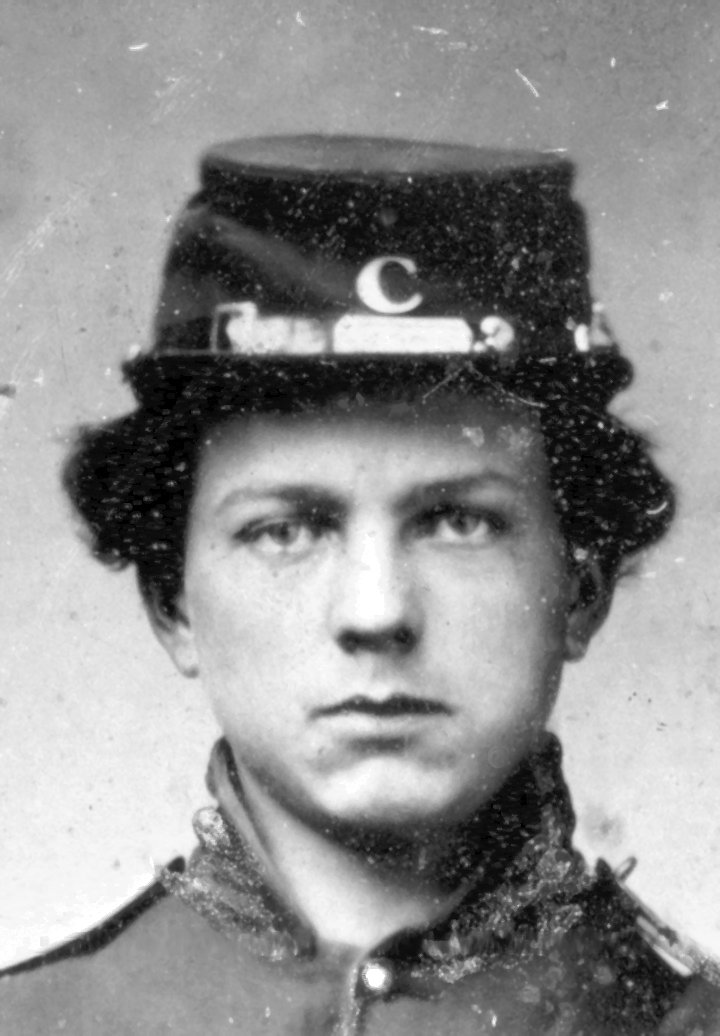
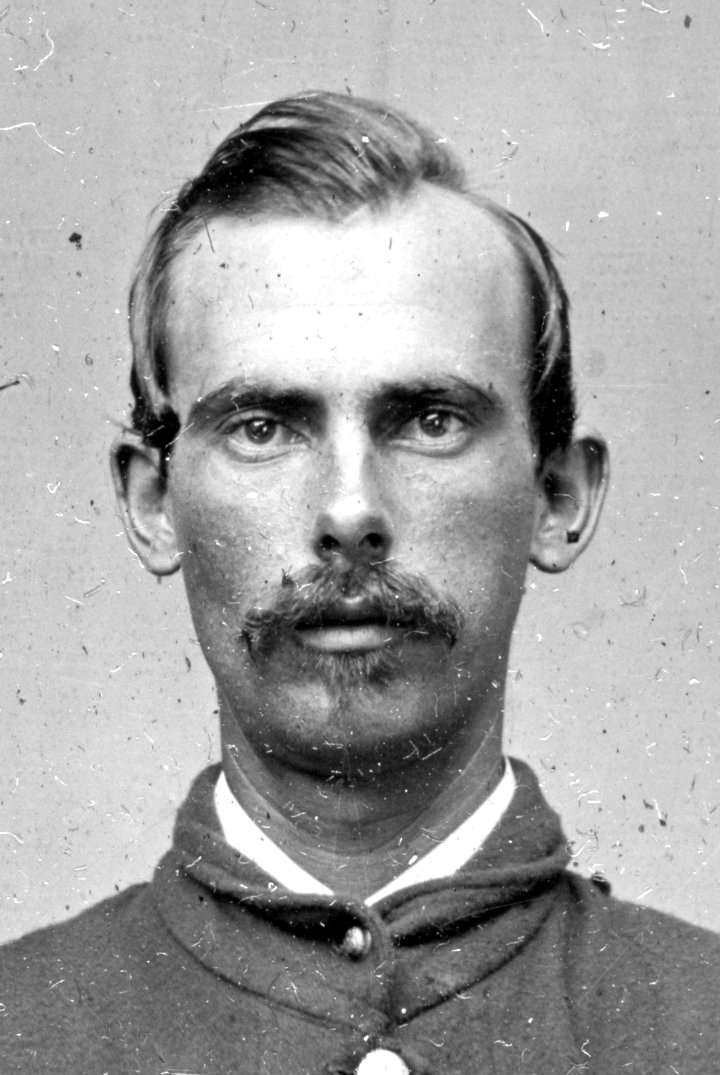


There was a poem , of unknown origin, found in a Baltimore church in 1692. It was revived by a Lawyer, who lived in Terre Haute, IN. He liked to read it his friends, and his lips were moving. The attorney , Max Ehrmann, copyrighted this poem in 1927. Another persistent rumor has it that the manuscript was in an ambulance Mr. Ehrmann was following. How the accident victim came to possess this document is a mystery.
Mr. Ehrmann ( the poet laureate of Terre Haute ) wrote in his diary “I should like, if I could, to leave a humble gift — a bit of chaste prose that had caught up some noble moods”. The poem is Desiderata and is a favorite of gift shops the world over.
In 1956, Rev. Frederick Kates became the rector of St. Paul’s Episcopal Church in Baltimore, MD. He had found a copy of “Desiderata”, without the copyright notice. He printed a handout for his congregation on church stationary. At the top of the page was the notation “Old St. Paul’s Church, Baltimore A.C. 1692”. As the sixties devolved, the poem became famous.
“Desiderata” was the text of a recording made by Les Crane, who found the poem on a poster. He thought the text was in the public domain, when in fact it is copyrighted. Mr. Crane was taken to court, and forced to pay the owners of the copyright . The matter has been in court on other occasions. It seems that Mr. Ehrmann used “Desiderata” in a Christmas greeting, without citing the copyright. Later,during World War II, Ehrmann allowed a friend – Army psychiatrist Dr. Merrill Moore – to hand out more than 1,000 copies of the poem to his soldier-patients, without the copyright.
PG admits to confusion on this issue. Don’t copyrights expire, get renewed, and then expire again? If a work was written in 1927, doesn’t it go into the public domain 83 years later. The wikipedia article about copyrights is long and confusing. Remember, we are dealing with a legal concep,t as it relates to a poem, written by a lawyer.
A site called fleurdelis says the matter depends on your point of view and place of residence. ( Shcredo says flatly that “Desiderata” is public domain. The link is no longer available. The url advises “Beware your Beliefs – They could bring Great Happiness”) (Robinsweb tells of being forced to remove “Desiderata” from her site because of a complaint by the copyright owner.) If you want to be inspired, click on the videos embedded in this post.
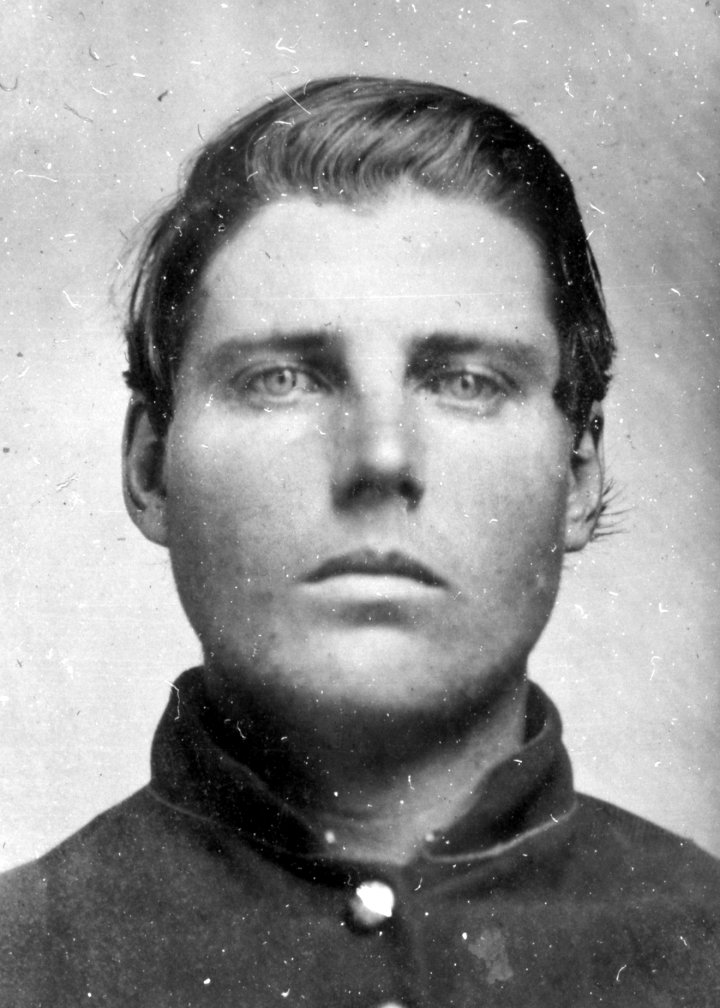
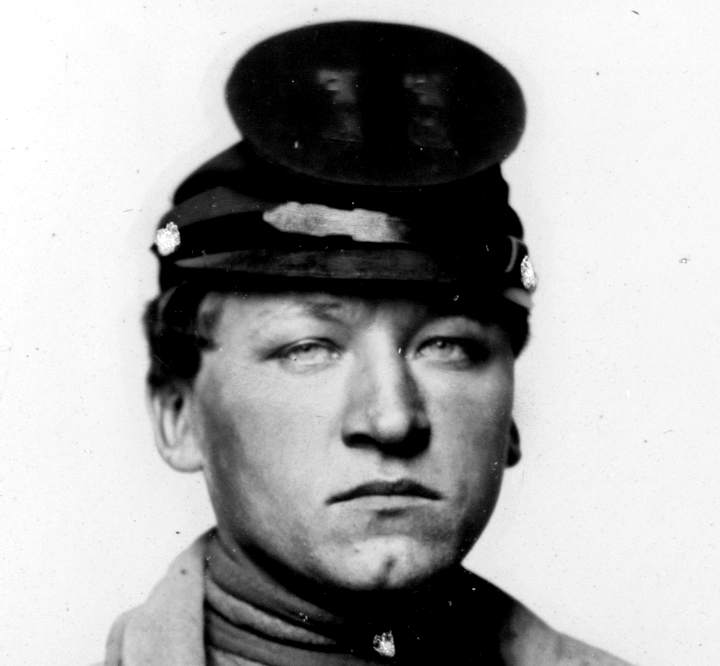
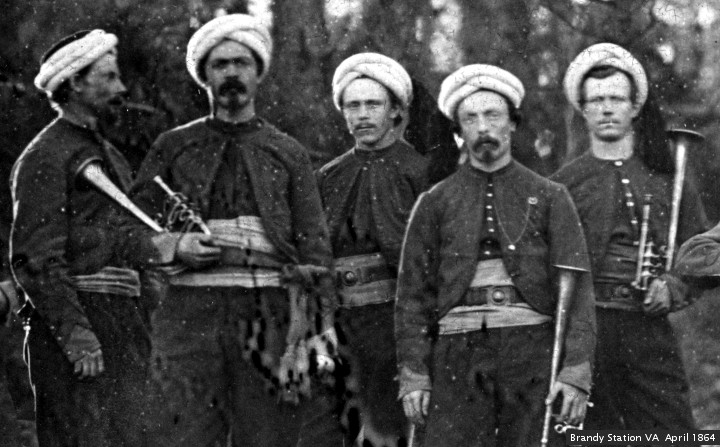
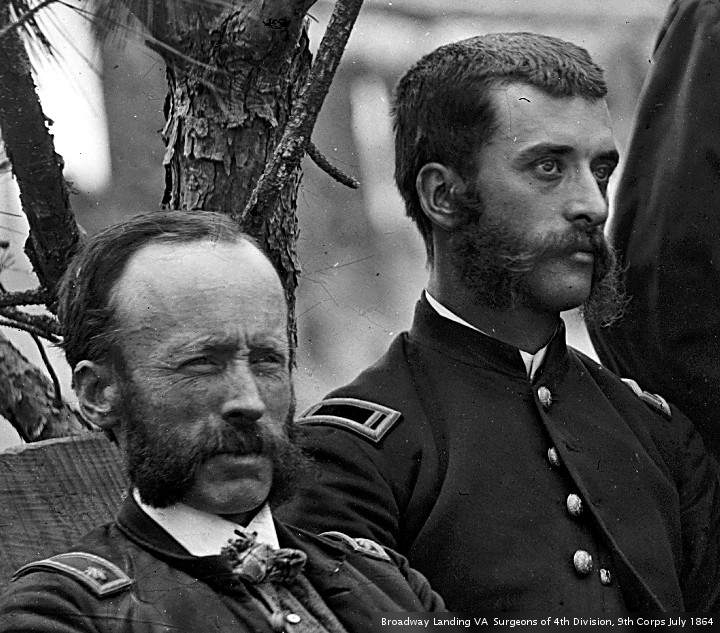
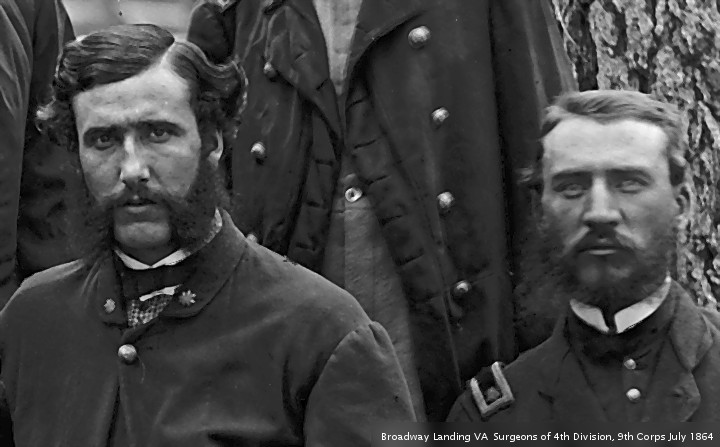
In 1972, the National Lampoon produced a new translation, Deteriorata. This is a repost. Pictures are from The Library of Congress. These are Union Soldiers, from the War Between the States.

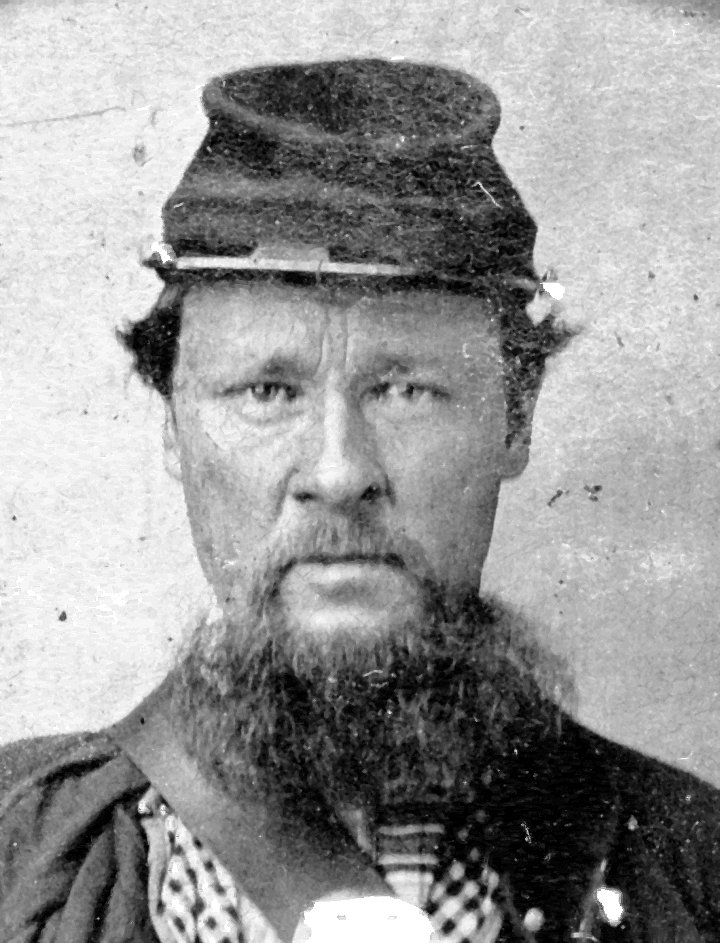
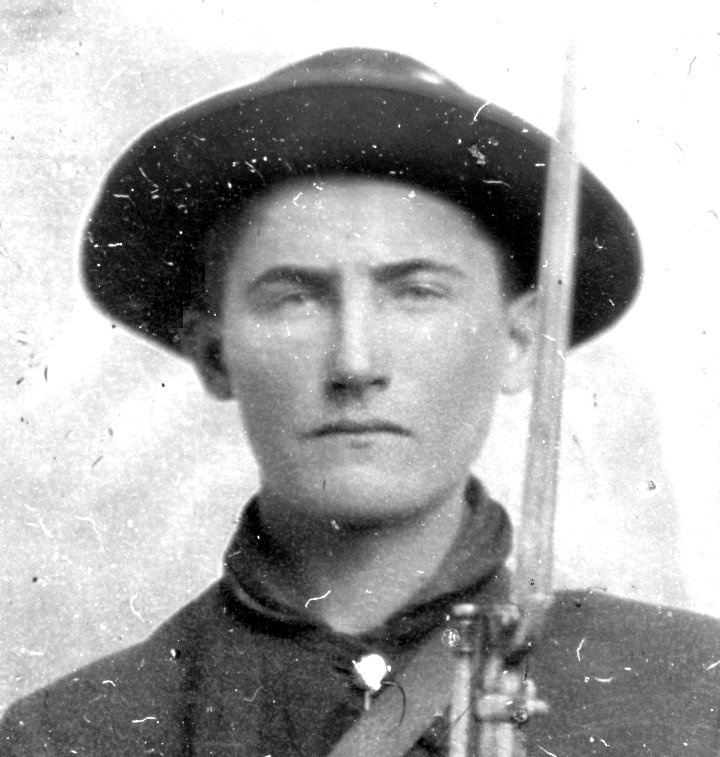


Four Rules


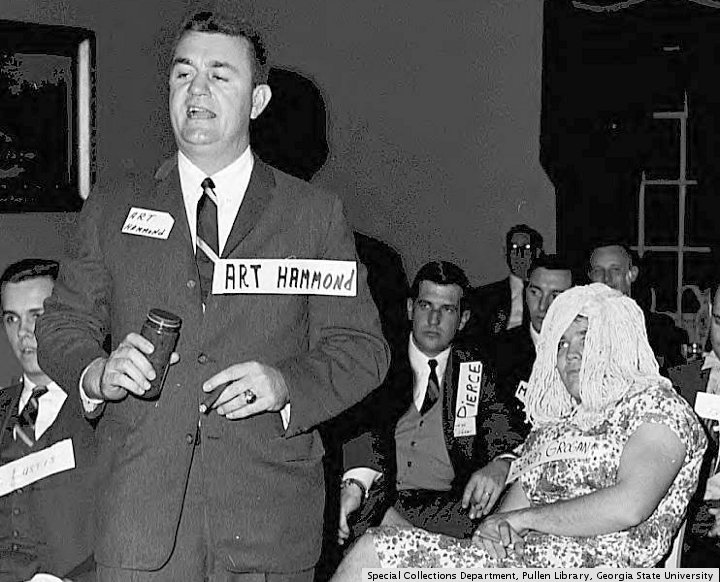


This is a double repost. Historic pictures today are from “The Special Collections and Archives, Georgia State University Library”. This was written like David Foster Wallace
When PG was a kid, his grandmother lived in a side apartment, in a house on Virginia Avenue. The owner of the house was Mrs. Stuckey. (PG never learned her “real” name, and assumed that checks were made out to Mrs.) There was a framed piece of paper in Mrs. Stuckey’s hall. The top said “The Four-Way Test of the things we think, say or do” , and featured the logo of the Rotary Club. The four rules were simple, on the surface. Is it the TRUTH? Is it FAIR to all Concerned? Will it build GOODWILL and BETTER FRIENDSHIPS? Will it be BENEFICIAL to all concerned?
The Four Way Test was written by Herbert J. Taylor. In 1932, Mr.Taylor took over the bankrupt Club Aluminum Company of Chicago. Trying to revive the company during the depression, Mr. Taylor wrote a code of ethics, that would be the basis for the company’s actions.
Many said that the four way test was not practical for the business world. The balancing of integrity and ambition can be daunting. It was said that “This emphasis on truth, fairness and consideration provide a moral diet so rich that it gives some people “ethical indigestion.”
PG maintains that fair is a baseball hit between first and third base. Sometimes, the umpire makes the wrong call. In the “real world”, the different points of view in a dispute make rendering a fair judgment a difficult task, if not an impossible one.
There is a story about the revival of Club Aluminum. ” One day, the sales manager announced a possible order for 50,000 utensils. Sales were low and the company was still struggling at the bankruptcy level. The senior managers certainly needed and wanted that sale, but there was a hitch. The sales manager learned that the potential customer intended to sell the products at cut-rate prices. “That wouldn’t be fair to our regular dealers who have been advertising and promoting our product consistently,” he said. In one of the toughest decisions the company made that year, the order was turned down. There was no question this transaction would have made a mockery out of The Four-Way Test the company professed to live by.”
How did the sales manager learn of the intentions of this buyer? Was he tipped off by one of the “regular customers” who feared competition? Was this “regular customer” lying? Many inspirational stories leave out crucial details.
As it turns out, Club Aluminum did sell enough product to emerge from bankruptcy. “By 1937, Club Aluminum’s indebtedness was paid off and during the next 15 years, the firm distributed more than $1 million in dividends to its stockholders. Its net worth climbed to more than $2 million.”
Club Aluminum cookware was cast, not spun. It is heavy, and is a prized collectors item today. As for the Club Aluminum company “Standard International Corporation bought it in 1968. Regalware made and marketed Club Aluminum for a while, but went out of business in the mid-1980s. The brand name was eventually obtained by the Mirro Company.”
This is a repost. Philosophy and rules for living is always a crowd pleaser. Whether or not you practice what you preach is beside the point.
There is a story above. A company, facing bankruptcy, turned down a huge order because of concerns about how the product would be resold. Today, this seems quaint. Today, the moral thing to do would be to take the order, keep your factory busy, and not worry how it was going to be resold. While some pretend that moral rules are unchanging, the truth is that they do change with the times.
This reminds PG of a story from his days as a blueprinter. With ammonia developed prints, every print is fed by hand, and you have the option to adjust the speed of the machine. Slower prints mean less background, which to some is a higher quality print. (This is not an issue with digital printing. Some change is indeed progress.)
The company PG worked for was affiliated with a small, family run company in a neighboring city. This company was run by an old fashioned lady, who insisted on adjusting every print to get the perfect background. This was different from the company PG worked for, which ran large jobs for the big city market. To his customers, quality meant getting an acceptable print, DELIVERED ON TIME. Who had the higher standards? Maybe that is a question for the customer to judge.




These thoughts are for you to use. They were articulated by a man named Don Miguel Ruiz. They are called the The Four Agreements .
PG does not claim to live up to these ideals. Number two is especially tough for him. The main thing is to try, and to always do your best. This is not about what you believe or think, it is about what you do. This is about you. If you fall short in some way, work on improving yourself, instead of looking at someone else. This is about you.
agreement 1–Be impeccable with your word – Speak with integrity. Say only what you mean. Avoid using the word to speak against yourself or to gossip about others. Use the power of your word in the direction of truth and love.
agreement 2–Don’t take anything personally – Nothing others do is because of you. What others say and do is a projection of their own reality, their own dream. When you are immune to the opinions and actions of others, you won’t be the victim of needless suffering.
agreement 3–Don’t make assumptions – Find the courage to ask questions and to express what you really want. Communicate with others as clearly as you can to avoid misunderstandings, sadness and drama. With just this one agreement, you can completely transform your life.
agreement 4–Always do your best – Your best is going to change from moment to moment; it will be different when you are healthy as opposed to sick. Under any circumstance, simply do your best, and you will avoid self-judgment, self-abuse and regret.


An Old Farmer’s Advice




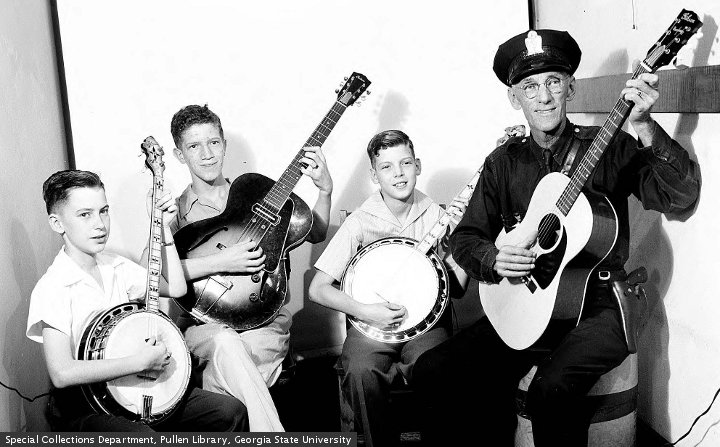
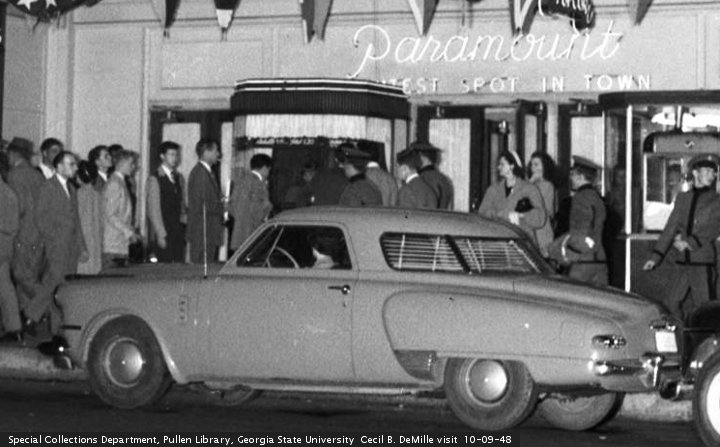
Many of you have heard “An Old Farmer’s Advice”. This is a repost. Pictures are from “The Special Collections and Archives, Georgia State University Library”.
“Your fences need to be horse-high, pig-tight and bull-strong. Keep skunks and bankers and lawyers at a distance. Life is simpler when you plow around the stump. A bumble bee is considerably faster than a John Deere tractor. Words that soak into your ears are whispered…not yelled. Meanness don’t jes’ happen overnight. Forgive your enemies. It messes up their heads. Do not corner something that you know is meaner than you. It don’t take a very big person to carry a grudge. You cannot unsay a cruel word. Every path has a few puddles. When you wallow with pigs, expect to get dirty. The best sermons are lived, not preached. Most of the stuff people worry about ain’t never gonna happen anyway. Don’t judge folks by their relatives. Remember that silence is sometimes the best answer. Live a good, honorable life. Then when you get older and think back, you’ll enjoy it a second time. Don’t interfere with somethin’ that ain’t botherin’ you none. Timing has a lot to do with the outcome of a rain dance. If you find yourself in a hole, the first thing to do is stop diggin’. The biggest troublemaker you’ll probably ever have to deal with, watches you from the mirror every mornin’. Always drink upstream from the herd. Good judgment comes from experience, and a lotta that comes from bad judgment. Lettin’ the cat outta the bag is a whole lot easier than puttin’ it back in. If you get to thinkin’ you’re a person of some influence, try orderin’ somebody else’s dog around. Live simply. Love generously. Care deeply. Speak kindly. Leave the rest to G-d!”
No one knows who the old farmer is, or what he grew. Some say he really worked in an office writing ads for Massey Ferguson. Some say he had a bull farm, and believed in the product. In this age of industrial strength commodity wisdom, the first reaction of some is to look to google. In this case, you can go to a forum at Snopes. No one claims to be the grandson of the old farmer.
“My father in law is an old farmer. He’s given me some advice. It was more like: Don’t try to fix a broken porchlight in a rainstorm. corollary: Disconnect power to the sprinkler system before fiddling with the wiring. If you wear longer socks, the chiggers won’t bite you. Cool Whip makes everything taste better. Do whatever your mother in law says.”
quote: “A bumble bee is considerably faster than a John Deere tractor.” ~ “Yeah, but you try getting a bumble bee to plow your fields. With the tiny little plows attached to their wings, it could take days.”
quote: “Live simply. Love generously. Care deeply. Speak kindly…” ~ “And above all else, verb adverbly … There’s my problem, I’ve been living deeply, loving simply and speaking generously.”
quote: “Life is simpler when you plow around the stump.” ~ “I’m not sure of the lesson here…you should leave a bunch of tree stumps in your farm fields? But then you lose valuable real estate, the crops have to compete with the tree roots, and combine harvesting is significantly more dangerous. Maybe, if you take just a little time to remove the stump properly, it pays dividends and saves you time and energy in the long run. … But life is a lot cooler, and more productive if you go down to the general store, buy a few blasting caps, and blow that mother to kingdom come.”
“The sentiments aren’t too bad, but they missed “Now get orf moy laaand!” from the end…”
quote: “Most of the stuff people worry about ain’t never gonna happen anyway.” ~ “Oh, so I shouldn’t worry about not being able outrun a bumble bee on my John Deere tractor? Thanks.”
quote: Always drink upstream from the herd. ~ “But, unless your at the absolute source of the river, there’s always another herd further upstream.”
quote: The biggest troublemaker you’ll probably ever have to deal with, watches you from the mirror every mornin’. ~ “I knew it. I knew that SOB had a camera in there. I’m going to the police.”






Blonde Stories


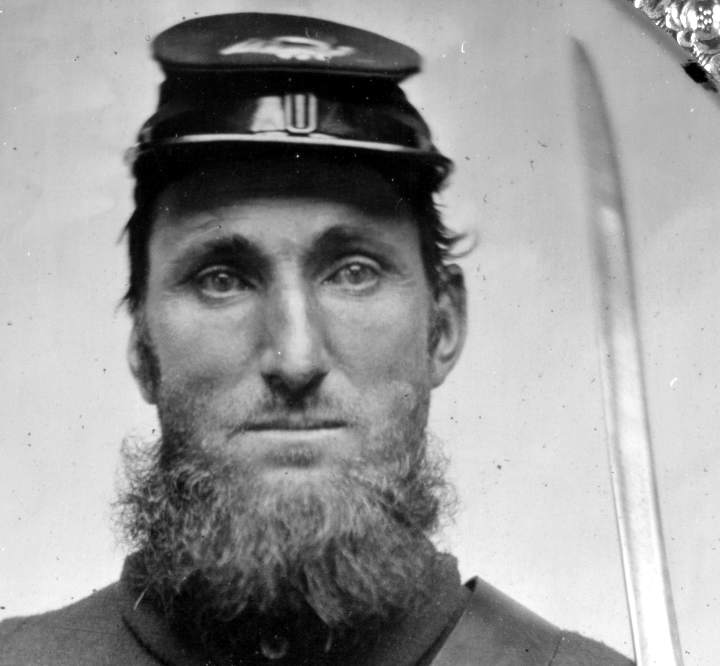

The world is in turmoil. People are killing people for no good reason. The government is run by liars and scoundrels. Religion is a dirty word. It is time for blonde stories . Thank you FunnyJokes. Pictures are from The Library of Congress
A married couple was asleep when the phone rang at 2 in the morning. The very blonde wife picked up the phone, listened a moment, and said ‘How should I know, that’s 200 miles from here!’ and hung up. The husband said, ‘Who was that?’ The wife answered, ‘I don’t know, some woman wanting to know if the coast is clear.’
Two blondes are walking down the street. One notices a compact on the sidewalk and leans down to pick it up. She opens it, looks in the mirror and says, ‘Hmm, this person looks familiar.’ The second blonde says, ‘Here, let me see!’ So, the first blonde hands her the compact. The second blonde looks in the mirror and says, ‘You dummy, it’s me!’
A blonde suspects her boyfriend of cheating on her, so she goes out and buys a gun. She goes to his apartment unexpectedly and when she opens the door she finds him in the arms of a redhead. Well, the blonde is really angry. She opens her purse to take out the gun, and as she does so, she is overcome with grief. She takes the gun and puts it to her head. The boyfriend yells, ‘No, honey, don’t do it!’ The blonde replies, ‘Shut up, you’re next!’
A blonde was bragging about her knowledge of state capitals. She proudly says, ‘Go ahead, ask me … I know ‘em all.’ ‘OK, what’s the capital of Wisconsin ?’ The blonde replies, ‘Oh, that’s easy. Its W.’
Q: What did the blonde ask her doctor when he told her she was pregnant? A: ‘Is it mine?’
Bambi, a blonde in her fourth year as a UCLA Freshman, sat in her US Government class. The professor asked Bambi if she knew what Roe vs. Wade was about. Bambi pondered the question; then, finally, said, ‘That was the decision George Washington had to make before he crossed the Delaware.’
Returning home from work, a blonde was shocked to find her house burglarized. She telephoned the police at once and reported the crime. The police dispatcher broadcast the call on the radio, and a K-9 unit, patrolling nearby, was the first to respond. As the K-9 officer approached the house with his dog on a leash, the blonde ran out on the porch, shuddered at the sight of the cop and his dog, then sat down on the steps. Putting her face in her hands, she moaned, ‘I come home to find all my possessions stolen. I call the police for help, and what do they do? They send me a BLIND COP!’


Always Take Sides






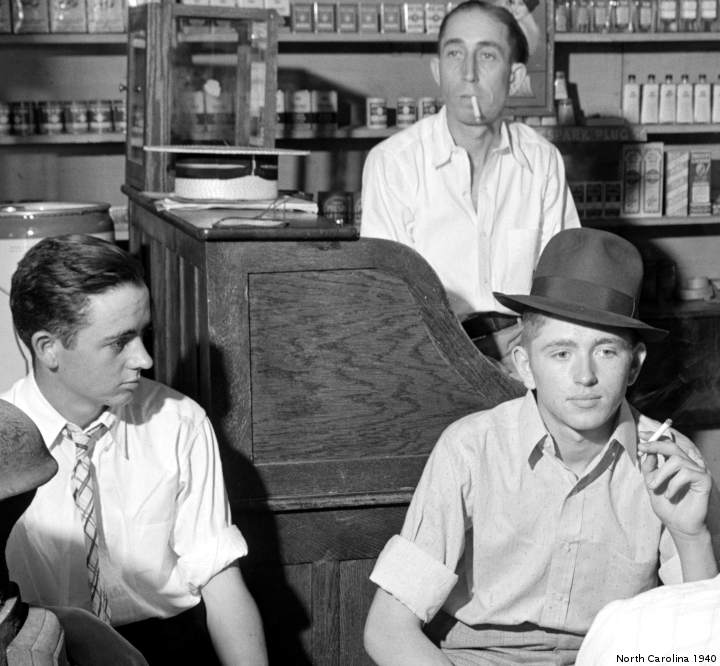



“… always take sides. Neutrality helps the oppressor, never the victim.” This meme, illustrated by the gnomic face of Elie Wiesel, turns up on facebook a lot. (Elie Wiesel is pronounced like Elly Mae Clampett) Some find it inspiring. Others think it is simplistic and manipulative.
There are two questions. Did Mr. Wiesel say that? What was the context? The quote appears in the acceptance speech for the 1986 Nobel Peace Prize. The next sentence is “Sometimes we must interfere.” We immediately go from the absolute always, to the conditional sometimes. That is progress, even if it does not fit on a bumper sticker.
“Elie Wiesel was born in Sighet, Romania, in 1928. … In May 1944, Wiesel was deported to the Auschwitz concentration camp along with his parents and his sisters. Wiesel and his father were slave laborers at Auschwitz. His father died in January 1945 during a forced march to another camp, Buchenwald, and his mother and younger sister were murdered as well. After the war, Wiesel moved to France, where he worked as a journalist.”
The Israel-Palestine problem was just as vexing in 1986 as today. Here is what Mr. Wiesel said in his speech. “More people are oppressed than free. And then, too, there are the Palestinians to whose plight I am sensitive but whose methods I deplore. Violence and terrorism are not the answer. Something must be done about their suffering, and soon. I trust Israel, for I have faith in the Jewish people. Let Israel be given a chance, let hatred and danger be removed from her horizons, and there will be peace in and around the Holy Land.”
Who is the oppressor in the Middle East, and who is the victim? Many sides can make a case for their cause. Who is the better at persuasion? Who is better at playing the shady game of influence, and money. Often, more noise encourages the tormentor. The answer to age old conflicts is seldom found in bumper stickers, or facebook memes.
“… to whose plight I am sensitive but whose methods I deplore.” “Always take sides” means that you pick one side in a conflict, and use the tools of rhetoric to promote that cause. It can be tough to tell the good guys from the bad guys. Human suffering is human suffering. Simplistic rhetoric is *never* the answer.
In 1986, the Iran-Iraq war was raging. Hundreds of thousands of men died. Many said the war was allowed to go on intentionally. Allegedly, if Iran and Iraq were not fighting each other, they would be fighting Israel. The United States was allied with Iraq, while making arms deals with Iran. Israeli dealers participated in the United States-Iran arms trading. The profits from those deals went to supply terrorists in Central America. “Sometimes we must interfere.”
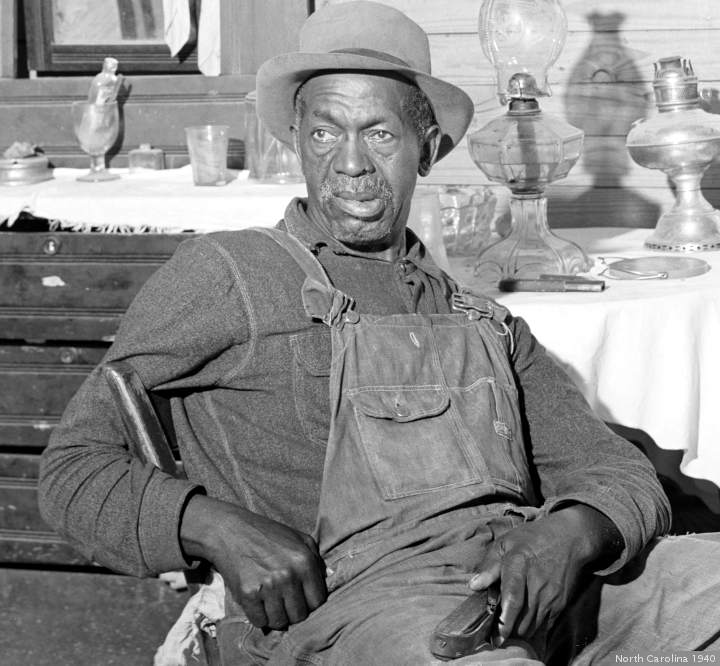
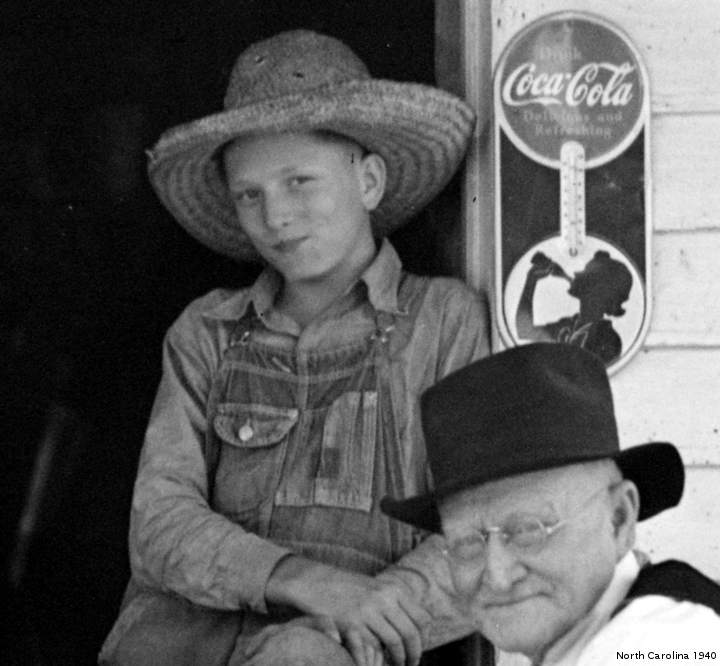
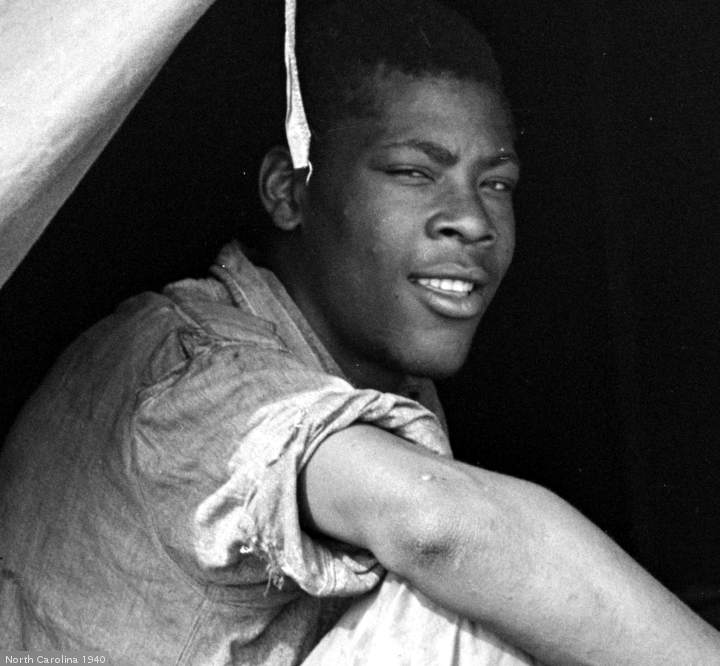
Pictures today are from The Library of Congress. This is a repost.






Always Take Sides
“… always take sides. Neutrality helps the oppressor, never the victim.” This meme, illustrated by the gnomic face of Elie Wiesel, turns up on facebook a lot. (Elie Wiesel is pronounced like Elly Mae Clampett) Some find it inspiring. Others think it is simplistic and manipulative.
There are two questions. Did Mr. Wiesel say that? What was the context? The quote appears in the acceptance speech for the 1986 Nobel Peace Prize. The next sentence is “Sometimes we must interfere.” We immediately go from the absolute always, to the conditional sometimes. That is progress, even if it does not fit on a bumper sticker.
“Elie Wiesel was born in Sighet, Romania, in 1928. … In May 1944, Wiesel was deported to the Auschwitz concentration camp along with his parents and his sisters. Wiesel and his father were slave laborers at Auschwitz. His father died in January 1945 during a forced march to another camp, Buchenwald, and his mother and younger sister were murdered as well. After the war, Wiesel moved to France, where he worked as a journalist.”
The Israel-Palestine problem was just as vexing in 1986 as today. Here is what Mr. Wiesel said in his speech. “More people are oppressed than free. And then, too, there are the Palestinians to whose plight I am sensitive but whose methods I deplore. Violence and terrorism are not the answer. Something must be done about their suffering, and soon. I trust Israel, for I have faith in the Jewish people. Let Israel be given a chance, let hatred and danger be removed from her horizons, and there will be peace in and around the Holy Land.”
Who is the oppressor in the Middle East, and who is the victim? Many sides can make a case for their cause. Who is the better at persuasion? Who is better at playing the shady game of influence, and money. Often, more noise encourages the tormentor. The answer to age old conflicts is seldom found in bumper stickers, or facebook memes.
“… to whose plight I am sensitive but whose methods I deplore.” “Always take sides” means that you pick one side in a conflict, and use the tools of rhetoric to promote that cause. It can be tough to tell the good guys from the bad guys. Human suffering is human suffering. Simplistic rhetoric is *never* the answer.
In 1986, the Iran-Iraq war was raging. Hundreds of thousands of men died. Many said the war was allowed to go on intentionally. Allegedly, if Iran and Iraq were not fighting each other, they would be fighting Israel. The United States was allied with Iraq, while making arms deals with Iran. Israeli dealers participated in the United States-Iran arms trading. The profits from those deals went to supply terrorists in Central America. “Sometimes we must interfere.”
Pictures today are from The Library of Congress. This is a repost.
Did You Hear The One About?
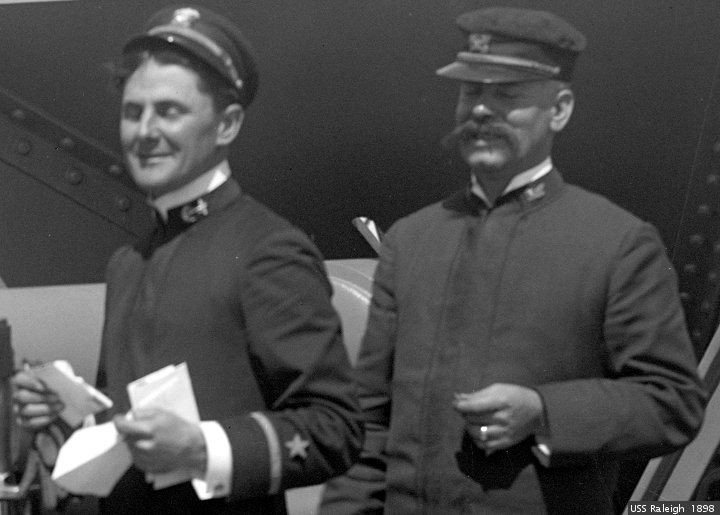


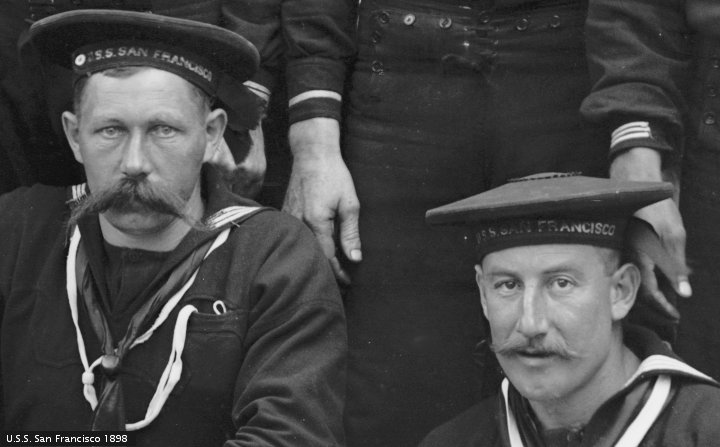

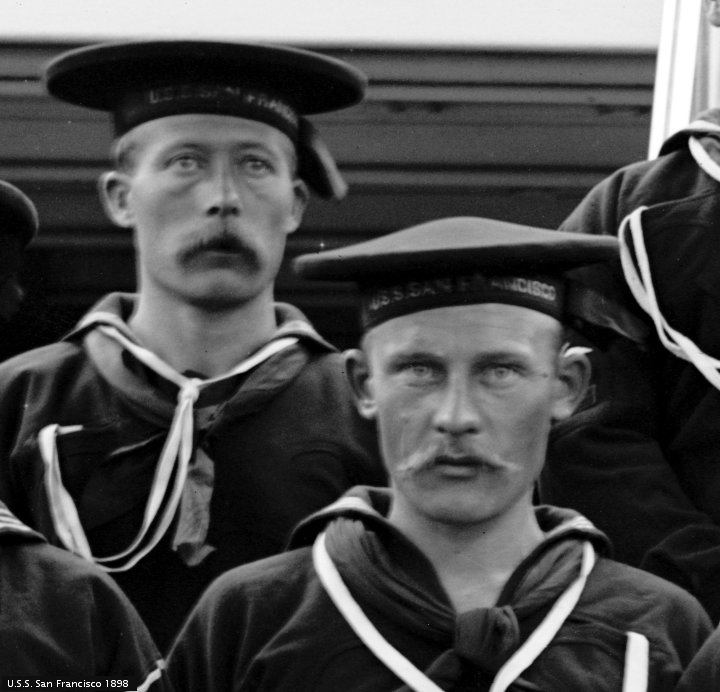
A man is staying in a hotel.
He walks up to the front desk and says,
“Sorry, I forgot what room I’m in, can you help me?”
The receptionist replies, “No problem, sir. This is the lobby.”
You know, I was looking at our ceiling the other day. It’s not the best … But it’s up there.
My nickname at work is Mr. Compromise. It wasn’t my first choice but I’m ok with it.
Where does a dog go when it loses it’s tail, and needs a new one? A retail store.
I don’t trust stairs. They’re always up to something.
How do you get a country girl’s attention? A tractor.
I was attacked by 1, 3, 5, 7 and 9. The odds were against me.
When I caught my neighbor attaching a rocket engine to a deer,
I immediately reported him to the authorities.
Shame on him for trying to make a quick buck.
What did the green grape say to the purple grape. Breathe idiot, breathe.
We all know Albert Einstein was a genius … but his brother Frank was a monster.
“Officer, are you crying while writing me a ticket?” Policeman: “It’s a … moving violation.”
What do you call a helpful lemon? Lemonaid.
People say I’m a plagiarist … Their words, not mine.
I’ve just written a book about falling down a staircase. It’s a step by step guide.
I was on the phone with my wife. “I’m almost home, honey, please put the coffee maker on.”
After a twenty second pause, I asked, “You still there sweetheart?”
“Yes. But I don’t think the coffee maker wants to talk right now.”
I have a perfect memory. I can’t remember a single time I’ve ever forgotten anything.
Did you hear the one about the giant throwing up? It’s all over town.
Why shouldn’t blind people sky dive? It scares the dog.
I recently switched all the labels on my wife’s spice rack.
She hasn’t realised yet, but the thyme is cumin.
My friend keeps saying “cheer up man, it could be worse,
you could be stuck underground in a hole full of water.” I know he means well.
Apparently every country got coronavirus. But China got it right off the bat.
My son asked me what the opposite of “isolate” is. I told him “yousoearly”.
Due to the quarantine, I’ll only be telling inside jokes.
Instead of a swear jar, I have a negativity jar. Every time I have pessimistic thoughts,
I put a penny in. It’s currently half empty.
What did the cannibal’s wife say when he came home late for dinner?
I’m giving you the cold shoulder.
We’re going to need 144 rolls of toilet paper for the 14 day quarantine. 144? That’s gross.
How long do you microwave fish? Tuna half minutes!
CDC: “No handshakes” Cannibal: *shuts off blender* “Awwwwwww….”
If you get an email from the government warning not to eat canned meat,
because is contains Covid-19, just ignore it. It’s spam.
A cable TV installer walks into a bar and orders a beer.
The bartender says, “You’ll be served sometime between 7am and 2pm.”
Does anybody remember the joke I posted about my spine? It was about a weak back.
I asked my wife how to turn Alexa off. “How about walking through the room naked?”
Did you hear about the guy who’s left side was cut off? He’s all right now.
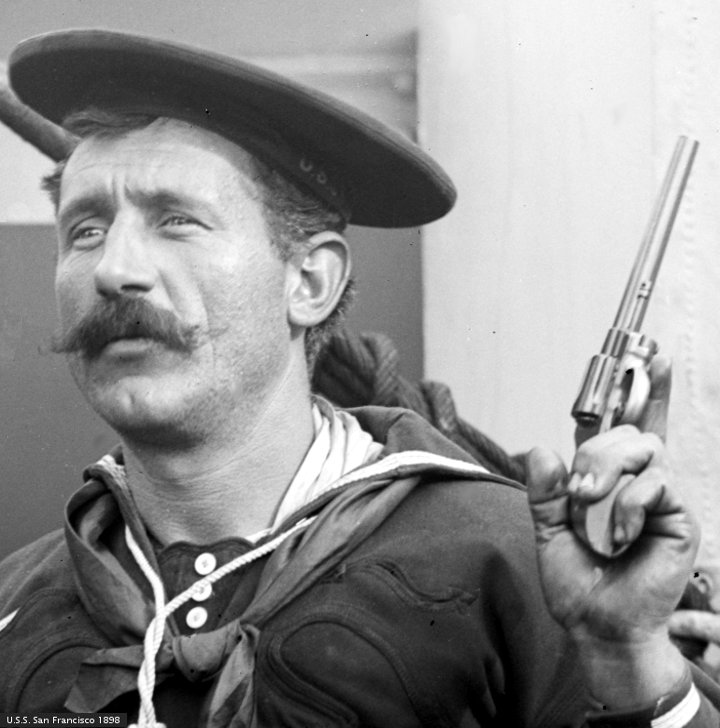
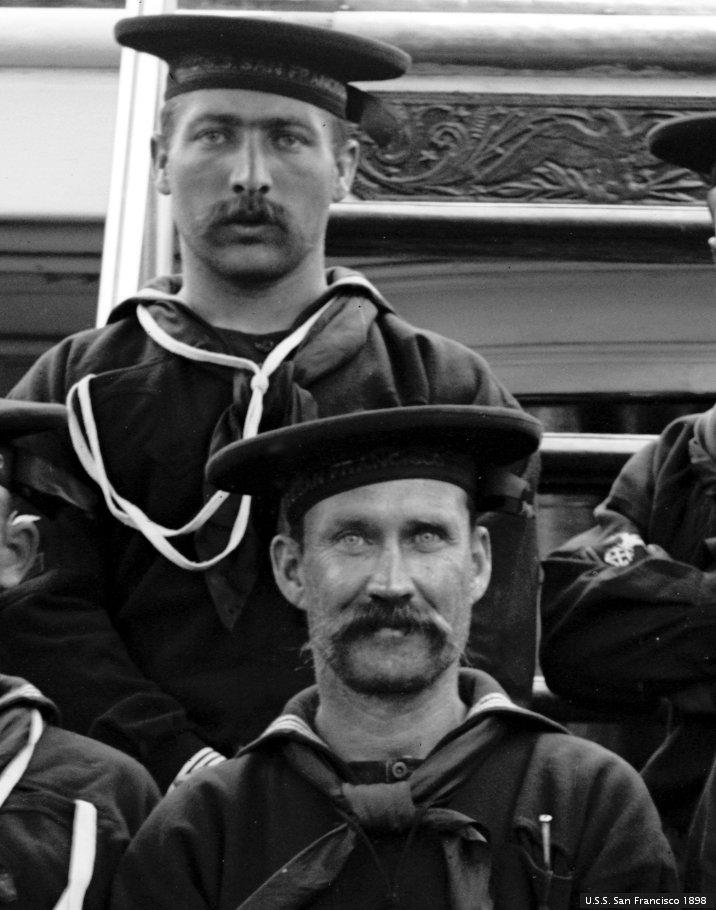
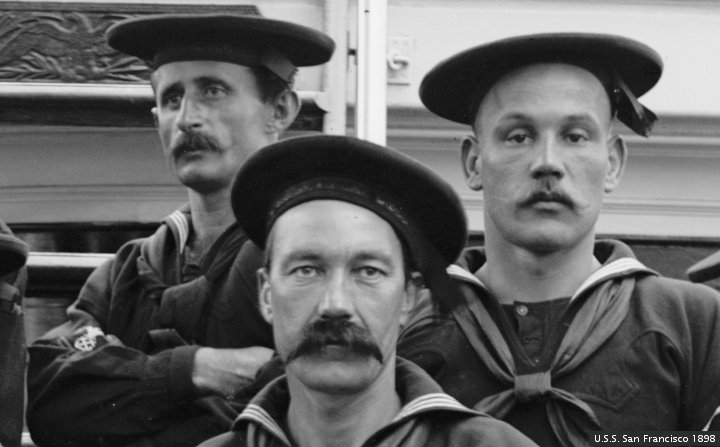
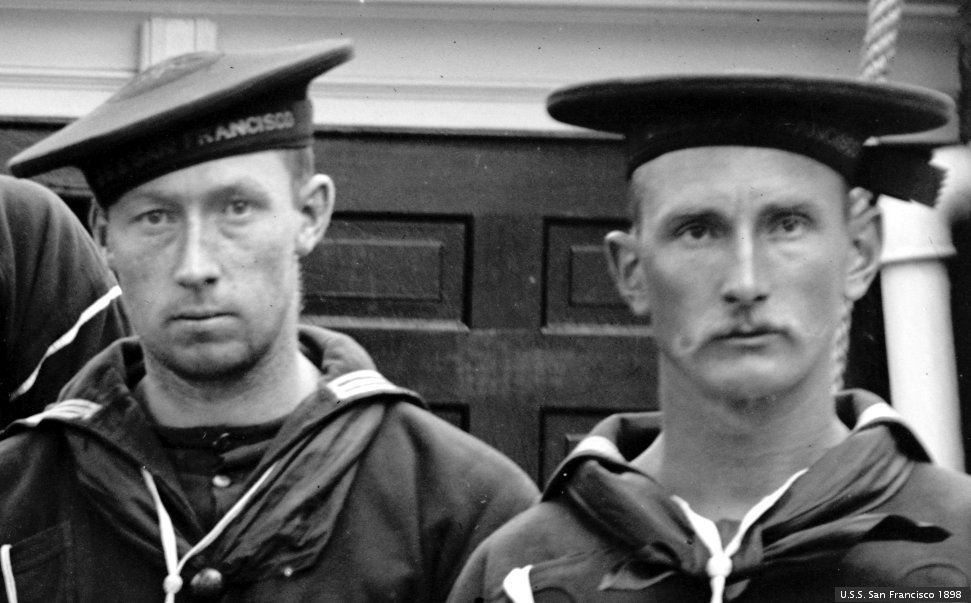
These true stories were borrowed from @Dadsaysjokes and @sodadjokes. Pictures are from The Library of Congress.



Conversations I Am Tired Of Having







There was a post a while back, 10 Conversations On Racism I’m Sick Of Having With White People The original started at The Chronicle, but LiveJournal is kind of weird, so a mirror image will have to do. There are comments, at the sourced post, that illustrate some of the points covered today.
I got to thinking about “10 Conversations”, and a reply began to take shape. I started a list of conversations the I am tired of having, and before you could say affirmative action, there were a dozen items. Many of these incidents have involved people of color, or POC. Many others have not. Often, the ethnicity of the other person has little importance to the discussion. Therefore, the title of this feature will not be racially specific. This monolog will probably not go viral, or even bacterial. Washing your hands might be a good idea when you are finished reading.
Meetings where one person does all the talking The word conversation implies that more than one person says something. Often, this does not happen. One person will talk for a while. Before person two finishes a sentence, person one will interrupt them.
This does not work. When the other person is talking, shut up and listen. Don’t be thinking of your clever comeback, but pay attention to what the other person is saying. What the other person says is just as important as what you say.
Listening is not valued in our culture. It is seen as a loss of control, a sign of weakness. It is really a sign of strength. If you are weak, you don’t want to allow the other person to say anything. Have you ever heard anyone boast about the clever things that they say to someone? Of course you have, just like you never hear anyone talk highly about himself because he is a good listener.
My question is not an excuse to make a speech. Some people have an agenda. Whatever you say is an obstacle to the message they want to broadcast. When you ask a question, some people think you are handing them the talking stick, to do whatever they want. When your eyes glaze over, they plow on, in total disregard to your discomfort, and lack of comprehension. It is almost as if they are talking to hear the sound of their own voice.
I’m not talking to you. If you are screaming something, anyone with earshot can hear you. Do not get offended if there is a reaction to your words, especially if it is subtly directed at the person you are not talking to. This applies to the internet as well, where all of humanity is *privy* to your innermost thoughts. Keep the farmyard meaning of *privy* in mind when sharing your innermost product.
Conversations should be with people. If you are a business, and you want to tell me something, send me a written message. Please refrain from using robocall machines. I feel very foolish talking to a machine, especially one that doesn’t understand southern english.
You don’t have to shout. The amount of truth in a statement is not increased by the volume of expression. If you are standing next to me, the odds are I can hear you in a normal tone of voice. If you are across the room, come stand next to me, rather than shout across the room. If your normal tone of voice is shouting, then you have a problem.
The same principal goes to controlling your temper. When you choose not to control your temper, you show disrespect to yourself, and the person you are talking to. There is no situation that cannot be made worse by angry speech.
Privilege Racial polemic is getting more subtle these days. We are not quite post racial, although there are rumors of a PostRacial apartment complex. The phrase that pays these days is Privilege. This is always something owned by the group you do not belong to. Last summer, I heard this quote in a discussion, and nearly fell out of my chair.
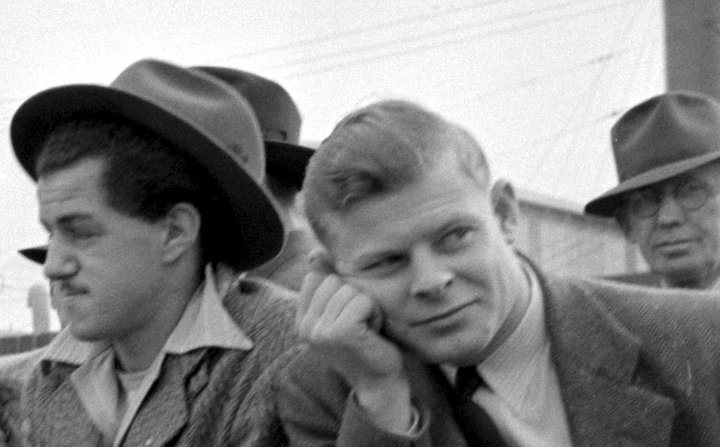
This is getting longer than the attention span of many readers. It might be continued at a later date. This is a repost. Pictures are from The Library of Congress.



Four Part Rules


When PG was a kid, his grandmother lived in a side apartment, in a house on Virginia Avenue. The owner of the house was Mrs. Stuckey. (PG never learned her “real” name, and assumed that checks were made out to Mrs.) There was a framed piece of paper in Mrs. Stuckey’s hall. The top said “The Four-Way Test of the things we think, say or do” , and featured the logo of the Rotary Club. The four rules were simple, on the surface. Is it the TRUTH? Is it FAIR to all Concerned? Will it build GOODWILL and BETTER FRIENDSHIPS? Will it be BENEFICIAL to all concerned?
The four way test was written by Herbert J. Taylor. In 1932, Mr.Taylor took over the bankrupt Club Aluminum Company of Chicago. Trying to revive the company during the depression, Mr. Taylor wrote a code of ethics, hoping that it would be the basis for the company’s actions.
Many said that the four way test was not practical for the business world. The balancing of integrity and ambition can be daunting. It was said that “This emphasis on truth, fairness and consideration provide a moral diet so rich that it gives some people “ethical indigestion.”



These thoughts are for you to use. They were articulated by a man named Don Miguel Ruiz. They are called the Four Agreements. . HT to activecitizen54..
PG does not claim to live up to these ideals. Number two is especially tough for him. The main thing is to try, and to always do your best. This is not about what you believe or think, it is about what you do.
agreement 1 – Be impeccable with your word – Speak with integrity. Say only what you mean. Avoid using the word to speak against yourself or to gossip about others. Use the power of your word in the direction of truth and love.
agreement 2 – Don’t take anything personally – Nothing others do is because of you. What others say and do is a projection of their own reality, their own dream. When you are immune to the opinions and actions of others, you won’t be the victim of needless suffering.
agreement 3 – Don’t make assumptions – Find the courage to ask questions and to express what you really want. Communicate with others as clearly as you can to avoid misunderstandings, sadness and drama. With just this one agreement, you can completely transform your life.
agreement 4 – Always do your best – Your best is going to change from moment to moment; it will be different when you are healthy as opposed to sick. Under any circumstance, simply do your best, and you will avoid self-judgment, self-abuse and regret.
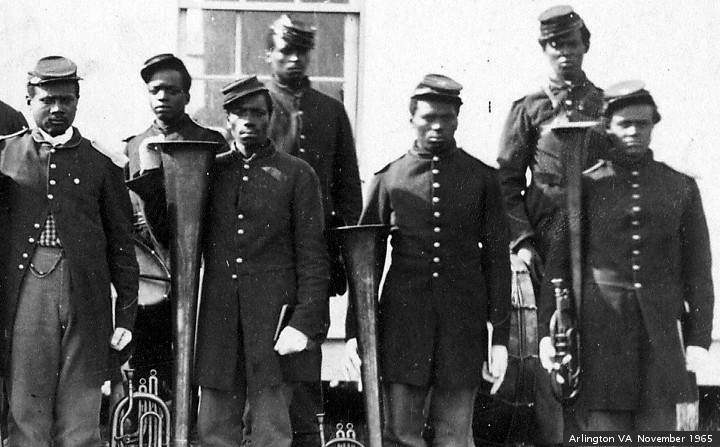
This is an edited repost. The original post has more information about the Rotary Club rules for living. Pictures today are from The Library of Congress.


Be Kind To Your Enemy

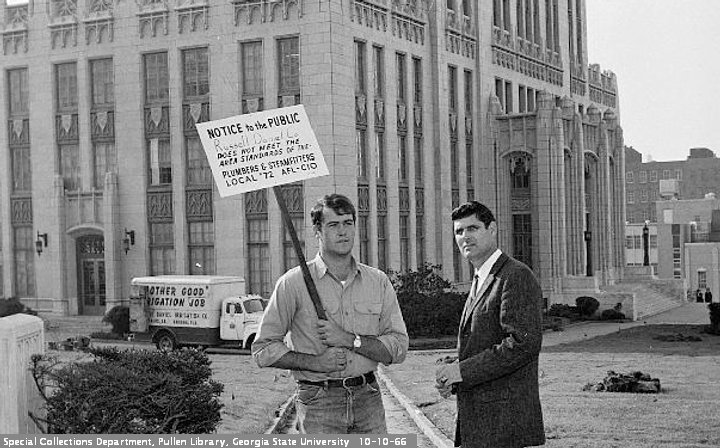




Did Jesus say to “Love your enemy”? Some believe this, and do it. Some claim to believe this, and practice the opposite. There are others who claim to love their enemies, but you have to understand what they mean by it. It can be very confusing. This is a repost.
PG went to a source for documentation. Oh, the blessed conjunction of copy paste with public domain. When PG entered enemy (singular) in the search engine, 100 verses came up. When the request was made plural (enemies), 237 entries popped up. The last mention of enemies is Revelation 11:12 “And they heard a great voice from heaven saying unto them, Come up hither. And they ascended up to heaven in a cloud; and their enemies beheld them.” Loving your enemies does not include bringing them to heaven with you. There is also the star of the show.
Matthew 5:44 “But I say unto you, Love your enemies, bless them that curse you, do good to them that hate you, and pray for them which despitefully use you, and persecute you.”
There is scholarly debate about what Jesus did, or did not, say. The words available to modern man have been copied by hand, edited, translated, and interpreted. PG does not know Aramaic from Alabama. Like anyone else, PG can only read and listen, and think for himself.
In a sense it does not matter what Jesus “really” said. The cult of Jesus Worship is going to believe what it wants. More important, it is going to practice what it wants. As far as the difference between what Jesus “really” said, and what his believers say and do…they can explain.
What follows is a humble suggestion. Maybe the translators and scribes got it wrong. Maybe Jesus did not say to love your enemy. Maybe what Jesus said was to show kindness to everyone. This is a practice thing, rather than a belief thing.
It is not as much fun to be nice to someone, as it is to scream about life after death. Kindness does not need to be justified by a quote from a magic book. You just need to do it.
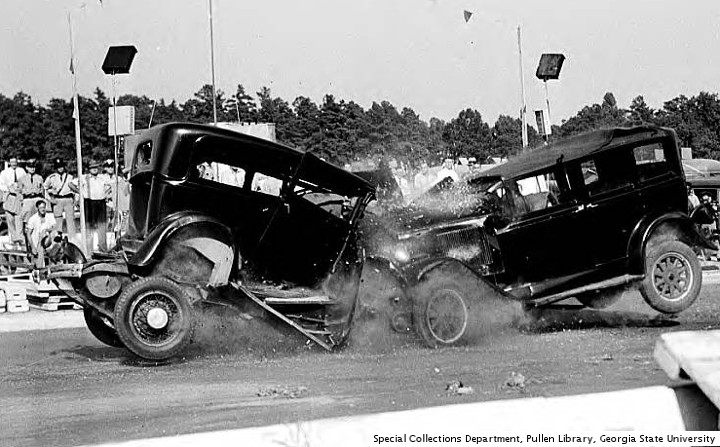
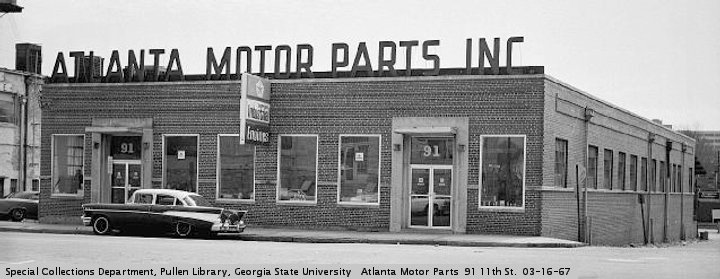
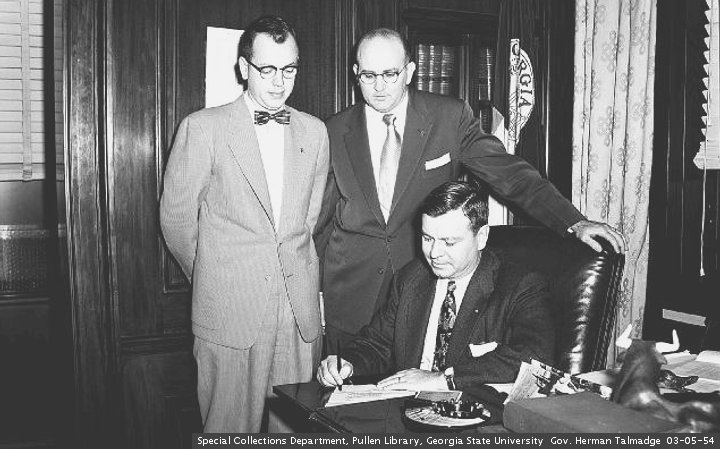
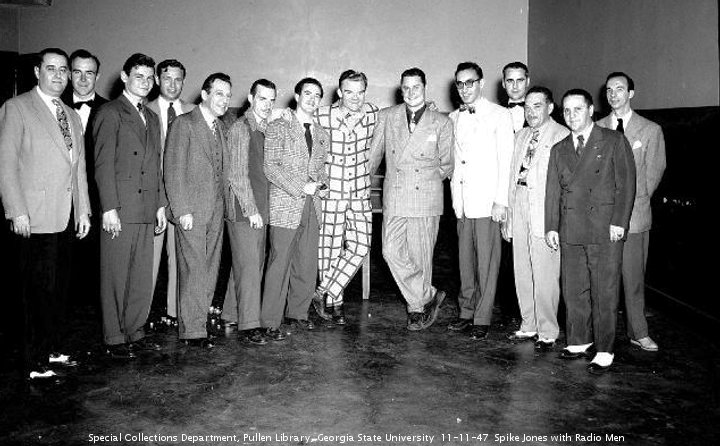
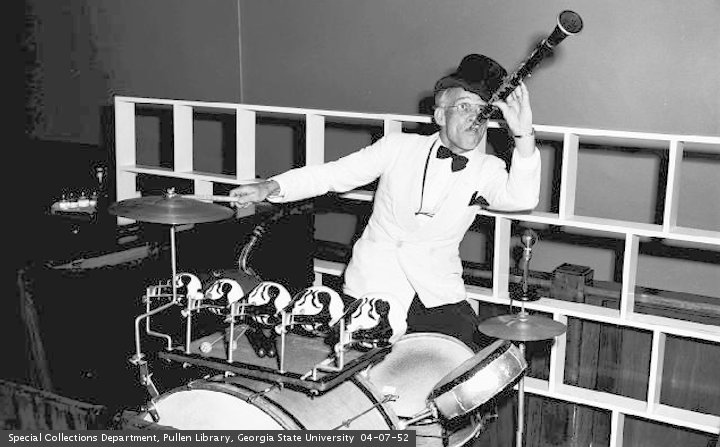
Pictures are from “The Special Collections and Archives, Georgia State University Library”.




 Chamblee54
leave a comment