Hollywood’s Eve Part One


Lilianne O’Likk: “I have a problem with objectivity. I always think it’s a pose. Why would I be moved to spend five or six years of my life on a subject that I was neutral about? With this book, I clocked my subjectivity from the start. Cold-eyed subjectivity is what you need to write a good book. I’m extremely tough on Eve. The fact that I love her doesn’t mean I’m going to be soft on her.”
This quote is from “Lili Anolik on Eve Babitz …” It is one of the podcasts I found yesterday, while writing a book report on Hollywood’s Eve: Eve Babitz and the Secret History of L.A. Hardcover, by Lili Anolik. The book is all over the place. This book report will follow suit.
A primer is in order. Eve Babitz was a groupie. A pretty young lady in California, who partied with many famous people. Eve wrote a few books. One, Slow Days Fast Company, is pretty good. After the eighties hit, and she joined AA, a slow decline set in. In 1997, she set herself on fire, and nearly died. The next twenty four years were spent processing all that input. Chamblee54 wrote book reports on SDFC and I Used To Be Charming, a collection of magazine articles written by Eve.
“The adjective scale goes descriptive, comparative, superlative … good better best … i am not sure which one is applies to normal.” This thought came up in a chat conversation, and is a good way to start this appreciation of Hollywood’s Eve … I am not sure how this is going to work, which is another Babitz Bestie. Eve … I would say EB for the middle-nameless Eve, but Eve is only one letter longer. We should be grateful that Sol and Mae did not have a son named Steve . … maybe i should just listen to the podcasts I found with Lili Anolik, dig dirt on google, and finish this post later. I can always find something in the archive for chamblee54.
I am validating my admiration for Lili Anolik. First, it is pronounced Ann-o-lick … vaguely suggestive, but not anal ick. (Maybe Eve thought Lili was Miss Anal-Ick when she decided to answer the phone calls, and they bonded over the analickiness.) I found a bunch of podcasts that she did while self promoting. Lili Anolik on … was only 10 minutes long. It provided the tasteful quote above.
How Long Gone is two over-the-hill potheads talking trash, until their guest appears. The babblethon at the start is going to last longer than the first podcast. At 22:47, they send Lili a “zoomie”. I listened to about ten minutes of Lili talking about what shoes her husband … a New York Dermatologist … wears. Listening to this pablum is too much work, even for art.
I thought it would be cool to include a link to Dr. Anolik. When googling “Lili Anolik husband”, the first result is When You’re Married to a Dermatologist, All You Need Is Eye Cream. When the pothead podcast opens, they are hustling Soft Services Buffing Bar, a skin care product. One of the young men cannot afford to use SSBB on his XXL butt. Product promotion is a lifestyle choice.
Fortunately, a third podcast had some solid information. The Eve story has a clear beginning, middle, and end. When Lili connected with her, Eve was a mess. The next passage is a google-docs-transcript from podcast number three. It has been edited for easier reading, not accuracy. Just like Eve.
“I finally did get to her, she was living in, it wasn’t squalor, it was so much more extreme. It felt almost like she was a cave dweller. I mean the level of filth, and the darkness of that apartment, and the stench of that apartment, was so extreme, it was just despair…. it was madness, she smelled like madness. I mean it was beyond anything I’ve ever experienced in my life and if I went into that apartment, I don’t think I’m a squeamish person, but I would have to walk around the block like four or five times before I call a cab or Uber.” …
Lili mentioned the Eve aroma in the book, but not in such graphic terms. The book was published in 2019, and created in the years before that. Eve died December 17, 2021. She had Huntington’s Disease, which may have been a factor in the squalor that Lili saw. At some point before her death, Eve went into assisted living.
Pictures are from The Library of Congress. The Hollywood’s Eve series is available. two three four



Slow Days, Fast Company




On the last wednesday of 2021, I read the last paragraph of Slow Days, Fast Company: The World, The Flesh, and L.A. by Eve Babitz. Bret Easton Ellis mentioned EB, and SDFC, several times on his podcast. I ordered SDFC from the library. While reading it, on December 17, Eve Babitz died. Did I kill EB, by reading her book? This is a repost.
SDFC has been described as the work of an unapologetically shallow California girl. It is true. Then EB references Virginia Wolff, or Diane Arbus. In one story, EB (no middle name) goes to a gated community in Orange County for the weekend. The people there are so Nixony! Later, one of the ladies commits suicide. EB plows ahead without missing a beat.
EB was gonna design an album cover for Janis Joplin, and went to meet her. Janis was in the studio. The music was painfully loud. Janis was passed out on the floor of the studio. A few days later, EB went to visit Janis at some hotel in Los Angeles. Janis was laying up in the pool face up, not drowning but obviously on a distant planet.
SDFC is an amazing book. It’s not very long, broken down into nine stories. EB went to Bakersfield to hang out with the son of a grape grower. Another is when that EB hangs out with a lady who is a musician, and heroin user. EB thinks that heroin is very glamorous, for other people. EB was a big tequila fan, and consumed a few plane-loads of white powder. SDFC is set around 1973, before the democratization of cocaine in the eighties.
After the demise of Joan Didion, and EB, Bret had Lily Anolick on his show. She did a podcast series about Bennington College. The lady … whose name is not anal-lick … wrote Hollywood’s Eve: Eve Babitz and the Secret History of L.A. Amazon had a one star review: Totally the C Word “After reading this book I thought I was going to have to go to the clinic and get treated for VD. Incredible, did she really have sex with this many people?”
SDFC is written by a woman, from a woman’s point of view. Here is a sample. “Women want to be loved like roses. They spend hours perfecting their eyebrows and toes and inventing irresistible curls that fall by accident down the back of their necks from otherwise austere hair-dos. … The only time men fall in love with roses is on douche commercials.”
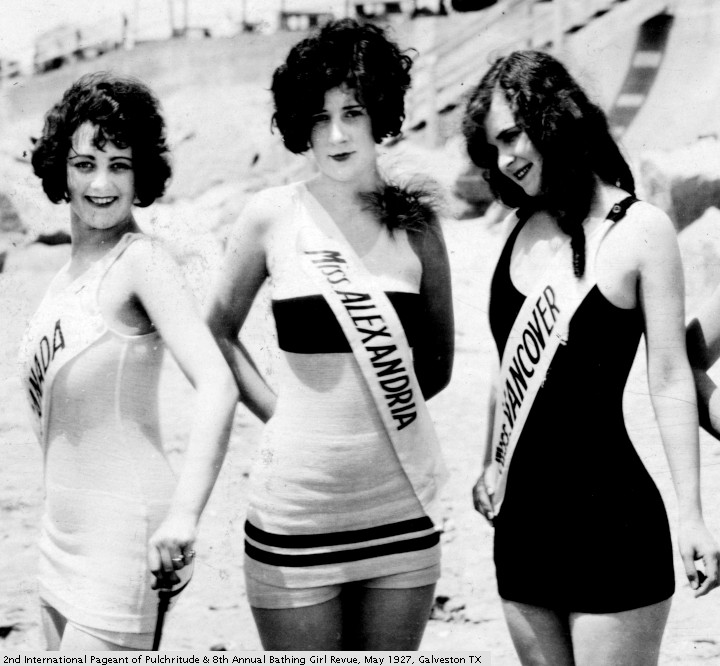
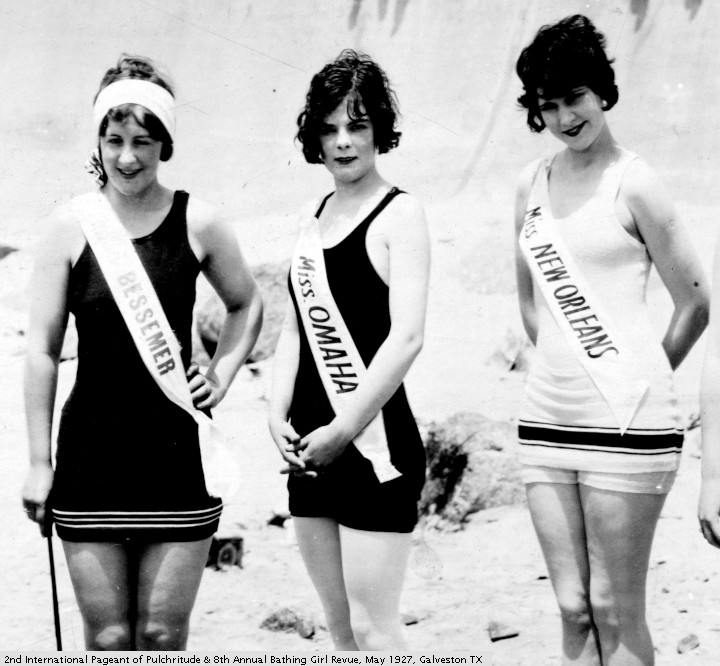
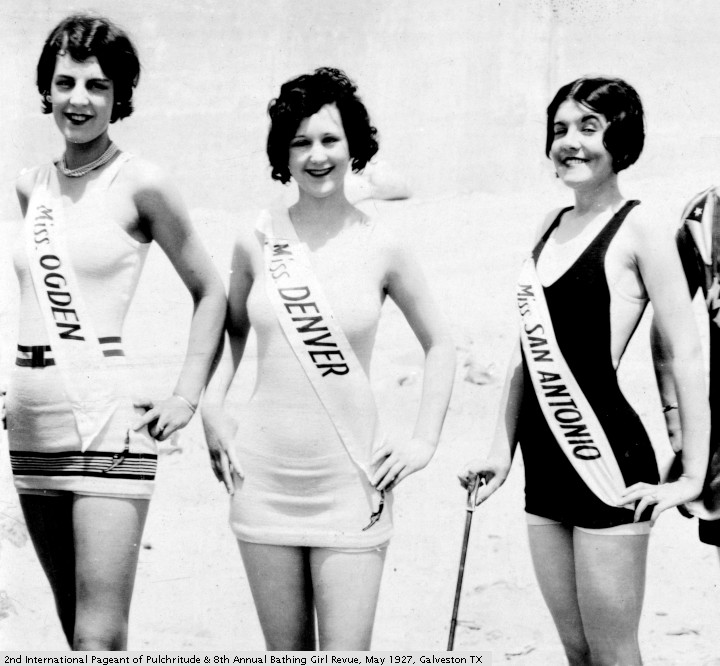
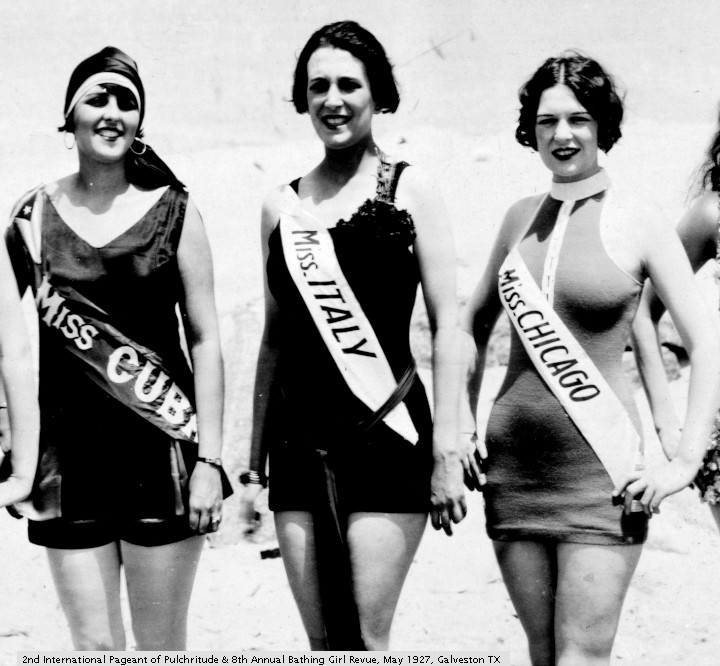
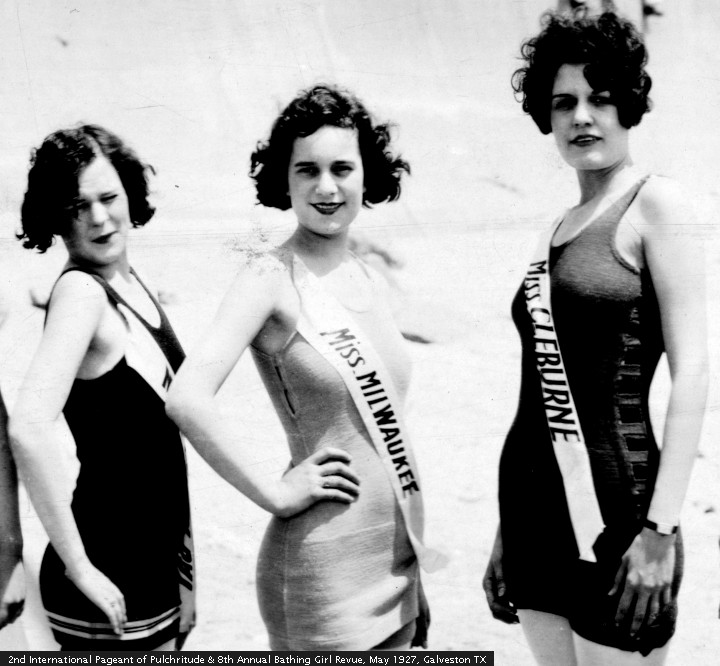
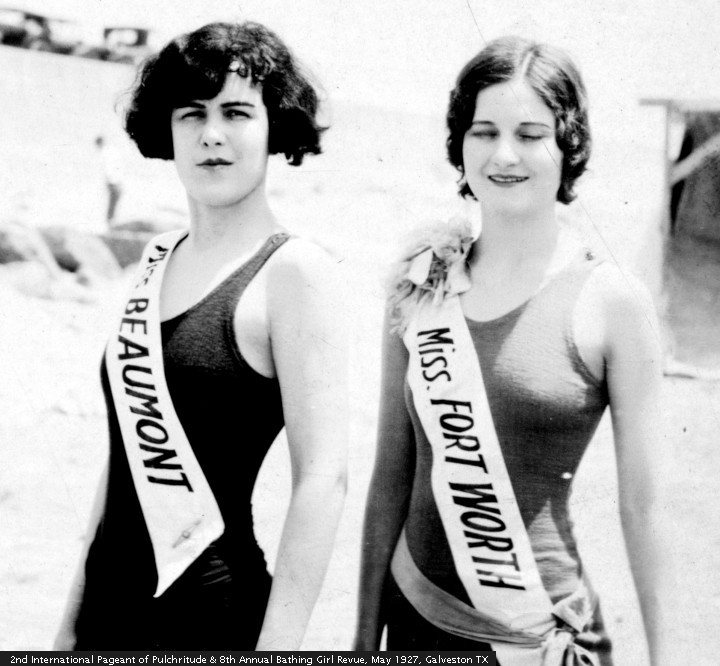
Pictures today are from The Library of Congress. Second International Pageant of Pulchritude and Eighth Annual Bathing Girl Revue, May 21, 22, 23, Galveston, Texas, 1927. This article includes the picture of a naked EB playing chess with Marcel Duchamp.



The Soho Press Book Of 80s Short Fiction




The Soho Press Book of 80s Short Fiction turned up in the Dekalb Library system, and has provided some cheap thrills. One negative review catalogs a few of the charms.”Beware. Raw, graphic sexual content. I had intended this as a reading group choice. It was a pre-order so I had no forewarning or list of titles (“Sodomy” would have given me pause). Cover listed Raymond Carver, Mary Gaitskill, Amy Hempel, Jamaica Kincaid. Book arrived with cover detached.”
Weird Fucks Lynne Tillman is the first story. A young lady has an eventful summer. She takes up with a married man, whose wife dries her hair in the oven. Is this what happened to Sylvia Plath?
So Much Water So Close To Home Raymond Carver was a delight. I had listened to several of Mr. Carver’s stories read on youtube, but never read the text. SMWCTH is a tasteful story. Just-plain-folks go camping, and see too much.
Sodomy Gary Indiana jerks us off back into a New York state of mind. A man is talking about two of his late seventies boyfriends. One is a terrific fuck, but not much else. The other is a confused, off-and-on emotional connection. Mr. Indiana talks about 1978 as being “before the war.”
The Angel Patrick McGrath is the story of Harry Talboys, an eccentric old man who estivated in lower Manhattan. The old man lived his days in a gin fueled haze, while telling tales of his former glory. Eventually, the young man who wrote the story couldn’t take anymore of the old geezer.
River Of Names Dorothy Allison is tough to read. It’s about a lifestyle that I am blessedly unfamiliar with. A hyper productive South Carolina family gets through life, sometimes. RON opens up with one of the sisters taking a pail of soiled rags out to the fire. This scene involves the sense of smell.
Secretary Mary Gaitskill “A young woman, recently released from a mental hospital, gets a job as a secretary to a demanding lawyer, where their employer-employee relationship turns into a sexual, sadomasochistic one.” This is where the tales get funky. There is a connection to a movie and the description of the movie sounds different from the story … there’s no mental hospital discharge in the story. The young lady seems to be just a helpless young lady, who lives with her helpful parents. She gets a job in a law firm. The lawyer turns out to be a terrible person, who likes to beat her. She has a curious relationship with the whole thing … it’s a disturbing tale.
Wrong Dennis Cooper If Secretary wasn’t fucked up enough, the next story is by Dennis Cooper. Some guy lives in lower Manhattan during the seventies, and goes around killing people. Until he gets killed himself, and then goes on a deceased person monolog.
Debbie’s Barium Swallow Laurie Weeks makes william burroughs look like dick, jane, and sally. “There’s a guy named Benny lymphoma tracking … God or whatever Satan daddy lifts my skirt like he does at the slightest whim … what words can Debbie use for this secret procedure … she crawls and shakes with fever in the toxic dirt crawling one knee before the other … bitching from 34th Street to 35th a node shaped lip traveling from … your job in the … Hospital’s authoritative smoothing fekade” Pictures today are from “The Special Collections and Archives, Georgia State University Library.”



Bulwer-Lytton Fiction Contest 2022 Part Two


Part Two of the 2022 chamblee54 report on The Bulwer-Lytton Fiction Contest is here. (BALL wear LIT uhn) Parts one and three are there. Pictures for this affair are from “The Special Collections and Archives, Georgia State University Library.”
It was a dark and stormy night, made darker still by the melancholy that gripped the drainpipes of my soul in a plumber’s wrench of despair that opened the u-trap of my consciousness to remove the last, great greaseball of hope. Jim Anderson, Flushing, MI
I stood transfixed at the eerie sight before me, so strange, so odd, so peculiar, so weird, so bizarre, so eldritch—Gods, mine ocular ducts weren’t meant to witness such blasphemous heresy—so indescribable, beyond all possible descriptions, at least in any kind of adjectival way!
Gabriel Burch, Edmond, OK
Even though the heavy snow forecast threatened transportation problems at the mountain pass leading to the social engagement of the season, every invited member of the party had RSVPed in the affirmative, for the single reason that the Donner family chef was nationally recognized for his all-vegan menu. John Hardi, Falls Church, VA
Clear, plump jellyfish lay scattered across the beach, like so many discarded breast implants.
Sara Corris, Brooklyn, NY
The trees sighed with pleasure as the wind caressed their limbs, the lake lapped contentedly at the shore, the grass waved cheerily to all and sundry, and the moon smiled benignly between the playful clouds while George buried his latest victim. Nick Waites, Bishop, Auckland, UK
“The clouds resembled an endless roll of runaway toilet paper that unspooled itself into a massive fluffy pile, the sound of the lightning banged like hundreds of inadvertently dropped toilet seats, and the rain quickly flooded the street and spilled over the curb like a toilet clogged with who-knows-what,” reported eyewitness to the sudden storm and flash flood, Steve Talbot of Steve’s Plumbing. Mark Meiches, Dallas, TX
The pallid North Dakota winter coughed its phlegmy wind in my face, spattering my face with its icy spittle. Andrea Dumas, West Fargo, ND
I’m very very good and I know this because momma told me and all her bridge friends that I was an angel she got when the stork dropped me from the sky and she says I’m such a good girl so if you want to be with a real honest to goodness angel tonight come on down to the corner of Bitcoin and Pussycat Way for a very special time with an angel who accepts American Express.
Sharon Durken, Port Wing, WI
When Big Rita was on parade in a tight skirt, moving like a burlap bag full of bobcats, the men in town sat up and took notice, knowing the hunt was on, for she had run the gamut from wealthy philanthropists to dopeheads and bikers, though, until today, she had maintained a shred of dignity by always rebuffing English professors. John Hardi, Falls Church, VA
Doghouse Roses



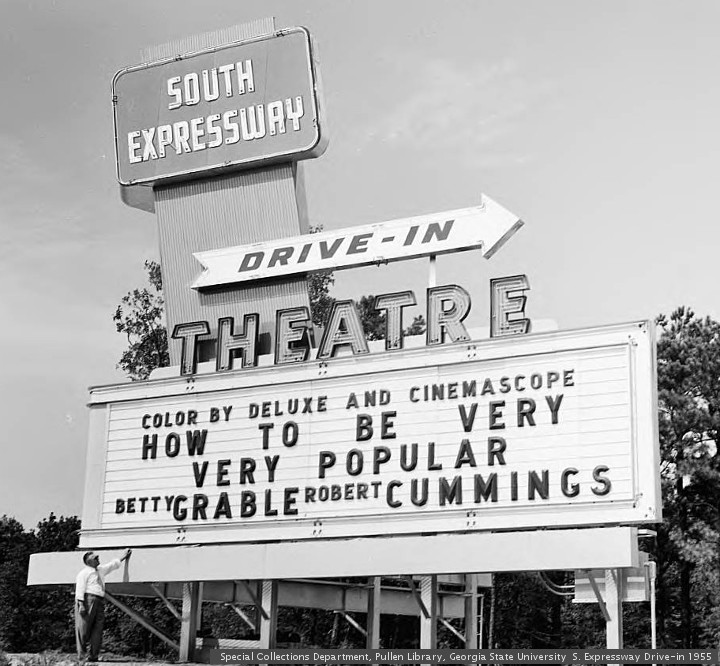

There is a synchronicity to writing about Doghouse Roses in the downstairs parking lot at Walmart. DR is a collection of stories, written by Steve Earle. PG was only vaguely aware of Mr. Earle when he stumbled onto DR at the Friends-of-the-Library table. It turns out that Mr. Earle is a country music star, prison veteran, drug addict, seven time bridegroom, and a great American. It is possible that some of the DR tales are autobiographical.
The title story kicks off the collection. A terminally addicted former country star is being driven home by his wife. On their way out of LA, they go to the hood to buy some rock. While there, the dealer is wasted by an angry handgun. The story, like most of DR, is entertaining, and sort of believable.
Some high minded types read to become a better person, in one way or another. To PG, education/inspiration/motivation are all well and good, but not nearly as important as entertainment. If DR has any life lessons, they are well hidden. PG just wants to pass the time, until the nurse comes to the waiting room, and calls his name.
Over the weekend, PG read a 22k word essay by James Baldwin. If PG is brave enough, there might be a blog post forthcoming. Mr. Baldwin is not fun to read. “But white Americans do not believe in death, and this is why the darkness of my skin so intimidates them.” After wading through 22306 words of this, PG has done his duty reading for the summer.
Getting back to DR, the third story is about a drug runner in Mexico. “The American” displays a knowledge for some subtleties of life in Mexico. He crashes his plane, and just barely makes it back home. “The American” is in two more of the DR stories. We don’t know if he is based on a real person, or the result of Mr. Earle’s well lubricated imagination.
Since this was a used book purchase, there is no need to take DR back to the library. DR is 207 skinny pages. There is still room on the shelf. Pictures today are from ” The Special Collections and Archives, Georgia State University Library. “






The Origin Of Barbie



PG found a copy of Snuff at a yard sale. The story was written by Chuck Palahniuk, pronounced paula nick. This book report may have spoilers. This is a repost.
The 197 pages recount an attempt to break a world record. Aging porn star Cassie Wright is trying to take on 600 men in one session. The plan is to die, in a blaze of gooey glory. The story is told by four characters: Mr. 72, Mr. 137, Mr. 600, and Sheila. Each of the four feels a connection to Miss Wright. It is a case of four wrongs making one Wright.
The story gets weirder and weirder. Mr. 72 is convinced that he is the son of Cassie Wright. Mr. 137 became an Okla-homo after being diddled by daddy. Mr. 600 is said to be Miss Wright’s baby daddy. Sheila, original name Zelda Zonk, was another possible Wright baby. After a while, the reader just plows ahead. When PG pays a dollar for a book, he wants his money shot money’s worth.
Snuff has a couple of gimmicks that are repeated to the point of no return. The talent is known by a variety of names, like pud puller, wiener wrangler, page paster, fist flogger, white washer, and sherbet shooter. The movies made by Cassie Wright all had satirical titles, like World Whore One, and The Asshole Jungle. It was funny the first twenty times.
Another gimmick Mr. Nick works us with is the “true fact.” Someone will throw out a chestnut, and say “true fact.” Many of them are Hollywood beauty secrets, like Lauren Becall, and Tallulah Bankhead, drinking eggshell tea. Here is an example.
“… Hitler … was disgusted by seeing his fellow soldiers visit French brothels. To keep the Aryan bloodlines pure, and prevent the spread of venereal disease, he commissioned an inflatable doll that Nazi troops could take into battle. Hitler himself designed the dolls to have blond hair and large breasts. The Allied firebombing of Dresden destroyed the factory … “
Mr. Google has more. “But in 1942 the project was halted when German soldiers refused to carry the dolls because of the potential embarrassment if they were captured by the enemy. Author Graeme Donald uncovered Hitler’s secretive “Borghild Project” while researching the history of Barbie, which was based on a postwar German sex doll.”
“I was actually researching the history of the Barbie doll that was based on a German sex doll of the 1950s. Ruth and Elliot Handler from America visited Germany in 1956 and saw the Lilli dolls that were sold in barbers’ shops and nightclubs – and were not for children Ruth didn’t realise this and bought one and realised later they were not toys. But Ruth and her husband used the doll as a foundation for what became Barbie.”
Pictures are from “The Special Collections and Archives, Georgia State University Library”.


Cleve Jones

When We Rise, the autobiography of Cleve Jones, was a surprise at the library. I had heard of Mr. Jones … something about the names project and the aids quilt … but didn’t know much else. Pictures today are from ” The Special Collections and Archives, Georgia State University Library. “
Turns out Cleve is a 1954 baby, like myself. He has a different story from me. I find myself thinking of where he was in his life, and where I was in mine. It often is not complementary to me. Cleve was living in San Francisco and Germany. I was in Georgia, just being the bum I was.
A vanity project “Oh dear – hearing over and over again how handsome Cleve was and how ‘hot’ all his lovers were grated on me after a while. It’s a shame because I expected more from someone who was there at the beginning of gay liberation, and indeed, played an important part. His vanity or lost youth seemed more important than really getting to grips with the zeitgeist of the period.”
The Amazon one star reviews confirm something that I’ve picked up on from the book … Mr. Jones has a healthy ego. Everywhere you turn, there’s people that Cleve doesn’t like, or who don’t like him. This is one thing that rings true about the Atlanta experience as well. There was always drama. People have their baggage. There is not always room under the seat to stash it.
For those who are new here, here is the story. Cleve had been saving pills for his suicide, when he was a teenager in Arizona. He got it together, met some people, and moved to California. Cleve lived hand-to-mouth for a while. I think he hustled a little bit. After a while, he got a job, and met somebody who lived in Germany. For a few years he would go back to San Francisco, work for a while, and spend his summers in Europe. About this time Harvey Milk had his camera store on Castro Street … more of a meeting place for his buddies, than a profitable camera store. Cleve got to know Harvey, and eventually was worked for him. Cleve claims to have gone into City Hall, on the day that Harvey was shot. He was able to just walk in, and see the body of Harvey Milk before anybody got to it. This part of the story set my BS detector off.
Dan White was tried for the murder of Harvey Milk, and George Moscone. He was convicted of a much lesser charge, and people were offended. It was a mess. About this time, I went to California on a Trailways bus. I wound up in the moonie camp, outside of Santa Rosa. I somehow got got back to town, but didn’t get to spend much time in the city. I went to a club called the Stud, on Folsom Street. It was one of Cleve’s hangouts.
I was in San Francisco for the pride parade in 1981. This is about the time when the first reports of aids started to come in. Cleve read these initial reports, and was talked to some friends of his about how worried were. Cleve met a man named Bobbi Campbell. Sister Florence Nightmare RN was the 16th person in San Francisco to be diagnosed with Kaposi’s Sarcoma.
Cleve Jones has AIDS. He was took a positive antibody test as soon as they became available. He was in bad shape at one point, when a doctor got him on one of the early nineties drug cocktails. Cleve responded well to the new treatment, and is with us today.
The Names Project is what Cleve Jones is best known for. TNP created the aids quilt, a massive memorial to the people who died of aids. ”The quilt traces its origins to 1985, when Jones decided to commemorate the 1,000 San Francisco residents who had succumbed to AIDS to date by asking those attending a march to tape placards bearing lost loved ones’ names onto the San Francisco Federal Building. To Jones, the wall of names resembled a quilt. Most of the quilt’s blocks are rectangles measuring 6 feet by 3 feet, or roughly the size of a grave. Many were individually crafted by people whose friends and family members succumbed to AIDS …”
Today, the quilt has over 50k panels, and is a piece of logistic work. For some reason, the quilt moved to Atlanta in the early aughts. Cleve did not approve. His official connection to the project ended about this time. At last report, the quilt is moving back to Caifornia.
The connections keep going on. I became virtually connected to a Georgia writer who knew Lance Black, before he used all three names. The Georgia writer, and Dustin Lance Black, did not like each other. Some things never change. Moving on into present tense, @CleveJones1 was forced out of his San Francisco apartment. His landlord doubled the rent, to more the $5,000 a month. I stay in a Brookhaven house, coveted by Mcmansion mongers. Life goes on.


I Used to Be Charming Part Five
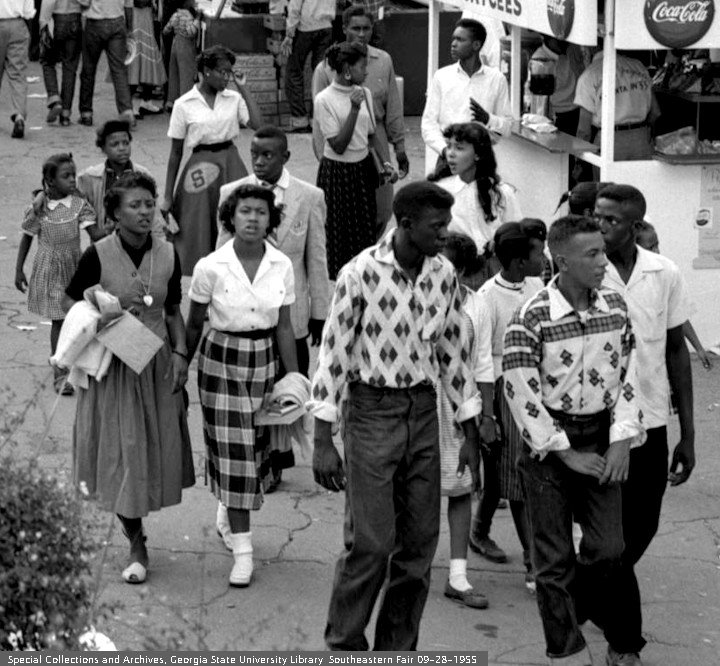
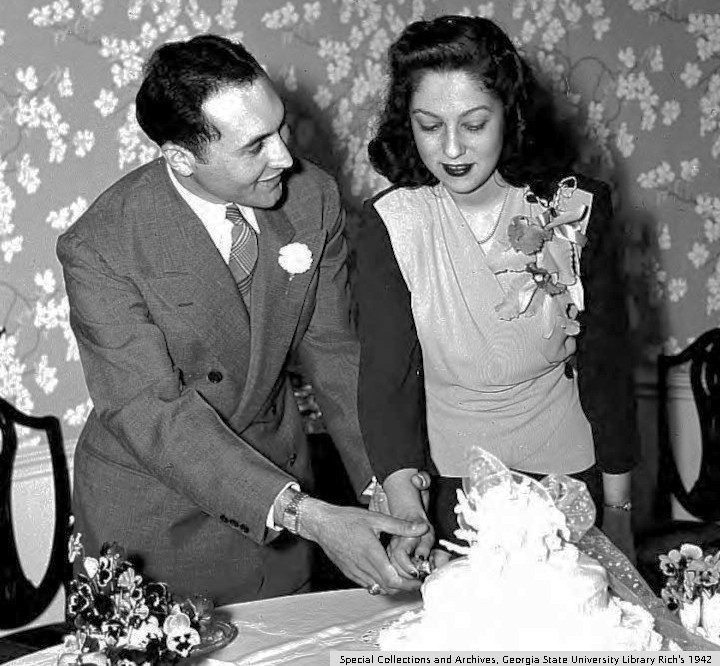

This is the fifth, and final, installment in the chamblee54 serial book report on I Used to Be Charming, by Eve Babitz. The pictures today are from “The Special Collections and Archives, Georgia State University Library.” The other four parts of this series are available: one two three four
It’s an old cliche about drug abuse … life becomes boring when you quit using. That might be true with Miss Eve. She got scared because of AIDS, and got cleaned up from her druggie ways. She started taking dance lessons, and got into ballroom dancing. When she tried to commit suicide by Tiparillo, the physical activity of dancing aided her recovery.
Hippie Heaven (Vogue October 1992) was the first story that made me want to take notes. “Especially the red rayon forties dress, cut on the bias, that I’d worn the nights I waited in the Troubadour bar in West Hollywood, looking for trouble like Jim Morrison.” Lord, whatever happened to Eve? Writing for Vogue about a dress “cut on the bias.” This is the Dowager Groupie, talking about clothes. Even Eve’s sister Mirandi … who started out as Miriam … made leather suits for Jimbo.
Eve says something about Leicester Square, in London. The Rolling Stones did a song, Cocksucker Blues. They owed a pesky record label one more song, so they decided to give them something they would never play on WQXI. So Mick says something about hanging out in Lester Square, but it turns out to be Leicester Square.
Scent of a Woman (Vogue March 1997) is where Eve finally gets her mojo back. Vogue published SOAW a few weeks before Eve’s catastrophic fire.
Some say that smell is the most animal of our senses. Aromas get directly from the nose to the brain, without the mental filters navigated by sound and sight. In SOAW, Eve discusses the various perfumes of her life. When she was young, the only perfume she felt comfortable with was Here’s My Heart, by Avon. True, it did not make her smell like old stationary, as Chanel N°5 did, but you don’t get more uncool than Avon.
“My great aunt sold Avon when I was a kid, and she and my conservative-about-fragrances mother (the one who flushed my Evening in Paris down the toilet) approved this for me. It was OK, girly, kind of little girly and nowhere near as exciting as Evening in Paris, but I liked it all right. It made me think I was missing something in fragrances, but it was enjoyable to wear.” Avon introduced Here’s My Heart in 1957. Nobody is sure when it was discontinued.
One afternoon in the sixties, Eve went swimming at the house of a Hollywood somebody. In the bathroom, there was a bottle of Le De by Givenchy “Le De came about when Hubert (Givenchy) chose decided to gift his friend (Audrey Hepburn) with a perfume; actually he commissioned two, the other being L’interdit (created in 1957 and commercialized in 1964) and they were hers alone for a whole year. In 1958 the idea of launching perfume under the aegis of his house saw Le De being introduced to the market while L’Interdit was immortalised in … Breakfast at Tiffany’s.”
“And then the unthinkable happened. They took Le De Givenchy off the market — or at least they cut back its distribution to the point where it became impossible to find. This is something Andy Warhol would have picketed Givenchy with me for. (Andy Warhol had an extremely funny section in his autobiography The Philosophy of Andy Warhol (From A to B and Back Again,) in which he says that whenever a product is “improved,” the manufacturer should leave the original, unimproved product on sale, too, because a lot of people don’t want what they already like pulled from the shelves.”
Amazon has a terrific one star review of the Warhol book. “I bought this due to a need for additional references. It’s written by warhols assistant and is filled by drivel, pompousism and things you may say on acid trips while your in a room wrapped in tin foil. Save your money and if you a want book about Andy warhol use one of the autobiographies written by an author after Andy died and has no connection to him or his factory friends.”
The last fun chapter is I Used To Be Charming. IUTBC is about the fire, on April 13, 1997. “I had just finished brunch with my mother; my aunt Tiby; my sister Mirandi; and my cousin Laurie. Mirandi would be driving my mother back to her place, where I was also living at the time, and I looked forward to smoking the Tiparillo I’ve been saving for the ride in peace and quiet. The cigar was one of those fashionable but hideous cherry-flavored ones I loved because smoking them made me feel like Clint Eastwood; everyone else hated them. I grabbed one of the wooden matches, struck it against the sandpaper side of the box, when all of a sudden the match fell from my hand. The gauzy skirt I’d put on to go out dancing later went up in flames; my panty hose melted to my legs. Thank God for sheepskin Uggs, which protected my lower legs from burns.”
When Eve struck that match, in a 68 VW bug, her life changed. There were a lot of rude comments about cigars. Tiparillos in particular have a curious market niche. One ad campaign had a picturesque young lady working the crowd, with her pitch “Cigars, cigarettes, Tiparillo’s?” “The modern smoke, found in all the right places, with all the right people.”
Another ad campaign asked the oh-so-modern question ”Should a gentleman offer a Tipparillo to a lady?” A later campaign produced a TV classic. “In 1970 the Federal Trade Commission banned cigarette commercials from American airwaves. However, cigars did not fall under the FTC ban, and so we have these two commercials from 1973 for Tiparillo cigars, which — if you believe the ads — must be offered to a lady, which will be appreciated more than “candlelight and small talk.”
Fiorucci, the book takes up the last 48 pages of IUTBC. Eve wrote text for a collection of graphics from the Fiorucci fashion emporium. Fiorucci closed its retail stores in the eighties, and is mostly known today because it rhymes with Gucci. “Zeigt und erklärt, wie und warum Fiorucci in den 70ern und 80ern bigger than life war. Das Buch ist Kunst, Marketinghandbuch und Poesiealbum in einem.”


I Used To Be Charming Part Four

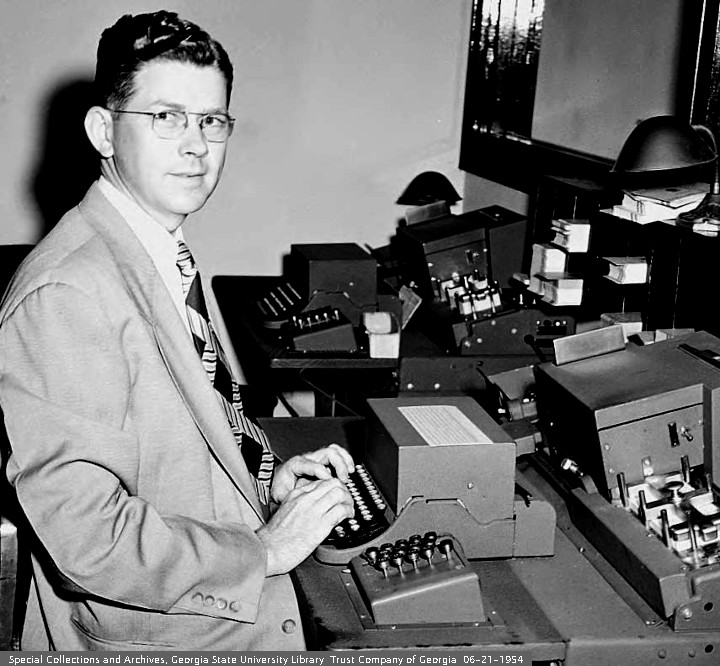

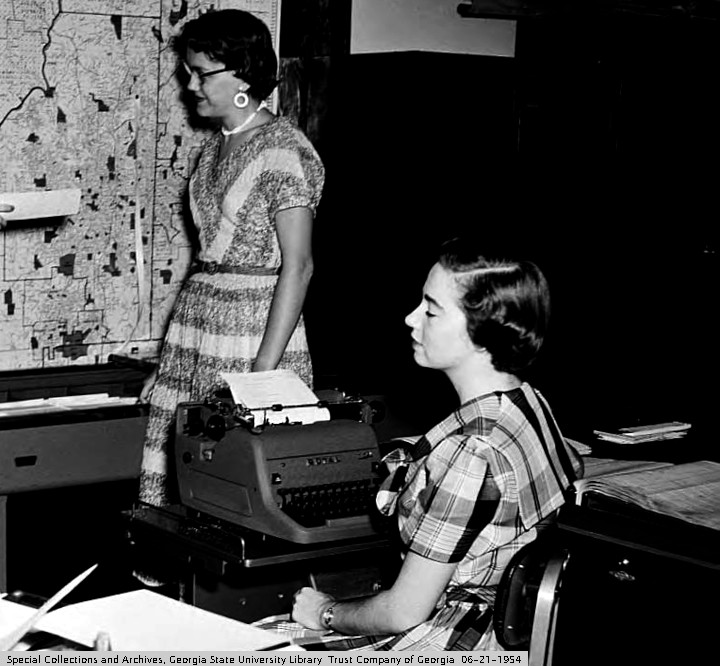

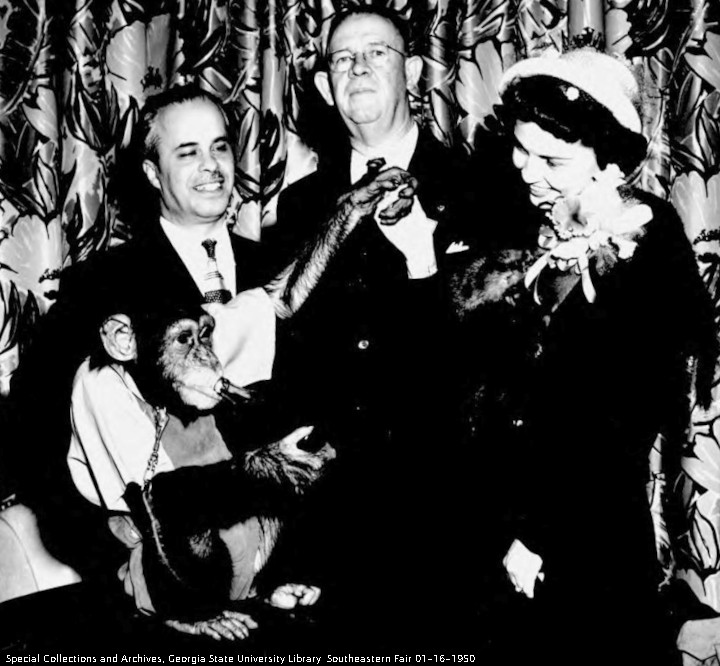
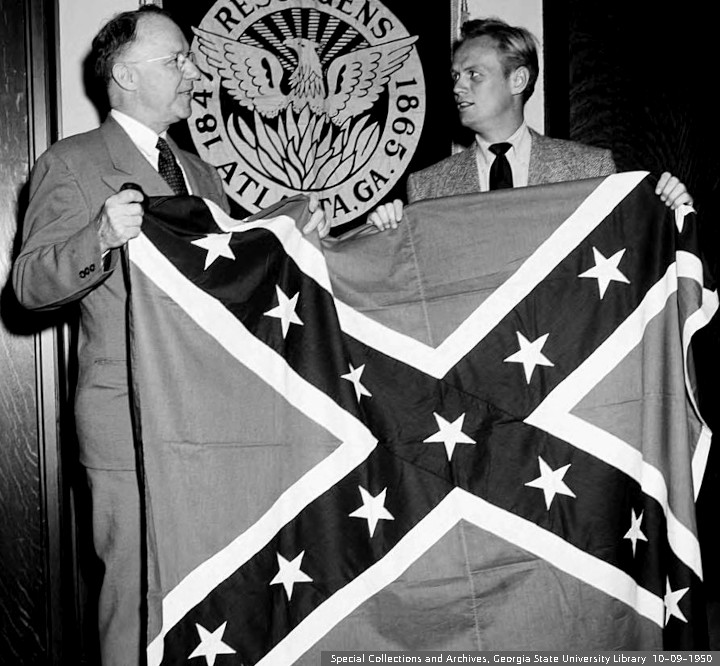
What follows is the fourth installment of the chamblee54 deconstruction of I Used to Be Charming, by Eve Babitz. Pictures today are by “The Special Collections and Archives, Georgia State University Library.” Other features in this cycle are available. one two three five
Sober Virgins of the Eighties (Smart Fall 1988) was published in late 1988, at about the time I quit drinking. IUTBC is in chronological order. The pieces covered today are from Eve’s overboogie recovery days. Many are written for Esquire. “Every product was carefully curated by an Esquire editor. We may earn a commission from these links.” Eve may be counterculture, but by 1990 she was writing for the emperors tailor.
By 1988, aids was hitting like a ton of bricks. While some still partied, many started to clean up their act. SVOTE is about this. “Of course, now that it’s the eighties, most desirable members of the opposite sex give rise to dark wanderings like “If they’re so cute, why aren’t they dead?”—which for me really put a damper on sex and made me actually take up chastity for almost two years. … The great thing about the eighties is that if you’re still alive, there’s hope. That, anyway, has changed.”
SVOTE was in the first edition of Smart, in the “Love and Science” column. “One smart reader is worth a thousand boneheads” HL Mencken “Terry McDonell, the now legendary magazine editor, was starting his own magazine, Smart, in 1989. When he said he wanted to evoke The Smart Set, the stylish, literary monthly edited by H. L. Mencken and George Jean Nathan in the Roaring Twenties, I thought of Lucian Bernhard’s Bauer typeface from 1929, Lucian. That resulted in another early Font Bureau digitzation of a vintage foundry type, Belucian. At that point David Berlow was thinking of a adding a “Be-” to the names of all his revivals (cf. Belizio), but we talked him out of that later.”
Ronstadt For President (Smart May-June 1989) returns to Eve’s friendship with Linda Ronstadt. Eve is sometimes credited with designing the album ocver for “Heart Like a Wheel.” Other sources say that Eve was the photographer on the inner sleeve. Very little is said about Eve as a photographer. Mostly, artist Eve paints, and assembles collages.
RFP is about Linda’s struggles to make it as a singer. Her looks got in the way. “… men like Hugh Hefner would be propositioning her with “Let’s just shoot you with no clothes on, why don’t we?” and casting directors were trying to interest her in movies. “That’s not what I am, Eve,” she said, laughing and laughing. “Me with no clothes, imagine!” …
“I mean, Linda is just your normal good-time overeater type of person, whereas Jane Fonda, as she mentions in her book, was a bulimic—one of those sneaky people who eat and eat and then throw up. And bulimia is not what I want in a politician at all. I want things to stay down. And I want Linda to sing a slow, sexy double-entendre version of “You’re Just Too Marvelous” to Gorbachev.”
Rapture of the Shallows (Smart July-August 1989) was about Walter Hopps. He created an art gallery called Ferus, despite the NY notion that LA was a wasteland for art. Mr. Hopps was also Eve’s extramarital bf, and the motivation for the chess photograph with Marcel Duchamp.
“Ephemera mattered at Ferus. Founded by curator Walter Hopps and artist Ed Kienholz in March 1957, the “Ferus” honorific was designed to commemorate an unknown artist named James Farris who shot himself; the peculiar variant spelling of the gallery’s name got transposed, however, when Robert Alexander (a.k.a. “Baza”), the collage artist and poet who executed the gallery’s earliest typography, proposed “F-e-r-u-s” instead. Why? “Because it has more strength typographically,” Hopps remembers. Hopps’ response? “Let’s do it.” And thus, the gallery’s founding identity was composed with an ephemeral sensibility and by a typographic twist of fate.”
Eve: “I’m going to write a piece about John Goode and maybe Ed Ruscha and Laddie Dill and …” I told my friend Aaron, a New York collector who lives here but hates it. “Those phony-baloney bulshit artists … they all suck. They’re just for restaurant openings, tea at Trumps.”
In the Bret-Lili podcast, Trumps came up. It seems to have been quite the trendy place. In The Shards, Bret meets at Trumps with this semi-closeted producer, (and father of Bret’s gf.) He pretends to be interested in Bret’s script, but is really after Bret. If you like, you can buy a matchbook, and a small plate, from Trumps.
The Sexual Politics of Fashion (The Washington Post Book World July 30, 1989) is about books, (one two) that people wrote about fashion. Eve was not impressed with either. “But the Luscious photographs and illustrations are given a continuous cold shower by the prose: Every time you get a romance or fantasy going in your head … you are smacked into rectitude by phrases like “gender-specific” or just the very word “gender” itself which is enough to keep me from wanting to hear more, no matter how cute the people in the pictures are.” Eve had an eye, however badly focused, on the future. In 1989, gender meant boy and girl. Today, gender is the new civils rights movement, more third-railish than even race or football.
Gotta Dance (Playboy October 1989) was written for Playboy magazine. It’s mind blowing to think of Eve working in concert with Hugh Hefner. Apparently, when sex/drugs/rock/roll not longer did it, Eve started to dance.
“My only recommendation to a man who is even remotely thinking about ballroom dancing is to be careful. Unless you have a very large trust fund or a very strong character, don’t begin at Arthur Murray. Once they hook you, they have you for life. … “Me?” you say. “Hooked? On ballroom dancing? Come on!” … “I know. The only reason you’d take ballroom dancing at all would be as a joke. So that’s why I’m telling you: Don’t. Like a newborn duck, you’ll get imprinted on your teacher and your classmates, and then they’ll sign you up for lifetime lessons. Later, when you ask around, you’ll discover that you could get the same lessons for less from someone who used to teach at Arthur Murray and now gives lessons himself.”
I got a email before writing this. A young lady we knew, back in the day, passed away. For purposes of this story, we are going to call her Aspen. She drank the kool aid, and signed a mega-bucks contract with Fred Astaire dance studio. One time Aspen got me to go to a party, with “champagne ladies” trying to sell you dance lessons. I declined the kool aid.
The Soup Can as Big as the Ritz (Movieline November 1989) is about Andy Warhol. Walter Hopps brought the soup can paintings to California in 1962. Andy made it to the infamous Duchamp opening in 1963, which promted the photo of a naked Eve playing chess with Mr. Duchamp.
Walter Hopps: “… we may have also seen, in Warhol’s studio, work in progress that included one of his first Campbell’s Soup cans. … I said to Warhol, ‘Absolutely, I want to take some of this work for a show in Los Angeles.’ Warhol, who had never been to California, answered with some excitement, ‘Oh, that’s where Hollywood is!’ In the sea of magazines and fanzines scattered on the floor, so deep it was hard to walk around, were all those Photoplay and old-fashioned glamour magazines out of the Hollywood publicity mill. So a show in L.A. sounded great to Warhol. He agreed, and thus the multiple-image soup can show came to Ferus in 1962. Warhol missed that first exhibition of his Pop images, but he finally made it to California in September 1963 for the opening of the Marcel Duchamp retrospective at the Pasadena Art Museum and his own second Ferus show.”
Andy Warhol: “Marcel Duchamp was having a retrospective at the Pasadena Museum and we were invited to that opening … They served pink champagne at the party, which tasted so good that I made the mistake of drinking a lot of it, and on the way home we had to pull over to the side of the road so I could throw up on the flora and fauna. In California, in the cool night air, you even felt healthy when you puked – it was so different from New York.”
Eve gets talking about Edie Sedgwick here. “The next time I saw Edie she was sitting at the bar at Max’s Kansas City with Bob Neuwirth, the famous hippest coolest art type guy of his generation, and again she was crying this time into a gin and tonic. … Suddenly my ambition was to look gorgeous and miserable, but I’m always so thrilled to be anything and do anything in those days. … If you weren’t on speed you weren’t in New York City in the sixties. I was certainly on it. In fact, if you took the speed out of New York in the sixties, it would have been Des Moines. …”
“The world’s most fabulous people were dancing everywhere, and on stage was Nico, the girl lead singer of the Velvets looking down at the audience with eyes that’s all nothing but apolcalyptic collapse and the voice that did nothing but omit a bagpipe like drone.”
“On October 23, 1967, in New York, singer Nico sang with The Velvet Underground. … Nico’s delivery of her material was very flat, deadpan, and expressionless, and she played as though all of her songs were dirges. She seemed as though she was trying to resurrect the ennui and decadence of Weimar, pre-Hitler Germany. Her icy, Nordic image also added to the detachment of her delivery. … In between sets, Frank Zappa got up from his seat and walked up on the stage and sat behind the keyboard of Nico’s B-3 organ. He proceeded to place his hands indiscriminately on the keyboard in a total, atonal fashion and screamed at the top of his lungs, doing a caricature of Nico’s set, the one he had just seen. The words to his impromptu song were the names of vegetables like broccolli, cabbage, asparagus… This “song” kept going for about a minute or so and then suddenly stopped. He walked off the stage and the show moved on.”
Blame it on the VCRs (Smart June 1990) “In the meantime, the gay men and the feminists were in the background, girding their loins against the Farrah Fawcett spun-gold hair of the seventies, trying to ruin everything. And they succeeded. Yes, men were pigs, women were exploited—yet gay men were, well, out of the closet and staying out and up till three in the morning, having more fun than anyone else ever did in the history of mankind. They made straight people jealous.”
Jim Morrison is Dead and Living in Hollywood (Esquire March 1991) Part of the Eve Legend was that she was Jim Morrison’s girlfriend for a while. Nobody is sure how much of that is real. Eve doesn’t really seem to be too terribly impressed with Mr Morrison, who she calls the Bing Crosby from hell. Jimbo was basically a fat drunken asshole. Pamela, the heroin Juliet to Jimbo’s whiskey Romeo, does not seem to be a very nice person.
No matter how chummy Eve was to Jimbo, she did not design any of the Door’s album covers. Eve did do the cover for the Elektra reissue, The Best of Lord Buckley, who may have been the strangest neo-celebrity that ever lived.
I was a Naked Pawn for Art (Esquire September 1991) returns to the infamous picture of naked Eve playing chess with Henri-Robert-Marcel Duchamp. “The trouble was, I had been taking birth control pills for the first and only time in my life, and not only had I puffed up like a blimp but my breasts had swollen to look like two pink footballs. Plus they hurt. On the other hand it would be a great contrast — this large too-LA surfer girl with an extremely tiny old man in a French suit. Playing chess.”
On page 243, there is a typo. This is something that you see in hard copy. I treasure the moments when I catch a typo. and there he was it was just that they were changing suddenly the had eyes to see.
Life at Chateau Marmont (Esquire January 1992) Then she has a story about Chateau Marmont. of which many stories could be told and hopefully they spray Down the Walls of that hotel and they were doing a renovation of it. “In L.A., the impulse to tear down anything good but old and rebuild it crummy and different is so rampant that the only things anyone tries to restore are women’s faces.”
They Might be Giants Esquire May 1992 (Esquire May 1992) features a photo shoot of four hot, photogenic young actors. Thirty years later, none is a superstar. Being called the next James Dean is somewhat of a curse.
“James Dean was rock and roll before anyone knew it wasn’t a fad, and he was rock and roll before it was Disneyized and turned into role-model material. He was the role model for people who hated role models, and what we still want is more James Dean’s and no one will ever be James Dean enough.”
The trouble with James Byron Dean was that he lived the image, and it f****** killed him. When I was a kid, the one person that “they” held up as a bad example was Joe Namath. When you’re a kid growing up in Georgia, you need bad examples. Today, Broadway Joe is on cable tv, on commercials for medicare insurance. The kids he was a bad example to are buying medicare insurance.
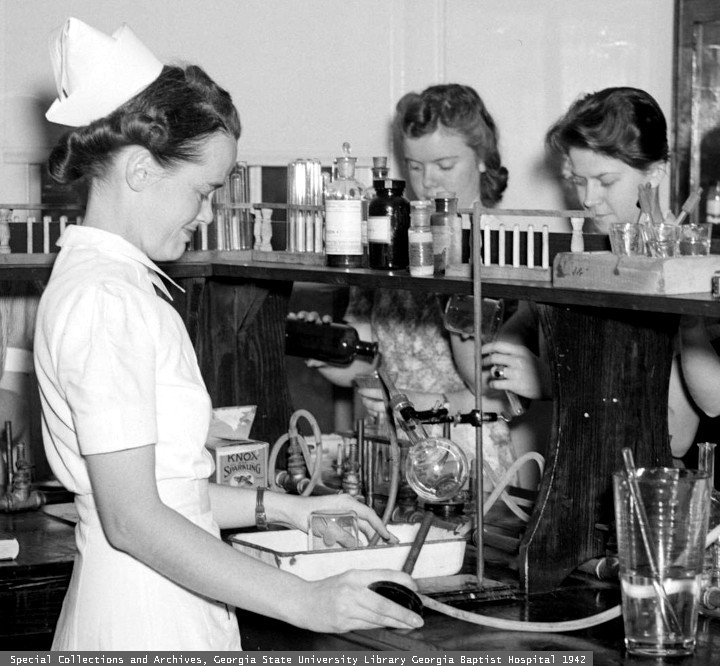


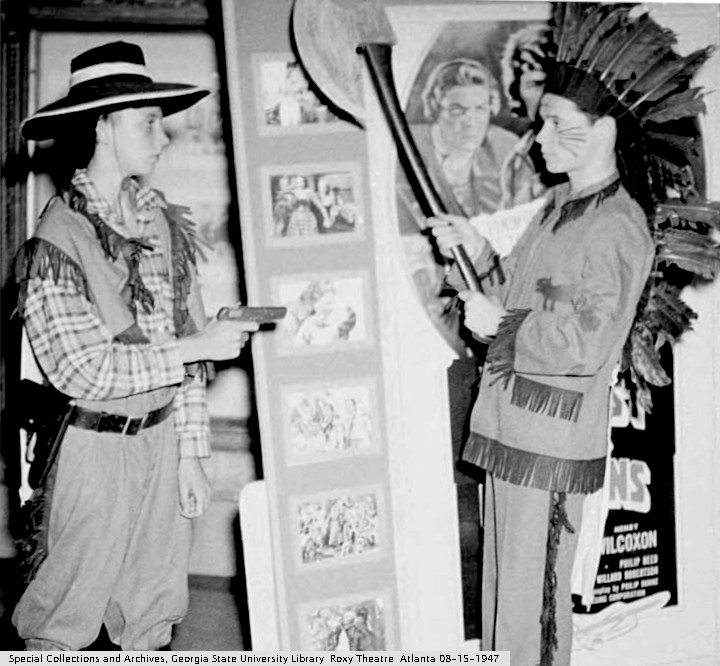
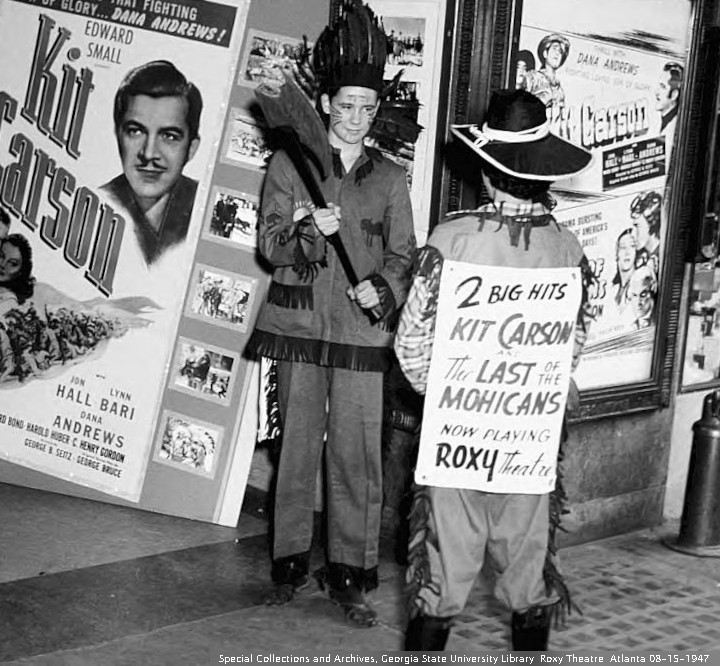
Harvey Fierstein



@HarveyFierstein wrote a book, I Was Better Last Night: A Memoir. Harvey Forbes Fierstein is selling his book, and saying festive things in the process. This will probably not influence one star commenter amazon customer. “This story seemed disjointed and superficial.”
Free Library of Philadelphia begins the discussion. The lady began with the traditional question about how Popeye Harvey got started. “I never wanted to be a writer. I never wanted to be an actor. I wanted to be an artist, but artist is is the 1950s word for gay.”
The chat turned onto the topic of sobriety. “By the time I stopped drinking I was drinking half a gallon of southern comfort a day, of 100 proof. So you’ve got to work your way up to that, because that will kill you if you try doing that on one day’s notice.”
“I think we’re almost gonna head to the Q&A, but I’m curious.” (Harvey puts the Q back in Q&A) “What advice do you have for young artists starting out in the world right now?” “Go get a real job.”
Barbara Walters interviewed Harvey in 1983. 39 years later, it is a cringefest. “His name is Harvey Fierstein, and with this success, he’s become Broadway’s newest celebrity. He is, to say the least, an unlikely celebrity. Harvey Fierstein, 29 year old homosexual playwright, actor, two-time Tony winner, and, just until a few years ago, earning his living as a drag queen … a man dressed up as a woman. At the age of 13 his middle-class parents from Brooklyn knew for certain that he was a homosexual, and by the time he was 15, he was performing as a transvestite.”
The 20/20 appearance is remarkable in many ways. Baba Wawa was known as a close friend, and possible beard, of Roy Cohn. She knew a lot more homosexuals than she acknowledged that night. Ms. Walters was roasted in a 2013 article about her retirement. “She’s old friends with make-believe TV tycoon Donald Trump.”
The WTF podcast, with Marc Maron, made this feature necessary. There was the time Harvey’s mother took his grandmother to see Torch Song Trilogy, when it was on Broadway. “She’s watching the show, and she’s hard of hearing, and in the loudest voice that has ever been projected in in a Broadway theater, she says “So Harvey’s a homosexual,” and my mother, in a voice loud enough for my grandmother to hear her, said “how should I know I don’t sleep with him.”
“No one knew who gay people were. We were something they talked about. We were vampires that only appeared at night. We weren’t normal people. Then aids hit … and suddenly we were everywhere. We’re doctors and teachers and lawyers and priests and mothers and babies. Now they see us everywhere, hospitals, classrooms, obituaries. We were gay, and now we’re human, that was a huge change. All of a sudden we existed. Now did they run away from us, did they turn their back on us, did they wish we did all die, maybe, but we were no longer deniable. We existed, and that changed everything. We’ve now got this war we’re fighting for our lives, because because of aids, and out come these young people screaming for marriage equality, and I’m saying what the [ __ ] is wrong with you people. We have we have so much other work to do. We’ve got all this crap going on to take care of, and you care about a [ __ ] wedding cake. Where are your values? Then I stopped myself. I said, you know, these are younger people than you, and don’t they have the right to define what the revolution should be? So I shut my mouth, and I went to work for them, and they turned out to be right.”
“Now this generation, coming back to where we started this whole conversation, has brought up gender, said, we’re now going to show you about gender, or at least question all of the roles of gender once again. I don’t understand it but I have lived enough history now to know, follow the young people, it’s their world, it’s not our world. We should shut the [ __ ] up. The role of an elder is not to tell you what to do, even though people think that’s what an elder is supposed to do. The role of an elder is to facilitate what young people want to do. That’s the best thing we can do.”
Marc Maron: “That whole world of gay sex that you write about it, to me it’s just like, oh my god, I mean like it was just you just walking around [ __ ] wherever you wanted, and just like kind of the insane electricity of that world, I can’t even imagine it.” Harvey: “Mark, my love, do you really think we aren’t still doing that? You really think i can’t take you to Central Park now, and show you people
[ __ ] in the rambles, are they yeah of course they are … it’s boys yeah what do boys need to have sex a finger that can pull down a zipper.”
“I never had children, believe me, raising Matthew Broderick was enough.” Pictures for this unpaid exercise in book promotion are from The Library of Congress.


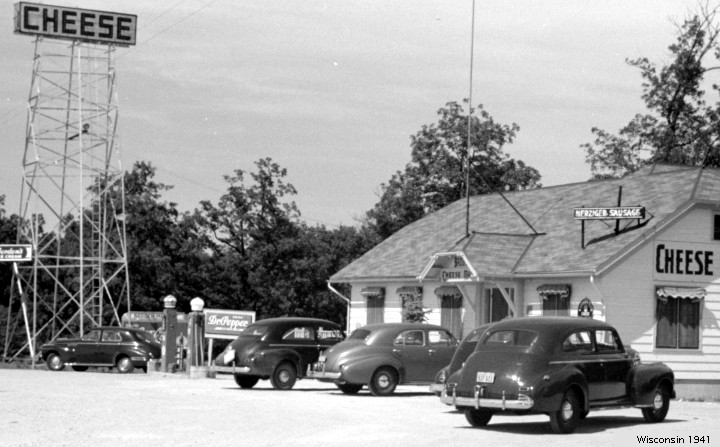

Gonzo


When you type the word gonzo into the amazon search facility, you are given several choices. You can buy gonzo stain remover, gonzo muppett, gonzo odor eliminator, gonzo shirt, gonzo the art, and gonzo the life and work of dr. hunter s. thompson. All of these products are covered in a book PG is wading through, Gonzo: The Life of Hunter S. Thompson. This is a repost.
There is lots of speculation about the G word (Gonzo, not G-d, although they may have more in common than some suppose. It is safe to say that no one claims “Fear and Loathing in Las Vegas” to be the word of G-d.). Lord, lets not get caught on the barbed hook of religion, this is supposed to be a review of a book about Horseshit, or Hunter S Thompson, who has the same initials.
Getting back to Gonzo, it was a cajun expression meaning “to play unhinged.” A man named James Booker recorded a track called “Gonzo,” which is embedded in this commentary. HST played the song non stop, which was not amusing to fellow journalists. One of these people was a Boston fuddy duddy, who called HST “the gonzo man”, and said that in Boston bars, Gonzo meant the last man standing. You can’t believe everything that you hear or read. Taste and feeling are equally suspect, but you can believe what you smell. Beauty is in the eye of the beholder, while ugly uses all five senses.
PG used to read a bunch of celebrity biographies, and there is a pattern. They are born, and have childhoods. Somehow, they get a break, and become famous. The fame period lasts a certain time, but the bad habits they acquire last a lifetime. After they have seen the mountaintop (or the place in the Nevada mountains where the high water of the sixties broke up into the sewage of the seventies), there is no where to go but down. Tallulah Bankhead was surrounded by “caddies”, these young queens so enamored of her presence that they put up with her increasingly awful behavior. “A day away from Tallulah is like a month in the country”.
HST fell into this mind trap of duality. Apparently his prodigious intake of substances never slowed down, until he was in a wheelchair towards the end. He was writing a sports column for ESPN in his latter days, about 300 pound samoan quarterbacks who will take the NFL by storm. PG had not read anything by HST in years, and was almost surprised that he was still alive.
The ever facilitative dangerous minds has a BBC show about HST. The show was produced in 1978, a few years after the abdication of Richard Nixon, and into the regime of Jimmy Carter. Smiling Jimmy is not mentioned in this telefilm, but there is a conversation between HST and John Dean. In the rest of the show, HST and sidekick Ralph Steadman drive around in the desert between Las Vegas and Hollywood. You see the place in the high desert where the wave of the sixties broke, setting off the tsunami of Nancy Reagan just saying no, and hiring drug runners to ship guns to terrorists.
PG has sixty or so more pages to go on this book. Thursday morning is a ride up to Tennessee, and the book needs to be back at the library. It is not worth an overdue fine. The fun is over, and all that is left if for HST to decline and die. Buy the ticket, take the ride. And play dumb when you learn that the phrase is a registered trademark. Pictures today are from The Library of Congress.


I Used To Be Charming Part Two

This is part two of the chamblee54 syllabication of I Used to Be Charming. IUTBC is a collection of magazine articles, written by Eve Babitz, aka LA Woman. Considering the later turns in her story, maybe we should call this a MAGA zine. Other episodes are available. one three four five
Venice, California (Vogue August 1979) is about living in a funky house, somewhere near the beach. It is noteworthy for a comment on page 131, where Eve extols the joys of rollerskating with Annie Leibovitz. The photographer is mentioned in another Eve article. “She navigates the city’s highs and lows during weekday mornings spent ‘maniacally’ roller-skating with her lover Annie Leibovitz.”
Details of the Babitz-Leibovitz thing are tough to come by. Lists of Eve’s playmates usually include Ms. Leibovitz, along with other suspects. “The photograph on the striking cover of Eve’s Hollywood was taken by Annie Leibovitz (the two are lifelong friends).”
“I never talk about politics … Although I was so happy [when] my friend Linda [Ronstadt] was going out with Jerry Brown.” … VC mentions women trying to look like Linda Ronstadt. The singer keeps turning up in Eve’s work. Only her hairdresser knows for sure.
Eve is better known for adventurism with men. Dan Wakefield has an amusing story. “Eve always woke before me and was often on the phone, sometimes talking to girlfriends with uncensored intimacy, never bothering to whisper. She evidently assumed that if my eyes were closed I was fast asleep. Not always. … I was not a rock star — that was okay. But then she went on to compare my private parts to those of one of her rock stars, Jim Morrison, describing mine as a “nice” change for the smaller. I was not asleep anymore. My most private part (“private” no more!) was now the subject of discussion, and I was coming off second best — it sounded like a distant second best.”
Honky-Tonk Nights (Rolling Stone August 23, 1979) It was a Magic Moment. A beautiful Sunday morning. The washing machine wasn’t spilling over the drain pipe. I decided to look at my book. H-NN is juicy. It’s about Eve’s groupie adventures at an LA club called The Troubadour. We’ll get to the the rest of the story in a minute, but first the magic on page 112. “… made things seem legit even on nights when Gatsby, Steels and Nosh (what someone dubbed Crosby, Stills and Nash during a particularly horrendous time when they were in the middle of recording that first album and everyone was thinking it should be called Music From Big Ego…”)
“… I was a groupie I posed as an album cover designer and photographer, while others disguised themselves as tailors, record company secretaries, or journalists. For women like us, hanging out in the Troubadour bar every night was, you know, business. I mean, I told people—even myself—that I had to do it. But when I dyed my hair the color of a pumpkin, even my sociology professor uncle, who only knows what he sees on The Merv Griffin Show, wondered if I hadn’t become one of those groupies. …” Eve was dying her hair pumpkin orange when Donald J. Trump was writing “C” on lease applications. The girl was MAGA before MAGA was uncool.
“… You had to wear a diaphragm just to walk through,” Susan Smith, one of the waitresses, told me. “The semen potential was so intense it was enough to get you pregnant just standing there.” Meanwhile, Steve Martin was sitting alone at the bar, drinking a glass of white wine. “Oh, poor Steve, he just has no sense of humor.” …
“ … Steve Martin used to say, “You’re like Linda. You’ve got opinions about things.” I used to worry about that since having opinions about things—if you were a woman in those days—didn’t seem to inspire mink coats or foaming lust … but it was true that Linda and I were somewhat alike, because we both read … and we were both always on diets. In our opinion, the best way to lose weight fast was to go on a fruit fast, and we did this once together—telephoning the other when we ate so much as a single orange—until at the end of the week we both lost twelve pounds. At this transcendent moment, I took a bunch of pictures of Linda to document her perfection: she looked like a French convent girl on her way to seduce a lecherous old count.”
The Troubadour is a trooper. It is still open, all these years later. Alas, when you go to their website, you are assaulted by a popup announcement: “The City of West Hollywood requires all patrons, staff, and artists to be fully vaccinated. To attend a show at the Troubadour all attendees 12 and over will need to provide: Photo ID with Proof of Vaccination (card, photo of card, or CA QR code) Final dose being at least 14 days prior to the show. More information available at troubadour.com/COVID-19″ CA QR Code would have been kinky back in the day.
Anna’s Brando Esquire October 1979 I started to write about Marlon Brando. I typed the word Brando, but spelled it Brand0, with a zero at the end. There is something groovy about calling the actor Brand Zero. Like that song I heard years ago on the radio. “You were Marlon Brando, I was Steve McQueen, You were k.y. jelly, I was vaseline.” It was such a disappointment to learn that boring old Leonard Cohen wrote that.
I was reading AB in a zhugh gothic waiting room. This was where Anna Kashki Brando told about her first encounter with steatopygous glory. STEE-ah-toe-pee-gus means having a fat butt. “Living in rooms opposite these slave girls, and seeing them at all hours of the day and night, I had frequent opportunities of studying them. They were average specimens of the steatopygous Abyssinian breed, broad-shouldered, thin-flanked, fine-limbed, and with haunches of prodigious size.”
Brando for Breakfast, by Anna Kashfi Brando and E. P. Stein, is the topic here. “Anna Kashfi was born Joan O’Callaghan in Darjeeling, where her father, William, worked for the Indian State Railways. Like many Anglo-Indians, William and his wife, Phoebe, decided to relocate to the UK following Indian Independence.” Anna wound up in Hollywood, and married the steatopygous method actor. Anna was the mother of Christian Brando, who was his own brand zero.
After leaving the zhugh palace, I went to a nearby Kroger. The couple in the car beside me were having a loud, entertaining argument. Meanwhile, I read this passage in AB: “In her mixture of rectal conjecture and quotes from Pauline Kael cut in half so that they mean the opposite say the opposite of what they meant, Anna seems to speak for all of them—one long wail of howling outrage.”
Out of the Woods American Film May 1987 It was the next to last year of the Reagan regime. Ronnie was an actor, playing the greatest role of his life. Ronnie did not dye his hair, it was prematurely orange. Eve got a deal to interview James Woods, another actor with a conservative bent.
“Yeah, I put batteries in my alarm clock and try to get here on time. … I admire James Cagney ‘plant your feet on the ground, look the other guy in the eye, and tell the truth’ school of acting. I’m not into the ‘four hours before you go to work pretend you’re a radish’ school of acting. … This guy wants us to drain his blood and sleep in a coffin. It’s like Laurence Olivier’s great line to Dustin Hoffman, who stayed up four days to look tired. He said, “Can’t you try acting?”
Part of the Eve legend is the conversion to MAGA politics. In her groupie pieces, she doesn’t talk about politics. While the entertainment industry is reputed to be wildly liberal, the bottom line is still the bottom line. There is a lot of money in show business, and people do what they have to do. Eve may have been the closet John Bircher at the Troubadour.
Lily Anolik is famous for luring Eve out of her shell. During an appearance, Ms. Anolick talks about how she charms Eve. “she’s my indifferent mistress, and I buy her stuff … These out of print volumes that are enormously expensive about Chinese history. Ann Coulter books, MAGA hats. … just little love tokens, which I always get her … when I’m in Los Angeles …”
Throughout it all, Eve is a white woman. Some sjw-types have taken note. “It’s a breezy rebuff of heteronormative relationships, while also alluding to a seductive life of carefree sex influenced by her own life experiences. But it’s also saturated, as so much of Babitz’s writing is, with a carelessness afforded by whiteness and beauty. Her blithe acknowledgment of her own beauty’s benefits — “I looked like Brigitte Bardot,” she writes in Eve’s Hollywood — ignores the fact that this likeness would not be so advantageous if it did not signify the blonde, fair-skinned aesthetic venerated by the whole of the Western world.” Pictures today are from The Library of Congress.

 Chamblee54
leave a comment