KIDS WITH SPECIAL NEEDS




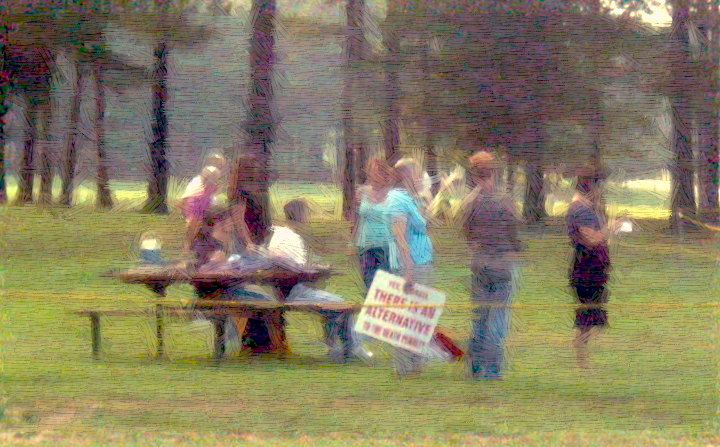


I saw the sign about
KIDS WITH SPECIAL NEEDS.
The sign said to repost in honor of KWSN.
I felt ill.
I doctored the sign.
I no longer felt ill.
I felt accepted.






The Trial Of Lenny Bruce



Towards the end of his Booknotes chat, Nat Hentoff talked about censorship. As a journalist, his views were predictable.
Mr. HENTOFF: Any words at all. Words are–I mean, there is a great–there was a great scene in New York once when Lenny Bruce, who was a friend of mine, was on trial for his words. And Richard Cue, the assistant district attorney, was making a name for himself trying to blast all of the witnesses for the defense. And he got Dorothy Kilgallen, who was a very famous then syndicated columnist, a devout Catholic, a conservative and a great admirer of Lenny Bruce. And he con–he strung together, Cue did, all of the words in Lenny’s monologues that could be considered terribly offensive, and he hit her with them. It was a barrage. `What do you think then, Ms. Kilgallen?’ `Well,’ she said, `they’re words. They’re words. That’s all. Words.’ That’s the way I feel.
When PG heard this, he remembered reading about this trial. With the aid of Mr. Google, a transcript turned up. If you like to read about lawyers saying dirty words, this is the place for you.
Dorothy Kilgallen was, to put it mildly, a piece of work. She wrote for the N. Y. Journal American, and stepped on more than a few toes. A biography, Kilgallen, tells a few of the tales. Today, Miss Kilgallen is best known as one of the original panelists on “Whats My Line?”
The People v Lenny Bruce (Cafe Au Go Go Trial) was tried June 16, 1964 to July 28, 1964 in New York City. The Per Curium Opinion of Judge John Murtagh sets the tone. “All three performances of the defendant, Lenny Bruce, were obscene, indecent, immoral and impure within the meaning of Section 1l40-a of the Penal Law. While no tape is available as to the first performance [past midnight, March 31-April 1], this monologue, according to the testimony, was essentially the same as that of the second [April 1, after 10:00 p.m.] and third [April 7, after 10:00 p.m.] performances. In the latter two performances, words such as “ass,” “balls,” “cock-sucker,” “cunt,” “fuck,” “mother-fucker,” “piss,” “screw,” “shit,” and “tits” were used about one hundred times in utter obscenity. The monologues also contained anecdotes and reflections that were similarly obscene.
Dorothy Kilgallen was called as an “expert witness”. In lawyerly fashion, the prosecutor claimed she was not a genuine expert. After her credentials were established, there were questions like “Will you tell us what the artistry, or the social value, or the merit, or the good is, in the Bruce story of sexual intercourse with a chicken?” After the testimony described by Mr. Hentoff, Miss Kilgallen talks about something that does offend her.
Q. I wouldn’t take much time, but we did discuss before Lenny Bruce’s use of the words ‘mother fucker’ at his audience. Can you tell me when James Jones or Norman Mailer or Arthur Miller has called his audience ‘mother fucker?’
Mr. Garbus: Your Honor, may I object? We are talking about books against monologue. It’s completely an irrelevant question.
Judge Murtagh: We will allow it. Objection overruled.
A. I can’t tell you anything verbatim from the books, because I read them a couple of years ago or more. I would imagine–this would be my best guess–that they did not call their audiences anything. There’s another book called The Naked Lunch which I couldn’t even finish reading, but it’s published, and I think the author should be in jail and he used–
Q. Unfortunately we can’t do everything at once, Miss Kilgallen. Are you judging the non-obscene quality and the artistic quality of Bruce by the fact that The Naked Lunch is a book which, as of this date, is sold in the community?
A. No, I’m not. I just mentioned it because you asked me for some books.
Q. And The Naked Lunch is a book you found impossible to read, is that correct?
A. Yes, I found it revolting.
Q. What was revolting about it?
A. Just the way it was written.
Mr.Garbus: Objection, your Honor.
Judge Murtagh: Objection overruled.
A. It seemed to use words for shock value, not for any valid reason, and I object to that.
Q. And when Lenny Bruce–I ask you to turn to the April 1st tape . . . and read the portion starting–‘tits and ass, that’s what is the attraction, is just tits and ass and tits and ass’–and goes on all through the page, and ask you if you find some shock value in that?
A. No, I don’t think it’s particularly shocking, it’s just a word.. . .
Q.. Do you, in your column, use the words tits and ass?
A. Never.
Q. You know exactly what Lenny Bruce was talking about?
A. Yes. . . . I think there he’s being critical of the monotony of what is on view in Las Vegas.
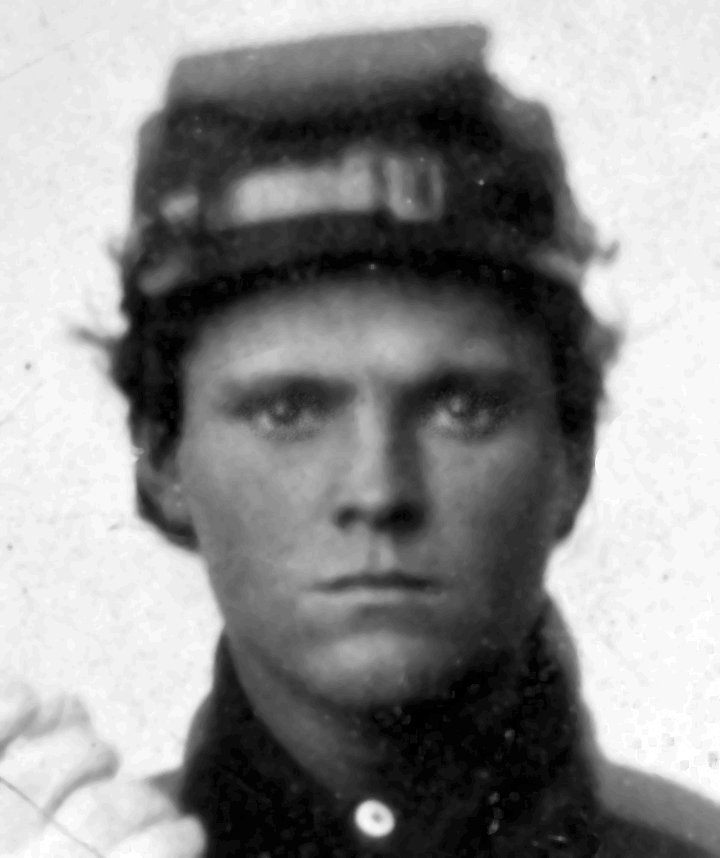
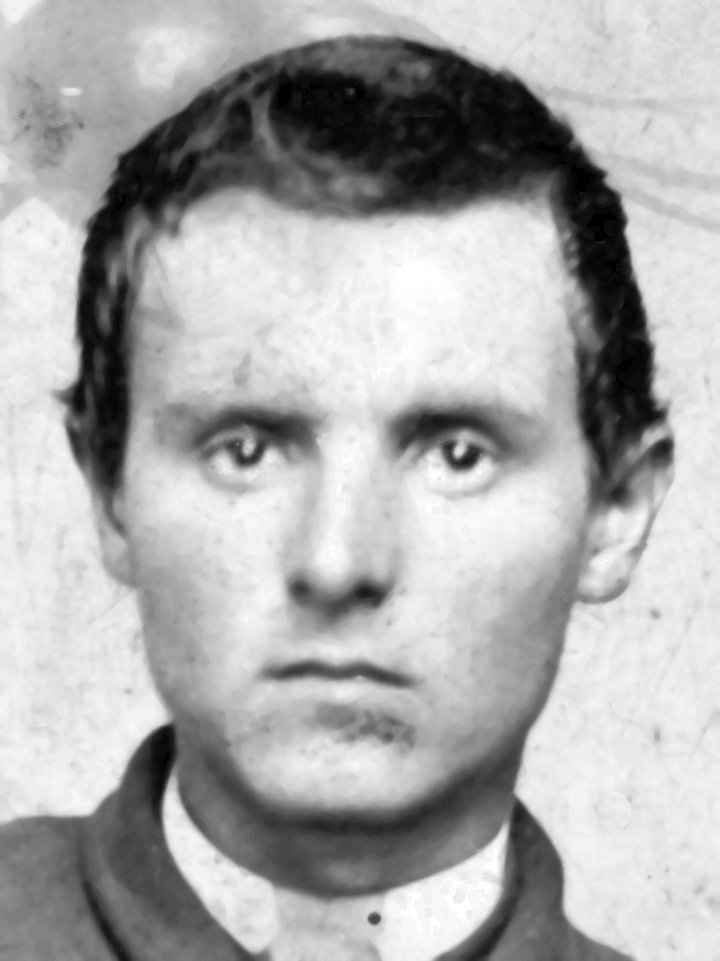
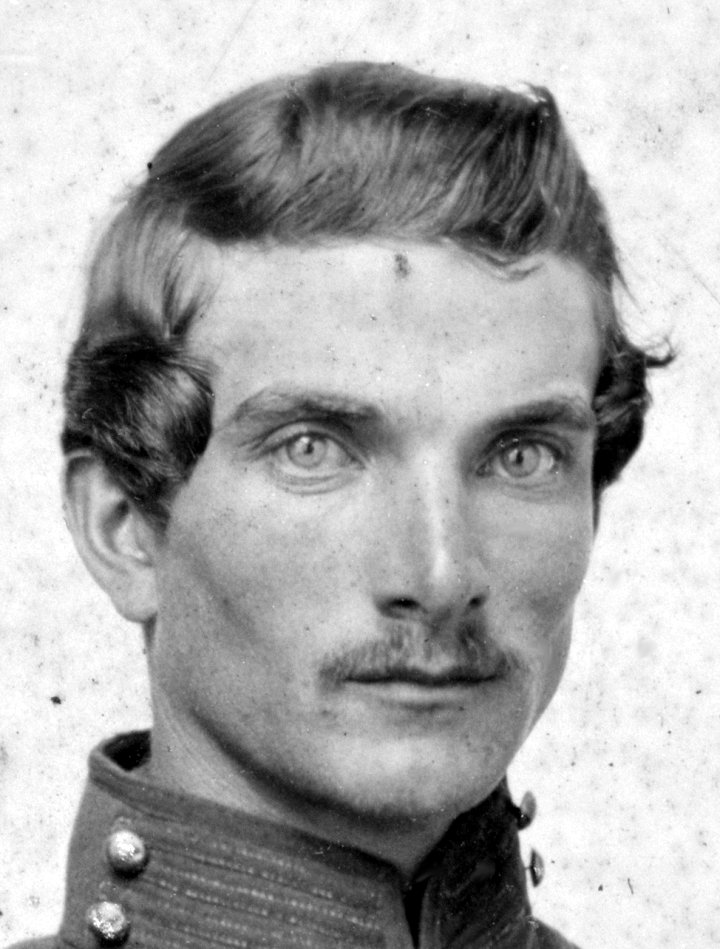
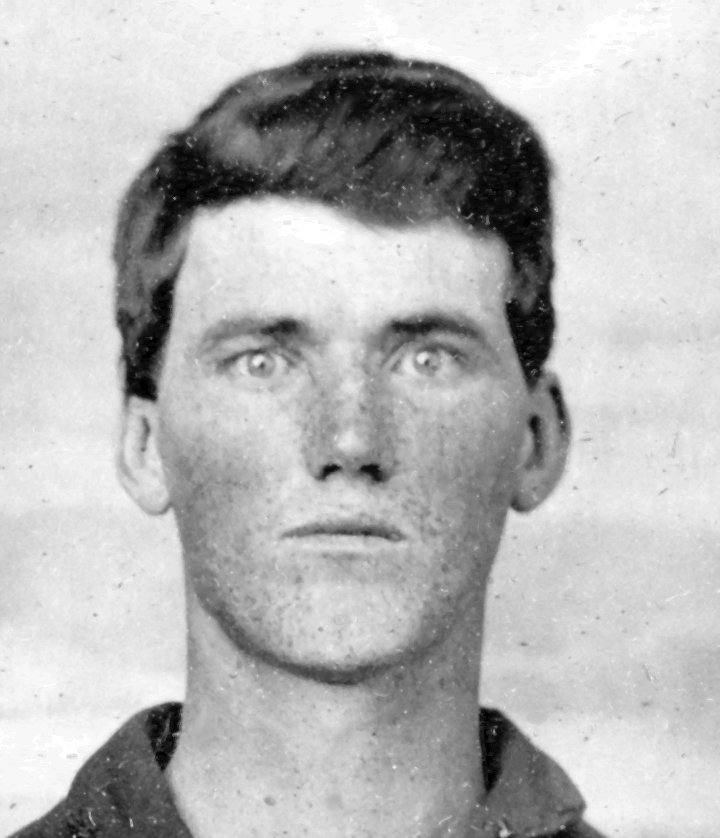
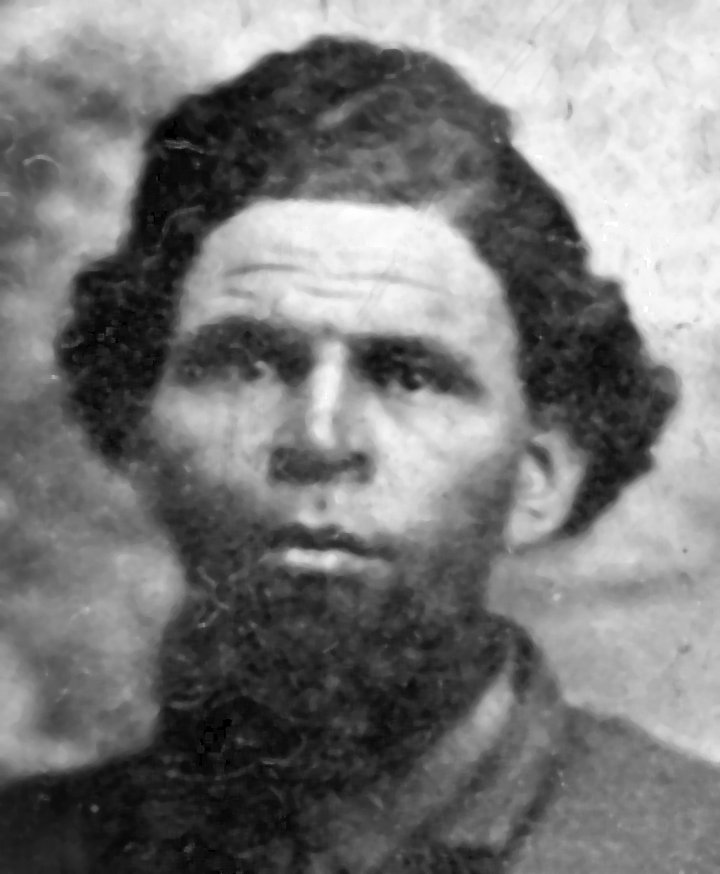
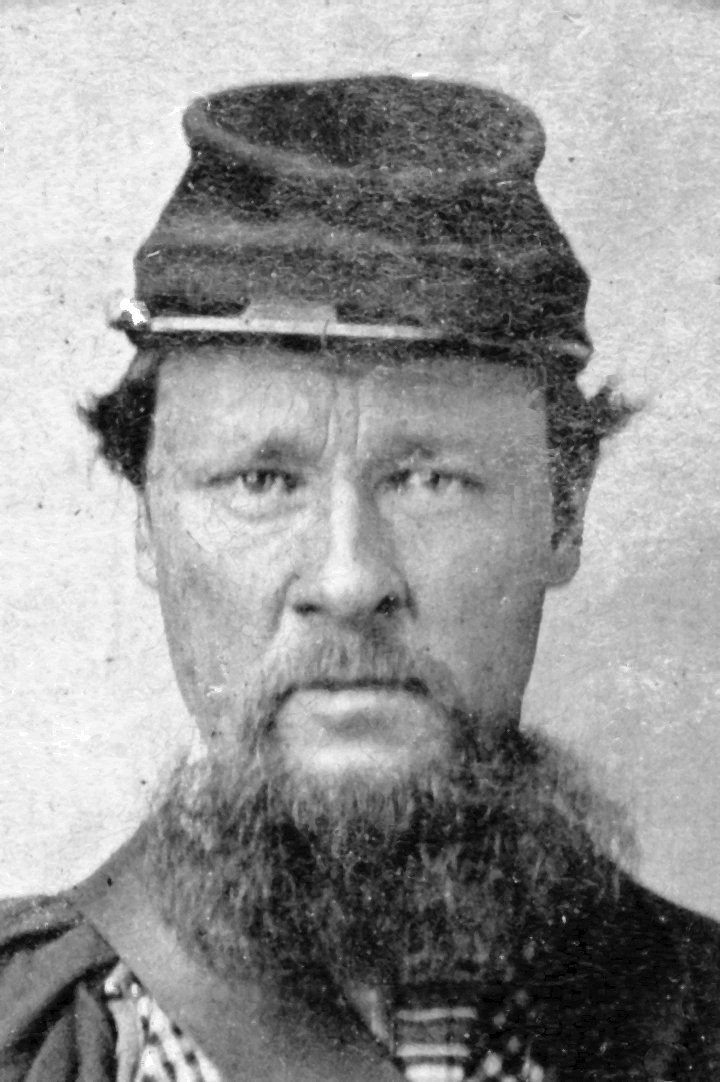
Dorothy Kilgallen died November 8, 1965. Lenny Bruce died August 3, 1966. Kilgallen biographer Lee Israel was convicted of selling forged celebrity letters. Nat Hentoff was laid off from the Village Voice. Pictures today are from The Library of Congress. These images are Union soldiers from the War Between the States. The spell check suggestion for Kilgallen is Millennial.



Nat Hentoff




PG saw a talk with Nat Hentoff on Booknotes. A series of stories about jazz musicians was expected. That is not what the talk was about. The first topic of the conversation was abortion.
LAMB: (Brian Lamb, host of Booknotes) “When has a liberal been the most upset with you to your face?”
Mr. HENTOFF: “Oh, well, the most controversial subject-issue I’ve ever gotten involved in to this day was when I became pro-life. And liberals are very–many liberals are very angry at me because of that. In part, because–they could understand it, they say, if I came to it from a religious kin–a Catholic perspective. But I’m still a Jewish atheist, and that really bothers them.”
Later in the interview, Mr. Hentoff commented on atheism.
LAMB: “What does it mean to you to be an atheist?”
Mr. HENTOFF: “It means that I was never able–I mean, I really envy, in some respects, some of the people of faith I’ve known–A.J., for example.”
LAMB: “What was his religion?”
Mr. HENTOFF: “He was–he–I don’t know what he finally came out believing in, but it was some kind of higher being. But Kierkegaard said it for me a long time ago. He said, `You can’t really think yourself into a faith, into a religion. It’s something you have to make a leap into faith.’ And I’ve never been able to do that. I wish I could. Then maybe I could believe in an afterlife.”
Being an atheist did not keep Mr. Hentoff from befriending religious bigshots.
“My favorite story about O’Connor (John Cardinal O’Connor) –one of them–is I was in Toronto at a pro-life conference. And I was … explaining … that the best way to not have unwanted abortions was to have much more research on contraception. And two very large, true-faith people came out of the audience, wrested the microphone out of my hand and said, `That is inappropriate, improper. Pro-lifers do not believe in contraception.’ And O’Connor’s watching this. I get up again and introduce him, and O’Connor said, `I want to tell you I’m delighted that Nat is not a member of the Catholic Church. We have enough trouble as it is.'”
Mr. Hentoff may be the one “pro life” advocate who is also opposed to war and capital punishment. The interview was broadcast October 19, 1997, when his political passion was a distaste for Bill Clinton.
Mr. HENTOFF: “Oh, I think–I don’t think he does anything–I don’t think it’s ill will. I don’t think he’s evil in the sense that he hates the Bill of Rights. He does what he figures will help him politically. It’s like when he was running for president. I’ll never forget this one. He was running in New Hampshire. He was not doing well. And he suddenly, over a weekend, rushed back to Little Rock to execute a guy who had killed a cop, but in the process, the policeman had shot him in the head and he was out of it. He didn’t know today from tomorrow, good, evil, whatever. His lawyer begged–his lawyer was an old friend of Clinton. He begged Clinton not to have this guy executed. It was absurd. But he did it anyway.”
When you say anti war to people of a certain age, they mean Vietnam.
Mr. HENTOFF: … “I got fired from The Reporter. Max Askeli was a very courageous, principled man up to a point. He had left Italy before he was thrown in jail by Mussolini. And he started this very good magazine…. I was in the back of the book doing music. I once did a–the first piece on Malcolm X that anyone had ever seen in the– white press.
But I was very much against the Vietnam War, and Max Askeli was visiting Lyndon Johnson in the White House cheering him on, writing editorials. And in The Voice one day I once referred to him as Commander Askeli. And I called in to The Reporter to go over the galleys of a music piece I had written, and the editor whispered to me, `It’s not gonna run. You’re not gonna run. Max Askeli has fired you because of what you said about him.’ You see, the person who has the strong ownership of free speech is the one who owns the press.”
Some of these opinions got the FBI interested in Mr. Hentoff. Years later, Mr. Hentoff filed a FOIA suit, and got to see his FBI files.
LAMB: “You also once decided you wanted to look at your FBI file.”
Mr. HENTOFF: “Yeah. I was writing–at least beginning to write Boston Boy and there were a lot of holes in my so-called research. I didn’t know the towns my mother and father came from in Russia. I didn’t know the name of the clothing store I went to work for when I was 11 years old. I didn’t know a lot of things. So I called for my FBI files, not expecting to have that stuff there, but I wanted to know what they had on me. And–but they did have the towns my mother and father lived in in Russia. They had the grocery store I worked in when I was 11 years old.
Then they had a lot of clippings, a lot of articles I’d written. And to me the–the funniest one was–I had done a piece for Playboy about J. Edgar Hoover. I had not been very kind to J. Edgar Hoover. And the field agent had written on –it was sent directly to Hoover–that–the director should see this–`And, besides, Hentoff is a lousy writer.’ And I thought that went a bit far.”
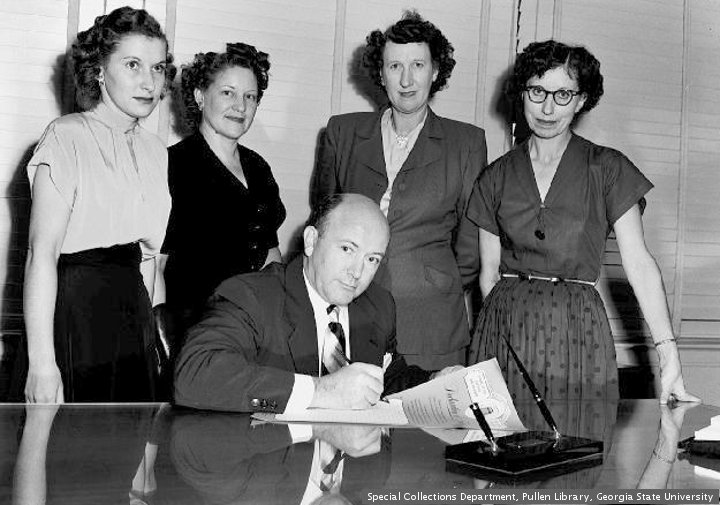
The Booknotes talk aired October 19, 1997. Mr. Hentoff was promoting a book, Speaking Freely: A Memoir. He is still alive. Pictures today are from “The Special Collections and Archives,Georgia State University Library”. This was written like James Joyce.




Hastings


Jimmy Breslin is a New York journalist. He was on BookNotes, promoting something he had written about Damon Runyan. At some point, he had a few things to say about handguns.
BRESLIN: I was thinking of that with the guns. We’ve got an enormous amount of empty hands in the city of New York — poor people with empty hands — and there is a whole lot of guns coming in and those empty hands pick them up. Now, we’ve been saying just a tiny, stupid, little thing. I never understood the argument. How can you have a semi-automatic weapon, period. I mean, what are they for? … Now, I’m thinking of that this morning when they hear this gun they used in Killeen, Texas. What did he kill — 22 — with a gun?
… What reason is there for a gun — a handgun? I mean, he gets it to kill somebody with, that’s all. There’s no other reason. I don’t know why they make them. They make them to kill people with.
We just lost that guy Hastings. There was bartender, a fellow by the name of Hastings, in the city of New York. He fought at Guadalcanal and Okinawa as a Marine. Pretty good. Been around a little action, I’d say, right? He did 20 years as a New York City policeman and a detective. The day he left the job he turned in all his guns and said, “I never want to look at one of them again. I know exactly what they are. I don’t like them. Goodbye.” He was tending bar the other night in the Garden Grove, which is one of those neighborhood places that generations of working people have known in the Woodside neighborhood of Queens, and he walks out at 3 in the morning carrying some Chinese food, no gun — gave those things up, hates them — and a guy thought it was the receipts from the bar and shot him in the head with a gun. Now, if Hastings, who was around guns at Guadalcanal, doesn’t like them, what are we doing making them today so somebody can walk up and shoot him in the head? We lost a magnificent human being that way. I think that that’s politics, and I think that’s where I would write quite a bit of politics. For anybody that doesn’t vote to stop the manufacture of guns, well, he’s just contributing to murder. That’s all there is to it. I think that’s political now.
Later in the chat, there was this exchange with interviewer Brian Lamb. LAMB: When are you absolutely the happiest? BRESLIN: You’re not put on this earth to be happy. You’re really not. Now you laugh — you’ll find that’s true before we’re through. The pictures today are from “The Special Collections and Archives,Georgia State University Library”. The spell check suggestion for Breslin is Breadline.

Dear Old Basil






much less than a friend.
A sort of brother, I suppose?
Oh, brothers! I don’t care for brothers.
My elder brother won’t die,
and my younger brothers seem never to do anything else.
These 33 words are from “The Portrait of Dorian Gray” by Oscar Wilde.
The text is from The Gutenberg Project.
The pasting project is facilitated by Trifecta.
This selection is written like Kurt Vonnegut.





Hurry Up

I don’t know how to use a word processor
And I’ve never even used an electric typewriter
Because when you turn it on,
It starts humming and seems to me to be saying,
`Hurry up. Let’s get going.’
Herbert Block
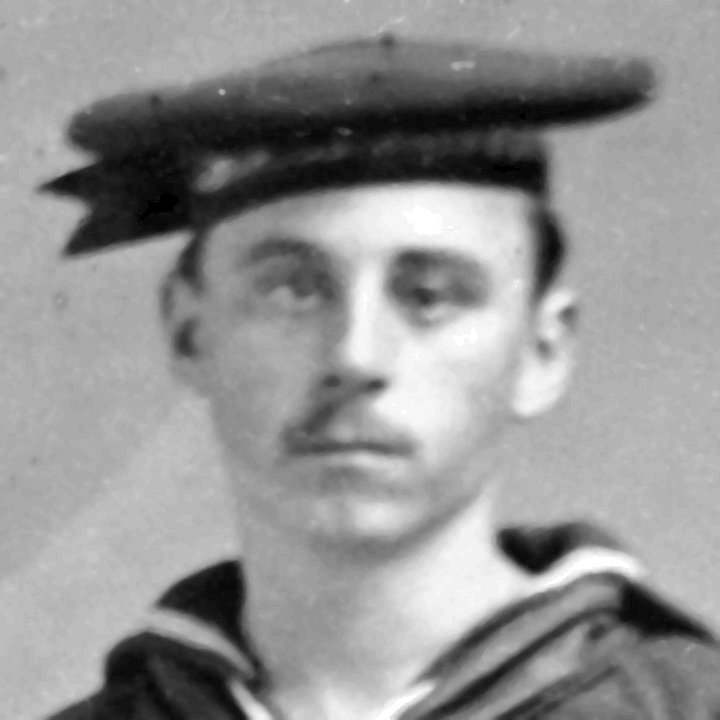
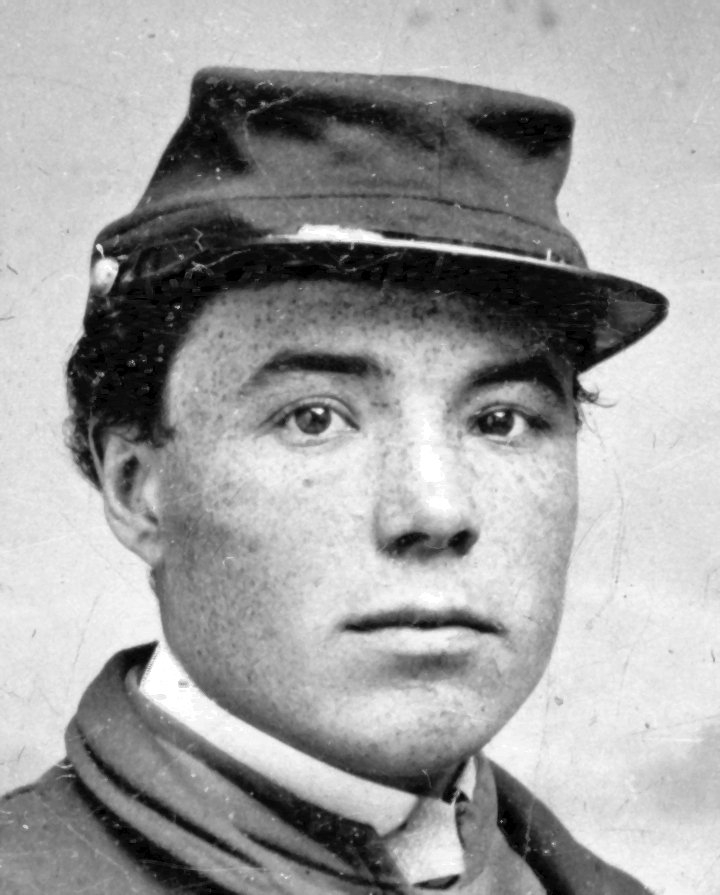
Pictures: Library of Congress
Summer Rental
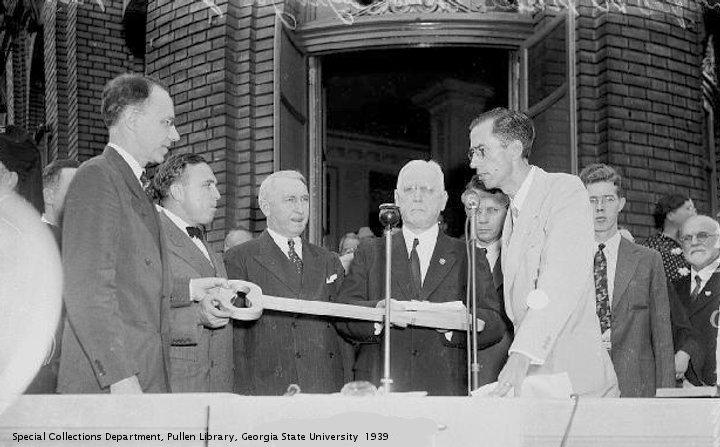
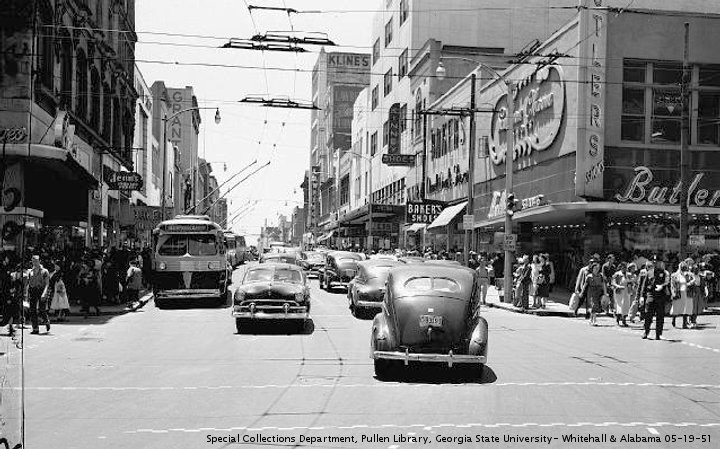

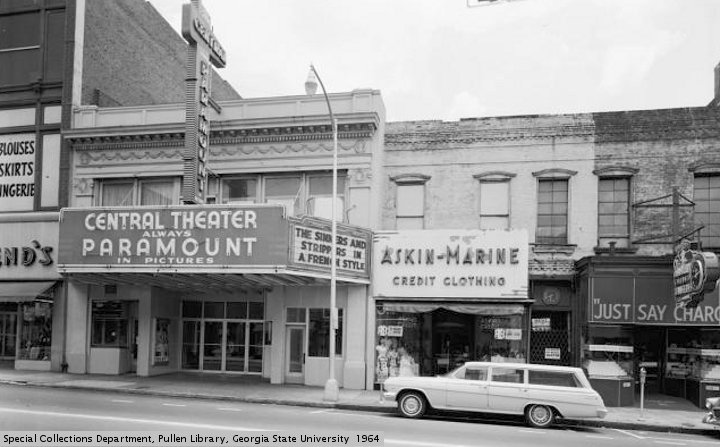
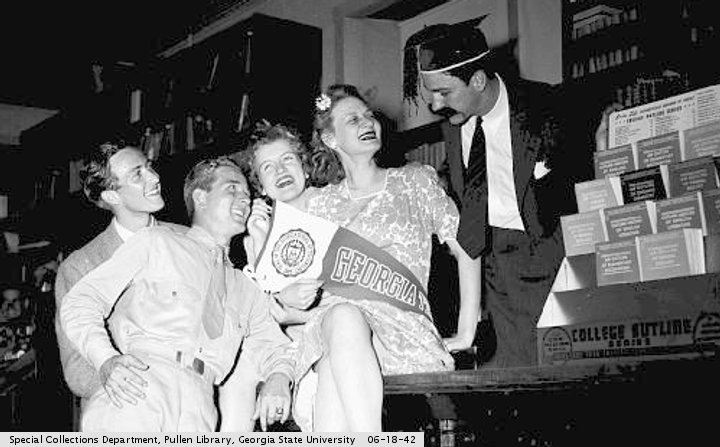
Ellis Sullivan is in a world of trouble. She loses her job. The plan to rent a beach house with life long friends is intact, and Elly Belly drives down to Nags Head in the middle of the night. She arrives early, and goes to check out the house. It is not ready for the girls, and won’t be for a few hours. Ellis goes for a walk on the beach, and sees a man standing on the porch of a garage apartment. The man takes a leak. It is the first exposed man Ellis has seen in eleven years.
(Spoiler Paragraph) Romance story veterans should not be surprised at what happens four hundred pages later. The garage dude begs Ellis to move in with him. After a gunfight, the story concludes. With a couple of exceptions, most people in the story have happy endings.
This is the world of Summer Rental. by Mary Kay Andrews. If nothing else, Summer Rental is a delightful waste of time. There was a surge of excitement when PG found a new Mary Kay Andrews book at the Chamblee library.
Summer Rental does have a few flaws in logic. Ellis and her bf only have a handful of dates before he decides it is true love. There is a subplot, involving a New Jersey lady on the lam from her killer husband. Dorie, one of the lifelong pals, invites Jersey girl to stay at the house. Julia, the third lifelong pal, is suspicious, and breaks into Jersey girl’s room. While Julia is in the room, she discovers a cash stash, and a pistol. Julia takes the pistol. Jersey girl does not miss the pistol, until killer hubby comes looking for her. This does not add up.
Mary Kay Andrews always seems to have a gay man in her books. He is usually an antique dealer, with flawless taste. In Summer Rental, Dorie is married to Stephen. It turns out that Stephen left Dorie for Matthew. The new bf has a fabulous house. Dorie,the discarded wife, has a baby on the way.
Despite the holes in the plot, Summer Rental is tons of fun. Most of the one star people at Amazon talk about wasting money by buying the book. The library copy is just as good as a bought copy, and they will find a place to keep it when you are through. Buying a book is always a waste of money, especially at retail price.
Mary Kay Andrews is in good shape, and should be producing fun books for at least twenty more years. The same cannot be said for Ferrol Sams. Sambo met his maker Tuesday, at the age of ninety.
Dr. Sams grew up on a farm in Fayette county, and went to Emory Medical School. He took a break in his education for World War II. Sambo finished his Doctor training, took a wife, and practiced medicine in Fayetteville for many years. After having four children, Sambo had an emergency vasectomy.
When he was in his fifties, Sambo decided to start writing books. A trilogy followed. Run With The Horsemen is about growing up on the farm. The Whisper Of The River is about college at Mercer University. When All The World Was Young is about World War II.
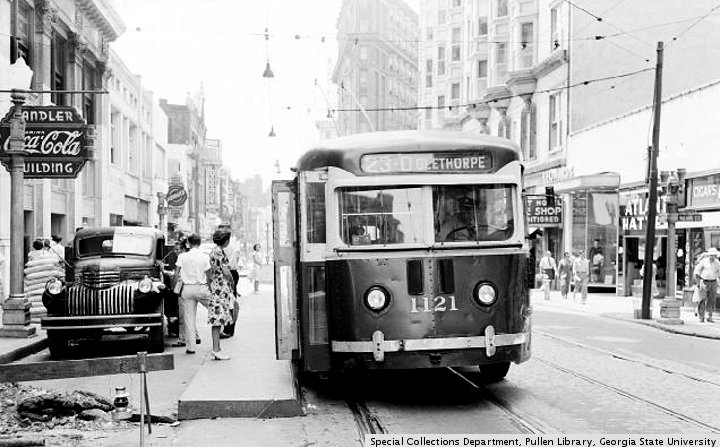
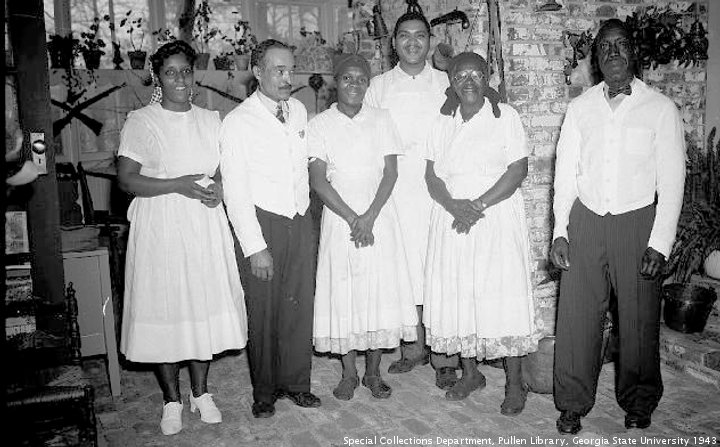
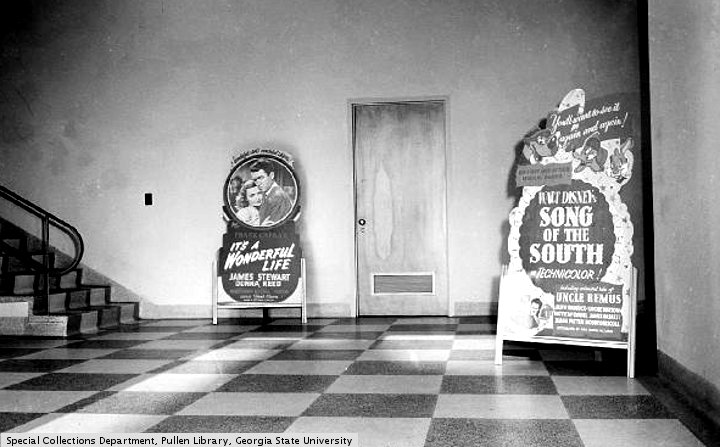
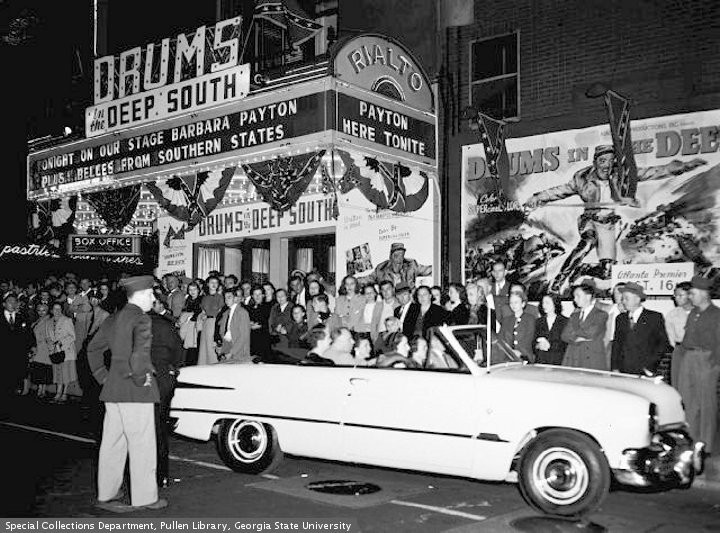
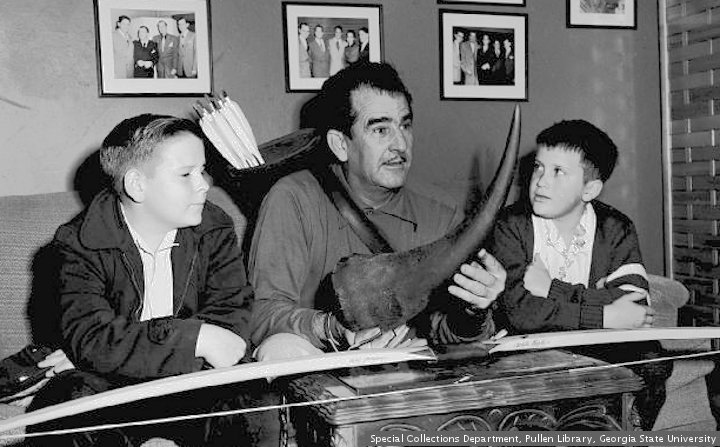
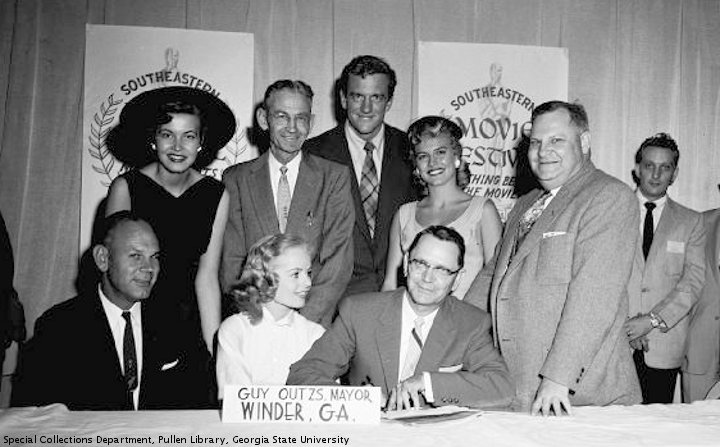
The earth does not own people like Ferrol Sams. Humanity rented him for a month in the summertime. Pictures today are from “The Special Collections and Archives,Georgia State University Library”.
The movie is courtesy of The Atlantic. This was written like James Joyce.
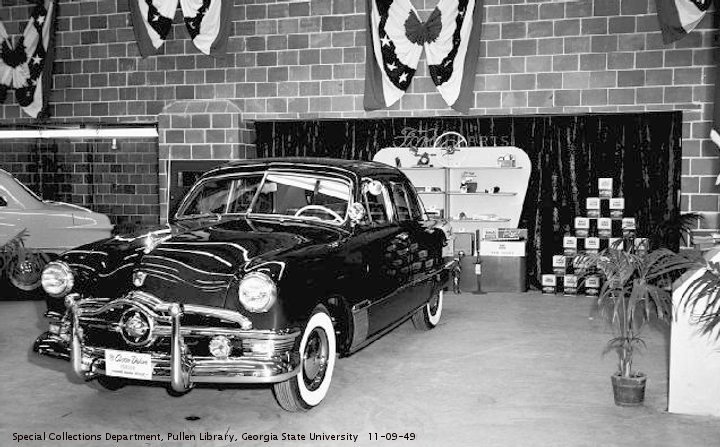
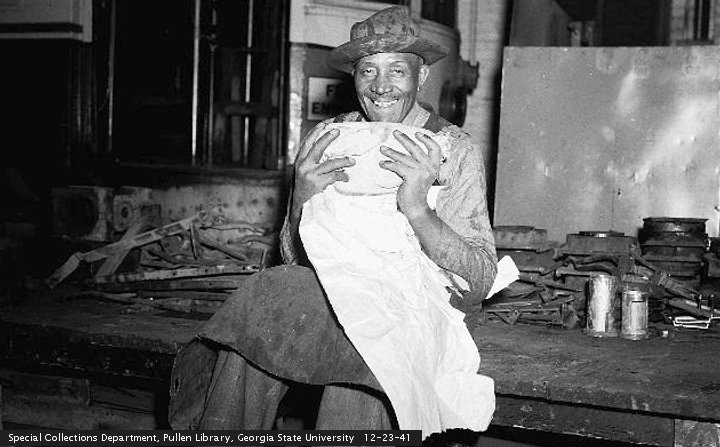
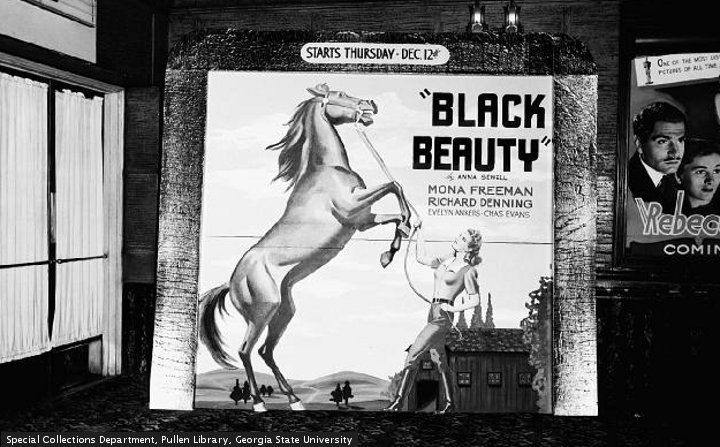
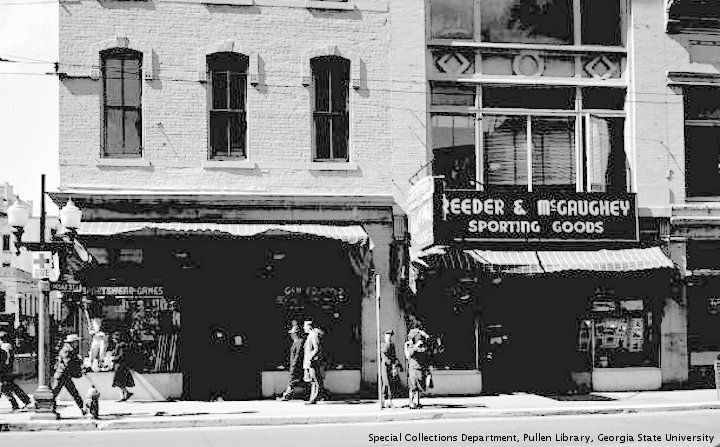
Boiler Room





The house dick at the Carson Hotel did not like the boiler room.
“It smells like the smelliest hobo to ever stink up G-ds green earth died there,
And rotted right into the concrete floor. The lighting is bad too.”




Horses On Drugs
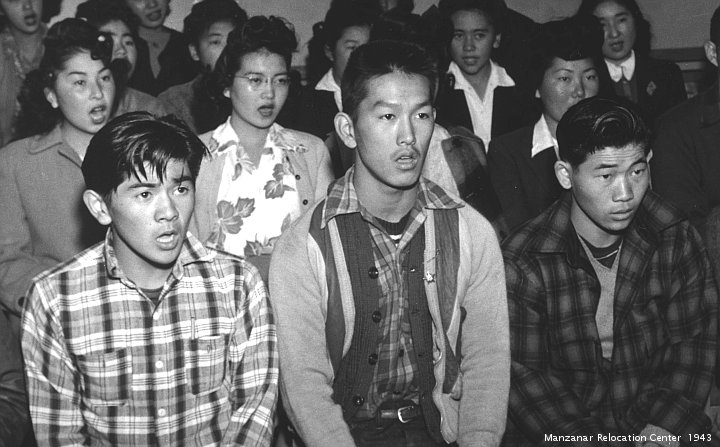


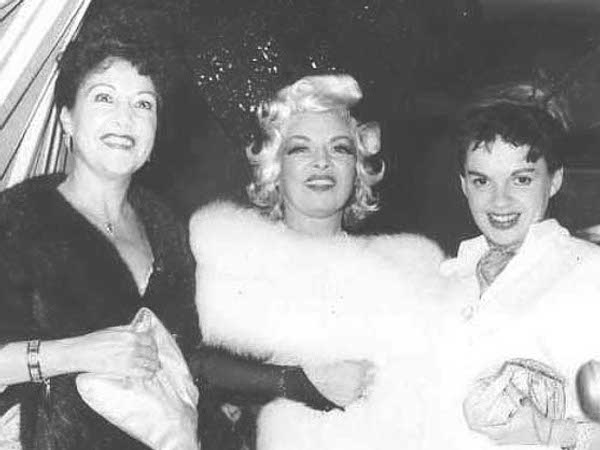
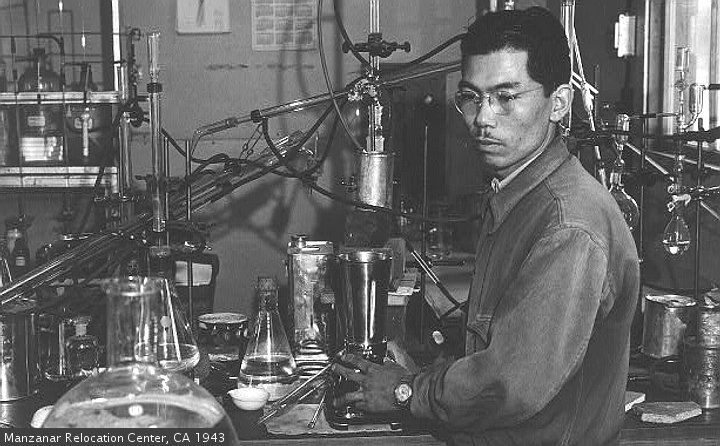
This episode started out as a repost. Google and reality got in the way, and there is no telling where we will wind up. Pictures (except for the divas) are from The Library of Congress. Ansel Adams took these pictures at the Japanese Internment Camp, in Manzanar CA, in 1943.
Awful library books is one of the actors in this drama. It is a good waste of your time. (The link in the repost does not work, because Awful library books has a new web address.) On top of the shelf today is Lee the Rabbit with Epilepsy. Other uplifting volumes on the front page include Isn’t One Wife Enough?: the Story of Mormon Polygamy and When Cavemen Go Bowling.
The book that Awful Library Books chose to “weed” was Latawnya, the Naughty Horse, Learns to Say “No” to Drugs. The links in the original post no longer work, so google was enlisted to find a replacement. Believe it or not, this galloping tale has a wikipedia page.
The original book was targeted at African American youth. The author has daughters named Latawnya and Chrystal. The author has sued amazon, wikipedia, and urban dictionary.
A possibly illegal reproduction is found using the link. One of the comments tells a cautionary tale: ” It seems that many of these comments are viciously lampooning the work of a genius. I, however, see the visionary work of Mrs. Gibson. This insightful masterpiece presents the very real dangers of horse peer pressure. Just last week my daughter, Amber, was walking to school on a normal, idyllic day in suburbia. Then out of nowhere a Clydesdale galloped brazenly over to my precious princess and offered her a 40 oz bottle of Olde English 800 and a marijuana cigarette.”
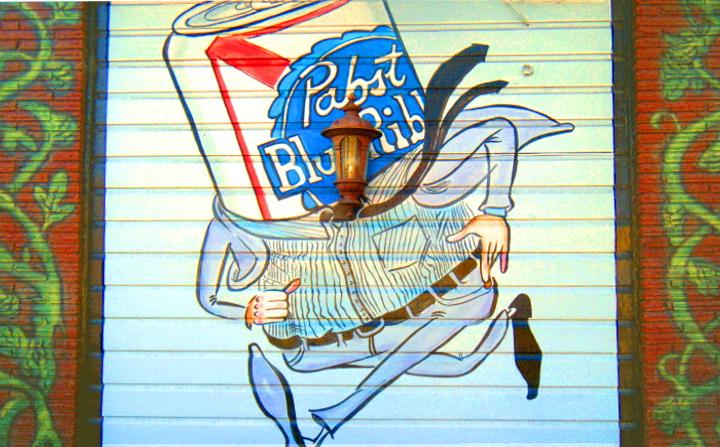
Clydesdales have long been used to promote the products of the Anheuser-Busch company. When PG was younger, he worked on the mall maintenance crew at Northlake Mall. One day, the Budweiser Clydesdales made a visit. PG was given a shovel and bucket, and told to walk behind the horses.
One of the reasons for the drug problem is drug education. Many of these programs, while well intentioned, make the problem worse.
Courtesy of Awfullibrarybooks, we can see today “LATAWNYA, the Naughty Horse, Learns to say “No” to Drugs“. This uplifting story is about the afternoon when Latawnya goes out to play with her sisters Daisy and LaToya. Suddenly they meet four strange horses, Connie, Chrystal, Jackie, and Angie. They like to drink and smoke drugs.
The author of this tale was born in Mississippi, and lives in California. She says “Thank you, G-d”.
In 1986, there was an oversupply of cocaine coming into America, and new ways of using the product were needed. Someone had the idea of making crack. The media did its part, by running scare stories about the new drug sensation. “One puff makes your head feel like it is exploding”. The stories had the combined effect of scaring parents, and making crack cocaine irresistible to certain people. Crack became a part of the life.
The first time PG heard about oxycontin was a drug education flyer at work. It promised an overwhelming rush to the user who injected the substance. PG imagined the reaction of some of the druggies he had known to this promise…where can I get some?
PG is in the detoxed, old fogey stage of his life. Millions of others are not. When they read stories about horses who drink and smoke drugs, they learn to believe the opposite of what the drug educators tell them. Many will not live to be detoxed old fogeys.



The Book


Irving Stone was promoting Depths of Glory,
a book about Camille Pissarro.
Mr. Stone said:
“The book is the great creation of man. It is greater than cement, the wheel, or running water.”
He died four years later.
Pictures: “The Georgia State University Library”.


Still Life With Woodpecker



The last paragraph of Still Life With Woodpecker begins “Even with aids, their hearing was only partially restored”. This refers to hearing aids, not HIV.
SLWW was written during the Carter administration, and yet talks about the last quarter of the twentieth century. PG recently re read SLWW. With the exception of the Tea Party, we are thirteen percent into the twenty first century. The book, however visionary, wrote about the last quarter, etc, while discos were considered the latest innovation in entertainment. The eighties and nineties had a few surprises. AIDS was science fiction when SLWW was written.
One is cocaine. In SLWW, many of the leading characters thought tootski was great fun. A few years later, a Republican administration pulled a double whammy on the patriotic public. On the one hand a war on drugs was trumpeted, with many liberties counted as casualties. While this was going on, another branch of big government was using cocaine importers to take guns to terrorists in Central America. PG remembers those days as the time when he quit trying to make sense of current events.
Another theme of this book… despite it’s flaws, it is still tons of fun to read … are the hidden messages embedded in the package for Camel Cigarettes. This package was introduced in 1913, according to SLWW. This was the same year as the start of the Federal Reserve Bank. In 1914, a horrendous war started in Europe. American managed to get dragged into this conflict, and the modern era started.
1913 was the first year of Woodrow Wilson as POTUS. His election was facilitated by a third party run by Teddy Roosevelt. He had previously been promoted to POTUS by the suspicious murder of William McKinley. This was followed shortly by the mysterious Camel package, and the Federal Reserve Bank.
The 1992 election also featured a third party helping to elect a Democrat. Bill Clinton balanced the budget, and got impeached over a blow job. You can’t make this stuff up. It is understandable that SLWW did not see it coming. This was written like David Foster Wallace. Pictures are from “The Special Collections and Archives,Georgia State University Library”.


Chapter 39






Chapter 39 is a turning point of Still Life With Woodpecker. Many stories have a moment like this, where the lead actor, and the lead actress, become *buddies*. In this case, Princess Leigh-Cheri was going to turn Bernard into the police. He had set off dynamite at a do gooders conference, and caused mayhem. However, the two took legal drugs , went to a boat, and did what men and women usually do at this point of the story.
When she is leaving the boat, Princess Leigh-Cheri looks for her panties. It seems as though a mongoose found them, and ate them. This happens in Tom Robbins books. In Even Cowgirls Get the Blues, a foundation garment becomes a nylon flavored cookie, from the oven of a goat.
One of the spotlight speakers at the do gooders conference, and the hero of Princess Leigh-Cheri, is Ralph Nader. He was speaking at the conference while PL-C was falling in love on the boat. Yes, a few drinks, and a night in bed, and the young lady was in love. Meanwhile, Ralph Nader steps in the mongoose-produced panty pudding. He did not see it coming.
This is in tune with the Ralph Nader story of 2000, 20 years after the publication of Still Life With Woodpecker. By then, RN (wikipedia shows no middle name) was reduced to running for President. Few took him seriously, but lots of people didn’t take Albert Arnold Gore, or George Walker Bush, seriously. In Florida, the race between the mainstream candidates was wallpaper close. It went into legal limbo. The voters who voted for RN made the difference, and helped put an idiot in the White House.







 Chamblee54
11 comments