Inventing The Word Racism




Writers tackle was rampaging through Brookhaven. PG looked in a list of old product, and found a feature built on the output of Teju Cole. He has a dandy article, at the New Yorker, about what is antiseptically called drone warfare. It is the twitter feed that gets attention. This is a repost.
@tejucole George Carlin’s original seven dirty words can all be said freely now. The one word you can’t say, and must never print, is “racist.”
The quote marks lend mystery to the tweet. Does he mean the dreaded “n word”? Or does he mean that other six letter slur? There is no shortage of people screaming racist in Georgia, often at the slightest provocation. There is an attitude that racism is the worst thing you can be accused of. Once accused, you are guilty until proven innocent. If you do a bit of research into racism, the word, you will see some interesting things.
The concept of populations not getting along is as old as mankind. The word racism apparently did not exist before 1933 (merriam webster), or 1936 (dictionary dot com). (In 2020, both of these sources have updated their notes, on the original use of the word “racism.”)
Something called the Vanguard News Network had a forum once, What is the true origin of the term racism? This forum is problematic, as VNN seems to be a white supremacist affair. One of the reputed coiners of the R word was Leon Trotsky, also referred to as Jew Communist. Another Non English speaker who is given “credit” for originating the phrase is Magnus Hirschfeld. As for English, the word here is: “American author Lawrence Dennis was the first to use the word, in English, in his 1936 book “The coming American fascism”.”
The terms racist and racism seem to be used interchangeably in these discussions. This is in keeping with the modern discussion. As Jesus worshipers like to say, hate the sin, love the sinner.
The Online Etymology Dictionary has this to add: “racist 1932 as a noun, 1938 as an adjective, from race (n.2); racism is first attested 1936 (from French racisme, 1935), originally in the context of Nazi theories. But they replaced earlier words, racialism (1871) and racialist (1917), both often used early 20c. in a British or South African context. In the U.S., race hatred, race prejudice had been used, and, especially in 19c. political contexts, negrophobia.”
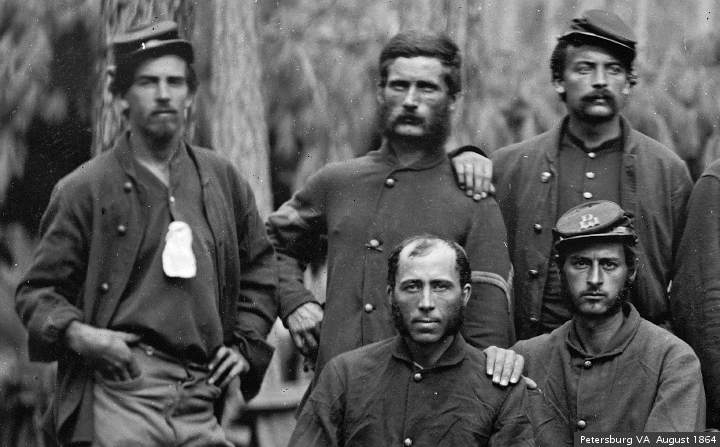
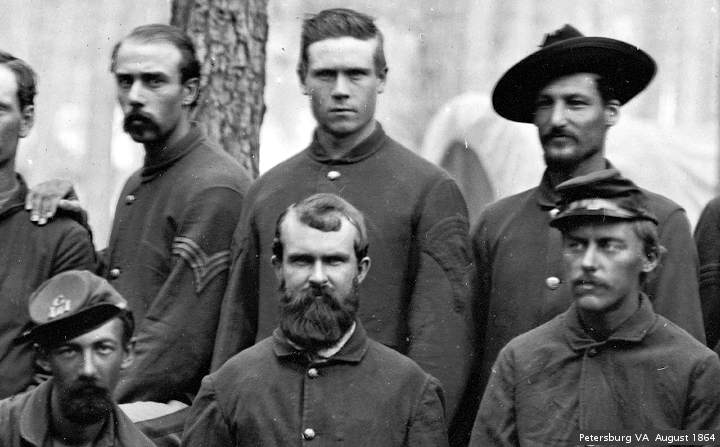
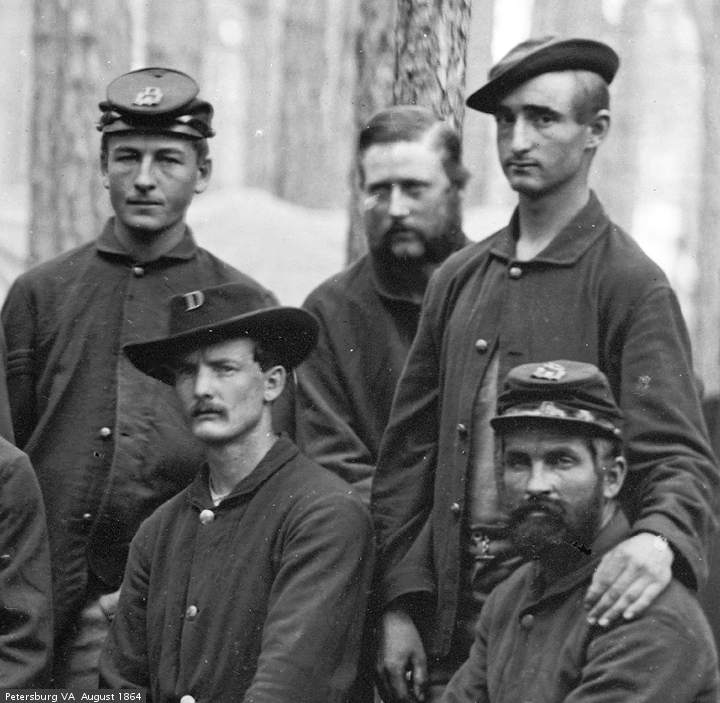
Pictures are from The Library of Congress. Part two is now available.




Last week this blog ran a story about the word racism. The story stated that the earliest use of the r-word was 1932. A comment led to The Ugly, Fascinating History Of The Word ‘Racism.’ Apparently, Col. Richard Henry Pratt used the word in 1902.
“The Oxford English Dictionary’s first recorded utterance of the word racism was by a man named Richard Henry Pratt in 1902. “Segregating any class or race of people apart from the rest of the people kills the progress of the segregated people or makes their growth very slow. Association of races and classes is necessary to destroy racism and classism.” Col. Pratt was speaking at the Lake Mohonk Conference of Friends of the American Indian.
It is always good to check out the context. Col. Pratt spoke at the Fourth session, Thursday Night, October 23, 1902. The event was well documented. There are some other noteworthy quotes.
“We have brought into our national life nearly forty times as many negroes as there are Indians in the United States. They are not all together citizen and equal yet, but they are with us and of us; distributed among us, coming in contact with us constantly, they have lost their many languages and their old life, and have accepted our language and our life and become a valuable part of our industrial forces.” The text capitalizes Indian, and presents Negro in lower case.
“It is the greatest possible wrong to prolong their Indianism, whether we do it for humanitarian or so-called scientific reasons. … The ethnologists prefer the Indian kept in his original paint and feathers, and as part and parcel of every exposition on that line. … It will be a happy day for the Indians when their ethnological value is of no greater importance than that of the negro and other races which go to make up our population.”
Col. Pratt “is best known as the founder and longtime superintendent of the Carlisle Indian Industrial School at Carlisle, PA.” While progressive for the times, many of the school’s policies were harsh.
“He pushed for the total erasure of Native cultures among his students. … The students’ native tongues were strictly forbidden — a rule that was enforced through beating. Since they were rounded up from different tribes, the only way they could communicate with each other at the schools was in English. … “In Indian civilization I am a Baptist,” Pratt once told a convention of Baptist ministers, “because I believe in immersing the Indians in our civilization and when we get them under, holding them there until they are thoroughly soaked.” … Pratt also saw to it that his charges were Christianized. Carlisle students had to attend church each Sunday, although he allowed each student to choose the denomination to which she would belong.” Carlisle closed in 1918.
“In 1875, Captain Richard Pratt escorted 72 Indian warriors suspected of murdering white settlers to Fort Marion in St. Augustine, FL. Once there, Pratt began an ambitious experiment which involved teaching the Indians to read and write English, putting them in uniforms and drilling them like soldiers. … News of Pratt’s experiment spread. With the blessing of Congress, Pratt expanded his program by establishing the Carlisle School for Indian Students to continue his “civilizing” mission. Although liberal policy for the times, Pratt’s school was a form of cultural genocide. The schools continued into the ’30s until administrators saw that the promised opportunities for Indian students would not materialize, theat they would not become “imitation white men.”
“Beginning in 1887, the federal government attempted to “Americanize” Native Americans, largely through the education of Native youth. By 1900 thousands of Native Americans were studying at almost 150 boarding schools around the United States. The U.S. Training and Industrial School, founded in 1879 at Carlisle Barracks, was the model for most of these schools. Boarding schools like Carlisle provided vocational and manual training and sought to systematically strip away tribal culture. They insisted that students drop their Indian names, forbade the speaking of native languages, and cut off their long hair.” As Col. Pratt said at the LMCFAI, “I also endorse the Commissioner’s short hair order. It is good because it disturbs old savage conditions.”
Col. Pratt was known for saying “Kill the Indian, and Save the Man” He probably meant that you should destroy the native culture, so the man inside could flourish. It is easy to misunderstand this type of rhetoric. The source of this phrase: “Official Report of the Nineteenth Annual Conference of Charities and Correction (1892), 46–59. Reprinted in Richard H. Pratt, “The Advantages of Mingling Indians with Whites,” Americanizing the American Indians: Writings by the “Friends of the Indian” 1880–1900 (Harvard University Press, 1973), 260–271.” There are some tasteful quotes.
“Inscrutable are the ways of Providence. Horrible as were the experiences of its introduction, and of slavery itself, there was concealed in them the greatest blessing that ever came to the Negro race—seven millions of blacks from cannibalism in darkest Africa to citizenship in free and enlightened America; not full, not complete citizenship, but possible—probable—citizenship.” Col. Pratt used African Americans as an example of how to assimilate Native Americans.
“The five civilized tribes of the Indian Territory—Cherokees, Choctaws, Chickasaws, Creeks, and Seminoles—have had tribal schools until it is asserted that they are civilized; yet they have no notion of joining us and becoming a part of the United States. Their whole disposition is to prey upon and hatch up claims against the government, and have the same lands purchased and repurchased and purchased again, to meet the recurring wants growing out of their neglect and inability to make use of their large and rich estate.”
The best known student at the Carlisle School was Jim Thorpe, coached by Pop Warner. Wa-thohuck was born May 28, 1888, near Prague OK, into the Sauk and Fox Nation. He won gold medals in the pentathlon, and decathlon, at the 1912 Olympic Games in Stockholm, Sweden. It later came out that he had been paid to play semi-pro baseball, and was not an amateur. The gold medals had to be forfeited. Pictures today are from The Library of Congress.


Why did the cow cross the road?



Why did the cow cross the road? The chicken was on vacation.
Knock knock. who’s there? boo. boo who?. Don’t cry it’s only a joke…
It’s six of one, half a dozen of the other.
A man walks up to a horse and says, “Why the long face?”
Two pretzels were walking down the street. one was a salted.
“He who laughs last thinks slowest.”
“Raise your hand if you’re here.”
Two nuns walk into a bar; the third one ducks.
Q: What did the radio say when it was dropped? A: “Ow. That hertz.”
What did the ranch say to the refrigerator door? “Close the door, I’m dressing”
Why don’t blind people skydive? It scares the heck out of their dogs…
What did the fish say when it ran into a wall? dam.
“I see.” said the blind man as he peed into the wind… “It’s all coming back to me now.”
What’s the last thing to go through a bug’s mind when it hits the windshield? Its butt.
You can tuna guitar, but you can’t tuna fish.
What do a duck and a bicycle have in common? They both have wheels… except the duck.
What’s brown and sounds like a bell? DUNGGGGG.
What’s brown and sticky? A stick
When people ask the mortician what he does for a living, he says he is a “boxer”.
What did the shy pebble say?… I wish I was a little boulder! .
What do you call an arrogant criminal falling out of a tower? Condescending.
Two guys walk into a bar… you would think the second guy woulda ducked.
A woman walks into a bar holding a duck. Bartender says, “What’s with the pig?”
Woman says, “It’s a duck.” Bartender says, “I was talking to the duck.”
Why do flamingos always lift one leg when they’re standing?
Cause if they lifted both, they’d fall over!
Q: How many Surrealists does it take to change a lightbulb? A: To get to the other side.
Did you get a haircut? Actually, I got them all cut.
One mushroom said to another mushroom, “Hey – you’re one Fungi!”
What do you call an arrogant criminal falling out of a tower? Condescending.
A dyslexic man walked into a bra …
Q: What do you call a midget, psychic, prison escapee? A: A small medium at-large.
A mule walks into a bar. The bartender says, “Hey, buddy, why the long face?”
“Because my dad is a jackass.”
I have one about the roof but its over your head.
Shall I tell you the one about the skunk? Never mind, it stinks!
There’s nothing like a good joke… and that was nothing like a good joke.
A rabbi, nun, lawyer, mime, and horse all walk into a bar.
The bartender says, “What is this, some kind of joke?”
When’s the best time to eat reindeer meat? …. When you’re hungry.
These stories are borrowed from 22 words. Pictures are from Special Collections and Archives, Georgia State University Library. This is a repost.

Manley Pointer

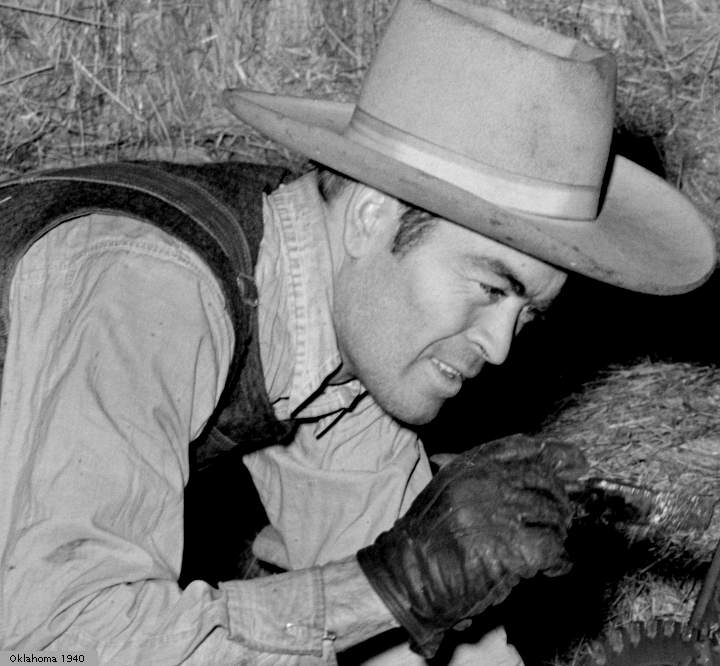
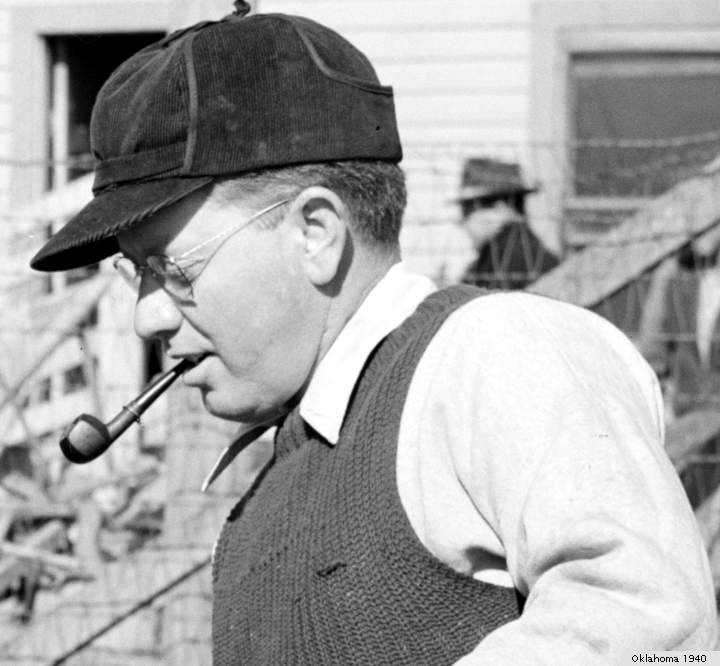
Good Country People is a Flannery O’Connor story. Manley Pointer is a Bible salesman in rural Georgia. He calls on the Hopewell family. Manley doesn’t sell any Bibles, but he does get a date with Hulga Hopewell. Pictures today are from The Library of Congress.
“O’Connor portrays a one-legged, unemployed female with a Ph.D. in philosophy, who has nothing to do but stay at home and irritate her mother. When a Bible salesman, Manley Pointer, … arrives at the Hopewell house, Joy, who has changed her name to Hulga, much to the annoyance of her mother, joins her new friend in an excursion to a nearby barn, complete with a romantic hayloft.” source
The first few minutes of the Hulga-Manley date are special. “Smiling, he lifted his hat which was new and wide-brimmed. He had not worn it yesterday and she wondered if he had bought it for the occasion. It was toast-colored with a red and white band around it and was slightly too large for him. He stepped from behind the bush still carrying the black valise. He had on the same suit and the same yellow socks sucked down in his shoes from walking.”
“He crossed the highway and said, “I knew you’d come!” The girl wondered acidly how he had known this. She pointed to the valise and asked, “Why did you bring your Bibles?” He took her elbow, smiling down on her as if he could not stop. “You can never tell when you’ll need the word of God, Hulga,” he said. She had a moment in which she doubted that this was actually happening and then they began to climb the embankment. They went down into the pasture toward the woods. …”
“Wait,” he said. He leaned the other way and pulled the valise toward him and opened it. It had a pale blue spotted lining and there were only two Bibles in it. He took one of these out and opened the cover of it. It was hollow and contained a pocket flask of whiskey, a pack of cards, and a small blue box with printing on it. He laid these out in front of her one at a time in an evenly-spaced row, like one presenting offerings at the shrine of a goddess. He put the blue box in her hand. THIS PRODUCT TO BE USED ONLY FOR THE PREVENTION OF DISEASE, she read, and dropped it. The boy was unscrewing the top of the flask. He stopped and pointed, with a smile, to the deck of cards. It was not an ordinary deck but one with an obscene picture on the back of each card. “Take a swig,” he said, offering her the bottle first. He held it in front of her, but like one mesmerized, she did not move.” …
“Mrs. Hopewell and Mrs. Freeman, who were in the back pasture, digging up onions, saw him emerge a little later from the woods and head across the meadow toward the highway. “Why, that looks like that nice dull young man that tried to sell me a Bible yesterday,” Mrs. Hopewell said, squinting. “He must have been selling them to the Negroes back in there. He was so simple,” she said, “but I guess the world would be better off if we were all that simple.” source (This is the only time Black people are mentioned in “Good Country People.”)
Erik Langkjær is the possible inspiration for Manley Pointer. A Russian-Danish young man, Mr. Langkjær worked as a textbook salesman. “Klaus Rothstein, a literary critic and commentator for the national Danish newspaper Weekendavisen” got Mr. Langkjær to tell his story.
“I searched for a job in publishing, in the hope that I would be hired as an editor. I did get a job, but it was as a sales representative in the South. During these travels, I met a professor at the University of Georgia. She suggested that I pay a visit to a local woman who had had her first book published by Harcourt, Brace & Company, where I was now a sales agent in the education branch. The professor believed that this author would enjoy meeting me because of her affiliation with the publishing firm. Weakened as she was by her disease, lupus, she wasn’t in contact with many people, so it would be nice to receive a visit from outside. A few years back, her father had died from the same disease, but the doctors had told her not to worry. …”
“Flannery and I quickly became friends. I made an effort to plan my sales route in a way that made it possible for me to visit her every two or three weeks. I would arrive in my own car, and then suggest going for a ride in the surrounding countryside. She was always up for it. We talked about our family backgrounds, and she was excited to hear about my mother’s Russian heritage and my father’s career as a consul general … Flannery herself was a devout Catholic, highly conscious of living in the Protestant South. She considered it a great challenge to be surrounded by Protestants, and to belong to a minority. She had a church to go to on Sundays, but she was aware of the growing secularism, which she considered a threat.”
“I was not really in love; I simply enjoyed the company of women during my lonely travels in the South. Although Flannery was both conventional and religious, we eventually became so close that she, while the car was parked, allowed me to kiss her. At that moment, her disease revealed itself in a new way: there was no strength in her lips. I hit her teeth with my kiss, and since then I’ve thought of it as a kiss of death. …
“I visited her twelve to fourteen times, and later we started exchanging letters. As I returned to Denmark to settle down, she wrote that she would like to hear more from me, and her first letter from June 1954 ends with a reference to our drives around Milledgeville: . . . I haven’t seen any dirt roads since you left and I miss you. I think Flannery was hoping for it to be the two of us. Between April 1953 and June 1954, when my visits were frequent, there was indeed enough contact between us for her to envisage something more. Her letters might also contain a certain disappointment in the fact that the contact wasn’t as strong on my part. …”
“When I later read one of Flannery’s short stories, ‘Good Country People,’ I noticed that the main character was a travelling Bible salesman. I didn’t sell bibles, but I used to call my binder with the records of the publishing firm ‘my bible.’ Also, the salesman in the story is named Manley Pointer, which has an obvious erotic connotation.”source
Miss O’Connor wrote Mr. Langkjær many times. 13 June 54 “My mother has just attended a dairy festival in Eatonton. The governor attended and Miss America. All the cows were in rope stalls around the Courthouse and Miss America, very sunburned, my mother said and in a white strapless evening dress (11 A. M.) had to pick her way among them and admire each one while she kept the tail of the dress out of the little piles of manure. She also had to kiss a calf. Universal suffering.” 18 July 54 “Everything here is busy electing the Governor. There are 9 candidates and the ones I have heard over the radio all sound like hound dogs that have learned to declaim. They are all but one running on keep-segregation platforms and everything is geared to the boys who sit in front of the wooden stores and tell you not to run into a street car down there. (On acct. of the rotten borough system their vote is worth three or four of a city vote.”) source
“Flannery first met Erik in April 1953, she was clearly taken with him and relished their time together, especially their drives through Baldwin County in his car. When he decided to break off their friendship and return to Europe a little over a year later, O’Connor, then using a cane, felt betrayed, as revealed in their short-lived correspondence. In early 1955, O’Connor took only four days to write this story; her intense feelings about Langkjær quickly found their outlet.”source
“Unfortunately, while she may have had romantic feelings towards him, they were not reciprocated. This was especially noticeable after he returned to Denmark in 1954. Flannery would write to him, and it would be weeks before she would hear back. … Eventually, she received a letter from him stating that he had met another woman and they were intending to get married. Flannery was devastated. However, instead of wallowing in her grief she threw herself into her art, writing one of her best short stories, “Good Country People.” Shortly after this story came out, Langkjær wrote Flannery and said that he recognized himself in the character of the salesman, Manley Pointer. Flannery responded with the epistolary equivalent of Carly Simon’s You’re So Vain, telling him in essence not to flatter himself so.” source
29 April 56 “I am highly taken with the thought of your seeing yourself as the Bible salesman. Dear boy, remove this delusion from your head at once. And if you think the story is also my spiritual autobiography, remove that one too. As a matter of fact, I wrote that one not too long after your departure and wanted to send you a copy but decided that the better part of tact would be to desist. Your contribution to it was largely in the matter of properties. Never let it be said that I don’t make the most of experience and information, no matter how meager. But as to the main pattern of that story, it is one of deceit which is something I certainly never connect with you. In my modest way, I think it’s a wonderful story. I read it over and over and nobody enjoys it as much as I do—which is more or less the case with all my productions.”source



Monetizing Andrew Sullivan


This is a repost from 2018. How Trump and identity politics reinforce each other is a recent presentation of Blogginheads.tv. It is hosted by Robert Wright, and guested by Andrew Sullivan. @sullydish, as twitter affectionately calls him, was a pioneer blogger. In those days a weblog was considered a “vanity website.”
The Dish was shuttered a few years ago, and Mr. Sullivan continues to be a thorn in the side of polite society. Towards the end of this show, he said he was “just being a contrarian,” to which Mr. Wright replied “it’s a living.” There were a few other zesty quotes in this show, some of which can lead to unsolicited blogger commentary.
Mr. Sullivan does not appreciate talk of an LBGT community. For one thing, it is structurally impossible to be more than one, or two, of those initials at one time. This segment goes into being defined by your oppressors, and the difference between gay and trans. A young boy who likes to wear dresses may be pigeonholed as trans, when he would otherwise evolve into gay. While some enjoy these semantics, PG tends to find the whole thing tiresome.
“I’m an exception, because I think about this a lot.” Actually, if you think at all, you are an exception. When consuming social media content, you quickly learn that “The advantages of extremism are great, and the advantages of moderation are very small.”
Mr. Sullivan recently penned an article about opiates. In a Bob Wright moment, there was a comparison of meditation with opiate use. Mr. Sullivan replies with a few remarks about fenatnyl. Apparently, fenatyl boosted heroin is killing 60,000 people a year.
Talk about fenatyl tnds to go over PG’s head. After years of being lied to about drugs, this is to be expected. In the current situation, with thousands of fresh od’s every month, the loudest voices PG hears are people saying that when black people had a crack problem, nobody cared. Now that white people are dying from opioid use, people are getting concerned. This is just another example of the faulty logic running rampant on anti-social media. (The spell check suggestion for fenatyl is fealty.)
“The ability to say things that are stupid and wrong is essential to the advancement of knowledge.” Eventually the time ran out, though not before Mr. Wright was reminded of some of his former articles. It was Mr. Sullivan who defended saying things wrong, stupid, and republican. Some unkind people would say he has had practice.
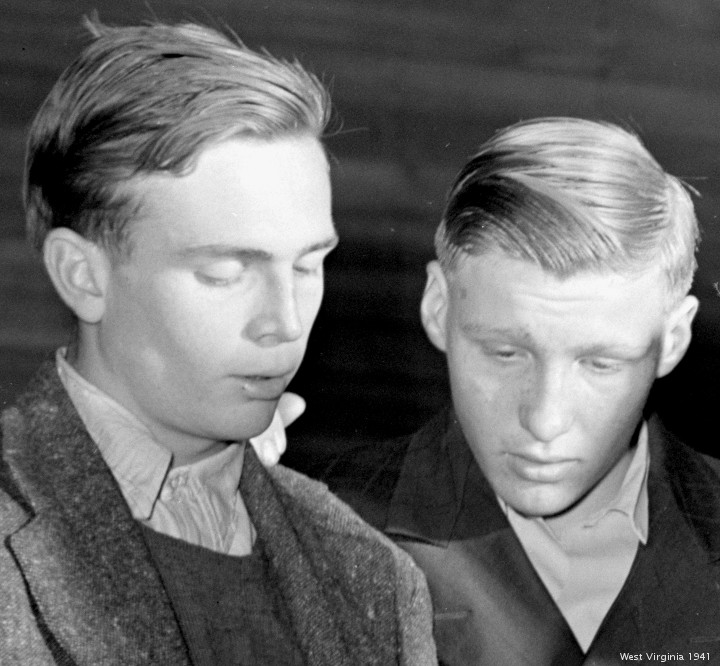
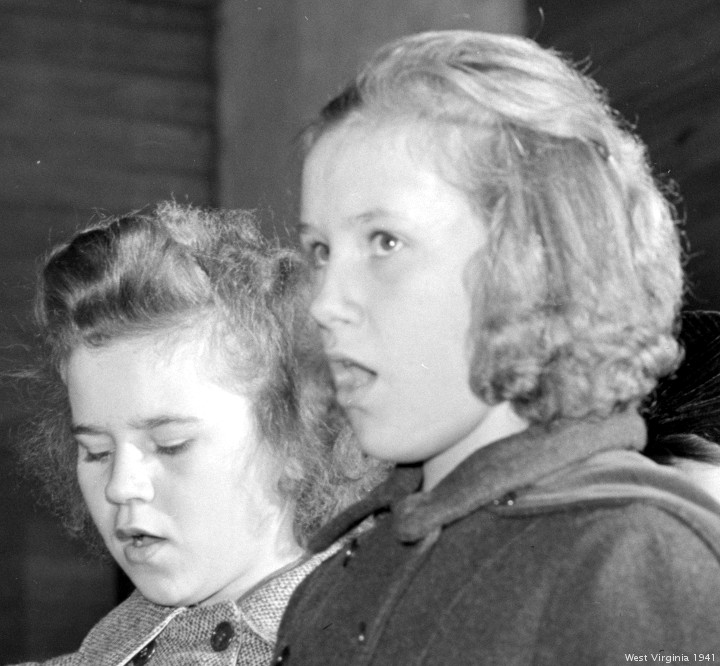
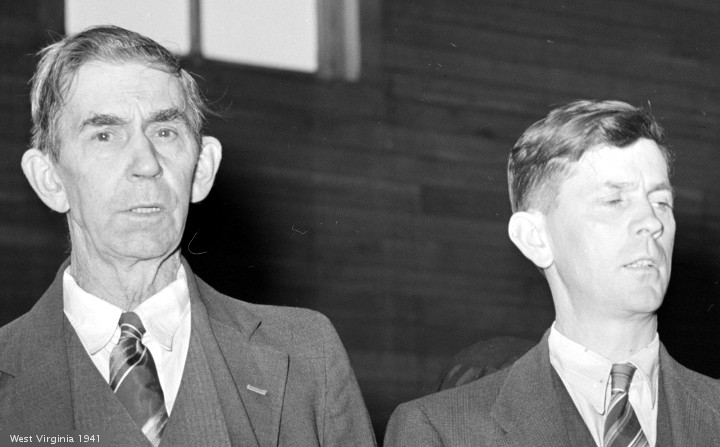
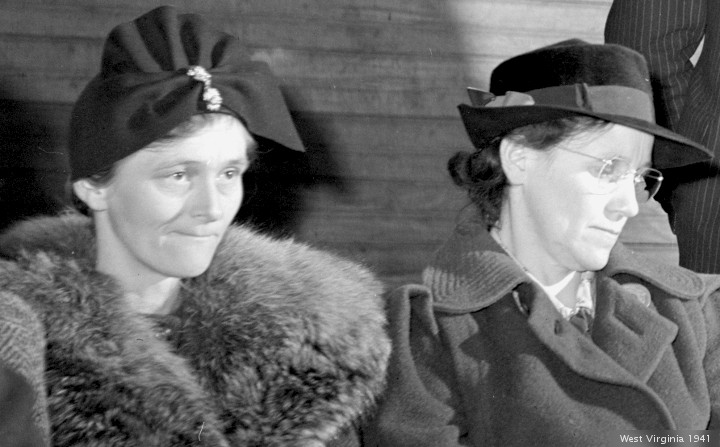
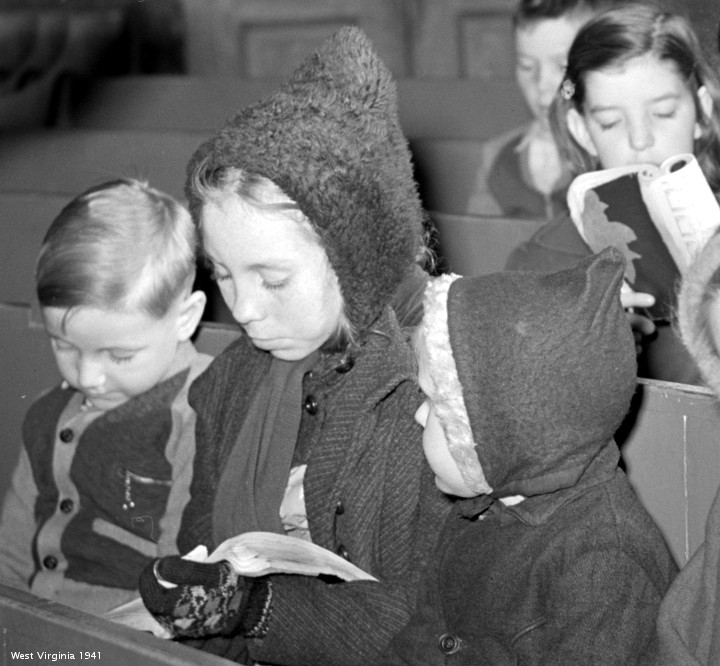
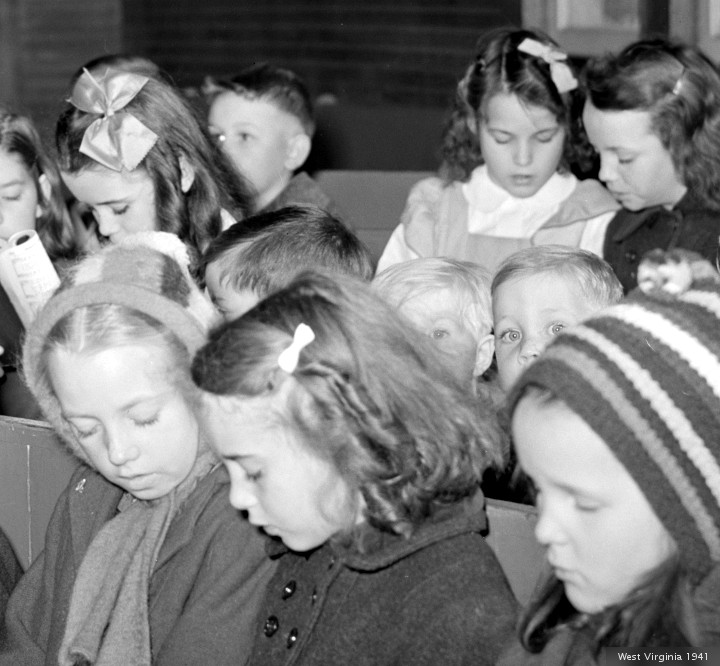
The Library of Congress supplies the pictures for today’s frolic. “Group singing hymns at the opening of the Sunday school. While there are no churches on the project there are five or six in the area close by. This one is just off the project and is attended by many project members. Dailey, West Virginia” Arthur Rothstein took the pictures in December, 1941.




Coffee Perpetuates

The display of a link on this page does not indicate approval of content.
Is coffee racist? How drinking coffee perpetuates white supremacy Created by Black …
Atlanta-based lawyer discusses ‘Cop City’lease agreement LaShawn Hudson WABE
Networks covered the war in Ukraine more than the US invasion of Iraq
@pixfiber The ranch owners never have to pay. That’s what the cattle are for.
Is Ron DeSantis the Republican Michael Dukakis? The Florida governor puffs up …
Emory poll sheds light on Atlanta attitudes on ‘Cop City,’ Buckhead cityhood
Yellow dot stickers help police aid people in emergencies Police are handing out yellow …
Happy Birthday Anita Bryant, Aretha Franklin, and Elton John
artificial sweetness ~ buttsex ~ We don’t know ~ cop city ~ starry waffles
glenn show ~ hypocrite ~ preach london ~ preach london ~ e-right
woke religion ~ stanford ~ footnote ~ epitaph on a tyrant ~ auden
blisters ~ broderick ~ the essential church ~ caret ~ non zero
moonshine ~ cop city legal memo ~ cop city lease ~ alex m joseph ~ bdimports
edifier 33bt ~ Edifier R33BT ~ battery ~ nine line stanza ~ novelinee ~ nonet
“ mayor can act unilaterally to cancel contract by simply giving written notice to Atlanta Police Foundation, city council can pass a resolution, in which they also cancel contract. … the contract allows APF to pay $10 a year to rent 300 acres of forested land.” ~ I will be facillitating Poetry Games (Phynnecabulary) “From Here to There and Back” Mar 23 (3 pm ET/1 pm MT/12pm PT) ~ Anita Aretha and Elton, Happy Birthday Anita Bryant, Aretha Franklin, and Elton John, Millard Fillmore And Oscar Wilde In Atlanta ~ This is a repost from 2020. In recent news, “Ben Crump is crowdfunding for … Andrew Gillum’s legal defense. Gillum is facing charges of lying to the FBI and wire fraud in a campaign finance scheme.” ~ @chamblee54 @JohnHMcWhorter gets down. “if anybody thinks that the reason I distrust rhythm is because I can’t dance I would surprise you I don’t dance as badly as you probably think” ~ Happy Birthday Anita Bryant, Aretha Franklin, and Elton John ~ flannery ~ ON FLYING MULES AND THE SOUTHERN CABALA: FLANNERY O’CONNOR AND JAMES BALDWIN IN GEORGIA ~ flannery ~ Harlem audience watching “Dope!” by Maryat Lee performed by the Soul and Latin Theater in N.Y. 1970 ~ flannery ~ Everything That Rises Must Converge ~ flannery ~ if i knew then If I knew five minutes ago that the prompt tonight was if I knew then, it still would not change anything. i have … there was loud barking on the street below. I stood up, and went to my window. It was a pair of dogs, one snow white, one trump orange. I did not know which one was barking, so i stood up. I still don’t know, because they had quit barking by the time i looked in the proper direction … another dog walker … at least i think it was a dog-human combination … made me angry earlier today. I was walking up the path, and glanced to the side. Some lower life form tossed a magenta colored plastic bag over behind some briars, where it will be very difficult to retrieve. When I saw this bag, I did not know what was inside, although i was 99% certain that it had something to do with a dog. even if I knew then what was inside that bag, it would not have stopped the lower life form from tossing it behind a briar enabled bush. if i knew then … why people dispose of dog waste, inside a brightly colored non degradeable plastic bag … it would not have stopped this lower life form … from disabling this writing workshop prompt time termination … meanwhile, the four human/two dog combination has moved on. any future barking … ~ FB: generalissimo bryan franco IG: gnrlsmo Email: francobryani@gmail.com linktree PayPal address Venmo address: @Bryan-Franco-94176 CAFÉ GENERALISSIMMO OPEN MIC MONDAY, 4-3-2023 at 5:30 EST/4:30 PM CST/3:30 PM MST/2:30 PM PST/10:30 PM BST ZOOM ID: 821 2043 0676 Passcode: 313209 To purchase my book EVERYTHING I THINK IS ALL IN MY MIND, The cost is $15 + $5 for shipping(USA only). ~ ckcpoetry@gmail.com ~ ben never said freedom is not a gift bestowed upon us by other men, but a right that belongs to us by the laws of nature ~ @BastetsPassion Proper list of coded N-words (CONTEXT DEPENDENT!): – urban – thug – mob – woke – divisive – SJW – sketchy – unkempt – sloppy – criminal – low-income – welfare recipient – rioter – Democrat – fatherless – liberal – looter – BLM – CRT – radical – race baiter – American – activist ~ Mr. Langkjær was far from a boyfriend. “I was not really in love; ~ prosthetics, doctor, ambiguity, sovereign, mystical, riot, telephone – ystical riot about aesthetics, sovereign ambiguity over the telephone, insurance doctor is stingy with prosthetics, anime nurse is ugly to the bone ~ ancoun 9 lines of nine words ~ jimmy baldwin I found this story in my notes, while researching today’s post. In my notes, I neglected to copy the url, from when I posted it. I did a google search of my blog for “Baldwin.” For some reason, google did not want me to find this post. ~ pictures today are from The Library of Congress ~ selah


Was Flannery O’Connor Racist?


How Racist Was Flannery O’Connor? appeared in The New Yorker on June 22, 2020. (Note the date) I had long been a fan of Mary Flannery O’Connor, and knew I could not un-read those stories. While researching a book report about a story collection, Everything That Rises Must Converge, I took another look at the cancellation.
The article begins by telling the Flannery story. Soon, a description of a movie, Flannery, yields a false note: “Erik Langkjær, a publishing sales rep O’Connor fell in love with, describes their drives in the country.” According to Flannery: A Life of Flannery O’Connor by Brad Gooch, Mr. Langkjær was far from a boyfriend. It is another piece of the puzzle.
“I was not really in love; I simply enjoyed the company of women during my lonely travels in the South. Although Flannery was both conventional and religious, we eventually became so close that she, while the car was parked, allowed me to kiss her. At that moment, her disease revealed itself in a new way: there was no strength in her lips. I hit her teeth with my kiss, and since then I’ve thought of it as a kiss of death. … When I later read one of Flannery’s short stories, ‘Good Country People,’ I noticed that the main character was a travelling Bible salesman. I didn’t sell bibles, but I used to call my binder with the records of the publishing firm ‘my bible.’ Also, the salesman in the story is named Manley Pointer, which has an obvious erotic connotation.”
Right after this paragraph, there is a break. “FEATURED VIDEO Protests of George Floyd’s Killing Transform Into a Global Movement” The article soon gets down with cancellation.
“Everything That Rises Must Converge was published in “Best American Short Stories” … O’Connor declared that it was all she had to say on “That Issue.” It wasn’t. In May, 1964, she wrote to her friend Maryat Lee, a playwright who … was ardent for civil rights.”
“About the Negroes, the kind I don’t like is the philosophizing prophesying pontificating kind, the James Baldwin kind. Very ignorant but never silent. Baldwin can tell us what it feels like to be a Negro in Harlem but he tries to tell us everything else too. M. L. King I dont think is the ages great saint but he’s at least doing what he can do & has to do. Don’t know anything about Ossie Davis except that you like him but you probably like them all. My question is usually would this person be endurable if white. If Baldwin were white nobody would stand him a minute. I prefer Cassius Clay. “If a tiger move into the room with you,” says Cassius, “and you leave, that dont mean you hate the tiger. Just means you know you and him can’t make out. Too much talk about hate.” Cassius is too good for the Moslems.” (James Baldwin probably agreed with MFO about “the Moslems.”)
“That passage, published in “The Habit of Being,” echoed a remark in a 1959 letter, also to Maryat Lee, who had suggested that Baldwin … could pay O’Connor a visit while on a subsequent reporting trip. O’Connor demurred: “No I can’t see James Baldwin in Georgia. It would cause the greatest trouble and disturbance and disunion. In New York it would be nice to meet him; here it would not. I observe the traditions of the society I feed on—it’s only fair. Might as well expect a mule to fly as me to see James Baldwin in Georgia. I have read one of his stories and it was a good one.” …
“After revising “Revelation” in early 1964, O’Connor wrote several letters to Maryat Lee. Many scholars maintain that their letters (often signed with nicknames) are a comic performance, with Lee playing the over-the-top liberal and O’Connor the dug-in gradualist, but O’Connor’s most significant remarks on race in her letters to Lee are plainly sincere. … May 3, 1964: “You know, I’m an integrationist by principle & a segregationist by taste anyway. I don’t like negroes. They all give me a pain and the more of them I see, the less and less I like them. Particularly the new kind.” Two weeks after that, she told Lee of her aversion to the “philosophizing prophesying pontificating kind.” Ravaged by lupus, she wrote Lee a note to say that she was checking in to the hospital, signing it “Mrs. Turpin.” She died at home ten weeks later.”
“Fordham University hosted a symposium on O’Connor and race, supported with a grant from the author’s estate.” (The panel discussion included Karin Coonrod.) “The organizer, Angela Alaimo O’Donnell” … (who wrote) “Radical Ambivalence: Race in Flannery O’Connor.” … takes up Flannery and That Issue. Proposing that O’Connor’s work is “race-haunted,” she applies techniques from whiteness studies and critical race theory …” In other words, The Flannery O’Connor Trust is financing a university to examine MFO, using “techniques from whiteness studies and critical race theory.” There is something deeply rotten about this.
Perhaps this cancellation business is what MFO foresaw in a 1963 letter to Betty Hester. MFO mentions her disdain for Eudora Welty’s “Where is the Voice Coming From?” … “What I hate most is its being in the New Yorker and all of the stupid Yankee liberals smacking their lips over typical life in the dear old dirty Southland.”
Eudora Welty is not the only author MFO did not like. MFO wrote to Maryat Lee on 31 May 60. “I hope you don’t have friends who recommend Ayn Rand to you. The fiction of Ayn Rand is as low as you can get re fiction. I hope you picked it up off the floor of the subway and threw it in the nearest garbage pail. She makes Mickey Spillane look like Dostoyevsky.”
“On July 28, 1964, Flannery wrote her last letter. This note to Maryat Lee, written in a “shaky, nearly illegible hand” … is in response to an anonymous crank call Lee received and reveals O’Connor’s deep concern for her friend’s well being: “Cowards can be just as vicious as those who declare themselves – more so. Dont take any romantic attitude toward that call. Be properly scared and go on doing what you have to do, but take the necessary precautions. And call the police. That might be a lead for them. Dont know when I’ll send those stories. I’ve felt too bad to type them. Cheers, Tarfunk” MFO died August 3, 1964 at Baldwin County Hospital.
We don’t know what MFO read by James Baldwin. It might include a 1962 piece in The New Yorker, Letter from a Region in My Mind. Included in those 22,147 words is this gem: “But white Americans do not believe in death, and this is why the darkness of my skin so intimidates them.” This might be a good time to remember the words of Alice Walker: “Take what you can use and let the rest rot.”
Ms. Walker is included in Flannery. “Alice Walker tells of living “across the way” from the farmhouse during her teens, not knowing that a writer lived there: “It was one of my brothers who took milk from her place to the creamery in town. When we drove into Milledgeville, the cows that we saw on the hillside going into town would have been the cows of the O’Connors.” Ms. Walker who was well aware of MFO’s racial attitudes, adds “She also cast spells and worked magic with the written word. The magic, the wit, and the mystery of Flannery O’Connor I know I will always love.”
A lot of what is said here is taking MFO seriously, in spite of her racial attitudes. This is where I differ with The New Yorker. I am a cracker who likes to enjoy stories, not take them seriously. As a Georgia native, I am well aware of the many “shades of gray” produced by a black and white society. Racism is not a yes/no binary. MFO wrote great stories, in spite of, or maybe because of, her racial attitudes. To paraphrase Alice Walker, take what you need, and let whiteness studies and critical race theory rot. Pictures today are from The Library of Congress.


Flannery O’Connor



With one day before it was due, PG finished reading Flannery: A Life of Flannery O’Connor, by Brad Gooch. The author is a professor of English at William Patterson University in New Jersey. He spares no citations. You can see where he gets his information. This is a repost.
Chamblee54 has written before about Miss O’Connor. There is a radio broadcast of a Flannery O’Connor lecture. (The Georgia accent of Miss O’Connor is much commented on in the book. To PG, it is just another lady speaking.)
Mary Flannery O’Connor was born March 25, 1925 in Savannah GA. The local legend is that she was conceived in the shadow of St. John the Baptist Cathedral, a massive facility on Lafayette Square. Her family did leave nearby, and her first school was just a few steps away. This is also a metaphor for the role of the Catholic Church in her life. Mary Flannery was intensely Catholic, and immersed in the scholarship of the church. This learning was a large part of her life. How she got from daily mass, to writing stories about Southern Grotesque, is one mystery at the heart of Flannery O’Connor.
Ed O’Connor doted on his daughter, but had to take a job in Atlanta to earn a living. His wife Regina and daughter Mary Flannery moved with him, to a house behind Christ The King Cathedral. Mr. O’Connor’s health was already fading, and Mother and Daughter moved in with family in Milledgeville. Ed O’Connor died, of Lupus Erythematosus, on February 1, 1941.
Mary Flannery went to college in Milledgeville, and on to the Iowa Writer’s Workshop. She dealt with cold weather, went to Mass every day, and wrote. She was invited to live at an artists colony called Yaddo, in upstate New York. She lived for a while with Robert and Sally Fitzgerald in Connecticut, all while working on her first novel, “Wise Blood”. In 1950, she was going home to Milledgeville for Christmas, and had been feeling poorly. She went to the hometown doctor, who thought at first that the problem was rheumatoid arthritis. The illness of Flannery O’Connor was Lupus Erythematosus.
Miss O’Connor spent much of that winter in hospitals, until drugs were found that could help. She moved, with her mother, to a family farm outside Milledgeville, which she renamed Andalusia. She entered a phase of her life, with the Lupus in relative remission, and the drugs firing her creative fires, where she wrote the short stories that made her famous.
Another thing happened when she was recuperating. Flannery was reading the Florida “Market Bulletin”, and saw an ad for “peafowl”, at sixty five dollars a pair. She ordered a pair, and they soon arrived via Railway Express. This was the start of the peacocks at Andalusia, a part of the legend.
During this period of farm life and writing, Flannery had several friends and correspondents. There was the “Bible Salesmen”, Erik Langkjaer, who was probably the closest thing Flannery had to a boyfriend. Another was Betty Hester, who exchanged hundreds of letters with Miss O’Connor. This took place under the stern eye of Regina O’Connor, the no nonsense mother-caregiver of Flannery. (Mr. Gooch says that Betty Hester committed suicide in 1998. That would be consistent with PG stumbling onto an estate sale of Miss Hester in that time frame.)
The book of short stories came out, and Flannery O’Connor became famous. She was also dependent on crutches, and living with a stern mother. There were lectures out of town, and a few diverse personalities who became her friends. She went to Mass every day, and collected books by Catholic scholars. Flannery was excited by the changes in the church started by Pope John XXIII, and in some ways could be considered a liberal. (She supported Civil Rights, in severe contrast to her mother.)
In 1958, Flannery O’Connor went to Europe, including a trip to the Springs at Lourdes. Her cousin Katie Semmes (the daughter of Captain John Flannery, CSA) pushed Flannery hard to go to the springs, to see if it would help the Lupus. Flannery was reluctant…” I am one of those people who could die for his religion sooner than take a bath for it“. When the day for the visit came, Flannery took a token dip in the waters. Her condition did improve, briefly. (It is worth speculating here about the nature of Flannery’s belief, which was apparently more intellectual than emotional. Could it be that, if she was more persuaded by the mystical, emotional side of the church, and taken the healing waters more seriously, that she might have been cured?)
At some point in this story, her second novel came out, and the illness blossomed. Much of 1964 was spent in hospitals, and she got worse and worse. On August 3, 1964, Mary Flannery O’Connor died.



PG remembers the first time the name Flannery O’Connor sank in. He was visiting some friends, in a little house across from the federal prison.
Rick(?) was the buddy of a character known as Harry Bowers. PG was never sure what Harry’s real name was. One night, Rick was talking about Southern Gothic writers, and he said that Flannery O’Connor was just plain weird. ”Who else would have a bible salesman show up at a farm, take the girl up into a hayloft, unscrew her wooden leg and leave her there? Weird.”
Flannery O’Connor was recently the subject of a biography written by Brad Gooch. The book is getting a bit of publicity. Apparently, the Milledgeville resident was a piece of work.
PG read some reviews of this biography, and found a collection of short stories at the library. The book included “Good Country People”, the tale about the bible salesman. Apparently, this story was inspired by a real life incident. (Miss O’Connor had lupus the last fifteen years of her life. She used crutches.) And yes, it is weird. Not like hollywood , but in the way of rural Georgia.
Some of the reviews try to deal with her attitudes about Black people. On a certain level, she is a racist. She uses the n word freely, and her black characters are not inspiring people. The thing is, the white characters are hardly any better, and in some cases much worse. In one story, “Everything That Rises Must Converge,” a black lady is the hero.
The stories are well crafted, with vivid descriptions of people and places. The reader floats along with the flow of the story, until he realizes that Grandma has made a mistake on a road trip. The house she got her son to look for is in Tennessee, not Georgia. She makes him drive the family car into a ditch. Some drifting killers come by. Grandma asks one if he prays, while his partner is shooting her grandchildren. Weird.
In another story, a drifter happens upon a pair of women in the country. The daughter is thirty years old, is deaf, and has never spoken a word. The drifter teaches her to say bird and sugarpie. The mother gives him fifteen dollars for a honeymoon, if he will marry her. He takes the fifteen dollars and leaves her asleep in a roadside diner.
There was a yard sale one Saturday afternoon. It was in a house off Lavista Road, between Briarcliff and Cheshire Bridge. The house had apparently not been painted in the last forty years. Thousands and thousands of paperback books were on the shelves. The lady taking the money said that the lady who lived there was the friend, and correspondent of, the “Milledgeville writer” Flannery O’Connor. This is apparently Betty Hester, who is mentioned in many of the biography reviews.
PG told the estate sale lady that she should be careful how she said that. There used to be a large mental hospital in Milledgeville, and the name is synonymous in Georgia with mental illness. The estate sale lady had never heard that.
UPDATE: PG sometimes reads poems at an open mic event. His stage name is Manly Pointer. This is the bible salesman in “Good Country People.” This is a repost. Pictures are from “The Special Collections and Archives, Georgia State University Library.” It was written like James Joyce. An earlier edition of this post had comments.
Fr. J. December 10, 2009 at 3:00 pm I am glad you take an interest in Flannery, but to say baldly that she is a racist is to very much misunderstand her. For another view on Flannery and race, you might want to read her short story, “Everything that Rises Must Converge.”
chamblee54 December 10, 2009 at 3:17 pm “On a certain level, she is a racist.” That is not the same as “baldly” labeling her a racist. (And I have a full head of hair, thank you). As a native Georgian, I am aware of the many layers of nuance in race relations. I feel that the paragraph on race in the above feature is accurate.



Anita Aretha and Elton




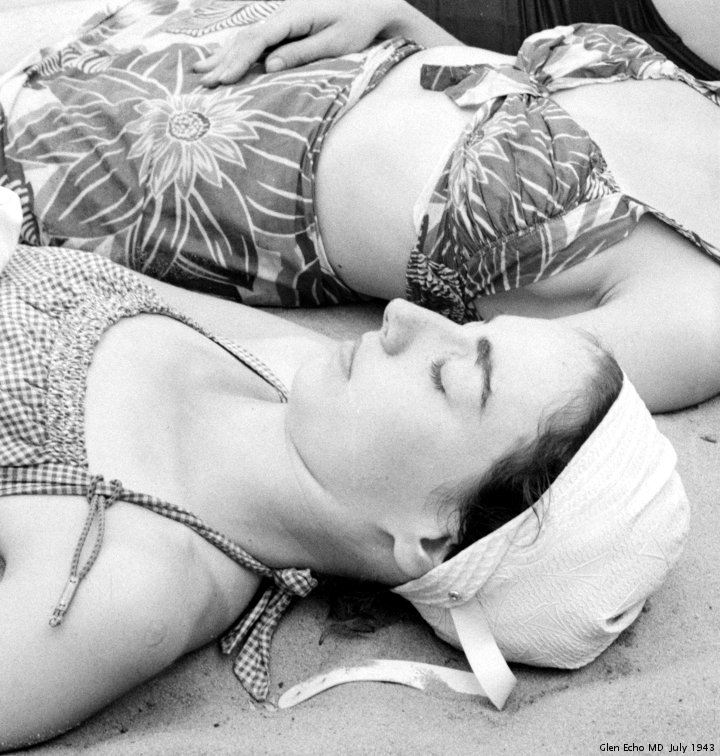
In the early nineties, PG had too much free time. On March 25 of one year, he looked in the fishwrapper, and found a list of famous people with birthdays.
There was an unlikely trio celebrating that day. This would be (in order of appearance) Anita Bryant (1940), Aretha Franklin (1942), and Elton John (1947). All three have been paid for singing. The three have a total of five husbands, with Miss Bryant and Mr. John currently attached (Not to each other). Miss Franklin has good taste in hats.
Several other people have arrived on planet earth on March 25. They include , in 1911, Jack Ruby, the killer of Lee Harvey Oswald (d. 1967) (They don’t say alleged when it was on live TV). 1918 produced Howard Cosell, American sports reporter (d. 1995). Flannery O’Connor (d. 1964) arrived in 1925. 1934 gave us Gloria Steinem. To make room for all this talent, Buck Owens died March 25, 2006. On August 16, 2018, Aretha Franklin was heaven bound.
March 25 is after the spring equinox, and has been Easter. A few noteworthy events have gone down on this day. In 1894, Coxey’s Army departed Massillon, Ohio for Washington D.C. In 1911, the Triangle Shirtwaist Factory fire killed 146 garment workers in New York City. In 1939 Cardinal Eugenio Pacelli becomes Pope Pius XII, to the delight of Adolph Hitler. 1955 saw the United States Customs seizes copies of Allen Ginsberg’s poem “Howl” as obscene. In 1969, John Lennon and Yoko Ono began their first Bed-In for Peace at the Amsterdam Hilton Hotel.
HT and applause to wikipedia. This is a repost. Pictures are from The Library of Congress.





David And Elton
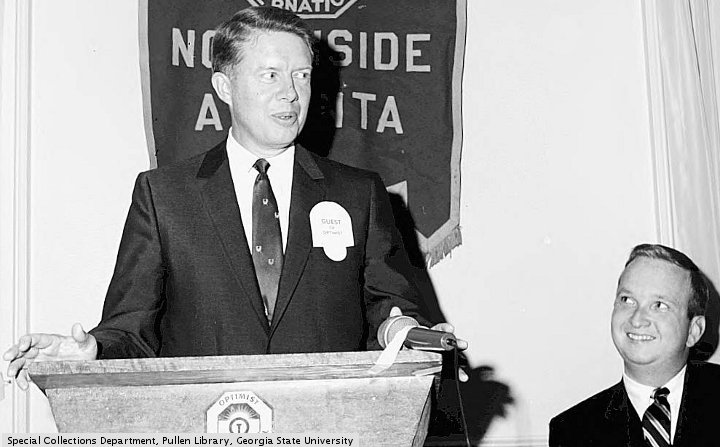


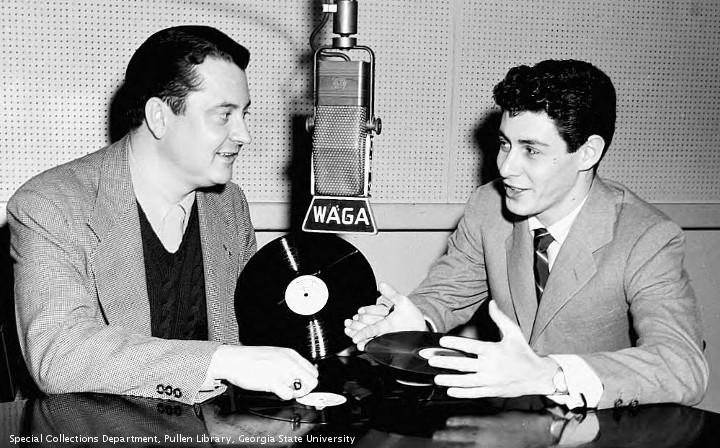

On page 327 of David Bowie: A Life, the Live Aid show goes down. “There wasn’t much love lost between David and Elton–perhaps they’d fallen out at some point …” This is a repost.
Elton John says he fell out with David Bowie over ‘token queen’ remark “David and I were not the best of friends towards the end. We started out being really good friends. We used to hang out together with Marc Bolan, going to gay clubs, but I think we just drifted apart…. He once called me “rock’n’roll’s token queen” in an interview with Rolling Stone, which I thought was a bit snooty. He wasn’t my cup of tea. No; I wasn’t his cup of tea”.
1975 was a different time. David Bowie was moving out of Ziggy Stardust, and became the Thin White Duke. At some point he starting doing lots of cocaine. On page 196 of DB:AL, Jayne County has stories. “It was pretty obvious the David was taking coke. He became very skeletal in his appearance and began rattling off speeches that sounded meaningless to the rest of us–strange things about witchcraft, demons, and sexual prostitution in ancient times … weird things that made everyone nervous. He began to get paranoid and accusing people of ripping him off and stealing his drugs…. He had to have cartilage removed from one part of his body and put in his nose because the coke had eaten his nose cartilage away.”
While David was popular in 1975, and had a certain aesthetic aroma, Elton John was a phenomenon. Everything Elton touched went to Number One. Elton was one of the most popular solo acts the market ever sold. Maybe David was jealous of Elton’s success.
By all accounts, Elton did his share of “hooverizing.” In 1975, Elton was officially in the closet, although a lot of people knew otherwise. In one impossible to confirm story, a friend of PG was working in an Atlanta club called Encore, later known as Backstreet. One busy night, he was in a hurry to get somewhere, and bumped into someone. The person he knocked over was Elton John.
The infamous Rolling Stone interview was part of the damage. “Rock & roll has been really bringing me down lately. It’s in great danger of becoming an immobile, sterile fascist that constantly spews its propaganda on every arm of the media. …. I mean, disco music is great. I used disco to get my first Number One single [“Fame”] but it’s an escapist’s way out. It’s musical soma. Rock & roll too — it will occupy and destroy you that way. It lets in lower elements and shadows that I don’t think are necessary. Rock has always been the devil’s music. You can’t convince me that it isn’t.”
Cameron Crowe How about specifics? Is Mick Jagger evil? David Bowie “Mick himself? Oh Lord no. He’s not unlike Elton John, who represents the token queen — like Liberace used to. No, I don’t think Mick is evil at all. He represents the sort of harmless, bourgeois kind of evil that one can accept with a shrug…. Actually, I wonder … I think I might have been a bloody good Hitler. I’d be an excellent dictator. Very eccentric and quite mad.”
Playboy Magazine gave David another chance to talk about Hitler. “I’d love to enter politics. I will one day. I’d adore to be Prime Minister. And, yes, I believe very strongly in fascism.” “Rock stars are fascists, too. Adolf Hitler was one of the first rock stars.” “#54: PLAYBOY: How so?” BOWIE: “Think about it. Look at some of his films and see how he moved. I think he was quite as good as Jagger. It’s astounding. And, boy, when he hit that stage, he worked an audience. Good God! He was no politician. He was a media artist himself. He used politics and theatrics and created this thing that governed and controlled the show for those 12 years. The world will never see his like.”
#77: PLAYBOY: “Last question. Do you believe and stand by everything you’ve said?” BOWIE: “Everything but the inflammatory remarks.” We don’t know whether a jab at Elton was inflammatory. “I consider myself responsible for a whole new school of pretensions–they know who they are. Don’t you, Elton? Just kidding. No, I’m not.”
Seven daily grams of coke (DB:AL, p.223) did not kill David Bowie. He soon moved on to make The Man Who Fell to Earth. People magazine helped out with the publicity. “No role could have suited David Bowie better in his first major movie than that of an inscrutable interplanetary traveler outfitted with human skin, sex organs, Ronald Reagan hair and humanoid pupils to slip in over his horizontal, mismatched feline slits.” Forty years before Donald Trump made the tangerine toupee cool, Ronald Reagan was prematurely orange. Pictures for this deplorable dive into hissyfit history are from “The Special Collections and Archives, Georgia State University Library”.


Loose Cannon





This is a repost from 2021. … Georgia Elections were thrown into chaos by covid 19. One of the results is SB 202. It makes changes in election law. This story details some of the changes. It appears that many of the hysterical “Jim Crow Voter Suppression” claims are exaggerated.
PG has his story from 2020. He applied for an absentee ballot in the July primary. An unsolicited AB was sent for the next three elections, along with dozens of unsolicited AB applications. SB 202 will prohibit this. How will not sending out unsolicited AB suppress the minority vote?
The NPR story does not mention AB applications requiring a copy of the voter’s ID. This requirement would impose a logistical burden on the counties, as well as inviting fraudulent ID copies. This requirement, if it is imposed, would be a mistake.
In some cases, voting is becoming easier. “Earlier law required three weeks of in-person early voting Monday through Friday, plus one Saturday, during “normal business hours. The new bill adds an extra Saturday, makes both Sundays optional for counties, and standardizes hours from 9 a.m. to 5 p.m. or as long as 7 a.m. to 7 p.m.”
Georgia being Georgia, SB 202 is getting screwed up. The Republicans are acting in a high-handed matter, and imposing foolish regulations. One of these is a ban on giving food and water to voters waiting in line. The Democrats are screaming RACISM at every opportunity. The public is being poorly served by the process. Many people are completely taken in by the RACISM rhetoric, and think anyone who does not drink the kool-aid is a RACIST.
SB 202 was passed, and the real fun begins. Usually, a bill being signed into law is a boring formality. Thursday was not. For some reason, Governor Brian Kemp signed SB 202 at the Capitol, immediately after passage. This may have been done as a gesture of disrespect to the race-baiting opposition.
State Representative Park Elizabeth Cannon decided to disrupt the bill signing. Rep. Cannon tried to get arrested February 26, but the State Patrol did not comply.
Rep. Cannon made a scene outside the bill-signing. We don’t know what the State Trooper said the her, or what happened before the video started. It is possible that Rep. Cannon had been threatening to disrupt the event. The unusual manner of the signing may have been a reaction to provocation by Rep. Cannon. This is not how government should be conducted.
The charges are on the Fulton County website. “EW-0324353 Willful Obstruction Of Law Enforcement Officers By Use Of Threats Or Violence – Felony … EW-0324354 Preventing Or Disrupting General Assembly Sessions Or Other Meetings Of Members; Etc. (3Rd Offense)” The site does not specify the first two offenses.
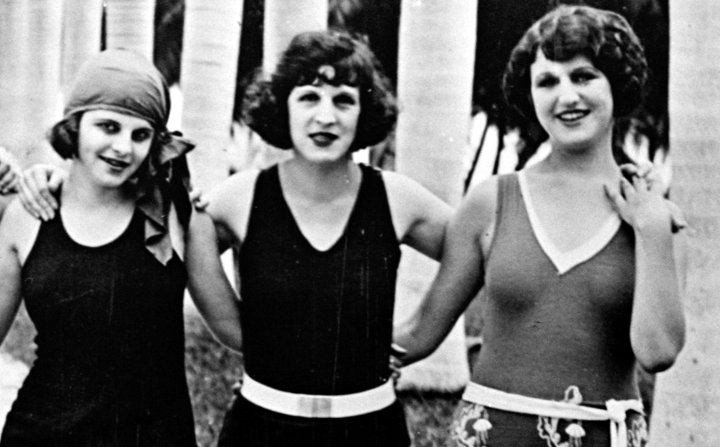
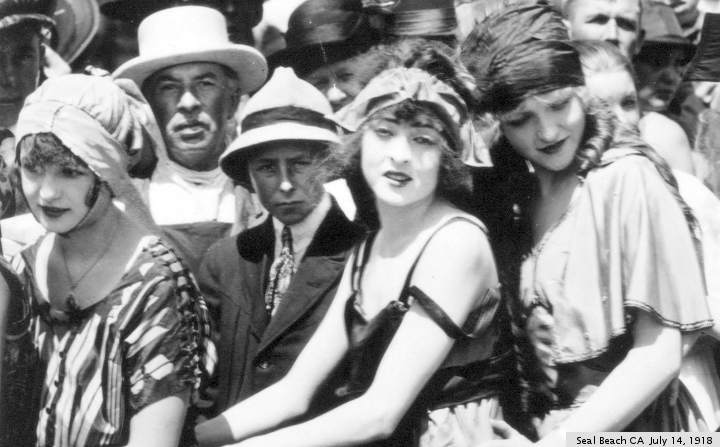
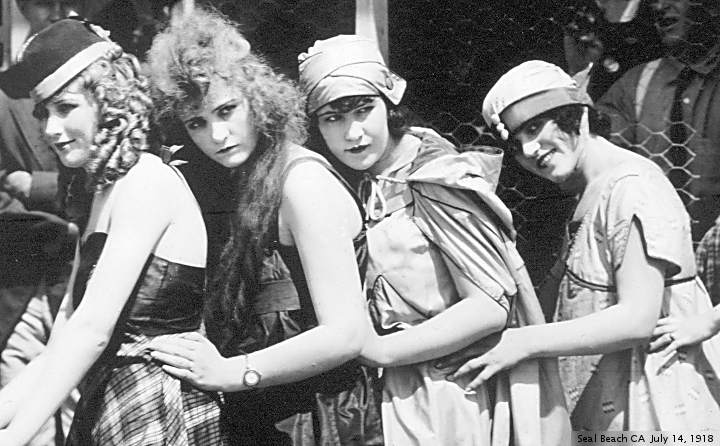
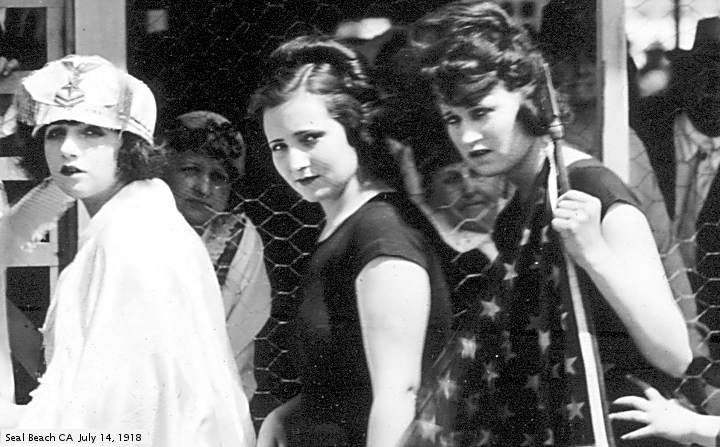
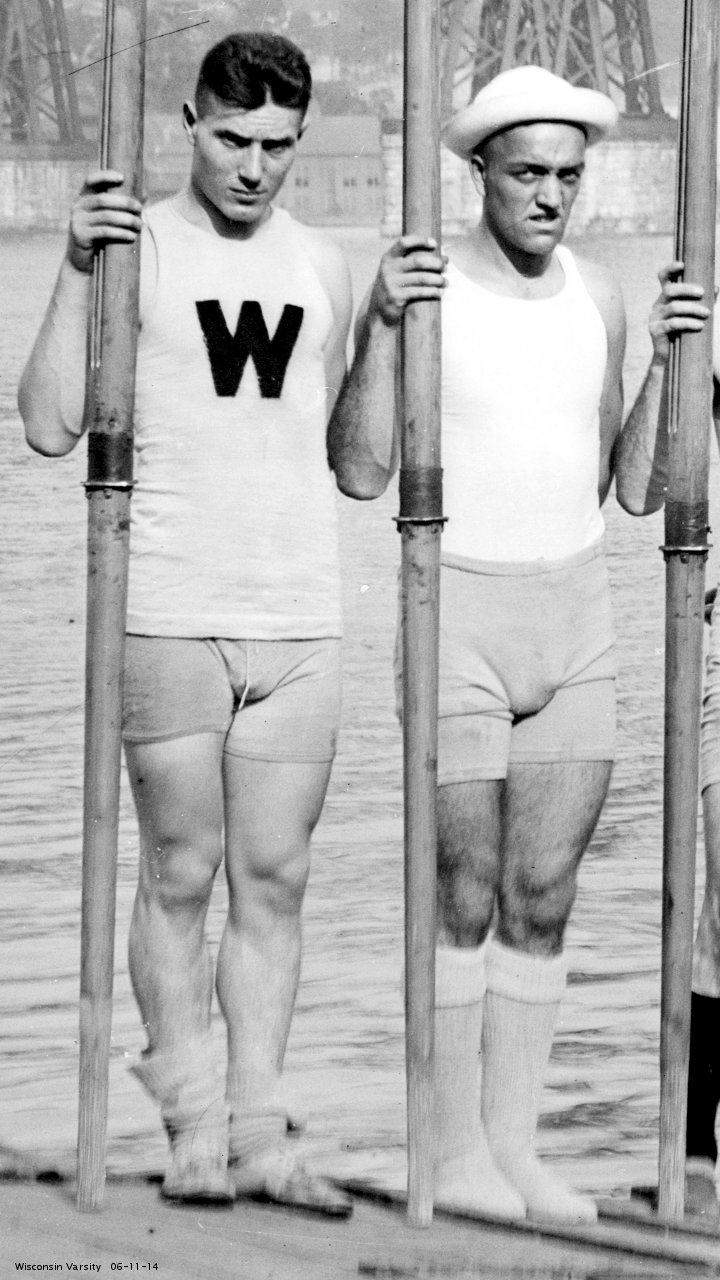
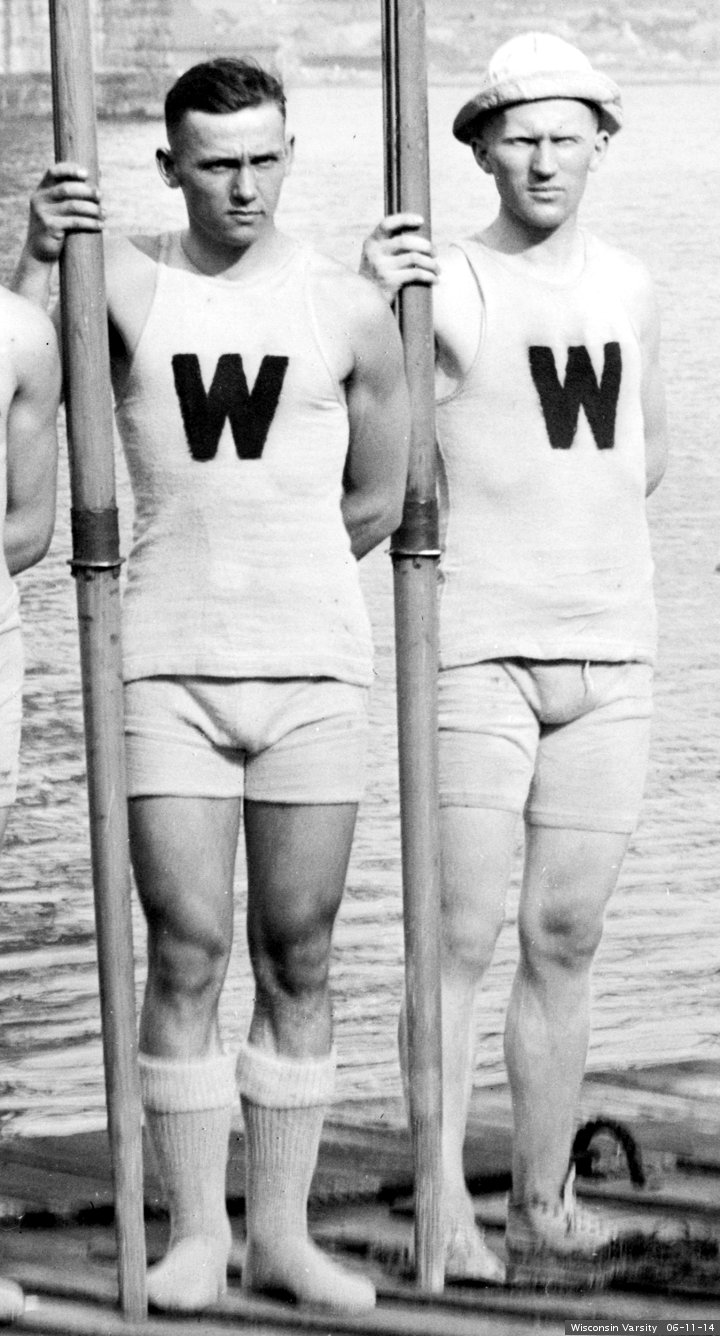
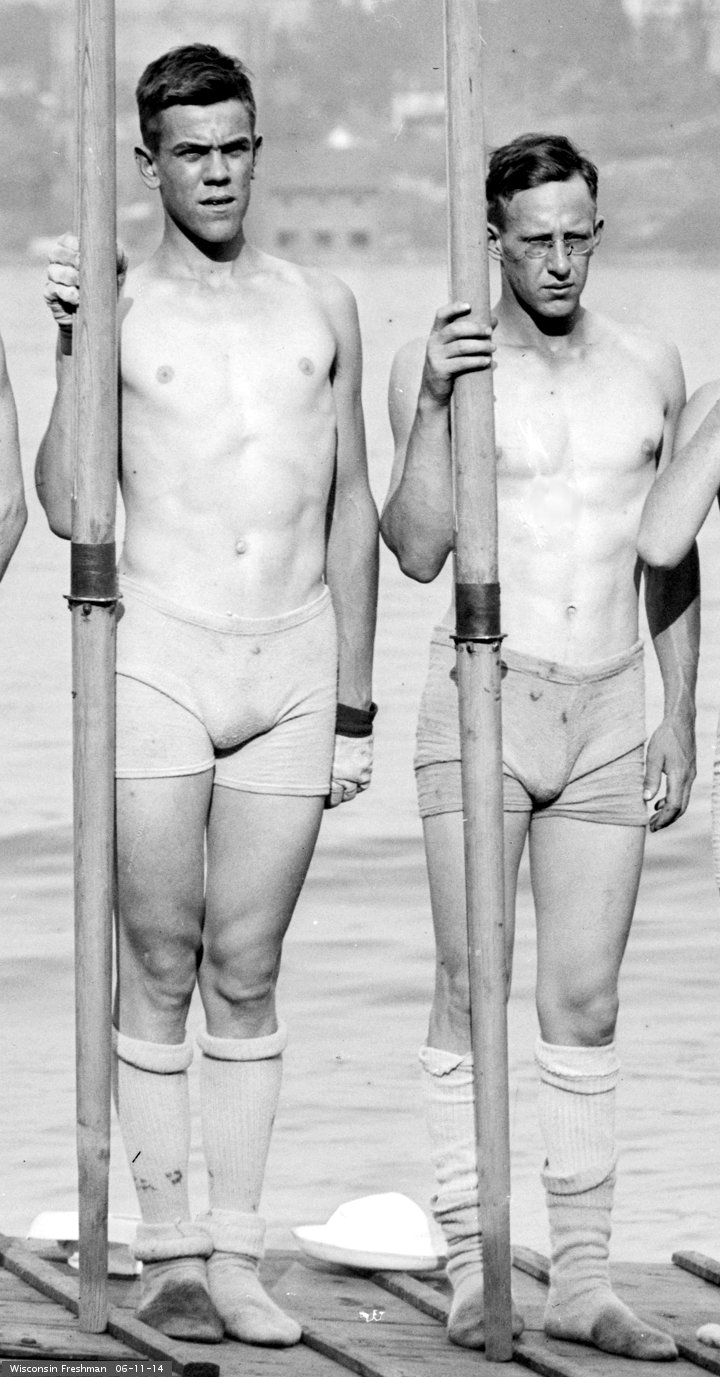
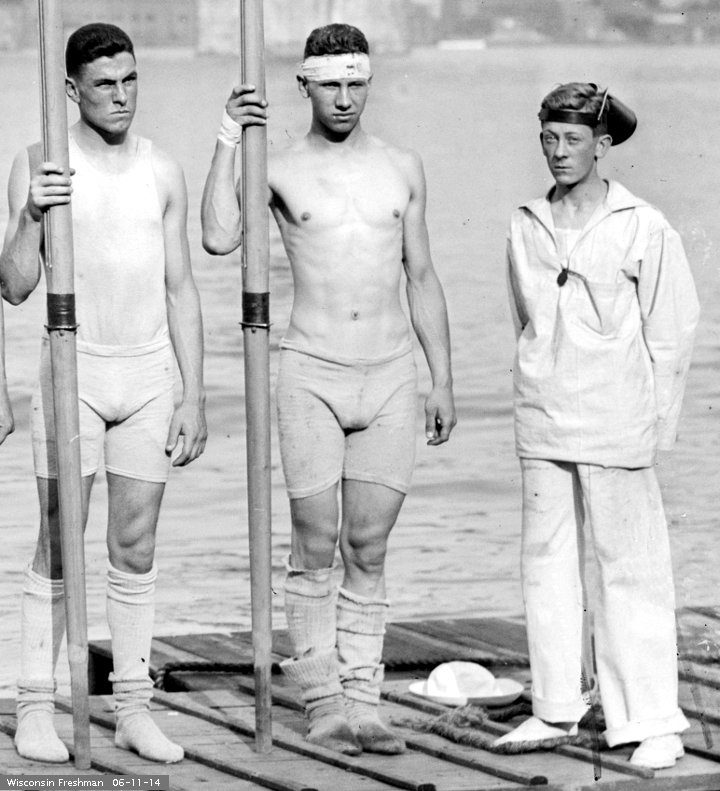
The matter is now in the courts … both the court of law, and the court of public opinion. Facebook has been full of nonsense, until the next media circus comes along. Pictures today are from The Library of Congress. Bath Suit Fashion Parade, Seal Beach, Cal., July 14, 1918, photographed by M.F. Weaver. WISC. Varsity, 1914, was photographed by Bain News Service.




Andrew Gillum




This is a repost from 2020. In recent news, “Ben Crump is crowdfunding for … Andrew Gillum’s legal defense. Gillum is facing charges of lying to the FBI and wire fraud in a campaign finance scheme.” … The first hints of a delicious scandal were on twitter. @RealCandaceO “Removing one page of report that had @AndrewGillum’s personal address listed which was wasn’t my intent— but YES— BREAKING: Democrat Andrew Gillum was involved in a crystal meth overdose incident last night in a Miami hotel. Orgy suspected, but unconfirmed.” 10:17 AM · Mar 13, 2020 The tweet had copies of a police report, featuring the prominent Florida Democrat.
At first, PG was leery. No corporate media outlets were reporting the story. It could have been another Andrew Gillum. The police report may have been counterfeit. PG started to google “Andrew Gillum” and “Dow Jones.” One of those items had a very bad day Thursday, but made a comeback on Friday. For Mr. Gillum, things got much worse.
Andrew Gillum involved in suspected crystal meth incident in Miami Beach, police say March 13, 2020, 11:50 am The confirmation did not take long to arrive. The Local 10 report had a remarkable comment: “I was in Miami last night for a wedding celebration when first responders were called to assist one of my friends,” Gillum said in the statement. “While I had too much to drink, I want to be clear that I have never used methamphetamines. I apologize to the people of Florida for the distraction this has caused our movement. I’m thankful to the incredible Miami Beach EMS team for their efforts. I will spend the next few weeks with my family and appreciate privacy during this time.”
Right now, we are in a world of trouble. We are facing a nation kept in solitary confinement. We don’t know how long this communal isolation will last, or what impact it will have on the spread of COVID-19. The sociological impact of keeping 333 million amped up hotheads inside, indefinitely, is horrifying. What is seriously needed now is a delicious sex scandal, to give a healing nation something to tut tut over. Once again, Florida Man™ delivers.
For those who just arrived, here is the story. “Miami Beach Fire Rescue crews were called to a hotel at 1100 West Avenue shortly before 1 a.m. regarding a suspected drug overdose. … Aldo Mejias, 56, told officers that he gave Travis Dyson, 30, his credit card information to rent a hotel room for the night. … Mejias arrived at the room later that night, at which time he found Dyson and Gillum inside the hotel room, appearing to be under the influence of an unknown substance. … Dyson opened the hotel room door and then immediately walked to the bed and collapsed in a prone position. … According to the police report, officers who responded to the hotel tried to speak with Gillum but he was too inebriated. … officers found three small clear bags inside the hotel room containing suspected crystal meth. … Gillum left the hotel room and “returned to his residence without incident.”
There were more developments. Travis Dyson is a piece of work. His now-private instagram account looks like something you would see from a Miami entrepreneur (NSFW). There is a chummy picture of Mr. Dyson, Mr. Gillum, and a third man.
@jessicalipscomb “Just spoke with Travis Dyson, a friend of @AndrewGillum who was in the hotel room last night. He says Gillum did not mention anything about a wedding.” Mr. Dyson spoke to a virus happy Miami web newspaper. “I personally was not celebrating a wedding. I don’t know if [Gillum] was in town for a wedding. He did not mention that.” Dyson said he has known Gillum since around last spring. “We’ve been friends for a while,” Dyson said. He then went silent on the phone and did not answer subsequent calls from New Times.” So much for discretion.
@AndrewGillum “I heard @realDonaldTrump ran home to @FoxNews to lie about me. But as my grandmother told me — never wrestle with a pig. You both get dirty, but the pig likes it. So ignore him and vote, Florida!” 11:18 PM · Oct 29, 2018 As @realDonaldTrump should know, tweets are forever. Someone should explain this to the people tweeting to Mr. Gillum’s defense.
@cenkuygur “The @AndrewGillum headlines are very misleading. He was not in a seedy motel by himself. He was at high-end hotel with friends for a wedding. They were all intoxicated, as everyone in weddings are. Even if there was meth, it was on the floor. There were at least 3 people in room.”
@cmclymer “Let me see if I understand this correctly: conservative commentators are on here this morning attacking Andrew Gillum, who is not in office, over an alleged incident but NOT attacking Trump for intentionally enabling one of the worst catastrophes in modern U.S. history.”
@hshaban “a Florida friend suggested that Andrew Gillum is going to be tarnished by this, despite not being arrested or accused of any wrongdoing, in a way that is somehow worse than the sitting governor of Virginia, who was discovered to have worn blackface”
@Jasmyne “What’s interesting about this story is that this same publication called Gemmel Moore a prostitute when he was found dead at #EdBuck’s. But 30 y/o white Travis Dyson is a “male escort.” Interesting. That right there is the bias we’re always talking about in how the media reports.”
Pictures today are from The Library of Congress.



Millard Fillmore And Oscar Wilde In Atlanta



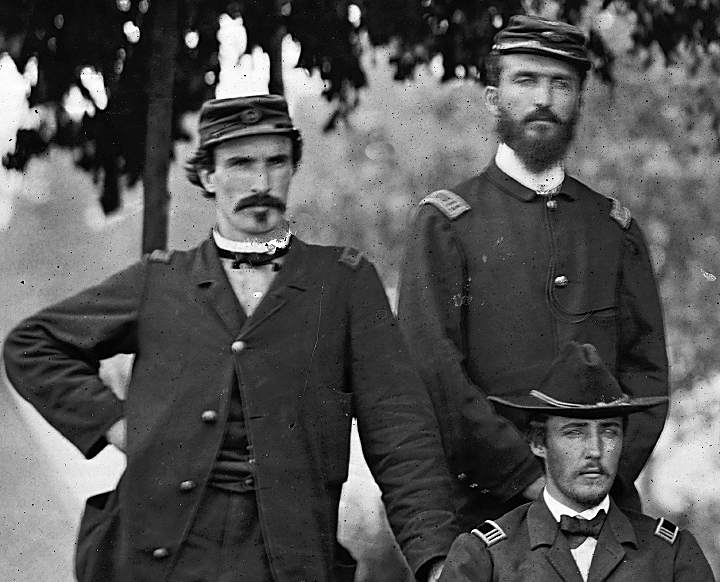

This afternoon’s post at chamblee54 noted an 1854 visit by former President Millard Fillmore. This was brought to the attention of another history minded blog, Millard Fillmore’s Bathtub. The result was some details about the visit, Millard Fillmore, live on Peachtree Street, 1854. The material below is borrowed from that post.
Two years after the Whigs refused to nominate Fillmore for a term of his own, he was out touring the country? Several accounts explain that Fillmore and his wife Abigail wanted to tour the U.S. after his presidency. Unfortunately, she died shortly after he left office. He pined through the rest of 1853, but by February 1854 had decided to tour by himself, without his children, accompanied by friends he could persuade to join him.
That same month, Fillmore decided to take the trip southward that he and Abigail had not been able to take. Given the timing, some observers believed that Fillmore had a political motive in making the journey. They suspected that he might be planning to speak out against the Nebraska Bill [proposed by Illinois’s U.S. Senator Stephen A. Douglas]. Others were convinced that it was a leisure tour. But whatever Fillmore’s intentions may have been, his speeches to southern audiences were relatively neutral. He restated his faith in the [Missouri] Compromise, but he spent most of his time enjoying a series of receptions, dinners, and parades in his honor throughout the region. A marching band escorted him through the streets of Louisville, Kentucky. Girls scattered his path with flowers in Montgomery, Alabama. A row of trains blew their whistles in greeting in Atlanta, Georgia. Fillmore returned home refreshed and with renewed faith in his fellow Americans. (This paragraph is from Alison Behnke, Millard Fillmore (a child’s history of the man), 2005, page 92.)
By late February 1854 Fillmore had resumed his plans to travel. He perceived that a southern trip would do him good and that the journey would divert his mind from the loss of Abigail. … Fillmore hoped Francis Granger, John P. Kennedy, and Washington Irving would go with him on the trip. Granger lost interest, and Irving was in no mood for politics. …
En route to Atlanta from Augusta on the Georgia Railroad, they stopped at Greensboro where a large crowd of teachers and students of the Female College greeted Fillmore and Kennedy. They dined at Madison. At Stone Mountain an escort committee from Atlanta met them.
At the Atlanta Depot a novel reception welcomed them. A large number of locomotives were present with their steam up. When the Augusta engineer signaled their arrival they all opened up their valves and whistled out a welcome the like of which, reported a newspaper, “no mortal man had heard before.” The shouts from the crowd and locomotive whistles were deafening to one reporter. By carriage the party went from the depot to the Atlanta Hotel where a reception was held.
Fillmore had become hoarse. Nonetheless, he managed to say that he was impressed by the large population and that he had heard that it was a beautiful village in the center of the state. He also admonished the state legislature to to take note “of the array of female loveliness before me” seated at the reception. If they did so, he joked, they wouldn’t hesitate to locate the state capital at Atlanta. At that time the capital was at Milledgeville. Atlanta became the capital in 1877. (This section is from Robert J. Scarry, Millard Fillmore, 1982, pages 247-252 variously.)
A few months later, on October 16, 1854, Oscar Fingal O’Flahertie Wills Wilde was born in Dublin, Ireland. On July 4, 1882, Mr. Wilde gave a talk at De Give’s Opera House in Atlanta GA. What happened next is described on page 201 of Oscar Wilde by Richard Ellmann.
Mr. Wilde was accompanied by his agent, J.S. Vail, and a valet, W.M. Traquair. Mr. Vail bought three train tickets for Savannah, the next stop on the tour. The Pullman agent told Mr. Wilde that black people were not allowed to ride in sleeper car berths. Mr. Wilde said that Mr. Traquair had traveled with him throughout the South without incident. The Pullman agent said the next stop was in Jonesboro GA. If people in Jonesboro saw a black man in the car, then they would attack the train. Mr. Wilde gave in, and Mr. Traquair traveled in another part of the train.
This is a repost. Pictures today are from The Library of Congress.



 Chamblee54
leave a comment