Doomsday Vault


The display of a link on this page does not indicate approval of content.
Doomsday Vault created to preserve conservative preaching against cancel culture
Intermittent Fasting Completely Reverses Type 2 Diabetes in Study
A Newspaper Is a Device for Making the Ignorant More Ignorant and the Crazy Crazier
Released Twitter emails show how employees debated how to handle NY Post HB story
class-action complaint .. against CVS for a purportedly deceptive charity campaign …
Power substation attack leaves Moore County, NC in the dark. Here’s what we know
Kanye West, Herschel Walker, and Why White Supremacists Love Bad Black Candidates
On social networks, a theory continues about North Carolina power failure
Georgia’s Election Laws Couldn’t Stop Raphael Warnock … “Jim Crow 2.0.”
Power Restored to Over 22,800, With Parts of Southern Pines, Hospital Back Online
Russian election meddlers started an anti-masturbation hotline, report claims
States are letting people ban themselves from owning a gun
Gun Violence Prevention 5 solutions to Philly’s gun violence crisis
George Chidi Thinks Gunna Could Walk Away from RICO Case
Why is Christmas on December 25? Debunking the claim that Christians “borrowed” …
FTX gave $18m to TOGETHER trial after ivermectin trial arm showed negative result
“I don’t drink water because fish fuck in it.” W.C. Fields
Alternative Maps That Reveal Different Sides of the U.S. by Regina Clarke
What does IDW stand for? IDW stands for Irregular Dimension and Weight.
corruption ~ the veteran ~ john glenn ~ doomsday vault ~ prosthetic
mark laita ~ bbq ~ paywall ~ costello presley ~ angelos mavros
space karen sucks ~ wc fields ~ repost ~ jerry hall ~ liberace
bari weiss ~ twitter files ~ tv ~ oneal ~ lane ~ festivals
photo viewer ~ alex fear ~ rod mccullom ~ repost ~ russia ira
andy aldrtich ~ gsu ~ census records ~ hunter biden ~ lola and bugs
field goal ~ police violence ~ Moore v. Harper ~ ram dass ~ warnock
sistene chapel ~ emily rainey ~ emily rainey ~ andy aldrtich ~ gsu
Moore County Sheriff Ronnie Fields … said they have not been able to make a connection to a Saturday night drag queen show at Sunrise Theater in downtown Southern Pines after state and federal investigators looked into the rumor that started online. Earlier in the day Saturday, protesters had gathered outside the theater, upset about a drag show planned for the small venue later that night. The drag show started at 7 p.m. and was underway when the power went out. … Emily Grace Rainey, an outspoken opponent of the drag show, posted an invitation on her Facebook page to the protest at the theater. After the lights went out, Rainey, who became known in Moore County during the pandemic for her opposition to mask mandates, posted on Facebook that, “The power is out in Moore County and I know why.” Without naming her, Fields indicated in Sunday’s press conference that the information Rainey posted online was “false.” He said officers “had to go and interview this young lady and have a word of prayer with her, but it turned out to be nothing.” Fields confirmed on Facebook that the Moore County Sheriff’s Office had come to her house to ask about the outage. “I welcomed them to my home,” wrote Rainey, who organized a group of Moore County residents to travel to Washington on January 6, 2021. “Sorry they wasted their time. I told them that God works in mysterious ways and is responsible for the outage. I used the opportunity to tell them about the immoral drag show and the blasphemies screamed by its supporters.” Rainey said, “I told them God is chastising Moore County, thanked them for coming, and wished them a good night. Thankful for the LEOs service, as always.” ~ This is a repost from 2019. Grady High School is now known as Midtown. The public health care system is still known as Grady. Woke knickers will always find a reason to get twisted. ~ “A cynic is a man who knows the price of everything, and the value of nothing.” Did Oscar intend for the line to be taken seriously, or was he making the character look foolish by saying it? It might be both ~ people of color really can’t handle seeing nuanced, flawed, altogether messy white characters. because they’re so used to seeing white people as moral symbols. rather than as, you know, people. ~ @chamblee54 When did WC Fields say “I never drink water; fish f**** in it” I have heard that line many times, but never a source. I doubt he said it in one of his movies. @QuoteResearch .@TylerMahanCoe ~ “The newspapers, debauched by the war fever, have given up all effort to get at the facts, and the radio continues day and night the great moral business of making the ignorant more ignorant and the crazy crazier.” HL Mencken ~ “Kanye West is no threat to the Jews” ~ “two words you should never put together if you want to succeed in life, the and Jews” ~ pics for this pre-solstice ramification are from The Library of Congress. ~ selah




The Civil War On PBS
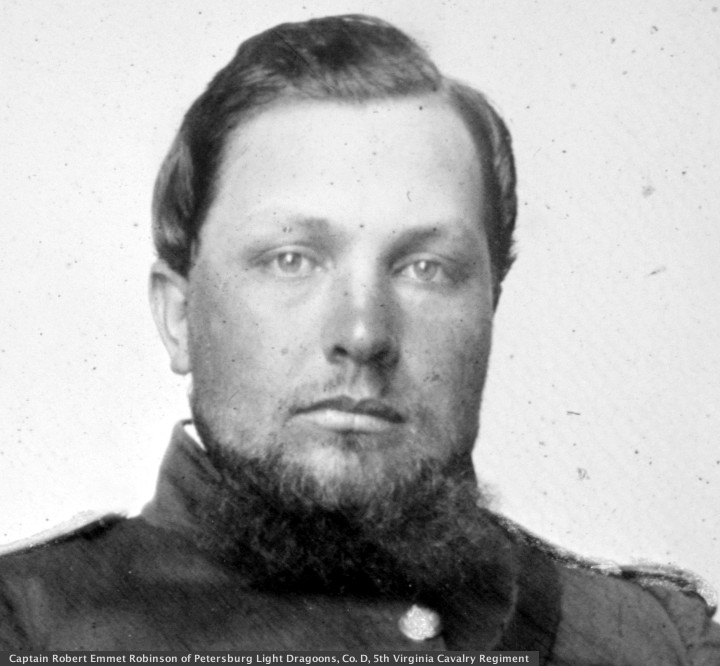
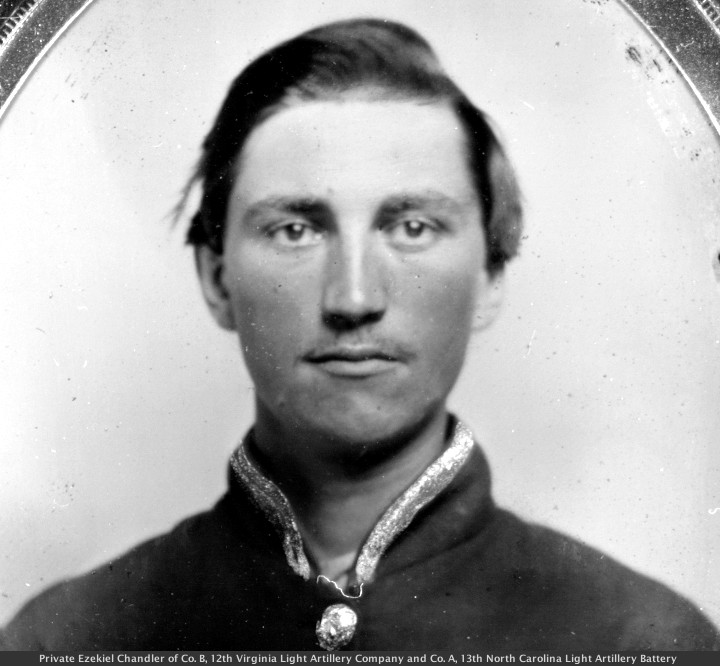


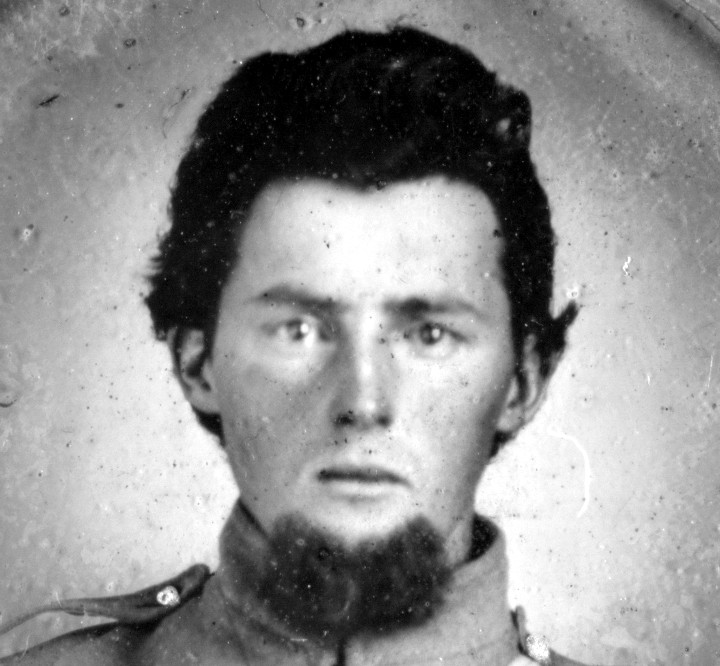

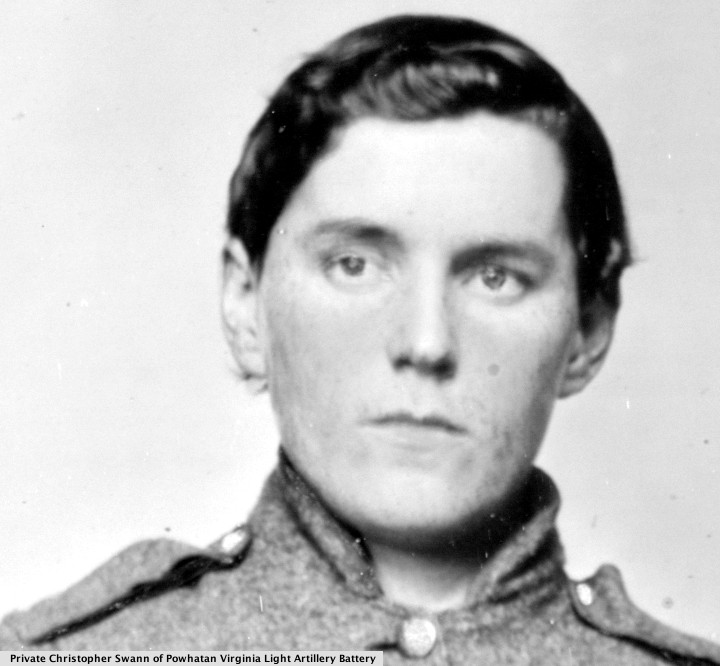
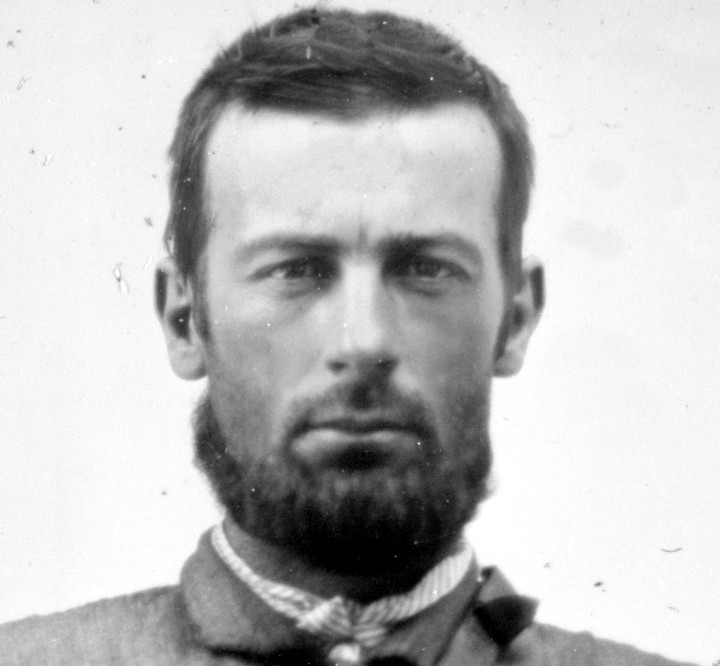

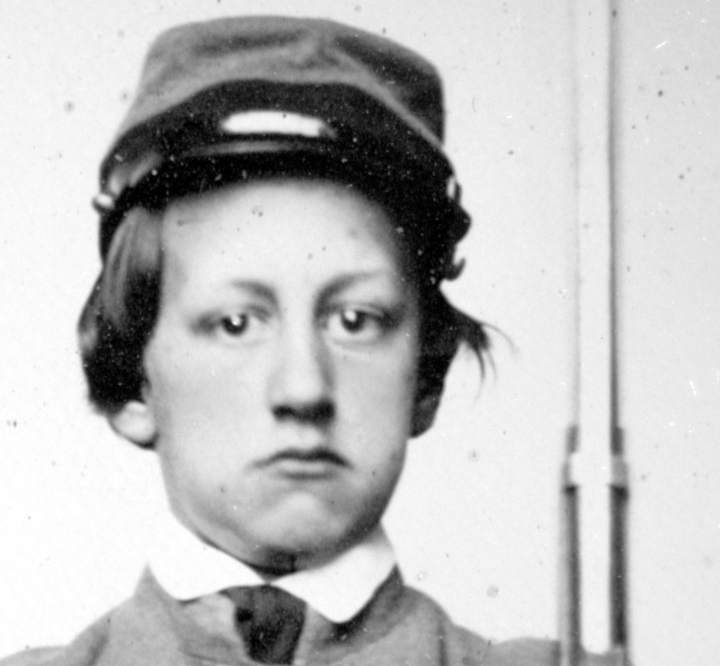
I have binge listened to a public television series, The Civil War. This youtube edition has subtitles in Portuguese, adding a Brazilian touch. I feel obligated to make a blog post. When writing about a topic of this size, I typically start by finding as many sources as possible. I have written about “the recent unpleasantness” several times, and will link to these when it is appropriate. The only way to start this project is to open a word document. This is a repost.
What did I learn? There was widespread opposition to emancipation in the north. I had never thought about this. The popular narrative is that the war was fought to free the slaves. While I knew that there were other reasons for the conflict, I assumed that the north wanted to free the slaves. As it turns out, the decision to free the slaves was controversial in the north. I will leave speculation about the reason for this to other armchair historians.
The show made me cry twice. The first time was after the Gettysburg Address. The address was made at the dedication of a cemetery, on the site of the Battle of Gettysburg. After two and a half years of horrendous carnage, the war was going good for the Union. However, 1864 was to have an election. Mr. Lincoln’s chances did not look good. If he lost, the Democrats would probably negotiate a peace, and the Confederacy would endure.
The Gettysburg Address is one of the most moving two minutes in our history. It was printed in newspapers across the land, which is the reason it is known today. “We are met on a great battle-field of that war. We have come to dedicate a portion of that field, as a final resting place for those who here gave their lives that that nation might live.”
The second tearjerker moment was also set at Gettysburg. It was the fiftieth anniversary of the battle. War veterans, from both sides, came to celebrate the occasion. There was a reenactment of Pickett’s charge. When the Rebels got to the fortifications, the Union soldiers came out and hugged them. They were greeted as brothers in arms, who had somehow survived a horrible conflict.
The fighting ended, and life in the, unquestionably, United States continued. There came to be what Shelby Foote calls “a great compromise … It consists of Southerners admitting freely that it’s probably best that the Union wasn’t divided, and the North admits rather freely that the South fought bravely for a cause in which it believed. That is a great compromise and we live with that …”
In recent years, this arrangement seems to be breaking down. It is now the fashion to view anything short of total vilification of the Confederacy as treasonous. There is sneering talk of the “Cult of the Lost Cause.” This is a lamentable way to look at this transformative part of our history. Maybe this too shall pass, and we will see the Confederacy in a different light in a few years.
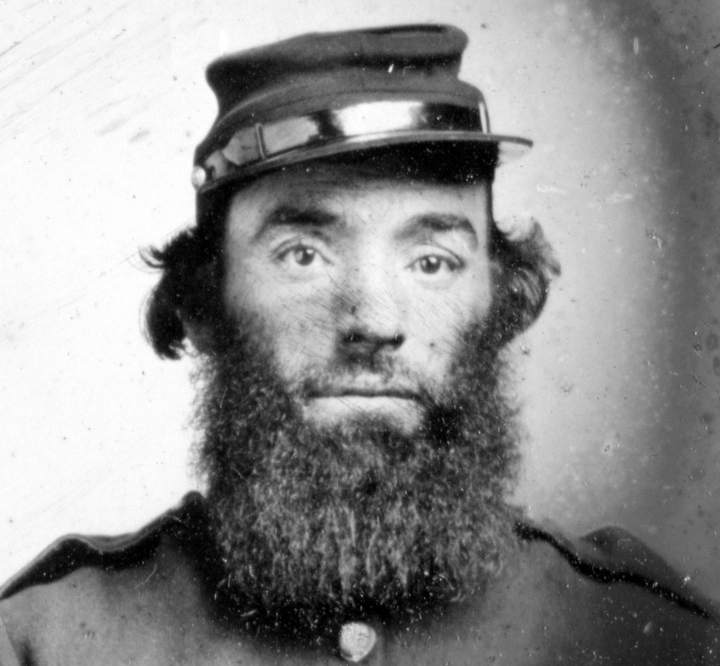
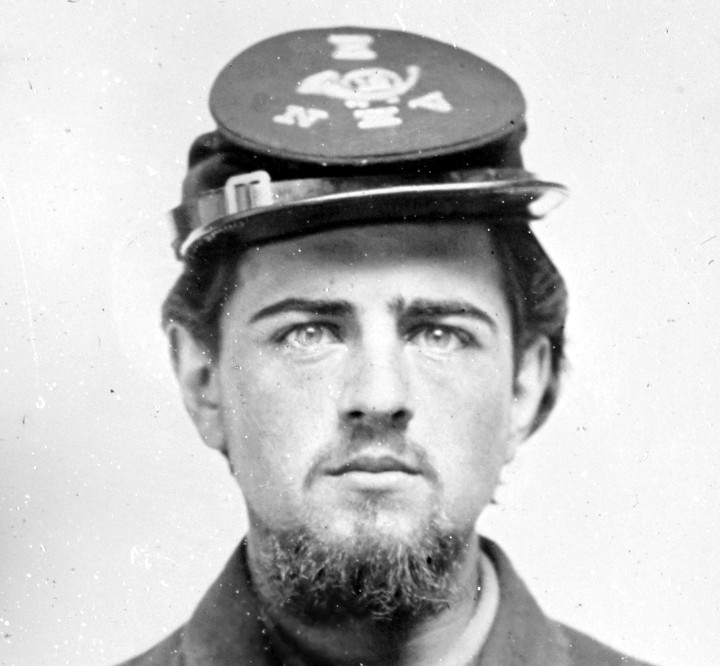
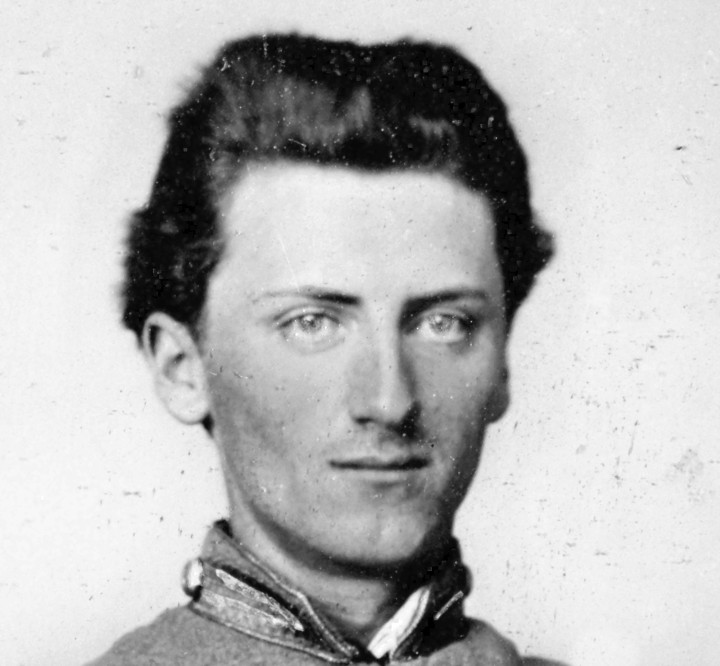
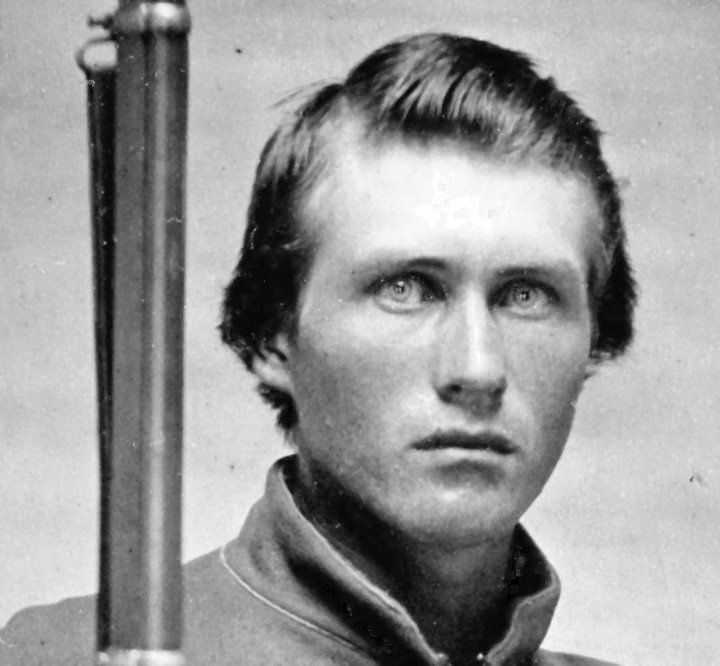
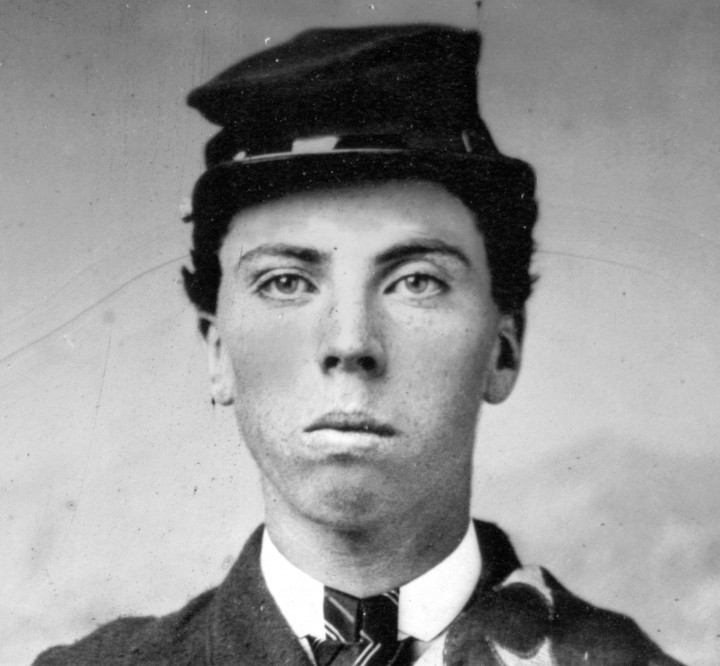
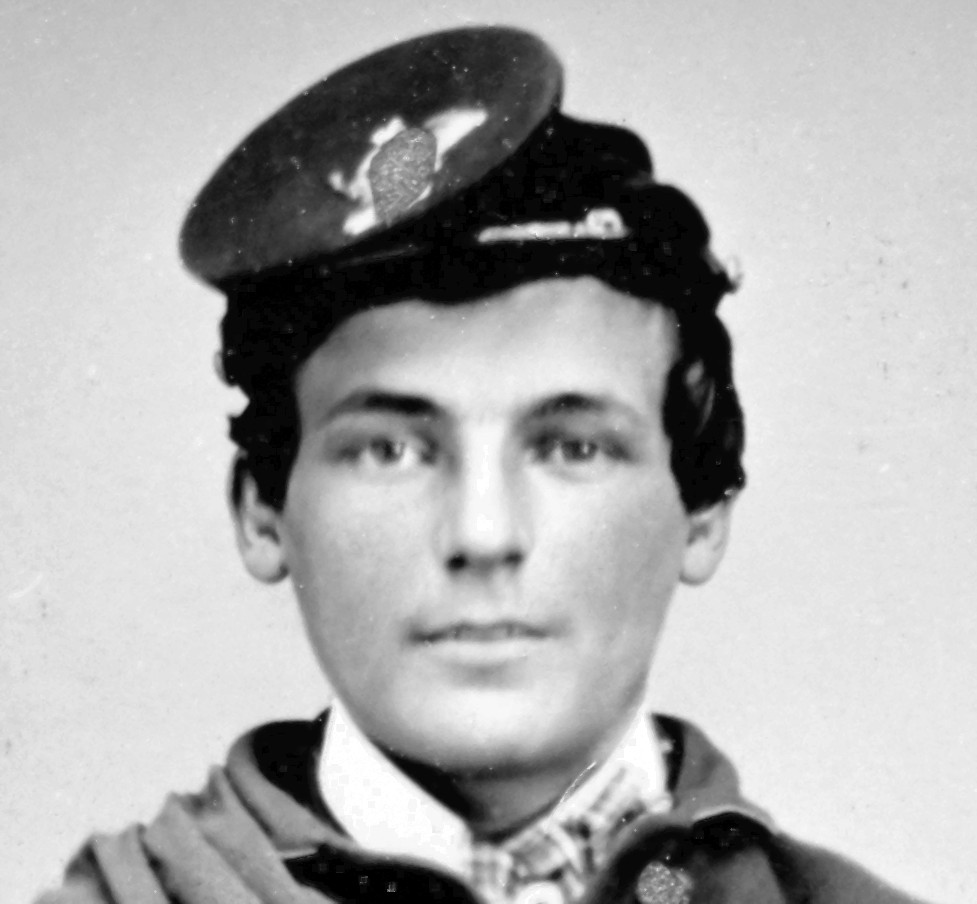
Pictures today are from The Library of Congress. The men before the text are Confederate soldiers, and after the text we have Union soldiers. These pictures are from Liljenquist Family Collection of Civil War Photographs.




How To Write Good



Avoid Alliteration. Always. ~ Prepositions are not words to end sentences with.
Avoid cliches like the plague. (They re old hat.) ~ Employ the vernacular.
Eschew ampersands & abbreviations, etc. ~ Contractions aren’t necessary.
Parenthetical remarks (however relevant) are unnecessary.
It is wrong to ever split an infinitive. ~ Foreign words and phrases are not apropos.
One should never generalize. ~ Comparisons are as bad as cliches.
Profanity sucks. ~ Be more or less specific. ~ Eliminate quotations.
As Ralph Waldo Emerson once said, “I hate quotations. Tell me what you know.”
Don’t be redundant; don’t use more words than necessary; it s highly superfluous.
One word sentences? Eliminate. ~ Understatement is always best.
Exaggeration is a billion times worse than understatement.
Analogies in writing are like feathers on a snake.
The passive voice is to be avoided. ~ Who needs rhetorical questions?
Go around the barn at high noon to avoid colloquialisms.
Even if a mixed metaphor sings, it should be derailed.
Parenthetical words however must be enclosed in commas.
It behooves you to avoid archaic expressions.
Avoid archaeic spellings too. ~ Subject and verb always has to agree.
Don’t repeat yourself, or say again what you have said before.
Don’t use commas, that, are not, necessary.
Do not use hyperbole; not one in a million can do it effectively.
Never use a big word when a diminutive alternative would suffice.
Placing a comma between subject and predicate, is not correct.
Use youre spell chekker to avoid mispeling and to catch typograhpical errers.
Don’t repeat yourself, or say again what you have said before.
Use the apostrophe in it’s proper place and omit it when its not needed.
Don’t never use no double negatives. ~ Don’t overuse exclamation marks!!
Hopefully, you will use words correctly, irregardless of how others use them.
Eschew obfuscation. ~ No sentence fragments.
Don’t indulge in sesquipedalian lexicological constructions.
A writer must not shift your point of view.
Place pronouns as close as possible, especially in long sentences,
as of 10 or more words, to their antecedents.
Writing carefully, dangling participles must be avoided.
If any word is improper at the end of a sentence, a linking verb is.
Everyone should be careful to use a singular pronoun with singular nouns in their writing.
Always pick on the correct idiom. ~ The adverb always follows the verb.
Take the bull by the hand and avoid mixing metaphors.
Avoid trendy locutions that sound flaky. ~ If you reread your work,
you can find on rereading a great deal of repetition can be by rereading and editing.
Poofread carefully to see if you any words out. ~ And always be sure to finish what
Pictures are from The Library of Congress. This is a repost.
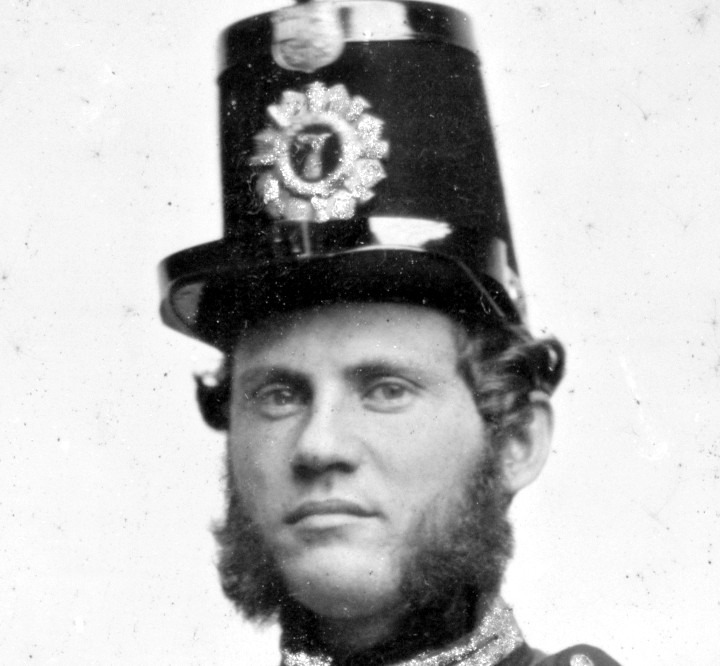
The men were Union Soldiers, during the War Between the States.
How to Write Good is borrowed from a US Government publication.


She Is Nursing The Baby Jesus


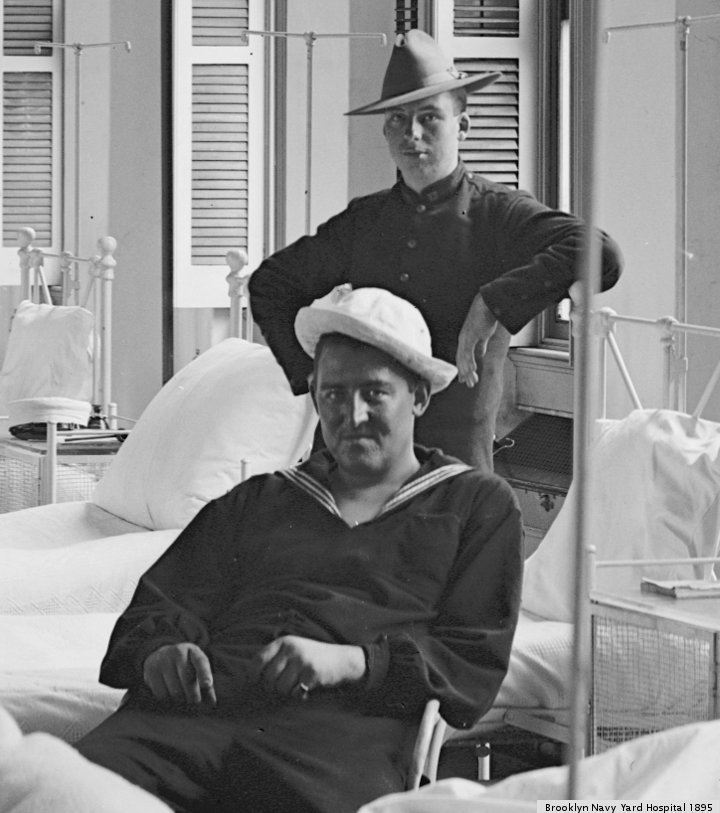
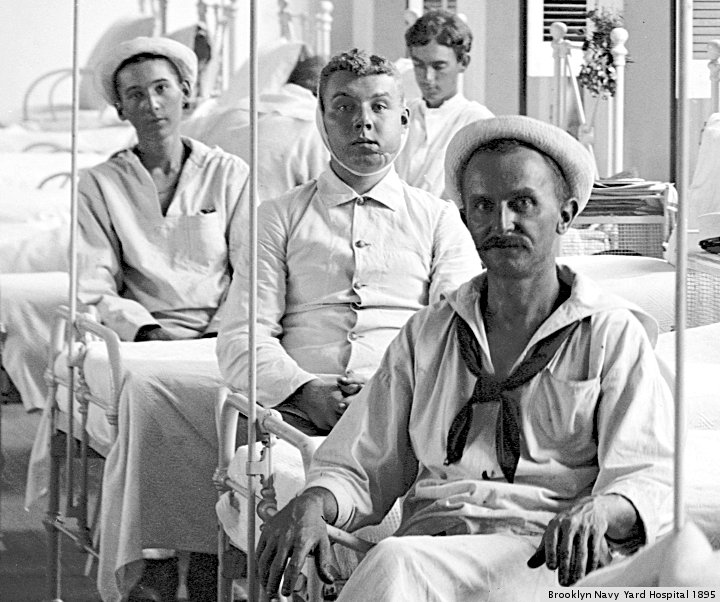
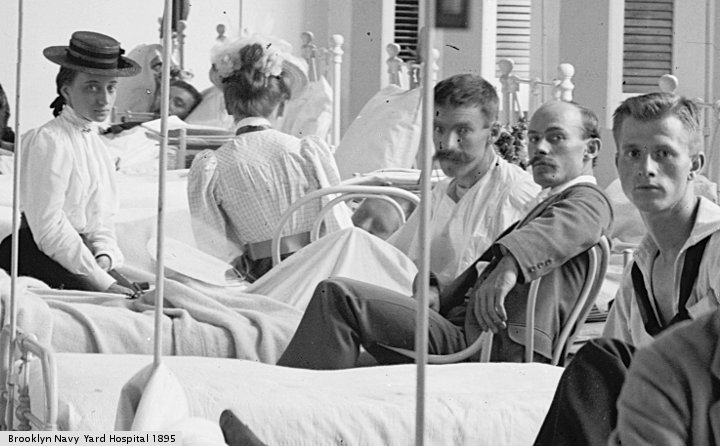


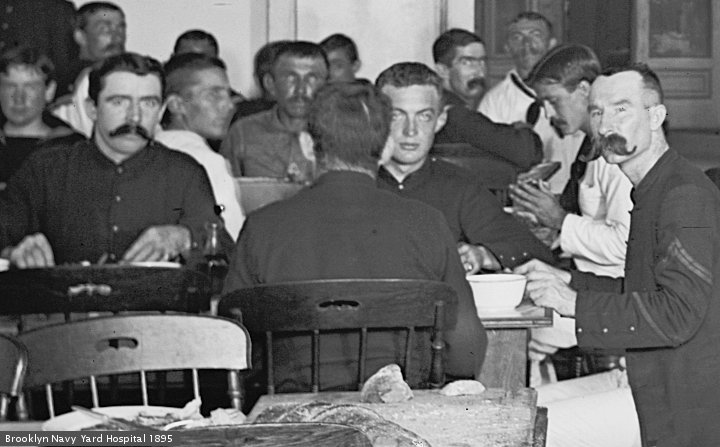
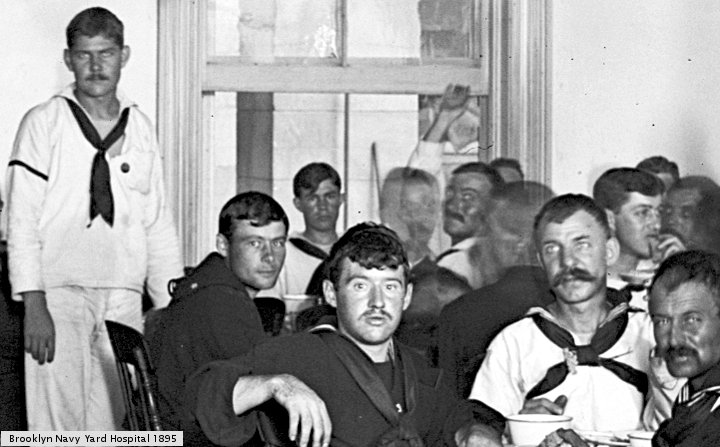
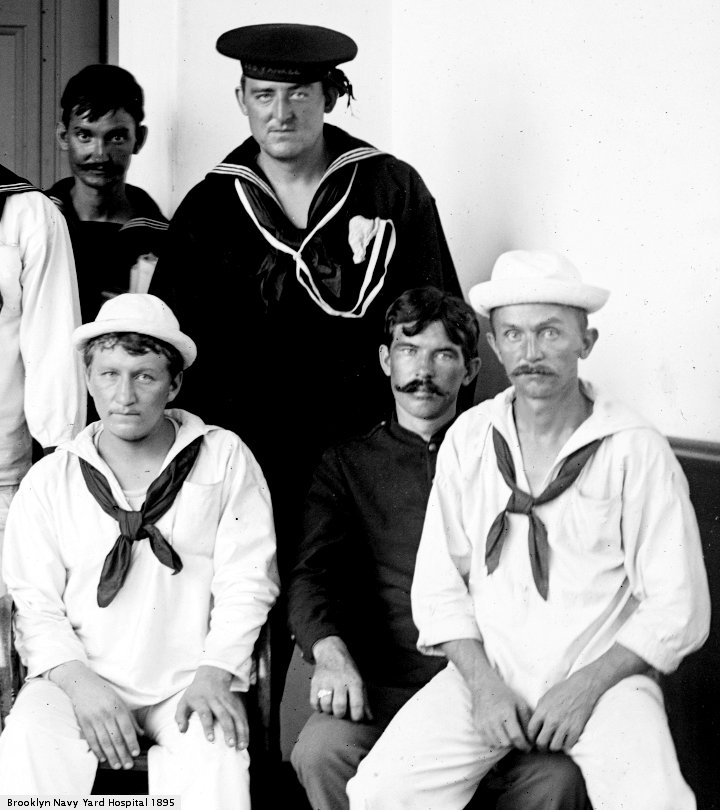
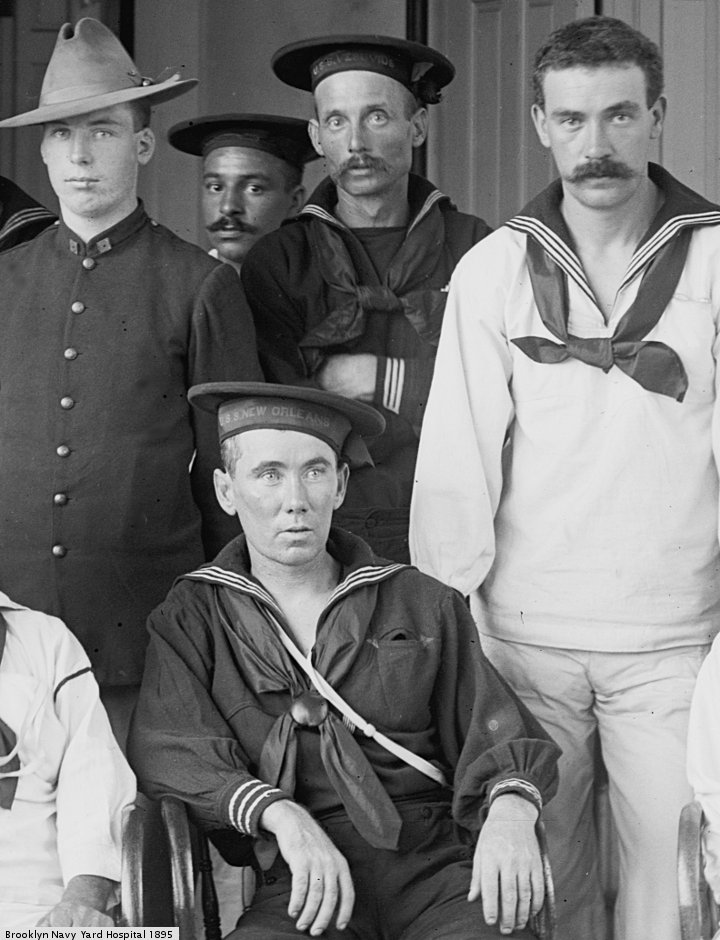
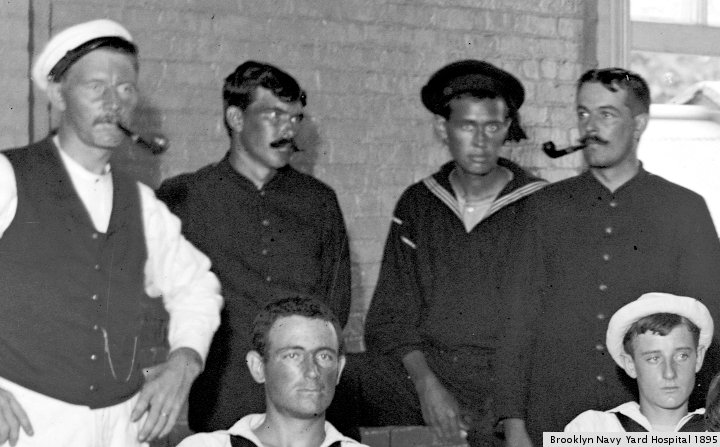
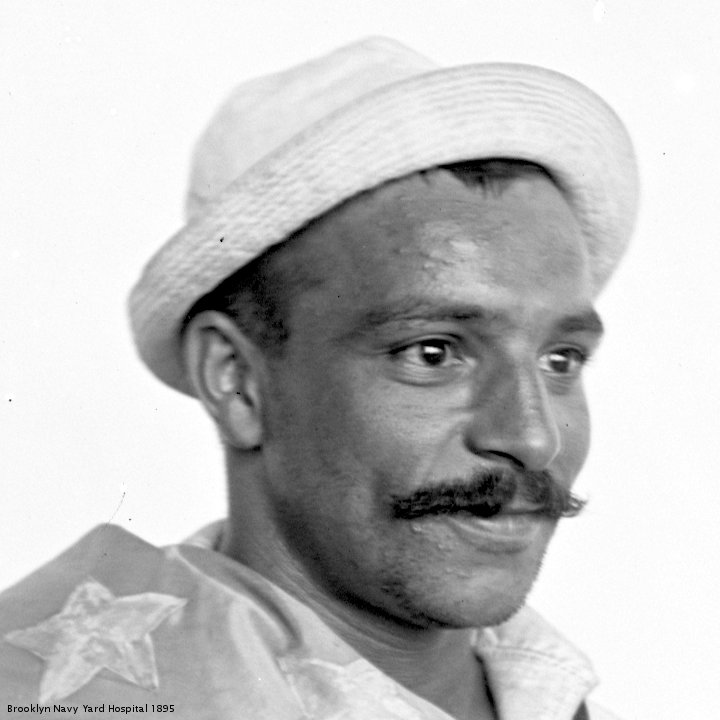
The story below was found at the website of James Petras . HT to palestinianpundit. Pictures are from The Library of Congress. This is a repost.
The settlements were still being built, financed mostly by Jewish money from America, contributions from Wall Street speculators and owners of gambling dens. “Good thing”, Joseph thought, “we have a few sheep and olive trees and Mary keeps some chickens. But Joseph worried, “cheese and olives are not enough to feed a growing boy. Mary is due to deliver our son any day”. His dreams foretold of a sturdy son working alongside of him…multiplying loaves and fish.
The settlers looked down on Joseph. He rarely attended shul, and on the high holidays, he would show up late to avoid the tithe. Their simple cottage was located in a nearby ravine with water from a stream, which flowed year round. It was choice real estate for any settlement expansion. So when Joseph fell behind on his property tax, the settlers took over their home, forcibly evicted Joseph and Mary and offered them a one-way bus ticket to Jerusalem. Joseph, born and raised in the arid hills, fought back and bloodied not a few settlers with his labor-hardened fists. But in the end he sat, battered on their bridal bed under the olive tree, in black despair. Mary, much the younger, felt the baby’s movements. Her time was near. “We have to find shelter, Joseph, we have to move on …this is no time for revenge”, she pleaded. Joseph, who believed with the Old Testament prophets in an “eye for an eye”, reluctantly agreed. So it was that Joseph sold their sheep, chickens and other belongings to an Arab neighbor and bought a donkey and cart. He loaded up the mattress, some clothes, cheese, olives and eggs and they set out for the Holy City.
The donkey path was rocky and full of potholes. Mary winced at every bump; she worried that it would harm the baby. Worse, this was the road for the Palestinians with military checkpoints everywhere. No one ever told Joseph that, as a Jew, he could have taken a smooth paved road – forbidden to the Arabs. At the first roadblock Joseph saw a long line of Arabs waiting. Pointing to his very pregnant wife, Joseph asked the Palestinians, half in Arabic, half in Hebrew, if they could go ahead. A path was opened and the couple went forward. A young soldier raised his rifle and told Mary and Joseph to get down from the cart. Joseph descended and nodded to his wife’s stomach. The soldier smirked and turned to his comrades, “The old Arab knocks up the girl he bought for a dozen sheep and now he wants a free pass”. Joseph, red with anger, shouted in rough Hebrew, “I am a Jew. But unlike you … I respect pregnant women”. The soldier poked Joseph with his rifle and ordered him to step back: “You are worse than an Arab – you’re an old Jew who screws Arab girls”. Mary frightened by the exchange turned to her husband and cried, “Stop Joseph or he will shoot you and our baby will be born an orphan”.
With great difficulty, Mary got down from the wagon. An officer came out of the guard station, summoning a female soldier, “Hey Judi, go feel under her dress, she might be carrying bombs” “What’s the matter? Don’t you like to feel them yourself anymore? ” Judith barked back in Brooklyn-accented Hebrew. While the soldiers argued, Mary leaned on Joseph for support. Finally, the soldiers came to an agreement. “Pull-up your dress and slip”, Judith ordered. Mary blanched in shame. Joseph faced the gun in disgrace. The soldiers laughed and pointed at Mary’s swollen breasts, joking about an unborn terrorist with Arab hands and a Jewish brain.
Joseph and Mary continued on the way to the Holy City. They were frequently detained at the checkpoints along the way. Each time they suffered another delay, another indignity and more gratuitous insults spouted by Sephardim and Ashkenazi, male and female, secular and religious – all soldiers of the Chosen people. It was dusk when Mary and Joseph finally reached the Wall. The gates had closed for the night. Mary cried out in pain, “Joseph, I can feel the baby coming soon. Please do something quickly”. Joseph panicked. He saw the lights of a small village nearby and, leaving Mary on the cart, Joseph ran to the nearest house and pounded on the door. A Palestinian woman opened the door slightly and peered into the dark, agitated face of Joseph. “Who are you? What do you want?” “I am Joseph, a carpenter from the hills of Hebron. My wife is about to give birth and I need shelter to protect Mary and the baby”. Pointing to Mary on the donkey cart, Joseph pleaded in his strange mixture of Hebrew and Arabic.
“Well, you speak like a Jew but you look like an Arab,” the Palestinian woman said laughing as she walked back with him to the cart. Mary’s face was contorted with pain and fear: her contractions were more frequent and intense. The woman ordered Joseph to bring the cart around to a stable where the sheep and chickens were kept. As soon as they entered, Mary cried out in pain and the Palestinian woman, who had now been joined by a neighbor midwife, swiftly helped the young mother down onto a bed of straw. And thus the child was born, as Joseph watched in awe.
It came to pass that shepherds, returning from their fields, heard the mingled cries of birth and joy and hurried to the stable carrying both their rifles and fresh goat milk, not knowing whether it was friend or foe, Jew or Arab. When they entered the stable and beheld the mother and infant, they put aside their weapons and offered the milk to Mary who thanked them in both Hebrew and Arabic. And the shepherds were amazed and wondered: Who were these strange people, a poor Jewish couple, who came in peace on a donkey cart inscribed with Arabic letters?
The news quickly spread about the strange birth of a Jewish child just outside the Wall in a Palestinian’s stable. Many neighbors entered and beheld Mary, the infant and Joseph. Meanwhile, Israeli soldiers, equipped with night vision goggles, reported from their watchtowers overlooking the Palestinian neighborhood, “The Arabs are meeting just outside the Wall, in a stable, by candle light”. The gates under the watchtowers flew open and armored carriers with bright lights followed by heavily armed solders drove out and surrounded the stable, the assembled villagers and the Palestinian woman’s house. A loud speaker blared, “Come out with your hands up or we’ll shoot.” Joseph stepped forward with his hands stretched out to the sky and spoke, “My wife, Mary cannot comply with your order. She is nursing the baby Jesus”





Judy Roasting On An Open Fire


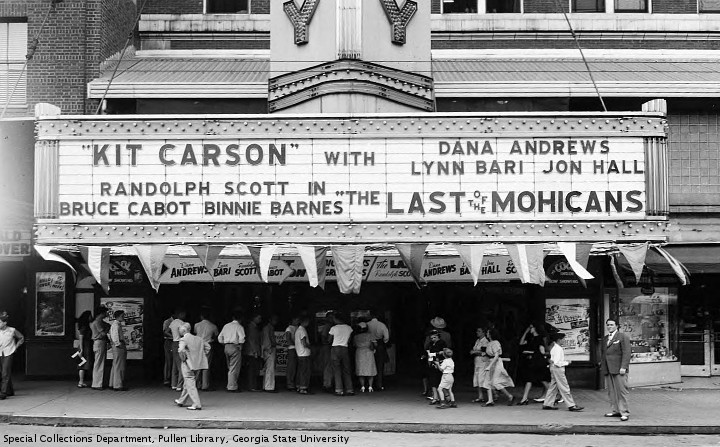
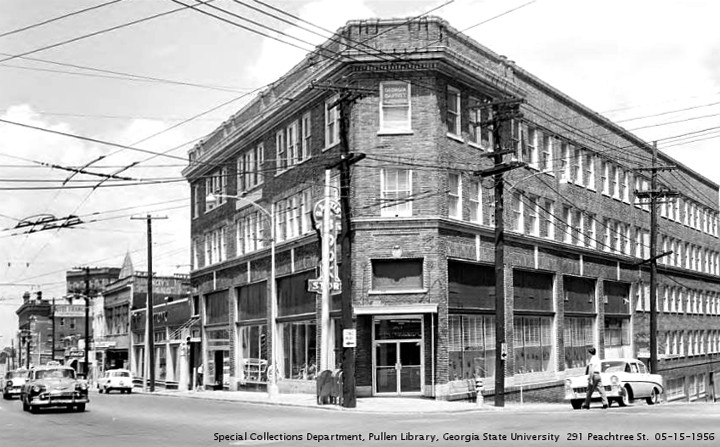
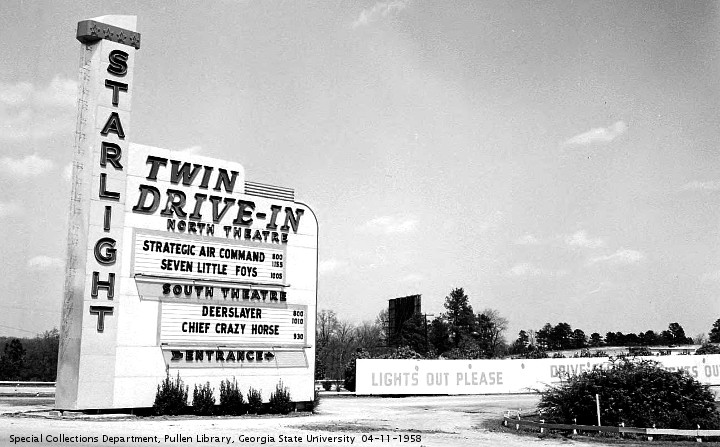
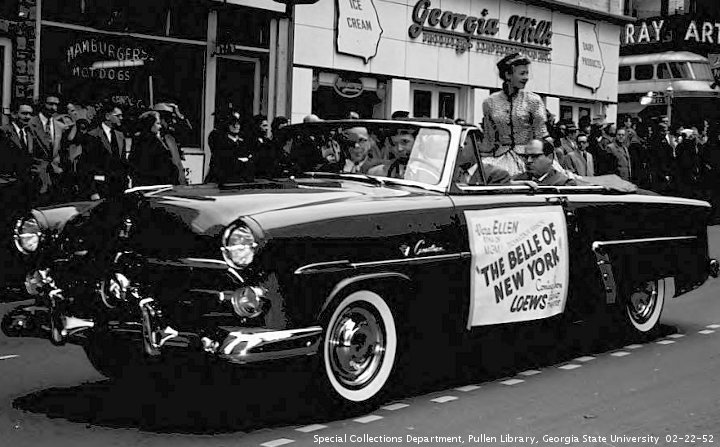
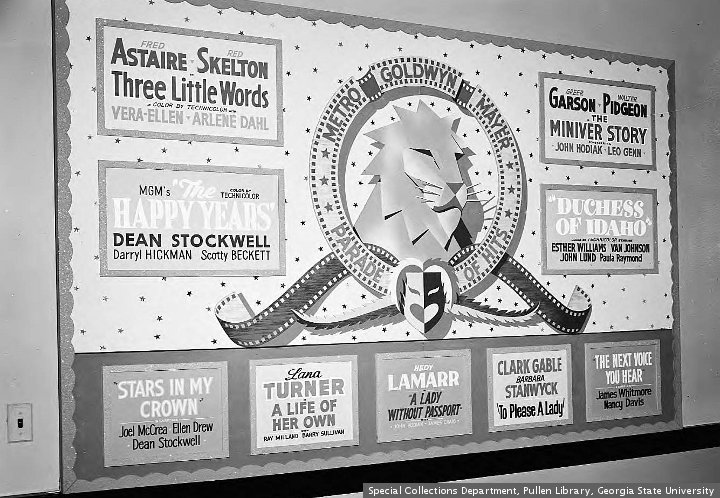
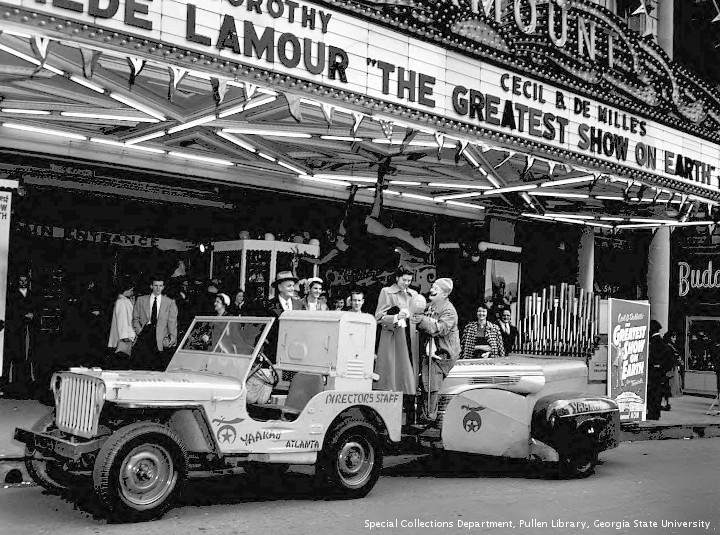
SFFILK (Not his real name) passes along a story about Mel Tormé. It seems like Mr.Tormé was eating a leisurely breakfast at a food court in Los Angeles, and a quartet appeared singing Christmas songs. They wound up performing “The Christmas Song” for co- author Tormé … and the singers had no idea who he was. It is a good story, better told in the link. This is a repost, with pictures from “The Special Collections and Archives, Georgia State University Library”.
According to the inerrant Wikipedia, Mr. Tormé collaborated with Robert Wells, until they had a falling out. One afternoon, on the hottest day of July in 1945, Mr.Tormé went to visit Mr.Wells, and saw the first four lines of “The Christmas Song” (including “Chestnuts roasting on an open fire, Jack Frost nipping at your nose”). The lines were on a note pad, and the two agreed to beat the heat of summer by completing the song. Supposedly, Mr. Tormé did not like the song very much. After three divorces, he probably didn’t see many of the royalties.
Mel Tormé was the music director of the ill fated “Judy Garland Show” in the early sixties. He wrote a book about it… The Other Side of the Rainbow: With Judy Garland on the Dawn Patrol . The story is that Miss Garland would get blasted, call Mr.Tormé in the middle of the night, and pour out her troubles. (This review is much less sympathetic towards Mr. Tormé.) While the show did not last longer, there are some great youtube clips left over.


Rudolph


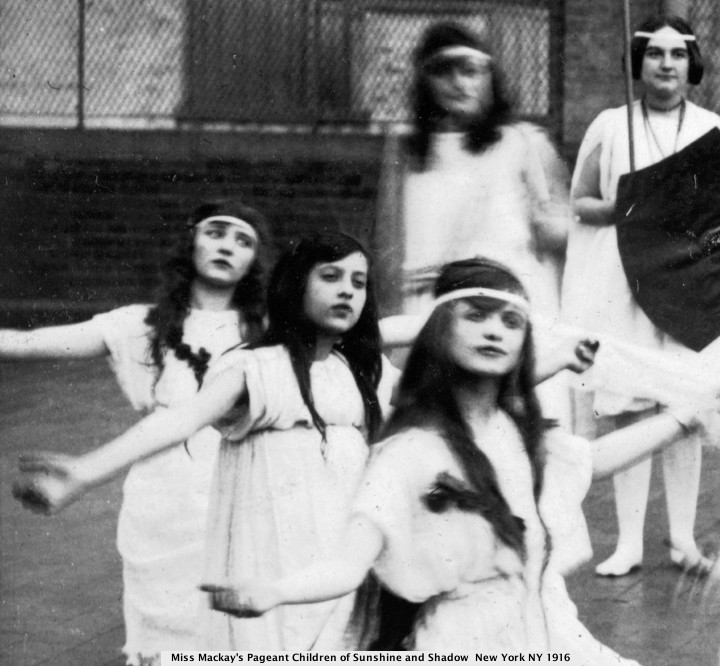


Someone posted a bit of revisionism about a holiday classic. As he sees it, “Rudolph the Red Nosed Reindeer” is about racism.
In a bit of yuletime synchronicity, the urban mythbusters at Snopes posted a piece about Rudolph the same day. It seems as though the Rudolph story was originally written for the Montgomery Ward Stores. The idea was to print a Christmas booklet to give to customers. A staff writer named Robert L. May was picked for the job.
Originally, there were concerns about the red nose, and the connection to heavy drinking. At the time, the original meaning of “merry christmas” had been forgotten. Merry meant intoxicated, and a merry christmas was a drunken one. The booklet was released. It was a big hit with shoppers.
Mr. May had a brother in law named Johnny Marks, who was musically gifted. Mr. Marks wrote the song, and somehow or another Gene Autry came to sing it. A story (which PG heard once, but cannot find a source for) had Mr. Autry doing a recording session. The session went very smoothly, and the sides scheduled to be recorded were finished early. There was a half hour of studio time paid for. Someone produced copies of “Rudolph”, gave them to the musicians, and the recording was knocked out. It became a very big hit.
“Rudolph the Red Nosed Reindeer” has become a beloved standard, without the troubling religious implications of many holiday songs. It is the second biggest selling record of all time. The only song to sell more is “White Christmas”.
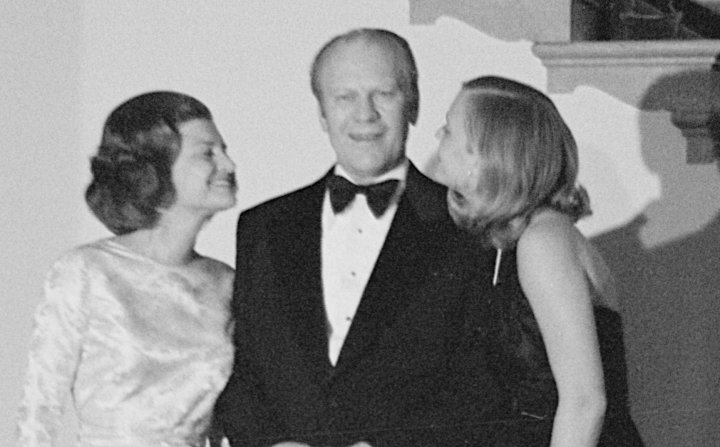
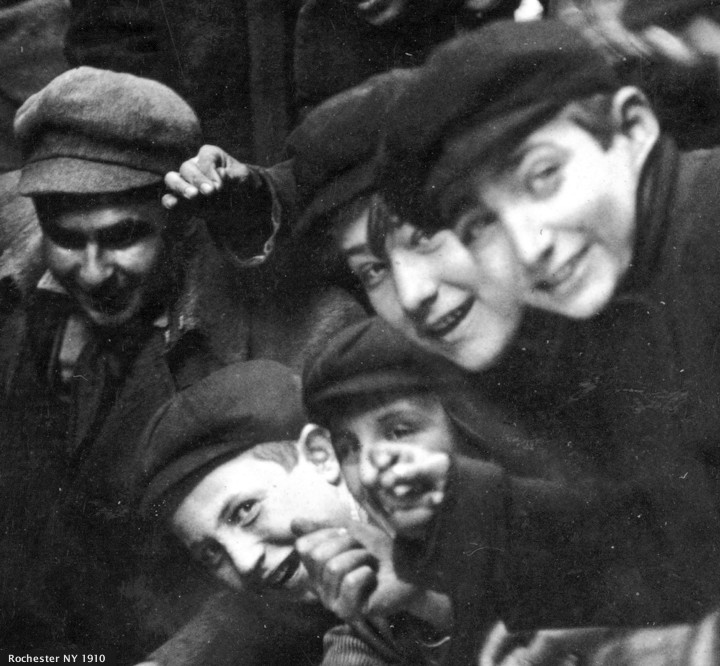
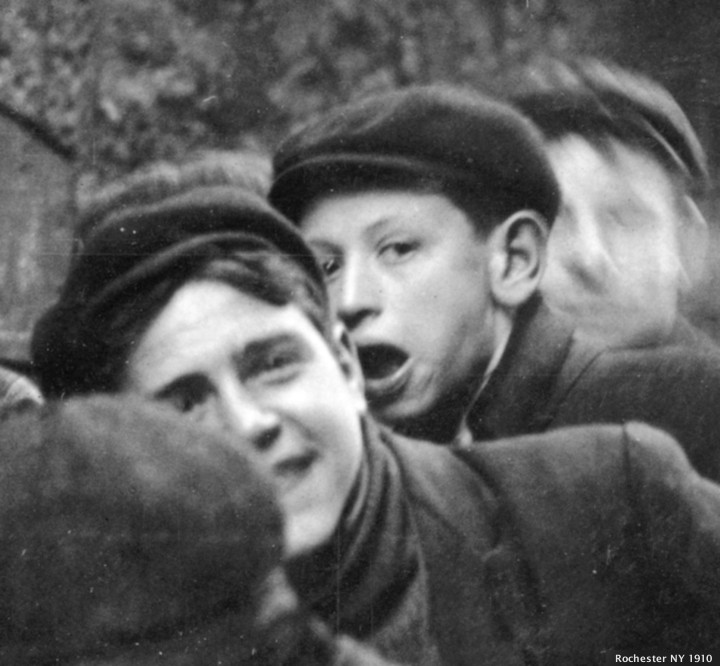
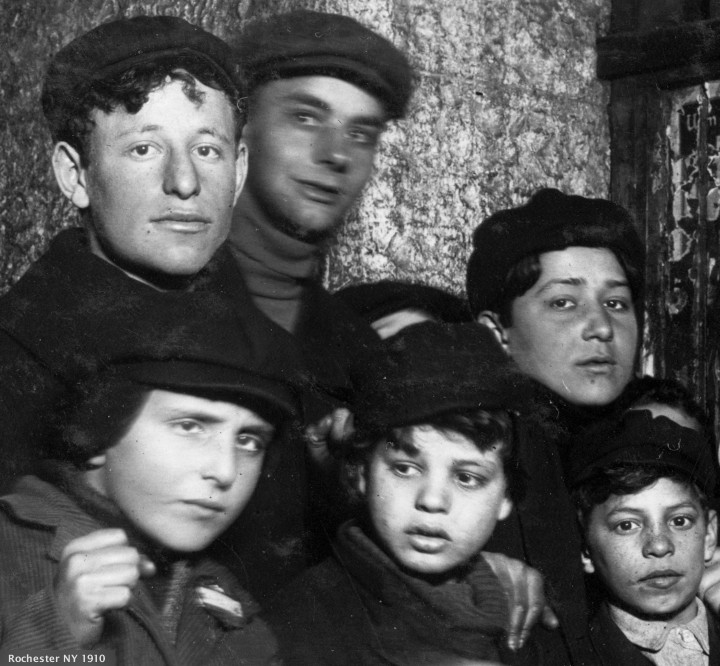
The story above is a repost. Pictures are from The Library of Congress. There is an appearance by Gerald Rudolph Ford, and his women. Betty was a merry soul.



Caught’em Red Handed

The display of a link on this page does not indicate approval of content.
Twitter Files: “We caught ’em red-handed” Tatum discusses Musk’s Twitter reveal …
Twitter is hiring an alarming number of FBI agents …“revolving door” between FBI …
Full text and recording of Van Jones’ speech at the UJA-Federation Wall Street Dinner
Breonna Taylor’s ex-boyfriend sentenced to probation in various drug cases
Jamarcus Glover, target of Breonna Taylor raid on probation after plea deal, arrested again
City settles lawsuit filed by Breonna Taylor’s boyfriend, Kenneth Walker, for $2 million
W. Todd Kaneko ELEGY FULL OF ANIMAL PARTS
If You Don’t Read the Newspaper You Are Uninformed, If You Do Read the Newspaper …
@bariweiss THE TWITTER FILES PART TWO. TWITTER’S SECRET BLACKLISTS.
Study: Left-wing authoritarians share key psychological traits with far right
Watch out for this triple-pronged PayPal phishing and fraud scam
The ‘Twitter Files’ Is What It Claims to ExposeBy Eric Levitz
Review of ‘George & Tammy’ Episode 2: Stand By Your Man
Tyler Mahan Coe; Opens Up About His Relationship With His Father and Country Music …
tyler mahan coe ~ southern tracks ~ phone fraud ~ dueling serpents ~ sbf
herschel ~ the free press ~ annoy europeans ~ erika thompson ~ beatles
wqxi ~ ga pol ~ colossus of rhodes ~ the twitter files ~ twitter is fun again
tom holland ~ gordon lish ~ disco kroger ~ joe creekmore ~ am holmes
am holmes ~ Bertrand Russell ~ Bertrand Russell ~ tom holland ~ gordon lish
“Trying to determine what is going on in the world by reading newspapers is like trying to tell the time by watching the second hand of a clock.” A Child of the Century: The Autobiography of Ben Hecht ~ @mtaibbi 1. THREAD: The Twitter Files THE REMOVAL OF DONALD TRUMP Part One: October 2020-January 6th ~ “The Best Lack All Conviction While the Worst Are Full of Passionate Intensity” William Butler Yeats? Bertrand Russell? Charles Bukowski? ~ community goo search furry other consent adult rat police, copious gen rat 24 more criticize administration, pull particular raw trump over narrative we rent anal twee, woke mean empathy struggle be awake just fair exist do something, welcome sorry they work mysterious outrage moral blasphemies ~ a posed picture in the middle of the road is something i have done before. being compared to a stuffed animal, torn apart from his owners loving grasp … or maybe the animal, with some sort of digital docking device growing out of their head, is non-binary, and the owner cast them into the road in fear of being recruited into the nonbinary lifestyle. fortunately, the road is will not trympty, so the animal … we will call her Stuffina … has not been run over. maybe the photographer will come to their senses and return Stuffina to her rightful owners, with the assurance that he … ~ selah

Ansel Adams And Dorothea Lange
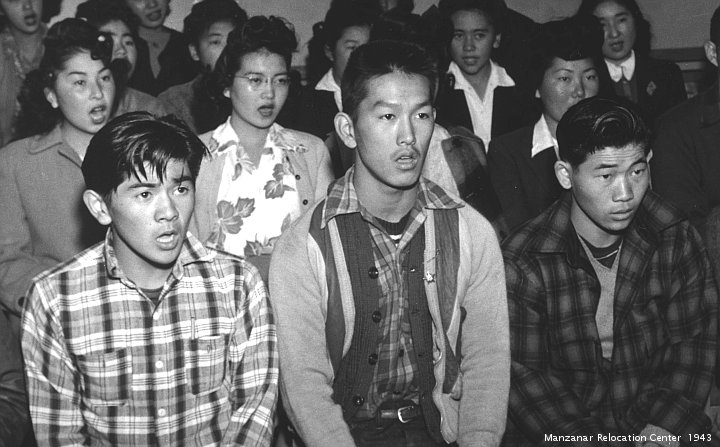


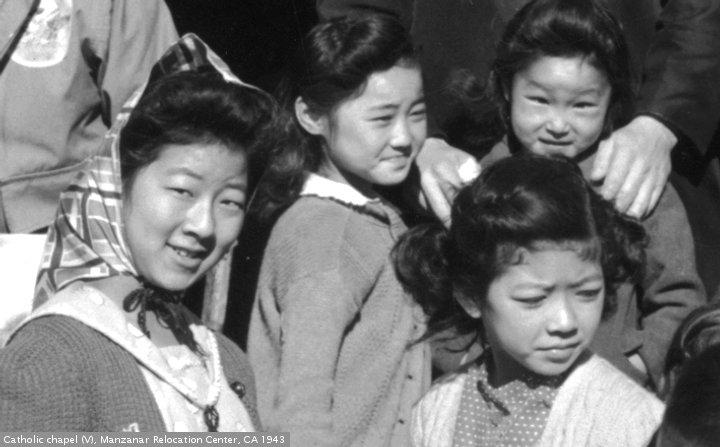
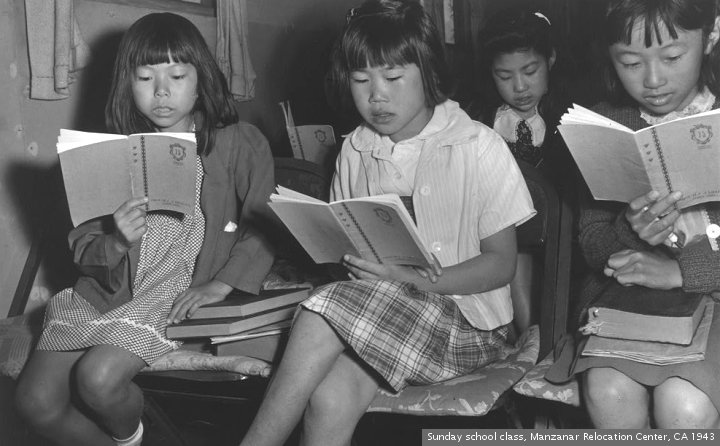

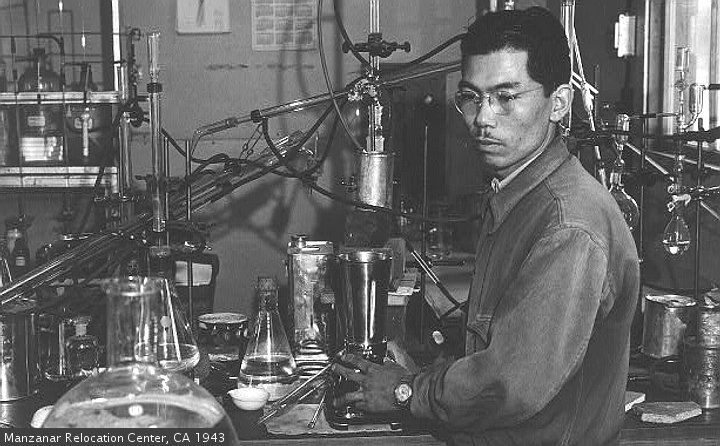

The facebook feed has recently had links to a story, Dorothea Lange’s Censored Photographs of FDR’s Japanese Concentration Camps. Miss Lange was the photographer of the iconic Migrant Mother. After Pearl Harbor, Miss Lange took a job with the War Relocation Authority, documenting the “relocation” of Japanese-Americans to interment camps. The photographs did not please the authorities. They were censored, and only appeared recently. This is a repost.
Ansel Adams also took photographs at the Manzanar, California, camp. In the current stories, he is literally a footnote: quotes were used from a book about his photography. Why is Dorothea Lange receiving attention, while Ansel Adams is ignored?
One answer is that Miss Lange was hired early on, and shows the harsh reality of relocation. “On July 30, 1942, the WRA laid her off “without prejudice,” adding that the cause was “completion of work…. the WRA impounded the majority of her photographs of Manzanar and the forced detentions, and later deposited 800 image from the series in the National Archives without announcement.”
“After Lange’s departure, Manzanar’s director Ralph Merritt visited renowned environmentalist and landscape photographer Ansel Adams and suggested he document the camp — Merritt and Adams were friends from the Sierra Club. Lange, also friends with Adams, encouraged him to take the job. (Coincidentally Adams printed “Migrant Mother” for her ) …Ansel Adams made several trips to Manzanar between October 1943 and July 1944 for this new personal project, and, as Alinder writes, he was primed to try the kind of documentary photography regularly practiced by Dorothea Lange and the Farm Security Administration that he had earlier shunned. Unlike Lange, a white woman who had been viewed with suspicion by her subjects, Adams was welcomed by the incarcerees, even greeted as a celebrity in a cultural community that had a deep appreciation of nature — many incarcerees at Manzanar literally opened their doors to him dressed in their finest clothes. … By 1943, Manzanar’s incarcarees had had time to settle in and enjoy the fruits of their collective work. In less than ideal surroundings, they had collectively built their own post office, town hall, library, auditorium, co-op store system, police station, jail, cemetery with memorial, published their own newspaper (the ironically named the Manzanar Free Press, which was regularly censored by the military), and even their own YMCA.”
“As for Lange, looking at the historical record, it appears that she was treated differently from the other WRA photographers. She was discouraged from talking to the incarcerees, was constantly followed by a censor, and faced harassment. She was refused access to areas after being given clearance, and she was often hounded over phone charges and receipts. … After being discharged, Lange expressed in letters her dismay that her work was ineffective in helping the people she documented. Her assistant Christina Clausen later noted the ferocity of this body of work also marked the beginning of the photographer’s bleeding gastric ulcers. Lange was unable to work for a number of years after her harrowing experience at Manzanar. She died from esophageal cancer in 1965.”
“In 1944, Adams’s photographs were published as a book, “Born Free and Equal: The Story of Loyal Japanese Americans,” and shown at New York’s Museum of Modern Art. Nativists took offense. They saw Adams’s work as a slur on the war effort. He was a “Jap lover.” This quote is from a 2016 article, Let’s be honest, Ansel Adams’s images of a WWII internment camp are propaganda
“Adams visited Manzanar to take photos in 1943 at the request of camp director Ralph Merritt, who was a personal friend. “They don’t look quite as dusty and quite as forbidding as Dorothea Lange’s photos … Indeed, the place that looks barren and depressing in Lange’s pictures manages to look beautiful in Adams’. You get little sense that it was even a detention center, in part because Adams, like other photographers, was not allowed to shoot the guard towers or barbed wire…
There are scenes from a baseball game, kids walking to school, a gathering outside a chapel. Lots of smiles, too, and portraits of camp residents cropped so close, you can see every blemish and stray hair. In Adams’ vision, Manzanar comes off as a place where Japanese-Americans, dignified, resilient and optimistic in spite of their circumstances, built a temporary community in the desert.
(Skirball Cultural Center director Robert) Kirschner said that if Adams’ photos appear to sugarcoat the indignities of life in an internment camp, it is because he did not see himself as a social activist the way Lange did. Still, Kirscher says, Adams was challenging internment in his own way, by depicting its victims as patriotic, law-abiding Americans. Unlike Lange, Adams was given permission to publish his photos. Before the war ended, he did so in a book called “Born Free and Equal: The Story of Loyal Japanese Americans,” in which he warned about the dangers of letting wartime hysteria justify depriving U.S. citizens of their freedom.”
The NPR article mentions a third Manzanar photographer. “Before World War II, Toyo Miyatake had a photo studio in Los Angeles’ Little Tokyo. When he learned he would be interned at Manzanar, he asked a carpenter to build him a wooden box with a hole carved out at one end to accommodate a lens. He turned this box into a makeshift camera that he snuck around the camp, as his grandson Alan Miyatake explains in the video below, which is featured in the exhibit.
Fearful of being discovered, Miyatake at first only took pictures at dusk or dawn, usually without people in them. Camp director Merritt eventually caught Miyatake, but instead of punishing him, allowed him to take pictures openly. Miyatake later became the camp’s official photographer.”
Pictures for today’s feature are from The Library of Congress. These are pictures that Ansel Adams took at Manzanar. They have been posted at chamblee54 before. The ladies in the bridge game are Aiko Hamaguchi, Chiye Yamanaki, Catherine Yamaguchi, and Kazoko Nagahama.


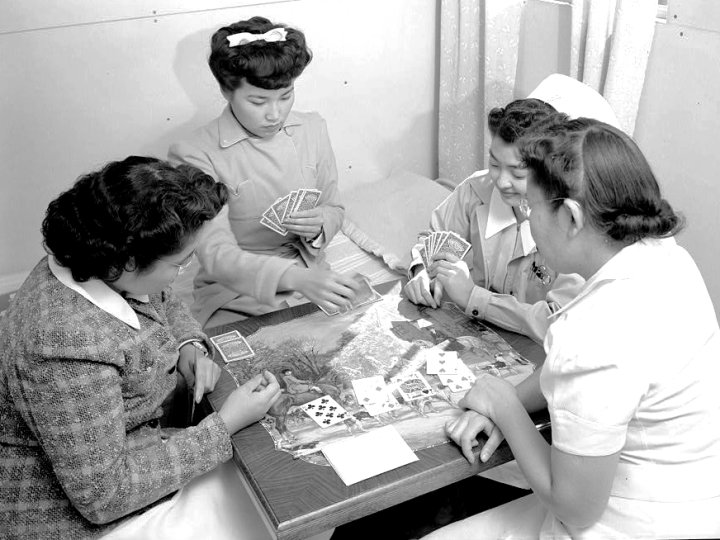




Slow Days, Fast Company




On the last wednesday of 2021, I read the last paragraph of Slow Days, Fast Company: The World, The Flesh, and L.A. by Eve Babitz. Bret Easton Ellis mentioned EB, and SDFC, several times on his podcast. I ordered SDFC from the library. While reading it, on December 17, Eve Babitz died. Did I kill EB, by reading her book? This is a repost.
SDFC has been described as the work of an unapologetically shallow California girl. It is true. Then EB references Virginia Wolff, or Diane Arbus. In one story, EB (no middle name) goes to a gated community in Orange County for the weekend. The people there are so Nixony! Later, one of the ladies commits suicide. EB plows ahead without missing a beat.
EB was gonna design an album cover for Janis Joplin, and went to meet her. Janis was in the studio. The music was painfully loud. Janis was passed out on the floor of the studio. A few days later, EB went to visit Janis at some hotel in Los Angeles. Janis was laying up in the pool face up, not drowning but obviously on a distant planet.
SDFC is an amazing book. It’s not very long, broken down into nine stories. EB went to Bakersfield to hang out with the son of a grape grower. Another is when that EB hangs out with a lady who is a musician, and heroin user. EB thinks that heroin is very glamorous, for other people. EB was a big tequila fan, and consumed a few plane-loads of white powder. SDFC is set around 1973, before the democratization of cocaine in the eighties.
After the demise of Joan Didion, and EB, Bret had Lily Anolick on his show. She did a podcast series about Bennington College. The lady … whose name is not anal-lick … wrote Hollywood’s Eve: Eve Babitz and the Secret History of L.A. Amazon had a one star review: Totally the C Word “After reading this book I thought I was going to have to go to the clinic and get treated for VD. Incredible, did she really have sex with this many people?”
SDFC is written by a woman, from a woman’s point of view. Here is a sample. “Women want to be loved like roses. They spend hours perfecting their eyebrows and toes and inventing irresistible curls that fall by accident down the back of their necks from otherwise austere hair-dos. … The only time men fall in love with roses is on douche commercials.”
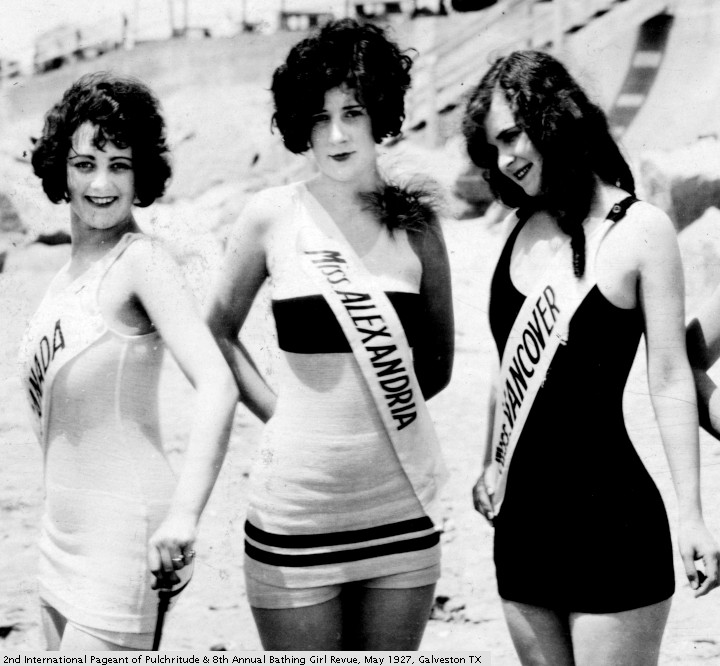
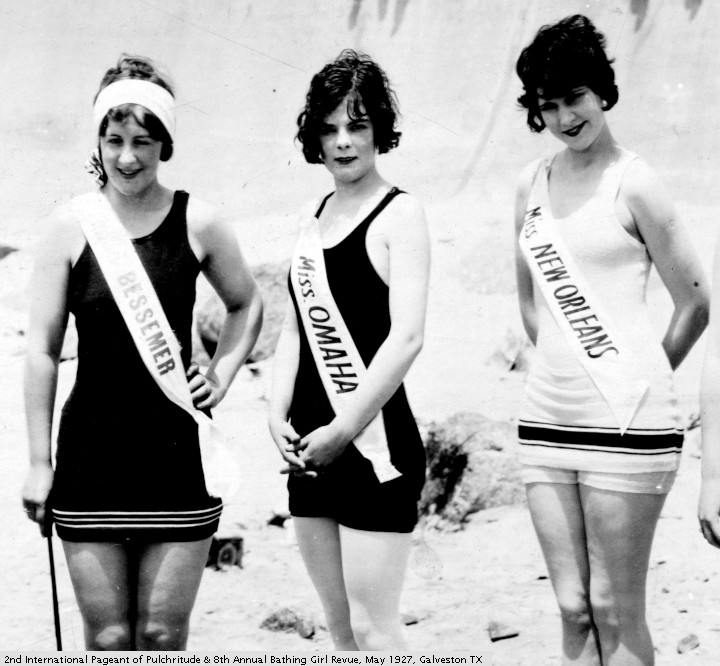
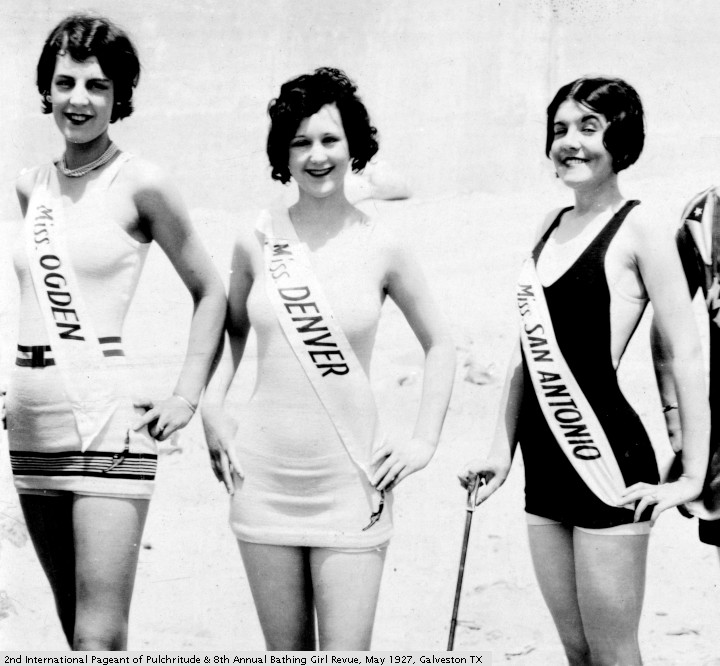
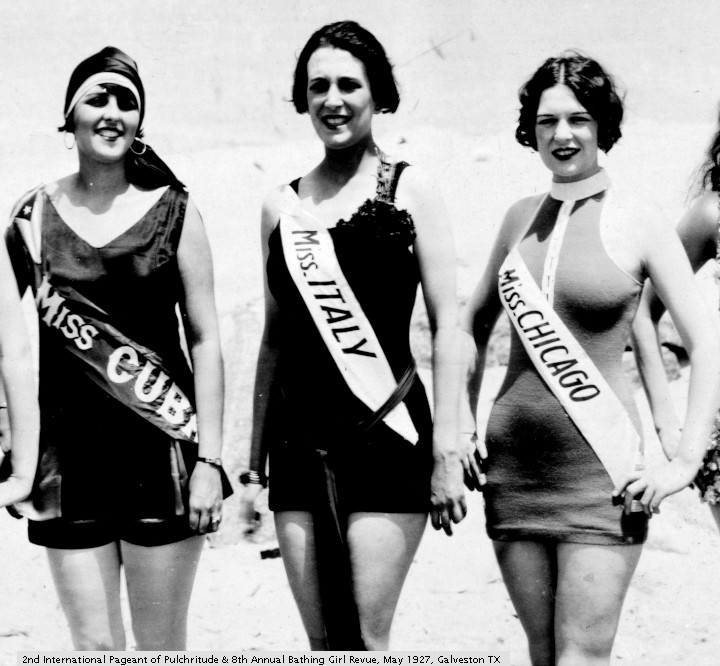
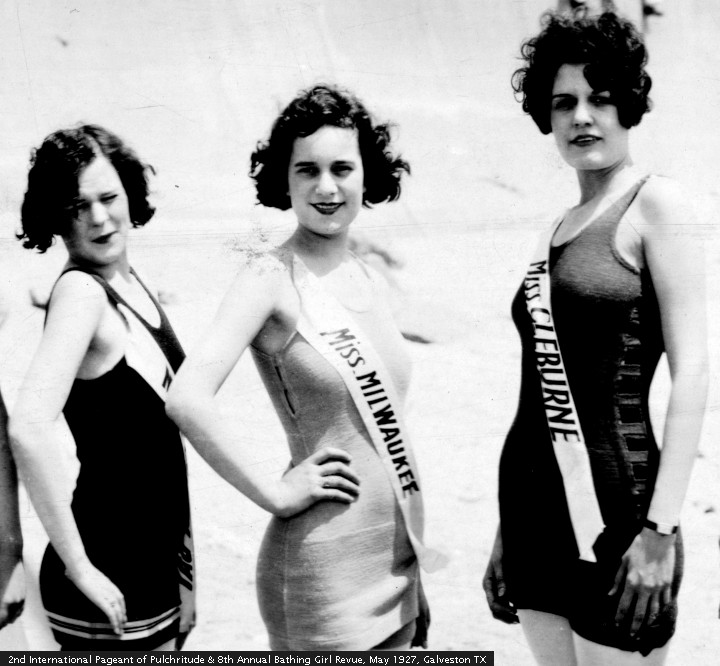
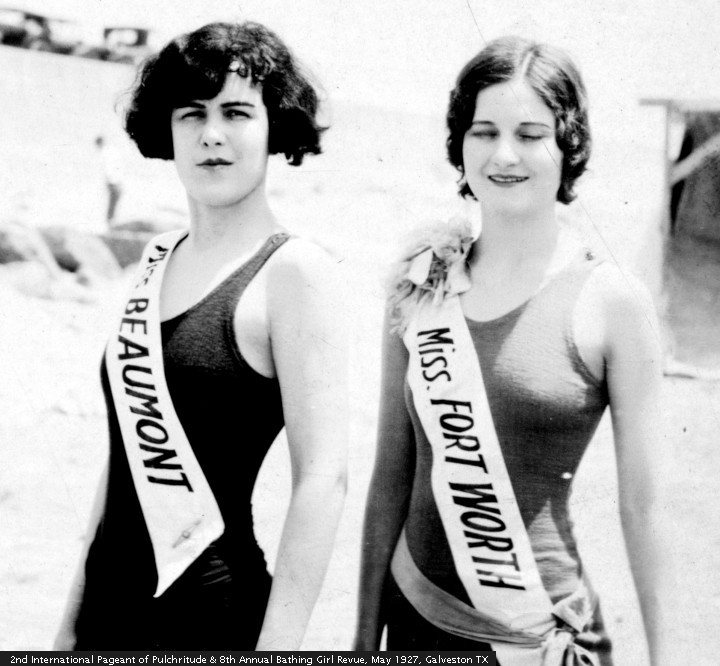
Pictures today are from The Library of Congress. Second International Pageant of Pulchritude and Eighth Annual Bathing Girl Revue, May 21, 22, 23, Galveston, Texas, 1927. This article includes the picture of a naked EB playing chess with Marcel Duchamp.



Cynic



“A cynic is a man who knows the price of everything, and the value of nothing.” ― Oscar Wilde. This quote is one of Oscar’s greatest hits. If you think about it for a minute, it is not totally accurate. You are not supposed to think. Quoting Oscar Fingal O’Flahertie Wills Wilde is about sounding clever, not making sense. Did he really create that definition of a cynic? This is a repost.
Oscar Wilde is a quote magnet. This is more than something you put on your refrigerator. When people hear something clever, odds are good that Oscar will get the blame. As Dorothy Parker wrote: “If, with the literate, I am, Impelled to try an epigram, I never seek to take the credit; We all assume that Oscar said it. [Life Magazine, June 2, 1927]”
Wikiquote says this line is from Act III of Lady Windermere’s Fan. It was spoken by Lord Darlington. Did the play write intend for the line to be taken seriously, or was he making the character look foolish by saying it? With Oscar Wilde, it could be both of these things at the same time.
Principle Four, of the four principles of quotations, reads “Only quote from works that you have read.” In the case of Lady Windemere’s Fan, this would mean a youtube video of the play. There is a posh BBC production available. You don’t have to watch the cell phone recording of high school players.
Lady Windemere’s Fan is a production where upper class Brits say clever things in glorious costumes. Nobody ever goes to the bathroom, or looks less than perfect. Lady Windemere’s six month old child is neither seen, nor heard. Lady Windemere finds out her husband, Lord Windemere, is having an affair with a Mrs. Erlynne. The Lord proceeds to invite the floozy to Lady Windemere’s birthday party.
After the party, the men go to their club, then to Lord Darlington’s room. There are five men in the conversation, beginning with Lord Windemere. Lord Darlington has just told Lady Windemere that he loves her, and wants her to run off with him. Lady Windemere said no. Lord Augustus is a suitor of Mrs. Erlynne, and is begging her to marry him. Cecil Graham, and Mr. Dumby, wear their splendid costumes with conviction.
The scene starts with the men saying clever things, most of them insulting to someone. Lord Augustus, or Tuppy, is the butt of many jokes. Before long, we get this exchange:
Dumby. I don’t think we are bad. I think we are all good, except Tuppy.
Lord Darlington. No, we are all in the gutter, but some of us are looking at the stars.
Dumby. We are all in the gutter, but some of us are looking at the stars? Upon my word, you are very romantic to-night, Darlington.
Cecil Graham. Too romantic! You must be in love. Who is the girl?
Lord Darlington. The woman I love is not free, or thinks she isn’t. [Glances instinctively at Lord Windermere while he speaks.]
A few minutes later, we hear another famous Oscarism.
Lord Darlington. What cynics you fellows are!
Cecil Graham. What is a cynic? [Sitting on the back of the sofa.]
Lord Darlington. A man who knows the price of everything and the value of nothing.
Cecil Graham. And a sentimentalist, my dear Darlington, is a man who sees an absurd value in everything, and doesn’t know the market price of any single thing.
Pictures today are from The Library of Congress.




 Chamblee54
leave a comment