Hawaiian Good Luck Sign

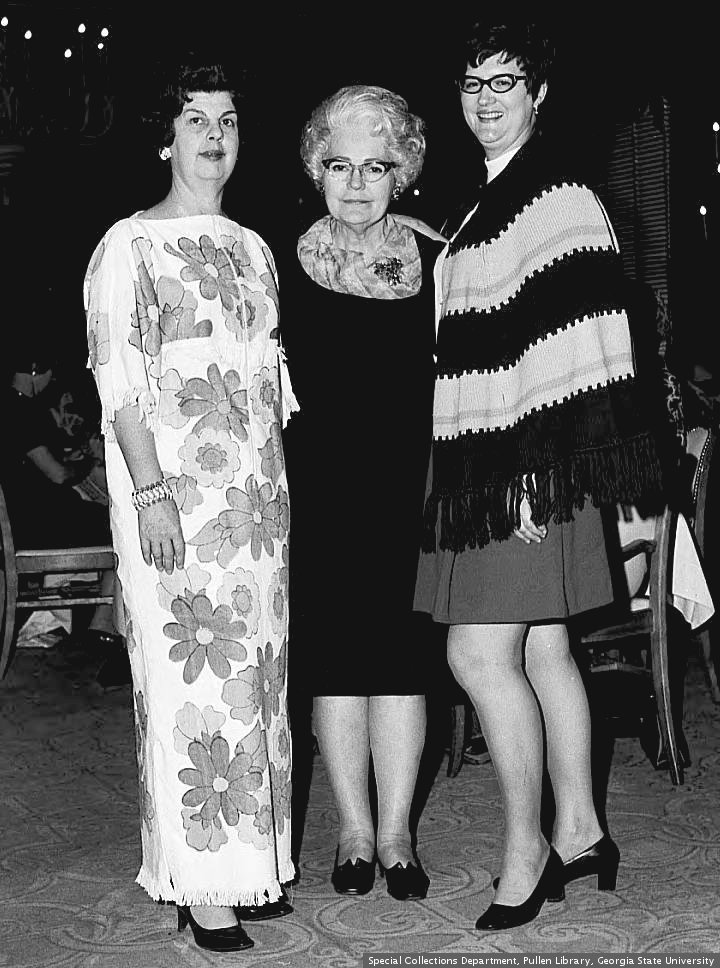

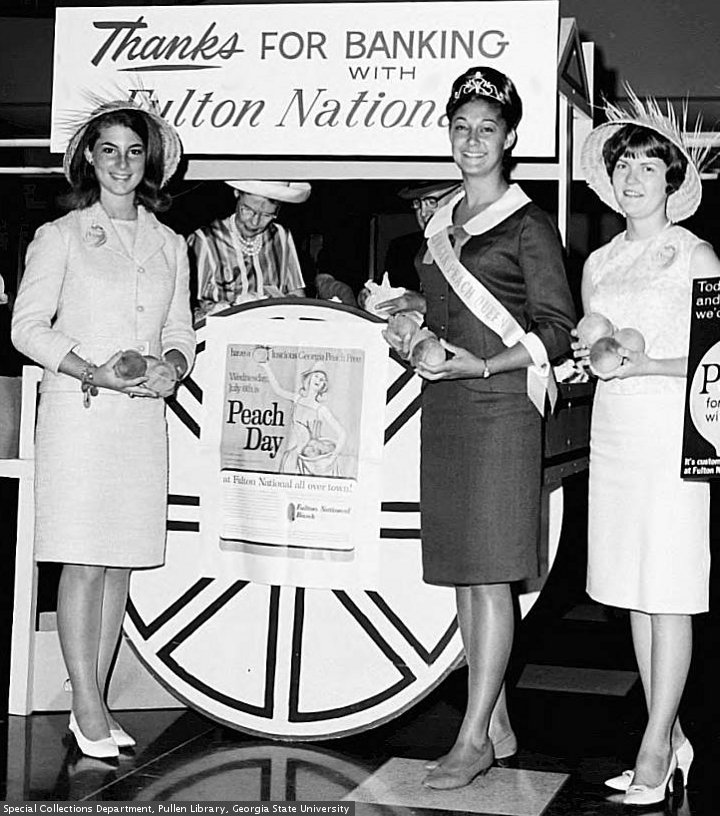
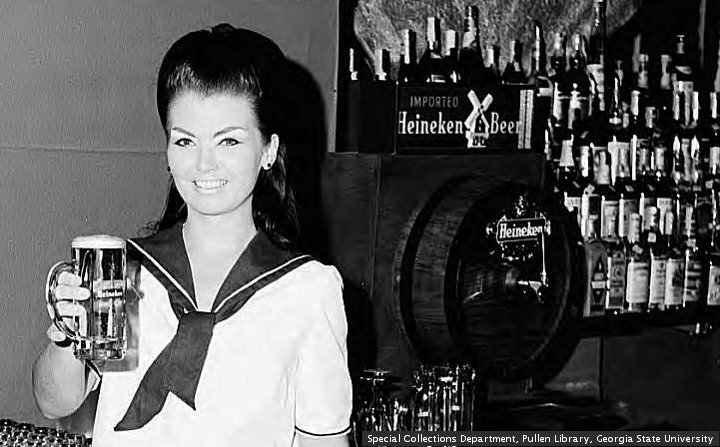
Dear Grand-daughter, The other day I went up to our local Christian book store and saw a ‘Honk if you love Jesus’ bumper sticker . I was feeling particularly sassy that day because I had just come from a thrilling choir performance, followed by a thunderous prayer meeting.
So, I bought the sticker and put it on my bumper. Boy, am I glad I did; what an uplifting experience that followed. I was stopped at a red light at a busy intersection, just lost in thought about the Lord and how good he is, and I didn’t notice that the light had changed. It is a good thing someone else loves Jesus because if he hadn’t honked, I’d never have noticed. I found that lots of people love Jesus!
While I was sitting there, the guy behind started honking like crazy, and then he leaned out of his window and screamed, ‘For the love of God!’ ‘Go! Go! Go! Jesus Christ, GO!’ What an exuberant cheerleader he was for Jesus! Everyone started honking! I just leaned out my window and started waving and smiling at all those loving people. I even honked my horn a few times to share in the love!
There must have been a man from Florida back there because I heard him yelling something about a sunny beach. I saw another guy waving in a funny way with only his middle finger stuck up in the air. I asked my young teenage grandson in the back seat what that meant. He said it was probably a Hawaiian good luck sign or something. Well, I have never met anyone from Hawaii , so I leaned out the window and gave him the good luck sign right back. My grandson burst out laughing. Why even he was enjoying this religious experience!! Praise the Lord!!!
A couple of the people were so caught up in the joy of the moment that they got out of their cars and started walking towards me. I bet they wanted to pray or ask what church I attended, but this is when I noticed the light had changed. So, grinning, I waved at all my brothers and sisters, and drove on through the intersection. I noticed that I was the only car that got through the intersection before the light changed again and felt kind of sad that I had to leave them after all the love we had shared.
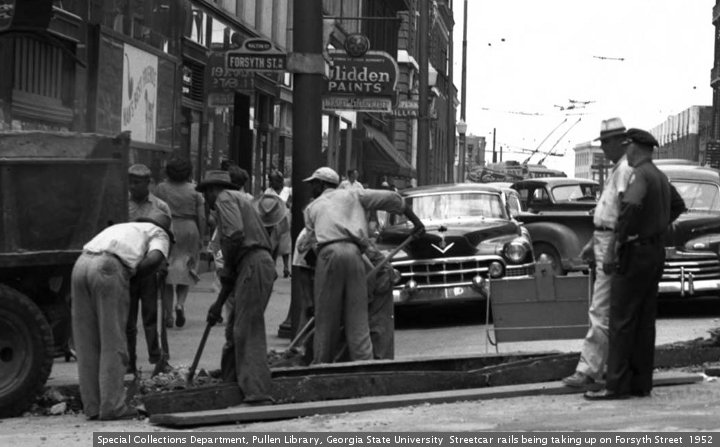
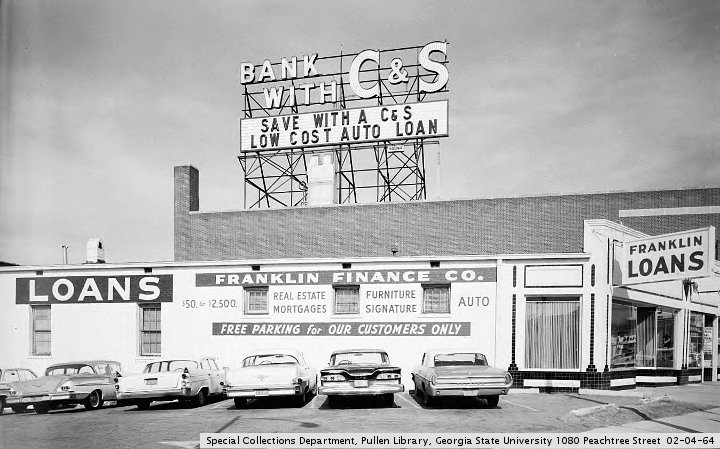
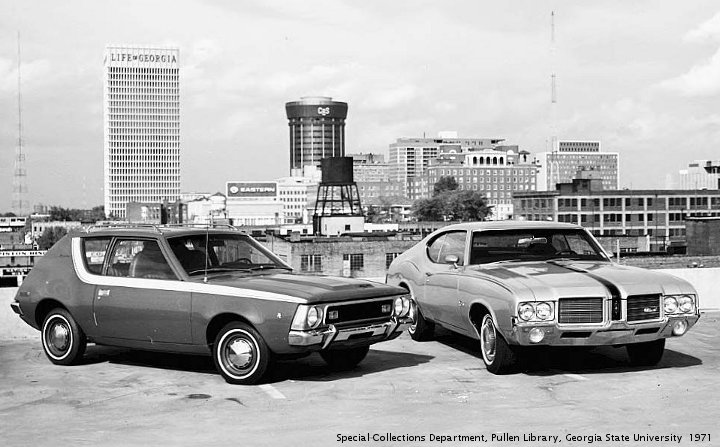
So I slowed the car down, leaned out the window and gave them all the Hawaiian good luck sign one last time as I drove away. Praise the Lord for such wonderful folks!! Will write again soon, Love, Grandma. This repost is written like J. D. Salinger. Pictures are from “The Special Collections and Archives, Georgia State University Library”.










Atlanta Rising
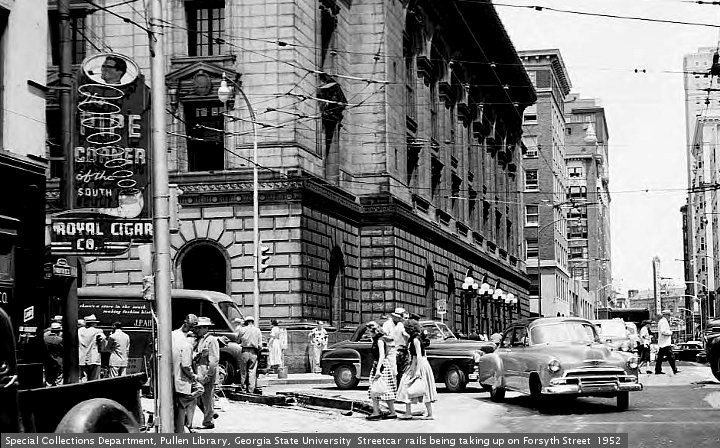


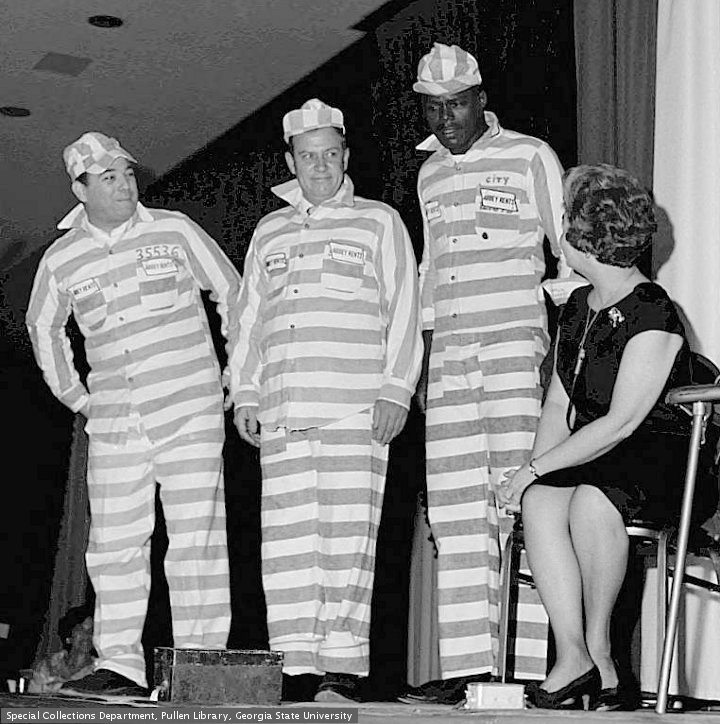
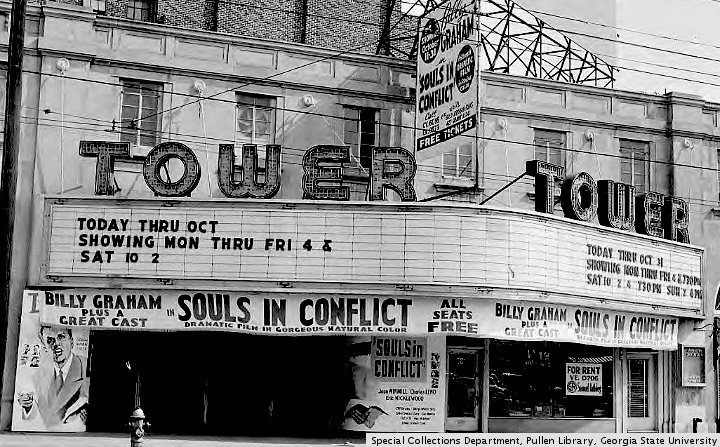
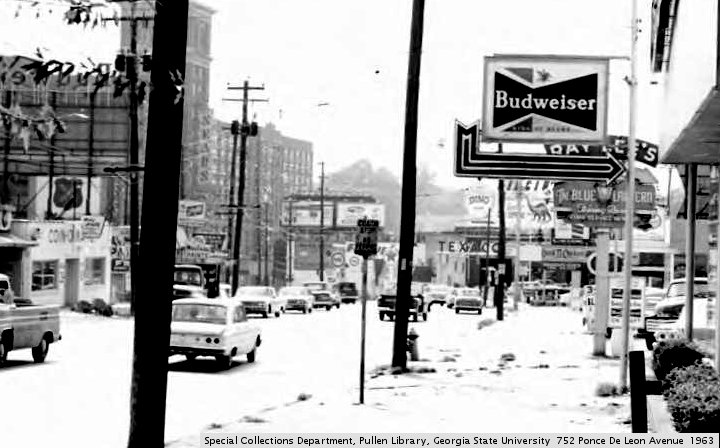
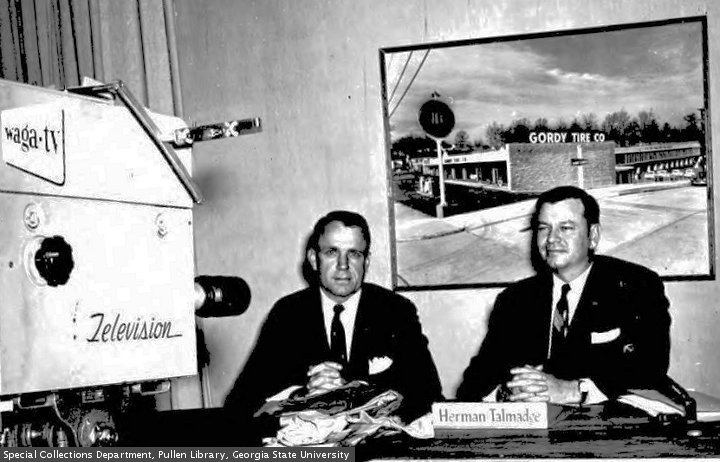
Atlanta Rising: The Invention of an International City 1946-1996 is on the shelf at the Chamblee library. This book is a history of Atlanta in the modern era, written by former fishwrapper scribe Frederick Allen. This is a repost from 2014. Pictures are from “The Special Collections and Archives, Georgia State University Library”.
The story begins in 1948. AR is weighted more to the older part of the story. The main text is 248 pages. On page 124, Ivan Allen has just built a controversial roadblock on Peyton Road, which would be in 1962. The further along in the story, the fewer details are included. The first big story is when Georgia had two governors. This is one of the best descriptions of the two Governors controversy around, and does not mention Ben Fortson’s wheelchair cushion.
The mayor at the start of the story is William B. Hartsfield. “Willie B” was a leader in creating the Atlanta Airport, and in building it into the powerhouse it is today. He was mayor until 1961, when Ivan Allen Jr. moved into the office.
AR has many moments of unintentional irony. When you read a book 18 years after it was written, and fifty years after the events in the book, you see things that could not have been imagined before. In 1960, many of the political-business elite thought it was time for Mr. Hartsfield to retire. Among his shortcomings was an indifference to sports. Mr. Hartsfield thought that a new stadium would be too great a drain on the city’s taxpayers. Fifty four years, and three stadiums, later, the power elite is going to build another stadium. Atlanta Stadium cost eighteen million dollars. The Blank bowl will cost over a billion. (In the past year, a plan to move the Braves to Smyrna was announced.)
One of the big stories here is civil rights. Atlanta came out of that struggle looking pretty good. It was a combination of image conscious businessmen, enlightened black leadership, and a huge helping of dumb luck. In 1961, the city was under federal pressure to integrate the schools. The state was firm in opposition, and the city wasn’t crazy about the idea anyway. Then, another federal court ordered the integration of the University of Georgia. Since the people would not stand for messing with their beloved University, the state laws forbidding integration were quietly repealed. The city schools were integrated with a minimum of fuss. (The book tells this story much better than a slack blogger.)
The controversy about the 1956 model state flag was going full steam when AR was written. The book has some legislative records, which for some reason never made it into the fishwrapper. There is no clear cut answer as to why the legislature changed the state flag. It was mentioned that at the national political conventions, you could not have a written sign, but you could wave a state flag. This controversy provided a diversion from gold dome crookedness, and hopefully has been laid to rest.
A man named Lester Maddox sold fried chicken, and ran for public office. AR describes Lester as looking a bit like an angry chicken. Through a series of constitutional convulsions, Lester was elected Governor in 1966. The state survived his tenure. In the seventies, when Jimmy Carter was running for President, Lester said a lot of rude things about Jimmy, helping the smiling peanut farmer get elected. In another turn of fate, Lester Maddox died June 25, 2003. This was two days after the eternal departure of Maynard Jackson, the first black Mayor of Atlanta.
The book ends with the 1996 Olympics looming over the city. Billy Payne led a smart campaign to secure the games for Atlanta. One of his moves was to keep Jimmy Carter and Ted Turner out of the action. After the 1980 boycott, and the Goodwill Games, neither person was popular with the I.O.C. The book was published before 1996. The Olympics were a blast.






leave a comment