Delete Your Account


The display of a link on this page does not indicate approval of content.
Delete Your Account Podcast Episode 149 – Moments of Contingency
Episode 35: Putting sounds into syllables is like putting toppings on a burger
The Unexplainable, Undeniably Entertaining Rituals of the Bills Mafia
DeKalb prosecution stumbles in first week of Olsen murder trial
How Much Money Do Parking Lots Actually Make?
Mahomes, Favre, other NFL stars reveal larger-than-life tales behind Andy Reid
30 People Share Pictures Of Their Bosses Being Total Jerks
Ten top tips for nailing complaining – What’s the best way to get what you want?
Racial Bias in Hate Speech and Abusive Language Detection Datasets
This month the rules are simple. Submit a scary poem.
We can love the art but not the artist
How White Liberals Became ‘Woke,’ Radically Changing Their Outlook On Race
@Emergidoc Crazy event at ORD. Heads up safety move by a ramp worker!
Joe Rogan Experience #1359 – Roseanne Barr
Hillary Clinton compares staying with Bill to being parent of a transgender child
Mum of ‘youngest transgender toddler’ beams with pride. ‘She’s been set free’
Dear White People: About Botham Jean, Forgiveness, Justice, and Cheap Grace
Roseanne: Comics Didn’t Stick Up for Her Because She’s ‘Just an Old B*tch’
Student, at a Christian school in Virginia, accused three white sixth grade boys of cutting her dreadlocks and calling her ugly, now says she was lying about the attack
Planet Fitness’s CEO supports anti-LGBT politicians.
Why Trump Voters Stick With Him A conversation with Flyover Man.
Discover 3 Secrets To Instantly Having A Powerful Magnetic Interaction…
11 Signs Your Personality Is So Intense That It’s Intimidating To Others
The Jolt: Lynn Westmoreland on the art of gerrymandering in Georgia
Trump Is Begging to Be Impeached. Give Him What He Wants
Gilbert & Sullivan & … the Marx Brothers? (Part II)
Just because: Groucho Marx sings Gilbert and Sullivan
why stacey will not run for the senate in 2020
Key witness in Dallas officer Amanda Guyger’s trial killed outside apartment
Why I hate living in my tiny house
Is witness in Botham Jean case less credible after raising $30K on GoFundMe?
Twitter User’s ‘Flying While Fat’ Thread Will Change Way You Behave On Planes
The Morals That Determine Whether We’re Liberal, Conservative, or Libertarian
Chamblee’s Lawson General Hospital
bunny babbs ~ doll’s head trail ~ charles whitman ~ LED purge mask
richard jewell ~ emily dickinson ~ jeff pike ~ david duke ~ crime in the u.s.
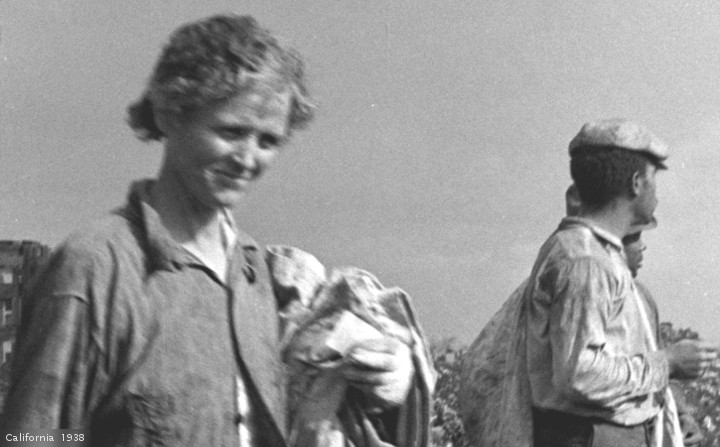
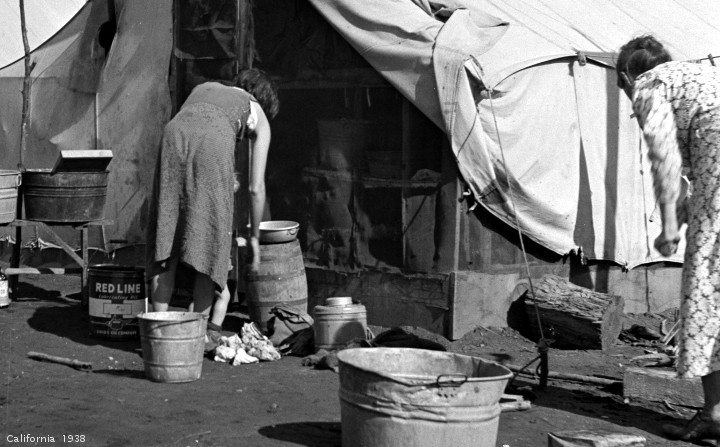
A police detective friend once noted that many of their suspects are guilty, and one quick way to determine if they were guilty is that they just can’t shut up. The officer and suspect would be sitting at a desk while the officer was writing up a report, and the suspect would just continue continuously talking. At one point, Bob looked over at a particularly guilty suspect and stated: “You have the right to remain silent, and I would appreciate it if you took advantage of that right.” ~ @chamblee54 @billscher @mattklewis “likely we need a good Johnnie Cochran if the glove don’t fit you must acquit if something you must convict” if he grabs him by the dick, you must convict ~ @Vinncent A classic joke in literally dozens of languages: “Why has there never been a military coup in the United States?” “Because there is no US Embassy in the United States.” ~ Historic pictures, unlike history text, can be believed without question. Pictures today are from The Library of Congress.
This poem was read tuesday night at the red light cafe:
in the happy house when your soul is true ~ comforting body of water to see
boo depends on painting the heart so blue ~ whispering cloudy secrets to tell you
go mingle my soul and soak me up free ~ in the happy house when your soul is true
you’re in the right church but the wrong pew ~ go seek the dancer but not the pasty
boo depends on painting the heart so blue ~ each drop of his blood cries out for the brew
leave behind the sour and bitter tea ~ in the happy house when your soul is true
escape your dark highway for barbeque ~ celebrate eating honey from the bee
boo depends on painting the heart so blue ~ let the beauty we love be what we do
drain your desire till the cup carries me ~ in the happy house when your soul is true
boo depends on painting the heart so blue
This poem was read sunday night in Decatur:
orthopedic irony under birds ~ person attempting to find a moral
cold blooded nembutal slaughter of words ~ unprotected youth getting off on oral
holy man show of originality ~ thoughtful unblessed presbyterian
rising from affluence to poverty ~ loyalty to petrified opinions
your life is too short to be unhappy ~ let go of what you won’t kiss gently
cry when you take a sad chance badly ~ smile happy while you listen intently
let go of what you won’t kiss gently ~ apologize when you mumble something
laugh when you go dancing at nothing ~ smile happy while you listen intently
apologize when you mumble something ~ cry when you take a sad chance badly
laugh when you go dancing at nothing ~ your life is too short to be unhappy ~ selah



Why Did The 1956 Legislature Change The Flag?
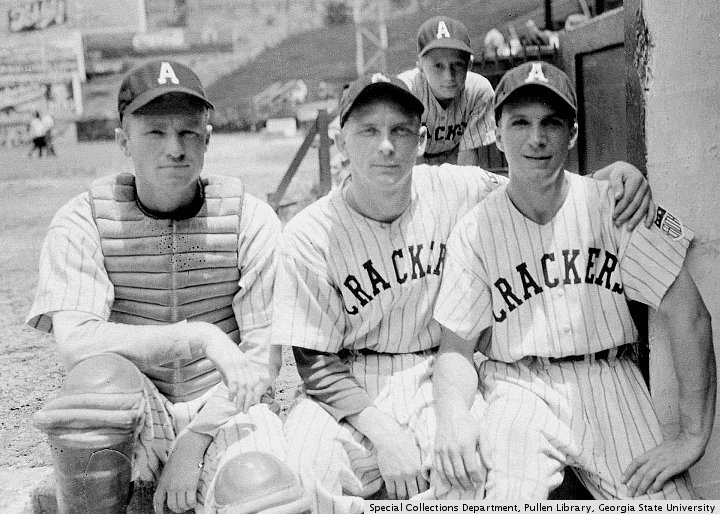



What Stacey Abrams said about burning the Georgia flag in 1992 The New York Times decided to show a picture of a younger, slimmer Stacey Abrams burning the Georgia state flag. The year was 1992. The state flag had the Confederate battle flag embedded. People were asking the legislature to change that. Miss Abrams was a student activist. This is a repost.
The NYT article sparked a twitter dogpile, about the motives of the Georgia legislature in 1956. PG remembers 1993, when the initial proposal to change the flag was made. Changing The Flag is an account of those years. If you have a minute, you should read that post before going any further. The people who wanted to change the flag introduced an argument. They said that the legislature changed the flag, in 1956, as a protest against integration. PG never believed that. One afternoon in 1994, PG found a newspaper article that supported his point of view. After that, PG did not think much about the issue. The flag was changed in 2000 and 2003.
The issue has a few shades of gray. The reason given in 1956 was honoring the Confederacy. In 1993, the 1956 legislature was said to be protesting integration. The emotions of honoring the Confederacy, and denouncing integration, are not entirely separate. Many of the same people, who are proud of the Confederacy, are white supremacists. To an outsider, they can seem like the same thing. PG can understand how someone not familiar with Georgia could mistake the two.
The debate, over the motive of the 1956 legislature, was never necessary. The flag, featuring the Confederate battle flag, was seen as a symbol of racism. Many people were offended by this flag. Why not just say we should change the flag for this reason, and not worry what the legislature was thinking? However, this was not good enough. People needed some more ammunition for their fight. The notion that the flag was changed as a protest against desegregation was born. PG never heard, before 1993, that the flag was changed as a protest against integration. People believed this notion without any evidence, just because somebody said so. 1994 was 38 years after 1956. Very few people in 1994 were active in 1956. The argument in favor of the changed-to-protest-integration notion had two parts: (1) Because I said so, (2) if you disagree you are a racist idiot.
@KevinMKruse No, she burned the old *Georgia* flag, which had been designed specifically by white supremacists as a show of defiance to desegregation in 1956. Let’s dig in. @chamblee54 The Flag was not changed as a protest against desegregation. Changing The Flag @KevinMKruse I literally wrote a book on this, but congratulations on finding a blog post. @chamblee54 I wrote the blog post. If you read the post, you will see I did research. Did anyone say at the time that the new flag was a protest? Do you have a link to this?
@jdtitan Luther, would you say you’re a racist idiot, or more of a stupid racist? @whoopityscoot Hahahahahahah. I just read your blog post. Sir, you are a moron. @ashleystollar That’s like saying the Civil War wasn’t fought over slavery. @Duranti “emotional pride for the traitors to America” @The_SquidProQuo You found one old newspaper article and felt compelled to argue the point huh? Stupid is a hell of a drug. @theDiff_Kenneth I read your blog post and I would like that 10 minutes of my life back. Your “evidence” was an announcement article that supported the flag change and omitted any overtly racist comments. Your writing style is close to unreadable and your investigative skills do not exist. @kingbuzz0 If you ever find yourself in the position of arguing of (insert subject) in the South had nothing to do with (insert stand in for outright racism), you have a bad argument. It’s all racism, always, every time.
@JoshCStephenso You found a single article? Maybe you would trust a paper written by the Deputy Director of the Georgia Senate Research Office – a chamber that is majority R? This tweet was helpful. The report was written in 2000, before the a new flag was driven through the legislature. If you have the time to read the complete report, it is worth your time. If not, a few quotes will be posted here, along with a few helpful comments.
The first Confederate flag looked a great deal like the Union flag. In early battles of the war, the two flags were often confused. “The commanding Confederate officer at the Battle of Bull Run, General P.T.G. Beauregard, determined that a single distinct battle flag was needed for the entire Confederate army. Confederate Congressman William Porcher Miles recommended a design incorporating St. Andrew’s Cross.”… “The St. Andrew’s Cross – the flag’s distinctive feature – had its origin in the flag of Scotland, which King James I of England combined with St. George’s Cross to form the Union Flag of Great Britain. It is believed that St. Andrew, the patron saint of Scotland since A.D. 750. and brother of the apostle Peter, was crucified by his persecutors upon a cross in the shape of an “X” in A.D. 60. White southerners, many of whom traced their ancestry to Scotland, very easily related to this Christian symbol.” “Other flags such as State regimental colors were used by the Confederacy on the battlefield, but the battle flag, although it was never officially recognized by the Confederate government, came to represent the Confederate army.”
At first, use of the battle flag was restricted to historic events. It wasn’t until the fifties that the flag began to be used by those who fought integration. In 1954, Brown vs. Board of Education was handed down by the Supreme Court, ordering the integration of schools. The Georgia legislature went into resistance mode, and spent a lot of time denouncing integration. The senate research office devotes page after page to these efforts. Finally, “In early 1955, John Sammons Bell, chairman of the State Democratic Party … suggested a new state flag for Georgia that would incorporate the Confederate Battle Flag. At the 1956 session of the General Assembly, state senators Jefferson Lee Davis and Willis Harden introduced Senate Bill 98 to change the state flag. Signed into law on February 13, 1956, the bill became effective the following July 1.”
“Little information exists as to why the flag was changed, there is no written record of what was said on the Senate and House floors or in committee and Georgia does not include a statement of legislative intent when a bill is introduced – SB 98 simply makes reference to the “Battle Flag of the Confederacy.” … “Many defenders of the flag, including former governor Ernest Vandiver, who served as the Lieutenant Governor in 1956, have attempted to refute the belief that the battle flag was added in defiance of the Supreme Court rulings. Vandiver, in a letter to the Atlanta Constitution, insisted that the discussion on the bill centered around the coming centennial of the Civil War and that the flag was meant to be a memorial to the bravery, fortitude and courage of the men who fought and died on the battlefield for the Confederacy.”
This is where it gets murky. It is apparent that the legislature was obsessed with integration. The circumstantial evidence, of the flag being changed as a protest of integration, is there. However, there is no smoking gun. There are no apparent statements, from 1956, saying that this change was made to protest integration. This detail seems to have sprung up in 1993, without having been widely mentioned in the 37 years since 1956. The newspaper article PG found does not mention a protest against integration, and does mention a desire to honor the Confederacy.
“The argument that the flag was changed in 1956 in preparation for the approaching Civil War centennial appears to be a retrospective or after-the-fact argument. In other words, no one in 1956, including the flag’s sponsors, claimed that the change was in anticipation of the coming anniversary. Those who subscribe to this argument have adopted it long after the flag had been changed.” This is contradicted by the newspaper article, and statements by “Governor Griffin’s floor leader, Representative Denmark Groover … “anything we in Georgia can do to preserve the memory of the Confederacy is a step forward.” As for the after-the-fact argument, you could say the same thing about the notion that the flag was changed as a protest against integration.
“There was also some opposition to the change from the state’s many newspapers. The North Georgia Tribune argued that: “….There is little wisdom in a state taking an official action which would incite its people to lose patriotism in the U.S.A. or cast a doubt on that part of the Pledge of Allegiance which says ‘one nation, unto God, indivisible…’ So far as we are concerned, the old flag is good enough. We dislike the spirit which hatched out the new flag, and we don’t believe Robert E. Lee…would like it either” “The Atlanta Constitution also thought that the flag change was unnecessary for the simple fact that “there has been no recorded dissatisfaction with the present flag.” The newspaper article PG found in 1994 was from the Constitution. Even though they were opposed to the change, they did not attribute this change to a desire to protest integration.
“When the flag change was first proposed, it received resistance from groups that one would think would have highly favored the change – various Confederate organizations including the United Daughters of the Confederacy (UDC). “They made the change strictly against the wishes of UDC chapters from all the states that form our organization,” said Ms. Forrest E. Kibler, legislative chairwoman of the Georgia UDC. … The Executive Board of the Georgia Division of UDC had passed a resolution on January 11, 1956 opposing the proposed changes to the flag, citing that the Confederate battle flag belonged to all the Confederate States – not merely to Georgia – and placing it on the Georgia flag would cause strife. … Also opposing the new flag was the John B. Gordon Camp of the Sons of Confederate Veterans. This group protested against all uses of the battle flag except in commemoration of the Confederacy, or by the official use of the Daughters of the Confederacy, the Sons of the Confederacy, and the Children of the Confederacy.” This opposition was touched on in the newspaper article. This is one of the more confusing aspects of this affair.
“While many questioned the political and philosophical motives of the flag change, there were others who considered the change to be an unnecessary expense that would burden taxpayers, since Georgia law required every public school, and all public institutions to fly the state flag. In voting “no,” Representative Mackay said that the present flag was “a symbol of sacred memory” and that “the change puts every flag owner in Georgia to unnecessary expense.” Alleviating the financial concerns of many, sponsors of the bill pointed out that those institutions required to fly the new flag will replace the old flag with the new one only as present flags wear out. Questions were also raised on whether anyone had a copyright on the flag design which would entitle them to royalties – a charge denied by John Sammons Bell and Representative Groover.”
John Sammons Bell is a name that keeps coming up. From 1954 to 1960, Mr. Bell was Chairman of the State’s Democratic Party. He was, by all accounts, an enthusiastic segregationist. One of the jaw dropping moments in the senate report was this: “Bell, a one-time supporter of Governor Ellis Arnall, once had the reputation of being a “liberal” on race issues.”
When the state senate report was issued, in 2000 (6 years after PG found the newspaper article, and dropped out of the argument,) Mr. Bell had a few comments. “He wanted to forever perpetuate the memory of the Confederate soldier who fought and died for his state and that the purpose of the change was “to honor our ancestors who fought and died and who have been so much maligned.” He has also argued that the flag was not redesigned in reaction to and in defiance of the 1954 Brown decision… “Absolutely nothing could be further from the truth … every bit of it is untrue. ”
“On March 9, 1993, (Denmark) Groover moved many Georgians when he stood in the House well to address his colleagues on the subject of the state flag. In an emotional speech, he acknowledged that the flag is offensive to some and conceded that, “I cannot say to you that I personally was in no way motivated by a desire to defy. I can say in all honesty that my willingness was in large part because … that flag symbolized a willingness of a people to sacrifice their all for their beliefs.” Mr. Groover offered a compromise, which included a smaller version of the battle flag. A flag similar to that was adopted in 2000, only to be changed again in 2003.
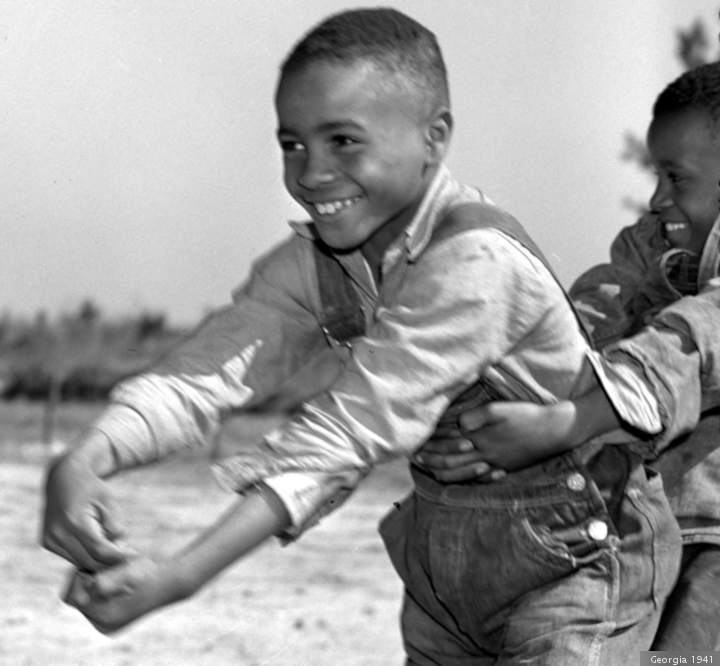
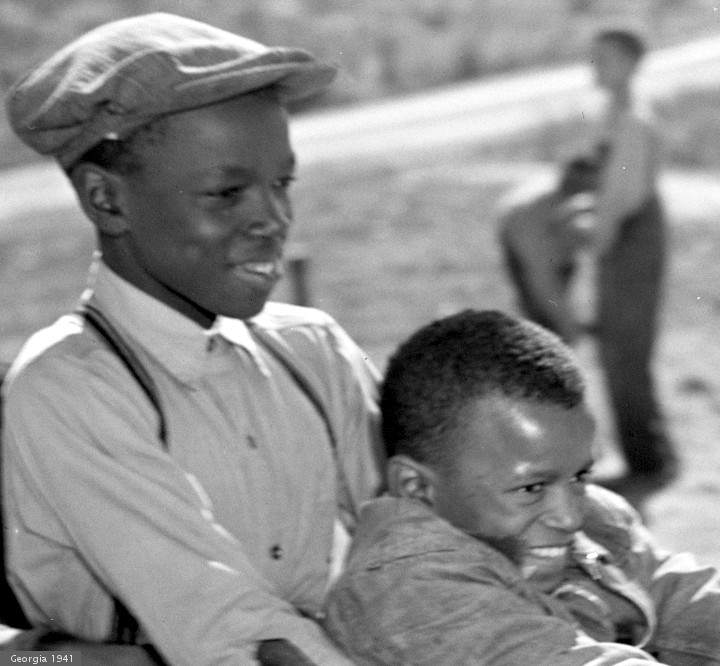
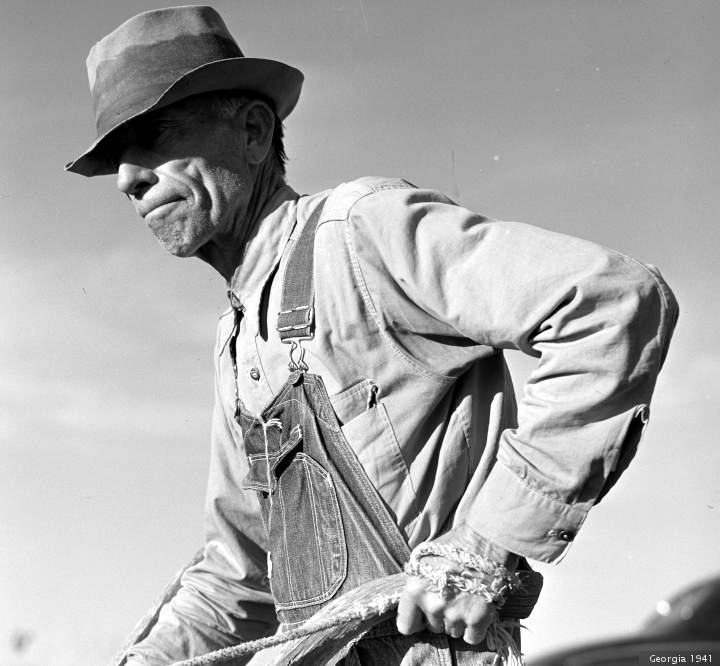
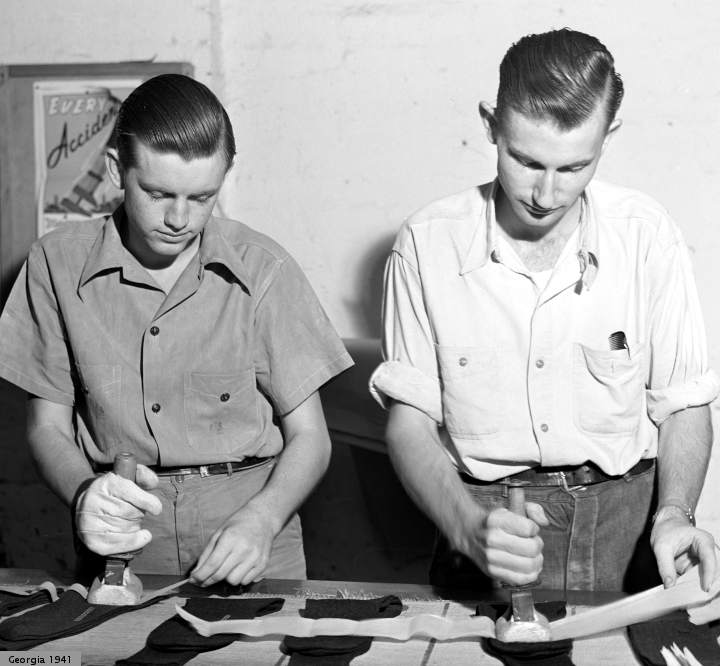
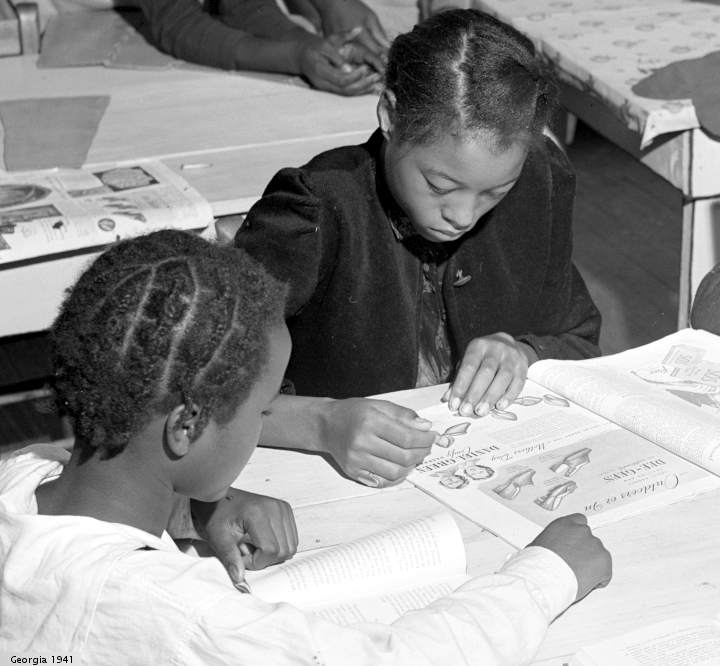
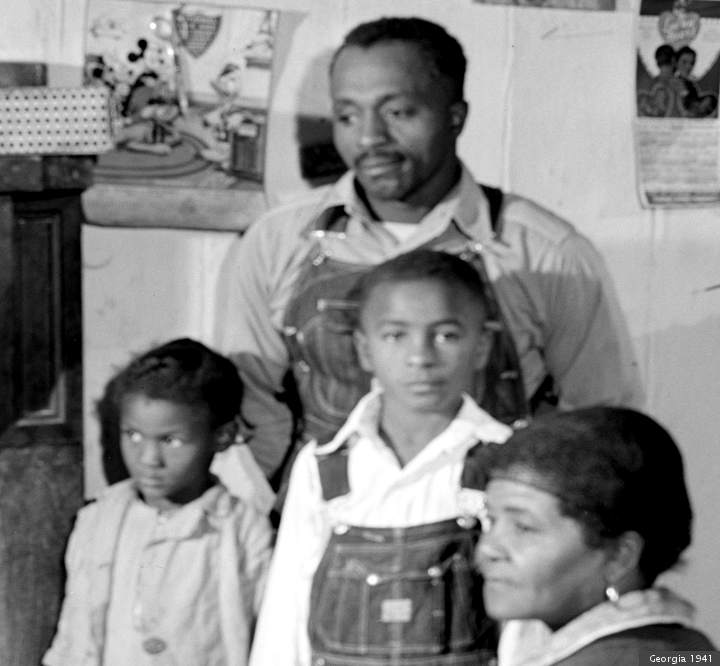
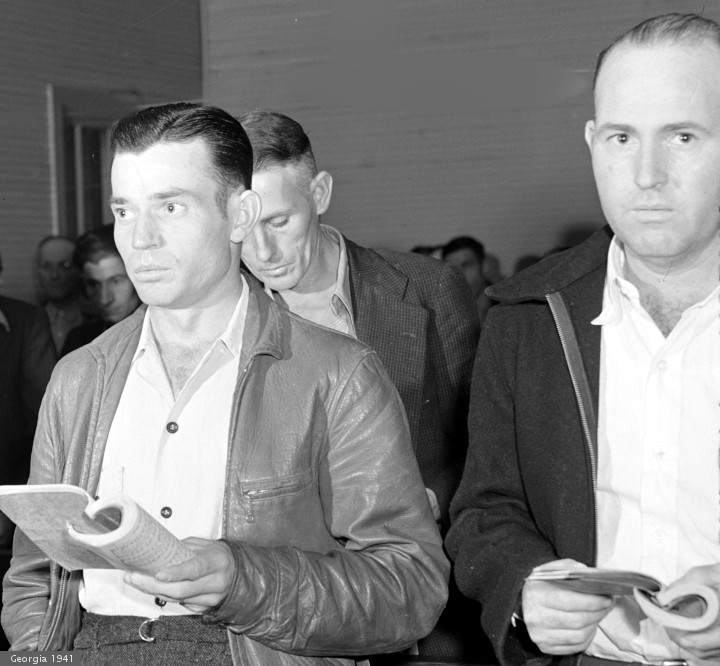
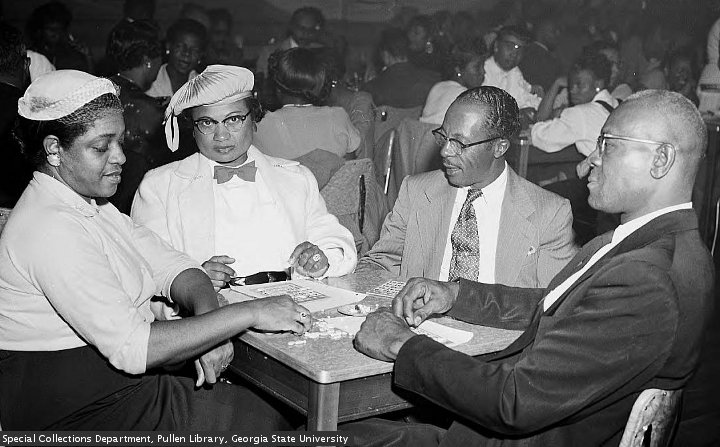
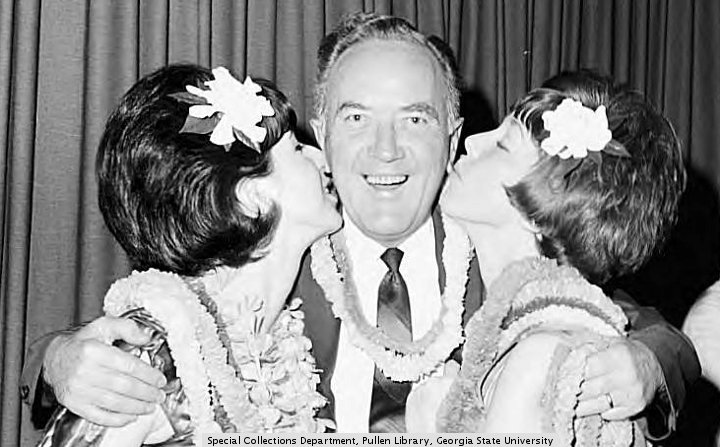
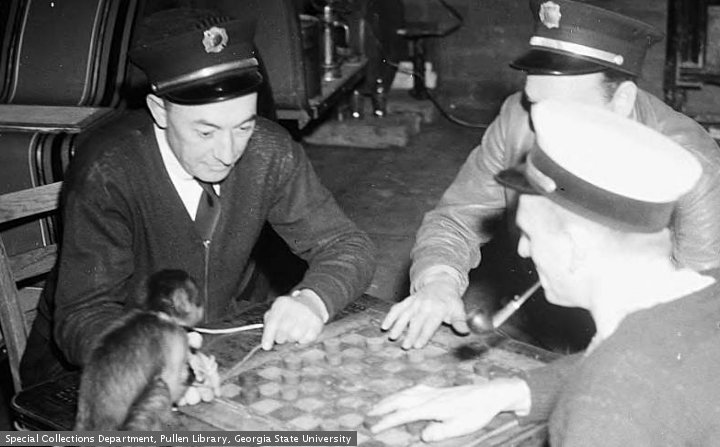
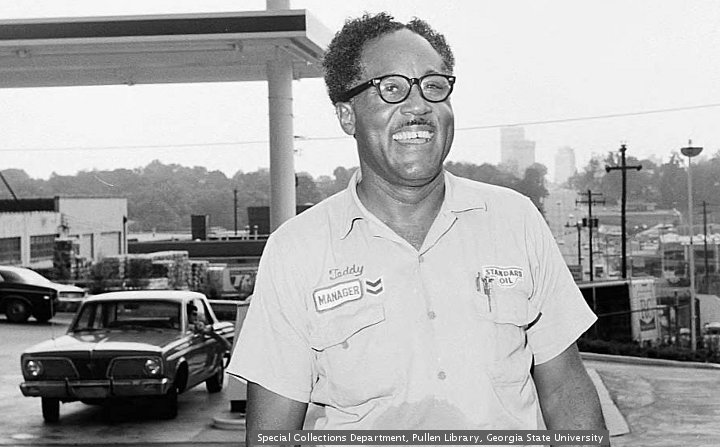
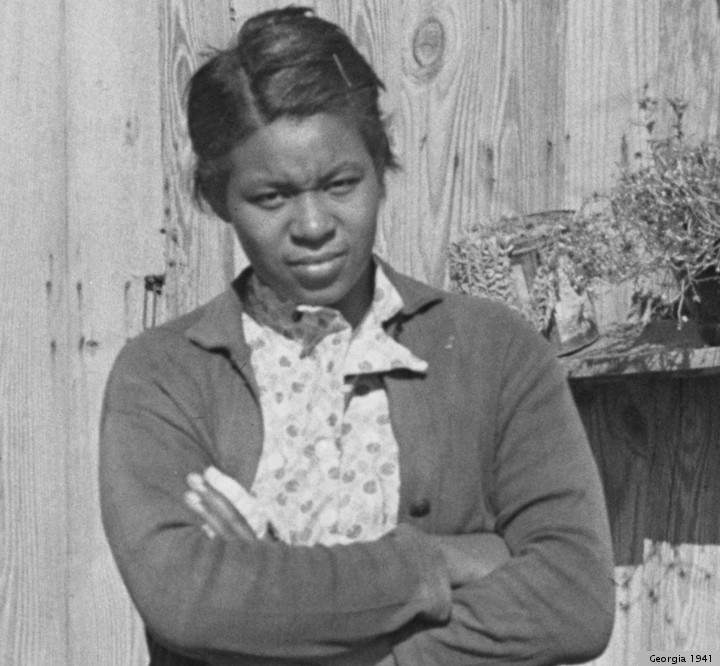
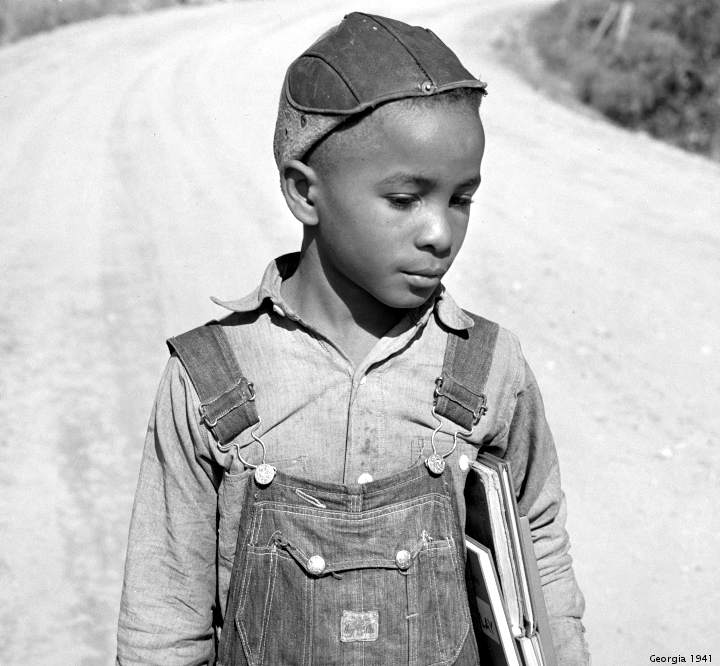
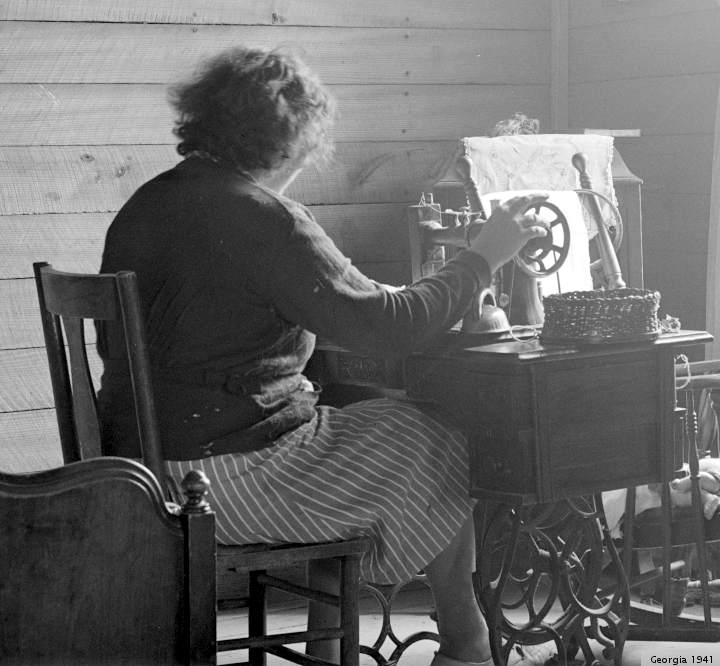
To sum up, the Georgia state flag was changed in 1956. The new flag contained the Confederate battle flag. Many people were offended by the 1956 flag. PG thought it was ugly. Many others saw it, with some justification, as a symbol of racism. For some reason, speculation about the motives of the 1956 legislature. 18 years after the passage of a new flag, people are still arguing over the motives of the 1956 legislature. Pictures for this gratuitous waste of bandwidth are from “The Special Collections and Archives, Georgia State University Library”. .




Half Asleep In Frog Pajamas Part One
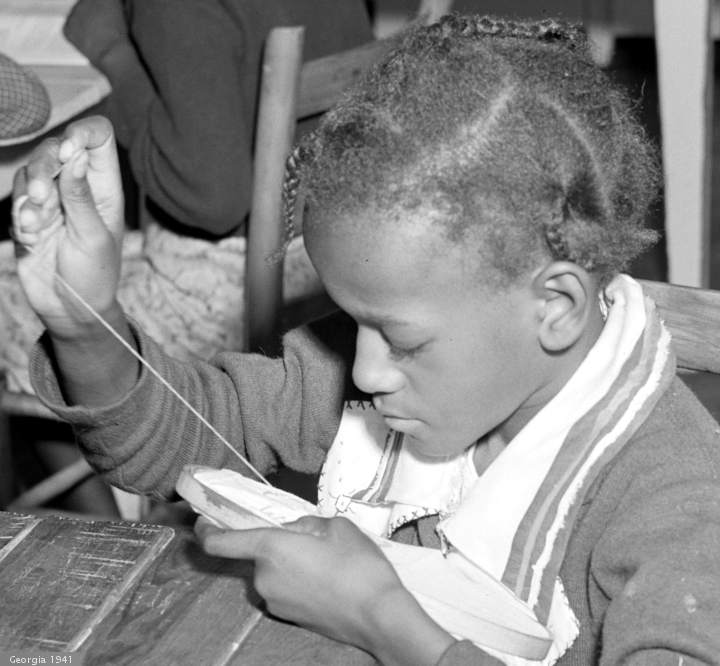
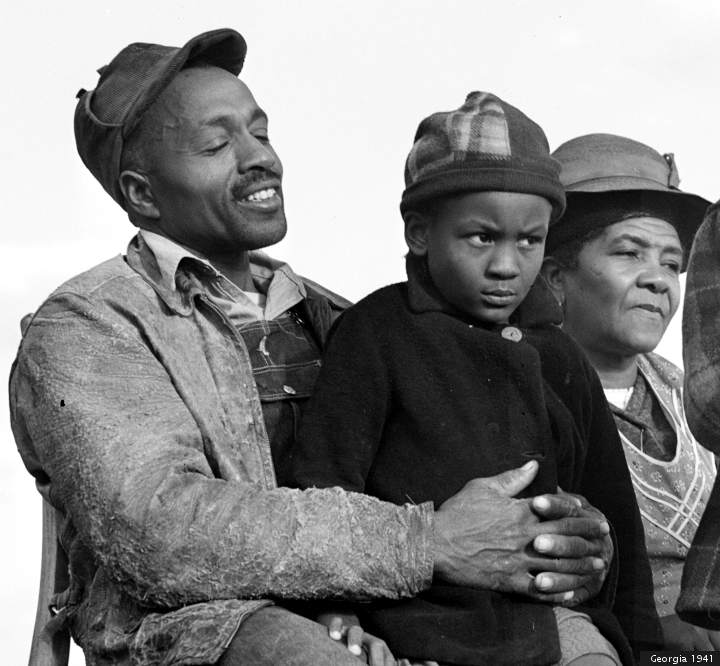
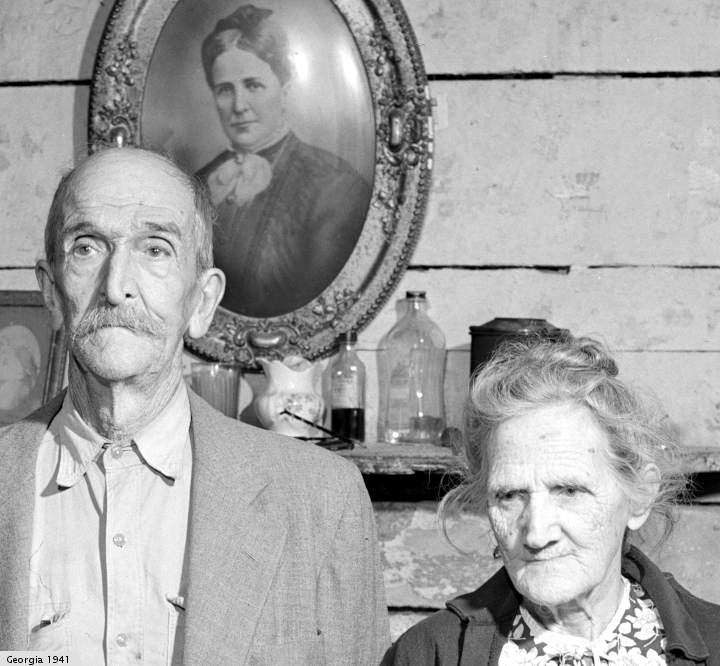
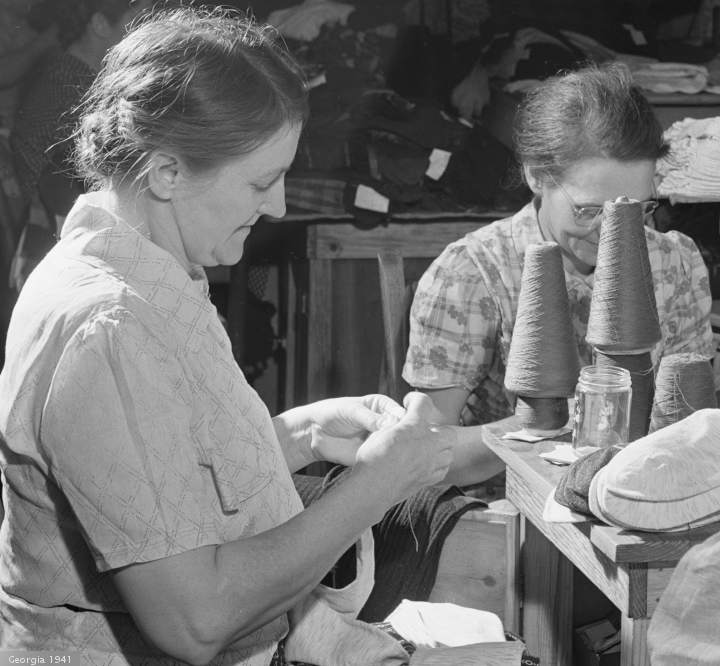
In 1996, PG was in a phase of his life. The details are not important. As usual, he needed escapism. Then he found Half Asleep in Frog Pajamas, by Tom Robbins. One night, on page 183, he saw a sentence: “Mister when you redecorated your brain room, you hung the pictures upside down.”
Three characters of HAFP are involved in that sentence. The voice was inside the head of Gwendolyn Mati. GM is the central figure here. She is a stock broker, on the easter weekend after the stock market crashes. Mister is Larry Diamond, who bears a gruesome resemblance to Tom Robbins. LD, whose middle name might start with S, is a former stockbroker. He talks too much. As fiction fans know, eventually GM and LD are going to fuck, but not before 269 foreplay pages.
The person redecorating the LD brain room is Q-Lo Huffington. (Yes, Q-Lo sounds a lot like the Spanish word for butt. Wait until you meet Motofusa Yamaguchi.) Q-Lo reads tarot cards, and does other things. Q-Lo is a pal of GM, and had a professional arrangement with LD. Q-Lo is also missing on page 183. GM suspects LD of doing something terrible to Q-Lo.
PG is currently on page 230 of HAFP. The story has 156 pages to go, making this a proper time to post part one. Q-Jo is still missing on page 230. Yes, you read that correctly. When PG looked at the page number of the last page, he glanced up, and saw the name Q-Jo Huffington. Calling her Q-Lo was a mistake. Her appearance on the last page implies that she will be found alive. This is one of several loose ends that need to be tied up at the 230 mark.
Getting back to 1996, PG was in a bad way. He read the line about hanging pictures upside down, and began to think. PG had a poster of Grace Jones by the front door. Her hairdo was flat, and tough. If you were to turn her upside down, the hairdo could support her. PG turned the poster upside down, and immediately felt the quality of his life improve.
HAFP was originally published in 1994, and written before that. It takes place over Easter weekend. A post 1987 stock market performance is rocking the world. At one point, GM and LD are in a bar. Someone turns the tv away from a baseball game. “I guess the President is going to make an important speech or something.” You scowl at her for confusing you with one of those Cheeto heads who short their potential and downside their IQs watching televised sports.” Could the author, as insightful as he is, known that twenty five years later it would be the fans of the president that might be called Cheeto heads?
In any Tom Robbins book, the plot is just an excuse for the author to exhume existential eggshells, out of the compost pile of life. An example might be on page 126. “For years now, most automobiles have been designed to roughly resemble eggs. Manufacturers claim the ovoid shape maximizes aerodynamic efficiency, but if that is true, how come a bird has to break out of the egg before it can fly.” Maybe the bird is R. Kelly, and if you believe you can fly, then you can. The truth is, anybody can fly. The problem is landing.
“…if we aren’t learning something from a new experience, it’s usually because we aren’t paying attention. Or we’re following the wrong libretto.” The author says libretto a lot in HAFP. It reminds PG of something else he read. Arthur Marx wrote a book, My Life With Groucho/Growing Up With the Marx Brothers. Groucho’s idea of a good time was to pass out librettos, and listen to Gilbert and Sullivan records. Groucho later performed in The Mikado on television. Pictures for this saturday morning cartoon are from The Library of Congress.


Tom Paine



There is a meme floating through the innertubes. “To argue with a person who has renounced the use of reason is like administering medicine to the dead.” Thomas Paine English-American political activist, writer and revolutionary. A drawing of Mr. Paine lurks to the left of the text.
The quote is from the first paragraph of a pamphlet written by Mr. Paine, The American Crisis: LANCASTER, March 21, 1778, TO GENERAL SIR WILLIAM HOWE. It was part five of a series, The American Crisis. The tract was intended to inspire the war effort against the British. The full sentence: “To argue with a man who has renounced the use and authority of reason, and whose philosophy consists in holding humanity in contempt, is like administering medicine to the dead, or endeavoring to convert an atheist by scripture.”
Four Principles of Quotation was written in 2002, before the rise of meme culture. The salient principle for today is number four, “Only quote from works that you have read.” The tract by Mr. Paine is 6956 words of revolutionary era purple prose. Today’s facebook expressionist does not want to go to that much trouble.
The American Crisis V has some interesting passages. It would be considered politically incorrect today. The British labelled is “the encourager of Indian cruelties,” and accused of “the unchangeable name of meanness.”… “The particular act of meanness which I allude to in this description, is forgery. You, sir, have abetted and patronized the forging and uttering counterfeit continental bills. … shows an inbred wretchedness of heart made up between the venomous malignity of a serpent and the spiteful imbecility of an inferior reptile.”
The text is directed at General William Howe. The war was not going well for the British… “They resemble the labors of a puppy pursuing his tail; the end is still at the same distance, and all the turnings round must be done over again.” General Howe resigned April 4, 1778, fifteen days after The American Crisis V was written. The purple prose might have been a factor.
“Your master’s speech at the opening of Parliament, is like a soliloquy on ill luck. It shows him to be coming a little to his reason, for sense of pain is the first symptom of recovery, in profound stupefaction…. who is daily decaying into the grave with constitutional rottenness. There is not in the compass of language a sufficiency of words to express the baseness of your king, his ministry and his army. They have refined upon villany till it wants a name. To the fiercer vices of former ages they have added the dregs and scummings of the most finished rascality, and are so completely sunk in serpentine deceit, that there is not left among them one generous enemy. … She is the only power who could practise the prodigal barbarity of tying men to mouths of loaded cannon and blowing them away. … If there is a sin superior to every other, it is that of wilful and offensive war. … We leave it to England and Indians to boast of these honors; …”
Mr. Paine has a good reputation today. This was not unversal during the revolution. “In 1777, Congress named Paine secretary to the Committee for Foreign Affairs. The following year, however, Paine accused a member of the Continental Congress of trying to profit personally from French aid given to the United States. In revealing the scandal, Paine quoted from secret documents that he had accessed through his position at Foreign Affairs. Also around this time, in his pamphlets, Paine alluded to secret negotiations with France that were not fit for public consumption. These missteps eventually led to Paine’s expulsion from the committee in 1779.”
After the war, Mr. Paine went back to England. He soon got involved in the French Revolution, and was imprisoned. He continued to write, and get in trouble. Mr. Paine was invited back to the United States by Thomas Jefferson. He “died in June 1809, and to drive home the point of his tarnished image, the New York Citizen printed the following line in Paine’s obituary: “He had lived long, did some good and much harm.” Pictures are from The Library of Congress. This is a repost.



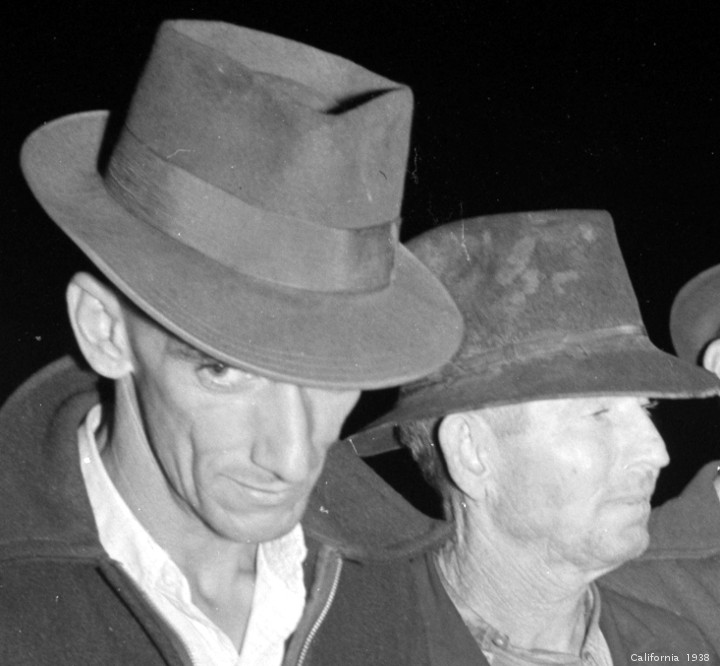

2018 Murder Statistics
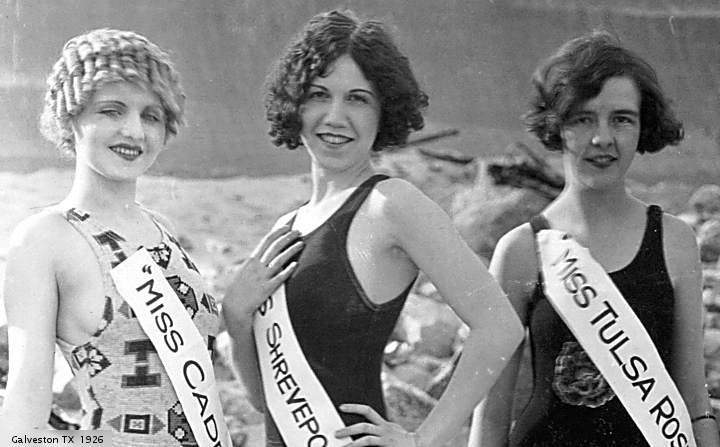
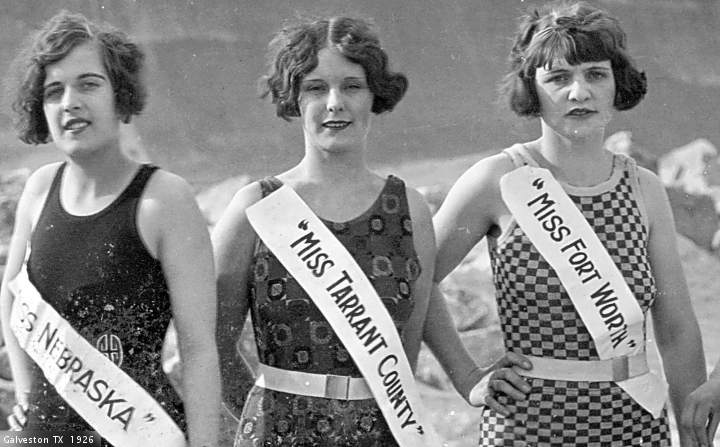


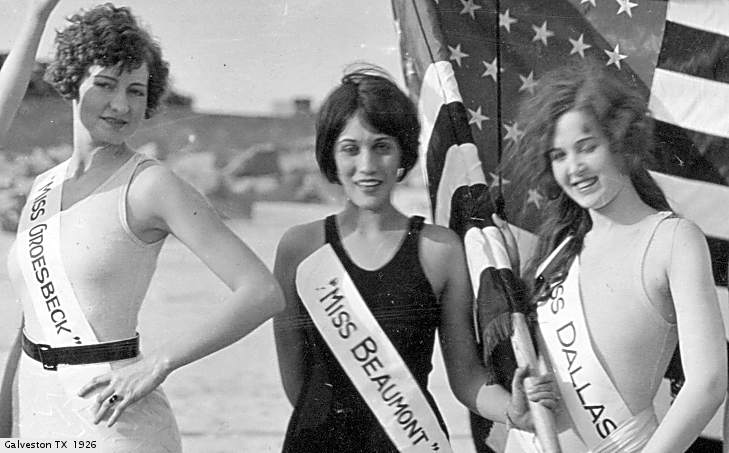

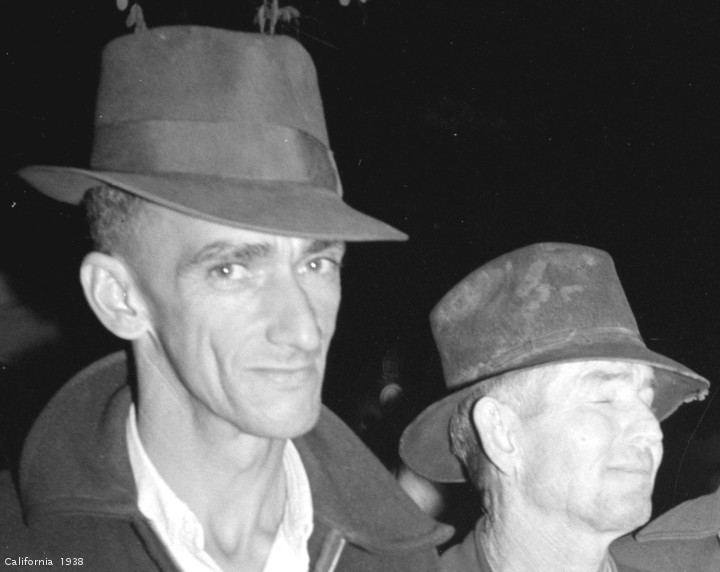
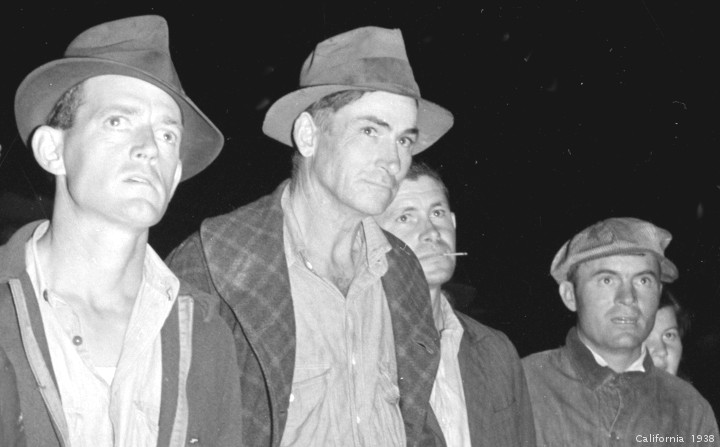
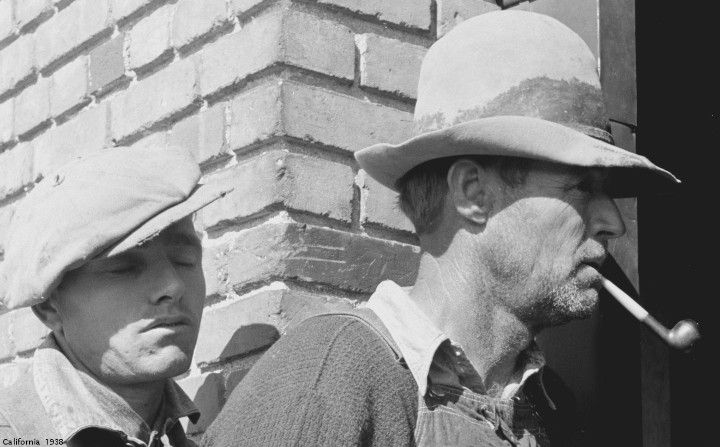
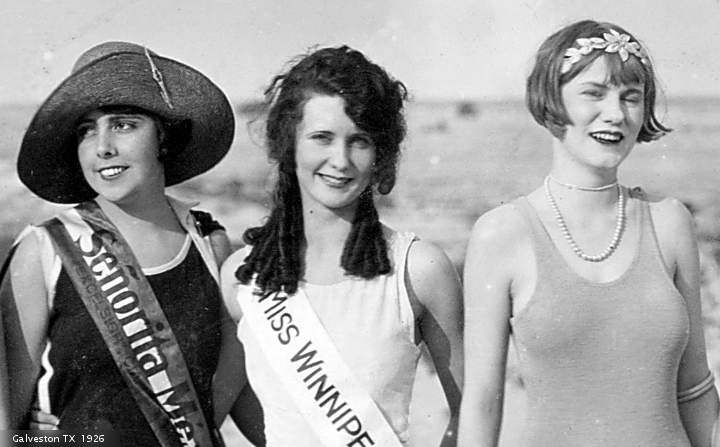
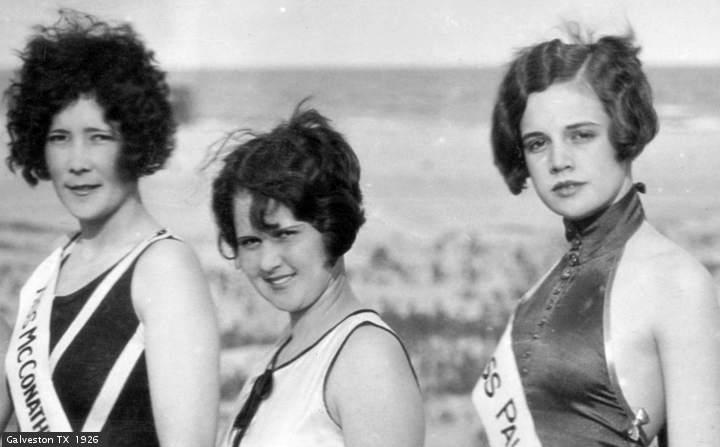
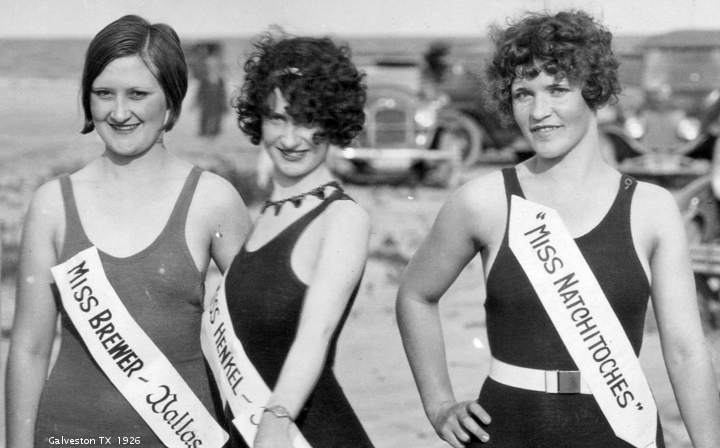
Crime in the U.S. 2018 has been issued by the FBI. It is more statistics about crime than you could consume in a lifetime. This blog published reports on these numbers for 2015, 2016, and 2017. Pictures today are from The Library of Congress, and the Galveston Bathing Review, 1926.
Expanded Homicide Data Table 1 is the source of murder statistics. These numbers are broken down by race, gender, ethnicity, and other factors. (Hispanic or Latino (hereafter known as Hispanic) is considered an ethnicity, rather than a race. Hispanic people are included in FBI statistics according to their race.) In 2018, there were 14,123 murder victims. The gender breakdown is 10,914 (77.2%) male, 3,180 (22.5%) female, and 29 unknown.
Quick facts, from the U.S. Census Bureau, is the source of population numbers. On July 1, 2018, there were 327,167,434 people in the United States. White people were 76.5% (250,283,087), and Black people were 13.4% (43,840,436). Hispanic people were 18.3% (59,871,640).
2018 had 14,123 homicide victims. This breaks down into White 6,088, Black 7,407, other race 395, and unknown race 233. (25 of the unknown race victims were also unknown gender.) Hispanics are counted separately, and had 2,173 victims. If you divide the number of murder victims by the population, you get the number of homicide victims per million, or vpm. The overall population lost 43.1 vpm. For White people, there were 24.3 vpm. For Black people, there were 168.8 vpm. For Hispanic people, there were 36.2 vpm.
50.8% of the population is female, according to the census bureau. We will use this 50.8/49.2 breakdown in this next section, even though there are indications that the percent of females is higher for black people. The male/female ratio for homicides is male 10,914 (77.2%), and female 3,180 (22.5%). For White people, it is male 4,255 (69.8%), and female 1,832 (30.0%). For Black people, it is male 6,237 (84.2%) and female 1,168 (15.7%). For Hispanics, it is male 1,752 (80.6%), and female 421 (19.3%). On a per capita basis, males had 67.8 vpm, and females 19.1 vpm. White males had 34.5 vpm, with White females losing 14.4 vpm. Black males had 289.1 vpm, with Black females losing 51.4 vpm. Hispanic males had 59.4 vpm, with Hispanic females losing 13.8 vpm.
The numbers are down from 2017. 2017 had 15,129 homicide victims (w 6,579, b 7,851, h 2354). 2018 had 14,123 homicide victims (w 6,088, b 7,407, h 2,173). This is with an overall population increase of 1,448,256. Most of the other numbers were lower in 2018.
The Washington Post reports 998 people killed by police in 2018. The breakdown: White 452, Black 229, Hispanic 164, Other 40, Unknown 107. (Using these numbers for comparison may be tricky. The FBI groups Hispanics into White/Black/Other as appropriate, while WAPO considers Hispanics to be a separate racial category.) If you divide the WAPO number by the total number of victims, you get a killed-by-police percentage. For White people, this is 452/6,088=7.4%. For Black people, this is 229/7,407=3.0%. For Hispanics, this is 164/2173=7.5%.



 Chamblee54
leave a comment