Jesus And Mr. Gandhi


One day, PG is going to learn not to read facebook first thing in the morning. He was scrolling along, minding his own business, when he found this comment: “Are you kidding me. Judge NOT least you are JUDGE. You have NO right nor do I as a Christain to interpet one man’s thought or opinion or idea of whom our CHRIST is to HIM (Ghandi) or to you or myself. Self judging of other people or life styles was one the things that really ticked Christ off. Til we accept that and stop be so judgmental we are no better than the Devil himself.” PG had a reply: “1-When you have religion shoved in your face, you need to make a judgement… do I agree with this, or not agree? If the religion was not forced upon us, we would not have to make this judgement. 2- When you say I am the devil, you say more about yourself than you do about me.”
The first comment was made by a former supervisor of PG. “Wildman” was the store manager when PG was tormented by the Professional Jesus Worshiper (PJW). During this crucible, PG was forced to re-examine his opinions about Jesus. This was not easy for PG, as Jesus had long been a painful presence in his life.
PG decided that there were two forces known as Jesus. One was the historic figure, whose life was partially recorded in the bible. The second Jesus was a spirit, living in the hearts of those who believe in him. The present day spirit Jesus has little in common with the historic Jesus, other than the name. The best way to know Jesus is through the words and deeds of his believers.
The initial comment was made to a post at Christianity.com. Apparently, the comment was automatically posted to facebook. The post, Gandhi Doesn’t Like Us, was written by Tim Challies. He is a popular Jesus worship blogger, and is much admired at blogs where PG is banned from commenting. The page is sponsored by Christians United For Israel. They are distributing a free ebook, Israel 101, with the slogan “Defend the land Jesus walked.”
Mr. Challies is a competent writer. He crafts an opening to the post which states the points he is going to make. “How many times have you come across this quote attributed to Mahatma Gandhi? “I like your Christ. I do not like your Christians. Your Christians are so unlike your Christ.” I must have read it a hundred times in books, magazines, articles, tweets. It is used by believers and unbelievers to point to the hypocrisy of Christians and to call us to more and to better. Our inability to live what we preach is driving the multitudes away. Or so we are told. After all, that’s what Gandhi said.
We need to stop using this quote and I’m going to give you two good reasons to do so. In the first place, Gandhi was hardly an authority on Jesus. When he says, “I like your Christ” he is referring to a Jesus of his own making, a Jesus plucked haphazardly from the pages of Scripture, a Jeffersonian kind of Jesus, picked and chosen from the accounts of his life. “
PG agrees with Mr. Challies, but for different reasons. To begin with, no one seems to have a source for this quote. What was the context? What language was it said in? This quote is the best answer Mr. Google can supply:
“A 1926 review by the Reverend W.P. King (then pastor of the First Methodist Church of Gainesville, Georgia) of E. Stanley Jones’s The Christ of the Indian Road (published in 1925 by The Abington Press, New York City) includes the following: Dr. Jones says that the greatest hindrance to the Christian gospel in India is a dislike for western domination, western snobbery, the western theological system, western militarism and western race prejudice. Gandhi, the great prophet of India, said, “I love your Christ, but I dislike your Christianity.” The embarrassing fact is that India judges us by our own professed standard. In reply to a question of Dr. Jones as to how it would be possible to bring India to Christ, Gandhi replied: First, I would suggest that all of you Christians live more like Jesus Christ. Second, I would suggest that you practice your Christianity without adulterating it. The anomalous situation is that most of us would be equally shocked to see Christianity doubted or put into practice. Third, I would suggest that you put more emphasis on love, for love is the soul and center of Christianity. Fourth, I would suggest that you study the non-Christian religions more sympathetically in order to find the good that is in them.”
The quote is less than 100 years old, and it is disputed. The reputed words of Jesus were said in Aramaic. They were quoted, after his death, by scribes who never met Jesus, in Greek. These texts were copied by hand and compiled into a canon for the Catholic church. This canon was translated into contemporary languages. And yet, this record of the teachings of Jesus is regarded as the verbatim, inerrant truth.
Another problem with the quote is the use of the word “Christ”. This was an honorific title, and not the name of Jesus. (Some say that the name was closer to Joshua. It was probably an Aramaic name that we would find difficult to pronounce.) There are many people who say that Jesus might not be the Christ.The two names are not synonymous, nor is Christ the last name of Jesus.
Mr. Gandhi had some name issues as well. His birth name was Mohandas Karamchand Gandhi. Many today refer to him as Mahatma Gandhi. “The word Mahatma, while often mistaken for Gandhi’s given name in the West, is taken from the Sanskrit words maha (meaning Great) and atma (meaning Soul). Rabindranath Tagore is said to have accorded the title to Gandhi. In his autobiography, Gandhi nevertheless explains that he never valued the title, and was often pained by it.”
Mr. Gandhi went to school in England, and worked as a barrister in South Africa. He was a smart man. If you want to put a quote from Mr. Gandhi on your vehicle, here are a few options:
“G-d has no religion”
“Be the change you want to see in the world.”
“Nobody can hurt me without my permission.”
“Be the change you want to see in the world.”
“The weak can never forgive. Forgiveness is the attribute of the strong.”
“Whenever you are confronted with an opponent. Conquer him with love.”
“The best way to find yourself is to lose yourself in the service of others.”
“The weak can never forgive. Forgiveness is the attribute of the strong.”
“Live as if you were to die tomorrow. Learn as if you were to live forever.”
“One who has any faith in G-d should be ashamed to worry about anything ”
As we said earlier, Gandhi Doesn’t Like Us offers two reasons to not use the quote by Mr. Gandhi. Lets take a look. “Whatever Jesus Gandhi liked was certainly not the Jesus of the Bible. Why then should we care if we do not attain to this falsified version of Jesus? I would be ashamed to have any appearance to the kind of Jesus that Gandhi would deem good and acceptable and worthy of emulation. That Jesus would, of course, have to look an awful lot like Gandhi. So there is one good reason to stop using this quote: because Gandhi fabricated a Jesus of his own making and declared his affection only for this fictional character. He never liked the real thing”.
Arguably, this is what the contemporary church does. The light skinned Jesus of velvet paintings looks little like the real thing. Even critics of the church, who like to talk about what “Jesus really taught”, are relying on the product of a Catholic committee. The truth is, we don’t know very much about the historic Jesus. We fill in the blanks to suit whatever the current agenda is. What you think about Jesus says more about you than it does about Jesus.
Here’s a second reason. Gandhi had a fundamental misunderstanding of himself and of the rest of humanity. Gandhi no doubt loved the way that Jesus related to the downtrodden and disadvantages and assumed that he himself was a leper or Samaritan, when really he was a Pharisee. … Perhaps he might even have deigned to put himself in the place of the Prodigal Son, a man who had gone astray but then found hope and redemption. Whatever the case, the Jesus he liked must have been a Jesus who would love and accept him just as he was and not a Jesus who declared that even a man as good as he was an enemy of G-d.
Jesus spoke kind words and did great deeds; he comforted and healed and gave hope and a future. But not to everyone. Jesus reserved the harshest of words for the religious elite, those who declared that they were holy, that they understood the nature of G-d, that they had achieved some kind of enlightenment. Jesus had no love for such people. It was such people who received the sharpest of his rebukes and the most brutal of his “Woes!” They were the whitewashed tombs, the broods of vipers, the blind guides. Such men did not love Jesus. They may have loved Gandhi’s fabricated Christ but they hated the real one.
And who is the “religious elite” elite of today? Perhaps it is someone who publishes on a slick website, with an ad supporting the abuse of the Palestinian people. Perhaps it is the preacher in Lithonia who uses Jesus to lure teenage boys into his bedroom. Perhaps it is the PJW who conducted a vulgar ministry while working on the clock for redo blue. This PJW ended a tirade with the words, What you see is Jesus changing my life. Perhaps it is those who use Jesus to hurt people.
This Jesus, the Jesus of the Bible, would have rebuked Gandhi as he rebuked the Jewish leaders of his day, the people who led people walking behind them on the road to hell. Like them, he was convinced of his own goodness, his own worthiness. There are two good reasons to stop using this quote: Gandhi liked only the Christ of his own making and he believed that he was worthy of the favor of this Christ. On both accounts he was wrong; dead wrong.
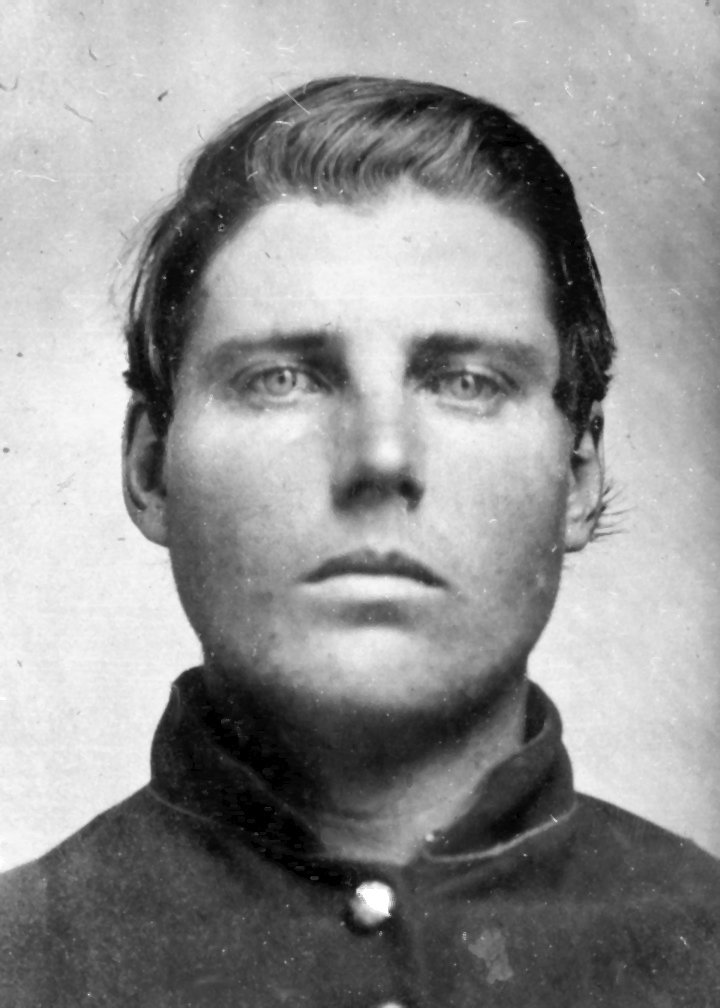
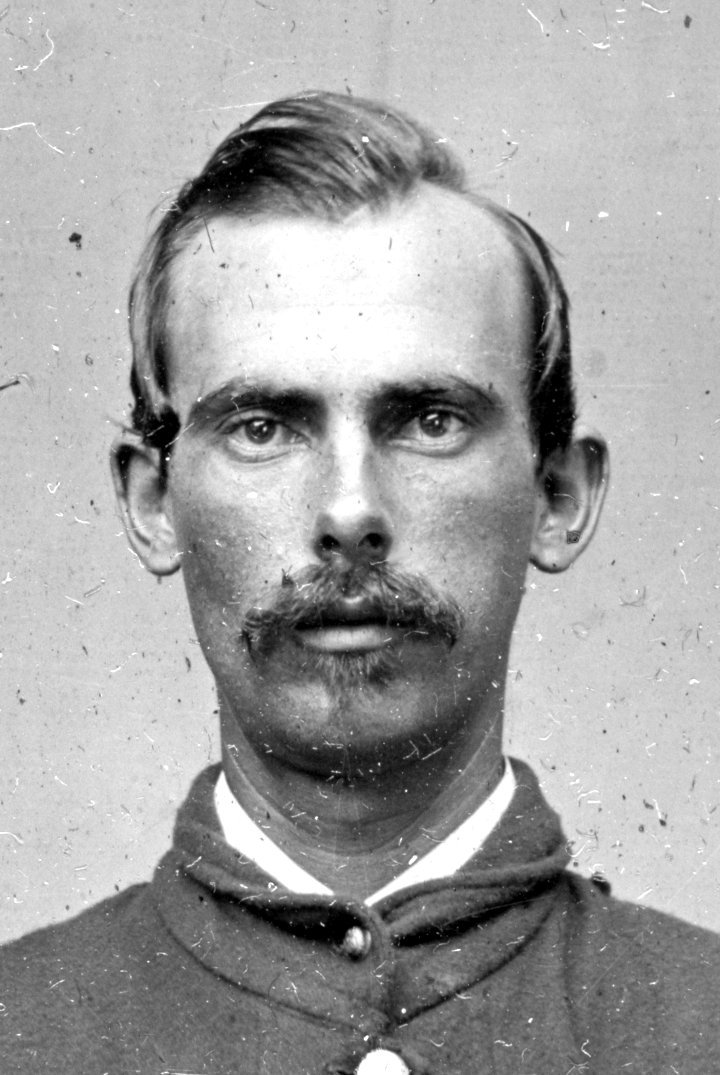
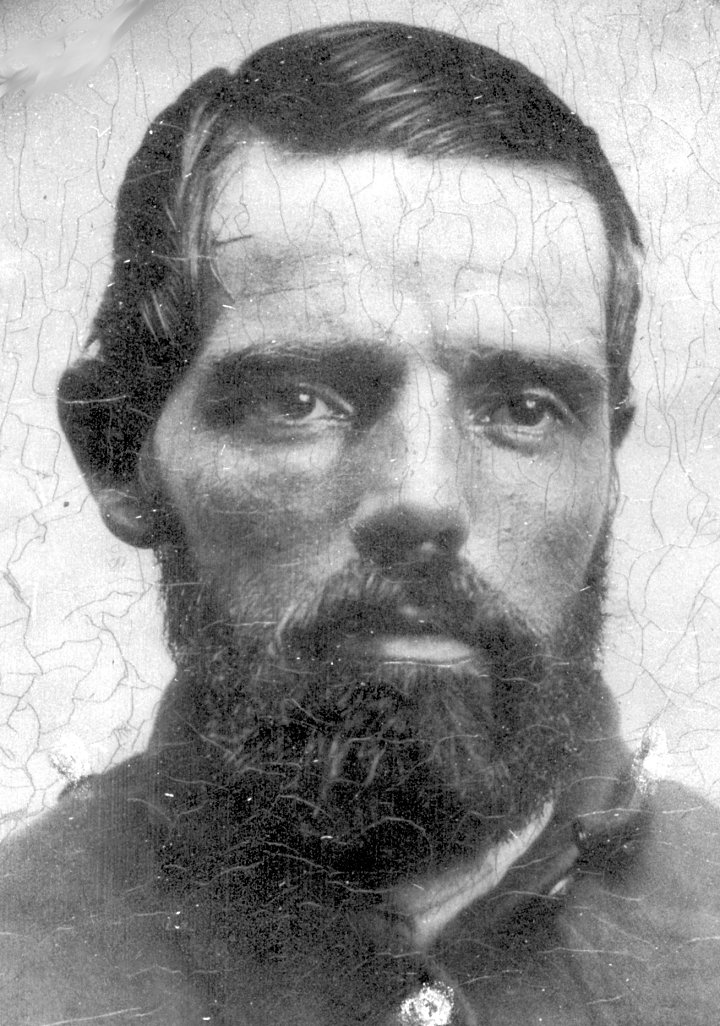
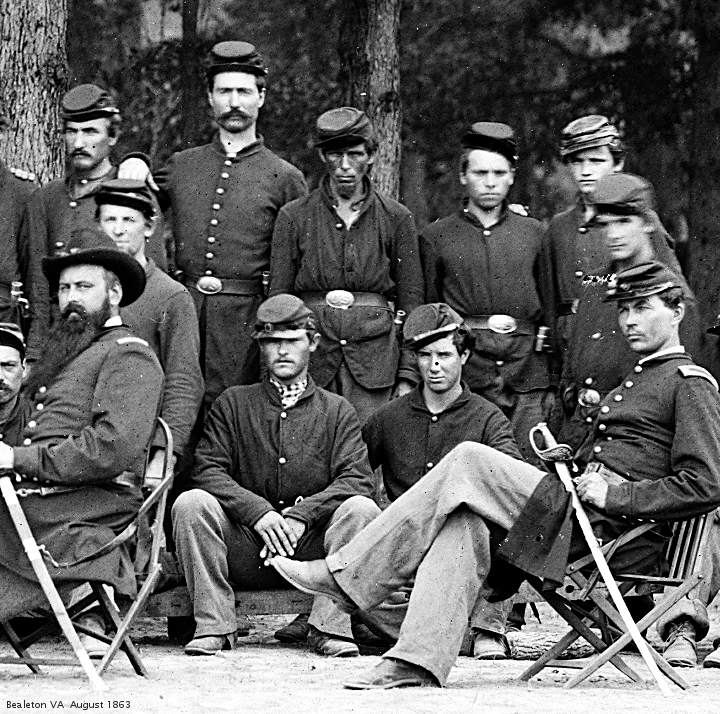
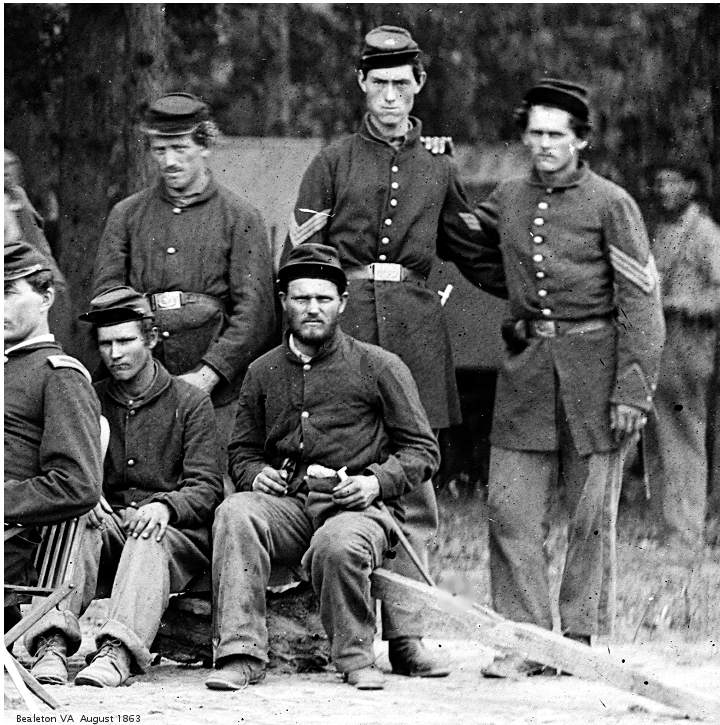
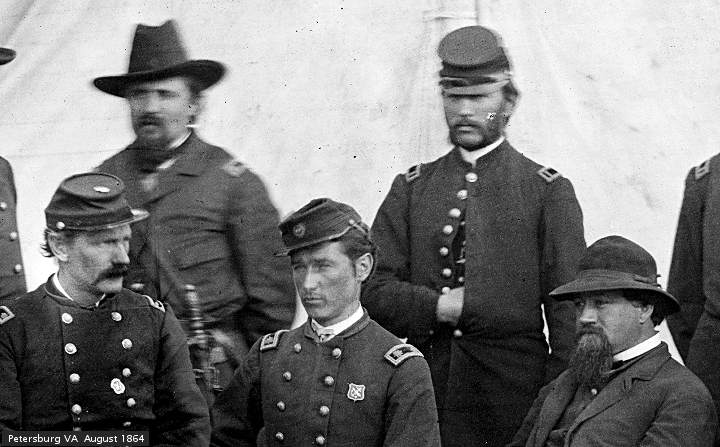
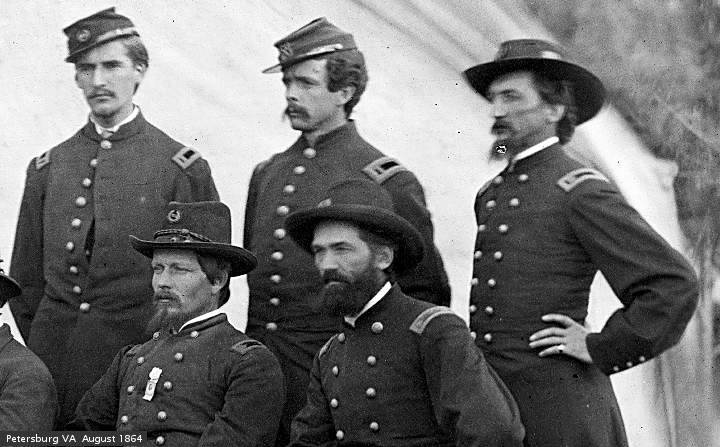
This is a repost. Pictures today are from The Library of Congress. They are Union soldiers, from the War Between the States. Both sides in this conflict believed that Jesus supported them.





Changing The Flag
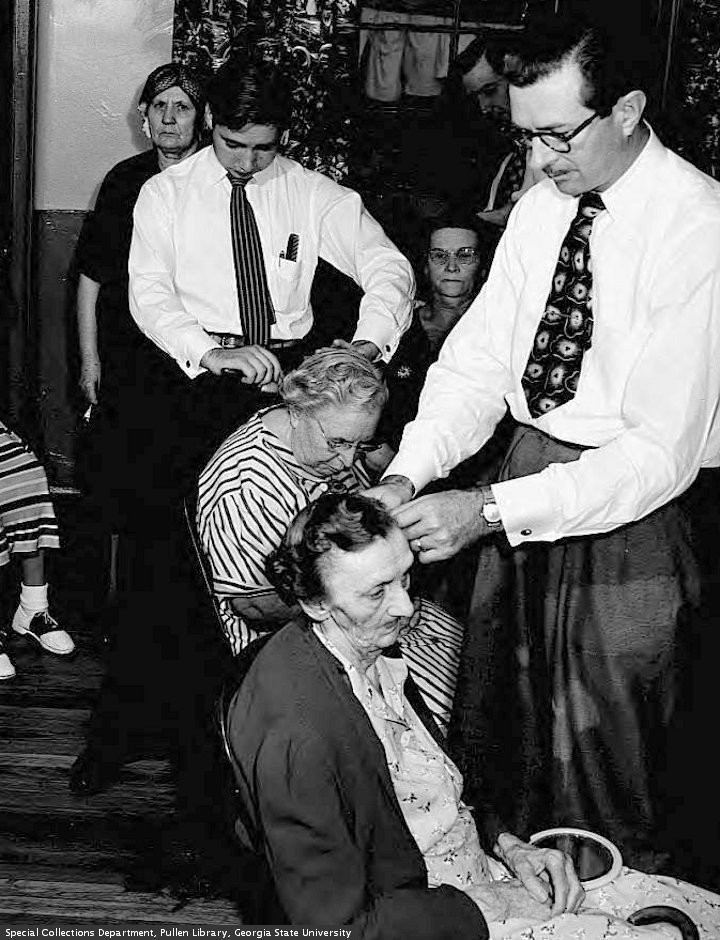
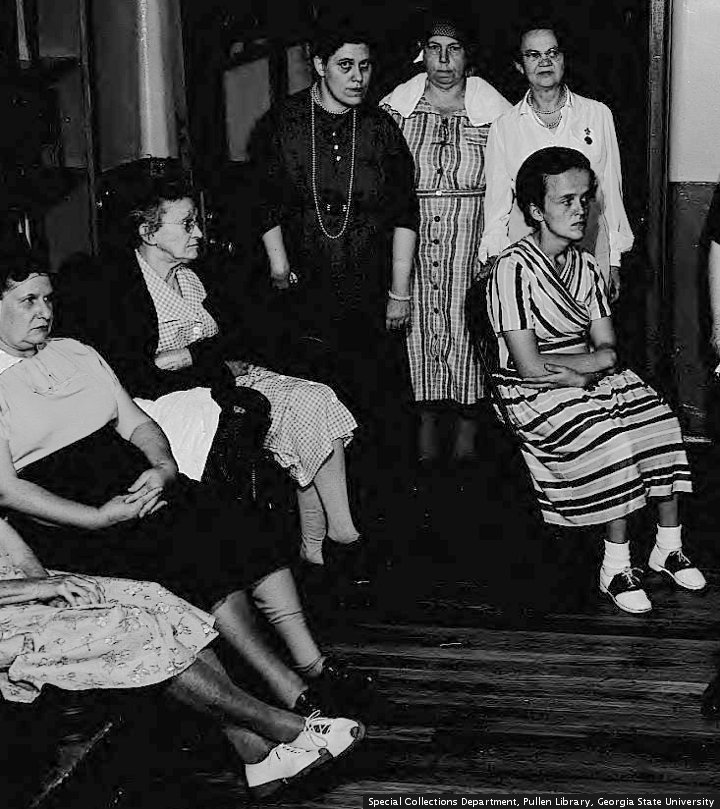
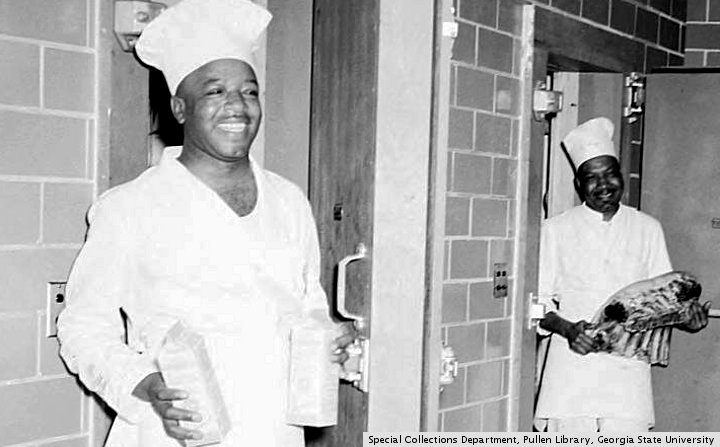

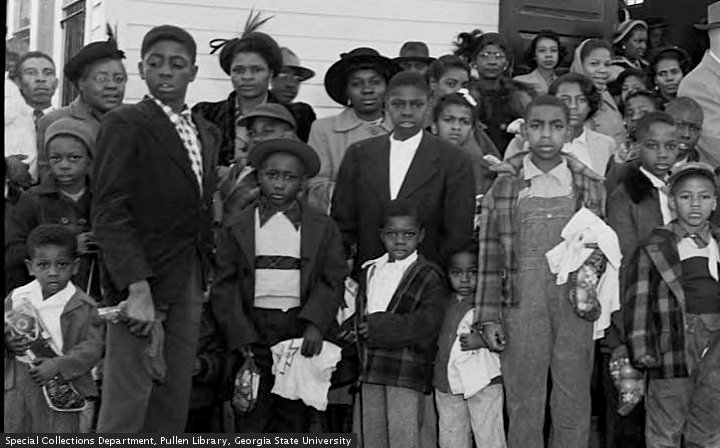
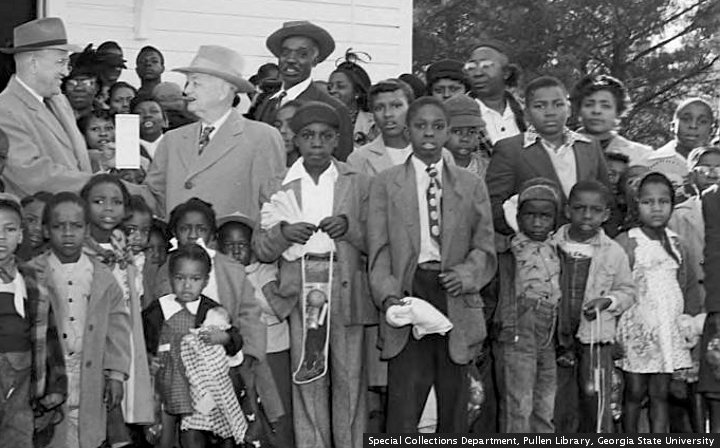

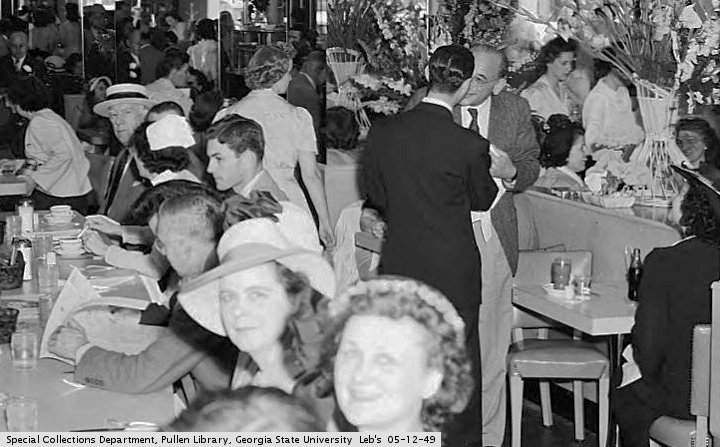
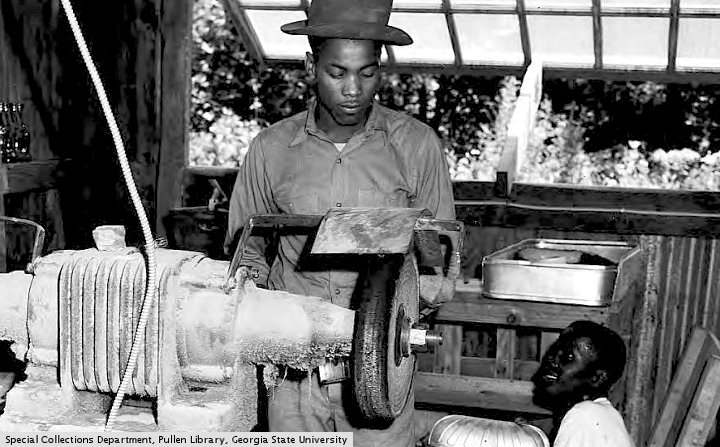
This is a recycled post from 2008. It was written in first person. The issue discussed has mostly faded away, except for a few hardcore cranks. Politicians have found new issues to distract voters when they want to make crooked deals, especially when the Governor is a crooked Deal. Pictures are from “The Special Collections and Archives, Georgia State University Library”.
In 1994 I was working in downtown Atlanta. I represented my company in a customer’s office, and there was often time with nothing to do. At the very least, there was no time clock and an hour lunch could slip into overtime with few consequences.
There was an issue in the news in 1994, along with some claims that I did not believe. This issue was whether, or not, to change the state flag. One day, I went to the library, and sat down with the microfilms of the Atlanta Constitution (Covers Dixie Like the Dew) for the Winter of 1956.
One of the fun things about doing research is the things you were not looking for. Elvis Presley made a personal appearance at the Fox Theater. Atlanta Blue opened a facility on West Peachtree Street. There was speculation about whether Dwight Eisenhower would have a different Vice President in the next election. Mr. President had a heart attack in 1955. Many did not want Richard Nixon to be President. 1994 was 20 years after Mr. Nixon resigned the Presidency in disgrace. You wonder how things might have been different if Mr. Eisenhower found a new Vice President.
1956 was two years after Brown vs. The Board of Education, and many were concerned about school desegregation. A bill was proposed in the legislature to make it a felony to advocate integration.
The Governor at the time was Marvin Griffin. Georgia Tech played Pittsburgh in the Sugar Bowl that year, in spite of the fact that Pittsburgh had a black player. The Governor strongly objected, but was overruled. The game was played without incident.
The State of Georgia changed the state flag that year. The new flag had the state seal on a blue stripe next to the St. Andrews Cross, the battle flag of the Confederate States of America.
In 1994 many wanted to change that flag. Some said that it was a symbol of slavery and oppression; others said it was a reminder of battlefield valor. A native southerner, I could appreciate both points of view. I was neutral regarding a change of the flag.
One thing that I did not understand was an argument made for changing the flag. The line in those days…first expressed by Governor Zell Miller and endlessly repeated by the local fishwrapper media … was that the flag had been changed as a protest against desegregation.
I did not believe that for a minute. The legislature in 1956 was not that smart. They were a bunch of white males who were, with a few exceptions, racist, alcoholic crooks. If someone had suggested a flag change as a stand of defiance against desegregation, they might have thought it a good idea, but I somehow doubt that anyone thought like that. This was 1956. The sixties, where protest became the new national pastime, were a few years away.
After a few minutes of searching through the department store ads and sports pages, I found what I was looking for…. the article announcing the flag change. There was no mention of a protest against desegregation. They announced it as a way of honoring the Confederacy. This is in keeping with the times. Georgia in 1956 was still recovering from the War, and the Cult of Honoring the Confederacy was strong. Fergit Hell!
The flag was eventually changed during the administration of Governor Roy Barnes. The new flag was even uglier than the old one, which I did not think was possible. Sonny Perdue defeated Mr. Barnes in his bid for reelection, in no small part because he proposed a referendum on the flag. He forgot this promise as soon as he got into office, but the flag was changed once again.










A War Prayer
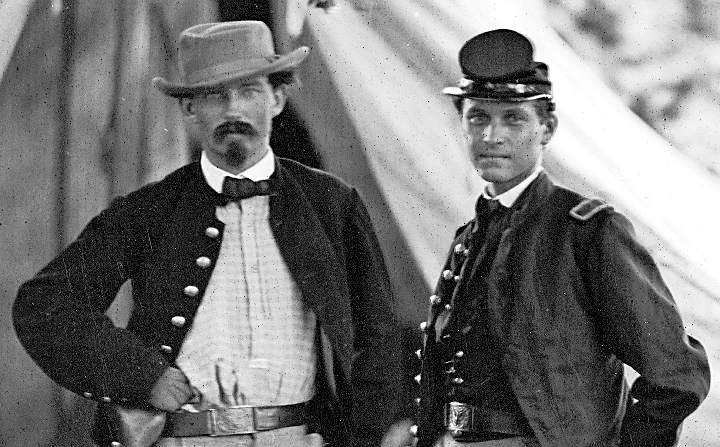
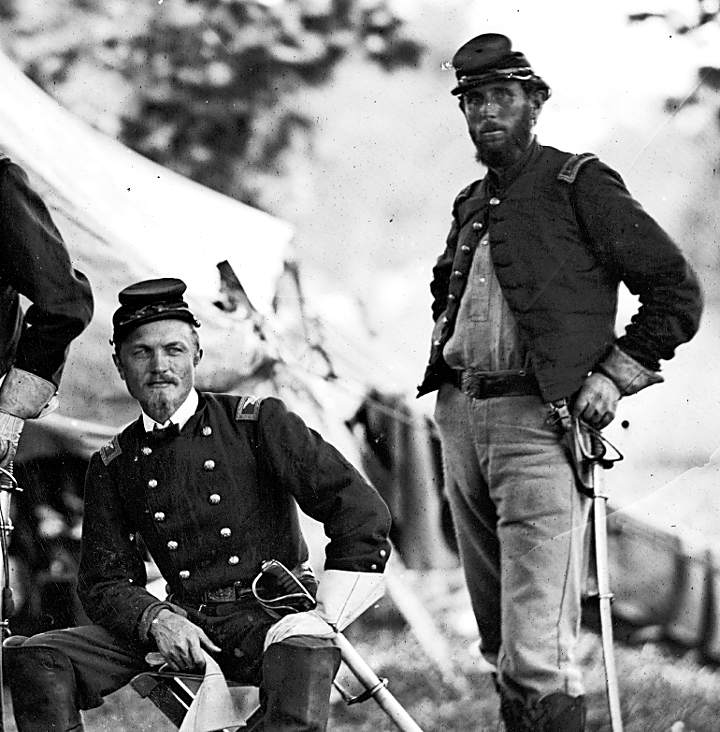
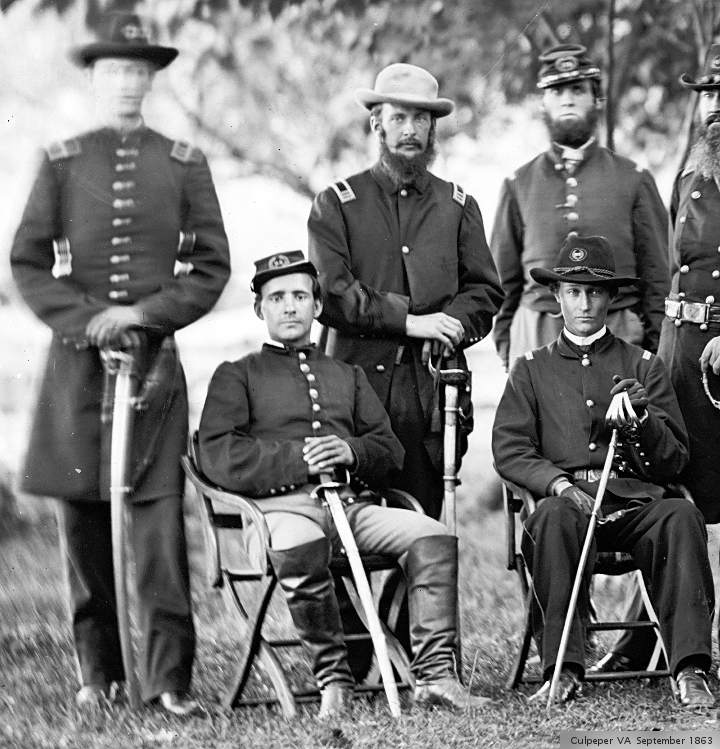
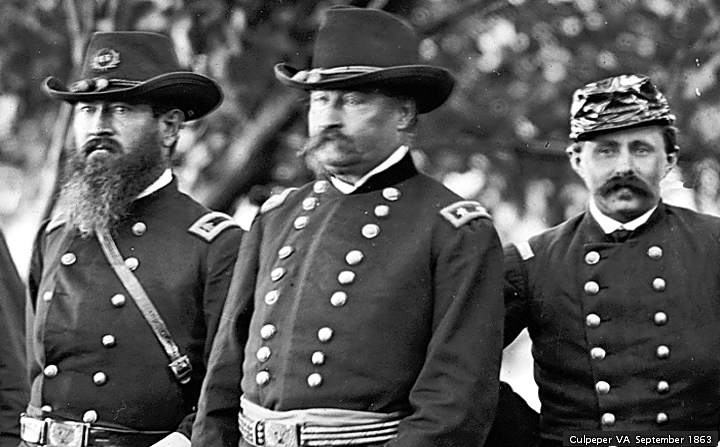

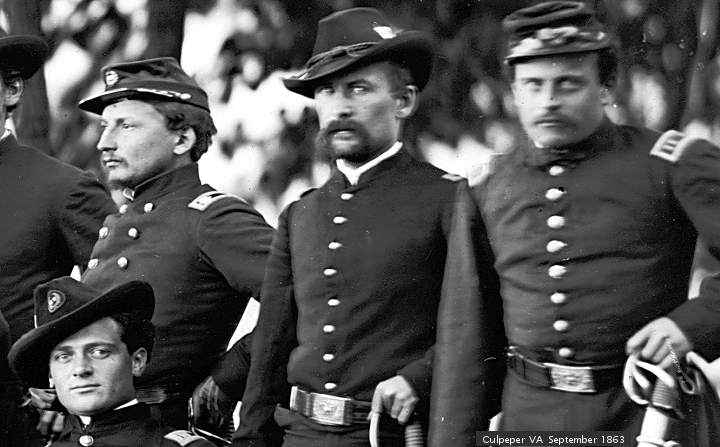
In honor of the National Day of Prayer, Chamblee54 presents an encore post, featuring a story by Mark Twain. The pictures are from The Library of Congress.
Over a hundred years ago, the United States was involved in a war that did not want to end. This conflict was in the Philippines. Although there had been an official end to the war, guerrillas continued to fight the Americans. The war was a nasty affair, with many atrocities.
The War against the Philippine people was a souvenir of the Spanish American War. There had been a rebellion against Spanish rule in the islands. After the American forces routed the Spanish, the rebellion shifted to the American occupiers. It was a war stumbled into, and difficult to end.
Mark Twain was horrified. He wrote a story, The War Prayer. As Lew Rockwell tells the tale. (The Rockwell link does not work. This source is similar, with a two part animated feature included.)
“Twain wrote The War Prayer during the US war on the Philippines. It was submitted for publication, but on March 22, 1905, Harper’s Bazaar rejected it as “not quite suited to a woman’s magazine.” Eight days later, Twain wrote to his friend Dan Beard, to whom he had read the story, “I don’t think the prayer will be published in my time. None but the dead are permitted to tell the truth.” Because he had an exclusive contract with Harper & Brothers, Mark Twain could not publish “The War Prayer” elsewhere and it remained unpublished until 1923.”
HT to David Crosby and his autobiography, “Since Then“. A book report is forthcoming.
Getting back to “A War Prayer“, the story starts in a church. A war has started, and is popular. The troops leave for glory the next day. The preacher has an emotional prayer to send them on their way. Unknown to the minister, there is a visitor. “An aged stranger entered and moved with slow and noiseless step up the main aisle, his eyes fixed upon the minister, his long body clothed in a robe that reached to his feet, his head bare, his white hair descending in a frothy cataract to his shoulders, his seamy face unnaturally pale, pale even to ghastliness. With all eyes following him and wondering, he made his silent way; without pausing, he ascended to the preacher’s side and stood there, waiting.
With shut lids the preacher, unconscious of his presence, continued his moving prayer, and at last finished it with the words, uttered in fervent appeal,” Bless our arms, grant us the victory, O Lord our God, Father and Protector of our land and flag!”
The stranger motioned to the preacher to step aside. The stranger stepped into the pulpit, and claimed to have a message for the worshipers, sent directly from G-d. The preacher’s message was for support in time of war, and implied that G-d and the preacher support the same side in this conflict. There is an unspoken part to the prayer. This unspoken part was what the stranger was going to put into words.
“”O Lord our Father, our young patriots, idols of our hearts, go forth to battle – be Thou near them! With them, in spirit, we also go forth from the sweet peace of our beloved firesides to smite the foe. O Lord our God, help us to tear their soldiers to bloody shreds with our shells; help us to cover their smiling fields with the pale forms of their patriot dead; help us to drown the thunder of the guns with the shrieks of their wounded, writhing in pain; help us to lay waste their humble homes with a hurricane of fire; help us to wring the hearts of their unoffending widows with unavailing grief; help us to turn them out roofless with their little children to wander unfriended the wastes of their desolated land in rags and hunger and thirst, sports of the sun flames of summer and the icy winds of winter, broken in spirit, worn with travail, imploring Thee for the refuge of the grave and denied it- for our sakes who adore Thee, Lord, blast their hopes, blight their lives, protract their bitter pilgrimage, make heavy their steps, water their way with their tears, stain the white snow with the blood of their wounded feet! We ask it, in the spirit of love, of Him Who is the Source of Love, and Who is ever-faithful refuge and friend of all that are sore beset and seek His aid with humble and contrite hearts. Amen.“
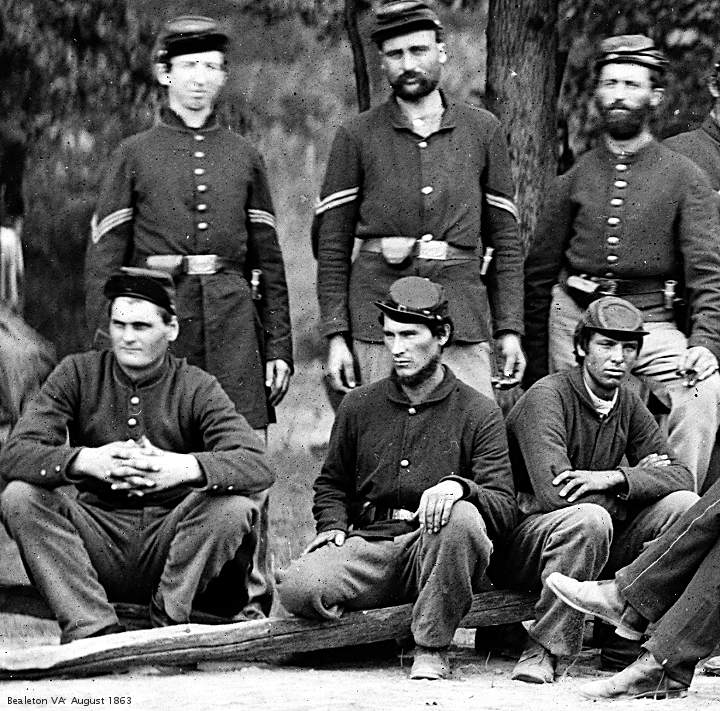
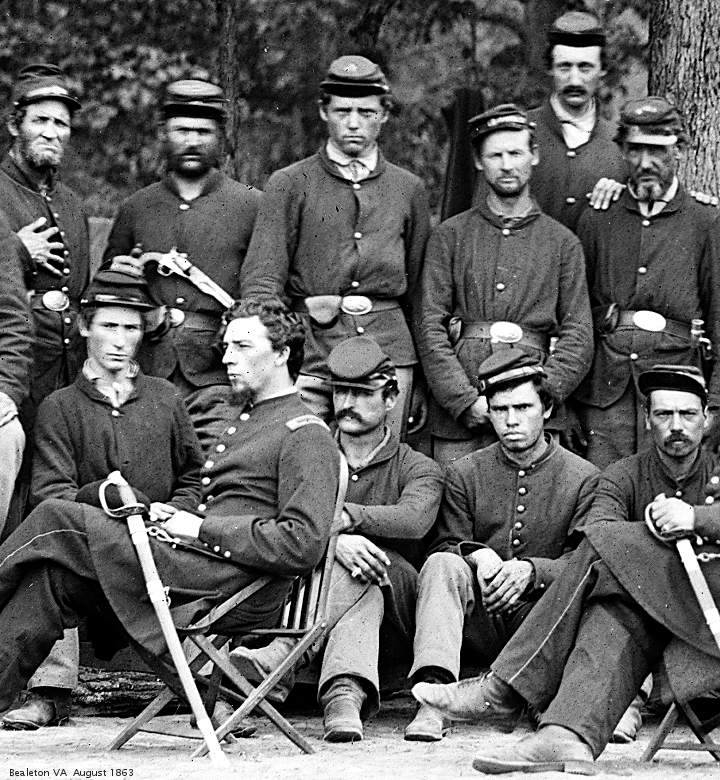

 Chamblee54
1 comment