



United States Of Amnesia


I stumbled onto a podcast of Allan Gurganus speaking at a literary event in Key West. Mr. Gurganus, bless his heart, is a good writer. As a public speaker, the jury is not sure.
This particular literary event concerned historical fiction. Tom Robbins went on a tear once, comparing animal husbandry to history. With one, you combine blood lines to create a superior breed. With the other, you mix “facts” to create an inspiring story. With both animal husbandry and history, you are frequently up to your ankles in shit.
Mr. Gurganus trotted out a bunch of quotable lines. ”Liars like historians and politicians tend to overdocument.” ”Myth is gossip grown old.” ” … the term historical fiction sounds as pitifully redundant as, say, creative writing. … It’s like having ‘oxygen breather’ stamped on your driver’s license.” ”History is agreed-upon hearsay granted tenure.”
The first time PG tried to listen to the Gurganus speech, the cliche slinging got too thick, and the player triangle was turned into the parallel lines. Or maybe it was the parallel lines turned into the triangle. In any event, the speakers quit making sounds. This option is not available live.
The second time PG tried to listen to the Gurganus speech, the line about hearsay granted tenure stuck. Mr. Google was consulted, and found a nice website for the literary event. Another speaker at said event was Gore Vidal. When Mr. Gurganus, once again, wore out the patience of PG, it was time to download the appearance by Mr. Vidal.
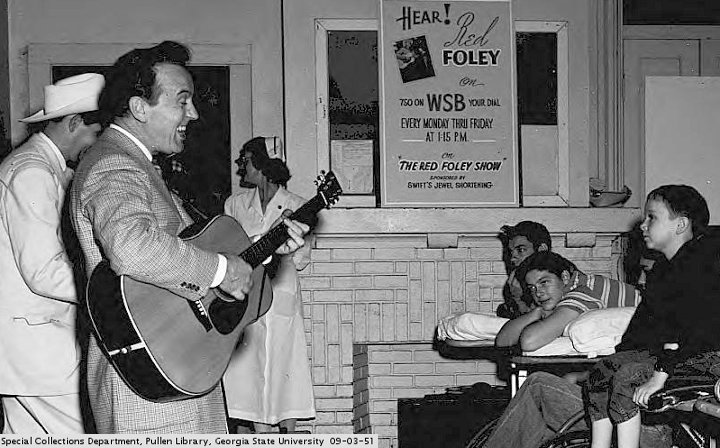
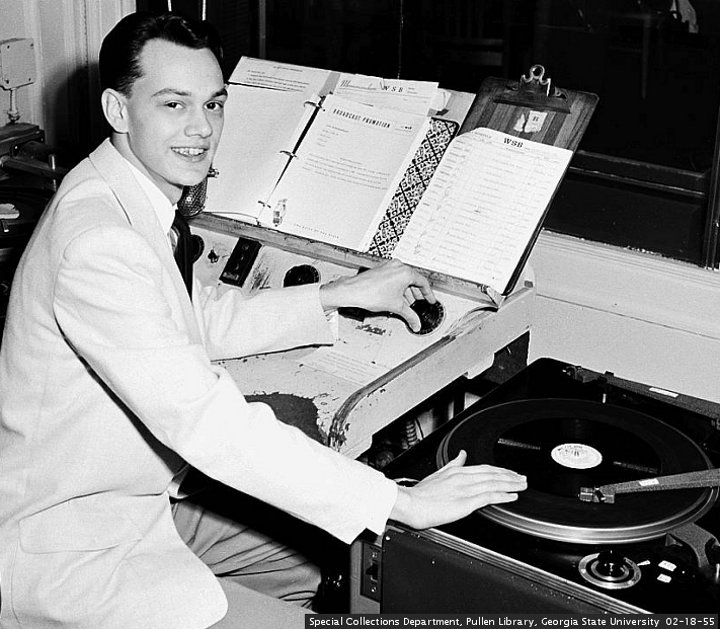
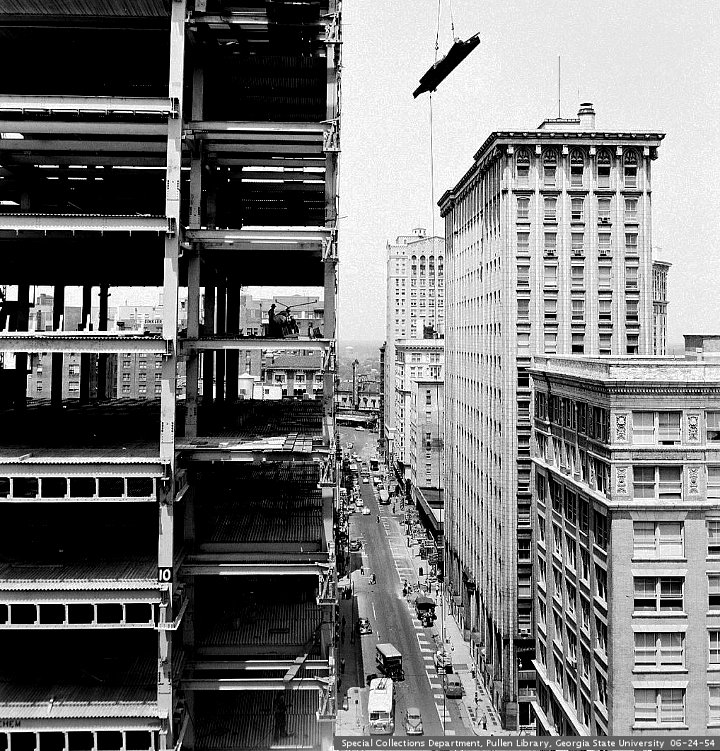
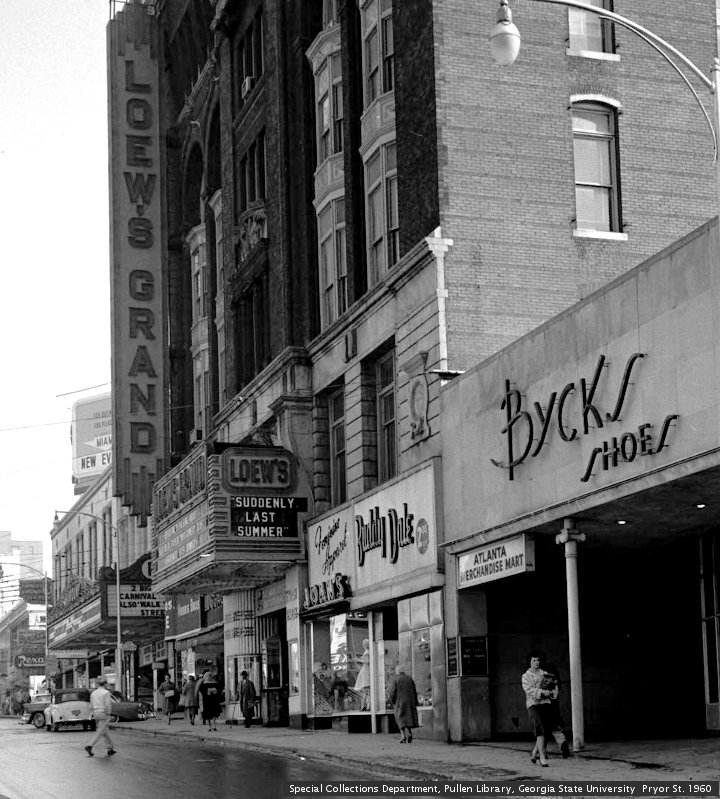
The emcee said, “I don’t want to steal your jokes, but you said that this is the United States of Amnesia.” Mr. Vidal said, “I don’t remember that.” This is going to be fun. Photographs today are from “The Special Collections and Archives, Georgia State University Library”.


The Rudolph Story
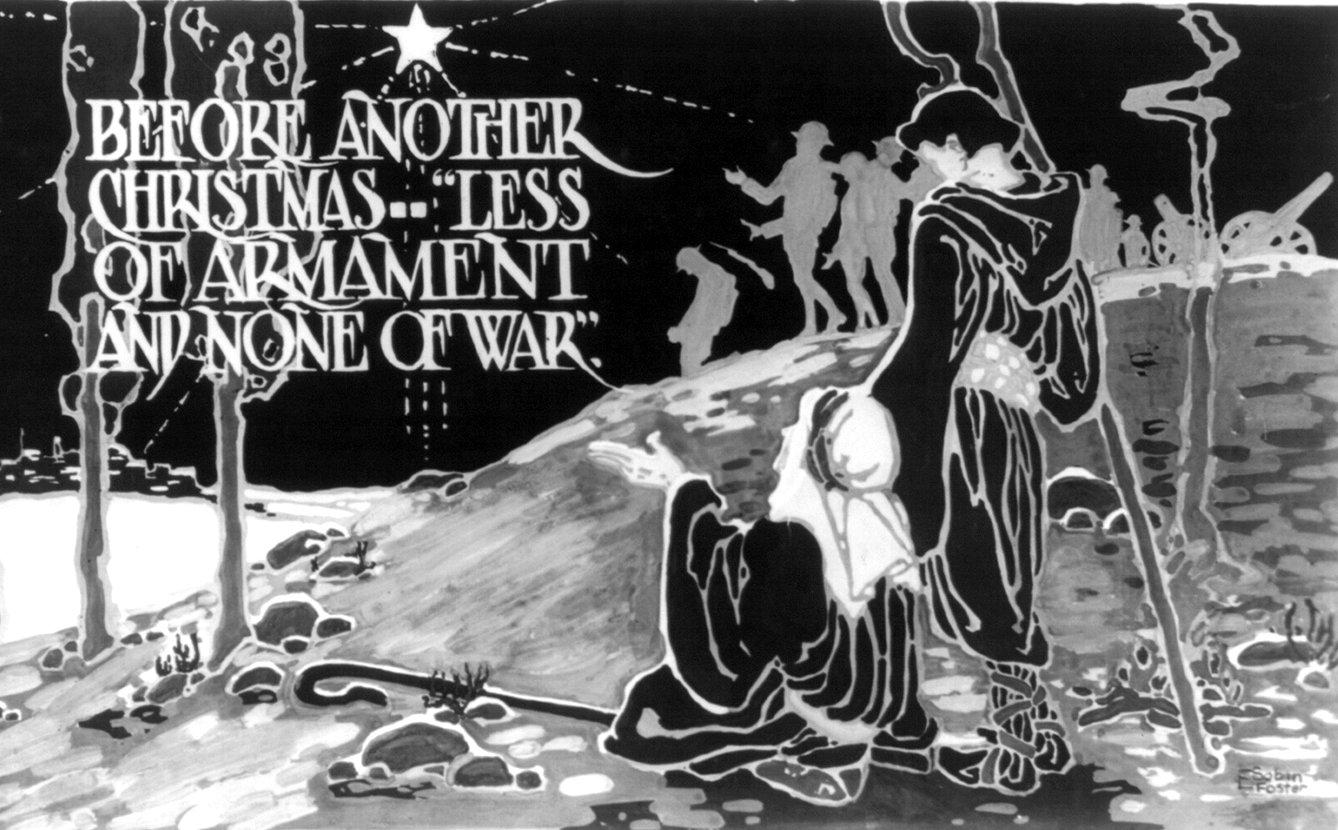
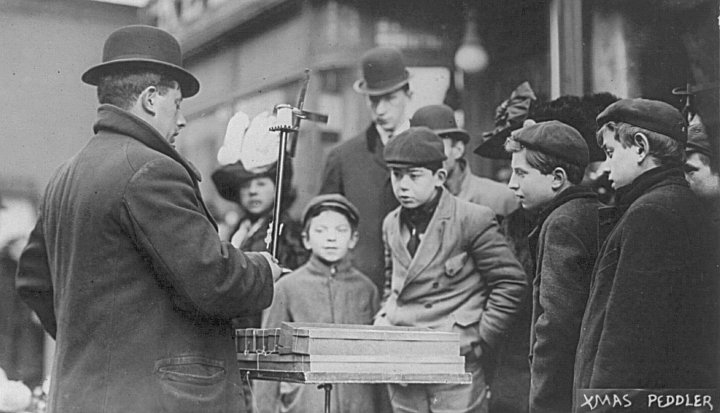
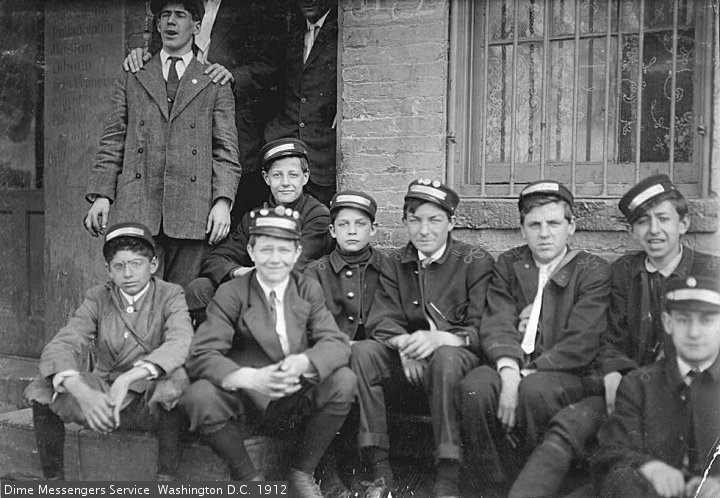
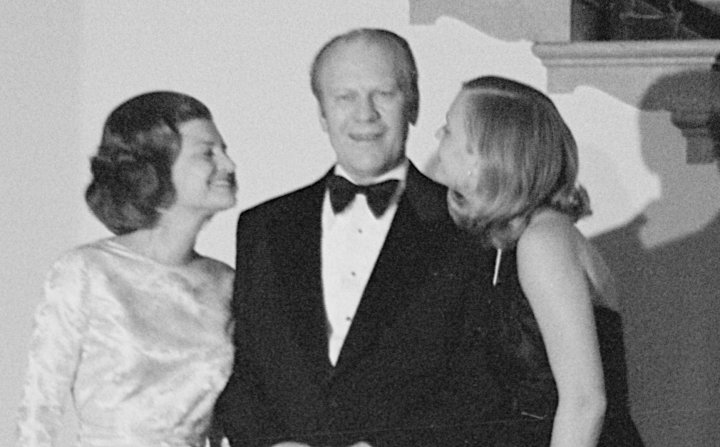

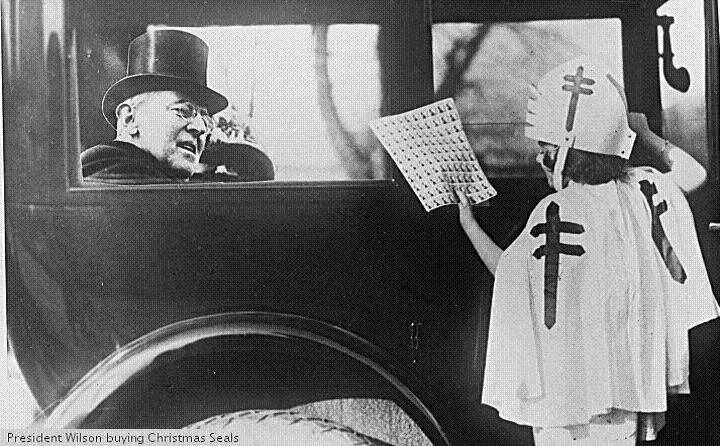
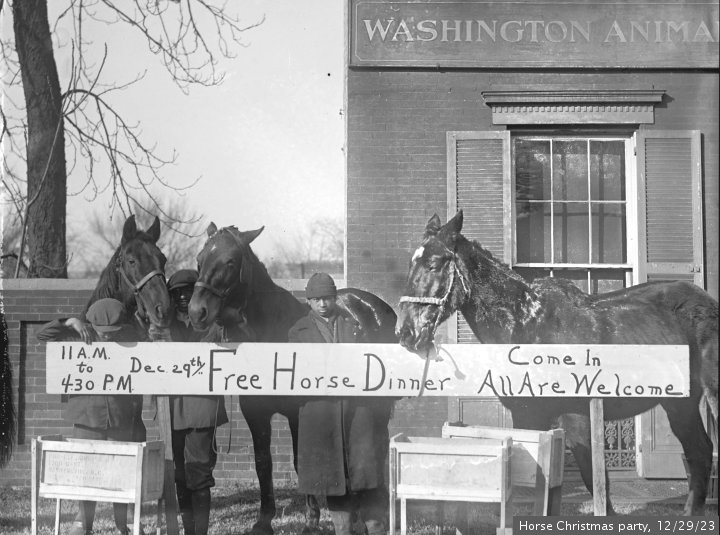
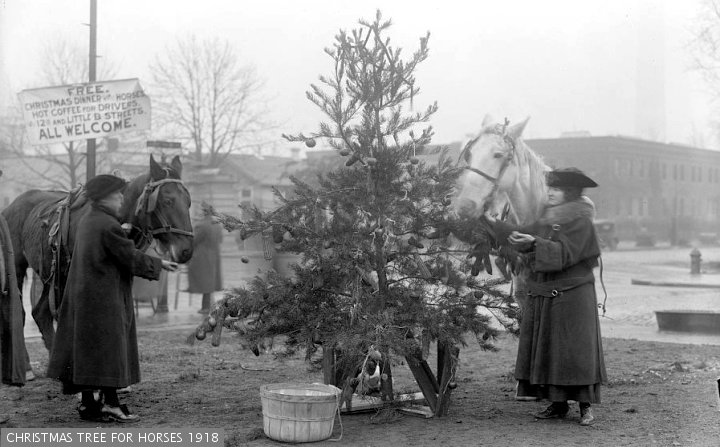
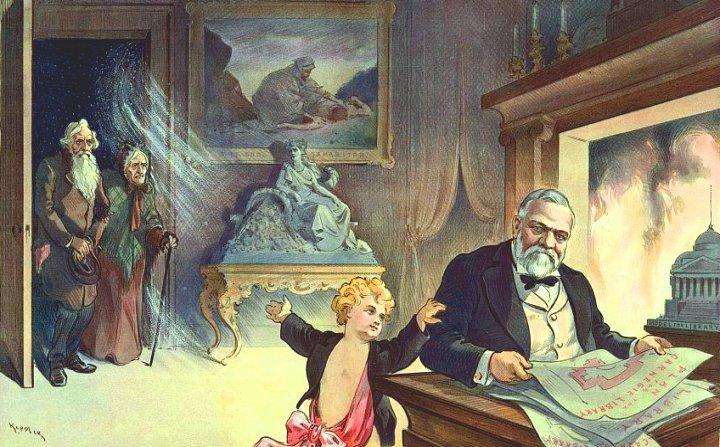
The story below is a repost. Pictures are from The Library of Congress. There is an appearance by Gerald Rudolph Ford, and his women. Betty was a merry soul.
Someone posted a bit of revisionism about a holiday classic. As he sees it, “Rudolph the Red Nosed Reindeer” is about racism.
In a bit of yuletime synchronicity, the urban mythbusters at Snopes posted a piece about Rudolph the same day. It seems as though the Rudolph story was originally written for the Montgomery Ward Stores. The idea was to print a Christmas booklet to give to customers. A staff writer named Robert L. May was picked for the job.
Originally, there were concerns about the red nose, and the connection to heavy drinking. At the time, the original meaning of “merry christmas” had been forgotten. Merry meant intoxicated, and a merry christmas was a drunken one. The booklet was released. It was a big hit with shoppers.
Mr. May had a brother in law named Johnny Marks, who was musically gifted. Mr. Marks wrote the song, and somehow or another Gene Autry came to sing it. A story (which PG heard once, but cannot find a source for) had Mr. Autry doing a recording session. The session went very smoothly, and the sides scheduled to be recorded were finished early. There was a half hour of studio time paid for. Someone produced copies of “Rudolph”, gave them to the musicians, and the recording was knocked out. It became a very big hit.
Gene Autry had a radio show, “Gene Autry’s Melody Ranch”. He created the “cowboy code”. Number five gets our attention today. Under this code, the cowboy must:
1. never shoot first, hit a smaller man, or take unfair advantage.
2. never go back on his word, or a trust confided in him.
3. always tell the truth.
4. be gentle with children, the elderly and animals.
5. not advocate or possess racially or religiously intolerant ideas.
6. help people in distress.
7. be a good worker.
8. keep himself clean in thought, speech, action and personal habits.
9. respect women, parents and his nation’s laws.
10. be a patriot.
“Rudolph the Red Nosed Reindeer” has become a beloved standard, without the troubling religious implications of many holiday songs. It is the second biggest selling record of all time. The only song to sell more is “White Christmas”. You just can’t get away from race.



To Womankind


Leviticus 18:22 has long been used to justify hatred of men who use a tush for receiving, in addition to shipping. In the King Jimmy edition, the text reads “Thou shalt not lie with mankind, as with womankind: it is abomination.” Recently unearthed documents suggest that this verse may be more about honesty than fornication.
The story, according to the Bible University of Los Lobos (BULL,) is that the “word” with should be translated as “to”. In this revised edition, the verse would read “Thou shalt not lie to mankind, as to womankind: it is abomination.” It is well known that men lie to women whenever they feel the need. If the lips are moving, what comes out is suspect. Pictures are from The Library of Congress.




The Dharma Bums Part Two





This is part two of a breakdown on The Dharma Bums. Part one was published a few days ago. Part two is where Ray Smith, Japhy Ryder, and Henry Morley go mountain climbing.
Chapter Six This is where the trip begins. The plan is to go out of town, camp near the trail head, hike to a good place, and then climb to the top of Matterhorn. Henry Morley owns a car, and is recruited to drive. HM is Philip Whalen in real life. He is a bit of a motormouth, with just the barest connection from one sentence to the next. Some have speculated that his rants in tdb are an excuse for Mr. Kerouac to let loose with his typing-not-writing style.
The three stop in a restaurant full of hunters, who are amazed at the concept of hiking without killing animals. The campsite is finally reached in the middle of the night. HM did not bring a sleeping bag.
Chapter Seven This chapter is a return to straightforward prose. The men wake up, go to a diner, and drive to Bridgeport. They will go on to the trail head from there.
This is the second time that PG has read tdb. The first time was in fits and starts. He would read a bit, put it back in his bag, and forget it for a few months. Then came six weeks of working graveyard shift in a midtown office tower. The was a book of short stories by Charles Bukowski in the bag, as a companion to tdb. PG would read a few stories by Mr. Bukowski, and alternate with a chapter or so in tdb. There was one incident during this period, which coincides with chapter fifteen.
Chapter Eight HM is becoming a nuisance. He goes around Bridgeport trying to round up a sleeping bag, and winds up borrowing some blankets from a lodge. The three men get a few miles down the road, and HM realizes that he had not drained his crankcase. He was afraid of the engine freezing over and exploding. This must be before the invention of anti freeze. HM leaves JR and RS, and goes back to drain his crankcase. He will catch up with the other two later.
On page 55, RS says that being in the sunshine infested woods was much better than being in the city. JR replies “Comparisons are odious, Smith”. They have a pleasant afternoon talking to each other, without the constant rattle of HM.
Chapter Nine When Chapter One was published, a commenter mentioned a picture of Jackie Kennedy reading “The Dharma Bums” on an airplane. It turns out that PG had a copy of the picture.
On page 62, RS and JR have a moment that is familiar to many hikers. They are in the woods, surrounded by beauty, and feel the need to be quiet. “This is the way I like it, when you get going there’s no need to talk, as if we were animals and just communicated by silent telepathy.”
On page 67, it is time to cook dinner, and wait for HM. The five steps are tea drinking are discussed. The first sip is joy, the second gladness, the third serenity, the fourth madness, and the fifth ecstasy. PG read this in a workplace breakroom. The tea comes from a machine. You push a button twice, and insert this foil package into the machine. You place a styrofoam cup in a slot, and something called green tea comes out of the machine. It is not cool enough to drink before the break is over. You go directly to the fourth step of tea drinking, madness, when you use this machine.
RS tells JR about a prayer that he knows. He thinks of a person, friend or foe, and says “Joe Blow, equally empty, equally to be loved, equally a coming Buddha. The focus is on the person’s eyes, which are said to be the window to the soul.
This is where PG jumps off the bus. His worst enemy for a few years was the bully for Jesus. This person would lose his temper, and shower PG with verbal poison. While BFJ was distributing this toxin, his eyes were on fire. There was hate in the eyes, and Jesus in the mouth.
Chapter Ten HM finally catches up with JR and RS. This is after RS decides to buy a rucksack, and become a dharma bum. Whether he succeeded is a good question.
Chapter Eleven There is a Zen saying, when you get to the top, keep climbing. This is where the three men leave their gear at camp, and make the push for the Matterhorn peak. HM is the first to sit down and rest. RS almost makes it, but can go no further a few hundred yards from the peak. Only JR makes it to the top, and comes bounding down in twenty yard steps. RS learns, too late, that you cannot fall off the side of a mountain.
Chapter Twelve The three men come down from the mountain. It is soon after dark, and the way is lit by moonlight. RS wishes he had a tape recording of JR shouting on top of the mountain, JR replies that the sound was not meant to be heard by the people below.
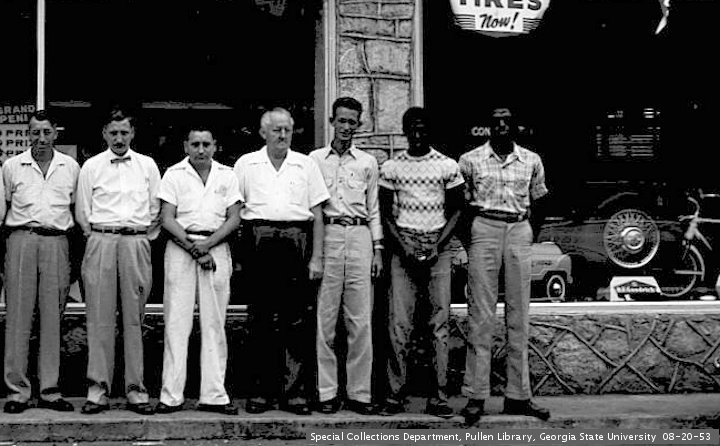
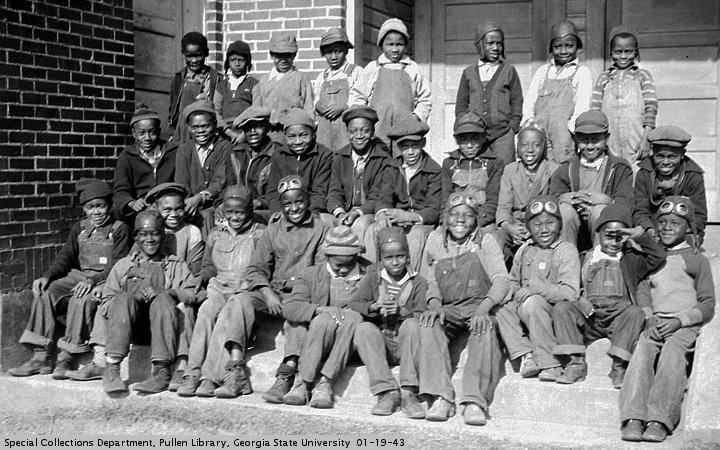
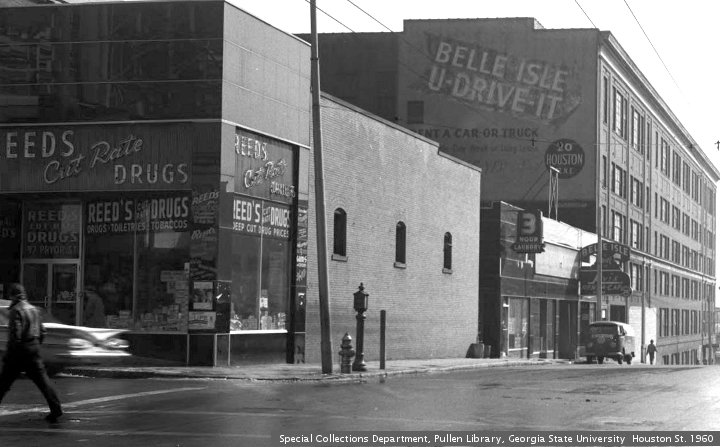
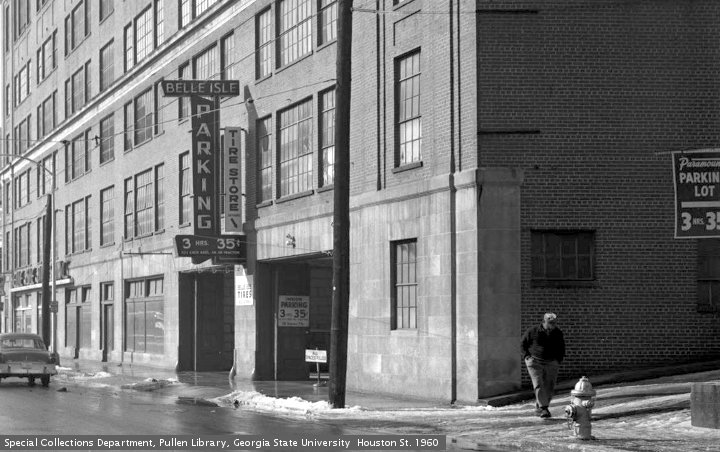
On page 93, RS discovers the weak spot of JR. They get into town, and are hungry. JR is afraid to go into one restaurant, because it is too nice. He is finally persuaded to go to the nice restaurant, and it does not kill him. This is the end of part two. Photographs today are from “The Special Collections and Archives, Georgia State University Library”.




















Yes Great Work


Someone on facebook had a link to a grammar test. It seemed like a good excuse for some text. The first question is about the its/it’s quandary. This is one where the logical answer is incorrect. The second question is the same thing for who’s/whose. In this matchup, what you think should be correct actually is. Questions three (whether/weather) and four (your/you’re) were easy. You get the results immediately after submission. When you are correct, the test says “Yes! Great work!”
Five was a bit tougher. “The car beeped at Jon and I/me. Karen and I/me went on holiday.” In third grade, PG was taught to use I, rather than me. Could the placement of the nouns, before or after the verb, affect this choice? The only way to learn is to answer the question. PG answered I for both, It seems as though the correct answer, for the first sentence, is Jon and me. The site explains: “A simple way to test whether you’re using the right one is to think about whether a statement would still make sense if you removed the other person. You wouldn’t say, “The car beeped at I” so the correct pronoun is ‘me’.” When you are incorrect, the test says “Sorry, wrong answer!”
Six (years/year’s) and seven (that/which) required a bit of thought, but were answered correctly. By now, the test had a pattern. If the first sentence used one word, the second sentence used another. In question eight (have/of,) the test threw a curve ball. The logical answer for both sentences was have. However, the previous test questions had called for a split answer, that is to say, using a different word for both sentences. PG answered with of for the first sentence, which was the incorrect answer.
Nine (less/fewer,) ten (there/they’re/their,) and eleven (affect/effect) were easy. Twelve (i.e./e.g) was a bit of a struggle. PG seldom uses i.e., and cannot remember even reading e.g. The sentences were: “Some animals are really cute, e.g. kittens and puppies.The primary colours (i.e. red, yellow and blue) are my favorites.” PG made a lucky guess, and was correct.
Thirteen (hear/here) was a gimme. Fourteen (whom/who) is one of the things that drive writers crazy. The logical answer is to make both sentences use who. On a whim, PG answered one with whom. The sentences were: “Whom did you see at the bar last night? I can’t think who would have eaten all the doughnuts.” The explanation offered: ‘Whom’ is used when referring to the object of a sentence. Use ‘who’ when referring to the subject of a sentence. There’s a trick to help you remember: If you can answer with ‘he’, use ‘who’ (e.g. ‘he ate all the doughnuts’). If you can answer with ‘him’ use ‘whom’ (e.g. ‘I saw him at the bar’). Just remember that ‘him’ and ‘whom’ both end in the letter m.”
Fifteen (lie/lay) was a gimme. Sixteen (bored of, bored by, or bored with) was a lucky guess. PG used with and by, because they sound like correct usage. This gives a final score of 94. If credit is given for the curve ball on question eight, the score would be 97. The test is sponsored by Staples Canada. Various electronic devices are displayed at the bottom of the last page. “This Web site is intended only for use by Canadian residents. See International Sites. See our delivery policy for full details.” It is not known whether the rules of grammar are different south of the border. Pictures, from the lower forty eight, are from The Library of Congress.


leave a comment