Bob Dylan Is 80
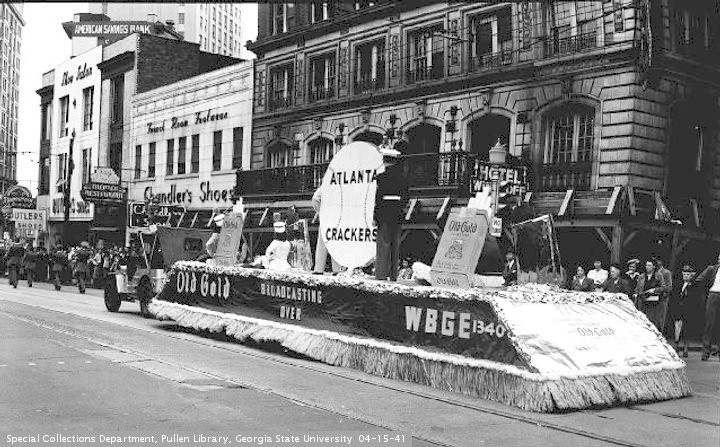

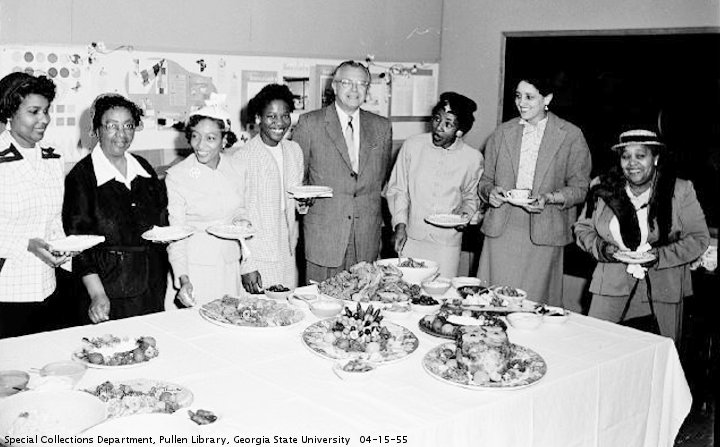


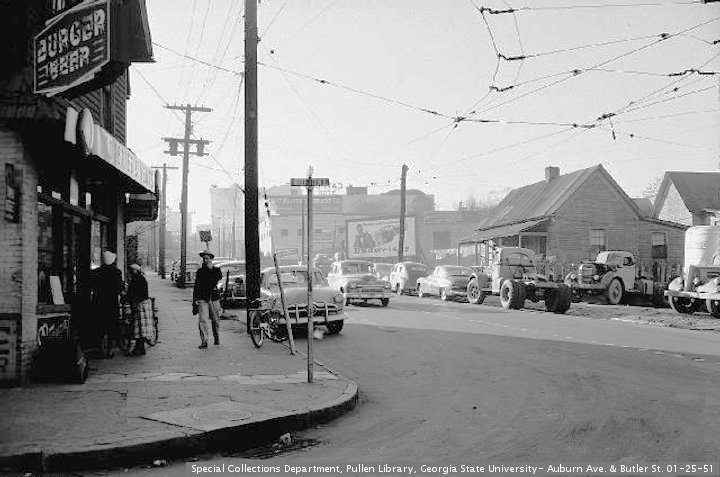
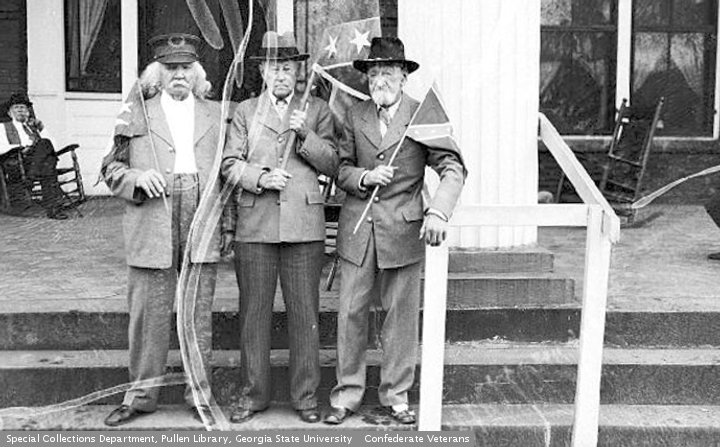
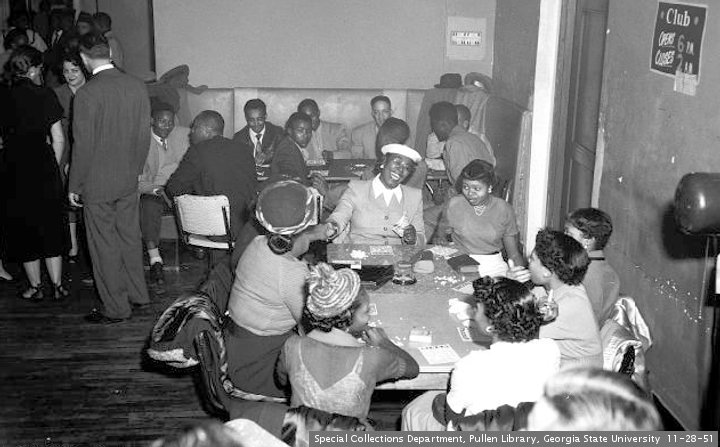
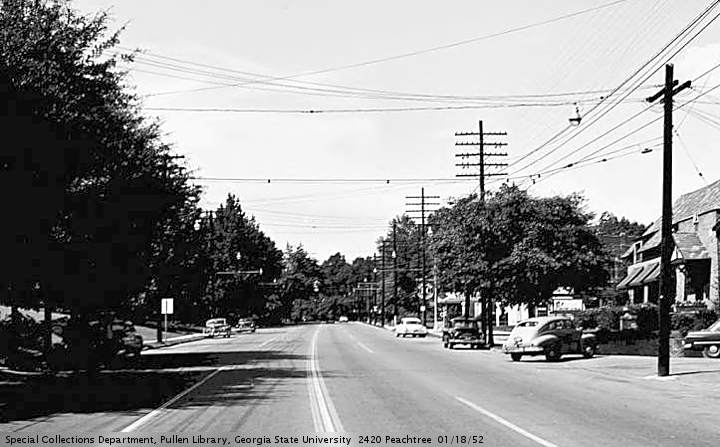
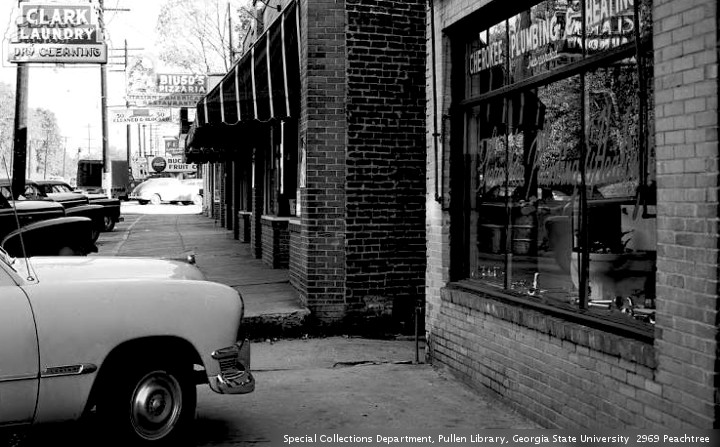
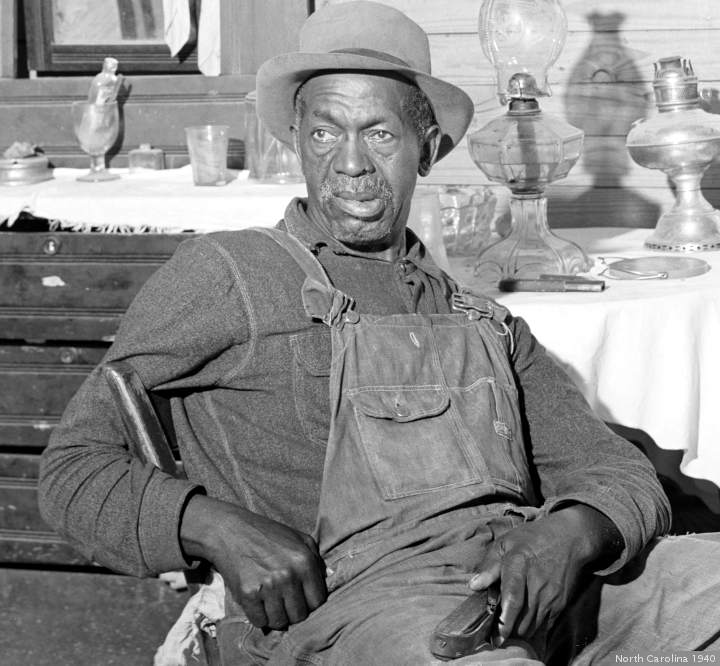
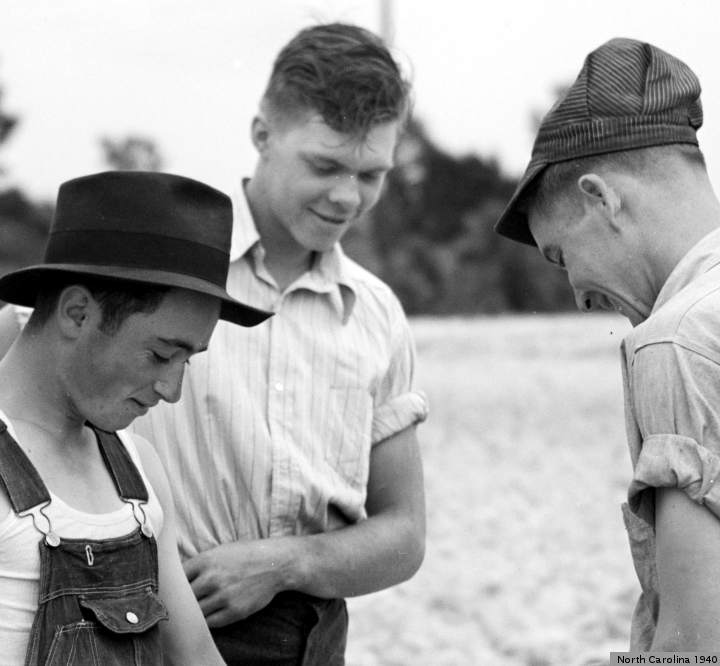
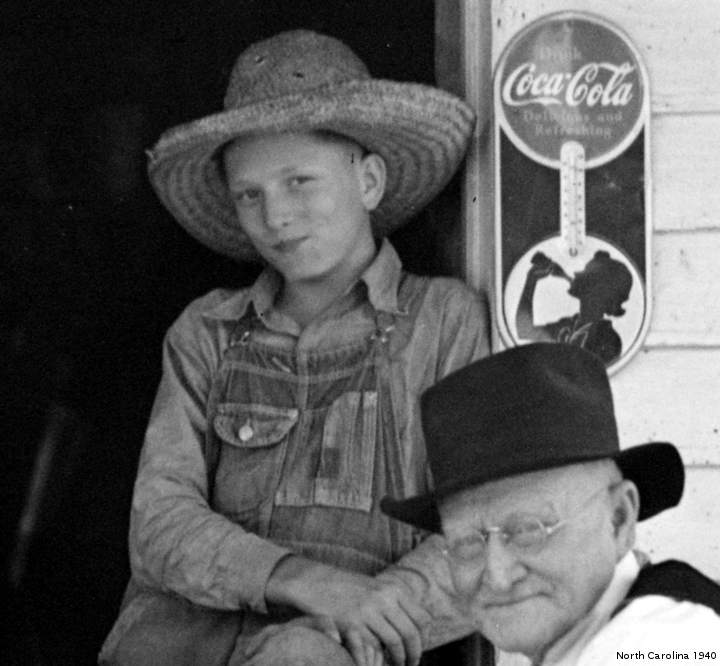
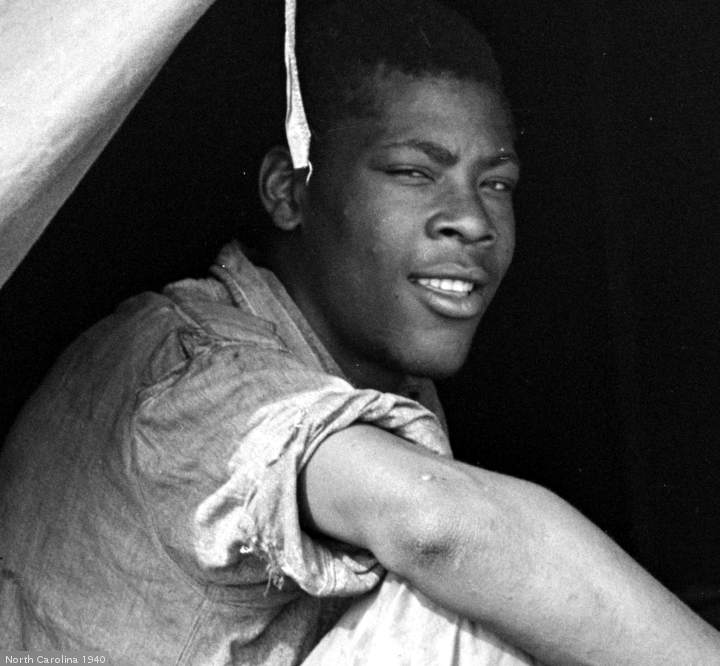
This is a repost. Pictures are from “The Special Collections and Archives, Georgia State University Library”. Today is Bob Dylan’s eightieth birthday. This chamblee 54 birthday tribute is composed primarily of three previously published pieces of work.
This compendium was assembled in 2016. On David Bowie’s in 2016, PG created a computer playlist, and assembled a few blog posts into a birthday celebration. Three days later, David Bowie was dead. PG decided to do the same thing to Bob Dylan on his birthday. Instead of dying, Bob Dylan won the Nobel prize. A similar effort on RuPaul’s birthday had no effect on the performer.
It was a late may morning in Atlanta GA, and a slack blogger was searching his archives. Yes, Issac Asinov never got writers block, and when he wasn’t going to the bathroom he was typing, but that is a lifestyle choice. Easy writing makes tough reading. So, anyway, in the may archive for 2011 there was a post about Bob Dylan’s seventieth birthday. People were taking bets on whether he would make it to thirty, and here he is at seventy nine.
Hibbing MN is a cold place. At least it can claim to be the birthplace of Robert Allen Zimmerman. That’s Allen, with an e, and double L, just like hell. The original initials were RAZ, which might be a good trivia question, or, with a silent W in front, radio station call letters. The problem is, he legally changed his name to Bob Dylan, with no known middle name. Those initial are BD.
On May 24, 1941, the curly haired wonder boi arrived. The world was a different place. Europe was in flames, and eyeing the young men of America as fresh cannon fodder. This was twelve years, eleven months, and eighteen days before PG graced the planet. A twelve year old in Hibbing MN would have no reason to think of a newborn baby in Atlanta GA.
The first time PG heard of Bob Dylan was probably at the record rack of Zippy’s dime store in Cherokee Plaza. There was an album of his greatest hits, and it came with a poster. The poster had a drawing of the man, with psychedelic waves of hair cascading in multi colored glory to the edges. PG never did buy the LP.
The former Mr. Zimmerman was never big on top 40 am radio. Somebody somewhere was getting a headache over those lyrics, but Atlanta GA was not somewhere in those days. By this time, Mr. Dylan had crashed his motorcycle, and gone into hiding. As the counter culture exploded (if only someone had disinfected that counter) the curly haired poet was in hiding, the subject of much speculation. At one point, people were stealing his garbage, and claiming to find evidence of investment in munitions firms. The neoscience of Dylanology continues to this day.
As PG got older and stupider, he heard more and more Bob Dylan music. In the summer of 1972, there was a performance at the Concert for Bangladesh. A couple of albums released during this era sucked, and some people stopped caring about Bob Dylan.
At the start of 1974, a tour was announced. The Band was to be the backing group. The circus came to the Omni, and PG got some of the mail order tickets. He couldn’t find anyone to use the second ticket, and sold it to a stranger outside the arena.
The show was nothing special. Bob Dylan excels at writing, is ok in the studio, and blah on stage. Georgia Governor Jimmy Carter was at the show, and was said to look bored. Mr. Dylan was invited to the Governor’s mansion after the show, and talked to the Governor. A lot of people in Georgia were surprised that Jimmy would want to run for President.
As the Seventies went me me meing into sex and drugs oblivion, Bob Dylan regained both his writing touch, and love of the spotlight. The Rolling Thunder tour happened, he got back together with Joan Baez, divorced his wife, became born again, became more Jewish, counted money, and generally lived the life. PG did his own version of all that, without Joan Baez or being circumcised again.
In the winter of 1991, America was consumed by war fever. Saddam Hussein had been elevated to next Hitler status, and had to be taught a lesson. One night, Bob Dylan played on a music awards show, and performed “Masters of War”. He played a discordant version of that ditty, with the result that few understood what he had said. By this time, Mr. Dylan had assembled a band, and gone out on the “Never Ending Tour”. A Bob Dylan concert had gone from being a special event, to being another name on the festival roster. Overexposure will do that.
On the last night of the Olympics in 1996, Bob Dylan played the House of Blues downtown. PG won a pair of the $80 tickets in a radio station contest. It was his only trip downtown during the games, and had to wait in a security line to get into Centennial Olympic Park.
The only celebrity, other than Mr. Dylan, seen at the House of Blues that night was Bill Walton. The band was competent…they impressed PG as being like a bar band that did a lot of Dylan songs, with a strangely authentic lead vocalist. The sound in the room was not good, at least in the spot where PG stood. The only song he recognized was “All along the Watchtower”, the Jimi Hendrix classic. Mr. Dylan got a cheer when he put his harmonica appliance on.




The aptly named dangerousminds has a link to a story about the recording of Blonde on Blonde, by Bob Dylan. It only happened once.
Bob Dylan was 24 years old, newly married, and had “sold out” i.e. started to play electric guitar. A bunch of Canadians known as The Hawks (later The Band) was touring with him. Barely a month after the release of “Highway 61 Revisited”, sessions started at a New York studio.
The New York sessions did not work, so a decision was made to go to Nashville. Al Kooper played organ, and served as a music director. A crew of Nashville players was recruited. A bass player named Joseph Souter, Jr. would become famous a few years later using the name Joe South. Kris Kristofferson was the janitor at the studio.
Most studios have bafflers, or sound proof room dividers, splitting the studio into cubicles. For these sessions, the bafflers were taken down, and the band played together as a unit.
The second session in Nashville started at 6pm and lasted until 530 the next morning. Mr. Dylan was working on the lyrics to “Sad eyed lady of the lowlands”, and the recording could not start until he was ready. The musicians played ping pong and waited. At 4am, the song was ready, and the record was finished in two takes.
PG had marginal encounters with two of the players on this album. He met a lady once, who worked in an insurance office. One of the customers was Joe South. His driving record file was an inch thick.
Al Kooper had a prosperous career after his association with Bob Dylan. The former Alan Peter Kuperschmidt produced the first three Lynyrd Skynyrd albums, sold that contract for a nice piece of change, and lived happily ever after.
One night, Mr. Kooper was playing a show at the Great Southeast Music Hall, and PG sat in front of the stage. During a break between songs, PG asked his friend “what time is it?”. Mr. Kooper heard him on stage, and said it was 11:30.




If it ever quits raining, PG is going to walk to the Chamblee library and return a book, and a cd. The cd is by Bob Dylan, and is a work of genius. The book is about the former Mr. Zimmerman, and is a piece of garbage. (BTW, Dylan is not the only Zimmerman to hit the big time. Ethel Merman was born Ethel Agnes Zimmerman.The Zimmerman telegram got us into World War I. The less said about George Zimmerman, the better)
When returning cd’s to a library, you need to get a check in receipt. Once, PG returned a stack of cd’s to the Brookhaven library. When checking them in, one was missed by the scanner. A few days later, there was a note in the mail about an overdue cd.
The good news was, the cd was on the shelf when PG went back to investigate, and the matter was quickly settled. It did not help that the cd was a collection of disco music called “Shake your booty”.
“The freewheelin’ Bob Dylan” was released in the early sixties, when the man was barely old enough to buy a drink. There is not a bad song on it, and several are classic rock staples. At a time when mindless pop dominated pop music, here were thoughtful, moving lyrics.
In 1991, with America in a war frenzy, Mr. Dylan appeared on a music awards show. He performed “Masters of War”, at a time when the majority would be appalled if they could understand what he was singing. Mr. Dylan has been reinvented many times, and often the lyrics get gargled.
Five years later, PG won tickets to a Bob Dylan concert. It was the last night of the Olympics, and the man was appearing at the House of Blues. (Tickets were $80, so the radio contest is the only reason PG went). It was like hearing a good bar band, that did nothing but Dylan songs, with the man as the vocalist. Due to the mix of the sound, PG could not recognize many of the songs.
The book is Bob Dylan: Prophet, Mystic, Poet by Seth Rogovoy. It tells the Dylan tale as a story of Jewish prophecy. PG got to page 16, where the author claims that “Like a Rolling Stone” “almost single handedly revolutionized rock’n roll music”. Huh?
PG was eating dinner, and did not have anything else to read. He got to page 38. Nothing in the next 22 pages changed his mind away from ditching the book. How does nonsense like this get published?





#1619Gate Part Two


UNC backs down from offering acclaimed journalist tenured position This appears to be the piece that ignited this week’s media dumpster fire. Tenure disputes are seldom hot button topics. Relatively few people are concerned about the employment status of @nhannahjones.
The way the story has unfolded raises a few questions. On April 26, 2021, this announcement was made: “Nikole Hannah-Jones … will join University of North Carolina’s Hussman School of Journalism and Media in July as the Knight Chair in Race and Investigative Journalism.” The word tenure did not appear in the initial announcement.
On May 19, this story appeared: UNC backs down from offering acclaimed journalist tenured position The story has a lot of quotes, and finger pointing. Why did UNC announce the hiring before all the tenure details were in place? Why did NC Policy Watch release a story about the tenure decision? How did it get into the national outrage discussion?
This is a puzzling story for non-academics. There are countless stories of people who struggle for years to get a doctorate degree, and are lucky to get any kind of teaching position. And here we have a journalist, whose top degree is a masters, granted a five year contract as a professor. The chattering class is upset because she did not get tenure.
Nikole Hannah-Jones is at the center of this storm. She is best known as being the creator of The 1619 Project. “It aims to reframe the country’s history by placing the consequences of slavery and the contributions of black Americans at the very center of our national narrative.” The 1619 Project has many admirers, and many critics.
Here is what @nhannahjones says about herself on twitter. “Reporter @nytmag // Knight Chair @unchussman //Slanderous & nasty-minded mulattress//Co-founder The Ida B. Wells Society //smart&thuggish//Creator #1619Project” 0 The former twitter profile is festive. @nhannahjones “Reporter @nytmag covering race from 1619-present//AKA The Beyoncé of Journalism//Co-founder ida b wells society //smart and thuggish//Aries//1619Project.” (This item was tucked away in the April 26 announcement. “In 2016, she (along with the AP’s Ron Nixon and ProPublica’s Topher Sanders) established the Ida B. Wells Society for Investigative Reporting to increase and retain reporters and editors of color. The Society relocated to UNC Hussman from Harvard in 2019 …”)
The 1619 Project inspired intense controversy. There was this story from a fact checker: I Helped Fact-Check the 1619 Project. The Times Ignored Me. Many of projects claims were challenged. There was apparently some “stealth editing.” “Rather than address this controversy directly, the Times—it now appears—decided to send it down the memory hole … Without announcement or correction, the newspaper quietly edited out the offending passage such that it now reads …” Some unkind people speculate that Mrs. Hannah-Jones will be teaching a class in Journalistic ethics.
#1619Gate appeared on this blog after the stealth edits. Here are a few quotes from that piece. One of the @nhannahjones quotes is oh-so-ironic today. It will appear in boldface.
What is fascinating about #1619Gate is the spectacle of the mighty New York Times humbling itself. There is also the bizarre behavior of @nhannahjones. … After a while, “The Beyoncé of Journalism” looks more like the Kellyanne Conway of historic scholarship.
This tweet landed on my timeline earlier this week. @nhannahjones “There is a difference between being politically black and being racially black. I am not defending anyone, but we all know this and should stop pretending that we don’t” @kelsey_midd “What does this mean?” @nhannahjones “If you don’t know it ain’t for you.” @kelsey_midd “I’m not the only person that asked. I’m also a black person.” @nhannahjones “Yes, I am capable of seeing your avatar. And I will repeat: if you don’t understand the difference between being born/designated a certain race and taking up a particular set of racial politics, I am not going to educate you here. .
… The boundless folly of woke twitter awaited me. I soon came across the following exchange. I have a screen shot of the punch line, in case it is deleted.
@sullydish “Basic rule in online journalism: if you change something after publication, acknowledge and explain it. On 1619 Project, NYT just broke this basic *ethical* rule. And to further the cover up @nhannahjones deleted all tweet history. Let that sink in.”
@nhannahjones “This is the last thing I will say about this. The wording in question never appeared in the 1619 Project text. It appears nowhere in the printed copy, something easily verifiable as pointed out to you. It didn’t appear in my essay nor any of the actual journalism we produced.”
@ira_mckey “It may be the last thing you say about it, but the Twitter screenshots and the history of what you said about it Still exist.” (Includes photo of NHJ tweet: @@nhannahjones “I argue that 1619 is our true founding. Also, look at the banner pic in my profile.”)
@nhannahjones “This is my tweet. My tweets are not official 1619 copy.”
Nikole Hannah-Jones has become something of a celebrity. This is probably why she was given the Knight Chair. It is also why gems like this get out: “Violence is when an agent of the state kneels on a man’s neck until all of the life is leached out of his body. Destroying property, which can be replaced, is not violence. To use the same language to describe those two things is not moral.” Pictures today are from The Library of Congress. More #1619Gate episodes are available. One Three Four Five





Patriots Burn The American Flag
A few years ago, some lawyers took a case flag-burning to the Supreme Court. The Justices decided that flag furning was not against the Constitution. This caused a lot of people to get upset. The case was Texas v. Johnson, the decision was issued June 21, 1989.
Many of these people like to display the flag. They leave it out in all kinds of weather, in direct sunlight, until the once proud flag is worn and tattered. At least when the flag is burned the damage is done quickly. As it is, the Red White and Blue becomes the Pink Gray and Lavender.
I/b> was walking to WalMart today, and decided to record some examples of this slow moving desecration. It did not take long to find enough examples to illustrate this post. One site was the grave of a revolutionary war veteran.
The United States code has guidelines about respect for the flag. Many of these are routinely ignored, often by people who consider themselves patriots. … 174 (c) Inclement weather – The flag should not be displayed on days when the weather is inclement, except when an all weather flag is displayed. … 176 (i) The flag should never be used for advertising purposes in any manner whatsoever. … 176 (k) The flag, when it is in such condition that it is no longer a fitting emblem for display, should be destroyed in a dignified way, preferably by burning.
There was once a bumper sticker. It had the stars and stripes, and the words “Try Burning This One”. The vehicle was left in direct sun during the day. The sunlight burned those colors, reducing them to a mass of gray.
There is a pledge of allegiance for the flag. The phrase “under God” is famously included. Is this a violation of the third commandment, regarding the proper use of sacred names?





Blonde Stories



The world is in turmoil. People are killing people for no good reason. The government is run by liars and scoundrels. Religion is a dirty word. It is time for blonde stories . Thank you FunnyJokes. Pictures are from The Library of Congress
A married couple was asleep when the phone rang at 2 in the morning. The very blonde wife picked up the phone, listened a moment, and said ‘How should I know, that’s 200 miles from here!’ and hung up. The husband said, ‘Who was that?’ The wife answered, ‘I don’t know, some woman wanting to know if the coast is clear.’
Two blondes are walking down the street. One notices a compact on the sidewalk and leans down to pick it up. She opens it, looks in the mirror and says, ‘Hmm, this person looks familiar.’ The second blonde says, ‘Here, let me see!’ So, the first blonde hands her the compact. The second blonde looks in the mirror and says, ‘You dummy, it’s me!’
A blonde suspects her boyfriend of cheating on her, so she goes out and buys a gun. She goes to his apartment unexpectedly and when she opens the door she finds him in the arms of a redhead. Well, the blonde is really angry. She opens her purse to take out the gun, and as she does so, she is overcome with grief. She takes the gun and puts it to her head. The boyfriend yells, ‘No, honey, don’t do it!’ The blonde replies, ‘Shut up, you’re next!’
A blonde was bragging about her knowledge of state capitals. She proudly says, ‘Go ahead, ask me … I know ‘em all.’ ‘OK, what’s the capital of Wisconsin ?’ The blonde replies, ‘Oh, that’s easy. Its W.’
Q: What did the blonde ask her doctor when he told her she was pregnant? A: ‘Is it mine?’
Bambi, a blonde in her fourth year as a UCLA Freshman, sat in her US Government class. The professor asked Bambi if she knew what Roe vs. Wade was about. Bambi pondered the question; then, finally, said, ‘That was the decision George Washington had to make before he crossed the Delaware.’
Returning home from work, a blonde was shocked to find her house burglarized. She telephoned the police at once and reported the crime. The police dispatcher broadcast the call on the radio, and a K-9 unit, patrolling nearby, was the first to respond. As the K-9 officer approached the house with his dog on a leash, the blonde ran out on the porch, shuddered at the sight of the cop and his dog, then sat down on the steps. Putting her face in her hands, she moaned, ‘I come home to find all my possessions stolen. I call the police for help, and what do they do? They send me a BLIND COP!’








NJ’s White Residents





The display of a link on this page does not indicate approval of content.
DoD Investigating … Who Used Arlington Cemetery Footage in Campaign Ad
WRITING THE FAMILY: A MEMOIR WORKSHOP – LIVE Alysia Abbott
Patrols and Pandering … three people are dead in last month after vehicle chases by cops.
NJ’s White Residents Receive COVID-19 Shots At Almost Twice Rate Of Blacks, Latinos
Insanity Is Doing Same Thing Over and Over Again, Expecting Different Results
GBI investigation sheds new light on Rayshard Brooks shooting
BLM Birmingham calls for resignations … fatal police shooting of Desmon Ray Jr.
‘Nearly Blew My Mind’: Georgia Lawyer Repeats Feat, Scoring $1.5M Verdicts in 2 Cases
How has this become the voice of reason?
Americans’ compassion in a tidy box: CARE packages turn 75
Stacey Abrams on voting rights and her new legal thriller
Glenn Greenwald RIPS Biden Spokesperson For Israel Equivocation
Eight Tips for Reading About Israel … from my position as a journalist in Israel …
Tomi Lahren: This weekend people threw eggs at me and called me ‘Nazi Barbie’
Forcibly evicted Palestinian Mohammed el-Kurd: ‘This is ethnic cleansing’
Telling Jordan Peterson How He’s Impacted My Life
Gideon Levy makes sense of the violence consuming Israel-Palestine
Pentagon List of Extremism Experts Includes Anti-Muslim and Conservative Christian Groups
Scoop: White House fears political fallout from pipeline hack
My Secret Grief: Grief over childlessness for single woman is not accepted
7 Bible Passages to Remind You God Loves You & Wants You to Take Care of Yourself
AP source: Govt to ease up guidance on indoor mask-wearing
White people, destroying poc residences, to make room for white people #racism
Bari Weiss Mask Off … wrote that Israel’s killing of children is an ‘unavoidable burden.’
Colonial Pipeline reportedly pays $5M in cryptocurrency to hackers to end cyberattack
New struggles over hegemony in HIV governance: Listening to critics of molecular HIV…
‘Fuck This Court’: We Obtained Larry Flynt’s FBI File and It’s Pretty Wild
Atlanta Spent $2.6M to Recover From a $52,000 Ransomware Scare
Ransomware Prevention and Response for CISOs Document provides an aggregate of …
… look at what police write when they come across a murder.
A Law Enforcement Officer’s Guide to Open Records in Georgia
Israel’s offensive kills pregnant Palestinian journalist and four-year-old son
Tax-Exempt U.S. Nonprofits Fuel Israeli Settler Push to Evict Palestinians
Woman Busted For Ground Beef Battery Attack occurred in Walmart potato chip aisle
Iranian Prison Flooded With Books After Call By Jailed Sufi Booklover
Ukraine is being turned into antipode of Russia, some kind of anti-Russia
This Is the True-to-Life Reason Al From ‘United States of Al’ Can’t Go Home
On the Hypocrites at Apple Who Fired Antonio Garcia-Martinez
This time it’s different Ahmed Abu Artema The Electronic Intifada 14 May 2021
Largest church in SBC ordains three women as pastors
Mississippi Supreme Court overturns medical marijuana Initiative 65
Rep. Matt Gaetz Snorted Cocaine With Escort Who Had ‘No Show’ Gov’t Job
Israel strike in Gaza destroys building with AP, other media
The doctor says that stress is not good for baby-making.
“it’s it’s it’s what your friend barry white says”
The Israeli-Palestinian conflict is exposing a deep schism in the Democratic Party
What AP’s Collaboration With Nazis Should Teach Us About Reporting News
HARRIET SCHARNBERG Associated Press und die nationalsozialistische Bildpublizistik
America’s gifted education programs have a race problem. Can it be fixed?
Rep. Dan Crenshaw’s surgery on remaining eye went well, but sight still limited …
Systemwide Review Report of Academic Council’s Standardized Testing Task Force
Asian Uber Driver Was Attacked By Mob. YouTube Took Down Video Of His Beating.
Uber driver recalls mob attack in downtown Morgantown
Apple engineer leaves company after employees speak out about his ‘misogynistic’…
A simple reason why there aren’t more women in tech – we’re okay with misogyny
New Top Hire With History of Sexist Quotes Leaves Apple After Uproar
More Balanced Approach Toward Children Seeking Medicalized Gender Change
… I’m unsettled that progressive Americans aren’t speaking up for Palestinians
Uber driver caught in large High Street brawl recovering from attack
s.a.t. ~ ellen mcilwaine ~ damon weaver ~ open secrets ~ autobahn ~ detroit
10 commandments of logic ~ julie bindel ~ central fund of israel ~ estranged parents ~ bari weiss
norman mailer ~ hyperbaric chamber ~ jerry farber ~ beonce buger king ~ houston police robbery
winston johnson ~ winston johnson ~ Kemp signs bill giving big-money donors more impact on key races Why do you think the duopoly made such a fuss about sb202? They want to distract you from the crooked business of government. ~ “… always take sides. Neutrality helps the oppressor, never the victim.” This meme, illustrated by the gnomic face of Elie Wiesel, turns up on facebook a lot. (Elie Wiesel is pronounced like Elly Mae Clampett) The quote appears in the acceptance speech for the 1986 Nobel Peace Prize. Here is another quote. “… there are the Palestinians to whose plight I am sensitive but whose methods I deplore. Violence and terrorism are not the answer. Something must be done about their suffering, and soon. I trust Israel, for I have faith in the Jewish people. Let Israel be given a chance, let hatred and danger be removed from her horizons, and there will be peace in and around the Holy Land.” ~ @IDF To the citizens of Gaza:The IDF is striking Hamas weapons stores hidden inside civilian buildings in Gaza. Although Hamas wants to put you in harm’s way, we urge you to stay away from Hamas’ weapons sites and get to safety. Our goal is only to strike terror. ~ @chamblee54 @robertwrighter @kausmickey @bloggingheads “it’s it’s it’s what your friend barry white says” yt transcripts are so much fun – bhtv’s @glennloury released a talk with @bari about anti-racism/anti-semitism on the same day as the “stress is not good for baby-making” piece ~ @ggreenwald posted a screen shot of “Top 10 recipients of political donations from pro-Israel groups in 2020.” Four of the top ten were the candidates in the GA. Senate run-offs. This information came to us from Center for Responsive Politics. ~ An Uber driver goes to pick up a customer only to be met with a vicious mob. They go after the passenger and the driver and punch repeatedly and damage his car. ~ @CheeseAndGlory Assholes like Antonio García-Martínez, who care nothing about the ethics of whether a thing should be done just because it is possible, are EVERYTHING that is wrong with the modern marketing industry. @Apple ~ White people, destroying poc residences, to make room for white people #racism ~ “The doctor says that stress is not good for baby-making.” ~ accepting a writing prompt is a dare, double dog dare you is also a choice, it is totally optional if you care, you can almost certainly make it moist, there is a problem to entering the room, your friends will care but are none too bright, one said i dare you you to make it go boom, just go through the door and into the light, your helpful friends need to try, where do they get these silly notions, dare you not to go and don’t ask why, they are only going through the motions, only two more minutes to get the dare done, it is totally too late to up and run ~ pictures today are from “The Special Collections and Archives, Georgia State University Library”. ~ selah



Is Prayer That Great?



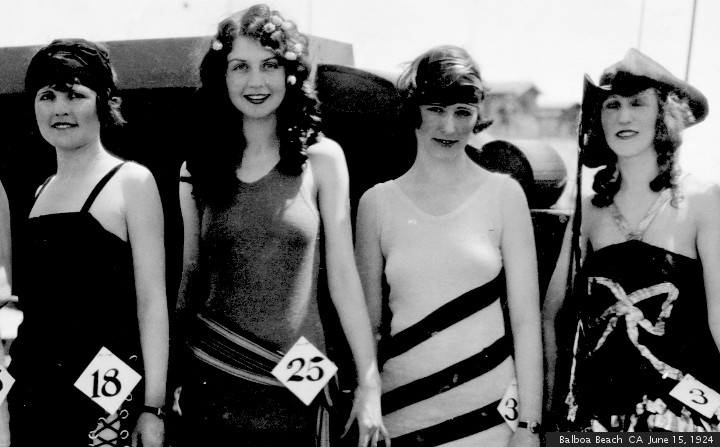
Prayer is not always a good idea.
That is up there with G-d and Motherhood, but somebody has to say it.
Many of my objections are in the phrase, “Prayer is talking to G-d, and Meditation is Listening.”. In our culture, we love to talk, and don’t have time to listen. Talking is yang, active, power. Listening is ying, receptive, passive, and indicates respect for the person you are paying attention to. This is difficult for many.
No one ever says “I am going to meditate for you”. Although maybe you should.
Prayer is used as an aggressive weapon. “I am going to pray for you” is the condescending conclusion of many a religious argument. I have had it shouted at me like a curse.
There is the matter of prayer as entertainment. While this may be cool to those who are on the program, it can be repulsive to others. Once I volunteered to lead the prayer before a dinner. The story is repeated below.
Now, prayer is not a completely bad thing. One of the cherished memories of my father is the brief, commonsense blessings he would give before meals. In the context of a church service, prayer plays a useful function. Some famous prayers are beautiful poetry. In Islam, the daily prayers are an important part of the observance. Who am I to say it is wrong? (A note to the Muslim haters, and opportunistic republicans …We are all G-d’s children.)
When someone is in a bad way, people want to think they can help. Arguably it does not hurt to pray for someone, but it is nothing to boast about.
My problem is when people are proud of their prayers. There are few as prideful as a “humble servant”. While it may mean something to you, not everyone is impressed. And in a religion obsessed with converting others, you should care what man thinks.
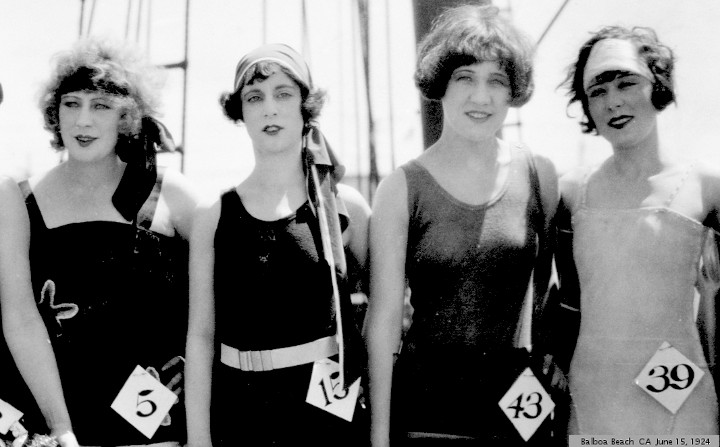


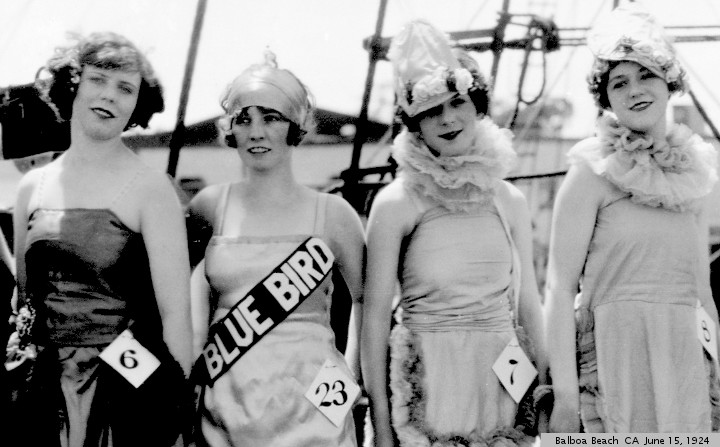
So much for world affairs. It is time to tell a story, with no moral and no redeeming social value.
In 1980, I was staying at a place called the Sea Haven Hostel, affectionately known as Sleaze Haven. This was in Seattle WA, as far as you can get from Atlanta, and still be in the lower 48. I was working through Manpower, and staying in a semi private room for $68 a month.
There was a Christian group that met in the basement on Sunday Night. Now, as some of you may know, I am a recovering baptist, who hasn’t been to church since 1971. However, the lure of a free meal was hard to resist, so I went to a few meetings.
One night, after doing quality control work on the local beer supply, I cheerfully joined in the discussion. This was the night when I realized that the Bible is not the Word of G-d. This concept has been very handy in dealing with the ravings of our Jesus-mad culture.
They seemed to like me, though, and welcomed me back. Maybe it was the southern accent.
One Sunday, after the dinner was finished , it was time to have a prayer to begin the meeting. I raised my hand. Now, Jesus Worshipers enjoy prayer as entertainment. When they bow their heads, you see them stretching and deep breathing, in anticipation of a good, lengthy, message to G-d.
My message was a bit of a disappointment. Instead of a long winded lecture about Jesus and the magic book, I said what was on my mind. “Lord, thank you for letting us be here today.” What else do you need to say? This double repost has pictures from The Library of Congress.


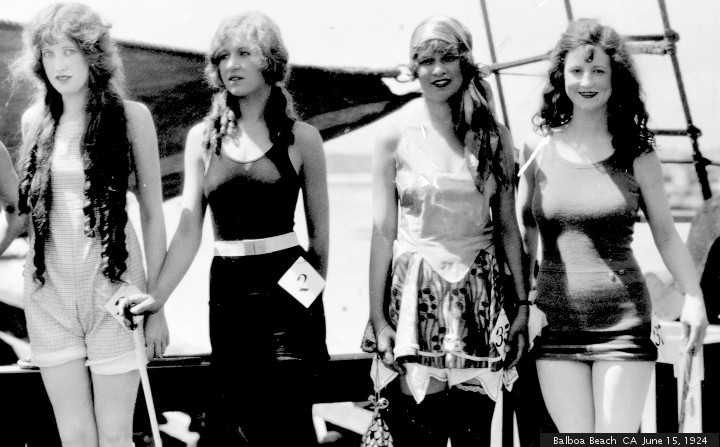

Sixty Seven Years Thirteen Presidents
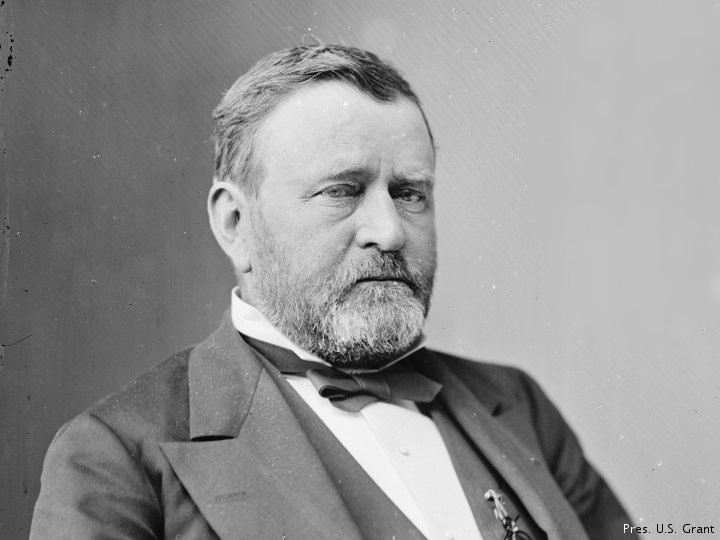

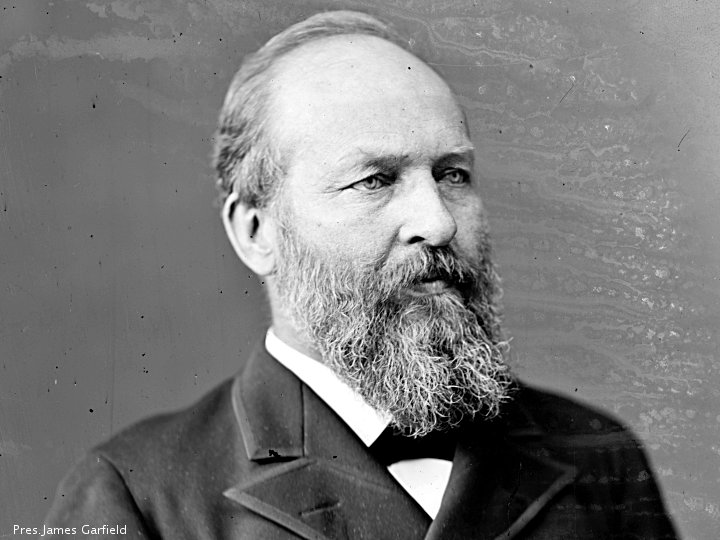
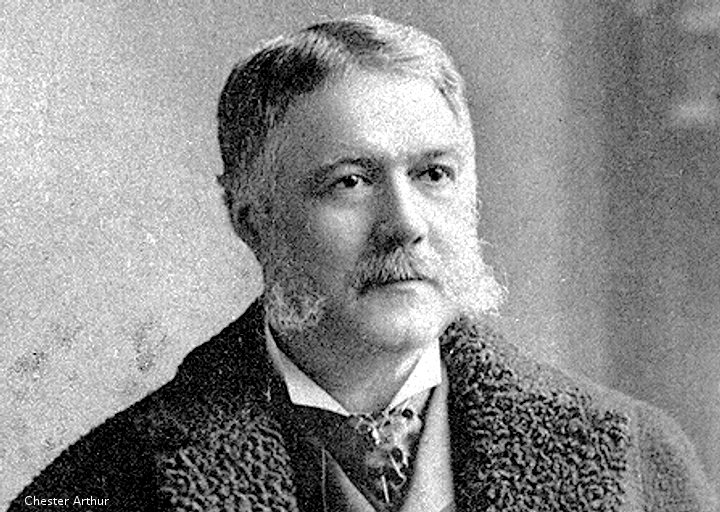
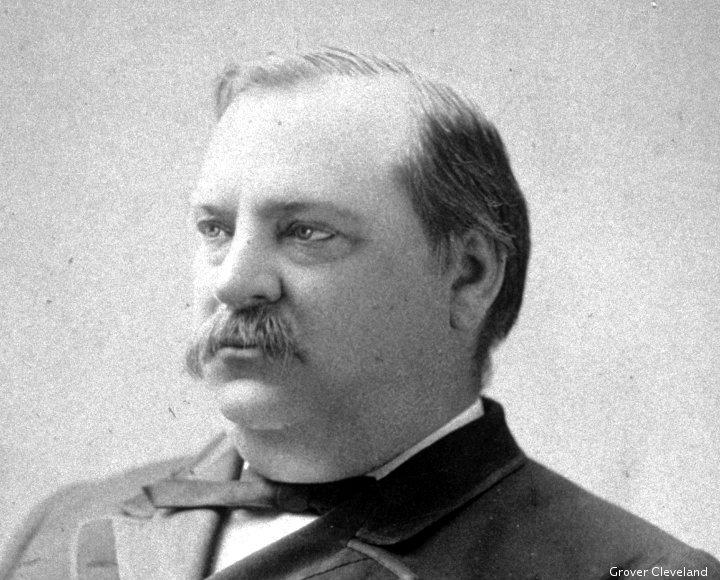
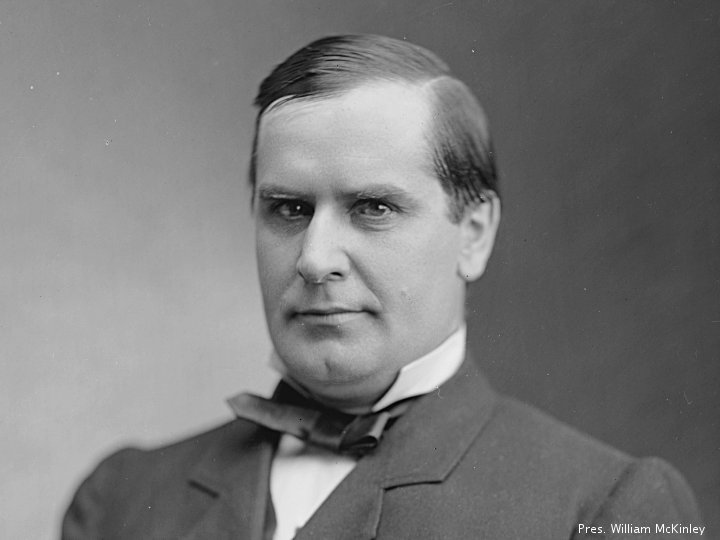
Every four years, someone will say this is the worst choice ever. Every four years, someone will say this is the most important election ever. They are always correct. The choice in 2020 was between Donald John Trump and Joseph Robinette Biden Jr. Choosing between those two idiots was challenging. The good news is that most people live in states where the electoral votes are conceded to one of the duopoly parties. These voters can focus on local elections.
Listening to the news shows that came on before the cartoons, PG heard the phrase “President Eisenhower”. As a friend explained to him, G-d made everything, but the President is Eisenhower.
When he was six, PG moved to a new house, and started first grade. There was an election that fall, and someone named Kennedy became President. PG wasn’t old enough to pay attention to the news yet, except when it looked like the Russians were going to kill us all in 1962.
The first news story that PG clearly remembers was the day when his fourth grade teacher, Miss McKenzie, told the class that President Kennedy had been shot. One of the worst moments that weekend was the moment when a plane landed in Washington, and the new President spoke on television. THAT was the new President? Yuck.
Lyndon Johnson was a larger than life figure, and was hated by millions of Amuricuns. While there was some good done by LBJ, it was overshadowed by the War in Vietnam. When he left office in 1968, the voters had a horrible choice …Hubert Humphrey, Richard Nixon, or George Wallace.
Tricky Dick Nixon is another larger than life figure, with millions of Americans screaming for his impeachment. For some reason, there were others who passionately admired the man.
In 1973, the oil companies tried to say there was an oil shortage. Later that year, Egypt, Syria, and Jordan attacked Israel, and the Arab oil producers cut oil to the USA. After this embargo, OPEC was in charge of the oil supply, and the price of gasoline increased 200%. The era of big money oil was on. What a convenient war.
After the ethical shortcomings of Mr. Nixon became too obnoxious to ignore, Gerald Ford became President. On a policy level, Mr. Ford was like all the other Presidents…some things he got right, some things he got wrong. On a personality level…the show business part … Mr. Ford excelled. His family provided harmless fodder for the gossipmongers. He was a likable man, a welcome break from the meanness of Richard Nixon and Lyndon Johnson.
When PG was a kid, there had never been a President from Georgia. It seemed impossible. When Georgia Governor Jimmy Carter announced he was running, it seemed like another ego tripper running for President. The funny thing is, Jimmy won. It still seems a bit unreal.
Jimmy was a Democrat, with attack Republicans fighting him every step of the way. This is a problem later Democrats in the Oval Office will have. On the policy level, Jimmy did better than many realize. Many of his achievements only bore fruit after he left office. On the show biz front, his down home Georgia routine did not appeal to many Yankees. In 1980, Jimmy was defeated by an actor.
PG was worried when Ronald Reagan took office. With America’s nuclear arsenal, and the Soviet Union wheezing it’s threat, many thought that Ronnie would start the war to kill us all. The good news is, this war never happened. Whatever tough talk came out of Washington was not matched by military adventurism abroad.
Mr. Reagan was the master of show business. He was an actor, playing the greatest role of his career. It was said that if America had a figure head monarch, Mr. Reagan would have been terrific. On the policy front, taxes were cut, and the budget increased. The national debt went over a trillion dollars. This was seen as a historic moment.
When Mr. Reagan’s two terms were over, George H.W. Bush took over. This was an era where the Democrats could not do anything right on a national level. Mr. Bush presided over a war, and brought the troops home when the mission was over. His image never appealed, and the whiners were not pleased. A computer salesman named Ross Perot decided to run as a third party candidate.
In the winter of 1992, PG had a little job downtown. One day, there was a rally at the CNN center for a little known Presidential candidate. PG went, and said to a friend, If this guy gets elected, you are going to regret not going to see him. At the time, War Winner Bush seemed unbeatable, and PG said that with high sarcasm.
When he got to CNN center, it was obvious that a big money event was unfolding. The place was packed, with school children bused in to fill all the seats. Finally, the speakers blared “Twist and Shout” at top volume, and Bill Clinton walked on the stage. PG was not especially impressed.
Mr. Clinton inspired toxic hatred, but managed to keep the boat floating. He won reelection, with the Republicans seeming to self destruct. The economy was going good, the budget was balanced, and the haters went wild. After a entertaining sex scandal, the Clinton years were over.
A couple of weeks before the 2000 election, PG liked neither candidate, and did not think it made much difference. (With Georgia’s electoral votes certain to go Republican, PG did not have a vote.) He listened to someone talking, who thought that it was important that Mr. Gore won. PG remembered that conversation often during the next eight years.
George W. Bush was a disaster. It is possible that 911 was a personal vendetta against the Bush family, and would not have happened if Mr. Gore was President. The reaction of Mr. Bush to this tragedy was to start two wars that we have not been able to finish. In 2021, we are still in Afghanistan.
Barack Obama was next, the first dark skinned President. He continued the war happy ways of the Bush regime. BHO was reelected in 2012, and given four more years to wage war. He managed to avoid the second term scandals that crippled Mr. Nixon and Mr. Clinton.
In the next election, the democrats decided that calling people racist was a good campaign strategy. As a result, Donald J. Trump was elected. America is more racially divided than ever, something the election of Mr. Obama was supposed to remedy. With the nation distracted by screaming racism, the congress has cut taxes, and produced a multi-trillion dollar budget deficit.
Joe Biden is now in the oval orifice. Mr. Trump, while not as bad as anticipated, was awful. Covid-19 hit, and Mr. Trump did not stop it. The national debt went through the roof. OTOH, Mr. Trump did not start any new major wars. Mr. Biden will struggle to keep his cognitive decline within Presidential levels. America might survive. Pictures for this feature are from the The Library of Congress.


Always Take Sides





“… always take sides. Neutrality helps the oppressor, never the victim.” This meme, illustrated by the gnomic face of Elie Wiesel, turns up on facebook a lot. (Elie Wiesel is pronounced like Elly Mae Clampett) Some find it inspiring. Others think it is simplistic and manipulative.
There are two questions. Did Mr. Wiesel say that? What was the context? The quote appears in the acceptance speech for the 1986 Nobel Peace Prize. The next sentence is “Sometimes we must interfere.” We immediately go from the absolute always, to the conditional sometimes. That is progress, even if it does not fit on a bumper sticker.
“Elie Wiesel was born in Sighet, Romania, in 1928. … In May 1944, Wiesel was deported to the Auschwitz concentration camp along with his parents and his sisters. Wiesel and his father were slave laborers at Auschwitz. His father died in January 1945 during a forced march to another camp, Buchenwald, and his mother and younger sister were murdered as well. After the war, Wiesel moved to France, where he worked as a journalist.”
The Israel-Palestine problem was just as vexing in 1986 as today. Here is what Mr. Wiesel said in his speech. “More people are oppressed than free. And then, too, there are the Palestinians to whose plight I am sensitive but whose methods I deplore. Violence and terrorism are not the answer. Something must be done about their suffering, and soon. I trust Israel, for I have faith in the Jewish people. Let Israel be given a chance, let hatred and danger be removed from her horizons, and there will be peace in and around the Holy Land.”
Who is the oppressor in the Middle East, and who is the victim? Many sides can make a case for their cause. Who is the better at persuasion? Who is better at playing the shady game of influence, and money. Often, more noise encourages the tormentor. The answer to age old conflicts is seldom found in bumper stickers, or facebook memes.
“… to whose plight I am sensitive but whose methods I deplore.” “Always take sides” means that you pick one side in a conflict, and use the tools of rhetoric to promote that cause. It can be tough to tell the good guys from the bad guys. Human suffering is human suffering. Simplistic rhetoric is *never* the answer.
In 1986, the Iran-Iraq war was raging. Hundreds of thousands of men died. Many said the war was allowed to go on intentionally. Allegedly, if Iran and Iraq were not fighting each other, they would be fighting Israel. The United States was allied with Iraq, while making arms deals with Iran. Israeli dealers participated in the United States-Iran arms trading. The profits from those deals went to supply terrorists in Central America. “Sometimes we must interfere.”
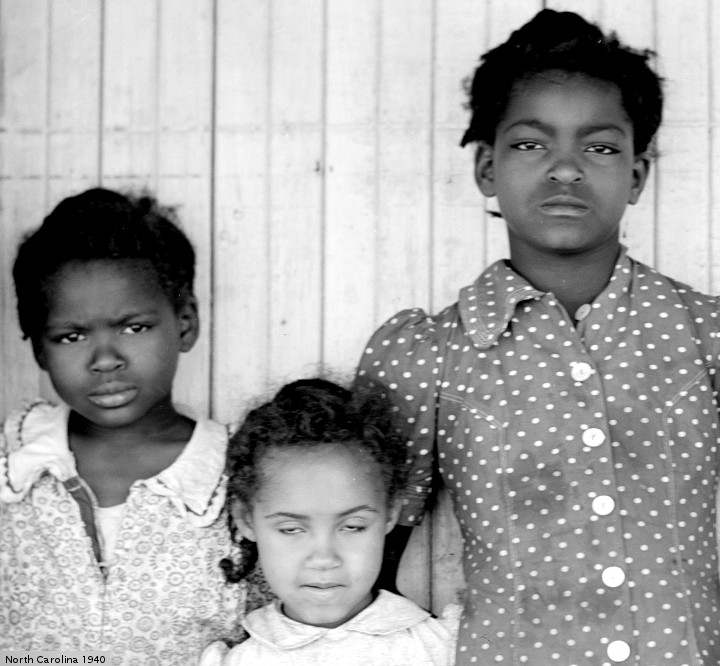
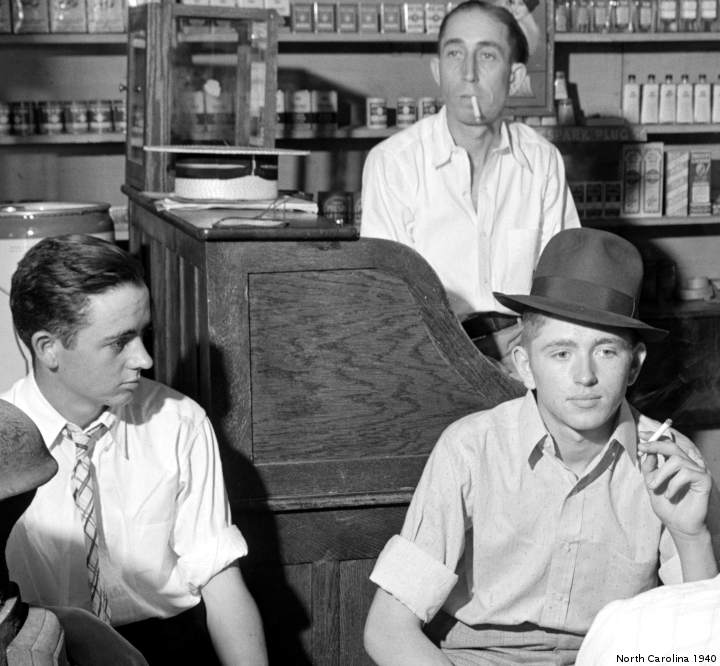
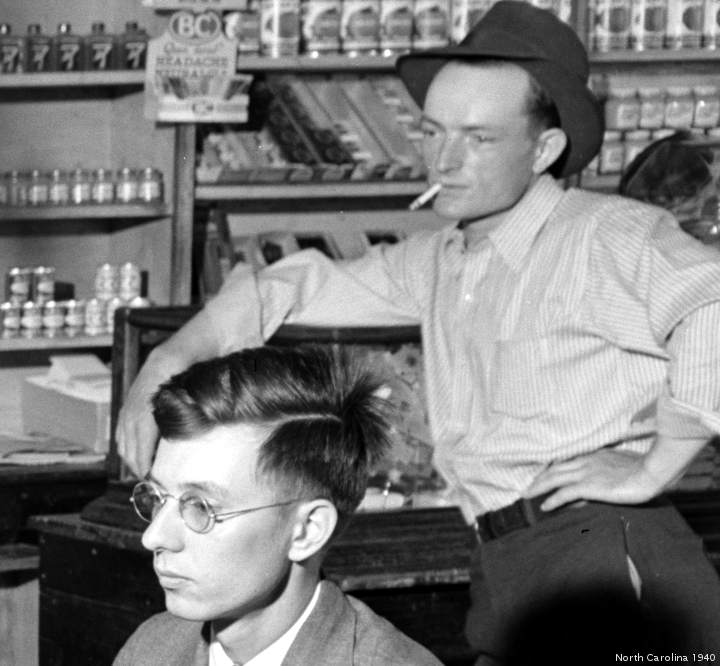
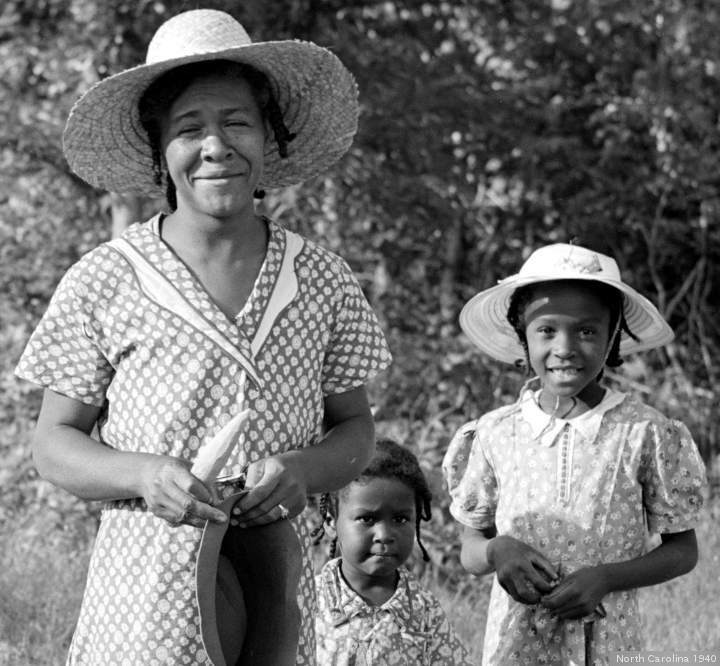
Pictures today are from The Library of Congress. This is a repost.















leave a comment