Seven Score And Eighteen Years Ago


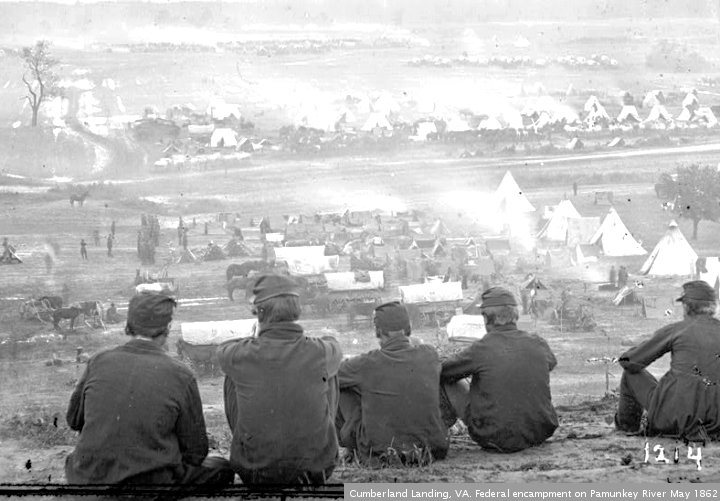
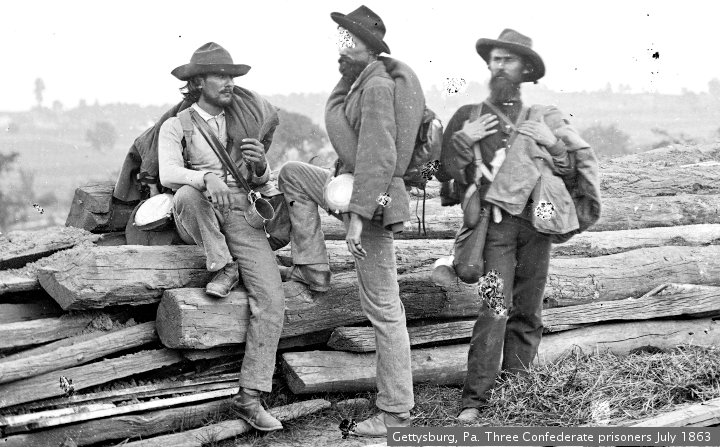


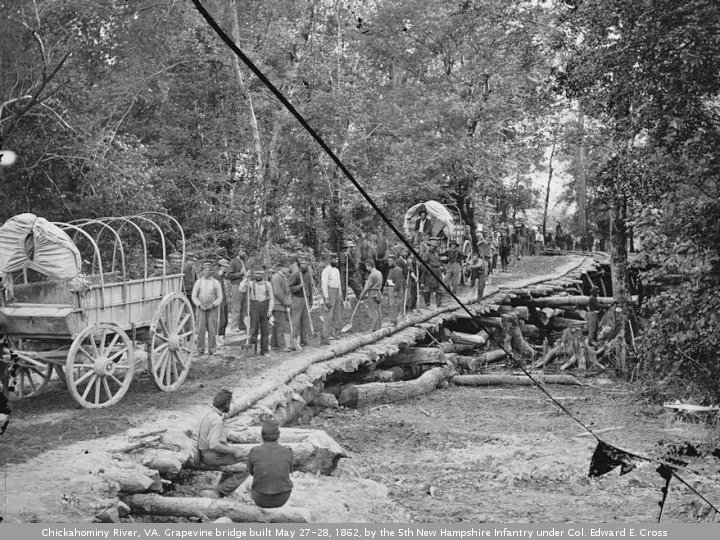

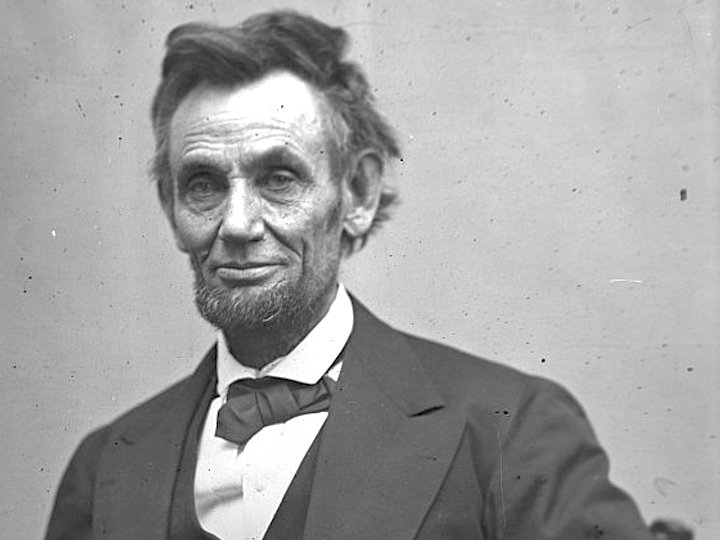
A vicious battle had been fought near Gettysburg, PA. It is widely considered the turning point of “Mr. Lincoln”s War,” the moment when the Union took the upper hand. It came at a horrible price, and a cemetery was built to hold this price.
The ceremony to dedicate the cemetery was held November 19, 1863. The headline speaker was Senator Edward Everett. The President was an afterthought. After it was over, Mr. Everett reportedly told the President that he said more in two minutes than he did in two hours.
The speech by Mr. Lincoln is an American classic. Schoolchildren are forced to memorize it. There are a few legends, many of which are not true. According to The Lincoln Museum , the speech was written on White House stationary, not the back of an envelope. The train ride would have been too bumpy to write. There is also confusion about what happened to the original text that the President read from.
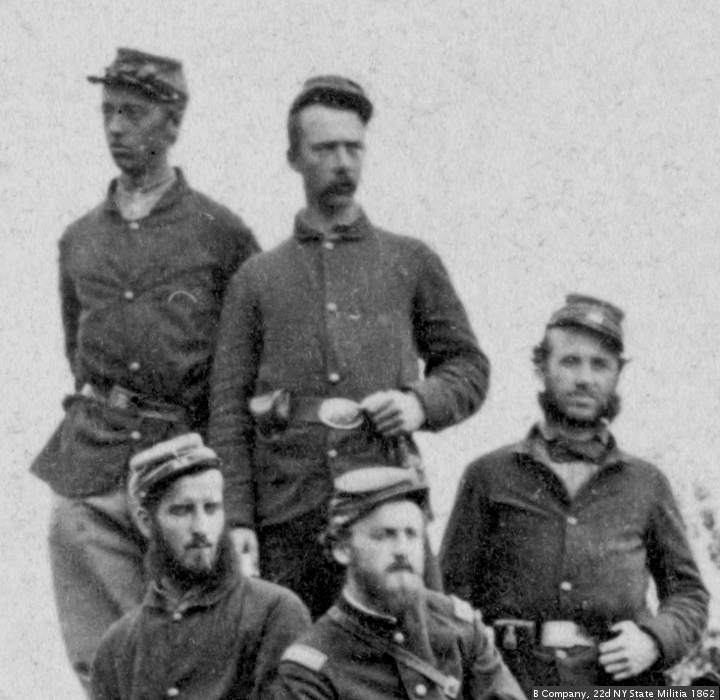
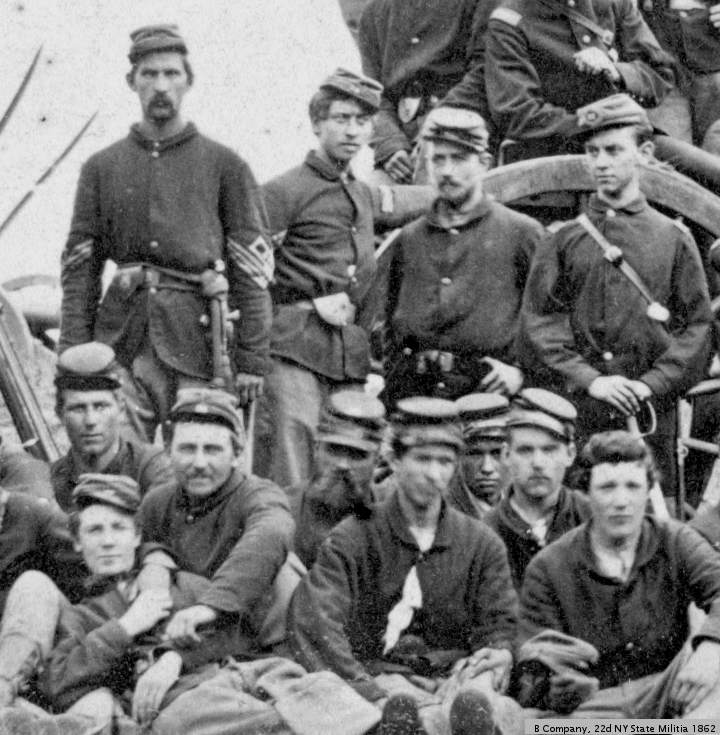
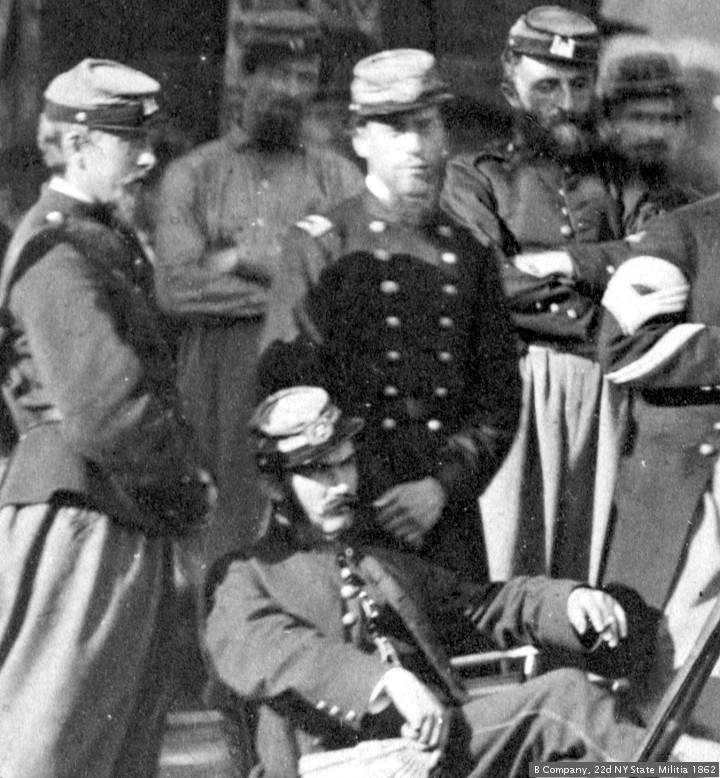
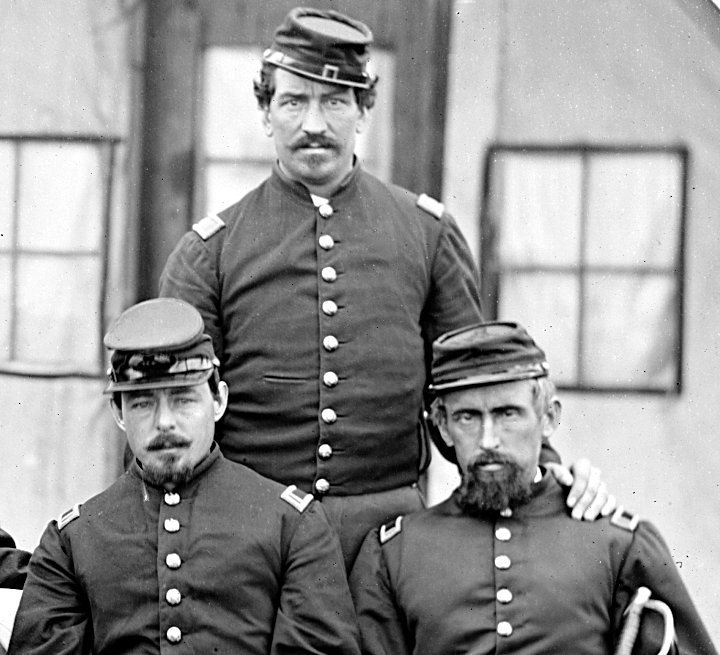
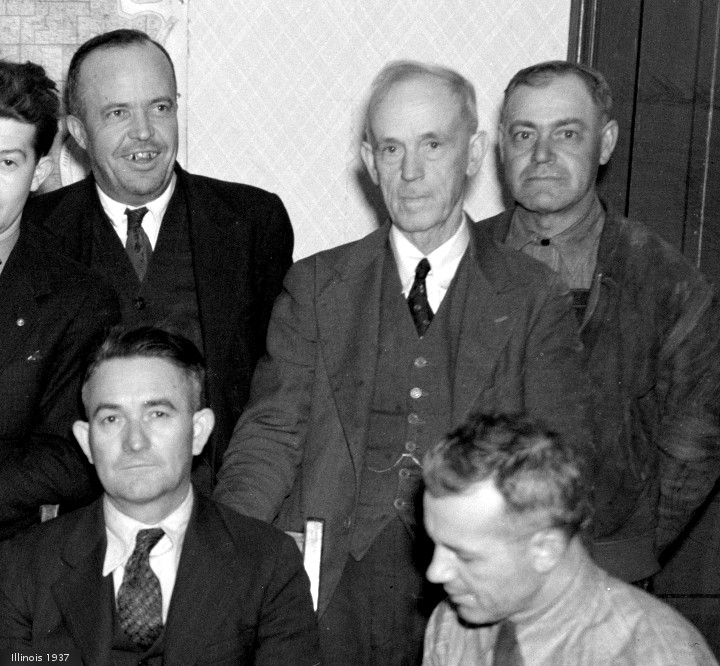
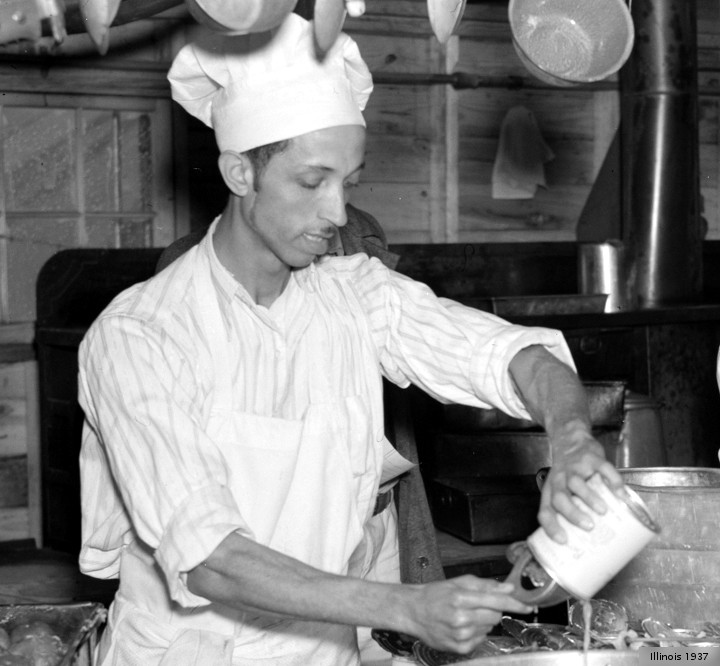
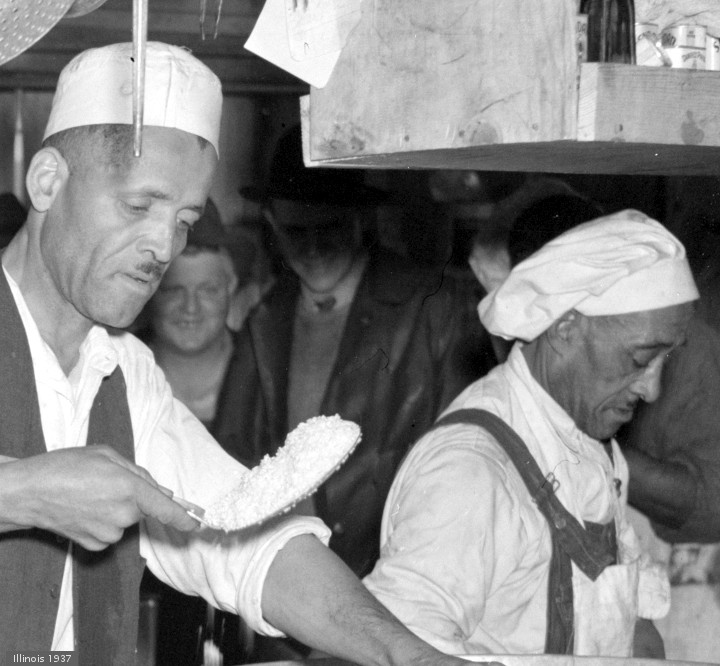
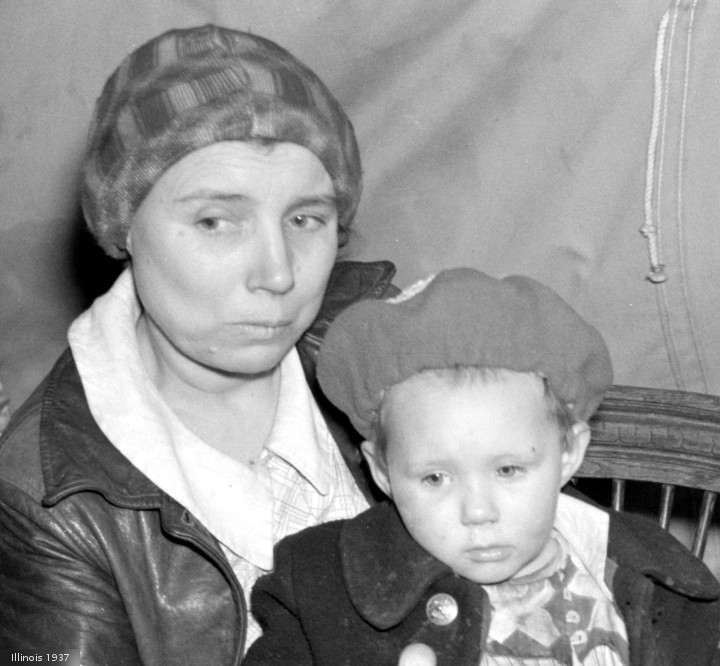
HT to Millard Fillmore’s Bathtub. Pictures are from The Library of Congress. Measured in pixels, the picture of George Custer is 720×666. This is a repost.
Four score and seven years ago our fathers brought forth on this continent a new nation, conceived in liberty, and dedicated to the proposition that all men are created equal.Now we are engaged in a great civil war, testing whether that nation, or any nation, so conceived and so dedicated, can long endure. We are met on a great battle-field of that war. We have come to dedicate a portion of that field, as a final resting place for those who here gave their lives that that nation might live. It is altogether fitting and proper that we should do this. But, in a larger sense, we can not dedicate, we can not consecrate, we can not hallow this ground. The brave men, living and dead, who struggled here, have consecrated it, far above our poor power to add or detract. The world will little note, nor long remember what we say here, but it can never forget what they did here. It is for us the living, rather, to be dedicated here to the unfinished work which they who fought here have thus far so nobly advanced. It is rather for us to be here dedicated to the great task remaining before us—that from these honored dead we take increased devotion to that cause for which they gave the last full measure of devotion—that we here highly resolve that these dead shall not have died in vain—that this nation, under God, shall have a new birth of freedom—and that government of the people, by the people, for the people, shall not perish from the earth.


The Burning Of Atlanta


Around this time 157 years ago, Atlanta was on fire. General Sherman was preparing for his March to the sea, and wanted to destroy anything of value in the city. The fire is reported as being on 11-15 of November, depending on what source you use.
The November fire was the second great fire in Atlanta that year. On September 2, the city was conquered by the Union Army. The fleeing Confederates blew up a munitions depot, and set a large part of the city on fire. This is the fire Scarlet O’Hara flees, in “Gone With The Wind”.
After a series of bloody battles, the city was shelled by Yankee forces for forty days. There were many civilian casualties. General Sherman was tired of the war, angry at Atlanta, and ready for action. This is despite the fact that many in Atlanta were opposed to secession.
Click here to hear a lecture by Marc Wortman at the Atlanta History Center. Mr Wortman is the author of “The Bonfire: The Siege and Burning of Atlanta”. The hour of talk is fascinating. This is a repost. The pictures are from The Library of Congress




About this time every year, there is a post about the burning of Atlanta. One of the sources is a lecture by Marc Wortman. If you have an hour to spare, this talk is worth your time. One of the stories told is the tale of Mr. Luckie.
“According to folklore, two stories abound as to how Luckie Street was named. The first is that its moniker came from one of Atlanta’s oldest families. The other, probably closer to the truth, regales the life of Solomon “Sam” Luckie. Luckie, as it turns out, wasn’t so lucky after all. When General William Tecumseh Sherman first came marching through Atlanta in 1864, Luckie, a free Black man who made his living as a barber, was leaning against a gas lamp post in downtown talking to a group of businessmen. A burst from a cannon shell wounded him; he survived, but later died from his injuries. Folklore suggests that he may have been one of the first casualties of the assault on Atlanta. Luckie Street, an extension of Auburn Avenue, was later named in his memory.”
Marc Wortman wrote a book, The Bonfire: The Siege and Burning of Atlanta. The one star review, and comments to that review, are unusually detailed. Here is a selection.
“…People forget – or were never taught in school – that most Confederate soldiers descended from Revolutionary War patriots or were up-country poor sons of farmers. Many Confederate soldiers were relatively recent new arrivals to the U.S., semi-literate dirt poor immigrants from Ireland and Scotland who’d never had the chance to own even an acre of their own land in Europe. In the mix were well-educated, elite merchant business owning French Huguenot refugees of the Catholic Bourbon genocide of Protestants. These immigrants had nowhere else to go, 9 times out of 10 never owned a slave, and fought for the CSA to keep what little they’d hardscrabble carved out over a decade of arrival into the U.S.”
The War Between The States continues to be a source of controversy. After the Charleston church killings, many comments were made about the Confederate battle flag. (If you can’t talk about gun control or mental health, you talk about a symbol.) This led to discussions about the war itself. There were ritual denunciations of slavery, assumed to be the sole cause of the conflict.
The notion of autonomous states in a federal union was novel when the United States Constitution was written. The debate over federalism versus states rights continues to this day. States that want to legalize marijuana may be the next battleground. (Few are expecting secession over bong rights.) Many in the CSA saw the Union as being a conquering army, and fought to defend their homes. While slavery was certainly a factor in the creation of the CSA, it was not the only Casus belli. Pictures today are from The Library of Congress.



November 11


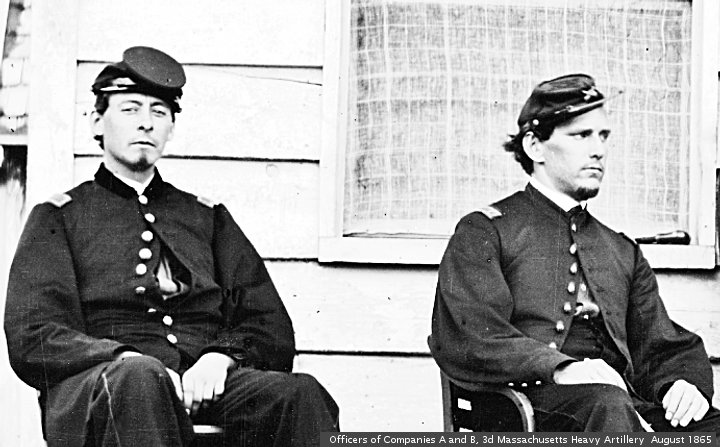
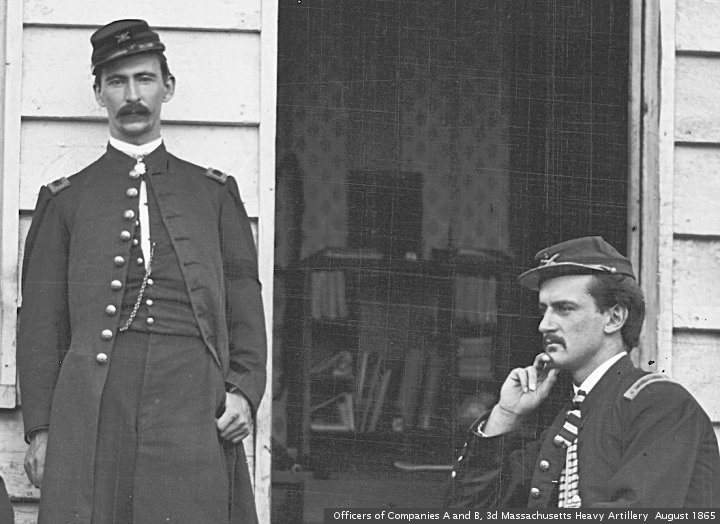
Veterans day was originally Armistice Day. On November 11, 1918, at 11 am, Paris time (the eleventh hour of the eleventh day of the eleventh month) a cease fire went into effect for “The great war”. Officials of the major armies agreed to the ceasefire at 5 am (European time). There were an estimated 11,000 casualties in the last six hours of the war.
At 11:59 am, U.S. army private Henry Gunther became the last soldier to die in World War I. “According to the Globe and Mail this is the story of the last soldier killed in WW1: On Nov.11, 1918, U.S. army private Henry Gunther stood up during a lull in the machine gun fire and charged the enemy. “The Germans stared in disbelief,” says the Daily Express. “They had been told that morning that the fighting was about to stop; in a few minutes they would stop firing and go home. So why was this American charging at them with his bayonet drawn? They shouted at him to stop and frantically tried to wave him back but… he hadn’t heard anything of the ceasefire.” A German gunner released a five-round burst and the soldier lay dead, at 10:59 a.m. In his recently published Eleventh Month, Eleventh Day, Eleventh Hour, U.S. Military Historian Joseph Persico notes that Private Gunther had previously been a sergeant but was demoted after an Army censor read his letter to a friend back home, urging him to steer clear of the war at all costs. Gunther, who was in no-man’s land when the ceasefire news arrived, had been trying to prove himself worthy of his original rank.”
This is a repost. Pictures are from The Library of Congress.
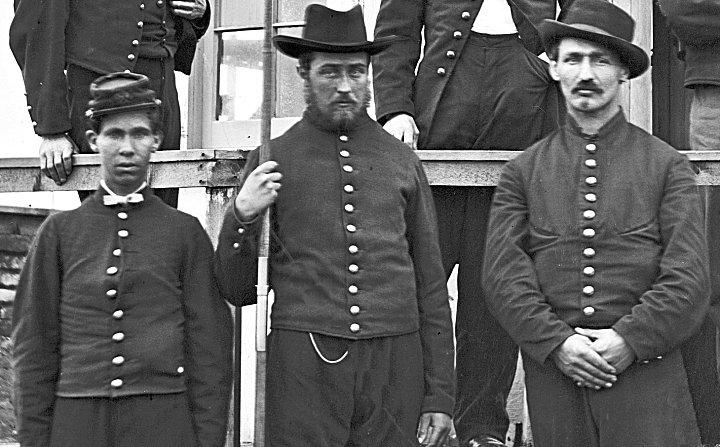

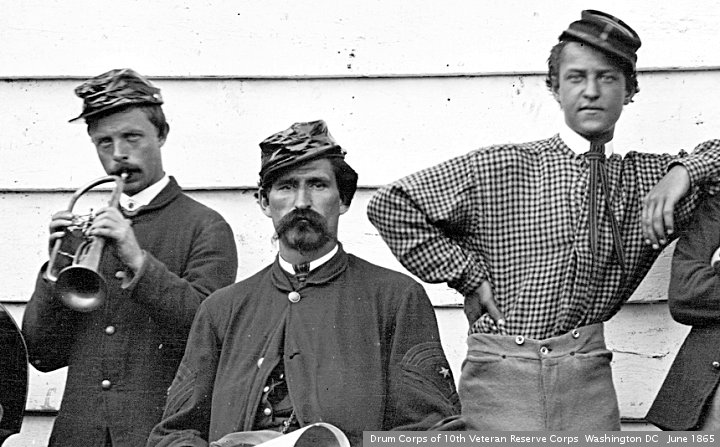
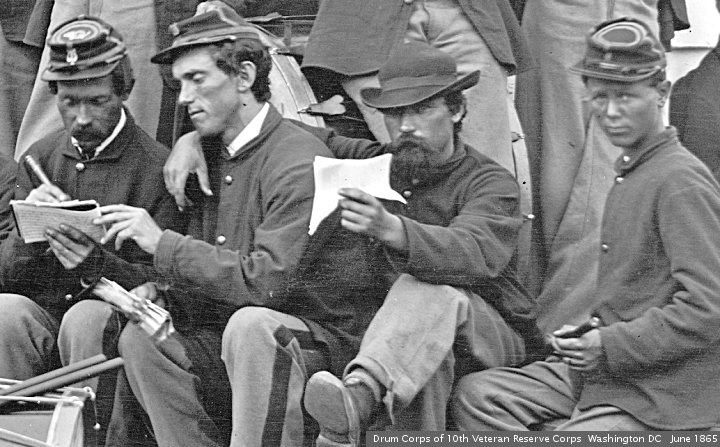
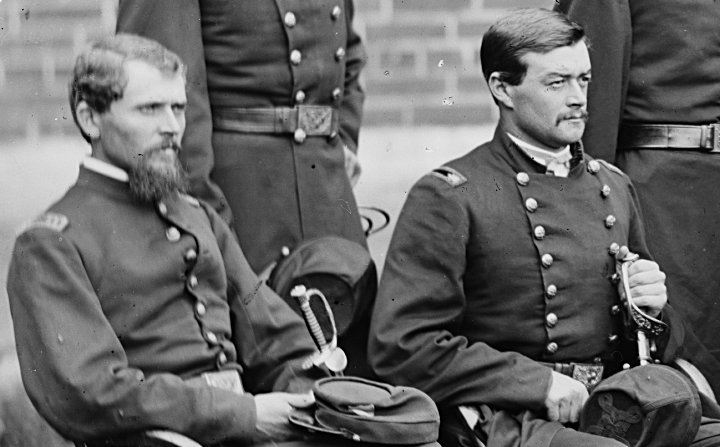
Veteran’s Day is a bad day for a cynic. I appreciate living in The United States. Even with all of her flaws, I have a good life here. The role that Veterans have played should be honored. On the other hand, those who profit from war often exploit Veterans, for political mojo. Many of these people did not serve. Those who profit from war, without serving, deserve our scorn.
Veterans are often not treated well after their service. It is estimated that a quarter of the homeless are veterans. The services offered to wounded veterans are shamefully lacking.
Hugh Pharr Quin CSA was my great grandfather. He served with the Georgia State Troops, in the War Between the States. I prefer the USA to the CSA, or whatever would have followed a Confederate victory. The Union army had to prevail, over the various Confederate Armies, for this to happen. Do I dishonor my great grandfather by saying, we are better off that the other side won?
Veterans Day was originally Armistice Day. This was the day, 103 years ago, when the War to End All Wars ended. World War I was a ghastly bloodbath, in which millions died. It affected many of the problems that plague us today. I would be willing to bet that not one person, in ten thousand, knows what World War I was about. And yet, the men who fought in that conflict (I don’t think they had women soldiers then) deserve the same gratitude as those who fought in any other conflict.
The soldier…many of whom are drafted…doesn’t get to choose which war to fight in. The sacrifice of the World War II soldier was just as great as the Vietnam fighter, but the appreciation given was much greater. I grew up during Vietnam, and saw the national mood go from patriotic fight, to dismayed resistance. By the time I was old enough to get drafted, the Paris accords had been signed. For better or worse, there went my chance.
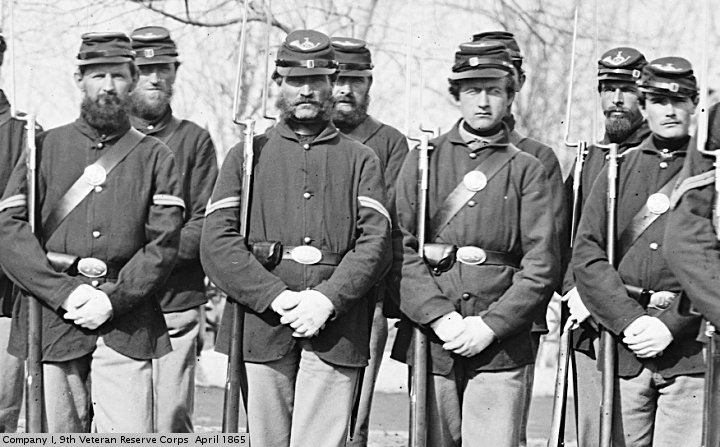


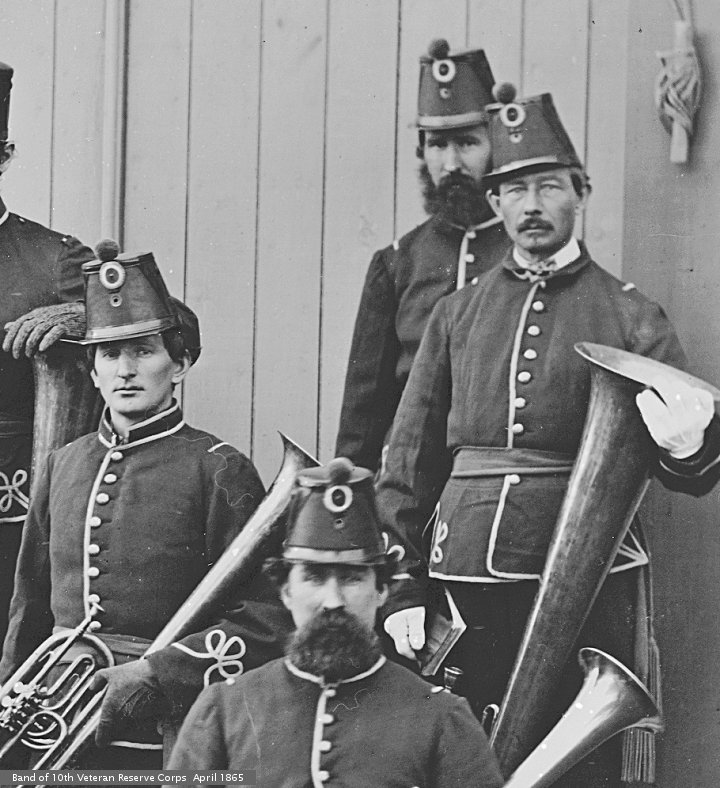

Smedley Butler

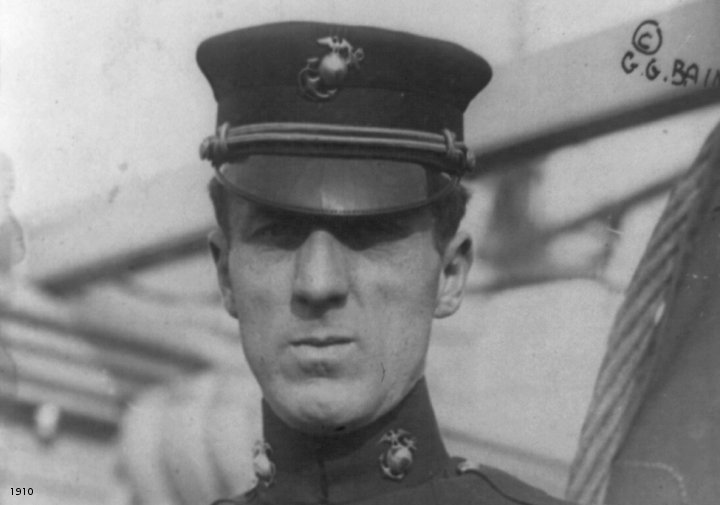
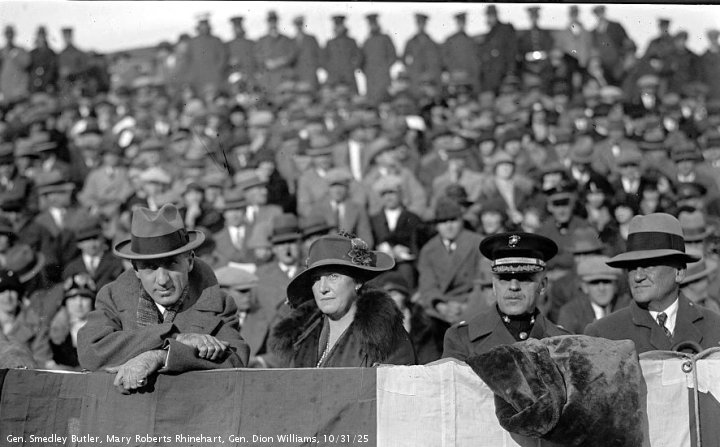

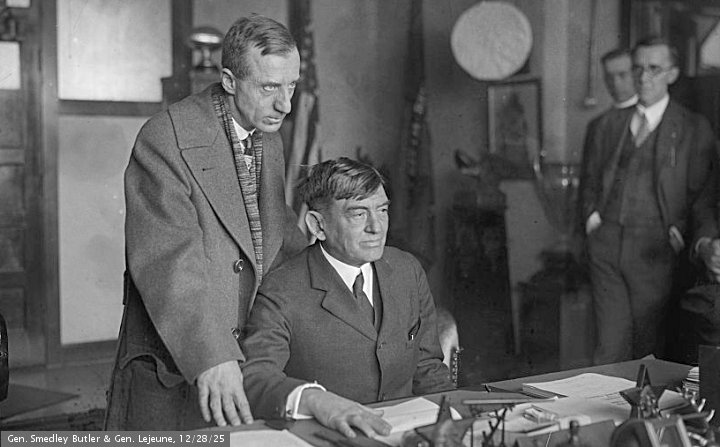


There was a feature the other day on the innertube called War is a racket . It was about a man with the unlikely name of Smedley Butler . Pictures for today’s adventure are from The Library of Congress. The video features an actor named Graham Frye in the role of General Butler. The video is courtesy of Smedley D. Butler Brigade Chapter 9 Veterans For Peace. This is a repost.
Major General Smedley Darlington Butler was a star of the U.S. Marine Corps. He lied about his age to enlist during the Spanish American War. Mr. Butler served in Philippines, China, Mexico, the Caribbean, Central America and World War I. With the exception of World War I, most of these conflicts are forgotten today.
Smedley Butler received the Medal of Honor twice. “His first Medal of Honor was presented following action at Vera Cruz, Mexico, 21-22 April 1914, where he commanded the Marines who landed and occupied the city. Maj Butler “was eminent and conspicuous in command of his Battalion. He exhibited courage and skill in leading his men through the action of the 22nd and in the final occupation of the city…The following year, he was awarded the second Medal of Honor for bravery and forceful leadership as Commanding Officer of detachments of Marines and seamen of the USS Connecticut in repulsing Caco resistance on Fort Riviere, Haiti, 17 November 1915.”
After his retirement in 1931, Mr. Butler had a change of heart, and decided that killing for Uncle Sam was not such a great idea. He wrote a book, “War is a Racket”, and became a popular speaker. Here is a “money quote”… “I spent 33 years and four months in active military service and during that period I spent most of my time as a high class thug for Big Business, for Wall Street and the bankers. In short, I was a racketeer, a gangster for capitalism. I helped make Mexico and especially Tampico safe for American oil interests in 1914. I helped make Haiti and Cuba a decent place for the National City Bank boys to collect revenues in. I helped in the raping of half a dozen Central American republics for the benefit of Wall Street. I helped purify Nicaragua for the International Banking House of Brown Brothers in 1902–1912. I brought light to the Dominican Republic for the American sugar interests in 1916. I helped make Honduras right for the American fruit companies in 1903. In China in 1927 I helped see to it that Standard Oil went on its way unmolested.”
Smedley Butler died June 21, 1940. Eighteen months later, America was at War again. How he would have reacted to that conflict is a mystery.


091121

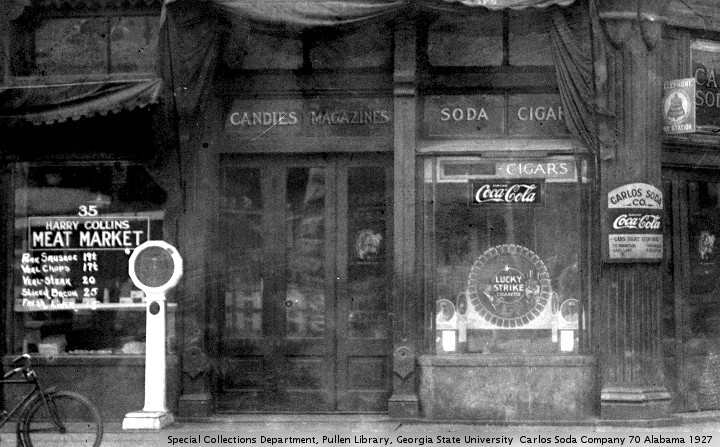
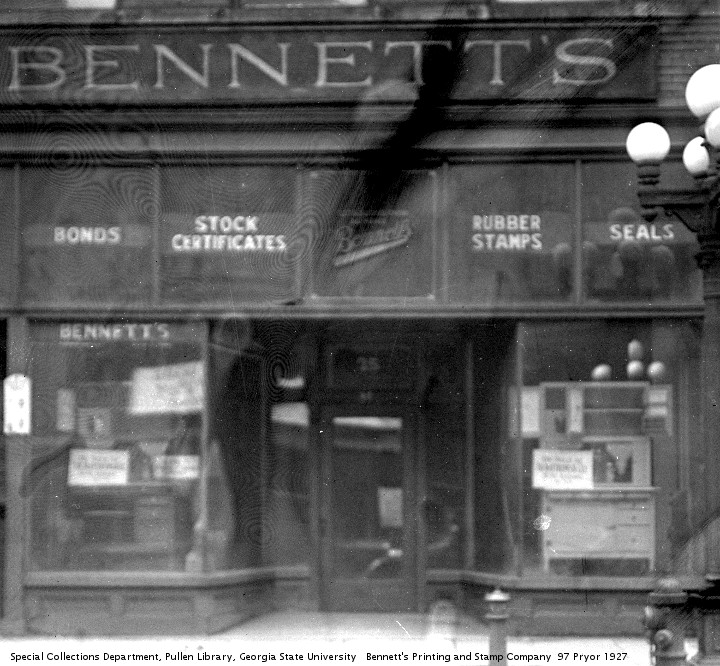


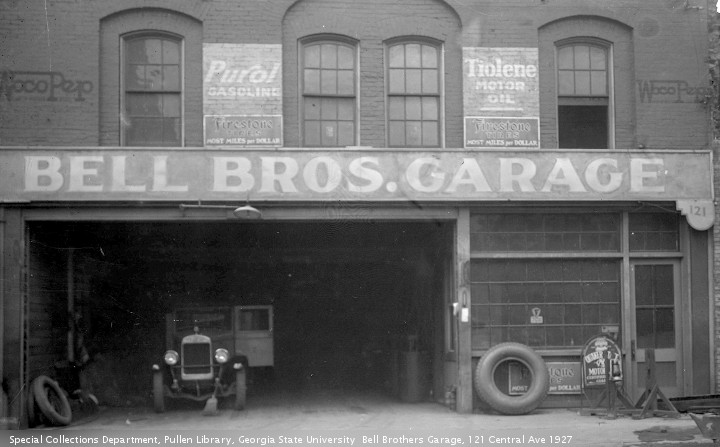

This is my 911 story. I repeat it every year at this time. Every year I say this will be the last time. This year is a mess. We are destroying the village to save it. The action part of 091101 was over by 11 am. This quagmire drags on and on. Nobody knows how things will turn out.
I was at work, and someone called out that someone had run a plane into the World Trade Center. I didn’t think much of it, until I heard that the second tower had been hit, then the Pentagon, then the towers collapsed, then a plane crashed in Pennsylvania.
I focused on my job most of the day. There was always drama at that facility, and concentrating on my production duties helped to keep me saner. This was roughly the halfway point of my seven year tenure at this place.
One of the other workers was a bully for Jesus. He was a hateful loudmouth. After the extent of the damage became known, he shouted “They are doing this for Allah,” and prayed at his desk. The spectacle of the BFJ praying made me want to puke.
I became alienated from Jesus during these years. Once, I had once been tolerant of Christians and Jesus, as one would be with an eccentric relative. I began to loath the entire affair. I hear of others who found comfort in religion during this difficult time. That option simply was not available for me.
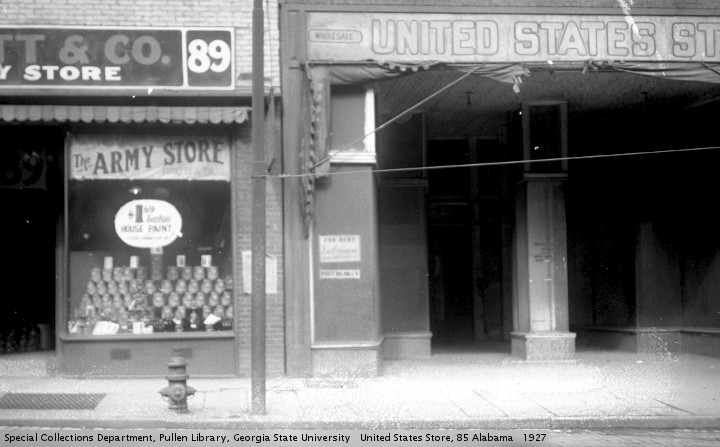
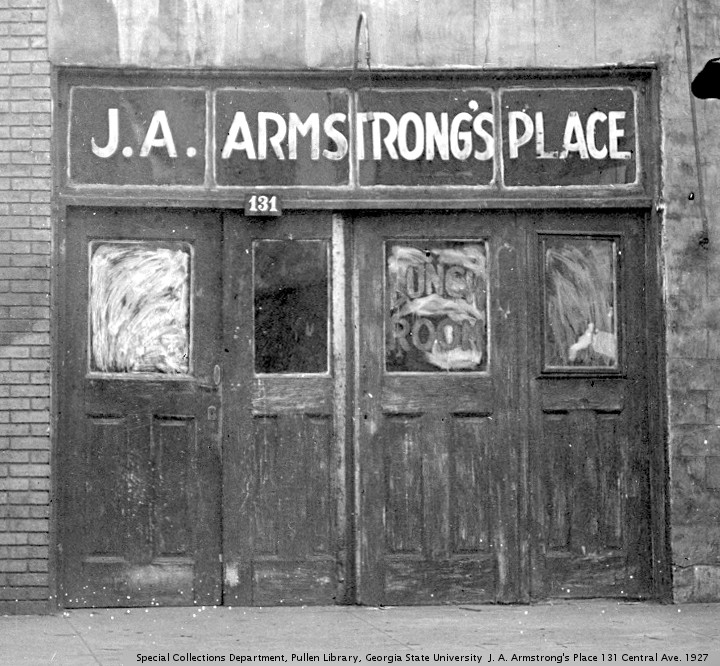
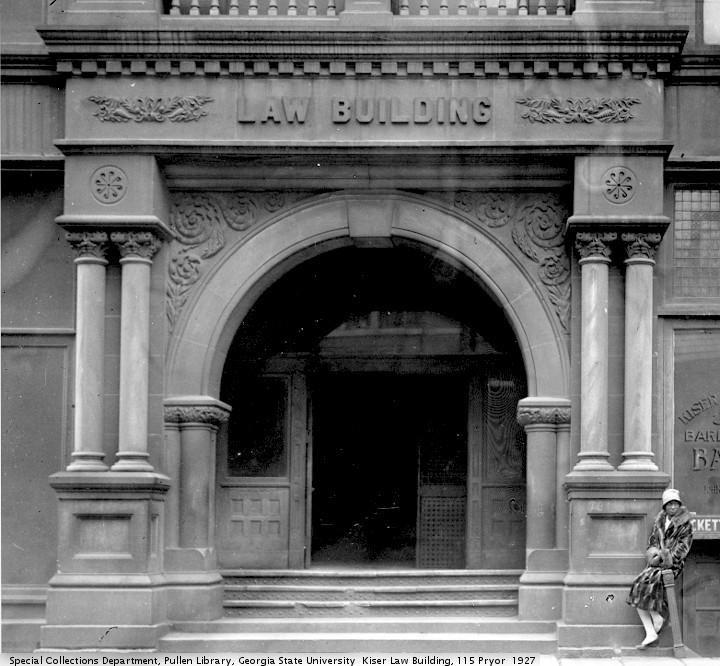
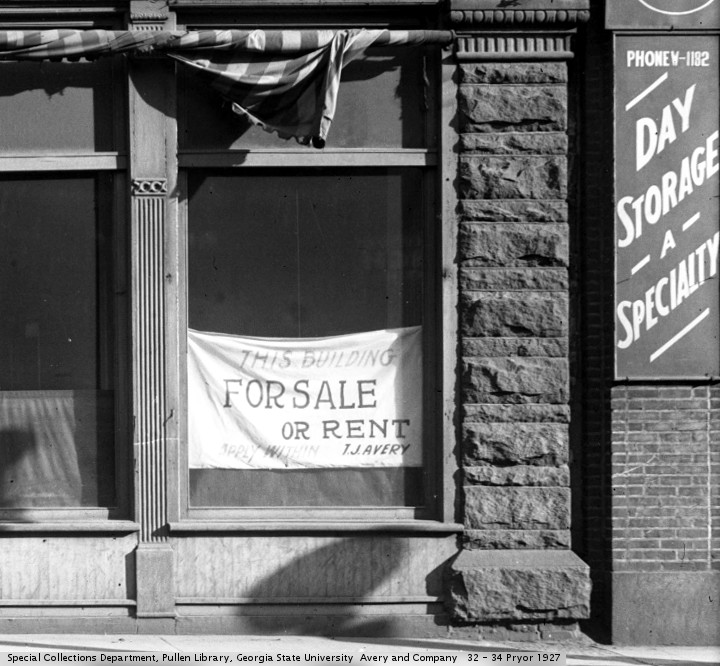
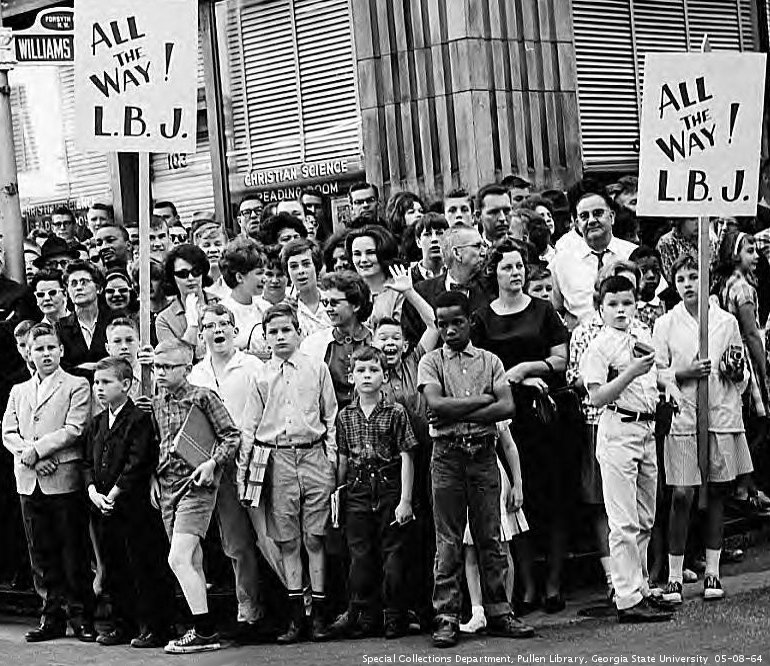
Pictures from “The Special Collections and Archives, Georgia State University Library”. “This item is part of a collection of images of downtown Atlanta streets that were taken before the viaduct construction of 1927 – 1929. Some of the covered streets became part of Underground Atlanta.”




Greeted As Liberators



One thing that PG likes to do is investigate “things he has always heard”. With google, you can often find the source, and a few things more. Some urban legends are tough to trace, often because they don’t exist. Others pop up 575k results is .49 seconds. This is a repost.
The myth PG was chasing was the notion that government officials said our army “will be greeted as liberators” in Iraq. On March 16, 2003, Vice President Dick Cheney was on Meet the Press.
MR. RUSSERT: If your analysis is not correct, and we’re not treated as liberators, but as conquerors, and the Iraqis begin to resist, particularly in Baghdad, do you think the American people are prepared for a long, costly, and bloody battle with significant American casualties?
VICE PRES. CHENEY: Well, I don’t think it’s likely to unfold that way, Tim, because I really do believe that we will be greeted as liberators. I’ve talked with a lot of Iraqis in the last several months myself, had them to the White House. The president and I have met with them, various groups and individuals, people who have devoted their lives from the outside to trying to change things inside Iraq. And like Kanan Makiya who’s a professor at Brandeis, but an Iraqi, he’s written great books about the subject, knows the country intimately,… The read we get on the people of Iraq is there is no question but what they want to the get rid of Saddam Hussein and they will welcome as liberators the United States when we come to do that.
There are a few things to say 18 years later. Why did the Vice President have this much power? The VP is supposed to dedicate buildings and go to funerals. Dick Cheney was clearly a very powerful man, and he was not elected to that job.
Mr. Russert, rest his soul, seems to have gotten one detail wrong. The conquest of Baghdad went smoothly, with relatively few American casualties. It was the occupation that would be “long, costly, and bloody… with significant American casualties.”
There probably were many Iraqis who welcomed the change, Clearly, Mr. Hussein had some enemies, and there were some who did see the invasion as liberation. There were others who did not. Players in other countries saw an opportunity to come to Iraq and make trouble. The regime that was changed had many employees, who were bumped out of jobs. “The people of Iraq” were no more a monolithic force, all acting the same way, as the people of America would be if they were invaded.
Even if the Americans were “greeted as liberators”, there would be many challenges. The country had no experience in dealing with democracy. The different ethnic groups did not like each other. Sunnis were seen as having been privileged, and many were looking to settle the score. It seems obvious that these problems were not anticipated.
There is a debate in The United States about the use of torture. It seems apparent that “enhanced interrogation” was used extensively in Iraq and elsewhere. The use of torture would seem to be an admission that we were not greeted as liberators.


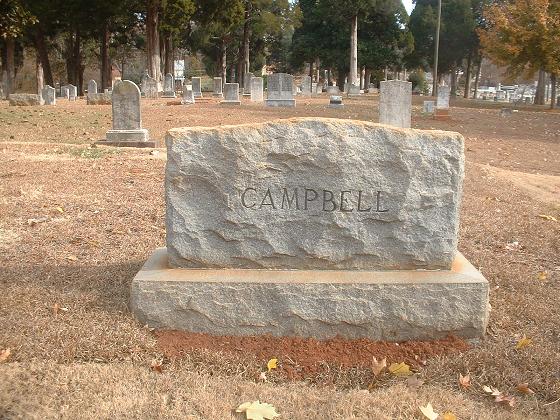

Julian Carr And Silent Sam
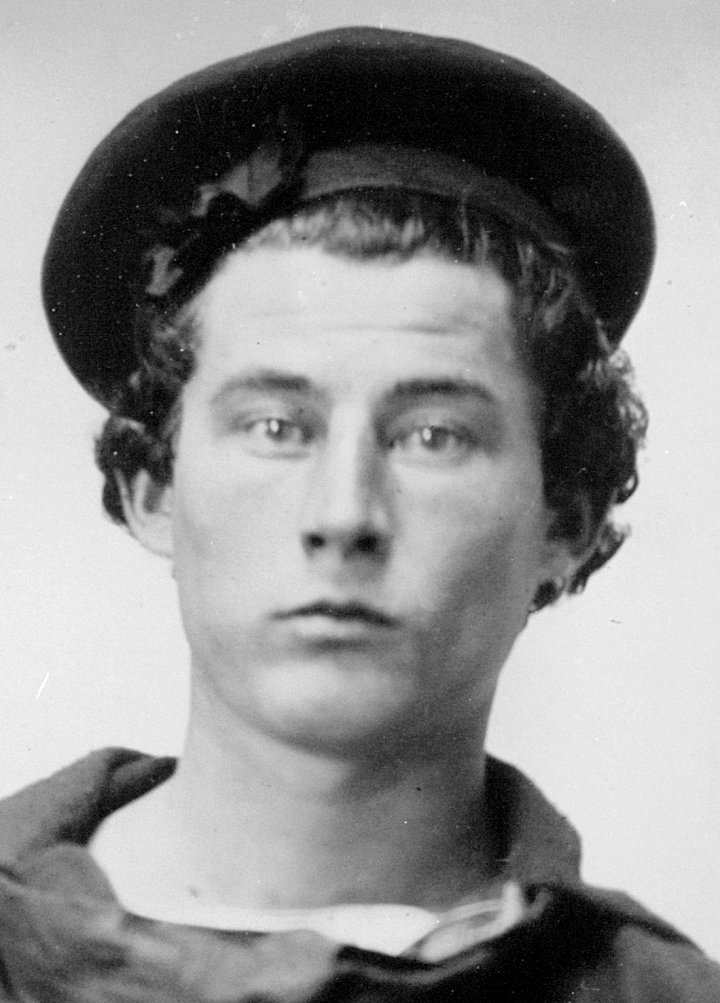
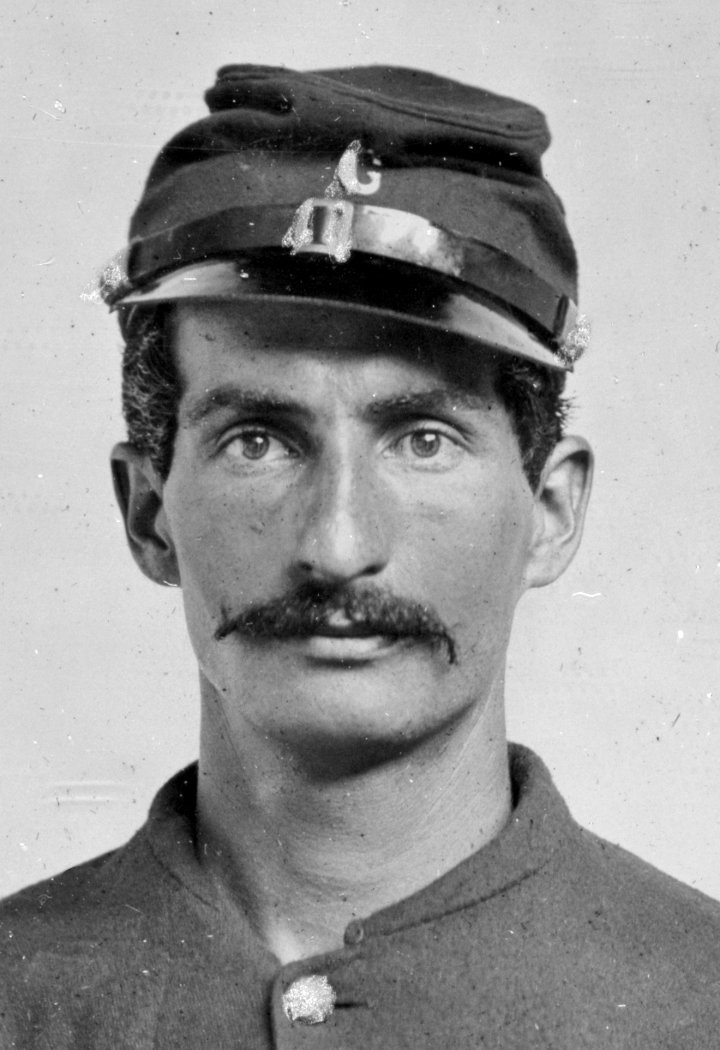

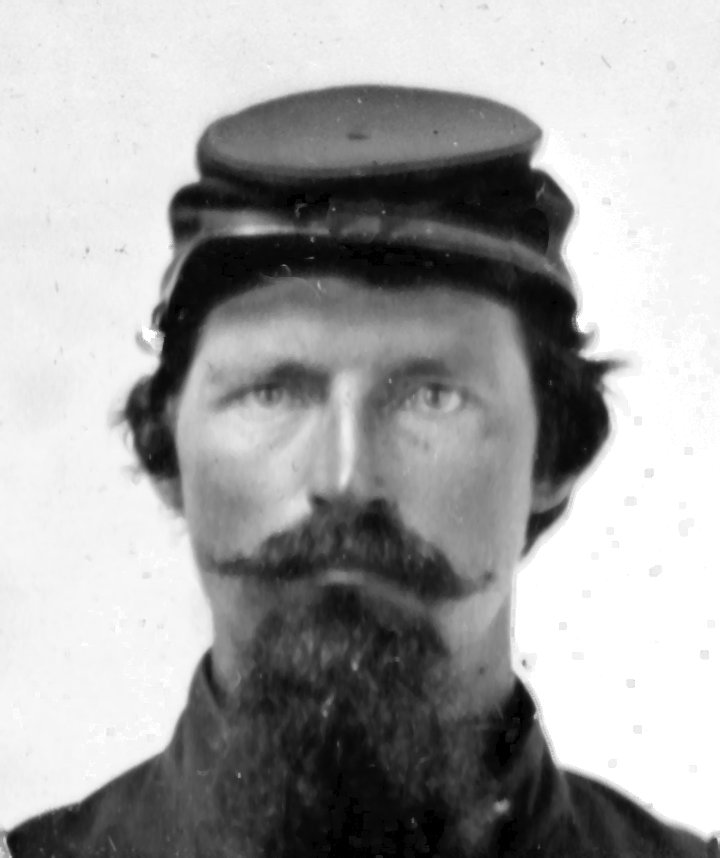
A Confederate monument was torn down last night in Chapel Hill NC. The statue, known as “Silent Sam,” was intended as a monument to students who left school to fight in the War Between the States. “In 1913, the Daughters of Confederacy, after four years of fundraising, paid sculptor John Wilson, a Canadian, $7500 for the statue. Wilson used a Boston-man, Harold Langlois, as the model. It’s unclear, however, if those attending Silent Sam’s dedication knew they were celebrating a Yankee’s profile. Silent Sam was among many “Silent Sentinels,” – statues of soldiers without cartridge box, soldiers who could no longer fire a shot – that were manufactured and bronzed in the North and then sent down south for public display. Many of these statues look remarkably similar. Like Silent Sam, they also face north, toward the Union.” This is a repost.
Many of the comments today quote a speech made at the 1913 unveiling. The speech was by Julian Carr, a prominent businessman and philanthropist. Mr. Carr is considered, with some justification, to have been a white supremacist. A Confederate veteran, Mr. Carr appears to have been a complex man, who did both good and harm.
This tweet is typical of today’s discourse. @jjones9 “From white supremacist Julian Carr’s speech at the dedication of Silent Sam in 1913.” The tweet features a screen shot, of a quote from the 1913 speech. “I trust I may be pardoned for one allusion, howbeit it is rather personal. One hundred yards from where we stand, less than ninety days perhaps after my return from Appomattox, I horse-whipped a negro wench until her skirts hung in shreds, because upon the streets of this quiet village she had publicly insulted and maligned a Southern lady, and then rushed for protection to these University buildings where was stationed a garrison of 100 Federal soldiers. I performed the pleasing duty in the immediate presence of the entire garrison, and for thirty nights afterwards slept with a double-barrel shot gun under my head.”
What was the rest of the speech? A bit of research turned up a transcript, Julian S. Carr, “Unveiling of Confederate Monument at University. June 2, 1913.” The rest of the speech has little in common with the “one allusion.” The speech sounded like the memorials to fallen soldiers in many other wars. “They served, they suffered, they endured, they fought, [and died – crossed out] for their childhood homes, their firesides, the honor of their ancestors, their loved ones, their own native land.”
Mr. Carr’s theme is defense of a the homeland. When the War broke out, the concept of a United States, ruled by a strong federal government, was less accepted than it is today. Many people in the South saw it as a failed experiment. Slavery was an important issue in the decision to secede, along with economic matters that do not get twenty first century people worked up. Slavery is not mentioned in the 1913 speech.
“Of the students and alumni of the University of North Carolina, about 1800 entered the Confederate army … . The University had in the service 1 lieutenant-general, 4 major-generals, 13 brigadier-[page break 8] generals, 71 colonels, 30 lieutenant-colonels, 65 majors, 46 adjutants, 71 surgeons, 254 captains, 161 lieutenants, 38 non-commissioned officers and about 1000 privates. I regard it as eminently appropriate to refer briefly at his point to the magnificent showing made by our state in the military service of the Confederacy. … The entire Confederate loss on the battlefield was 74,524, of which North Carolina’s share was 19,673, or more than one-fourth; 59, 297 died of disease, and of these, 20,602 were North Carolinians.”
“And I dare to affirm this day, that if every State of the South had done what North Carolina did without a murmer [sic], always faithful to its duty whatever the groans of the victims, there never would have been an Appomatox[sic]; Grant would have followed Meade and Pope; Burnside, Hooker, McDowell and McClellan, and the political geography of America would have been re-written.”
There are three other noteworthy quotes in the speech. “Even the great Northern universities – Harvard, Yale and Princeton – furnished quotas of soldiers for the Confederate ranks. From Harvard came 257, of whom 58 were killed in battle and 12 died in the service, and in this large list appear 8 brigadier-generals and 5 major-generals. Of the graduates and students of Yale, 48 entered the Confederate service, and of these 8 were killed in battle or succumbed to disease. At Princeton 55 men left the University, early in 1861, to enter the Confederate service, and from the somewhat incomplete records of that University it appears that a considerable percentage of these young men were killed in battle, or died from disease.”
“Permit me to refer at this point to a pleasing incident in which that distinguished son of the South, Woodrow Wilson, President of the United States, had the leading part. A year or two ago diplomas were given by our University to all the students who had interrupted their studies to enter the military service of the Confederacy. Mr. Wilson, then President of Princeton University delivered these diplomas. One man only of the Class [handwritten – that Matriculated in 1862] wearing the Confederate uniform, came forward to receive that highly prized token. It was the humble individual who now addresses you. At the dinner, later in the day, Professor Wilson greeted me with the remark that in many years nothing had so much touched and warmed his heart as the sight of that Confederate uniform.”
The speech went on and on, and sounded much like any other memorial. Once again, it should be noted that defense of the homeland received much more notice than a defense of slavery. The speech ended with these words: “In the knowledge of subsequent developments, the progress, peace and prosperity of our united, common country, victor and vanquished now alike believe that in the Providence of God it was right and well that the issue was determined as it was. And the people of all sections of our great Republic, moved by the impulse of sincere and zealous loyalty, of fervent and exalted patriotism may say: “All is well that ends well.”
“Again, dear Daughters of the Confederacy, I thank you in the name of the eighteen hundred brave, loyal, patriotic, home-loving young student soldiers who went out from this grand old University to battle for our Southern rights and Southern liberties, five hundred of whom never came back. God bless every one of you, and every Daughter of the Confederacy in our dear Southland.”
Pictures today are from The Library of Congress.


Hiroshima 76 Years Later




At 8:15 am, August 6, 1945, Hiroshima got nuked. It was the start of a new era. Since Japan is 13 hours ahead of Georgia, and standard time was used, the literal anniversary is 8:15 pm, August 5.
Tsutomu Yamaguchi was working in Hiroshima when the bomb hit. He survived, and found a train to take hime to his home town, Nagasaki.
The device dropped on Hiroshima, the Little Boy, had an estimated force of 13 kilotons of Trinitrotoluene, or TNT. A kiloton of TNT is roughly a cube whose sides are ten meters. This device is fairly tiny compared to many of the warheads developed since. Many of the modern appliances are measured in megatons, or millions of tons of TNT. The Soviet Union had a bomb with a capacity of 50 megatons, or 4,000 times the size of the Little Boy.
The largest weapon tested by The United States is the Castle Bravo. This device destroyed Bikini Atoll in the Pacific. The two piece swimsuit was named for this island. The Castle Bravo device had a yield of 15 megatons of TNT. This is roughly 1,000 times the power of the Little Boy.
The decision to drop the bomb has long been controversial. There are a lot of factors and gray areas, and the issue does not lend itself to sound bite solutions. The conventional wisdom is that Japan surrendered because of the nuclear attack. This meant the war was shortened by at least a year, there was no invasion of Japan, and many lives were saved. PG is scared by the moral calculus involved in a decision like this….do 100,000 civilian deaths prevent the deaths of 500,000 soldiers? PG suspects that even G-d herself would lose sleep over that one.
There is also evidence that the bomb was not needed. Japan was whipped in August 1945. The air raids were conducted in daylight with little resistance. A debate was going on in the Japanese government on whether to continue the fight.
An event happened the day between Hiroshima, and Nagasaki, which influenced the Japanese decision to surrender. The Soviet Union had agreed to help the United States with the war against Japan. On August 8, The Soviet Union invaded Japanese occupied Manchuria. There are indications that Japan knew the fight was hopeless at this point, and would rather surrender to The United States than The Soviet Union. This is one of the gray areas that never seems to be mentioned.
The United States wanted the war to end quickly for obvious reasons, and a few subtle ones. America did not want to share the spoils of Japanese war with The Soviet Union. There were already tensions between the two allies, and the cold war was not far off. Many felt The United States used the Little Boy as a warning to The Soviet Union.
When you get your moral software out, you might want to figure in the effect of opening the nuclear Pandora’s box. Would the nuclear bomb have been developed by other countries if America had not led the way? The science is not that complicated…after all, America hit paydirt with the Manhattan Project fairly quickly. Nonetheless, there is karma involved in using a terrible new device on a civilian population. The United States started the wind of the arms race, and has yet to feel the whirlwind.
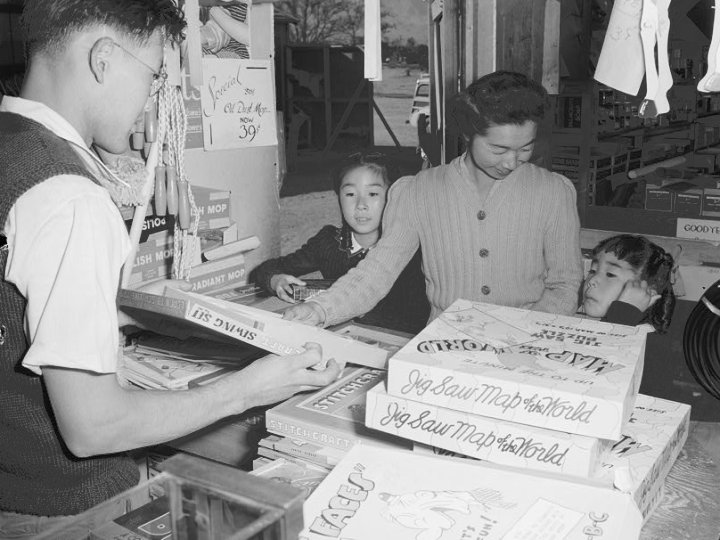
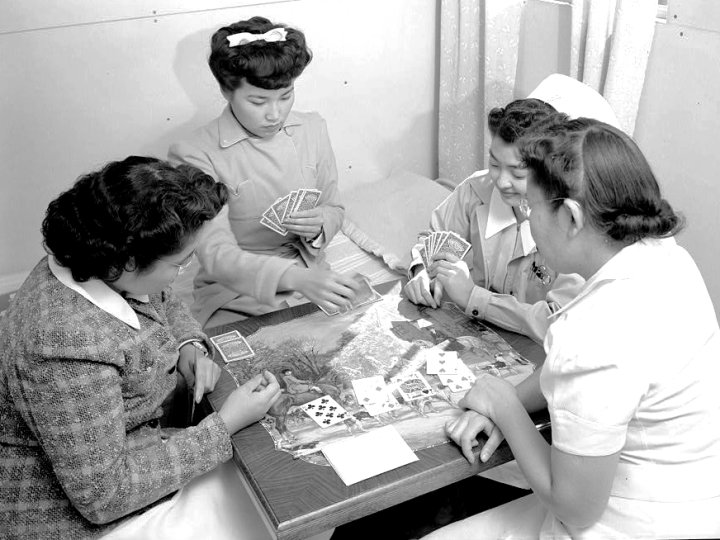
This is a repost. The pictures are from The Library of Congress. Ansel Adams took pictures of Japanese Americans, in a World War Two internment camp. The ladies in the bridge game are Aiko Hamaguchi, Chiye Yamanaki, Catherine Yamaguchi, and Kazoko Nagahama.


Jane Fonda And J. Edgar Hoover
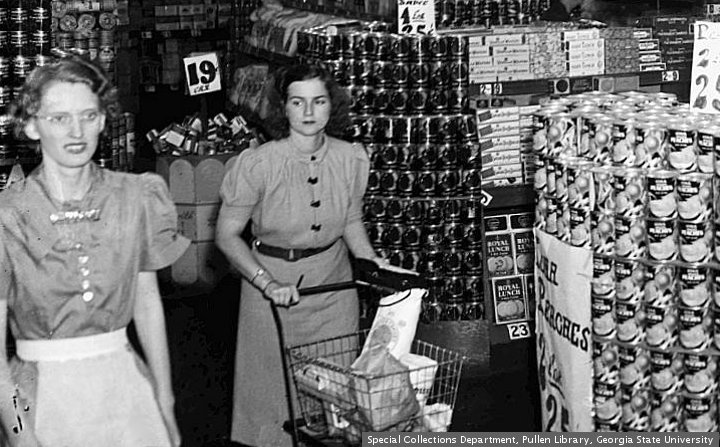

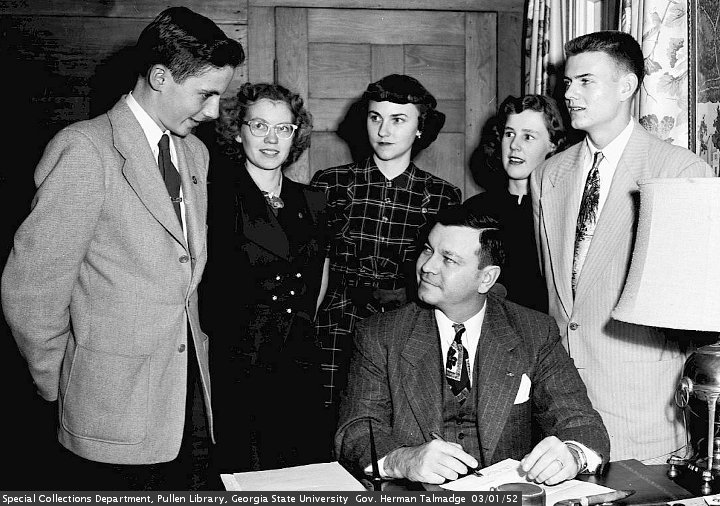
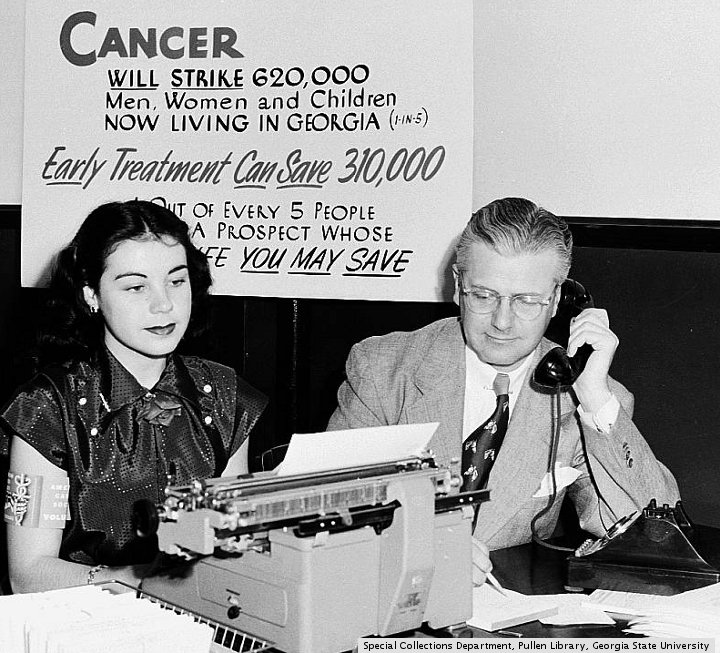

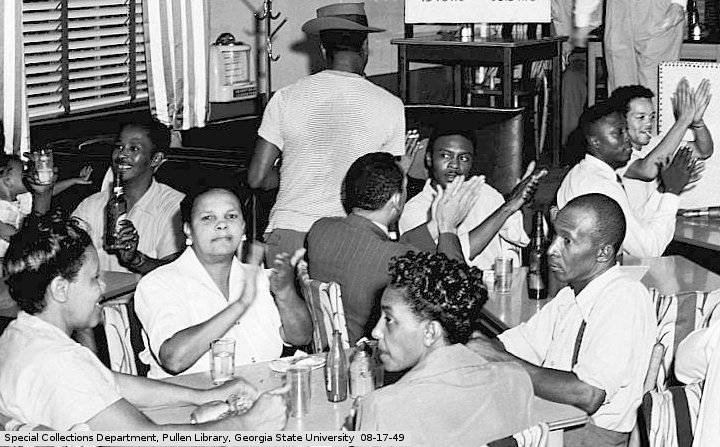
This repost is a work of speculation, and has no basis in proven fact.The thesis cannot be proved nor disproved. Pictures are from “The Special Collections and Archives, Georgia State University Library”.
Listening to talk radio while you drive is a dangerous activity. You might start to think, and look at the man behind the screen. Neal Boortz was on a rant today about Jane Fonda. It it the same story you have heard many times…she gave aid and comfort to the enemy, she is a traitor, American troops died because of her, she should have been executed.
Sometimes when you hear something too many times, you begin to have doubts about what you heard. A light bulb went off in PG’s head when he heard the Fonda Rant again.. .What if Jane Fonda was working for the US government when she went to Hanoi?
What was in it for the government? This trip gave our government a discredited leader of the antiwar movement to denounce. When the government was trashing Jane Fonda, they did not have to defend the disastrous policies of that war.
Miss Fonda has been an icon of right wing hatred ever since, as well as of military training. One story has Miss Fonda giving the North Vietnamese information about activities by American forces. How would she get this information?
The infamous trip to Hanoi took place in the Summer of 1972. American troops were being withdrawn, and anti war protests lost most of their passion. (It was also soon after the death of F.B.I. Director J. Edgar Hoover, and the Watergate burglary) The war in Vietnam was essentially over for America. We were no longer trying to win, but to negotiate a face saving treaty. President Nixon called it “Peace with Honor”. Miss Fonda’s actions had little impact on these negotiations.
Miss Fonda made some radio broadcasts from Hanoi. Is it possible that coded messages to our troops were included in these broadcasts? Is it also possible that she gave the North Vietnamese misinformation on purpose?
Why would a women known for her left wing activism do such a thing? Maybe, the FBI had some dirt on her, and blackmailed her.
In 1967, Kurt Vonnegut published a book titled “Mother Night”. It tells the story of Howard W. Campbell Jr. Mr. Campbell made propaganda broadcasts for Germany in World War II, which were secretly used to pass coded messages to the Allies. He was condemned as a traitor after the war, but never prosecuted. He did not win an Academy Award.
The role of the government in this affair could have taken another role. Perhaps Miss Fonda was sincere in her actions, but aided by the government. Miss Fonda was under surveillance in 1972. The government would have known about her plans to go to North Vietnam, and perhaps could have stopped her. But, because her going to Hanoi was to their advantage, the government allowed the trip to take place.
The above is speculation, and could be horribly wrong. The fact that Miss Fonda has expressed regrets over her trip neither proves nor disproves this. She got great movie roles, and won two Academy Awards, during the seventies. This may be a coincidence, or maybe it was a reward for her service.
Clearly, the trip she made to Hanoi had propaganda value to the US government. It has been a Godsend over the years. You should always consider who benefits from an action.
During his rant today, Mr. Boortz said that US troops died because of Miss Fonda. (He does not discuss the man who went to Nam in his place, after his draft deferment.) By saying this, he can ignore the tens of thousands of troops who died because Richard Nixon chose to wait until 1973 to sign a “peace treaty”. He could have made the same deal in 1969. Peace with honor indeed.

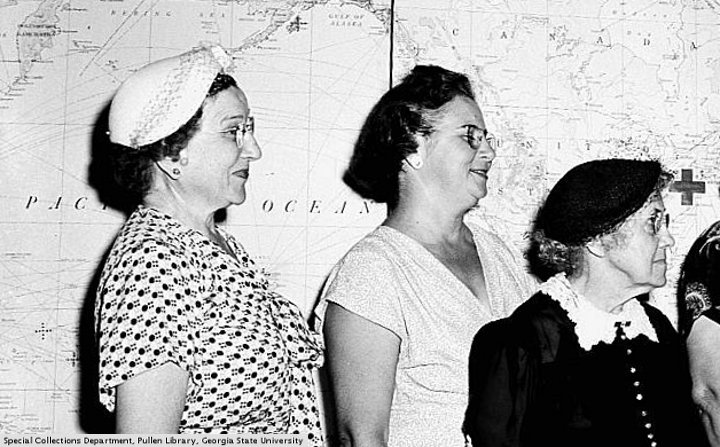
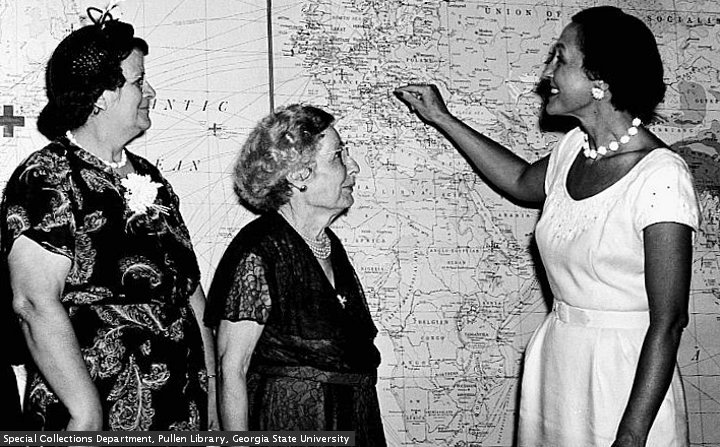
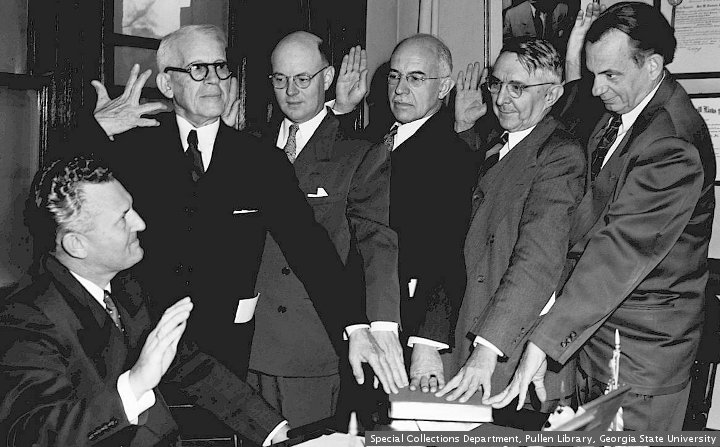
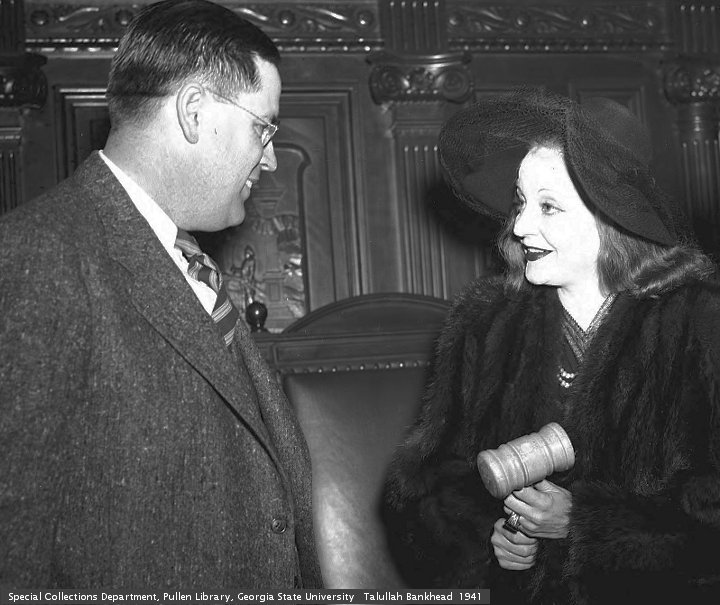

A few days ago, the possibility that the government allowed Jane Fonda to go to Hanoi was discussed. Ms. Fonda’s trip to North Vietnam had numerous propaganda/p.r. advantages to the American government. Direct government sponsorship cannot be ruled out. Another scenario would have the government knowing about the trip, having the ability to stop the trip, but allowing it to happen. For the purposes of today’s discussion, we will call this the “Hoover Option”(HO). It is named for John Edgar Hoover, the publicity savvy director of the FBI until his death in 1972.
HO is a favorite of conspiracy theorists. It is difficult to prove or disprove, and explains a lot of things. Another conspiracy rich event is the shooting of John Kennedy on November 22, 1963. The various hypotheses on this event are well known. Numerous people wanted JFK to retire…gangsters, teamsters, Republicans, Lyndon Johnson, Vietnamese… to the point to where it is tough to sort out all the possible candidates. The thinking goes here, that J. Edgar Hoover knew of the plot to kill JFK, could have stopped it, but chose to allow it to happen. Even conspiracy skeptics think this is plausible.
The concept of Lee Harvey Oswald working alone does not eliminate the possibility of HO. Here was a sketchy character, known to have traveled to the Soviet Union, and favor “fair play for Cuba”. He worked in a building on the parade route. As much as the FBI knew…especially about those with Soviet connections…is it possible that Mr. Hoover knew what Mr. Oswald was going to do that Friday? And decided to allow it to happen. And why did Jackie choose that photogenic pink outfit?
A few years later, Dr. Martin Luther King Jr. was murdered in Memphis, TN. Mr. Hoover had a well known hatred of Dr. King. How did a sketchy character get a room, within gunshot range of the hotel Dr. King stayed in? How did he know when Dr. King would be stepping on the balcony? Did Mr. Hoover know all of this, and still allow the shooting to take place? Why was Jesse Jackson there?
J. Edgar Hoover died on May 2, 1972. This was 13 days before Arthur Bremer shot George Wallace, six weeks before the Watergate burglary, and eight weeks before Jane Fonda went to Hanoi. Mr. Hoover died at the height of the Nixon administrations “dirty tricks”, just a few weeks before they got caught. No doubt, Mr. Hoover knew what Tricky Dick was up to.
HO has probably been in existence throughout history. Most leaders have blood on their hands, and it is always better to get someone else to do the dirty work.
Pearl Harbor has long been the object of this speculation. There is little doubt that Mr. Roosevelt wanted the United States to join the war, but was having a tough time with an isolationist public. After the Japanese attacked Pearl Harbor, Mr. Roosevelt got what he wanted. It has long been speculated that he knew in advance about the attack, and let it go down. There were obvious advantages to him.
Which brings us to the Pearl Harbor of the modern era, 911. The attacks that day were a political jackpot for George W. Bush. He was able to ram many restrictions on civil liberties through congress, and begin a war in Iraq, that had clearly been planned for some time. Did our government know about plans for the 911 attacks, and quietly let them happen?
Winston Churchill Said What


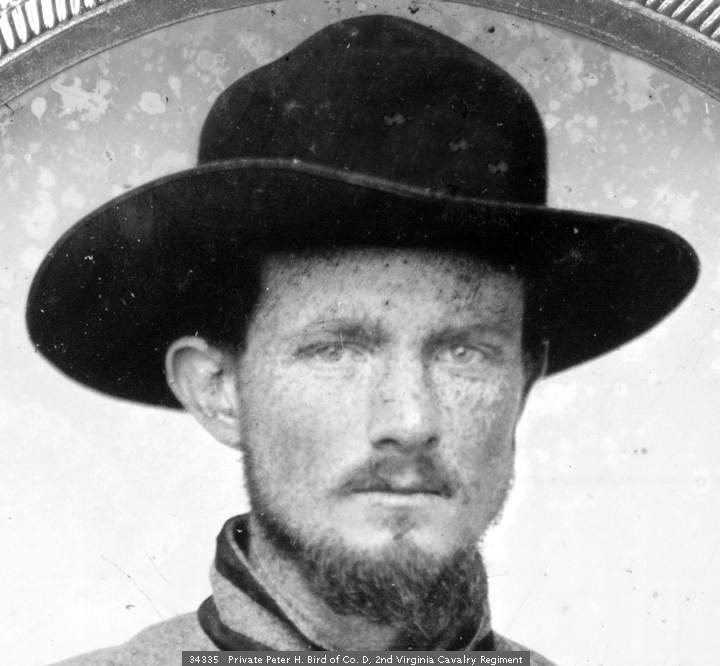

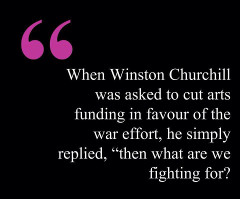
Another ghastly meme has surfaced on facebook. It has a large fuchsia quote mark for illustration. There is a quote from a famous man. The left side has a quote mark. The right side has a question mark, but no quote mark. The margins are much larger on the top, and left side, than on the right side, and the bottom. That this visual atrocity supports funding for the arts is a cruel irony.
Perhaps instead of the arts, the government funding should go for fact checking. The quote is generally considered to be bogus. For the record, here is the quote. “When Winston Churchill was asked to cut arts funding in favour of the war effort, he simply replied, “then what are we fighting for?” The quote is not in the Churchill archive, which is either fifteen million documents, or fifteen million words. The authorities use the figures interchangeably.
The Telegraph has an article debunking the meme. It has a splendid sentence: “But that anecdote does not so easily play into the screeching rhetoric of today’s 140-character political ding-dongs.” There are also some lovely quotes from Mr. Churchill.
 In 1937, Mr. Churchill spoke before the Peel Commission It was discussing “partitioning British mandated Palestine into Arab and Jewish states.” At the time, Mr. Churchill was a minor figure in British politics, disgraced by his blundering in the Great War. The quote: “I do not agree that the dog in a manger has the final right to the manger even though he may have lain there for a very long time. I do not admit that right. I do not admit for instance, that a great wrong has been done to the Red Indians of America or the black people of Australia. I do not admit that a wrong has been done to these people by the fact that a stronger race, a higher-grade race, a more worldly wise race to put it that way, has come in and taken their place.”
Winston Churchill is quite the quote magnet. This is somehow fitting for a man whose most famous speech was read, on the radio, by an actor. There is a page on the internet devoted to times when he was falsely accused of saying something inspiring.
One of these stories is notable. “The only traditions of the Royal Navy are rum, sodomy and the lash… Churchill’s assistant, Anthony Montague-Browne said that although Churchill had not uttered these words, he wished he had.” This is a repost, with pictures from The Library of Congress.



Confederate Memorial Day


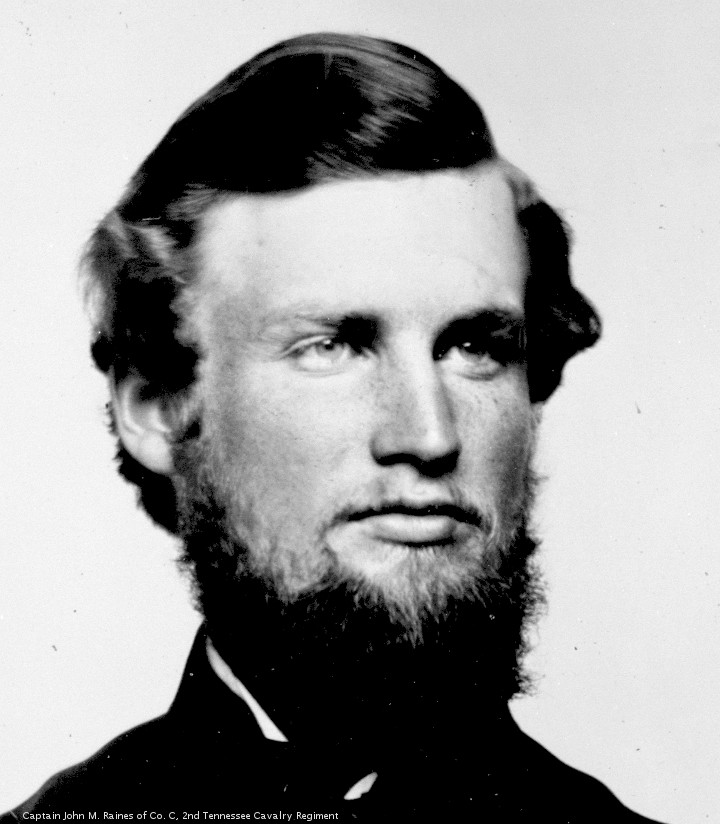
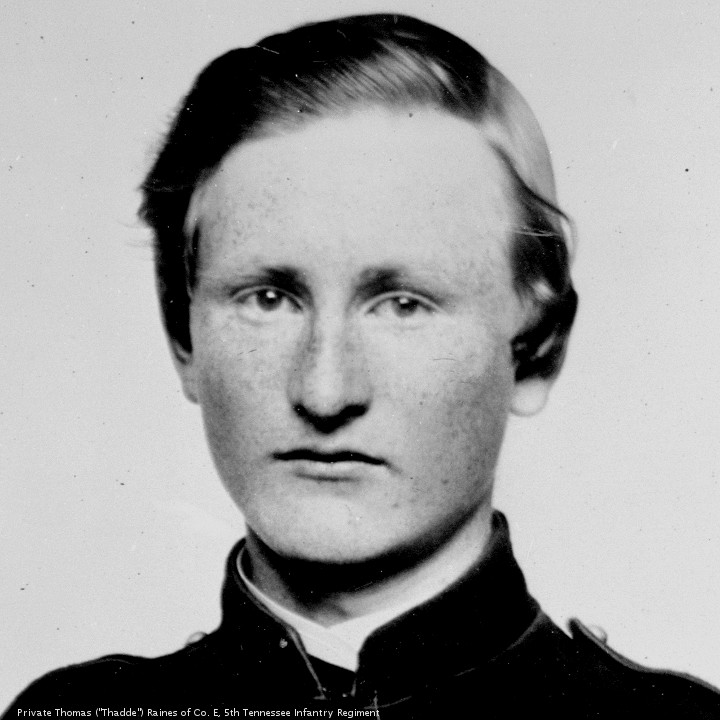


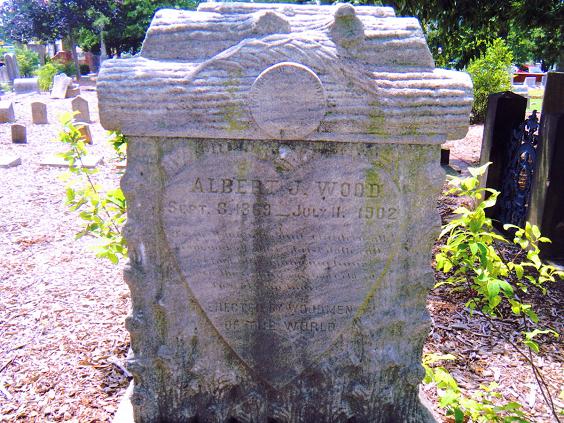
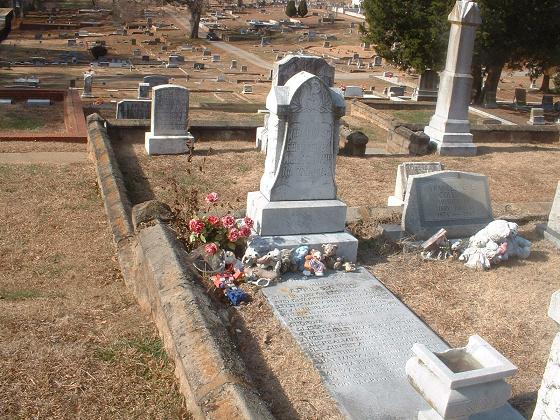
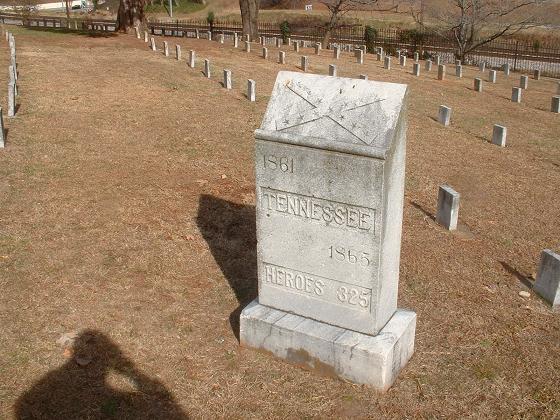
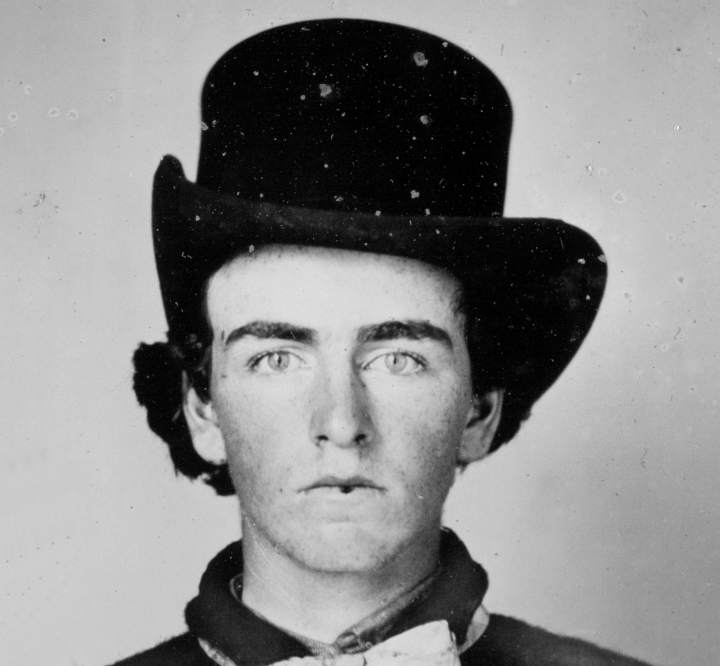
Today is Confederate Memorial Day in Georgia. It is an ancient question…how to honor the soldiers from the side that lost. They were just as valiant as the Union Soldiers. Considering the shortages of the Confederate Armies, the Rebels may have been just a bit braver.
The issue of Federalism is a defining conflict of the American experience. What powers do we give the Federal Government, and what powers do we cede to the States? The Confederacy was the product of this conflict. The Confederate States were a collection of individual states, with separate armies. This is one reason why the war turned out the way it did.
This is not a defense for slavery. The “Peculiar institution” was a moral horror. The after effects of slavery affect us today. Any remembrance of the Confederacy should know that. This does not make the men who fought any less brave.
It is tough to see the War Between the States through the modern eye. It was a different time, before many of the modern conveniences that are now considered necessities. Many say that the United States were divided from the start, and the fact the union lasted as long as it did was remarkable. When a conflict becomes us against them, the “causes” become unimportant.
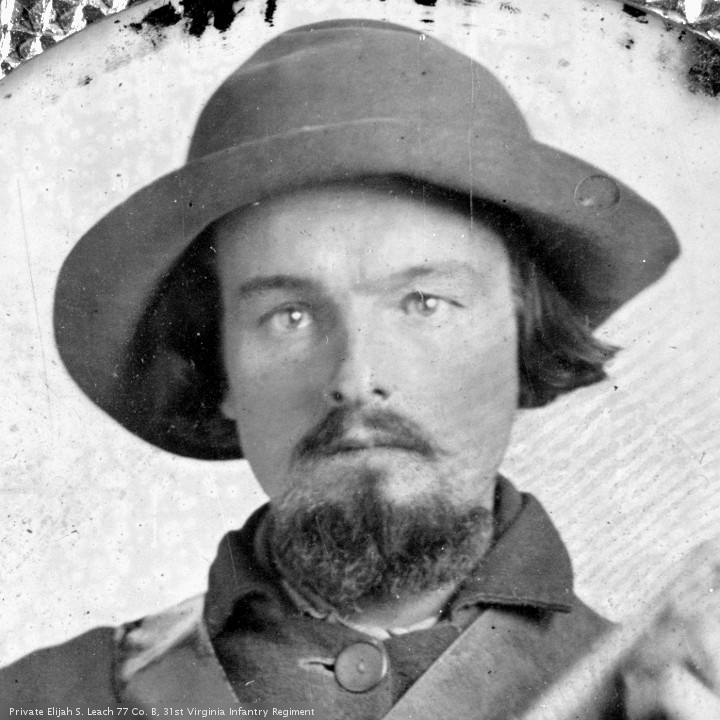
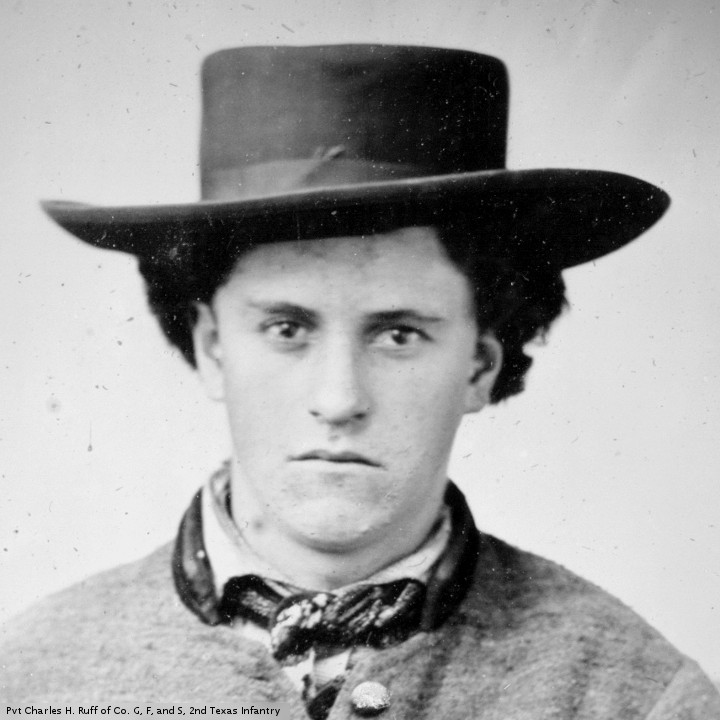
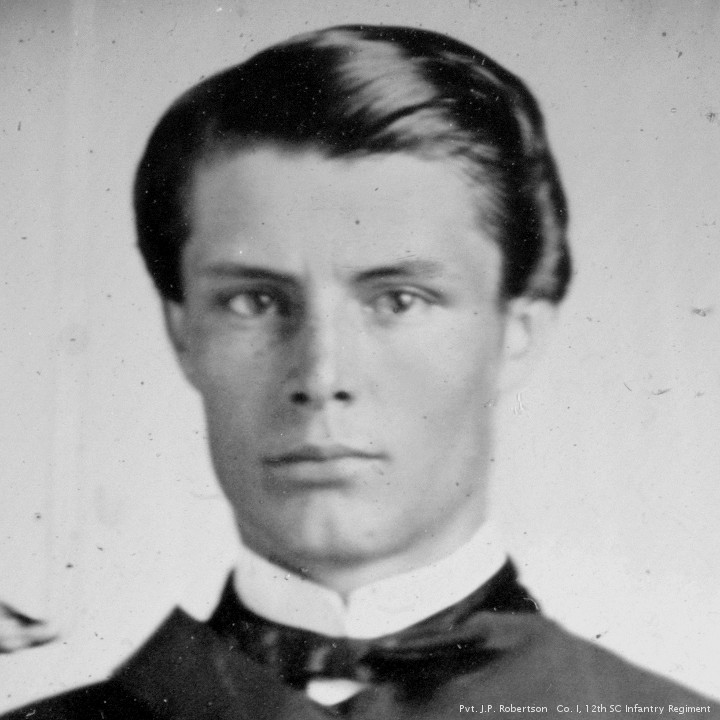
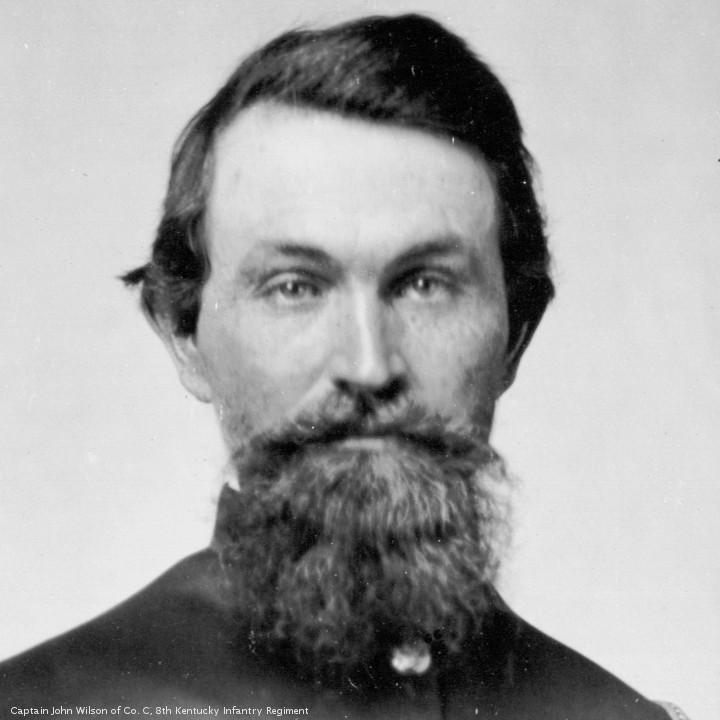
The War was a horror, with no pain medicine. Little could be done for the wounded. It took the south many, many years to recover. This healing continues today. Remembering the sacrifices made by our ancestors helps. This is a repost. Pictures are from the The Library of Congress.



Shock And Awe Day

Eighteen years ago, Iraq teetered on the edge of regime change. It was obvious what was going to happen, at least at first. America was going to storm in, kill a bunch of people, and take over.
In post 911 America, the military industrial complex saw an opportunity for plunder, unrivaled since the fall of the Soviet Union. The stories of WMD would infect the body politic with fear of a mesopotamian madman. Saddam Hussein wanted Iran to think he has wonder weapons, and did not think America was serious about regime change. We all make mistakes.
In the eighteen years since the time of shock and awe, trillions of dollars have gone down the drain, dragging the mighty American economy along into the sewers of bankruptcy. One of the oldest civilizations of mankind was reduced to hiding, from neighbors, behind concrete barricades. They fought the conquerors with bombs triggered by garage door openers. Thousands of women and children have been murdered. The WMD were never found. This is a repost.
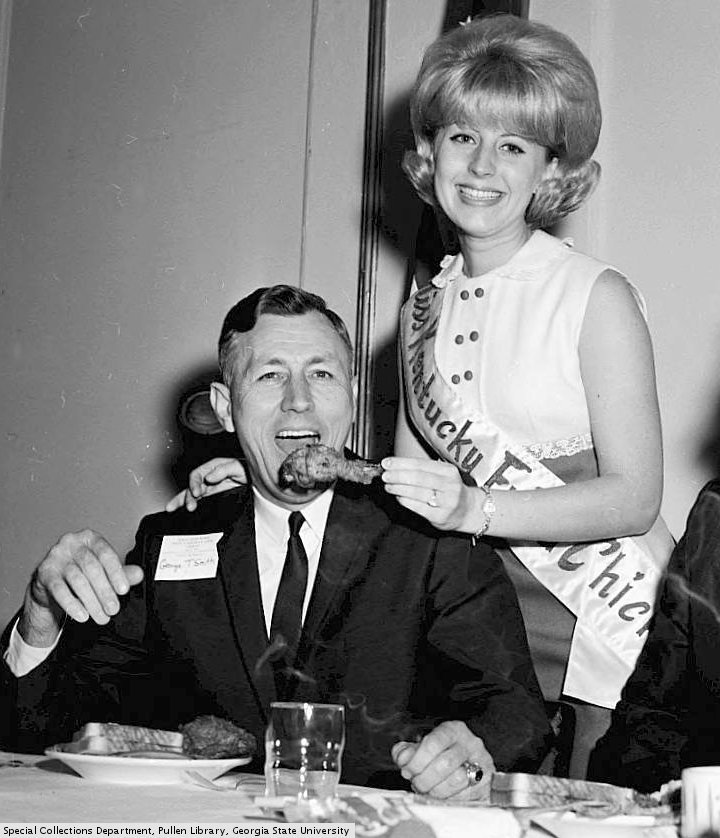
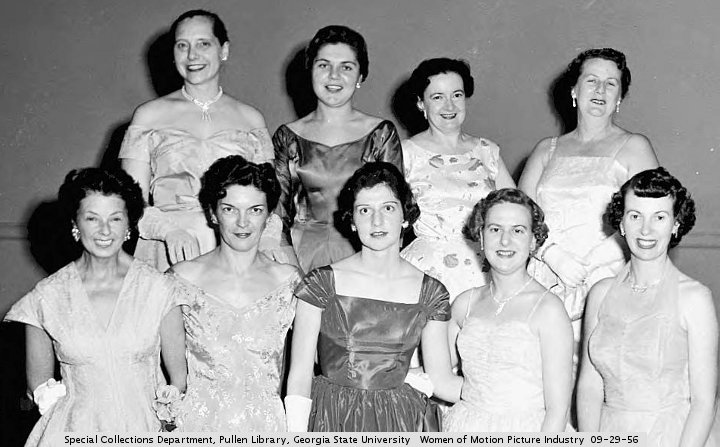
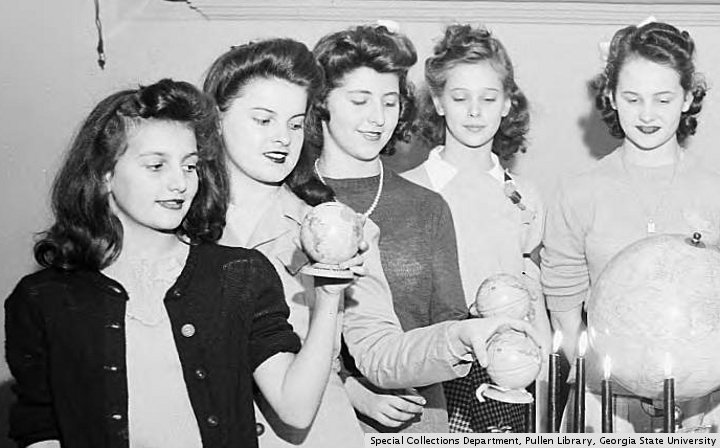
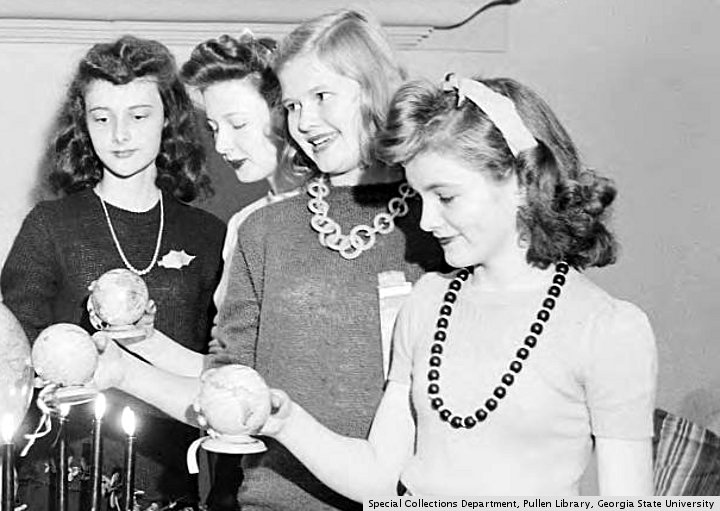
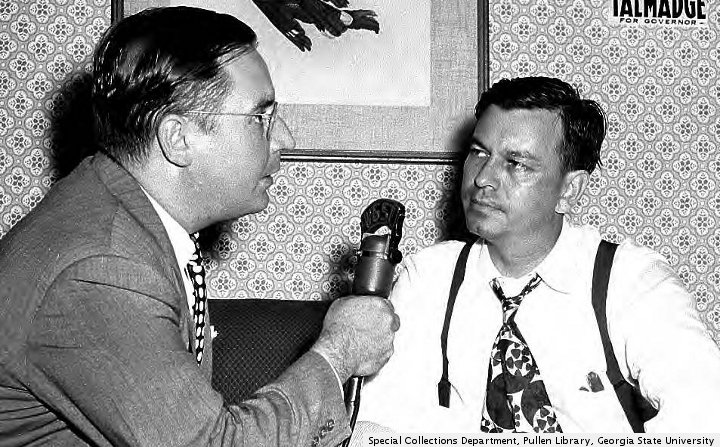
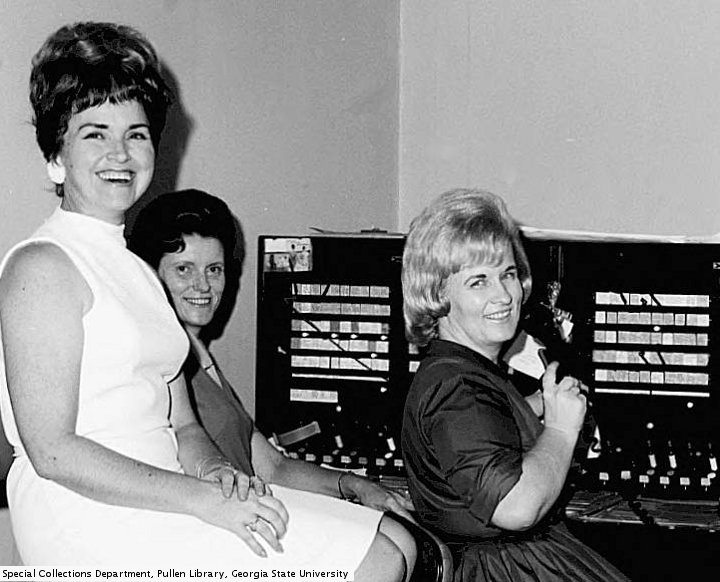
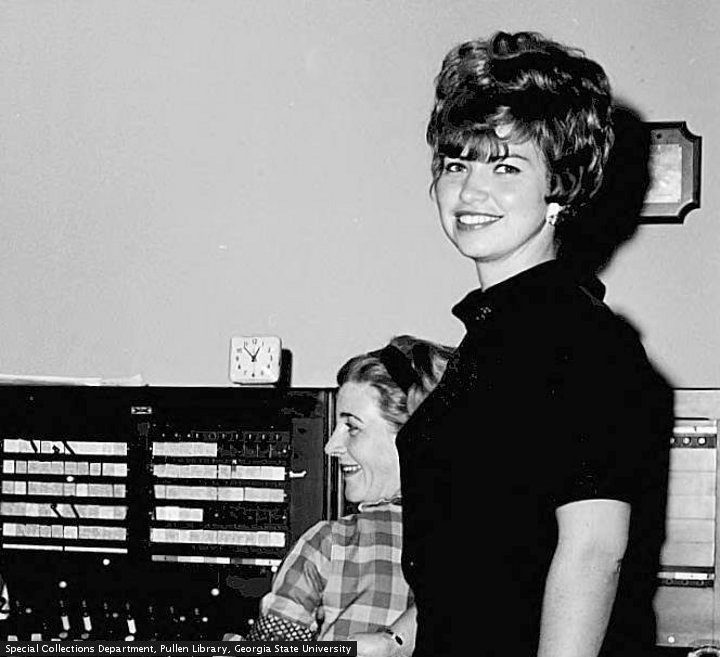
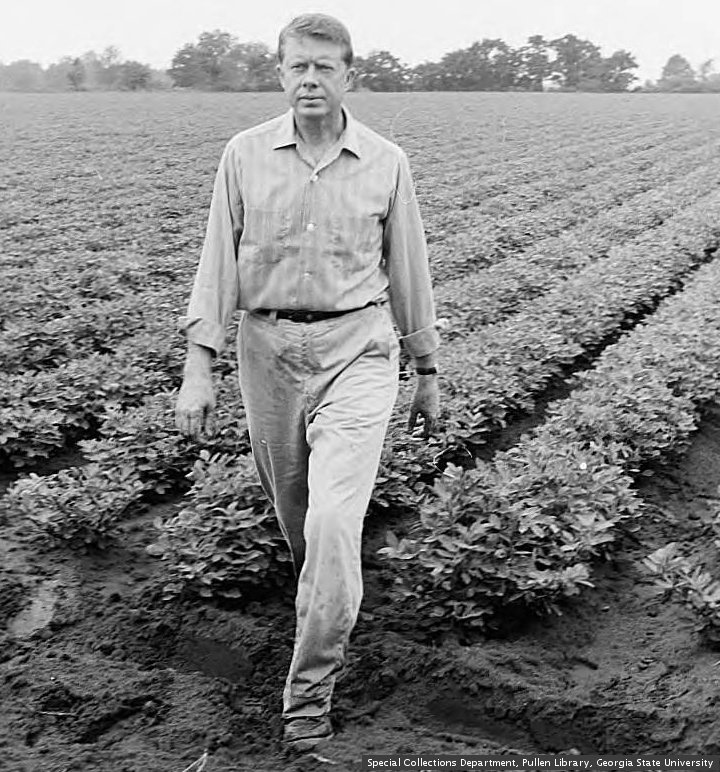
Pictures are from “The Special Collections and Archives, Georgia State University Library”.




 Chamblee54
leave a comment