November 11
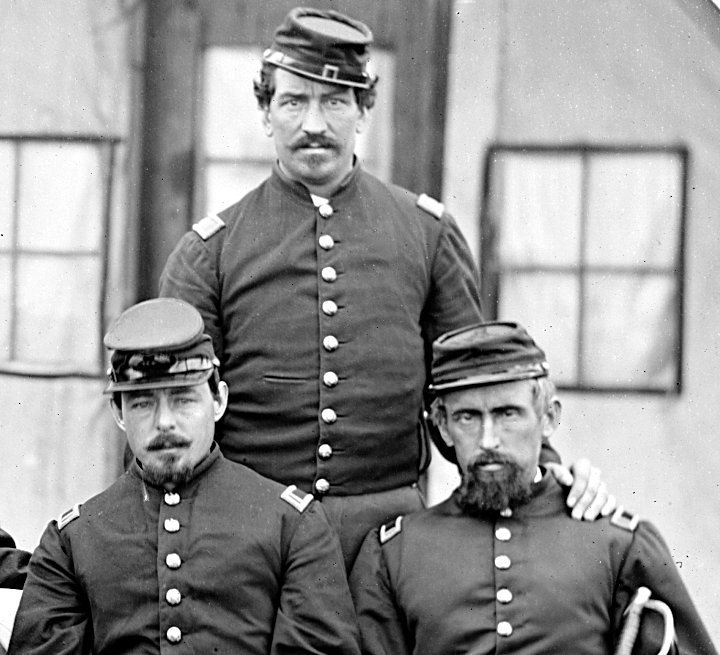


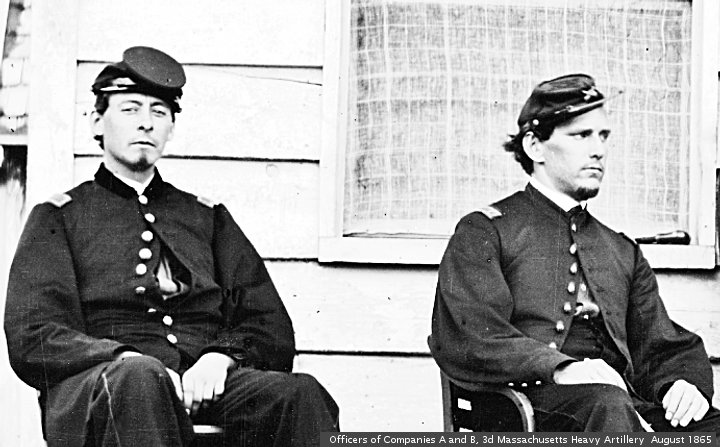
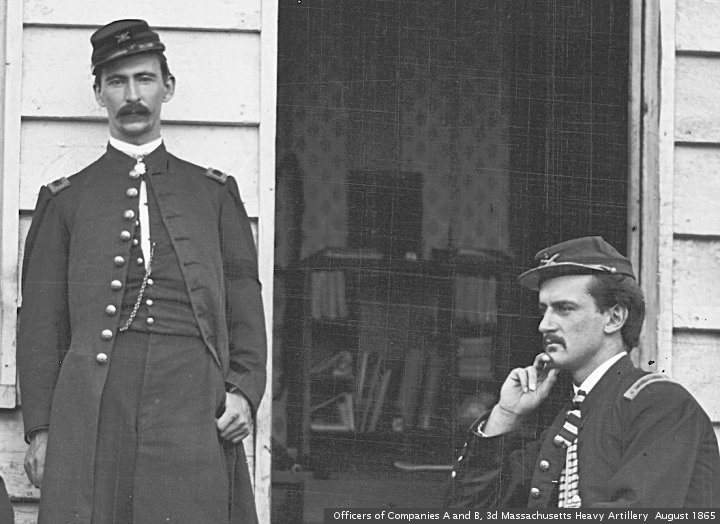
Veterans day was originally Armistice Day. On November 11, 1918, at 11 am, Paris time (the eleventh hour of the eleventh day of the eleventh month) a cease fire went into effect for “The great war”. Officials of the major armies agreed to the ceasefire at 5 am (European time). There were an estimated 11,000 casualties in the last six hours of the war.
At 11:59 am, U.S. army private Henry Gunther became the last soldier to die in World War I. “According to the Globe and Mail this is the story of the last soldier killed in WW1: On Nov.11, 1918, U.S. army private Henry Gunther stood up during a lull in the machine gun fire and charged the enemy. “The Germans stared in disbelief,” says the Daily Express. “They had been told that morning that the fighting was about to stop; in a few minutes they would stop firing and go home. So why was this American charging at them with his bayonet drawn? They shouted at him to stop and frantically tried to wave him back but… he hadn’t heard anything of the ceasefire.” A German gunner released a five-round burst and the soldier lay dead, at 10:59 a.m. In his recently published Eleventh Month, Eleventh Day, Eleventh Hour, U.S. Military Historian Joseph Persico notes that Private Gunther had previously been a sergeant but was demoted after an Army censor read his letter to a friend back home, urging him to steer clear of the war at all costs. Gunther, who was in no-man’s land when the ceasefire news arrived, had been trying to prove himself worthy of his original rank.”
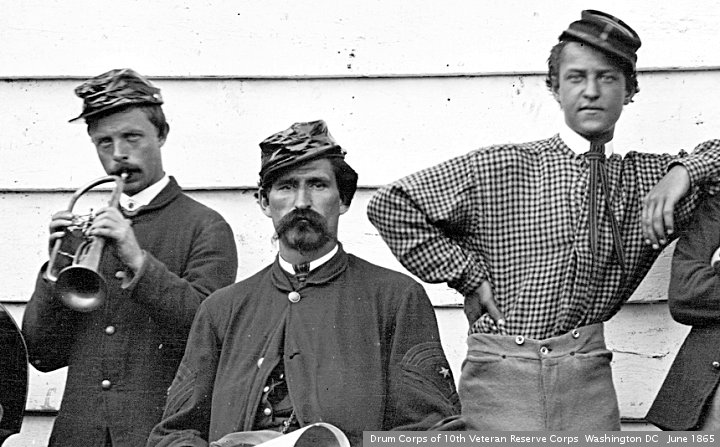
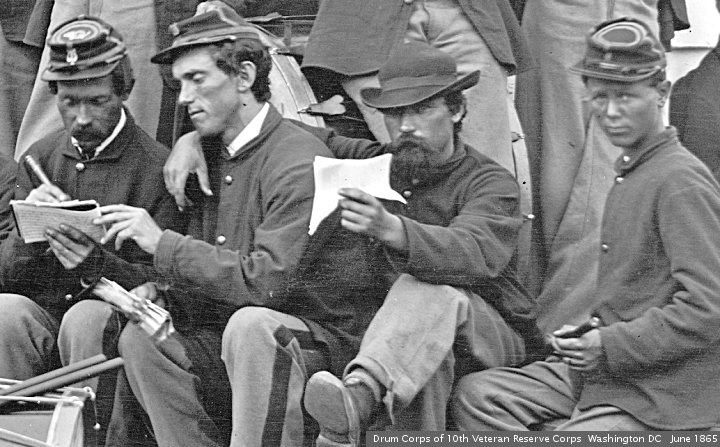
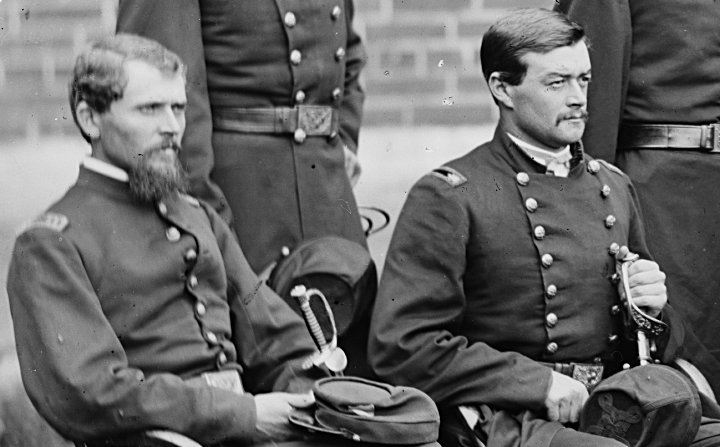
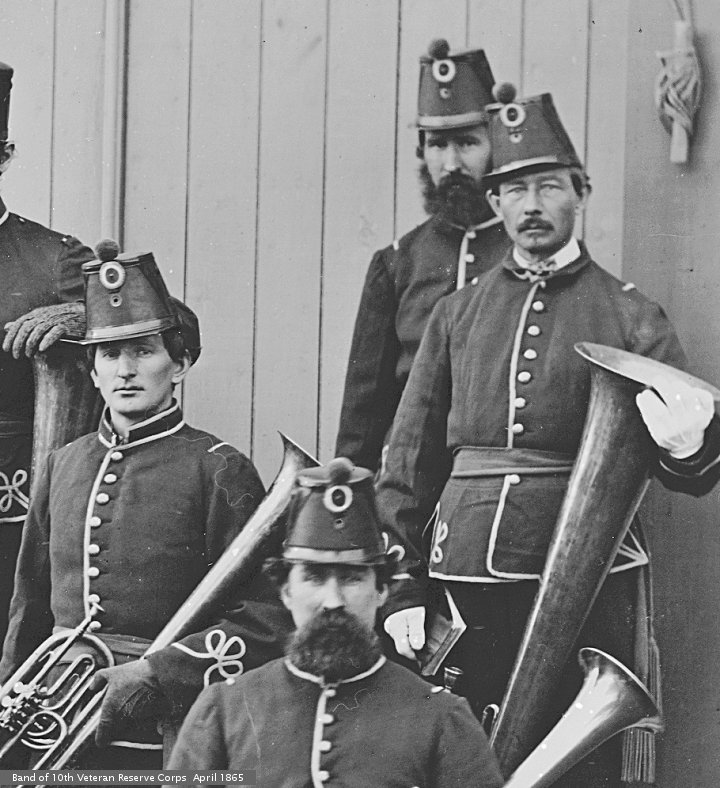
This is a repost. Pictures are from The Library of Congress.
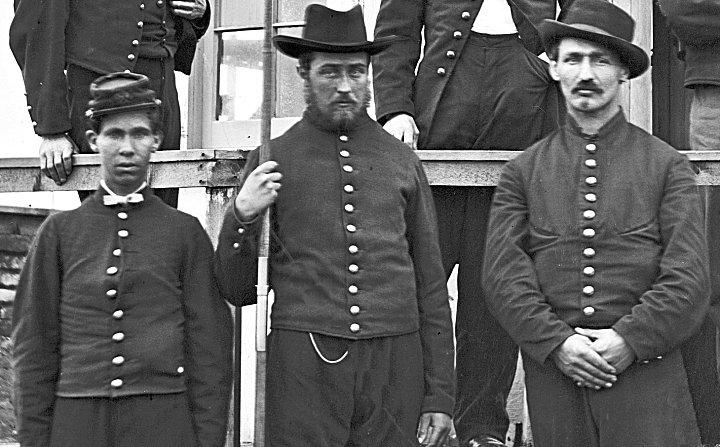

Veteran’s Day is a bad day for a cynic. I appreciate living in The United States. Even with all of her flaws, I have a good life here. The role that Veterans have played should be honored. On the other hand, those who profit from war often exploit Veterans, for political mojo. Many of these people did not serve. Those who profit from war, without serving, deserve our scorn.
Veterans are often not treated well after their service. It is estimated that a quarter of the homeless are veterans. The services offered to wounded veterans are shamefully lacking.
Hugh Pharr Quin CSA was my great grandfather. He served with the Georgia State Troops, in the War Between the States. I prefer the USA to the CSA, or whatever would have followed a Confederate victory. The Union army had to prevail, over the various Confederate Armies, for this to happen. Do I dishonor my great grandfather by saying, we are better off that the other side won?
Veterans Day was originally Armistice Day. This was the day, 104 years ago, when the War to End All Wars ended. World War I was a ghastly bloodbath, in which millions died. It affected many of the problems that plague us today. I would be willing to bet that not one person, in ten thousand, knows what World War I was about. And yet, the men who fought in that conflict (I don’t think they had women soldiers then) deserve the same gratitude as those who fought in any other conflict.
The soldier…many of whom are drafted…doesn’t get to choose which war to fight in. The sacrifice of the World War II soldier was just as great as the Vietnam fighter, but the appreciation given was much greater. I grew up during Vietnam, and saw the national mood go from patriotic fight, to dismayed resistance. By the time I was old enough to get drafted, the Paris accords had been signed. For better or worse, there went my chance.



Tulsi And Joe



@BrandonLBradfor “The larger your platform the more I think you have a moral obligation to the people that listen to you. I give Rogan criticism but he’s just an idiot that’s willing to talk to people, Kanye is a vindictive, desperate, dumbass, and don’t blame this on his mental health.” @chamblee54 “Actually, Joe R**** is an i**** who is willing to listen to people. Twitter questioned my first reply. I censored the two words that were possibly offensive. If listen is offensive, then I am in trouble.”
Joe Rogan Experience continues to be a popular feature, except with #selfrighteoustwitter. This week saw two guests that stood out. On Tuesday, JRE featured Tulsi Gabbard. On Wednesday, the guest was Rick Rubin. I listened to all three hours of the Rubin show.
Rick Rubin is a music producer, and around cool dude. He played a huge role in the rise of hip-hop, from Bronx parties to a worldwide phenomenon. His podcast, Broken Records, utilizes the long interview format, with music stars of all persuasion. Mr. Rubin is also well spoken, with a pleasant voice. Just turn on the microphone, and get out of the way
Tulsi Gabbard is a bit more complicated. Early in the show, Joe repeated an urban legend about teachers putting litter boxes in bathrooms, for students who identify as cats. The tale has been repeatedly discredited. Joe and Tulsi began talking about trans excesses. This is a legitimate subject for discussion, but had a rude tone here. Soon, I turned off the show in anger.
Tulsi was on JRE during the 2020 Presidential campaign. She did not seem to be electable, but made a lot of good points. Her primary issue was the damage done by wars of choice, and the military industrial complex. This is an issue that Democrats and Republicans, aka the Uniparty, seem to agree on. One gets the sense that the “culture war” issues are a distraction, taking attention away from the massive influx of borrowed warbucks.
Soon after this appearance, I went to a get together at Manuel’s Tavern. I mentioned that I liked Tulsi Gabbard, and her anti-war position. A voice at the other end of the table started to angrily shout. Tulsi Gabbard was a Russian asset, and a terrible, terrible person. This seems to be a popular opinion in Democratic circles. Genuine dissent must not be tolerated.
At some point in the conversation, Tulsi got onto the military industrial complex, and the War in Ukraine. Tulsi thinks we are headed for a nuclear comflict. A NYC psa was shown, about instructions for a nuclear disaster. The instructions were like the “duck and cover” drills from second grade. Hiding under your desk was going to protect you from radiation. Today’s non-planning for a potential nuclear war may mean the end of civilization as we know it.
Chamblee54 has written about Joe Rogan. Pictures today are from The Library of Congress.


Israel And Syria




This is a repost from 2013. There was a feature in the Washington Post, 9 questions about Syria you were too embarrassed to ask. The WP is corporate media. The 9 questions had very little to say about Israel. This is curious. Israel is a powerful country that Syria is, technically, at war with. As conspiracy happy as the Middle East is, you would think there is something to say.
PG decided to do a test. The text of the article was copied into a word document. A search was done for Israel. Out of 2900 words in the article, Israel comes up twice.
The Cold War is long over, and most of the region long ago made peace with Israel and the United States; the Assad regime’s once-solid ideological and geopolitical identity is hopelessly outdated. But Bashar al-Assad, who took power in 2000 when his father died, never bothered to update it.
Iran’s thinking in supporting Assad is more straightforward. It perceives Israel and the United States as existential threats and uses Syria to protect itself, shipping arms through Syria to the Lebanon-based militant group Hezbollah and the Gaza-based militant group Hamas.
As is often the case online, the comments are more revealing than the main article.
“You also left out the threat that Iran has made about using nuclear arms against Israel if the US intervenes in Syria. Israel is being used as a pawn in this stupid game of chess.”
“Regarding the chemical weapon attack, only two options appear to be being considered – that it was the Syrian Regime or the Opposition forces that discharged the weapon. What about the third alternative – that an outside force such as Mossad (Israel) or the Iranians discharged these weapons … to provoke the United Sates into retaliation and involvement.”
“… the rebels opposing Assad are not all civilians who took up arms; … most of them are former Syrian soldiers who deserted to join the rebels. And seriously, if you think that “most of the region long ago made peace with Israel and the United States”, you lose all credibility in writing about “the region” – you’re blinded by your love for Israel and don’t understand anything about the Arabs ….
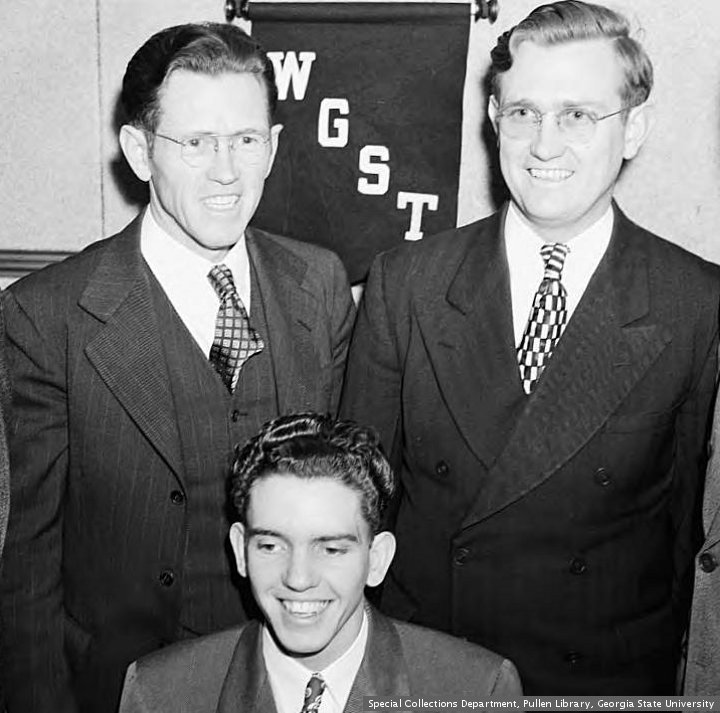
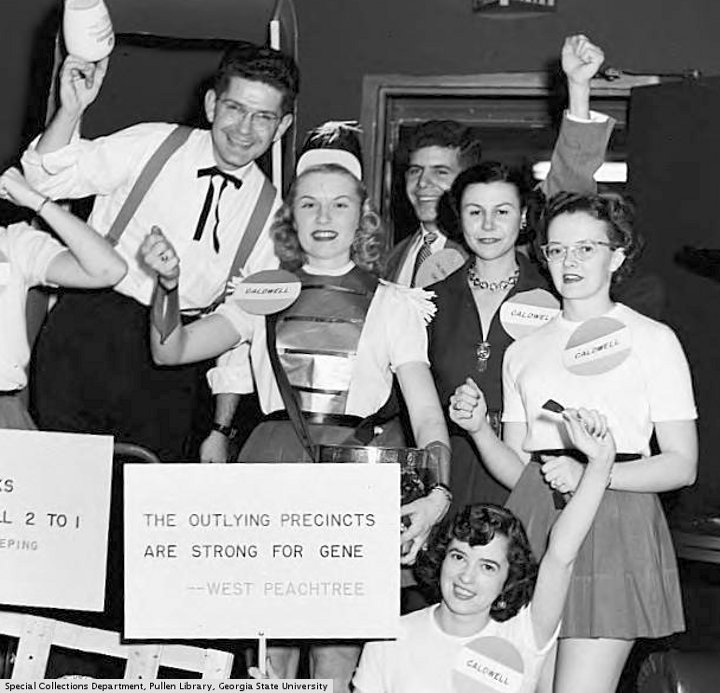
Pictures are from “The Special Collections and Archives,Georgia State University Library”.





Hiroshima 77 Years Later





At 8:15 am, August 6, 1945, Hiroshima got nuked. It was the start of a new era. Since Japan is 13 hours ahead of Georgia, and standard time was used, the literal anniversary is 8:15 pm, August 5.
Tsutomu Yamaguchi was working in Hiroshima when the bomb hit. He survived, and found a train to take hime to his home town, Nagasaki.
The device dropped on Hiroshima, the Little Boy, had an estimated force of 13 kilotons of Trinitrotoluene, or TNT. A kiloton of TNT is roughly a cube whose sides are ten meters. This device is fairly tiny compared to many of the warheads developed since. Many of the modern appliances are measured in megatons, or millions of tons of TNT. The Soviet Union had a bomb with a capacity of 50 megatons, or 4,000 times the size of the Little Boy.
The largest weapon tested by The United States is the Castle Bravo. This device destroyed Bikini Atoll in the Pacific. The two piece swimsuit was named for this island. The Castle Bravo device had a yield of 15 megatons of TNT. This is roughly 1,000 times the power of the Little Boy.
The decision to drop the bomb has long been controversial. There are a lot of factors and gray areas, and the issue does not lend itself to sound bite solutions. The conventional wisdom is that Japan surrendered because of the nuclear attack. This meant the war was shortened by at least a year, there was no invasion of Japan, and many lives were saved. PG is scared by the moral calculus involved in a decision like this….do 100,000 civilian deaths prevent the deaths of 500,000 soldiers? PG suspects that even G-d herself would lose sleep over that one.
There is also evidence that the bomb was not needed. Japan was whipped in August 1945. The air raids were conducted in daylight with little resistance. A debate was going on in the Japanese government on whether to continue the fight.
An event happened the day between Hiroshima, and Nagasaki, which influenced the Japanese decision to surrender. The Soviet Union had agreed to help the United States with the war against Japan. On August 8, The Soviet Union invaded Japanese occupied Manchuria. There are indications that Japan knew the fight was hopeless at this point, and would rather surrender to The United States than The Soviet Union. This is one of the gray areas that never seems to be mentioned.
The United States wanted the war to end quickly for obvious reasons, and a few subtle ones. America did not want to share the spoils of Japanese war with The Soviet Union. There were already tensions between the two allies, and the cold war was not far off. Many felt The United States used the Little Boy as a warning to The Soviet Union.
When you get your moral software out, you might want to figure in the effect of opening the nuclear Pandora’s box. Would the nuclear bomb have been developed by other countries if America had not led the way? The science is not that complicated…after all, America hit paydirt with the Manhattan Project fairly quickly. Nonetheless, there is karma involved in using a terrible new device on a civilian population. The United States started the wind of the arms race, and has yet to feel the whirlwind.
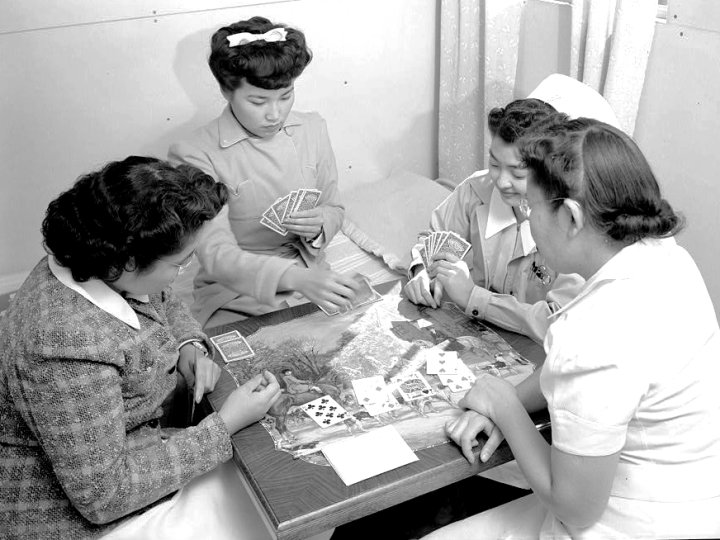
This is a repost. The pictures are from The Library of Congress. Ansel Adams took pictures of Japanese Americans, in a World War Two internment camp. The ladies in the bridge game are Aiko Hamaguchi, Chiye Yamanaki, Catherine Yamaguchi, and Kazoko Nagahama.


Destroy The Village To Save It




“It became necessary to destroy the town to save it.” This is one of the most familiar lines about the Vietnam War. It is often cited today, when discussing the response to COVID-19. Who said this?
It was “originally reported by Peter Arnett of the Associated Press, who quoted an unidentified American officer on why the village of Ben Tre was leveled during the Tet Offensive in early 1968. … A two-paragraph version of the AP dispatch was buried on page 14 of The New York Times, with no byline,” on Feb. 8, 1968. … “BENTRE, Feb. 7 (AP) It became necessary to destroy the town to save it,” a United States major said today. He was talking about the decision by allied commanders to bomb and shell the town regardless of civilian casualties, to rout the Vietcong.”
“Almost instantly, however, the line was being misquoted everywhere. On Feb. 10, an Oregon newspaper rendered it “We had to destroy the village in order to save it.” Two weeks later the St. Louis Post-Dispatch reported on a group of protesters carrying a banner that read, “It Was Necessary to Destroy the Village in Order to Save It.” In whatever form, the words had become a mantra of the anti-war movement, a … summary of what was wrong with the entire Vietnam adventure.”
“The day before Arnett’s story ran, the Times’s James Reston had asked in his column, “How do we win by military force without destroying what we are trying to save?” … Associated Press itself had used a similar phrase almost exactly a year before Arnett’s dispatch. In late Jan. 1967, the AP distributed a wire photo of a different village with a caption that read in part: “The Americans meantime had started to destroy the village to deny it to the Viet Cong.” The photograph was published across the country. One wonders whether the officer Arnett was quoting had come across the caption the previous year.”
“But the actual father of the metaphor — the man who put it into roughly the form we know today — seems to have been Justice Edward White of the U.S. Supreme Court. In a 1908 decision known as the Employers’ Liability Cases, the justices were asked to give a narrow reading to a congressional enactment concerning common carriers in the District of Columbia. The court refused. The requested reading, according to White’s opinion for the majority, would in effect add a new clause to the statute. He then explained why doing so would be wrong: “To write into the act the qualifying words therefore would be but adding to its provisions in order to save it in one aspect, and thereby to destroy it in another — that is, to destroy in order to save, and to save in order to destroy.””
The fighting in Ben Tre took place during the Tet Offensive. This is widely seen as a turning point in America’s involvement in that conflict. “On January 30 1968 … the North Vietnamese and the Vietcong launched a massive military offensive that proved the battle raging in Southeast Asia was far from over, and that President Lyndon B. Johnson’s administration had grossly oversold American progress to the public. Although U.S. troops ultimately ended the offensive successfully, and the North Vietnamese and the Vietcong suffered brutal loses, these bloody weeks triggered a series of events that continue to undermine Americans’ confidence in their government.”
“Cronkite was so shocked at the devastation of the communists’ Tet offensive that he went over to see for himself what was really going on.” On February 27, 1968, “he concluded the war was a stalemate, probably unwinnable. … Lyndon Johnson was said to have watched the broadcast and exclaimed to his press secretary, George Christian, “If I have lost Walter Cronkite, I’ve lost Middle America.” Pictures today are from The Library of Congress. This is a repost.




Confederate Memorial Day


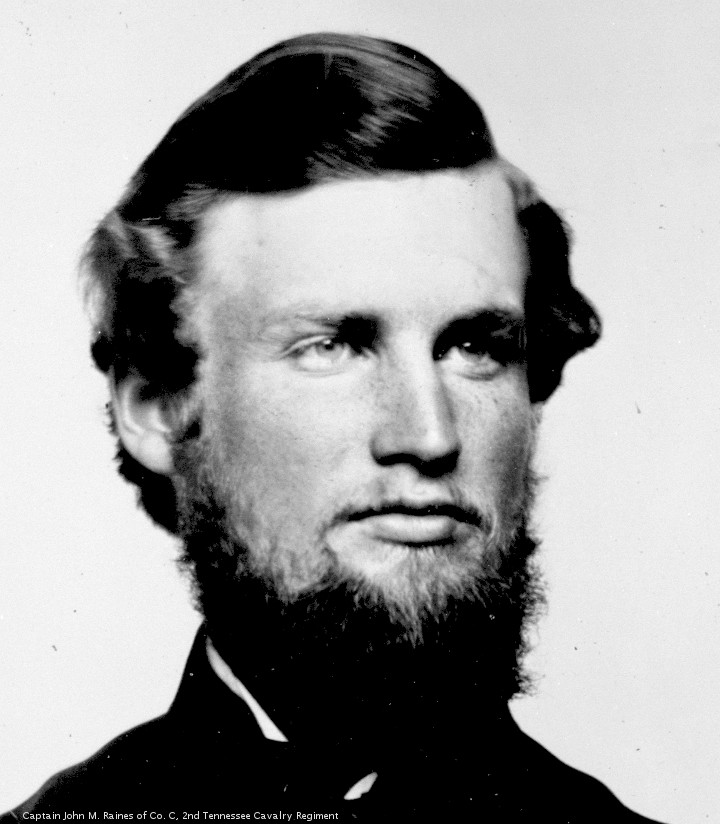
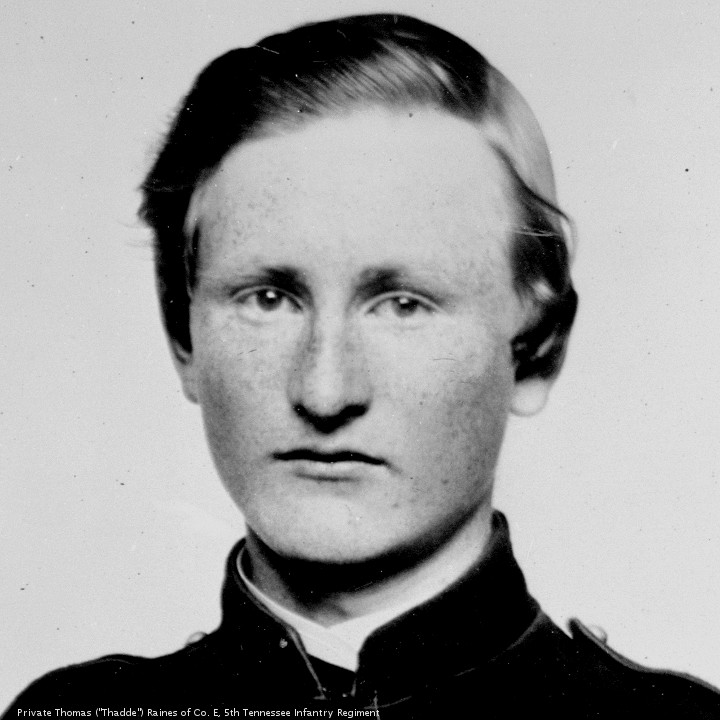


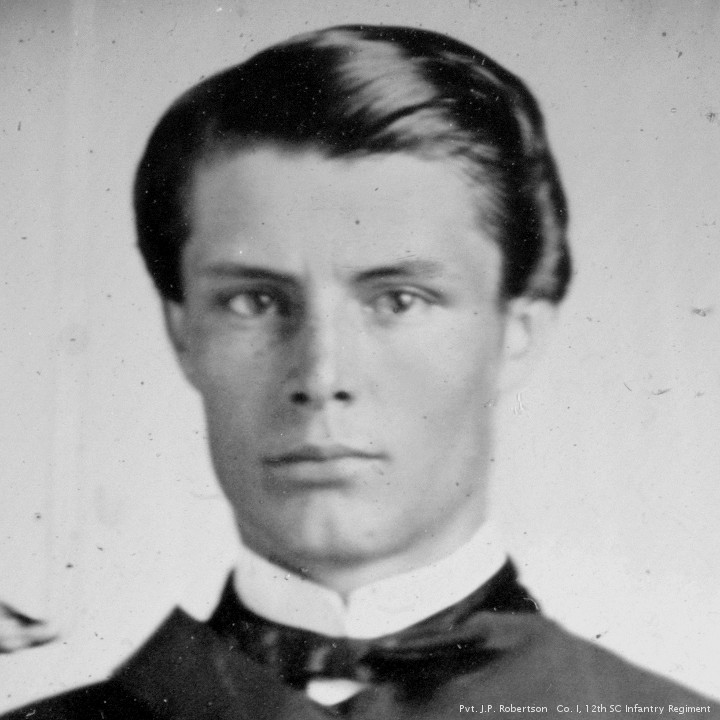
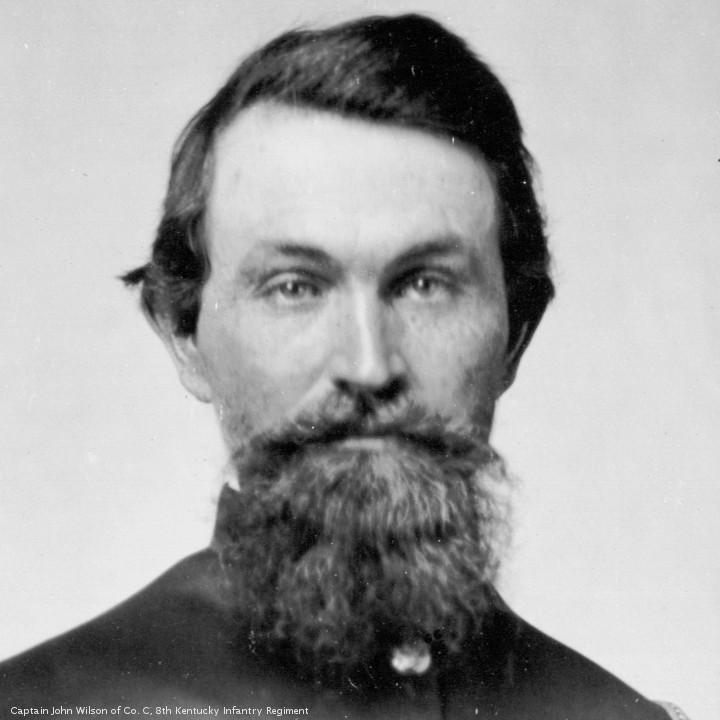
Today is Confederate Memorial Day in Georgia. It is an ancient question…how to honor the soldiers from the side that lost. They were just as valiant as the Union Soldiers. Considering the shortages of the Confederate Armies, the Rebels may have been just a bit braver.
The issue of Federalism is a defining conflict of the American experience. What powers do we give the Federal Government, and what powers do we cede to the States? The Confederacy was the product of this conflict. The Confederate States were a collection of individual states, with separate armies. This is one reason why the war turned out the way it did.
This is not a defense for slavery. The “Peculiar institution” was a moral horror. The after effects of slavery affect us today. Any remembrance of the Confederacy should know that. This does not make the men who fought any less brave.
It is tough to see the War Between the States through the modern eye. It was a different time, before many of the modern conveniences that are now considered necessities. Many say that the United States were divided from the start, and the fact the union lasted as long as it did was remarkable. When a conflict becomes us against them, the “causes” become unimportant.
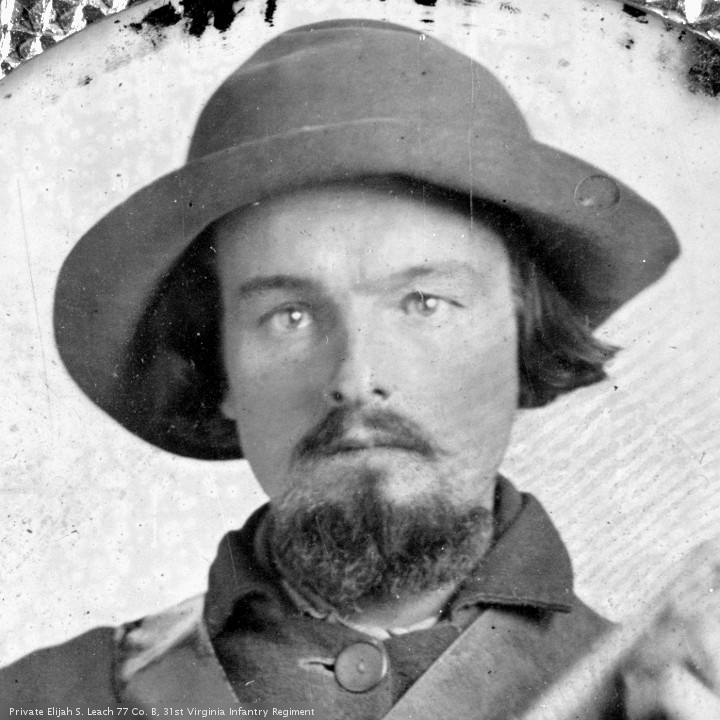
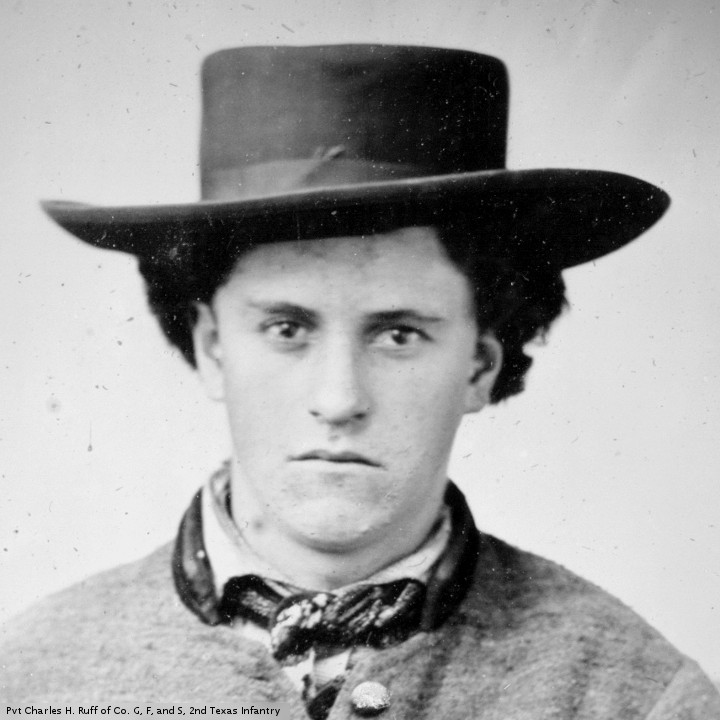
The War was a horror, with no pain medicine. Little could be done for the wounded. It took the south many, many years to recover. This healing continues today. Remembering the sacrifices made by our ancestors helps. This is a repost. Pictures are from the The Library of Congress.



Drones


A giant art installation in Pakistan got some attention. An international committee displayed a large picture of a child, in an area that receives many drone strikes. The idea is to make drone controllers more aware of the human life on the ground. This is a repost from 2014.
A few days later, a commentary appeared, This Giant Art Piece in Pakistan Won’t Be Making Drone Pilots Feel Empathy. The author said the *target audience* of the piece was the empathetic public, not the drone controllers. There is a link to an article, where the psychological impact of drone warfare, on the controllers, is discussed. People in Yemen have a different perspective.
The drone war has been going on for some time now. It began under George W. Bush, and was intensified under Barack H. Obama. The “right to life” moving lips have been strangely silent. There are indications that fewer children are being killed now than before. Since the drone war is conducted by the secrecy oriented C.I.A., there is little way to *confirm or deny* these reports. Nor is it possible to determine the financial cost of this program. Pictures today are from The Library of Congress.


The Day Lincoln Was Shot




PG has read The Day Lincoln Was Shot. It is written so that the casual reader can enjoy it. There is a powerful history lesson here, and worth the twenty five cents PG paid at Book Nook. The pictures for this book report are from The Library of Congress. This is a repost.
This book contradicts another book PG read. Genius and Heroin reports that Mary Todd Lincoln had a bad headache on April 14, 1864. Some opium was found for her, and she was able to go to Ford’s Theater that evening. TDLWS does not mention this.
The story begins in the weeks leading up to “Good Friday”. John Wilkes Booth was in the crowd at Mr. Lincoln’s second inauguration. Vice President Andrew Johnson was also there, and made a drunken fool of himself. Mr. Johnson did not meet with Mr. Lincoln until the afternoon of April 14.
John Wilkes Booth was a famous actor, He made $20,000 a year as a performer. Mr. Booth was also a fan of the Confederacy, and launched a plan to kidnap Mr. Lincoln. There was an attempt to kidnap the President, but Mr. Lincoln did not show up as planned. The conspiracy of Mr. Booth almost broke up, and was reduced to four men.
The four men…John Wilkes Booth, Lewis Paine, David Herrold, and George Atzerodt … met at a boarding house owned by Mary Sarratt. Ultimately, Booth went to Ford’s Theater to kill the President. Lewis Paine and David Herrold tried to kill Secretary of State William Seward. George Atzerodt took a room at Kirkland’s boarding house, and was supposed to take out Vice President Andrew Johnson. Mary Sarratt was not involved in the plot, but was executed by hanging anyway.
In the weeks before Good Friday, a few things happened. On March 7, the door to box seven at Ford’s Theater was broken down, and the lock broken. On April 5, Secretary of State William Seward was badly injured in a carriage accident. On April 9, General Robert E. Lee surrendered to General Ulysses Grant, ending the War Between the States.
Part of the celebration was a theater party on Friday, April 14. Mr. and Mrs. Lincoln were to join Gen. and Mrs. Grant at Ford’s Theater. The show was “Our American Cousin”, starring Laura Keene. The Grants did not really want to go, and decided to catch a train to New Jersey. They wanted to see their children. Mrs. Grant had also witnessed a temper tantrum by Mrs. Lincoln, and was possibly avoiding the hot headed first lady.
Mr. Booth decided that this was the night for action. He went by the Kirkwood house, and left a note for Andrew Johnson. The idea was for the police to see the note, and think that Mr. Johnson was part of the conspiracy. This was foiled when Mr. Johnson’s secretary stopped by Kirkwood house, and picked up the Vice President’s mail and messages.
Ford’s Theater was prepared for the visit by the President. A barrier was taken out from between two boxes. Flags were hung around the building. At 9:00 pm, the President’s bodyguard, a Washington policeman named John F. Parker, got bored with the play. Mr. Parker went to Taltavul’s saloon, along with with Francis Burns, the president’s driver and Forbes, the valet. They were in the saloon during the action at the theater.
John Wilkes Booth was an experienced actor, and he knew how to follow a cue. At 10:15 pm, the player onstage said “Wal I guess I know enough to turn you inside out, you sockdologizing old mantrap”. Booth placed a derringer between Mr. Lincoln’s left ear and spine, and pulled the trigger. He said “Sic Semper Tyrannis”, and cut Major Henry Rathbone. Booth leaned over the edge of the theater box, and lowered himself to the stage. The spur of his right foot catches on the Treasury regiment flag. This causes him to land on his left leg at an odd angle. The leg broke.
While this is going on, Lewis Paine and David Herrold went to visit Secretary of State William Seward. He is laying in bed, covered in bandages, recovering from the carriage accident. The bandages get in the way of the knife that cuts him, and save his life.
The wounds to Mr. Lincoln are considered mortal. The President was moved to Peterson’s boarding house nearby. At 7:22 am on April 15, he died. Secretary of War Edwin Stanton, who served as acting President during the night, said “Now he belongs to the ages.”





The Obama Doctrine




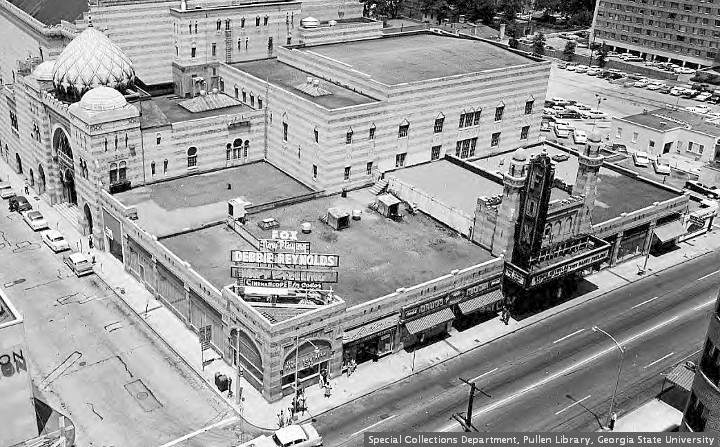
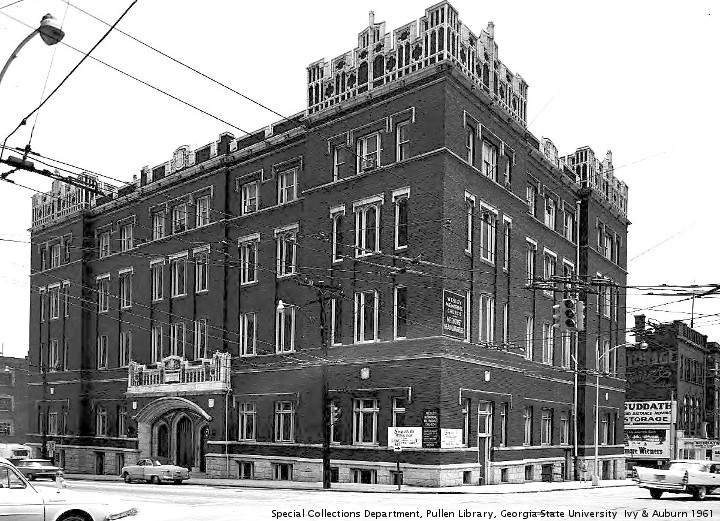
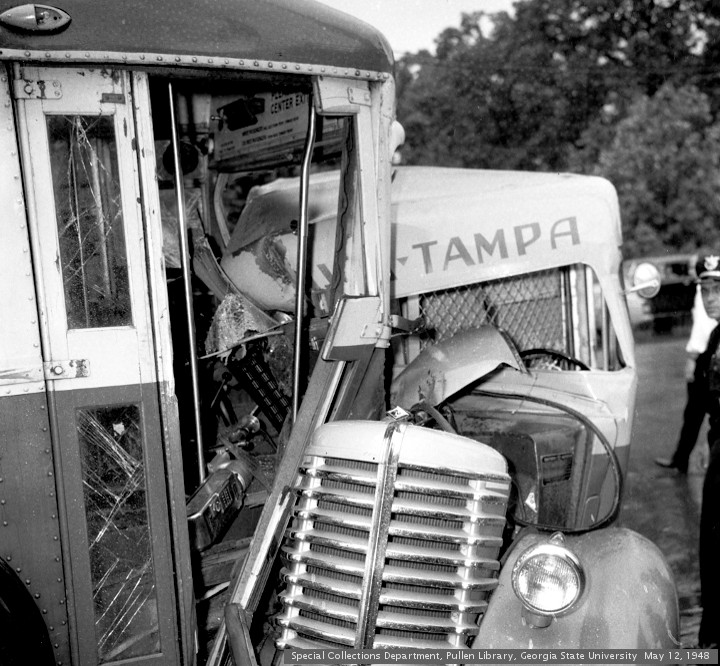
There is a novella in the current issue of The Atlantic, The Obama Doctrine. It is written by Jeffrey Goldberg. PG was mining TOD for big words, to use in a poem. While doing this, he copied a few quotes. These quotes, and the commentary they inspire, are a good excuse for a post. The pictures are from “The Special Collections and Archives, Georgia State University Library”.
“Obama would say privately that the first task of an American president in the post-Bush international arena was “Don’t do stupid shit.” Obama’s reticence frustrated Power and others on his national-security team who had a preference for action. Hillary Clinton, when she was Obama’s secretary of state, argued for an early and assertive response to Assad’s violence. In 2014, after she left office, Clinton told me that “the failure to help build up a credible fighting force of the people who were the originators of the protests against Assad … left a big vacuum, which the jihadist have now filled.” When The Atlantic published this statement, and also published Clinton’s assessment that “great nations need organizing principles, and‘Don’t do stupid stuff’ is not an organizing principle,” Obama became “rip-shit angry,” according to one of his senior advisers. The president did not understand how “Don’t do stupid shit” could be considered a controversial slogan. Ben Rhodes recalls that “the questions we were asking in the White House were ‘Who exactly is in the stupid-shit caucus? Who is pro–stupid shit?” The Iraq invasion, Obama believed, should have taught Democratic interventionists like Clinton, who had voted for its authorization, the dangers of doing stupid shit.”
TOD has two parts. The first section is devoted to a decision not to bomb Syria. The second part is the result of a series of interviews that Mr. Goldberg conducted with President Obama. Apparently, bombing Syria would have been stupid shit. Then Secretary of State Hillary Clinton bowdlerized this mantra. Apparently this is the job of the Secretary of State… to turn shit into stuff.
“Obama was also unsettled by a surprise visit early in the week from James Clapper, his director of national intelligence, who interrupted the President’s Daily Brief, the threat report Obama receives each morning from Clapper’s analysts, to make clear that the intelligence on Syria’s use of sarin gas, while robust, was not a “slam dunk.” He chose the term carefully. Clapper, the chief of an intelligence community traumatized by its failures in the run-up to the Iraq War, was not going to overpromise, in the manner of the onetime CIA director George Tenet, who famously guaranteed George W. Bush a “slam dunk” in Iraq.”
Syria had long been ruled by the Assad family. They are not nice people. The people of Syria wanted regime change. The Assads responded by killing lots of people. There was much hand wringing in the west about this. President Obama said that it would be a “red line” if chemical weapons were used. Then, reports of WMD use came in. The President needed to do something.
“He and McDonough stayed outside for an hour. Obama told him he was worried that Assad would place civilians as “human shields” around obvious targets. He also pointed out an underlying flaw in the proposed strike: U.S. missiles would not be fired at chemical-weapons depots, for fear of sending plumes of poison into the air. A strike would target military units that had delivered these weapons, but not the weapons themselves.”
Chemical weapons do not respect borders. If poison gas is released into the air, it will go wherever it wants to go. This includes Syria’s next door neighbor Israel. The role of Israel is the Syrian troubles is kept quiet. It is known that when the Muslims are fighting each other, they are not fighting Israel. This concept kept the Iran-Iraq was going for eight bloody years.
“Ninety minutes later, at the White House, Obama reinforced Kerry’s message in a public statement: “It’s important for us to recognize that when over 1,000 people are killed, including hundreds of innocent children, through the use of a weapon that 98 or 99 percent of humanity says should not be used even in war, and there is no action, then we’re sending a signal that that international norm doesn’t mean much. And that is a danger to our national security.”
In this statement, the President was talking about Syria. He could have meant any number of conflicts. Children in Gaza are killed by Israeli cluster bombs. Children in Africa are killed, often by other children, in dozens of wars and guerrilla conflicts. Children in American cities are killed by handguns. It goes on and on.
“I have come to believe that, in Obama’s mind, August 30, 2013, was his liberation day, the day he defied not only the foreign-policy establishment and its cruise-missile playbook, but also the demands of America’s frustrating, high-maintenance allies in the Middle East”
For years it has been a mantra that Israel is the only ally of the United States in the middle east. Of course this is nonsense, as anyone driving a car powered by Arab oil products should know. For Jeffrey Goldberg to acknowledge this may be the most startling thing in this feature.
But not the last. The article goes on, and on, and on. It is full of overblown talk like this: “Obama said that to achieve this rebalancing, the U.S. had to absorb the diatribes and insults of superannuated Castro manqués.” TOD reads like a Rorschach test. Those who admire the President will find confirmation for their opinions. Those who dislike Obama will also see much they agree with. It is a good question what Donald Trump and Hillary Clinton see. This is a repost.

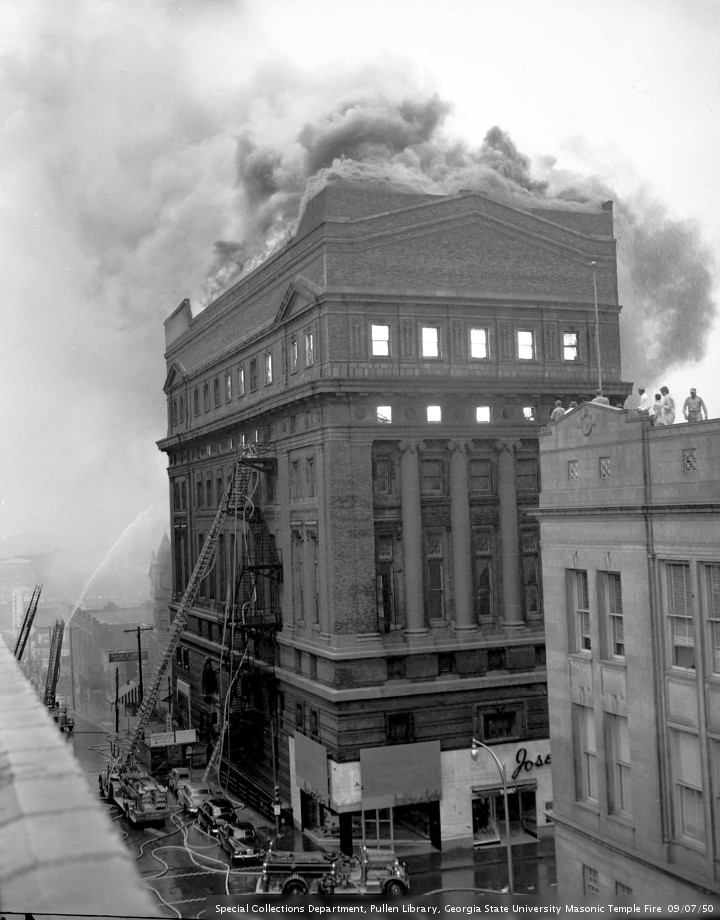

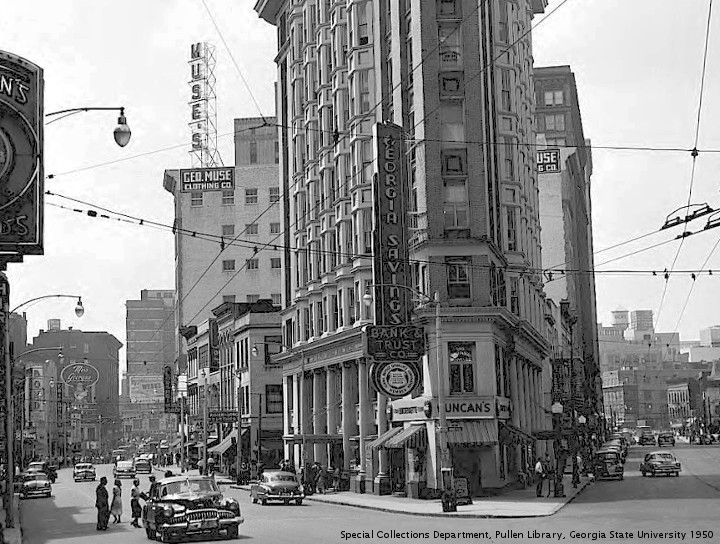

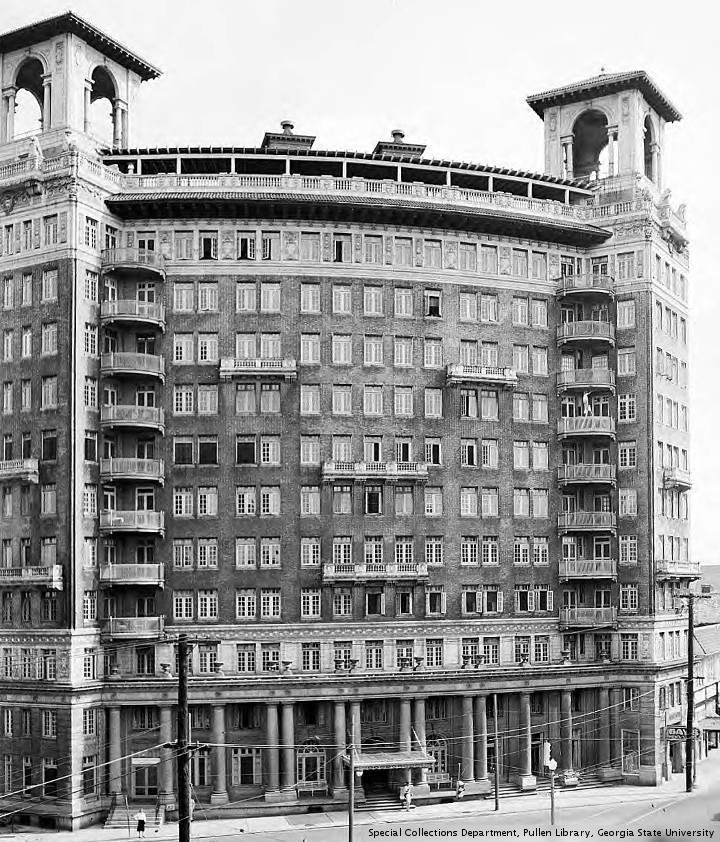

More True Than Just True


“It isn’t that the bible is true. It’s that the bible is the precondition, for the manifestation of truth. Which makes it way more true, than just true. It’s a whole different kind of true.” Dr. Jordan Bernt Peterson talked, for four hours, on the Joe Rogan Experience recently. As Johnny Cash once said, “The lonely voice of youth cries, what is truth?”
Jordan Peterson’s Realization About the Bible came to him after a visit to the Museum of the Bible, in Washington DC. The truth about MOTB is quite a story.
MOTB “was founded by billionaire Steve Green, an evangelical Christian whose family owns Hobby Lobby.” There are thousands of artifacts from the middle east. This is where the problem starts.
Owners Of Hobby Lobby Ordered To Return Stolen Artifact To Iraq “The New York Times reported that a property law expert “warned company executives that the artifacts might have been looted from historical sites in Iraq” … reportedly ignored this warning and the president of Hobby Lobby, Steve Green, went so far as to travel to the United Arab Emirates to examine “rare Mesopotamian cuneiform tablets.” … It was later in 2010 that the family went on to purchase the 5,500 stolen artifacts for a whopping $1.6 billion.”
With the Iraqi government preoccupied with invasions from the United States, museum security became a low priority. After the regime change in 2003, the situation was out of control. Enter a naive, Jesus-happy billionaire, and what happened is not surprising.
After the Museum of the Bible Discovered Its Dead Sea Scrolls Are Fake … “Between 2009 and 2014, Hobby Lobby tycoon Steve Green snapped up 16 of the post-2002 fragments for his planned Museum of the Bible … Before the institution even opened, it put together a 2016 book, Dead Sea Scrolls Fragments in the Museum Collection (The book is now listed as [Retracted.]) It offered a scholarly analysis of the artifacts, but no scientific testing had been conducted. … other experts have been suspicious for quite some time. As the 430,000-square-foot museum’s November 2017 opening date approached, concerns over the fragments’ authenticity began to mount—one of the book’s other authors, Kipp Davis, even published an article raising the possibility of forgery.”
Museum of the Bible’s Steve Green, statement on past acquisitions “In 2009, when I began acquiring biblical manuscripts and artifacts for what would ultimately form the collection at Museum of the Bible, I knew little about the world of collecting. It is well known that I trusted the wrong people to guide me, and unwittingly dealt with unscrupulous dealers in those early years. One area where I fell short was not appreciating the importance of the provenance of the items I purchased.”
“It’s a whole different kind of true.” Pictures today are from “The Special Collections and Archives, Georgia State University Library.”





War Letters




In the winter of 2003, it was obvious that America was going to war. Congress had voted approval, the modern version of a declaration of war. The troops, and supplies, were on the borders of Iraq, waiting for the order to go in.
PG felt the need to make a statement. There was no illusion that it would affect the overall decision to invade Iraq. However, PG wanted to go on record as being opposed to the folly to come.
It was a low risk act. In America, we have freedom of expression. This does not mean that the powers that be listen to the people. The only expression that matters is by people who pay the authorities. The people can say anything, but nobody in charge listens.
There were three representatives in Congress to contact. The two Senators were Saxby Chambliss and Zell Miller. The 4th district was represented in the House of Representatives by Denise Majette. She was new to Congress, having defeated Cynthia McKinney in the 2002 election.
The area that PG lives in is gerrymandered into different districts every ten years by the Georgia legislature. Today, PG is in the 6th district, represented by Democrat Lucy McBath.
The letters are lost in hard drive crash fog. It started out with the phrase “you were elected to represent me.” Apparently, this left Zell Miller out. He has been appointed to finish the term of Paul Coverdell. Democrat Zell Miller was appointed by Democrat Governor Roy Barnes to complete the term of Republican Paul Coverdell. After this, Zell Miller gave the keynote address at the 2004 Republican Convention. This is what Georgia has come to expect from Zig Zag Zell.
The anti war letter was not great writing. It basically said that the invasion of Iraq was not a good idea. The letter did not address the tax cut. In a bizarre move, Congress approved a tax cut, with an economically ruinous war on the horizon.
The responses to the letter are attached here. Denise Majette gave a thoughtful reply. She did not say “I agree with you” in so many words, but it is clear she is not gung ho about killing Iraqis. Miss Majette said, and PG agrees, that once the war begins, the debate should cease.
Saxby Chambliss sent two replies. Both talked about how well the war was going, and how wonderful it was to be killing people in Iraq. It is a good question whether his staff read the original letter from PG, which opposed the war.
In the 2004 election, Denise Majette ran for the Senate. Zell Miller chose to retire, and his seat was up for grabs. Republican Johnny Isakson won the Senate seat. Cynthia McKinney made a comeback, and won the fourth district House seat.
Saxby Chambliss was re-elected in 2008, and retired in 2014. The conflict in Iraq continues to this day. It is a disaster. The withdrawal of American combat troops did not end the civil war. Currently, Iraq is the scene for combat operations from the Islamic State military force.
The financial burden of the war has been immense. The military depends on contractors for many basic services, at increased cost to the Asian war financiers. The National debt has been increasing by a trillion dollars a year. Revenge for nine eleven, directed at a marginally responsible country, has been horribly expensive. Pictures for today’s entertainment message are from “The Special Collections and Archives, Georgia State University Library”. This is a repost.





The Narco State Rag


This feature was written July 13, 2010. In the past year, the United States has withdrawn from Afghanistan. Like most of that war, the withdrawal did not go smoothly.
Across the frontier from Afghanistan, the Russian bear is dealing with a heroin epidemic. Some say the United States suckered the Soviet Union into invading Afghanistan in 1979. The disastrous war that followed led to the fall of the Soviet Union. We are still dealing with the karma.
Tom Dispatch has an audio feature about Afghanistan, and the many unanswered questions about our war there. We invaded Afghanistan to get revenge for 911, and looked for a reason later.
At the 3:06 mark on the tape, when Tom makes a comment Afghanistan being a narco state. PG had a flash of understanding about the reason behind this war. This may even have been powerful enough to ignore the reports about a terror strike in September 2001, and let 911 happen.
The rumors of CIA involvement in drug trafficking are wide spread and long term. When planes went to Central America in the eighties to bring arms to the contras, they came back to the United States loaded with cocaine. There are stories of collusion with the government in Cuba. There are many, many more stories about connections between the US government and the drug trade.
When the Taliban took over Afghanistan, they cracked down on the poppy farmers. Much of the raw opium for heroin/morphine/opium is grown in Afghanistan. This was not a pleasing for the CIA.
Could it be that the real reason for our involvement in Afghanistan is to ensure the flow of narcotics into the hungry world? This would be a big cash cow for the CIA, although not enough to justify the amounts of money being spent on the conflict.
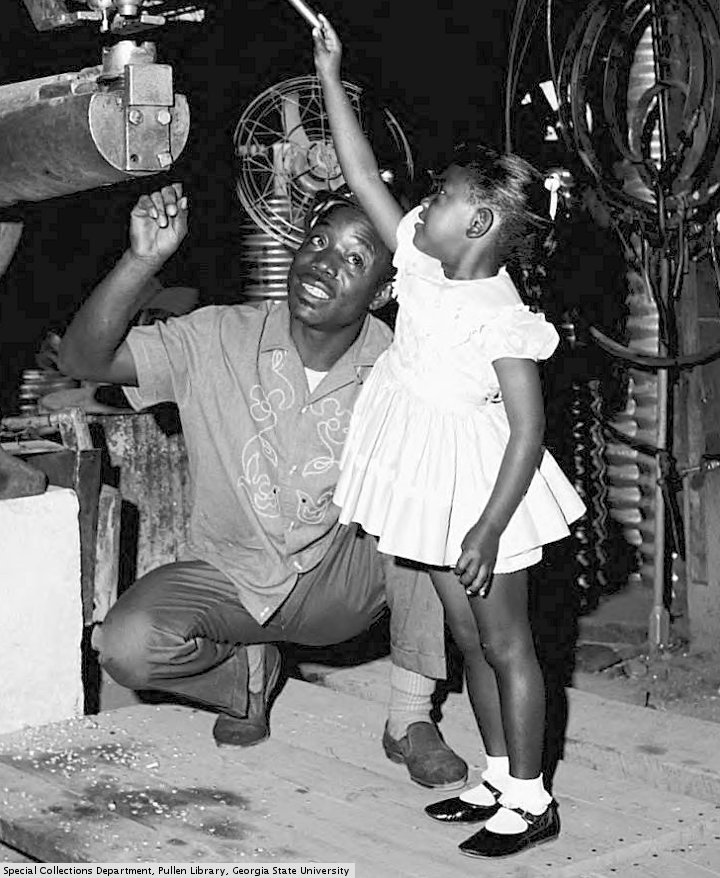
Pictures are from “The Special Collections and Archives, Georgia State University Library.” TomDispatch is still operating in 2022. @TomDispatch is the twitter version.




 Chamblee54
leave a comment