







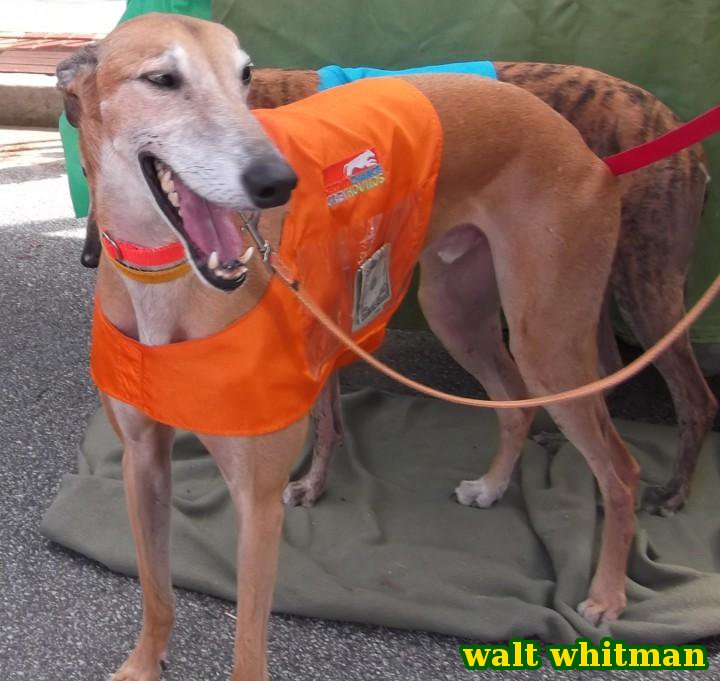
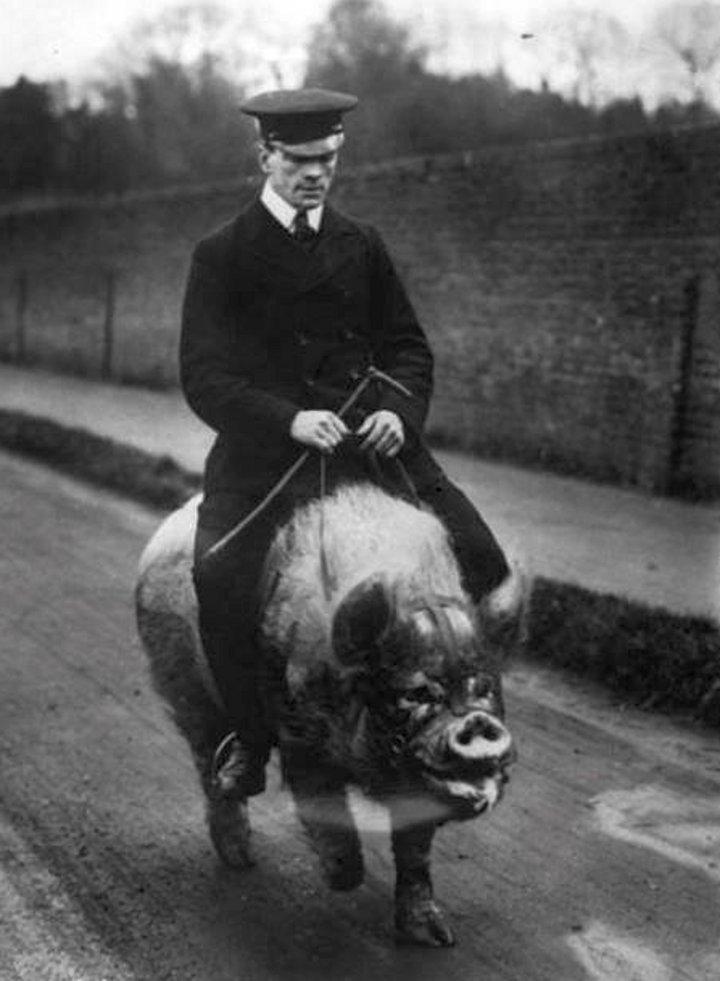
Riding The Hog






There is a web entity called the bitchy waiter. Yes, that might be redundant. This presumably male person has a blog, a twitter account (@bitchywaiter,) and a facebook page (Bitchy Waiter.) (The spell check suggestion for bitchywaiter is birdwatcher.) BW got his fifteen minutes recently. He wrote a *viral post* about an alleged celebrity, who took up a table playing chess, while non-celebrities waited.
Today this waste of bandwidth is sponsoring a facebook contest. “Can you write a caption for this photo? The caption with the most “likes” by midnight EST tonight will win a Bitchy Waiter Bitch Proud bracelet.” The picture is embedded with this post, along with other pictures of people, dogs, and a mannequin. The pictures were taken at a neighborhood festival that charges admission.
PG’s entry was “This little piggy went to market.” He clicked “like”, which, while considered tacky, is not technically against the rules. Some say that a hog, big enough for a man to ride, is not a little piggy.
Another possibility is that the man is wrestling with the porker. This picture was taken at an opportune moment, when the human was on top, and seems to be winning. It is a bit of folk wisdom… You should never wrestle with a pig, You will just get dirty, and the hog will enjoy it. Porky does seem to be having a good time. Maybe the rider always leaves a good tip.






Two-Sentence Horror Stories





The real estate agent got a surprise when he showed the closet to a prospective buyer. Inside was the skeletal remains of last years hide and seek champion.
Brad Majors was upset when the car got back from the garage. He knewe that the odor, caused by the rotting meat loaf in the back seat, would never completely go away.
The pale faced man came out of the basement, and said “what are you doing to my home?” At that point the wreckers ball distributed the contents of his head across the front yard.
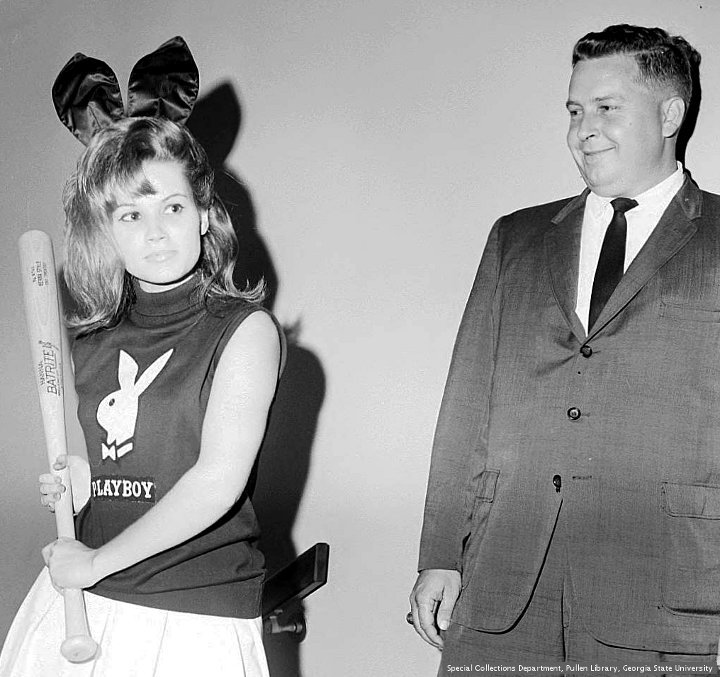
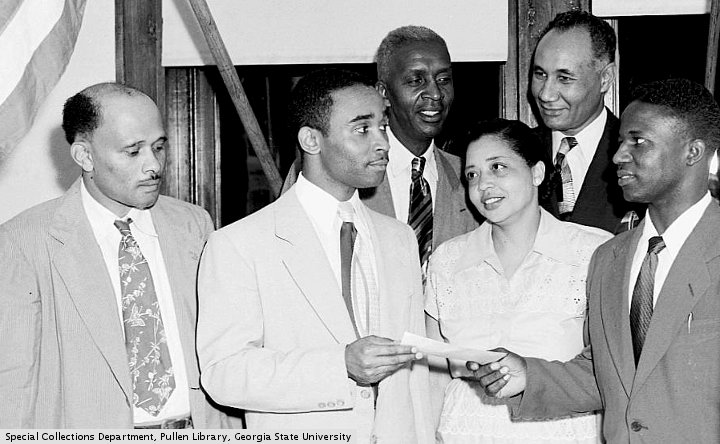
Photographs today are from “The Special Collections and Archives, Georgia State University Library”. A contest for Two-Sentence Horror Stories is not going to end well.

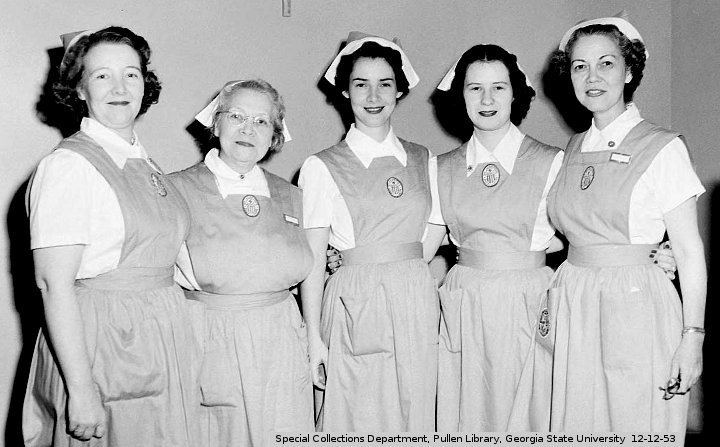



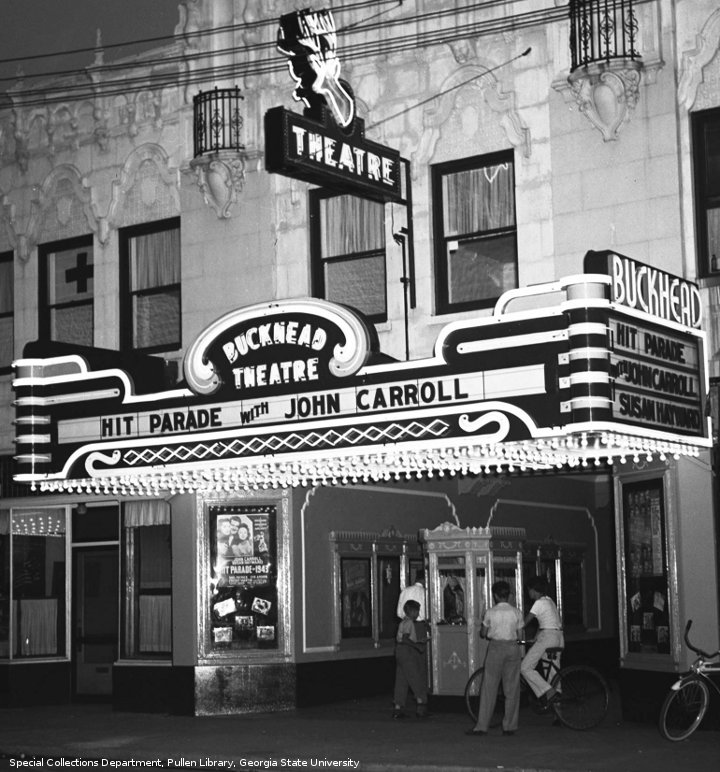

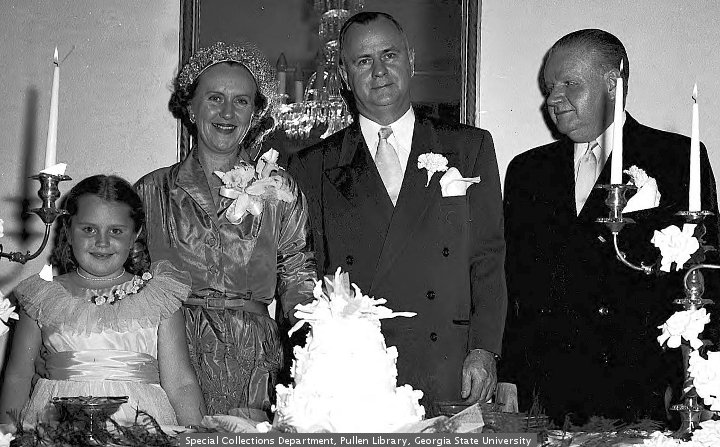
Sammy And Gnarlene


Sammy Snoutfair was given to pussyvans over his wonder-wench, Gnarlene. The latest set him to lunting crack, over the tortured realization that Gnarlene was a California widow. Sammy did not own the key to Gnarlene’s heart, just a weekend lease. He would groak as she ate a roadkill souffle’, and jirble a drink of the rankest rotgut. After dinner, Sammy tried to get Gnarlene into bed, and succeeded. He soon failed ignominiously in his manly duties.
The hot water heater was broken when Sammy chose to clean up. The curglaff when he jumped in the bathtub made him question, once again, his excuse for living. Soon Sammy remembered the good times, at the bar, playing team trivia. Sammy’s talents as a spermolger won his teammates, the men who say ni, pitcher after pitcher of beer. Since the bar was in the back of a pizza parlor, with a penchant for home made cheese, Sammy could add tyromancy to his talents. Sammy was so beef witted that he thought getting to cut the cheese was an honor.
The men who say ni lost at team trivia the night that Sammy learned the truth about Gnarlene. They became a crew of queerplungers, and all were duly rescued. The lake next to the pizza parlor was not very deep, and only the most beef witted would drown in it.
The same could be said about those concerned about their well being of the men who say ni. The people who rescued them were the Englishable gentry of the village. They were all as queer as a showroom of crochet bathtubs. The men who say ni were not without sex appeal, to a certain category of degenerate. It makes you proud to be British.
After the bout of queerplunging, Sammy was taken in by Armistead. When they tried to get into Armistead’s attic dwelling, the lock on the door refused the charms of the key. This residentialism was not unexpected by Armistead, who made an impecunious living as a bookwright. It paid better than being a soda squirt, even if the bennies were slow.
Sammy was also a burglar, and was able to install himself in Armistead’s attic dwelling. This was a good thing. There was a text message for Sammy when he checked his I phone. Careless Gnarlene was with squirrel, and saying that the baby belonged to Sammy. Zafty Armistead eagerly took responsibility for the pregnancy, and started to call abortion clinics. Sodomizing Sammy would have to wait for Gnarlene’s honor to be restored.
The vocabulary for this story was supplied by Death and Taxes. The enabling post was 18 obsolete words, which never should have gone out of style. Pictures are from Gwinnett County.





Wrongly Attributed Statement
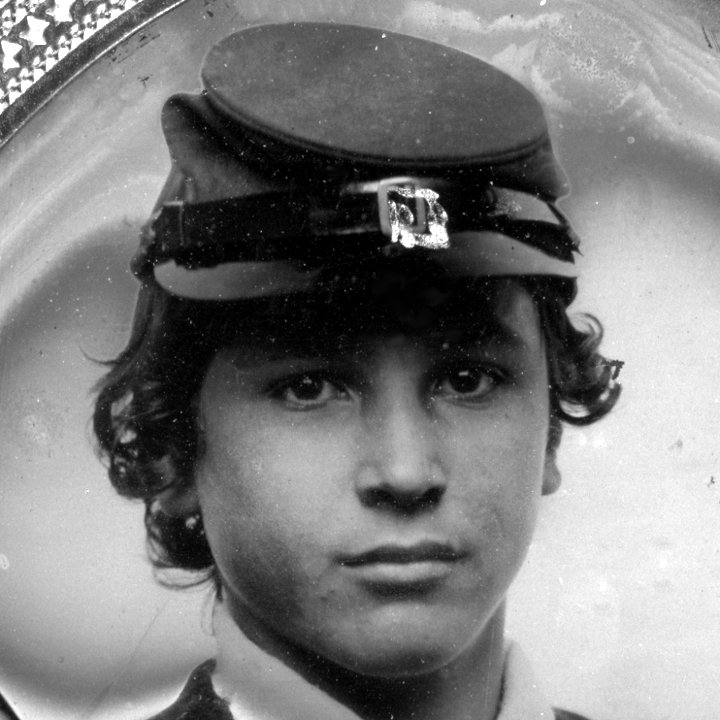
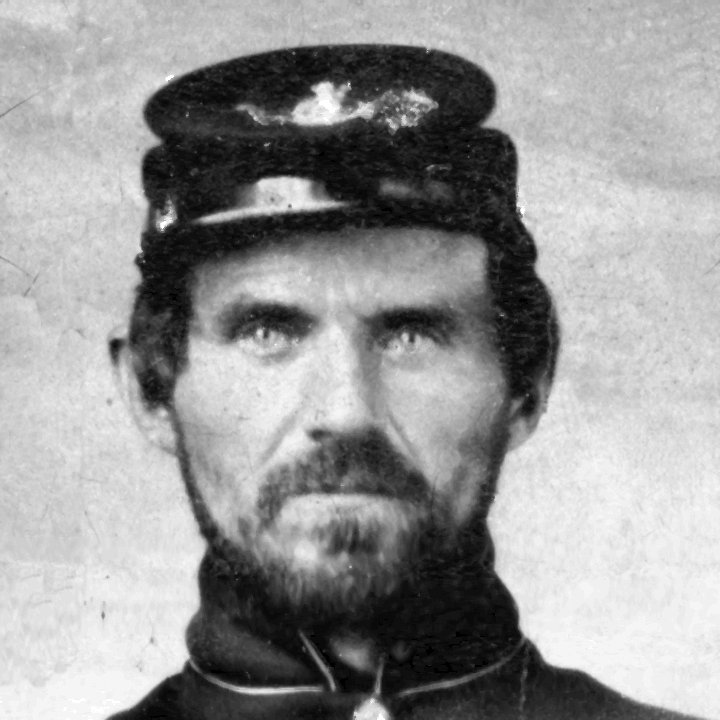


It was not the first pleasant morning spoiled by a visit to facebook. A well meaning friend posted this: “An interesting article, no doubt written with Luther Mckinnon in mind: Who Really Said That?” Apparently, someone has a reputation for poking *pin prick needles* in the hot air of quote balloons. A discussion of the article should make for a good excuse to post some pictures.
The feature was posted in The Chronicle of Higher Education. There are references to obscure trends, There are French words, in italics. It rambles when it should rambo. Worst of all, it refers to a facility for checking out quotes, Quote Investigator, without giving a link. This is tough to forgive. Links are so easy to put in an online article, and allow a reader to see the information without the filter of academia. It is the digital equivalent of a footnote, and much easier to install.
The operating acronym here is WAS, for Wrongly Attributed Statement. This has potential. You can have Wrongly Attributed Statement Ho, or WASH. You can have Wrongly Attributed Statement Perpetrator, or WASP. You can have Wrongly Attributed Statement Terror Export, or WASTE.
Corey Robin, the author of the skeptifest, says that trying to authenticate a WAS can be an all day affair. PG discovered that when writing about the Seven Brilliant Quotes. The wikiquote method emerged. You copy the wikiquote post about the source in question. You should save this document, because you will probably use it again. Take a key word from the quote in dispute, and search for it. Either the quote is real, almost real, or phony. If you can’t tell one way of another, just say that it cannot be attributed. Prove is a misleading word.
Does it matter? Some say it doesn’t, that even if the famous person did not mouth the magic words, then he probably said something similar. “It sounds like something she would have said.” Of course the context does matter. It is good to know why the famous person said what he did. And then there is the mythical tribute to authority. Some people seem to think that a saying is more true if a famous person said it. Mark Twain just wants his royalties.
Mr. Robin trots out the venerable chestnut, “The only thing necessary for the triumph of evil is that good men do nothing.” When PG took on this trojan horse, it was blamed on Thomas Jefferson If he had done nothing, Sally Hemmings would not be famous.
“The only thing…” is one of those sayings that sound good until you think about it. The good people in Germany tried in 1931, but Mr. Hitler was a bit meaner. It wouldn’t be surprising if mustache man used a German version of that saying in his speeches. Plenty of bad guys have the crowd convinced that they are good guys. Maybe the saying should go “The only thing necessary for the triumph of evil is that good men get confused by inspiring rhetoric”.
Telling the truth can be a lonely business. People don’t like to be told that Santa Claus does not exist. They want to believe in something. It makes them feel better if Albert Einstein agrees with them. PG used to let his BS detector run wild. He got tired of constantly buying batteries for it. These days, it is easier to let people have their heroes.
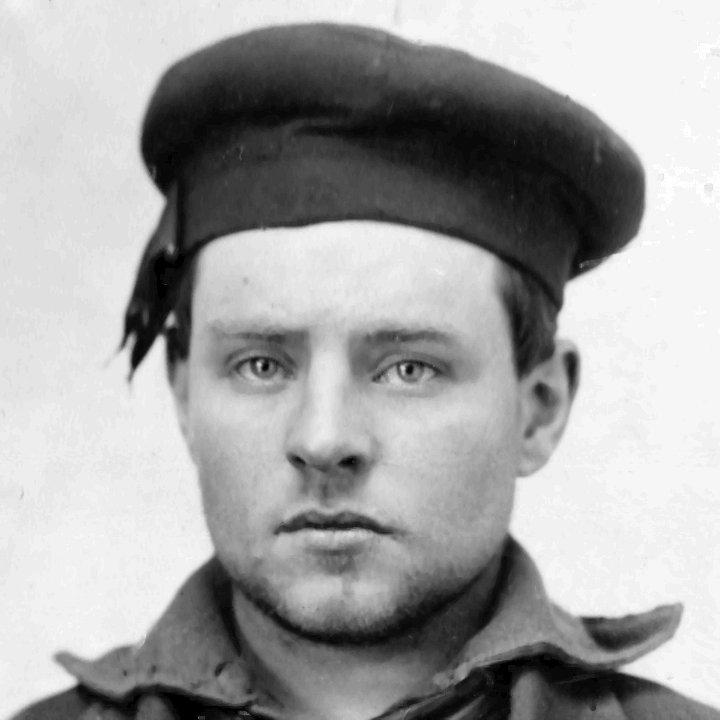
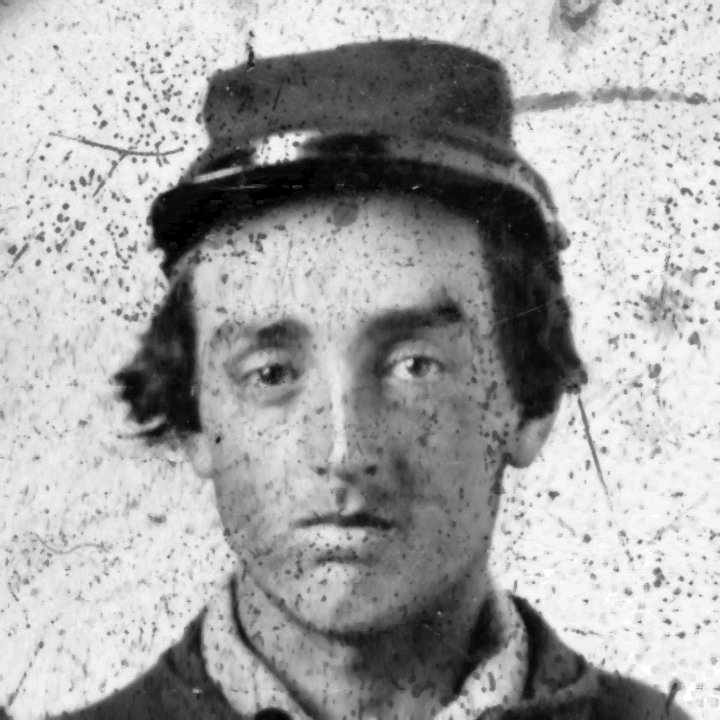
The Library of Congress supplied the pictures for today’s entertainment. These men were Union soldiers in the War Between the States. These men thought they were saving the Union.



Plastic Improvement




There was a trash can, full of yard waste. After the sunday night rainstorm, it would have water in it, and be heavy to pick up. PG went to the street, intending to tip it over. The water would drain out, and it would be easier to dispose of the yard waste.
When PG got to the can, there was a pink plastic bag on top. Inside the pink plastic bag was a selection of dog droppings. This is not proper disposal procedure.
Perhaps the distributor was going to come back for the product. There is an alcohol use device called zombie. Do you mix Rover residue with rainwater, soaked in strands of ivy? When you add some legal drugs, is that a zombie?





Atlanta Streets Alive!








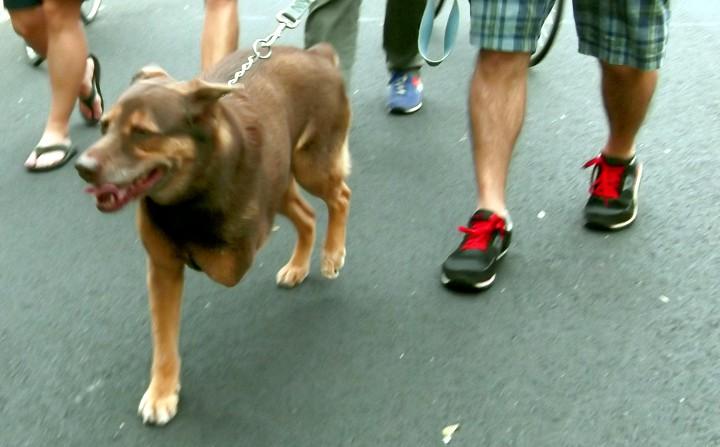
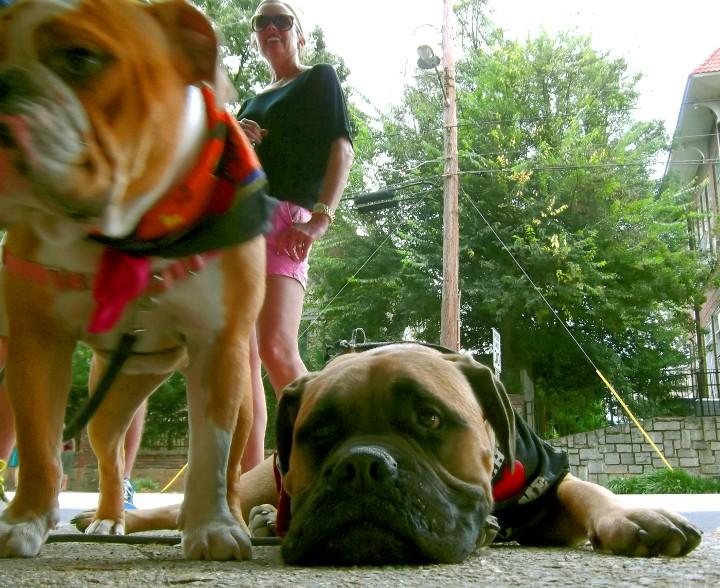
Atlanta Streets Alive! is an event where a street is closed to automobile traffic. The asphalt is taken over by people, dogs, and non motorized vehicles. Businesses along the way are open, and restaurants do a brisk trade. If you don’t get run over by a bike, you will probably have a good time.
The strategy was simple, Drive into town. Cruise around the hosting neighborhoods, one block away from the event. When you get a parking spot, take it. After avoiding a collision with a determined oncoming vehicle, PG made his way down Lanier Drive. A few feet away from Virginia Avenue, a prime parking spot appeared, as if by magic. It is almost like a reward for clean living.
The event was a quadrangular loop, going from North Highland, to Highland, to Boulevard, to Monroe, to Virginia Avenue. If one had a bicycle, the entire loop would have been easy to navigate. PG and Uzi were on foot. They made it as far as the de-Northification of Highland Avenue. When they got back to the car, they had gotten enough exercise.
SAA was a great counterpoint to the FLUX event, held the night before. PG saw one person that he knew at FLUX. At SAA, the one person he knew was Angel Poventud. While PG talked to Angel, four people that knew Mr. Poventud greeted him. Some people are more connected than others. While PG enjoys his quiet life in Brookhaven, he sometimes would like to know more people intown.
As the walk was going by the Plaza for the second time, a young man rolled by on a skateboard. His T shirt said, I know what I am doing. He had a beer in his left hand. He nearly fell off the skateboard. On the other side of Ponce de Leon Avenue, a three legged dog was in the parade.
After getting all that exercise, PG and Uzi were ready for dinner. The Piccadilly cafeteria is convenient and cheap, but there are issues. A few months ago, PG saw a server in the men’s room emerge from a stall after delivering a number two. He went back to the kitchen without washing his hands. On the way out to the parking lot, PG saw the report from the health department. The Piccadilly cafeteria, on North Druid Hills Road, got a score of 60.






Flux






Mr. Lion posted a message on facebook about the Flux night event. He wanted to attend, but didn’t have anyone to go with. PG saw this, and realized that he needed to get out of Brookhaven. Messages were sent, phone calls made, and an agreement reached to meet at a midtown parking lot at 9:00 pm. In a bit of murphy’s law denial, a vehicle left Piedmont Avenue, heading south, at 9:15.
PG is a nervous suburbanite, and had no clue where to park. Turning past the dome, the barricades and crowds were evident, as were the lines of cars going nowhere. An illegal one eighty turn later, PG gave up, and parked at the dome.
The two men were soon in another world. Castleberry Hill is a downtown neighborhood, reclaimed by the trendy and prosperous. The old brick buildings were swarming with culture vultures of all persuasions. PG wondered more than once where these mobs of bug eyed youth came from.
The first stop was an elderly brick building. For this night, it was crawling with murals, music, and machines that shot out cannonballs of smoke. People were posing in front of the well lit murals, which made it easy for PG to cop a leftover image or two. Mr. Lion got into a chat with a director of the collective, while PG dealt with the heat by photographing unsuspecting young ladies.
Mr. Lion is an elitist, but not a snob. PG is an anti semanticist, with an aversion to labelism. It was noted that calling yourself an non labelist was an act of labelism. But, as they say in Alabama, hypocrisy is usually the cheapest argument. Despite this existential eggshell walking, the Mr. Lion managed to keep up with PG, who was up to his usual mischief. With few dogs to photograph, the focus was on humans. There was lots of barking and tail wagging.
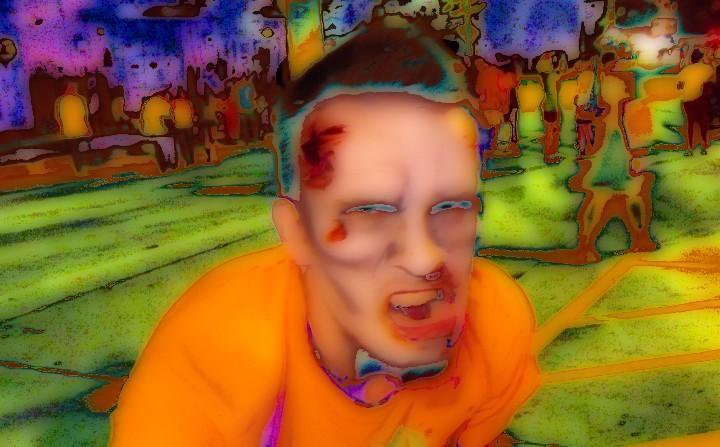
“Can I have a picture of your makeup” ” Sure” ” Can I have some attitude” ” What” “You call that attitude” “How can I have attitude if I am having a good time”
The streets were often crowded. In best Atlanta tradition, it was tough to know if you were going north, south, to heaven, or to hell. In an effort to not miss anything, several streets were covered twice. Finally, enough was enough. Mr. Lion managed to remember the side street that led back to the dome. It is part of elitism to always know where to go. A rat should always have a hole to crawl into.






Dick Nixon TV Critic

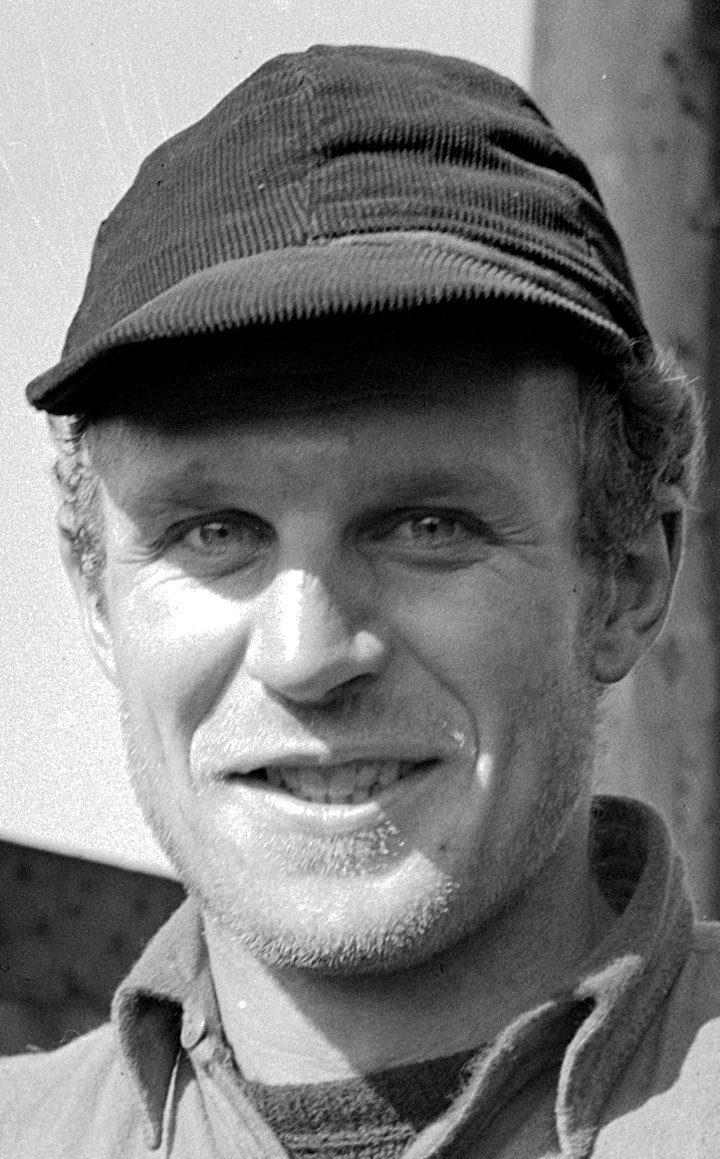

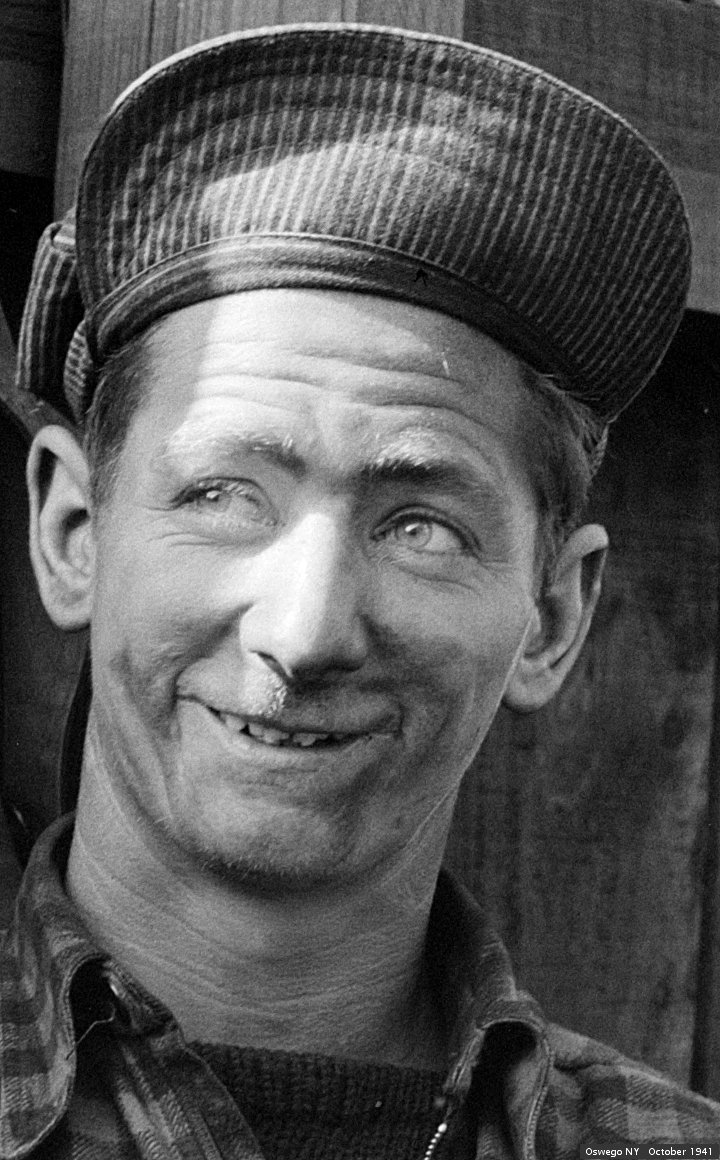
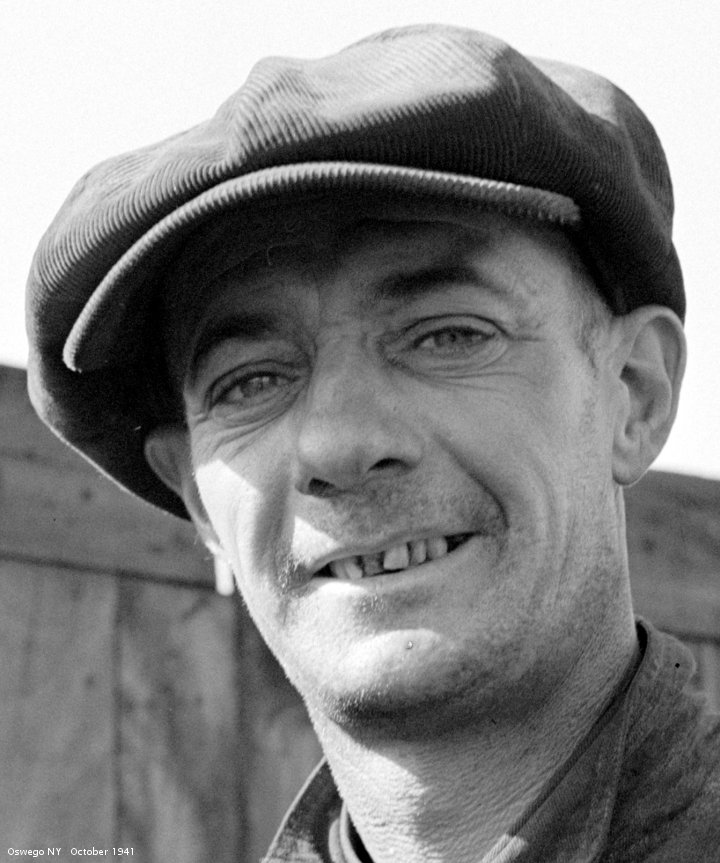
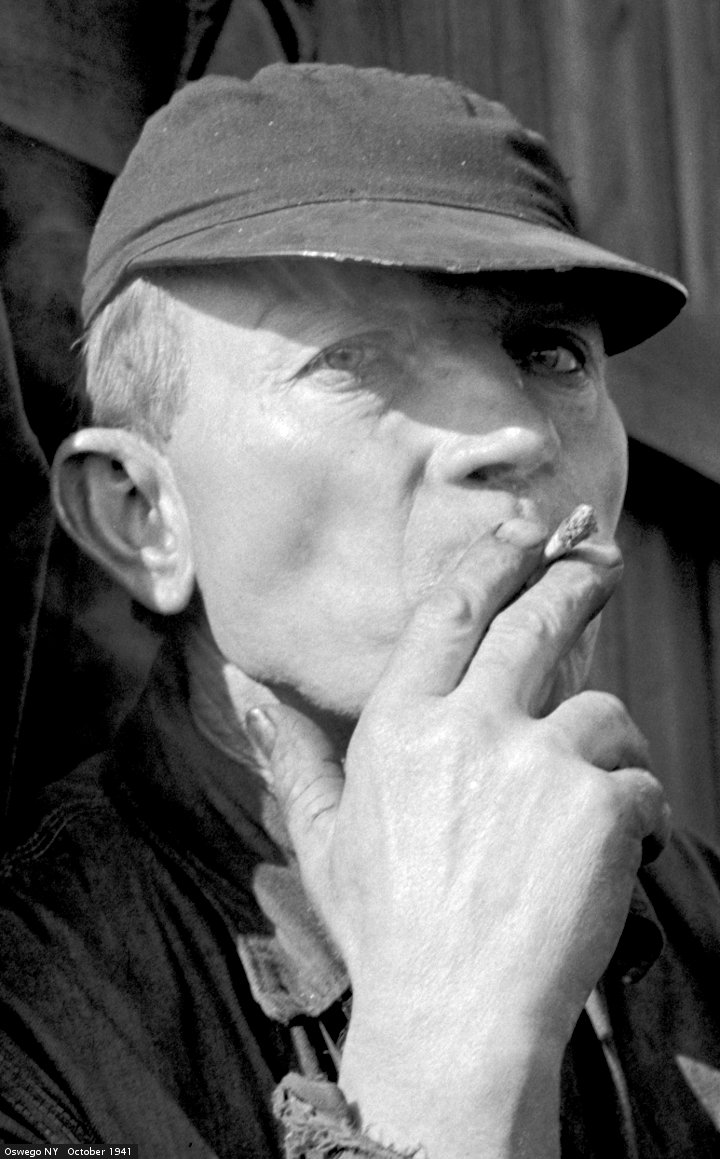
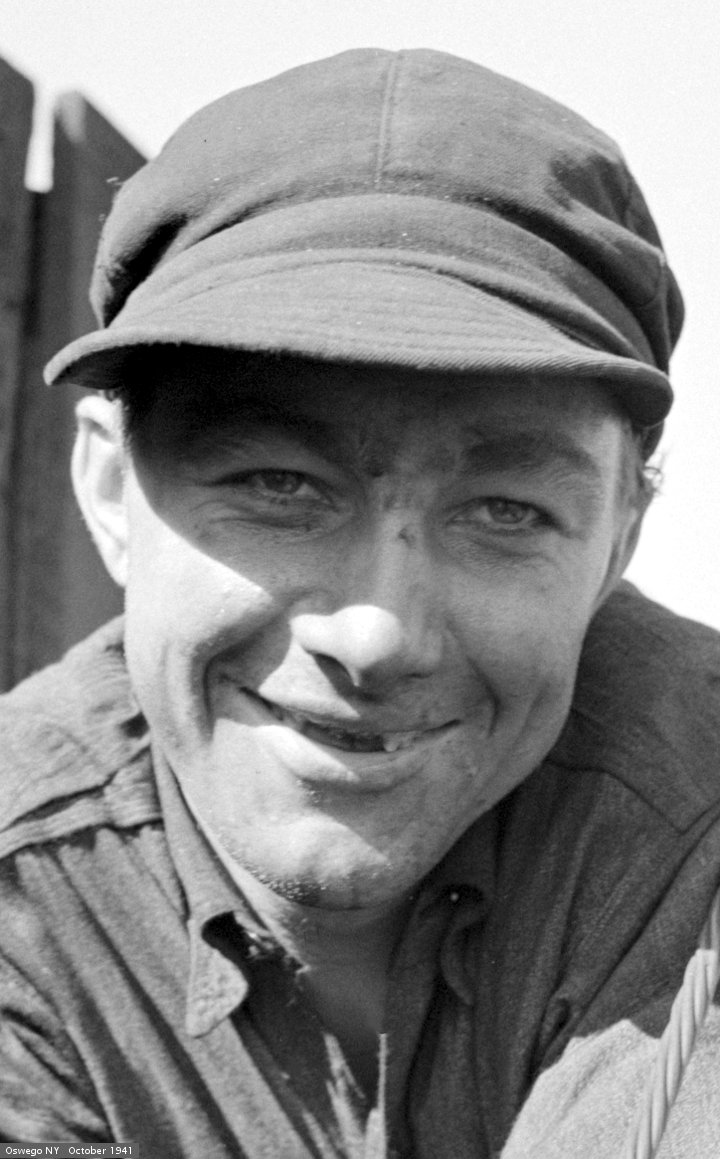
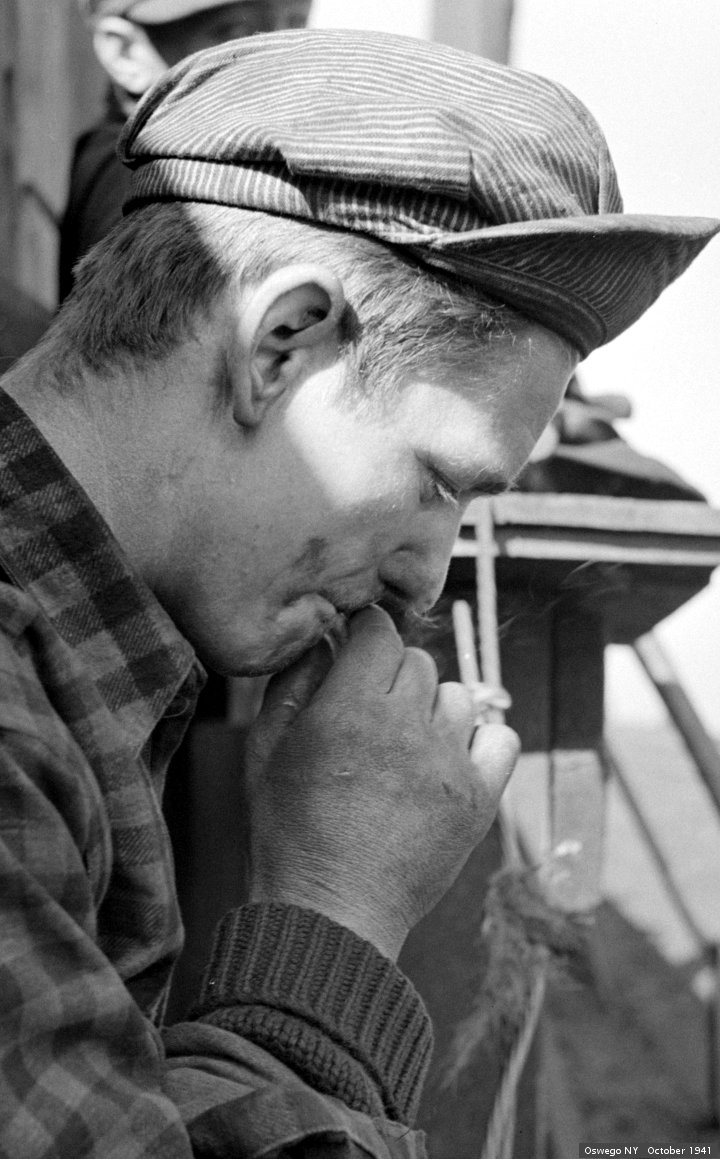
The text below is a conversation between Mr. Nixon, John D. Ehrlichman, and H. R. Haldeman. The tape was made May 13, 1971. This is a repost. Pictures are from The Library of Congress.
NIXON: … CBS … glorifying homosexuality.
EHRLICHMAN: A panel show?
H. R. HALDEMAN: No, it’s a regular show. It’s on every week. It’s usually just done in the guy’s home. It’s usually just that guy, who’s a hard hat.
NIXON: That’s right; he’s a hard hat.
EHRLICHMAN: He always looks like a slob.
NIXON: Looks like Jackie Gleason.
HALDEMAN: He has this hippie son-in-law, and usually the general trend is to downgrade him and upgrade the son-in-law–make the square hard hat out to be bad. But a few weeks ago, they had one in which the guy, the son-in-law, wrote a letter to you, President Nixon, to raise hell about something. And the guy said, “You will not write that letter from my home!” Then said, “I’m going to write President Nixon,” took off all those sloppy clothes, shaved, and went to his desk and got ready to write his letter to President Nixon. And apparently it was a good episode.
EHRLICHMAN: What’s it called?
NIXON: “Archie’s Guys.” Archie is sitting here with his hippie son-in-law, married to the screwball daughter. The son-in-law apparently goes both ways. This guy. He’s obviously queer–wears an ascot–but not offensively so. Very clever. Uses nice language. Shows pictures of his parents. And so Arch goes down to the bar. Sees his best friend, who used to play professional football. Virile, strong, this and that. Then the fairy comes into the bar. I don’t mind the homosexuality. I understand it. Nevertheless, goddamn, I don’t think you glorify it on public television, homosexuality, even more than you glorify whores. We all know we have weaknesses. But, goddammit, what do you think that does to kids? You know what happened to the Greeks! Homosexuality destroyed them. Sure, Aristotle was a homo. We all know that. So was Socrates.
EHRLICHMAN: But he never had the influence television had.
NIXON: You know what happened to the Romans? The last six Roman emperors were fags. Neither in a public way. You know what happened to the popes? They were layin’ the nuns; that’s been goin’ on for years, centuries. But the Catholic Church went to hell three or four centuries ago. It was homosexual, and it had to be cleaned out. That’s what’s happened to Britain. It happened earlier to France. Let’s look at the strong societies. The Russians. Goddamn, they root ’em out. They don’t let ’em around at all. I don’t know what they do with them. Look at this country. You think the Russians allow dope? Homosexuality, dope, immorality, are the enemies of strong societies. That’s why the Communists and left-wingers are clinging to one another. They’re trying to destroy us. I know Moynihan will disagree with this, and Mitchell will. But, goddamn, we have to stand up to this.
EHRLICHMAN: It’s fatal liberality.
NIXON: Huh?
EHRLICHMAN: It’s fatal liberality. And with its use on television, it has such leverage.
NIXON: You know what’s happened [in northern California]?
EHRLICHMAN: San Francisco has just gone clear over.
NIXON: But it’s not just the ratty part of town. The upper class in San Francisco is that way. The Bohemian Grove, which I attend from time to time–it is the most faggy goddamned thing you could ever imagine, with that San Francisco crowd. I can’t shake hands with anybody from San Francisco. … Decorators. They got to do something. But we don’t have to glorify it. You know one of the reasons fashions have made women look so terrible is because the designers hate women. Designers taking it out on the women. Now they’re trying to get some more sexy things coming on again.
EHRLICHMAN: Hot pants.
NIXON: Jesus Christ.








Four Part Rules

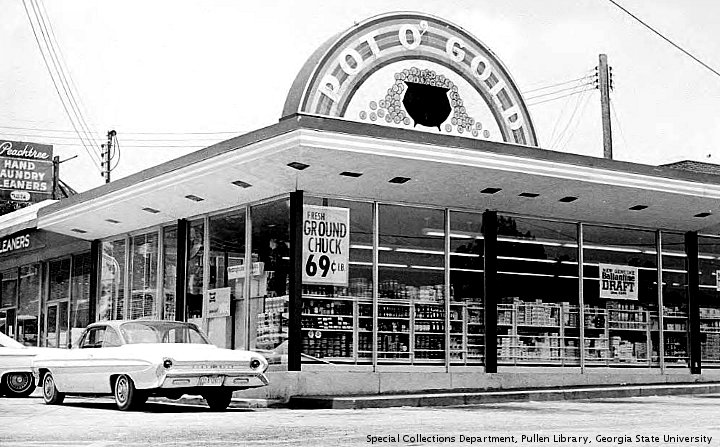
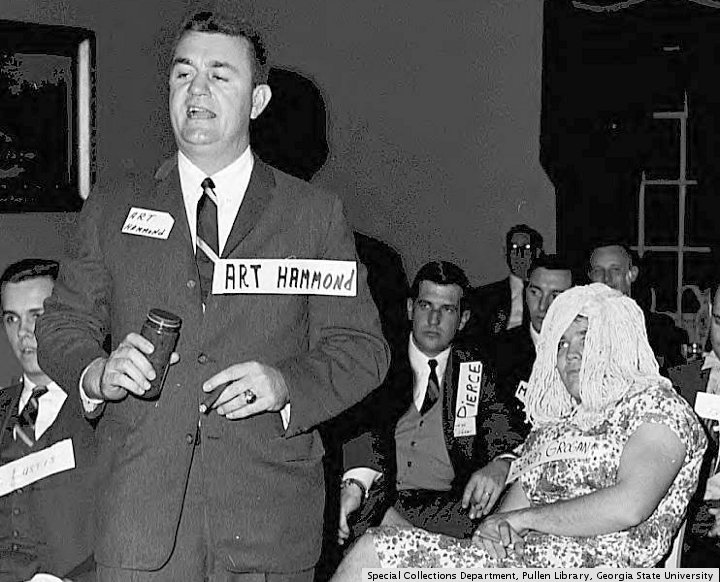

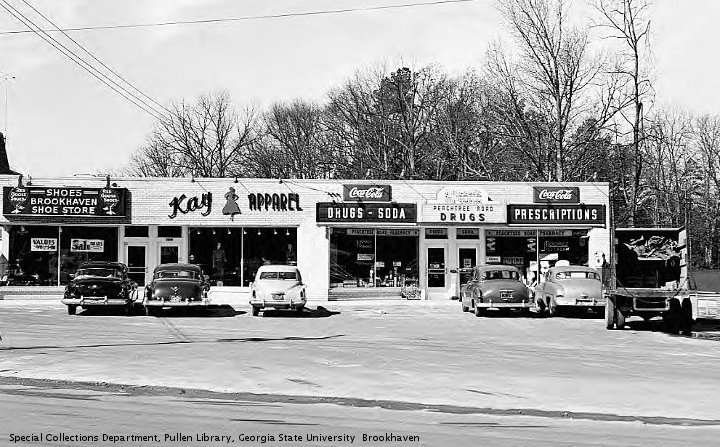
When PG was a kid, his grandmother lived in a side apartment, in a house on Virginia Avenue. The owner of the house was Mrs. Stuckey. (PG never learned her “real” name, and assumed that checks were made out to Mrs.) There was a framed piece of paper in Mrs. Stuckey’s hall. The top said “The Four-Way Test of the things we think, say or do” , and featured the logo of the Rotary Club. The four rules were simple, on the surface. Is it the TRUTH?//Is it FAIR to all Concerned?//Will it build GOODWILL and BETTER FRIENDSHIPS?//Will it be BENEFICIAL to all concerned?
The four way test was written by Herbert J. Taylor. In 1932, Mr.Taylor took over the bankrupt Club Aluminum Company of Chicago. Trying to revive the company during the depression, Mr. Taylor wrote a code of ethics, hoping that it would be the basis for the company’s actions.
Many said that the four way test was not practical for the business world. The balancing of integrity and ambition can be daunting. It was said that “This emphasis on truth, fairness and consideration provide a moral diet so rich that it gives some people “ethical indigestion.”



These thoughts are for you to use. They were articulated by a man named Don Miguel Ruiz. They are called the Four Agreements. . HT to activecitizen54..
PG does not claim to live up to these ideals. Number two is especially tough for him. The main thing is to try, and to always do your best. This is not about what you believe or think, it is about what you do.
agreement 1–Be impeccable with your word – Speak with integrity. Say only what you mean. Avoid using the word to speak against yourself or to gossip about others. Use the power of your word in the direction of truth and love.
agreement 2–Don’t take anything personally – Nothing others do is because of you. What others say and do is a projection of their own reality, their own dream. When you are immune to the opinions and actions of others, you won’t be the victim of needless suffering.
agreement 3–Don’t make assumptions – Find the courage to ask questions and to express what you really want. Communicate with others as clearly as you can to avoid misunderstandings, sadness and drama. With just this one agreement, you can completely transform your life.
agreement 4–Always do your best – Your best is going to change from moment to moment; it will be different when you are healthy as opposed to sick. Under any circumstance, simply do your best, and you will avoid self-judgment, self-abuse and regret.
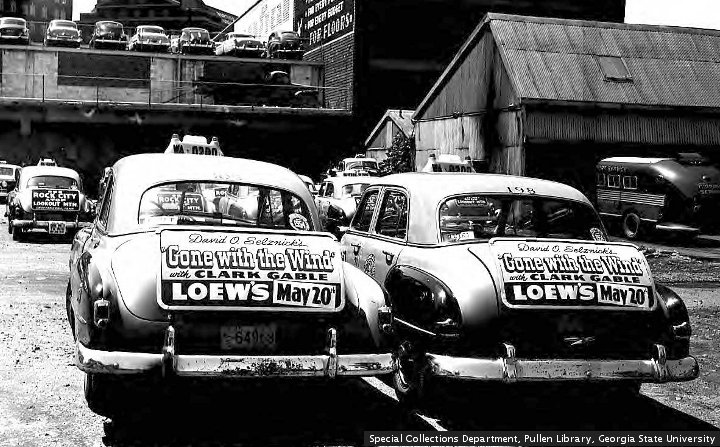
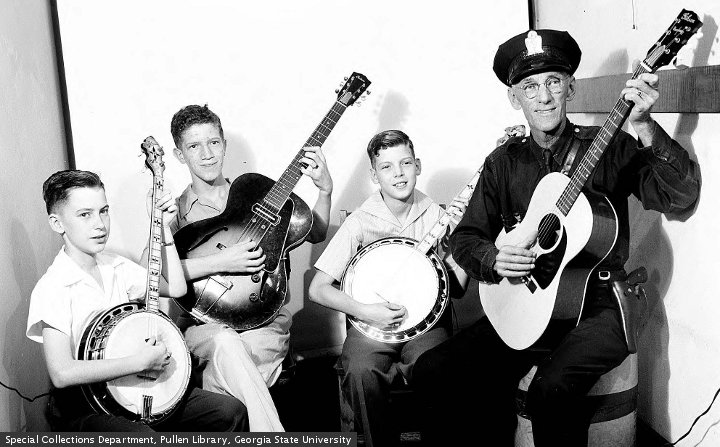
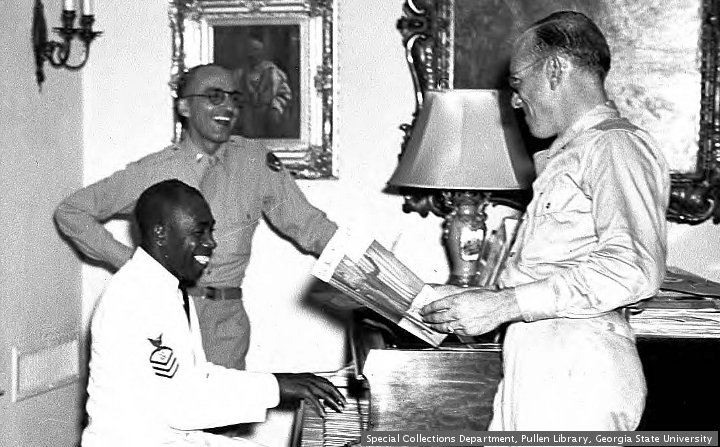
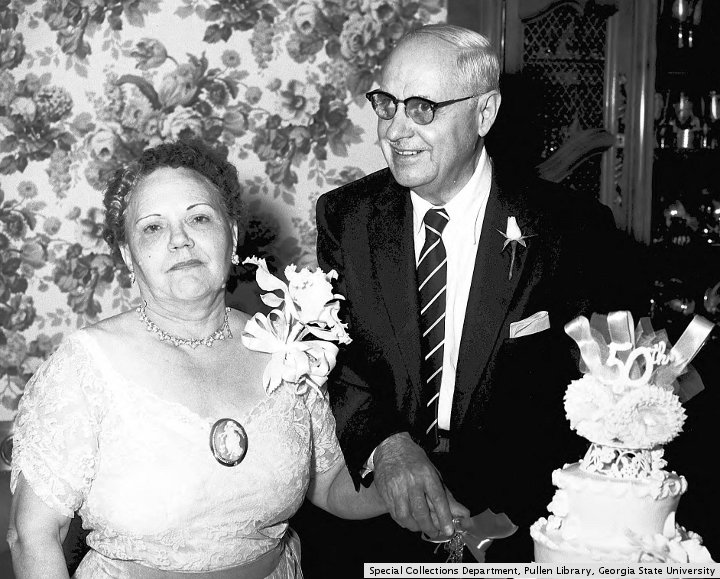
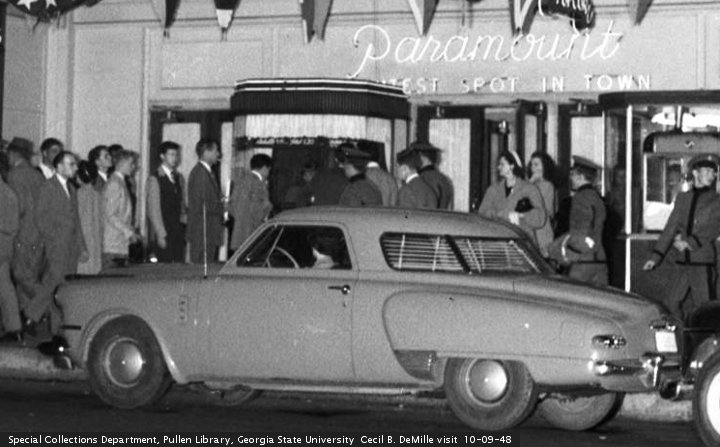
This is an edited repost. The original post has more information about the Rotary Club rules for living. Pictures today are from “The Special Collections and Archives, Georgia State University Library”.


Bret Easton Ellis Or Dr. Seuss?




@BretEastonEllis I failed this: Bret Easton Ellis—Or Dr. Seuss? The Quiz. You can find curious things while trolling twitter. There really is a test comparing quotes from Bret Easton Ellis and Dr. Seuss.
There are seventeen quotes. They include: “You have brains in your head.” “The better you look, the more you see.” “We buy balloons, we let them go.” “I speak for the trees, for the trees have no tongues.” “These things are fun.” “But this road doesn’t go anywhere.” “There’s no use in denying it: this has been a bad week. I’ve started drinking my own urine.”
PG got fifty three percent correct. The one about drinking urine was properly credited to Mr. Ellis. Was he eating green eggs and ham? We don’t know. Rumors of people scoring less than zero have not been confirmed. The spell check suggestion for BretEastonEllis: Breastbones.








leave a comment