Tommy Lee Waldrip And Keith Evans

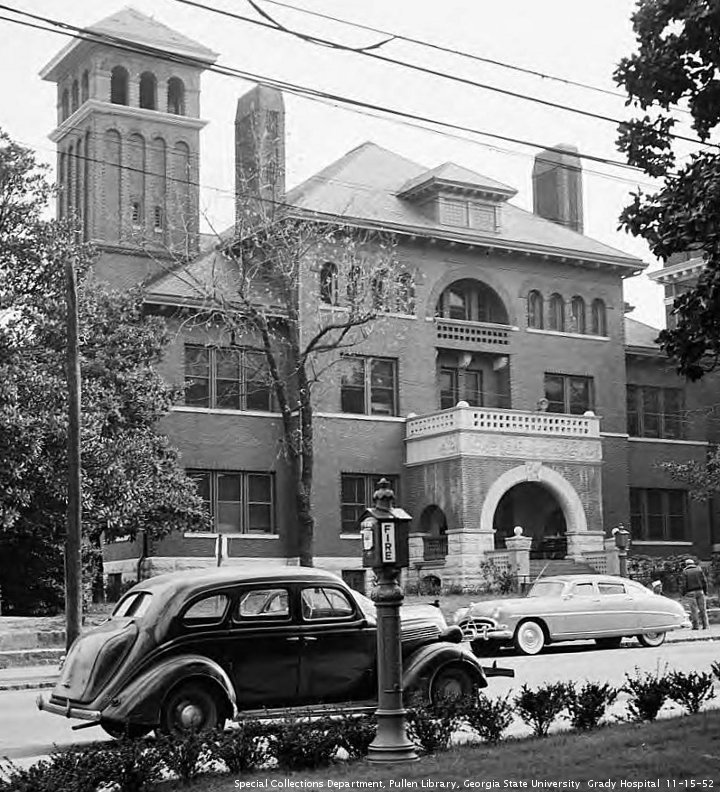


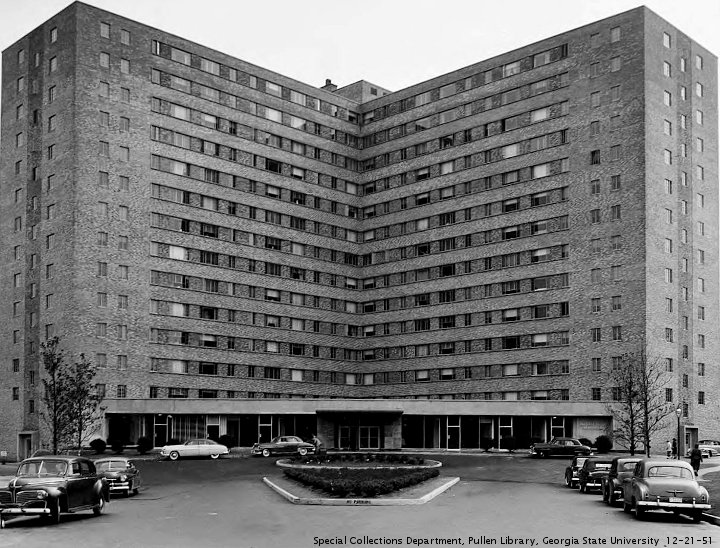



On July 10, 2014, Tommy Lee Waldrip is scheduled to be put to death by the State of Georgia. GDC ID: 0000204612 was convicted of the murder of Keith Evans, on Saturday, April 13, 1991. Mr. Evans was 23 years old, when he was murdered 23 years ago. Murderpedia tells the story.
Tommy Lee Waldrip was convicted of the malice murder of Keith Lloyd Evans … The jury was authorized to find that appellant (Tommy Lee Waldrip) murdered Keith Evans to prevent Evans from testifying against his son, John Mark Waldrip, at his armed robbery retrial in Forsyth County. Evans, who worked as a clerk in the store at the time of the robbery, testified as the State’s sole eyewitness at John Mark’s first trial in 1990…. On Saturday afternoon, two days before the retrial was scheduled to begin, the appellant and his co-indictees, John Mark and appellant’s brother-in-law, Howard Livingston, drove to Cleveland, Georgia …That evening, John Mark called Robert Garner, who was also scheduled to testify against him at the retrial, and threatened to harm Garner if he testified.
At approximately 9:30 p.m. appellant and John Mark left appellant’s apartment in appellant’s wife’s Ford Tempo. Sometime between 10:30 p.m. and midnight, the co-indictees met Evans at a highway crossing in Dawson County. After running Evans’ truck off the road, they shot at him through the windshield. He was hit with birdshot from a shotgun in the face and neck. Since Evans was still alive, the co-indictees drove his truck, with Evans in the passenger seat, to Hugh Stowers Road in Dawson County, where they beat him to death with a blackjack. They buried Evans’ body in a shallow grave in Gilmer County and set his truck on fire.
The fire was reported at approximately 12:30 a.m. Sunday morning. A current insurance card for the Ford Tempo, belonging to appellant’s wife, Linda Waldrip, was found near the burned truck. Appellant was interviewed on Sunday afternoon and denied any involvement in Evans’ disappearance. During the interview, Linda Waldrip was asked for her insurance card for the Ford Tempo, and she produced an expired card.
John Mark’s retrial for armed robbery did not take place. On Monday morning, Keith Evans was missing and Garner refused to testify against John Mark. Garner informed the district attorney of the threats made against him. John Mark was arrested and charged with influencing a witness.
Appellant was arrested on Tuesday, and on Thursday, confessed to shooting and beating the victim and burning his truck. He then led authorities to the victim’s body, and later, to the shotgun.
The following day, appellant gave a conflicting statement, in which he contended that John Mark and Livingston murdered the victim and burned his truck, and that he was merely a bystander. Appellant gave a third statement in which he related that all three of the co-indictees participated in the crimes.
All of the people in this case are white. The last man executed in Georgia, Marcus Wellons, was black. There seems to be a pattern. Whenever Georgia executes a man, the next one is usually of a different race. It is not known if this is intentional.
David J. Kessler is an attorney. He worked on Mr. Waldrip’s case. He wrote a piece for Toledo Law Review about his experience. It is not copy friendly, so there will be few quotes here. If you have the time, and legal documents do not cause brain damage, his story is worth reading.
Apparently, Tommy Lee Waldrip is mentally ill. How this illness manifests itself was not specified. He confessed to the murder three times, but gave a different story all three times. The confession is the centerpiece of the state’s case. Outside of the insurance card, there is little physical evidence linking Mr. Waldrip to the crime.
Mr. Kessler went through thousands of pages of evidence. The authorities did not give up the documents easily. In one of the documents, Mr. Kessler found this: “Tommy was initially interviewed by [the Sheriff], however, he asked for an attorney and the interview was terminated.”
A casual observer might wonder why this case is such a big deal. While unpleasant for Mr. Evans, the crime is not nearly as heinous as many on death row. For some reason, the state pushed this one, and Mr. Waldrip is scheduled to die Thursday night.
UPDATE On Wednesday, July 9, 2014, the state Board of Pardons and Paroles changed the sentence to life without parole.
There will be no execution. Pictures are from “The Special Collections and Archives, Georgia State University Library”.

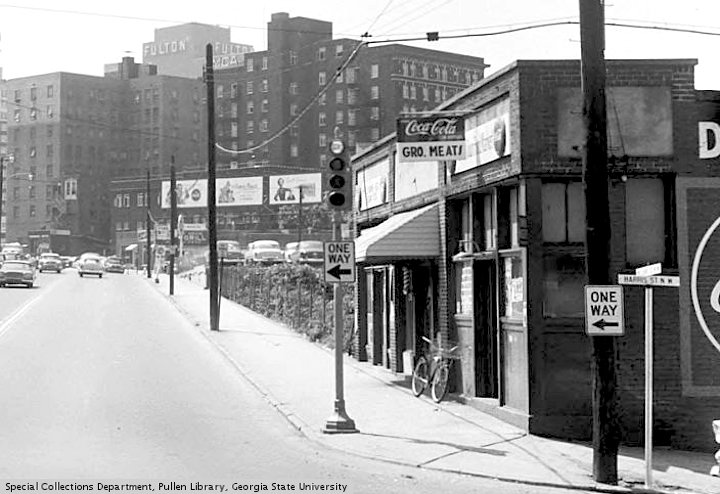




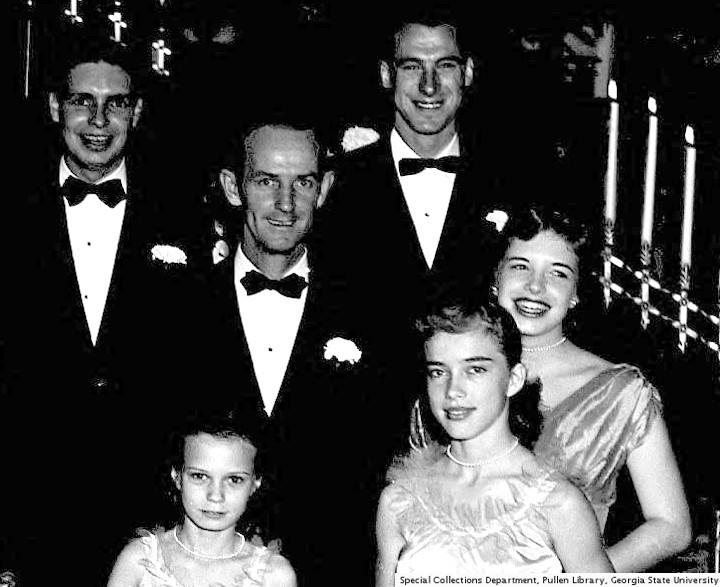


Marcus A. Wellons And India Roberts




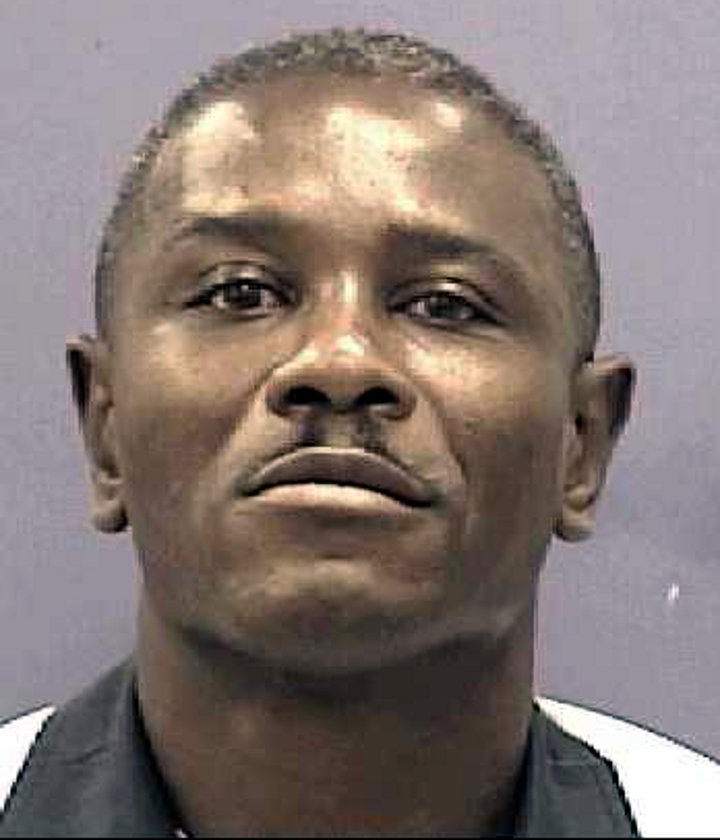
June 17 is the date for the exection of Marcus A. Wellons. He was convicted of killing India Roberts, and did not deny committing the crime. His defense was insanity. Here is the story of the crime.
“Marcus A. Wellons was convicted of the malice murder and rape of 15-year-old India Roberts. The jury found as statutory aggravating circumstances that the murder was committed in the course of two other capital felonies, rape and kidnapping with bodily injury, and that the murder was want only vile and horrible in that it involved torture to the victim before death and depravity of mind. The jury sentenced Wellons to death for the murder. He received a life sentence for the rape. Wellons appeals from the judgments entered by the trial court. …
Throughout the summer of 1989, Wellons lived with his girl friend, Gail Saunders, in her townhouse apartment in Cobb County. Early that summer, Saunders’ 14-year-old son Tony also lived in the apartment. Tony and the victim, who lived in a neighboring apartment with her mother, were friends. The victim occasionally visited Tony inside Saunders’ apartment, where the two youths would watch television or play Nintendo.
Wellons encouraged Tony to date the victim, remarking several times that she was a good-looking girl. At some point during the summer, Tony moved to Chattanooga to live with his grandparents. The victim continued to spend time with Saunders occasionally. Saunders described herself as the victim’s “play mommy” with whom the victim shared confidences.
Wellons and Saunders had become acquainted at the hospital where both worked, Wellons as a counselor in the psychiatric ward. Wellons moved in with Saunders on the pretense that he owned a home but was unable to occupy it, because an ex-girl friend had moved there with her two young daughters, and he could not in good conscience turn them out.
Over the summer Wellons proposed marriage to Saunders. However, by then Saunders had become wary of Wellons, who was increasingly hostile and abusive. She verbally accepted his proposal out of fear, all the while seeking an escape from her predicament.
On the evening of August 30, 1989, Saunders told Wellons that their relationship was over and that he must move out of her apartment. Wellons, who had recently been fired from his job, purchased a one-way ticket to Miami for a flight departing on the evening of August 31. Fearing to be alone with Wellons the night before his departure, Saunders told Wellons that she was going to Chattanooga to spend the night with her parents and enroll Tony in school. Instead, Saunders went to the home of a female friend.
That evening, Wellons began making desperate attempts to reach Saunders by telephone. He called her mother in Chattanooga repeatedly, only to be told that Saunders had not arrived. Wellons then called Saunders’ friends, but no one knew or revealed her whereabouts. He called his mother and told her he suspected that Saunders was with another man. Wellons became increasingly angry and began drinking. He ransacked Saunders’ apartment. He overturned potted plants and furniture, threw flour onto the floor, and poured bleach over all of Saunders’ clothes, carefully sparing his and Tony’s belongings in the process.
After the apartment was demolished, Wellons began attempts to cover up his deed. He broke a window, from the inside out, cutting his hand in the process and smearing blood around the apartment. He stacked electronic equipment by the door. He then called 911 at approximately 3:00 a.m. on August 31 to report a burglary.
When a police officer arrived, Wellons told the officer that he had come home to find the apartment ransacked, although no items were missing. Wellons explained to the officer that he cut his hand while struggling to uncover a stash of money to determine if it had been taken. Sometime after the officer left, Wellons wrote a racial slur across the wall in Saunders’ bedroom.
Several hours later, at approximately 8:00 a.m., the victim said goodbye to her mother and walked from her apartment, past Saunders’ door, toward the school bus stop. Shortly thereafter, Saunders’ next door neighbor heard muffled screams from inside Saunders’ apartment.
The apartment building was close to a wooded area, beyond which was a grocery store. At approximately 2:00 p.m., Wellons approached an acquaintance who was employed at the grocery store and asked to borrow a car. The acquaintance refused. Wellons told the acquaintance that when he (Wellons) returned home the previous night, he encountered two white men who were burglarizing the apartment. Wellons said that he successfully fought off the intruders but explained that he had in the process sustained the injuries to his hand.
About half an hour later, Theodore Cole, a retired military police officer, was driving near the wooded area behind the apartment complex. He spotted in the distance a person carrying what appeared to be a body wrapped in a sheet. He distinctly saw feet dangling from the bottom of the sheet. Cole drove on but then returned for a second look.
He drove around in the parking lot of the apartment complex and saw nothing. As he was driving away, however, he saw a man in his rear view mirror walk along the road and throw a sheet into the woods. Cole drove directly to the grocery store, where he called 911. Police officers arrived quickly and began a search of the woods.
The police first discovered sheets, clothing and notebooks bearing Tony’s name. Then, upon close inspection of a pile of tree branches near where had seen the man carrying the sheet, Cole spotted the body of India Roberts. When the branches were removed, the officers discovered that the victim completely unclothed, with cuts on one side of her face and ear and bruises on her neck.
During the search of the woods, Cole spotted a black man with a bundle under his arm near the apartment building and identified him as the man Cole had seen carrying the sheet. Cole and an officer chased the man, but as they approached the building, the man turned the corner and Cole and the officer heard a door shut. The officer learned from a passerby which apartment was occupied by a man fitting the description given by Cole. He knocked on Saunders’ door and announced his presence, but there was no answer. He returned to join the other officers, who were investigating the scene in full force, with helicopters overhead.
Wellons, now trapped inside Saunders’ apartment with residual evidence of his crime, gave up his attempt to dispose of the evidence in the woods. He first tried to clean the apartment and his clothes. He then abandoned that project, changed into swim wear, grabbed an old, yellowed newspaper and a cup of wine, partially barricaded and locked the door, and headed for the pool.
On his way, Wellons caught sight of a police officer and stopped abruptly. The officer began questioning him. Initially evasive, Wellons did ultimately tell officers that the injuries to his hand, and new scratches to his face, were sustained during a scuffle with two men whom he had caught burglarizing Saunder’s apartment.
While investigating the scene, officers had asked Cole whether either of two black males was the man Cole had seen carrying the sheet. Cole immediately ruled out each of the men. Then, while officers were questioning Wellons, one officer standing at a distance from the questioning asked Cole whether Wellons was the man he had seen. Cole said that although Wellons was wearing different clothing from the man he had seen carrying the sheet, and whom he had again seen near the complex, Cole was 75 to 80 percent certain that Wellons was the same man.
Later that day, officers searched Saunders’ apartment. Inside, they found numerous items of evidence including the victim’s notebooks and earrings. In Tony’s room, they discovered the victim’s panties. They also found blood on Tony’s mattress and box springs. The mattress had been flipped so that the bloody portion was facing downward, and the bed had been remade.
The autopsy revealed that the victim died from manual strangulation, which in itself would have taken several minutes. The autopsy also showed that Wellons had attempted to strangle the victim with a ligature, possibly a telephone cord, and that he had bruised her and cut her face and ear with a sharp object. The evidence suggested that Wellons had dragged or otherwise forcibly moved the victim from the kitchen up the stairs to Tony’s bedroom. Finally, the autopsy revealed a vaginal tear and copious amounts of what appeared to be seminal fluid within the victim’s vagina. She had defensive wounds to her hands, and her blouse was stained with her own blood.
A not guilty plea was entered for Wellons. He did not dispute his participation in the crimes. He urged the jury to return a verdict of not guilty by reason of insanity or guilty but mentally ill.”
The state of Georgia is planning to poison Mr. Wellons. By state law, the substances will be from a secret source. There have been legal challenges to this law, and the courts have upheld it.
The execution of Mr. Wellons is scheduled for June 17, 2014. On June 17, 1939, France had it’s last public execution. Eugen Weidmann was beheaded, using the guillotine.
There is a bizarre aspect to this case. The original trial was grueling, with explicit crime scene accounts. For some reason, some of the jurors gave Cobb County Superior Court Judge Mary Staley a white chocolat penis. The Bailiff, Loretta Perry, recieved a white chocolate item shaped like breasts.
UPDATE By 11:00 pm, the last minute legal wherewithal was over.@ellywyu Warden read the order and left the room at 11:32. Time of death 11:56 pm, says Rhonda Cook of AJC @ellywyu Only incident was an officer fainting 4 min before death, says Rhonda Cook of AJC.
Pictures are from “The Special Collections and Archives, Georgia State University Library”.






More Death Penalty Drug Problems






The state of Ohio conducted an experiment. The idea was to execute Dennis McGuire. Since the agents of death used previously were not available, the state used “an injection of midazolam, a sedative, and hydromorphone, a morphine derivative.”
While Mr. McGuire did perish, it was not a smooth departure. “After being injected at 10:29 a.m., about four minutes later McGuire started struggling and gasping loudly for air, making snorting and choking sounds which lasted for at least 10 minutes. His chest heaved and his left fist clinched as deep, snorting sounds emanated from his mouth. However, for the last several minutes before he was pronounced dead, he was still.”
Botched executions are an old story. They predate the chemical executions, with grossout stories about hanging and electrocution. The architect of the current method of pharmaceutical elimination, Dr. Jay Chapman, reports “He added that he’s heard reports that in one execution, the IV needle was inserted incorrectly, pointing toward the prisoner’s hand rather than his body. “You have to be an idiot to do that,” said Chapman, who’s a forensic pathologist… He also criticized prison officials for inserting the IV inside the death chamber rather than beforehand. “It seems ridiculous to me to be trying to find a vein when everyone’s inside the chamber, feeling nervous and fiddling around trying to find the vein,” he said. “That’s just ludicrous to me.” These quotes are from an interview, where Dr. Chapman says, of the execution protocol, “It may be time to change it. There are many problems that can arise … given the concerns people are raising with the protocol it should be re-examined.”
Here is the story about the creation of the chemical injection protocol. Ohio is not the first state to stumble blindly into the business of dispatching inmates with an inter venous injection.
In 1977, Oklahoma enacted the first lethal injection statute. Its history illustrates the minimal inquiry legislators conducted before selecting a specific method of lethal injection. Facing the expensive prospect of fixing the state’s broken electric chair, the Oklahoma legislature was looking for a cheaper and more humane way to execute its condemned inmates. State Assembly member Bill Wiseman wanted to introduce a bill in the Oklahoma House of Representatives allowing for lethal injection executions in Oklahoma. In 1976, he approached the Oklahoma Medical Association for help developing a drug protocol, but it refused to get involved based on ethical concerns about the cooperation of medical professionals in the development of execution methods. Wiseman approached Dr. Jay Chapman, the state’s medical examiner, and asked for his help in drafting a lethal injection statute. Despite having “no experience with this sort of thing,” Chapman agreed to help Wiseman. Sitting in Wiseman’s office in the Capitol, Chapman dictated the following lines, which Wiseman jotted down on a yellow legal pad: “An intravenous saline drip shall be started in the prisoner’s arm, into which shall be introduced a lethal injection consisting of an ultra-short-acting barbiturate in combination with a chemical paralytic.” Meanwhile, State Senator Bill Dawson, concerned about the cost of replacing Oklahoma’s broken electric chair, was also interested in introducing a lethal injection bill in the Oklahoma Senate. Senator Dawson consulted with his friend, Dr. Stanley Deutsch, then head of the Oklahoma Medical School’s Anesthesiology Department. After reviewing the language Chapman had composed for Assembly member Wiseman, Deutsch noted, in a letter to Senator Dawson, that anesthetizing condemned inmates would be a “rapidly pleasant way of producing unconsciousness.”
Oklahoma’s state statute copies nearly word-for-word the methods proposed by Chapman and approved in Deutsch’s brief letter, stating that “the punishment of death must be inflicted by continuous, intravenous administration of a lethal quantity of an ultra-short-acting barbiturate” in “combination with a chemical paralytic agent until death is pronounced by a licensed physician according to accepted standards of medical practice.” There is no evidence that Oklahoma state legislators consulted any other medical experts before adopting their lethal injection statute. Human Rights Watch asked Chapman why he chose the two drugs (an ultra-short-acting barbiturate and a paralytic agent) for lethal injection executions. He stated: “I didn’t do any research. I just knew from having been placed under anesthesia myself, what we needed. I wanted to have at least two drugs in doses that would each kill the prisoner … if one didn’t kill him, the other would.” …
In addition to his work on the statute, Chapman developed the original three-drug protocol used by the Oklahoma Department of Corrections. Although Oklahoma’s statute specifies two drugs, Chapman included a third drug, potassium chloride. When Human Rights Watch asked Chapman why he added a third drug to the two drugs specified in the statute, he replied, “Why not?” He went on to explain that, even though the other chemicals, in the dosages called for, would kill the prisoner, “You just wanted to make sure the prisoner was dead at the end, so why not just add a third lethal drug?” He is not sure why he picked potassium chloride. “I didn’t do any research … it’s just common knowledge. Doctors know potassium chloride is lethal. Why does it matter why I chose it?”
This story illustrates the way states went about doing things. “We were getting ready to hang up the phone, and I said, ‘I have but just one question I need to ask you,” Courts said. “Every other state I have spoken to is using 2 grams of sodium pentothal. Why are y’all using five?’ And he started laughing and said, ‘Well, you see, when we did our very first execution, the only thing I had on hand was a 5-gram vial. And rather than do the paperwork on wasting 3 grams, we just gave all five.’”
The Oklahoma plan was copied by the other states looking for a different way to execute the condemned. It became known as the Kentucky Protocol, and was approved for use by SCOTUS. PG is not a lawyer, and does not know if this ruling applies to the Ohio method. The Buckeye state has several executions scheduled in the next two years. No executions are scheduled in Georgia.
Pictures are from “The Special Collections and Archives, Georgia State University Library”.














Thirty Trayvons





The names in these pictures are children. They lived in Pakistan. They were killed by the United States. Unmanned aircraft routinely fly over Pakistan and kill people. There is no risk to any United States military personnel.
The background pictures are from a neighborhood fall festival. This is life in the United States. Some say that the children in Pakistan are killed to preserve this way of life. Kill them over there before they come kill us here.
Last year, a young man was killed in a Florida town. An enormous outcry was heard about this death. Pictures of the deceased were on every television set in America. Every one of the names in this feature is a young person, killed by an American citizen. Pictures of these children will not be seen on American television. If the POTUS had a son, he would not look like one of these children.





The Golden Calf



When PG was a kid in sunday school, he heard about the the golden calf. It turns out that, splendid allegory aside, he didn’t really know much about the story. With the help of google and Bible Gateway, the text of Exodus 32 showed up. G-d bless public domain, and copy paste. The Bible is the main source for this tale. It doesn’t really matter if it is the inerrant word of G-d, it is a pretty good story. And much of the message rings true today.
1 And when the people saw that Moses delayed to come down out of the mount, the people gathered themselves together unto Aaron, and said unto him, Up, make us gods, which shall go before us; for as for this Moses, the man that brought us up out of the land of Egypt, we wot not what is become of him. 2 And Aaron said unto them, Break off the golden earrings, which are in the ears of your wives, of your sons, and of your daughters, and bring them unto me. 3 And all the people brake off the golden earrings which were in their ears, and brought them unto Aaron. 4 And he received them at their hand, and fashioned it with a graving tool, after he had made it a molten calf: and they said, These be thy gods, O Israel, which brought thee up out of the land of Egypt.
This is a modern story. The church is begging the people for gold. The sons are wearing golden earrings. The church takes these ill gotten gains, and forge a make believe G-d. This time, it looks like a cow. Billy Graham will come much later.
7 And the Lord said unto Moses, Go, get thee down; for thy people, which thou broughtest out of the land of Egypt, have corrupted themselves: 8 They have turned aside quickly out of the way which I commanded them: they have made them a molten calf, and have worshipped it, and have sacrificed thereunto, and said, These be thy gods, O Israel, which have brought thee up out of the land of Egypt. 9 And the Lord said unto Moses, I have seen this people, and, behold, it is a stiffnecked people:
Moving down a few verses, the story gets good. 19 And it came to pass, as soon as he came nigh unto the camp, that he saw the calf, and the dancing: and Moses’ anger waxed hot, and he cast the tables out of his hands, and brake them beneath the mount. 20 And he took the calf which they had made, and burnt it in the fire, and ground it to powder, and strawed it upon the water, and made the children of Israel drink of it. 21 And Moses said unto Aaron, What did this people unto thee, that thou hast brought so great a sin upon them? 22 And Aaron said, Let not the anger of my lord wax hot: thou knowest the people, that they are set on mischief. 23 For they said unto me, Make us gods, which shall go before us: for as for this Moses, the man that brought us up out of the land of Egypt, we wot not what is become of him. 24 And I said unto them, Whosoever hath any gold, let them break it off. So they gave it me: then I cast it into the fire, and there came out this calf. 25 And when Moses saw that the people were naked; (for Aaron had made them naked unto their shame among their enemies) : 26 Then Moses stood in the gate of the camp, and said, Who is on the Lord’s side? let him come unto me. And all the sons of Levi gathered themselves together unto him. 27 And he said unto them, Thus saith the Lord G-d of Israel, Put every man his sword by his side, and go in and out from gate to gate throughout the camp, and slay every man his brother, and every man his companion, and every man his neighbour. 28 And the children of Levi did according to the word of Moses: there fell that day about three thousand men.
Lets get this story right. Moses comes back from somewhere, and sees a naked party by the golden calf. He has a hissy fit, threw the golden calf into the fire, and tells people to start killing each other. Over three thousand men are killed. Presumably, the women and children are spared. This is serious stuff. Pictures tonight are from “The Special Collections and Archives,Georgia State University Library”.






Martin Manley








As you may have heard, a gentleman named Martin Manley kicked his own bucket the other day. He set up a website to document the act. Some will find the site interesting. Others wonder where the thought process would go from there.
Ironic comments are floating around. Mr. Manley’s former employer, the Kansas City Star, said “Star policy is not to write about suicides, except when they occur in public areas, as Manley’s did.” Apparently, Mr. Manley followed through on his plan. Another site, knowyourmeme, reports “The domain name MartinManleyLifeAndDeath.com was registered on May 22nd, 2013, but the website did not go live until August 15th, 2013.”
Mr. Manley prepaid for web hosting for the sui-site. “UPDATE, Saturday, Aug. 17, 11:55 a.m.: On Friday night, Yahoo took down Martin Manley’s website. A spokesperson told me: “After careful review, our team determined that this site violated our Terms of Service and we took it down.” Manley’s site lives on, for the time being, on various mirror websites not hosted by Yahoo.”
The decision to end a life on the 60th birthday is troubling to someone PG, who is 59 years old. Like most people who get to that age, there have been a couple of close calls with the grim reaper. Numerous friends, relatives, enemies, and acquaintances have checked out. PG does not always have the best mental health, and is not especially happy some days. However, there are still good days mixed in with the bad. Once you make that choice, you don’t get a second chance. There is also the concept that G-d gets to choose when to end a life. You are usually better off letting her make the call.








Famous Last Words





There used to be a blog called Execution of the day. It is still available, but last put up material in September of 2011. The next to last post is about Troy Davis, who met his maker about that time. The last post is about the last words of those about to die, some of which are funny. EOTD published a feature in 2009, about an economical Englishman named John Christie, that was adapted for use here. It is recycled today. Pictures by “The Special Collections and Archives,Georgia State University Library”.
Electric Chair “I’d rather be fishing” Jimmy L. Glass 12 June 1987
“How about this for a headline for tomorrow’s paper? ‘French Fries’!” James French 10 August 1966
“Well, gentlemen, you are about to see a baked Appel.” George Appel 9 August 1928
Firing Squad “Why, yes, a bulletproof vest.” Domonic Willard
“Take a step forward lads – it’ll be easier that way.” Robert Erskine Childers 24 November 1922
Poisoning “You guys doin’ that right?” Stanley ‘Tookie’ Williams 13 December 2005
Hanging “Please don’t let me fall.” Mary Surratt 7 July 1865
“Is it safe?” William Palmer 14 June 1865.
“I’ll be in Hell before you start breakfast! Let her rip!” Tom ‘Black Jack’ Ketchum’s 26 April 1901.
“Hurry up. I’d like to be in hell in time for dinner.” Edward H. Ruloff 18 May 1871
“If anyone has a message for the Devil, give it to me – I’ll deliver it!” Lavinia Fisher February 18, 1820.
Baked Goods “Pardonnez-moi, monsieur. Je ne l’ai pas fait expres” Translation: Pardon me, sir. I did not do it on purpose. Stepping on the toes of her executioner should have been the least of Marie Antoinette’s worries on 16 October 1793.




While eating breakfast, PG perused something called “execution of the day“. On July 15, 1953, John Christie was hung in England. He was 54. Chamblee 54, who is 55, sees a pattern. The original source says it all better: “Albert Pierrepoint was given the job of dispatching him, so Christie was hanged at Pentonville Prison on this day in 1953, aged 54.”
Mr. Christie lived at 10 Rillington Place, which was the title of a movie about his exploits. He was in the habit of murdering people and hiding the bodies in the house. He also had two middle names…his full handle was John Reginald Halliday Christie. He married a girl named Ethel Waddington. Do you have any trouble believing he was British?
The first known murder was in 1943. There was a war going on, and killing was quite the fashion. Mr. Christie had a girlfriend named Ruth Fuerst. She did not survive a nooner. In his eventual confession, Mr. Christie said “‘I left her there in the bedroom. After that I believe I had a cup of tea and went to bed”. … “The second was in 1944 – a neighbour, who was convinced he was a doctor. He didn’t persuade her otherwise and the 32-year-old was gullible enough to listen when he told her to inhale some gas scented with friars’ balsam. The carbon monoxide rendered her virtually unconscious enabling Christie to have his way with her. As with Fuerst, he strangled her either before or during the rape. You may be wondering what he did with these two bodies…he buried them both in the garden and in one report he may even have used one of their leg bones to support fencing.”
Things were quiet for a while…well not really, there was this family of three…but things were relatively quiet until 1952. At that time Ethel Christie met her maker, with the help of her husband. He wondered what to do with the body, until he saw loose floorboards in the living room.
Within a few weeks, more women passed away, with his assistance, and were stored in various parts of the house. John Christie moved out of 10 Rillington Place. The new tenants complained about the aroma, and before long John Christie had a noose around his neck.



Is The Death Penalty In Georgia Racist?

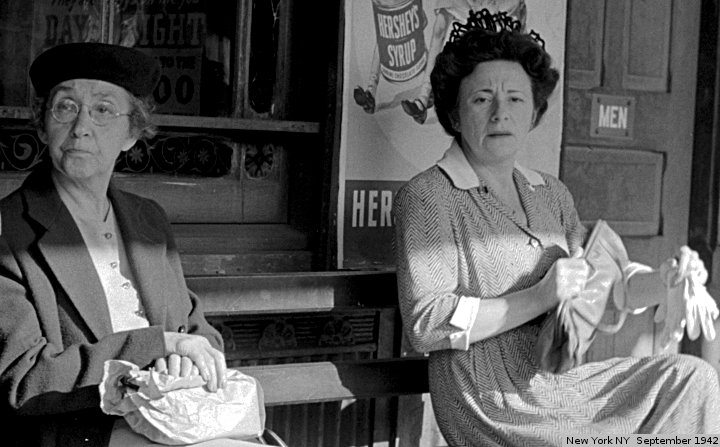

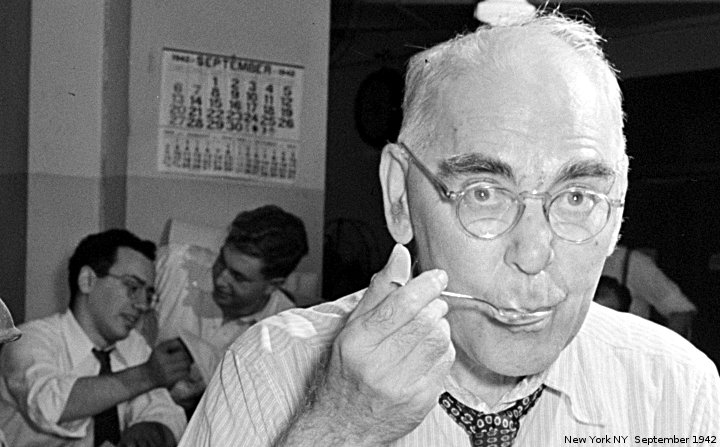
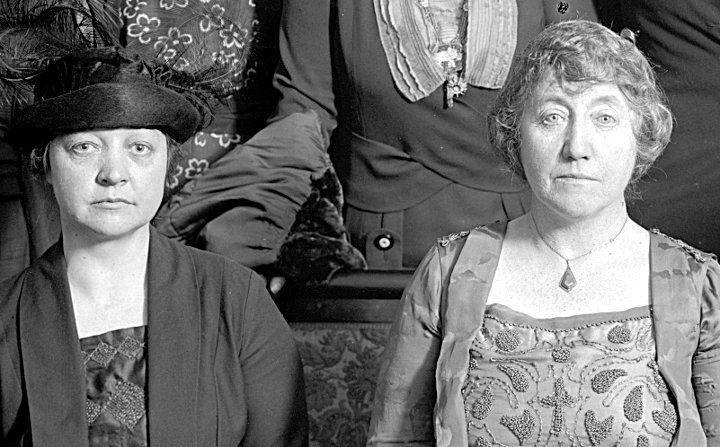

Whenever you discuss the death penalty in Georgia, someone is going to say it is racist. This makes sense. There are few things you can discuss without the R word being tossed in. The discussion that follows will change few minds. When you are a hammer, everything looks like a nail.
Chamblee 54 has been writing about the death penalty for five years. Georgia has executed ten men. William Earl Lynd ~ Curtis Osborne ~ William Mark Mize ~ Mark McCain ~ Brandon Rhode ~ Emmanuel Hammond ~ Roy Blankenship ~ Andrew Grant DeYoung ~ Troy Davis ~ Andrew Cook
This discussion is based on these ten men. It does not cover the time before the civil rights movement. It does not consider states other than Georgia. It will not give a direct answer to the question “Is the Death Penalty in Georgia Racist?” People whose minds are made up are not likely to be persuaded by this post.
Of the ten men executed since May 6, 2008, seven are white and three are black. The victims of all seven white men are assumed to be white. This information is not easy to look up, and we don’t want to spend all day working on this. Of the black men executed, two had white victims, and one had black victims. (The black victims are assumed. The 2 white victims were high profile cases, and there in no doubt as to the ethnicity.)
Two of the white men executed did not pull the trigger. William Mark Mize was a white supremacist, who ordered the killing of a subordinate. Roy Blankenship broke into an apartment, and his victim died of a heart attack after he left. Mr. Blankenship was executed thirty three years after his crime. This was the first execution using pentobarbital as a sedative. There were reports that it was not effective, and that Mr. Blankenship was awake for the entire procedure.
The next scheduled execution is Warren Hill, a black man. Mr. Hill is said to be mentally retarded. Brandon Rhode, a white man, was also said to be retarded. His mother was fifteen years old, and drank heavily during her pregnancy. Mr. Rhode attempted suicide a few days before his execution, while under the supervision of armed guards. He was revived after his suicide attempt, so that the state could kill him with an approved method.
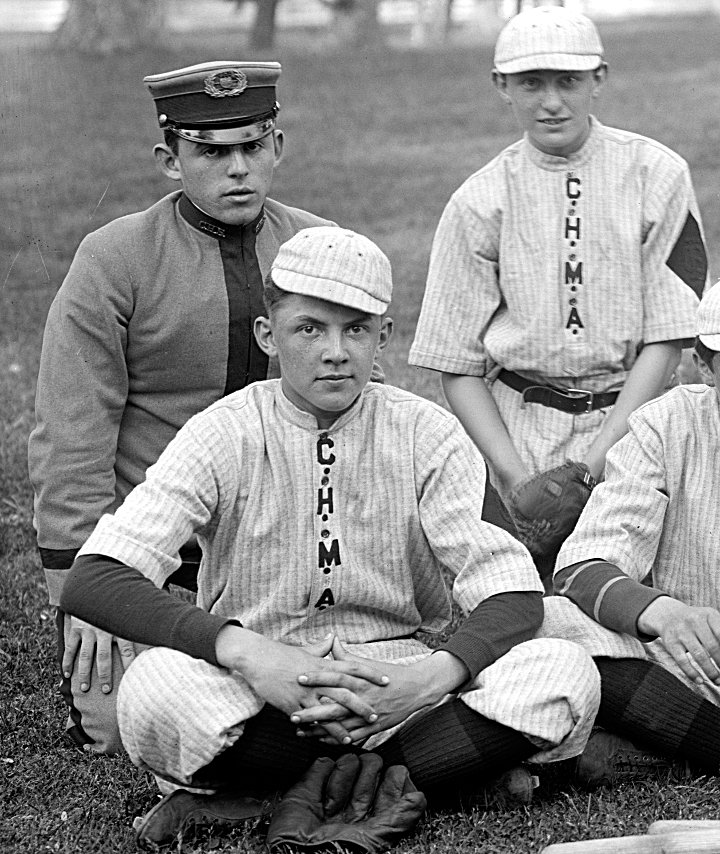
The best known execution is Troy Davis. There is little doubt that Mr. Davis was at the crime scene. There is also little doubt that “Redd” Coles, a black man, was at the same crime scene. Many say that Mr. Coles is the killer. Mr. Coles went to the Savannah Police, accompanied by an attorney, the day after the killing. After this meeting, the Savannah Police decided that Mr. Davis committed the crime. There was little further investigation. If anyone benefited by the execution of Troy Davis, it was “Redd” Coles. Pictures are from The Library of Congress.




Compounding Pharmacy



The Associated Press has obtained E-mails from the state of Georgia about copping execution drugs. These substances are intended for use on Warren Hill, and others to follow. “Georgia Department of Corrections emails obtained by The Associated Press through an open records request make it clear that the state is using a compounding pharmacy to mix a doctor-prescribed dose of pentobarbital for Hill. The names of the sender and recipient of the emails are redacted, but it is clear from an email signature that one person is a corrections employee and the other person appears to be a doctor.”
“I spoke with the compounding pharmacist earlier today and I wanted to relay some instructions he gave regarding the prescription,” the corrections employee wrote in an email dated Monday. “Along with the patient name, he also needs their birthday and social security number. I will be happy to forward this information along to you when you are preparing to write the prescription.” Another email from Tuesday provides the relevant information for Hill and says the Department will need six 50-milliliter syringes of pentobarbital.
It is not known who the Doctor, or the Pharmacy, is. … “a Georgia state law says that medical professionals cannot have their licenses challenged or suspended for participating in a court-ordered execution. It is not clear what doctor is writing the prescription for the pentobarbital for Hill’s execution, and it’s not clear what pharmacy or pharmacist will mix it. A law passed by the Georgia Legislature classifies the name of any person or entity who participates in an execution as a “confidential state secret,” off-limits for release to the public. That includes any company that “manufactures, supplies, compounds, or prescribes the drugs.”
PG had never heard of a compounding pharmacy until last week. A google search shows quite a few in the Atlanta area. Here is what one such pharmacy says. “Pharmacists have been preparing drugs for patients long before manufacturing came into existence. This process is simply called “compounding.” Compounding is “the extemporaneous preparation of a special medication for a patient’s unique condition pursuant to a doctor’s specific formulated order (prescription).” The pharmacist’s ability to make a “Tailor-made” prescription affords the physician the ability to prescribe a medication better targeted, in his/her opinion, to a patient’s specific need. Contrary to what is sometimes assumed, each individual patient is different in his/her biological and chemical makeup. In the complex world of body chemistry we are all a bit different. Compounding affords the physician/pharmacist the ability to provide exceptional and very specific medicine that is more suitable and individualized for a given patients unique condition.
There are many reasons your doctor may provide you with a compounded prescription. 1- A dosage form (tablet vs. capsule vs. liquid) may be required or preferred by a patient where it may not exist. The pharmacist can change this dosage form. 2- A Particular medication strength may not be made by the manufacturer but can be provided thru the compounding process. 3- Some products have fillers or binders (inert ingredients) that cause allergic reactions to some patients. Compounding with the raw drug allows the pharmacist to NOT use those particular allergic causing materials. 4- Flavoring medications “to taste” for children and adults is a common practice.”
Compounding pharmacies have “come under scrutiny after a deadly meningitis outbreak was linked to contaminated injections made by a Massachusetts compounding pharmacy. The FDA considers compounding pharmacy products unapproved drugs and does not verify their safety or effectiveness.” It is not known if this applies to executions.
In a rare display of respect for state’s rights, the FDA usually does not deal with drugs used for executions. It is not known whether the reputed pentobarbital will be tested for purity before it is used to poison Warren Hill. It is a secret drug, prescribed by a secret doctor, from a secret compounding pharmacy. Rumors that the secret pharmacy will supply the state with “six 50-milliliter syringes of” Drano cannot be confirmed or denied.
UPDATE On Monday, July 15, we got this story: Fulton judge Gail Tusan stays Warren Hill’s execution. A hearing was scheduled for Thursday, July 18. At the hearing, it was learned that “the prison paid 5-thousand dollars for 6 (50ML) syringes of execution drug, Pentobarbital.” Judge Tusan granted a stay of execution for Warren Hill. “Judge Tusan: the Georgia law “unconstitutionally limits” #WarrenHill’s access to courts and his Eighth Amendment rights.” The state is expected to appeal the decision. Pictures are from “The Special Collections and Archives,Georgia State University Library”.



Kill Warren Hill




The motto of the State of Georgia is Wisdom, Justice, and Moderation. Sometimes, what they practice is Wisdom, Justice, in Moderation. One of these times is the plan to poison Warren L. Hill, Jr.
The focus of the controversy this week is whether or not Mr. Hill is mentally retarded. This post is not going to focus on whether the IQ is 70 or 71. This post is going to deal with other issues. These issues are summarized by a comment made at Peach Pundit recently.
1- Does anyone know why the State is so hell bent on executing him? It seems like whenever the State wants to waste someone, they let nothing stand in their way. The money spent on lawyers, fighting for the blood lust of the State, could be better spent on a new football stadium. 2- Has the issue of where the State is going to get the drugs to waste Mr. Hill been resolved? The manufacturer of pentobarbital does not want their product used for executions. There has been talk of the State using a pharmacy to concoct a special order drug to kill Mr. Hill. If a private citizen did this, to have a party, he would be in trouble. If the State wants to do this, to kill a man, then apparently that is OK.
The poisoning of Warren Hill has been scheduled before. A few months ago, he was given a pre-execution ativan, and fed a final meal. Then the reprieve came, and he went back into waiting. When the State of Georgia decides to execute someone, they do not give up. They have spent thousands of dollars on lawyer work, fighting for their desire to execute a mentally challenged man. The State of Georgia is broke, They could spend that money better in many ways. Why is poisoning Warren Hill such a priority?
Mr. Hill is African American. So are many of the men on death row, many with worse crimes than Mr. Hill. The last man executed by Georgia was white. The state seems to execute a white man for every black man. While racial inequality can never be ruled out in Georgia, it is probably not a factor here.
Georgia uses a method of execution tastefully known as lethal injection. Currently, that means an intentional overdose of one substance. Before the supply expired, the state used pentobarbital. The manufacturer of this substance does not want it used for executions, and has taken steps to prevent this from happening. The state is going to have to be creative. Here is one possibility. “There has been some indication that some states may turn to compounding pharmacies to get pentobarbital. Such pharmacies custom-mix solutions, creams and other medications in doses or forms that generally aren’t commercially available.”
When the Supreme Court approved poisoning as a method of execution, it approved the “Kentucky Protocol”. This is a three drug “cocktail”. States have been recently going for the intentional overdose of pentobarbital, which, truth be told, may be more humane than the three drug cocktail. The problem is that the drug of choice is no longer available. Is using a mystery drug, from a secret source, really wise and just? Is Georgia Smart Enough To Kill People?
And it is a secret source. “The Georgia Legislature in March passed a bill that would make the identities of suppliers and makers of its lethal-injection drug a “state secret.” The bill, designed to shield companies from harassment from death-penalty opponents, was signed into law last month by GOP Gov. Nathan Deal. “
A branch of the federal government, the F.D.A.,is supposed to monitor the safety and efficiency of drugs. Does this apply when these drugs are used to intentionally kill? “The safety and efficacy of all drugs has to be approved by the FDA, but once pharmaceuticals are approved for any purpose, it is up to physicians to determine to whom and for what reasons they will prescribe them. … The FDA-approved uses for pentobarbital include short-term treatment for insomnia and seizure control for patients with epilepsy. … It is also not FDA-approved for use in executions or for the use of anesthesia, but it’s not clear the FDA believes that’s its business.”
Here is the original chamblee54 post on Warren Hill. Pictures are from Gwinnett County.



Dr. Kermit Gosnell



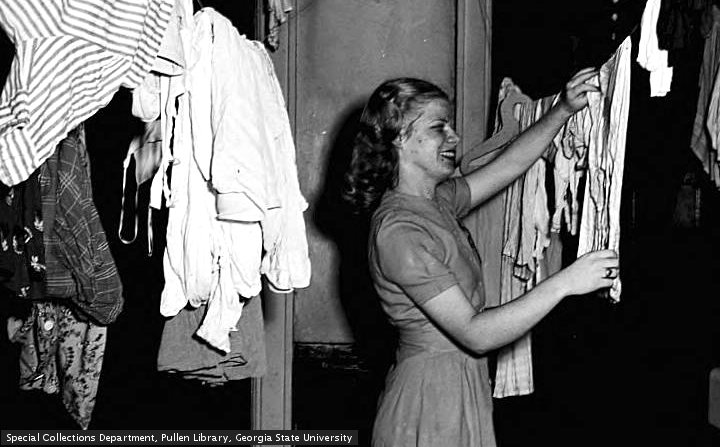

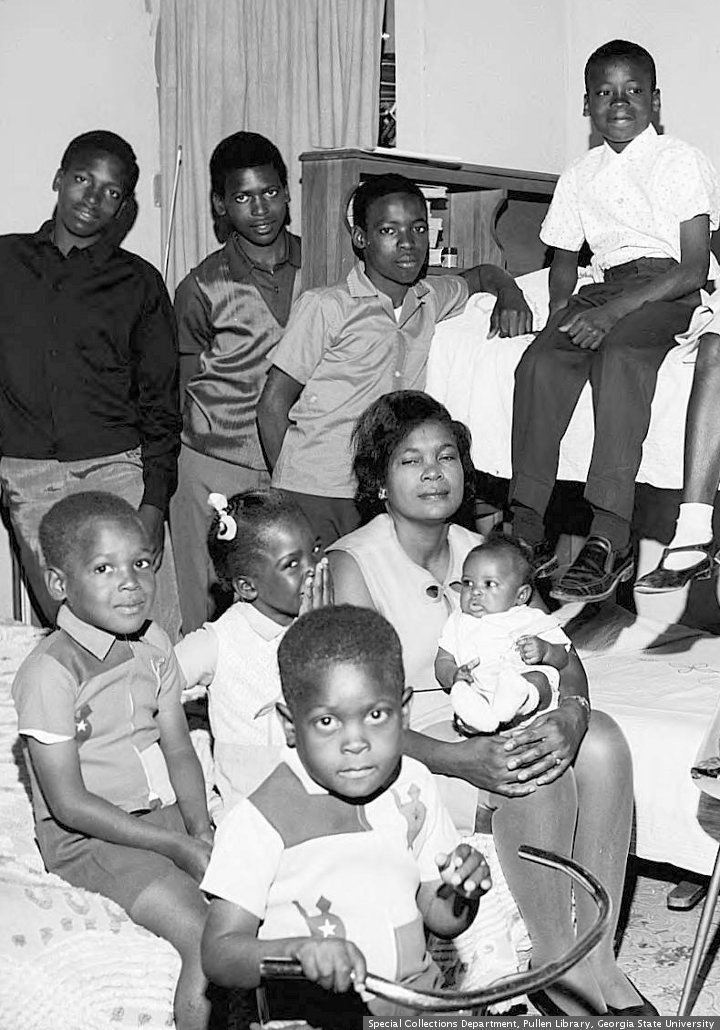

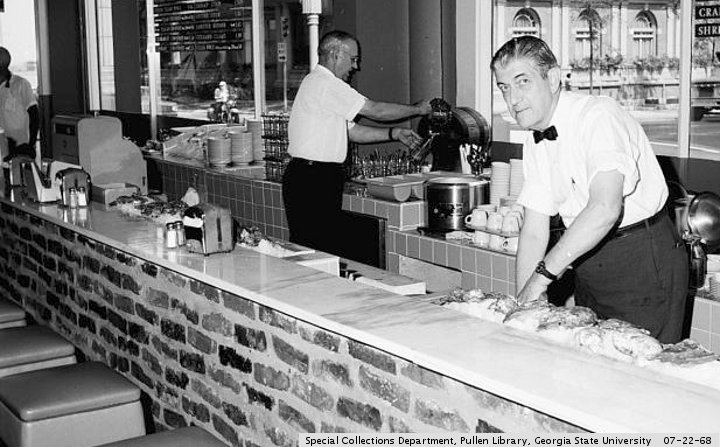
Like many people, PG only heard the name Kermit Gosnell yesterday. There was a link on facebook to a feature in The Atlantic, Why Dr. Kermit Gosnell’s Trial Should Be a Front-Page Story. The link had a blurb about the article. “The dead babies. The exploited women. The racism.”
For those just coming in, Dr. Kermit Gosnell ran a shady abortion clinic. The allegations include murdering viable babies with scissors. It is a gruesome, horrific story. The feature in the Atlantic does a much better job than this slack blogger. Dr. Gosnell is currently on trial as a result of his activities.
This was the first, of many, eyerolling moments. PG looked through the feature, and finally found the racism angle. It seems like PWOC women got to sit in better waiting rooms than POC women. Why this is mentioned in the same breath as cutting baby spinal cords is a mystery. In an ironic touch, it seems as though Dr. Gosnell is black.
PG made a facebook comment, which received a quick reply. This comment was made before knowing about Dr. Gosnell’s ethnicity. “This is a nasty story. However, the way The Atlantic is “racializing” the story does not help. Note how the eighth word of the blurb is racism. You have to dig down in the story for an explanation. Maybe the blurb writers think that racism is a magic word, that will get the story more attention.” ~ “Look up Margaret Sanger the founder of Planned Parenthood and you may see why this could be construed to be racist. Eugenics at the core of the organization.”
The arguments about Planned Parenthood have been around for years. The anti abortion crowd loves to throw mud, and has a bucket waiting at all times. There is a anti abortion twittergasm going on as we speak. And speak, and speak, and speak.
The simple truth is that criminalizing abortion would not prevent the horrors of Dr. Gosnell. His late term abortions are already illegal. Overturning Roe vs. Wade would not prevent horrors like this, and just might make them more common.
Many women do not want to have a baby. They are going to abort the pregnancy, whether you like it or not. Making political power noise about abortion is not going to stop them. All that noise does is create a toxic atmosphere, which just might help create a future Gosnell clinic.
What can be done? PG is just a slack blogger, and does not pretend to know how to stop abortion. He is horrified by the death of babies, just as is he disgusted with the toxic rhetoric of anti abortion bullies. The hysteria about abortion is one reason many people are reluctant to discuss the issue. Yelling at people will not save babies, even if it does make you feel good about yourself. It is not about saving babies, it is about having a big emotional experience to justify privilege.
Much chattering about this story regards the lack of attention in the corporate media. There are a lot of stories competing for attention, and there is not room for all. The article in The Atlantic was written by Conor Friedersdorf. If you follow the link, you see a list of things he has written lately. Three of the last nine stories are about drone warfare. This is where the United States sends unmanned aircraft into countries eight time zones away, and kills women and children. If you try, you can make that story just as disgusting as Dr. Gosnell. You can even say it is racist.
Pictures are from “The Special Collections and Archives,Georgia State University Library”.






 Chamblee54
leave a comment