Christian Privilege




There is a lot of chatter about privilege these days. Where people used to talk about racism, today the buzzword is privilege. Chamblee54 has tried to contribute to the dialog (polylog) with recent posts about black privilege and white privilege. This is a repost.
One day recently, PG was exercising his vehicular privilege. The thought occured to him about another form of privilege. This privilege is stronger than race based privilege. In fact, many of the people, who whine about white privilege, benefit from this privilege. The president of privilege in America is Christian Privilege. (CP)
If you ask Mr. Google about CP, you get 3.6 million results. The first few give us plenty of text for this feature. A report about CP from About.com Agnosticism / Atheism has the traditional list of examples. The last few paragraphs tell more about the story.
A nonconscious ideology is analogous to the water fish swim in: fish don’t think of the water as wet because this environment is all they know — it structures their experience of life itself. Water simply is. Members of privileged groups don’t have to think about their environment because, for them, that environment simply is. They don’t have to be concerned about others’ opinions because it’s safe to assume that most think like them.
Those who don’t benefit from such an environment do have to think about it all the time because they are so susceptible to being harmed by it. For members of less privileged groups, what others think matters a great deal because their opinions and actions control access to the larger benefits of society. Fish don’t have to think about the water; mammals must remain conscious of it at all times lest they drown.
In most of the examples here, we can replace Christian/religion with male/gender or white/race and come up with the same results: examples of how our social, political, and cultural environment reinforce the dominance of one group over others. Male privilege and white privilege are closely related to Christian privilege because they have all been undermined by modernity and have all become part of America’s Culture Wars.
Christians realize that many of the above privileges are in decline. They interpret this as persecution because privilege is all they have ever known. The same is true when men complain about the decline of male privilege and whites complain about the decline of white privilege. The defense of privilege is a defense of dominance and discrimination, but for those who benefit it’s a defense of their traditional way of life. They need to become conscious of their privileges and realize that in a free society, such privileges are inappropriate.
A blog called Shakesville weighs in with On “Real” Christians and Christian Privilege . It tells the story of being asked not to identify Ann Coulter as a Christian. PG totally understands being embarassed by Ms. Coulter. There was a radio show once, with Ann Coulter promoting a book and PG listening. Some famous person was mentioned, and Ms. Coulter started to make jokes about what would happen to this famous person when he died. The line was that when he gets to heaven, he is going to wish he had been a Christian. This assumption that your ideas about life after death are correct, and universally practiced, is one especially vile example of CP.
The feature at Shakesville (which is easier to pronounce than Shakespearessister) is about how many people deflect complaints about bad behavior by saying “He is not really a Christian”. This is unsatisfactory on a number of levels. Many of the “good” Christians support “bad” Christians in their evil work. This excuse is one reason why PG prefers to say Jesus Worshiper to describe the members of this tribe. Shakes addresses this issue: “Frankly, it’s hurtful to me when Christians address what happened to me by saying, “Those aren’t real Christians,” expecting me to salve their discomfort about the baggage of privilege by not disagreeing. People who would never in a million years think to try to console a victim of a hate crime with “All [white/straight/cis/abled] people aren’t like that!” nonetheless responded that way to me when I was targeted and threatened by droves of self-identified Christians.”
Shakes is a good writer. She says things much better than this slack blogger. Maybe we should just let her explain a few things.
Christianity has a 2,000-year history that has seen countless iterations of the religion based on countless interpretation of the text and shaped to fit countless times and spaces and needs in disparate cultures all around the world. Christians have done great things, and not-so-great things—and anyone who makes the personal choice to carry the Christian mantle associates themselves with a history that includes all the good stuff and all the shitty stuff, too. One can’t say, “I only associate with the good Christianity—not the inquisitions and the genocides and the warmongering and the colonialism and the institutional misogyny, homophobia, transphobia, racism, anti-Semitism…”
That’s all part of Christianity’s legacy, too—and it just isn’t intellectually honest to say, “Well, those weren’t real Christians.” Yes, they were. And so are the Christians who do shitty stuff today. They might not be the same kind of Christian as you are, but they are nonetheless Christians.
Christianity, at least (and especially) in America, is a privilege—and, like any privilege, it can be uncomfortable to face the ugly reality of what other members of a privileged class can do to non-privileged folks, even if you don’t do it yourself. I’m white, I’m straight, I’m cisgender: I understand the impulse to distance oneself. But as a white person, I am obliged to acknowledge that the history of white supremacy in America is one of slavery, of lynchings, of segregation, of sundown towns, of internment camps, of genocide, and of all manner of institutionalized racism. I don’t get to say (nor do I want to) that the KKK aren’t “real” white people. They sure as hell are.
That Christianity is a chosen privilege does not mean its members can claim a lower standard of rigorous self-examination. And it doesn’t mean that less privileged Christians, i.e. progressive Christians, can claim a lower standard, either, just because the more privileged Christians marginalize them. Poor whites don’t get to disclaim their white privilege just because they are further marginalized by their lack of wealth.
In fact, chosen privileges demand, if anything, a higher standard of self-examination, because one has a choice whether to participate in the privilege. But so often, the fact that Christianity is a choice is instead used to deny the effects of that privilege altogether—”I’m not one of those Christians; I’m one of the good ones!”





Are My Attitudes About Race Any Of Your Business?



PG was living his life when see saw something on facebook: “And another thing: if you are going to claim NOT to be racist, I feel like you should familiarize yourself with some contemporary writings and definitions of racism, not just what Mirriam Webster says.” The first reaction was to ignore this. If you reply to a comment about racism on facebook, you are asking for trouble. Life is too short to be wasting time on such unpleasantness.
But the thought engine had been kickstarted, and continued to idle in the background. When PG pulled into the Kroger parking lot, the idea hit full force. Maybe whether you are, or are not, a racist, is no one else’s business.
Some people say that a PWOC is not affected by racism. If this is the case, then why should the racial attitudes of a PWOC affect another PWOC? If a person treats you fairly, do you really need to know this person’s attitudes about race?
The fbf does not say what the context of this claim is. Did anyone ask you whether or not you were a racist? If not, are you assuming that they are interested? Maybe someone assumed the listener was interested. Is the proper response to look bored, and say TMI?
PG was filling out a profile once, and was using some questioned borrowed from another blog profile. One of the questions was, are you a racist? “It depends on who is doing the judging”.
The comment mentioned “contemporary writings and definitions of racism”. Who are the people who set themselves up as arbiters about what we should think about race? What are the qualifications? Who asked them what they thought? How do we know that these people are dependable?.
Maybe the answer is to show compassion and kindness to your neighbor, and don’t judge them about their racial attitudes. If you are proud of your racial attitudes, please refrain from boasting. Not everyone is interested in what you think about race. Pictures are from The Library of Congress.

Who Is PG?
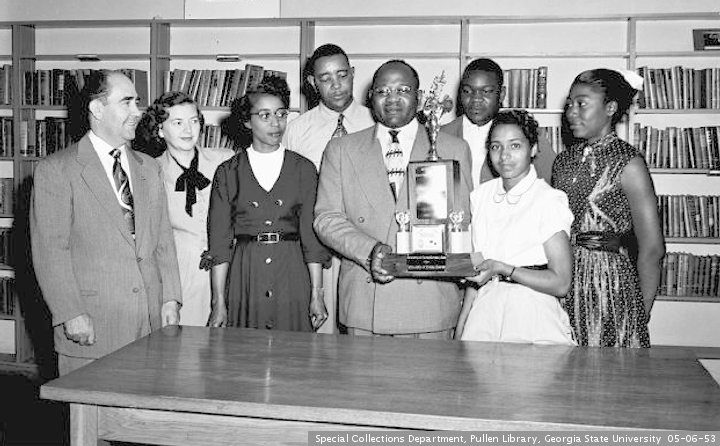
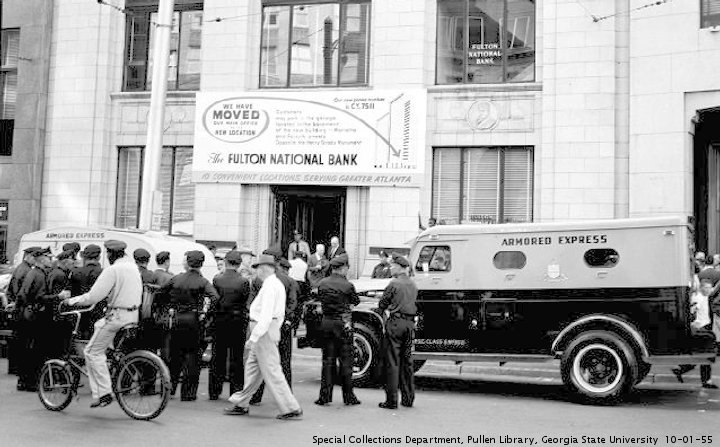
PG is a Zorlack. This tribe of morphodidic questids migrated to earth, from the native planet of Thrunombulax. The time of this migration is not certain, as Zorlacks do not recognize earth based systems of measuring time.
The migration from Thrunombulax to Earth was an event of great trauma. There was an ecological catastrophe on Thrunombulax, similar to a nuclear war on Earth. The families that got out were privileged, and expect to be treated as though they were privileged characters.
Zorlacks have been the object of prejudice in every solar system and asteroid belt they have inhabited. On earth, the prejudice is fairly mild. Earth creatures are infamous in the universe for their hatred of each other. Zorlacks can fit in here without causing too much of a stir.
On Thrunombulax, there is no distinction between G-d and Man. The two are seen as part of the same continuum. The Zorlacks are amused by the belief systems that make this distinction. Some Earth people like to think that their religious ideas are universal. This is a source of derision in galaxies and black holes alike.
PG and the author of Chamblee54 are not certain how they met. The author suspects that he may indeed be a Zorlack, but the idea is too awful to contemplate. His friends are used to his ranting, and just accept it as the way he is.
The human race could learn much from the Zorlacks. The mere fact of their transportation from a planet forty four light years away, to land on the green Earth, is a source of wonder. Green is similar to a Zorlack color that is identified with untreated waste. Thrunombulax is a color and texture close to the Sun. The Zorlacks that tried to land on the Sun got a rude surprise.
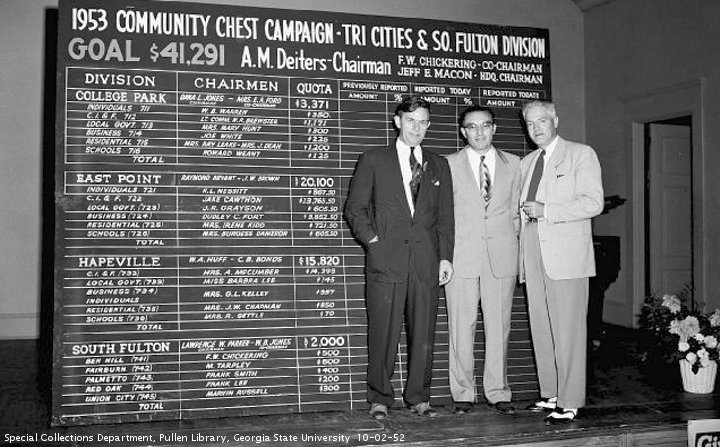
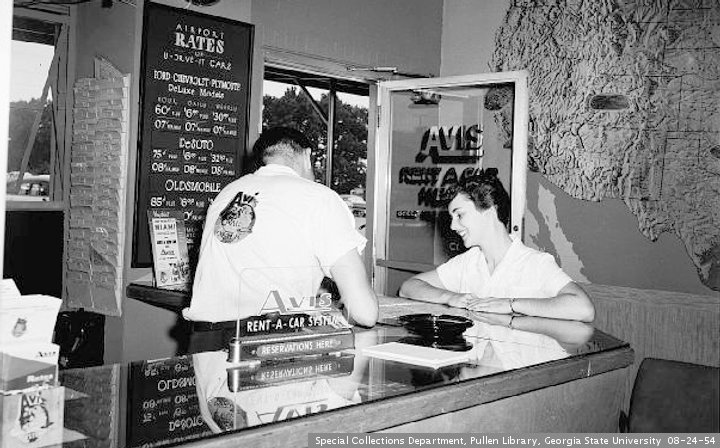
Pictures are from “The Special Collections and Archives,Georgia State University Library”.
This is written like Arthur Clarke.

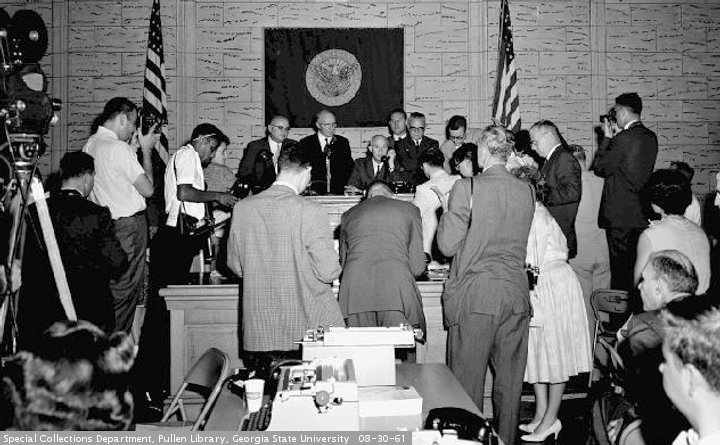

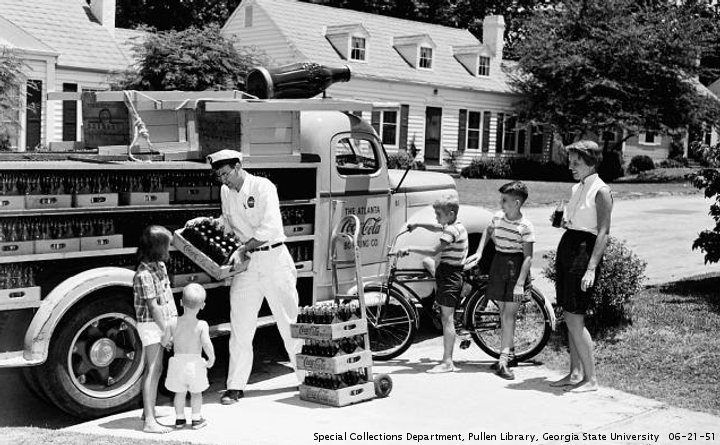

The AP Race Study

The first link was from the Washington Post. The AP story is coming to a media outlet near you. The headline is AP poll: A slight majority of Americans are now expressing negative view of Blacks.
There are so many windows in that glass house. This is a 3-S problem: sampling, semantics, statistics. It is said that people will believe anything you say, if you can trot out a study that agrees with you. This *matter* requires a bit of examination.
AP reports “The explicit racism measures asked respondents whether they agreed or disagreed with a series of statements about Black and Hispanic people. In addition, the surveys asked how well respondents thought certain words, such as “friendly,” ‘’hardworking,” ‘’violent” and “lazy,” described Blacks, whites and Hispanics.
The same respondents were also administered a survey designed to measure implicit racism, in which a photo of a Black, Hispanic or white male flashed on the screen before a neutral image of a Chinese character. The respondents were then asked to rate their feelings toward the Chinese character. Previous research has shown that people transfer their feelings about the photo onto the character, allowing researchers to measure racist feelings even if a respondent does not acknowledge them.”
The AP article has a link to a 34 page report about the study. The “implicit” questions using Chinese characters were not discussed in this report. The first 12 pages are mostly about the November election.
Page 13 has a bizarre bit of data. The 2010 answers will be on the left, followed by a dash, with the 2012 percentage on the right. For Mitt Romney, only 2012 results are available. This is weird, and it calls the overall accuracy of the study into question.
IMG4. Do you happen to know the religion of each of the following people? If you don’t know, you can mark that too. Barack Obama Protestant 26-28, Catholic 4-5, Mormon 0-0, Jewish 0-18, Muslim 17-10, Some other religion 8-2, No religion 2-35, Don’t Know 41-2, Refused/not answered 1-28 Mitt Romney Protestant 2, Catholic 2, Mormon 67, Jewish 0, Muslim 0, Some other religion 1, No religion 0, Don’t Know 26, Refused/not answered 2.
There are two more pages of questions about the election, and then the race questions start. RAC7. How much do you like or dislike each of the following groups? The possible answers are Like a great deal, Like a moderate amount, Like a little, Neither like nor dislike, Dislike a little, Dislike a moderate amount, Dislike a great deal, Refused/Not answered. Whites went first, followed by Blacks and Hispanics. (The term African Americans was not seen by this reporter.)
After some more election questions, we get another race question. RAC8. When it comes to politics, would you say that each of the groups listed below has too much influence, just about the right amount of influence, or to little influence? The question was repeated for, in this order, Whites, Blacks, Elderly people, Wealthy people, Hispanics, and Immigrants.
The next question is RAC11, one of the “explicit” questions. It was asked first about Blacks, then Whites, then Hispanics. How well does each of these words describe most _____? The words were friendly, determined to succeed, law abiding, hard working, intelligent at school, smart at everyday things, good neighbors, dependable, keep up their property, violent, boastful, complaining, lazy, irresponsible.
Lets take a time out, and say a couple of things. This is a long article, and may get your blood pressure upset. If you want to skip the rest of the text, and look at the pictures, that is all right. If you want to see the results for these questions, look at this report. If you have read this far, you might agree with the author that this survey was not exactly fair, and should not be taken very seriously. Take another look at how many people think Barack Obama is a Jew.
RAC12. Please indicate how much you agree or disagree with the following statements. The choices are: Strongly disagree, Somewhat disagree, Neither agree nor disagree, Somewhat agree, Strongly agree, Refused/Not answered. The statements are:
* Irish, Italians, Jewish, and other minorities overcame prejudice and worked their way up.
* Blacks should do the same without special favors
* It’s really a matter of some people just not trying hard enough; if Blacks would only try harder, they could just be as well off as whites
* Generations of slavery have created conditions that make it difficult for Blacks to work their way out of the lower class
* Blacks are demanding too much from the rest of society
* Over the past few years, Blacks have gotten LESS than they deserve
* Most Blacks who receive money from welfare programs could get along without it if they tried
Government officials usually pay less attention to a request or complaint from a Black person than from a white person
* Over the past few years, Blacks have gotten more ECONOMICALLY than they deserve
RAC13. Some people say that Black leaders have been trying to push too fast. Others feel that they haven’t pushed fast enough. What do you think?
RAC14. How much of the racial tension that exists in the United States today do you think ______ are responsible for creating? This was asked first about Blacks, then Whites, then Hispanics.
RAC15. How much discrimination against ______ do you feel there is in the United States today, limiting their chances to get ahead? The possible answers were A lot, Some, Just a little, None at all, Refused/Not answered. This was asked about, in this order, Blacks, Whites, Hispanics, Asians, Men, Women, Evangelical Christians, and Immigrants.
The questions shift back to Barack Obama at this point. BKS1. How similar do you think Barack Obama is to most Black Americans? BTH1. Where was Barack Obama born, as far as you know? On page 29, the demographic information section starts. Special emphasis is given to the religion of the respondent. On page 33, the traditional demographics are covered: age, gender, education, race, census region, and marital status. The respondents were not asked about income.
The poll was taken by GFK. 1,071 adults were interviewed, August 30 – September 11, 2012. The survey was conducted online. “METHODOLOGY The survey was conducted using the web-enabled KnowledgePanel®, a probability-based panel designed to be representative of the U.S. population. Initially, participants are chosen scientifically by a random selection of telephone numbers and residential addresses. Persons in selected households are then invited by telephone or by mail to participate in the web-enabled KnowledgePanel®. For those who agree to participate, but do not already have Internet access, GfK provides at no cost a laptop and ISP connection. People who already have computers and Internet service are permitted to participate using their own equipment. Panelists then receive unique log-in information for accessing surveys online, and then are sent emails throughout each month inviting them to participate in research.”
People have been linking to the WP story on facebook, with a variety of comments. These comments probably say more about the commenter, than it does about race relations in America. Pictures today are from The Library of Congress.
UPDATE Page thirteen of the report has been updated. Apparently, the correct results show that 18% of respondents think BHO is a Muslim, with 0% thinking he is Jewish. HT to xdog.

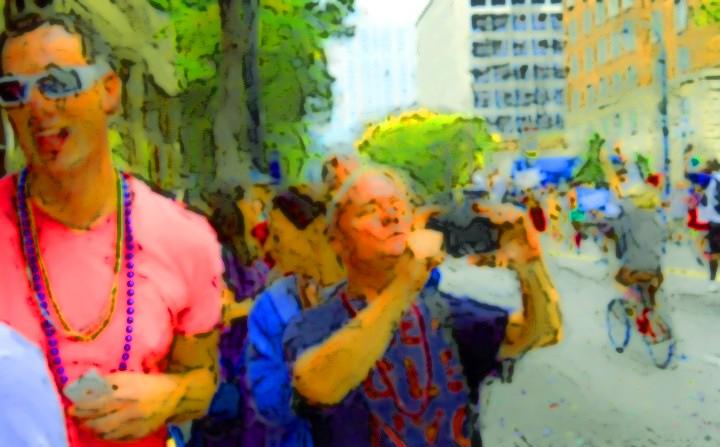
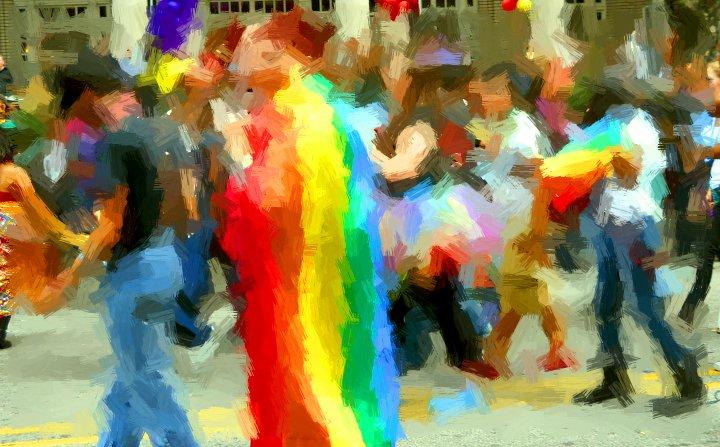
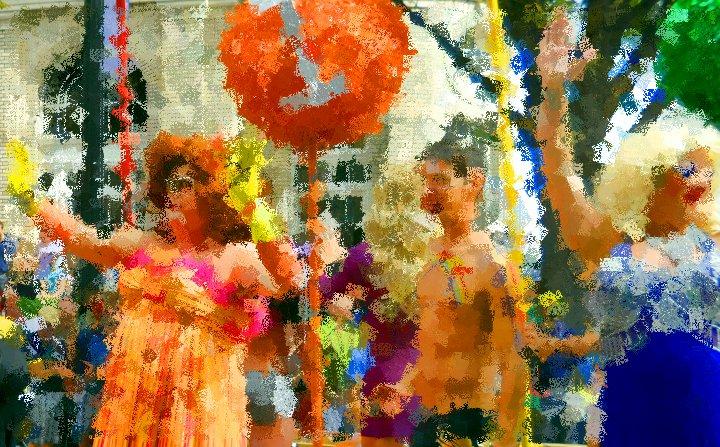
Atlanta Pride 2012
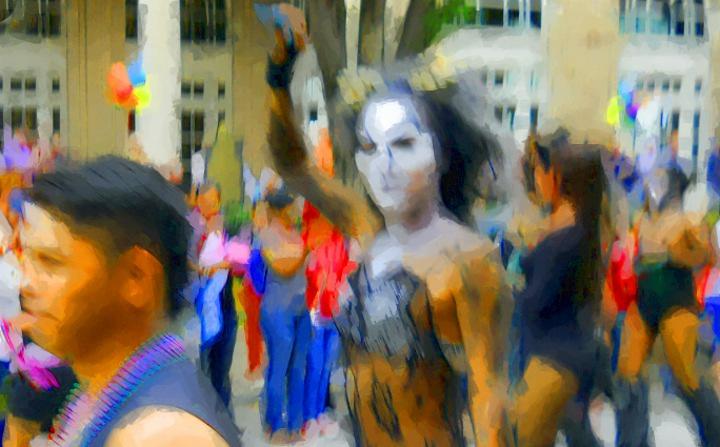

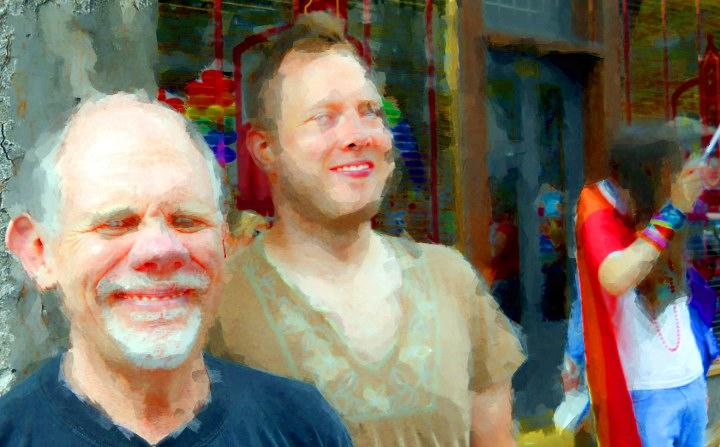


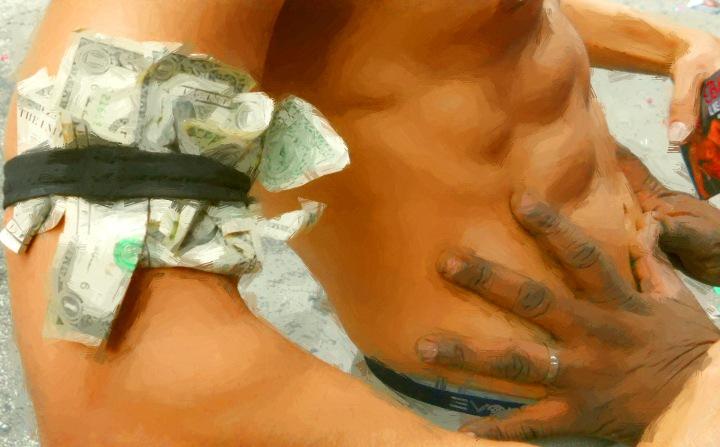
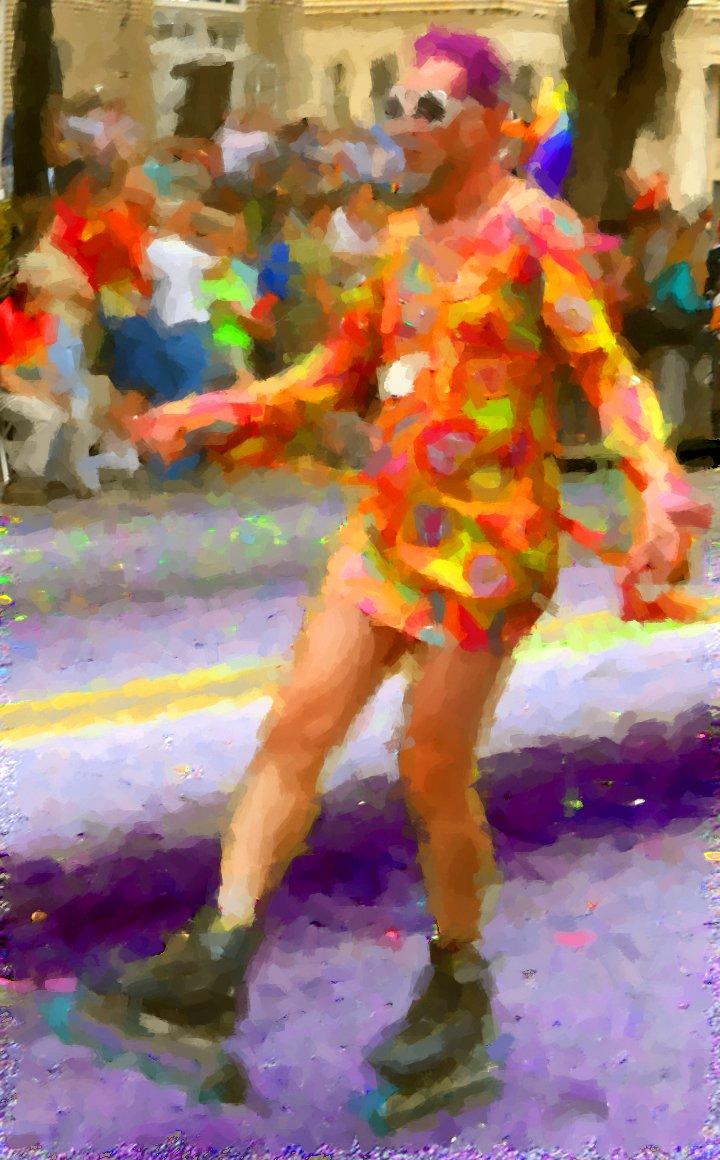
The original plan was to just copy the JoeMyG-d pride rant, gussy it up in a tasteful rainbow font, add a few pictures, and call it a day. The pictures are here to stay, and a few quotes from the JMGPR may find their way here. The thing is, the rant was written in 2005, and this is seven and a half years later, and 800 miles south of New York. A lot can happen in that time, and somehow pride keeps changing.
As if PG would know. This was the first parade he saw since 2007, the first time he stood on the sidewalk since 1996, so someone doesn’t know what he is talking about. Not that it ever stops him. He even saw the end of the parade, where the street sweepers followed the last half naked gogoboi. Or was it he last pickup truck, dragging under the weight of a drag queen coven. There were some damn good trucks on Peachtree Street this afternoon.
Gay Pride quit being a protest about the time it dropped the first name. It is a party, a celebration, an ethnic holiday. It is an elderly congressman walking down Peachtree Street working the crowd. It is Coca Cola Delta Home Depot UPS marketing to a community. It is more freebies thrown from trucks than your pockets can hold. If you want to wring your hands about our image, then feel free to do so. As JMG put it:
“Because even if Pride doesn’t change many minds in the outside world, it’s our PARTY, darlings. It’s our Christmas, our New Year’s, our Carnival. It’s the one day of the year that all the crazy contingents of the gay world actually come face to face on the street and blow each other air kisses. And wish each other “Happy Pride!” Saying “Happy Pride!” is really just a shorter, easier way of saying “Congratulations on not being driven completely batshit insane! Way to go for not taking a rifle into a tower and taking out half the town! Well done, being YOURSELF!”
I’m not worried what the outside world thinks about the drag queens, the topless bulldaggers, (spell check suggestion: bulldozer) or the nearly naked leatherfolk. It’s OUR party, bitches. If you think that straight America would finally pull its homokinder to its star-spangled bosom once we put down that glitter gun, then you are seriously deluding yourself. Next year, if one of the Christian camera crews that show up to film our “debauched” celebrations happen to train their cameras on you, stop dancing. And start PRANCING….
A co-worker of mine heard me discussing my Pride plans last weekend and said, “I really don’t understand what it is you are proud about. I mean, you all say that you are born that way, so it’s not like you accomplished anything.” She wasn’t being mean, just genuinely curious, and I think that a lot of gay people probably feel the same way. On this subject, I can only speak for myself.
I’m proud because I’m a middle-aged gay man who has more dead friends than living ones and yet I’m not completely insane. I’ve lived through a personal Holocaust (here we go again) in which my friends and lovers have been mowed down as thoroughly and randomly as the S.S guards moved down the line of Jews. You, dead. You, to the factory. And you, you, you, and you, dead. I am inexplicably alive and I am proud that I keep the memories of my friends alive. I am proud of my people, the ACT-UPers, the Quilt makers, the Larry Kramers, the Harvey Fiersteins. I’m proud that I’m not constantly curled up into a ball on my bed, clutching photo albums and sobbing. And that happens sometimes, believe it.”
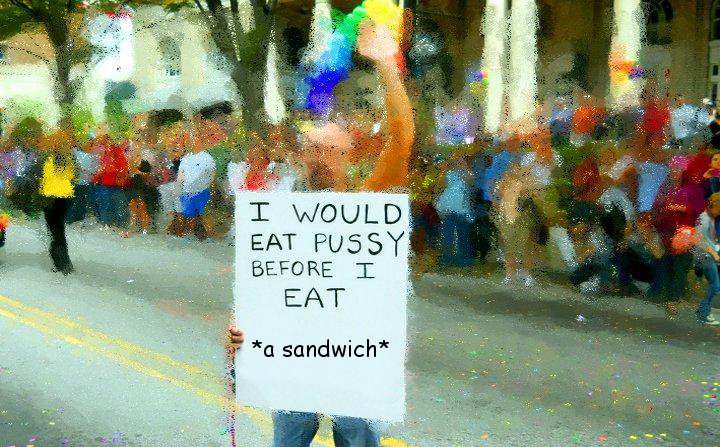
There is a gentleman who annually seems to have the best sign of the parade. There was another winner today, as the picture browsers might notice. The creator of these signs has a sharp tongue. PG has been on the business end of this verbal weapon, and does not appreciate the owner. Still, this went on in the late eighties, and the man is still going strong. It is always a happy moment to see a gay man from twenty years ago still alive.
When people want to make trouble in Georgia, they talk about racism. While no one is saying that everything is perfect, this year has a lot more people of color than have been seen before. Everyone seemed to be having a gay ole time together today. While the real world will be here monday, on this sunday people got along together.
A single person can find it tough to get downtown on pride sunday. This year, PG posted on facebook about this, and got an invitation to breakfast. This turned out to be a lovely affair. PG who had to good fortune to arrive after the battle over how to cook the eggs had subsided. The plan was to take the train to town, and meet others at the Fox Theater. At first, this was horrible. A radio station had a loud party in the Georgian Terrace hotel, which mercifully went quiet when the parade started.
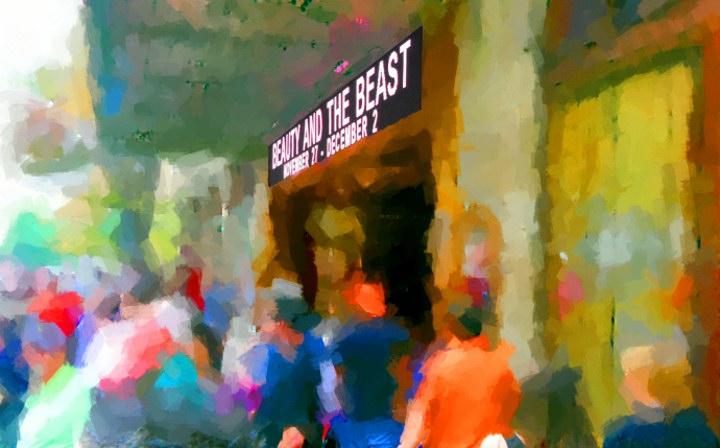
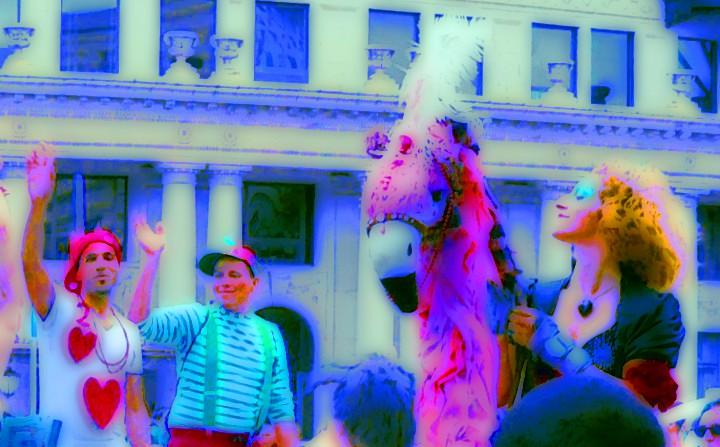
There was a sense of wonder listening to Dykes on Bikes. It was so amazing to be there, to be a part of this spectacle, to have survived life this far. The rainbow colored goodies came down Peachtree as far as the eye could see. The marquee of the Fox advertised a production of “The Beauty and the Beast”, and the sidewalks looked like one massive audition.
There was a policeman whose job was to keep people on the sidewalks, so that the parade could go by. When it was over, PG thanked the man for his patience. “Its all I got”.




Privilege
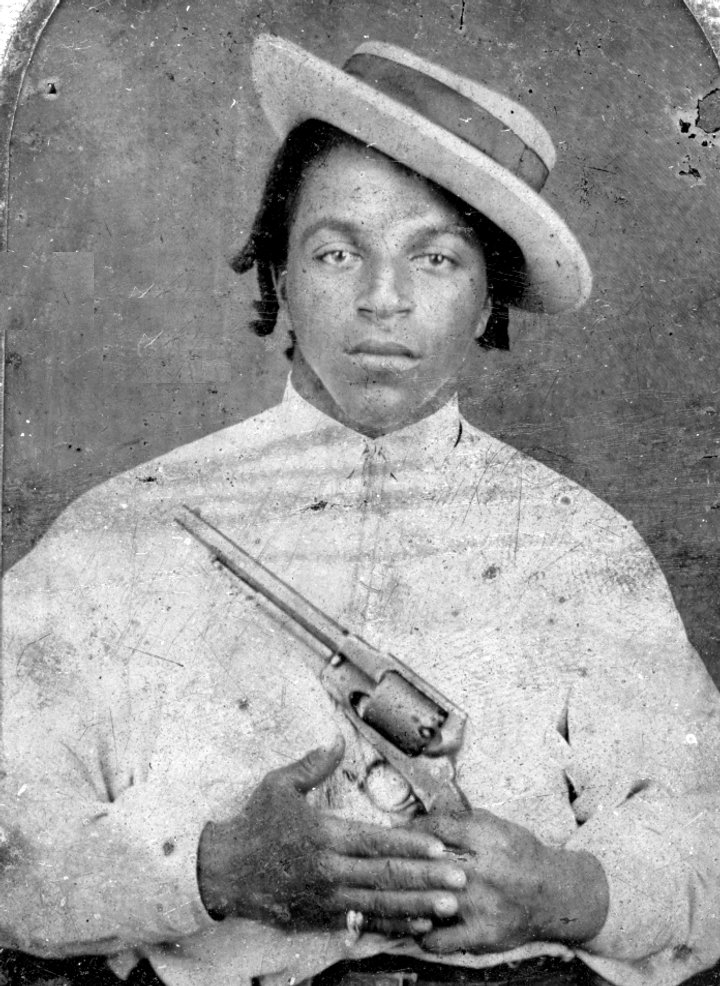


PG had heard the phrase “white privilege” a few times, and decided to ask Mr.Google about it. The top choice was White Privilege: Unpacking the Invisible Knapsack “This article is now considered a ‘classic’ by anti-racist educators.” It is four pages long, which might not break the attention span.
A document like this is almost impossible to read with an open mind. You are a member of a group, such as a white male like PG. There are a lot of things here which PG agrees with, a few his disagrees with, and a few that are dependent on the reader’s point of view. The sentence that PG felt obliged to copy was ” I was taught to think that racism could end if white individuals changed their attitudes”. It is as if the attitudes of black people did not matter.
There are more headshakers in this article. In a list of privileges white folks take for granted, number 18 was ” I can be pretty sure that if I ask to talk to “the person in charge,” I will be facing a person of my race.”. That might have true once, but is not today.
Getting back to White Privilege (and ignoring the White Privilege Conference results), there are lots of people thinking about this subject. The University of Dayton contributes Defining “White Privilege”. In the text, the author mentions starting a site, Whiteprivilege.com. This site is currently under construction. It does give you the opportunity to buy “Privilege Car Insurance”.
A feature, What is white privilege?, compares every person with pale skin to the Palin family. “White privilege is when you can get pregnant at seventeen like Bristol Palin and everyone is quick to insist that your life and that of your family is a personal matter, and that no one has a right to judge you or your parents, because “every family has challenges,” even as black and Latino families with similar “challenges” are regularly typified as irresponsible, pathological and arbiters of social decay.” This runs counter to line 21 of the Invisible Knapsack list, ” I am never asked to speak for all the people of my racial group. “
PG went looking for answers, and got more questions. He does not deny that being caucasian has advantages in our society. These advantages do not mean that one should lay down quietly and let black people get their revenge. We are all G-d’s children. You should be proud of who you are, without taking advantage of your neighbor.


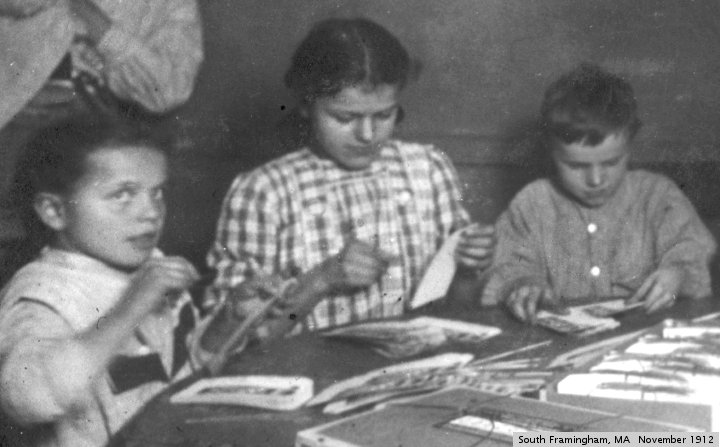

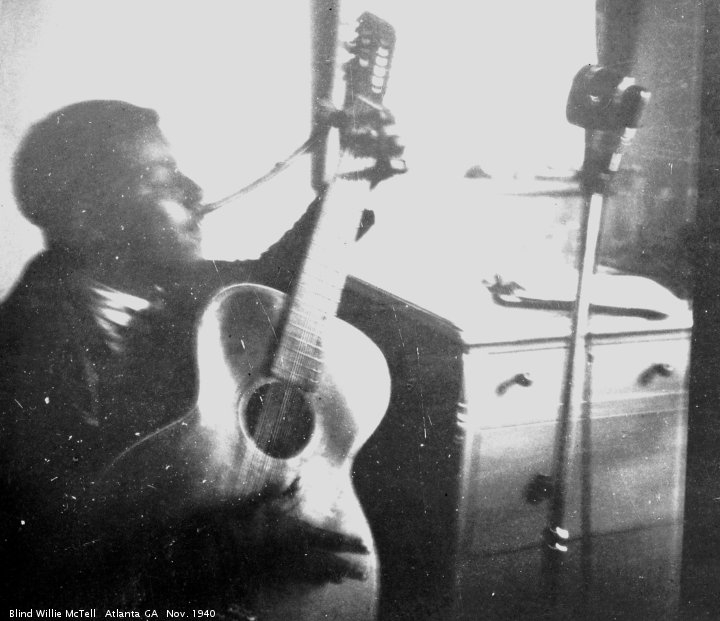
After publishing a feature about white privilege , PG thought it would be fair to look into black privilege. When you visit Mr. Google, some of his suggestions are black privilege checklist, black privilege furniture, and black privilege fact or fiction. The top result is a feature in American Thinker. “Personally, I have never had a moment of white guilt in my life. Now this is a significant statement given that I am Jewish and from New York. I feel guilty about pretty much everything!”.
NPR has an audio file called Black Male Privilege? . It is downright fascinating.
Prof. LEWIS: I think youve unfortunately identified one of the central issues of black male privilege. So often, black men are used to being under attacked that when it comes to being accountable for the actions we may have, we quickly say, well, I couldnt possibly be doing anything wrong. Look at all the ways in which Im oppressed. Look at all the ways in which Im at the bottom of the barrel. What that does is rob us of an opportunity to actually build stronger community and it robs black men of a chance to actually take hold of the actions that they have so that we can empower the community.
MARTIN: What reaction do you get when you talk to people about this?
Prof. LEWIS: Among black women, in particular, I get a lot of amens and saying, thank for actually exposing this. Among black men, one of the most common ones I get is, well, this seems ridiculous. Its an oxymoron. How could black men be privileged? Its like jumbo shrimp. It doesnt add up. … And they say, you know, what did my black male privilege get me? Im unemployed. … : Initially, my first exposure was actually around the Million Man March. I felt that I was transformed by the Million Man March, and I thought it was one of the most powerful events ever. And I was having a conversation in class with a professor, Dr. Beverly Guy Sheftall, and she said that she couldnt support the Million Man March because it was very patriarchal and it put black men at the center. And I said, well, it doesnt always have to patriarchal. You dont always have to put black men at the center. And if she said, isnt it an amazing privilege to tell someone else what they dont have to take seriously? And that paused me for a moment. And I said, wow. What is it in my past that makes me say I can define what someone else would think of as important? (Here are more thoughts on this subject by Dr. L’Heureux Dumi Lewis )
Times are tough in the US of A. To an unemployed white person it is easy to say, what good has this privilege done me? And isn’t it a form of privilege to label anything you don’t like about someone as being due to privilege? Has privilege become a catch22 for anything you don’t like about a person?
This feature is not a complete recap of the google results for black privilege. There were a couple of white racist sites that are best ignored. Two wrongs do not make a right. This is a double repost. Pictures are from The Library of Congress. This is written like H. P. Lovecraft.

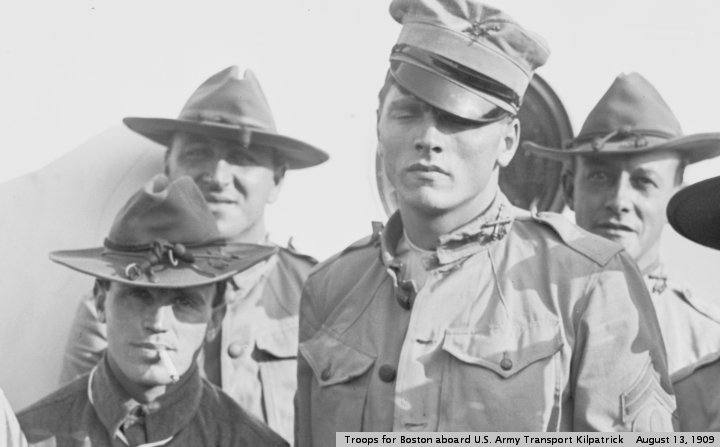


Measuring Racism

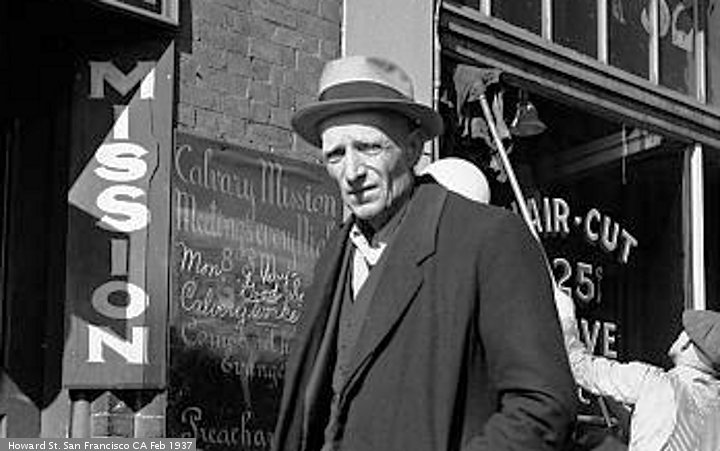
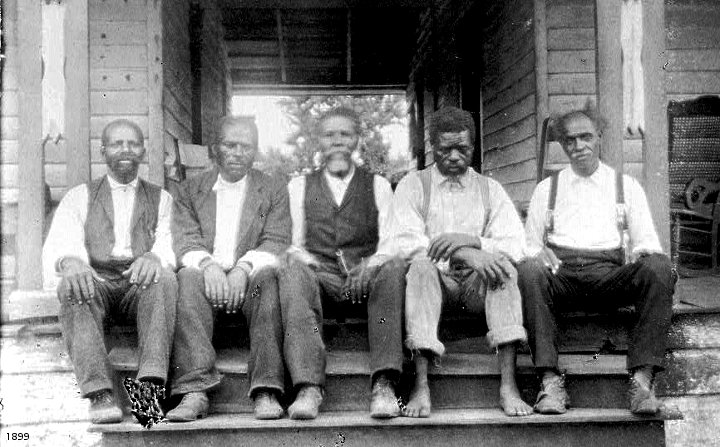

PG hears the word “racist” tossed casually so much, he suspects it has lost it’s meaning. Dictionary definitions are of little use. The meaning of the word depends on who is saying it.
The modest suggestion here is for a seven point scale to measure racism. Zero would be totally colorblind, and six would be metaphysical hate. For the sake of simplicity, this scale, in the beginning, will only apply to white-black relations in the United States.
The model for this is the Kinsey scale. In his books on human sexuality, Dr. Kinsey described a seven point scale. Zero was totally heterosexual, and six was totally homosexual.
PG does not have a clue how to write a test for this scale, or how to score this test. White people see racism differently than black people. White people are affected by racism in different ways than black people. Different cultures view racism in different ways.
How would PG score on this scale? He has black friends and black enemies. Certain parts of black culture are enjoyable, and certain parts make him want to turn the radio off.
PG does not like people that do not like PG. When it is us against them, you need to remember which one you are. How does this register on this racism scale? It depends on who does the judging.
This is a repost. Pictures are from The Library of Congress.


The Peanut Butter Dilemma
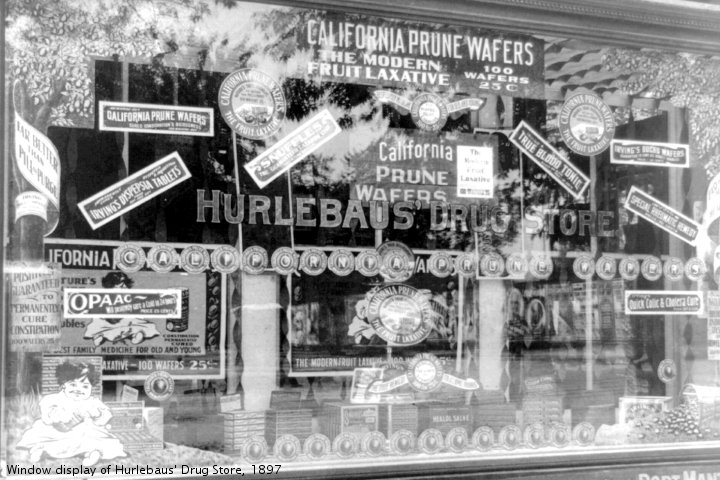


PG got an email from Uzi, with a list of home remedies, and alternate product uses. Peanut butter has three alternative uses, which is one more than preparation H. No one ever made a preparation H and jelly sandwich.
To remove labels off glassware, rub with peanut butter. To remove ink from the face of dolls, use peanut butter. To get the scratches out of CD’s, use peanut butter, and wipe off with a coffee filter.
Peanuts were used by the Incas in 950b.c. It probably didn’t take much imagination to grind the beans into a paste. To claim inventing peanut butter is like claiming to invent the knot.
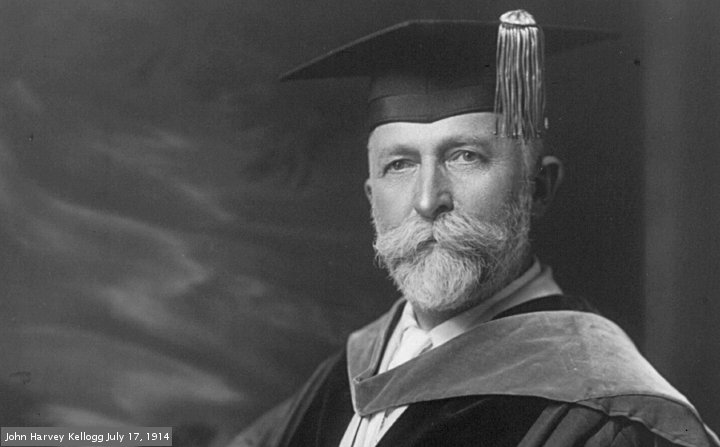
In recent times, Dr. Ambrose Straub of St. Louis patented a peanut butter-making machine in 1903. Dr. John Harvey Kellogg patented a “Process of Preparing Nut Meal” in 1895. Kellogg served the patients at his Battle Creek Sanitarium peanut butter.
Joseph L. Rosenfield invented a churning process that made smooth peanut butter smooth. In 1928, Rosenfield licensed his invention to the Pond Company, the makers of Peter Pan peanut butter. In 1932, Rosenfield began making his own brand of peanut butter called Skippy.
Did someone say George Washington Carver? Dr. Carver discovered hundreds of uses for the peanut. However, Dr. Carver did not patent peanut butter, as he believed food products were all gifts from God. The Incas beat all of these men by 2800 years.
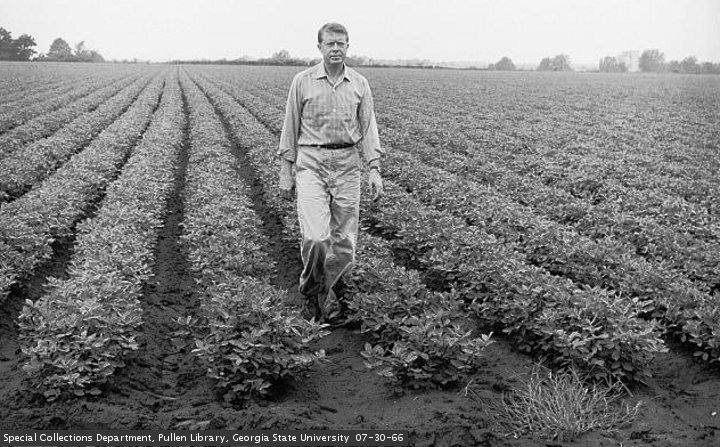
In 1976, a peanut farmer from Plains, Georgia was elected President. It is also known the his brother Billy ran the family business, while Jimmy got mixed up in politics. While President, Mr. Carter was revealed to be a major user of Preparation H.
Now that we are confused about who invented peanut butter, the next question is, why butter? In The Netherlands, the product is called Pinda Kaas, or peanut cheese. It could as easily be mud, goo, or cream, as butter.
A google search on “why is peanut paste called peanut butter?” yielded an article about salmonella issues. Wikipedia sheds no light on the subject, but does mention that peanut butter is an effective bait for mouse traps. This is a repost. The picture of Jimmy Carter is from ” The Special Collections and Archives,Georgia State University Library” . Other pictures are from The Library of Congress. Inventors.about.com has a page about “The history of peanut butter”. Portions of the text were copied into this post. This is a repost.


Slavery And The Star Spangled Banner


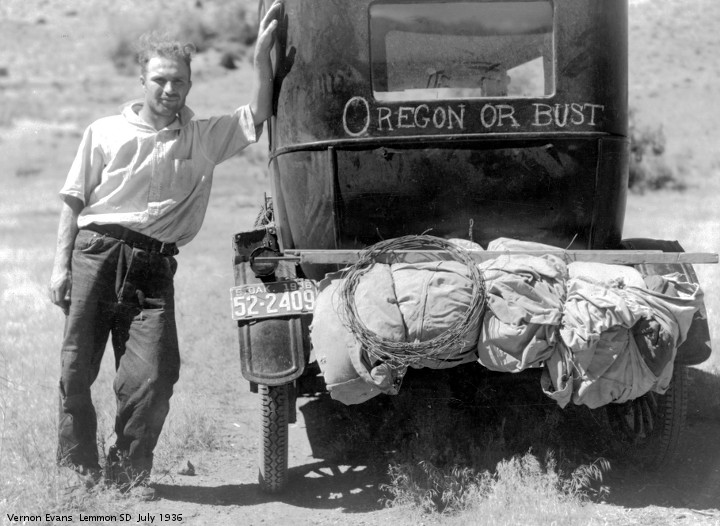
There is a terrific Backstory episode about the War of 1812. This is a conflict that is not much thought about, even during its bicentennial. It was not a good war for people of color. Native tribes fought with the British in Michigan, and were soundly defeated. After this war, the attitude of the white man towards the natives got worse.
Perhaps the most famous product of the War of 1812 is The Star Spangled Banner, a.k.a. the national anthem. There are a few legends about writing this song that skeptical bloggers like to shoot down. At the 43 minute mark of the backstory episode, another aspect of TSSB is discussed.
It seems as though slaves were escaping their owners, and fighting with the British. Washington lawyer Francis Scott Key was a slave owner, and thought that the slaves would be better off with their owners. This is the sentiment behind the third verse of TSSB.
And where is that band who so vauntingly swore,
That the havoc of war and the battle’s confusion
A home and a country should leave us no more?
Their blood has wash’d out their foul footstep’s pollution.
No refuge could save the hireling and slave
From the terror of flight or the gloom of the grave,
And the Star-Spangled Banner in triumph doth wave
O’er the land of the free and the home of the brave.
The image of F.S. Key has been cleaned up over the years. This biography omits the third verse of TSSB, and does not mention his slaves. Wikipedia tells a different story.
“Key was appointed as a United States District Attorney from 1833-1841. Key used his position to suppress opponents of slavery. In 1833, he indicted Benjamin Lundy, editor of the anti-slavery publication, The Genius of Universal Emancipation, and his printer, WIlliam Greer, for libel after Lundy publishing an article that declared, “There is neither mercy nor justice for colored people in this district,” referring to the District of Columbia.” Lundy’s article, Key said, “was intended to injure, oppress, aggrieve, and vilify the good name, fame, credit & reputation of the Magistrates and constables” of Washington. Lundy left town rather than face trial; Greer was acquitted. …
In 1836, Key prosecuted New York doctor Reuben Crandall, brother of controversial Connecticut school teacher Prudence Crandall, for “seditious libel” for possessing a trunk full of anti-slavery publications in his Georgetown residence. In a trial that attracted nationwide attention, Key charged that Crandall’s actions had the effect of instigating enslaved people to rebel. Crandall’s attorneys acknowledged he opposed slavery but denied any intent or actions to encourage rebellion. In his final address to the jury, Key said “Are you willing gentleman to abandon your country, to permit it to be taken from you, and occupied by the abolitionist, according to whose taste it is to associate and amalgamate with the negro? Or gentleman, on the other hand, are there laws in this community to defend you from the immediate abolitionist, who would open upon you the floodgates of such extensive wickedness and mischief?” Crandall was acquitted.”
The Huffington Post has a story about F.S. Key, ‘Land of the Free?’ Francis Scott Key, Composer of National Anthem, Was Defender of Slavery.
Buying and selling humans remained a respectable business in Washington City. The slave holding elite of the south had a majority in the Congress and a partner in President Andrew Jackson.
As black aspirations collided and white supremacy, Francis Scott Key invoked the law to defend the slave system and Jackson’s political agenda. Personally, Key was a decent master of the people he owned. A prim many he was incapable of violence. He relied on black man, Clem Johnson, to supervise the enslaved people who worked on his plantation north of Frederick, Maryland. During his lifetime, Key freed seven slaves from his own household. In his work he sometimes assisted blacks in bringing cases to the circuit court, which was housed in City Hall in Judiciary Square. Key was sometimes critical of slavery’s cruelties in public. He was an active leader of the American Colonization Society, which sought to send African-Americans back to Africa. The colonization society was studiously neutral on the question of whether slavery should be abolished. So was Key. As long as slavery was legal, Key stoutly defended the white man’s right to own property in people….
To reassert the rule of law, Key set out to crack down on the anti-slavery men and their “incendiary publications.” Informants had reported to the grand jury about an abolitionist doctor from New York who was living in Georgetown. Key charged Rueben Crandall with bringing a trunk full of anti-slavery publications into the city.
In the spring of 1836, Key’s prosecution of Rueben Crandall was a national news story. In response, the American Antislavery Society circulated a broadsheet denouncing Washington as “The Slave Market of America.” The abolitionists needled Key for the hypocrisy of using his patriotic fame to defend tyranny in the capital: “Land of the Free… Home of the Oppressed.”
Key shrugged off his liberal critics. In front of courtroom crowded with Congressmen and correspondents Key waxed eloquent and indignant at the message of the abolitionists. “They declare that every law which sanctions slavery is null and void… ” Key told the jury. “That we have no more rights over our slaves than they have over us. Does not this bring the constitution and the laws under which we live into contempt? Is it not a plain invitation to resist them?”
Pictures today are from The Library of Congress.



Thurston Howell The Turd



Chamblee54 tries to be a tasteful, family oriented publication. Ok, maybe if you are Gomez and Morticia. Sometimes, however, the use of profanity is too much fun to pass up. The title of this post is an example. It refers to Willard Mitt Romney. Apologies are extended to any unit of animal waste that is offended by the comparison.
Many of you have heard about the video. It was made at a fund raiser, and WMR says things that will get him in trouble. This is not surprising. Many of us already know that WMR is a jerk.
What goes around comes around. Four years ago, BHO was secretly taped at a fundraiser. He said that bitter people were clinging to their guns and bibles, or something to that effect. A few said that it was tacky to secretly record a fundraising party like that. And it probably is. Especially when you know something like this could happen, and you fall into the trap.
Georgia is assumed to be sending it’s electoral votes to WMR. The white voters of Georgia must be so red that they glow. Lets take a look at the math.
For purposes of this discussion, lets make a few assumptions. PG is not a political scientist, (oxymoron alert) just a slack blogger that doesn’t know any better. Lets say one million votes will be cast in Georgia in November. Thirty percent, or 300k, of those voters are black. Lets go a step further and guess that ninety percent of those black votes will go to BHO.
That means that BHO has 270k votes. To get to 500k and win, BHO needs 230k out of the remaining 700k. This is 32 percent of the non-black vote. He probably won’t get it. If BHO wins Georgia, the election is over. Pictures are from ” The Special Collections and Archives,Georgia State University Library”. The spell check suggestions for WMR are WAR and WM.

The I Word


During a recent facebook deterioration, on social issues, someone posted a 410 word statement. PG noted the promiscuous use of first person singular. A study ensued.
1- I, or verb contractions using I, occurs 27 times in this statement.
2- I was used in the first seven sentences. The eighth sentence did not have I, but did contain me.
3- The tenth sentence does not have I, but does contain my. These are the only two sentences without I.
4- The last sentence has I five times. The first two have I three times each. Six sentences use I two times.
5- There are 410 words in this statement. There are 15 sentences. Six percent of these words are I.
6- I is the shortest word in the English language. It is also possibly the least important.
Many people use the word I too often. The use of this word implies that the listener is interested in what the speaker thinks or does. When someone says I, the lips are usually moving. I is the central letter in both lie and believe. (As another FBF noted, I statements can be useful.)
This does not take away the controversy over what word, in the language, is the shortest. A British facility, the Daily Mail, ran a story,The shortest word in English? Depends on how you measure it
Q. We all know that the longest word in the English language is Floccinaucinihili-pilification,(Spell check suggestion:Oversimplification) meaning inconsiderable or trifling. But what is the shortest word in the English language?
A. This is a controversy that has divided the English-speaking community for more than a century. One faction, headed by Dr Robert Beauchamp from the Oxford English Dictionary, believes that the shortest word in the English language is ‘a’, while another faction, headed by Professor Melanie Kurtz from Chicago University, contends that it is ‘I’.
In his most recent book on the subject, Further Arguments In Favour Of A (OUP, £19.99), Dr Beauchamp claims that, though ‘I’ is arguably the thinnest word in the English language, ‘a’ is the shortest, in the sense that it is not as high.
Professor Kurtz, on the other hand, has argued in a number of pamphlets that, if one unravels the various loops and curls that form a single ‘a’, and stretch it into a single horizontal or perpendicular line, then the letter in question is undoubtedly longer than ‘I’.
Meanwhile, dissident scholars continue to argue the case for ‘o’ and for small ‘i’, though in broader academic circles the first is generally dismissed as not really a word and the second is felt to be questionable: they maintain that the gap between the little dot and the main body of the word/letter is a constituent part of the whole and cannot be discounted when it comes to the full measurement.
One of the comments is highly repeatable. “is it true…..the shortest sentence is ..I am. and the longest sentence…I do.?” – Tommy Atkins Blighty, 02/10/2009 18:45
In the digital age, capital letters are used less and less. If the lower case i is used as a first person singular, then it is both the shortest and the skinniest. The dot on the lower case i is known as the tittle. It is not known what the tittle thinks of the jot, or whether they believe each other.
For those not suffering platitude fatigue, here are the 21 Most Important Words in the English Language. The most important word: We ~ The two most important words: Thank You ~ The three most important words: All is forgiven ~ The four most important words: What is your opinion ~ The Five most important words: You did a good job ~ The six most important words: I want to understand you better ~ The least important word: I.”
A site called vocabula has a feature on the worst words in english. There are two phrases using I.
I mean Meaningless formula (a verbal tic, if you will) used habitually by many to begin nearly every sentence, especially those that are not intended to clarify anything preceding them. I need you to … A completely unacceptable replacement for “please.”
Since we cannot say, for certain, that I is the shortest word in the language, the uncertainty about the longest word should not be surprising. The longest word in German would be a short story by itself. According to Los Angeles Trade-Technical College “The longest word in the English language, according to the Oxford English Dictionary, is pneumonoultramicroscopicsilicovolcanokoniosis. The only other word with the same amount of letters ispneumonoultra-microscopicsilicovolcanoconioses, its plural.” (Spell check suggestion:ultramontane-microscopicsilicovolcanoconioses)
Part two of this feature is a repost. It is about a popular contender for the longest word, which is known here as The S Word. Pictures today are from The Library of Congress.


There is a feature today on NPR discussing ” “What’s The Longest Word In The English Language?”. The old crowd pleaser antidisestablishmentarianism was dismissed as “Just a bundle of suffixes and prefixes piled up into a little attention-grabbing hummock.” It also has 28 letters, which won’t even get it into the playoffs.
When it comes to big words, there is nothing like science. In 1964, a book called “Chemical Abstracts” published a 1,185 letter word, referring to a protein found in the tobacco mosaic virus. It starts with glu and ends with sine. This word is 8.44 tweets long.
Words like glu…sine are not used often, which brings us to the obvious winner, Supercalifragilisticexpialidocious. It is the theme song for a dance routine in a movie starring Julie Andrews and Dick Van Dyke , and a few dozen animated characters.
According to the urban dictionary, Miss Andrews was not fond of Rob Petrie. “It’s reported that Ms. Andrews replied, “Fuck you! I hate you!! You’re a ‘Supercalifragilisticexpialidouchebag’!!!! And get away from my door!! Why don’t you go eat “A Spoonful of Feces “!!!” (This problem might have been caused by SupercalifragilisticexpiHalitosis )
At 34 letters, the s word is the longest english word that most of us have heard of. While it probably was made up by over-imaginative songwriters, it is defined by a reputed dictionary. It translates as superkalifragilistikexpialigetisch (German), supercalifragilistichespiralidoso(Italian) and supercalifragilisticoespialidoso (Spanish). The French are too cool to use it.
A website called Straightdope has a highly entertaining feature called Is “supercalifragilisticexpialidocious” a real word referring to Irish hookers? . “Our research first took us to a lawsuit that was filed after the movie came out by Life Music, Inc., against Wonderland Music, the publisher of the Mary Poppins song. It was a copyright infringement suit brought by Barney Young and Gloria Parker, who had written a song in 1949 entitled “Supercalafajaistickespeealadojus” and shown it to Disney in 1951. They asked for twelve million dollars in damages. The suit was decided in the Shermans’ favor because, among other reasons, affidavits were produced from two New Yorkers, Stanley Eichenbaum and Clara Colclaster, who claimed that “variants of the word were known to and used by them many years prior to 1949.”
The decision makes for fairly humorous reading. Apparently the judge got tired of writing out the whole word, so every time it had to be mentioned it was replaced by the phrase “the word” as if it were some loathsome artifact that had to be held at arm’s length. “
There is another story that has the s word appearing in a humor magazine at Syracuse University. An archivist named Mary O’Brien says that rumor surfaces every ten years or so, and is not true. Another old husbands tale has children in summer camps taught a song super-cadja-flawjalistic-espealedojus. This cannot be confirmed or denied.
As for the tale about Irish entrepreneurs , there is a story in Maxim magazine. It says “Supercalifragilisticexpialidocious, the word supposedly coined by Mary Poppins to make kids sound “precocious,” was actually invented by turn-of-the-century Scottish coal miners. It was used to request “the works” from prostitutes by men too shy to recite specific acts.” The link supplied by StraightDope does not work.


Seven Brilliant Quotes Part Two



Welcome to part two of the Chamblee54 due diligence report on the Seven Brilliant Quotes. In part one, we checked out the first three. At no time was a source for the quote found. All three are suspect, with “misunderstanding” indicated in the Albert Einstein quote. It is amazing how quickly accepted these sayings are by the inspiration hungry public.
The seven quotes, in a copy friendly format, are:
William Shakespeare – Never play with the feelings of others because you may win the game but the risk is that you will surely lose the person for a life time.
Napoleon Bonaparte – The world suffers a lot. Not because of the violence of bad people, but because of the silence of good people.
Albert Einstein – I am thankful to all those who said NO to me. Its because of them I did it myself.
Abraham Lincoln – If friendship is your weakest point then you are the strongest person in the world.
Martin Luther King Jr. – We must learn to live together as brothers or we will perish together as fools.
Mohandas Gandhi – The weak can never forgive. Forgiveness is the attribute of the strong.
Dr. Abdul Kalam – It is very easy to defeat someone, but it is very hard to win someone.
Getting back to business, did Abraham Lincoln say “If friendship is your weakest point then you are the strongest person in the world.” There are lots of links to this quote, in a variety of fonts and colors. Some have spectacular photography in the background. However, none of these links has a source for this quote, or any indication of the context.
Wikiquotes has 43,444 words about Abraham Lincoln. PG copied these words, and did a search for the word “friendship”. There were three quotes.
The better part of one’s life consists of his friendships. Letter to Joseph Gillespie 13 July 1849.
By such things the feelings of the best citizens will become more or less alienated from it, and thus it will be left without friends, or with too few, and those few too weak to make their friendship effectual.
The Lyceum Address 1838
A civil war occurring in a country, where foreigners reside and carry on trade under treaty stipulations is necessarily fruitful of complaints of the violation of neutral rights. All such collisions tend to excite misapprehensions, and possibly to produce mutual reclamations between nations which have a common interest in preserving peace and friendship. Second State of the Union address 1862.
This type of research can be frustrating. Being inspired by beautiful words can give you strength and purpose. It can also make you feel foolish, when the lovely words are revealed to be lies. Being a cynic gets lonely. Children of all ages don’t like to be told that there is no Santa Claus.
The good news is that number five is for real. Martin Luther King gave a speech at Western Michigan University in 1963. There is a probably his standard speech, given many times. The second section of the speech is “Call for action.”
“The world in which we live is geographically one. Now we are challenged to make it one in terms of brotherhood. Now through our ethical and moral commitment, we must make of it a brotherhood. We must all learn to live together as brothers or we will perish together as fools. This is the great challenge of the hour. This is true of individuals. It is true of nations. No individual can live alone. No nation can live alone.”
“I can never be what I ought to be until you are what you ought to be. You can never be what you ought to be until I am what I ought to be. This is the interrelated structure of reality. [W]e’re challenged after working in the realm of ideas, to move out into the arena of social action and to work passionately and unrelentingly to make racial justice a reality.”
“[W]e must never substitute a doctrine of Black supremacy for white supremacy. For the doctrine of Black supremacy is as dangerous as white supremacy. God is not interested merely in the freedom of black men and brown men and yellow men but God is interested in the freedom of the whole human race, the creation of a society where all men will live together as brothers.”
PG has written about the problem of quoting Mohandas Gandhi before. Supposedly he said “I love your Christ, but I dislike your Christianity.” PG thinks this is a fabrication.
The quote on the poster is “The weak can never forgive. Forgiveness is the attribute of the strong.” Wikiquotes has a link to Collected Works of Mahatma Gandhi Online. The next stop is page 302 of this section. Mr. Gandhi gave an “Interview to the press” in Karachi, on March 26, 1931. A freedom fighter named Bhagat Singh had been executed by the British three days earlier.
Do you not think it impolitic to forgive a government which has been guilty of a thousand murders?
I do not know a single instance where forgiveness has been found so wanting as to be impolitic.
But no country has ever shown such forgiveness as India is showing to Britain?
That does not affect my reply. What is true of individuals is true of nations. One cannot forgive too much. The weak can never forgive. Forgiveness is the attribute of the strong.
The bottom line is from Dr. Abdul Kalam. (The name is misspelled on the poster.) The phrase is “It is very easy to defeat someone, but it is very hard to win someone.” Many viewers have no idea who this person is. Once again, Wikiquotes comes to the rescue. “Dr. Avul Pakir Jainulabdeen Abdul Kalam (born 15 October 1931) Indian scientist and engineer; 11th President of India; generally referred to as Dr. A.P.J. Abdul Kalam.” The quotes are from Wings of Fire: An Autobiography of APJ Abdul Kalam.
A search for the word “defeat” did not show results. A search for “win” shows a few.
“the best way to win was to not need to win. The best performances are accomplished when you are relaxed and free of doubt.” (p. 31) “Happiness, satisfaction, and success in life depend on making the right choices, the winning choices. There are forces in life working for you and against you. One must distinguish the beneficial forces from the malevolent ones and choose correctly between them.” (p. 106)
“Life is a difficult game. You can win it only by retaining your birthright to be a person. And to retain this right, you will have to be willing to take the social or external risks involved in ignoring pressures to do things the way others say they should be done.” (p. 176)
The phrase on the poster also credited to John Keats. There is also the story of the student who argues with an atheist professor, and ultimately wins. The student is sometimes said to be Albert Einstein. In this version, Argumnent : What, Who is GOD?, the coda is “This seems to be a true story, and the student was none other than APJ Abdul Kalam, the former President of India “.
The research for part one consisted of entering the quote into a search engine. It was not until the Lincoln investigation that the method of copying wikiquote, and searching for a key word, was discovered. Out of a sense of fairness, the first three quotes will be investigated using this method.
For William Shakespeare, the search word was risk. There were no results. For Napoleon Bonaparte, the search word was violence. There was one result. “There is no such thing as an absolute despotism; it is only relative. A man cannot wholly free himself from obligation to his fellows. A sultan who cut off heads from caprice, would quickly lose his own in the same way. Excesses tend to check themselves by reason of their own violence. What the ocean gains in one place it loses in another. ” For Albert Einstein, the search word was thankful. There were no results.
So, there are seven quotes in the motivational poster. Only two of the seven have a apparent source.
Pictures today are from The Library of Congress.



leave a comment