

















Roll Model Biscuit Model


An internet facility (IF) called Mind Openerz recently posted a feature, Charles Bukowski’s Top 10 Tips for Living a Kick-Ass Life. Hank writes enjoyable stories and poems. This does not make him a role model. Even if the tales of degenerate lifestyle were exageratted for public consumption, as many suspect, the butt ugly drunkard is nothing to aspire to.
One thing to admire about Hank (a publisher thought that Charles would be a better selling pen name) was the volume of product. He would write dozens of poems, with the lines popping out “like hot turds the morning after a good beer drunk.” Keep the quantity up, and the quality takes care of itself.
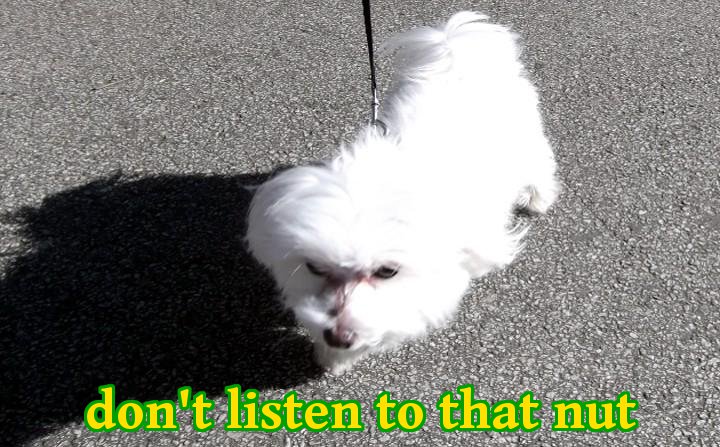
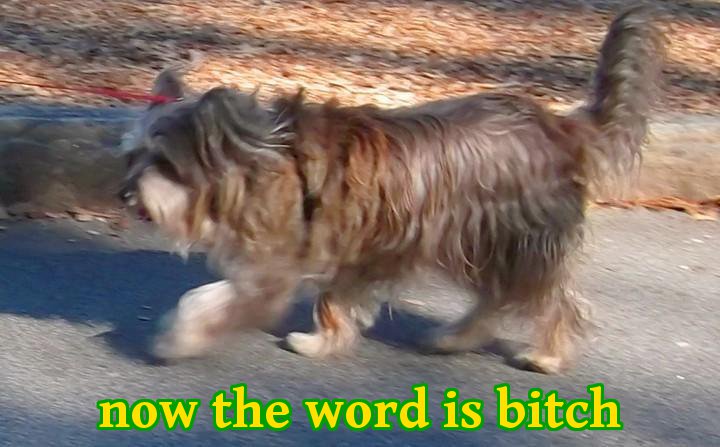
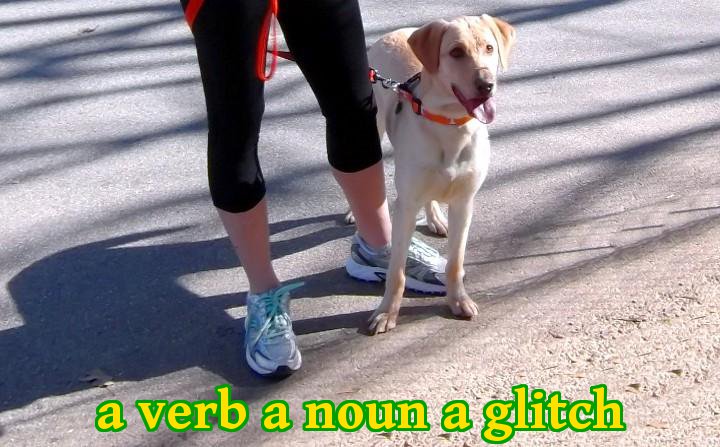
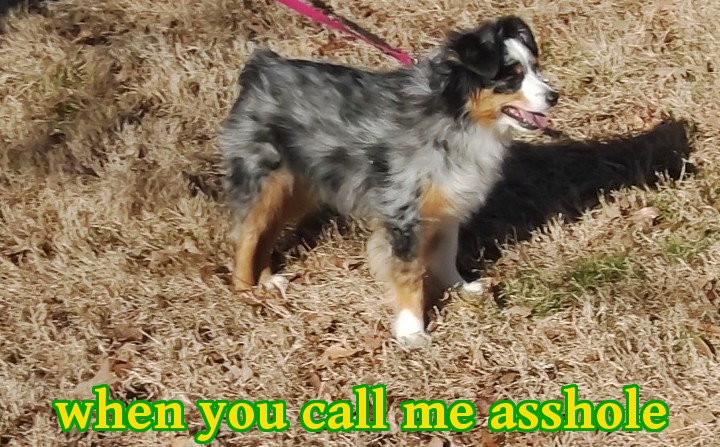
Many of the rules for living were taken from his short stories. PG recently stumbled through Tales of Ordinary Madness, and recognized a few. Hank would toss words of wisdom into stories about being arrested. One time, it was for threatening to rape a lady with a codfish. You can’t beat fun at the old ballpark. Of course, Hank hated baseball, and hated poetry that rhymes. PG writes rhyming poems, with pictures of dogs in the background. Hank is dead, and his opinion doesn’t count.
The fun starts with rule number eight. “8. Have confidence in yourself. “The problem with the world is that the intelligent people are full of doubts.” You are awesome, and all you have to do to let your true talents shine is believe that fact. Have complete confidence in yourself and you might be surprised with all you can achieve.”
Several of the stories of ordinary madness involve people who think they are poets, show work to Hank, and are insulted for the lousy ouput. The line in number eight was familiar, but PG was too slack to go looking through ordinary madness to find it. This is where you ask Mr. Google for help. The full quote: “The problem with the world is that the intelligent people are full of doubts, while the stupid ones are full of confidence.”



































Joyce Kilmer




Some say …It’s the Soldier, not the poet, Who has given us the freedom of speech. There is also the story of Joyce Kilmer. This is a repost.
Alfred Joyce Kilmer was born December 6, 1886, in East Brunswick NJ. He grew up to be a teacher, and wrote poems on the side. After teaching, he worked for Funk and Wagnall, defining words for five cents each. Mr. Kilmer continued to write, and became a popular lecturer.
In 1913, “Trees” was published. Your english teacher probably made fun of it. Many satires have been written. It was at the end of an era in poetry, when that *simple* style was popular. In the era after World War 1, poetry went crazy. Joyce Kilmer didn’t live to see it.
A few days after the United States entered World War 1, Joyce Kilmer left his wife, and five children, and went to war. Originally he was a statistician in the 69th Infantry Regiment, but wanted action. He was promoted to Sergeant, and sent to the Regimental Intelligence Section.
On July 30, 1918, Sgt. Kilmer was scouting the location of a German machine gun. A bullet to the head ended his war.
World War 1 was a ghastly bloodbath. It set the stage for World War 2, which was even bloodier. Not one person in a thousand today can tell you why World War 1 was fought, or how the United States got drawn into it. It is tough to see how World War 1 gave us freedom of speech.




 Chamblee54
1 comment