The Great Southeast Music Hall


The Great Southeast Music Hall was an important part of life in Atlanta during the seventies. It was located in the elbow of a shopping center, Broadview Plaza. A bowling alley was downstairs, a two level K mart next door, and Atlanta’s first hispanic neighborhood across the street. Like almost everything else here, Broadview Plaza was torn down, and replaced by a more uppity set of stores.
When you went into the lobby of the Music Hall, you noticed the walls. Performers were given a magic marker, and encouraged to leave a message. John Mayall found the ladies room, and said he likes to be near the ladies. The late Phil Ochs said “Impeach Nixon and Agnew”. What happened to those boards is a good question.
The auditorium held about 500 people. The stage was only three feet or so above the floor. There was an empty space in front of the stage, and a few rows of bench backs behind that. When the place opened, there were lots of pillows on this floor, with the Music Hall logo. The carpet in this front area was fresh when the place opened, and got progressively grosser as the years went by. Beer was served in aluminum buckets, and inevitably some wound up on the carpet.
The show the Music Hall is most famous for is the US debut of the Sex Pistols. PG didn’t make it that night, but has heard from a few who did. The performance was said to be horrible. There are stories of Sid Vicious wandering through the apartments around Broadview trying to find heroin. Years later, PG was reading about that night in Please Kill Me, when the train he was riding pulled into the Lindberg Marta station. This is across the street from the Broadview Plaza, still standing at the time.
These days, the intersection of Lindbergh Drive and Piedmont Road (about a mile north of the park) is next to Hiway 400. When the Music Hall was in it’s prime, the land for the Highway was owned by the State of Georgia, which was fighting legal battles over the highway. The land had a network of dirt roads, one of which connected Buford Hiway to Lindbergh Drive. When you went from Chamblee to the Music Hall, the most direct route was over this dirt road. This dirt road is where Sidney Marcus Boulevard is today.
Eventually, the business model for the Music Hall did not work, and the facility moved to Cherokee Plaza. This Music Hall was in a movie theater. The Cherokee Plaza Theater was the scene for the world premiere of Son of Dracula . This move did not work, for a number of reasons. The parking lot was too small, and people who wanted a loaf of bread from the A&P were blocked out during shows. Cherokee Plaza is just outside the city limits, on Peachtree Road. In the late seventies, DeKalb county was aggressively fighting drunk driving, and had roadblocks. Many of these roadblocks were outside the Music Hall, which kept many people from attending. Before long, this Music Hall closed.
Many years later, PG bought a second hand typewriter, and needed a ribbon. (Younger readers should ask an older person about this.) He went into an office supply store in Broadview Plaza, and soon realized that he was standing on the site of the Music Hall. He asked the clerk if he could have a bucket of beer, and got a very strange look in return.
 One industrious afternoon during this era, PG made a list of shows he saw at the Music Hall. The memory cells are already protesting, but we are going to try and remember as much as possible about these shows. A big thank you to Wikipedia for help with spelling and names.
New York Rock Ensemble – PG walked into the auditorium during the last part of the first show, as the band played “A whiter shade of pale”. The bass player wore lace up boots, with the pants legs tucked into them. Before long, the second show came on stage. Keyboard player Michael Kamen was the central focus, acting out the lyrics to “Anaconda”.
Silverman Deborah McColl fronted this drummerless band
Al Kooper PG has written about an unfortunate incident involving Al Kooper during this show. This would have never happened in “The Catcher in the Rye”…the kids always knew what time it was in that story. Mr. Kooper did a solo show, including “Sam Stone” by John Prine.
Ellen McIlwaine/ James Cotton Blues Band Ms. McIlwaine was pregnant, and played slide guitar. Mr. Cotton played harmonica. One of his players started to fan him with a towel, because he was hot.
Breakfast Special/ Doc and Merle Watson Breakfast Special was a local bluegrass crew, who did “The coming down song”. The Watsons did ” Deep River Blues” and “Thats All”, among other things. PG had a copy of their latest LP, and asked Merle to autograph it. He wrote his name on one side, turned it over, and signed Doc’s name on the other side.
Mason/Atlanta Rythym Section This show was the night Led Zeppelin played Atlanta Stadium.
New Riders of the Purple Sage When the Music Hall opened, a performer would typically play from Tuesday to Sunday. NRPS was a one night show. They worked well in the packed hall, and shined on “Glenville Train”. The next year, they did a tour with Commander Cody and The Lost Planet Airmen. Commander Cody opened, and raised hell. NRPS followed with a mellow rock show, and before long people were getting bored and leaving.
David Buskin / Loudon Wainwright III Chamblee 54 has written about this show before. Mr. Buskin talked about doing a show at Max’s Kansas City, the person sitting next to PG said “Gross”.
Steve Martin / Nitty Gritty Dirt Band Chamblee54 has written about the show by Mr. Martin . This was his last tour as an opening act. Nitty Gritty was a sight to behold. John McEuen played fiddle, and recited a poem about life.
Martin Mull / Melissa Manchester PG went to see Mr. Mull, who opened the show with a three piece band. (After the show, Mr. Mull said the name of the band was the (your name) (draws a blank with his fingers) orchestra.) The headliner was Ms. Manchester, little known at the time. She was a knockout. While standup comedy has it’s place, for emotional impact there is nothing like a singer.
Texas Gary Bennett / Weather Report Mr. Bennett played acoustic guitar, and sang, as an opener for a packed house of jazz rockers. It did not go well. At one point, trying to get some rapport with the crowd, he said ” has anyone here been busted at the Omni?” ( The authorities had begun arresting people for smoking pot at the major concerts.)
Weather Report was amazing. Josef Zawinul had the loud keyboard sound, Wayne Shorter played his leads on soprano sax, and there was a drummer and percussion player. There was tons of rythym, to go with the electronic jazz sounds. When it was over, PG went up to Mr. Zawinul, shook his hand and, and said thank you. He was pouring a glass of beer from a pitcher, and looked a bit startled.


David Pomerance / Rahsaan Roland Kirk Chamblee54 has written about this show before. Mr. Kirk was a force of nature, the modern miracle of the tenor saxophone. He did not suffer from false modesty. This was the night Richard Nixon resigned, which pleased Mr. Kirk no end. The blind Rahsaan said that he did not want to see his audience, because we were too ugly. At one point, his band had been jamming for about ten minutes, when PG realized that Mr. Kirk had been holding a single note the entire time. The three saxophones at one time thing was a visual shocker, but he got sounds that way that you cannot get from a single instrument. At one point, Mr. Kirk pulled his sunglasses off, and made a face at the crowd. It was an amazing evening.
Chic Corea / Return to Forever This was a disappointment. Tickets were $4.50, which may be the most PG ever paid at the Music Hall. The band only played about an hour. It was all electric, ignoring the acoustic instruments set up on stage. RTF was a four piece, all star band. They had Chic Corea on keyboards, Stanley Clarke on bass, Al Demeola on guitar, and Lenny White on drums. That sounds like a great show, but it turned out to be four solo artists jamming. There was no cohesion, and the overall sound was less than the sum of the individual parts. Corea leaned over his keyboard, twisted knobs, and made faces, as if to say “look at how intense this is”. It wasn’t.
Mccoy Tyner The former Coltrane sideman played a very nice show. He had a percussion man, with several tables covered in exotic instruments. PG took a break after to first show to hang out at a neighborhood disco. When he got back, there was no doorman checking tickets, and anyone could walk in for free. PG took advantage of this discovery many times over the next few years.
Bill Crystal / Jean Luc Ponty Former Frank Zappa player Jean Luc Ponty played at the Music Hall, with a bass player who was a fellow Zappa alumni. The surprise of the evening was then-unknown Bill Crystal. A few weeks after this show, “Soap” would premiere, and make him a star. Mr. Crystal did a killer impersonation of a gila monster.
Between shows, Mr. Crystal had been entertained by a local musician. During the second show, he held his finger to his nose, made a snorting sound, and said thank you. PG heard this, and yelled “Locker Room”, the name of a “deooderizer” that some liked to get a buzz sniffing. Mr. Crystal said “Locker room. Jeez, I need to get the hecklers rosetta stone to know what he means”. Good times.
Keith Jarrett This is another show that might have been better than PG’s enjoyment. At one point early in the show, PG moved over to the front of the stage, to look at Mr. Jarrett’s hands. After the show, people told PG that the player had been giving him dirty looks when he did that. PG asked Mr. Jarrett about it, and he said that PG had interfered with his concentration.
This show featured a quartet, instead of a solo piano. The bass player was Charley Haden, who seemed a bit puffy faced. PG later learned that he had been addicted to heroin at the time.
Melissa Manchester Ms. Manchester came back for another week at the Music Hall, about a year after her first appearance. At one point, she asked the band if they were ready to do a new song, and then performed “I got eyes” for the first time in public. This was later the b side to “Midnight Blue”. One of the players in her band was a man named James Newton Howard. Part of the deal for touring with her was that he could play a solo number on piano, called “Newton’s Ego”. He later played with Elton John, and became wealthy writing film scores.
Flora Purim /Airto Moreira On PG’s 23rd birthday, Flora Purim played at the Music Hall. At the time, PG had a profound appreciation of her albums. The band had a nice sound, and was the equal of her records. The Chic Corea tune “Light as a Feather” was a standout. Her husband, Airto Moreira ( eye, ear, toe) fronted the band on some of the numbers, and had some funny routines. Ms. Purim held two microphones throughout the show, with one connected to some audio filters. PG found holding two microphones to be visually distracting. PG had known of the Jewish ancestry of Ms. Purim, but had not thought much about it. Then he saw her live, and realized that she does, indeed, look Jewish.
Hot Tuna Hot Tuna is a dependable, though not spectacular, band. On a previous show in Atlanta, they went on stage at 10:55, and played without a break until 2:50. This night, a fried of a friend was working at the Music Hall, and PG got in before the crowds, to get a prime spot, in the first row of benchbacks. At one point, PG was rocking back and forth against the benchback, and a neighbor asked him to quit.
Shakti This was an acoustic, Hindu oriented band fronted by guitar superman John McLaughlin. The numbers seemed to go on forever.
David Manion / Mark Almond This was a long awaited Atlanta performance by Mark Almond. (This is a jazz/blues band, totally different from the Soft Cell vocalist with a similar name.) They played two sets, which were only an hour or so long. This was disappointing to the people who could not wait for the second show. In the second show, they “took the shackles off” saxophone player Johnny Almond, and he played a wild solo during “The city”.
The incident we are about to describe may or may not have involved David Manion. What happened was, a small portable radio was playing on the edge of the stage. The spotlight was on the radio, which sounded like gibberish to most of the audience. Gradually, the chattering audience got quiet, and tried to listen to the radio. After a few minutes, a man came out, and stood in darkness behind the radio. The PA speaker announced “The new force of rock in Atlanta”. The man then dropped a large piece of granite on the radio, smashing it into bits.
Laurie Chapman / Stomu Yamashta Laurie Chapman was a singer/piano player, with some good stories. She told of a trucker, driving beside her and talking to her on a cb radio. ” You better get that drink out from between your legs before it gets too hot to handle”.
Stomu Yamashta is somewhat of a star in Japan. The show here was filmed for showing on TV there. His band, Go, was an all star collection, including Ava Cherry. She was a backup vocalist, and girlfriend, with David Bowie. After the show, PG was introduced to Spencer Davis in the lobby.
The next few shows were at Cherokee Plaza.
Martin Mull Mr. Mull was a solo star this time. He did a song about doing nothing, adding that dead people can do it too. The parking lot was packed, which was a major problem at the new location.
The week before the Super Bowl in 1994, Mr. Mull filmed a Comedy Central show in Woodruff Park. The Dallas Cowboys cheerleaders were kicking field goals. After the filming PG stood a few feet away from Mr. Mull, but could not think of anything to say.
Sun Ra PG went to a wedding, and a bunch of people from there to see Sun Ra. This was an entertaining spectacle, with a big band and dancers. After the show, PG asked Sun Ra how he could afford to take a band like that on the road. He said he was doing it for beauty.
David Bromberg This was another big band production. PG showed within a few minutes of the gateman leaving his post, and saw about 45 minutes without buying a ticket.
Lester Flatt/John Hartford One boring Saturday night, PG walked up to the Music Hall, and saw the two fiddle players jamming. A few weeks later, Lester Flatt passed away. This is a repost.
Hank Chinaski Lives
In the next quarter century, the surplus grew, thanks to Bukowski’s nearly graphomaniacal fecundity. “I usually write ten or fifteen [poems] at once,” he said, and he imagined the act of writing as a kind of entranced combat with the typewriter, as in his poem “cool black air”: “now I sit down to it and I bang it, I don’t use the light / touch, I bang it.”
As could have been predicted, it started with a post at Dangerous Minds. The feature was about the late Charles Bukowski, who was called Hank by those who knew him. The writer/drunk had always been a bit of a fascination to PG. Out of the millions of useless drunks feeding the urinals of planet earth, at least one will turn out to have had literary merit.
A trip to Google city is made, and quotes from the bard are found, along with the wikipedia page. All of this leads to a New Yorker piece about the gentleman. After nine paragraphs, and two poems, there is the phrase that set off PG…graphomaniacal fecundity.(spell check suggestion:nymphomaniac)
As best as we can figure, g.f. means that Hank wrote a lot of stuff. This is a good thing. PG operates on the notion that if you keep your quantity up, the quality will take care of itself. Hank seems to agree, spitting out product “like hot turds the morning after a good beer drunk.” He seemed to take pride in doing what Truman Capote said about Jack Kerouac…he doesn’t write, he types.
If you google the phrase graphomaniacal fecundity, you can choose from 71 results. The top six apparently quote the article in New Yorker. A blogspot facility called poemanias quotes the paragraph from the New Yorker, with the title “On Bukowski’s afterlife”, while Fourhourhardon reprints the entire thing. Neither provide a link back to the original.
Goliath and Petey Luvs Blog take the same copy-paste approach. The first tries to get you to pay for more reading material. This forum also does the control A-C-V approach, but yields this comment : “He was a contemporary of the Beats, but not quite one of them because he was darker and not as willing to smoke a joint and sing Phil Ochs songs on the lower east side.” The truth is, Hank hated marijuana, and had the classic alcoholic attitude about it. So it goes. Keep and share copies the complete New Yorker feature, but has some other thumbsuckers about Mr. Bukowski.

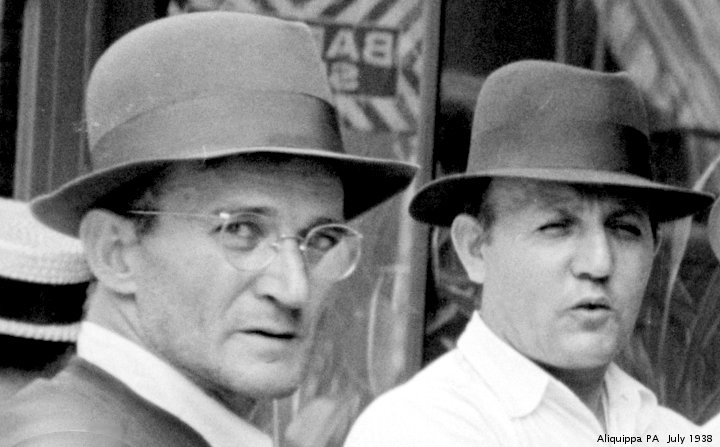
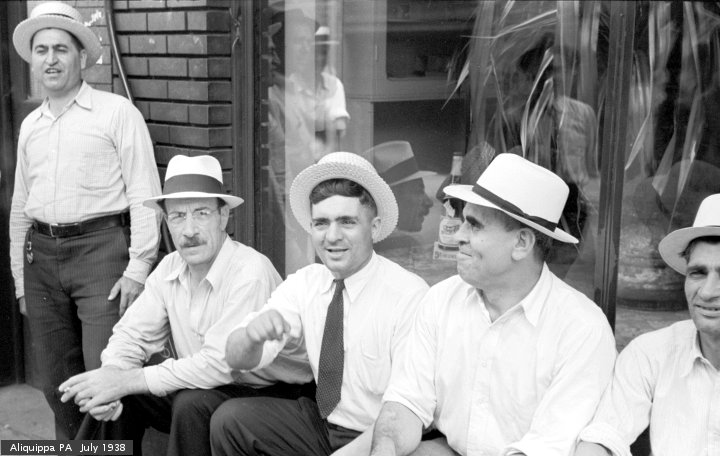
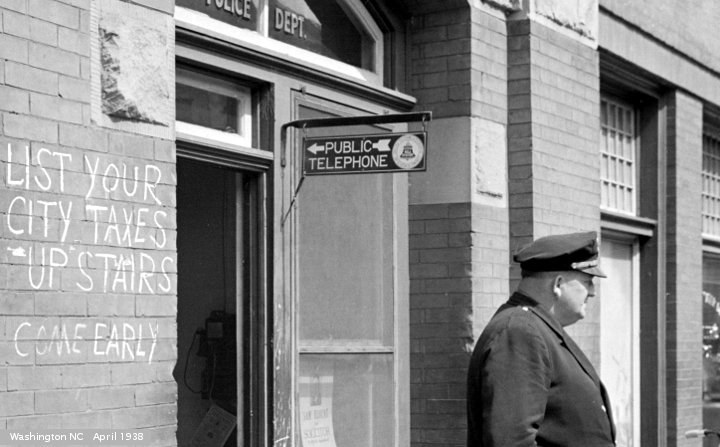

It is a truism that new media borrows content from old media. Stories, told orally from genration to generation, are compiled into books, which are then made into movies. Plastic panels try to look like wood. The newest new media that old fogey PG knows about is twitter. People tell little stories in 140 characters or less, which go around the world in seconds. With this abundance of media, there are not always enough messages to feed the beast.
On twitter, there are people producing twitter feeds from dead authors. Maybe these wordmongers went to a place with internet access. Kurt Vonnegut (three hours ago) “Busy, busy, busy”. Mark Twain (three hours ago) “Be careful about reading health books. You may die of a misprint”. Brautigan’s Ghost (twenty two hours ago) “I cannot say to the one I love, “Hi, flower-wonderful bird-love sweet.”
The deceased content maker best suited to twitter might be Conway Twitty. One slow day two years ago, Yahoo asked peeps Do you think Conway Twitty would have used Twitter? ~ He gave them the idea ~ I think Twitty would tweet, Twitter would be Conway’s, way of of communicating to the world, Twitty would be tweeting his little Twitty head off, ~ I better send out a Twitty Tweet ~ Cute, but a serious answer, probably. A media hound, he’d want to get his name plastered everywhere. ~ If he did that would have made him a ‘Twitty Twitter” ~ Who cares, he’s a twit anyway”.
There are four Twitty Twitter feeds. @ConwayTwitty (Oct. 21,2009) “The Conway Twitty Musical is getting great reviews in Branson!!! . @TwittyTweats (January 12, 2012) “In Twitty City, it never snows. All the men wear gold medallions and blazers. And the women never cry. Unless you hold them.” @Conway_Twitty (February 20, 2012) “My cock is an amphibious assault vehicle” @conwaytwittier (April 28, 2012). “@JasonIsbell How’s the English weather treating your hair? I had the hardest time keeping my pompadour in tiptop shape there.” @twittybirdmoda is written in Japanese.
The original concept for this post was to spotlight twitter feeds borrowing material from Charles Bukowski. Hank is the beer bard of Los Angeles. He is a hero to many. Out of the millions of worthless drunks populating bars, at least one could write poems. It gives you hope for mankind.
The front page of a google search for “charles bukowski on twitter” yields eight feeds. The original plan was to ignore any that were not updated in 2012. An exception will be for @hank_bukowski (Yeah it’s good to be back). (January 25, 2009) “Yesterday I met Adolf H. in hell. He is fuckin stupid.” “too lazzy these days, too drunk to twitter”.
With the 2012-only rule in effect, we are left with three Bukowski thieves. @BukowskiDiz (May 1) “Curiosidades sobre Charles Bukowski http://migre.me/8UhRf“. @bukquotes (May 8) “all the mules and drunken ladies gone the bad novels march…”. ~ “I always read when I shit and the worse the book the better the bowel movement.” @bukowski_lives (one hour ago) “Basically, that’s why I wrote: to save my ass, to save my ass from the madhouse, from the streets, from myself.”
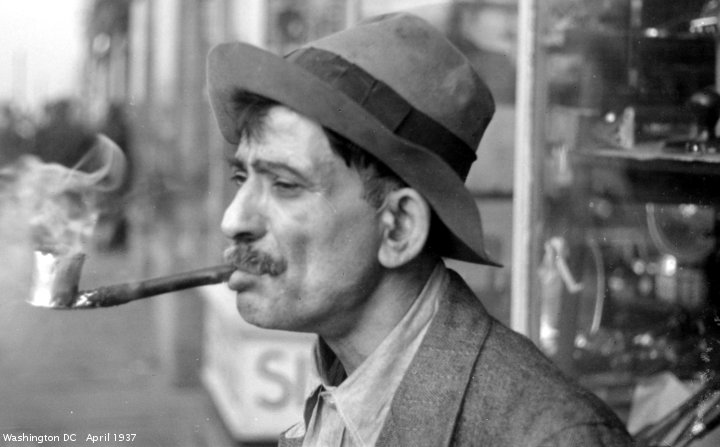
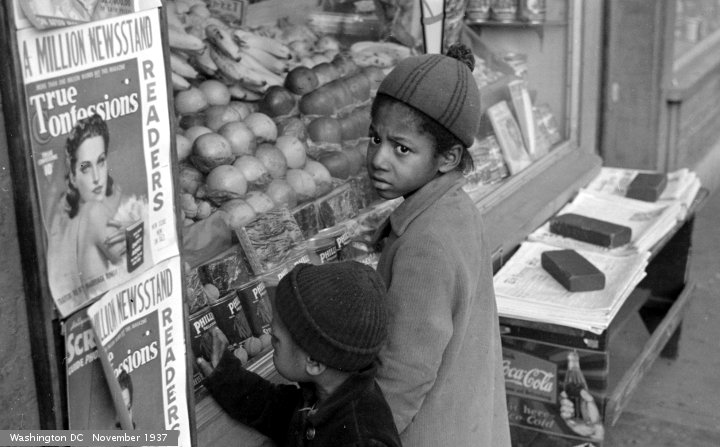
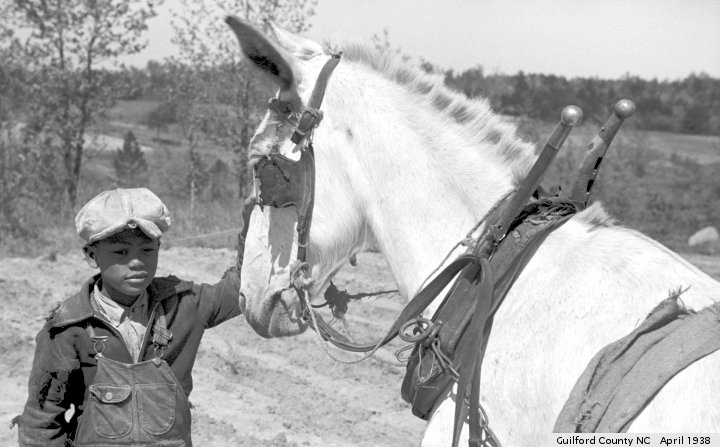
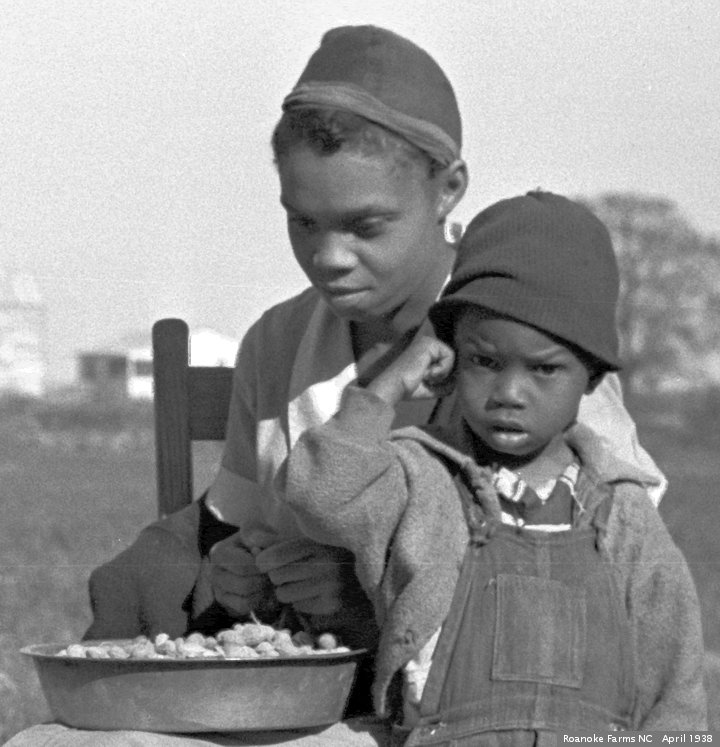
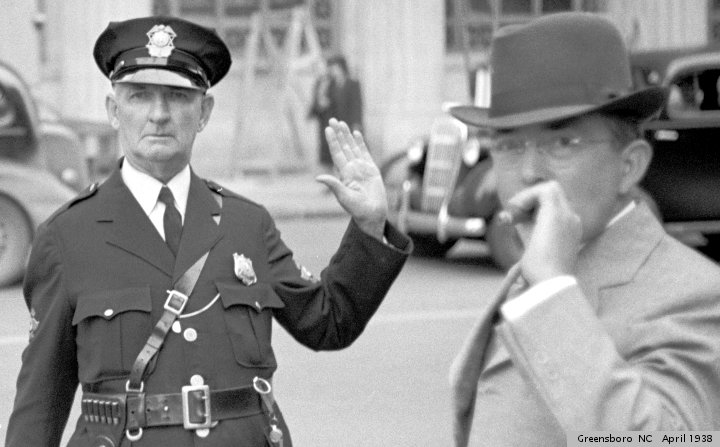
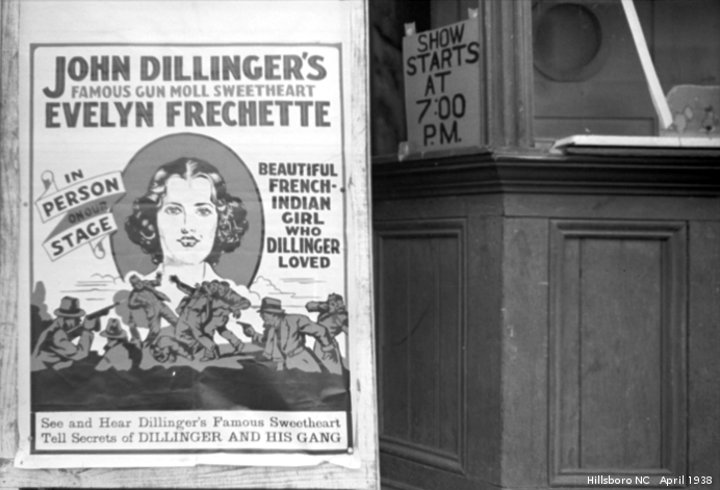
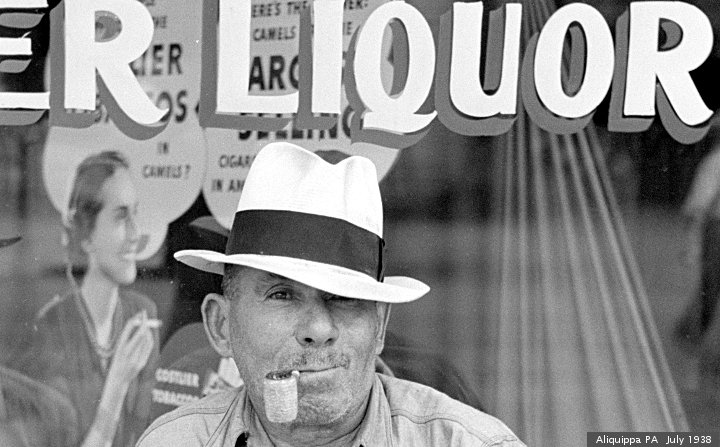
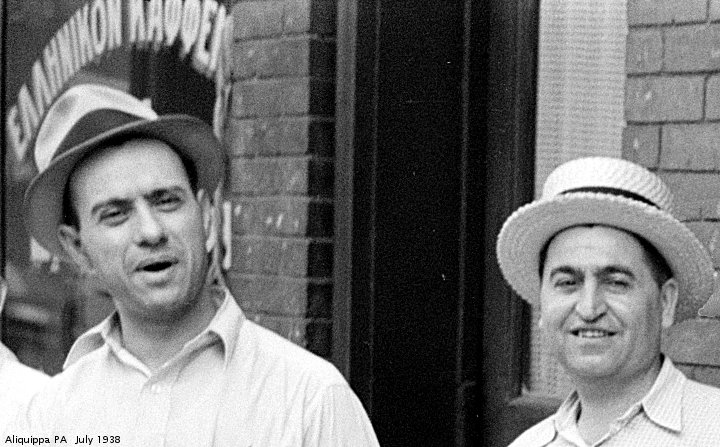
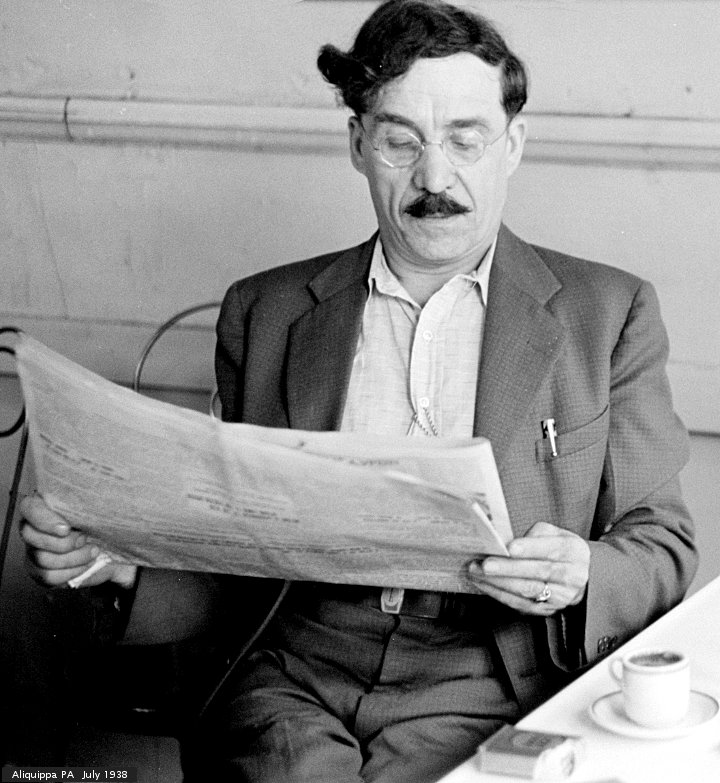
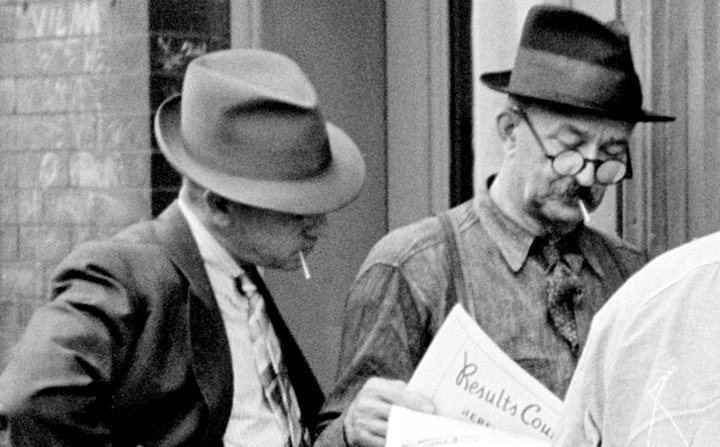
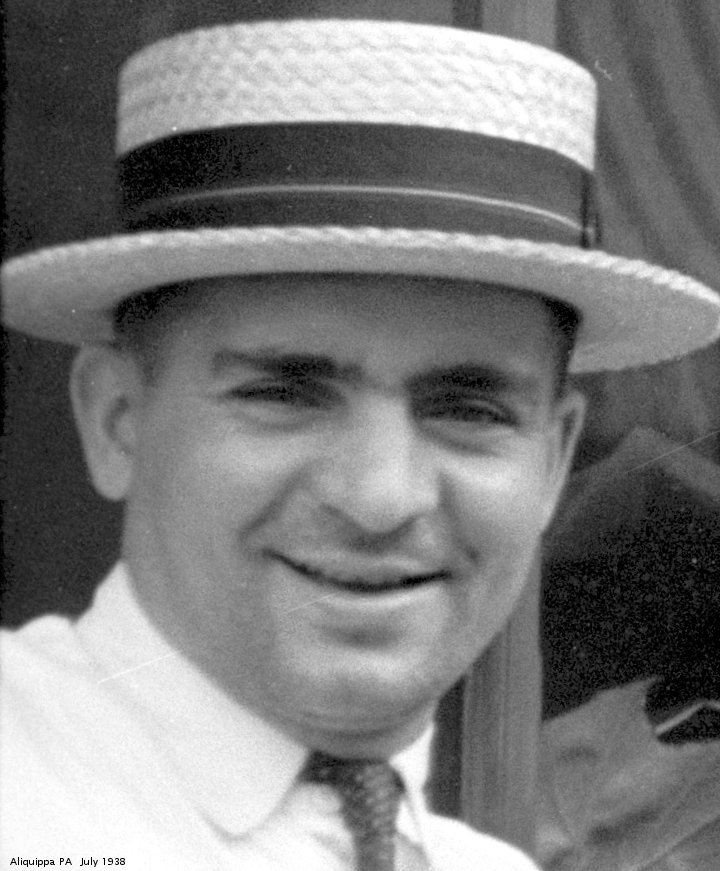
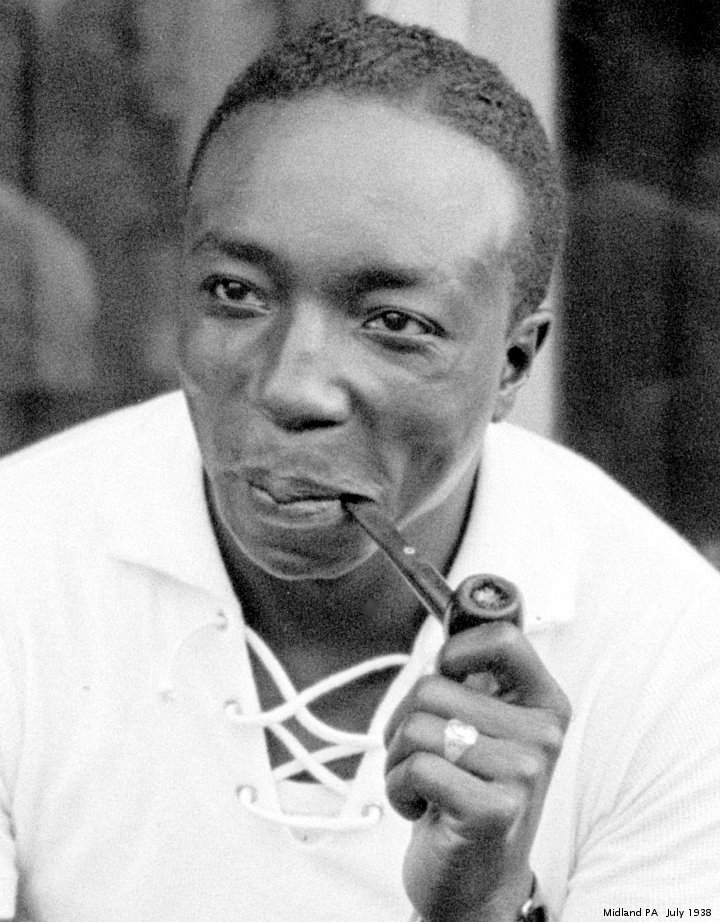
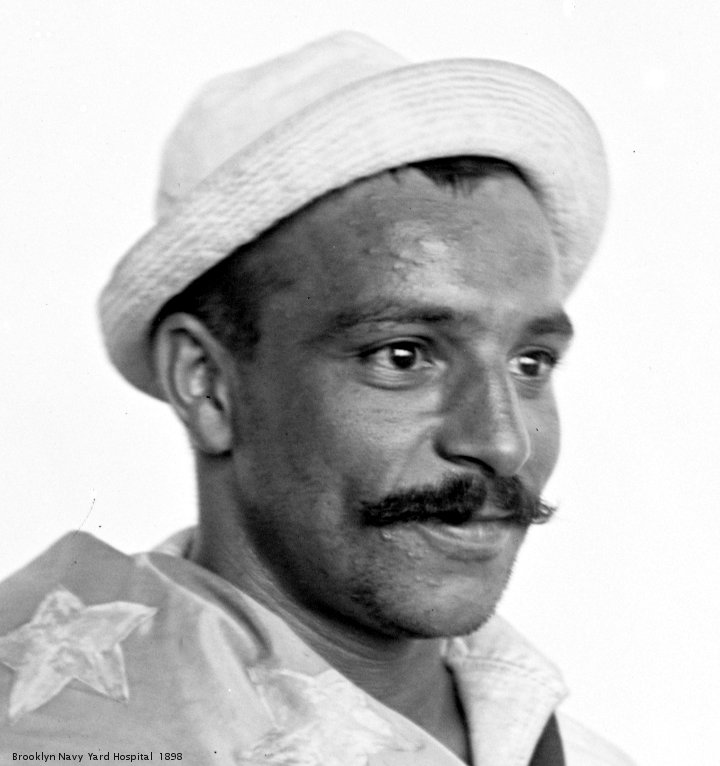
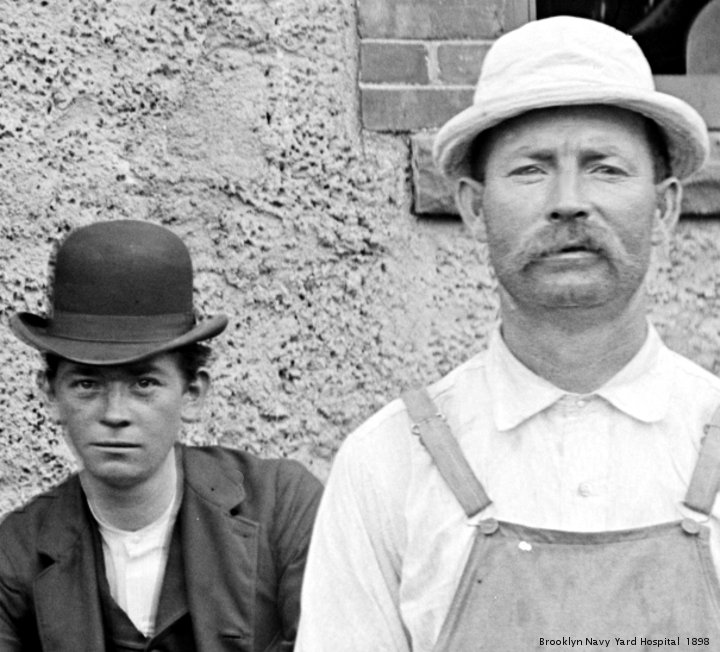
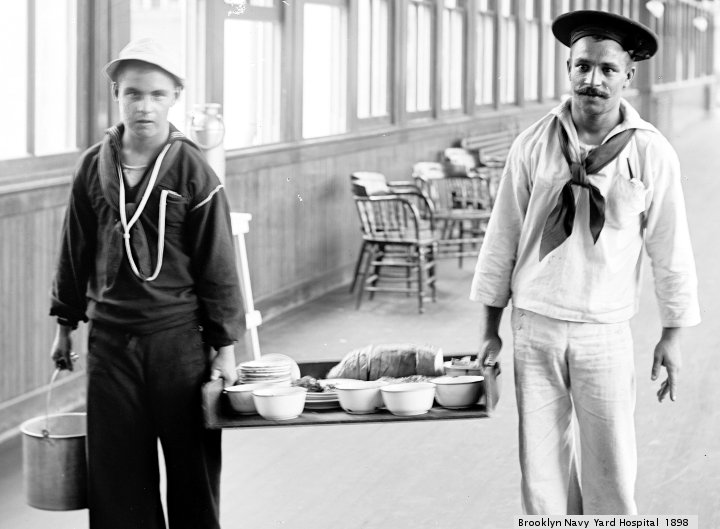
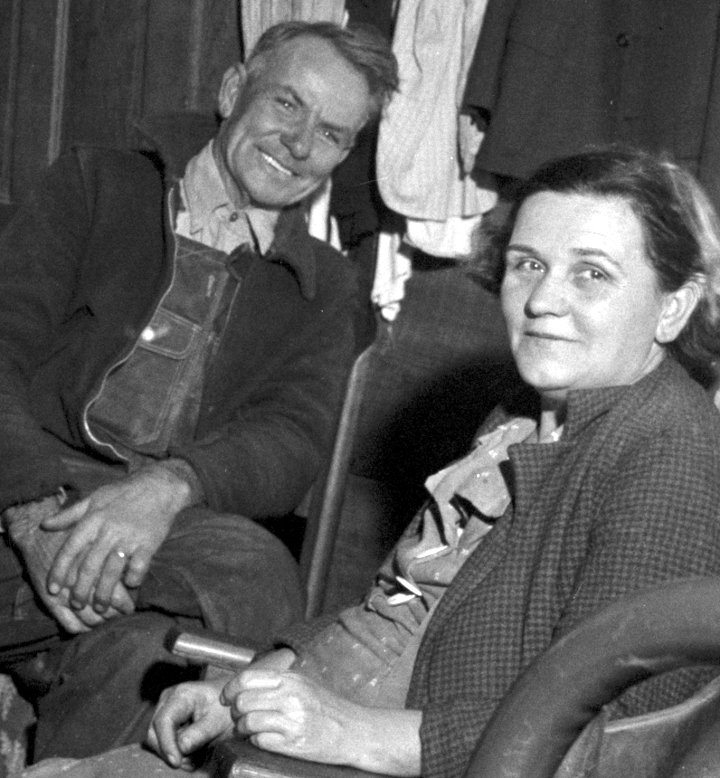
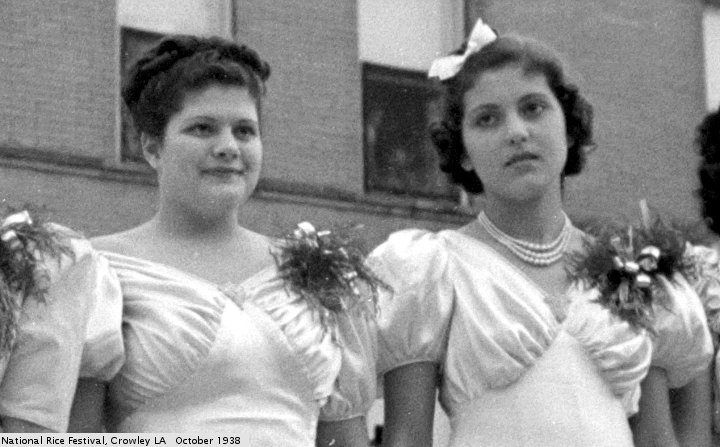
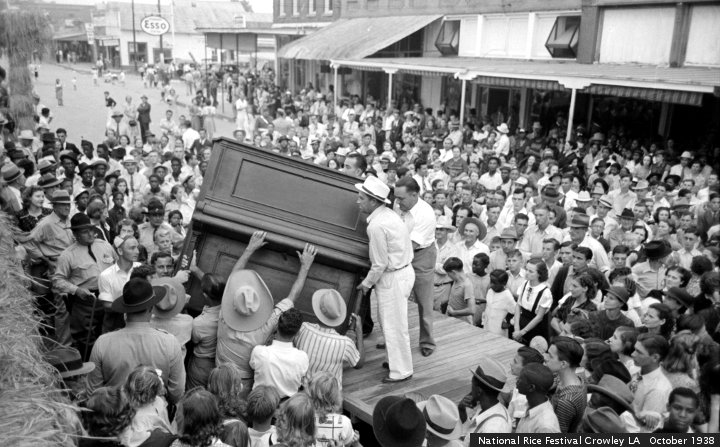
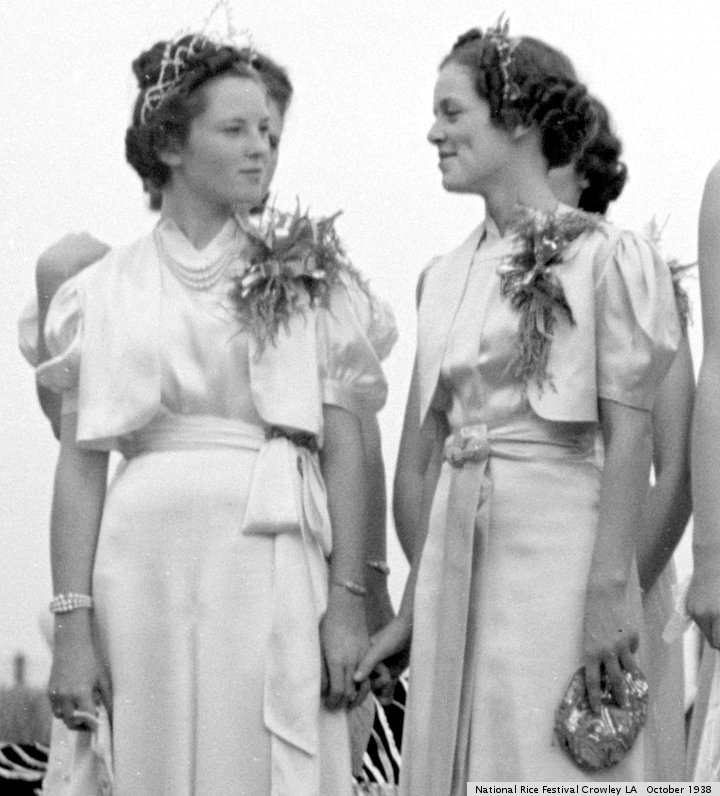
Pictures are from The Library of Congress. This is a double repost.
Leave It To Beiber
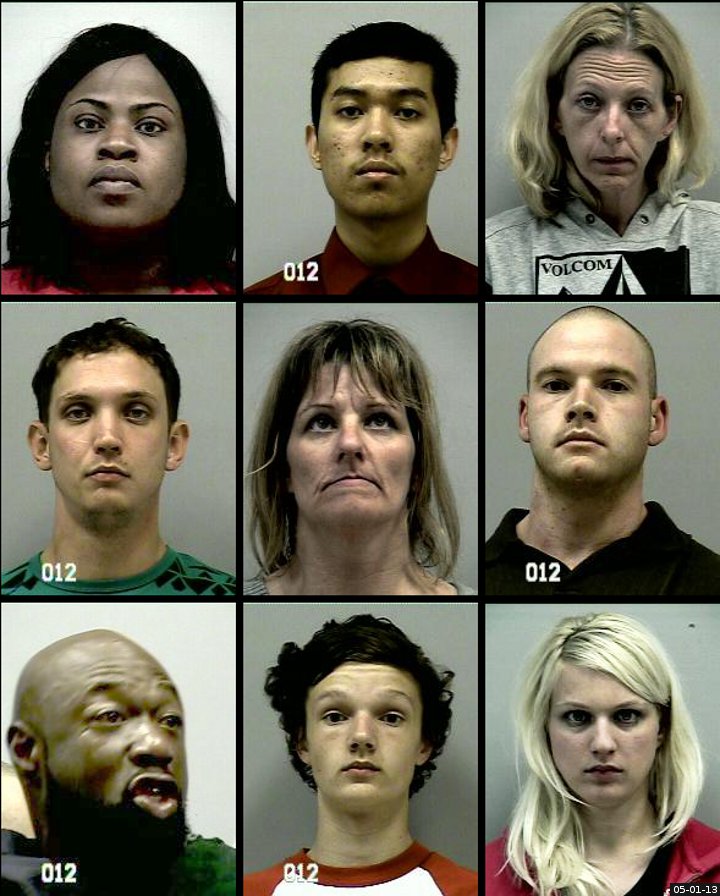



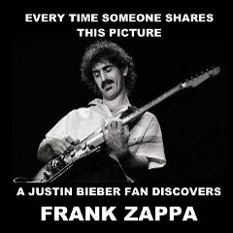
does beiber sound like itself?
like smash bash
swish or slash
zappa might sound like itself
if it were alive
pictures are from
Gwinnett County
which does not sound
like a traffic jam
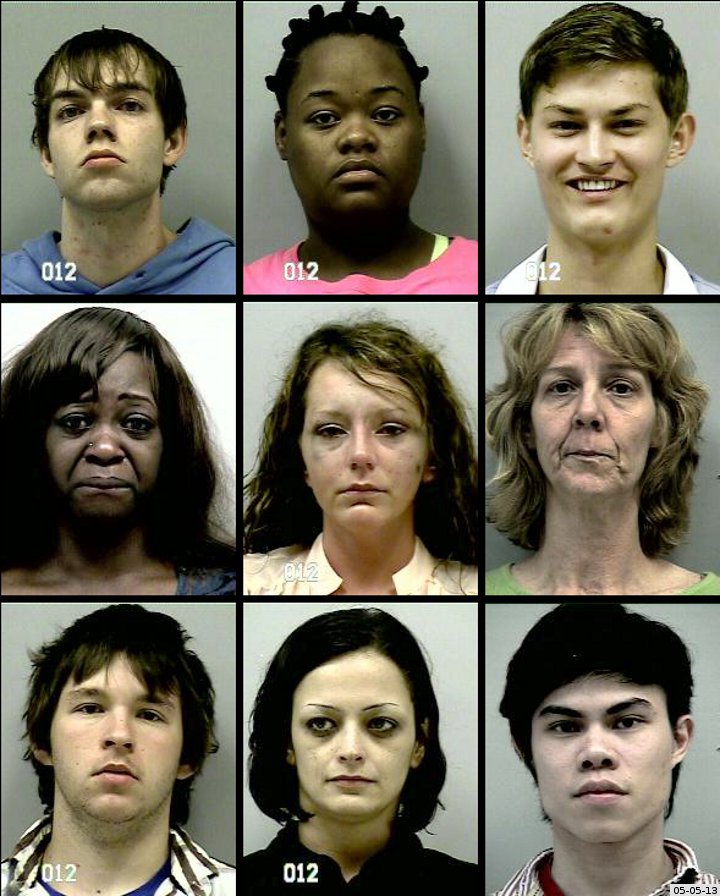
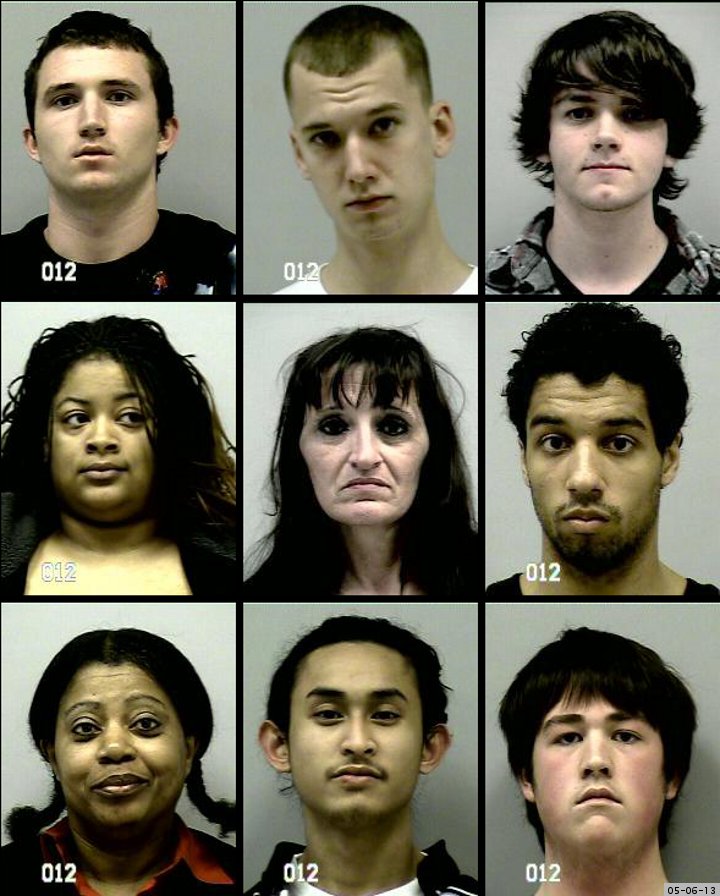

Controversy
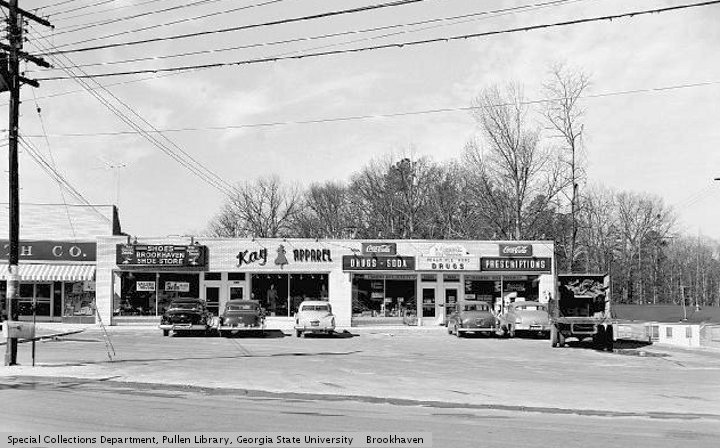
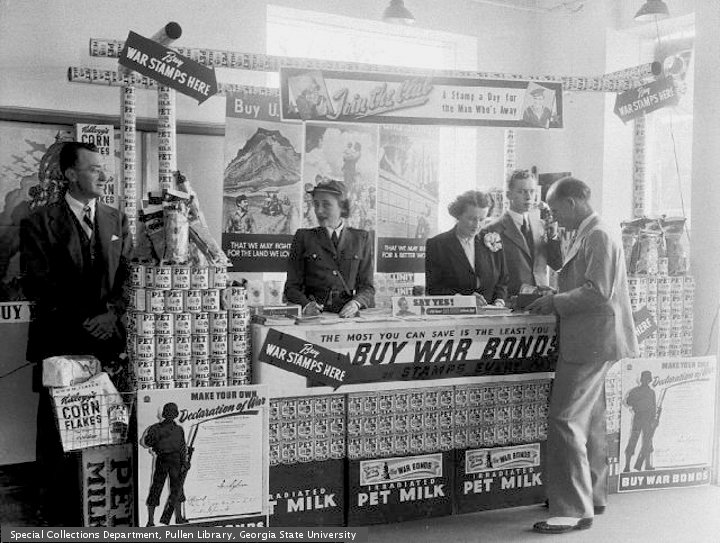
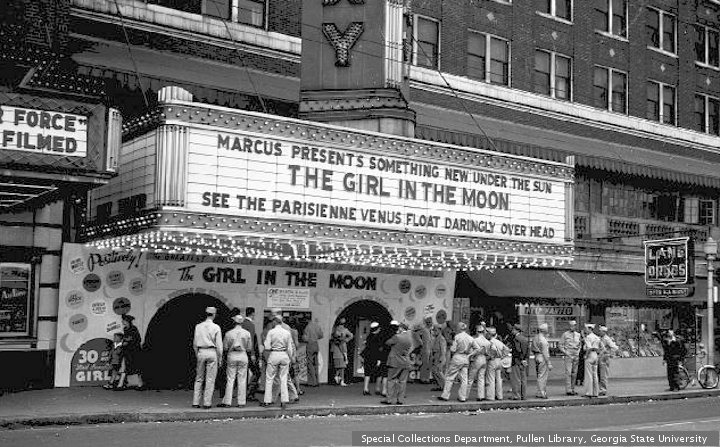
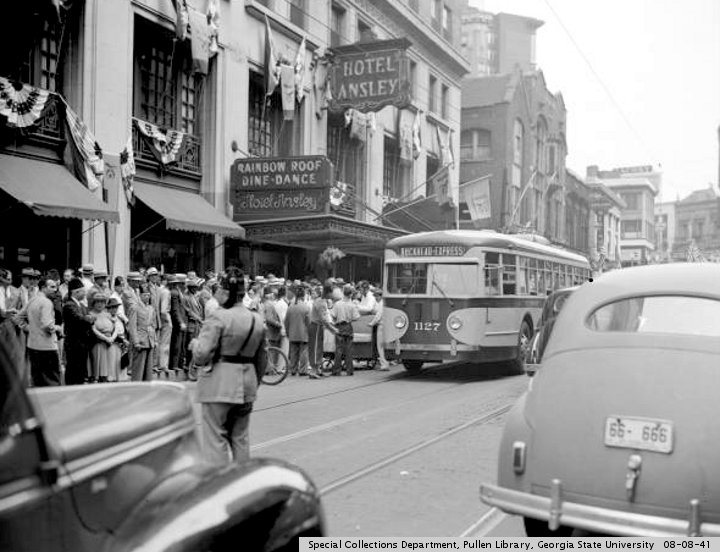
Number five on the yahoo home page news items is “David Bowie Controversy”. The old boi has some product for sale, and it must not be moving fast enough. The video has some religious imagery, including a scantily glad lady with a gushing stigmata. In the end, there is a tableau, with Ziggy ascending into the ceiling. The bathrobe he wears is more appropriate for a senior citizen than his thin white duke getup.
When PG was in high school, he took Spanish. The teacher was a fundamentalist Catholic named Mrs. DiPaola. Religion and politics were more fun than verbs and nouns, and she was easy to distract. One day she was talking about an uncle of hers, a truly righteous man. When he died, these bloody spots appeared on his hands. It was the stigmata, the wounds of Jesus.
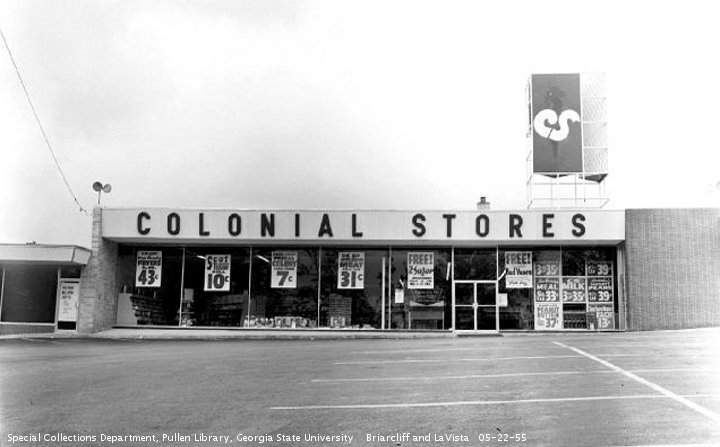
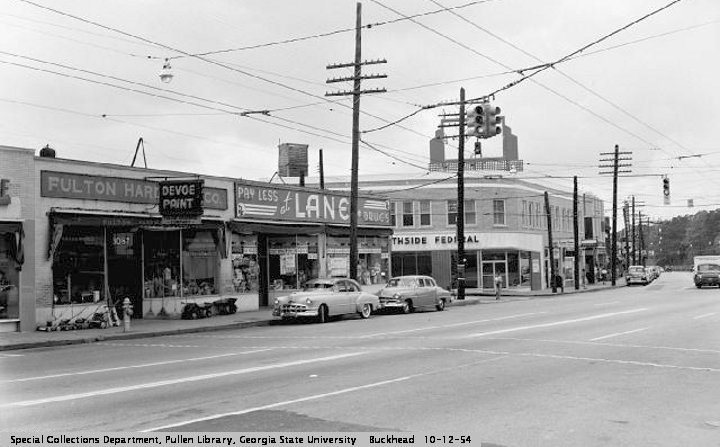
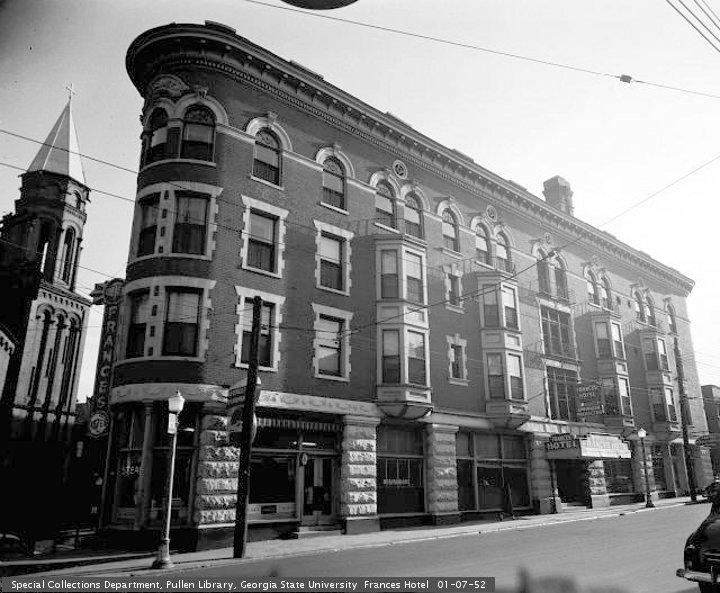
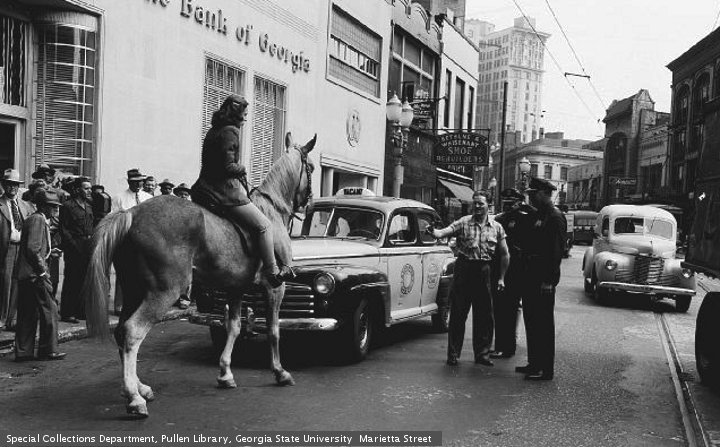
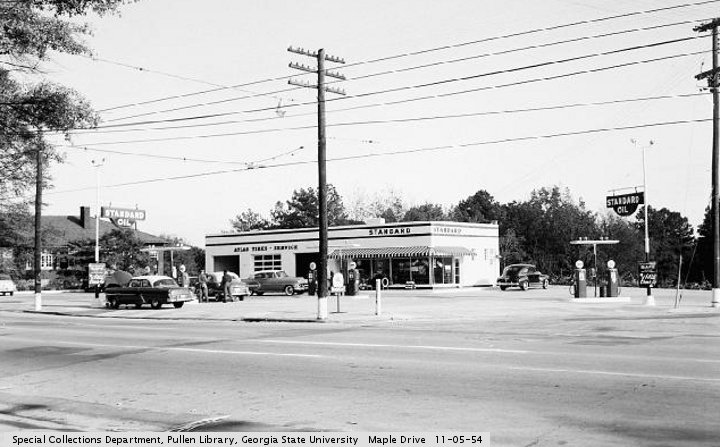
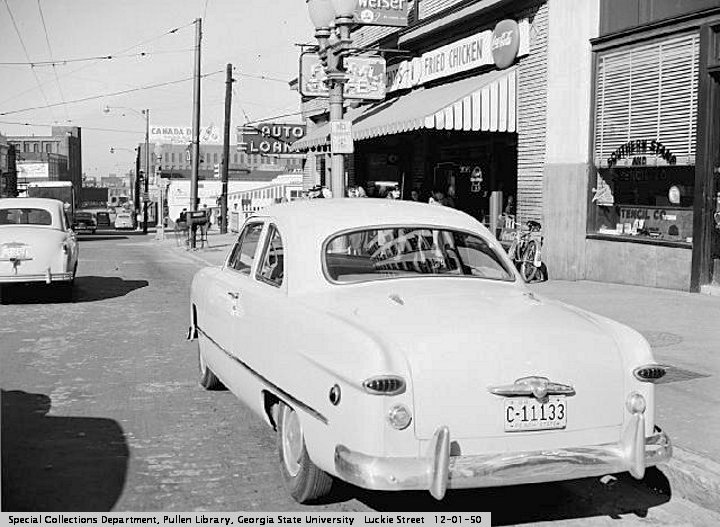
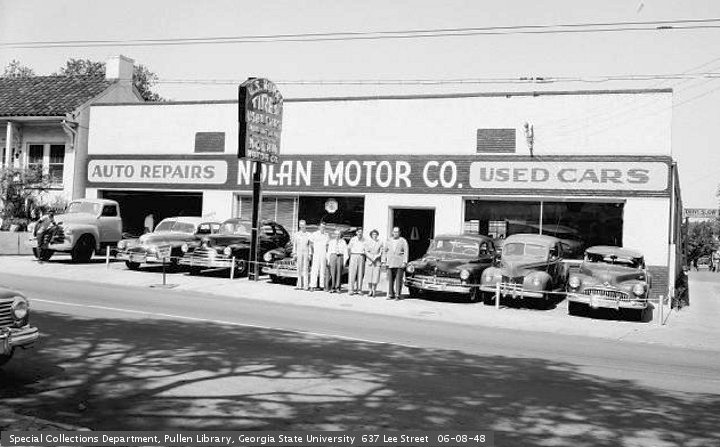
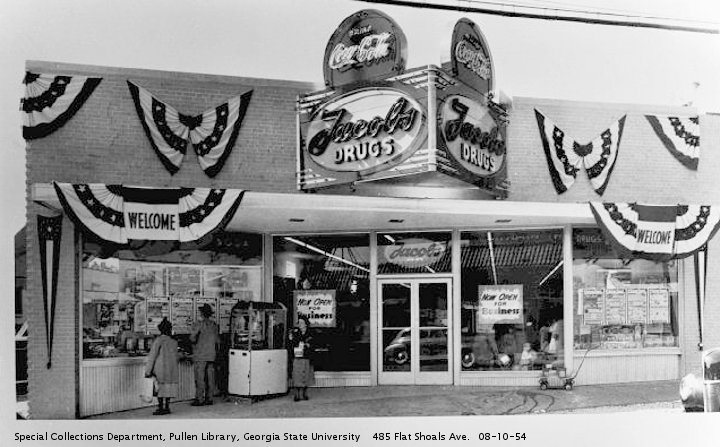
When the Romans put someone on a cross, the spike went through the wrists. There is a space between bones, and the giant nail went through without breaking one. If the nail was in the hand, the weight of the body would tear it off. The Romans were pros. Pictures today are from “The Special Collections and Archives,Georgia State University Library”.


Super Hero



Robert Allen Zimmerman
Arrived in Duluth Minnesota May 24 1941
Eight days later he was edited
Two wars later he became Bob Dylan
And slept with Joan Baez
He sold out by playing electric guitar



Blonde On Blonde


The aptly named Dangerousminds has a link to a story about the recording of Blond on Blond, by Bob Dylan. It only happened once.
Bob Dylan was 24 years old, newly married, and had “sold out” i.e. started to play electric guitar. A bunch of Canadians known as The Hawks (later The Band) was touring with him. Barely a month after the release of “Highway 61 Revisited”, sessions started at a New York studio.
The New York sessions did not work, so a decision was made to go to Nashville. Al Kooper played organ, and served as a music director. A crew of Nashville players was recruited. A bass player named Joseph Souter, Jr. would become famous a few years later using the name Joe South. Kris Kristofferson was the janitor at the studio.
Most studios have bafflers, or sound proof room dividers, splitting the studio into cubicles. For these sessions, the bafflers were taken down, and the band played together as a unit.
The second session in Nashville started at 6pm and lasted until 530 the next morning. Mr. Dylan was working on the lyrics to “Sad eyed lady of the lowlands”, and the recording could not start until he was ready. The musicians played ping pong and waited. At 4am, the song was ready, and the record was finished in two takes.
PG had marginal encounters with two players on this album. He met a lady once, who worked in an insurance office. One customers was Joe South. The file on his driving was an inch thick.
Al Kooper had a prosperous career after his association with Bob Dylan. The former Alan Peter Kuperschmidt produced the first three Lynyrd Skynyrd albums, and sold that contract for a profit. (Spell check suggestion for Lynyrd Skynyrd: Lyndy Skyward)
One night, Mr. Kooper was playing a show at the Great Southeast Music Hall, and PG sat in front of the stage. During a break between songs, PG asked his friend “what time is it?”. Mr. Kooper heard him on stage, and said it was 11:30.
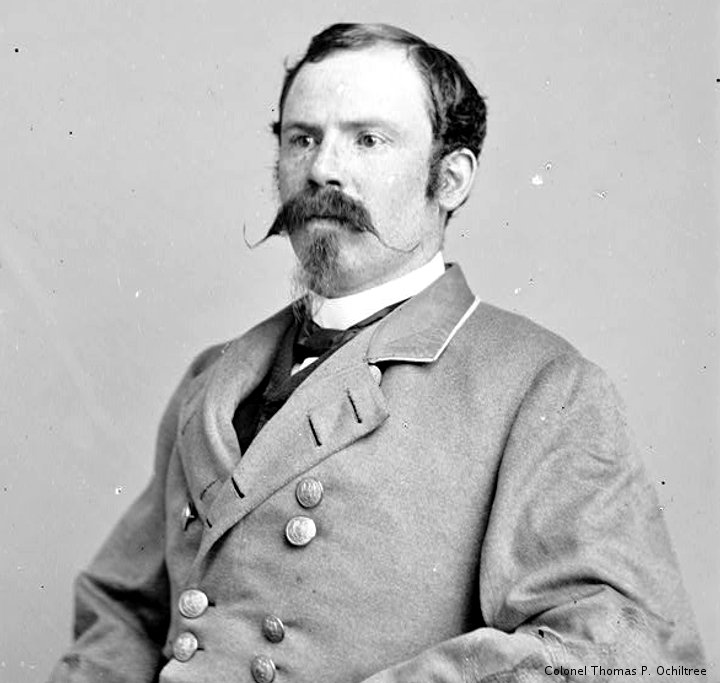
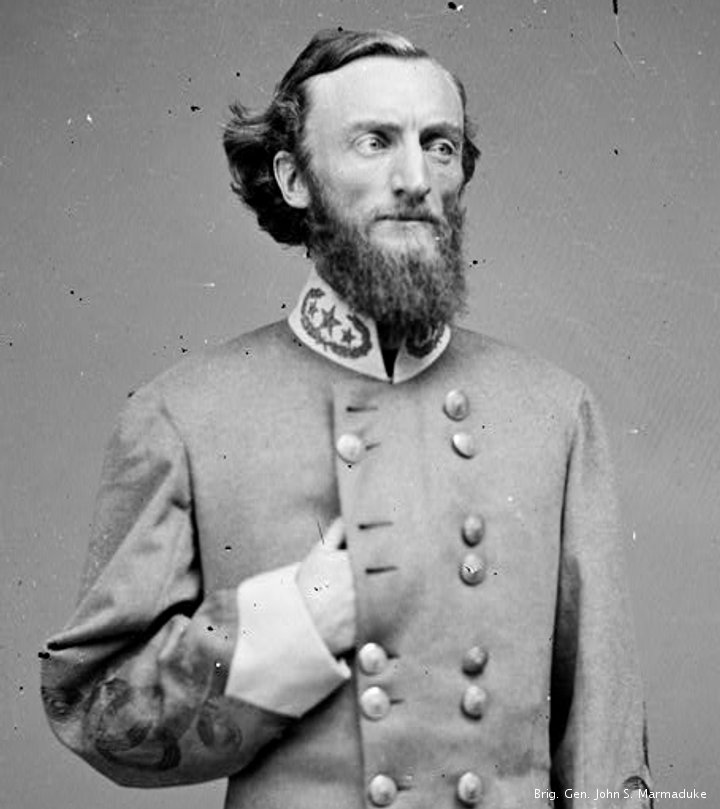
Pictures for this feature are from The Library of Congress. This is a repost.
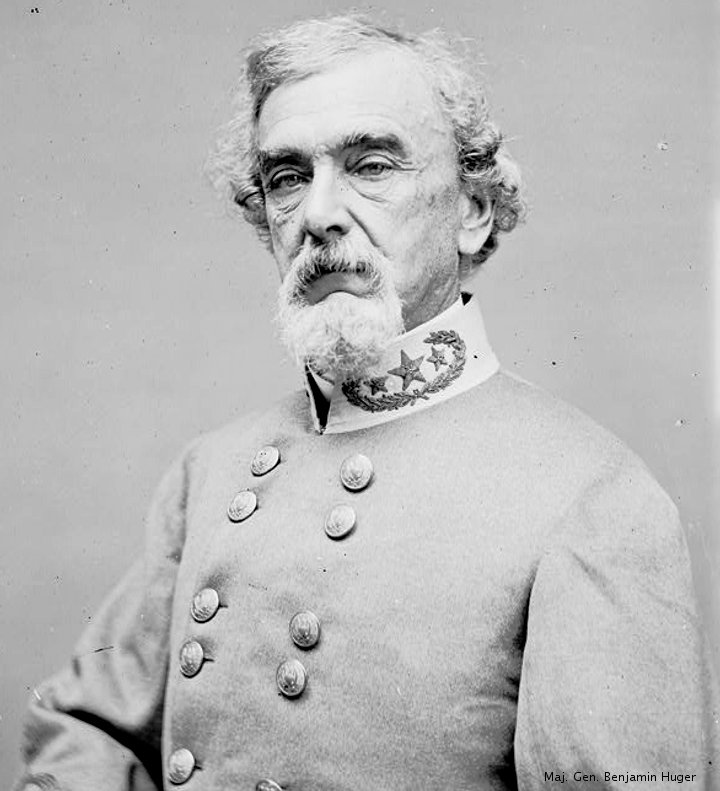


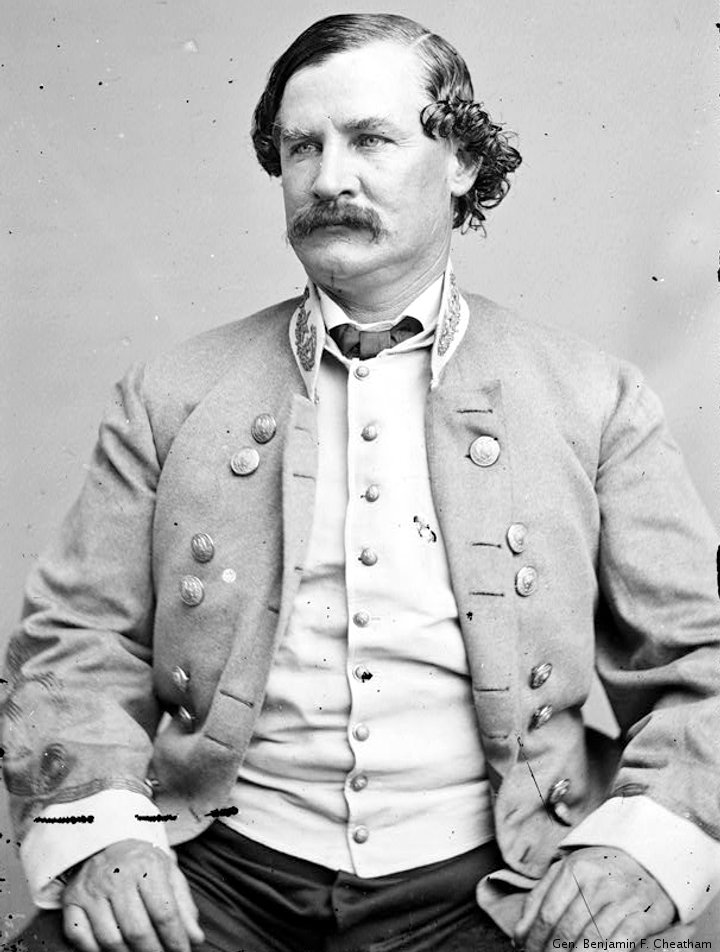
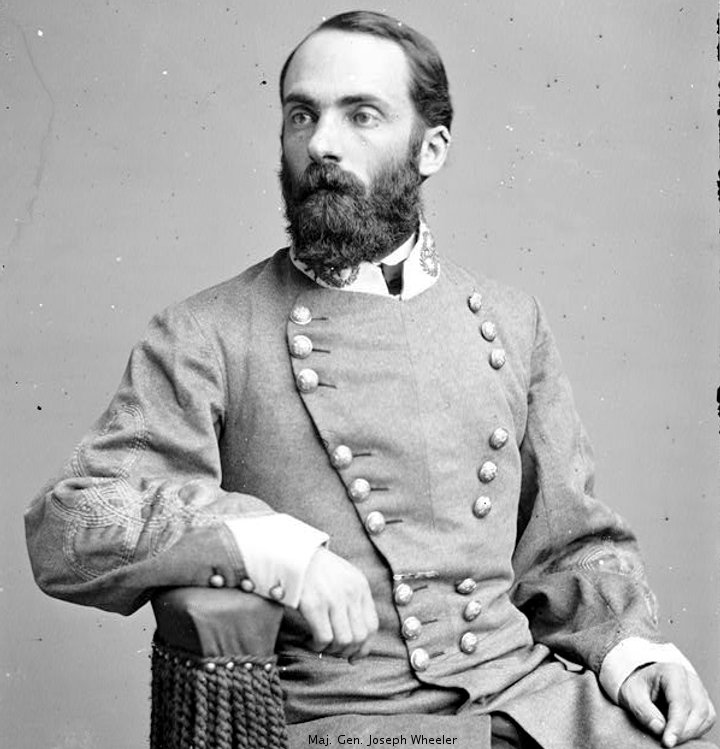
Richie Havens





Richie Havens died this morning. He was 72 years old. In 1969, he was the first performer at Woodstock. Mr. Havens was featured in the movie, and became very popular. The promoters asked him to play longer, while the backstage chaos played out. “Freedom” was mostly improvised to fill this need.
In 1974, PG had the privilege of seeing Richie Havens. He was playing at Richards, a club on Monroe Drive. It was the 2am show, on a weeknight. There was not a large crowd. What crowd there was kept yelling for “Freedom”, as if Mr. Havens had an obligation to play it.
Mr. Havens played a Guild guitar. He strummed it hard, with his pick dragging down over the body past the air hole. It looked like a guitar would only last a show, or two, before he would wear scratch marks in the body. Indeed, he did change guitars in mid show that night.
Pictures are from The Library of Congress.




Tim Curry

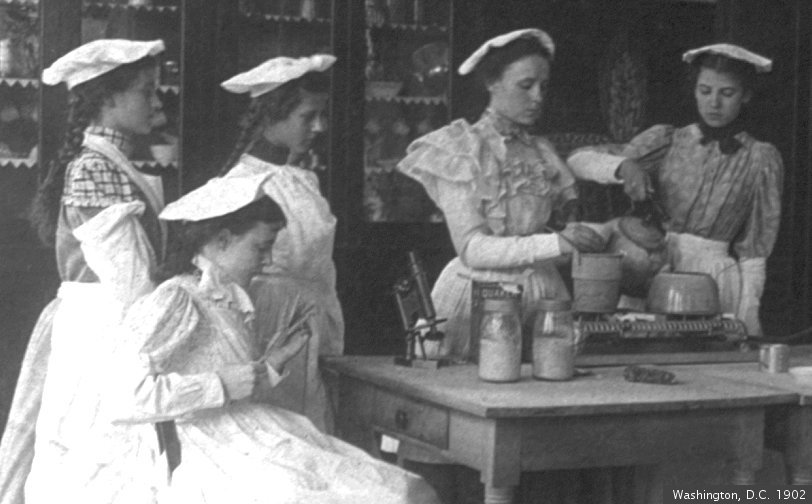

Tim Curry was born sixty five years ago today. It would be quite a while before April 19 was known as got a minute day. Mr. Curry is an actor, singer, and all around phenomenon. The role that made him a star was Frank-n-Furter in ” The Rocky Horror Show”.
Mr. Curry is best known for playing a flamboyant transvestite. His wikipedia page does not discuss his personal life. If you go to google, and type “is tim curry” the top five results are gay, married, dead, alive, died. A visit to some of the sites listed gave no definite answers. One of the sites tried to slip a *trojan horse* into this machine. Some things are better left a mystery.
After Dr. Furter went back to Transylvania, Mr. Curry made rock and roll albums. In 1978, a tour was put together to promote his vinyl debut. The first show in the United States was at the Agora Ballroom in Atlanta GA. PG was in the audience.
Riding into town on the 23 Ogelthorpe bus, PG got to talk to some ladies who were in town for a conference. They were worried about the crime. PG tried to reassure them by telling a recent news story. This lady was having breakfast in a downtown hotel, when she put her purse down on the floor. A handgun her husband had given her went off when the handbag hit the ground. The ladies breakfast companion was hit and killed.
Mr. Curry walked onstage eating a banana, grabbed a stool and turned it upside down. He appeared to be a bit tipsy. This did not affect his performance. Mr. Curry did most of the songs on his album, along with “Celluoid Heroes” by the Kinks. The latter song featured a Garbo impersonation.
Whoever put the band together for this tour had a lot of money. The guitar player played with Lou Reed on “Rock and Roll Animal”. The keyboard player, and musical director, was Micheal Kamen, formerly of the New York Rock and Roll Ensemble. (A song on the Curry album, “Sloe Gin”, was a NYRRE song, “Fields of Joy”, with new lyrics.)
The only song from “Rocky Horror” that Mr. Curry did was “I’m Going Home”. A few people were upset that he did not do “Sweet Transvestite.” He played another Agora show a couple of years later, and reportedly did perform “Sweet Transvestite.”
Tom Waits was scheduled to perform at the Agora the next night. PG was wandering through the balcony between shows, and saw Mr. Waits sitting at a table. A bodyguard was standing by, who said that it was just someone who looked like Tom Waits.
After the show was over, PG went to a nearby bar, and was talking to a friend about the show. A lady who was with the friend stood in front of him and screamed “What color are your eyes? They are brown, because you are so full of shit”. Pictures for this repost are from The Library of Congress.

Yellow Rain
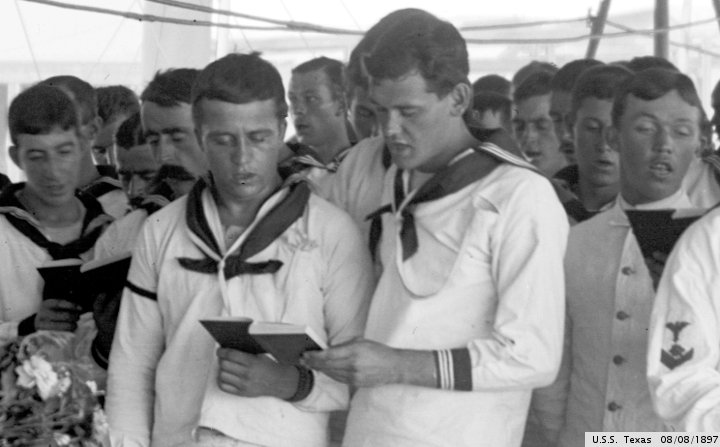
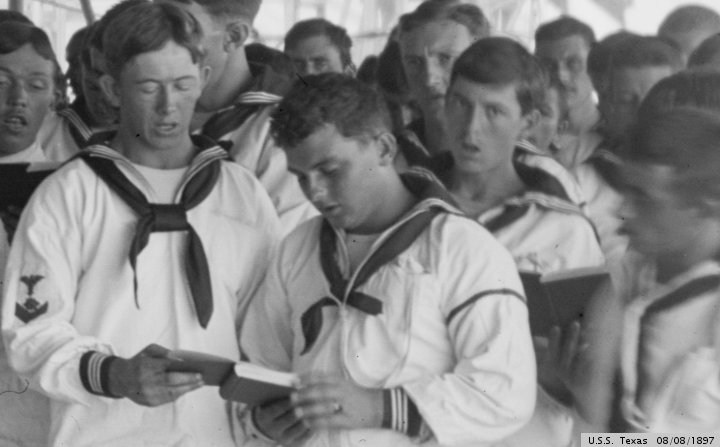
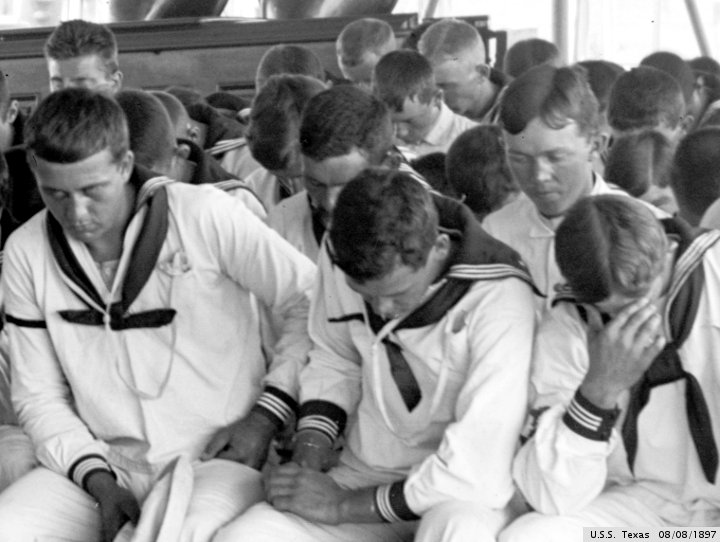
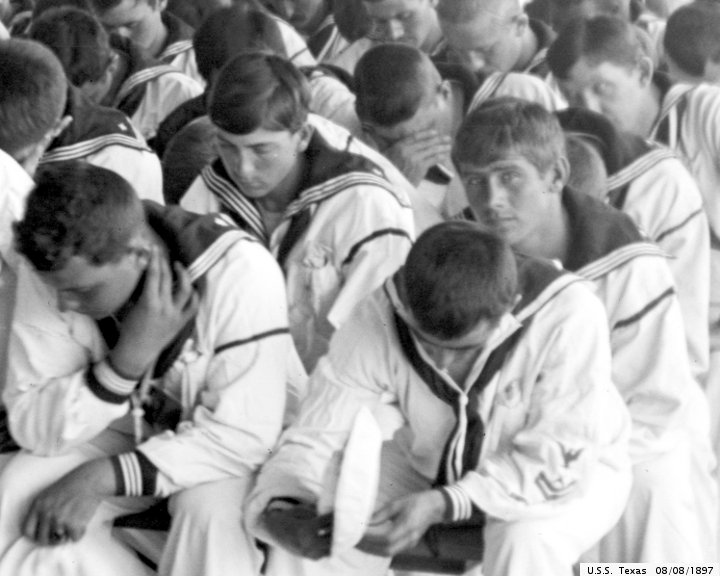
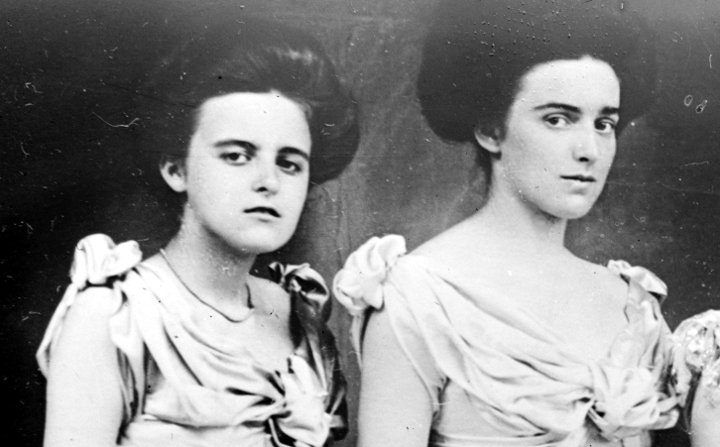


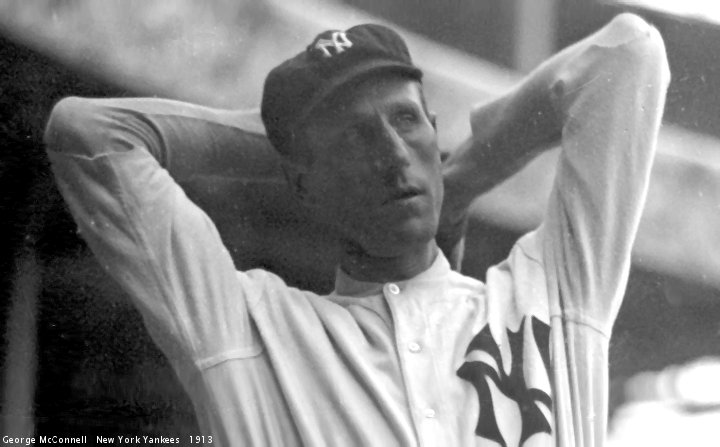
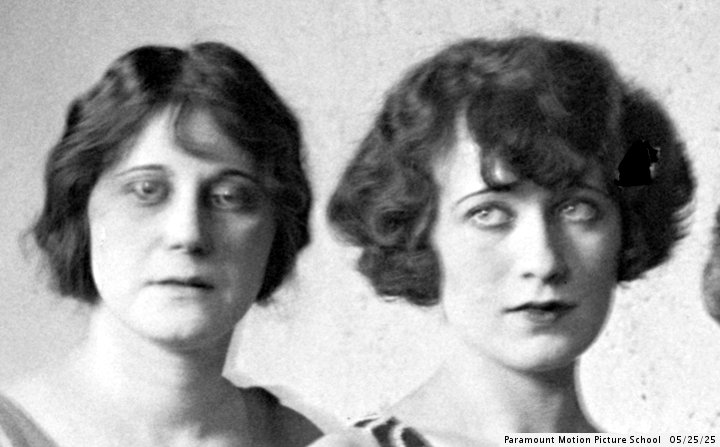
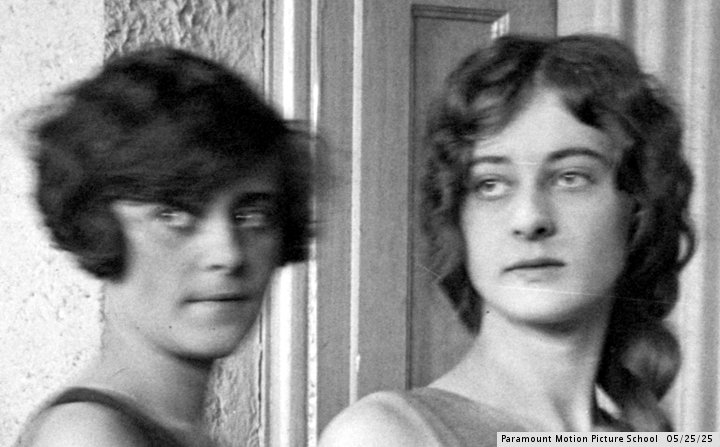
Thursday was the annual yellow rain. The pollen was pouring out of the trees, and a storm rolled in from Alabama to wash it away. PG stayed inside, listening to podcasts while editing pictures from The Library of Congress. (This is the source of tonight’s pictures.) This usually lasts until he hears something that distracts him, and makes him want to hear more. Tonight, it was a chat with Charlotte Chandler.
The real name of Miss Chandler is Lyn Erhard. She writes celebrity biographies, mostly pulled from interview transcripts. Most of the subjects of these books are deceased by the time of publication. Some naysayers claim that these interviews are fictitious. The linked article refers to a book Miss Chandler wrote about Marlene Dietrich, who was notoriously reclusive in her latter years.
Some say that you should never let petty concerns about truth interfere with the enjoyment of a good story. People with this attitude should enjoy this file of Miss Chandler reading from her book about Marlene Dietrich. Allegedly, the chanteuse had a private meeting in the oval office with John Kennedy.
In the early seventies, a hotel opened in Colony Square called the Fairmount. There was a supper club there, where people would pay large sums to see live entertainment. Marlene Dietrich performed there. “I have never been so disappointed in my life. She did the same songs that she had done for the last forty years. At the end of the show, somebody had to help her step down from the stage.”
Maybe PG should have stuck with stories presented as fiction. With made up stories, you don’t have to worry if it is true, or not. Tonight’s entertainment featured a story, The Suicide Witch, on the Pseudopod podcast. The witch is a young lady, who is preparing a girl for a fake funeral. The plan is for her to join her bf after the psuedo burial. Sometimes things go according to plan.




Florence Foster Jenkins





Useless Information had a show, The Patron Saint of the Vocally Challenged. It tells the story of Florence Foster Jenkins. She had a wealthy father, and hired vocal coaches to try and produce a good singer. She became somewhat of a concert attraction, and sold out Carnegie Hall. Accompianist Cosme McMoon did what he could to help. Mrs Jenkins was, by all accounts, very, very bad.
Here is more information about the talent. “Florence Foster Jenkins (1868–26 November 1944) was an American soprano who became famous for her complete lack of singing ability. From her recordings, it is apparent that Jenkins had little sense of pitch and rhythm and was barely capable of sustaining a note. Her accompanist can be heard making adjustments to compensate for her tempo variations and rhythmic mistakes. Nonetheless, she became tremendously popular in her unconventional way. Her audiences apparently loved her for the amusement she provided rather than her musical ability. Critics often described her work in a backhanded way that may have served to pique public curiosity. Despite her patent lack of ability, Jenkins was firmly convinced of her greatness. She compared herself favourably to the renowned sopranos Frieda Hempel and Luisa Tetrazzini, and dismissed the laughter which often came from the audience during her performances as coming from her rivals consumed by “professional jealousy.””
A cd of her product, The Glory (????) of the Human Voice, is available. Amazonians were not kind. “This is a recording that every serious musician should own, for a variety of (ahem) reasons. But by all means, buy the cheap one. If the sound is better on the remastered version, it could only be more painful.” “she gets points for effort” ” I appreciate camp as much as anyone, but my wife was ready to divorce me if I played another song from the album” “The whole matter stinks of making fun of a person afflicted by illness. What a cruel species we were – and still are.”
The legend is that she said “People may say I can’t sing, but no one can ever say I didn’t sing.” A quick google search does not reveal the source, or context, so this quote cannot be verified. Quote Factory has this available in eleven tasteful designs.
The Carnegie Hall show took place a month before her death. Here is the story.
“In order for a singer to succeed, they need to have a combination of talent, charisma, and interpretive quality. And, by definition, they need to be able to sing. Florence Foster Jenkins had none of these attributes. In fact, she was considered one of the worst singers of all time. She was independently wealthy and performed at the Waldorf and other places around town. It became a thing to do. You had to go and listen to Florence Foster screw up every song she attempted to sing.
She was having a great time and the audience was having a great time, so they kept telling her, “You need to make your Carnegie Hall debut.” So on October 25, 1944, she did, and it was sold out in just two hours. They came from everywhere. She walked onstage in these ridiculous costumes that she’d made herself. She’d throw roses out into the audience, her assistants would go out and collect them, and she’d throw them out into the audience again. The audience would not let her go home. They cheered her and clapped, and one month and one day later she died at the age of 76.”
The program for this performance had a note from the Fire Commissioner, Patrick Walsh.
“FIRE NOTICE – Look around now and choose the nearest exit to your seat. In case of fire walk (not run) to that Exit. Do not try to beat your neighbor to the street.”
The last.fm page with the information on F. F. Jenkins lists “similar artists”. The only two we will have videos from are Wing and Mrs. Miller. Slim Whitman and Tiny Tim, being males, were not considered.
Pictures are from The Library of Congress.

Life
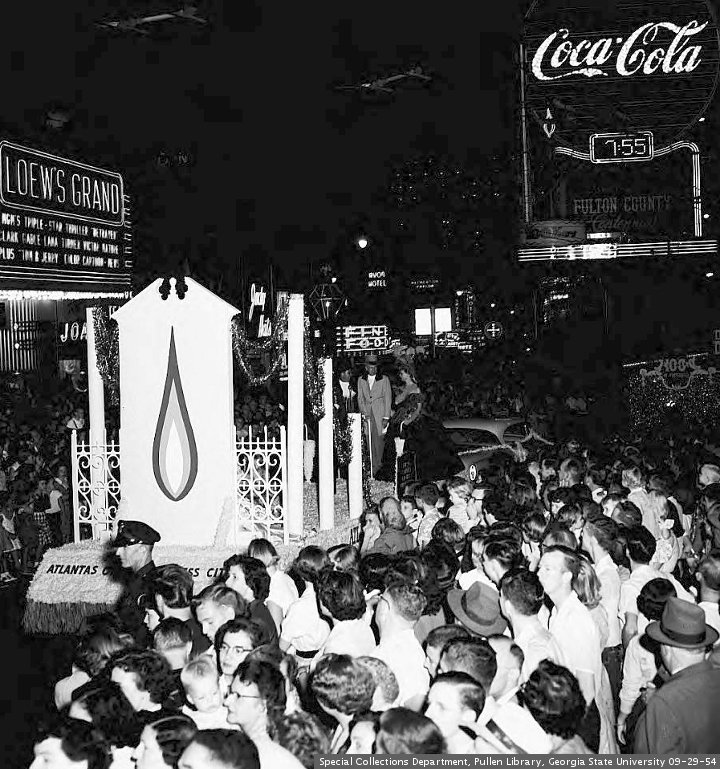
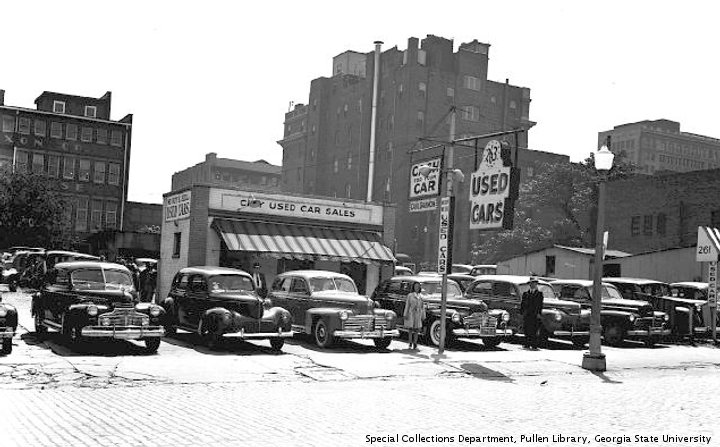
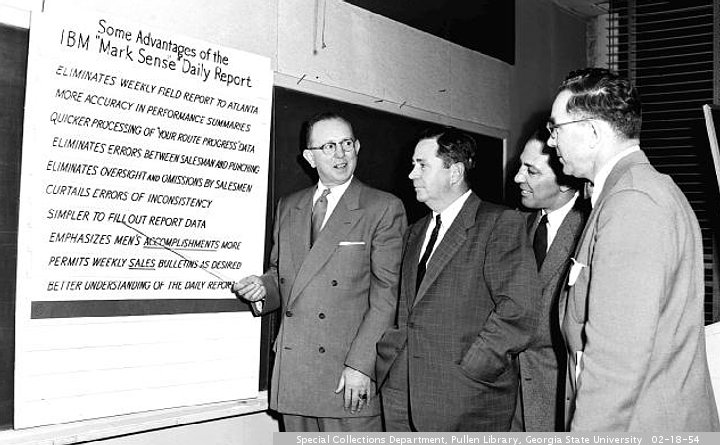
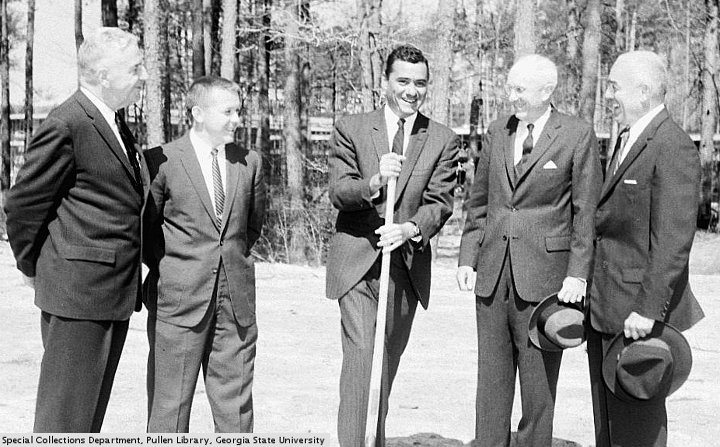
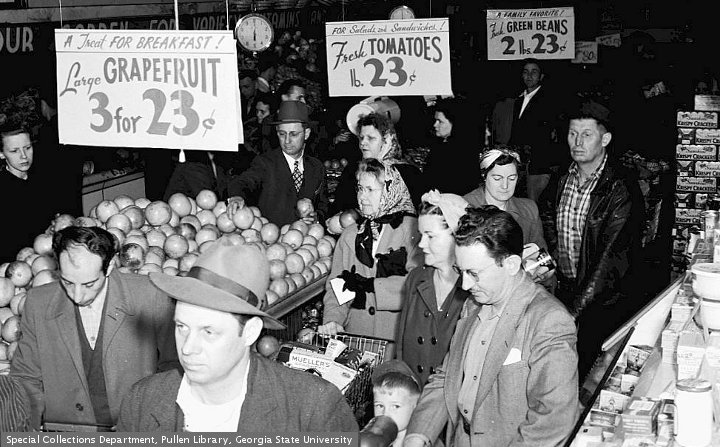
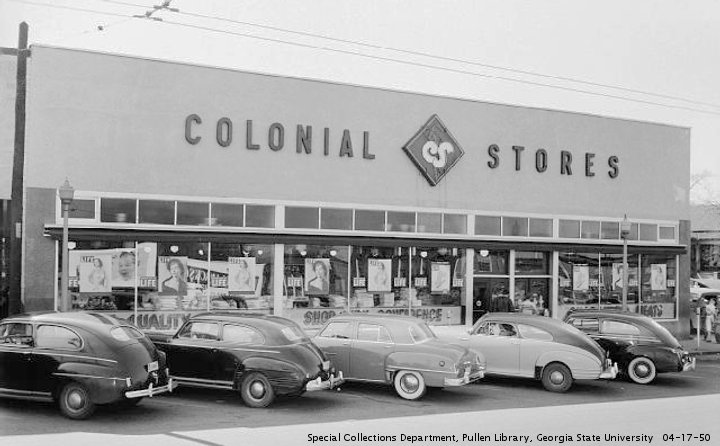
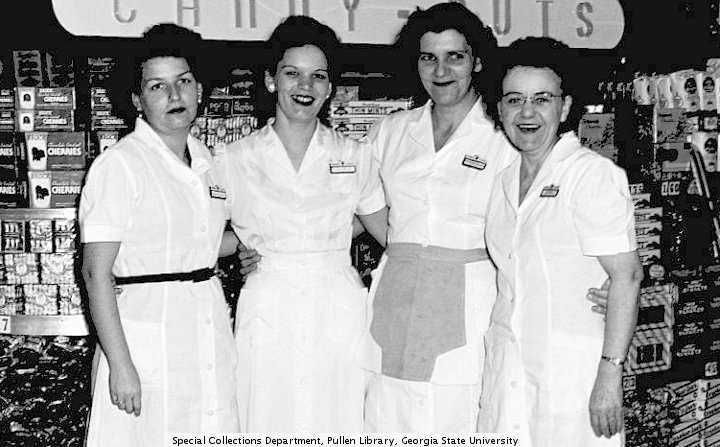
PG found a copy of Life, the autobiography of Keith Richards, at the Chamblee library. It is due back today. Whatever virtues this book may have, it is not worth an overdue fine.
The first chapter is about a bust. During the 1975 tour, Keith and Ron Wood go to a diner in backwoods Arkansas. They stay in the men’s room for forty minutes, and someone calls the cops. The vehicle is pulled over, and the crew is busted. With the help of a politically connected lawyer, they get out of jail, and the tour continues.
Keith is not a very nice man. When the stones are in France, making “Exile on Main Street”, Keith goes into town with his bodyguards, and gets into fights. He says when you see trouble starting, to be sure to land the first blow.
This is when he cops some pure heroin, and learns to mix it himself. The formula is 97 parts cut, to 3 parts smack. If you go 96 to 4, you might die. There are lots of drug stories in this book. Keith finally quits sometime in the late seventies, about when Mick is the darling of Studio 54. Mick and Keith are sometimes pals, sometimes enemies, but always counting the money as it rains in. The music industry is corrupt and cutthroat, and Keith fits right in.
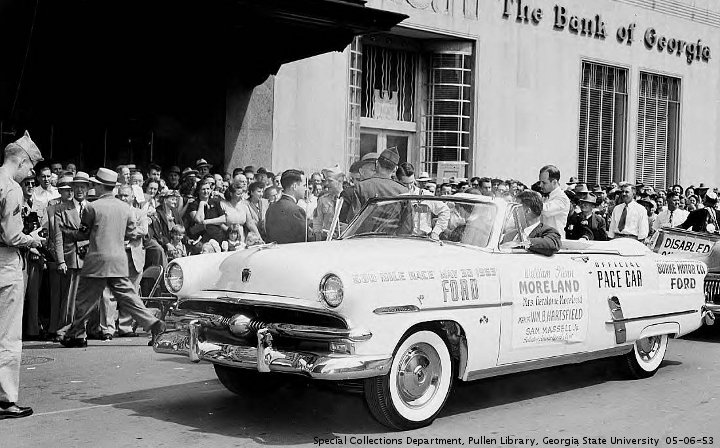
The ghost writer is James Fox, and he does a good job of channeling Keith. The copyright is assigned to something called “Mindless Records”. The bonus cd was stolen by someone at the library. The pictures are safe for work. Pictures for today are from “The Special Collections and Archives,Georgia State University Library”. This is written like David Foster Wallace. This book does not include the meaning of life.
Quote Waste

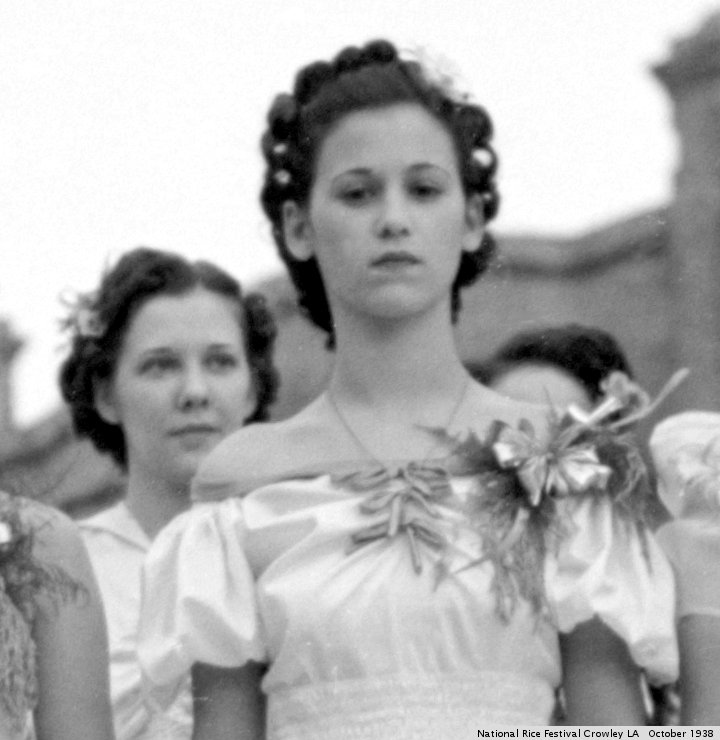

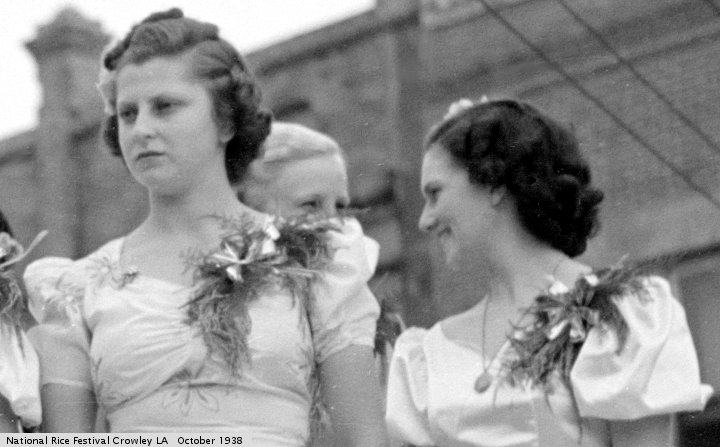
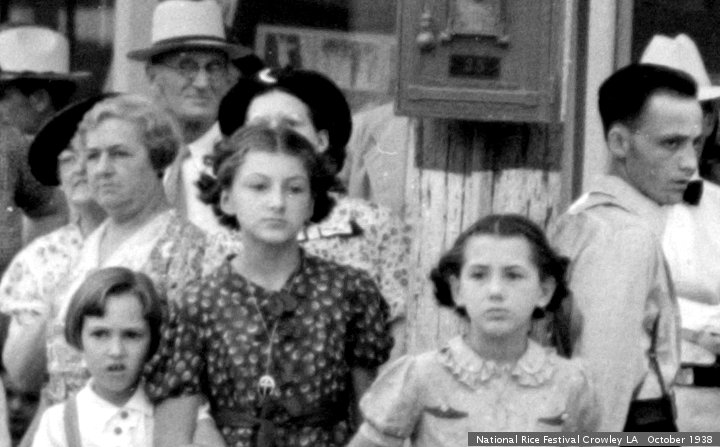

There is a tasteful graphic going around. It features a quote, “Time you enjoy wasting was not wasted.” John Lennon is blamed for this thought. Wikiquotes does not have this quote, at least by Mr. Ono.
An obvious comment is that being wasted is something Mr. Lennon knew. Keith Richards says this is not quite the case. On pages 261-262 of “Life”, Mr. Richards describes how Mr. Lennon would try to keep up on the drug intake, but wound up in the loo, studying the porcelain.
There was a facebook exchange about this quote. “Wikiquotes does not show this quote. I searched using wasted, wasting, and time.” ~ “Luther,the way I look at these quotes is : I like the idea they express, rather than being overly concerned with the veracity of the attribution.”
If the idea is so cool, why do the quotemongers need to attribute them to a famous person? You can find some pastoral image for the background, throw the quote up, and be inspired. Is it an authoritarian impulse to find a wise man to give credit for the cleverness? Can’t it stand on it’s on?
John Lennon spoke about being more popular than Jesus, and caught some flack as a result. Would John really want to be used as justification for someone else’s clever thought? The sense here is that all he wanted to do was play rock and roll. Let someone else be the spokesman for a generation.
Pictures are from The Library of Congress.




 Chamblee54
2 comments