Rahsaan Roland Kirk

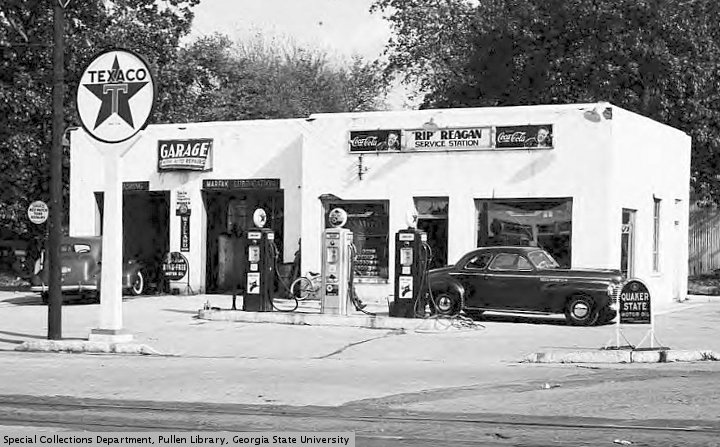



There have been eleven presidential transfers of power in PG’s life. Nine of them were in January. PG typically ignores them. He goes out with Mr. Crook in office, and comes home to President Thief.
The best exception was in August, 1974. Richard Nixon was finally undone and forced to resign. After watching Tricky Dick’s next to last television speech, PG got in his Datsun and drove to the Great Southeast Music Hall. The entertainment that night was Rahsaan Roland Kirk.
The Music Hall was the sort of place we don’t seem to have anymore. The auditorium was a bunch of bench backs on ground level, with pillows everywhere. It was a space in a shopping center, occupied by an office depot in later years. To get there from Brookhaven, you drove on a dirt road, where Sidney Marcus Boulevard is today.
Rahsaan Roland Kirk was not modest. He was the modern miracle of the tenor saxophone. He would play three saxophones at once, getting sounds that you do not get from a single instrument. At one point, the band had been playing for about five minutes, when PG noticed that Kirk had been holding the same note the entire time without stopping to breathe.
Mr. Kirk played two ninety minute sets that night. He talked about twenty minutes out of every set. Of that twenty minutes, maybe thirty seconds would be fit for family broadcasting. Mr. Kirk…who was blind…said he did not want to see us anyway, because we were too ugly. He said that Stevie Wonder wanted to make a lot of money, so he could have an operation and see again.
The next day, Mr. Nixon got in a helicopter and left Washington. The Music Hall stayed open a few more years, and Sidney Marcus Boulevard was paved. Rahsaan Roland Kirk had a stroke in 1975. He struggled to be able to perform again. On December 5, 1977, a second stroke ended his career. He was 41 years old. This feature is an encore presentation. The pictures used today are from “The Special Collections and Archives, Georgia State University Library”.




A Natural Woman: A Memoir



A Natural Woman: A Memoir is the autobiography of Carole King. How much she actually wrote is a good question. The 2012 copyright is assigned to “Eugenius LLC.” While Carole is famous as a songwriter, she mainly wrote music. Someone else did the lyrics.
Carol Joan Klein was born February 9, 1942. After a reasonably normal Brooklyn girlhood, she started going to music companies with songs she wrote. Soon, she was writing all the time. Gerry Goffin was writing words, and the songs became hits. By this time, an e had been added to Carole, and King became her professional name.
Gerry and Carol got married, had two girls, moved to New Jersey, and continued to write hit records. The sixties hit Gerry hard, with drugs, mental illness, and other women. The two got divorced. Carol moved to California, became a hippie goddess, released the best selling album of all time, got married again, and had two more children.
If you listen to Tapestry, you probably notice the bass player. This is Charlie Larkey, husband/babydaddy number two. The divorced after a while, for some reason or another. ANWAM is fuzzy about some of the details. You get the sense that there is more to the story.
Famous people books tend to follow a pattern. They are born, and become successful. The story line goes over the bump in the middle, and begins to go downhill. For Carole King, this downhill path starts with her third husband. An abusive jerk, Rick Evers made life miserable for a few years, before dying of too much drugs. The one bright spot in this part of the story is moving to Idaho. But that was a mixed blessing. After finding a dream spot in the wilderness, there was a nasty court battle over keeping a private road private. Once again, ANWAM tells one side of the story well.
Last summer, PG hit the jackpot at a friends-of-the-library book sale. ANWAM is the last book. The first three were Post Office, I Slept With Joey Ramone, and Bastard Out Of Carolina. It is probably back to the library for reading material now. Pictures today are from The Library of Congress.




What Is Dirty About Louie Louie?


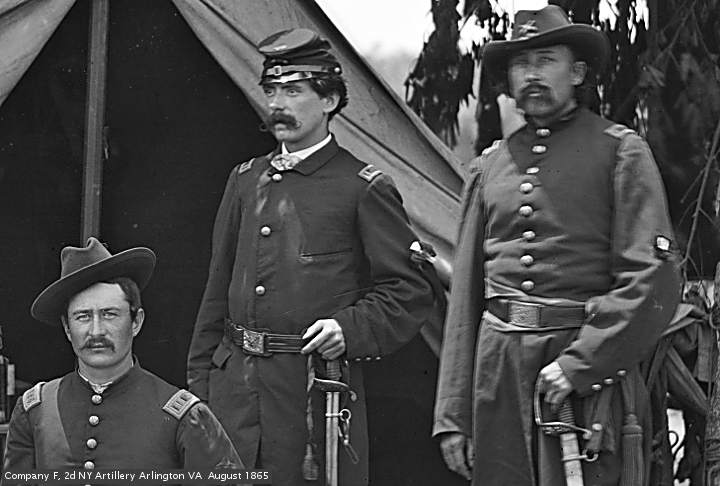
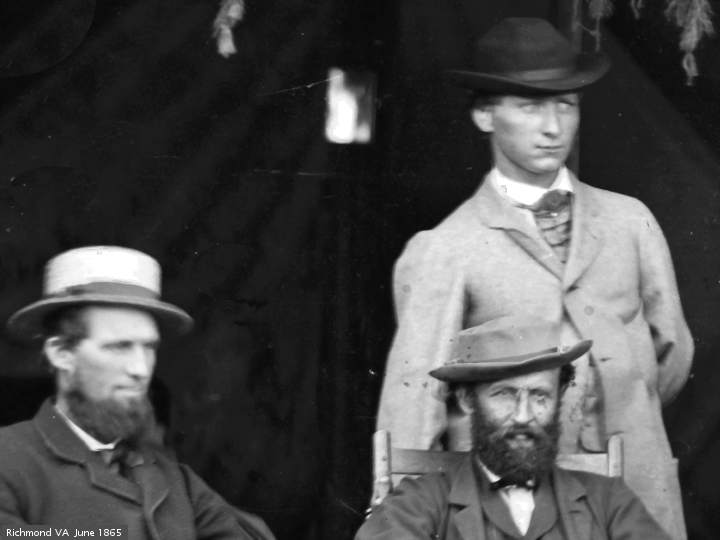
The sixties were a great time to be a kid. As long as you were too young for a Vietnam Vacation, there were kicks to be had.
One of the more enduring legends was the dirty lyrics to “Louie Louie”. Recorded by an obscure band called the Kingsmen, the song was a massive hit in 1963 (It never was Number One). When WQXI put out lists of the greatest songs of all time, “Louie Louie” was at the top of the list. This is despite, or because of, the raucous sound. The song was recorded in one take, when the band thought they were playing a rehearsal. The vocals are difficult to make sense of, and rumored to be obscene. No one was ever quite sure why. With the garbled sound on the record, the listener could hear almost anything they wanted to.
The Governor of Indiana, Matthew Welsh, banned radio stations from playing the song in that state. On February 7, 1964, Attorney General Robert Kennedy got a letter from an outraged parent about the lyrics to “Louie Louie”. An F.B.I. investigation followed. After thirty months of investigation, the Bureau concluded that they could not make sense of the lyrics.
PG had a neighbor named Carol. A tomboy who could whip most of the boys, she had a pet skunk named Napoleon. Carol claimed to have heard a band at Lenox Square play “Louie Louie”. “He said the words real slow so you could understand them. I can’t repeat what he said, but it was dirty”.
Louie, Louie Oh no, me gotta go.
Yeah, yeah, yeah, yeah, yeah, said, ah
Louie, Louie Oh, baby, me gotta go
A fine little girl she waits for me Me
catch a ship for cross the sea.
Me sail that ship all alone Me never think how I make it home.
Ah, Louie, Louie No, no, no, no, me gotta go.
Oh, no. Said, Louie, Louie Oh, baby, said we gotta go.
Three nights and days I sail the sea Think of girl, oh, constantly.
Ah, on that ship I dream she there
I smell the rose, ah, in her hair.
Ah, Louie, Louie Oh, no, sayin’ we gotta go.
Yeah, yeah, yeah, yeah, yeah,
but, ah, Louie, Louie Oh, baby, said, we gotta go.
[Yelled] Okay, let’s give it to ‘em right now! [instrumental]
Me see Jamaica, ah, moon above.
It won’t be long, me see me love.
Take her in my arms again, I got her; I’ll never leave again.
Ah, Louie, Louie Oh, no, sayin’ me gotta go.
Yeah, yeah, yeah, yeah, yeah
But, ah, Louie, Louie Oh, baby, said, ah, we gotta go.
I said we gotta go now, Let’s get on outta here.
[Yelled] Let’s go.
Transcribed by David Spector Sept. 2000 Public Domain. If anyone reading this can explain what was so dirty about this song, please leave a comment. Thank you Wikipedia for your help in assembling this. This is a repost. Pictures by The Library of Congress
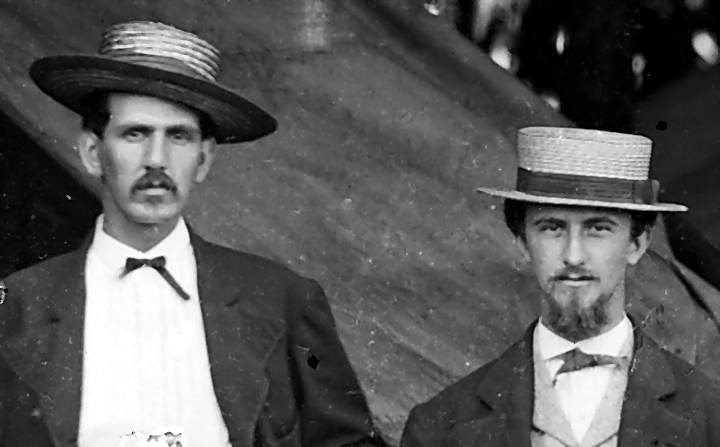

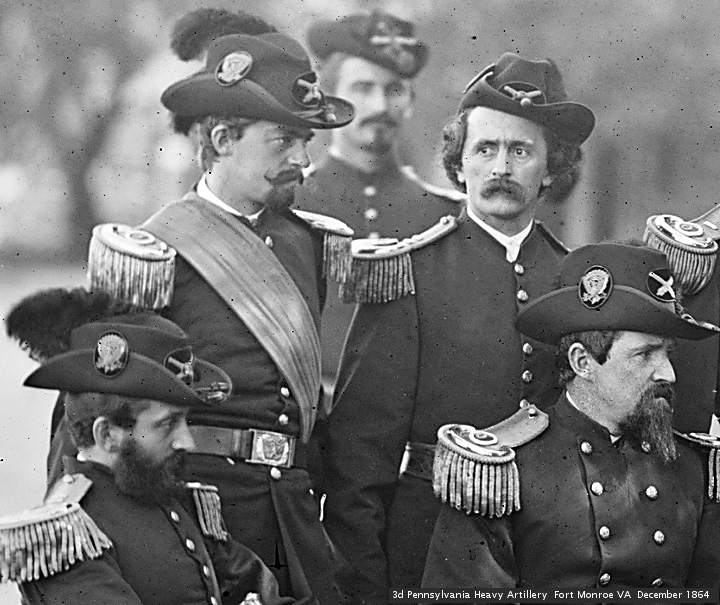


David Bowie




It has been a strange week for a David Bowie fan. On Friday, I was looking for a rerun to post, and was reminded that January 8 was his birthday. (Along with Elvis and Shirley Bassey) I put up a piece about Mr. Bowie, and fashioned a poem out of his song titles. Aquarian Drunkard reissued a collection of the “best and most interesting Bowie oddities”. A new album was released, with a lot of comments about how strange it was. Strange is something Bowie fans turn to face.
On Monday, I woke up. Go on the internet. MSN news says that David Bowie has died. This is surprising. I know what people are going to talk about for a few days.
I typically download the new wtf podcast on Monday. The show is “supported” by Columbia records, presenting David Bowie’s new album “Blackstar.” Marc Maron gushes on about how ” DAVID BOWIE I LOVE DAVID BOWIE. ARE YOU KIDDING ME?” The single is called “Lazarus.”
The timing of the whole thing is bizarre. Was this planned? To release a puzzling new work on your sixty ninth birthday, and then die two days later. With the master media manipulator involved, prior planning cannot be ruled out. Or was it just a parting shot of synchronicity? We will never know.
In what might be a new move for celebrity deaths, sex scandal rumors emerged. A lady named Lori Maddox claims that Mr. Bowie “devirginized” her. Miss Maddox was underage at the time. Some people think that this incident makes Mr. Bowie a terrible person, whose artistic output should be ignored. One made the inevitable comment “As someone who sees White stars get a pass for things that celebrities of color get crucified for.”
I learned a long time ago to separate the performer from the performance. I also apply this rule to David Robert Jones. (David Bowie was a stage name. The legal name was never changed.) In 1976, there was an interview, where the artist said “Don’t believe anything you hear me say.” While the creative/marketing genius can be enjoyed, there was always a bit of coldness behind the mask. Some press reports say that this softened as the years went by. In the end David Bowie was human. Ziggy Stardust was a character played by an actor. Does it matter that they were a Cracked Actor?
It is ironic that David Bowie played Andy Warhol in Basquiat. Both combined creation of art, and the marketing of art product, into a seamless unit. The two did not have a good first meeting. “Remember, David Bowie was not a big star. He was just some guy off the street as far as Andy Warhol was concerned. They found a common ground in David’s shoes. David was wearing yellow Mary Janes and Andy had been a shoe illustrator, which David knew so they began talking about shoes.”
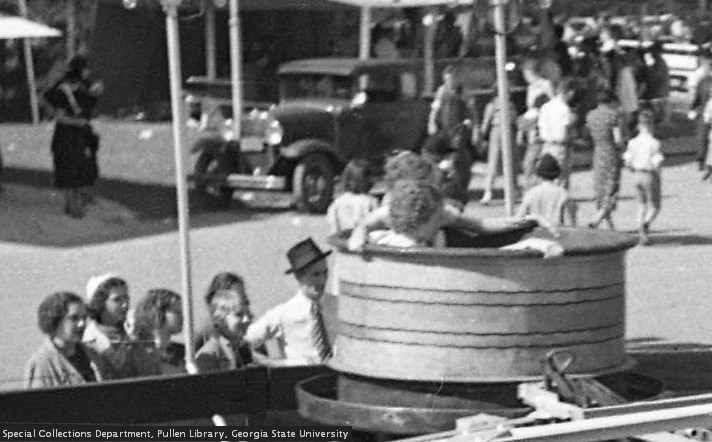
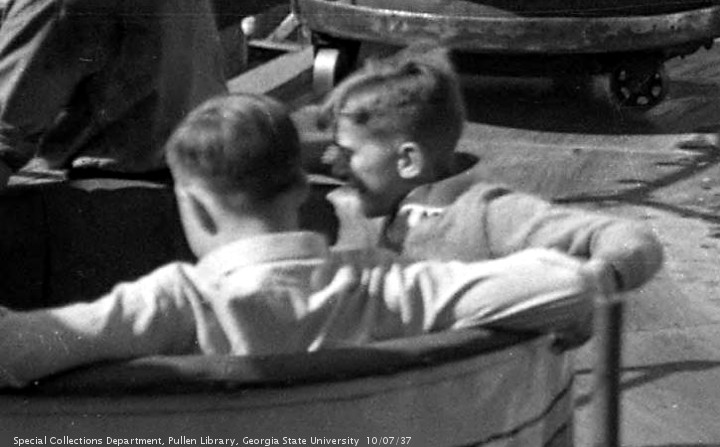
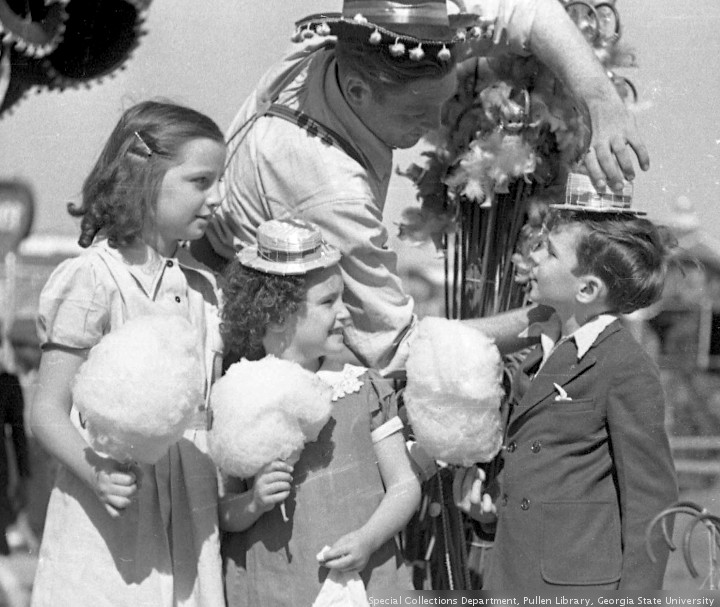
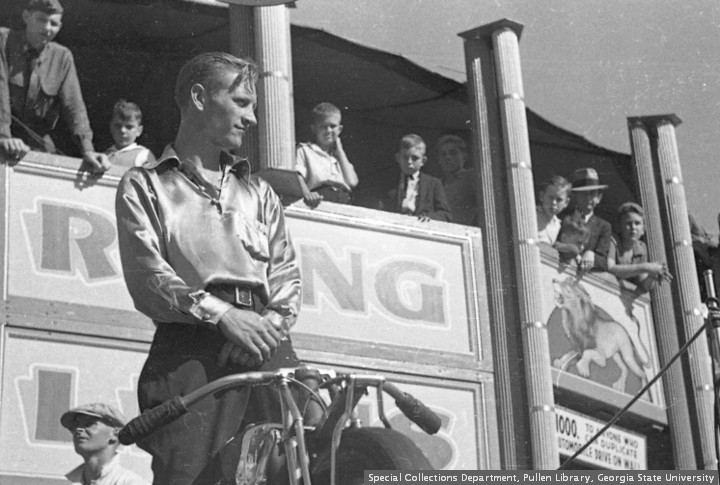
This would have been in 1971. Mr. Bowie discusses his adventures in between songs of this show. There is another story from that first tour: “I think that must’ve been part of the Mercury Records publicity tour in early 1971, Gus. Ted Vigodsky, if I remember correctly, brought Bowie by The Great Speckled Bird’s offices on North Avenue where Moe Slotin and I met him. Bowie was dressed in an ill-fitting gingham dress and looked something like a gaunt, poverty-stricken woman in one of those Walker Evans photos from the Depression. He informed Moe and me that he was gonna be the next big star in rock-n-roll. It took all of our will power not to laugh in his face. This was before anyone in America had heard of him and he had no records out yet (“Space Oddity,” a hit in England in 1969, was not released in the USA until 1973). Six months later Moe and I realised we had completely underestimated him. I had forgotten Charlie had called you about interviewing him.” Pictures today are from “The Special Collections and Archives, Georgia State University Library”.






David Bowie is 72 today. Elvis is ageless, and Sarah Palin is obsolete. This Bowie tribute is a repost. Pictures are from The Library of Congress.
A webpage called CaptainsDead had a download of a David Bowie concert. (It is here on “A Portrait In Flesh” (Full show L.A. Sept. 5th 1974)) Most Bowie live recordings are pretty dull. While the Thin White Duke is renowned for his concerts, they tend to be live events, that depend on staging and costumes as much as music. This show, from 1974, is different. Focusing on material from “Diamond Dogs”, the sound he produces comes close to matching the studio sound.
The next move for Bowie in 1974 was the “white soul” sound of “Young Americans”. He is moving in that direction in this show, even while he lingers in the glitter apocalypse. This tour included a stop at the Fox Theater, the first Atlanta show for Mr.Bowie. On the way to Florida for the next show, the truck with the sets and costumes crashed into a swamp full of rattlesnakes. The show in Tampa was performed in street clothes.
Maybe it is time for a Chamblee54 tribute to David Bowie. It is six am, and PG has stumbled into a job. The time and energy required to write new material is not always available.
The first album by David Bowie that PG heard about was “Hunky Dory”. At the time, Mr. Bowie had generated some buzz by admitting that he fancies blokes, or some uber british expression for being queer. In time, this would be seen as more publicity stunt than brave confession. The RCA debut got some good reviews, but not much else.
The next year produced “Ziggy Stardust”, a concept album. At about this time he did a tour of the United States, with costumes and onstage antics that generated even more publicity. More and more people started listening, some in spite of his outrageous image, and quite a few more because of it. He broke up his band, the spiders from mars, and announced his retirement. The band, according to reports, learned about this while standing on stage behind him. Mr. Bowie, for all his genius, is not always a nice man.
In 1974 there was an album, “Diamond Dogs”, about the decadent urban life in the scifi future. A stage show based on this album…the source of the download mentioned above…marked a return to the concert stage. The next year gave us “Young Americans”, and the year after that “Station to Station”. Every year was a different sound and vision.
Meanwhile, the artist was not doing so good as a human being. According to all reports, he was doing mountains of cocaine. (There is a story of going to meet the parents of Ava Cherry, one of his girlfriends. He shows up at 3am, and does coke on the dining room table.) There was an interview in Playboy (or maybe it was Rolling Stone ) where the first thing he says is, don’t believe anything I say. He went on to say that he admired Adolf Hitler. Have we mentioned the physical appearance of David Bowie in 1975? He looked like he was dead, and nobody bothered to tell him. (By contrast, in recent photo collections of rock stars, Mr. Bowie looks pretty good for a man who is 69 yo.)
This was the era of Rocky Horror show. At one point, Riff Raff sings (Tim O’Brien wrote the show, and gave himself some darn good lines) Frank n furter, it’s all over, your mission is a failure, your lifestyle’s too extreme.I’m your new commander you now are my prisoner we return to transylvania prepare the transit beam While this may not have been directed at David Bowie, he took the hint.
We interrupt this David Bowie tribute with an emergency announcement. A person, reputed to be an entertainer, was seen using the n word on facebook. The screen shots have disappeared, and all we have is the word of the accuser. More details will be available as soon as anyone is interested.
David Bowie saw himself at a dead end, and possibly a dead life. He moved into a little apartment in West Berlin, on top of a garage. Brian Eno offered his assistance, and a series of electronic albums was the result. The next few years saw rock and roll, dance music, and finally, crap. PG bought a Bowie album in 1984, the first time he saw it on sale, and was immensely disappointed. The last David Bowie album that PG got was a free cd that was given to people buying a magazine.
Around 1981, MTV was born, and radio was suddenly obsolete. A visual artiste like David Bowie was a natural for video. Unfortunately, many of these videos are not available for embedding in blogs. Ashes to Ashes was a staple of early MTV. Boys Keep Swinging , off the “Lodger” album, is a return to the gender bender Bowie of younger days.
David Bowie continued to do tours, and PG got to see two of the shows. In 1987, something called the “Glass Spider Tour” came to the Omni. (In a later interview, it turns out Mr. Bowie was extremely unhappy during this tour, and close to suicide at some points.) The Glass Spider was this mass of lighting effects that hovered over the stage, and was used to best advantage during “Scary Monsters”. The show featured Peter Frampton on guitar, and had a pack of dancers. (One apparent female took her drag off during the finale.) A good time was had by all.
In 1990, another retirement tour came to the Omni. This one had movies projected on a screen behind the stage, and featured guitar hero Adrian Bellew. The night had the feel of a contractual obligation. David Bowie is too professional to give a bad show, but this one did not have the fire of “Glass Spider”. PG had a new set of contact lenses, and his eyes were painfully dry most of the night.
This David Bowie Death Day tribute is a triple repost.



Using only song names from ONE ARTIST, cleverly answer these questions. Tag some others who might enjoy this. You can’t use the band I used. Try not to repeat a song title. It’s a lot harder than you think! Re-post as “my life according to (band name)”Pick your Artist: David Bowie
Are you a male or female: The Bewley Brothers
Describe yourself: Quicksand
How do you feel:Always crashing in the same car
Describe where you currently live: Life on Mars
If you could go anywhere, where would you go: Width of a circle
Your favorite form of transportation: Queen Bitch
Your best friend is: Young Americans
You and your best friends are: Kooks
What’s the weather like: Changes
Favorite time of day: Eight Line Poem
If your life was a TV show, what would it be called: Scary Monsters
What is life to you: Panic in Detroit
Your relationship: Fame
Your fear: Sound and Vision
What is the best advice you have to give:Somebody up there likes me
Thought for the Day: Hang onto yourself
How I would like to die: Ashes to Ashes
My soul’s present condition: Moonage Daydream
My motto: Andy Warhol




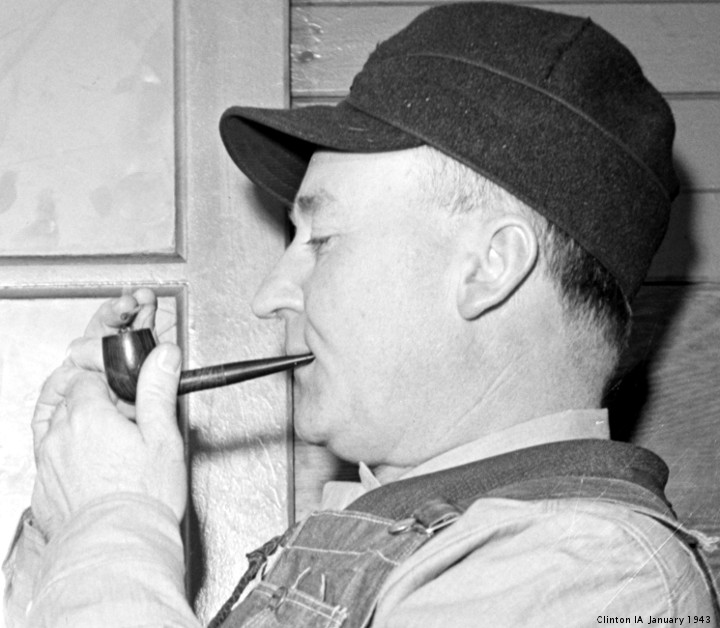



Judy Roasting On An Open Fire


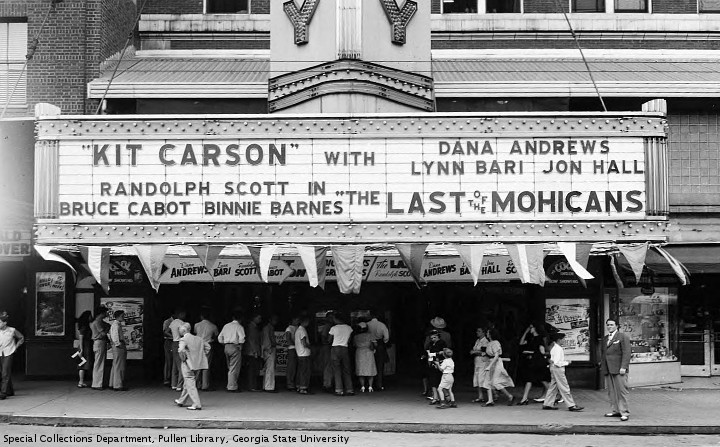
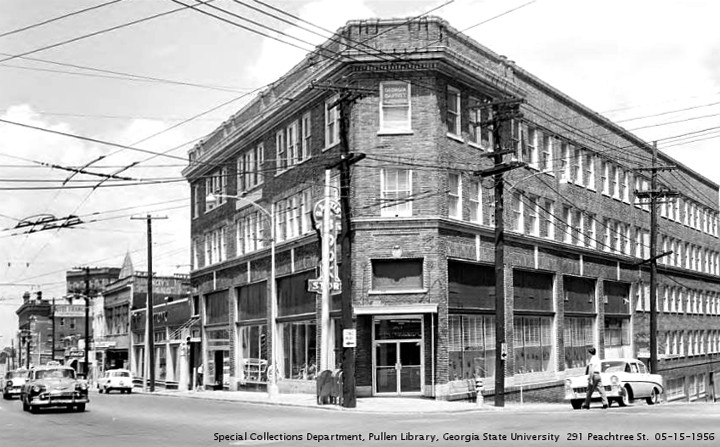
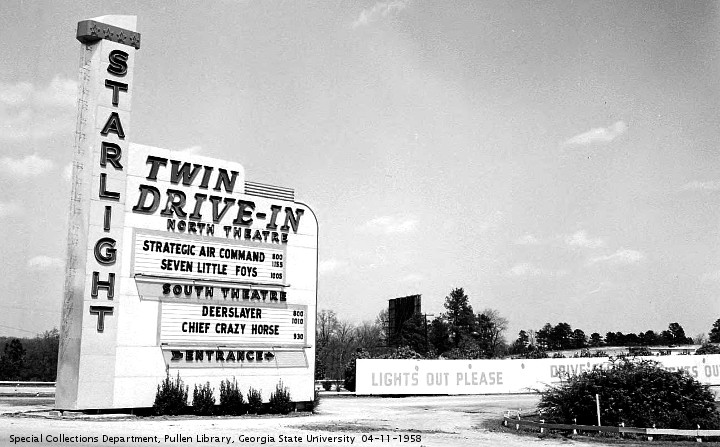
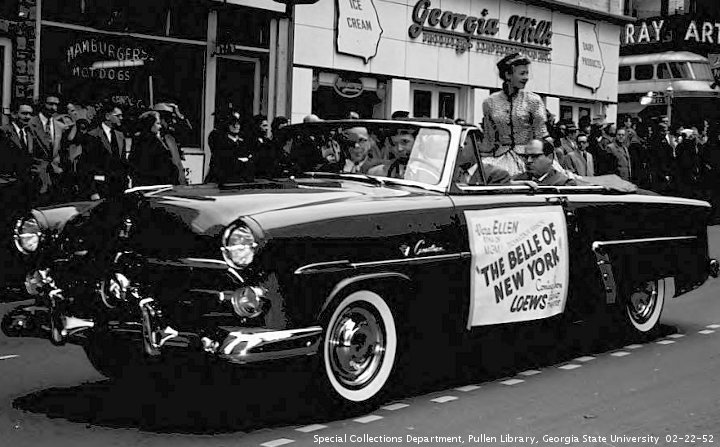
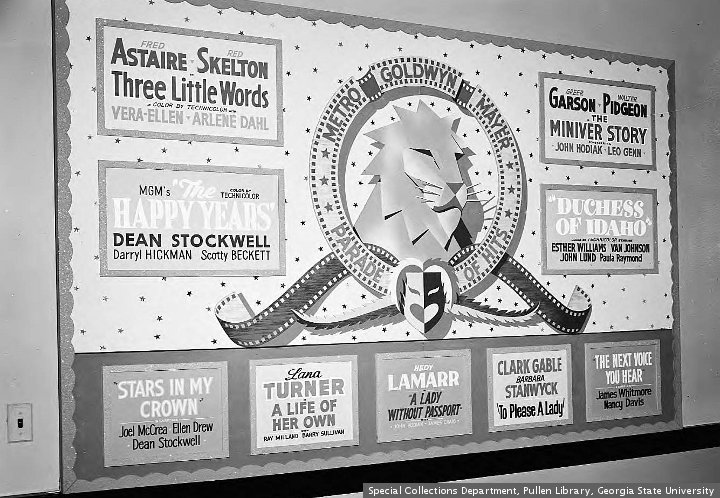
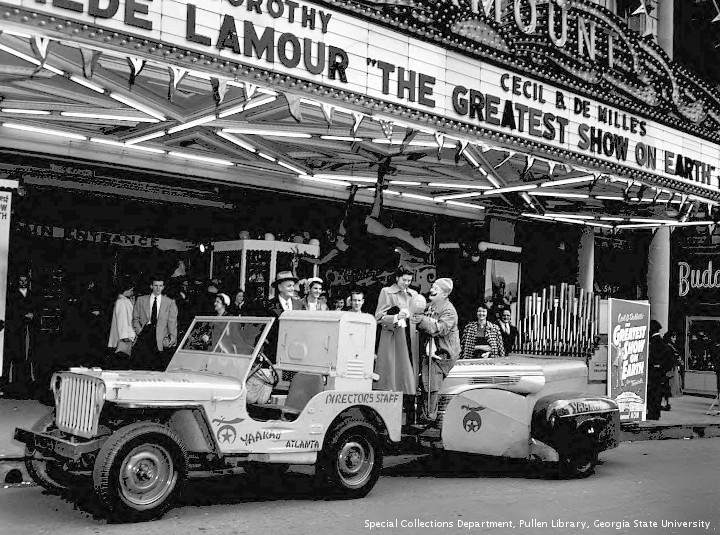
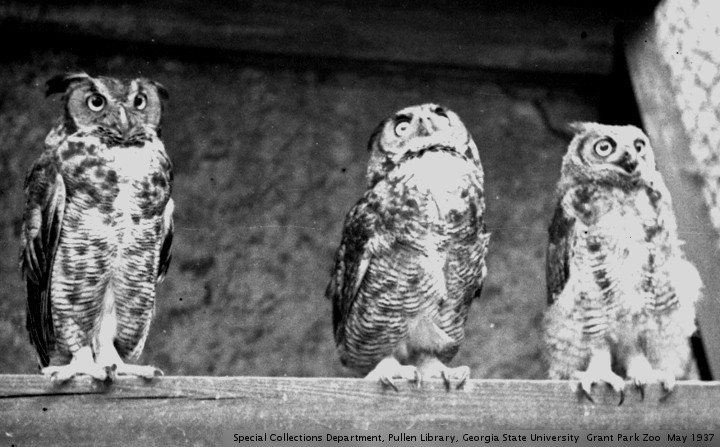
SFFILK (Not his real name) passes along a story about Mel Tormé. It seems like Mr.Tormé was eating a leisurely breakfast at a food court in Los Angeles, and a quartet appeared singing Christmas songs. They wound up performing “The Christmas Song” for co- author Tormé … and the singers had no idea who he was. It is a good story, better told in the link. (The link no longer works.) This is a repost, with pictures from “The Special Collections and Archives, Georgia State University Library”.
According to the inerrant Wikipedia, Mr. Tormé collaborated with Robert Wells, until they had a falling out. One afternoon, on the hottest day of July in 1945, Mr.Tormé went to visit Mr.Wells, and saw the first four lines of “The Christmas Song” (including “Chestnuts roasting on an open fire, Jack Frost nipping at your nose”). The lines were on a note pad, and the two agreed to beat the heat of summer by completing the song. Supposedly, Mr. Tormé did not like the song very much. After three divorces, he probably didn’t see many of the royalties.
Mel Tormé was the music director of the ill fated “Judy Garland Show” in the early sixties. He wrote a book about it… The Other Side of the Rainbow: With Judy Garland on the Dawn Patrol . The story is that Miss Garland would get blasted, call Mr.Tormé in the middle of the night, and pour out her troubles. (This review is much less sympathetic towards Mr. Tormé.) While the show did not last longer, there are some great youtube clips left over.


Where Is That Place?


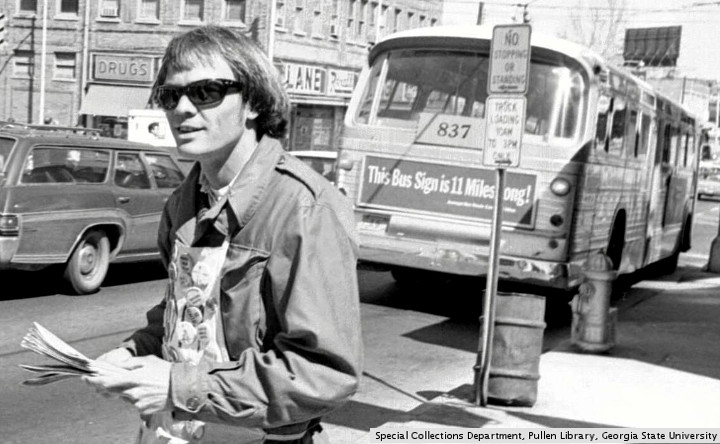
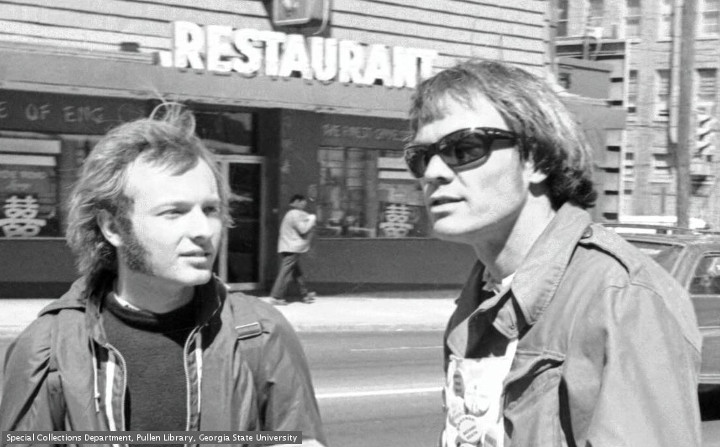
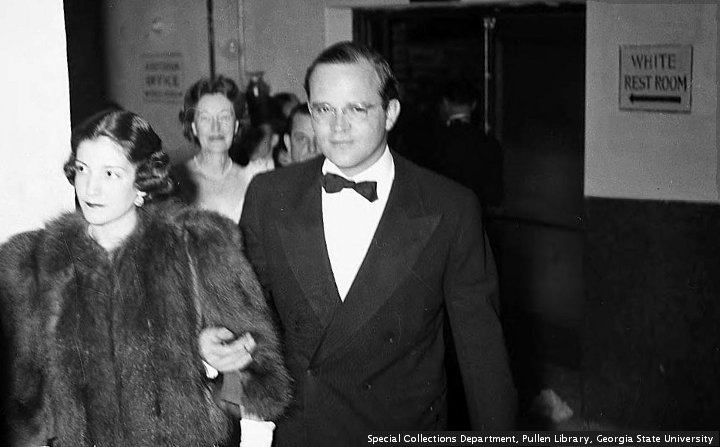
This blog has an email address listed. It is seldom used. The host is a faded internet company that rhymes with booboo. Once proud email has become a spam magnet. The email address there is checked every once in a great while. Yesterday was one of those times. There was a surprise.
Friday, June 5, 2015, 2:52 PM
Do you know exactly where the Agora Ballroom was in the Georgia Terrace Hotel Also I am trying to locate photos of the following locations – Does you any that we can use? Please let me know ASAP – I am on an extremely tight deadline need photos by Monday morning if possible. Exteriors or interiors are great. Please let me know if you have any.
12th Gate Coffee House (located on 10th street in Midtown,) Club 112 (located at Lavista and Cheshire Bridge,) Lenny’s (either or both of their two locations in the Old Fourth Ward,) Great Southeast Music Hall (either or both of their two locations Lindberg Plaza or Cherokee Plaza,) Echo Lounge (located in East Atlanta,) Hedgens (located in Buckhead,) Agora Ballroom (located in Georgia Terrace hotel,) Muelenbrink’s Salon (located at the Underground.) Joeff Davis Photo Editor Creative Loafing
Thursday, July 9, 2015 11:12 PM
Hey I apologize for the tardy answer. I don’t use this email very often
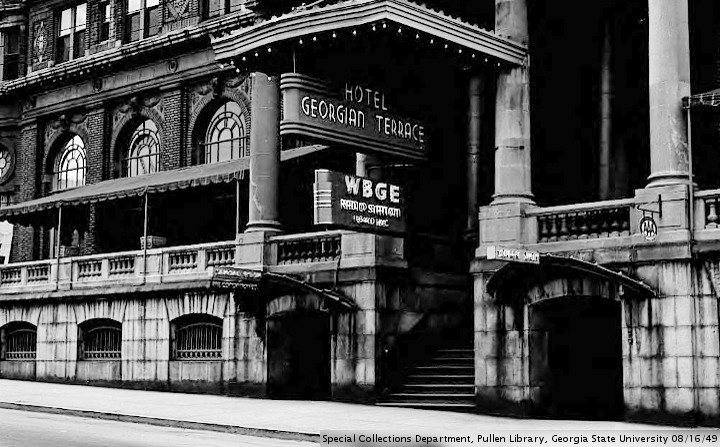
The Agora was at the end of an alley off Peachtree. It was next door to the Ga Terrace Hotel, though not in the Hotel building itself. The ballroom was in a fire in the early eighties, and was torn down. I don’t have any of the pictures that you needed a month ago.
Friday, July 10, 2015, 11:49 AM
Thanks here is the piece we did: That was then, this is now
Friday, July 10, 2015, 1:21 PM
Hey thanks for getting back to me. The article was cool, even without my contribution. This seems like a good excuse for a blog post. I have a some comments about some of the locations listed. For instance, my mother bought groceries at the Cherokee Plaza A&P every thursday for 37 years.. I would like to use your letters, and link to your article, in my post.
Chamblee54 has had posts about four notable Atlanta performance venues: 688 Spring Street, Georgian Terrace Ballroom, The Great Southeast Music Hall, and Richards. Two were on the list of requests. As for the other two, 688 Spring Street, home of Rose’s Cantina and 688, is now a doc-in-a-box facility, Concentra Urgent Care. The site of Richards, across from Grady stadium on Monroe Drive, is now the meat department at Trader Joe’s.
The CL article, That was then, this is now, is fun to look at. There are some good pictures. There are a couple of mistakes in the piece, which this post will try correct.
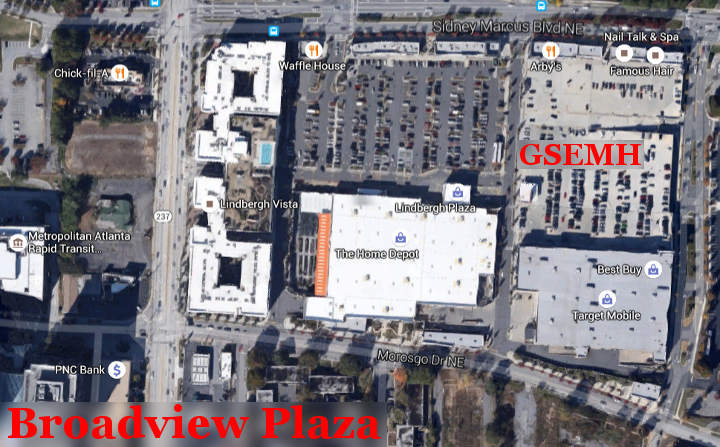
The Great Southeast Music Hall is the scene of many cherished memories for those of a certain age. The post linked here has more comments than any other Chamblee54 post. There are two google earth images, one for Broadview Plaza, and one for Cherokee Plaza.
In Broadview, (now known as Lindbergh something or another,) the Music Hall was in the corner of an L shaped building. The space is currently a part of the parking deck for Target. According to google earth, the Home Depot takes up almost the entire parking lot of the old shopping center.
In Cherokee Plaza, the space where the Music Hall was is the south part of a Kroger. CL says it was in the parking lot, which simply is not so. This parking lot is too small, which is one reason the Music Hall failed there. In the nineties, the A&P expanded, and took over the space occupied by the theater. In 1998, A&P closed their Atlanta operations. The stores were taken over by Kroger.
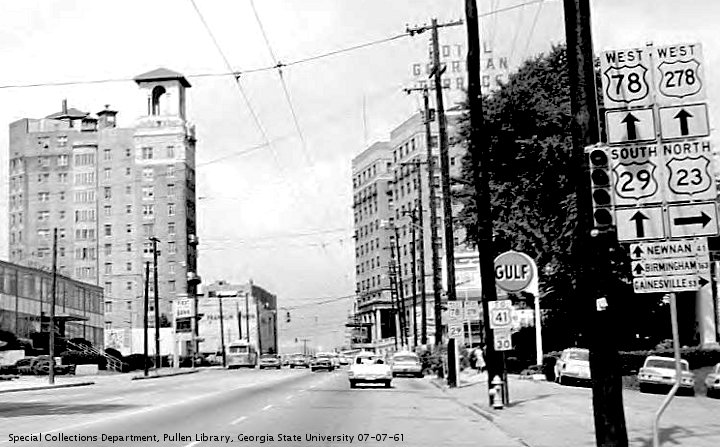
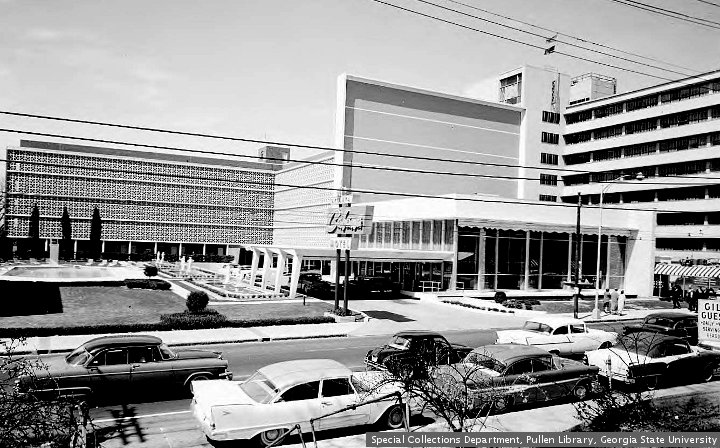
The third google earth image is for the intersection of Peachtree Street and Ponce De Leon Avenue. This is the location of the Georgian Terrace Ballroom. This was the setting of Alex Cooley’s Electric Ballroom and The Agora Ballroom. This facility was in a fire, and torn down. An annex to the Georgian Terrace Hotel was built. This annex is roughly where the Ballroom was.
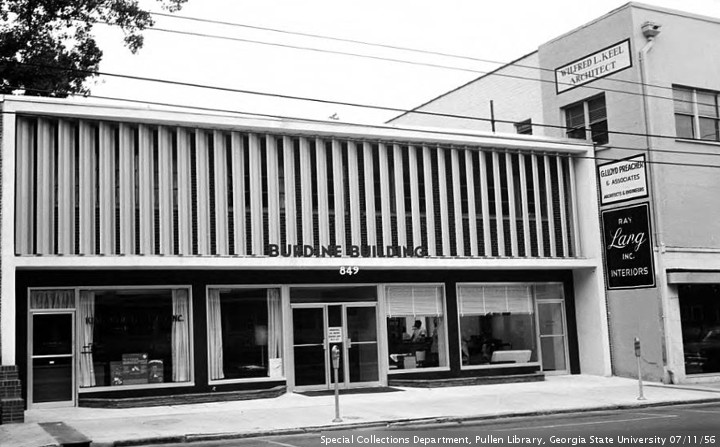
One of the places CL mentions was Backstreet. A picture of Lang Interiors, on Peachtree Street at Sixth Street, is included today.This is the building that became Backstreet. This building was a series of nightclubs in the early seventies. Backstreet opened in late 1974. It was the premier chacha palace in Atlanta for many years. When the property became valuable enough to attract the money of developers, the city discovered enough violations to shut down the party. (1974 was somewhat of a golden age for Atlanta nightlife. The Great Southeast Music Hall, Richards, and Alex Cooley’s Electric Ballroom were all in operation in 1974.)
Club 112 catered to an African American clientele. The space had been many businesses over the years, with a Fred Astaire dance studio next door. Around the time Backstreet was getting started, the space was called the Locker Room. A drag show, featuring the Hollywood Hots, performed there. The Locker Room was a “private club,” and was able to stay open on Sunday night. It was the only place open on Sunday, and was packed. The Locker Room was owned by Robert E. Llewellyn, who was later convicted of having a business rival murdered.
The 12th gate was in the middle of the block, somewhere on tenth street. It was not on the corner of Spring Street. A seedy Jim Wallace gas station was nearby. This place was mostly before PG went out much. There is a hazy memory of seeing the Hampton Grease Band there. After the show, Mr. Hampton walked up to PG, holding a thumb and finger making a circle in front of one eye. Mr. Hampton asked PG what sign he was.
By the time Lenny’s was in business, PG was a retired drunk. He seldom went downtown after dark. Somehow, the party went on without him. Pictures today are from “The Special Collections and Archives, Georgia State University Library”. This is a repost.



I Slept With Joey Ramone

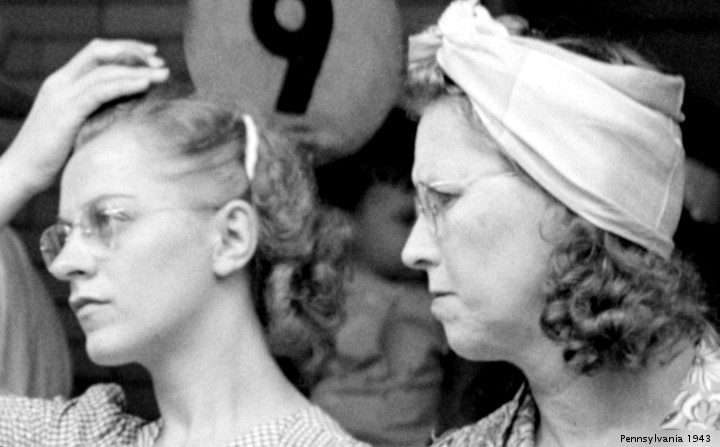
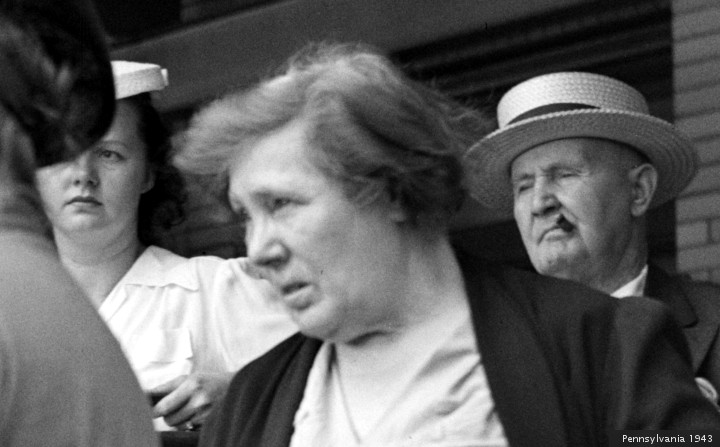


I Slept with Joey Ramone is the story of a six foot five geek, who was only good for singing gabba gabba hey. Jeffrey Ross Hyman had issues. Aside from his goofy appearance, Jeff had severe OCD. He would injure his foot bad enough to require several hospitalizations. Somehow, Jeff got to play in some bands, going glitter as Jeff Starship. Eventually, Jeff Hyman, John Cummins, Douglas Colvin, and Tommy Erdelyi becam Joey, Johnny, Dee Dee, and Tommy Ramone.
ISWJR was written by Mitchel Lee Hyman, Jeff’s younger brother. His stage name was Mickey Leigh. Mickey was the first roadie for the Ramones, and will always be in his brother’s shadow. The two had an intense relationship. Jeff and Mitch went from being best friends to mortal enemies. This sibling rivalry is a key part of the story. The book, despite the commercial title, is about Mickey as much as Joey. The subtitle is “A punk rock family memoir.”
The co-author is Legs McNeil, who assembled Please Kill Me. ISWJR is told through Mickey’s eyes. It is uncertain what role Mr. McNeil played. Some say that Mickey Leigh could not type a page of text if his life depended on it.
Please Kill Me was an “oral history of punk rock,” meaning they taped a bunch of people talking. Mickey was one of the talkers, and Joey was not happy with what Mickey said. Another voice tells about Dee Dee Ramone falling on the sidewalk outside CBGB. Dee Dee said it was not a good idea to get hit in the head when you were drinking… it might cause brain damage. That is not an exact quote. Dee Dee Ramone did not “just say no.”
The Ramones had their fifteen minutes last for twenty years. They went down to the Bowery, and found this bar called CBGB’s. The owner kept his dog inside, and dog shit was everywhere. The Ramones got a following, a record contract, did tours, recorded albums, became sort of famous, started a movement (other than the bar dog’s bowels,) but never had a hit record. This lack of commercial success was highly annoying.
The first taste of big money was Budweiser using “Blitzkrieg Bop” in a commercial. Mickey played an uncredited part in the song. When the Budweiser money started to roll in, Mickey was struggling to pay the rent. Mickey tried to get some money out of the band, which refused. This caused many years of Joey and Mickey not speaking.
For a while the boys in the band (pun intended, at least for Dee Dee) were pals. Then Joey had a girlfriend, Linda. Johnny stole Linda from Joey. Johnny and Joey hated each other from then on. Johnny was always a bit of an asshole, as was Joey. At some point, Tommy had enough, and was replaced by Marky. He drank his way out of the job, and was replaced by Richie.
In 1983, The Ramones played at the Agora Ballroom in Atlanta. PG was in the audience. By this time, the Ramones had been going on for nine years. They was not the next big thing anymore. Somebody played a tape of cheezy Coney Island music, and the band came on stage. Joey hunched over the microphone, tapped himself on the head with a baseball bat, and the band did “Beat on the brat.” The band went through the motions, playing another show, probably identical to every other Ramones show ever played. Punk rock just was not trendy anymore.
It was an all ages show. If you wanted to drink, you had to go up to the balcony. You were on your own going down the stairs. Downstairs was full of young people, many is costume, having a hot time. The balcony was the same rock and roll drunks that were at every show ever produced.
ISWJR does not have a happy ending. Joey had health problems throughout his life. Being a drunken-coke-freak rock star did not help. He came down with Lymphoma, and was starting to do ok. Then, Joey fell and broke his hip, and they had to adjust his medication. Soon, the cancer was back with a vengeance. Joey and Mickey called a truce to their squabbling before Joey died April 15, 2001. Dee Dee and Johnny quickly followed. The Ramones would have been a great oldies band, if only.
Pictures today are from The Library of Congress.



Wonderful Tonight


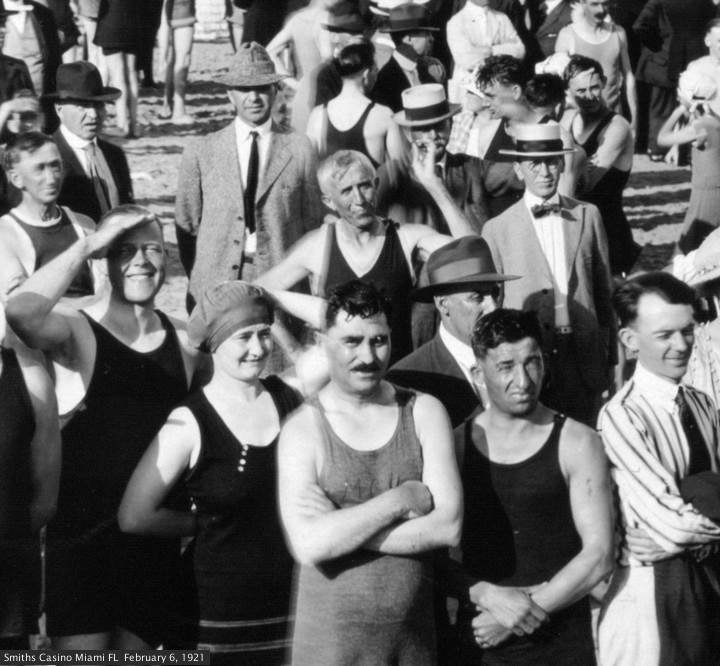


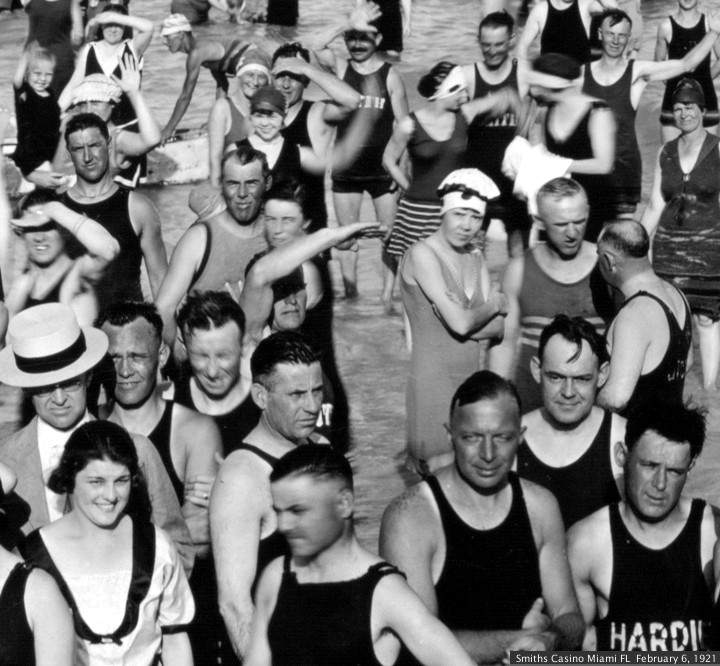

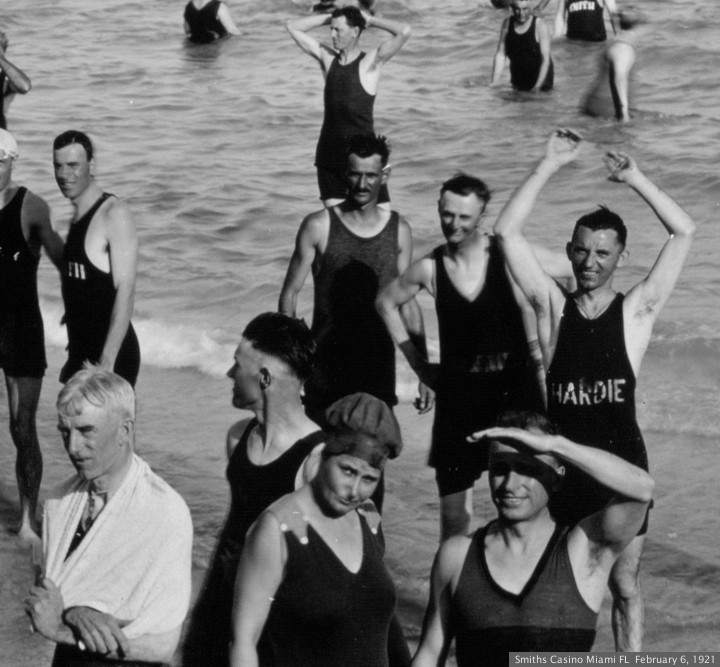
Wonderful Tonight: George Harrison, Eric Clapton, and Me is the book for Pattie Boyd. Ms. Boyd has the copyright to herself, with presumed ghostwriter Penny Junor given *with* credit. The former Patricia Anne Boyd has had quite a life.
Ms. Boyd was born at a young age. Her family moved to Kenya, where they had many cool adventures. Her parents split up, her mother remarried, and her stepfather was a horrible man. The Boyds, who by now included several more children, moved back to England. Pattie went to convent school, then went to live in London. She got a job in a beauty salon, when one day someone suggested she try modelling. At times, this story sounds like a movie.
Pattie was working as a model, including some TV commercials. Richard Lester noticed her, and hired her as a school girl in “A Hard Days Night.” George Harrison noticed her, and they were soon an item. Meanwhile, swinging sixties London was in fast forward mode. Pattie Boyd plugged herself into the sex, drugs, and rock and roll lifestyle, and had her share of good times.
George wrote “Something” about his glamorous young bride. His pal Eric Clapton took note, and wrote “Layla.” Eric was in pursuit for many years, writing many beautiful love letters. Finally, as her marriage to George was winding down, Pattie took up with Eric. It was great fun for a while, until Eric’s alcoholism spoiled things. Pattie left Eric, came back, got married to him, and stuck around until Eric got another lady pregnant. (Conor Clapton died tragically in 1991.) The story goes on, and on, until the book was written in 2008. According to wikipedia, Pattie is going strong in 2018. She married Rod Weston, husband number three, in 2015.
Wonderful Tonight is a fun book to read. Penny Junor knows how to tell a story. The life of Pattie Boyd is full of struggle, as well as glamour. Many of the people, including Pattie’s sisters, struggle with addiction. One gets the sense that this, like many autobiographies, puts the subject in the most flattering light possible. There is probably another side to many of these stories. If they can be told as skillfully as this one is, these stories would be worth reading.
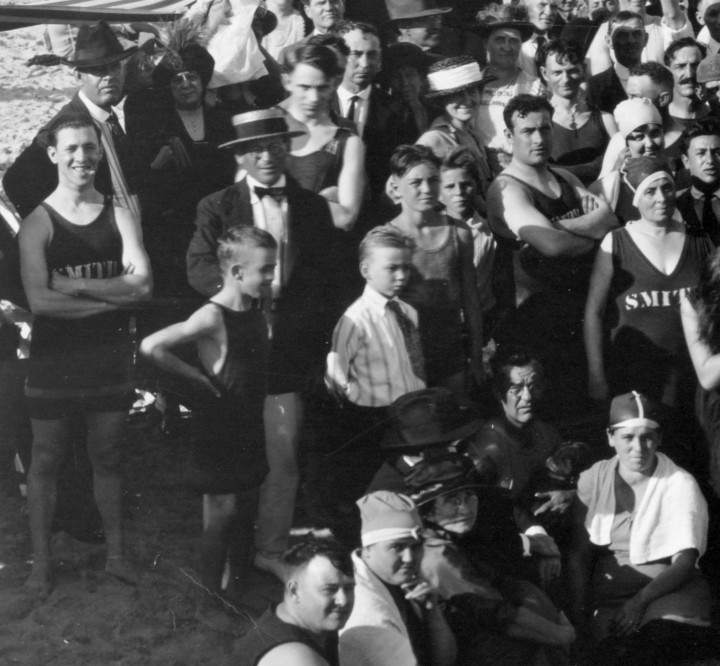
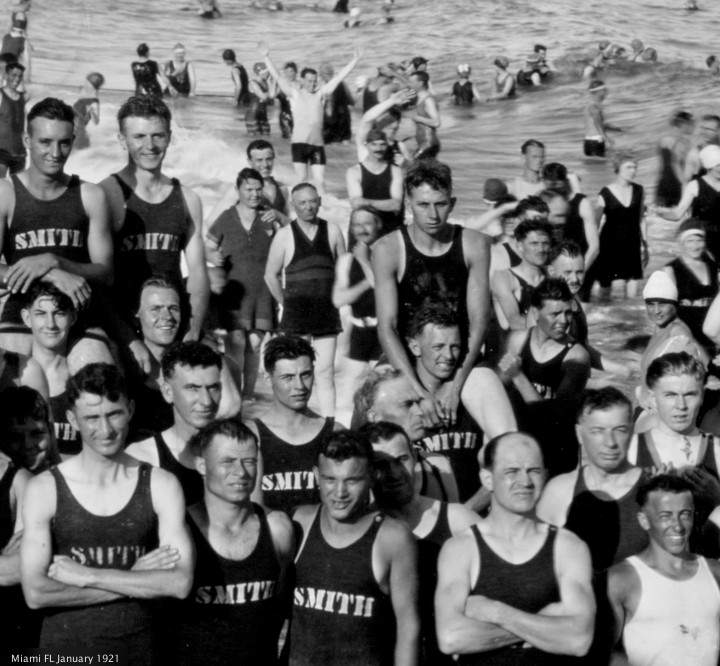
Pictures today are from The Library of Congress. “Winter bathing, Smiths Casino, Miami, Feb. 6, 1921″ W. A. (William A.) Fishbaugh, copyright claimant … No renewal found in Copyright Office.







Coat Of Many Colors


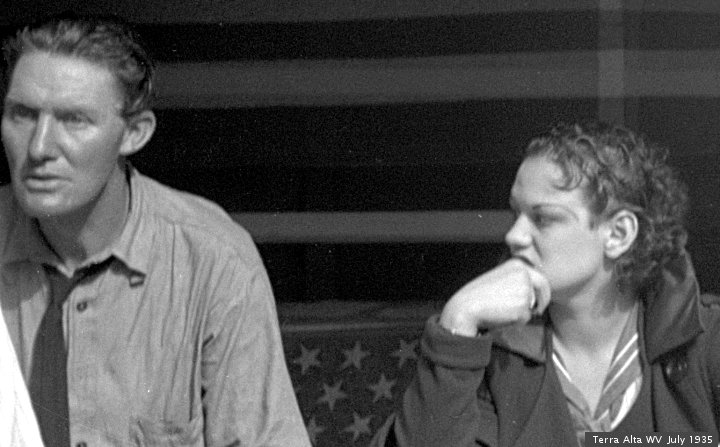

PG saw a story, and thought about the song, “Coat of many colors”. The b side was by Porter Wagoner, “Coat of many sequins”. COMC is about a woman who is too poor to buy her little girl a coat at the store, so she makes a quilt. The other kids make fun of her, but little Dolly knows that the coat is really made of love.
The song talks about a story in the Bible. PG had heard about the story, but didn’t remember the details. He must have been daydreaming in Sunday School when that story was taught. With the help of google, Genesis 37 appears, as if by magic. Pass the popcorn.
2 These are the generations of Jacob. Joseph, being seventeen years old, was feeding the flock with his brethren; and the lad was with the sons of Bilhah, and with the sons of Zilpah, his father’s wives: and Joseph brought unto his father their evil report.
3 Now Israel loved Joseph more than all his children, because he was the son of his old age:
and he made him a coat of many colours.
4 And when his brethren saw that their father loved him more than all his brethren, they hated him, and could not speak peaceably unto him.
Ok, hold on for a minute. Israel had at least two wives. The Biblical definition of marriage must be between a man and two women.
The story gets a bit weird here. Joseph has this dream, where he becomes the boss hog brother. The other brothers decide something needs to be done, that Joseph needs to die. Reuben tries to help Joseph, and has a plan to save him. Joseph is stripped of the coat of many colors, and placed in a pit, with no water. Before Reuben can sneak Joseph out of the pit, a camel caravan comes by. Twenty pieces of silver change hands, and Joseph is sold into slavery. The brothers decide to pull a cover up, and make it look like Joseph was dead. Reuben made another sandwich.
31 And they took Joseph’s coat, and killed a kid of the goats, and dipped the coat in the blood;
32 And they sent the coat of many colours, and they brought it to their father; and said,
This have we found: know now whether it be thy son’s coat or no.
33 And he knew it, and said, It is my son’s coat; an evil beast hath devoured him;
Joseph is without doubt rent in pieces.
34 And Jacob rent his clothes, and put sackcloth upon his loins, and mourned for his son many days.
35 And all his sons and all his daughters rose up to comfort him; but he refused to be comforted;
and he said, For I will go down into the grave unto my son mourning. Thus his father wept for him.
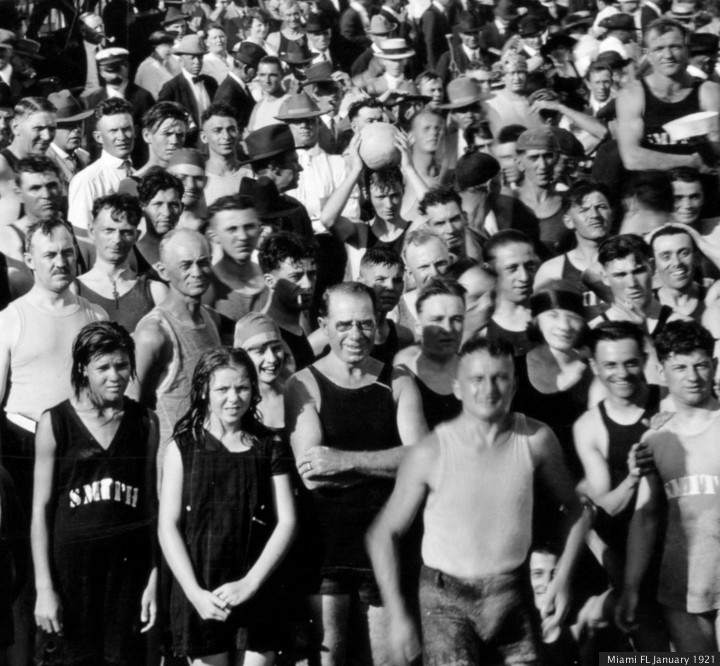
This feature was originally posted in 2012. The pictures, from The Library of Congress, are 6 years older. Dolly Parton is 6 years younger.
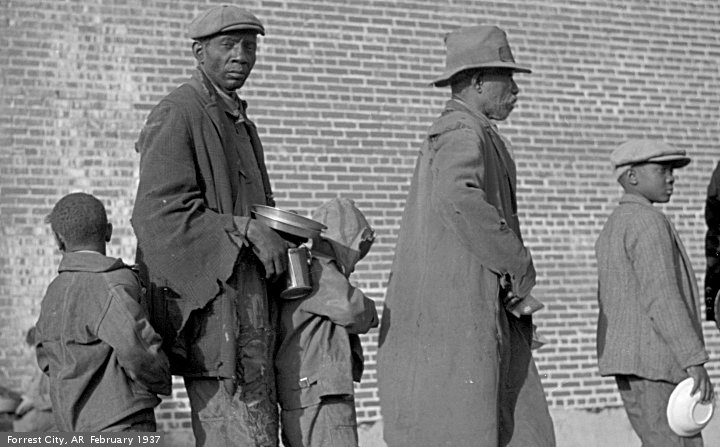
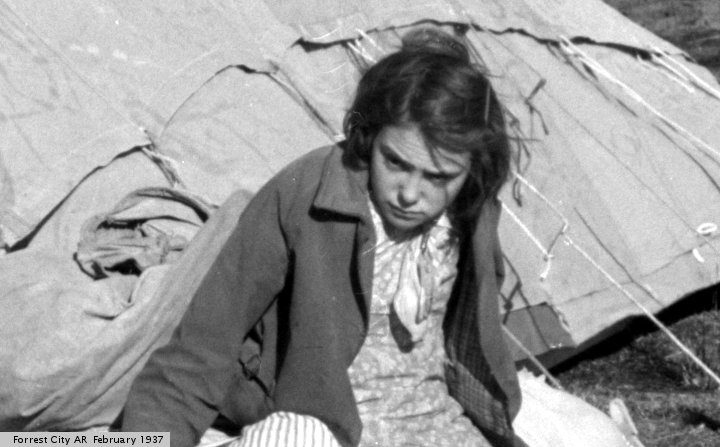


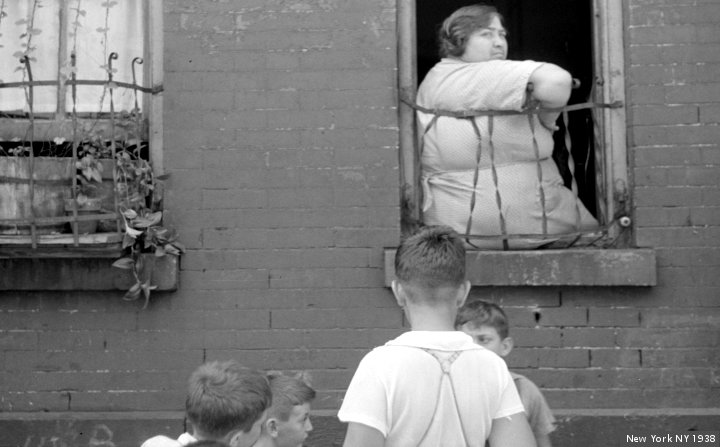
August 16

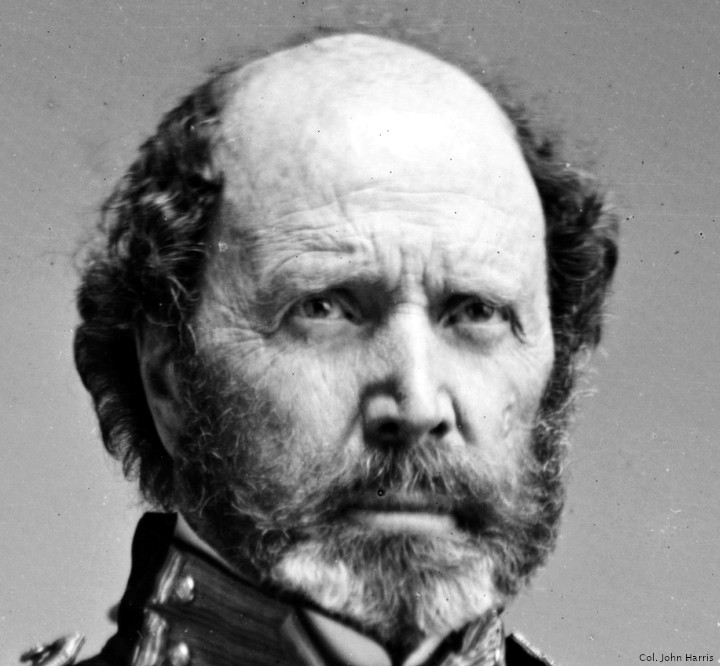





This morning brought the sad news about Aretha Franklin. The lady was a national treasure. It is tough to imagine the United States without the Queen of Soul. Rest in Peace.
August 16 has been a busy day for the grim reaper. In 1977, Elvis Presley met his maker August 16, 1977. Other famous people to die on August 16 include Robert Johnson, 1938, Babe Ruth, 1948, Margaret Mitchell, 1949, Bela Lugosi, 1956, and Idi Amin, 2003.
As a partial replacement for Elvis and Aretha, Madonna was born August 16, 1958. Other births on August 16 include T. E. Lawrence, 1988, Charles Bukowski, 1920, Fess Parker, 1924, Eydie Gormé, 1928, and Julie Newmar, 1933
August 16 “is the 228th day of the year (229th in leap years) in the Gregorian calendar.” On August 16, 1858, “U.S. President James Buchanan inaugurates the new transatlantic telegraph cable by exchanging greetings with Queen Victoria of the United Kingdom. However, a weak signal forces a shutdown of the service in a few weeks.” Pictures today are from The Library of Congress.


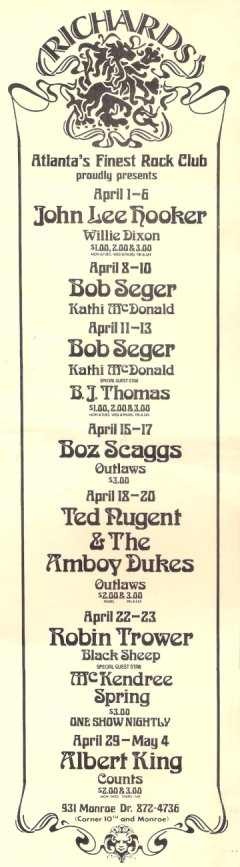
Richards


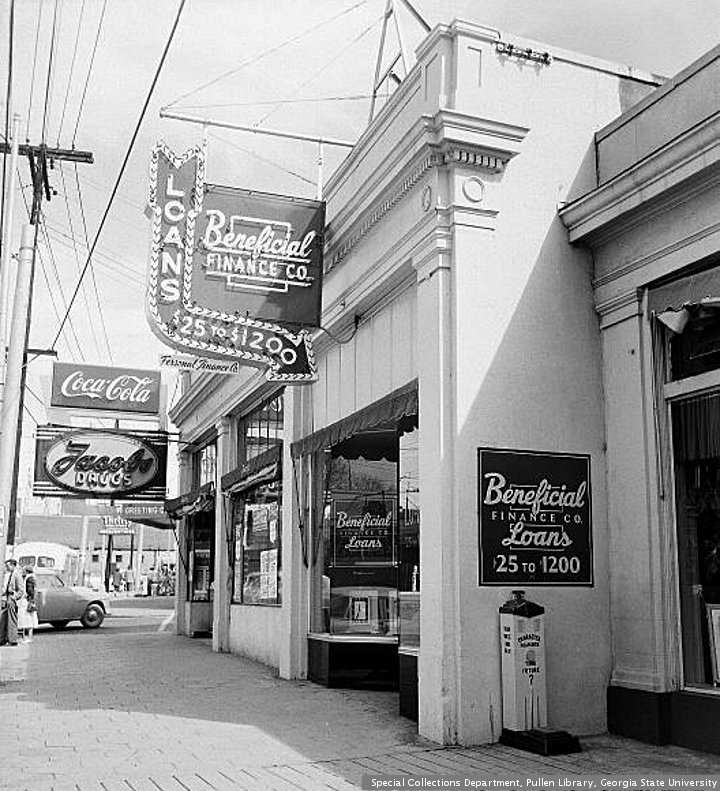
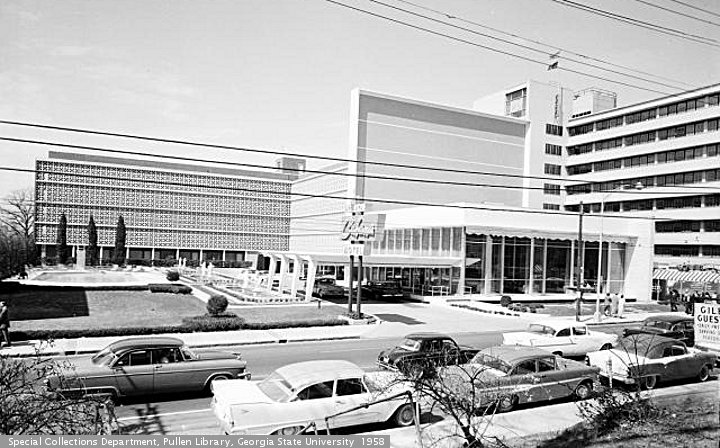
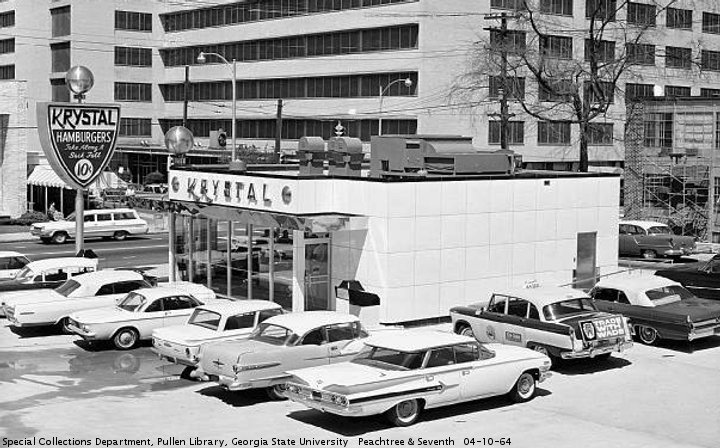
A comment at a recent post mentioned “Jenning’s Rose Room, a classic poor white juke and dance hall … where Trader Joes now sits.” PG had been in that building when it was called Richards. Pictures are from “The Special Collections and Archives, Georgia State University Library”.
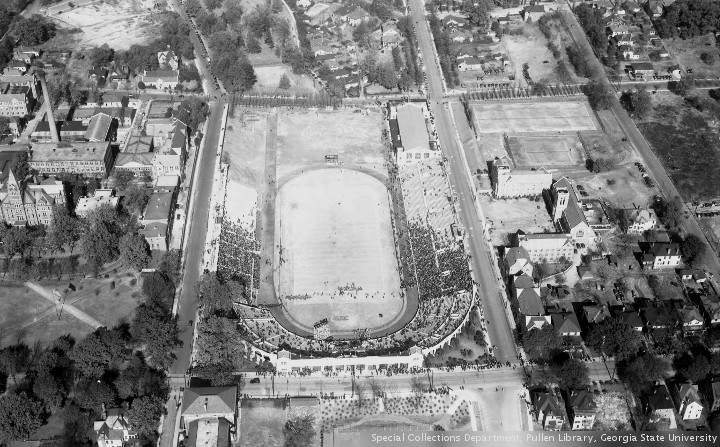
There is no telling what the original use of the building at 931 Monroe Drive was. It was across the street from Grady Stadium, and adjacent to Piedmont Park. The railroad tracks that became the beltline ran behind it. The parking lot was primitive, with a marquee sign built at some point. (PG drove by that sign several nights and saw that Lynyrd Skynyrd was playing.)
 There was another nightclub building on the hill behind JRR. One night, PG went to see a jazz band there, accompanied by someone who lived in a nearby house. After seeing the band, PG was led to a horse stable behind the bar. The horses were not well maintained … you could see the ribs sticking out. There is a story of a goat getting loose from the stable, and being chased out of the jazz bar during happy hour.
Jennings Rose Room was before PG’s time. There is a story that some men had lunch there, and made a bet. The idea was to hit a golf ball from the JRR parking lot, and putt it into a hole at Piedmont Park. A biscuit was used as a tee. The first shot went across the street, onto the field at the stadium. Eventually, the ball was hit across Tenth Street, onto a green, and into the cup.
At some point, Jennings Rose Room closed. A gay club called Chuck’s Rathskeller was opened in that location. A rock and roll club or two did business there. Then Richards opened.
The first time PG was in the house was after a Johnny Winter concert at the Fox. There were rumors of visiting musicians dropping by Richards to play after their shows. Mr. Winter was only onstage for a couple of minutes after PG got there.
The most memorable trip to Richards was during the summer of 1973. The headliner was Rory Gallagher, who was ok but not spectacular. The opening act was Sopwith Camel, one of the forgotten bands of the seventies. They performed a novelty hit, “Hello Hello”. Someone in the audience liked it, and paid them to do it again. The band wound up doing “Hello Hello” five times, and said that was the most money they made in a long time.
Average White Band was making the rounds that fall, and had a show at Richards. A lot of the audience was black, and they hit the dance floor in unison when “Pick up the Pieces” was played. Fellow Scotsman Alex Harvey was in town, and joined AWB to sing “I heard it through the grapevine”.
Muddy Waters played at Richards one night. The band did most of the playing, with Mr. Waters tossing in a few licks on bottleneck guitar. He might have sang a couple of times.
About this time, Iggy Pop played a few shows at Richards. One night, someone snuck up on him, and gave him a hug. It was Elton John, wearing a gorilla suit.
PG saw three more shows (that he can remember) at Richards. Richie Havens was worth the two dollar admission. Soft Machine played in the winter of 1974. Larry Coryell played a show that summer, with the Mike Greene Band opening. PG got to talk to Mike Greene that night. The National Association of Recording Arts and Sciences (who do the Grammy Awards) had a President named C. Michael Greene at one time. PG thinks this is the person he talked to that night.
Two friends of PG went, as their first date, to see Spirit at Richards. They were married a few years later. Towards the end of 1974, Richards was running out of steam. They advertised a New Years Eve show starring B.B. King, and sold high priced tickets. When the crowd showed up for the show, they found the doors locked. Richards had closed.
The next tenant for 931 Monroe Drive was going to be Cabaret After Dark, a gay club. There was a fire the night before the grand opening. The building was never used again. Eventually, a shopping center was built on the site.
UPDATE: Here is an article, from the Great Speckled Bird, about Richards. The 010975 edition of the Bird had an article about Richards closing. This is a repost.




Reckless Daughter: A Portrait of Joni Mitchell

A few weeks ago, PG was at the library. He had a story to take home, before going over to the biography section. There he found Reckless Daughter: A Portrait of Joni Mitchell. At least with fiction, you know you are dealing with a made up story. With biography, you have to use judgment.
It is a familiar story. Joni was born in the frozen north, was a rebellious girl, and got pregnant. She gave up the daughter for adoption, only to be reunited many years later. Joan Anderson gets married to, and divorces, Chuck Mitchell. Joni sings, writes, tunes her guitar funny, becomes a star, gets too weird to be popular, makes and loses money, smokes millions of cigarettes, and becomes an angry old lady. There is a bit more to the story than that. Reckless Daughter fills in a few of the blank spots.
Millions of cigarettes might be an exaggeration. Joni started smoking when she was nine. When she was a star, she was almost as well known for her constant puffing as her pretty songs. When Joni was in a Reagan era slump, she was going through four packs a day. Just for the sake of statistics, lets call it two packs, or forty fags, a day. Multiply forty by 365 and you get 14,600. If she started at 9, and had her aneurysm at 72, that gives you 63 years of nicotine abuse. If you assume that there were forty fags a day for 63 years, that gives you 919,800 smokes. IOW, while seven figures is not out of reach, it is rather unlikely that Joni smoked more than 2,000,000 cancer sticks.
The author of Reckless Daughter, David Yaffe, is a problem. He talks about the mood of America in 1969, four years before he was born. Mr. Yaffe goes to great lengths to show us that he knows about making music. Some readers will be impressed. There are mini-essays on Joni songs from her golden years, the time between “Ladies of the Canyon” and “Hejira.” And gossip, gossip, and more gossip. Joni is well known for her celebrity lovers.
We should make the point that PG enjoyed Reckless Daughter. The inside stories are fun, and pages turn over without too much head scratching. Maybe this is a statement about the career of Joni Mitchell. You enjoy the music for many years, and then complain about the details. Reckless Daughter follows the trajectory of other celebrity biographies. The star is born, takes up a craft, gets a break, becomes successful, goes over the mountaintop into a long decline. With Joni, nothing after “Mingus” was well received. The chanteuse was broker, and angrier, by the minute.
On page 13, Joni hears Rhapsody on a Theme of Paganini by Sergei Rachmaninoff. This is the piece that makes her want to be a musician. One page 129, we learn the story of A&M studios in Hollywood. At one time, The Carpenters were in studio A, while Carole King was recording “Tapestry” in studio B. Joni was recording “Blue” in studio C, which had a magic piano. One time, Carole King learned of a break in the studio C booking, and ran in. Three hours later, “I feel the earth move” was recorded.
A few years later, Joni was on the Rolling Thunder tour with Bob Dylan. One of the concepts was support for Rubin “Hurricane” Carter, whose story can be found elsewhere. Joni became disillusioned with Mr. Carter. When Joan Baez asked Joni to speak at a benefit concert, Joni said she would say that Mr. Carter was a jive ass N-person, who never would have been champion of the world. Joni later got in SJW trouble for posing in blackface, for the cover to “Don Juan’s Reckless Daughter.”
On page 251, we learn that Bob Dylan does not dance. Other items include “Free man in Paris” being written about David Geffen, and Jackson Browne writing “Fountain of Sorrow” about Joni. Mr. Brown is a not-well-thought-of ex of Joni. As for Mr. Geffen…. Joni stayed at his house for a while, at a time when Mr. Geffen was in, and out, of the closet. Did they make sweet music together?
So this book report comes to an end. Joni is recovering from a brain aneurysm, and will probably not produce anything else. The book is going back to the library, and PG will move on to something else. Pictures today are from The Library of Congress.


 Chamblee54
leave a comment