








Florence Foster Jenkins




Useless Information had a show, The Patron Saint of the Vocally Challenged. It tells the story of Florence Foster Jenkins. She had a wealthy father, and hired vocal coaches to try and produce a good singer. She became somewhat of a concert attraction, and sold out Carnegie Hall. Accompianist Cosme McMoon did what he could to help. Mrs Jenkins was, by all accounts, very, very bad.
Here is more information about the talent. “Florence Foster Jenkins (1868–26 November 1944) was an American soprano who became famous for her complete lack of singing ability. From her recordings, it is apparent that Jenkins had little sense of pitch and rhythm and was barely capable of sustaining a note. Her accompanist can be heard making adjustments to compensate for her tempo variations and rhythmic mistakes. Nonetheless, she became tremendously popular in her unconventional way. Her audiences apparently loved her for the amusement she provided rather than her musical ability. Critics often described her work in a backhanded way that may have served to pique public curiosity. Despite her patent lack of ability, Jenkins was firmly convinced of her greatness. She compared herself favourably to the renowned sopranos Frieda Hempel and Luisa Tetrazzini, and dismissed the laughter which often came from the audience during her performances as coming from her rivals consumed by “professional jealousy.””
A cd of her product, The Glory (????) of the Human Voice, is available. Amazonians were not kind. “This is a recording that every serious musician should own, for a variety of (ahem) reasons. But by all means, buy the cheap one. If the sound is better on the remastered version, it could only be more painful.” “she gets points for effort” ” I appreciate camp as much as anyone, but my wife was ready to divorce me if I played another song from the album” “The whole matter stinks of making fun of a person afflicted by illness. What a cruel species we were – and still are.”
The legend is that she said “People may say I can’t sing, but no one can ever say I didn’t sing.” A quick google search does not reveal the source, or context, so this quote cannot be verified. Quote Factory has this available in eleven tasteful designs.
The Carnegie Hall show took place a month before her death. Here is the story.
“In order for a singer to succeed, they need to have a combination of talent, charisma, and interpretive quality. And, by definition, they need to be able to sing. Florence Foster Jenkins had none of these attributes. In fact, she was considered one of the worst singers of all time. She was independently wealthy and performed at the Waldorf and other places around town. It became a thing to do. You had to go and listen to Florence Foster screw up every song she attempted to sing.
She was having a great time and the audience was having a great time, so they kept telling her, “You need to make your Carnegie Hall debut.” So on October 25, 1944, she did, and it was sold out in just two hours. They came from everywhere. She walked onstage in these ridiculous costumes that she’d made herself. She’d throw roses out into the audience, her assistants would go out and collect them, and she’d throw them out into the audience again. The audience would not let her go home. They cheered her and clapped, and one month and one day later she died at the age of 76.”
The program for this performance had a note from the Fire Commissioner, Patrick Walsh.
“FIRE NOTICE – Look around now and choose the nearest exit to your seat. In case of fire walk (not run) to that Exit. Do not try to beat your neighbor to the street.”
The last.fm page with the information on F. F. Jenkins lists “similar artists”. The only two we will have videos from are Wing and Mrs. Miller. Slim Whitman and Tiny Tim, being males, were not considered.
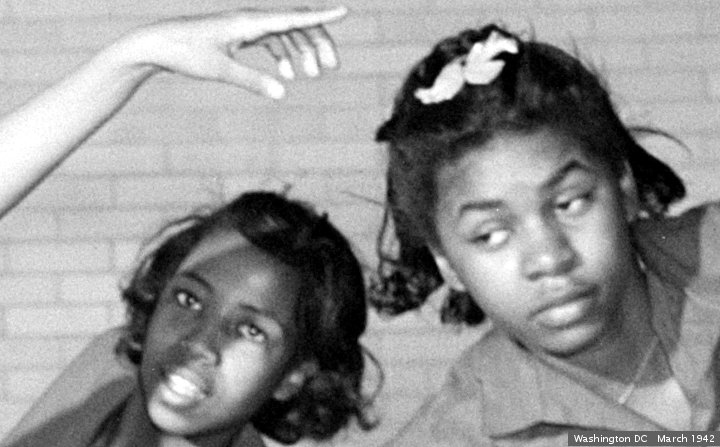
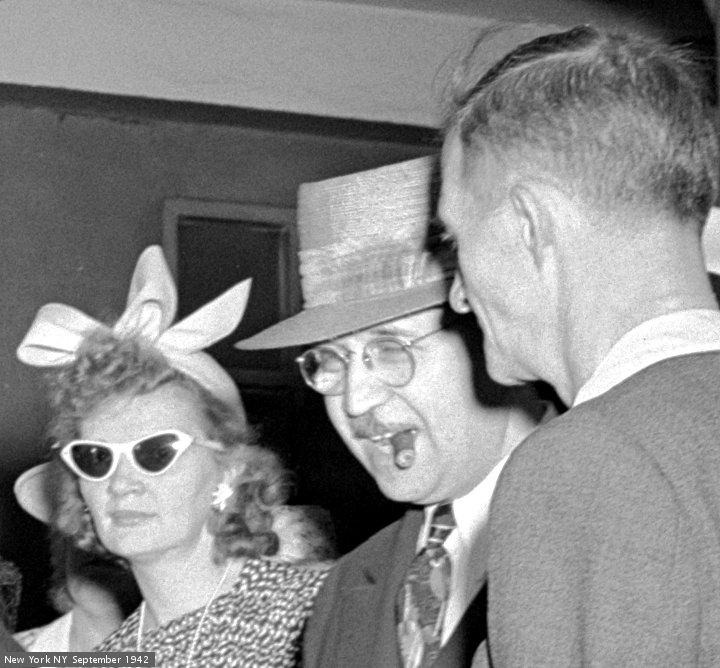
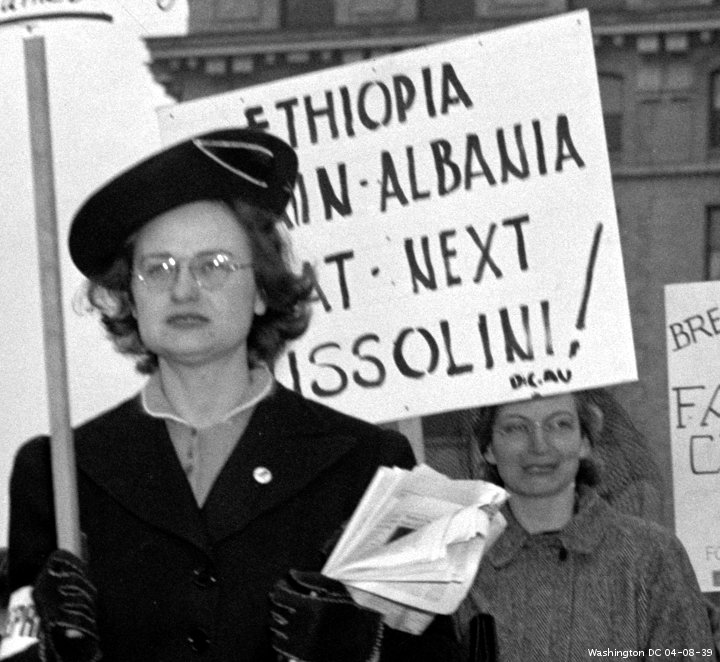
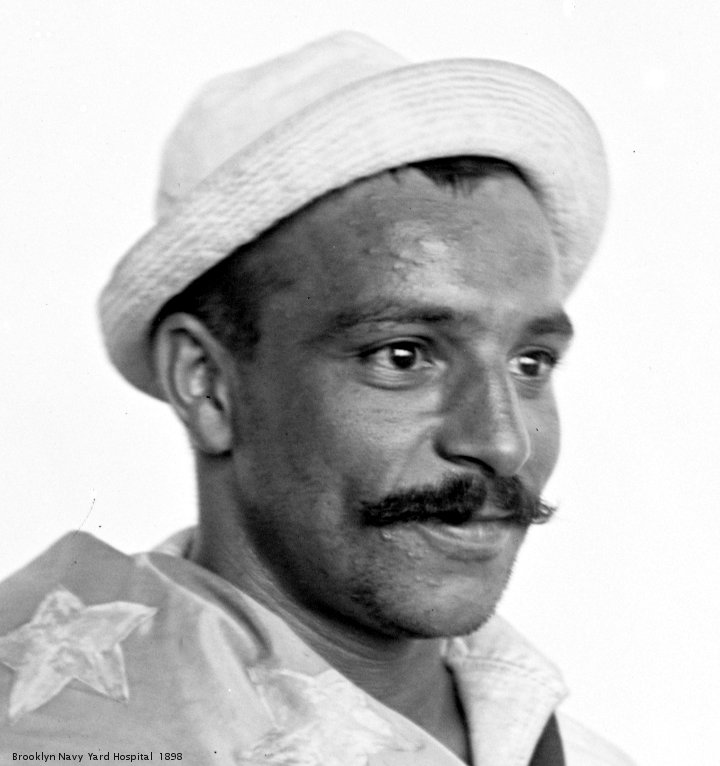
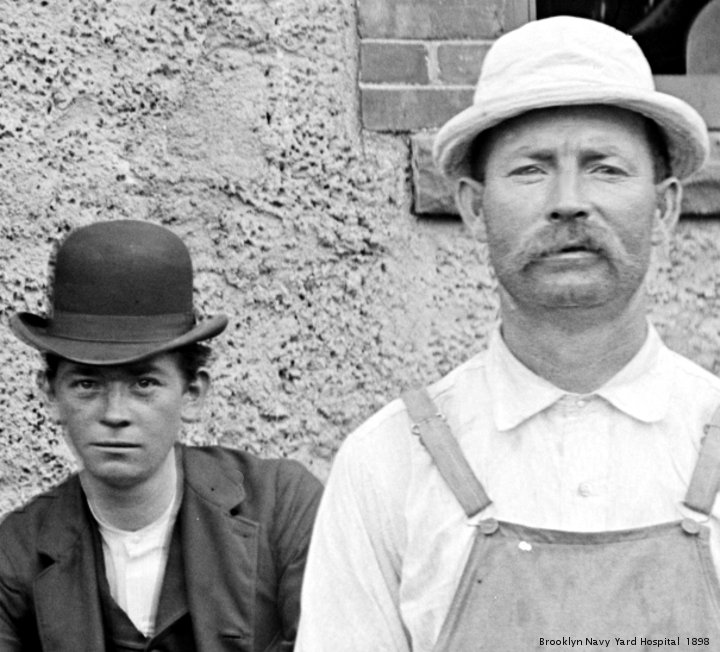
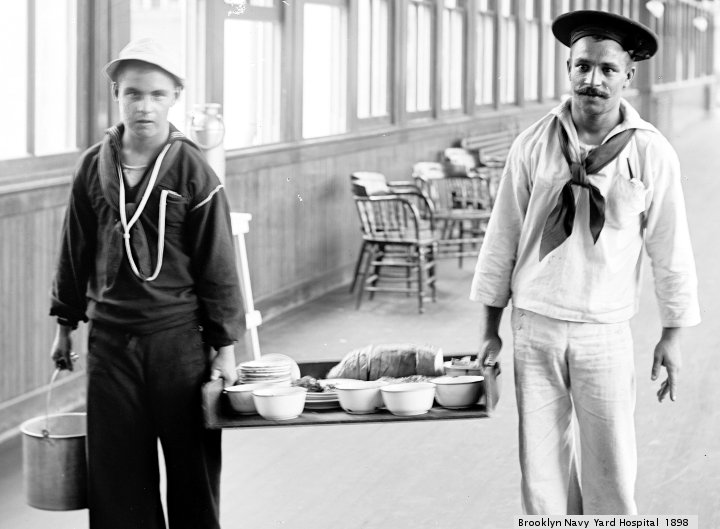
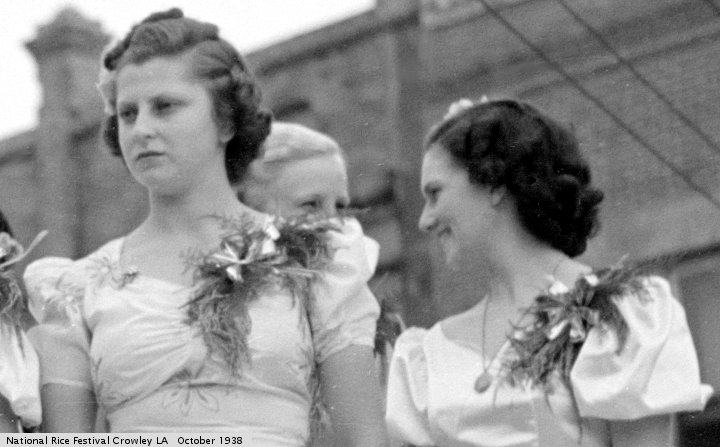
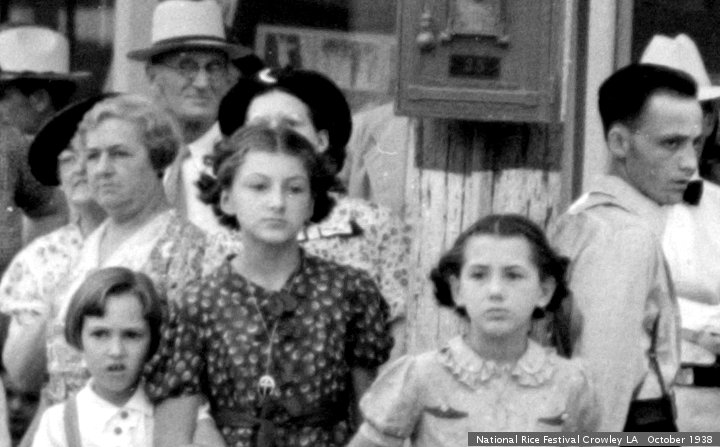
Pictures are from The Library of Congress.

Equal

The equal sign has been in the public view this week. It means that two sides of a mathematical arrangement have the same value. This week, with arguments about gay marriage in the public eye, the equal sign has been tarted up in red and pink, and become popular on facebook. It is supposed to represent equality, as in marriage equality. At least it is not a ribbon pinned to a lapel.
On friday evening of red equality week, PG was listening to a podcast, emanating from a site called Useless Information. PG tries to use less information, which is not quite the same thing. This podcast was originally presented in November 2012, and tells the story of an Ohio man who drowns in a boating accident, only to reappear as a Nebraska sportscaster.
At the outset of the podcast, there is a quiz. In this edition, a series of math symbols are the possible answers. The question is, which one was the first to be used. The equal sign won.
Robert Recorde (born c. 1510, Tenby, Pembrokeshire, Wales—died June 1558, London, England) invented the equal sign. In his book Recorde explains his design of the “Gemowe lines”: “…to avoid the tedious repetition of these words: “is equal to”, I will set (as I do often in work use) a pair of parallels (or Gemowe lines) of one length (thus =), because no two things can be more equal.”
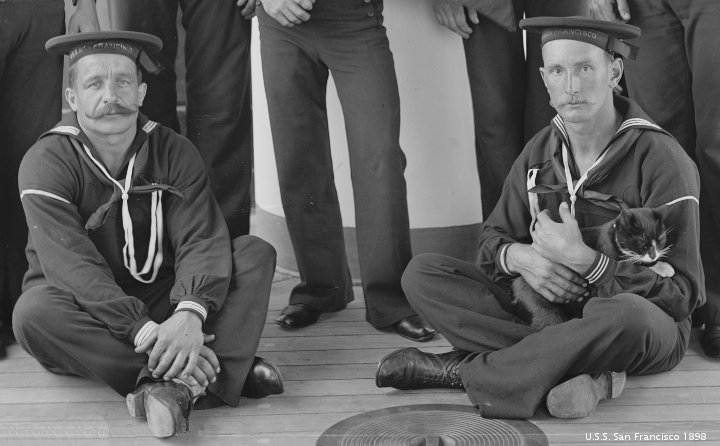
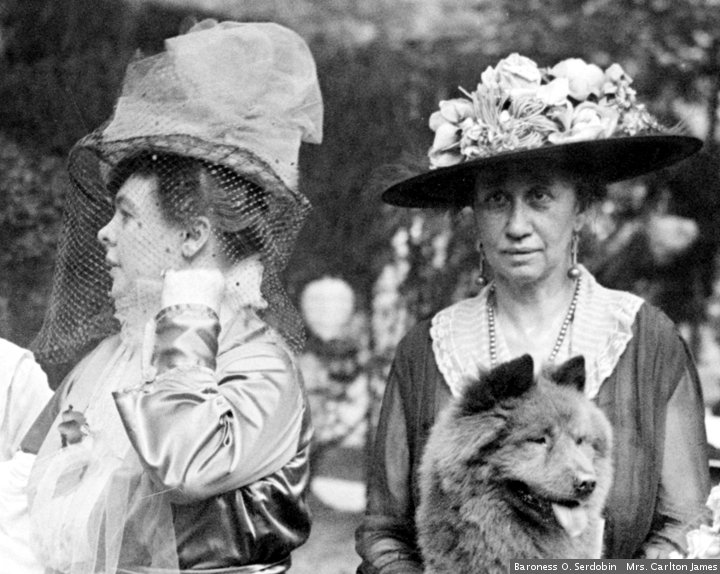
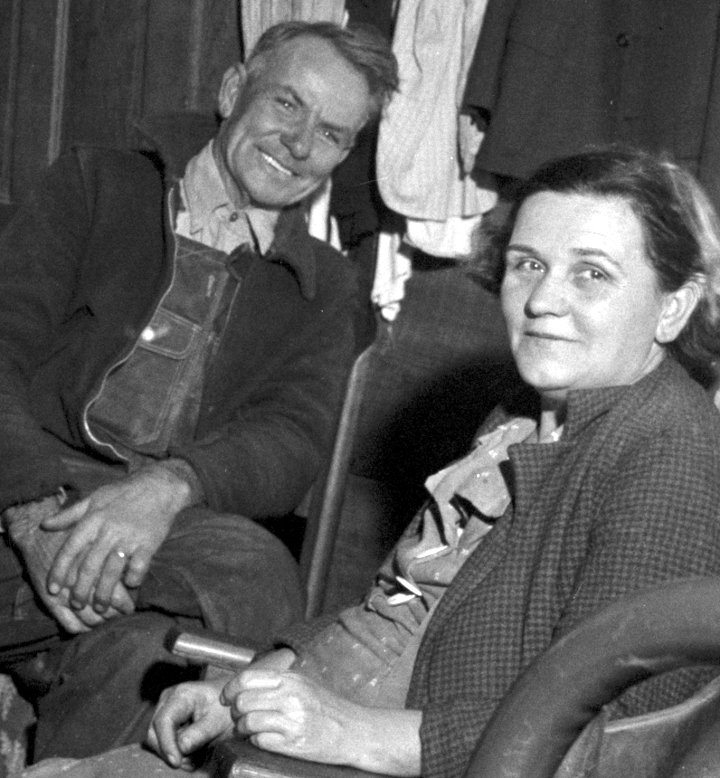
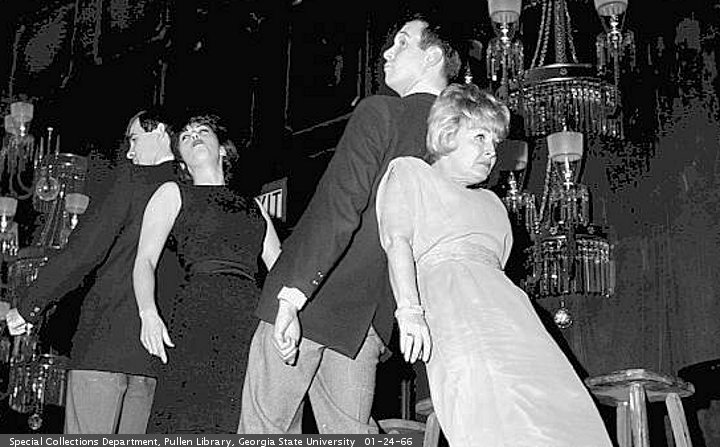
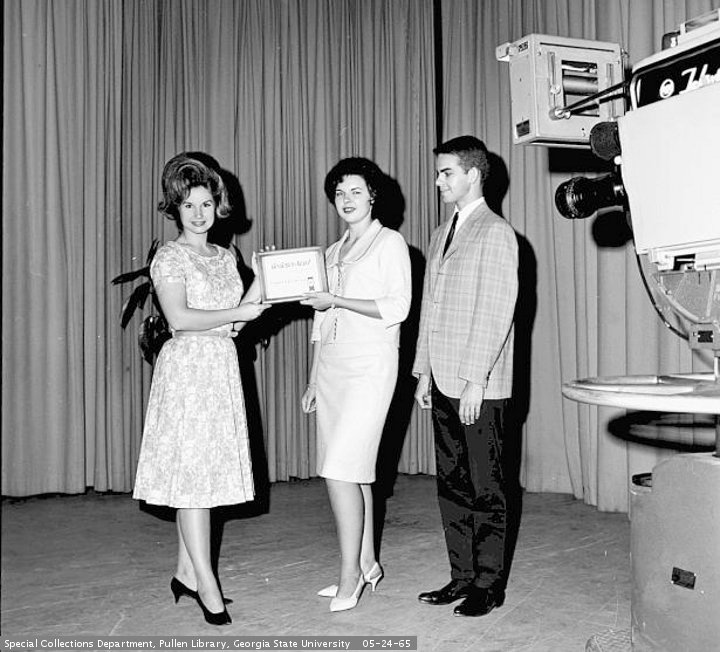
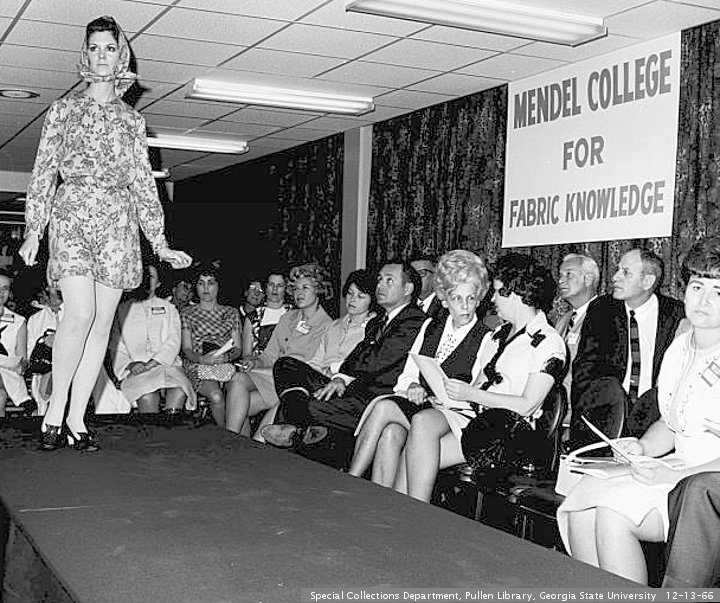
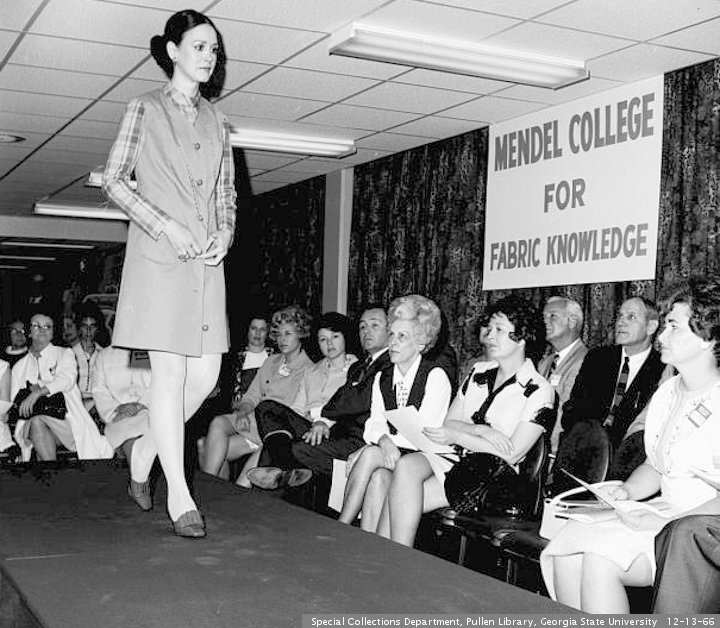
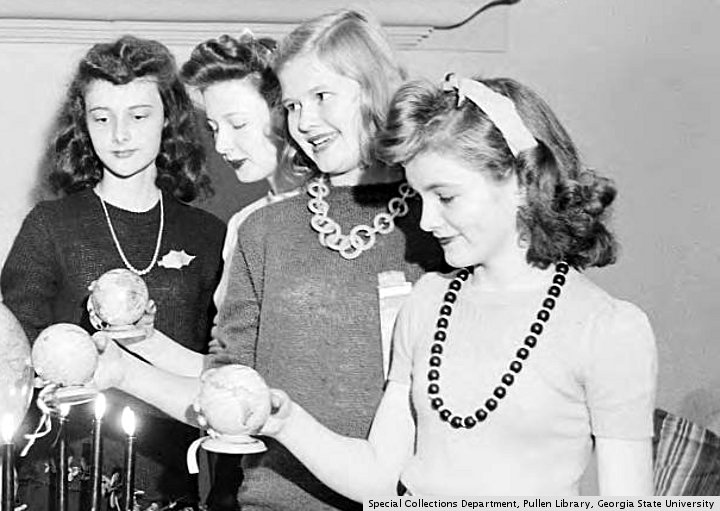
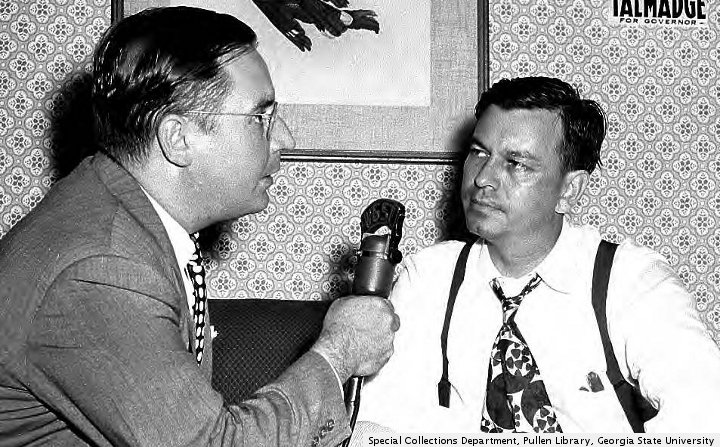
Pictures today are from “The Special Collections and Archives,Georgia State University Library”.


Quote Waste



There is a tasteful graphic going around. It features a quote, “Time you enjoy wasting was not wasted.” John Lennon is blamed for this thought. Wikiquotes does not have this quote, at least by Mr. Ono.
An obvious comment is that being wasted is something Mr. Lennon knew. Keith Richards says this is not quite the case. On pages 261-262 of “Life”, Mr. Richards describes how Mr. Lennon would try to keep up on the drug intake, but wound up in the loo, studying the porcelain.
There was a facebook exchange about this quote. “Wikiquotes does not show this quote. I searched using wasted, wasting, and time.” ~ “Luther,the way I look at these quotes is : I like the idea they express, rather than being overly concerned with the veracity of the attribution.”
If the idea is so cool, why do the quotemongers need to attribute them to a famous person? You can find some pastoral image for the background, throw the quote up, and be inspired. Is it an authoritarian impulse to find a wise man to give credit for the cleverness? Can’t it stand on it’s on?
John Lennon spoke about being more popular than Jesus, and caught some flack as a result. Would John really want to be used as justification for someone else’s clever thought? The sense here is that all he wanted to do was play rock and roll. Let someone else be the spokesman for a generation.
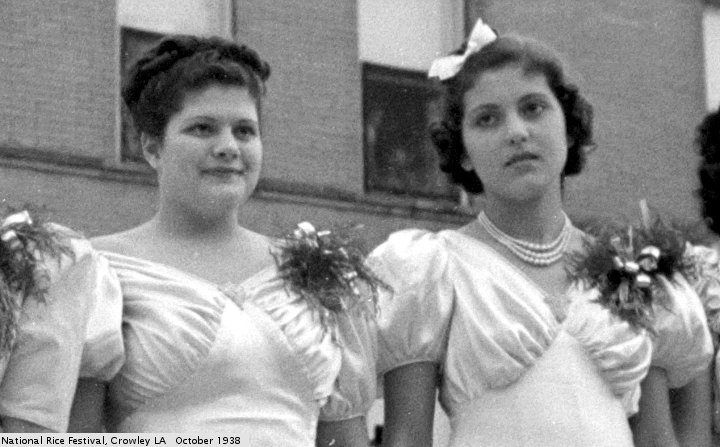
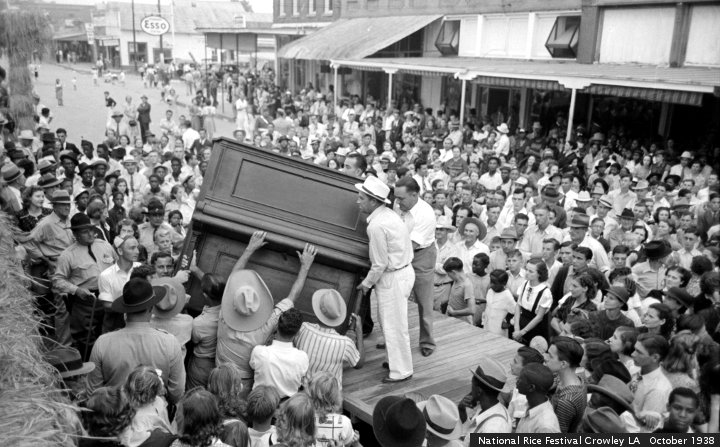
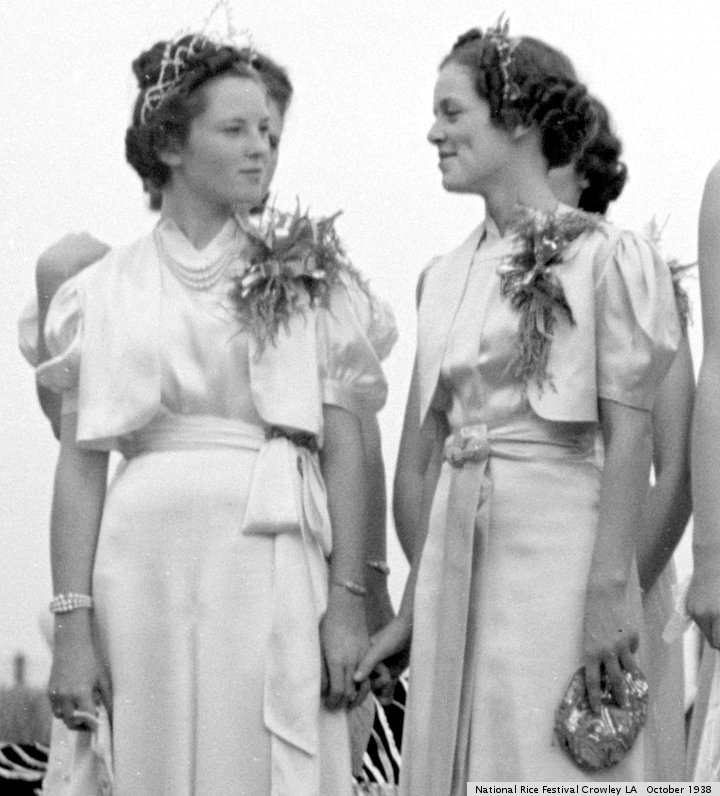
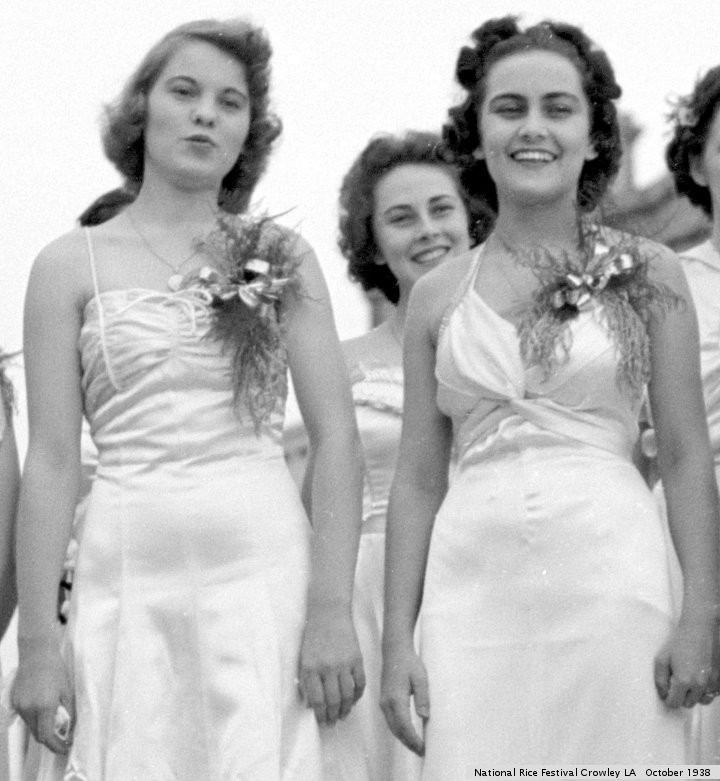
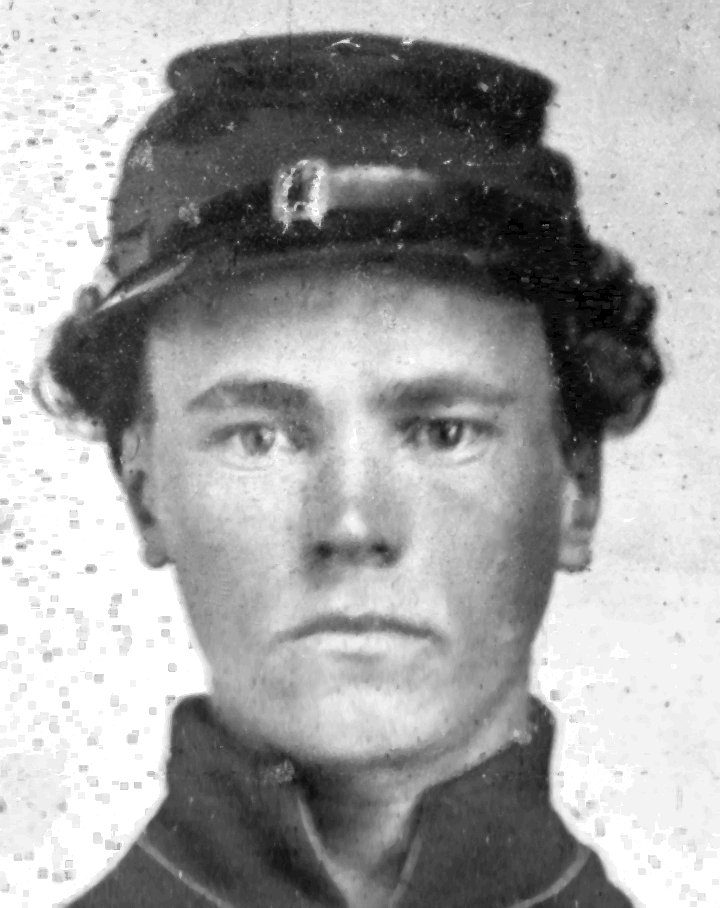
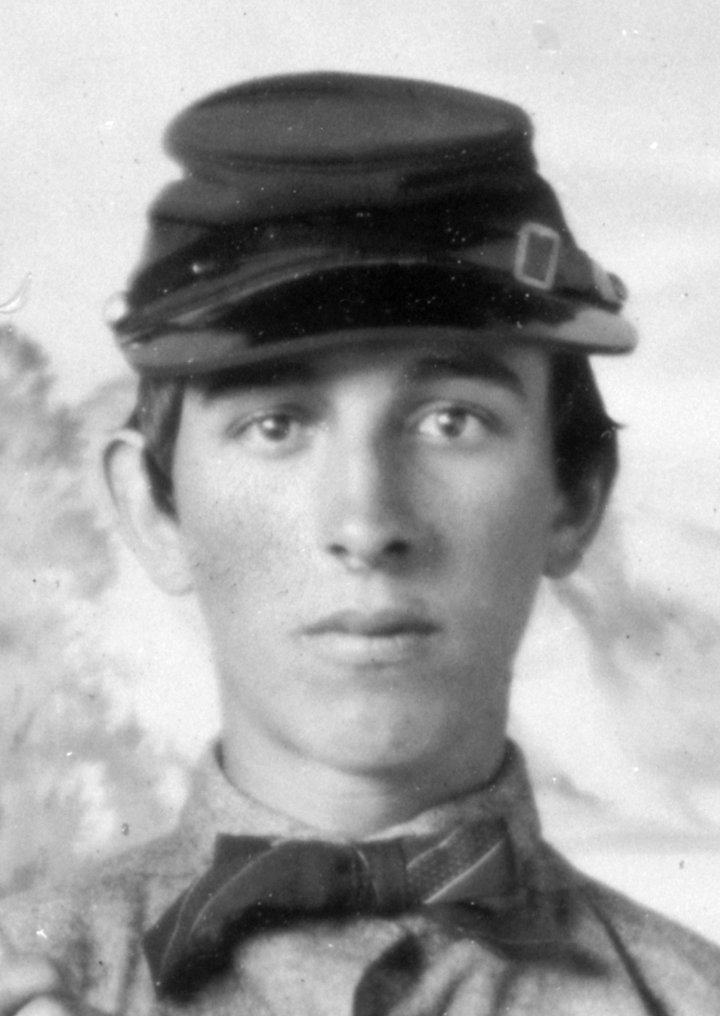
Pictures are from The Library of Congress.



Did Joseph Think It Was His Kid?


As you may have heard, SCOTUS is hearing oral, and possibly anal, arguments about gay marriage today. In a stroke of irony, this is day after March 25, nine months before Christmas. In other words, a crucial day, in the most famous unconsummated marriage in history.
PG began to ponder the traditional marriage of Joseph and Mary. Apparently, Joseph’s last name is lost to history. The question of the day is “when did Joseph and Mary get married?”. There are brain damage inducing answers at facilities such as Liberty Gospel Tracts and Fish Eaters Traditional Catholic Forum.
LGT (the B got kicked out for some reason) contributes a bible passage, Matthew 1:18-19. 18 Now the birth of Jesus Christ was on this wise: When as his mother Mary was espoused to Joseph, before they came together, she was found with child of the Holy Ghost. 19 Then Joseph her husband, being a just man, and not willing to make her a public example, was minded to put her away privily.
Put her away in the privy? That is some kinky business there. Maybe the Christians and Jews have it all wrong. The thirds Abrahamic religion, Islam, might have the answer. A site, TurnToIslam, has another point of view about the traditional definition of marriage.
What about Mary, Jesus’ Mother peace be upon both of them? How old was she when she got pregnant? Not only was it a custom in the Arab society to Engage/Marry a young girl it was also common in the Jewish society. The case of Mary the mother of Jesus comes to mind, in non biblical sources she was between 11-14 years old when she conceived Jesus. Mary had already been “BETROTHED” to Joseph before conceiving Jesus. Joseph was a much older man. therefore Mary was younger than 11-14 years of age when she was “BETHROED” to Joseph. We Muslims would never call Joseph a Child Molester, nor would we refer to the “Holy Ghost” of the Bible, that “Impregnated” Mary as a “Rapist” or “Adulterer”.
“….it is possible that Mary gave birth to her Son when she was about thirteen or fourteen years of age….”Mary was approximately 14 years old when she got pregnant with Jesus. Joseph, Mary’s Husband is believed to be around 36. Mary was only 13 when she married Joseph. When she first was arranged with Joseph she was between 7 to 9 years old.”
According to the “Oxford Dictionary Bible” commentary, Mary (peace be upon her) was was 12 years old when she became impregnated. So if I want to be as silly and ridiculous as many of the Christians, I would respond to them by saying that Mary was psychologically and emotionally devastated for getting pregnant at a very young age. And speaking of “child molesting”, since most Christians believe that Jesus is the Creator of this universe, then why did G-D allow himself to enter life through a 12-year old young girl’s vagina? Please note that we Muslims love and respect Allah Almighty, Mary, Jesus and Allah’s Message to the People of the Book (The Jews and Christians). In other words, we Muslims would never make fun of Christianity through such childish topic like this one as many ridiculous Christians do make fun of Islam through our Prophet’s (peace be upon him) marriage.
Pictures are from The Library of Congress.
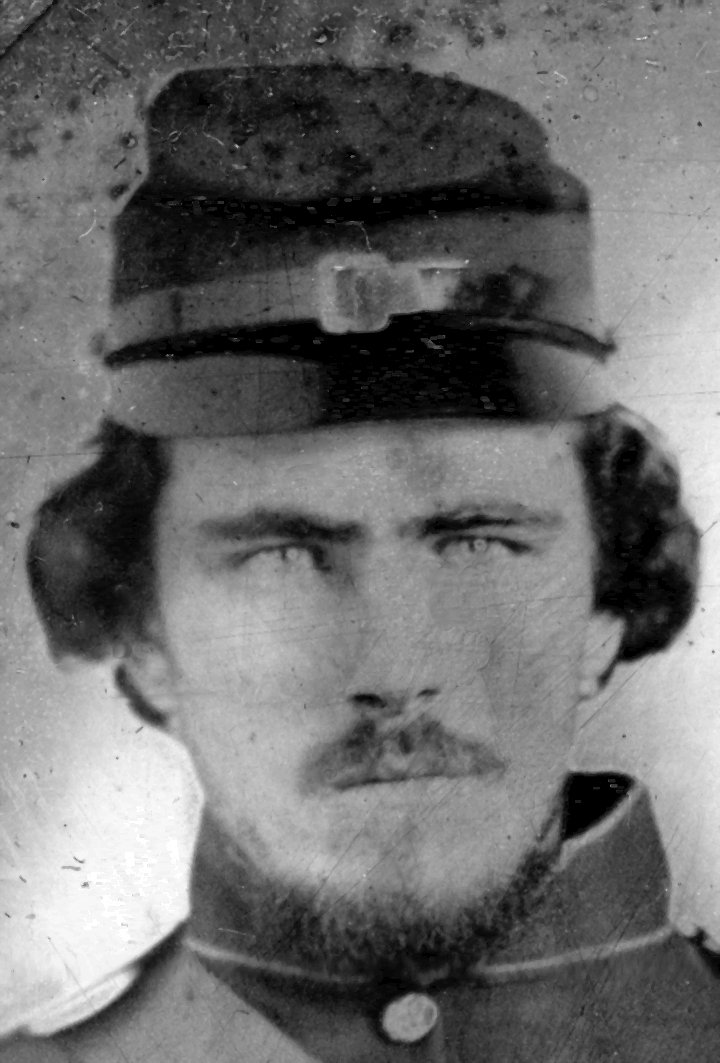


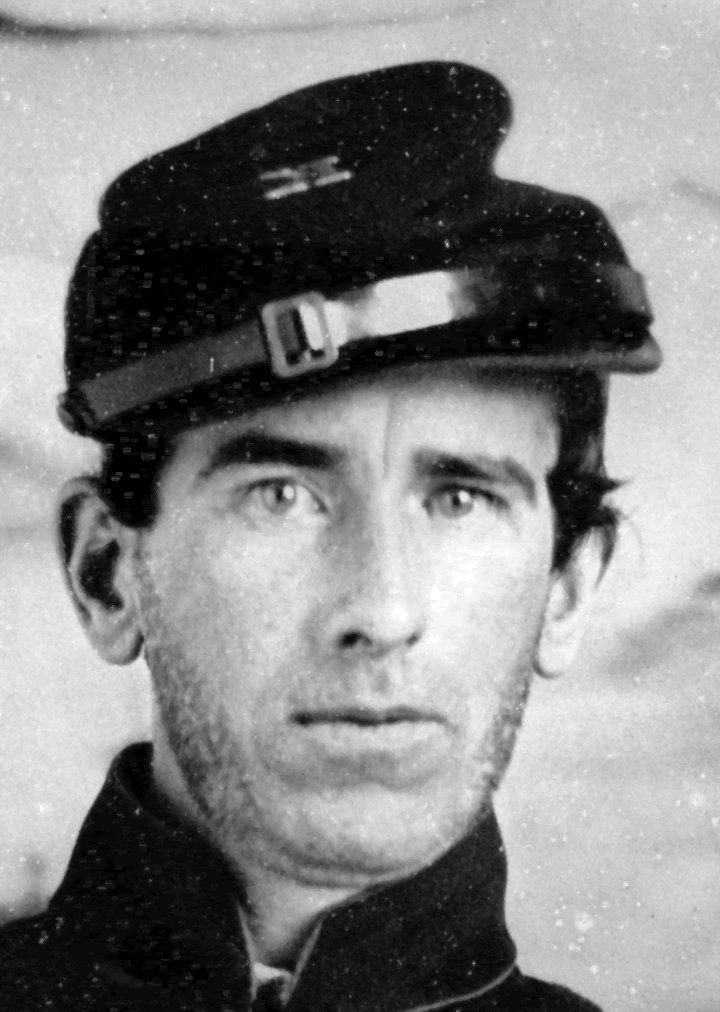
Anita Aretha and Elton
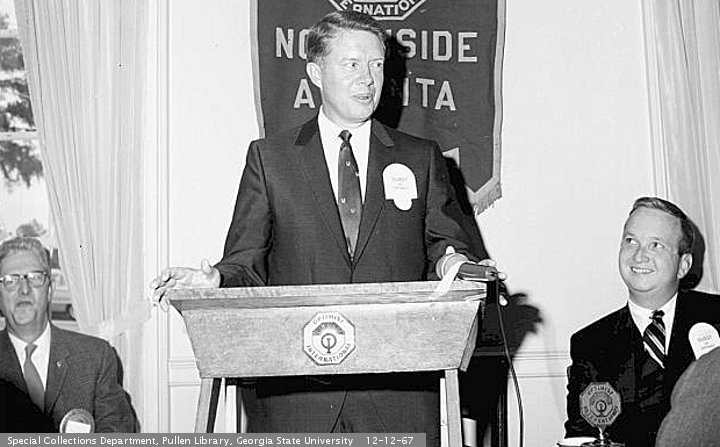
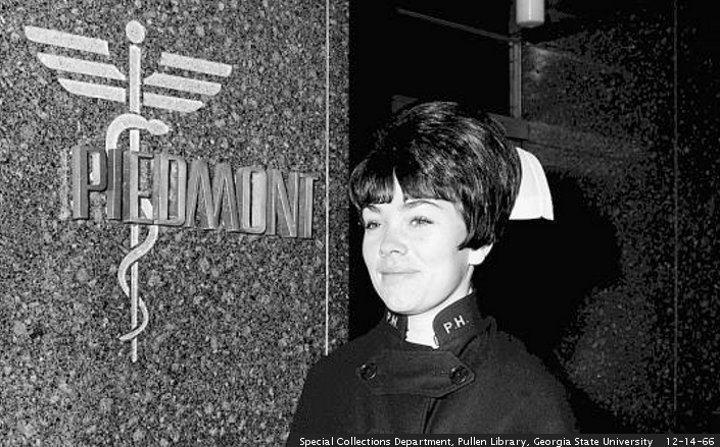
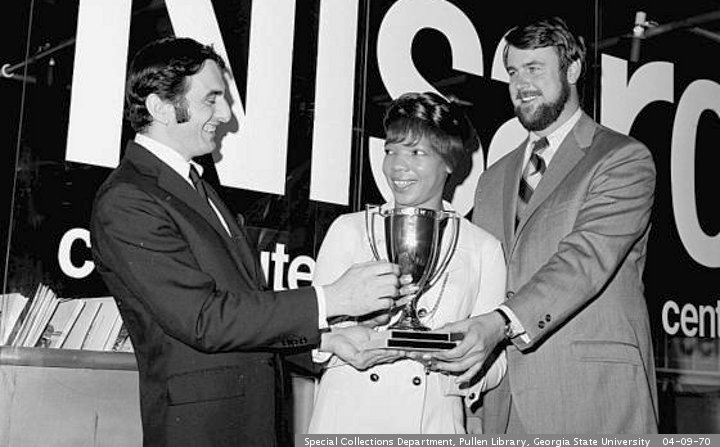
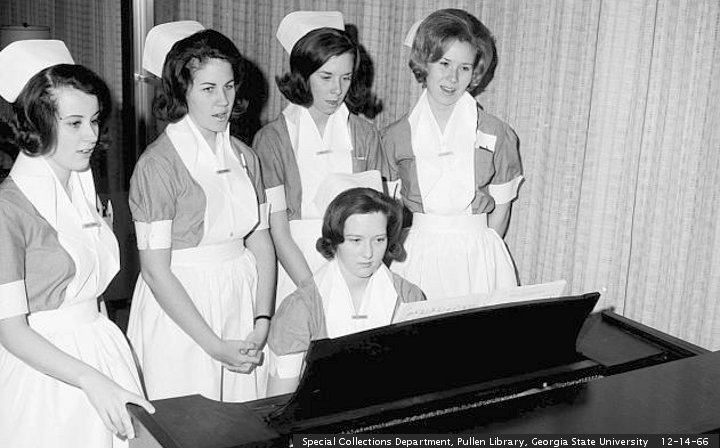
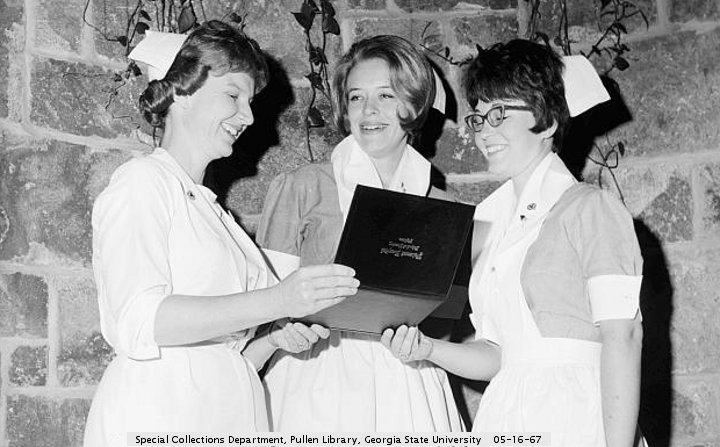
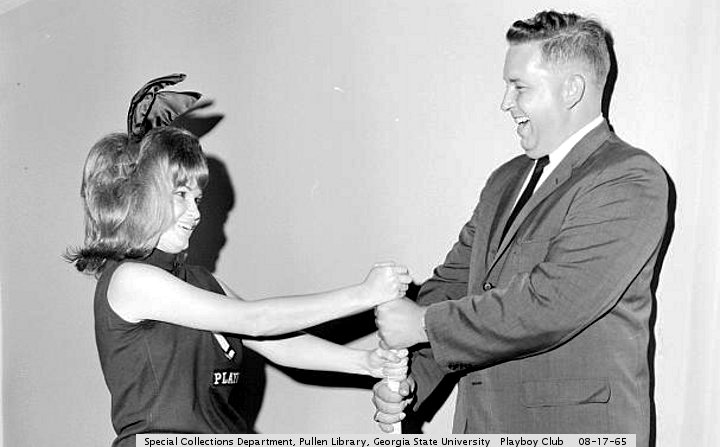
In the early nineties, PG had too much free time. On March 25 of one year, he looked in the fishwrapper, and found a list of famous people with birthdays.
There was an unlikely trio celebrating that day. This would be (in order of appearance) Anita Bryant (1940), Aretha Franklin (1942), and Elton John (1947). All three have been paid for singing. The three have a total of five husbands, with Miss Bryant and Mr. John currently attached (Not to each other). Miss Franklin has good taste in hats.
Several other people have arrived on planet earth on March 25. They include , in 1911, Jack Ruby, the killer of Lee Harvey Oswald (d. 1967) (They don’t say alleged when it was on live TV). 1918 produced Howard Cosell, American sports reporter (d. 1995). Flannery O’Connor (d. 1964) arrived in 1925. 1934 gave us Gloria Steinem. In 1937 Tom Monaghan, founder of Dominos pizza, arrived. (The delivery was nine months, and twenty nine minutes, after the order was placed.) To make room for all this talent, Buck Owens died March 25, 2006.
March 25 is after the spring equinox, and has been Easter. A few noteworthy events have gone down on this day. In 1894, Coxey’s Army departed Massillon, Ohio for Washington D.C. In 1911, the Triangle Shirtwaist Factory fire killed 146 garment workers in New York City. In 1939 Cardinal Eugenio Pacelli becomes Pope Pius XII, to the delight of Adolph Hitler. 1955 saw the United States Customs seizes copies of Allen Ginsberg’s poem “Howl” as obscene. In 1969, John Lennon and Yoko Ono began their first Bed-In for Peace at the Amsterdam Hilton Hotel.
HT and applause to wikipedia. This is a repost. Pictures, without Ms. Steinem, are from “The Special Collections and Archives,Georgia State University Library”.

The White House Dog
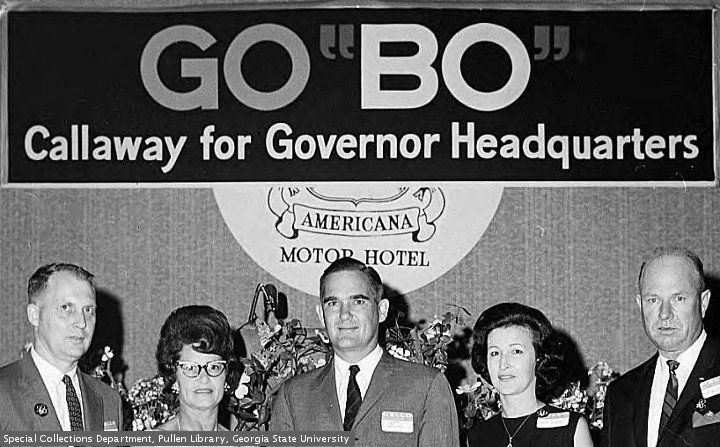
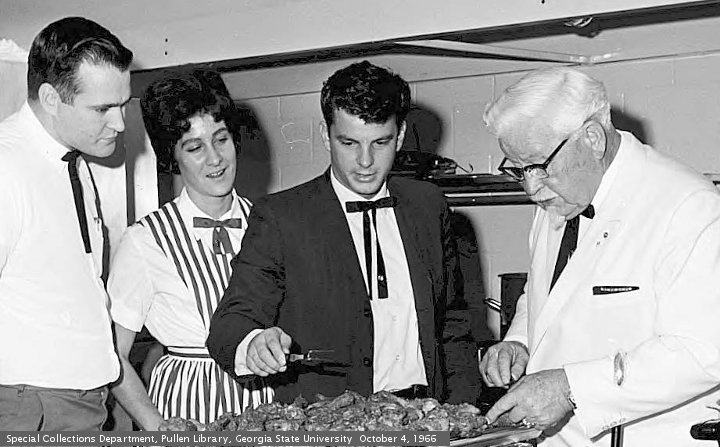
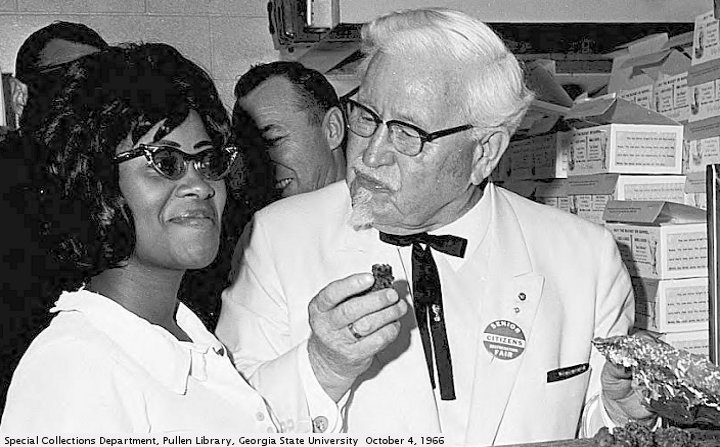

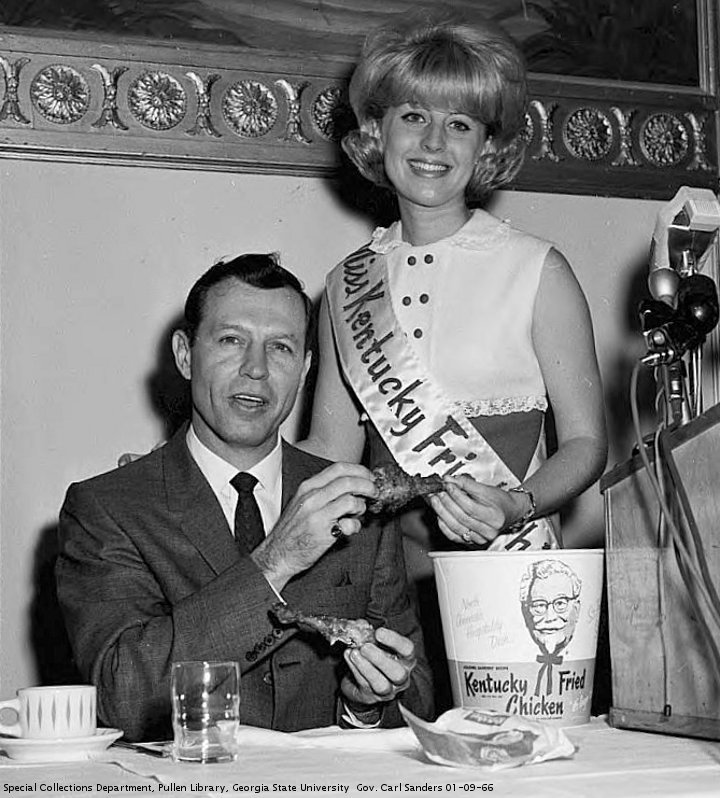
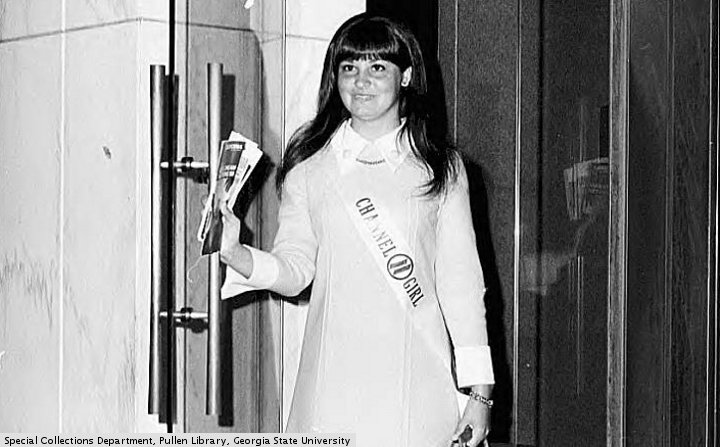
Michele Bachmann gave a speech at CPAC recently. Among other things, she talked about the care given to Bo Obama, @FDOTUS. Mrs. Bachmann, who is sometimes compared to a female dog, is taking a severe political risk in criticizing the Presidential dog.
In 1944, Franklin D. Roosevelt was trying to win a war, and running for a fourth term as POTUS. His most trusted advisor was a Scottish Terrier named Fala. The Republicans made a mistake.
“On September 23, 1944, Roosevelt gave his famous “Fala speech” while campaigning in the 1944 presidential election. … . Late in the speech, Roosevelt addressed Republican charges that he had accidentally left Fala behind on the Aleutian Islands while on tour there and had sent a U.S. Navy destroyer to retrieve him at an exorbitant cost to the taxpayers:”
“These Republican leaders have not been content with attacks on me, or my wife, or on my sons. No, not content with that, they now include my little dog, Fala. Well, of course, I don’t resent attacks, and my family don’t resent attacks, but Fala does resent them. You know, Fala is Scotch, and being a Scottie, as soon as he learned that the Republican fiction writers in Congress and out had concocted a story that I’d left him behind on an Aleutian island and had sent a destroyer back to find him — at a cost to the taxpayers of two or three, or eight or twenty million dollars — his Scotch soul was furious. He has not been the same dog since. I am accustomed to hearing malicious falsehoods about myself … But I think I have a right to resent, to object, to libelous statements about my dog!”
Mr. Roosevelt won the election, and the war, but lost his life. Fala was in Warm Springs with him, and reportedly knew, before the doctors, that Mr. Roosevelt was not going to make it. Fala went to stay with Eleanor, and lived until 1952.
That was the year the Republicans finally won a Presidential election. This victory was put in doubt by reports of financial chicanery by Vice Presidential candidate Richard Nixon. There was a tv speech given to address these concerns.
“One other thing I probably should tell you because if we don’t they’ll probably be saying this about me too, we did get something-a gift-after the election. A man down in Texas heard Pat on the radio mention the fact that our two youngsters would like to have a dog. And, believe it or not, the day before we left on this campaign trip we got a message from Union Station in Baltimore saying they had a package for us. We went down to get it. You know what it was. It was a little cocker spaniel dog in a crate that he’d sent all the way from Texas. Black and white spotted. And our little girl-Tricia, the 6-year old-named it Checkers. And you know, the kids, like all kids, love the dog and I just want to say this right now, that regardless of what they say about it, we’re gonna keep it.”
Mr. Nixon won that election, and moved into the White House, as POTUS, in 1969. After Mr. Nixon died in 1994, PG saw a huge flag at half mast. It was a hamburger stand called Checkers.
Meanwhile, Bo Obama takes his four legged duty very seriously. @FDOTUS. No, I didn’t know that was Abe Lincoln’s bible and yes, I’m sorry I chewed it. Can we moved on?
Pictures are from “The Special Collections and Archives,Georgia State University Library”.




Dick Van Dyke
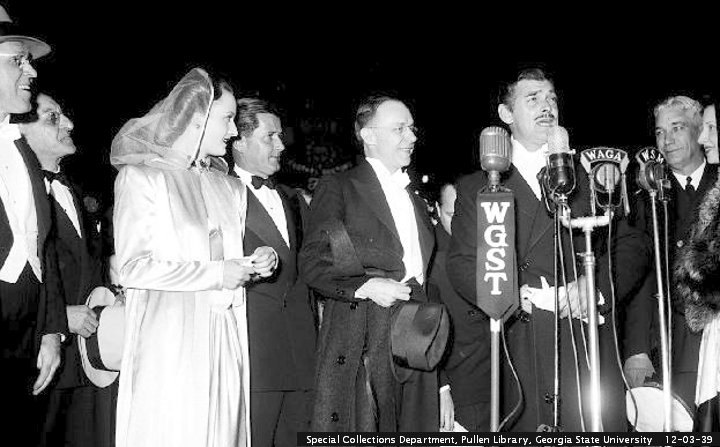
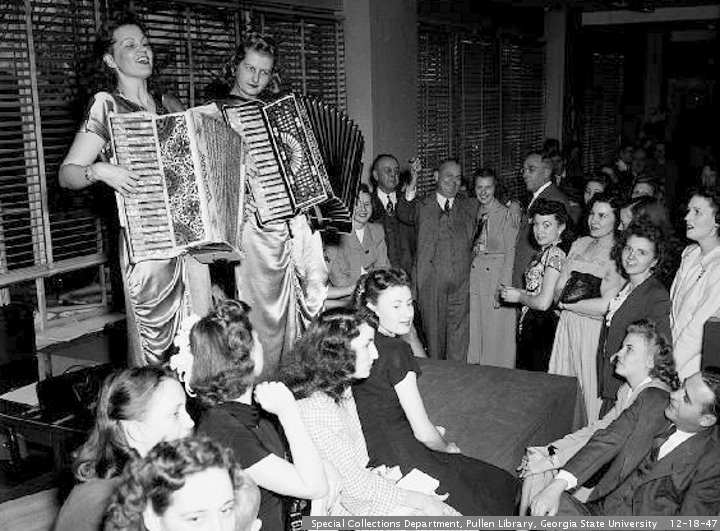

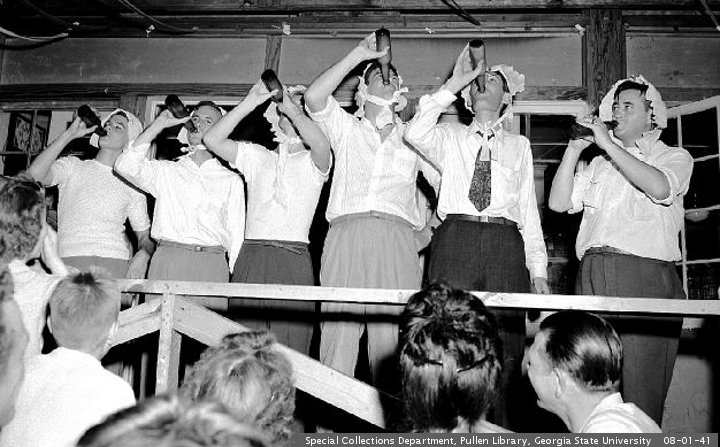
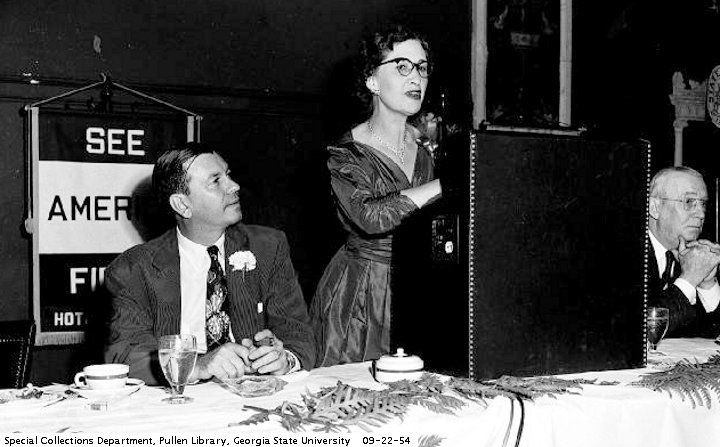
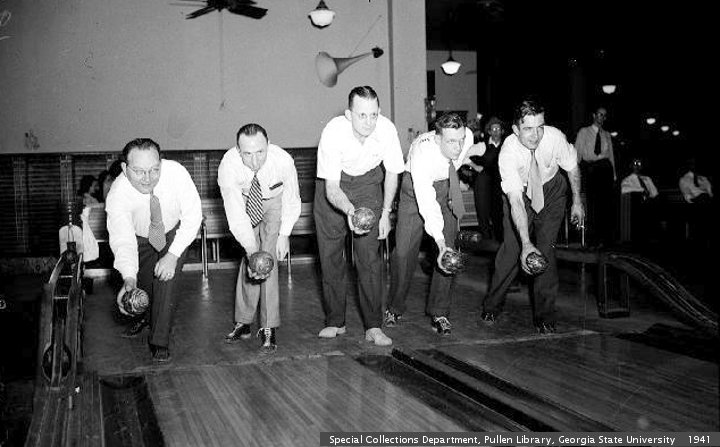
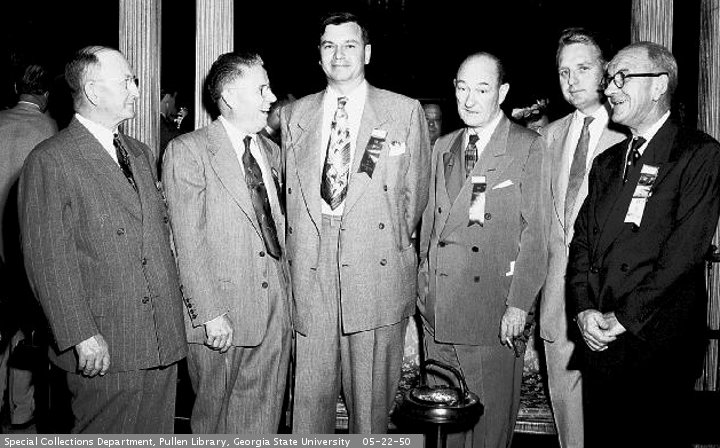
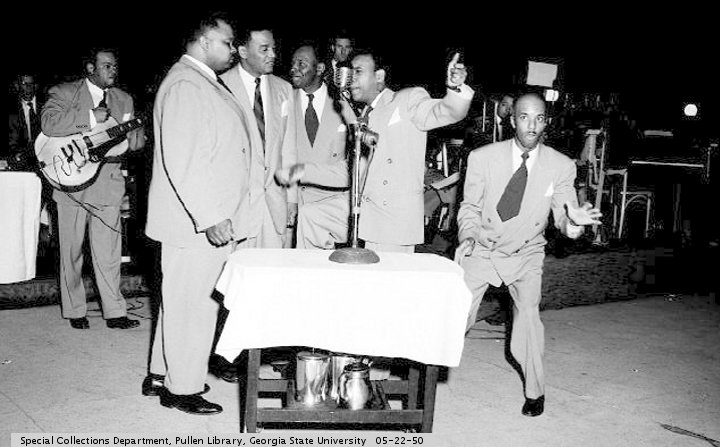
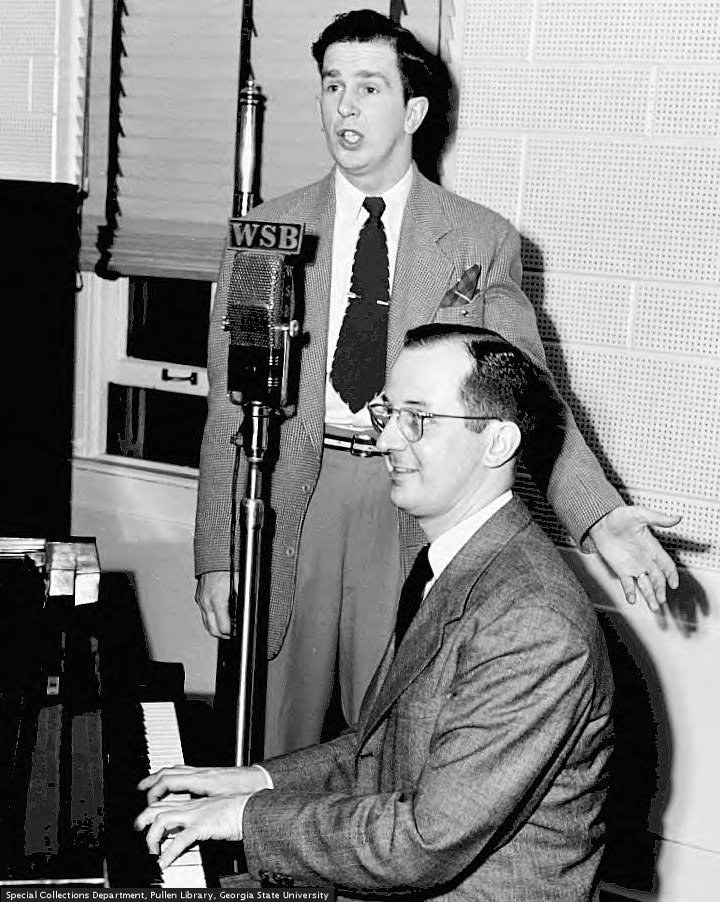
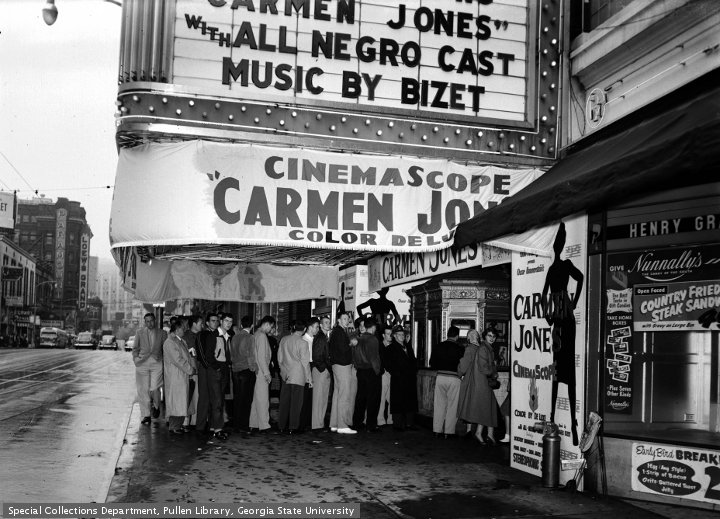
The guest of this week’s WTF podcast is Dick Van Dyke. After World War Two, Mr. Van Dyke was recruited by Phil Erickson to form a comedy duo, the Merry Mutes. In 1949, they got a long term engagement at the Henry Grady Hotel, and moved to Atlanta.
Mr. Van Dyke enjoyed Atlanta so much that he bought a house here. Two of his children were born in Atlanta. Neighborhood legend says that the house was on Ashford Road.
After parting ways with Mr. Van Dyke, Phil Erickson opened the Wit’s End nightclub, with the Wit’s End Players. The performances were in a bar building on Fifth Street, next to the expressway. The club had a large sign in front, with an asterisk next to the words Wits End. The asterisk stood for “bring money”.
Dick Van Dyke has performed with, and gotten to know, many famous people. He looked up Stan Laurel in the phone book, and invited himself for a visit. (Oliver Hardy was from Harlem GA.)
One person the Mr. Van Dyke did not work with was Spencer Tracy. Mr. Tracy said there were two rules for acting … know your lines, and don’t trip over the props. Dick Van Dyke knew the first one.
Pictures are from “The Special Collections and Archives,Georgia State University Library”.
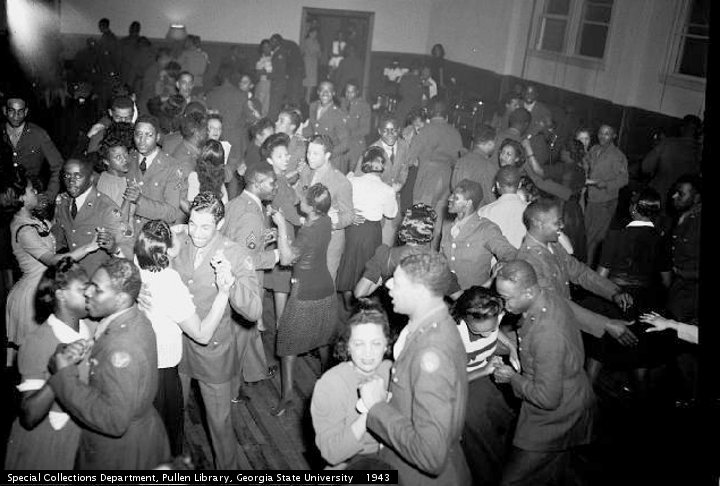
Shock And Awe Day 2013
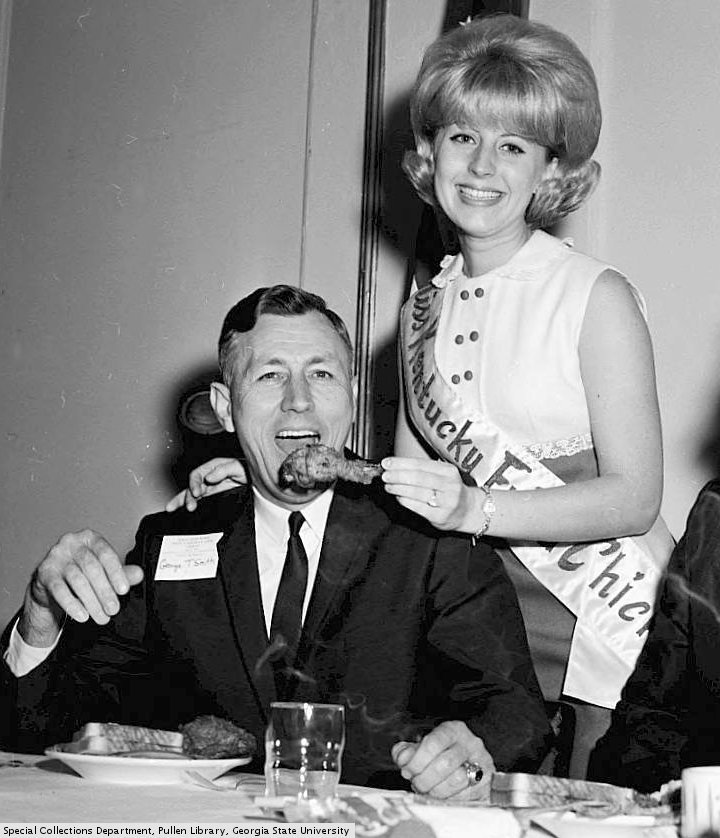

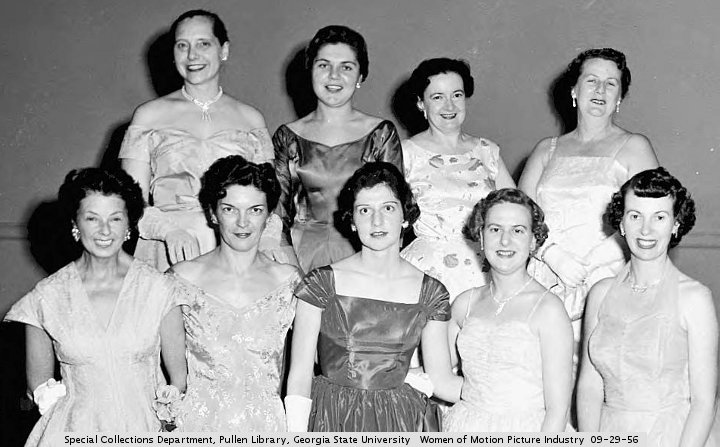
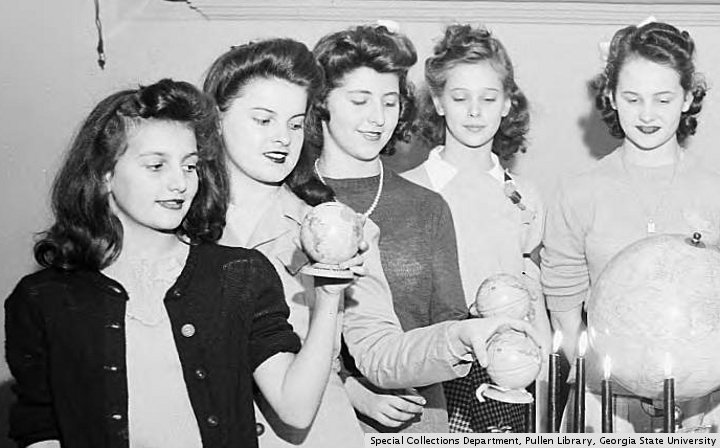
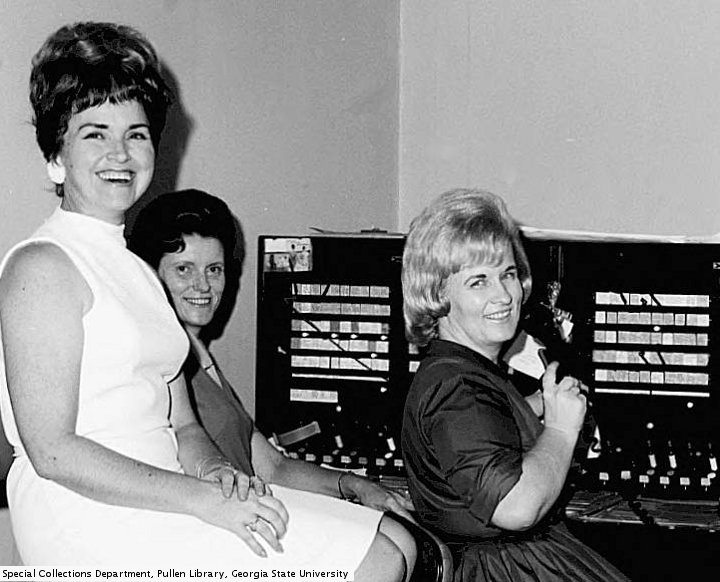
Ten years ago, Iraq teetered on the edge of regime change. It was obvious what was going to happen, at least at first. Amerika was going to storm in, kill a bunch of people, and take over.
In post 911 Amerika, the military industrial complex saw an opportunity for plunder, unrivaled since the fall of the Soviet Union. The stories of WMD would infect the body politic with fear of a mesopotamian madman. Saddam Hussein wanted Iran to think he has wonder weapons, and did not think Amerika was serious about regime change. We all make mistakes.
In the ten years since the time of shock and awe, trillions of dollars have gone down the drain, dragging the mighty Amerikan economy along into the sewers of bankruptcy. One of the oldest civilizations of mankind was reduced to hiding, from neighbors, behind concrete barricades. They fought the conquerors with bombs triggered by garage door openers. Thousands of women and children have been murdered. The WMD were never found.
Pictures are from “The Special Collections and Archives,Georgia State University Library”.




Who Invented The Word Racism?




Writers tackle was rampaging through Brookhaven. PG looked in a list of old product, and found a feature built on the output of Teju Cole. He has a dandy article, at the New Yorker, about what is antiseptically called drone warfare. It is the twitter feed that gets attention.
@tejucole I see my point, but I don’t completely agree with myself.
@tejucole Strong hints that the next pope will be male.
@tejucole “Oh my God, this electric iron is terrible as a vacuum cleaner.”—internet critics
@tejucole I’m of two minds about most things, and so am I.
@tejucole George Carlin’s original seven dirty words can all be said freely now. The one word you can’t say, and must never print, is “racist.”
The quote marks lend mystery to the last tweet. Does he mean the dreaded “n word”? Or does he mean that other six letter slur? There is no shortage of people screaming racist in Georgia, often at the slightest provocation. There is an attitude that racism is the worst thing you can be accused of, and that, once accused, you are guilty until proven innocent. If you do a bit of research into racism, the word, you will see some interesting things.
The concept of groups of people not liking each other is as old as mankind. The word racism apparently did not exist before 1933 (merriam webster), or 1936 (dictionary dot com).
Something called the Vanguard News Network had a forum once, What is the true origin of the term racism? This forum is problematic, as VNN seems to be a white supremacist affair. One of the reputed coiners of the R word was Leon Trotsky, also referred to as Jew Communist. Another Non English speaker who is given “credit” for originating the phrase is Magnus Hirschfeld. As for English, the word here is: “American author Lawrence Dennis was the first to use the word, in English, in his 1936 book “The coming American fascism”.”
The terms racist and racism seem to be used interchangeably in these discussions. This is in keeping with the modern discussion. As Jesus worshipers like to say, hate the sin, love the sinner.
The Online Etymology Dictionary has this to add: “racist 1932 as a noun, 1938 as an adjective, from race (n.2); racism is first attested 1936 (from French racisme, 1935), originally in the context of Nazi theories. But they replaced earlier words, racialism (1871) and racialist (1917), both often used early 20c. in a British or South African context.”
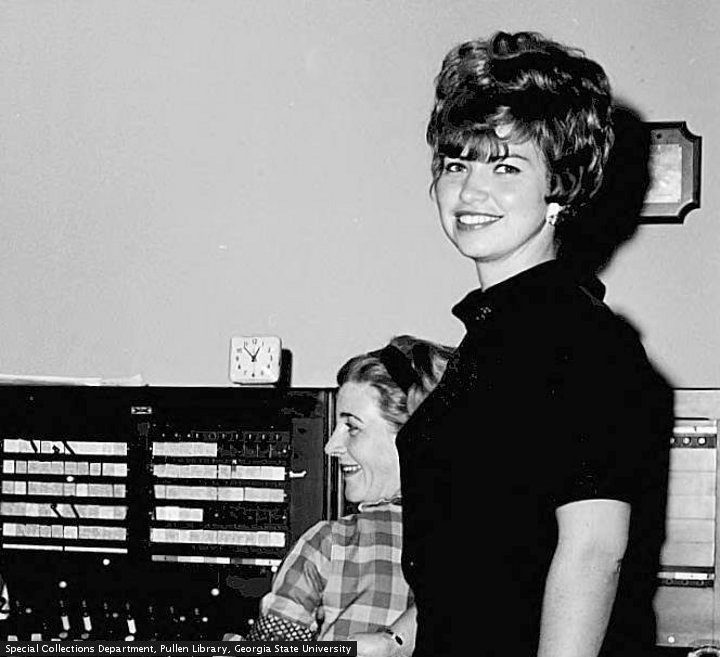
Pictures are from “The Special Collections and Archives,Georgia State University Library”.


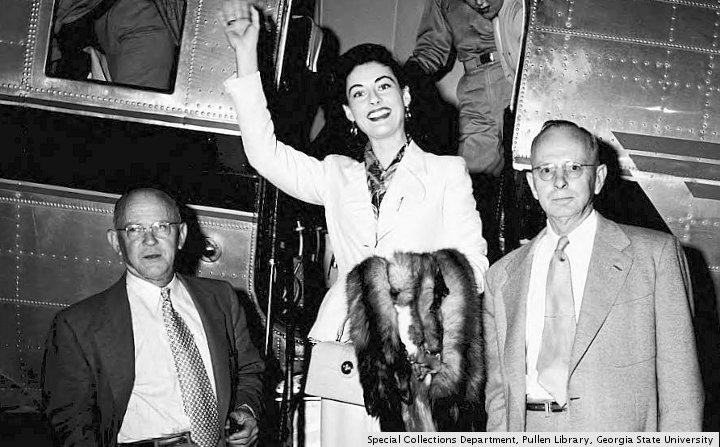
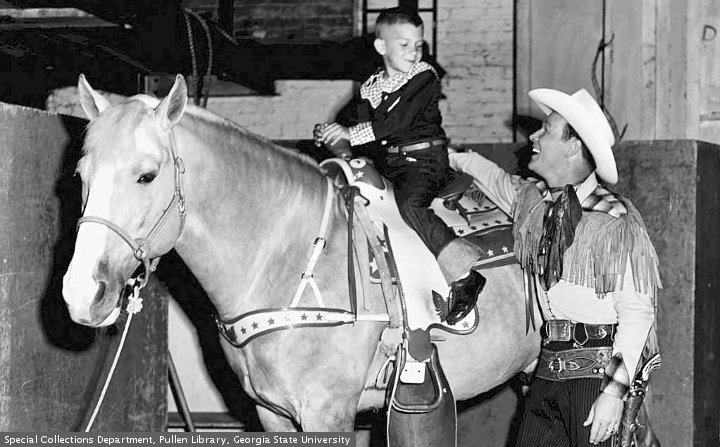
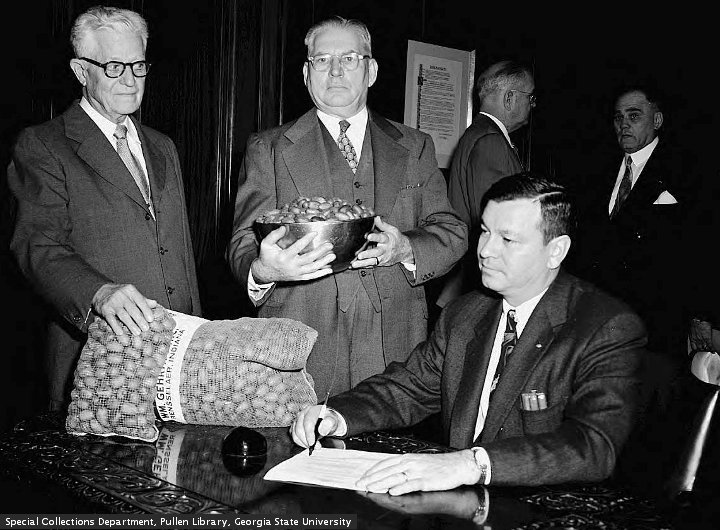
Neil Sheehan

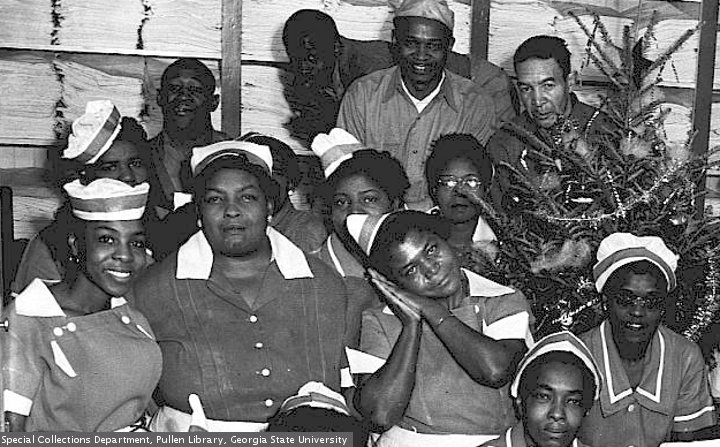

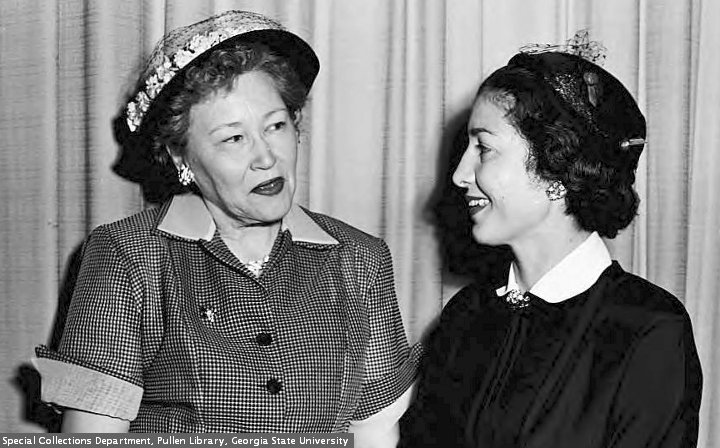
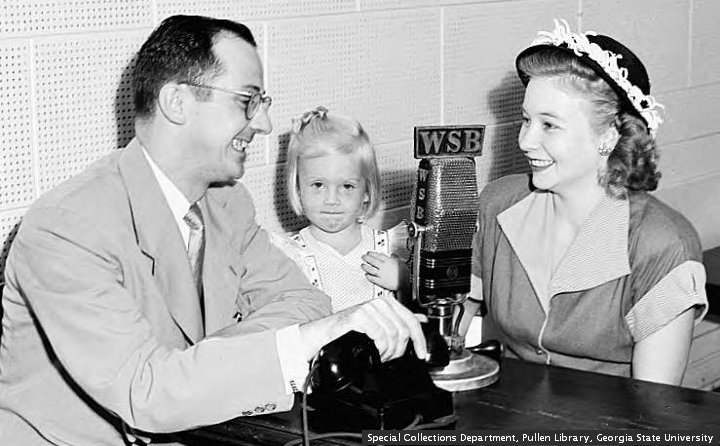
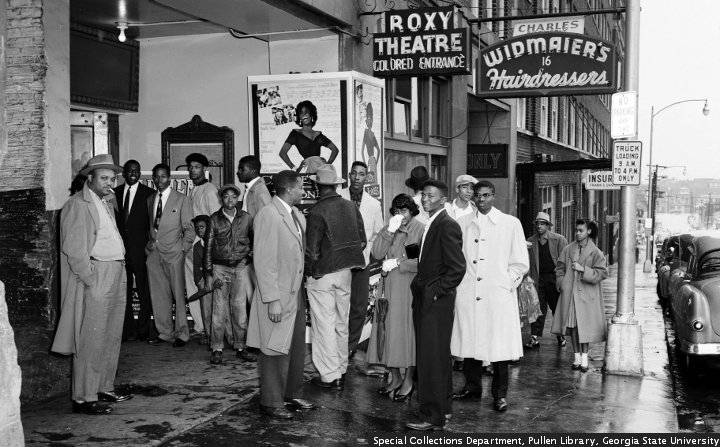
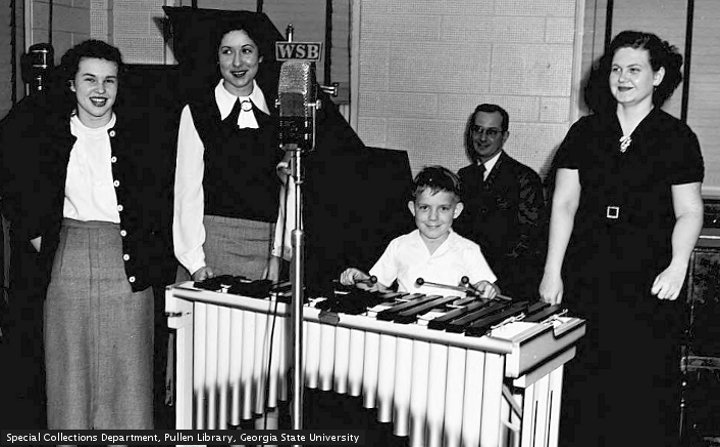
In 1988, C-SPAN presented a five part interview with Neil Sheehan. He was promoting a book, A Bright Shining Lie: John Paul Vann and America in Vietnam. Mr. Sheehan was a reporter in Vietnam during the early years of the war. Here are some highlights.
LAMB:(Brian Lamb, host of Booknotes) Neil Sheehan, author of “A Bright Shining Lie: John Paul Vann and America in Vietnam.” What role did the press play in the war? Mr. SHEEHAN: At the beginning, I suspect the press helped us to go to war in Vietnam. The the press was in gen the the the the news media of this country, in my opinion, tend to be quite conventional. They reflect conventional ideas. They are not the cabal of liberal plotters that the right wing would have us believe, at least, that thus that thesis doesn’t stand up to reality in my experience.
Mr. SHEEHAN: Let me back up for one moment. There’s a considerable misimpression about the role of the press in Vietnam all along and particularly in this early period. The reporters who went to Vietnam early on, like myself, were not anti war dissenters. We were very much in favor of American intervention in Vietnam. We had the same set of illusions everyone else did. What we wanted to what we felt was our well, was our duty excuse me we felt our duty was to report the truth, so that the president would know what was happening in Vietnam the president and the rest of the leadership and win the war. And the advisers in the field, like John Vann, told us, `Look, this isn’t working. The policy isn’t working. We’re losing. And here’s why.’ And we were writing these stories and and they were being denounced.
Mr. SHEEHAN:… the South Vietnamese army wouldn’t fight, that the Diem regime (Ngo Dinh Diem, President of South Vietnam before November 2, 1963) was deliberately holding deliberately holding it back from fighting, that they wouldn’t take on the Communist guerrillas. Because Diem wanted to preserve his army as a force in being to to preserve his regime. The Americans thought of the army, the South Vietnamese army, as a force with which to fight the Communists. Diem saw it as a force to keep him in power. And so he had a he had a secret order out to his commanders not to take casualties. And the advisers couldn’t get them to tangle with the with the guerrillas, and they would tell us this.
Mr. SHEEHAN: .. it was stupid to be shelling and bombing civilian hamlets, that we were just killing women and kids and we were turning the population against us. He (John Paul Vann) showed us the extent to which the ARVN, the Regular South Vietnamese Army, was avoiding contact with the enemy and would not fight the Viet Cong, would not take them on. He showed us the extent to which we were arming the guerillas through these outposts. Again, John would gather the data, precisely how many American arms were going to precisely how many outposts and we ended up – as I said in the book, we ended up arming the Viet Cong in South Vietnam with American weapons because the American generals were pouring weapons into the South Vietnamese Militia and the Viet Cong were collecting them from these outposts. And so, you were giving a communist guerilla who had a bolt action French rifle a fast firing semiautomatic M1 Garand, which was a World War II weapon, but which was a very good weapon in the mid – in the early 60s. This was prior to the fully automatic weapons, the M16, et cetera. The Garand was a fine weapon and we were arming our enemy. … the United States of America, are arming our enemy and giving them far better weapons than with than they already have and we’re going to change the whole the whole kind of wa we’re going to change the war we’re fighting. We’re we’re creating a a monster here.’
LAMB: Given your experience, and this book and other books, could a Vietnam ever happen again to the United States? Mr. SHEEHAN: No. Well, not in the foreseeable future. I think Vietnam has changed this country, for the foreseeable future, at least. I an event like Vietnam is unique in the history of a country. Vietnam was our first bad war …. And it was the first it was the first war in which Americans could get could and did get killed for nothing. Now the Europeans had learned that you could go to war and get killed for nothing, that you could go to war and and your in which you could get involved in a war in which your le leadership was was was driven by illusions rather than reality. We had never learned that as a nation. … And so I think the impact of that on us has been so profound, because the war was so divisive that it remains with us today and you ca the president of the United States cannot so blithely send Americans off to war as he does not have the power to do it that Kennedy and Johnson had, because the public doesn’t give him the credibility that it gave them those presidents.
Pictures are from “The Special Collections and Archives,Georgia State University Library”.




Poetry Saves Time


There is another Marilyn Monroe story floating around. “Someone told me that Marilyn Monroe once remarked that she enjoyed reading poetry “because it saves time.” I like this quotation so much that I’ve never dared to confirm it; I’d feel disenchanted to learn it was bogus.”
Poetry Daily seems to think the quote is legitimate. “That great aesthete and reader Marilyn Monroe once said: “I read poetry because it saves time.” In the age of Twitter, and other tweet-like utterances from all sorts of birdies, not to mention attention deficit disorder on an epidemic national scale, it’s refreshing to find poetry that both saves time and enlarges it. “
PG applied the wikiquotes test. Miss Monroe said in Look Magazine, March 5, 1957, “I’ve been on a calendar, but never on time.” Many people who worked with her agree.
Wikiquots also has a telegram, sent to Bobby and Ethel Kennedy. Marilyn was widely rumored to be seeing Bobby. This was a few weeks before her untimely death. “”I am involved in a freedom ride protesting the loss of the minority rights belonging to the few remaining earthbound stars. All we demanded was our right to twinkle.” (Telegram from Marilyn Monroe declining a party invitation from Bobby and Ethel Kennedy. June 13, 1962.)
A google investigation into the poetry quote led to Did Marilyn Monroe really say all those philosophical quotes? This is in DataLounge, where you “… get your fix of gay gossip, news and pointless bitchery.” The question on top of the thread was “I notice that the must fucked up of my female friends absolutely worship Marilyn Monroe, and are forever quoting her. What’s up with that, and are all those quotes real?? by: Mrs. Johnstone”
There are 148 comments in the thread. Some say Marilyn was an airhead, and some say she was bright. There are some quotes, many of which are probably made up. There is a letter, supposedly written to Albert Einstein. Shelly Winters says the two might have had a special relationship.
“Were I to pursue physics instead of my first love, acting, I would attempt to solve these problems by understanding the reason for these discrete energy states, which are probably due to the fact that standing waves only exist at discrete frequencies. My theory would predict that energy exchanges will be discrete, as observed;… But as I said, I want to be an actress.”
Once, on the set of Gentlemen Prefer Blondes, Marilyn Monroe and Jane Russell discussed embryological parallelism. Marilyn Monroe: Ontogeny recapitulates phylogeny. Jane Russell: I was about to say the same thing.
One of the comments had a link to a fun story. Film legend Marilyn Monroe went to bed with fellow actress Joan Crawford – but the lesbian sexual experience only reaffirmed her attraction to men. Monroe left Joan gasping for more liaisons, much to Marilyn’s chagrin. Monroe described the encounter herself in conversations taped by her psychiatrist Dr. Ralph Greeson, recordings which were obtained by the Los Angeles Times newspaper from former prosecutor John Miner, who helped investigate her death. Monroe said, “We went to Joan’s bedroom… Crawford had a gigantic orgasm and shrieked like a maniac. “Next time I saw Crawford she wanted another round. I told her straight I didn’t much enjoy doing it with a woman.”
Pictures are from The Library of Congress. HT to Andrew Sullivan.



 Chamblee54
11 comments