Historic Revisionism And Memorial Day




There is a bit of polemic on the internet now, The revolutionary origins of Memorial Day and its political hijacking. It tells the story of an incident in Charleston SC, where newly freed slaves buried some Union soldiers who died in a prison camp. The incident is described as the first Decoration Day, which later evolved into Memorial Day. As the article tells it, this Holiday was intended as a revolutionary statement about Black freedom, and was whitewashed into an all caucasian affair. This is not a good summary of the article, but should do for now. You can read it for yourself.
PG read the article, and started to get a headache. While researching a Memorial Day. post, he came across the Charleston incident. Apparently, it did happen. There were also numerous other remembrances of the fallen soldiers. The War Between the States was an incredibly bloody affair, with many families losing someone. The urge to remember these fallen soldiers was overwhelming. The custom of Decoration Day would probably have happened with, or without, the Charleston incident. It is incorrect to say that those former slaves invented Decoration Day.
There was an exchange of messages. PG left a comment, “That article is not completely true.”
Lendon Sadler Thank you for your comment concerning the historical roots of Memorial day, but could you be so kind as to explain a bit more the inaccuracy contained in the posting.For my sake, and that of my friends, it would be greatly appreciated. Thanks. And please feel comfortable saying whatever is on your mind in my pages. Sincere regards, Lendon
Luther Mckinnon I will have to think about it some. Also, I am not sure that I have an interest in exploring this issue. I did some research about the celebration in Charleston. It apparently did take place. However, there were other people decorating graves before that. After the carnage of the War Between the States, there seemed to be a lot of activity towards remembering the dead. The slaves in Charleston definitely did not “invent” decoration day. That they had one of the earliest celebrations is notable, but they should not take sole credit. As to the rest of the article… i would have to think about it some, and to tell you the truth I don’t know if I am particularly interested. One of the pieces I read about the evolution of Memorial Day mentioned World War One, which was the next major war the US was involved in after WBTS. Here again, there was a lot of dead soldiers to remember. This was when the holiday evolved into a remembrance of soldiers from all wars. Anyway, I hope this is helpful, and maybe we can explore some of the other issues of that article.
The article in question is at a site called Liberation, “Newspaper of the Party for Socialism and Liberation at LiberationNews.org.” There is a some historic revisionism, with statements like this. “In 1877, the Northern capitalist establishment decisively turned their backs on Reconstruction, striking a deal with the old slavocracy to return the South to white supremacist rule in exchange for the South’s acceptance of capitalist expansion.” Whatever, dude.
The custom of Decoration/Memorial Day is pretty much what it says it is… to remember the fallen soldiers of our wars, especially the ones with lots of casualties. According to this source, it was World War I that facilitated the transition from Decoration Day, focused on WBTS, to a Memorial Day that honored the dead of all wars. It almost certainly was not done as a gesture of white supremacy.
The so-called lessons of history are very versatile. You can find whatever facts are convenient for your agenda, and if you don’t get what you need you can make some up. After all, there is nobody alive today that can remember 1877. We have to take the word of whoever tells the tale of a “deal with the old slavocracy”. Sometimes, these stories are more plausible than others.
Sometimes, things just don’t ring true. “The concept that the population must “remember the sacrifice” of U.S. service members, without a critical reflection on the wars themselves, did not emerge by accident. It came about in the Jim Crow period as the Northern and Southern ruling classes sought to reunite the country around apolitical mourning, which required erasing the “divisive” issues of slavery and Black citizenship.”
Pictures are from The Library of Congress.


Memorial Day


Memorial Day started as Decoration Day. During the War Between the States, people started to go out to graveyards, and put flowers on the soldiers. It is tough to say whether the custom started in the south. or the north. Waterloo NY is considered the official birthplace of Memorial Day. This is not what Abba was singing about.
WBTS was by far the most costly war in American history. There were more casualties in WBTS than in World Wars I, II, Korea, and Vietnam combined. Americans were not used to this carnage on this scale. Decoration Day was one of the results.
It was also, literally, a divisive war. The causes of the conflict are debated to this day. More men died of disease than in combat. Shitting yourself to death is not glory.
An important cause of the war was the desire, of some, to maintain their investment in slaves. In other words, the hundreds of thousands of Southern deaths were to insure that African Americans cannot be free. The lofty rhetoric of Memorial Day does not always reflect the squalid reality.
The legend is that May 30 was chosen because it was not the anniversary of any major battles. For many years after WBTS, the southern states had a separate day of remembrance. Confederate Memorial Day is still observed, though not on as large a scale as before.
The next major killing session for the United States was World War I. After this conflict, May 30 evolved into a day to remember all soldiers who died. The south began to embrace the unified holiday.
The United States lost at least 116,516 men in World War I. Almost all of these casualties were in 1918, the last year of the war. The other countries lost far more men. Not one person in a thousand can tell you today why World War I was fought. All it did was provide the causes of World War II, which was even more costly.
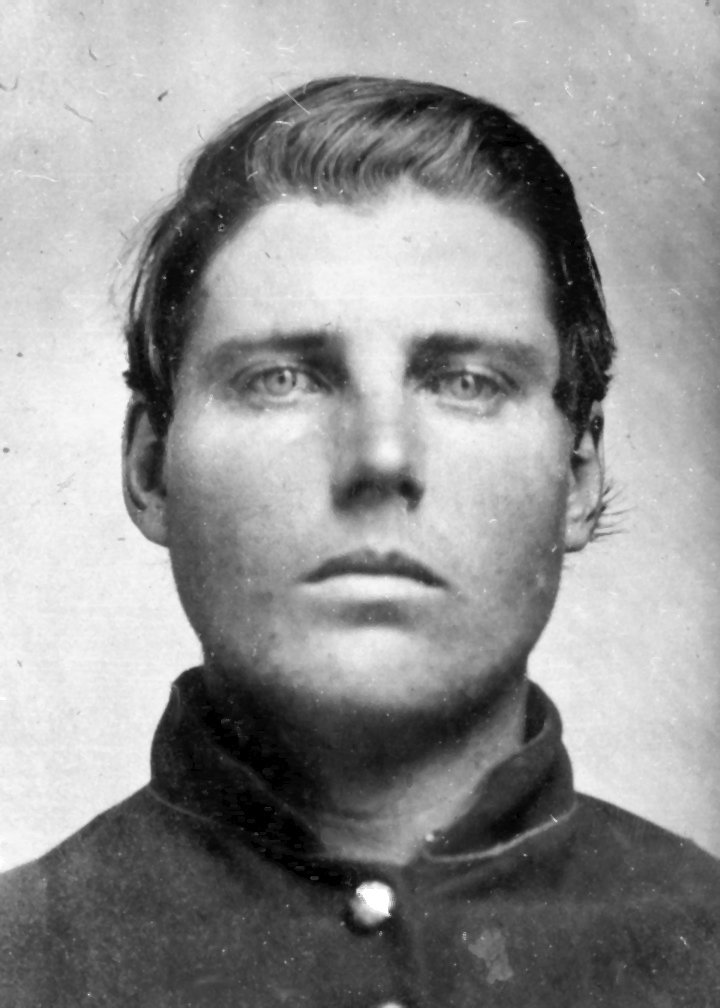
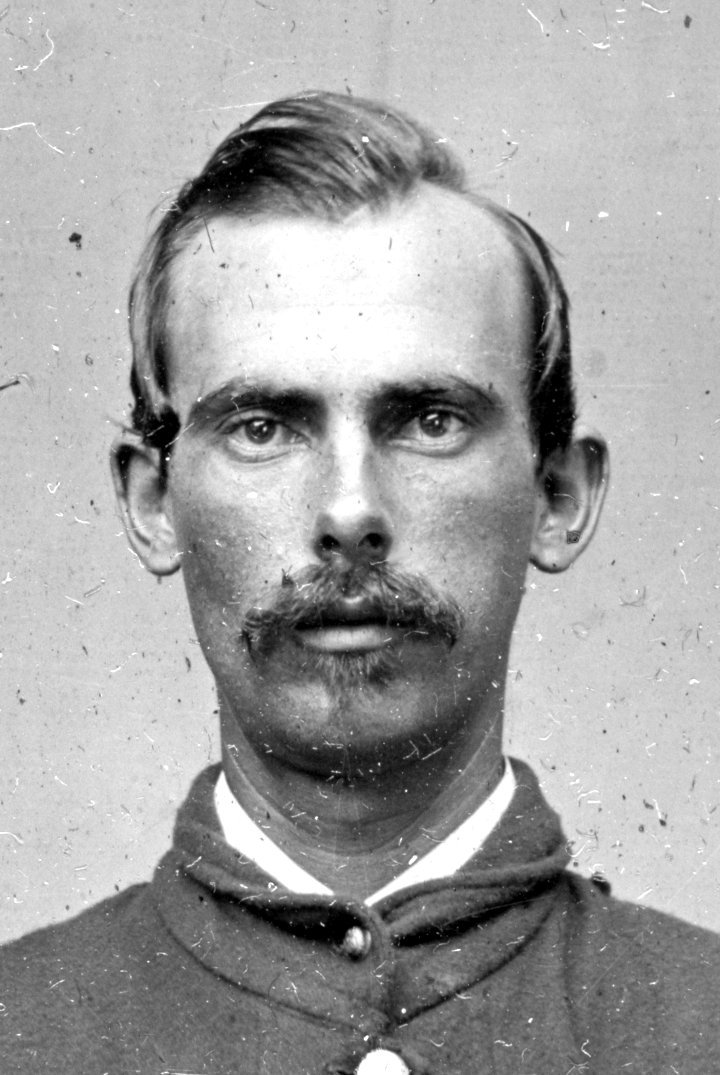
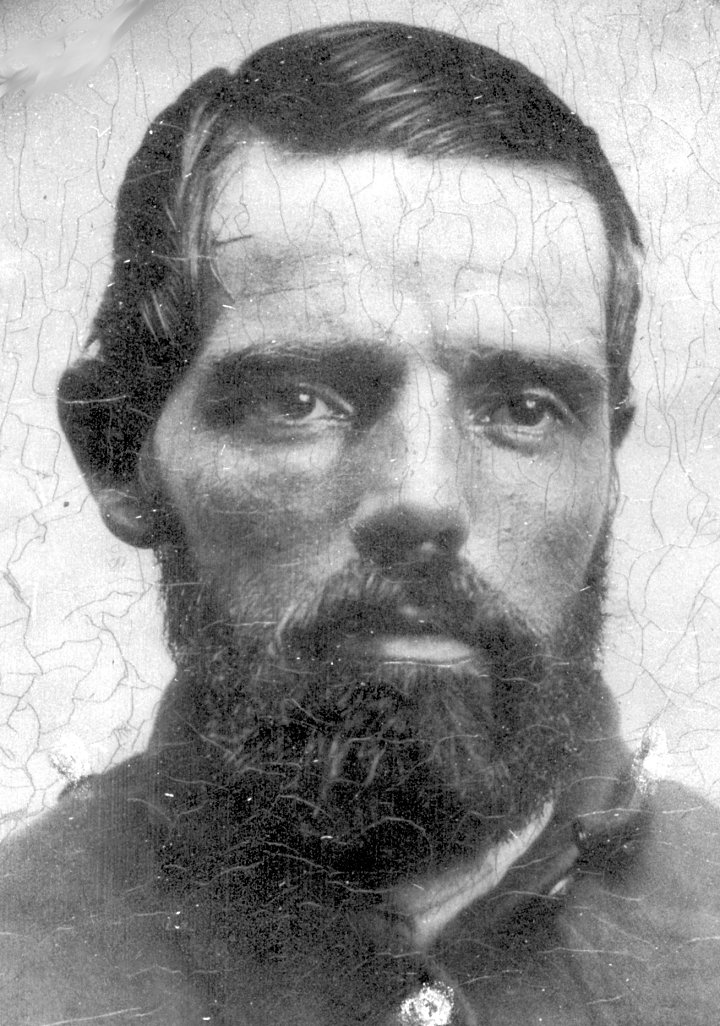
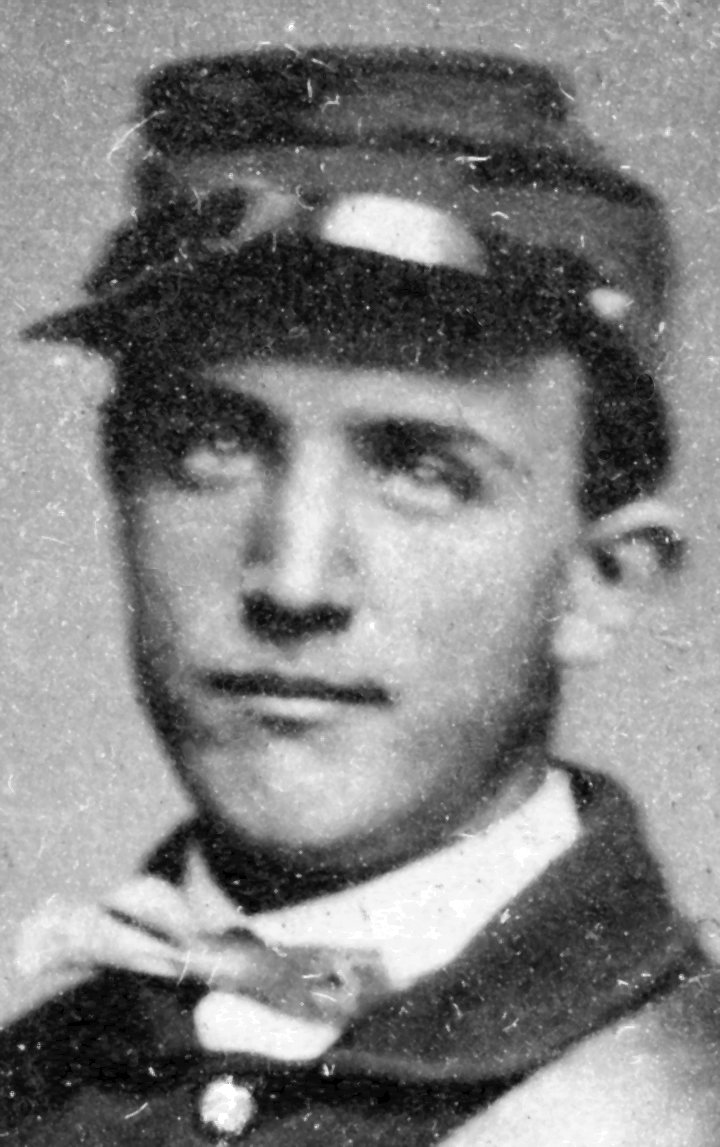
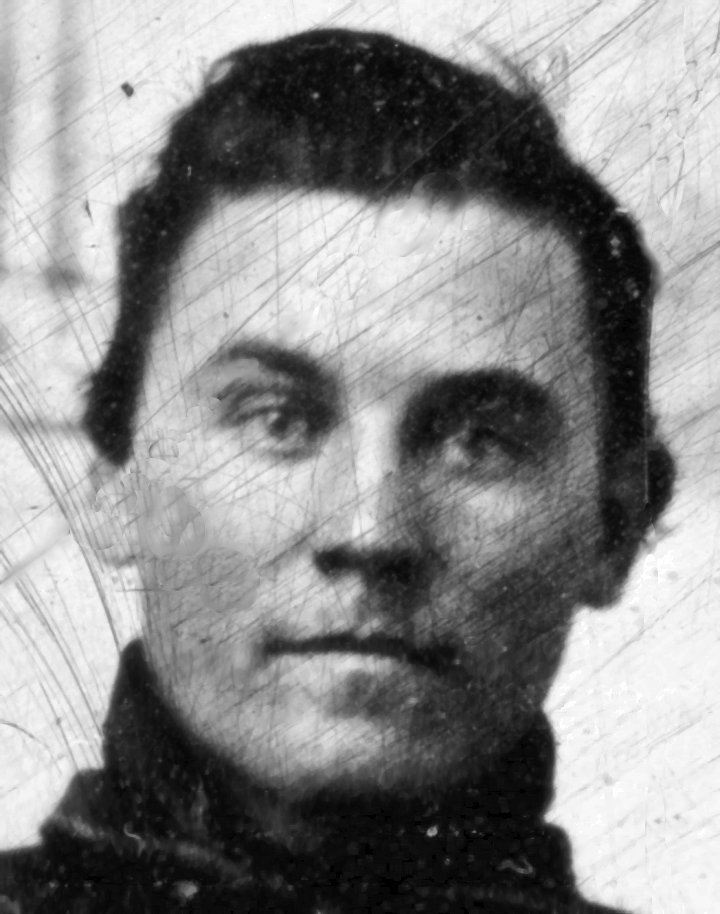
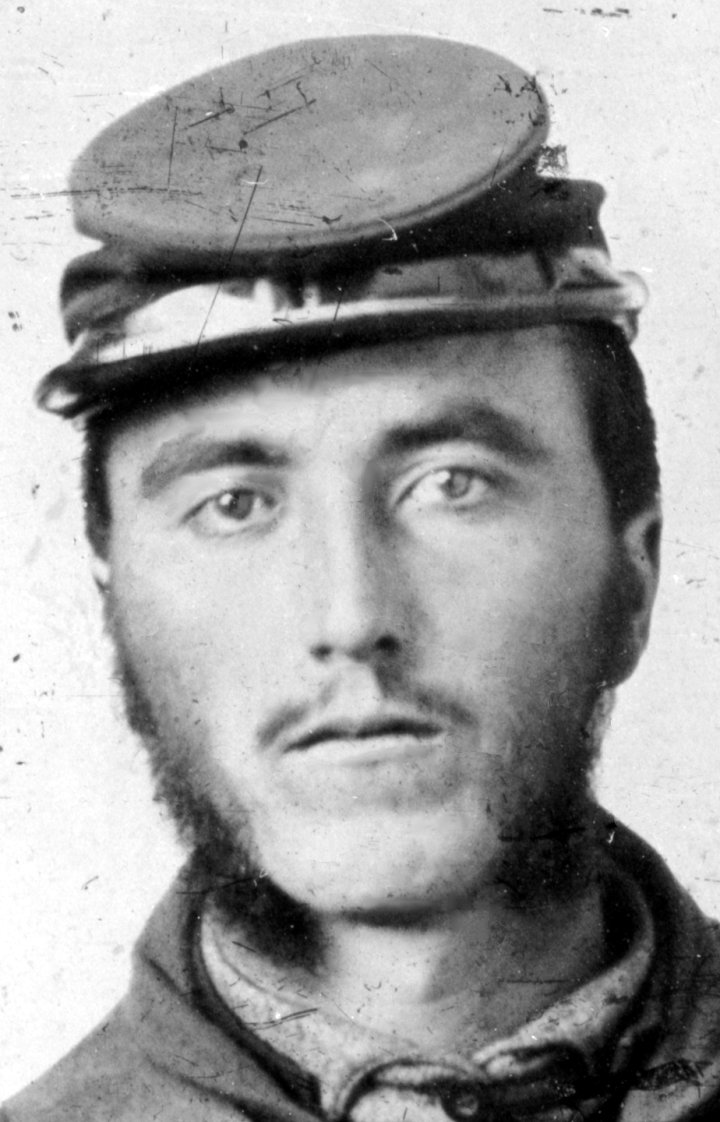
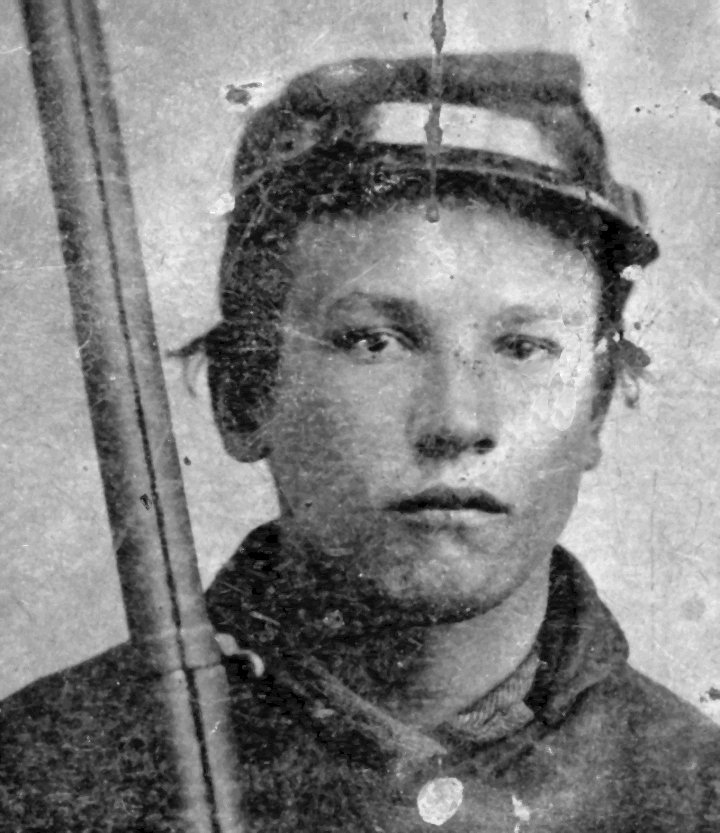
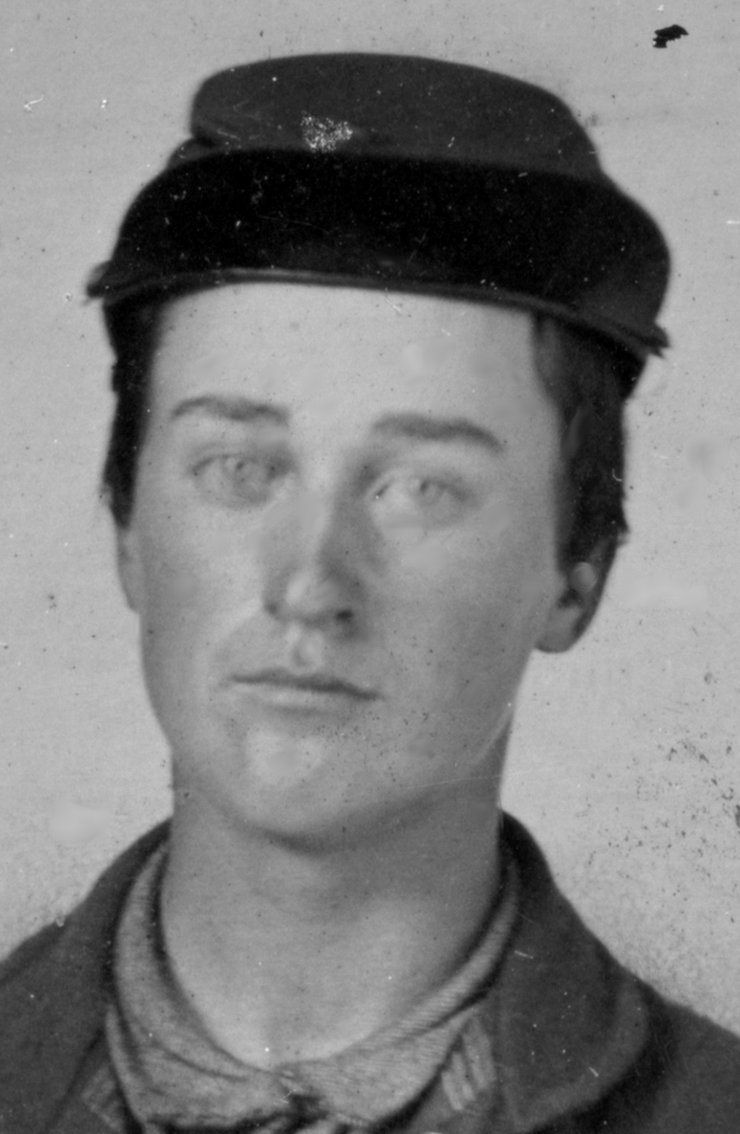
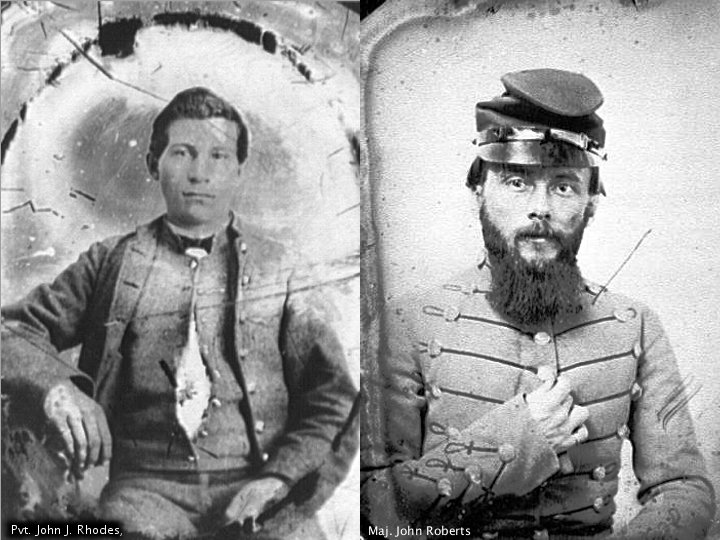
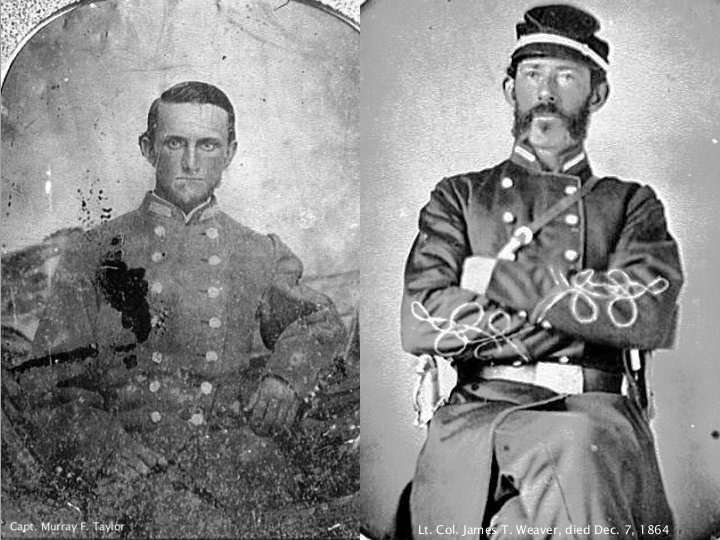
Pictures are from The Library of Congress. These are Union Soldiers from WTBS.


War President
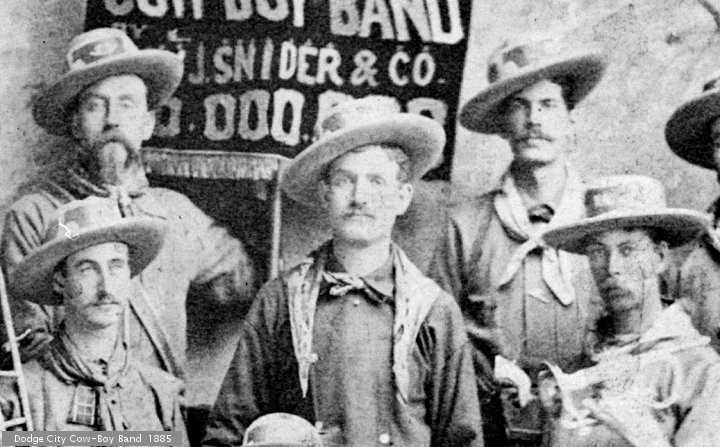



To this day, there is confusion about why the United States fought a war in Vietnam. There is talk about communism. There was a dominoes theory. (The delivery took more than thirty minutes.) The one which aroused PG’s curiosity was the urge to “nail that coonskin to the wall.”
According to the History News Network , President Lyndon B. Johnson made three trips to Vietnam. “In 1961 Johnson, then vice president, visited Saigon. He assured the South Vietnamese the United States would stand by them … LBJ called South Vietnamese leader Diem the “Churchill of Asia.”
On October 26, 1966 Johnson visited Vietnam on his first trip as president. The week before anti-war protests had been held in 40 cities in the United States. At the end of December 1967 LBJ worked in another trip to Vietnam while traveling to Australia for the funeral of Prime Minister Harold Holt, who had died in a drowning accident. Visiting Cam Ranh Bay, LBJ urged the soldiers to”nail that coonskin to the wall.”
While researching this post, PG found a feature comparing BHO in Afghanistan to LBJ in Vietnam. (Lebron James is not taking his talents to Hanoi.) The story is that LBJ had serious doubts about whether we could win in Vietnam, but did not want to appear weak. (He may also have been influenced by the fate of JFK, who had started to withdraw troops from Vietnam.) There is a pungent paragraph: “In this narrative, Johnson sent up to 1,000 Americans a month to their deaths because he didn’t “want the political fallout that would come from not fighting” Vietnam. Others have argued that, contrary to Blankney’s assertion, LBJ really wanted “to nail that coonskin to the wall” in Southeast Asia; that he fought it from strategic principle not political expediency. But many will concede that whether LBJ wanted to win it or not, he fought it with one eye to the public relations polls and the reactions of his own left wing. He imposed so many restrictions, introduced so many rules that perhaps whether LBJ ‘wanted to win’ or not, his objective strategic behavior was in the end indistinguishable from someone who wanted to lose. And he lost.”
Many of the soldiers in Vietnam were drafted. This means that the government told you that you were going into the service, or going to jail. (Young readers might be unfamiliar with the concept. When you ask your elders about communism, you can ask them about Selective Service.) While the government was dithering in it’s approach to the war, the men who were sent to fight were ordered to make a total commitment. Many did not come home alive.
Another online feature about Obama’s challenging war options shows up a difference in attitudes about war today. “Publicly, Johnson said it was a war we had to fight and that we would win it. Now, of course, we know that he believed we couldn’t win even before he sent the first of those 57,992 American boys over there to die.”
Whether you agree or disagree with a war, it is preposterous to say that the soldiers are boys. If anyone deserves to be called a man, it is those troops. Today, we have more women in our armed forces than we did in Vietnam. (This page of statistics lists, by name, eight American service women who died in Vietnam.) It simply isn’t said, of this war, that the soldiers are our boys and girls. While the dirty business of war goes on, it is an improvement to not call our soldiers boys.



At the seven minute mark of his speech on Afghanistan , BHO starts a paragraph with the phrase “my fellow americans”. Those of a certain age will remember another democratic warpotus, Lyndon Johnson, who was fond of saying MFA. Whatever rude things were said about lightbulb Lyndon, no one ever asked to see his birth certificate. Perhaps that is what BHO meant by that phrase.
The paragraph that BHO starts with this bit of sixties nostalgia (four year old Barry probably did not see the SOU message linked above) caught PG’s eye when reading the transcript . “My fellow Americans, this has been a difficult decade for our country. We have learned anew the profound cost of war — a cost that has been paid by the nearly 4,500 Americans who have given their lives in Iraq, and the over 1,500 who have done so in Afghanistan — men and women who will not live to enjoy the freedom that they defended.”
Are you sure, Barry? Over a million Iraqis live in exile in Syria as we speak. They may have jumped out of the frying pan, and into the fire. The reason they left was to escape the civil war that our “liberation” of Babylon set off. They have paid a price for our “mission accomplished”.
Are you sure Sean Hannity? Every day, you say to make the Bush tax cuts permanent. ( At least you were the last time PG was brave enough to listen to your show.) Historically, the profound cost of war has been paid, at least partially, by higher taxes. In world war two, people sold war bonds, and encouraged each other to invest in the defeat of the Nazis. In this war, the right wing wants to pay for it by lowering taxes. The result is a national debt that is going to burden our economy for decades.
Getting back to the message by BHO (It was made in an empty hall, with gilt edged chairs replacing the Seal of the Presidency. Not to worry, BHO was wearing a flag pin on his lapel.) … there was another Vietnam flashback at 7:53. “And even as there will be dark days ahead in Afghanistan, the light of a secure peace can be seen in the distance.” Is this light at the end of a tunnel?
At 8:58 comes this gem:“When innocents are being slaughtered and global security endangered, we don’t have to choose between standing idly by or acting on our own.” Since BHO has taken over as warpotus, the drone strikes over the third world have dramatically increased. This is air slaughter, against a helpless population, directed by remote control from a cave in Nevada. Many of the people killed in these raids are women and children, who are not members of Al Qaeda. (To be fair, some of the children would have been terrorists if they had been able to grow up.) We don’t have to choose, because the decision was made by warpotus BHO…we will use our high tech weapons to KILL, KILL, KILL.
Pictures are from The Library of Congress. This is a double repost


Leave It To Beiber
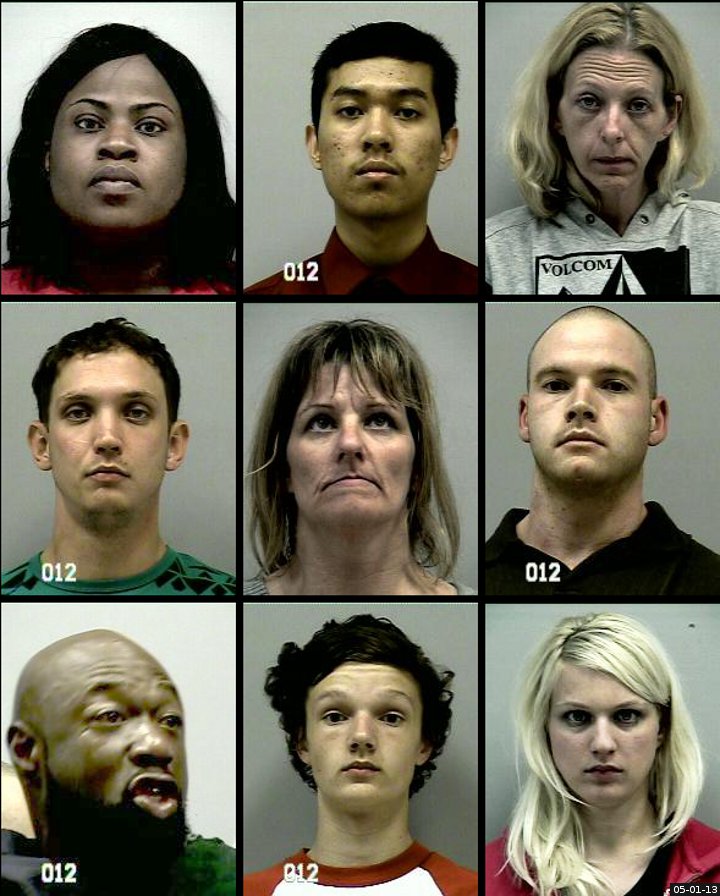
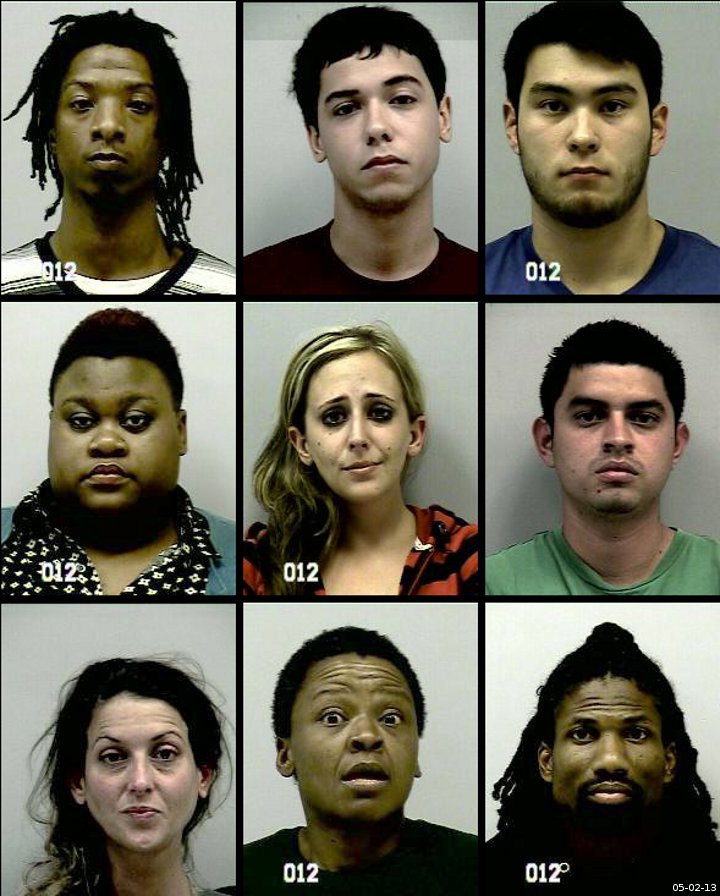
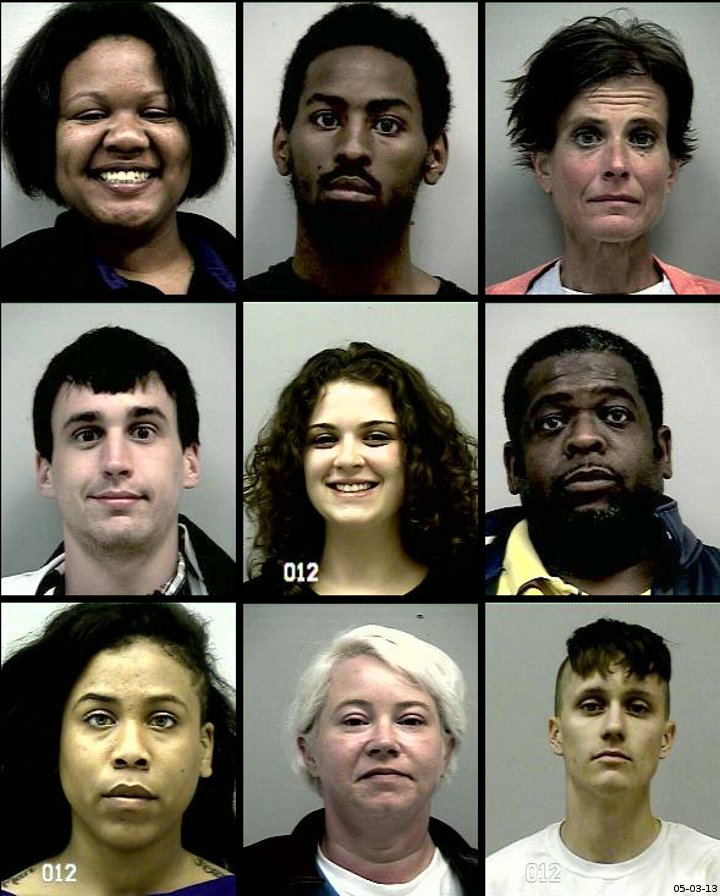
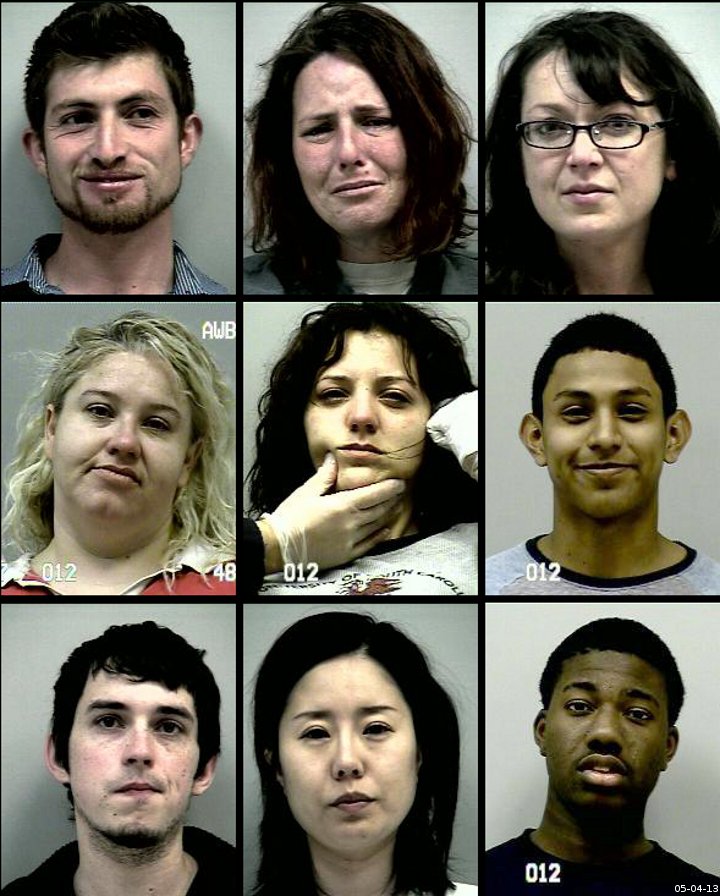
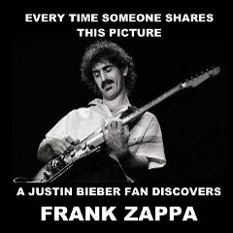
does beiber sound like itself?
like smash bash
swish or slash
zappa might sound like itself
if it were alive
pictures are from
Gwinnett County
which does not sound
like a traffic jam
Thomas Jefferson Said What?


PG was wasting time with facebook when he saw a friend say “Damn I love this quote”. The passage being praised was “If you are neutral in situations of injustice, you have chosen the side of the oppressor.” Desmond Tutu.
The rhetoric alert started to flash. These days, the wolf and the sheep buy their clothes at the same Walmart. To hear some oppressors talk the talk, they are the ones under attack. It is tough to tell the good guys from the bad guys. Also, as the Kony fiasco showed, often you can make things worse by getting mixed up. Sometimes the best thing to do is mind your own business.
Ok, now that is out of the way. Some lines sound good, but don’t hold up to a bit of thinking. As for the veracity of the quote, Desmond Tutu may very well have said it. (or maybe one of his rivals said it, and Mr. Tutu copied it.) The quote has been attributed to Thomas Jefferson, Edmund Burke, Patrick Henry, and probably others. Almost no one has a source, for the quote, from the dead white guys.
There was a discussion in Prison Planet Forum about BHO, and his alleged good buddy Larry Sinclair. The signature line for one of the posts was that crowd pleaser, “All tyranny needs to gain a foothold is for people of good conscience to remain silent.” Thomas Jefferson. All that needed to happen to get the party started was to highlight the quote, right click, and ask Mr. Google to help.
A post called MISQUOTING THE FOUNDERS did not mince words. “The only problem with this scene that has been repeated many times across the country is that Thomas Jefferson never said that, never wrote that, and quite possibly never thought it. Our aspiring politician had fallen victim to the perils of popular misattribution. You could fill a book with misquotes and misattributed quotes we hear repeated regularly today. Right now if I Google “All tyranny needs to gain a foothold is for people of good conscience to remain silent” the entire first page of results wrongly attribute it to Thomas Jefferson. The quote and its many variants have been attributed in the past to Thomas Paine and Edmund Burke, but no record exists of the quote in any of their writings or contemporary accounts.”
On November 13, 1787, Mr. Jefferson wrote a letter to William Smith. The letter is full of zesty quotes. “What country before ever existed a century & a half without a rebellion? & what country can preserve it’s liberties if their rulers are not warned from time to time that their people preserve the spirit of resistance? Let them take arms. The remedy is to set them right as to facts, pardon & pacify them. What signify a few lives lost in a century or two? The tree of liberty must be refreshed from time to time with the blood of patriots & tyrants. It is it’s natural manure.”
A few lines above that, Mr. Jefferson said “God forbid we should ever be 20 years without such a rebellion.” Twenty years after he wrote this, Mr. Jefferson was President. He probably did not want to deal with a revolution when he was President.
Getting back to the quote about tyranny, Martin Porter wrote an entertaining essay, A study of a Web quotation. He gives credit, or blame, to Edmund Burke. First, a list of different versions is presented. This is a clue that something is awry. The conclusion: “There is no original. The quote is bogus, and Burke never said it. It is a pseudo-quote, and corresponds to real quotes in the same way that urban legends about the ghost hitch-hiker vanishing in the back of the car and alligators in the sewers correspond to true news stories.”
Mr. Porter wrote a follow up essay, Four Principles of Quotation. These principles are:
Principle 1 (for readers) Whenever you see a quotation given with an author but no source assume that it is probably bogus.
Principle 2 (for readers) Whenever you see a quotation given with a full source assume that it is probably being misused, unless you find good evidence that the quoter has read it in the source.
Principle 3 (for quoters) Whenever you make a quotation, give the exact source.
Principle 4 (for quoters) Only quote from works that you have read.
If these principles were to be used, then there would be a lot less hotheaded talking on the intercom. Those who are trying to influence you to the justice of their cause will not want you to read this. Pictures for this feature are from The Library of Congress. These pictures are Union soldiers, from the War Between the States. When war is discussed, all inspiring quotes are in doubt.
This is a repost. It is written like James Joyce. In the past year, doing due diligence on alleged quotes has become a hobby. Many people don’t care who said it, if they agree with the thoughts expressed. The prevailing thought is that an idea becomes more true with a famous name at the end. If the famous person is deceased, and cannot defend his/her reputation, that is not a problem. People do not like being told that Santa Claus does not exist.
May 6


May 6is a day in spring, with 35% of the year gone by. It has it’s fair share of history, some of which did not turn out well. In 1861, the Confederate Congress declared war on the United States. In 1937, a German zeppelin named “Hindenburg” exploded while trying to land in New Jersey. In 1940, Bob Hope did his first show for the USO, somewhere in California.
Roger Bannister ran the first sub four minute mile, on May 6,1954. The current record is 3:43.13 by Hicham El Guerrouj on July 7, 1999, with a party with Prince to celebrate. Since most track meets now use 1500 meters, the mile record is more or less obsolete.
On this day, Georgia executed two notable prisoners. In 2003, Carl Isaacs was put to death. Mr. Isaacs was the ringleader in the 1973 Alday family killing, in Donalsonville GA. Five years later, in 2008, William Earl Lynd was poisoned by the state. This was the first condemned man to die after the U.S. Supreme Court ruled that execution by poisoning was constitutional.
Taurus is the sign for those whose blood starts to pump May 6. Included are:
Maximilien Robespierre (1758) Sigmund Freud (1856) Rudolph Valentino (1895)
Orson Welles (1915) Willie Mays (1931) Rubin Carter (1937)
Bob Seger (1945) Tony Blair (1953) PG (1954) George Clooney(1961)
To make room for these folks, someone has to die. For May 6 this would mean:
Henry David Thoreau (1862) L. Frank Baum (1919) Marlene Dietrich (1992)
This is a repost. It ia written like H.P. Lovecraft.




The War Prayer
In honor of the National Day of Prayer, Chamblee54 presents a rerun featuring a story by Mark Twain. The pictures are from Gwinnett County.
Over a hundred years ago, the United States was involved in a war that did not want to end. This conflict was in the Philippines. Although there had been an official end to the war, guerrillas continued to fight the Americans. The war was a nasty affair, with many atrocities.
The War against the Philippine people was a souvenir of the Spanish American War. There had been a rebellion against Spanish rule in the islands. After the American forces routed the Spanish, the rebellion shifted to the American occupiers. It was a war stumbled into, and difficult to end.
Mark Twain was horrified. He wrote a story, The War Prayer. As Lew Rockwell tells the tale
“Twain wrote The War Prayer during the US war on the Philippines. It was submitted for publication, but on March 22, 1905, Harper’s Bazaar rejected it as “not quite suited to a woman’s magazine.” Eight days later, Twain wrote to his friend Dan Beard, to whom he had read the story, “I don’t think the prayer will be published in my time. None but the dead are permitted to tell the truth.” Because he had an exclusive contract with Harper & Brothers, Mark Twain could not publish “The War Prayer” elsewhere and it remained unpublished until 1923.”
HT to David Crosby and his autobiography, “Since Then“. A book report is forthcoming.
Getting back to “A War Prayer“, the story starts in a church. A war has started, and is popular. The troops leave for glory the next day. The preacher has an emotional prayer to send them on their way. Unknown to the minister, there is a visitor. “An aged stranger entered and moved with slow and noiseless step up the main aisle, his eyes fixed upon the minister, his long body clothed in a robe that reached to his feet, his head bare, his white hair descending in a frothy cataract to his shoulders, his seamy face unnaturally pale, pale even to ghastliness. With all eyes following him and wondering, he made his silent way; without pausing, he ascended to the preacher’s side and stood there, waiting.
With shut lids the preacher, unconscious of his presence, continued his moving prayer, and at last finished it with the words, uttered in fervent appeal,” Bless our arms, grant us the victory, O Lord our God, Father and Protector of our land and flag!”
The stranger motioned to the preacher to step aside. The stranger stepped into the pulpit, and claimed to have a message for the worshipers, sent directly from G-d. The preacher’s message was for support in time of war, and implied that G-d and the preacher support the same side in this conflict. There is an unspoken part to the prayer. This unspoken part was what the stranger was going to put into words.
“”O Lord our Father, our young patriots, idols of our hearts, go forth to battle – be Thou near them! With them, in spirit, we also go forth from the sweet peace of our beloved firesides to smite the foe. O Lord our God, help us to tear their soldiers to bloody shreds with our shells; help us to cover their smiling fields with the pale forms of their patriot dead; help us to drown the thunder of the guns with the shrieks of their wounded, writhing in pain; help us to lay waste their humble homes with a hurricane of fire; help us to wring the hearts of their unoffending widows with unavailing grief; help us to turn them out roofless with their little children to wander unfriended the wastes of their desolated land in rags and hunger and thirst, sports of the sun flames of summer and the icy winds of winter, broken in spirit, worn with travail, imploring Thee for the refuge of the grave and denied it- for our sakes who adore Thee, Lord, blast their hopes, blight their lives, protract their bitter pilgrimage, make heavy their steps, water their way with their tears, stain the white snow with the blood of their wounded feet! We ask it, in the spirit of love, of Him Who is the Source of Love, and Who is ever-faithful refuge and friend of all that are sore beset and seek His aid with humble and contrite hearts. Amen.“

Monty Python




Chamblee54 left a comment
Promoting his poorly-read blog
The ALL-CAPS whiner calls it SPAM
The next day saw a politically-correct omission
If remembering Confederate Memorial Day is SPAM
Then Chamblee54 is Monty Python.



Confederate Memorial Day
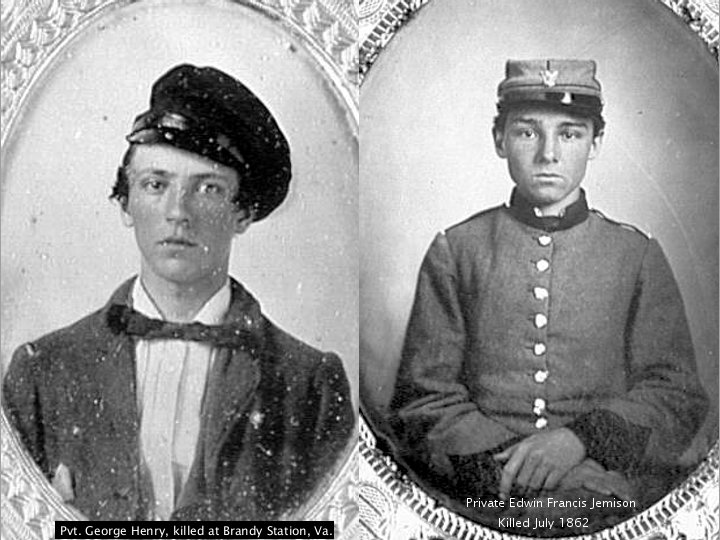

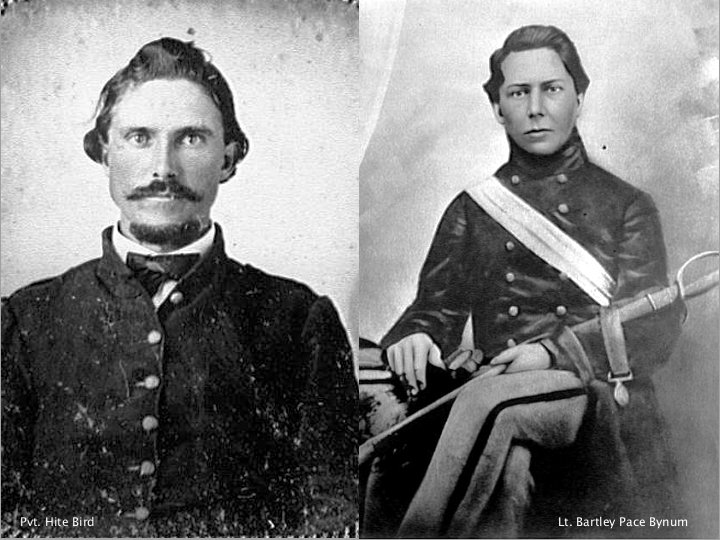
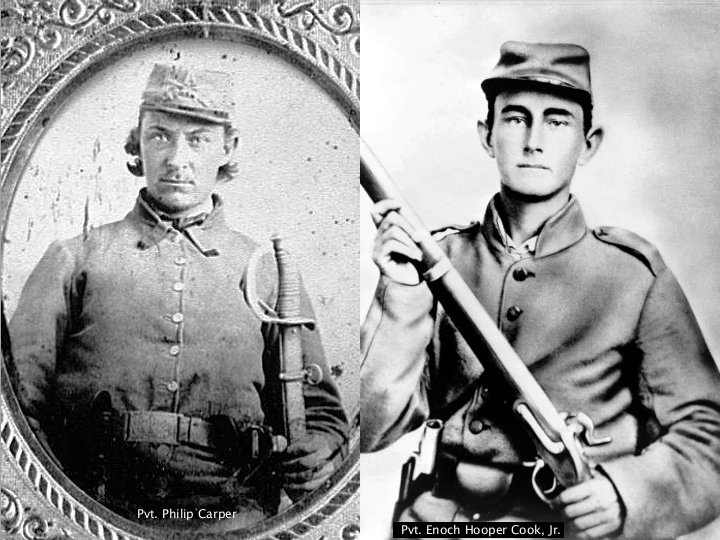
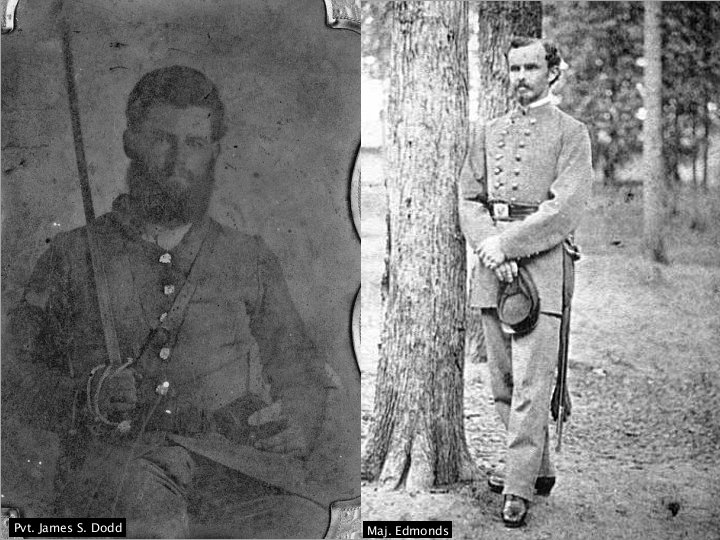

Today is Confederate Memorial Day in Georgia. It is an ancient question…how to honor the soldiers from the side that lost. They were just as valiant as the Union Soldiers. Considering the shortages of the Confederate Armies, the Rebels may have been just a bit braver.
The issue of Federalism is a defining conflict of the American experience. What powers do we give the Federal Government, and what powers do we cede to the States? The Confederacy was the product of this conflict. The Confederate States were a collection of individual states, with separate armies. This is one reason why the war turned out the way it did.
This is not a defense for slavery. The “Peculiar institution” was a moral horror. The after effects of slavery affect us today. Any remembrance of the Confederacy should know that. This does not make the men who fought any less brave.
It is tough to see the War Between the States through the modern eye. It was a different time, before many of the modern conveniences that are now considered necessities. Many say that the United States were divided from the start, and the fact the union lasted as long as it did was remarkable. When a conflict becomes us against them, the “causes” become unimportant.
The War was a horror, with no pain medicine, and little that could be done for the wounded. It took the south many, many years to recover. The healing continues in many ways today. Remembering the sacrifices made by our ancestors helps.
This is a repost from CMD 2010. Pictures are from the Library of Congress.


Armenian Genocide Remembrance Day



Today is Armenian Genocide Remembrance Day. According to wikipedia , “The starting date of the genocide is conventionally held to be April 24, 1915, the day when Ottoman authorities arrested some 250 Armenian intellectuals and community leaders in Constantinople”
A site called The Straight Dope has an overview of the affair, Was there genocide in early 20th century Armenia? Here are a few excerpts.
It tells you something about human nature and the century just past that the typical response to this question is: What Armenian genocide? Hardly anyone remembers this appalling crime, even though at a million-plus deaths it was the first modern holocaust, ranking eighth on the list of high-body-count butcherings 1900-’87 compiled by genocide historian R. J. Rummel.
Few can even tell you where Armenia is. (The traditional Armenian homeland covers the modern republic of Armenia plus some of Turkey, Iran, and Iraq, but the killings were confined to Turkey and other parts of the old Ottoman empire.) It’s not like the murders were conducted in secret or were over before anybody noticed — on the contrary, they spanned 30 years and received sustained worldwide publicity. So why the amnesia? Turkey’s adamant refusal to acknowledge the massacres is part of it, but equally important is the West’s agreement to forget…
What had the Armenians done to deserve all this? Not much — their main offense was to be a Christian minority in a crumbling Islamic empire. Like another much-persecuted Middle Eastern ethnic group whose sufferings are better known, the Armenians had an ancient language and culture plus a reputation for clannishness and a knack for finance, and they became the target of a similar type of unreasoning bigotry…
A massacre of 15,000 to 25,000 Armenians in 1909 set the table for the main event during World War I. Blaming the supposedly disloyal Christian minority for an early defeat by the Russians, the Turkish government starting in 1915 rounded up Armenians throughout the country, murdered vast numbers outright and deported the rest, with many dying on forced marches or in refugee camps. The brutal work was carried out by an elaborate bureaucracy that some historians consider a model for the extermination program of the Nazis. Add in a couple of additional massacres in the early 1920s and the Armenian death toll for 1915-1922 totals a million to a million and a half.
Another site, devoted to history, has a page, The Armenians.
The Turkish government viewed all Armenians with suspicion and instituted programs of relocation and mass murder. Beginning in June 1915, non-Muslim peoples were forced to move away from areas deemed to have military sensitivity. Hundreds of thousands of Armenians were forced to march to new homes, some to the Syrian desert, others to Mesopotamia. Little preparation had been made for this exodus and the toll from exhaustion, disease and starvation was staggering. Bands of Turks and Kurds would descend upon Armenian villages and slaughter entire populations.
The treatment of the Armenians was not unknown in the outside world. The Allied governments and even Germany issued protests, but the Turkish government was intent on cleansing their lands of all Armenian influence. Persecution continued into the early 1920s. For years afterward, parents in the West would evoke images of starving Armenians as a means to encourage their children to clean their plates.
It is impossible to assign accurate numbers to the slaughter. Reports provided by Armenian groups are usually regarded by historians as too high, but the official Turkish numbers appear too low. Mid-range figures indicate that perhaps between 600,000 and one million Armenians died during this period, out of a pre-war population estimated at 1.5 million.
The treatment of the Armenians ninety seven years ago remains a sensitive issue. Turkey staunchly denies that it happened. Since Asia Minor is a strategic piece of property, many governments are willing to go along with this denial. Even Israel , which knows a thing or two about ethnic cleansing, is sensitive to the need for allies.
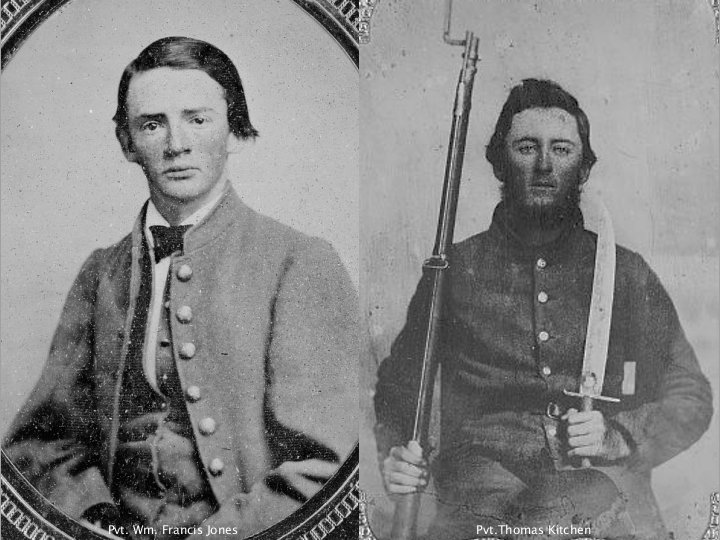
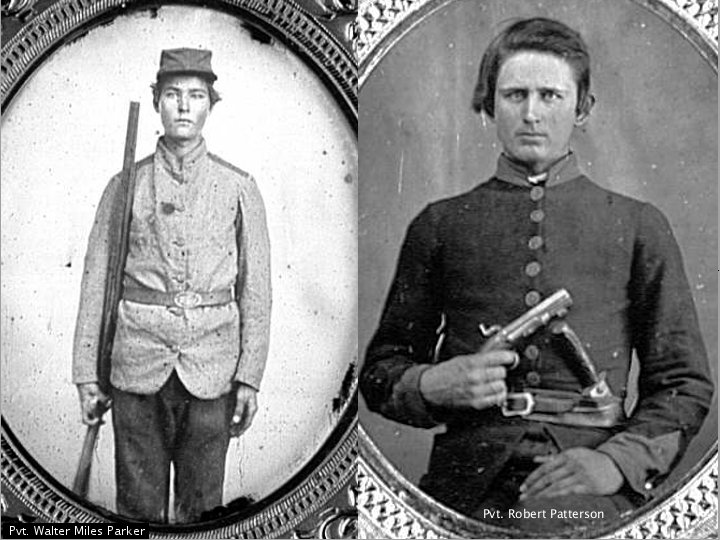
Pictures today are from The Library of Congress. This is a repost.


Atlanta Rising
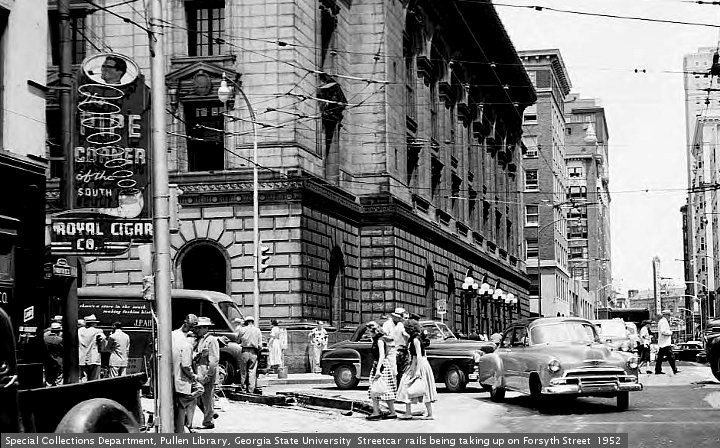


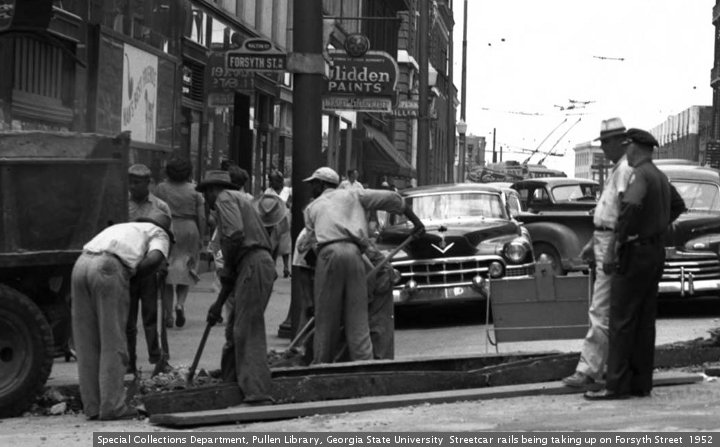
Atlanta Rising: The Invention of an International City 1946-1996 is on the shelf at the Chamblee library. It is a history of Atlanta in the modern era, written by former fishwrapper scribe Frederick Allen.
The story begins in 1948. AR is weighted more to the older part of the story. The main text is 248 pages. On page 124, Ivan Allen has just built a controversial roadblock on Peyton Road, which would be in 1962. The further along in the story, the fewer details are included. The first big story is when Georgia had two governors. This is one of the best descriptions of the two Governors controversy around, and does not mention Ben Fortson’s wheelchair cushion.
The mayor at the start of the story is William B. Hartsfield. “Willie B” was a leader in creating the Atlanta Airport, and in building it into the powerhouse it is today. He was mayor until 1961, when Ivan Allen Jr. moved into the office.
AR has many moments of unintentional irony. When you read a book 18 years after it was written, and fifty years after the events in the book, you see things that could not have been imagined before. In 1960, many of the political-business elite thought it was time for Mr. Hartsfield to retire. Among his shortcomings was an indifference to sports. Mr. Hartsfield thought that a new stadium would be too great a drain on the city’s taxpayers. Fifty four years, and three stadiums later, the new power elite is apparently going to build another stadium. Atlanta Stadium cost eighteen million dollars. The Blank bowl will cost over a billion.
One of the big stories here is civil rights. Atlanta came out of that struggle looking pretty good. It was a combination of image conscious businessmen, enlightened black leadership, and a huge helping of dumb luck. In 1961, the city was under federal pressure to integrate the schools. The state was firm in opposition, and the city wasn’t crazy about the idea anyway. Then, another federal court ordered the integration of the University of Georgia. Since the people would not stand for messing with their beloved University, the state laws forbidding integration were quietly repealed. The city schools were integrated with a minimum of fuss. (The book tells this story much better than a slack blogger.)
The controversy about the 1956 model state flag was going full steam when AR was written. The book has some legislative records, which for some reason never made it into the fishwrapper. There is no clear cut answer as to why the legislature changed the state flag. It was mentioned that at the national political conventions, you could not have a written sign, but you could wave a state flag. This controversy provided a diversion from gold dome crookedness, and hopefully has been laid to rest.
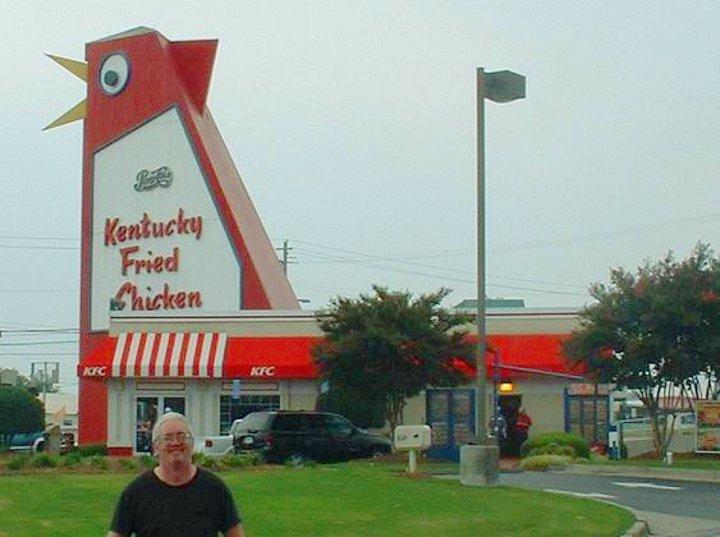
A man named Lester Maddox sold fried chicken, and ran for public office. AR describes Lester as looking a bit like an angry chicken. Through a series of constitutional convulsions, Lester was elected Governor in 1966. The state survived his tenure. In the seventies, when Jimmy Carter was running for President, Lester said a lot of rude things about Jimmy, helping the smiling peanut farmer get elected. In another turn of fate, Lester Maddox died June 25, 2003. This was two days after the eternal departure of Maynard Jackson, the first black Mayor of Atlanta.
The book ends with the 1996 Olympics looming over the city. Billy Payne led a smart campaign to secure the games for Atlanta. One of his moves was to keep Jimmy Carter and Ted Turner out of the action. After the 1980 boycott, and the Goodwill Games, neither person was popular with the I.O.C. The book was published before the games were played. It was a blast.
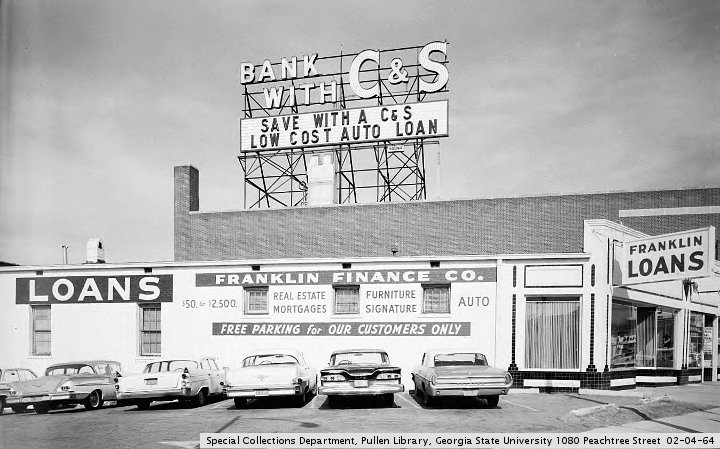
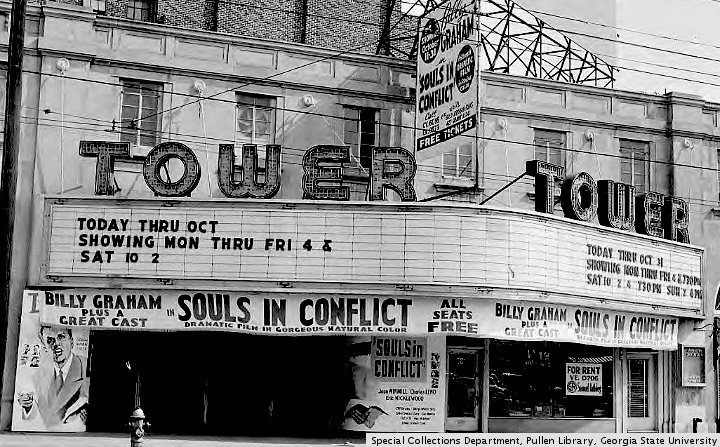
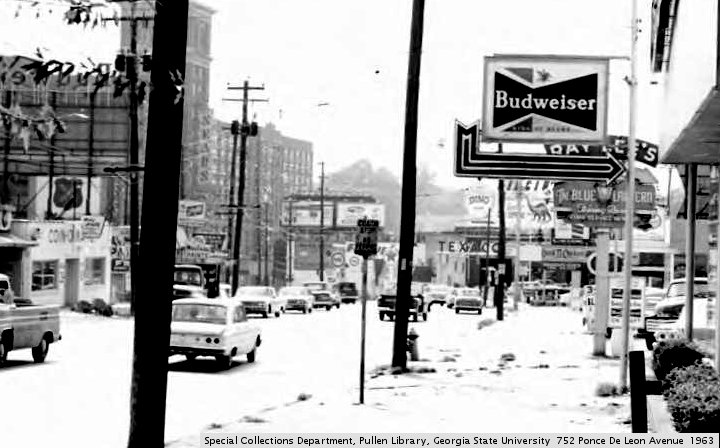
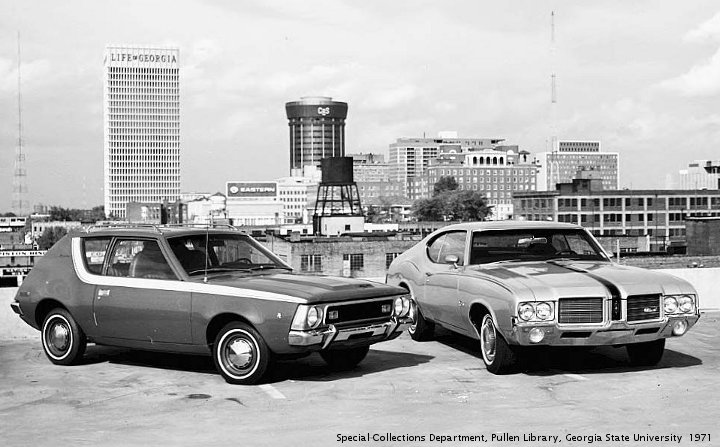
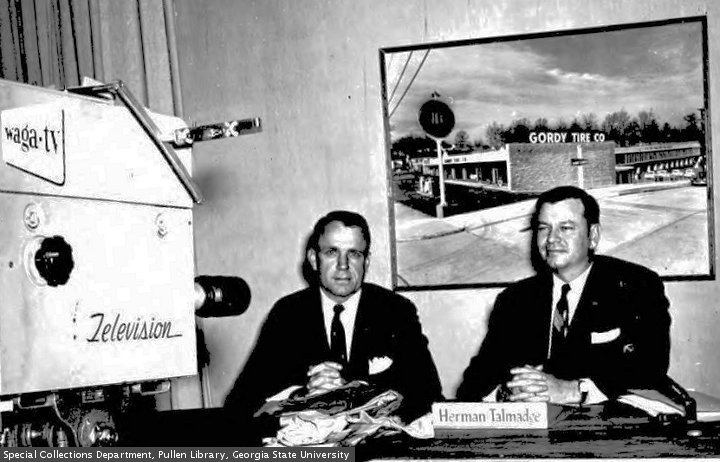
Pictures are from “The Special Collections and Archives,Georgia State University Library”.










 Chamblee54
2 comments