Hair


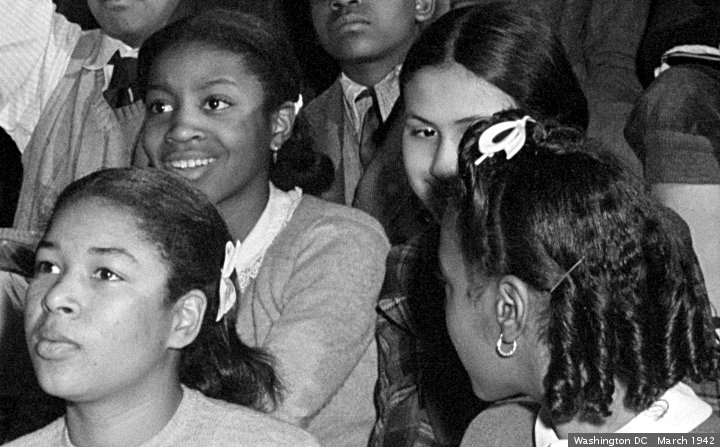
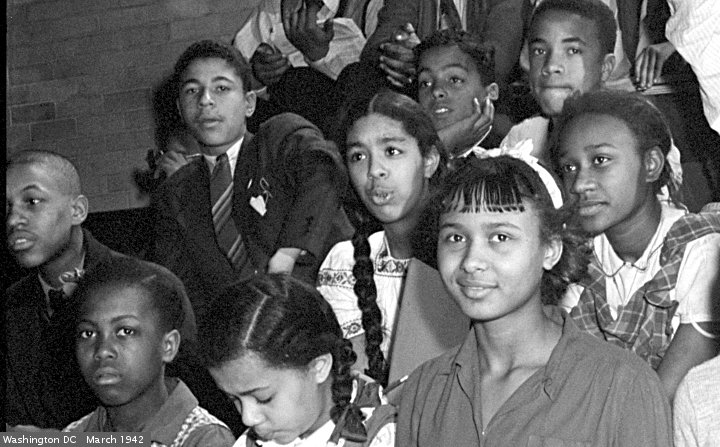


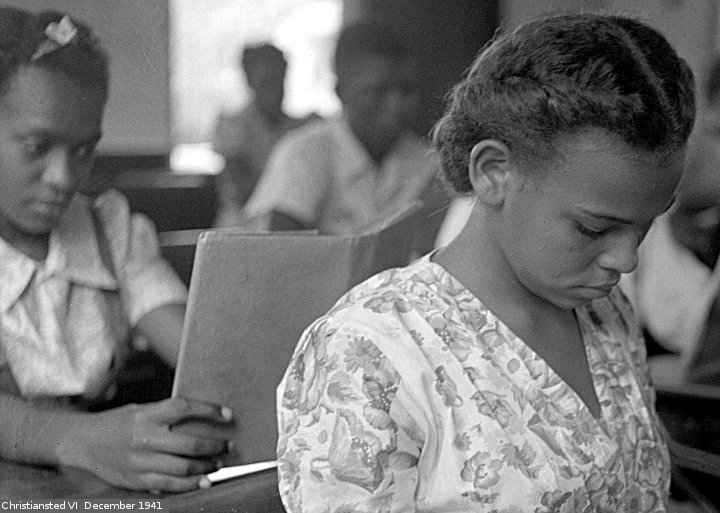


There is a tasteful feature on the innertubes now, A Few Good Reasons Why White People Should Not Wear “Mohawks” or Dreadlocks. Yes, this is another polemic about cultural appropriation. If you want to skip the text, and look at the pictures, no one will get mad. Or get even. If you read the text, you might get odd. It is your choice.
The gist of the tract is “When white people wear “Mohawks” or dreadlocks it twists those hairstyles into symbols of privilege rather than symbols of survival and resistance.” Little is known about why the Natives of Upstate New York wore their hair the way they did. Isn’t calling this hair choice “symbols of survival and resistance” playing into the game of misunderstanding non European cultures?
The tract is not well written. Maybe the author feels like using good grammar is appropriating someone else’s culture.
There is one part of the tract that had PG shaking his buzz cut head. This is a free country. Can’t I do whatever I want? This country has never been free for people of color/non-white people. Certainly, you can choose wear your hair however you want. Historically, however, people of color have not been able to make that choice. This is not why the Bronner Brothers are multi millionaires. Black Americans spend more on hair care products than the gross national product of many African countries.
Both mohawks and dreadlocks are high maintenance affairs. After his struggles with shoulder length redneck curls, PG is not about to shave the sides of a beaver tail every day. And dreadlocks have always seemed to be just a bit on the dirty side. The rastas are welcome to wear dreadlocks, as long as they pass the spliff.
One thing PG has wondered was answered as a result of this polemic. Did the Mohawk tribe really wear their hair that way? When you type “Did the Mohawk… ” into google, the rest of the phrase to pop up is “Did the Mohawk Indians have mohawks?” Someone else has wondered the same thing. Wikipedia has more information.
The mohawk (also referred to as a mohican in British English) is a hairstyle in which, in the most common variety, both sides of the head are shaven, leaving a strip of noticeably longer hair in the center. Though mohawk is associated mostly with punk rock subculture, today it has entered mainstream fashion. The mohawk is also sometimes referred to as an iro in reference to the Iroquois, from whom the hairstyle is derived – though historically the hair was plucked out rather than shaved. … The Mohawk and the rest of the Iroquois confederacy (Seneca, Cayuga, Onondaga, Tuscarora and Oneida) in fact wore a square of hair on the back of the crown of the head. The Mohawk did not shave their heads when creating this square of hair, but rather pulled the hair out, small tufts at a time. … Therefore a true hairstyle of the Mohawks was one of plucked-out hair, leaving a three-inch square of hair on the back crown of the head with three short braids of hair decorated.
They didn’t shave the sides of the head, they plucked the hair out. That does eliminate the need to shave the sides of your head every day. This is not the way the fashion conscious hair people do the modern mohawk. The question arises if this non authentic hairstyle is really cultural appropriation.
Wikipedia goes on to add that this do might not be an Iroquois invention. “The hairstyle has been in existence in many parts of the world for millennia. For instance, the Clonycavan Man, a 2000-year-old male bog body discovered near Dublin in 2003, was found to be wearing a mohawk styled with plant oil and pine resin. Artwork discovered at the Pazyryk burials dating back to 600 BCE depicts Scythian warriors sporting similar mohawks. The body of a warrior occupying one of the kurgans had been scalped earlier in life and wore a hair prosthesis in the form of a mohawk. Herodotus claimed that the Macai, a northern Libyan tribe, “shave their hair so as to leave tufts, letting the middle of their hair grow long, but round this on all sides shaving it close to the skin.” Amongst the Pawnee people, who historically lived along in present-day Nebraska and Kansas, a “mohawk” hair style was common.”
Part of the polemic took a question and answer format. “But, I wear my hair this way as a statement against oppressive cultures and governments. How is that racist?” “You can take a stand against oppression and dominant cultures without appropriating the cultures of the people being hurt by them. Appropriation actually enforces oppression, it does not stand against it. Appropriation is part of the problem, not part of the solution”
To paraphrase this, you can be anti racist without proudly avoiding high maintenance hairdoos. Especially one that bears little resemblance to the actual article.




There was a statement in yesterday’s post . “Black Americans spend more on hair care products than the gross national product of many African countries.” This was tossed out in a careless moment, which is not a good thing to do. Today’s post is an investigation. For purposes of this report, America’s gross national product is the republican party.
Finding out how much African Americans spend on hair care is more google intensive than this slack reporter imagined. Madame Noire has a feature, Black Women Spend Half a Trillion Dollars on Haircare and Weaves! Why? “Black women spend half a trillion dollars to keep our hairstyles tight, our weaves looking good and our “kitchens” tamed. Why do we do this?” The $500 billion figure might include pain and suffering. Target Market News is more conservative, reporting “Personal Care Products and Services – $6.66 billion”.
In the chatter about a Chris Rock movie, Good Hair, the phrase “9 billion dollar hair trade industry” is used. The Magazine Publishers of America report that advertising spending on “Hair Products & Accessories” was $1,242,700 in 2007.
The short answers are “a lot”, and “we don’t know”. It is probably less that $500 Billion. For the purposes of this feature, we will go with a conservative estimate. This would be Target Market News. Since not all “Personal Care Products and Services” are hair related, we will call our number Five Billion. This is probably a conservative figure, but for our purposes it will do.
The second part of the statement was “Black Americans spend more on hair care products than the gross national product of many African countries.” The numbers come from Wikipedia and the International Money Fund. There are sixteen African countries with GNP less than $5 billion. They include: Mauritania, Swaziland, Togo, Eritrea, Lesotho, Burundi, Sierra Leone, Central African Republic, Cape Verde, Djibouti, Liberia, Seychelles, The Gambia, Guinea-Bissau, Comoros, and São Tomé and Príncipe. The last seven have a GNP less than the amount spent advertising hair products and accessories for Black Americans.
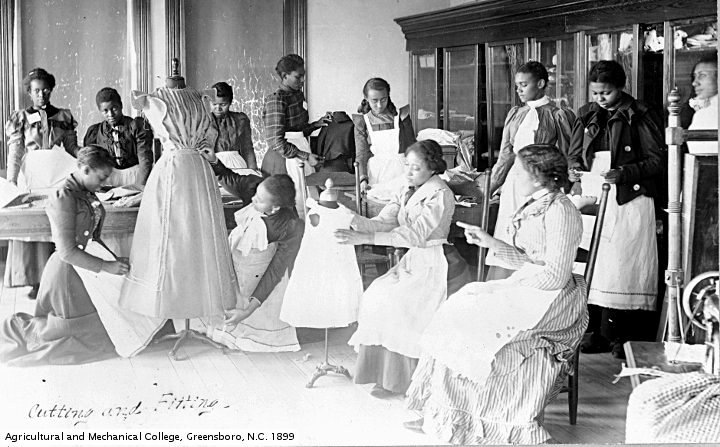
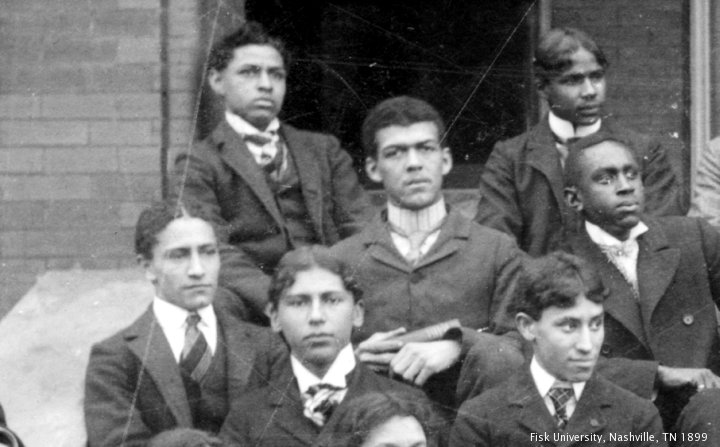
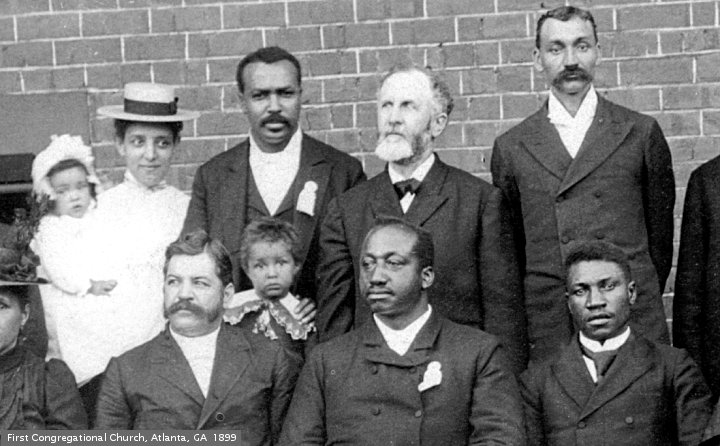
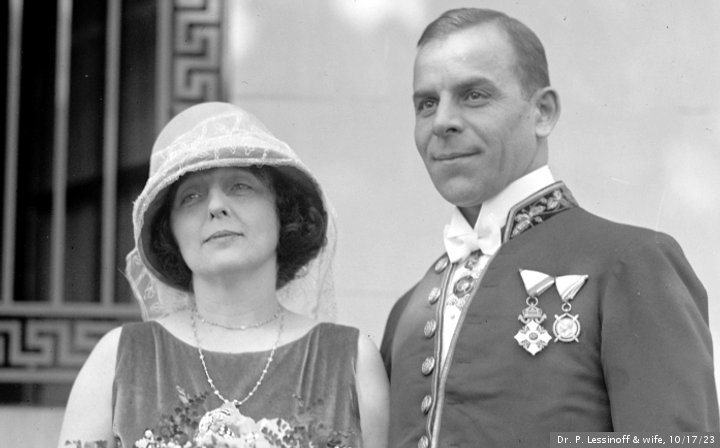
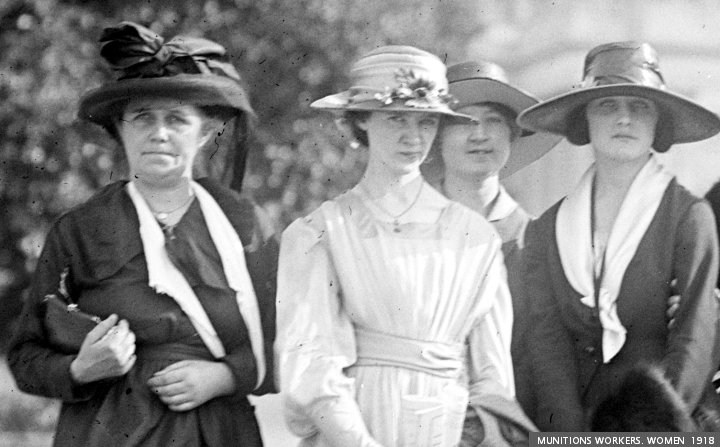
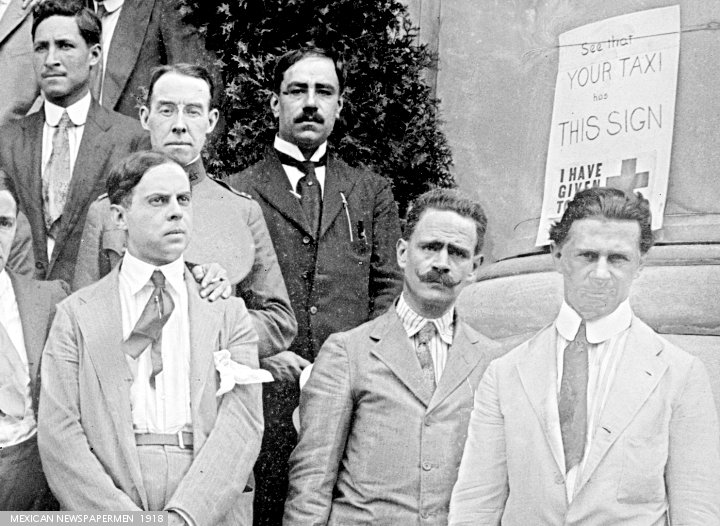
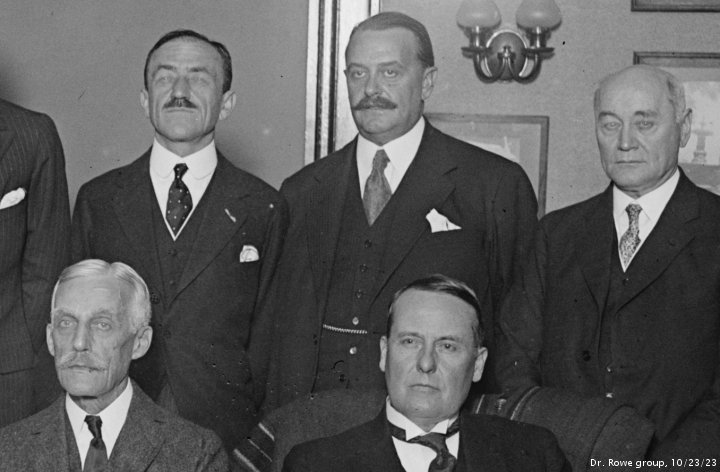
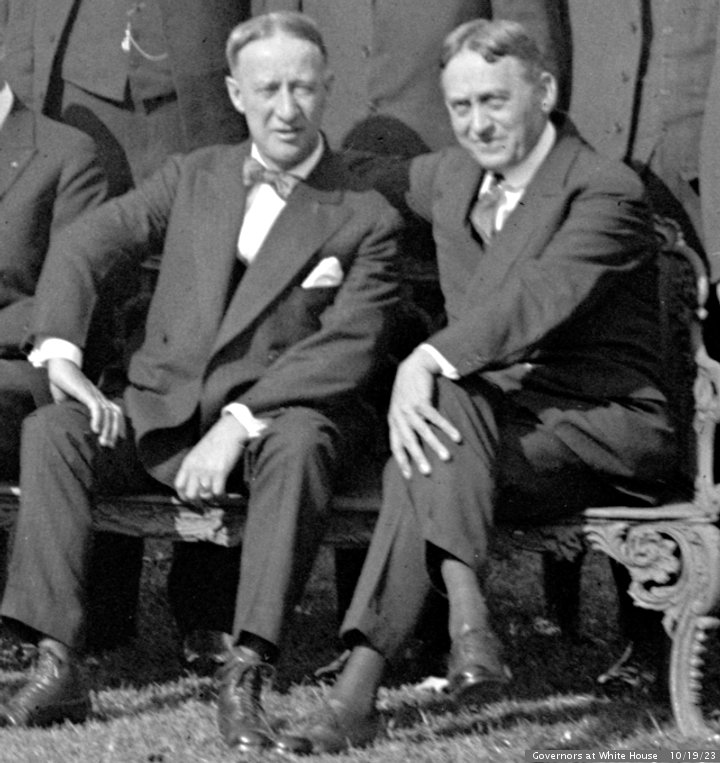
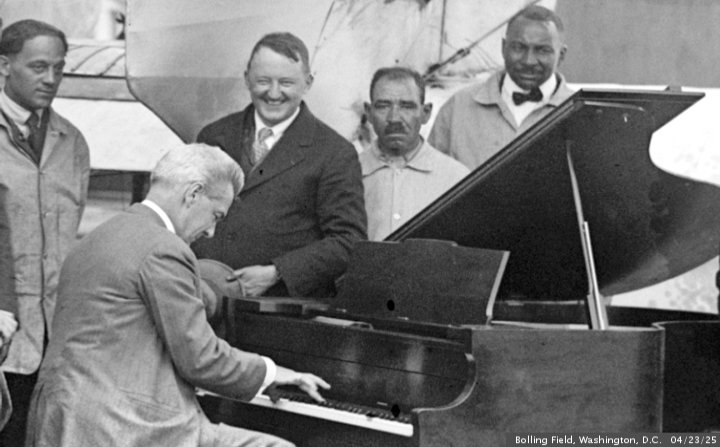
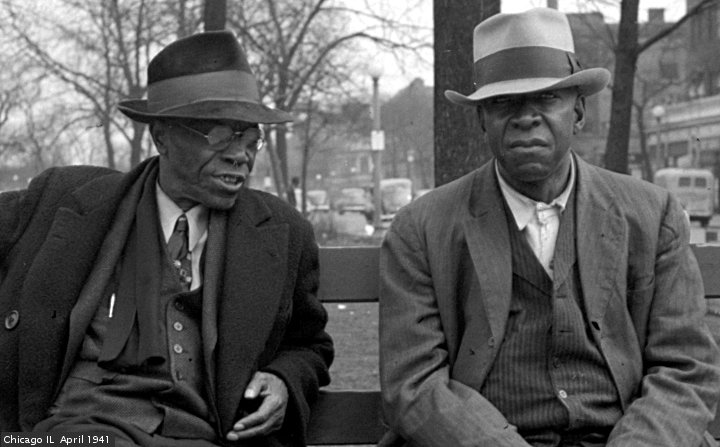
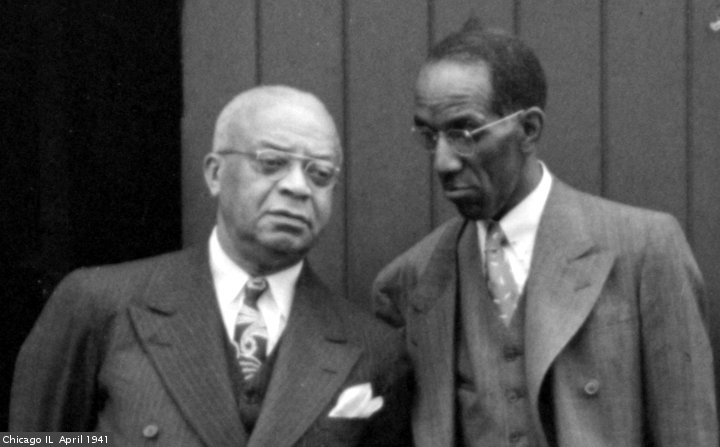
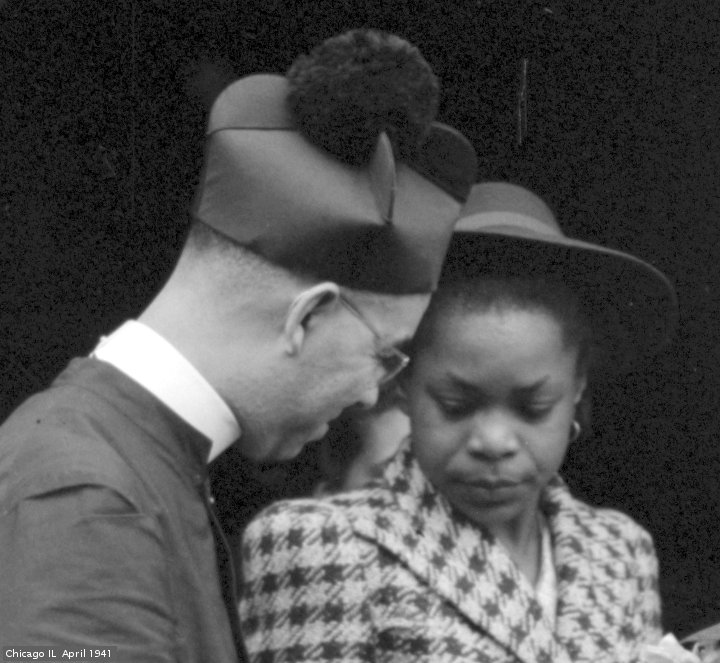
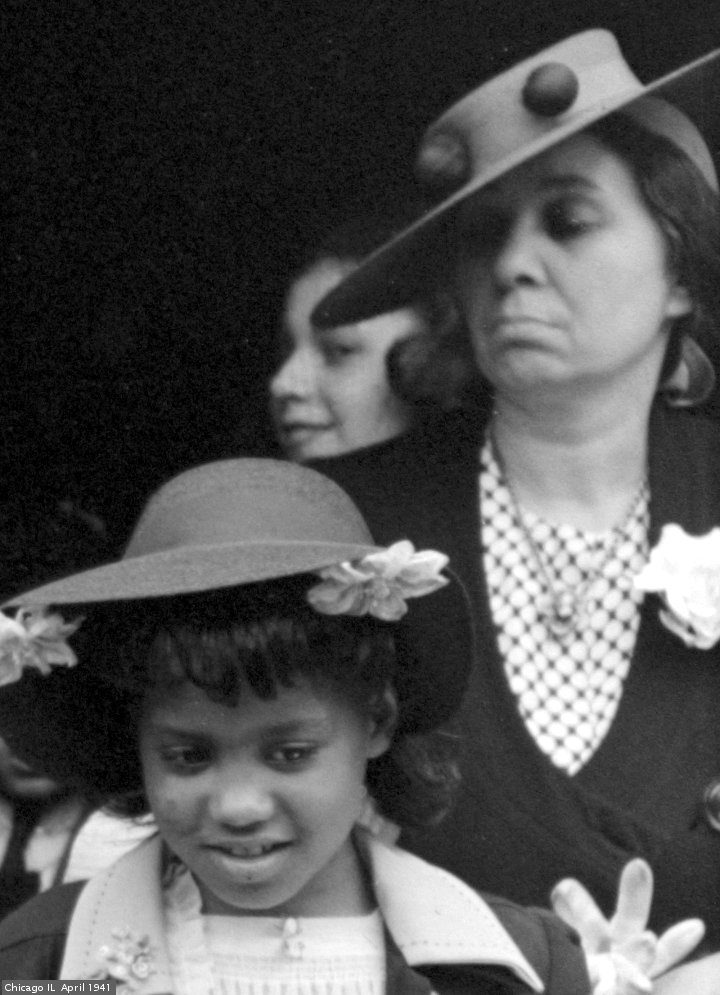
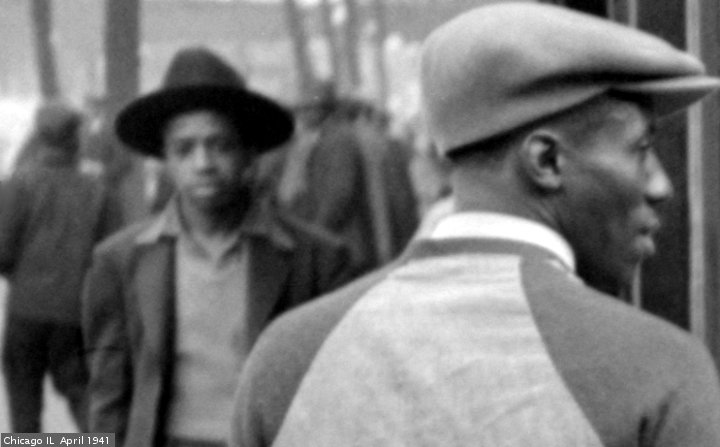
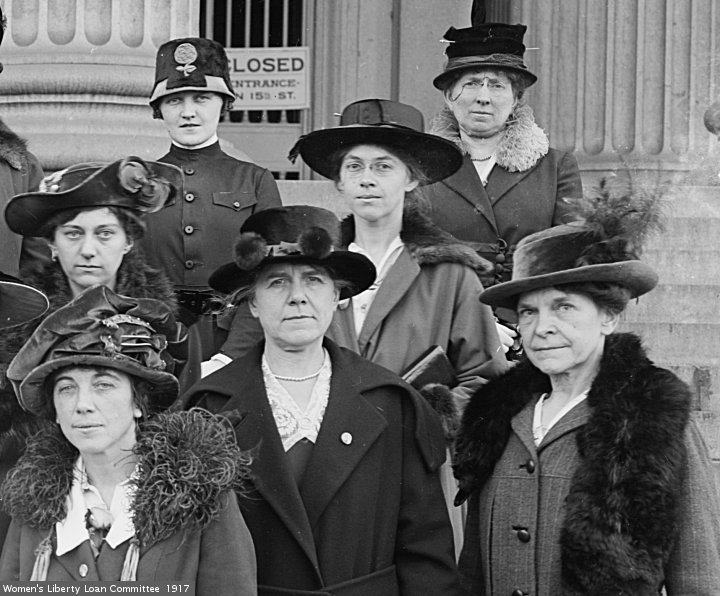
Today’s double feature about hair is a repost. Pictures are from The Library of Congress.












Significant Others

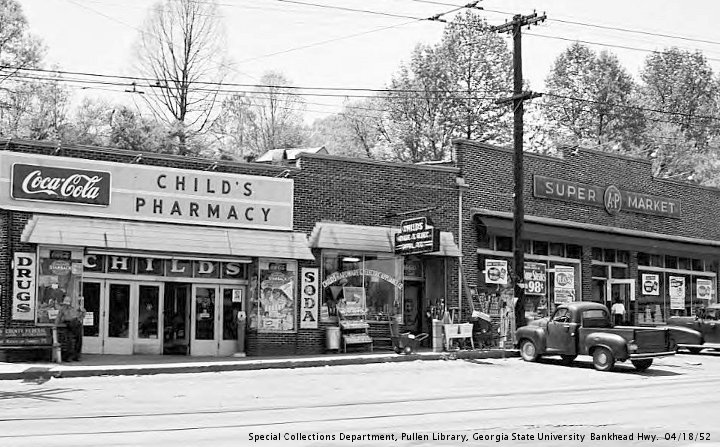
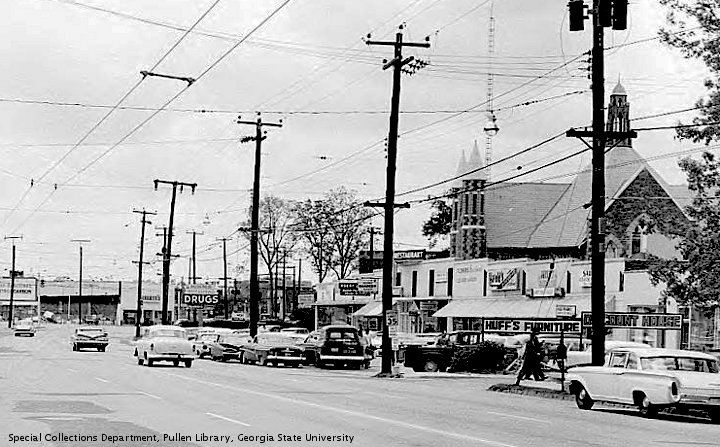


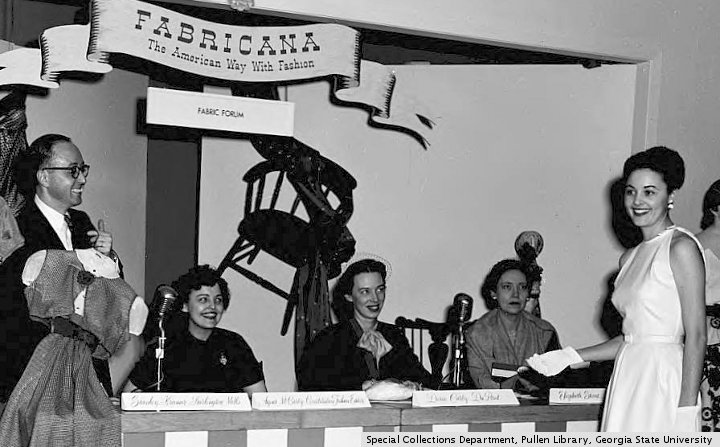

When PG took Spring Fever back to the Chamblee library, the facility was getting ready to close. Make your final selections, and bring them to the front desk.
PG took a stroll through the fiction section. He saw that no unread books by Mary Kay Andrews, or Raymond Chandler, were available. PG decided to check the Armistead Maupin section. (Spell check suggestion: Farmstead Maudlin) Significant Others did not ring any bells. PG decided to take it home.
It became obvious before long that PG had already read this book. The old copy on the book shelf was a clue. The Tales of the City series is great fun, and reading one a second time is worth the effort. Besides, you can compare the two editions. The already owned copy was printed in 1994. The list price is $12.00. It had a picture of a younger Armistead Maupin. “He lives in San Francisco with his lover and partner, Terry Anderson.” (PG heard once that Mr. Anderson is from Marietta GA. Mr. Maupin met Mr. Anderson in Atlanta, while on a book tour. There is no link for that story.)
The library copy has text identical to the shelf copy. It was printed in 2007, and has a list price of $13.95. The picture of the author is smaller, and has much more gray hair. “Maupin lives in San Francisco with his husband, Christopher Turner”.
There are a few quotes which were remembered from the first reading. These quotes each say something about the story. For those who are new, the Tales of the City books are collections of a newspaper column that Mr. Maupin wrote. It is the story of a collection of people who live by the bay. One of the prime players is Michael Tolliver, who lives in a house at 28 Barbary Lane. The house is owned by Anna Madrigal. She does not have a large role in S.O.
“Michael looked out to sea. “That was nineteen eighty one … the last time I went” “Four years,” said Thack. (A tourist that Michael befriends.) “It seems like forty,” said Michael. He turned and looked at Thack. “Does it bother you that I am positive?”
AIDS hit San Francisco earlier, and harder, than it hit Atlanta. In 1985 it was mostly a rumor in Georgia. This would change in 1986, as the bug made up for lost time. Meanwhile, in California, men were dying left and right. There were few treatments, and even less support from the general public.
“Michael regarded him for a moment, then said: “My mother gave me a new address book last Christmas. I haven’t written in it yet, because I can’t make myself leave out the people who are dead. I can’t even cross out their names”.
Some of the women in the story go to a music festival called Wimminwood.(Spell check suggestion: Satinwood) One of the ladies is just a bit rowdy. “She gets like this,” offered the woman with the ice chest. “She was with the post office for thirty seven years.”
This was a clue to the time PG read S.O. In the years at Redo Blue, the lady who ran specs was married to a retired mailman. PG repeated the quote for this lady, who appreciated the truth of it. This means that PG read S.O. roughly eleven years ago.
Maybe now would be a good time to mention the principal at Cross Keys the first year PG was there, His name was William Armistead. PG never had to talk to him. PG’s Aunt had a man who worked in her garden named Armistead. He would get locked up, and Uncle Ralph would bail him out.
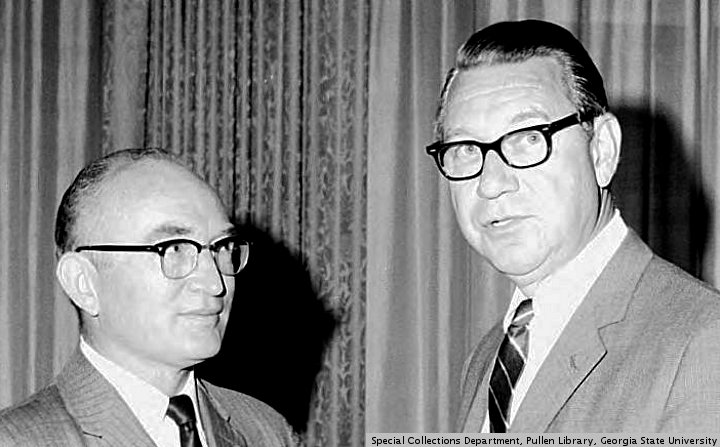
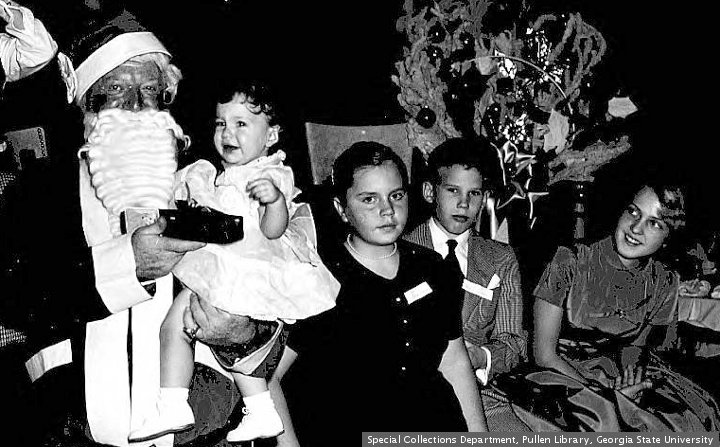
Pictures today are from “The Special Collections and Archives,Georgia State University Library”.





Hiroshima 69 Years Later





At 8:15 am, August 6, 1945, Hiroshima got nuked. It was the start of a new era. Since Japan is 13 hours ahead of Georgia, and standard time was used, the literal anniversary is 8:15 pm, August 5.
Tsutomu Yamaguchi was working in Hiroshima when the bomb hit. He survived, and found a train to take hime to his home town, Nagasaki.
The device dropped on Hiroshima, the Little Boy, had an estimated force of 13 kilotons of Trinitrotoluene, or TNT. A kiloton of TNT is roughly a cube whose sides are ten meters. This device is fairly tiny compared to many of the warheads developed since. Many of the modern appliances are measured in megatons, or millions of tons of TNT. The Soviet Union had a bomb with a capacity of 50 megatons, or 4,000 times the size of the Little Boy.
The largest weapon tested by The United States is the Castle Bravo. This device destroyed Bikini Atoll in the Pacific. The two piece swimsuit was named for this island. The Castle Bravo device had a yield of 15 megatons of TNT. This is roughly 1,000 times the power of the Little Boy.
The decision to drop the bomb has long been controversial. There are a lot of factors and gray areas, and the issue does not lend itself to sound bite solutions. The conventional wisdom is that Japan surrendered because of the nuclear attack. This meant the war was shortened by at least a year, there was no invasion of Japan, and many lives were saved. PG is scared by the moral calculus involved in a decision like this….do 100,000 civilian deaths prevent the deaths of 500,000 soldiers? PG suspects that even G-d herself would lose sleep over that one.
There is also evidence that the bomb was not needed. Japan was whipped in August 1945. The air raids were conducted in daylight with little resistance. A debate was going on in the Japanese government on whether to continue the fight.
An event happened the day between Hiroshima, and Nagasaki, which influenced the Japanese decision to surrender. The Soviet Union had agreed to help the United States with the war against Japan. On August 8, The Soviet Union invaded Japanese occupied Manchuria. There are indications that Japan knew the fight was hopeless at this point, and would rather surrender to The United States than The Soviet Union. This is one of the gray areas that never seems to be mentioned.
The United States wanted the war to end quickly for obvious reasons, and a few subtle ones. America did not want to share the spoils of Japanese war with The Soviet Union. There were already tensions between the two allies, and the cold war was not far off. Many felt The United States used the Little Boy as a warning to The Soviet Union.
When you get your moral software out, you might want to figure in the effect of opening the nuclear Pandora’s box. Would the nuclear bomb have been developed by other countries if America had not led the way? The science is not that complicated…after all, America hit paydirt with the Manhattan Project fairly quickly. Nonetheless, there is karma involved in using a terrible new device on a civilian population. The United States started the wind of the arms race, and has yet to feel the whirlwind.
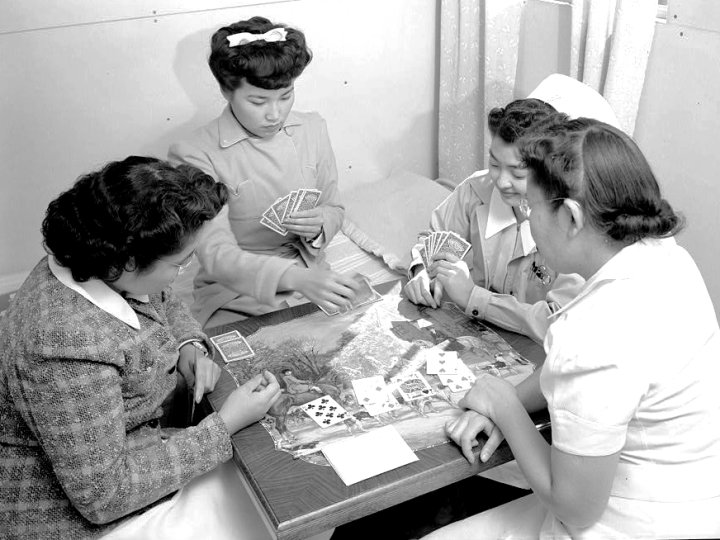
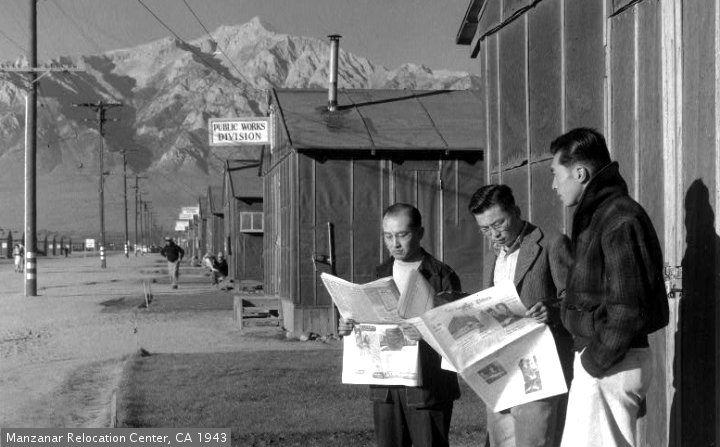
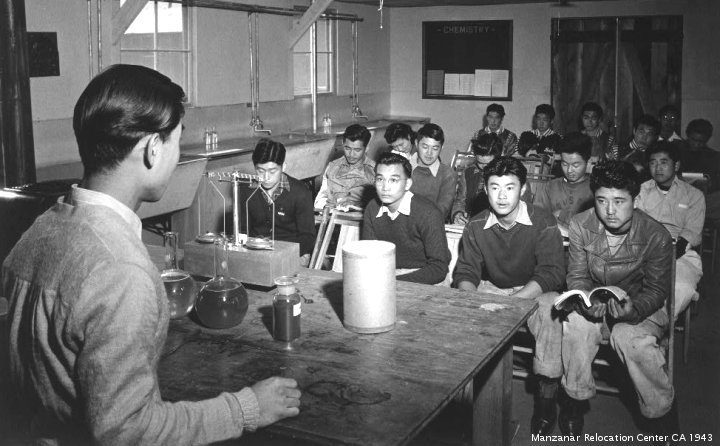
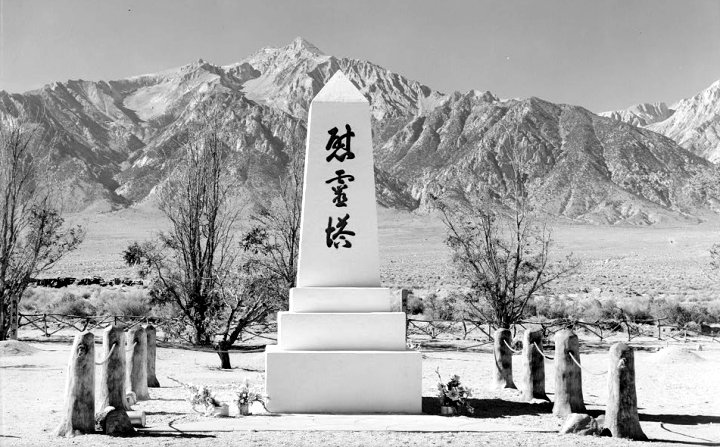
This is a repost. The pictures are from The Library of Congress. Ansel Adams took pictures of Japanese Americans, in a World War Two internment camp. The ladies in the bridge game are Aiko Hamaguchi, Chiye Yamanaki, Catherine Yamaguchi, and Kazoko Nagahama.


Heart Brain Gut
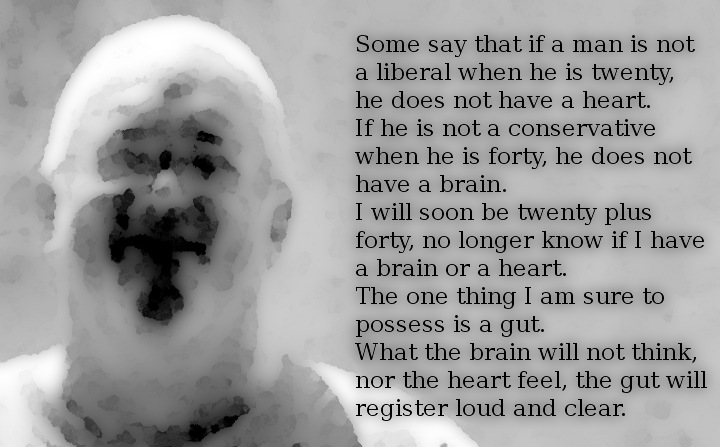
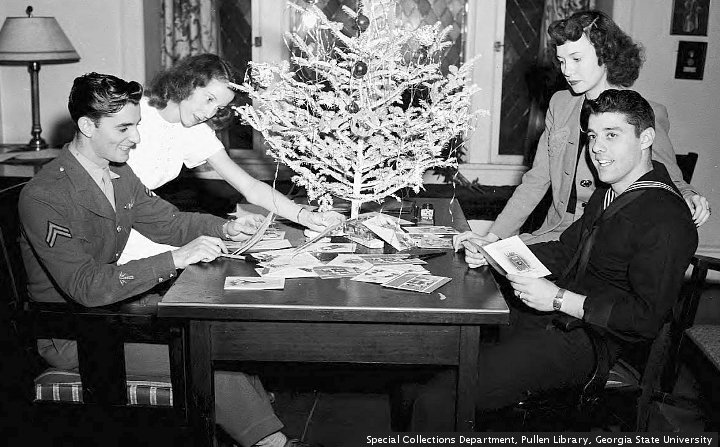

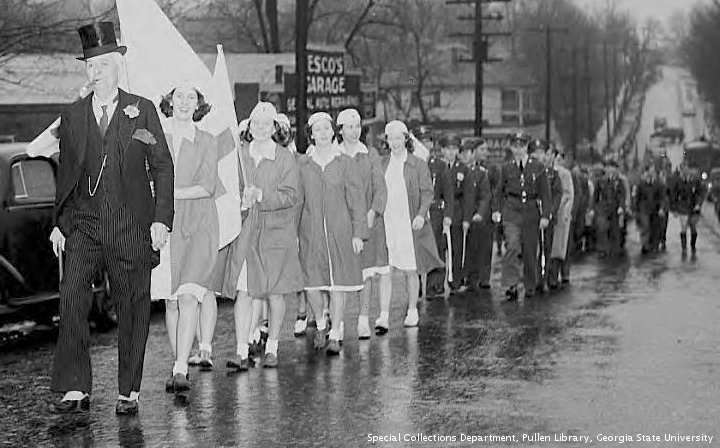
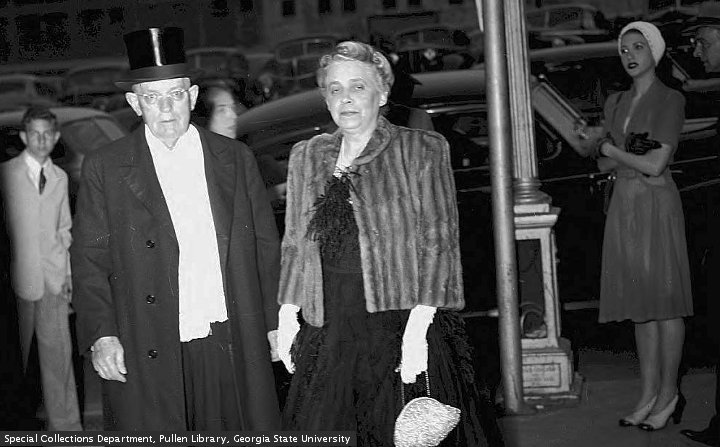
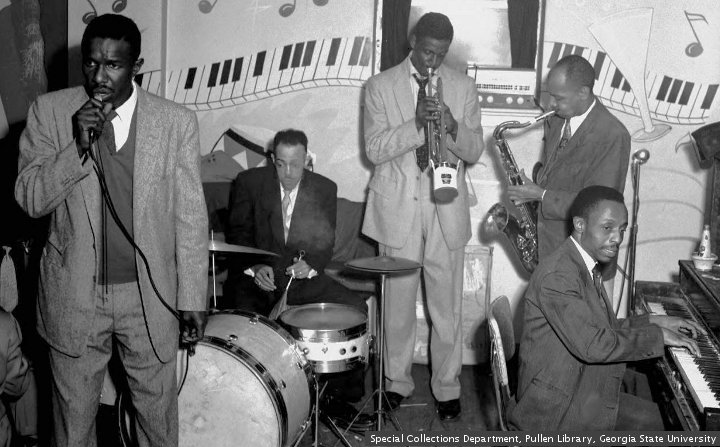
There is a bit of commodity wisdom. you’re not a liberal when you’re 25, you have no heart. If you’re not a conservative by the time you’re 35, you have no brain.” Credit, or blame, for this morsel is usually given to Winston Churchill. Others say it was George Bernard Shaw, or Benjamin Disraeli.
A French politician, François Guizot has what may be the oldest attribution. “N’être pas républicain à vingt ans est preuve d’un manque de cœur ; l’être après trente ans est preuve d’un manque de tête.” “Not to be a republican at 20 is proof of want of heart; to be one at 30 is proof of want of head.”
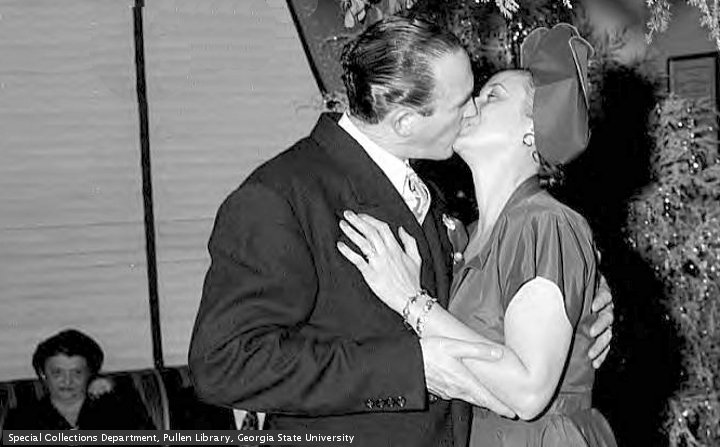
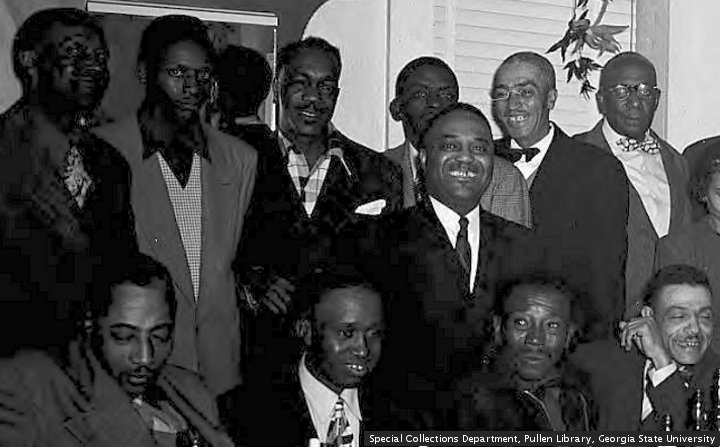
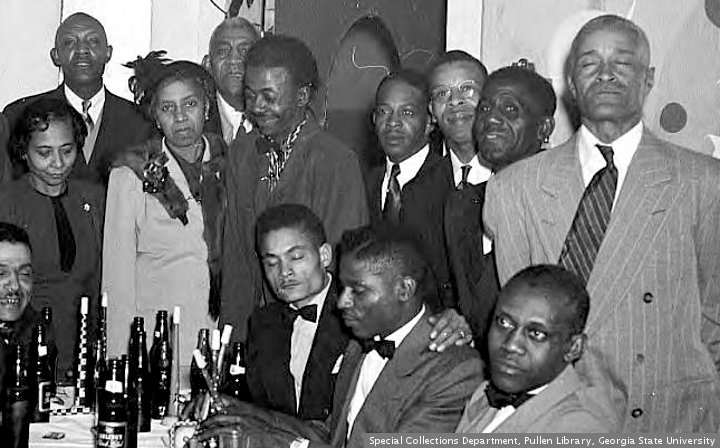
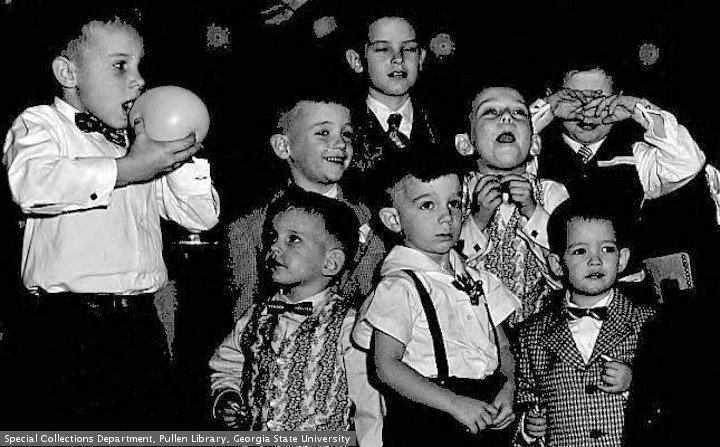
In the embedded graphic, the sixty year old’s possession is a gut. This would apply to the famously corpulent Winston Churchill, who was sixty in 1934. At the time he was a forgotten politician, disgraced by his blundering in the Great War. Other pictures are from “The Special Collections and Archives,Georgia State University Library”.
There is a page at the Churchill Centre website for Quotes Falsely Attributed . It includes this gem. “”The only traditions of the Royal Navy are rum, sodomy and the lash.” Churchill’s assistant, Anthony Montague-Browne said that although Churchill had not uttered these words, he wished he had.”



The Day Lincoln Was Shot
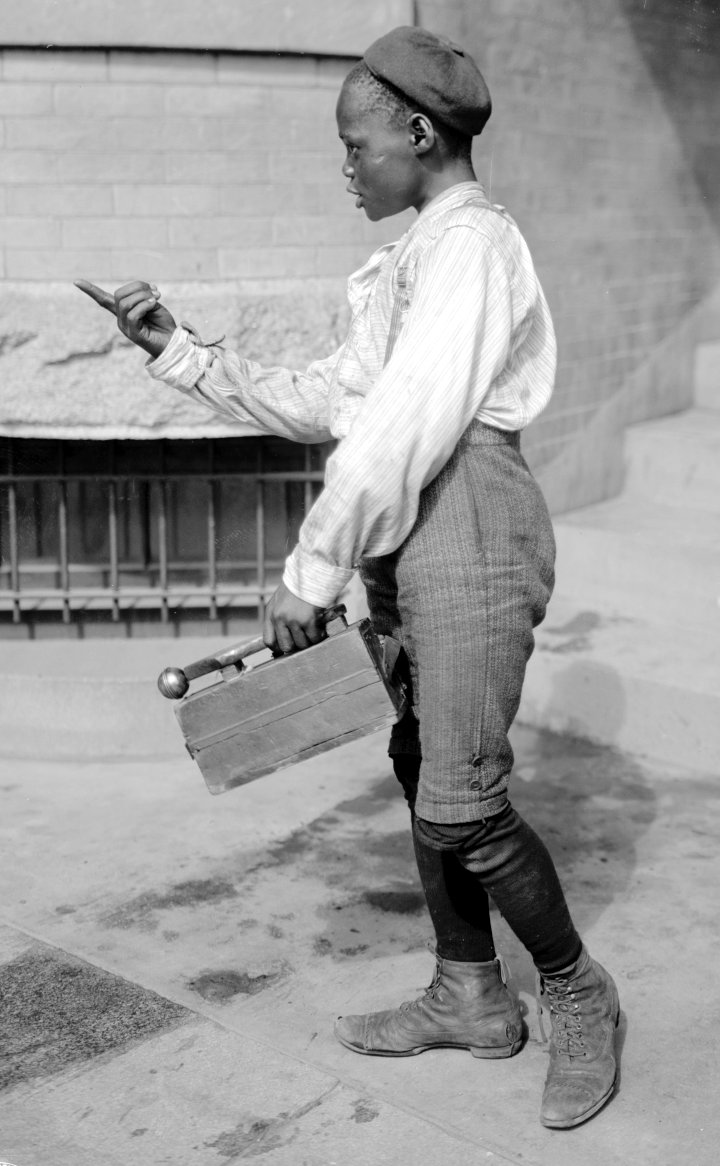
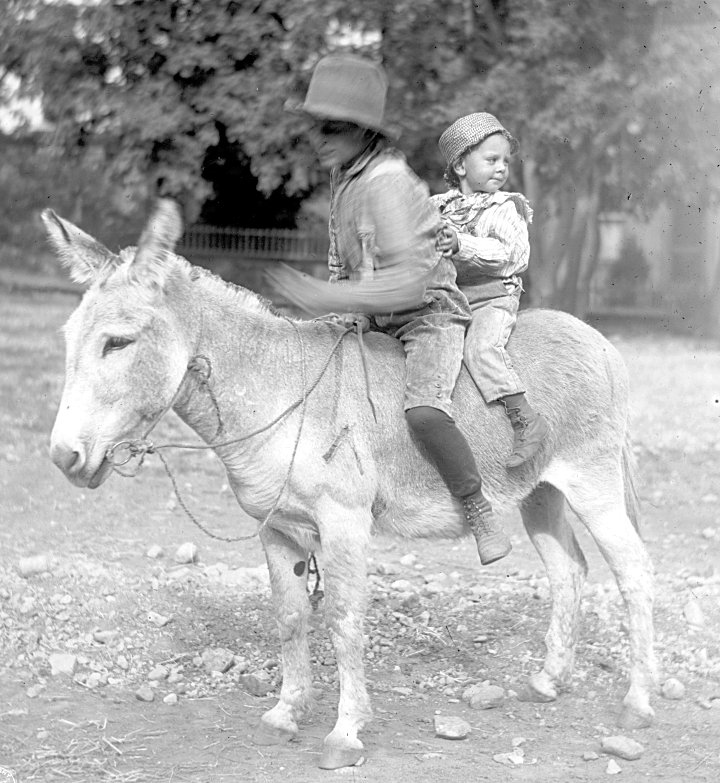
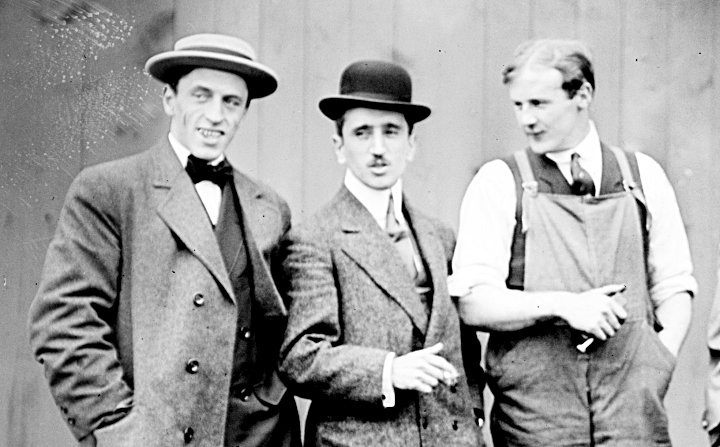

PG has read The Day Lincoln Was Shot. It is written so that the casual reader can enjoy it. There is a powerful history lesson here, and worth the twenty five cents PG paid at Book Nook. The pictures for this book report are from The Library of Congress. This is a repost.
This book contradicts another book PG read. Genius and Heroin reports that Mary Todd Lincoln had a bad headache on April 14, 1864. Some opium was found for her, and she was able to go to Ford’s Theater that evening. TDLWS does not mention this.
The story begins in the weeks leading up to “Good Friday”. John Wilkes Booth was in the crowd at Mr. Lincoln’s second inauguration. Vice President Andrew Johnson was also there, and made a drunken fool of himself. Mr. Johnson did not meet with Mr. Lincoln until the afternoon of April 14.
John Wilkes Booth was a famous actor, He made $20,000 a year as a performer. Mr. Booth was also a fan of the Confederacy, and launched a plan to kidnap Mr. Lincoln. There was an attempt to kidnap the President, but Mr. Lincoln did not show up as planned. The conspiracy of Mr. Booth almost broke up, and was reduced to four men.
The four men…John Wilkes Booth, Lewis Paine, David Herrold, and George Atzerodt … met at a boarding house owned by Mary Sarratt. Ultimately, Booth went to Ford’s Theater to kill the President. Lewis Paine and David Herrold tried to kill Secretary of State William Seward. George Atzerodt took a room at Kirkland’s boarding house, and was supposed to take out Vice President Andrew Johnson. Mary Sarratt was not involved in the plot, but was executed by hanging anyway.
In the weeks before Good Friday, a few things happened. On March 7, the door to box seven at Ford’s Theater was broken down, and the lock broken. On April 5, Secretary of State William Seward was badly injured in a carriage accident. On April 9, General Robert E. Lee surrendered to General Ulysses Grant, ending the War Between the States.
Part of the celebration was a theater party on Friday, April 14. Mr. and Mrs. Lincoln were to join Gen. and Mrs. Grant at Ford’s Theater. The show was “Our American Cousin”, starring Laura Keene. The Grants did not really want to go, and decided to catch a train to New Jersey. They wanted to see their children. Mrs. Grant had also witnessed a temper tantrum by Mrs. Lincoln, and was possibly avoiding the hot headed first lady.
Mr. Booth decided that this was the night for action. He went by the Kirkwood house, and left a note for Andrew Johnson. The idea was for the police to see the note, and think that Mr. Johnson was part of the conspiracy. This was foiled when Mr. Johnson’s secretary stopped by Kirkwood house, and picked up the Vice President’s mail and messages.
Ford’s Theater was prepared for the visit by the President. A barrier was taken out from between two boxes. Flags were hung around the building. At 9:00 pm, the President’s bodyguard, a Washington policeman named John F. Parker, got bored with the play. Mr. Parker went to Taltavul’s saloon, along with with Francis Burns, the president’s driver and Forbes, the valet. They were in the saloon during the action at the theater.
John Wilkes Booth was an experienced actor, and he knew how to follow a cue. At 10:15 pm, the player onstage said “Wal I guess I know enough to turn you inside out, you sockdologizing old mantrap”. Booth placed a derringer between Mr. Lincoln’s left ear and spine, and pulled the trigger. He said “Sic Semper Tyrannis”, and cut Major Henry Rathbone. Booth leaned over the edge of the theater box, and lowered himself to the stage. The spur of his right foot catches on the Treasury regiment flag. This causes him to land on his left leg at an odd angle. The leg broke.
While this is going on, Lewis Paine and David Herrold went to visit Secretary of State William Seward. He is laying in bed, covered in bandages, recovering from the carriage accident. The bandages get in the way of the knife that cuts him, and save his life.
The wounds to Mr. Lincoln are considered mortal. The President was moved to Peterson’s boarding house nearby. At 7:22 am on April 15, he died. Secretary of War Edwin Stanton, who served as acting President during the night, said “Now he belongs to the ages.”


Sochi Olympic Boycott
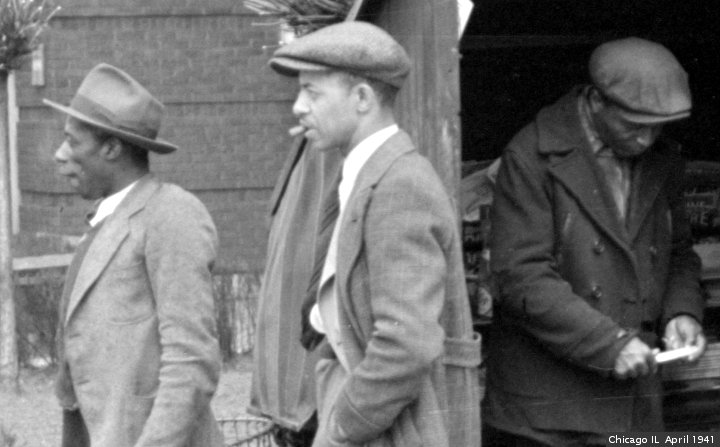
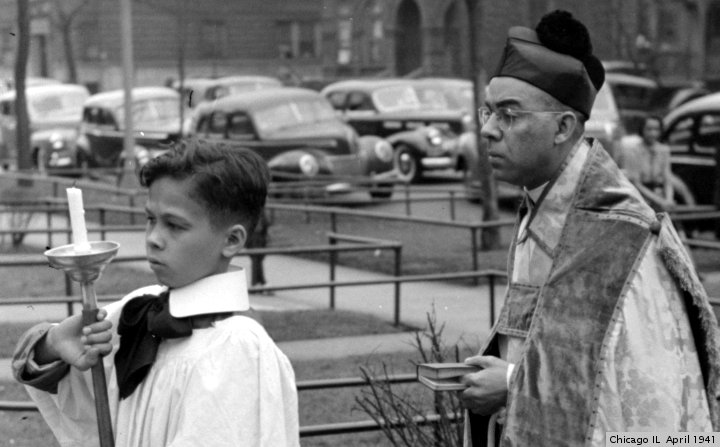


The Russian Federation recently Putin put in some tasteless regulations about homosexuals. The knee jerk reaction of some is to boycott something Russian. The 2014 Winter Olympics are scheduled to be held in Russia. Some say there should be a rainbow hued boycott. A look at recent history makes one wonder if this is really a good idea.
In 1979, Russia was the dominant republic in the Soviet Union. On December 24, 1979, with possible provocation from the United States, the Soviet Union invaded Afghanistan. A war ensued, with many women and children killed by the invading army.
The 1980 Olympics were held in Moscow, the Soviet Capitol. The United States decided to protest the invasion of Afghanistan by boycotting the Moscow Olympics. To get even, the Soviet Union boycotted the 1984 Olympics in Los Angeles.
The American boycott had little impact on the war in Afghanistan. American arms shipments to the rebel forces did have an impact on the war. The Soviet army was defeated, and the Soviet Union collapsed soon afterwards.
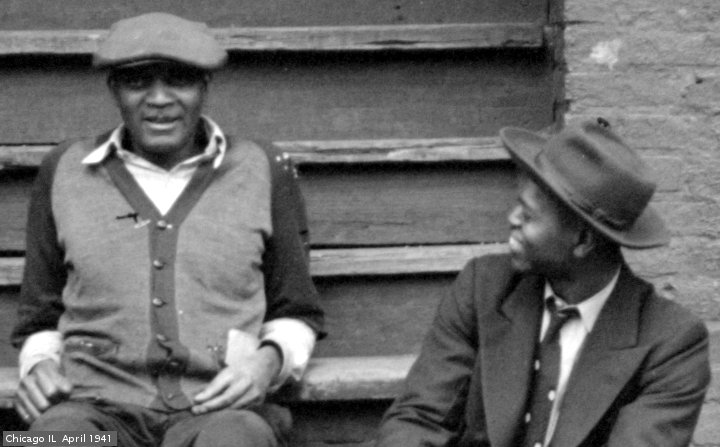
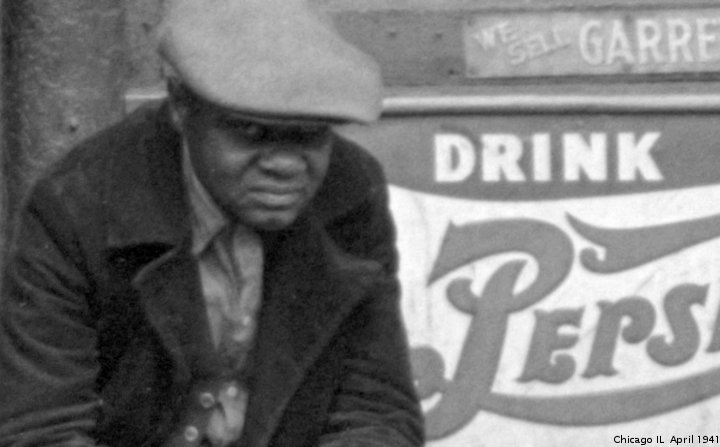
After the Soviets left, the rebels had weapons left over. The rebels became the Taliban, and Al Queda. The result was 911, ruinous wars in Afghanistan and Iraq, and economic hardship. Is this what happens when you boycott Russia? Pictures from The Library of Congress.


Lies Darn Lies Statistics


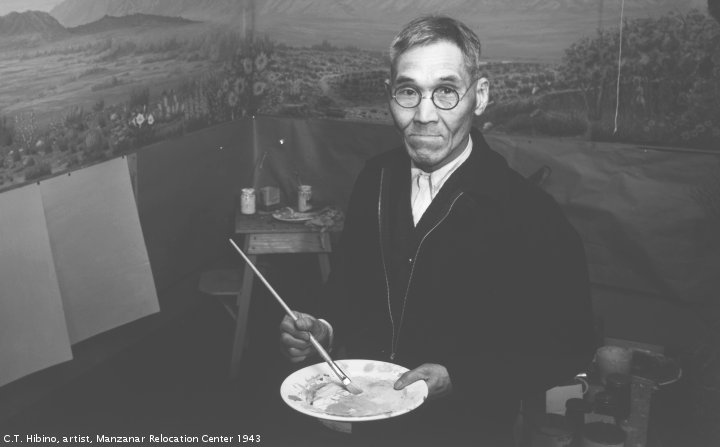
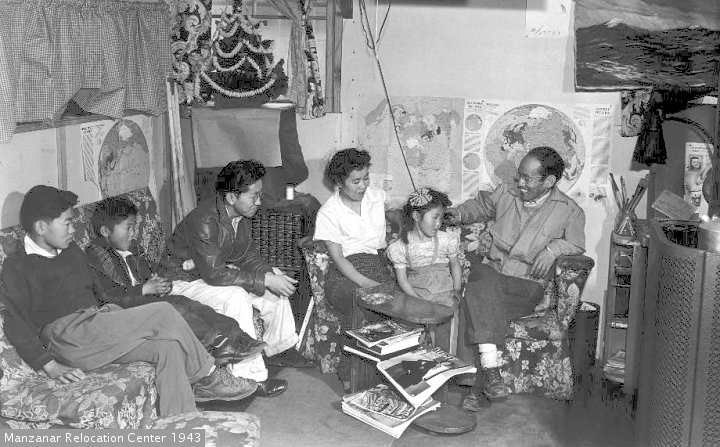
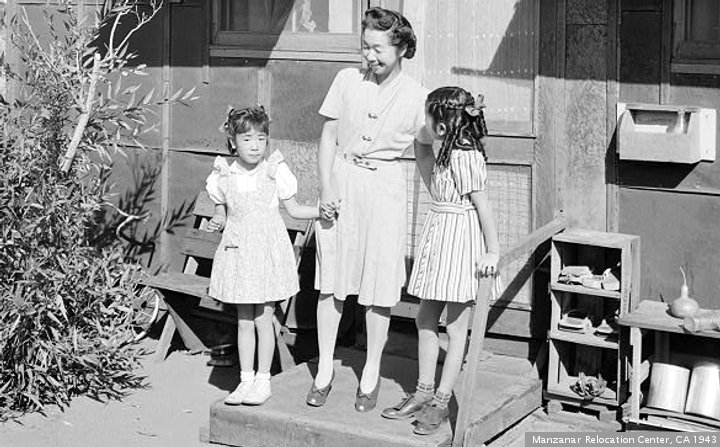
In a recent survey, 78.7% percent of the respondents agree with the statement “Statistics can be trusted to give an accurate description of the facts”.
Statistics are a part of modern life. Numbers tell us who is expected to win, who is expected to lose, and how many men wear a tie. Statistics are often misleading, or an outright lie. And yet, people believe statistics. (The middle three letters of believe are lie).
Talk about statistics is little better. Mark Twain gets the credit/blame for popularizing the phrase, “lies, damn lies, and statistics”. According to Wikipedia , Mr. Clemens may have been mistaken. “Twain popularized the saying in “Chapters from My Autobiography”, published in the North American Review in 1906. “Figures often beguile me,” he wrote, “particularly when I have the arranging of them myself; in which case the remark attributed to Disraeli would often apply with justice and force: ‘There are three kinds of lies: lies, damned lies, and statistics.'”…”The term was popularised in the United States by Mark Twain (among others), who attributed it to the 19th Century British Prime Minister Benjamin Disraeli (1804–1881): “There are three kinds of lies: lies, damned lies, and statistics.” However, the phrase is not found in any of Disraeli’s works and the earliest known appearances were years after his death.”
Mr. Twain was in the twilight of his career, and angry at aggressive militarism. Why would he would give credit/blame for a phrase to a conservative Prime Minister of England, dead twenty five years?
When PG took English101, the teacher was an inspiring lady named Ann Peets. Between stories of Faulkner and comma splices, she contributed this gem. ” The best way to win an argument is to use statistics. The best way to use statistics is to make them up. ”
In 1954, a bestselling book came out, “How to Lie with Statistics .” The premise was that the pros knew the tricks, and the public has a right to self defense. There are numerous examples of the ways that you can lie with numbers just like you lie with words. Calculator lips don’t move.
One word to watch out for is average . The three most popular types are mean, median, and mode. Mean is the one most people think of as average…you add all the figures up, and divide by the number of entries. In median, you line up the entries in numeric value, and choose the entry in the middle. In mode, the number that the most entries identify with is the average. Any one of these three can be called average, and yet none might describe the typical entry.
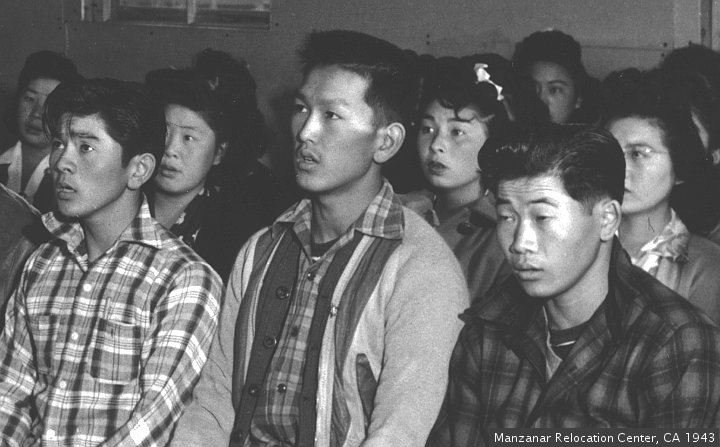
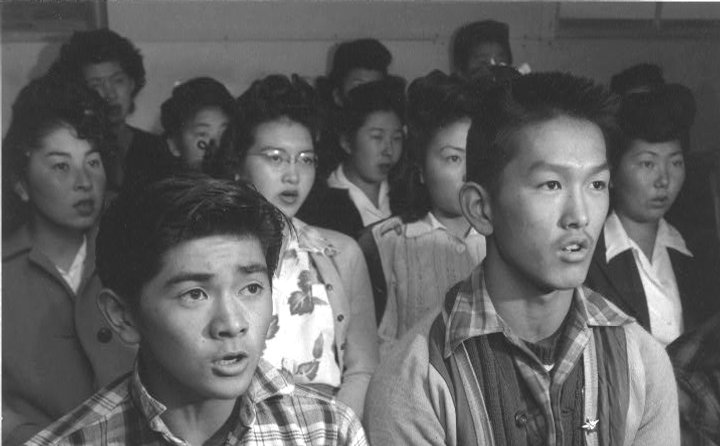
HT to Millard Fillmore’s Bathtub for attributing the LDL&S quote to Mr. Disraeli. MFB was talking about global warming denial, a cesspool of lies and statistics. Pictures are from The Library of Congress. These pictures were taken by Ansel Adams at a relocation camp for Japanese Amercans during World War II. Pictures of Mark Twain were recently posted. This is a repeat repost.



Famous Last Words




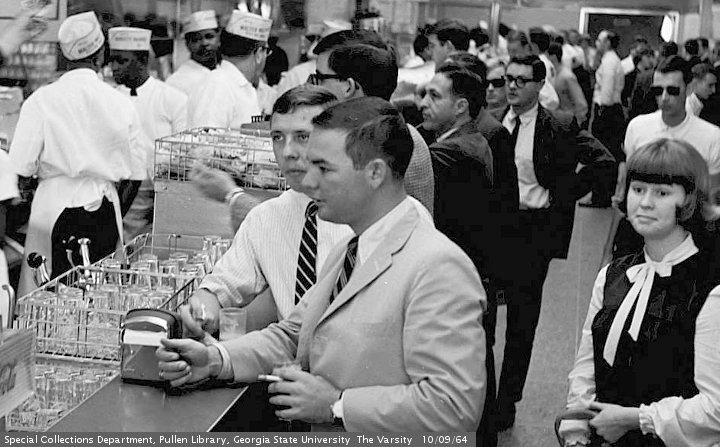
There used to be a blog called Execution of the day. It is still available, but last put up material in September of 2011. The next to last post is about Troy Davis, who met his maker about that time. The last post is about the last words of those about to die, some of which are funny. EOTD published a feature in 2009, about an economical Englishman named John Christie, that was adapted for use here. It is recycled today. Pictures by “The Special Collections and Archives,Georgia State University Library”.
Electric Chair “I’d rather be fishing” Jimmy L. Glass 12 June 1987
“How about this for a headline for tomorrow’s paper? ‘French Fries’!” James French 10 August 1966
“Well, gentlemen, you are about to see a baked Appel.” George Appel 9 August 1928
Firing Squad “Why, yes, a bulletproof vest.” Domonic Willard
“Take a step forward lads – it’ll be easier that way.” Robert Erskine Childers 24 November 1922
Poisoning “You guys doin’ that right?” Stanley ‘Tookie’ Williams 13 December 2005
Hanging “Please don’t let me fall.” Mary Surratt 7 July 1865
“Is it safe?” William Palmer 14 June 1865.
“I’ll be in Hell before you start breakfast! Let her rip!” Tom ‘Black Jack’ Ketchum’s 26 April 1901.
“Hurry up. I’d like to be in hell in time for dinner.” Edward H. Ruloff 18 May 1871
“If anyone has a message for the Devil, give it to me – I’ll deliver it!” Lavinia Fisher February 18, 1820.
Baked Goods “Pardonnez-moi, monsieur. Je ne l’ai pas fait expres” Translation: Pardon me, sir. I did not do it on purpose. Stepping on the toes of her executioner should have been the least of Marie Antoinette’s worries on 16 October 1793.


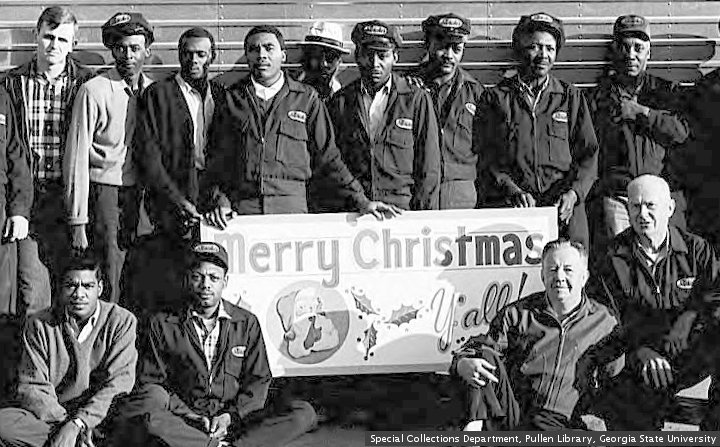
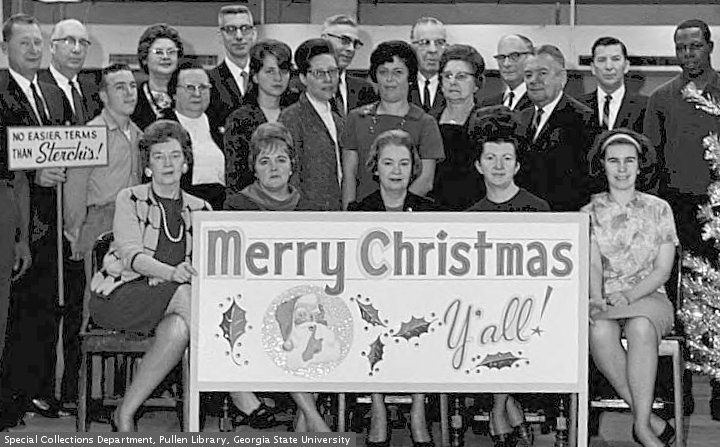

While eating breakfast, PG perused something called “execution of the day“. On July 15, 1953, John Christie was hung in England. He was 54. Chamblee 54, who is 55, sees a pattern. The original source says it all better: “Albert Pierrepoint was given the job of dispatching him, so Christie was hanged at Pentonville Prison on this day in 1953, aged 54.”
Mr. Christie lived at 10 Rillington Place, which was the title of a movie about his exploits. He was in the habit of murdering people and hiding the bodies in the house. He also had two middle names…his full handle was John Reginald Halliday Christie. He married a girl named Ethel Waddington. Do you have any trouble believing he was British?
The first known murder was in 1943. There was a war going on, and killing was quite the fashion. Mr. Christie had a girlfriend named Ruth Fuerst. She did not survive a nooner. In his eventual confession, Mr. Christie said “‘I left her there in the bedroom. After that I believe I had a cup of tea and went to bed”. … “The second was in 1944 – a neighbour, who was convinced he was a doctor. He didn’t persuade her otherwise and the 32-year-old was gullible enough to listen when he told her to inhale some gas scented with friars’ balsam. The carbon monoxide rendered her virtually unconscious enabling Christie to have his way with her. As with Fuerst, he strangled her either before or during the rape. You may be wondering what he did with these two bodies…he buried them both in the garden and in one report he may even have used one of their leg bones to support fencing.”
Things were quiet for a while…well not really, there was this family of three…but things were relatively quiet until 1952. At that time Ethel Christie met her maker, with the help of her husband. He wondered what to do with the body, until he saw loose floorboards in the living room.
Within a few weeks, more women passed away, with his assistance, and were stored in various parts of the house. John Christie moved out of 10 Rillington Place. The new tenants complained about the aroma, and before long John Christie had a noose around his neck.

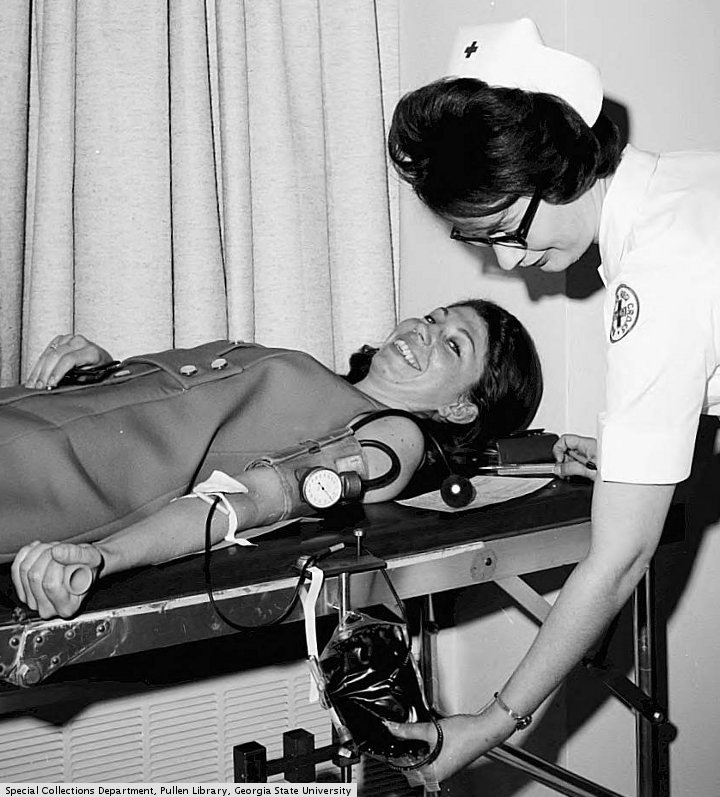

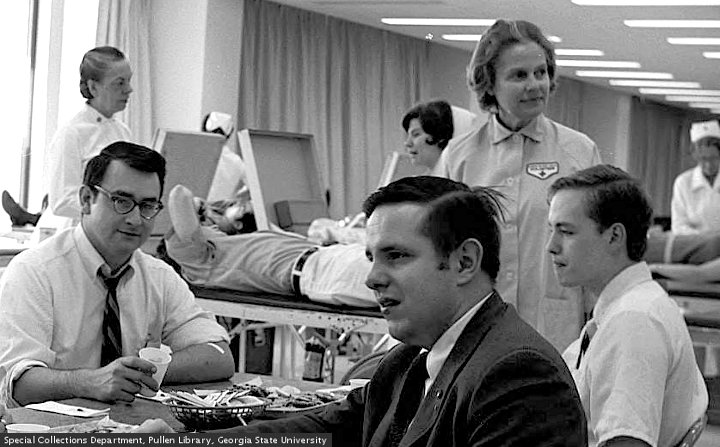
DBADD


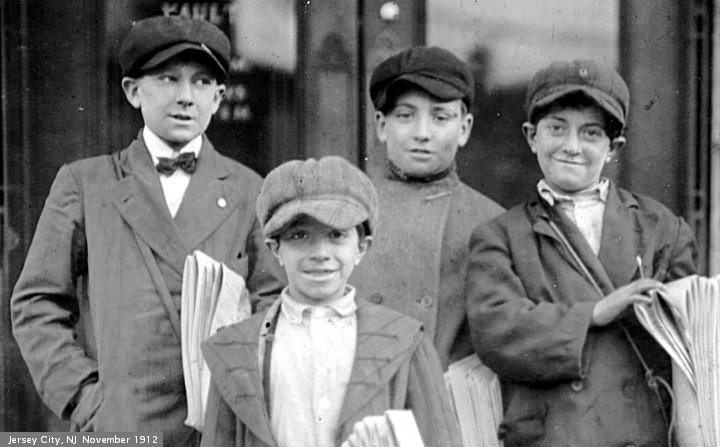
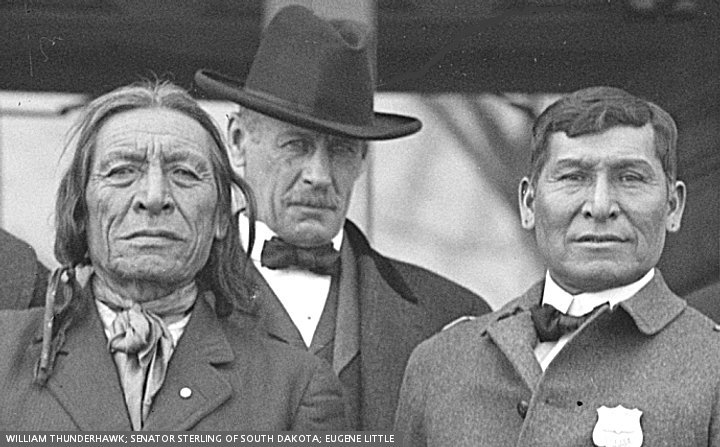



A gentleman named Wil Wheaton has declared his birthday, July 29, to be Don’t Be A Dick Day. PG has mixed feelings about this. The notion of being kinder to your neighbor is laudable. The problem lies in the connection of rudeness to the male reproductive organ.
The concept of using body part names for insults is peculiar. It is almost always organs involved in excretion or reproduction. If it wasn’t for these two functions, nobody would be here. If you did happen to pull a Jesus, and be born without parental intercourse, you would be uncomfortable without urination and defecation. (Google “did Jesus use the bathroom” and see the debates.)
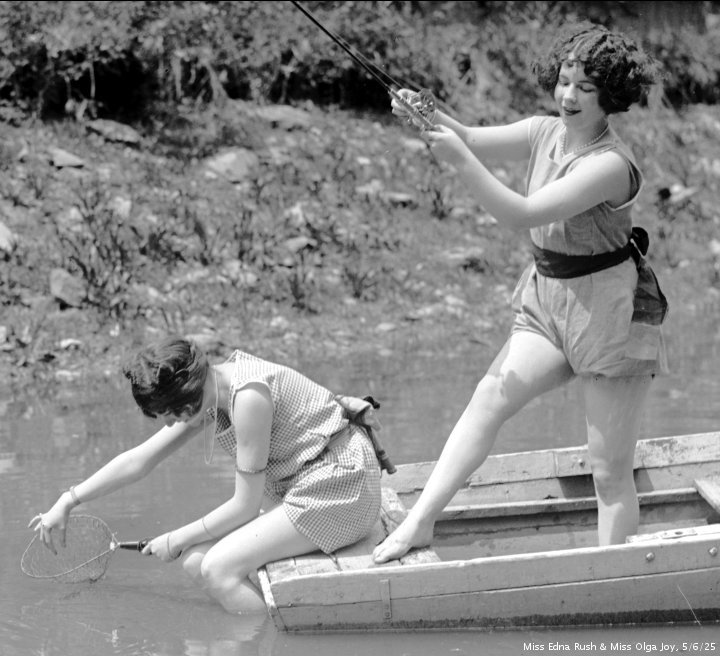
July 29 has been deemed DBADD. (Spell check suggestion: BAD) It turns out that one person already took this advice to heart. In 1857, a Scottish minister, scientist, and writer named Thomas Dick went the way of all mortal flesh. Other departures on July 29 include Pope Urban II (1099), Wolfgang Mozart (1844), and Vincent van Gogh (1890). Births on this day include Benito Mussolini (1883), Theda Bara (1885), and Clara Bow (1905). Pictures are from The Library of Congress.



Babe, Hank, Barry, And Joe
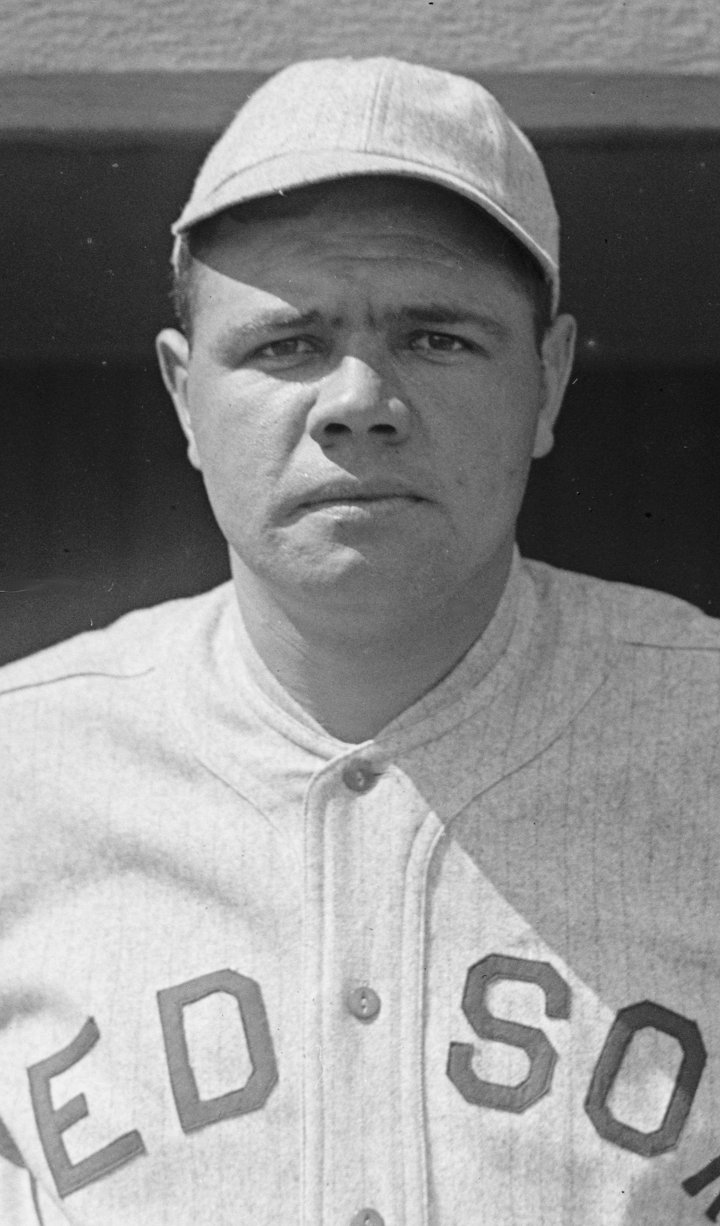
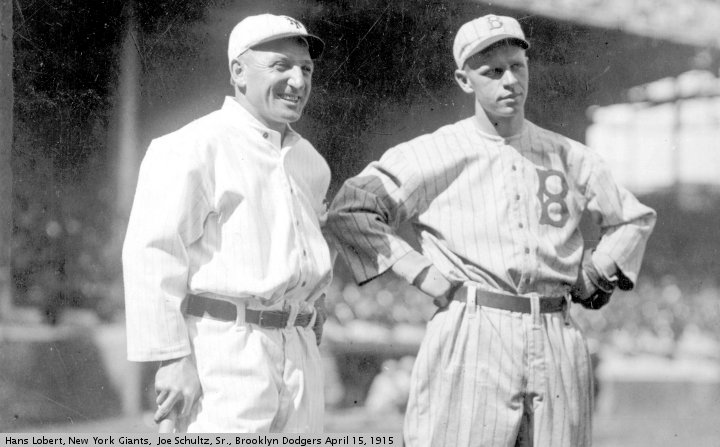


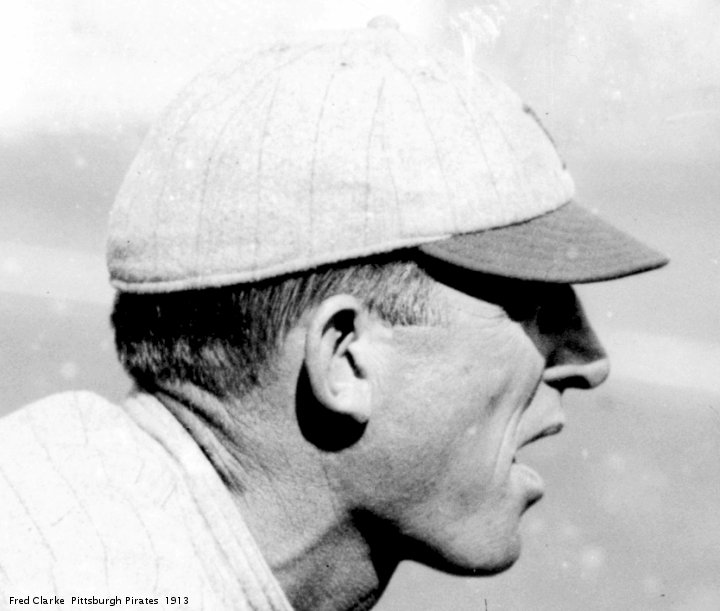

It is summertime. The Braves, and the Dodgers, are leading divisions. Players are getting in trouble over using steroids. The living is easy. It is time for a summer baseball repost.
Barry Bonds was about to break the lifetime record for home runs. Folks said the record was tainted because of steroid use, and because Mr. Bonds was not a nice man. There were calls for an asterisk in the record book. This was odd to PG, who was in Georgia when Hank Aaron broke the home run record in 1974. Back then, the line was that Babe Ruth had fewer at bats than Mr. Aaron. A lot of hateful things were said about Mr. Aaron before home run 714.
PG decided to take a look at the metrics, and see what he saw. This post is the result. As a bonus to the reader(s), Joe Torre and Hank Aaron gets a summer rerun. It is based on a column by Furman Bisher, who went to the press box in the sky March 18, 2012. Pictures are from The Library of Congress. .
There is a certain controversy these days about the eminent breaking of the lifetime home run record. Currently held by Hank Aaron, the record is threatened by Barry Bonds. Before Mr. Aaron held the title, Babe Ruth was the owner.
Controversy about the lifetime home run record is nothing new. In 1974, when Hank Aaron was about to break the record, the admirers of Babe Ruth said that Mr. Ruth had fewer at bats than Mr. Aaron did. Many attributed this criticism to racism, with a black man besting a white man’s record. The current controversy is two fold. There are allegations that Mr. Bonds took steroids to make him stronger, and that he “cheated”. There are also some concerns about the overall personality of Mr. Bonds.
PG does not think steroid use is a big deal. Ballplayers are abusing their bodies to perform, and if they take the risk of using steroids, that is their business. Many people disagree.
A good question to ask is, would Babe Ruth and Hank Aaron have used steroids if they had the chance? Mr. Ruth was a wildman, who drank during prohibition, and was known for undisciplined behavior. Mr. Aaron played in an era where steroid use was not as common as it is today. The answer to the first question is (Mr. Ruth) probably and (Mr. Aaron) who knows.
While you are keeping hypocrisy statistics, Mr. Aaron and Mr. Bonds played on television, where beer commercials were constant. While alcohol is legal, it is a very damaging drug. Any ballplayer who plays on television promotes its use. This is both steroid users, and non users.
As for personalities, there is the widely circulated story about the college team that Mr. Bonds played on voting 22-3 to kick him off the team. At the very least, he does not charm sportswriters.
In 1917, Babe Ruth was suspended for hitting an umpire. He was known for his outlandish behavior throughout his career. It should also be noted that he played in an era when the press did not scrutinize the behavior of players as much as they do today. How would today’s media treat Babe Ruth?
PG once heard a radio show caller say that Hank Aaron was a mean racist, who would just as soon cut your throat as look at you. He had never heard this said out loud before, but had heard hints about Mr. Aaron’s personality over the years. People, in any field, who achieve great things are not always friendly.
Mr. Aaron is the only one of the three that PG met, however briefly. In July of 1965, the Milwaukee Braves came to Atlanta to play an exhibition game in Atlanta Stadium. After the game, PG was allowed to wait outside the clubhouse, to get autographs from the players as they left. Joe Torre saw the crowd, hid behind a truck, and made a quick getaway. Hank Aaron came out, patiently signing every autograph, while smoking a cigarette.
The fact is, all three men played in different eras. Babe Ruth never played at night, never flew to California, and only played against white players…many of the most talented players of his era were in the Negro League. Hank Aaron played before free agency, interleague play, the DH, and widespread use of steroids. The only way to determine who is the home run champion is to count how many homers are hit, and award the prize to the man who hits the most.
Which of the three made the most money? Barry Bonds, by a wide margin. He played in the free agent era. Babe Ruth had the best line about his salary. In 1930 Ruth was asked by a reporter what he thought of his yearly salary of $80,000 being more than President Hoover’s $75,000. He replied ” yea, but I had a better year than he did.”
Who played on the most teams to win a World Series? Babe Ruth 7, Hank Aaron 1, Barry Bonds 0.
The career of Babe Ruth was a long time ago. He made a greater impact on America that the other two combined. He was one of the first sports superstars, as America emerged from the carnage of World War One. Mr. Ruth broke the single season home run record, he hit 29 homers. The next year, he hit 54. There is a possibility of a livelier baseball.
Babe Ruth captured the imagination of America like few personalities ever have. Playing in New York (which dominated the press) did not hurt. He was a man of his times…it is unlikely than anyone could have that kind of impact on today’s superstar saturated America. While his record has been broken, his place in the history of baseball is the same.


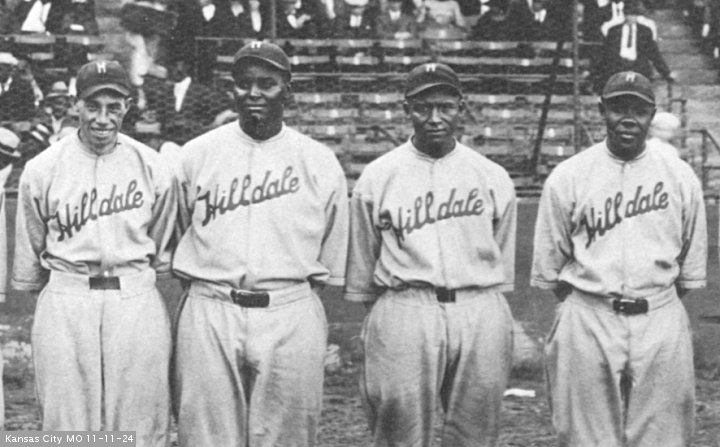
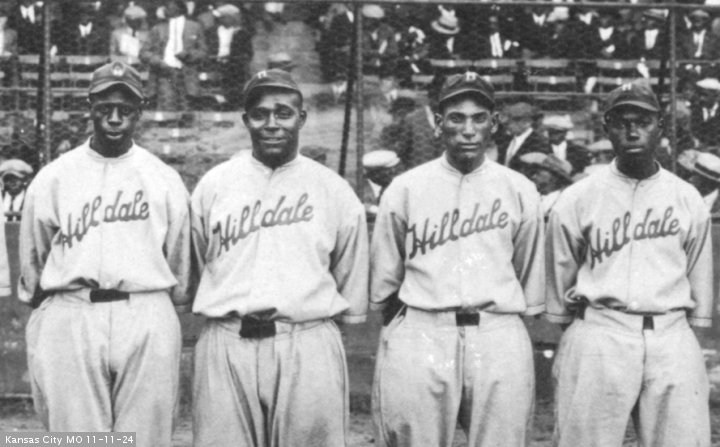

Furman Bisher has a piece at the fishwrapper site about Joe Torre . The punch line is that Mr. Torre “grew up” when the Braves traded him to St. Louis. PG was a kid when this was going on, and did not hear a lot of what went on.
In 1965, the Braves played a lame duck year in Milwaukee before moving to Atlanta. One night, there was an exhibition game at Atlanta Stadium, the Braves against the Yankees. PG got his oh so patient dad to take him to the clubhouse after the game, to get autographs. In those days, you could go into the bowels of the stadium and wait outside the locker room. Hank Aaron came out and signed dozens of autographs while smoking a cigarette. Joe Torre came out, hid behind a truck, and took off running.
Mr. Torre was a raccoon eyed catcher for the Braves. In the first regular season game in 1966, he hit two home runs, in a thirteen inning loss. Soon, the novelty of big league baseball in a toilet shaped stadium wore off. Mr. Torre got at least one DUI, and a reputation as a barroom brawler. He was traded to St. Louis in 1968. Mr. Torre hit .373, and won the national league MVP in 1971.
The comments to the feature by Furman Bisher were interesting. Cecil 34 contributes “The reason that Torre was traded is because on the team’s charter flight back to Atlanta back in 68, a drunken Torre got into a fistfight with Aaron. Aaron popped off to Torre, and thus the fight was on, broken up by the other players. Since Aaron was the face of the franchise at the time, Torre was traded. There had been bad blood between them for years before this incident anyway. Reasons vary. But the final nail in the coffin was this fistfight. I was told Torre could pack a punch and Aaron came out on the worse end of it.”
There has been whispering for years about Hank Aaron and his attitude. Furman Bisher made hints once or twice, but there was never anything of substance. It seems that Mr. Aaron does not lack for self confidence. Mr. Aaron was the subject of much racially based abuse while chasing the home run record in 1973, and some anger is justified.
Hank Aaron was known to not get along with Rico Carty. Mr. Carty is a dark skinned man from the Dominican Republic, who was popular with fans. Mr. Carty was eventually traded. Rico Carty had a barbeque restaurant on Peachtree Road in Chamblee, next door to the Park and Shop.
Joe Torre was the manager of the Braves in the early eighties. The team won a divisional title in 1982, but lost the NLCS. This was after Ted Turner bought the team. Mr. Turner fired Mr. Torre in 1984.
Getting back to the comment thread, Misterwax contributes “Turner cut Joe Torre loose because Ted was in love with Henry Aaron and Aaron thought Joe Torre was a white supremacist….A hangover from the clubhouse days when they were teammates…still does today. And THAT is the only reason he was cut….beause Hank Aaron said so.”
Hank Aaron was recently quoted on Barry Bonds and Steroids. Joe Torre is managing the Los Angeles Dodgers, and is leading his division. Furman Bisher outlived Bear Bryant by 26 years, and finished his columns “selah”. Mr. Bisher passed away March 18, 2012.



Changes In Modern Life
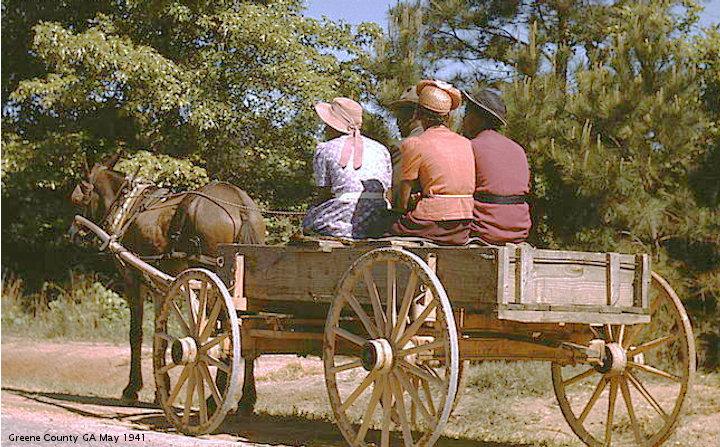

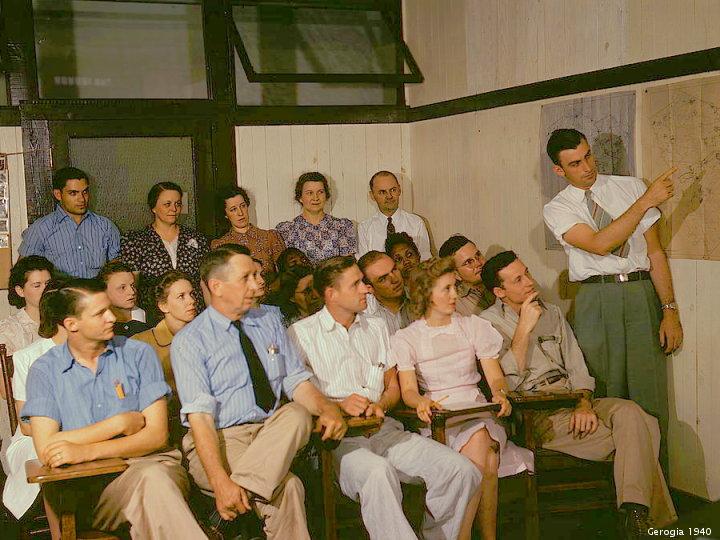
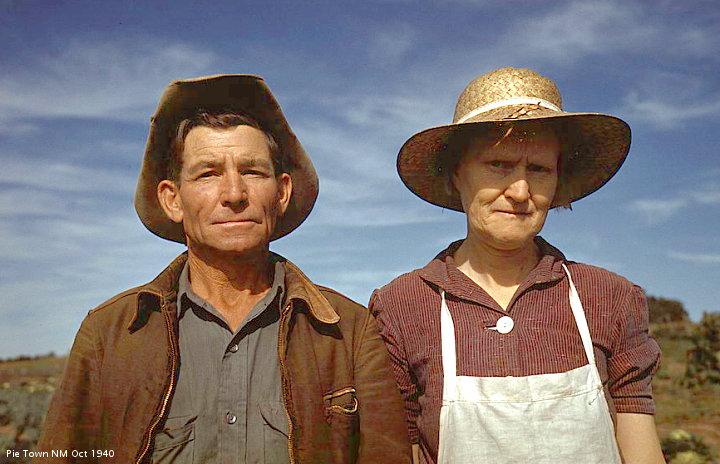
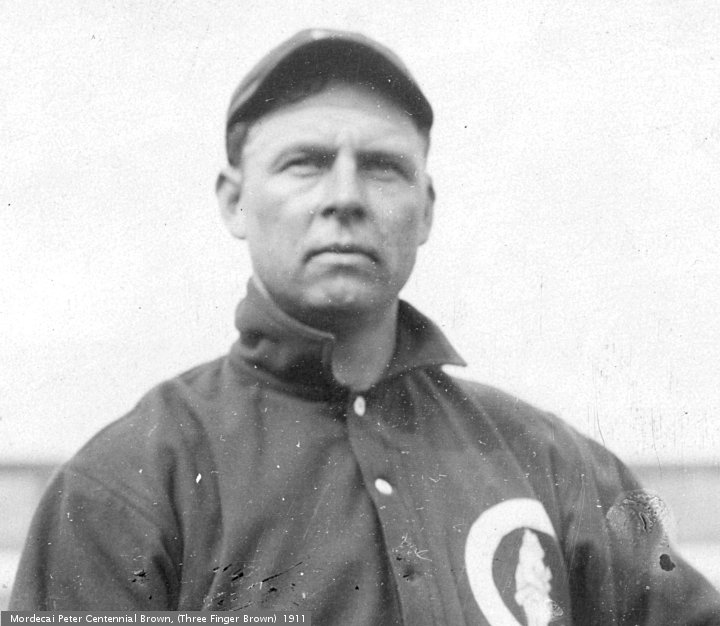
Old people like to talk about things that were better back then. PG is going to talk about some things that are better today. This is a repost.
During the Vietnam war, there was talk about “back our boys in Vietnam”. In the current war in Babylon, the troops are an integrated fighting force of men and women. You do not hear these brave people referred to as “boys”.
A person who goes into combat, to kill or be killed, is not a boy. He is a man, or a woman. This is an improvement over the way things used to be. We still have wars, and have to refer to soldiers as something. Mankind is a work in progress.
A second way society has improved is the attitude towards cigarettes. In older times, almost everyone smoked, and they lit up wherever, and whenever, they wanted. No one asked for permission. Today, people routinely go outside to smoke.
One way in which our attitudes about cigarettes is changing can be seen in the way two presidents are treated by the press. Franklin Roosevelt was never photographed with his leg braces, or struggling to walk. Many people did not know he was crippled. However, his cigarette holder was a part of his image. He was photographed with that constantly. Has ANYONE seen a picture of Barack Obama smoking?
The election of a dark skinned man as POTUS brings us to our final issue of the day, racial (and other) slurs. It is just not considered polite to use insulting terms that refer to race, religion, national origin, etc. etc. (PG got an email at work once cautioning about discussing hair color.) In many ways, this is like the thing with cigarettes…people have not changed the overall attitudes, they just go outside.
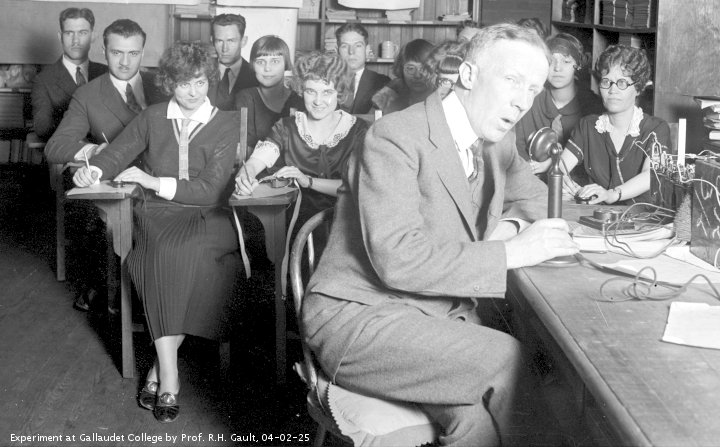
Political correctness can be a nuisance. The excesses are well known. However, the basic concept of having concern for the feelings of others is a good idea. Things are different in 2013. Pictures for this discourse are from The Library of Congress.


 Chamblee54
1 comment