The Dharma Bums Part One



When discussing The Dharma Bums, it is helpful to know how to pronounce the central word of the title. Some say to pronounce the r, while others say the r is silent. The dharmic duality extends to the definition. The number one phrases are “the principle or law that orders the universe” and “the body of teachings expounded by the Buddha.”
Chapter One: Tdb begins in Los Angeles, sometime in 1955. Ray Smith is riding in a freight train. He is going to Berkeley, where he will hang out with Japhy Ryder. These are the central characters of tdb. Ray Smith is Jack Kerouac. Japhy Ryder is Gary Snyder. Mr. Kerouac is long gone. Mr. Snyder is still on the planet. There are several youtube videos of his available. He seems like a wise, gentle man. You can see the younger version of this man in Japhy Ryder.
In chapter one, RS meets a bum on the train. The fellow passenger has a poem by St. Theresa in his pocket, where she promises to return to earth, showering roses on all living things.
On the weekend when part one was produced, PG received a facebook challenge. Someone had written a brief post about a band. When you like the post, you are given a band. The band assigned to PG was The White Stripes. This was the first time PG heard of The White Stripes. He found a video of a live performance. This is the response.
Band I was given: The White Stripes Do I like them: no Seen them?: no Favorite song: Jolene I had never heard of the White Stripes before receiving this challenge. I found a you tube video of a live performance. I did not enjoy it. After fifty minutes, I turned it off, and put Joni Mitchell on.
Chapter Two: Asian schools of thought are a theme of tdb. A number of confusing terms are used. One of these is bodhisattva. The spelling can be a challenge. When you break it down, you get bod his att va. A complimentary shorthand for body, third person male pronoun, the phone company, and a government agency. One dictionary says “a being that compassionately refrains from entering nirvana in order to save others and is worshiped as a deity in Mahayana Buddhism.”
In chapter two, RS meets JR. They go to a poetry reading at a gallery. Many of the other characters are at this reading. The most famous is Alvah Goldbook, who read his poem “Wail”. (Spell check suggestion: Allah Goldbrick) You can probably figure this one out by yourself.
The preliminary notes for this post were written during a slow period at work. When it was time to type them, page three was not there. We will assume that nothing important was said.
Chapter Three: RS is staying with AG somewhere in Berkeley. In this book unit, RS goes to visit JR, who lives in a very small house behind a larger house. There is no sitting furniture in this house. You sit on a floor mat.
JR is into asian studies, which is called oriental here. This is the pre-politically correct fifties. At some point in tdb he goes to Japan. In the video, JR mentions living in Japan for twelve years. This is probably connected to the trip in this book.
Tdb is dedicated to Han Shan. On page eighteen, we learn about him. Han Shan was a Chinese poet. He lived over a thousand years ago. JR is translating a poem when RS comes to visit. The verbatim rendering has a zen feel to it. Unfortunately, JR is working for a university. They want a translation that sounds like english speech.
There are a lot of page references in this text. These might not work for all editions of tdb. This is a penguin book. The list price is $11.95 USA, or $15.95 Canada. Tdb was copyrighted by Jack Kerouac in 1958, with a 1986 renewal by Stella Kerouac and Jan Kerouac. The last date, and the probably printing date of this edition, is 1976. The book has three pictures of mountains on the cover. The background is black.There is a green slash, with the title rendered in black letters. The name of the author is in smaller green letters. A quote from Ann Charters, in white text, is at the bottom.
The copy of tdb was owned by a friend of a friend. This person will be called Lenny, and while alive was as much of a character as anyone in tdb. When Lenny died, Uzi took possession of many books.
One day, PG was pulling boxes out of Uzi’s van. The idea was to put a chair in the van. One of the boxes had Lenny’s books. Being a dumpster diving cheapskate, PG was required to look through the box, and take what he liked. And thus PG came to own a copy of tdb.
Chapter Four: On page twenty five, AG says, of JR, “Gee he’s strange.” In this chapter, RS, AG, and Warren Coughlin buy a jug of wine. They proceed to JR’s residence. There is much merriment that evening. This takes place in Berkeley CA, 1955. RS says the school is a conformity factory. This is nine years before the Free Speech Movement, which started the sixties tradition of campus unrest.
In 1973, PG was in Athens, GA. Many of his friends considered Athens to be a modern, hip environment. Some famous person… William F. Buckley, Norman Mailer, or someone else … said that Athens in 1973 reminded him of Berkeley in 1952.
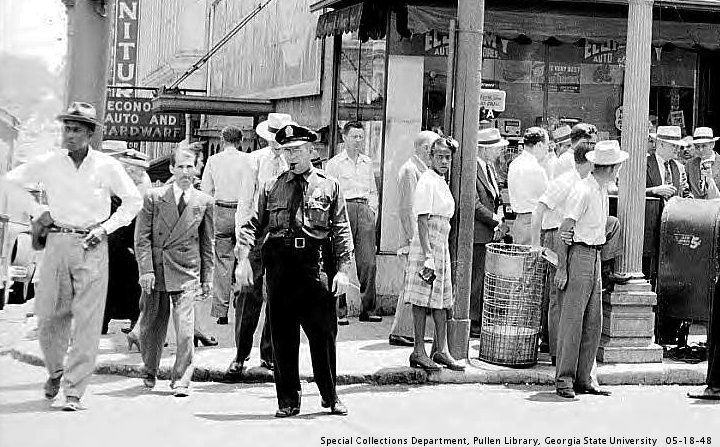
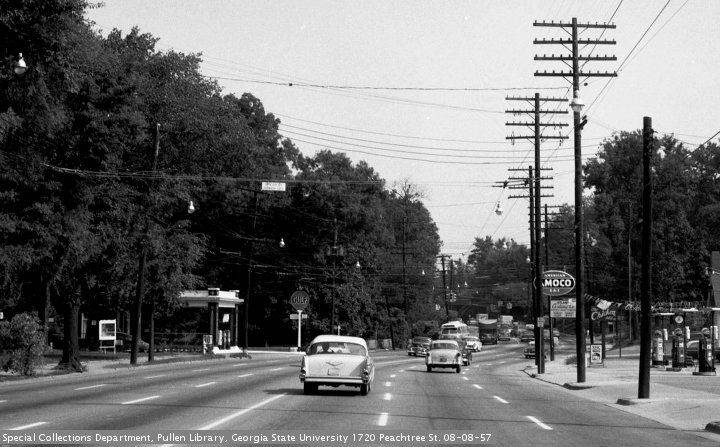
Chapter Five: RS is staying with AG during this part of the story. One night, JR comes by with a gf named Princess. They are going to show RS how to play yabyum. As we learn on page 22, “it’s only thorugh form that we can realize emptiness”. During the yabyum ritual, AG, JR, and Princess sit down cross legged and naked. They stare at each other and chant Om Mane Padme Om. This means Amen the thunderbolt in the dark void. This is the end of the Berkeley part of tdb. Photographs are from “The Special Collections and Archives, Georgia State University Library”.




The Burning Of Atlanta


Around this time 147 years ago, Atlanta was on fire. General Sherman was preparing for his March to the sea, and wanted to destroy anything of value in the city. The fire is reported as being on 11-15 of November, depending on what source you use.
The November fire was the second great fire in Atlanta that year. On September 2, the city was conquered by the Union Army. The fleeing Confederates blew up a munitions depot, and set a large part of the city on fire. This is the fire the Scarlet O’Hara flees in “Gone With The Wind”.
After a series of bloody battles, the city was shelled by Yankee forces for forty days. There were many civilian casualties. General Sherman was tired of the war, angry at Atlanta, and ready for action. This is despite the fact that many in Atlanta were opposed to secession.
Click here to hear a lecture by Marc Wortman at the Atlanta History Center. Mr Wortman is the author of “The Bonfire: The Siege and Burning of Atlanta”. The hour of talk is fascinating. The pictures, with one exception, are from Shorpy. (Shorpy got them from The Library of Congress ) The 1864 map is from a collection of images at Georgia State University. This is a repost.


The Last World War One Veteran



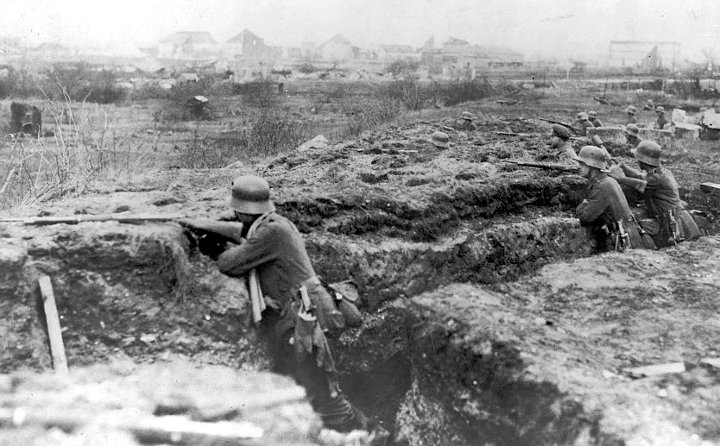
Tomorrow is veteran’s day. It began as Armistice Day. On this day in 1918, World War I ended. On the eleventh hour, of the eleventh day, of the eleventh month, the cease fire took effect.
World War I was a ghastly bloodbath. Millions of people died. No one is quite sure what it was about. The effects of “The Great War” are with us today.
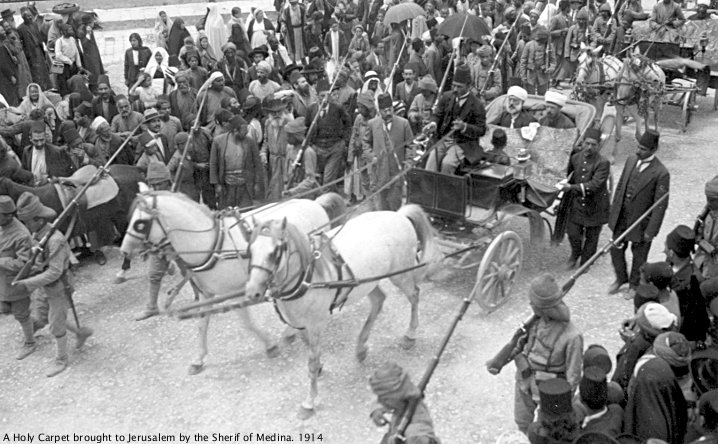
It is said that the German Kaiser was horrible, and had to be defeated. He was replaced by communism and the third reich. In the middle east, the Ottoman empire collapsed, and the British and French took over the territories. The British drew boundaries between Iran and Iraq, and administered a mandate over Palestine. The French tried to get revenge on the Germans. The Germans then had to get back at the French. World War II was the result. (This is vastly over simplified.)
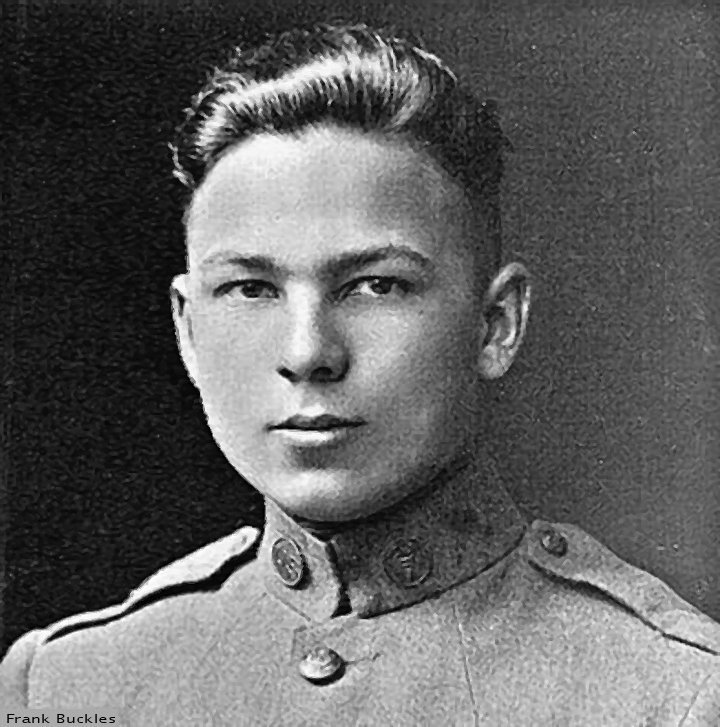
Apparently, there is one United States veteran of World War I who is still alive. Frank Buckles lives in Charles Town, WV. On February 1, 2010, he celebrated his 109th birthday.
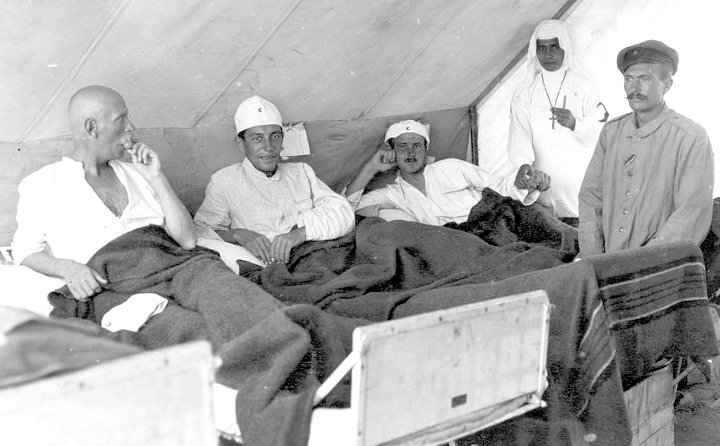
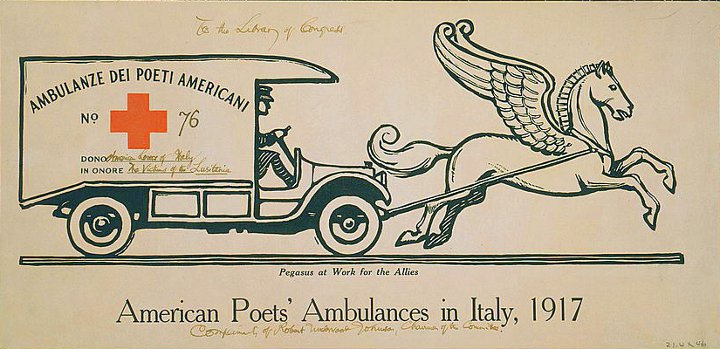
Mr. Buckles lied about his age to join the army. He was an ambulance driver in France, and after the Armistice escorted German POWs home. In 1942, he worked for an American shipping company in Manila, and was captured by the Japanese. He spent the next three years as a prisoner. Mr. Buckles was married in 1953, and bought a farm in West Virginia. “I never got in a hurry.”
Frank Buckles died February 27, 2011. This is a repost. The picture of Mr. Buckles is from Wikipedia. All other pictures are from The Library of Congress. This was written like Kurt Vonnegut. Mr. Vonnegut was born November 11, 1922.

The “Desiderata” Story
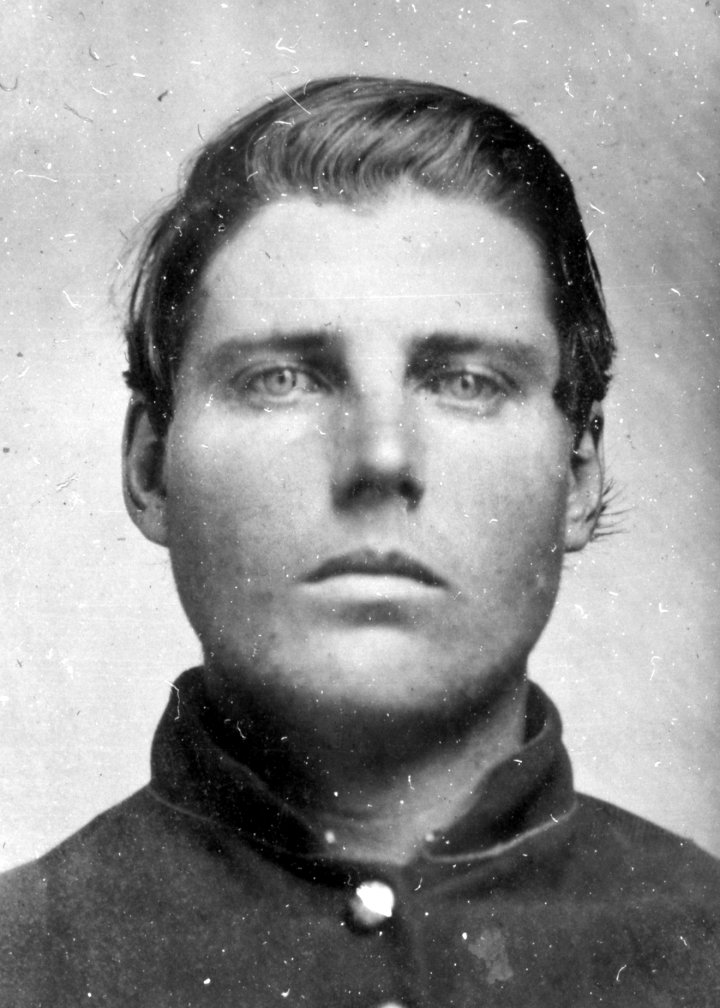
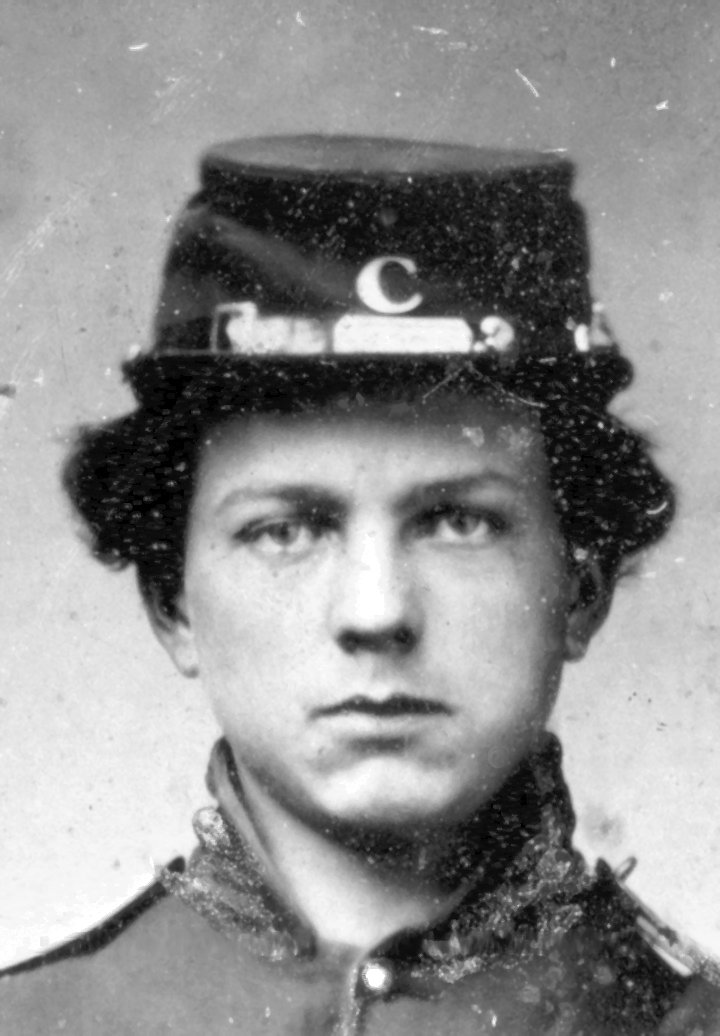
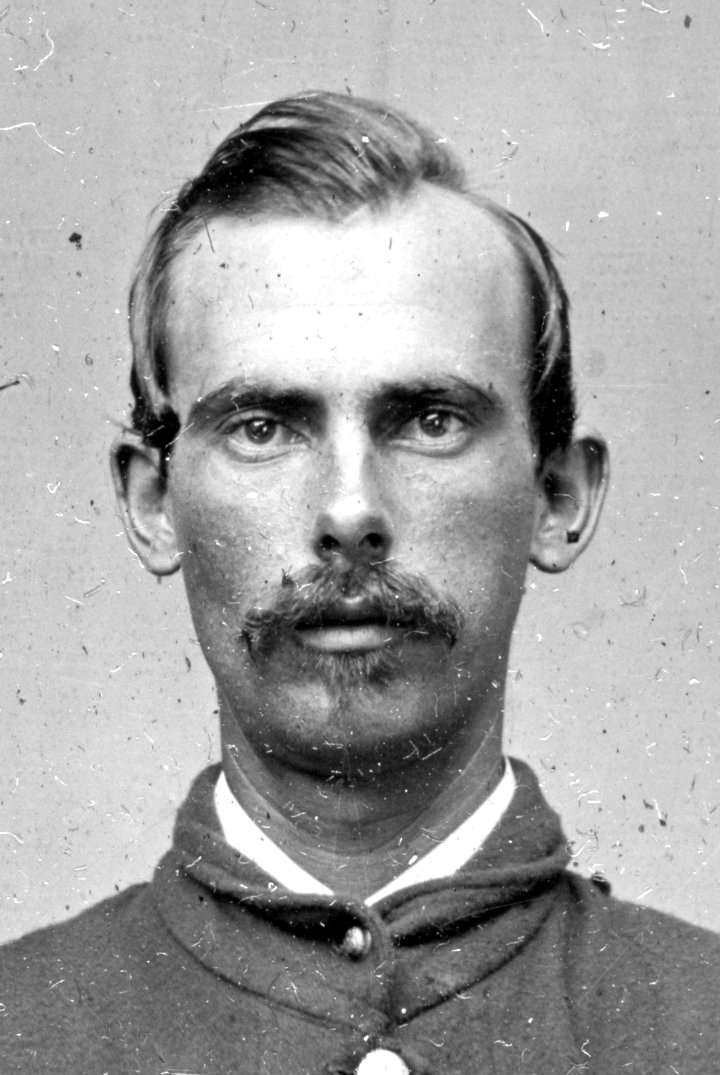


There was a poem , of unknown origin, found in a Baltimore church in 1692. It was revived by a Lawyer, who lived in Terre Haute, IN. He liked to read it his friends, and his lips were moving. The attorney , Max Ehrmann, copyrighted this poem in 1927. Another persistent rumor has it that the manuscript was in an ambulance Mr. Ehrmann was following. How the accident victim came to possess this document is a mystery.
Mr. Ehrmann ( the poet laureate of Terre Haute ) wrote in his diary “I should like, if I could, to leave a humble gift — a bit of chaste prose that had caught up some noble moods”. The poem is ” Desiderata “, and is a favorite of gift shops the world over.
In 1956, Rev. Frederick Kates became the rector of Old St. Paul’s Church in Baltimore, MD. He had found a copy of “Desiderata”, without the copyright notice. He printed a handout for his congregation on church stationary. At the top of the page was the notation “Old St. Paul’s Church, Baltimore A.C. 1692”. As the sixties devolved, the poem became famous.
“Desiderata” was the text of a recording made by Les Crane, who found the poem on a poster. He thought the text was in the public domain, when in fact it is copyrighted. Mr. Crane was taken to court, and forced to pay the owners of the copyright . The matter has been in court on other occasions. It seems that Mr. Ehrmann used “Desiderata” in a Christmas greeting, without citing the copyright. Later,during World War II, Ehrmann allowed a friend – Army psychiatrist Dr. Merrill Moore – to hand out more than 1,000 copies of the poem to his soldier-patients, without the copyright.
PG admits to confusion on this issue. Don’t copyrights expire, get renewed, and then expire again? If a work was written in 1927, doesn’t it go into the public domain 83 years later. The wikipedia article about copyrights is long and confusing. Remember, we are dealing with a legal concept as it relates to a poem written by a lawyer.
A site called fleurdelis says the matter depends on your point of view and place of residence. ( Shcredo says flatly that “Desiderata” is public domain. The link is no longer available. The url advises “Beware your Beliefs – They could bring Great Happiness”) ( Robinsweb tells of being forced to remove “Desiderata” from her site because of a complaint by the copyright owner.) If you want to be inspired, click on the videos embedded in this post.
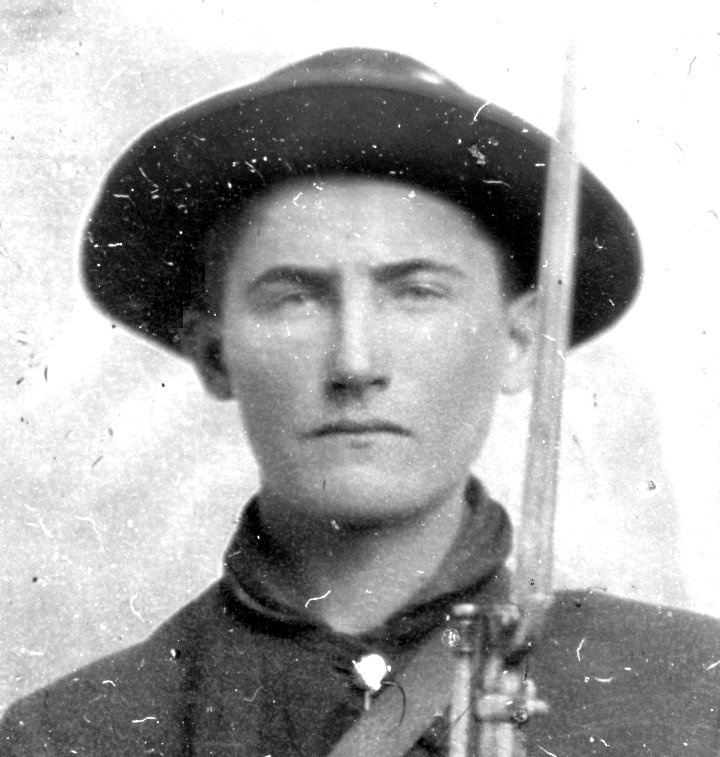
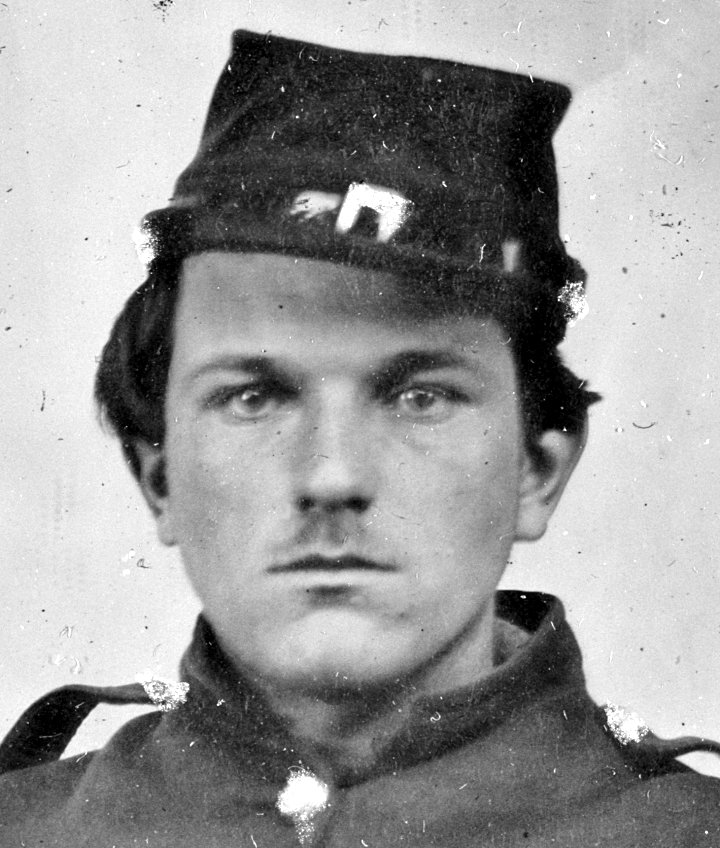
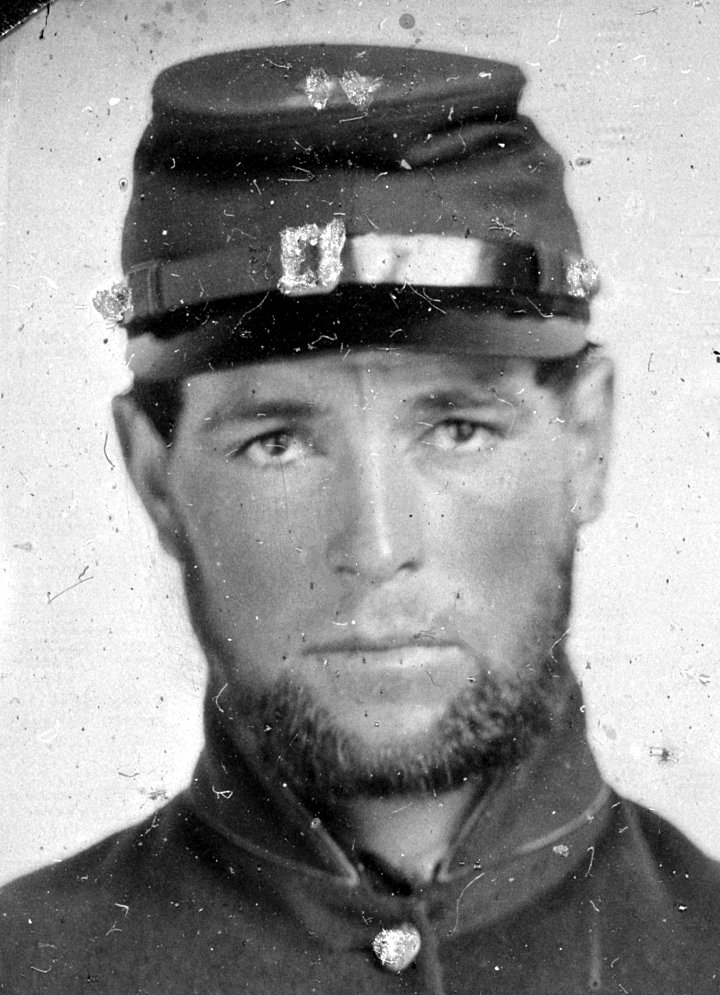
In 1972, the National Lampoon produced a new translation, Deteriorata. This is a repost.Pictures are from The Library of Congress. These are Union Soldiers from the War Between the States. They were not concerned with Epistemic Circularity.

Man Trap






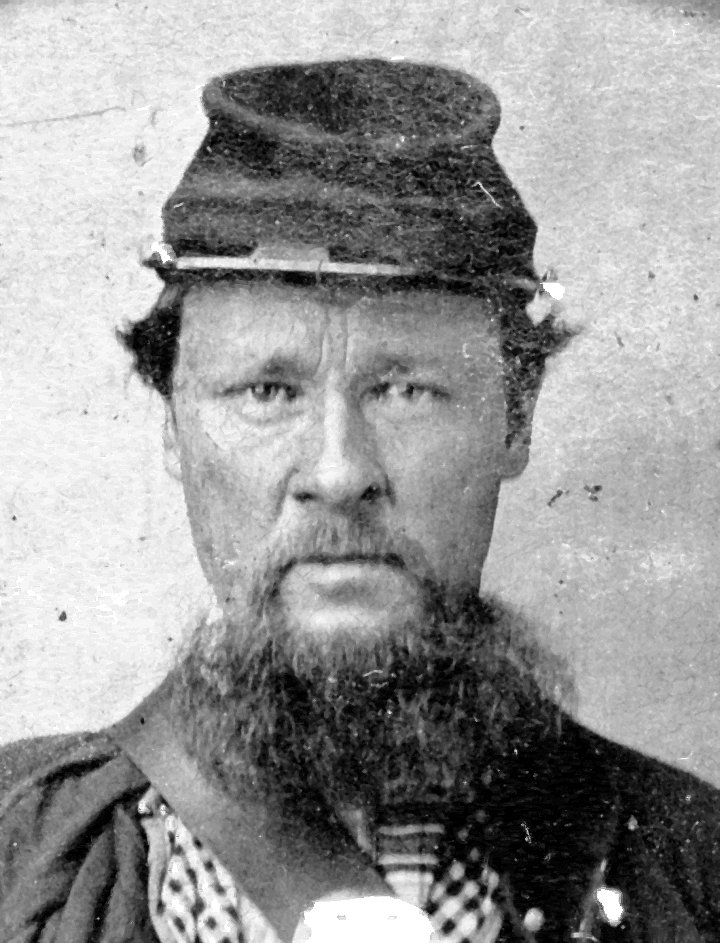
John Booth was an actor, and firearm enthusiast. He was a ruthless critic of productions that did not include him. When something displeased Mr. Booth, it was necessary to let people know about it. Someone told the actor that boo was short for Booth. He believed this, and was forced to find other ways to express his displeasure. .
A play called “Our American Cousin” gave a performance in Washington DC in 1865. In act two of OAC, a lady called another lady “you sockdologizing old man-trap.” The crowd roared with laughter. Mr. Booth thought the line insipid, and looked for a way to express his anger.
When Mr. Booth was through with his commentary, he jumped out of the balcony. The riding spur on his boot caught a drape. Mr. Booth landed with all the weight on one leg. The leg was badly broken. It would have been less painful if Mr. Booth swallowed his pride, and said boo. Pictures for today’s entertainment are from The Library of Congress.



Lou Reed




It was the last sunday in October. For party people, it is time to get the glitter out of your head before it corrodes the medulla oblongata. For sober PG, it was the last day of freedom before another job assignment. For Lou Reed, today did not happen.
There are many things you could say about Mr. Reed. At a key point in his solo career, he issued Metal Machine Music, ninety four minutes of unlistenable noise. There was a model, of uncertain gender, on the back of his first solo album. A banana, wrapped in aluminum foil, decorated a strategic location. The album gave the world “take a walk on the wild side”, “satellite of love”, and “perfect day”.
Heroin was a friend of Mr. Reed for a while. Did anyone decide to try smack after listening to that song? Who knows. It is not known what substances he was recreating with the last forty years.
After a while, Lou Reed got married to Laurie Anderson. They gave a concert for dogs.
The story is that Mr. Reed was tough to interview. Since he outlived Edie Sedgwick by forty two years, Mr. Reed figured he didn’t need to be nice. One journalist reports “Lou Reed … was the most terrifying rock star I have ever interviewed. Partly it was his look that was so unsettling: all those amphetamines in his rock n roll years had taken their toll. His sunken cheeks, intense staring eyes and perpetually macerating jaw gave him the look of a malevolent praying mantis in a poodle fright wig.”
On May Day 1993, PG was asked to sing at a beauty pageant. He chose “take a walk on the wild side”. There are fifteen rounds of doo doo repeated four times. These groups of eight doos were known as a crock. New York City was changed to Ponce De Leon. Elvis was the MC. Since PG has a loud voice, he got Elvis to turn the amplifier down to one before his song. Pictures are from The Library of Congress.



Springfield Colorado
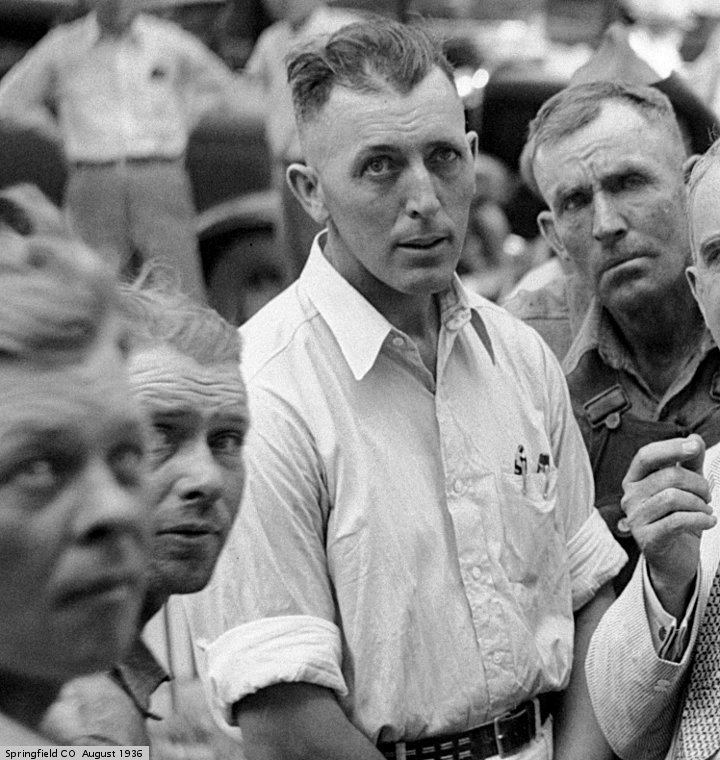

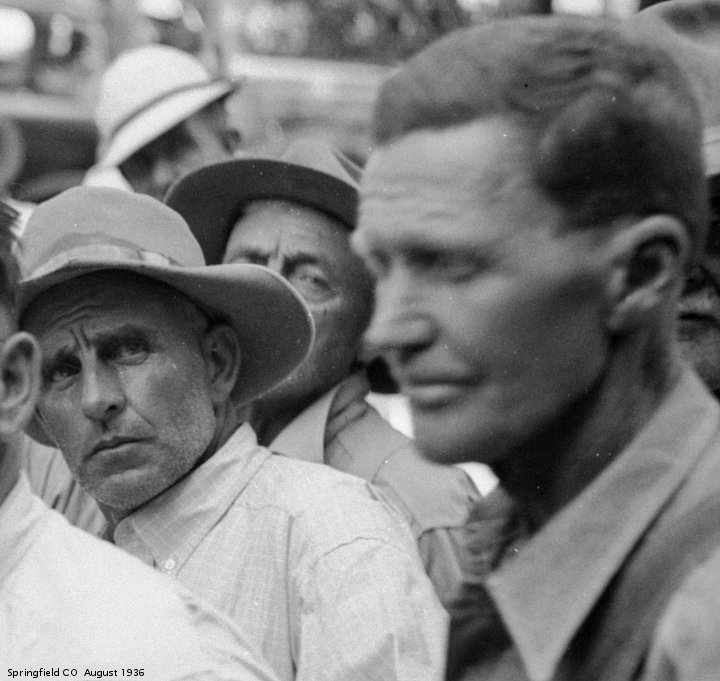

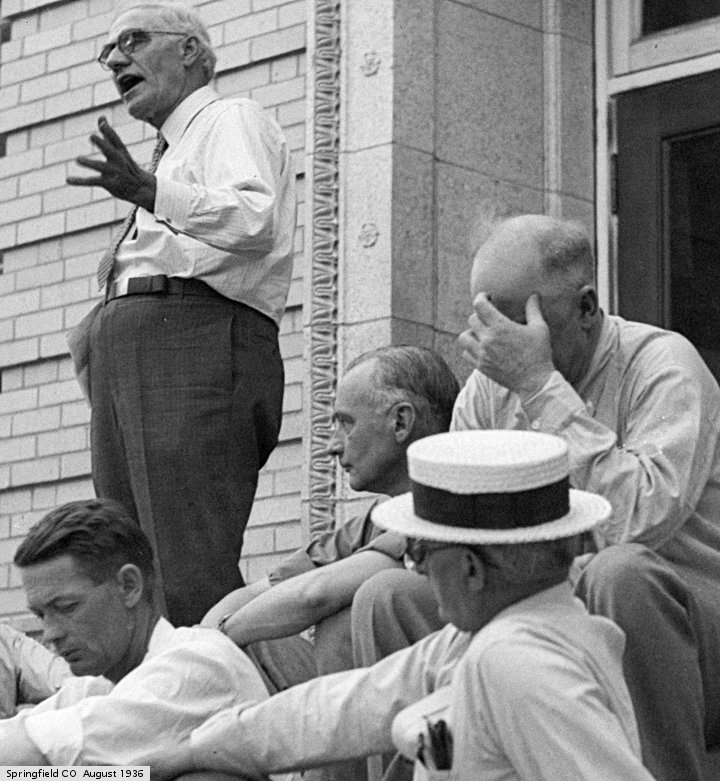
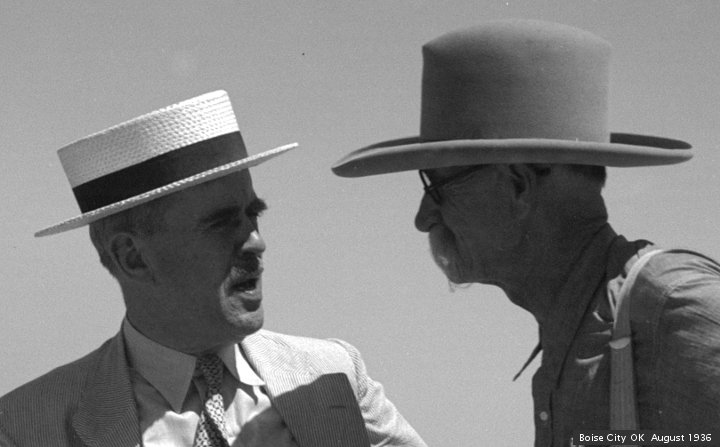
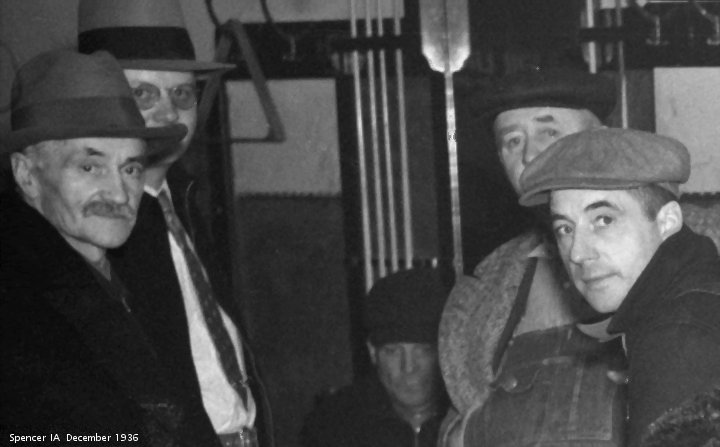
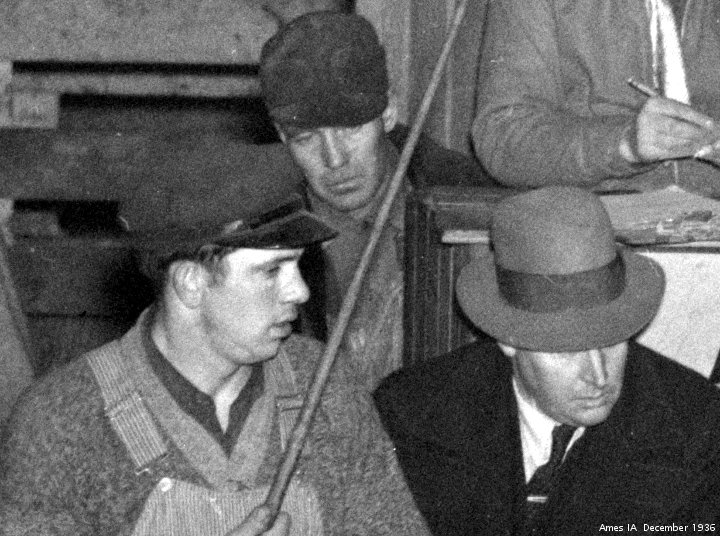
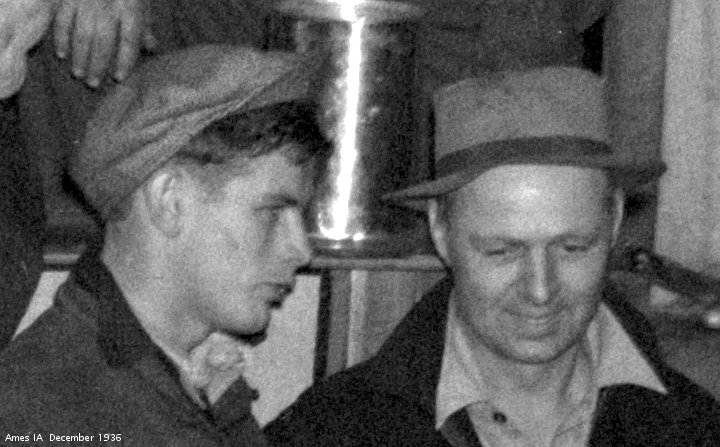
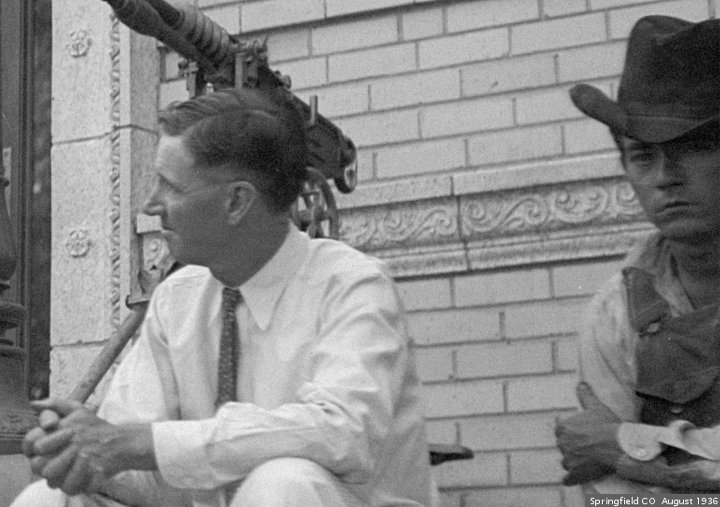
The Library of Congress has some pictures from Baca County, Colorado. This is in the southeast corner of the state, bordering Oklahoma and Kansas. In the summer of 1936, a drought committee had a meeting in the county seat, Springfield.
Seventy two years later, an actress playing Sarah Palin said “I can see Russia from my back porch.” In all fairness, the politician never said that. The buzz about this joke led this blog to do a bit of research.
Alaska and Russia are less than 3 miles apart at their closest point in the Bering Strait where two islands, Russia’s Big Diomede Island and Alaska’s Little Diomede Island, are located. In winter it is possible to walk across the frozen Bering Strait border between these two islands. … Alaska is a big place. It has ten times the land mass of Georgia, with less population than Gwinnett County. There is a town on Little Diomede Island called Diomede. It checks in at 65°N 168°W. (For our purposes today, we are going to ignore minutes and seconds) The town of Wasilla is the home of Sarah Palin. It can be found at 61°N 149°W . Diomede is four degrees north of Wasilla, and Nineteen degrees west.
Lets put this in local terms. Atlanta is 33°N 84°W . According to the atlas, 37°N 103°W is the point where New Mexico, Colorado, and Oklahoma come together. This is Baca County. It is as far from Atlanta as Wasilla, Alaska, is from Russia. You cannot see Colorado from your back porch.


Moon Zappa


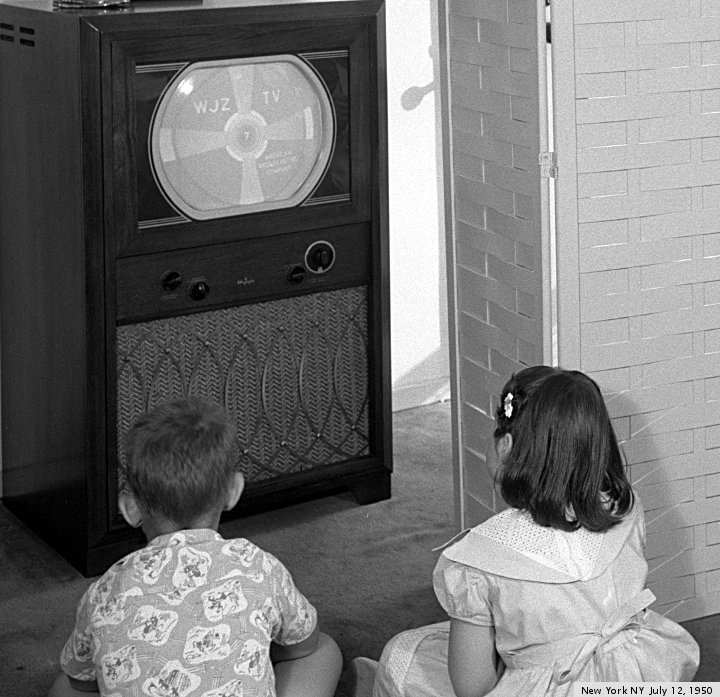

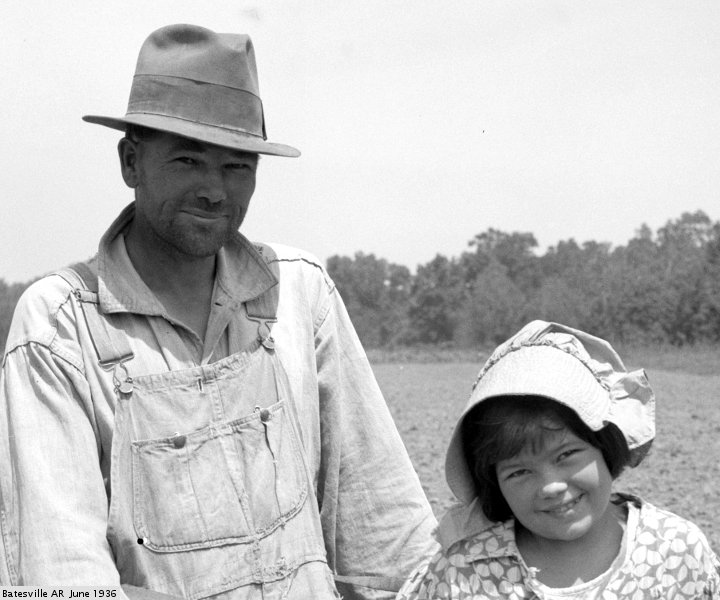

The current WTF Podcast features Moon Zappa. At no time does she say grody, gag me with a spoon, or boofoos. Today, she is the divorced mother of an eight year old, and buys quality apple butter.
Moon is the daughter of the late Frank Zappa. FZ did not do drugs, smoked Winston cigarettes, and spent all his time working on music. The four children, Moon Unit, Dweezil, Ahmet and Diva, called the parents Frank and Gail. Mrs. Zappa stays busy these days selling her husbands music.
Once, Moon broke a finger in school. She called Gail, and waited. Eventually, the family Rolls Royce pulled up. Gail was driving, with Frank in the passenger seat. Frank quit driving when his first drivers license expired. Before taking Moon to the ER, they stopped to get Frank a burrito.
Gail and Moon were walking to the store one day, when Moon was very little. A car stopped, and tried to pick up Gail. Moon screamed “Fuck off pervert.”
Captain Beefheart was at the Zappa house one time. He had made a hole in the side of his nose with a pencil. When a finger was put over the other nostril, the nose became a whistle.
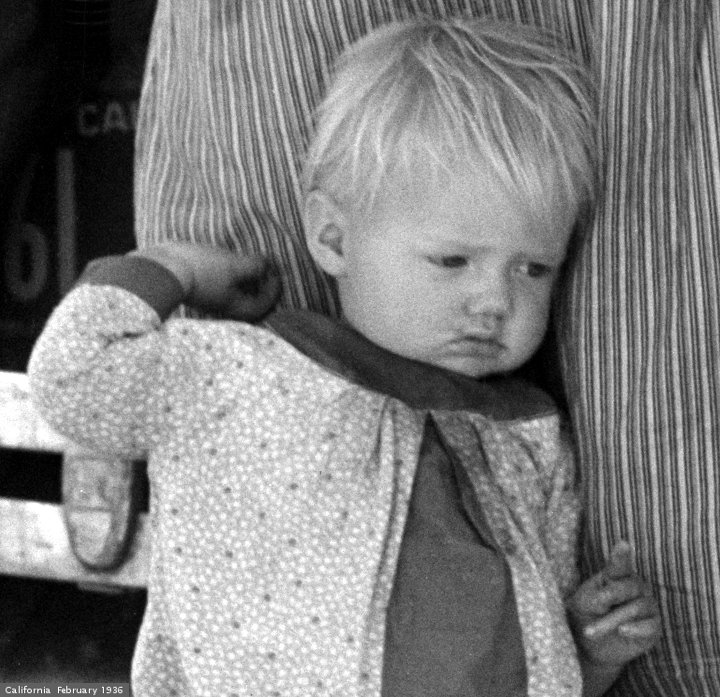
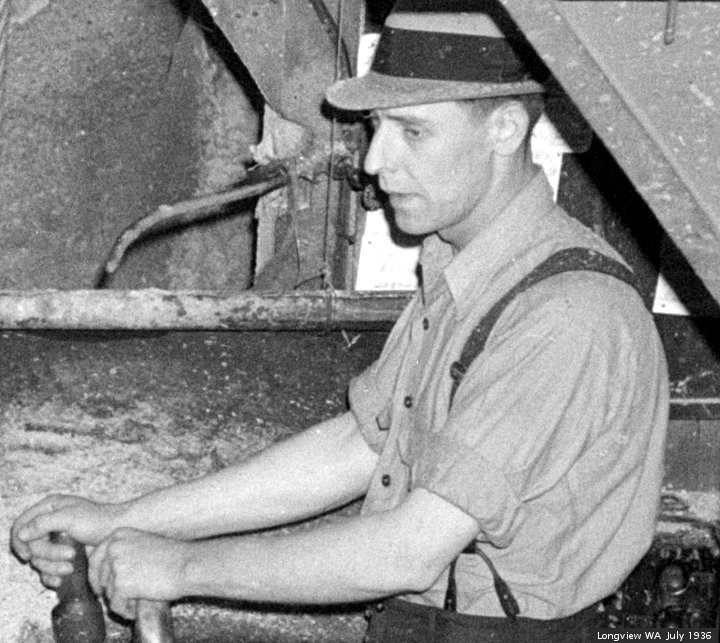
While listening to this show, PG was editing pictures from The Library of Congress. Some of these images appear with this feature.


A Trillion Dollars



This piece is selections from previously published material. The full post of part one is available, if you are interested in stories about Richard Nixon and Antonin Scalia. One part we are using today is about Ronald Reagan, and the federal budget. Federal finances have been in the news lately, and Congress has made a bad situation worse. Pictures are from The Library of Congress.
… The last quote is from another POTUS who is no longer with us, Ronald Reagan. “I am not worried about the deficit. It is big enough to take care of itself.” Mr. Reagan was a professional actor, and he knew the value of a good script.
This slogan is another one that Mr. Obama may find handy. It should be noted that it was a big deal when the national debt (the grand total of the deficits) went over a trillion dollars. This was during the first term of Mr. Reagan. Today, under Mr. Obama, the annual deficit is over a trillion dollars. Sooner or later, you are talking about real money.
PG suffered brain damage trying to find out more about the quote from Mr. Reagan. He went through six pages of google. There must be 25 sites which have lists of quotes from Mr. Reagan, and all of them feature this quote. None have an actual source.
What was the context? When did he first say it? One site says it was “(during the latter years of his administration)”. Another site says it was “Said often during his presidency, 1981-1989”. Maybe this is an urban legend. As Mr. Reagan said, don’t believe everything you read on the internet.




Those of a certain age remember Everett Dirksen. A Republican Senator from Illinois, he was blessed with an operatic voice, and cursed with a face that could stop a clock. He is credited (or blamed) for the quote ” A billion here, a billion there, and pretty soon you’re talking real money.” The Dirksen Congressional Center can neither confirm nor deny if he really said that. The discussion of this reputed quote does turn up a passage, that is germane to today’s conversation.
“One time in the House of Representatives [a colleague] told me a story about a proposition that a teacher put to a boy. He said, ‘Johnny, a cat fell in a well 100 feet deep. Suppose that cat climbed up 1 foot and then fell back 2 feet. How long would it take the cat to get out of the well?’
“Johnny worked assiduously with his slate and slate pencil for quite a while, and then when the teacher came down and said, ‘How are you getting along?’ Johnny said, ‘Teacher, if you give me another slate and a couple of slate pencils, I am pretty sure that in the next 30 minutes I can land that cat in hell. If some people get any cheer out of a $328 billion debt ceiling, I do not find much to cheer about concerning it.” [Congressional Record, June 16, 1965, p. 13884].
Senator Dirksen went to the fundraising dinner in the sky September 7, 1969. Twelve years later, the Reagan revolution was getting started. Taxes were cut, and spending increased. In a couple of years, the national debt went over a trillion dollars. (The annual budget deficit is now over a trillion dollars.) For those new to the game, a trillion is a billion, multiplied by a thousand. For all the numbers above, multiply by a thousand, to get a trillion.
In 1965, Senator Dirksen was losing sleep, over raising the national debt to $328 billion. The current national debt is estimated at $16,964,687,666,420. This is 5171% of 328 billion.
In 1965, the national debt was $328 billion, and we were losing 100 men every week in Vietnam. One of the more expensive things the government does is fight wars. Currently we are officially killing people in Afghanistan, and several more countries that no one knows about (nudge wink).
On September 11, 2001, The United States was attacked. Revenge was the order of the day. There are now indications that this was one of the goals of Al Queda. The Soviet Union imploded, in large part, because of the strain of fighting a war in Afghanistan. Now, the United States is waist deep in the same big muddy. Whoever is elected in 2016 will have to deal with this matter.
Afghanistan has a gross national product of $27billion. The Congressional Research Service estimates the cost of American operations in Afghanistan for 2011 to be $119 billion. This is over four times the gross national product of Afghanistan. Pretty soon, you are talking about real money.





Oscar Wilde




Today is Oscar Wilde’s birthday. On this day in 1854, he appeared in Dublin, Ireland. He is one of the most widely quoted people in the english language. Some of those quotes are real. Since he was a published author, it should be easy to verify what he really said.
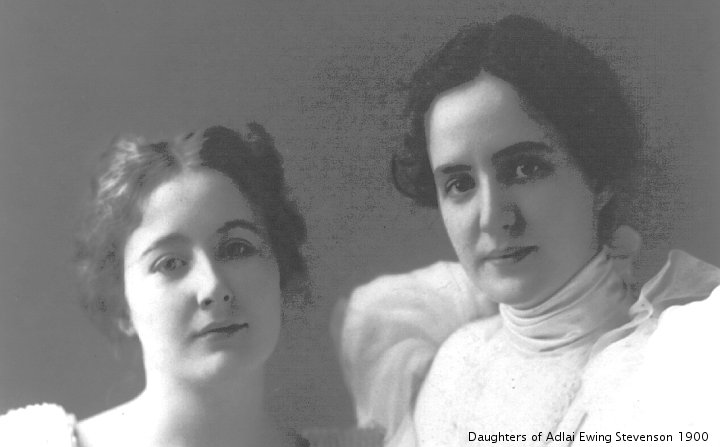
One night in 1974, PG was talking to someone, and did not know who Oscar Wilde was. The conversational partner was horrified. PG became educated, and learned about a misunderstanding with the Marquess of Queensberry. Soon the “Avenge Oscar Wilde” signs made sense.
Mr. Wilde once made a speaking tour in the United States. One afternoon, in Washington D.C., the playwright met Walt Whitman. Thee and thou reportedly did the “Wilde thing”.
The tour then went to Georgia. A young black man had been hired as a valet for Mr. Wilde on this tour. On the train ride from Atlanta to Augusta, some people told Mr. Wilde that he could not ride in the same car as the valet. This was very confusing.
After his various legal difficulties, Oscar Wilde moved to Paris. He took ill, while staying in a tacky hotel. He looked up, and said “either that wallpaper goes, or I do”. Soon, Oscar Wilde passed away.




The Pursuit Of Truth



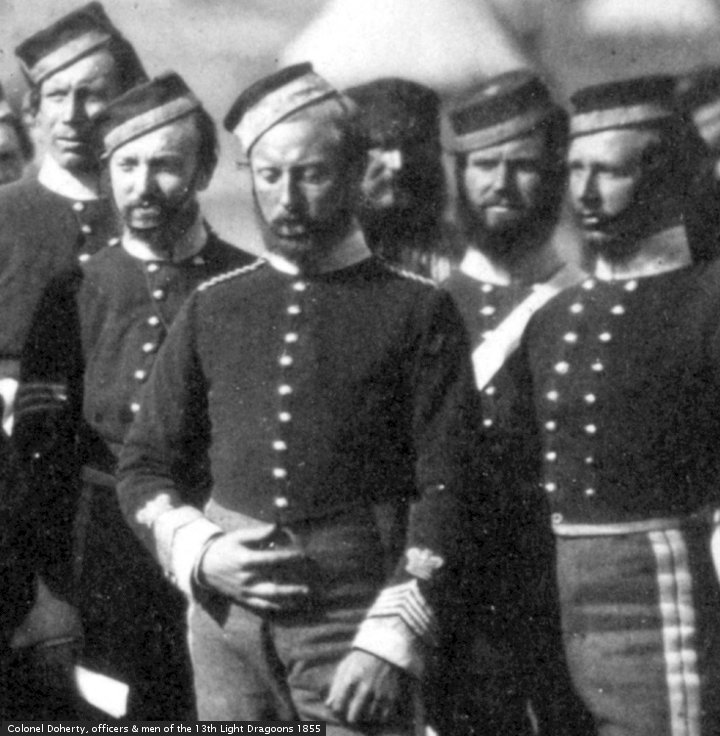
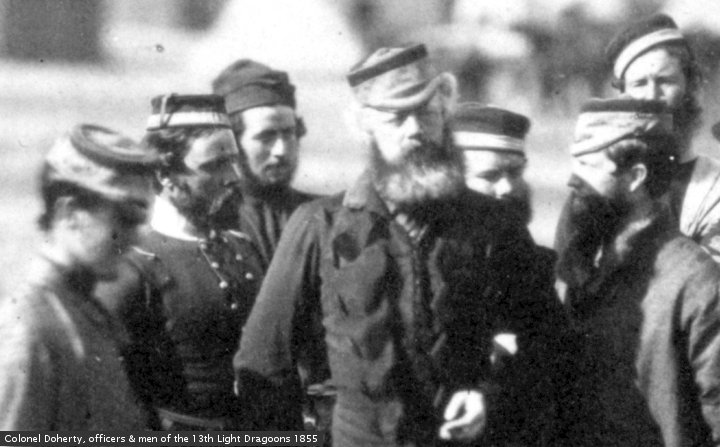
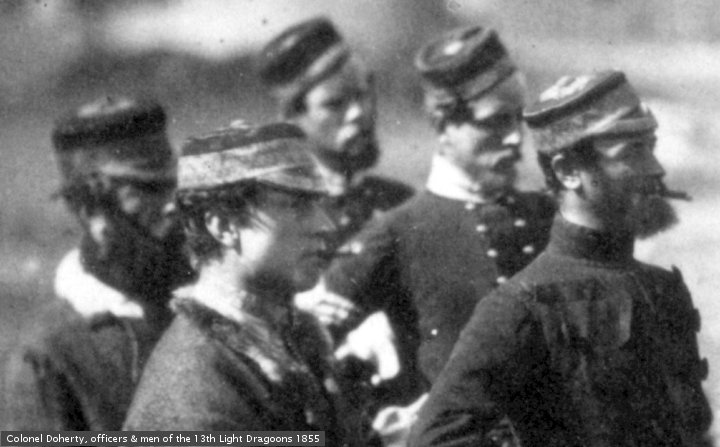
There is a podcast called The Fact of the Matter. It is about a man who likes to separate fact from fiction. “The pursuit of truth properly considered shouldn’t stop short of insanity.” After an hour or so plumbing the digital depths, PG began to appreciate the truth of that comment. Does anyone have a recipe that uses a can of worms?
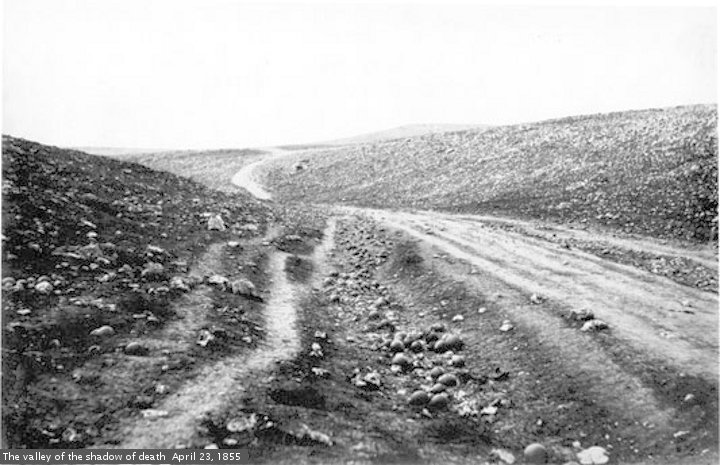
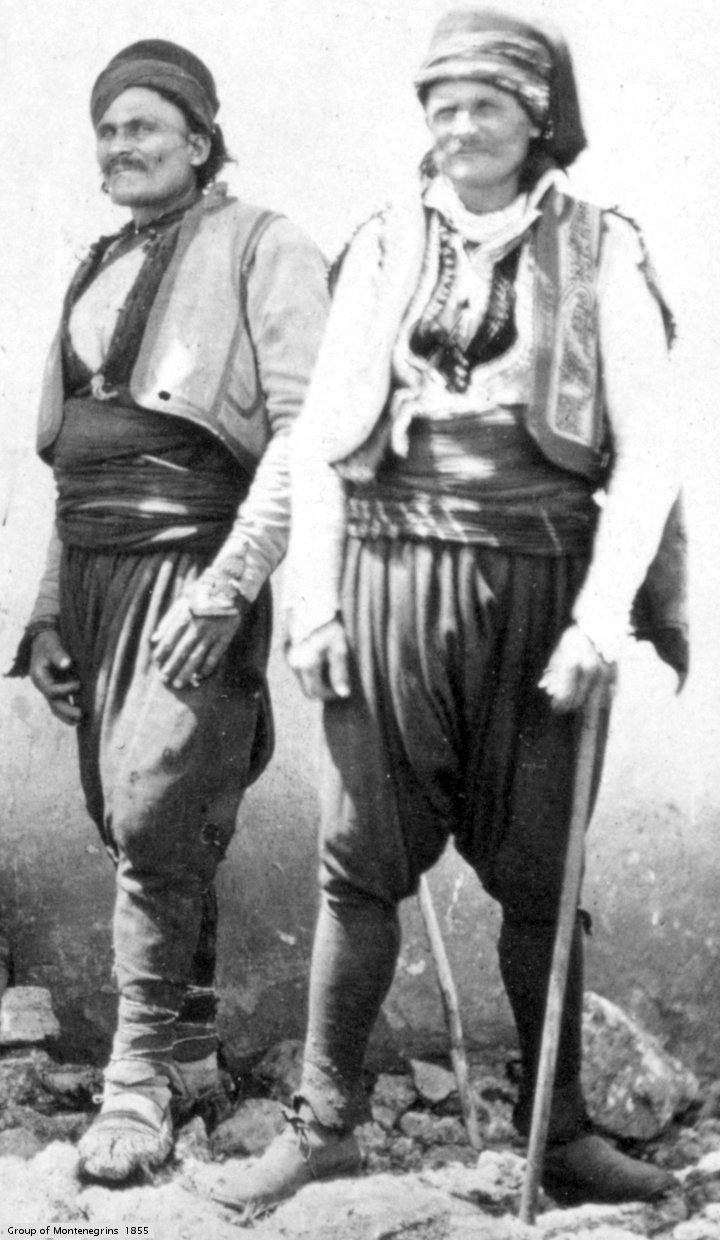
The show is about a photograph from the Crimean War, The valley of the shadow of death. It was taken by Roger Fenton April 23, 1855, near a place called Balaclava. Today, this is in Ukraine. Balaclava was the site of a nasty battle, in a bloody, pointless war. Today, a Balaclava is a colorful ski mask. It is the fashion statement of Pussy Riot.
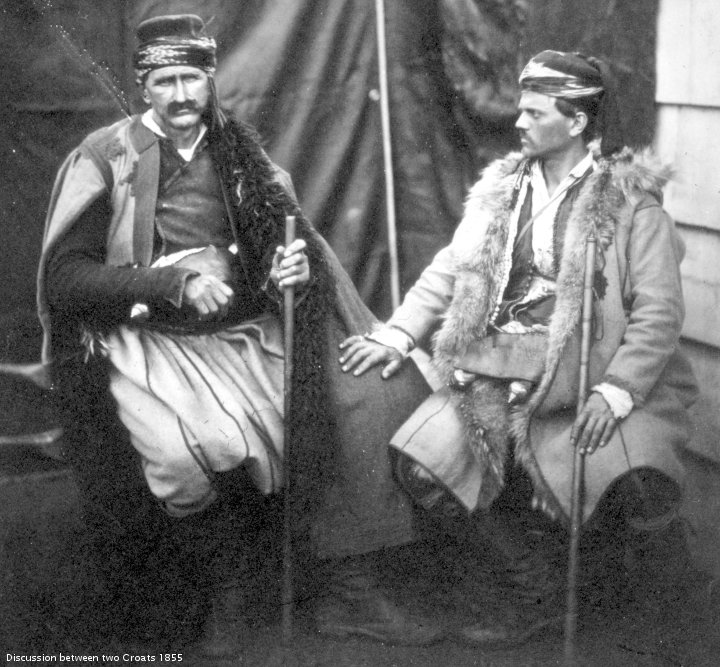
PG cannot understand why this picture is a big deal. The Library of Congress has a collection of the Fenton Crimean War Photographs. This Fenton pictures were one of the first collections in the LOC that PG worked with. The picture of a road, with cannonballs, did not catch his eye.
The more historic pictures PG edits, the better he gets. One thing he learned was to download the high resolution .tif pictures. When he did the Fenton pictures before, he used the lower quality .jpg images. When he paused the podcast, and went to the LOC to see “Shadow of Death”, he decided to download a few old favorites. These are the pictures that go with this post.
The podcast is a detective story. It seems that there are two versions of the photograph. One has the cannonballs in the road, the other doesn’t. Were the cannonballs tossed on the road to make the picture more dramatic, or were they removed? They could have been removed to clear the road for wagon traffic, or to recylcle the balls. In 1855, people picked up used cannonballs and fired them again.
A very good question is why anyone should care? A man named Errol Morris cares. The link is to a very long article at the New York Times about the picture. Mr. Morris went to Ukraine to investigate the pictures. It is possible that his pursuit of truth did not stop at the boundary of insanity.
So the podcast mentions this famous picture, with a second shot that casts doubts. PG went to the LOC, and found the famous picture right away. The second shot proved elusive. PG viewed all 263 pictures in the Fenton collection in a slide show, and could not find the second picture. PG began to think that maybe the second picture was the fake. The New York Times article by Errol Morris has a copy of the second picture. The possibility remains that the second picture is a fabrication.
The podcast says that the location of some rocks changes in the two pictures. In the picture without the cannonballs on the road, the rocks are higher up on a hill, than they are in the famous picture. To Mr. Morris, this is evidence that the famous picture is a fake. PG has examined the two images, and includes them here. Perhaps this search for truth will be called off before the onset of dementia.
Controversies about famous images is not new. The shot of the flag going up over Iwo Jima has long been suspected of being posed. Just today on facebook, there was a link to a feature, The Kissing Sailor, or “The Selective Blindness of Rape Culture”. The idea is that the nurse did not want the sailor to kiss her on VJ day. This is a repost. Pictures are from The Library of Congress



Wrongly Attributed Statement


It was not the first pleasant morning spoiled by a visit to facebook. A well meaning friend posted this: “An interesting article, no doubt written with Luther Mckinnon in mind: Who Really Said That?” Apparently, someone has a reputation for poking *pin prick needles* in the hot air of quote balloons. A discussion of the article should make for a good excuse to post some pictures.
The feature was posted in The Chronicle of Higher Education. There are references to obscure trends, There are French words, in italics. It rambles when it should rambo. Worst of all, it refers to a facility for checking out quotes, Quote Investigator, without giving a link. This is tough to forgive. Links are so easy to put in an online article, and allow a reader to see the information without the filter of academia. It is the digital equivalent of a footnote, and much easier to install.
The operating acronym here is WAS, for Wrongly Attributed Statement. This has potential. You can have Wrongly Attributed Statement Ho, or WASH. You can have Wrongly Attributed Statement Perpetrator, or WASP. You can have Wrongly Attributed Statement Terror Export, or WASTE.
Corey Robin, the author of the skeptifest, says that trying to authenticate a WAS can be an all day affair. PG discovered that when writing about the Seven Brilliant Quotes. The wikiquote method emerged. You copy the wikiquote post about the source in question. You should save this document, because you will probably use it again. Take a key word from the quote in dispute, and search for it. Either the quote is real, almost real, or phony. If you can’t tell one way of another, just say that it cannot be attributed. Prove is a misleading word.
Does it matter? Some say it doesn’t, that even if the famous person did not mouth the magic words, then he probably said something similar. “It sounds like something she would have said.” Of course the context does matter. It is good to know why the famous person said what he did. And then there is the mythical tribute to authority. Some people seem to think that a saying is more true if a famous person said it. Mark Twain just wants his royalties.
Mr. Robin trots out the venerable chestnut, “The only thing necessary for the triumph of evil is that good men do nothing.” When PG took on this trojan horse, it was blamed on Thomas Jefferson If he had done nothing, Sally Hemmings would not be famous.
“The only thing…” is one of those sayings that sound good until you think about it. The good people in Germany tried in 1931, but Mr. Hitler was a bit meaner. It wouldn’t be surprising if mustache man used a German version of that saying in his speeches. Plenty of bad guys have the crowd convinced that they are good guys. Maybe the saying should go “The only thing necessary for the triumph of evil is that good men get confused by inspiring rhetoric”.
Telling the truth can be a lonely business. People don’t like to be told that Santa Claus does not exist. They want to believe in something. It makes them feel better if Albert Einstein agrees with them. PG used to let his BS detector run wild. He got tired of constantly buying batteries for it. These days, it is easier to let people have their heroes.
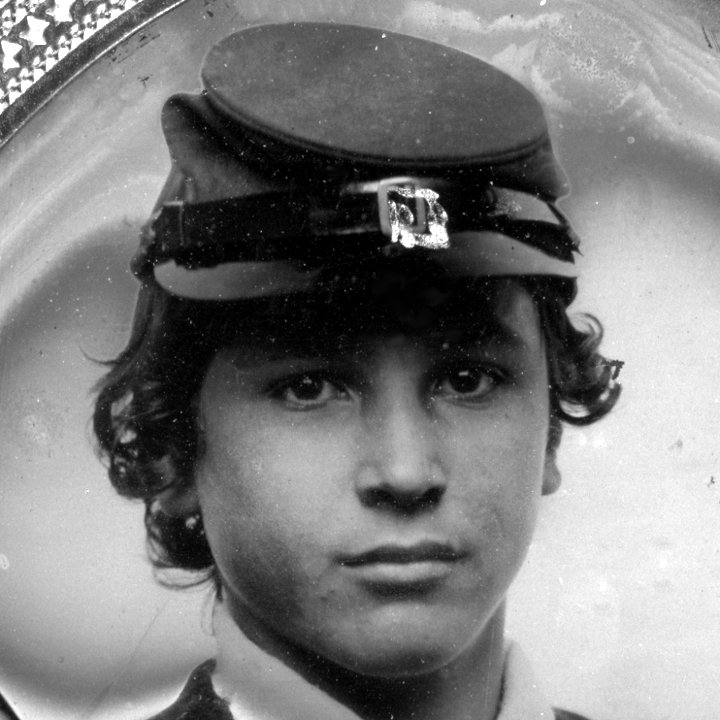
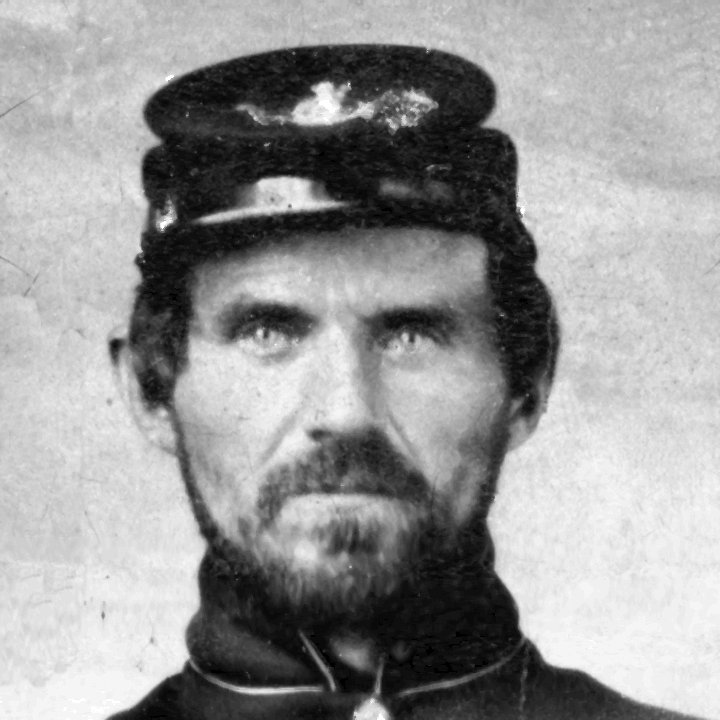
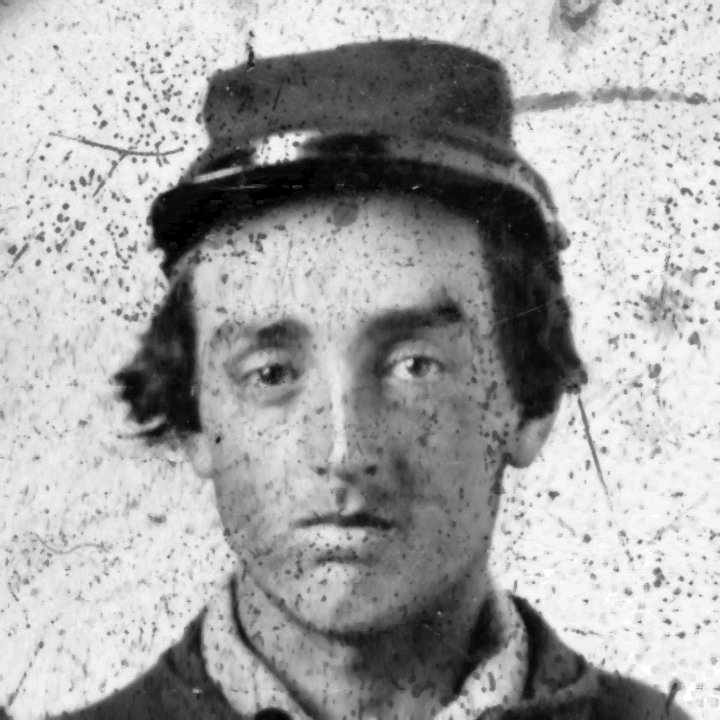
The Library of Congress supplied the pictures for today’s entertainment. These men were Union soldiers in the War Between the States. These men thought they were saving the Union.




 Chamblee54
7 comments