Tales of Ordinary Madness




PG sat in the workplace cafeteria and read the last line of Tales of Ordinary Madness. TOOM is a book of short stories and underground press columns, allegedly written by Charles Bukowski. This collection was published by City Lights Books, the facility of Lawrence Ferlinghetti. The poet-businessman was not admired by Mr. Bukowski.
The author was born Heinrich Karl Bukowski, on August 16, 1920, in Andernach, Rhineland-Palatinate, Germany. His Catholic parents moved to America in 1923. The name was americanized to Henry Charles Bukowski. Friends called him Hank, and his literary alter ego was Hank Chinaski. Somebody decided that Charles would look better in print.
Hank Chinaski was a hard boiled character, or so he would have you believe. He was not a teetotaler. In spite of his many excesses, Hank lived to be 74, when leukemia sent him to the likkastow in the sky. This was March 9, 1994. Eleven days later, Lewis Grizzard met his maker. Lewis was 47, the same age as Hank in much of TOOM.
You should always separate the creator from the creation. Enjoy the product, and don’t worry about the ingredients. That is the case with TOOM. The stories are reputed to be little autobiographies. (An Amazon one star commenter thinks the stories are the result of “some kind of posthumous ghost writer, and not a very good one.”)
Hank, if nothing else, was productive. He wrote thousands of poems. It is not known if they have all been published, or if anyone is drunk enough to read them. Here is a quote from a previous Chamblee54 feature, The On Time Charles Bukowski.
The writer/drunk had always been a bit of a fascination to PG. Out of the millions of useless drunks feeding the urinals of planet earth, at least one will turn out to have had literary merit… this leads to a newyorker piece about the gentleman. After nine paragraphs, and two poems, there is the phrase that set off PG…graphomaniacal fecundity. (spell check suggestion:nymphomaniac)
As best as we can figure, g.f. means that Hank wrote a lot of stuff. This is a good thing. PG operates on the notion that if you keep your quantity up, the quality will take care of itself. Hank seems to agree, spitting out product “like hot turds the morning after a good beer drunk.” He seemed to take pride in doing what Truman Capote said about Jack Kerouac…he doesn’t write, he types.
Holy drunken author synchronicity. Last summer, PG was working third shift in a midtown sweatshop. He would read a couple of stories of TOOM, then shift gears and read a bit of The Dharma Bums. At some point in the procedure, there was a collection of output from Truman Capote.
Hank Chinaski might not like PG. There is the rhyming poetry. There is buying a book of repackaged prose at a yard sale. There is the twenty five year retirement from alcohol use. This is beside the point. You have to live for what is important to you, not what a deceased barfly might think.
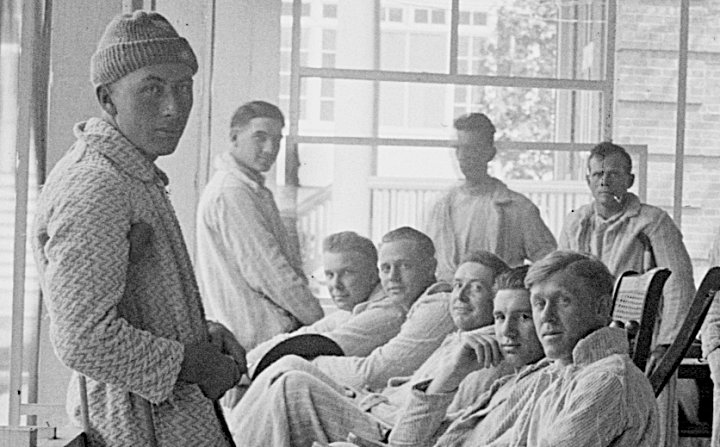
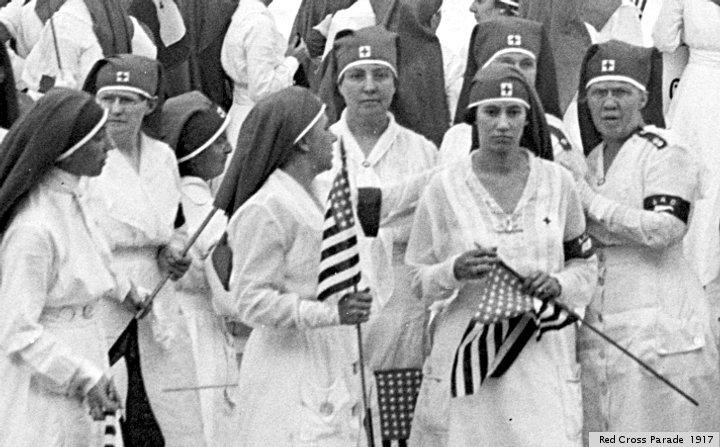
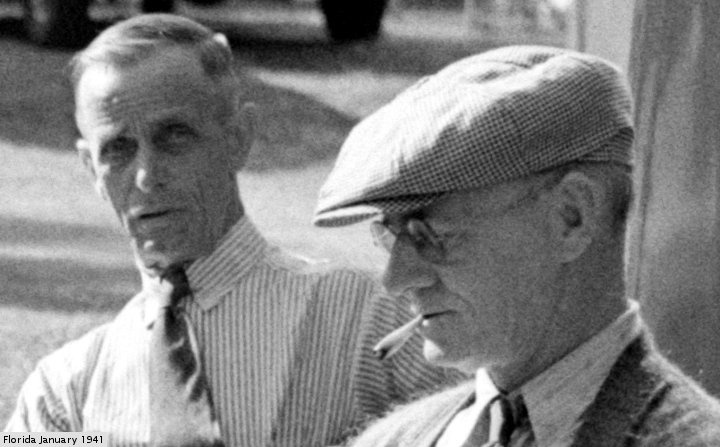
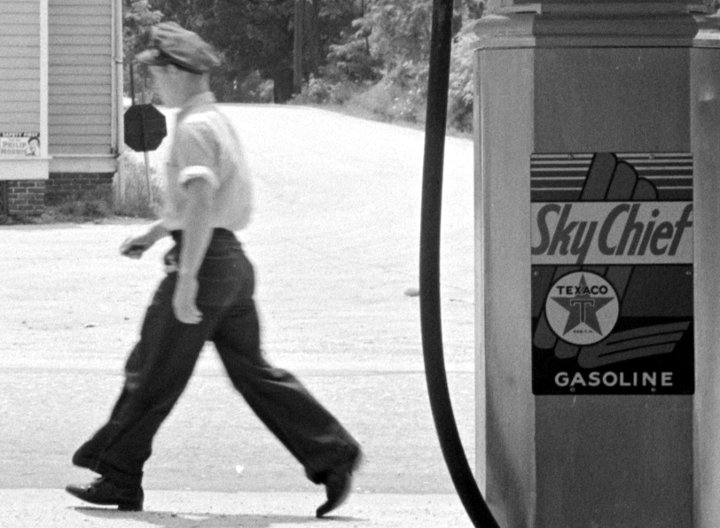
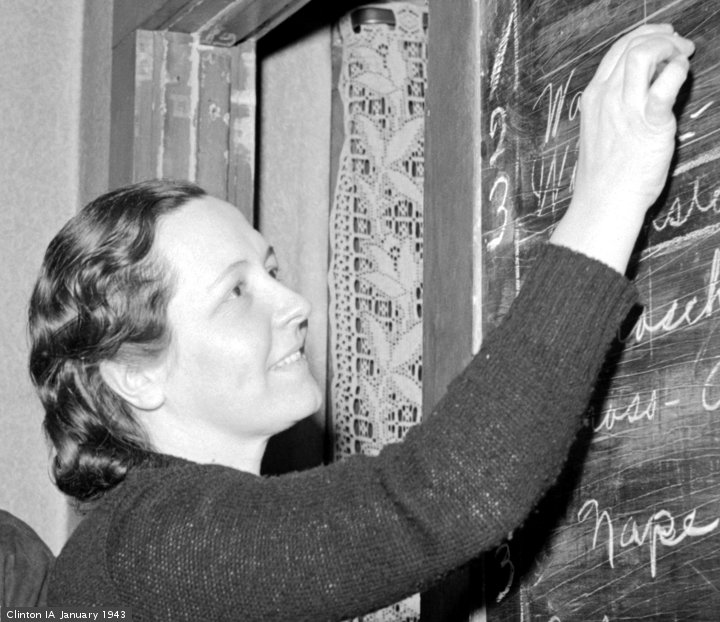
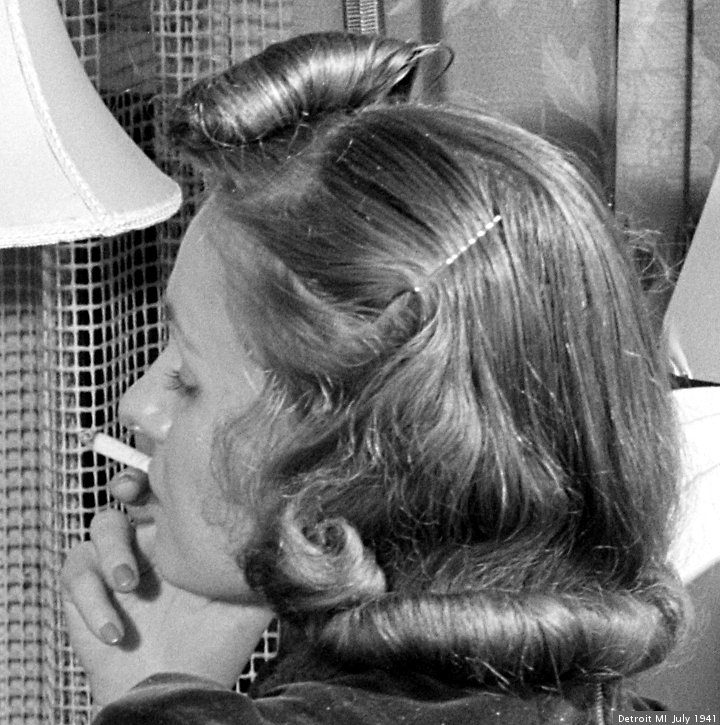
Pictures are from The Library of Congress.



The Boston Tea Party Story


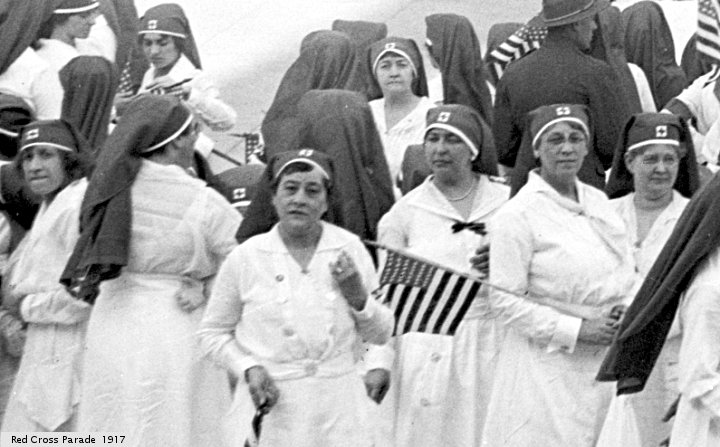
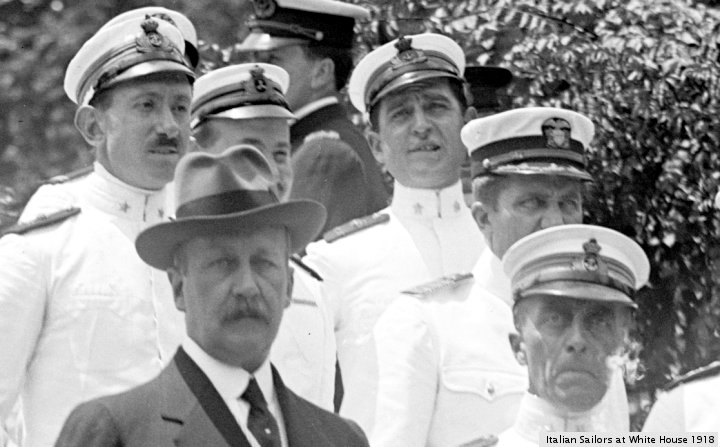
For better or worse (it’s ok to curse), the tea party is a part of the scene. The seminal event was the Boston Tea Party in 1775. The first post below is a look at what really happened in Boston harbor. It is tough to discern truth from fable at a distance of 236 years, but we will try. The tea party metaphor gets worked over in another post, would you like a refill?
The second part is a look at the phrase “founding fathers”. This phrase is “liberally” sprinkled into rhetoric of all persuasions. This author sees a square peg being forced into round holes.
In the first year of the Obama regime, America saw the rise of the “Tea Party.” These affairs are usually right wing, and have lots of clever signs. The general idea is that taxes are too high, government is too big, and that the people need to do something.
The namesake event was the Boston Tea Party. On December 16, 1773, crowds of people (some dressed as Mohawks) went on board the Dartmouth, the Eleanor, and the Beaver. The crowds threw overboard 342 chests, containing 90,000 pounds of tea. The crowds were unhappy because the East India Company was importing the tea into America, with a 3 pence per pound tax.
A website called listverse plays the contrarian. (spell check suggestions: contraction, contraption) According to them : “American colonists did not protest the Tea Tax with the Boston Tea Party because it raised the price of tea. The American colonists preferred Dutch tea to English tea. The English Parliament placed an embargo on Dutch tea in the colonies, so a huge smuggling profession developed. To combat this, the English government LOWERED the tax on tea so that the English tea would be price competitive with Dutch teas. The colonists (actually some colonists led by the chief smugglers) protested by dumping the tea into Boston Harbor.”
According to Wikipedia, the Dutch tea had been smuggled into the colonies for some time. The Dutch government had given their companies a tax advantage, which allowed them to sell their product cheaper. Finally, the British government cut their taxes, but kept a tax in place. The “Townsend Tax” was to be used to pay governing colonial officials, and make them less dependent on the colonists.
In Charleston, New York, and Philadelphia, the tea boats were turned around, and returned to England with their merchandise. In Massachusetts, Governor Thomas Hutchinson insisted that the tea be unloaded. Two of the Governor’s sons were tea dealers, and stood to make a profit from the taxed tea. There are also reports that the smugglers were in the crowd dumping tea into the harbor.
The photogenic tea party movement seems to be destined to stay a while. The question remains, how much does it have to do with the namesake event?
People often try to justify their opinions by saying that the “founding fathers” agree with them. They often are guilty of selective use of history. A good place to start would be to define what we mean by the phrase founding fathers.
The FF word was not used before 1916. A senator from Ohio named Warren Harding used the phrase in the keynote address of the 1916 Republican convention. Mr. Harding was elected President in 1920, and is regarded as perhaps the most corrupt man to ever hold the office.
There are two groups of men who could be considered the founding fathers. (The fathers part is correct. Both groups are 100% male.) The Continental Congress issued the Declaration of Independence, which cut the ties to England. Eleven years later, the Constitutional Convention wrote the Constitution that governs America today. While the Continental Congress was braver than the Constitution writers (We must hang together, or we will hang separately), the Constitution is the document that tells our government how to function. For the purposes of this feature, the men of the Constitutional Convention are the founding fathers.
Before moving on, we should remember eight men who signed the Declaration of Independence, and later attended the Constitutional Convention. Both documents were signed by George Clymer, Benjamin Franklin, Robert Morris, George Read, Roger Sherman, and James Wilson. George Wythe left the Constitutional Convention without signing the new document. (He needed to take care of his sick wife. Mr. Wythe later supported ratification.) Elbridge Gerry (the namesake of gerrymandering) refused to sign the Constitution because it did not have a Bill of Rights. Both Mr. Wythe, and Mr. Gerry signed the Declaration of Independence.
The original topic of this discussion was about whether the founding fathers owned slaves. Apparently, PG is not the only person to wonder about this. If you go to google, and type in “did the founding fathers”, the first four answers are owned slaves, believed in G-d, have a death wish, and smoke weed.
The answer, to the obvious question, is an obvious answer. Yes, many of the founding fathers owned slaves. A name by name rundown of the 39 signatories of the Constitution was not done for this blogpost. There is this revealing comment at wiki answers about the prevalence of slave ownership. “John Adams, his second cousin Samuel Adams, Alexander Hamilton, and Thomas Paine were the only men who are traditionally known as founding fathers who did not own slaves. Benjamin Franklin was indeed a founder of the Abolitionist Society, but he owned two slaves, named King and George. Franklin’s newspaper, the Pennsylvania Gazette routinely ran ads for sale or purchase of slaves.
Patrick Henry is another founding father who owned slaves, although his speeches would make one think otherwise. Despite his “Give Me Liberty or Give Me Death” speech, he had up to 70 slaves at a time, apologizing a few times along the way, saying he knew it was wrong, that he was accountable to his God, and citing the “general inconvenience of living without them.”
Patrick Henry was a star of the Revolution, but not present at the Constitutional Convention. The author of the Declaration of Independence, Thomas Jefferson, was in Europe during the convention. Mr. Jefferson not only owned slaves, he took one to be his mistress and kidsmama.
One of the more controversial features of the Constitution is the 3/5 rule. Here are the original words “Representatives and direct Taxes shall be apportioned among the several States which may be included within this Union, according to their respective Numbers, which shall be determined by adding to the whole Number of free Persons, including those bound to Service for a Term of Years, and excluding Indians not taxed, three fifths of all other Persons.” In other words, a slave was only considered to be 60% of a person.
That seems rather harsh. The truth is, it was a compromise. The agricultural southern states did not want to give up their slaves. The northern states did not want to give up Congressional representation. This was the first of many compromises made about slavery, ending with the War between the States. This webpage goes into more detail about the nature of slavery at the start of the U.S.A.
The research for this feature turned up a rather cynical document called The myth of the “Founding Fathers” . It is written by Adolph Nixon. (The original post is no longer available. Here is a partial substitute.) He asks : “most rational persons realize that such political mythology is sheer nonsense, but it begs the question, who were the Founding Fathers and what makes them so great that they’re wiser than you are?”
Mr. Nixon reviews the 39 white men who signed the Constitution. He does not follow the rule, if you can’t say anything nice about someone, then don’t say anything at all. Of the 39, 12 were specified as slave owners, with many tagged as “slave breeders”.
The Constitution, and the Bill of Rights, have served America well. However it was intended, it was written so that it could be amended, and to grow with the young republic. It has on occasion been ignored. (When was the last time Congress declared war?) However fine a document it is, it was created by men. These were men of their time, who could not have foreseen the changes that America has gone through. Those who talk the most about founding fathers often know the least.
A big thank you goes to wikipedia Pictures are from “The Special Collections and Archives,Georgia State University Library”. This repost was written like H. P. Lovecraft.


Adolph Hitler Had Ugly Feet



PG listened to a radio show featuring John Lukacs, discussing his book The Hitler of History. The book has a lot of footnotes, and probably is not much fun to read.
LAMB (Brian Lamb, the host): All right. Here’s another one I wrote down. He was a thigh slapper.
Mr. LUKACS: Oh, well, that’s a very minor thing, but it has something to do with something very interesting. There is a photograph of Hitler that’s reproduced everywhere in history books. He’s dancing a jig. When the news comes to him that the French had surrendered, capitulated, that picture is fake. Long story behind this. There was a film strip with somebody faked up, you know, and so it gives the impression–makes him ridiculous, makes him jump up and, you know–no, he did not do this. He had a habit occasionally when he was very enthusiastic, very …slapping his thigh, you know. He didn’t do this very often. But that thigh s–slapping, through editing, through racing of the film, became a jig, and this enters many history books that Hitler couldn’t control himself, he was dancing a jig at this news. Not true. …
LAMB: How tall was he?
Mr. LUKACS: He was about–I can’t tell you exactly–I think 5’8″ or something like–5’9″. I tell you something that’s not in the book. I knew two people–don’t ask me who they were–who knew him rather intimately, two women. I knew other people who knew him, but they are very intelligent women. One of them’s a scholar, the other’s not, and don’t ask me their names. Both of them said, `You know, he had very ugly feet.’ This was news to me, a kind of feminine instinct. Independent of each other, they told me that.
There are some other things. Mr. Hitler never allowed himself to be photographed wearing glasses. Mr. Lukacs thinks the Winston Churchill had a great understanding of Adolph Hitler, which kept the allies from losing the war. Pictures for this post are from “The Special Collections and Archives, Georgia State University Library”.


What Is Dirty About Louie Louie?


The sixties were a great time to be a kid. As long as you were too young for a Vietnam Vacation, there were kicks to be had.
One of the more enduring legends was the dirty lyrics to “Louie Louie”. Recorded by an obscure band called the Kingsmen, the song was a massive hit in 1963 (It never was Number One). When WQXI put out lists of the greatest songs of all time, “Louie Louie” was at the top of the list. This is despite, or because of, the raucous sound. The song was recorded in one take, when the band thought they were playing a rehearsal. The vocals are difficult to make sense of, and rumored to be obscene. No one was ever quite sure why. With the garbled sound on the record, the listener could hear almost anything they wanted to.
The Governor of Indiana, Matthew Welsh, banned radio stations from playing the song in that state. On February 7, 1964, Attorney General Robert Kennedy got a letter from an outraged parent about the lyrics to “Louie Louie”. An F.B.I. investigation followed. After thirty months of investigation, the Bureau concluded that they could not make sense of the lyrics.
PG had a neighbor named Carol. A tomboy who could whip most of the boys, she had a pet skunk named Napoleon. Carol claimed to have heard a band at Lenox Square play “Louie Louie”. “He said the words real slow so you could understand them. I can’t repeat what he said, but it was dirty”.
Louie, Louie Oh no, me gotta go.
Yeah, yeah, yeah, yeah, yeah, said, ah
Louie, Louie Oh, baby, me gotta go
A fine little girl she waits for me Me
catch a ship for cross the sea.
Me sail that ship all alone Me never think how I make it home.
Ah, Louie, Louie No, no, no, no, me gotta go.
Oh, no. Said, Louie, Louie Oh, baby, said we gotta go.
Three nights and days I sail the sea Think of girl, oh, constantly.
Ah, on that ship I dream she there
I smell the rose, ah, in her hair.
Ah, Louie, Louie Oh, no, sayin’ we gotta go.
Yeah, yeah, yeah, yeah, yeah,
but, ah, Louie, Louie Oh, baby, said, we gotta go.
[Yelled] Okay, let’s give it to ‘em right now! [instrumental]
Me see Jamaica, ah, moon above.
It won’t be long, me see me love.
Take her in my arms again, I got her; I’ll never leave again.
Ah, Louie, Louie Oh, no, sayin’ me gotta go.
Yeah, yeah, yeah, yeah, yeah
But, ah, Louie, Louie Oh, baby, said, ah, we gotta go.
I said we gotta go now, Let’s get on outta here.
[Yelled] Let’s go.
Transcribed by David Spector Sept. 2000 Public Domain. If anyone reading this can explain what was so dirty about this song, please leave a comment. Thank you Wikipedia for your help in assembling this. This is a repost. Pictures by The Library of Congress


The Number One Hit When I Was Born


This post went up for the first time on May 28, 2008. The meme of looking up the number one hit on your date of birth is making the rounds again. It is a good excuse for something to post on a slow day. Pictures are from The Library of Congress.
There is a man known as XWinger. He sells Celtic music, promotes DimSum groups, and has a blog.
Once at his place I saw a link to a site that tells you what the Number One song was on that day. The arbiter of number oneness is Billboard Magazine.
The List goes back to 1892. On January 1, 1892, the #1 hit was “Drill, Ye Terriers, Drill” by George J. Gaskin. I imagine that before a certain date this would refer to sheet music, or maybe player piano thingies. Other big hits from the Gay Nineties include “The Fatal Wedding” (1894, George J. Gaskin), “Little Alabama Coon” (1895. Len Spencer) and ” A Hot Time in the Old Town”(1897, Dan Quinn).
When my daddy was born in 1916, the top hit was “M-O-T-H-E-R ( A Word that Means So Much to Me) by Henry Burr. When my mother was born in 1922, the top of the billboard charts was “Stumbling” by Paul Whiteman.
In October 1929, the stock market crashed to “Am I Blue” by Ethel Waters. When Japan attacked Pearl Harbor, the big song was “Chattanooga Choo Choo” by Glenn Miller. Mr. Miller joined the Army after the start of the War, and toured with a band to entertain troops. On December 15, 1944, his plane disappeared in France. The number one hit that day was “I’m Making Believe” by the Ink Spots and Ella Fitzgerald. The Ink Spots played at the Domino Lounge downtown when I was a kid. I heard people say, “the Ink Spots have been around for a while”.
In 1954, this reporter was born. The number one hit that day was “Wanted” by Perry Como. Two years later, my brother was born to the sounds of “Heartbreak Hotel” by Elvis Presley.
One way to track the hits through the years is to pick a date and follow it. It should be noted that Billboard is the essence of “commercial”. On my tenth birthday, the big sound was “Hello Dolly” by Louis Armstrong. On the verge of the summer of Love, the big hit was “Something Stupid” by Nancy Sinatra and Frank Sinatra. At no time did the Beatles have a number one hit on my birthday. This attitude improved in 1969 with “Aquarius/Let the Sunshine In” by the Fifth Dimension.
The seventies continued the commercial tradition with “Joy to the World” by Three Dog Night. This was in 1971, the year they played a big show at Atlanta Stadium. The disco monster raised its glittering hand with “Night Fever”, by the Bee Gees in 1978.
As the eighties rolled in, I got a job and apartment, and music became less familiar. The first big May hit of the eighties was “Call Me” by Blondie. It was from a movie starring Richard Gere. The movie did not feature gerbils. The decade was not a total loss, as 1983 featured “Beat It” by Michael Jackson.
Moving into the nineties and oughts, my old fogey decrepitude is near total. Or is that the wasteland of pop music? By this time top 40 is all but extinct, am radio given over to all talk stations, and fm music so spread out that no one style of music is dominant. The number one hit on my birthday, one recent year, is “Bleeding Love” by Leona Lewis.
Of course, the leaders of our country don’t always listen. On May 28, 1915, the biggest song was “I Didn’t Raise My Boy To Be A Soldier” by the Peerless Quartet. And, on May 28, 1964, the number one hit was “Love Me Do” by the Beatles.




New Years Day




One thing that is accepted without question is the year starting at midnight on December 31. That is, in some cultures. Jews have a new year in September, China celebrates some time in January, and the fiscal year is whenever the bean counters say. If you ask google “why does the year start january first”, you get 436m options.
The earth runs on a cycle, based on it’s annual trip around the sun. The winter solstice is the longest night of the year, and in many ways the logical end of the year. The celebration of Christmas, a few days after the solstice, is not a coincidence. The question today is, why do we start a new year a week after Christmas, or ten days after the solstice?
The top ranked answer at google is from catalogs.com. They talk about Julius Caesar and Pope Gregory XIII(13), but never quite say why January first is the big day. It does end on a helpful note: “Calendars are a way that grownups organize time, but clearly not all grownups do it the same way. Happy New Year, therefore, whenever it happens for you.”
Lifeslittlemysteries continues with the talk about Caesar and the Pope. It is noted that January 1 was the day that Roman officials started their term of office. In England and her colonies, the new year was celebrated in March until 1752.
The rest of the google results do not look promising. PG does not know the answer to this. Maybe the best answer is that the New Year starts January 1st is because the calender says so. This is a repost. Pictures from “The Special Collections and Archives, Georgia State University Library”.

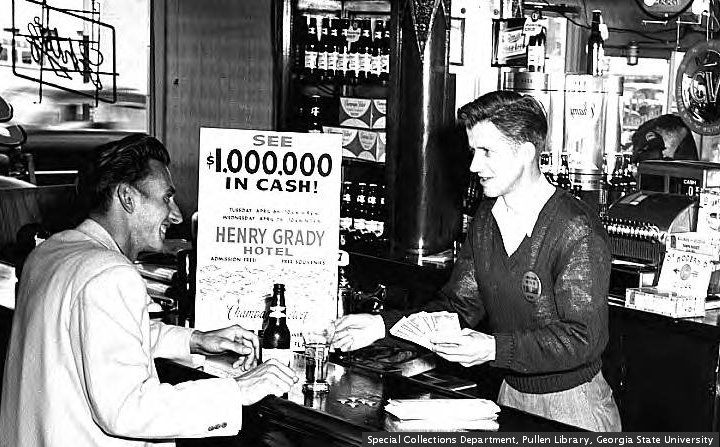



Free Speech

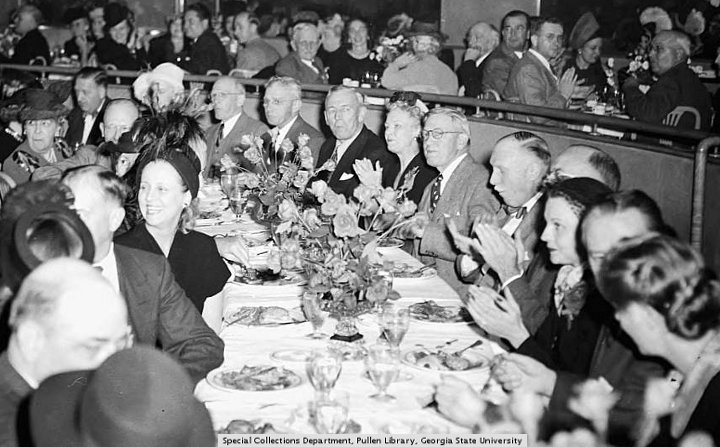
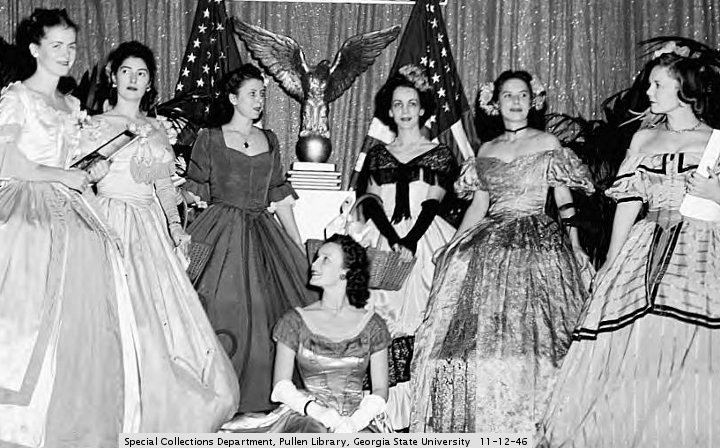
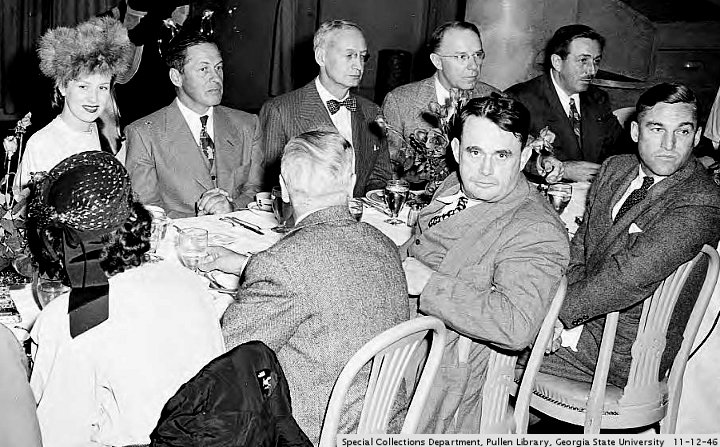


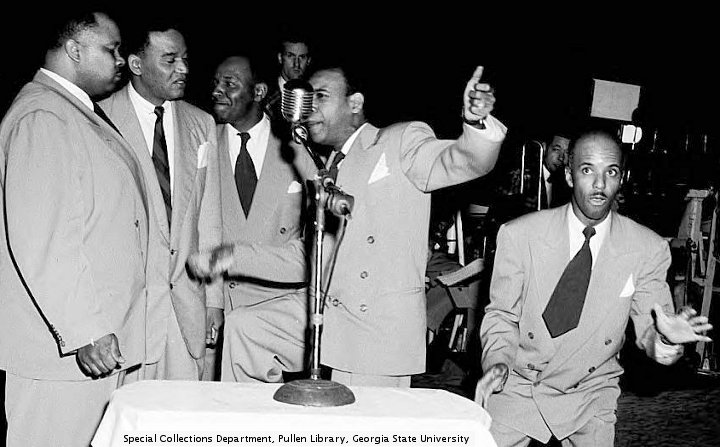
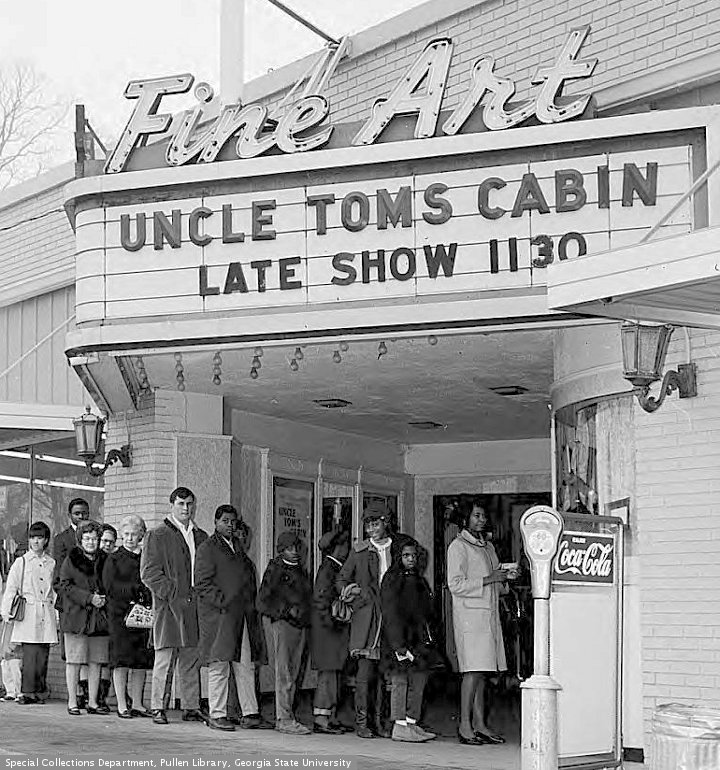
Free speech is much talked about. PG has long maintained that you can say anything in America, but no one will pay attention. One of the videos embedded today is John Waters rambling on about free speech. While he listened to this, PG was downloading picture files from “The Special Collections and Archives, Georgia State University Library”. These pictures are included today. Before long, a little lesson in free speech came into play.
The pictures were from the World Premiere of “Song of the South.” Here is the story, copied from a previously published Chamblee54 feature
In 1946, “Song Of The South” had it’s premiere at the Fox Theater. SOTS is a controversial item these days. It was based on the Uncle Remus stories, which were written down by Joel Chandler Harris. For those who don’t know, these stories were told by the rural black people that Mr. Harris knew when he was growing up near Eatonton GA. As Wikipedia tells the tale “Controversy surrounding his southern plantation themes, narrative structure, collection of African-American folklore, use of dialect, and Uncle Remus character, however, has denigrated the significance of Harris’ work”. In other words, Brer Rabbit is not politically correct.
The reviews at IMDB tell a different tale. To them, SOTS is a happy children’s movie. The Disney company seems to wish it would go away and be forgotten. Copies are tough to come by these days. PG would say to see it for yourself and make up your own mind, but Disney won’t let you. (The movie is available for viewing on youtube.)
The female lead in SOTS was Ruth Warrick. Miss Warrick was a versatile talent. Her first movie role was in “Citizen Kane”, as Kane’s first wife. She was in many movies, before moving to television. She was perhaps best known as Phoebe Tyler, in the soap opera “All My Children”. Wikipedia tells a story about her, that is ironic for the female lead of “Song Of The South”
“In July 2000, she refused to accept a lifetime achievement award from the South Carolina Arts Commission because she was offended by legislators’ decision to move the Confederate flag from the state Capitol dome to another spot on the grounds in response to a boycott of the state by flag opponents. A lifelong supporter of African-American rights, she felt the flag should be removed completely, and commented, “In my view, this was no compromise. It was a deliberate affront to the African-Americans, who see it as a sign of oppression and hate.”
Snopes weighed in on the SOTS controversy. Apparently, the suppression of the movie did take place. A different form of censorship takes place at Snopes. A popup ad for Oreck vacuum cleaners will not go away, and blocks key parts of the text from view.


Fruit Cake




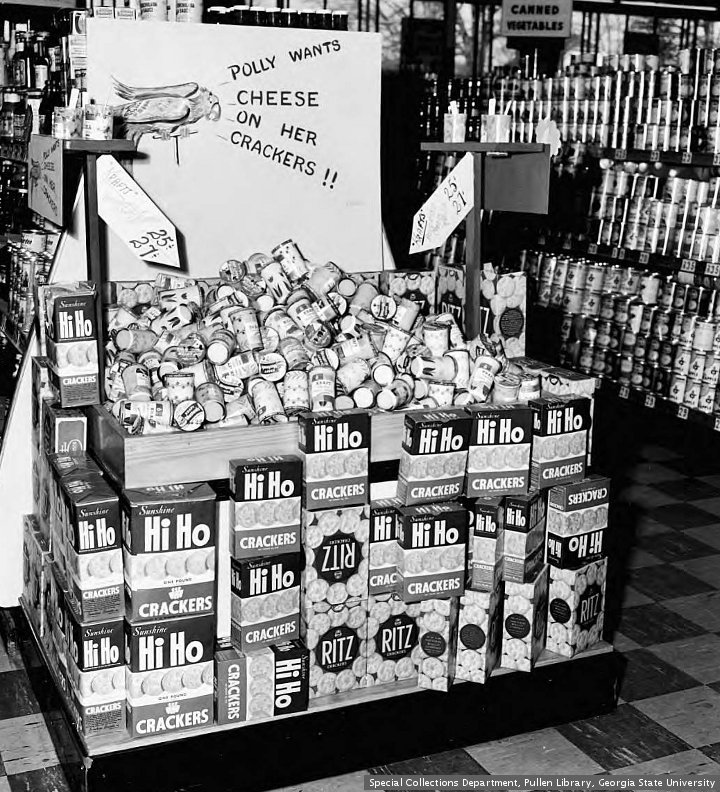
A facebook friend put some fruitcake facts on the internet. PG saw a chance for some text to put between pictures. He would be nutty as a fruitcake to turn down this chance. This is a repost.
Fruitcakes were buried with the dead in Ancient Egypt. It’s true. Ancient Egyptians used to fill the tombs of the dead with all the supplies that they would need to enjoy the afterlife, including food and water. Fruitcake was often put into the tomb of a deceased person because a fruitcake soaked in a natural preservative like alcohol or fruit juice would last a long time. It was thought that the preserved fruitcake would not spoil on the journey to the afterlife. Fruitcake was a staple food of other ancient Middle Eastern, Southeast Asian and Mediterranean cultures as well
Candied fruits are used in fruitcake because using sugar was the only way to preserve the fruit long enough to get it back to Europe from the Middle East. When the Crusaders began carrying exotic fruits back to their European home the fresh fruit would spoil long before they were able to get it home. Ingenious traders began drying the fruits by candying them with sugar which made them an even more delicious treat and preserved them indefinitely. Once the candied fruits were sent to Europe and to other parts of the world they were baked into cakes so that they could be shared with family and friends on special occasions.
Fruitcakes will last for years without spoiling. It’s true. A fruitcake that is properly preserved with an alcohol soaked cheesecloth that is then wrapped in plastic wrap or foil can be kept unrefrigerated for years without spoiling. In the past, before refrigerators came along, families would make fruitcake for holidays and special occasions months in advance of the actual event and then let the covered fruitcakes sit wrapped in an alcohol soaked cloth until the event happened. As long as the cloth was remoistened with alcohol occasionally the cakes not only didn’t spoil, they actually tasted richer and sweeter because they had been soaking in brandy and rum for a couple of months.
To millions of fruitcake consumers, the town of Claxton GA is very special. This south Georgia town, just down the road from Reidsville, is home to Claxton Fruit Cake . The story of the Claxton Fruit Cake company is a sweet one. Savino Tos founded the Claxton Bakery in 1910. He hired Albert Parker in 1927, and sold him the business in 1945. Mr. Parker decided to sell Fruit Cake to America.
No story about fruitcake is complete without mentioning the “Fruitcake Lady”. Marie Rudisill , an aunt of Truman Capote, wrote a book of fruitcake recipes. She became a tv celebrity, before going to the bakery in the sky November 3, 2006.
The urban dictionary has nine listings for fruit cake. The ones for homosexuals and crazy people are there. UD gets creative with this selection: “The act of releasing green chunky diarrhea onto your partners face then, ejaculating on it, then punching him/her in the nose causing the colors to mix together to form a fruit cake like color.”
If you tire of jokes about fruitcake, you can go to The society for the protection and preservation of fruitcake . (If you click on the “new URL”, you will be invited to join in the green card lottery.) There used to be a link on the society page that enables you to buy Fruitcake Mints. “Keep your breath fruitcake fresh with these festive mints! Turns out, the baked good actually tastes decent in mint form.”
Pictures are from ” The Special Collections and Archives,Georgia State University Library”



German Pastry Christmas

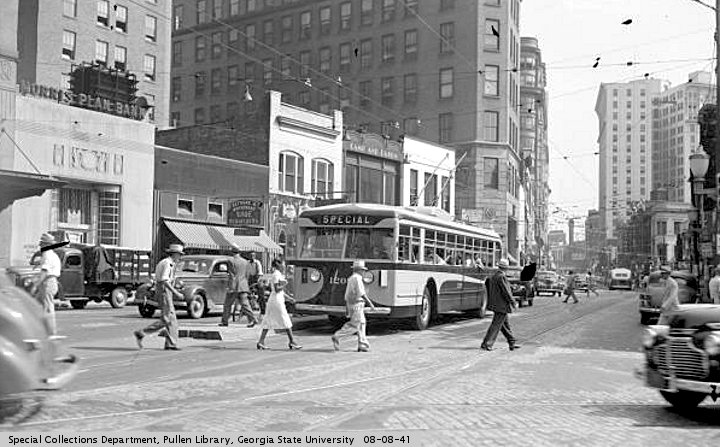


PG got an email today from Allen Hunt a radio announcer. The letter had a Christmas message. PG read the story, and heard the ding ding ding of his BS detector. Here is the story.
Merry Christmas! As the wars about the public celebration of Christmas become filled with pettiness and hostility on all sides, be not dismayed. Your celebration of Christmas depends solely on you and nobody else. I heard the story of Oswald Goulter years ago and it reminds me of that simple fact. I am responsible for how I embrace the gift of Christmas.
Oswald Goulter served as an agri-missionary to China. On his way back to the USA for furlough during World War II. His sponsor mission agency gave him a ticket to get home by boat. When Oswald arrived in the port of India, New Delhi, he found boats filled with Jews, housed there to protect their lives from Nazi Germany. The Jewish boats couldn’t land anywhere. They were not accepted or welcome anywhere at the time
Oswald went to see them and said, “Merry Christmas!”
“We’re Jewish,” they responded.
“I know, I know. But what would you like for Christmas. Merry Christmas!”
“Don’t you understand? We are JEWISH.”
“Merry Christmas. What do you want?”
To get rid of this nuisance, they said, “How about some German pastry? That sure would be grand.”
Oswald scoured the city until he found a bakery that made German pastry. Oswald sold his ticket for home to get money to purchase some pastry. He went back to the boat and shared it with them.
As he spoke about this experience later in one of his supporting churches, a very prim member of the congregation stood and asked, “Why did you do that? They were Jewish. They don’t even believe in Jesus.””I know,” Oswald replied, “but I do.”
PG sent a reply to the original email. This post is being written an hour later, so it is not unreasonable that Mr. Hunt has not replied.
Allen do you have any proof that Oswald Goulter existed? This story seems a bit far fetched. I googled Oswald Goulter, and all I see is the same story told over and over.
Why did he go to India? This is over the Himalayan mountains, or around Vietnam. Couldn’t he do just as well in North Asia, or even Russia?
When did this incident happen? There are mixed indications in the versions I read, and no exact dates. If this was after WW2, then maybe the restrictions about admitting Jews would start to loosen up.
Why German pastries? After all that the German people had done to them, this seems a bit strange.
There are hundreds of real, verifiable Christmas stories out there. This one seems a bit fishy.
After sending the email, PG hunkered down in the google.(Snopes never heard of Oswald Goulter) It seems that Oswald John Goulter was born June 22, 1890 in Oklahoma. He died in March 1985, in Santa Clara California. He was interviewed in 1971 as part of a project involving missionaries to China. “This interview supplements the account of Goulter’s life in Wilfred Powell’s Scattered Seed. Mr. Goulter portrays the disruption in Chinese life in the area of Lu-chou (Hofei) in Anhwei province during the years 1922 to 1951. He tells how the Communists were able to take advantage of the disorder caused by warlords and bandits and the Japanese invasion to drive the nationalists from power. He also discusses his conception of practical Christianity and its applicability in China.”
There is another story about Mr. Goulter. After the communist takeover, Mr. Goulter and his wife, Irene, were taken into custody. Mr. Goulter was beaten repeatedly, but refused to renounce his faith. Finally he was released (or, in some versions, escaped). This imprisonment is generally agreed to for three years. If he left in 1951, that would be consistent with the time line of the communist takeover.
In the Hunt version of the story, Oswald Goulter left during World War 2.
This does not answer the question of why Mr. Goulter would go to India, before America. It also does not account for the appearance of the Jews in India, six years after the end of World War 2. It should also be noted that India was in chaos, with the advent of Independence and the partition. Would they have Jews hiding in the city?
There is a book, Scattered Seed: The Story of the Oswald Goulters, Missionaries in China 1922-51. PG does not know if it discusses German pastries.


This is a repost from four years ago. The original had several comments about Mr. Goulter, which we will share. Allen Hunt sent a reply, which was lost in a hard drive crash. It was rather snide. Dr. Hunt has quit sending PG emails. His radio show is no longer being broadcast.
Lindsay goulter said, on February 26, 2010 at 3:26 am Hi oswald goulter was my great uncle.Born in Auss. If you would like to know more about him please reply to my e/mail. lindsay g
Teena Anderson said, on October 30, 2010 at 10:02 pm
Oswald Goulter is my grandfather. He was a missionary to China for 30 years. His story is told in the book Scattered Seed by Wilfred Powell. Oswald and Irene had 3 daughters, Lovena, Doris ( who is still living!) and Jean. Doris and Jean were born in China. Jean was my mother-she spoke excellent chinese with a Hefei accent. I am the eldest grandchild. They lost a baby boy born in China and buried him in the mountains of Kuling, where the missionaries would go for the summer.
My husband, Hugh Anderson (Presbyterian minister) and I have taught in China with the Amity Foundation. Our first summer of teaching we traveled to Hefei and met Rev. Zhu who helped Oswald after he had been confined in the internment camps. They were great friends. Rev. Zhu’s son is now a Disciple of Christ minister here in the United States. Teena Anderson, Medford, Oregon.
chamblee54 said, on October 30, 2010 at 10:09 pm
Thanks for stopping by. Do you know if the story about the German Pastries was true? It is an inspiring story, but as I noted in my post, there are a few issues with it.
Miaohua Jiang said, on January 19, 2011 at 11:06 pm
The book by Wilfred E. Powell titled Scattered Seed came in mail yesterday. I searched in the book for any evidence that this story might actually happened. Unfortunately, the story as it is stated never happened. At least it did not happen in India.
The sabbatical year was between 1936 and 1937. The family did take the western route going through Europe to return to US. They arrived in US in September 1936. Christmas of 1936 was their first Christmas in US in many many years. They were not able to return to China because of Japenese invasion until late 1937. Mr. Goulter did help refugees in Shanghai around Christmas time 1937. The book did mention that Shanghai also had ships with Jewish refugees. So, the story could have happened in Shanghai, China, instead of India. It did not involve boat tickets. Mr. Goulter had clothings shipped from Los Angeles to Shanghai. Also Mr. Goulter was interned by Japenese for many years, not communists.
chamblee54 said, on January 20, 2011 at 12:02 am
Thank you for following through. That is an inspiring story, too bad it can’t be proven to be true.
Miaohua Jiang said, on January 1, 2011 at 10:13 pm
Doris is visting us this new year’s day of 2011!
Miaohua Jiang said, on January 4, 2011 at 2:23 pm
This is what I got from my conversation with Doris, O.J.’s second daughter. According to Doris, Mr. Goulter did not like his first name. Chinese people would simply call him Gou Shee-Sang (Mr. Gou). Doris was born in Hefei in 1924. Her mother homeschooled the girls. By the time she was 10, they felt it was time for girls to have a more formal education in Shanghai. Before they left for Shanghai, they travelled for a year to Europe, going through possibly the Hongkong – India route. So, it was around 1934 – a time Jews were forced to escape Germany. So, the story is credible. The girls stayed in Shanghai until 3 month before Pearl Harbor was attacked when American government ordered evacuation of women and children. Mr. Goulter stayed behind and was imprisoned by invading Japenese because of his British citizenship. I am ordering this book and hopefully when Doris visits again next time I will have a chance to verify a few more details with her. Amazingly, after leaving Hefei for more than 75 years, she can still speak the local dialect and sing local children songs forgotten even by the local people.
Teena Anderson said, on October 30, 2010 at 10:09 pm
Oswald Goulter was my grandfather. He was born in Australia. He heard about the Boxer rebellion and felt called to go to China. He came to the U. S. to get more education. He married Irene Goucher (my grandmother) in Oklahoma and they spent 30 years together in China. They had 3 daughters, 2 of whom were born in China. My mother was born in Tsingtao but spent 10 years in Hefei (Lu Chow Fu). She had a great Hefei accent. They also had a baby boy that died and was buried in the Kuling mountains. (Lu Shan)Oswald Goulters life was written by Wildfred Powell in the book Scattered Seed. Our family still have ties to Chinese that were ministered by my grandfather. There are many more accounts of what my grandfather accomplished in China. He loved the Chinese and they loved him. Teena Anderson of Medford, Or.
Lauri Penry said, on March 25, 2012 at 8:27 am
My grandparents (Dr. and Mrs. Paul R. Slater) served as medical missionaries in China with the Goulters. I have heard the story many times of how my grandfather met up with Mr. Goulter, and he wasn’t wearing shoes. So my grandfather gave him his. The next time they crossed each other’s paths, Mr. Goulter was again without shoes. He told my grandfather that he found someone who needed them more than he did.
I was just going through some pictures at my parents’ house this weekend, and found one with Mr. Goulter in it. I am in the process of reading Scattered Seed now. My parents were attending Phillips University when Mr. Goulter was a member of the faculty. From what I have always heard about this man, he was exceptional, and a true servant!
John McBride said, on May 10, 2012 at 10:10 am
Oswald Goulter is my grand uncle and he was born in Australia. I had the pleasure of meeting him and Irene in in either 1973/4 when they visited Australia and later in San Jose in 1981. He was quite some bloke who’s achievements were quite incrediable. My grand father was a potato farmer at a place called Irrewillipe, about 100 miles west of Melbourne. One year my brother and I spent our Easter weekend (4 days in Australia) helping dig up the crop. At night, my grandfather read Oswald’s letters to us by kerosene lamp beside the wood stove in the kitchen. As a ten year old, those letters were more exciting to listen to than reading my Superman comics.
Pictures are from “The Special Collections and Archives,Georgia State University Library”.













The Silly Remarks Of The President


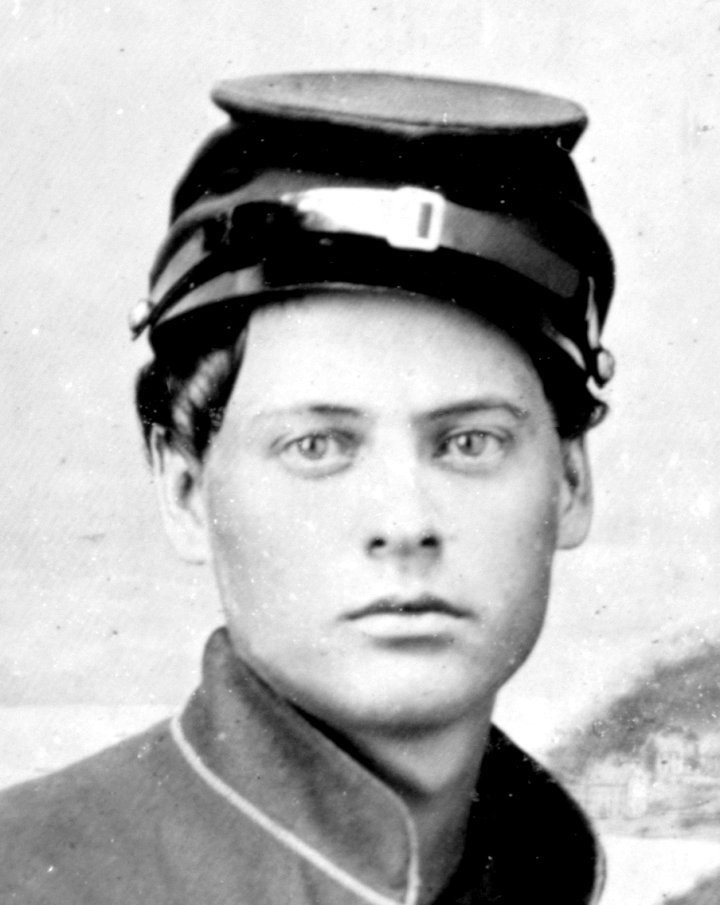
Tuesday was the sesquicentennial of the Gettysburg Address. This is seven and a half score years ago, which is not as poetic as four score and seven. The famous speech was written on White House stationary, not the back of an envelope. The train ride to the battlefield was too bumpy to write on, so it was written elsewhere. No one is sure what happened to the original.
The text was published in newspapers, and became famous. Relatively few people heard the actual speech. Not everyone was impressed. The Harrisburg Patriot & Union said “We pass over the silly remarks of the President. For the credit of the nation we are willing that the veil of oblivion shall be dropped over them and that they shall be no more repeated or thought of.” The descendent of this paper, The Patriot-News, printed a retraction a few days ago. Better late than never.
Other contemporaries were critical. Presidents are politicians, with allies and enemies, and are not often beloved in their own time. The New York World accused Lincoln of “gross ignorance or willful misstatement” with his declaration of “four score and seven years ago.” The Democratic Chicago Times called the address “a perversion of history so flagrant that the extended charity cannot regard it as otherwise than willful.”
H.L. Mencken had a few unkind things to say about the affair. “But let us not forget that it is poetry, not logic; beauty, not sense. Think of the argument in it. Put it into the cold words of everyday. The doctrine is simply this: that the Union soldiers who died at Gettysburg sacrificed their lives to the cause of self-determination—”that government of the people, by the people, for the people,” should not perish from the earth. It is difficult to imagine anything more untrue. The Union soldiers in that battle actually fought against self-determination; it was the Confederates who fought for the right of their people to govern themselves. “
As the rest of the linked essay points out, one motivation for the Confederates desire for self determination is to maintain the ability to own other human beings. Pictures are from The Library of Congress. These are Union Soldiers from the War Between the States.


Turn Turn Turn





The word Ecclesiastes has a poetic tingle. It’s place in the Old Testament is between the poetry of Proverbs, and the enticements of the Song of Soloman. Richard Brautigan counted the punctuation marks in Ecclesiastes, and found no errors. Ecclesiastes 3 was even the lyrics for a top forty song.
Turn Turn Turn is taken almost verbatim from the book of Ecclesiastes. Pete Seeger wrote a melody, and added a line. “There is a time for peace, I swear its not too late”. TTT became a hit for the Byrds in 1965, as the escalation of the Vietnam war was in full bloom.
TTT is about the dualities of life, and how there is a place for all these things. When PG was collecting rocks from destroyed houses, it was a time to gather stones together. TTT can serve as a companion to the vibrations of day to day living.
Pete Seeger is still alive, at the age of 94. PG first heard of him when he was on the Smothers Brothers Comedy Hour. It was during Vietnam, and Mr. Seeger did a song…”Waist deep in the big muddy”… about how “The big fool said to push on, push on”. The CBS censors did not allow this the first time he appeared. Many thought he was talking about Lyndon Johnson.
“Pete Bowers” was a stage name for a young Pete Seeger. This was to avoid making trouble for his father. The band he played in, the Weavers, popularized a gullah spiritual, “Kumbaya”. This is a repost, edited for inclusion in the trifecta writing challenge. Pictures are from The Library of Congress.





 Chamblee54
7 comments