David Bowie




It has been a strange week for a David Bowie fan. On Friday, I was looking for a rerun to post, and was reminded that January 8 was his birthday. (Along with Elvis and Shirley Bassey) I put up a piece about Mr. Bowie, and fashioned a poem out of his song titles. Aquarian Drunkard reissued a collection of the “best and most interesting Bowie oddities”. A new album was released, with a lot of comments about how strange it was. Strange is something Bowie fans turn to face.
On Monday, I woke up. Go on the internet. MSN news says that David Bowie has died. This is surprising. I know what people are going to talk about for a few days.
I typically download the new wtf podcast on Monday. The show is “supported” by Columbia records, presenting David Bowie’s new album “Blackstar.” Marc Maron gushes on about how ” DAVID BOWIE I LOVE DAVID BOWIE. ARE YOU KIDDING ME?” The single is called “Lazarus.”
The timing of the whole thing is bizarre. Was this planned? To release a puzzling new work on your sixty ninth birthday, and then die two days later. With the master media manipulator involved, prior planning cannot be ruled out. Or was it just a parting shot of synchronicity? We will never know.
In what might be a new move for celebrity deaths, sex scandal rumors emerged. A lady named Lori Maddox claims that Mr. Bowie “devirginized” her. Miss Maddox was underage at the time. Some people think that this incident makes Mr. Bowie a terrible person, whose artistic output should be ignored. One made the inevitable comment “As someone who sees White stars get a pass for things that celebrities of color get crucified for.”
I learned a long time ago to separate the performer from the performance. I also apply this rule to David Robert Jones. (David Bowie was a stage name. The legal name was never changed.) In 1976, there was an interview, where the artist said “Don’t believe anything you hear me say.” While the creative/marketing genius can be enjoyed, there was always a bit of coldness behind the mask. Some press reports say that this softened as the years went by. In the end David Bowie was human. Ziggy Stardust was a character played by an actor. Does it matter that they were a Cracked Actor?
It is ironic that David Bowie played Andy Warhol in Basquiat. Both combined creation of art, and the marketing of art product, into a seamless unit. The two did not have a good first meeting. “Remember, David Bowie was not a big star. He was just some guy off the street as far as Andy Warhol was concerned. They found a common ground in David’s shoes. David was wearing yellow Mary Janes and Andy had been a shoe illustrator, which David knew so they began talking about shoes.”
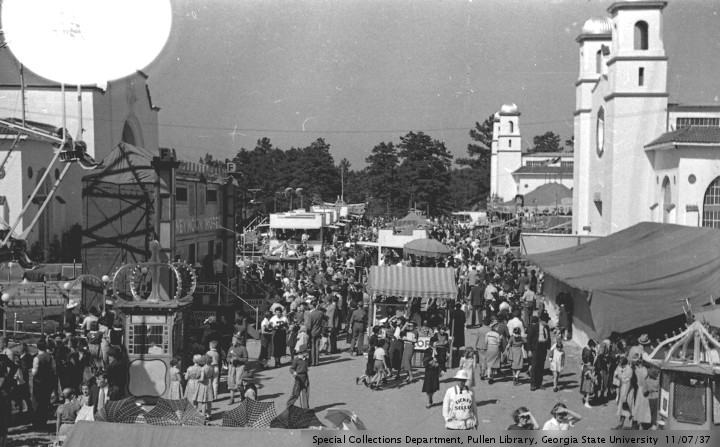
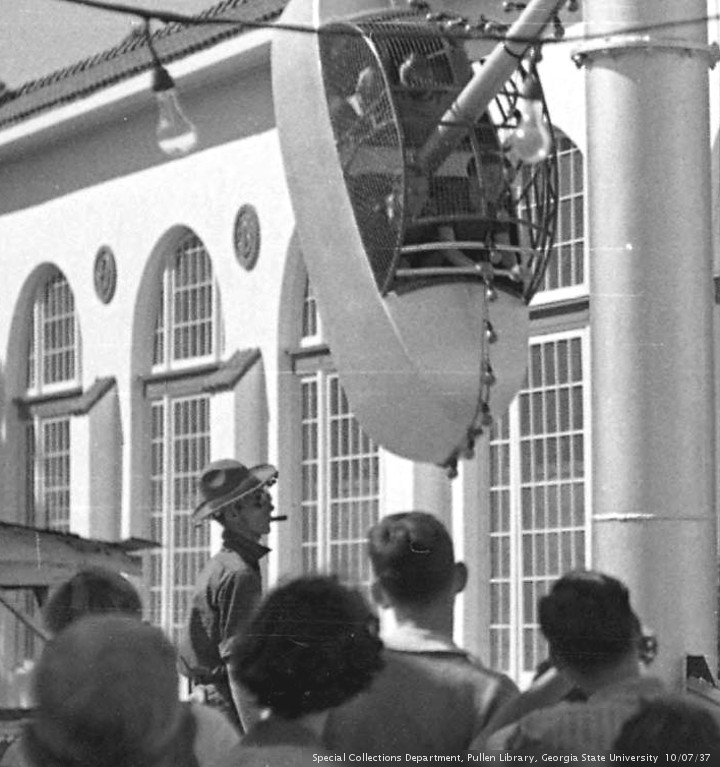
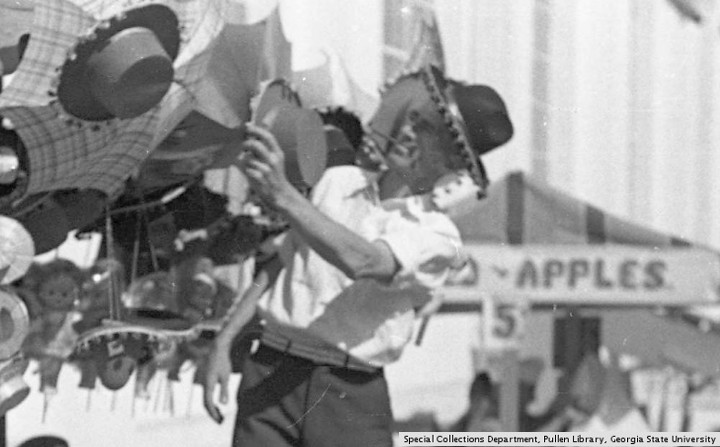
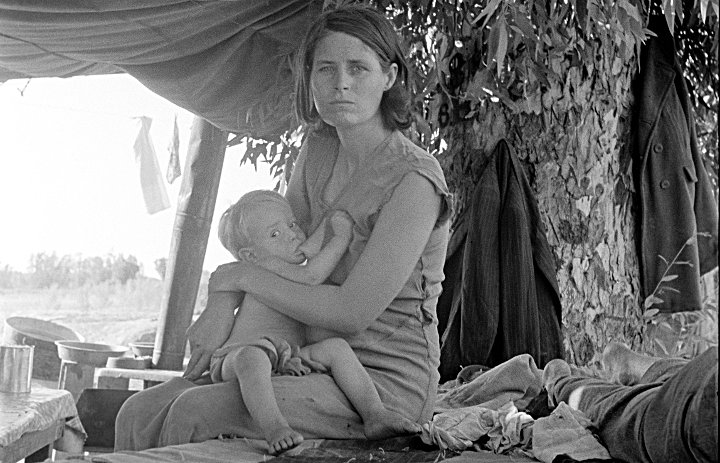
This would have been in 1971. Mr. Bowie discusses his adventures in between songs of this show. There is another story from that first tour: “I think that must’ve been part of the Mercury Records publicity tour in early 1971, Gus. Ted Vigodsky, if I remember correctly, brought Bowie by The Great Speckled Bird’s offices on North Avenue where Moe Slotin and I met him. Bowie was dressed in an ill-fitting gingham dress and looked something like a gaunt, poverty-stricken woman in one of those Walker Evans photos from the Depression. He informed Moe and me that he was gonna be the next big star in rock-n-roll. It took all of our will power not to laugh in his face. This was before anyone in America had heard of him and he had no records out yet (“Space Oddity,” a hit in England in 1969, was not released in the USA until 1973). Six months later Moe and I realised we had completely underestimated him. I had forgotten Charlie had called you about interviewing him.” Pictures today are from “The Special Collections and Archives, Georgia State University Library”.

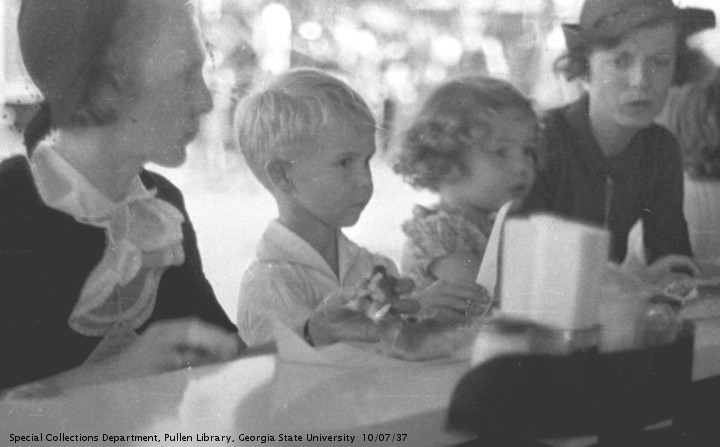





David Bowie is 72 today. Elvis is ageless, and Sarah Palin is obsolete. This Bowie tribute is a repost. Pictures are from The Library of Congress.
A webpage called CaptainsDead had a download of a David Bowie concert. (It is here on “A Portrait In Flesh” (Full show L.A. Sept. 5th 1974)) Most Bowie live recordings are pretty dull. While the Thin White Duke is renowned for his concerts, they tend to be live events, that depend on staging and costumes as much as music. This show, from 1974, is different. Focusing on material from “Diamond Dogs”, the sound he produces comes close to matching the studio sound.
The next move for Bowie in 1974 was the “white soul” sound of “Young Americans”. He is moving in that direction in this show, even while he lingers in the glitter apocalypse. This tour included a stop at the Fox Theater, the first Atlanta show for Mr.Bowie. On the way to Florida for the next show, the truck with the sets and costumes crashed into a swamp full of rattlesnakes. The show in Tampa was performed in street clothes.
Maybe it is time for a Chamblee54 tribute to David Bowie. It is six am, and PG has stumbled into a job. The time and energy required to write new material is not always available.
The first album by David Bowie that PG heard about was “Hunky Dory”. At the time, Mr. Bowie had generated some buzz by admitting that he fancies blokes, or some uber british expression for being queer. In time, this would be seen as more publicity stunt than brave confession. The RCA debut got some good reviews, but not much else.
The next year produced “Ziggy Stardust”, a concept album. At about this time he did a tour of the United States, with costumes and onstage antics that generated even more publicity. More and more people started listening, some in spite of his outrageous image, and quite a few more because of it. He broke up his band, the spiders from mars, and announced his retirement. The band, according to reports, learned about this while standing on stage behind him. Mr. Bowie, for all his genius, is not always a nice man.
In 1974 there was an album, “Diamond Dogs”, about the decadent urban life in the scifi future. A stage show based on this album…the source of the download mentioned above…marked a return to the concert stage. The next year gave us “Young Americans”, and the year after that “Station to Station”. Every year was a different sound and vision.
Meanwhile, the artist was not doing so good as a human being. According to all reports, he was doing mountains of cocaine. (There is a story of going to meet the parents of Ava Cherry, one of his girlfriends. He shows up at 3am, and does coke on the dining room table.) There was an interview in Playboy (or maybe it was Rolling Stone ) where the first thing he says is, don’t believe anything I say. He went on to say that he admired Adolf Hitler. Have we mentioned the physical appearance of David Bowie in 1975? He looked like he was dead, and nobody bothered to tell him. (By contrast, in recent photo collections of rock stars, Mr. Bowie looks pretty good for a man who is 69 yo.)
This was the era of Rocky Horror show. At one point, Riff Raff sings (Tim O’Brien wrote the show, and gave himself some darn good lines) Frank n furter, it’s all over, your mission is a failure, your lifestyle’s too extreme.I’m your new commander you now are my prisoner we return to transylvania prepare the transit beam While this may not have been directed at David Bowie, he took the hint.
We interrupt this David Bowie tribute with an emergency announcement. A person, reputed to be an entertainer, was seen using the n word on facebook. The screen shots have disappeared, and all we have is the word of the accuser. More details will be available as soon as anyone is interested.
David Bowie saw himself at a dead end, and possibly a dead life. He moved into a little apartment in West Berlin, on top of a garage. Brian Eno offered his assistance, and a series of electronic albums was the result. The next few years saw rock and roll, dance music, and finally, crap. PG bought a Bowie album in 1984, the first time he saw it on sale, and was immensely disappointed. The last David Bowie album that PG got was a free cd that was given to people buying a magazine.
Around 1981, MTV was born, and radio was suddenly obsolete. A visual artiste like David Bowie was a natural for video. Unfortunately, many of these videos are not available for embedding in blogs. Ashes to Ashes was a staple of early MTV. Boys Keep Swinging , off the “Lodger” album, is a return to the gender bender Bowie of younger days.
David Bowie continued to do tours, and PG got to see two of the shows. In 1987, something called the “Glass Spider Tour” came to the Omni. (In a later interview, it turns out Mr. Bowie was extremely unhappy during this tour, and close to suicide at some points.) The Glass Spider was this mass of lighting effects that hovered over the stage, and was used to best advantage during “Scary Monsters”. The show featured Peter Frampton on guitar, and had a pack of dancers. (One apparent female took her drag off during the finale.) A good time was had by all.
In 1990, another retirement tour came to the Omni. This one had movies projected on a screen behind the stage, and featured guitar hero Adrian Bellew. The night had the feel of a contractual obligation. David Bowie is too professional to give a bad show, but this one did not have the fire of “Glass Spider”. PG had a new set of contact lenses, and his eyes were painfully dry most of the night.
This David Bowie Death Day tribute is a triple repost.



Using only song names from ONE ARTIST, cleverly answer these questions. Tag some others who might enjoy this. You can’t use the band I used. Try not to repeat a song title. It’s a lot harder than you think! Re-post as “my life according to (band name)”Pick your Artist: David Bowie
Are you a male or female: The Bewley Brothers
Describe yourself: Quicksand
How do you feel:Always crashing in the same car
Describe where you currently live: Life on Mars
If you could go anywhere, where would you go: Width of a circle
Your favorite form of transportation: Queen Bitch
Your best friend is: Young Americans
You and your best friends are: Kooks
What’s the weather like: Changes
Favorite time of day: Eight Line Poem
If your life was a TV show, what would it be called: Scary Monsters
What is life to you: Panic in Detroit
Your relationship: Fame
Your fear: Sound and Vision
What is the best advice you have to give:Somebody up there likes me
Thought for the Day: Hang onto yourself
How I would like to die: Ashes to Ashes
My soul’s present condition: Moonage Daydream
My motto: Andy Warhol







April Glaspie Meets Saddam Hussein




Juan Cole at Informed Comment posts today about a document release from Wikileaks. The document is a cable sent by April Glaspie, the ambassador to Iraq, about a meeting with Saddam Hussein on July 25, 1990. This was shortly before his invasion of Kuwait.
In 1990, Iraq was recovering from a horrendous war with Iran. That war started Sept. 22, 1980, when Iraq invaded Iran, possibly with encouragement from the United States. (At the time of this invasion, Iran was holding Americans hostage in the American embassy. The United States was not pleased with Iran.) Iraq failed to get a quick victory, and the war became a bloody quagmire, with hundreds of thousands of casualties.
In 1990, Iraq was rebuilding, and Kuwait was flourishing. Oil was being over produced, driving down the price. Kuwait was accused of “slant drilling”, i.e. drilling under the border, and stealing oil from Iraq. At one point, a meeting was held between officials of Iraq and Kuwait . “Saddam…sent his foreign minister to Kuwait to meet with the Emir Al Sabah, the former leader of Kuwait, to try to resolve some of the… issues” between Kuwait and Iraq, Piro will recall. “And the Emir told the foreign minister of Iraq that he would not stop doing what he was doing until he turned every Iraqi woman into a $10 prostitute. And that really sealed it for him, to invade Kuwait.”
On July 25, 1990, Saddam Hussein summoned to American Ambassador, April Glaspie , to a meeting. The cable is Ms. Glaspie’s account of the meeting. PG cannot see a green light for invasion in this account of the meeting. Many say Ms. Glaspie could have made much more explicit the dire consequences of invading Kuwait.
The transcript of the meeting has been declassified for some time. It is available on the website of the Margaret Thatcher Foundation. It is worth noting that this transcript is not sworn testimony, and could contains lies and mistakes. It is also the POV of Ms. Glaspie, and Mr. Hussein may have gotten a different idea of what was said. Perhaps, to Mr. Hussein, it was a green light for an invasion.
The invasion of Kuwait, eight days after the meeting, on August 2, 1990, set in motion events that affect us to this day. A coalition was formed to drive Iraq out of Kuwait. There was talk of going to Baghdad and deposing Mr. Hussein at the time. The military action stopped after driving Iraq out of Kuwait, reportedly at the request of Saudi Arabia. Twelve years later, the United States attacked Iraq, and drove out the Hussein government. We are still there.
Historycommons.org has a timeline with a wealth of information about the progression of Saddam Hussein, from ally to next Hitler. The comments section for the post by Juan Cole at Informed Comment is the source of several links in this story. This is a repost. The wikileaks links have been deactivated. Pictures are from The Library of Congress.




The Civil War On PBS
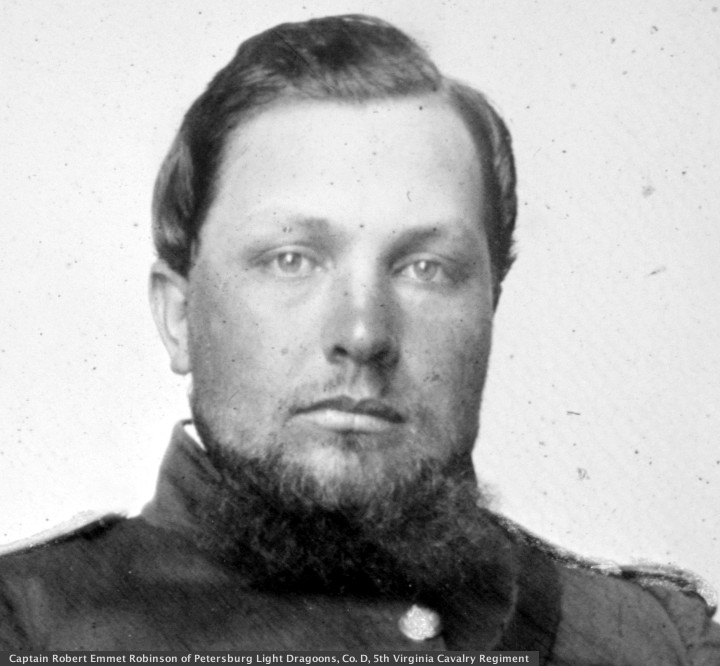
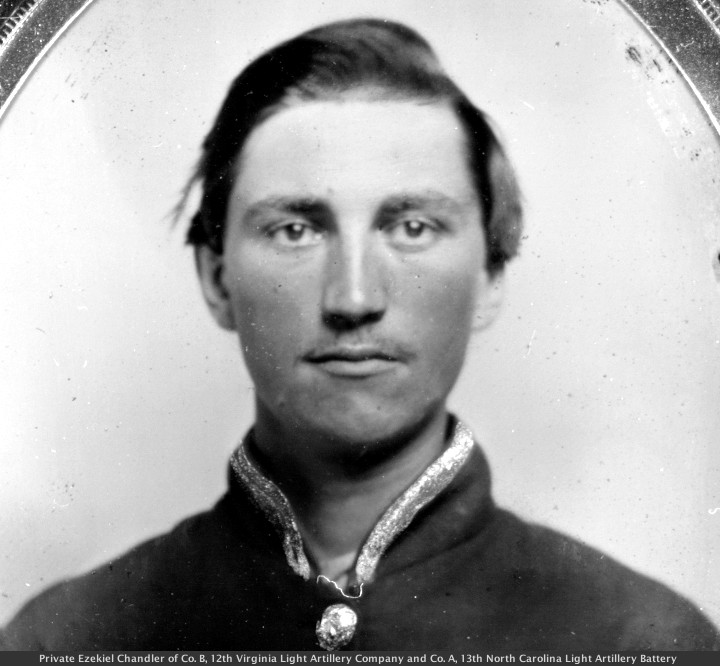


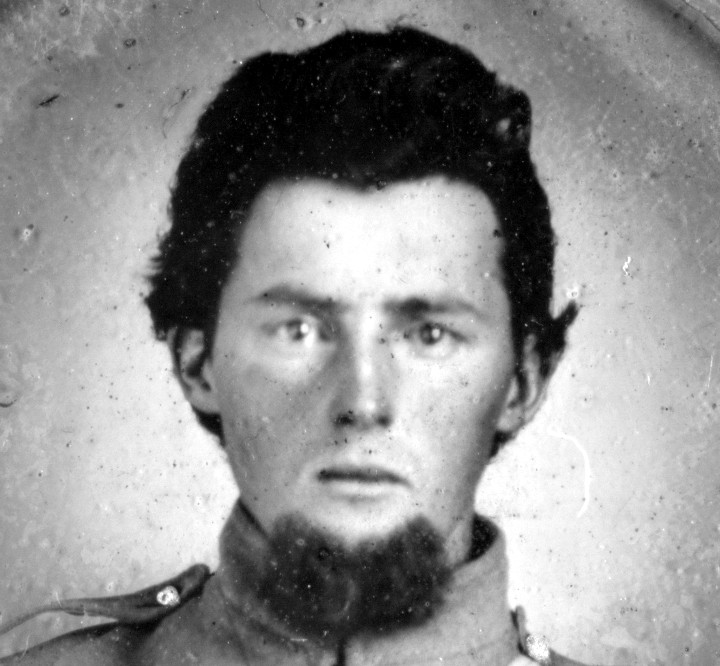

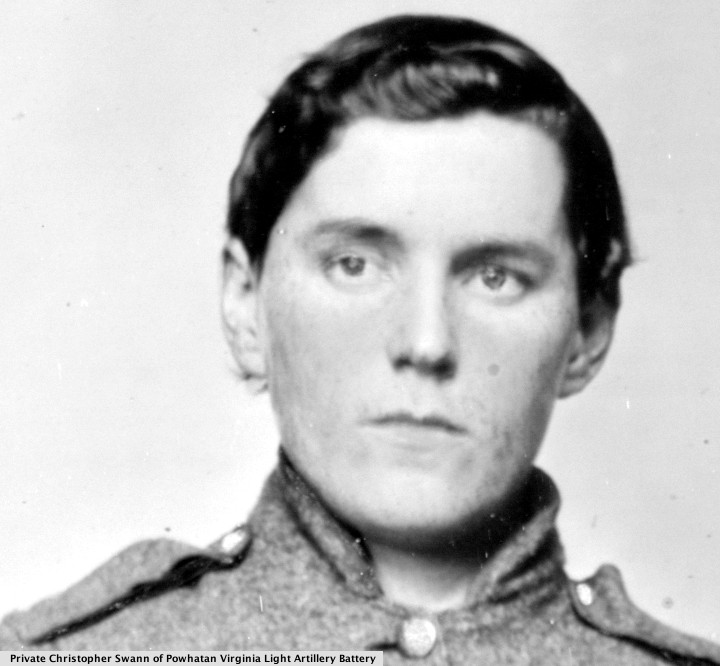
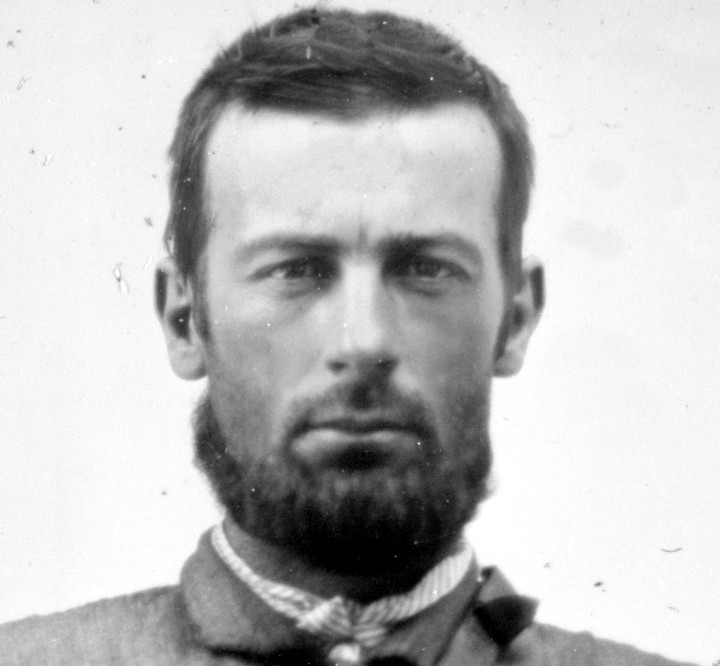

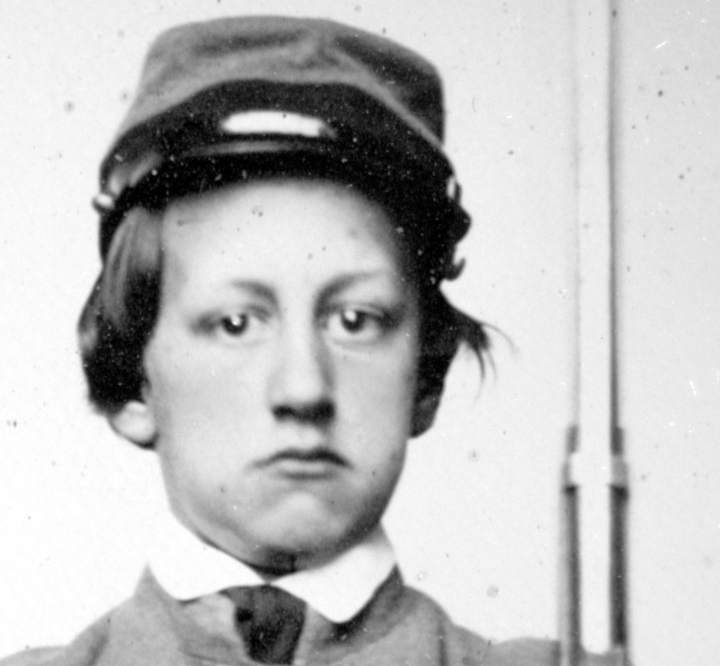
I have binge listened to a public television series, The Civil War. This youtube edition has subtitles in Portuguese, adding a Brazilian touch. I feel obligated to make a blog post. When writing about a topic of this size, I typically start by finding as many sources as possible. I have written about “the recent unpleasantness” several times, and will link to these when it is appropriate. The only way to start this project is to open a word document, save it with a title, and start typing.
What did I learn? There was widespread opposition to emancipation in the north. I had never thought about this. The popular narrative is that the war was fought to free the slaves. While I knew that there were other reasons for the conflict, I assumed that the north wanted to free the slaves. As it turns out, the decision to free the slaves was controversial in the north. I will leave speculation about the reason for this to other armchair historians.
The show made me cry twice. The first time was after the Gettysburg Address. The address was made at the dedication of a cemetery, on the site of the Battle of Gettysburg. After two and a half years of horrendous carnage, the war was going good for the Union. However, 1864 was to have an election. Mr. Lincoln’s chances did not look good. If he lost, the Democrats would probably negotiate a peace, and the Confederacy would endure.
The Gettysburg Address is one of the most moving two minutes in our history. It was printed in newspapers across the land, which is the reason it is known today. “We are met on a great battle-field of that war. We have come to dedicate a portion of that field, as a final resting place for those who here gave their lives that that nation might live.”
The second tearjerker moment was also set at Gettysburg. It was the fiftieth anniversary of the battle. War veterans, from both sides, came to celebrate the occasion. There was a reenactment of Pickett’s charge. When the Rebels got to the fortifications, the Union soldiers came out and hugged them. They were greeted as brothers in arms, who had somehow survived a horrible conflict.
After the fighting ended, and life in the unquestionably United States continued, there came to be what Shelby Foote calls “a great compromise … It consists of Southerners admitting freely that it’s probably best that the Union wasn’t divided, and the North admits rather freely that the South fought bravely for a cause in which it believed. That is a great compromise and we live with that …”
In recent years, this arrangement seems to be breaking down. It is now the fashion to view anything short of total vilification of the Confederacy as treasonous. There is sneering talk of the “Cult of the Lost Cause.” This is a lamentable way to look at this transformative part of our history. Maybe this too shall pass, and we will see the Confederacy in a different light in a few years.
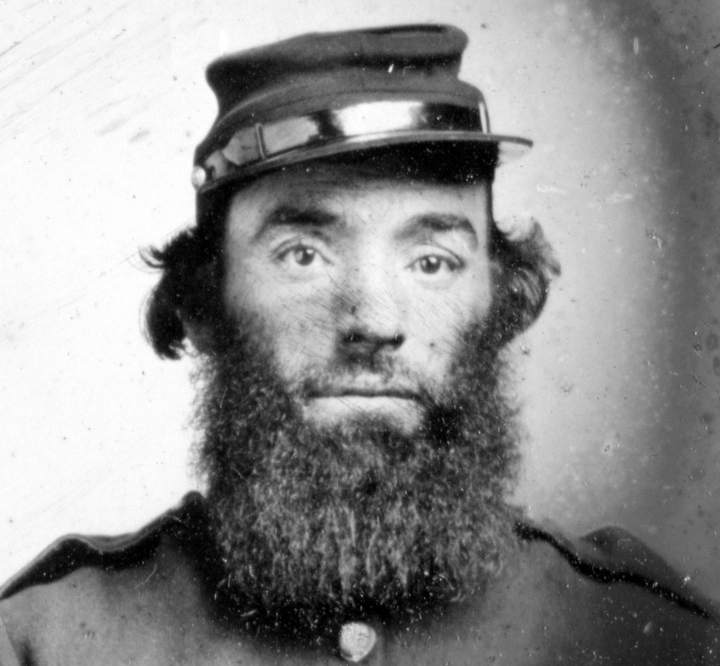
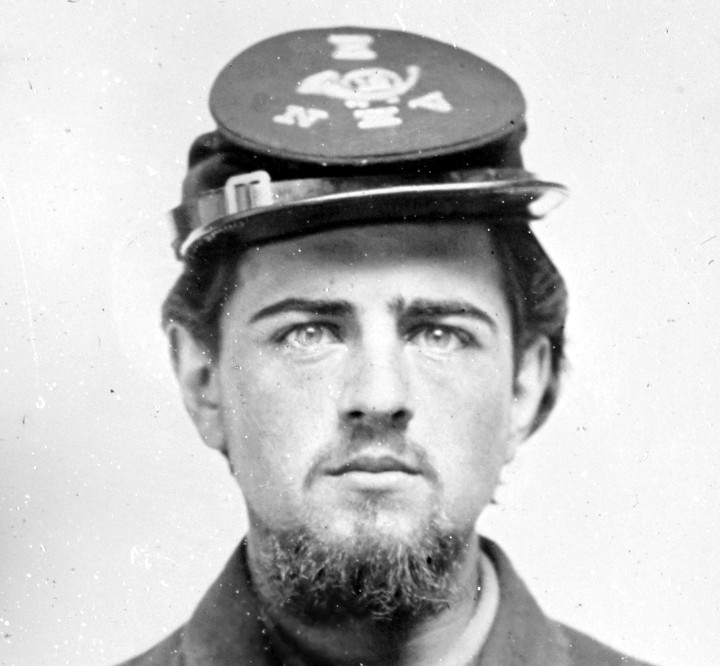
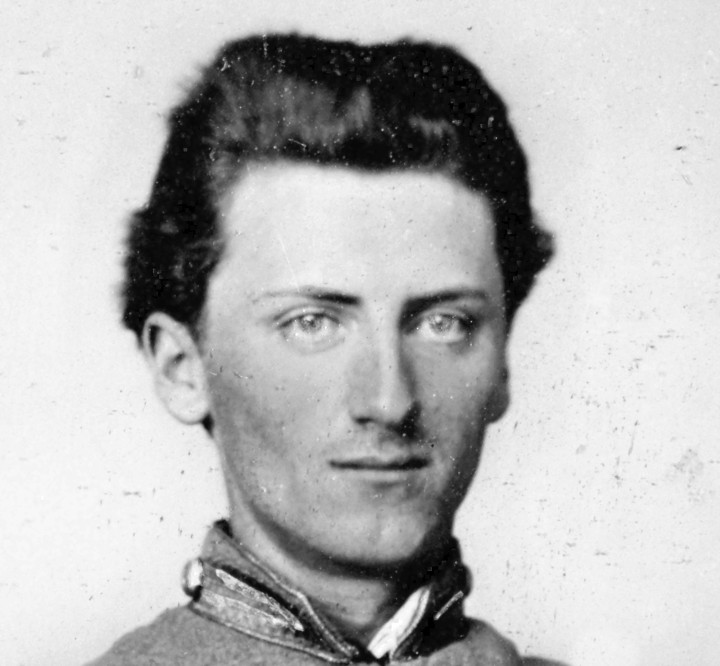
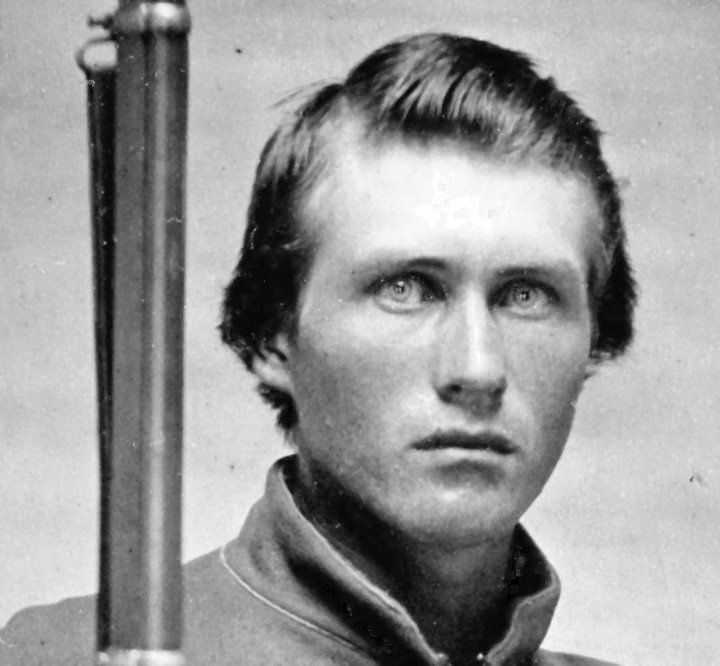
Pictures today are from The Library of Congress. The men before the text are Confederate soldiers, and after the text we have Union soldiers. These pictures are from Liljenquist Family Collection of Civil War Photographs.




White Margarine
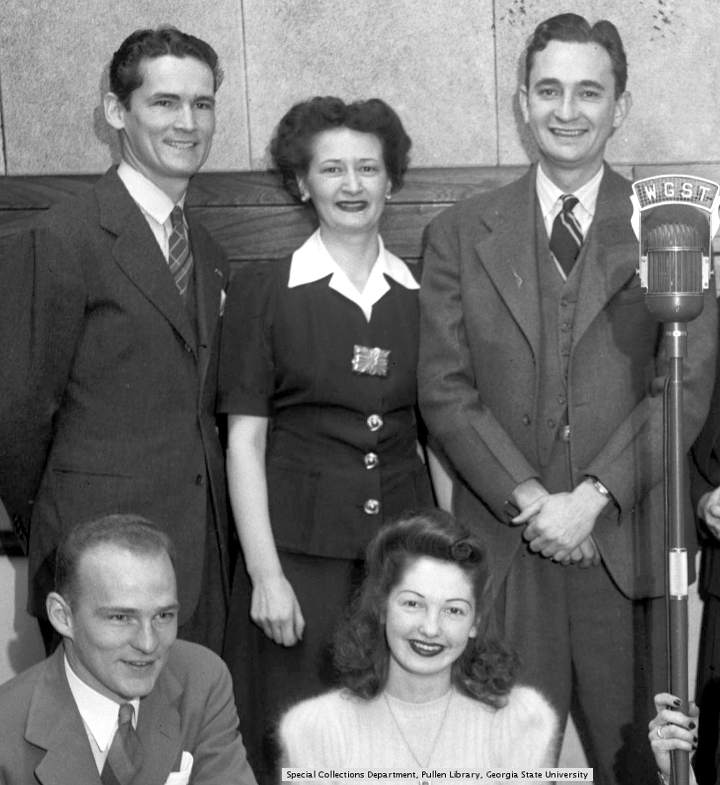
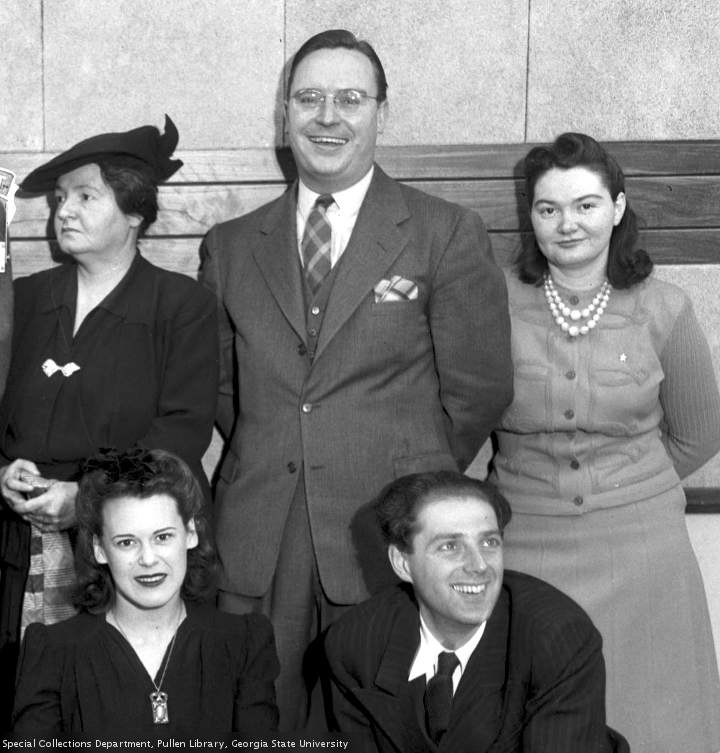



PG used to hear old timers talk about margarine being a white paste. The consumer would add the yellow color later. This bit of information had gone undisturbed for many years, until the 12:58 point of the Useless Information Podcast. There was a 1947 radio commercial for Delrich E-Z Color Pak.
Delrich E-Z margarine came in a plastic bag, along with a capsule. You broke the capsule, and yellow dye flowed out. You knead the bag, until the dye mixes with the margarine. It was considered an improvement over the mixing bowl.
Margarine was invented in 1869. “French chemist Hippolyte Mège-Mouriès … patented a lower priced spread made from beef tallow. He dubbed it oleomargarine–from the Latin oleum, meaning beef fat, and the Greek margarite, meaning pearl, this last for its presumably pearlescent luster.”
The dairy industry saw margarine as unfair competition for butter. In 1886, the federal Margarine Act was passed. Many oppressive taxes and regulations were put in place. Maine, Michigan, Minnesota, Pennsylvania, Wisconsin, and Ohio enacted a legislative ban on the use of margarine.
Most butter is dyed. The rich yellow that we associate with butter only comes from grass fed cows. If the cows are grain fed, butter is a pale yellow.
Yellow was more appealing than pink. In an effort to further demonize margarine, Vermont, New Hampshire, and South Dakota required margarine to be dyed pink. The Supreme Court overturned the pink laws, citing the laws’ effect on interstate commerce.
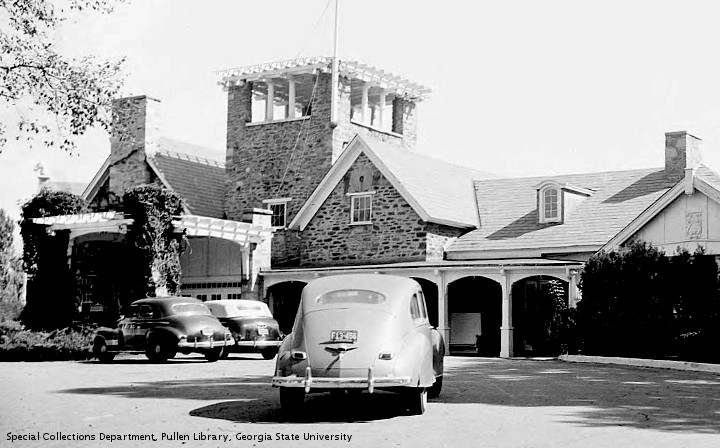
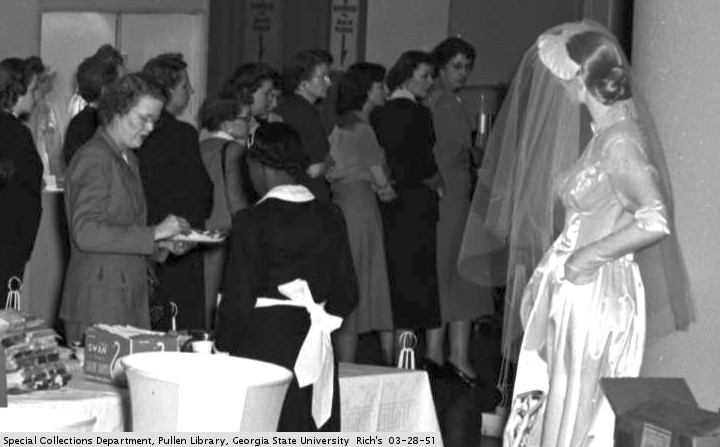
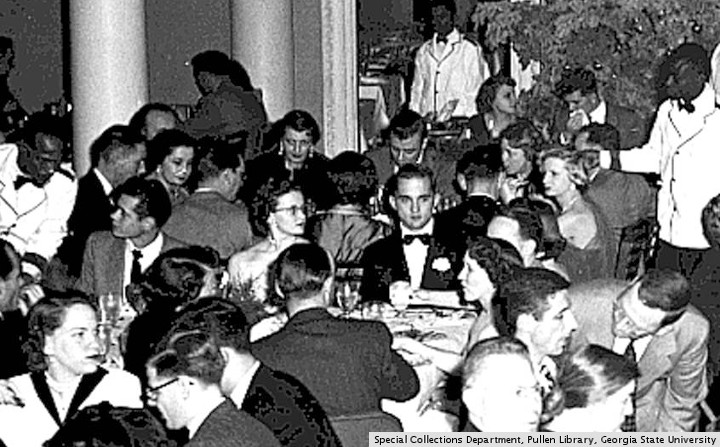
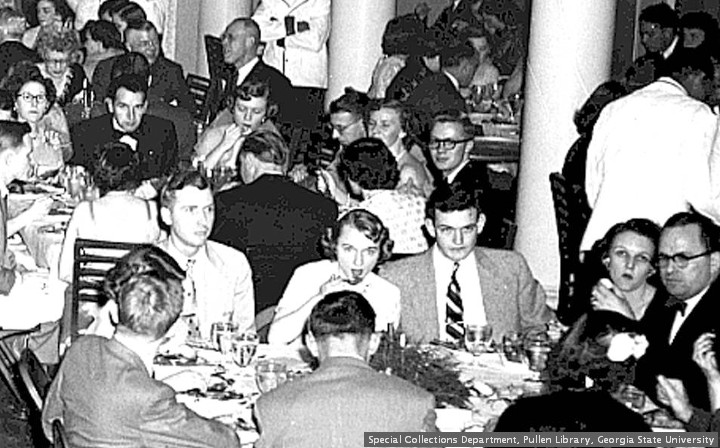
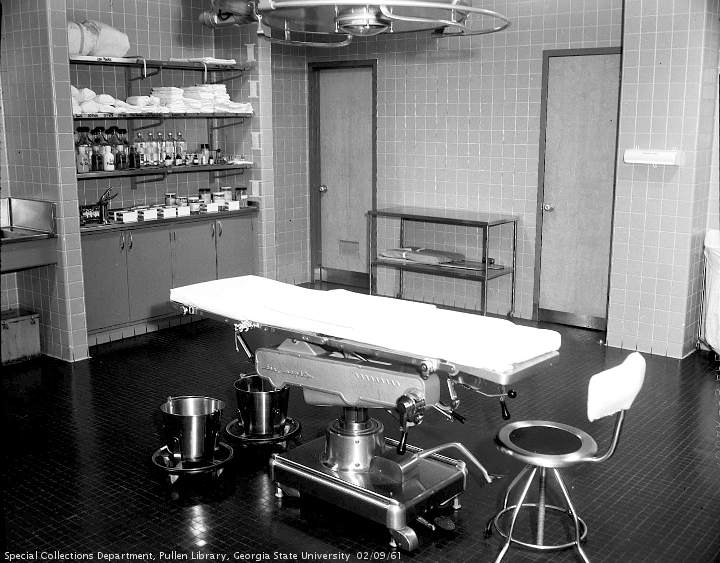
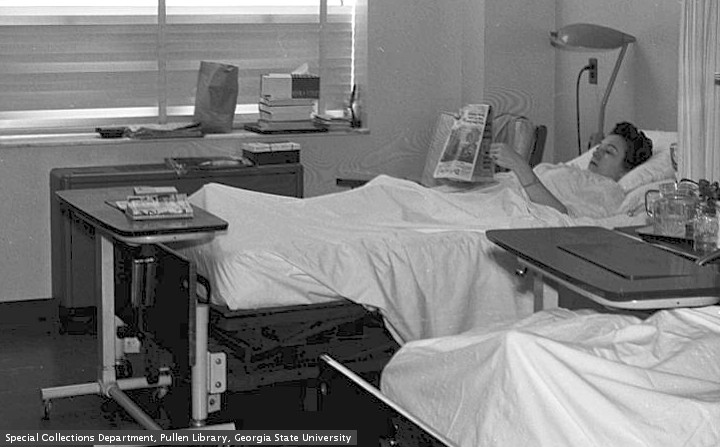
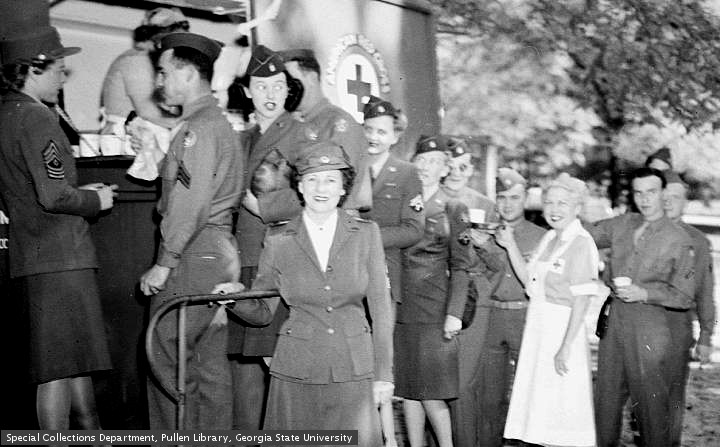
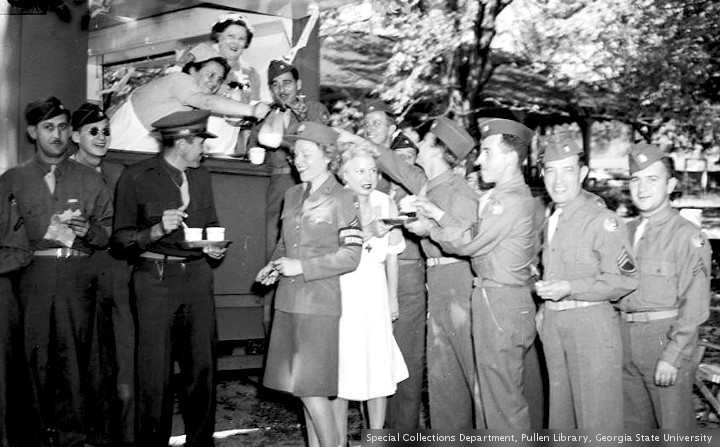
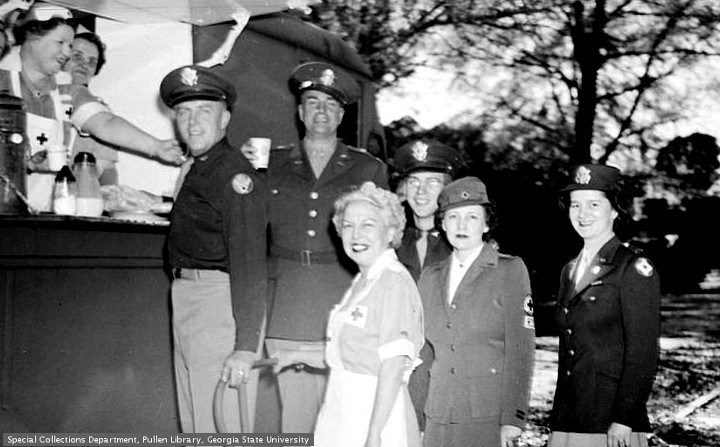
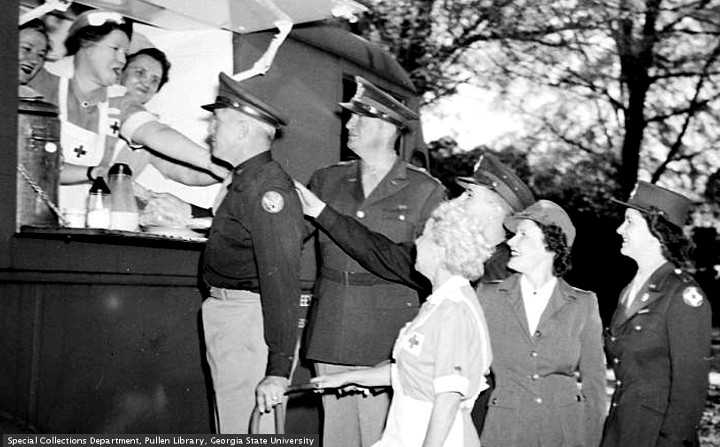
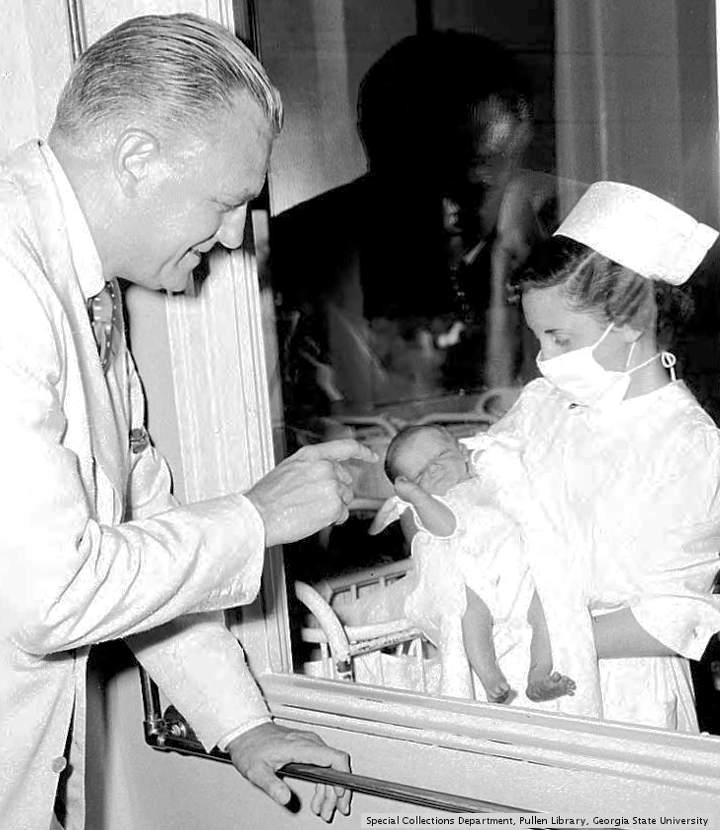
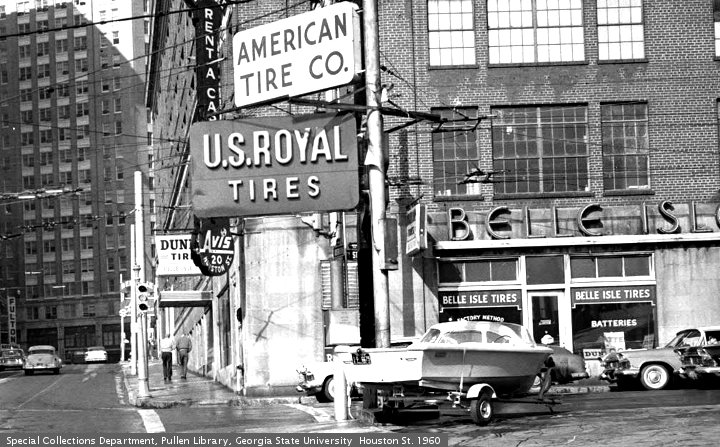
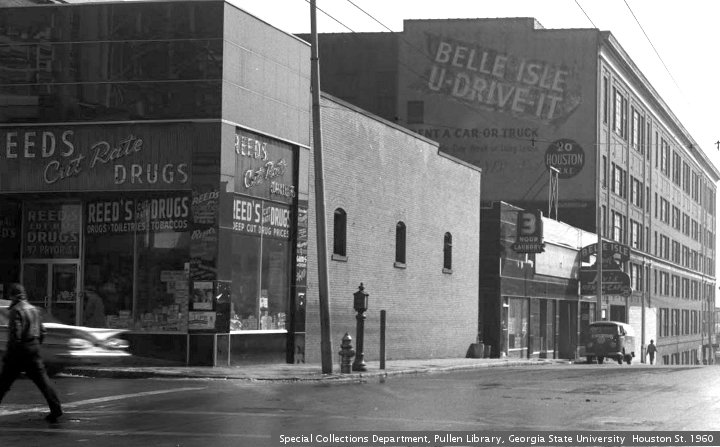
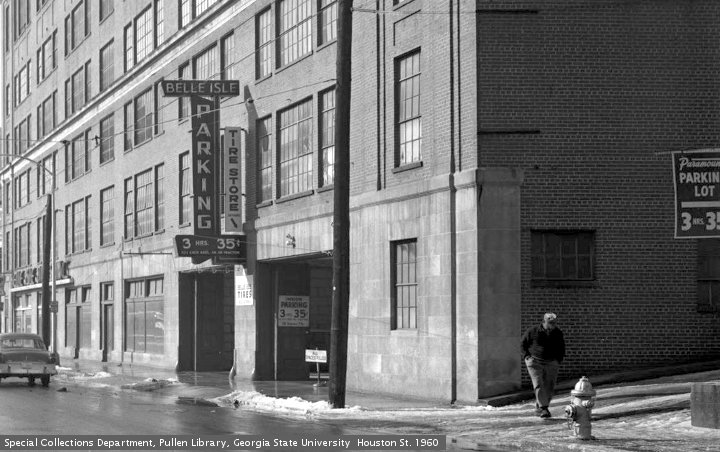
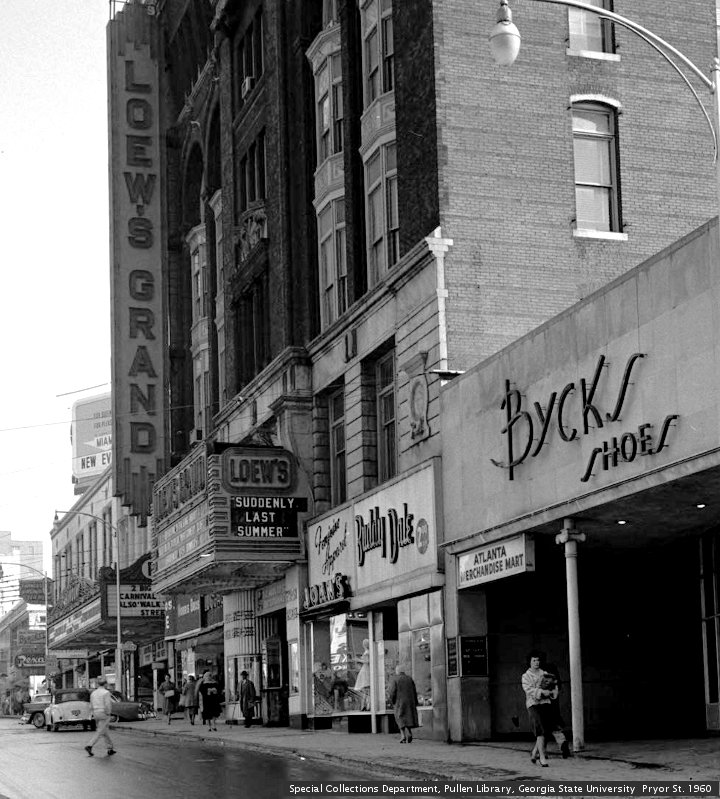
During World War II, butter was in short supply. Margarine became more popular. Finally, the laws requiring the sale of white margarine were repealed. Wisconsin kept the white margarine law until 1967, and forbade use of margarine in public places, unless requested, until 1971. Pictures for this feature are from “The Special Collections and Archives, Georgia State University Library”.

War On Christmas



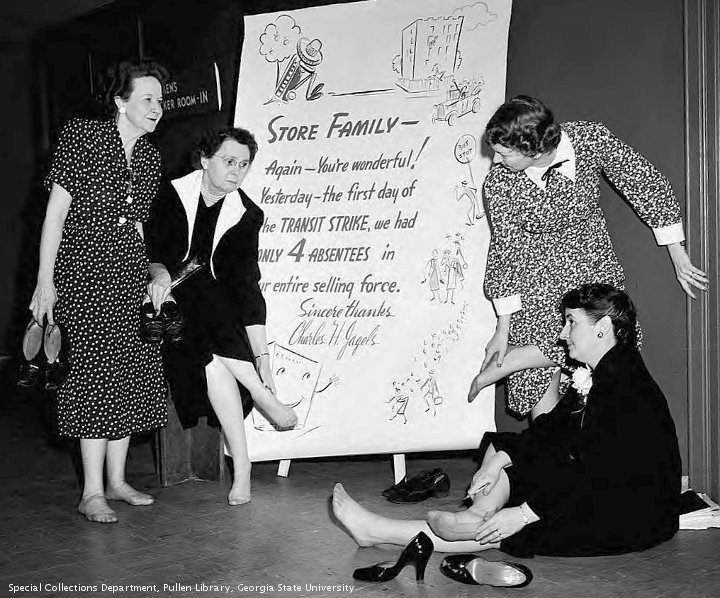
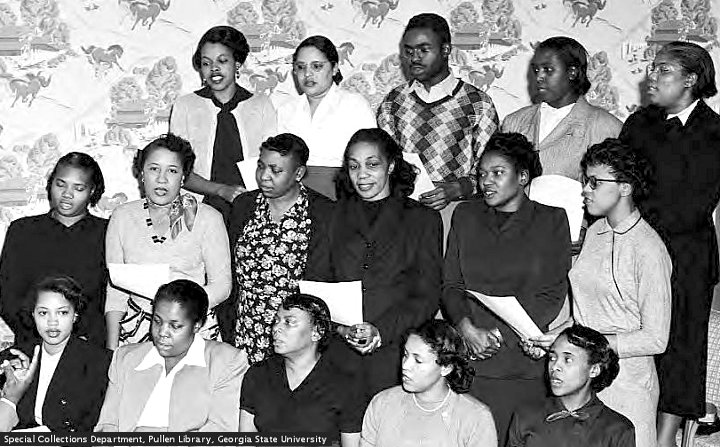
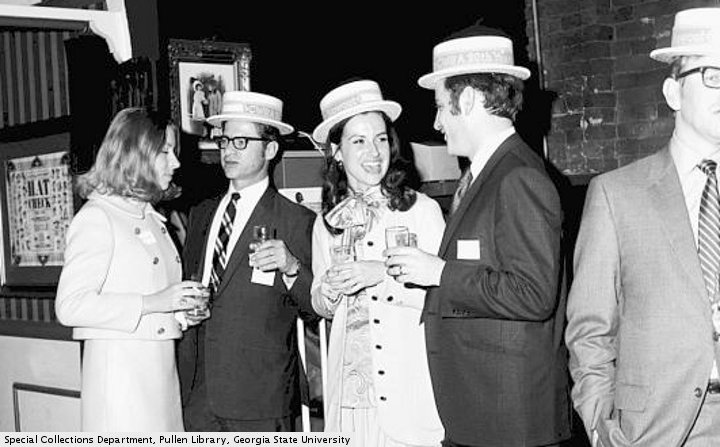
Merry Christmas used to be a greeting of good will. It meant, I am happy that you survived the year, have a nice holiday. It was not an in your face gesture, designed to express a religious opinion.
Christmas used to be a time of peace on earth and good will towards men. There were parties, gift giving, and holiday time from school and work. The religious part has always been there, but if you wanted to ignore it you could.
Jesus Worshipers want it all. The fact that our culture is dominated by Jesus worship is not good enough, they want it all. And they don’t care if it offends you. Peace on earth, and good will towards men, is an obsolete concept.
We don’t know when Jesus was born. Some scholars say he was born in the spring, but it was a long, long time ago. When the early Christians were trying to convert the Romans, they decided to have a birthday celebration for Jesus at the time of a pagan holiday. It is the winter solstice, the time of renewal at the end of the year. It is an ideal time for a religious feast.
Many people, PG included, have been hurt by Jesus. Christianism is an aggressive religion, and if you don’t agree, you can expect to be insulted and humiliated. As society becomes more and more secular, the Jesus worshipers get more aggressive. Many people have come to see the birth of Jesus as something to be mourned, rather than celebrated.
PG used to enjoy saying Merry Christmas. To him, it was a greeting of good will. Now, it is taking sides in a nasty fight. Maybe the proper thing to say is have a nice day.
And now for something completely different. PG found this recently, and it is not original to him. If you really need a link to the original, we will look harder.
When I was young and impressionable, I heard the Co-Adjutor Archbishop of Bombay preach on the subject of Christmas. He made the point that the adjective “merry” actually means “to be showing the influence of alcohol”, that is to be at least partially drunk. So to wish someone a Merry Christmas is really to wish them a Drunken Christmas. Moreover, drunkenness is a sin, and it is illegal to ply an infant with alcohol. A “merry Christmas” not only treats the birth of Christ as an occasion for sin, it also excludes the guest of honour Himself from the celebration.
That is a perversion of the meaning of Christmas — yet how often do we hear “true Christians” insist on saying “merry Christmas”? Why don’t they just wish the world happiness and joy?
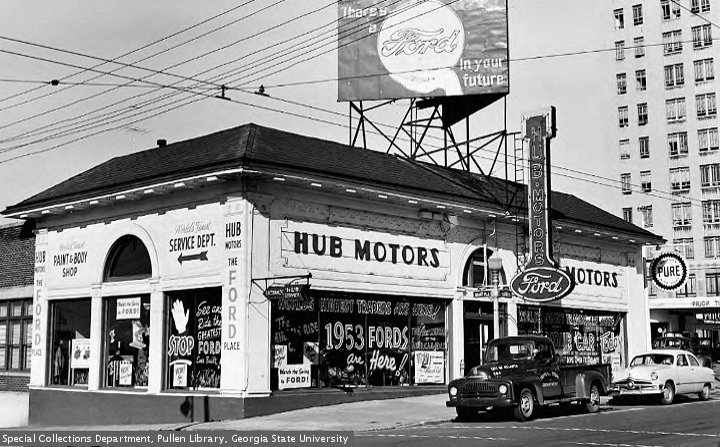
This holiday feature is a repost, with pictures from “The Special Collections and Archives, Georgia State University Library”.


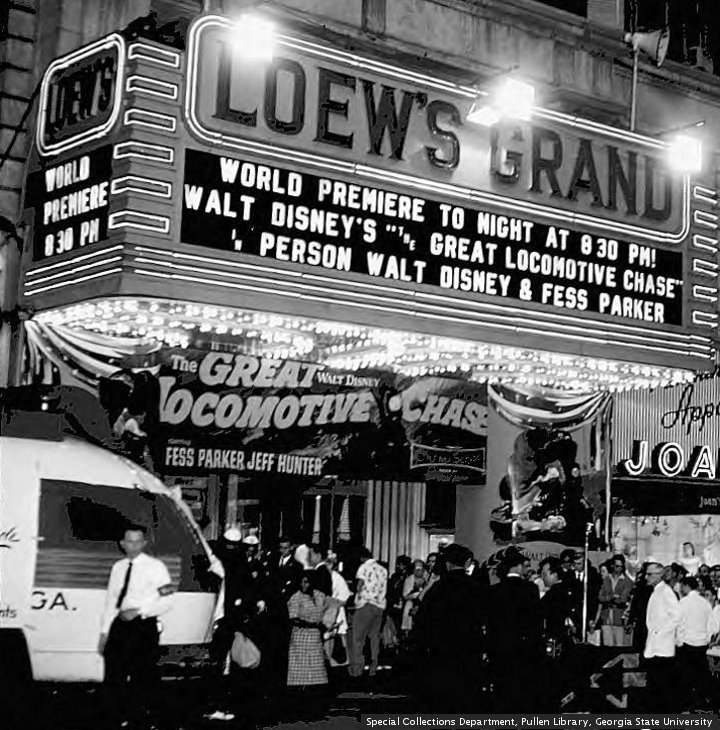


Fifty Five Years

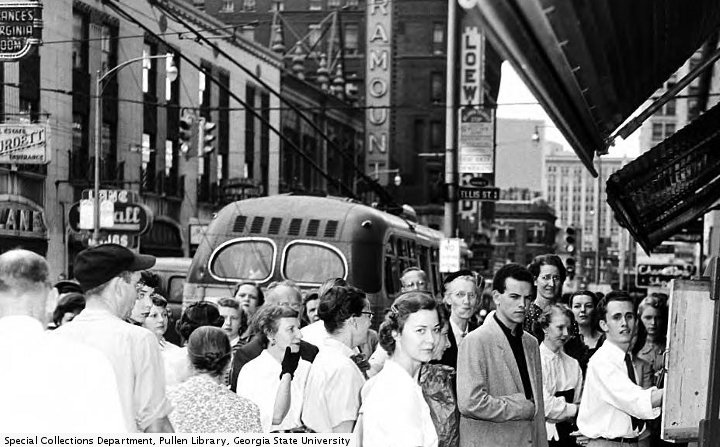


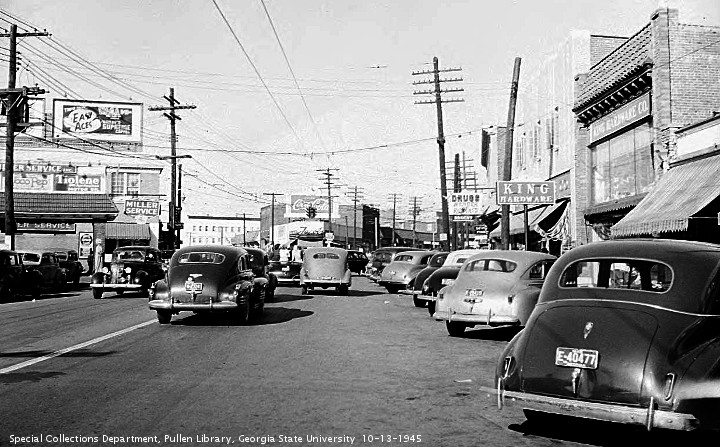

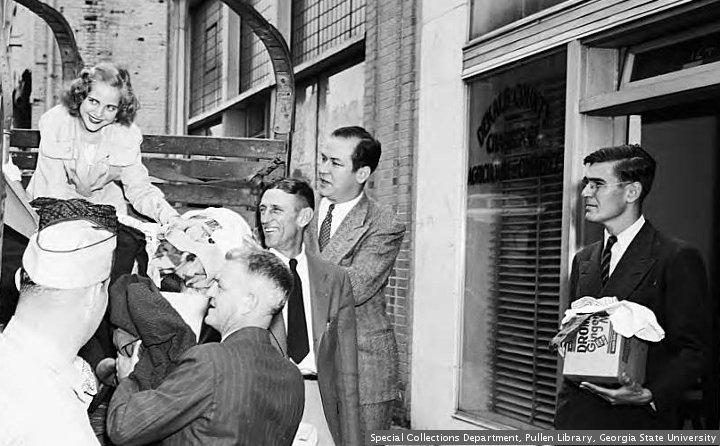
Fifty five years ago, John Kennedy went to the oval office in the sky. The bullets hit Mr.Kennedy at 12:30 pm, CST. He arrived at the hospital at 12:37. He had a faint heartbeat on arrival, but quickly succumbed to his wounds.
In Georgia, PG was nine years old. He was in Miss Mckenzie’s fourth grade class. There was going to be an assembly soon, and the class was going to perform. There was a rehearsal in the cafetorium, and some of the kids were acting up. They went back to the class, and PG thought they were going to be chewed out about the misbehavior in the cafetorium. Instead, Miss Mckenzie came into the room, and told the kids that President Kennedy had been shot during a parade in Dallas Texas. She did not say anything about his condition. One kid cheered the news.
School let out at the regular time, and PG walked home. His mother and brother were crying. He was told that the president had died. The cub scouts meeting that afternoon was canceled.
Later that night, a plane arrived in Washington. The tv cameras showed a gruesome looking man walk up to a microphone. He was introduced as President Lyndon Johnson. This may have been the worst moment of that day. Photographs for this repost today are from “Special Collections and Archives, Georgia State University Library”.
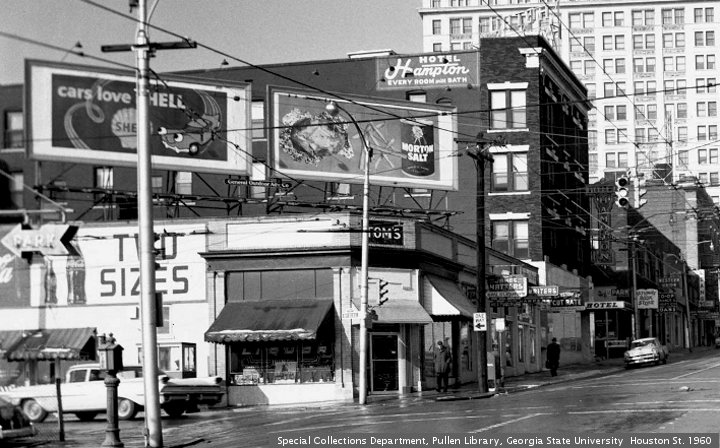






November 11
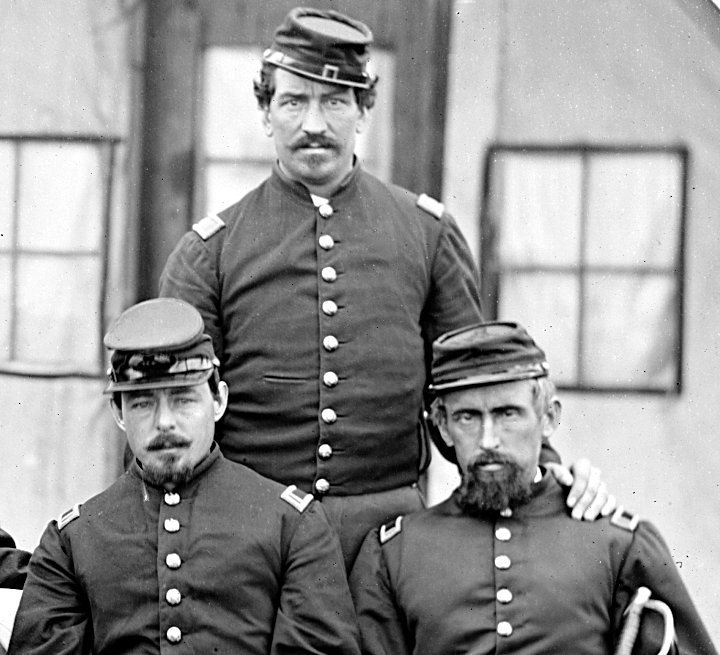


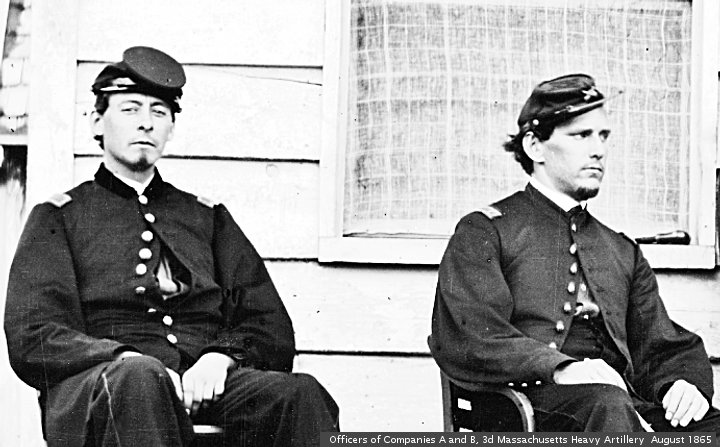
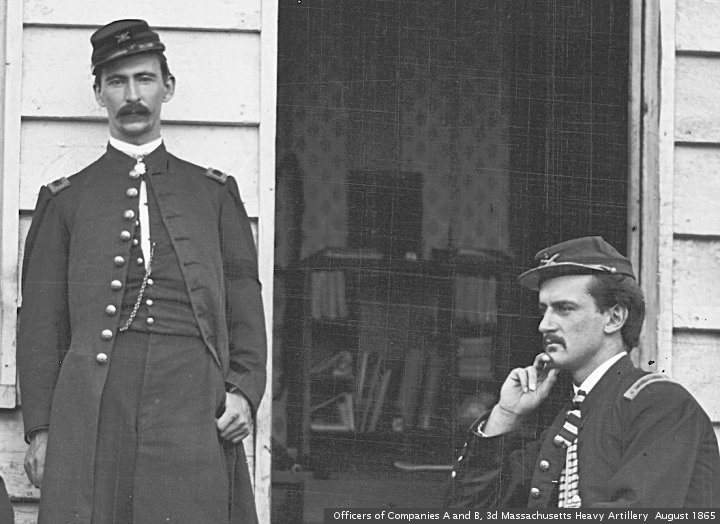
Veterans day was originally Armistice Day. On November 11, 1918, at 11 am (the eleventh hour of the eleventh day of the eleventh month) a cease fire went into effect for “The great war”. Officials of the major armies agreed to the ceasefire at 5 am (European time). There were an estimated 11,000 casualties in the last six hours of the war.
At 11:59 am, U.S. army private Henry Gunther became the last soldier to die in World War I. “According to the Globe and Mail this is the story of the last soldier killed in WW1: On Nov.11, 1918, U.S. army private Henry Gunther stood up during a lull in the machine gun fire and charged the enemy. “The Germans stared in disbelief,” says the Daily Express. “They had been told that morning that the fighting was about to stop; in a few minutes they would stop firing and go home. So why was this American charging at them with his bayonet drawn? They shouted at him to stop and frantically tried to wave him back but… he hadn’t heard anything of the ceasefire.” A German gunner released a five-round burst and the soldier lay dead, at 10:59 a.m. In his recently published Eleventh Month, Eleventh Day, Eleventh Hour, U.S. Military Historian Joseph Persico notes that Private Gunther had previously been a sergeant but was demoted after an Army censor read his letter to a friend back home, urging him to steer clear of the war at all costs. Gunther, who was in no-man’s land when the ceasefire news arrived, had been trying to prove himself worthy of his original rank.”
This is a repost. Pictures are from The Library of Congress.
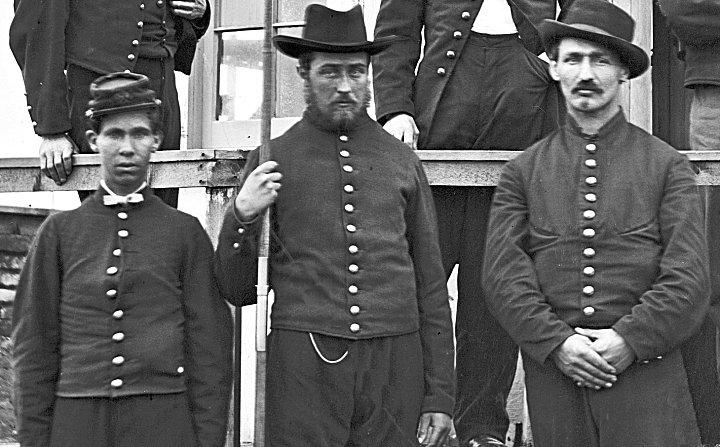

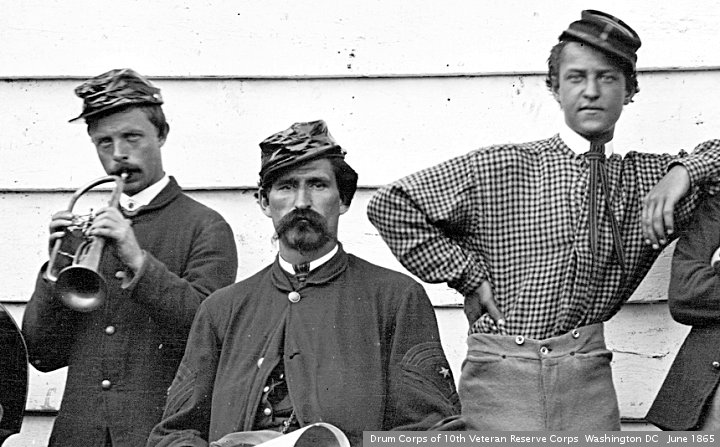
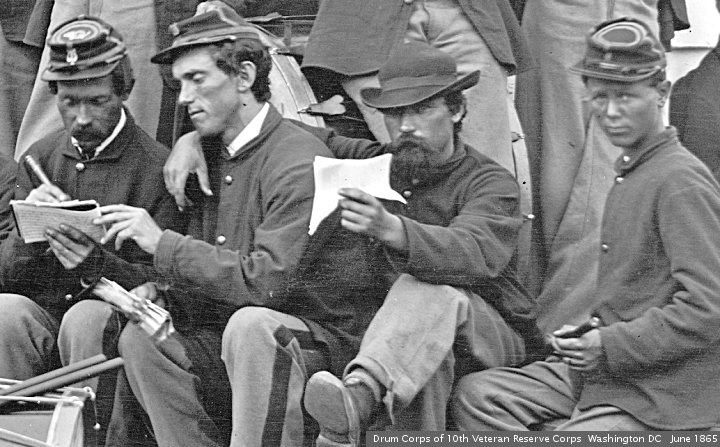
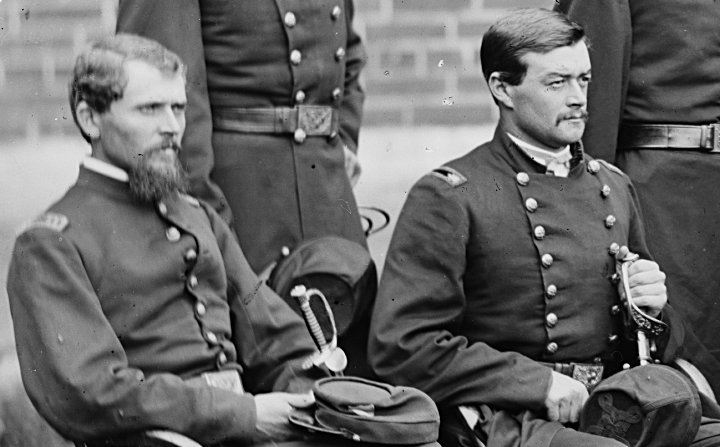
Veteran’s Day is a bad day for a cynic. On the one hand, I do appreciate living in The United States. With all its flaws, I have had a good life here. The role that Veterans have played is to be honored. On the other hand, those who profit from wars often exploit Veterans for political mojo. Many of these people did not serve.
Veterans are often not treated well after they are through with their service. It is estimated that a quarter of the homeless are veterans. The services offered to wounded veterans returning from War are often lacking. These wounds are both physical and mental.
When I typed the second sentence, I thought of my great grandfather. He served with the Georgia State Troops in the War Between the States. I do prefer the USA to the CSA (or whatever would have happened). Yet, the Union army had to prevail over the various Confederate Armies for this to happen. Do I dishonor my great grandfather by saying I am happy the other side won?
Veterans Day was originally Armistice Day. This was the day, 100 years ago, when the War to End All Wars ended. World War I was a ghastly bloodbath, in which millions died. It created many of the problems that plague us today. And I would be willing to bet that not one person in ten thousand today knows what it was about. And yet, the men who fought in that conflict (I don’t think they had women soldiers then) deserve the same gratitude as those who fought in any other conflict.
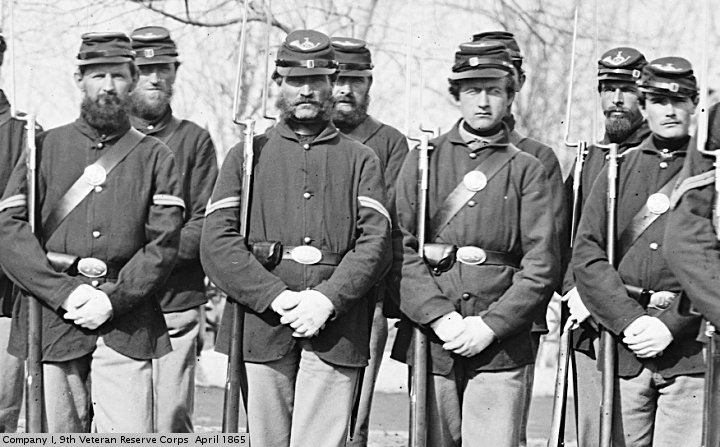
The soldier…many of whom were drafted…doesn’t get to choose which war to fight in. The sacrifice of the World War II soldier was just as great as the Vietnam fighter, but the appreciation given was much greater. I grew up during Vietnam, and saw the national mood go from patriotic fight to dismayed resistance. By the time I was old enough to get drafted, the Paris accords had been signed. For better or worse, there went my chance.



I Slept With Joey Ramone

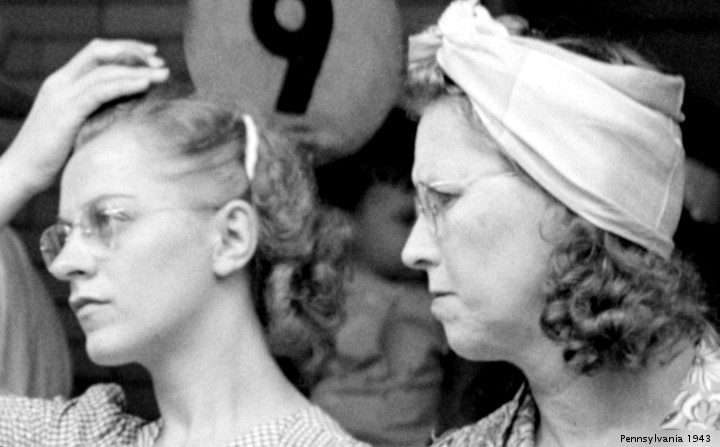
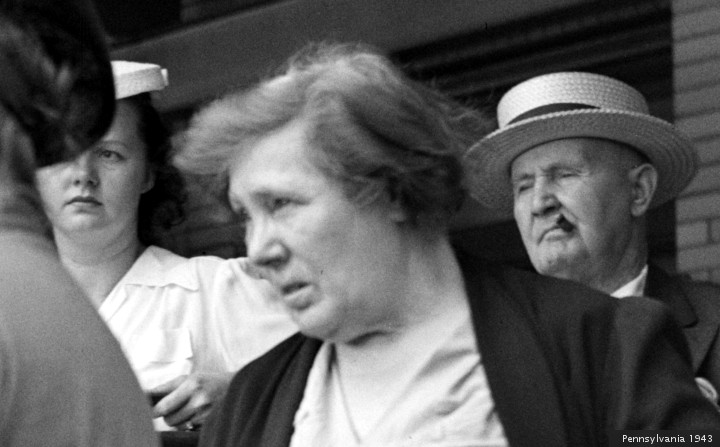

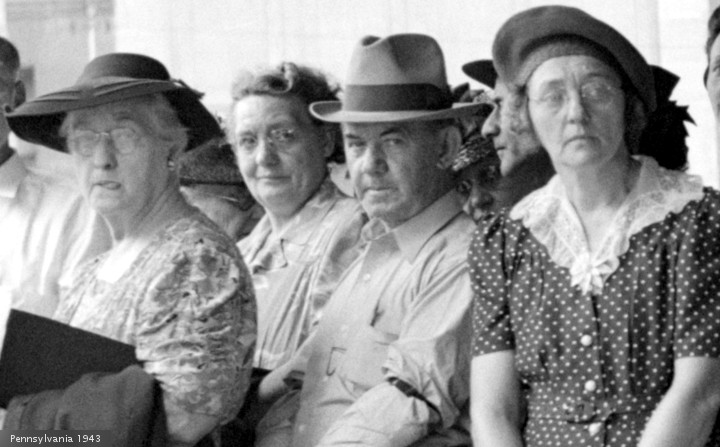

I Slept with Joey Ramone is the story of a six foot five geek, who was only good for singing gabba gabba hey. Jeffrey Ross Hyman had issues. Aside from his goofy appearance, Jeff had severe OCD. He would injure his foot bad enough to require several hospitalizations. Somehow, Jeff got to play in some bands, going glitter as Jeff Starship. Eventually, Jeff Hyman, John Cummins, Douglas Colvin, and Tommy Erdelyi becam Joey, Johnny, Dee Dee, and Tommy Ramone.
ISWJR was written by Mitchel Lee Hyman, Jeff’s younger brother. His stage name was Mickey Leigh. Mickey was the first roadie for the Ramones, and will always be in his brother’s shadow. The two had an intense relationship. Jeff and Mitch went from being best friends to mortal enemies. This sibling rivalry is a key part of the story. The book, despite the commercial title, is about Mickey as much as Joey. The subtitle is “A punk rock family memoir.”
The co-author is Legs McNeil, who assembled Please Kill Me. ISWJR is told through Mickey’s eyes. It is uncertain what role Mr. McNeil played. Some say that Mickey Leigh could not type a page of text if his life depended on it.
Please Kill Me was an “oral history of punk rock,” meaning they taped a bunch of people talking. Mickey was one of the talkers, and Joey was not happy with what Mickey said. Another voice tells about Dee Dee Ramone falling on the sidewalk outside CBGB. Dee Dee said it was not a good idea to get hit in the head when you were drinking… it might cause brain damage. That is not an exact quote. Dee Dee Ramone did not “just say no.”
The Ramones had their fifteen minutes last for twenty years. They went down to the Bowery, and found this bar called CBGB’s. The owner kept his dog inside, and dog shit was everywhere. The Ramones got a following, a record contract, did tours, recorded albums, became sort of famous, started a movement (other than the bar dog’s bowels,) but never had a hit record. This lack of commercial success was highly annoying.
The first taste of big money was Budweiser using “Blitzkrieg Bop” in a commercial. Mickey played an uncredited part in the song. When the Budweiser money started to roll in, Mickey was struggling to pay the rent. Mickey tried to get some money out of the band, which refused. This caused many years of Joey and Mickey not speaking.
For a while the boys in the band (pun intended, at least for Dee Dee) were pals. Then Joey had a girlfriend, Linda. Johnny stole Linda from Joey. Johnny and Joey hated each other from then on. Johnny was always a bit of an asshole, as was Joey. At some point, Tommy had enough, and was replaced by Marky. He drank his way out of the job, and was replaced by Richie.
In 1983, The Ramones played at the Agora Ballroom in Atlanta. PG was in the audience. By this time, the Ramones had been going on for nine years. They was not the next big thing anymore. Somebody played a tape of cheezy Coney Island music, and the band came on stage. Joey hunched over the microphone, tapped himself on the head with a baseball bat, and the band did “Beat on the brat.” The band went through the motions, playing another show, probably identical to every other Ramones show ever played. Punk rock just was not trendy anymore.
It was an all ages show. If you wanted to drink, you had to go up to the balcony. You were on your own going down the stairs. Downstairs was full of young people, many is costume, having a hot time. The balcony was the same rock and roll drunks that were at every show ever produced.
ISWJR does not have a happy ending. Joey had health problems throughout his life. Being a drunken-coke-freak rock star did not help. He came down with Lymphoma, and was starting to do ok. Then, Joey fell and broke his hip, and they had to adjust his medication. Soon, the cancer was back with a vengeance. Joey and Mickey called a truce to their squabbling before Joey died April 15, 2001. Dee Dee and Johnny quickly followed. The Ramones would have been a great oldies band, if only.
Pictures today are from The Library of Congress.



Essential Liberty



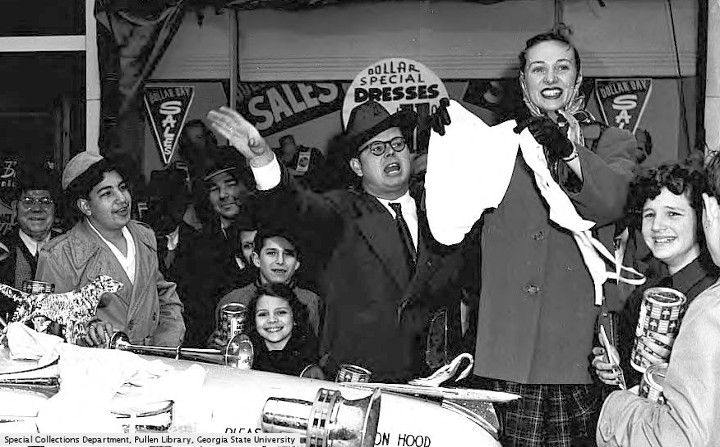
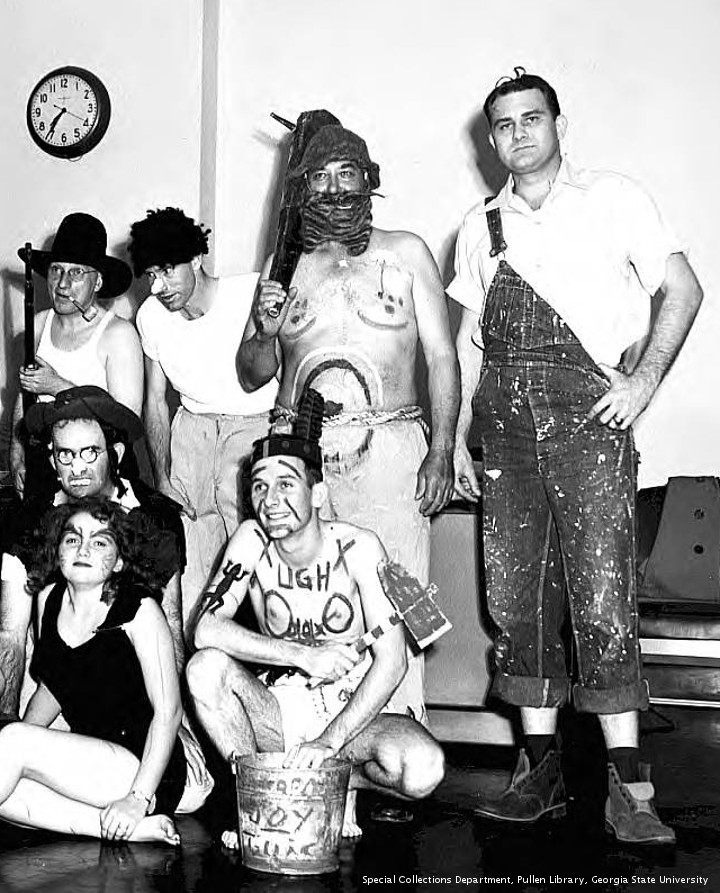
It is a popular line. “They who can give up essential liberty to obtain a little temporary safety deserve neither liberty nor safety.” The credit, or blame, for this gem is assigned to Ben Franklin. Did he really say it? What was he talking about?
The good news is that Mr. Franklin did say these words. (Here is the text.) What follows was written by a lawyer. Prepare to be confused.
“The words appear originally in a 1755 letter that Franklin is presumed to have written on behalf of the Pennsylvania Assembly to the colonial governor during the French and Indian War. The letter was a salvo in a power struggle between the governor and the Assembly over funding for security on the frontier, one in which the Assembly wished to tax the lands of the Penn family, which ruled Pennsylvania from afar, to raise money for defense against French and Indian attacks. The governor kept vetoing the Assembly’s efforts at the behest of the family, which had appointed him. So to start matters, Franklin was writing not as a subject being asked to cede his liberty to government, but in his capacity as a legislator being asked to renounce his power to tax lands notionally under his jurisdiction. In other words, the “essential liberty” to which Franklin referred was thus not what we would think of today as civil liberties but, rather, the right of self-governance of a legislature in the interests of collective security.”
Mr. Franklin was writing on behalf of legislators who wanted to assess a tax. The quote is used by tax hating conservatives. The modern conservative wants to send a hundred thousand troops to a conflict eight time zones away, and pay for it with tax cuts.
Another article tells much the same story, but with a couple of twists. There is a google gimmick that shows how often a quote is used. The BF quote was little known until the twentieth century.
The techcrunch article introduces a dandy word for the rampant misuse of quotes. The word is contextomy. This explanation is from Matthew McGlone of the University of Texas at Austin.
“‘Contextomy’ refers to the selective excerpting of words from their original linguistic context in a way that distorts the source’s intended meaning, a practice commonly referred to as ‘quoting out of context’. Contextomy is employed in contemporary mass media to promote products, defame public figures and misappropriate rhetoric. A contextomized quotation not only prompts audiences to form a false impression of the source’s intentions, but can contaminate subsequent interpretation of the quote when it is restored to its original context. …”
The spell check suggestion for contextomy is contentment. This is a repost. Pictures today are from “The Special Collections and Archives, Georgia State University Library.”


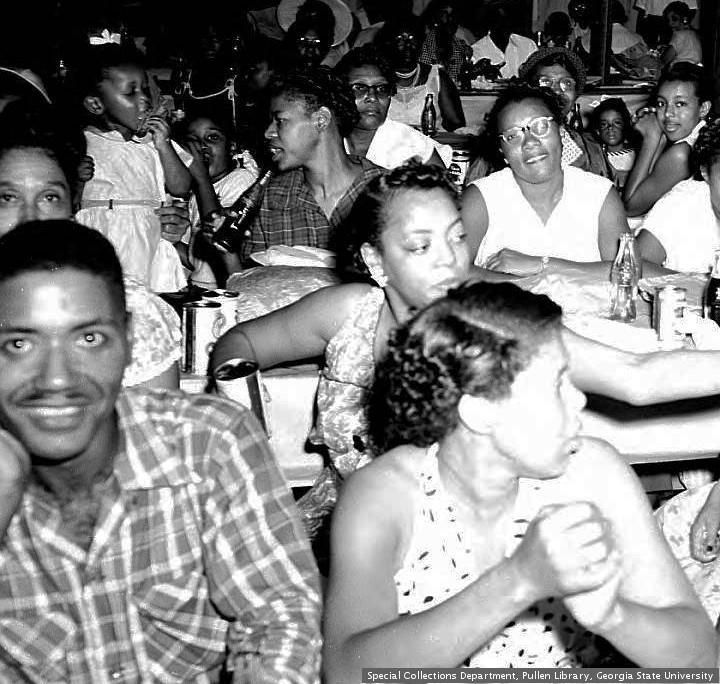

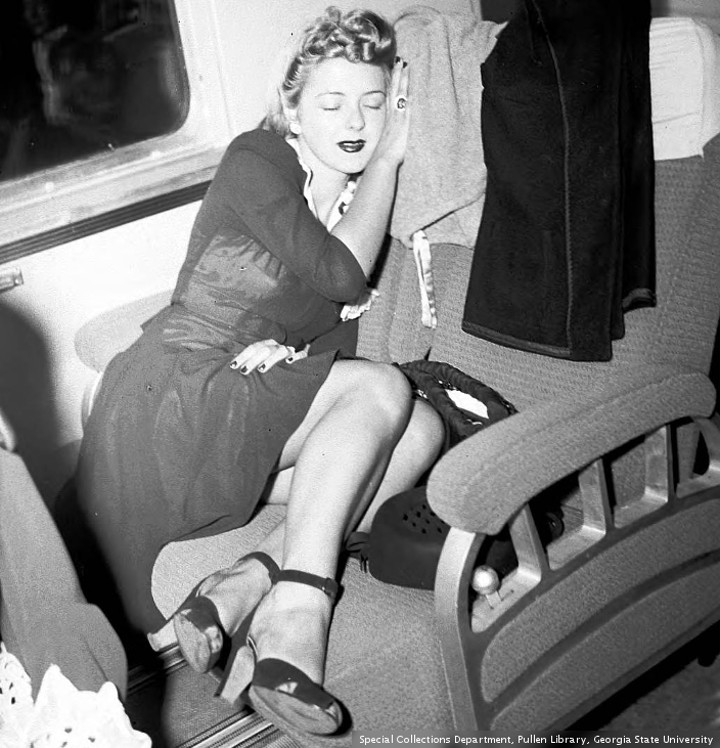

#WhyIWrite
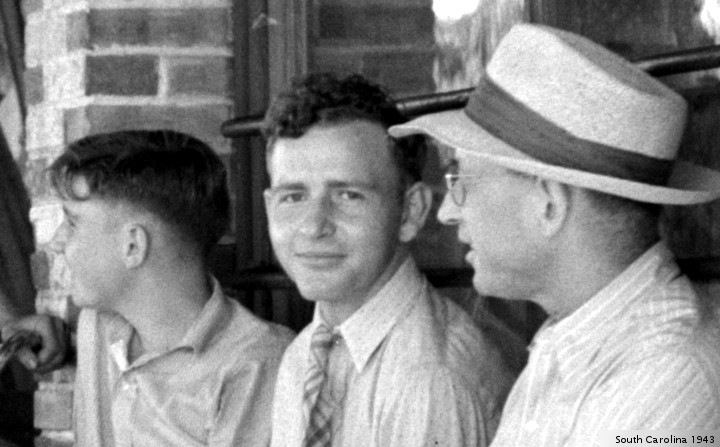

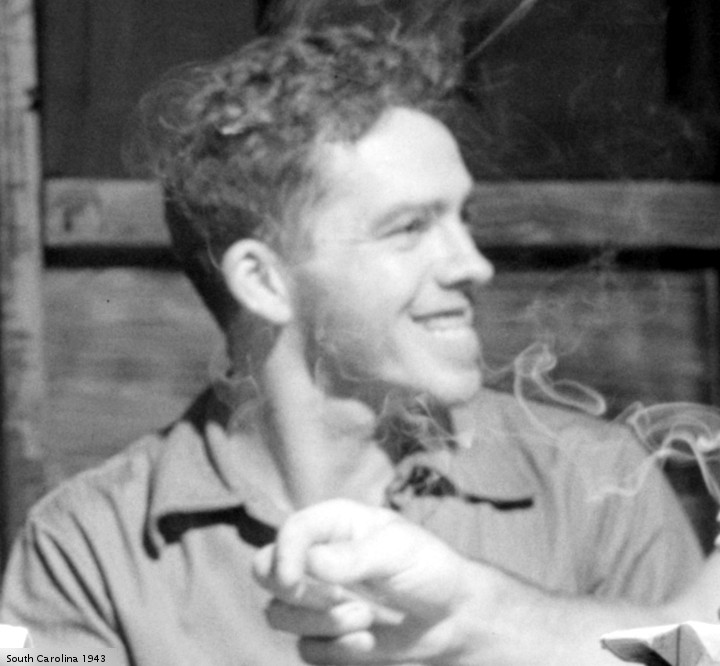
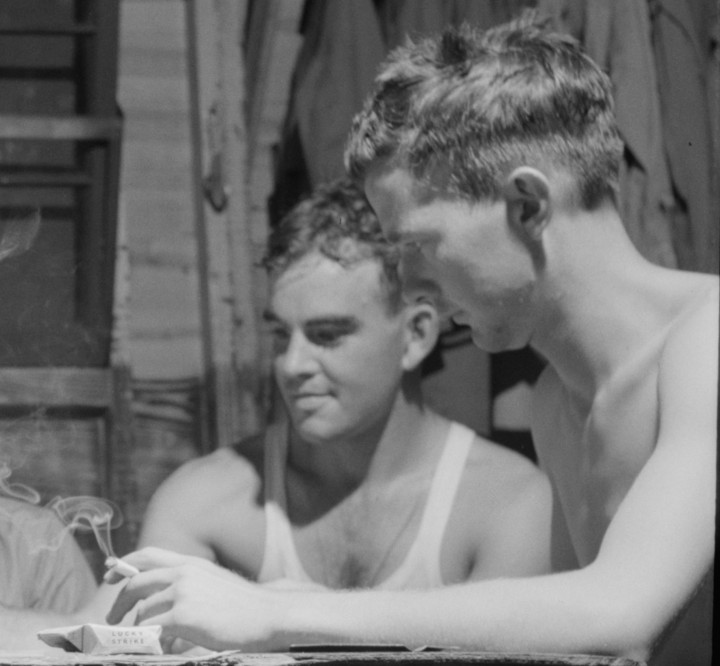
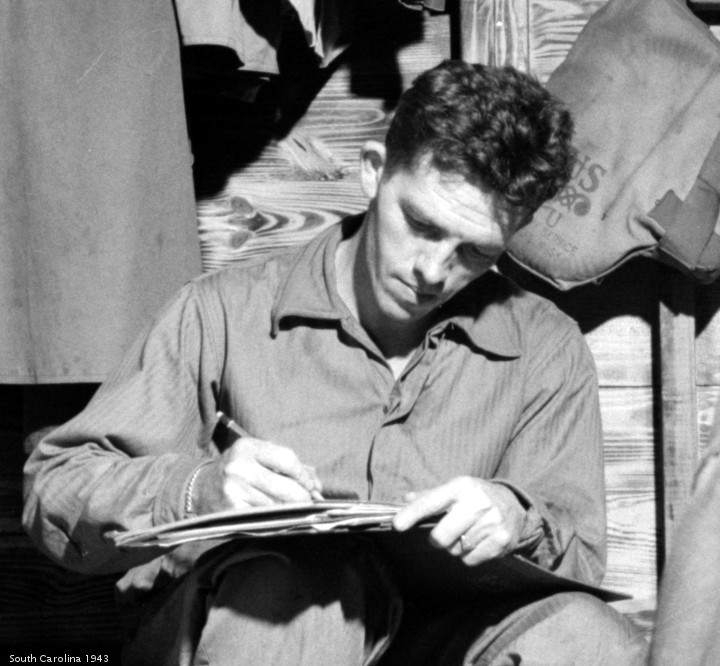

#WhyIWrite is trending on twitter today, the #NationalDayOfWriting. A lot of the tweets are the sanctimonious, pseudo-inspirational crap that you might expect. A few others are posting inspirational thoughts by famous authors, usually with a picture in the background. Posting memes about writing is not the same as writing. Especially when the famous author never said it.
@girlsreallyrule “In honor of this National Day on Writing, I submit this quote from Dorothy Parker, who sums it up perfectly. #WhyIWrite” This tweet gets the party started. The *quote* was a bit of photoshop nonsense that PG has written about before. There is no source for the quote, “I hate writing. I love having written.” (If someone knows a source, please leave a comment.) PG left a comment. @chamblee54 “Dotty never said that. An old school manual typewriter only produces one size of text. I have learned when someone says _____ _____ perfectly, then the object in question is full of errors.” When writing this report, PG clicked on the link to the original tweet. “You are blocked from following @girlsreallyrule and viewing @girlsreallyrule’s Tweets.”
The next meme is blamed on Ben Franklin. “Either write something worth reading or do something worth writing.” Quote Investigator has a report on this Benjaminism. It turns out that the real quote is better than the meme. “If you wou’d not be forgotten, As soon as you are dead and rotten, Either write things worth reading, or do things worth the writing.”
@Gaming_agent99 “You can make empires rise from ashes. You can make heroes fall and villains rise. You can bring all your thoughts and ideas to life, what’s more fun than that. #WhyIWrite” This thought was illustrated by a C.S. Lewis meme. “You can make anything by writing.” Once again, the manual typewriter produces perfectly centered text, in two sizes. @chamblee54 I searched the C.S. Lewis wikiquotes. I used make, anything, and writing as search words. This quote did not appear. @chamblee54 #WhyIWrite I found this in my search “The trouble about trying to make yourself stupider than you really are is that you very often succeed.” The Magician’s Nephew (1955), Ch. 10: The First Joke and Other Matters.
@simpsonlibrary posted a tasteful graphic featuring this quote: “I think all writing is a disease. You can’t stop it.” William Carlos Williams. PG had never heard of Dr. Williams, and thought the quote was real. Usually, the less famous the name, the greater the chance that the quote is legitimate. A bit of research turned up page 498 of The Collected Poems of William Carlos Williams: 1939-1962. Dr. Williams had translated Fragment 31 of Poems in Folio, by Sappho. “I’m 73 years old. I’ve gone on living as I could as a doctor, and writing poetry on the side. I practised to get money to live as I please, and what pleases me is to write poetry.”
“I don’t speak English, but the American Idiom. I don’t know how to write anything else, and I refuse to learn. … All my life I’ve never stopped thinking. I think all writing is a disease. You can’t stop it.” Pictures today are from The Library of Congress.



Migrant Mother


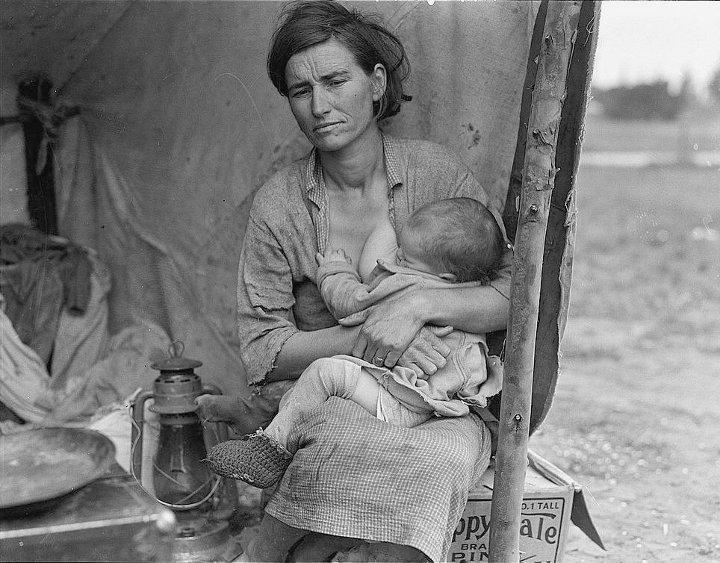


It is perhaps the most famous photograph from the depression. . The semi official title is Migrant Mother. The Library of Congress says “Destitute pea pickers in California. Mother of seven children. Age thirty-two. Nipomo, California.” The exact date is unknown, and was either February or March of 1936. The photographer was Dorothea Lange (pronounced dore-THEE-ah lang). The model was Florence Owens Thompson .
Ms. Lange was born Dorothea Margaretta Nutzhorn May 26, 1895 in Hoboken, N.J. When she was seven she had polio, and when she was twelve her father left. Both events affected her deeply. (Lange is her mother’s maiden name, chosen for use after the father left.) She became a photographer, and had a successful studio in San Francisco. By 1936 she was with her second husband, her sons were in boarding school, and she went to work for the Farm Security Administration.
The Farm Security Administration hired a number of photographers to document the lives of Americans between 1934 and 1944. (During part of this time, it was connected to the Office of War Information, and the Resettlement Administration.) Since they were working for the government, the photographers were not entitled to copyright protection. The majority of these pictures are in the public domain, including the famous pictures of Florence Thompson.
This feature started with a google search for the correct way to pronounce Dorothea Lange. (Readers of this blog have seen the fondness for Library of Congress historic pictures. Ms. Lange is one of their stars.) This search led to a teacher’s guide from Yale University. This guide is about Dorothea Lange and the Migrant Mother. It tells the story as well as PG could. Bless his pea picking heart.
The day that Dorothea Lange photographed what would become her most famous photograph, Migrant Mother, has been retold by Lange in numerous sources. She was on her way home from a trip documenting the living and working conditions of the migrants to California. She followed their schedules, getting up at sunup and working until sundown, which made for long, sixteen-hour days. She was tired, and she was ready to see her family.
With about seven hours of driving left ahead of her, she passed a homemade sign that said Pea Pickers’ Camp. She knew that a late frost had ruined the pea crop, and was concerned about the people who might be at the camp. It nagged at her to turn around, to go back and visit the camp, another opportunity to document. About 15 minutes (20 miles) later, Lange did turn around.
Right away she saw the woman who would be the subject of Migrant Mother. Some sources say she took 5 shots, but she really took 6; in any case each shot focuses in on the woman a little more, and the final shot is the one that would become the “timeless and universal symbol of suffering in the face of adversity “ (The Library of Congress only has five of the shots.)
Early the morning after she got home, instead of spending time with her family Lange rushed to develop the photographs and submit them to the FSA and The San Francisco News. She thought that these photographs could help bring attention to the plight of these American migrant farmers. She was right; the story was printed in newspapers around the country, and the federal government immediately sent 20,000 pounds of food…. (The Thompson family had left for Watsonville by the time the food arrived)
The Dust Bowl refugees were of European descent, and were migrating to California because they were displaced from their farmland by drought. Florence Owens Thompson, though from Oklahoma, was a full-blooded Native American, and her family had been displaced from tribal lands by the U.S. government. (By 1930, Native Americans had lost more than 80% of their lands this way).
The day Lange photographed Thompson, she and her family were driving towards Watsonville, hoping to pick lettuce in the Pajaro Valley. The timing chain on their car broke just outside Nipomo, and so they pulled into the pea -pickers camp to fix it. While fixing the chain, the radiator was punctured; Thompson’s two boys (and likely her male companion) (Wikipedia says it was husband Jim Hill) brought the radiator into town to be fixed. While they were gone, Lange arrived…
The choices Lange made in terms of shooting the scene are very telling in light of our discussion about documentary photography. Most strikingly, the woman’s teenaged daughter is purposefully excluded from the photograph. She appears in the first two photographs of the series, but Lange thought that including her would cause the viewer to speculate about how old the mother was when she began having children (Curtis p. 55). At the time, the ideal family contained no more than three children; this woman’s family of seven could have detracted from the matter at hand, and maybe caused people to feel less sympathetic towards her (Curtis p. 52).
In the third shot, all you see is the mother nursing her youngest child. Migrant Mother is often referred to as Migrant Madonna… Lange thought that her subject looked too anxious and uncomfortable with the camera, as Lange seemed to have triggered in her what she called “that self-protective thing” (Curtis p. 57). So, despite being uncomfortable with how unpredictable children were to photograph, to calm the mother she added one of the children back into the frame for the fourth shot. She had the child rest her chin on her mother’s shoulder, which, though somewhat unnatural, served the purpose of anchoring the child still. She was also asked to remove her hat, which would have obscured her facial features. This resulted in a good photograph. Lange “thought she could do better.”
The fifth shot was the same, but from a different angle, which illuminates an empty pie tin, heavily symbolic of the hunger the family was facing. It also highlighted a warm and loving relationship between mother and child, as the child is leaning lovingly on the mother’s shoulder, which is comforting to the child.
For the sixth and final shot, (the one which became famous) Lange brought another child in, but she had both children face away from the camera, so that her shot would not be jeopardized by their unpredictability, and they would serve as a loving frame for the mother. Lange asked the mother to bring her right hand up to her face, and that resulted in exactly what Lange wanted and knew was there (Curtis p. 65). It softened her anxiety about the camera into a mother’s concern for the welfare of her family. The mother was worried about letting her sleeping child slip, so in the original sixth shot you could see her thumb grasped around the pole for support. In her excitement Lange did not see it. She eventually altered the original photonegative because she “did not want a small detail to mar the accomplishment (of overcoming her subject’s defensiveness) (Curtis p. 67).”
In this feature, the second image from the session is missing. The pictures in this feature are as follows. 1- The famous picture, cropped. 2- The first shot from the session. 3- A detail from the first shot. 4- The Migrant Madonna. 5- Child on the shoulder. 6- Child on the shoulder #2. 7. The full length famous picture. 8- A portrait of Dorothea Lange. 9- Another photograph by Ms. Lange, taken on the California-Arizona border in the summer of 1936. 10- The information from the famous picture. 11- The famous picture with the thumb included.
2012 Repost Notes This was on a list of posts that could be repeated. Of course, there are usually improvements to be made. Youtube was searched, and some videos were found. One of them mispronounces Dorothea. A search for the correct pronunciation of that first name was how this post got started in 2010.
Looking at the pictures reveals a glitch in the famous picture. If you look in the part of her hair, you will see a gray stripe. This is a bit of damage to the negative, and is common to old photographs. Ordinarily, PG would paste over a spot like that, but this is a sacred photograph.
The files of the LOC were consulted, and a 115mg original was downloaded. The grey stripe was still in the part, which is where it will stay. The original has the thumb, which was taken out of the famous prints. It is included in this post, along with the information typed into the side.
A look at some of the other pictures taken that day show a grey spot in the part. Maybe it wasn’t a photo glitch. Raising seven children can give any woman a few gray hairs.
Another question is about Florence Thompson, the “Migrant Mother”. It was noted that she was a Native American. PG has decided that the expression “Native American” is the invention of European Import Americans, and is only marginally less offensive than Indian. There are hundreds of tribes in the Americas. A person is a member of a tribal nation. What tribe was Florence Thompson?
Mr. Google points us to this answer. “Thompson, a “full-blooded” Cherokee, was born Florence Leona Christie on September 1, 1903, on the Cherokee Nation in Oklahoma. Her father, Jackson Christie, was an ex-convict who had abandoned the family before her birth. Her mother,Mary Jane Cobb, married Charles Akman, a Choctaw, in 1905, with whom she raised Thompson near Tahlequah OK”
This is a repost. Pictures are from The Library of Congress.




Oscar And Milo

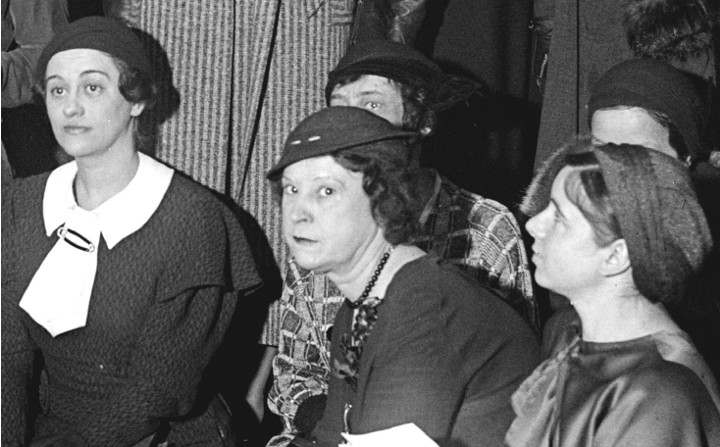



Oscar Wilde was being cross examined by Edward Carson, the attorney for the Marquess of Queensberry. Mr. Wilde had filed a libel suit, because the Marquess said Mr. Wilde was a somodite. The Marquess was the father of Lord Alfred Douglas, the boyfriend of Mr. Wilde. The cross examination saw many witty comments by Mr. Wilde. It was going well, until it wasn’t.
C– Do you know Walter Grainger? W–Yes. C– How old is he? W– He was about sixteen when I knew him. He was a servant at a certain house in High Street, Oxford, where Lord Alfred Douglas had rooms. I have stayed there several times. Grainger waited at table. I never dined with him. If it is one’s duty to serve, it is one’s duty to serve; and if it is one’s pleasure to dine, it is one’s pleasure to dine. C– Did you ever kiss him? W– Oh, dear no. He was a peculiarly plain boy. He was, unfortunately, extremely ugly. I pitied him for it. C– Was that the reason why you did not kiss him? W– Oh, Mr. Carson, you are pertinently insolent.
Milo Yiannopoulos is no Oscar Wilde. There was no gasp in the courtroom when he made his comments about “Father Michael.” The interview went on youtube September 30, 2015, and has been waiting for its time. In an ironic touch, one of the ads preceding the three hour video starred Leslie Jones, or someone who looked like her.
Bill Maher said, before introducing Mr. Yiannopoulos, “Stop looking at the distractions and the clown show and look at what matters.” There was a panel discussion, with Milo and four other men. The distraction, and the clown show, made comments that seem ironic a few days later.
The discussion began with an audience question about a trans Berkley student. Mr. Maher said she, and Mr. Yiannopoulos said he, with the intention of misgendering the individual. “I make no apology from protecting women and children from men who are confused about their sexual identity.” Maybe Father Michael was confused. “I think that women, and girls, should be protected from having men who are confused about their sexual identities in their bathrooms.” Mr. Maher looked down at the desk, and said “that’s not unreasonable.” Less than a minute of the video had elapsed.
Larry Wilmore said “I think its sad, because the same arguments that we use against gay people, treating them like aliens who want to fuck anything that moves, and that we should avoid them at all costs.” Mr. Yiannopoulos tried to say something, and Mr. Wilmore asked to be allowed to finish his thought. …..”You can always find the extreme person that becomes the object of your attack, that you assign that to everybody.” Given the prevalence of people using paedophilia as an all purpose argument against gays, it seems like Mr. Yiannopoulos went sashaying into a trap. Just let the idiot speak long enough, and he will hang himself. Whether this will have any negative effect on the overall LGBT population is not known.
At 2:33, Mr. Yiannopoulos starts to talk fast, and amateur transcribers (cis-scriber?) might make mistakes. “Your saying that (unintelligible) the victim is some sort of discrimination… this is a psychiatric disorder.” Some might say that a 14 year old. fooling around with a priest, is a victim, and a psychiatric disorder. Mr. Yiannopoulos is an entertainer, and likes to make flippant comments.
In his libel suit, “Wilde did his best to turn the proceedings into a joke with flippant answers. Always the artist, he seemed to be reaching for creative, witty answers, even if they contradicted earlier ones.” One sees the same pattern of behavior in Milo Yiannopoulos.
At 5:39: Mr. Maher said to Mr. Yiannopoulos “This is the beginning of your career, people are just starting to hate you.” “I’ve got so many more years.” This was less than a week before a fox news headline, JUST IN: Milo Yiannopoulos Resigns From Breitbart News.
“You have the potential to morph. You remind me of a young, gay, alive Christopher Hitchens.” Or maybe just young and alive. As an obituary of Mr. Hitchens notes, ” He was almost expelled from school for homosexuality and later boasted that at Oxford he slept with two future (male) Tory cabinet ministers. … he eventually became a dedicated heterosexual because, he said, his looks deteriorated to the point where no man would have him.”
Malcolm Nance got into the act, with the comment “You’ll take Russian spies over Saudis. OK.” Our knowledge of the role of Russians played in the 2016 election is evolving. Much better known is the fact that of the 19 hijackers on 911, 15 were Saudi.
At 10:50, Mr. Nance, a former Intelligence officer, said “Wikileaks… is a laundromat for Russian Intelligence.” The troubles of Mr. Yiannopoulos were noted in a tweet from @JulianAssange “US ‘liberals’ today celebrate the censorship of right-wing UK provocateur Milo Yiannopoulos over teen sex quote.” Pictures today are from The Library of Congress. This is a repost.








 Chamblee54
leave a comment