Cemetery Blues
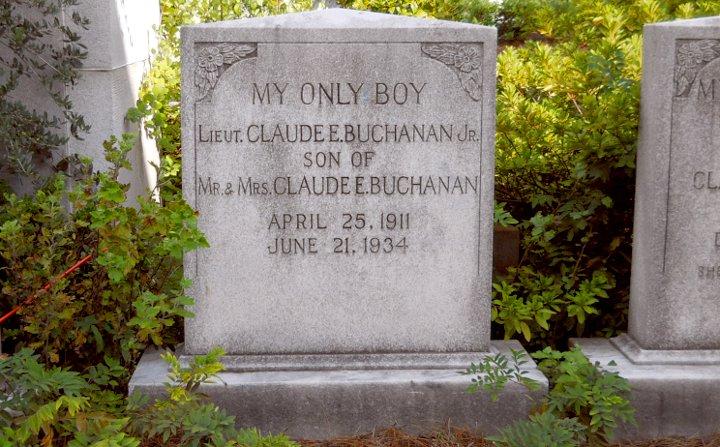
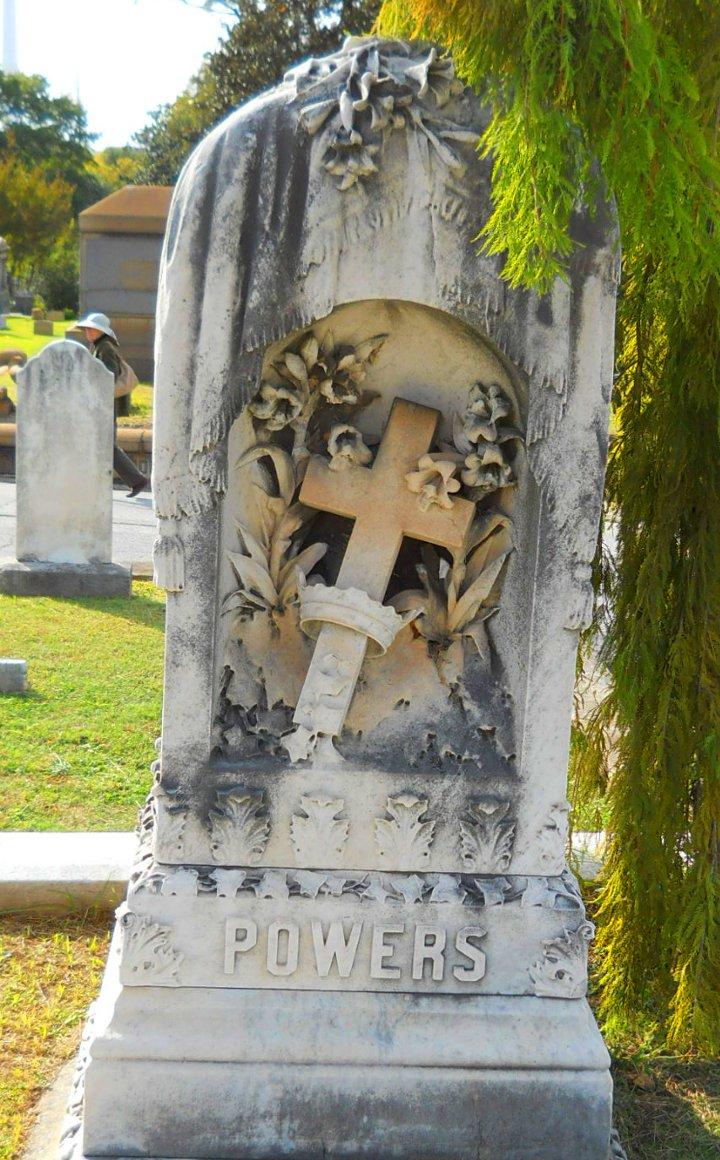


PG and Uzi had their usual Sunday phone call, and agreed to go to “Sunday in the Park”. It is a festival in Oakland Cemetery. with live music, people in costumes, open mausoleums, and lots of good clean fun. It wasn’t until that evening that PG learned that today is Dead Poets Remembrance Day. Edgar Allan Poe met his maker on this day in 1849.
There was a Chamblee54 post about DPRD two years ago. The idea is to go to a cemetery and read a poem. An effort will be made to do that tonight, although promises about dead poets are notoriously unreliable. The 2010 post is included as part two of this feature.
The first poem read that afternoon was “Looking for the Buckhead Boys” by James Dickey. In the intervening two years, PG listened to a podcast with Christopher Dickey, the son of the writer. Sometimes bard is short for bastard. Chris Dickey died July 16, 2020.
So PG, Uzi, and Hazmat went to a festival in Oakland Cemetery. Like everything else, it is more popular and expensive. You had to pay to park, which Uzi generously took care of. The brick walls around the boneyard have been repaired, and no longer look like they are going to fall down. Those walls are important, because people are dying to get inside. This is the second time that PG and Uzi have attended the October festival in Oakland Cemetery.
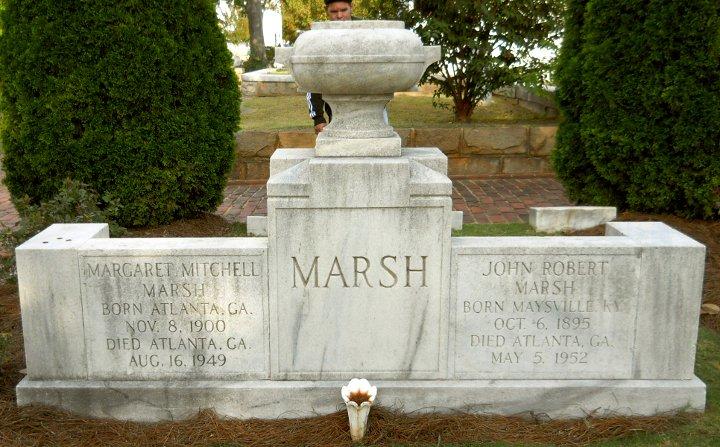
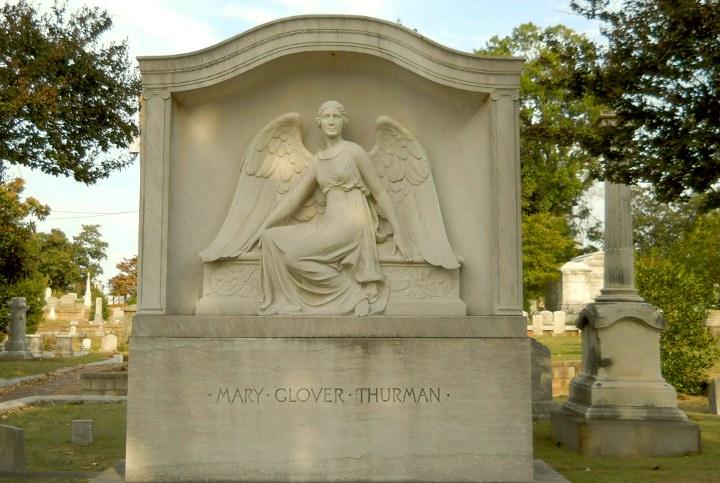
There are always things that you need to see at Oakland. Margaret Mitchell, the Lion Statue, and the mausoleums are important stops. PG followed the signs to the grave of Bobby Jones. It had golf balls and a putter, which was not necessary.
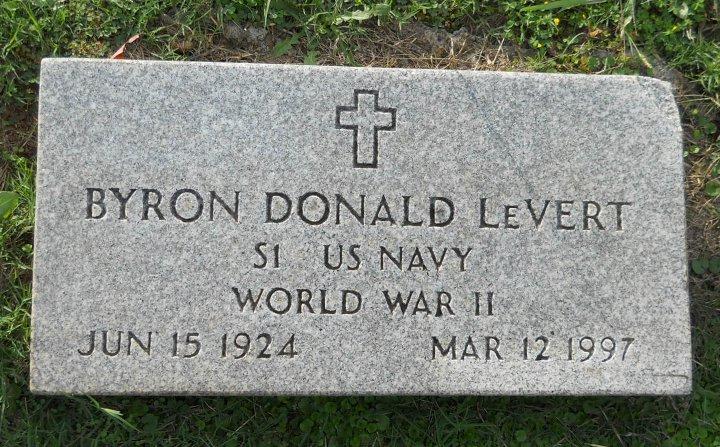
Don LeVert was a member of the Atlanta Sky Hi Club for many, many years before his departure in 1997. PG and Uzi always seek him out, and it is usually a bit of an adventure finding him.
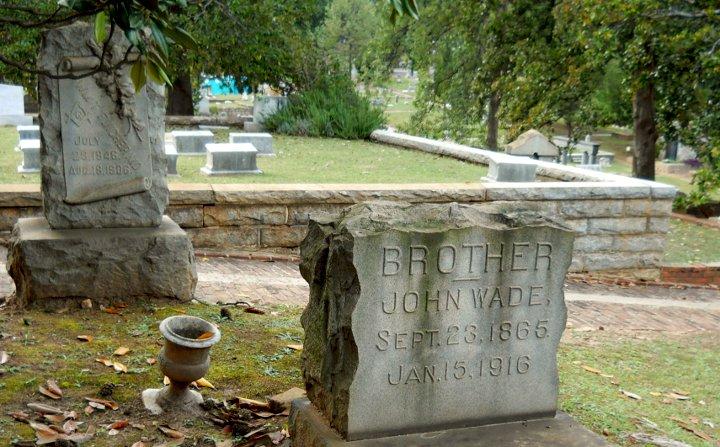
After visiting Don, PG found the marker for “Brother John Wade”. His time on earth was September 23, 1865 to January 15, 1916. This was from the autumn just after the War Between the States until 37 days before PG’s father was born in Rowland, North Carolina. There was a renewed sense of connection to the stone monuments.
On February 2, 2018, Hazmat, aka Tony Lingoes, had a fatal encounter with a hit-and-run driver.


The facebook friend said “Today is Dead Poets Remembrance Day, Oct. 7th, the day Edgar Allan Poe died. Be sure to visit a graveyard and read some poetry today”. PG didn’t have anything better to do.
The first obstacle was finding a book of poetry. PG is not a poetry person. A look at the shelf turned up a paperback, 125 Years of Atlantic. Poetry was to be found between those covers.
The book had two stickers, both saying 69 cents. At the old Book Nook, this meant that the book was half the price on the sticker. With tax, that would be 38 cents.
125 YOA had stayed in PG’s car for a few years. Whenever he was stuck somewhere with time to kill, this book was waiting. One afternoon in 1998, there was a slow day at work. PG read a remembrance by Gertrude Stein, about life in France at the start of World War II.
The cemetery of choice was connected to the Nancy Creek Primitive Baptist Church. PG has driven by this facility thousands of times. He walked past the graves until he found a fallen tree to sit down on.
The first poem was “Looking for the Buckhead Boys” by James Dickey. PG began to read out loud, and soon could smell the drug store air of Wender and Roberts. The author bought fifty cents worth of gas at a Gulf station. Today, fifty cents might buy a tablespoon of gas. Gulf was long ago bought out by BP. Wender and Roberts became a bar, which was torn down.
Buckhead is not what it used to be. When Mr. Dickey was the bravest man in Buckhead ( he took a shit in the toilet at Tyree’s pool hall), PG was not even thought of. The traffic jams on Peachtree Street are still there, as the blue haired ladies follow poets into the ground.
When PG finished reading Mr. Dickey, he put a teal postit in the book, where the poem stood. PG looked up, and the graveyard seemed different. Maybe the sun had sank a bit in the sky, and maybe the poem had changed PG in a way he could not put into words. Maybe another poem was the answer. Take the glasses off, open the book at random, and turn the pages until a poem shows up.
On page 404…the historic Atlanta area code…was “The Wartime Journey” by Jan Struther. The 1944 work was unknown territory. A group of people are traveling on a train. The wounded vet, the untried recruit, the salesmen shared the space with a lady, taking a baby for her soldier husband to meet. The theme of the rhymes was that America was totally at war, and that war is different from peacetime. Today’s war in Babylon is not like that.
Halfway through the reading, a freight train pulled by. Today, passenger trains are a novelty, and freight rules the rails. The shipment today was double decked containers, ready to pull off and slap on an eighteen wheeler.
Deaths are said to come in threes, and reading poetry in a graveyard should be the same. PG went on a random search for a Moe, to go with the Curley and Larry already digested. A page of poems by Emily Dickinson was the result. The page left PG unmoved. It was as if he was back in the sixth grade, with a horrible English teacher forcing him to memorize Hiawatha. It was time to go home.


Armistead Maupin At DBF




When PG heard that Armistead Maupin was coming to the Dick Hater Book Festival, not going was out of the question. There were rumors of a film showing/Q&A on saturday, and PG scoured the DBF website, looking for information. When the film showing was finally put on the website, tickets were no longer available. This is a repost.
On the morning of the talk, PG fussed over which shirt to wear, settling on a purple t-shirt with no adornment. Next, PG called his friend “P” to make arrangements to meet at the First Baptist Church, site of Mr. Maupin’s appearance. The ring tone for PG calls on “P”‘s phone is “Tutti Frutti.” “P” had agreed to let a friend do laundry at his house, and had to jiggle the schedule a bit. “P” wore a tie dyed t-shirt, with a chest hair display hole below the collar. This all blends in nicely with the lavender shirt, pink suspenders, and Levis that Mr. Maupin wore.
The talk started at 1:15. PG arrived at 12:30, and snagged a prime parking spot. The talk was in the sanctuary, and PG found seats in the fifth row pew. The church house setting gave Mr. Maupin pause. He said something about using profanity, and the pastor said “Its all good.” Mr. Maupin then told the story of getting lubricated on maitais, and coming out to his neighbor. She said “big fucking deal.”
When PG arrived at the church, Mr. Maupin was standing in front of the auditorium. PG went down and shook his hand. “My blog is Chamblee54, and I am writing about this, so I am going to watch what you say.” Mr. Maupin looked sideways, as if to say “who does this guy think he is.” Later, while discussing gender transition, Mr. Maupin paused for a second, and said he manted to say this properly. He was watching what he said.
The talk was a delight, as everyone knew it would be. The *southern-ness* of his parents, moving to San Francisco, the Tales of the City series, and Rock Hudson all were discussed. The pbs lady who hosted the event said that Mr. Maupin was like the Forrest Gump of our generation. This went over about as well as PG telling Mr. Maupin to watch what he said.
At some point, the racial values of 1950s North Carolina came up again. It occurred to PG that this was a very white audience. He looked in the rows ahead of him, and to the side, and did not see any POC. When the talk ended, PG was one of the first to stand up, and did a quick survey of the rest of the room. There may have been POC at this event, but PG did not see them. For painfully woke Decatur, this is an interesting development. You can welcome people all you want, but if nobody shows up, then nobody shows up.
PG spoke to Mr. Maupin one more time. While discussing the techno-gentrification of San Francisco, Mr. Maupin said that “Decatur is starting to look pretty good.” He then said that maybe you say Deck-a-tur. After the show was over, PG approached the stage, and told Mr. Maupin that the correct pronunciation was Dick Hater…. the town had been renamed Dick Hater in honor of the lesbian population. Mr. Maupin laughed, and acted like he had never heard that. A man with a DBF badge told PG “You’re making that up.”
Chamblee54 has featured Mr. Maupin one, two, three, four, five, six, seven times. Pictures, for the text to go between, are from The Library of Congress.


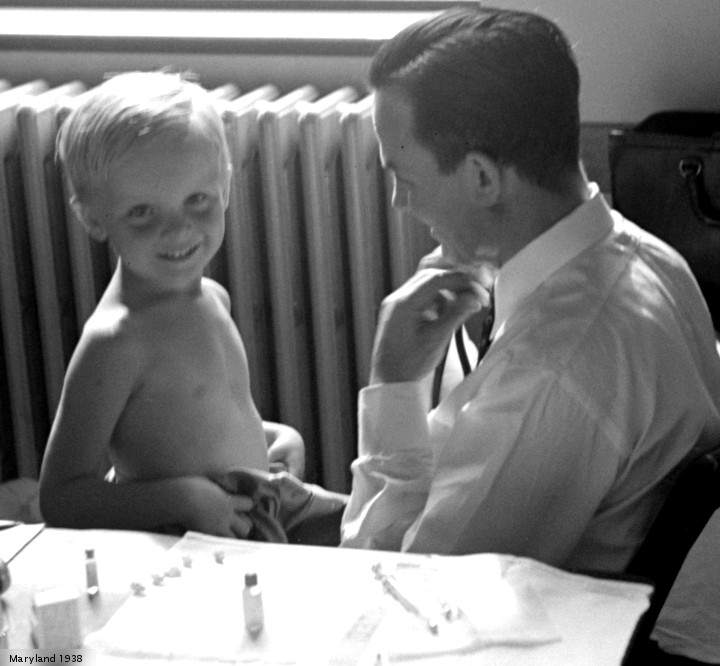


091121

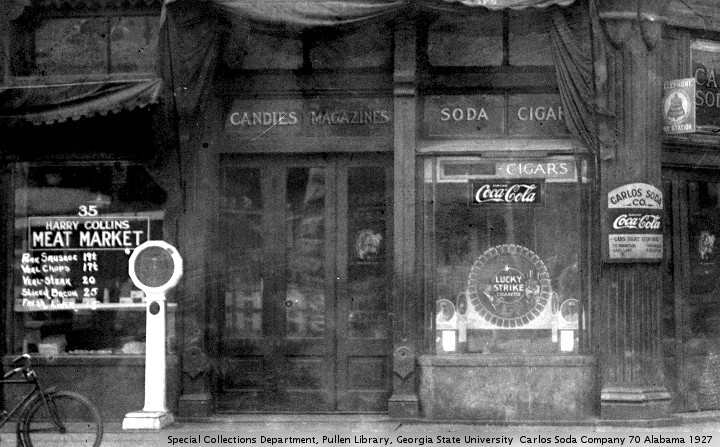
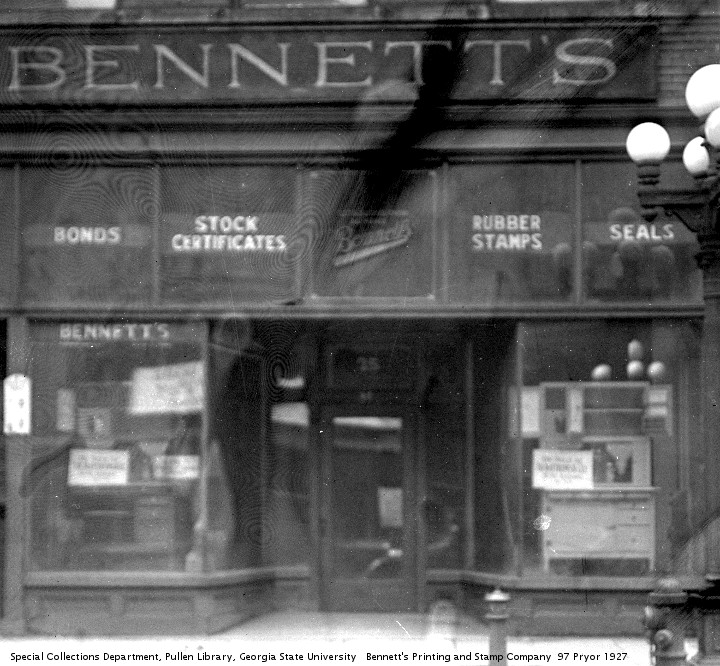


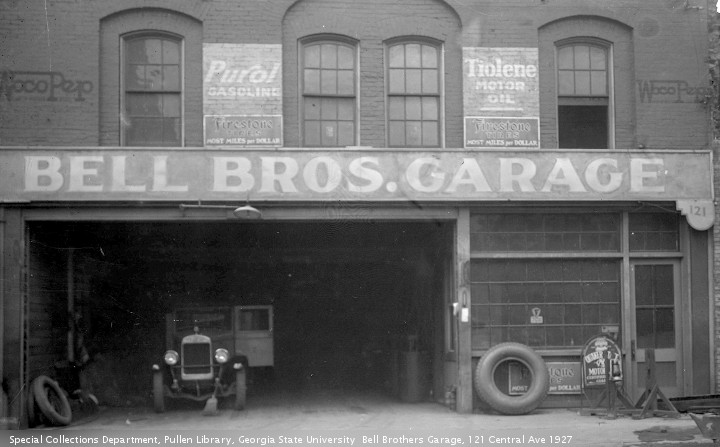

This is my 911 story. I repeat it every year at this time. Every year I say this will be the last time. This year is a mess. We are destroying the village to save it. The action part of 091101 was over by 11 am. This quagmire drags on and on. Nobody knows how things will turn out.
I was at work, and someone called out that someone had run a plane into the World Trade Center. I didn’t think much of it, until I heard that the second tower had been hit, then the Pentagon, then the towers collapsed, then a plane crashed in Pennsylvania.
I focused on my job most of the day. There was always drama at that facility, and concentrating on my production duties helped to keep me saner. This was roughly the halfway point of my seven year tenure at this place.
One of the other workers was a bully for Jesus. He was a hateful loudmouth. After the extent of the damage became known, he shouted “They are doing this for Allah,” and prayed at his desk. The spectacle of the BFJ praying made me want to puke.
I became alienated from Jesus during these years. Once, I had once been tolerant of Christians and Jesus, as one would be with an eccentric relative. I began to loath the entire affair. I hear of others who found comfort in religion during this difficult time. That option simply was not available for me.
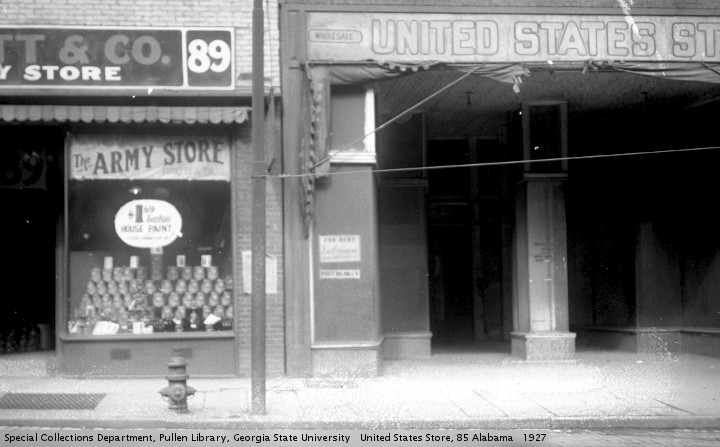
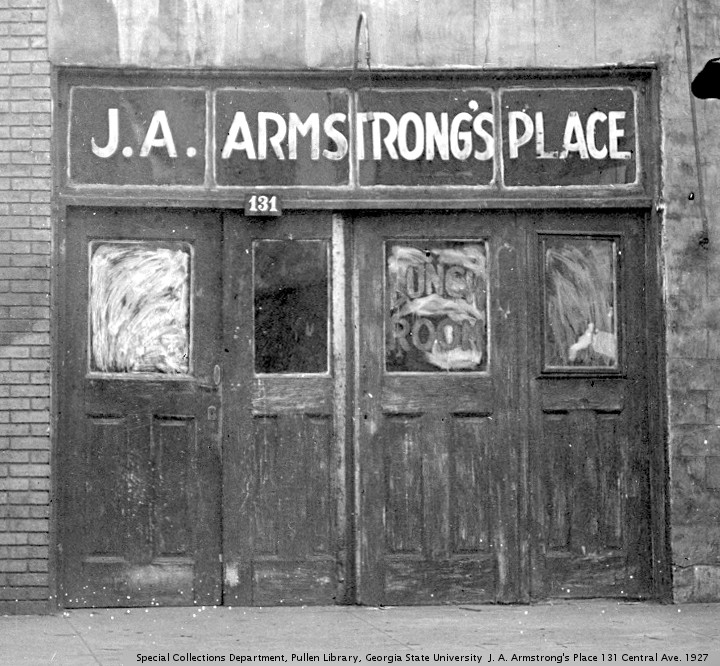
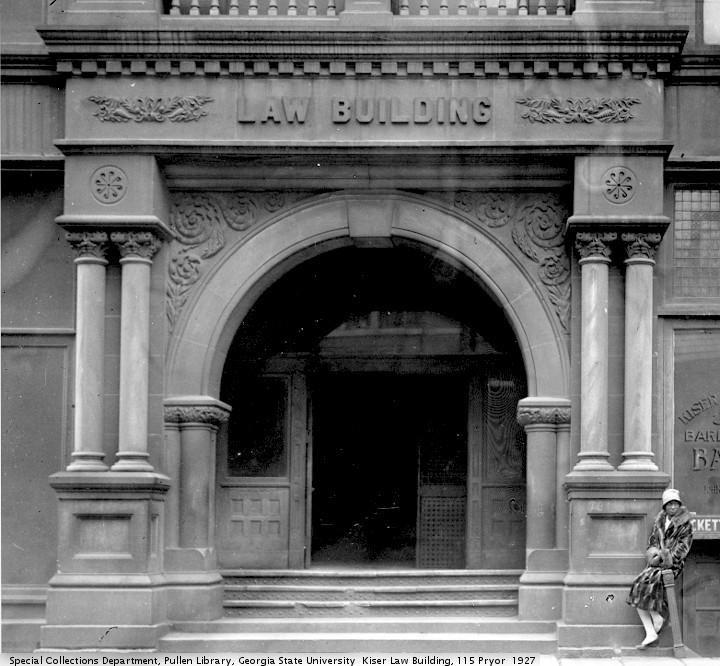
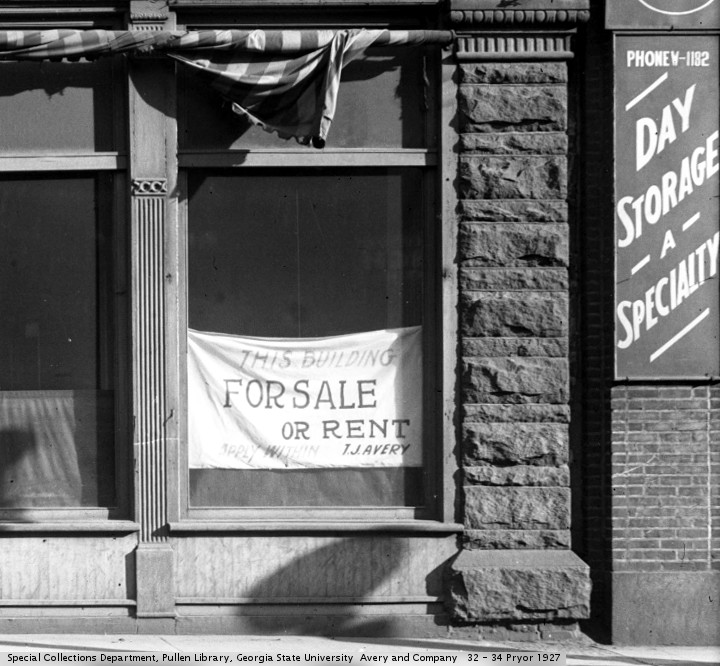
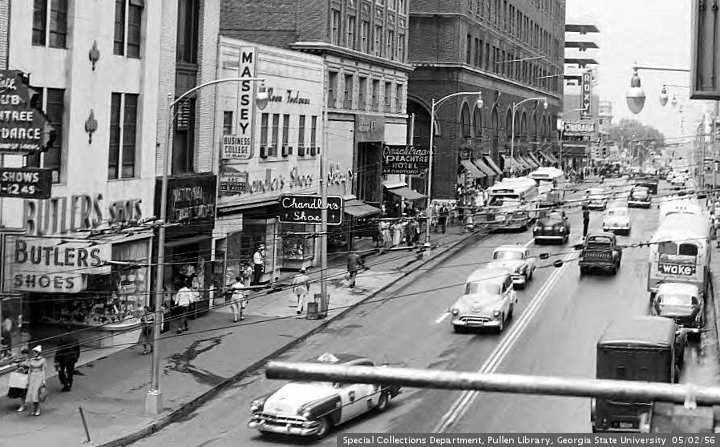
Pictures from “The Special Collections and Archives, Georgia State University Library”. “This item is part of a collection of images of downtown Atlanta streets that were taken before the viaduct construction of 1927 – 1929. Some of the covered streets became part of Underground Atlanta.”




Cross Keys


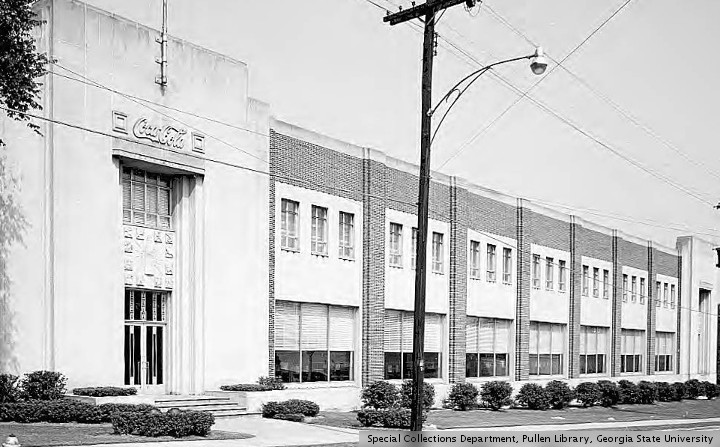

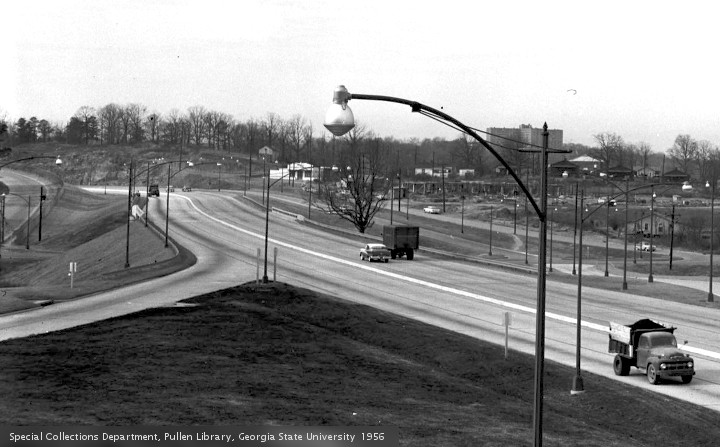

Mr. Bear “Speaking of obscure, do you remember the location of a restaurant downtown called the “Crosskeys”. There’s a photo of it in the Georgia State Library archives, but no notation of its location other than it appears to be near a big Gulf Oil lighted sign.” chamblee54 “I have seen that picture. There is a historic brass marker near Ashford Dunwoody and Johnson Ferry. Apparently there was some kind of trail crossing there called Cross Keys. Full disclosure: I went to Cross Keys High School. Nobody ever talked about what Cross Keys was. Google is not much help, except for an 1862 Battle of Cross Keys in Virginia.” This is a repost.
Some helpful person sent a couple of links, and soon PG was learning about Cross Keys… the militia district, not the school. Apparently, Cross Keys was centered around the intersection of Ashford Dunwoody and Johnson Ferry. The crossroads is a doozy… the two major thoroughfare are combined into a hundred yard stretch of asphalt, only to be separated again at an overworked red light. Both roads run between Peachtree and I285. One goes through pill hill, and the other leads to Perimeter Mall. None of this was going on when the Post Office was built in 1846.
“Historical records provide that the militia district of “Cross Keys” was established in 1827 and continued to be referenced as such at least as late as 1951. Prior to 1827 the only Federal post in the region was known as “Cross Keys,” and subsequently, “Old Cross Keys,” when the post moved to near current City of Chamblee just prior to Sherman’s March. … The area was increasingly settled by farming families during the first quarter of the 19th century. As land concessions were signed with the Creek (Muscogee) Nation between 1818 and 1821 more land was made available via grants to European settlers. While the mascots and symbols of “Indians” at Cross Keys High School are culturally inaccurate and reflect garb and headdresses of nomadic tribes of the mid and far west, it is a fitting and ironic tribute to the Muscogee Native Americans who long thrived on the same land…. The area remained primarily an agricultural community until the acquisition by the United States Army of a large tract of land in heart of the district in July of 1917. This tract became Camp Gordon, an infantry training and artillery cantonment. Part of that original 2,400 acres later became a Naval Air Station at the current site of Peachtree-DeKalb Airport.”
“There was a Cross Keys post office as early as 1846, when the postmaster was James A. Reeve.” A marker at Johnson Ferry and Ashford Dunwoody Road in Brookhaven gives this history for Old Cross Keys: “Ante-bellum crossroads settlement & post office, James Reeve (1792-1852) Post Master & merchant. Prior to 1864 the Post Office was removed to a point between Chamblee and Doraville where, name unchanged it was known as Cross Keys Post Office. To distinguish the one from the other, this place was called Old Cross Keys & was cited in Federal dispatches, maps & reports of military operations here in 1864. At this point, a brief contact was made between the marching columns of Dodge’s 16th and Schofield’s 23rd A.C. July 18, both enroute to Decatur from Chattahoochee River crossings.”
“Samuel House was one of the early settlers of this area, arriving in 1830. In 1850, he built a brick home that is now part of the Peachtree Golf Club. General Sherman spent the night at the home on July 18, 1864 and described it as “a brick house well known and near old Cross Keys.” … The name Cross Keys is referenced in Civil War records. Special orders from General James McPherson on July 16, 1864 instructs “The fifteenth Army Corps, Major General John A. Logan commanding, will move out from its present position at 5:30 a.m. tomorrow on the road leading to Cross Keys, following this road to a point near Providence Church, where he will take a left hand road (sometimes called the upper Decatur road, and proceed on this until he reaches Nancy’s creek, where he will take up a good position on each side of the road and go into bivouac.”
Major General William T. Sherman also issued orders on July 18. At the 15:00 mark of this lecture, the speaker quotes a dispatch to Gen. James Birdseye McPherson. “I am at Sam House’s, a brick house well known, and near old Cross Keys … a sick negro is the only human being left on the premises … we are eleven miles from Atlanta, five from Buckhead, and the signboard says ten miles to McCaffrey’s bridge and eleven to Roswell.” Four days later, Gen. McPherson was killed, in what is now East Atlanta Village.
There is little indication about why this area was called Cross Keys. In 1827, this was the middle on nowhere. “The symbol of the “crossed keys” itself traces to early Christian representations of the “keys to the Kingdom of Heaven and Earth” famously offered by Jesus to Peter according to Matthew 16:19.” The phrase Cross Keys does not appear in the verse.
No one seems to know much about the Cross Keys restaurant. The GSU picture is dated November 8, 1951. A postcard gives the address as 237 Peachtree Street, and has the address of a CKR in Nashville. The Nashville restaurant is mentioned in a WSB-TV film from May 13, 1963. “… African American students protest segregation at two restaurants in town. … a white doorman outside the Cross Keys Restaurant. African American students march on the sidewalk … where police forcefully push the demonstrators away and let white people through the crowds.”
Pictures today are from The Library of Congress. Two articles were quoted in this post: Going way back to Cross Keys. Every few years I tell story of name, ‘Cross Keys,’ so our community doesn’t forget. The second story has a comment by Mr. Bear. Several links in this story no longer work.




Intellectual Bulimia


One of the touted TED talks in the weekly email is Color blind or color brave? It is by Mellody Hobson, a POC in the investment business. It is the standard call to talk more about race. Talk, talk, talk, and talk some more. The word listen is not used.
At the 3:13 mark, Mrs. Hobson makes a remarkable statement. “Now I know there are people out there who will say that the election of Barack Obama meant that it was the end of racial discrimination for all eternity, right?” (Yes, this is a TED talk.) It is possible that someone has said that. There are also people who say the earth is flat.
PG asked Mr. Google about this. The top two results are about the TED talk. The third result is an article in Forbes magazine, Racism In America Is Over. It is written by John McWhorter, one of the “black guys at Bloggingheads.tv.” Dr. McWhorter does say racism is over, sort of. The problems that remain are a lot worse. Too much food for thought, for a population with intellectual bulimia.
There is a quote in the Forbes article that is pure gold. “When decrying racism opens no door and teaches no skill, it becomes a schoolroom tattletale affair. It is unworthy of all of us: “He’s just a racist” intoned like “nyah nyah nyah nyah nyah!””
There are a lot more results. PG is getting tired of looking. If you want to see for yourself, google “the election of Barack Obama meant that it was the end of racial discrimination for all eternity.” Except for a rogue title editor at Forbes, almost nobody has said that. This is a repost. Pictures today are from “The Special Collections and Archives, Georgia State University Library”.




She Always Carries Jonquils


PG found Archival Atlanta: Electric Street Dummies, the Great Stonehenge Explosion, Nerve Tonics, and Bovine Laws : Forgotten Facts and Well-Kept Secrets from Our City’s Past at the Chamblee library. There are always more stories to be heard. This repost has pictures from “The Special Collections and Archives, Georgia State University Library”. It is written like Margaret Mitchell.
In the 1840s, the Western and Atlantic railroad wanted to hook up with the Central of Georgia railroad. The spot for the meeting was called Terminus. One idea was to name the town for William Lumpkin, a former Georgia Governor and a railroad executive. Lumpkinville sounded bad in the mouth, and the new town was named “Marthasville”, after the daughter of the Governor. (Martha is buried in Oakland Cemetery.) Few people liked this name, and someone decided that the feminine form of Atlantic was Atlanta. Unlike the state flag, this is unlikely to change.
The new town prospered, and recovered from the unpleasantness of 1864. In 1875, there was a problem with stray cows. The answer was the “1875 Cow Ordinance”. The law required that cows be kept in a pen at night. A fine of two dollars was assessed for every stray cow that was caught.
About this time, there were a few very busy railroad tracks going through downtown. People were getting tired of waiting for the trains to go through. One by one, viaducts were built over the tracks, creating a forgotten ground floor. This was built up into Underground Atlanta in the sixties, which was red hot for a while, then cooled off, and is now so so.
In 1897, J.W. Alexander was the first person in town to own a “horseless carriage”. One day, he decided to take a ride to East Point. A mule objected, and kicked man and machine into a ditch.
It is a rule that all history books about Atlanta have to discuss Coca Cola and Gone With The Wind. There are only so many stories to go around. This book tells of an Alpharetta farmer who bought the Tara set from MGM. He stored in a barn, the location of which was a secret. Betty Talmadge wanted to buy it, and the price went from $375k to $5k. After a while, the sale was finalized. There was only one problem…the farmer died, and never told anyone where the barn was. Mrs. Talmadge got the money from her husband’s overcoat, went to Alpharetta, and found the barn. The set was moved into another secret location, where it was in 1996, when Archival Atlanta was published, at an undisclosed local location.
Sam and William Venable owned Stone Mountain, and had a quarry there. (The Ku Klux Klan held meetings on the mountain.) (The spell check suggestion for Ku Klux is Kook Klutz.) Sam built a large granite house at 1410 Ponce de Leon Avenue, and stocked it with ammunition. He thought a race war was on the way, and wanted to be prepared. One night, a chimney overheated. The roof caught on fire. The explosives in the attic exploded, and took the roof off. The house was repaired, Mr. Venable died, and the house became part of a Lutheran church.
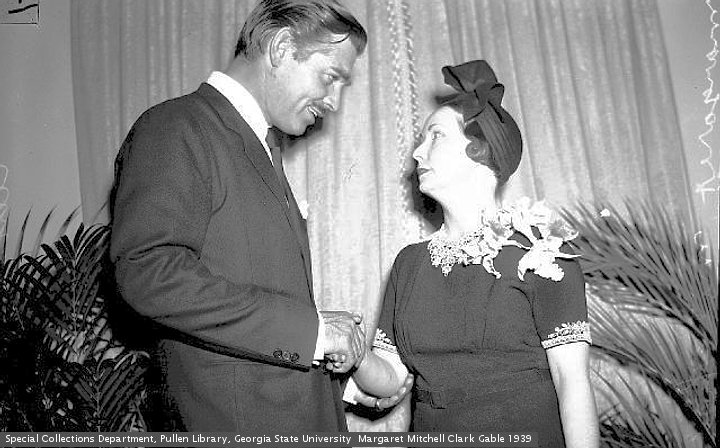
One of the few ante bellum houses in Atlanta is near Grant Park. It was once owned by Lemuel Grant, who donated the land for the park. He stays in a large marble house in Oakland Cemetery now. The Grant Park house was purchased by Mr. and Mrs. John Marsh, in partnership with Boyd Eugene Taylor. After the death of Mrs. Marsh (also known as Margaret Mitchell), she was known to visit the house. “Margaret just wanders through the house, looking things over. She never talks, and she always carries jonquils. The first night she came I was very shocked. I went out to her grave at Oakland Cemetery the next day. I’d never been to the house before. But I was almost certain of what I’d find. The plot is covered by a bed of jonquils.”


Richards
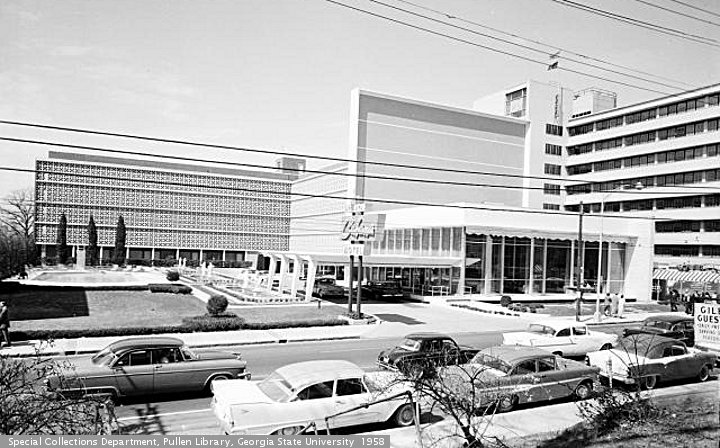


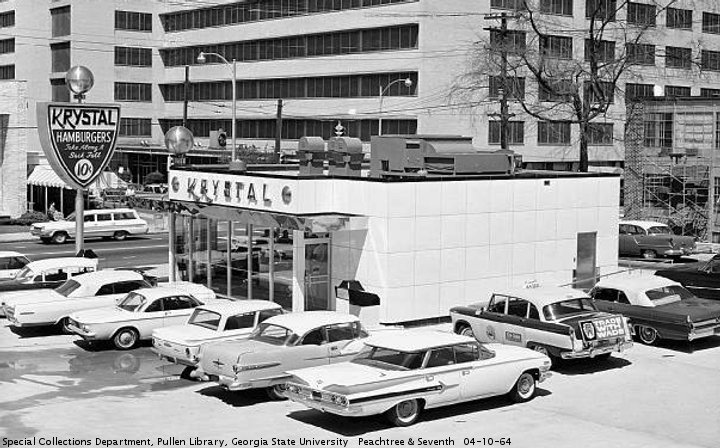

A comment at a recent post mentioned “Jenning’s Rose Room, a classic poor white juke and dance hall … where Trader Joes now sits.” PG had been in that building when it was called Richards. Pictures are from “The Special Collections and Archives, Georgia State University Library”.
There is no telling what the original use of the building at 931 Monroe Drive was. It was across the street from Grady Stadium, and adjacent to Piedmont Park. The railroad tracks that became the beltline ran behind it. The parking lot was primitive, with a marquee sign built at some point. (PG drove by that sign several nights and saw that Lynyrd Skynyrd was playing.)
 There was another nightclub building on the hill behind JRR. One night, PG went to see a jazz band there, accompanied by someone who lived in a nearby house. After seeing the band, PG was led to a horse stable behind the bar. The horses were not well maintained … you could see the ribs sticking out. There is a story of a goat getting loose from the stable, and being chased out of the jazz bar during happy hour.
Jennings Rose Room was before PG’s time. There is a story that some men had lunch there, and made a bet. The idea was to hit a golf ball from the JRR parking lot, and putt it into a hole at Piedmont Park. A biscuit was used as a tee. The first shot went across the street, onto the field at the stadium. Eventually, the ball was hit across Tenth Street, onto a green, and into the cup.
At some point, Jennings Rose Room closed. A gay club called Chuck’s Rathskeller was opened in that location. A rock and roll club or two did business there. Then Richards opened.
The first time PG was in the house was after a Johnny Winter concert at the Fox. There were rumors of visiting musicians dropping by Richards to play after their shows. Mr. Winter was only onstage for a couple of minutes after PG got there.
The most memorable trip to Richards was during the summer of 1973. The headliner was Rory Gallagher, who was ok but not spectacular. The opening act was Sopwith Camel, one of the forgotten bands of the seventies. They performed a novelty hit, “Hello Hello”. Someone in the audience liked it, and paid them to do it again. The band wound up doing “Hello Hello” five times, and said that was the most money they made in a long time.
Average White Band was making the rounds that fall, and had a show at Richards. A lot of the audience was black, and they hit the dance floor in unison when “Pick up the Pieces” was played. Fellow Scotsman Alex Harvey was in town, and joined AWB to sing “I heard it through the grapevine”.
Muddy Waters played at Richards one night. The band did most of the playing, with Mr. Waters tossing in a few licks on bottleneck guitar. He might have sang a couple of times.
About this time, Iggy Pop played a few shows at Richards. One night, someone snuck up on him, and gave him a hug. It was Elton John, wearing a gorilla suit.
PG saw three more shows (that he can remember) at Richards. Richie Havens was worth the two dollar admission. Soft Machine played in the winter of 1974. Larry Coryell played a show that summer, with the Mike Greene Band opening. PG got to talk to Mike Greene that night. The National Association of Recording Arts and Sciences (who do the Grammy Awards) had a President named C. Michael Greene at one time. PG thinks this is the person he talked to that night.
Two friends of PG went, as their first date, to see Spirit at Richards. They were married a few years later. Towards the end of 1974, Richards was running out of steam. They advertised a New Years Eve show starring B.B. King, and sold high priced tickets. When the crowd showed up for the show, they found the doors locked. Richards had closed.
The next tenant for 931 Monroe Drive was going to be Cabaret After Dark, a gay club. There was a fire the night before the grand opening. The building was never used again. Eventually, a shopping center was built on the site.
UPDATE: Here is an article, from the Great Speckled Bird, about Richards. The 010975 edition of the Bird had an article about Richards closing. This is a repost.




The Heroin Diaries
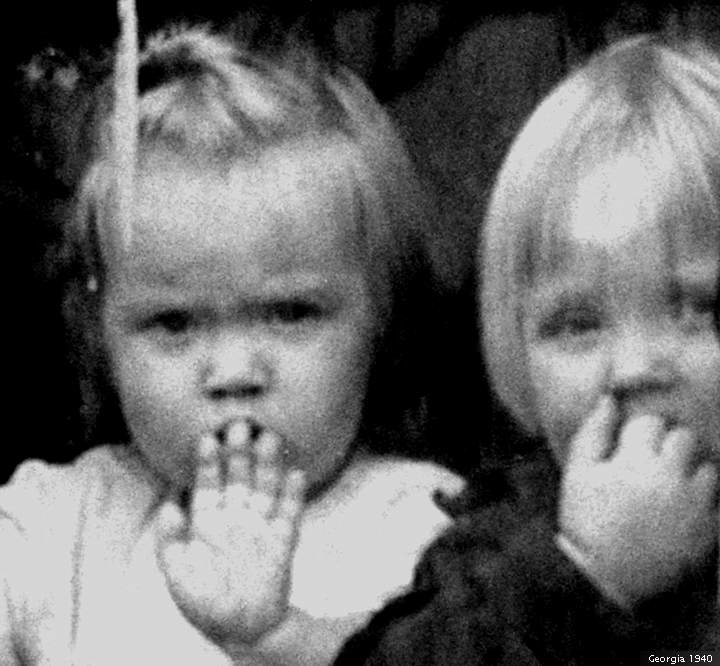
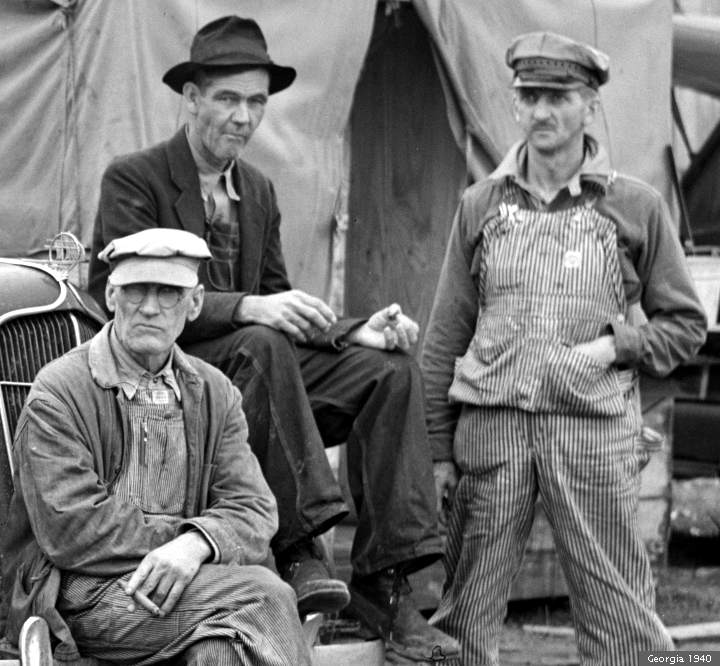
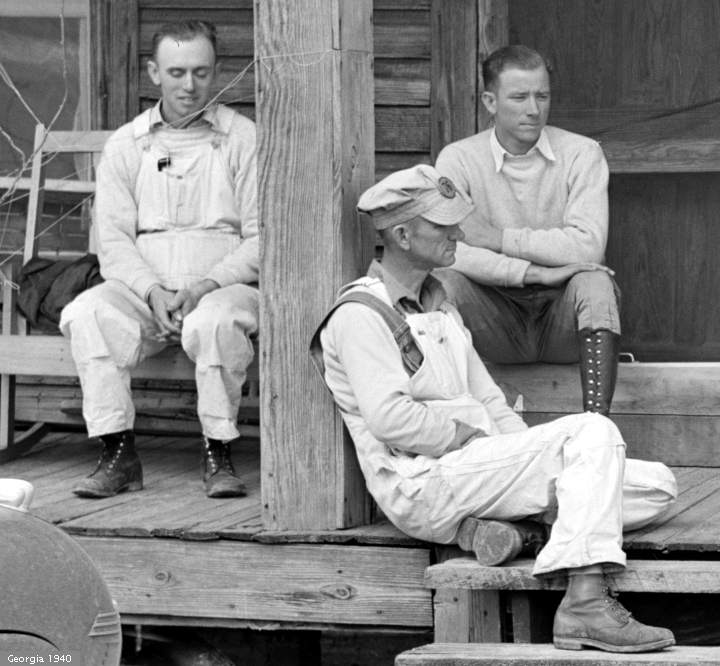


The Heroin Diaries: A Year in the Life of a Shattered Rock Star turned up on the used book table at the Chamblee library. A hardback copy was $2. THD is a visual overload. Every page has comic-book drawings, in a horror show theme. The text/background switches back and forth between red, black, and white. If you are in a spot with low lighting, red on black text is almost impossible to read.
THD is about the life, and near death, of Nikki Sixx. He is the bass player/creative force for Mötley Crüe. THD starts Christmas 1986. The main portion ends at the end of 1987. There are a few pages, telling the short version from 1988, until the book’s publication in 2007. The copyright is assigned to Nikki Sixx, with Ian Gihins the editorial miracle worker. Mr. Sixx kept a diary throughout 1987, and added comments in 2007. A cast of characters adds further commentary.
Nikki Sixx did a lot of drugs in 1987. Heroin, cocaine, and Jack Daniels were the big three. Crüe went on tour in June, and were on the road the rest of the year. The “Girls, Girls, Girls” tour may have been the high water mark for rockstar bad behavior. One story has Nikki, and Tommy Lee (Crüe’s drummer/Nikki’s co-conspirator) set a hotel room on fire. Nikki thought it was someone in their entourage, and was surprised when it was a Chinese tourist. There are many more stories.
Frank Carlton Serafino Feranna Jr. was born December 11, 1958. THD starts two weeks after his 28th birthday, ending his chance to join the 27 club. At some point, and ex-girlfriend took a boyfriend named “Nikki Syxx.” Frank Feranna had a tough childhood. After his father left, Frank was bounced around between his mother, and his grandparents. Somewhere in there, his mother is said to have dated Richard Pryor. Frank got older, with a lot of issues. AHD goes into great detail about his childhood, and the self-medicating that followed.
The GGG tour came to the Omni, in Atlanta, November 20, 1987. By this time Guns and Roses were the opening act. (Slash on the same tour as Nikki Sixx, what could possibly go wrong?) “Axl Rose was onstage in Atlanta when he saw one of the security guards, who turned out to be an off-duty cop, pushing their fans around. Axl jumped off the stage and started fighting the guard, so security grabbed him and took him backstage. So Slash sang a few songs, and Guns’ drum technician sang “Honky Tonk Woman”—four times, not terribly well.”
“As concert promoter Charlie Brusco walked through the back door of the arena shortly after the concert started, he knew something was wrong. “I heard this horrible sound,” Brusco says. “I look up, and one of the guys in the road crew was singing.” A roadie for the band named Big Ron was on lead vocals, because, earlier, Rose had jumped offstage, punched a cop, and been carried away. The Omni’s head of security told Brusco, … “Third strike, he hit a black female Atlanta police officer. He’s going to jail.” Brusco begged for Rose to be allowed to finish the show. Finally the security chief said, “If he apologizes to the police officer in writing, we’ll let him go.” Brusco agreed. He was led to Rose, who was sitting at a makeshift booking table wearing his trademark bandanna. Rose dutifully signed his apology, and security brought in the female officer. Then Rose looked up and said, “Fuck you, you fucking jag-off cop.” He was hauled to jail, and the show was canceled.”
An amazon one-star review: “I don’t know how you read this and aren’t questioning how Nikki Sixx isn’t in prison for rape; “Nikki. He asked me if I was serious about her, and when I replied that we were just getting to know each other, Nikki started telling her how hot she was. As he bent her over what was a locker-room bench she complained that she was in the middle of her period. Nikki told her he wasn’t scared by a little bit of blood and proceeded to have intercourse with her right there on the spot, in front of anybody who happened to be there.”
THD is ever-so-slightly misogynistic. The phrase “CHICKS=TROUBLE” appears throughout the book, beside the tittie bars and groupies. The ladies are definitely not as important to Nikki as the drugs. “My dick didn’t seem to be aware that she was there. She kept asking me what was wrong, and I was so out of it that I thought she meant what was wrong with the world, so I started talking about global poverty and shit. I’m not surprised she left. I suspect she won’t be coming back.”
“We paint the outside of our bodies beautiful but the inside is like dead men’s bones. … We mistake lust for love and pop more pills, slam more drugs, drink ourselves silly or end us, as I did, scraping the inside of a pipe just to hit the resin and flush life down a toilet.” Evangelist Denise Matthews, aka Vanity, was Nikki’s girlfriend for much of 1987. A former gf of Prince, Miss Matthews had a volatile personality. Being a serious crackhead did not help. Evangelist Denise Matthews passed away February 15, 2016. Her kidney failure is almost certainly the result of her crack addiction.
Near the end of 1987, Nikki shot too much heroin. Many people thought he died. He managed to pull through. The next few years saw Nikki get sober, only to relapse, only to get sober again, only to relapse. Rinse and repeat, unlike the appalling approach to personal hygiene. Hong Kong, December 19, 1987: “P.S. I smell so bad, I haven’t showered since LA I can see people actually look repulsed when they get a whiff of me. I stand next to people just to fuck with them. I didn’t bring any clothes with me, just cash. Fuck, what else do I need.”
After 1987, the narrative becomes much less detailed. Nikki gets married and divorced a few times, with a few children born along the way. At one point, he abandoned his wife and kids, which made him feel horrible, but did not stop him. Finally, Nikki detoxed for good, and was clean when THD was written in 2007. According to his instagram, Nikki Sixx has been sober 20 years on July 2, 2021. Pictures are from The Library of Congress.


Babe, Hank, Barry, And Joe
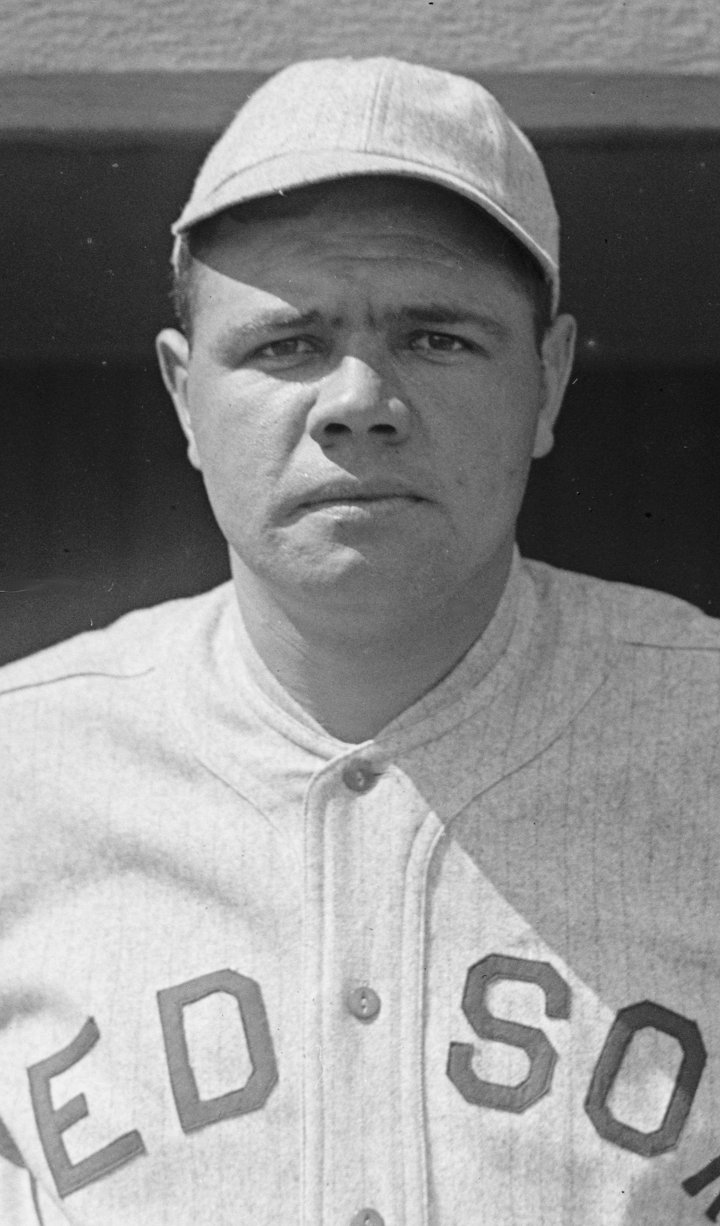
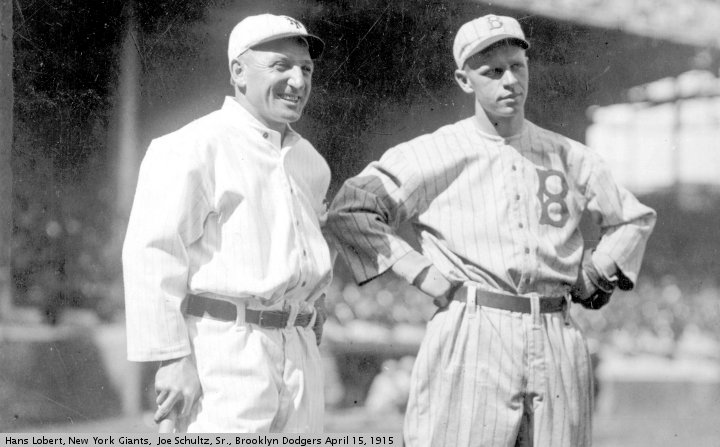


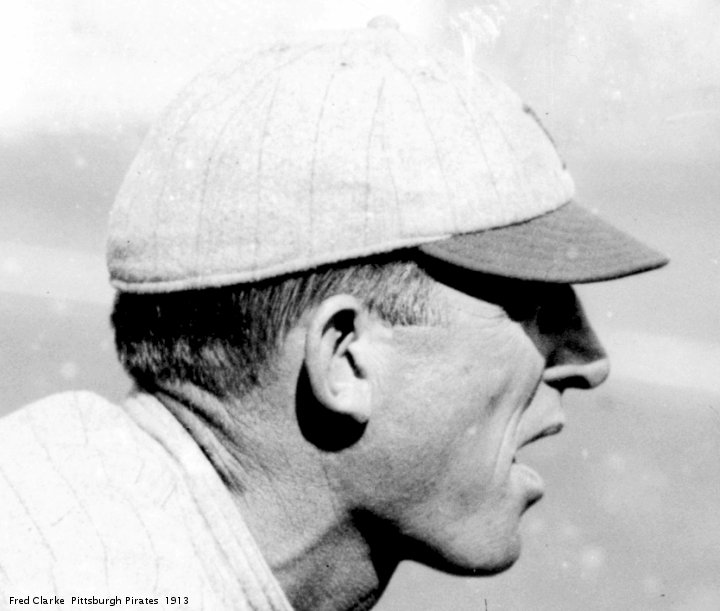

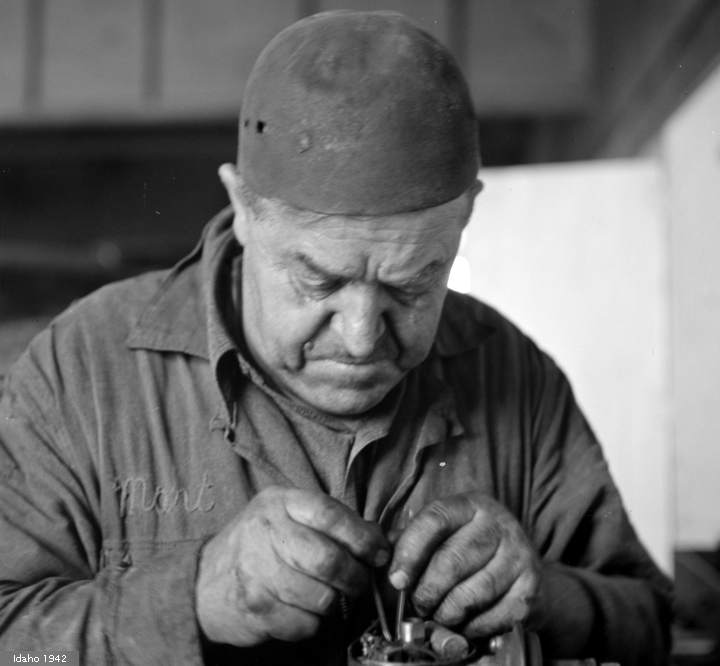
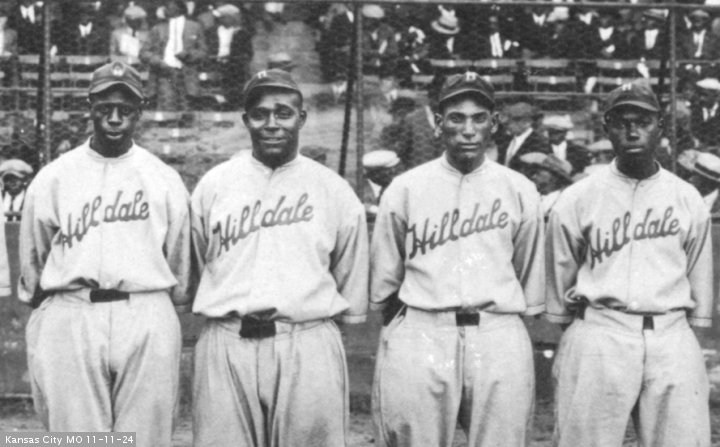
Barry Bonds was about to break the lifetime record for home runs. Folks said the record was tainted because of steroid use, and because Mr. Bonds was not a nice man. There were calls for an asterisk in the record book. This was odd to PG, who was in Georgia when Hank Aaron broke the home run record in 1974. Back then, the line was that Babe Ruth had fewer at bats than Mr. Aaron. A lot of hateful things were said about Mr. Aaron before home run 714.
PG decided to take a look at the metrics. This post is the result. As a bonus to the reader(s), Joe Torre and Hank Aaron gets a summer rerun. It is based on a column by Furman Bisher, who went to the press box in the sky March 18, 2012. Pictures are from The Library of Congress. This is a repost.
There is a certain controversy these days about the eminent breaking of the lifetime home run record. Currently held by Hank Aaron, the record is threatened by Barry Bonds. Before Mr. Aaron held the title, Babe Ruth was the owner.
Controversy about the lifetime home run record is nothing new. In 1974, when Hank Aaron was about to break the record, the admirers of Babe Ruth said that Mr. Ruth had fewer at bats than Mr. Aaron did. Many attributed this criticism to racism, with a black man besting a white man’s record. The current controversy is two fold. There are allegations that Mr. Bonds took steroids to make him stronger, and that he “cheated”. There are also concerns about the personality of Mr. Bonds.
PG does not think steroid use is a big deal. Ballplayers are abusing their bodies to perform, and if they take the risk of using steroids, that is their business. Many people disagree.
A good question to ask is, would Babe Ruth and Hank Aaron have used steroids if they had the chance? Mr. Ruth was a wildman, who drank during prohibition, and was known for undisciplined behavior. Mr. Aaron played in an era where steroid use was not as common as it is today. The answer to the first question is (Mr. Ruth) probably and (Mr. Aaron) who knows.
While you are keeping hypocrisy statistics, Mr. Aaron and Mr. Bonds played on television, where beer commercials were constant. While alcohol is *now* legal, it is a very damaging drug. Any ballplayer who plays on television promotes its use. This is both steroid users, and non users.
As for personalities, there is the widely circulated story about the college team that Mr. Bonds played on voting 22-3 to kick him off the team. At the very least, he does not charm sportswriters.
In 1917, Babe Ruth was suspended for hitting an umpire. He was known for his outlandish behavior throughout his career. It should also be noted that he played in an era when the press did not scrutinize the behavior of players. How would today’s media treat Babe Ruth?
PG once heard a radio show caller say that Hank Aaron was a mean racist, who would just as soon cut your throat as look at you. PG had never heard this said out loud, but had heard hints about Mr. Aaron’s personality over the years. People who achieve great things are not always friendly.
Mr. Aaron is the only one of the three that PG met, however briefly. In July of 1965, the Milwaukee Braves came to Atlanta to play an exhibition game in Atlanta Stadium. After the game, PG was allowed to wait outside the clubhouse, to get autographs from the players as they left. Joe Torre saw the crowd, hid behind a truck, and made a quick getaway. Hank Aaron came out, patiently signing every autograph, while smoking a cigarette.
The fact is, all three men played in different eras. Babe Ruth never played at night, never flew to California, and only played against white players…many of the most talented players of his era were in the Negro League. Hank Aaron played before free agency, interleague play, the DH, and widespread use of steroids. The only way to determine who is the home run champion is to count how many homers are hit, and award the prize to the man who hits the most.
Which of the three made the most money? Barry Bonds, by a wide margin. He played in the free agent era. Babe Ruth had the best line about his salary. In 1930 Ruth was asked by a reporter what he thought of his yearly salary of $80,000 being more than President Hoover’s $75,000. He replied “yea, but I had a better year than he did.”
Who played on the most teams to win a World Series? Babe Ruth 7, Hank Aaron 1, Barry Bonds 0.
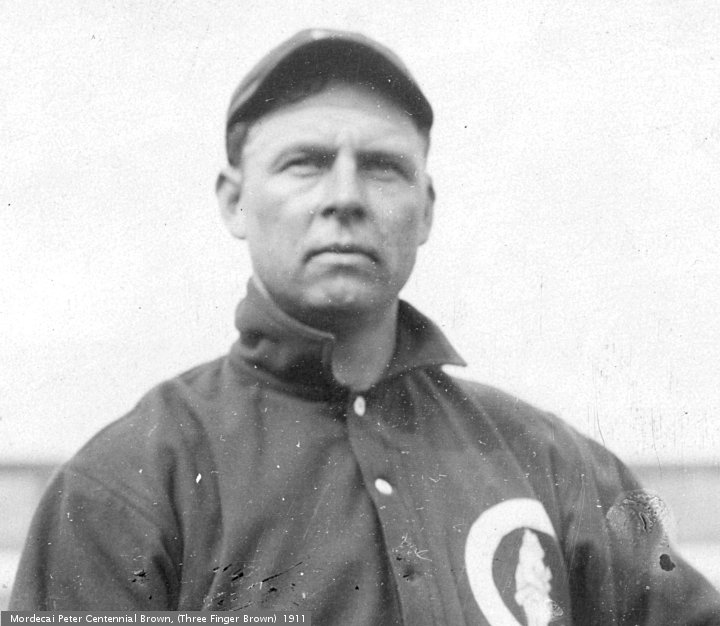
The career of Babe Ruth was a long time ago. He made a greater impact on America that the other two combined. He was one of the first sports superstars, as America emerged from the carnage of World War One. Mr. Ruth broke the single season home run record, he hit 29 homers. The next year, he hit 54. There is a possibility of a livelier baseball.
Babe Ruth captured the imagination of America like few personalities ever have. Playing in New York (which dominated the press) did not hurt. He was a man of his times…it is unlikely than anyone could have that kind of impact on today’s superstar saturated America. While his record has been broken, his place in the history of baseball is the same.
UPDATE: As of July, 2021, the lifetime home run leaders were: Barry Bonds, 762, Hank Aaron, 755, Babe Ruth, 714, Alex Rodriguez, 696. Mr. Rodriguez is said to have used steroids.


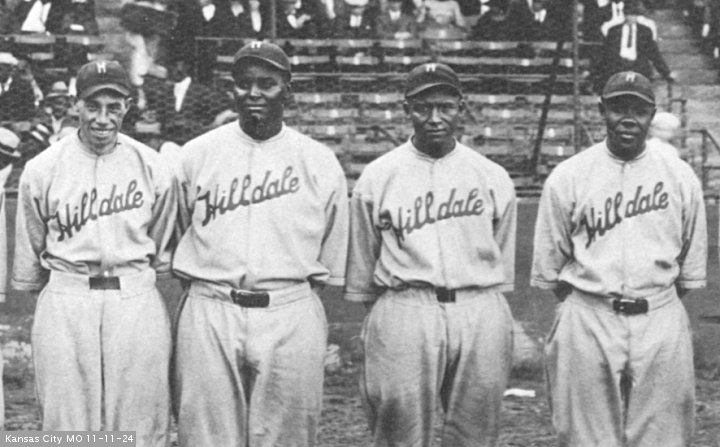

Furman Bisher has a piece at the fishwrapper site about Joe Torre. (The link no longer works.) The punch line is that Mr. Torre “grew up” when the Braves traded him to St. Louis. PG was a kid when this was going on, and did not hear a lot of what went on.
In 1965, the Braves played a lame duck year in Milwaukee before moving to Atlanta. One night, there was an exhibition game at Atlanta Stadium, the Braves against the Yankees. PG got his oh so patient dad to take him to the clubhouse after the game, to get autographs. In those days, you could go into the bowels of the stadium and wait outside the locker room. Hank Aaron signed dozens of autographs while smoking a cigarette. Joe Torre came out, hid behind a truck, and took off running.
Mr. Torre was a raccoon eyed catcher for the Braves. In the first regular season game in 1966, he hit two home runs, in a thirteen inning loss. Soon, the novelty of big league baseball in a toilet shaped stadium wore off. Mr. Torre got at least one DUI, and a reputation as a barroom brawler. He was traded to St. Louis in 1968. Mr. Torre hit .373, and won the national league MVP in 1971.
The comments to the feature by Furman Bisher were interesting. Cecil 34 contributes “The reason that Torre was traded is because on the team’s charter flight back to Atlanta back in 68, a drunken Torre got into a fistfight with Aaron. Aaron popped off to Torre, and thus the fight was on, broken up by the other players. Since Aaron was the face of the franchise at the time, Torre was traded. There had been bad blood between them for years before this incident anyway. Reasons vary. But the final nail in the coffin was this fistfight. I was told Torre could pack a punch and Aaron came out on the worse end of it.”
There has been whispering for years about Hank Aaron and his attitude. Furman Bisher made hints once or twice, but there was never anything of substance. It seems that Mr. Aaron does not lack for self confidence. Mr. Aaron was the subject of much racially based abuse while chasing the home run record in 1973, and some anger is justified.
Hank Aaron was known to not get along with Rico Carty. Mr. Carty is a dark skinned man from the Dominican Republic, who was popular with fans. Mr. Carty was eventually traded. Rico Carty had a barbecue restaurant on Peachtree Road in Chamblee, next door to the Park and Shop.
Joe Torre was the manager of the Braves in the early eighties. The team won a divisional title in 1982, but lost the NLCS. This was after Ted Turner bought the team. Mr. Turner fired Mr. Torre in 1984.
Getting back to the comment thread, Misterwax contributes “Turner cut Joe Torre loose because Ted was in love with Henry Aaron and Aaron thought Joe Torre was a white supremacist….A hangover from the clubhouse days when they were teammates…still does today. And THAT is the only reason he was cut…because Hank Aaron said so.”
Hank Aaron was recently quoted on Barry Bonds and Steroids. Joe Torre retired as manager of the Los Angeles Dodgers in 2010. He won four World Series as manager of the New York Yankees. Furman Bisher outlived Bear Bryant by 26 years, passing away March 18, 2012. Selah.



688


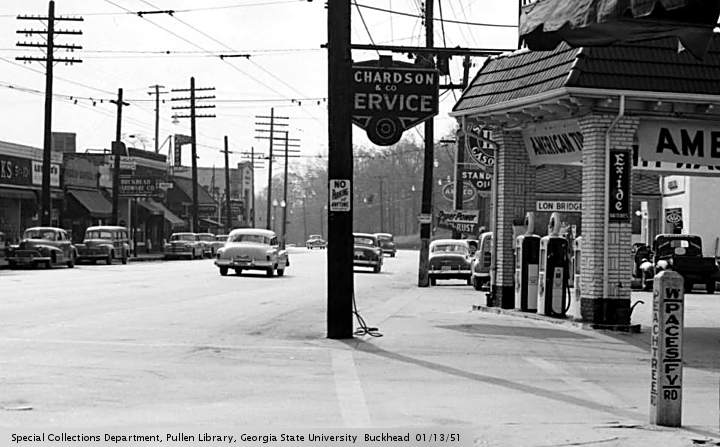

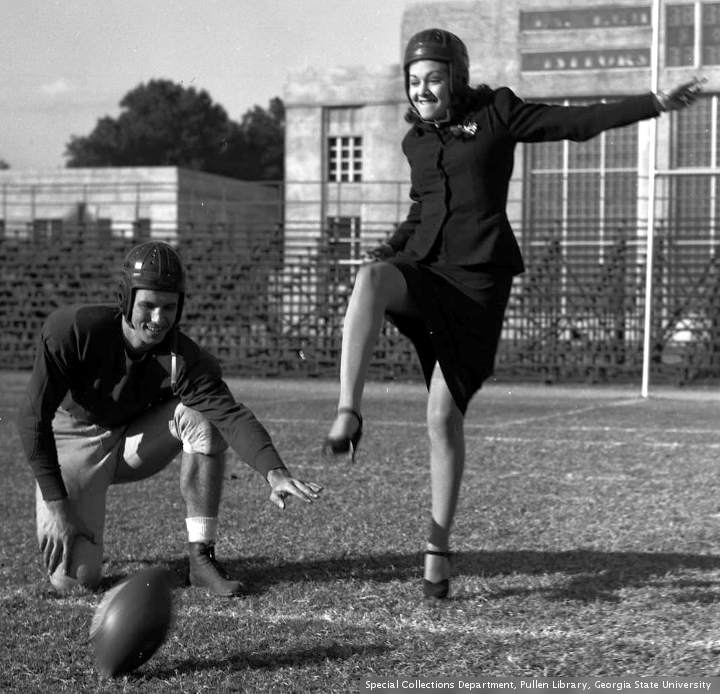
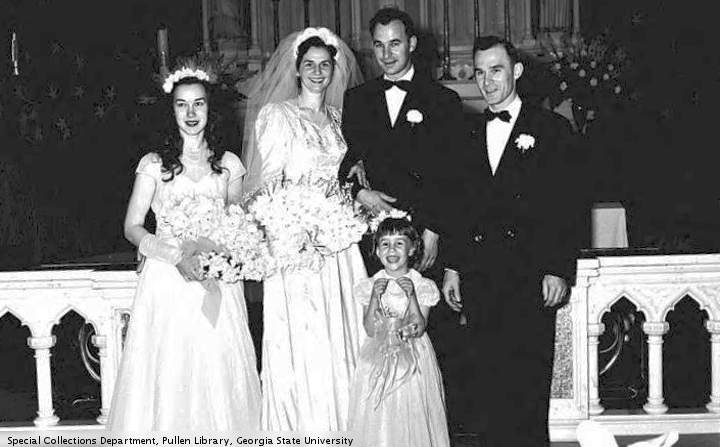
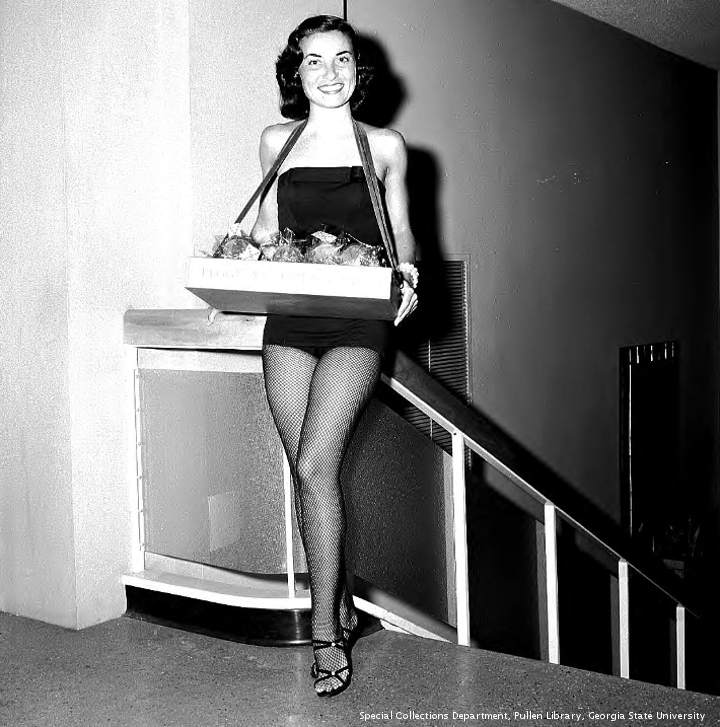




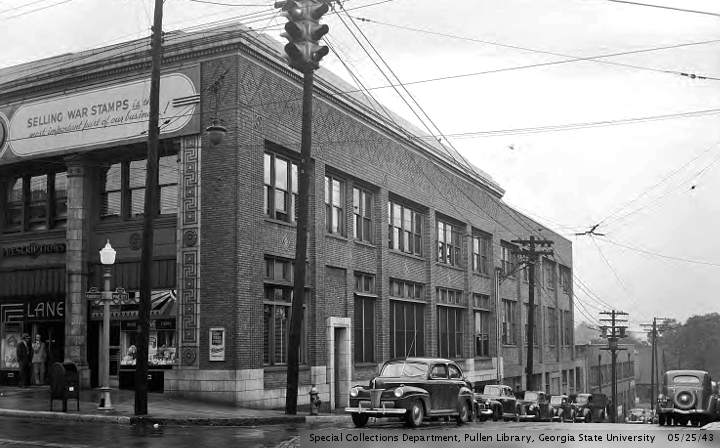

There was a comment at Chamblee54. “Steve Loehrer – So tell me what you know about Rose’s Cantina. I booked the music there from 1978-80 – Thorogood, Delbert, The Thunderbirds, The Fans, The Razor Boys and on and on. I was the one that did it. And I probably know you.” This blog has previously published features about the Great Southeast Music Hall, Richards, and the Georgian Terrace Ballroom. One more music venue post is not going to hurt anyone, and will be a good excuse to post some more pictures, from “The Special Collections and Archives, Georgia State University Library”. This is a repost.
688 Spring Street is a nondescript building, located down the hill from the Varsity. At one time, a company called Southern Tailors made wine jackets there. It is currently a Concentra Urgent Care Center. In between, it was the site of two rock and roll nightclubs, Roses Cantina and 688. One block over, at 688 West Peachtree, is a Catholic Construction management office.
House manager Rose Lynn Scott is quoted as saying “You know, we really aren’t sure exactly when it all started and ended,” Scott said. “Honest to God, we weren’t paying that close attention.”PG first knew about it around 1977, and really didn’t go very often. There is a running list for this post, and whenever a new band sinks into the mush, it is duly noted. Some band did “Love Gun,” which sounds remarkably similar to “Amphetamine Annie” by Canned Heat.
The punk rock revolution did not completely pass Atlanta by. A band called the Fans said they were making the pop music of the eighties. PG saw them twice at Roses, and they might be the only time he ever paid to get in. They were an impressive outfit, doing Velvet Underground and Telstar. Later, they opened for Talking Heads at the Agora, and were pretty awful. Much, much later, PG shared an apartment with the brother, of the drummer, for the Fans. Also living there was the brothers wife, a cable guy, seven snakes, a ferret, and a cat.
Back to the words of Rose Lynn, “It was a dive bar supreme and proud of it.” The stage was in the middle of the house, with a game room behind the stage. If you liked to shoot pool and listen to bands, this was the place. As for drinking, PG might get a beer or two, but mostly got bombed at other spots.
In those days, PG would go rambling from club to club, often accompanied by his friend Dinkson. One night, they stumbled in on a three piece band. They did a song called “Madison Blues”, with the guitar playing slinging riffs, and the bass playing playing the same notes over and over, never changing the look on his face. This was George Thorogood and the Destroyers.
One other night, PG stumbled in on the last few minutes of a show by the Brains. They wrote a song called “Money Changes Everything” that Cyndi Lauper did well with. This is another great local band that never seemed to get a national audience. Another night, some old black man, possibly John Lee Hooker, was playing guitar.
Around about this time, PG decided to either grow up, or take his childhood seriously. He wound up in Seattle WA. That wore off after a while. On the greyhound bus going home, PG talked to a young lady, who said something about a punk rock club in the Roses Cantina space. This was the 688.
A few weeks later, Iggy Pop did a week at 688. Here, through the miracle of copy paste, is the story. It isn’t plagiarism when you wrote it yourself.
At any rate, by the time PG got back from Seattle, some brave investors decided to have a punk rock club at 688 Spring Street. Soon, Iggy Pop would be playing a week there. In the seventies, the bands would play for five days at the great southeast music hall or the electric ballroom, two shows a night, and if you were really cool you would go on a weeknight before it got too crowded. Soon after that, it was one night in town only, and you either saw it or you didn’t.
PG had a friend at the Martinique apartments on Buford Hiway. There was someone living in the complex known as ZenDen, who sold acid. You would go to his place, wade through the living room full of grown men listening to Suzi Quatro, and purchase the commodity.
On to the the 23 Oglethorpe bus, and downtown to 688 Spring Street. Before anyone knew it, the band was on the stage. A veteran of the Patti Smith Group, named Ivan Kral, was playing bass. Mr. Kral sneezed, and a huge cocaine booger fell across his face. He was not playing when the show ended.
There was a white wall next to the stage, and someone wrote the song list on that wall. That list of songs stayed on the wall as long as 688 was open. “I want to be your dog” was on the list, as well as the number where Iggy pulled his pants off and performed in his underwear. Supposedly, in New York the drawers came off, but the TMI police were off duty that night.
The show was loud and long, and had the feel of an endurance event…either you go or the band does. Finally, the show was over, and PG got on the 23 Oglethorpe bus. You got the northbound bus on West Peachtree Street. You could look down, from Fourth street, and see the Coca Cola sign downtown. Freeway expansion sent that section of West Peachtree to old road hell.
Twenty years after that, PG worked in a building at that corner of Fourth and West Peachtree. If he had known about the future of working for Redo Blue, PG might have jumped under the 23 Oglethorpe bus, instead of getting on it. The Coca Cola sign was long gone by then.
There was band called Human Sexual Response in those days. PG caught their act at 688. They had three vocalists, wearing matching outfits, and sang a lot of lyric happy songs with really cool harmonies. The problem was, PG was not familiar with those oh so witty lyrics, and did not know what it was all about. At least he got out of the house.
Kevin Dunn played guitar for the Fans. (He had an ad for guitar lessons on the bulletin board at Wax and Facts. It said that raising racing turtles was more profitable than playing guitar.) One night at 688, he performed with his band The regiment of women. They opened for someone, possibly the Plastics, who we will get to in a minute. So, this guy plays guitar and sings, and a woman plays a drum machine. No skin pounding drummer, but a lady who twisted the knobs on a machine.
The Plastics were from Japan, and did a killer version of “Last Train to Clarksville”. It was about this time that PG got a job, and decided that he liked sleeping better than hanging out downtown.
One night, about 1983 or so, PG made an exception. The band that night was Modern English. Before the show, PG ate three z burgers from the Zestos on Ponce de Leon. During the show, the singer rubbed his stomach, and said to feel the music. About this time, the z burgers were making their presence known, and PG could feel something, but it wasn’t the music.
The last show PG saw at 688 was Hüsker Dü. The best guess is February 14, 1986. There was a totem pole, made of old TV sets, in the front part of the club in 1986. Here is the story.
Hüsker Dü means “do you remember” in Danish and Norwegian. PG saw them sometime in the eighties. It might have been the metroplex, but it might have been the 688. There is a list of shows they played, and the metroplex is not on there.
PG saw a show at the Metroplex the next night. The band is forgotten. The metroplex was a dark spooky building on Marietta street near the omni. The balcony was very dark, with everything painted black. PG tripped over a bench.
688 was a different story. PG saw a bunch of shows there, both as 688 and Rose’s Cantina. HD may have been the last show PG saw before they closed. PG was well into the work/sleep lifestyle that preoccupied his life after a certain point, and just didn’t make it out much anymore. A friend won tickets to the show or he wouldn’t have made it.
PG didn’t get into the show very much. HD was a trio, with the later-outed Bob Mould as the guitar g-d. For all of his musical skills, Mould is not much for onstage charisma. PG felt that if he had been more familiar with their music, he would have enjoyed it more. Some bands you can see without hearing their records and get into it right away, where others need a bit of familiarity.






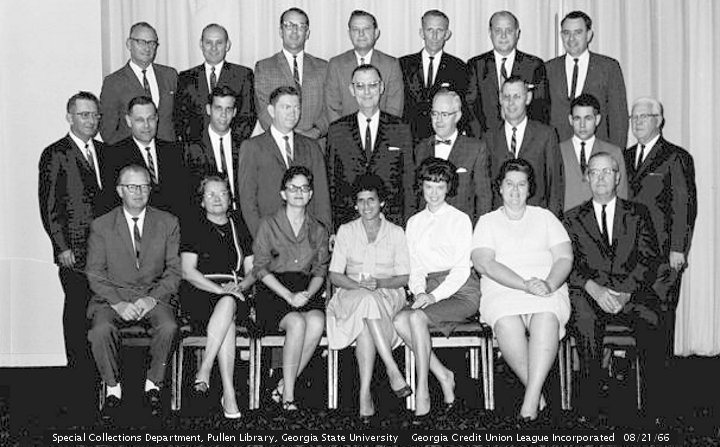
Founding Babydaddies




People often try to justify their opinions by saying that the “founding fathers” agree with them. They often are guilty of selective use of history. A good place to start would be to define what we mean by the phrase founding fathers. This is a repost
The FF word was not used before 1916. A senator from Ohio named Warren Harding used the phrase in the keynote address of the 1916 Republican convention. Mr. Harding was elected President in 1920, and is regarded as perhaps the most corrupt man to ever hold the office.
There are two groups of men who could be considered the founding fathers. (The fathers part is correct. Both groups are 100% white male.) The Continental Congress issued the Declaration of Independence, which cut the ties to England. Eleven years later, the Constitutional Convention wrote the Constitution that governs America today. While the Continental Congress was braver, the Constitution is the document that tells our government how to function. For the purposes of this feature, the men of the Constitutional Convention are the founding fathers.
Before moving on, we should remember eight men who signed the Declaration of Independence, and later attended the Constitutional Convention. Both documents were signed by George Clymer, Benjamin Franklin, Robert Morris, George Read, Roger Sherman, and James Wilson. George Wythe left the Convention without signing the new document. Elbridge Gerry (the namesake of gerrymandering) refused to sign the Constitution because it did not have a Bill of Rights.
The original topic of this discussion was about whether the founding fathers owned slaves. Many people wonder about this. If you go to google, and type in “did the founding fathers”, the first four answers are owned slaves, believed in G-d, have a death wish, and smoke weed.
The answer, to the obvious question, is an obvious answer. Yes, many of the founding fathers owned slaves. A name by name rundown of the 39 signatories of the Constitution was not done for this blogpost. There is this revealing comment at wiki answers about slave ownership.
“John Adams, his second cousin Samuel Adams, Alexander Hamilton, and Thomas Paine were the only men who are traditionally known as founding fathers who did not own slaves.
Benjamin Franklin was indeed a founder of the Abolitionist Society, but he owned two slaves. Franklin’s newspaper, the Pennsylvania Gazette, routinely ran ads for sale or purchase of slaves.
Patrick Henry is another founding father who owned slaves, although his speeches would make one think otherwise. Despite his “Give Me Liberty or Give Me Death” speech, he had up to 70 slaves at a time. He did apologize from time to time. He knew it was wrong, he was accountable to his God, and bemoaned the “general inconvenience of living without them.”
Patrick Henry was a star of the Revolution, but not present at the Constitutional Convention. The author of the Declaration of Independence, Thomas Jefferson, was in Europe during the convention. Mr. Jefferson not only owned slaves, he took one to be his mistress, and kidsmama.
One of the more controversial features of the Constitution is the 3/5 rule. Here are the original words. “Representatives and direct Taxes shall be apportioned among the several States which may be included within this Union, according to their respective Numbers, which shall be determined by adding to the whole Number of free Persons, including those bound to Service for a Term of Years, and excluding Indians not taxed, three fifths of all other Persons.” In other words, a slave was only considered to be 60% of a person.
This was a compromise. It The agricultural southern states did not want to give up their slaves. The northern states did not want to give up Congressional representation. This was the first of many compromises made about slavery, ending with the War between the States. This webpage goes into more detail about the nature of slavery.
The research for this feature turned up a rather cynical document called The myth of the “Founding Fathers” . It is written by Adolph Nixon. He asks : “most rational persons realize that such political mythology is sheer nonsense, but it begs the question, who were the Founding Fathers and what makes them so great that they’re wiser than you are?” (The link for this information keeps changing. Here is the latest. This is not a reliable source.)
Mr. Nixon reviews the 39 white men who signed the Constitution. He does not follow the rule, if you can’t say anything nice about someone, then don’t say anything at all. Of the 39, 12 were specified as slave owners, with many tagged as “slave breeders”.
The Constitution, and the Bill of Rights, have served America well. However it was intended, it was written so that it could be amended, and to grow with the young republic. It has on occasion been ignored (when was the last time Congress declared war?). However fine a document it is, it was created by men. These were men of their time, who could not have foreseen the changes that America has gone through. Those who talk the most about the founding fathers know the least about them.


35 Broad Street
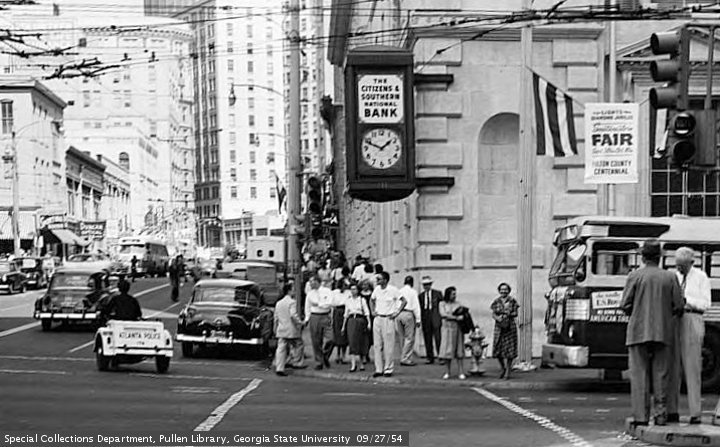
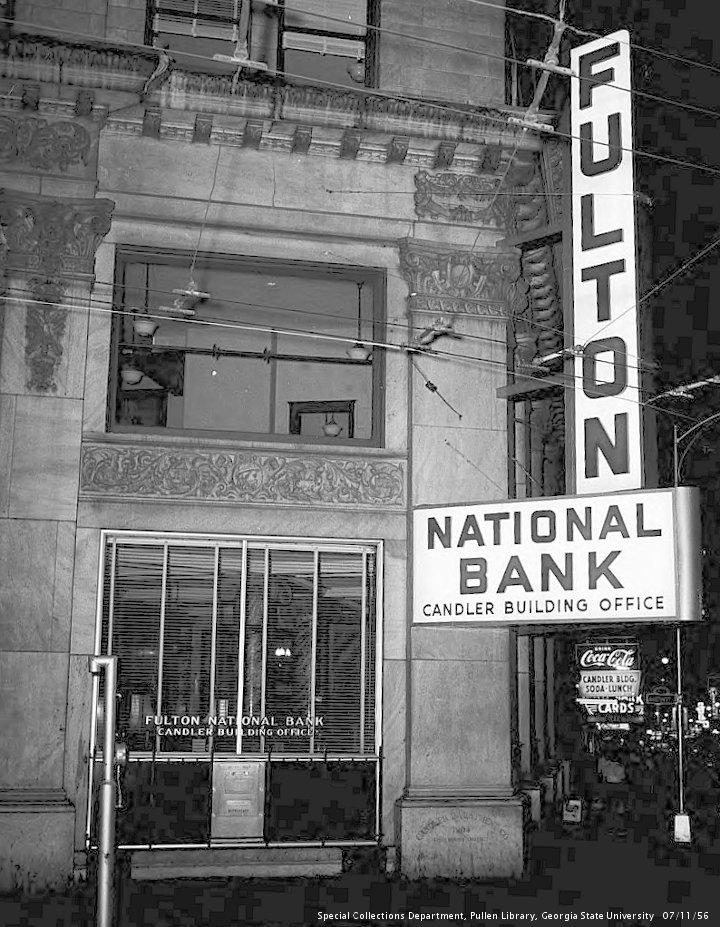
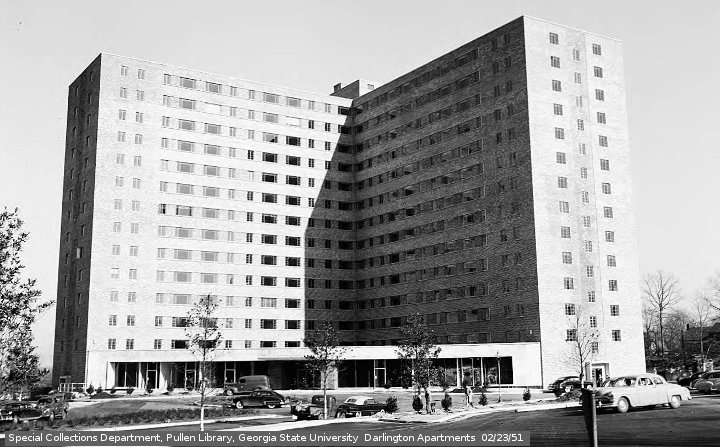
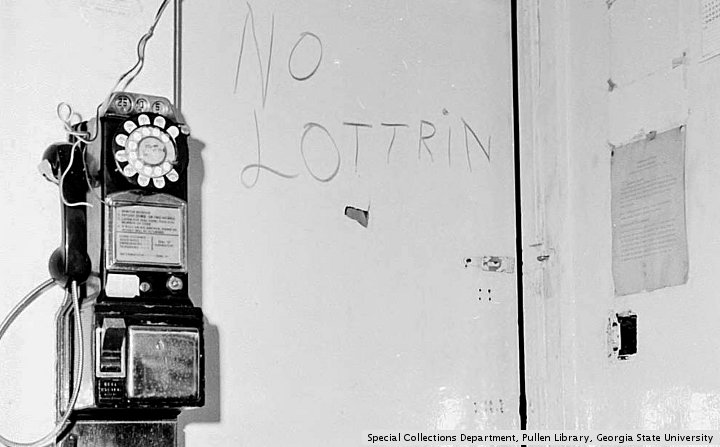
PG was having a delightfully slack afternoon, The one productive activity was editing pictures from “The Special Collections and Archives, Georgia State University Library”. In box seventy two of “corporate bodies”, in the Lane Brothers archive, there was a picture commissioned by King Road Marker Company. It displayed a brand new crosswalk, over Marietta Street at the intersection of Broad Street. The picture was taken at 1:51 p.m. September 27, 1954. This is a repost.
The time caught PG’s eye. 1:51 is one of the times used to display clocks and watches in advertising. Most ads use 10:09. This arrangement of the hour and minute hands makes a welcoming gesture. This allows the logo of the watch to be visible, and is thought to encourage the viewer to purchase the timepiece. The shadows on the buildings indicate that the picture was shot in early afternoon.
The clock with the magic time advertised the C&S national bank. The building behind the clock was the headquarters of that bank. In 1954, Citizens and Southern bank was a prime player in the Atlanta market. (PG’s dad said that C&S stood for choke’m and squeez’m.) At some point, C&S merged with NCNB to become Nationsbank, which was later absorbed by Bank Of America.
C&S kept it’s headquarters at 35 Broad Street for many years after competitors built trophy buildings. Their were constant rumors about where the C&S highrise was going to go. Finally, C&S Plaza was built at Peachtree and North Avenue, a mile north of five points. The building was to become the tallest building in America outside of New York and Chicago. During the construction of this building, C&S became part of Nationsbank, and later Bank of America.
The picture is featured in Atlanta Time Machine. The building is now owned by Georgia State University, with a BOA branch on the first floor. The banking hall is spectacular. It was designed by Philip Shutze, before the great depression. Here is more information.
Nations Bank Building (Citizens and Southern National Bank Building, Empire Building)
35 Broad Street, NW 1901: Bruce and Morgan, Architects, NR.
Remodeling of Lower Floors and Interiors 1929:
Hentz, Adler and Shutze, Architects; Philip Shutze, Designer
Fourteen stories high, the Nations Bank Building was the first steel-frame structure to be built in Atlanta. Its clear-cut silhouette, simple fenestration, and heavily decorated terra-cotta top bear the influence of the Chicago School. In 1929 the building became the headquarters of the Citizens and Southern National Bank, which asked Philip Shutze to redesign its three lower floors. Because the impression of load-bearing masonry was regarded as better suited for a banking establishment than large glass panes were, the original display windows were replaces by classical motifs apparently “carved out” of Indiana limestone.
Philip Shutze was inspired by Italian Mannerism, and especially by the city gates of Verona by Michele Sanmichelo (1484-1559) … Reached from Marietta and Walton streets through lofty arcaded entryways and a more intimate elevator lobby in the early Renaissance style on Broad Street, the banking hall is a long nave articulated by colossal Corinthian pilasters. While its walls and floors feature several kinds of Georgia, Tennessee, and European marbles in a warm gold-brown color scheme, the ceiling, from which hang gigantic chandeliers, is left bare. The Pantheon, which Shutze had measured during his internship at the American Academy in Rome, served as direct source for the pedimented niches, and for the floors with alternate square and circular patterns. Also, of Roman inspiration are the bronze desks and the eagle motif found throughout the design.


 Chamblee54
leave a comment